Interactive Touchscreen Kiosk Software: Comprehensive 2026 Comparison & Selection Guide
Organizations across education, museums, nonprofits, and corporate environments increasingly recognize interactive touchscreen kiosks as powerful tools for visitor engagement, information delivery, and community recognition. Selecting appropriate kiosk software determines whether installations become valued assets that communities actively use or expensive displays that stakeholders ignore.
Read More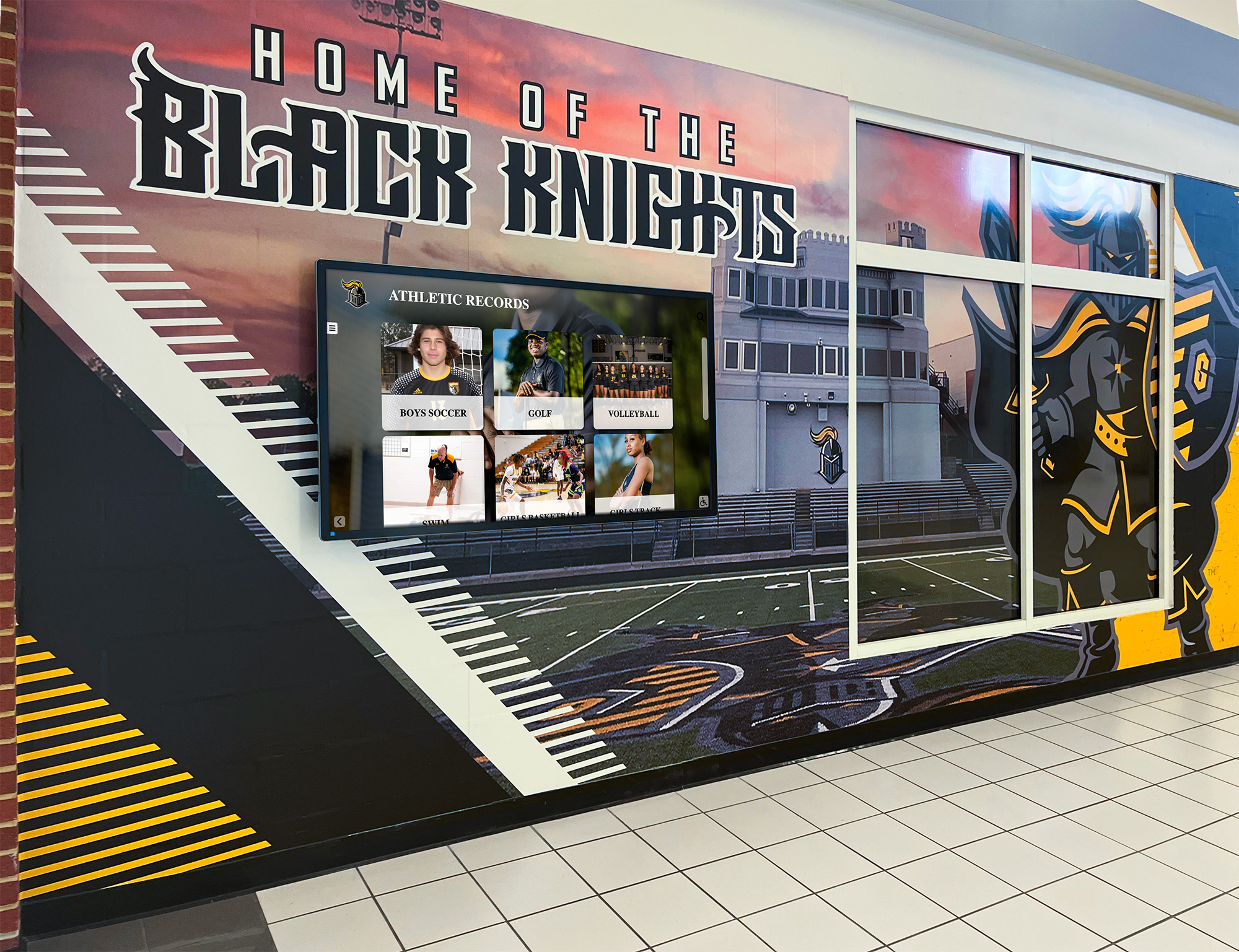
Digital Record Board for Campus Engagement: 20 Ideas Blueprint for Interactive Athletic Recognition Programs
Digital record boards represent a fundamental shift in how educational institutions engage campus communities through achievement recognition. These interactive touchscreen systems display athletic records, academic milestones, and institutional accomplishments while creating active gathering points that connect students, alumni, parents, and visitors with institutional heritage in ways static plaques and trophy cases cannot match.
Read More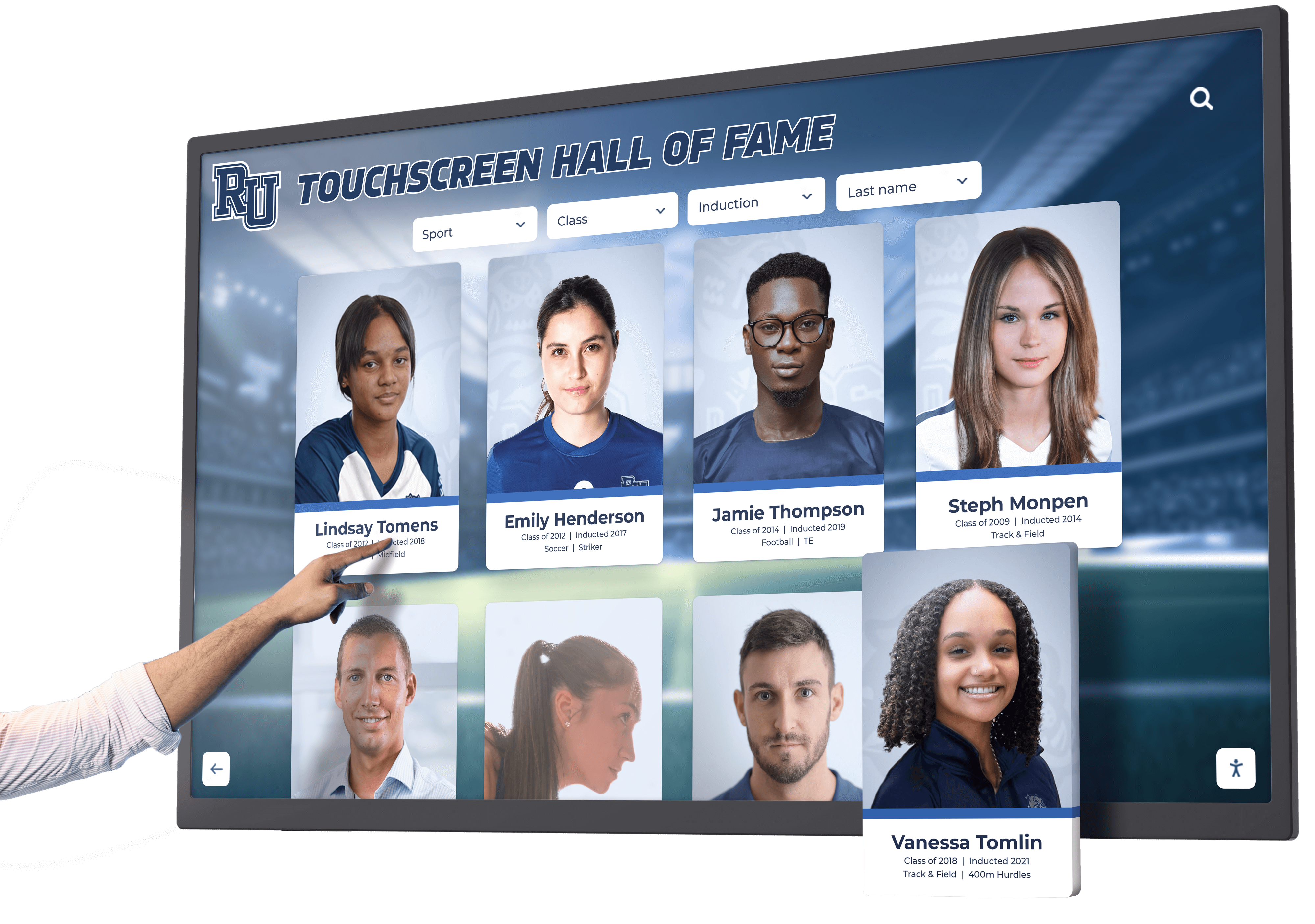
Best Touchscreen Hall of Fame Solutions for Schools and Organizations in 2026: Complete Guide
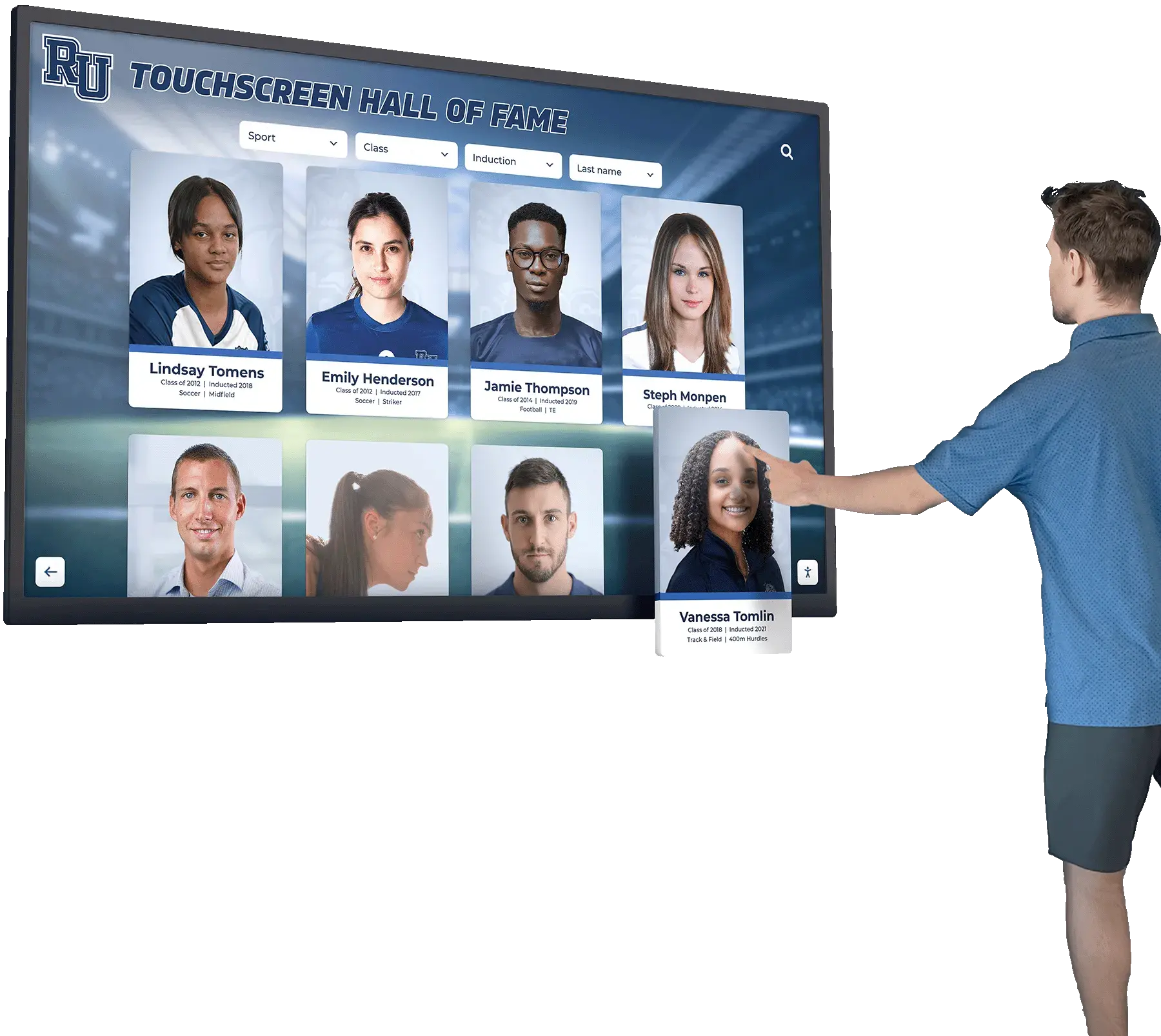
Schools, universities, athletic programs, and organizations across the country face a fundamental challenge when honoring distinguished achievements: traditional trophy cases and plaque walls impose strict capacity limits, require physical access for updates, offer minimal storytelling capabilities, and create accessibility barriers that exclude community members from fully experiencing institutional heritage. These limitations force administrators into impossible choices—removing historical recognition to accommodate recent achievements, purchasing additional cases that consume valuable wall space, or accepting that most accomplishments will never receive proper acknowledgment.
Read More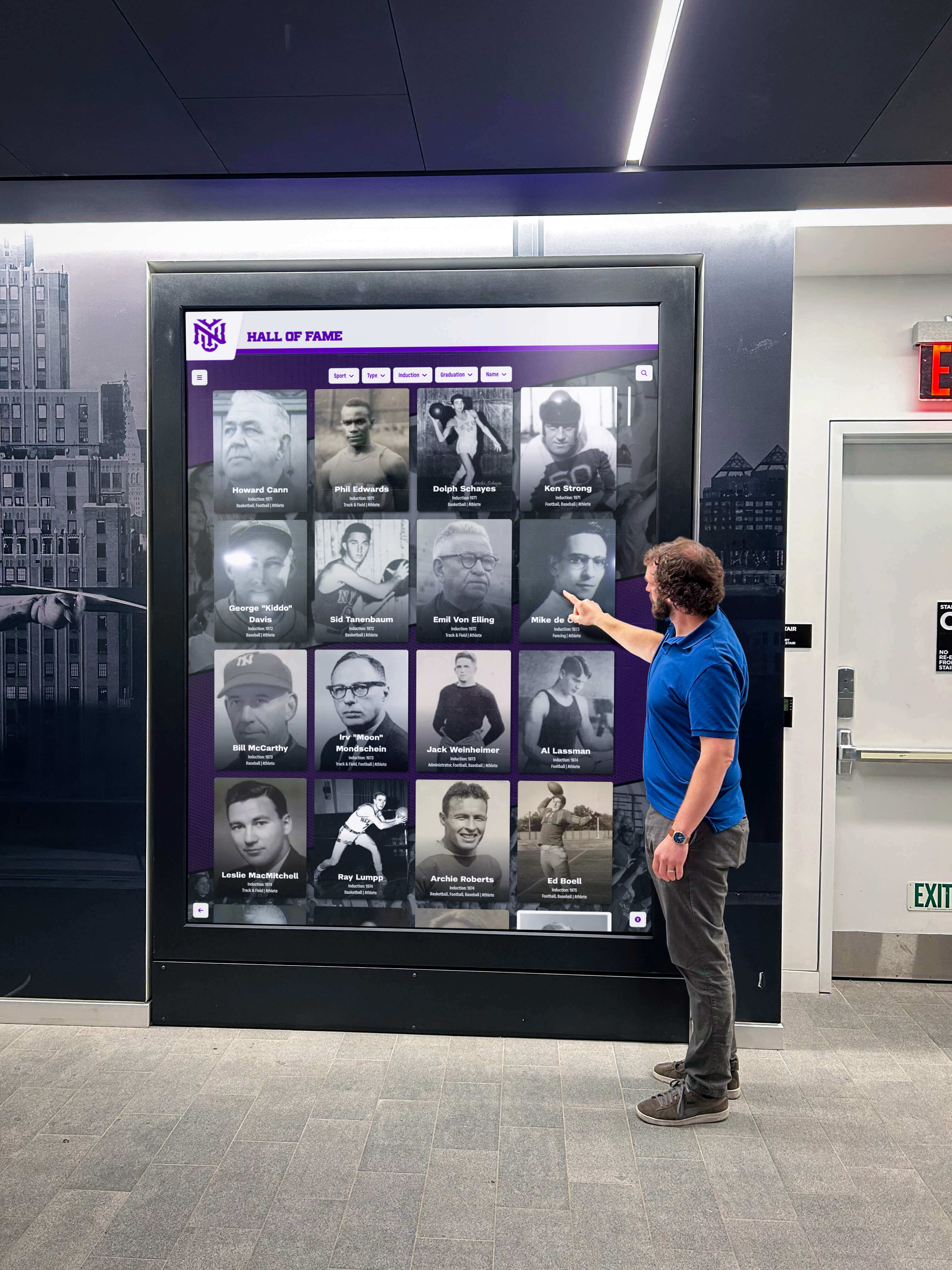
Interactive Displays for Education: How Schools Use Touchscreen Technology
Schools across the country are discovering that interactive displays and touchscreen technology create fundamentally different engagement patterns than traditional passive displays or static bulletin boards. When students can touch, explore, and interact with digital content rather than simply viewing it, information retention improves, curiosity increases, and institutional connections deepen in measurable ways.
Read MoreTurnkey Digital Hall of Fame Display Pricing for Schools: Complete Setup, Content & Training Guide
When administrators search for digital hall of fame displays, many discover a frustrating reality: most vendors sell only hardware or software, leaving schools to coordinate multiple contractors, manage installation logistics, digitize historical content, train staff, and integrate everything into a working system. This fragmented approach creates hidden costs, extended timelines, and implementation stress that schools rarely anticipate when budgeting for recognition projects.
Read More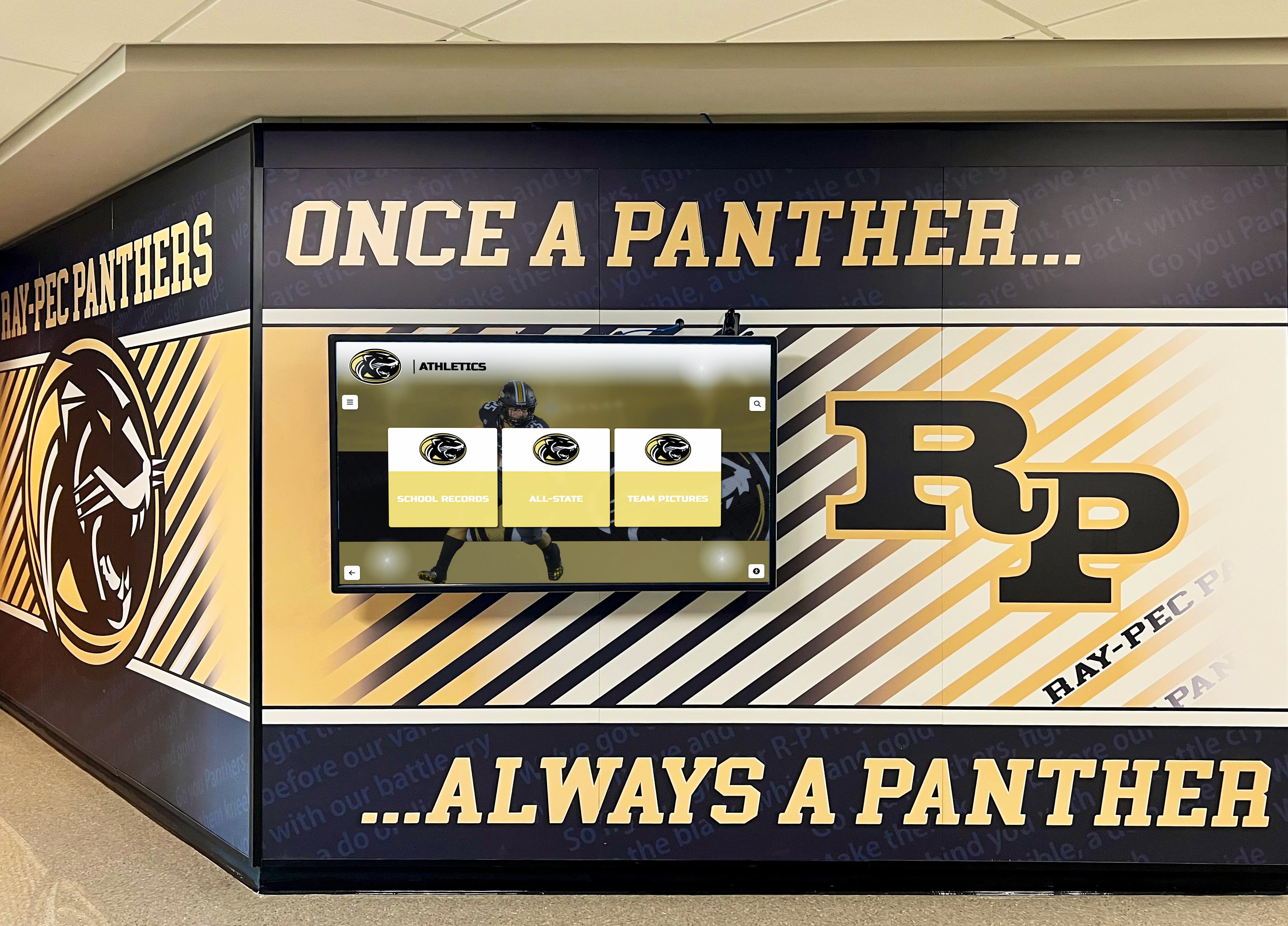
Digital School Signs: How to Choose and Implement Effective School Signage
Intent: Define — School administrators face mounting pressure to modernize communication systems while managing tight budgets and competing priorities. Traditional static signage—bulletin boards crammed with outdated flyers, hand-lettered posters announcing past events, and weathered banners celebrating achievements from years ago—fails to meet the dynamic communication needs of today’s educational institutions. Meanwhile, students, parents, staff, and visitors expect timely, relevant information delivered through the same digital channels they experience everywhere else.
Read More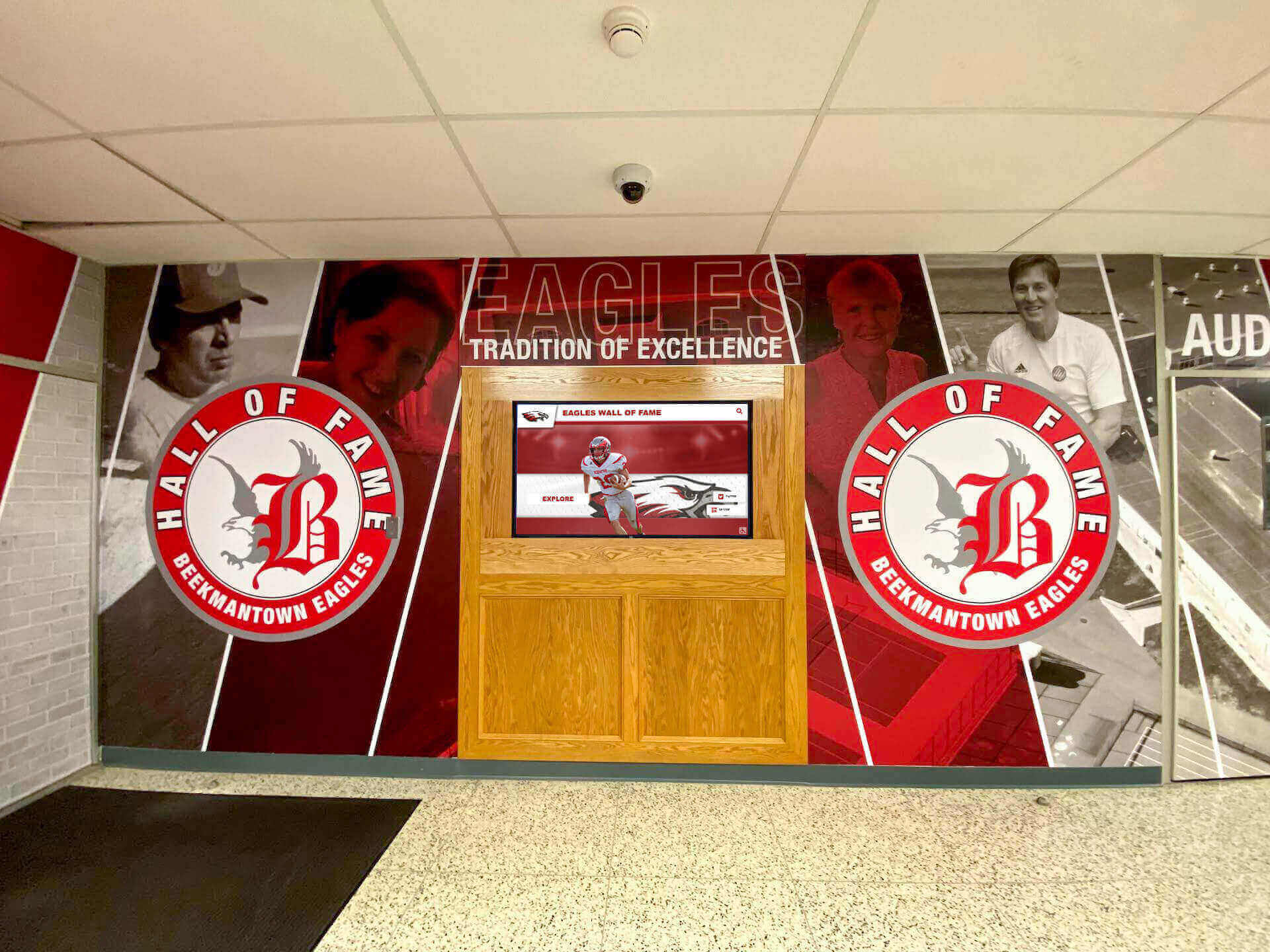
Why Rocket is Great for Small to Medium Public High Schools: Budget-Friendly Recognition That Grows With Your Community
Small to medium public high schools face distinct recognition challenges. With enrollment between 200 and 800 students, these schools manage significant achievement across athletics, academics, fine arts, and service—yet operate under strict budget constraints, compete for limited wall space, and serve communities that expect equitable recognition for all accomplishments. Traditional plaques and trophy cases force impossible choices: honor a few standout moments or leave achievements uncelebrated.
Read More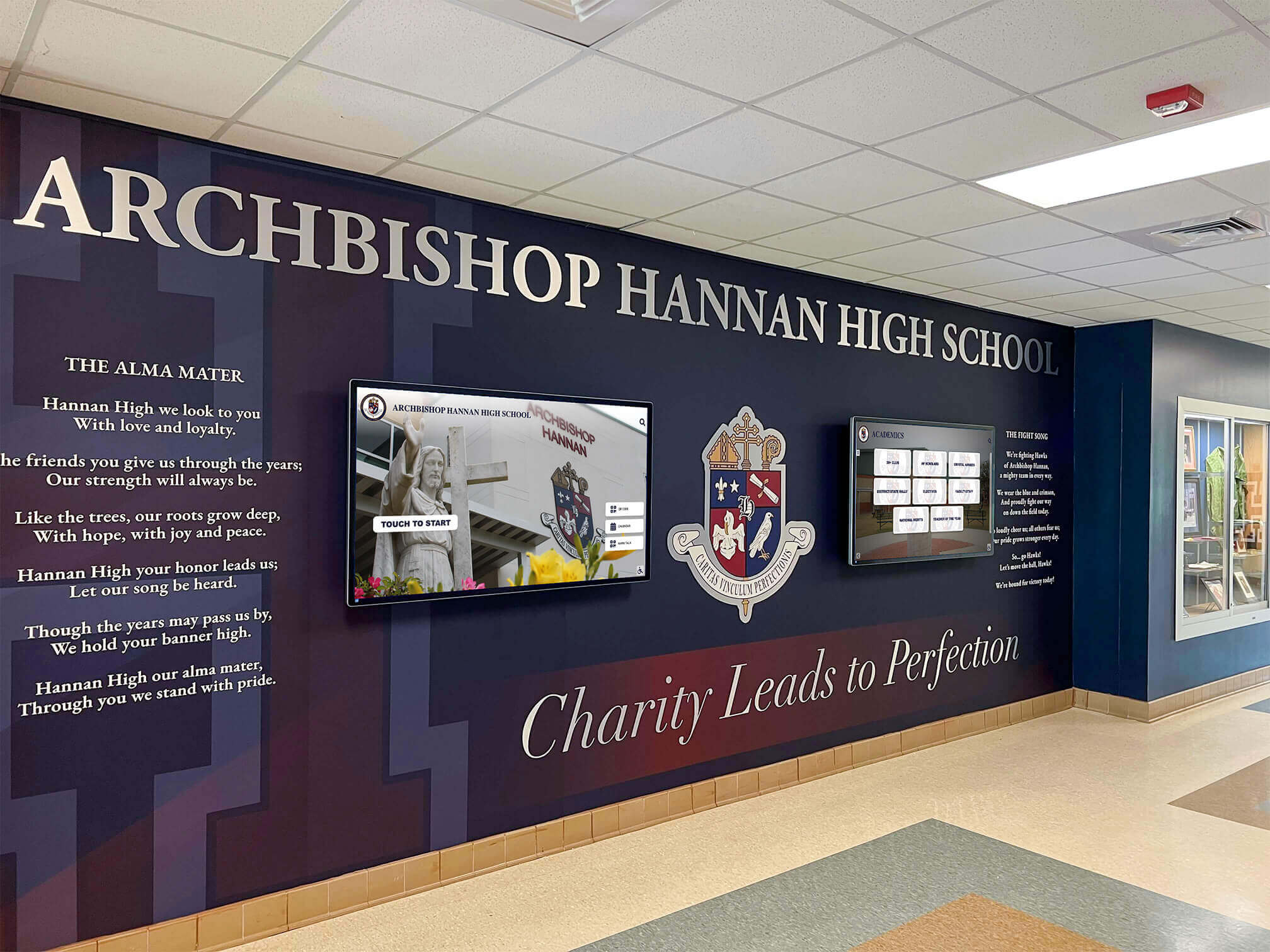
Rocket Alumni Solutions Software on Unlimited Screens - No Hidden Costs
Schools and organizations planning multi-screen digital display networks face a frustrating pricing reality: many vendors advertise affordable base pricing but charge additional licensing fees for each screen you add. Want recognition displays in your gymnasium, lobby, and cafeteria showing different content? That often means multiplying your software costs by three—or more.
Read More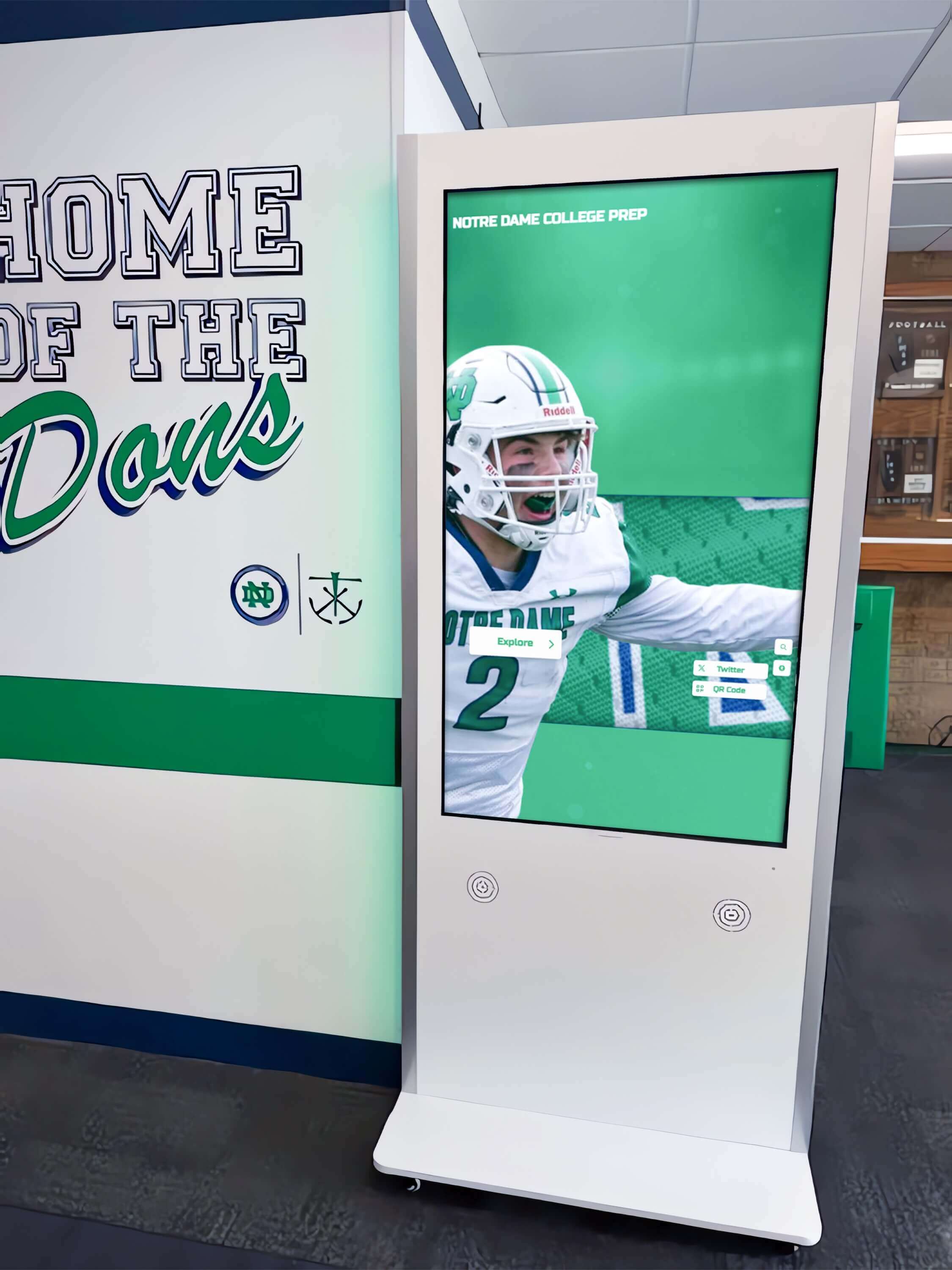
Why Rocket Touchscreen is Great for Small Schools and Not Overkill: A Practical Defense
Small schools evaluating digital recognition displays frequently encounter a familiar objection: “A platform like Rocket seems like overkill for our needs—we just want to show photos and schedules, maybe recognize a few teams. Why not stick with Google Slides or a basic digital signage player?” The concern sounds reasonable. Why invest in database-backed recognition platforms with analytics, donor tracking, searchable archives, and sophisticated content management when your immediate need involves displaying championship teams and a calendar?
Read More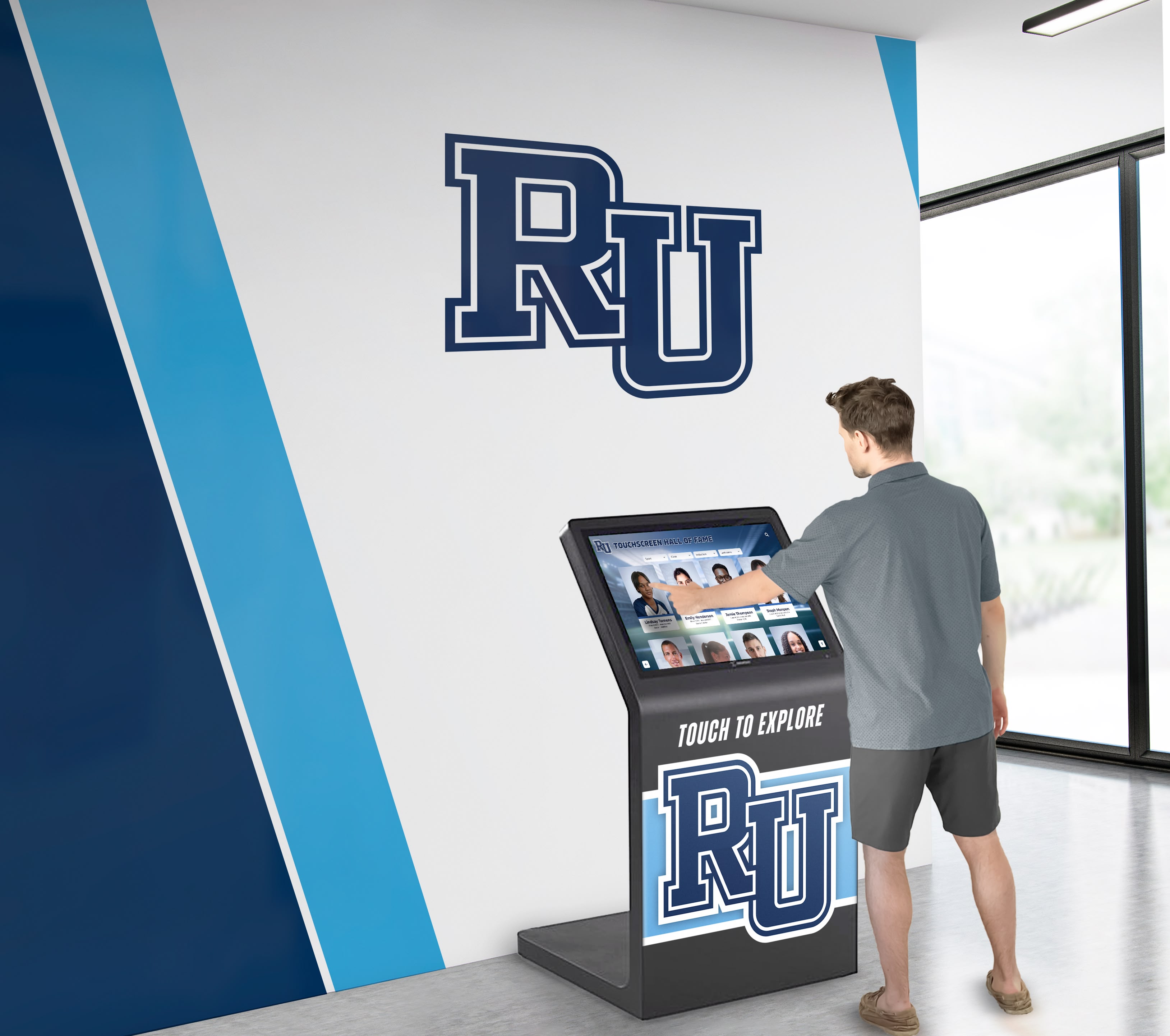
Design Consistency & Creative Freedom: How to Reduce Fragmented Visuals in Digital Recognition Programs
Modern digital recognition programs face a persistent challenge: schools want unique displays that reflect their identity, yet they lack the resources to build and maintain completely custom systems. Traditional solutions force an uncomfortable choice—accept rigid templates that look generic, or commission expensive bespoke designs that create technical debt, accessibility gaps, and fragmented experiences over time.
Read More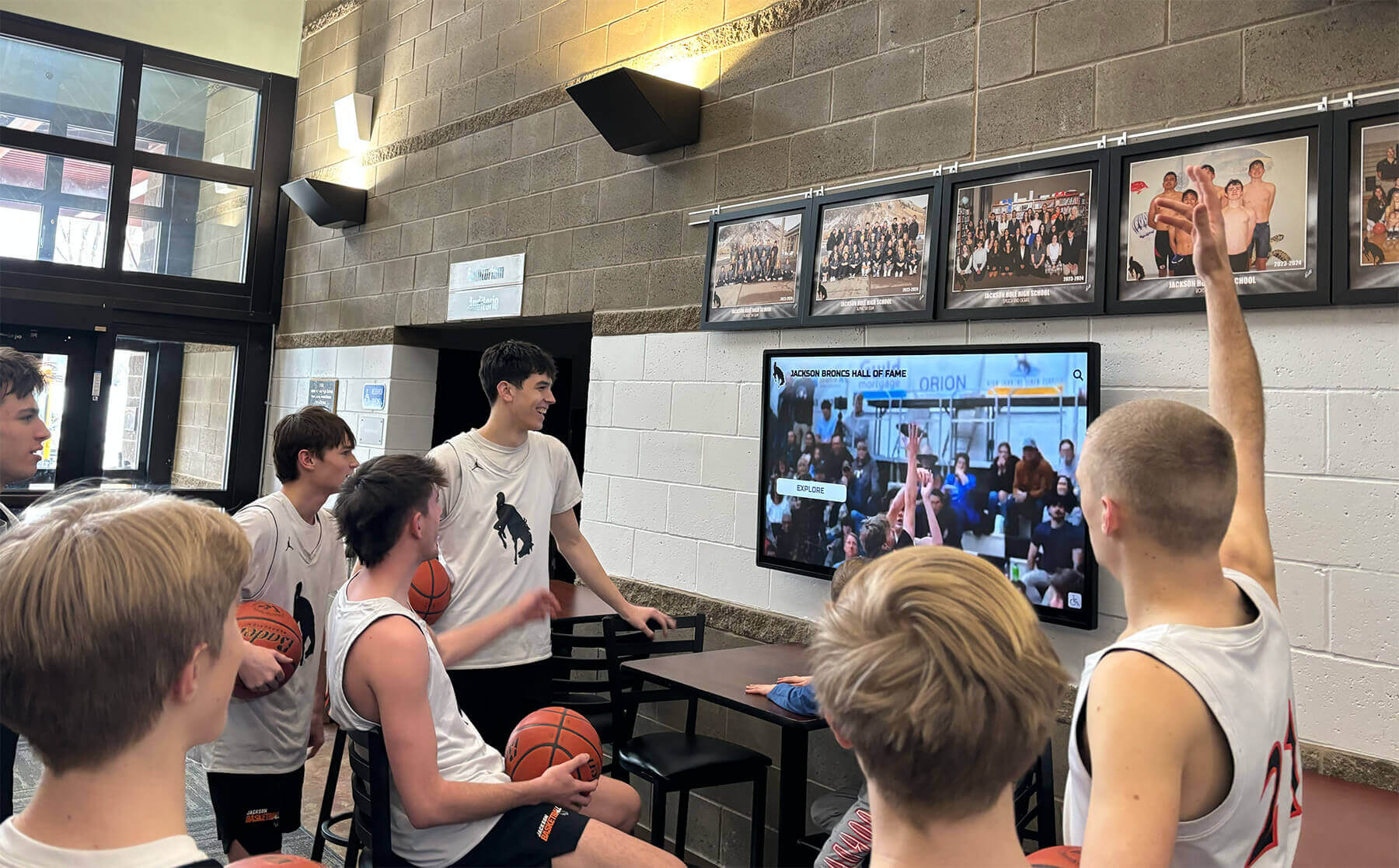
Digital Signage for Schools: How Interactive Displays Transform Communication
School administrators face mounting pressure to communicate more effectively with increasingly diverse audiences—students, parents, staff, visitors, and community members—all while managing limited budgets, overstretched personnel, and competing priorities. Traditional communication channels struggle to keep pace: bulletin boards grow cluttered and outdated, paper flyers disappear into backpacks, morning announcements fade from memory, and website updates reach only those actively seeking information.
Read More