Digital Hall of Fame Same-Name Inductee Disambiguation Guide
Hall of fame same name inductee disambiguation is the practice of assigning and documenting distinguishing attributes — graduation year, sport, team, position, or era — so that two inductees who share a name are stored as separate, uniquely identifiable records in the recognition platform’s CMS, returned as distinct search results, and displayed to visitors without ambiguity or confusion. When a school’s athletic hall of fame grows across decades, the likelihood of two honorees sharing a first and last name increases substantially. Without a documented disambiguation policy, editors risk merging achievements across two separate individuals, creating search results that return the wrong profile, or inadvertently attributing one inductee’s records to another. This guide gives athletic directors, recognition coordinators, school registrars, and platform administrators a complete framework for identifying name conflicts before they become data errors, choosing the correct disambiguation strategy for each scenario, and encoding the distinguishing information in a form that persists reliably across profile updates, platform migrations, and future inductee additions.
Read More
Digital Hall of Fame Hyphenated Surname Search Rules for Inductee Profiles
Establishing digital hall of fame hyphenated surname search rules is the process of documenting how editors enter compound family names in the recognition platform’s CMS, verifying that the search index surfaces an inductee’s profile when a visitor searches either the full hyphenated form or either surname element alone, and defining how hyphenated names appear in display labels and alphabetical sort order. When a school’s athletic hall of fame adds its first inductee named “Garcia-Lopez,” “Smith-Johnson,” or “Rivera-Castillo,” editors face two immediate practical questions: exactly how should that name be typed into the CMS, and what search queries should reliably return the profile? Without a documented rule set, the same inductee can appear as “Garcia-Lopez” in one CMS record and “Garcia Lopez” in a season roster export — a mismatch that causes one search query to return the profile and another to return nothing. This guide gives athletic directors, IT staff, school registrars, and alumni recognition program managers a complete framework for defining, testing, and enforcing hyphenated surname search rules across a school’s digital hall of fame web directory and touchscreen kiosk.
Read More
Hall of Fame Duplicate Profile Merge Policy: Preserve Credits, Photos, and URLs
A hall of fame duplicate profile merge policy defines how a recognition program identifies inductee records that represent the same person under different names, spellings, or data-entry sessions—and how the program combines those records without discarding credits, photos, source notes, or inbound web links. Duplicate profiles surface in nearly every searchable hall of fame database: a maiden-name entry exists alongside a married-name entry, a hand-keyed record from an older database import conflicts with a new nomination form submission, or a volunteer created a profile for an inductee who was already in the system under a slightly different spelling. When a merge is handled carelessly, career statistics split across both records, archived photographs end up orphaned, and inbound links from alumni newsletters or newspaper archives point to a profile that no longer exists. This guide gives school administrators, athletic directors, alumni and advancement teams, facilities staff, and school IT personnel a practical framework for merging duplicate records while preserving everything that gives an inductee’s profile its institutional value.
Read More
Hall of Fame External Link Policy: Vetting Sources, Alumni Pages, and Archived Media
Intent: define. A hall of fame external link policy establishes which categories of outside sources may be linked from inductee profiles, how each link must be vetted before publication, how links are labeled so visitors understand what they are accessing, and how the program monitors and retires those links over time. Without a written policy, programs add links reactively—a newspaper archive here, an alumni directory page there—with no consistent standard for quality, accuracy, or longevity. When a linked page disappears, changes ownership, or is edited to contradict the inductee’s profile, the program’s credibility is affected by a resource it no longer controls. This guide gives school administrators, athletic directors, archivists, booster leaders, and recognition-program owners a practical framework for governing every external link in a hall of fame’s digital presence.
Read MoreHall of Fame Family Notification Policy: Timing, Contacts, and Sensitive Updates
Intent: define. A hall of fame family notification policy establishes who must be contacted before an induction is publicly announced, in what order, through what channel, and within what time window—and specifies how the program communicates corrections, memorial profile updates, and other sensitive changes after the initial announcement. Without a written policy, programs routinely learn about a family’s loss of a loved one from a third party, send notification letters to addresses that are years out of date, or discover that a living inductee’s spouse heard the news from a neighbor before receiving an official communication. This guide gives school athletic directors, recognition-committee chairs, archives staff, and alumni administrators a practical framework for building a contact hierarchy, sequencing notifications before and after announcement, and handling the sensitive updates that occur throughout a profile’s permanent life in the archive.
Read More
Hall of Fame Content Embargo Policy: Control Early Access Before Induction Announcements
A hall of fame content embargo policy defines which inductee profiles, biographical copy, photographs, and media assets are restricted from publication or distribution before the official induction announcement—and specifies exactly who may access that content, for what purpose, and until what date and time the embargo lifts. Without a written embargo policy, committees that invest weeks preparing inductee profiles risk a premature leak: a draft profile visible to the wrong platform user, a proofing email forwarded outside the authorized group, or a digital display screen that refreshes from a scheduled queue before the announcement is live. This guide gives school administrators, athletic directors, archives staff, and recognition-program leaders a practical framework for classifying embargoed content, assigning early-access rights, enforcing a publication hold, and executing a simultaneous, coordinated release across every channel when the announcement moment arrives.
Read More
Hall of Fame Nomination Confidentiality Policy: Protect Candidates and Committee Deliberations
A hall of fame nomination confidentiality policy defines which nomination materials, candidate identities, and committee deliberations remain private before an inductee class is formally announced—and which documents may be disclosed, to whom, and on what timeline. Without a written policy, committees face pressure from nominators seeking status updates, candidates who discover they are under consideration before a decision is made, and community members who expect transparency the program was never designed to provide. This guide gives school administrators, athletic directors, alumni staff, and recognition-committee leaders a practical framework for classifying sensitive nomination materials, building an access matrix, and establishing a disclosure timeline that protects both candidates and the committee’s integrity throughout the selection cycle.
Read More
Hall of Fame Oral History Consent Form: Interview Rights, Releases, and Archive Use
A hall of fame oral history consent form is the document a school uses to secure a subject’s informed, recorded permission before conducting an interview—covering how the recording may be transcribed, edited, clipped, displayed in a digital exhibit, captioned for accessibility, and preserved in long-term archives. Without that document in place before the camera rolls or the recorder starts, a committee that publishes an audio clip, embeds a video excerpt in an inductee profile, or adds a transcript to a searchable digital archive has created an exposure that may not surface until an alumni subject objects to how their words are being used.
Read More
Hall of Fame Copyright Permission Form: Photos, Programs, Articles, and Video
A hall of fame copyright permission form documents the reuse rights a school committee secures before publishing archival media—photographs, game programs, newspaper articles, and video footage—in an online profile, touchscreen display, or printed ceremony program. Without documented permissions, a committee that publishes a decades-old action photograph or scans a program cover for a digital archive is creating a liability that may not surface until long after the display goes live.
Read MoreHall of Fame Records Retention Policy: What School Committees Should Keep and For How Long
A hall of fame records retention policy defines which documents a selection committee must keep, how long each category must be retained, and where those records should live when the program needs to defend a selection decision, satisfy an auditor, or transition to new leadership. Without a written retention schedule, committees routinely discard files that protect the program—and hold on indefinitely to storage-consuming documents that no longer serve a governance purpose.
Read MoreHall of Fame Conflict of Interest Policy: Rules for Fair School Selection Committees
A hall of fame conflict of interest policy requires every selection committee member to disclose any personal, familial, financial, or competitive relationship with a nominee—and to recuse themselves from evaluating that individual. Without this policy in writing, even a well-run program is one contested induction away from a credibility crisis that can take years to repair.
Read More
Hall of Fame Criteria: Eligibility Rules Schools Should Set Before Publishing Inductees
Every school that publishes an inductee list online faces the same moment of truth: someone asks why a particular person is included—or excluded—and the committee has no written answer. Hall of fame criteria solve that problem before it happens. Defined eligibility rules protect the program’s credibility, protect the committee from political pressure, and give nominees a transparent standard to meet.
Read MoreHall of Fame Committee Roles: Review Calendar, Inductee Workflow, and Digital Archives
Intent: plan. A hall of fame committee is only as effective as the process it follows. Without defined roles, a fixed review calendar, and a documented inductee workflow, even well-intentioned committees drift—nominations pile up, decisions stall, and digital profiles never get published. This guide gives athletic directors, alumni coordinators, and program chairs the governance infrastructure they need before they send a single nomination form.
Read More
Digital Sports Hall of Fame: How Schools Build Searchable Inductee Profiles Online
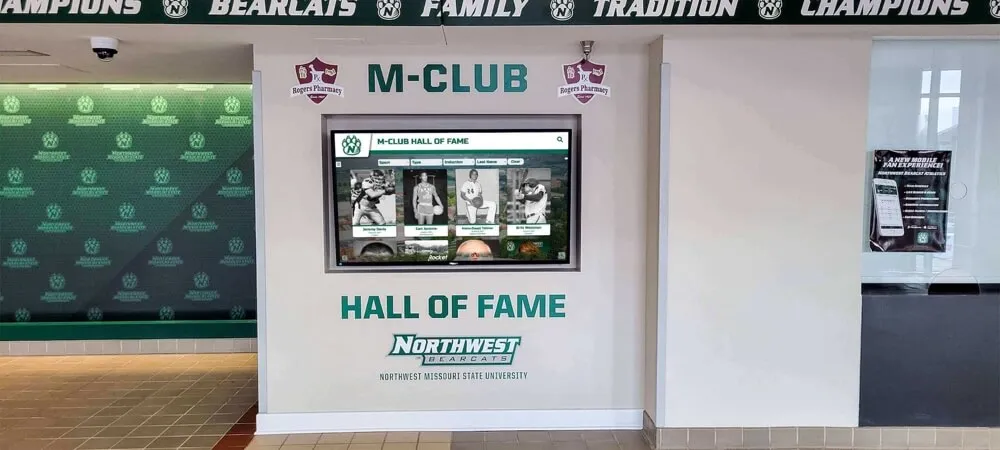
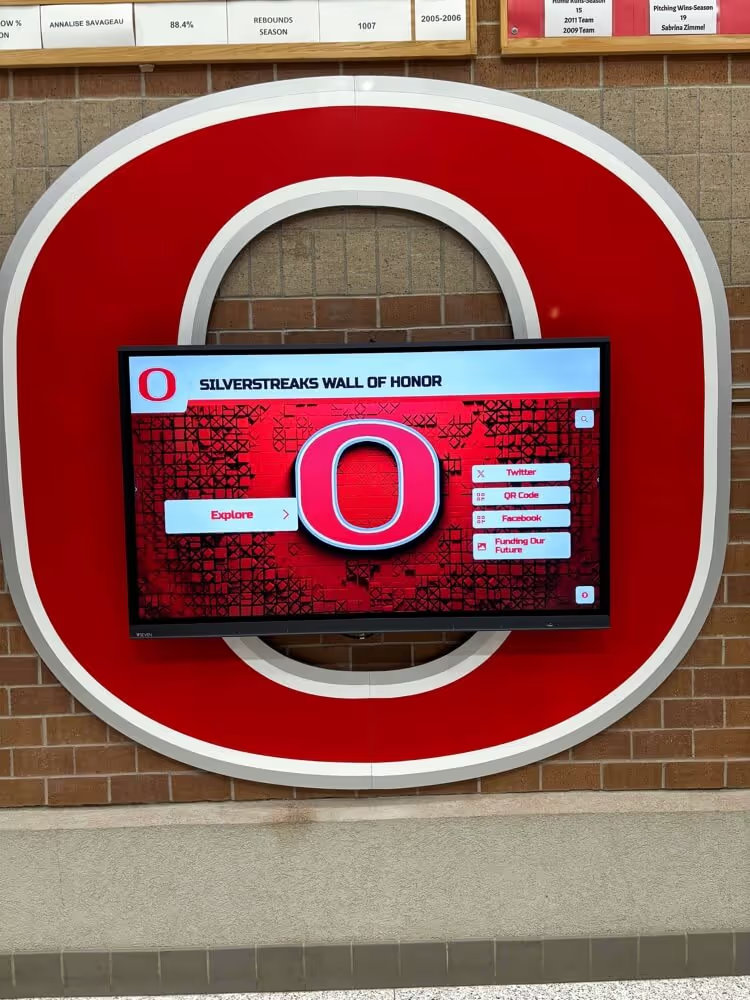
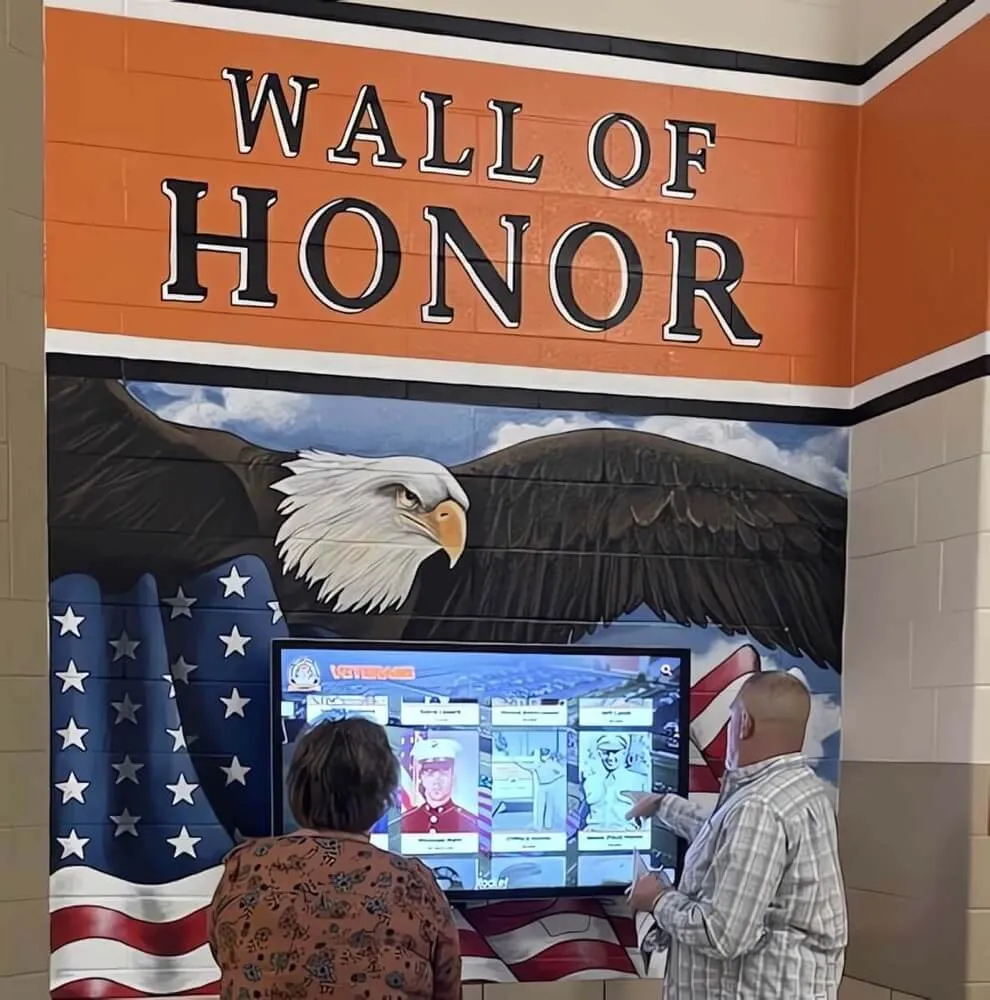
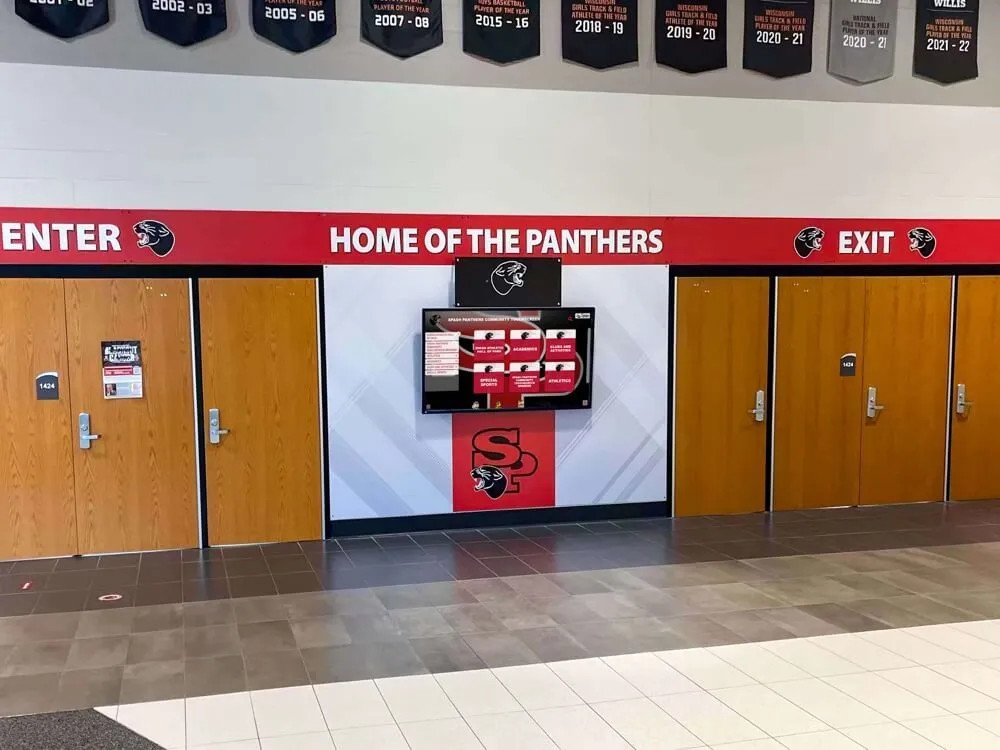
Every school athletic program accumulates decades of achievement — conference titles, individual records, coach milestones, and standout athletes whose names deserve to live on long after graduation. The challenge has always been space: a trophy case can hold only so many plaques, and a plaque can hold only so many names. A digital sports hall of fame solves the space problem entirely, replacing fixed walls with unlimited searchable databases that grow with every induction class and remain accessible to alumni worldwide, prospective families touring campus, and current student-athletes looking for inspiration.
Read MoreHall of Fame Application: What Schools Should Collect Before Reviewing Nominees
A complete hall of fame application packet should include eight items: a completed submission form with basic identifying information, a career achievement summary, verifiable statistics or records, character and service documentation, two to three letters of support, a high-resolution photograph, nominee contact information, and official eligibility verification. Committees that collect all eight materials before opening review sessions reduce incomplete-packet adjournments, protect against disputed decisions, and build the digital profile assets the inductee display will need at induction.
Read MoreHall of Fame Inductee Bio Examples: What Schools Should Include in Every Profile
A strong hall of fame inductee bio includes six core elements: full name and years of affiliation, sport or program category, a 150–300 word achievement narrative, key statistics or records, a brief quote, and a current photo. Schools that standardize these fields across every profile create recognition displays that look authoritative, age well, and are easy to maintain when new induction classes arrive.
Read MoreHall of Fame Bylaws Template: How to Write Governance Rules for Your Online Hall of Fame
A hall of fame without governing documents is a tradition waiting to fall apart. The first induction class runs smoothly because everyone agrees informally. Then a founding committee member leaves, a contested nominee sparks debate about eligibility criteria, or an inductee’s conduct later embarrasses the institution—and there are no written rules to resolve any of it. Schools, booster clubs, athletic associations, and community organizations that formalize their recognition program before problems arise save years of conflict and confusion.
Read More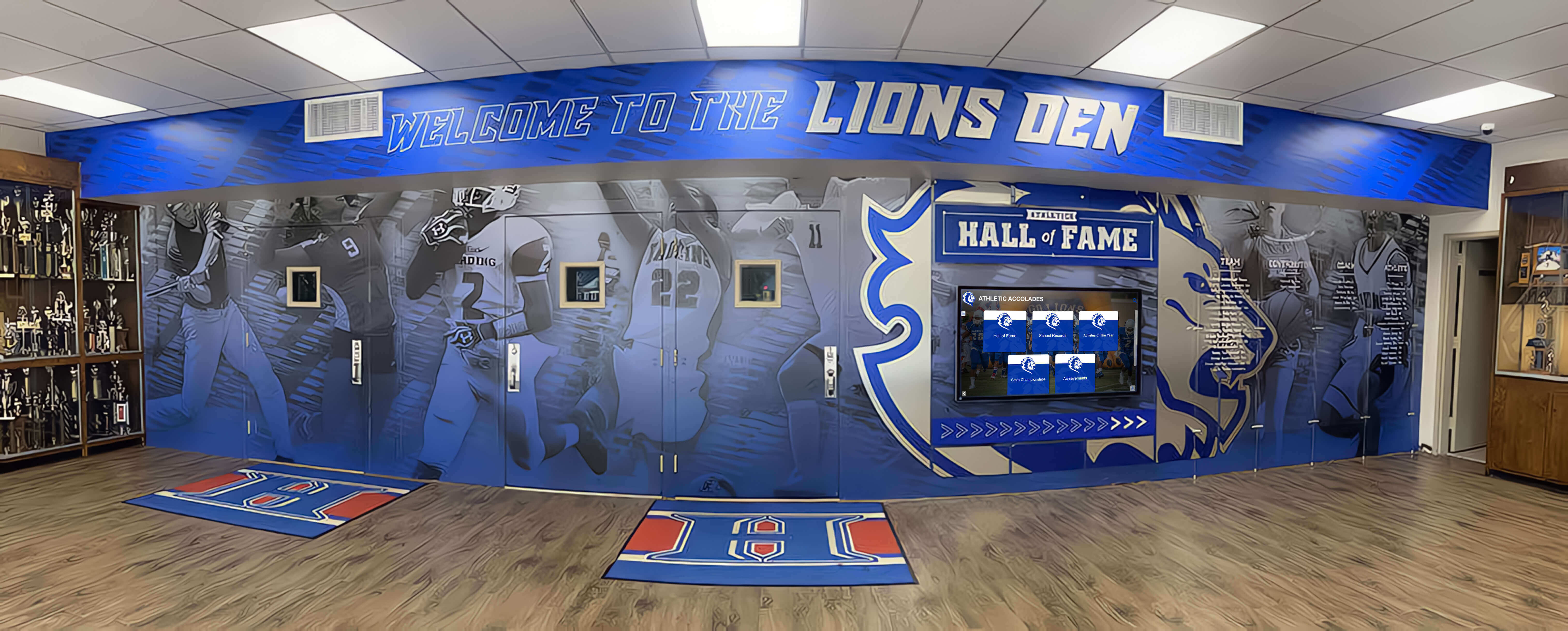
How to Build a School Hall of Fame: A Step-by-Step Planning Guide for Lasting Recognition Programs
School halls of fame represent one of the most prestigious forms of institutional recognition—honoring exceptional achievement, preserving institutional history, and inspiring current students to pursue excellence. Whether recognizing athletic champions, academic scholars, distinguished alumni, or arts performers, well-designed hall of fame programs create lasting traditions that strengthen school identity and community connections across generations.
Read More