Digital Interactive Museum Displays: Complete Implementation Guide for Cultural Institutions
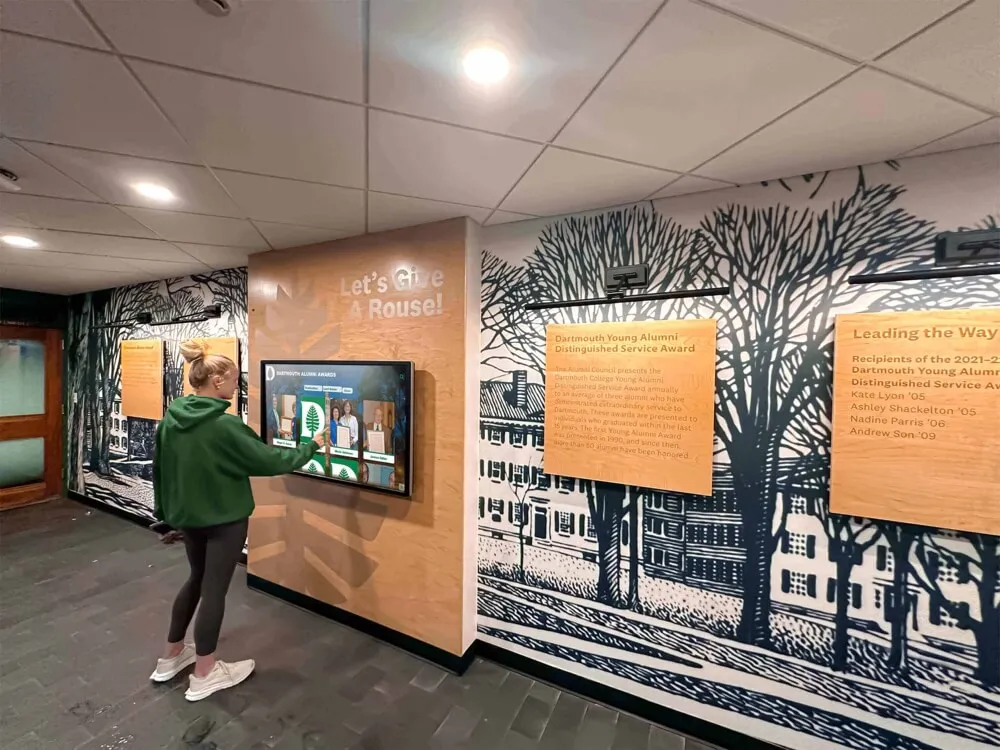
Digital interactive museum displays transform static exhibitions into engaging experiences where visitors actively explore collections through touchscreen technology, multimedia content, and intuitive interfaces. These modern systems enable museums of all sizes to showcase unlimited artifacts, create personalized discovery pathways, and measure visitor engagement while addressing accessibility requirements that traditional displays cannot meet. Whether managing a small community heritage center exploring first interactive installations or directing a major institution planning comprehensive gallery renovations, understanding the complete landscape of digital display technology, implementation strategies, and operational best practices ensures investments deliver lasting value.
Read More
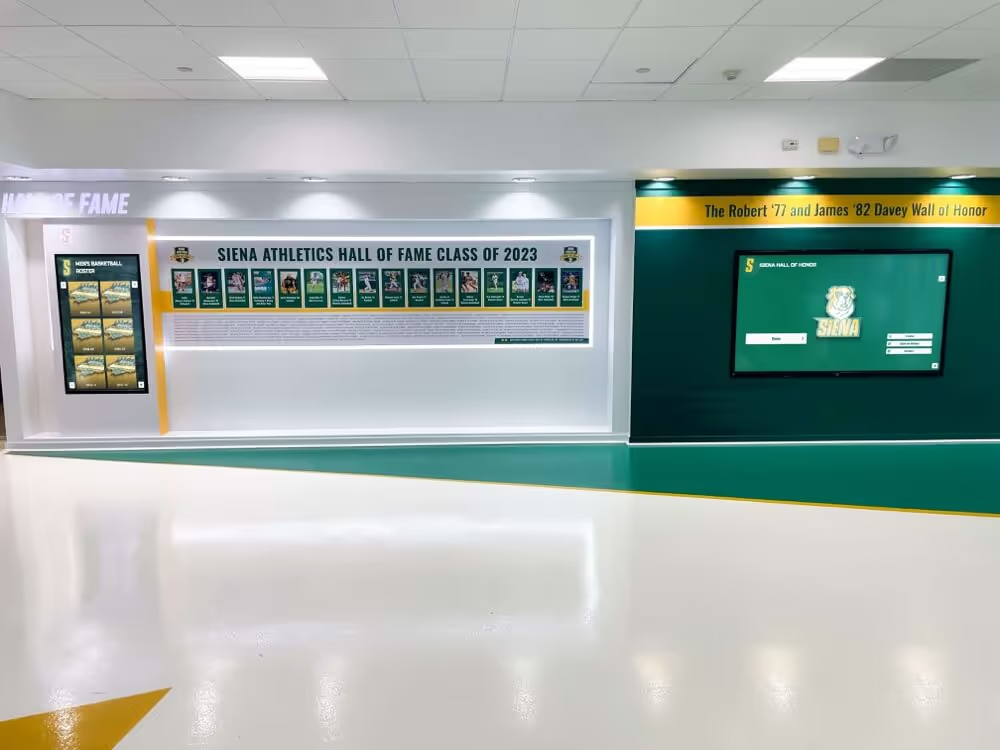
Fan Experience Centers in NFL and College Football Stadiums: Complete Guide to Interactive Recognition Displays
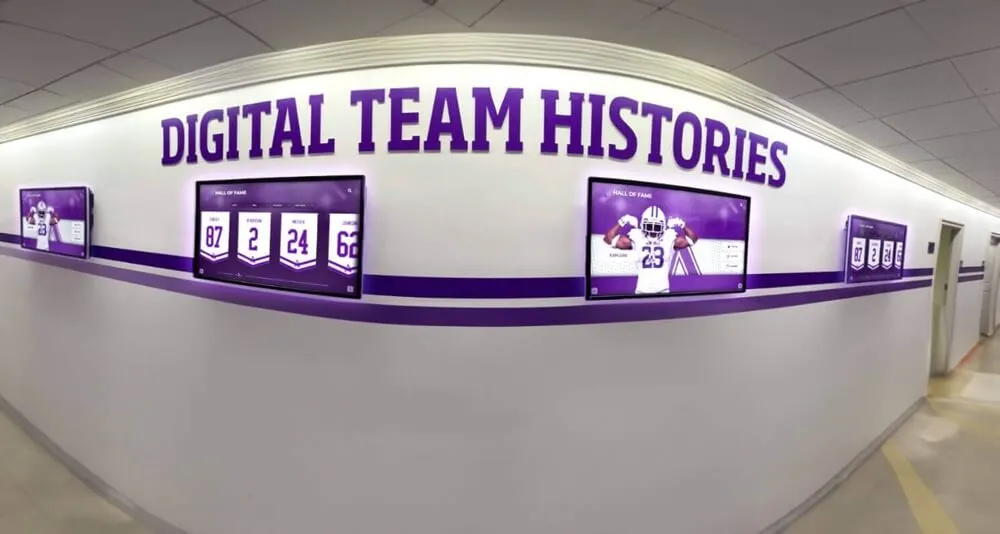
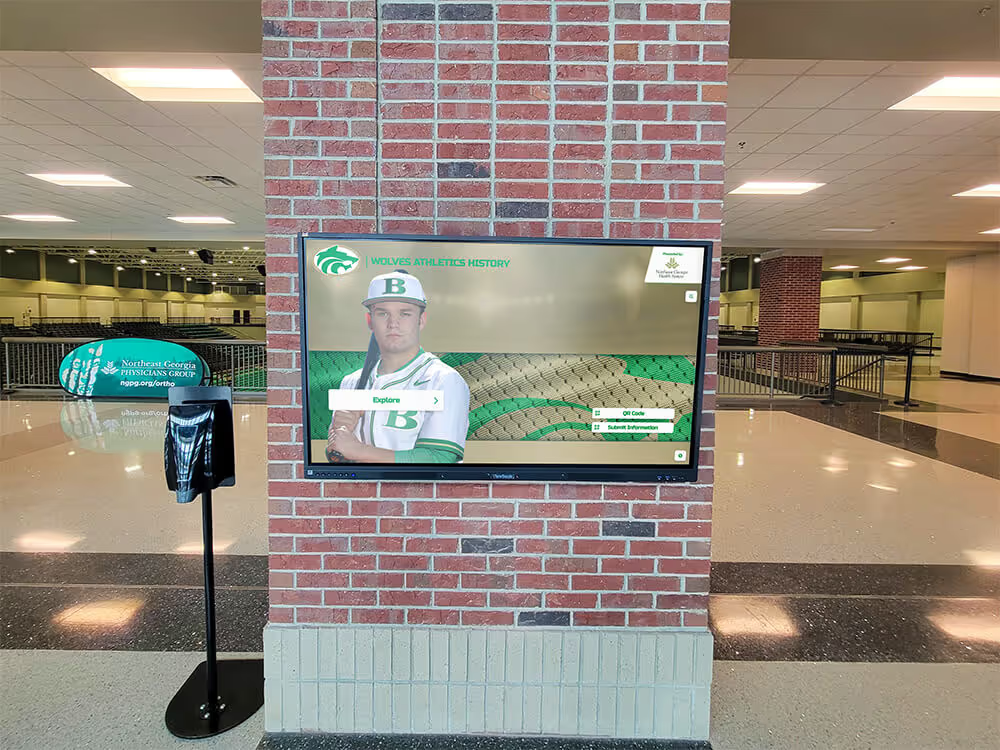
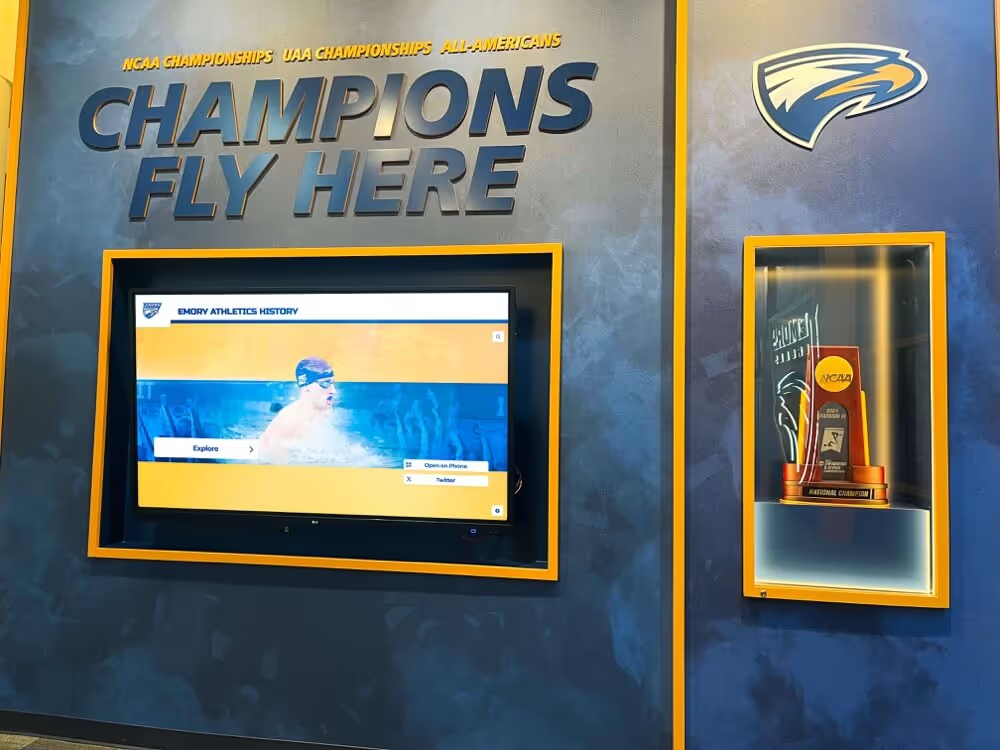
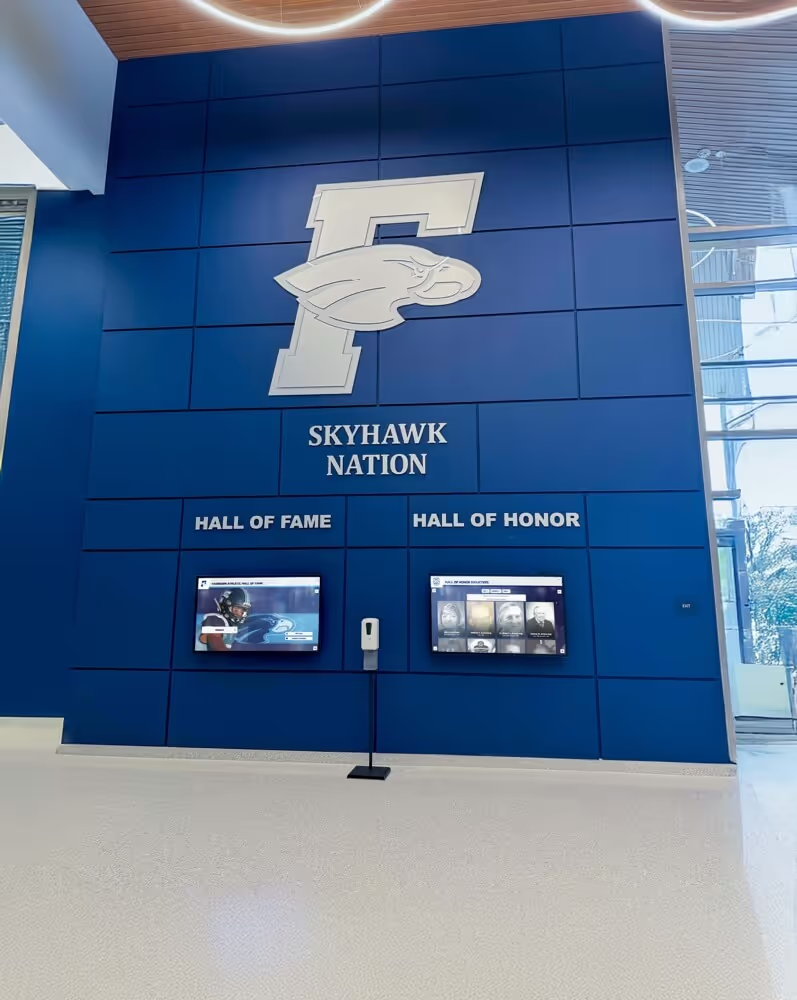
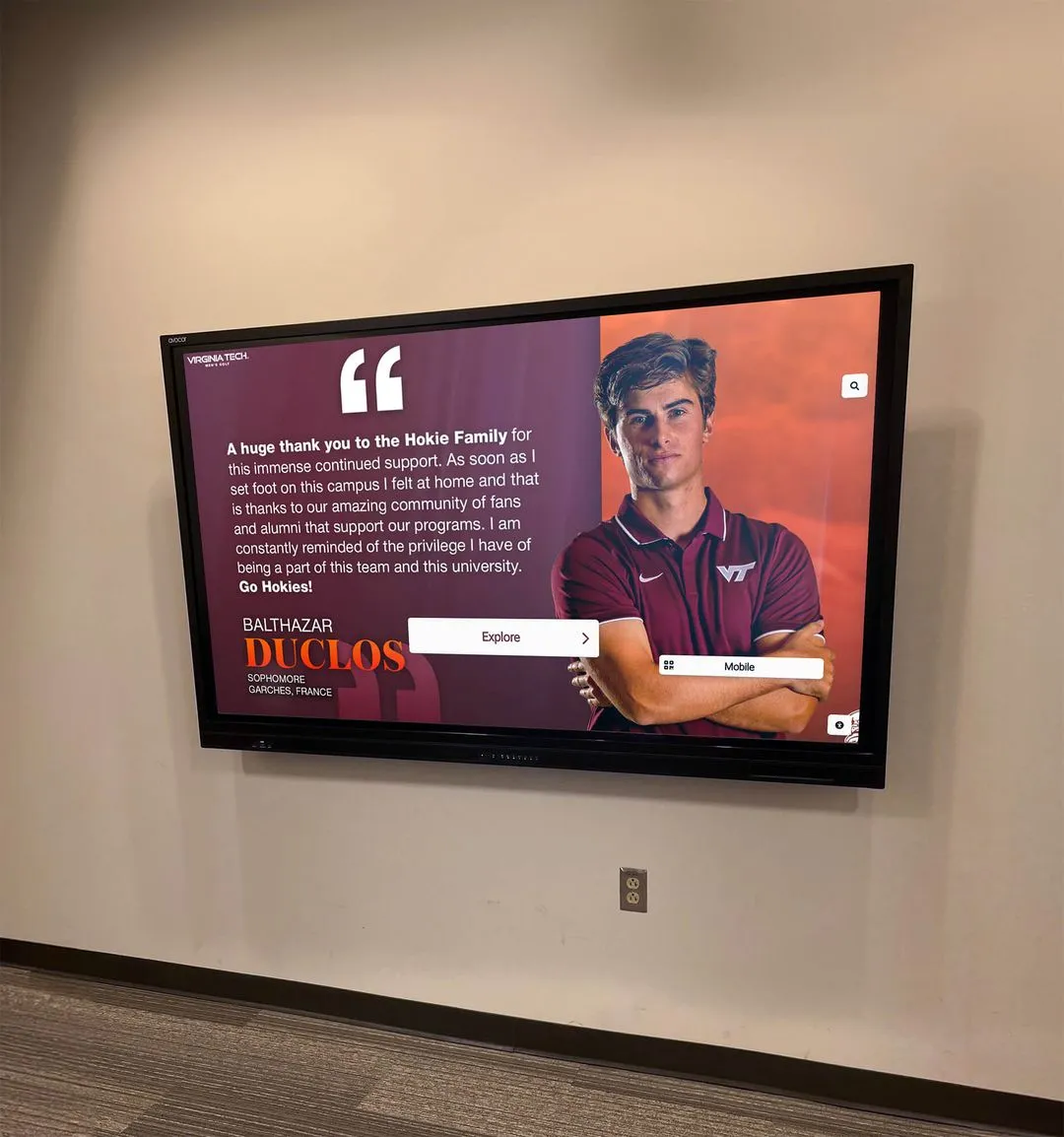
Fan experience centers have emerged as transformative spaces within NFL and college football stadiums, evolving beyond traditional static displays into dynamic, technology-driven destinations that engage visitors before, during, and after games. These interactive hubs serve multiple purposes: celebrating team heritage through digital recognition displays, providing real-time event information and schedules, showcasing stadium amenities and concourse details, and presenting future venue development plans through compelling multimedia presentations. As stadiums compete to create memorable experiences that justify premium ticket prices and build lasting fan loyalty, experience centers have become essential components of modern sports venues.
Read More
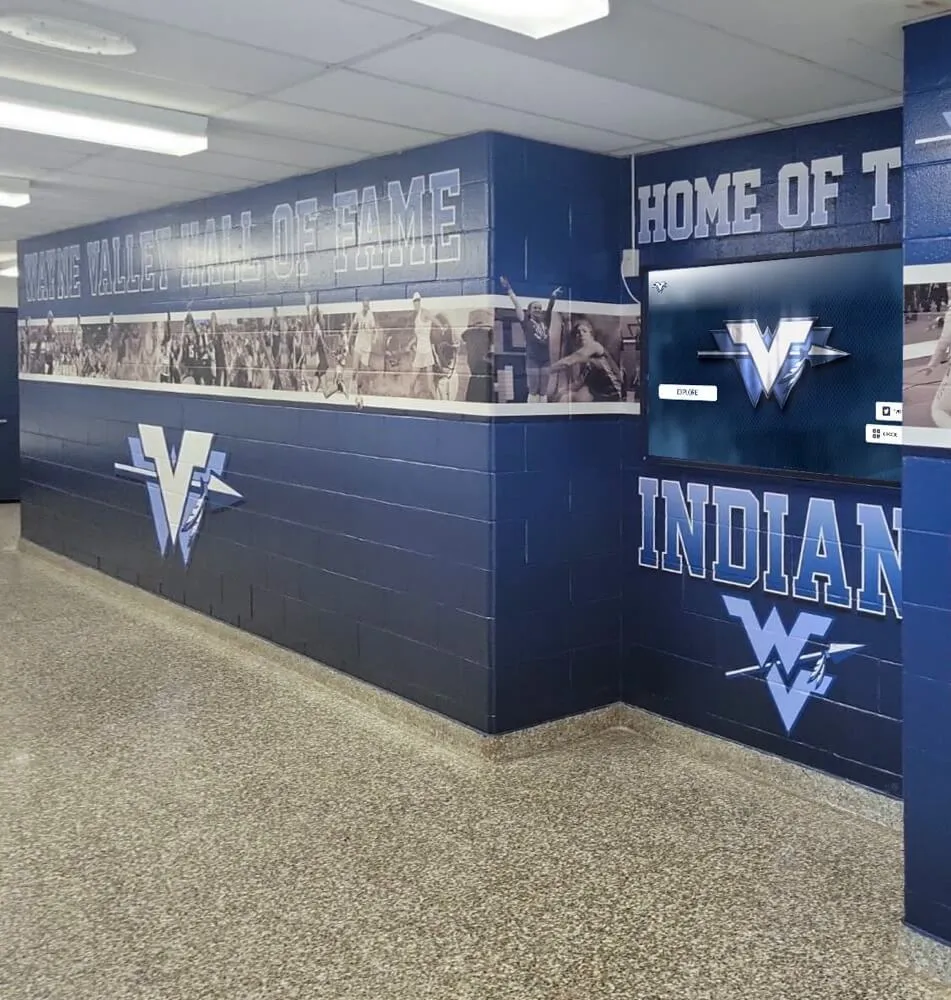
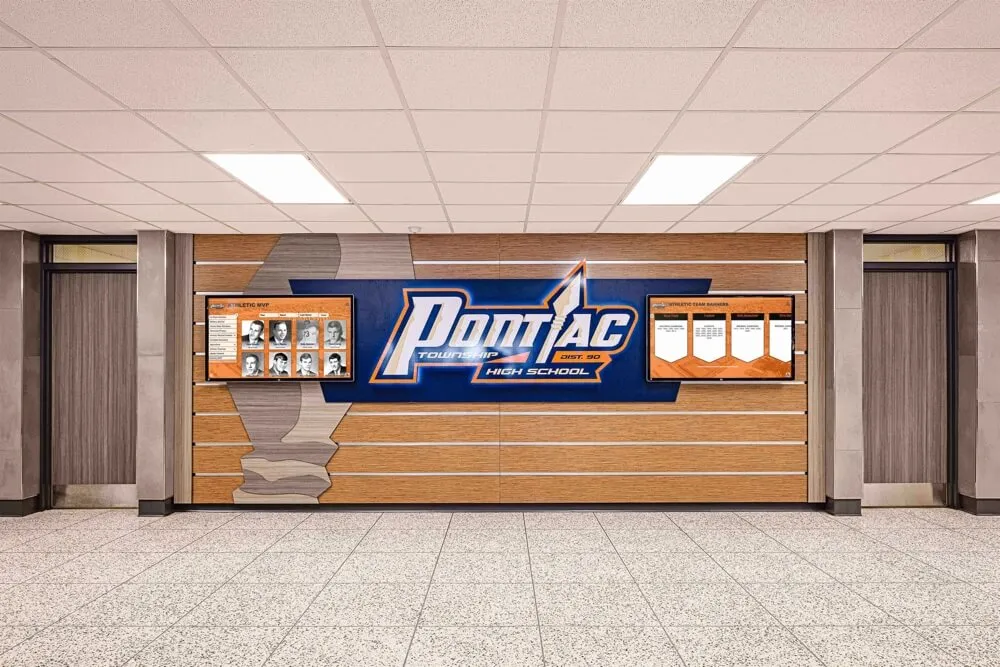
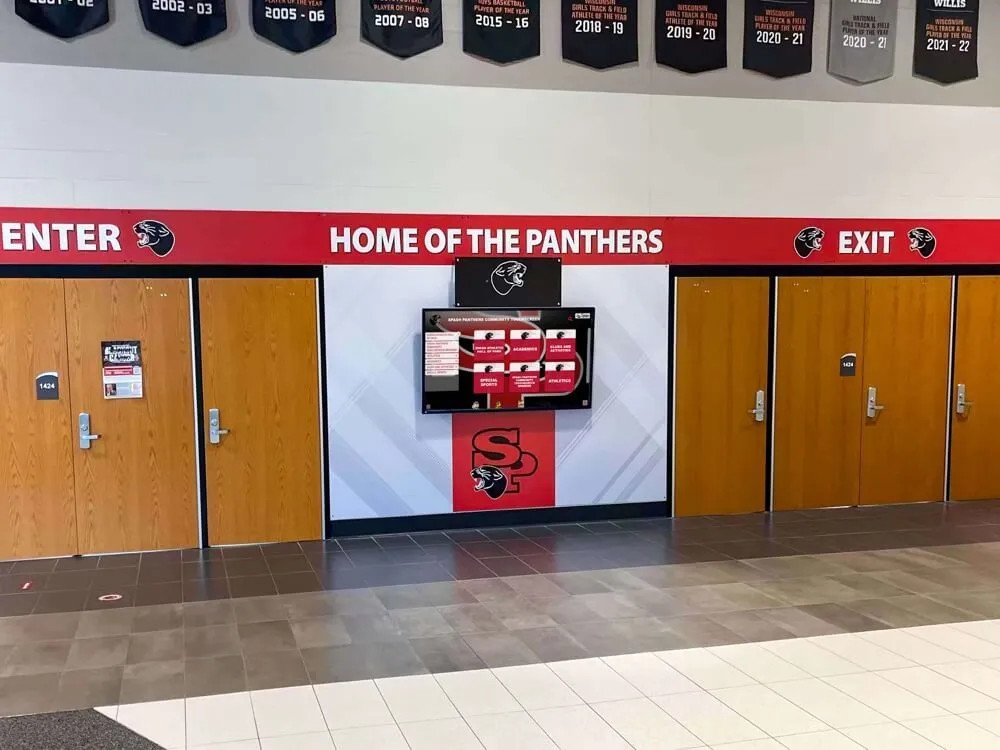
Exciting Hallway Displays in Schools: Transform Learning Spaces into Inspiring Destinations in 2025
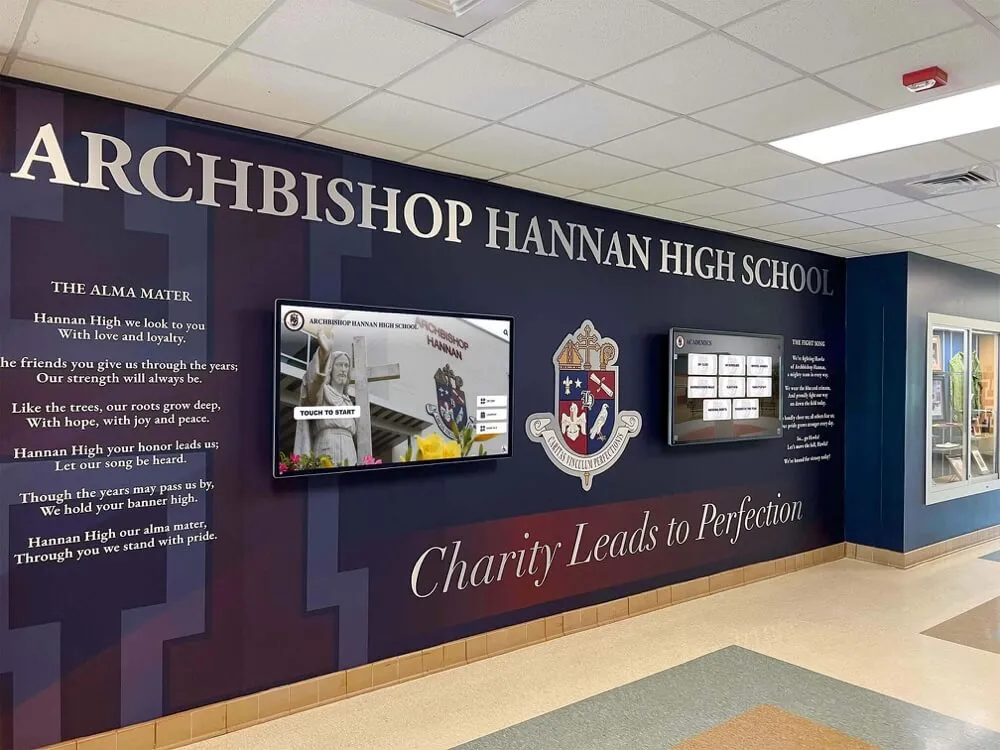
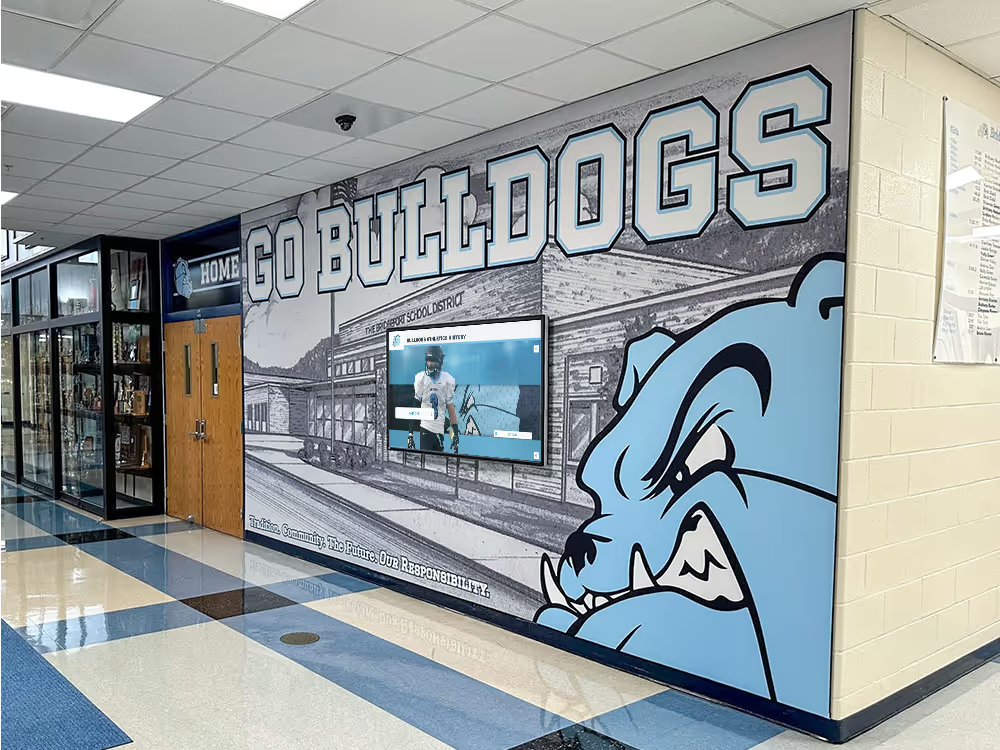
Exciting hallway displays in schools have evolved from simple bulletin boards into dynamic learning environments that inspire students, celebrate achievement, and transform everyday corridors into engaging destinations. While hallways once served merely as transitional spaces between classrooms, forward-thinking schools now recognize these high-traffic areas as valuable real estate for recognition, education, and cultural messaging that reaches every student multiple times daily.
Read More
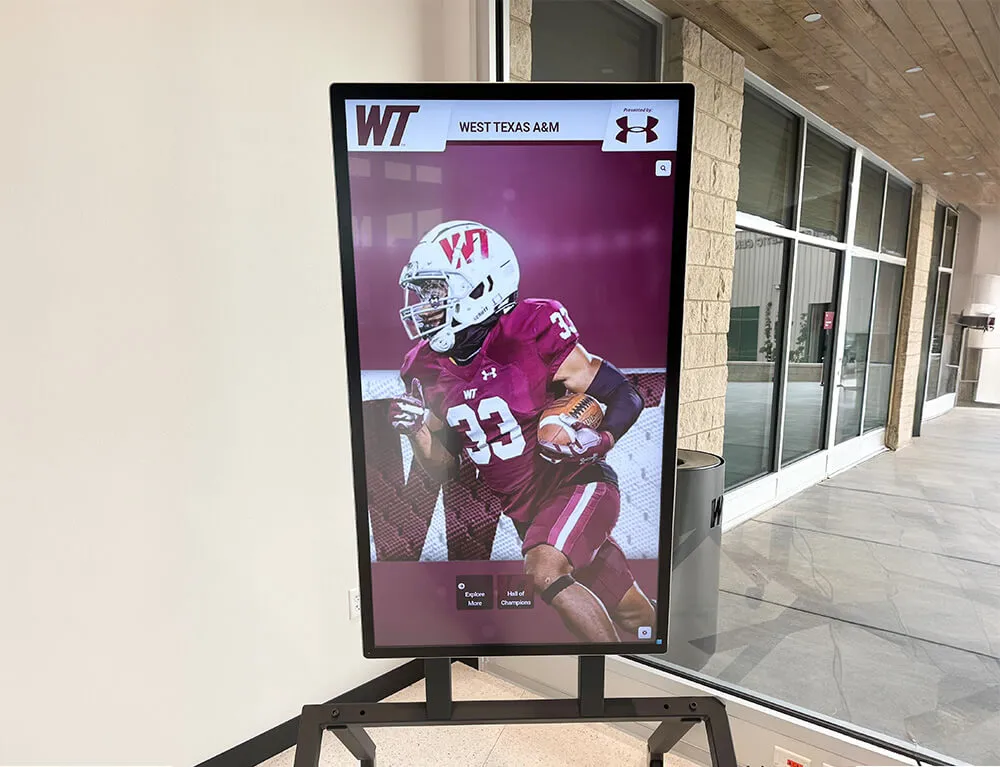
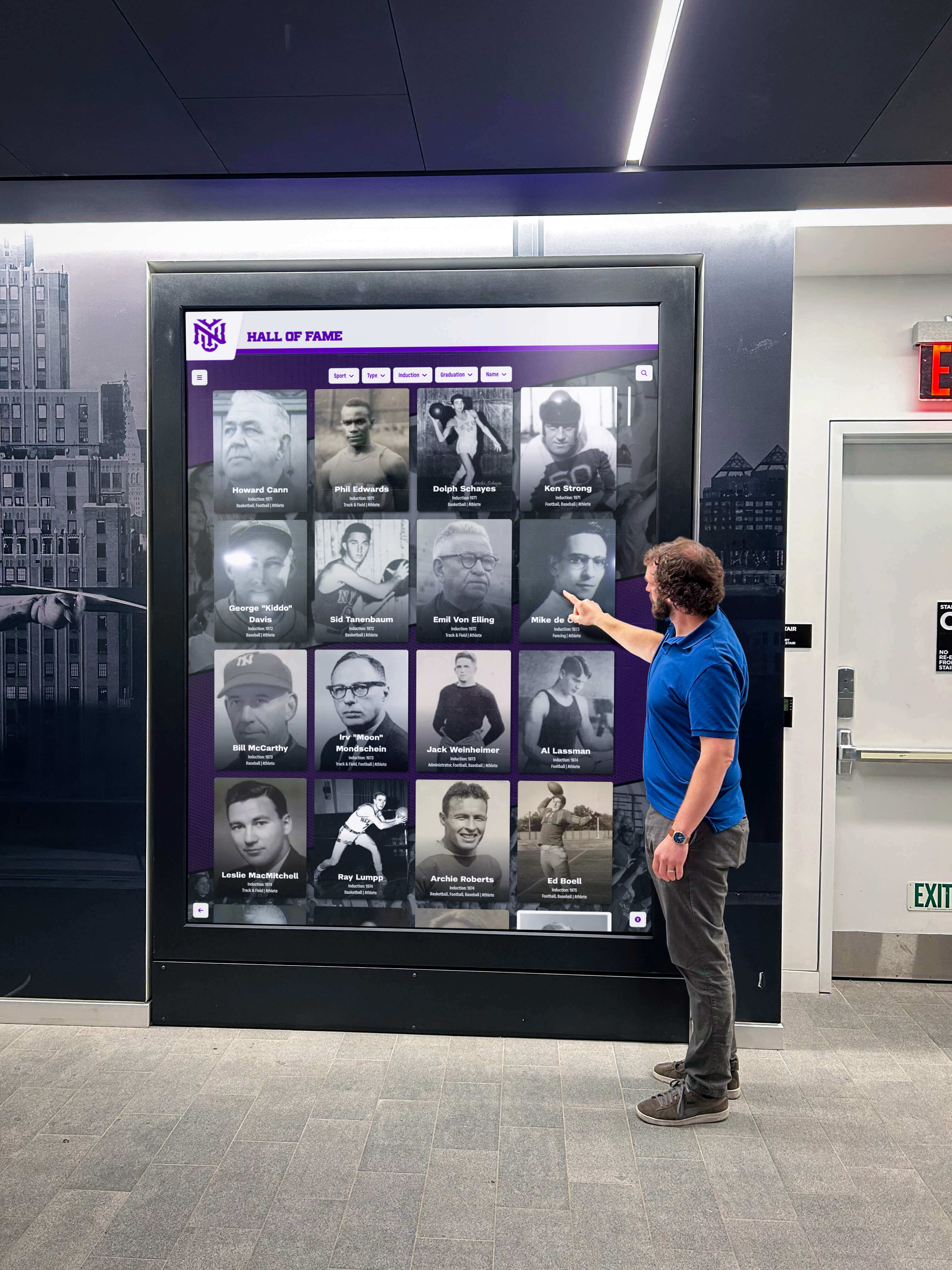
Developing College History Timelines: Complete Guide to Creating Interactive University Heritage Displays in 2025
Developing college history timelines transforms institutional memory from scattered archives and forgotten milestones into compelling narratives that connect current students with decades or centuries of academic tradition, inspire alumni through visible recognition of their era, and demonstrate educational excellence to prospective families evaluating institutions. Every college and university possesses unique stories—founding visions, transformative leadership, distinguished graduates, groundbreaking research, championship athletics, and pivotal moments that shaped both the institution and broader society.
Read More
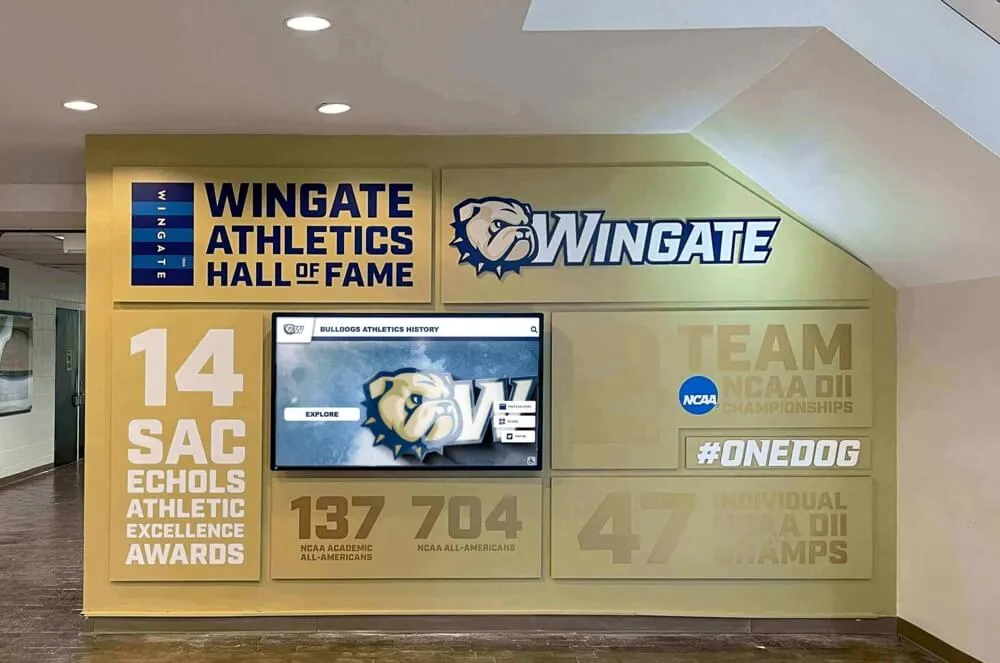
A Rocket Alumni Touchscreen at Fenway Park: The Future of Baseball Recognition and History
Fenway Park, America’s oldest ballpark, stands as a living monument to baseball history. Since opening in 1912, the legendary home of the Boston Red Sox has witnessed countless historic moments—from Ted Williams’ epic home runs to the curse-breaking 2004 World Series championship. Yet preserving and sharing this rich heritage presents ongoing challenges: limited physical space for recognition displays, static exhibits that can’t capture the depth of Red Sox history, and traditional plaques that fail to engage modern fans who expect interactive, multimedia experiences.
Read More
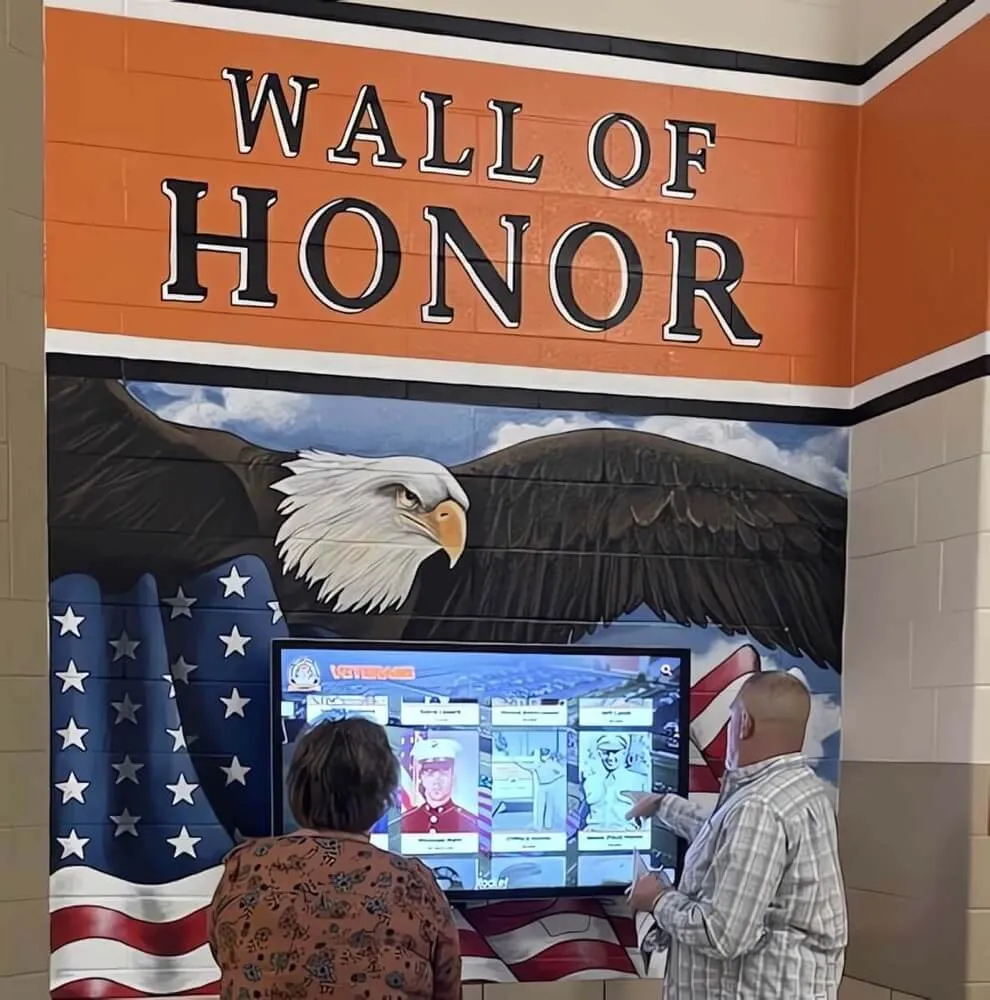
Digital Wall of Honor Plaques: Modern Recognition Solutions for Schools and Organizations in 2025
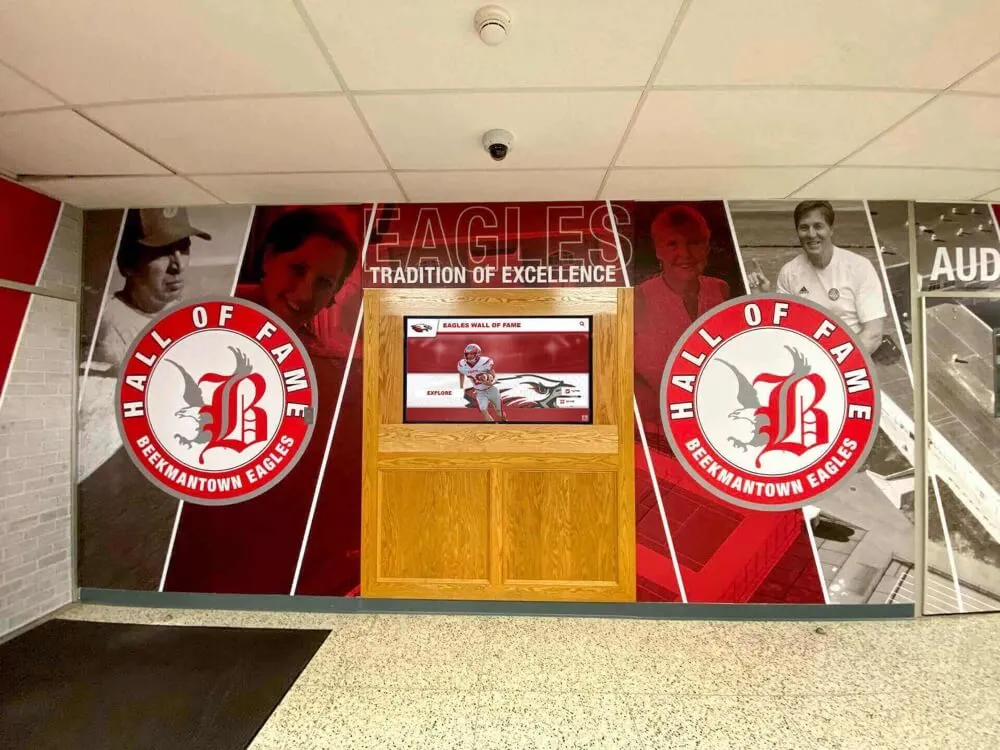
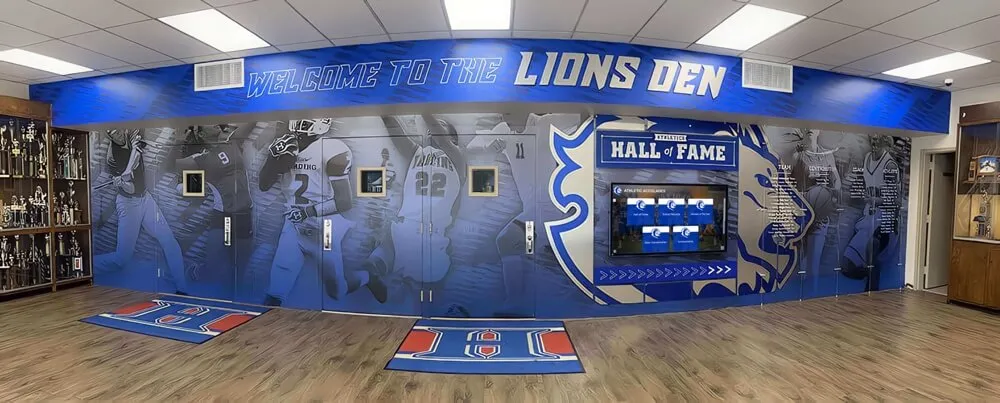
Digital wall of honor plaques represent a transformative shift in how schools, organizations, and institutions recognize achievement, service, and excellence. While traditional bronze or brass plaques have served recognition needs for generations, they face inherent limitations: finite wall space forces difficult decisions about whose accomplishments deserve visibility, updates require expensive fabrication and reinstallation, and static displays provide minimal information beyond names and dates.
Read More