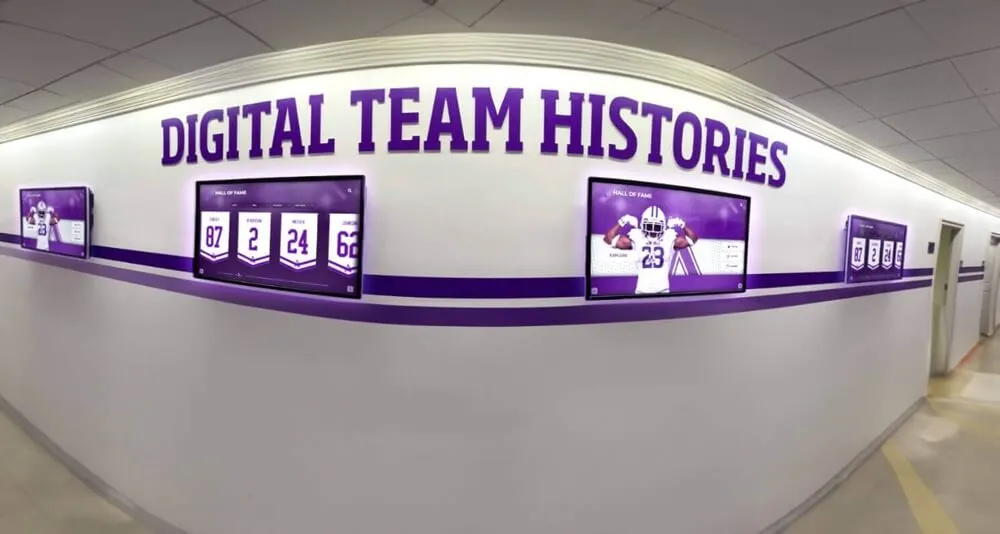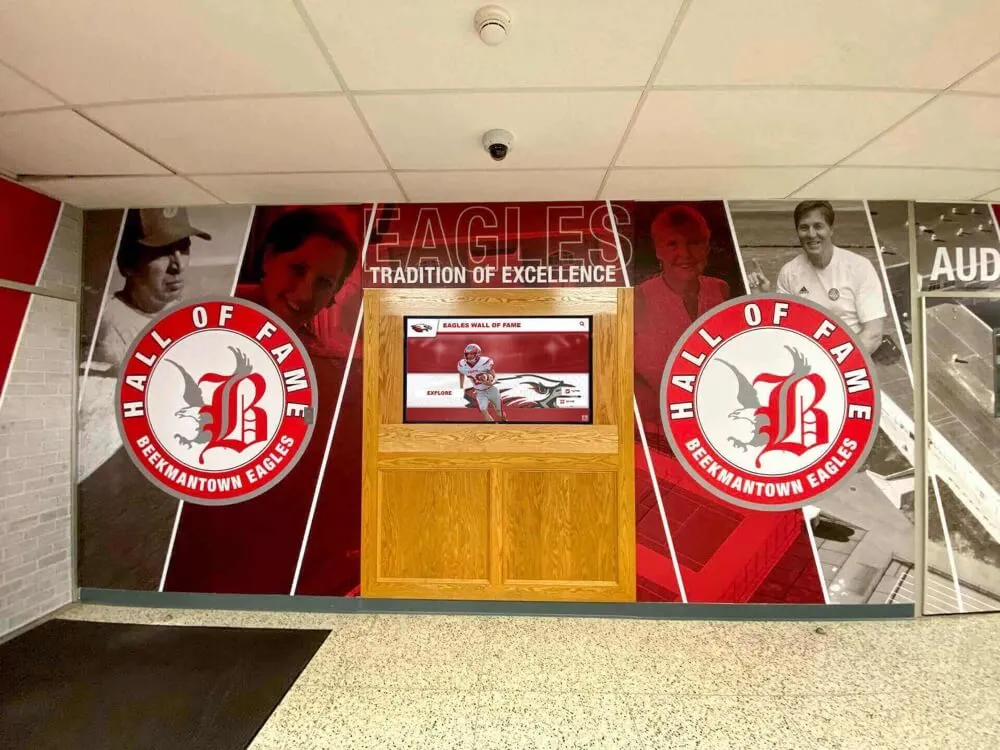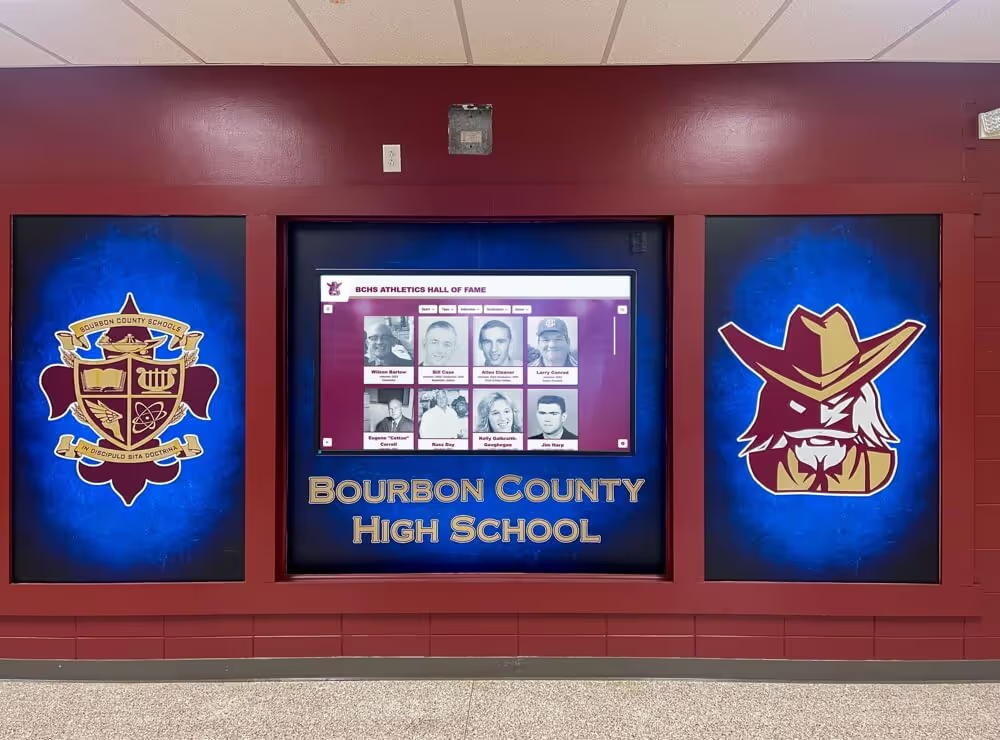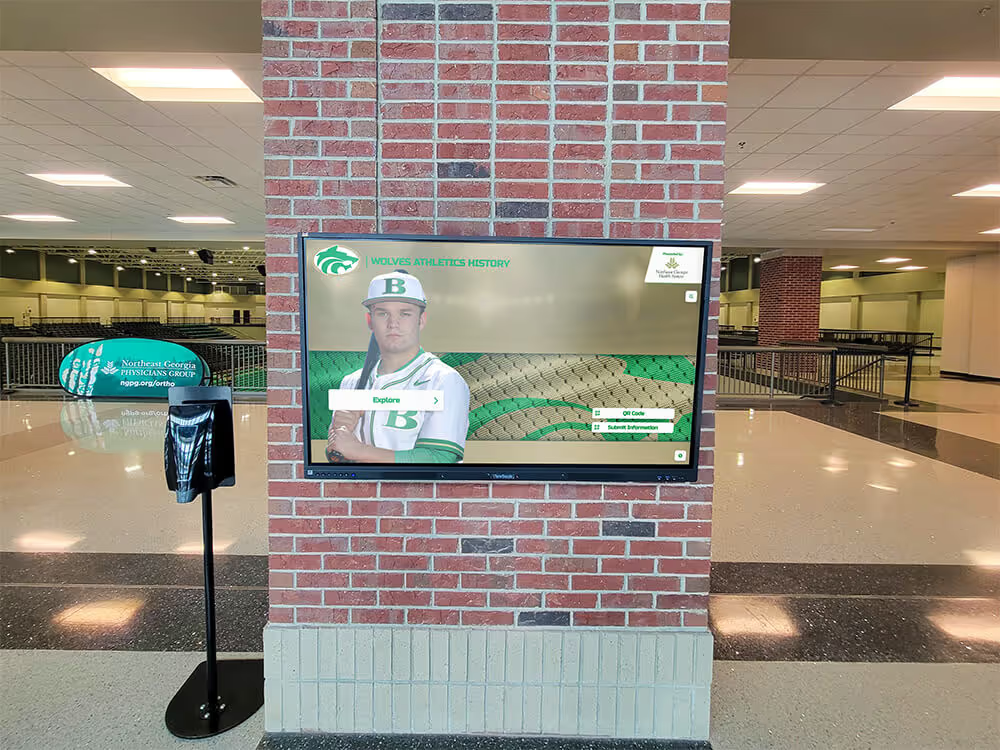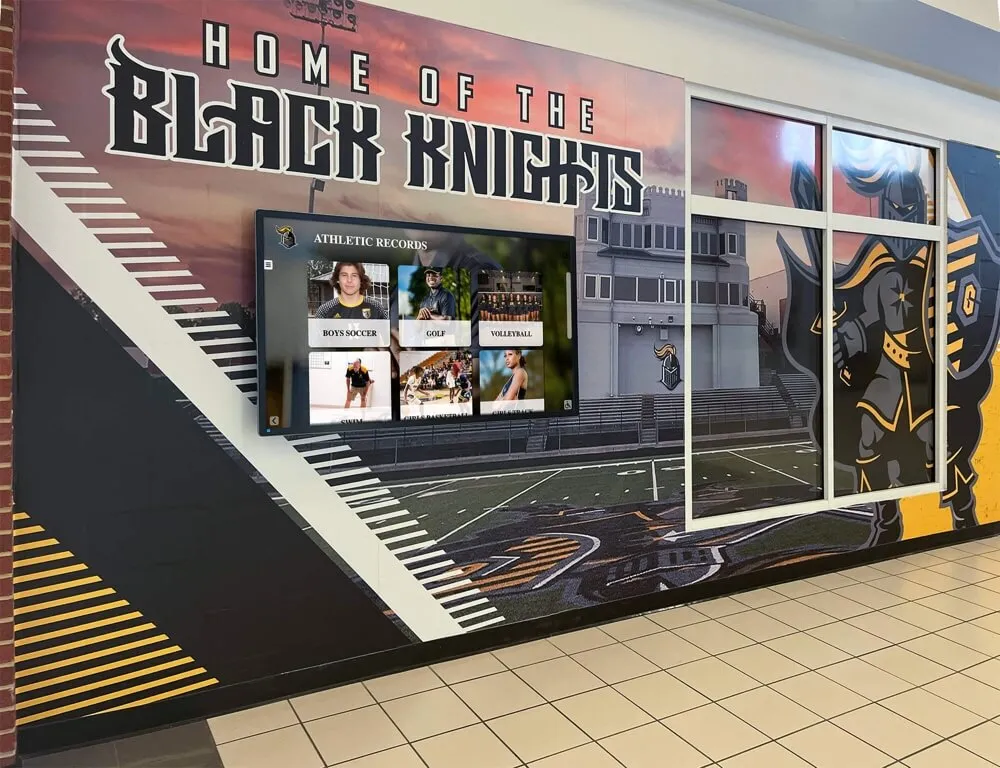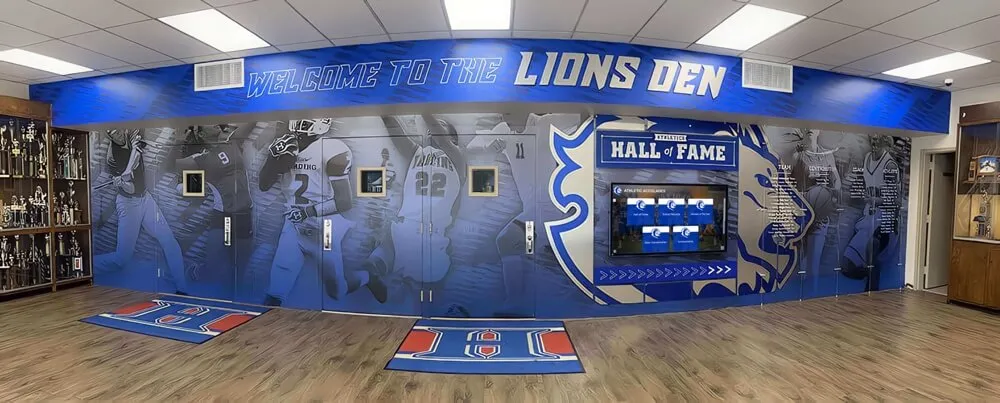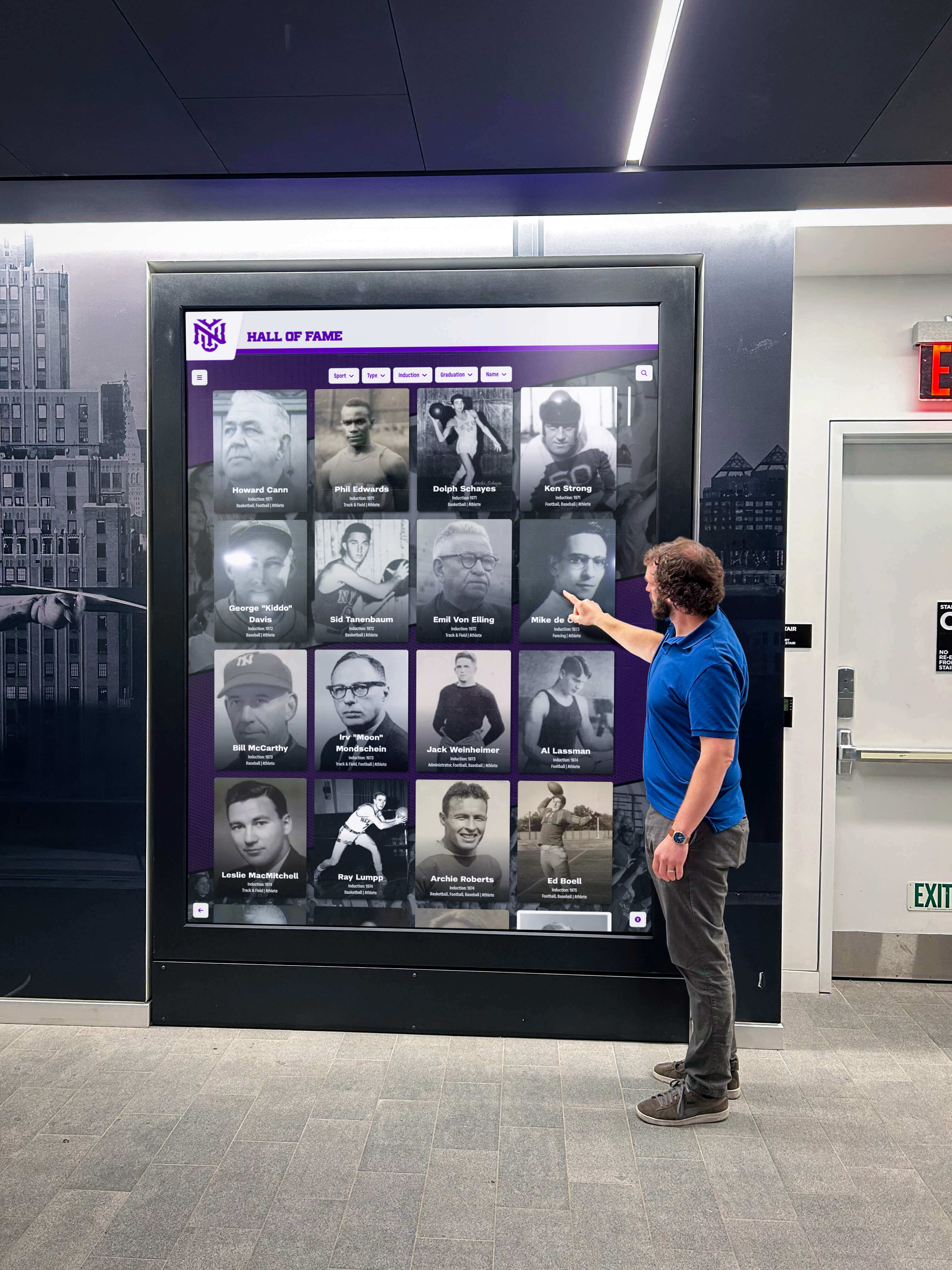
Interactive Displays for Education: How Schools Use Touchscreen Technology
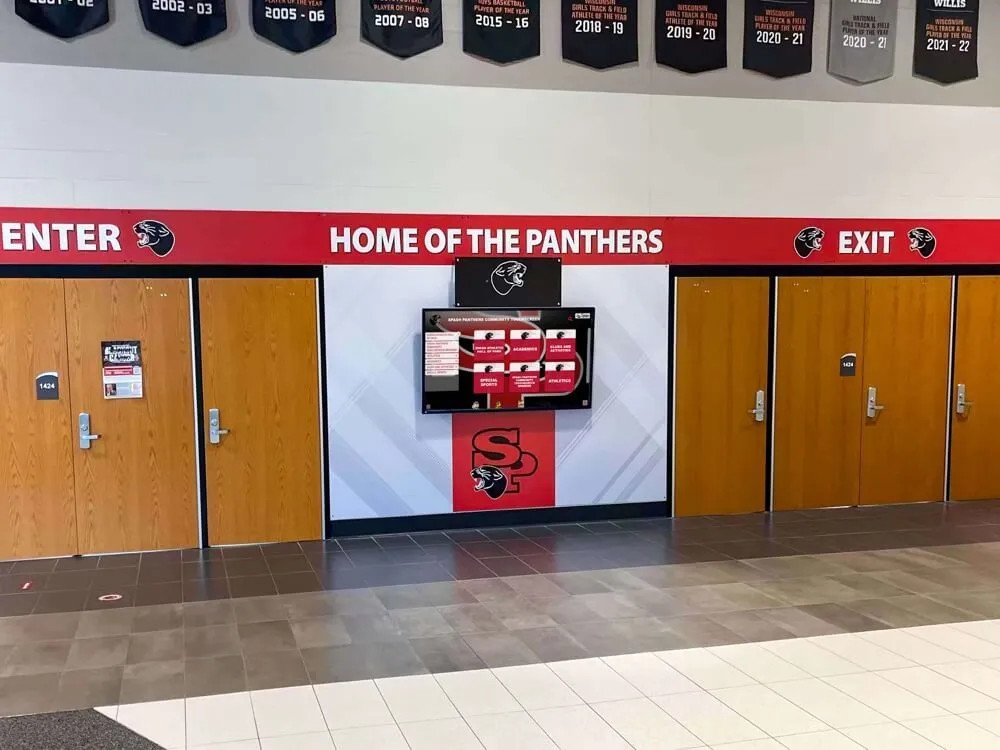
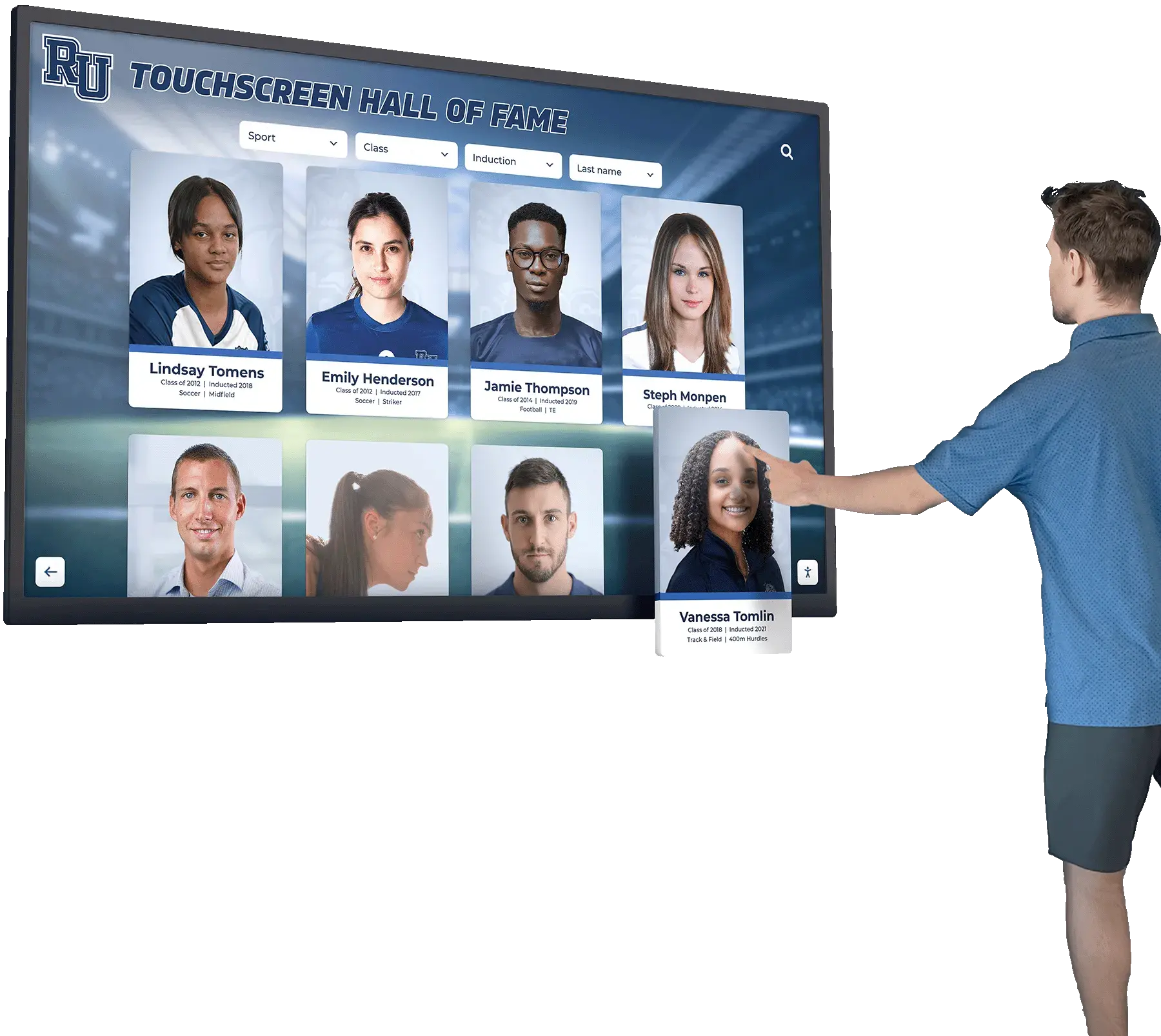
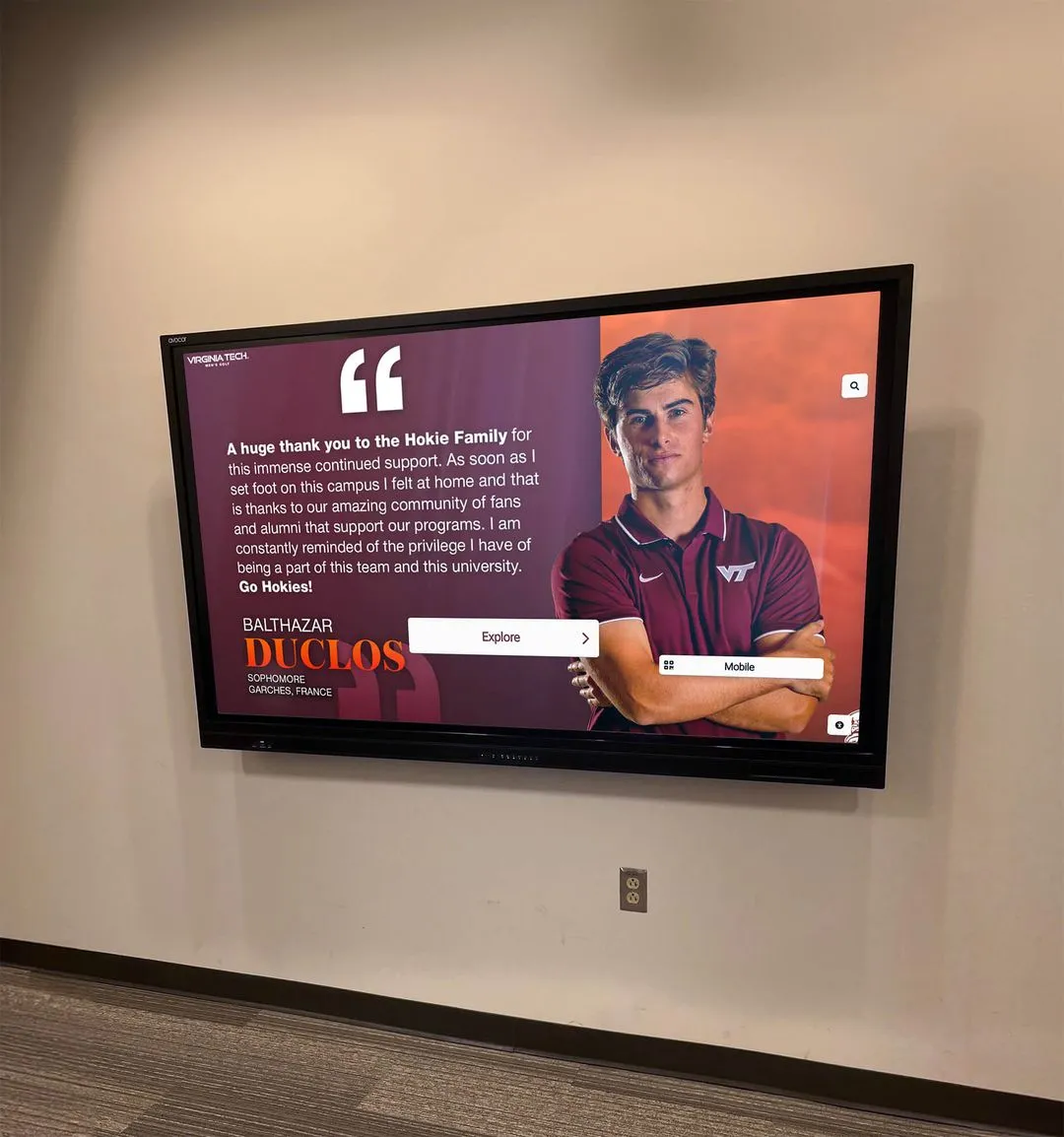
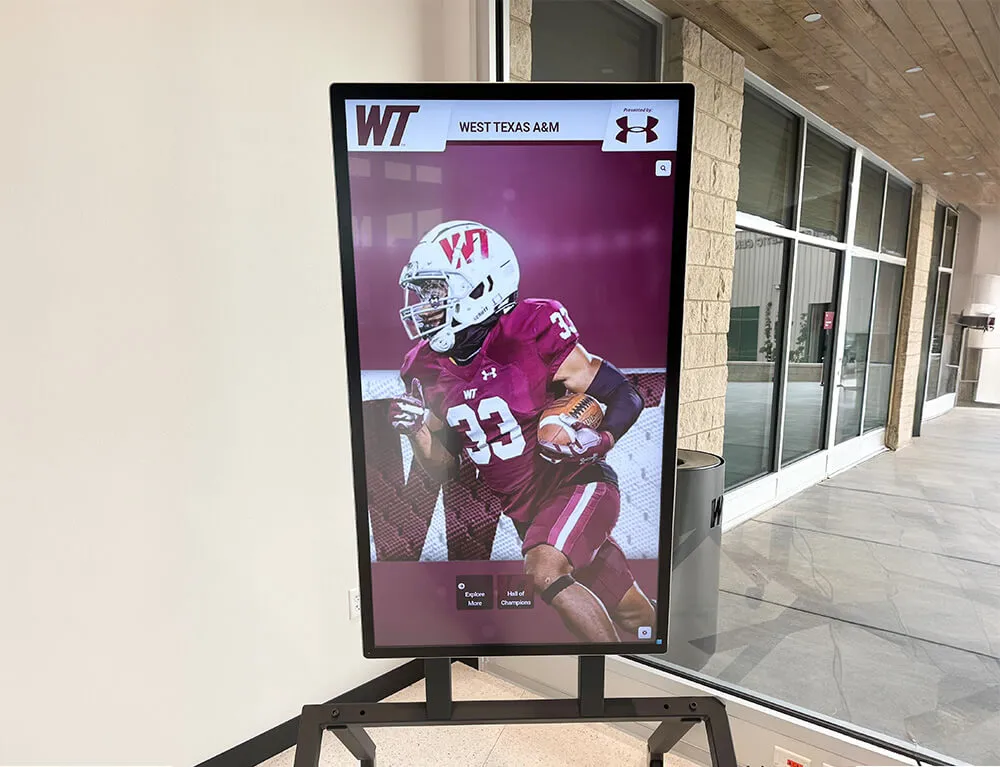
Schools across the country are discovering that interactive displays and touchscreen technology create fundamentally different engagement patterns than traditional passive displays or static bulletin boards. When students can touch, explore, and interact with digital content rather than simply viewing it, information retention improves, curiosity increases, and institutional connections deepen in measurable ways.
Read More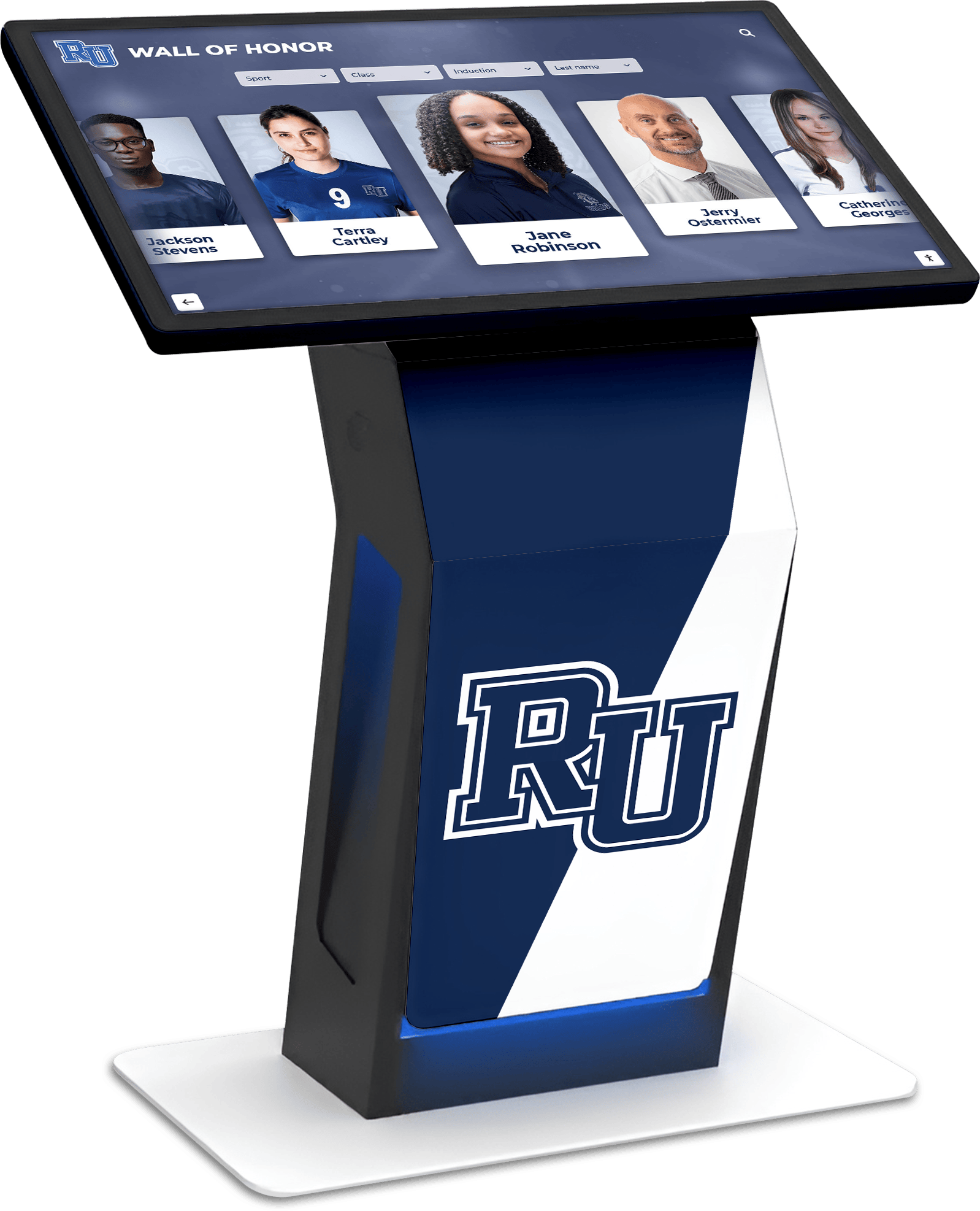
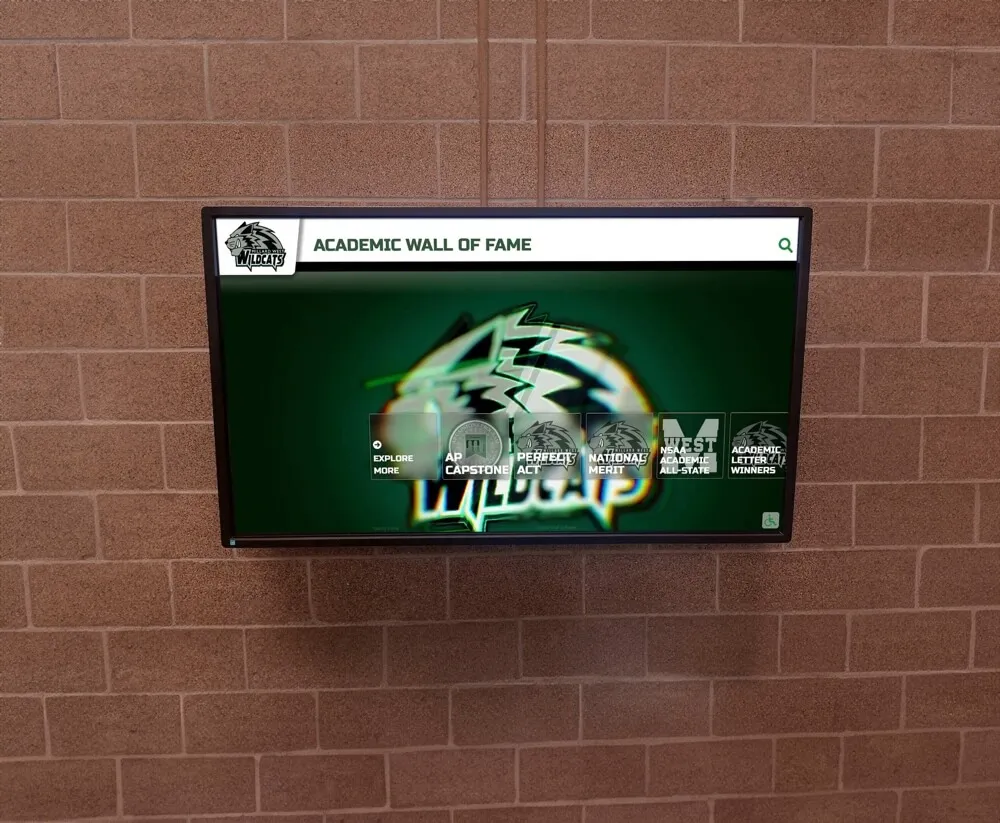
WCAG 2.2 AA Accessible Touchscreens: Why Accessibility Matters for Digital Recognition Programs
Educational institutions, museums, nonprofits, and public organizations face growing legal and ethical obligations to ensure digital experiences serve all community members regardless of ability. When schools invest in touchscreen recognition displays, donor walls, or interactive kiosks, accessibility compliance moves from optional consideration to fundamental requirement—affecting legal exposure, institutional values, and the authentic inclusion of every stakeholder who deserves access to information, recognition, and community connection.
Read More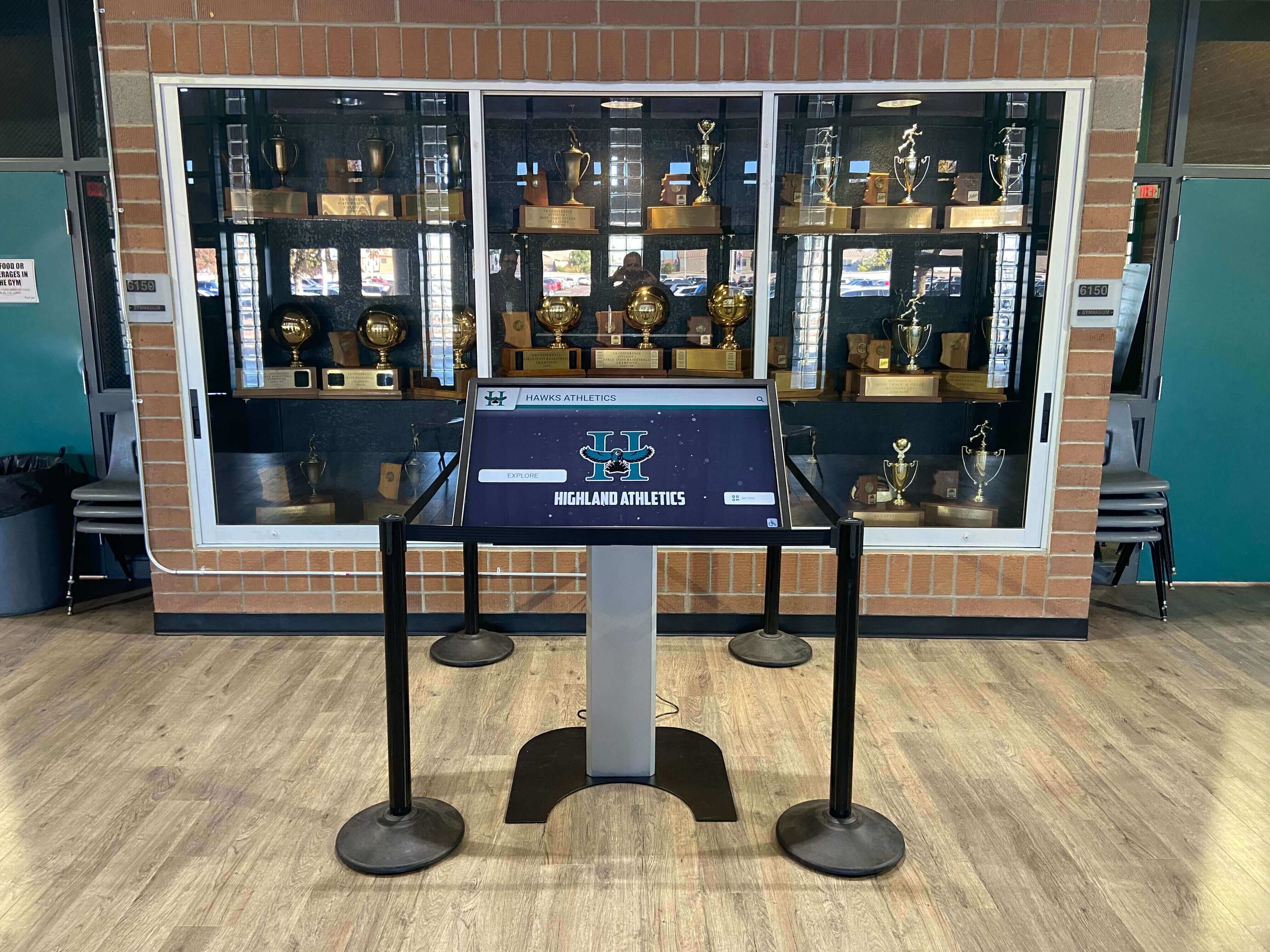
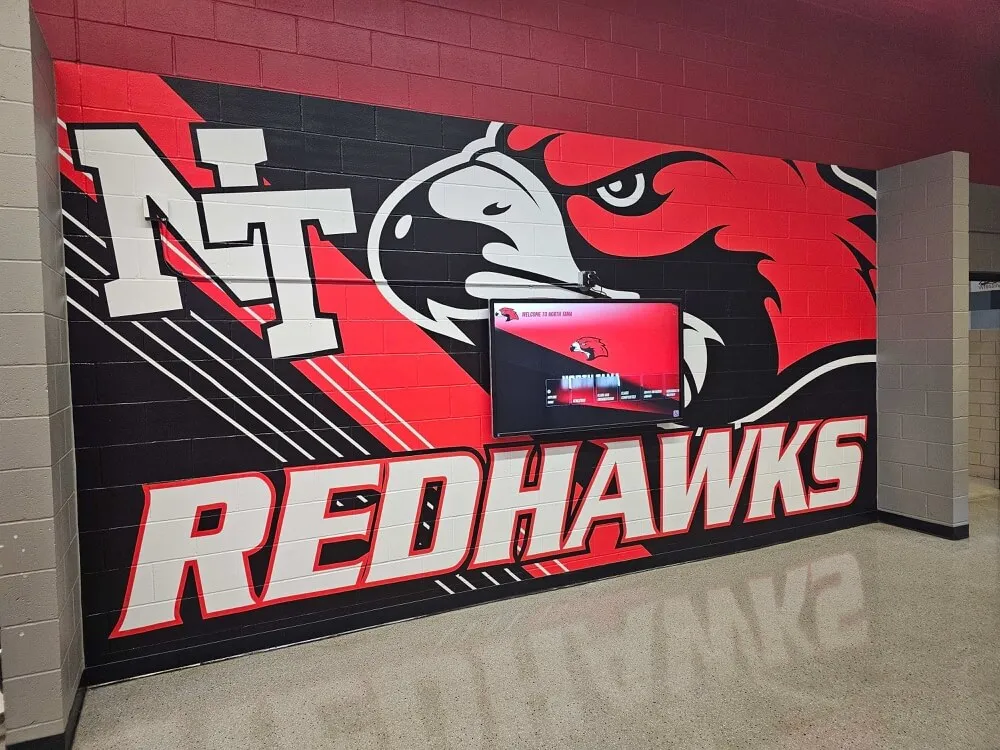
New School Building Touchscreen Display Installation: When to Install for Optimal Results and Cost Savings
Schools planning new gymnasium construction face a critical decision that significantly impacts both immediate budgets and long-term recognition capabilities: when should touchscreen displays be installed? This seemingly straightforward question carries substantial financial and functional consequences, with timing decisions affecting total project costs by 25-75% while determining whether displays achieve their full recognition potential or become expensive compromises.
Read More