Digital Hall of Fame Typo-Tolerant Search: Help Visitors Find Every Inductee
A visitor who misspells a name or remembers only a nickname should still find the inductee they are looking for. Most school digital halls of fame are configured with exact-match keyword search, which means a single transposed letter or an informal first name returns zero results — and the visitor walks away without finding the honoree. Typo-tolerant search solves this by building flexible matching directly into the search index, so that “Micheal” finds “Michael,” “Coach Kowalski” surfaces “James Kowalski,” and a maiden name entered by a classmate still returns the correct profile. This guide explains how to plan, configure, and maintain typo-tolerant search for a school digital hall of fame using structured data fields, search aliases, and platform settings that scale as the archive grows.
Read MoreDigital Hall of Fame Faceted Search Filters: A Planning Guide
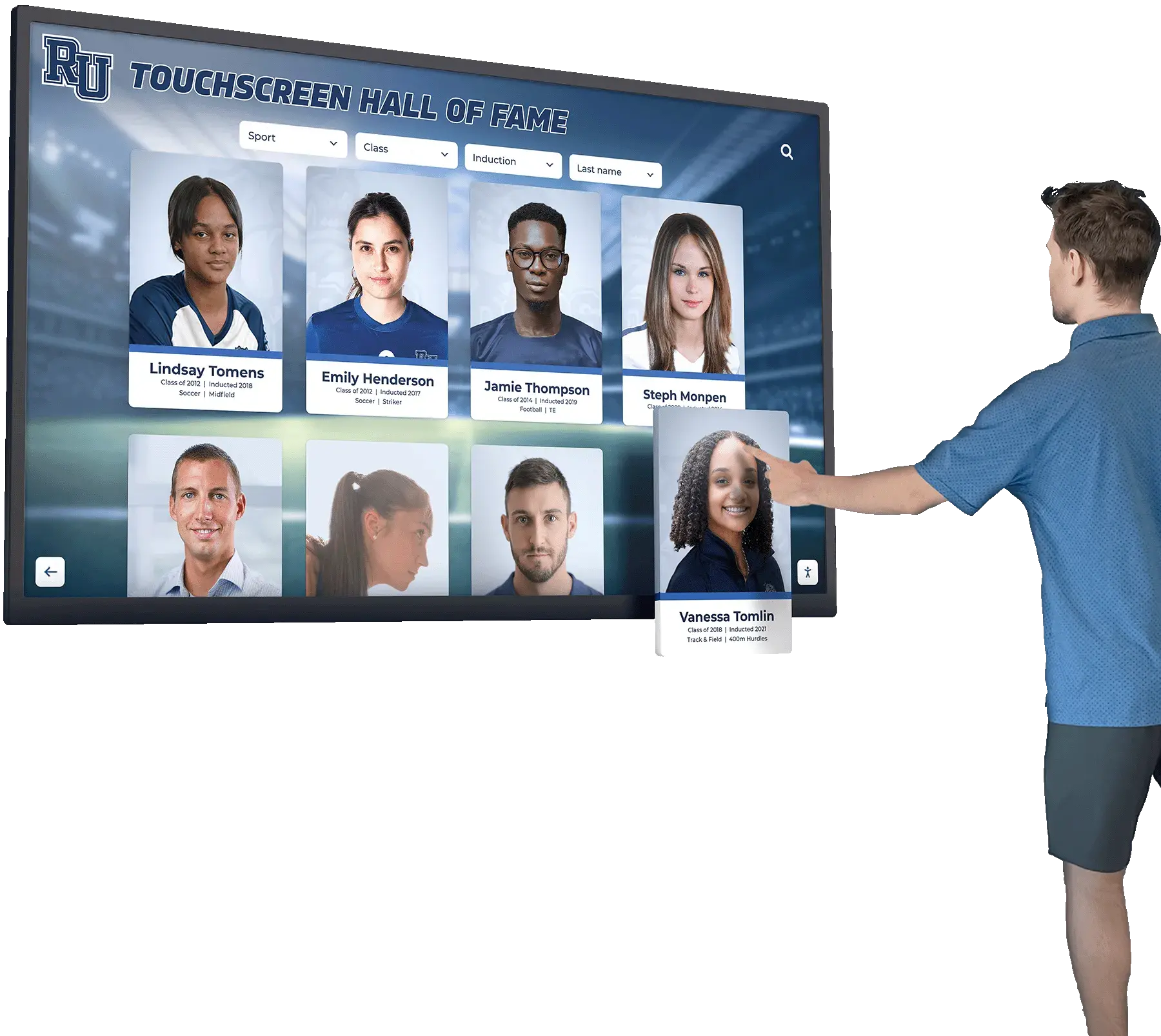

Schools that launch a digital hall of fame without planned search filters almost always regret it. Once an archive holds 200 or more inductee profiles, visitors cannot find a specific athlete or scholar without scrolling through every card manually — and most will not. Faceted search filters solve this by letting visitors narrow results instantly by sport, graduation class, induction year, or award category. This guide walks through how to design, build, and maintain a digital hall of fame faceted search filter system that scales alongside a growing recognition archive and works consistently across touchscreen kiosks and web platforms alike.
Read More
Hall of Fame Family Notification Policy: Timing, Contacts, and Sensitive Updates
Intent: define. A hall of fame family notification policy establishes who must be contacted before an induction is publicly announced, in what order, through what channel, and within what time window—and specifies how the program communicates corrections, memorial profile updates, and other sensitive changes after the initial announcement. Without a written policy, programs routinely learn about a family’s loss of a loved one from a third party, send notification letters to addresses that are years out of date, or discover that a living inductee’s spouse heard the news from a neighbor before receiving an official communication. This guide gives school athletic directors, recognition-committee chairs, archives staff, and alumni administrators a practical framework for building a contact hierarchy, sequencing notifications before and after announcement, and handling the sensitive updates that occur throughout a profile’s permanent life in the archive.
Read More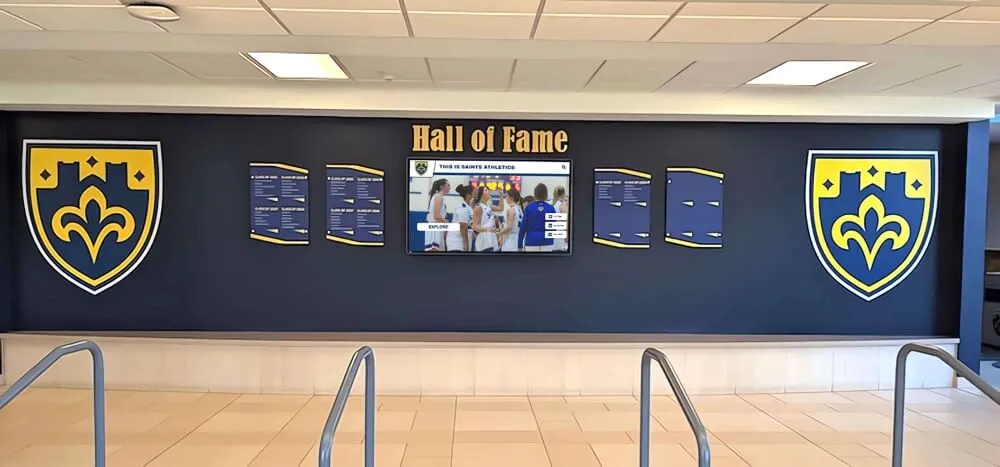
Hall of Fame Content Embargo Policy: Control Early Access Before Induction Announcements
A hall of fame content embargo policy defines which inductee profiles, biographical copy, photographs, and media assets are restricted from publication or distribution before the official induction announcement—and specifies exactly who may access that content, for what purpose, and until what date and time the embargo lifts. Without a written embargo policy, committees that invest weeks preparing inductee profiles risk a premature leak: a draft profile visible to the wrong platform user, a proofing email forwarded outside the authorized group, or a digital display screen that refreshes from a scheduled queue before the announcement is live. This guide gives school administrators, athletic directors, archives staff, and recognition-program leaders a practical framework for classifying embargoed content, assigning early-access rights, enforcing a publication hold, and executing a simultaneous, coordinated release across every channel when the announcement moment arrives.
Read More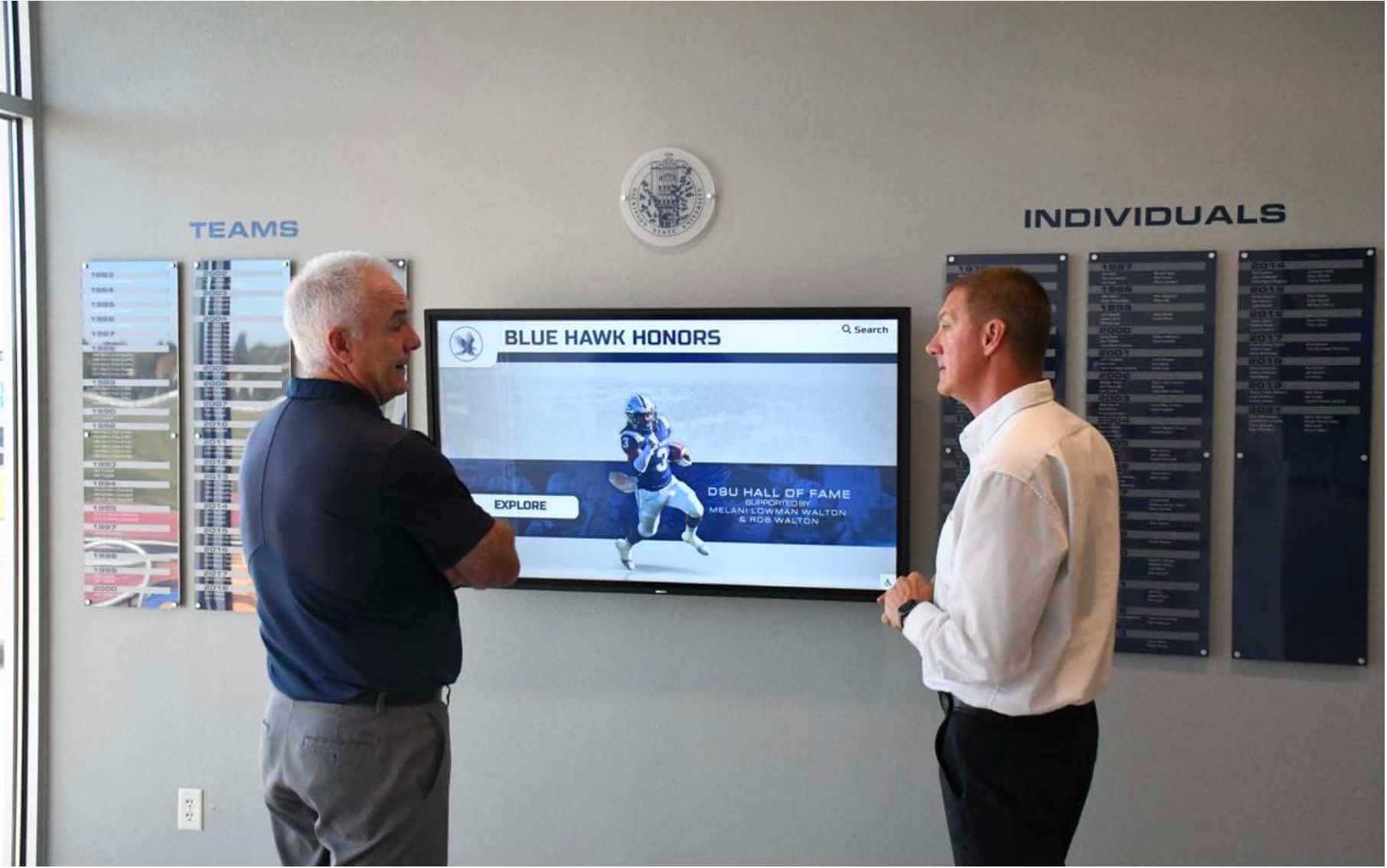
Hall of Fame Nomination Confidentiality Policy: Protect Candidates and Committee Deliberations
A hall of fame nomination confidentiality policy defines which nomination materials, candidate identities, and committee deliberations remain private before an inductee class is formally announced—and which documents may be disclosed, to whom, and on what timeline. Without a written policy, committees face pressure from nominators seeking status updates, candidates who discover they are under consideration before a decision is made, and community members who expect transparency the program was never designed to provide. This guide gives school administrators, athletic directors, alumni staff, and recognition-committee leaders a practical framework for classifying sensitive nomination materials, building an access matrix, and establishing a disclosure timeline that protects both candidates and the committee’s integrity throughout the selection cycle.
Read More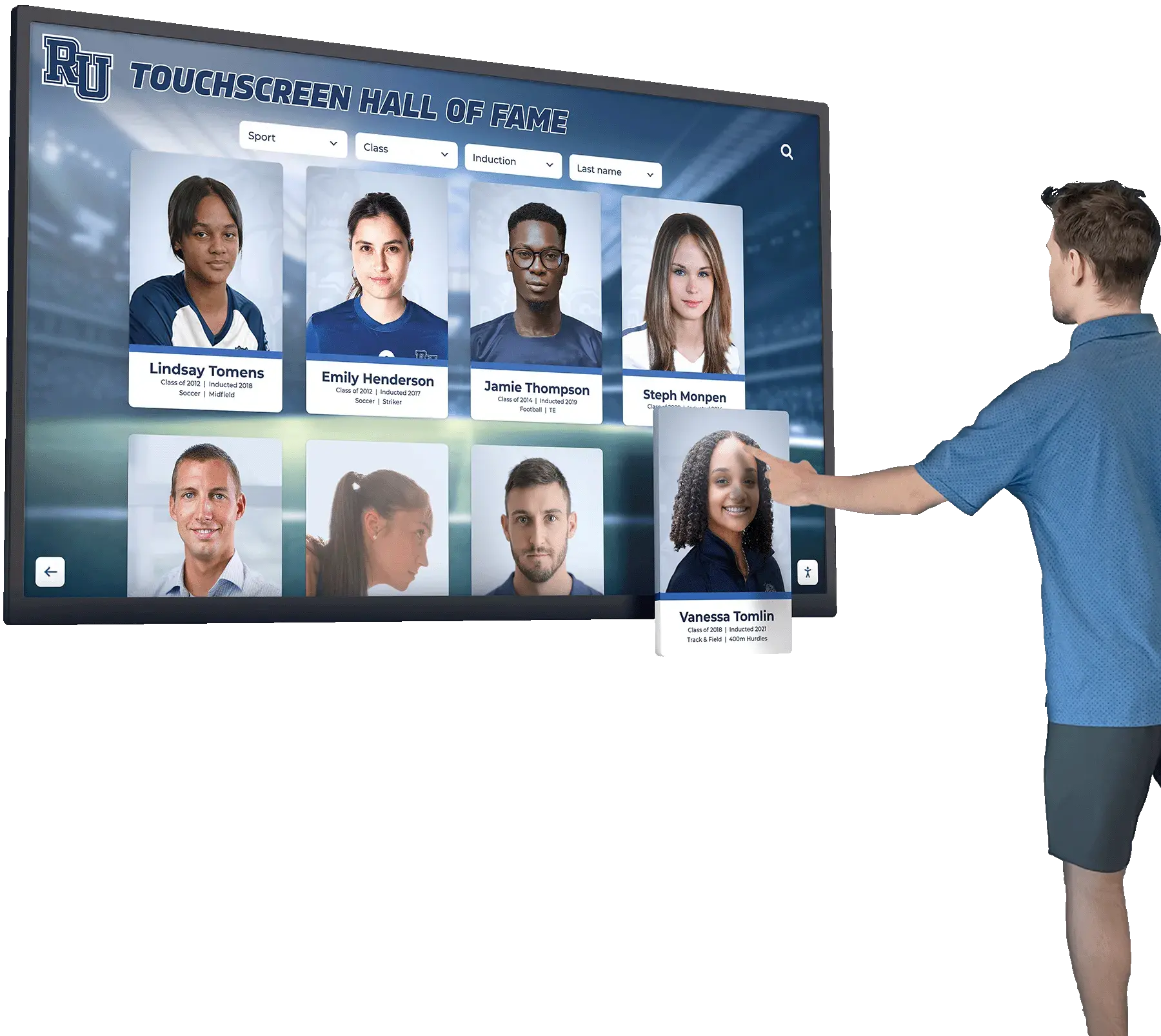
Hall of Fame Profile Ownership Policy: Roles, Rights, and Update Responsibilities
A hall of fame profile ownership policy defines who has authority to create, edit, correct, and archive inductee biographies, photos, statistics, and honors in your school’s recognition program. Without a written policy, update requests stall in email chains, photo replacements require committee votes, and no one knows who has final authority when an inductee’s family disputes a fact. This guide gives school administrators, athletic directors, booster leaders, and recognition-program owners a clear framework for assigning roles, setting rights, and establishing repeatable update responsibilities before the next induction cycle begins.
Read More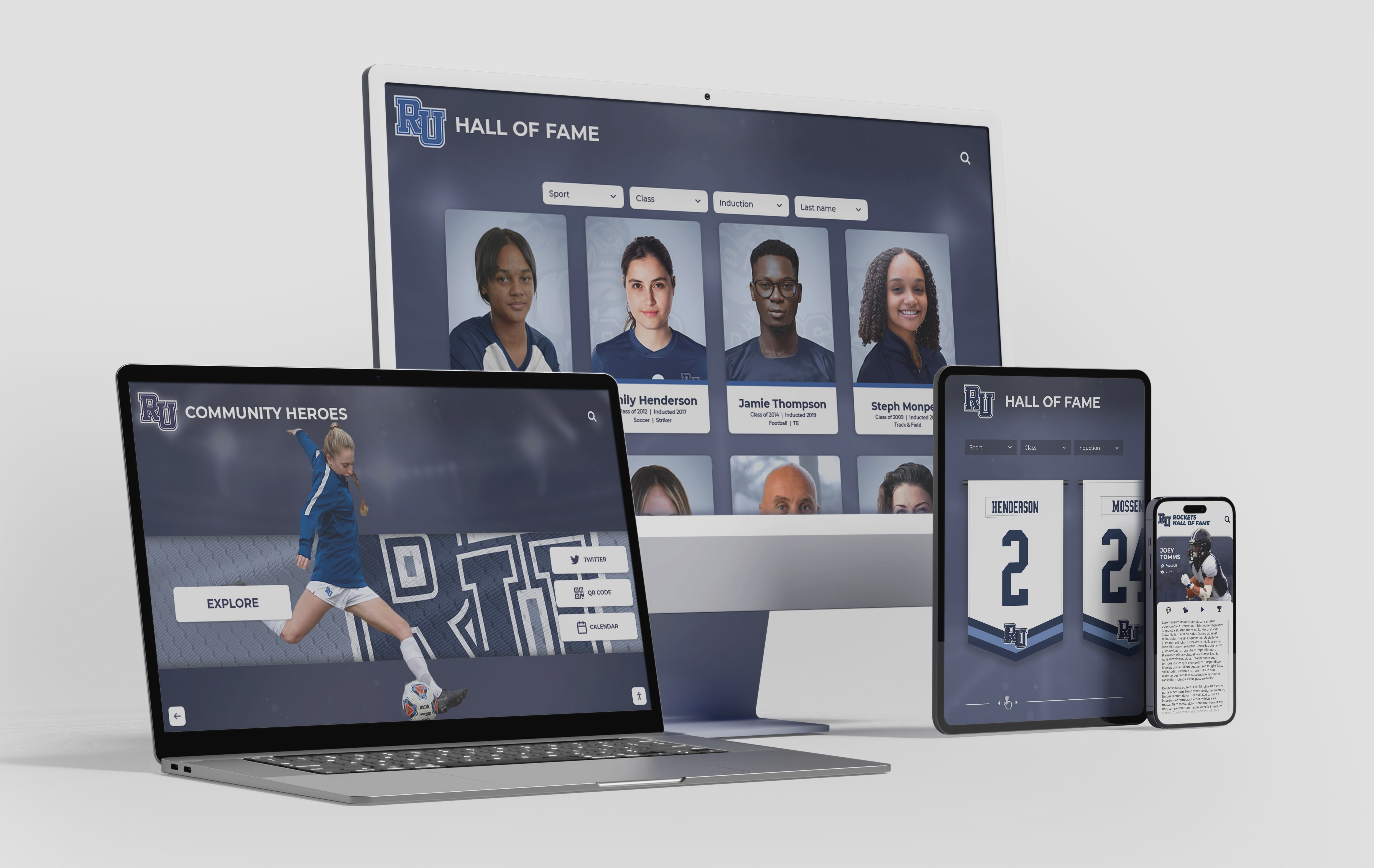
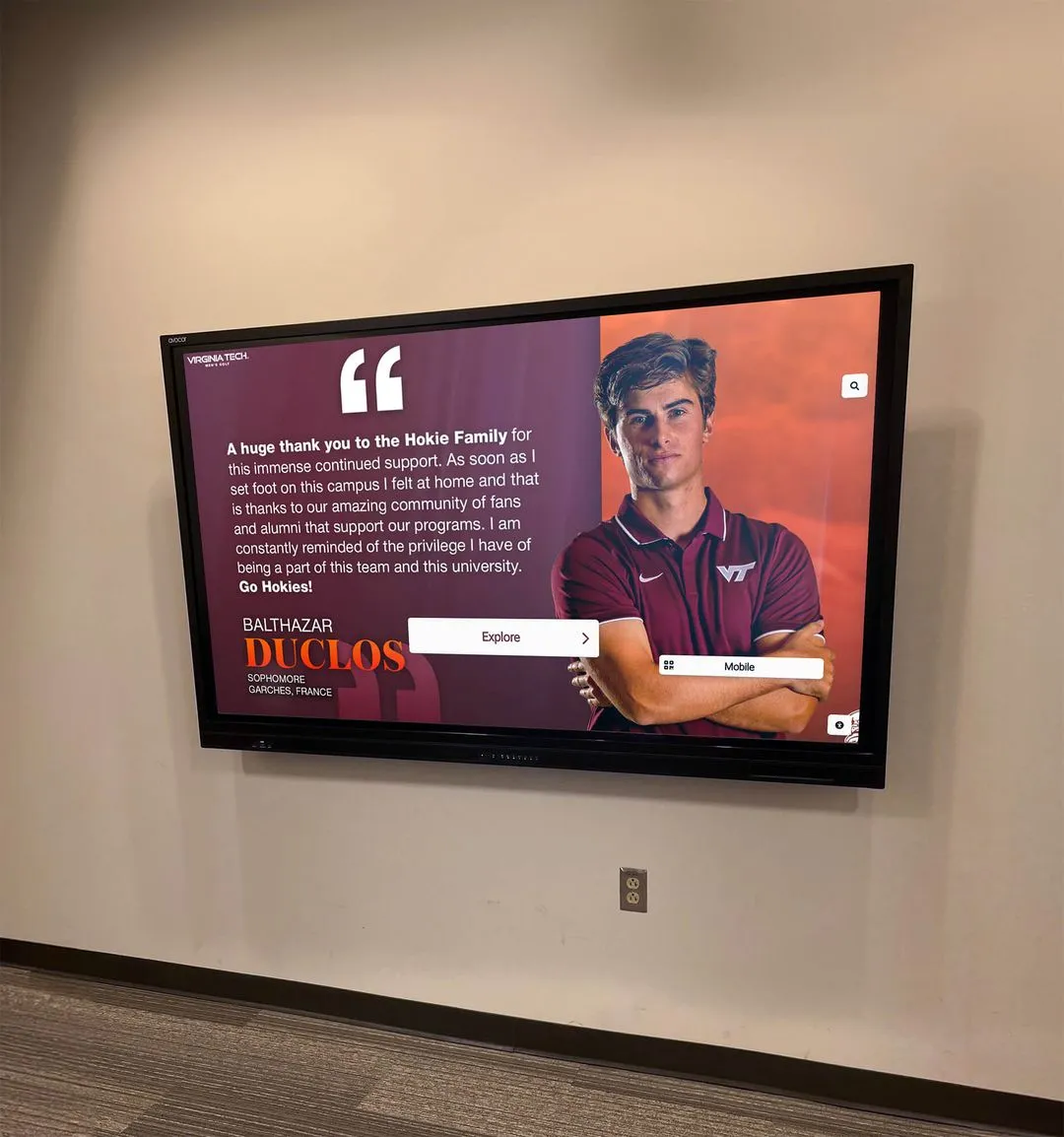
University Athlete Profile Pages: A Recognition Template for Teams and Alumni
A university athlete profile is more than a statistics page or a headshot in a media guide. At its best, it is a living recognition record that documents an athlete’s contribution to the program, connects current students to institutional heritage, and follows a graduate into an alumni hall of fame that updates as their career unfolds. Yet most athletic departments build these profiles reactively—assembling whatever data is on hand when a player departs—and alumni relations offices inherit gaps that make post-graduation updates nearly impossible.
Read MoreHall of Fame Application: What Schools Should Collect Before Reviewing Nominees
A complete hall of fame application packet should include eight items: a completed submission form with basic identifying information, a career achievement summary, verifiable statistics or records, character and service documentation, two to three letters of support, a high-resolution photograph, nominee contact information, and official eligibility verification. Committees that collect all eight materials before opening review sessions reduce incomplete-packet adjournments, protect against disputed decisions, and build the digital profile assets the inductee display will need at induction.
Read MoreHall of Fame Inductee Bio Examples: What Schools Should Include in Every Profile
A strong hall of fame inductee bio includes six core elements: full name and years of affiliation, sport or program category, a 150–300 word achievement narrative, key statistics or records, a brief quote, and a current photo. Schools that standardize these fields across every profile create recognition displays that look authoritative, age well, and are easy to maintain when new induction classes arrive.
Read More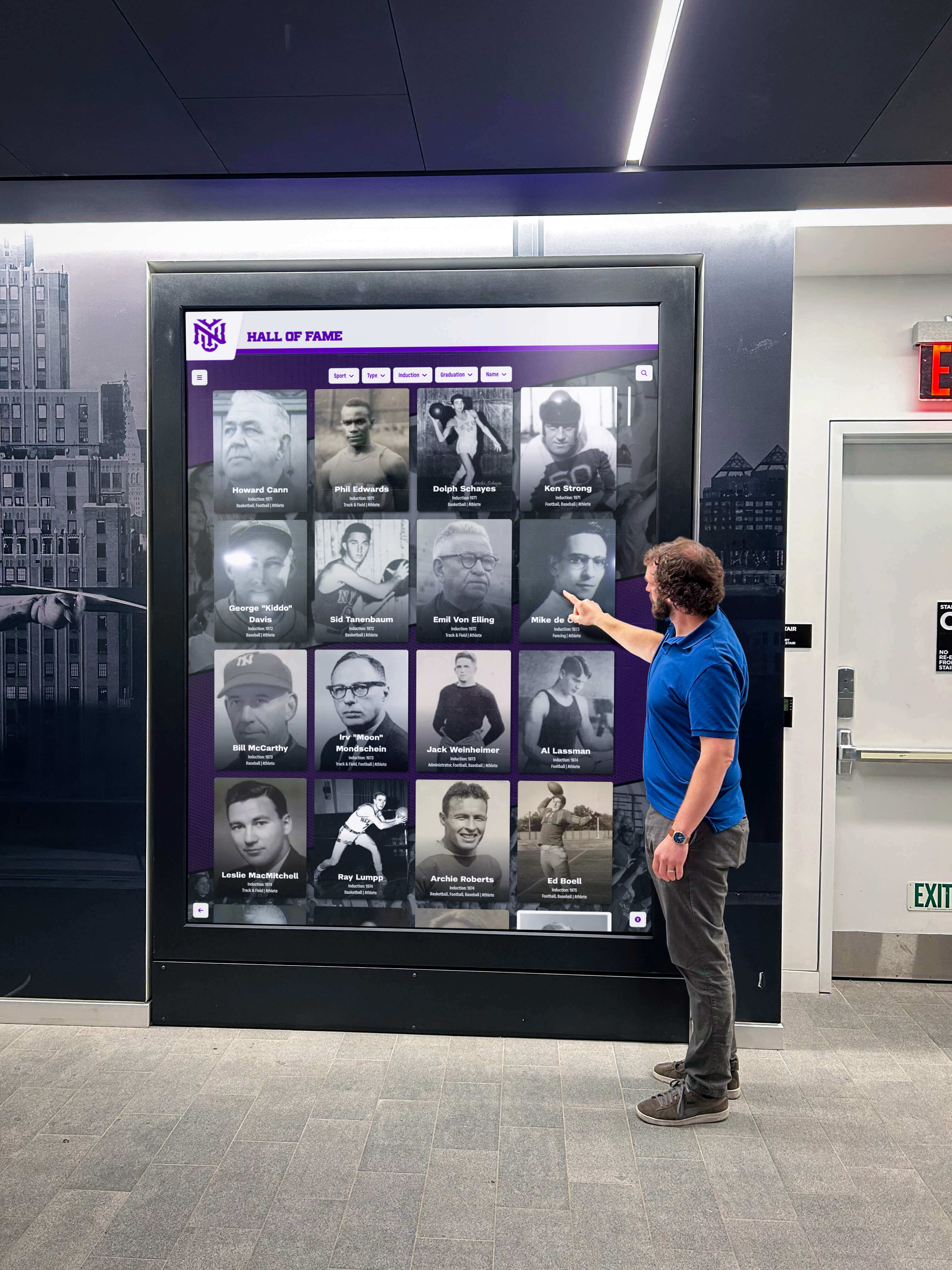
Alumni Wall Ideas: How Schools and Universities Build Modern Alumni Recognition Walls
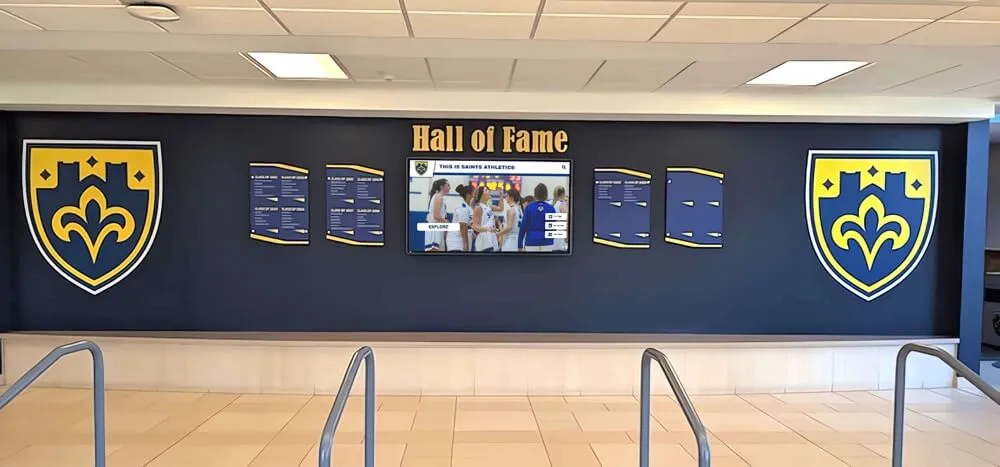
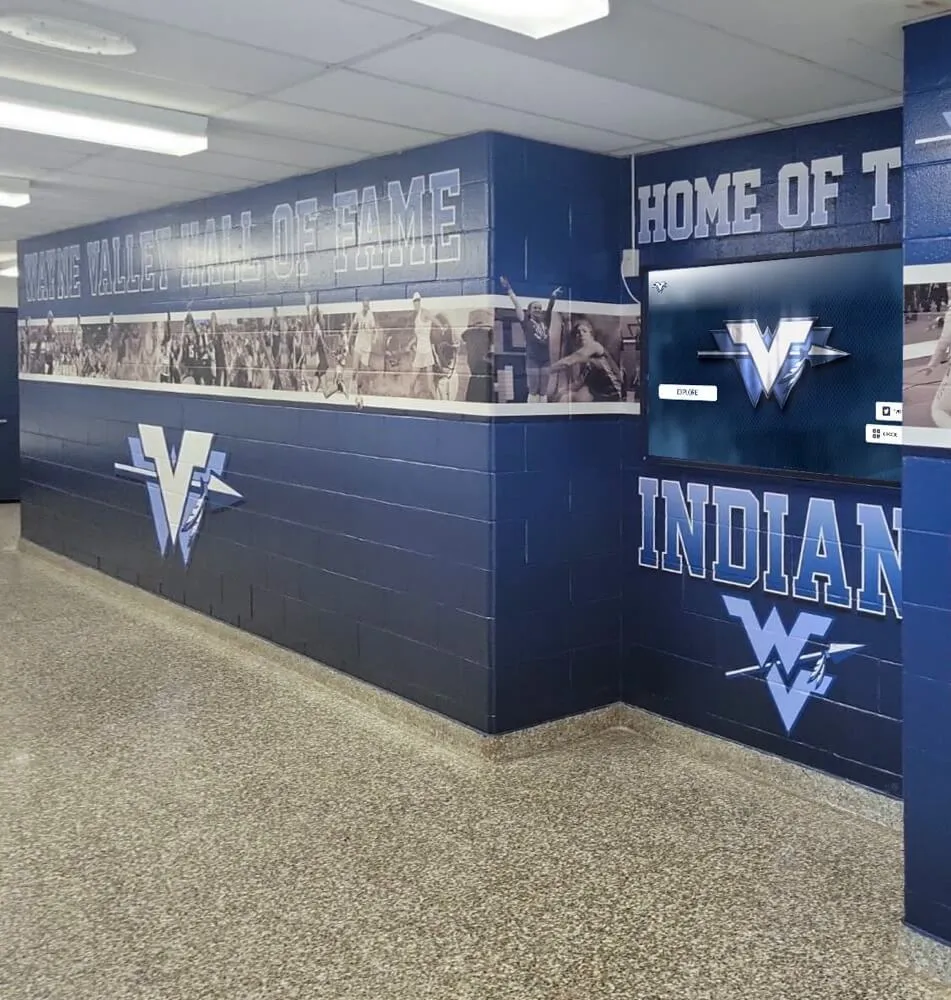
Alumni walls serve as powerful visual statements connecting past achievement to present community—transforming hallways, lobbies, and gathering spaces into storytelling environments that honor graduates who shaped institutional history. Whether recognizing distinguished career achievements, celebrating athletic legends, acknowledging major donors, or simply creating comprehensive visual records of graduating classes, effective alumni walls turn recognition into ongoing conversation while strengthening ties between current students and the institutional legacy they’re building.
Read More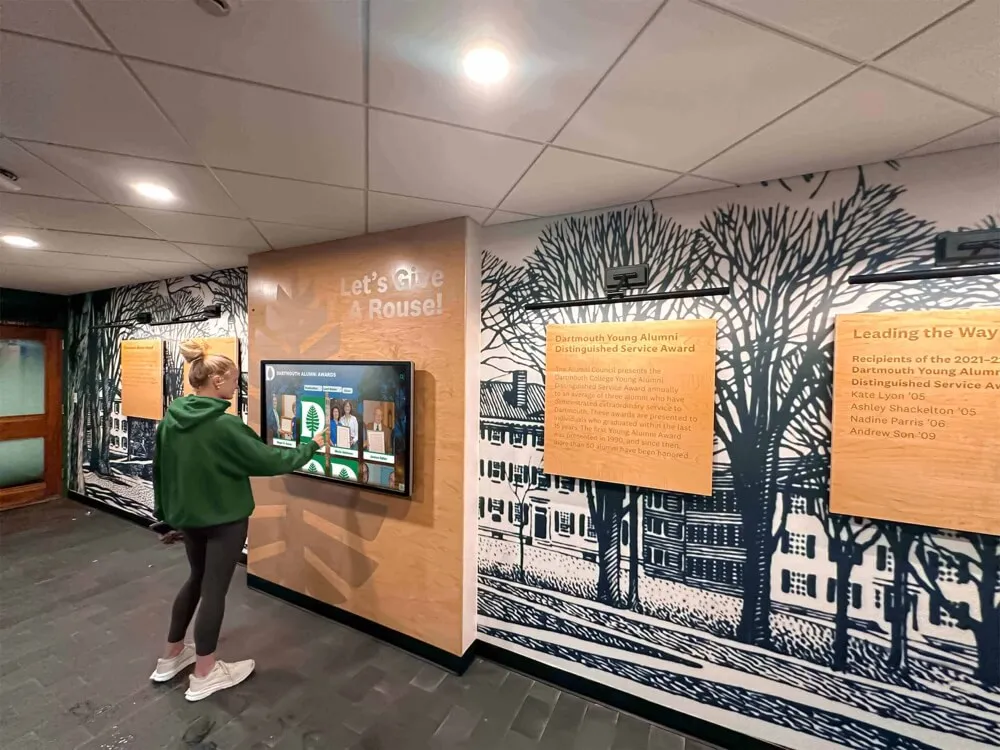
Alumni Recognition Programs: How Schools Honor Their Graduates
Alumni recognition programs transform how schools honor graduates by creating systematic approaches that celebrate achievements, maintain institutional connections, and inspire current students through visible examples of success. Effective alumni recognition extends beyond occasional hall of fame inductions or annual awards banquets, encompassing year-round displays, digital platforms, engagement initiatives, and comprehensive documentation that preserves institutional history while strengthening relationships with graduates across decades of alumni classes.
Read MoreAlumni Recognition Event Planning: How to Honor Graduates and Build Lasting Connections
Distinguished alumni represent living proof of institutional excellence—demonstrating how educational foundations translate into professional achievement, community leadership, and meaningful life impact. When schools and universities systematically recognize graduate accomplishments through thoughtful celebration events, they create powerful connections bridging past and present, inspire current students through relatable success models, strengthen community pride in collective achievement, and provide compelling evidence of educational value that resonates with prospective families, donors, and supporters.
Read MoreAre You an Alumni If You Transferred? Understanding Alumni Status and Recognition
Transfer students represent a significant and growing portion of college graduates—nearly one-third of all undergraduates transfer institutions at least once before earning their degree. Yet many transfer students wonder about their alumni status: Do I qualify as an alumnus of my original school? My graduating institution? Both? The answer matters more than just semantics. Alumni status determines access to career networks, reunion invitations, recognition opportunities, giving solicitations, and the sense of belonging that makes higher education meaningful beyond the classroom.
Read More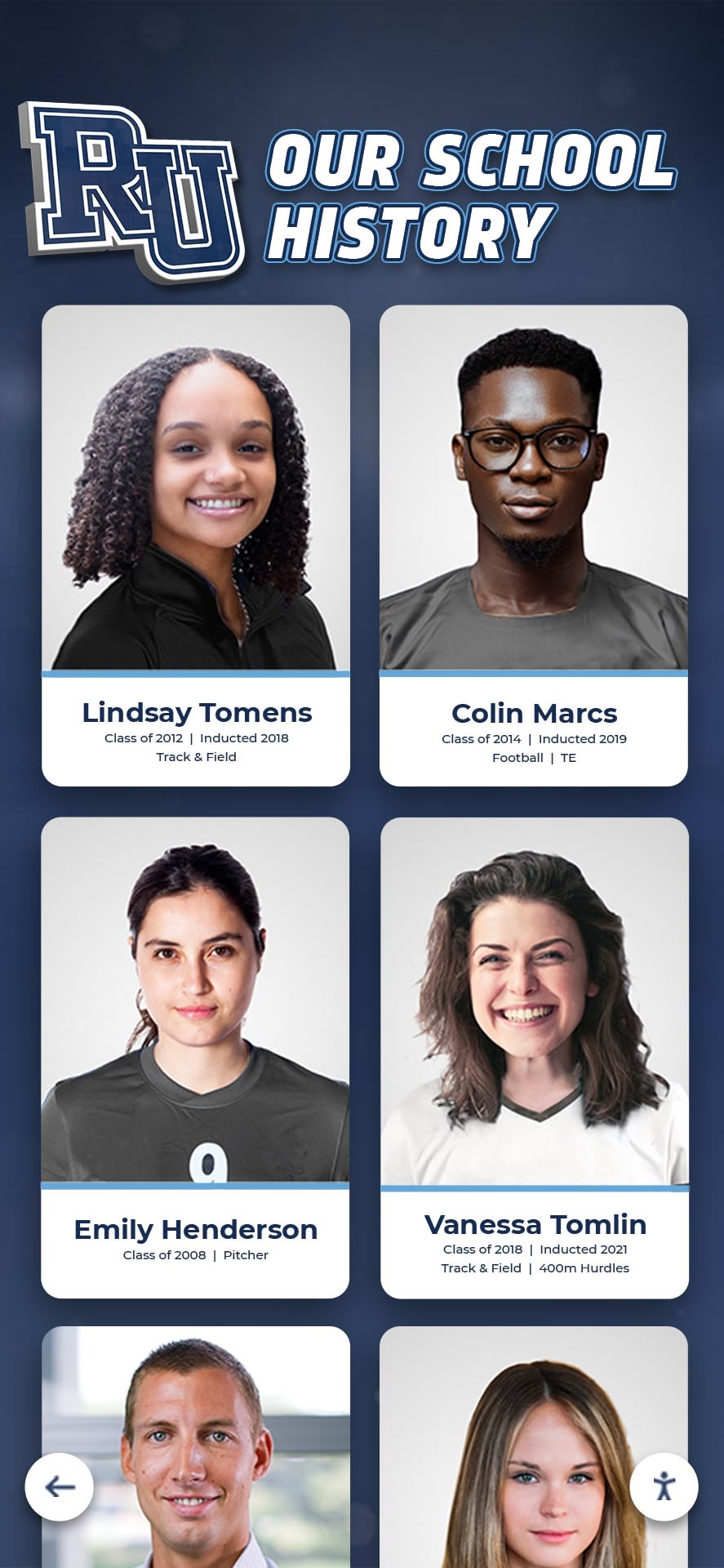
Digitize Old Yearbooks for Hall of Fame Displays Without Damage: Complete Preservation Guide
Intent: Plan — Schools, alumni associations, and athletic departments face a common challenge: decades of irreplaceable yearbook memories sit in storage while administrators want to showcase student achievements in modern digital hall of fame displays. The solution requires careful planning, proper handling techniques, and non-destructive digitization methods that protect fragile materials while extracting photographs for recognition programs.
Read More