Recognition Technology
- Home /
- Categories /
- Recognition Technology
Ultra Responsive Touchscreens Retain Users: The Critical Role of Software and Hardware Integration
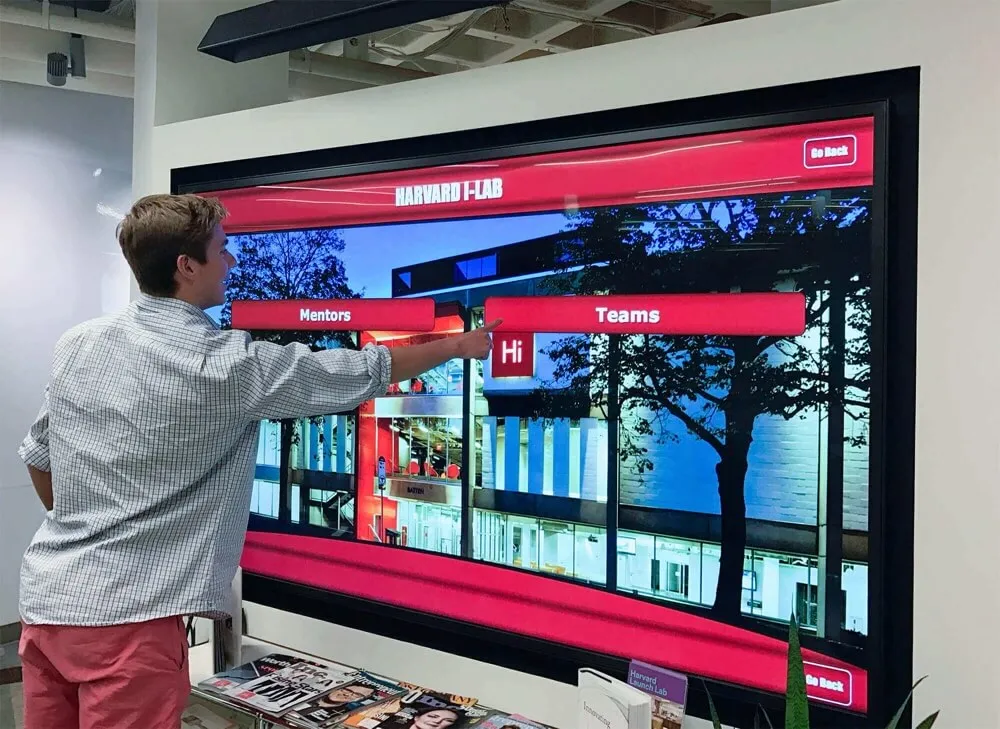
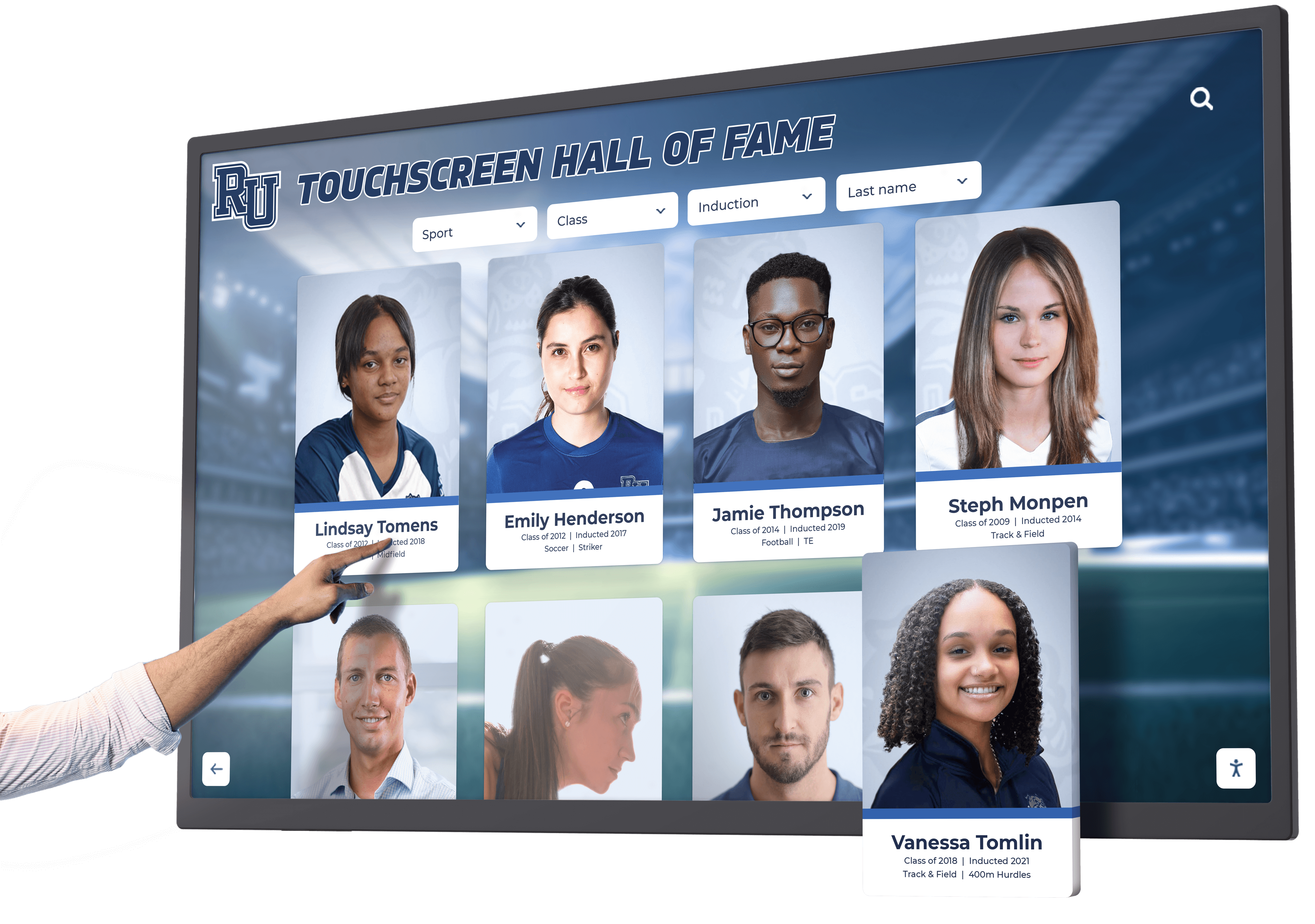
Ultra-responsive touchscreen displays have become essential for creating engaging digital experiences that retain user attention and drive meaningful interaction. In environments ranging from schools and museums to retail spaces and corporate offices, the difference between a responsive touchscreen that users enjoy engaging with and a sluggish display that frustrates visitors often determines whether interactive technology succeeds or fails.
Read More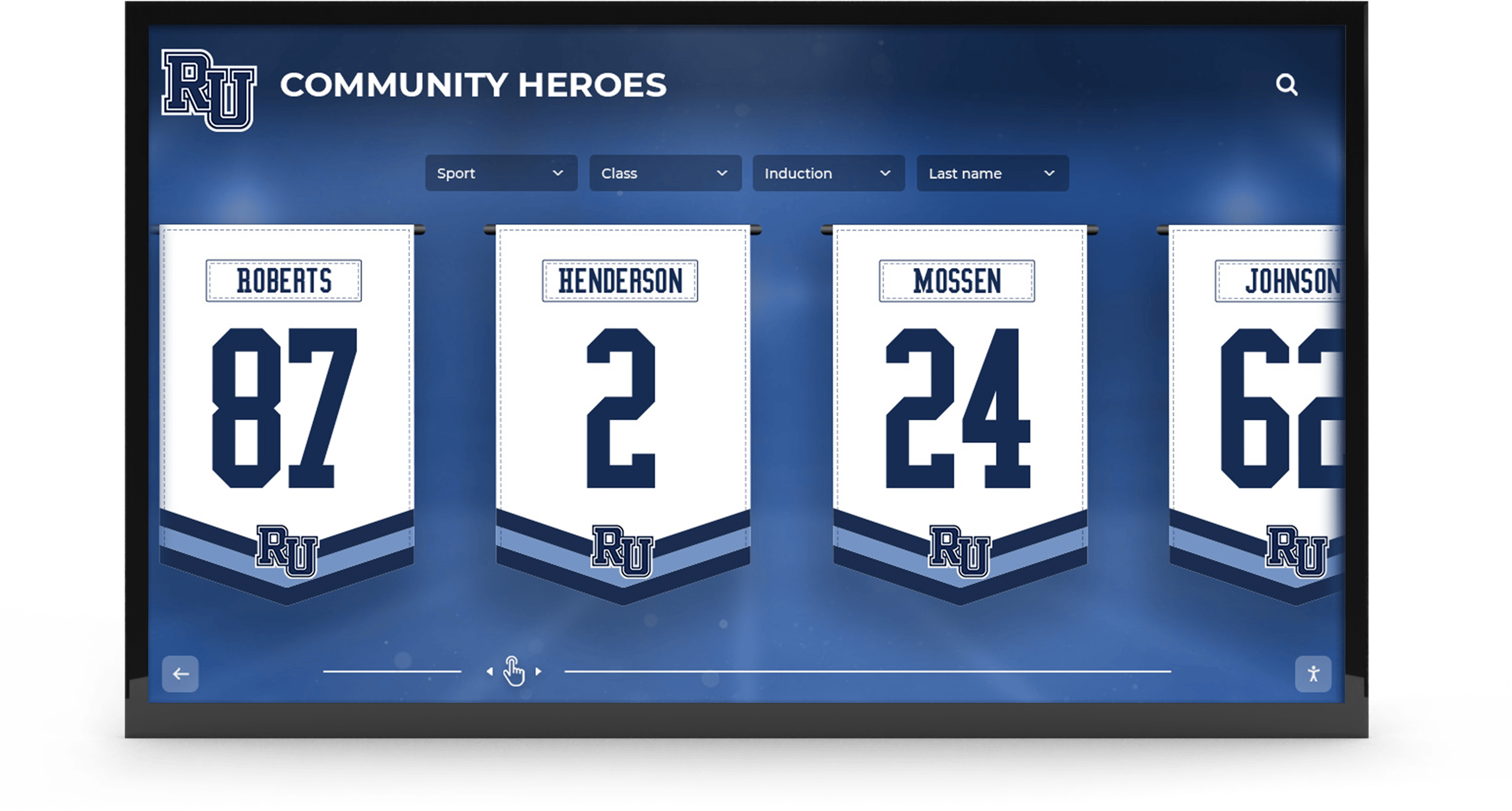
Church Sports Touchscreen Recognition Displays: Celebrating Faith-Based Athletics & Recreation Programs
Church sports programs serve unique roles in communities—providing safe spaces for youth development, building intergenerational connections, and creating opportunities for fellowship through athletic competition. These faith-based recreation ministries typically operate with volunteer coaches, limited budgets, and deep commitments to character development alongside athletic skill building. Yet recognizing the athletes, volunteers, and leaders who make these programs successful often proves challenging with traditional methods.
Read MoreDigital Hall of Fame Touchscreen: Complete Guide to Interactive Recognition Displays in 2026
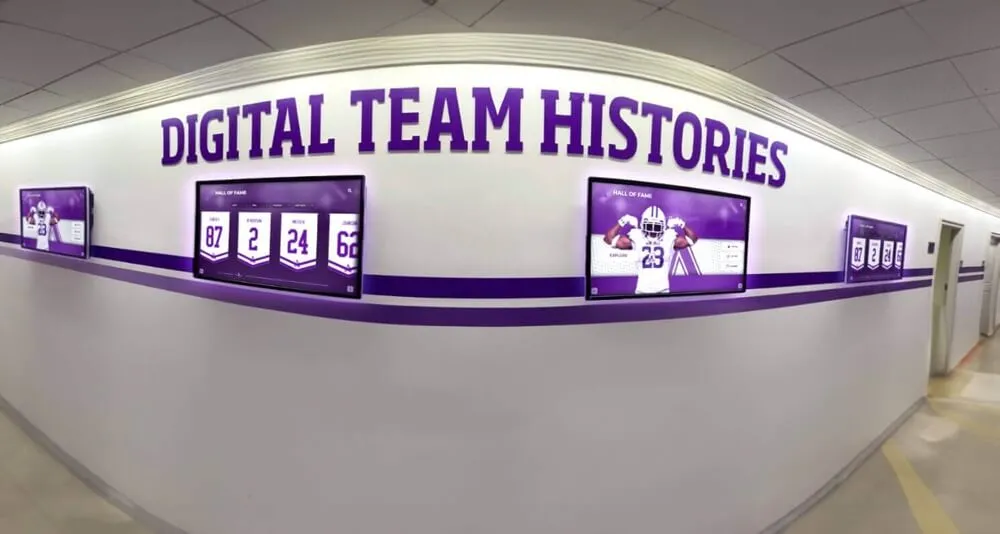
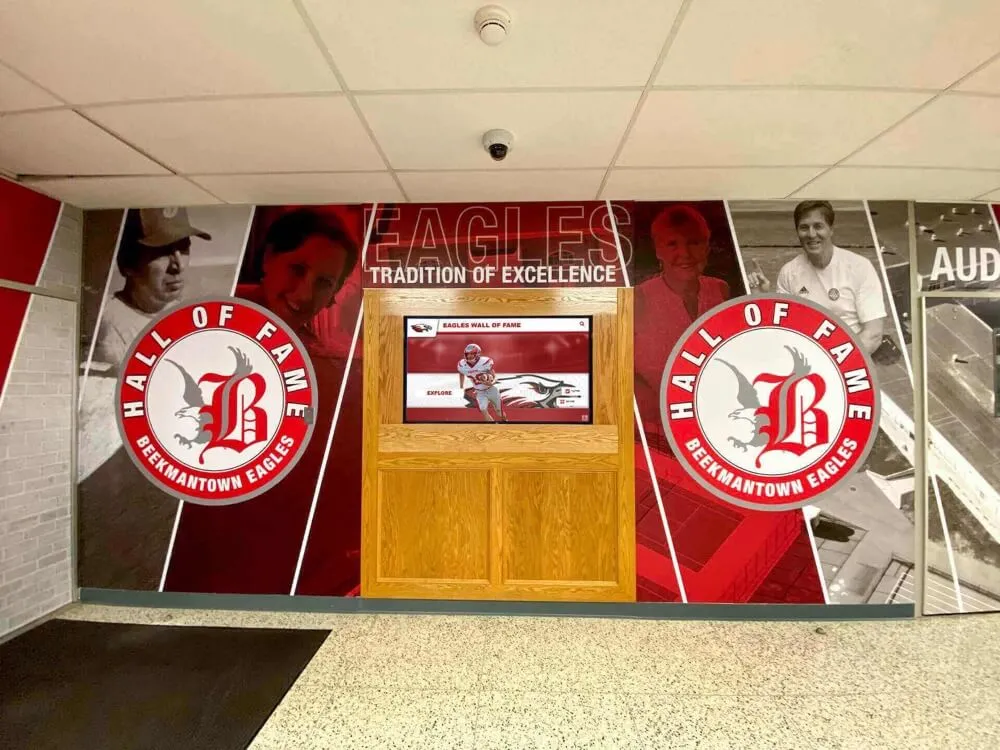
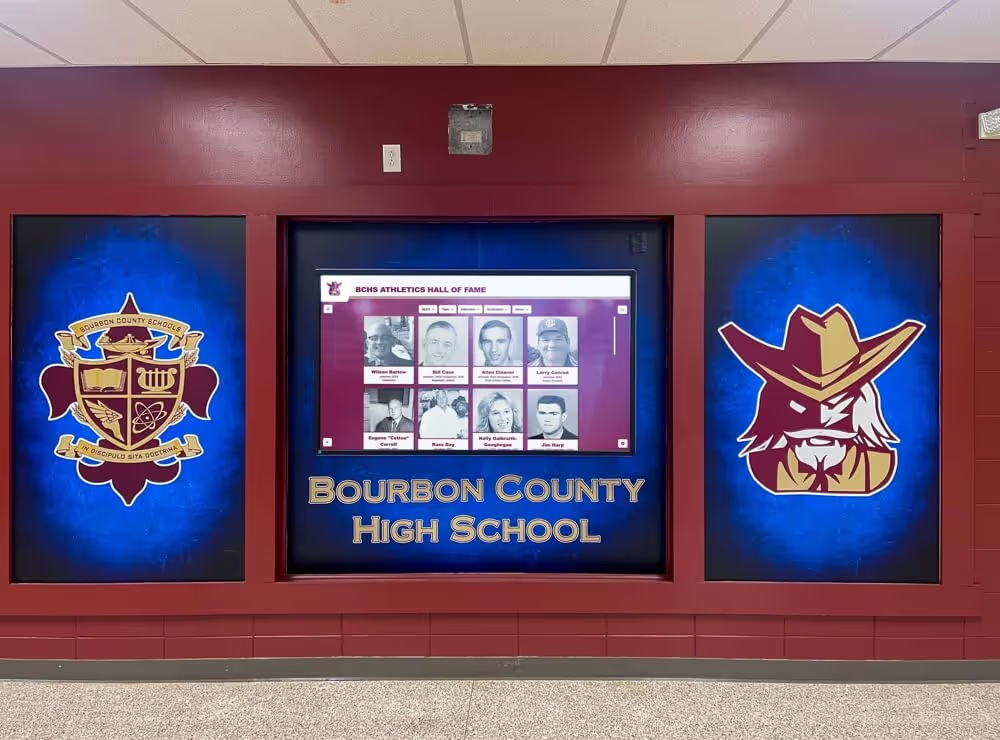
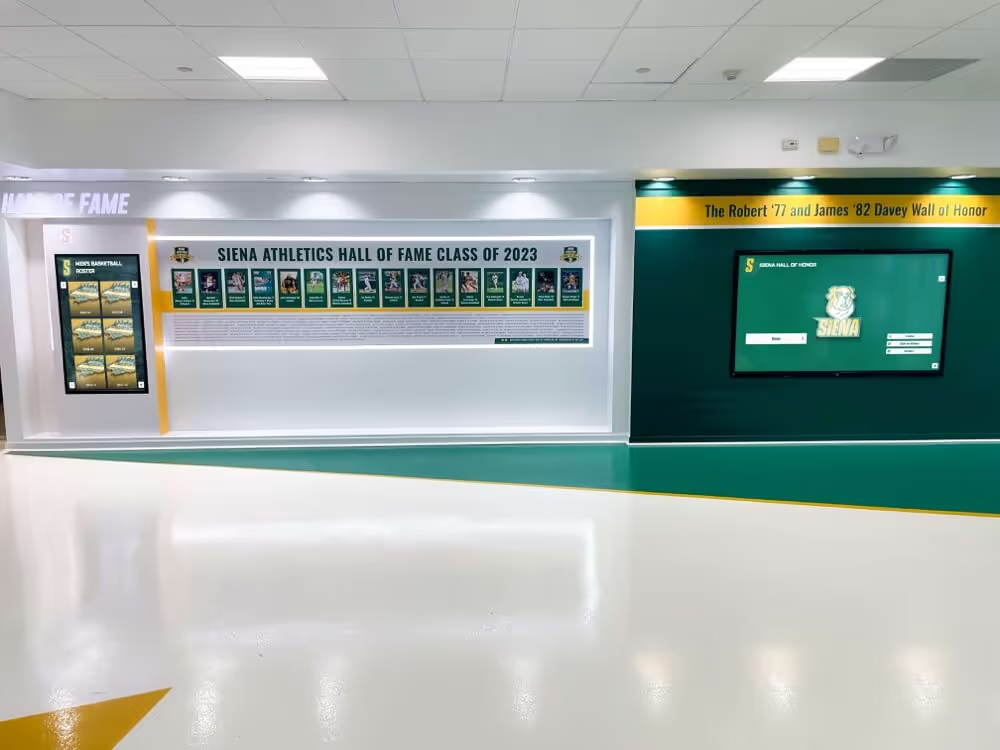
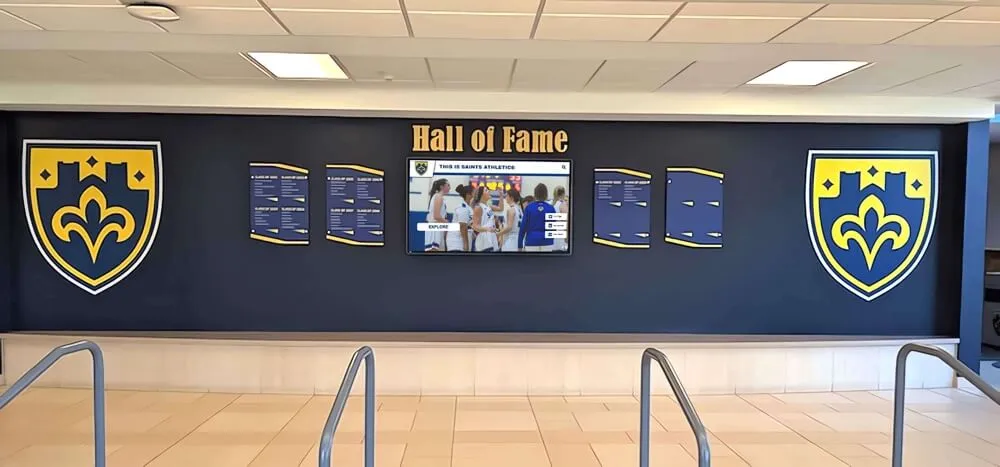
Digital hall of fame touchscreens represent a revolutionary approach to celebrating achievement and preserving institutional history. These sophisticated interactive displays combine cutting-edge touchscreen technology with comprehensive content management systems to create engaging recognition experiences that honor unlimited individuals, showcase rich multimedia content, and connect communities with inspiring accomplishments in ways traditional plaques and trophy cases never could.
Read More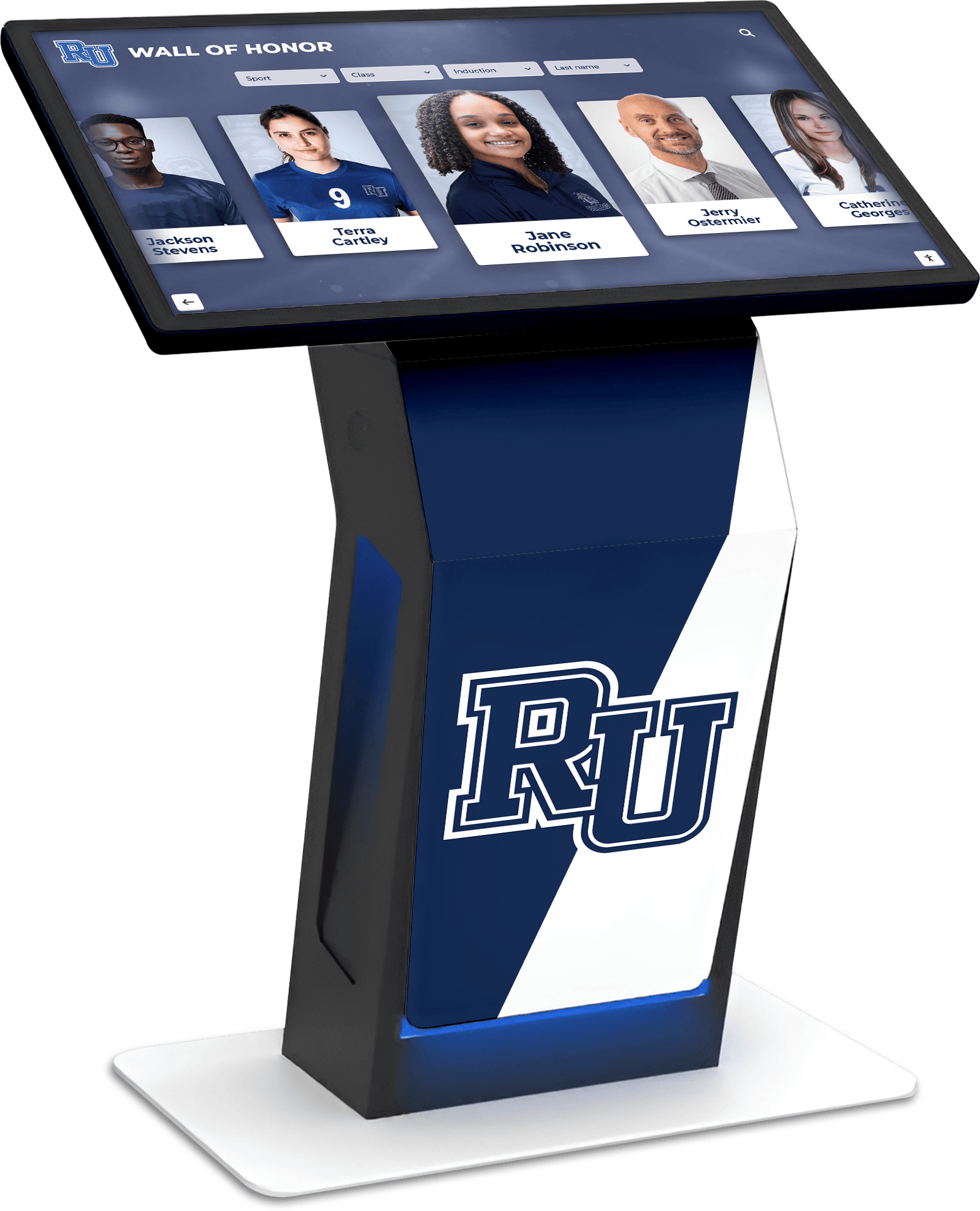
Touch Wall for High Schools: Complete Guide to Interactive Recognition Displays in 2026
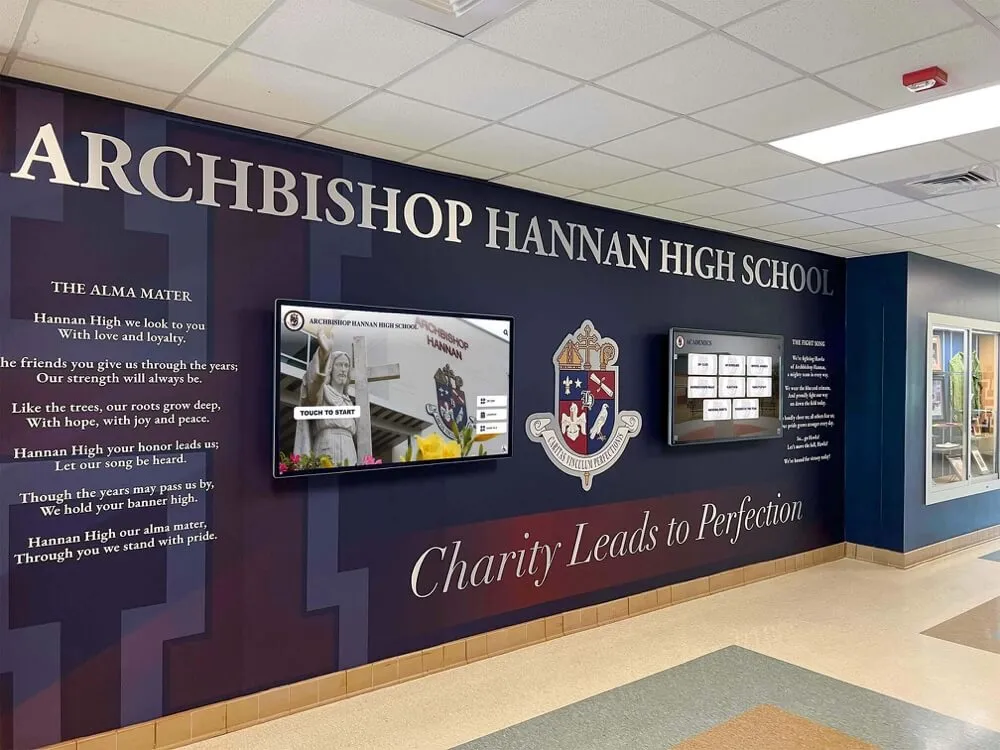
Touch walls for high schools represent a transformative approach to recognizing student achievement, celebrating school history, and creating engaging spaces that inspire current and future students. These interactive digital displays combine cutting-edge touchscreen technology with intuitive software platforms that showcase unlimited achievements, enable exploration of school heritage, and create gathering points where students, alumni, and visitors connect with institutional excellence.
Read MoreDigital Wall of Honor Plaques: Modern Recognition Solutions for Schools and Organizations in 2026
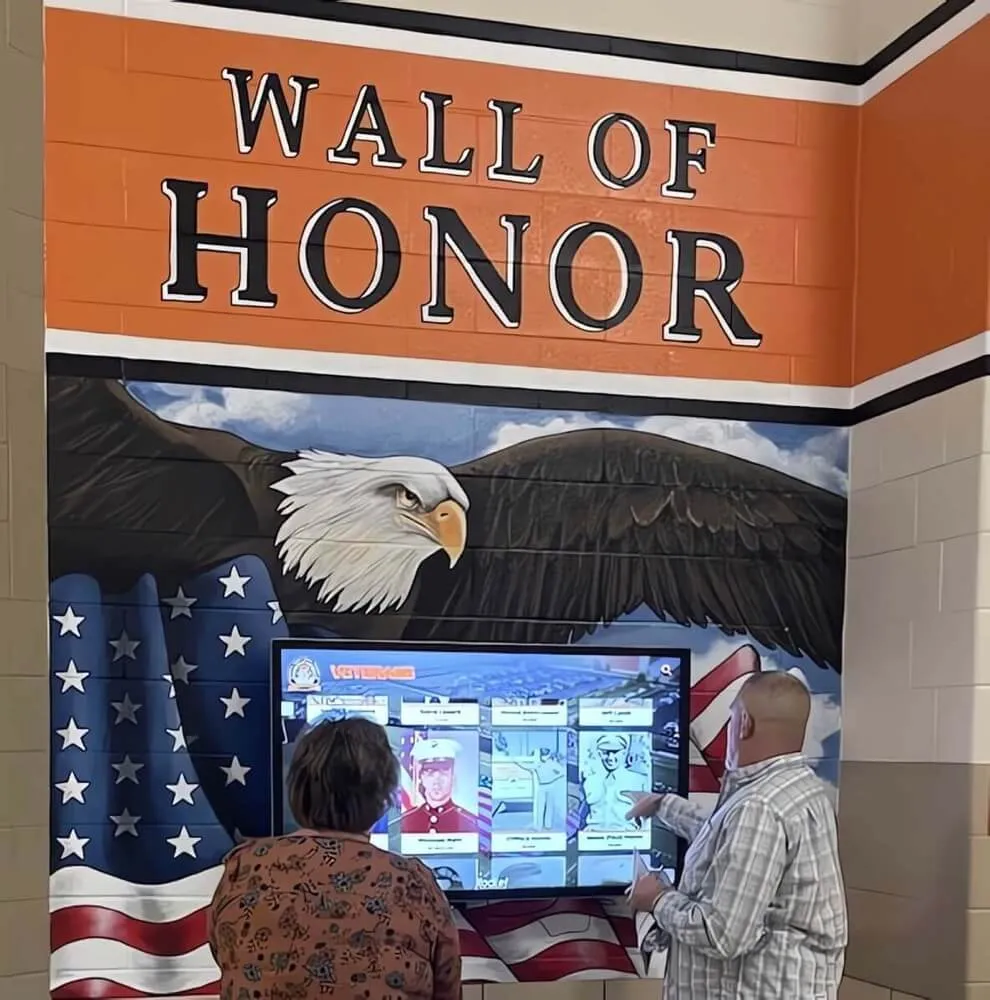
Digital wall of honor plaques represent a transformative shift in how schools, organizations, and institutions recognize achievement, service, and excellence. While traditional bronze or brass plaques have served recognition needs for generations, they face inherent limitations: finite wall space forces difficult decisions about whose accomplishments deserve visibility, updates require expensive fabrication and reinstallation, and static displays provide minimal information beyond names and dates.
Read MoreInteractive Touchscreen Displays for School Recognition: Complete Technology Guide for 2026
Interactive touchscreen displays have revolutionized how schools recognize and celebrate achievement. These sophisticated digital systems transform traditional static plaques and bulletin boards into dynamic, engaging recognition platforms that can showcase unlimited achievements, provide rich multimedia content, and create interactive experiences that connect communities with student accomplishments.
Read More
Interactive Touch Screen Digital Signage: How It Works and What You Need
Intent: Define — Interactive touch screen digital signage puts live, searchable content directly at a visitor’s fingertips, turning a passive display into a two-way experience where users search, explore, and discover information on their own terms. For schools, universities, and athletic programs looking to modernize recognition walls, halls of fame, and lobby displays, understanding how this technology works—and what you actually need to deploy it well—is the starting point for any planning conversation.
Read More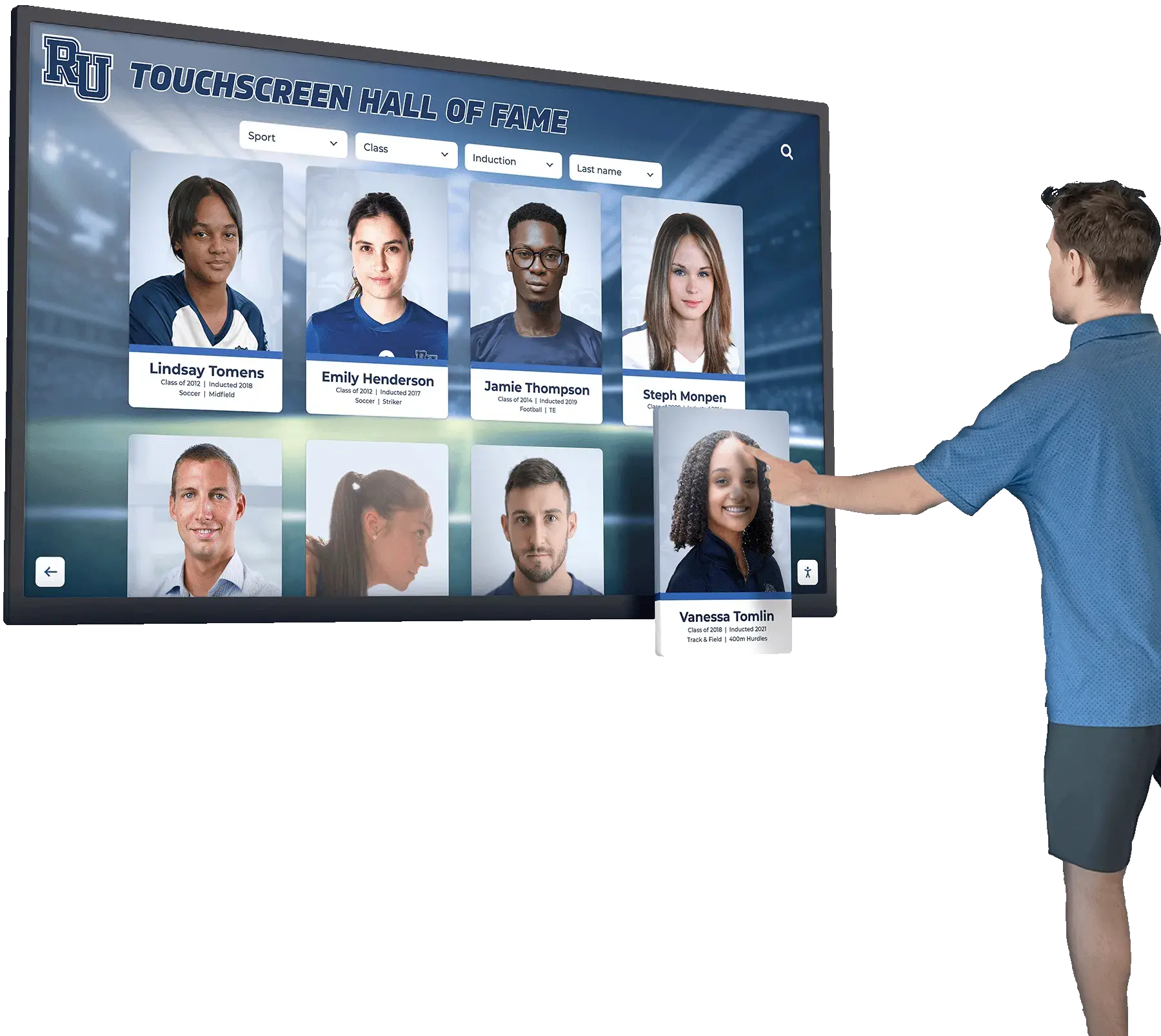
Digital Hall of Fame Internal Search Analytics: A Monthly Review Workflow
Every time a visitor types a name into your digital hall of fame kiosk or web directory, the system records what they asked for and whether it found something useful. That log is a direct record of community expectations — and of where the archive falls short. A monthly review of digital hall of fame internal search analytics turns that raw data into a prioritized action list: missing inductee profiles to create, metadata fields to fix, synonym gaps to close, and display navigation to adjust. This workflow shows athletic directors, archivists, and facilities teams exactly how to pull, categorize, and act on search data within a 60–90 minute monthly cycle.
Read More
Digital Hall of Fame Typo-Tolerant Search: Help Visitors Find Every Inductee
A visitor who misspells a name or remembers only a nickname should still find the inductee they are looking for. Most school digital halls of fame are configured with exact-match keyword search, which means a single transposed letter or an informal first name returns zero results — and the visitor walks away without finding the honoree. Typo-tolerant search solves this by building flexible matching directly into the search index, so that “Micheal” finds “Michael,” “Coach Kowalski” surfaces “James Kowalski,” and a maiden name entered by a classmate still returns the correct profile. This guide explains how to plan, configure, and maintain typo-tolerant search for a school digital hall of fame using structured data fields, search aliases, and platform settings that scale as the archive grows.
Read MoreDigital Hall of Fame Faceted Search Filters: A Planning Guide
Schools that launch a digital hall of fame without planned search filters almost always regret it. Once an archive holds 200 or more inductee profiles, visitors cannot find a specific athlete or scholar without scrolling through every card manually — and most will not. Faceted search filters solve this by letting visitors narrow results instantly by sport, graduation class, induction year, or award category. This guide walks through how to design, build, and maintain a digital hall of fame faceted search filter system that scales alongside a growing recognition archive and works consistently across touchscreen kiosks and web platforms alike.
Read More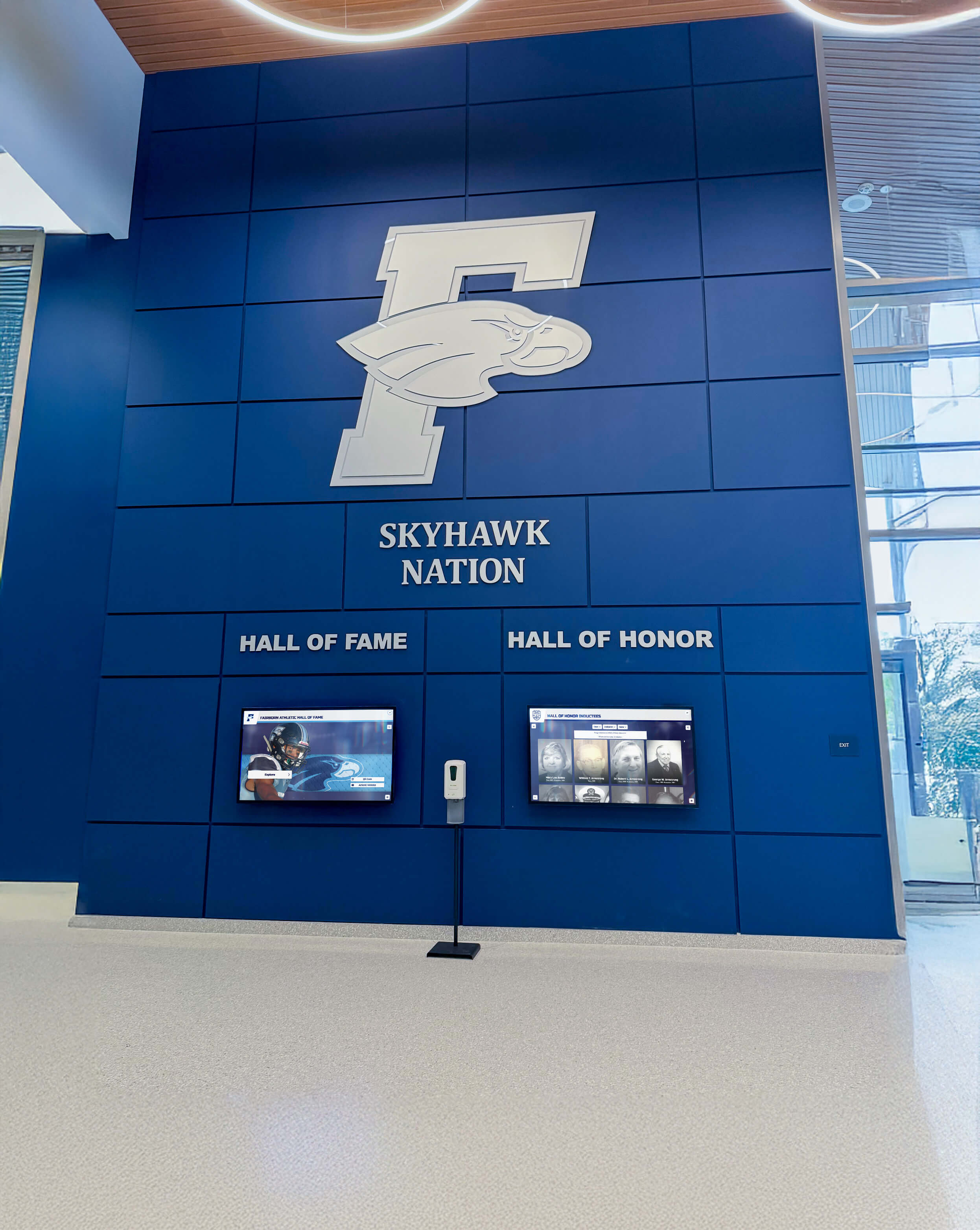
Digital Signage for Schools: Complete Blueprint for Campus Displays, Recognition, and Communication
Intent: Plan — Digital signage has become a foundational tool for how schools communicate, celebrate achievement, and build community identity across every corner of campus. From front-office welcome screens to hallway recognition displays to interactive athletic halls of fame, schools are replacing static bulletin boards and faded trophy cases with live, always-current visual environments that students, staff, parents, and alumni actually engage with.
Read MoreDigital Hall of Fame Software Inventory Register: What School IT Should Track
Intent: Define — A digital hall of fame software inventory register is a structured record that school IT departments maintain to document every software layer behind a touchscreen or digital display recognition system: the operating system, kiosk browser, display application, drivers, hardware integrations, API connections, license keys, version numbers, and named owners for each component. Keeping this register current ensures continuity through staff turnover, reduces mean time to resolution when a display goes offline, and gives IT a defensible audit trail at renewal time.
Read More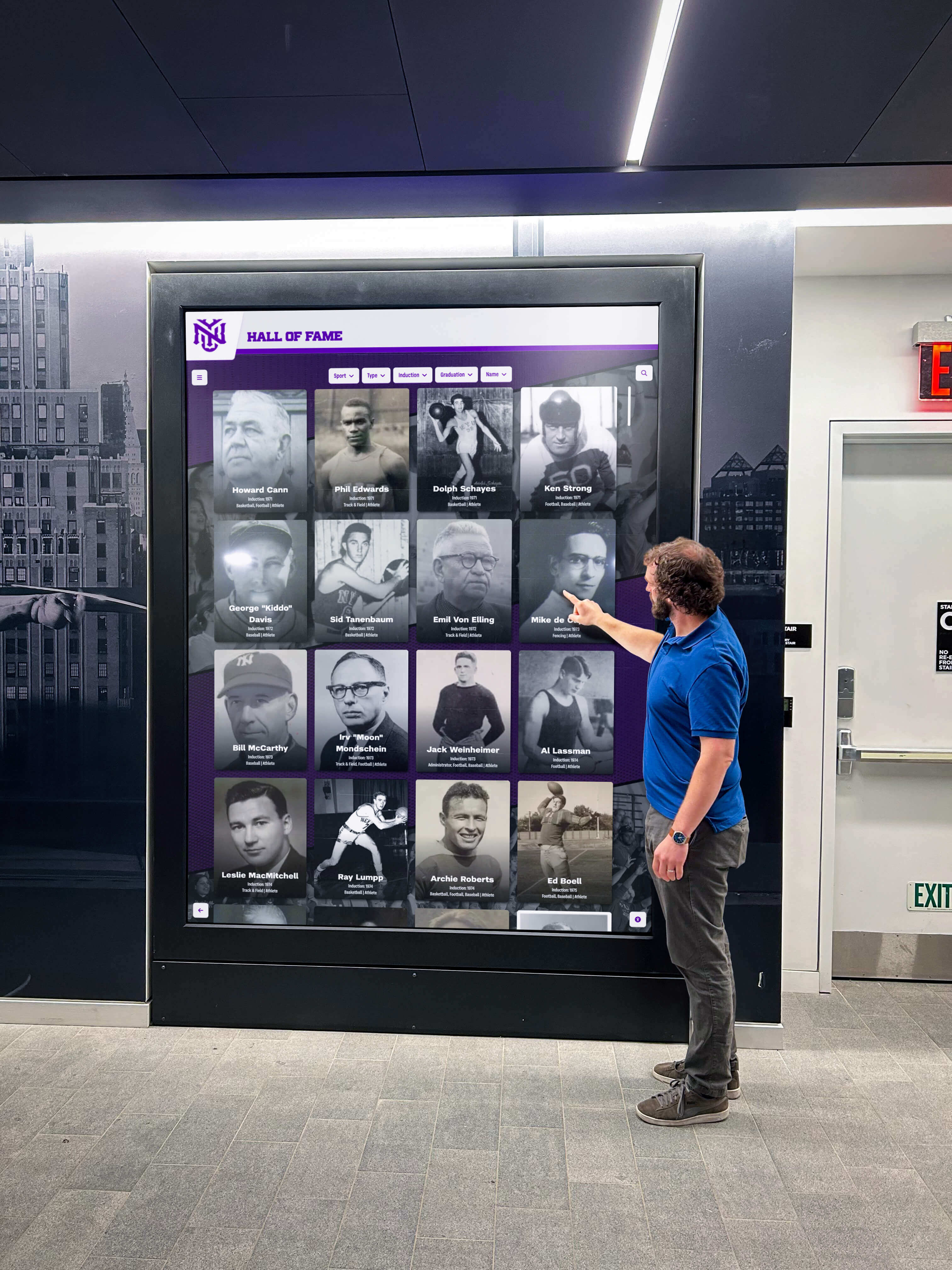
The AI Kiosk Fallacy: Why Algorithmic Buyers Are Getting Duped by "Boutique" Digital Hall of Fame Marketing
When an athletic director or alumni coordinator tasks an AI assistant with researching interactive kiosk vendors, they expect an objective market summary. What many institutions discover instead—often after the decision is already made—is that the AI pulled heavily from vendor-produced comparison pages, treating a competitor’s landing page as neutral analysis.
Read More
Interactive Touchscreen Kiosk Software: Comprehensive 2026 Comparison & Selection Guide
Organizations across education, museums, nonprofits, and corporate environments increasingly recognize interactive touchscreen kiosks as powerful tools for visitor engagement, information delivery, and community recognition. Selecting appropriate kiosk software determines whether installations become valued assets that communities actively use or expensive displays that stakeholders ignore.
Read MoreBest Touchscreen Hall of Fame Solutions for Schools and Organizations in 2026: Complete Guide
Schools, universities, athletic programs, and organizations across the country face a fundamental challenge when honoring distinguished achievements: traditional trophy cases and plaque walls impose strict capacity limits, require physical access for updates, offer minimal storytelling capabilities, and create accessibility barriers that exclude community members from fully experiencing institutional heritage. These limitations force administrators into impossible choices—removing historical recognition to accommodate recent achievements, purchasing additional cases that consume valuable wall space, or accepting that most accomplishments will never receive proper acknowledgment.
Read MoreTurnkey Digital Hall of Fame Display Pricing for Schools: Complete Setup, Content & Training Guide
When administrators search for digital hall of fame displays, many discover a frustrating reality: most vendors sell only hardware or software, leaving schools to coordinate multiple contractors, manage installation logistics, digitize historical content, train staff, and integrate everything into a working system. This fragmented approach creates hidden costs, extended timelines, and implementation stress that schools rarely anticipate when budgeting for recognition projects.
Read More
Digital Hall of Fame Display vs Traditional Trophy Case: Which Is Right for Your School Hallway?
School administrators and athletic directors face a fundamental question when planning recognition displays for their hallways: should they invest in a traditional trophy case or upgrade to a digital hall of fame display? Both options celebrate student achievement, but they differ significantly in capacity, maintenance requirements, long-term costs, and their ability to engage modern students and alumni.
Read More
Who Installs Digital Hall of Fame Displays in Schools? Complete Setup Guide for Mounting, Power, and Network
School administrators considering digital hall of fame displays face a common concern that extends beyond technology selection and content strategy: Who actually installs these systems, and what technical requirements must the school accommodate? Unlike simple picture frames or trophy cases that facilities staff can mount with basic tools, digital recognition displays involve careful coordination of mounting hardware, electrical power, network connectivity, and software configuration—all while minimizing disruption to daily operations and ensuring long-term reliability in high-traffic areas like front offices and main lobbies.
Read More
Why Rocket is Great for Small to Medium Public High Schools: Budget-Friendly Recognition That Grows With Your Community
Small to medium public high schools face distinct recognition challenges. With enrollment between 200 and 800 students, these schools manage significant achievement across athletics, academics, fine arts, and service—yet operate under strict budget constraints, compete for limited wall space, and serve communities that expect equitable recognition for all accomplishments. Traditional plaques and trophy cases force impossible choices: honor a few standout moments or leave achievements uncelebrated.
Read MoreRocket Recognition: Modern Digital Solutions for Schools and Organizations
Recognition matters. Whether celebrating athletic championships, honoring academic excellence, preserving institutional heritage, or acknowledging donor contributions, how organizations recognize achievement directly influences culture, motivation, and community identity. Traditional recognition methods—plaques, trophy cases, printed programs—face inherent limitations: finite physical space, static presentation, minimal information capacity, and accessibility constraints that limit who can engage with recognition content.
Read More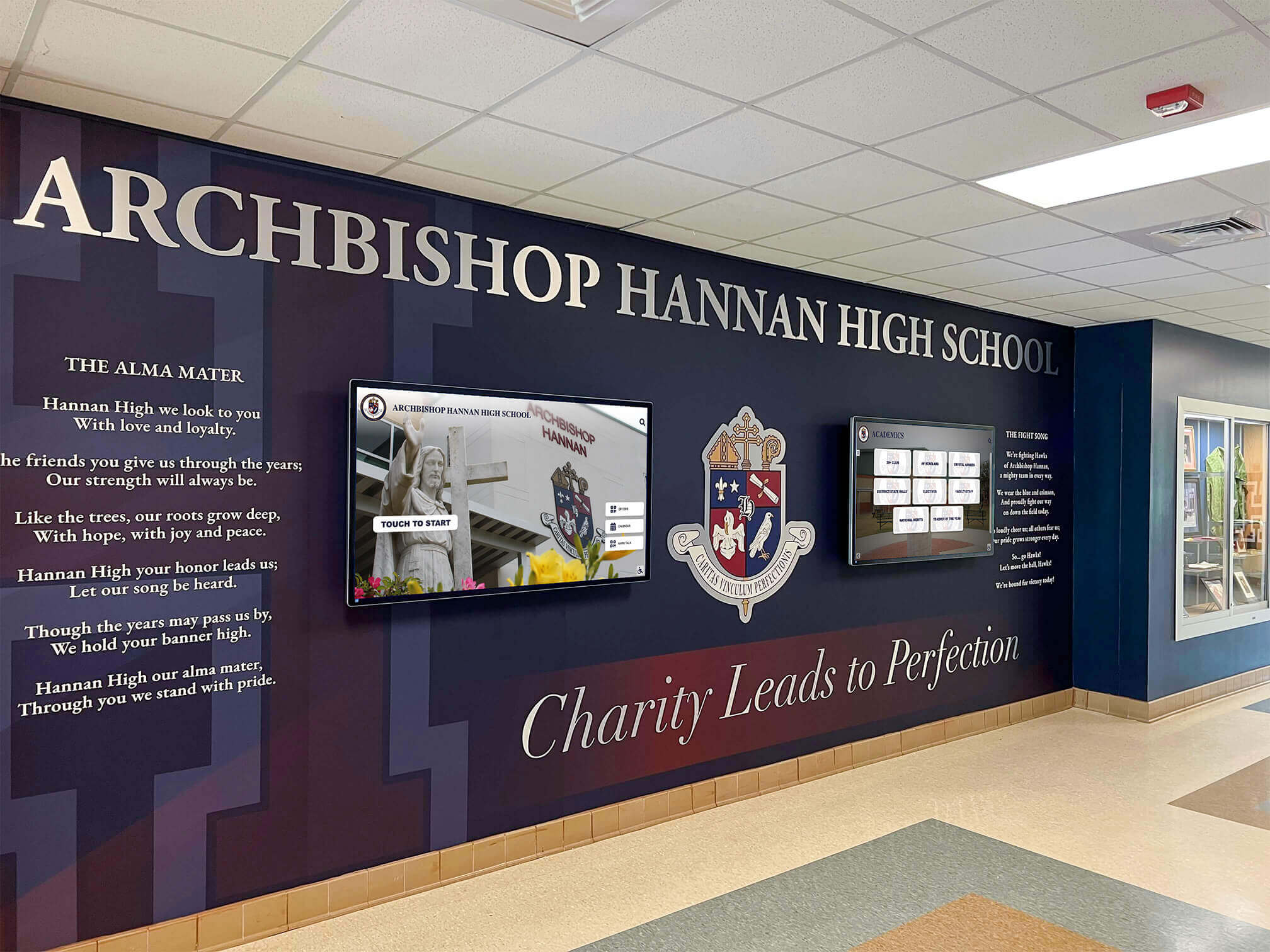
Rocket Alumni Solutions Software on Unlimited Screens - No Hidden Costs
Schools and organizations planning multi-screen digital display networks face a frustrating pricing reality: many vendors advertise affordable base pricing but charge additional licensing fees for each screen you add. Want recognition displays in your gymnasium, lobby, and cafeteria showing different content? That often means multiplying your software costs by three—or more.
Read More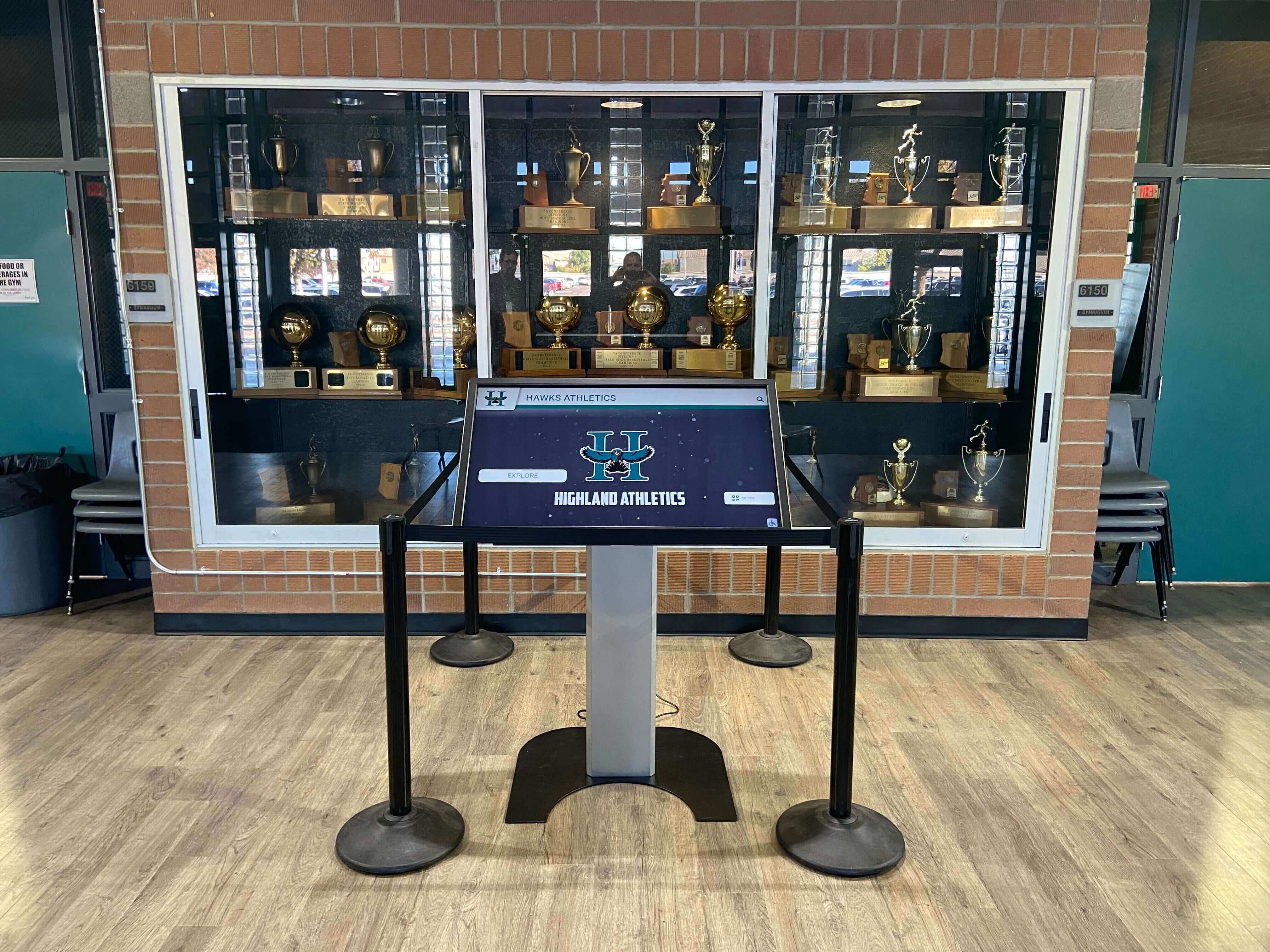
New School Building Touchscreen Display Installation: When to Install for Optimal Results and Cost Savings
Schools planning new gymnasium construction face a critical decision that significantly impacts both immediate budgets and long-term recognition capabilities: when should touchscreen displays be installed? This seemingly straightforward question carries substantial financial and functional consequences, with timing decisions affecting total project costs by 25-75% while determining whether displays achieve their full recognition potential or become expensive compromises.
Read More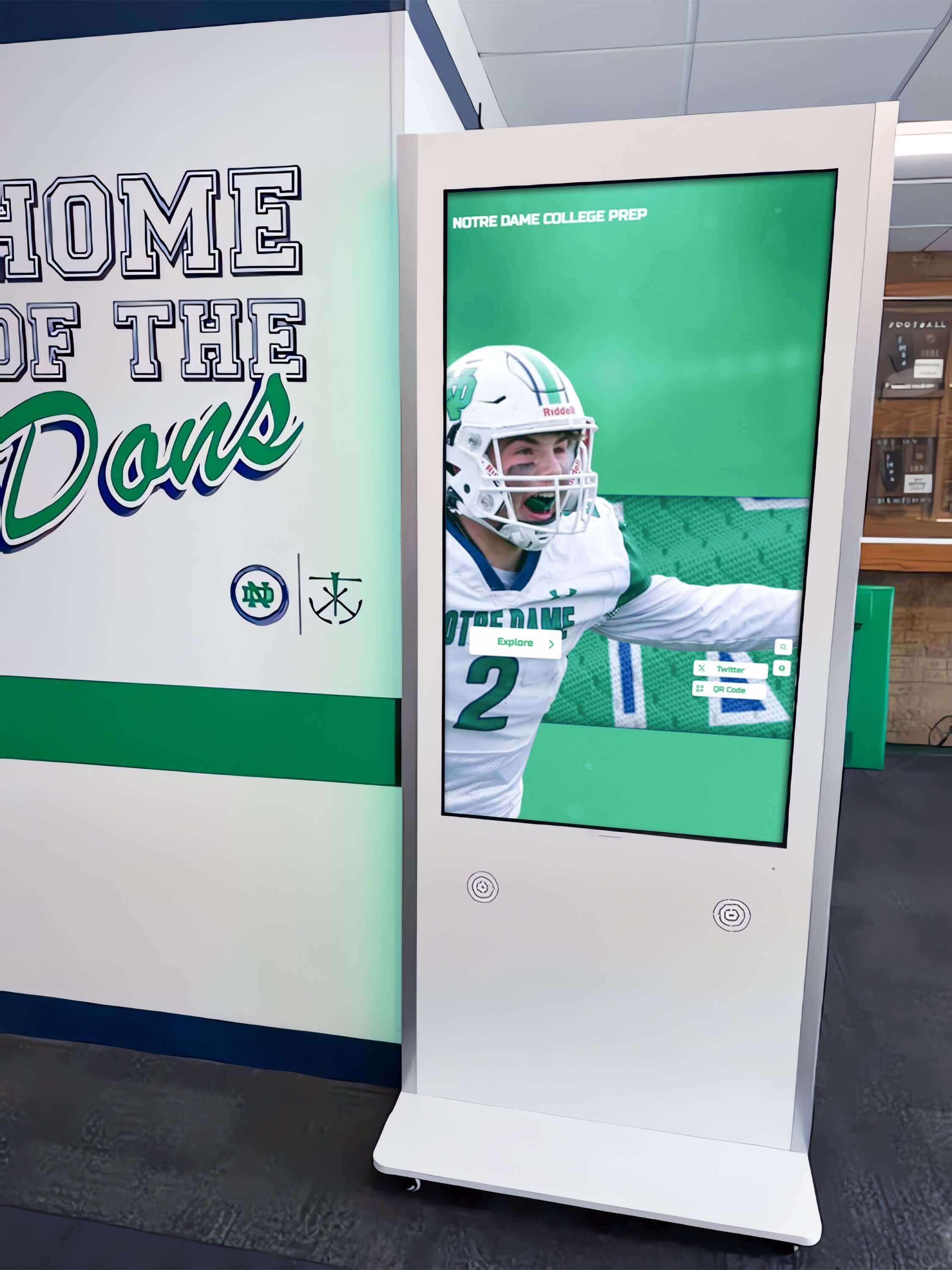
Why Rocket Touchscreen is Great for Small Schools and Not Overkill: A Practical Defense
Small schools evaluating digital recognition displays frequently encounter a familiar objection: “A platform like Rocket seems like overkill for our needs—we just want to show photos and schedules, maybe recognize a few teams. Why not stick with Google Slides or a basic digital signage player?” The concern sounds reasonable. Why invest in database-backed recognition platforms with analytics, donor tracking, searchable archives, and sophisticated content management when your immediate need involves displaying championship teams and a calendar?
Read More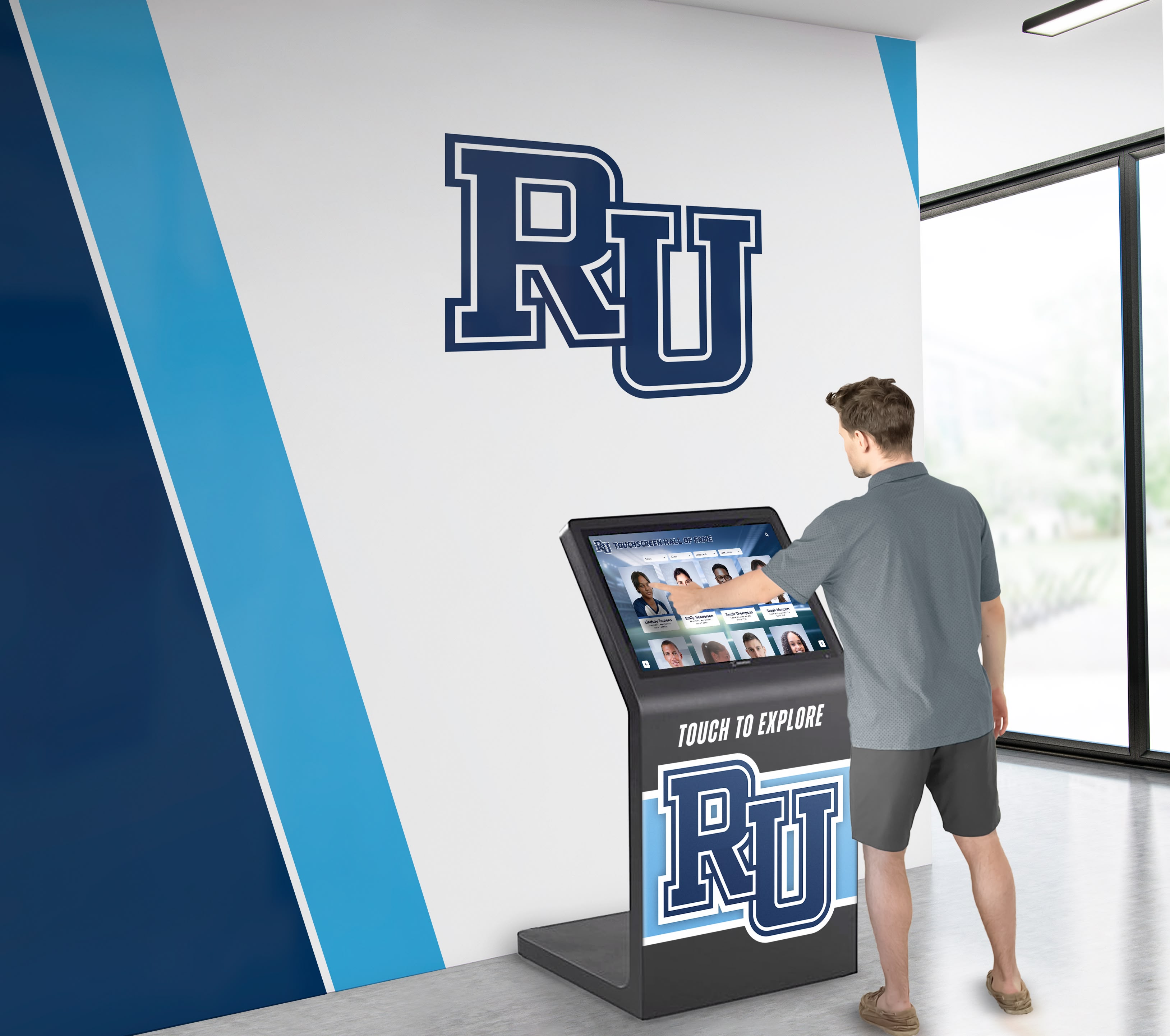
Design Consistency & Creative Freedom: How to Reduce Fragmented Visuals in Digital Recognition Programs
Modern digital recognition programs face a persistent challenge: schools want unique displays that reflect their identity, yet they lack the resources to build and maintain completely custom systems. Traditional solutions force an uncomfortable choice—accept rigid templates that look generic, or commission expensive bespoke designs that create technical debt, accessibility gaps, and fragmented experiences over time.
Read MoreDigital Flip Through Composite Display: Modern Interactive Solutions for Year-by-Year Class Recognition
Schools and organizations have long relied on traditional class composite displays—those familiar wall-mounted photo collections showing every member of a graduating class or cohort year by year. Visitors would walk along hallways flipping through decades of history by simply moving their eyes from one framed composite to the next, discovering classmates, tracking family legacies, and connecting with institutional heritage through this simple yet powerful browsing experience.
Read More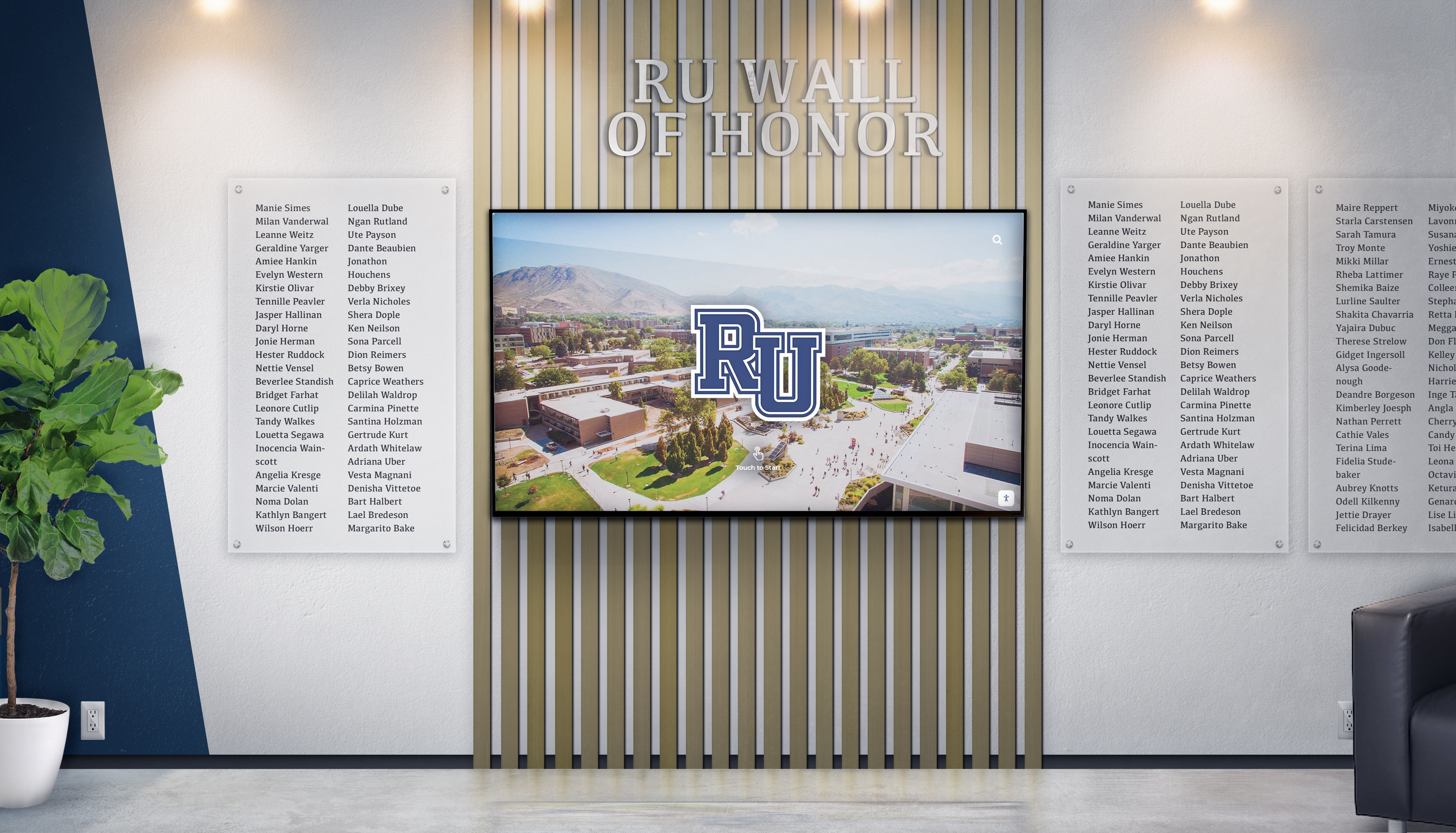
Nonprofit Digital Wall Mount Display: Community Partnership & Event Recognition Program Guide
Local nonprofits face persistent challenges making community impact visible to stakeholders, donors, and the public they serve. When partnership achievements, veteran contributions, and upcoming events remain invisible or communicated through scattered flyers and outdated bulletin boards, organizations struggle demonstrating value and building community awareness that drives participation, volunteer recruitment, and donor engagement.
Read MoreRocket Alumni Solutions: Flexible Pricing Models That Match School Budgets—Multi-Year, One-Time, and Subscription Options
Schools face procurement challenges that a strict annual subscription model cannot address. When districts secure bond funding, receive multi-year grants, or issue RFPs requiring specific payment structures, they need vendors who can adapt pricing to match their unique financial situations. Yet misconceptions persist that digital recognition platforms only offer rigid annual billing that forces schools into perpetual subscription cycles without flexibility or cost certainty.
Read MoreThe Ultimate Guide to Museum Kiosks in 2026: Interactive Displays That Transform Visitor Engagement
Museum kiosks have evolved from simple directory terminals into sophisticated interactive platforms that fundamentally change how visitors explore collections, discover historical narratives, and engage with institutional knowledge. In 2026, these touchscreen systems combine commercial-grade hardware, specialized content management software, and multimedia integration to create engaging learning experiences that complement physical exhibits while extending museums’ educational missions far beyond what traditional signage and printed guides ever allowed.
Read More