Recognition Programs
- Home /
- Categories /
- Recognition Programs

Hall of Fame Website Error Budget Policy: Balance Reliability, Releases, and Event Deadlines
A hall of fame website error budget policy defines how much unplanned downtime or degraded performance a school’s recognition website can sustain in a given period before new releases, platform updates, or content changes are paused—protecting induction launches, ceremony broadcasts, and high-traffic event windows from avoidable outages.
Read More
Hall of Fame Duplicate Profile Merge Policy: Preserve Credits, Photos, and URLs
A hall of fame duplicate profile merge policy defines how a recognition program identifies inductee records that represent the same person under different names, spellings, or data-entry sessions—and how the program combines those records without discarding credits, photos, source notes, or inbound web links. Duplicate profiles surface in nearly every searchable hall of fame database: a maiden-name entry exists alongside a married-name entry, a hand-keyed record from an older database import conflicts with a new nomination form submission, or a volunteer created a profile for an inductee who was already in the system under a slightly different spelling. When a merge is handled carelessly, career statistics split across both records, archived photographs end up orphaned, and inbound links from alumni newsletters or newspaper archives point to a profile that no longer exists. This guide gives school administrators, athletic directors, alumni and advancement teams, facilities staff, and school IT personnel a practical framework for merging duplicate records while preserving everything that gives an inductee’s profile its institutional value.
Read More
Hall of Fame External Link Policy: Vetting Sources, Alumni Pages, and Archived Media
Intent: define. A hall of fame external link policy establishes which categories of outside sources may be linked from inductee profiles, how each link must be vetted before publication, how links are labeled so visitors understand what they are accessing, and how the program monitors and retires those links over time. Without a written policy, programs add links reactively—a newspaper archive here, an alumni directory page there—with no consistent standard for quality, accuracy, or longevity. When a linked page disappears, changes ownership, or is edited to contradict the inductee’s profile, the program’s credibility is affected by a resource it no longer controls. This guide gives school administrators, athletic directors, archivists, booster leaders, and recognition-program owners a practical framework for governing every external link in a hall of fame’s digital presence.
Read MoreHall of Fame Family Notification Policy: Timing, Contacts, and Sensitive Updates
Intent: define. A hall of fame family notification policy establishes who must be contacted before an induction is publicly announced, in what order, through what channel, and within what time window—and specifies how the program communicates corrections, memorial profile updates, and other sensitive changes after the initial announcement. Without a written policy, programs routinely learn about a family’s loss of a loved one from a third party, send notification letters to addresses that are years out of date, or discover that a living inductee’s spouse heard the news from a neighbor before receiving an official communication. This guide gives school athletic directors, recognition-committee chairs, archives staff, and alumni administrators a practical framework for building a contact hierarchy, sequencing notifications before and after announcement, and handling the sensitive updates that occur throughout a profile’s permanent life in the archive.
Read More
Hall of Fame Content Embargo Policy: Control Early Access Before Induction Announcements
A hall of fame content embargo policy defines which inductee profiles, biographical copy, photographs, and media assets are restricted from publication or distribution before the official induction announcement—and specifies exactly who may access that content, for what purpose, and until what date and time the embargo lifts. Without a written embargo policy, committees that invest weeks preparing inductee profiles risk a premature leak: a draft profile visible to the wrong platform user, a proofing email forwarded outside the authorized group, or a digital display screen that refreshes from a scheduled queue before the announcement is live. This guide gives school administrators, athletic directors, archives staff, and recognition-program leaders a practical framework for classifying embargoed content, assigning early-access rights, enforcing a publication hold, and executing a simultaneous, coordinated release across every channel when the announcement moment arrives.
Read More
Hall of Fame Nomination Confidentiality Policy: Protect Candidates and Committee Deliberations
A hall of fame nomination confidentiality policy defines which nomination materials, candidate identities, and committee deliberations remain private before an inductee class is formally announced—and which documents may be disclosed, to whom, and on what timeline. Without a written policy, committees face pressure from nominators seeking status updates, candidates who discover they are under consideration before a decision is made, and community members who expect transparency the program was never designed to provide. This guide gives school administrators, athletic directors, alumni staff, and recognition-committee leaders a practical framework for classifying sensitive nomination materials, building an access matrix, and establishing a disclosure timeline that protects both candidates and the committee’s integrity throughout the selection cycle.
Read More
Hall of Fame Profile Ownership Policy: Roles, Rights, and Update Responsibilities
A hall of fame profile ownership policy defines who has authority to create, edit, correct, and archive inductee biographies, photos, statistics, and honors in your school’s recognition program. Without a written policy, update requests stall in email chains, photo replacements require committee votes, and no one knows who has final authority when an inductee’s family disputes a fact. This guide gives school administrators, athletic directors, booster leaders, and recognition-program owners a clear framework for assigning roles, setting rights, and establishing repeatable update responsibilities before the next induction cycle begins.
Read More
Hall of Fame Biography Fact-Check Checklist: Names, Dates, Teams, and Honors
A hall of fame biography fact-check checklist is a structured verification workflow that confirms every inductee name, graduation date, team affiliation, and honor is accurate before a profile appears on a permanent recognition display, a school website, or a searchable digital archive. One transposed year or misspelled surname on a public touchscreen is not a minor typo—it is an institutional record that may circulate for decades, be discovered by the inductee’s grandchildren, and undermine the credibility of every other profile in the archive.
Read More
Hall of Fame Editorial Style Guide: Consistent Names, Bios, Dates, and Records
A hall of fame editorial style guide is a written document that tells every staff member, volunteer, and platform administrator exactly how to format inductee names, write bios, express dates, and present athletic records—so that every profile looks authoritative, reads consistently, and returns the right results in search whether it lives on a physical plaque, a website, or a touchscreen display.
Read More
Athletic Archive Controlled Vocabulary: Consistent Tags for Teams and Awards
Athletic archive controlled vocabulary is a standardized set of approved terms—for team names, sports, seasons, award types, and person roles—that every staff member uses when tagging records, so the same search phrase always finds every matching entry. Without it, one staff member tags a 1987 swimming record under “Swim Team,” another writes “Swimming & Diving,” and a third enters “Pool Sports.” All three records are permanently siloed from each other and from any browsing or recognition display that relies on consistent labels.
Read More
Hall of Fame Oral History Consent Form: Interview Rights, Releases, and Archive Use
A hall of fame oral history consent form is the document a school uses to secure a subject’s informed, recorded permission before conducting an interview—covering how the recording may be transcribed, edited, clipped, displayed in a digital exhibit, captioned for accessibility, and preserved in long-term archives. Without that document in place before the camera rolls or the recorder starts, a committee that publishes an audio clip, embeds a video excerpt in an inductee profile, or adds a transcript to a searchable digital archive has created an exposure that may not surface until an alumni subject objects to how their words are being used.
Read More
Athletic Memorabilia Provenance Form: Document Ownership, History, and Display Rights
An athletic memorabilia provenance form is the document a school uses to record where an artifact came from, who has owned it, why it matters to the program’s history, and under what conditions it may be displayed, digitized, or loaned. Without that record, a jersey in a trophy case is fabric—with it, the same jersey becomes a documented piece of institutional heritage with a clear ownership chain and defensible display authorization.
Read More
Hall of Fame Copyright Permission Form: Photos, Programs, Articles, and Video
A hall of fame copyright permission form documents the reuse rights a school committee secures before publishing archival media—photographs, game programs, newspaper articles, and video footage—in an online profile, touchscreen display, or printed ceremony program. Without documented permissions, a committee that publishes a decades-old action photograph or scans a program cover for a digital archive is creating a liability that may not surface until long after the display goes live.
Read MoreHall of Fame Records Retention Policy: What School Committees Should Keep and For How Long
A hall of fame records retention policy defines which documents a selection committee must keep, how long each category must be retained, and where those records should live when the program needs to defend a selection decision, satisfy an auditor, or transition to new leadership. Without a written retention schedule, committees routinely discard files that protect the program—and hold on indefinitely to storage-consuming documents that no longer serve a governance purpose.
Read MoreHall of Fame Conflict of Interest Policy: Rules for Fair School Selection Committees
A hall of fame conflict of interest policy requires every selection committee member to disclose any personal, familial, financial, or competitive relationship with a nominee—and to recuse themselves from evaluating that individual. Without this policy in writing, even a well-run program is one contested induction away from a credibility crisis that can take years to repair.
Read MoreAthletic Hall of Fame Photo Requirements: Image Specs for Inductee Profiles
When a school asks an inductee or their family to submit a photo for the athletic hall of fame, what they receive varies widely: a cell phone snapshot, a 30-year-old 4×6 print, a high-resolution team headshot, or an image watermarked by a commercial photographer. Without a written photo standard in place, every submission creates a decision point—and without consistent decisions, the profile wall ends up a patchwork of styles, resolutions, and sizes that undermines the credibility of the recognition itself.
Read MoreAthletic Hall of Fame Bylaws: Rules Schools Should Set Before Publishing Inductees Online
When a school publishes its athletic hall of fame inductees online, the decisions become permanent and publicly visible. Anyone can search a name, screenshot a profile, or notice a notable omission. Schools that publish without written bylaws in place discover the problem the moment a parent, alumni, or local reporter asks a simple question: “Who decided that, and what was the standard?”
Read More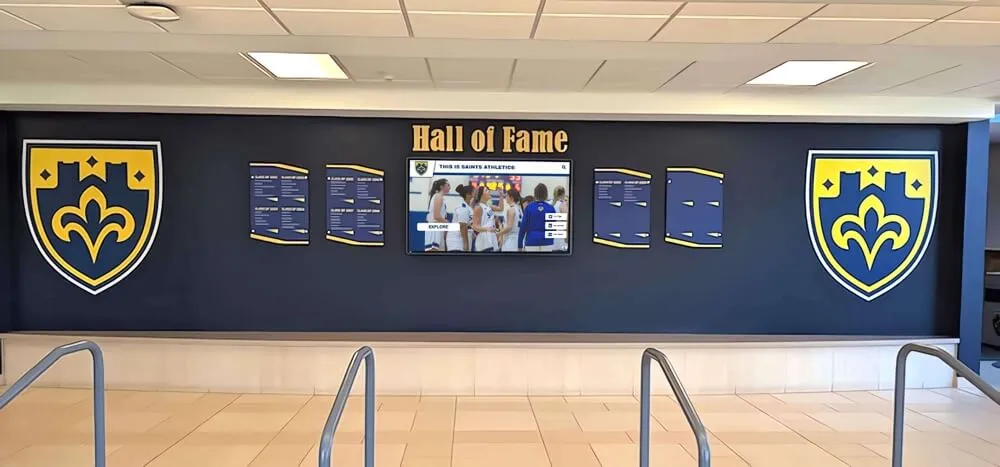
Hall of Fame Criteria: Eligibility Rules Schools Should Set Before Publishing Inductees
Every school that publishes an inductee list online faces the same moment of truth: someone asks why a particular person is included—or excluded—and the committee has no written answer. Hall of fame criteria solve that problem before it happens. Defined eligibility rules protect the program’s credibility, protect the committee from political pressure, and give nominees a transparent standard to meet.
Read More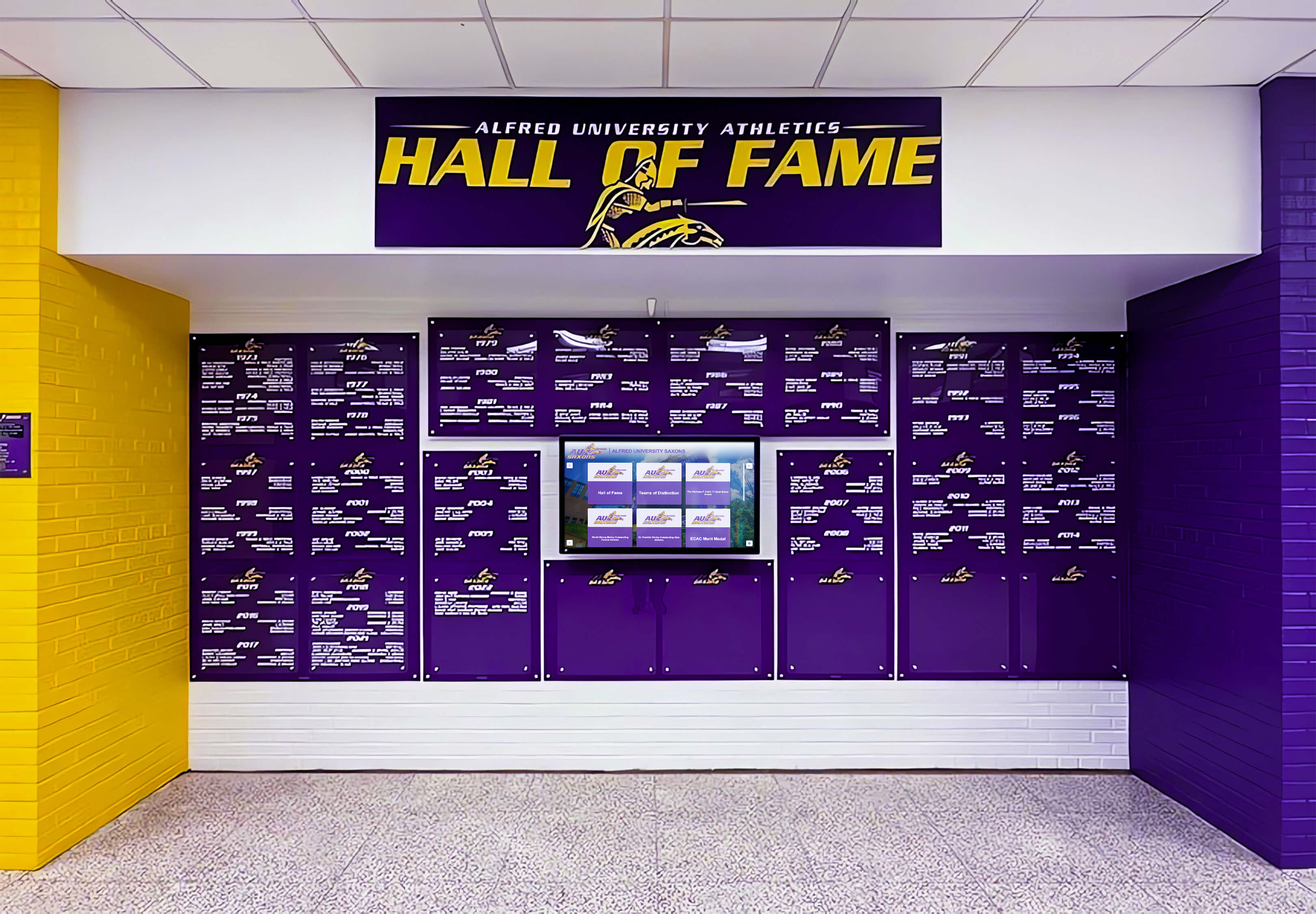
Hall of Fame Committee Roles: Review Calendar, Inductee Workflow, and Digital Archives
Intent: plan. A hall of fame committee is only as effective as the process it follows. Without defined roles, a fixed review calendar, and a documented inductee workflow, even well-intentioned committees drift—nominations pile up, decisions stall, and digital profiles never get published. This guide gives athletic directors, alumni coordinators, and program chairs the governance infrastructure they need before they send a single nomination form.
Read MoreHall of Fame Application: What Schools Should Collect Before Reviewing Nominees
A complete hall of fame application packet should include eight items: a completed submission form with basic identifying information, a career achievement summary, verifiable statistics or records, character and service documentation, two to three letters of support, a high-resolution photograph, nominee contact information, and official eligibility verification. Committees that collect all eight materials before opening review sessions reduce incomplete-packet adjournments, protect against disputed decisions, and build the digital profile assets the inductee display will need at induction.
Read MoreHall of Fame Inductee Bio Examples: What Schools Should Include in Every Profile
A strong hall of fame inductee bio includes six core elements: full name and years of affiliation, sport or program category, a 150–300 word achievement narrative, key statistics or records, a brief quote, and a current photo. Schools that standardize these fields across every profile create recognition displays that look authoritative, age well, and are easy to maintain when new induction classes arrive.
Read MoreHall of Fame Bylaws Template: How to Write Governance Rules for Your Online Hall of Fame
A hall of fame without governing documents is a tradition waiting to fall apart. The first induction class runs smoothly because everyone agrees informally. Then a founding committee member leaves, a contested nominee sparks debate about eligibility criteria, or an inductee’s conduct later embarrasses the institution—and there are no written rules to resolve any of it. Schools, booster clubs, athletic associations, and community organizations that formalize their recognition program before problems arise save years of conflict and confusion.
Read More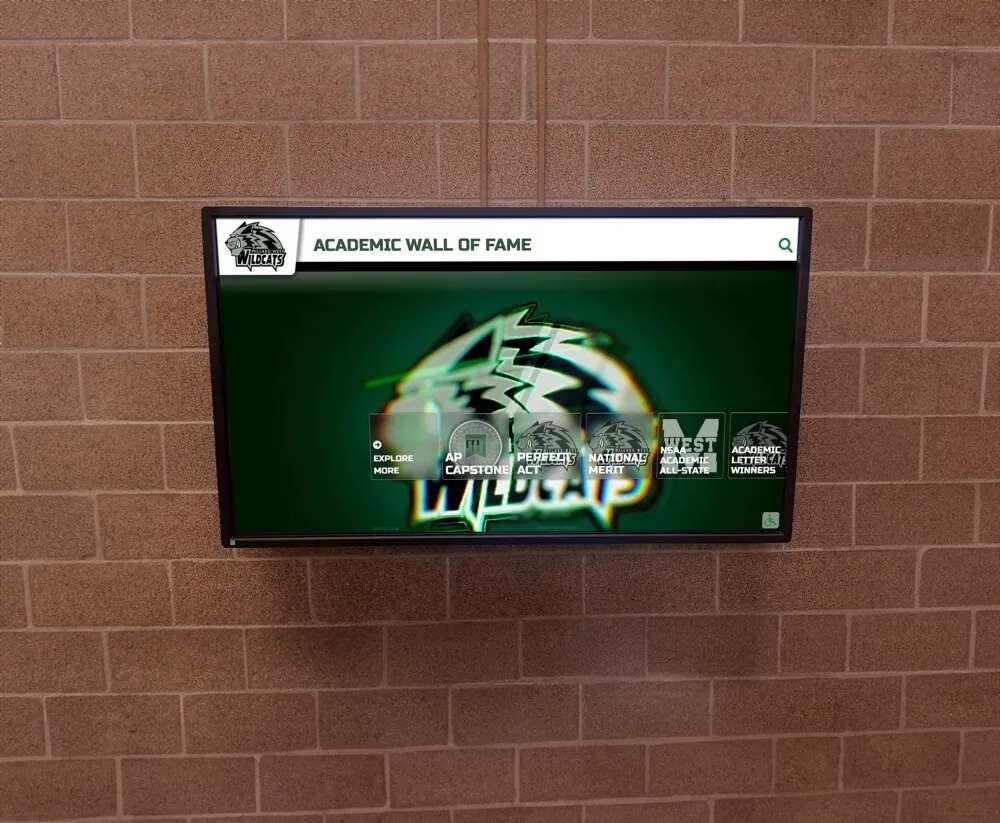
Student Council Recognition Projects: 25 Ideas for Building School Spirit and Honoring Achievement
Student council members carry one of the most rewarding—and underestimated—responsibilities in any school: building a culture where every student feels seen, celebrated, and proud to belong. Recognition projects sit at the heart of that mission. When student councils create systems to honor achievement, spotlight character, and preserve school history, they transform campus hallways from everyday spaces into living celebrations of everything a school community has accomplished together.
Read MoreSalutatorian Speech Examples and Tips: How to Honor Academic Achievement at Graduation
Intent: Define — A salutatorian speech represents one of graduation’s most meaningful moments by celebrating collective academic journey while acknowledging individual achievement, static ceremony programs with personally resonant storytelling, and routine commencement proceedings with authentic reflection that inspires audiences across generations. Whether you’re a salutatorian preparing your first major public address, an administrator supporting student speakers, or an academic advisor guiding speech development, this comprehensive guide provides proven frameworks for creating graduation remarks that honor achievement appropriately while delivering messages audiences remember years later.
Read More
Induction Ceremony Planning: A School's Guide to Honoring New Hall of Fame Members
Intent: Plan — An induction ceremony represents the culminating moment when schools formally welcome exceptional individuals into permanent halls of fame, transforming selections into celebrated community traditions. Planning effective ceremonies requires coordinating dozens of moving parts—from inductee notification and biographical content development through event logistics, program scripting, display integration, and lasting documentation. Whether you’re an athletic director organizing your first hall of fame induction, a principal managing a multi-sport ceremony, or an alumni coordinator planning comprehensive recognition across athletics, academics, and arts, this guide provides complete frameworks for creating ceremonies that honor inductees appropriately while strengthening institutional pride.
Read More
Softball Coach Gift Ideas: Personalized Picks That Mean Something
Softball coaches invest countless hours teaching fundamentals, building confidence, shaping character, and creating memories that last far beyond final outs and championship games. They arrive early for field prep, stay late reviewing game footage, spend weekends at tournaments, and pour energy into developing athletes who become better players and stronger people. When season’s end approaches or milestone moments arrive, finding gifts that genuinely honor these dedicated coaches becomes a meaningful opportunity to express gratitude appropriately.
Read MoreSoftball Coach Gift Ideas: Personalized Picks That Mean Something
Softball coaches invest hundreds of hours each season—running practices in freezing spring weather, throwing batting practice until their shoulders ache, strategizing late into the night, driving hours to weekend tournaments, and mentoring players through strikeouts, errors, and championship moments alike. Yet when season’s end arrives and players search for ways to express genuine gratitude, many struggle to find softball coach gift ideas that truly reflect the significance of their coach’s investment.
Read More
Award Acceptance Speech Examples: How to Thank Your School, Coaches, and Community
Intent: Define — An award acceptance speech transforms recognition moments from simple name announcements into meaningful expressions of gratitude that acknowledge the community, mentors, and relationships enabling achievement. Whether you’re a student athlete receiving your first varsity letter, a scholarship recipient addressing donors and faculty, or a distinguished alumnus returning for hall of fame induction, knowing how to deliver authentic thanks that honor everyone who contributed to your success makes these milestone moments memorable for both you and your audience.
Read More
Award Acceptance Speech Examples: How to Thank Your School, Coaches, and Community
Standing at a podium preparing to accept recognition for achievements representing years of dedication triggers a unique moment of pressure and opportunity—the award acceptance speech. Students, athletes, alumni, and community members receiving hall of fame inductions, athletic honors, scholarship awards, or academic recognition face the challenge of gracefully acknowledging support while expressing genuine gratitude and inspiring others in attendance.
Read More
Award Speech Examples for School Recognition Nights and Hall of Fame Inductions
Standing at a podium facing families, colleagues, and honorees represents one of education’s most meaningful responsibilities—yet many administrators, coaches, and committee members struggle to craft award speeches that capture achievements authentically while maintaining appropriate brevity and emotional resonance. Whether presenting a hall of fame induction, introducing an academic achievement award, or honoring retiring staff members, the right words transform ceremonial obligations into memorable moments that honorees and audiences remember for years.
Read MoreAward Speech Examples for School Recognition Nights and Hall of Fame Inductions
Standing at a podium on recognition night with hundreds of eyes watching—tasked with honoring someone’s lifetime of achievement in just a few minutes—creates pressure that even experienced administrators and coaches feel intensely. The weight of doing justice to someone’s legacy, capturing what makes their accomplishments special, and delivering words that resonate with audience members who knew the honoree in different contexts makes award speeches among the most challenging yet meaningful speaking opportunities in school life.
Read More
Graduation Banner Ideas: 40 Personalized Designs Schools and Families Love
Every graduating class deserves recognition that celebrates their achievement while creating memories that last beyond ceremony day. Graduation banners transform school hallways, home yards, and ceremony venues into personalized celebrations—but the challenge extends beyond simply ordering banners. Effective graduation recognition requires thoughtful design that honors individual seniors appropriately, messaging strategies that balance celebration with dignity, display planning that maximizes visibility during peak graduation season, and increasingly, permanent recognition solutions that keep senior achievements visible long after physical banners come down.
Read More
Principal of the Year Nomination: How Schools Build Compelling Recognition Applications
Behind every exceptional school stands a principal whose leadership transforms vision into reality, whose daily decisions shape student outcomes, whose crisis management protects communities, and whose sustained commitment builds institutional excellence spanning decades. Principal of the year nominations represent opportunities to honor these dedicated educational leaders while showcasing the leadership practices, innovative programs, and community impact that distinguish truly exceptional administrators from merely competent ones.
Read More
Employee Recognition Event Ideas: Planning Memorable Appreciation Celebrations in 2026
Organizations that successfully celebrate employee contributions create cultures where people feel valued, motivated, and committed to excellence. Yet planning meaningful recognition events requires more than simply gathering people in a room and handing out awards—effective celebrations balance formality with authenticity, create emotional resonance for honorees, engage broader audiences, and establish traditions that reinforce organizational values year after year.
Read More
Recognition Board Ideas: Creative Displays for Schools, Teams, and Organizations
Recognition boards serve as powerful visual statements celebrating achievement, reinforcing organizational values, and creating cultures where excellence receives public acknowledgment. Whether showcasing student honor roll achievements in school hallways, highlighting employee performance milestones in corporate lobbies, or celebrating athletic accomplishments in recreation centers, well-designed recognition displays transform abstract appreciation into tangible, lasting validation that motivates continued excellence while inspiring others to reach similar heights.
Read MoreWhole School Celebration Ideas: Building Community Through Recognition Events
Whole school celebrations represent powerful opportunities to unite entire educational communities, celebrate diverse achievements, and reinforce shared values that define institutional culture. Yet many schools struggle to move beyond perfunctory assemblies that feel like obligations rather than genuine celebrations—events where recognition excludes most students, presentations drag without engagement, logistics create chaos instead of community, and the celebration itself becomes forgettable routine rather than memorable experience strengthening school spirit and collective identity.
Read MoreVolunteer Appreciation Month Ideas: Recognition Programs That Make Helpers Feel Valued
Volunteer appreciation month represents an essential opportunity for schools, churches, community organizations, and nonprofits to systematically recognize the dedicated individuals who power programs, support students, strengthen communities, and make mission work possible. April—designated as National Volunteer Appreciation Month—provides the perfect framework for implementing recognition initiatives that celebrate volunteer contributions while building sustained engagement extending far beyond a single week or month.
Read More
Are You an Alumni If You Transferred? Understanding Alumni Status and Recognition
Transfer students represent a significant and growing portion of college graduates—nearly one-third of all undergraduates transfer institutions at least once before earning their degree. Yet many transfer students wonder about their alumni status: Do I qualify as an alumnus of my original school? My graduating institution? Both? The answer matters more than just semantics. Alumni status determines access to career networks, reunion invitations, recognition opportunities, giving solicitations, and the sense of belonging that makes higher education meaningful beyond the classroom.
Read More
Lobby Design Ideas: Creating Welcoming First Impressions for Schools and Organizations
Every visitor who walks through your entrance doors forms an immediate impression about your institution’s values, priorities, and culture. Lobby design ideas that create welcoming, inspiring spaces do more than beautify buildings—they communicate pride, celebrate achievement, strengthen community identity, and transform ordinary entrances into meaningful gathering places that honor institutional heritage while showcasing contemporary excellence.
Read MoreMemorial Day Tribute Ideas: Honoring Those Who Served with Meaningful Recognition Programs
Memorial Day stands as more than a long weekend or seasonal milestone—it represents our nation’s solemn commitment to remember those who made the ultimate sacrifice in military service. For schools, communities, civic organizations, and veteran support groups, creating meaningful Memorial Day tributes transforms abstract gratitude into tangible recognition that honors service members, educates younger generations, and preserves the stories of courage that define our shared heritage.
Read MoreSchool Entrance Ideas: Creating a Welcoming First Impression for Visitors in 2026
Your school’s entrance is where first impressions happen, where community pride is displayed, and where visitors immediately form lasting opinions about your institution’s excellence, culture, and values. Whether greeting prospective families during admissions tours, welcoming alumni returning for homecoming, hosting community members for evening events, or receiving district administrators for formal visits, your entrance communicates institutional quality before a single word is spoken.
Read MoreWhat Is Homecoming Court? Roles, Traditions, and Selection Process Explained
For generations, homecoming court has represented one of high school’s most anticipated traditions—a celebration of student leadership, school spirit, and community recognition that creates lasting memories for participants and spectators alike. The moment nominees walk onto the field or gymnasium floor during halftime, surrounded by cheering crowds awaiting the announcement of homecoming royalty, captures something fundamental about school culture and the relationships students build during these formative years.
Read MoreWall of Fame Ideas: Creative Ways to Recognize Achievement and Celebrate Excellence in 2026
Recognition transforms achievement from personal accomplishment into community celebration—acknowledging excellence, preserving heritage, and inspiring future generations through visible examples of what’s possible. Whether you’re an athletic director planning sports recognition, an activities coordinator celebrating student achievements, an alumni director honoring distinguished graduates, or an organizational leader establishing recognition programs, effective wall of fame displays create lasting impact by celebrating accomplishments meaningfully while building institutional pride.
Read MoreGraduation Party Games: Fun Activities to Celebrate Your Graduate's Achievement
Graduation marks one of life’s most significant milestones—the culmination of years of dedication, growth, and academic achievement. Yet creating memorable graduation celebrations that truly honor graduates while keeping guests engaged requires more than cake and congratulations. Thoughtful activities transform standard gatherings into meaningful experiences that celebrate accomplishments while creating connections across generations of family and friends.
Read More