Digital Recognition
- Home /
- Categories /
- Digital Recognition
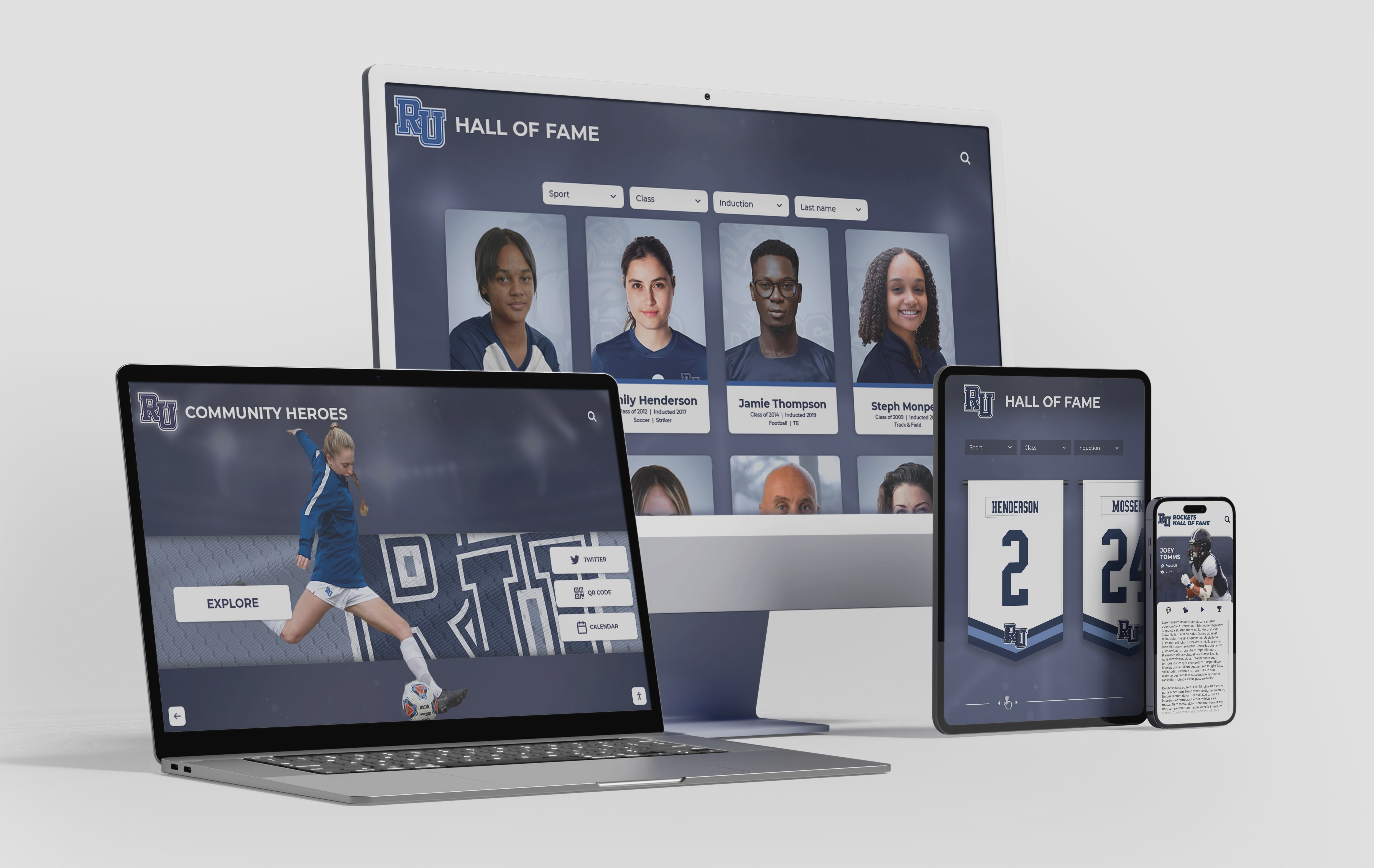
Hall of Fame Web Analytics Dashboard: Measure Profile Searches, Engagement, and Content Gaps
Intent: define — A hall of fame web analytics dashboard tells school administrators whether the inductee profiles, championship records, and historical archives they published are actually reaching alumni, families, and visitors — or sitting undiscovered.
Read More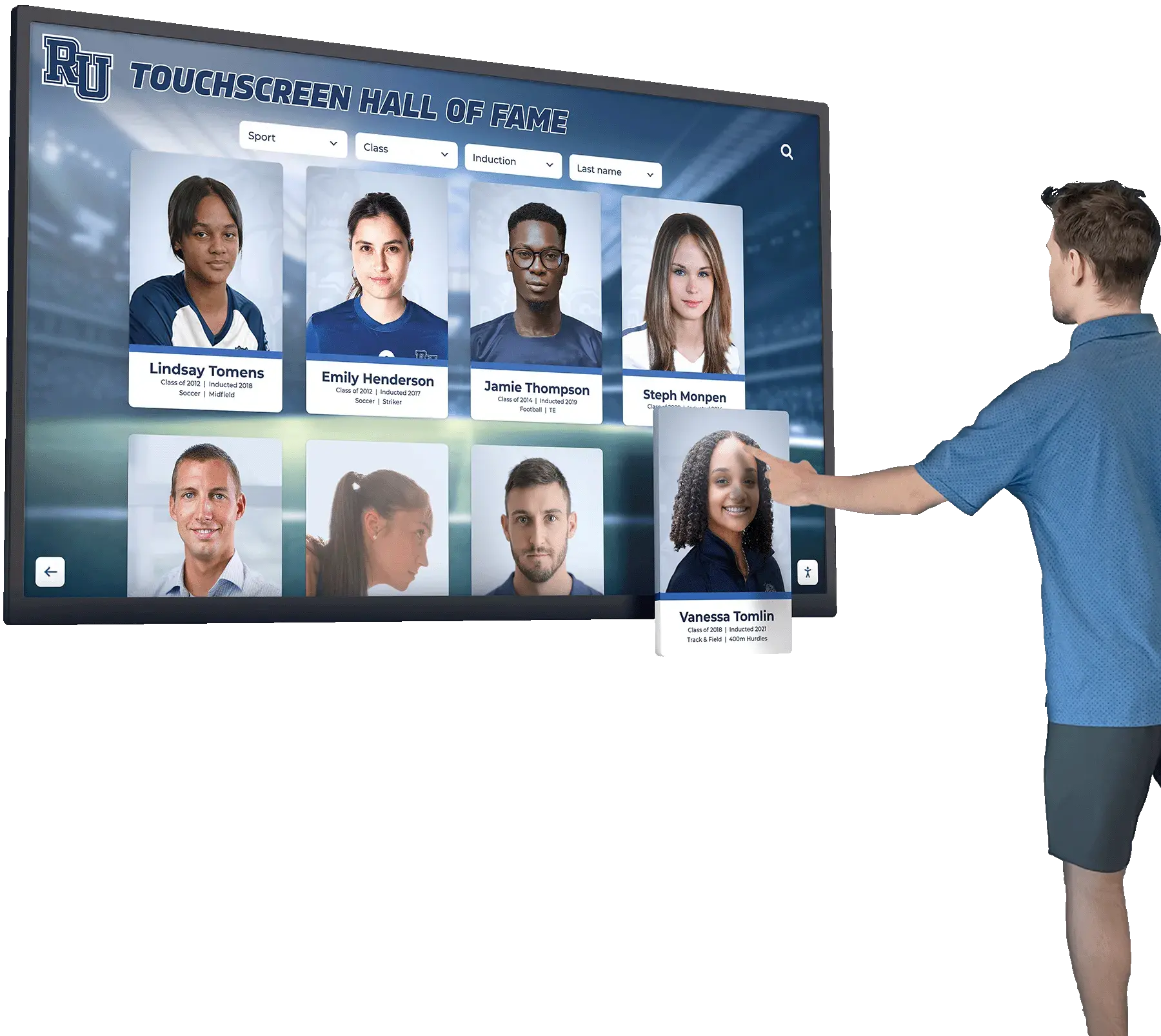
Hall of Fame Structured Data Markup Checklist: Make Inductee Profiles Easier to Discover
School hall of fame websites carry some of the most durable recognition content published online—inductee profiles that families search by name decades after the original ceremony, championship records that alumni connect to their identity, and award histories spanning entire generations of a school community. When that content lacks structured data markup, search engines can read the text but cannot reliably classify it: they cannot identify a page as a profile about a specific person, associate it with a sport or induction year, or surface it in the AI Overviews and People Also Ask panels that now appear for many name-based queries.
Read MoreHall of Fame Website Sitemap Audit: Keep Every Inductee Profile Discoverable
A hall of fame website sitemap audit is the structured process of verifying that every inductee profile, category page, and recognition record on your school’s digital hall of fame appears in search engines, loads correctly, and resolves to a single canonical URL. When inductee profiles are omitted from the sitemap, hidden behind redirect chains, or indexed under duplicate URLs, decades of athletic, academic, and community achievement become invisible to alumni searching by name, sport, or graduation year.
Read More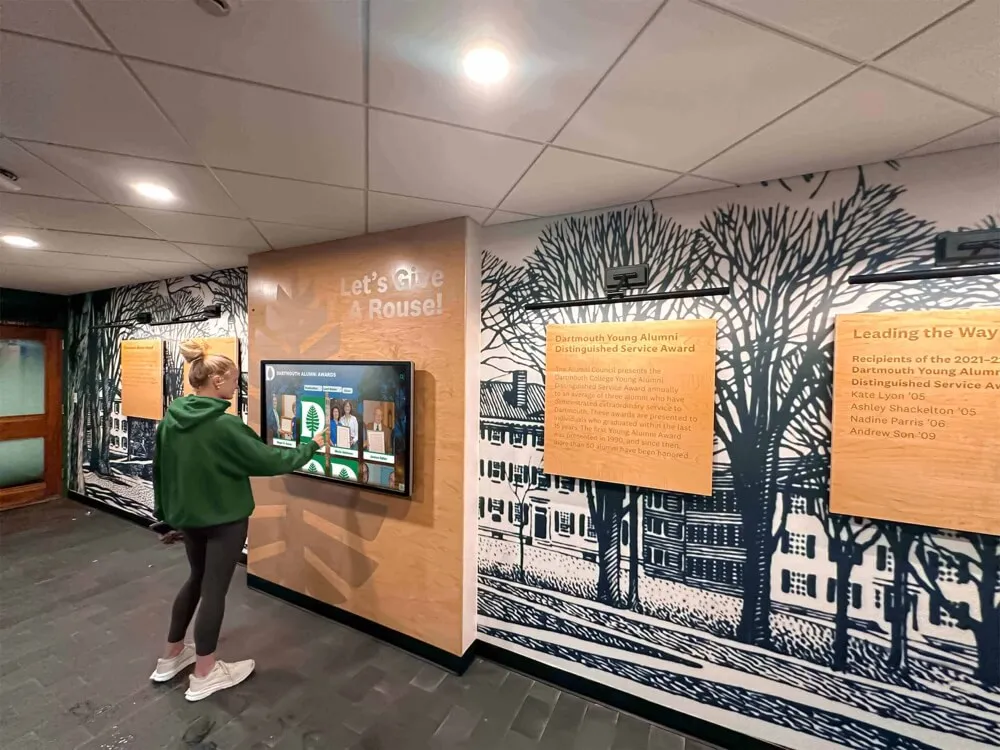
Online Hall of Fame Programs: How Schools Can Celebrate Alumni Virtually
Schools worldwide recognize outstanding alumni through traditional hall of fame programs featuring physical plaques, trophy cases, and wall displays in campus hallways and athletic facilities. Yet these conventional approaches face significant limitations: geographic barriers prevent distant alumni from experiencing recognition, physical space constraints limit inductee capacity, static displays cannot showcase dynamic multimedia content, maintenance challenges create outdated presentations, and campus-only visibility restricts recognition impact to those physically visiting facilities.
Read More