



Every spring, the WNBA announces its Rookie of the Year award—one of professional basketball’s most prestigious individual honors recognizing the season’s most outstanding first-year player. Since the league’s inaugural 1997 season, this award has celebrated exceptional talent ranging from dominant post players to dynamic guards, launching careers that would define women’s basketball for decades.
Understanding the WNBA Rookie of the Year award offers valuable insights into what excellence looks like during a critical transition period—from collegiate to professional competition. The award’s history reveals patterns about what separates exceptional rookies from merely solid contributors, how different playing styles achieve recognition, and why immediate impact matters in professional sports recognition programs.
This comprehensive guide explores the complete history of the WNBA Rookie of the Year award, examines legendary winners and their achievements, analyzes the criteria that determine selection, and shows how schools and organizations can apply these recognition principles to create their own impactful rookie award programs that celebrate newcomers making immediate contributions.
The WNBA Rookie of the Year award represents more than individual achievement—it validates draft evaluations, energizes fan bases, and often predicts future All-Star performers and league MVPs. For educational and athletic institutions seeking to recognize their own newcomers—whether first-year student-athletes, new program participants, or inaugural team members—the WNBA’s approach to rookie recognition provides a proven framework for celebrating immediate impact while inspiring continued excellence.

Professional sports recognition programs inspire schools and organizations to create their own impactful newcomer awards celebrating immediate contributions
Program Snapshot: WNBA Rookie of the Year Award Framework
Understanding the WNBA Rookie of the Year structure helps schools and organizations design comparable recognition programs for their own communities.
| Award Element | Details |
|---|---|
| Award History | Established 1997 with WNBA’s inaugural season |
| Selection Body | Panel of sportswriters and broadcasters nationwide |
| Voting Timeline | Season-end voting typically announced in September |
| Eligibility Criteria | First-year WNBA players regardless of international experience |
| Evaluation Factors | Statistical production, team impact, consistency, clutch performance |
| Award Presentation | Formal announcement with trophy presentation |
| Historical Winners | 27 award recipients from 1997-2024 (some years had co-winners) |
| Recognition Format | Trophy, national media coverage, historical legacy |
| Career Impact | Strong predictor of All-Star selection and sustained excellence |
The Complete History of WNBA Rookie of the Year Winners (1997-2024)
The award’s nearly three-decade history showcases the evolution of women’s professional basketball and the diverse talents that have shaped the league.
The Inaugural Era (1997-2000): Establishing Excellence Standards
1997: (No Official Winner Announced First Season)
The WNBA’s inaugural 1997 season featured exceptional rookie talent but operated under modified award structures as the league established its identity.
1998: Tracy Reid (Charlotte Sting)
The first officially recognized WNBA Rookie of the Year, Reid averaged 9.1 points and 5.5 rebounds while providing the Sting with immediate forward depth and versatility.
1999: Chamique Holdsclaw (Washington Mystics)
The Tennessee legend lived up to tremendous expectations, averaging 16.9 points and 7.9 rebounds while transforming the Mystics into playoff contenders. Holdsclaw’s combination of scoring, rebounding, and star power established the “impact rookie” standard.
2000: Betty Lennox (Minnesota Lynx)
Lennox’s explosive scoring ability (15.0 points per game) and instant offense off the bench demonstrated that sixth-player roles could generate Rookie of the Year recognition when production exceeded expectations.
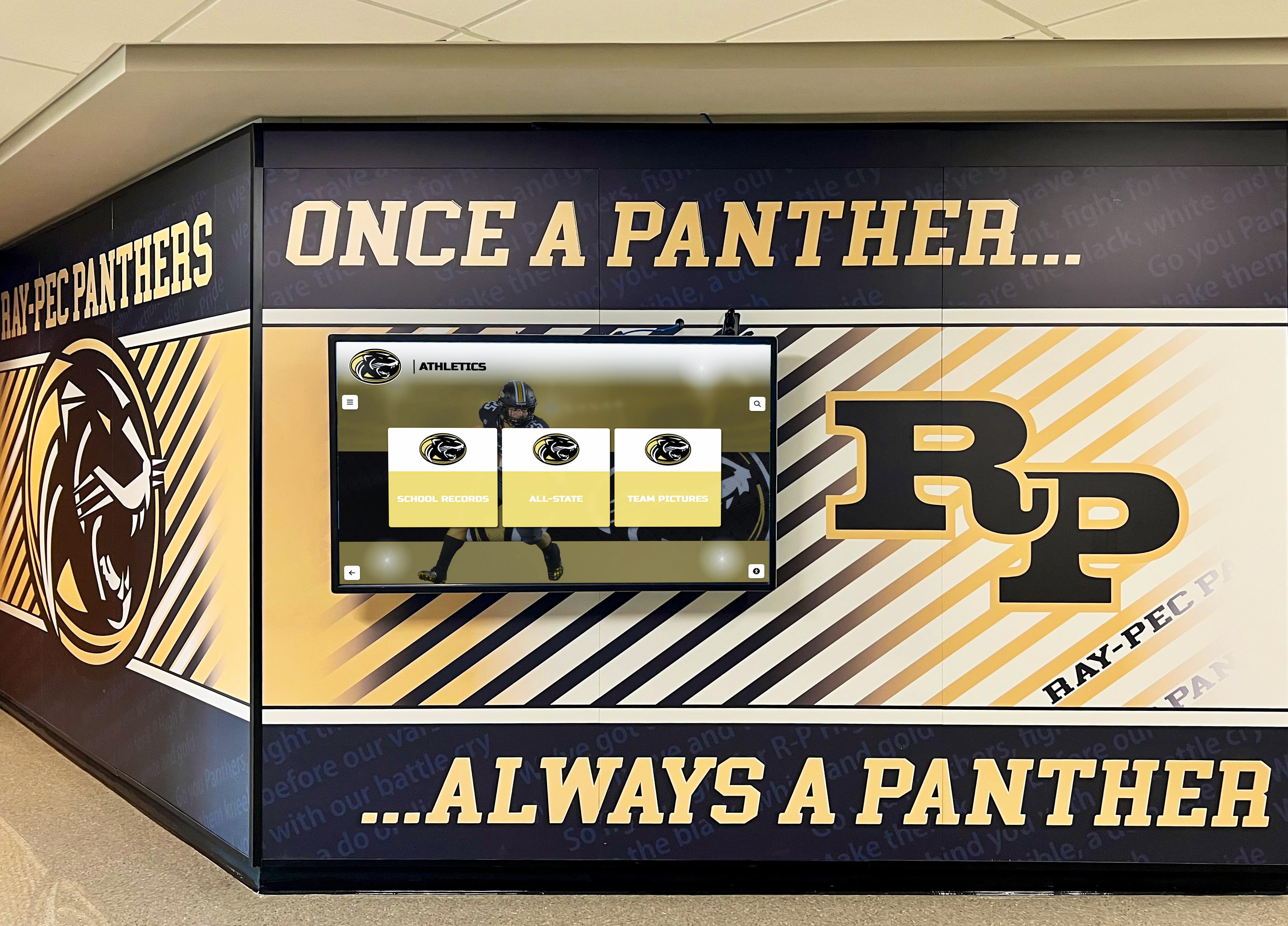
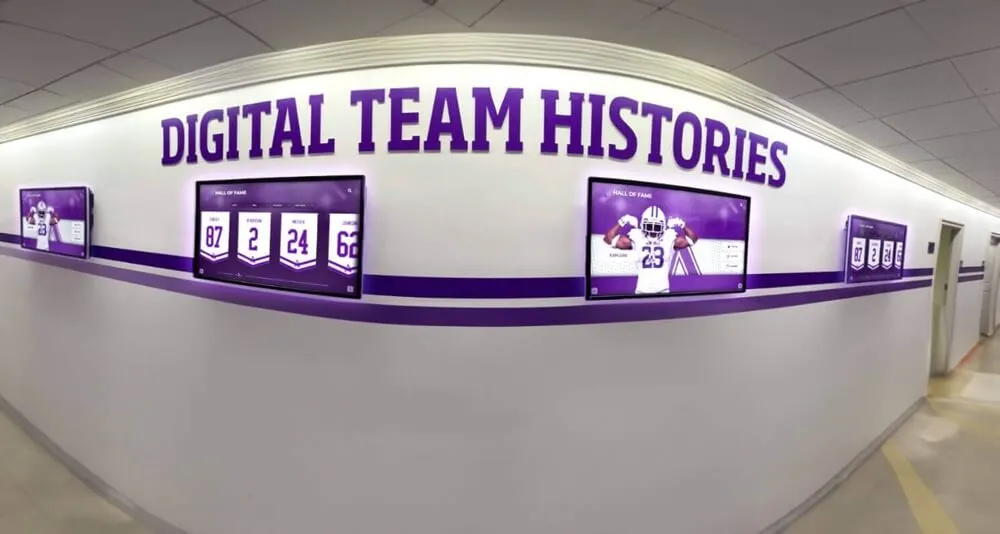
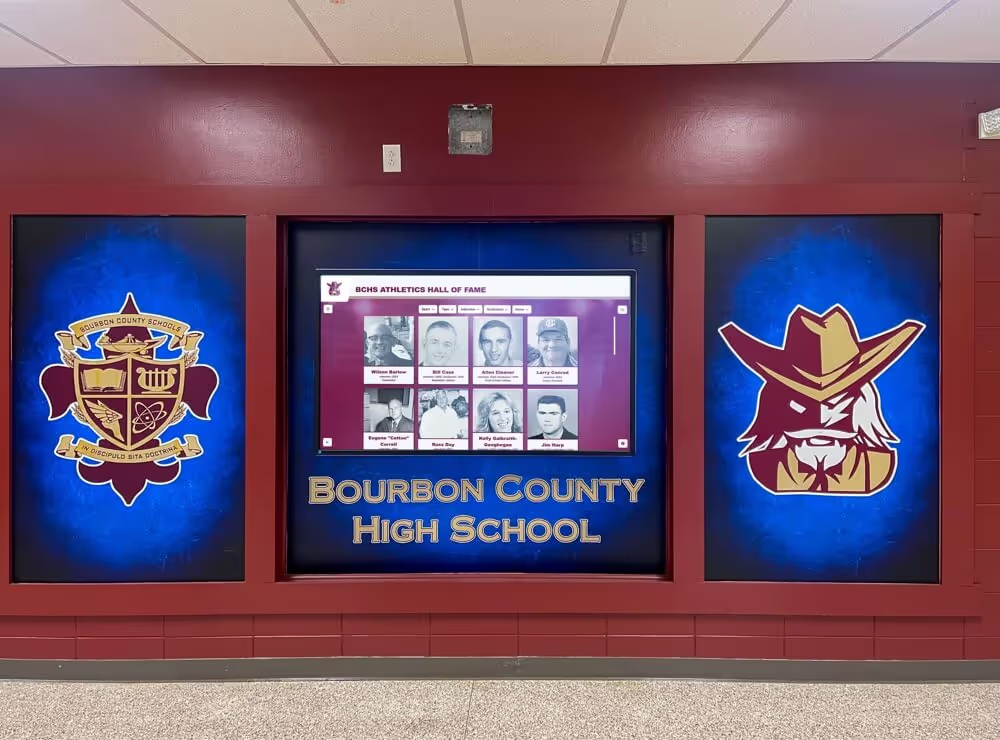
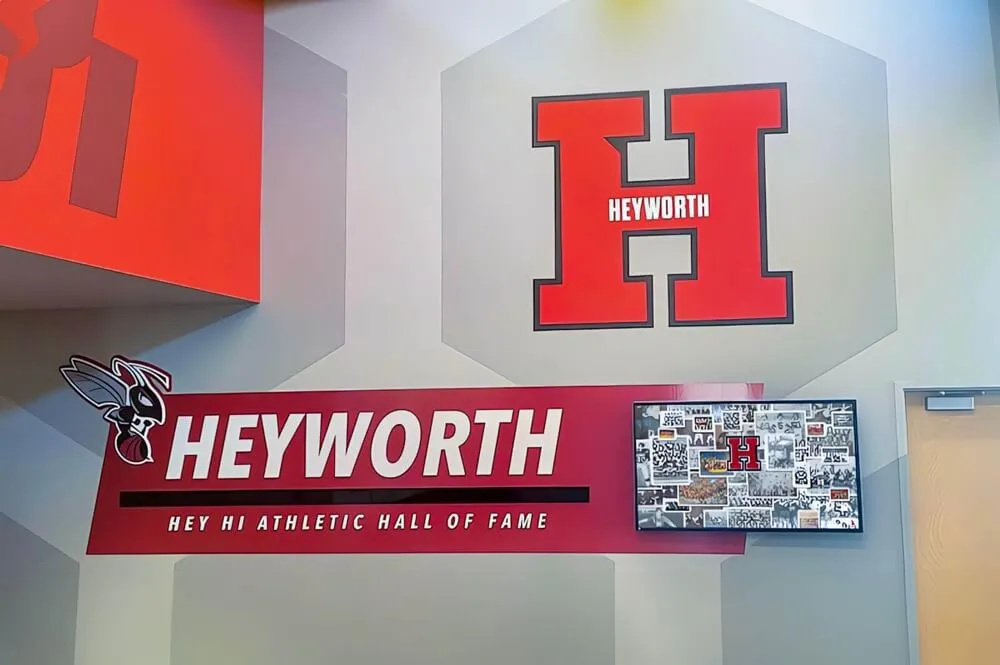
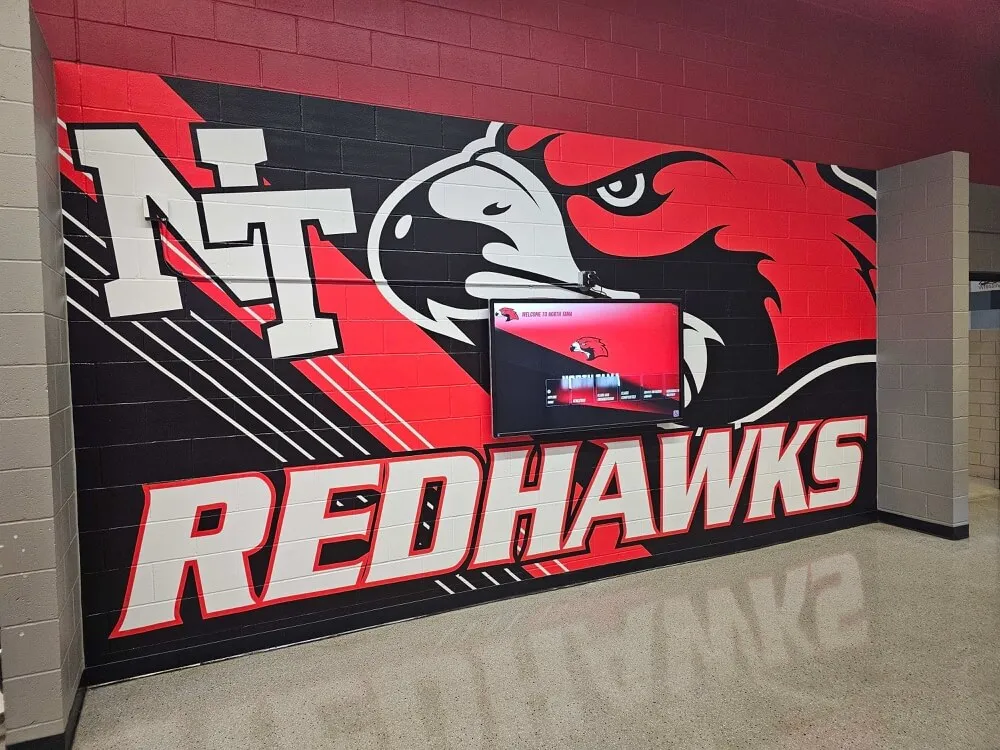
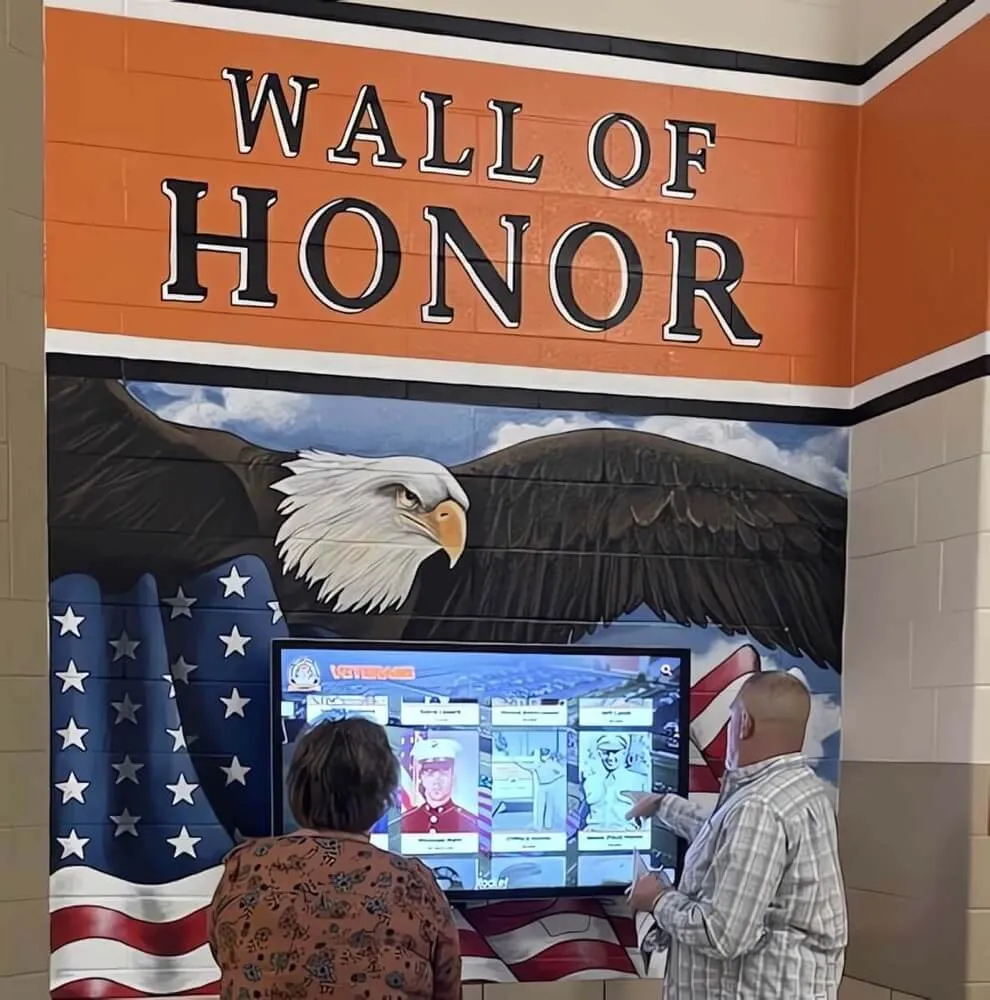
Schools create prominent athletic recognition displays celebrating breakthrough performances and rookie achievements in high-traffic locations
The Foundation Years (2001-2010): Diverse Excellence Pathways
2001: Jackie Stiles (Portland Fire)
The Missouri State sharpshooter averaged 10.1 points despite adjusting to professional defenses, demonstrating that college scoring champions could transition successfully to professional systems.
2002: Tamika Catchings (Indiana Fever)
Missing the 2001 season due to ACL recovery, Catchings announced her arrival with 18.6 points, 9.6 rebounds, and 2.8 steals per game—one of the most dominant rookie campaigns in WNBA history. Her two-way excellence set standards for versatile wing performance.
2003: Cheryl Ford (Detroit Shock)
Ford’s relentless rebounding (9.5 per game) and efficient scoring (11.6 points on strong percentages) showcased how role-specific excellence—dominant interior presence—could earn top rookie recognition.
2004: Diana Taurasi (Phoenix Mercury)
The UConn legend transitioned seamlessly to professional stardom with 17.0 points, 4.4 assists, and clutch scoring that would define her eventual Hall of Fame career. Taurasi proved elite college players could dominate immediately at the professional level.
2005: Temeka Johnson (Washington Mystics)
Johnson’s 8.5 points and 5.6 assists demonstrated exceptional court vision and pace management, showing that facilitator-first point guards could earn recognition despite modest scoring numbers.
2006: Seimone Augustus (Minnesota Lynx)
The LSU star’s scoring prowess (21.9 points per game) represented one of the highest-scoring rookie campaigns in league history, establishing Augustus as an immediate elite offensive force.
2007: Armintie Price (Chicago Sky)
Price averaged 13.0 points and 4.6 assists for the expansion Sky, demonstrating leadership and versatility on a first-year franchise.
2008: Candace Parker (Los Angeles Sparks)
Perhaps the most decorated rookie in WNBA history, Parker averaged 18.5 points, 9.5 rebounds, and 3.4 assists while becoming the first player to win Rookie of the Year and MVP in the same season. Her combination of scoring, rebounding, passing, and defensive versatility established new standards for complete player excellence.
2009: Angel McCoughtry (Atlanta Dream)
McCoughtry’s explosive athleticism translated to 15.1 points, 4.4 rebounds, and elite defensive pressure, showcasing how dynamic wing play could dominate professional basketball.
2010: Tina Charles (Connecticut Sun)
The UConn product averaged 18.8 points and 9.6 rebounds, demonstrating traditional post dominance remained relevant in an increasingly perimeter-oriented league.
Schools implementing comprehensive athletic recognition programs discover that celebrating breakthrough rookie performances inspires incoming student-athletes to pursue immediate impact.
The Modern Excellence Era (2011-2020): Position Versatility Emerges
2011: Maya Moore (Minnesota Lynx)
Moore’s brilliant rookie campaign (13.2 points, 4.6 rebounds, 3.3 assists) on a championship team demonstrated how elite rookies could excel within structured systems while contributing to team success.
2012: Nneka Ogwumike (Los Angeles Sparks)
Ogwumike averaged 13.5 points and 6.3 rebounds with remarkable efficiency, establishing herself as a complete forward with scoring and rebounding excellence.
2013: Elena Delle Donne (Chicago Sky)
Delle Donne’s extraordinary shooting touch (18.1 points, 5.4 rebounds, 46.7% three-point shooting) created a new prototype for stretch forwards combining size with elite perimeter skills.
2014: Chiney Ogwumike (Connecticut Sun)
Following her sister Nneka’s path, Chiney averaged 15.5 points and 7.9 rebounds, demonstrating the Ogwumike family’s basketball excellence while establishing her own dominant interior presence.
2015: Jewell Loyd (Seattle Storm)
Loyd’s scoring versatility (10.0 points) and immediate playoff contributions showed how guards with complete offensive games could thrive despite rookie adjustment challenges.
2016: Breanna Stewart (Seattle Storm)
Stewart’s transformative rookie season (18.3 points, 9.3 rebounds, 1.9 blocks) on a championship-contending team established her as a generational talent. Her combination of scoring, rebounding, defense, and versatility represented the modern position-less basketball ideal.
2017: Allisha Gray (Dallas Wings)
Gray averaged 15.3 points and 4.6 rebounds, demonstrating scoring consistency and two-way competence that defines successful rookie campaigns.
2018: A’ja Wilson (Las Vegas Aces)
The South Carolina legend dominated immediately with 20.7 points and 8.0 rebounds, showcasing the traditional post dominance combined with modern face-up scoring ability. Wilson’s impact elevated the Aces franchise trajectory.
2019: Napheesa Collier (Minnesota Lynx)
Collier’s well-rounded excellence (13.1 points, 6.6 rebounds, 2.0 assists, 1.3 steals) demonstrated how versatile forwards impact multiple statistical categories while providing consistent production.
2020: Crystal Dangerfield (Minnesota Lynx)
In the Wubble season affected by COVID-19, Dangerfield averaged 16.2 points and 3.6 assists, showing that undersized guards with exceptional scoring ability and leadership could dominate shortened seasons.
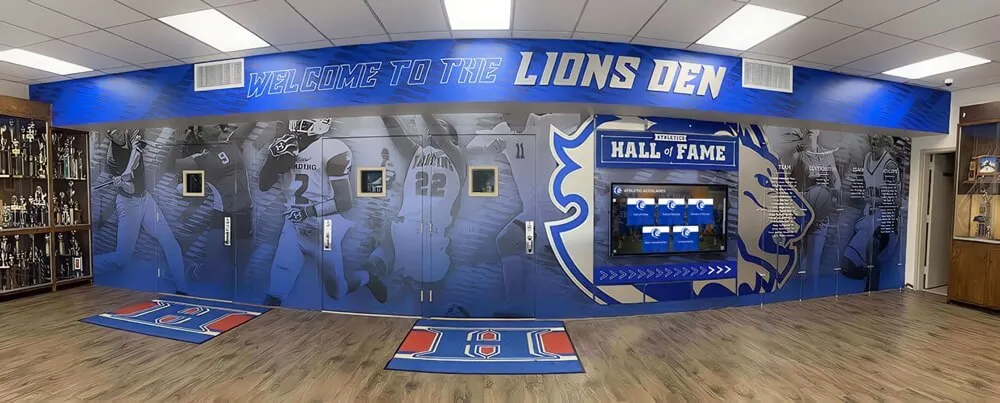
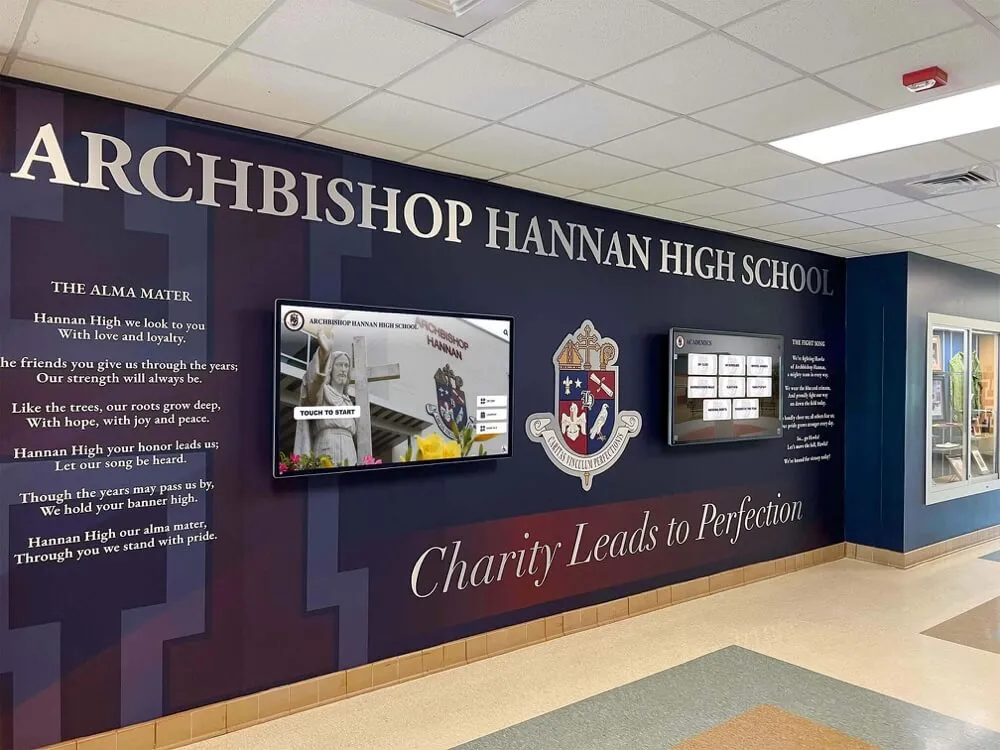
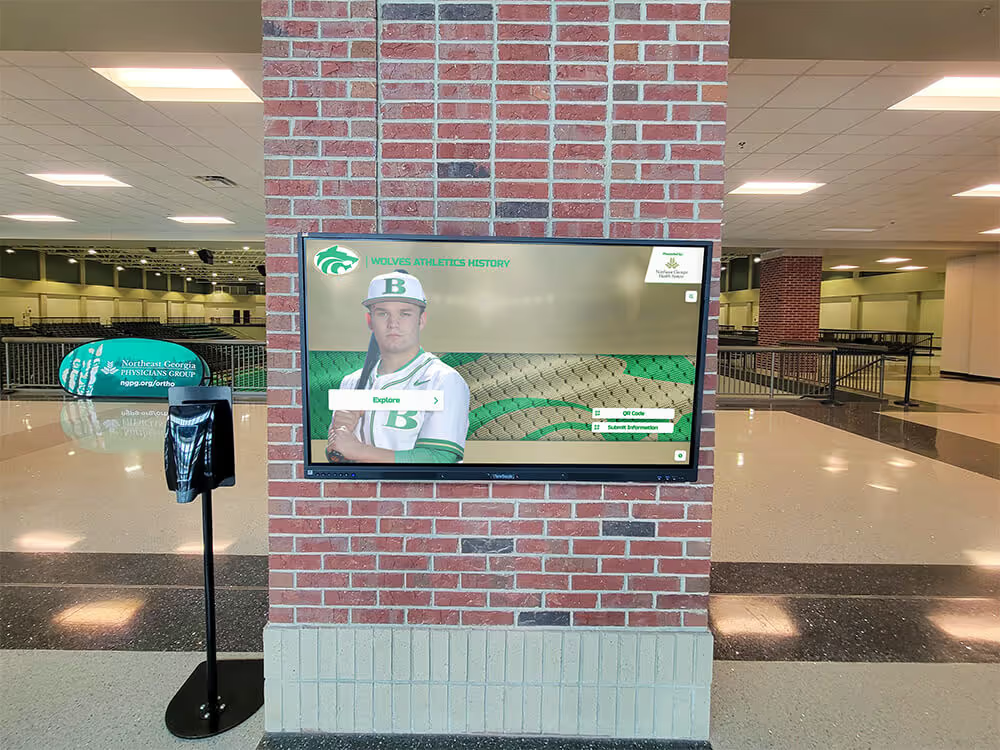
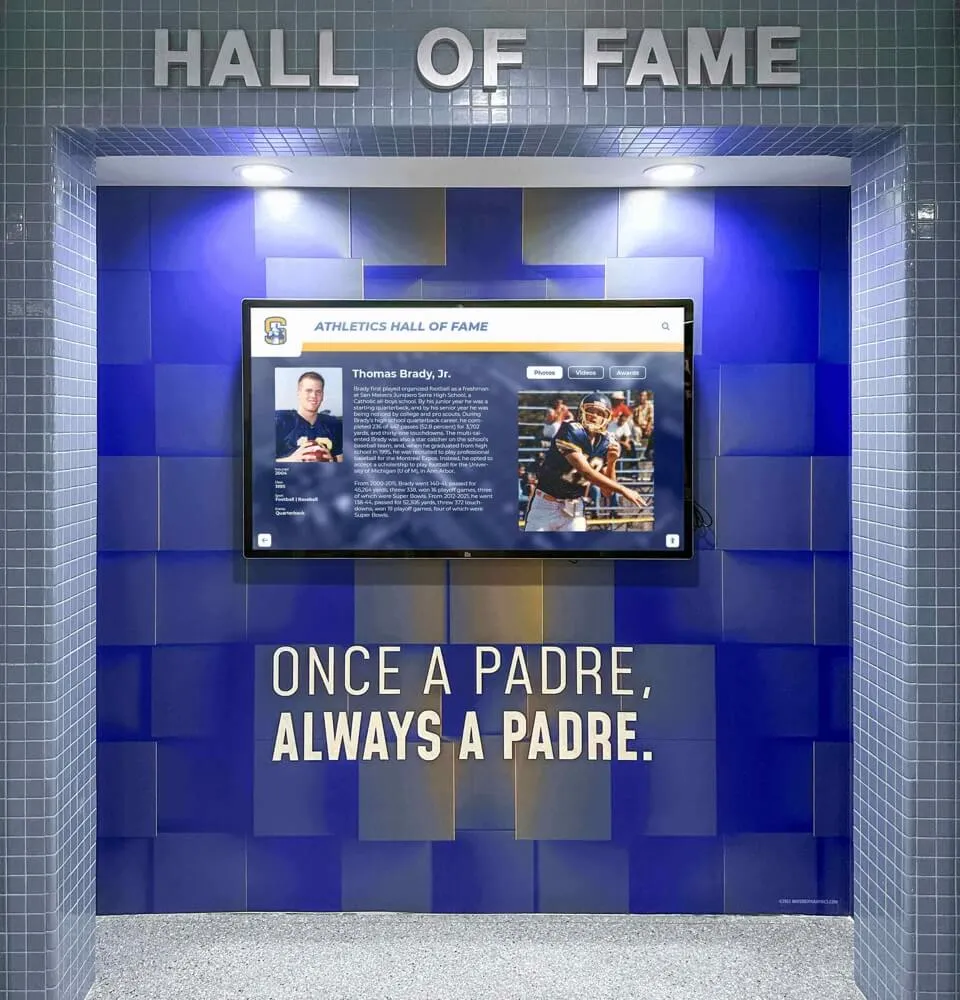
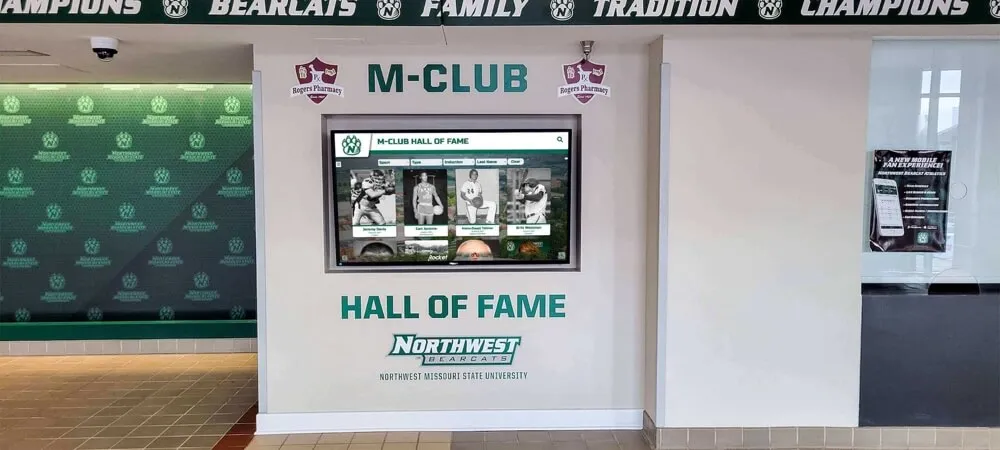
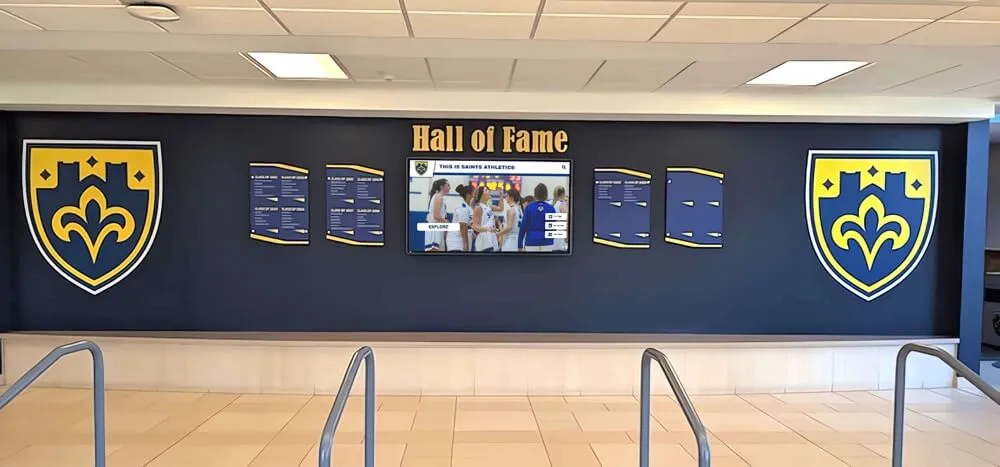
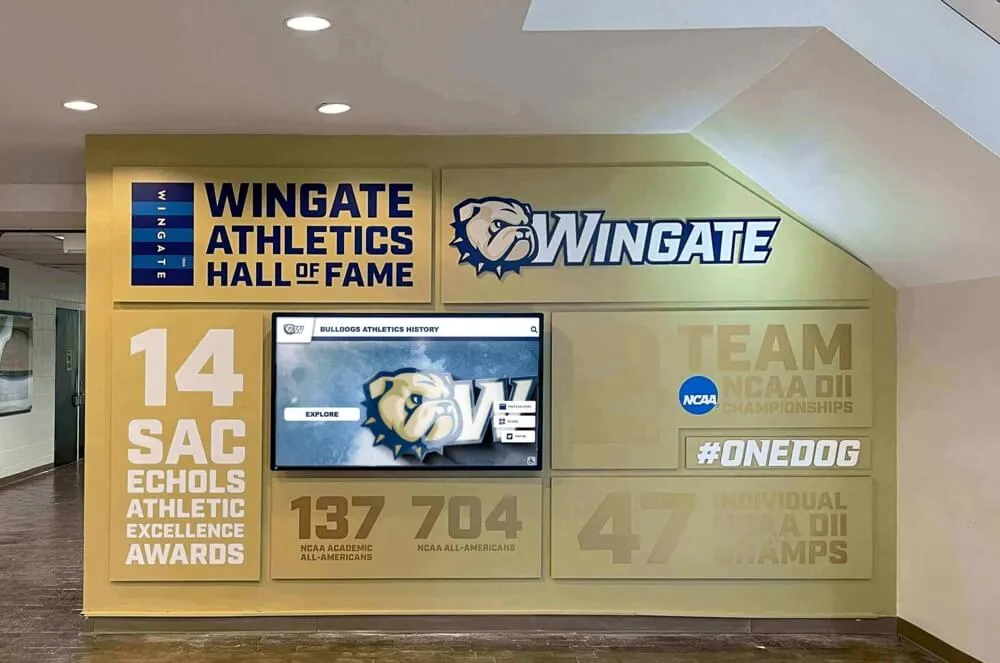
Comprehensive athletic recognition displays showcase multiple achievement types including rookie awards, championship honors, and individual excellence
The Current Era (2021-2024): Elite Talent Influx
2021: Michaela Onyenwere (New York Liberty)
Onyenwere averaged 8.6 points and 2.9 rebounds, demonstrating that solid production and professional readiness could earn recognition even with modest statistical totals in competitive rookie classes.
2022: Rhyne Howard (Atlanta Dream)
The Kentucky star averaged 16.2 points, 4.5 rebounds, and 2.8 assists, showcasing elite scoring ability and the complete offensive game that defines modern wing excellence.
2023: Aliyah Boston (Indiana Fever)
Boston’s dominant interior presence (14.5 points, 8.4 rebounds, 2.2 assists, 1.3 blocks) combined traditional post excellence with modern passing ability, earning near-unanimous Rookie of the Year selection.
2024: Caitlin Clark (Indiana Fever)
Clark’s historic rookie campaign captivated the basketball world with her record-breaking assist totals (8.4 per game), three-point shooting volume and efficiency, and 19.2 points per game scoring. Her transformative impact on franchise attendance, television ratings, and league visibility represented the most culturally significant rookie season in WNBA history while earning unanimous Rookie of the Year recognition.
Clark’s combination of elite playmaking, deep shooting range, competitive intensity, and basketball IQ established new standards for guard excellence while demonstrating how a single player can elevate an entire franchise and league profile.
Schools exploring digital recognition solutions for athletic achievements discover that celebrating breakthrough seasons creates engagement similar to professional sports recognition.
What It Takes: Performance Criteria for Rookie of the Year Recognition
Analyzing decades of winners reveals consistent patterns about what voters value when evaluating first-year excellence.
Statistical Excellence and Production Benchmarks
Scoring Impact
Winners typically average double-digit scoring, with exceptional seasons reaching 18-21 points per game. Scoring consistency matters more than occasional explosive games—voters value reliable offensive production throughout the season.
Rebounding Presence
Post players and forwards earning recognition typically average 6-10 rebounds per game, demonstrating physical presence and effort plays that impact winning beyond scoring statistics.
Playmaking and Assists
Guards earning recognition typically distribute 4-8 assists per game, showing ability to elevate teammates while creating offensive flow. Elite facilitators like Caitlin Clark can overcome modest assist totals through other exceptional skills.
Defensive Impact
While defensive statistics remain challenging to quantify comprehensively, winners typically demonstrate positive defensive presence through steals (1.5-3.0 per game), blocks (when applicable), and opponent field goal percentage defense.
Efficiency Metrics
Advanced statistics increasingly influence voting—effective field goal percentage, true shooting percentage, player efficiency rating, and plus-minus metrics help distinguish truly efficient rookies from high-volume, low-efficiency scorers.
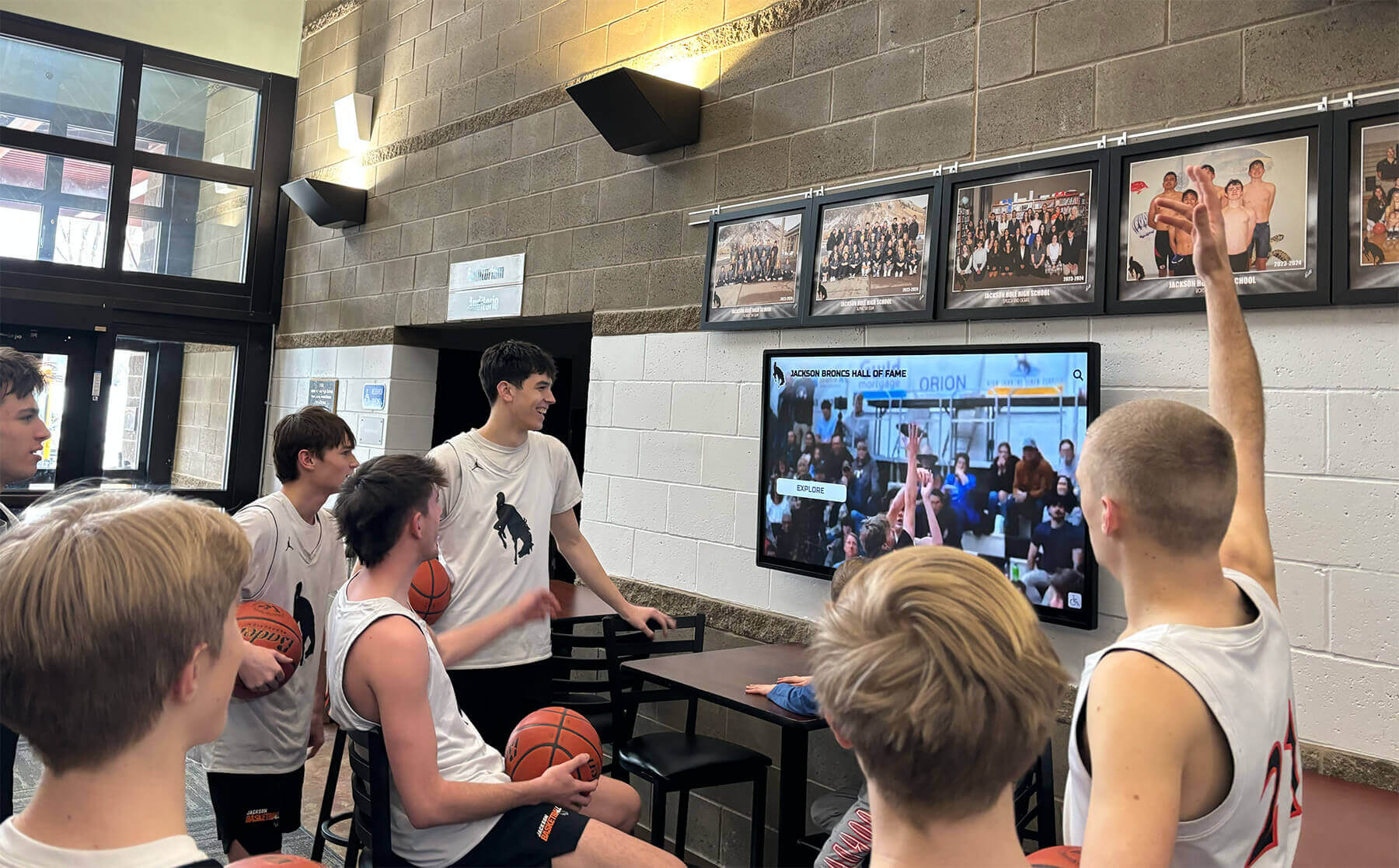
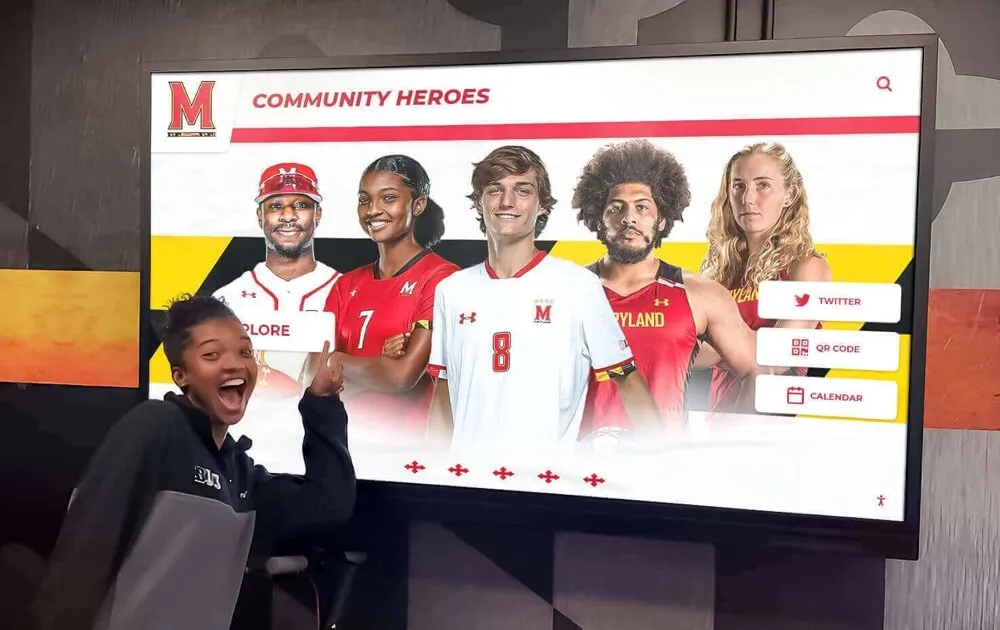
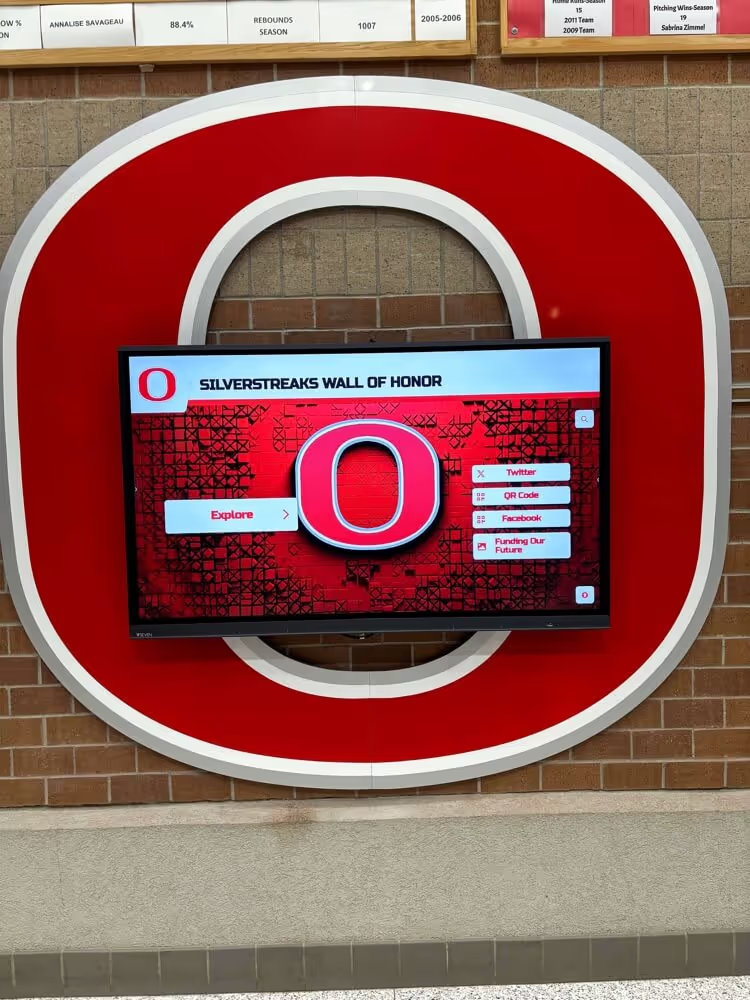
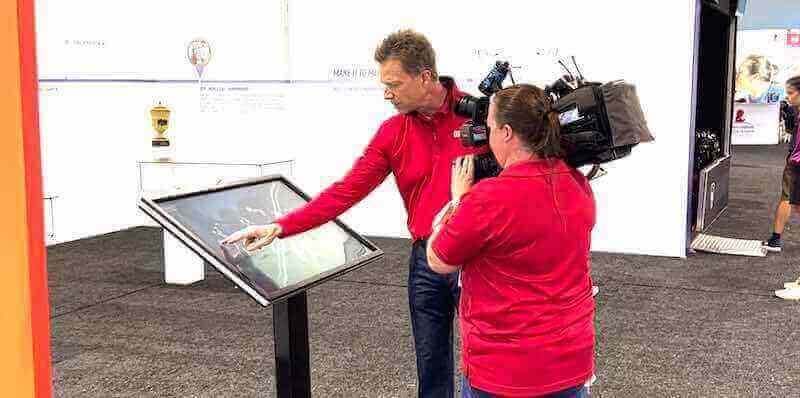
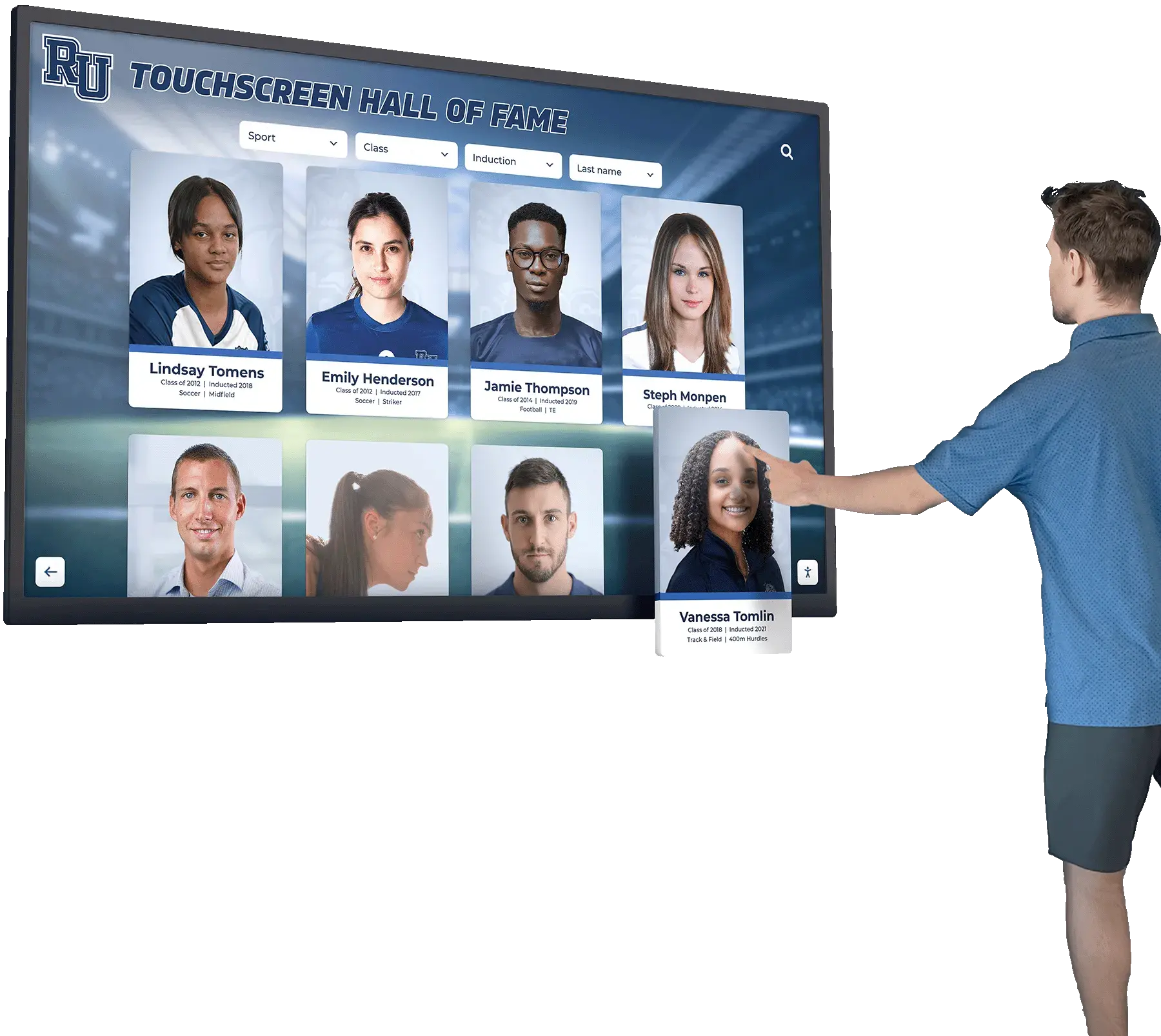
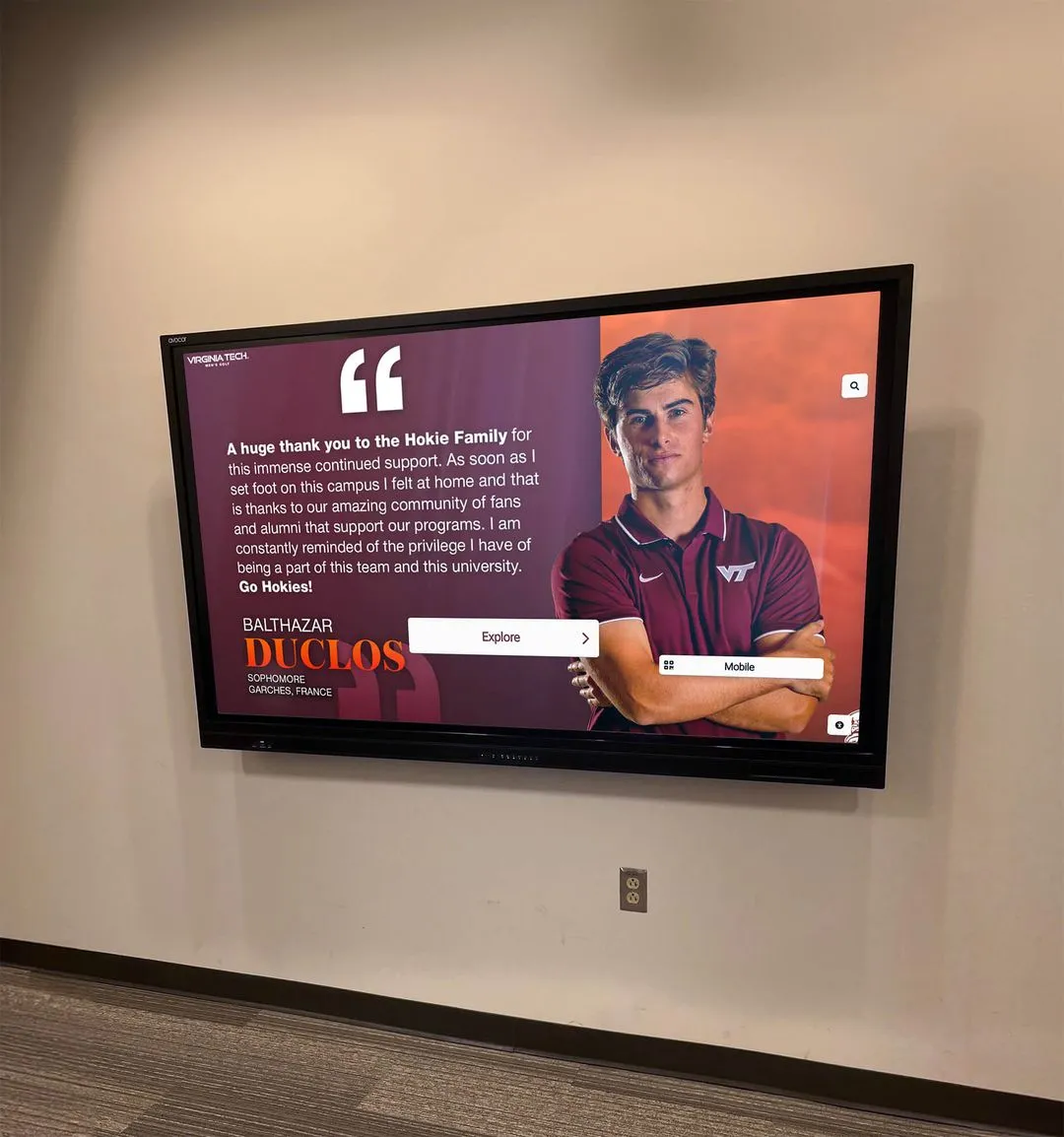
Interactive displays enable athletes to explore recognition criteria, achievement standards, and historical excellence that defines award-winning performance
Team Success and Winning Impact
Playoff Qualification Influence
While not required, leading teams to playoff appearances significantly strengthens candidacies. Rookies elevating franchises from lottery teams to playoff contention demonstrate tangible winning impact.
Clutch Performance
Late-game performance in close contests reveals mental toughness and competitive excellence—voters notice rookies who excel in pressure situations.
Team Record Improvement
Rookies joining struggling franchises who produce measurable win improvement demonstrate individual impact transcending personal statistics.
Championship Contributions
Several winners (Moore, Stewart) contributed to championship teams in rookie seasons—the ultimate team success validation.
Consistency Across the Season
Month-to-Month Performance
Winners maintain production across the full season rather than dominating limited stretches then fading. Consistency demonstrates durability, adaptation, and sustained excellence.
Adjustment to Professional Competition
Voters value rookies who adjust to professional defensive schemes, physical play, travel demands, and compressed schedules without significant production drops.
Injury Avoidance and Availability
Playing in 30+ of 34-40 regular season games matters—availability enables accumulating statistics while demonstrating durability and commitment.
Understanding how schools recognize breakthrough athletic performance helps organizations apply professional sports recognition principles to educational settings.
Intangible Qualities and Leadership
Basketball IQ and Decision-Making
Elite rookies process game situations quickly, make advanced reads, and demonstrate understanding that typically develops over multiple seasons.
Competitive Fire and Intensity
Voters notice rookies who compete relentlessly, refuse to be intimidated by veteran players, and demonstrate elite competitive mentality.
Professionalism and Media Presence
While not explicitly factored into voting, rookies who represent the league professionally, engage positively with media, and build personal brands strengthen overall candidacies through increased visibility.
Coachability and Team Chemistry
Rookies accepting coaching, meshing with veteran teammates, and prioritizing team success over personal statistics build reputations that influence voter perceptions.
How Schools and Organizations Can Create Impactful Rookie Recognition Programs
The WNBA’s approach to celebrating first-year excellence provides valuable lessons for educational and athletic organizations seeking to recognize their own newcomers.
Defining Rookie Eligibility and Categories
Establishing Clear Criteria
Schools should clearly define “rookie” status:
- First-year student-athletes in competitive programs
- New program participants regardless of grade level
- Inaugural team members when launching new sports
- Transfer students in their first year at the institution
- Newcomers to specific competitive levels (varsity promotion)
Clear eligibility prevents confusion while ensuring consistent recognition standards across years.
Multiple Category Considerations
Organizations might establish:
- Sport-specific rookie awards (basketball, soccer, volleyball, etc.)
- Separate male and female athlete recognition
- Offensive and defensive rookie distinctions
- Team and individual sport categories
Multiple categories enable recognizing diverse excellence types while ensuring exceptional newcomers receive acknowledgment.
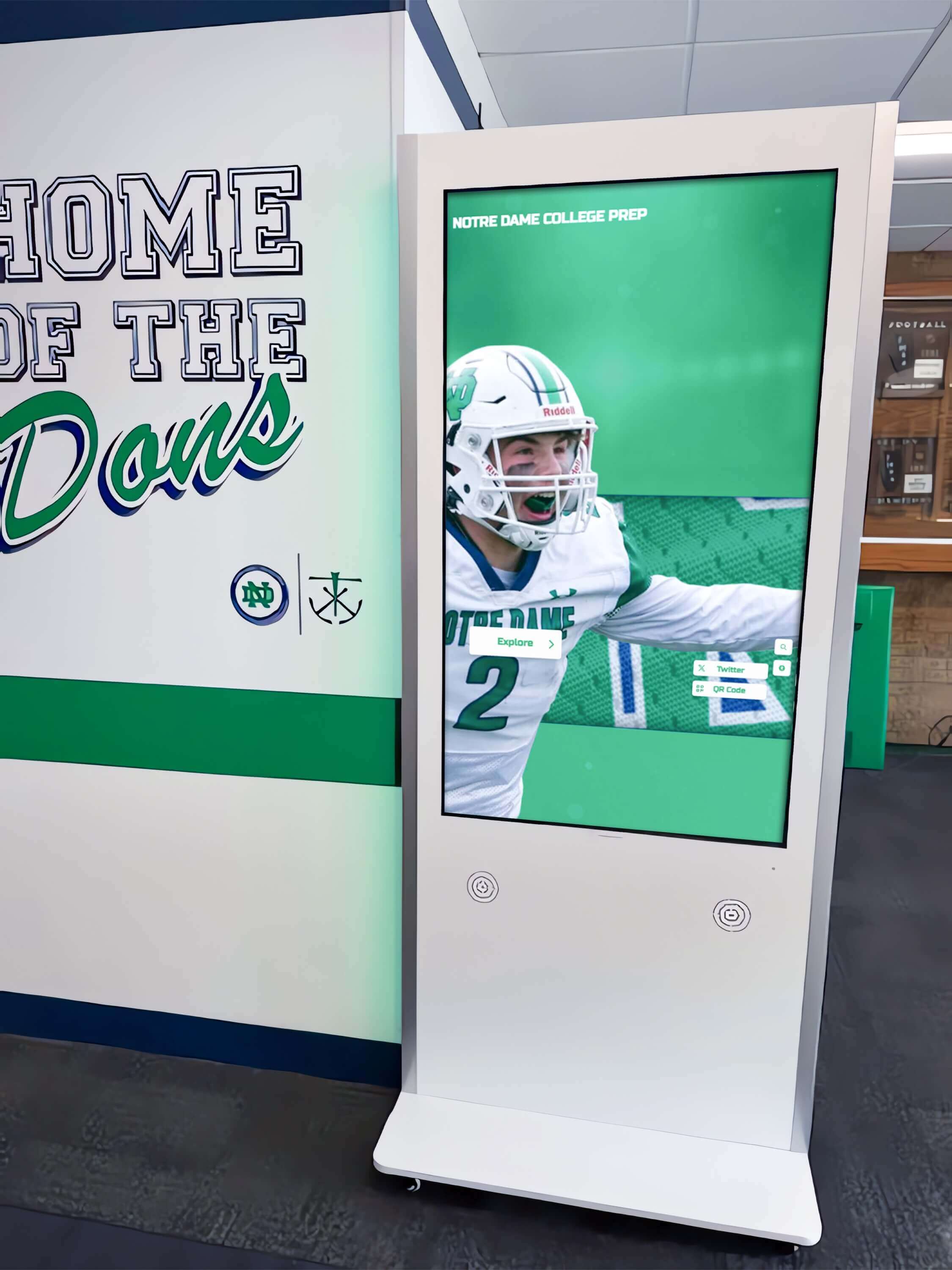
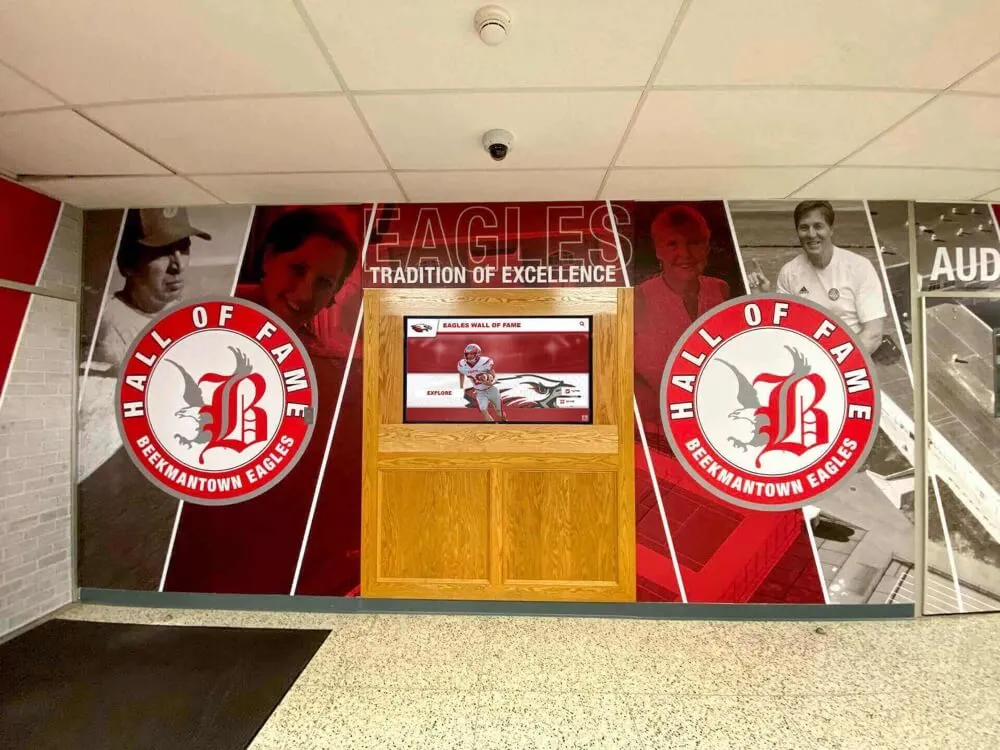
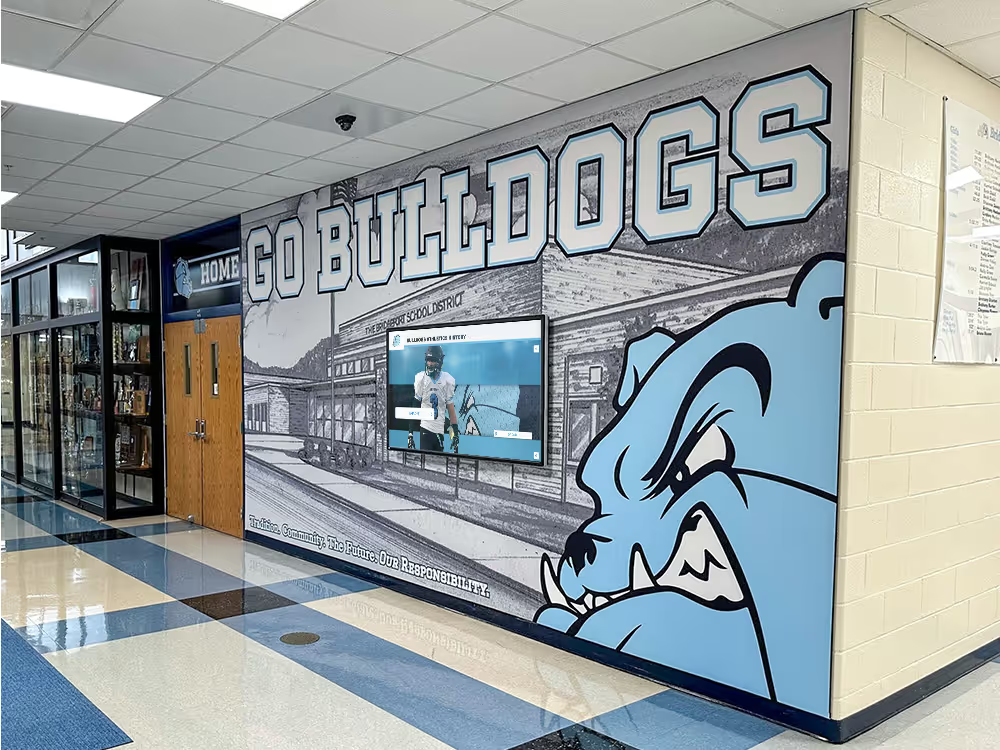
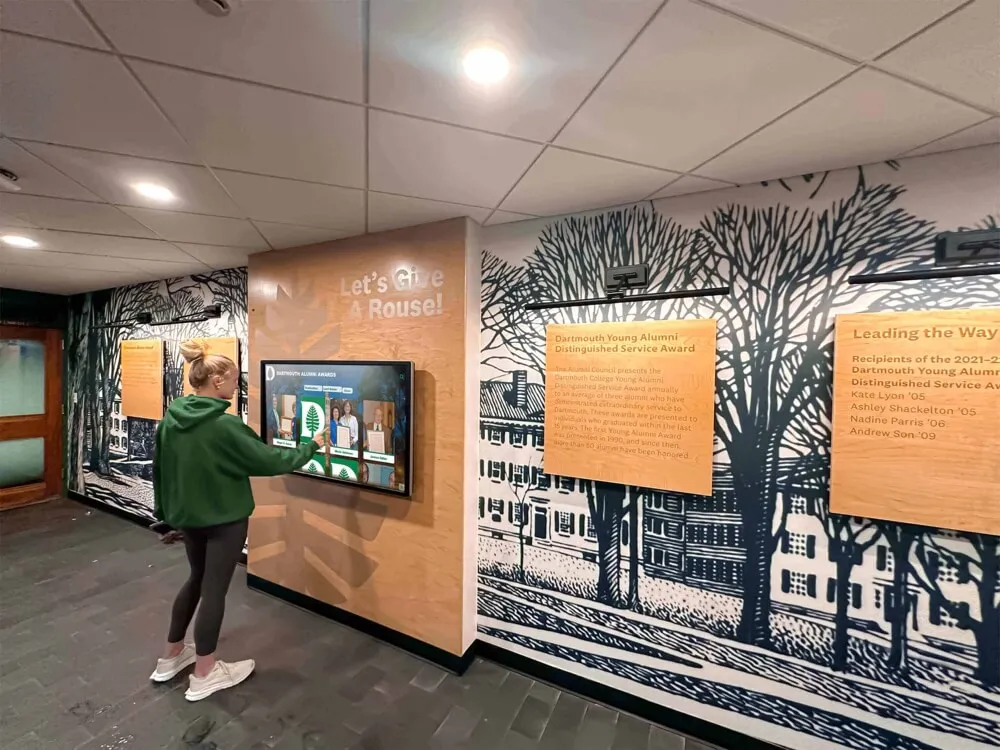
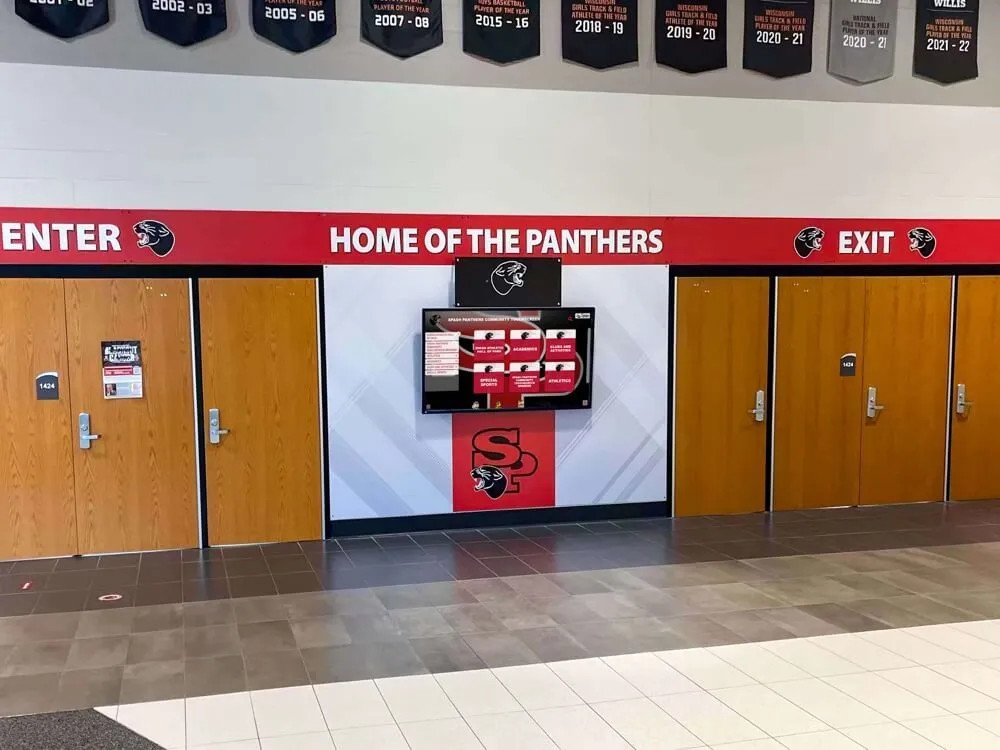
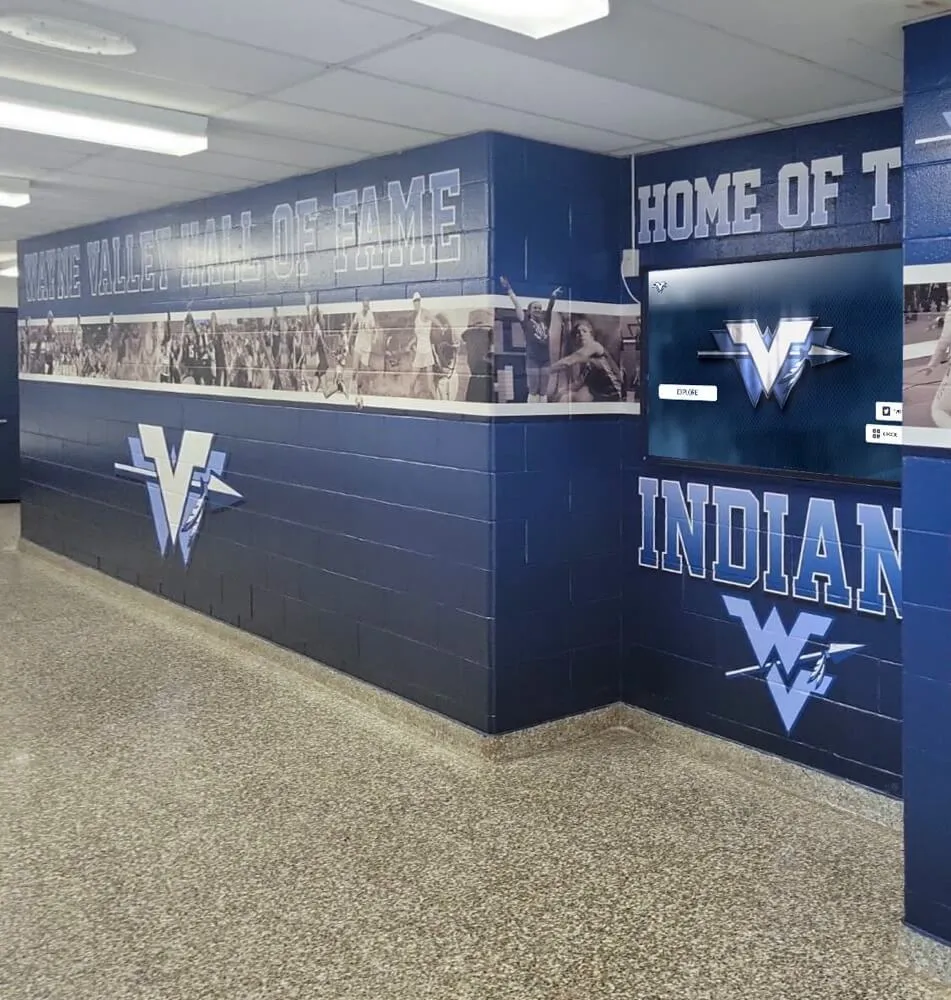
Prominent hallway displays showcase rookie achievements alongside veteran excellence, creating comprehensive athletic heritage recognition
Establishing Selection Criteria and Evaluation Processes
Quantifiable Performance Metrics
Schools should identify sport-specific statistics that define excellence:
- Basketball: Points, rebounds, assists, steals, shooting percentages
- Soccer: Goals, assists, shots on target, defensive stops
- Volleyball: Kills, digs, blocks, aces, attack percentages
- Track & Field: Personal records, meet placements, team scoring contributions
Quantifiable metrics create objectivity while enabling year-over-year comparisons.
Subjective Evaluation Factors
Beyond statistics, evaluation should consider:
- Practice intensity and preparation commitment
- Team leadership and positive culture contributions
- Competitive mentality and clutch performance
- Coachability and growth throughout the season
- Academic achievement and citizenship (for student-athletes)
Balanced evaluation recognizes that complete athletes transcend statistics alone.
Selection Committee Composition
Establish representative selection bodies including:
- Coaching staff providing technical expertise and daily observation
- Athletic administration offering institutional perspective
- Faculty representatives when appropriate for student recognition
- Senior athletes understanding team dynamics and peer respect
- External evaluators (athletic directors from other schools, officials) providing objective viewpoints
Representative committees build credibility while preventing individual bias from dominating selection.
Schools implementing comprehensive student recognition platforms discover they can celebrate athletic rookies alongside academic newcomers creating cultures of excellence.
Creating Meaningful Recognition Experiences
Award Presentation Timing and Format
Effective rookie recognition includes:
- End-of-season athletic banquets with formal presentation
- Public announcement during home contests (senior night, playoff games)
- School-wide morning announcements and website features
- Local media press releases celebrating achievement
- Trophy or plaque presentation creating tangible keepsake
- Certificate recognition suitable for college application portfolios
Thoughtful presentation honors recipients appropriately while inspiring future newcomers to pursue excellence.
Digital Recognition and Legacy Preservation
Modern schools leverage technology to extend recognition:
- Digital display systems in athletic facilities showcasing all rookie award winners
- Interactive touchscreens enabling exploration of recipient achievements and statistics
- Web-based platforms providing permanent recognition accessible to alumni and community
- Social media campaigns celebrating recipients with photos, highlights, and interviews
- Digital archives preserving rookie class achievements across program history
Solutions like Rocket Alumni Solutions enable schools to maintain unlimited historical archives celebrating every rookie award winner without physical space constraints limiting traditional plaque systems.
Integrating Rookie Recognition with Broader Athletic Honors
Comprehensive recognition systems celebrate:
- Season MVP alongside Rookie of the Year
- All-conference performers and academic achievers
- Senior tributes recognizing career contributions
- Team achievement (championships, records, milestones)
- Alumni athletic excellence and hall of fame inductees
Integrated recognition demonstrates institutional values celebrating excellence at all levels while showing newcomers their potential pathways to future honors.
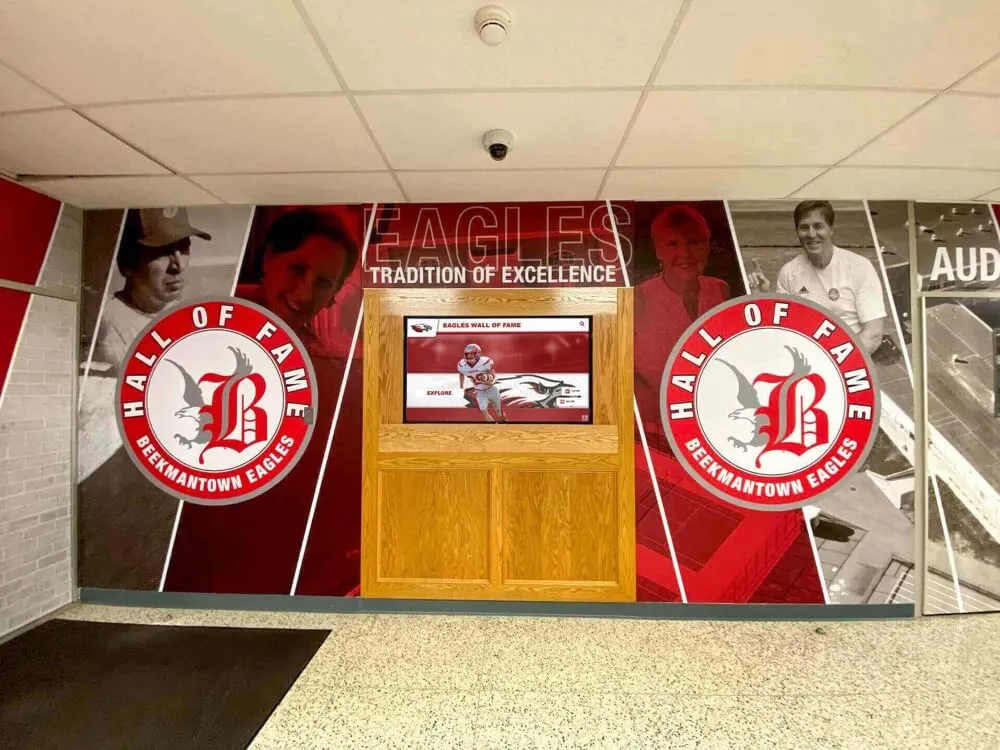
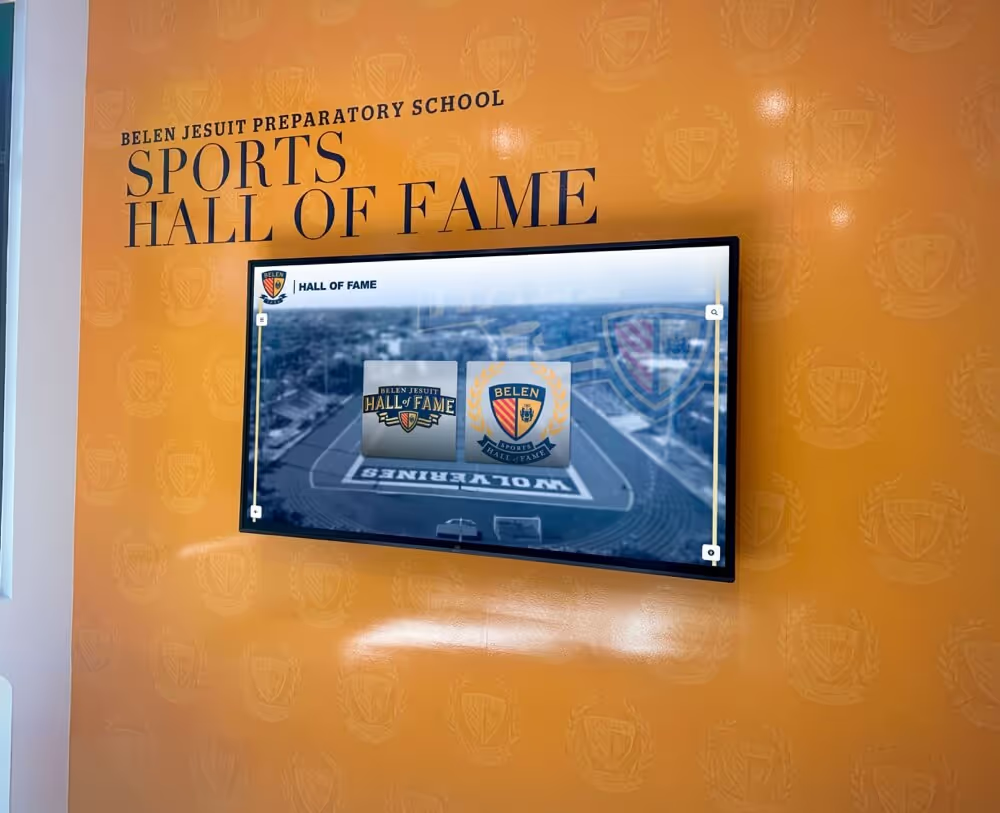
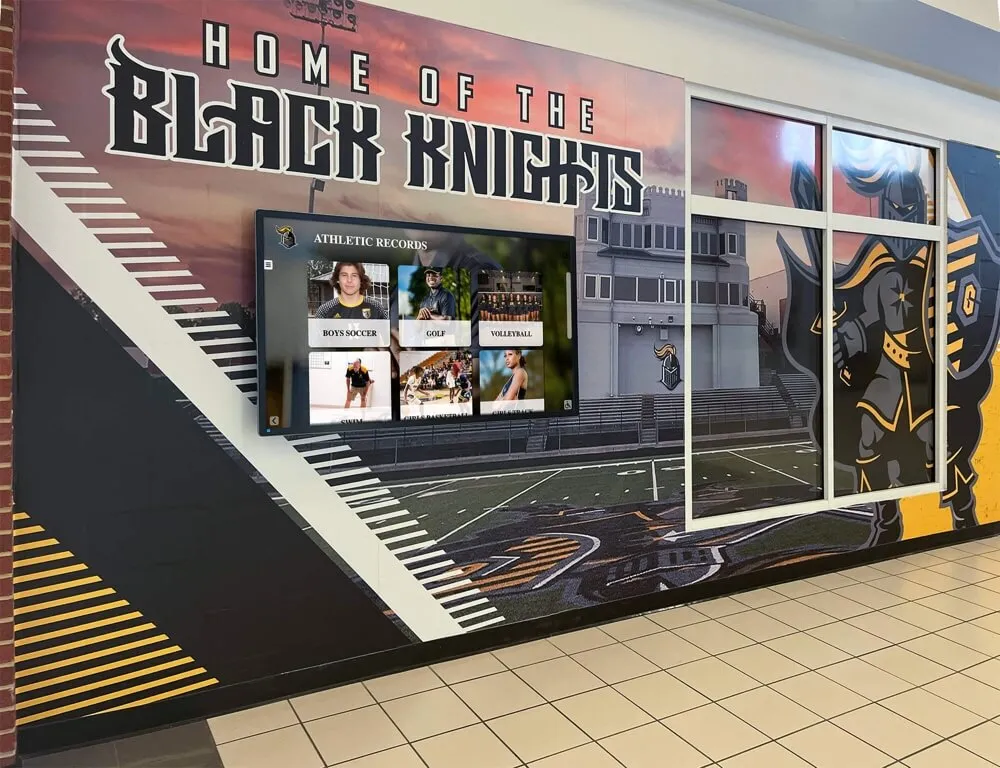
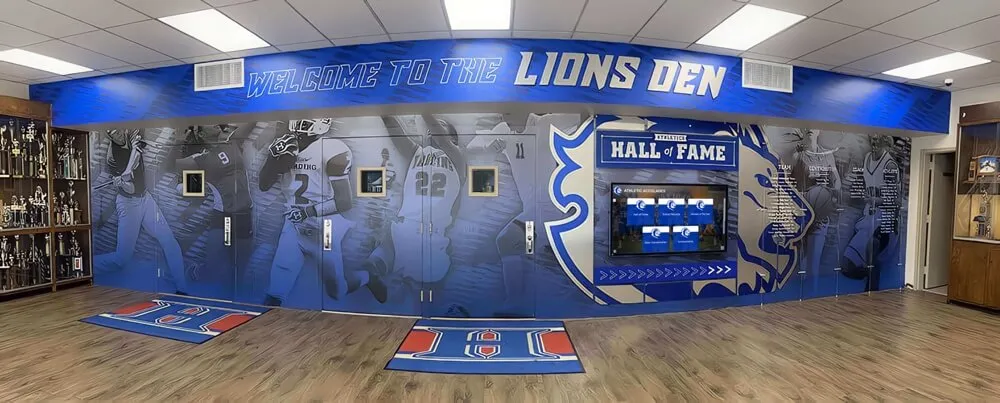
Branded recognition displays combine school identity with athletic achievement celebration creating prominent heritage showcases
Leveraging Rookie Recognition to Build Program Culture
Inspiration Through Visibility
Prominent rookie recognition:
- Shows incoming athletes that immediate contributions receive acknowledgment
- Demonstrates meritocracy where performance matters more than seniority
- Creates specific goals for first-year athletes to pursue
- Builds program traditions connecting generations of athletes
- Reinforces coaching messages about work ethic producing results
Visibility matters—awards displayed prominently in high-traffic locations inspire more effectively than those stored in administrative offices.
Recruitment and Program Marketing
Rookie recognition enhances recruiting by:
- Demonstrating commitment to individual player development
- Showing prospective athletes they could contribute immediately
- Highlighting program success developing first-year talent
- Creating media attention and community engagement
- Building reputation for launching athletic careers successfully
Programs celebrating rookies publicly attract talented newcomers seeking recognition opportunities.
Alumni Connection and Networking
Historical rookie recognition creates:
- Common bond among all past first-year excellence recipients
- Networking opportunities connecting generations of athletes
- Alumni mentoring current rookies through transition challenges
- Fundraising engagement from former winners supporting current programs
- Institutional pride strengthening school-alumni relationships
Comprehensive recognition systems preserving decades of rookie winners enable these valuable connections.
Schools exploring digital athletic recognition platforms discover they can showcase rookie achievements alongside championship banners and record boards creating complete athletic heritage displays.
Why Modern Digital Recognition Systems Transform Rookie Award Programs
Traditional rookie recognition approaches—engraved plaques added annually to trophy cases, printed programs, or framed photos in hallway displays—face significant limitations that digital platforms overcome.
Overcoming Traditional Recognition Limitations
Physical Space Constraints
Traditional displays accommodate finite numbers of honorees:
- Trophy cases fill after 10-20 years requiring removal of historical plaques
- Wall space limitations force choosing which awards to display prominently
- Expansion requires renovation and significant expense
- Multiple sport programs compete for limited recognition space
Digital platforms eliminate space constraints entirely, showcasing unlimited rookie winners across all sports and decades without removing historical recognition to accommodate current honorees.
Limited Information Presentation
Physical plaques typically include only:
- Recipient name, sport, and year
- Perhaps basic statistics (points per game, batting average)
- Small photo if space allows
- No context about team success, competition level, or career trajectory
Digital recognition enables comprehensive storytelling including photos, statistics, highlight videos, personal reflections, team context, and career updates creating emotional connections that static plaques cannot achieve.
Administrative Burden and Costs
Traditional recognition requires:
- Annual plaque ordering, engraving, and installation
- Physical mounting, hanging, and display maintenance
- Periodic reorganization as space fills
- Replacement when plaques deteriorate or information needs correction
- Ongoing costs accumulating across decades
Digital systems require initial setup then simple content updates through cloud-based management platforms, dramatically reducing long-term administrative burden and costs.
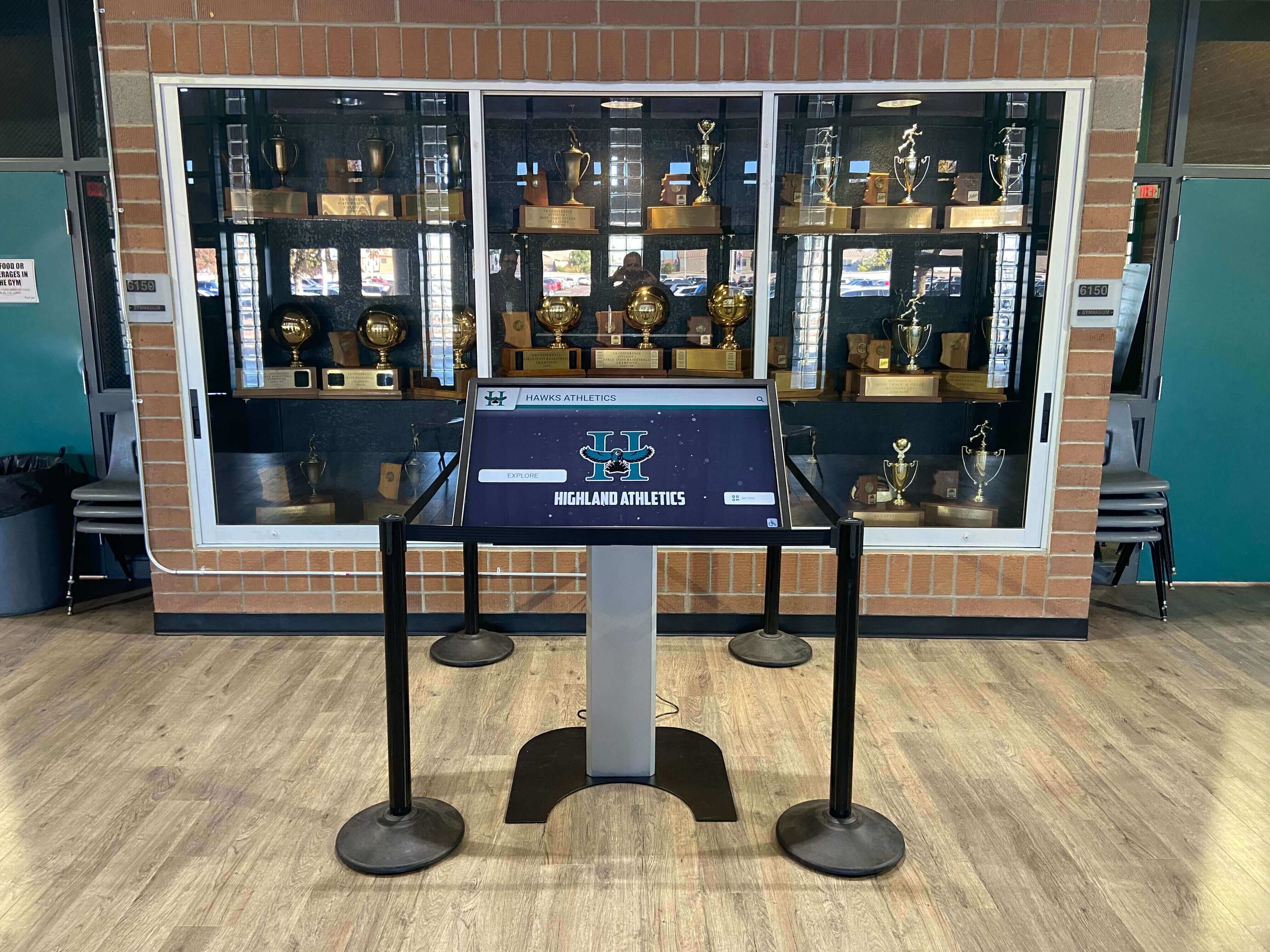
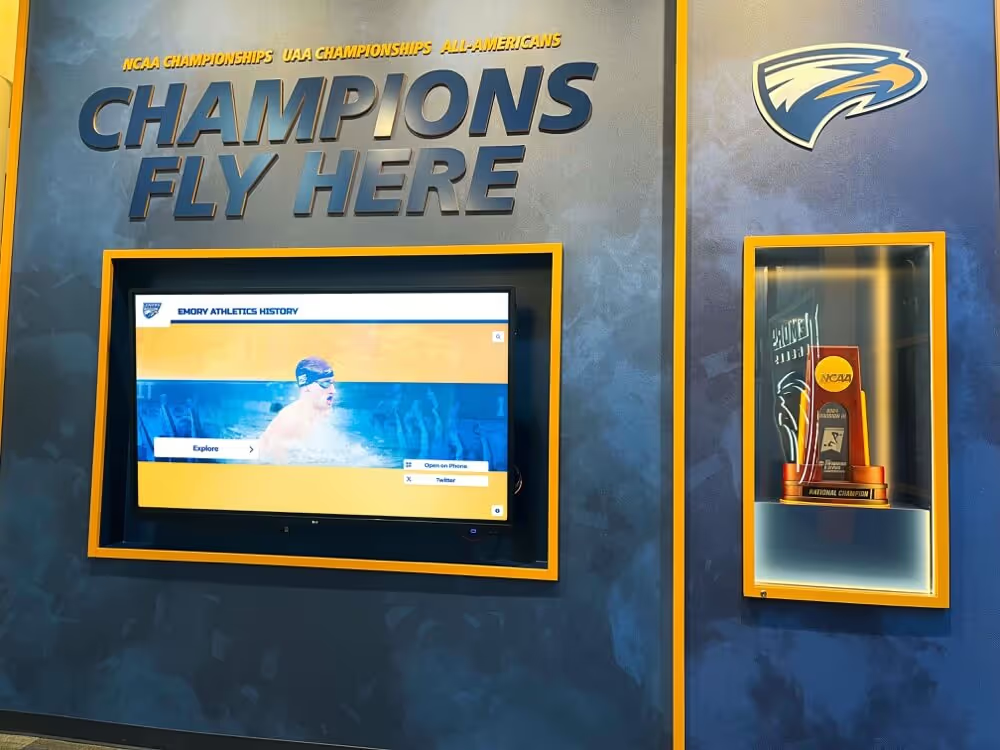
Integrated digital displays within traditional trophy cases combine physical trophies with unlimited digital recognition capacity and interactive storytelling
Digital Recognition Capabilities Transforming Rookie Awards
Unlimited Recognition Capacity
Digital platforms accommodate:
- Every rookie award winner across all sports and decades
- Multiple recipients per year when programs have co-winners
- Sport-specific rookie categories (offensive, defensive, newcomer, transfer)
- Complete statistical profiles and achievement context
- Season highlights, team photos, and personal reflections
- Career updates showing post-graduation athletic achievements
Unlimited capacity ensures comprehensive recognition without forcing difficult decisions about which honorees to display or remove.
Interactive Exploration Features
Modern systems enable:
- Search functionality finding specific athletes, years, or sports
- Filter options displaying only certain sports, decades, or categories
- Related content showing athletes who earned multiple awards
- Statistical comparison tools examining rookie performance across years
- QR code sharing enabling social media promotion of achievements
- Touch-based browsing creating engaging exploration experiences
Interactive features transform passive viewing into active engagement increasing time spent exploring athletic achievements.
Rich Multimedia Storytelling
Digital platforms support:
- Photo galleries showing action shots, team photos, and award presentations
- Embedded highlight videos showcasing signature performances
- Audio recordings of acceptance speeches or coach testimonials
- Scrolling statistics displaying comprehensive season performance
- Written narratives providing context about team success and competition level
- Links to news articles, game recaps, and contemporary coverage
Rich media creates emotional resonance that helps current athletes understand the prestige of rookie recognition while preserving memories for recipients and families.
Simple Content Management
Cloud-based platforms provide:
- User-friendly interfaces requiring no technical expertise
- Template-based entry forms ensuring consistent presentation
- Bulk upload tools for adding multiple recipients efficiently
- Scheduled publishing enabling advance preparation
- Role-based permissions allowing appropriate staff access
- Mobile administration through tablets and smartphones
- Automatic backups protecting information against loss
Administrative simplicity ensures recognition remains current without requiring dedicated technology staff.
Extended Community Access
Web-based recognition extends beyond physical campus:
- 24/7 access from any location through internet connection
- Mobile-optimized displays working on smartphones and tablets
- Social sharing enabling alumni and families to promote achievements
- Integration with school websites and social media channels
- Remote viewing for relocated community members and alumni
- Search engine indexing helping community discover school achievements
Extended access strengthens alumni connections while building community pride in athletic excellence.
Schools implementing comprehensive digital athletic displays discover they can preserve complete institutional athletic history while creating engaging exploration experiences.
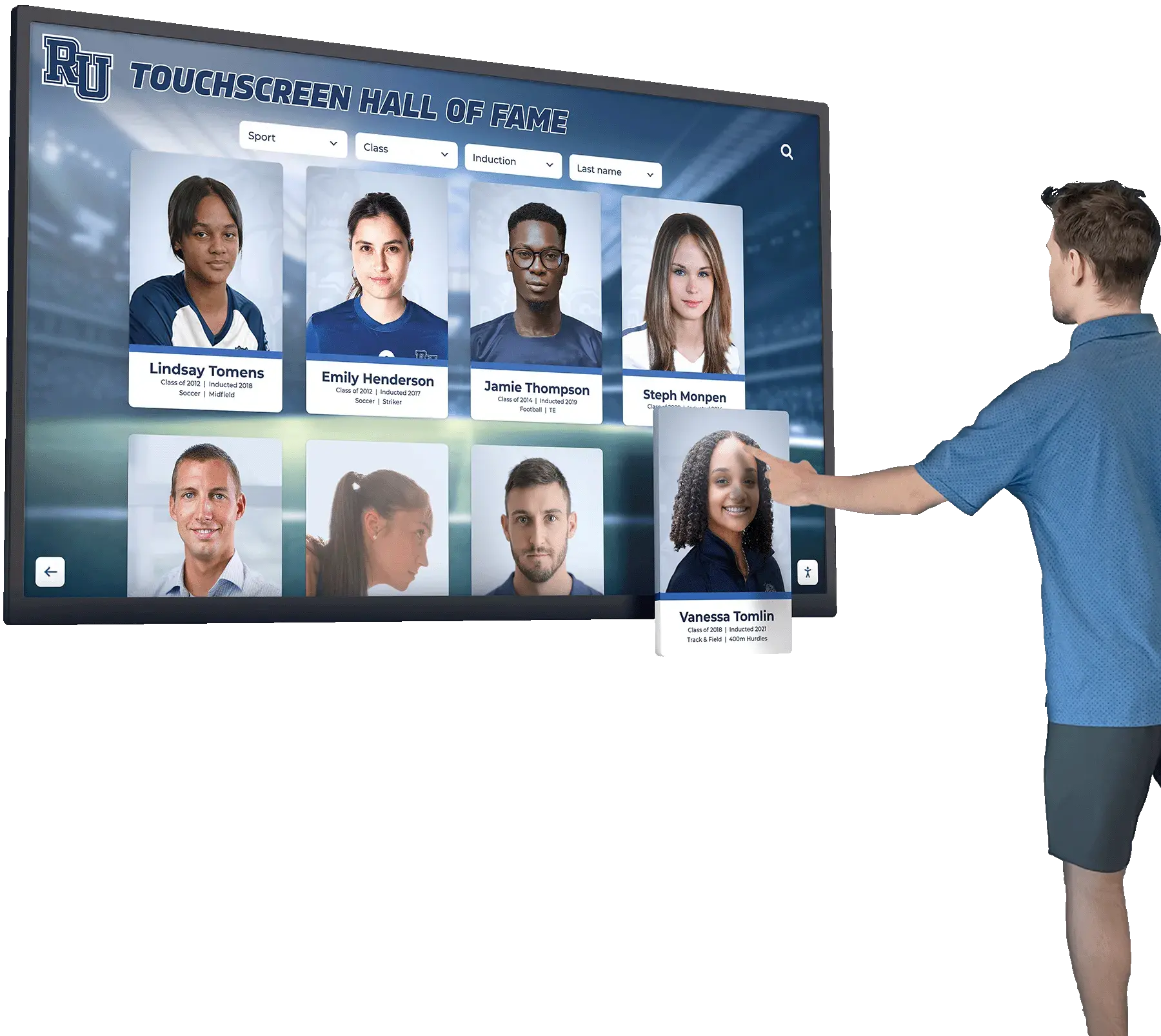
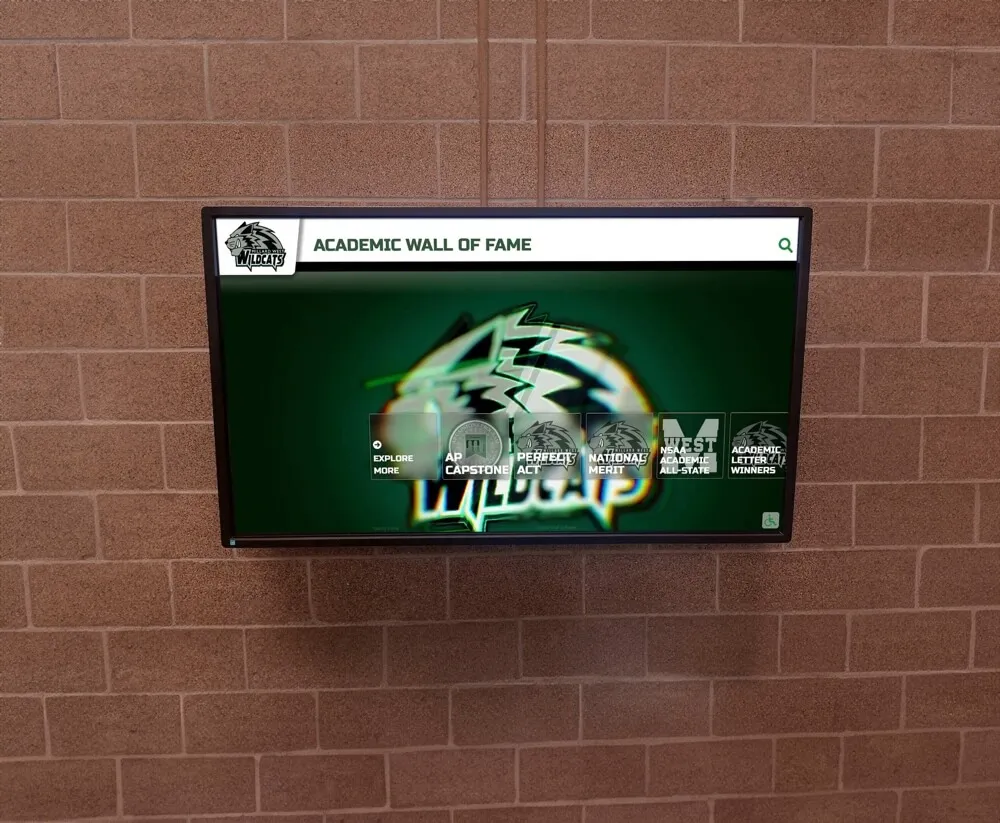
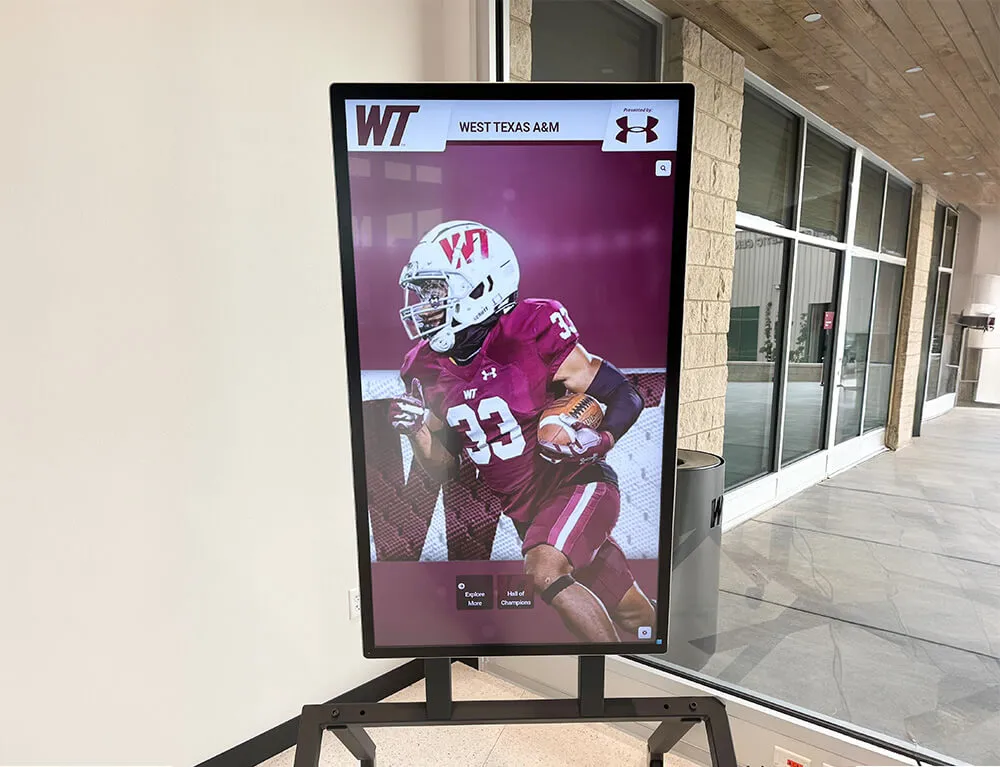
User-friendly interfaces enable visitors to explore comprehensive athletic achievement archives including rookie recognition across decades
Notable Trends and Patterns in WNBA Rookie of the Year History
Examining nearly three decades of winners reveals interesting patterns about player development, positional evolution, and what defines immediate professional success.
Draft Position and Rookie Success Correlation
First Overall Picks Dominating Recognition
The majority of WNBA Rookie of the Year winners were selected first overall in their draft classes—Holdsclaw, Catchings, Taurasi, Augustus, Parker, Charles, Moore, Ogwumike (Nneka), Delle Donne, Ogwumike (Chiney), Stewart, Wilson, and Boston all entered the league as consensus top prospects.
This pattern demonstrates that pre-professional scouting accurately identifies elite talent while confirming that top draft picks typically possess the complete skill sets enabling immediate professional impact.
Later Draft Picks Occasionally Breaking Through
Notable exceptions include players drafted outside the top three who earned recognition—demonstrating that fit, opportunity, and work ethic sometimes matter more than draft position alone.
Organizations should recognize that first-year excellence can emerge from unexpected sources when newcomers receive appropriate opportunities and support.
Positional Trends and Evolution
Guards and Wings Dominating Recent Years
Recent winners skew toward perimeter players—Howard, Boston, and Clark represent guard and wing excellence rather than traditional post domination. This shift reflects basketball’s general evolution toward pace-and-space systems valuing shooting, ball-handling, and positional versatility.
Traditional Post Players Remain Relevant
Despite perimeter emphasis, elite interior players (Charles, Ogwumike sisters, Stewart, Wilson, Boston) continue earning recognition when combining traditional rebounding and interior scoring with modern face-up skills and passing ability.
Position-Less Basketball Emerging
Winners increasingly demonstrate multi-positional versatility—Stewart, Parker, and Collier excel across multiple positions, reflecting modern basketball’s emphasis on switchability and skill over rigid position definitions.
Schools designing athletic recognition displays should celebrate diverse excellence types recognizing that dominance emerges through multiple pathways and playing styles.
Predicting Future All-Stars and MVPs
Strong All-Star Correlation
Nearly every Rookie of the Year winner becomes a multi-time WNBA All-Star, demonstrating the award’s predictive validity for sustained excellence. Voters effectively identify players with star potential rather than merely solid rookies unlikely to improve significantly.
MVP Pathway
Several winners (Holdsclaw, Taurasi, Parker, Charles, Delle Donne, Stewart, Wilson) later earned WNBA MVP awards—confirming that exceptional rookie performance often indicates generational talent capable of reaching absolute peak performance levels.
Hall of Fame Trajectory
Multiple winners already enshrined in or tracking toward Naismith Basketball Hall of Fame consideration—Holdsclaw, Taurasi, Parker, Stewart—validating the award as identifying careers defining entire generations of basketball excellence.
For schools and organizations, these patterns suggest that rookie recognition programs effectively identify not just immediate contributors but potential long-term program pillars whose excellence will define institutional athletic identity for years or decades.
Cultural Impact and Fan Engagement
Attendance and Viewership Influence
Recent winners (particularly Clark in 2024) demonstrate how exceptional rookies can transform franchise attendance, television ratings, and overall league visibility. Clark’s rookie season generated unprecedented media attention, sold-out arenas, and mainstream cultural awareness beyond traditional basketball audiences.
Schools should recognize that celebrating exceptional rookies publicly creates excitement benefiting entire athletic programs—successful first-year athletes attract fans, generate positive media coverage, and build momentum that elevates all teams and participants.
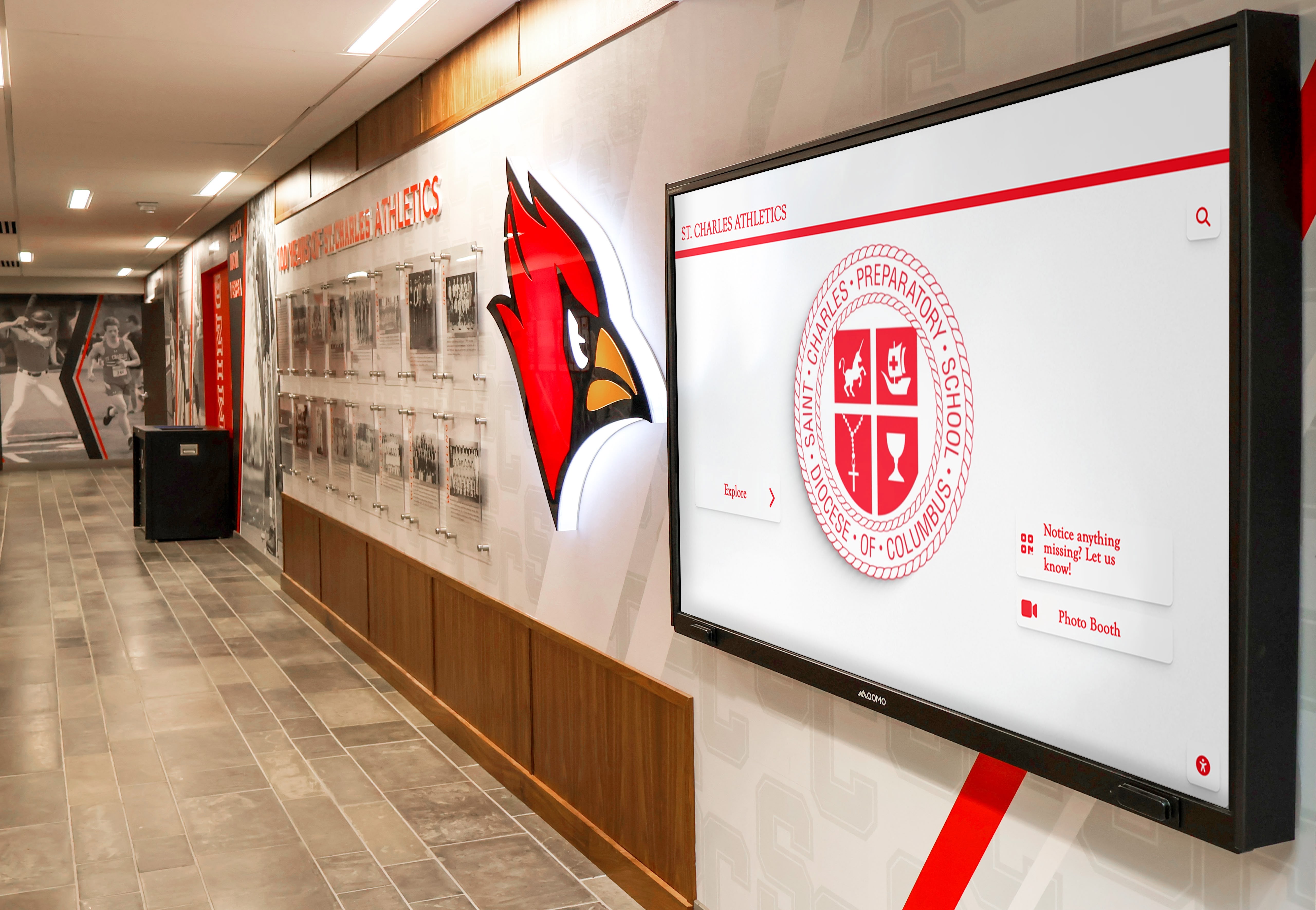
Strategic hallway placement of athletic recognition displays ensures daily visibility for students, creating constant inspiration and awareness of excellence standards
Lessons for Schools: Applying Professional Recognition Principles
The WNBA Rookie of the Year award provides valuable frameworks that schools and youth organizations can adapt to their own recognition programs.
Creating Clear Performance Standards
Transparent Criteria Communication
Just as WNBA voters evaluate statistics, team success, and intangibles, schools should clearly communicate rookie award evaluation factors:
- Publish specific statistical benchmarks or ranges typically earning recognition
- Explain how coaches evaluate intangible qualities like leadership and work ethic
- Describe selection committee composition and voting processes
- Share historical winner profiles helping newcomers understand standards
- Provide timelines for nomination, evaluation, and announcement
Transparency builds credibility while enabling athletes to pursue recognition strategically through clear understanding of evaluation standards.
Balancing Objective and Subjective Evaluation
Professional awards combine quantifiable statistics with subjective judgments about competition level, team impact, and intangible qualities. Schools should:
- Weight statistical achievement heavily while allowing subjective factors to differentiate close candidates
- Document subjective evaluation factors (coach observations, peer respect, clutch performance) systematically
- Establish consistent evaluation rubrics applied equally across candidates
- Require selection committees to justify decisions referencing specific criteria
- Accept that some subjectivity inevitably exists in evaluating human performance
Balanced evaluation produces defensible selections that stakeholders perceive as fair even when disappointed their preferred candidate wasn’t selected.
Celebrating Excellence Publicly and Prominently
Visibility Drives Impact
The WNBA announces Rookie of the Year publicly through press conferences, media releases, and prominent coverage. Schools should similarly:
- Announce winners during well-attended events (athletic banquets, home contests, assemblies)
- Issue press releases to local media generating community awareness
- Feature recipients prominently on school websites and social media
- Display recognition prominently in high-traffic locations (main entrances, gyms, cafeterias)
- Include achievements in school newsletters and communications to parents
Public celebration honors recipients appropriately while inspiring future newcomers to pursue similar excellence.
Creating Lasting Legacy
Beyond immediate recognition, schools should:
- Maintain permanent records in digital recognition systems
- Preserve photos, statistics, and contextual information for historical archives
- Update recipient profiles with post-graduation achievements (college athletics, professional careers)
- Feature historical winners during reunion events and anniversary celebrations
- Engage past recipients as mentors for current newcomers
Lasting recognition demonstrates institutional commitment to celebrating excellence across generations while building program traditions that strengthen school identity.
Organizations exploring comprehensive recognition platform solutions discover they can create professional-quality recognition experiences similar to elite athletic organizations.
Fostering Healthy Competition and Growth Mindset
Recognition as Motivation Tool
Rookie awards motivate when:
- Standards remain achievable for talented newcomers with strong work ethic
- Celebration occurs publicly enough that recognition feels prestigious
- Past winners serve as visible examples inspiring current athletes
- Evaluation factors emphasize controllable behaviors (effort, preparation) not just innate talent
- Selection demonstrates meritocracy where performance produces recognition regardless of politics
Effective recognition programs inspire rather than discourage—setting high but achievable standards while celebrating diverse excellence pathways.
Supporting Non-Winners’ Development
Professional sports continue developing athletes who don’t win individual awards—schools should similarly:
- Recognize all-rookie teams or honorable mention selections
- Celebrate improvement throughout seasons regardless of award outcomes
- Emphasize team success as primary goal with individual awards as secondary
- Provide constructive feedback helping non-selected athletes understand development areas
- Avoid overemphasizing individual awards that could undermine team chemistry
Balanced recognition celebrates exceptional individuals while maintaining team-focused cultures where all contributors feel valued.
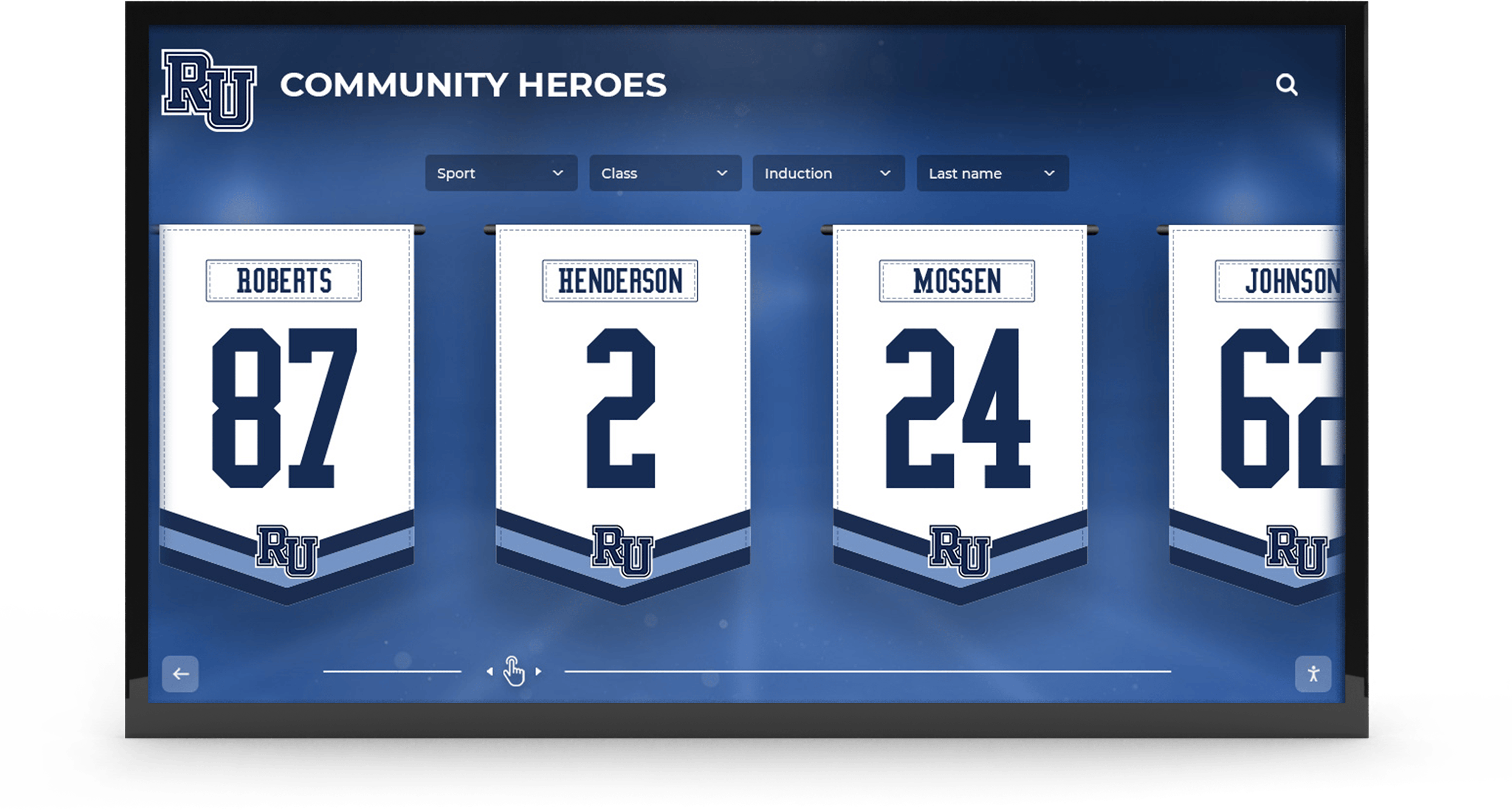
Modern recognition systems celebrate multiple achievement types including rookie excellence, championship teams, and community impact creating comprehensive athletic tributes
Implementing Rookie Recognition Programs: Practical Steps for Schools
Schools ready to establish or enhance rookie recognition programs can follow systematic implementation frameworks adapted from professional sports models.
Phase 1: Program Design and Policy Development
Define Award Purpose and Scope
Establish clear program objectives:
- Recognize exceptional first-year athletic achievement
- Inspire incoming athletes through visible excellence examples
- Build program traditions and institutional athletic identity
- Generate positive media attention and community engagement
- Create recruitment advantages by demonstrating commitment to newcomers
Clear purpose statements guide subsequent decision-making while communicating program values to stakeholders.
Determine Eligibility and Categories
Decide specifics:
- Sport-by-sport awards or single school-wide recognition?
- Gender-specific awards or combined recognition?
- Separate categories for different team levels (varsity, JV)?
- Include transfer students or only first-year program participants?
- Establish minimum participation thresholds (games played, practice attendance)?
Thoughtful category design ensures all deserving rookies receive appropriate recognition opportunities.
Establish Selection Criteria and Processes
Document evaluation standards:
- Statistical benchmarks for each sport
- Intangible qualities and how they’re assessed
- Selection committee composition and appointment process
- Voting procedures (secret ballot, point systems, majority/supermajority requirements)
- Timeline from nomination through announcement
- Conflict-of-interest and recusal policies
- Appeals or feedback procedures if appropriate
Written policies create consistency across years and leadership changes while building stakeholder confidence in selection integrity.
Phase 2: Selection Infrastructure and Evaluation
Form Representative Selection Committees
Recruit qualified evaluators:
- Head coaches providing technical expertise and daily observation
- Athletic directors offering institutional perspective
- Senior student-athletes (when appropriate) contributing peer insights
- Faculty representatives ensuring alignment with academic values
- External evaluators (officials, administrators from other schools) providing objectivity
Representative committees balance diverse perspectives while preventing any individual from dominating selection.
Develop Evaluation Tools and Rubrics
Create systematic assessment approaches:
- Statistical tracking forms capturing relevant performance metrics
- Coach observation reports documenting intangible qualities
- Peer evaluation surveys assessing teammate respect and leadership
- Rating rubrics with consistent scoring scales across criteria
- Comparison matrices enabling side-by-side candidate analysis
Structured evaluation tools reduce bias while ensuring consistent application of stated criteria.
Conduct Thorough Evaluation Process
Follow systematic review procedures:
- Compile comprehensive candidate portfolios with statistics and observations
- Distribute materials to committee members with adequate review time
- Conduct deliberative meetings with structured discussion
- Vote through secret ballots protecting committee independence
- Document decisions with general rationale without revealing vote breakdowns
- Communicate outcomes respectfully to all candidates
Thorough processes produce defensible selections while maintaining confidentiality appropriate for personnel decisions.
Schools implementing student achievement recognition systems can apply similar systematic approaches to athletic rookie recognition.
Phase 3: Recognition Experience and Celebration
Plan Meaningful Award Presentations
Create memorable recognition moments:
- Select appropriate venues and timing (banquets, senior nights, assemblies)
- Prepare video highlight reels showcasing recipient achievements
- Invite families and ensure adequate seating and accommodations
- Arrange for quality photography documenting presentations
- Prepare remarks contextualizing achievements and program significance
- Present physical awards (trophies, plaques, certificates) creating keepsakes
- Allow recipients to share reflections or acceptance remarks
Thoughtful presentations honor recipients appropriately while creating experiences families remember permanently.
Generate Media Coverage and Community Awareness
Extend recognition beyond ceremony attendees:
- Issue press releases with recipient photos and achievement summaries
- Pitch feature stories to local newspapers and television stations
- Publish recognition on school websites and social media channels
- Create shareable graphics highlighting recipient achievements
- Include announcements in school newsletters reaching all families
- Display recognition prominently in school facilities and digital displays
Broad awareness multiplies recognition impact while generating positive institutional publicity.
Integrate with Permanent Recognition Systems
Ensure lasting legacy:
- Add recipients to digital recognition displays immediately
- Update trophy cases or physical displays with new plaques
- Maintain comprehensive records in athletic department archives
- Photograph recipients with awards for historical documentation
- Record video acceptance speeches and reflections for preservation
- Create web profiles accessible to future community members and alumni
Permanent recognition demonstrates institutional commitment while building traditions connecting generations of athletes.
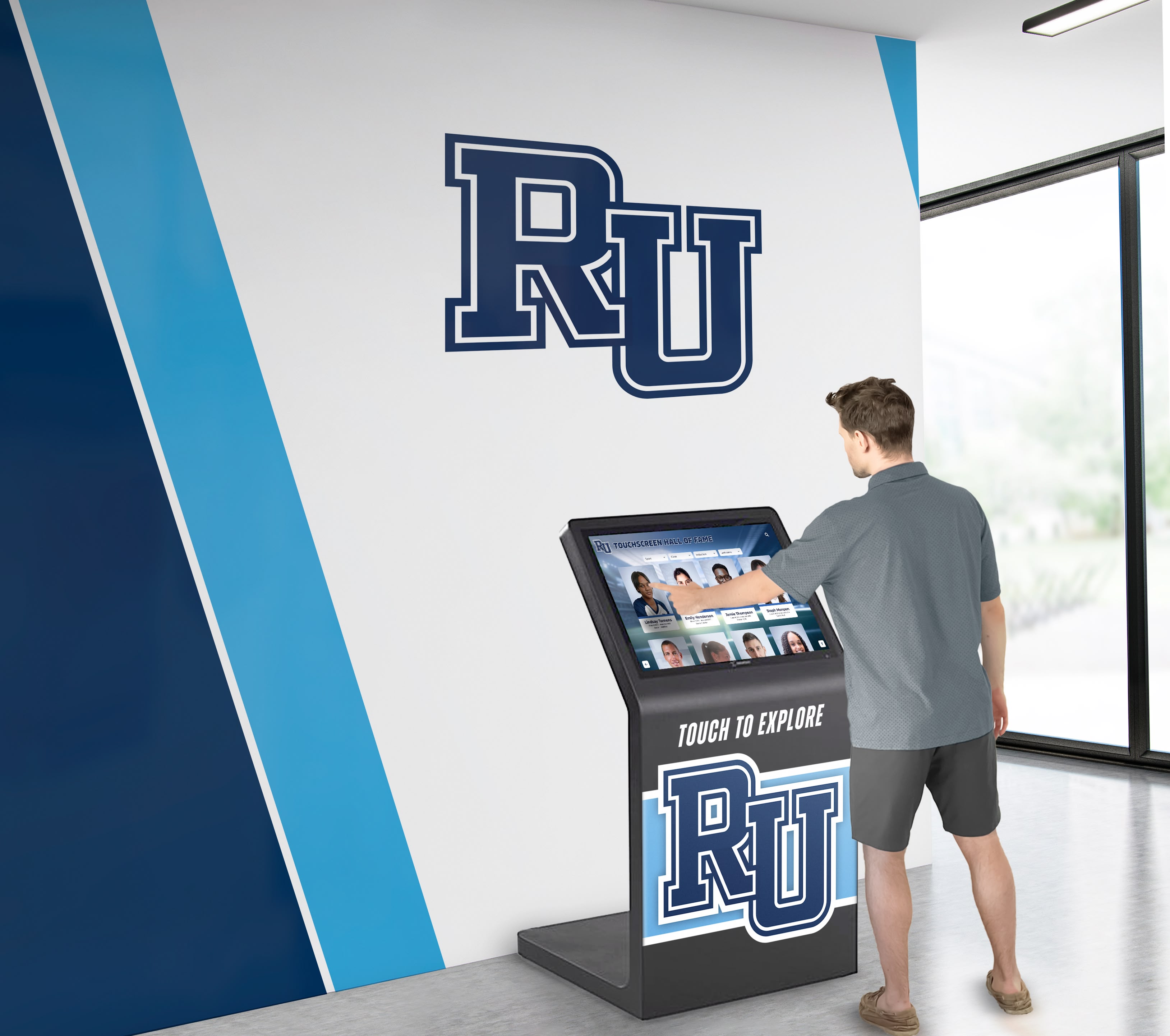
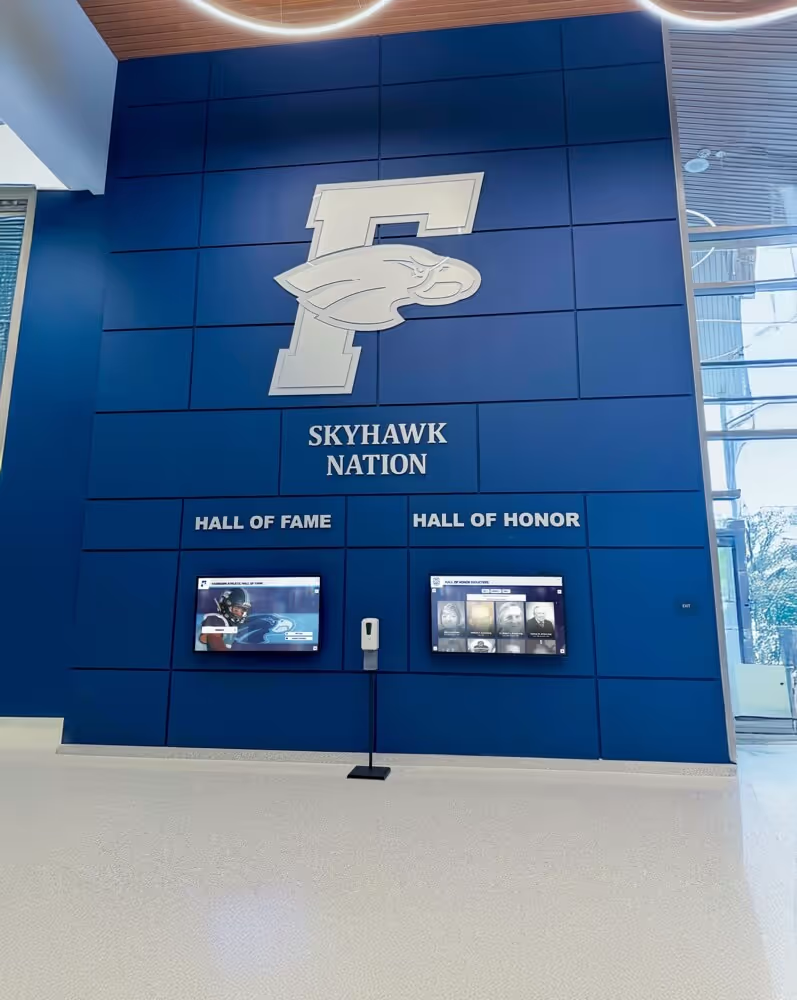
Accessible lobby displays enable entire school communities to explore athletic achievements including rookie recognition across all sports and years
Phase 4: Program Evaluation and Continuous Improvement
Assess Recognition Program Effectiveness
Regular evaluation should examine:
- Selection process fairness and stakeholder confidence perceptions
- Award prestige and recipient pride in recognition
- Motivational impact on incoming athletes and program culture
- Media coverage and community awareness generated
- Administrative efficiency and resource requirements
- Integration with broader athletic recognition systems
Systematic assessment reveals improvement opportunities while documenting program value for institutional stakeholders.
Gather Feedback and Refine Processes
Seek input from multiple sources:
- Coach perspectives on selection criteria appropriateness
- Recipient feedback about recognition experience quality
- Committee member suggestions for process improvements
- Community reactions to selections and presentation quality
- Athletic administration guidance on resource allocation
- Comparison with other schools’ rookie recognition programs
Diverse feedback enables continuous improvement while demonstrating commitment to excellence in recognition programs.
Adapt to Changing Contexts
Mature programs should periodically consider:
- Category additions accommodating new sports or program changes
- Criteria adjustments reflecting basketball evolution or institutional priorities
- Technology adoption improving recognition visibility or administrative efficiency
- Ceremony format modifications based on attendance or feedback
- Resource allocation optimization balancing quality with sustainability
Evolution maintains program relevance while respecting foundational principles that established credibility.
Schools exploring comprehensive athletic recognition solutions discover that systematic rookie recognition programs become valued traditions strengthening institutional athletic identity.
Conclusion: Celebrating Breakthrough Excellence Creates Lasting Impact
The WNBA Rookie of the Year award’s nearly three-decade history demonstrates that celebrating first-year excellence serves multiple valuable purposes—validating talent identification, motivating incoming players, generating fan excitement, and identifying future stars who will define leagues for generations. From Chamique Holdsclaw’s transformative 1999 campaign through Caitlin Clark’s culture-shifting 2024 season, the award has recognized diverse excellence pathways while maintaining consistent standards for immediate professional impact.
Schools and youth organizations can apply professional sports recognition principles to create meaningful rookie award programs celebrating newcomers making exceptional first-year contributions. Clear eligibility criteria, transparent selection processes, prominent public recognition, and permanent legacy preservation combine to honor individual achievement while building program traditions that strengthen institutional athletic identity across generations.
Modern digital recognition platforms enable schools to showcase unlimited rookie award winners alongside championship teams, record holders, and hall of fame inductees—creating comprehensive athletic heritage displays that inspire current athletes while preserving complete institutional history. Solutions like Rocket Alumni Solutions provide specialized recognition systems designed specifically for schools, combining professional presentation quality with user-friendly content management that empowers athletic departments to celebrate excellence comprehensively without excessive administrative burden.
Whether honoring WNBA-caliber professional excellence or celebrating outstanding high school newcomers, the fundamental principles remain consistent—define clear standards, evaluate systematically and fairly, recognize publicly and prominently, and preserve legacies permanently. When schools make first-year athletic achievement visible and celebrated, they demonstrate that immediate contributions matter, talent receives acknowledgment regardless of seniority, and excellence pursued diligently produces recognition that lasts permanently.