



Every November, Friday night lights in Wisconsin burn a little brighter as high school football teams across the state enter the postseason crucible that separates regular season success from championship glory. The Wisconsin Interscholastic Athletic Association (WIAA) football playoffs represent the culmination of months of preparation, where undefeated powerhouses face determined underdogs, where legendary rivalries reach their seasonal crescendo, and where small-town communities rally behind their teams with an intensity that defines Wisconsin’s deep high school sports traditions.
For schools, athletic directors, coaches, and communities invested in playoff football, understanding tournament structure, qualification requirements, division formats, and championship pathways proves essential for navigating this complex postseason landscape. Beyond competition itself, playoff achievements create defining moments worthy of lasting institutional recognition—conference championships earned through regular season excellence, playoff victories marking program milestones, state championship appearances representing generational achievements, and breakthrough performances establishing player and team legacies.
This comprehensive guide explores every dimension of Wisconsin high school football playoffs, from WIAA tournament mechanics and qualification criteria to modern recognition approaches ensuring playoff excellence receives the permanent celebration it deserves across generations of athletes, coaches, and communities.
Wisconsin high school football playoffs represent more than postseason tournaments—they embody community pride, athletic tradition, championship aspiration, and the culmination of season-long preparation that transforms good programs into legendary ones. Whether you’re tracking your local team’s playoff journey or planning long-term recognition systems honoring football excellence, understanding this championship landscape proves essential.

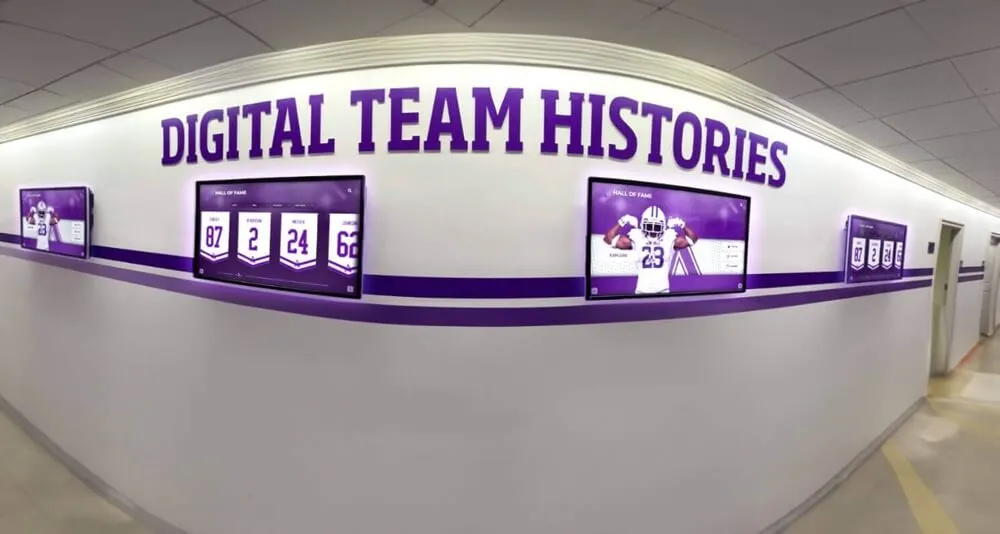
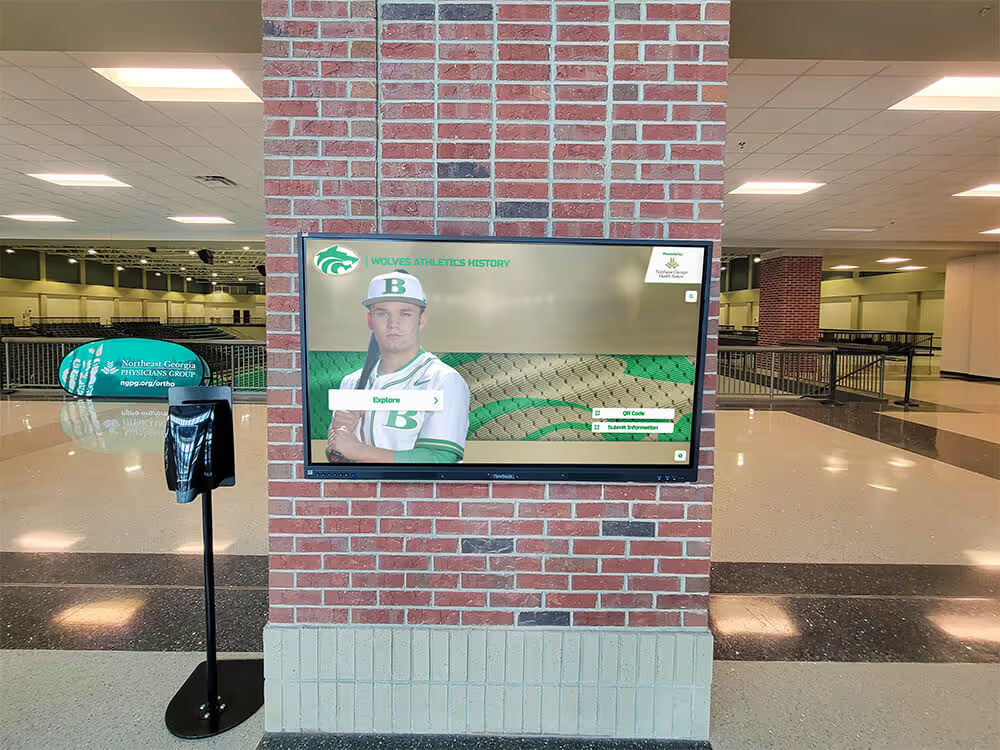
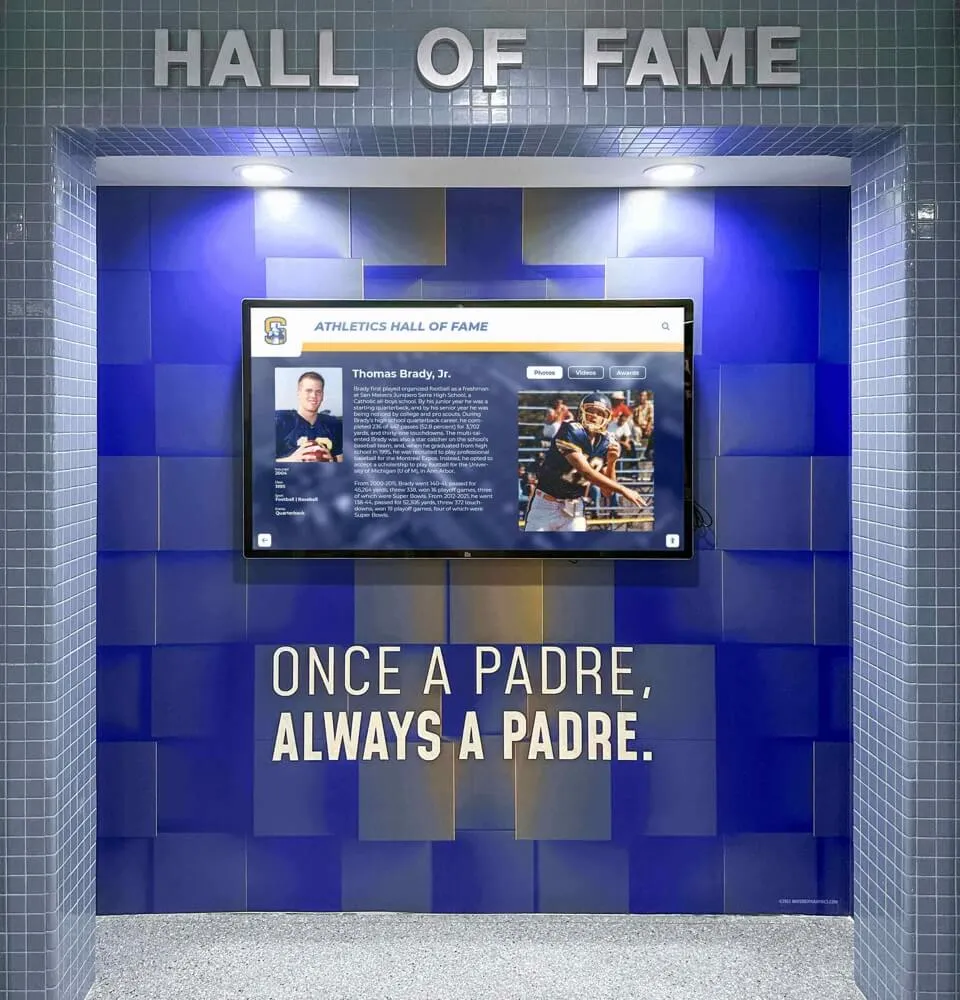
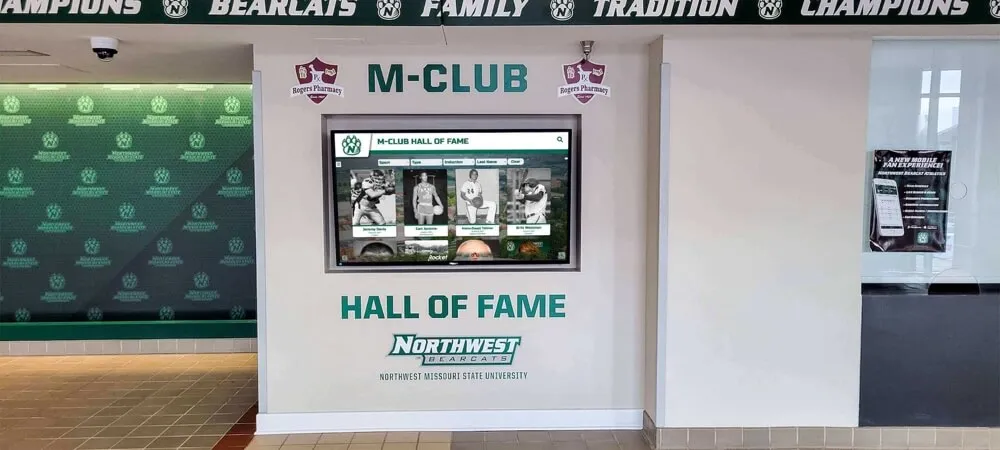
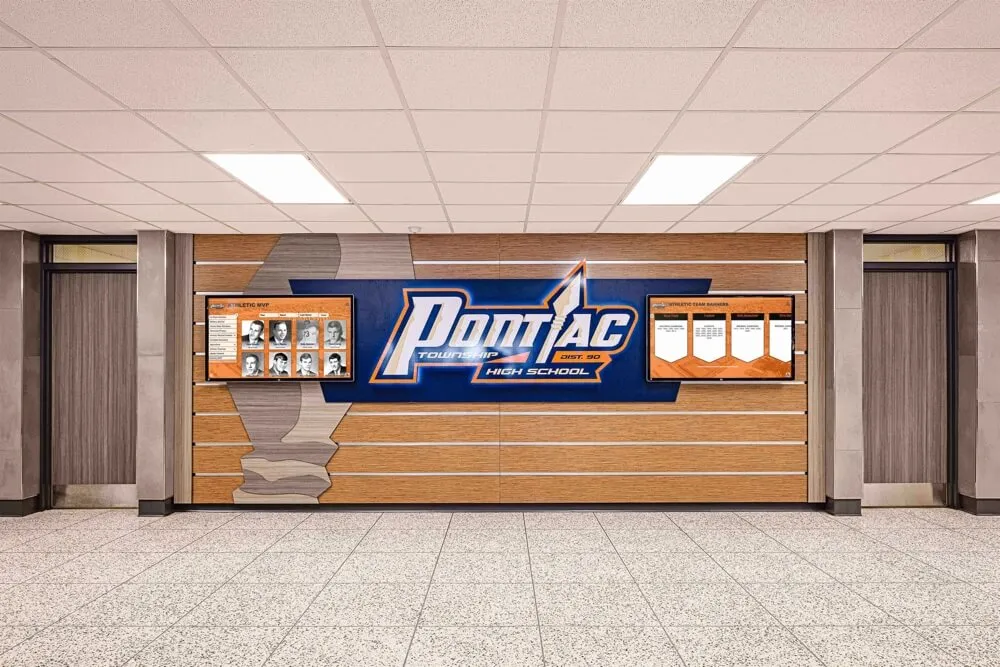
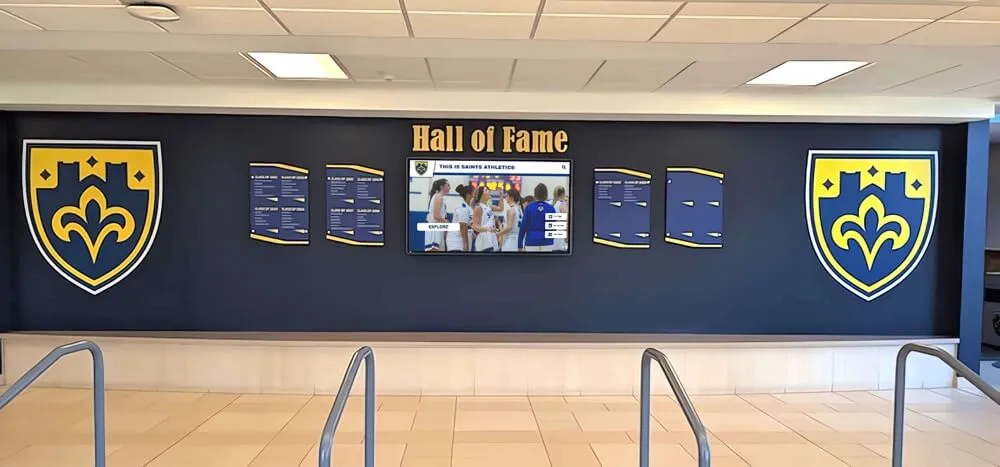
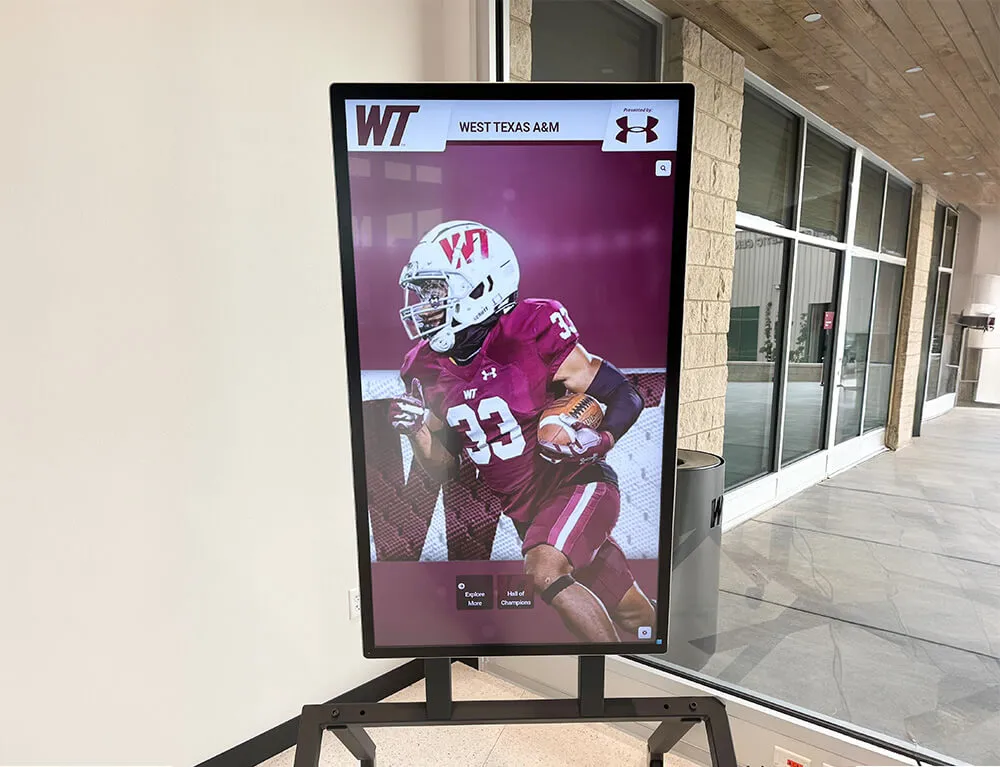
Modern recognition platforms enable schools to preserve playoff moments and championship journeys through engaging multimedia displays
Understanding Wisconsin High School Football Playoff Structure
Before diving into qualification mechanics and championship formats, grasping the fundamental tournament architecture provides essential context for this playoff system.
WIAA Governance and Playoff Administration
The Wisconsin Interscholastic Athletic Association oversees all aspects of high school football playoffs:
WIAA Organizational Role
The association provides:
- Tournament Structure Development - Establishing division formats, qualification criteria, and championship formats
- Playoff Seeding and Bracketing - Determining matchups based on regular season performance and geographic considerations
- Officials Coordination - Assigning certified game officials ensuring consistent rule enforcement
- Championship Site Management - Organizing neutral site championships and coordinating logistics
- Rules and Regulations - Enforcing eligibility standards, conduct requirements, and competitive guidelines
- Historical Record Keeping - Maintaining official championship histories and program achievements
This centralized governance ensures fairness, consistency, and professional administration across all divisions and playoff levels.
Playoff Timeline and Season Structure
Wisconsin’s playoff calendar follows predictable patterns:
- Regular Season - Nine-week schedule concluding in late October
- Playoff Seeding Announcement - Selection Sunday following final regular season weekend
- First Round - Opening playoff weekend (late October/early November)
- Quarterfinals - Second playoff weekend
- Semifinals - Third playoff weekend
- State Championships - Traditional Thanksgiving weekend finals at neutral sites
- Division Finals - Multiple championship games across various divisions
This compressed timeline creates intensity as teams must perform immediately while maintaining health and preparation standards across successive weeks of playoff competition.
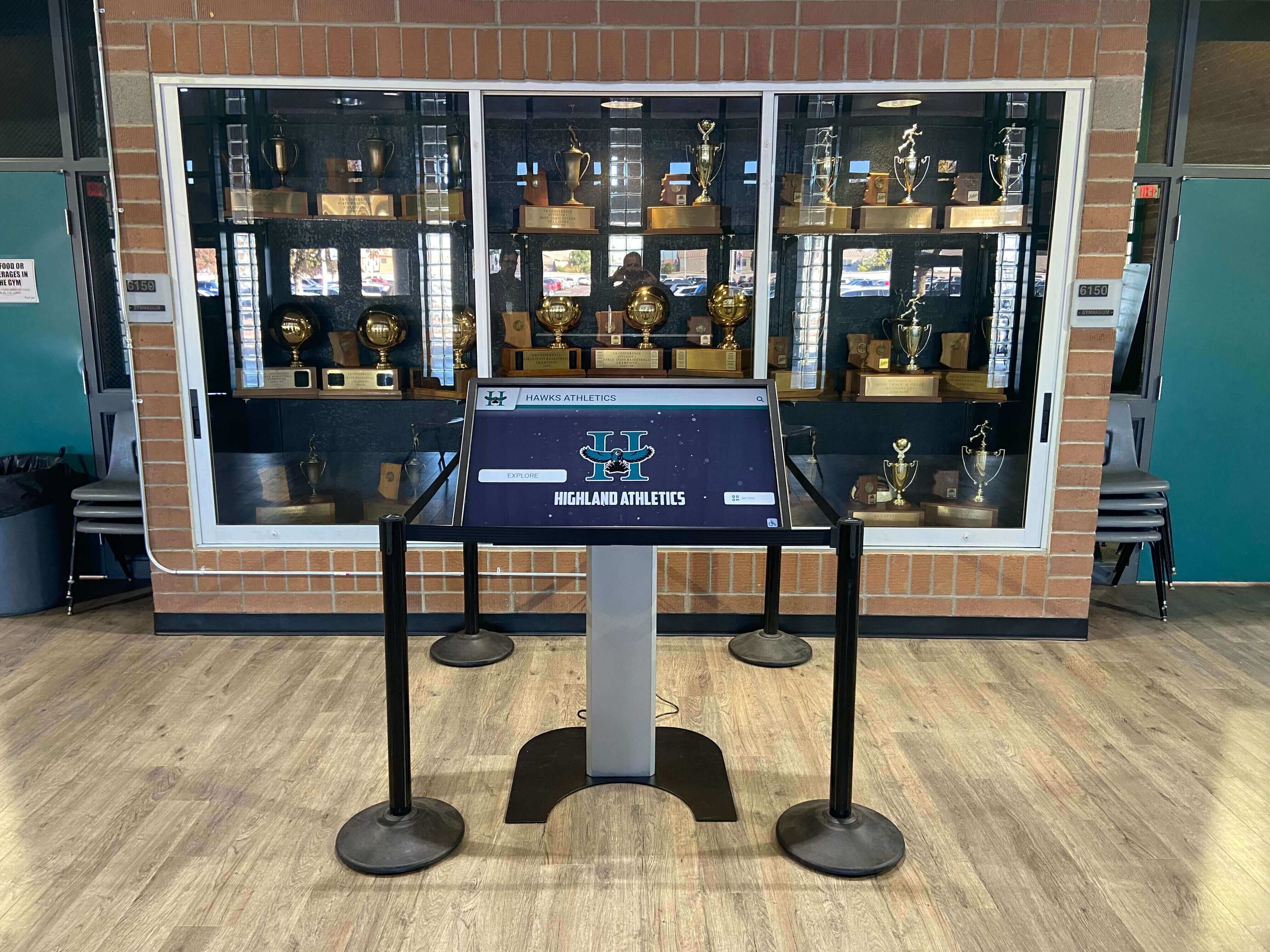
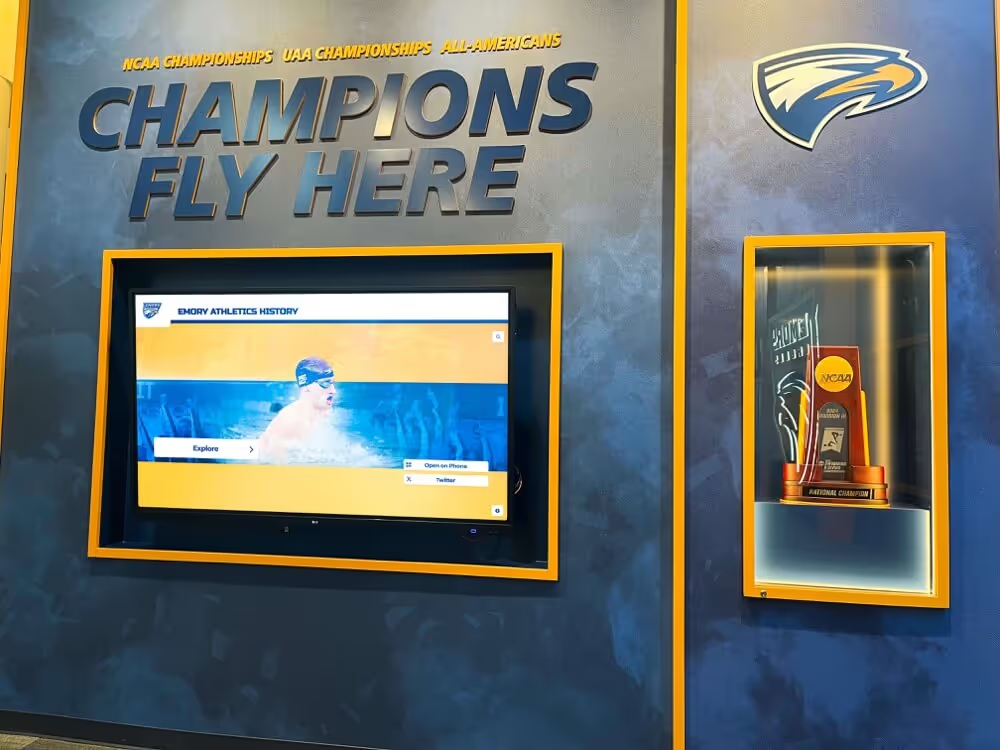
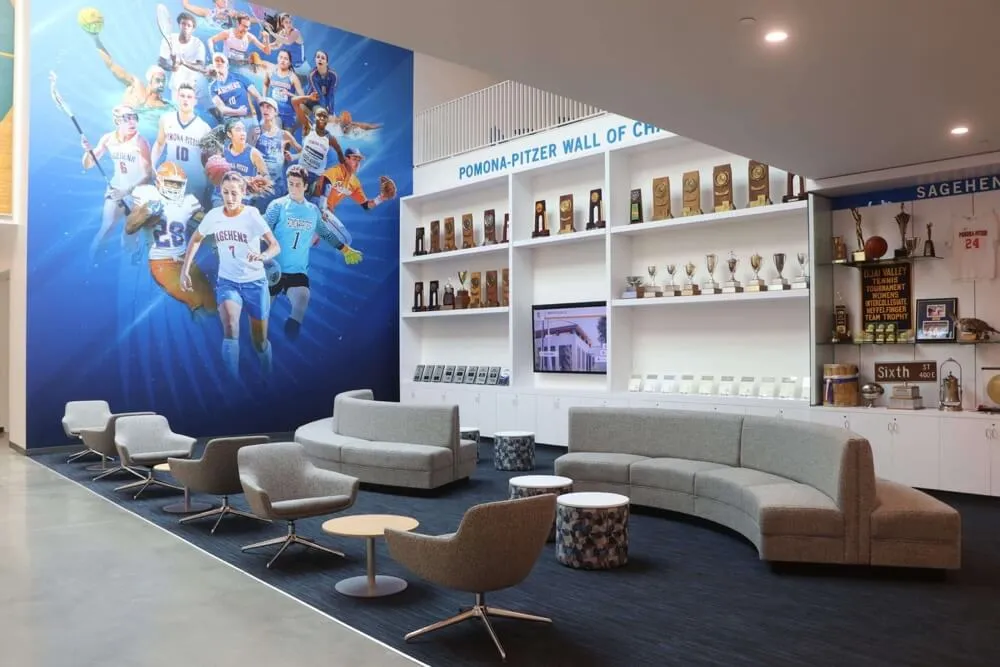
Trophy cases enhanced with interactive displays provide comprehensive documentation of playoff achievements and championship histories
Division Structure and School Classification
Wisconsin organizes football playoffs across multiple divisions ensuring competitive balance:
Division Classification Methodology
WIAA assigns schools to divisions based on enrollment:
- Division 1 - Largest enrollment schools (typically 1,200+ students)
- Division 2 - Large schools (approximately 900-1,200 students)
- Division 3 - Medium-large schools (approximately 600-900 students)
- Division 4 - Medium schools (approximately 400-600 students)
- Division 5 - Small schools (approximately 250-400 students)
- Division 6 - Very small schools (approximately 150-250 students)
- Division 7 - Smallest schools (fewer than 150 students)
These divisions create competitive equity ensuring schools compete primarily against similar-sized institutions, though enrollment boundaries may shift based on WIAA periodic enrollment reviews.
Conference Alignment and Geographic Distribution
Regular season schedules reflect:
- Conference memberships grouping geographically proximate schools
- Cross-division scheduling when conferences span multiple divisions
- Non-conference flexibility enabling competitive matchups beyond league play
- Regional considerations affecting playoff travel and logistics
- Historic rivalries maintained despite classification changes
Understanding division placement proves essential for realistic playoff expectations—programs competing in Division 1 face substantially different challenges than those in Division 7, though championship achievement at any level represents remarkable accomplishment worthy of recognition.
Explore how schools implement comprehensive athletic recognition programs celebrating playoff achievements alongside academic excellence.
Program Snapshot: Wisconsin Football Playoff Framework
| Tournament Element | Details |
|---|---|
| Governing Body | Wisconsin Interscholastic Athletic Association (WIAA) |
| Division Count | Seven divisions based on school enrollment |
| Playoff Format | Single-elimination tournament with seeded brackets |
| Qualification System | Top programs from each division based on standings and playoff points |
| Teams Per Division | Typically 16-32 teams depending on division size and competitive balance |
| Season Structure | Nine-week regular season followed by four-week playoff tournament |
| Championship Sites | Neutral venues hosting multiple division finals (often college stadiums) |
| Historic Timing | Thanksgiving weekend tradition for state championship games |
Playoff Qualification: How Teams Earn Tournament Berths
Understanding qualification mechanics helps schools, players, and communities comprehend what playoff inclusion requires.
Qualification Point System
Wisconsin employs a playoff point system determining tournament selection and seeding:
Point Accumulation Methodology
Teams earn points through:
- Wins and Losses - Victory points based on opponent’s final classification
- Opponent Strength - Bonus considerations for defeating quality competition
- Head-to-Head Results - Tiebreaker advantages when teams finish with identical records
- Division Performance - Results weighted by opponent division classification
This system rewards teams scheduling challenging competition while accounting for opponent quality beyond simple win-loss records.
Division-Specific Qualification
Each division features unique qualification dynamics:
- Division 1 - Deepest competitive field with traditional powerhouse programs
- Small Division Formats - Divisions 6 and 7 may feature all conference champions plus at-large qualifiers
- At-Large Selections - Strong programs from competitive conferences earning playoff berths despite not winning conference titles
- Geographic Balance - Bracket construction considering travel distances and regional representation
Schools maximize playoff opportunities through strategic scheduling balancing conference requirements, geographic rivalries, and non-conference matchups providing quality opponent victories strengthening playoff résumés.
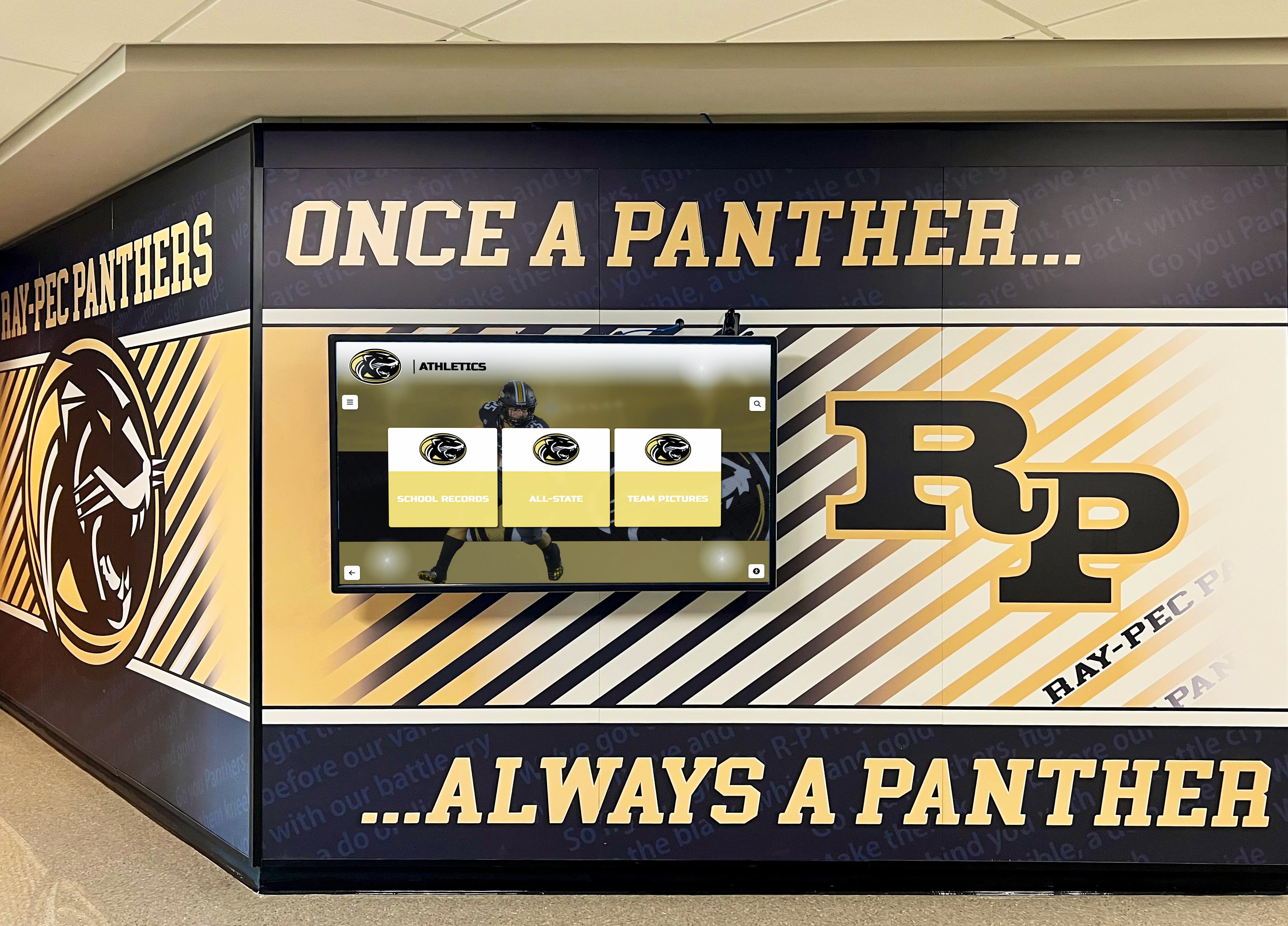
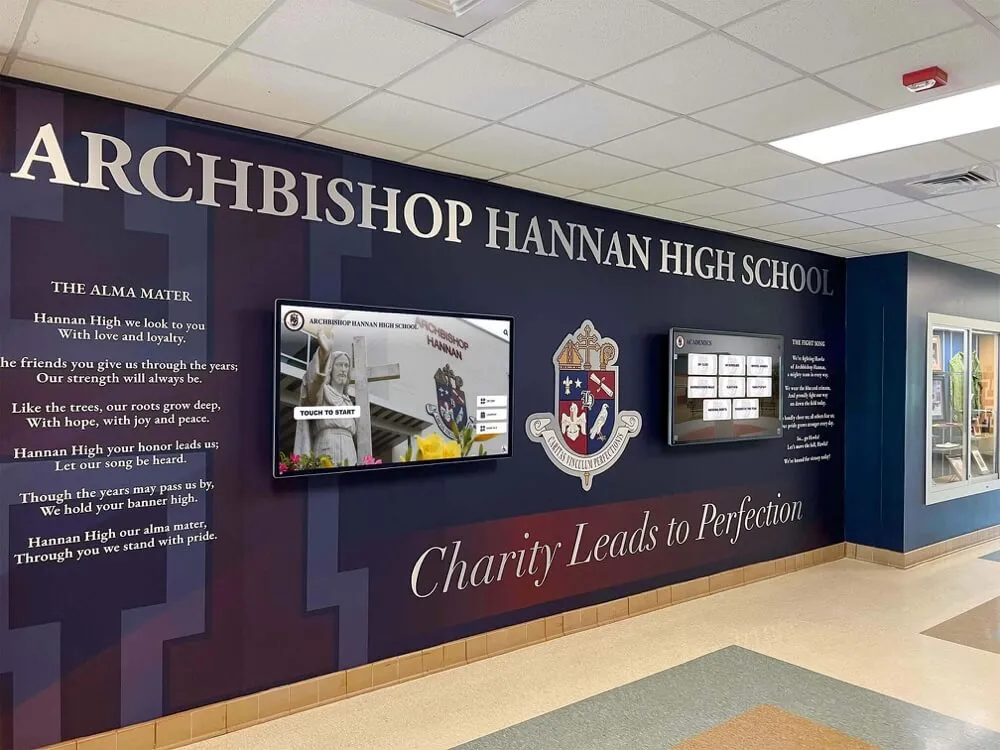
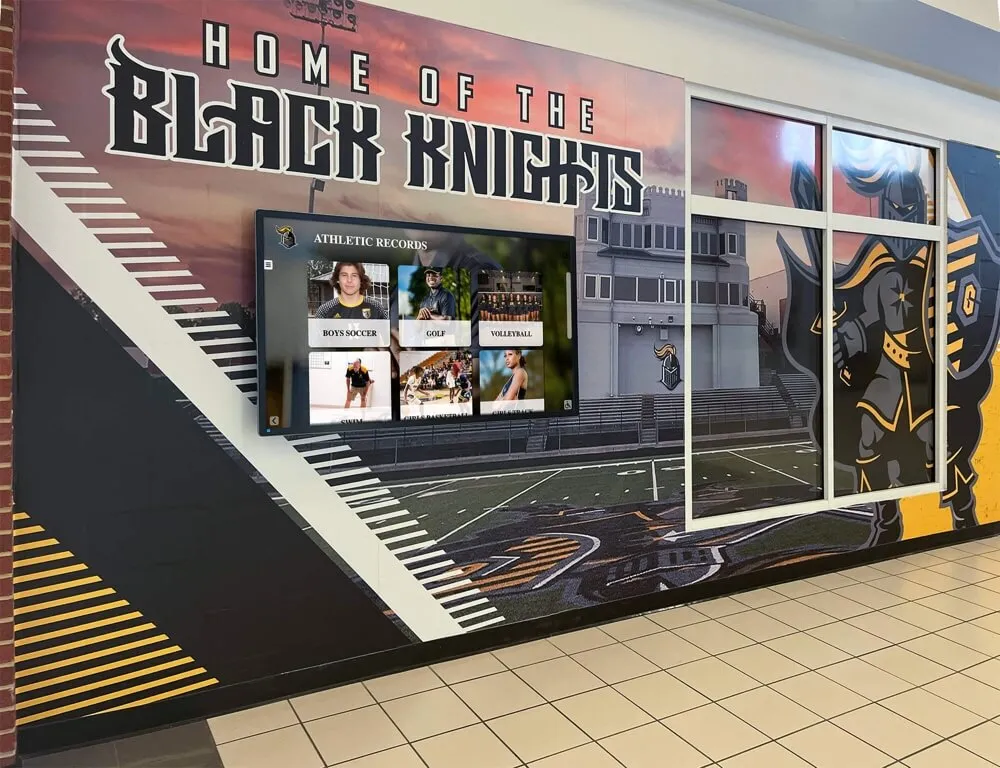
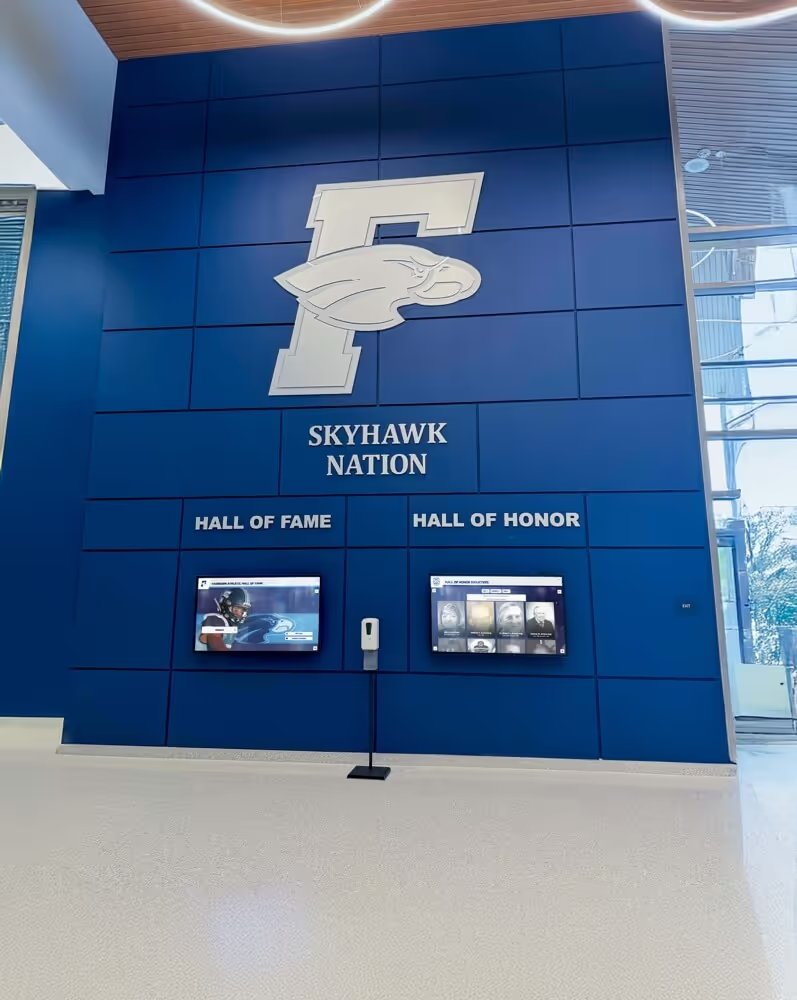
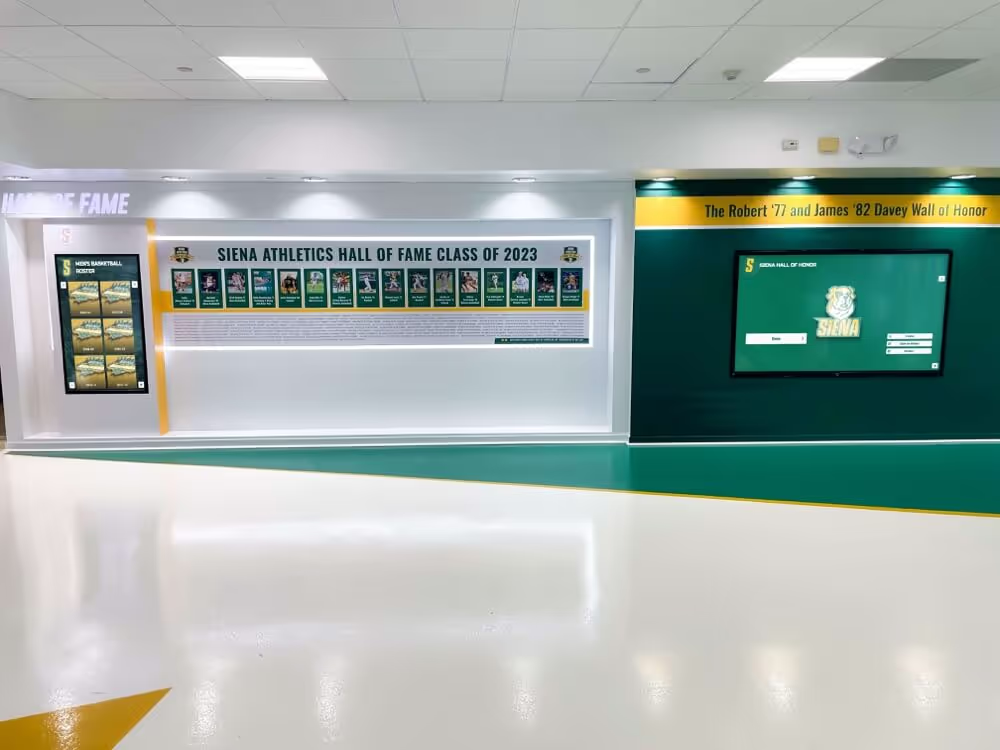
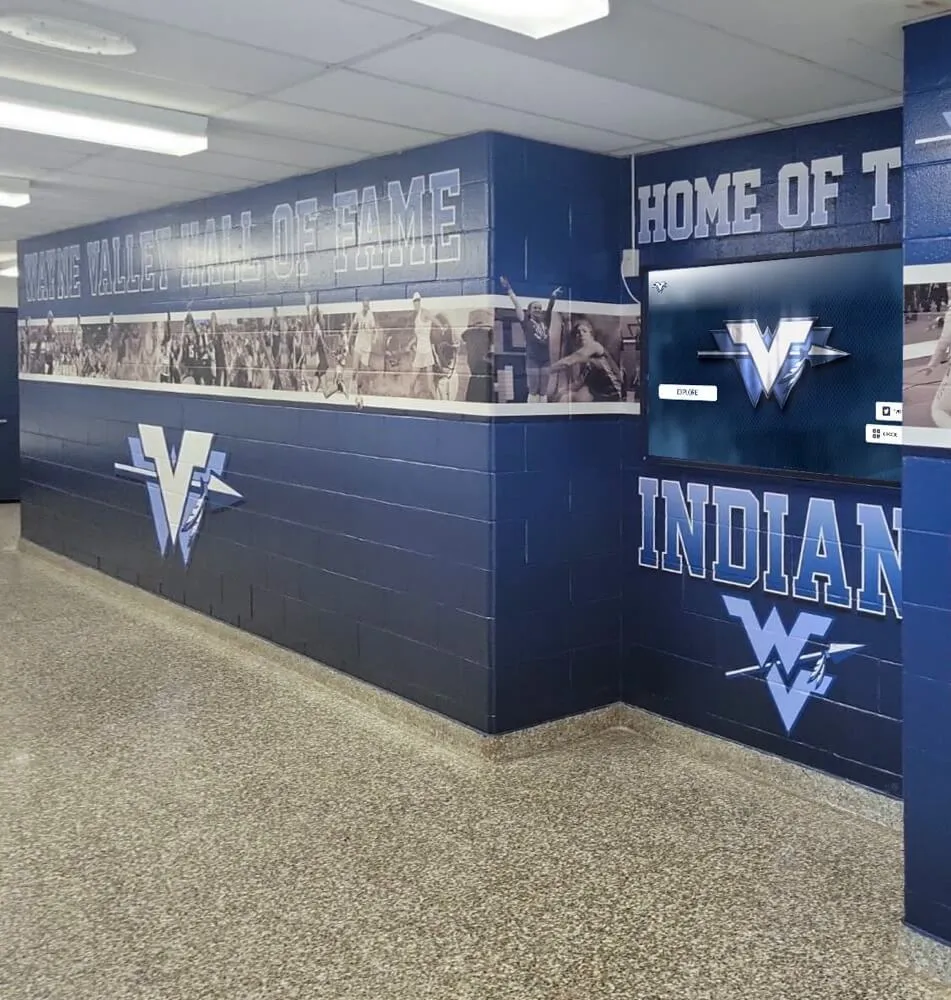
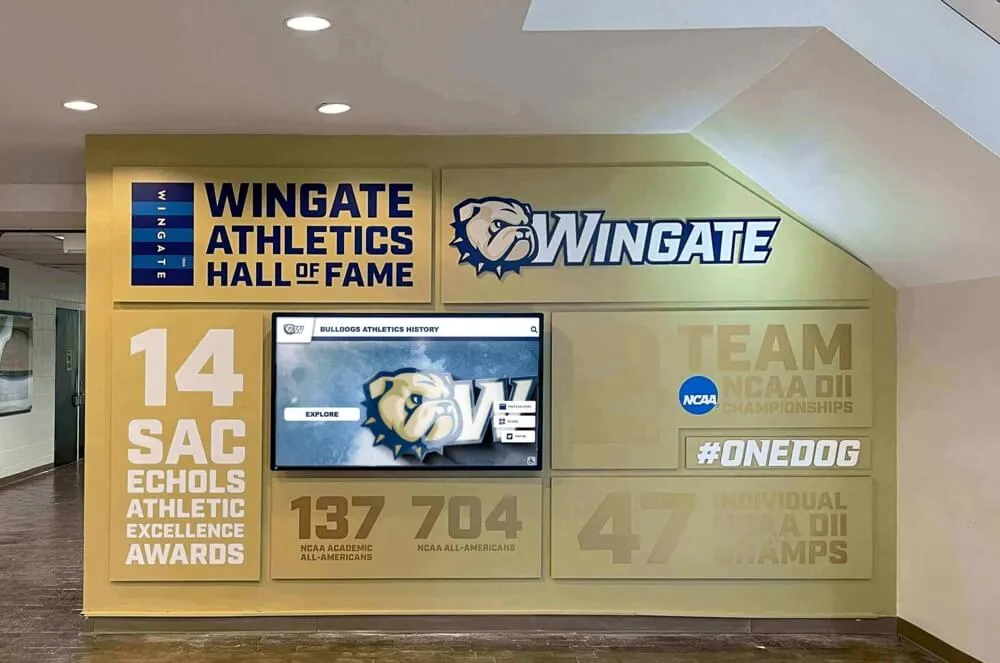
Prominent hallway installations ensure playoff achievements receive ongoing visibility inspiring current students while honoring past excellence
Conference Championships and Automatic Qualification
Conference performance significantly impacts playoff positioning:
Conference Title Importance
Winning conference championships provides:
- Enhanced playoff seeding creating more favorable first-round matchups
- Automatic qualification in divisions with limited at-large selections
- Psychological momentum entering postseason competition
- Community recognition establishing regular season success
- Historical achievement contributing to program legacy
Schools celebrating conference championships establish traditions connecting regular season excellence with playoff opportunity, making league titles meaningful beyond simple standings recognition.
Playoff Point Scenarios and Bubble Teams
As regular seasons conclude, playoff mathematics intensifies:
- Teams monitoring standings and point accumulations projecting qualification likelihood
- “Win-and-in” scenarios where final games determine playoff inclusion
- Scoreboard watching as other games affect comparative standings
- Tiebreaker understanding preparing for scenarios where multiple teams finish with identical records
- Strategic considerations when teams already assured playoff berths face opponents fighting for qualification
These dynamics create dramatic final regular season weekends where playoff dreams are realized or shattered based on outcomes across the state.
Learn how athletic directors manage athletic director jobs and responsibilities including playoff coordination and tournament management.
Playoff Tournament Format and Championship Structure
Once brackets are set, the single-elimination format creates dramatic weekly progressions toward championships.
Seeding, Brackets, and First-Round Matchups
Tournament construction balances competitive fairness with practical logistics:
Seeding Methodology
WIAA determines seeds through:
- Playoff point rankings establishing initial seed order
- Geographic considerations grouping regional schools when possible
- Travel distance minimization especially in early rounds
- Competitive balance ensuring quality matchups
- Home field advantages for higher seeds rewarding regular season success
Top seeds receive significant advantages—higher-seeded teams host playoff games through semifinals (in some divisions), providing familiar environments and reducing travel demands on student-athletes.
Home Field Advantage and Neutral Sites
Game location varies by round:
- First Three Rounds - Higher seeds typically host at home facilities
- Semifinal Rounds - May feature higher seed hosting or neutral site depending on division
- State Championship Finals - Neutral venues (often university stadiums) hosting multiple division championship games
Home field advantages prove substantial—communities rally around playoff games, familiar conditions benefit home teams, and revenue from gate receipts supports athletic programs, creating meaningful incentives for strong regular season performance earning high seeds.
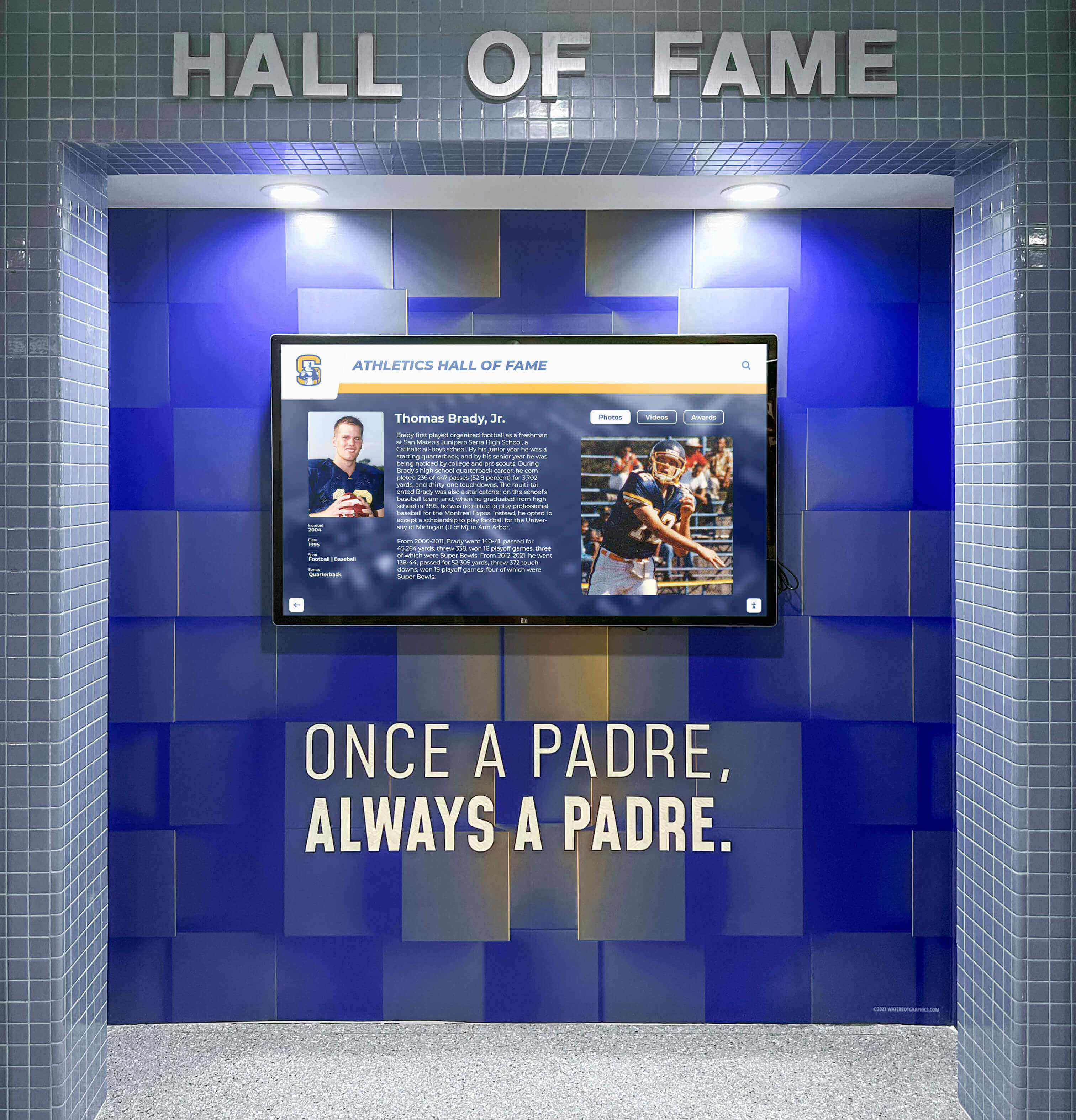
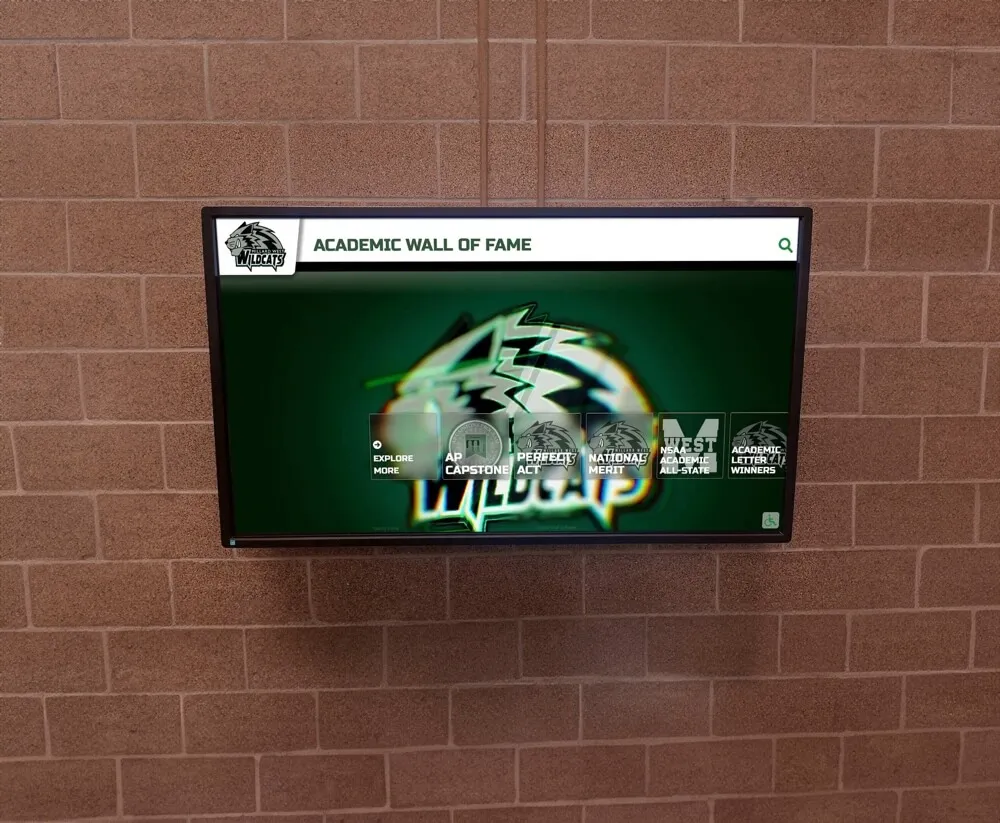
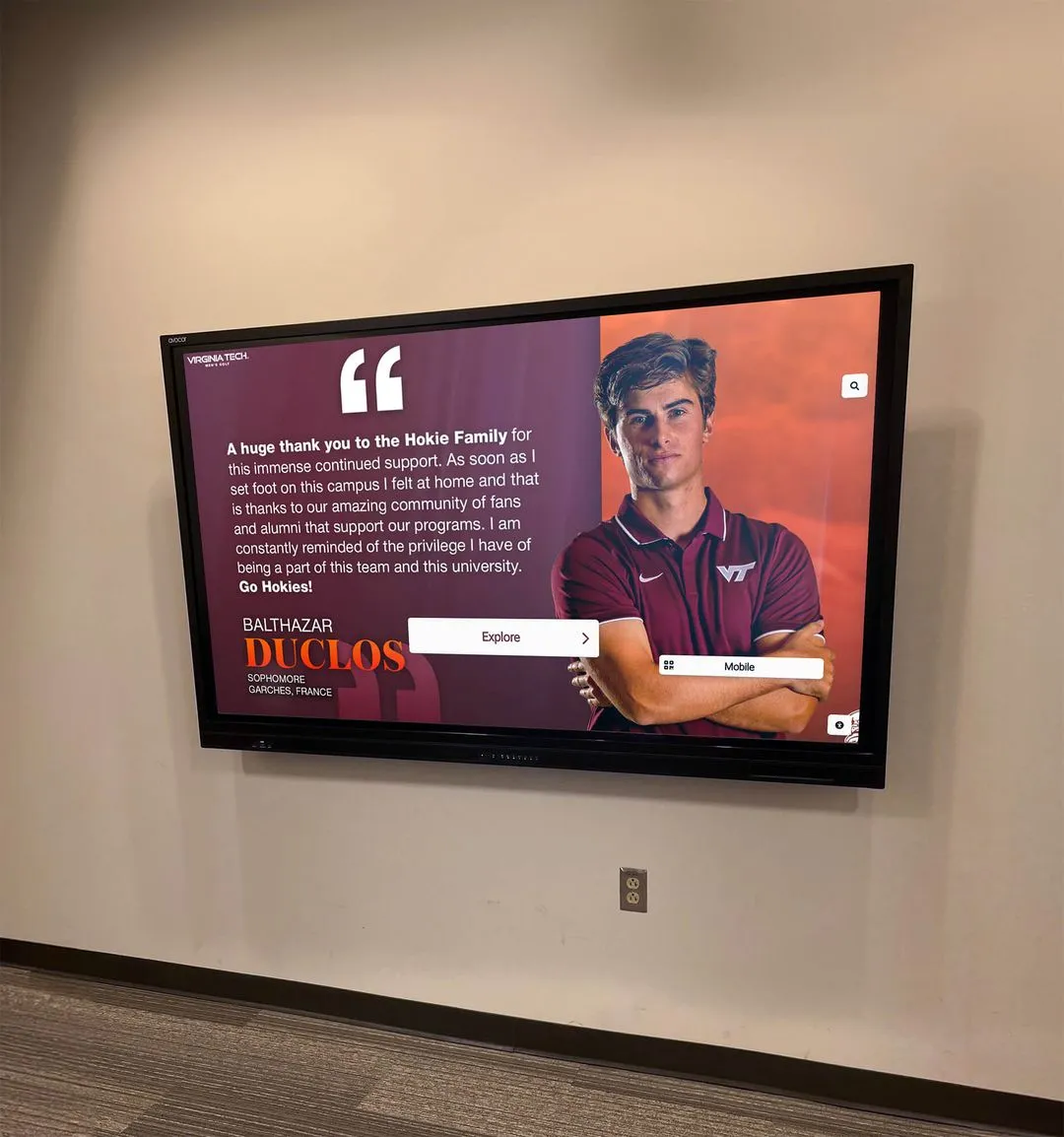
Modern digital displays accommodate unlimited playoff content preserving complete championship histories without physical space constraints
Championship Weekend Tradition
Wisconsin’s state football finals create unique celebration atmosphere:
Multi-Championship Format
Championship weekend features:
- Multiple division finals scheduled across two days (Thursday and Friday of Thanksgiving week)
- Major venue hosting (Camp Randall Stadium in Madison or similar college facilities)
- Festival atmosphere with fans from across state converging
- Ceremonial elements including trophy presentations and championship recognition
- Media coverage providing statewide attention to participating schools
This consolidated format creates “football festival” environments where schools celebrate reaching championship games alongside competitive quests for titles.
Community Impact and School Pride
Championship appearances generate:
- Community-wide rallies and send-off celebrations
- Business support through banners, signs, and promotional activities
- Alumni engagement as graduated athletes return supporting teams
- Media attention elevating school profiles statewide
- Economic impact as communities travel supporting teams
- Lasting memories transcending simple competition outcomes
Schools reaching championship games often cite these community experiences as equally meaningful as competitive results, creating bonds between athletic programs and communities that sustain support for years.
Discover comprehensive approaches to football recognition programs celebrating playoff achievements and season excellence.
Notable Wisconsin High School Football Playoff Traditions
Certain programs, rivalries, and traditions define Wisconsin playoff football culture:
Historic Programs and Championship Dynasties
Several Wisconsin schools have established remarkable playoff legacies:
Perennial Playoff Contenders
Programs consistently reaching postseason:
- Kimberly High School (Appleton) - Division 1 powerhouse with multiple state championships
- Waukesha West - Consistent playoff participant and championship contender
- Arrowhead High School (Hartland) - Large-school program with strong playoff tradition
- Catholic Memorial (Waukesha) - Private school success across divisions
- Menominee Indian High School - Smaller division program with passionate community support
These programs demonstrate institutional commitment through coaching continuity, youth program development, facility investment, and cultural emphasis on football tradition sustaining success across player generations.
Championship Streaks and Historic Achievements
Memorable accomplishments include:
- Multi-year championship runs establishing dynasty eras
- Undefeated championship seasons achieving perfection
- Cinderella playoff runs by lower-seeded teams upsetting favorites
- Overtime thrillers and dramatic championship finishes
- Record-setting performances during playoff runs
These defining moments become storytelling elements preserved through recognition systems, creating emotional connections between past excellence and current aspirations.

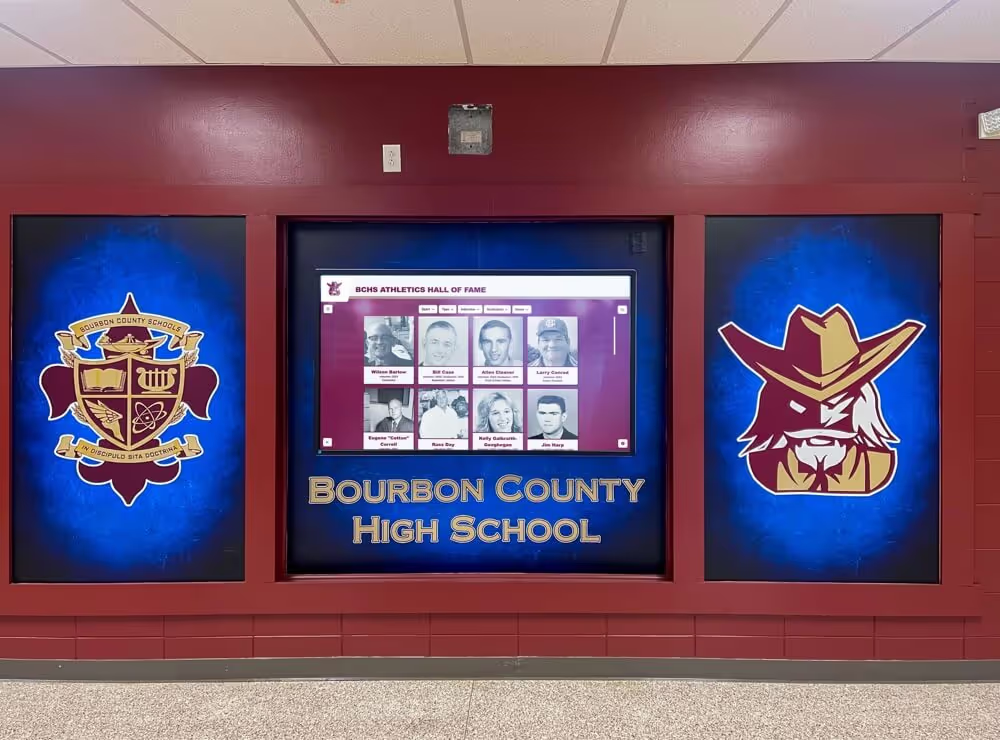
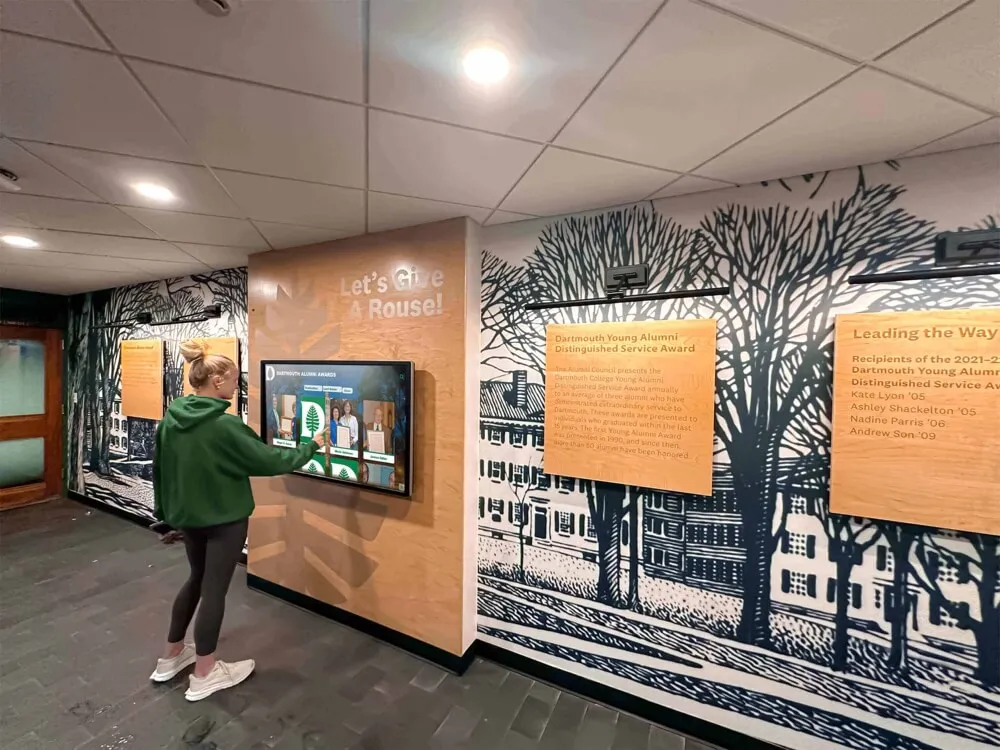
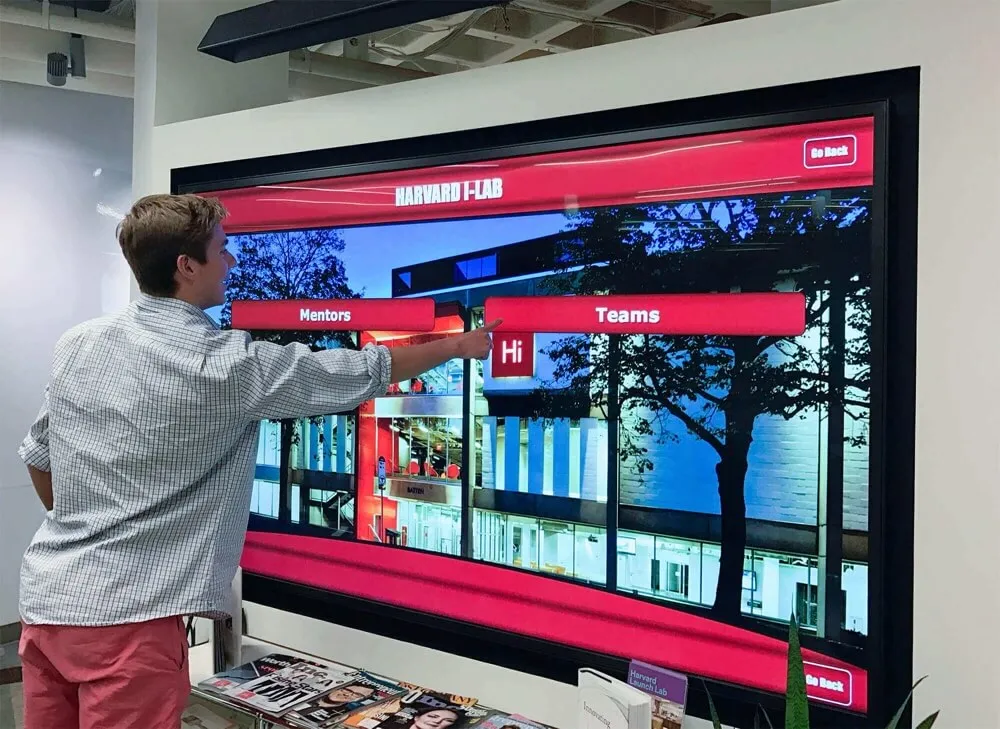
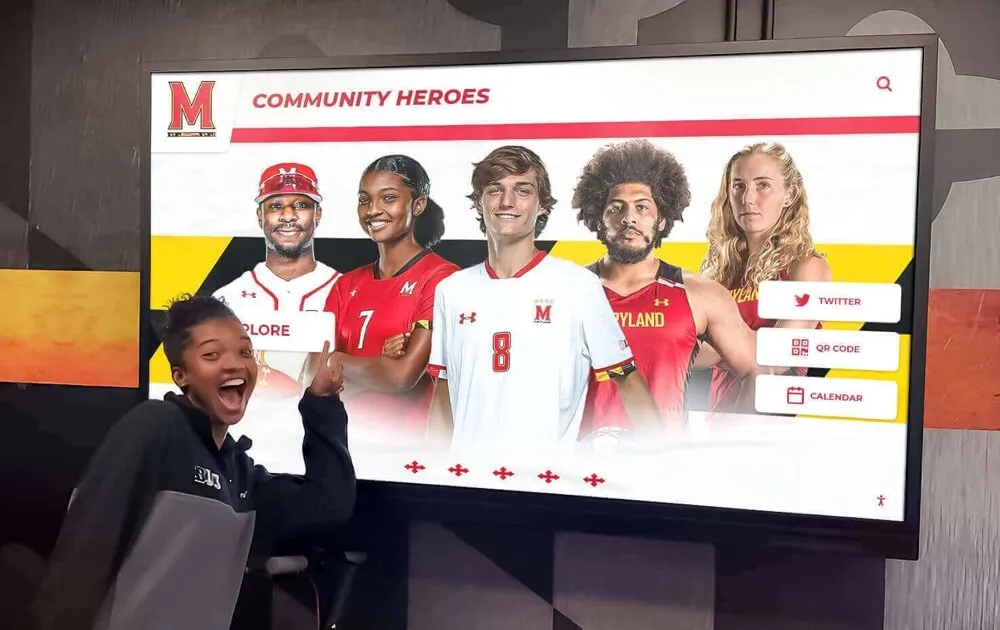
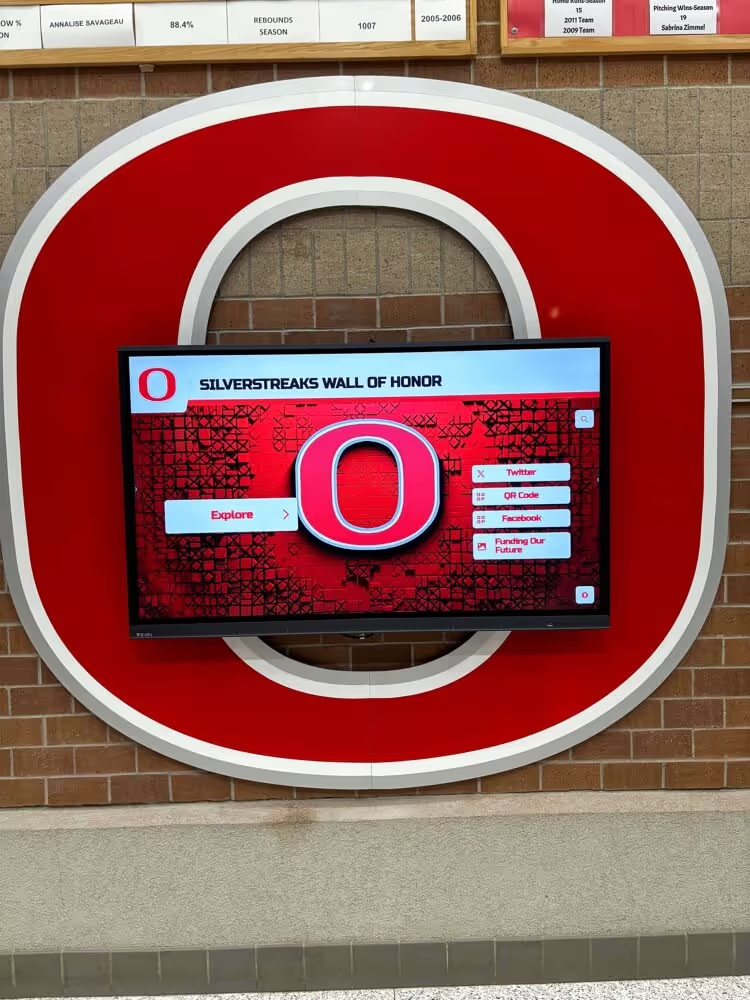
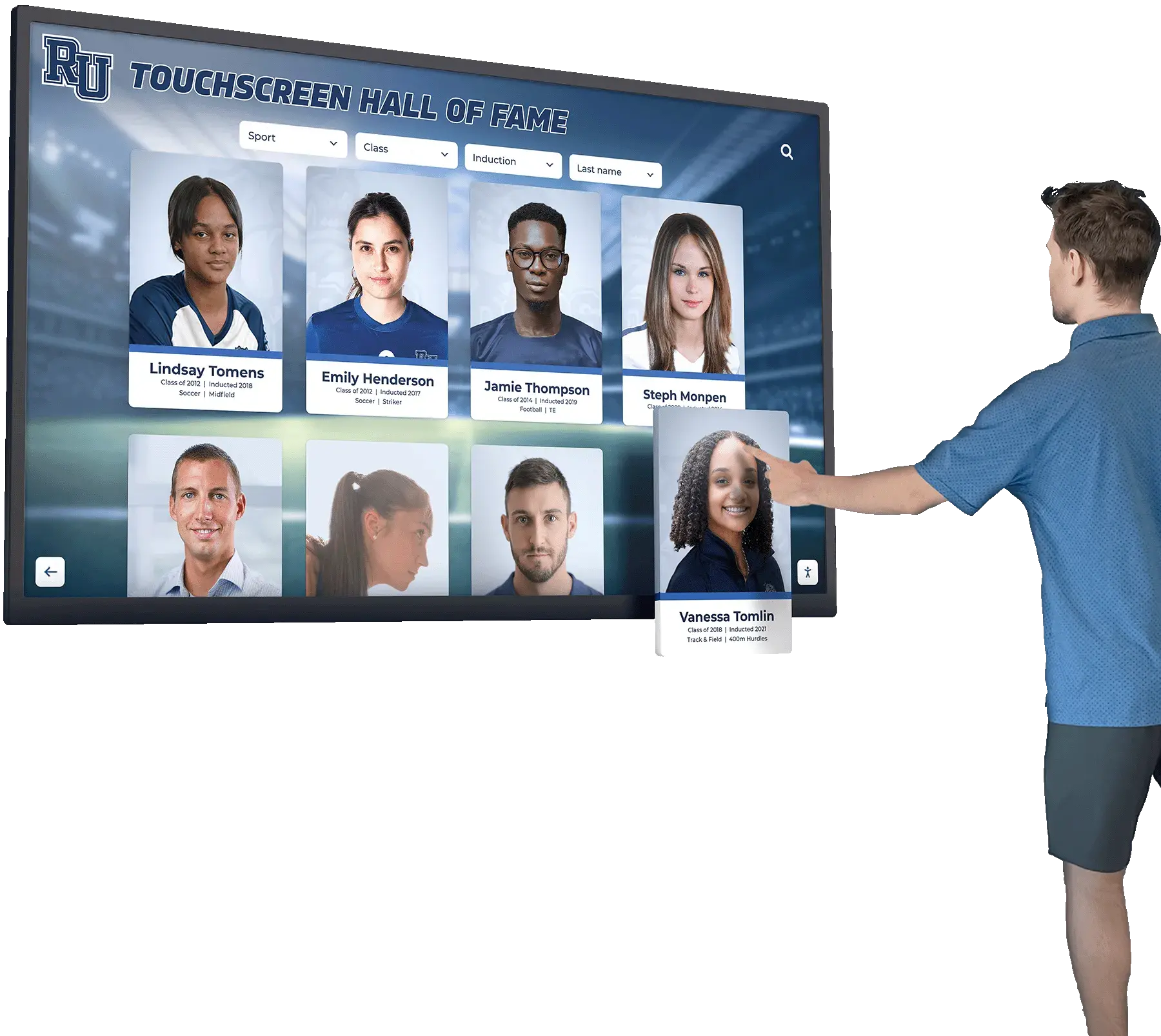
Touch-optimized interfaces enable intuitive exploration of playoff histories, player achievements, and championship memories
Playoff Rivalries and Regional Matchups
Geographic proximity and competitive balance create intense playoff rivalries:
Conference Rematches in Playoffs
Dramatic scenarios include:
- Regular season conference champions facing each other in playoff rematches
- Teams splitting regular season series meeting in winner-take-all playoff games
- Geographic rivals from same community or adjacent towns meeting in playoffs
- Revenge opportunities for teams that lost regular season matchups
These matchups generate exceptional community interest as familiar opponents battle for advancement rather than simple conference standings.
Small-Town Playoff Atmosphere
Rural Wisconsin communities create unique playoff environments:
- Entire towns traveling to away playoff games
- Local business closures during game times
- Multi-generational fan attendance spanning decades of program support
- Volunteer coordination handling game-day operations
- Community fundraising supporting playoff travel expenses
These traditions demonstrate how high school football serves as community focal points, with playoff success creating shared experiences connecting neighbors and strengthening community bonds.
Modern Recognition: Preserving Playoff Excellence
Progressive football programs implement comprehensive systems documenting and celebrating playoff achievements beyond single seasons.
Digital Athletic Recognition Platforms
Technology-enhanced recognition addresses traditional display limitations:
Interactive Playoff Achievement Displays
Modern platforms provide:
- Complete playoff history databases showing all postseason appearances
- Season-by-season playoff results with scores, opponents, and advancement paths
- Player profile integration connecting athletes with playoff achievements
- Video highlight preservation capturing championship moments permanently
- Statistical displays ranking playoff performances and career achievements
- Searchable systems enabling visitors to explore specific seasons, players, or championship runs
Solutions like Rocket Alumni Solutions offer specialized football recognition platforms designed specifically for championship documentation, providing schools with turnkey systems combining professional presentation with easy content management that preserves playoff heritage comprehensively.
Understanding digital signage content strategies helps schools implement effective recognition displays.
Social Media Integration and Real-Time Recognition
Contemporary programs leverage technology for immediate celebration:
- Playoff bracket updates shared through athletic department social channels
- Game result notifications celebrating victories as they occur
- Championship highlight videos posted immediately after finals
- Interactive graphics documenting playoff progression
- Alumni engagement through throwback content comparing current and historic playoff runs
This real-time approach connects current achievement with program tradition while engaging dispersed football communities unable to attend games physically.
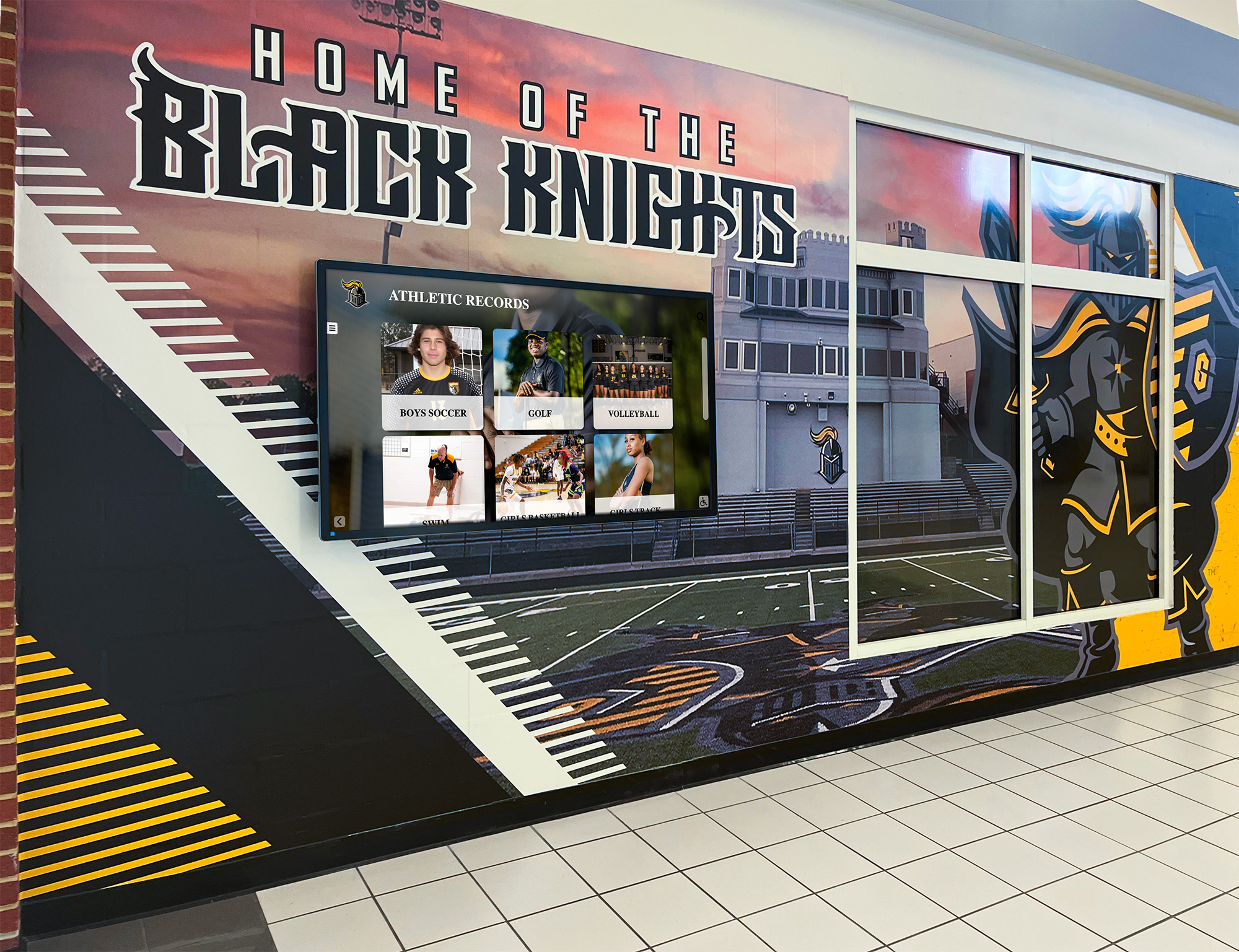
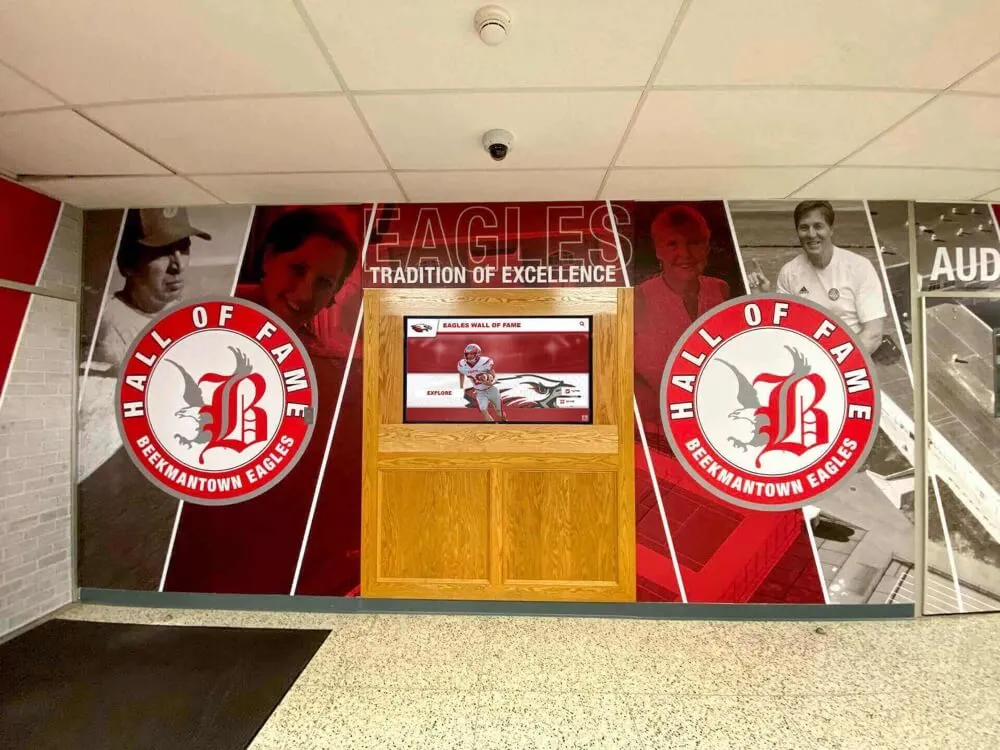
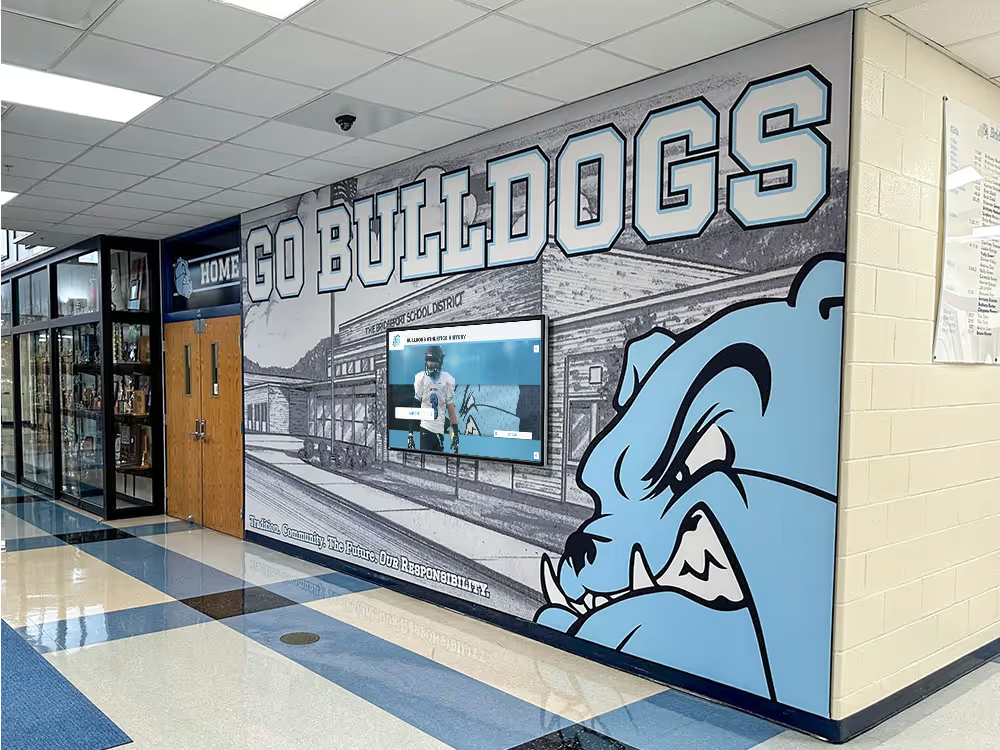
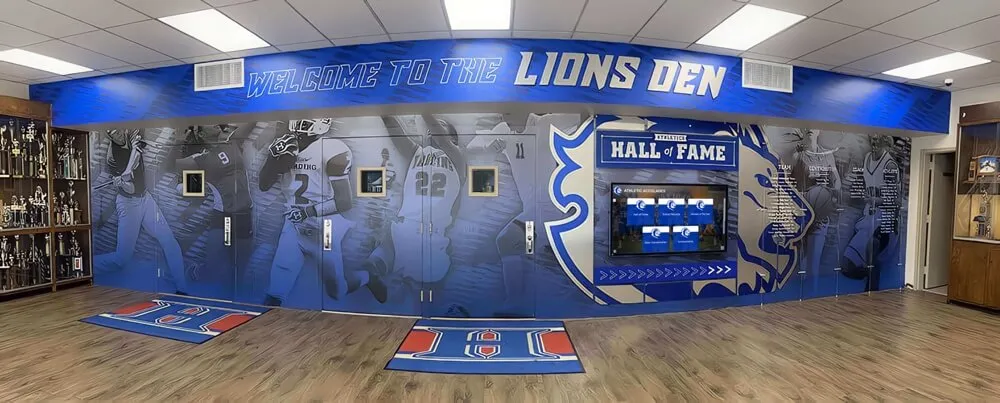
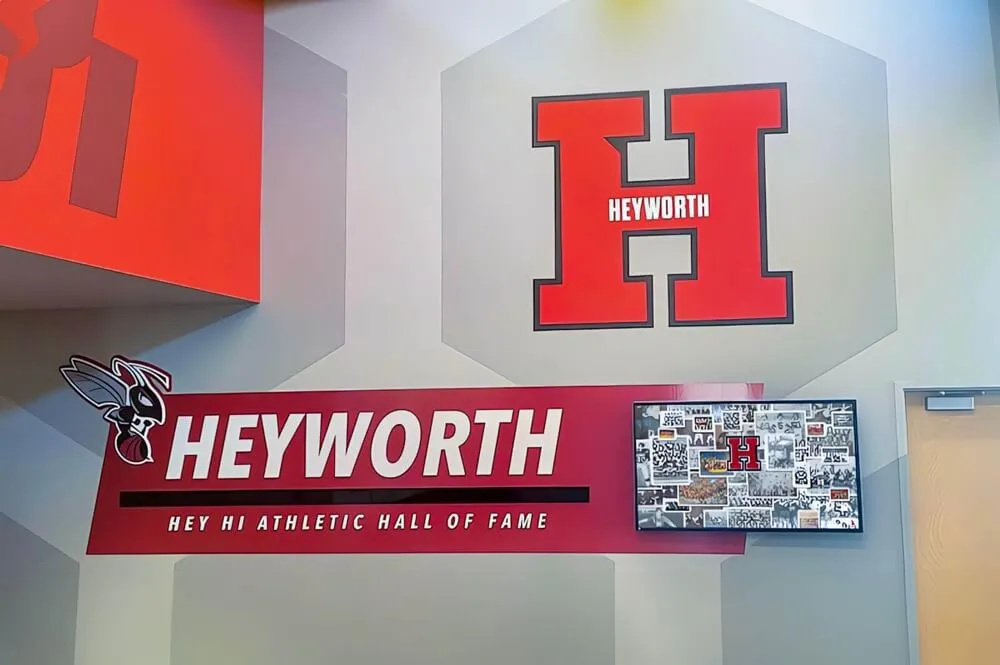
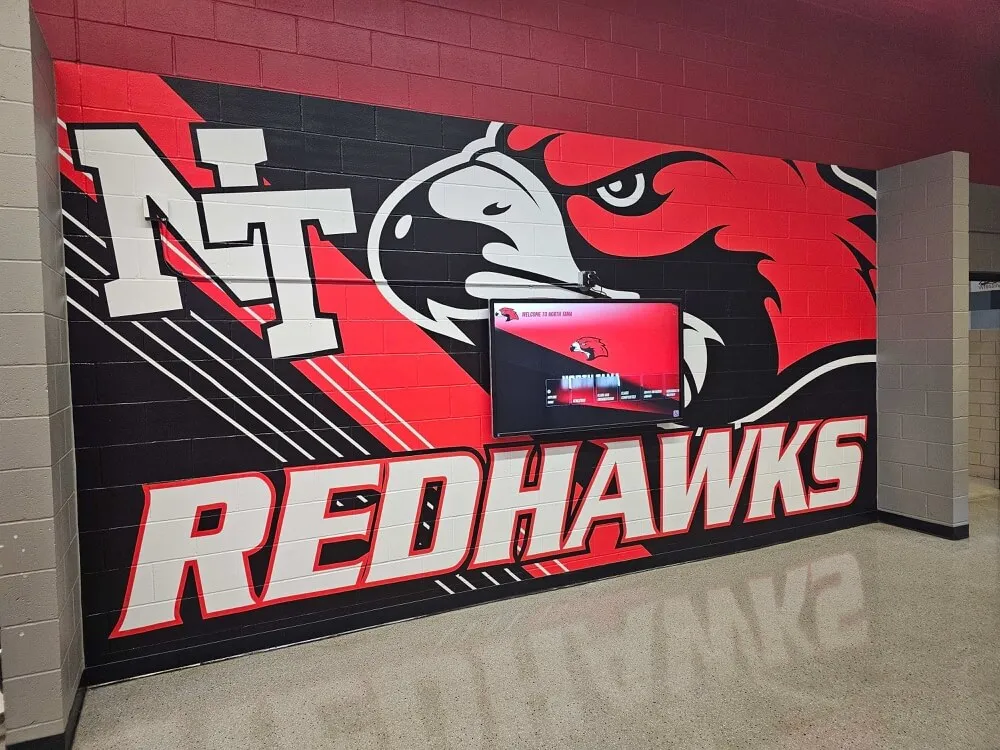
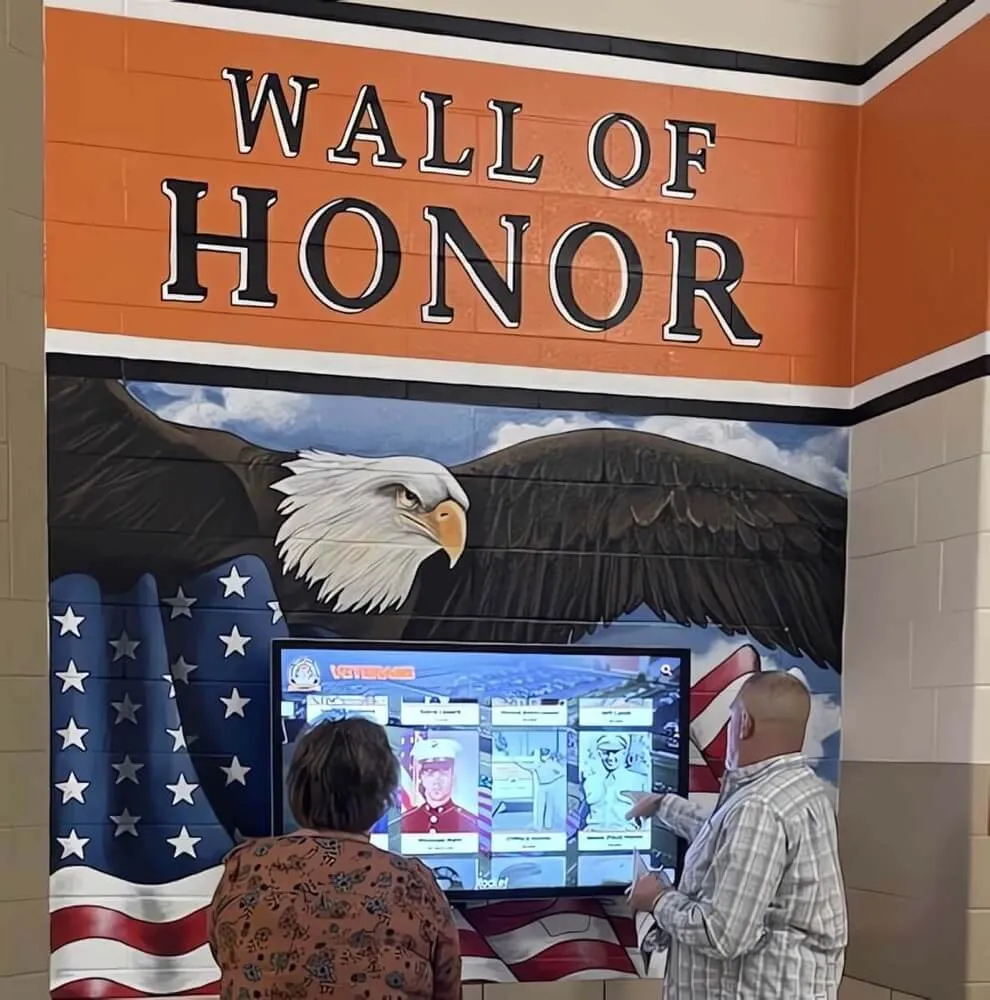
Integrated displays combining traditional murals with digital technology create comprehensive athletic heritage showcases
Physical Display Integration and Facility Showcases
Despite digital advantages, physical recognition maintains significant value in athletic facilities:
Championship Banner Displays
Traditional recognition includes:
- State championship banners displayed prominently in gymnasiums and fieldhouses
- Conference championship recognition documenting regular season excellence
- Playoff appearance banners acknowledging postseason participation
- Undefeated season recognition celebrating perfect records
- District or sectional championship acknowledgment
Physical displays create daily reminders for current players regarding program standards and championship expectations, establishing culture through visible tradition.
Trophy and Award Collections
Material recognition elements include:
- State championship trophies displayed in main athletic building cases
- Player individual awards (all-state selections, player of year honors)
- Historic jerseys, helmets, and equipment from championship seasons
- Photographic documentation of championship celebrations
- Game balls and commemorative items from significant victories
These tangible artifacts provide authentic connections to program history, creating emotional resonance exceeding what purely digital systems achieve alone.
Learn about schools implementing wall of fame programs celebrating football excellence alongside other athletic and academic achievements.
Strategic Playoff Preparation: Success Factors
Understanding what separates playoff achievers from first-round exits reveals patterns programs can cultivate:
Physical and Mental Preparation
Playoff success requires specific preparation beyond regular season approaches:
Training Periodization and Peak Timing
Season planning targets playoff performance:
- Training cycles building toward November playoff timing
- Injury management preserving player health for postseason
- Depth development ensuring roster readiness for playoff intensity
- Scout team preparation simulating upcoming opponent styles
- Mental preparation managing playoff pressure and elimination scenarios
Programs successfully peaking athletes for playoff football often see sustained tournament runs rather than first-round disappointments despite strong regular seasons.
Playoff-Specific Practice Emphasis
Tournament preparation includes:
- Situational football drilling (two-minute offense, goal-line stands, short-yardage conversion)
- Special teams precision recognizing field position criticality in close playoff games
- Turnover prevention emphasizing ball security in high-stakes situations
- Clock management preparing for late-game scenarios
- Weather preparation for November Wisconsin conditions
Elite programs treat playoff preparation as distinct from regular season approaches, recognizing postseason competition demands situational mastery regular season games don’t always require.
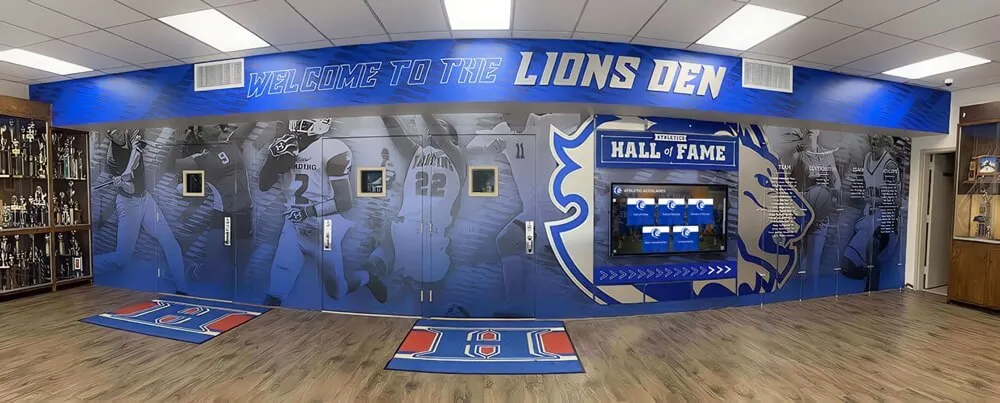
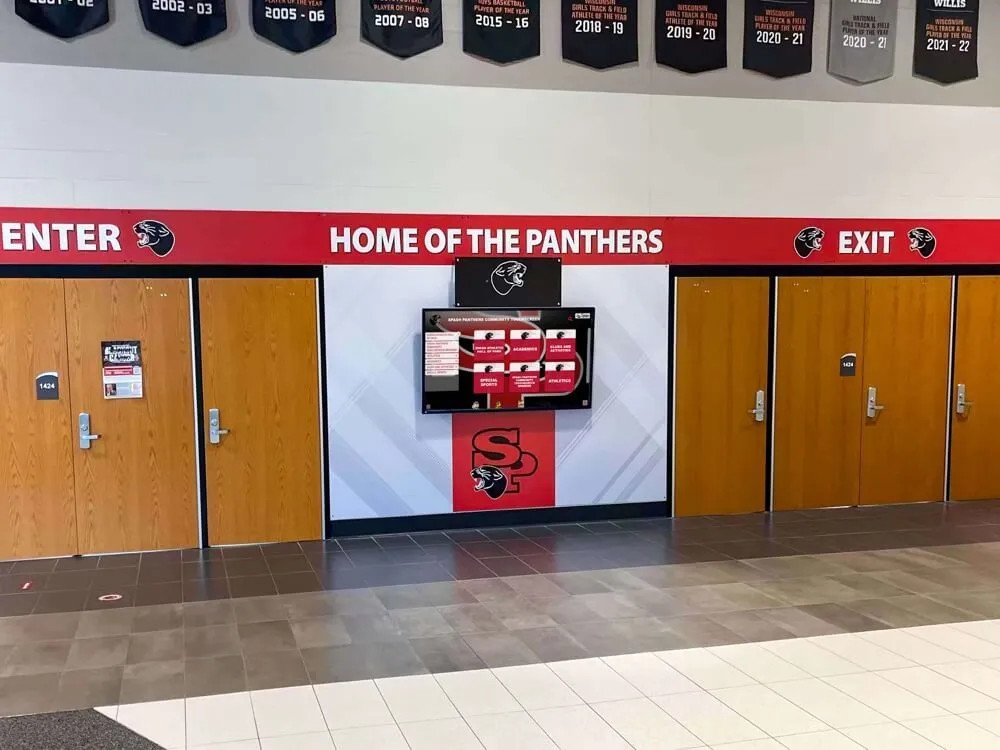
Comprehensive athletic displays showcase both playoff achievements and regular season excellence
Coaching and Game Management
Strategic coaching proves decisive in playoff single-elimination scenarios:
Opponent Scouting and Game Planning
Playoff preparation includes:
- Video analysis identifying opponent tendencies and weaknesses
- Personnel matchup evaluation determining strategic advantages
- Tactical flexibility preparing multiple game plan approaches
- Adjustment capability responding to opponent adaptations
- Situational awareness managing critical game moments
Wisconsin’s playoff format often creates matchups between unfamiliar opponents, making thorough scouting and tactical preparation essential for advancement.
In-Game Adjustments and Situational Decisions
Critical coaching moments include:
- Halftime adjustments responding to opponent strategies
- Fourth-down decision-making balancing aggression with risk management
- Clock management in close games determining possession outcomes
- Timeout utilization maximizing strategic advantage
- Personnel rotations managing player fatigue and matchup exploitation
Programs with coaching staffs excelling at situational decision-making gain advantages in close playoff games where single possessions determine advancement or elimination.
Community Engagement and School Spirit
Playoff runs create opportunities for community connection and school pride building:
Rally and Send-Off Traditions
Schools develop unique playoff celebration traditions:
Pre-Game Community Events
Common traditions include:
- Pep rallies preceding playoff games energizing students and communities
- Community send-offs when teams depart for away playoff games
- Business window painting and sign displays showing community support
- Social media campaigns rallying digital support
- Alumni gatherings connecting graduated players with current teams
These traditions create shared experiences strengthening community bonds while demonstrating athletic program value extending beyond competition.
Championship Celebration Planning
Schools reaching finals prepare:
- Community viewing parties for families unable to travel
- Post-game celebration coordination regardless of championship outcome
- Media management handling interview requests and coverage
- Recognition planning honoring playoff achievements
- Historical documentation preserving championship journey
Learn how schools coordinate spirit week activities building school pride during playoff runs.
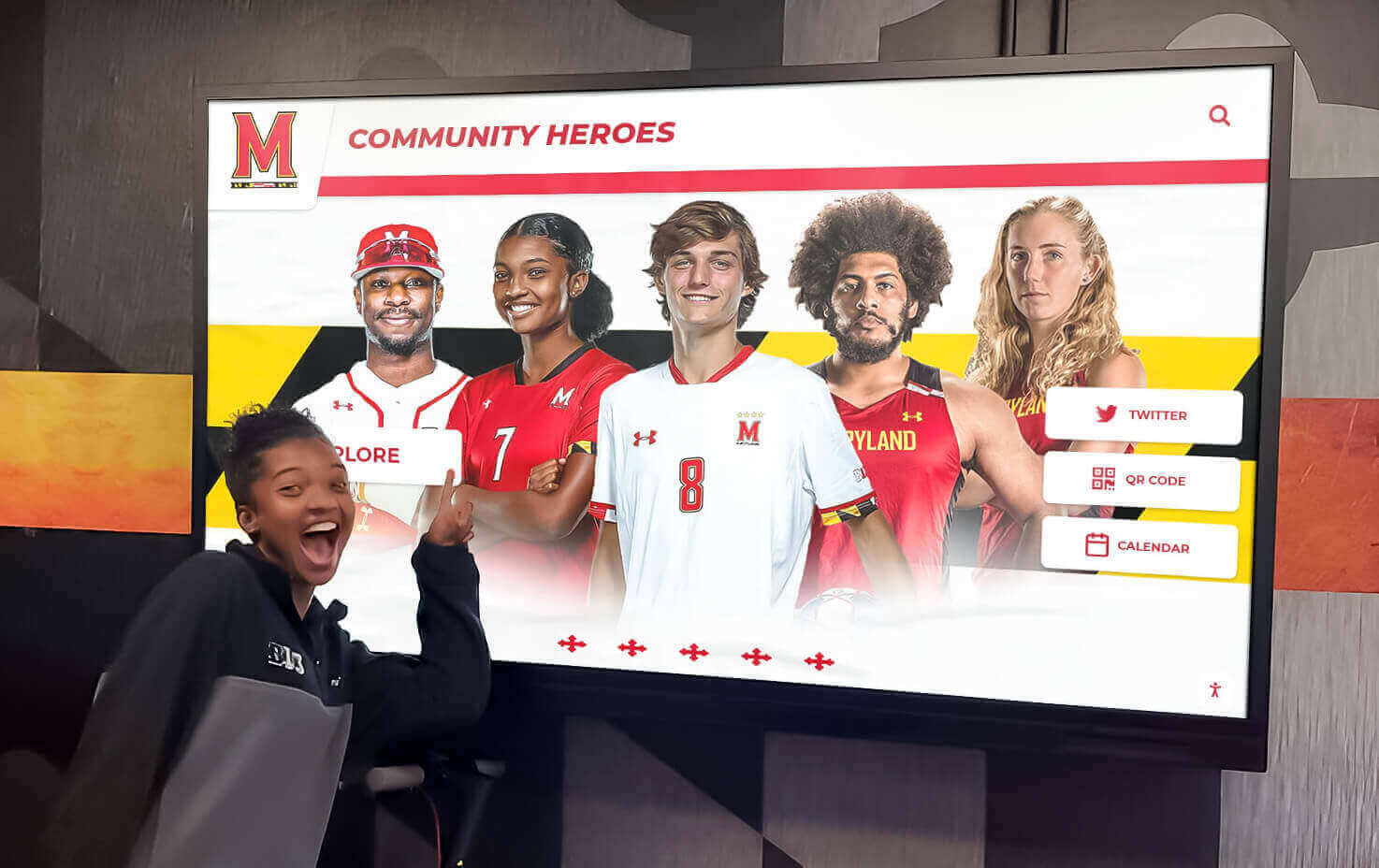
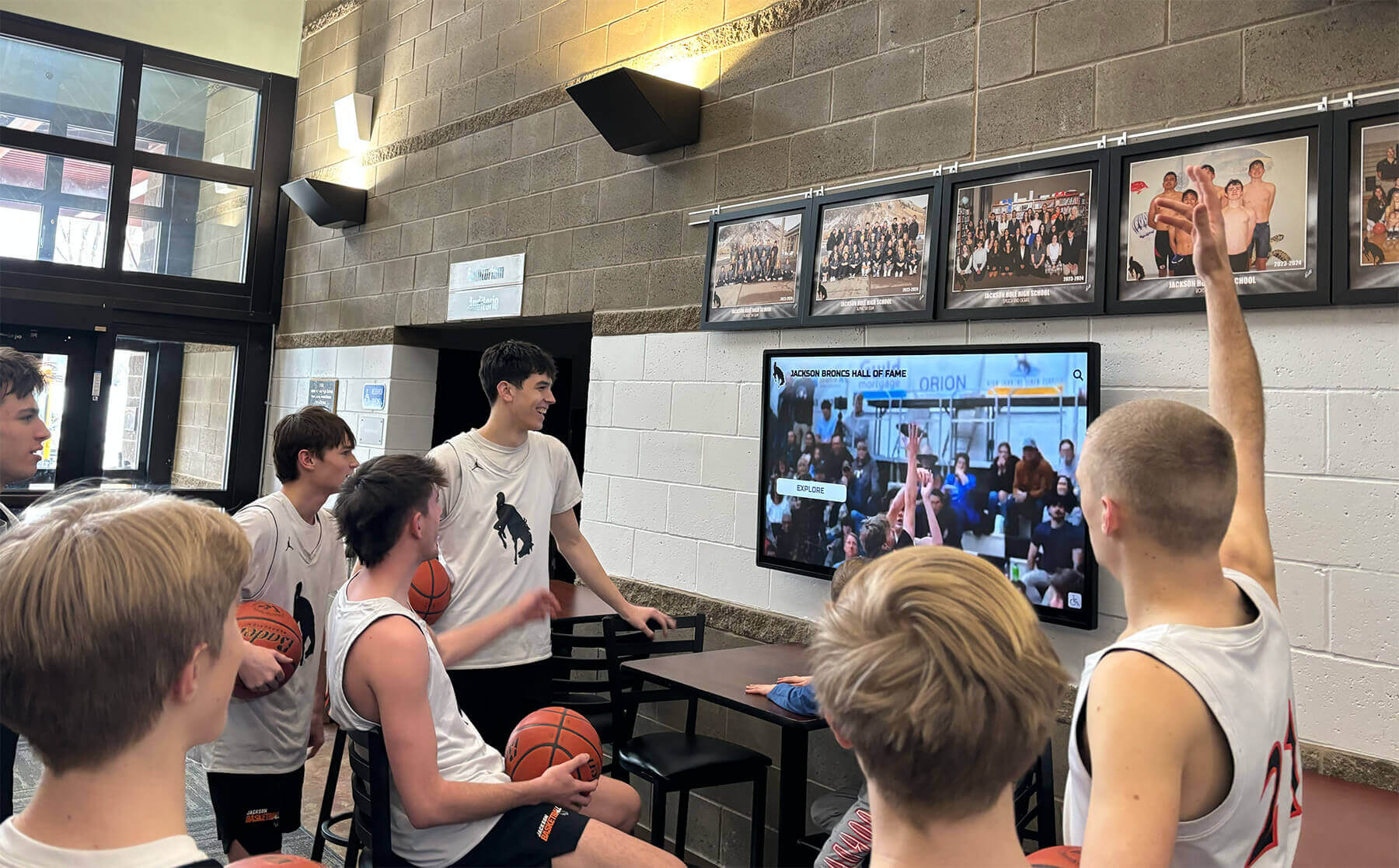
Recognition displays engage current students while educating them about playoff traditions and championship heritage
Booster Club and Volunteer Coordination
Playoff success requires organized support systems:
Travel Coordination and Logistics
Volunteer efforts include:
- Team travel arrangements including transportation and accommodations
- Fan bus coordination for away games
- Concession planning for home playoff games
- Ticket distribution and sales management
- Equipment and supply transportation
Effective booster club operations enable programs to focus on competition while communities handle logistical support.
Fundraising for Playoff Expenses
Financial support includes:
- Covering travel costs for road playoff games
- Championship gear and apparel for teams reaching finals
- Post-season banquet expenses celebrating achievements
- Championship ring or award funding for title teams
- Facility improvement funding leveraging playoff success momentum
Community financial support demonstrates athletic program value while enabling competitive experiences independent of school district budget constraints.
Player Recognition and Individual Excellence
Playoff performances create defining moments for individual athletes:
All-State and Postseason Honors
Wisconsin recognizes playoff excellence through:
All-State Selections
Individual recognition includes:
- Associated Press All-State teams selected by media
- Coaches Association All-State honors determined by coaching peers
- Conference all-tournament teams recognizing playoff excellence
- Division-specific all-state recognition
- Player of the Year awards acknowledging premier performers
These honors become defining career achievements for high school athletes, supporting college recruiting while providing lasting recognition schools celebrate permanently.
College Recruiting and Playoff Visibility
Postseason performance impacts recruiting:
- College scouts attending playoff games evaluating prospects
- State championship game exposure providing recruiting platforms
- Playoff statistics and highlight film enhancement
- Championship experience demonstrating competitive character
- Team success reflecting program quality to college coaches
Playoff success creates recruiting advantages for programs and individual athletes, generating cycles where strong programs attract talent that sustains future playoff competitiveness.
Explore how schools showcase college commitment recognition celebrating athletes advancing to collegiate competition.
Team Awards and Season Recognition
Playoff achievements deserve comprehensive celebration:
End-of-Season Awards
Recognition programs include:
- Championship banquets honoring playoff teams and individual achievements
- Player awards recognizing MVP, offensive/defensive players, leadership
- Senior recognition celebrating graduating athletes’ careers
- Coaching appreciation acknowledging staff contributions
- Volunteer recognition thanking booster club and community supporters
These events provide closure while creating memorable experiences players carry throughout lives, making end-of-season recognition meaningful regardless of playoff outcomes.
Discover comprehensive team celebration approaches applicable across athletic programs.
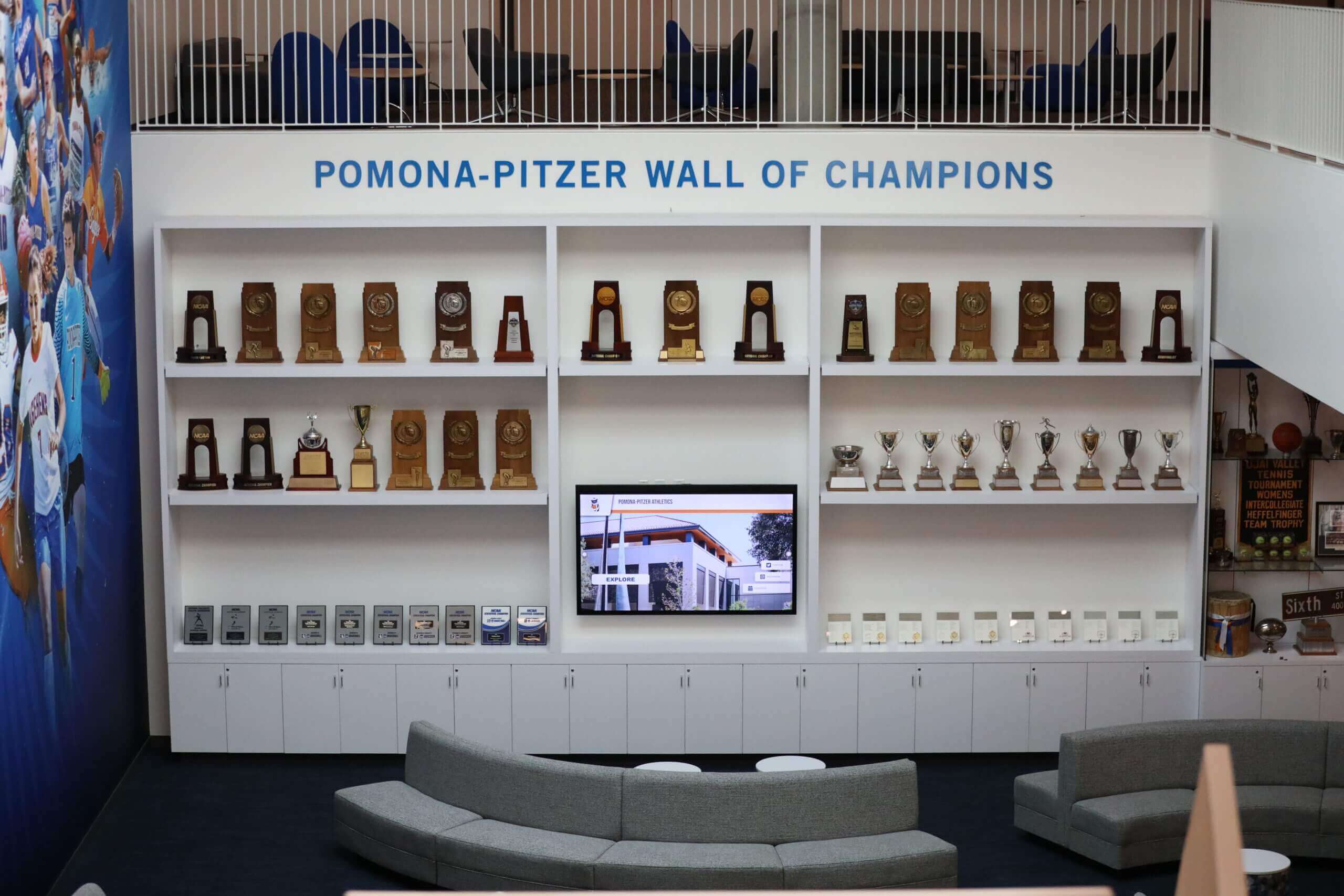
Championship trophy displays preserve playoff victories and team success for institutional heritage
Conclusion: Celebrating Wisconsin Playoff Football Excellence
Wisconsin high school football playoffs represent pinnacle achievements in the state’s rich athletic tradition, where communities unite behind teams pursuing championship dreams and where student-athletes create defining moments that resonate across lifetimes. For schools, athletic departments, and communities invested in football excellence, approaching playoff participation strategically while implementing comprehensive recognition systems honors those who build championship legacies while inspiring future generations toward postseason success.
The most successful programs balance competitive preparation with community engagement, celebrate individual excellence within team contexts, preserve playoff heritage through modern recognition technology, and leverage postseason success for sustained program building. Whether celebrating first playoff appearances or defending state championships, effective programs share common characteristics—systematic preparation, comprehensive recognition, sustained institutional commitment, and cultural emphasis on football excellence extending beyond single seasons.
As Wisconsin high school football evolves, technology-enhanced recognition platforms offer substantial advantages for documenting playoff achievements—unlimited capacity preserving complete tournament histories, rich multimedia storytelling capturing championship moments, extended alumni reach, and administrative efficiency enabling quality recognition without excessive resource demands.
Ready to preserve your football program’s playoff heritage more effectively? Modern digital recognition solutions enable comprehensive celebration of championship achievements, playoff milestones, and individual excellence while creating engaging experiences that inspire continued athletic success. Rocket Alumni Solutions provides specialized platforms specifically designed for athletic recognition, combining unlimited capacity with intuitive management appropriate for athletic department operation.
Whether your program is pursuing first playoff appearances or defending state championships, focus on creating authentic traditions aligned with community values, sustainable preparation within coaching capabilities, and comprehensive recognition honoring all contributors to playoff success. Discover how digital recognition can transform your football program’s impact while building lasting traditions celebrating postseason excellence across generations.
Wisconsin high school football playoffs create opportunities for communities to unite, student-athletes to excel under pressure, and schools to establish traditions defining institutional identity. With strategic preparation, thoughtful recognition planning, and commitment to celebrating both competitive achievement and the supporters who make playoff football possible, programs can build legacies that transcend individual seasons while inspiring future athletes toward championship excellence.
The essential elements aren’t elaborate facilities or unlimited budgets—they’re authentic preparation, comprehensive recognition, inclusive celebration, and sustained commitment to honoring playoff excellence that connects current achievements with historical traditions. Your football program has the potential to create championship memories that resonate across generations. Start implementing these proven strategies today, preserving playoff heritage while building traditions that will inspire Wisconsin high school football excellence for decades to come.