



When temperatures drop and daylight hours shrink, winter high school sports programs come alive with the energy of packed gymnasiums, the intensity of wrestling mats, the echo of starting blocks at indoor pools, and the thunder of footsteps around indoor tracks. Winter sports season represents one of the most competitive and demanding periods in the high school athletic calendar, showcasing student-athletes who dedicate months to perfecting their craft during the year’s coldest, darkest stretch.
Yet many schools struggle to maximize winter sports season potential: How can athletic departments effectively manage multiple simultaneous winter programs with overlapping facility needs? What recognition strategies honor achievements across diverse winter sports from basketball championships to swimming records to wrestling tournaments? How do programs maintain athlete motivation and community engagement throughout long winter seasons extending from November through March? What modern display solutions showcase winter athletic excellence year-round without consuming limited trophy case space?
This comprehensive guide explores winter high school sports across all major programs—basketball, wrestling, swimming and diving, indoor track and field, ice hockey, gymnastics, and competitive cheerleading. From understanding season timelines and training demands to implementing recognition systems celebrating winter athletic achievements effectively, we’ll cover everything athletic directors, coaches, and school administrators need to build thriving winter sports programs that honor student-athletes while strengthening school spirit during winter months.
Winter sports occupy a unique position in the high school athletic calendar—bridging fall and spring seasons while operating entirely during academic terms without summer training periods. The season’s timing creates distinctive challenges and opportunities, requiring programs to balance demanding competition schedules with academic pressures, navigate facility limitations as multiple sports compete for practice space, and maintain visibility despite winter weather that can limit spectator attendance and community engagement.

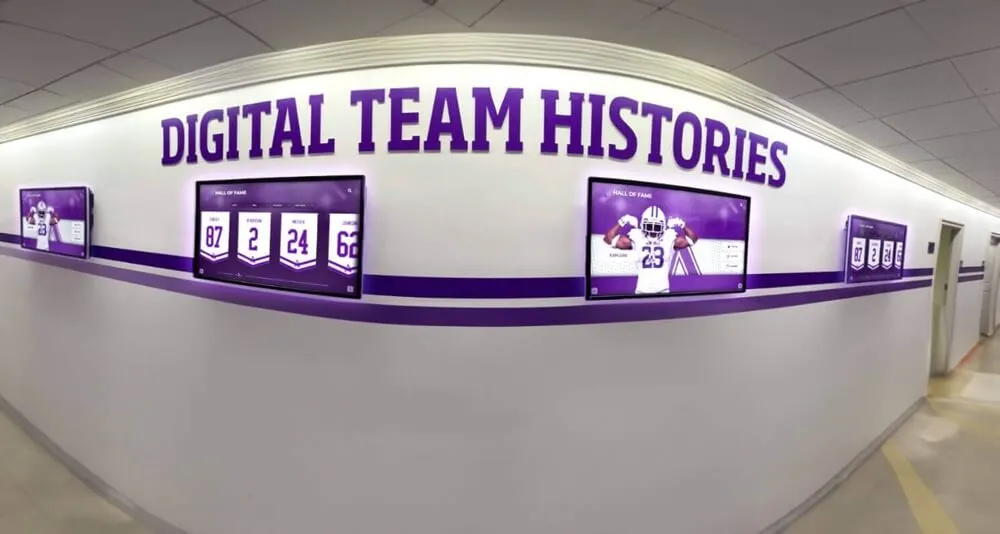
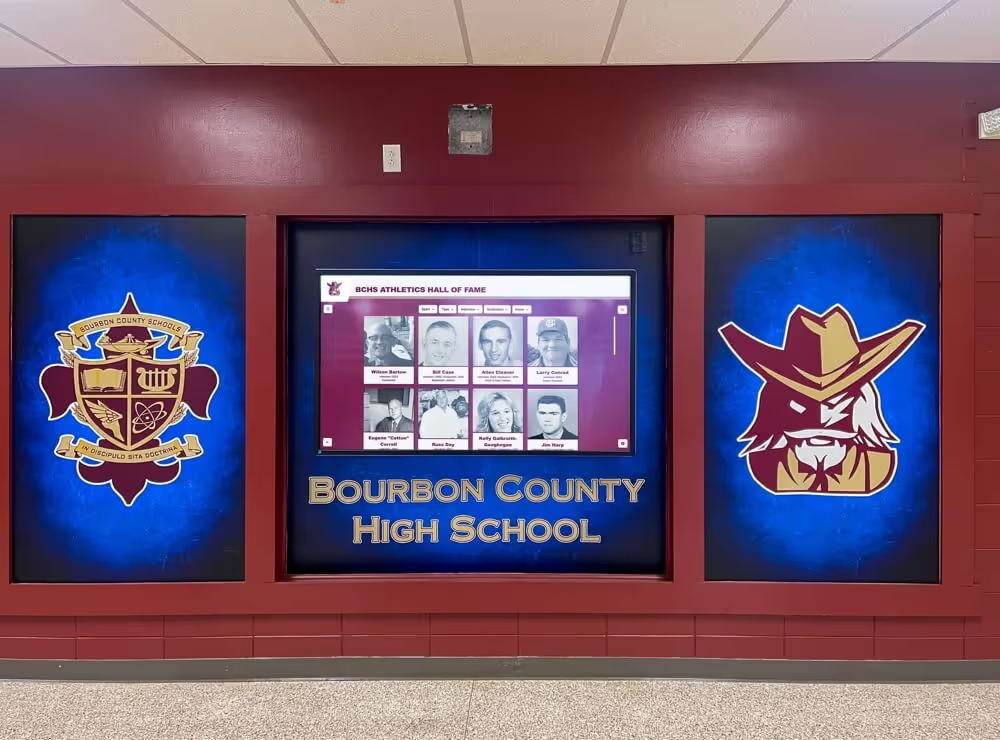
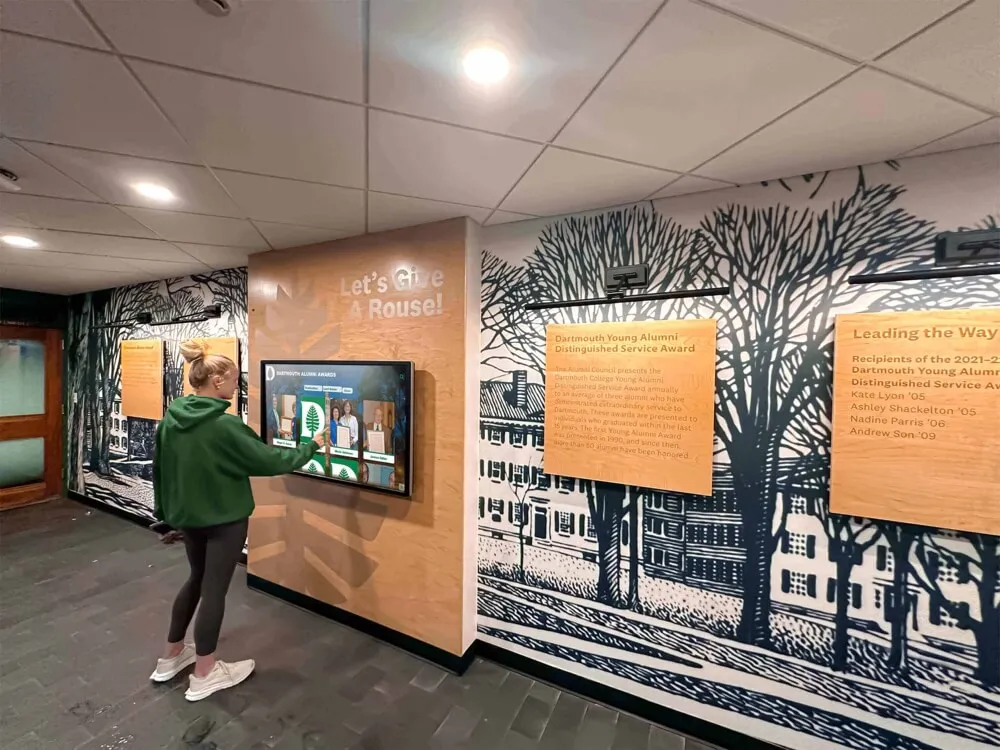
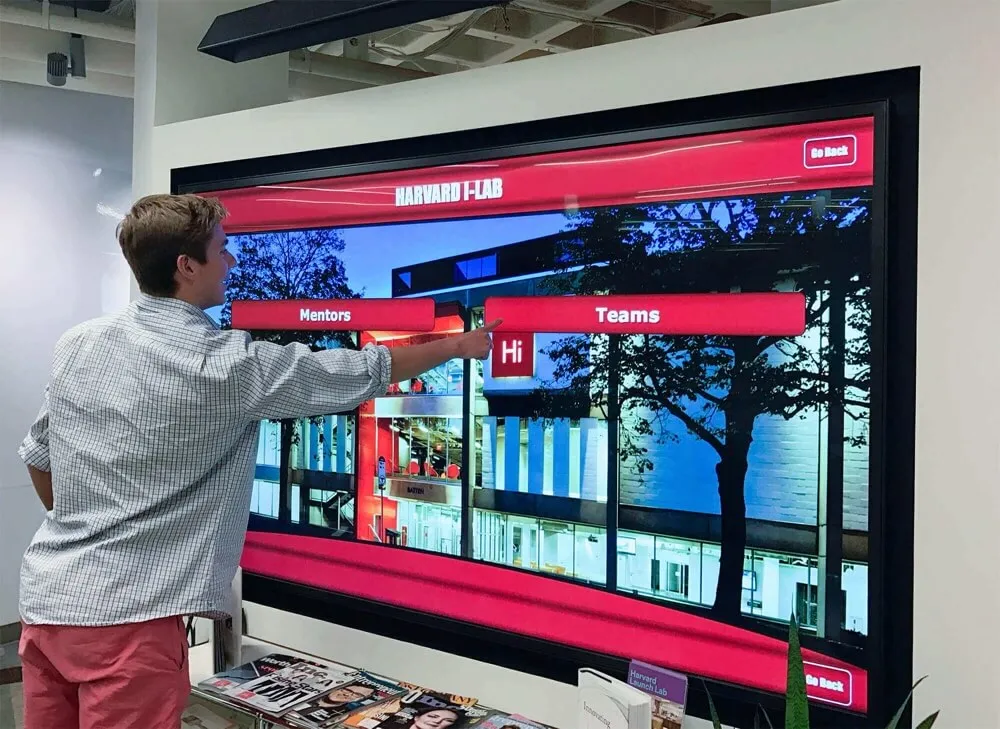
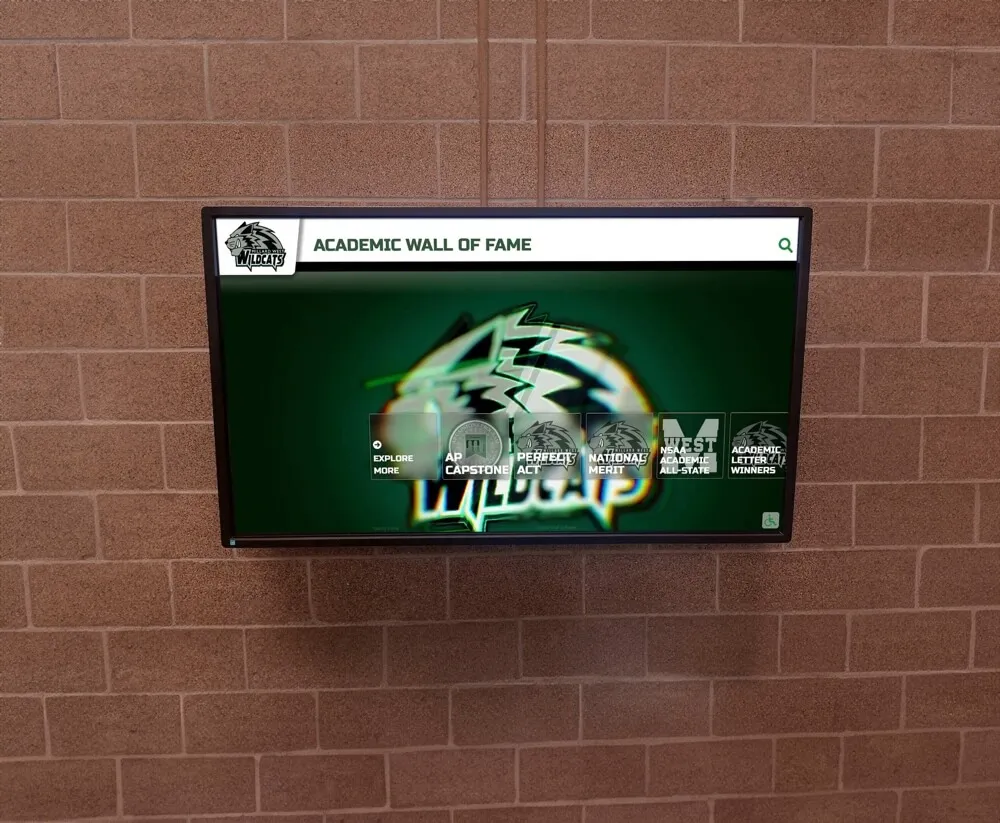
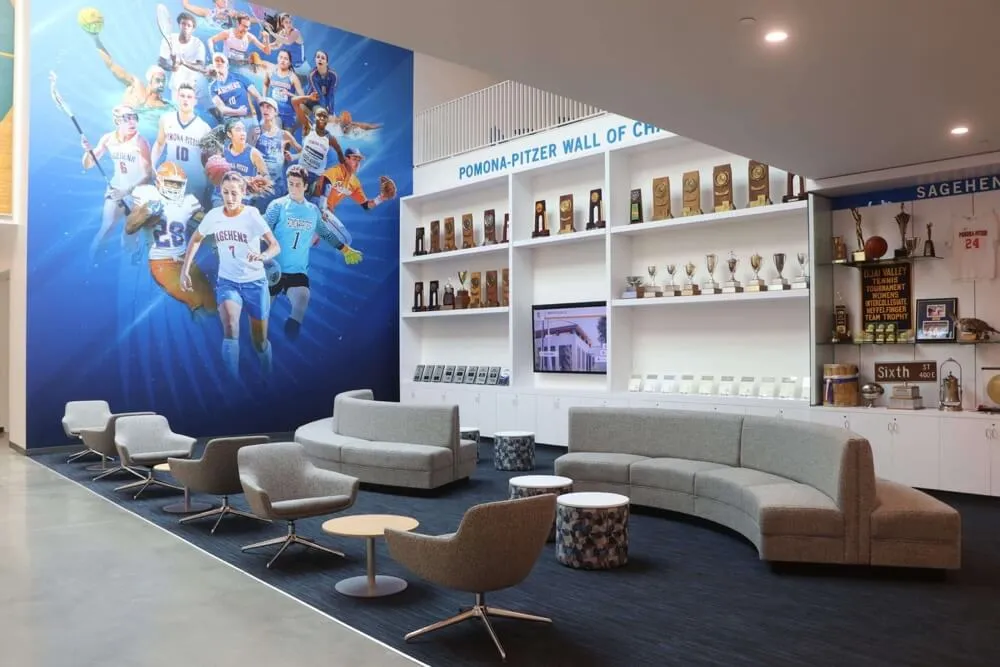
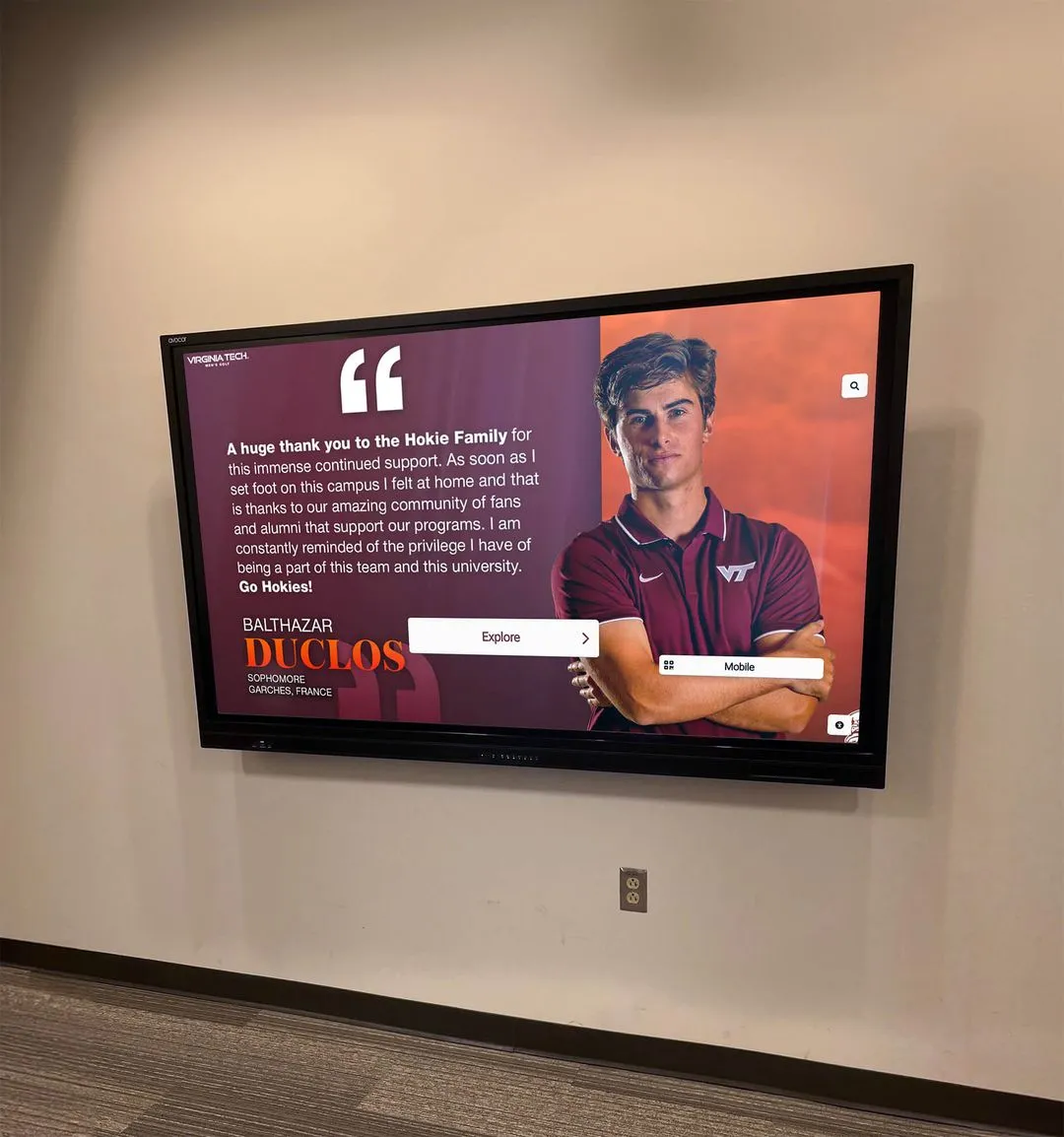
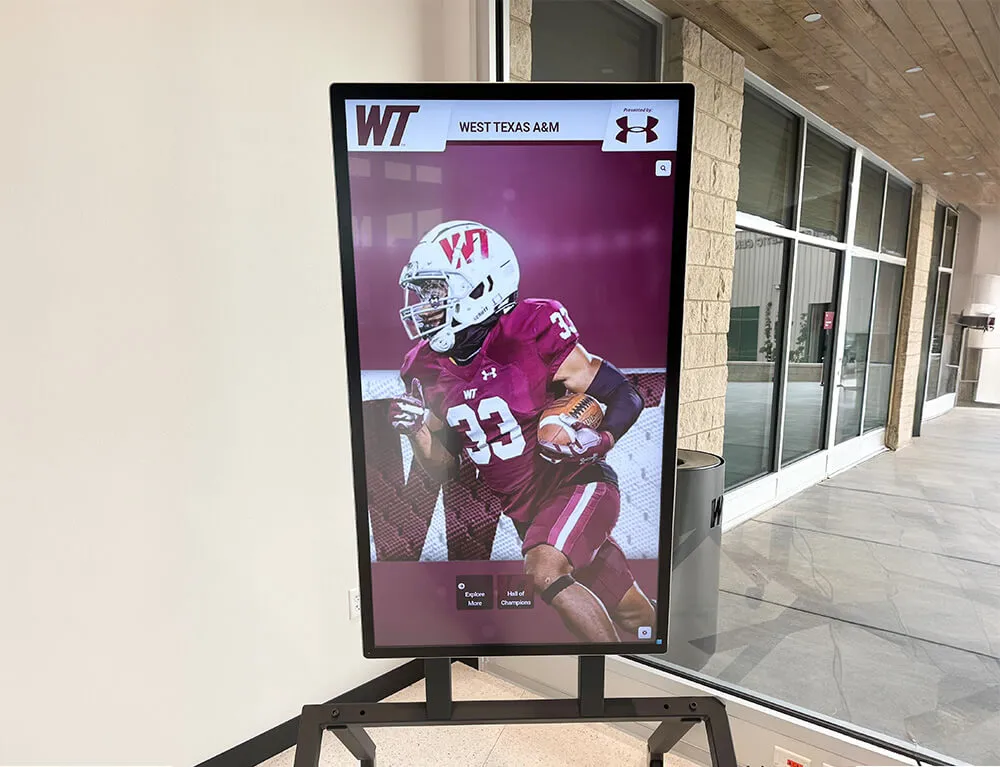
Interactive digital displays enable winter sports programs to showcase highlights, statistics, and achievements throughout the season and beyond
Understanding the Winter Sports Season Timeline
Before diving into specific sports, understanding the overall winter season structure helps schools coordinate programs effectively while maximizing student-athlete opportunities across all winter offerings.
Season Start and Competition Periods
Winter sports typically follow this general calendar framework:
Pre-Season Preparation (September-October)
- Early conditioning programs for returning athletes
- Tryout announcements and eligibility verification
- Equipment distribution and facility preparation
- Coaching staff planning and strategy development
- Physical examinations and medical clearances
- Team selection and roster finalization
Official Season Launch (November)
- First practices beginning after fall sports conclude
- Initial team meetings and season expectations
- Fundamental skill development focus
- Early non-conference competitions establishing baselines
- Team chemistry building through practice interaction
- Season goal-setting and individual performance planning
Conference Competition Period (December-January)
- Intensive competition schedules with frequent meets and matches
- Conference standings development tracking league performance
- Holiday tournament participation in basketball and wrestling
- Academic pressures during exam periods requiring careful scheduling
- Weather-related disruptions potentially affecting practice and competition
- Injury management as accumulated wear affects athlete health
Championship Season (February-March)
- Conference tournament participation determining league champions
- State tournament qualification through sectional and regional competitions
- Peak performance focus as seasons reach culmination
- Recognition ceremonies celebrating senior athletes
- Postseason training for state tournament competitors
- Season-ending banquets honoring achievements across all programs
This timeline framework applies across most winter sports, though specific dates vary by state athletic association rules, geographic climate considerations, and individual school district policies.
Overlapping Sport Management Challenges
Unlike fall and spring when sports occupy different facility types, winter programs often compete for limited indoor spaces:
Facility Competition and Sharing
- Gymnasiums required for basketball, wrestling, gymnastics, and competitive cheerleading
- Practice time allocation among multiple sports with equal facility needs
- Competition scheduling coordinated to avoid simultaneous home events
- Auxiliary space utilization including weight rooms, smaller practice gyms, and multipurpose rooms
- Community facility partnerships accessing pools, ice rinks, or indoor tracks
- Evening practice hours extending late to accommodate all programs
Resource Allocation Considerations
- Coaching staffs spread across multiple simultaneous programs
- Athletic training services managing injuries across all winter sports
- Transportation coordination for overlapping away competitions
- Budget distribution ensuring equitable support across programs
- Equipment and supply management for diverse sport requirements
- Officials and event management for multiple home competitions
Effective winter sports programs require systematic coordination ensuring all sports receive adequate resources, practice time, and support despite operating simultaneously throughout identical timeframes.
Learn how schools effectively manage multi-sport recognition programs celebrating achievements across all athletic offerings.
Basketball: The Winter Sports Cornerstone
Basketball dominates winter sports in most high schools, drawing largest crowds and generating most community attention throughout the season.
Program Structure and Competition Levels
High school basketball typically operates through multiple competitive levels:
Varsity Programs
- Primary competition level featuring top athletes
- Conference scheduling establishing league standings
- Tournament competition including holiday tournaments and postseason play
- College recruitment focus for talented upperclassmen
- Community visibility through game coverage and attendance
- Program tradition building through consistent excellence
Junior Varsity Development
- Sophomore and younger athlete development focus
- Fundamental skill refinement and system learning
- Playing time distribution enabling experience accumulation
- Varsity preparation through similar game situations
- Competitive scheduling against peer programs
- Confidence building through age-appropriate competition
Freshman and Middle School Programs
- Entry-level programming introducing basketball fundamentals
- Transition from recreational to competitive basketball
- Basic offensive and defensive system introduction
- Team play emphasis and individual skill development
- Program pipeline development ensuring varsity continuity
- Positive initial experiences encouraging continued participation
This tiered structure enables programs to serve athletes across all skill levels while developing talent pipelines ensuring program sustainability across graduating classes.

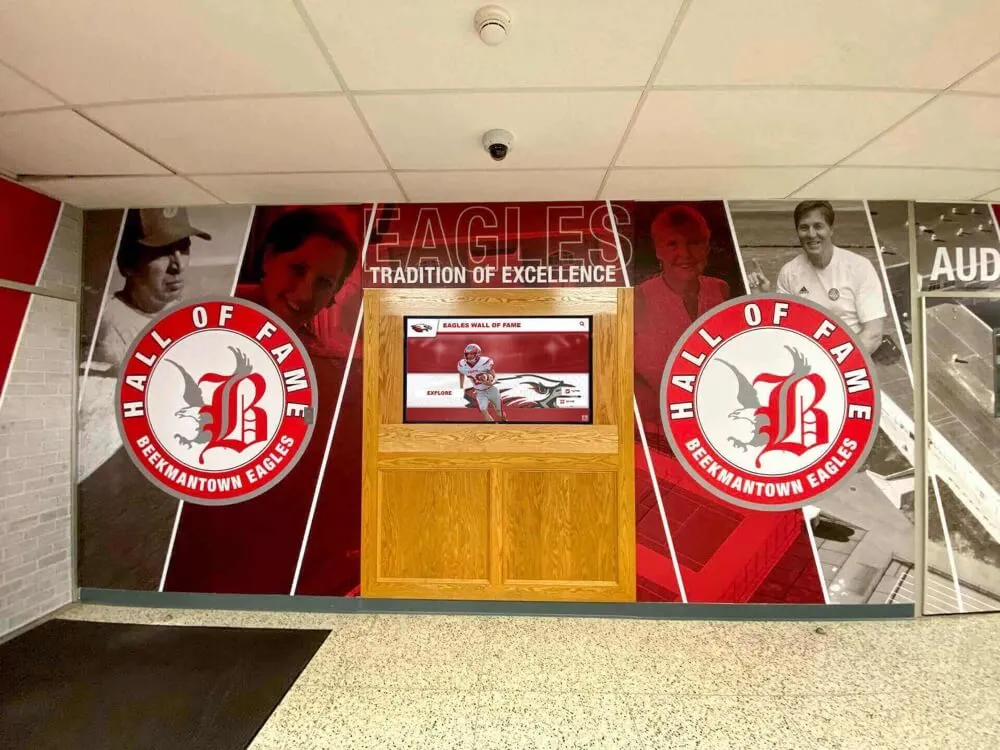
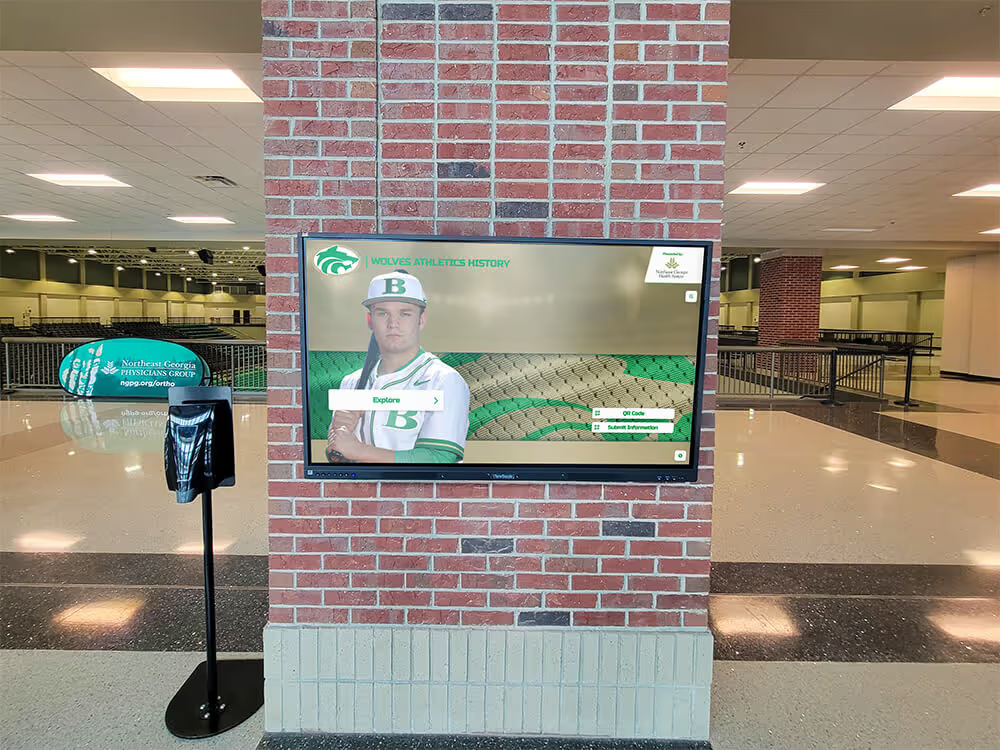
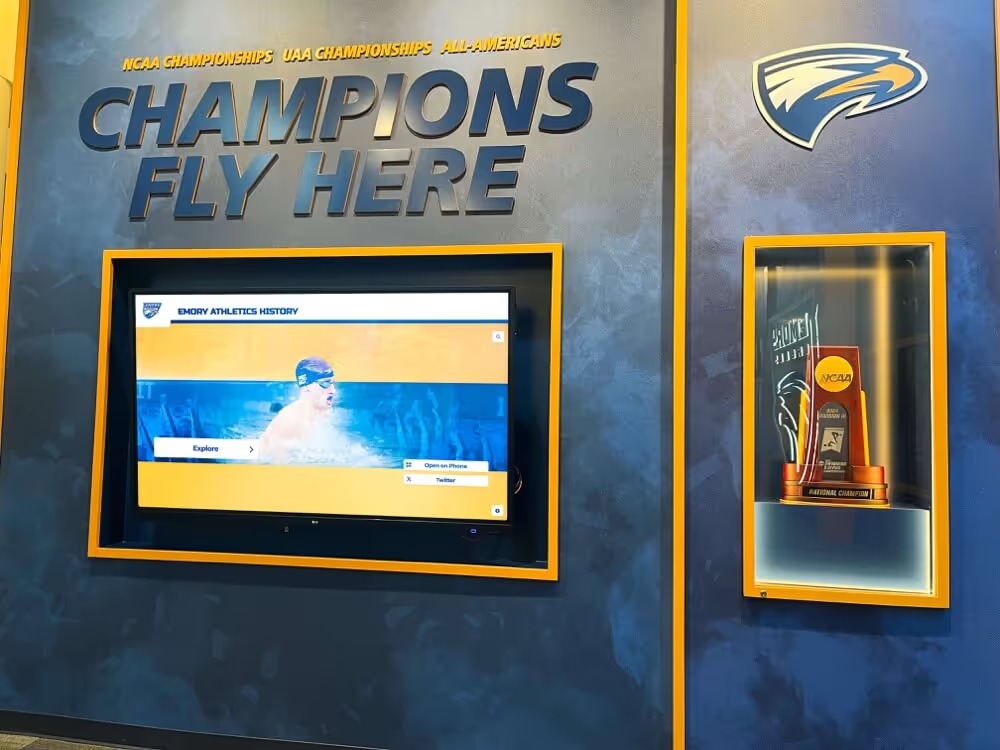
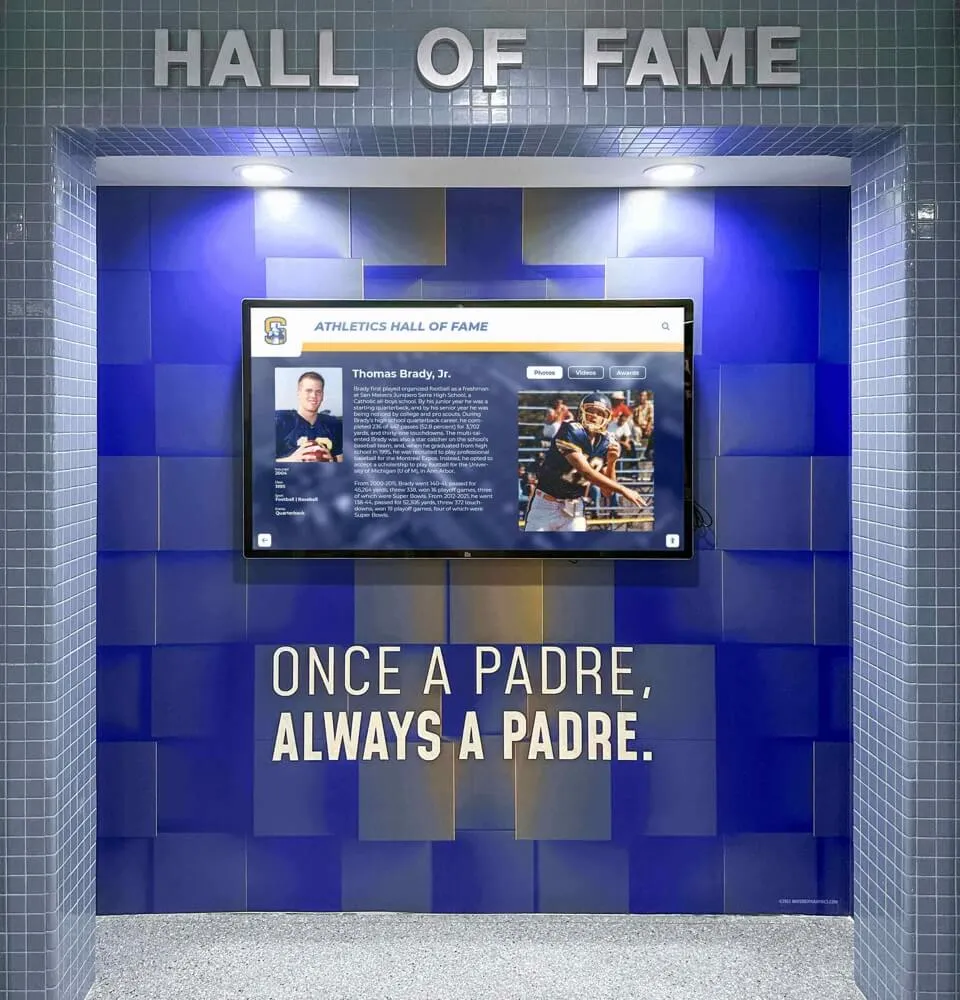
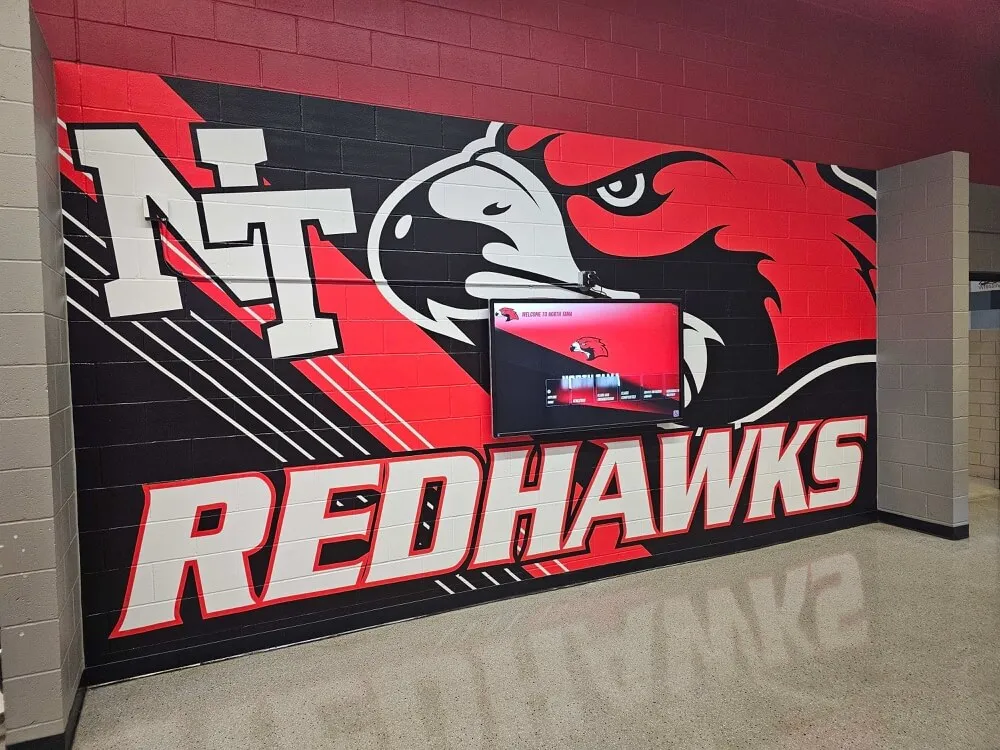
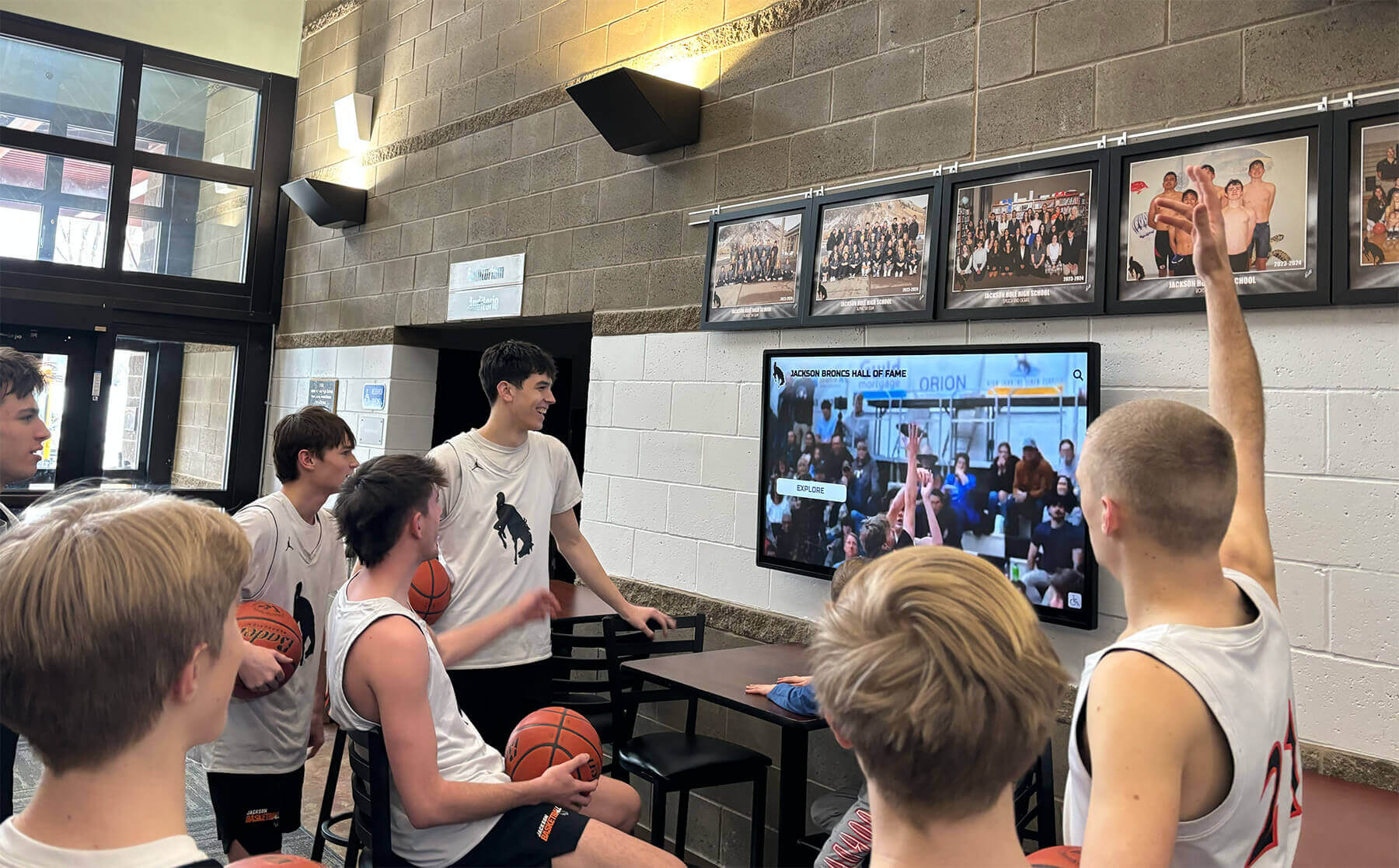
Permanent digital recognition displays celebrate basketball excellence alongside other winter sports achievements throughout school buildings
Basketball Recognition Opportunities
Comprehensive basketball programs acknowledge diverse achievements throughout seasons:
Individual Performance Recognition
- Scoring leaders tracking points per game across season
- Career milestone achievements including 1,000-point club membership
- All-conference selections honoring league excellence
- All-state recognition celebrating statewide performance
- Single-game performance records for exceptional individual efforts
- Statistical leaders in rebounds, assists, steals, and blocked shots
Team Achievement Celebration
- Conference championships recognizing league dominance
- Tournament success including sectional, regional, and state titles
- Season records for exceptional win-loss performance
- Winning streak milestones across games or seasons
- Ranked team recognition achieving state or regional rankings
- Championship team displays preserving historic season memories
Character and Leadership Awards
- Sportsmanship recognition celebrating competitive integrity
- Team leadership acknowledging captains and cultural builders
- Most improved player awards honoring development success
- Practice excellence recognizing consistent preparation commitment
- Academic achievement celebrating scholar-athlete balance
- Community service awards for contributions beyond athletics
Basketball’s high visibility makes recognition particularly impactful—celebrated achievements motivate current players while building program pride connecting generations of athletes through shared excellence traditions.
Season Highlight Management
Basketball programs generate enormous content throughout seasons that deserves preservation and celebration:
Game Documentation Strategies
- Video recording of home and away competitions
- Statistical tracking using digital systems capturing comprehensive game data
- Photography documenting key moments, celebrations, and player action
- Social media updates providing real-time game coverage
- Press release distribution highlighting notable performances
- Streaming services enabling remote viewing for extended community
Highlight Creation and Sharing
- Season highlight videos compiling best moments
- Individual player highlight reels for college recruiting
- Championship game documentation preserving memorable victories
- Senior night recordings honoring graduating athletes
- Milestone moment capture including records and historic achievements
- Viral moment sharing amplifying program visibility
Modern digital display systems enable basketball programs to showcase this content year-round in gymnasium lobbies and athletic facilities, keeping achievements visible long after seasons conclude.
Wrestling: Technical Excellence and Mental Toughness
Wrestling represents winter sports’ most demanding individual sport, requiring exceptional physical conditioning, technical mastery, and mental fortitude throughout extended competitive seasons.
Understanding Wrestling Season Structure
Wrestling follows distinctive competitive patterns different from team sports:
Season Phases and Focus
- Early season emphasis on conditioning and fundamental technique development
- Mid-season focus on competitive refinement through frequent dual meets
- Tournament season concentration as wrestlers prepare for championship competitions
- Weight management throughout requiring careful nutrition and training
- Individual progression as each wrestler follows unique competitive trajectory
- Team scoring consideration balancing individual achievement with dual meet success
Competition Formats
- Dual meets establishing head-to-head competition between schools
- Tournament competitions with bracket formats determining placement
- Conference championships crowning league winners by weight class
- Sectional and regional qualifiers advancing wrestlers toward state
- State championship tournaments showcasing state’s best wrestlers
- Freestyle and Greco-Roman offseason competition extending competitive opportunities
Wrestling’s individual nature combined with team scoring creates unique recognition challenges—programs must honor both personal achievement and team contribution simultaneously.
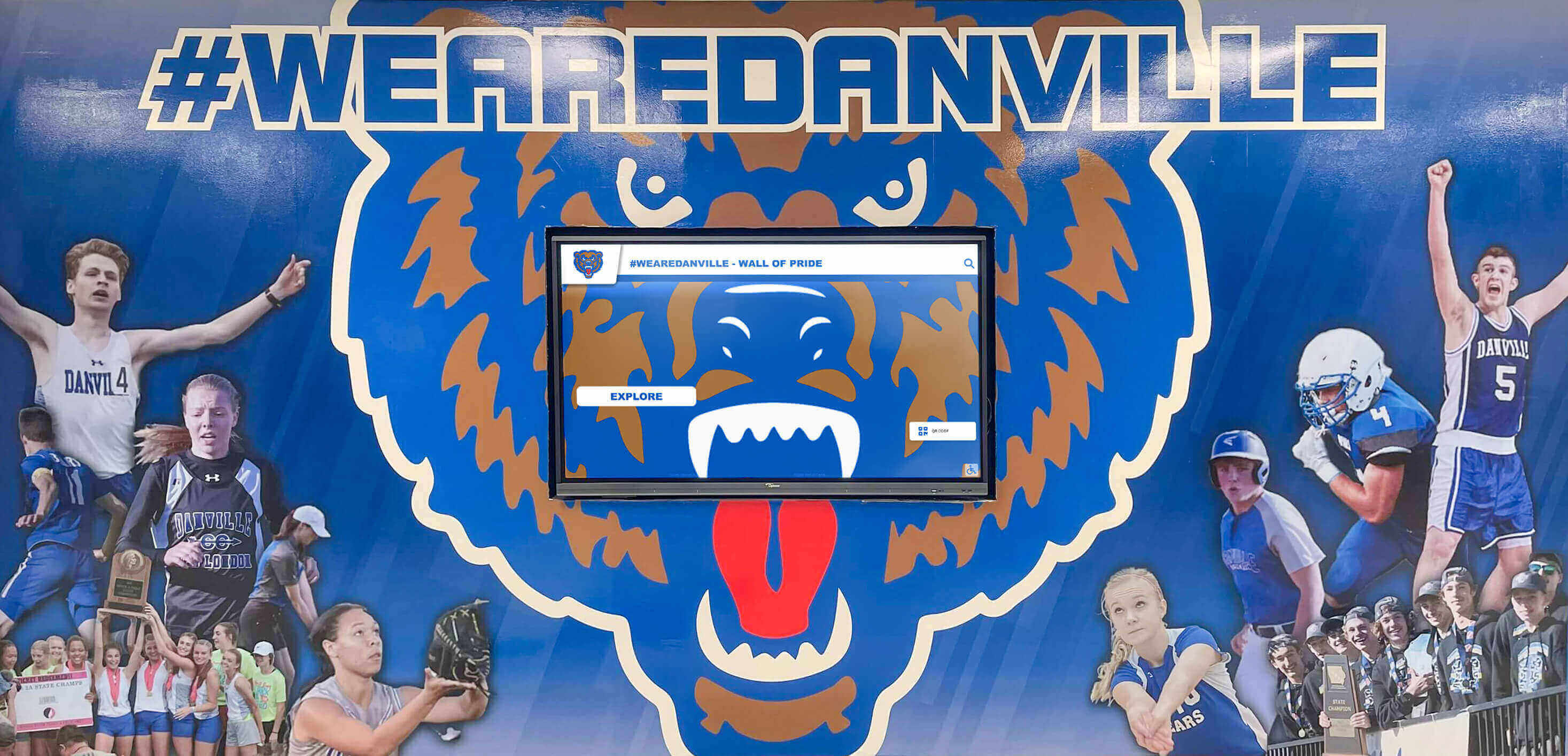
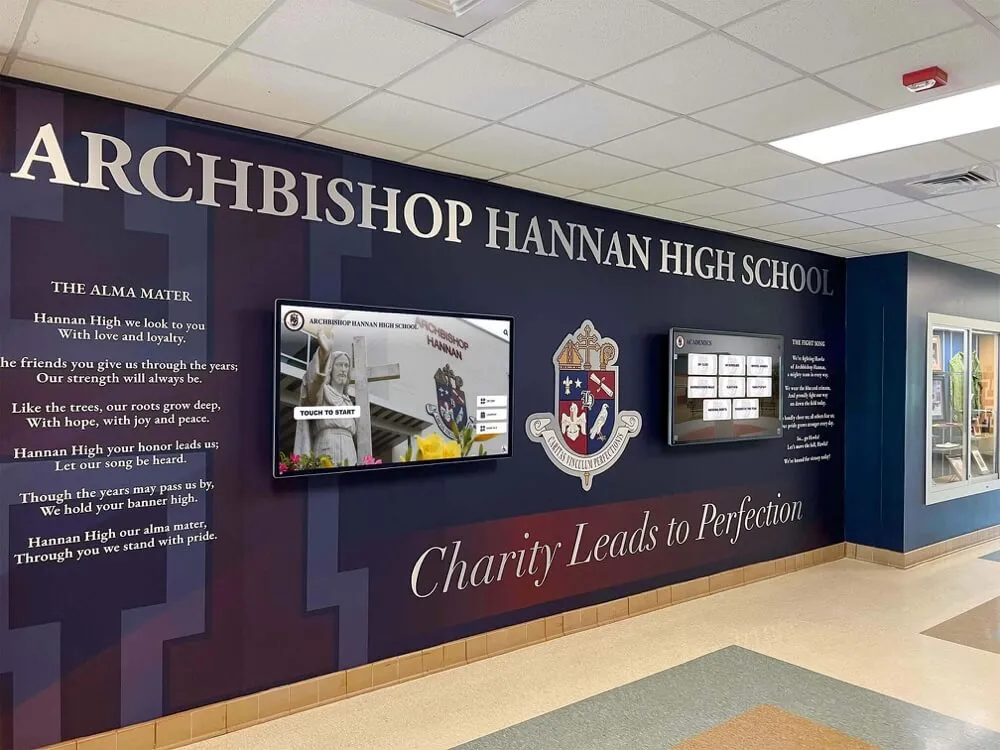
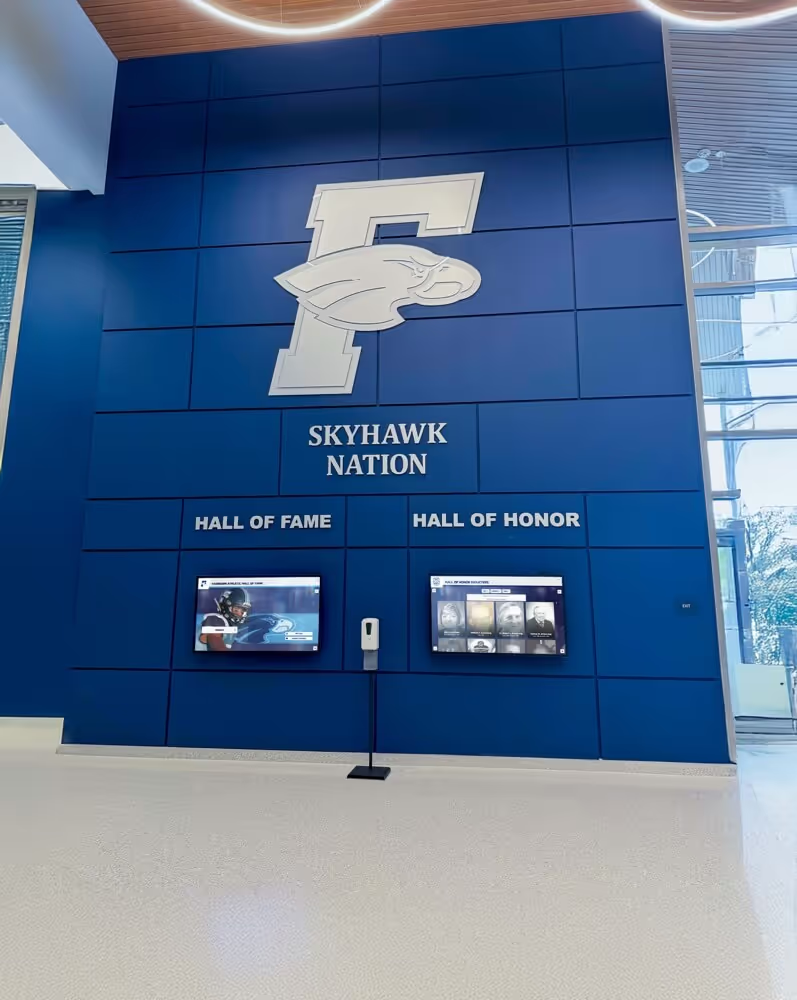
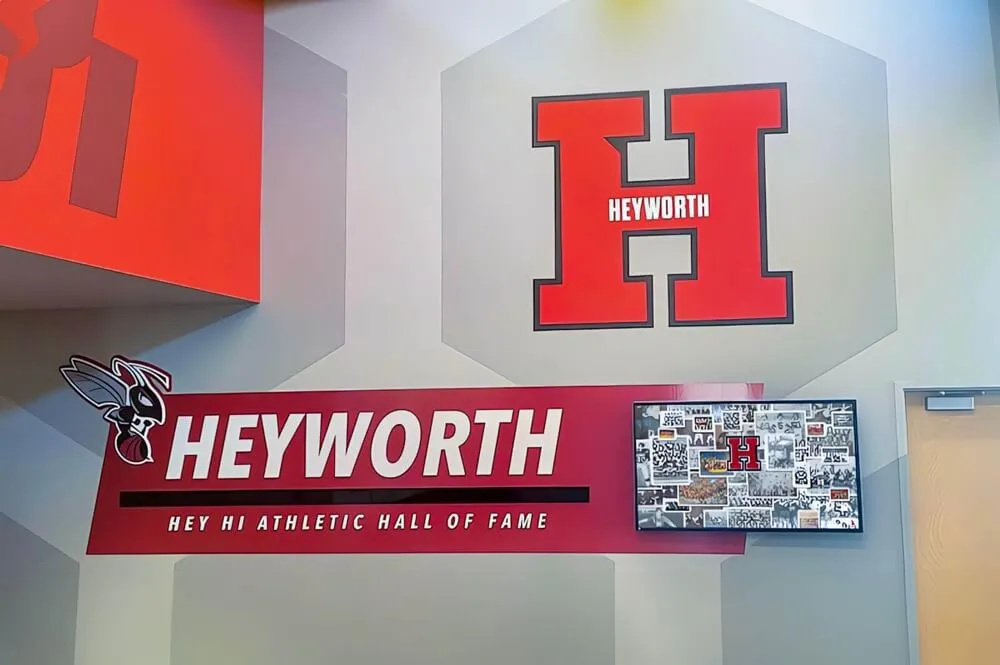
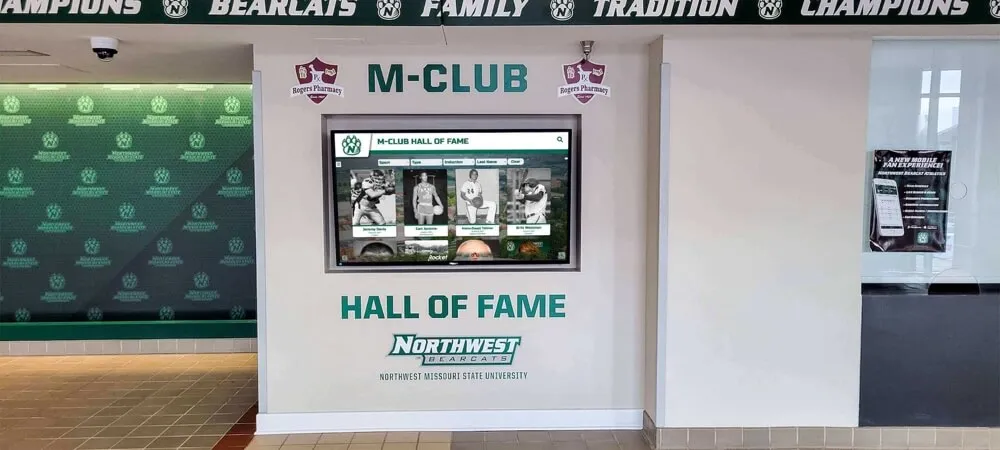
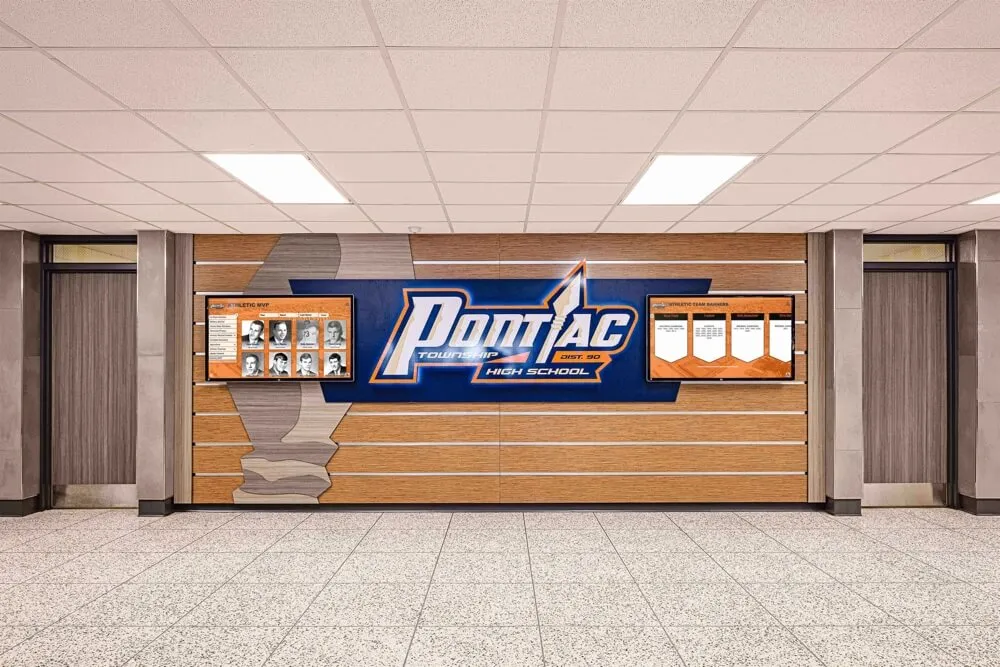
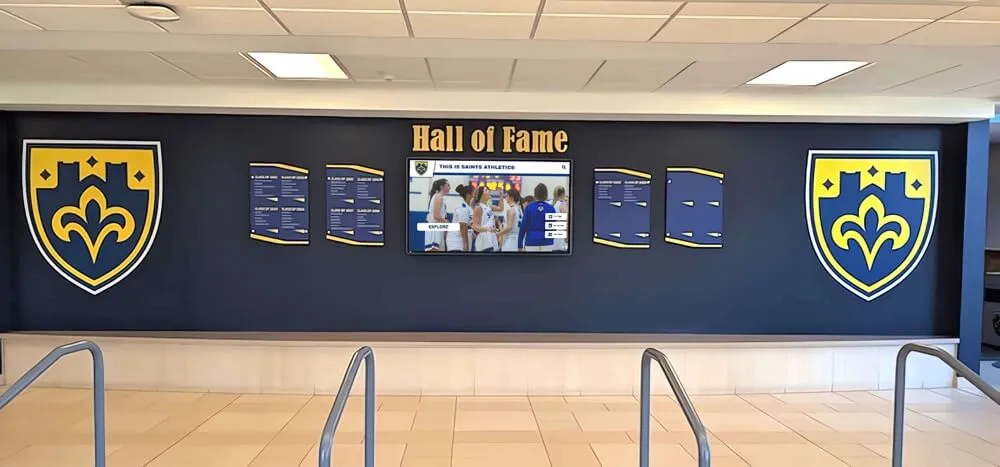
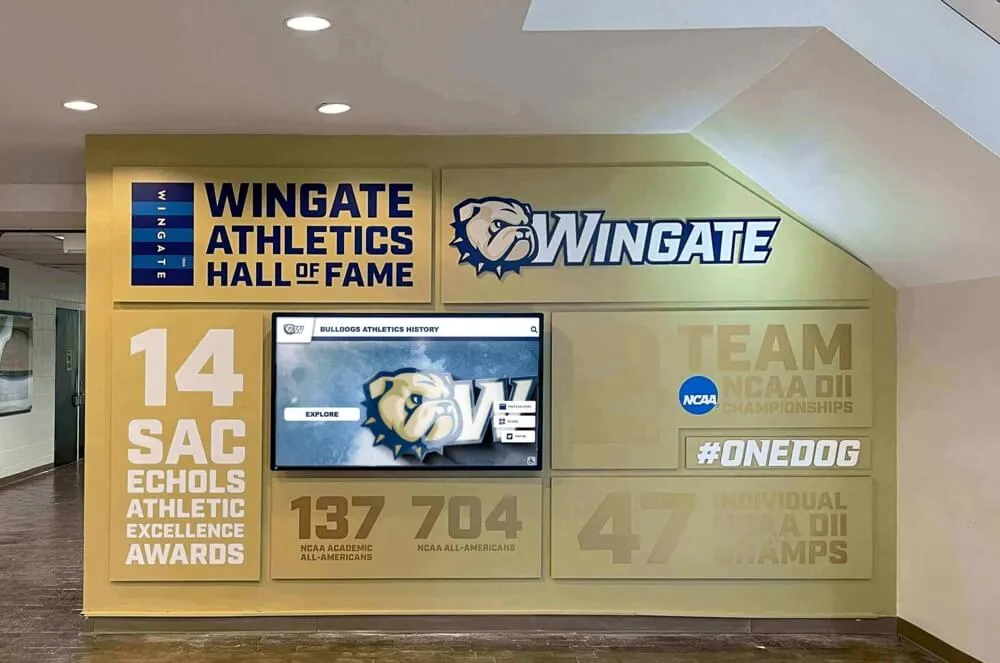
Integrated recognition displays combine school branding with digital technology showcasing wrestling achievements alongside other winter sports
Wrestling-Specific Recognition
Wrestling achievement requires specialized acknowledgment understanding the sport’s technical complexity:
Technical Achievement Awards
- Pin leader recognition celebrating dominant victories
- Technical fall awards honoring point differential excellence
- Takedown specialist acknowledgment for offensive mastery
- Escape and reversal excellence celebrating bottom position success
- Riding time awards recognizing top position control
- Most falls in tournament showcasing sustained dominance
Competitive Accomplishment Recognition
- State tournament qualification celebrating advancement to championships
- State placement honors for top-eight finishers at state tournaments
- Conference championships by weight class
- Tournament championships at invitational competitions
- Career win milestones at 50, 100, 150+ victories
- Perfect season recognition going undefeated throughout year
Development and Character Awards
- Most improved wrestler celebrating season-long growth
- Practice excellence honoring preparation commitment
- Weight management dedication acknowledging difficult training sacrifices
- Leadership recognition for room culture contributions
- Sportsmanship awards celebrating competitive integrity
- Comeback awards honoring wrestlers overcoming adversity
Understanding comprehensive wrestling recognition approaches helps programs honor the sport’s unique demands appropriately.
Wrestling Program Documentation
Wrestling creates extensive documentation deserving permanent preservation:
Match and Tournament Records
- Individual match results tracking wins, losses, and victory methods
- Tournament brackets showing advancement paths to championships
- Season statistics compiling career records and milestones
- Head-to-head results against rivals and ranked opponents
- Weight class performance documentation across season
- State tournament results preserving championship memories
Technical Development Tracking
- Skill progression documentation showing technique mastery
- Move frequency analysis identifying signature techniques
- Competition video review improving future performance
- Strength and conditioning benchmarks tracking physical development
- Weight management progress documenting successful approaches
- Injury history and recovery enabling future prevention
Digital recognition platforms enable wrestling programs to preserve this comprehensive information, creating searchable archives connecting current wrestlers with program history while documenting individual journeys from novice through championship competition.
Swimming and Diving: Precision and Performance
Swimming and diving programs operate with unique facility requirements and technical demands distinguishing them from other winter sports.
Pool Sport Program Management
Swimming and diving programs face distinctive operational considerations:
Facility Challenges
- Pool access requirements limiting practice scheduling flexibility
- Facility sharing with community programs, lessons, and recreational swimming
- Morning practice sessions common when pools unavailable after school
- Transportation needs when schools lack pools requiring off-site facilities
- Equipment management including timing systems, starting blocks, and diving boards
- Water quality and temperature maintenance ensuring optimal training conditions
Competition Structure
- Dual meets between schools measuring team depth
- Invitational competitions with multiple participating schools
- Conference championships crowning league champions
- Sectional and state qualifiers advancing based on time standards
- Relay event emphasis adding team competition dimension
- Time-based qualification rather than head-to-head competition outcomes
Swimming’s objective time-based measurement enables precise achievement tracking and record recognition across decades of program history.
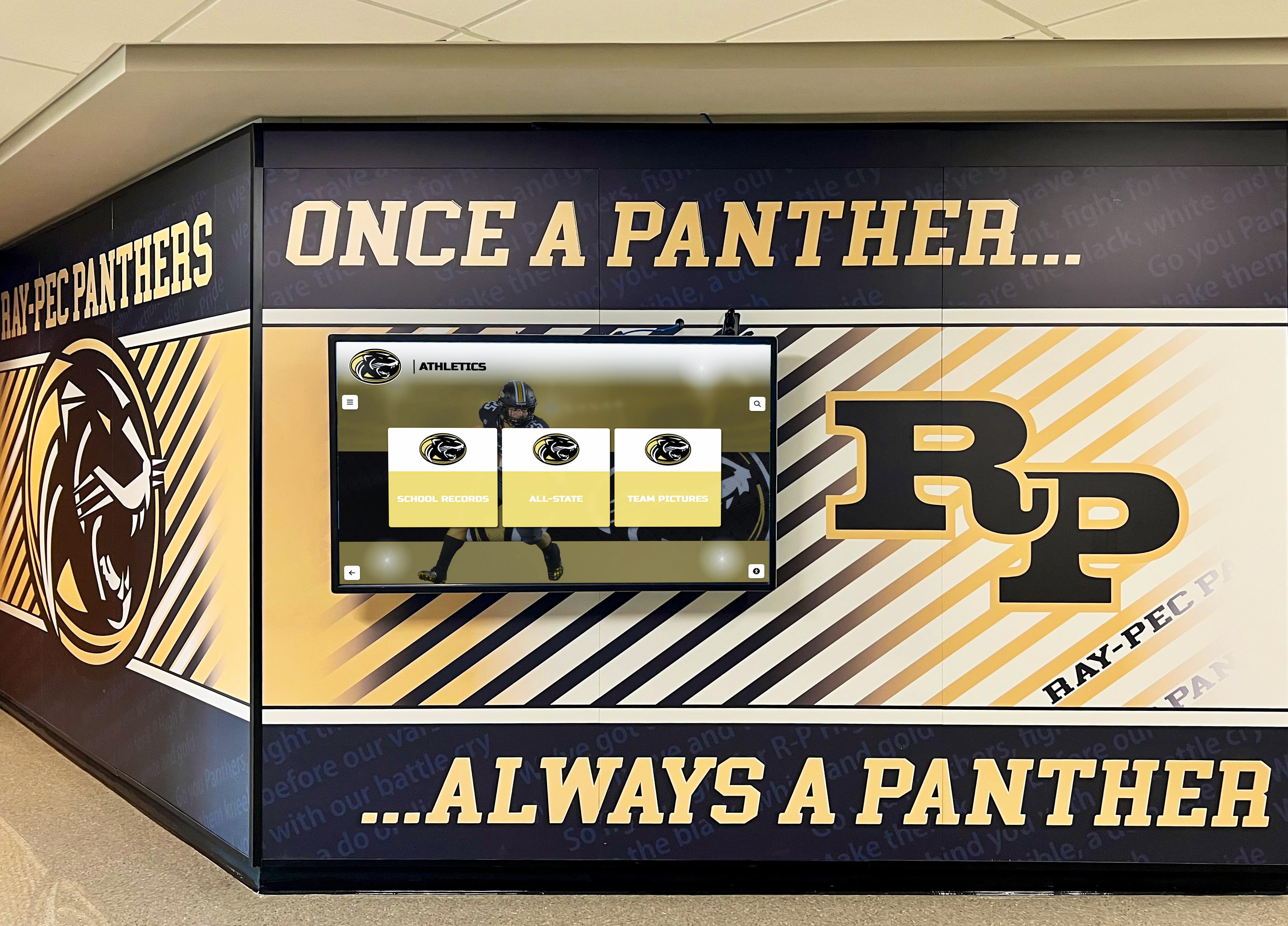
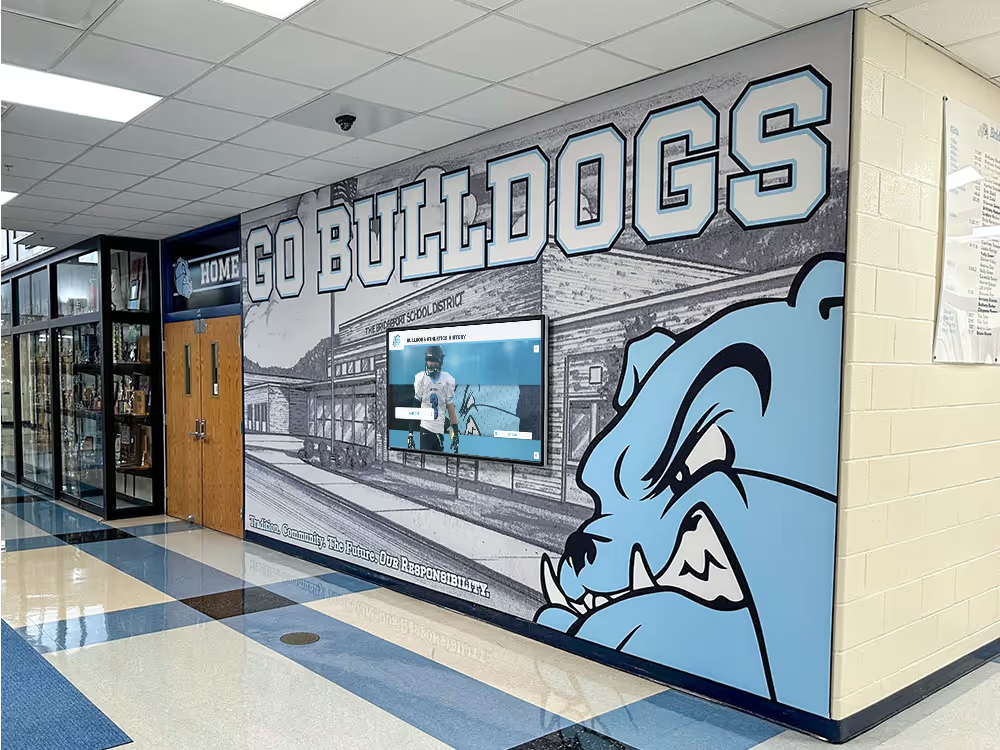
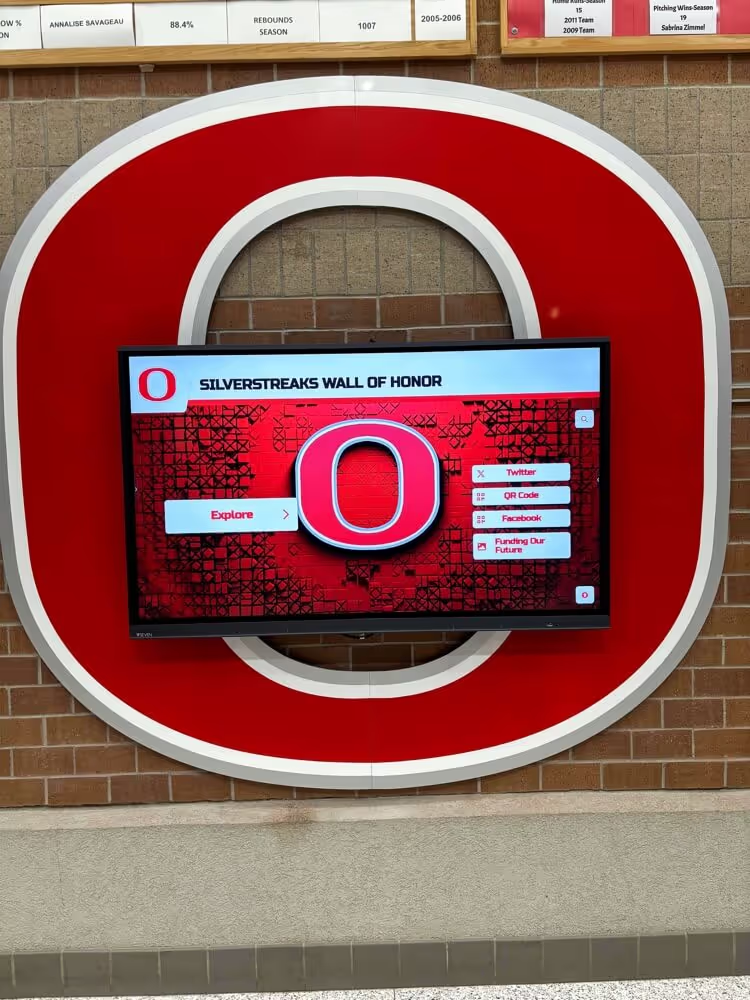
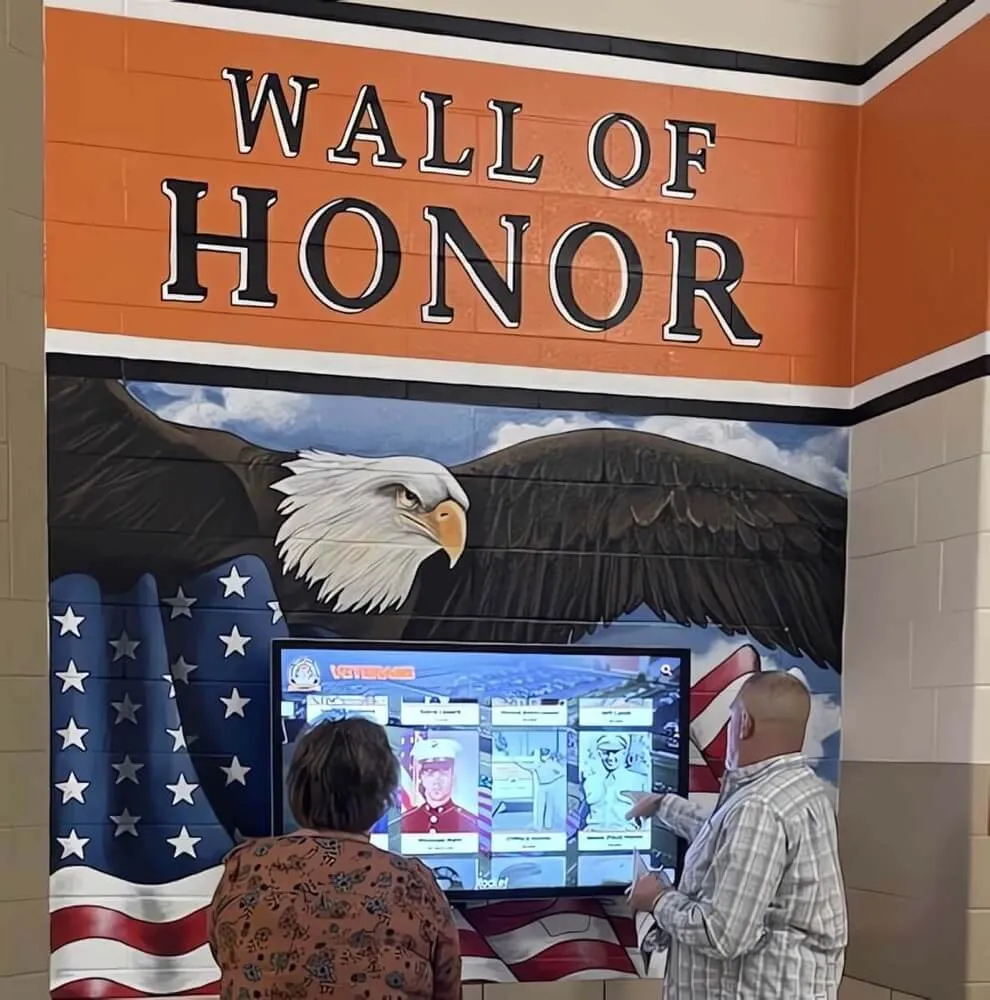
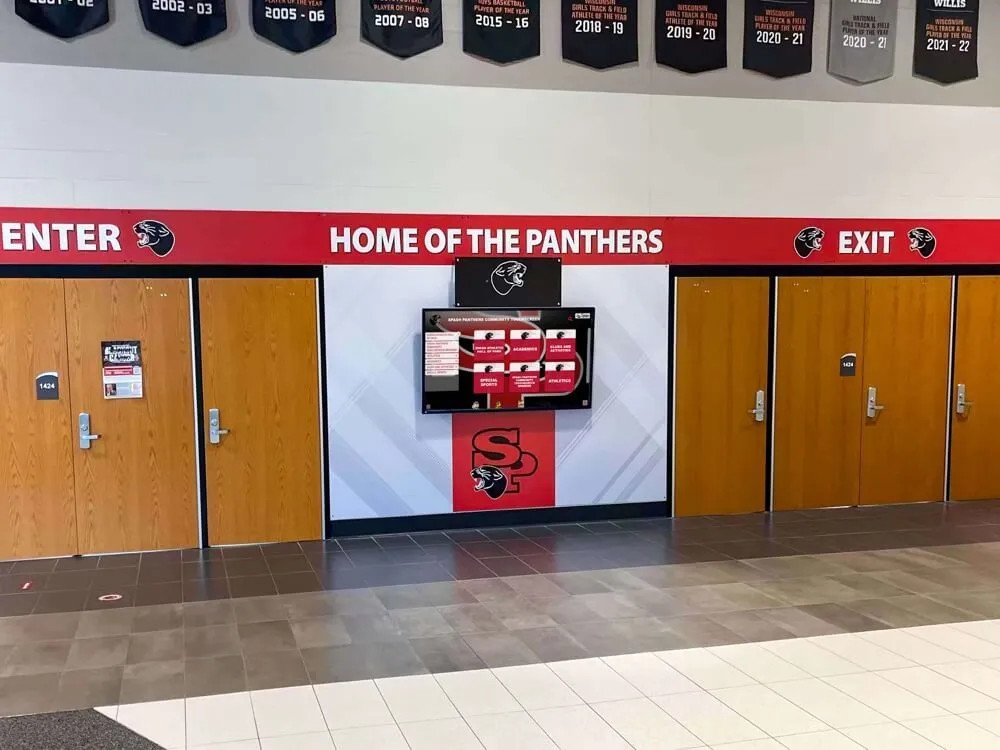
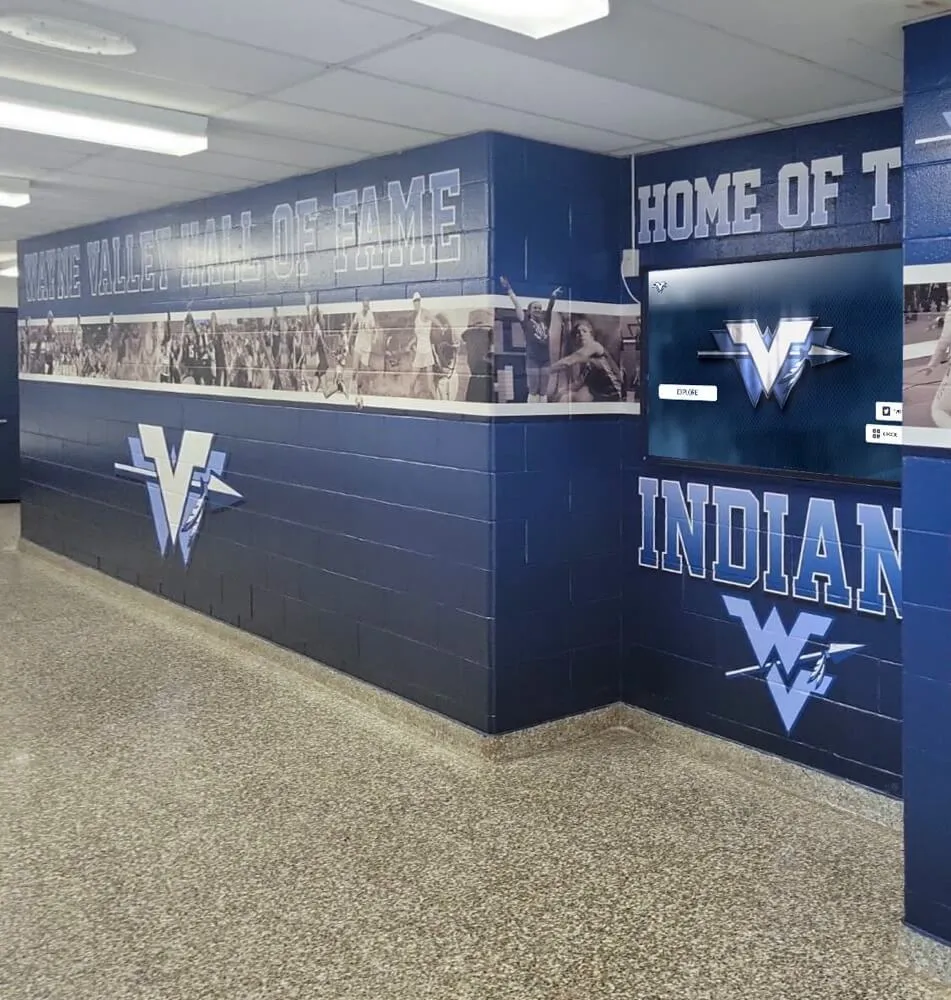
Strategic hallway placement ensures swimming achievements remain visible to entire school communities throughout year
Swimming Recognition and Records
Swimming’s measurable nature enables comprehensive record-keeping and recognition:
Individual Performance Achievement
- School records by event and gender across all swimming disciplines
- Conference record recognition for league-best performances
- State tournament qualification celebrating time standard achievement
- State championship and placement honors at championship meets
- All-American time standards achieving national recognition thresholds
- Personal best tracking documenting individual improvement
Team Accomplishment Celebration
- Team championship titles at conference and state levels
- Relay team records in 200 and 400 freestyle and medley relays
- Team point records for exceptional depth across roster
- Dual meet championship recognition for league dominance
- Winning streak milestones across meets or seasons
- Team time improvement across season demonstrating collective development
Specialty Recognition Categories
- Versatility awards for excellence across multiple events
- Sprint specialist recognition in 50 and 100 events
- Distance excellence in 200, 500, and 1650 events
- Stroke specialist acknowledgment in butterfly, backstroke, and breaststroke
- Diving achievement celebrating platform and springboard excellence
- Relay contributor recognition honoring team event participants
Schools can leverage digital record board solutions displaying swimming times, records, and achievements prominently in athletic facilities and main school buildings.
Pool Sports Season Highlights
Swimming programs generate distinctive content worthy of preservation:
Performance Documentation
- Official meet results with times, places, and point contributions
- Video recording of record-setting swims
- Underwater footage showing stroke technique refinement
- Time progression charts demonstrating seasonal improvement
- State meet performance videos preserving championship memories
- Relay exchange photography capturing team competition moments
Recognition Content Creation
- Senior highlight videos celebrating four-year careers
- Record board updates documenting school record achievements
- State qualifier announcements building championship excitement
- Season recap videos compiling best performances
- Personal best celebrations acknowledging individual progress
- Team celebration photography from championships and major victories
Indoor Track and Field: Speed and Endurance
Indoor track combines running events, jumping competitions, and throwing disciplines into comprehensive winter programming often overlooked compared to more visible winter sports.
Indoor Track Season Dynamics
Indoor track operates with unique characteristics affecting program structure:
Facility Considerations
- Indoor track access requiring specialized facility availability
- Common use of university or regional facilities for competitions
- Limited practice opportunities on actual indoor tracks
- Creative training using hallways, gymnasiums, and outdoor weather-permitting sessions
- Travel requirements to reach indoor competition venues
- Facility costs affecting program budgets substantially
Event Structure and Specialization
- Sprint events from 55 meters through 400 meters
- Middle distance racing at 800 and 1600 meters
- Distance competitions at 3200 meters
- Hurdle events at various distances and heights
- Relay races adding team competition element
- Field events including high jump, pole vault, long jump, triple jump, and shot put
Indoor track’s diversity enables broad athlete participation with events matching varied athletic abilities and interests.
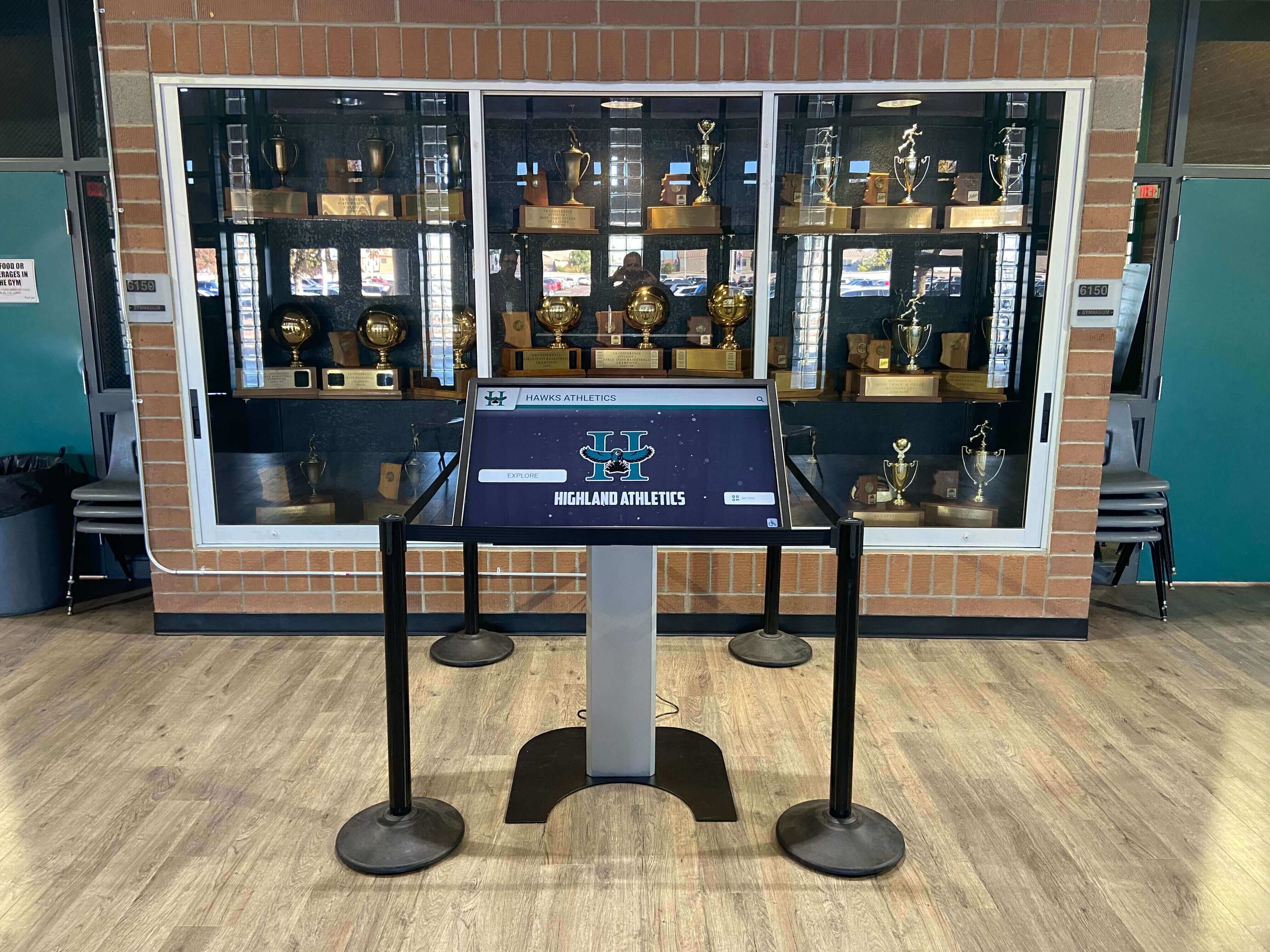
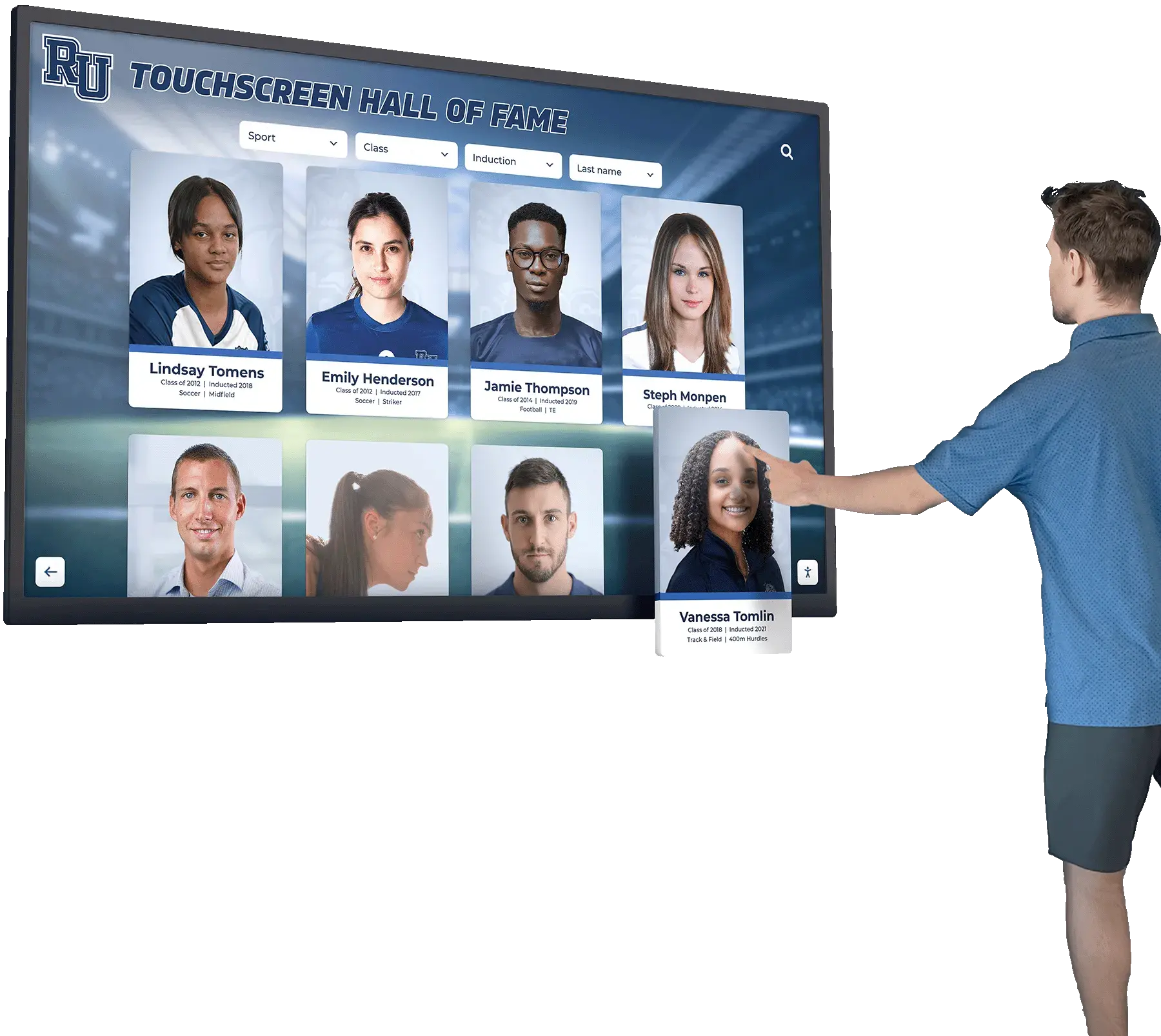
Interactive displays integrated with traditional trophy cases provide unlimited capacity for track and field record recognition
Track and Field Recognition Systems
Indoor track achievement deserves systematic recognition honoring diverse accomplishments:
Individual Performance Records
- School records by event, gender, and grade level
- Personal record achievement celebrating individual improvement
- State qualifying time and distance standards
- Conference championship recognition by event
- State tournament placement honors
- All-state selection acknowledgment
Team Achievement Recognition
- Conference championship team titles
- Relay team records and state qualification
- Team point records at championship meets
- Dual meet success throughout season
- Winning streak milestones
- Program depth recognition for competitive rosters
Specialty Event Awards
- Sprint specialist recognition across short distances
- Distance excellence for middle and long distance runners
- Hurdle achievement for technical event mastery
- Field event specialist awards by discipline
- Multi-event recognition for versatile competitors
- Track and field record displays showcasing accomplishments permanently
Indoor track programs benefit from recognition systems acknowledging both objective performance measurements and team contributions, ensuring athletes across all events receive appropriate acknowledgment.
Additional Winter Sports Programs
Beyond the major winter sports, several programs complete comprehensive winter athletic offerings:
Ice Hockey Excellence
In hockey-rich regions, ice hockey represents major winter programming:
Program Structure
- Expensive facility requirements limiting accessibility
- Cooperative programs combining multiple schools when participation insufficient
- Club and travel team integration blurring school-team boundaries
- Intensive season schedules with frequent competitions
- Strong community following generating substantial attendance
- Hockey coach recognition for program leadership
Recognition Opportunities
- Conference and state tournament achievements
- Individual statistical leaders in goals, assists, and points
- Goaltender excellence awards
- All-conference and all-state selections
- College recruitment acknowledgment
- Program milestone celebrations
Gymnastics and Competitive Cheerleading
These technically complex sports combine artistry with athleticism:
Gymnastics Programs
- Individual and team competition formats
- Event specialization in vault, bars, beam, and floor
- Technical skill progression throughout seasons
- Subjective judging requiring consistent performance excellence
- State tournament qualification and placement
- Team championship achievements
Competitive Cheerleading Recognition
- Competition team distinction from sideline cheerleading
- Choreography excellence and technical difficulty
- State and national championship participation
- Team stunt mastery and synchronization
- Safety achievement maintaining injury-free performance
- Community representation at competitions
Both sports deserve recognition equal to more visible winter programs, ensuring participants receive acknowledgment reflecting their dedication and achievement.
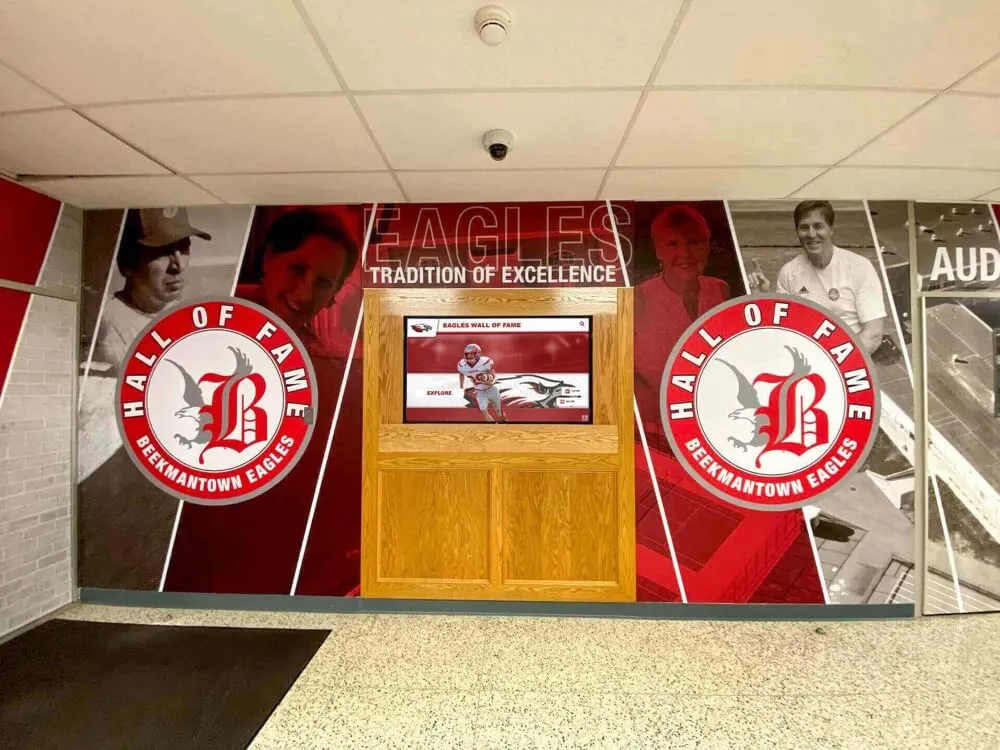
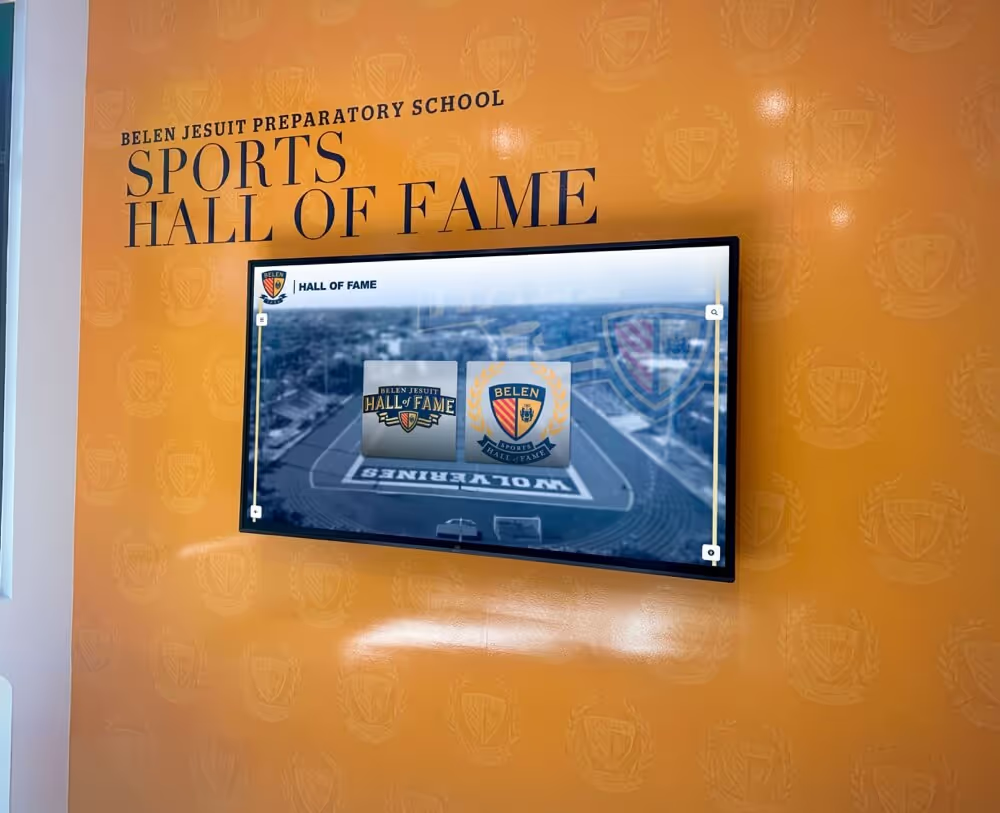
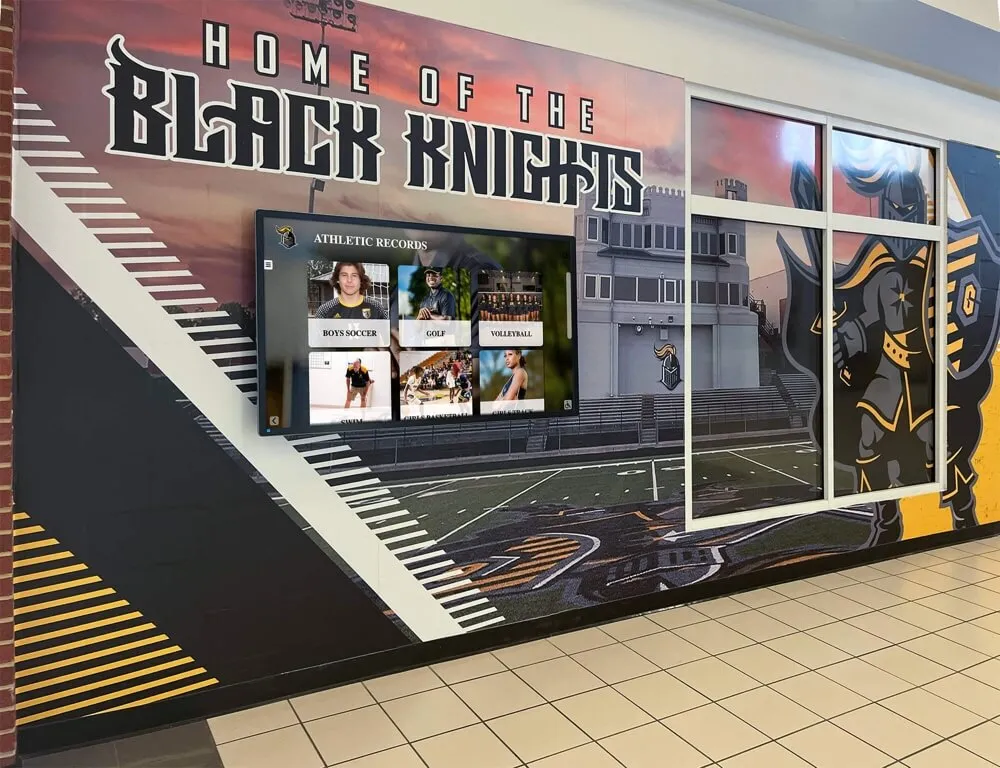
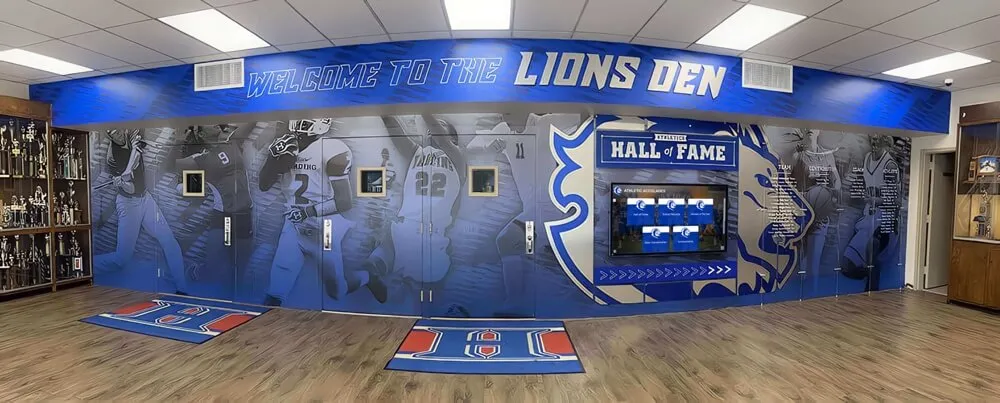
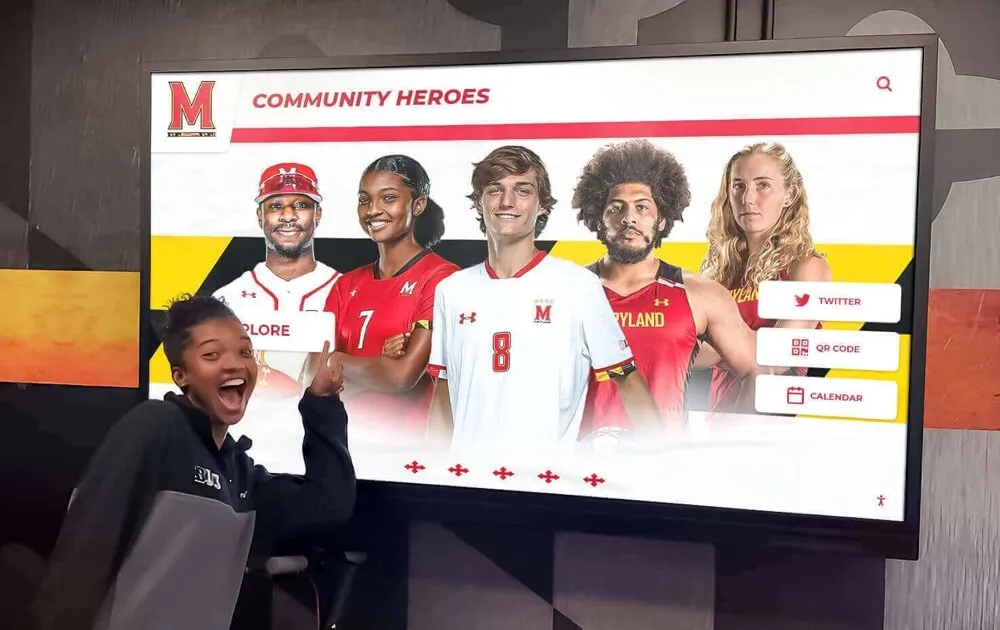
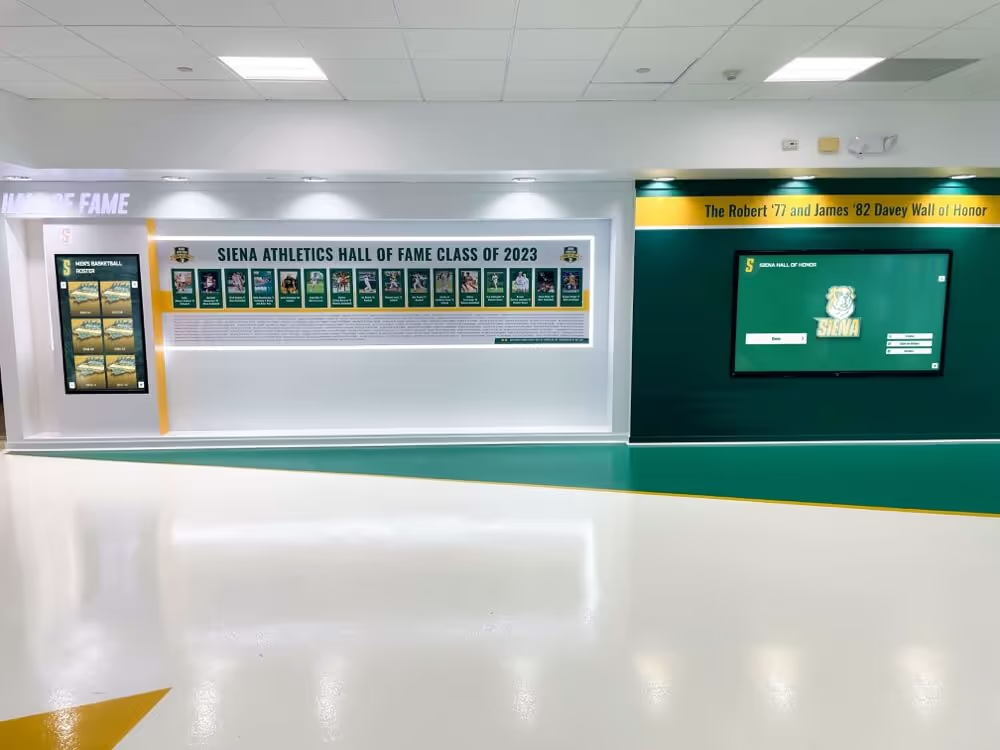
Comprehensive athletic displays celebrate achievements across all winter sports programs equally
Modern Recognition Solutions for Winter Sports
Traditional trophy cases and banners struggle to accommodate comprehensive winter sports recognition as programs grow and achieve across multiple disciplines.
Digital Recognition Platform Benefits
Modern digital display systems address traditional recognition limitations while creating engaging year-round visibility:
Unlimited Recognition Capacity
- Accommodate all winter sports achievements without physical space constraints
- Showcase basketball, wrestling, swimming, track, and specialty sports equally
- Include freshman through varsity recognition at all competitive levels
- Preserve historical achievements permanently without removal for space
- Add new accomplishments instantly without construction or printing
Enhanced Content Presentation
- Video highlights bringing athletic excellence to life
- Comprehensive statistics providing achievement context
- Photo galleries documenting seasons and memorable moments
- Searchable databases enabling community exploration by sport, year, or athlete
- Real-time updates maintaining current-season relevance
- Social sharing extending recognition beyond building visitors
Sustainable Program Management
- Cloud-based content management enabling remote updates
- Simple interfaces requiring no technical expertise
- Template systems ensuring consistent professional presentation
- Bulk import tools for efficient season-ending updates
- Role-based permissions distributing management responsibilities
- Automatic backups preserving recognition archives securely
Solutions like Rocket Alumni Solutions provide purpose-built platforms specifically designed for athletic recognition, enabling schools to celebrate winter sports comprehensively while maintaining manageable administrative requirements.
Strategic Display Placement
Physical location significantly affects recognition impact and community engagement:
High-Traffic Location Selection
- Gymnasium lobbies greeting basketball game attendees
- Main school entrances reaching entire school community
- Athletic facility corridors connecting multiple sport venues
- Cafeterias and commons areas with sustained viewing time
- Hallway junctions with maximum daily foot traffic
- Alumni center spaces connecting returning graduates
Multi-Sport Recognition Environments
- Coordinated displays creating comprehensive athletic showcases
- Integration with physical trophies and championship banners
- Seasonal content rotation maintaining current relevance
- Sport-specific zones within larger recognition areas
- Interactive exploration enabling self-directed discovery
- Seating and viewing spaces encouraging extended engagement
Strategic placement ensures winter sports achievements remain visible year-round rather than disappearing after seasons conclude, maintaining program pride and motivating future athlete excellence.
Building Community Engagement Throughout Winter Seasons
Winter weather and dark evenings create unique community engagement challenges requiring proactive strategies:
Attendance and Support Strategies
Maximize community participation despite winter conditions:
Weather-Responsive Communication
- Real-time game status updates during inclement weather
- Clear cancellation and postponement announcements
- Facility condition information affecting attendance decisions
- Snow emergency protocols for safe event management
- Makeup schedule communication when competitions rescheduled
- Digital streaming enabling participation when travel inadvisable
Community Connection Programming
- Youth program nights bringing future athletes to games
- Theme nights creating special event atmosphere
- Senior night recognition honoring graduating athletes
- Alumni recognition connecting current and former athletes
- Community appreciation events acknowledging support
- Social media engagement extending reach beyond in-person attendance
Recognition Ceremony Integration
- Halftime presentations acknowledging achievements
- Pre-game senior recognition ceremonies
- Post-season banquets celebrating collective accomplishment
- Academic honor recognition during athletic events
- Milestone achievement announcements building program pride
- Athletic hall of fame induction ceremonies during season
Social Media and Digital Communication
Winter sports programs require sustained digital presence maintaining engagement:
Content Strategy Approaches
- Daily practice updates providing behind-scenes glimpses
- Game day promotion building attendance and excitement
- Live scoring updates for followers unable to attend
- Post-game highlights and result sharing
- Athlete spotlights humanizing team members
- Season milestone celebrations acknowledging progress
Platform-Specific Tactics
- Instagram for photo-driven athletic highlights
- Twitter for real-time game updates and results
- Facebook for longer-form stories and community engagement
- YouTube for game footage and highlight videos
- Team apps consolidating information in single location
- Email newsletters reaching parent and alumni audiences
Consistent digital engagement maintains community connection throughout demanding winter seasons when weather and scheduling make in-person participation challenging.
Winter Sports Season Management Best Practices
Athletic directors coordinating comprehensive winter programming benefit from systematic management approaches:
Multi-Sport Coordination
Ensure equitable support across all winter offerings:
Resource Distribution Framework
- Budget allocation ensuring adequate funding for all sports
- Facility scheduling balancing competing space needs fairly
- Coaching support distributed appropriately
- Transportation coordination preventing conflicts
- Equipment and supply management across programs
- Recognition equality ensuring all sports receive acknowledgment
Communication Systems
- Master calendar consolidating all winter sports schedules
- Conflict resolution protocols for overlapping events
- Regular coaching staff meetings coordinating across programs
- Parent communication explaining multi-sport management
- Student-athlete support for multi-sport participants
- Community education about complete winter offerings
Success Measurement
- Participation rates across all winter sports
- Achievement tracking by program
- Retention monitoring from freshman through senior years
- Community engagement metrics including attendance
- Recognition program effectiveness assessment
- Student-athlete satisfaction evaluation
Academic Integration Support
Winter sports operate entirely during academic terms requiring careful balance:
Academic Performance Monitoring
- Grade tracking systems identifying struggling student-athletes
- Study hall requirements for academic support
- Practice schedule adjustments during exam periods
- Teacher communication regarding excused absences
- Academic eligibility enforcement
- Scholar-athlete recognition celebrating balance achievement
Time Management Education
- Pre-season time management workshops
- Individual scheduling assistance
- Academic priority emphasis in team culture
- Deadline awareness and planning systems
- Resource identification for academic help
- Balance demonstration through coaching example
Supporting student-athletes in managing demanding winter competition schedules alongside academic responsibilities produces better outcomes than treating sports and academics as competing priorities.
Conclusion: Celebrating Winter Athletic Excellence Comprehensively
Winter high school sports seasons represent periods of exceptional dedication, achievement, and community connection despite challenging weather conditions and demanding schedules. Basketball players perfecting jump shots, wrestlers drilling takedowns, swimmers touching walls at record paces, and track athletes sprinting through finish lines all deserve recognition honoring their commitment and accomplishments appropriately throughout seasons and across years.
Effective winter sports programs balance multiple simultaneous offerings equitably, provide adequate resources and support enabling athlete success, engage communities maintaining enthusiasm throughout long seasons, and implement recognition systems celebrating achievements comprehensively across all programs and competitive levels. Whether acknowledging conference championships, state tournament qualifications, record-setting performances, or character excellence, systematic recognition approaches ensure winter athletes receive acknowledgment reflecting their dedication.
Modern digital recognition platforms transform winter sports celebration, enabling schools to showcase unlimited achievements across all programs without physical space constraints while creating engaging experiences visitors explore throughout years. These systems maintain winter sports visibility year-round rather than limiting recognition to active competition seasons, building program pride connecting generations of athletes through shared excellence traditions.
As schools plan winter sports seasons, prioritizing comprehensive recognition alongside competitive success and academic support creates programs where student-athletes thrive, communities engage passionately, and achievements receive permanent celebration worthy of athletes’ dedication. Winter sports deserve recognition systems as comprehensive and impressive as the excellence athletes demonstrate throughout challenging seasons earning distinction in some of high school athletics’ most demanding programs.
Explore Digital Recognition Solutions for Your Winter Sports Programs