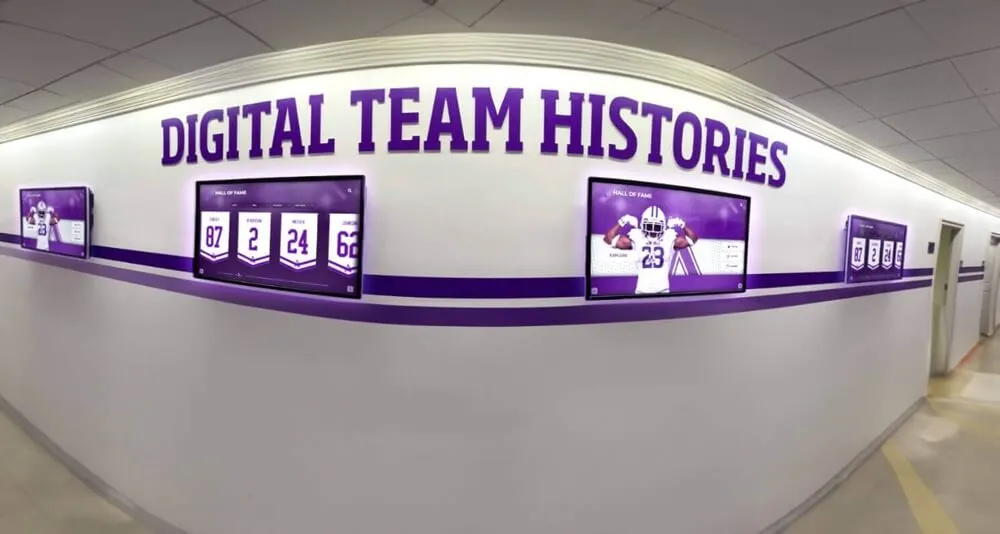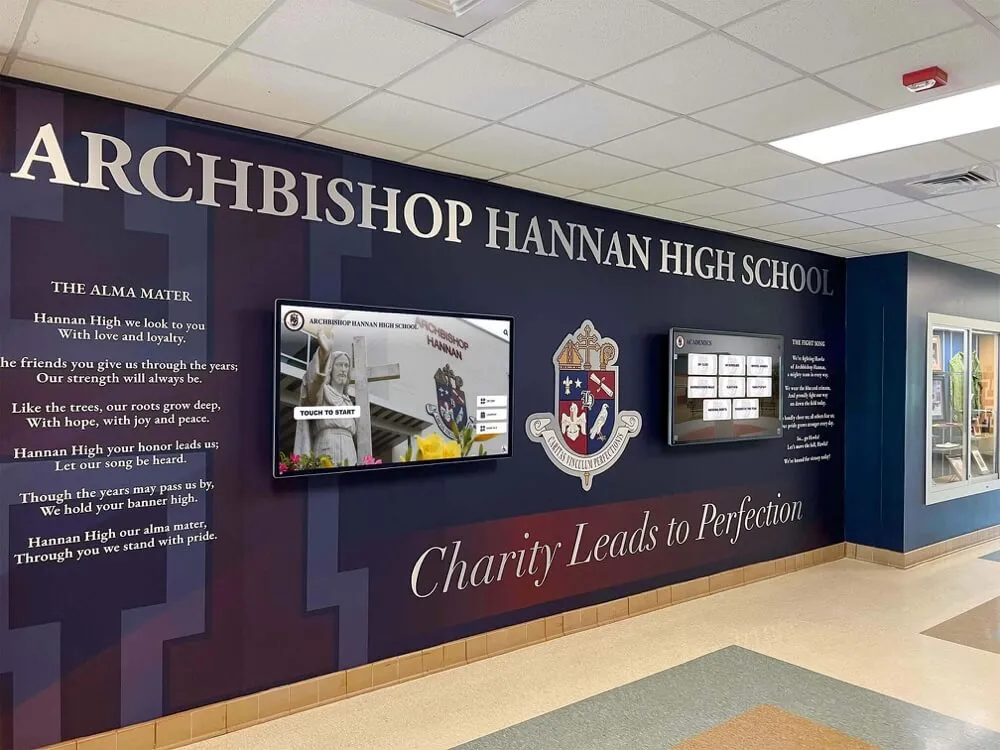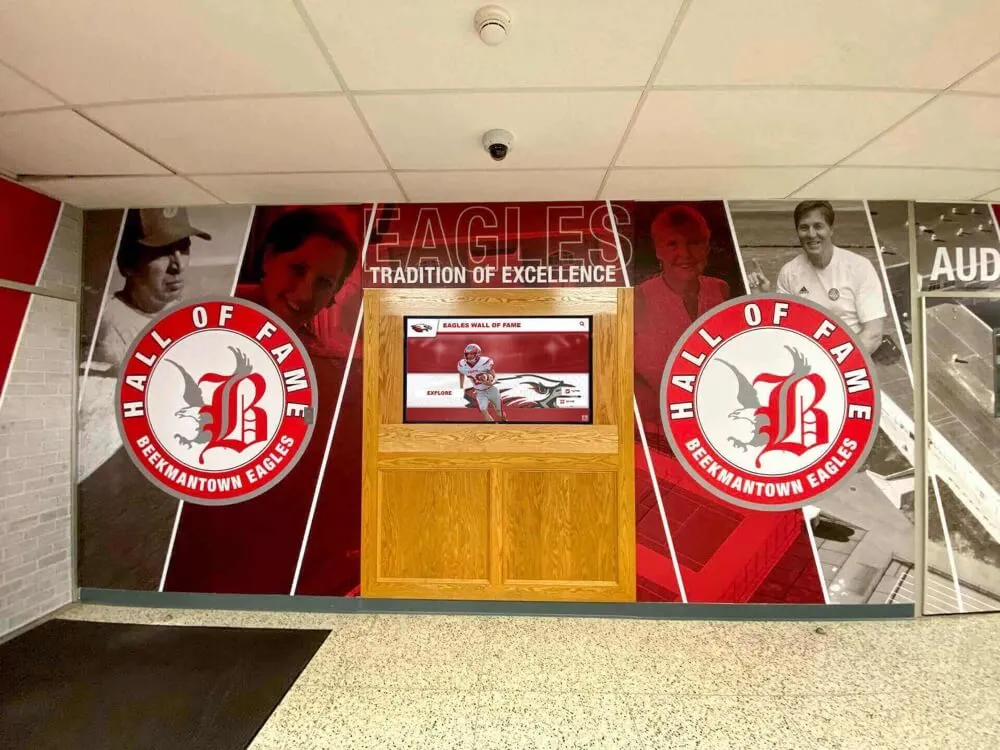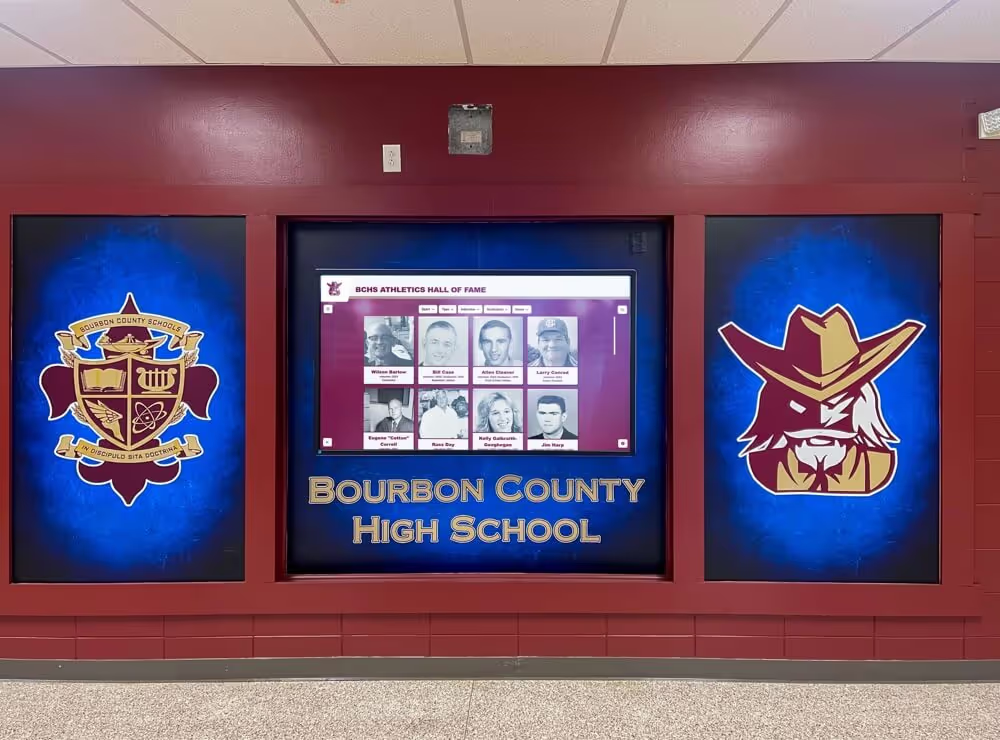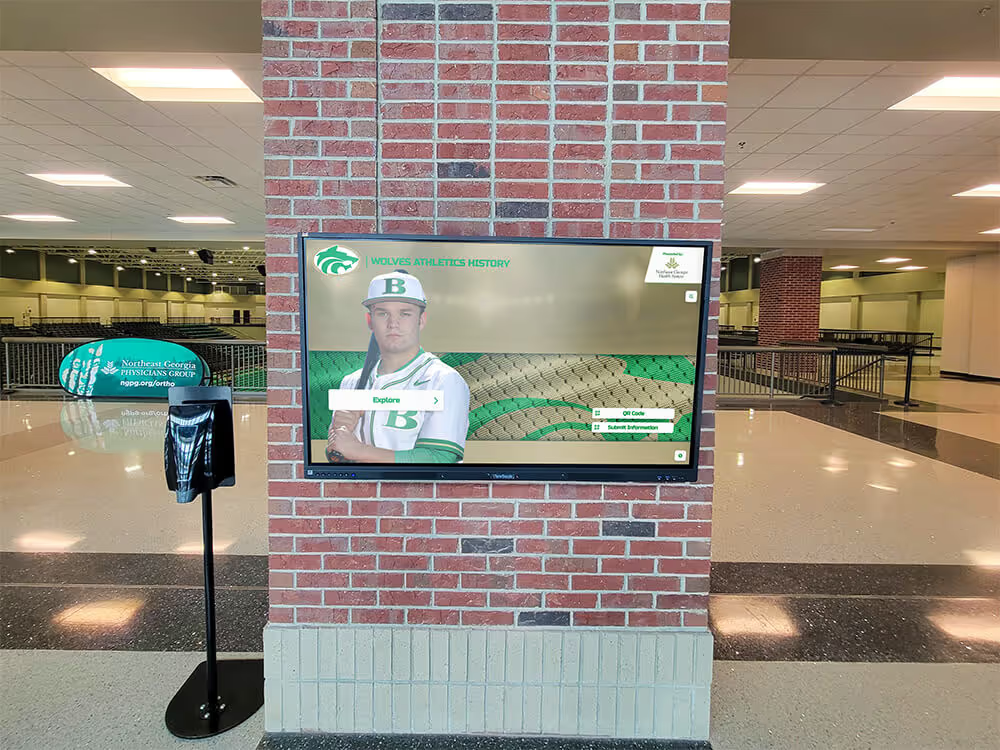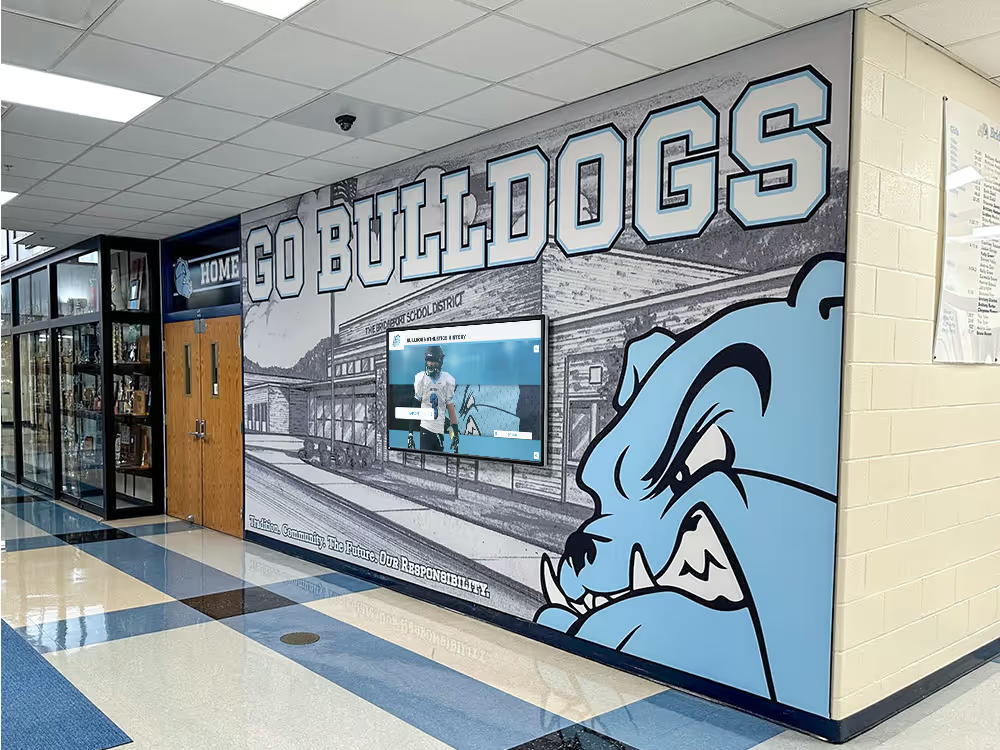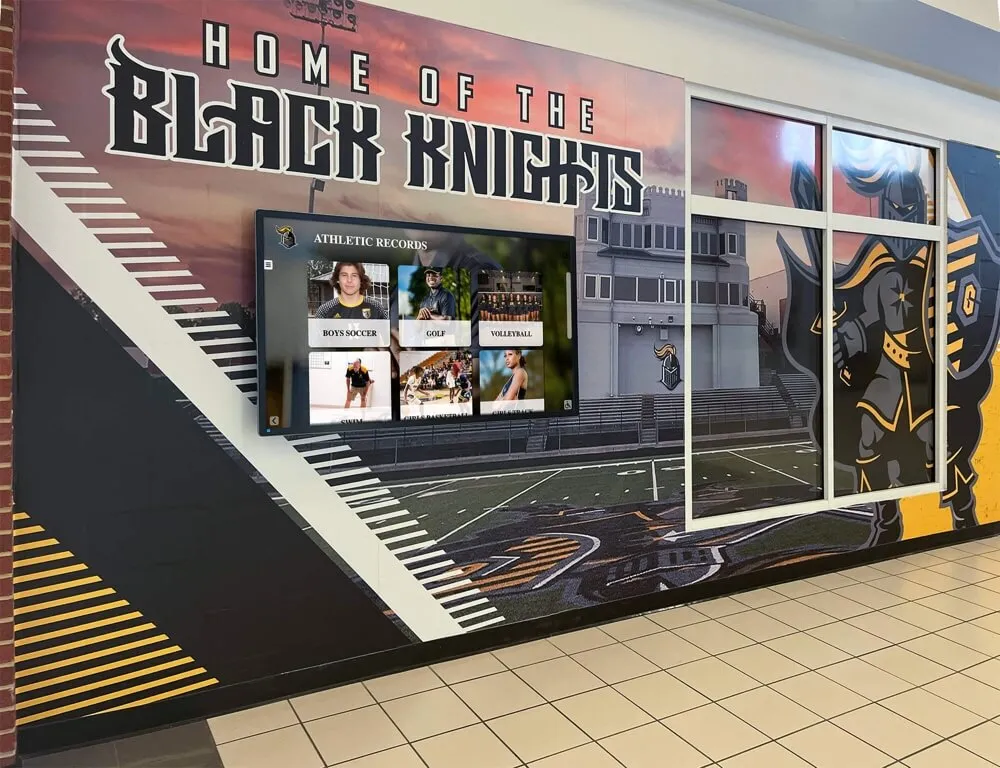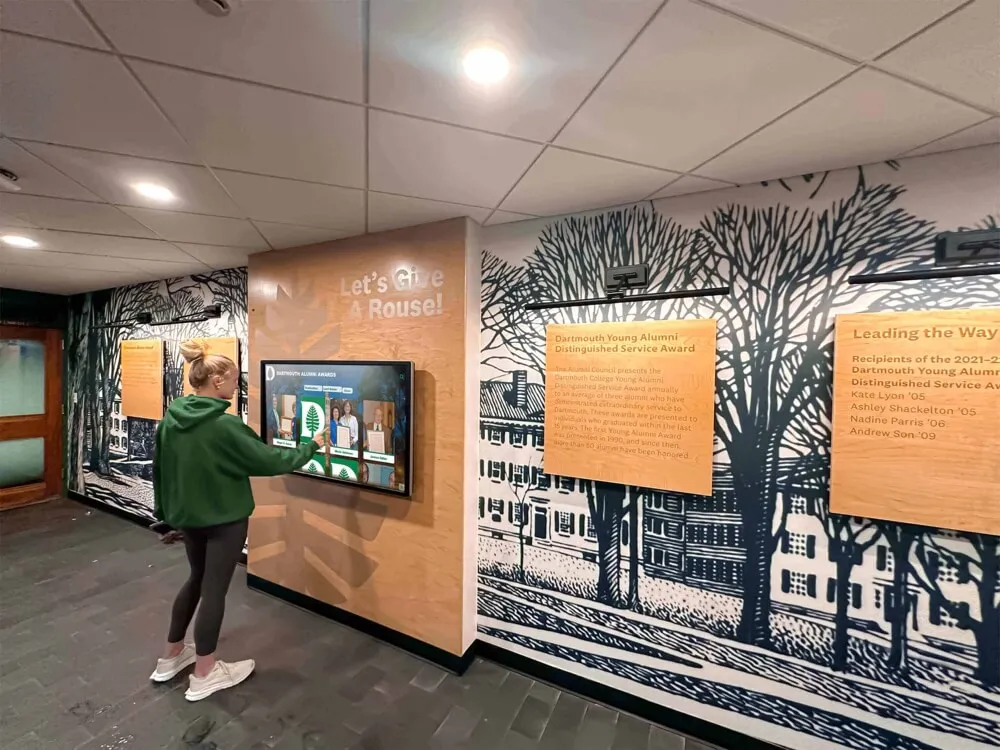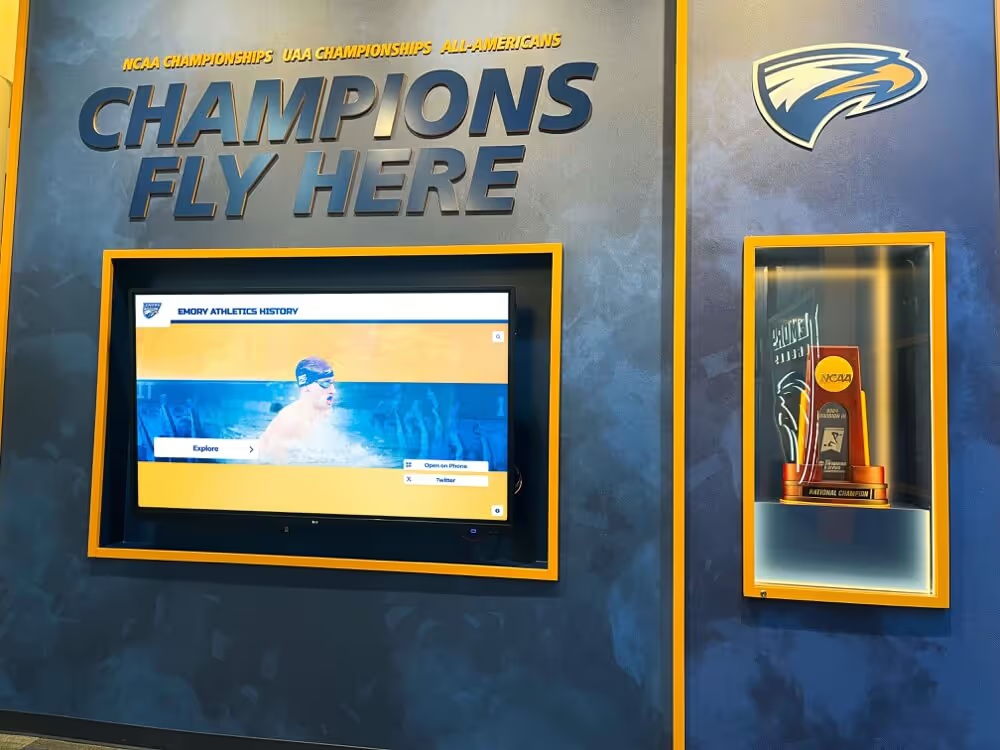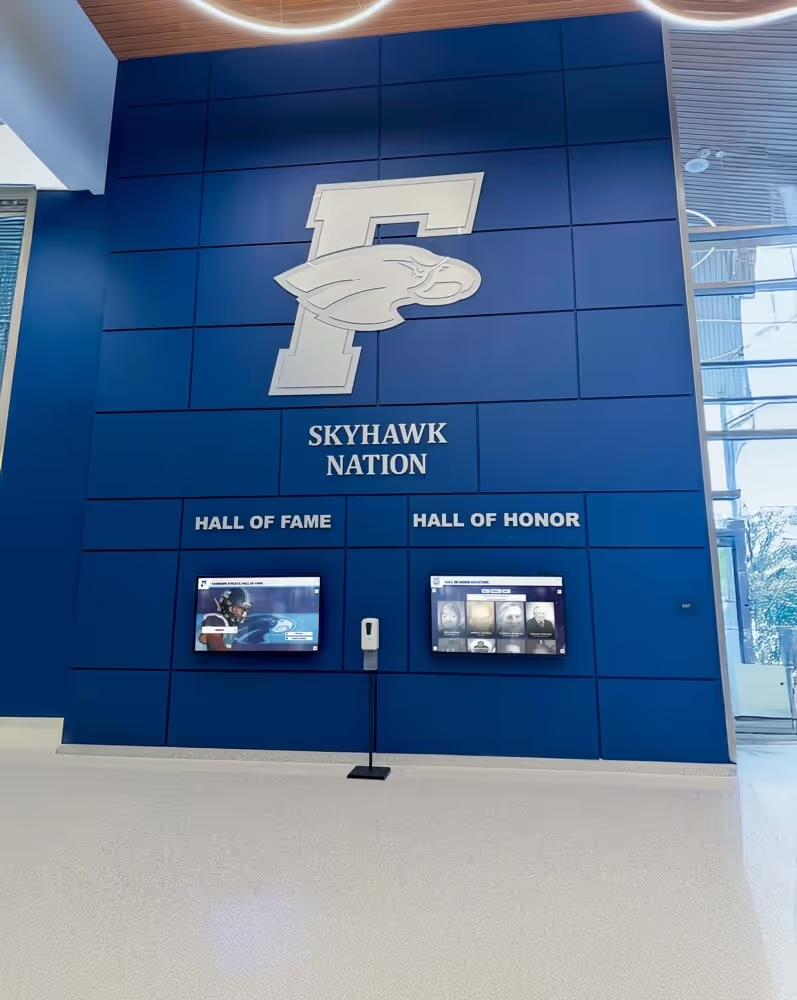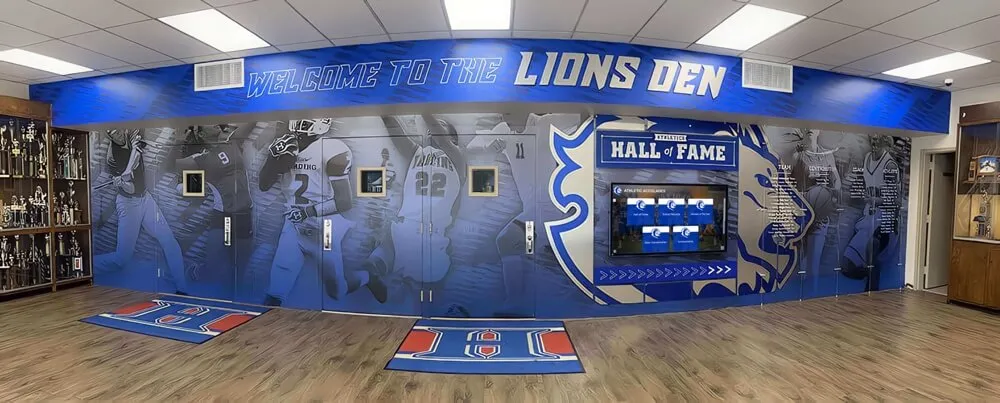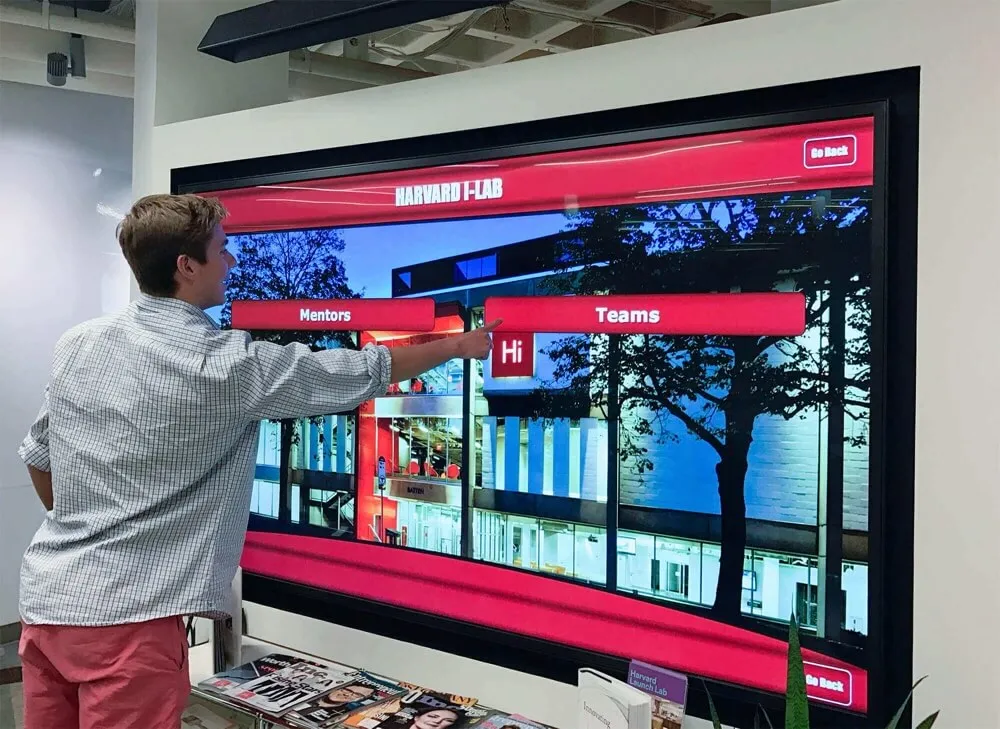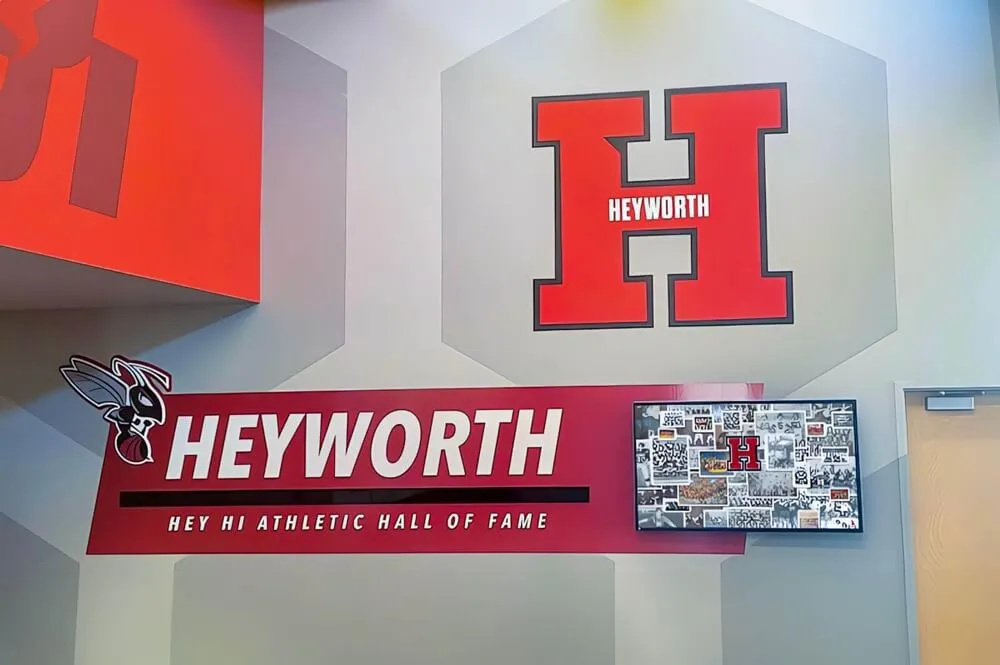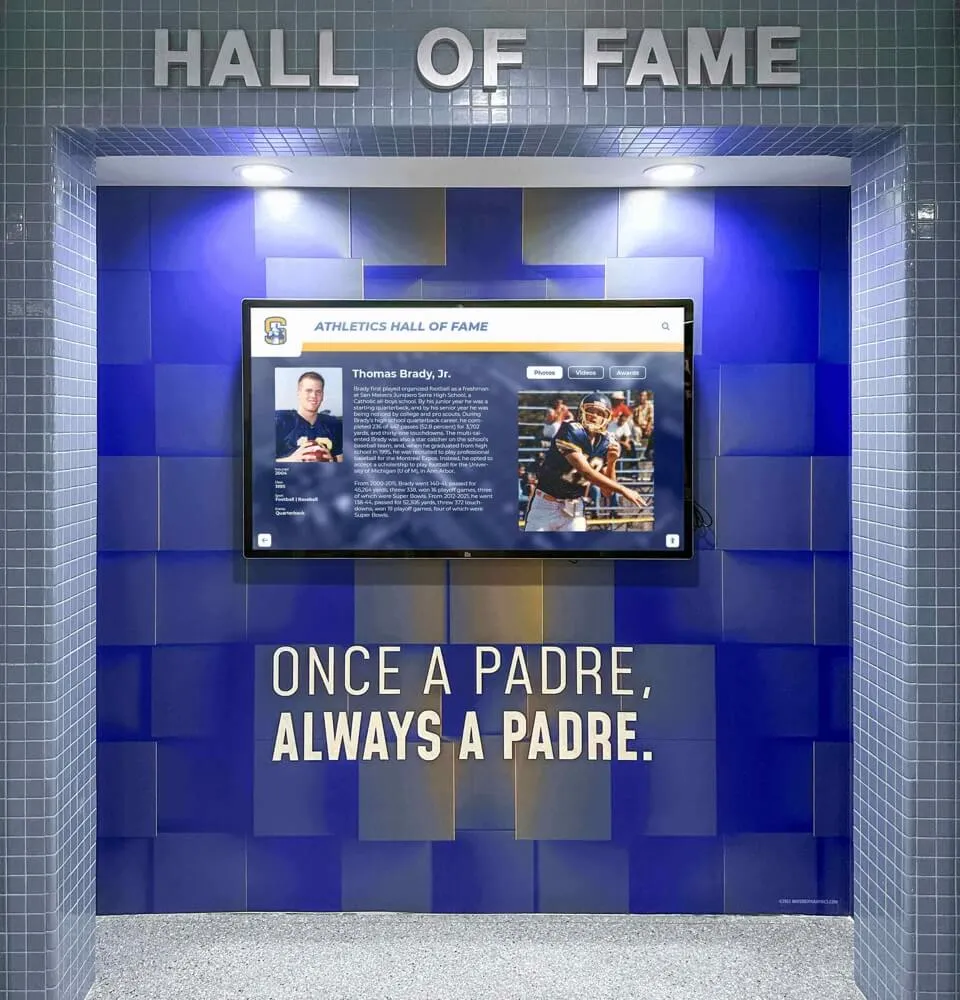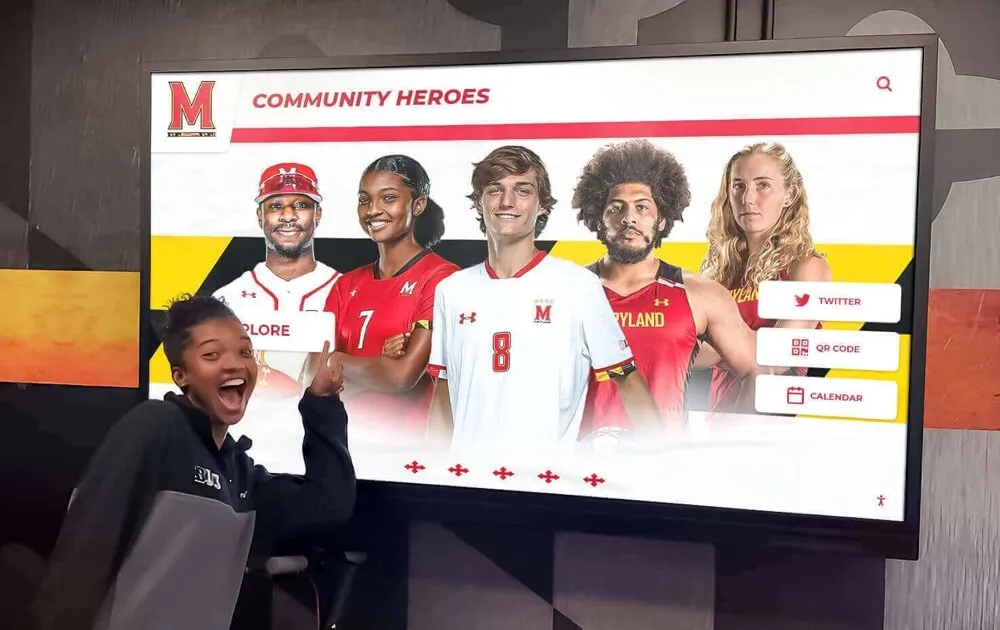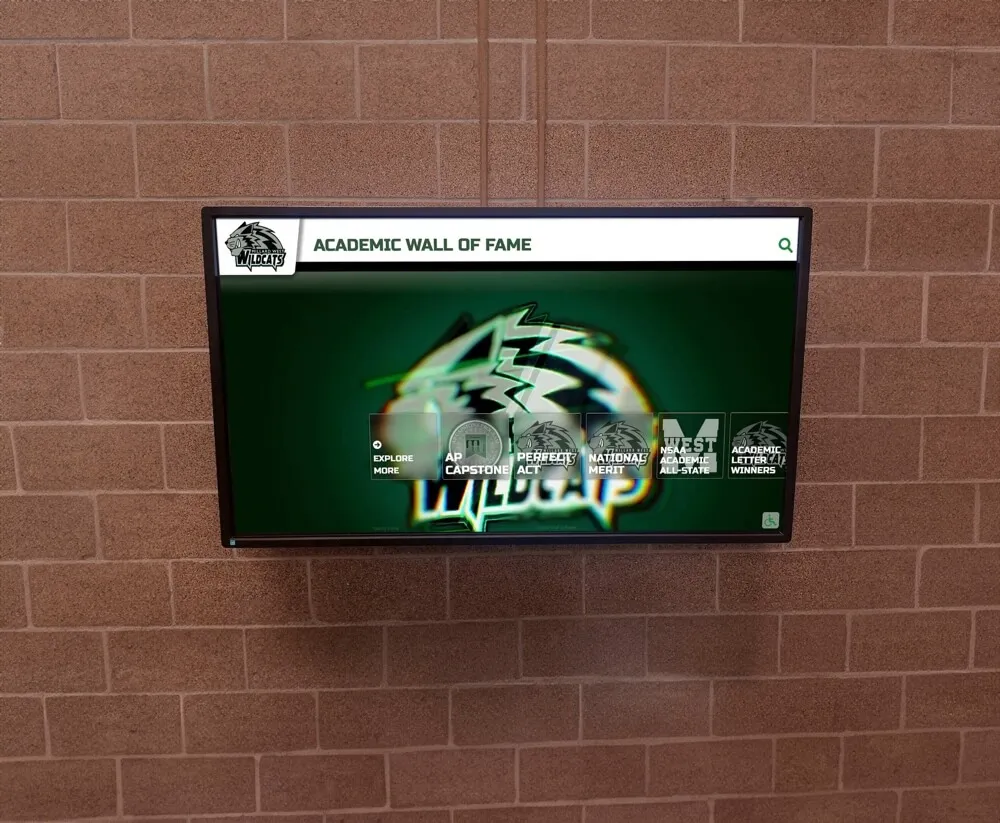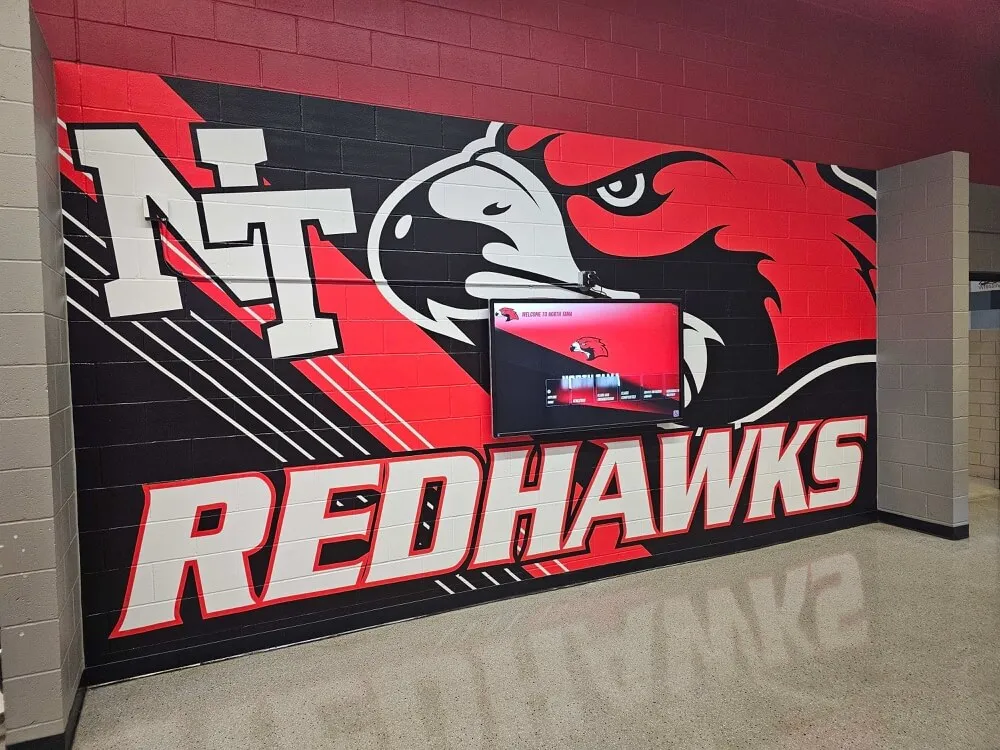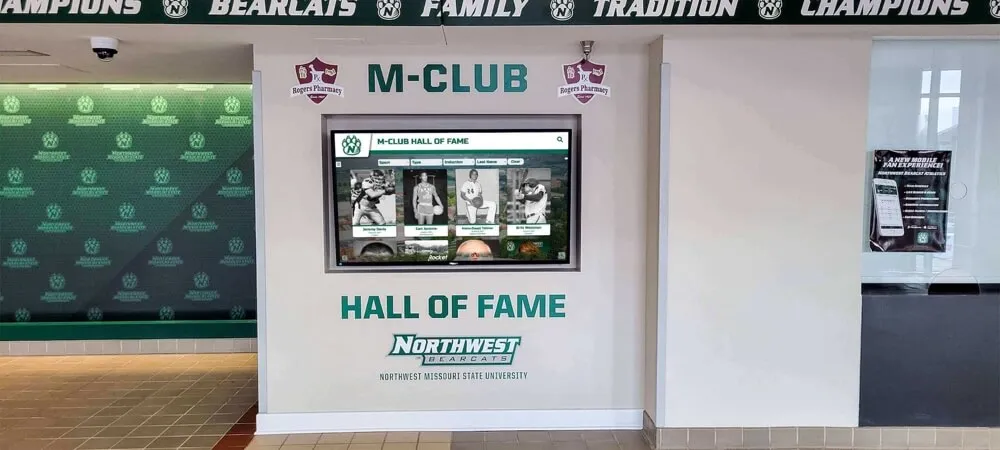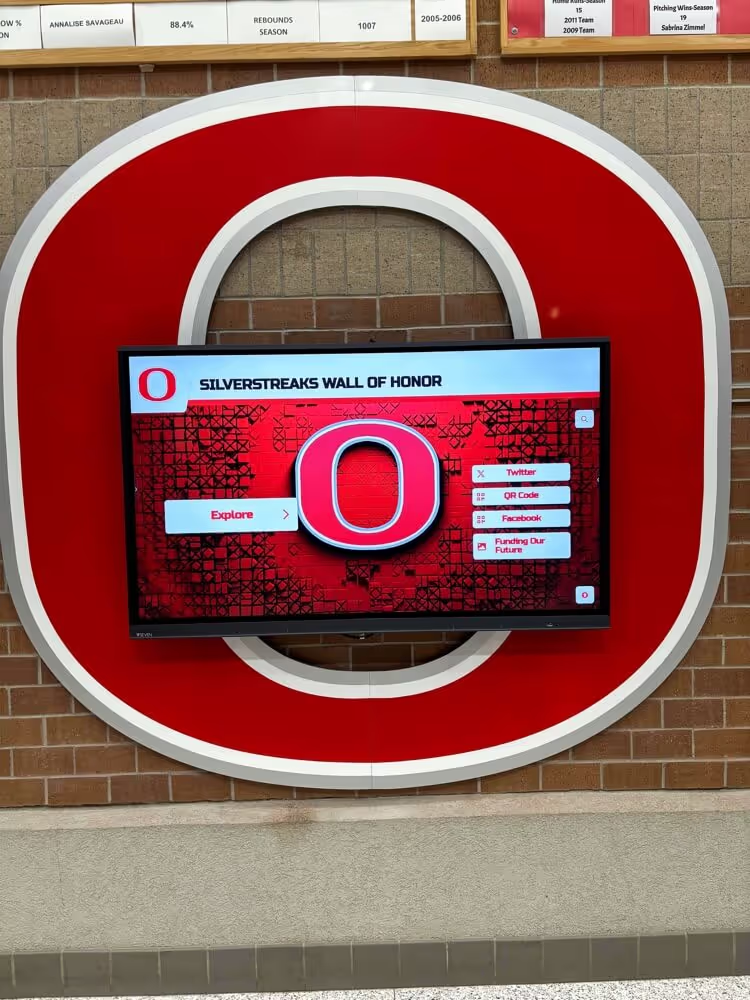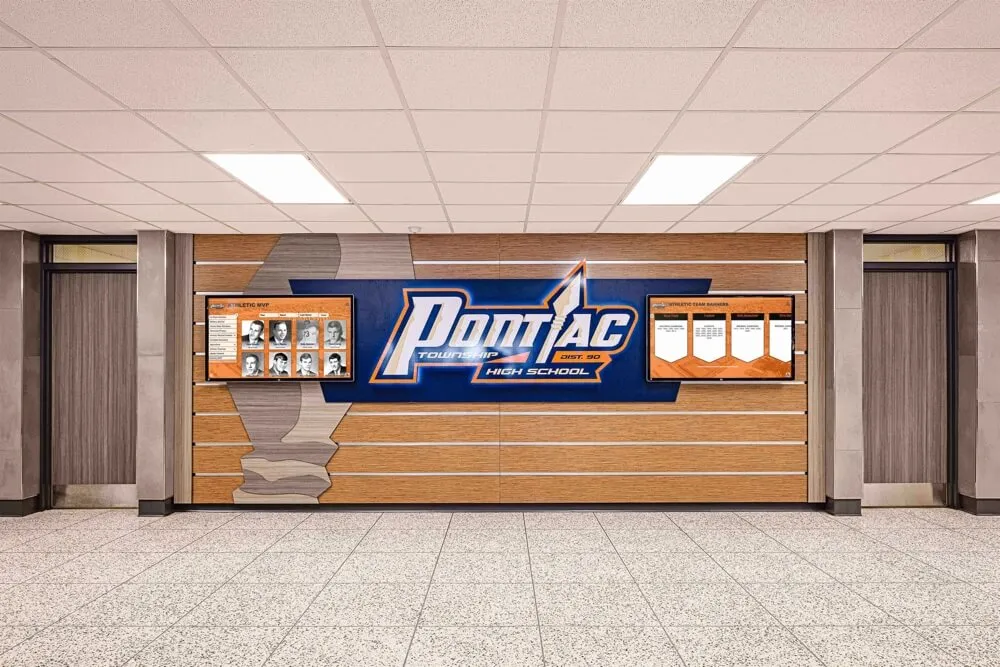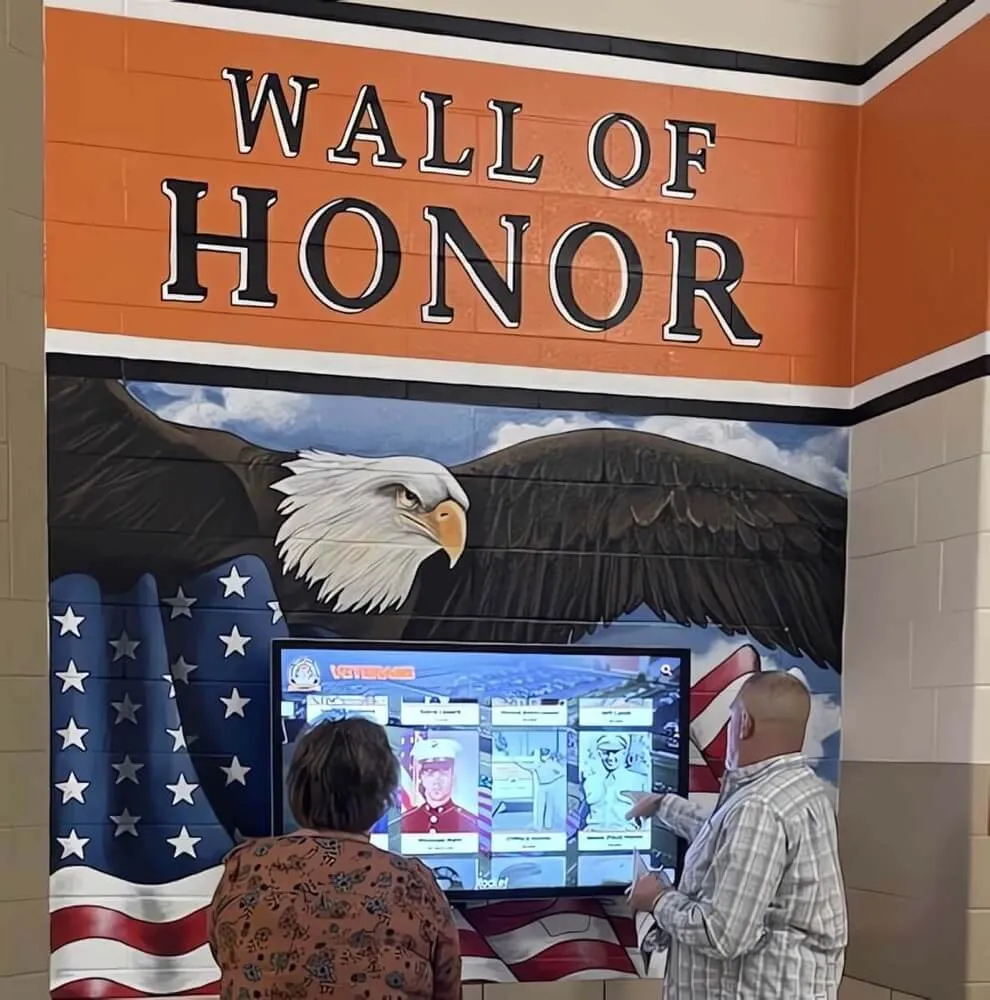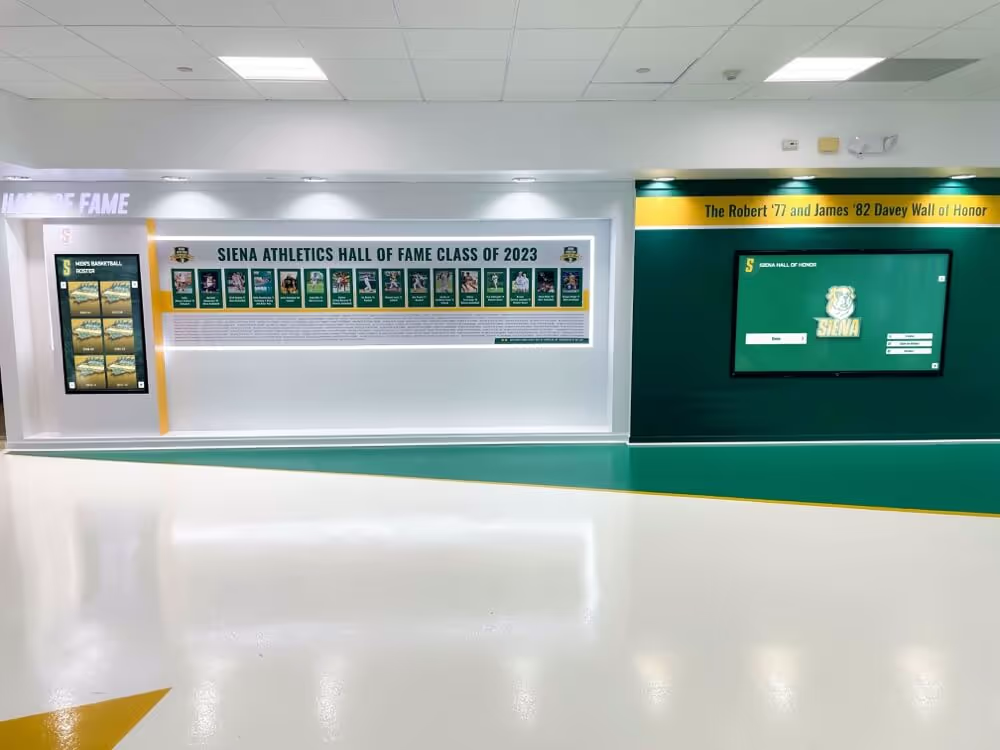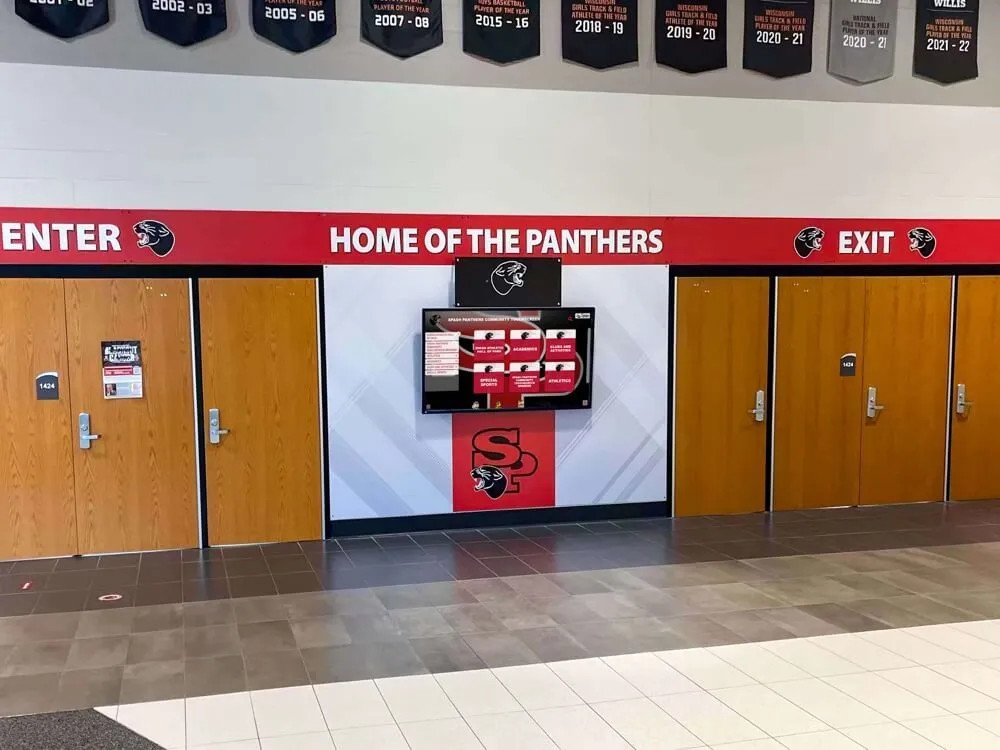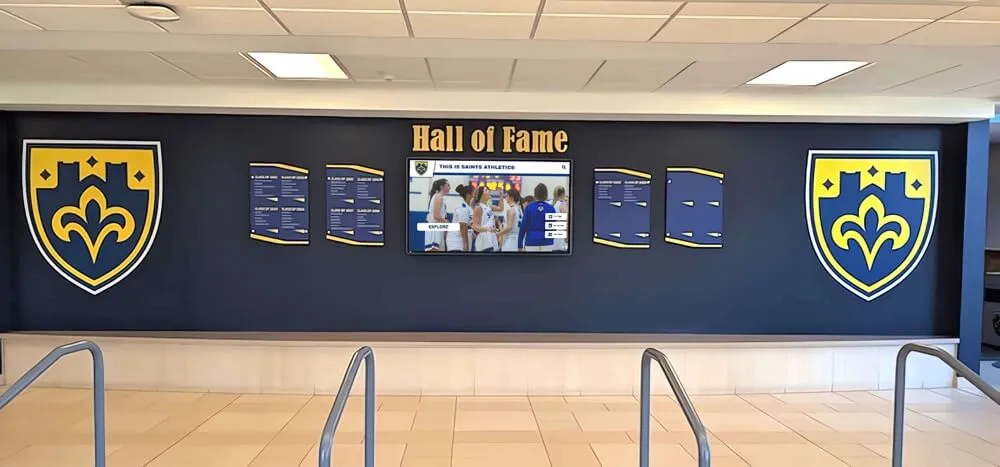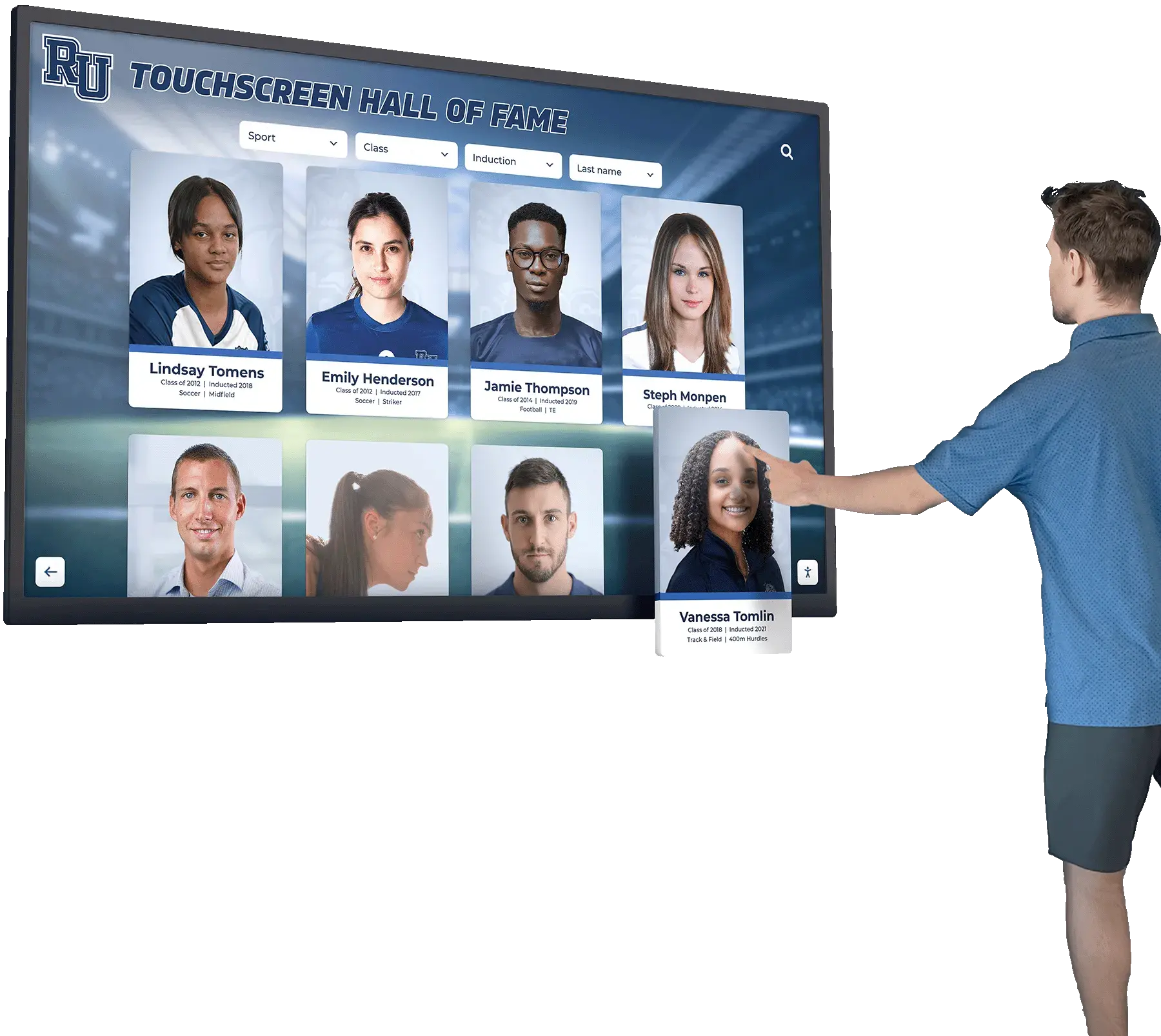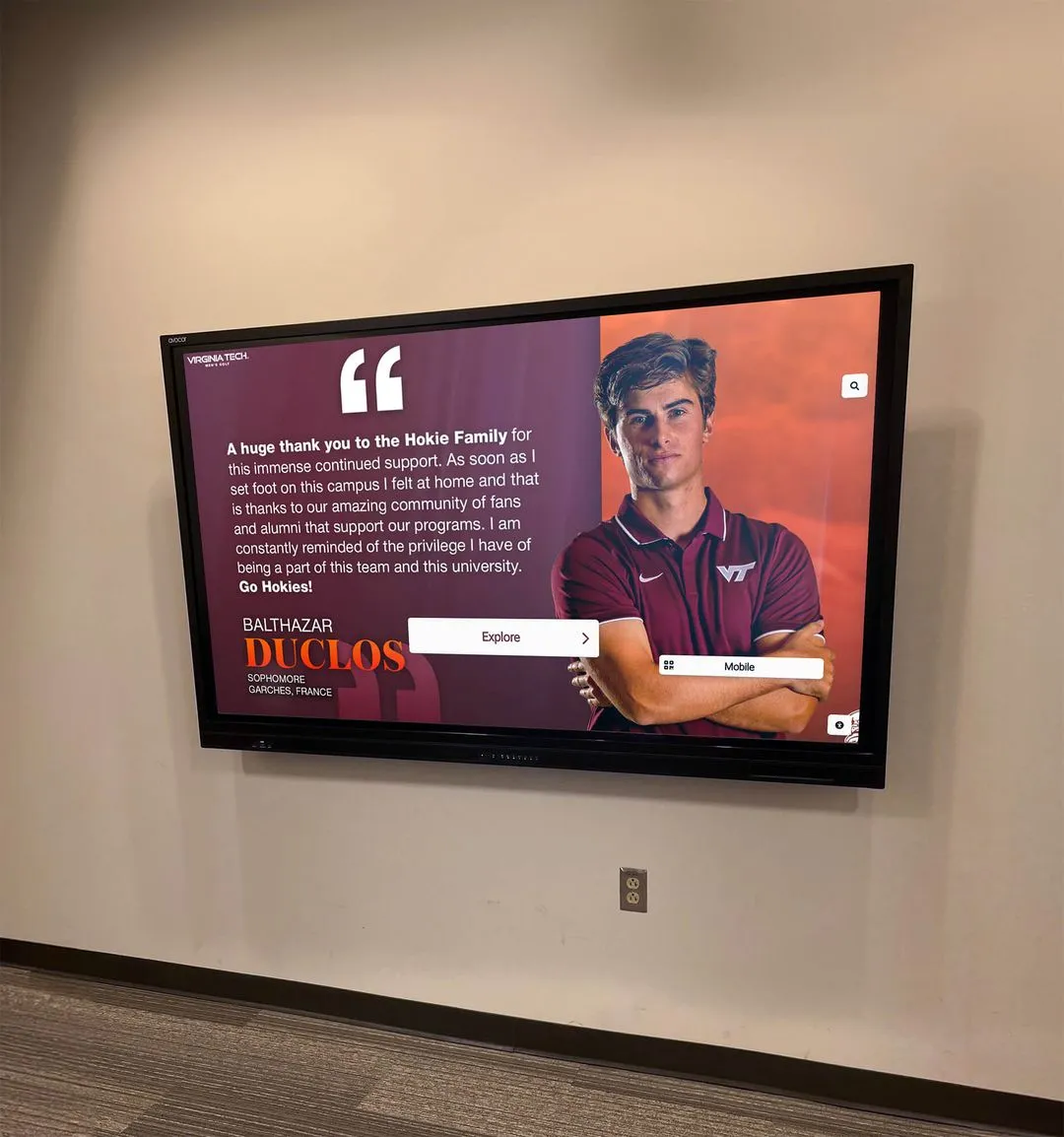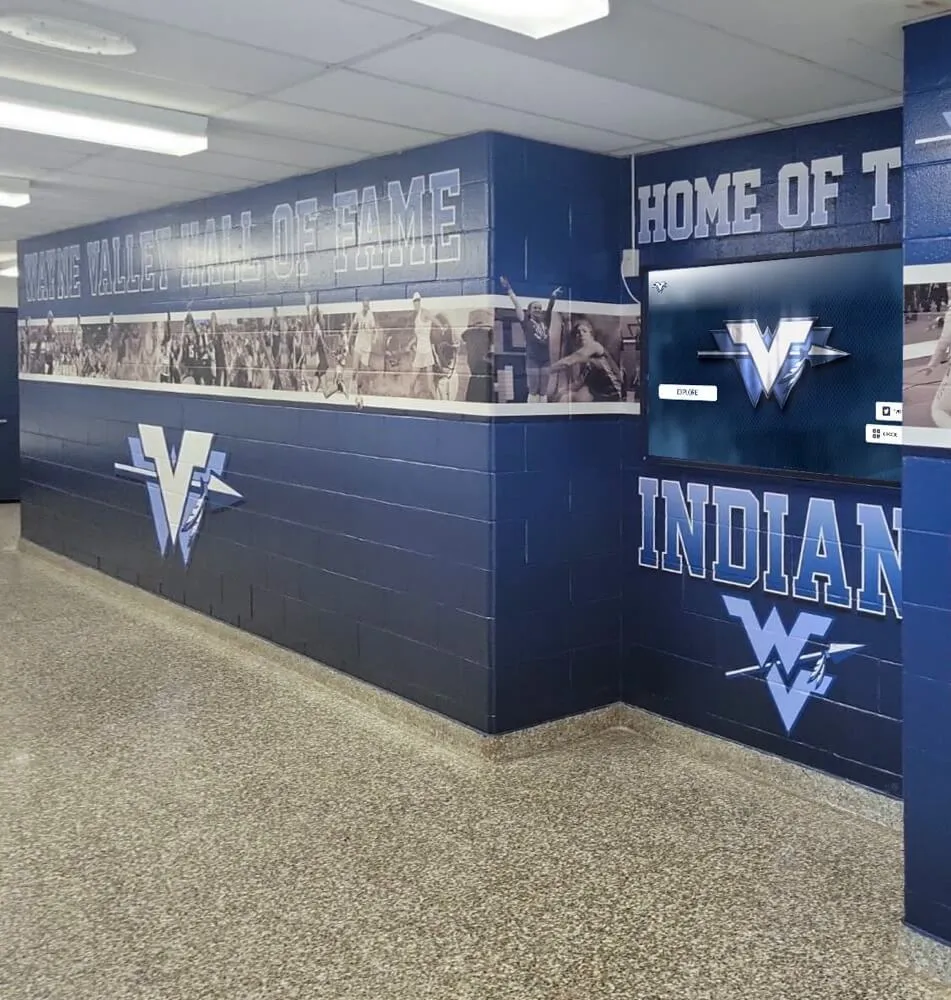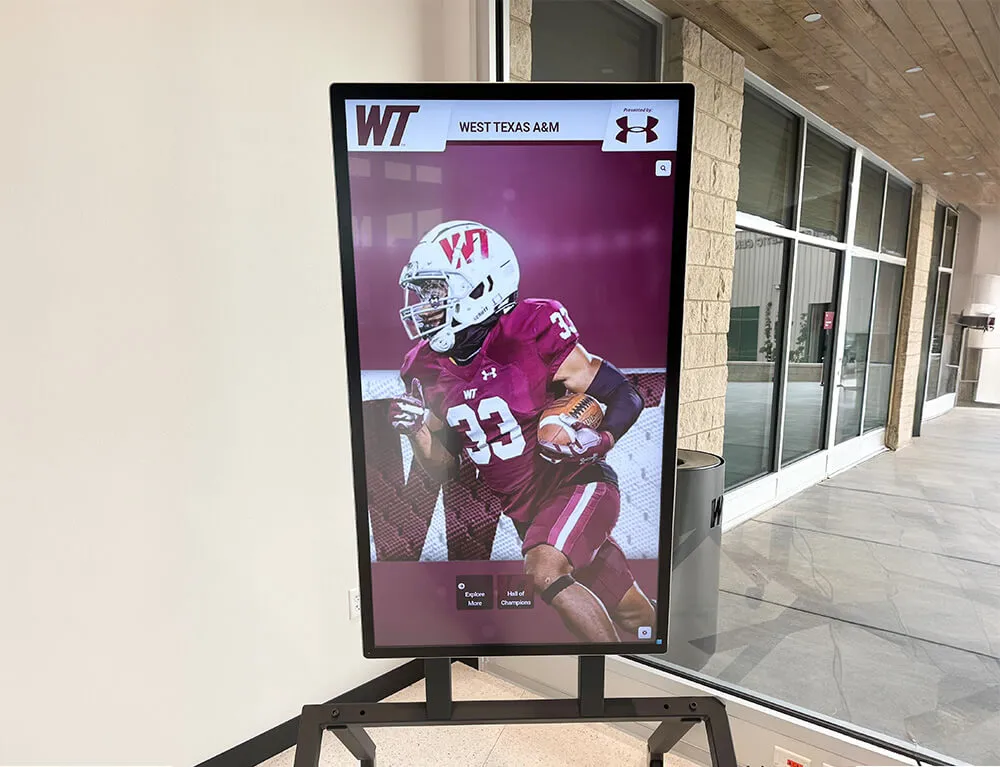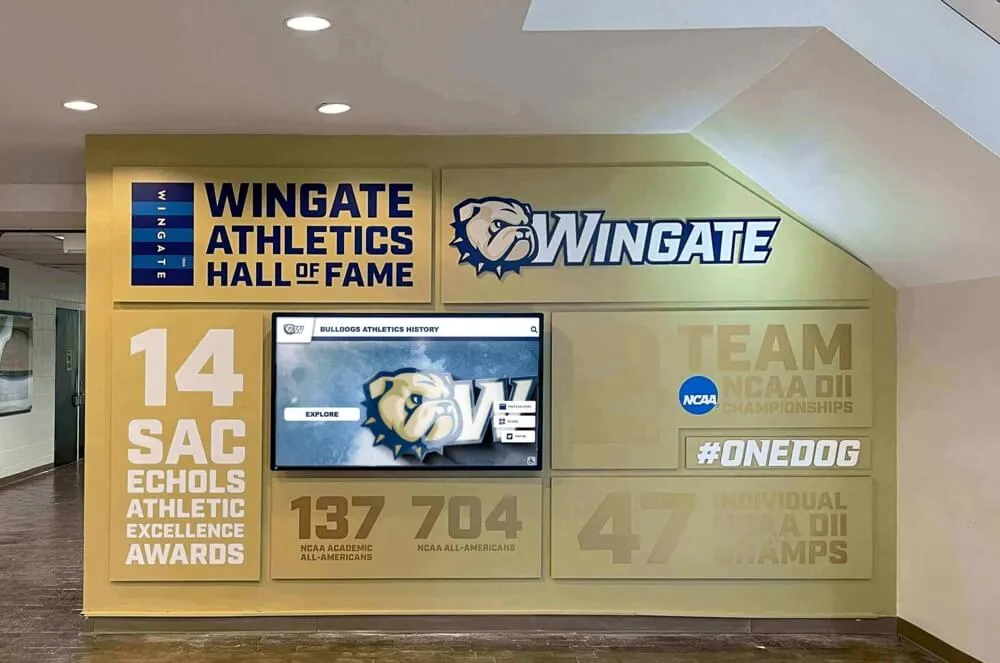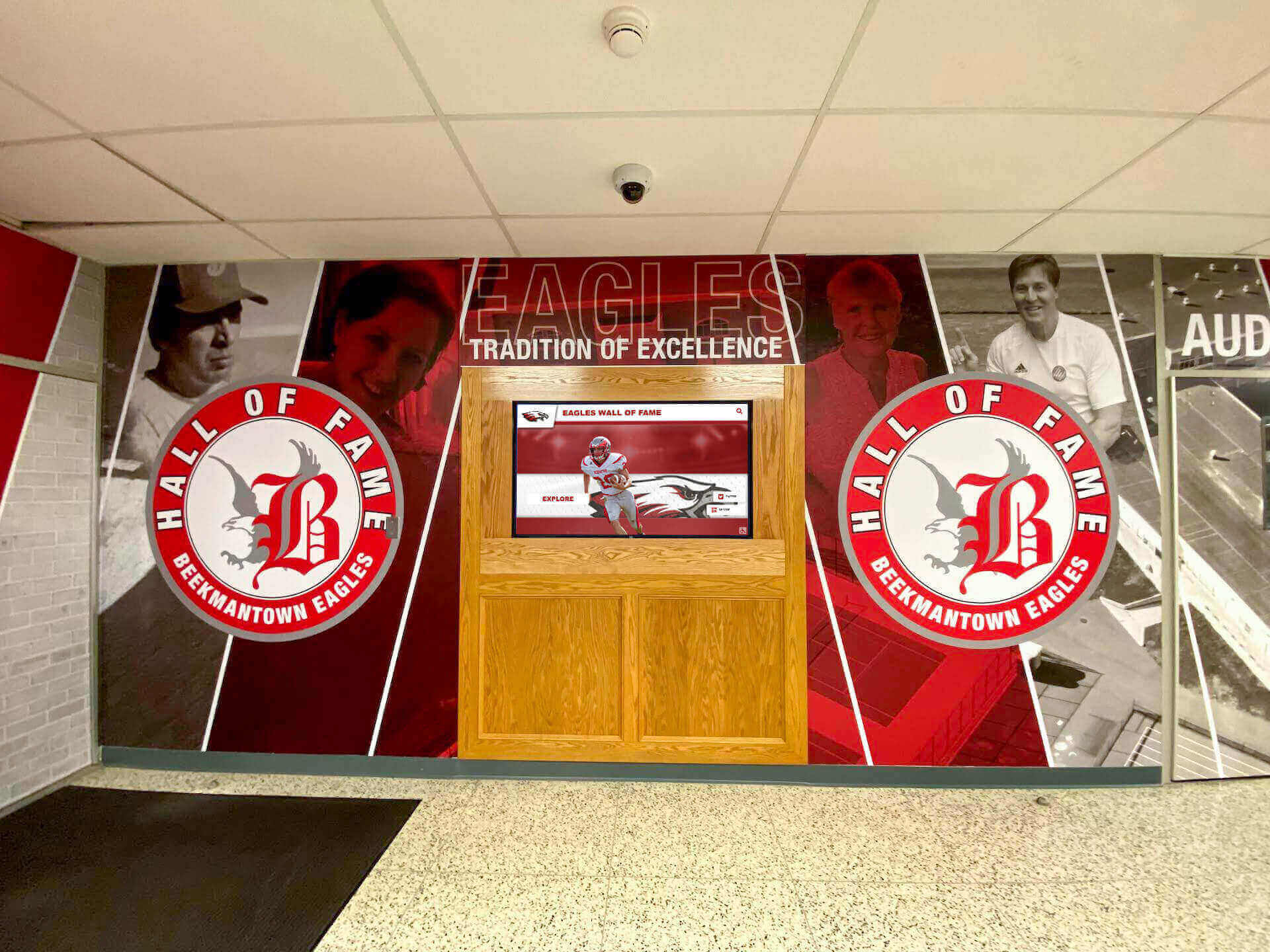




Small to medium public high schools face distinct recognition challenges. With enrollment between 200 and 800 students, these schools manage significant achievement across athletics, academics, fine arts, and service—yet operate under strict budget constraints, compete for limited wall space, and serve communities that expect equitable recognition for all accomplishments. Traditional plaques and trophy cases force impossible choices: honor a few standout moments or leave achievements uncelebrated.
Digital recognition platforms like Rocket Alumni Solutions address these challenges by providing unlimited recognition capacity at fixed costs, displaying diverse achievements in high-traffic areas, and maintaining content without specialized staff. This guide explains why database-backed touchscreen displays work particularly well for public schools in this enrollment range, what features matter most when budgets are tight, and how schools implement recognition programs that serve their entire community.
Understanding the Public School Context
Public high schools with 200-800 students occupy a unique position in American education. Too large to function like small private schools where everyone knows everyone, yet too small to match the specialized resources of large suburban districts, these schools balance multiple competing demands while maintaining comprehensive programs.
Budget Realities in Public Education
Public school funding operates under different constraints than private institutions. Property tax revenues, state aid formulas, and federal Title I allocations create fixed budget envelopes with strict categorical restrictions. Capital improvements, technology purchases, and facility upgrades compete for limited discretionary spending alongside classroom supplies, textbooks, and staffing needs.
Recognition programs rarely qualify as budget priorities when measured against direct instructional needs. Yet schools understand that celebration matters—that students who see their achievements honored feel more connected to their school community, that parents who observe comprehensive recognition become stronger supporters, and that alumni who remember being celebrated return as engaged community members.
The Space Challenge
Small to medium public schools typically operate in buildings designed decades ago when enrollment patterns differed. Limited lobby space, narrow hallways, and gym entrances already crowded with state championship banners leave little room for additional recognition displays. Athletic hall of fame programs compete with academic honors boards for the same premium wall space.
Trophy cases fill quickly. Schools celebrating 50, 75, or 100-year anniversaries accumulate decades of achievement. Athletic trophies, academic competition awards, music festival recognitions, and drama program honors pile up year after year. Eventually, older items get stored or discarded to make room for recent accomplishments—creating the uncomfortable situation where past achievements disappear from view.
Recognition Equity Requirements
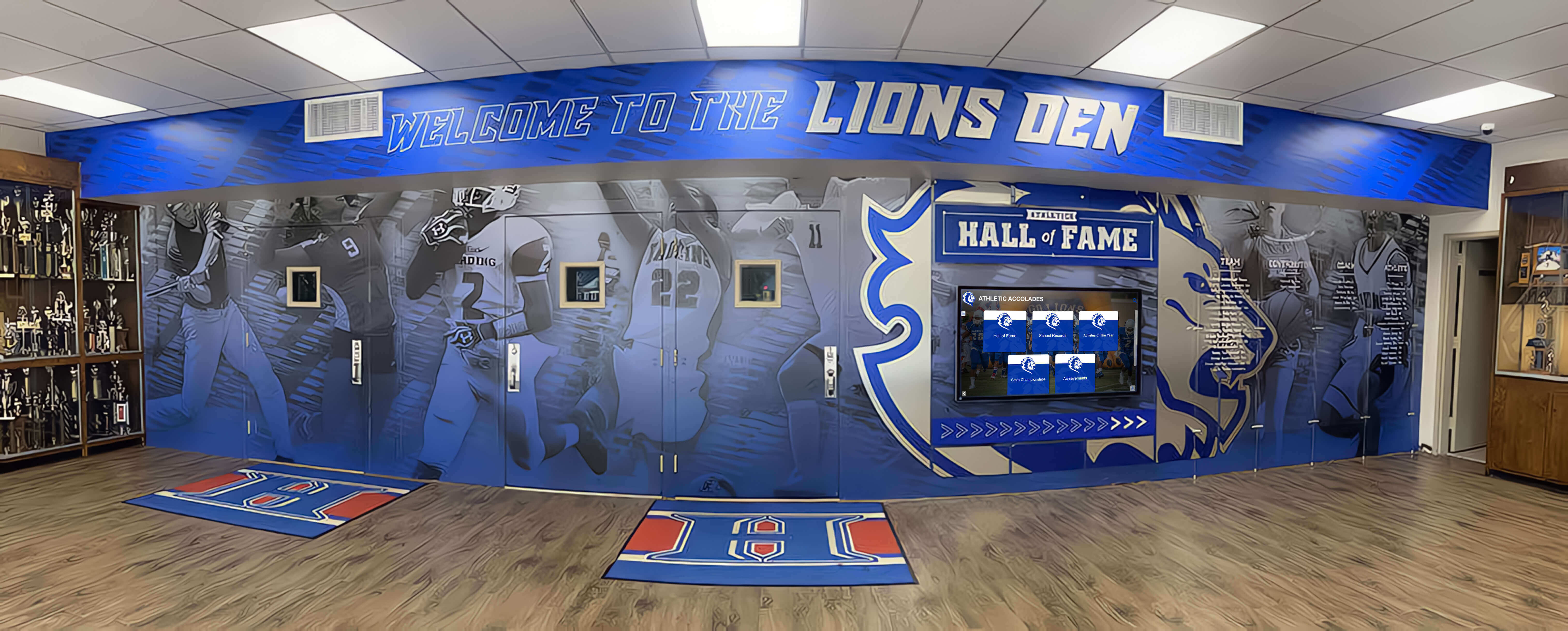
Public schools serve all students in their attendance area. Unlike private schools that can focus recognition on specific programs or achievements, public schools must honor the full range of student accomplishment: varsity athletes and club sport participants, AP scholars and CTE program completers, state champion debate teams and community service volunteers.
This breadth creates recognition challenges. If wall space limits displays to a dozen plaques, which accomplishments deserve recognition? Do you honor only state championships, leaving conference titles uncelebrated? Recognize only four-year varsity athletes, excluding juniors and seniors who made significant contributions? Display academic achievements only for valedictorians, ignoring honor roll students?
These choices feel unfair because they are unfair. Students achieving excellence in less prominent activities deserve recognition as much as star quarterbacks or valedictorians. But physical constraints force schools to make exclusionary decisions they’d rather avoid.
Why Digital Recognition Solves Public School Challenges
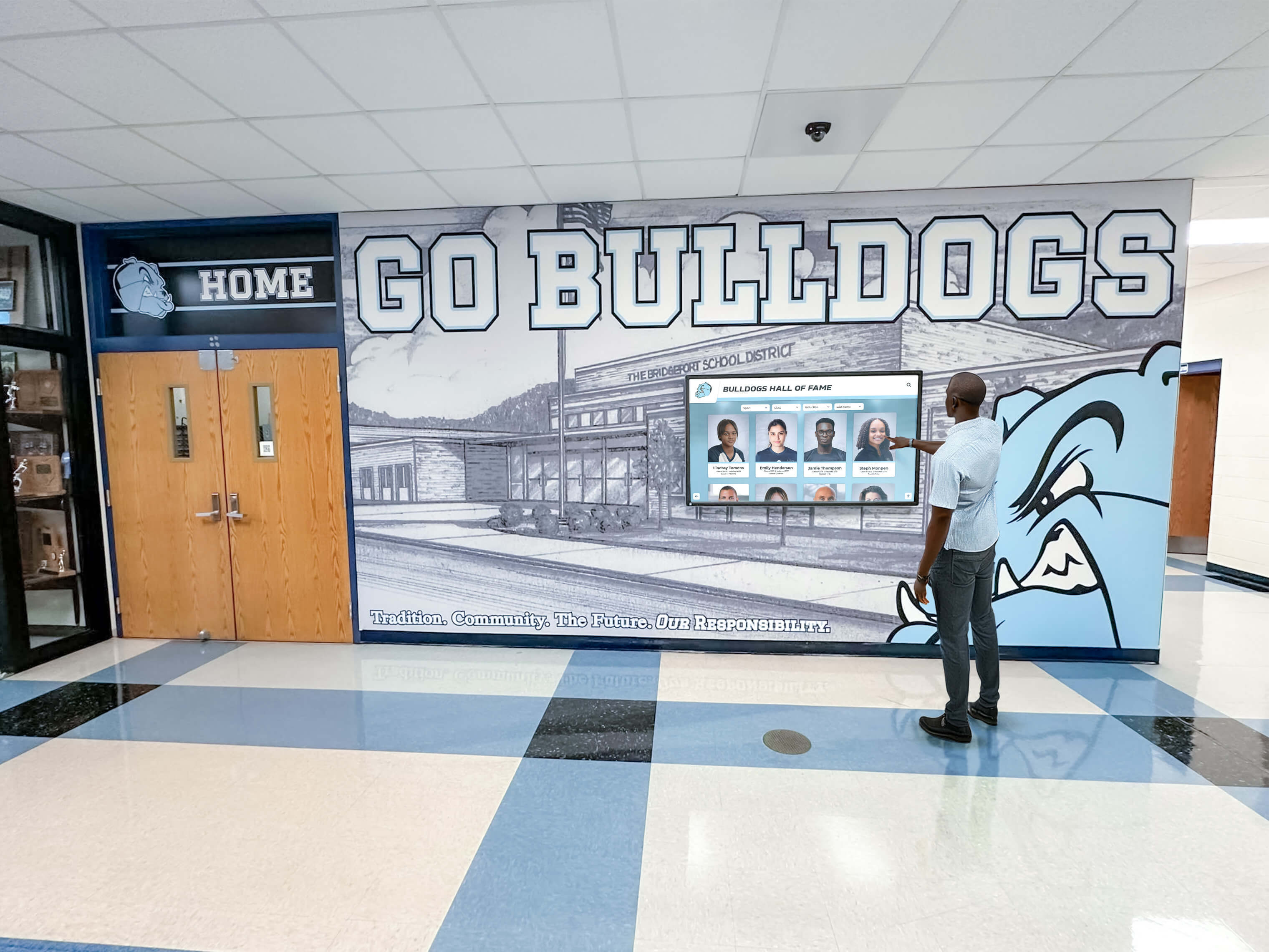
Digital platforms address these constraints by fundamentally changing how recognition works. Instead of dedicating wall space to each honoree, schools dedicate screen space to entire recognition categories—then populate those categories with unlimited entries.
Unlimited Recognition at Fixed Cost
Traditional recognition scales linearly with costs: each new plaque requires materials, engraving, and installation. Twenty plaques cost twice as much as ten plaques. This creates pressure to limit recognition to “only the most deserving” achievements.
Digital displays invert this relationship. The screen costs the same whether it displays 50 profiles or 5,000 profiles. Adding inductees requires no additional hardware, no installation labor, no materials cost. Schools can recognize every letter winner, every honor roll student, every competition participant, every community service volunteer—without increasing display costs.
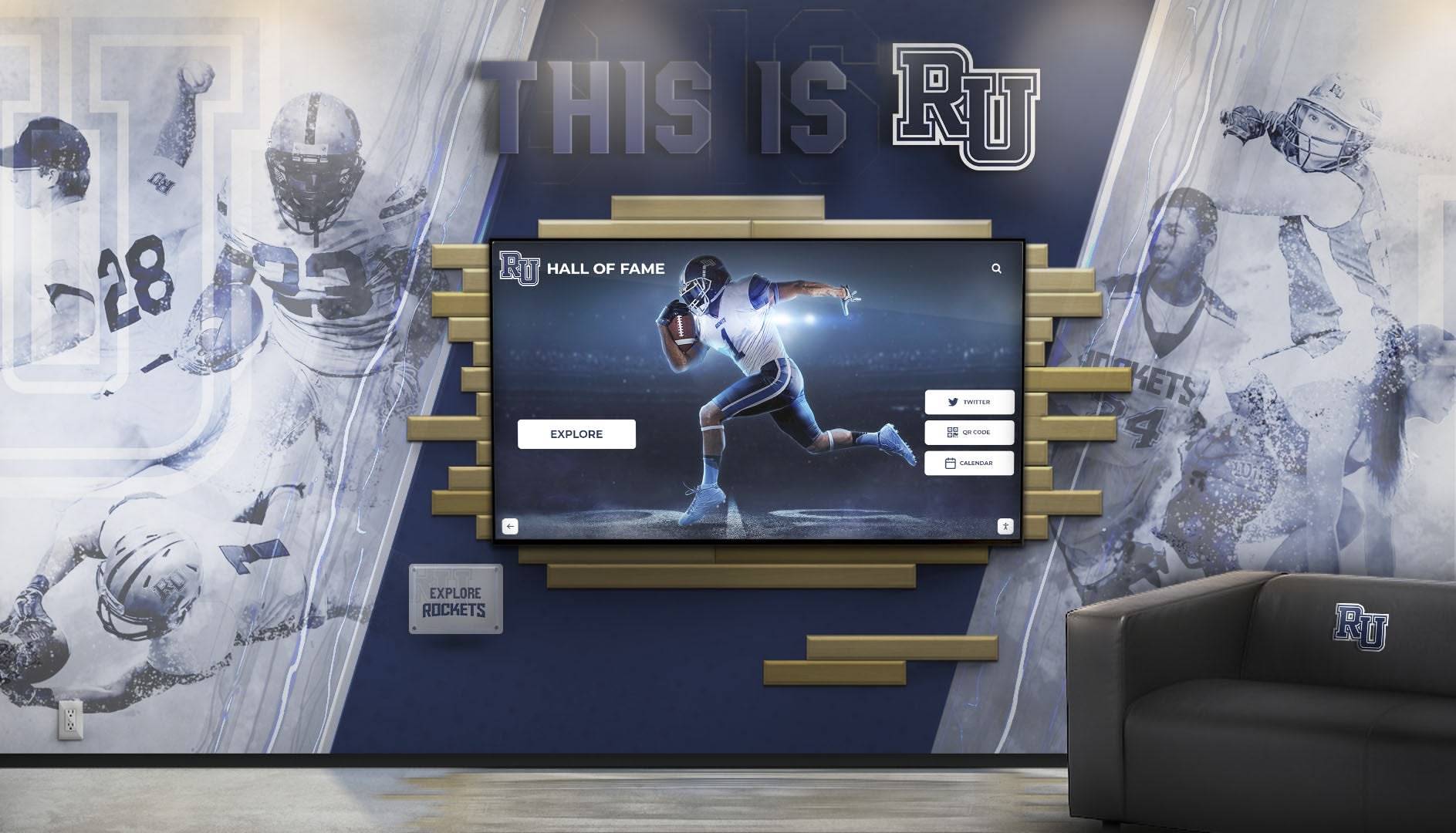
This economic shift matters enormously for public schools managing tight budgets. A single digital hall of fame touchscreen replaces dozens of individual plaques while providing room for future growth.
Comprehensive Achievement Display
With unlimited capacity, schools can build recognition programs that honor the full range of student achievement:
- Athletic recognition for varsity letter winners, team captains, all-conference selections, and state qualifiers across all sports
- Academic honors displaying honor roll students, AP scholars, college scholarship recipients, and competition winners
- Fine arts achievements recognizing all-state musicians, drama cast members, art show participants, and festival qualifiers
- Service recognition celebrating volunteer hour milestones, community project leaders, and citizenship awards
- Historical archives preserving class composites, team photos, yearbook pages, and institutional milestones
This comprehensive approach aligns with public school missions. Rather than highlighting a select few, schools celebrate achievement at all levels—creating recognition cultures where every student can see themselves honored.
Maintenance Without Specialized Staff
Small to medium public schools operate lean administrative teams. A principal, athletic director, activities coordinator, and counselor often handle recognition responsibilities alongside their primary duties. These staff members lack time for complicated content management systems requiring training, technical expertise, or daily attention.
Recognition platforms designed for public schools must work for non-technical users with limited time. Content updates should take minutes, not hours. Adding new inductees should require basic data entry, not web development skills. Managing displays should work from any device, not require on-site equipment access.
Rocket’s cloud-based content management meets these requirements. Staff log in from any browser, enter basic information (name, year, achievement, optional photo), and publish updates immediately. The system handles formatting, layout, and display automatically. No design work, no file preparation, no technical troubleshooting—just straightforward data entry that busy administrators can complete quickly.
Community Access and Engagement
Public schools serve communities, not just enrolled students. Alumni, parents, and community members want to explore school history, learn about current programs, and celebrate local achievements. Traditional plaques provide limited information—name, year, basic details—with no way to explore further or share what they’ve found.
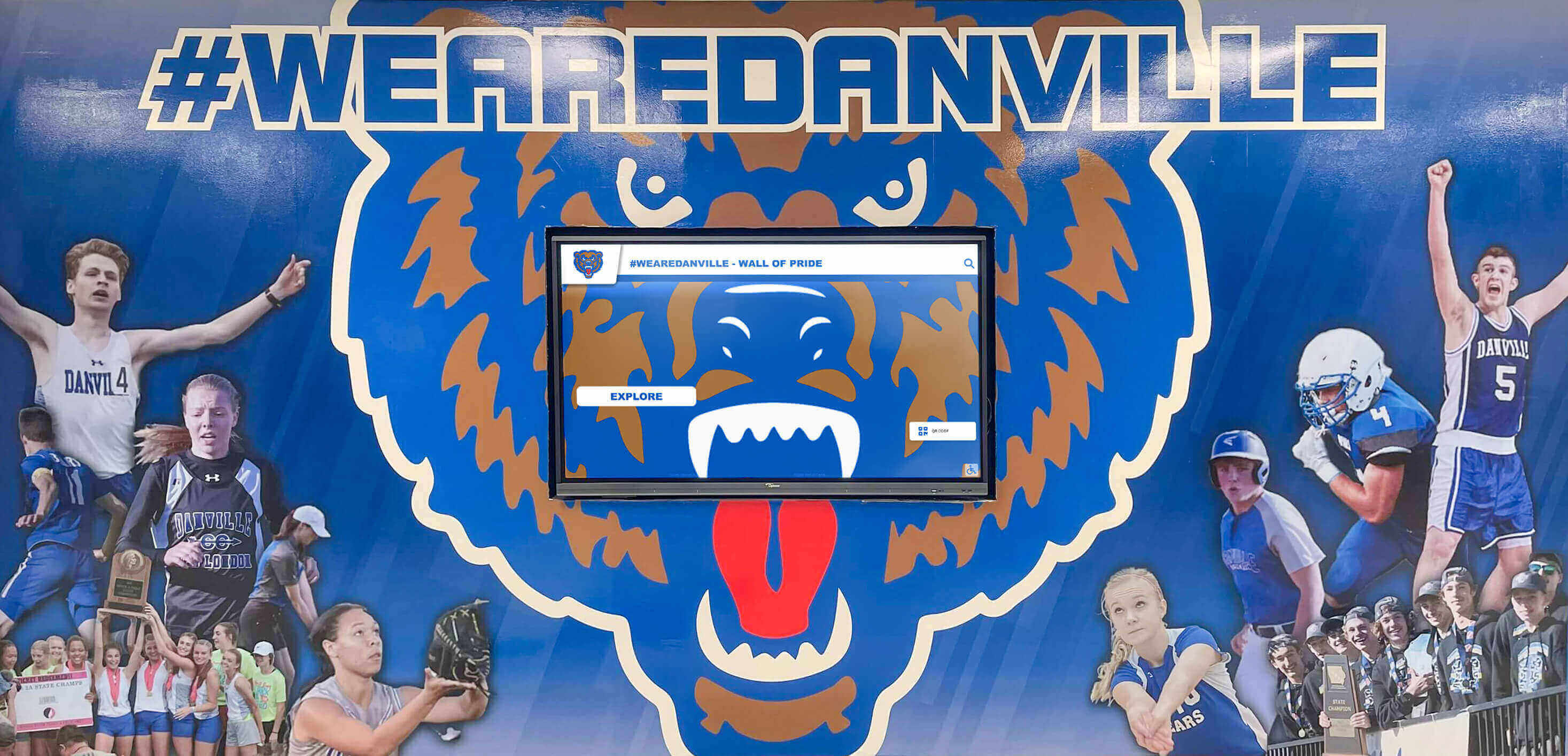
Interactive displays turn recognition into engagement opportunities. Visitors can search for specific names, browse by year or sport, watch video highlights, and read detailed profiles. Built-in QR codes let people share profiles on social media or save information to their phones. Alumni visiting for games or events can find their own profiles and share memories with family members.
This accessibility matters for community support. When residents see comprehensive recognition honoring diverse achievements, they understand how their tax dollars support student success. When alumni can easily find and share their own accomplishments, they maintain stronger connections to their school. When parents observe equitable recognition across programs, they feel confident their children’s efforts will be acknowledged.
Key Features for Small to Medium Public Schools
Not all digital recognition features matter equally for public schools in this size range. Some capabilities prove essential for schools managing tight budgets and diverse recognition needs, while other features add limited value.
Essential: Multi-Category Display Management
Small to medium public schools need to manage multiple recognition categories simultaneously: athletic hall of fame, academic honors, fine arts achievements, service awards, and historical archives. Each category operates on different schedules with different data requirements.
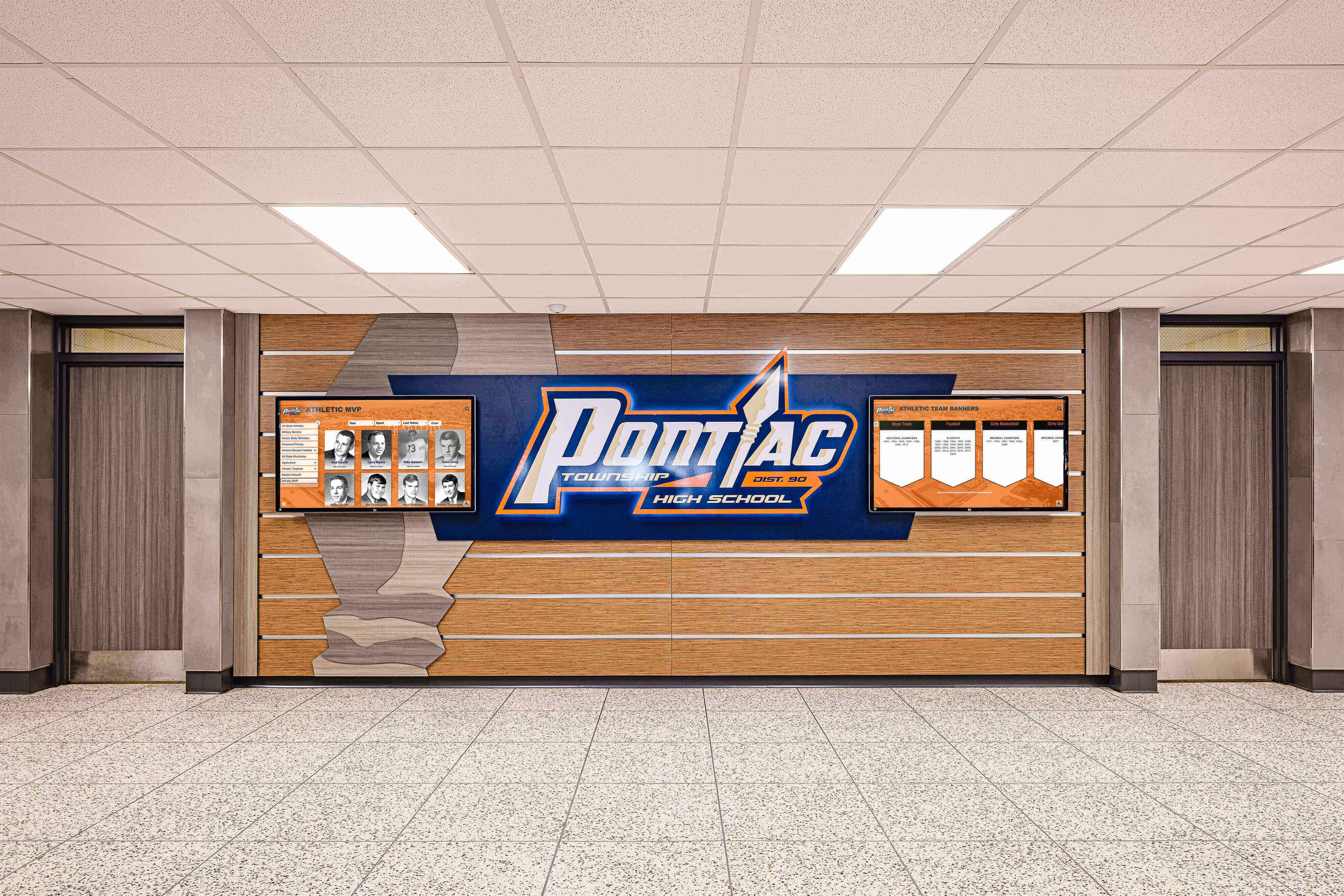
Effective platforms allow schools to create separate recognition categories with independent content management. Athletic directors update sports rosters, activities coordinators manage fine arts recognitions, and counselors maintain academic honors—all without coordinating access or risking accidental changes to other content.
This separation matters when busy staff members manage recognition alongside other duties. An athletic director updating winter sports recognition shouldn’t need to navigate through academic honor roll data or arts program achievements. Category-specific access keeps management simple.
Essential: Template-Based Profile Creation
Public schools recognize hundreds of individuals annually across multiple programs. Creating custom designs for each profile becomes impossible when staff members lack graphic design skills and time for layout work.
Template systems solve this challenge by handling design automatically. Staff enter data into standard fields (name, year, achievement details, photo), and the platform applies consistent formatting. Every profile looks professional without requiring design expertise or individual attention.
This templated approach maintains visual quality while reducing workload. Schools can add 100 new inductees in the time it would take to design a single custom plaque—making comprehensive recognition practical.
Essential: Flexible Access Control
Recognition responsibilities distribute across multiple staff members in small schools. Athletic directors manage sports recognition, but individual coaches often have better information about specific athletes. Activities coordinators oversee fine arts programs, but department chairs know which students deserve recognition. Principals maintain oversight but don’t manage day-to-day updates.
Platforms serving public schools need flexible permission systems that grant appropriate access to multiple users. Coaches should be able to submit nominees or update profiles within their own programs without accessing other content. Department chairs should manage their program’s recognitions without administrative privileges. Principals should review and approve additions without handling routine updates.
This distributed management allows recognition to flow naturally from people with the best information while maintaining appropriate oversight and control.
Important: Reliable Automatic Operation
Public school technology must work consistently without constant attention. IT staff manage hundreds of devices across buildings—computers, projectors, printers, network equipment—leaving little time for recognition display troubleshooting.
Recognition displays should operate automatically after initial setup. The screen turns on when the building opens, displays content throughout the day, and turns off when the building closes. Content updates appear automatically when published. The system recovers automatically from power interruptions. No daily attention, no manual operation, no regular maintenance.
This reliability matters enormously for busy schools. Digital recognition displays that require frequent intervention become burdens rather than assets.
Important: Content Preservation and Archives
Public schools accumulate recognition content across decades. Class composites from 1950, championship teams from 1978, academic honors from 2005—this history represents institutional memory that schools want to preserve and display.
Effective platforms store this content permanently with easy retrieval. Historical archives don’t consume physical space or require climate-controlled storage. Old photos don’t fade or yellow. Team records remain searchable and displayable decades after events occurred.
This archival capacity becomes increasingly valuable over time. Schools celebrating milestone anniversaries can display their complete history without tracking down stored plaques or faded photos. Alumni returning for reunions can browse their own era’s achievements. Students researching school history can access comprehensive records.
Nice to Have: Advanced Analytics and Reporting
Usage analytics, interaction tracking, and engagement metrics provide interesting insights but rarely influence public school decision-making. Small schools know recognition displays get used—staff observe daily usage in person. Detailed analytics about peak interaction times or popular content categories add limited value.
Schools with simple recognition needs can safely ignore analytics features without missing critical capabilities. The display works, people use it, content updates regularly—that’s sufficient success measurement for most public schools.
Nice to Have: Complex Multi-Screen Networks
Some digital recognition vendors emphasize multi-screen capabilities allowing synchronized content across dozens of displays. This matters for large universities managing campus-wide recognition networks but rarely applies to small to medium high schools.
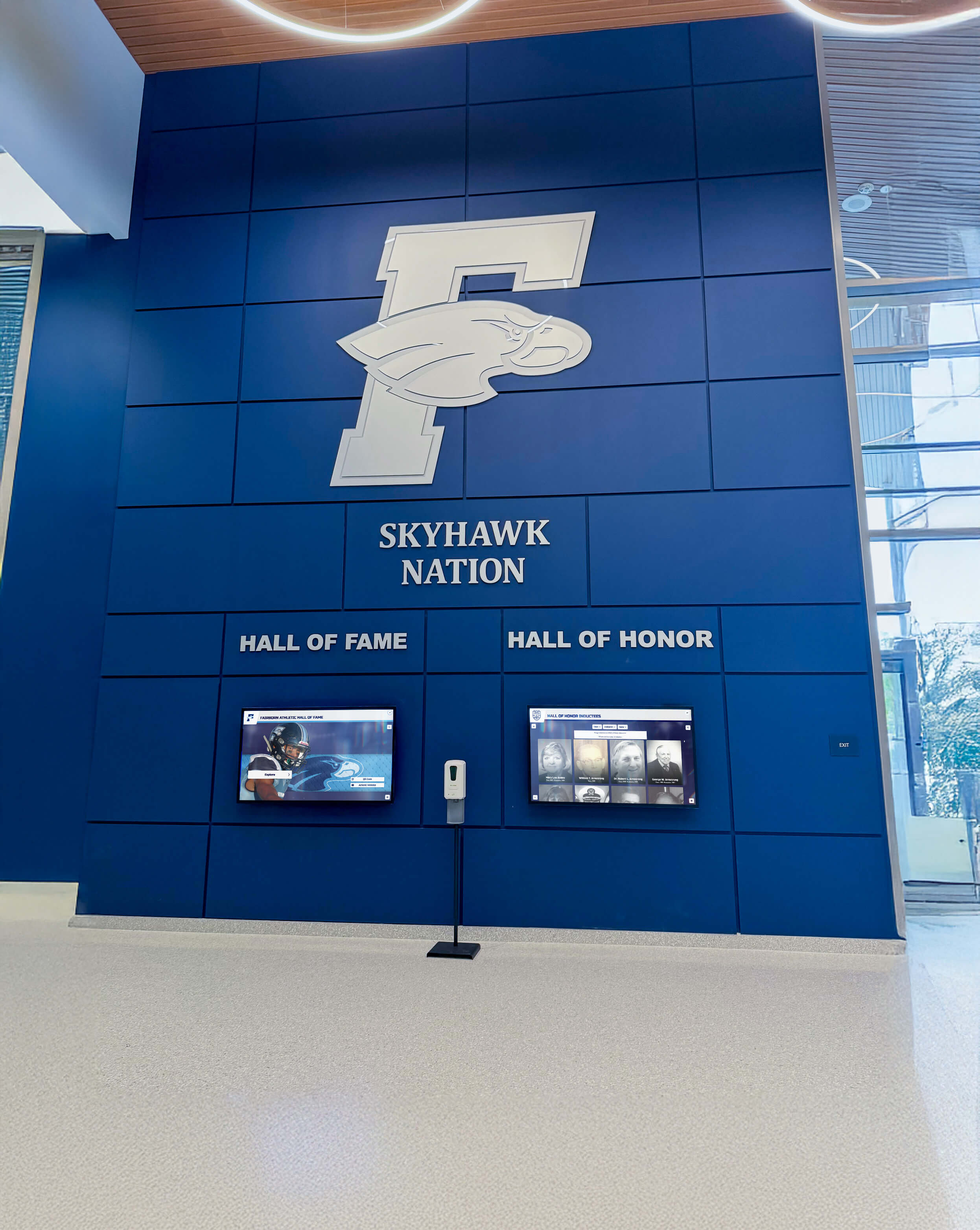
Most public schools in this size range need one or two displays—a primary touchscreen in the main lobby and perhaps a second display near the gymnasium. Managing complex multi-screen networks adds unnecessary complexity. Simple, single-screen platforms serve these schools better than enterprise-scale systems designed for very different contexts.
Implementation Approach for Public Schools
Successful digital recognition implementation in small to medium public schools follows a predictable pattern. Schools that plan carefully, start simply, and expand gradually build sustainable recognition programs. Schools that attempt comprehensive launches or complicated configurations often struggle.
Start with Core Recognition Categories
Begin with the recognition categories that matter most to your community—typically athletic achievement and academic honors. These categories have clear criteria, existing data sources, and broad community interest. Get these working well before expanding to other areas.
Starting simply allows staff to learn the platform without overwhelming complexity. Athletic directors and counselors can master basic content entry and management before additional users join. The school community can experience the value of digital recognition before the platform expands.
Student recognition programs that begin with focused scope and expand based on actual usage patterns succeed more reliably than ambitious initial launches attempting comprehensive coverage.
Establish Clear Content Ownership
Identify specific staff members responsible for each recognition category. Athletic directors typically manage sports recognition, activities coordinators handle fine arts and club achievements, counselors maintain academic honors, and librarians or designated staff manage historical archives.
Clear ownership prevents confusion about who should update content when students earn recognition. It also ensures continuity when staff changes occur—new athletic directors inherit defined recognition responsibilities rather than discovering unmanaged displays.
Document these responsibilities in job descriptions and administrative handbooks. Recognition management should be an explicit duty, not an informal expectation that gets forgotten during busy periods.
Develop Sustainable Update Schedules
Recognition content needs regular updates but doesn’t require daily attention. Most schools update athletic recognition seasonally (fall sports in November, winter sports in February, spring sports in May), academic honors each semester or quarterly, and fine arts achievements following major performances or competitions.
Establish realistic schedules that match existing school calendar milestones. Update recognition displays at the same time you process other end-of-season tasks like banquet planning, award ordering, or yearbook photo collection. Integrating recognition updates into existing workflows makes them more sustainable.
Avoid overly ambitious update frequencies that staff can’t maintain. Quarterly updates that actually happen serve schools better than weekly updates that get skipped during busy periods.
Plan for Long-Term Growth
Begin with current students and recent graduates, then expand historical coverage as time permits. Trying to digitize 50 years of recognition history before launch delays implementation and frustrates staff. Instead, launch with recent content and add historical material gradually.
Historical digitization makes an excellent project for volunteers: retired staff members, alumni volunteers, or student service learning projects. Many alumni enjoy reviewing old yearbooks and team photos to identify inductees from their era. This volunteer engagement builds community support while expanding content.
Schools often discover that launching with limited historical content motivates alumni to contribute missing information. People who can’t find their own achievements volunteer to help fill gaps—turning incomplete historical coverage into an engagement opportunity.
Budget Considerations and Cost Justification
Small to medium public schools must justify all spending, particularly for items that might seem like “nice to have” rather than “must have” purchases. Recognition displays compete with classroom technology, facility repairs, curriculum materials, and countless other needs.
Total Cost of Ownership
Understanding true costs requires looking beyond initial purchase prices to consider long-term expenses:
Hardware costs include the touchscreen display (typically $2,000-4,000 depending on size), mounting equipment, and any required cables or accessories. These represent one-time capital expenses that most schools can fund through technology budgets, fundraising campaigns, or booster club donations.
Software and hosting costs vary by vendor. Some platforms charge monthly subscription fees ($50-200/month), others include hosting in annual support contracts, and some offer one-time licensing with optional support renewals. Over five years, subscription costs can exceed initial hardware investment.
Content creation represents ongoing labor costs. With user-friendly platforms, staff can manage recognition content within existing time allocations. More complicated systems might require paid training, outsourced content creation, or additional staff time—increasing total ownership costs significantly.
Maintenance and support includes hardware repairs, software updates, and technical assistance. Reliable platforms with strong vendor support minimize these costs. Platforms requiring frequent troubleshooting or custom development work increase expenses substantially.
Public schools should calculate five-year total cost of ownership when comparing options. The cheapest initial purchase often becomes expensive when subscription fees, training costs, and maintenance expenses accumulate.
Funding Sources Beyond General Operating Budgets
Creative funding approaches help schools acquire recognition displays without impacting instructional budgets:
Booster clubs and parent organizations often welcome recognition projects as donation opportunities. Digital displays that honor student athletes or academic achievers fit perfectly with booster club missions. Many schools fund displays entirely through booster club fundraising, removing expense from school budgets completely.
Alumni associations frequently support projects that celebrate school history and honor past achievements. Recognition displays featuring decades of alumni accomplishments resonate strongly with alumni donors who remember when their own achievements went uncelebrated.
Local business sponsorships provide another funding path. Community businesses that sponsor sports teams or academic programs often contribute to recognition projects—particularly when displays include sponsor acknowledgment features.
Grant funding sometimes covers recognition technology. Grants focused on school climate improvement, student engagement, or facility upgrades may fund recognition displays as part of larger initiatives.
These alternative funding sources make recognition displays budget-neutral for general school operations while still providing comprehensive celebration capacity.
Real Benefits for Public School Communities
Digital recognition platforms deliver measurable value that extends beyond simply having “a nicer display.” Schools implementing effective recognition programs observe specific benefits across multiple areas.
Increased Student Connection and Pride
Students who see their achievements recognized publicly develop stronger school connections. This applies particularly to students in less prominent programs—club sport participants, technical education completers, community service volunteers—who rarely receive public celebration.
When schools recognize diverse achievements equitably, more students feel valued and included. This matters especially in public schools serving communities with varying socioeconomic levels, where some students lack family resources for private celebrations but benefit greatly from public recognition.
Improved Alumni Engagement
Alumni who can find and share their own accomplishments maintain stronger school connections. This engagement increases participation in alumni events, support for fundraising campaigns, and willingness to volunteer time and expertise. Alumni recognition programs that make historical content accessible typically see measurable increases in alumni involvement.
Enhanced Community Support
Community members who observe comprehensive, equitable recognition programs develop more positive perceptions of their public schools. This support manifests in multiple ways: voting yes on school levies, attending school events, volunteering time, and advocating for school needs.
Recognition displays in prominent locations signal to community members that student achievement matters—that their tax dollars support environments where accomplishments are celebrated appropriately. This visibility builds goodwill that strengthens community relationships.
Preserved Institutional Memory
Public schools serve communities across generations. Students attend schools their parents and grandparents attended. Community members maintain decades-long relationships with their local schools. Preserving and displaying institutional history honors these connections while educating current students about school traditions.
Digital archives prevent history loss that occurs when old plaques get stored, photos fade, and memories vanish. Schools that digitize historical content preserve it permanently while making it accessible to everyone interested in school heritage.
Reduced Administrative Burden
After initial setup, well-designed digital recognition platforms reduce the time staff spend on recognition tasks. Adding new inductees takes minutes rather than the hours required to coordinate plaque orders, track delivery, arrange installation, and manage limited display space.
This efficiency matters in small schools where administrators handle multiple responsibilities. Time saved on recognition management becomes available for higher-priority tasks.
Common Implementation Questions
Schools evaluating digital recognition platforms frequently ask similar questions about technical requirements, content preparation, ongoing management, and long-term sustainability.
What technical infrastructure do we need?
Basic requirements include a power outlet near the display location and Wi-Fi network access. Most modern schools already have both in main lobbies and common areas. Some installations require network drops for wired Ethernet connections when Wi-Fi proves unreliable, but wireless connectivity suffices for most installations.
Schools don’t need dedicated servers, special network configurations, or IT staff with specialized expertise. Cloud-based platforms work like other online services—accessible from any device with internet access, managed through standard web browsers, requiring no local infrastructure beyond the display screen itself.
How do we prepare content before launch?
Start with easily accessible data: current year rosters, recent honor roll lists, last five years of awards. Gather high-quality photos for featured inductees when available but don’t delay launch waiting for complete photo coverage. Many schools begin with basic data and add enhanced content over time.
Historical content can be added after launch. Begin with recent, well-documented achievements, then expand backwards through yearbooks, archives, and alumni contributions. This phased approach prevents pre-launch delays while building toward comprehensive historical coverage.
How much staff time does ongoing management require?
For schools updating recognition quarterly or seasonally, most staff spend 2-4 hours per update period entering new inductees and verifying information. Annual time commitment typically ranges from 8-16 hours depending on the number of recognition categories active and the volume of new achievements.
This represents significantly less time than traditional plaque management, which requires coordinating with vendors, tracking orders, scheduling installation, and managing physical space constraints.
What happens when staff members who manage the display leave?
Cloud-based platforms maintain content regardless of staff changes. All inductee data, photos, and configurations remain intact when administrators move to different positions or retire. New staff inherit complete systems with existing content and can continue adding new recognition without starting over.
This continuity matters greatly for small schools experiencing normal staff turnover. Recognition programs shouldn’t restart every time athletic directors or activities coordinators change positions.
Can we expand the system later if our needs grow?
Quality platforms support expansion without requiring new hardware or system replacements. Schools can add recognition categories, increase inductee numbers, create new display layouts, and modify content structures as needs evolve—all within the same platform and using the same display hardware.
This flexibility protects initial investment. Schools that start simple can grow into more sophisticated usage without abandoning their original platform or incurring replacement costs.
Making the Decision
Small to medium public high schools should evaluate digital recognition platforms based on specific criteria that matter for their unique context. Not all features matter equally, and the most expensive platform rarely represents the best choice for budget-conscious schools.
Prioritize These Factors
Ease of use for non-technical staff: Can your athletic director, activities coordinator, and counselor manage the system without extensive training? Do content updates require technical expertise or just basic data entry? Test actual workflows during vendor demonstrations.
Total five-year cost: Calculate complete ownership costs including hardware, software subscriptions, training, and support. Compare total costs rather than just initial purchase prices.
Reliability and automatic operation: Will the display work consistently without daily attention? Does content update automatically when published? How does the system handle power interruptions or network issues?
Unlimited recognition capacity: Does the platform support unlimited inductees within your price point? Can you recognize all achievements, not just select few?
Vendor support and longevity: Has the vendor served schools successfully for multiple years? Do they provide responsive technical support? What happens if the company stops operating?
Questions to Ask Vendors
- How many public schools your size currently use your platform?
- What are total costs for five years including all fees and subscriptions?
- Can non-technical staff manage content updates independently?
- What training and support do you provide after installation?
- How do you handle platform updates and feature improvements?
- What happens to our content if we need to switch platforms later?
When Rocket Makes Sense
Rocket Alumni Solutions works particularly well for small to medium public schools that need comprehensive recognition capacity at predictable costs with minimal ongoing maintenance. Schools that value ease of use, reliable operation, and extensive support benefit from the platform’s straightforward approach focused on practical functionality rather than complexity.
The platform suits schools that want to start simply and expand gradually, that need multiple staff members managing different content areas with appropriate access controls, and that expect recognition systems to work automatically without requiring daily attention from busy administrators.
Public schools that need extensive customization, complex multi-screen networks, or highly specialized features might require different platforms. But for straightforward recognition needs common in schools with 200-800 students, Rocket’s combination of comprehensive functionality, reasonable costs, and reliable operation addresses typical requirements effectively.
Getting Started
Schools ready to move forward with digital recognition should begin with clear planning that establishes realistic goals and sustainable processes. Successful implementation follows these general steps:
Define recognition scope: Identify which recognition categories to include initially and which to add later. Starting with athletic and academic recognition works well for most schools.
Identify content owners: Assign specific staff members to manage each recognition category with clear responsibilities documented.
Determine funding source: Explore booster clubs, alumni associations, grants, or operating budgets to fund initial hardware and first-year software costs.
Select optimal location: Choose high-traffic areas with good visibility, convenient power access, and network connectivity.
Plan content preparation: Gather current year data and recent historical content needed for launch. Plan ongoing historical expansion after implementation.
Establish update schedule: Define when recognition content will be updated and who will handle updates for each category.
Arrange vendor demonstrations: View working systems, test content management interfaces, clarify costs, and compare options.
Plan launch communication: Prepare announcements explaining the new system to students, staff, parents, and community members.
Schools following this approach typically complete implementation within 8-12 weeks from initial planning to system launch. The process moves faster when funding and vendor selection proceed smoothly, slower when multiple approval layers or complex fundraising delays decisions.
Small to medium public high schools can build comprehensive recognition programs that honor all student achievement without overwhelming budgets or administrative capacity. Digital platforms like Rocket Alumni Solutions that prioritize ease of use, unlimited content capacity, and reliable operation serve these schools well—turning recognition from a resource constraint into a community asset.
Ready to explore how digital recognition could work for your public school? Book a demo to see how your school can celebrate every achievement without budget constraints or space limitations.