What Is Senior Night in Sports? Traditions, Planning, and Recognition Ideas
- Home /
- Digital Hall of Fame Insights & Resources /
- What Is Senior Night in Sports? Traditions, Planning, and Recognition Ideas
The Easiest Touchscreen Solution




Live Example: Rocket Alumni Solutions Touchscreen Display
Interact with a live example (16:9 scaled 1920x1080 display). All content is automatically responsive to all screen sizes and orientations.
Senior night in sports is a cherished tradition where high schools, colleges, and athletic organizations honor senior athletes during one of their final home competitions. This special ceremony, typically held before or after a home game in each sport’s season, celebrates the dedication, achievements, and contributions of departing athletes while recognizing their families, coaches, and the journey that brought them to this milestone moment.
The tradition serves multiple purposes: it provides public recognition for athletes who may never compete again at this level, creates lasting memories for families who supported them through years of early mornings and late practices, marks a significant life transition as students prepare for college or careers, and inspires younger teammates to appreciate the commitment required for athletic excellence.
For athletic directors, coaches, and parent organizations planning these events, senior night represents an opportunity to honor athletes meaningfully while strengthening program culture and community connections. When executed thoughtfully, senior night ceremonies become emotional highlights that participants remember decades later—moments when schools demonstrate that athletes matter not just for their statistics, but for their character, leadership, and lasting impact on program traditions.

Program Snapshot: Senior Night Overview
Understanding the standard components helps programs plan effective senior night ceremonies that balance tradition with personalization.
| Component | Details |
|---|---|
| Primary Honorees | Senior athletes competing in their final season |
| Secondary Recognition | Parents, guardians, families who supported athletes’ journeys |
| Typical Timing | Final regular-season home game or competition |
| Ceremony Duration | 15-30 minutes before or after competition, depending on sport |
| Key Elements | Individual athlete recognition, parent/guardian escorts, team gifts, photo opportunities, program acknowledgments |
| Audience | Home crowd, visiting team and families, community members, local media |
| Extended Recognition | Digital athletic displays showcasing senior class achievements year-round |
The most memorable senior night ceremonies strike a balance between formality and warmth, acknowledging achievements while celebrating the relationships and growth that define successful athletic experiences. Programs that create systematic approaches to senior night—rather than treating each sport’s ceremony as an isolated event—build recognition consistency while allowing individual sports to incorporate traditions specific to their cultures.
Why Senior Night Matters: Beyond the Ceremony
Senior night serves purposes that extend well beyond the 15-minute ceremony conducted on the field, court, or gymnasium floor. Understanding these deeper functions helps programs design recognition approaches that maximize impact.
For Senior Athletes
Closure and validation. High school sports require enormous commitments—thousands of hours spent practicing, competing, traveling, conditioning, studying playbooks, and balancing athletics with academics. Senior night provides formal acknowledgment that this sacrifice mattered, offering closure as one chapter ends and another begins.
Identity transition support. For many seniors, athletic identity has been central to their self-concept throughout high school. Senior night helps athletes begin processing this transition, recognizing their athletic achievements while celebrating the person they’ve become through sport—qualities like discipline, resilience, and leadership that transcend competition.
Legacy establishment. The ceremony marks athletes’ permanent place in program history. Whether they broke records or simply showed up consistently, senior night confirms their contribution to something larger than individual statistics—they were part of their team’s story during specific years that will never happen again.
For Younger Athletes
Motivation and inspiration. Watching seniors honored inspires underclassmen to commit to their own athletic development. They see concrete evidence that dedication gets recognized, persistence matters, and programs value contributions beyond winning.
Cultural continuity. Senior night ceremonies transmit program values from one generation to the next. Underclassmen learn what their program honors—sportsmanship, leadership, academic achievement, community service—by observing which senior qualities receive emphasis during recognition.
Relationship modeling. The emotional connections displayed during senior night—between athletes and coaches, teammates and families, programs and communities—demonstrate the relationships that make athletics meaningful, helping younger athletes understand that success in sports encompasses more than scoreboard results.
For Families and Communities
Gratitude expression. Parents, guardians, and families invest enormously in athletes’ development—time, financial resources, emotional support, transportation, nutrition, equipment, camps, and countless hours watching practices and competitions. Senior night offers public acknowledgment of these often-invisible contributions.
Community connection. Senior night brings together the network of coaches, teammates, teachers, administrators, and community members who supported athletes’ journeys. These ceremonies strengthen community bonds and demonstrate collective investment in youth development, similar to how schools celebrate diverse achievements through school recognition days.
Memory creation. Beyond the night itself, senior night creates lasting memories captured through photos, videos, and displays that families treasure for decades. These tangible artifacts help families process transitions and maintain connections to formative experiences that shaped their athletes.
Essential Planning Components: Senior Night Checklist
Successful senior night ceremonies require coordination across multiple stakeholders and attention to details that transform generic recognition into memorable celebration.
Six to Eight Weeks Before Senior Night
Create senior athlete roster. Work with coaches to identify all seniors participating in the sport, including managers, student trainers, and other support personnel who deserve recognition for their contributions to program success.
Collect athlete information. Request from each senior:
- Full name (as they want it announced)
- Parents’/guardians’ names (who will escort during ceremony)
- Years of participation in sport
- Other sports played or activities participated in
- College/career plans if decided
- Favorite memory or meaningful experience from their athletic career
- High-quality photo for programs, displays, or digital recognition
Confirm ceremony logistics. Determine timing (before or after competition), location (on field/court or designated area), audio setup for announcements, photography arrangements, and contingency plans for weather if outdoor sport.
Plan recognition elements. Decide on gifts for athletes (framed photos, plaques, personalized items), recognition for parents (flowers, certificates, small tokens), and any special traditions unique to your program or sport.
Two to Three Weeks Before Senior Night
Prepare announcements and scripts. Write individualized recognition scripts for each senior that include name, years of participation, notable achievements, plans after graduation, and personal details that make recognition meaningful rather than generic template reading.
Coordinate photo opportunities. Arrange for professional photographer or designate volunteer photographers to capture key moments: athletes with families, team photos, individual senior portraits, and candid ceremony moments. Consider how these photos will integrate with digital photo galleries celebrating school events.
Order gifts and materials. Finalize and order senior gifts, frames, flowers, banners, posters, or any physical recognition items. Allow buffer time for shipping delays or order issues.
Communicate expectations. Inform seniors and families about ceremony procedures: arrival time, where to meet before ceremony, escort procedures, photo session timing, and any special instructions about attire or positioning.
Week of Senior Night
Confirm attendance. Verify which seniors will attend and which family members will participate as escorts. Prepare backup plans for seniors whose parents cannot attend—designate coaches, teammates, or other supportive adults who can escort if needed.
Test audio/visual systems. Verify microphones work properly, music cues play correctly, and any video tributes or photo presentations display as intended. Technical failures during emotional moments undermine ceremony impact.
Prepare physical setup. Arrange recognition staging area, position banners or decorations, set up gift tables, prepare programs or handouts for attendees, and create designated photographer positions for optimal angles.
Brief all participants. Hold brief meeting with seniors explaining ceremony procedures, practice pronunciation of names with announcer, review escort protocol, and answer any last-minute questions from athletes or families.
Senior Night Traditions: Common Practices Across Sports
While specific ceremonies vary by sport, school, and community, several traditions appear consistently across successful senior night programs.

Individual Athlete Recognition
The centerpiece of most senior night ceremonies involves individually recognizing each athlete. Standard practice includes:
Public acknowledgment. Announcer introduces each senior by name while athlete stands at center court, midfield, or designated recognition area. Announcement typically includes years of participation, major achievements or contributions, and post-graduation plans.
Parent/family escort. Athletes walk from lineup position to recognition area accompanied by parents, guardians, or family members who supported their athletic journey. This visible family inclusion acknowledges the collective nature of athletic achievement.
Gift presentation. Athletes receive framed photos, plaques, personalized items, flowers, or other tokens marking their contribution to program history. Many programs also give parents flowers or small recognition gifts acknowledging their support role.
Photo opportunity. Professional photos capturing athletes with families, coaches, and teammates become treasured keepsakes. These images often appear in yearbooks, on gym walls, and increasingly in digital athletic displays that preserve program history permanently.
Team and Group Recognition
Beyond individual honors, effective senior night ceremonies recognize the senior class collectively:
Senior class introduction. After individual recognition, some programs gather all seniors together for collective acknowledgment, emphasizing their shared journey and combined impact on program culture.
Speeches or reflections. Select seniors may offer brief remarks thanking coaches, families, teammates, and schools for supporting their development. Coaches typically share reflections on the senior class’s character, leadership, and legacy.
Symbolic gestures. Many programs incorporate sport-specific traditions—basketball seniors may shoot ceremonial free throws, football seniors may lead the team onto the field, volleyball seniors may serve the first ball, creating symbolic final moments in their sport.
Extended Recognition Beyond the Night
The most comprehensive senior night approaches extend recognition beyond the single ceremony:
Season-long recognition. Some programs recognize seniors throughout their final season—senior spotlight features in game programs, social media posts highlighting individual athletes weekly, or designated “senior sections” in team facilities.
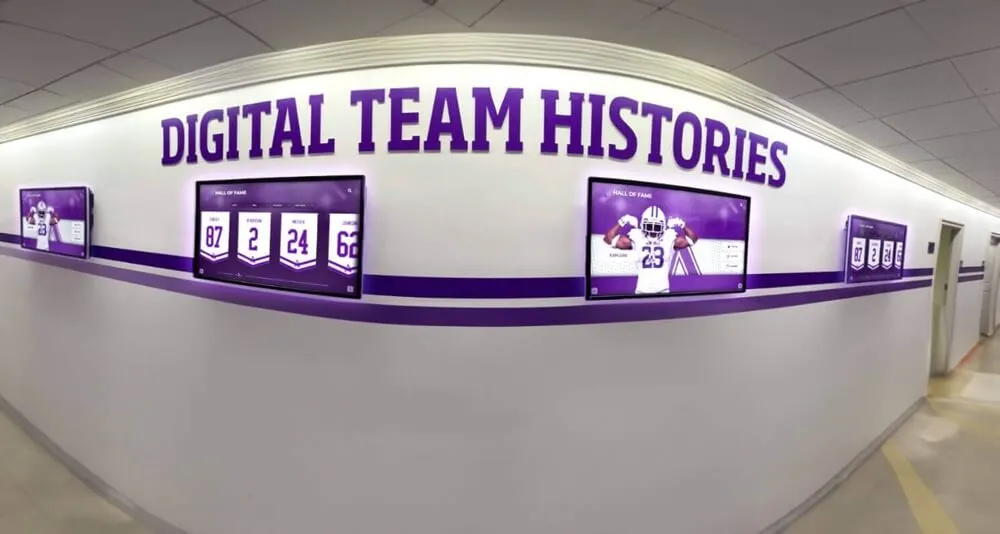
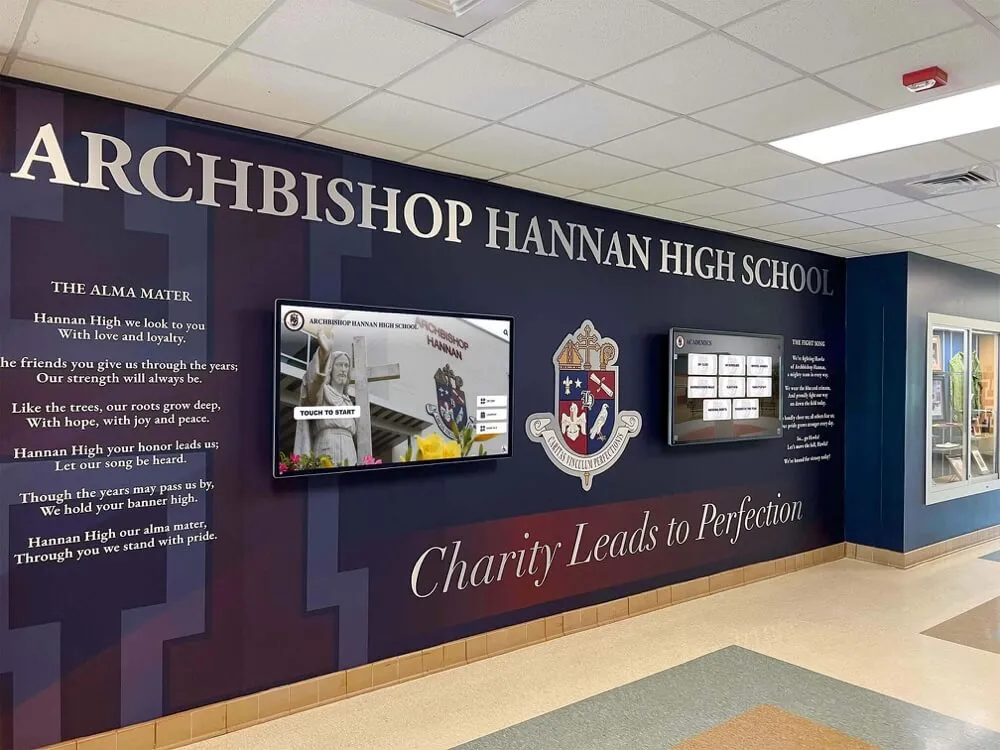
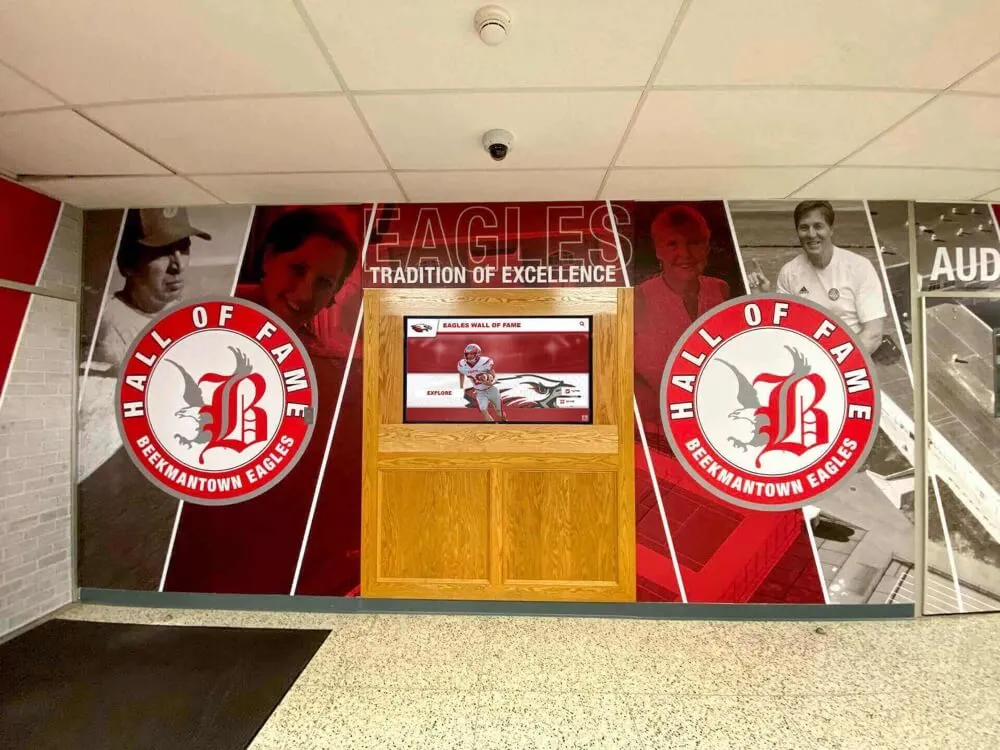
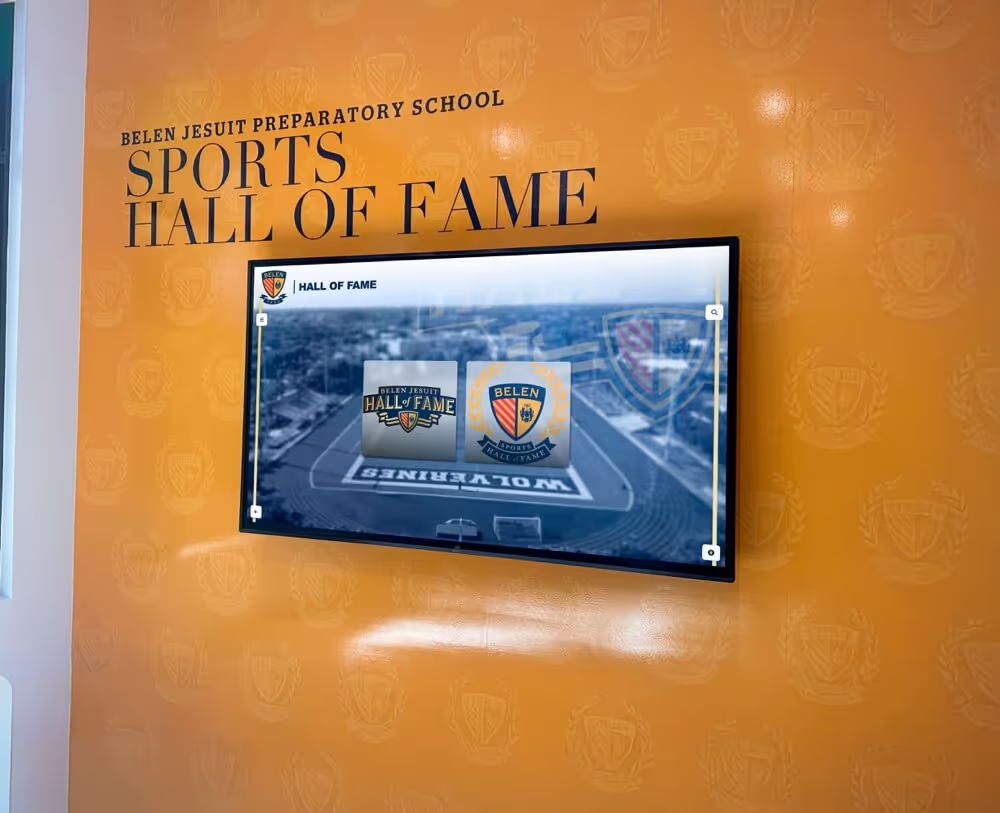
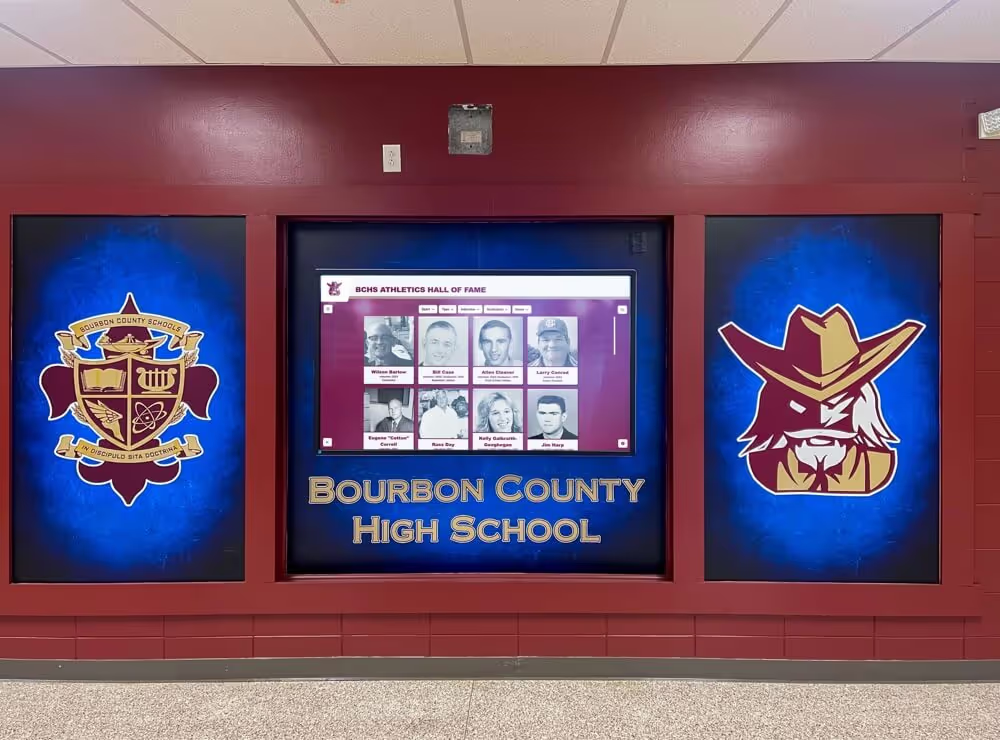
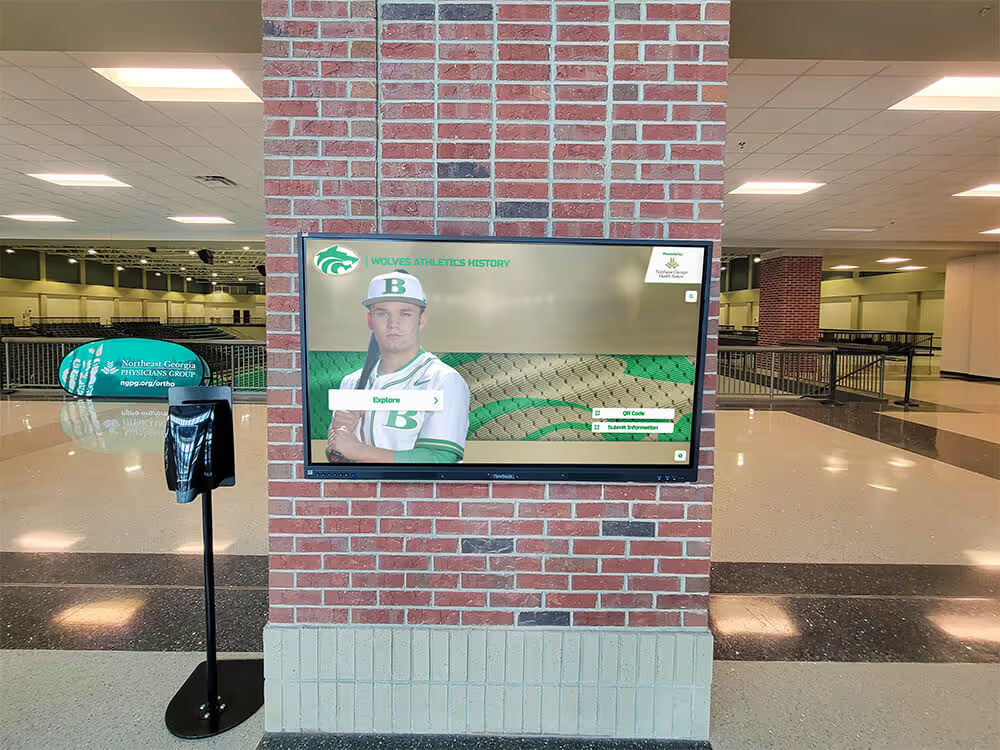
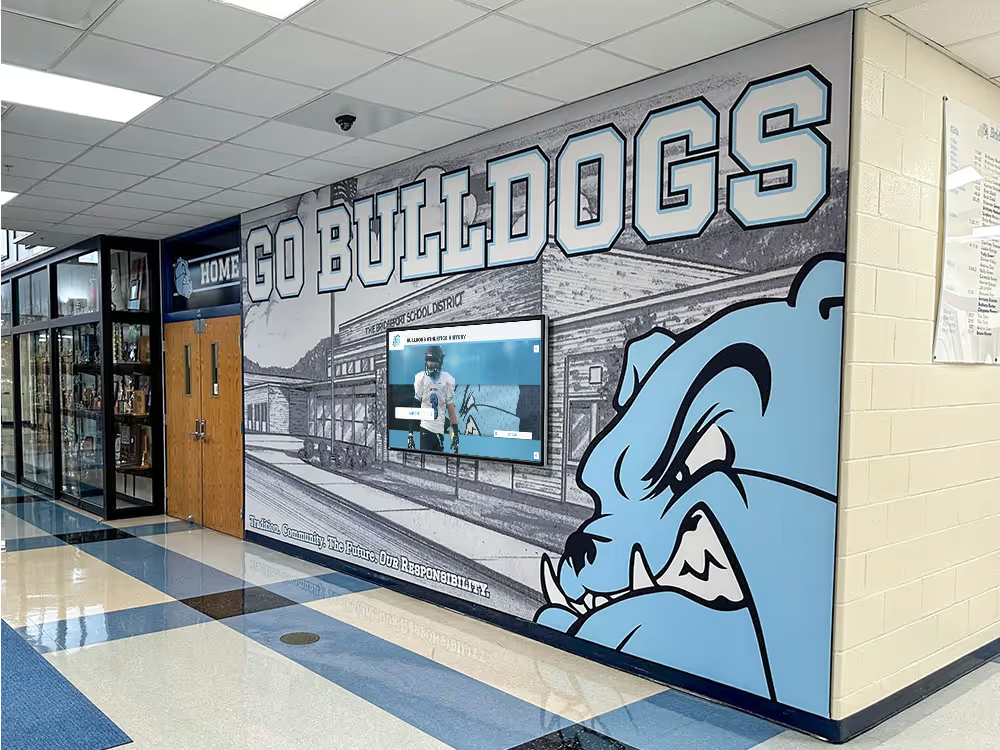
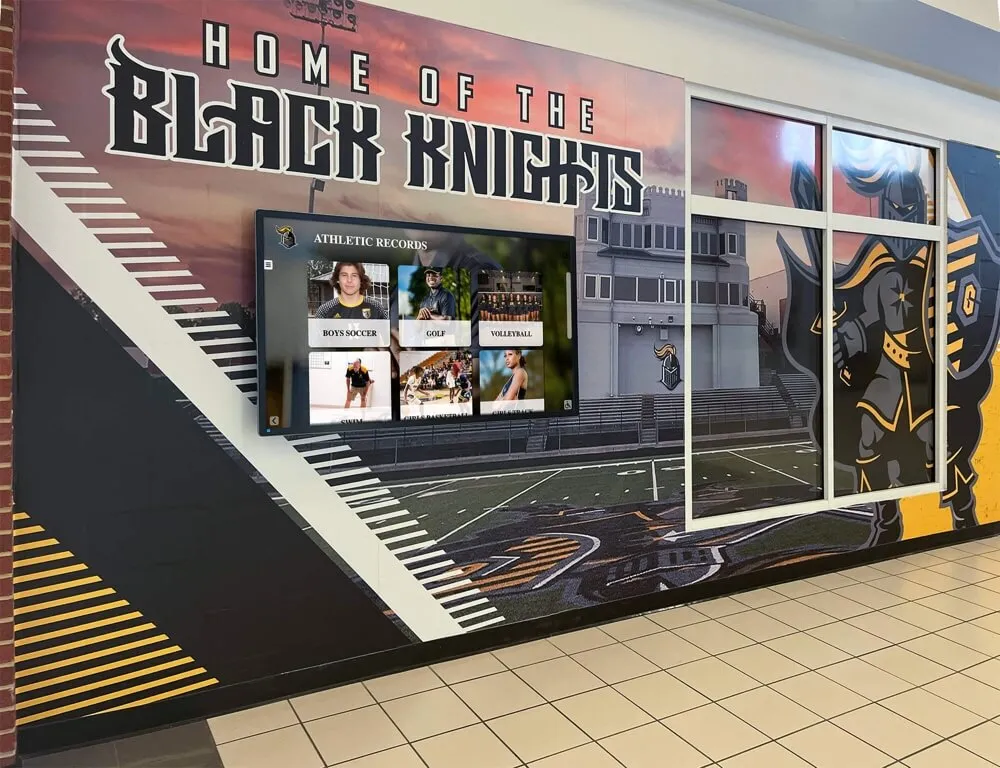
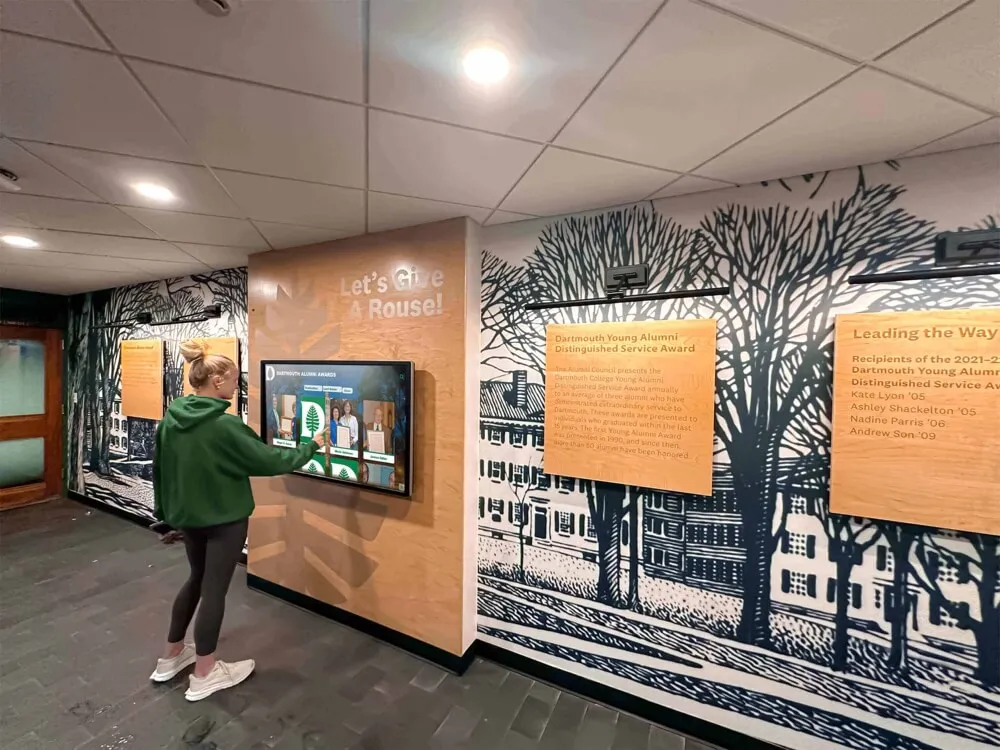
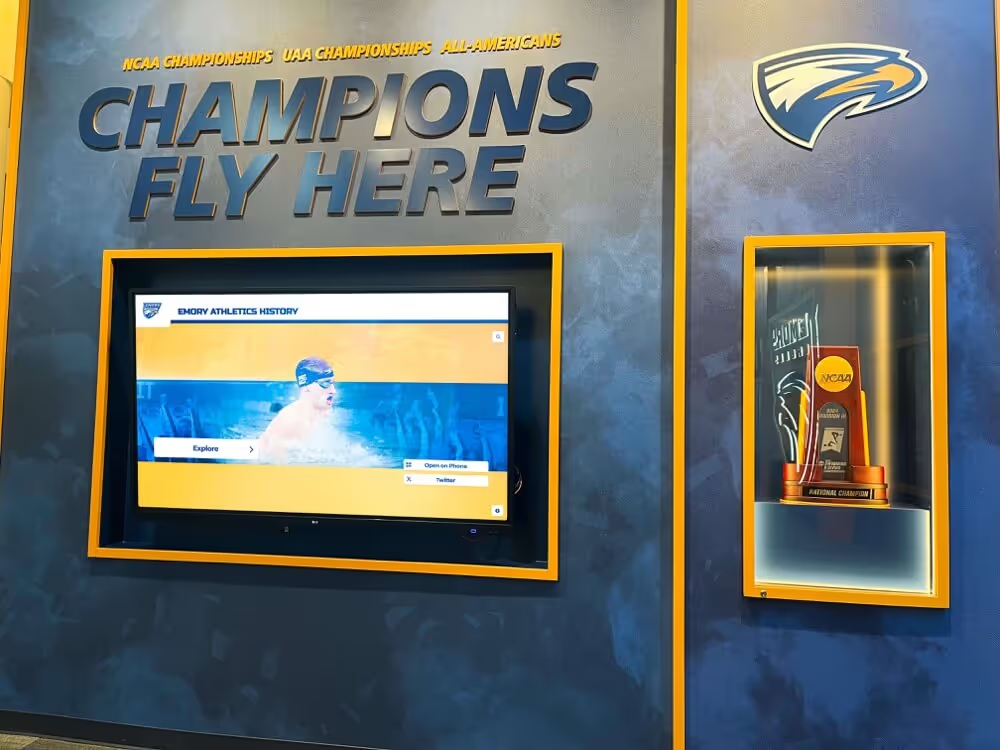
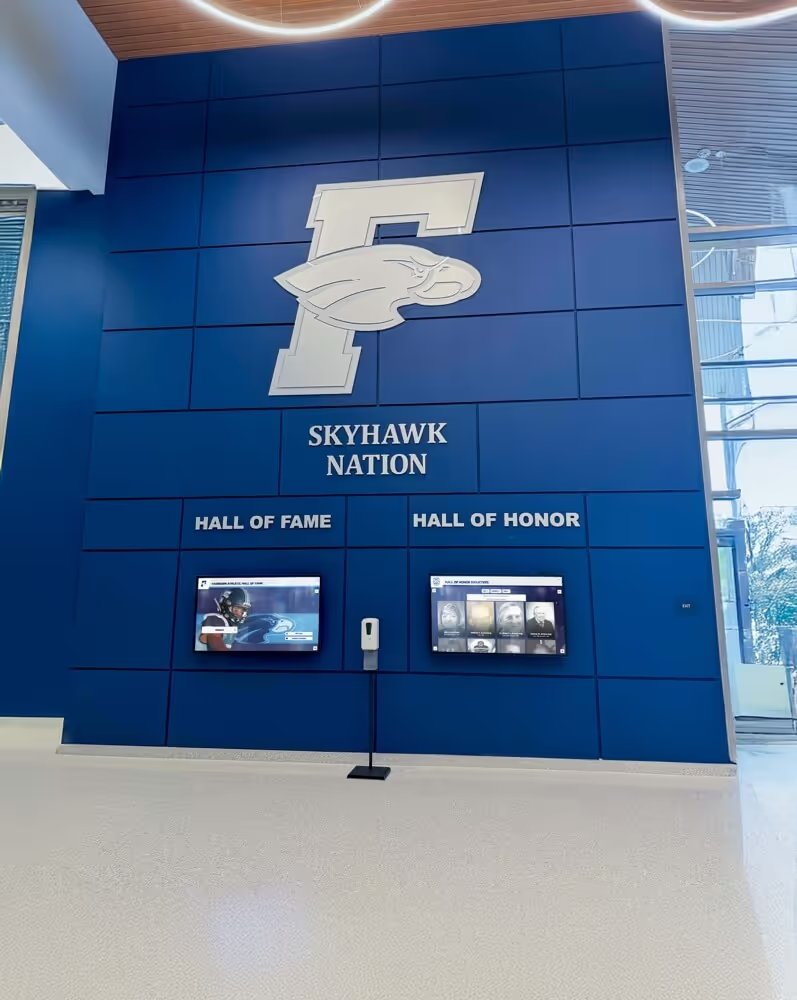
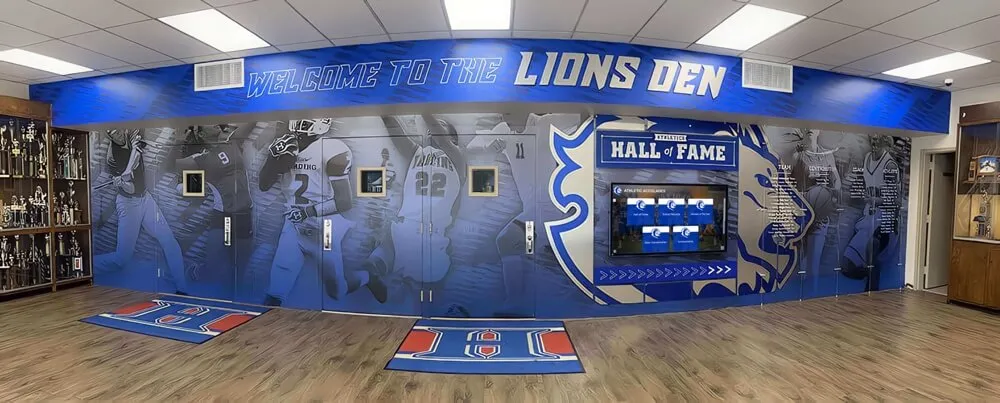
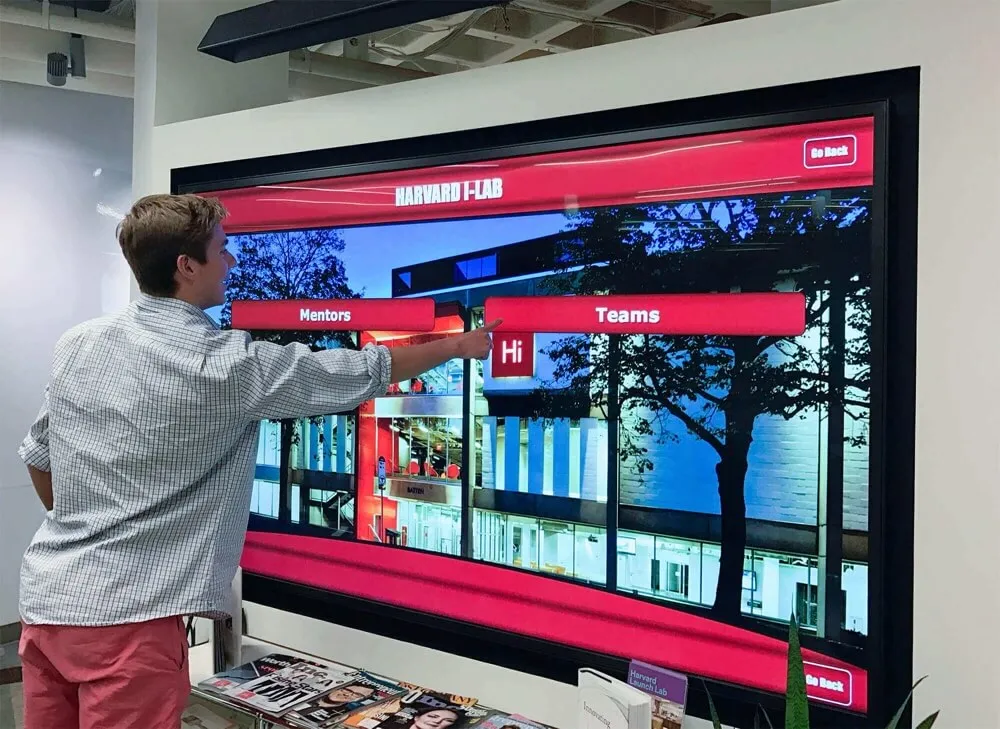
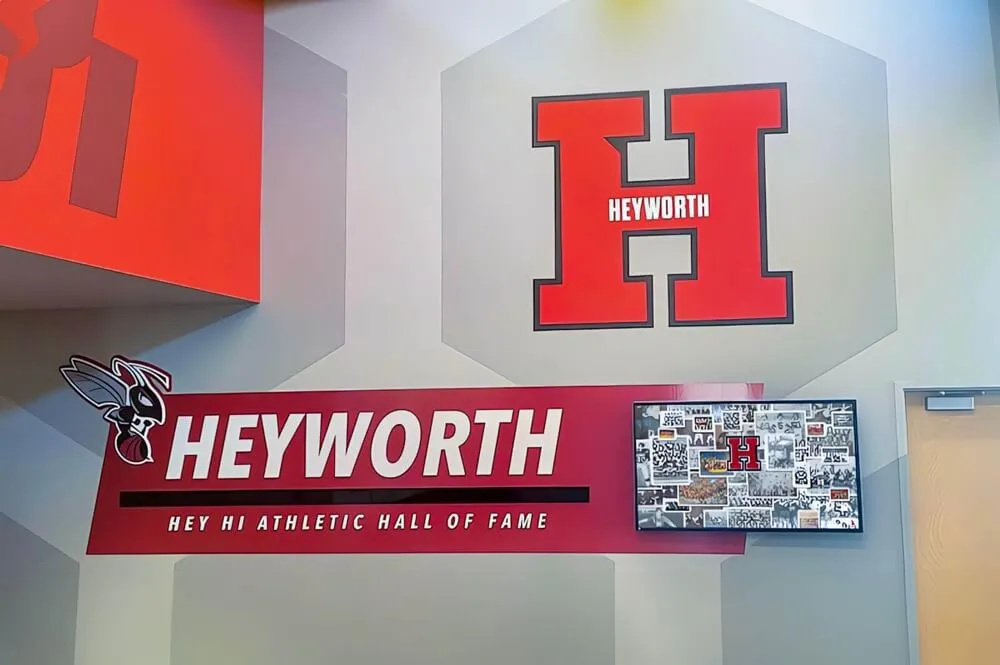
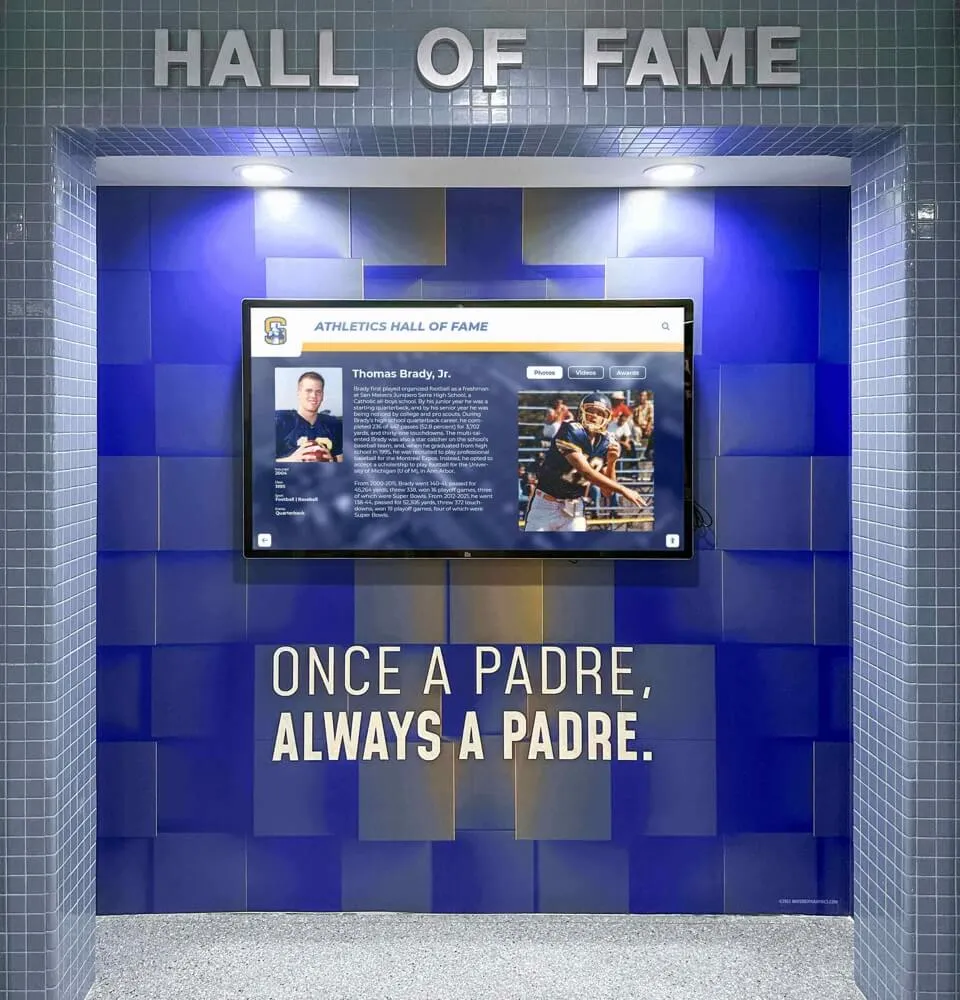
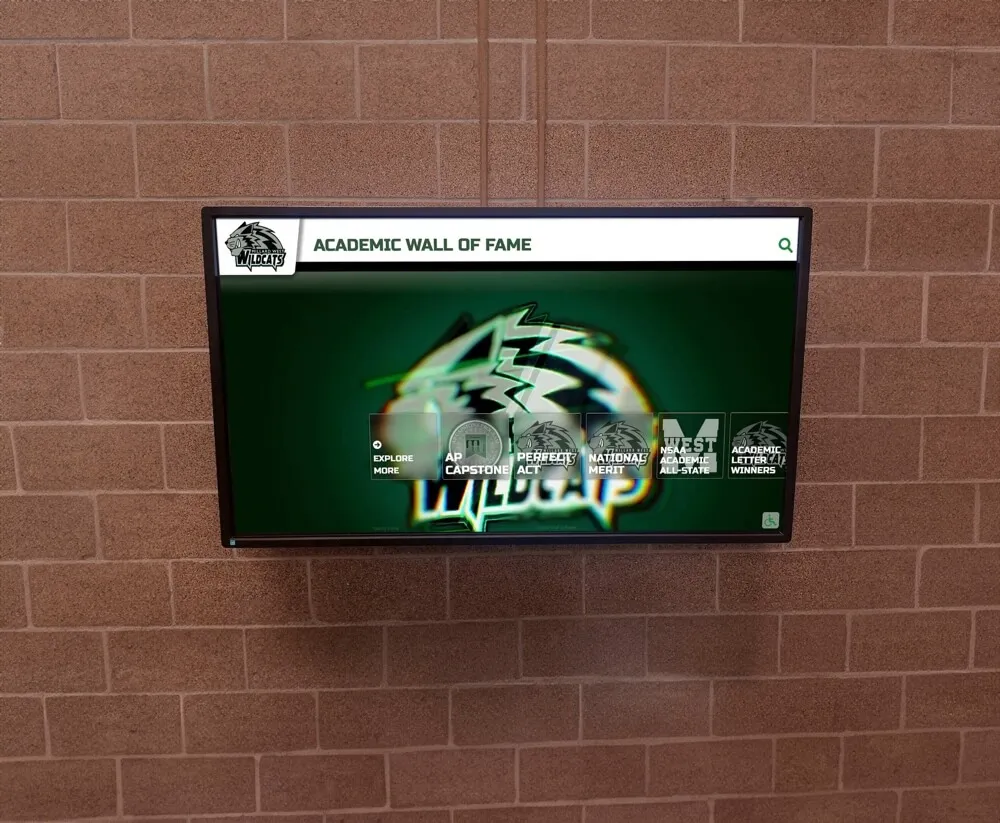
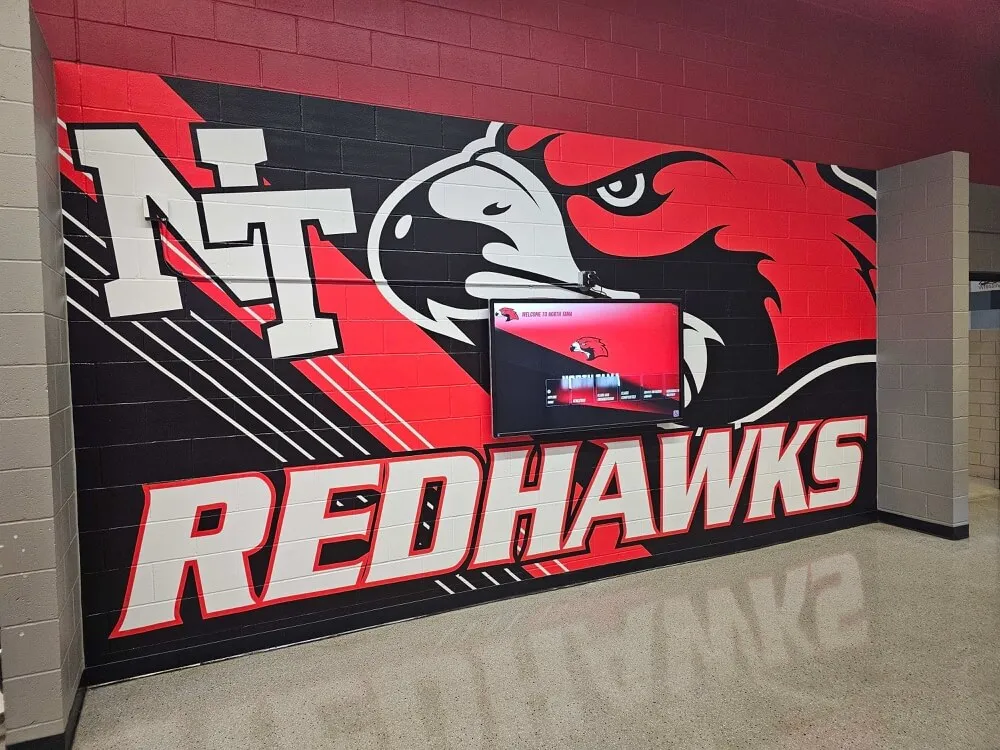
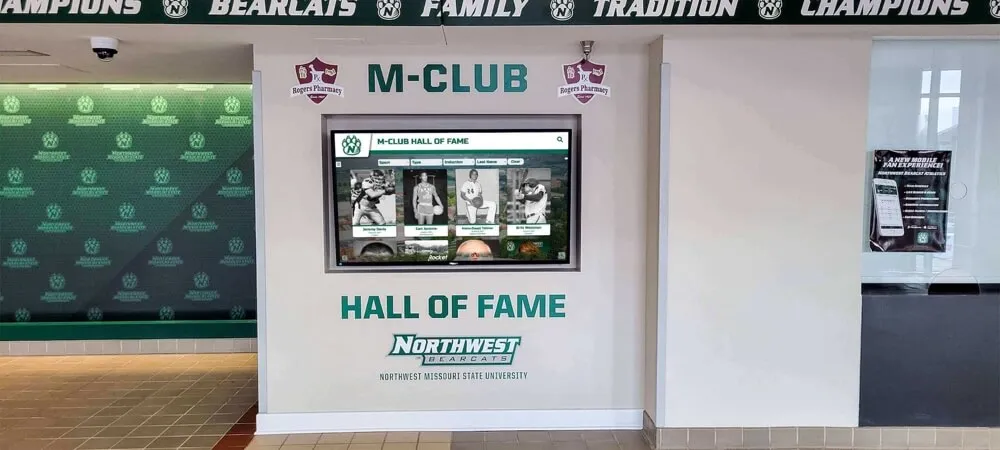
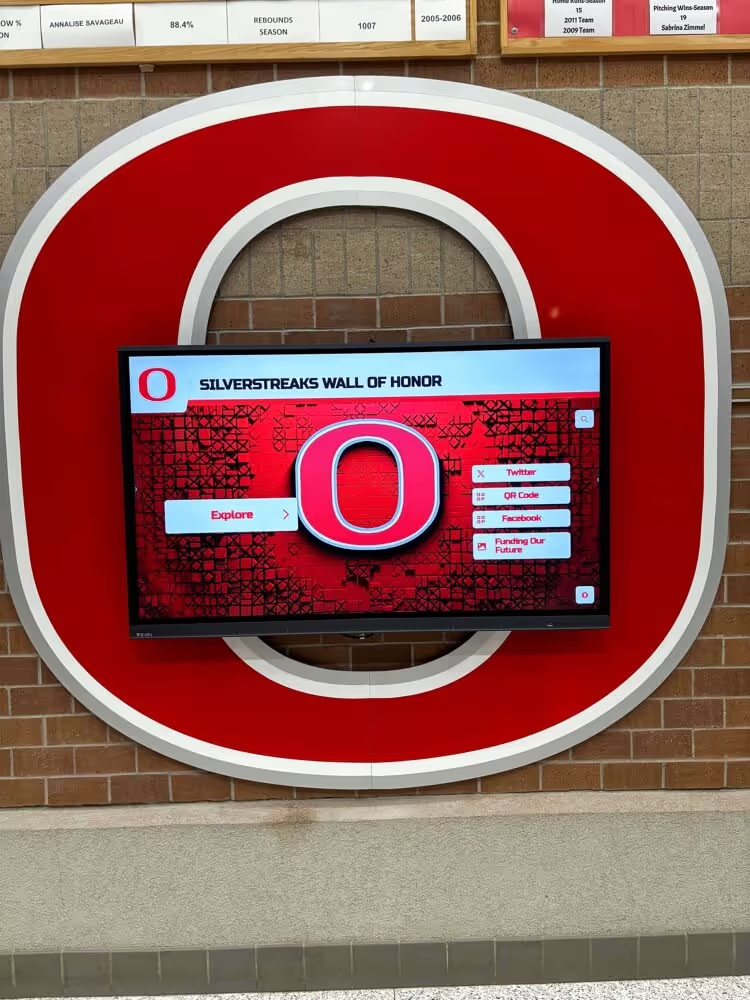
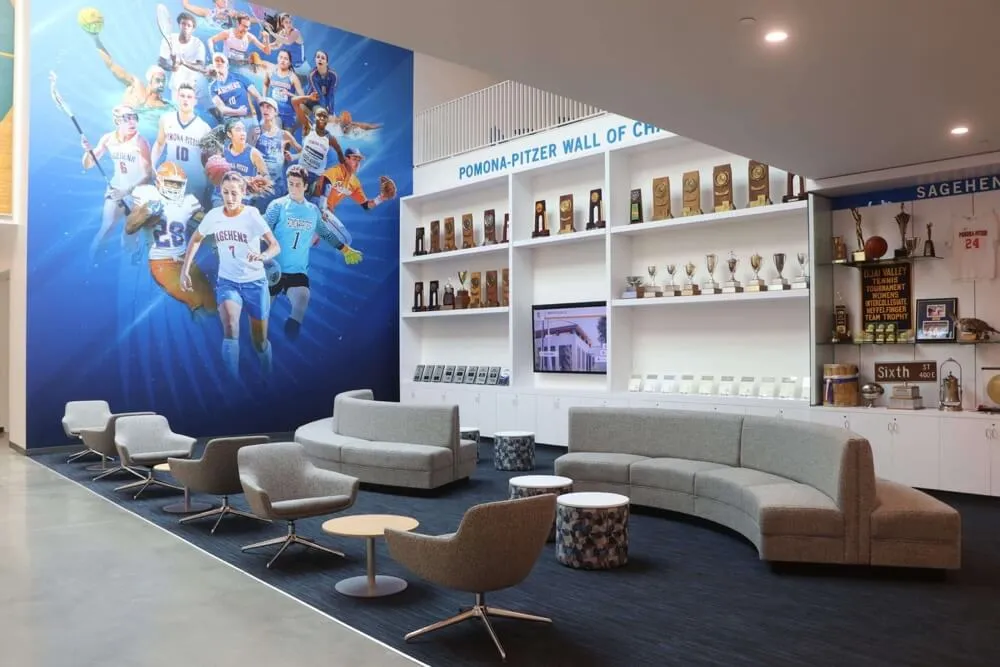
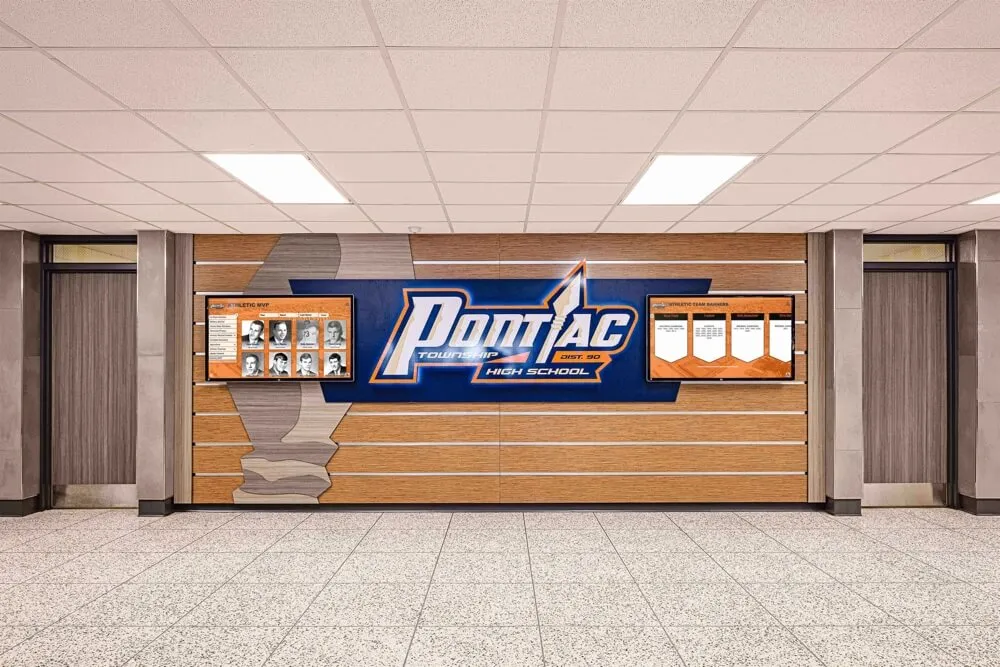
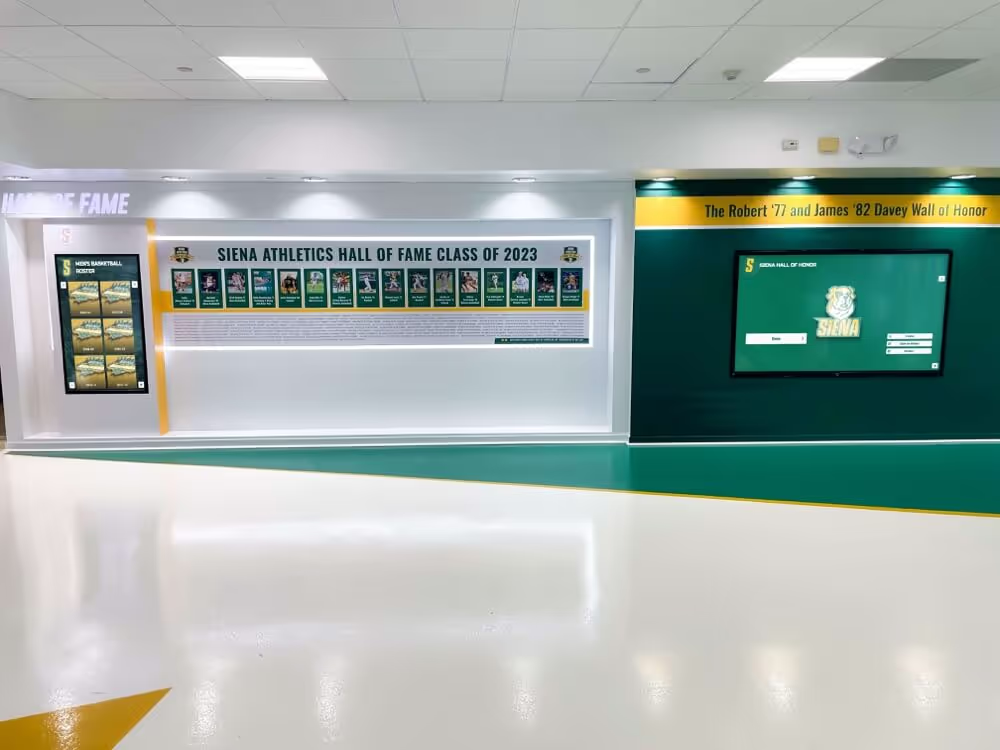
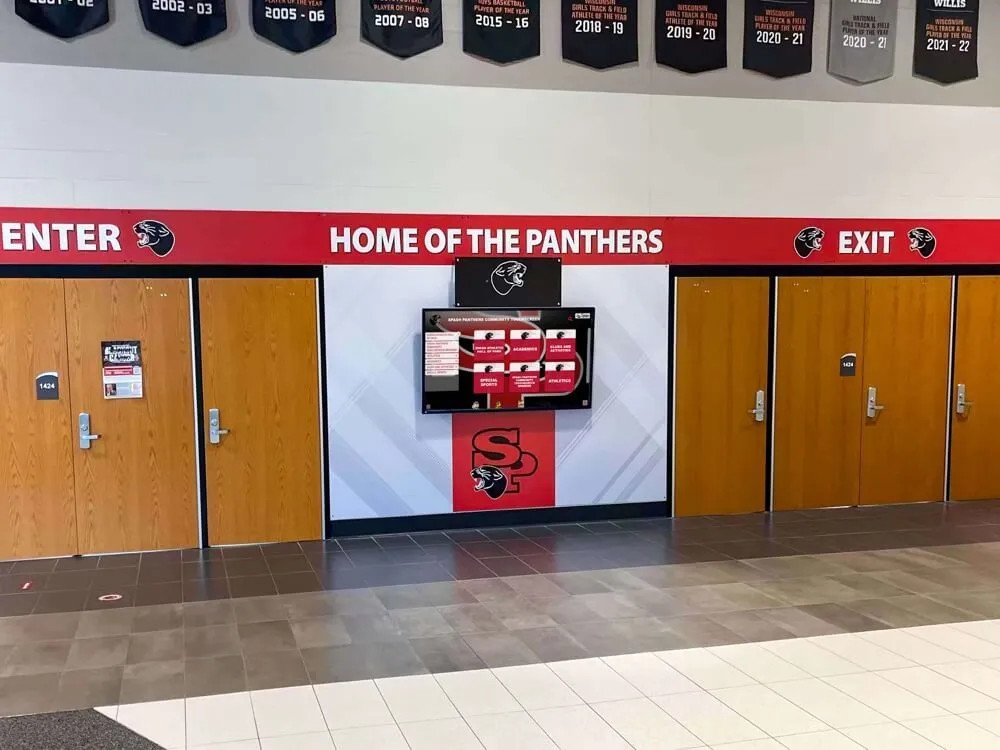
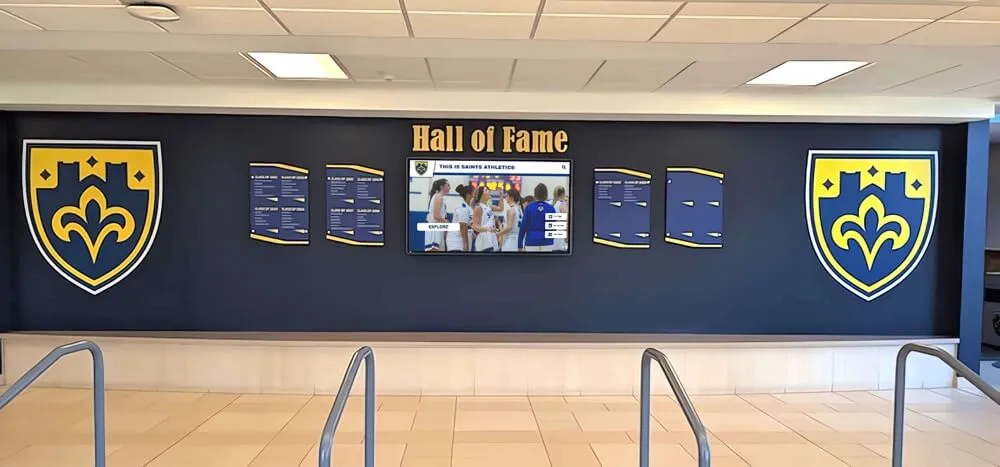
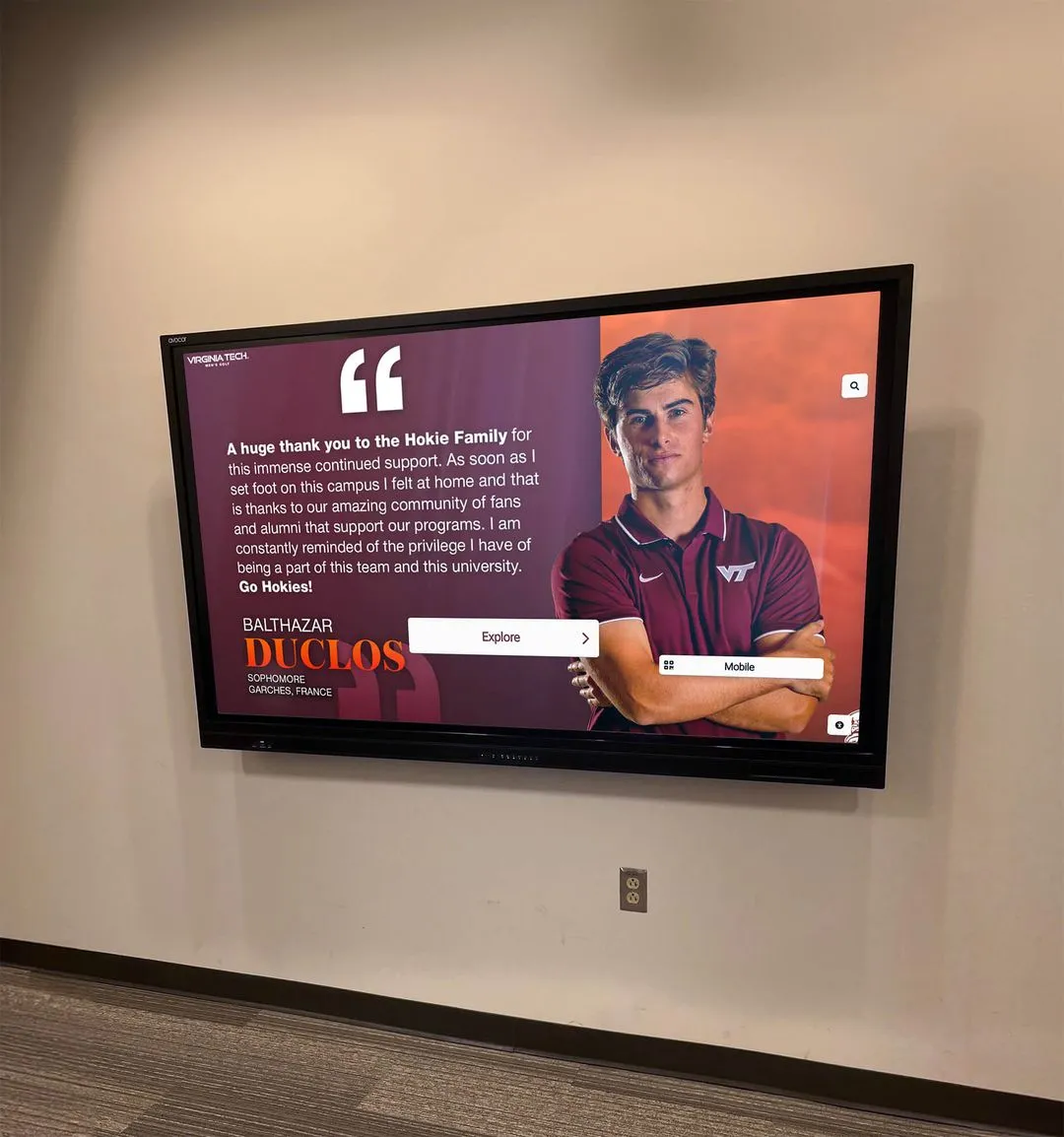
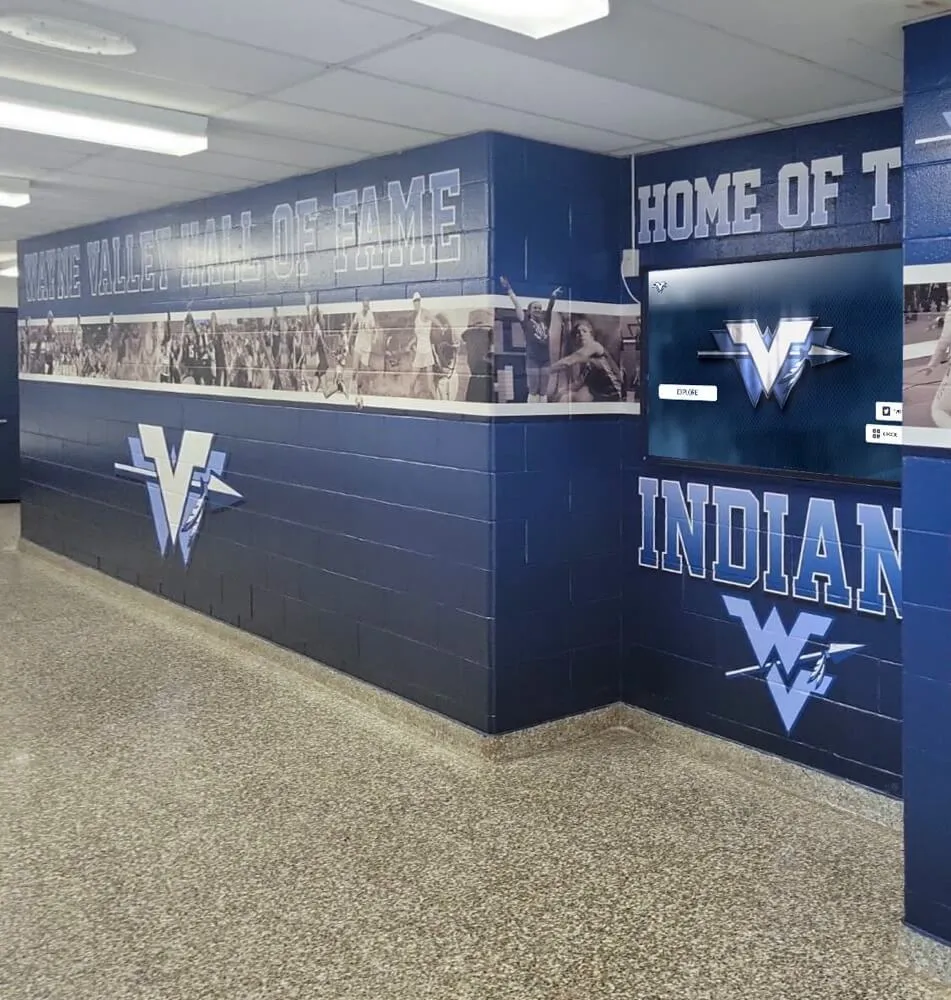
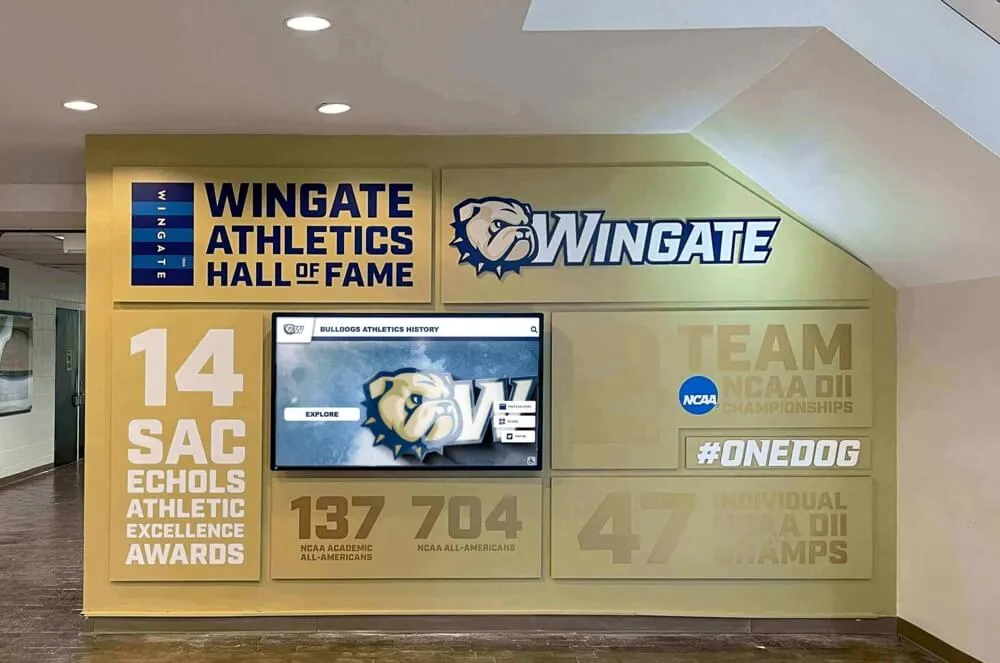
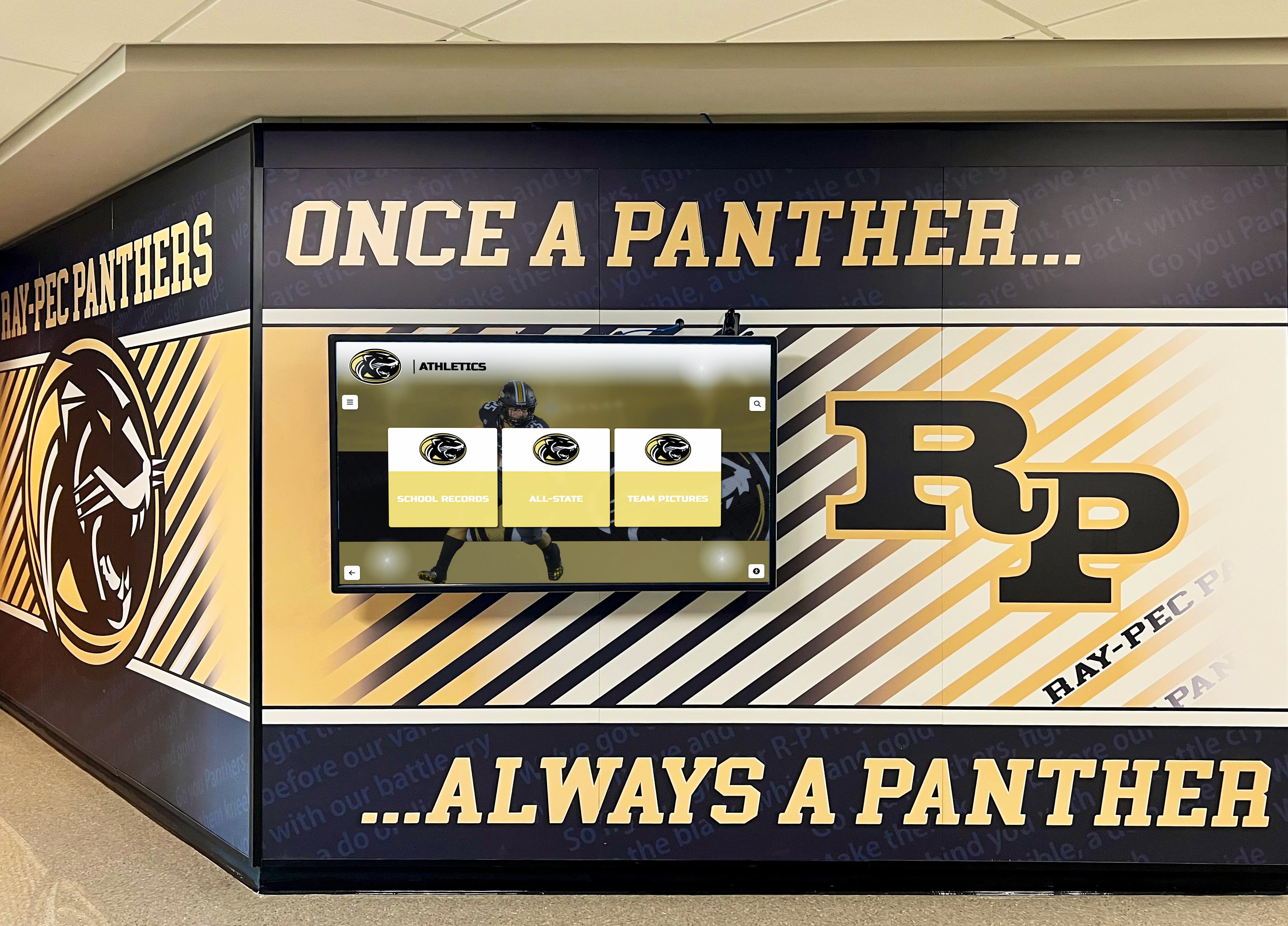
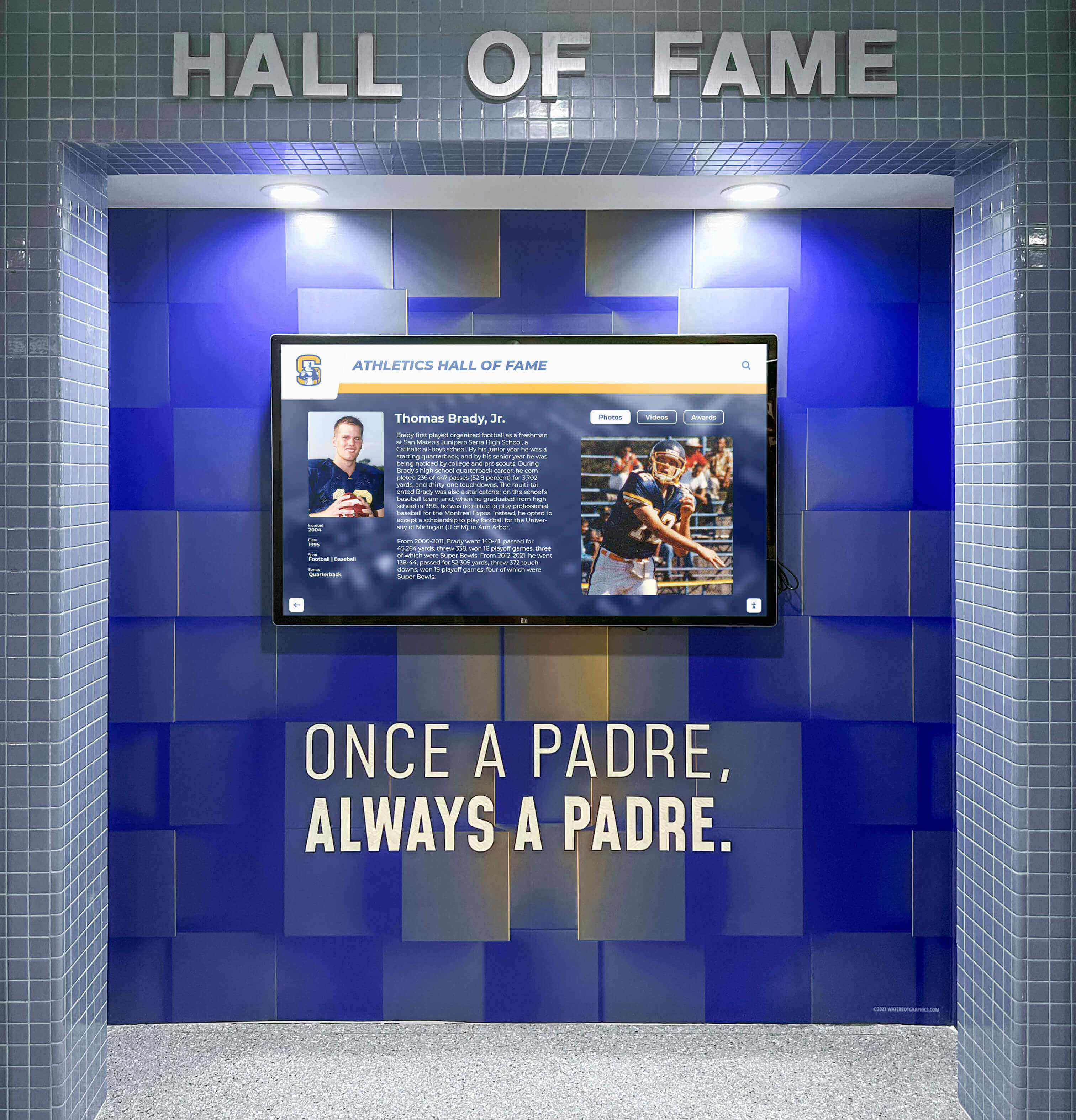
Permanent displays. Digital recognition walls and halls of fame ensure senior athletes remain part of program legacy long after graduation. These interactive displays allow future students, families, and community members to explore senior accomplishments and program history.
Alumni integration. Progressive programs connect graduating seniors with alumni networks, creating continuity between current athletes and former program members who can offer mentorship, career guidance, and ongoing community connections.
Creative Recognition Ideas: Making Senior Night Memorable
Standard senior night ceremonies honor tradition, but creative additions make individual programs’ ceremonies distinctive and personally meaningful.
Personalized Presentation Elements
Video tributes. Compile photos from athletes’ careers—youth sports, early high school seasons, practices, competitions, candid moments—into short video presentations that play before or during recognition. Include messages from coaches, teammates, and family members expressing appreciation.
Childhood photos. Display “then and now” images showing athletes as young children beginning their sport alongside current senior photos, visually demonstrating their journey and growth over years of participation.
Stat highlights and achievements. Create visual displays showcasing each senior’s personal accomplishments—games played, points scored, records achieved, championships won, leadership positions held—recognizing measurable contributions to program success.
Personal interest recognition. Acknowledge athletes’ identities beyond their sport—academic achievements, other activities participated in, college majors chosen, career interests—demonstrating that programs value whole people rather than just athletic performance.
Family and Community Involvement
Parent appreciation segments. Dedicate time to acknowledge parents specifically, perhaps inviting them to take a “parent bow” or reading prepared statements from athletes thanking families for specific sacrifices and support that enabled their athletic participation.
Sibling and supporter recognition. Acknowledge younger siblings, extended family members, host families for exchange students, or community members who supported athletes’ development, expanding recognition beyond immediate parents to the broader support network.
Community connection highlights. For athletes involved in community service, youth coaching, or mentorship, include brief mentions of their contributions beyond competition, demonstrating program values extending into community impact.
Interactive and Technology-Enhanced Recognition
QR code programs. Create printed programs featuring QR codes linking to extended digital content—full video tributes, photo galleries, career statistics, messages from coaches and teammates—providing deeper engagement while keeping ceremony timing manageable.
Social media campaigns. Coordinate hashtags encouraging fans, family, and community members to share senior night photos, messages, and memories in real-time, creating digital community engagement that extends ceremony reach beyond physical attendees.
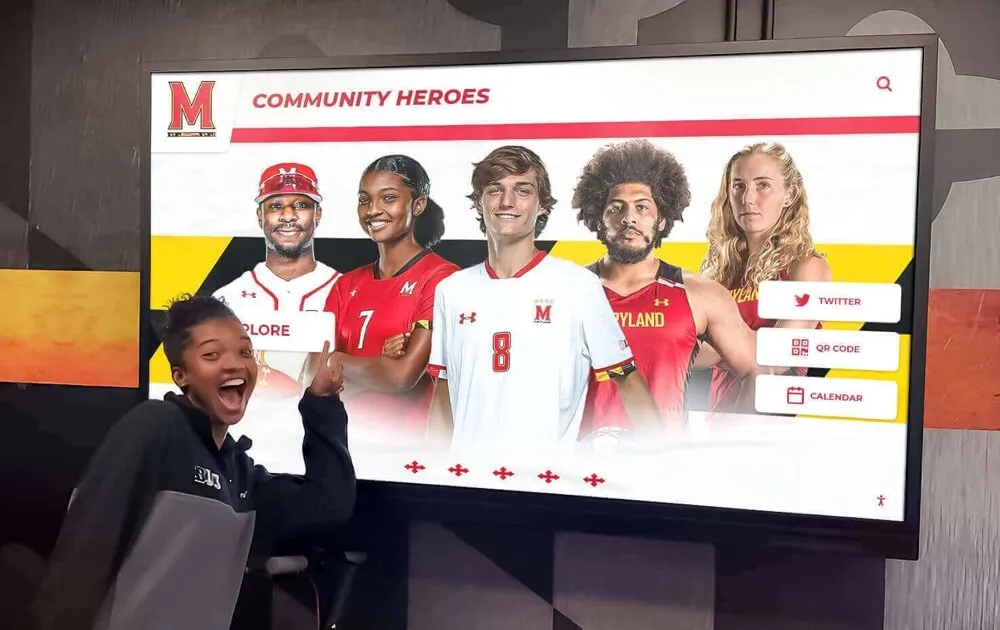
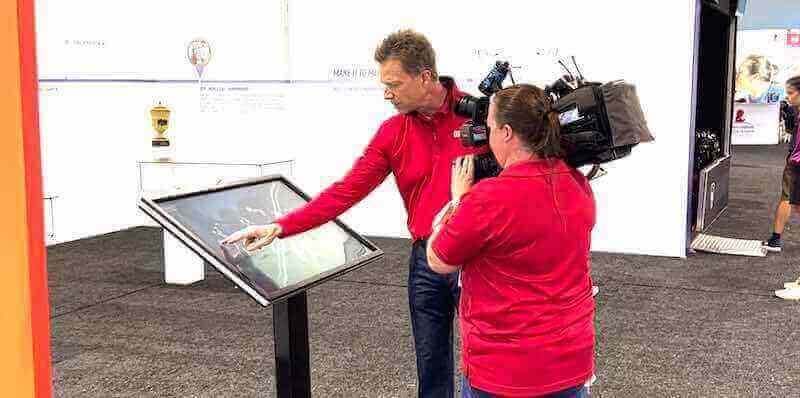
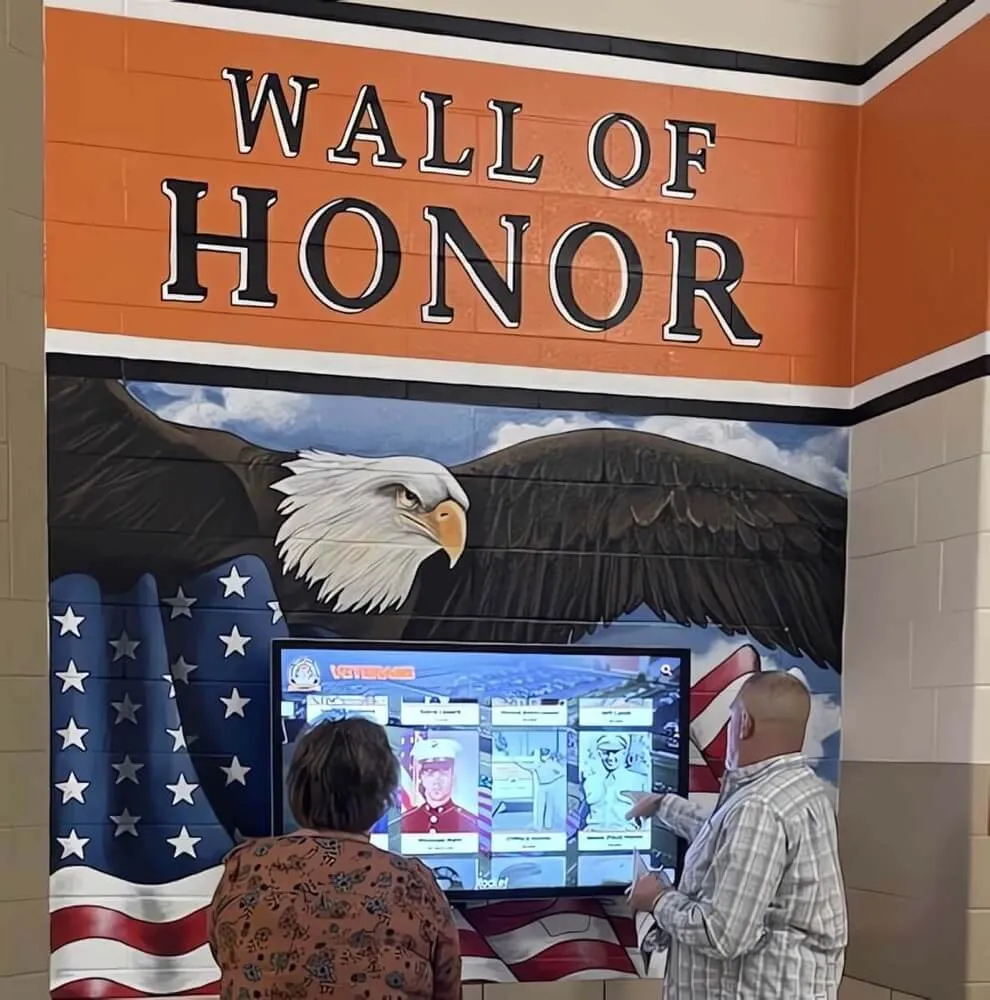
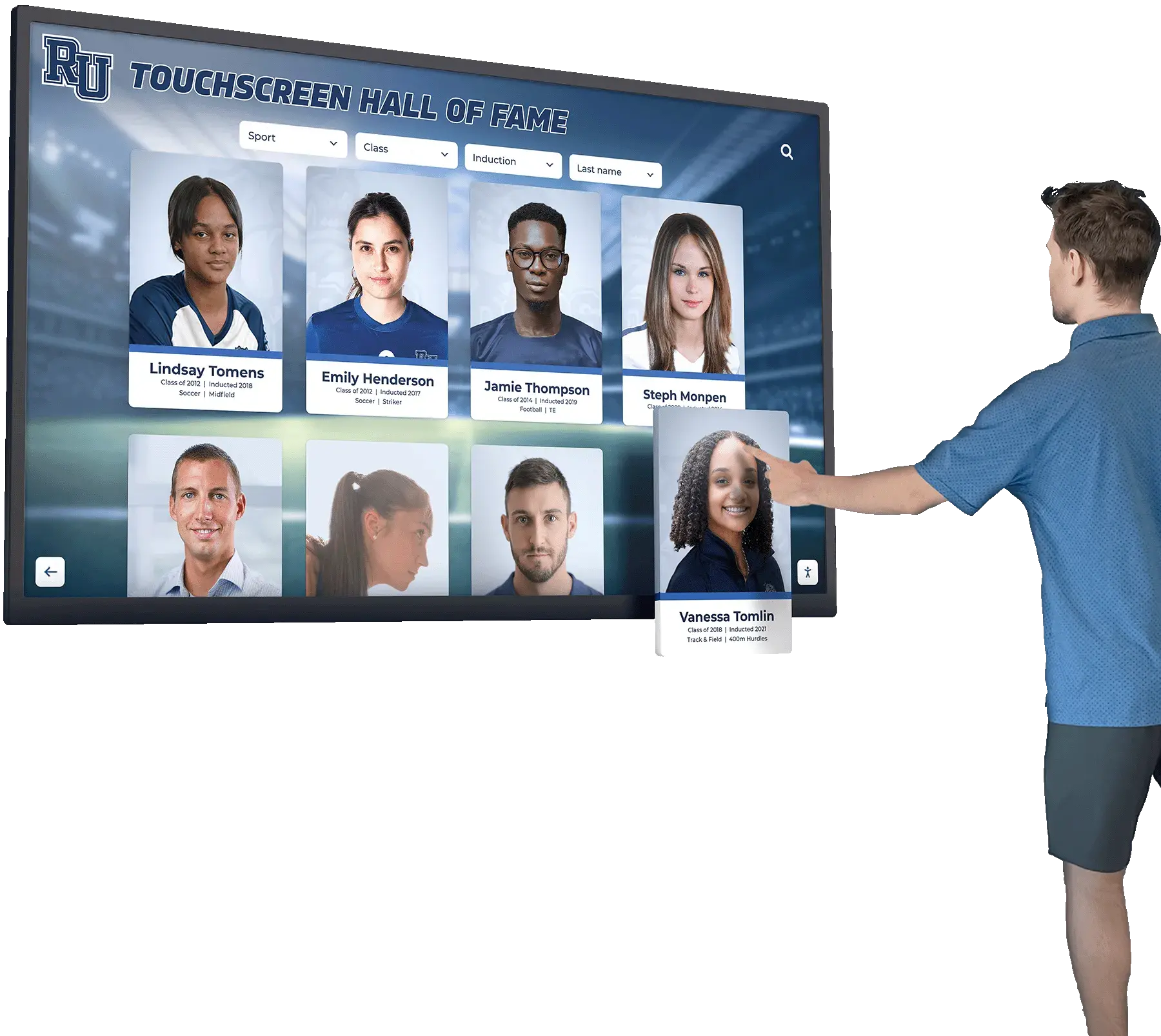
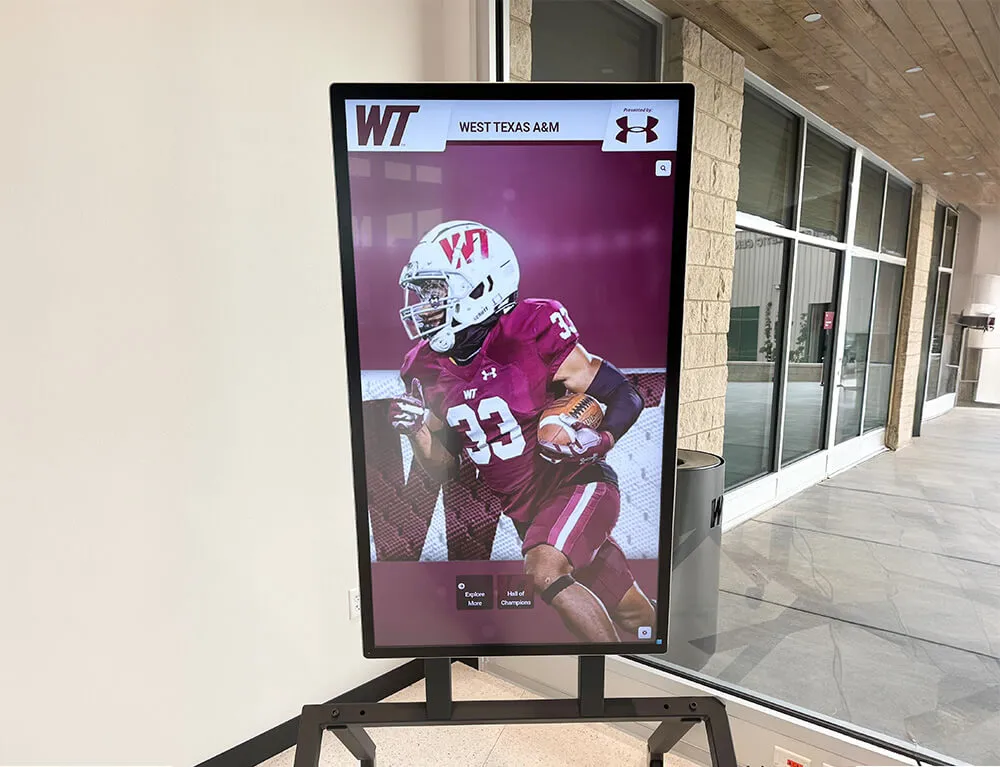
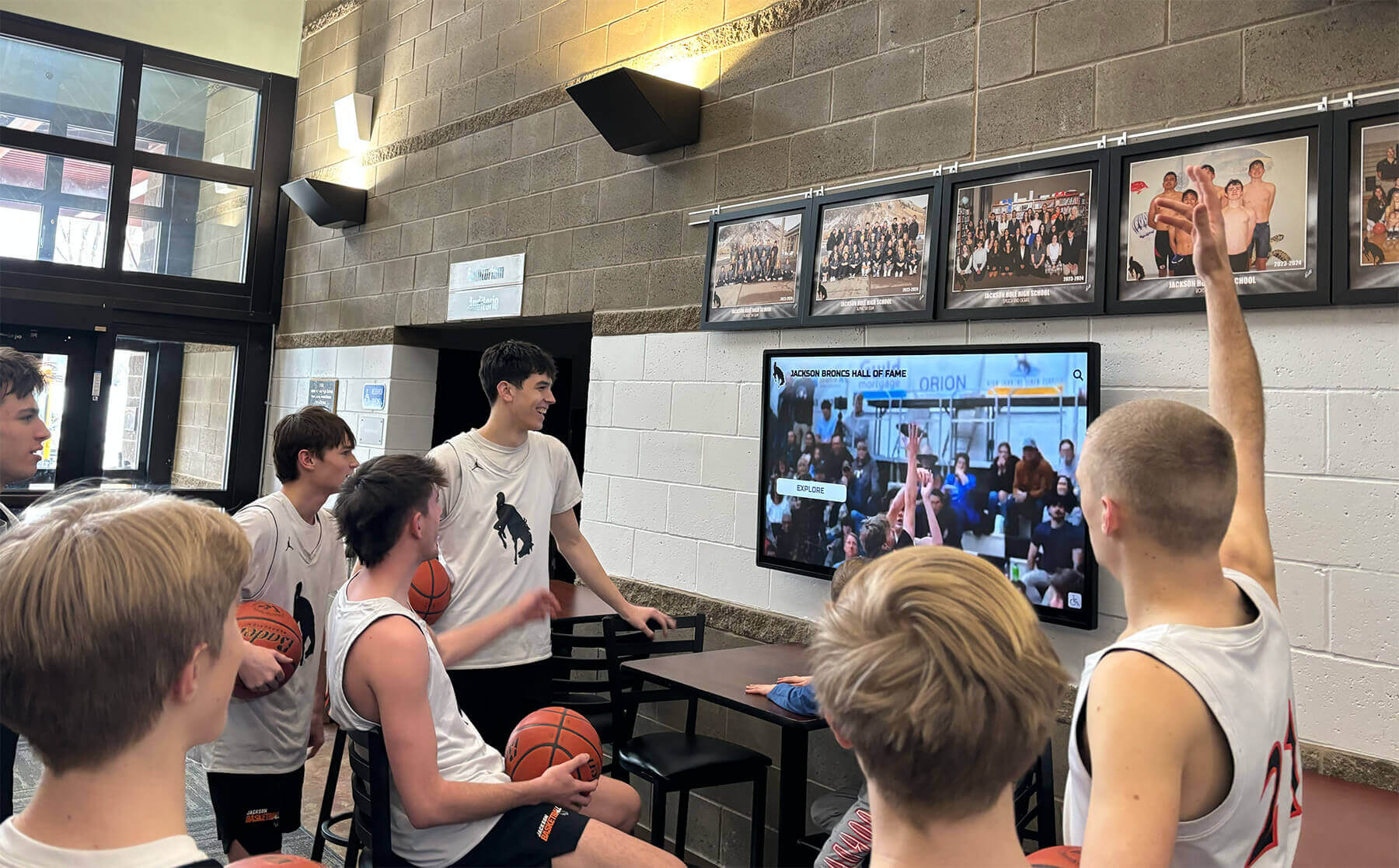
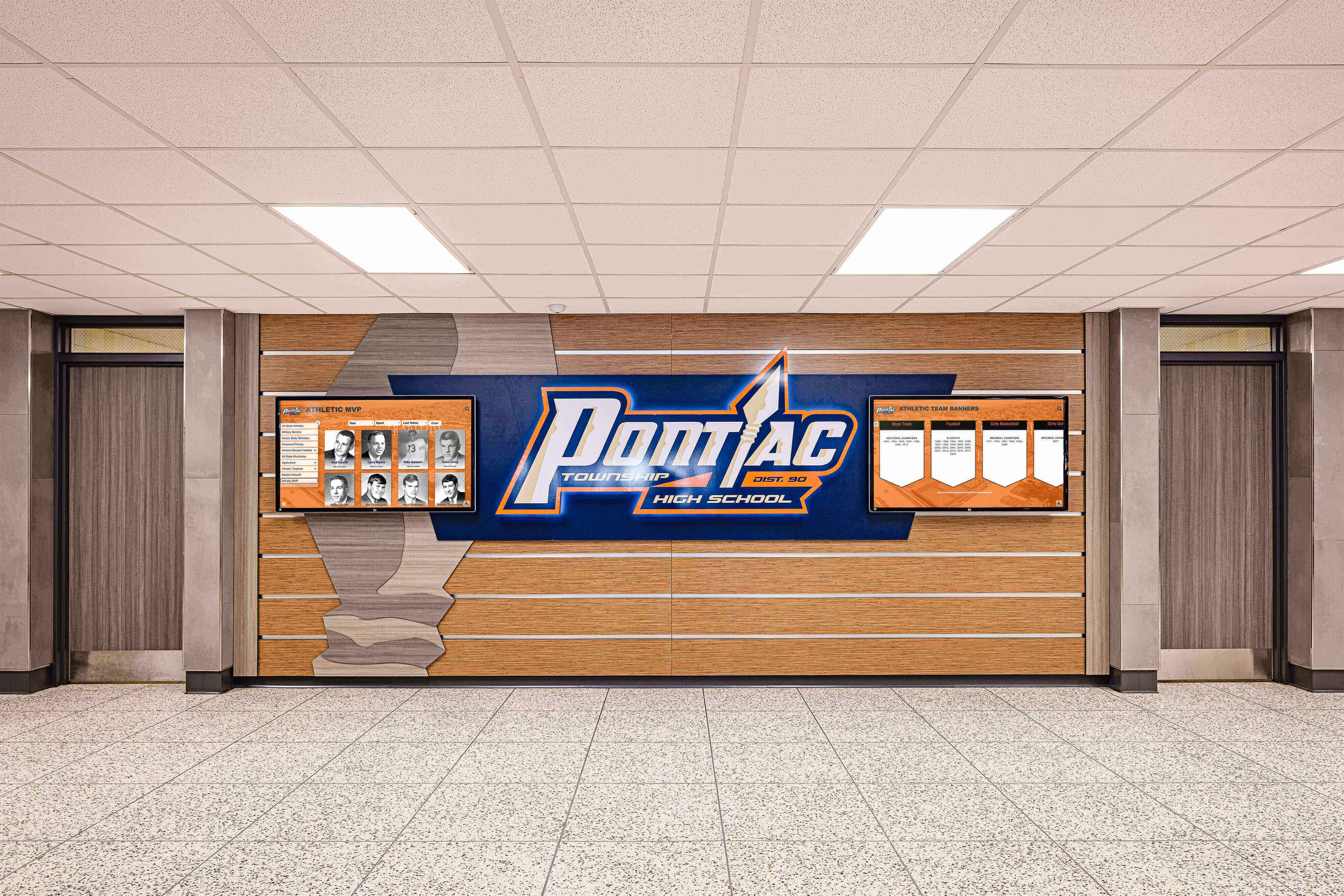
Interactive displays. Modern athletic recognition displays allow guests to explore senior achievements interactively, search athlete profiles, view statistics, and access photos and videos that preserve senior night memories permanently while inspiring younger athletes.
Sport-Specific Senior Night Considerations
Different sports present unique logistical opportunities and challenges for senior night ceremonies. Adapting standard recognition frameworks to sport-specific contexts maximizes ceremony effectiveness.
Football Senior Night
Timing options. Football typically conducts senior night before kickoff or at halftime. Pre-game timing ensures seniors can fully focus on competition afterward but requires careful coordination with warm-ups. Halftime recognition provides emotional break from competition but splits event across both halves.
Family escort logistics. Football senior classes often include 15-30+ athletes, requiring efficient staging to move families across the field smoothly. Consider staggering position groups or forming continuous procession rather than recognizing athletes individually in place.
Weather contingency. Outdoor fall ceremonies face weather risks. Prepare backup plans for rain—shortened scripts, covered staging areas, protective coverings for gifts and flowers—ensuring recognition happens meaningfully despite conditions.
Basketball Senior Night
Court ceremonies. Basketball’s intimate venue allows emotional connection between athletes and crowd. Recognition typically occurs before game or between team introductions and tipoff, creating natural ceremony flow.
Family visibility. Smaller senior classes (often 3-8 athletes) permit extended individual recognition with personal details. The proximity of fans in gyms compared to football stadiums creates more intimate atmosphere where nuanced recognition resonates emotionally.
Photo opportunities. Basketball’s indoor controlled environment enables high-quality photography without weather concerns, supporting creation of professional images suitable for lasting displays.
Soccer, Volleyball, and Other Sports
Pre-match timing. Most sports recognize seniors before competition begins, allowing athletes to transition mentally into competitor mode once ceremony concludes rather than attempting to refocus after emotional halftime recognition.
Dual senior nights. Some schools coordinate recognition across multiple teams—boys and girls soccer sharing senior night, multiple volleyball teams honoring seniors together—creating larger community event that draws bigger crowds and demonstrates program unity.
Outdoor/indoor considerations. Indoor sports offer controlled environments for ceremonies, while outdoor sports require audio equipment powerful enough for field environments and contingency plans for weather disruptions.
Building Lasting Recognition: Beyond Senior Night
The most effective athletic programs understand senior night as one component within comprehensive recognition systems that honor athletes throughout and beyond their competitive careers. Schools committed to recognition excellence create layered approaches ensuring athletes’ contributions remain visible permanently rather than existing only in ceremony memories that fade with time.
Year-Round Recognition Systems
Progressive athletic departments implement recognition structures extending across athletes’ entire careers and beyond:
Freshman through senior tracking. Modern digital systems enable programs to document athletes’ achievements continuously—game statistics, leadership positions, awards received, community service, academic honors—creating comprehensive profiles that senior night ceremonies can draw from while establishing permanent records accessible long after graduation.
Multi-year display updates. Rather than static recognition that captures only graduation year, dynamic systems allow ongoing profile updates as athletes progress through college, careers, and life achievements, maintaining connections between programs and alumni while inspiring current participants.
Alumni network integration. Connecting graduating seniors with established alumni networks through digital platforms ensures relationships built through athletics continue beyond high school, providing mentorship opportunities, career connections, and ongoing community engagement.
Digital Recognition Advantages
Contemporary schools increasingly complement traditional senior night ceremonies with permanent digital recognition infrastructure offering advantages static displays cannot match. Interactive systems preserve senior night moments while providing capabilities impossible through printed programs or trophy cases—searchable databases, video integration, statistical tracking, social sharing, and continuous content updates as alumni achieve post-high school success.
These platforms transform how schools honor seniors, creating permanent digital spaces where families can revisit senior night memories, younger athletes can explore program history and aspire to similar recognition, alumni can maintain connections with programs that shaped them, and communities can celebrate athletic excellence across generations, similar to how institutions preserve achievements through digital trophy cases and interactive displays.
Legacy Building Through Recognition
The ultimate goal of senior night extends beyond individual ceremonies into legacy building that benefits entire athletic programs:
Cultural transmission. Recognition systems that document seniors’ character, leadership, and achievements communicate program values to incoming athletes, establishing expectations and aspirations that shape program culture across generations.
Pride and identity. Visible, permanent recognition builds program pride among current athletes, families, and community members. When athletes see their predecessors honored meaningfully, they understand their own potential to achieve similar recognition through commitment and excellence.
Recruitment advantage. Prospective athletes and families evaluating school options notice how programs honor departing seniors. Schools demonstrating that they value, celebrate, and permanently recognize athletes’ contributions stand out in competitive recruitment environments where families seek supportive cultures prioritizing student development beyond winning.
Creating Senior Night Recognition That Endures
Senior night represents a pinnacle moment in high school athletics—a ceremony honoring years of dedication while marking significant life transitions. When executed thoughtfully with attention to personalization, family inclusion, and lasting recognition, these events become treasured memories that athletes, families, and communities recall for decades.
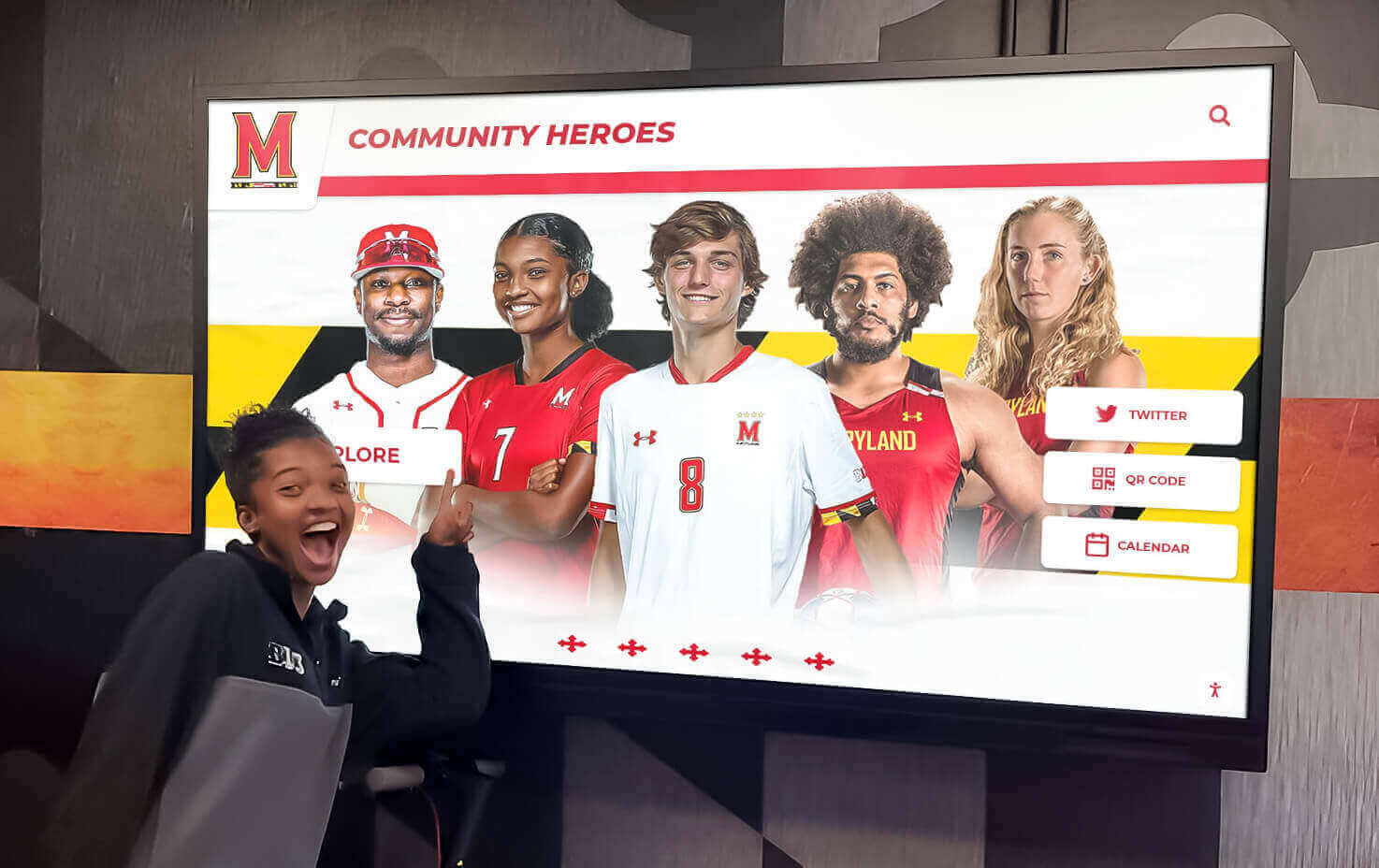
The most successful senior night programs understand that recognition extends beyond single ceremonies into comprehensive systems that honor athletes throughout careers and preserve their legacies permanently. Modern technology enables schools to create interactive digital recognition platforms where senior night photos, videos, achievements, and memories remain accessible indefinitely—inspiring future athletes, connecting alumni, and demonstrating institutional values that prioritize student development.
Programs investing in systematic senior night planning paired with permanent recognition infrastructure send powerful messages to athletes, families, and communities: individual contributions matter, dedication deserves acknowledgment, and athletic programs exist not merely to win competitions but to develop young people whose character and achievements warrant celebration and remembrance long after final whistles blow.
Whether your athletic department currently honors seniors through established traditions or seeks to enhance recognition approaches, combining thoughtful ceremony planning with permanent digital displays creates recognition systems that transform single nights into lasting legacies. When athletes can return years after graduation and explore digital displays showcasing their senior night moments, achievements, and teammates, they experience tangible evidence that their commitment mattered and their contributions remain valued by institutions that shaped them.
Schools ready to elevate senior night recognition through permanent digital halls of fame can explore how interactive touchscreen displays create year-round visibility for senior athletes while preserving program history, celebrating achievements, and building athletic culture. Discover how Rocket Alumni Solutions helps schools honor senior athletes through lasting digital recognition that complements traditional senior night ceremonies with permanent, interactive displays accessible to athletes, families, and communities for years to come.
Live Example: Rocket Alumni Solutions Touchscreen Display
Interact with a live example (16:9 scaled 1920x1080 display). All content is automatically responsive to all screen sizes and orientations.