What Is a National Honor Society? Membership, Benefits, and Recognition Explained
- Home /
- Digital Hall of Fame Insights & Resources /
- What Is a National Honor Society? Membership, Benefits, and Recognition Explained

The Easiest Touchscreen Solution




Live Example: Rocket Alumni Solutions Touchscreen Display
Interact with a live example (16:9 scaled 1920x1080 display). All content is automatically responsive to all screen sizes and orientations.
The National Honor Society (NHS) stands as one of America’s most prestigious and recognized student organizations, celebrating high school students who demonstrate exceptional achievement across scholarship, service, leadership, and character. Since its founding in 1921, NHS has honored millions of outstanding students while shaping educational values and creating communities dedicated to academic excellence and civic responsibility.
For high school students and families navigating the increasingly competitive college admissions landscape, understanding NHS membership requirements, benefits, and recognition opportunities becomes essential. NHS membership signals to colleges, scholarship committees, and future employers that students have achieved excellence not just academically but across multiple dimensions of personal development. The organization’s rigorous selection process and ongoing membership obligations ensure that NHS designation carries genuine prestige and meaning.
This comprehensive guide explores everything students, parents, and educators need to know about the National Honor Society—from the four pillars defining membership criteria through application strategies, ongoing obligations, college admissions impact, and modern approaches schools use to celebrate NHS inductees through engaging recognition displays that honor this distinguished achievement.
The National Honor Society represents far more than another line on college applications. NHS membership creates opportunities for leadership development, community service engagement, and connection with peers who share commitment to excellence. Schools implementing comprehensive academic recognition programs often feature NHS induction as a pinnacle achievement celebrated prominently throughout educational communities.

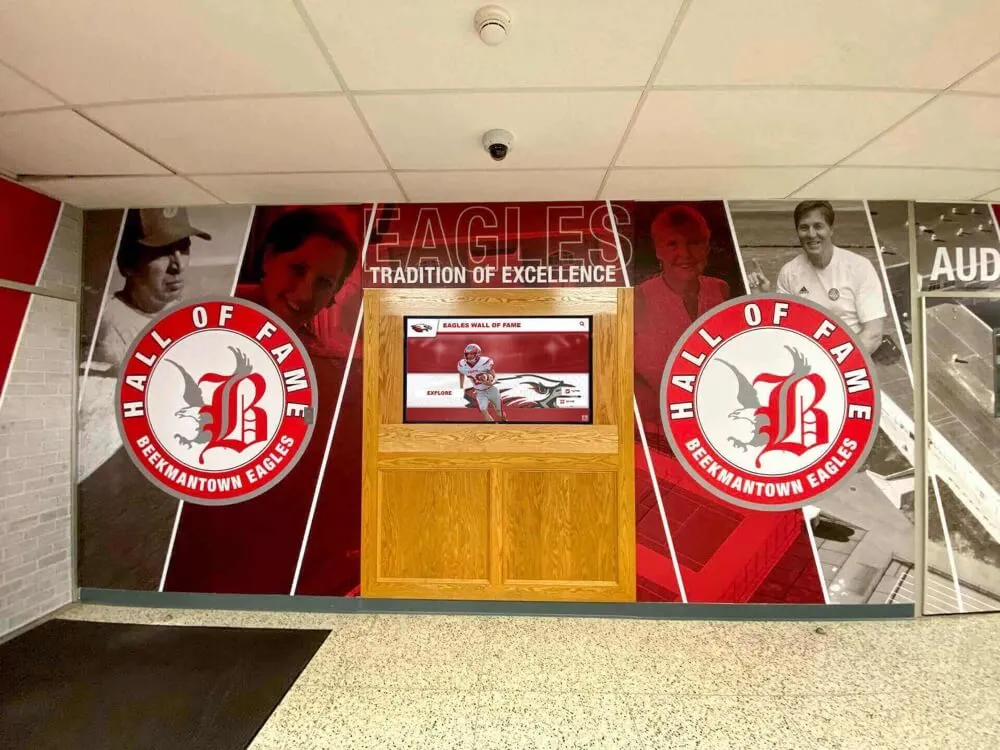
Modern recognition displays make National Honor Society membership visible and celebrated throughout school communities
What Is the National Honor Society?
The National Honor Society is a nationwide organization founded in 1921 by the National Association of Secondary School Principals (NASSP) to recognize and encourage academic achievement while developing essential characteristics in high school students. NHS has grown to include more than one million active members across all 50 states, U.S. territories, and international schools.
NHS Mission and Purpose
The National Honor Society exists to accomplish several interconnected goals:
Recognizing Well-Rounded Excellence
- Celebrates students who excel academically while demonstrating leadership, service commitment, and strong character
- Moves beyond grades alone to honor comprehensive student development
- Creates standards encouraging students to develop across multiple dimensions
- Provides framework schools use to identify and celebrate outstanding students
Developing Future Leaders
- Offers leadership opportunities through chapter officer positions and committee responsibilities
- Creates experiences developing organizational, communication, and project management skills
- Builds networks of accomplished peers supporting each other’s growth
- Connects students with mentors and role models embodying NHS values
Promoting Service to Others
- Requires ongoing community service participation throughout membership
- Organizes chapter service projects benefiting schools and communities
- Develops service mindsets and civic responsibility in young people
- Creates visible impact through collective chapter service initiatives
Understanding comprehensive student recognition approaches helps schools position NHS as part of broader excellence celebration.
NHS Organizational Structure
National Organization The National Honor Society operates through the National Association of Secondary School Principals, which:
- Establishes national standards and membership criteria
- Provides resources, handbooks, and guidance to local chapters
- Offers national recognition programs and scholarship opportunities
- Maintains the NHS brand and ensures program quality across chapters
School-Based Chapters Individual high schools establish local NHS chapters that:
- Implement selection processes based on national standards while maintaining some local autonomy
- Organize chapter activities, service projects, and meetings
- Elect student officers and establish chapter governance structures
- Create induction ceremonies celebrating new members
- Monitor ongoing member compliance with requirements
This two-tiered structure ensures consistent standards nationally while allowing chapters to reflect local school cultures and community needs.
NHS Membership Statistics and Reach
Current NHS Impact
- Over 1 million active members nationwide
- More than 8,000 chapters in all 50 states
- International chapters in American schools worldwide
- Over 1 million NHS alumni
- Cumulative membership exceeding 50 million since 1921
These numbers demonstrate NHS’s remarkable reach and sustained influence across generations of American students.

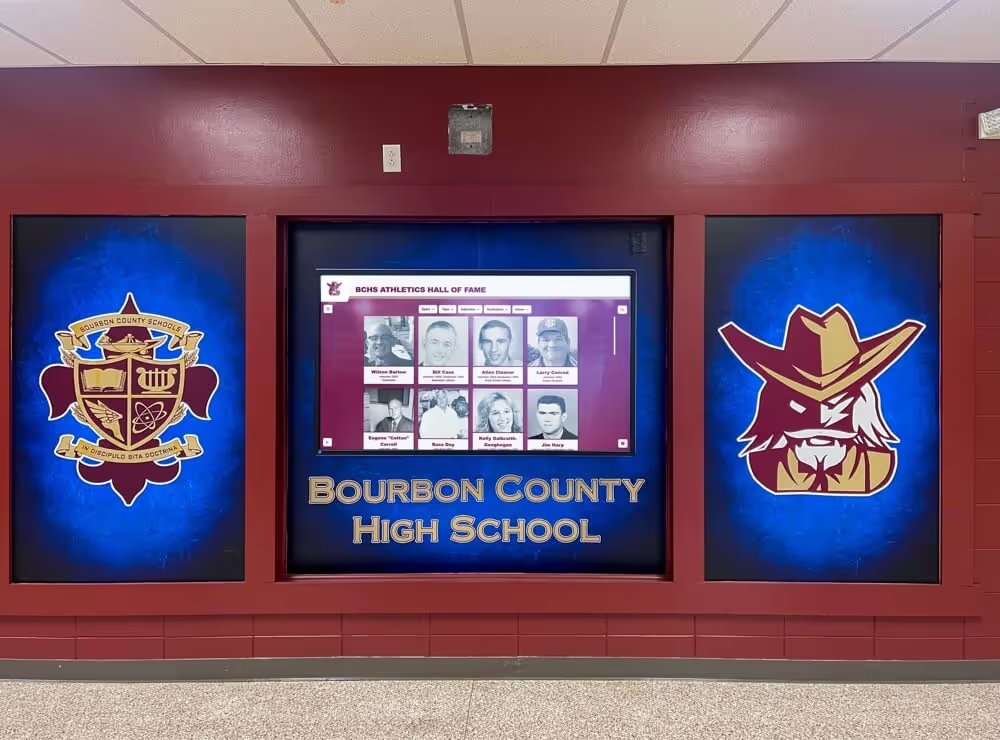
Digital displays enable schools to celebrate every NHS member with individual recognition profiles
The Four Pillars of NHS Membership
NHS selection criteria rest on four fundamental pillars that define membership eligibility and expectations. Understanding these pillars helps students position themselves for selection and prepare strong applications.
Scholarship: Academic Excellence Foundation
Scholarship forms the foundation upon which other NHS criteria build. Academic achievement requirements vary slightly by school but follow consistent national guidelines.
Typical GPA Requirements
- Minimum cumulative GPA of 3.5 on 4.0 scale (B+ average)
- Some schools set higher thresholds (3.7 or even 3.85 in highly competitive environments)
- GPA calculation methods vary—some schools use weighted GPAs while others use unweighted
- Typically calculated through first semester of junior year for junior applicants
Academic Rigor Considerations Beyond raw GPA numbers, NHS chapters often consider:
- Course difficulty and participation in honors, AP, or IB programs
- Consistency of academic performance across subjects
- Grade trajectory showing improvement or sustained excellence
- Academic challenge-seeking rather than GPA protection through easy courses
Schools implementing honor roll recognition programs often use similar GPA thresholds creating clear pathways from honor roll to NHS membership.
Meeting Scholarship Standards
Students should:
- Maintain grades consistently above the threshold throughout high school
- Seek help immediately when struggling rather than allowing grades to drop
- Balance course rigor with realistic workload assessment
- Understand their school’s specific GPA calculation method
- Remember that meeting academic threshold alone doesn’t guarantee selection
Service: Commitment to Community
The service pillar recognizes students who demonstrate consistent commitment to helping others through volunteer work and community engagement.
Service Hour Requirements NHS chapters typically expect:
- Minimum service hours before application (commonly 20-30 hours for juniors)
- Documentation of service with dates, hours, and supervising adult verification
- Quality and consistency valued over raw hour quantity
- Service continuing throughout NHS membership after induction
Types of Valued Service NHS recognizes diverse service contributions:
- School-based service (tutoring peers, assisting teachers, supporting school events)
- Community organization volunteering (food banks, shelters, youth programs)
- Religious organization service activities
- Environmental and conservation projects
- Service to elderly through nursing home visits or programs
- Family responsibilities involving caregiving
Learn about comprehensive student recognition approaches that celebrate service alongside academic achievement.
Building Strong Service Records
Successful NHS applicants typically:
- Begin regular volunteer commitments freshman year building substantial records
- Focus on consistent engagement with one or two organizations rather than scattered one-time events
- Seek service aligned with personal interests showing genuine commitment
- Document service carefully including all required verification information
- Pursue service leadership opportunities organizing events or recruiting volunteers
- Reflect meaningfully on how service experiences influenced their development

Comprehensive recognition systems preserve NHS membership records across decades of institutional history
Leadership: Positive Influence and Initiative
Leadership—the third NHS pillar—recognizes students who demonstrate ability to inspire, organize, and guide others toward positive outcomes.
Leadership Manifestations NHS Values
Leadership takes many forms beyond traditional titles:
Formal Leadership Positions
- School club and organization officer roles (president, vice president, treasurer, secretary)
- Athletic team captainships and mentoring responsibilities
- Student government representatives
- Class officer positions
- Honor society leadership in other organizations
Informal Leadership Contributions
- Organizing study groups and peer tutoring initiatives
- Starting new clubs or programs addressing unmet needs
- Mentoring younger students informally
- Conflict resolution and peer mediation
- Project leadership in group assignments
- Initiative in improving school or community conditions
Employment and Family Leadership
- Shift leadership or training responsibilities in workplace
- Managing younger siblings or household responsibilities
- Leading youth groups in religious or community settings
- Organizing friends for community improvement projects
Schools celebrating comprehensive student achievements recognize that leadership develops through diverse experiences.
Demonstrating Leadership in Applications
Effective NHS applications showcase leadership through:
- Specific examples with measurable outcomes
- Description of challenges overcome and problems solved
- Evidence of positive influence on peers and communities
- Demonstration of initiative and self-starting behaviors
- Reflection on leadership lessons learned and skills developed
- Letters of recommendation corroborating leadership claims
Character: The Foundation of Trust
Character represents perhaps the most important yet hardest-to-quantify NHS pillar. Character encompasses integrity, respect, responsibility, trustworthiness, fairness, caring, and citizenship.
Character Assessment Methods
NHS chapters evaluate character through:
Disciplinary Record Review
- Clean disciplinary record without major integrity violations
- No academic dishonesty incidents
- Absence of serious behavioral issues
- Consistent demonstration of school rules and community standards respect
Teacher and Administrator Recommendations
- Multiple teachers provide confidential character assessments
- Recommendations address honesty, integrity, and interpersonal conduct
- Teachers evaluate how students treat peers, handle challenges, and demonstrate values
- Administrative staff may provide input on overall reputation and conduct
Peer and Community Perception
- Some chapters include peer feedback mechanisms
- Community organization supervisors may provide character references
- Overall reputation within school community considered
- Social media presence may be reviewed for character consistency
Understanding athletic recognition programs helps schools appreciate how character transcends academic settings.
Building Strong Character Foundation
Students strengthen character credentials by:
- Treating teachers, staff, and peers with consistent respect
- Acting with integrity in all situations including when unobserved
- Maintaining appropriate online presence and social media behavior
- Following through on commitments and responsibilities
- Demonstrating honesty in academic work and avoiding all dishonesty
- Building positive relationships with diverse individuals
- Showing kindness and support to peers creating positive reputation
- Taking responsibility for mistakes rather than making excuses
Character deficiencies represent the most common reason otherwise qualified students face NHS rejection.
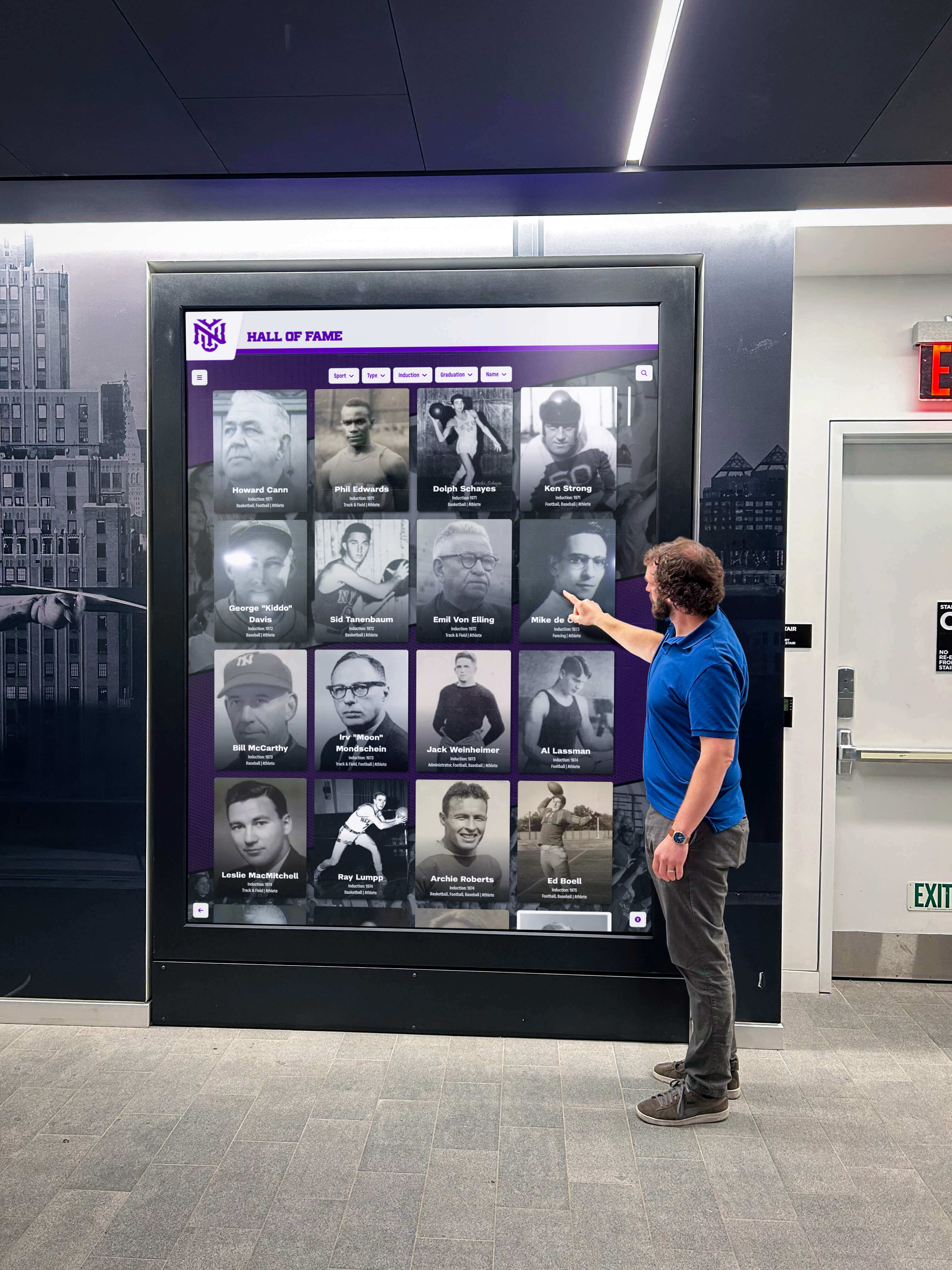
Interactive displays enable families and community members to explore NHS membership and other academic honors
NHS Application and Selection Process
Understanding the NHS selection process helps students prepare effective applications and set realistic expectations.
Application Timeline and Eligibility
Typical NHS Timeline
Sophomore Year Spring or Junior Year Fall
- Schools identify academically eligible students based on GPA thresholds
- Eligible students receive invitation to apply (or open application announced)
- Application packets distributed with detailed instructions and deadlines
Application Period (Typically 2-4 Weeks)
- Students complete comprehensive applications
- Recommendation forms submitted to teachers
- Service hour documentation compiled
- Essays drafted and refined
- All materials submitted by hard deadline
Faculty Council Review (1-2 Weeks)
- Five-member faculty council reviews all applications holistically
- Council evaluates all four pillars using established rubrics
- Discussions ensure fair, comprehensive assessment
- Selection decisions finalized
Notification and Induction (2-4 Weeks After Selection)
- Selected students notified of acceptance
- Formal induction ceremony scheduled
- New members receive certificates and membership materials
- Public announcement of new NHS class
Schools implementing digital recognition systems can showcase NHS inductees immediately following ceremony.
NHS Application Components
Comprehensive applications typically include:
Student Information Form
- Personal and academic information
- GPA verification and class rank if applicable
- Demographic information
Activity and Achievement Resume
- Comprehensive list of extracurricular activities with dates and positions
- Academic achievements and awards
- Community involvement documentation
- Employment history if applicable
- Special talents or skills
Service Documentation
- Detailed list of all service activities
- Dates, hours, and descriptions of service performed
- Supervising adult contact information for verification
- Reflection on service impact and lessons learned
Leadership Portfolio
- Description of all leadership roles and responsibilities
- Specific accomplishments and impacts in leadership positions
- Examples of initiative and positive influence
- Leadership philosophy or approach
Personal Essay
- Response to NHS-specific prompts about four pillars
- Reflection on how experiences shaped development
- Demonstration of writing ability and thoughtfulness
- Connection of personal experiences to NHS values
Teacher Recommendation Forms
- Typically 2-3 teacher recommendations
- Confidential assessments of scholarship, character, and leadership
- Specific examples supporting student candidacy
- Ratings or rankings on various criteria
Understanding comprehensive recognition display options helps schools plan NHS induction celebration.
Faculty Council Selection Process
Council Composition and Operation
- Minimum five faculty members representing diverse departments
- Members serve rotating terms ensuring fresh perspectives
- Principal appoints members or faculty elect representatives
- Deliberations confidential to ensure honest assessment
Holistic Review Standards
- Meeting scholarship threshold necessary but not sufficient
- All four pillars receive equal consideration in most chapters
- Extraordinary strength in one area doesn’t compensate for deficiency in another
- Character concerns can disqualify otherwise outstanding candidates
- Approximately 60-80% of eligible applicants typically receive selection
Rejection Scenarios Students may face rejection for:
- Insufficient service hours or lack of service consistency
- Limited or no leadership demonstration
- Character concerns from teacher recommendations or disciplinary records
- Incomplete applications or missed deadlines
- Failure to demonstrate genuine commitment to NHS values
- Very large applicant pools creating competitive selection
Some chapters allow reapplication if students address deficiencies, while others consider applications only once.
Strengthening NHS Applications
Start Early and Build Foundations
- Begin building service records freshman year
- Seek leadership opportunities throughout high school
- Maintain consistent academic excellence
- Build positive relationships with teachers
- Demonstrate character through daily actions

Modern recognition displays celebrate NHS membership alongside other academic achievements
Create Compelling Application Materials
- Provide specific examples with concrete details
- Demonstrate genuine reflection and growth
- Connect experiences explicitly to NHS four pillars
- Proofread carefully for grammar and presentation quality
- Submit all materials well before deadlines
- Thank teachers writing recommendations and provide helpful background information
Address Potential Weaknesses
- If service hours limited, emphasize quality and impact
- If leadership positions limited, highlight informal leadership and influence
- If GPA exactly at threshold, emphasize academic rigor and trajectory
- Use essay to address gaps or concerns proactively
NHS Membership Benefits and Opportunities
NHS membership provides tangible advantages extending through high school and beyond.
College Admissions Advantages
Application Enhancement Value
NHS membership strengthens college applications in multiple ways:
Common Application Recognition
- Dedicated honors section for NHS membership designation
- Signals well-rounded achievement beyond grades alone
- Indicates selection through competitive peer comparison
- Demonstrates sustained commitment through membership obligations
Admission Committee Perspective College admissions officers value NHS because:
- Demonstrates consistent academic excellence (not just one impressive semester)
- Shows service orientation and community engagement
- Indicates leadership capability and initiative
- Suggests strong character endorsed by faculty
- Signals ability to meet ongoing obligations and requirements
Competitive Differentiation While NHS membership alone doesn’t guarantee admission to selective colleges (many applicants are NHS members), absence of NHS membership when GPA suggests eligibility can raise questions about service, leadership, or character.
Schools implementing comprehensive digital recognition create visible NHS celebration motivating younger students.
Scholarship Opportunities
NHS-Affiliated Scholarships
The National Honor Society sponsors scholarship programs:
- NHS Scholarships awarded annually to graduating seniors who are NHS members
- Award amounts vary; highly competitive national recognition
- Application-based with essays and recommendations
- Renewable scholarships at some participating colleges
Eligibility Criterion for External Scholarships Many private and community scholarships:
- List NHS membership as minimum eligibility requirement
- Give preference to NHS members in competitive selection
- Reserve certain awards specifically for NHS students
- Use NHS membership as character and achievement verification
College-Sponsored NHS Scholarships Some universities offer:
- Automatic scholarship amounts for admitted NHS members
- Competitive scholarship programs open only to NHS students
- Enhanced financial aid packages recognizing NHS membership
- Presidential or honors program consideration for NHS members
Learn about donor recognition approaches schools use for comprehensive achievement celebration.
Leadership Development Opportunities
Chapter Officer Positions
NHS chapters elect student officers including:
- President: leads meetings, represents chapter, coordinates with advisor
- Vice President: assists president, leads in president’s absence, manages specific initiatives
- Secretary: maintains records, handles communications, documents activities
- Treasurer: manages chapter funds, budgets for activities, tracks fundraising
Officer positions provide valuable leadership experience enhancing college applications and developing real-world skills.
Committee Leadership Roles
- Service project committee chairs
- Fundraising event coordinators
- Membership recruitment leaders
- Tutoring program organizers
- School improvement initiative managers
State and National NHS Leadership Outstanding members can pursue:
- State NHS conferences and leadership programs
- National NHS conventions
- State officer positions in NHS organizations
- National recognition opportunities
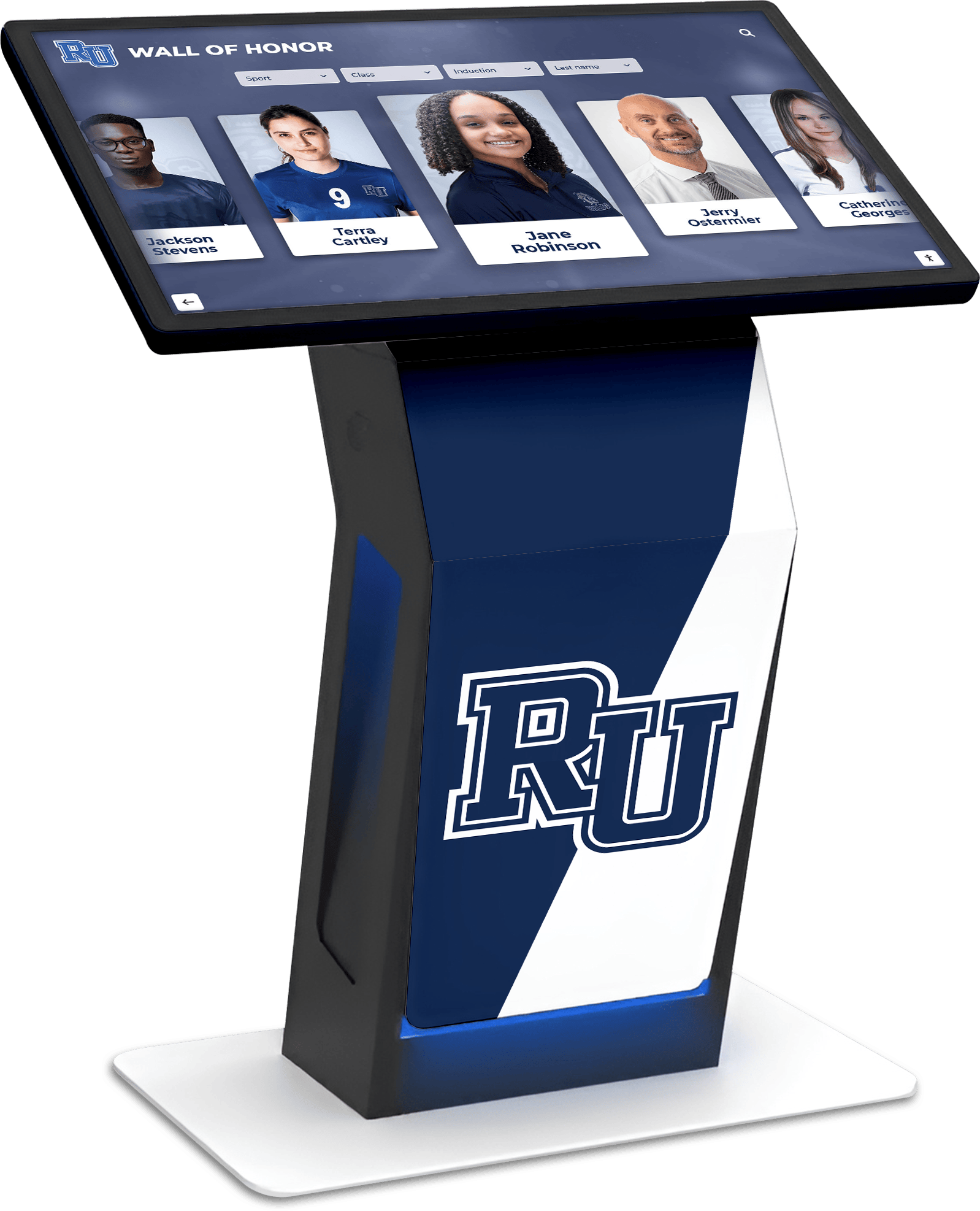
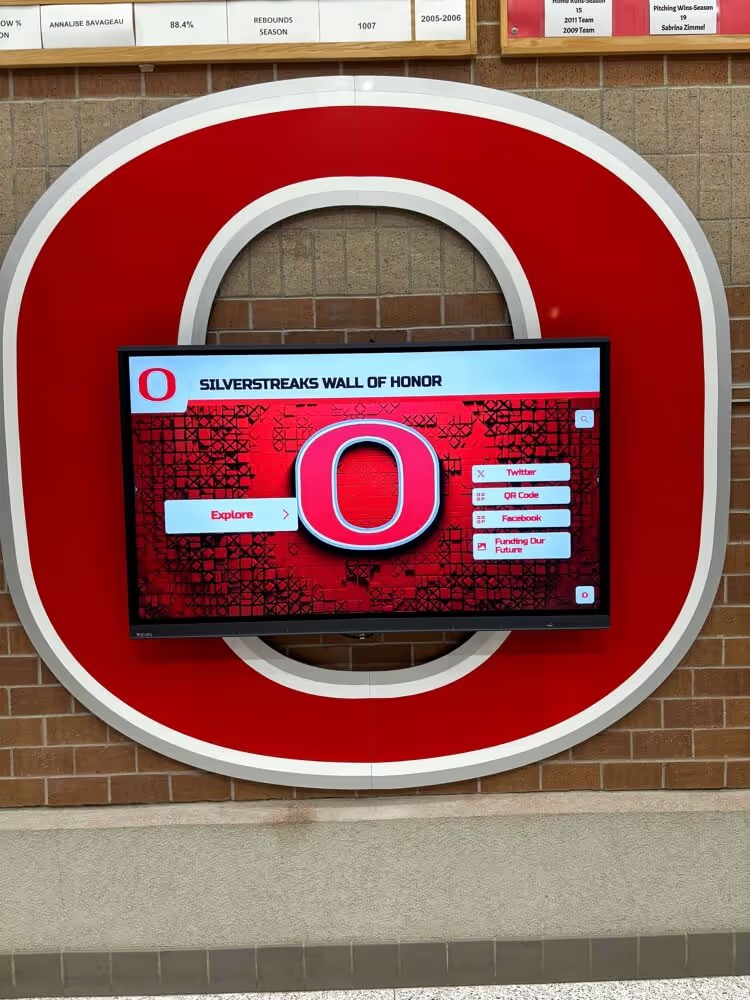
Touchscreen kiosks enable interactive exploration of NHS membership and academic achievement history
Service and Community Engagement
Structured Service Opportunities
NHS chapters organize regular service including:
- School-based tutoring programs helping struggling students
- Community service days partnering with local organizations
- Fundraising events supporting charities and causes
- Environmental projects improving school and community spaces
- Senior citizen outreach and assistance programs
- Food and clothing drives for those in need
Service Hour Documentation NHS membership requires ongoing service:
- Minimum hours per semester or year (typically 10-20 hours)
- Service tracked and verified for chapter records
- Flexibility to serve through chapter projects or individual initiatives
- Service hours contribute toward additional recognition at graduation
Understanding athletic recognition programs helps schools position NHS service similarly.
Networking and Connections
Peer Network Benefits
- Connection with accomplished peers sharing values and goals
- Study group and academic support networks
- Friendship circles oriented toward positive choices
- College preparation support from peers navigating same process
Alumni Networks
- Over 50 million NHS alumni create extensive professional networks
- Alumni mentoring programs at some schools
- Career connections and opportunities through NHS alumni
- Shared NHS experience creates instant connection
Recognition and Prestige
- Public recognition at induction ceremonies
- Certificate and membership card
- Graduation cord, tassel, or other visible recognition
- Display on digital recognition walls celebrating academic excellence
- Resume enhancement for employment and internships
NHS Membership Obligations and Expectations
NHS membership includes ongoing requirements ensuring members maintain standards and contribute to chapter success.
Academic Performance Requirements
GPA Maintenance
- Members must maintain minimum GPA (typically same as admission threshold)
- GPA monitored each marking period or semester
- Falling below threshold may trigger probation or dismissal
- Members expected to continue challenging themselves academically
Academic Integrity Standards
- Zero tolerance for academic dishonesty
- Cheating or plagiarism incidents result in immediate dismissal
- Members expected to model academic integrity for peers
Service Obligations
Ongoing Service Requirements
- Minimum service hours per semester or year
- Participation in chapter service projects
- Documentation and verification of all service
- Service reported to chapter advisor by deadlines
Service Project Participation
- Expected attendance at major chapter service events
- Contribution to service project planning and execution
- Initiative in identifying service opportunities
- Quality engagement rather than just attendance
Schools implementing comprehensive student recognition celebrate ongoing NHS contributions.
Chapter Participation
Meeting Attendance
- Regular attendance at chapter meetings (typically monthly)
- Excused absences for legitimate conflicts
- Active participation in discussions and decisions
- Contribution to chapter culture and community
Activity Involvement
- Participation in chapter activities beyond service projects
- Support for fundraising events and initiatives
- Contribution to induction ceremonies and celebrations
- Engagement with chapter social and community-building activities
Character and Conduct Standards
Disciplinary Expectations
- Clean disciplinary record throughout membership
- No major behavioral violations
- Positive representation of NHS values
- Appropriate conduct in school and community
Citizenship and Responsibility
- Modeling positive behaviors for peers
- Supporting school culture and climate
- Demonstrating NHS four pillars daily
- Taking responsibility for mistakes and growth
Dismissal Scenarios Members may face dismissal for:
- Falling below GPA threshold
- Academic dishonesty violations
- Serious disciplinary infractions
- Failure to complete service requirements
- Chronic absence from meetings and activities
- Conduct unbecoming NHS values
Most chapters implement probationary periods before dismissal, allowing members to address deficiencies.

Schools combine digital NHS recognition displays with traditional elements creating comprehensive celebration spaces
How Schools Celebrate NHS Achievement
Modern schools implement engaging recognition approaches that honor NHS members while inspiring future candidates.
Induction Ceremonies
Traditional Ceremony Elements
- Formal evening event in auditorium or special venue
- Family members invited to witness induction
- Candle lighting ceremony symbolizing NHS four pillars
- Individual recognition of each new member
- Certificate presentation and membership materials
- Current member welcome and pinning
- Speaker addressing NHS values and responsibilities
Modern Ceremony Enhancements
- Multimedia presentations showcasing member achievements
- Video tributes from teachers and community members
- Student speaker reflections on NHS journey
- Social media streaming for extended family
- Reception following ceremony for celebration and connection
Schools often coordinate NHS induction with comprehensive athletic recognition creating balanced achievement celebration.
Digital Recognition Displays
Forward-thinking schools implement interactive recognition systems showcasing NHS members prominently:
Touchscreen Display Benefits
- Unlimited capacity celebrating all NHS members across all graduation years
- Individual profile pages for each member with photos and achievements
- Search and filter functionality enabling easy member discovery
- Updated easily when new members inducted
- No physical space constraints limiting who receives recognition
- Integration with comprehensive academic recognition programs
Display Content Elements
- Member photos and graduation years
- Four pillar achievement highlights
- Service project contributions
- Leadership roles held
- Post-graduation updates and accomplishments
- Video messages from members about NHS impact
Strategic Placement Digital NHS displays work best in:
- Main entrance lobbies welcoming visitors
- Guidance office areas where students plan futures
- Library or media center spaces
- Athletic entrance areas balancing academic with athletic achievement
- Main hallways with high daily traffic
Schools report that prominent NHS recognition motivates younger students to pursue membership and reinforces institutional academic values.
Web-Based NHS Recognition
Online Recognition Platforms Schools extend NHS celebration beyond physical campus:
- Dedicated NHS pages on school websites
- Searchable member directories
- Alumni NHS member updates
- Service project photo galleries
- Officer team introductions
- Application information for prospective members

Grid-based interfaces enable exploration of all NHS members across multiple graduation years
Social Media Recognition
- Announcement posts introducing new NHS class
- Individual member spotlight features
- Service project photo documentation
- Meeting and event coverage
- Graduation recognition for departing members
Communication Integration
- Newsletter features about NHS activities
- Local media press releases about induction
- Parent notifications celebrating student achievement
- Alumni communication highlighting current NHS members
Learn about comprehensive recognition strategies applicable to NHS celebration.
Graduation Recognition
Commencement Ceremony Acknowledgment
- Special cords, tassels, or stoles identifying NHS members
- Recognition during ceremony of NHS graduating class
- Distinction on graduation programs
- Special seating or procession positioning
Transcript and Record Notation
- NHS membership noted on official transcripts
- Inclusion in permanent academic records
- Documentation for college applications
- Verification for scholarship applications
NHS Variations and Related Honor Societies
Beyond the standard NHS, several variations and related organizations recognize specific student populations and achievements.
National Junior Honor Society (NJHS)
Middle School Excellence Recognition
- Parallel organization for students in grades 6-9
- Same four pillars: scholarship, service, leadership, character
- Typical GPA requirement 3.5 or equivalent
- Adapted service and leadership expectations for younger students
- Preparation pipeline for high school NHS membership
NJHS provides earlier recognition opportunities helping students develop achievement habits positioning them for future NHS selection.
Specialized Honor Societies
Subject-Specific Recognition Students can pursue honor societies in specific disciplines:
- Science National Honor Society (SNHS)
- National English Honor Society
- Sociedad Honoraria Hispánica (Spanish)
- Société Honoraire de Français (French)
- National Art Honor Society
- Tri-M Music Honor Society
- Rho Kappa Social Studies Honor Society
These specialized societies recognize depth in particular subjects while NHS recognizes breadth across academics and character.
Understanding specialized recognition programs helps schools create comprehensive honor ecosystems.
International Honor Societies
Global NHS Programs
- American schools abroad can charter NHS chapters
- International Baccalaureate programs may have adapted criteria
- Similar honor societies exist in other countries with different names
Common NHS Questions and Misconceptions
Application and Selection Questions
Is NHS membership automatic if I have a high GPA? No. Meeting the scholarship threshold makes students eligible to apply, but selection requires demonstrating all four pillars. Faculty councils conduct holistic reviews and approximately 20-40% of eligible applicants may not receive selection depending on chapter competitiveness.
Can I be in NHS if I’m not the top student in my class? Absolutely. NHS doesn’t require valedictorian-level performance—just solid academic achievement (typically 3.5+ GPA) combined with service, leadership, and character. Many NHS chapters include 15-25% of their junior and senior classes.
Do I need formal leadership titles to qualify? No. While positions like club president or team captain help, NHS recognizes informal leadership including peer tutoring, organizing study groups, mentoring younger students, and workplace leadership. Quality of influence matters more than titles.
How many service hours do I need? Requirements vary by chapter, but 20-30 hours before application is typical. More important than quantity: consistency, meaningful engagement, and genuine commitment rather than resume-building.
Membership Obligation Questions
How much time does NHS require each week? Typical commitment includes monthly meetings (1 hour), ongoing service (2-4 hours monthly), and occasional special events. Most members report 3-8 hours monthly investment.
Can I be removed from NHS after induction? Yes. Dismissal can occur for falling below GPA threshold, academic dishonesty, serious disciplinary issues, or chronic failure to meet service and participation requirements. Most chapters use probationary periods before dismissal.
Does NHS membership guarantee college acceptance? No. NHS membership strengthens applications and demonstrates well-rounded achievement, but selective colleges receive applications from many NHS members. Membership helps but doesn’t guarantee admission anywhere.
Schools implementing comprehensive recognition systems like Rocket Alumni Solutions can address these questions through interactive displays showcasing NHS member profiles and achievement patterns.

Interactive kiosks enable students to explore NHS membership requirements and celebrate current members
Preparing for NHS Membership: Strategic Timeline
Freshman Year: Building Foundations
Academic Excellence
- Establish strong study habits and time management
- Take challenging courses appropriate to skill level
- Maintain GPA above NHS threshold from beginning
- Seek help immediately when struggling
Service Initiation
- Identify causes and organizations aligned with personal values
- Begin regular volunteer commitment (even if few hours monthly)
- Document all service with dates and verification contacts
- Reflect on service experiences and lessons learned
Leadership Development
- Join clubs, teams, or organizations matching interests
- Participate actively and reliably
- Look for opportunities to help organize events or activities
- Build positive relationships with peers and adults
Character Building
- Treat everyone with respect and kindness
- Act with integrity in all situations
- Develop positive reputation through consistent behavior
- Build strong relationships with teachers
Sophomore Year: Deepening Commitment
Academic Advancement
- Continue strong academic performance
- Consider honors or AP courses if appropriate
- Maintain or improve GPA
- Demonstrate intellectual curiosity beyond grades
Service Expansion
- Increase service commitment and consistency
- Seek leadership roles in service organizations
- Diversify service across different causes or populations
- Begin accumulating hours toward NHS requirements
Leadership Growth
- Pursue officer positions in organizations
- Initiate new projects or improvements
- Mentor freshmen in activities and clubs
- Develop specific leadership skills
Character Consistency
- Maintain clean disciplinary record
- Continue building teacher relationships
- Demonstrate reliability and responsibility
- Make positive choices avoiding compromising situations
Junior Year: Application and Selection
Fall Semester
- Ensure GPA meets or exceeds NHS threshold
- Verify service hours meet minimum requirements
- Identify teachers for recommendation requests
- Research school’s specific NHS application process and timeline
Application Period
- Complete application thoughtfully with specific examples
- Request teacher recommendations with ample notice and helpful information
- Write compelling essay connecting experiences to NHS pillars
- Submit all materials before deadline
- Prepare for potential interview if chapter conducts them
Post-Application
- Continue academic excellence and service regardless of NHS outcome
- If selected, participate fully in induction ceremony
- If not selected, ask for feedback and continue developing in weak areas
- Remember that NHS enhances applications but isn’t essential for college success
Understanding comprehensive student recognition helps students appreciate NHS within broader achievement context.
Modern NHS Recognition Solutions
Schools seeking to maximize NHS celebration and motivate future achievement increasingly adopt comprehensive digital recognition systems.
Digital Display Advantages for NHS Recognition
Unlimited Member Capacity Traditional plaques and trophy cases force schools to choose which NHS members receive ongoing recognition. Digital recognition systems like Rocket Alumni Solutions eliminate these constraints:
- Every NHS member from current and all historical years receives equal recognition
- No need to remove past members to accommodate new inductees
- Comprehensive archives preserve institutional NHS tradition indefinitely
- Space savings compared to hundreds of individual plaques
Engaging Interactive Features Modern touchscreen displays create exploration and engagement impossible with static plaques:
- Search functionality finds specific members by name, year, or category
- Filter by graduation year exploring NHS history across decades
- Individual profile pages tell complete member stories with photos and achievements
- Related content shows members who held officer positions or earned other honors
- Social sharing capabilities enable members to celebrate recognition
Simple Content Management Cloud-based platforms eliminate update barriers:
- Add new NHS class immediately after induction ceremony
- Update from any internet-connected device
- Template-based entry creation ensures professional consistency
- Photo uploads and biographical information easily incorporated
- No dependence on single individual who knows the system
Schools report updating digital NHS recognition in minutes versus hours or days required for physical displays.
Integrated Recognition Ecosystems
Connecting Multiple Achievement Types Comprehensive recognition platforms showcase NHS alongside:
- Honor roll achievement each marking period
- Academic department awards
- AP Scholar designations
- National Merit recognition
- Academic competition success
- Valedictorian and salutatorian honors
This integration creates complete academic achievement pictures rather than isolated NHS recognition.
Athletic and Academic Balance Schools using platforms like Rocket Alumni Solutions often install displays featuring both athletic halls of fame and academic recognition ensuring intellectual achievement receives equal visibility with athletic accomplishment.
Learn about balanced recognition approaches celebrating diverse student excellence.
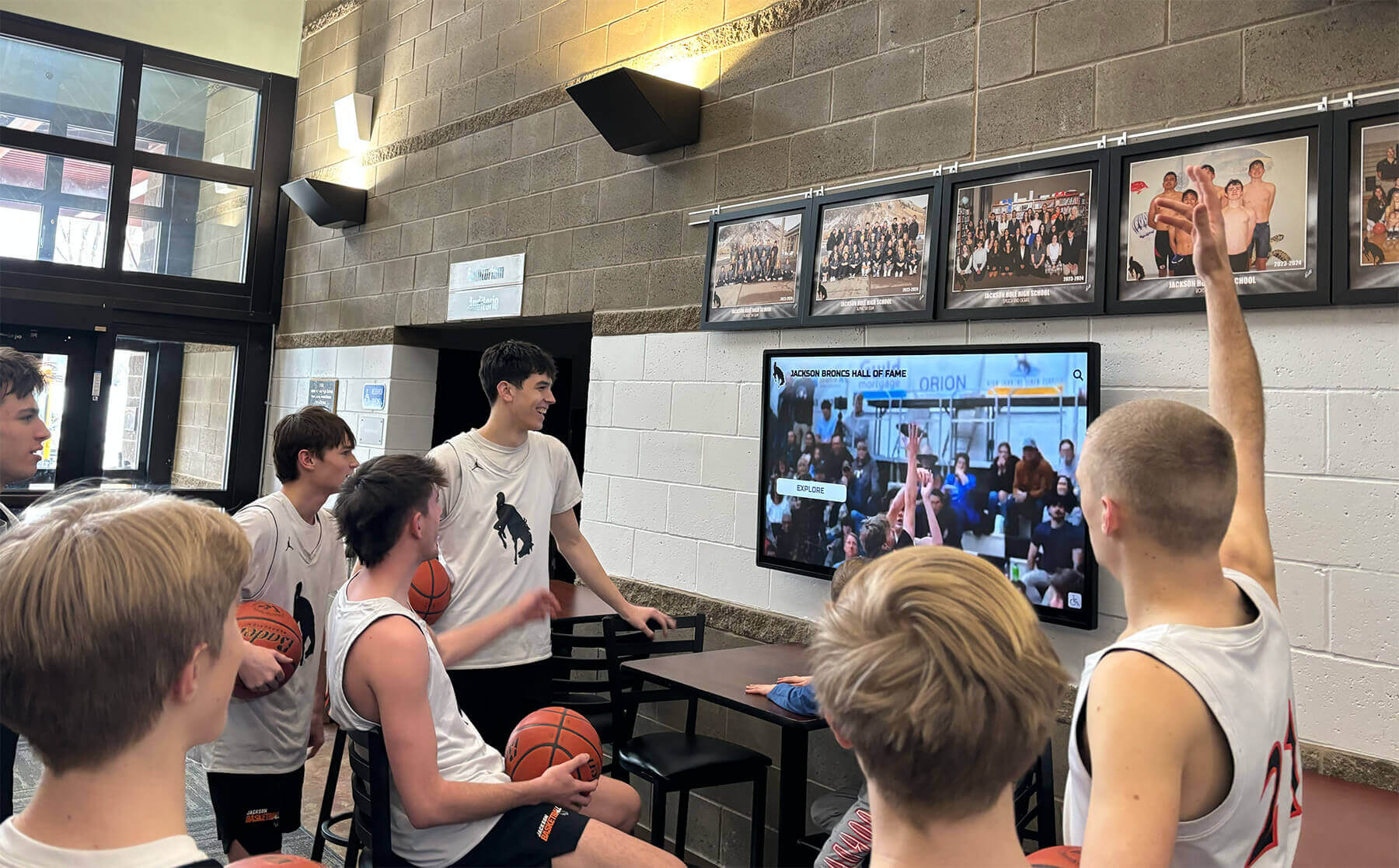
Prominent display placement in high-traffic areas maximizes NHS recognition visibility and student engagement
Conclusion: NHS as Excellence Gateway
The National Honor Society represents far more than resume enhancement or college application credentials. NHS membership creates frameworks for developing scholarship, service, leadership, and character—the four pillars supporting success in college, careers, and life. Students who embrace NHS values rather than viewing membership merely as recognition discover that the organization shapes who they become and how they contribute to communities.
For schools and educators, NHS provides powerful tools for identifying, celebrating, and developing outstanding students while creating clear pathways showing all students how to achieve recognition. When schools celebrate NHS members prominently through modern recognition displays, induction ceremonies, and ongoing acknowledgment, they send powerful messages about institutional values while motivating generations of students to pursue the academic excellence, service commitment, leadership development, and strong character the National Honor Society represents.
Celebrate NHS Achievement with Modern Recognition Displays
Discover how digital recognition solutions can help your school honor National Honor Society members alongside other academic achievements through engaging displays that inspire continued excellence and motivate future candidates.
Explore Academic Recognition SolutionsWhether you’re a student beginning the journey toward NHS membership, a parent supporting a prospective or current member, or an educator managing your school’s chapter, understanding the full scope of National Honor Society requirements, benefits, and recognition opportunities enables you to maximize this distinguished organization’s value. NHS membership opens doors while developing capabilities that serve students throughout their educational journeys and beyond.
Begin by building strong foundations across all four pillars from freshman year, document achievements and service systematically, develop genuine leadership capabilities through meaningful involvement, and demonstrate the strong character that distinguishes truly outstanding students. The National Honor Society continues recognizing America’s best and brightest students—those who excel not just academically but across every dimension defining educated, engaged, responsible citizenship.
Live Example: Rocket Alumni Solutions Touchscreen Display
Interact with a live example (16:9 scaled 1920x1080 display). All content is automatically responsive to all screen sizes and orientations.