



Every school has varsity athletes—the football stars, basketball phenoms, and track champions who dominate Friday night lights and fill trophy cases. But what about the student who loves basketball but didn’t make the competitive team? The soccer enthusiast who can’t commit to daily practices because of work or family obligations? The student discovering their athletic passion senior year, too late for varsity tryouts?
Intramural sports answer this question. These programs create opportunities for every student to experience athletic competition, team camaraderie, and physical activity—regardless of skill level, prior experience, or varsity roster status. Yet despite serving dramatically larger student populations than varsity athletics, intramural programs frequently operate with minimal resources, limited recognition, and little institutional visibility.
This comprehensive guide explains what intramural sports are, how they differ from other athletic programs, why schools should prioritize them, and how to implement effective programs that serve diverse student populations while building the inclusive athletic culture that modern educational institutions need.
As schools increasingly emphasize equity, inclusion, and student wellness, intramural sports represent one of the most impactful yet underutilized programs available. Understanding how these programs function—and recognizing participant achievements appropriately—creates educational environments where athletic opportunities extend far beyond elite competitive teams.

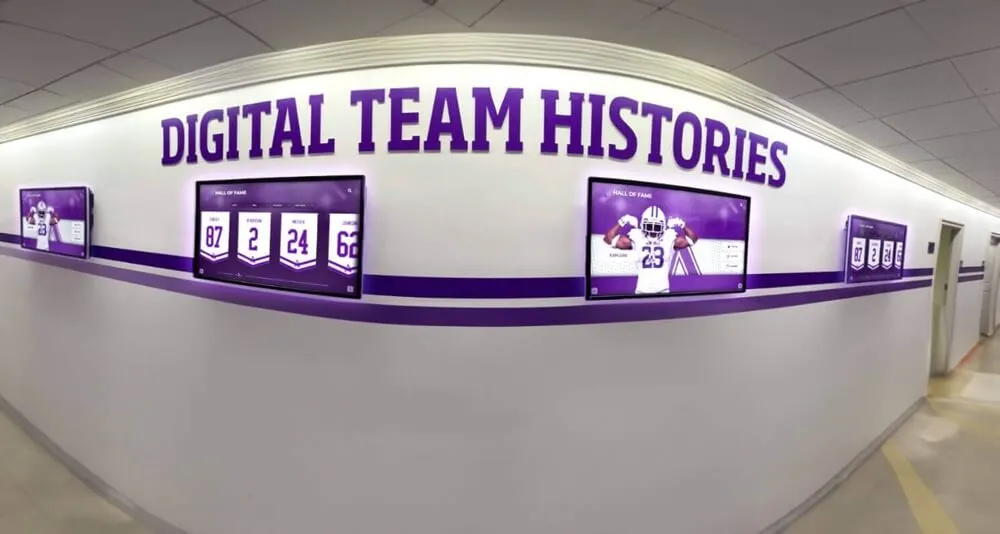
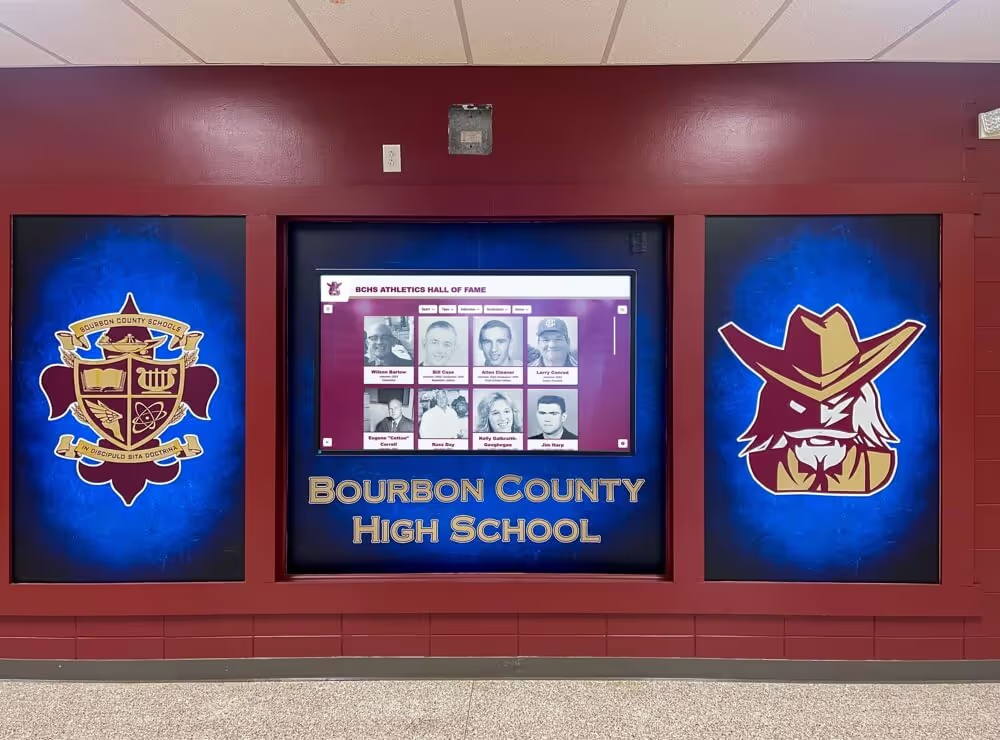
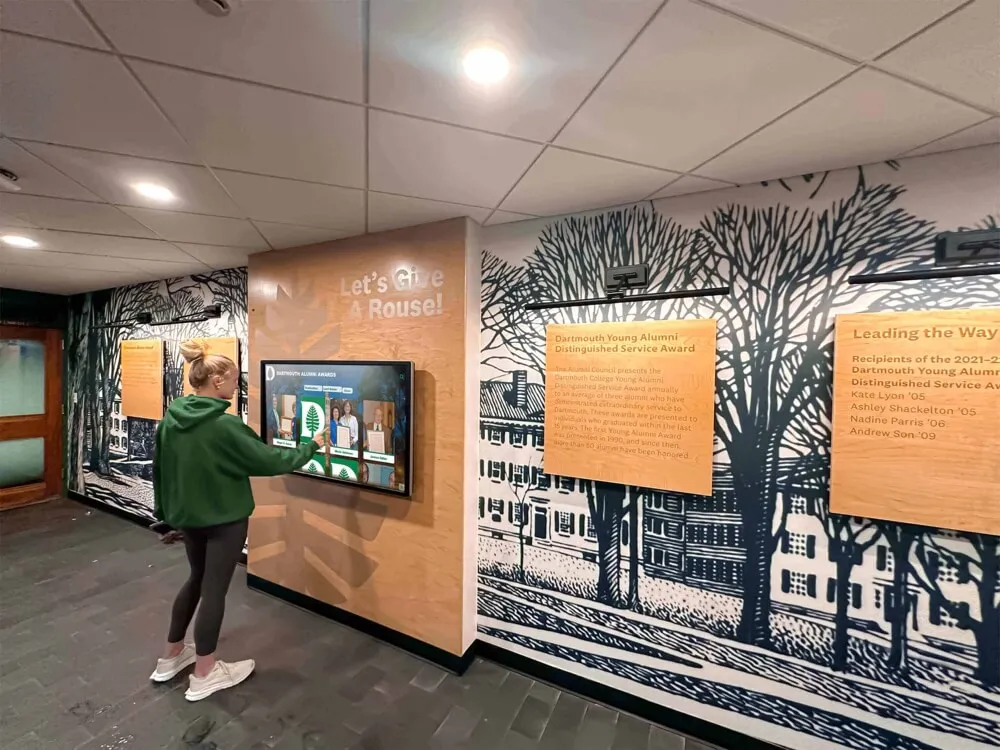
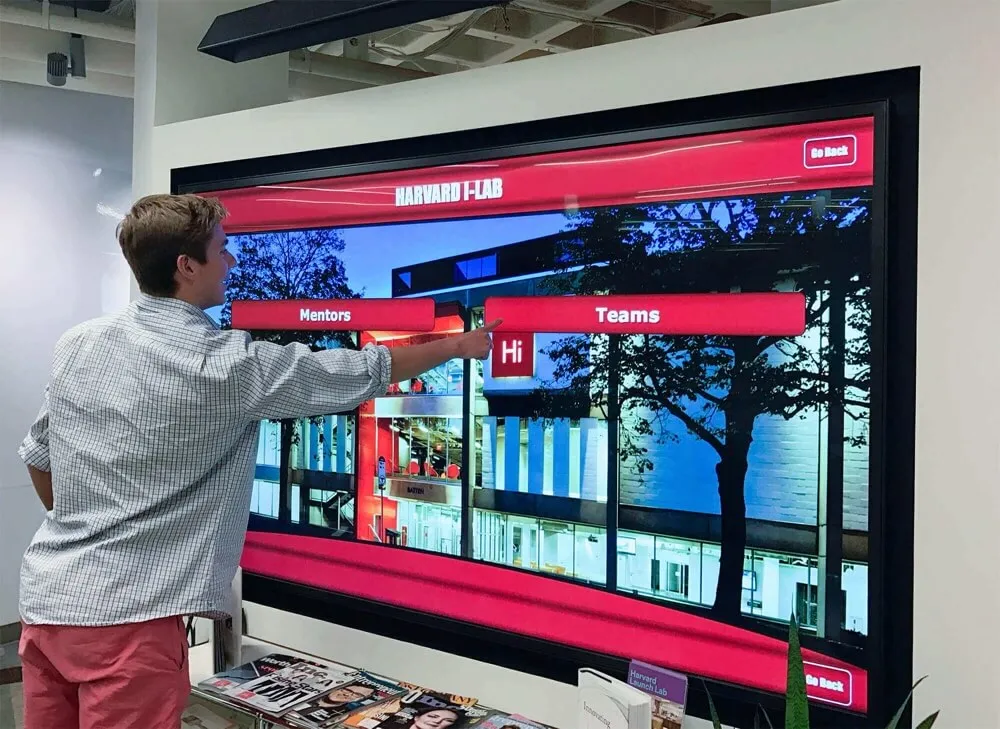
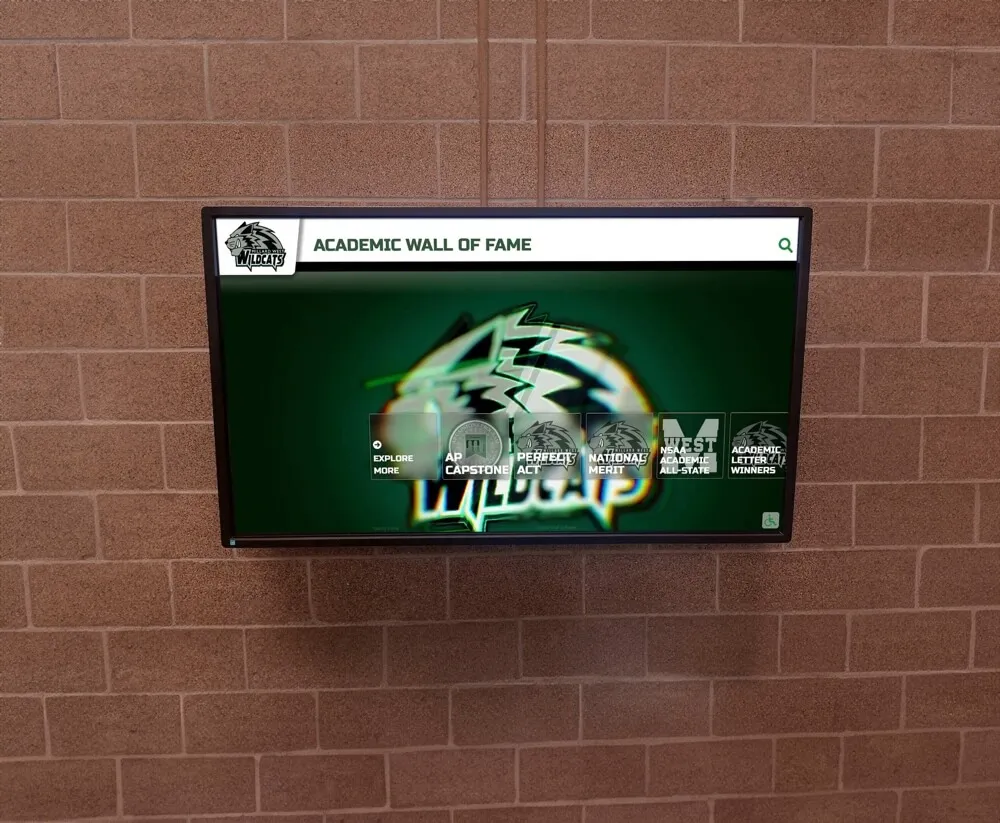
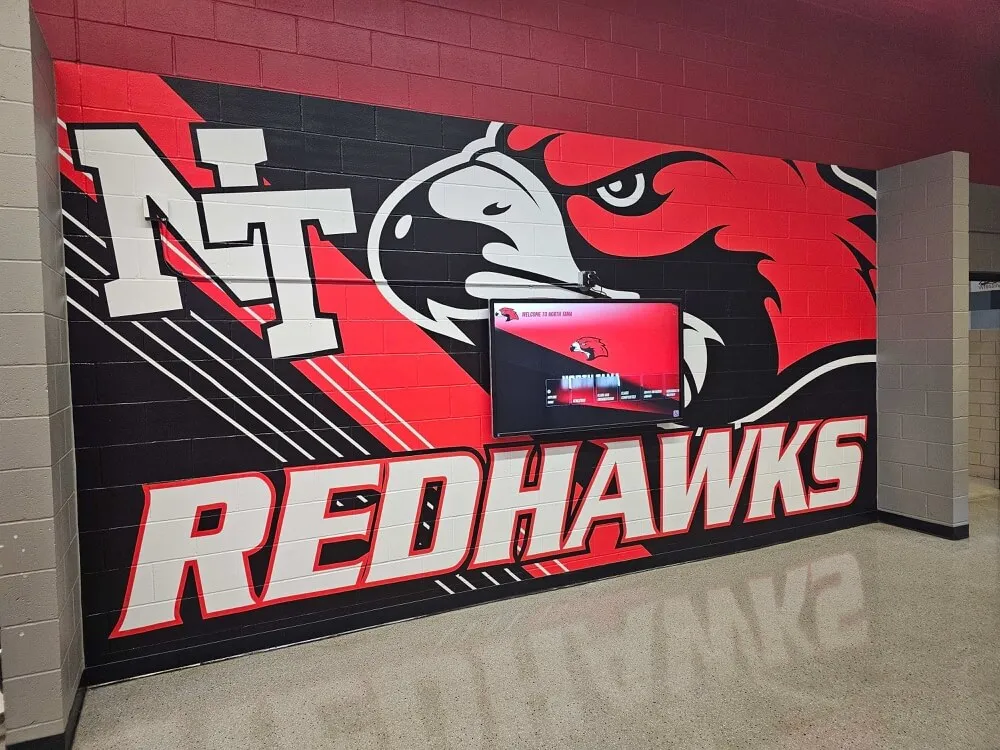
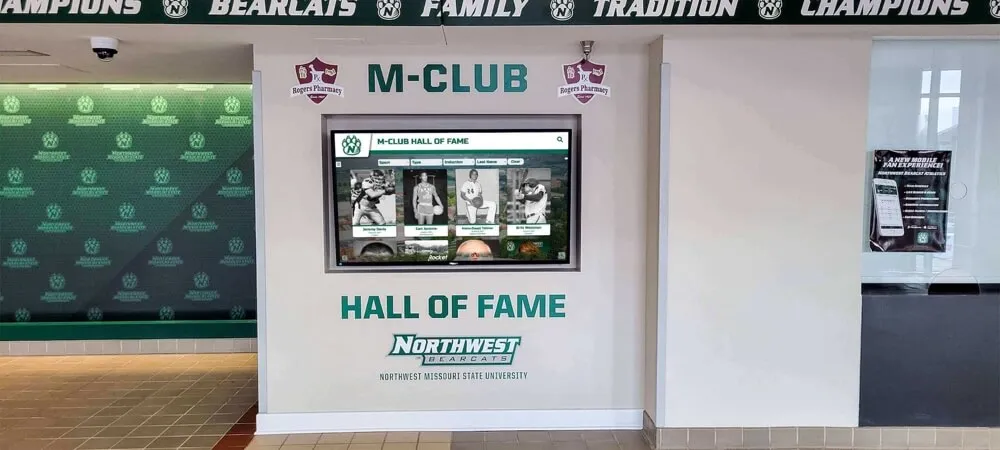
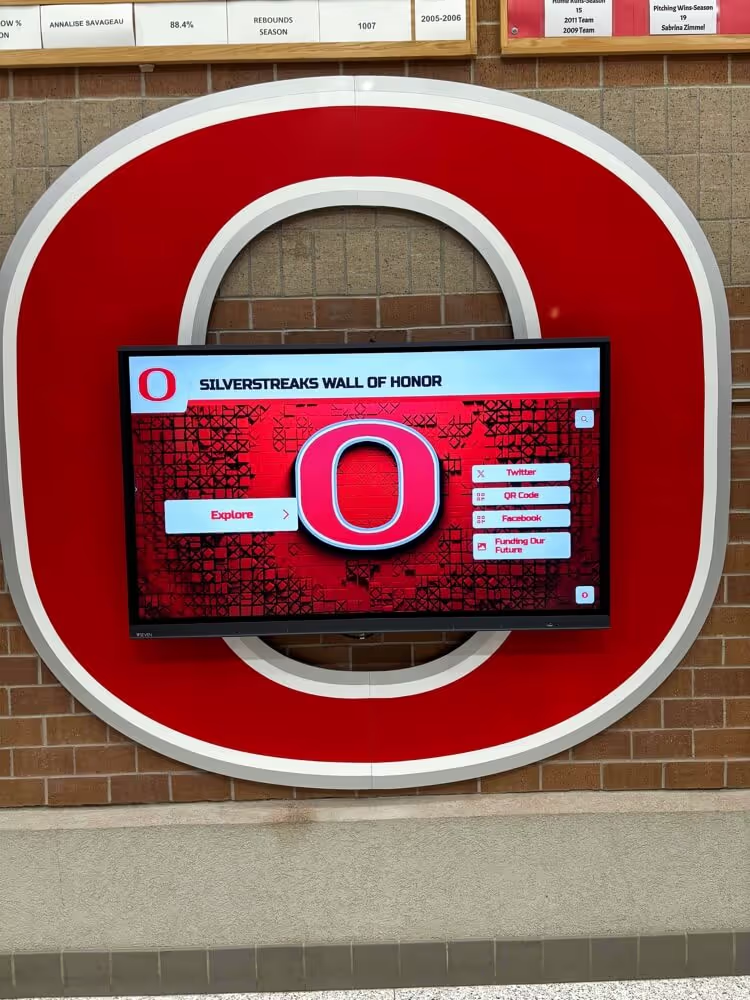
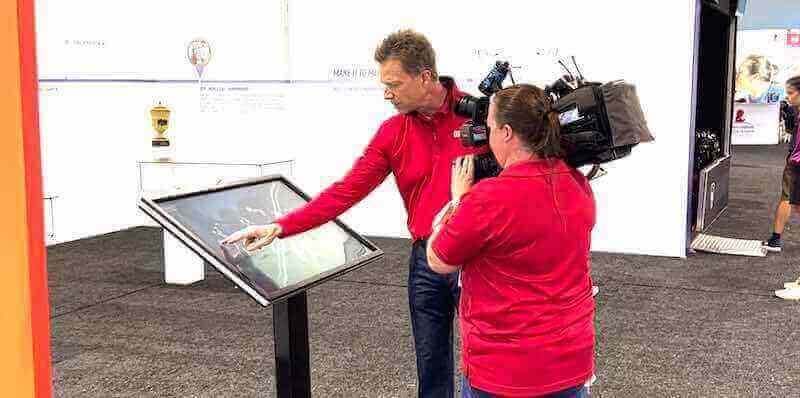
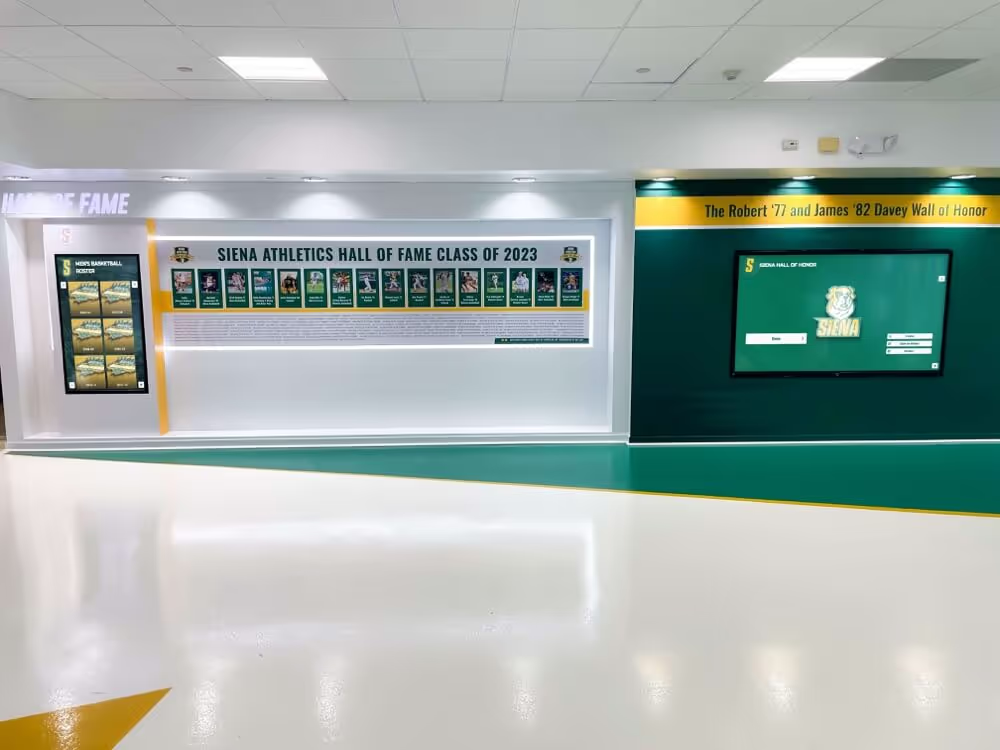
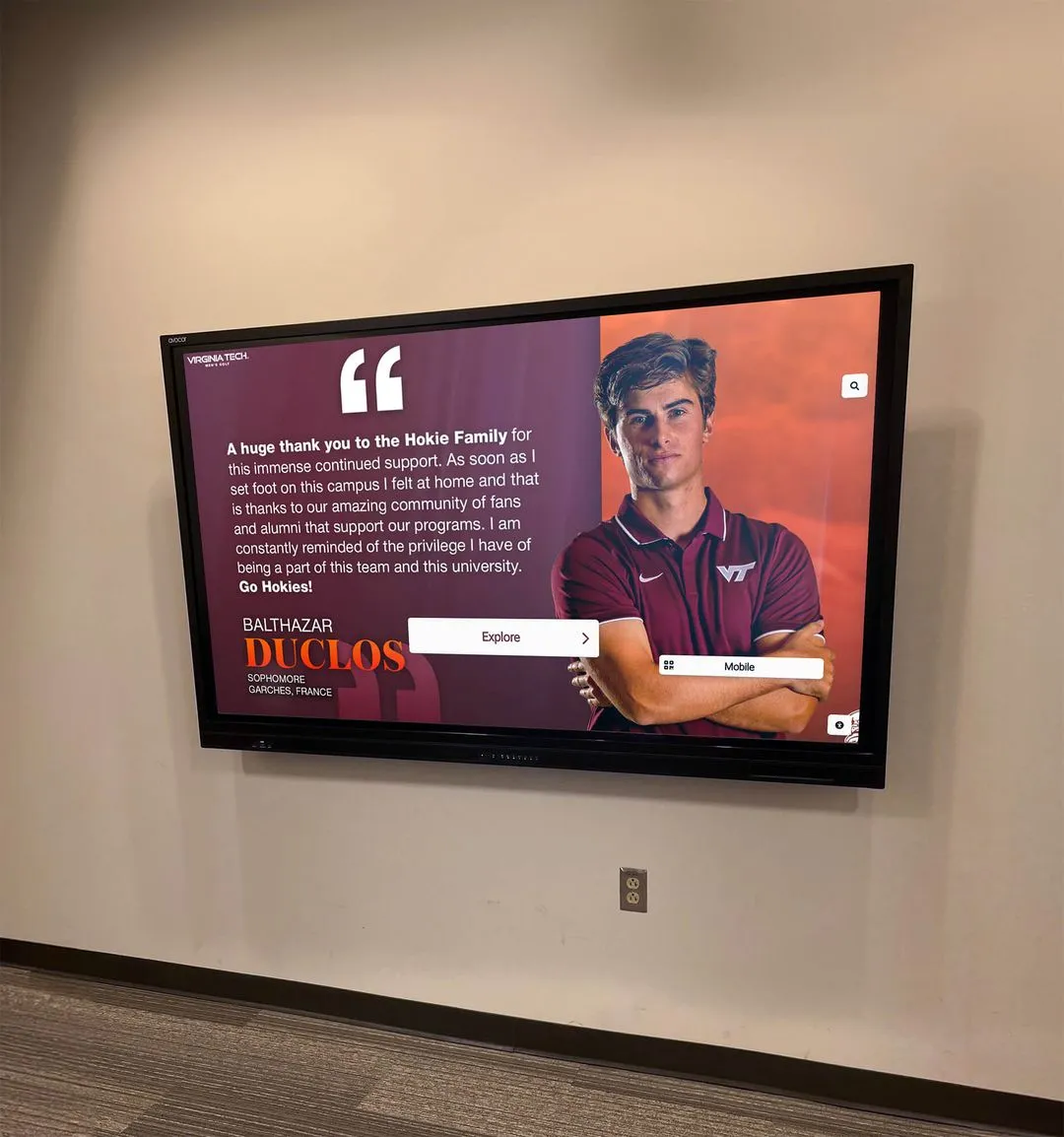
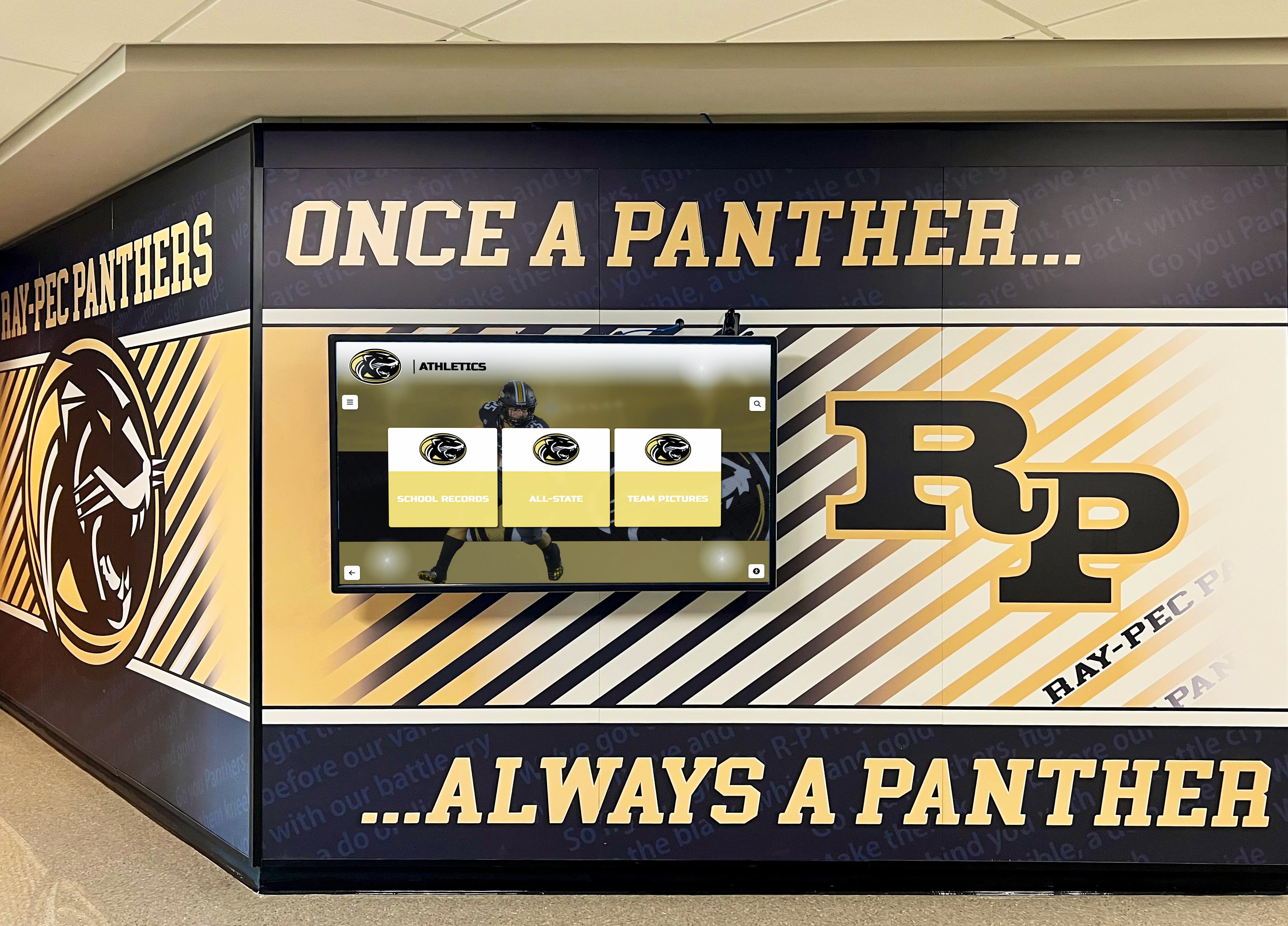
Comprehensive athletic recognition systems celebrate achievements across all programs—from varsity championships to intramural participation
Understanding Intramural Sports: Definition and Core Concepts
Before schools can implement effective intramural programs, administrators and educators must understand what distinguishes intramural sports from other athletic offerings.
What “Intramural” Means
The term intramural derives from Latin roots meaning “within the walls”—specifically referring to activities conducted within a single institution:
Defining Characteristics
Intramural sports feature several distinguishing elements:
- Internal Competition - Participants compete exclusively against peers from the same school, never traveling to other institutions
- Recreational Focus - Programs emphasize participation, enjoyment, and physical activity over competitive excellence
- Open Participation - Students join based on interest rather than skill-based selection or tryouts
- Flexible Commitment - Season lengths and practice requirements accommodate students with varying schedules and obligations
- Multiple Skill Levels - Programs often organize leagues or divisions by ability, ensuring appropriate competition for all participants
- Diverse Sport Offerings - Activities extend beyond traditional varsity sports to include recreational games, lifetime sports, and novel competitive formats
Unlike varsity athletics that represent schools in external competitions, intramural sports create internal recreational opportunities serving dramatically broader student populations.
Historical Context
Intramural programs have existed in American education since the late 19th century:
- Originally developed at colleges to provide athletic opportunities for non-varsity students
- Expanded to high schools throughout the 20th century as education embraced broader wellness goals
- Grew significantly during the 1970s alongside Title IX, which increased focus on equitable athletic opportunities
- Evolved to include increasingly diverse activities beyond traditional team sports
- Modern programs incorporate everything from traditional basketball and flag football to esports, ultimate frisbee, and recreational activities
Today’s intramural programs represent matured recognition that competitive varsity athletics serve only a fraction of students interested in athletic participation.
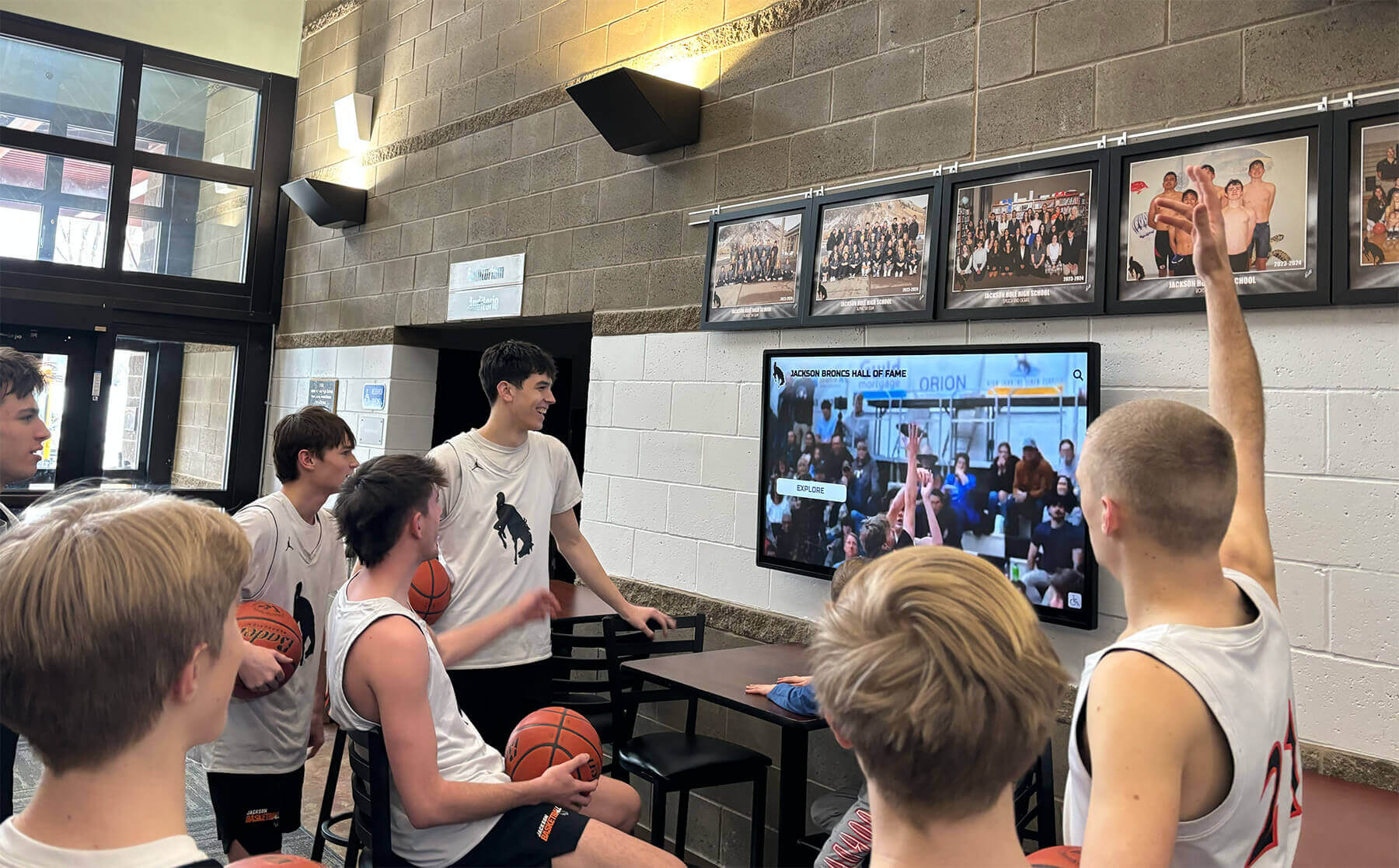
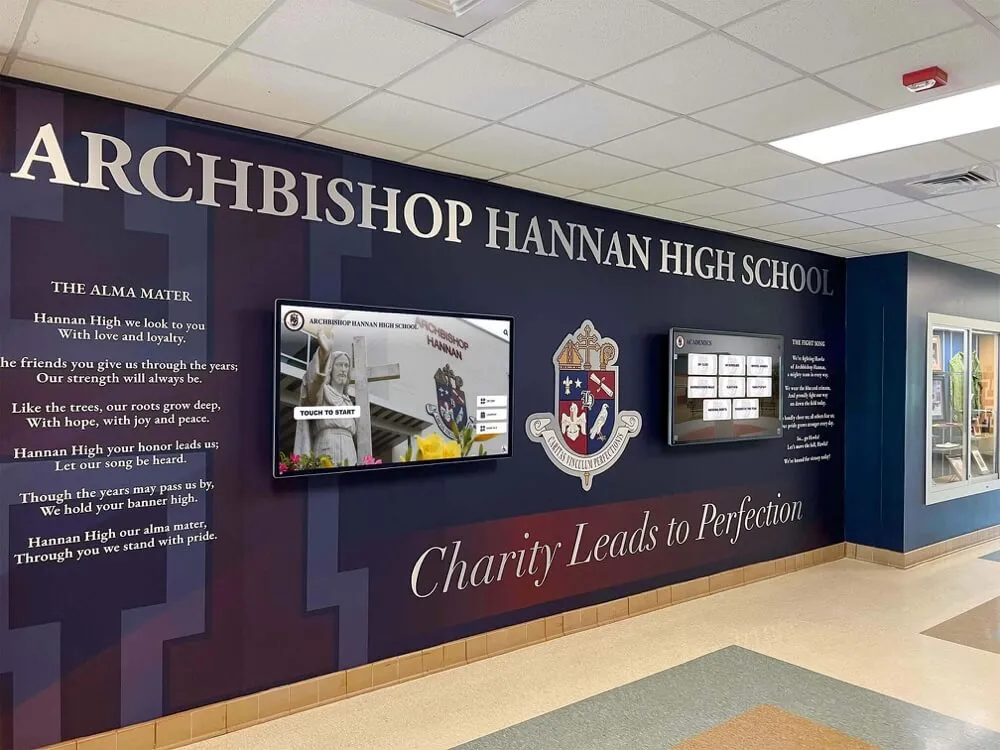
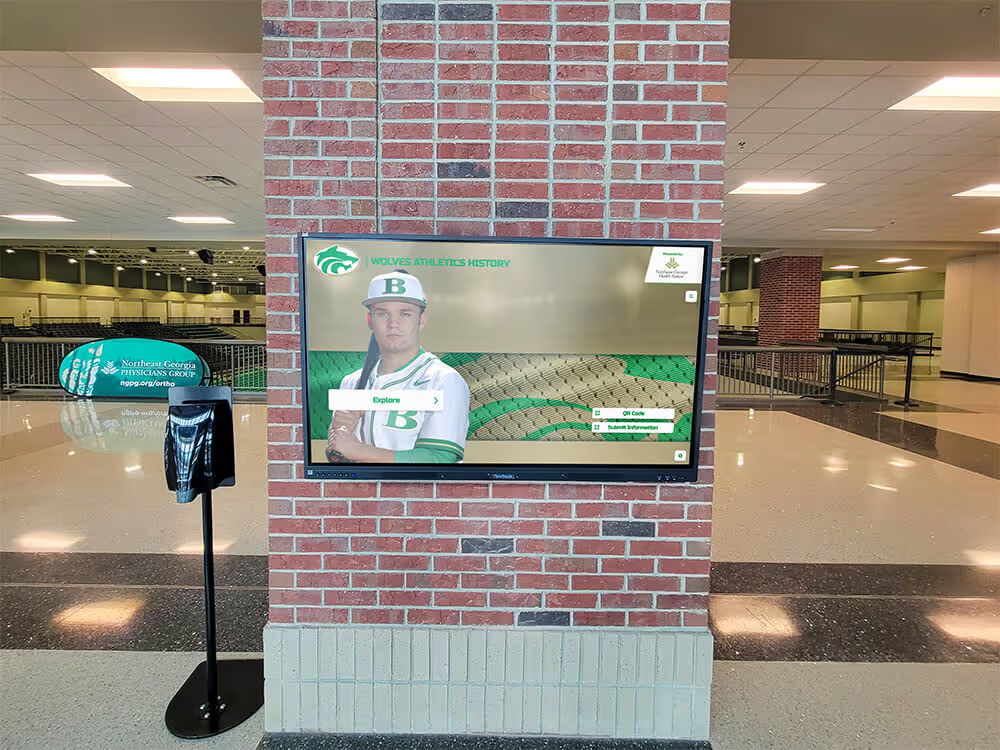
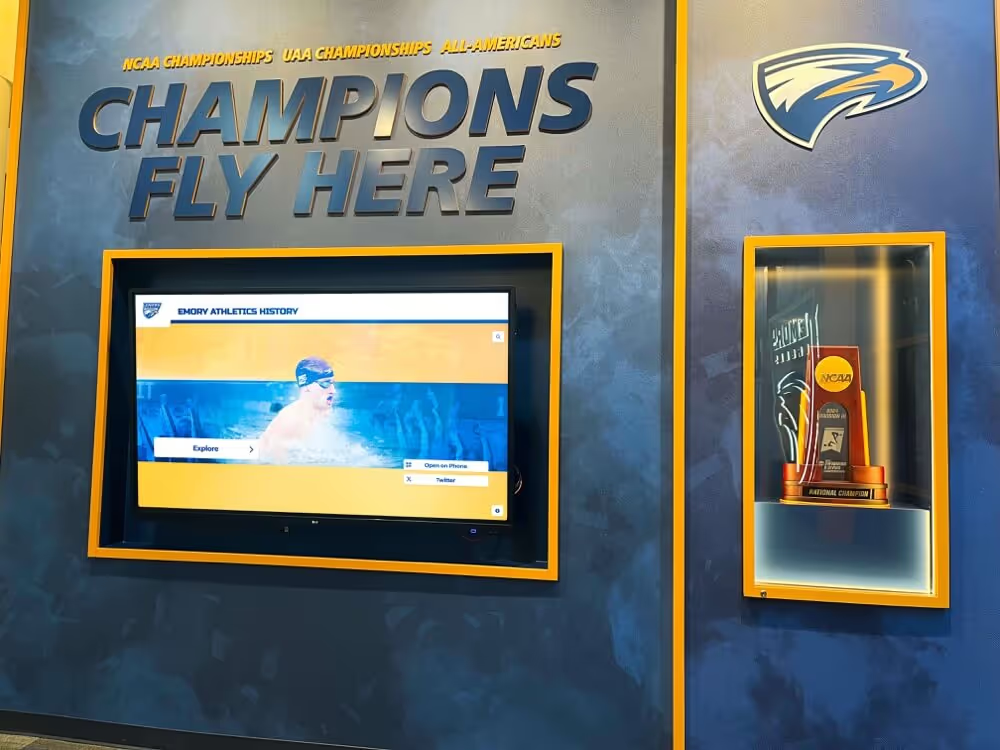
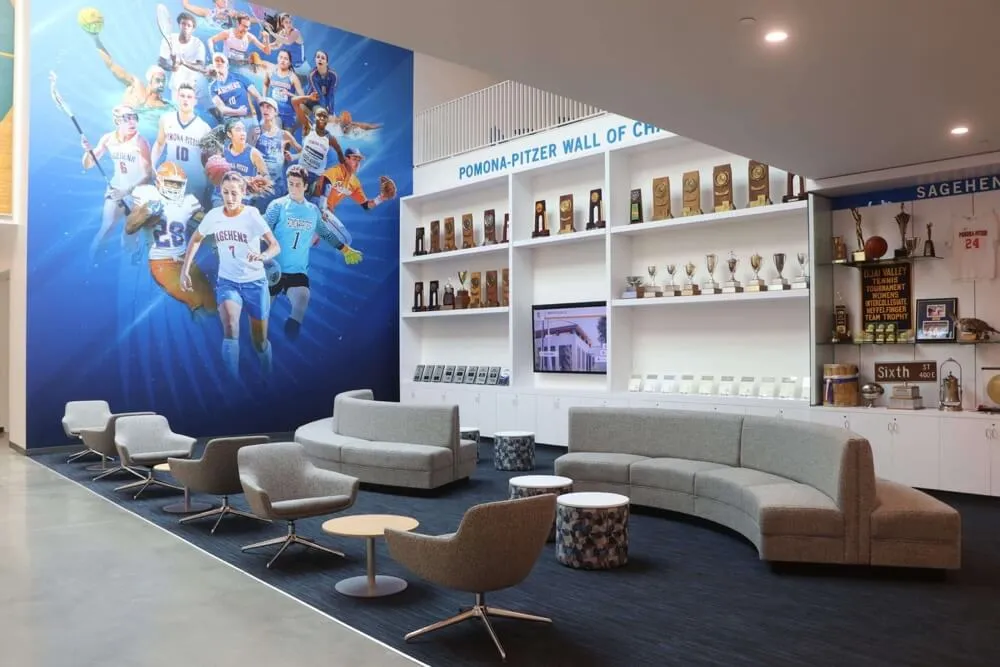
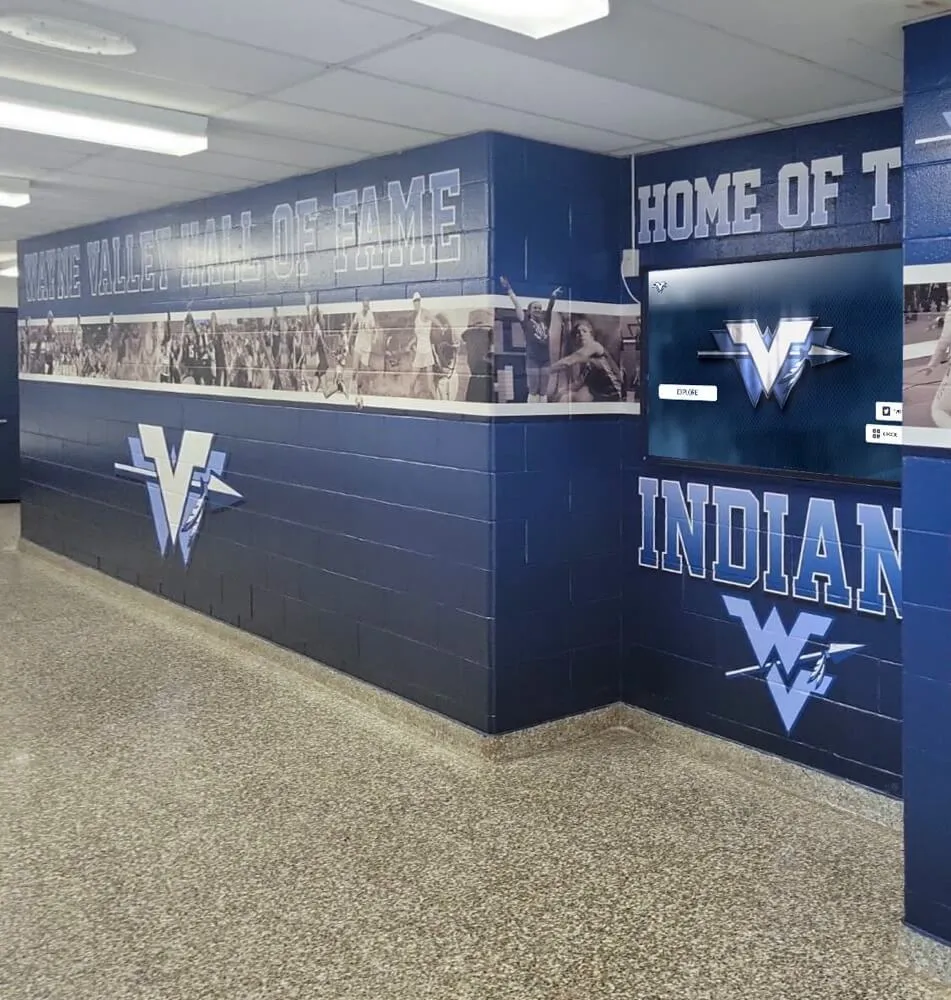
Modern recognition systems enable schools to showcase achievements across all athletic programs, including intramural competition
How Intramural Sports Differ From Other Athletic Programs
Understanding distinctions between program types helps schools allocate resources and set appropriate expectations:
Intramural vs. Varsity Athletics
Key differences separate recreational and competitive programs:
| Aspect | Intramural Sports | Varsity Athletics |
|---|---|---|
| Participation | Open to all interested students | Selective, requires tryouts and roster spots |
| Competition | Internal, within single school | External, competing against other schools |
| Skill Level | All abilities welcome, often organized by division | High skill level required for team membership |
| Time Commitment | Flexible, typically 1-3 hours weekly | Intensive, often 10-20 hours weekly including practice and games |
| Season Length | Short seasons (4-8 weeks typical) | Extended seasons spanning multiple months |
| Coaching | Student officials, recreation staff, or minimal supervision | Professional coaches, assistant coaches, and support staff |
| Recognition | Minimal traditional recognition despite larger participation | Extensive recognition through awards, media coverage, and institutional celebration |
| Funding | Often limited, may rely on participant fees | Substantial institutional investment in equipment, travel, and facilities |
| Pressure Level | Recreational, low-pressure environment | Competitive pressure to win and perform at high levels |
These distinctions don’t imply that one program type exceeds the other in value—rather, they serve different student populations with different needs and goals.
Intramural vs. Physical Education Classes
While both involve physical activity, intramural sports differ from PE requirements:
- Voluntary Participation - Students choose intramural involvement rather than fulfilling graduation requirements
- Competitive Structure - Intramurals feature team competition and league formats, not skill instruction
- Social Dimensions - Students form teams with friends, creating social experiences beyond classroom dynamics
- Extended Beyond Class - Activities occur during lunch, after school, or evenings rather than scheduled class periods
- Student Choice - Participants select preferred sports rather than completing assigned curriculum units
Physical education provides exposure and skill development; intramural sports offer ongoing competitive opportunities for students pursuing activities they already enjoy.
Intramural vs. Club Sports
Some schools offer club sports that occupy middle ground between intramural and varsity programs:
- Club Sports - More structured than intramurals with regular practices, may compete against other schools’ clubs, require higher skill levels, and involve moderate time commitments
- Intramural Sports - Less structured, exclusively internal competition, accommodate all skill levels, minimal time requirements
Club sports serve students seeking competitive experiences beyond intramurals but without varsity program intensity.
Discover how digital recognition displays enable schools to showcase achievements across all athletic program types—from varsity championships to intramural participation—without space constraints that force selective recognition.
Program Snapshot: Intramural Sports Implementation Framework
| Program Element | Details |
|---|---|
| Participation Scale | Typically serves 25-50% of student body (significantly more than varsity athletics) |
| Sport Offerings | 5-15 different activities annually depending on school size and resources |
| Season Structure | Multiple short seasons throughout academic year (fall, winter, spring offerings) |
| Time Commitment | 1-3 hours weekly for most participants |
| Skill Requirements | None—programs accommodate beginners through experienced athletes |
| Organization Models | Recreation staff-managed, student government-organized, or PE department-coordinated |
| Typical Sports | Basketball, volleyball, flag football, soccer, softball, dodgeball, ultimate frisbee, table tennis |
| Registration | Open sign-ups, often free or minimal fee ($10-25 per season) |
| Officials | Student volunteers, recreation staff, or hired referees depending on sport and level |
| Championship Recognition | T-shirts, certificates, photo recognition, or digital display celebration |
The Compelling Case for Intramural Sports in Schools
Schools face countless demands on limited resources, budgets, and staff time. Why should intramural sports programs earn priority consideration?
Serving Dramatically Larger Student Populations
Intramural programs fundamentally democratize athletic opportunities:
Participation Statistics
Numbers reveal intramurals’ exceptional reach:
- Varsity athletics typically serve 15-25% of high school students across all sports combined
- Intramural programs regularly engage 30-50% of student populations at schools with robust offerings
- College programs demonstrate even higher potential—universities like Gonzaga report over 12,000 annual intramural participants
- Single intramural basketball leagues often accommodate more students than entire varsity basketball programs (boys and girls combined)
These dramatic differences mean intramural programs impact more students, families, and community members than competitive athletics—yet receive fraction of recognition, resources, and institutional support.
Inclusion Dimensions
Intramurals naturally serve diverse populations often excluded from varsity opportunities:
- Students Developing Interest Later - Those discovering sports passion after varsity roster formation
- Multi-Sport Athletes - Students wanting basketball competition without full-season commitment that conflicts with other activities
- Working Students - Those with jobs or family obligations preventing intensive practice schedules
- Students With Disabilities - Many programs create adaptive opportunities not available in competitive athletics
- International Students - Opportunities to learn American sports without competitive pressure
- Non-Traditional Athletes - Students interested in recreational activities like ultimate frisbee or pickleball not offered as varsity sports
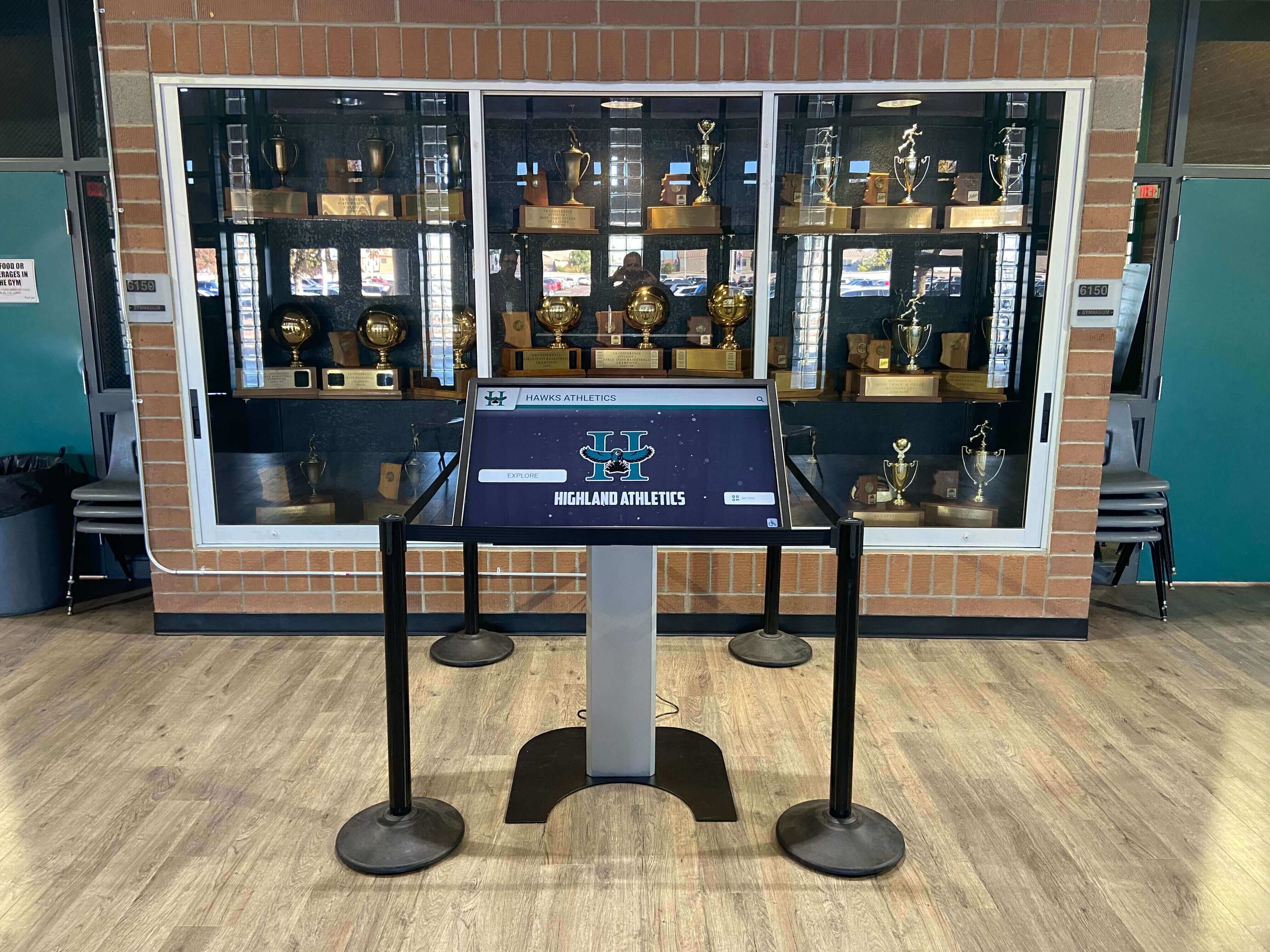
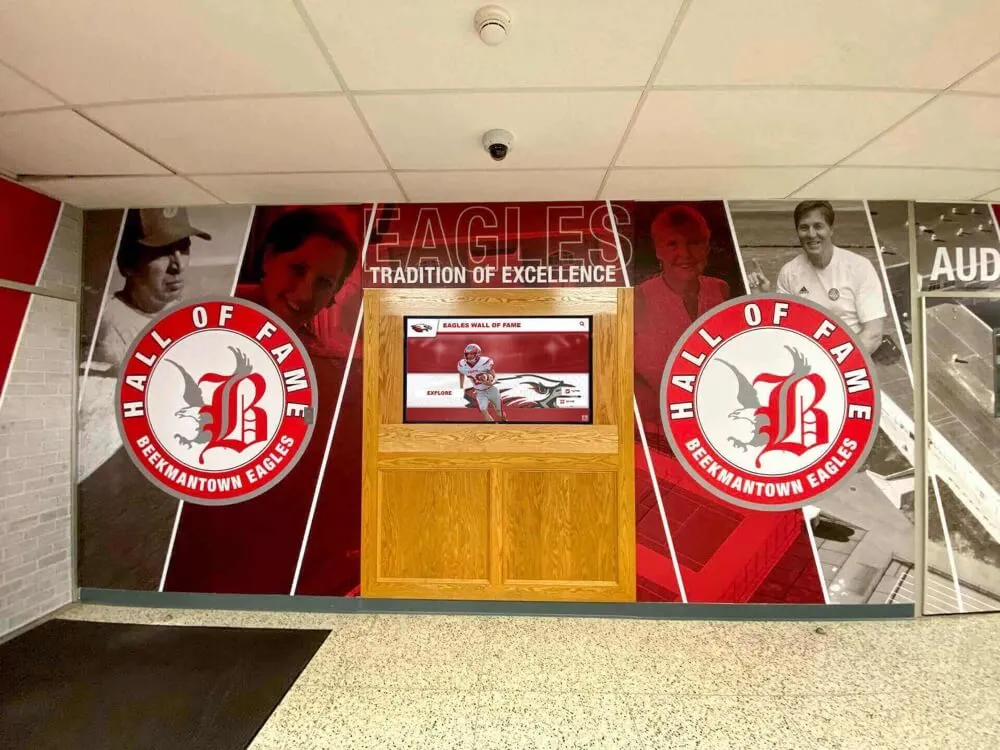
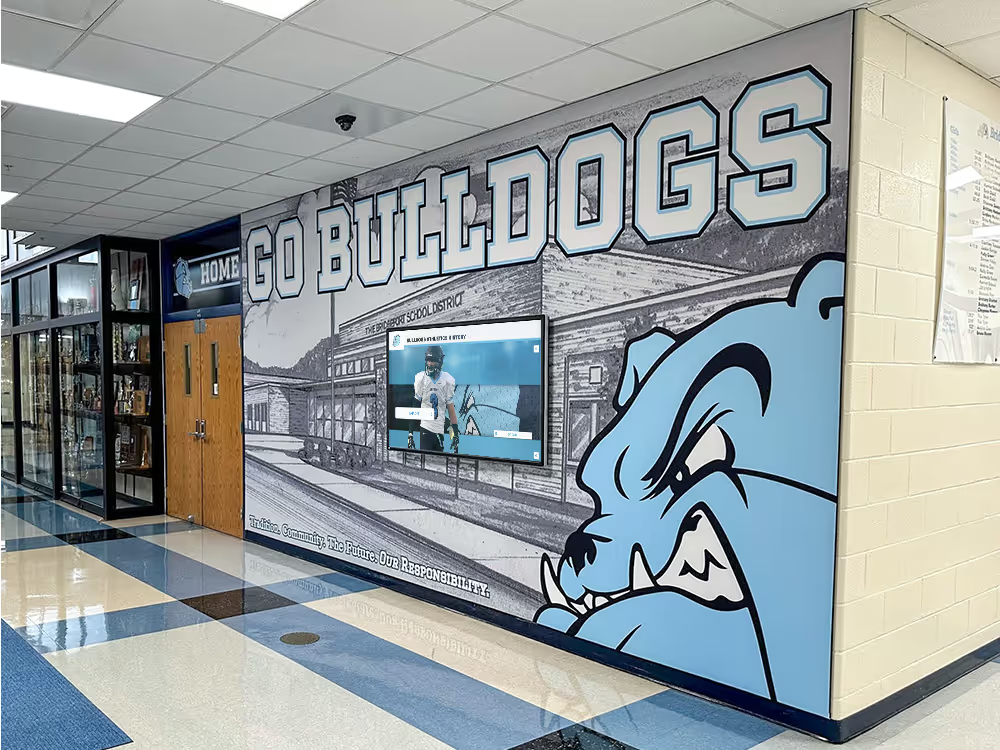
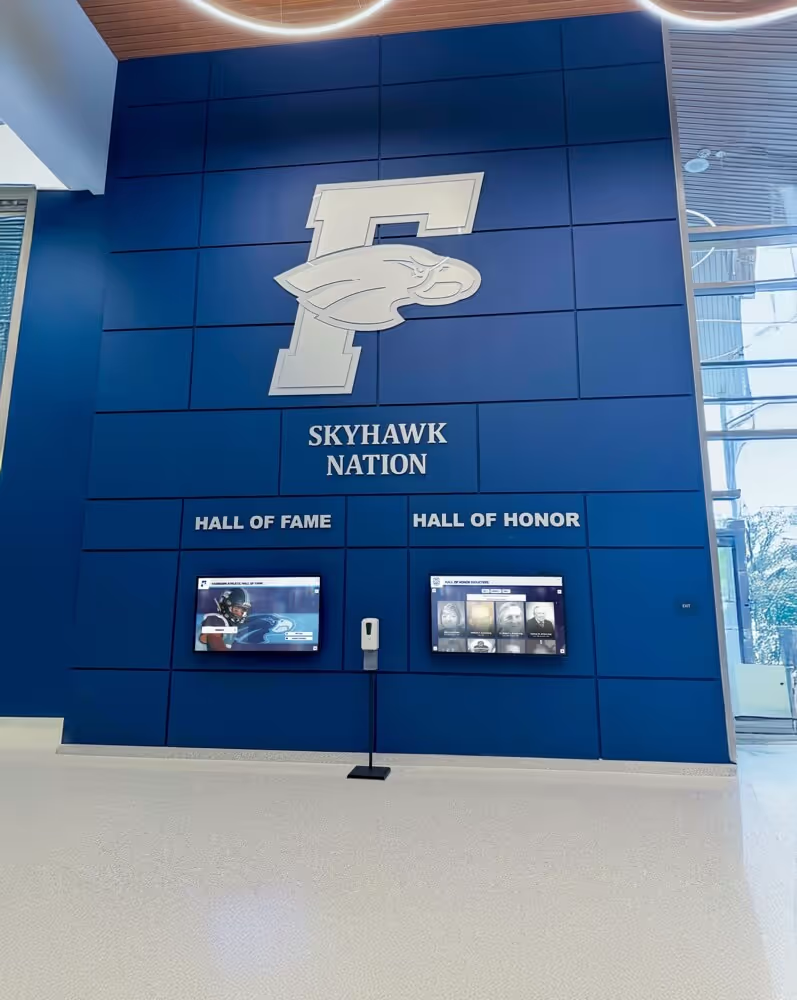
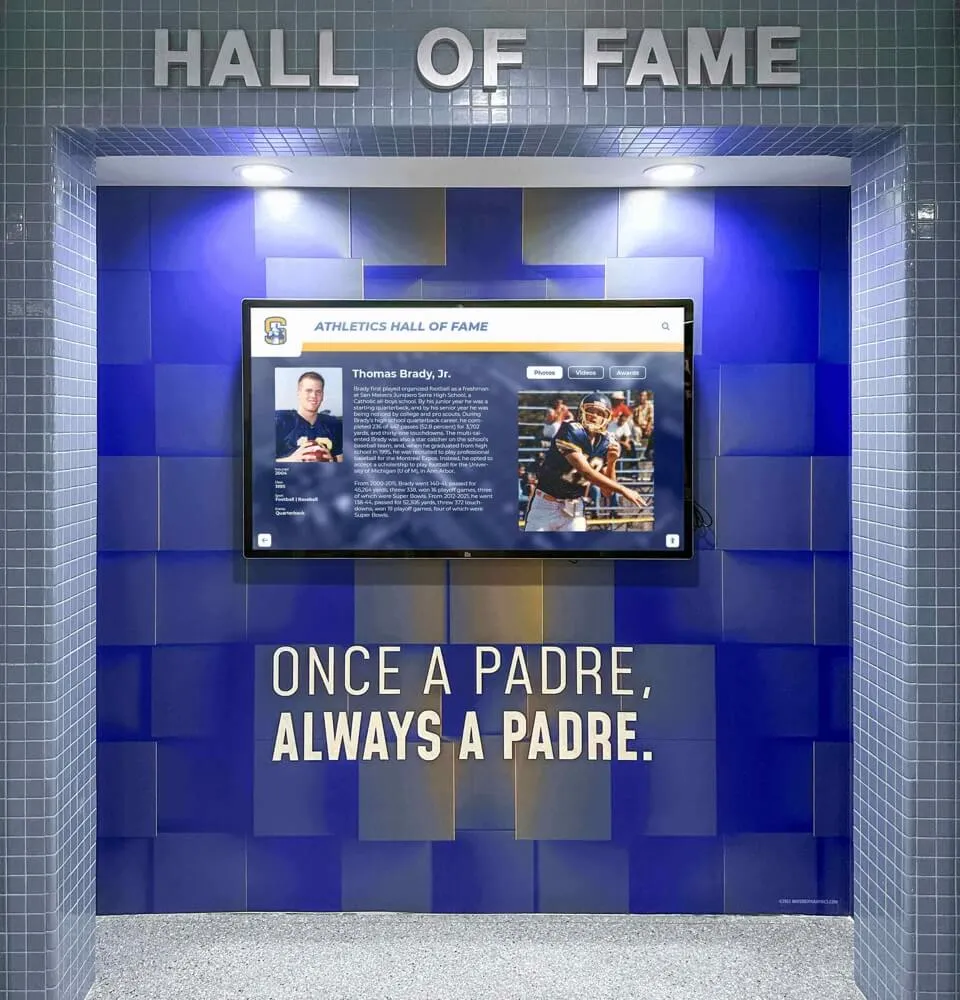
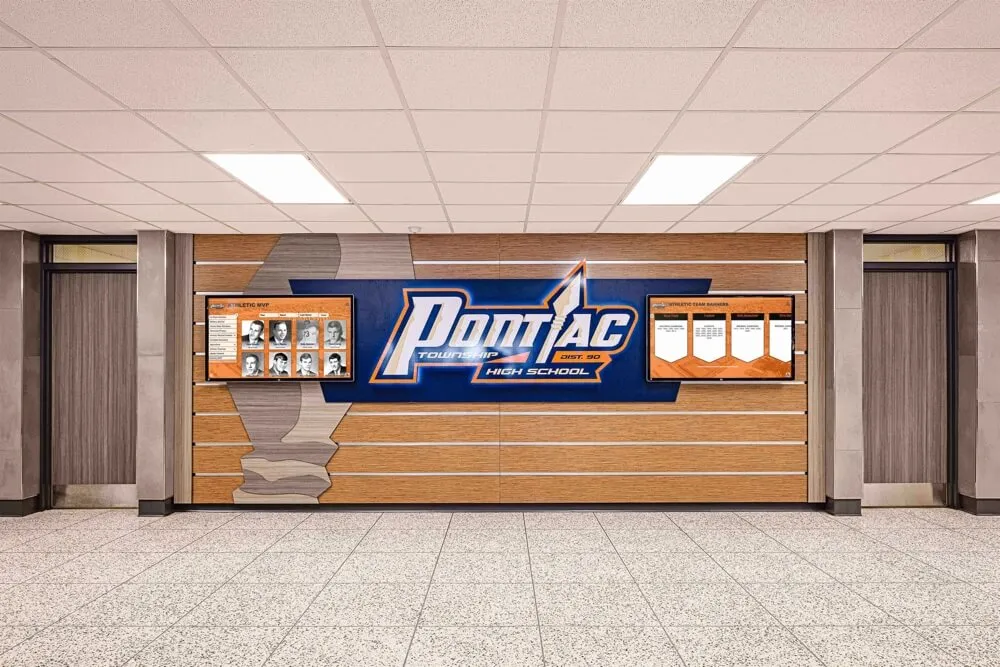
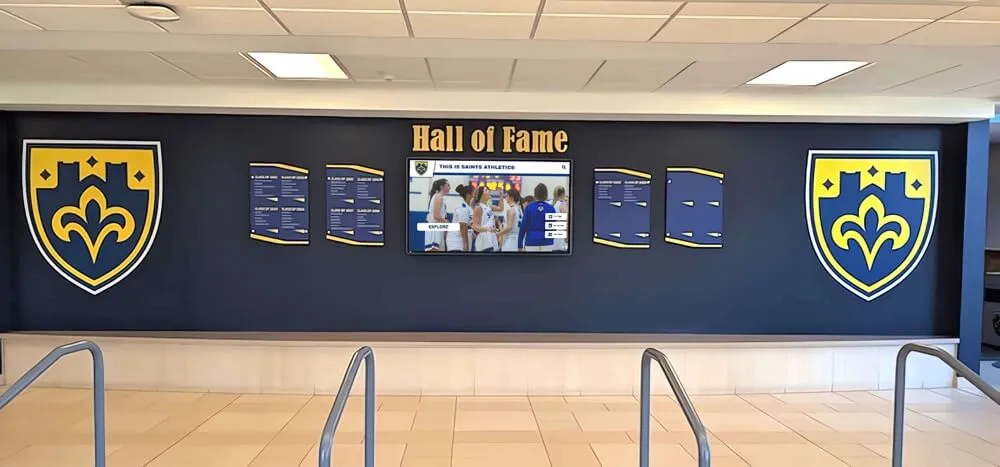
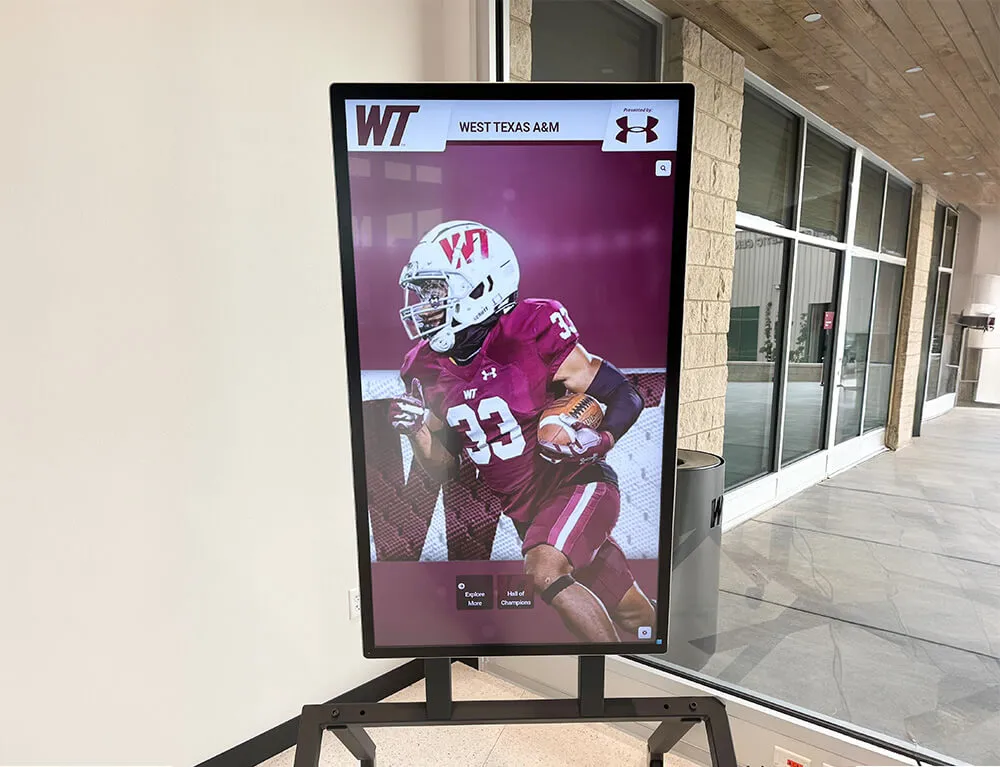
Modern recognition technology allows schools to celebrate all athletic participants—from varsity letter winners to intramural championship teams
Equity and Title IX Considerations
Intramural programs support schools’ equity commitments:
- Create athletic opportunities for students unable to access varsity teams due to limited roster spots
- Provide recreational options for sports where schools don’t field varsity teams
- Offer participation pathways for students whose skill levels don’t match competitive program requirements
- Support gender equity by enabling all interested students to participate regardless of varsity roster availability
- Demonstrate institutional commitment to broad athletic access beyond elite competitive programs
While intramural programs don’t satisfy Title IX’s competitive athletics requirements, they complement equity efforts by expanding overall athletic participation opportunities.
Building Physical Health and Wellness Habits
Student health represents a fundamental educational mission, and intramurals directly support wellness goals:
Combating Sedentary Lifestyles
Modern adolescents face unprecedented inactivity challenges:
- CDC reports only 24% of American children ages 6-17 meet the recommended 60 minutes of daily physical activity
- Screen time consumption continues increasing, with many students spending 7+ hours daily on electronic devices
- Traditional PE classes provide limited weekly activity—often just 2-3 hours across entire week
- Varsity athletics serve only most skilled students, leaving majority without structured physical activity opportunities
Intramural sports create accessible pathways for students to engage in regular physical activity beyond minimal PE requirements.
Lifetime Sport Skills
Program design impacts whether students maintain activity into adulthood:
- Activities like volleyball, tennis, and recreational basketball translate to adult participation more readily than specialized competitive sports
- Low-pressure environments enable skill development without performance anxiety that discourages continued participation
- Positive athletic experiences during school years correlate with higher adult physical activity rates
- Recreational sport enjoyment matters more than competitive success for sustaining lifelong activity habits
Intramural programs emphasizing enjoyment and participation over elite performance create foundation for lifelong wellness behaviors.
Mental Health Benefits
Physical activity delivers well-documented psychological advantages:
- Regular exercise reduces depression and anxiety symptoms in adolescents
- Team activities provide social connection combating isolation and loneliness
- Physical activity improves focus, academic performance, and emotional regulation
- Recreational competition offers stress relief from academic pressures
- Achievement feelings from athletic participation boost self-esteem and confidence
For students experiencing mental health challenges, intramural sports provide low-barrier entry to activity proven to support psychological wellness.
Learn about comprehensive approaches to student recognition programs that celebrate diverse student achievements including athletic participation across all program levels.
Creating Social Connection and School Culture
Athletic participation builds community beyond physical health benefits:
Forming Friend Groups and Social Networks
Team experiences create meaningful relationships:
- Students form teams with existing friends, strengthening those relationships through shared experiences
- Mixed teams introduce students to peers outside normal social circles, expanding networks
- Regular team interaction creates natural friendship development opportunities
- Shared competition memories become lasting bonds connecting students years later
- Team dynamics teach cooperation, communication, and conflict resolution in authentic contexts
For students struggling to find social connections—particularly during transitions to new schools or grade levels—intramural teams provide structured environments for relationship building.
Building School Spirit and Identity
Intramural programs strengthen institutional culture:
- Broad participation creates shared experiences connecting diverse student populations
- Championship competitions generate excitement and engagement beyond varsity events
- Visual recognition of intramural achievements demonstrates schools value participation beyond elite athletics
- Intramural traditions (annual tournaments, rivalry games, championship celebrations) become part of school identity
- Inclusive athletic culture signals that schools welcome all students, not just star athletes
Schools with robust intramural programs often report stronger overall school spirit because more students feel personally invested in athletic culture.
Leadership and Character Development
Recreational athletics teach valuable life skills:
- Team Captains develop organizational skills, communication abilities, and conflict management experience
- Student Officials gain decision-making confidence, rule interpretation skills, and fairness commitment
- Sportsmanship experiences teach grace in victory, resilience in defeat, and respect for opponents
- Responsibility for team performance and schedule commitments builds accountability
- Diversity Experience through competing with students from different backgrounds, grade levels, and social groups
These character-building opportunities extend to hundreds of students rather than limited varsity roster spots.
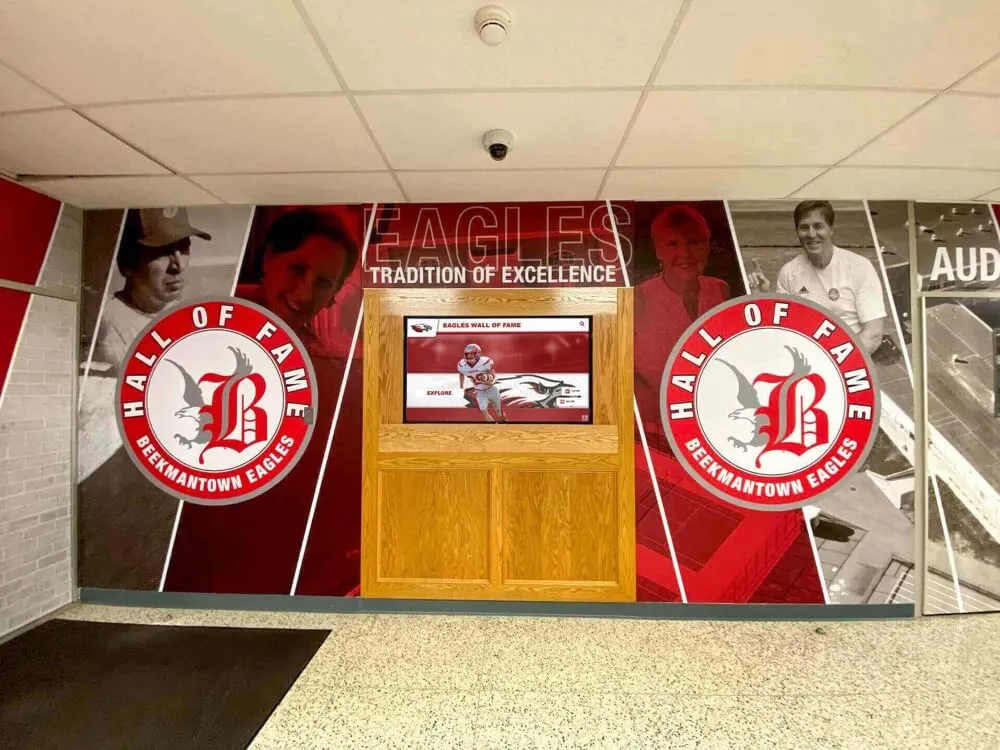
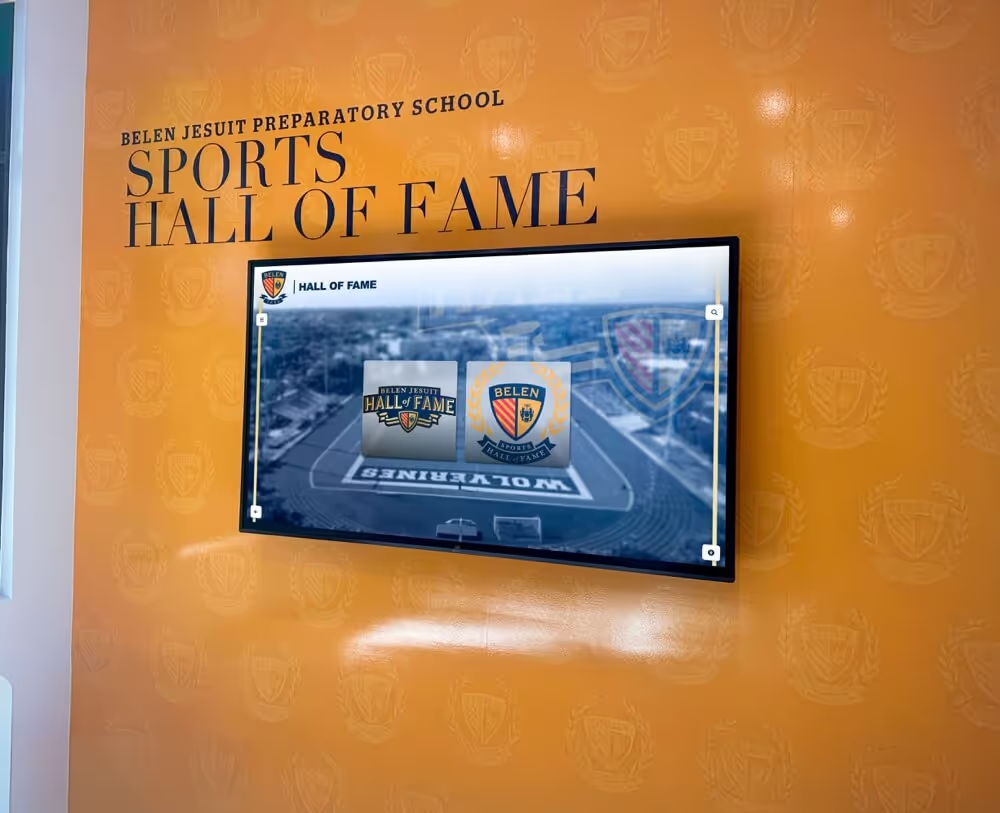
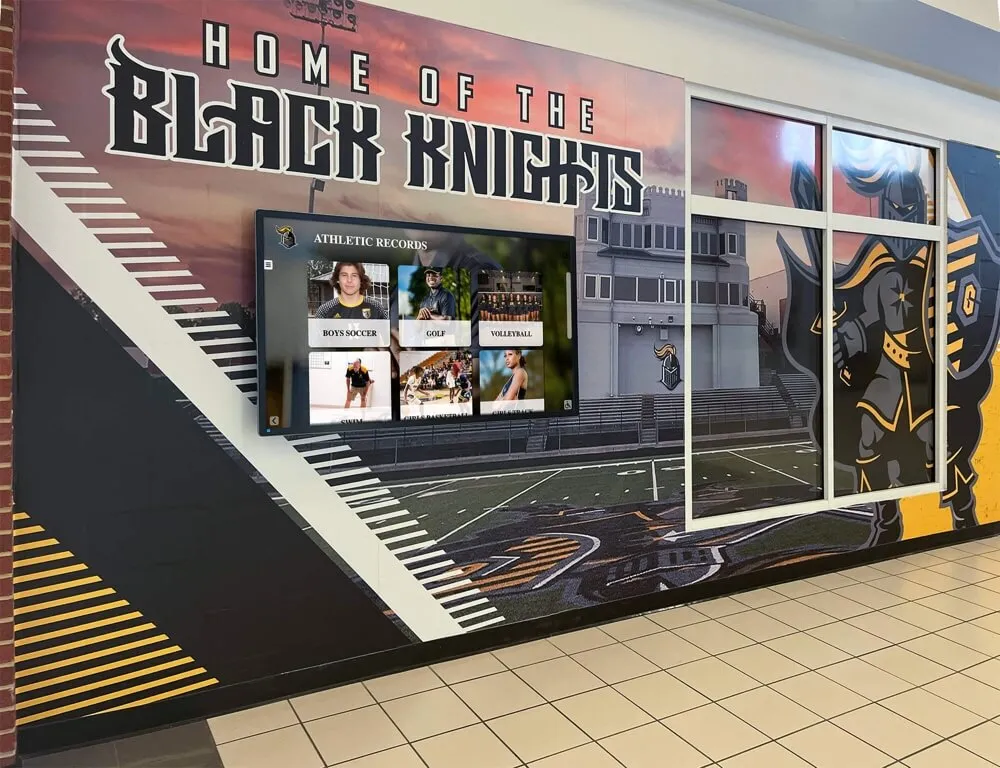
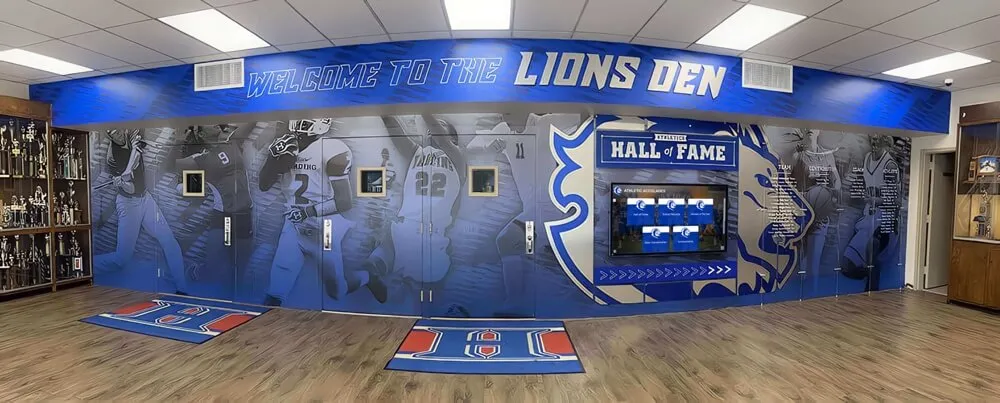
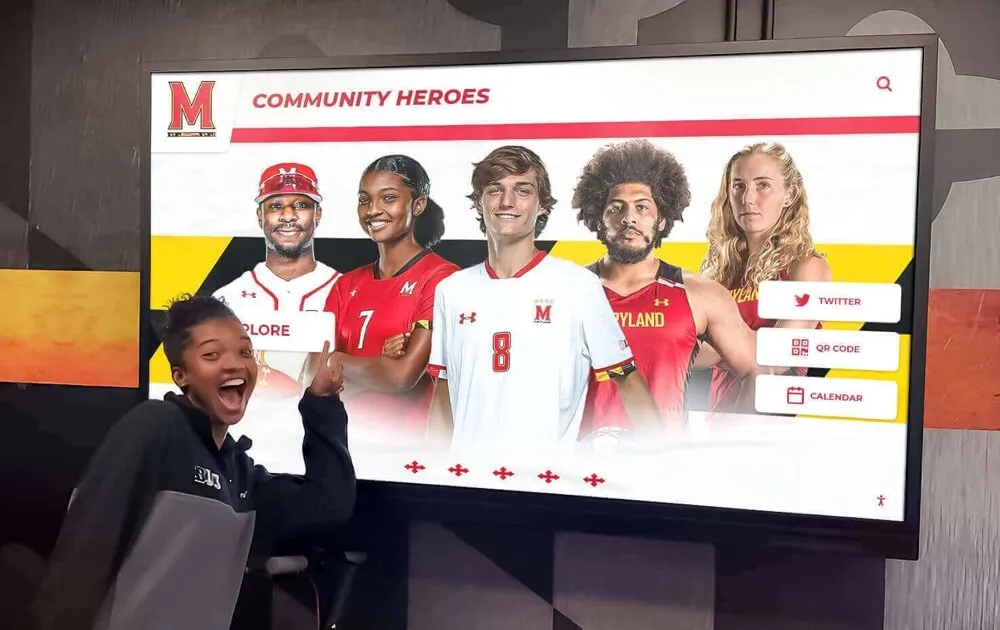
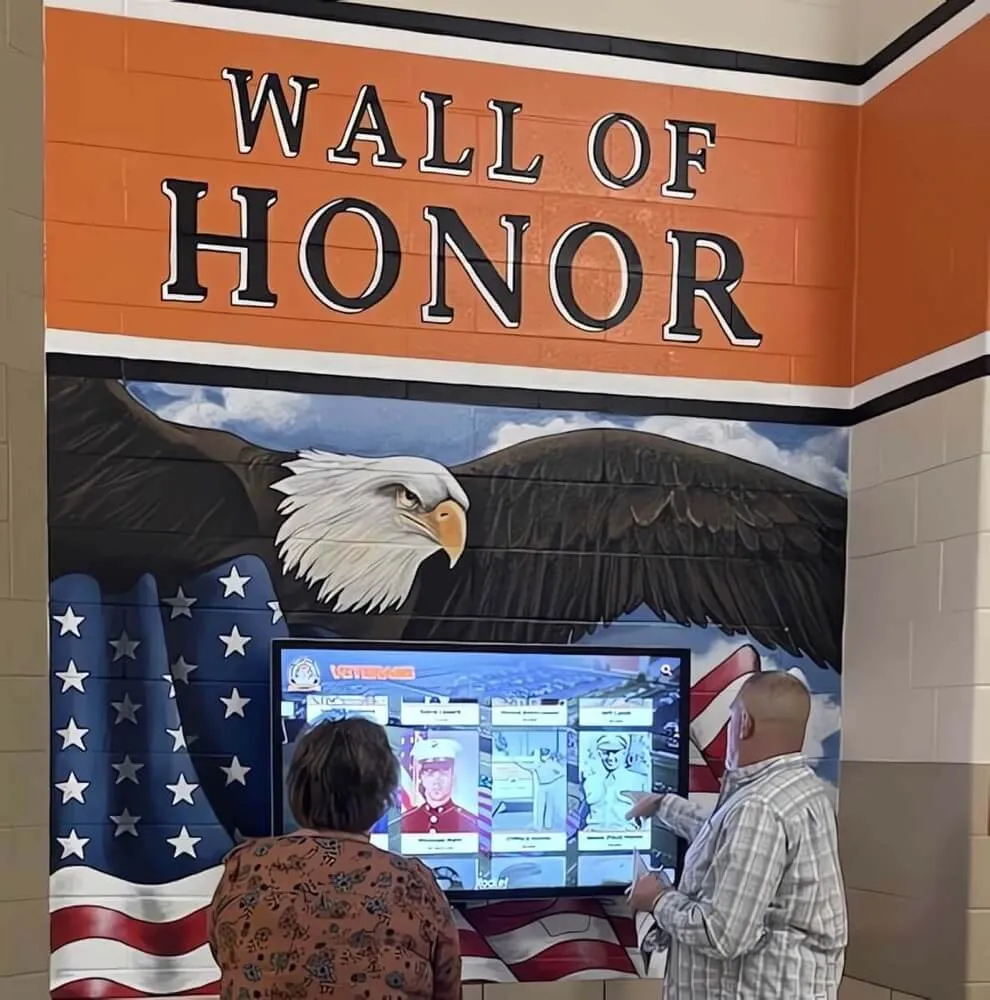
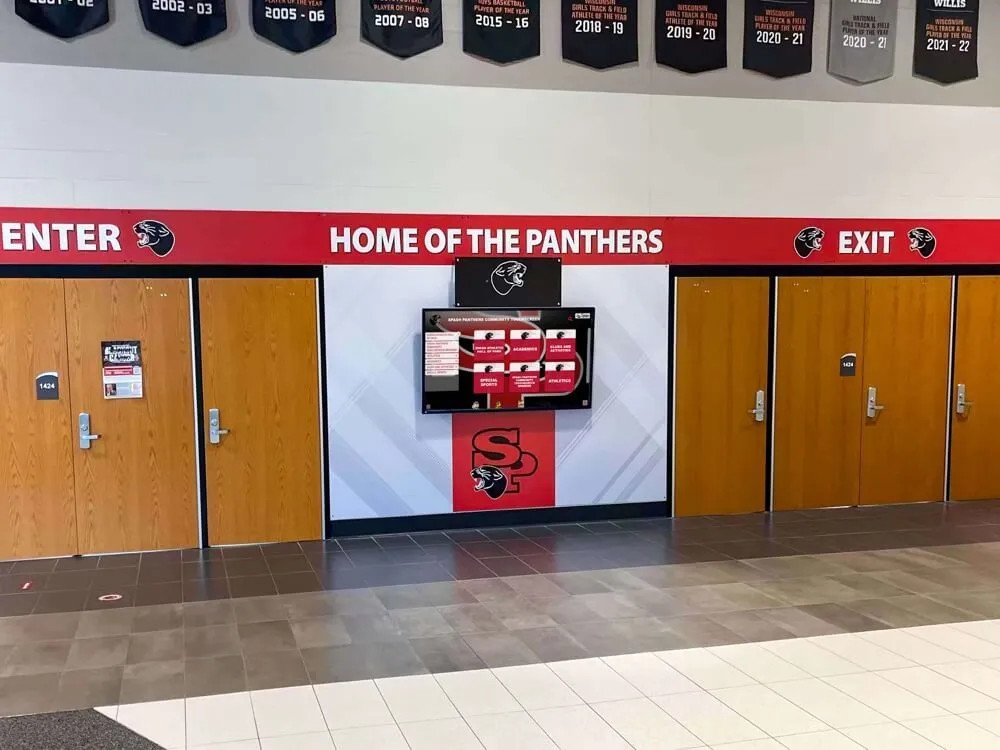
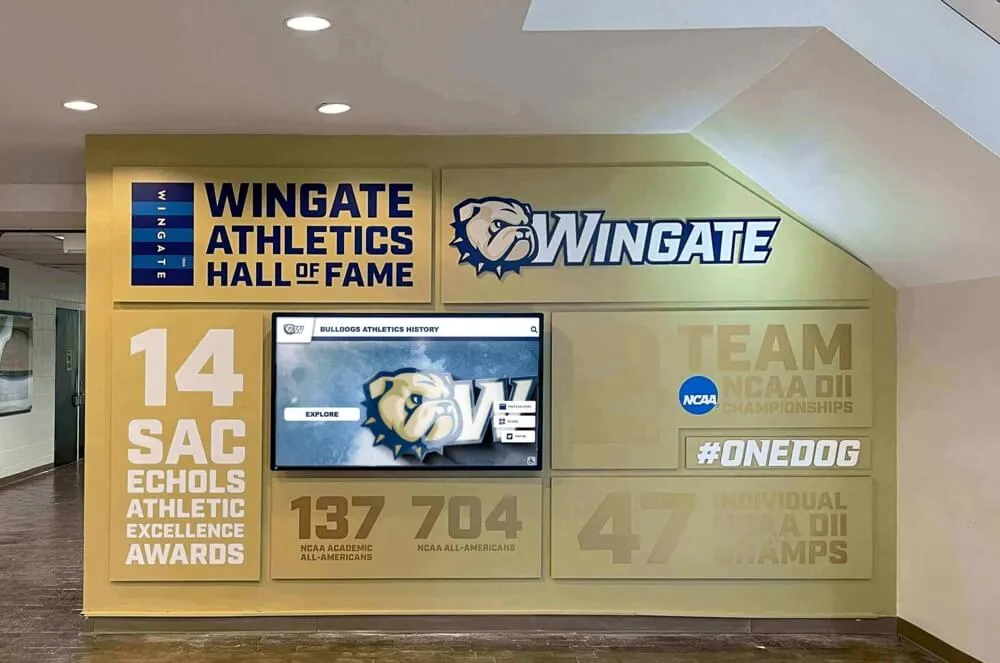
Comprehensive athletic recognition systems honor achievements across all program levels, demonstrating institutional commitment to inclusive excellence
Supporting Academic Success and Engagement
Contrary to concerns that activities distract from academics, athletic participation correlates with positive educational outcomes:
Academic Performance Connections
Research reveals consistent patterns:
- Students participating in organized athletics typically maintain higher GPAs than non-participants
- Physical activity improves cognitive function, focus, and information retention
- Athletic involvement creates accountability structures encouraging time management and organization
- Team participation generates motivation to maintain academic eligibility
- Social connections through athletics increase school engagement and attendance
While causality remains complex (motivated students may select both athletics and strong academics), evidence consistently shows athletic participation associates with positive academic indicators.
School Engagement and Attendance
Athletic programs affect broader school connection:
- Students involved in activities report higher school satisfaction and belonging
- Athletic participation reduces chronic absenteeism rates
- After-school activities provide reasons for students to attend school consistently
- Team commitments create accountability reducing skipping or early departure
- Social networks formed through athletics increase desire to be present at school
For schools addressing attendance challenges, robust intramural programs create additional touchpoints connecting students to institutions.
Reduced Disciplinary Issues
Structured activities correlate with behavioral benefits:
- Students engaged in positive activities have less unsupervised time when discipline issues often occur
- Athletic participation channels competitive energy into appropriate outlets
- Team membership creates positive peer associations influencing behavior choices
- Activity involvement increases adult connection and supervision
- Schools report fewer disciplinary incidents among students regularly participating in organized activities
While intramural sports aren’t discipline programs, they contribute to positive school climate that reduces behavioral challenges.
Explore how recognition systems support positive school culture by celebrating diverse student achievements across academic, athletic, and extracurricular domains.
Key Components of Effective Intramural Sports Programs
Understanding what makes programs successful helps schools design offerings that maximize participation and benefits:
Diverse Sport Offerings Throughout the Year
Variety ensures programs appeal to broad student interests:
Traditional Team Sports
Popular core offerings include:
- Basketball - Most common intramural sport, often with multiple leagues by grade and skill level
- Volleyball - Popular across genders, relatively easy to organize with minimal equipment
- Flag Football - Football experience without contact concerns, typically fall activity
- Soccer - Indoor and outdoor variants accommodating different seasons and facilities
- Softball/Baseball - Spring activities using existing athletic fields
- Dodgeball - Low skill barrier, high participation rates, minimal equipment needs
These foundational sports leverage existing facilities, familiar rules, and broad student interest.
Emerging and Recreational Sports
Modern programs expand beyond traditional offerings:
- Ultimate Frisbee - Growing in popularity, minimal equipment costs, co-ed friendly
- Pickleball - Accessible to all skill levels, uses existing tennis or basketball courts
- Spikeball - Compact, portable, generates high student interest
- Cornhole - Low physical demand, social atmosphere, tournament-friendly format
- Table Tennis/Ping Pong - Indoor option requiring minimal space
- Esports - Competitive gaming leagues addressing digital native populations
- Kickball - Nostalgic appeal, low skill requirements, highly social
Innovative offerings distinguish programs while attracting students uninterested in traditional sports.
Individual and Dual Sports
Solo competition accommodates different preferences:
- Tennis - Singles and doubles tournaments
- Badminton - Low-cost alternative to tennis with similar formats
- Golf - Putting competitions or driving range contests
- Track and Field Events - Individual running, jumping, or throwing competitions
- Swimming - Individual events in schools with pool facilities
- Wrestling - One-on-one competition in schools with wrestling programs
Individual sports serve students preferring personal competition over team environments.
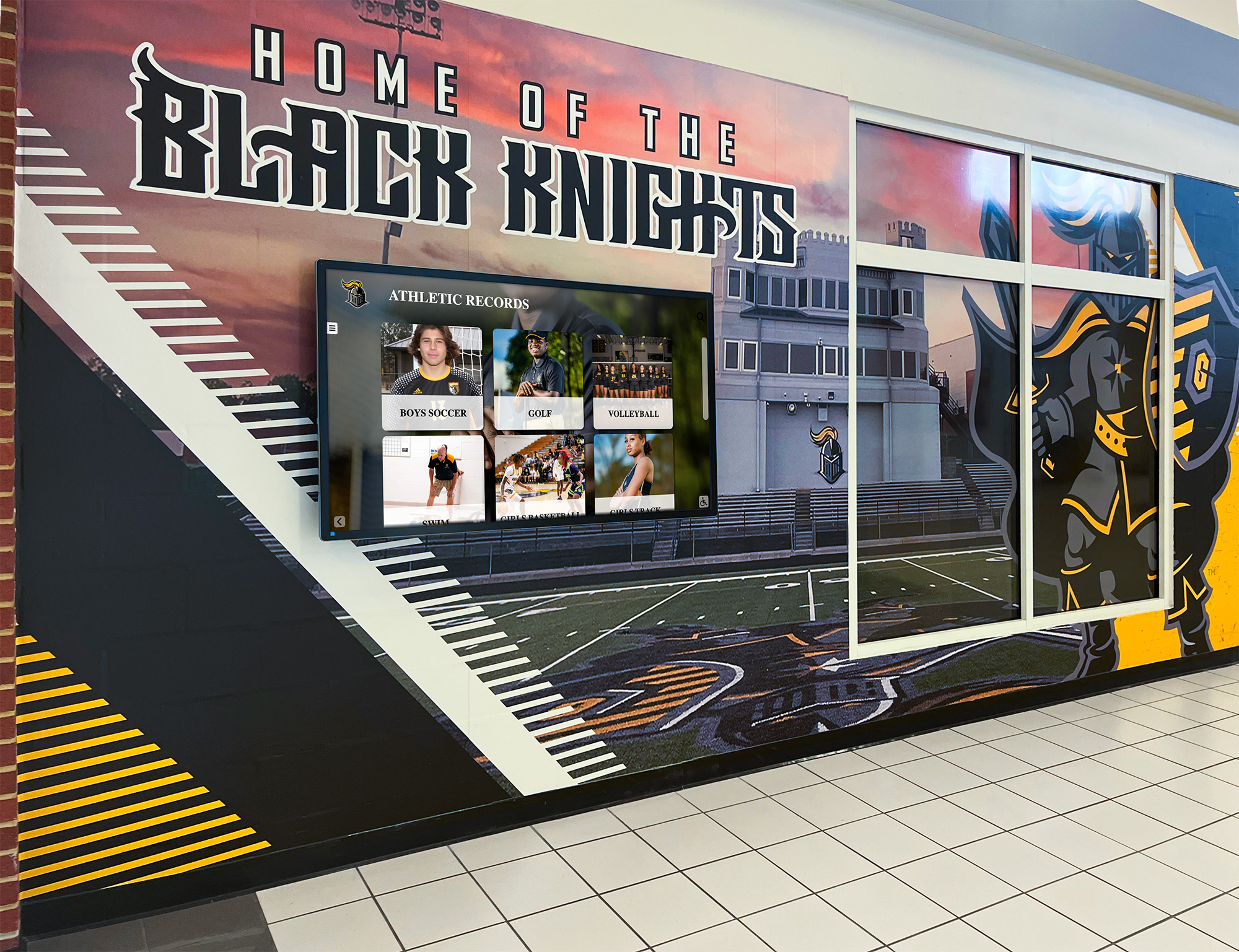
Strategic placement of athletic recognition in high-traffic areas ensures all students—including intramural participants—see their achievements celebrated
Flexible Participation Structures
Accessibility requires accommodating diverse student needs and schedules:
Multiple Skill Divisions
Appropriate competition levels increase participation:
- Competitive Leagues - For experienced players seeking higher-level competition
- Recreational Leagues - For casual participants emphasizing fun over winning
- Beginner Divisions - For students learning sports, ensuring positive first experiences
- Gender-Specific and Co-Ed Options - Providing choice based on comfort and preference
- Grade-Level Divisions - Preventing physical mismatches between younger and older students
Skill-appropriate divisions ensure all participants compete at suitable levels, preventing discouragement from overwhelming competition or boredom from unchallenging matches.
Varied Time Commitments
Different formats accommodate different availability:
- Lunch Leagues - Short games during lunch periods maximizing participation for busy students
- After-School Programs - Traditional timing following school dismissal
- Evening Recreational Leagues - Accommodating students with after-school work or family responsibilities
- Weekend Tournaments - Single-day or weekend competitions for intensive formats
- Drop-In Activities - Open gym or recreation times requiring no team commitment
Multiple scheduling options prevent time constraints from excluding interested students.
Flexible Team Formation
Team creation approaches affect accessibility:
- Friend Groups - Students form their own teams with existing social circles
- Individual Sign-Ups - Recreation staff creates balanced teams from individual registrants
- Organizational Teams - Clubs, classes, or groups form collective teams
- Free Agency - Students looking for teams connect with teams needing players
- Faculty/Staff Divisions - Enabling adult participation increasing program buy-in
Flexible formation ensures students without ready-made teams can still participate rather than being excluded by team registration requirements.
Minimal Barriers to Participation
Reducing obstacles maximizes accessibility:
Low or No-Cost Participation
Financial barriers exclude students from lower-income families:
- Free participation wherever possible, funded through activity fees or general budgets
- Minimal fees ($10-25 per season) when cost recovery necessary
- Scholarship or waiver programs eliminating fees for students with financial need
- Equipment provision preventing costs from excluding participants (schools supply jerseys, balls, etc.)
- No expensive specialized equipment requirements unlike many varsity sports
Economic accessibility ensures intramural programs truly serve all interested students regardless of family financial situations.
Limited Skill Prerequisites
Welcoming all ability levels prevents intimidation:
- No tryouts or selection processes—all interested students participate
- Beginner-friendly divisions ensuring novices compete against similar skill levels
- Rules modifications making sports more accessible (e.g., everyone must touch ball before scoring)
- Instructional components teaching sport basics before competition begins
- Supportive atmosphere emphasizing improvement and participation over winning
Low skill barriers invite students who never participated in organized athletics, potentially introducing lifelong activity interests.
Simple Registration Processes
Administrative simplicity prevents participation loss:
- Online registration systems accessible from any device
- Extended registration periods accommodating students who decide late
- Drop-in options for activities not requiring formal team rosters
- Walk-up registration at first competition for spontaneous joiners
- Minimal paperwork requirements beyond basic contact information
Streamlined registration prevents bureaucratic complexity from discouraging participation.
Learn about comprehensive athletic recognition approaches that celebrate participation across competitive and recreational athletics programs.
Safe, Well-Organized Competition
Program quality determines whether participation experiences remain positive:
Clear Rules and Expectations
Structure prevents chaos and conflict:
- Published rules specific to each sport and division
- Sportsmanship expectations clearly communicated from program outset
- Consequences for unsportsmanlike conduct, fighting, or rule violations
- Protest procedures when teams dispute calls or eligibility issues
- Equipment standards ensuring safety (appropriate footwear, no jewelry, etc.)
- Weather policies for outdoor activities
- Forfeiture rules preventing teams from disrupting schedules
Clear expectations create fair, predictable environments where students focus on competition rather than dispute resolution.
Qualified Officials and Supervision
Proper oversight ensures safety and fairness:
- Trained student officials for less complex sports (flag football, basketball)
- Adult supervision for all activities even when students officiate
- Professional referees for higher-stakes championships or complex sports
- First aid coverage at all activities
- Administrator availability for serious incidents or disputes
- Equipment inspection ensuring safety standards
- Facility preparation preventing hazards (wet floors, debris, unsafe conditions)
Appropriate supervision prevents injuries while maintaining competition integrity.
Appropriate Facilities and Equipment
Quality resources support positive experiences:
- Well-maintained playing surfaces preventing injuries
- Adequate space for competitions preventing overcrowding
- Quality equipment (regulation balls, proper nets, functional goals)
- Storage systems keeping equipment organized and accessible
- Lighting for evening activities
- Spectator areas when space permits
- Locker room or changing facilities for participants
Professional-quality resources signal that schools value intramural programs as legitimate athletics deserving appropriate investment.
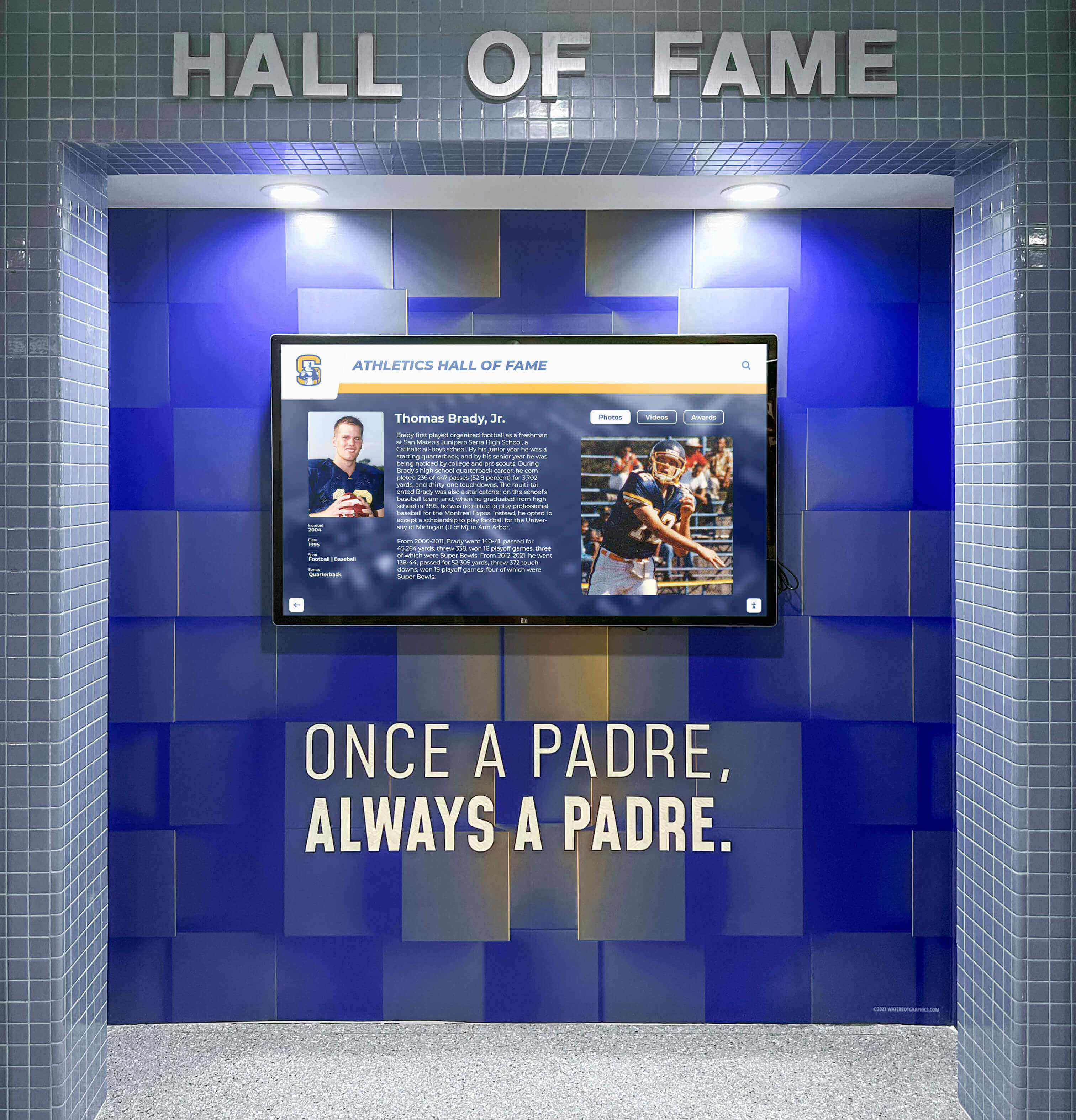
Modern digital recognition systems enable schools to honor unlimited participants across all athletic programs without physical space constraints
Recognizing Intramural Achievement: Closing the Recognition Gap
Despite serving dramatically larger student populations than varsity athletics, intramural programs typically receive minimal recognition—creating visibility disparity that undermines program value and participant motivation.
The Intramural Recognition Problem
Most schools demonstrate stark recognition differences:
Varsity Athletics Recognition
- Trophy cases displaying championships, awards, and memorabilia
- Permanent plaques honoring letter winners, all-conference athletes, and hall of fame inductees
- Media coverage through school newspapers, social media, and local news
- Ceremony recognition at awards banquets, pep rallies, and graduation events
- Visible uniforms and team apparel creating identity and status
- Coach recognition and staff dedicated exclusively to competitive athletics
Typical Intramural Recognition
- Championship t-shirts if budget permits (often low-quality designs)
- Occasional social media posts buried in feed clutter
- Brief announcements during morning announcements or newsletters
- Photos in yearbooks if space remains after varsity coverage
- Minimal documentation of champions, statistics, or participation records
This recognition disparity communicates that schools value elite competitive athletics far more than broad recreational participation—contradicting equity commitments and undermining intramural program appeal.
Creating Meaningful Intramural Recognition Systems
Modern recognition approaches enable schools to honor intramural achievement appropriately:
Digital Recognition Platforms
Technology solves traditional space and budget constraints:
- Interactive Touchscreen Displays - Showcasing championship teams, individual statistics, and program history in high-traffic locations
- Unlimited Participant Capacity - Unlike physical trophy cases with finite space, digital systems accommodate every championship team across all sports and years
- Rich Multimedia Content - Team photos, rosters, season records, and tournament brackets providing comprehensive documentation
- Easy Updates - Recreation staff add new champions immediately after seasons conclude without renovation or display reconstruction
- Search and Filter Functions - Students locate their teams, find friends’ achievements, and explore program history interactively
- Web-Accessible Platforms - Extending recognition beyond physical displays to reach families, alumni, and broader communities
- Equal Visibility - Creating parity between varsity and intramural recognition demonstrating both programs matter
Solutions like Rocket Alumni Solutions provide specialized platforms designed specifically for comprehensive athletic recognition—enabling schools to celebrate achievements across varsity, intramural, and recreational programs without space limitations that force selective recognition.
Physical Recognition Elements
Traditional approaches remain valuable when properly implemented:
- Quality championship t-shirts with professional designs (not budget alternatives to varsity gear)
- Photo boards in recreation areas or cafeterias highlighting recent champions
- Trophy or plaque displays in recreation offices or intramural-specific locations
- Championship banners in gymnasiums alongside varsity championship recognition
- Yearbook sections dedicated to intramural sports with equal coverage to varsity programs
- End-of-year awards ceremonies specifically for recreational athletics
Physical recognition gains meaning when schools invest comparable quality to varsity recognition rather than treating intramurals as second-tier activities deserving only budget leftovers.
Social Recognition and Program Promotion
Communication strategies amplify intramural visibility:
- Dedicated social media accounts for recreational athletics (not just occasional posts on athletic department accounts)
- Championship spotlights in newsletters, morning announcements, and school media
- Website sections featuring intramural standings, schedules, and champion histories
- Photo galleries showcasing competition moments and participant experiences
- Student profiles highlighting intramural involvement in broader recognition programs
- Alumni connections showing how intramural participation contributed to school experiences
Consistent visibility communicates that schools value intramural programs as important components of educational experience.
Discover comprehensive approaches to awards and recognition ceremonies that celebrate diverse student achievements across academic, athletic, and extracurricular domains.
Implementing Intramural Sports Programs: Practical Strategies
Schools convinced of intramural value face practical questions: How do we start? What resources do programs require? Who should manage operations?
Organizational Models for Intramural Programs
Different administrative structures suit different school contexts:
Recreation or Athletic Department Management
Most common organizational approach:
- Dedicated Recreation Coordinator - Staff member with primary responsibility for intramural programming
- Athletic Director Oversight - Intramurals fall under broader athletic department administration
- PE Teacher Coordination - Physical education faculty extend teaching roles to include intramural supervision
- Facility Manager Involvement - Coordinating space usage, equipment, and scheduling
Advantages: Professional oversight, integration with broader athletic programming, consistent administration
Challenges: Requires staff position funding, potential conflicts with varsity athletics priorities, may struggle to innovate beyond traditional sports
Student Government or Leadership Programs
Student-driven organizational models:
- Student Activities Board - Intramurals operate as student life programming
- Leadership Class Projects - Students in leadership courses manage programs as applied learning
- Service Learning Components - Student organization or club takes ownership as community service
- Class Officer Responsibilities - Student government includes recreational programming in duties
Advantages: Lower cost models, develop student leadership skills, generate student buy-in and participation
Challenges: Inconsistent quality across leadership transitions, limited authority for discipline issues, potential safety concerns with student-only oversight
Hybrid Approaches
Combining professional and student leadership:
- Adult coordinator provides oversight, training, and discipline authority
- Student directors manage day-to-day operations, scheduling, and promotion
- Student officials handle game management with adult supervision present
- Recreation staff handle registration, facilities, and equipment with student execution support
Advantages: Balances cost efficiency with quality oversight, creates leadership opportunities while maintaining safety
Challenges: Requires training systems and clear role definitions, potential confusion over decision authority
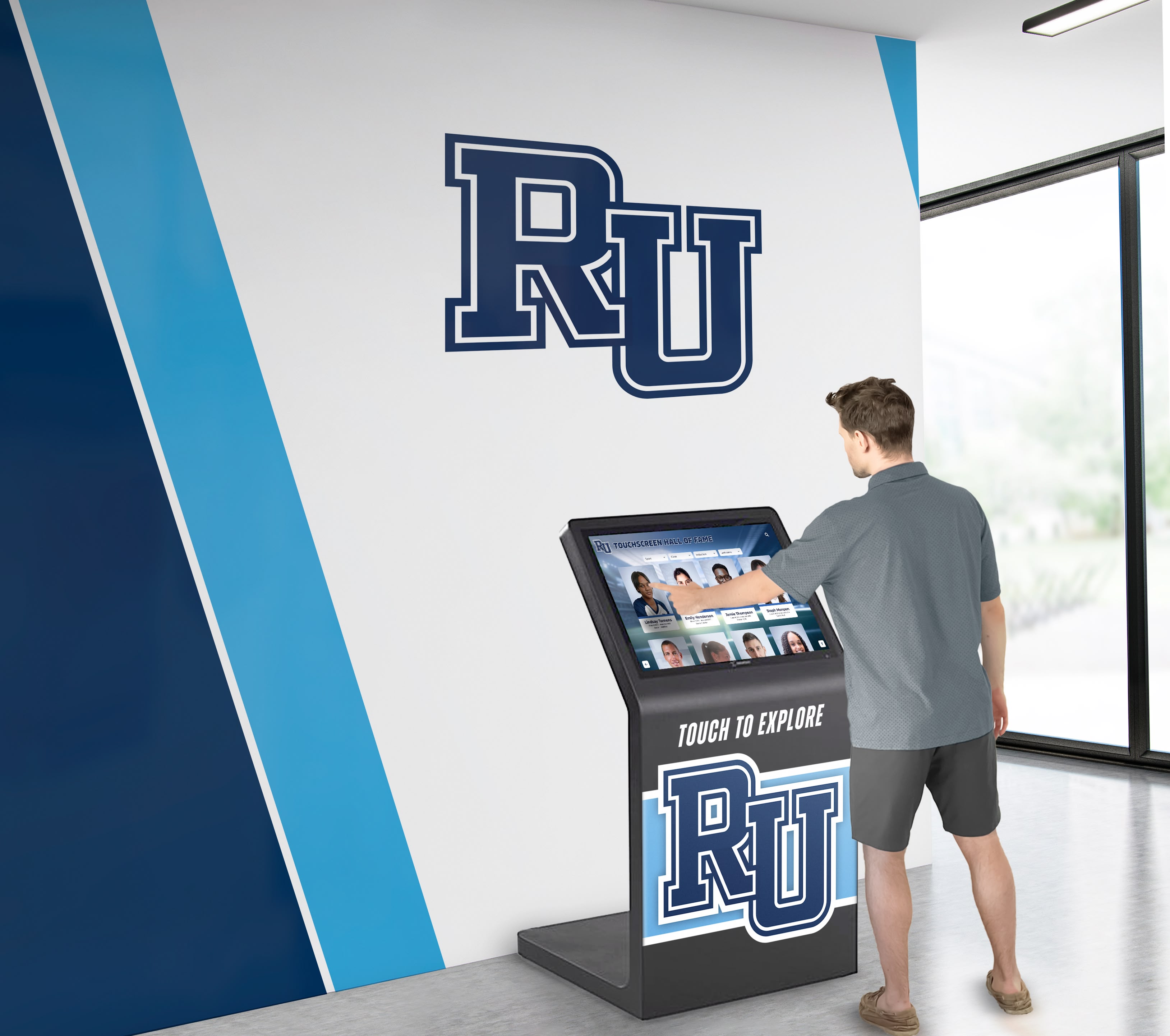
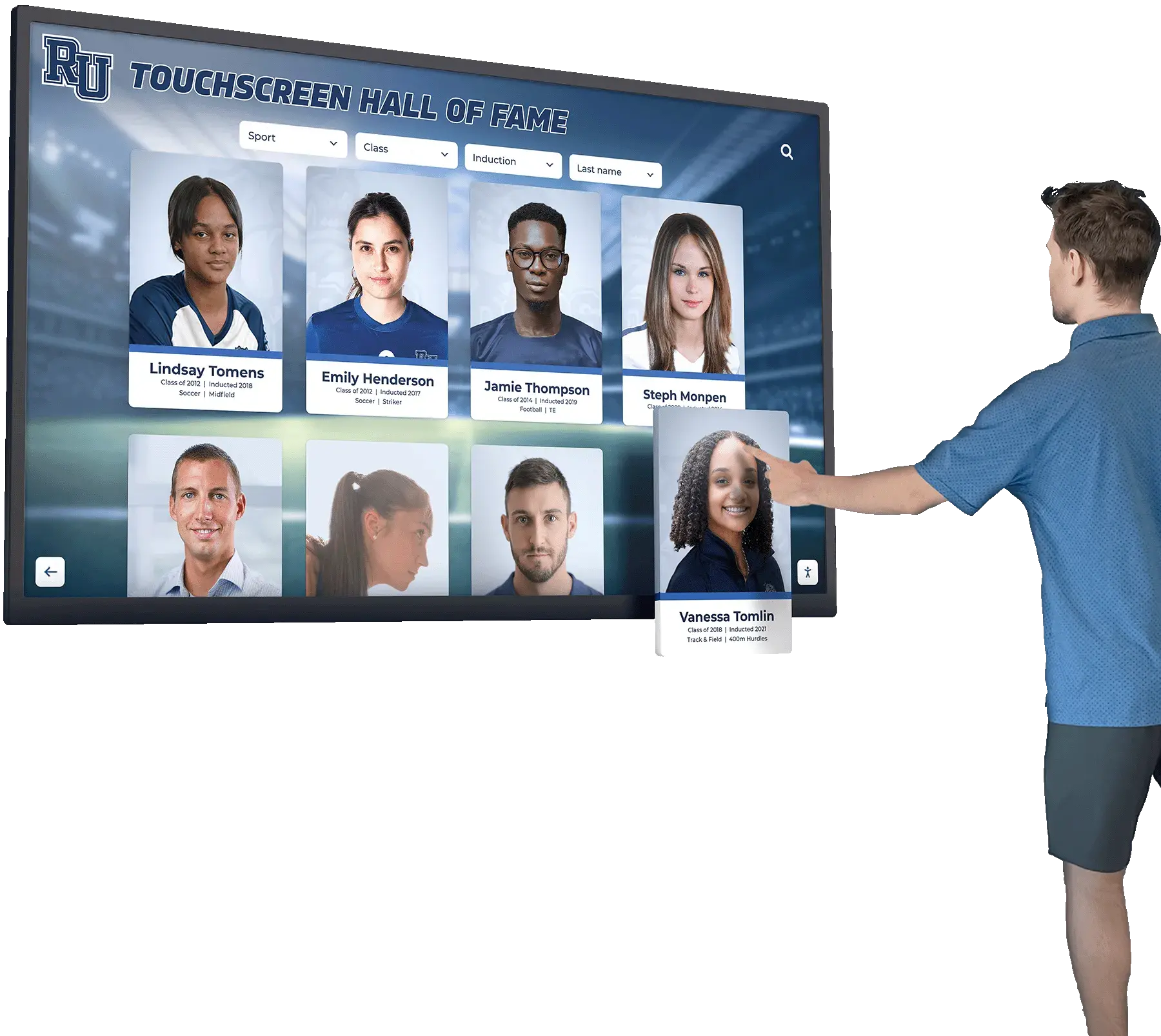
Interactive recognition displays create engaging ways for students to explore achievements across all athletic programs
Funding and Budget Considerations
Resource requirements vary dramatically based on program scope:
Essential Budget Components
Baseline costs include:
- Equipment - Balls, nets, goals, flags, cones, jerseys or pinnies ($500-$2,000 annually)
- Officials - Student stipends or professional referee fees ($0-$3,000 depending on model)
- Recognition - Championship shirts, certificates, or awards ($200-$1,000 per season)
- Marketing - Posters, digital promotions, registration platforms ($0-$500)
- Insurance - Liability coverage through school policies or participant accident insurance ($0-$2,000)
- Facility Costs - Often absorbed as existing space use, but could include rental fees for off-campus venues
- Coordinator Compensation - Stipend for faculty/staff or salary for dedicated position ($1,000-$50,000+ depending on scope)
Basic programs can operate on $2,000-$5,000 annually; comprehensive programs at larger schools may invest $20,000-$50,000+.
Funding Sources
Revenue strategies for sustainable programs:
- Activity Fee Allocations - Portion of student activity fees designated for intramural programs
- Participant Fees - Modest per-person or per-team charges ($10-25 per season)
- General Operating Budgets - Direct institutional funding treating intramurals as educational programming
- Booster Club Support - Athletic booster organizations funding recreational athletics alongside varsity programs
- Sponsorships - Local businesses sponsoring leagues or teams in exchange for recognition
- Fundraising Events - Tournament entry fees or special events generating program revenue
- Alumni Support - Former intramural participants contributing to sustain programs they valued
Diverse funding sources create sustainability preventing single revenue stream dependency.
Cost Management Strategies
Efficiency approaches maximize limited resources:
- Leverage existing facilities and equipment from PE programs and varsity athletics
- Utilize student officials rather than expensive professional referees when appropriate
- Focus initial offerings on low-equipment sports (basketball, volleyball, flag football) before expanding to expensive activities
- Seek equipment donations from sporting goods retailers or athletic programs replacing inventory
- Partner with community organizations sharing facility costs
- Start with limited offerings and expand based on participation rather than overextending initially
Strategic resource management enables quality programs even with modest budgets.
Scheduling and Logistics
Operational details determine program accessibility:
Season Structure Options
Different calendars serve different needs:
- Fall Sports (September-November): Flag football, soccer, ultimate frisbee, volleyball
- Winter Sports (December-February): Basketball, indoor soccer, dodgeball, table tennis
- Spring Sports (March-May): Softball, outdoor soccer, kickball, tennis
- Year-Round Offerings: Rotating activities maintaining continuous participation opportunities
Multiple seasons throughout year prevent intramurals from being single-semester offerings that exclude students with schedule conflicts.
Timing and Schedule Formats
When competitions occur affects participation:
- Lunch Leagues - Short games during lunch periods (20-25 minutes)
- After-School Slots - Immediately after dismissal (3:30-5:30pm typically)
- Evening Leagues - Later timing (6:00-8:00pm) accommodating working students
- Weekend Tournaments - Saturday morning events for intensive single-day competitions
Offering multiple timing options increases accessibility for students with varying schedules and obligations.
Facility Coordination
Space management prevents conflicts:
- Coordinate with athletic directors ensuring intramurals don’t disrupt varsity practice or competition schedules
- Identify underutilized facility times (early mornings, lunch periods, evenings)
- Create facility-use priority systems balancing various program needs
- Communicate schedule changes promptly when conflicts arise
- Develop backup plans for weather-impacted outdoor activities
- Maintain facility condition preventing intramural damage to spaces needed for other programs
Professional scheduling prevents facility conflicts that undermine both intramural and varsity programs.
Learn about comprehensive athletic program management that celebrates achievements across all participation levels and athletic offerings.
Promotion and Participation Building
Program quality matters little if students don’t participate:
Marketing Strategies
Multi-channel promotion reaches diverse audiences:
- School Announcements - Daily mentions during registration periods
- Social Media Campaigns - Instagram, TikTok, Twitter, and Facebook reaching students on preferred platforms
- Poster and Signage - Eye-catching designs in high-traffic locations (cafeteria, hallways, bathrooms)
- PE Class Announcements - Teachers promoting during classes reaching all students
- Student Organization Outreach - Presenting to clubs encouraging group team formation
- Website Prominence - Featured scheduling and registration information on school sites
- Text/Email Reminders - Digital communications sent to students and families
- Student Ambassadors - Participant testimonials and peer recruitment
Consistent visibility ensures all students know about opportunities rather than just athletically connected populations.
Reducing Participation Barriers
Proactive strategies address common obstacles:
- Emphasize “no experience necessary” messaging removing intimidation factor
- Highlight skill divisions ensuring appropriate competition levels
- Showcase diverse participants in marketing demonstrating programs welcome everyone
- Feature multiple sports appealing to varied interests beyond traditional team sports
- Communicate minimal time commitments addressing schedule concern objections
- Provide registration assistance for students unfamiliar with processes
- Create team-finding mechanisms so students without friend groups can still participate
Addressing barriers directly in marketing increases participation among students who would otherwise self-select out of programs.
Building Program Traditions
Distinctive elements create appeal and identity:
- Annual championship tournaments becoming anticipated events
- Creative team names and traditions developing organic culture
- Signature events (faculty vs. students games, charity tournaments, theme nights)
- Championship recognition ceremonies creating prestige
- Historical documentation preserving program heritage across years
- Alumni engagement connecting current students to previous generations of participants
Traditions transform intramurals from generic recreational offerings into valued institutional programs with distinct character.
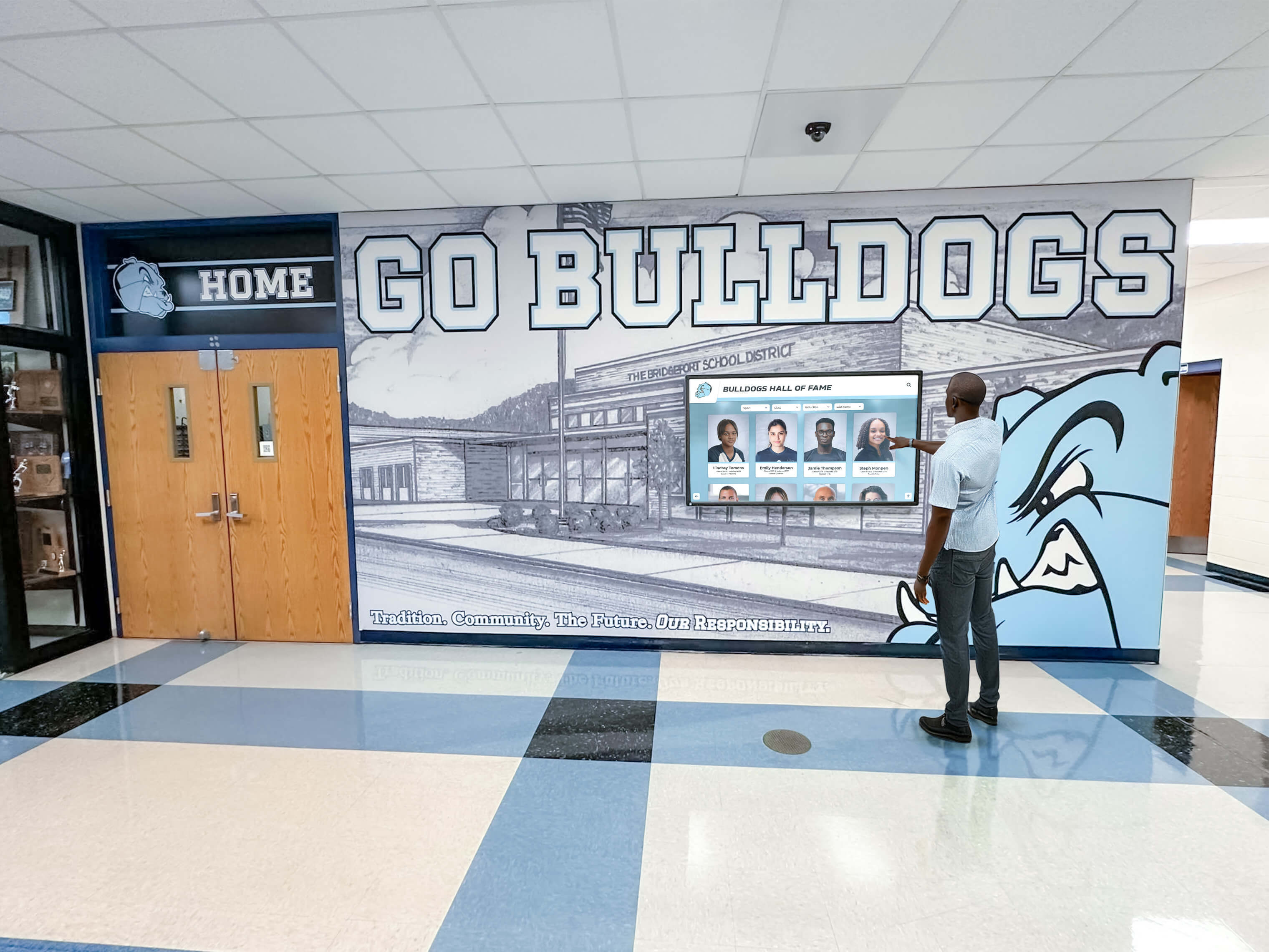
User-friendly recognition technology enables students to explore achievements, find their own participation, and connect with program history
Addressing Common Challenges in Intramural Programs
Even well-designed programs encounter predictable difficulties:
Managing Competitive Intensity and Sportsmanship
Recreational emphasis doesn’t eliminate competitive tensions:
Common Issues
- Arguments with officials over calls and rule interpretations
- Excessive competitiveness creating hostile atmosphere
- Trash-talking and taunting crossing acceptable boundaries
- Physical altercations emerging from competitive emotions
- Eligibility disputes when skilled athletes dominate recreational divisions
Effective Solutions
- Clear sportsmanship expectations communicated at registration and before each game
- Zero-tolerance policies for fighting with immediate removal and potential suspension
- Graduated consequences system (warnings, ejections, suspensions, bans)
- Official training programs teaching consistent rule application and conflict management
- Skill division enforcement preventing sandbagging in recreational leagues
- Cooling-off periods before addressing disputes rather than escalating in heat of moment
- Adult supervision presence deterring inappropriate behavior
Proactive culture-building creates environments emphasizing fun while maintaining enough structure preventing chaos.
Balancing Skill Levels Fairly
Mixed abilities can create competition problems:
Division Integrity Issues
- Highly skilled athletes dominating recreational divisions
- Teams recruiting experienced players to steamroll recreational leagues
- Significant skill gaps making competitions non-competitive
- Beginners discouraged by overwhelming competition mismatches
- Complaints about “ringers” or teams violating division spirit
Structural Solutions
- Clear division definitions and skill descriptors
- Self-selection guidance helping teams choose appropriate levels
- Coordinator authority to reassign teams exhibiting skill level mismatches
- Roster restrictions limiting number of experienced athletes per recreational team
- Graduated league structures (winners promote to higher divisions next season)
- Individual skill ratings for some sports enabling balanced team formation
- Separate novice leagues for true beginners learning sports
Fair competition proves essential—dominance by vastly superior teams discourages future participation by overmatched opponents.
Ensuring Consistent Participation and Reducing Forfeits
Schedule disruptions undermine programs:
Attendance Problems
- Teams forfeiting games when players have conflicts
- Last-minute cancellations disrupting schedules
- Opponents traveling for scheduled games facing forfeited matches
- League standings distorted by unbalanced forfeit distributions
- Participant frustration with unreliable competition
Reliability Mechanisms
- Minimum roster requirements encouraging larger teams absorbing absences
- Forfeiture penalties (fees, point deductions, playoff ineligibility)
- Multiple contact methods ensuring teams receive schedule reminders
- Flexible rescheduling policies for documented conflicts communicated early
- Free agent systems providing substitutes for shorthanded teams
- Minimum player requirements (lower than full rosters) enabling understaffed games to proceed
- Waitlists providing replacement teams when groups consistently forfeit
Reliability standards maintain program quality preventing poor experiences that discourage continued participation.
Maintaining Safety and Managing Injuries
Recreational settings still involve injury risks:
Safety Considerations
- Injury occurrence without athletic training staff present
- Liability concerns when injuries happen during school-sponsored activities
- Participants continuing despite injuries risking worsening conditions
- Facilities creating hazards (wet floors, debris, inadequate lighting)
- Contact in nominally non-contact sports leading to injuries
Protection Protocols
- Basic first aid supplies and trained responders at all activities
- Emergency action plans with clear procedures for serious injuries
- Facility inspections before activities preventing hazards
- Requirement that participants have school emergency contact information on file
- Incident documentation for insurance and liability purposes
- Clear communication that intramurals aren’t supervised to athletic training standards
- Appropriate insurance coverage through school policies or participant accident plans
Reasonable safety measures protect students while acknowledging recreational athletics never eliminate all injury risks.
Discover how comprehensive sports recognition programs celebrate achievements while supporting broader program goals around participation, sportsmanship, and inclusive athletic culture.
Intramural Sports at Different Educational Levels
Program structures vary across different settings:
High School Intramurals
Secondary school considerations:
- Coordination with extensive varsity athletic schedules using same facilities
- Engagement with student governments and leadership classes for organizational support
- Connection to PE requirements and broader wellness initiatives
- Recognition systems celebrating participants without diminishing varsity athletics
- Scheduling around academic calendars, testing periods, and seasonal activities
- Appealing to diverse student populations across grades 9-12 with varying interests
High school programs often emphasize social dimensions and stress relief from academic pressures alongside physical activity benefits.
Middle School Recreational Athletics
Intermediate school approaches:
- Serving students too young for intensive competitive athletics
- Introducing sports fundamentals in low-pressure environments
- Creating smooth transitions from elementary PE to potential high school athletics
- Emphasizing skill development alongside competition
- Accommodating dramatic physical development differences among same-age students
- Building sportsmanship foundations during critical character development years
Middle school programs balance instruction with recreation, supporting development while maintaining enjoyment focus.
College and University Intramurals
Higher education programs reach massive scale:
- Serving thousands of students across extensive program offerings (15-30+ different sports)
- Sophisticated infrastructure with dedicated recreation facilities and professional staff
- Integration with campus recreation centers, fitness programs, and wellness initiatives
- Residence hall leagues creating living community connections
- Greek life integration with chapter competition and point systems
- Graduate student and faculty/staff divisions expanding program reach
- Club sports serving as intermediate level between intramurals and intercollegiate athletics
College intramurals often represent students’ primary athletic participation, replacing high school sports involvement that ended after graduation.
Learn about comprehensive college athletic recognition approaches that celebrate achievements across intercollegiate, club, and intramural programs.
The Future of Intramural Sports: Trends and Innovations
Evolving student interests and technology drive program adaptations:
Emerging Sport Inclusions
Programs expand beyond traditional offerings:
- Esports and Gaming - Competitive video gaming leagues attracting digital-native students
- Adventure and Outdoor Sports - Rock climbing competitions, trail running, mountain biking
- Fitness Competitions - CrossFit-style challenges, fitness assessments, wellness competitions
- Alternative Sports - Spikeball, kan-jam, disc golf, and other emerging activities
- Cultural Sports - Cricket, rugby, lacrosse reflecting diverse student populations
- Lifestyle Activities - Yoga competitions, dance showcases, skating events
Sport diversity ensures programs remain relevant to changing student interests rather than offering only activities popular in previous generations.
Technology Integration
Digital tools enhance programs:
- Online Registration Platforms - Streamlined sign-ups with integrated payment processing
- Automated Scheduling Systems - Software managing brackets, standings, and schedules
- Mobile Apps - Real-time score reporting, schedule updates, and team communication
- Statistics Tracking - Individual and team performance data across seasons
- Live Streaming - Broadcasting championship games for remote viewing
- Social Media Integration - Automated score updates and highlights sharing
- Digital Recognition Displays - Interactive touchscreens showcasing program history and current standings
Technology reduces administrative burden while improving participant experience and program accessibility.
Inclusive Programming Expansion
Broadening access remains priority:
- Adaptive Sports - Modified activities enabling students with disabilities to participate
- Co-Ed Format Innovation - Creative rules ensuring gender inclusion and equal participation
- Multilevel Divisions - Increasingly granular skill separations ensuring appropriate competition
- Non-Traditional Timing - Breakfast leagues, weekend options, or evening programs accommodating diverse schedules
- Virtual Competitions - Fitness challenges or individual sports enabling asynchronous participation
- Spectator Engagement - Creating community events around intramural championships
Continued innovation ensures intramurals serve increasingly diverse student populations with varying needs, interests, and abilities.
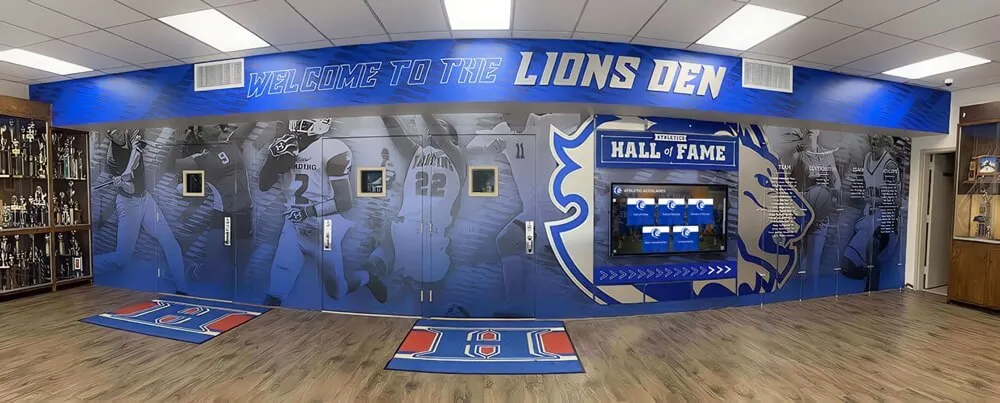
Comprehensive athletic recognition spaces honor achievements across all program levels—from varsity championships to intramural participation
Measuring Intramural Program Success
Assessment demonstrates value while identifying improvement opportunities:
Quantitative Metrics
Numerical indicators reveal program reach:
- Participation Rates - Percentage of student body engaging in intramural activities
- Repeat Participation - Students joining multiple sports or returning across seasons
- Sport Diversity - Distribution across activities rather than concentration in single sports
- Demographic Representation - Participation across genders, grade levels, racial/ethnic groups
- Team Formation - Numbers of teams competing demonstrating interest levels
- Championship Attendance - Spectator turnout for final competitions showing community engagement
- Registration Trends - Year-over-year growth or decline patterns
Systematic tracking enables evidence-based assessment demonstrating whether programs achieve participation goals.
Qualitative Indicators
Experiential outcomes matter beyond simple participation counts:
- Participant Satisfaction - Student survey responses about program quality and enjoyment
- Community Perceptions - How students view intramural programs’ prestige and value
- Behavioral Outcomes - Discipline referrals, attendance patterns among intramural participants
- Social Connections - Students reporting friendships formed through intramural involvement
- Skill Development - Participants improving abilities or discovering new activity interests
- School Culture Contributions - Program impact on broader school spirit and community
Holistic assessment captures intangibles that numeric participation data can’t reveal.
Continuous Improvement Processes
Systematic enhancement sustains quality:
- End-of-season participant surveys gathering experience feedback
- Staff debriefing identifying operational challenges and successes
- Competition observation by administrators assessing quality and atmosphere
- Comparison with peer institution offerings revealing innovation opportunities
- Budget analysis ensuring sustainable resource allocation
- Participation analysis identifying underserved student populations or declining sports
- Recognition of exemplary participants, officials, and coordinators
Regular evaluation prevents complacency while demonstrating administrative commitment to excellence.
Conclusion: Building Inclusive Athletic Culture Through Intramural Sports
Intramural sports represent fundamental commitments to inclusive education—recognizing that athletic opportunities should extend to all interested students, not just the talented few earning varsity roster spots. When schools invest in robust recreational athletics programs, they create environments where hundreds of students experience team competition, develop physical activity habits, form meaningful friendships, and connect with institutional communities through shared athletic experiences.
The compelling case for intramural programs rests on simple but powerful premises: More students participate in intramurals than varsity athletics. Physical activity and social connection support both physical and mental wellness. All students deserve opportunities to experience athletic competition regardless of skill level. Schools claiming to value equity and inclusion must extend that commitment beyond academics into recreational athletics that serve entire student populations.
Modern recognition technology enables schools to honor intramural achievement appropriately—celebrating championship teams and individual participation with the same prominence traditionally reserved for elite competitive athletics. Solutions like Rocket Alumni Solutions provide platforms specifically designed for comprehensive athletic recognition, ensuring that intramural participants receive visibility demonstrating their achievements matter to institutions they represent.
For school administrators and educators, the question isn’t whether intramural sports provide value—evidence overwhelmingly confirms their positive impact on student wellness, engagement, and school culture. The real question is whether schools will invest sufficiently in these programs—providing resources, recognition, and institutional commitment that enable intramurals to serve the broad student populations who benefit from recreational athletic opportunities that competitive varsity programs can never accommodate.
Ready to transform intramural recognition at your school? Modern digital recognition solutions like Rocket Alumni Solutions provide comprehensive platforms celebrating achievements across varsity, intramural, and recreational athletics programs. With unlimited recognition capacity, intuitive content management, and professional presentation quality, these purpose-built systems enable schools to honor all athletic participants—creating the inclusive recognition culture that modern educational institutions need.
Your implementation begins with assessing current intramural offerings and recognition gaps, continues through developing or expanding recreational athletics programs serving diverse student populations, advances with adopting recognition technology that celebrates intramural achievement alongside varsity athletics, and sustains through ongoing commitment ensuring programs receive resources and visibility demonstrating they matter as much as competitive sports. Request your free custom demo or explore how digital recognition displays can appropriately honor your entire athletic community’s excellence.
The most successful schools don’t just offer intramural programs as afterthoughts or budget-constrained alternatives to varsity athletics—they embrace recreational sports as essential components of comprehensive educational experiences that serve all students. These institutions recognize participants appropriately, invest in quality programming, and communicate clearly that athletic opportunities and recognition extend to everyone willing to compete, regardless of whether they make varsity rosters. Begin building that inclusive athletic culture today—your students, families, and broader community deserve nothing less.