



For generations, homecoming court has represented one of high school’s most anticipated traditions—a celebration of student leadership, school spirit, and community recognition that creates lasting memories for participants and spectators alike. The moment nominees walk onto the field or gymnasium floor during halftime, surrounded by cheering crowds awaiting the announcement of homecoming royalty, captures something fundamental about school culture and the relationships students build during these formative years.
Yet many families, new students, and even school administrators unfamiliar with this tradition wonder: What exactly is homecoming court? How do schools select nominees? What roles do king, queen, princes, and princesses play? And how can schools organize these recognition programs to maximize student engagement while honoring diverse achievements?
This comprehensive guide explores homecoming court traditions from historical origins to modern practices, practical selection processes to meaningful ceremony ideas, and how schools can leverage this iconic recognition opportunity to build authentic school pride and celebrate students who embody institutional values.
Homecoming court represents far more than popularity contest—when thoughtfully structured, it becomes systematic recognition acknowledging students who demonstrate leadership, academic achievement, extracurricular involvement, character, and contributions to school community. Understanding these traditions helps schools design homecoming programs that genuinely honor deserving students while creating inclusive celebrations the entire community can embrace.

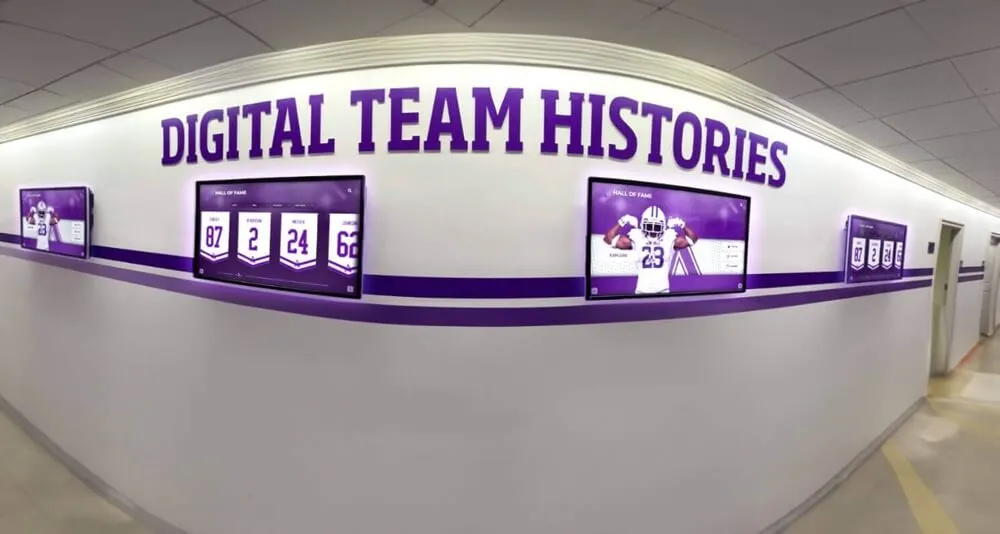
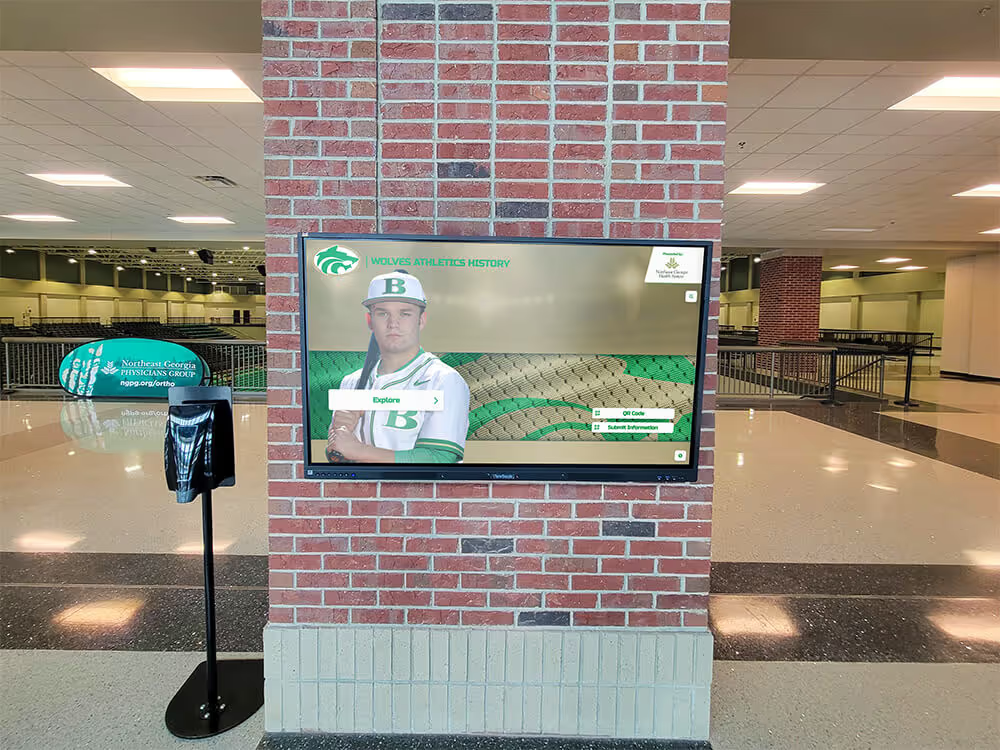
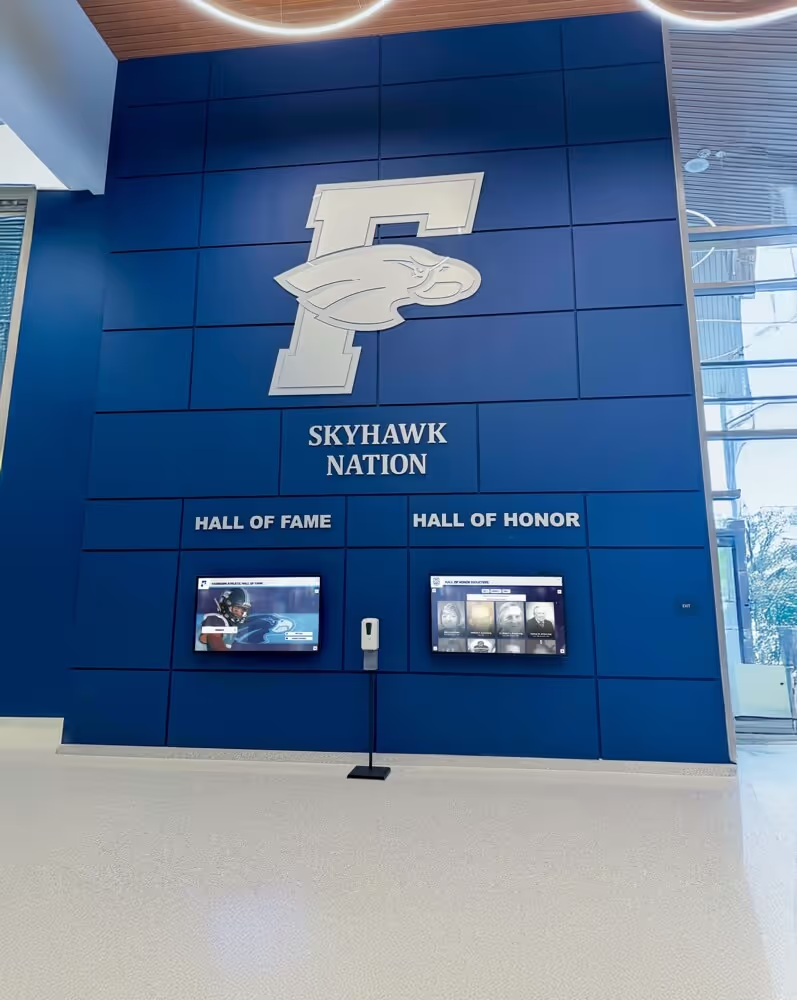
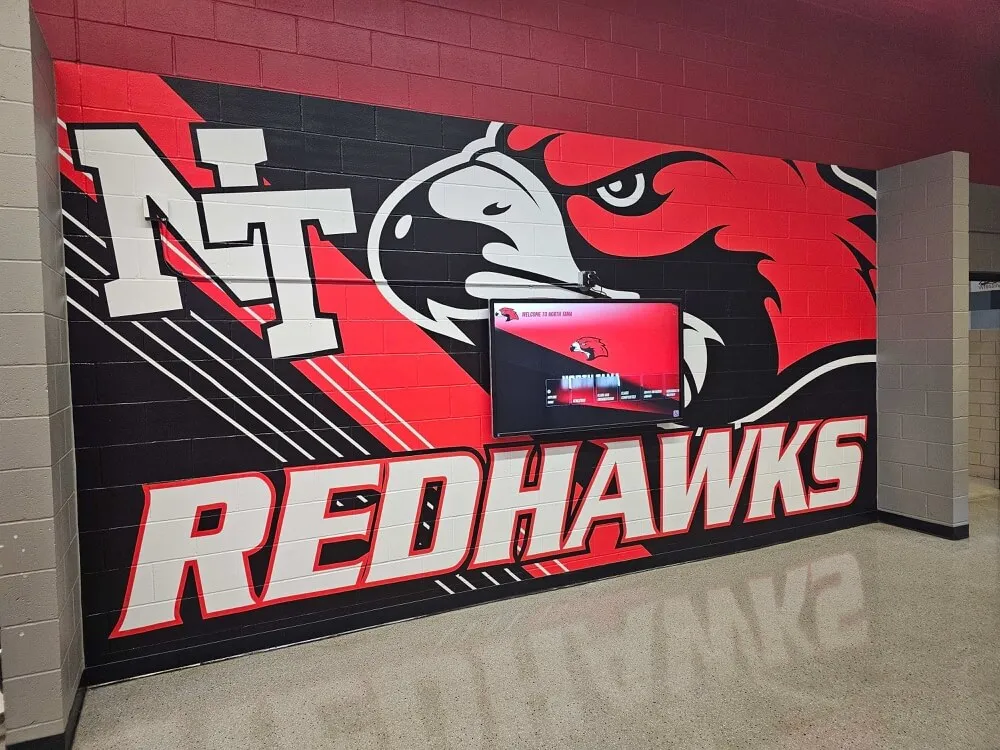
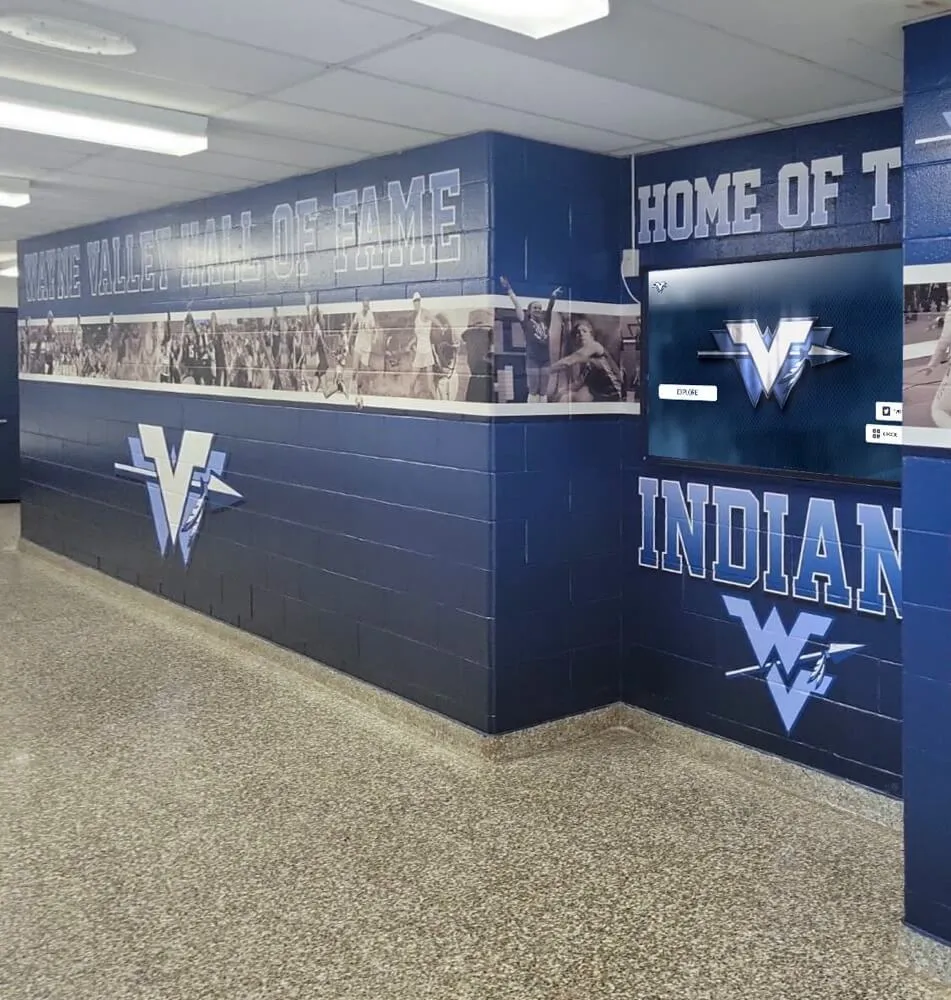
Homecoming celebrations showcase school pride and achievement—recognition that extends beyond single events through permanent displays honoring student excellence
Understanding Homecoming Court: Definition and Purpose
Before exploring selection processes and traditions, establishing clear understanding of what homecoming court represents helps schools design programs aligned with institutional values.
What Is Homecoming Court?
Homecoming court consists of students selected to represent their school during homecoming festivities, one of the academic year’s most significant traditions celebrating school spirit, alumni connections, and institutional pride.
Core Components of Homecoming Court
Traditional homecoming court structures include several key positions:
- Homecoming King and Queen: Senior students selected as top honorees representing their graduating class
- Homecoming Princes and Princesses: Underclass representatives (typically sophomore and junior classes) forming the royal court
- Court Attendants: Additional nominees who participate in ceremonies but don’t receive final titles
- Homecoming Ambassadors: Some schools use alternative terminology reflecting inclusive values
The specific structure varies significantly between institutions, with some schools maintaining traditional gender-specific titles while others adopt inclusive approaches accommodating diverse student populations.
Historical Origins and Evolution
Homecoming Tradition Beginnings
Homecoming celebrations originated in early 20th century American universities as events welcoming alumni back to campus for significant football games. The tradition of selecting homecoming royalty emerged as ceremonial recognition honoring outstanding students while creating focal points for celebration and community gathering.
High schools adopted these university practices throughout the 1920s-1940s, establishing homecoming as fundamental institutional tradition continuing today. While core elements persist—the connection to football season, alumni engagement focus, and student recognition component—many aspects have evolved reflecting changing educational priorities and cultural values.

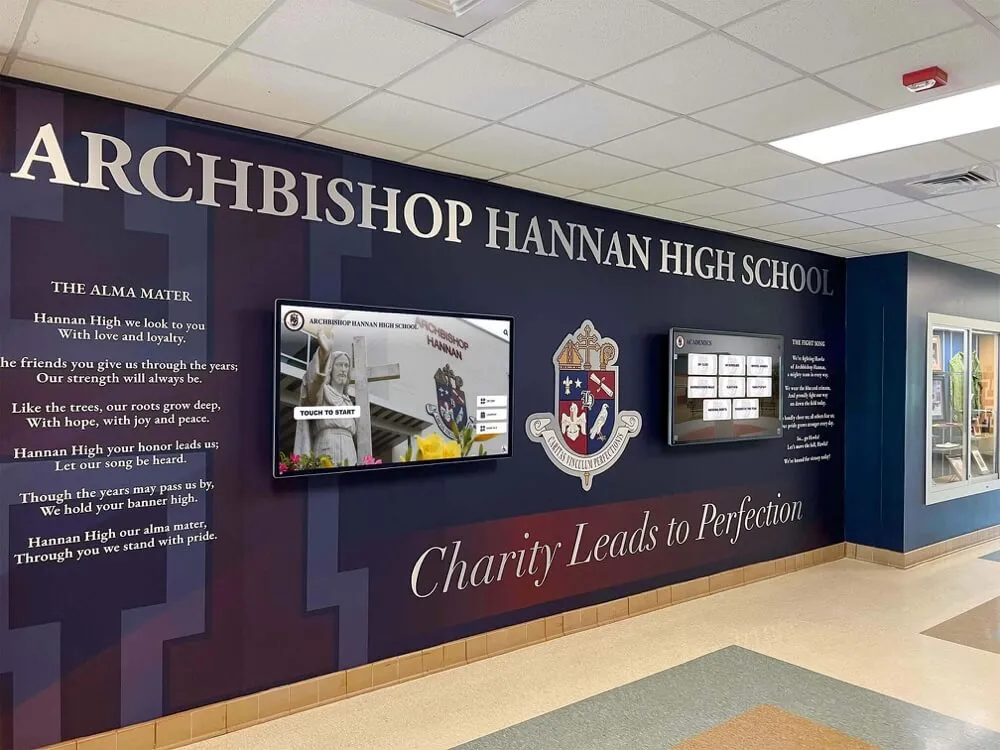
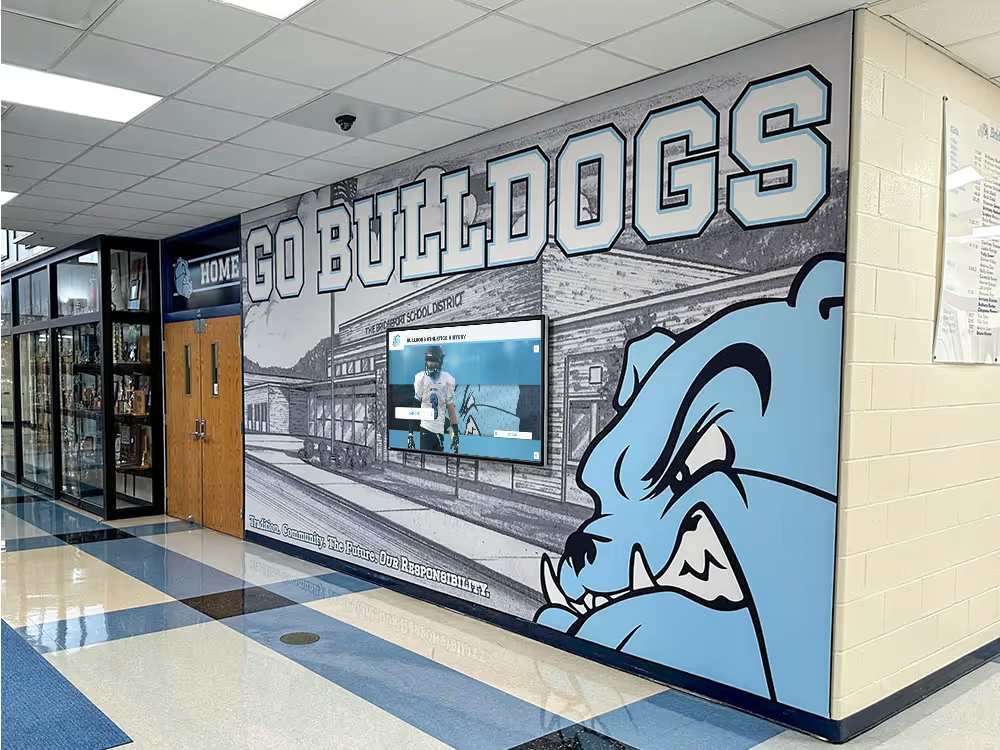
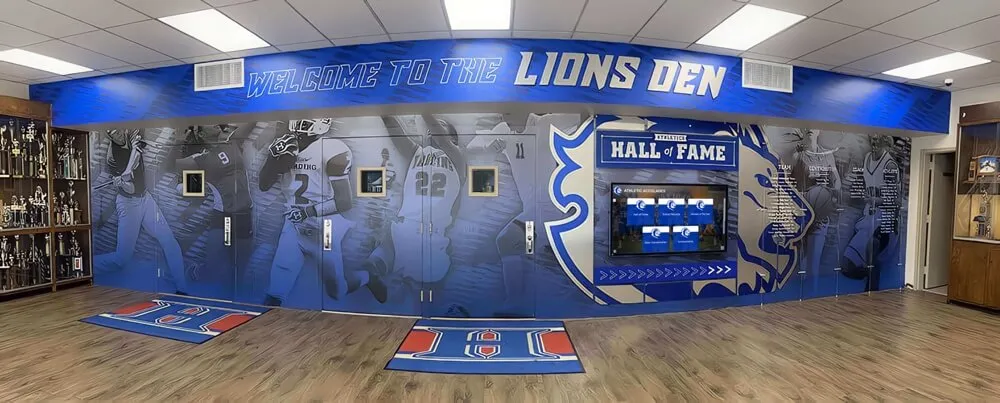
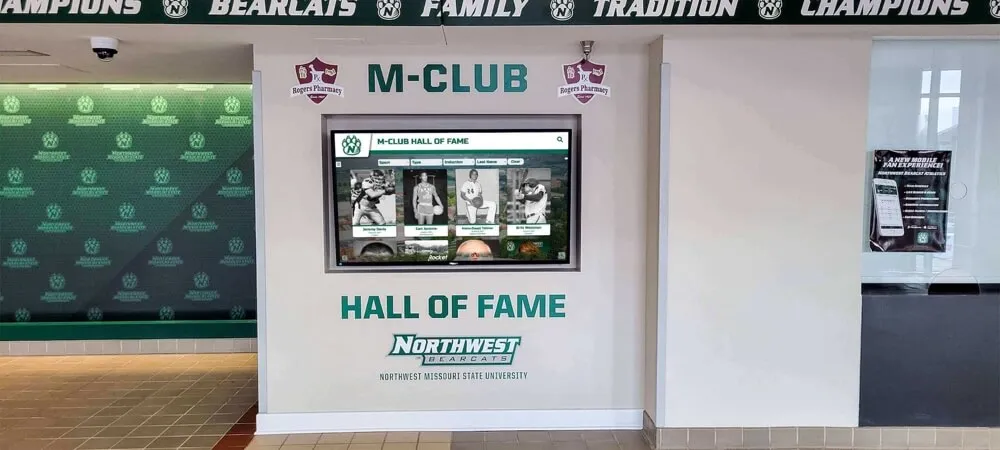
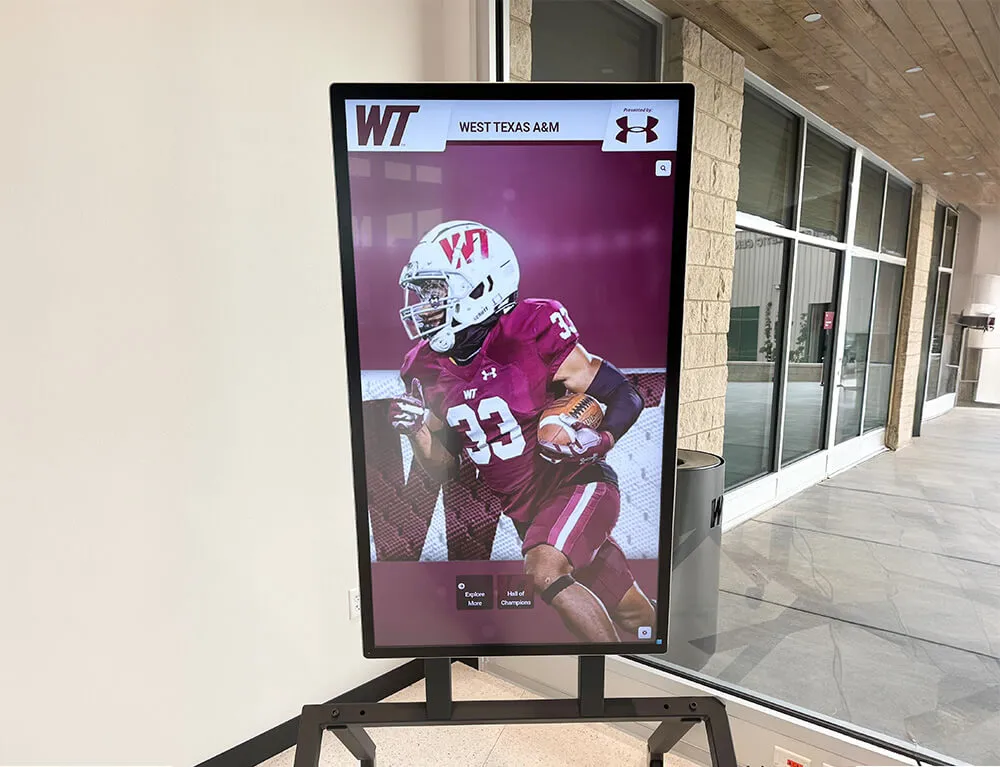
Modern schools celebrate homecoming royalty and other achievements through permanent recognition displays that honor student excellence year-round
Modern Adaptations
Contemporary homecoming court programs increasingly emphasize:
- Merit-based selection considering academic achievement, leadership, and community involvement alongside peer popularity
- Inclusive nomination processes ensuring diverse student representation across demographics and interest areas
- Gender-neutral options accommodating all students through flexible court structures and title alternatives
- Character emphasis highlighting students who embody school values rather than focusing solely on social status
- Broader recognition expanding beyond king/queen to acknowledge more students through expanded courts
These adaptations reflect educational evolution toward inclusive, values-aligned recognition programs that engage entire school communities.
Purpose and Significance of Homecoming Court
Why Schools Maintain This Tradition
Despite evolving practices, homecoming court remains popular because it serves important institutional functions:
Community Building and School Spirit
- Creates unifying celebration bringing together current students, alumni, families, and community members
- Generates excitement and engagement surrounding homecoming week activities
- Provides visible student leadership examples inspiring underclassmen
- Strengthens institutional identity and tradition continuity
- Builds memorable experiences students carry throughout their lives
Student Recognition and Honor
- Acknowledges outstanding students who demonstrate institutional values
- Provides peer recognition validating student contributions to school community
- Creates aspirational models for younger students
- Celebrates diverse achievements beyond traditional academic or athletic excellence
- Offers structured opportunity for meaningful student celebration
Alumni Engagement
- Connects current students to institutional legacy through shared traditions
- Provides alumni returning for homecoming celebrations with familiar ceremonial elements
- Maintains tradition continuity strengthening multi-generational school connections
- Creates photo opportunities and memorable moments supporting school marketing
When thoughtfully executed, homecoming court serves as powerful recognition program building authentic school pride while honoring students who meaningfully contribute to institutional community.
Homecoming Court Roles and Positions
Understanding specific positions within homecoming court helps students, families, and school staff navigate nomination, selection, and ceremony processes.
Senior Court: King and Queen
Primary Royal Positions
The homecoming king and queen represent the pinnacle of homecoming court recognition:
Selection Timing and Announcement
- King and queen typically selected from senior class exclusively
- Nomination and voting usually occur 2-4 weeks before homecoming game or dance
- Winners announced during halftime ceremony at homecoming football game or during coronation at homecoming dance
- Some schools announce winners advance to maintain suspense
Responsibilities and Expectations
Selected students generally participate in:
- Homecoming parade riding in decorated vehicles or parade floats
- Halftime ceremony during homecoming football game wearing crowns or sashes
- Homecoming dance where they may share spotlight dance or court presentation
- School promotional activities and photo opportunities
- Potential appearances at future school events as homecoming representatives
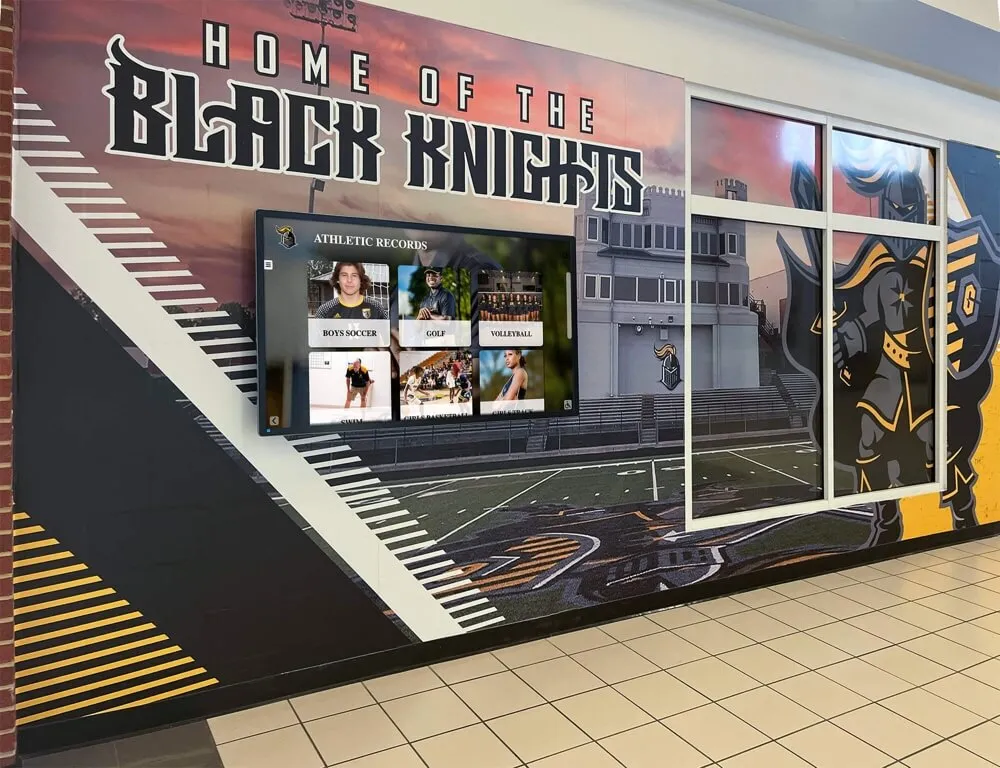
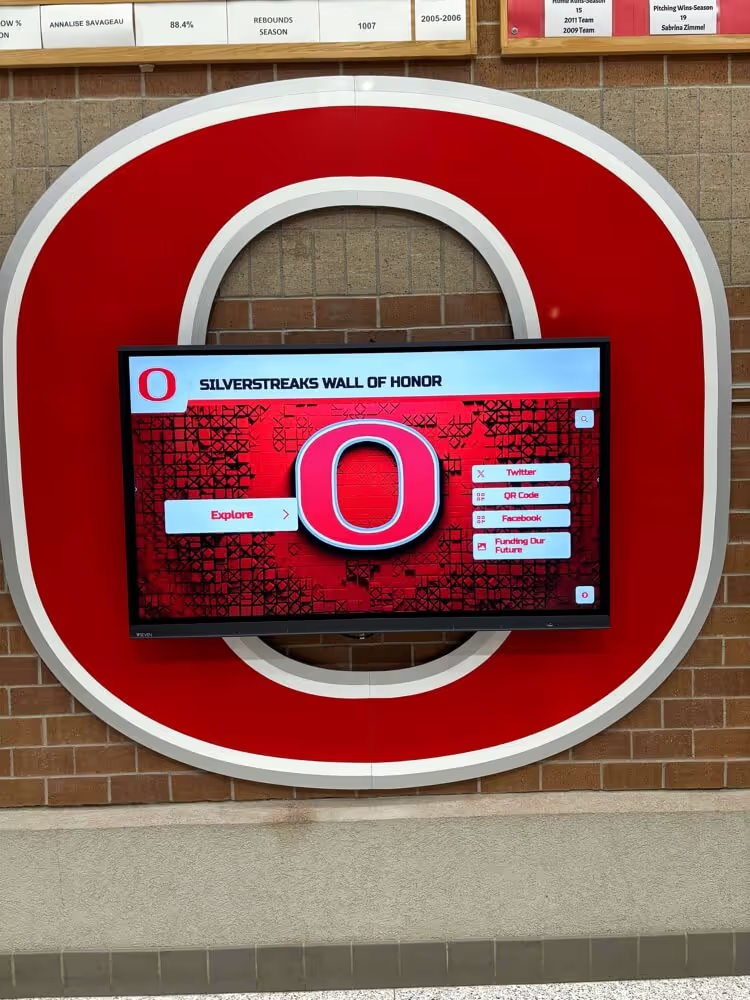
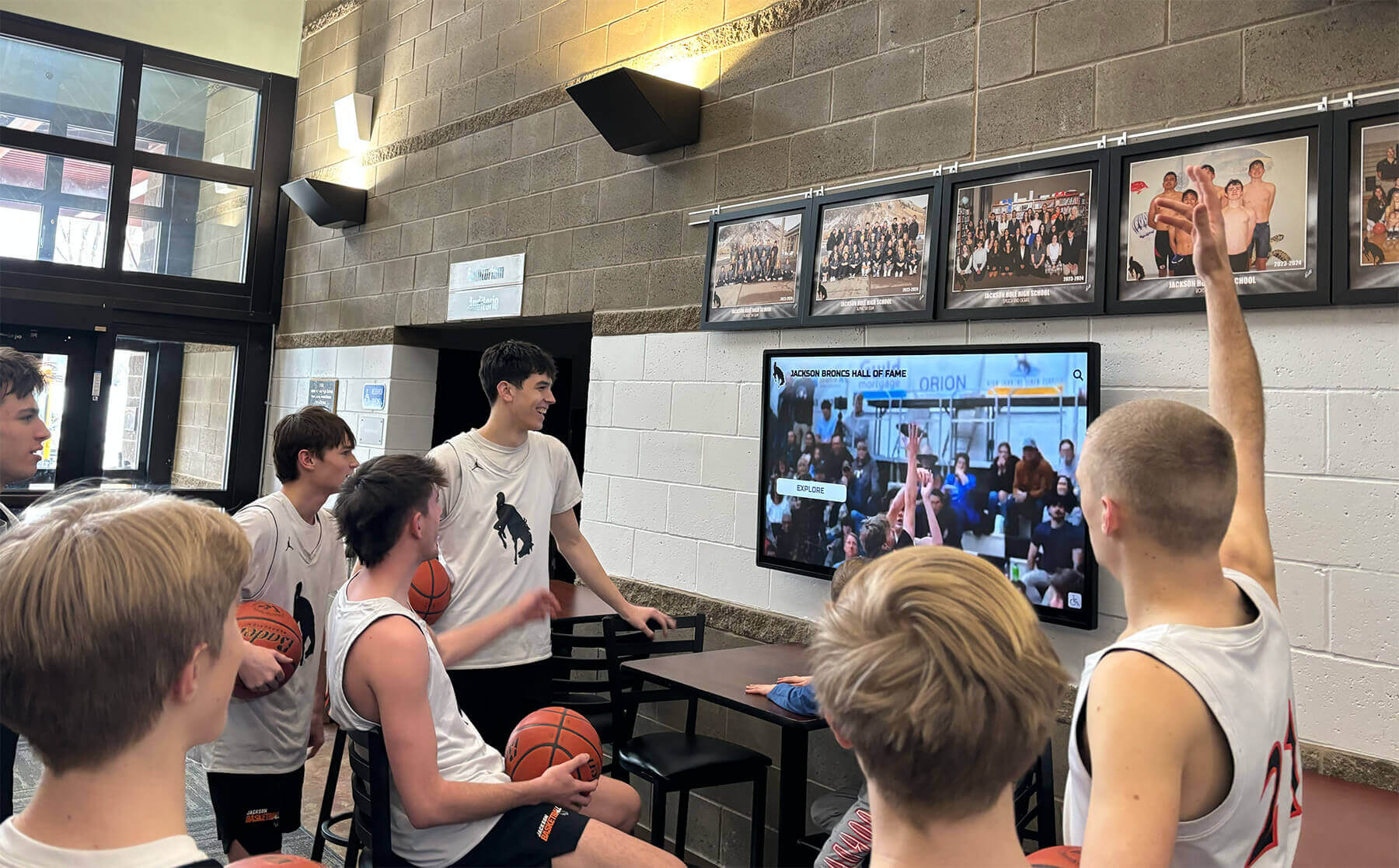
Schools preserve homecoming memories and other milestone achievements through interactive displays that celebrate student excellence across generations
Selection Criteria Considerations
While specific criteria vary by institution, king and queen selection often considers:
- Academic performance and GPA requirements
- Extracurricular participation and leadership roles
- Community service and volunteer involvement
- Character, integrity, and representation of school values
- Peer respect and positive influence on school culture
- Length of enrollment at the institution
Schools establishing clear criteria ensure recognition aligns with educational priorities rather than functioning purely as popularity contest.
Underclass Court: Princes and Princesses
Junior and Sophomore Representatives
Many schools include underclassmen in homecoming court through prince and princess positions:
Court Structure Variations
Common approaches include:
- Grade-level representation: One prince and one princess from each underclass (sophomore, junior, sometimes freshman)
- Smaller courts: Only junior representatives participating alongside senior king/queen
- Expanded courts: Multiple couples from each grade creating larger recognition group
- Attendant designation: Runners-up serving as court members without specific titles
Underclass Court Benefits
Including younger students in homecoming court provides several advantages:
- Engages broader student population in homecoming excitement
- Provides recognition opportunities for students not yet seniors
- Builds anticipation for future senior year participation
- Creates mentorship relationships between upperclassmen and underclassmen
- Ensures homecoming tradition remains relevant across all grade levels
Alternative and Inclusive Court Structures
Modern Adaptations for Diversity
Progressive schools increasingly adopt inclusive approaches accommodating all students:
Gender-Neutral Options
- “Homecoming Royalty” without gender-specific titles
- “Homecoming Representatives” or “Ambassadors” terminology
- Students selecting their own titles from provided options
- Dual king or dual queen pairings based on student preference
- Individual recognition eliminating paired couple requirement
Merit-Based Alternatives
Some institutions restructure homecoming court around achievement categories:
- Academic excellence representatives
- Athletic achievement honorees
- Arts and activities ambassadors
- Community service leaders
- Spirit and school pride exemplars
These alternatives maintain recognition ceremony while aligning more explicitly with educational values and measurable student contributions.
Expanded Recognition Models
Rather than limiting to few royalty positions, some schools create:
- Homecoming court of 10-20 students across classes
- Recognition of all nominees, not just winners
- Category-specific awards during homecoming ceremony
- Class-based honor students featured in homecoming materials
- Digital recognition extending beyond single event
Learn about comprehensive academic recognition programs that complement traditional homecoming celebrations.
The Homecoming Court Selection Process
Understanding how students become homecoming court nominees and winners helps schools design fair, engaging processes while managing student and family expectations.
Nomination Procedures
How Students Get Nominated
Schools employ various nomination methods, each with distinct advantages:
Peer Nomination Systems
Most common approach allowing students to nominate classmates:
- Open nomination period where any student can submit nominees (typically their own grade level)
- Required minimum number of nominations to qualify (prevents single-person campaigns)
- Self-nomination options in some schools, prohibited in others
- Nomination forms collecting basic information about nominee qualifications
- Faculty or committee review ensuring nominees meet eligibility criteria
Faculty or Staff Nomination
Some schools involve educators in nomination process:
- Teachers nominating students demonstrating character, leadership, achievement
- Combined faculty and student nomination requirements
- Staff input balancing peer popularity with institutional values
- Guidance counselor recommendations ensuring diverse representation
Application-Based Selection
More structured approaches requiring nominee applications:
- Students submitting applications detailing involvement, leadership, achievements
- Essay components explaining why they should represent school
- Faculty recommendations or endorsements required
- Selection committee reviewing applications against established criteria
- Particularly common for merit-focused homecoming programs
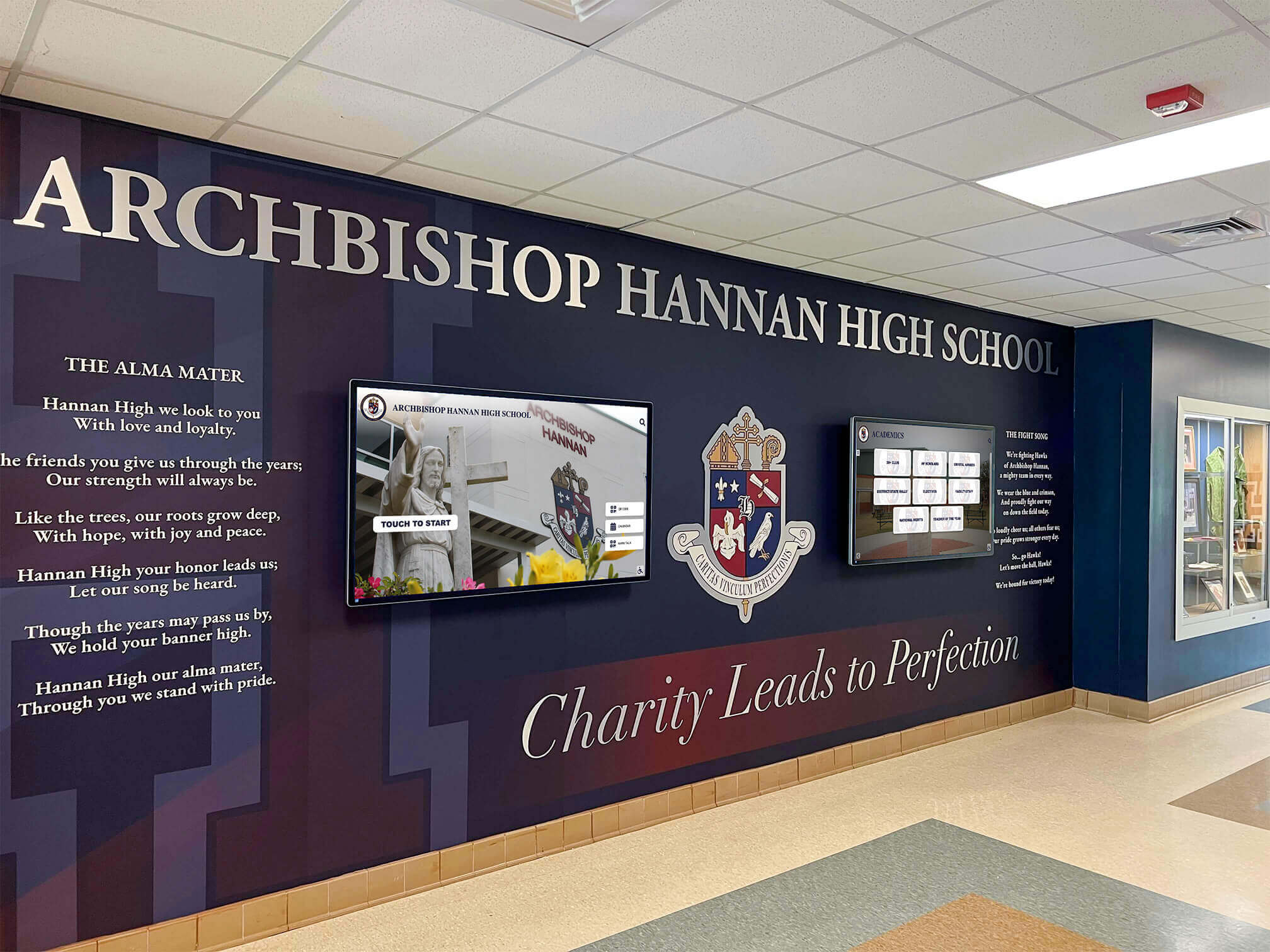
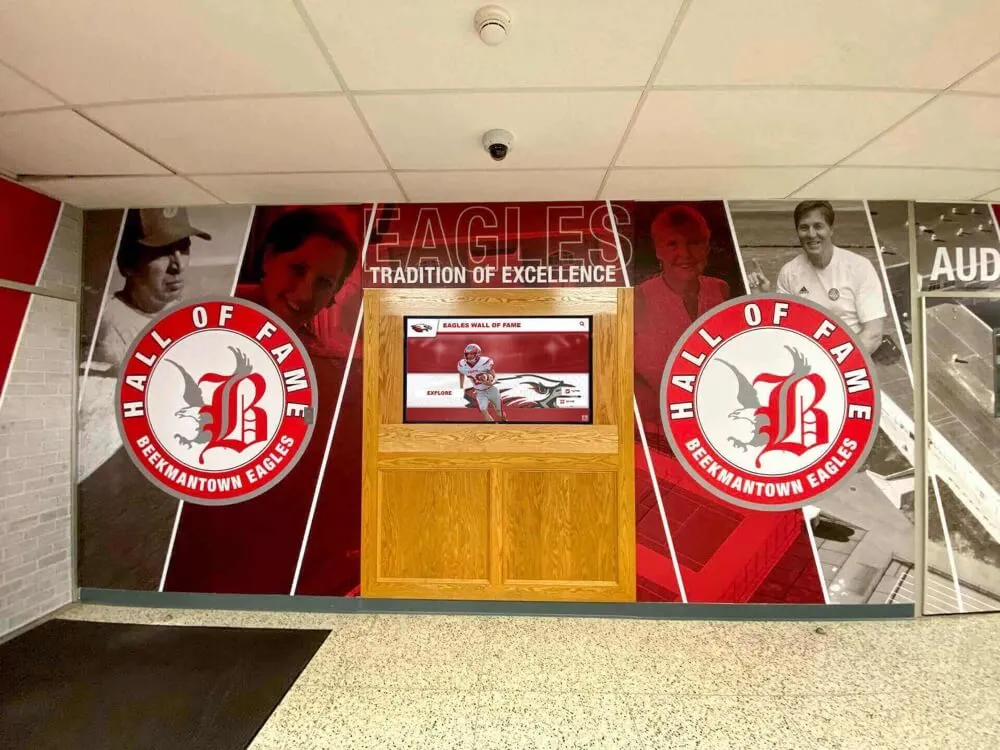
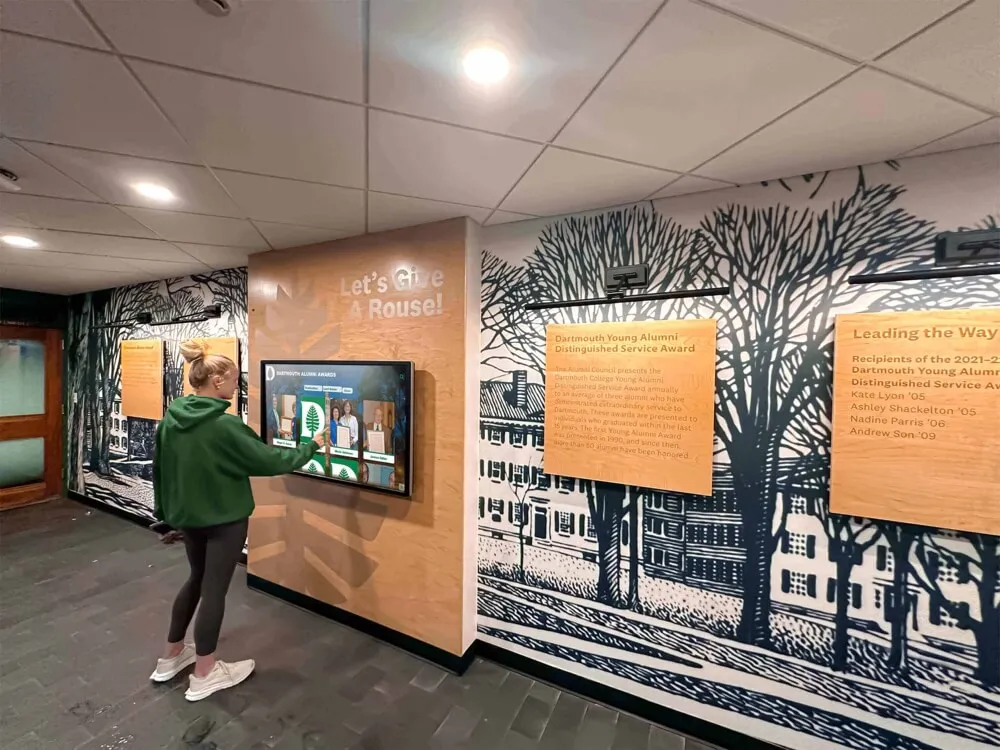
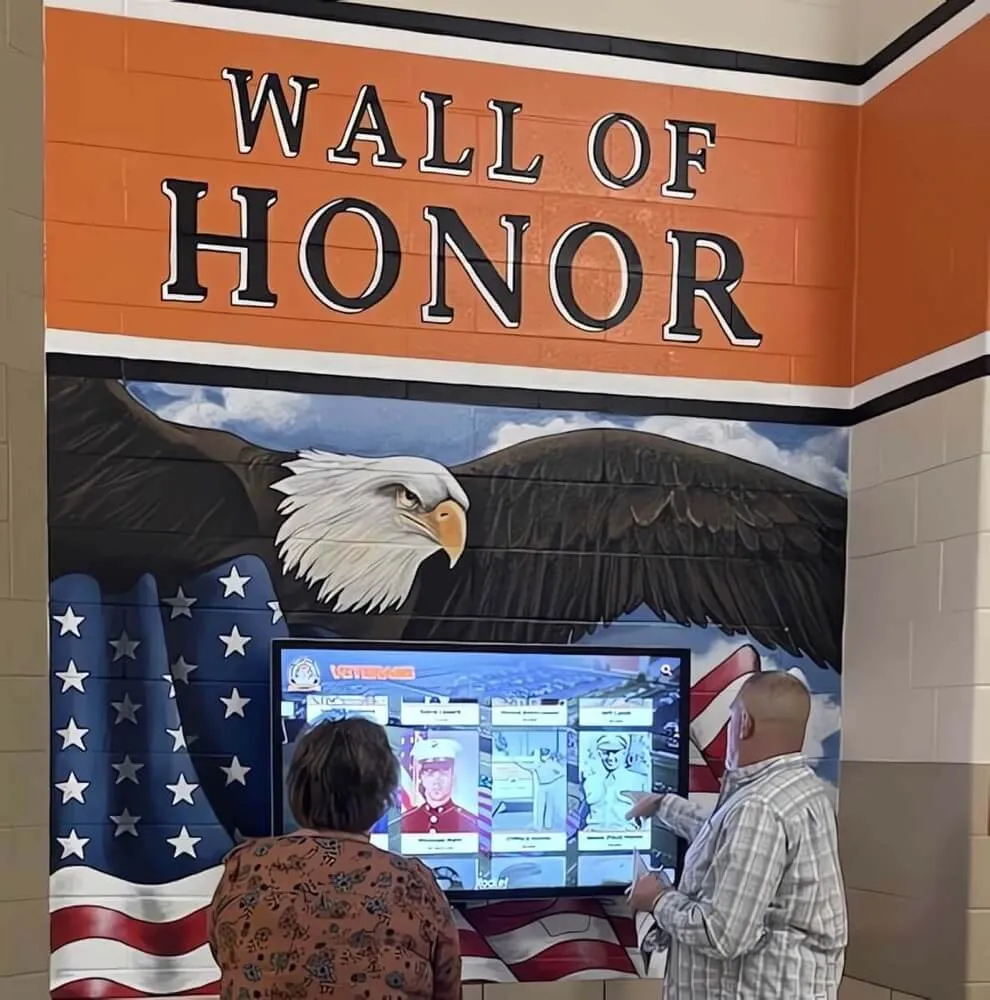
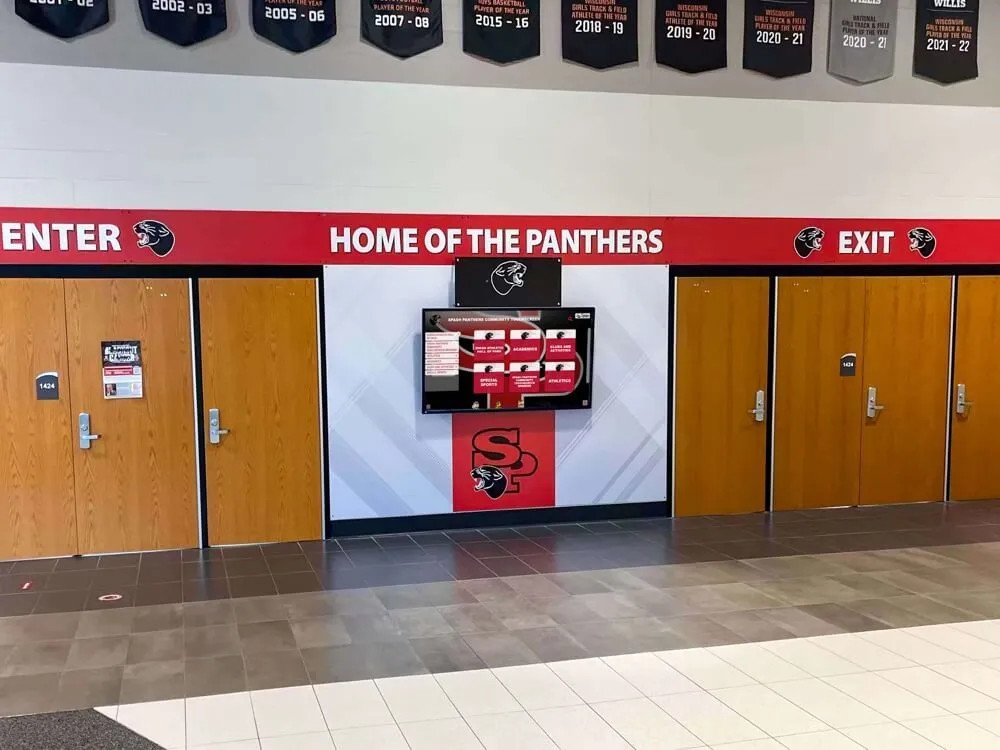
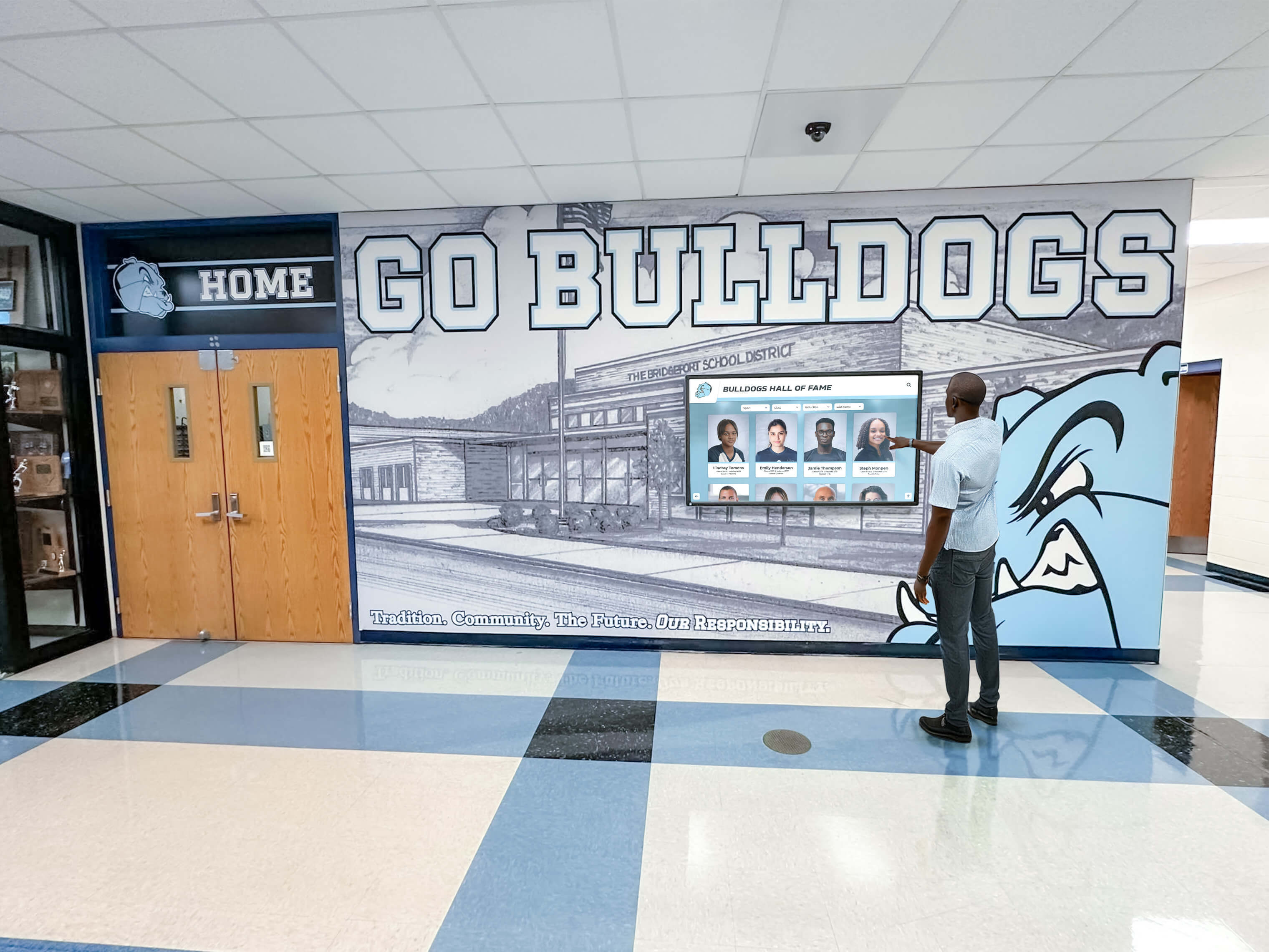
Professional recognition installations in prominent entrance areas showcase homecoming royalty alongside other significant achievements, creating comprehensive celebration of student excellence
Eligibility Requirements
Common Criteria Schools Establish
Most institutions implement eligibility standards ensuring court members represent school positively:
Academic Requirements
- Minimum GPA threshold (commonly 2.5-3.0 or higher)
- No failing grades in current semester
- Good academic standing without probationary status
- Some schools requiring honor roll or higher achievement
Behavioral Standards
- No major disciplinary infractions during high school career
- No suspensions during current school year
- Good citizenship and positive behavioral record
- Absence of substance violations or serious misconduct
Attendance Expectations
- Minimum enrollment duration at school (often 1-2 years)
- Regular attendance without excessive absences
- Participation in school activities and events
- Full-time enrollment status
Involvement Requirements
- Participation in extracurricular activities, clubs, or sports
- Demonstrated school spirit and engagement
- Community service or volunteer hours
- Leadership positions or significant contributions
These standards ensure homecoming court nominees genuinely embody institutional values and have earned recognition through consistent positive contributions.
Voting and Selection Process
How Winners Are Determined
After nomination, schools use various mechanisms selecting final court members:
Student Body Voting
Most traditional approach involving entire student population:
- Preliminary voting narrowing large nominee pools to finalists (typically 5-10 per position)
- Final voting among finalists determining king, queen, and court members
- Grade-level voting where students only vote for their own class representatives
- Secret ballot ensuring privacy and reducing external pressure
- Voting conducted during school day, often in homeroom or advisory periods
Electronic Voting Systems
Modern schools increasingly use digital platforms:
- Online voting through secure portals accessible via student IDs
- Increased participation compared to paper ballots
- Instant tabulation and results compilation
- Reduced opportunities for ballot tampering or errors
- Mobile-friendly interfaces increasing accessibility
Weighted Selection Methods
Some schools balance peer voting with other factors:
- Faculty input counting for percentage of selection (20-30% common)
- Committee review of applications or qualifications
- Point systems incorporating GPA, involvement, service hours, peer votes
- Two-round selection with committee narrowing to finalists before student vote
Alternative Selection Approaches
Less common but occasionally used methods:
- Random selection from qualified nominee pool (ensures no popularity contest)
- Rotation among demographic groups ensuring diverse representation over years
- Faculty or administration selection based solely on merit and achievement
- Combined alumni and student voting at homecoming events
Selection method significantly impacts whether homecoming court functions primarily as popularity recognition or merit-based honor. Schools should choose approaches aligned with institutional values and desired program outcomes.

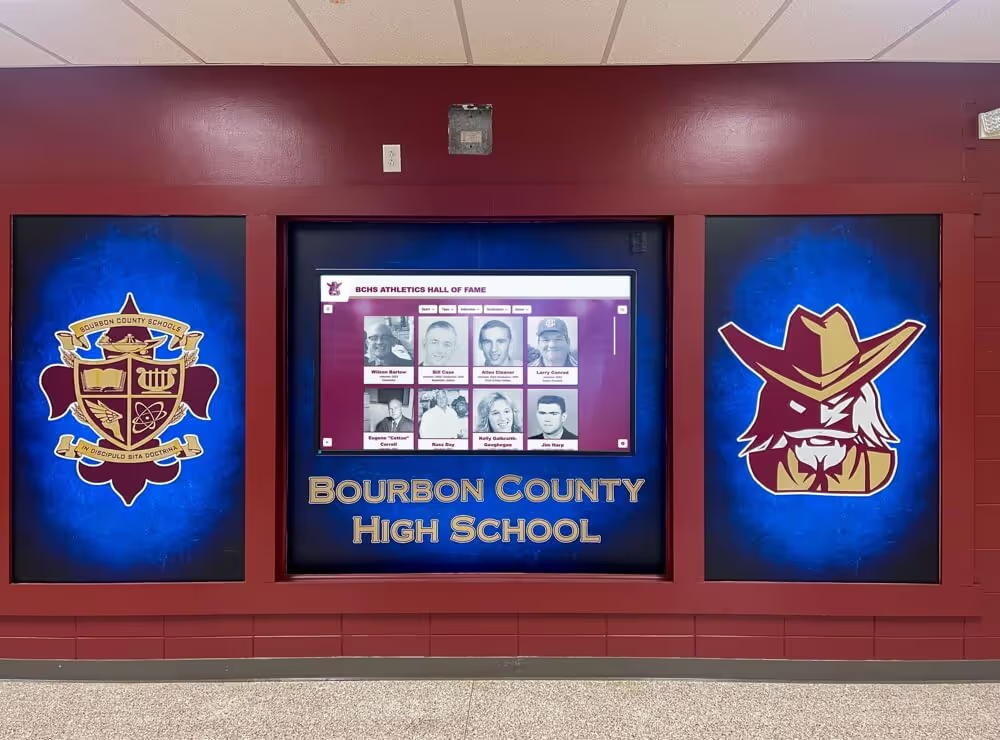
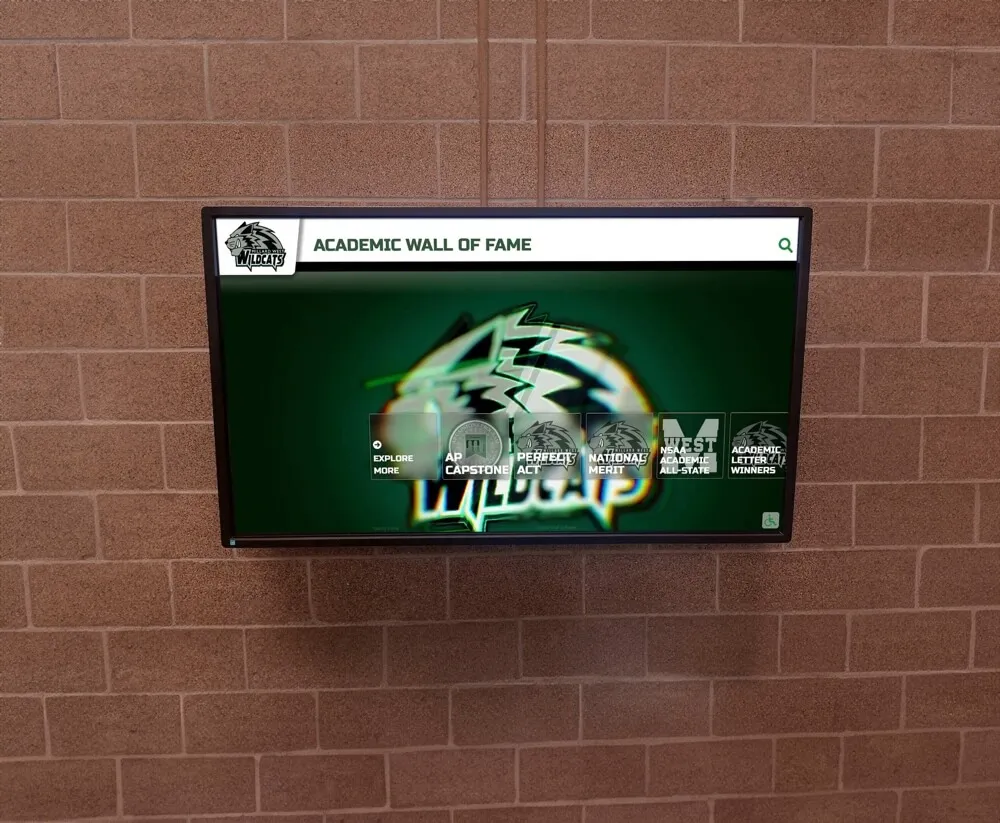
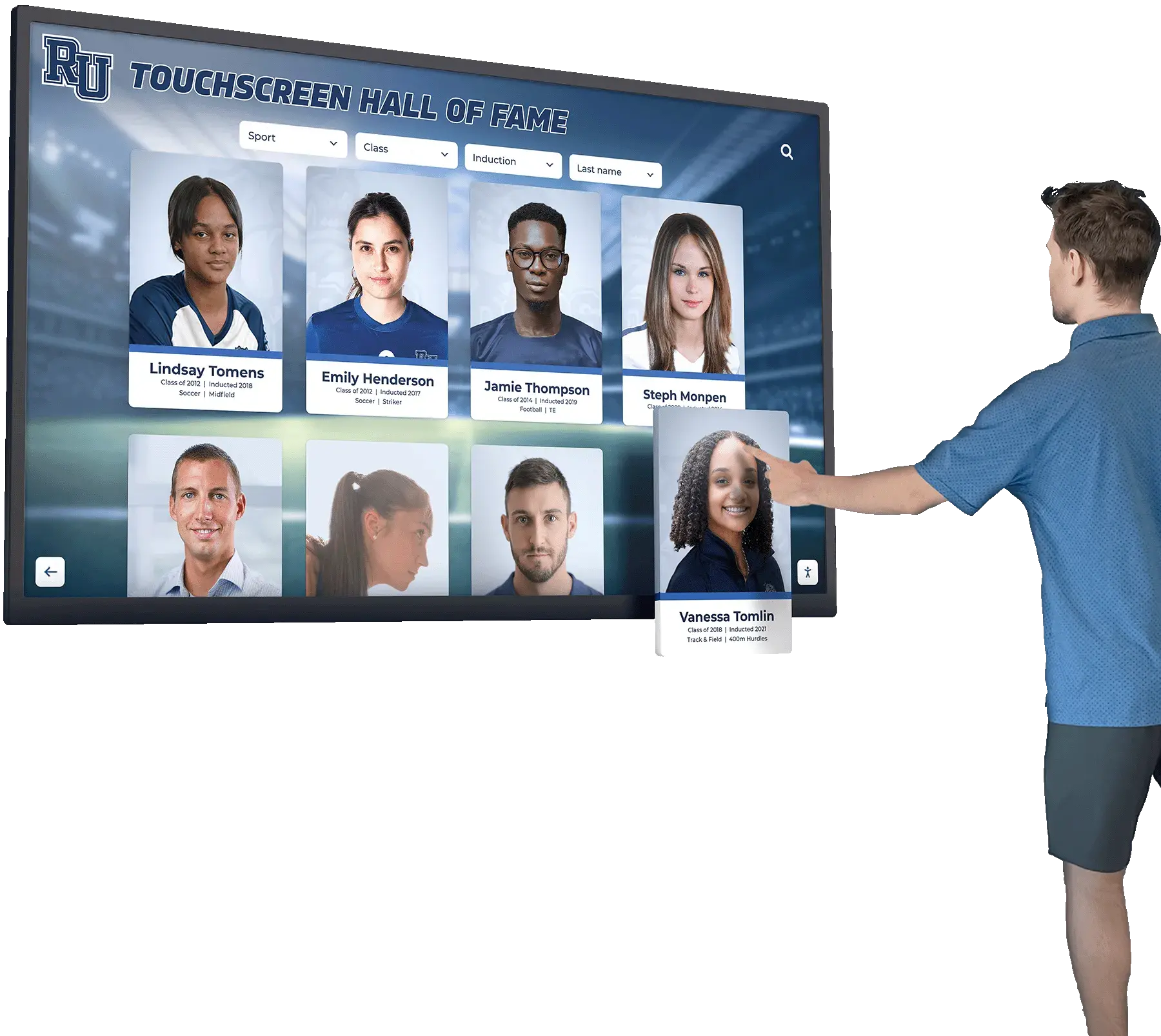
Interactive touchscreen displays enable schools to showcase homecoming court winners alongside other recognized students, creating comprehensive recognition accessible year-round
Timeline for Homecoming Court Selection
Typical Process Schedule
Well-organized homecoming court selection follows systematic timeline:
4-6 Weeks Before Homecoming
- Announce homecoming court process, eligibility requirements, timeline
- Distribute nomination forms or open digital nomination systems
- Conduct information sessions explaining process for potential nominees
3-4 Weeks Before Homecoming
- Close nomination period
- Review nominations for eligibility compliance
- Announce official nominees to school community
- Conduct preliminary voting if nominee pool requires narrowing
2-3 Weeks Before Homecoming
- Announce finalists for each position
- Conduct final voting among student body
- Tabulate votes and verify results
- Inform winners while maintaining public secrecy when desired
- Begin planning ceremony logistics and court member preparation
Week of Homecoming
- Conduct dress rehearsals for ceremony presentation
- Coordinate court member participation in homecoming week activities
- Finalize announcement procedures and ceremony details
- Prepare crowns, sashes, flowers, and other ceremonial elements
Homecoming Event
- Present court members during halftime or dance ceremony
- Announce and crown king and queen
- Capture photo documentation and create lasting memories
Adhering to clear timeline ensures organized, professional process reducing confusion and maximizing positive experience for nominees and school community.
Homecoming Court Traditions and Ceremonies
The ceremonial presentation of homecoming court represents the culmination of weeks of planning—creating memorable moments requires thoughtful execution.
Homecoming Week Activities
Building Excitement Before Main Event
Court members typically participate in multiple activities throughout homecoming week:
Daily Spirit Themes
- Dress-up days where court members model themes and encourage participation
- Social media posts featuring court members promoting spirit days
- Hallway appearances building visibility and excitement
- Classroom visits connecting court members with entire student body
Homecoming Parade
Traditional parade route through community or around school:
- Court members riding in convertibles, decorated trucks, or parade floats
- Signage identifying nominees with names, grades, activities
- Waving to spectators and interacting with community members
- Creating photo opportunities for families and local media
- Building community engagement beyond school campus
Pep Rally Appearances
Court introduction during pep rally activities:
- Individual introduction of all court nominees
- Brief speeches or favorite memory sharing
- Games or competitions involving court members
- Building anticipation for final announcement
These activities ensure homecoming court recognition extends beyond single ceremony, creating week-long celebration maximizing student engagement and school spirit.
The Coronation Ceremony
Main Event: Announcing and Crowning Winners
The coronation ceremony represents the emotional peak of homecoming celebration:
Halftime Presentation at Football Game
Most traditional setting for homecoming court ceremony:
- Court members escorted onto field by parents, family members, or significant others
- Announcer introducing each court member with biographical details, achievements, activities
- Nominees standing on field while awaiting king and queen announcement
- Crowning ceremony where previous year’s royalty place crowns on new king and queen
- Photo opportunities on field following announcement
- Court members remaining for second half or celebrating in stands
Homecoming Dance Ceremony
Alternative or additional setting for court presentation:
- Grand entrance of all court members at beginning of dance
- Formal presentation with spotlight and music
- King and queen announcement and crowning
- Spotlight dance for newly crowned royalty
- Photo booth setup for court member photos
- Less weather-dependent than outdoor football game ceremony
Ceremony Elements and Details
Professional presentation requires attention to:
- Quality sound systems ensuring entire audience hears announcements
- Clear sightlines for spectators viewing ceremony
- Pre-ceremony rehearsal ensuring court members know positions and movements
- Backup plans for weather issues during outdoor ceremonies
- Photography coordination capturing moment for yearbook, social media, families
- Post-ceremony celebration or reception for court members and families
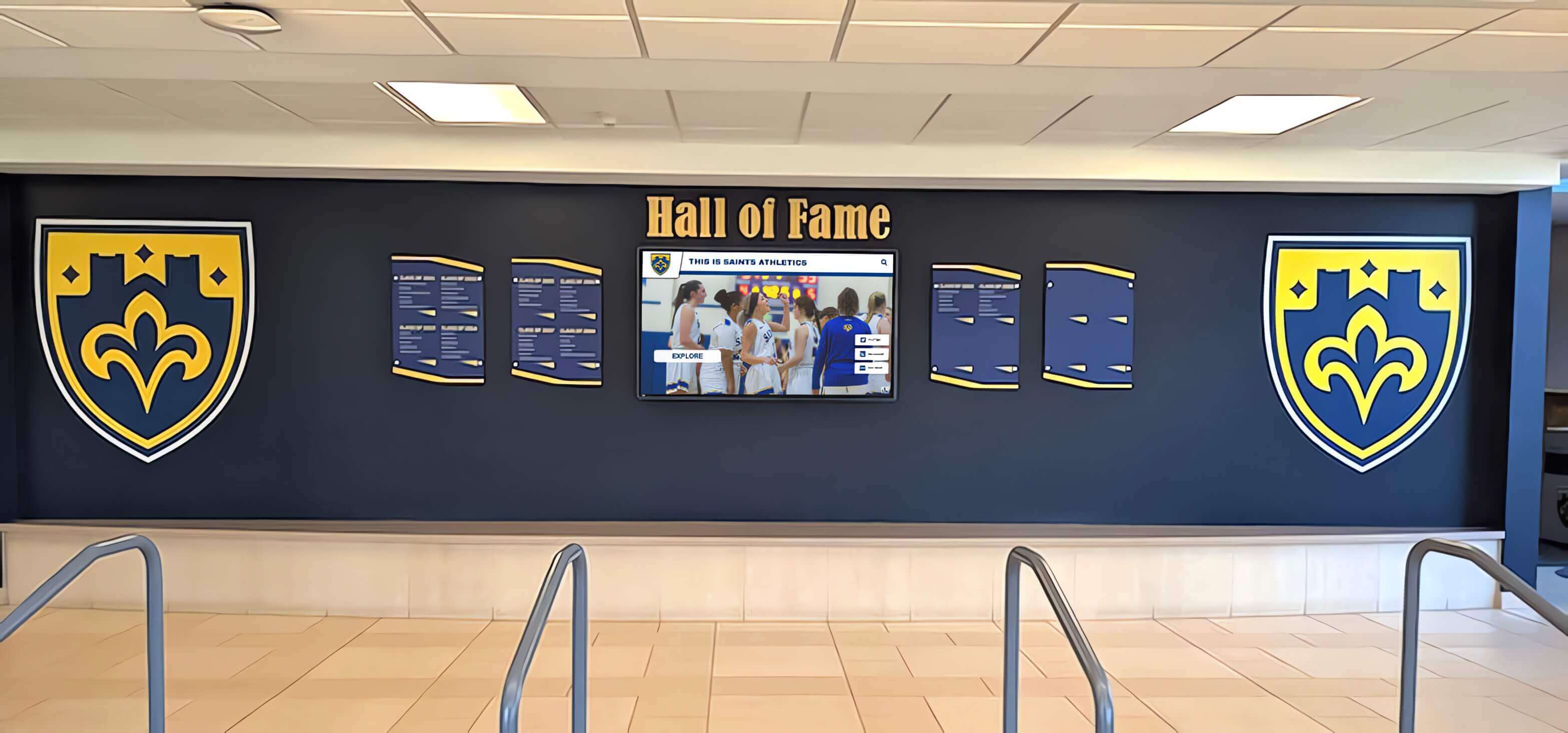
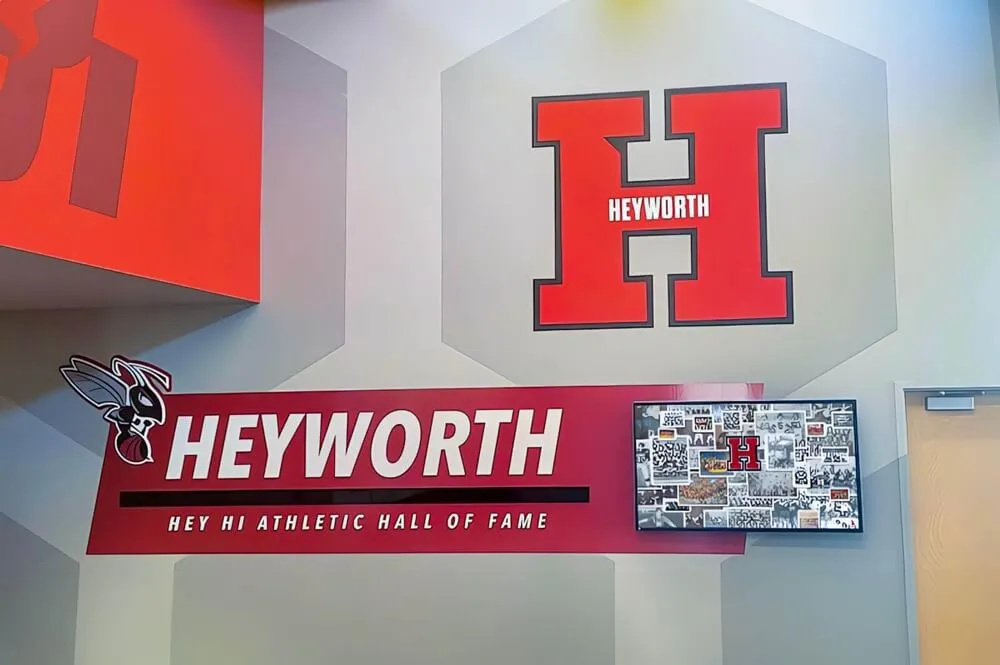
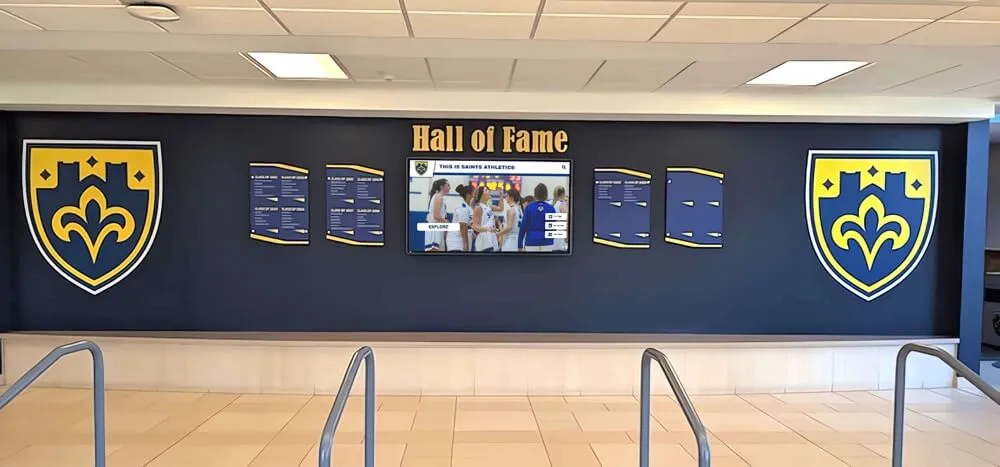
Schools preserve homecoming court memories alongside other institutional achievements through coordinated recognition displays that honor excellence across all student contributions
Traditional Ceremonial Elements
Symbolic Components of Homecoming Royalty
Various traditions add meaning and memorability to ceremonies:
Crowns and Tiaras
- Ornate crowns for king, tiaras for queen symbolizing royal status
- Schools often investing in quality pieces used year after year
- Previous year’s royalty crowning new winners creating continuity
- Alternative recognition items like medallions or sashes for inclusive programs
Sashes and Robes
- Decorative sashes identifying all court members
- Color coordination matching school colors
- Names or positions printed on sashes for identification
- Formal robes or capes for ceremony presentation in some schools
Flowers and Bouquets
- Roses or bouquets for queen and princesses
- Boutonnieres for king and princes
- Color coordination with school colors or homecoming theme
- Distribution during ceremony presentation
Escort Traditions
- Parents escorting court members onto field or stage
- Significant others or friends as escorts
- Faculty mentors accompanying students
- Solo walks emphasizing individual achievement
Post-Ceremony Recognition
- Royal court photos taken immediately following ceremony
- Social media announcements celebrating winners
- Local newspaper coverage and community recognition
- Permanent recognition through yearbook spreads, trophy cases, or digital displays showcasing homecoming royalty alongside other institutional achievements
These traditions create memorable experiences while reinforcing institutional heritage and school pride.
Planning and Organizing Homecoming Court Programs
For school administrators and student government advisors, successful homecoming court programs require systematic planning and execution.
Establishing Clear Program Goals
Defining Purpose and Priorities
Before implementing or revising homecoming court programs, schools should clarify:
Institutional Objectives
- What values should homecoming court recognition reinforce?
- How does this program support broader school culture goals?
- What balance between tradition and inclusion serves students best?
- How can selection process emphasize merit alongside school spirit?
Student Experience Priorities
- How many students should receive recognition through this program?
- What makes ceremony meaningful versus superficial?
- How do we ensure diverse student representation?
- What lasting impact should court membership create?
Community and Alumni Engagement
- How does homecoming court connect current students to institutional legacy?
- What role should alumni play in tradition continuation?
- How can ceremony serve as community-building experience?
- What documentation preserves memories for long-term benefit?
Clear goals guide all program decisions ensuring homecoming court serves institutional mission rather than becoming outdated tradition maintained without purpose.
Creating Fair and Inclusive Selection Systems
Designing Processes Serving All Students
Thoughtful selection systems balance tradition with equity:
Establishing Transparent Criteria
Publish clear eligibility requirements including:
- Specific GPA thresholds or academic standing requirements
- Behavioral expectations and disciplinary standards
- Attendance and enrollment duration minimums
- Extracurricular involvement parameters
- Community service or leadership benchmarks when applicable
Transparency ensures students understand expectations and reduces perception of arbitrary or unfair selection.
Promoting Diverse Representation
Intentional practices increase court diversity:
- Nomination processes encouraging consideration of students across demographics
- Selection committees monitoring representation patterns
- Multiple categories or positions enabling recognition of varied achievement types
- Outreach to underrepresented student groups encouraging participation
- Anonymous or blind selection phases reducing unconscious bias
Addressing Popularity Contest Concerns
Schools uncomfortable with pure popularity voting can:
- Implement minimum qualification standards automatically narrowing pool
- Weight selection with faculty input or achievement metrics alongside student voting
- Use application processes emphasizing merit and accomplishments
- Create multiple court categories recognizing different achievement areas
- Establish selection committees reviewing nominees against established rubrics
These approaches maintain student voice while ensuring recognition aligns with educational priorities and institutional values.

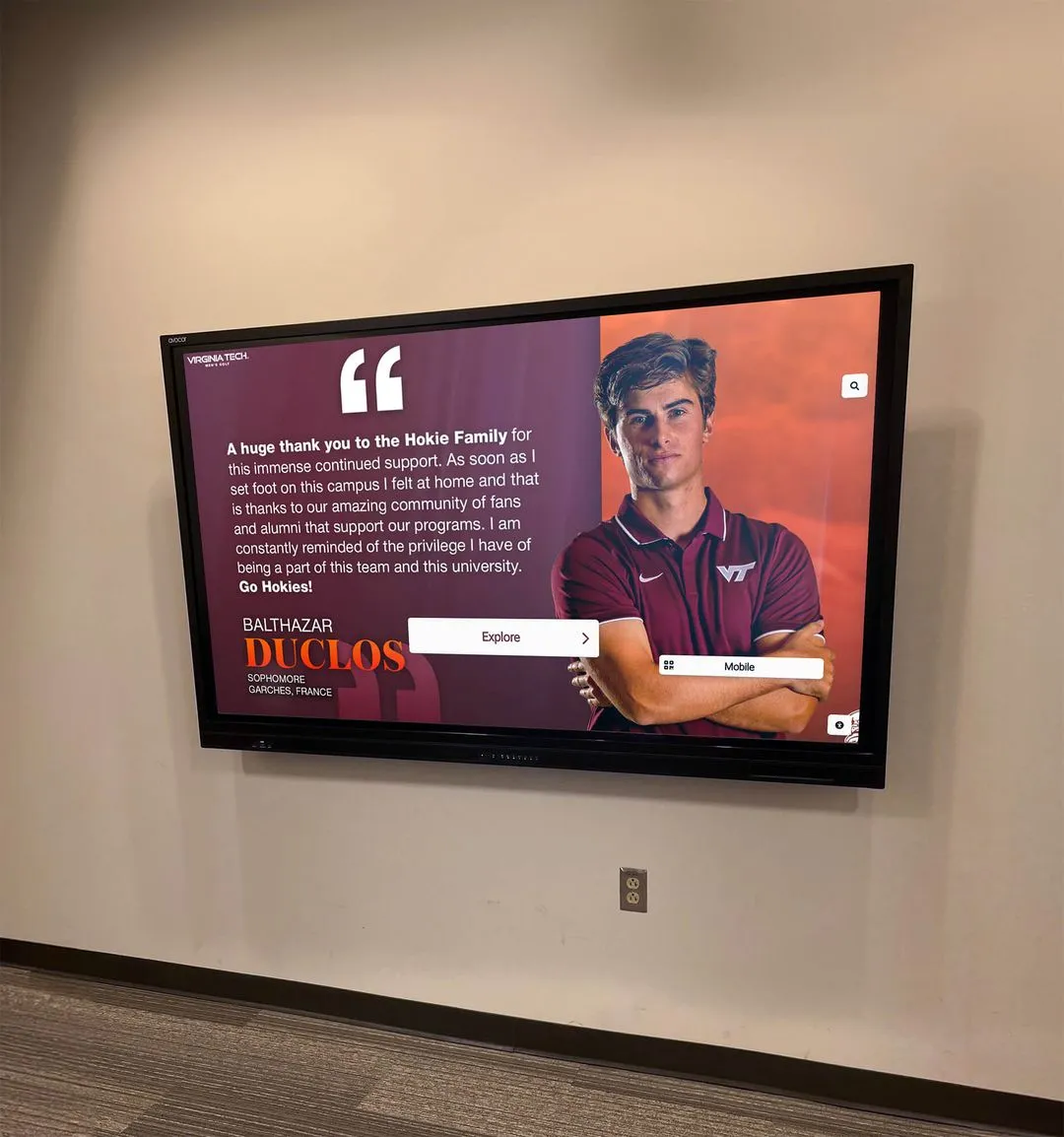
Modern recognition solutions enable schools to celebrate homecoming royalty alongside athletes, scholars, and community contributors—creating comprehensive achievement showcase accessible throughout the year
Budget and Resource Allocation
Financial Planning for Homecoming Court
Successful programs require appropriate resource investment:
Typical Expenses
- Crowns, tiaras, sashes, and ceremonial regalia ($200-500+)
- Flowers and bouquets for ceremony ($100-300)
- Photography and videography documentation ($200-1,000+)
- Decorations for ceremony venue ($100-500)
- Promotional materials, posters, ballots ($50-200)
- Technology for electronic voting systems ($100-500 for platform subscriptions)
- Recognition displays or yearbook spreads documenting winners ($200-2,000+)
Funding Sources
- Student activity funds allocated for homecoming celebration
- Student government budgets
- Parent organization or booster club contributions
- Ticket sales from homecoming dance or game
- Local business sponsorships
- Fundraising activities specific to homecoming
Cost Reduction Strategies
- Reusing crowns and ceremonial items across years (clean and store properly)
- Student-created decorations through art classes or clubs
- Volunteer photography by parent or community photographers
- Digital voting systems eliminating printing costs
- Simplified ceremonies focusing on meaning versus expensive production
Appropriate investment ensures professional, memorable ceremonies while maintaining fiscal responsibility.
Safety and Supervision Considerations
Ensuring Positive Experience for All Participants
Administrative oversight prevents common problems:
Preventing Campaigning Issues
- Clear policies about acceptable campaigning practices
- Prohibitions on gift-giving or incentivizing votes
- Social media guidelines preventing negative campaigning or bullying
- Monitoring for policy violations with consequences for infractions
- Emphasis on celebrating all nominees versus attacking competitors
Managing Social Dynamics
- Faculty supervision during nomination and voting periods
- Counseling support for students struggling with competition stress
- Intervention protocols for bullying or exclusionary behavior
- Celebrating all nominees, not just winners
- Post-announcement support for students disappointed by results
Ceremony Safety
- Crowd control during field or stage presentations
- Weather contingency plans for outdoor ceremonies
- Emergency medical personnel present at major events
- Clear communication of ceremony protocols to participants
- Liability considerations for escort practices and activities
Proactive planning prevents negative experiences that can undermine homecoming court’s positive intentions.
Modern Recognition: Preserving Homecoming Court Legacy
While coronation ceremonies create memorable moments, schools increasingly recognize value in preserving and extending homecoming court recognition beyond single events.
Yearbook and Traditional Documentation
Standard Recognition Methods
Historical documentation includes:
- Dedicated yearbook spreads featuring full court with biographical information
- Ceremony photographs capturing coronation moment
- Individual senior portraits of king and queen
- Historical pages documenting previous years’ homecoming royalty
- Senior section listings of court membership
These traditional approaches preserve memories but limit ongoing visibility and accessibility.
Digital Recognition Solutions
Extending Homecoming Court Visibility
Modern schools leverage technology creating comprehensive, lasting recognition:
Interactive Digital Displays
Solutions like Rocket Alumni Solutions enable schools to showcase homecoming royalty through:
- Historical archives documenting decades of homecoming courts accessible through touchscreen exploration
- Comprehensive profiles featuring photos, activities, achievements, and biographical information
- Video integration incorporating ceremony footage and court member interviews
- Searchable databases allowing students to discover homecoming alumni and see institutional tradition evolution
- Multi-category recognition displaying homecoming court alongside academic achievers, athletic champions, and other honored students
Advantages Over Traditional Recognition
Digital recognition platforms provide benefits including:
- Unlimited capacity accommodating all court members across all years without space constraints
- Professional presentation maintaining consistent, high-quality appearance
- Easy updates enabling immediate additions following each homecoming
- Interactive engagement encouraging student exploration of school history and tradition
- Remote accessibility through web platforms connecting alumni and distant families
- Multimedia richness incorporating photos, videos, ceremony footage, student reflections
Schools implementing comprehensive digital recognition systems report increased student engagement with institutional history and stronger connections between current students and alumni, as homecoming traditions become tangible through visible, accessible documentation.
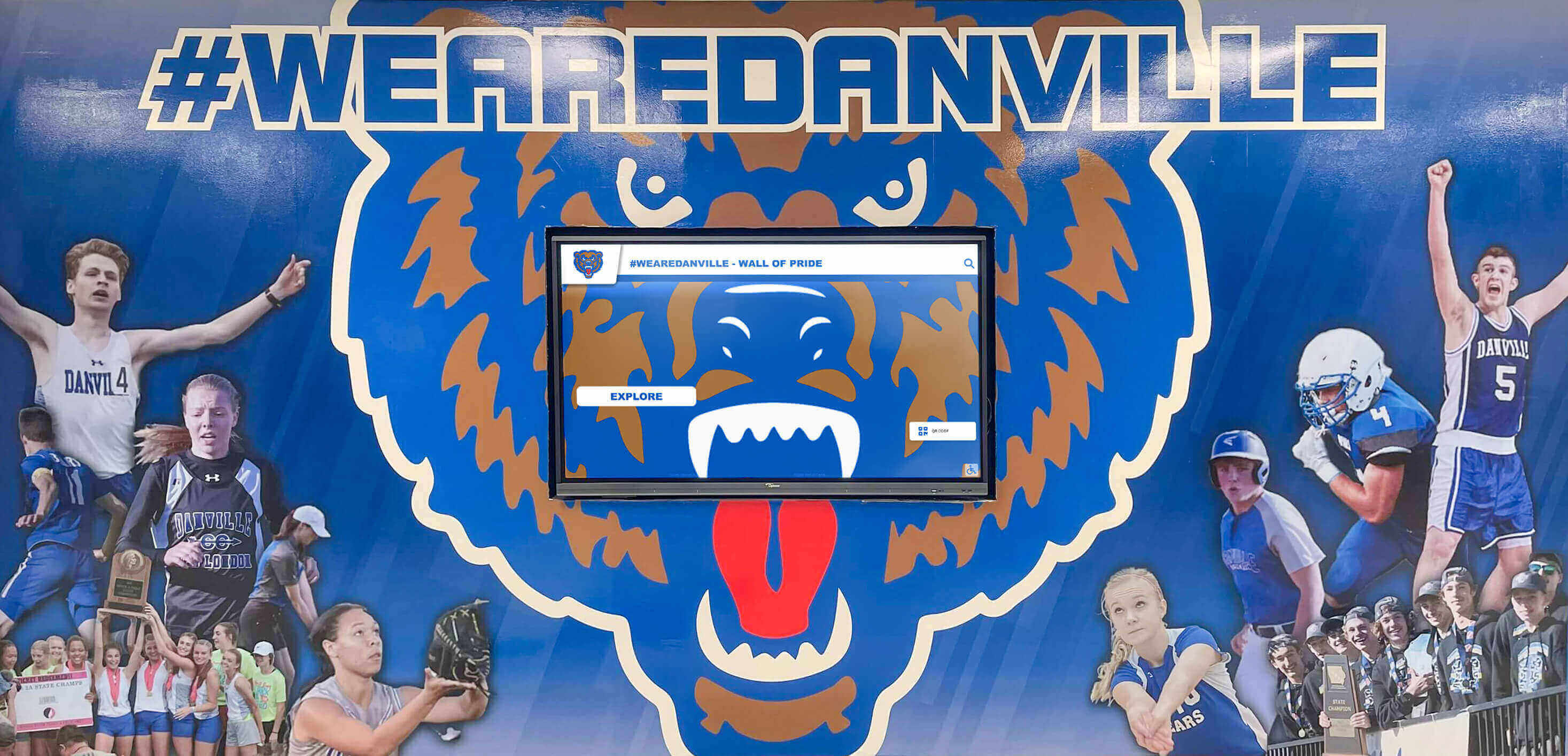
Coordinated recognition displays throughout school facilities celebrate homecoming royalty within broader context of comprehensive student achievement and school pride
Social Media and Online Recognition
Extending Reach Beyond Campus
Contemporary recognition strategies incorporate:
- School social media announcements celebrating homecoming court selection
- Ceremony livestreaming enabling remote viewing by families and community
- Digital photo albums posted to school websites and platforms
- Individual court member features building week-long engagement
- Alumni engagement through throwback posts featuring historical homecoming courts
- Hashtag campaigns creating unified homecoming conversation
These approaches maximize recognition impact while documenting traditions for long-term preservation.
Common Questions About Homecoming Court
Students, parents, and educators frequently have questions about homecoming court traditions and processes.
Selection and Eligibility Questions
Who can be nominated for homecoming court?
Eligibility varies by school but typically includes:
- Students in specific grade levels (usually seniors for king/queen, underclassmen for princes/princesses)
- Students meeting academic standards (minimum GPA requirements common)
- Students with acceptable behavioral records
- Students who have attended school for minimum duration
- Students participating in school activities or demonstrating school spirit
Always check your specific school’s published criteria.
Can anyone nominate students, or do you have to self-nominate?
Nomination processes vary widely:
- Many schools use peer nomination where any student can nominate classmates
- Some require specific number of nominations to qualify
- Others employ application systems where students self-nominate with supporting materials
- Faculty nomination or endorsement may be required or optional
- Check your school’s specific homecoming court procedures
What happens if you’re nominated but don’t want to participate?
Students can decline nominations:
- Most schools allow students to opt out after nomination
- Declining doesn’t negatively impact student record or standing
- Students should communicate decision promptly to organizers
- Next highest nominee typically moves up to fill court positions
- No pressure or expectation to accept nomination
Ceremony and Participation Questions
What do homecoming court members do?
Typical responsibilities include:
- Participating in homecoming week activities and spirit days
- Riding in homecoming parade
- Appearing at pep rallies or assemblies
- Being presented at halftime ceremony during football game or at homecoming dance
- Taking formal photos with other court members
- Representing school at some future events (varies by institution)
Time commitment is typically one week with specific event appearances.
What should homecoming court members wear?
Attire expectations vary but commonly include:
- Semi-formal or formal attire for ceremony presentation
- Dresses for traditional princess/queen positions, suits for prince/king positions
- School colors often encouraged but not required
- Comfortable shoes if walking on field or standing for extended periods
- Some schools provide sashes, crowns, or other ceremonial items
- Specific guidelines usually provided by school organizers
Do homecoming court members have to attend the dance?
Requirements vary:
- Many schools expect court attendance at coronation ceremony whether during game or dance
- Some schools crown at game with optional dance attendance
- Court members usually receive complimentary dance tickets
- Schools vary on whether attendance is mandatory or expected
- Check with your specific school’s expectations
Cost and Financial Questions
Does being on homecoming court cost money?
Potential costs include:
- Attire for ceremony presentation (though many students already own appropriate clothing)
- Optional professional photos beyond school-provided documentation
- Homecoming dance ticket (often provided complimentary to court members)
- Parade participation generally at no cost
- Schools should not charge fees for court membership itself
- Financial assistance often available for students needing support
Total costs typically range from $0-200 depending on clothing purchases.
Conclusion: Celebrating Students Through Meaningful Tradition
Homecoming court represents one of education’s most enduring traditions—a ceremonial recognition bringing together current students, returning alumni, and entire communities in celebration of school spirit, student leadership, and institutional pride. When thoughtfully structured with clear criteria, inclusive selection processes, and meaningful ceremony execution, homecoming court becomes powerful recognition program genuinely honoring students who embody institutional values while creating memorable experiences the entire school community can embrace.
The traditions explored in this guide provide comprehensive understanding from historical origins to modern practices, practical selection processes to ceremony execution, and contemporary recognition approaches extending impact beyond single events. From traditional coronation ceremonies featuring crowns and sashes to digital recognition systems preserving homecoming court legacy across decades, schools have numerous tools creating meaningful, inclusive programs celebrating student excellence.
Ready to preserve your homecoming court legacy alongside comprehensive recognition of student achievement? Modern recognition solutions help schools showcase homecoming royalty, academic achievers, athletic champions, and community contributors through engaging displays that build lasting school pride. Solutions like Rocket Alumni Solutions provide comprehensive digital platforms specifically designed for educational institutions, combining unlimited recognition capacity with intuitive content management and professional hardware creating permanent celebration of student excellence extending far beyond single events.
Whether planning your first homecoming court program or enhancing annual traditions, success requires clear criteria aligning with institutional values, inclusive selection processes ensuring diverse student representation, professional ceremony execution creating memorable experiences for participants and spectators, and appropriate recognition preserving homecoming court legacy for future generations.
Your students deserve homecoming court traditions reflecting your school’s genuine commitment to recognizing leadership, achievement, character, and community contribution. With thoughtful planning, inclusive processes, meaningful ceremonies, and lasting recognition, you can create homecoming celebrations that truly honor deserving students while building authentic school pride connecting current students to institutional legacy.
Start with elements you can implement immediately—clarifying selection criteria, enhancing ceremony presentation, expanding recognition beyond winners—then systematically build toward comprehensive programs your school community deserves. The most important element isn’t elaborate production or expensive regalia—it’s authentic commitment to creating recognition experiences celebrating students who meaningfully contribute to school community and embody institutional values you want promoted.
Every student walking onto that field or stage during homecoming coronation carries memories they’ll treasure throughout their lives. Every court member recognized not just during ceremony but through lasting displays receives message that their contributions genuinely matter. Your school’s homecoming traditions deserve to honor students appropriately while creating celebrations that inspire current and future students toward excellence, leadership, and authentic school pride.