



First generation college students—defined as students whose parents or guardians did not complete a four-year bachelor’s degree—represent approximately 27% of undergraduate enrollment at four-year institutions nationwide. These pioneering students break generational barriers, navigate higher education systems without family roadmaps, and achieve milestones representing transformative family accomplishments spanning generations.
Yet first-gen students face distinct challenges their continuing-generation peers rarely encounter: lack of family experience navigating financial aid processes, limited understanding of academic expectations and campus resources, heightened pressure as family educational pioneers, and often balancing multiple responsibilities including family obligations and employment alongside coursework. Universities increasingly recognize that celebrating first-gen achievement while providing targeted support creates pathways to success for these remarkable students.
This comprehensive guide explores what defines first generation college students, the unique experiences and challenges they encounter, and how institutions create recognition programs and support systems that honor their achievements while building communities helping them thrive academically and professionally.
First generation college students don’t just earn degrees—they transform family trajectories, create educational legacies, and demonstrate resilience navigating systems designed with assumptions about family college experience. Universities that systematically recognize and support these students honor their courage while building inclusive excellence that strengthens entire academic communities.

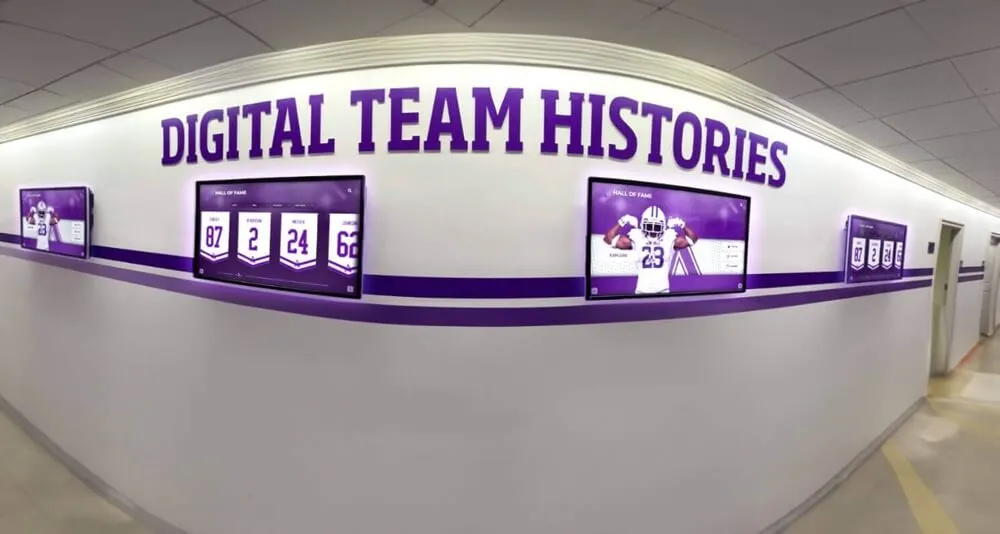
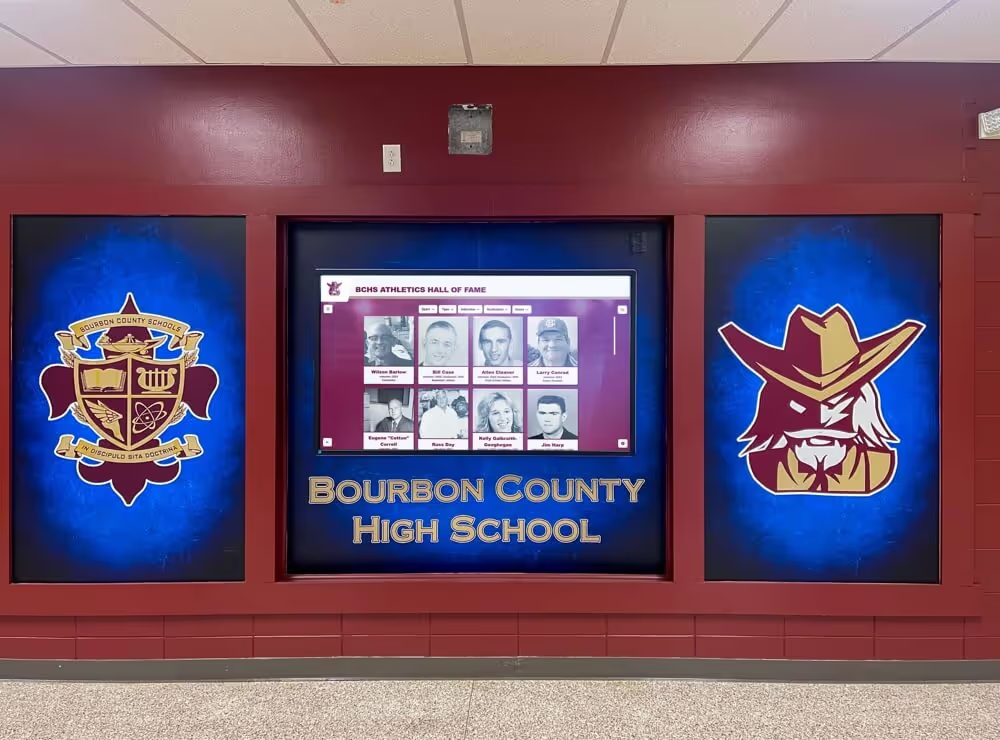
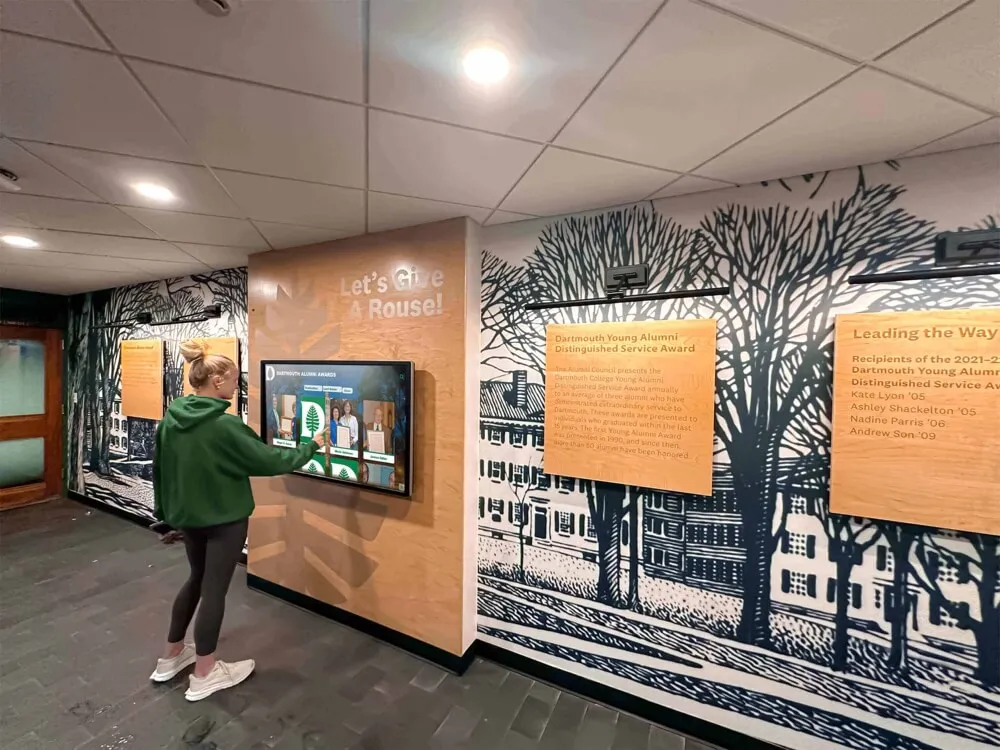
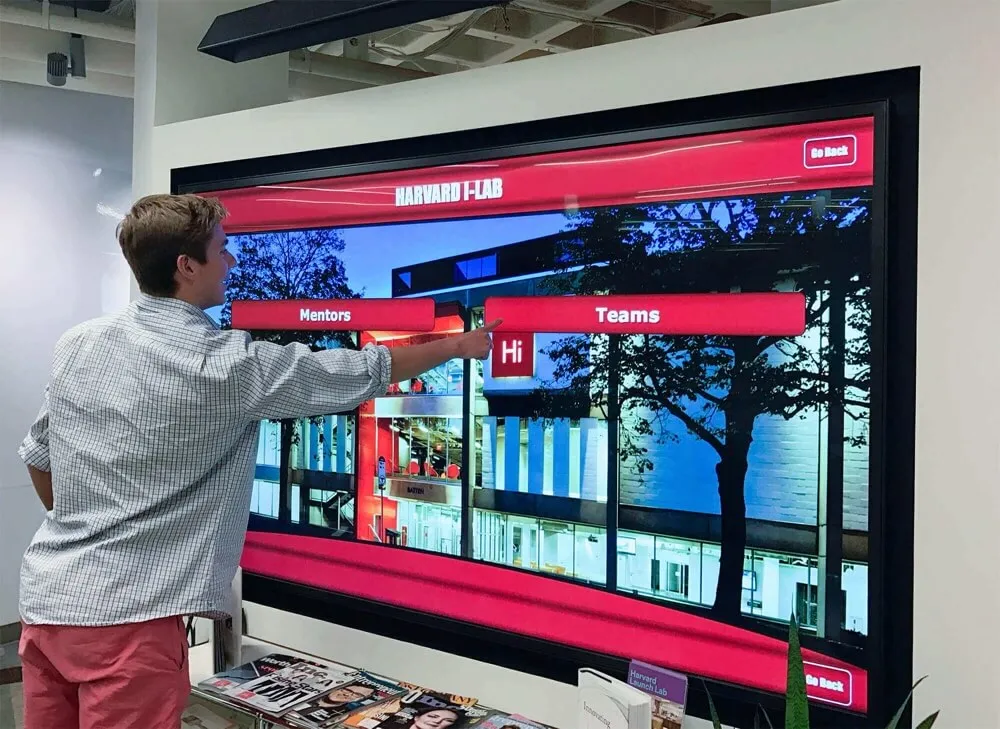
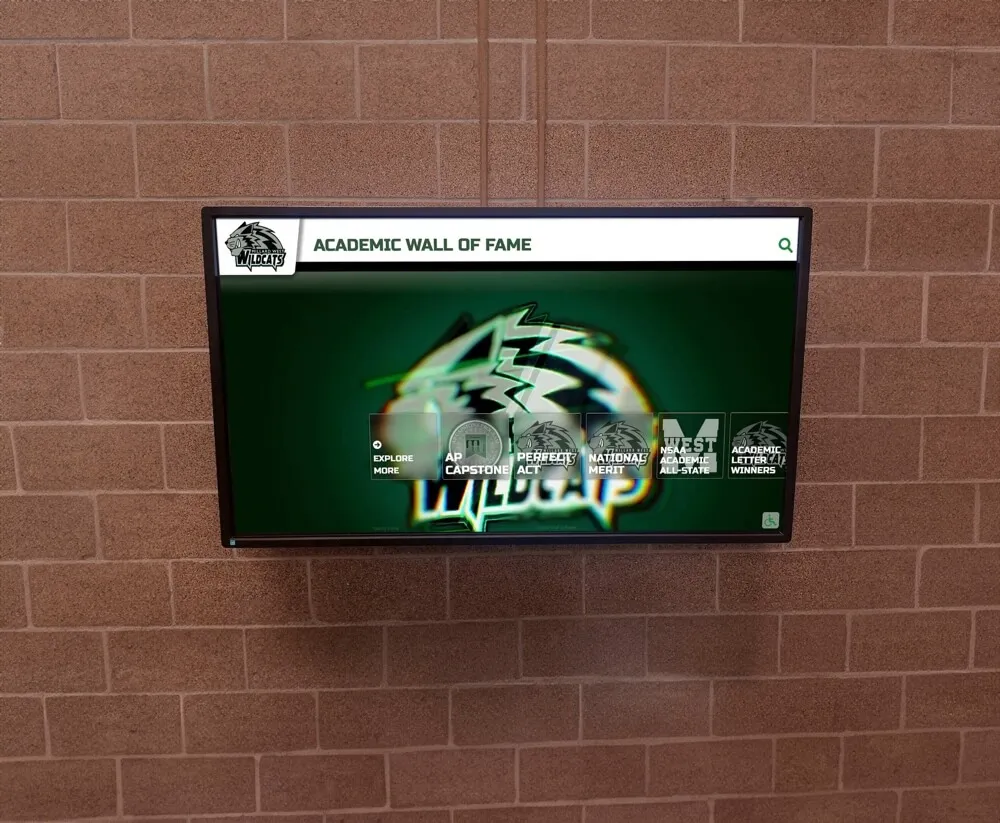
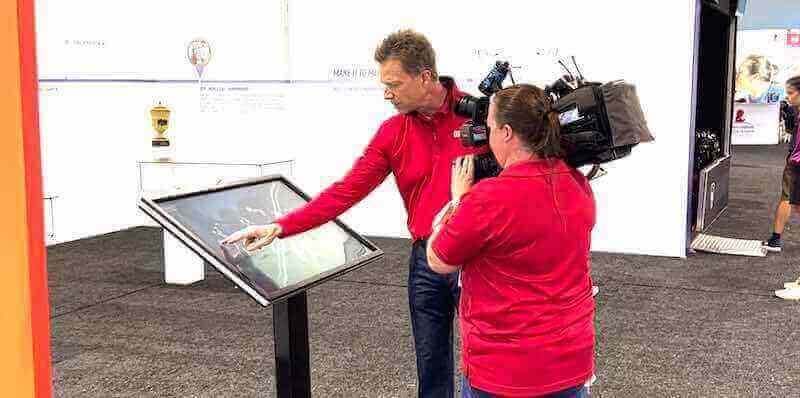
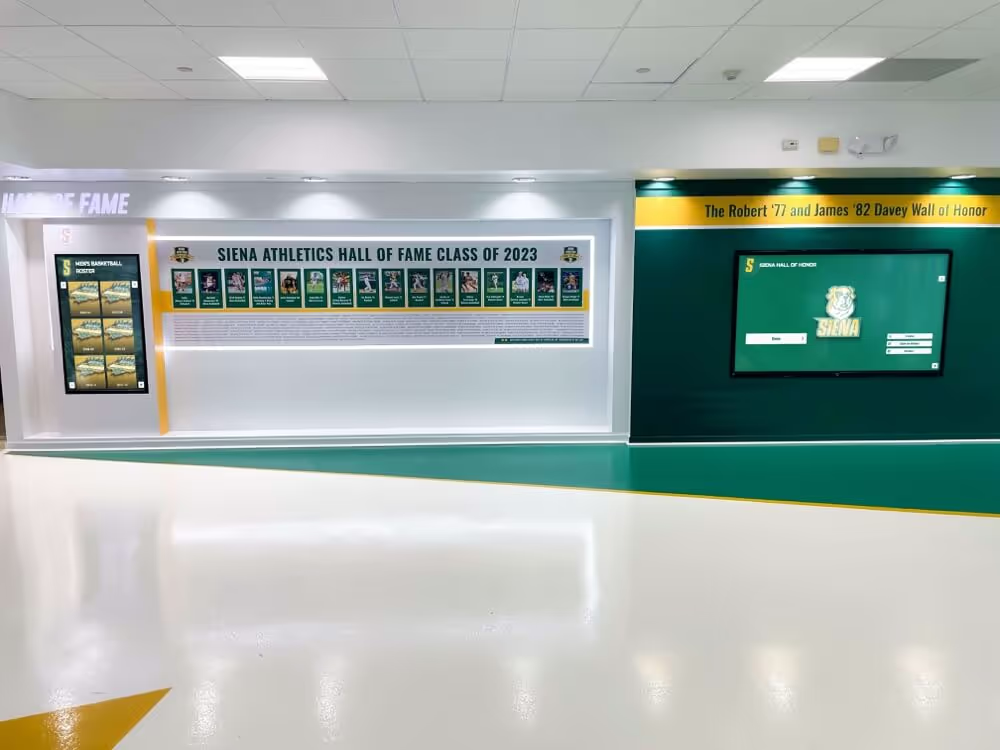
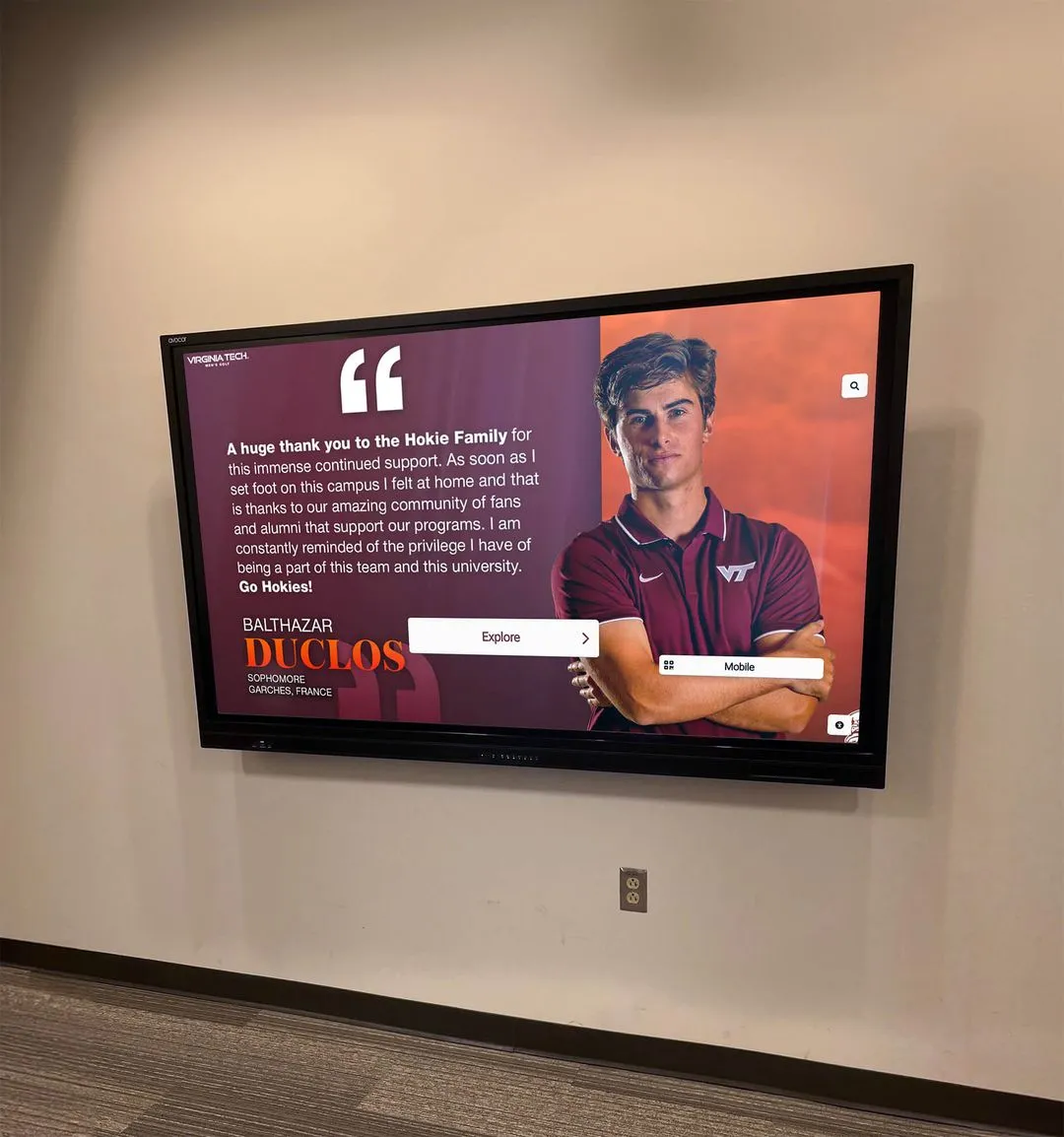
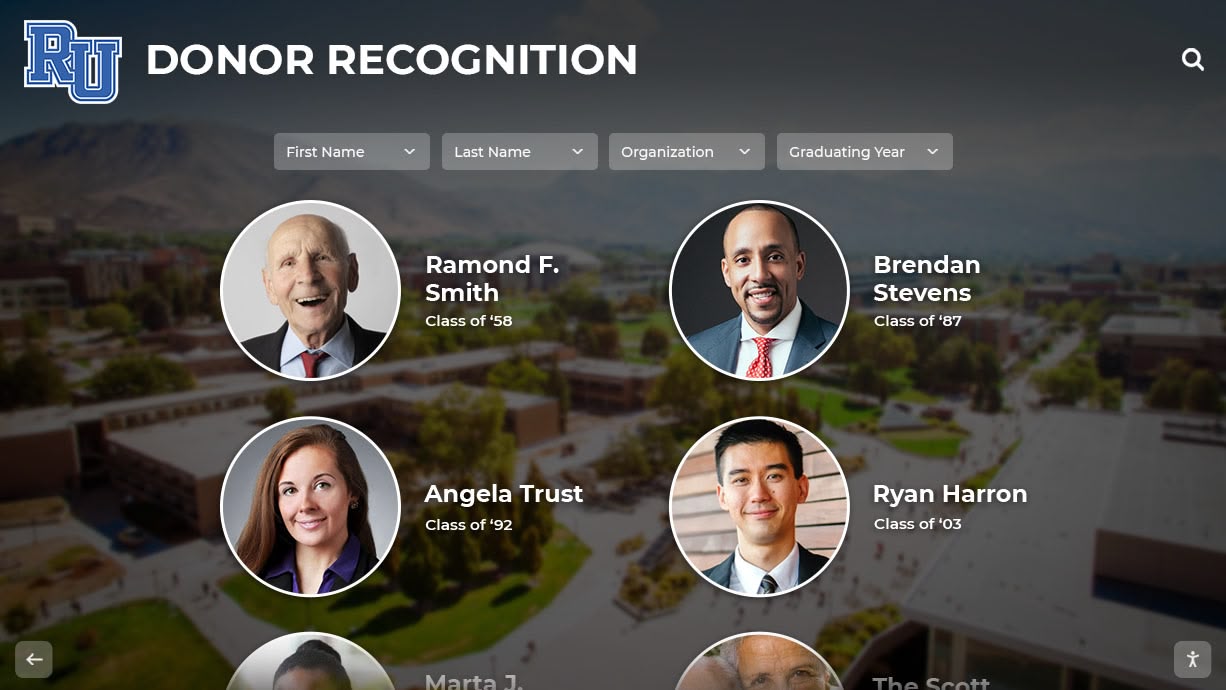
Modern university recognition programs celebrate diverse student achievements including first-gen milestones
Understanding First Generation College Student Definition
Clear definitions help institutions identify and support first-generation students while acknowledging definitional nuances.
Standard Academic Definition
Most universities define first generation college students as:
Primary Definition
- Students whose parents or guardians did not complete a four-year bachelor’s degree
- Includes students whose parents attended college but did not graduate
- Encompasses students whose parents earned associate degrees or attended some college
- Applies regardless of siblings’ educational status or achievements
This broad definition recognizes that students lack parental experience with bachelor’s degree completion even when parents attempted college or completed two-year degrees.
Definitional Variations
Some institutions use narrower definitions:
- Students whose parents never attended any postsecondary education
- Students whose parents did not attend college in the United States
- Students from families where neither parent completed high school
- International students whose parents attended college in different educational systems
Universities should clearly communicate their specific definition since variations affect program eligibility, support service access, and statistical reporting.
Why the Definition Matters
Precise definitions serve multiple institutional purposes:
Program Eligibility and Support Access
- Federal TRIO programs use specific first-gen criteria for service eligibility
- Scholarship programs targeting first-gen students require clear qualification standards
- Support services need consistent identification for appropriate outreach
- Research and assessment depends on standardized cohort definition
Data Collection and Reporting
- Institutional research tracking first-gen student outcomes requires consistent classification
- Federal reporting requirements may specify particular definitions
- Comparative analysis across institutions depends on definitional alignment
- Equity assessments examining support effectiveness need accurate identification
Clear institutional definitions prevent confusion while ensuring students receive appropriate recognition and support services designed for their specific needs.
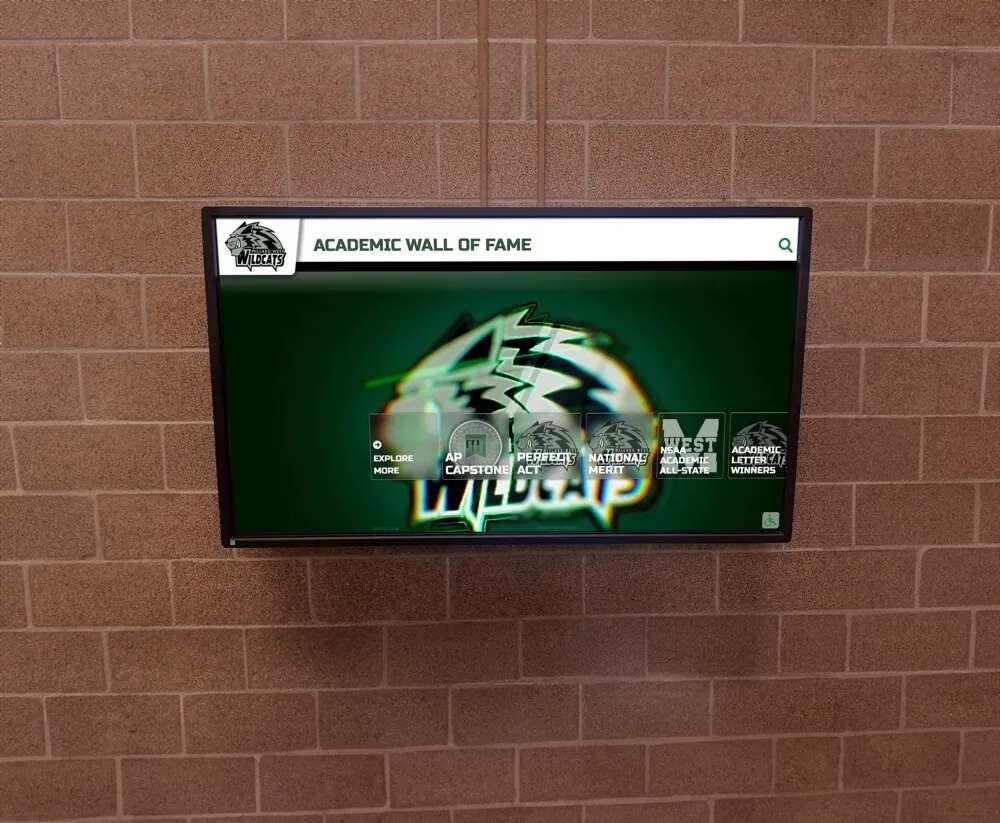
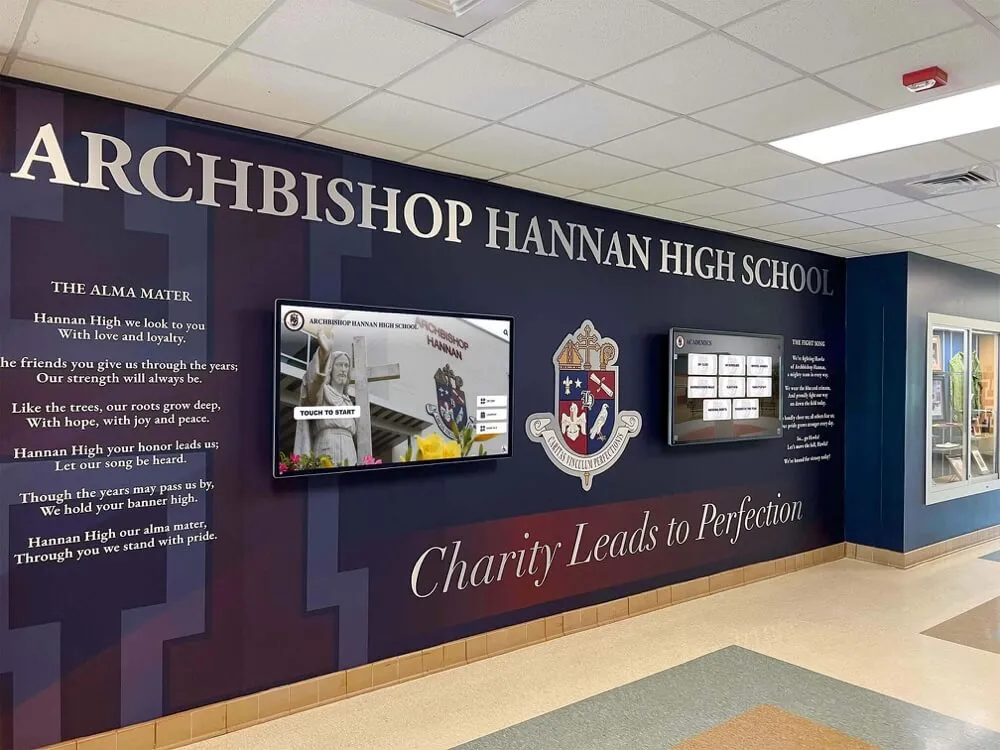
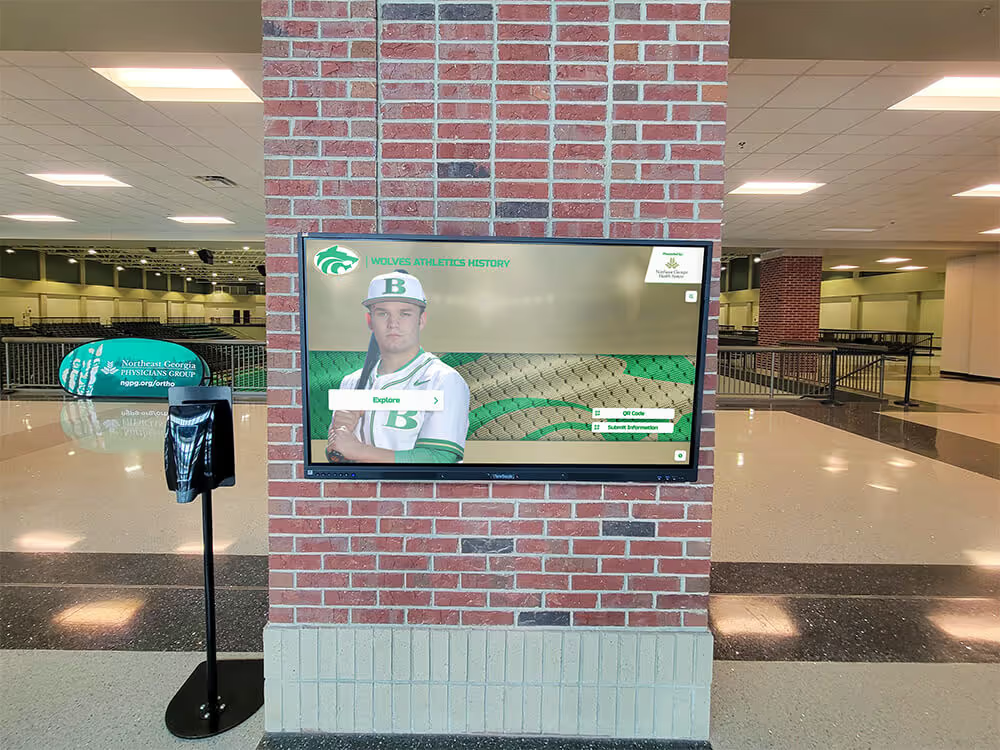
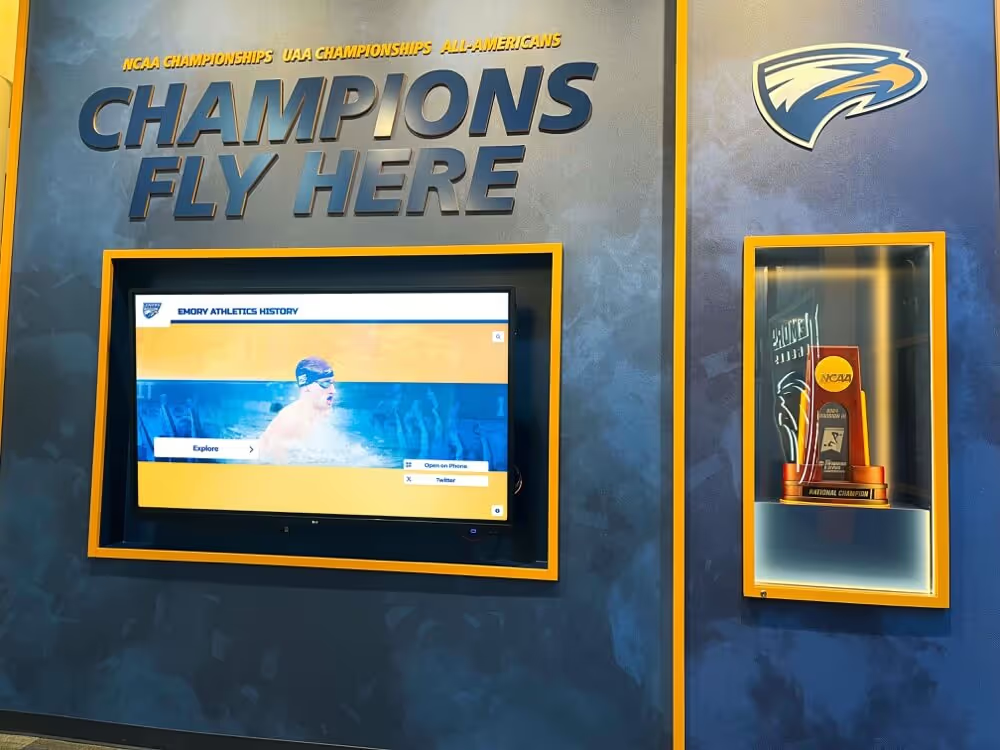
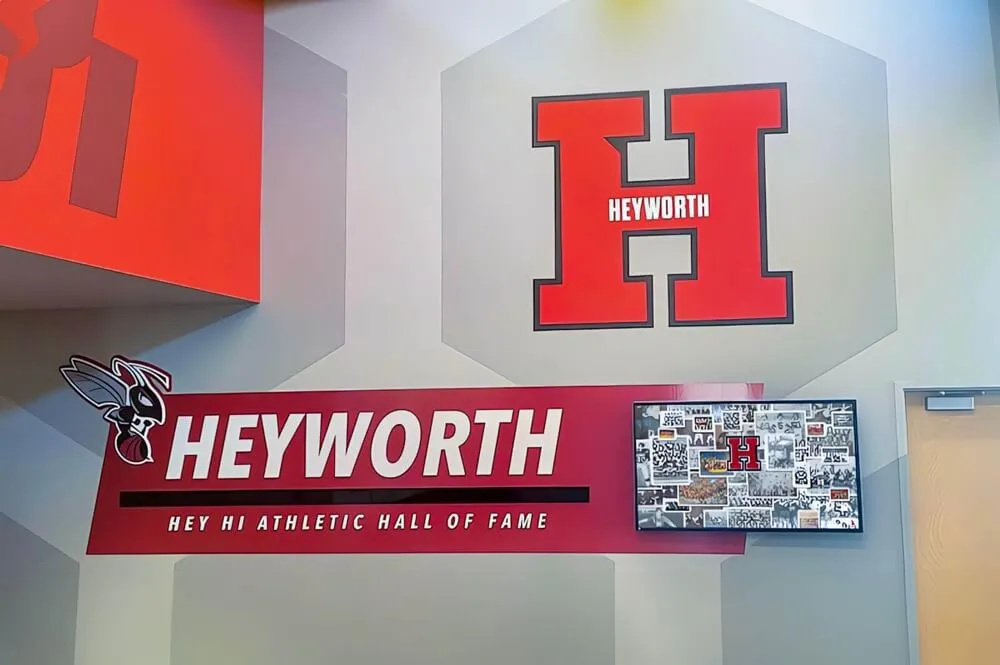
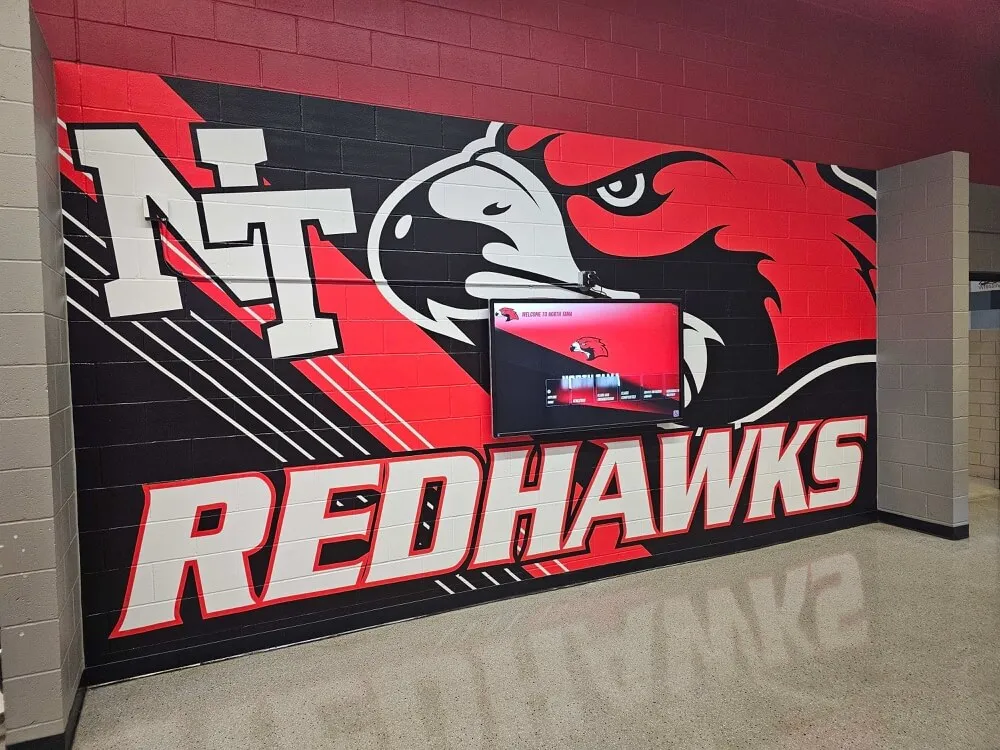
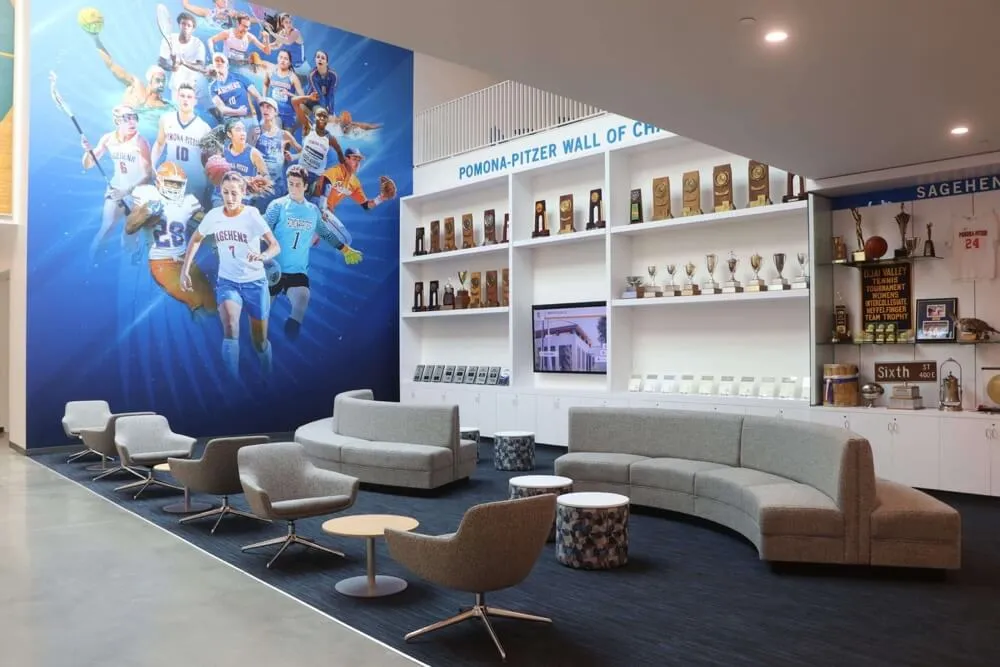
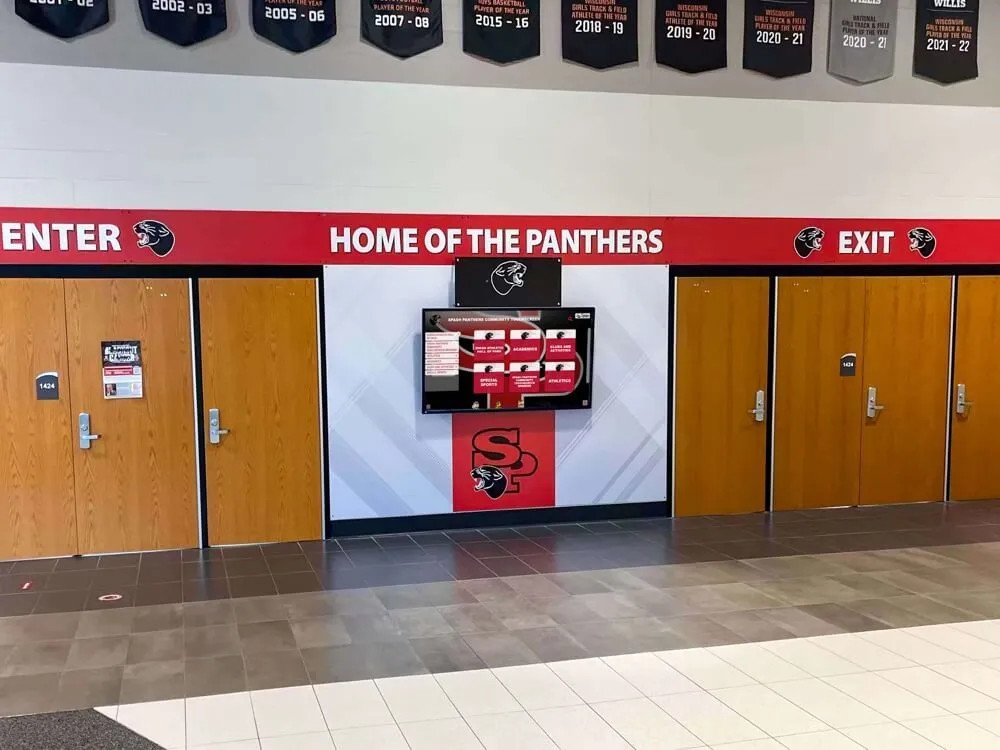
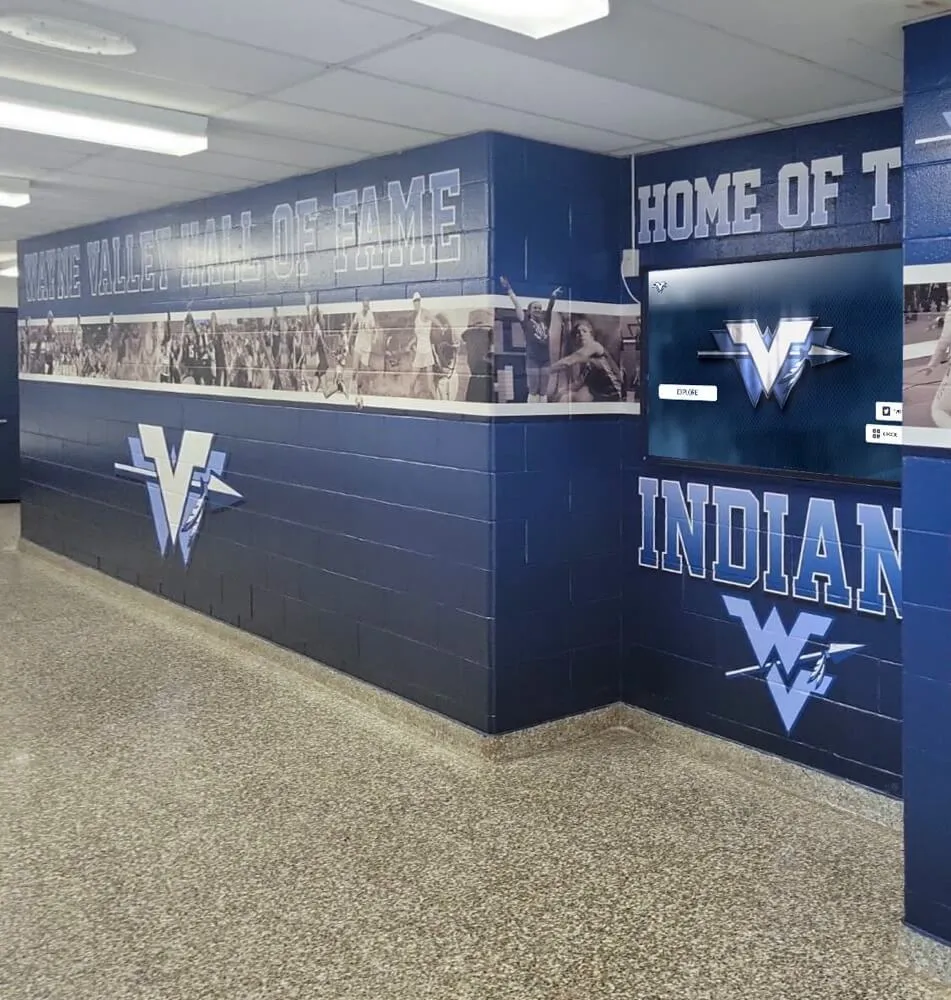
Digital recognition displays enable universities to celebrate first-gen achievements alongside other academic milestones
Recognition Program Snapshot: First Generation Student Celebration
| Program Element | Details |
|---|---|
| Recognition Timing | Annual First-Gen Day (November 8), graduation ceremonies, orientation programs |
| Celebration Formats | Awards ceremonies, digital display features, social media campaigns, mentorship showcases |
| Display Locations | Student union, academic advising centers, residence halls, alumni centers |
| Content Featured | Student profiles, achievement stories, mentor connections, career paths |
| Community Engagement | Alumni first-gen networks, faculty first-gen connections, peer mentorship programs |
| Success Metrics | Retention rates, graduation rates, engagement participation, community building |
| Technology Integration | Interactive displays, mobile access, social sharing, searchable databases |
| Program Goals | Visibility, community building, inspiration, reducing stigma, celebrating achievement |
The First Generation College Student Experience
Understanding unique first-gen experiences helps institutions design appropriate recognition and support.
Academic and Social Challenges
First generation students navigate distinct obstacles:
Financial Pressures and Responsibilities
- Limited family financial resources requiring substantial employment hours
- Complex financial aid processes without parental experience or guidance
- Difficulty understanding cost differences between attendance options
- Family expectations for financial contribution conflicting with study demands
- Limited safety nets when unexpected expenses arise
- Hesitation to access campus resources due to unfamiliarity
Research indicates first-gen students work significantly more hours weekly than continuing-generation peers while often sending money home to support families.
Academic Culture Navigation
- Unfamiliarity with college academic expectations and norms
- Limited understanding of professor office hours and appropriate engagement
- Difficulty decoding implicit expectations in course syllabi
- Uncertainty about appropriate help-seeking and resource utilization
- Imposter syndrome feelings questioning belonging in academic spaces
- Limited exposure to academic vocabulary and communication conventions
These navigation challenges aren’t deficits—they reflect different preparation experiences that universities can address through targeted academic recognition programs celebrating diverse pathways to success.
Identity and Belonging Challenges
First-gen students often experience complex identity negotiations:
Cultural Straddling
- Balancing family cultural expectations with campus culture norms
- Experiencing distance from home communities as perspectives evolve
- Navigating family relationships when educational experience creates disconnection
- Managing guilt about opportunities not available to family members
- Reconciling success with loyalty to communities of origin
- Building bicultural competence across multiple worlds
Campus Belonging Uncertainty
- Feeling different from peers with family college experience
- Lacking reference points for normal college experiences
- Hesitation to discuss family backgrounds in peer conversations
- Concern about revealing first-gen status due to stigma fears
- Limited representation seeing faculty and staff sharing background
- Questioning whether belonging is possible in academic spaces
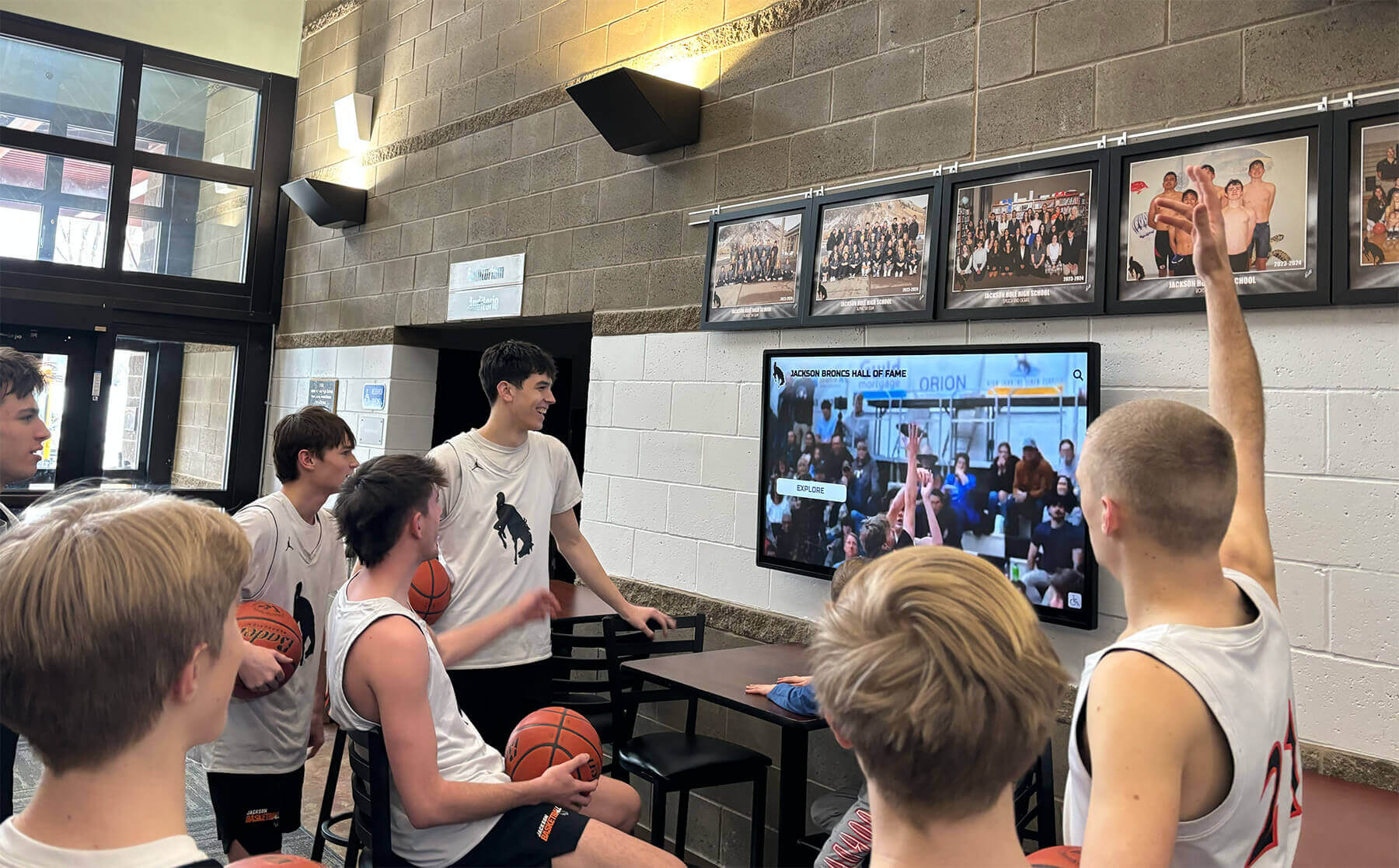
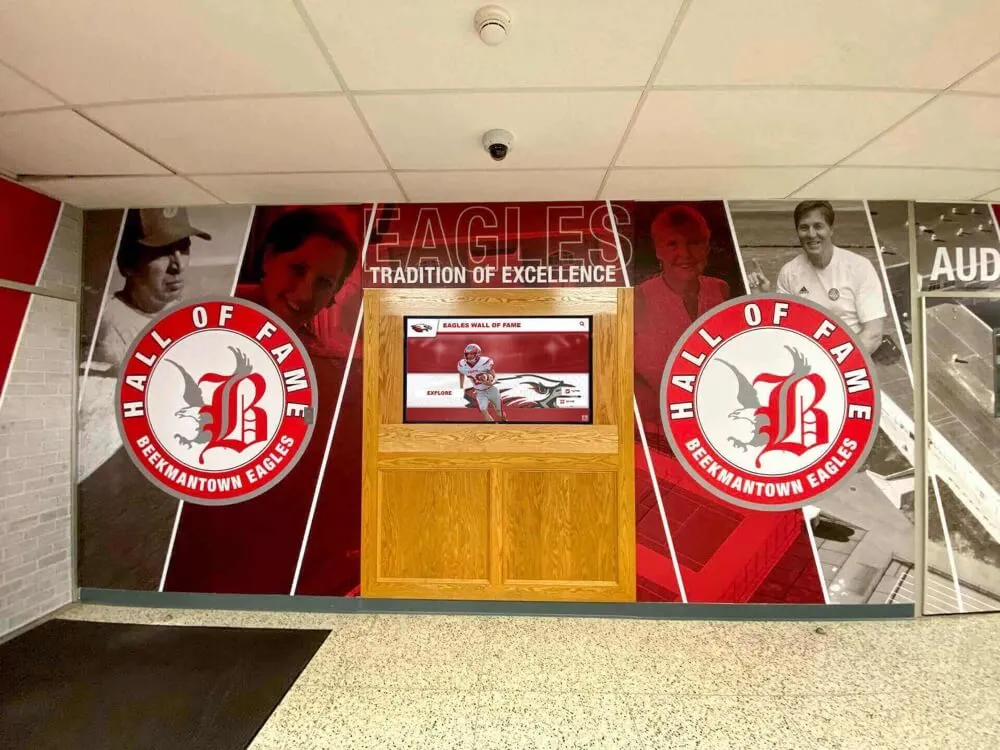
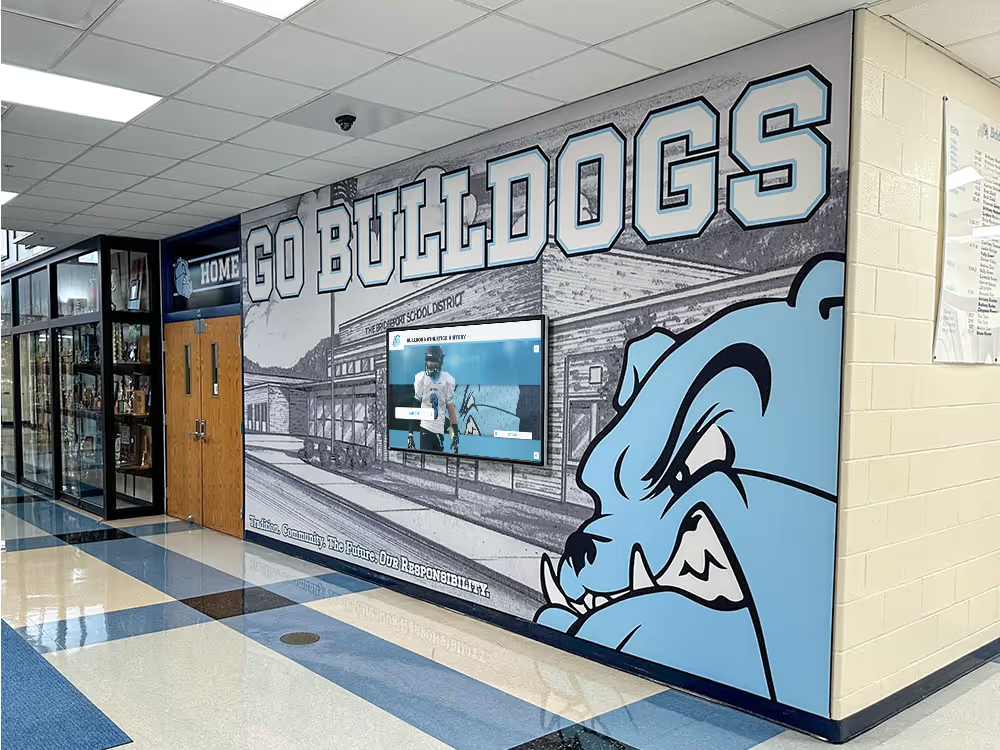
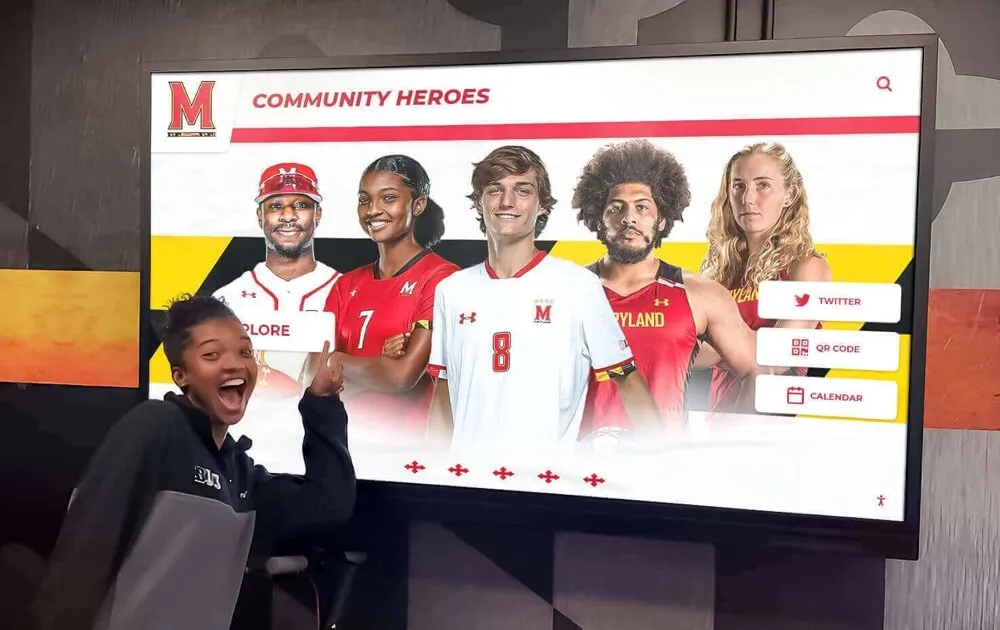
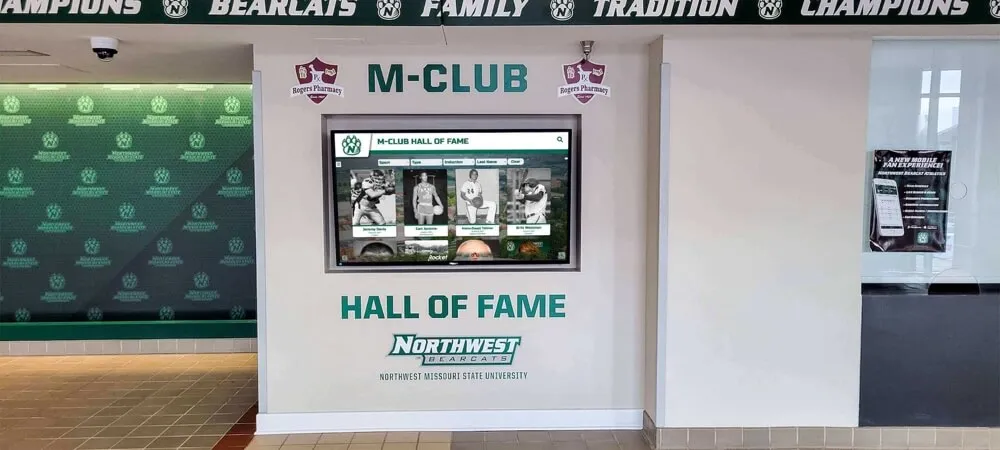
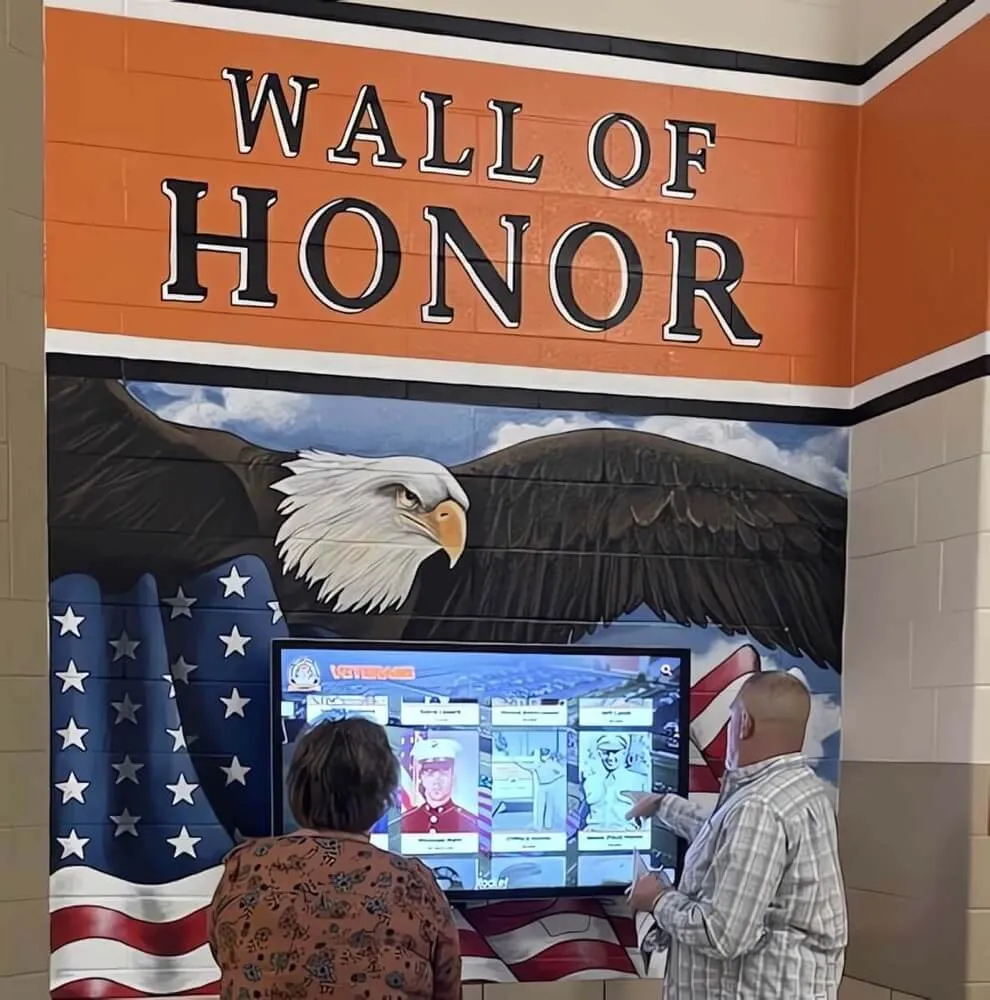
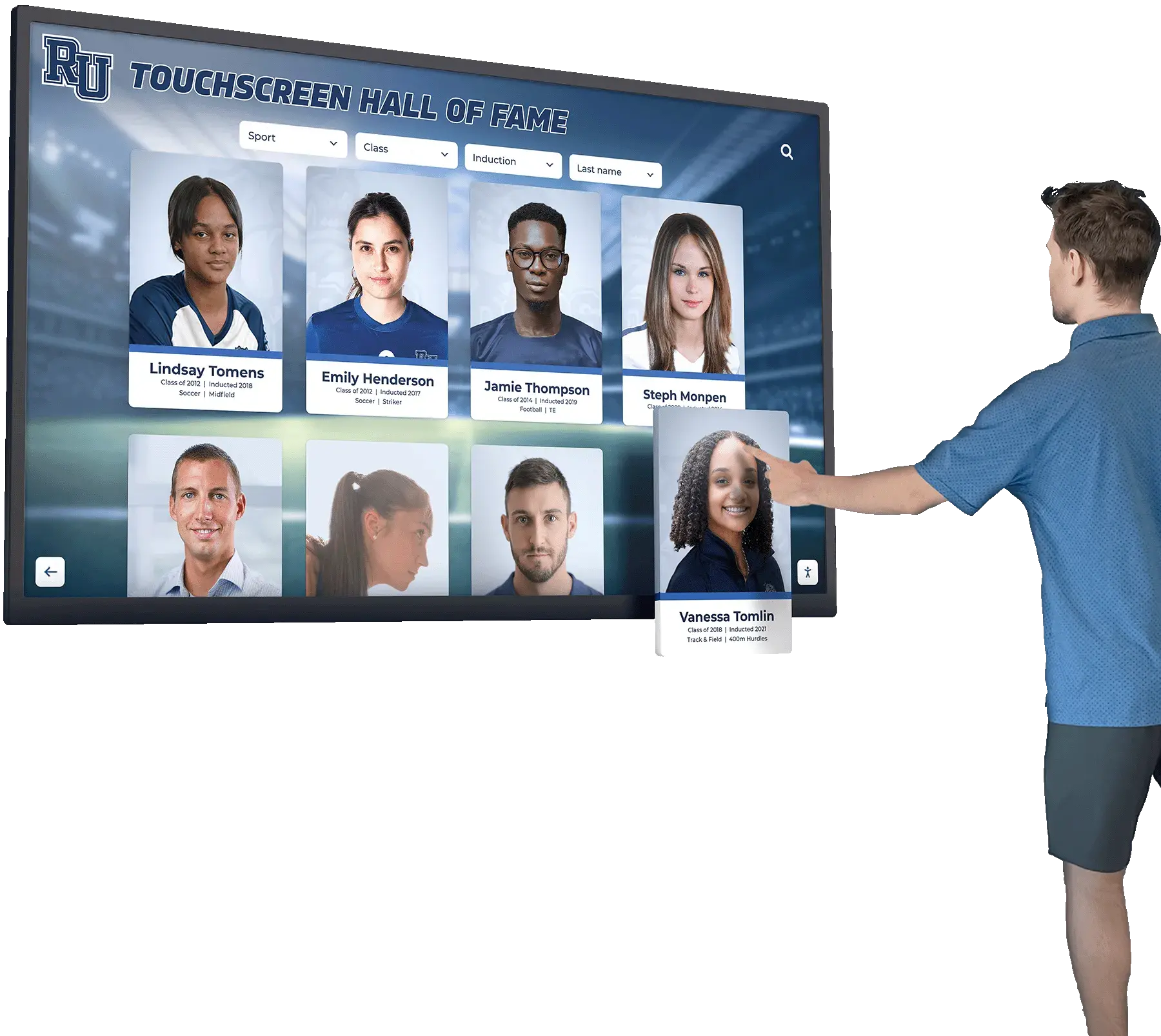
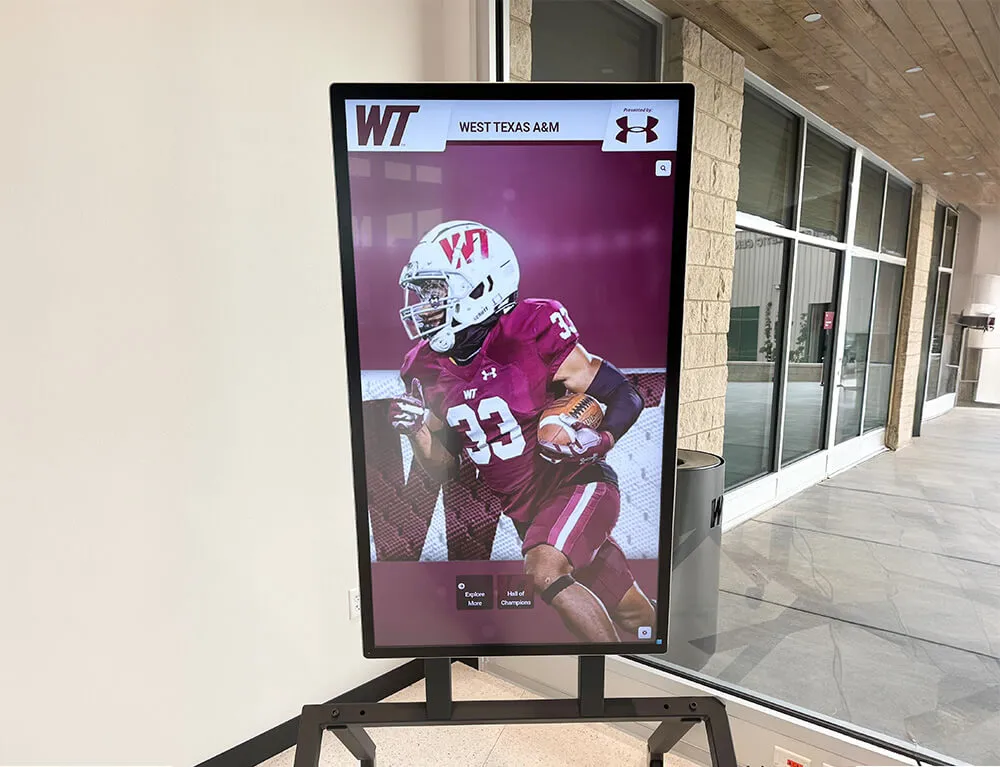
Interactive displays create opportunities for students to see themselves reflected in campus success stories
Universities addressing these experiences through recognition programs send powerful messages: first-gen identity is valued, these students belong, and their unique perspectives strengthen academic communities.
Explore comprehensive approaches to academic student recognition systems that showcase diverse student achievements.
First Generation Student Strengths and Assets
Deficit narratives miss the substantial strengths first-gen students bring to campuses.
Resilience and Determination
First-gen students demonstrate exceptional capabilities:
Problem-Solving and Resourcefulness
- Creative navigation of complex systems without guidance roadmaps
- Ability to translate and explain institutions to family members
- Persistence through obstacles that might stop others
- Comfort with ambiguity and uncertainty in new situations
- Initiative in seeking help despite unfamiliarity with processes
- Adaptability across cultural and institutional contexts
Motivation and Purpose
- Strong sense of educational purpose and goal orientation
- Deep appreciation for opportunity’s transformative potential
- Commitment to honoring family sacrifice and support
- Desire to create pathways for siblings and community members
- Understanding of education’s role in family economic mobility
- Gratitude for access previous generations lacked
These strengths deserve recognition alongside traditional academic metrics—comprehensive celebration acknowledges the full first-gen student contribution.
Diverse Perspectives and Experiences
First-gen students enrich academic communities:
Cultural and Experiential Diversity
- Varied life experiences informing classroom discussions
- Different perspectives on course material and social issues
- Connections to communities underrepresented in higher education
- Multilingual capabilities and cross-cultural competencies
- Working-class perspectives enriching economic and social analysis
- Real-world experience complementing theoretical learning
Community and Family Orientation
- Strong collaborative and collective values
- Commitment to community uplift alongside individual achievement
- Family responsibility experience developing maturity and time management
- Peer support and mentoring natural strengths
- Understanding of interdependence and mutual support importance
- Long-term perspective on education’s multi-generational impact
Recognition programs highlighting these assets shift narratives from deficit to strength while helping all students understand first-gen peer contributions.
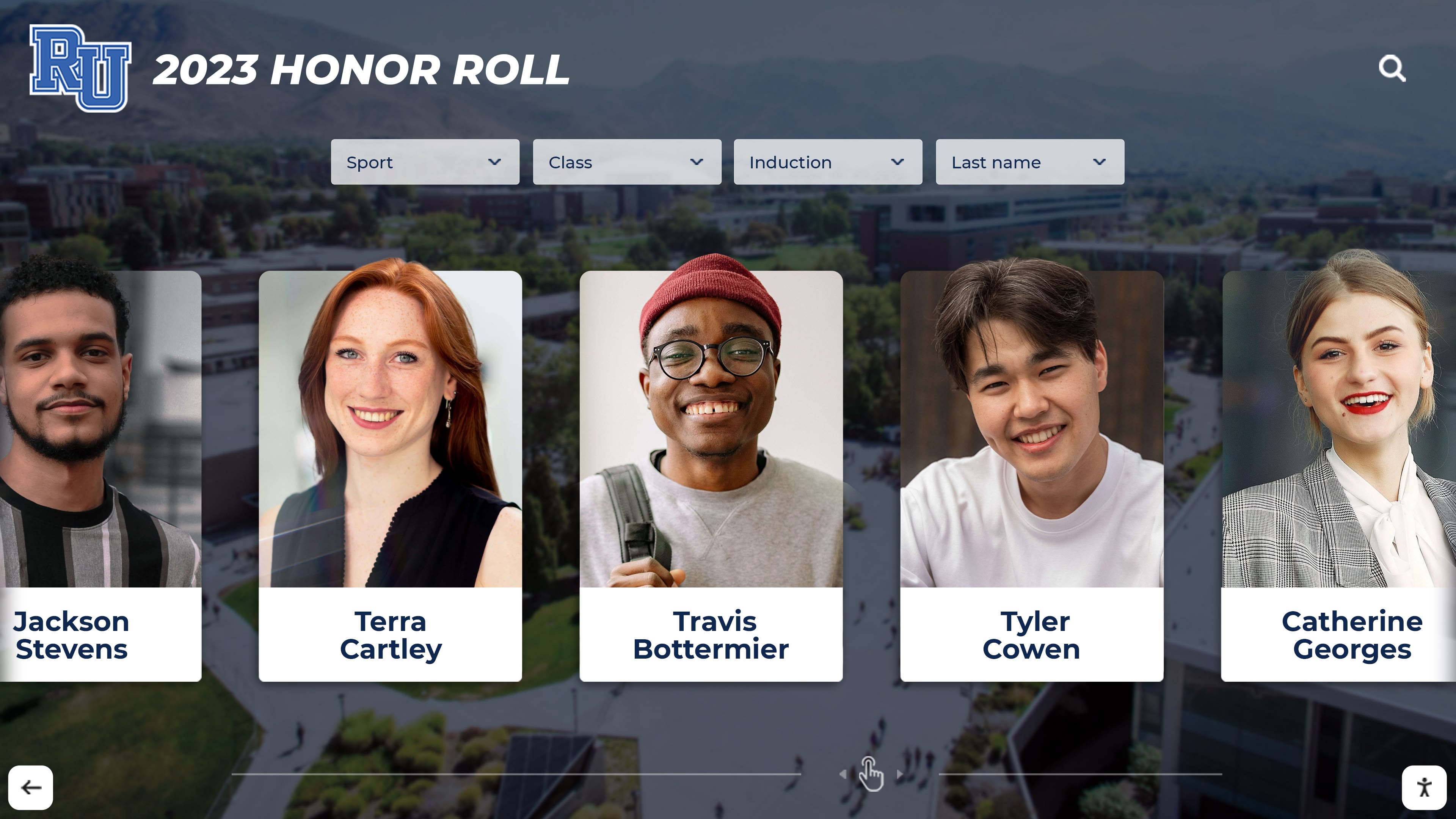
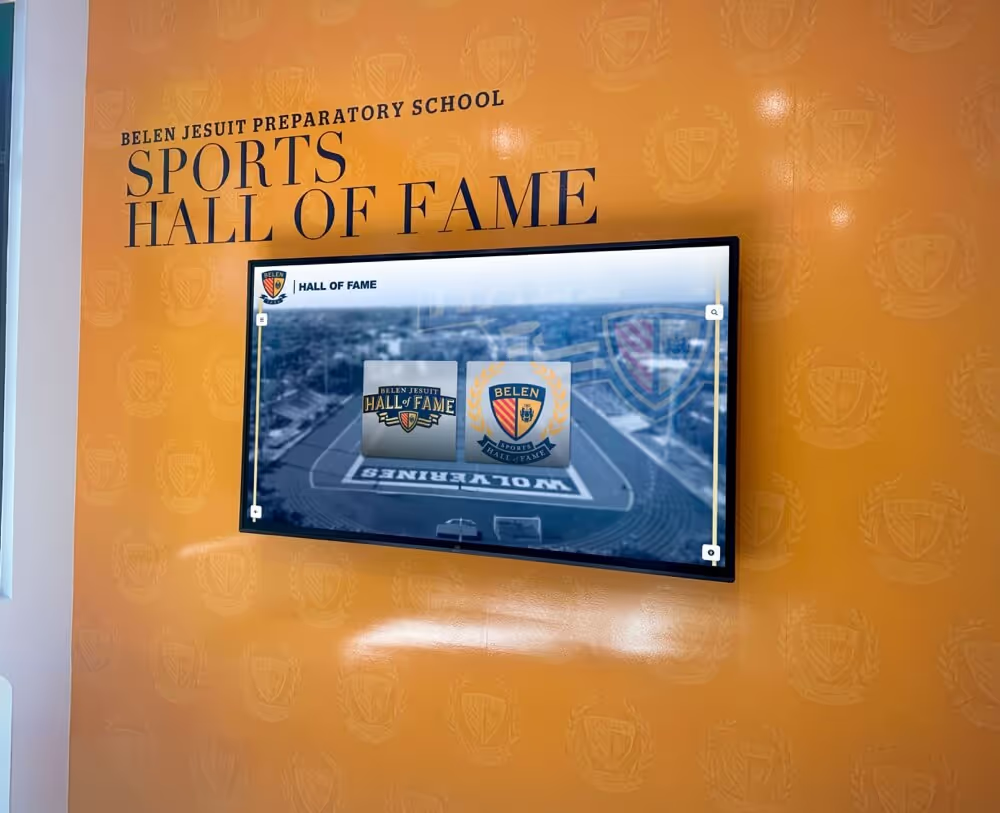
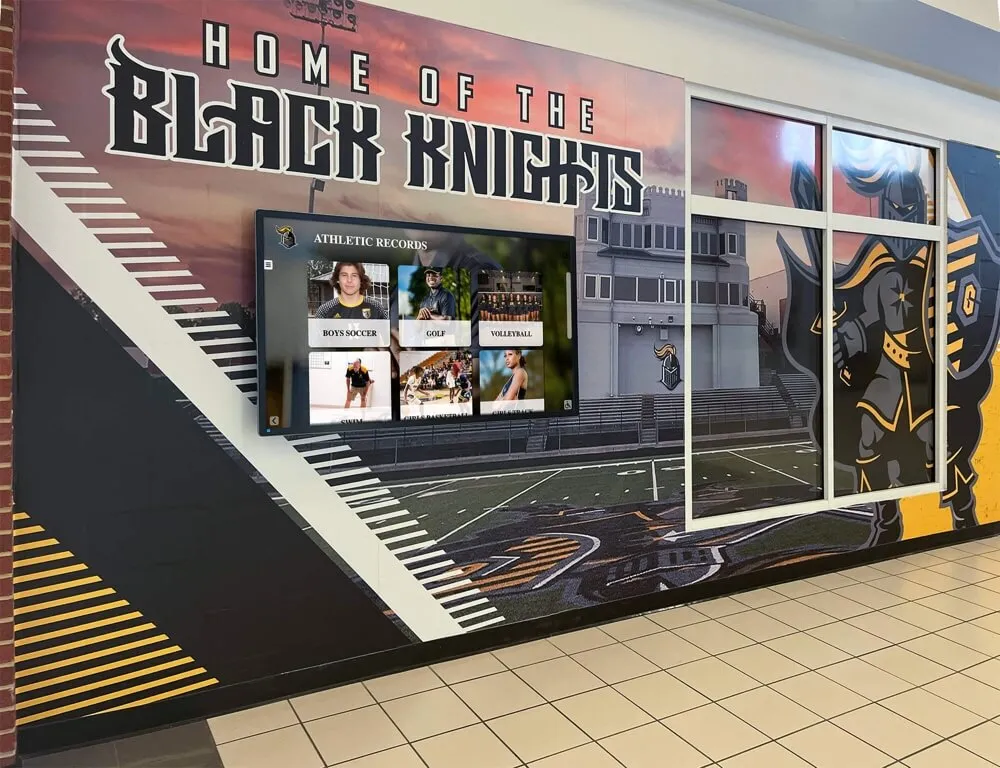
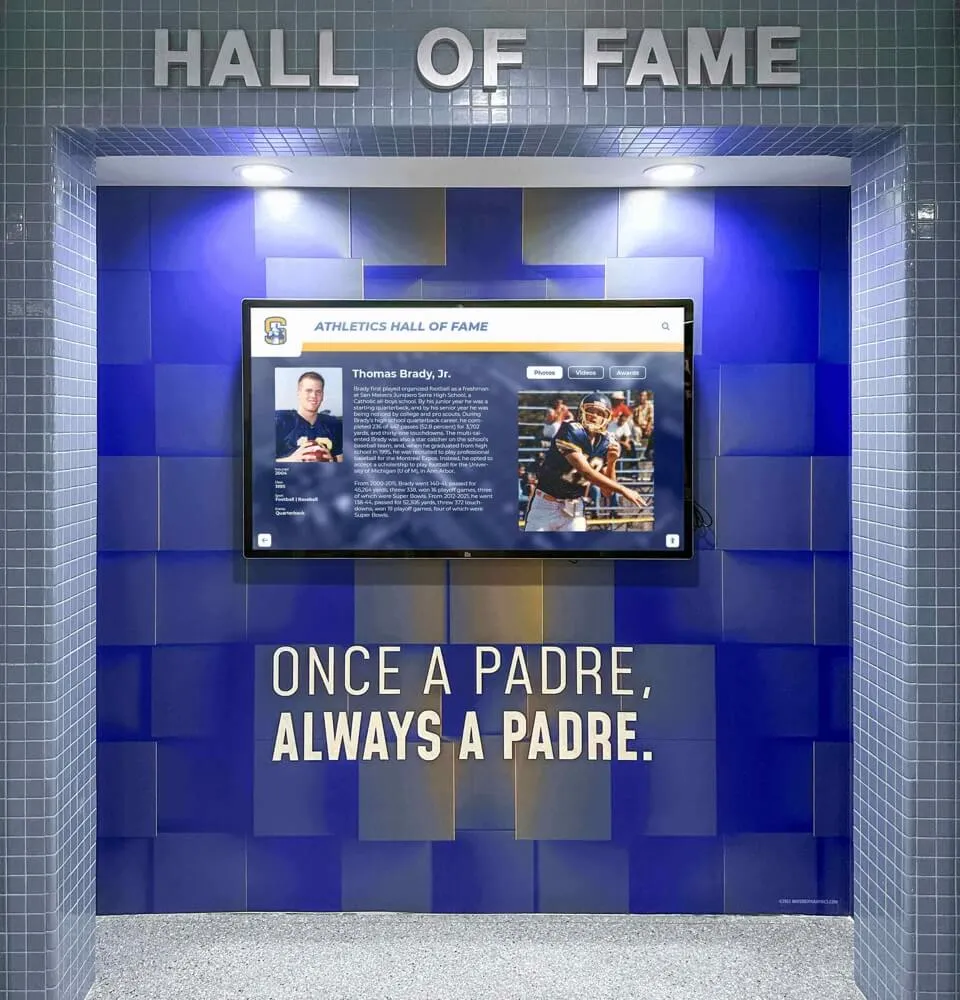
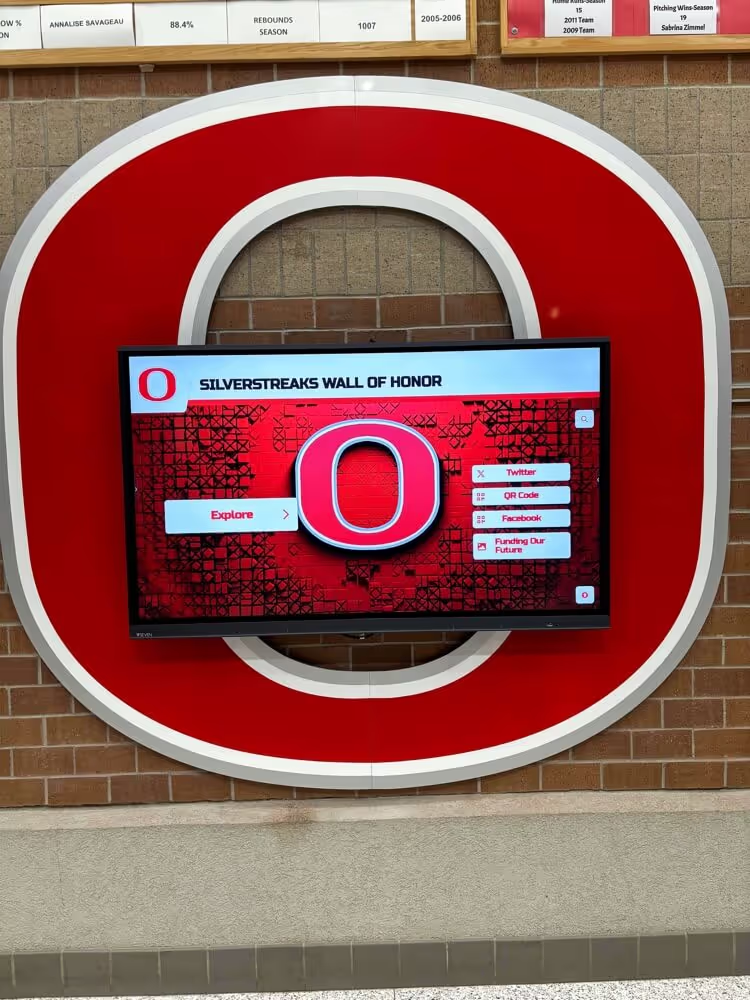
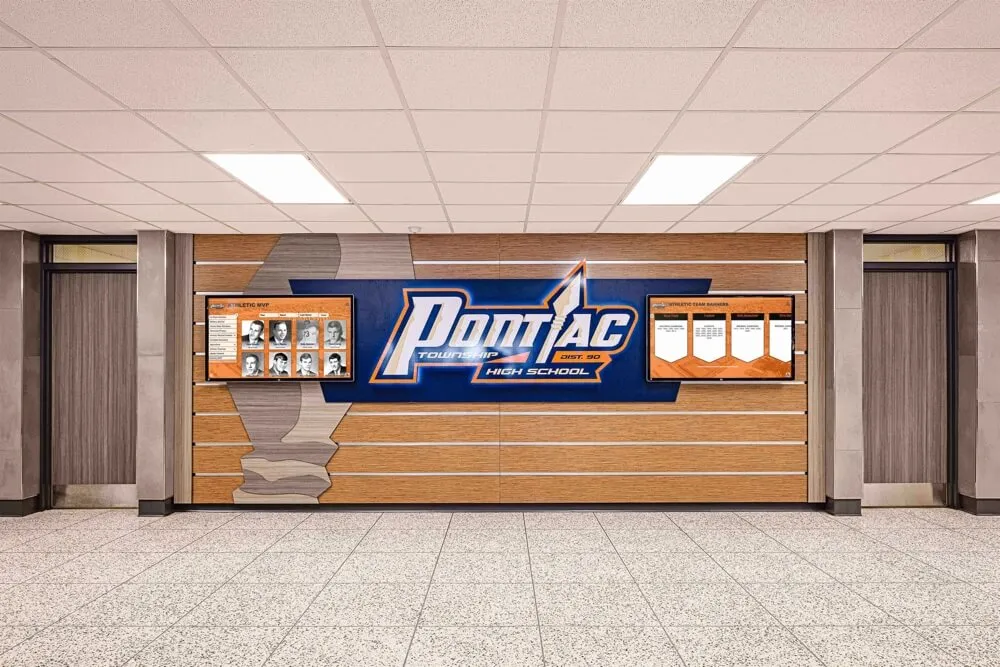
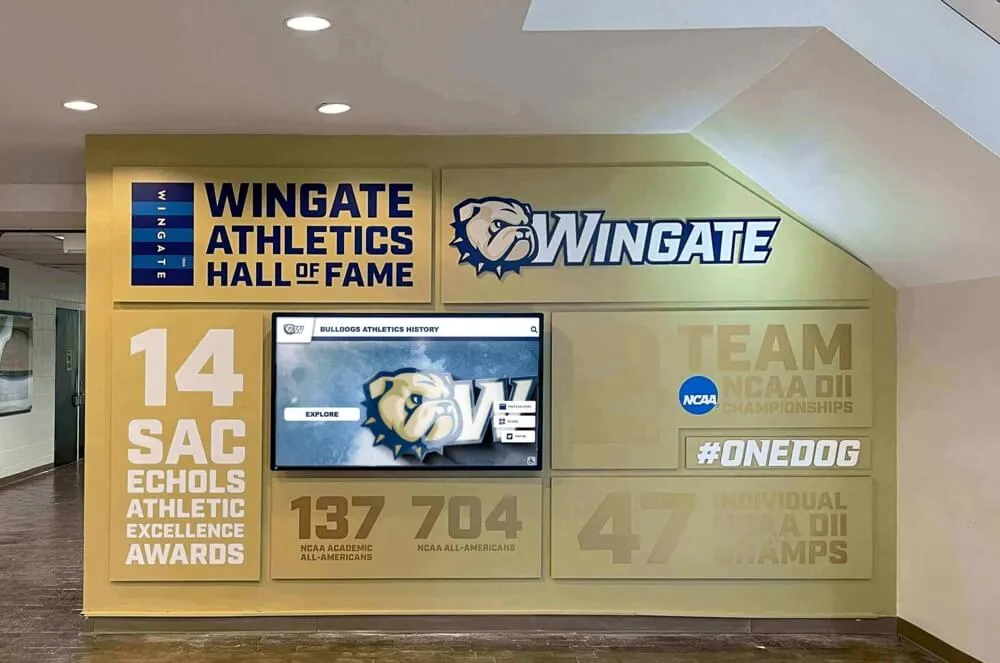
Individual recognition profiles celebrate complete student stories including first-gen journeys
First Generation Recognition Program Components
Effective institutional programs celebrate first-gen students while building supportive communities.
Visibility and Celebration Initiatives
Systematic recognition reduces stigma while increasing visibility:
National First-Generation College Celebration Day Observed annually on November 8, this national recognition day:
- Commemorates Higher Education Act signing anniversary
- Creates designated time for campus-wide first-gen celebration
- Enables institutions to join collective national recognition
- Provides framework for annual celebration consistency
- Offers established promotional materials and resources
- Connects campus efforts with broader movement
Universities should plan comprehensive First-Gen Day events including recognition ceremonies, panel discussions featuring successful first-gen alumni, social media campaigns highlighting current first-gen students, and interactive digital displays showcasing first-gen achievements throughout campus.
Ongoing Recognition Displays
Year-round visibility maintains community awareness:
- Interactive touchscreen displays featuring first-gen student profiles in high-traffic campus locations
- Digital signage rotation highlighting first-gen achievements and milestones
- Photo galleries showing first-gen student engagement and success
- Career pathway showcases demonstrating post-graduation trajectories
- Alumni first-gen networks showing long-term success stories
- Faculty and staff first-gen identification creating mentor visibility
Solutions like Rocket Alumni Solutions enable universities to create comprehensive digital recognition systems with unlimited student capacity, rich multimedia profiles, and easy content management that administrative staff can update regularly without technical expertise.
Graduation Recognition Programs
Commencement represents particularly significant first-gen milestones:
Graduation Ceremony Recognition
Many institutions offer:
- First-generation graduation stoles or cords identifying students during ceremony
- Special first-gen graduate recognition during ceremony programs
- Pre-commencement first-gen graduate celebrations with families
- Photo opportunities with first-gen specific signage and displays
- Recognition in printed commencement programs noting first-gen status
- Post-ceremony receptions specifically for first-gen graduates and families
These visible markers honor achievement while helping families understand their graduate’s distinctive accomplishment.
Family Celebration and Education
Graduation recognition should include family engagement:
- Family orientation explaining commencement traditions and procedures
- Translation services for non-English speaking family members
- Photographic opportunities in regalia before ceremony complexity
- Simple explanations of academic regalia and ceremony symbolism
- Celebration spaces for families unfamiliar with campus
- Materials explaining degree significance and achievement magnitude
Families often don’t fully understand the degree their student earned—recognition programs that educate families honor both student achievement and family support enabling success.
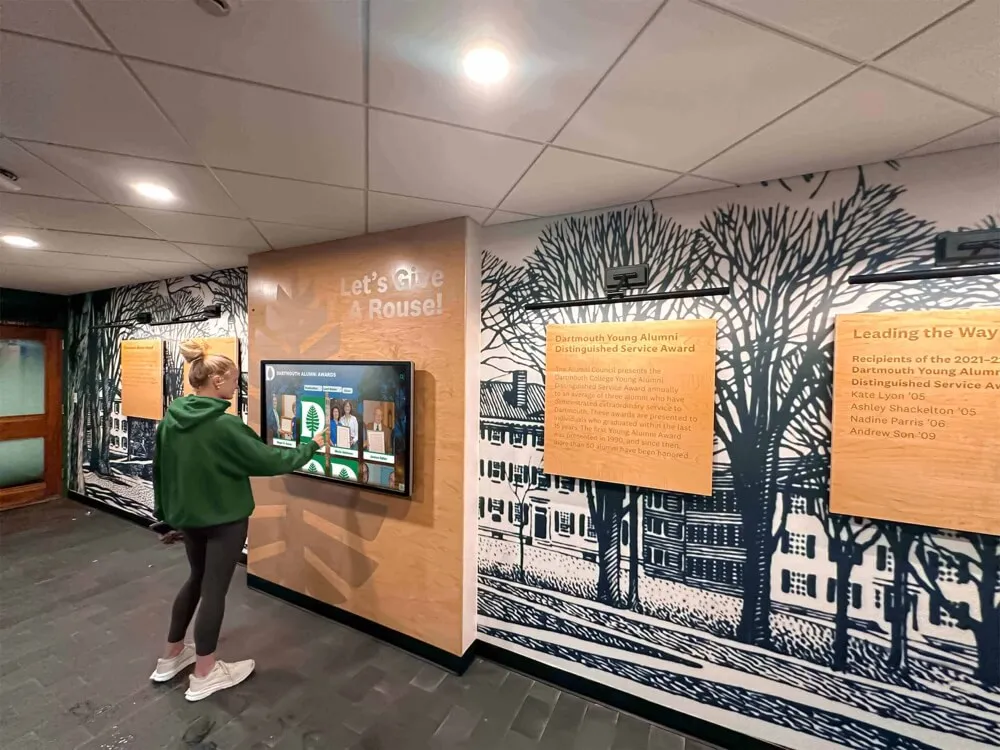
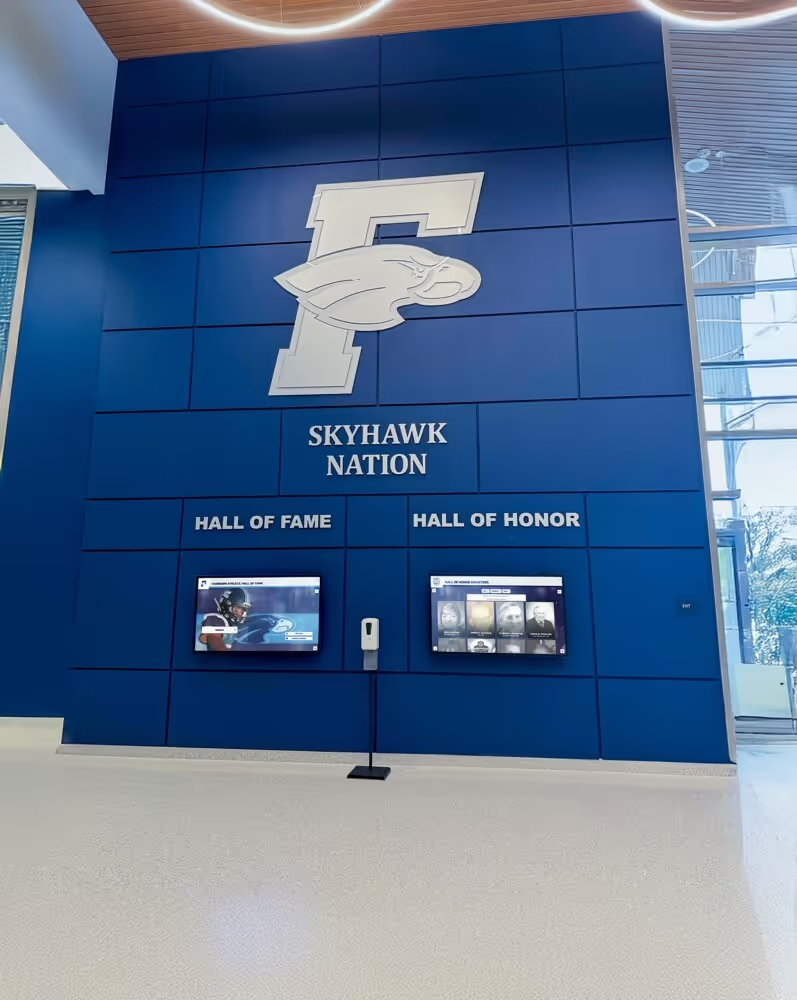
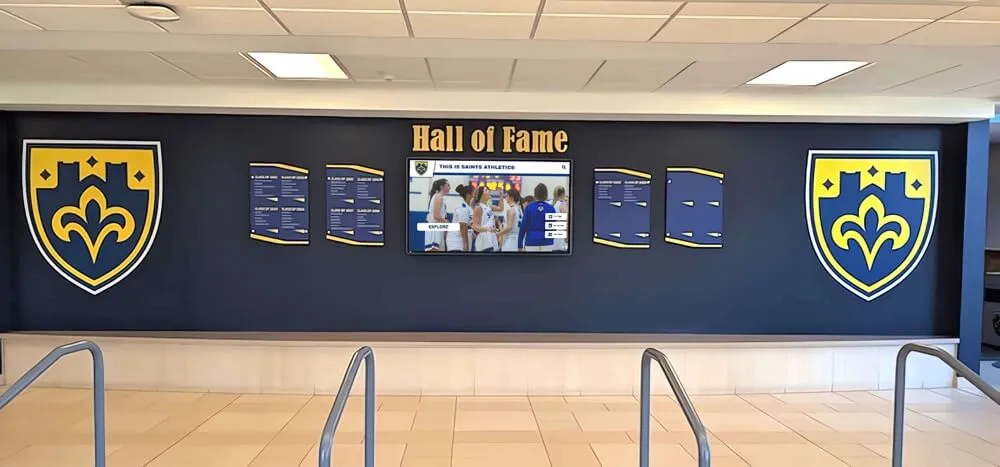
Strategic display placement in residence halls and academic buildings ensures regular first-gen recognition visibility
Support Programs Complementing Recognition
Recognition gains maximum impact when combined with substantive support.
Pre-College and Transition Programs
Early intervention supports first-gen success:
Summer Bridge Programs Dedicated pre-matriculation programs help first-gen students:
- Experience campus life before official enrollment begins
- Build peer cohorts reducing isolation feelings
- Practice college-level coursework in supportive environments
- Connect with faculty and staff before semester pressure
- Develop study skills and time management strategies
- Understand campus resources and appropriate utilization
Bridge program participants demonstrate significantly higher retention and graduation rates than non-participants.
Enhanced Orientation Programming
First-gen specific orientation components address unique needs:
- Extended orientation sessions covering topics continuing-generation students learn from parents
- Financial aid workshops explaining processes and terminology
- Campus resource tours with detailed explanations
- Academic expectation discussions demystifying college coursework
- Peer mentor introductions providing ongoing support connections
- Family programming explaining how to support first-gen students
Thorough orientation reduces ambiguity that creates stress and navigation difficulties.
Academic Support and Mentoring
Ongoing support maintains momentum beyond initial transition:
First-Gen Mentoring Programs
Structured mentorship provides critical guidance:
- Faculty mentor matching connecting students with first-gen professors
- Peer mentor programs pairing experienced first-gen students with newcomers
- Alumni mentor networks providing career guidance and networking
- Near-peer mentoring from recent first-gen graduates
- Group mentoring creating community alongside individual relationships
- Mentor recognition through digital displays and awards programs
Mentoring relationships provide navigation guidance, belonging reinforcement, and tangible evidence that success is achievable.
Learn about comprehensive student support recognition approaches celebrating peer leadership and mentorship.
Academic Skill Development
Targeted academic support addresses preparation gaps:
- Study skills workshops teaching effective college learning strategies
- Time management training balancing multiple responsibilities
- Writing center services demystifying academic writing expectations
- Tutoring programs providing subject-specific assistance
- Supplemental instruction in challenging gateway courses
- Research skills development for upper-level coursework
Support programs should normalize help-seeking rather than treating it as deficit acknowledgment—framing resources as tools ambitious students use strategically.
Career Development and Professional Preparation
First-gen students often lack professional networks and career navigation knowledge:
Career Pathway Programs
Structured career preparation includes:
- Internship placement assistance and application support
- Professional networking skills development
- Industry-specific career panels featuring first-gen alumni
- Resume and interview preparation workshops
- Graduate school exploration for students considering advanced degrees
- Professional mentorship connecting students with industry professionals
- Employer partnerships creating first-gen recruitment pipelines
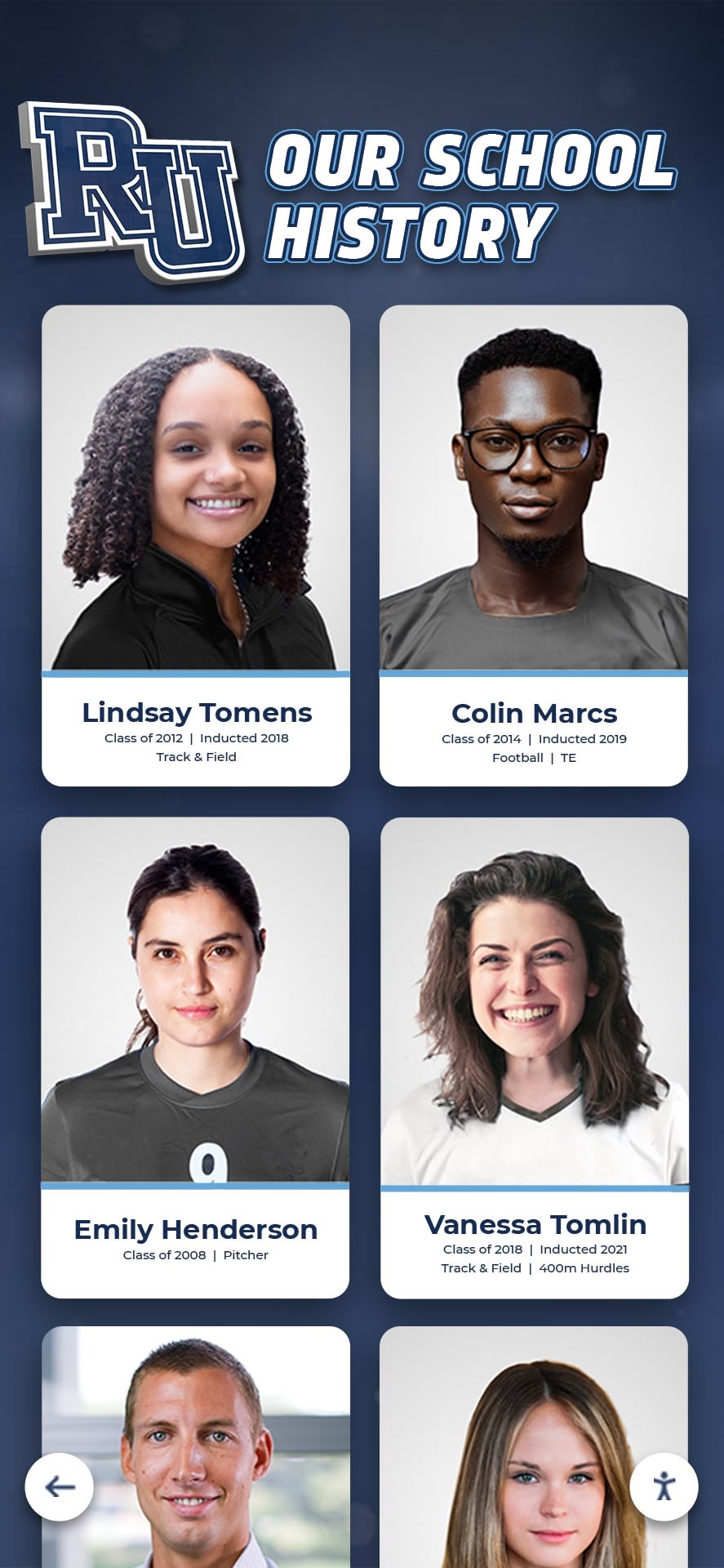
Alumni first-gen profiles demonstrate long-term success trajectories inspiring current students
Financial Literacy and Planning
Many first-gen students lack family financial guidance:
- Financial aid renewal process assistance preventing loss of eligibility
- Budgeting workshops for managing college and personal finances
- Debt management education explaining loan implications
- Savings strategies for students sending money home
- Tax preparation assistance navigating filing requirements
- Post-graduation financial planning including loan repayment
Financial confidence reduces stress enabling academic focus.
Creating Digital First-Gen Recognition Displays
Modern technology enables comprehensive, engaging first-gen celebration.
Display Content and Storytelling
Effective digital recognition showcases complete student narratives:
Student Profile Components
Rich first-gen profiles typically include:
- Photographs showing students in academic and campus life contexts
- Academic major, graduation year, and achievement highlights
- Personal narratives describing first-gen journey and experiences
- Family background and what degree means to families
- Campus involvement and leadership roles
- Career aspirations and post-graduation plans
- Advice for future first-gen students
- Mentor acknowledgments recognizing support received
Comprehensive profiles humanize first-gen experience while demonstrating achievement diversity across majors, backgrounds, and paths.
Alumni Success Stories
Post-graduation outcomes provide powerful inspiration:
- Career progression from graduation through current roles
- Graduate education completion demonstrating advanced degree access
- Professional achievements and leadership positions
- Community contributions and service engagement
- Continued first-gen identity and mentoring commitment
- Advice reflecting on college experience and success factors
- Family impact stories showing multi-generational transformation
Alumni profiles demonstrate that first-gen students don’t just graduate—they thrive professionally while creating pathways for others.
Learn about digital display content strategies that engage diverse audiences effectively.
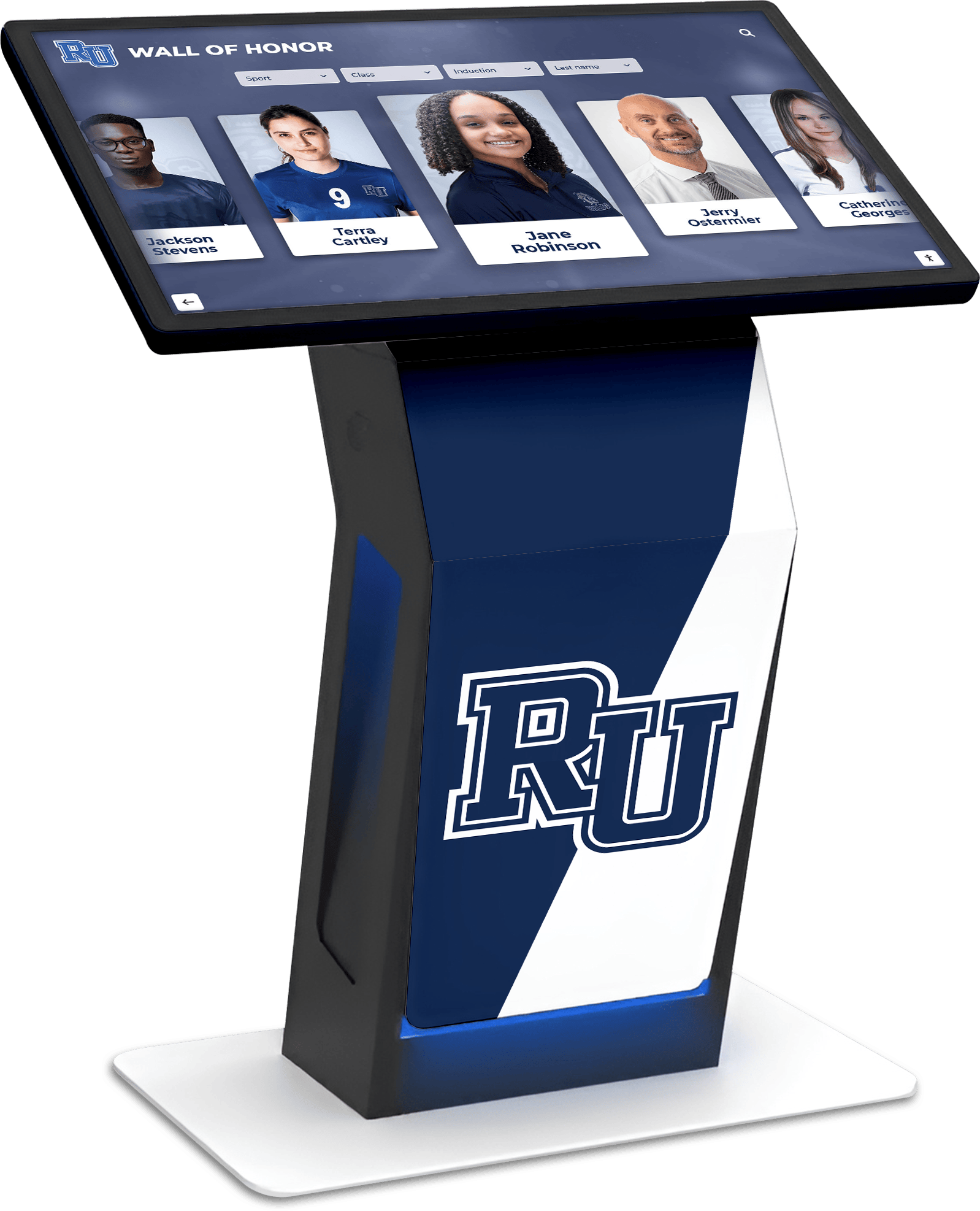
Touchscreen kiosks enable students to explore first-gen profiles and find peers with shared experiences
Technology Platform Capabilities
Modern recognition systems provide features traditional displays cannot:
Interactive Exploration Functions
Digital platforms enable:
- Search functionality helping students find first-gen peers by major, year, or hometown
- Filtering by academic program, career interest, or identity characteristics
- Related student suggestions connecting students with similar backgrounds
- Social sharing allowing students to promote their profiles
- Comment or message features facilitating peer connection
- Map visualizations showing first-gen student geographic origins
- Timeline views displaying first-gen program growth over years
Interactive features transform static recognition into engagement tools building community connections.
Content Management Efficiency
Administrative benefits include:
- Cloud-based management enabling updates from any internet-connected device
- Bulk import tools adding multiple student profiles simultaneously
- Scheduled publishing automating recognition timing
- Role-based permissions allowing appropriate staff access
- Template systems ensuring visual consistency across profiles
- Media hosting for photos and videos without separate storage
- Analytics showing which profiles generate most engagement
Efficient management ensures recognition remains current without excessive administrative burden.
Solutions like Rocket Alumni Solutions specialize in educational recognition, providing institutions with purpose-built platforms combining unlimited student capacity with user-friendly content management, ADA-compliant accessibility, and professional design requiring no technical expertise.
Display Placement and Accessibility
Strategic location and inclusive design maximize impact:
High-Traffic Placement Locations
First-gen displays achieve maximum visibility in:
- Student union or campus center common areas
- Library main entrance or study spaces
- Academic advising or student services centers
- Residence hall lobbies and common rooms
- Admissions welcome centers showing prospective students
- Alumni center spaces connecting current students with graduates
- Dining facilities with substantial daily traffic
Multiple locations ensure repeated exposure building awareness campus-wide.
Accessibility and Inclusive Design
Recognition systems should incorporate:
- ADA-compliant mounting heights and touch targets enabling wheelchair access
- High contrast viewing modes assisting visual accessibility
- Screen reader compatibility for visually impaired users
- Multilingual content options reflecting diverse campus populations
- Mobile-responsive web access for smartphone browsing
- Alternative text for images supporting assistive technology
Accessibility ensures all community members can engage with first-gen recognition regardless of physical abilities.
Fostering First-Gen Faculty and Staff Visibility
Student recognition gains power when faculty and staff share first-gen status:
Faculty First-Gen Identification Programs
Making first-gen faculty visible provides role models:
Public Identification Initiatives
- First-gen faculty directory showcasing professors sharing background
- Syllabus statements inviting faculty to acknowledge first-gen status
- Door placards or office signage identifying first-gen faculty
- Department website profile noting first-gen background
- New student orientation panel featuring first-gen faculty
- Academic advising matching connecting first-gen students with faculty mentors
Faculty identification normalizes first-gen identity while demonstrating that professors aren’t all from privileged backgrounds.
Faculty First-Gen Network Development
Organized networks support faculty while serving students:
- Faculty first-gen affinity groups for mutual support and strategy sharing
- Professional development addressing first-gen student support
- Mentoring training helping faculty effectively guide first-gen students
- Curriculum development incorporating first-gen perspectives
- Research collaborations studying first-gen student success
- Recognition programs celebrating faculty first-gen mentoring
Faculty networks create institutional knowledge supporting sustainable first-gen initiatives.
Staff Recognition and Engagement
Administrative and support staff first-gen identification matters equally:
- Staff profile features in campus communications
- Staff first-gen networks parallel to faculty groups
- Professional development opportunities
- Student affairs first-gen program leadership
- Advising and counseling first-gen specialization
- Staff mentoring programs connecting with students
Students interact with staff frequently—visible first-gen staff representation throughout campus reinforces belonging messages.
Explore comprehensive employee recognition approaches celebrating diverse achievements and contributions.
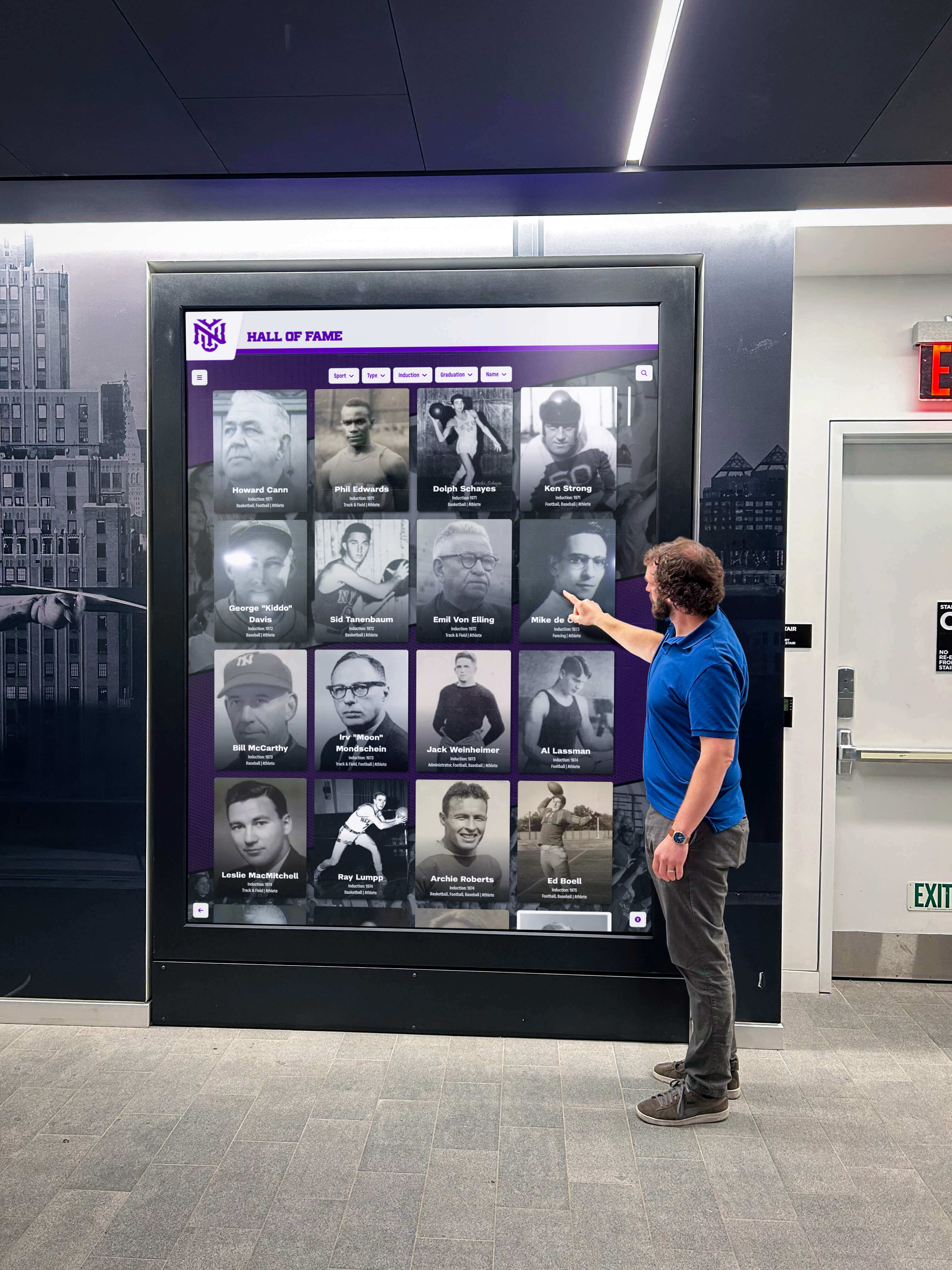
Prominent lobby displays ensure prospective students and families see first-gen celebration during campus visits
Measuring First-Gen Recognition Program Impact
Assessment demonstrates program value while guiding improvement:
Quantitative Success Metrics
Data tracking should monitor:
Participation and Engagement Indicators
- Number of first-gen students participating in recognition programs
- Attendance at First-Gen Day and related celebrations
- Digital display interaction rates and profile view statistics
- Social media engagement with first-gen content and campaigns
- Mentor program participation and relationship formation
- Support service utilization among first-gen students
Academic Outcome Measurements
- First-gen student retention rates semester-to-semester
- First-gen graduation rates compared to institutional averages
- Academic performance metrics across first-gen cohorts
- Support program participation correlation with outcomes
- Time-to-degree completion for first-gen students
- Graduate school enrollment among first-gen graduates
Equity Gap Analysis
- Achievement gap metrics between first-gen and continuing-generation students
- Support program effectiveness reducing outcome disparities
- Demographic intersectionality examining first-gen outcomes across race, income, and other identities
- Resource access equity across student populations
- Recognition program participation diversity
Rigorous data collection demonstrates program impact while identifying improvement opportunities.
Qualitative Assessment Approaches
Narrative data complements quantitative metrics:
Student Experience Research
- Belonging scale measurements through climate surveys
- Focus groups exploring first-gen student campus experiences
- Exit interviews with graduating first-gen students
- Longitudinal studies following cohorts across years
- Photo voice projects letting students document experiences
- Mentoring relationship quality assessments
Program Feedback Collection
- Recognition ceremony participant surveys
- Digital display user experience studies
- Support service satisfaction assessments
- Faculty and staff program evaluation
- Alumni reflection on first-gen program impact
- Family feedback regarding recognition meaningfulness
Qualitative data reveals program meaning and emotional impact beyond what numbers capture.
Learn about comprehensive assessment approaches for recognition programs that measure effectiveness holistically.
Building Sustainable First-Gen Recognition Programs
Long-term success requires institutional commitment and strategic planning:
Institutional Integration and Buy-In
Sustainable programs require campus-wide ownership:
Leadership Support and Resources
- Senior administrative champion providing visibility and resources
- Dedicated staff positions coordinating first-gen initiatives
- Budget allocation for recognition events, displays, and programs
- Strategic plan inclusion showing institutional priority
- Trustee awareness and support for first-gen commitment
- Cross-divisional collaboration connecting student affairs, academic affairs, and advancement
Leadership commitment signals that first-gen student success represents core institutional values rather than peripheral initiatives.
Faculty and Staff Engagement
Broad participation sustains programs:
- Professional development educating campus about first-gen experiences
- Departmental integration encouraging discipline-specific support
- Recognition of faculty and staff first-gen mentoring contributions
- Syllabus inclusion of first-gen resources and support information
- Classroom practices accommodating first-gen student needs
- Research and scholarship examining first-gen student success
Campus-wide engagement distributes responsibility preventing single-office burnout.
Financial Sustainability Strategies
Stable funding enables program continuity:
Revenue Source Development
- Alumni giving campaigns targeting first-gen graduate philanthropy
- Corporate partnerships supporting first-gen scholarship and programming
- Foundation grants funding specific first-gen initiatives
- Endowment building for permanent first-gen program support
- Recognition display naming opportunities attracting major gifts
- Institutional budget priority allocation from general funds
Diversified funding reduces vulnerability to single-source budget cuts.
Cost-Effective Program Design
Strategic efficiency maximizes limited resources:
- Digital recognition systems eliminating costly physical display updates
- Peer mentoring programs leveraging student leadership
- Alumni volunteer engagement reducing staffing needs
- National First-Gen Day participation using existing frameworks
- Collaborative programming sharing costs across departments
- Technology platforms providing multiple functions from single investment
Efficient approaches enable comprehensive programming within realistic budgets.
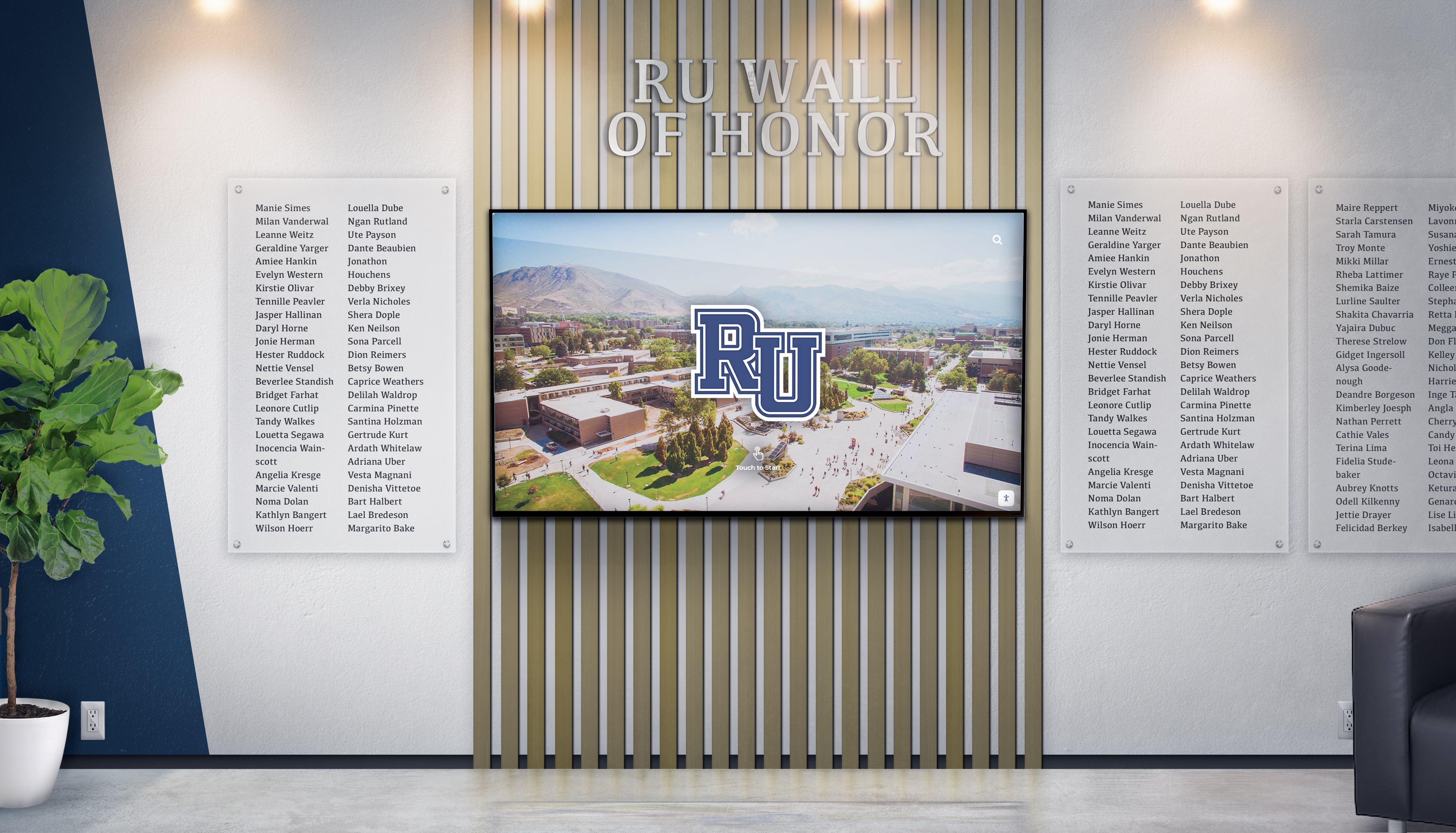
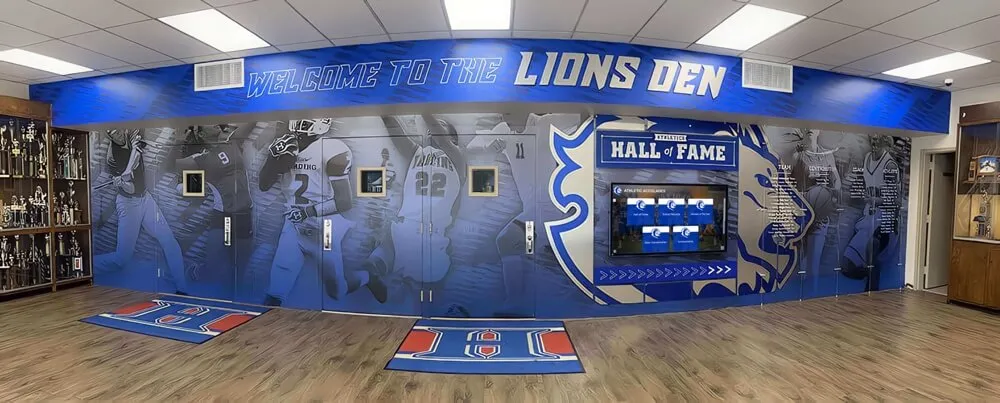
Integrated systems combine digital displays with traditional elements creating comprehensive celebration spaces
Addressing Common First-Gen Recognition Challenges
Proactive strategies help institutions navigate typical program difficulties:
Voluntary Self-Identification Issues
Many first-gen students don’t self-identify:
Encouraging Identification
- Clear definition communication removing confusion
- Stigma reduction through celebration and visibility
- Multiple identification opportunities beyond initial enrollment
- Privacy protections for students concerned about disclosure
- Benefits communication explaining identification advantages
- Peer testimonials showing positive identification experiences
Increased identification ensures students access appropriate support while enabling accurate institutional assessment.
Balancing Deficit and Asset Narratives
Recognition should avoid reinforcing negative stereotypes:
Strength-Based Framing
- Highlighting first-gen student assets and capabilities alongside challenges
- Celebrating resilience and determination rather than emphasizing obstacles
- Showcasing diverse first-gen success across fields and paths
- Including first-gen faculty and staff demonstrating long-term achievement
- Alumni profiles showing professional success and leadership
- Avoiding patronizing or savior-complex language in communications
Respectful recognition honors achievement authenticity while avoiding condescension.
Intersectionality and Identity Complexity
First-gen identity intersects with other characteristics:
Inclusive Recognition Design
- Acknowledging racial, ethnic, and socioeconomic diversity within first-gen populations
- Low-income first-gen student specific challenges recognition
- International first-gen student unique experiences
- Transfer first-gen student pathway differences
- Adult first-gen student particular needs
- Multiple identity intersection celebration in profiles
Comprehensive recognition resists monolithic first-gen narrative while honoring experience diversity.
Conclusion: Creating Cultures Celebrating First-Gen Achievement
First generation college student recognition represents more than feel-good celebration—it creates institutional cultures explicitly valuing diverse pathways to academic success, acknowledges the particular courage required to navigate systems without family roadmaps, and demonstrates that universities genuinely welcome students from all educational backgrounds. When institutions systematically celebrate first-gen achievement through prominent recognition displays, dedicated support programs, visible faculty and staff identification, and sustained community building, they honor individual accomplishments while transforming campus cultures to truly embrace inclusive excellence.
The strategies explored in this guide provide comprehensive frameworks for building recognition systems that celebrate first-gen students authentically while connecting celebration to substantive support enabling their success. From interactive digital displays showcasing student profiles to mentoring networks connecting students with faculty sharing their background, these approaches transform first-gen recognition from occasional token gestures to systematic celebration woven throughout institutional culture.
Transform Your First-Gen Recognition Program
Discover how modern digital recognition solutions can help you celebrate every first-generation student's achievements and build a thriving culture of inclusive excellence that honors diverse pathways to success.
Request Your Free Custom DemoFirst generation college students deserve recognition honoring both their individual achievements and their broader significance as family educational pioneers creating multi-generational transformation. Digital recognition platforms make comprehensive celebration achievable across unlimited students, enabling institutions to showcase diverse first-gen success stories without physical space constraints while providing engaging interfaces that build community among students sharing this identity.
Universities ready to enhance first-gen recognition should start by assessing current visibility and support, engaging first-gen students in program design, investing in technology enabling sustainable recognition, and building campus-wide cultures that genuinely celebrate educational access expansion. Every first-gen student who sees themselves reflected in institutional recognition, connects with mentors sharing their background, and graduates knowing their university valued their particular journey develops stronger institutional connection and greater likelihood of becoming engaged alumni supporting future first-gen students.
Your first-generation students’ achievements represent remarkable family accomplishments deserving celebration equal to any academic honor. With thoughtful planning, appropriate technology solutions, and authentic institutional commitment, you can create recognition systems that honor every first-gen milestone while building the supportive, inclusive educational culture where all students—regardless of family college experience—thrive academically and develop strong belonging supporting persistence through graduation and beyond.
Ready to begin transforming your first-gen recognition? Explore how institutions are celebrating diverse student achievements through digital platforms or learn about comprehensive academic recognition approaches that honor multiple achievement dimensions.