



Every Friday night in autumn, thousands of marching bands take the field at high school football stadiums across the country. Out front—or woven throughout the ensemble—performers spin flags, toss wooden rifles, and choreograph sweeping movements timed precisely to the music. That performance unit is color guard, and it is one of the most athletically and artistically demanding activities in secondary and post-secondary education.
Yet despite years of daily rehearsal, multi-state competitions, and performances in front of packed stadiums, color guard remains one of the least understood programs in school activities. Parents of incoming freshmen ask whether it is a sport or a club. Athletic directors debate where it fits on the recognition calendar. Administrators planning end-of-year banquets sometimes overlook it entirely.
This complete guide explains what color guard is, how both high school and college programs work, what equipment and skills are involved, how the competition season is structured, and why meaningful recognition of color guard achievement matters just as much as honoring any varsity team.
Color guard sits at the intersection of athletics and performing arts—a discipline that demands physical conditioning, precise technique, spatial awareness, and theatrical expression in equal measure. Understanding what color guard actually involves helps schools build programs worth joining, competitions worth winning, and recognition worth displaying.

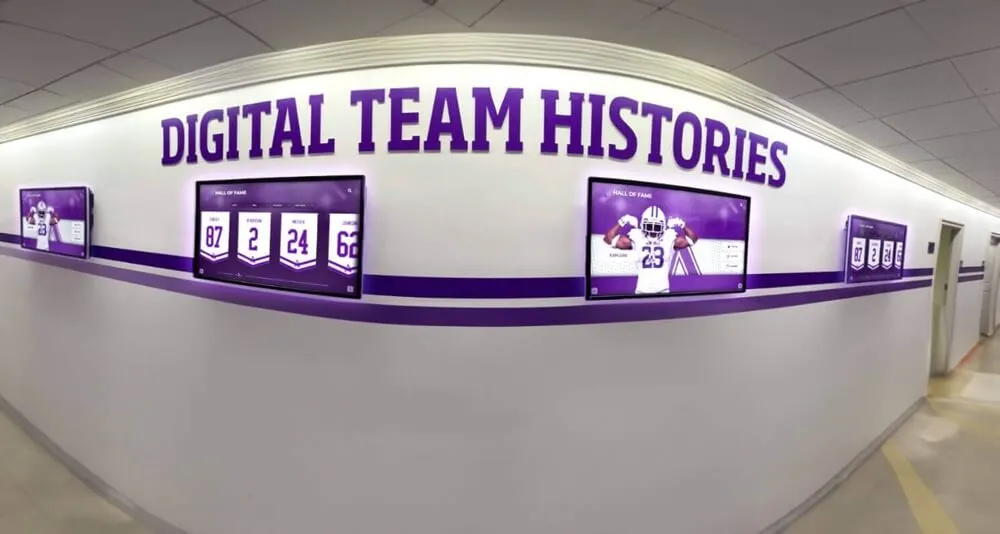
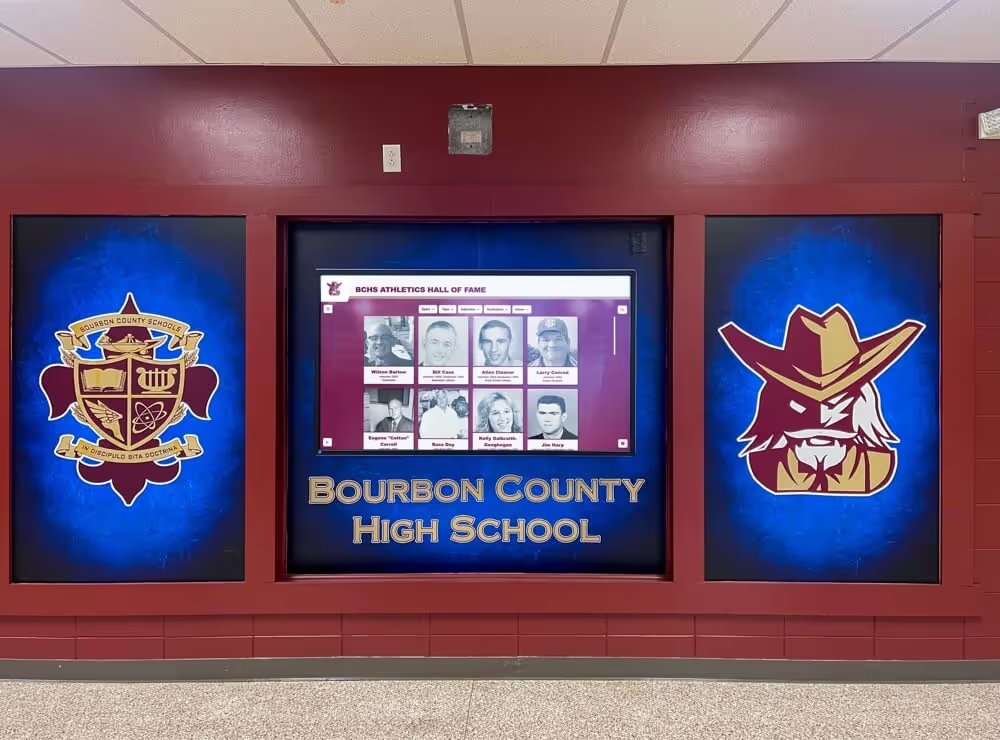
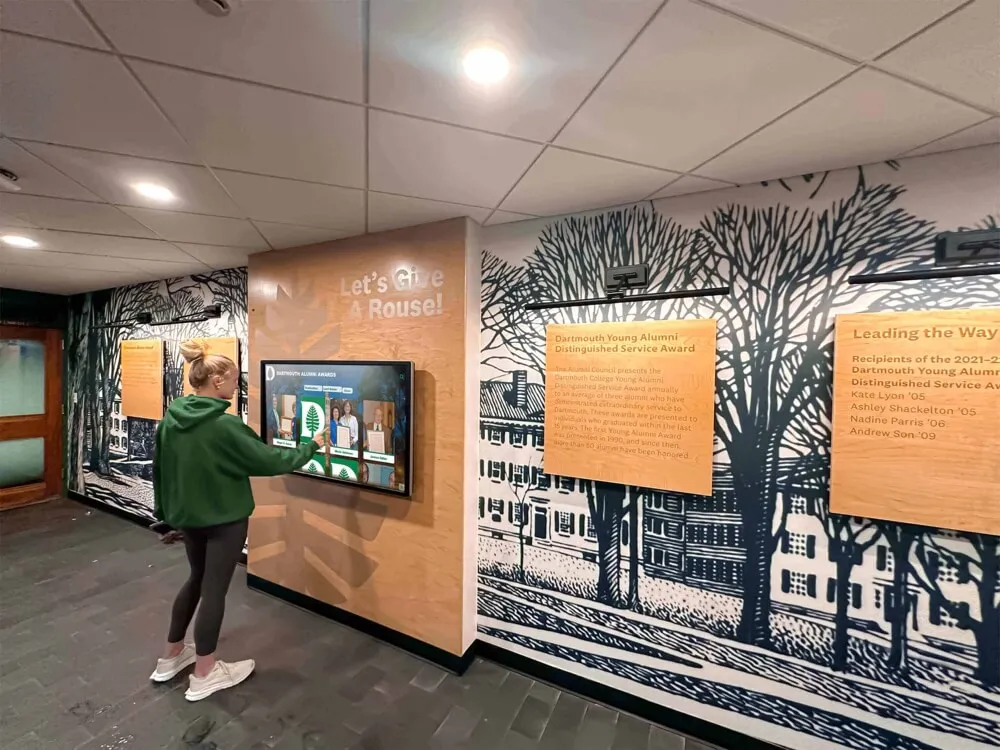
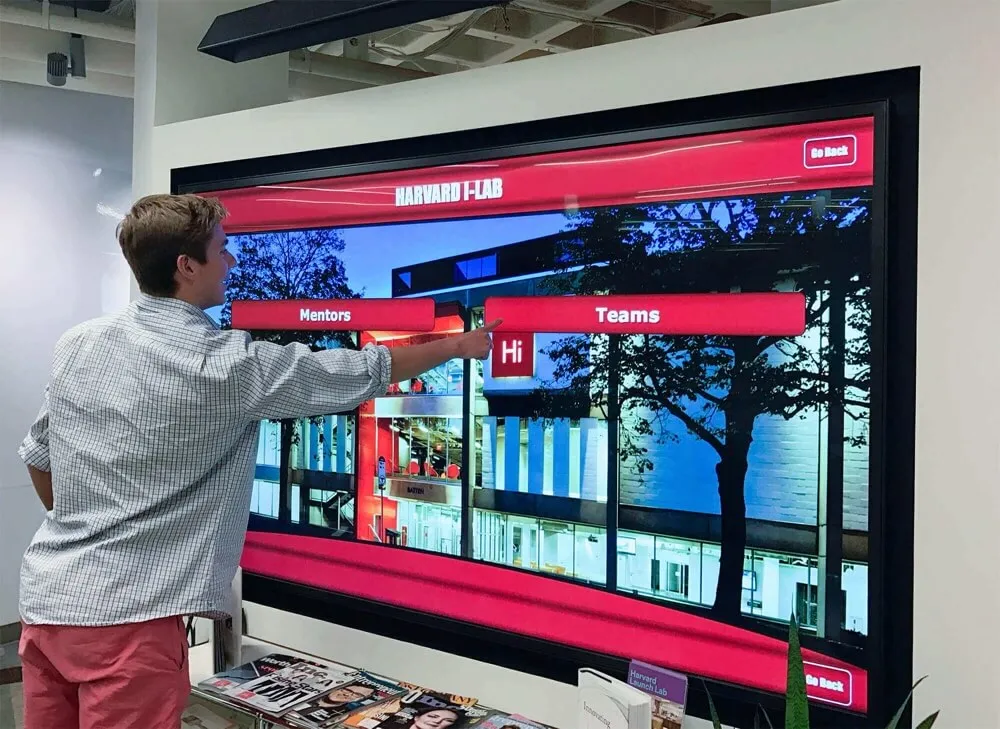
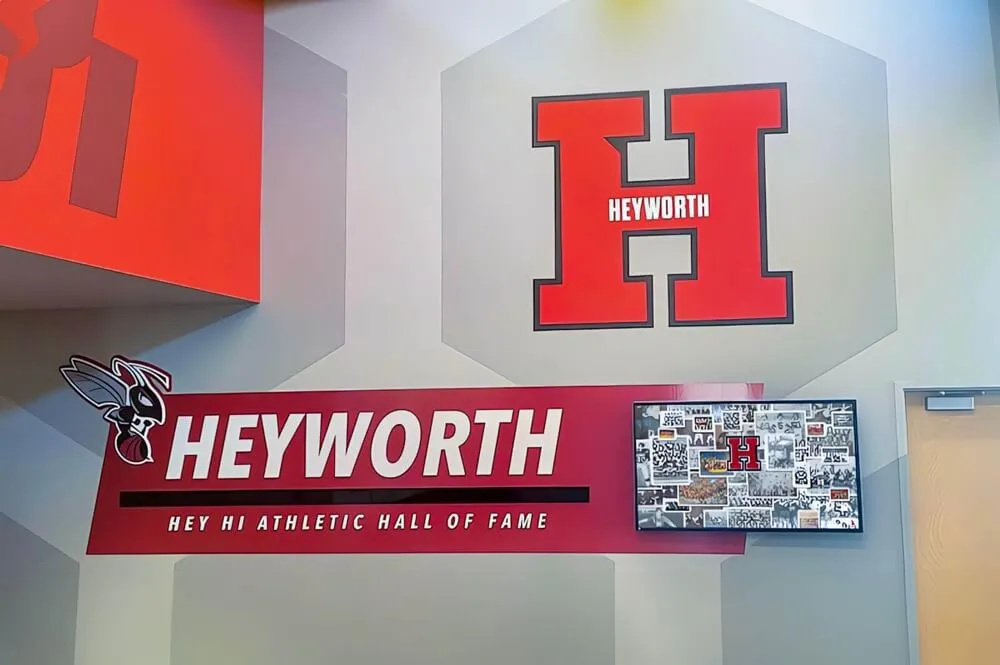
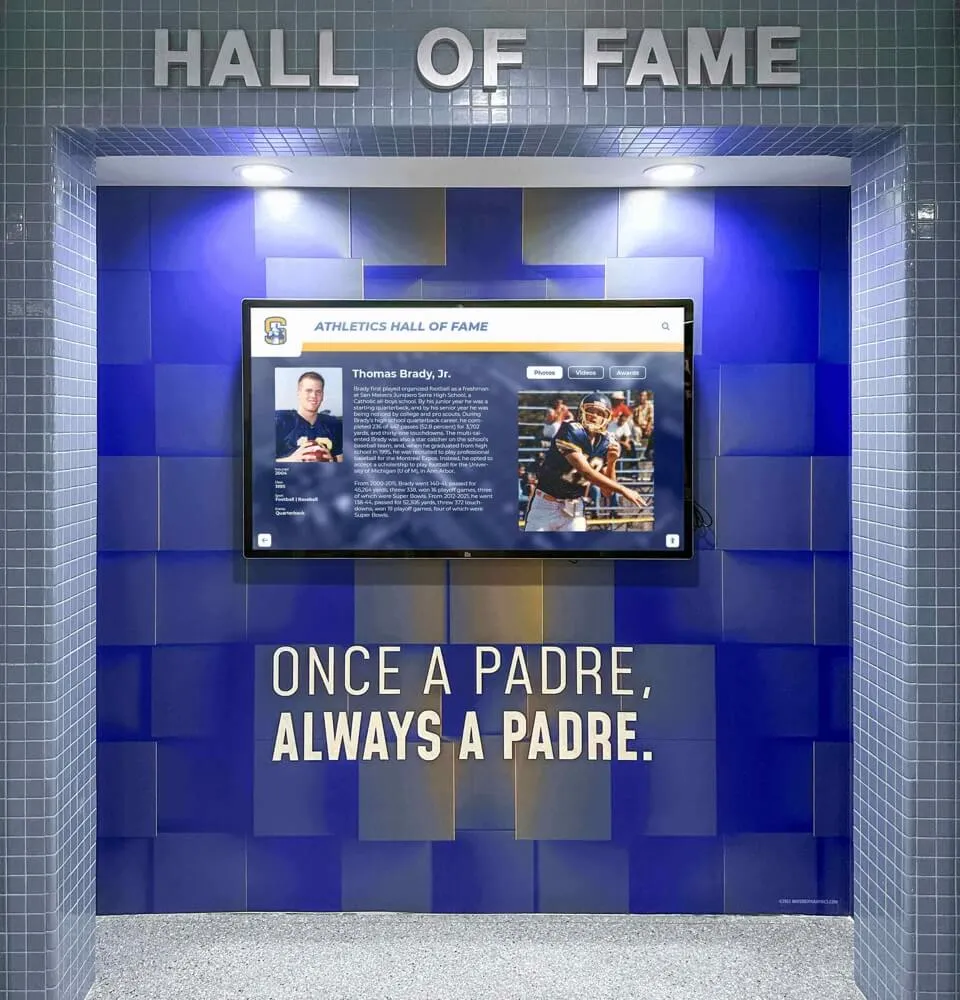
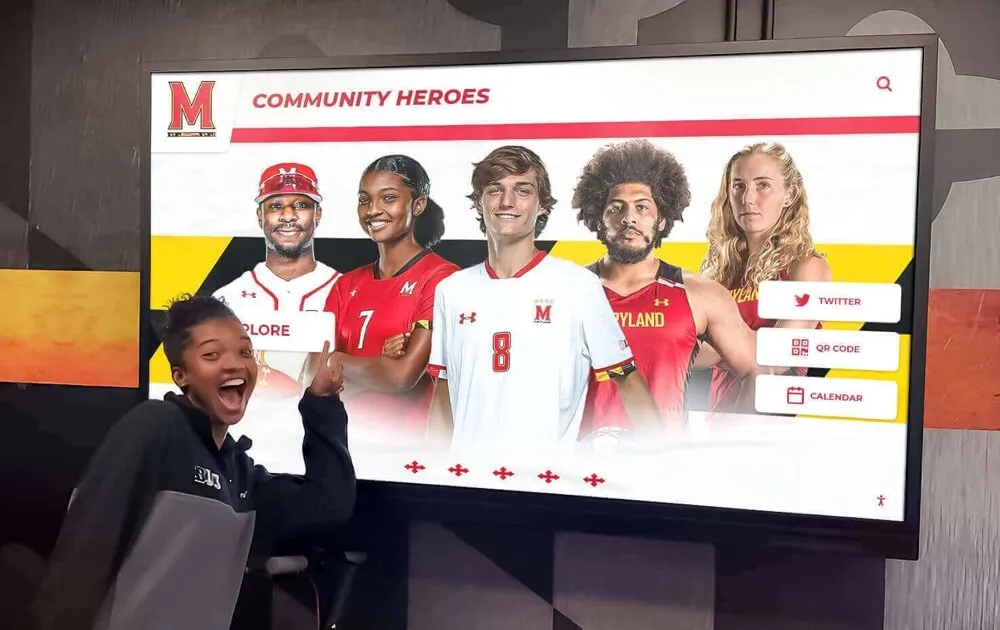
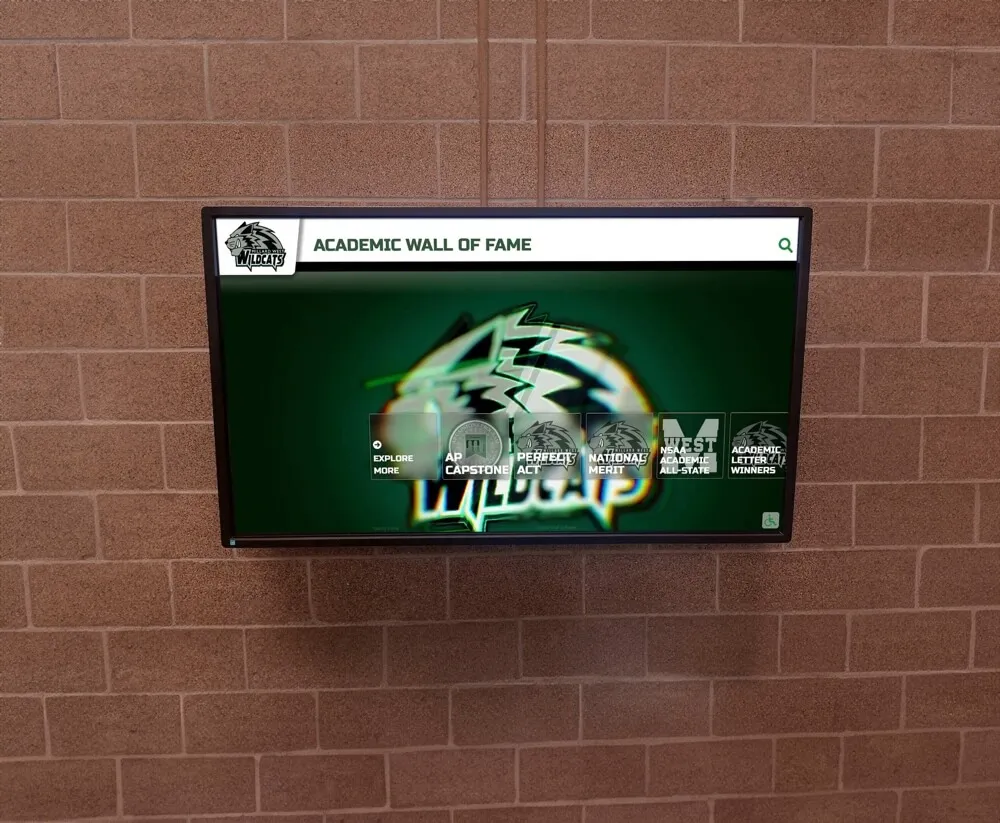
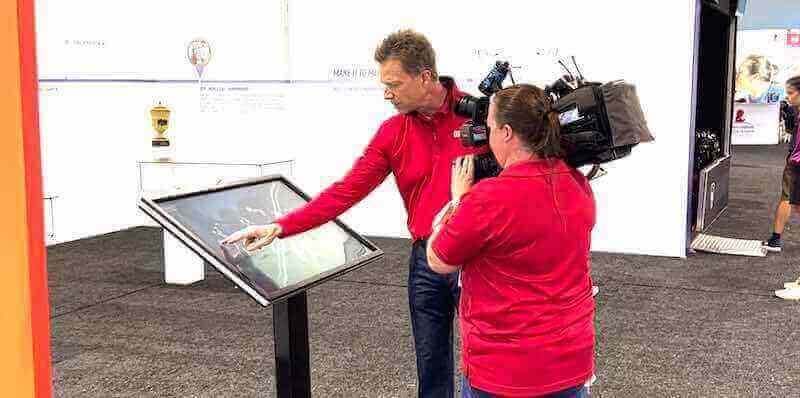
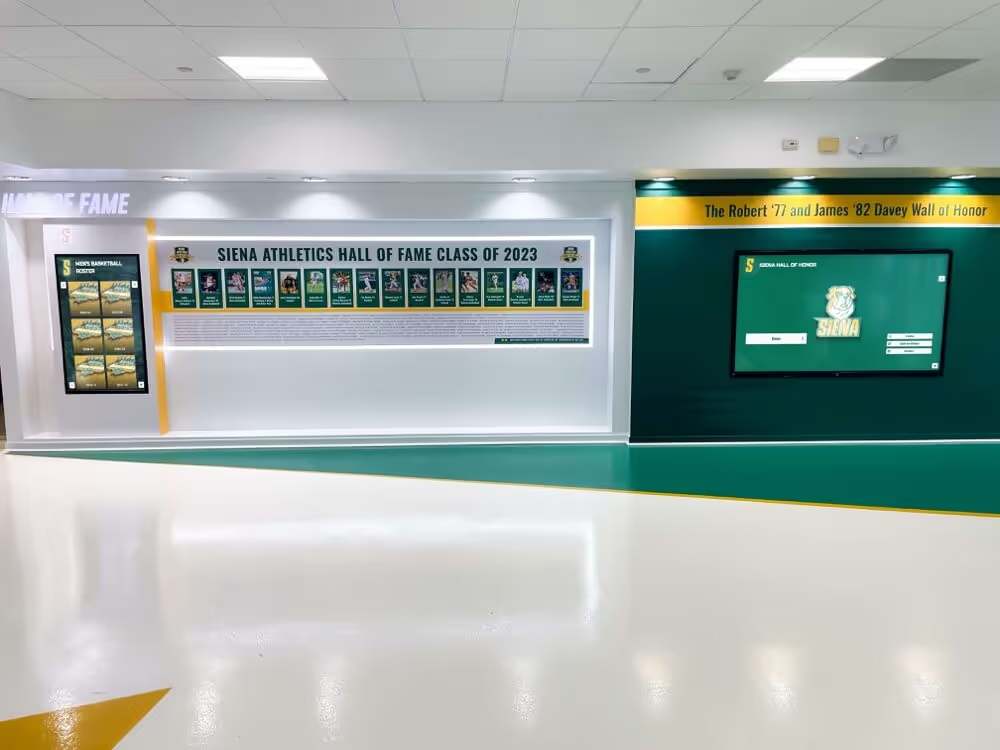
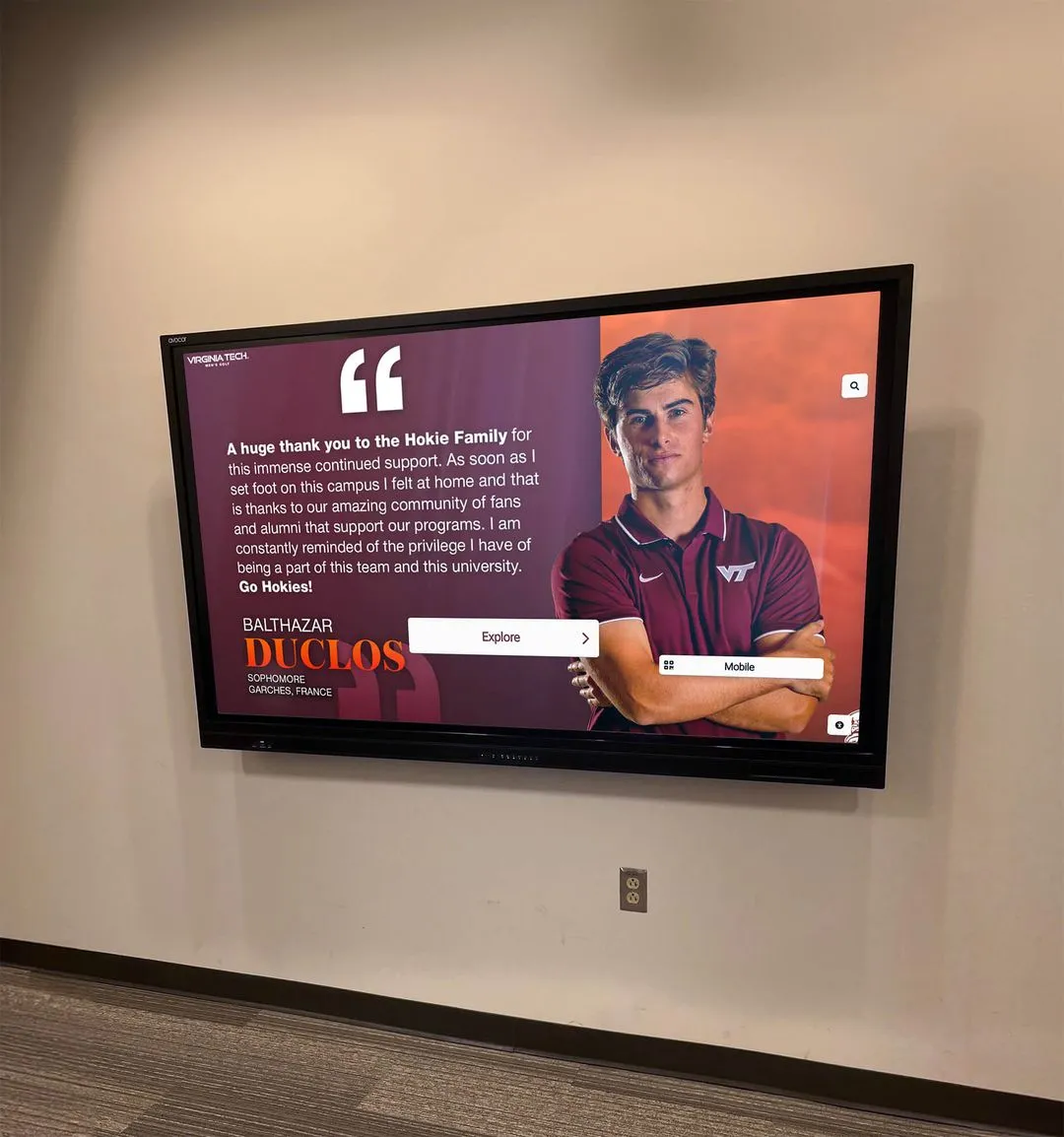
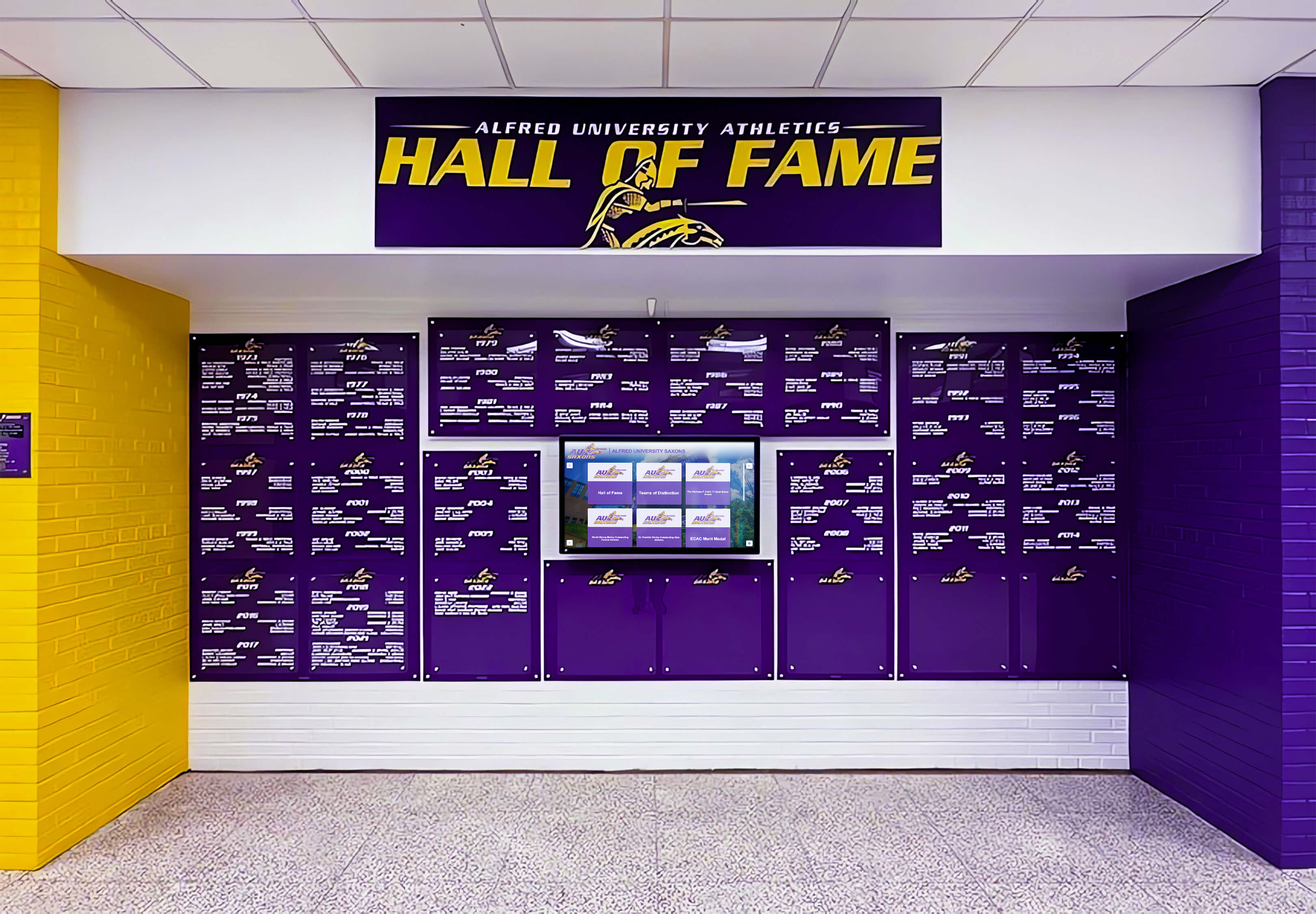
Schools that invest in visible recognition infrastructure—including digital halls of fame—ensure color guard members see their achievements celebrated alongside every other program
Program Snapshot: Color Guard at a Glance
| Program Element | Details |
|---|---|
| Performance Season | Fall (marching/outdoor) and Winter/Spring (indoor) |
| Primary Affiliation | Marching band ensemble (fall); standalone ensemble (winter guard) |
| Core Equipment | Flags, rifles (wooden/aluminum), sabres (wooden/aluminum) |
| Primary Skills | Equipment technique, dance/movement, choreography, musicality |
| Competition Circuits | WGI (Winter Guard International), BOA (Bands of America), state and regional circuits |
| Typical Rehearsal Load | 10–20+ hours per week during season |
| Eligibility | Open participation—no prior experience required at most schools |
| Recognition Opportunities | End-of-season banquets, digital display walls, hall of fame installations |
Understanding Color Guard: Definition and Origins
What Is Color Guard?
Color guard is a performance ensemble that combines dance, movement, and spinning or tossing of equipment—primarily flags, wooden rifles, and sabres—synchronized to music. In high schools and colleges, color guard typically performs alongside a marching band on a football field during fall competitions and halftime shows, then transitions indoors for a separate winter guard season.
The name traces to military tradition. Historically, a “color guard” was the ceremonial unit responsible for carrying the regimental “colors”—the flags representing a military unit—in battle formations and parades. As American military bands evolved into civilian marching bands throughout the 20th century, the performers handling the flags became known as the color guard. Today the activity has evolved far beyond its ceremonial roots into a fully choreographed performing art judged on technical precision and artistic effect.
The Difference Between Color Guard and Winter Guard
Many people encounter both terms and wonder whether they refer to the same activity. They are related but distinct:
Marching Color Guard (Fall Season)
- Performs on a football field as part of a full marching band ensemble
- Uses amplified live music performed by the band
- Competes at marching band contests judged simultaneously for band and guard
- Performs at home football game halftime shows throughout the fall
- Season typically runs from late July or August through October or November
- Competes through circuits like Bands of America (BOA), local state associations, and regional circuits
Winter Guard (Winter/Spring Season)
- Performs indoors on a basketball court or gymnasium floor
- Uses recorded music rather than live band
- Competes as an independent ensemble—no marching band involved
- Season typically runs from January through April or May
- Governed nationally by Winter Guard International (WGI), which was founded in 1977
- Judged exclusively on the guard’s performance rather than as part of a larger ensemble
Many guard members participate in both seasons, while some schools field only a marching color guard, only a winter guard, or both as separate programs.
Learn about comprehensive student-athlete recognition programs that can be adapted to celebrate color guard members alongside traditional athletic rosters.
Equipment and Performance Elements
Flags
Flags are the most recognizable piece of color guard equipment and the starting point for nearly every performer. A color guard flag consists of a silk, nylon, or polyester panel attached to a metal or fiberglass pole typically measuring five to six feet in length.
Flag Performance Techniques
- Tosses: The flag is released and spun into the air before being caught—simple single-tosses for beginners, elaborate multi-spin tosses for advanced performers
- Work: Ground-level manipulation including swings, carves, and presentation moves
- Ripples and waves: Techniques that cause the fabric to flow dramatically
- Drops: Controlled descents of the pole to the performance surface
Flags are changed frequently within a single show—a competitive winter guard performance may use three to five different flags representing different visual concepts in the design. Flags are typically custom-made to match the color scheme and visual concept of each season’s production.
Rifles
Despite the name, color guard rifles are not firearms. They are wooden or aluminum rods shaped to approximate the silhouette of a rifle—typically around 35 to 39 inches in length—designed for spinning, tossing, and catching.
Rifle Technique Categories
- Singles: Standard rifles worked with one hand or two
- Doubles: Two rifles manipulated simultaneously
- Tosses: Vertical releases allowing the rifle to rotate before the performer catches it
- Body work: Integration of rifle movement with choreographed physical movement
Rifle requires significant wrist strength, spatial awareness, and catch timing. Performers spend months developing the hand speed needed to control a spinning wooden rifle without dropping it—and catching consistency under performance pressure takes even longer to master.
Sabres
Sabres are curved, sword-shaped equipment pieces—again, non-sharp and made of wood or aluminum—that present unique challenges because their curved shape creates different spin characteristics than straight rifles.
Sabre Characteristics
- Typically shorter and heavier than rifles
- The curve affects spin timing, making catches less predictable
- Often used in productions evoking themes of conflict, elegance, or historical narrative
- Associated with advanced performers due to difficulty of consistent catches
Not every program uses all three equipment types simultaneously. Some shows are flag-only productions; others combine all three within a single performance.
Dance and Movement
Modern color guard is as much a dance discipline as an equipment sport. Choreography typically incorporates elements from multiple movement traditions:
- Modern dance — the primary vocabulary for most color guard movement
- Ballet — foundational body carriage, footwork, and arm port de bras
- Jazz dance — dynamic transitions and stylized poses
- Contemporary movement — floor work, partnering, and non-traditional body use
Performers are expected to execute complex equipment while maintaining dance-quality body movement, which is why color guard rehearsals often include dedicated dance training separate from equipment practice.
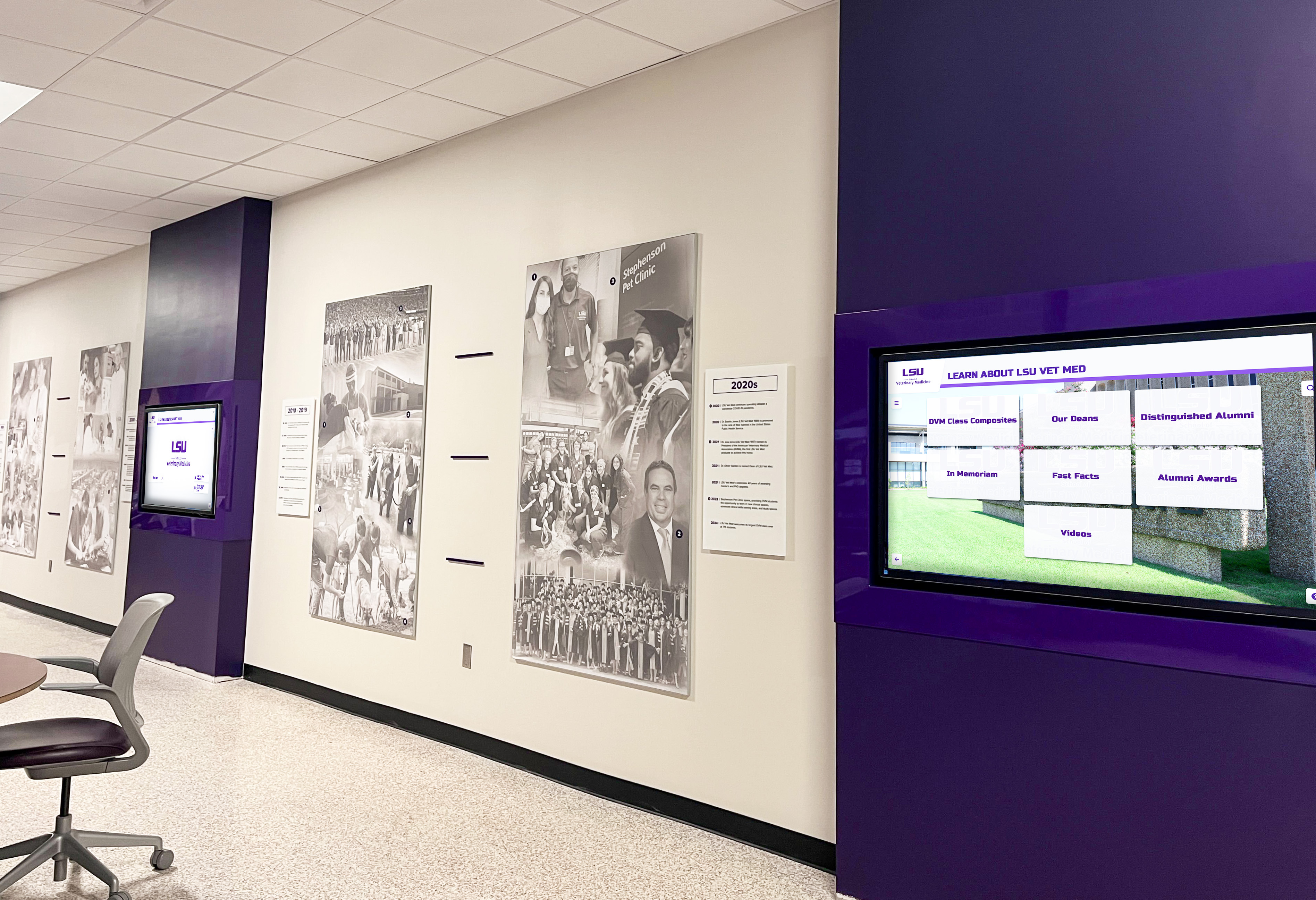
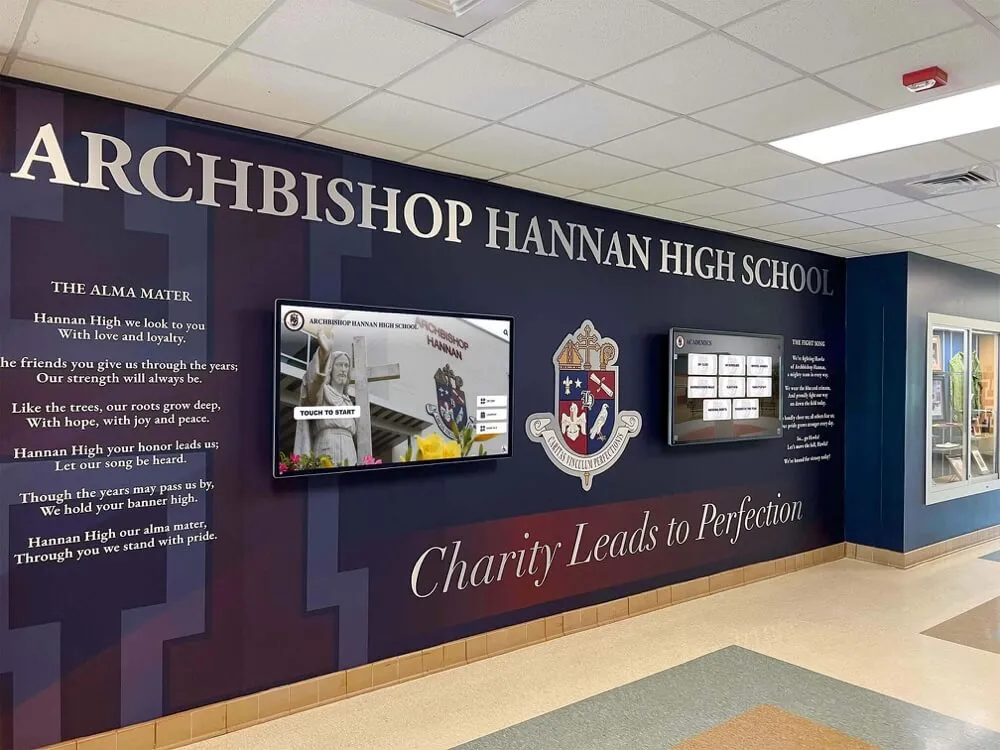
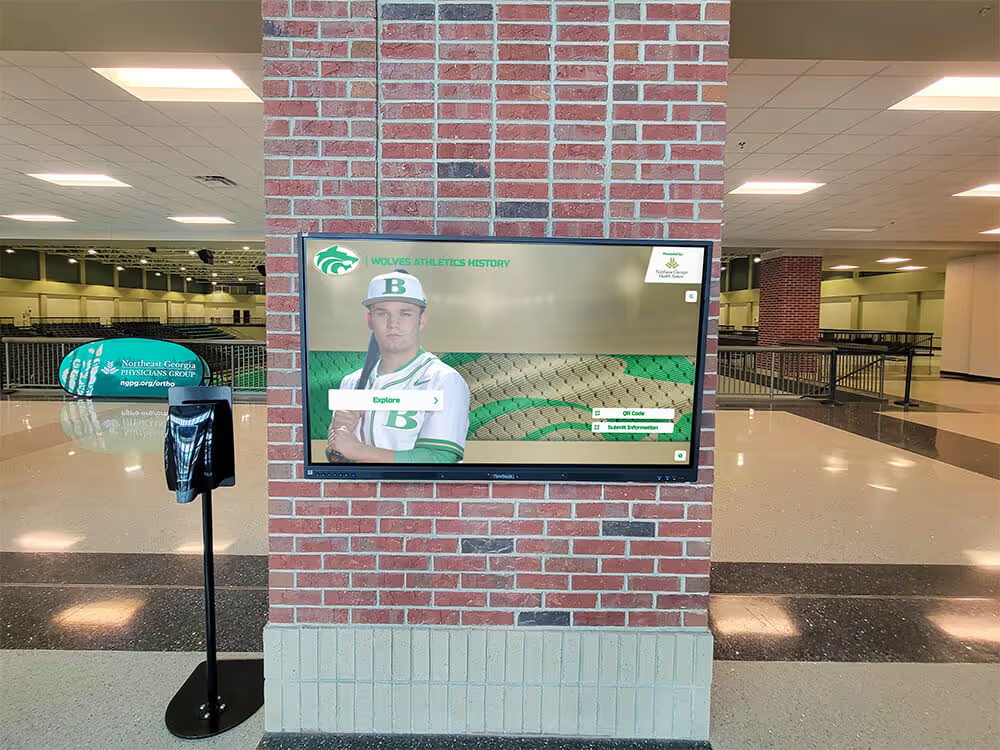
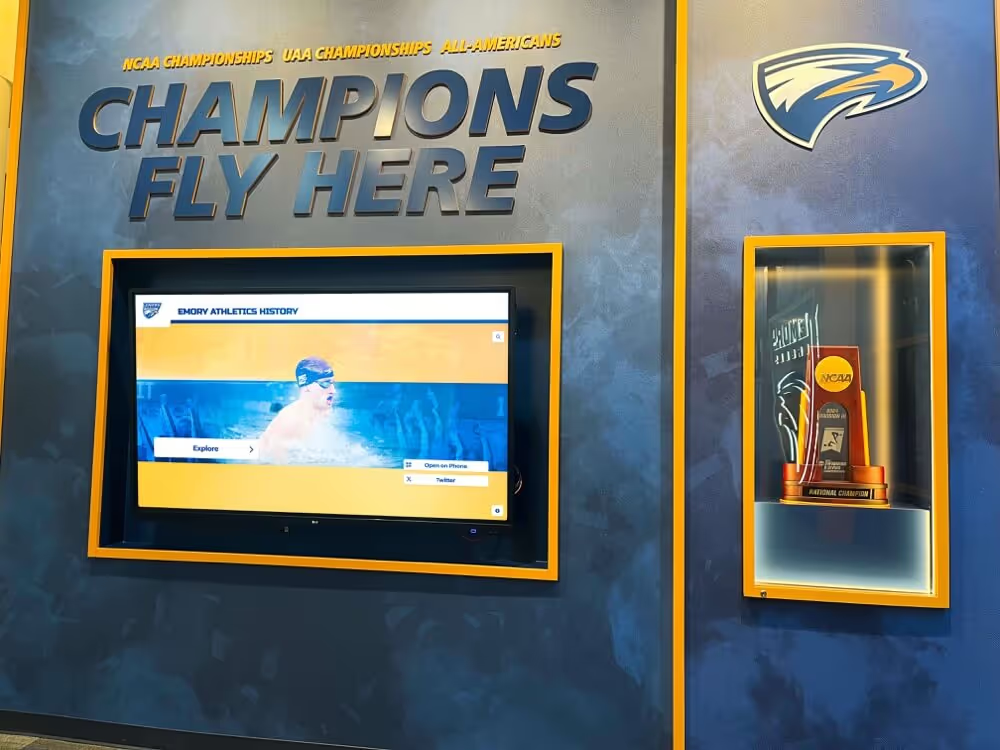
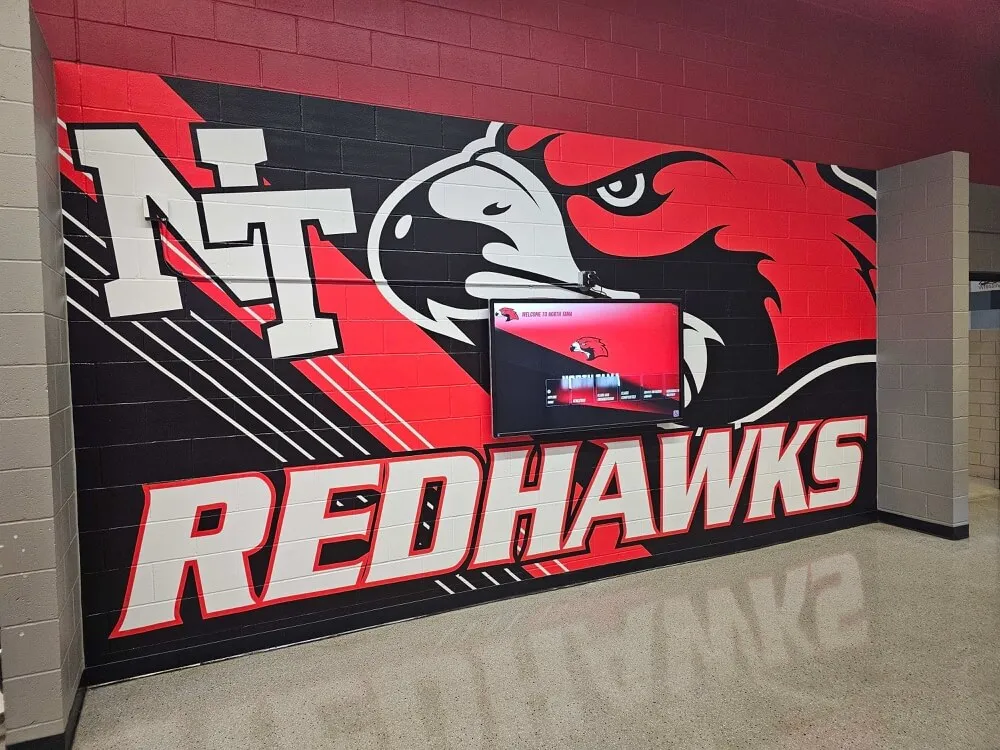
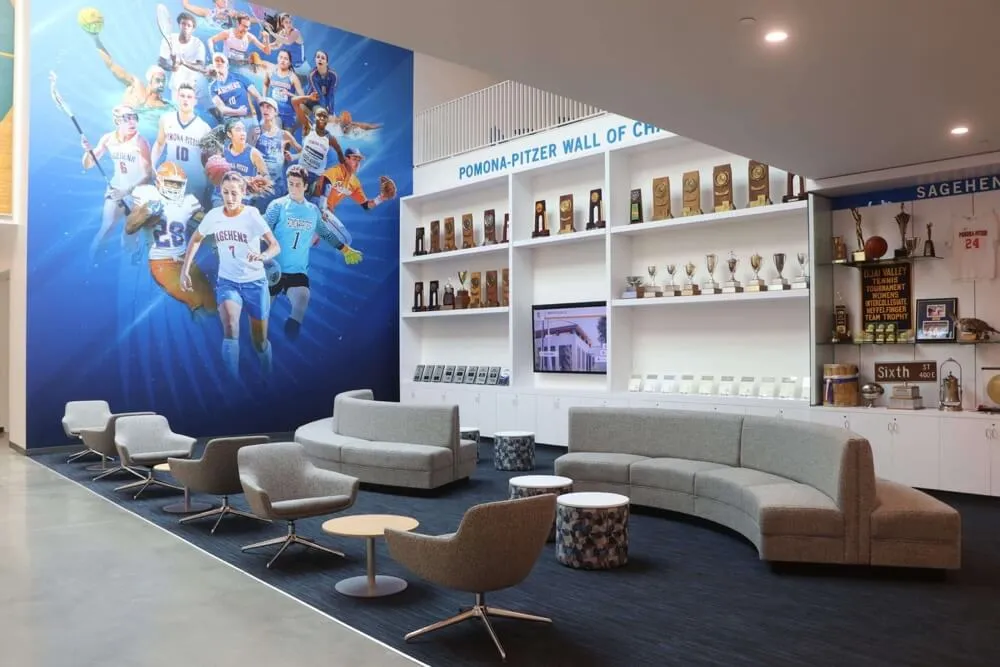
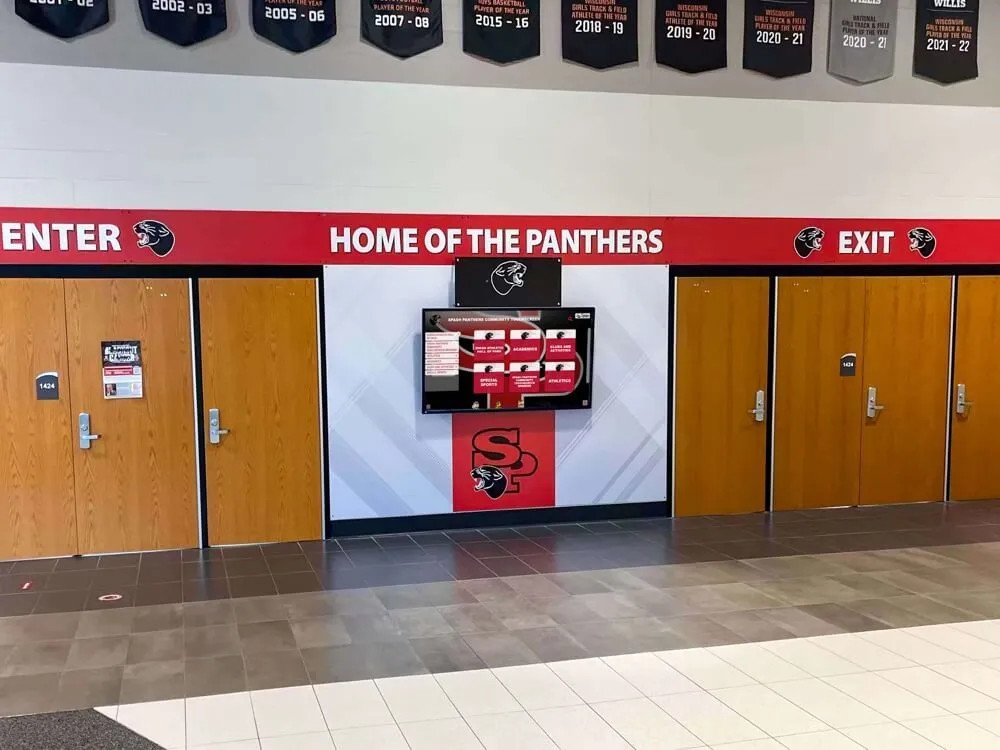
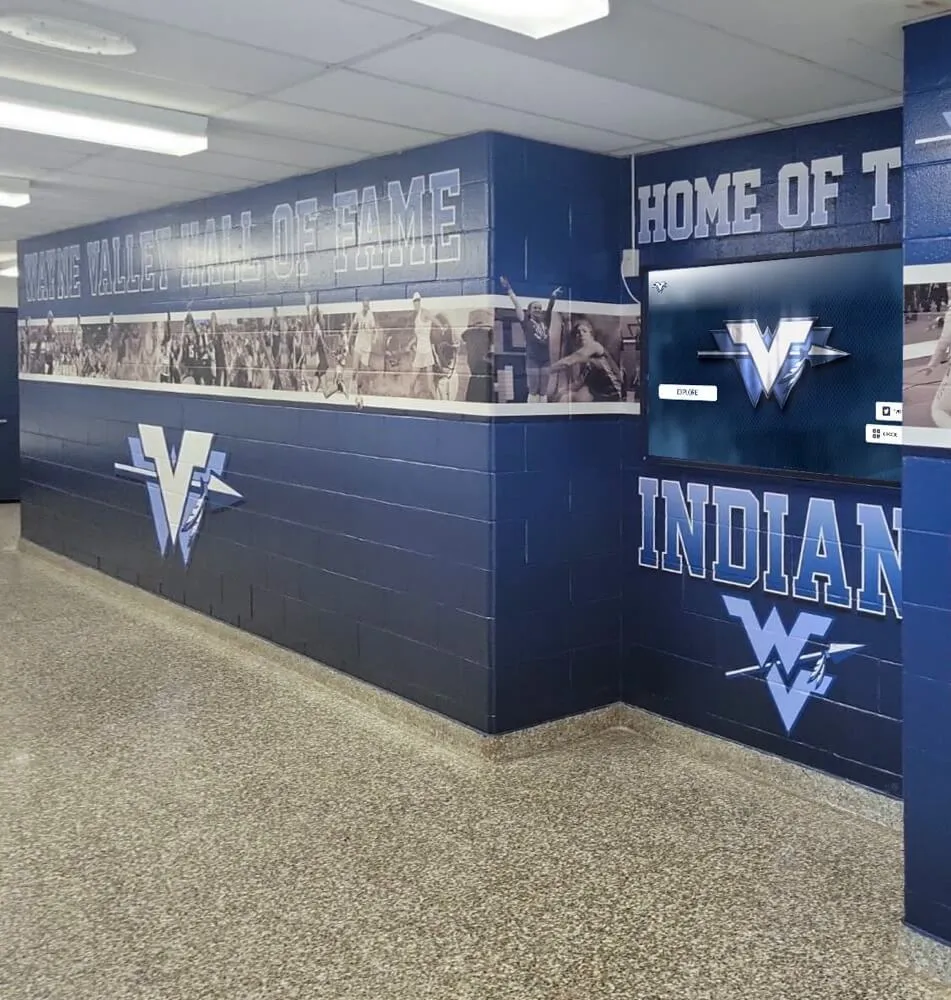
Digital recognition displays in school hallways give color guard and performing arts programs year-round visibility alongside athletic programs
The Color Guard Season: Competition and Performance
Fall Marching Season
The fall season begins with band camp in late July or August, when students learn the drill (their positional movement across the field) and the show design simultaneously. Color guard members are simultaneously learning flag and rifle choreography, movement vocabulary, and how to execute all of it while traveling across a football field in specific spatial formations.
The Competitive Format
Marching competitions typically judge ensembles in several caption areas:
- Music (brass, percussion, music general effect)
- Visual (marching and maneuvering, visual general effect)
- Guard/Color Guard — scored separately and contributing to the ensemble’s overall score
Guard captions are judged on equipment proficiency, movement quality, and how effectively the guard enhances the visual design. A poorly executed guard caption can significantly affect a band’s placement even if the musical performance is excellent.
Competitions and Championships
Bands compete locally and regionally throughout fall, with the most prestigious national marching competitions run by Bands of America. BOA Regional Championships and the BOA Grand National Championships in Indianapolis draw some of the most competitive programs in the country. State associations also run their own championship events, and many states hold separate color guard caption awards recognizing outstanding guard performances regardless of overall band placement.
Winter Guard Season
Winter guard shifts the competitive focus entirely to the guard ensemble. Without a marching band, winter guard programs design theatrical productions built around a central concept or narrative—using recorded music, elaborate floor tarps, props, costumes, and lighting to create a complete performance experience.
WGI Competition Classes
Winter Guard International organizes programs into competitive classes based on skill level and program size:
- Scholastic classes — open to high school programs
- Independent classes — open to community, independent, and college programs
- Regional classes — entry-level for newer programs
- A, Open, World classes — progressively advanced competitive tiers
The WGI World Championships, held annually in Dayton, Ohio, is widely considered the pinnacle of winter guard competition, drawing hundreds of ensembles from across the United States and internationally.
Indoor Venue Differences
Performing indoors changes the experience significantly:
- Sound travels differently in a gymnasium or arena than on a football field
- Judges are closer to performers, making precision and detail more important
- Lighting can be designed as part of the performance concept
- Floor tarps (large custom-printed vinyl coverings placed on the gym floor) provide visual staging for the show’s concept
- Performers can hear the music and each other more clearly
Explore how schools honor performing artists and athletes through school achievement recognition programs designed to celebrate excellence across every program a school offers.
How Color Guard Programs Work in Schools
High School Color Guard Programs
At the high school level, color guard is most commonly organized as a component of the band program, placed within the music or fine arts department. However, some schools classify it under athletics, particularly where winter guard has its own distinct coaching staff and budget.
Program Structure
- Director or caption head — typically a contracted specialist who designs the show, conducts rehearsals, and manages competitive strategy
- Instructors — additional staff assisting with technique instruction, often one for flags, one for rifles, and one or more for movement
- Student leadership — section leaders or captains selected annually to assist instructors and model performance standards
Joining Color Guard
Most high school programs hold auditions or interest meetings in the spring to recruit for the following fall season. However, many programs are open to all students regardless of prior experience—teaching beginners from scratch rather than requiring dance or equipment background.
For incoming freshmen or students considering joining mid-career, the most important factors are:
- Willingness to commit to intensive rehearsals (summer band camp plus weekly sessions during fall)
- Physical conditioning (the activity is far more physically demanding than it appears from the stands)
- Openness to learning both a technical skill and a performing art simultaneously
Typical Rehearsal Schedule
During fall season:
- Summer band camp: 8–12 hours per day for 1–2 weeks in July or August
- Weeknight rehearsals: 2–3 evenings per week, typically 2.5–3 hours each
- Friday night football games and halftime performances
- Saturday competitions throughout October and November
During winter guard season:
- Weeknight rehearsals: 2–3 evenings per week
- Weekend rehearsals: Saturday or Sunday full-day rehearsals common
- Regional competitions roughly every other weekend
- Championship events in April or May
College Color Guard Programs
At the college and university level, color guard programs take several forms:
Marching Band Color Guards Most major college marching bands include a color guard that performs at football games and competitions. Division I programs may have 20–50 guard members, while smaller college programs may have fewer. Membership sometimes requires audition.
Independent Winter Guard Programs Many college and independent winter guard ensembles operate separately from the marching band, competing in WGI’s Independent classes. These programs often include alumni, recent graduates, and college students training at elite levels for post-high school competitive experiences.
Drum Corps Drum and Bugle Corps (DCI—Drum Corps International) represent the highest level of marching arts competition. Color guard members in DCI ensembles are typically 14–22 years old, rehearse full-time during summer, and travel the country competing at an elite level. This path is a significant commitment beyond a typical school program.
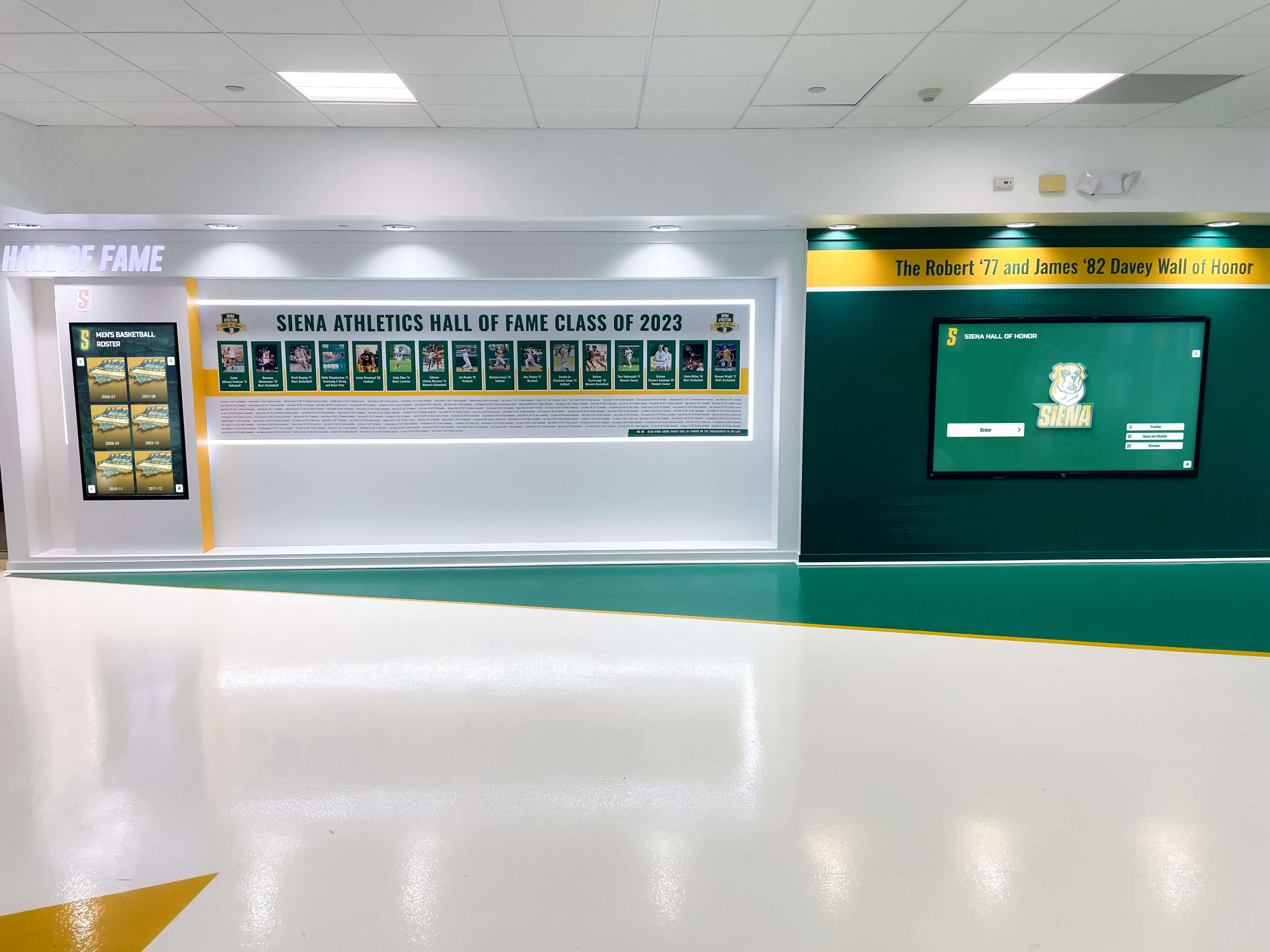
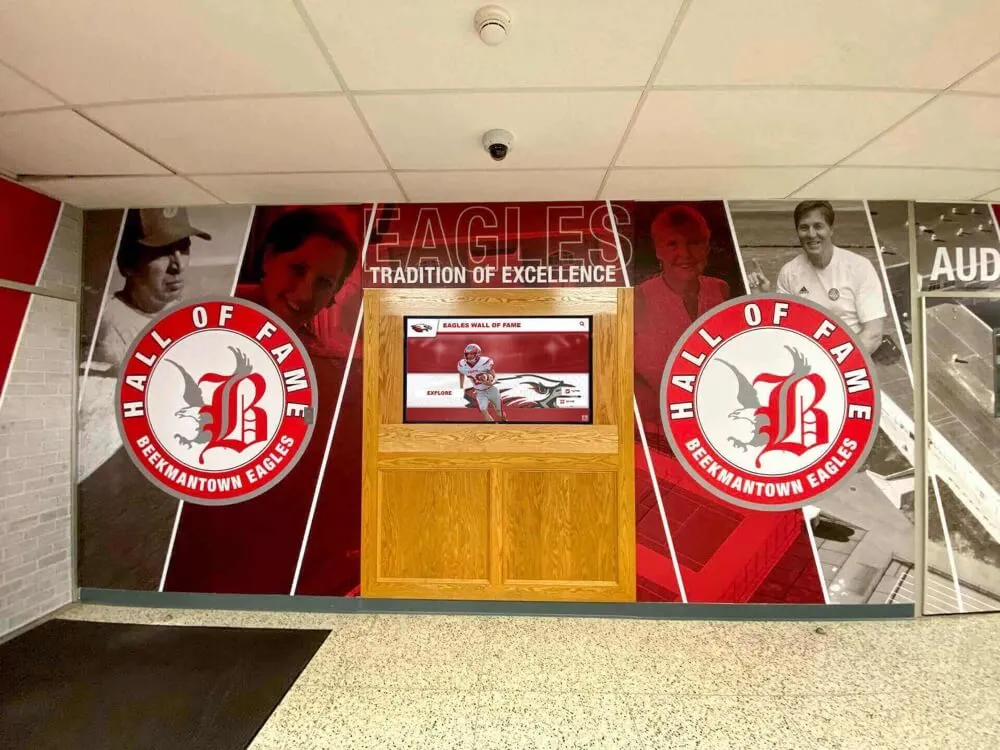
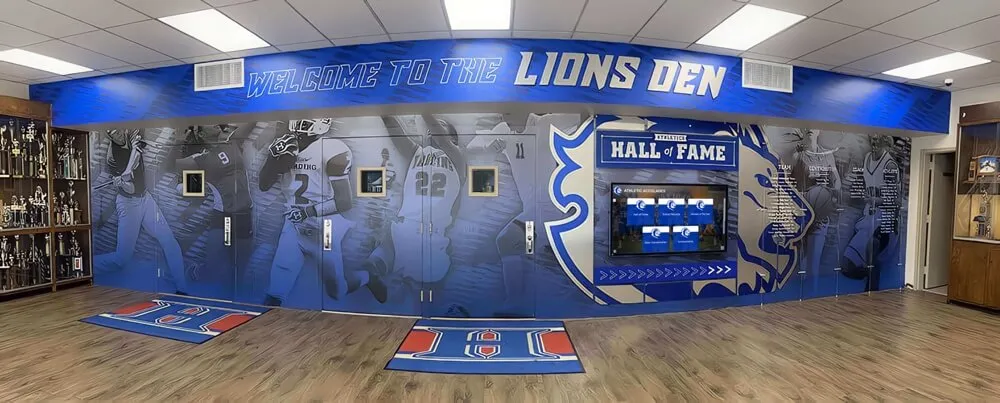
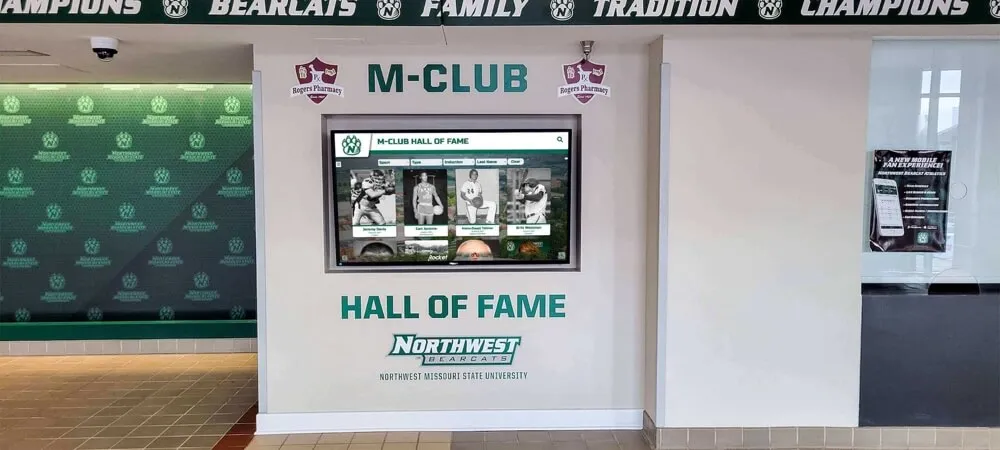
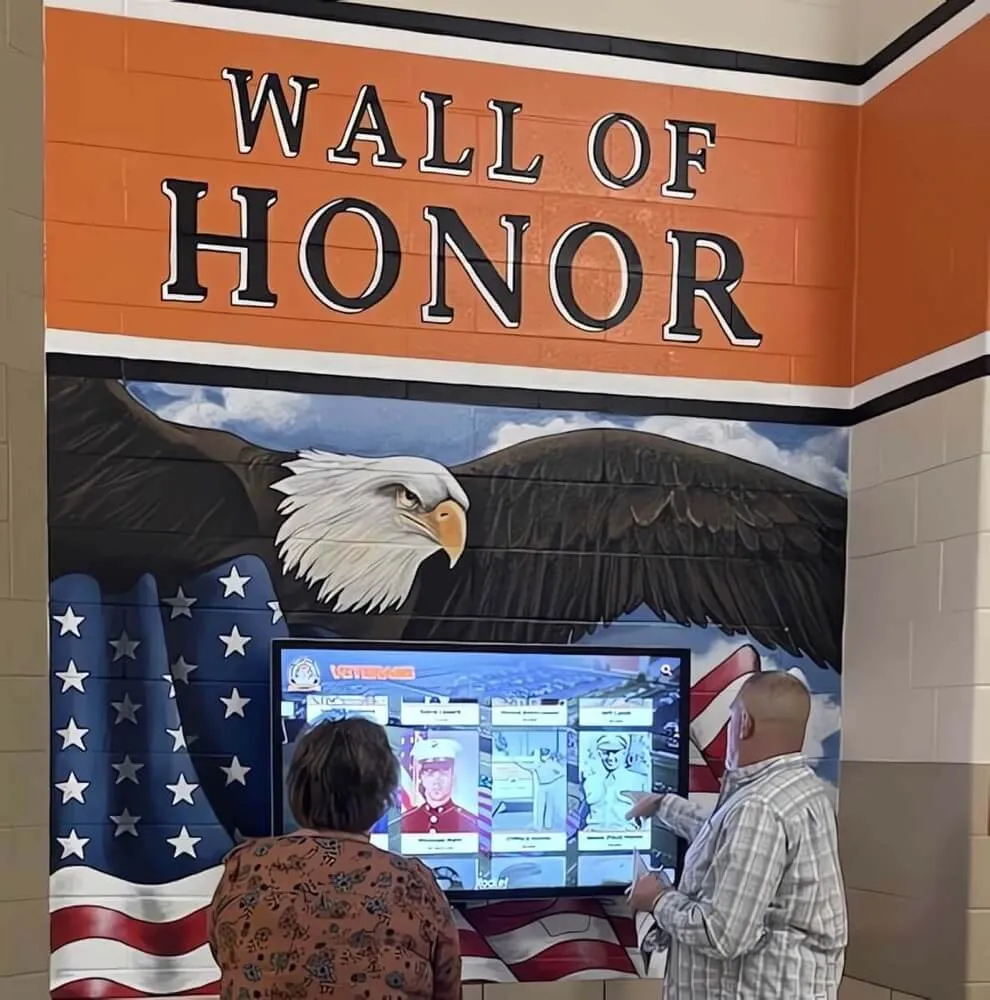
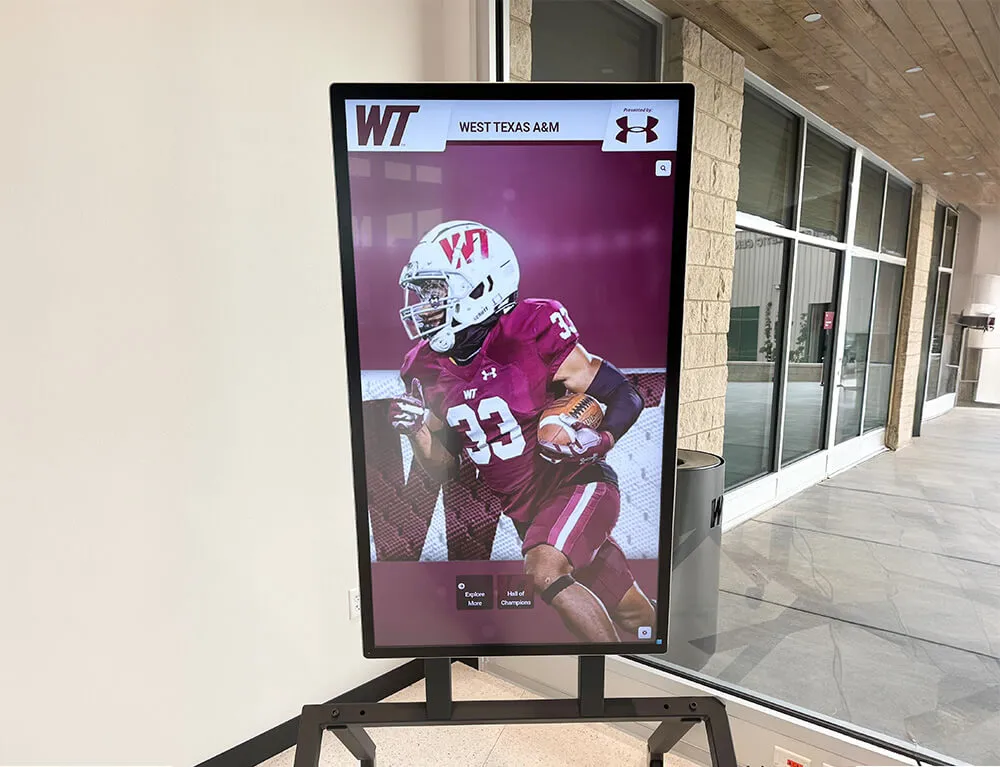
Recognition walls that showcase individual achievements allow schools to honor color guard members with the same permanence as varsity athletic award recipients
Skills Developed Through Color Guard
Color guard members develop a distinctive set of competencies that serve them well beyond the activity itself.
Technical and Physical Skills
Hand-Eye Coordination and Spatial Awareness Catching a tossed rifle or flag while executing a dance movement and tracking your position on the field requires levels of coordination that few activities develop as systematically as color guard.
Physical Conditioning Color guard performers spend hours standing, spinning, tossing, and moving dynamically. Upper body strength, core stability, and cardiovascular endurance all improve substantially over a season.
Fine Motor Precision Equipment technique requires extremely precise muscle control—the difference between a clean catch and a drop is often millimeters and milliseconds.
Artistic and Expressive Skills
Musicality Color guard performers must internalize music—not just count beats, but interpret phrasing, dynamics, and emotional content through movement. This is a form of musical understanding that many band directors report transfers to other musical skills.
Theatrical Expression Performing for an audience, projecting emotion across a football field, and sustaining performance energy through 8–15 minute productions develops theatrical confidence.
Visual Design Literacy Participants learn to understand visual staging concepts, how bodies and equipment interact in space, and how collective formations create visual images—a form of spatial design thinking with broad creative applications.
Collaborative and Leadership Skills
Ensemble Discipline Every member of a color guard must execute individually while remaining connected to the collective performance. A single dropped flag or missed catch affects the entire ensemble’s score.
Responsibility and Commitment The rehearsal intensity of color guard teaches performers that excellence requires consistent work over long periods, not just talent. This mindset transfers to academic and professional contexts.
Leadership through Section Captains Senior performers frequently serve as section leaders who model standards, support struggling members, and represent the guard’s culture. This is formalized leadership development embedded in daily program structure.
Learn how schools create meaningful digital showcases for high school programs that extend recognition to performing arts, student government, and extracurricular activities alongside athletics.
The Recognition Gap in Color Guard Programs
Why Color Guard Is Underrecognized
Color guard exists in an organizational gray zone at many schools. Because it is often housed within the band program, color guard achievements are typically subsumed under band recognition rather than celebrated independently. This creates several recognition problems:
Award banquets may focus on band awards rather than recognizing guard-specific achievements in equipment, movement, or leadership.
Trophy cases display trophies from athletic programs while band and guard trophies sit in music room closets or band director offices.
Hall of fame installations rarely include criteria for color guard inductees, even at schools where the guard program has decades of competitive history and multiple championship titles.
Digital displays in school hallways feature athletic achievement boards and sports recognition without any representation of performing arts or guard programs.
This recognition gap sends a clear message to current and prospective color guard members: their achievements matter less than those of athletes on traditional sports rosters. That perception affects recruitment, retention, and program culture.
Approaches to Meaningful Color Guard Recognition
Schools that build strong, sustainable color guard programs recognize participants consistently and visibly.
Season-End Banquets with Guard-Specific Awards Rather than folding color guard recognition into a general band banquet, programs that matter create dedicated recognition for guard achievement. Categories worth recognizing include:
- Outstanding performer (flags, rifles, sabres)
- Most improved performer
- Leadership award (section captain recognition)
- Academic achievement
- Program commitment (multi-year participation)
- Spirit and culture awards
Structured individual recognition tells performers their specific contributions are seen, not just the ensemble result. Find creative team recognition examples that translate effectively to performing arts programs including color guard.
Permanent Display Recognition Championship trophies and competitive placements deserve permanent display space alongside athletic awards. Dedicated cases or wall sections within school lobbies or performing arts facilities give color guard history the physical presence it has earned.
Senior Night Traditions Many color guard programs have adopted senior night ceremonies similar to those in athletics—recognizing departing seniors before a final home performance, acknowledging families, and presenting mementos. These ceremonies create the kind of milestone recognition that builds lifelong loyalty to a program. For more ideas on meaningful senior sendoffs, 25 creative senior night ideas offers adaptable frameworks applicable to performing arts programs.
Digital Recognition Displays Modern digital recognition technology solves the space limitations that historically excluded color guard from school recognition walls. Unlike physical trophy cases that fill up, digital systems can display every season, every award, and every performer without space constraints.
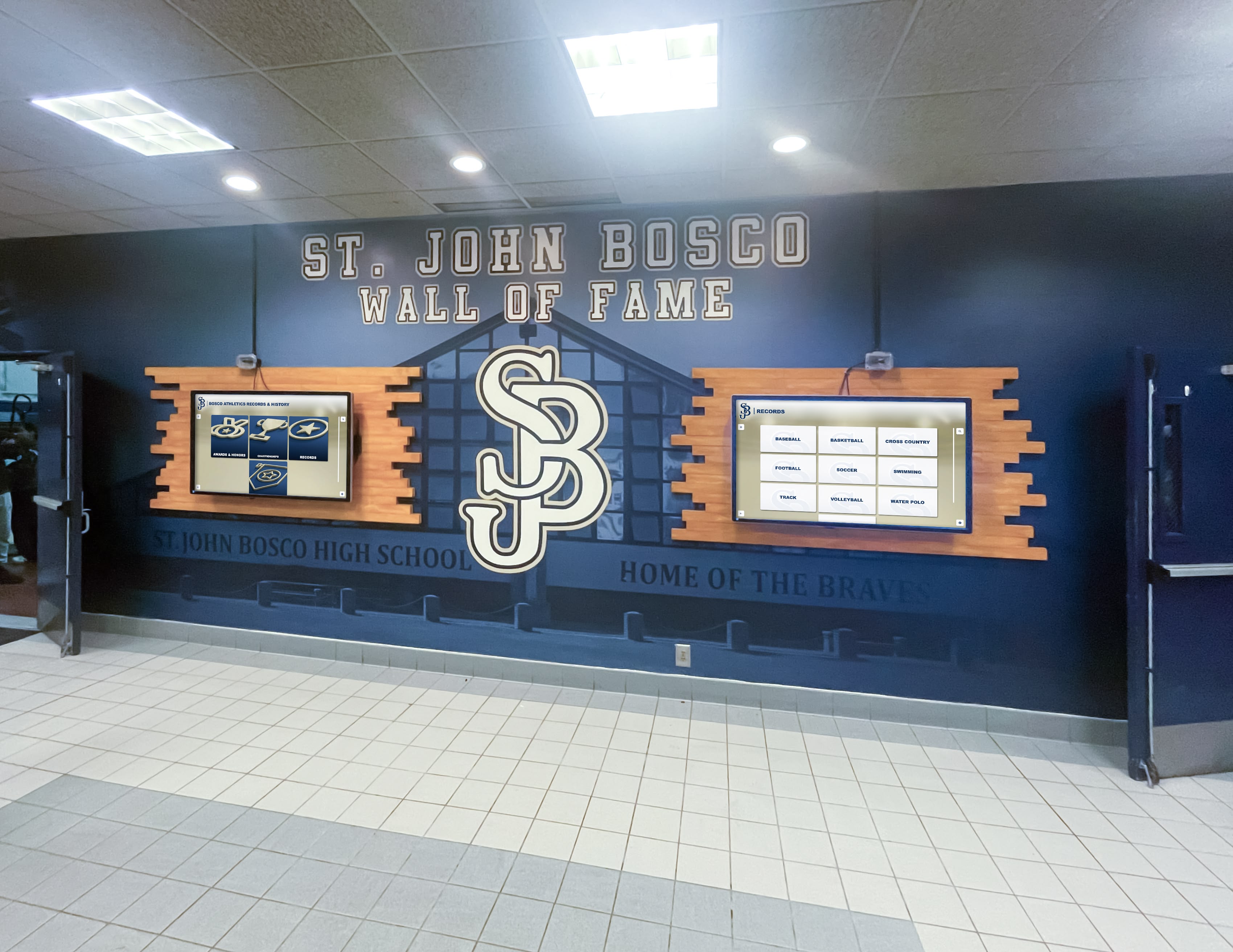
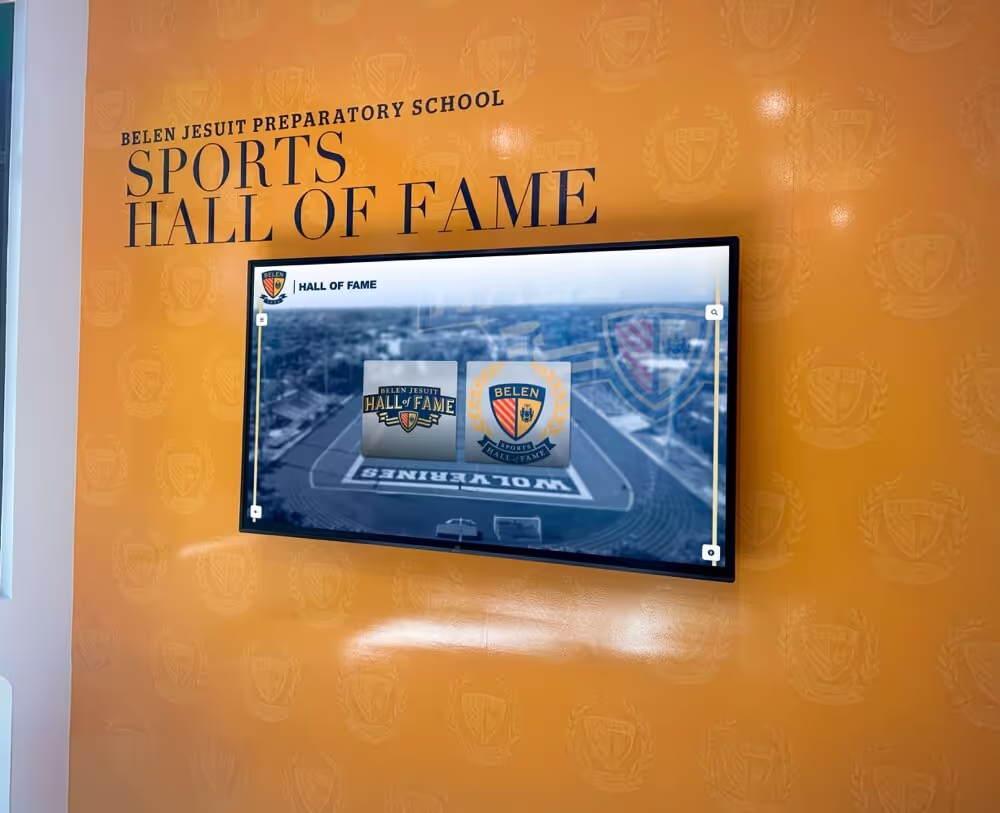
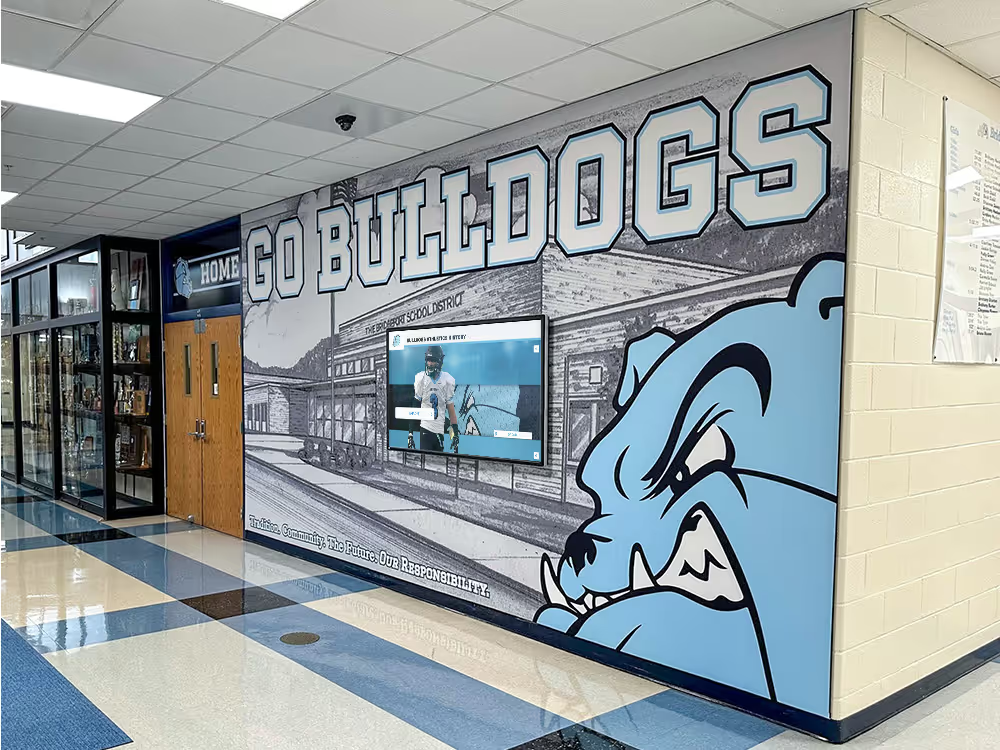
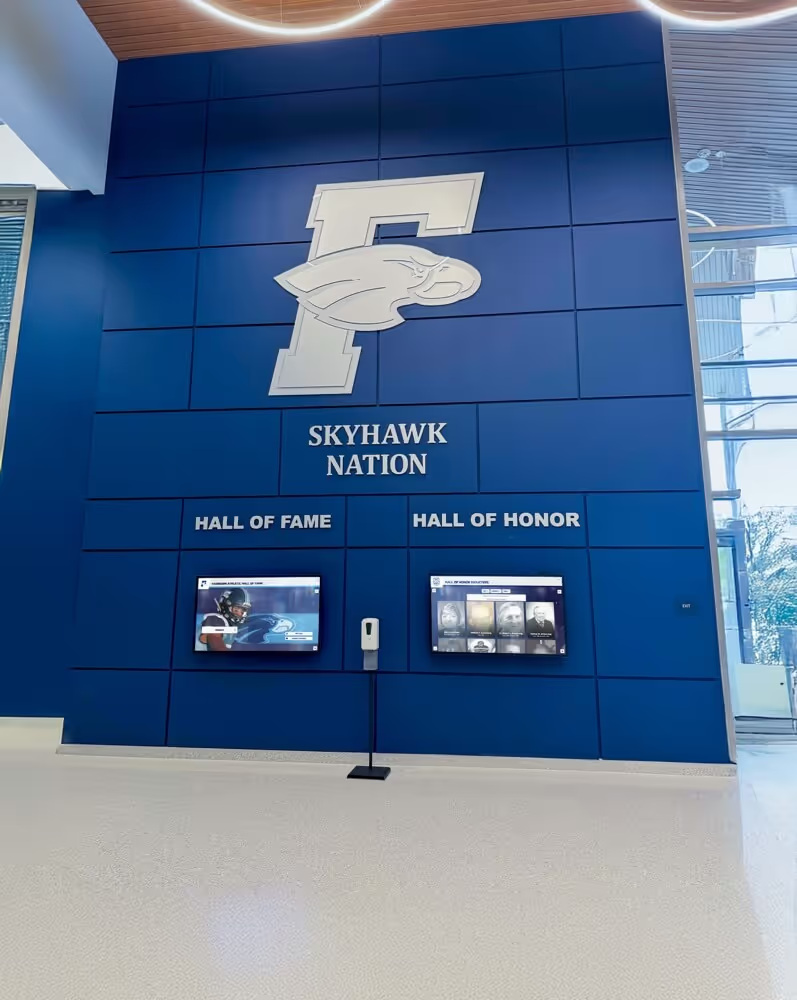
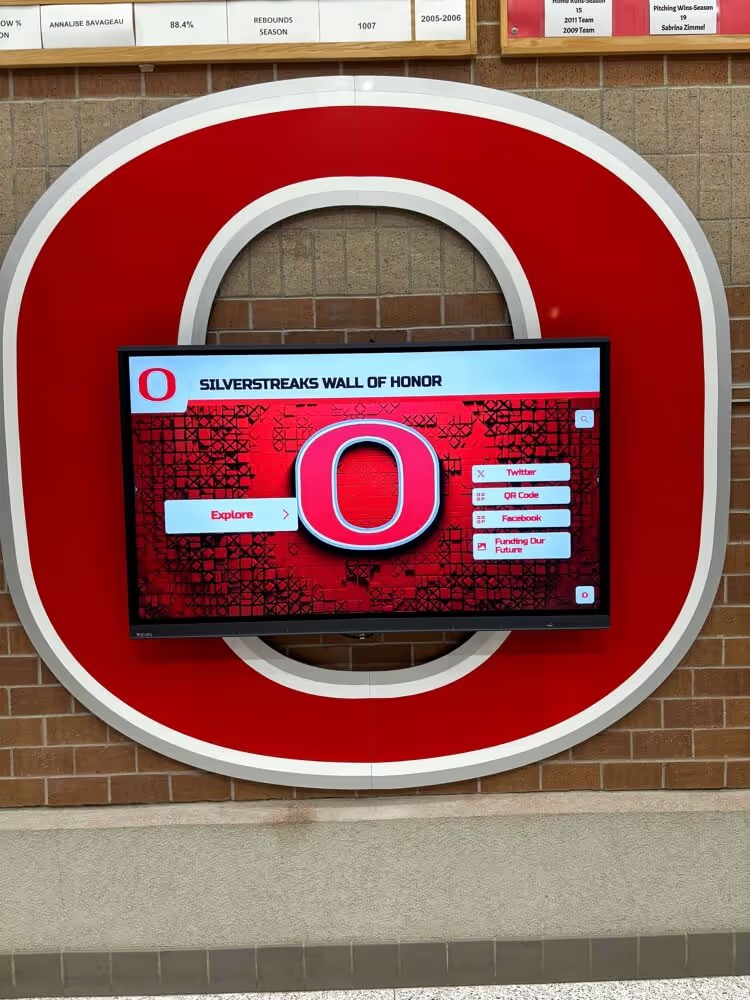
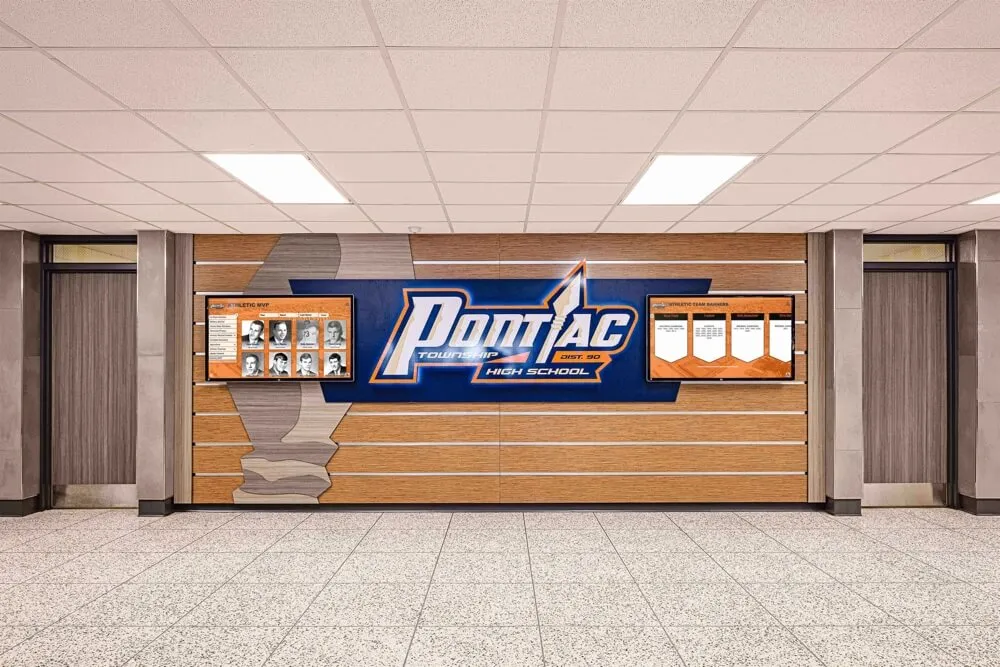
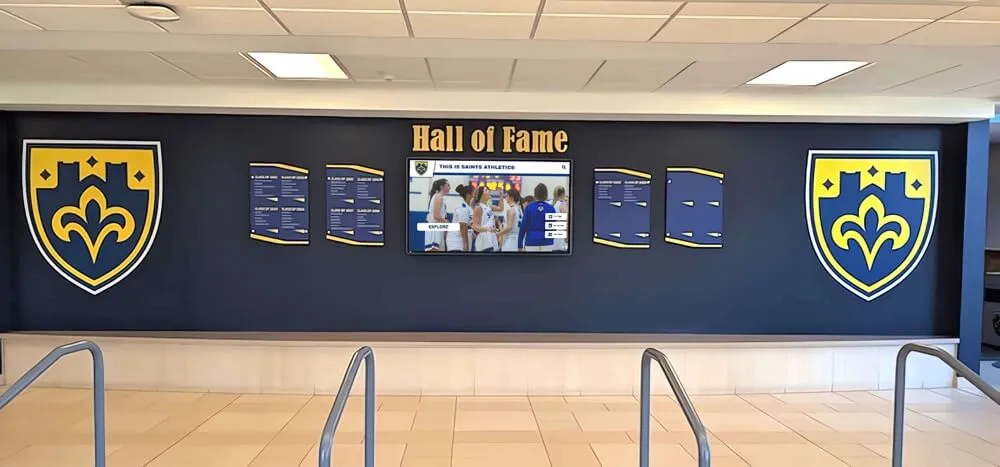
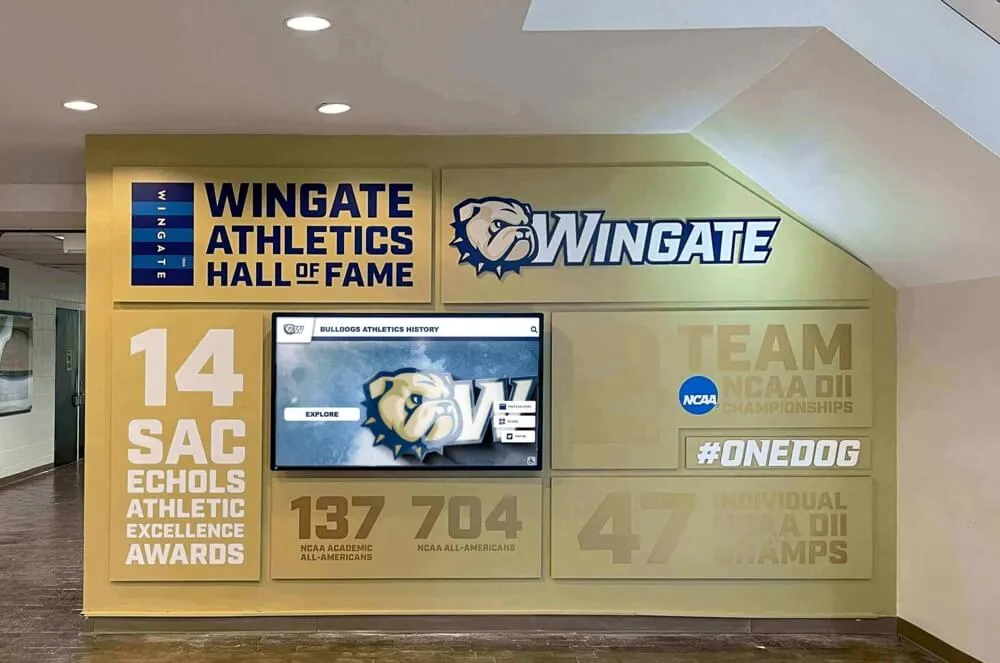
Dual-screen recognition installations allow schools to dedicate specific display sections to performing arts programs, giving color guard the visibility it deserves alongside athletic achievements
Digital Recognition for Color Guard Programs
Content Architecture: What to Display
A comprehensive digital recognition system for color guard should organize content across several modules:
Program History
- Season-by-season competitive results going back as far as records allow
- Competition placements, caption awards, and championship titles
- Show theme archives documenting each season’s production concept
- Director and instructor history
Individual Achievement
- Senior profiles featuring each graduating member’s guard biography
- Leadership recognition for section captains and drum majors who served in guard
- Scholarship recipients and performers who continued in collegiate guard or drum corps
Current Season
- Performance schedule for upcoming football games and competitions
- Competition results updated throughout the season
- Photo galleries from rehearsals and performances
Engagement Features
- Video integration showing performance footage from competitions and halftime shows
- Interactive archives allowing users to search by season or performer name
- QR codes linking families to extended content from mobile devices
Discover how academic student-of-the-month digital displays can be adapted to create rotating spotlights for color guard performers, giving individual members visibility throughout the season rather than only at year-end.
Placement Strategy for Maximum Visibility
Where a digital recognition display is placed determines how many students and visitors actually encounter it. Effective placement for color guard recognition includes:
Main Building Lobby or Entrance High-traffic entry points expose color guard recognition to every visitor—prospective students, parents, alumni, and community members who may never attend a competition.
Fine Arts or Band Wing Hallways Dedicated placement in the performing arts areas creates environment-specific recognition that surrounds aspiring guard members with examples of what their program has achieved.
Athletic Facilities Placing color guard recognition in or near gymnasiums used for winter guard rehearsals bridges the performing arts and athletics gap visually, reinforcing that guard training is as physically serious as any sport.
Integration with Existing Athletic Displays Incorporating color guard into existing recognition walls alongside athletic programs communicates institutional parity. Schools that already have traditional vs. digital trophy display cabinets can add color guard sections without a complete system overhaul.
Execution Timeline: Building Color Guard Recognition
Phase 1: Planning (Summer before season)
- Audit existing recognition infrastructure for color guard gaps
- Identify what content exists (old photos, past competitive results, alumni contact information)
- Determine display locations and assess hardware requirements
- Set content goals for the coming season
Phase 2: Content Development (During fall season)
- Photograph rehearsals and performances professionally
- Document competitive placements throughout the season
- Interview senior members for profile content
- Collect program history from director and alumni
Phase 3: Launch (End of fall season or beginning of winter)
- Install or update digital displays with current season content
- Publish historical archive content from prior seasons
- Announce display to school community through morning announcements and social media
- Present the display formally at end-of-season banquet
Phase 4: Ongoing Refresh (Winter guard season and beyond)
- Update displays with winter guard competition results
- Add new senior profiles in spring
- Archive completed season content before summer
- Begin planning updates for next year
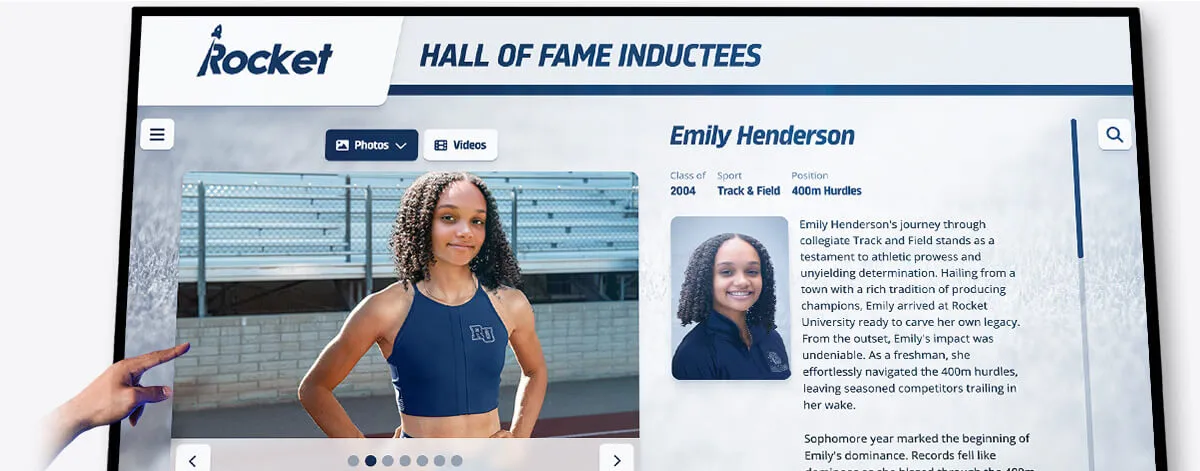
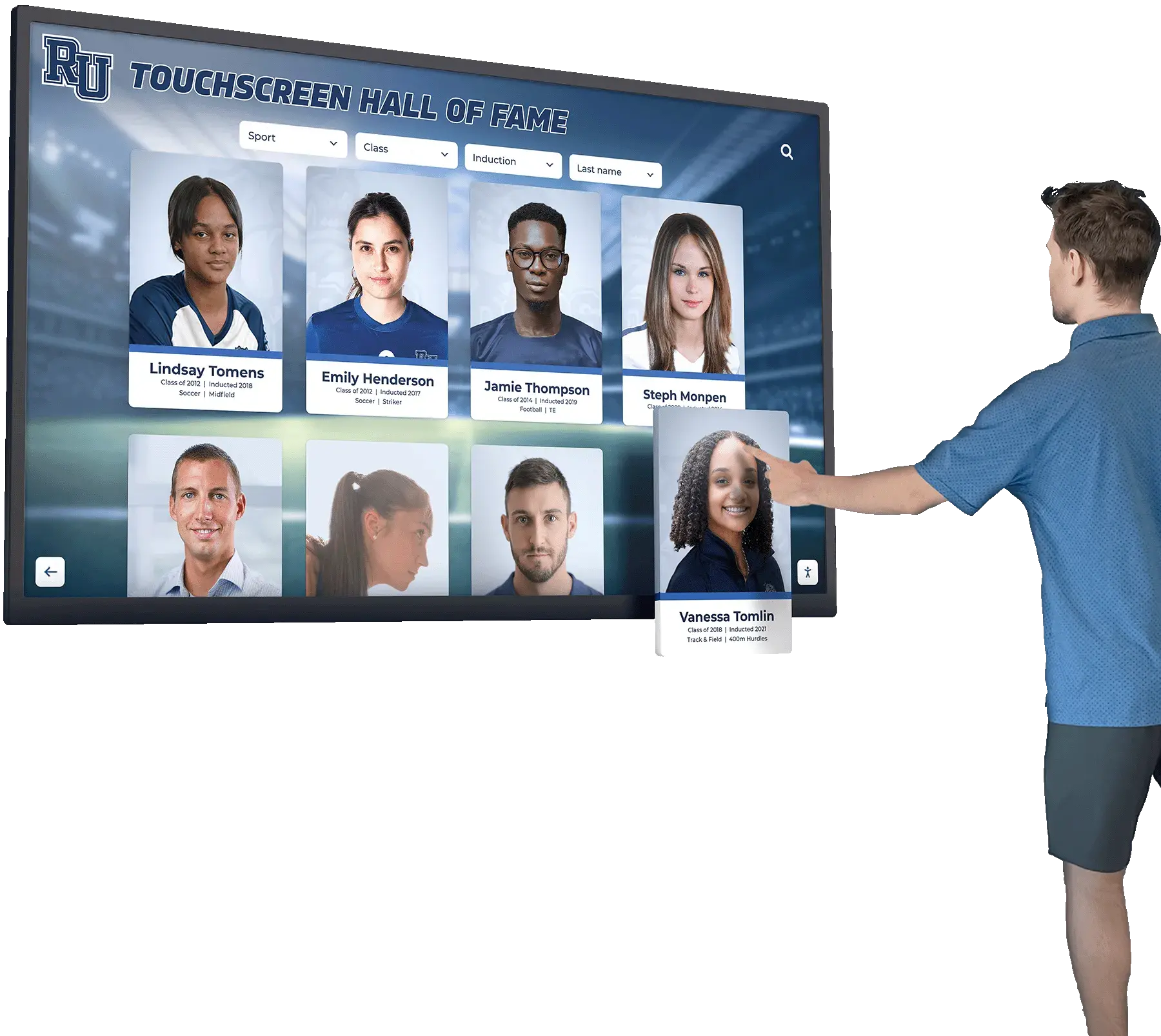
Individual performer profiles on digital recognition systems give color guard members the same biographical spotlight typically reserved for varsity athletes in traditional halls of fame
Building and Sustaining a Color Guard Program
For Athletic Directors and Administrators
Color guard programs that thrive over decades share several institutional characteristics:
Clear Organizational Home Decide whether color guard is administratively housed under fine arts or athletics—and ensure that decision comes with appropriate budget, recognition, and staff support. Organizational ambiguity leads to programs that fall through the cracks of both departments.
Dedicated Instructional Staff A quality color guard program requires specialists—not just a band director managing one more responsibility. Guard caption heads with competitive experience as performers or instructors bring training methodologies that dramatically affect program quality and recruiting appeal.
Equitable Budget Treatment Color guard members pay activity fees, invest in equipment and uniforms, and commit as many hours as any varsity athlete. Programs deserve budget treatment that reflects this commitment, including competitive entry fees, professional instruction, quality equipment, and appropriate recognition budgets.
Recognition Parity When a color guard wins a championship—at a regional invitational, at state, or at WGI—that achievement should receive the same announcement, display, and celebration as any team championship. Schools that celebrate equal achievement equally attract and retain committed performers.
Supporting Student Leadership Awards
Student leadership award frameworks should explicitly include color guard leadership roles. Section captains, drum majors who work directly with the guard, and performers selected for scholarship auditions all demonstrate the kind of commitment that student leadership award programs are designed to recognize.
Team Celebration Ideas for Color Guard
End-of-year celebrations for color guard programs work best when they balance competitive achievement recognition with celebration of personal growth and team culture. Effective elements include:
- Slideshow or video retrospective covering the full season from summer camp through championships
- Individual senior tributes written by teammates or coaches
- Equipment ceremonies where seniors pass down their personal flags or rifles to incoming members they have mentored
- Director recognition honoring instructors whose work makes the program possible
- Multi-year participation recognition for performers who devoted three or four years to the program
For structured ideas on team celebration events that translate effectively from athletics to performing arts, consider formats that emphasize both competitive accomplishment and personal development.
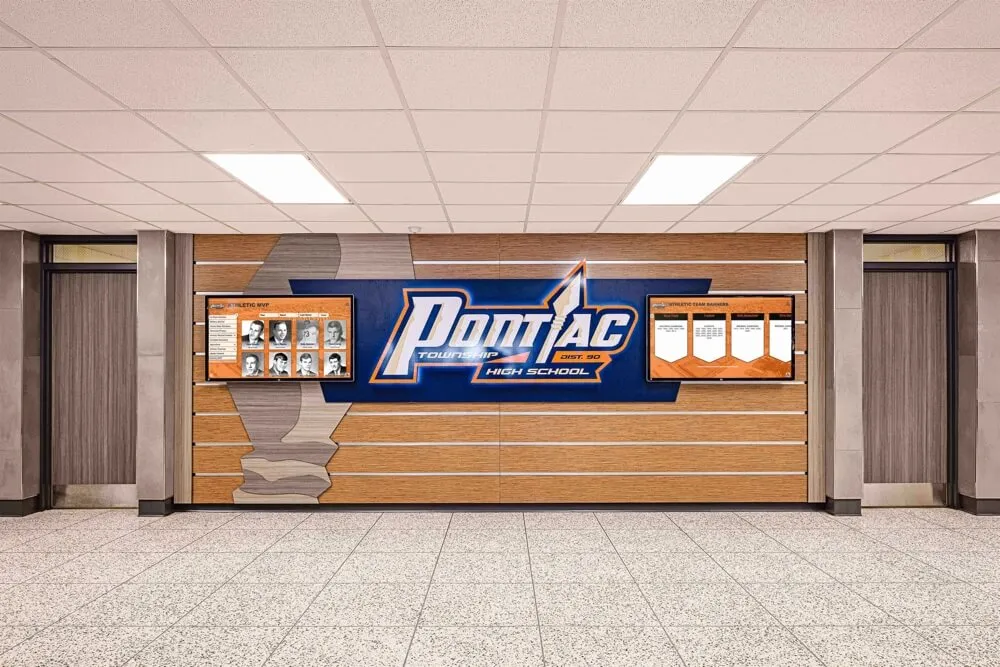
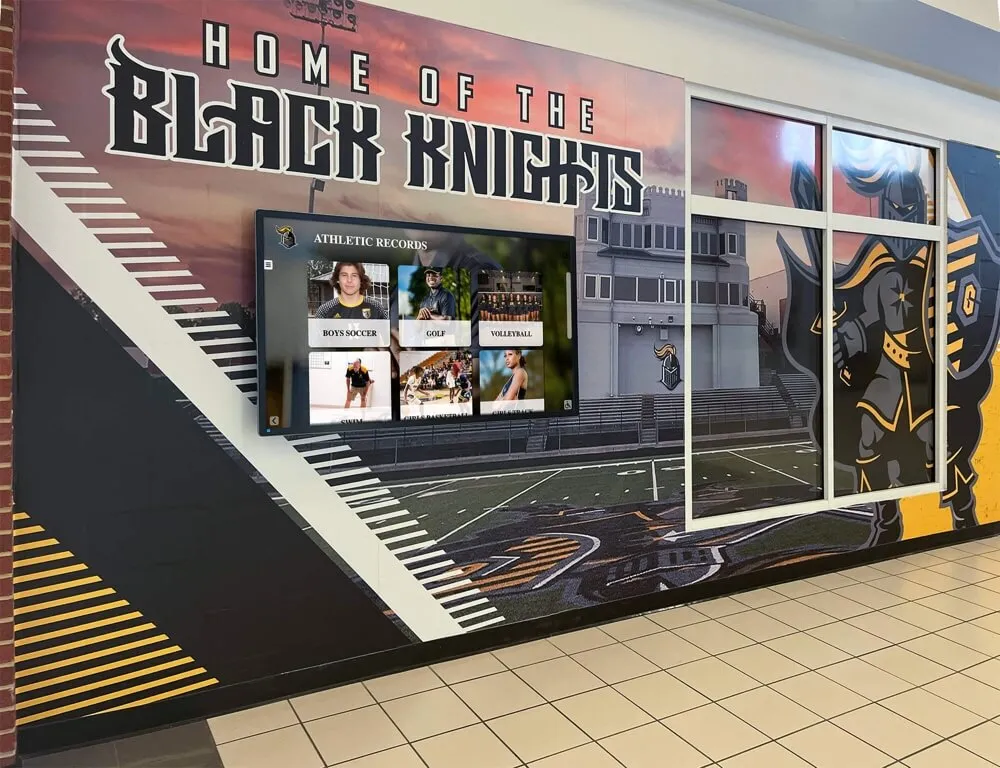
Recognition walls that include performing arts programs alongside traditional athletics communicate that every form of student excellence deserves permanent, visible celebration
Frequently Asked Questions About Color Guard
Is color guard a sport?
This question generates ongoing debate within the activity’s community. Color guard requires the physical conditioning, coordination, and competitive intensity associated with athletics. It has governing bodies, competitive circuits, and championship events structured like sports organizations. However, many schools and state associations classify it as a performing art rather than an athletic activity.
Practically, the classification affects eligibility for varsity letters, athletic department budgets, and recognition in athletic halls of fame. Schools that want to recognize color guard appropriately should establish explicit policies that ensure guard members qualify for recognition regardless of how the activity is formally classified.
Can I join color guard with no experience?
Yes—most high school color guard programs accept beginners at tryouts or interest meetings in the spring. Directors typically prioritize coachability, physical conditioning, and performance energy over prior experience. Many successful competitive performers had never touched a flag before their first audition.
How physically demanding is color guard?
Very. Summer band camp exposes new members immediately to the physical requirements—spending hours outdoors in summer heat, executing repetitive technique work, learning choreography, and performing full show runs multiple times daily. Guards routinely practice 10–20 hours per week during peak season. Performers report muscle soreness, blisters from equipment handling, and fatigue comparable to athletic training demands.
What is WGI?
Winter Guard International is the governing body for competitive winter guard in the United States and internationally. Founded in 1977, WGI organizes regional competitions and the WGI World Championships, held annually in Dayton, Ohio. The organization establishes competitive classes, judging criteria, and rules for winter guard competition, and maintains records of championship results.
How does color guard fit into a marching band competition score?
Marching band competitions divide scoring across multiple caption areas—music, marching/visual, and color guard. Guard performance typically contributes a portion of the visual score and may have its own caption award separate from the overall ensemble placement. At major competitions, guard caption placement awards may go to programs whose guard performance excels even if the full ensemble places lower overall. This means a guard that significantly outperforms its band’s musical execution can actually be competing for awards against ensembles from bands that place above them in overall competition.
What are the end-of-year award categories for color guard?
Programs vary, but common recognition categories at season-end banquets include outstanding performer in each equipment area (flag, rifle, sabre), most improved performer, outstanding senior, leadership award, academic achievement, spirit award, and director’s award recognizing the performer who most embodied the program’s values. For a comprehensive framework on sport and activity end-of-year awards, many athletic award frameworks translate directly to color guard programs with minor adaptation.
Measurement: Demonstrating Color Guard Program Value
Schools and program administrators who want to document color guard’s contribution to school culture can track meaningful metrics across several categories:
Participation Metrics
- Total roster size year-over-year
- Retention rates from one season to the next
- New member recruitment and conversion from tryouts to returning members
- Percentage of guard members also participating in other school activities
Competitive Achievement
- Competitive placements and caption award history by season
- Improvement trends in guard caption scores year-over-year
- Championship qualifications and WGI World or BOA national-level appearances
- Individual recognition (all-state, honor guard, scholarship awards)
Academic Indicators
- Average GPA of guard roster compared to school average
- College acceptance rates among seniors
- Scholarship recipients who participated in guard
Community Engagement
- Performances at community events beyond the competitive season
- Alumni engagement with current programs
- Parent and family volunteer hours supporting the program
Recognition Visibility
- Website and social media engagement with guard content
- Attendance at guard-specific banquets or senior nights
- Participation of guard members in school-wide recognition programs
Conclusion: Color Guard Deserves Recognition That Matches Its Commitment
Color guard is one of the most demanding, most rewarding, and most misunderstood programs in American schools. The students who spin flags at seven in the morning during August band camp, who drill technique for hours until catches become automatic, who perform under competition lights in January—they are serious athletes and serious artists simultaneously. The discipline they develop, the commitment they demonstrate, and the competitive excellence they achieve deserves recognition as visible and permanent as any trophy case in any athletic hallway.
For athletic directors, fine arts coordinators, and school administrators, the path forward is straightforward: treat color guard achievement as worthy of the same intentional recognition infrastructure that athletics programs receive. That means dedicated banquet categories, permanent display space, inclusion in hall of fame criteria, and—for schools ready to modernize how they celebrate all programs—digital recognition systems that can accommodate the full history of every program under one roof.
Ready to build recognition infrastructure that celebrates your color guard program alongside every other area of student excellence? Rocket Alumni Solutions provides digital recognition platforms built specifically for educational institutions—capable of displaying color guard seasonal archives, individual performer profiles, competition history, and video content through intuitive touchscreen systems that require no technical expertise to update. With unlimited content capacity, professional display hardware, and cloud-based content management, these systems give color guard programs the permanent, visible celebration they have earned.
Whether your guard program has been competing for two seasons or twenty years, your students’ achievements deserve recognition that lasts beyond a single banquet night. Start building that recognition foundation today—your performers, your program culture, and your future recruitment will all benefit.
The schools that build the strongest color guard programs share a common characteristic: they treat their performers as the serious, committed, skilled performers they are. Recognition is where that institutional respect becomes visible. Make sure your school’s hallways, trophy cases, and digital displays communicate clearly that color guard achievement matters—because for the students who pour themselves into this demanding, extraordinary activity, it absolutely does.