



Class rank reporting represents a fundamental aspect of secondary education that affects college admissions, scholarship opportunities, and academic recognition programs—yet many educators, students, and families remain unclear about how rankings are calculated, when they’re reported, and what role they play in the modern educational landscape.
As schools navigate evolving college admissions practices, changing valedictorian selection processes, and increasingly sophisticated academic recognition needs, understanding class rank reporting becomes essential for administrators, counselors, and families alike. Some institutions have eliminated class rank entirely, citing concerns about competitiveness and stress, while others maintain rankings as core components of their academic culture and recognition frameworks.
This comprehensive guide explores class rank reporting from every angle—calculation methodologies, weighted versus unweighted considerations, reporting timelines and requirements, college application implications, state-specific mandates, and the intersection between class rank data and modern academic recognition systems that celebrate achievement throughout school communities.
Class rank reporting extends far beyond simply ordering students by GPA—it encompasses complex policy decisions, careful calculation systems, strategic timing considerations, and thoughtful approaches to recognizing achievement while supporting all students in reaching their academic potential.

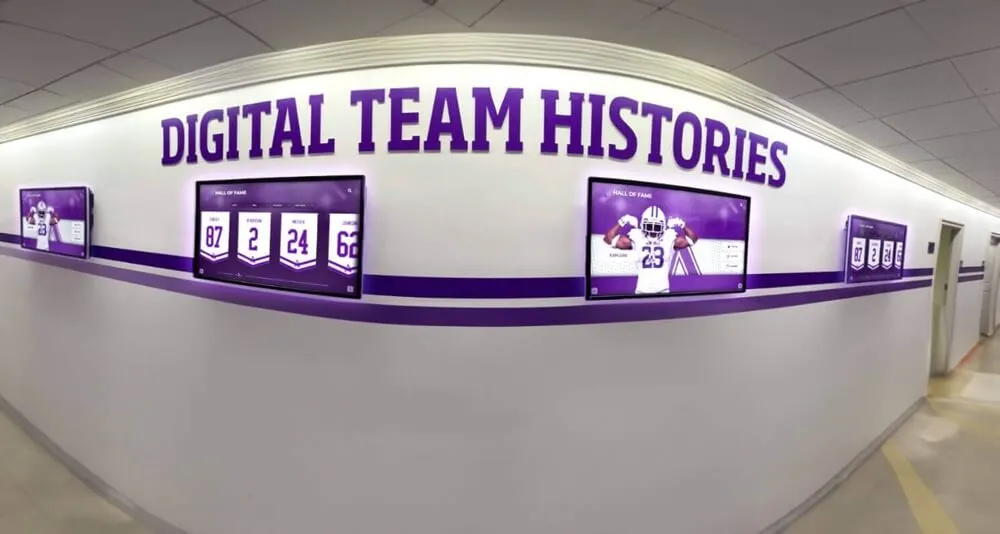
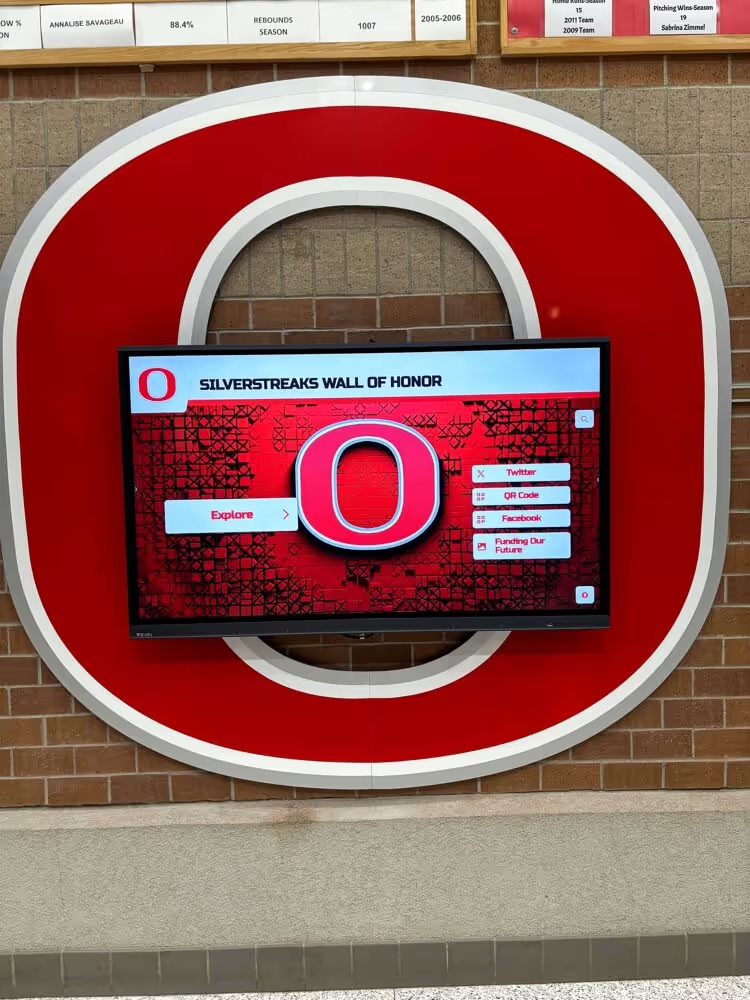
Modern class rank reporting connects to comprehensive academic recognition that celebrates achievement throughout student populations
Understanding Class Rank Reporting Fundamentals
Before implementing or modifying class rank systems, understanding foundational concepts helps schools make informed policy decisions aligned with educational goals.
What Is Class Rank?
Class rank identifies a student’s academic standing relative to classmates, typically expressed as a specific position within the graduating class (e.g., “15 out of 287 students”) or as a percentile (e.g., “top 10%”). Schools calculate rankings by comparing students’ grade point averages, with higher GPAs receiving superior rankings.
Unlike absolute measures such as GPA or test scores that evaluate students against established standards, class rank provides relative assessment comparing students directly to peers within the same cohort. This relative measurement creates context—a 3.7 GPA might represent top 5% standing at one school but only top 25% at another institution with higher overall achievement levels.
Primary Purposes of Class Rank
Schools maintain class ranking systems for several interconnected purposes:
- College admissions context: Providing colleges with perspective on student achievement relative to school-specific grading standards and academic rigor
- Academic honor identification: Determining valedictorian, salutatorian, and other distinguished academic recognition recipients
- Scholarship eligibility: Meeting requirements for merit-based awards specifying class rank thresholds
- Honor society selection: Supporting organizational membership criteria based on relative academic standing
- Recognition program qualification: Identifying students for academic excellence awards and celebrations
- State reporting mandates: Fulfilling regulatory requirements in jurisdictions requiring class rank documentation
- Historical academic records: Preserving institutional achievement documentation across decades
Weighted vs. Unweighted Class Rank
One of the most significant class rank reporting decisions schools face involves choosing between weighted and unweighted calculation methodologies—or potentially reporting both.
Unweighted Class Rank
Unweighted rankings treat all courses equally, calculating GPA on a standard 4.0 scale regardless of course difficulty:
- A grades receive 4.0 points
- B grades receive 3.0 points
- C grades receive 2.0 points
- D grades receive 1.0 point
- F grades receive 0.0 points
This straightforward approach ensures simplicity and transparency. Students and families easily understand calculations, and the system avoids complexity around determining appropriate weighting factors for different course levels.
However, unweighted ranking may inadvertently discourage students from taking challenging coursework. A student earning a B in an Advanced Placement course receives the same GPA impact as a peer earning a B in a standard-level class, potentially incentivizing students to select easier courses to maintain higher GPAs and superior class rankings.

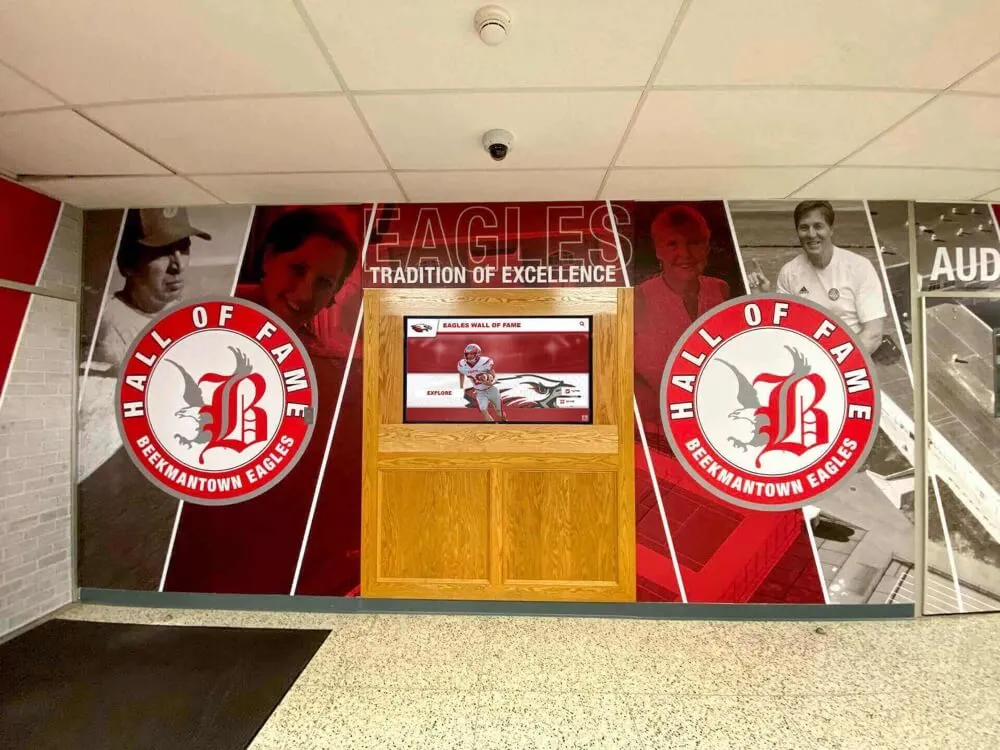
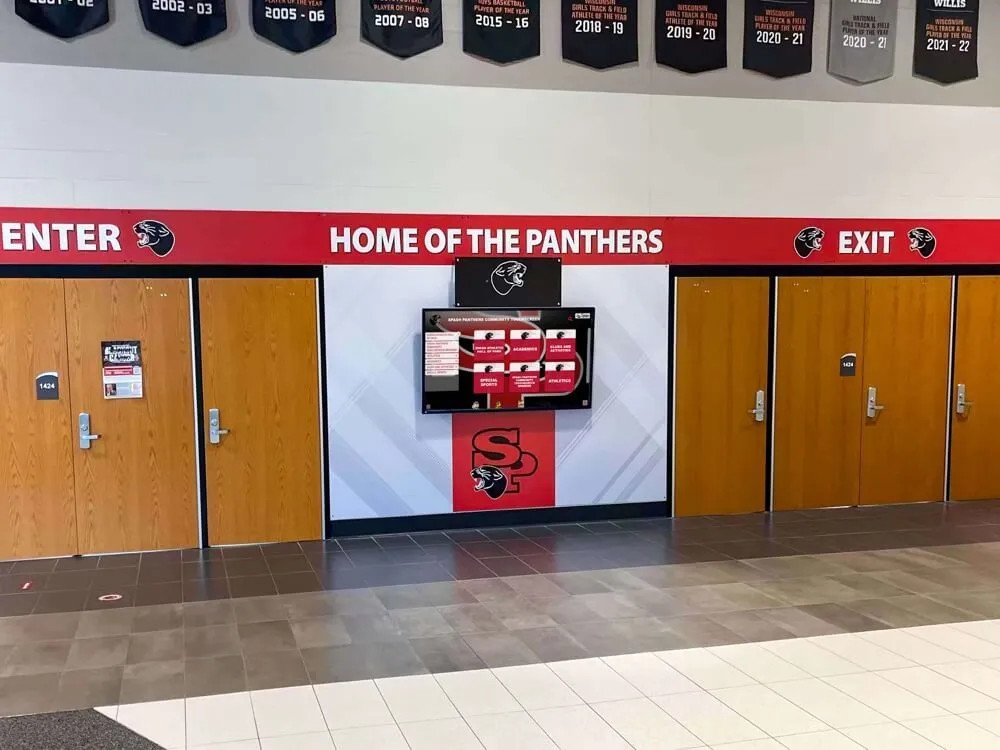
Class rank recognition displays create visibility for academic achievement throughout school communities
Weighted Class Rank
Weighted ranking systems assign additional value to grades earned in advanced coursework—typically honors, Advanced Placement (AP), International Baccalaureate (IB), and dual enrollment college courses. Common weighting approaches include:
Quality Point Additions
- Standard courses: 4.0 scale (A=4.0, B=3.0, C=2.0, D=1.0, F=0.0)
- Honors courses: +0.5 points (A=4.5, B=3.5, C=2.5, D=1.5, F=0.0)
- AP/IB/Dual Enrollment: +1.0 point (A=5.0, B=4.0, C=3.0, D=2.0, F=0.0)
Alternative Weighting Scales
- Some schools use uniform additions (all advanced courses receive same weighting)
- Others differentiate between honors and AP/IB levels
- Certain systems weight only core academic subjects, excluding electives
- A few institutions cap weighted GPAs to prevent extreme inflation
Weighted ranking addresses concerns about course selection incentives by rewarding students who challenge themselves academically. This approach typically better reflects genuine academic achievement and preparation for college-level work, as students taking rigorous courseloads receive appropriate recognition even when earning occasional B grades.
However, weighted systems introduce complexity and potential equity concerns. Schools must carefully define which courses receive weighting, determine appropriate point additions, communicate policies clearly to all families, and ensure equitable access to weighted course opportunities across all student populations.
Dual Reporting Approaches
Many schools report both weighted and unweighted class rank, providing colleges and scholarship programs with comprehensive perspective. This dual approach offers maximum flexibility while avoiding the limitations of either method alone—though it requires maintaining parallel calculation systems and clear communication about which ranking applies for specific purposes.
Learn about comprehensive approaches to academic honor roll recognition that complement class rank systems.
Percentile vs. Exact Rank Reporting
Beyond weighted/unweighted decisions, schools must determine reporting specificity:
Exact Numerical Rank
Traditional reporting identifies precise standing:
- “Student ranks 12 out of 345 students”
- “Student ranks 5 of 298 students”
- Precise position within graduating class
- Clear identification of top positions for valedictorian determination
- Straightforward comparison among students
This specificity supports traditional recognition structures and certain scholarship requirements but may intensify competition and stress, particularly when minimal GPA differences separate students.
Percentile or Decile Reporting
Alternative approaches provide general standing without exact position:
- “Student ranks in top 5% of graduating class”
- “Student ranks in top decile (top 10%)”
- General tier identification without specific ordering
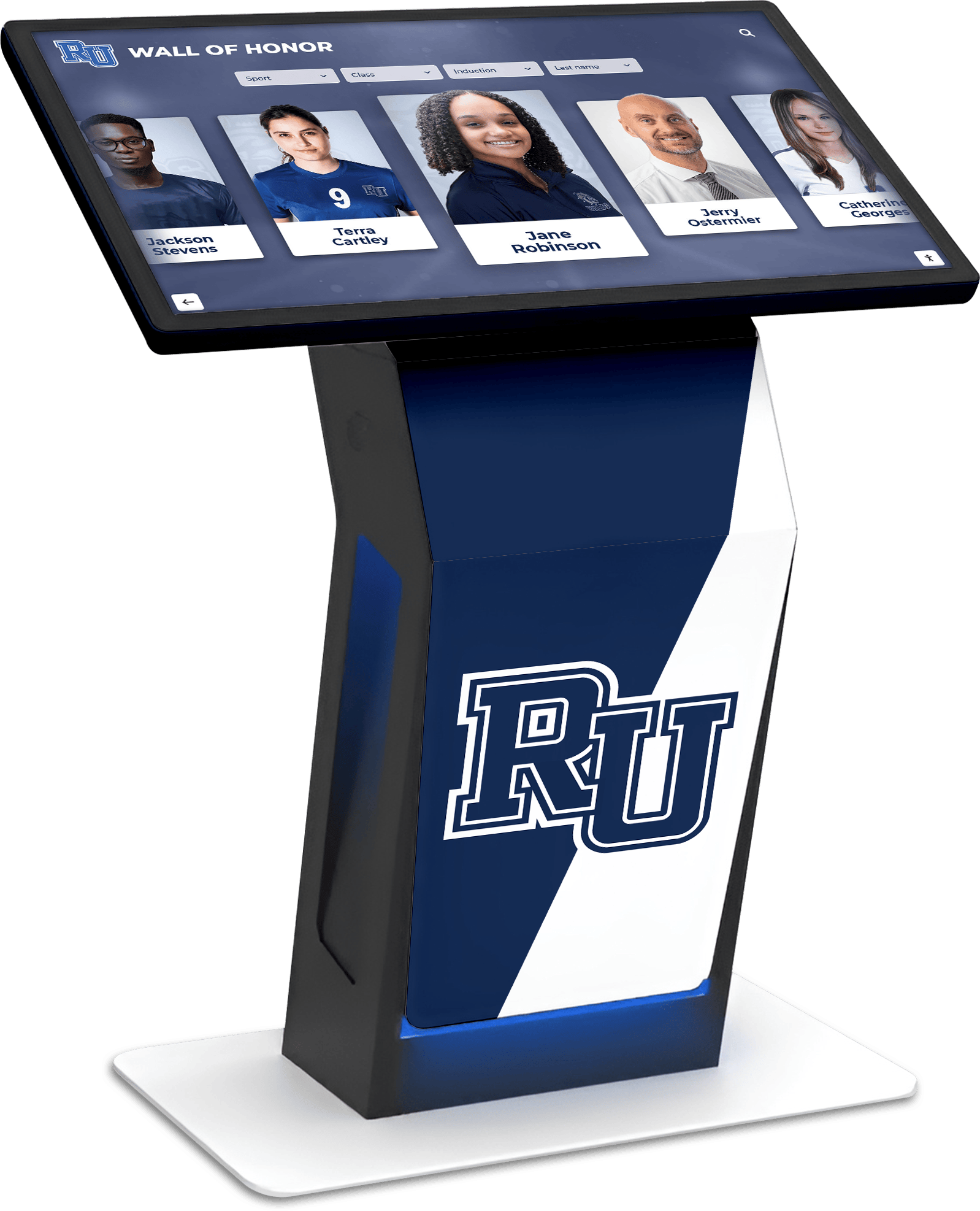
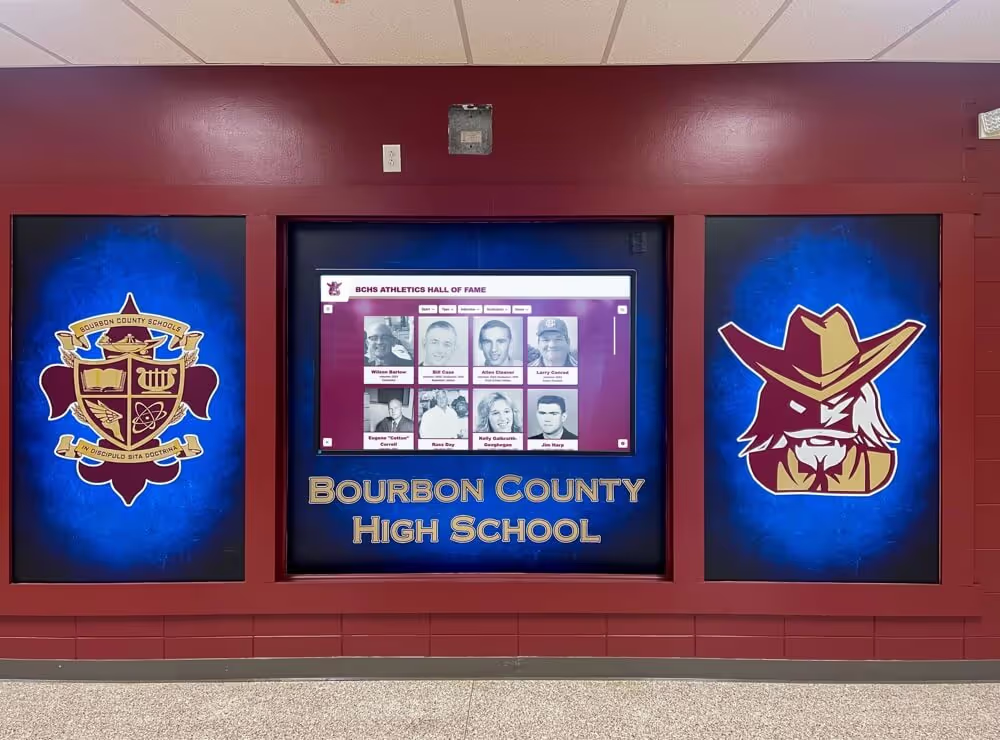
Digital systems provide flexible recognition celebrating diverse academic achievements beyond single ranking metrics
Percentile reporting reduces stress by eliminating focus on minimal differences between closely-ranked students while still providing meaningful context about overall academic standing. Many colleges report preferring this approach, as it provides sufficient information for admissions decisions without contributing to excessive competition.
No Class Rank Reporting
Increasingly, schools—particularly private institutions and competitive public high schools—have eliminated class rank entirely. These schools cite several concerns:
- Intense competition creating unhealthy academic stress
- Students avoiding challenging courses to maintain rankings
- Minimal GPA differences resulting in large rank discrepancies
- Difficulty comparing students with different course schedules and opportunities
- College admissions evolution reducing emphasis on class rank
- Focus on collaboration rather than competition
When schools eliminate ranking, counselors typically provide context through school profiles explaining grading systems, course rigor, and academic achievement distributions without identifying individual student positions.
How Schools Calculate Class Rank
Understanding calculation mechanics helps administrators ensure accurate, equitable ranking systems while enabling counselors to explain methodologies to students and families.
GPA Calculation as Foundation
Class rank derives from grade point average calculations, making GPA methodology foundational to ranking accuracy and fairness.
Core GPA Calculation Process
- Assign point values to letter grades based on school grading scale
- Multiply grade points by course credit hours for each class
- Sum all grade points earned across all courses
- Sum all credit hours attempted across all courses
- Divide total grade points by total credit hours for cumulative GPA
Example Calculation
A student completing these courses in a semester:
- English (4.0 grade, 1.0 credit): 4.0 x 1.0 = 4.0 grade points
- AP Calculus (5.0 weighted grade, 1.0 credit): 5.0 x 1.0 = 5.0 grade points
- History (3.0 grade, 1.0 credit): 3.0 x 1.0 = 3.0 grade points
- Chemistry (3.5 grade, 1.0 credit): 3.5 x 1.0 = 3.5 grade points
- PE (4.0 grade, 0.5 credit): 4.0 x 0.5 = 2.0 grade points
Total grade points: 17.5 | Total credits: 4.5 | GPA: 3.89
This GPA calculation repeats across all completed semesters, with cumulative GPA determining class rank position.
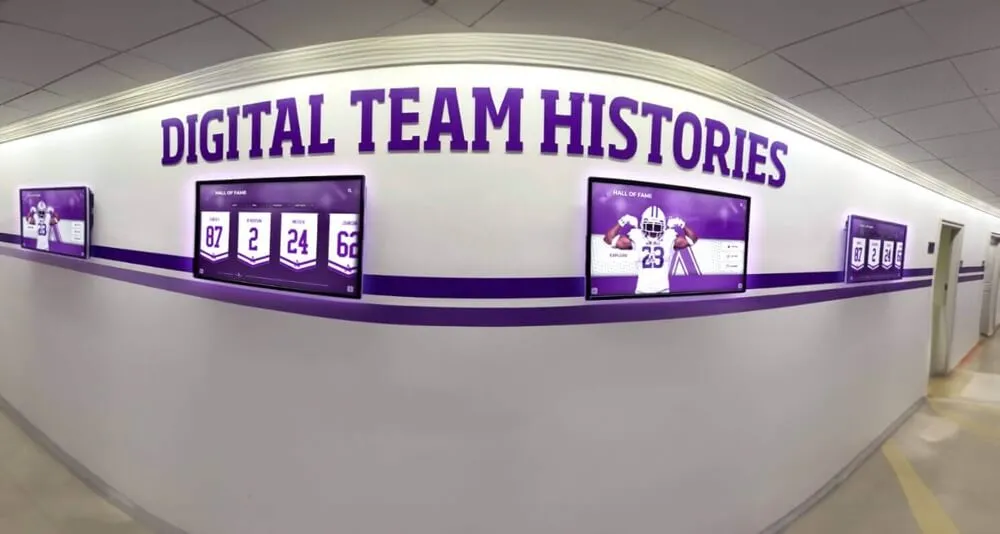
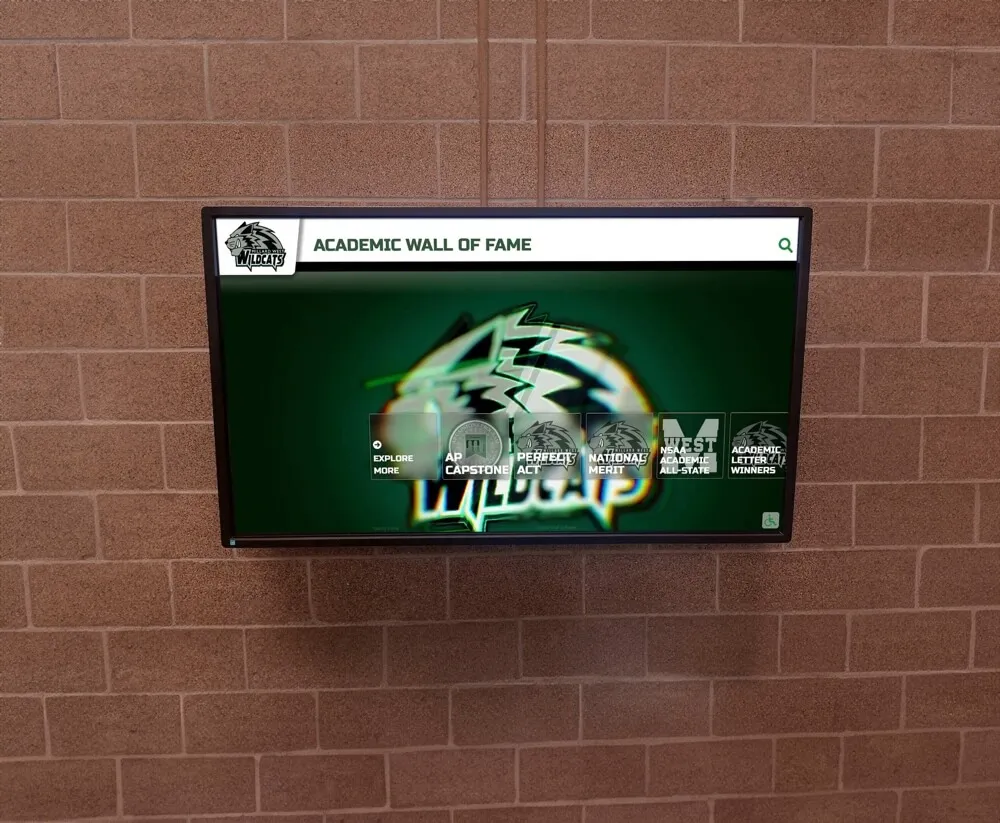
Strategic placement of academic recognition throughout campus ensures achievement visibility reaches entire school community
Courses Included in Rank Calculations
Schools must establish clear policies about which courses factor into class rank GPA calculations:
Courses Typically Included
- All core academic subjects (English, math, science, social studies, world languages)
- Advanced coursework (AP, IB, honors, dual enrollment)
- Elective courses contributing to graduation requirements
- Arts, technology, and career-technical courses
- Online and virtual school courses
- Summer school coursework
- Transfer credits from previous schools
Courses Sometimes Excluded
Policies vary significantly regarding:
- Physical education and health courses
- Teacher assistant or office aide periods
- Community service or volunteer credits
- Pass/fail courses without letter grades
- Courses taken before high school (middle school high school credit)
- Non-academic electives in some systems
- Repeated courses where only most recent grade counts
Strategic Policy Considerations
Schools should carefully consider inclusion/exclusion implications:
- Equity concerns: Do exclusions disproportionately affect specific student populations?
- Course selection incentives: Do policies encourage or discourage participation in certain programs?
- Schedule flexibility: Can students explore interests without GPA penalty?
- Workload representation: Should all courses count equally regardless of difficulty?
- College expectations: How do policies align with college admissions perspectives?
Clear, consistently-applied policies documented in student handbooks and school profiles ensure transparency while preventing disputes about ranking accuracy.
Explore comprehensive academic recognition programs that complement class rank systems.
Handling Ranking Edge Cases
Real-world class rank calculations encounter complex scenarios requiring clear policy guidance:
Transfer Students
Students transferring between schools present calculation challenges:
- Full transcript integration: Some schools incorporate all transfer grades into GPA calculations
- New school only: Others calculate GPA based only on courses completed after transfer
- Weighted course translation: Determining equivalencies when previous school used different weighting system
- Ranking eligibility: Minimum attendance requirements for valedictorian or class rank reporting
Tied Rankings
When multiple students achieve identical GPAs, schools use various approaches:
- Shared rankings: Multiple students receive same rank (three students tied for rank 5)
- Extended decimal comparison: Calculating GPAs to additional decimal places to break ties
- Alphabetical ordering: Using student names as tiebreaker (rarely used due to arbitrary nature)
- Credit hour consideration: Favoring students who completed more credits
- Secondary criteria: Course rigor, specific course performance, or other achievement factors
Many schools prefer shared rankings, recognizing that minimal GPA differences don’t represent meaningful achievement distinctions and shouldn’t determine recognition opportunities.
Mid-Year Rankings vs. Final Rankings
Class rankings change as students complete additional coursework:
- Preliminary rankings: Calculated after first semester senior year for college applications
- Updated rankings: Recalculated after each grading period throughout senior year
- Final rankings: Official graduation rankings after all coursework completion
- Rank movement: Students may improve or decline in standing throughout senior year
- Recognition implications: Schools must determine whether valedictorian uses mid-year or final rankings
Clear communication about ranking timing prevents confusion when students see different positions throughout senior year.
When and How Schools Report Class Rank
Strategic timing and appropriate reporting methods ensure class rank information reaches necessary parties while supporting student interests.
Internal Reporting and Updates
Frequency of Calculation
Schools typically update class rankings on regular schedules:
- Semester calculations: Most common approach updating twice annually
- Quarter updates: More frequent calculations for year-round awareness
- Annual ranking: Less common, typically for schools emphasizing final standing only
- Rolling updates: Rare continuous updates as grades post
Semester updates balance workload demands with reasonably current information, while more frequent calculations create administrative burden without significant benefit for most purposes.

Digital academic recognition systems provide ongoing visibility for achievement including class rank milestones and honor roll status
Student and Family Access
Modern student information systems enable straightforward rank communication:
- Parent portal integration: Real-time or regularly updated rank display
- Transcript inclusion: Class rank appearing on unofficial transcripts
- Counselor communications: Proactive notification of ranking milestones
- Recognition letters: Formal acknowledgment when achieving top percentiles
- Class rank reports: Periodic formal reporting to all students and families
Transparent access prevents surprises and enables students to understand academic standing throughout high school rather than discovering rankings only during college application season.
External Reporting for College Applications
Common Application and Coalition Application
School counselors report class rank through standardized application platforms:
- Rank position and class size: “15 out of 287 students”
- Weighted vs. unweighted designation: Identifying which calculation applies
- Ranking methodology: Brief explanation of school’s calculation approach
- Ranking scale description: Clarifying if school uses percentile, decile, or exact ranking
- “School does not rank” option: For schools eliminating class rank entirely
These platforms provide standardized formats ensuring consistent information reaches all colleges where students apply.
Direct Transcript Reporting
Official transcripts sent to colleges include:
- Class rank notation in standard transcript format
- Relationship to graduating class size
- Weighted/unweighted designation
- Calculation date (particularly important for mid-year vs. final rankings)
- School profile context explaining ranking methodology
Some schools include both weighted and unweighted rankings, providing maximum information while allowing colleges to emphasize whichever measure aligns with their institutional priorities.
School Profile Documents
Comprehensive school profiles contextualize class rank information:
- Explanation of weighting policies and course availability
- Distribution data showing what percentages achieve various GPA ranges
- Advanced course participation rates demonstrating rigor opportunities
- Historical college matriculation patterns
- Grading scale explanations and grade distribution philosophies
- Testing data and other achievement context
These profiles ensure colleges interpret class rank appropriately given school-specific circumstances—understanding that top 10% at a highly competitive school may represent different preparation levels than top 10% at schools with different achievement distributions.
Discover comprehensive approaches to academic recognition displays celebrating multiple achievement metrics beyond rankings alone.
Scholarship and Honor Society Applications
External Organization Requirements
Many scholarship programs and honor societies establish class rank thresholds:
Common Requirements
- Top 10% of graduating class
- Top 25% of class
- Specific numerical rank cutoffs (top 50 students)
- Percentile thresholds (90th percentile or higher)
- GPA requirements coupled with rank minimums
National Honor Society (NHS)
NHS typically requires students to rank in the top 15% of their class (though individual chapters may set higher standards). Schools provide rank verification supporting membership applications, making accurate, timely calculations essential for student opportunities.
Scholarship Competition Requirements
Major scholarships including National Merit, Coca-Cola Scholars, and state flagship university merit awards often specify class rank criteria. Students missing thresholds by minimal margins—sometimes hundredths of GPA points—lose significant financial opportunities, making calculation accuracy critically important.
Verification Letters and Forms
Schools routinely complete verification documentation:
- Official letterhead rank confirmations
- Standardized forms from scholarship organizations
- Notarized statements for high-stakes competitions
- Mid-year rank certifications before final graduation rankings
- Updates when final rankings change student positions
Counseling offices should maintain streamlined processes for these routine requests, as students typically apply to multiple programs requiring separate verification.
Learn about recognizing scholarship recipients through digital recognition solutions.
State Requirements and Regulations for Class Rank Reporting
Legal and regulatory contexts vary significantly by jurisdiction, affecting school policies and reporting obligations.
States Requiring Class Rank Reporting
Texas Requirements
Texas law requires public high schools to calculate and report class rank, with specific implications for college admissions:
- Top 6% automatic admission: Students ranking in top 6% of Texas public high school graduating classes receive automatic admission to University of Texas at Austin
- Top 10% law provisions: Various percentages guarantee admission to other Texas public universities
- Calculation specificity: State guidelines governing which courses count and methodology requirements
- Transcript inclusion: Class rank must appear on official transcripts
These requirements make Texas one of the strongest class rank states, with rankings directly affecting college access for thousands of students annually.
Other State-Specific Requirements
While less prescriptive than Texas, several other states include class rank provisions:
- Florida: State university systems consider class rank in admissions formulas
- Georgia: Some scholarship programs specify rank requirements
- California: Prohibits using class rank for UC admission but allows CSU consideration
- Various states: Rank reporting requirements for state scholarship program eligibility
Schools should consult state education department guidance and legal counsel ensuring compliance with applicable requirements.

Comprehensive campus recognition installations celebrate diverse achievements including class rank honors and academic excellence
Private School Flexibility
Private and independent schools enjoy greater policy flexibility regarding class rank:
- No legal requirements to calculate or report rankings in most jurisdictions
- Freedom to eliminate ranking systems entirely
- Ability to report percentile rather than exact rank
- Flexibility to use unweighted systems even when offering weighted courses
- Option to limit reporting to specific purposes (internal recognition only, not colleges)
Many competitive independent schools have eliminated class rank, citing concerns about stress and competition while noting that selective colleges typically understand their achievement standards through established relationships and comprehensive school profiles.
Recent Policy Trends
Movement Away from Class Rank
Educational organizations and college admissions groups have increasingly questioned class rank value:
- National Association for College Admission Counseling (NACAC): Studies showing class rank provides limited additional value beyond GPA and course rigor
- Competitive high schools: Concern that ranking creates arbitrary distinctions among highly accomplished students
- Mental health advocacy: Evidence connecting class rank stress to student anxiety and depression
- Learning environment impact: Research suggesting ranking systems discourage collaboration and risk-taking
These trends have led more schools—particularly in competitive suburban and private school contexts—to eliminate or significantly modify ranking practices.
COVID-19 Impact
The pandemic accelerated class rank policy reconsideration:
- Grading policy changes (pass/fail options) complicating calculations
- Remote learning differences affecting achievement patterns
- Test-optional college admissions reducing reliance on all standardized metrics
- Recognition of inequitable educational circumstances making rankings potentially unfair
Some temporary pandemic policies have become permanent as schools recognized benefits from reduced emphasis on ranking and competition.
Class Rank and College Admissions
Understanding how colleges actually use class rank information helps schools make informed policy decisions and counselors guide students effectively.
How Colleges Use Class Rank Data
Providing Context for GPA
Class rank’s primary value for college admissions involves contextualizing grade point averages:
A 3.8 GPA might represent exceptional achievement at a school where few students exceed 3.5, but only moderate performance at an institution where many students achieve 3.9 or higher. Class rank helps admissions officers understand achievement within school-specific contexts, accounting for different grading philosophies, course rigor, and student populations.
Admissions Formulas and Academic Indices
Some institutions incorporate class rank into quantitative admissions formulas:
- Public university systems: Many state universities use formulas combining GPA, test scores, and class rank
- Automatic admissions programs: Texas, California, and other states guarantee admission based partly on class rank
- Academic indices: Some selective colleges calculate academic ratings incorporating rank alongside other metrics
- Scholarship formulas: Merit award calculations often include rank thresholds or point systems
However, even schools using formulas typically conduct holistic review considering rank as one factor among many rather than determinative in isolation.
The Declining Importance of Class Rank
College admissions practices have evolved significantly regarding class rank importance:
According to the National Association for College Admission Counseling, the percentage of colleges rating class rank as “considerably important” in admissions decisions declined from 23% in 2006 to 9% in 2023. Meanwhile, GPA importance increased, suggesting colleges prefer absolute achievement measures over relative comparisons.
Factors Driving Reduced Emphasis
- Inconsistent ranking methodologies across schools making comparisons unreliable
- Many competitive high schools eliminating rank entirely
- Recognition that ranking may reflect school context more than individual capability
- Holistic admissions approaches emphasizing broader student profiles
- Test-optional movement creating overall shift away from purely quantitative metrics
Despite declining importance, class rank remains relevant for specific purposes including automatic admissions programs, certain scholarship competitions, and context-setting at less-selective institutions with limited resources for comprehensive application review.
Explore recognition for academic achievers showcasing multiple measures of excellence.
Counselor Recommendations and Strategies
Advising Students About Course Selection
Class rank calculation methodologies significantly influence student course choices, requiring thoughtful counselor guidance:
In Weighted Systems
- Encourage students to challenge themselves with advanced courses receiving rank boost
- Explain that earning B in AP course may benefit rank more than A in standard course
- Balance rigor with genuine interest and reasonable workload
- Avoid overloading purely for rank consideration at expense of learning and wellbeing
In Unweighted Systems
- Acknowledge that challenging courses may temporarily lower GPA and rank
- Emphasize that colleges reviewing applications see course rigor separately from rank
- Encourage appropriate challenge despite potential rank impact
- Highlight that learning and college preparation matter beyond ranking position
Strategic Course Planning
Counselors help students navigate complex calculations:
- Understanding which courses count toward rank calculations
- Timing of challenging courses relative to college application deadlines
- Impact of electives, PE, and other courses on cumulative GPA
- Summer school and online learning considerations
- Dual enrollment credit and rank implications
Avoiding Unhealthy Competition
Thoughtful counseling addresses ranking system risks:
- Emphasizing collaboration over competition among classmates
- Focusing on personal growth and appropriate challenge
- Recognizing that minimal rank differences rarely affect college outcomes
- Discussing schools’ movement away from ranking emphasis
- Encouraging course selection based on interest and appropriate challenge rather than rank optimization alone
Explaining School Policies to Families
Transparent Communication About Methodologies
Families deserve clear understanding of how schools calculate rankings:
- Student handbook explanations of weighted vs. unweighted systems
- Specific policies about which courses count and weighting formulas
- Examples showing calculation processes
- Timeline information about when rankings update
- Processes for addressing calculation questions or errors
- Changes to policies and implications for current students
Managing Expectations About Rank Changes
Class rank fluctuates throughout high school:
- Rankings shift significantly as students complete additional coursework
- Senior year performance can substantially change position
- Tied ranks mean multiple students share same recognition
- College applications may use preliminary rather than final rankings
- Small GPA differences may create large rank changes when students clustered tightly
Proactive communication prevents confusion and disappointment when students see position changes.
Addressing Competitiveness Concerns
School culture around ranking affects student wellbeing:
- Acknowledging stress associated with ranking competition
- Explaining school policies designed to reduce unhealthy competition
- Discussing how colleges actually use rank information
- Providing perspective about minimal outcome differences for closely-ranked students
- Encouraging students to focus on learning rather than rank position alone
Connecting Class Rank to Academic Recognition Programs
Class rank data provides valuable foundation for comprehensive recognition celebrating achievement throughout school communities.
Valedictorian and Salutatorian Selection
Traditional Rank-Based Selection
Most schools determine valedictorian and salutatorian based on class rank:
- Valedictorian: Student achieving highest GPA and top class rank
- Salutatorian: Student achieving second-highest GPA and rank
- Weighted vs. unweighted: Policy decision about which GPA determines recognition
- Tie-breaking procedures: Clear processes when multiple students achieve identical GPAs
- Multiple valedictorians: Some schools recognize all students tied for highest achievement
These traditional honors provide clear, objective recognition for outstanding academic accomplishment while creating aspirational goals for younger students.

Professional recognition installations celebrate class rank achievement alongside other academic honors
Alternative Recognition Approaches
Schools increasingly modify or supplement traditional valedictorian selection:
- Multiple valedictorians: Recognizing all students meeting GPA threshold (4.0 or higher)
- Latin honors only: Replacing single valedictorian with tiered recognition (summa, magna, cum laude)
- Faculty-selected speakers: Separating graduation speaking honors from GPA ranking
- Class award diversity: Creating multiple distinguished recognition categories beyond highest GPA
- Narrative-based honors: Recognizing achievement stories beyond purely quantitative measures
These approaches address concerns about intense competition for single recognition while still celebrating outstanding achievement appropriately.
Top 10% and Honor Graduate Recognition
Percentage-Based Recognition Tiers
Class rank data enables systematic recognition of broader high achievement:
Common Recognition Levels
- Top 10%: Distinguished honor graduate recognition
- Top 25%: Honor graduate designation
- Top 50%: Honorable mention consideration
- Departmental honors: Recognition in specific subject areas based on department-specific ranking
These multi-tiered approaches ensure recognition opportunities exist at various achievement levels, creating goals accessible to students across capability ranges while appropriately acknowledging superior performance.
Graduation Ceremony Recognition
Class rank-based honors receive prominent acknowledgment:
- Special cords, stoles, or sashes identifying honor graduates
- Program notations indicating distinguished achievement
- Special recognition during ceremony for valedictorian, salutatorian, and other honors
- Graduate name listing organized by honor level
- Family notification of recognition before ceremony
This public celebration reinforces academic achievement value while inspiring younger students to pursue similar recognition.
Learn about comprehensive academic achievement recognition approaches.
Digital Recognition Systems Showcasing Class Rank Achievement
Modern recognition platforms transform how schools celebrate class rank honors beyond single ceremony announcements.
Comprehensive Academic Achievement Displays
Digital recognition solutions like Rocket Alumni Solutions enable schools to showcase class rank achievement alongside other academic honors:
Multi-Faceted Recognition Capabilities
- Top 10% student profiles with photos and achievement details
- Valedictorian and salutatorian recognition with comprehensive accomplishment stories
- Historical achievement archives showing distinguished graduates across decades
- Integration with honor roll, AP Scholar, and National Merit recognition
- Searchable databases enabling visitors to explore by achievement level, year, or name
- Real-time updates as rankings change throughout senior year
- Web accessibility extending recognition beyond physical campus
Year-Round Visibility
Unlike single graduation ceremony recognition, digital displays provide ongoing visibility:
- Prominent lobby installation ensuring community awareness
- Continuous display throughout school year rather than single event
- Younger student exposure creating aspirational models
- Alumni and family access to celebration long after graduation
- Integration with college tours showcasing academic achievement culture
- Social media sharing extending recognition impact broadly
This sustained recognition amplifies motivational impact while appropriately honoring student achievement with visibility proportional to years of dedicated effort.
Reducing Competition While Celebrating Achievement
Digital systems enable balanced approaches:
- Celebrate top academic performers without excessive focus on minor ranking distinctions
- Showcase multiple achievement types beyond GPA ranking alone
- Provide individual recognition avoiding direct comparisons
- Present class rank within broader context of diverse student accomplishments
- Update displays as students reach new milestones throughout high school
Learn more about digital academic recognition solutions complementing class rank systems.
Best Practices for Class Rank Reporting
Schools implementing or refining class rank systems should consider these evidence-based approaches for effective, equitable programs.
Establishing Clear, Consistent Policies
Documented Methodology
Comprehensive policy documentation ensures transparency and consistency:
- Written procedures for GPA calculation including all formulas and weighting factors
- Specific course inclusion/exclusion criteria
- Transfer student integration policies
- Tie-breaking procedures when students achieve identical GPAs
- Timeline for calculation updates
- Processes for addressing calculation questions or disputes
- Archive procedures for historical ranking records
Student handbooks, school profiles, and counseling resources should all reference the same standardized methodology, preventing confusion from conflicting information.
Regular Policy Review
Class rank policies should undergo periodic evaluation:
- Annual assessment of policy alignment with educational goals
- Review of unintended consequences or perverse incentives
- Stakeholder feedback from students, families, and staff
- Benchmark comparisons with peer institutions
- Consideration of evolving college admissions practices
- Equity analysis ensuring fair outcomes across student populations
- Revision process when policies require modification
Grandfathering Considerations
When modifying class rank policies, schools must decide whether changes apply to current students:
- Applying new policies only to incoming freshmen provides consistency for each class
- Immediate implementation may be necessary for equity corrections
- Phased transitions can balance competing concerns
- Clear communication about changes prevents confusion and conflicts
Ensuring Accuracy in Calculations
Quality Assurance Processes
Given high stakes associated with class rank, verification procedures prevent costly errors:
Systematic Verification Steps
- Automated calculation verification against manual spot-checks
- Multiple staff member review of final rankings before release
- Student information system audit trails tracking all GPA entries
- Grade verification processes confirming accurate data entry
- Ranking algorithm testing ensuring proper calculation methodology
- Transcript review confirming consistency between GPA and rank reporting
Error Correction Procedures
Despite careful processes, errors occasionally occur:
- Clear procedures for students or families to request calculation review
- Defined timelines for investigation and resolution
- Documentation of all corrections and reasons
- Notification to affected parties when rankings change
- Review of systems to prevent similar future errors
- Consideration of college and scholarship notification when corrections affect external reporting
The reputational and practical consequences of ranking errors—affecting college admissions, scholarship opportunities, and recognition—justify substantial investment in accuracy verification.
Balancing Competition and Collaboration
Healthy Achievement Culture
Schools can celebrate excellence while minimizing unhealthy competition:
Positive Practices
- Emphasizing learning and growth alongside achievement recognition
- Creating collaborative classroom cultures rather than competitive environments
- Recognizing diverse achievement types beyond GPA ranking
- Celebrating improvement and effort alongside absolute performance
- Providing adequate recognition opportunities across achievement ranges
- Teaching growth mindset and appropriate goal-setting
Mitigating Ranking System Risks
Thoughtful implementation addresses competition concerns:
- Limiting access to classmates’ specific rankings
- Reporting percentile rather than exact numerical rank
- Recognizing all students meeting distinguished achievement thresholds (multiple valedictorians)
- Separating course recommendations from rank optimization discussions
- Providing perspective about minimal practical differences between closely-ranked students
- Monitoring student stress and wellbeing relative to ranking pressure
Faculty Development
Teachers play crucial roles in shaping classroom culture:
- Professional development about balanced achievement messaging
- Guidance about avoiding comparison-based motivation
- Skills for creating collaborative rather than competitive learning environments
- Understanding class rank calculation to appropriately advise students
- Recognizing signs of unhealthy stress related to ranking competition
Equity and Access Considerations
Examining Achievement Patterns
Schools should regularly analyze class rank distributions:
Equity Analysis Questions
- Do top rank percentages reflect overall school demographic composition?
- Are weighted course opportunities equitably accessible across all populations?
- Do English learners have fair access to ranking advancement?
- Are students with disabilities accommodated appropriately in ranking calculations?
- Do socioeconomic patterns appear in ranking distributions?
- Are first-generation college students represented proportionally among top ranks?
Addressing Structural Inequities
When analysis reveals disparities, schools should examine contributing factors:
- Course placement and tracking systems affecting weighted course access
- Prerequisite structures potentially creating barriers
- Scheduling constraints limiting opportunities for some student groups
- Resource access differences (tutoring, technology, support) affecting achievement
- Grading practices potentially introducing bias
- Cultural factors affecting participation in advanced courses
Ranking systems don’t create these inequities, but they illuminate underlying structural issues requiring attention through improved access, support systems, and inclusive practices.
Managing Class Rank Policy Changes
Schools modifying or eliminating ranking systems should approach transitions thoughtfully, managing stakeholder concerns and practical implications.
Considering Policy Elimination
Reasons Schools Eliminate Class Rank
The decision to discontinue ranking typically stems from multiple converging factors:
- Highly competitive student population where minimal GPA differences create arbitrary distinctions
- Concerns about student mental health and ranking-related stress
- Course selection distortion with students avoiding appropriate challenge
- Competitive rather than collaborative classroom culture
- College admissions evolution reducing rank importance
- Desire to emphasize learning over grade competition
Impact Assessment Before Elimination
Schools considering rank elimination should evaluate:
- College admissions implications: Will students lose opportunities at rank-dependent programs?
- Scholarship access: Do major awards require rank documentation?
- State requirements: Are there legal mandates requiring ranking?
- Recognition tradition: How will valedictorian and other honors be determined?
- Student information system: Can systems support percentile reporting if eliminating exact rank?
- School profile communication: How will academic context be conveyed without rankings?
Alternative Recognition Structures
Schools eliminating rankings typically implement replacement systems:
- Latin honors based on GPA thresholds (summa/magna/cum laude)
- Faculty committees selecting graduation speakers and recognition recipients
- Multiple achievement categories celebrating diverse accomplishments
- Percentile reporting (deciles or quintiles) providing general context
- Comprehensive recognition programs showcasing broader achievement measures
Transitioning to New Systems
Stakeholder Communication Strategy
Policy changes require extensive communication:
Key Constituencies
- Students and families: Understanding new policies and implications for college applications and recognition
- School staff: Training counselors and administrators on new systems
- College admissions partners: Explaining changes through updated school profiles
- Alumni and community: Addressing tradition concerns and explaining rationale
- School board: Securing necessary policy approvals and support
Implementation Timeline
Thoughtful transitions typically span multiple years:
- Year 1: Research and planning - Studying practices at peer schools, analyzing data, gathering stakeholder input
- Year 2: Policy development - Drafting new policies, securing board approval, developing communication materials
- Year 3: Implementation - Applying new policies to entering freshman class while maintaining previous policies for existing students
- Year 4+: Refinement - Monitoring outcomes, gathering feedback, making adjustments
Managing Resistance
Policy changes often encounter pushback:
- Alumni concerns about tradition and institutional identity
- Highly competitive families worried about college admissions disadvantages
- Students pursuing valedictorian who object to recognition changes
- Staff members preferring familiar systems
Address resistance through transparent communication about rationale, evidence from successful transitions at peer institutions, and commitment to maintaining appropriate achievement recognition within new frameworks.
The Future of Class Rank Reporting
Educational assessment continues evolving, with class rank reporting likely to transform further in coming years.
Emerging Trends in Academic Recognition
Movement Toward Holistic Achievement
Schools increasingly recognize that single GPA-based rankings provide incomplete pictures:
- Competency-based assessment: Focus on skill mastery rather than grade accumulation
- Portfolio-based evaluation: Comprehensive work samples demonstrating learning
- Growth measurement: Achievement gains from individual starting points
- Multi-dimensional excellence: Recognition across academics, arts, athletics, service, leadership
- Student choice and voice: Self-directed learning and personalized educational pathways
These trends suggest future recognition may emphasize broader achievement demonstrations beyond GPA comparisons, though grade-based systems will likely remain significant for foreseeable future.
Technology-Enhanced Recognition
Digital platforms enable sophisticated recognition approaches impossible with traditional systems:
- Unlimited recognition capacity without physical space constraints
- Real-time updates reflecting current achievement
- Multiple viewing and sorting options accommodating diverse interests
- Rich multimedia content telling achievement stories comprehensively
- Social sharing amplifying recognition impact
- Analytics tracking engagement and program effectiveness
As these technologies mature, expect increasing divergence between schools maintaining traditional ranking-only approaches and institutions implementing comprehensive digital recognition showcasing diverse accomplishments within integrated platforms.
Personalized Learning Impact
Educational models emphasizing individualized pathways challenge traditional class rank concepts:
When students follow customized progression through competency-based curricula with varying course sequences and timeframes, traditional cohort-based ranking becomes less meaningful. Future systems may emphasize individual growth trajectories and comprehensive achievement portfolios over simple relative GPA comparisons within arbitrary grade-level groupings.
College Admissions Evolution
Test-Optional and Holistic Review
The dramatic expansion of test-optional policies accelerated broader questioning of quantitative admissions metrics:
As standardized testing becomes optional or eliminated, colleges report examining applicant profiles more holistically—considering essays, recommendations, activities, and demonstrated interests alongside academic records. This trend potentially reduces class rank importance further as institutions move away from formulaic approaches toward comprehensive review.
Enrollment Management Technology
Sophisticated predictive analytics help colleges identify applicants likely to succeed and enroll:
These systems incorporate hundreds of data points beyond simple class rank, potentially making ranking less determinative in admissions decisions while still providing useful context. As enrollment management technology advances, expect continued evolution in how colleges weight various applicant information.
Public University Access Policies
State automatic admissions programs tied to class rank may face pressure:
Critics note these policies advantage students at less competitive schools while potentially disadvantaging those at rigorous institutions where lower class ranks may represent strong absolute achievement. Future policy reforms might modify or eliminate percentage-based guarantees, reducing class rank significance even in states where it currently determines college access for thousands of students.
Conclusion: Strategic Class Rank Reporting for Modern Schools
Class rank reporting remains a significant component of secondary education, affecting student recognition, college admissions, scholarship opportunities, and institutional culture. Whether schools maintain traditional ranking systems, implement modified approaches, or eliminate rankings entirely, thoughtful policy decisions require understanding calculation methodologies, timing considerations, regulatory requirements, college admissions practices, and implications for achievement recognition and student wellbeing.
The most effective approaches balance several competing priorities: celebrating outstanding achievement while avoiding unhealthy competition, providing useful context for colleges while not overemphasizing relative comparisons, maintaining transparent policies while accommodating complex edge cases, and honoring tradition while adapting to evolving educational practices.
Ready to transform how your school recognizes academic achievement including class rank honors? Modern recognition solutions help schools celebrate top performers alongside honor roll students, AP Scholars, and other distinguished achievers through comprehensive digital displays creating ongoing visibility for excellence.
Rocket Alumni Solutions provides specialized platforms designed specifically for academic recognition needs—unlimited student capacity, interactive touchscreen displays, web accessibility, and simple content management enabling schools to honor valedictorians, top 10% students, and other academic achievers with professional recognition systems proportional to years of dedicated effort.
Whether maintaining, modifying, or eliminating class rank systems, schools should ground decisions in clear educational goals, stakeholder input, equity analysis, and evidence about actual impacts on students, college outcomes, and institutional culture. Regular policy review ensures systems evolve alongside changing educational philosophies, college admissions practices, and understanding of how recognition affects student motivation and wellbeing.
For schools maintaining rankings, invest in accurate calculation systems, transparent policies, appropriate recognition programs celebrating achievement at multiple levels, and thoughtful counseling helping students navigate competitive systems while maintaining healthy perspectives. For schools eliminating rankings, develop robust alternative recognition structures, comprehensive communication strategies, and enhanced school profiles ensuring colleges receive adequate achievement context.
Most importantly, remember that class rank represents one measurement of academic achievement among many possible indicators. Whether students graduate ranked #1, in the top 10%, or anywhere else within their class, their high school experience should develop intellectual curiosity, critical thinking, resilience, and love of learning that serve them throughout life—outcomes far more important than any single numerical ranking, yet too often overshadowed by excessive focus on relative standing.
Your students deserve recognition systems that celebrate achievement appropriately while supporting all learners in reaching their potential—not just those at the very top of ranking calculations. With thoughtful policies, accurate systems, and balanced approaches connecting class rank to comprehensive achievement recognition, you can honor excellence while building positive academic cultures where intellectual accomplishment receives the visibility and celebration it deserves.