



Class rank reporting transforms raw academic performance data into standardized metrics that colleges, scholarship committees, and recognition programs use to evaluate student achievement relative to peers. For high schools nationwide, class rank serves as a critical bridge connecting student GPA calculations to external recognition opportunities—from valedictorian designation and honor roll placement to college admissions decisions and scholarship awards. Yet many schools struggle with the complex decisions surrounding ranking methodology, percentile calculation, weighted versus unweighted systems, and whether to report class rank at all in an era when many institutions have eliminated the practice entirely.
Understanding class rank reporting goes far beyond simply ordering students by GPA. Effective systems require thoughtful consideration of calculation formulas that account for course rigor appropriately, transparent communication practices ensuring students and families understand rankings, equitable methodologies preventing unintended consequences, strategic reporting decisions balancing college requirements with student wellbeing, and modern recognition approaches celebrating achievement beyond competitive numerical rankings. Schools that implement class rank systems without addressing these critical elements often create unintended anxiety, grade inflation, course avoidance, and equity concerns—while those approaching systematically create fair metrics supporting students appropriately throughout the college process.
This comprehensive guide explores every dimension of class rank reporting—from fundamental calculation methods and reporting formats through college admissions implications, modern alternatives, and digital recognition systems that celebrate academic excellence beyond competitive rankings. Whether you’re a counselor explaining rankings to families, an administrator evaluating your school’s ranking policy, or a registrar managing reporting processes, these frameworks ensure your approach serves student interests while meeting external reporting requirements effectively.
Class rank reporting represents one of the most scrutinized elements of secondary school academic records. Schools implementing thoughtfully—with transparent calculation methods, equitable weighting systems, strategic reporting decisions, and comprehensive recognition approaches—create frameworks that support students appropriately while providing colleges and scholarship programs the comparative achievement data they need for admission and award decisions.

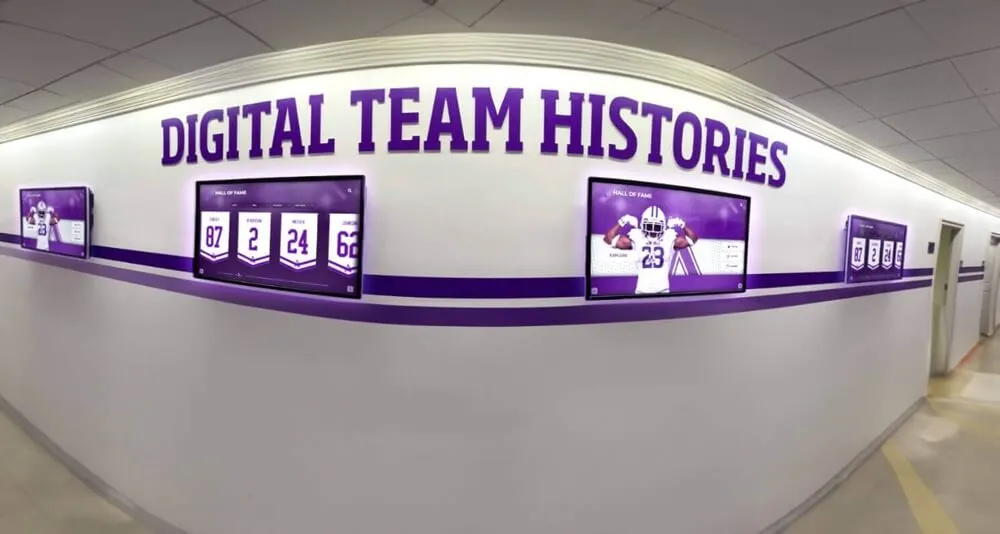
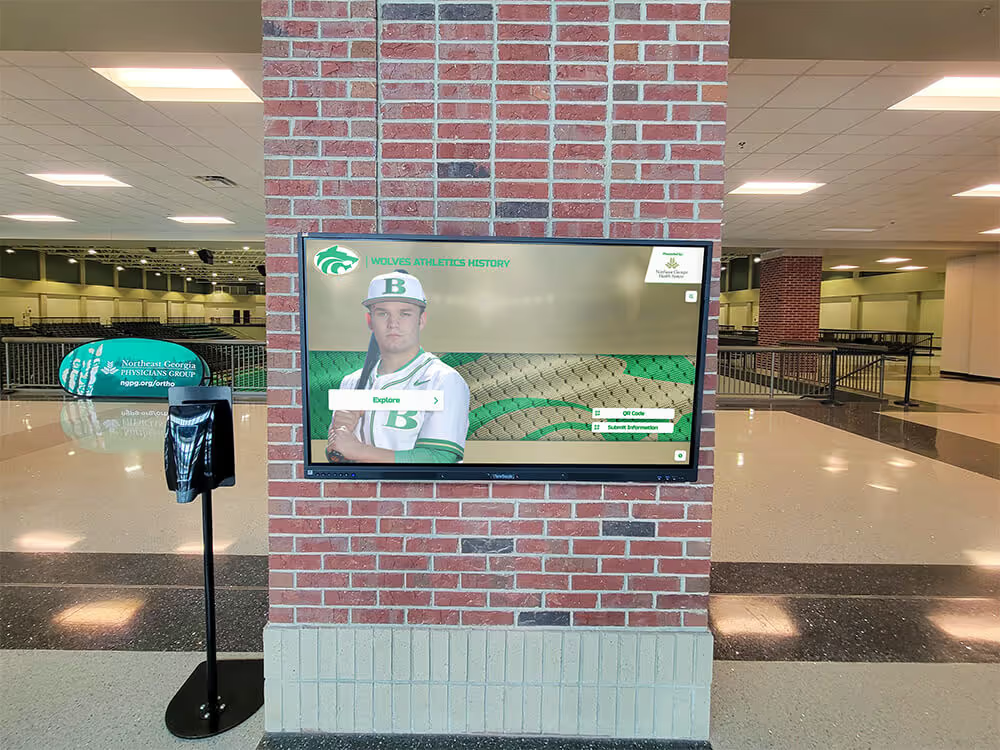
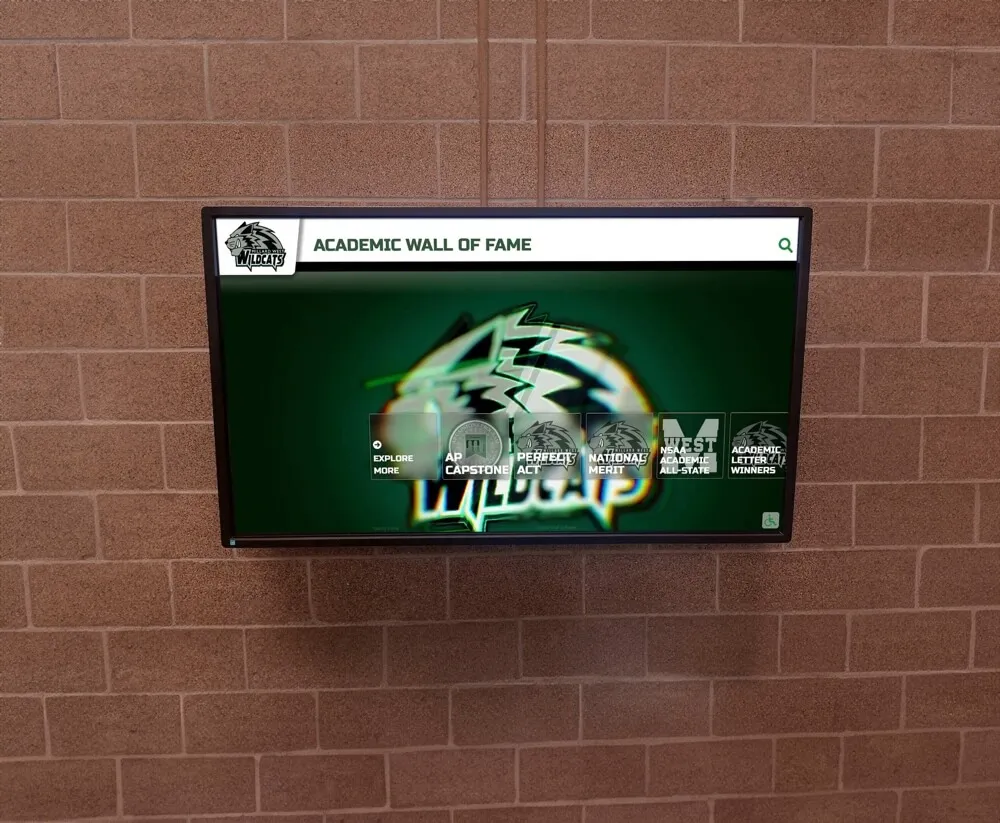
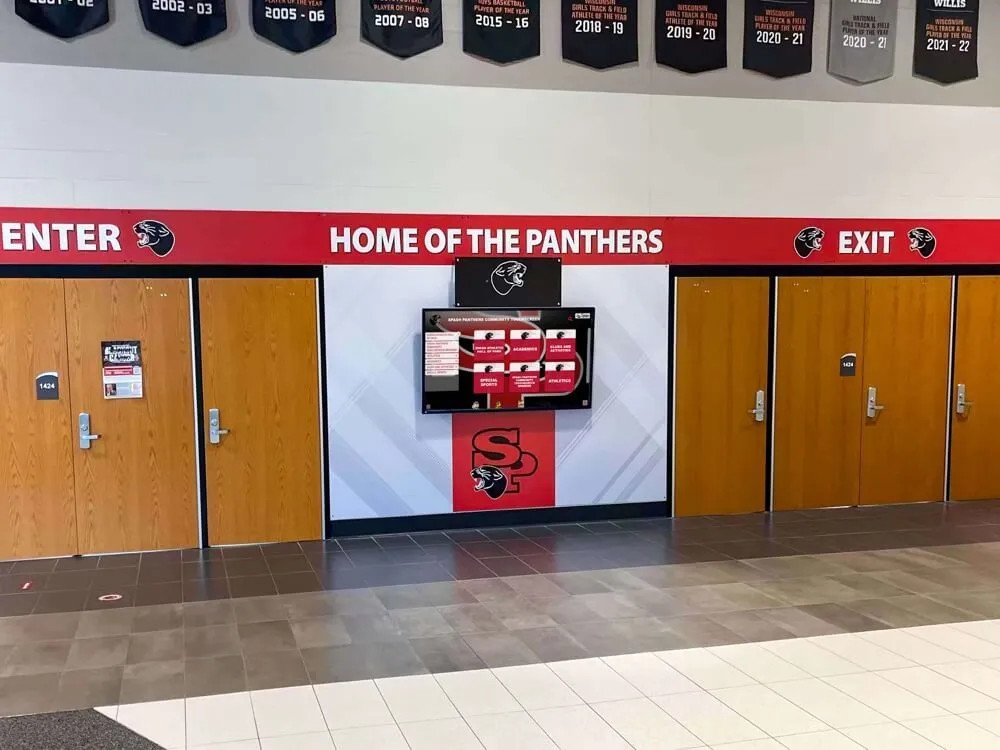
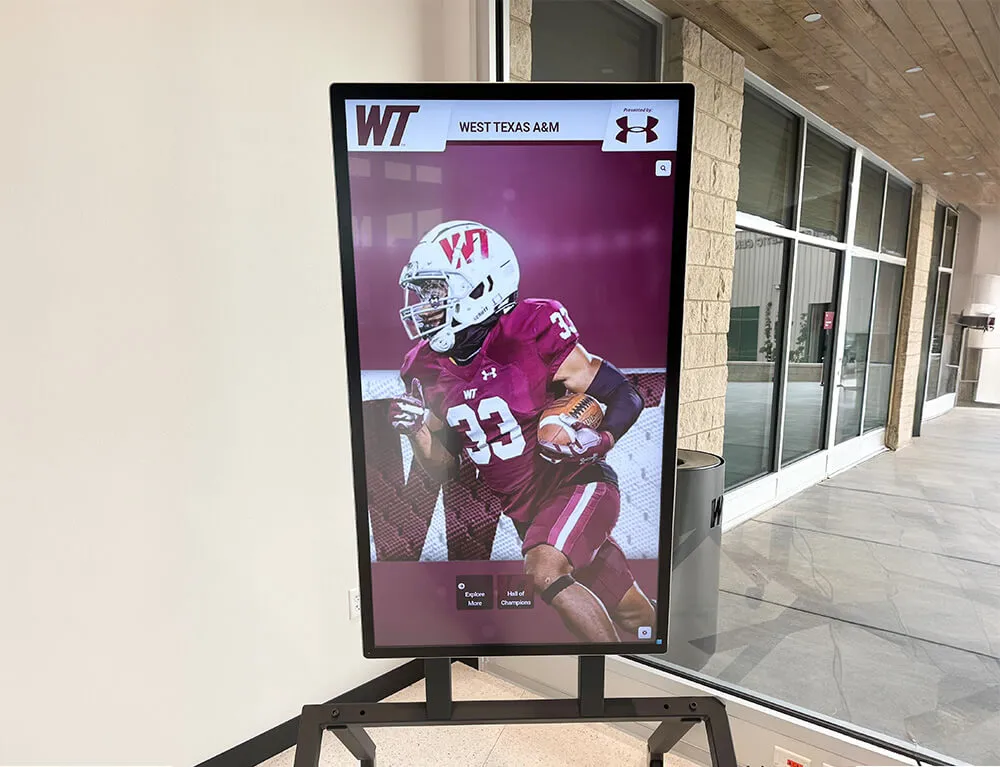
Modern academic recognition systems celebrate achievement comprehensively—but class rank remains a critical metric for many external programs and opportunities
Understanding Class Rank: Fundamental Concepts and Definitions
Before exploring calculation methods and reporting practices, establishing clear definitions helps schools and families understand what class rank actually measures and represents.
What Is Class Rank?
Class rank is a numerical representation of a student’s academic standing relative to classmates, typically calculated by ordering students from highest to lowest cumulative GPA and assigning ordinal positions. A student ranked 5th in a class of 350 has achieved the fifth-highest cumulative GPA among all seniors in their graduating cohort.
Key Components
- Ordinal rank: Specific numerical position (1st, 2nd, 3rd)
- Class size: Total students in the graduating cohort
- Percentile rank: Position expressed as percentage (top 10%, top 25%)
- Calculation basis: Weighted GPA, unweighted GPA, or hybrid approaches
- Reporting timeframe: When rank is calculated and reported
Types of Class Rank Reporting
Schools employ different ranking methodologies serving various purposes:
Exact Rank Reporting
- Provides specific numerical position for every student
- Example: “Rank 12 of 287 students”
- Offers maximum precision for competitive scholarships
- Creates most competitive environment and potential anxiety
- Increasingly rare as schools move toward less precise reporting
Decile Reporting
- Groups students into ten equal segments (top 10%, 11-20%, etc.)
- Reduces hyper-competition while maintaining meaningful differentiation
- Balances precision with student wellbeing considerations
- Sufficient for most college admissions purposes
- Easier to communicate and understand
Quintile or Quartile Reporting
- Divides class into five (quintile) or four (quartile) segments
- Even broader groupings reducing competitive pressure further
- May be too imprecise for highly selective programs
- Appropriate for schools prioritizing collaborative cultures
- Simpler administrative management
No Rank Reporting
- School provides no class rank information whatsoever
- Increasingly common at competitive private and public schools
- Reduces internal competition and course selection gaming
- May disadvantage students from less-recognized schools
- Requires strong counselor advocacy in college process
According to the National Association for College Admission Counseling, approximately 50% of high schools now choose not to rank students, a dramatic increase from just 15% two decades ago, reflecting growing concerns about the unintended consequences of ranking systems on student mental health and course selection behaviors.
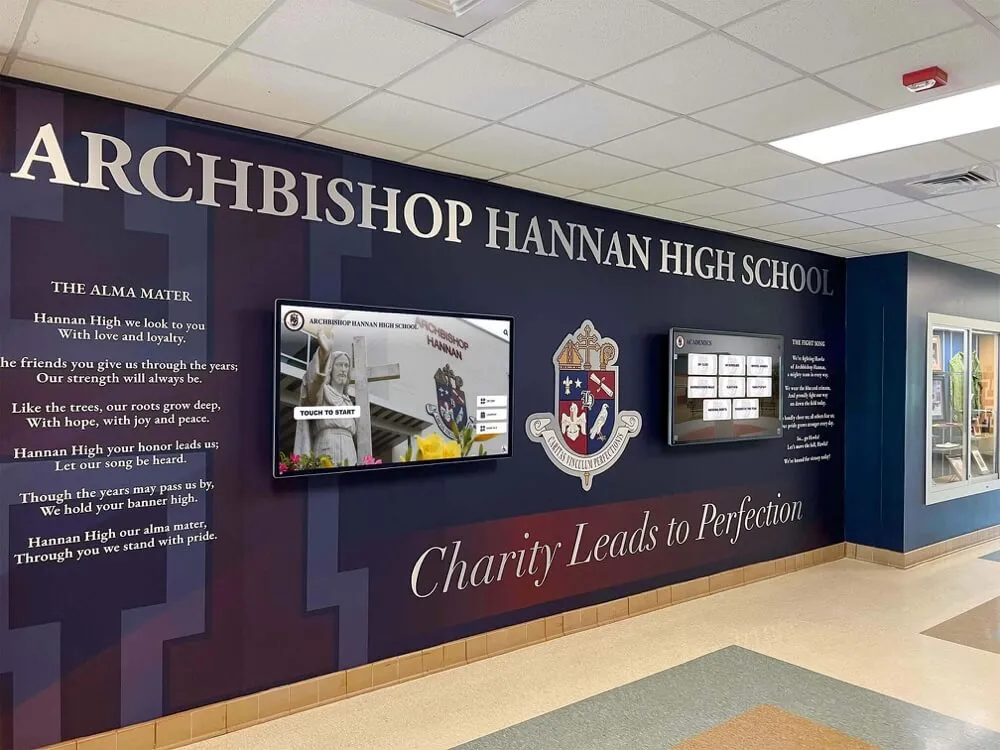
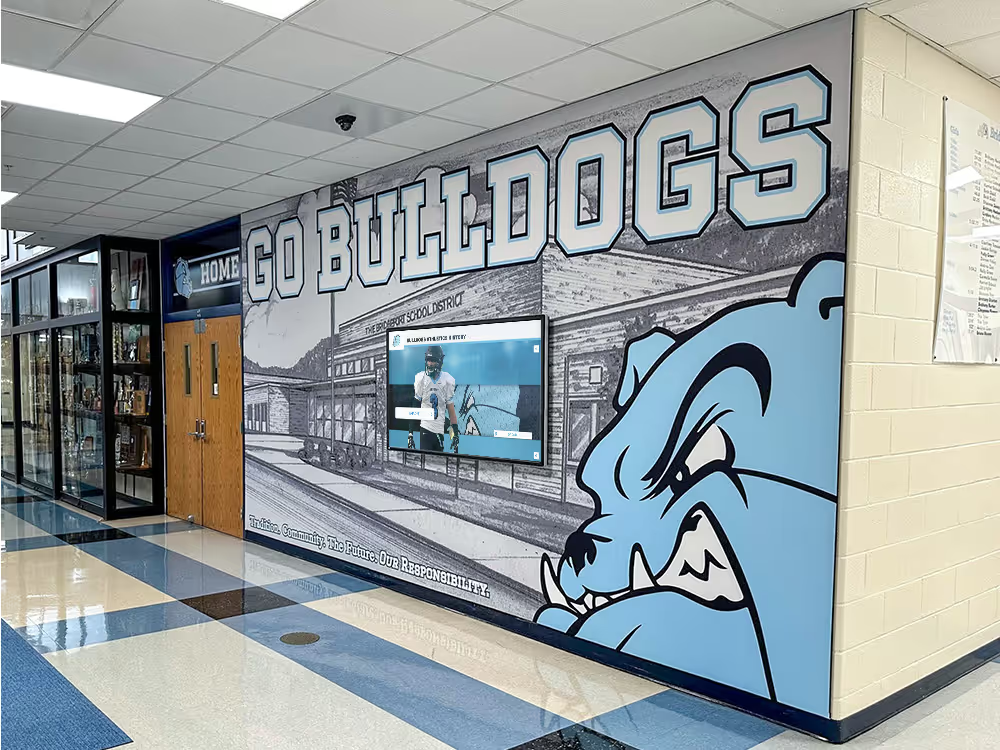
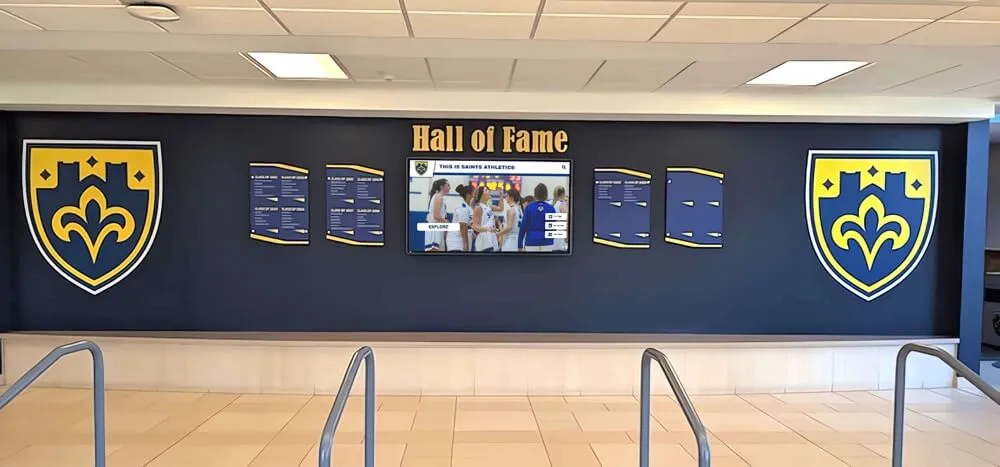
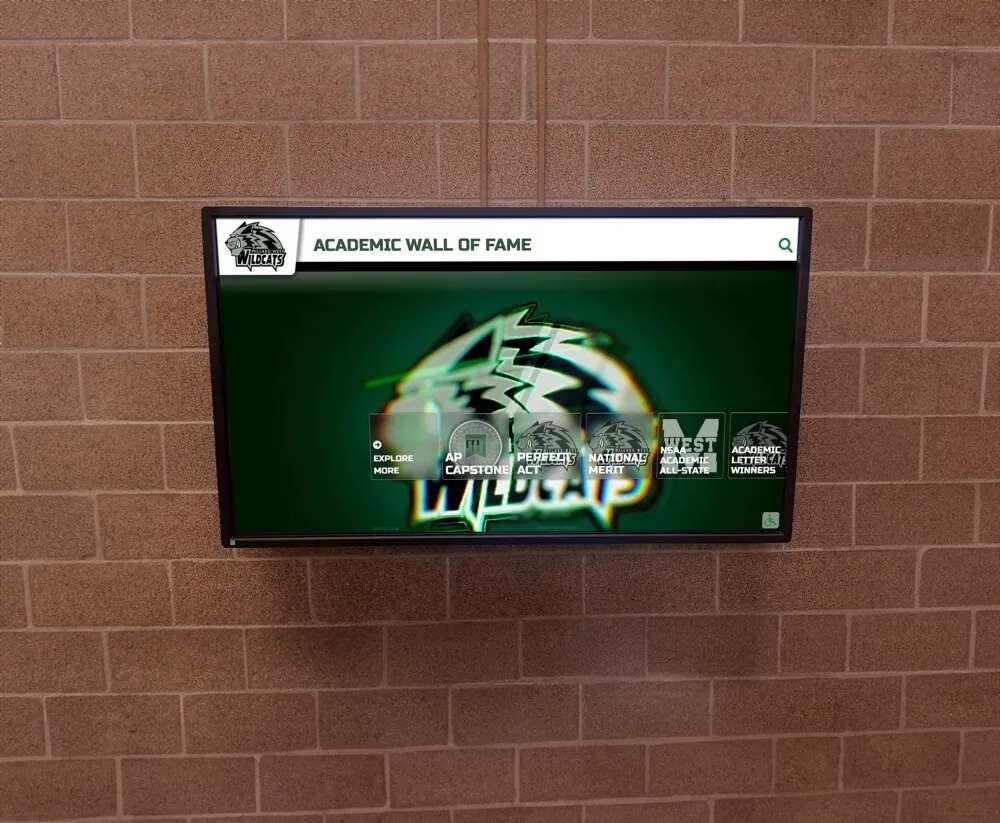
Recognition programs like honor roll complement class rank by celebrating academic achievement across broader student populations
Class Rank Calculation Methods: Weighted vs. Unweighted Systems
How schools calculate class rank fundamentally shapes student course selection behaviors, academic strategies, and ultimately who receives top recognition.
Unweighted Class Rank Systems
The Method: All courses receive equal weight regardless of difficulty level. An A in regular English and an A in AP English Literature both contribute 4.0 to the GPA calculation used for ranking.
Advantages
- Simple, transparent, easily understood by all stakeholders
- No disputes about which courses deserve higher weighting
- Prevents gaming system through strategic course selection
- Encourages students to take classes matching genuine interests
- Easier to calculate and explain to families
Disadvantages
- Discourages academic risk-taking and challenging coursework
- Students may avoid AP, IB, or honors classes protecting GPAs
- Doesn’t reflect actual rigor of student transcripts
- Top-ranked students may have easier schedules than peers
- May disadvantage most academically ambitious students
Weighted Class Rank Systems
The Method: Advanced courses receive additional GPA points recognizing increased rigor. Common weighting scales add 0.5 points for honors courses and 1.0 points for AP/IB courses, making maximum GPAs exceed 4.0.
Common Weighting Scales
| Course Level | Unweighted A | Weighted Bump | Weighted A |
|---|---|---|---|
| Regular | 4.0 | +0.0 | 4.0 |
| Honors | 4.0 | +0.5 | 4.5 |
| AP/IB/DE | 4.0 | +1.0 | 5.0 |
Advantages
- Encourages students to challenge themselves academically
- Better reflects actual transcript rigor in rankings
- Prevents GPA protection through easy course selection
- Aligns with college admissions valuation of course rigor
- Rewards students taking most demanding schedules
Disadvantages
- Complex systems confuse students and families
- Can create unhealthy competition for weighted courses
- May disadvantage students without access to advanced courses
- Requires ongoing calibration and fairness monitoring
- Opens disputes about which courses deserve extra weight
Equity Considerations: Schools must carefully consider whether all students have equal access to weighted courses. If AP, honors, or IB courses have prerequisites, capacity limits, or scheduling conflicts preventing open enrollment, weighted ranking systems may inadvertently disadvantage students based on factors beyond academic ability.
Hybrid and Alternative Approaches
Core Course Ranking
- Calculate rank using only core academic subjects (English, math, science, social studies, world language)
- Excludes electives, PE, fine arts from calculation
- Focuses comparison on college-preparatory coursework
- Reduces impact of schedule differences
- May undervalue well-rounded education
Multiple GPA Reporting
- Report both weighted and unweighted GPAs without single rank
- Allow colleges to evaluate using their preferred methodology
- Provides maximum flexibility for different evaluation contexts
- More administrative work calculating multiple systems
- Can confuse stakeholders expecting single number
Separate Weighted/Unweighted Rankings
- Calculate and report two distinct class ranks
- Weighted rank for contexts valuing rigor
- Unweighted rank for equitable comparison
- Doubles administrative burden
- Offers comprehensive picture of achievement
Explore comprehensive approaches to academic recognition programs that extend beyond competitive rankings to celebrate achievement broadly.
When and How Schools Report Class Rank
The timing and format of class rank reporting significantly impacts college applications, scholarship eligibility, and student recognition programs.
Reporting Timeframes
End of Junior Year Reporting
- Most common timing for initial college application purposes
- Based on six semesters of high school coursework
- Provides colleges comparative context during application review
- May change substantially during senior year
- Doesn’t reflect final achievement level
Mid-Senior Year Reporting
- Updated rank after first semester senior grades
- Reflects seven semesters of coursework
- Often required by scholarship programs with spring deadlines
- More accurate picture of final standing
- Helps colleges evaluate application promises versus actual performance
Final Senior Year Reporting
- Determines valedictorian, salutatorian, and graduation honors
- Based on complete eight-semester transcript
- Used for graduation ceremony recognition and scholarships
- Most accurate but unavailable for college admissions
- Basis for permanent transcript notation
Multiple Reporting Snapshots
- Some schools report rank at multiple timepoints
- Allows colleges to see trajectory and growth
- Creates additional administrative burden
- May reveal positive or negative grade trends
- Supports comprehensive evaluation
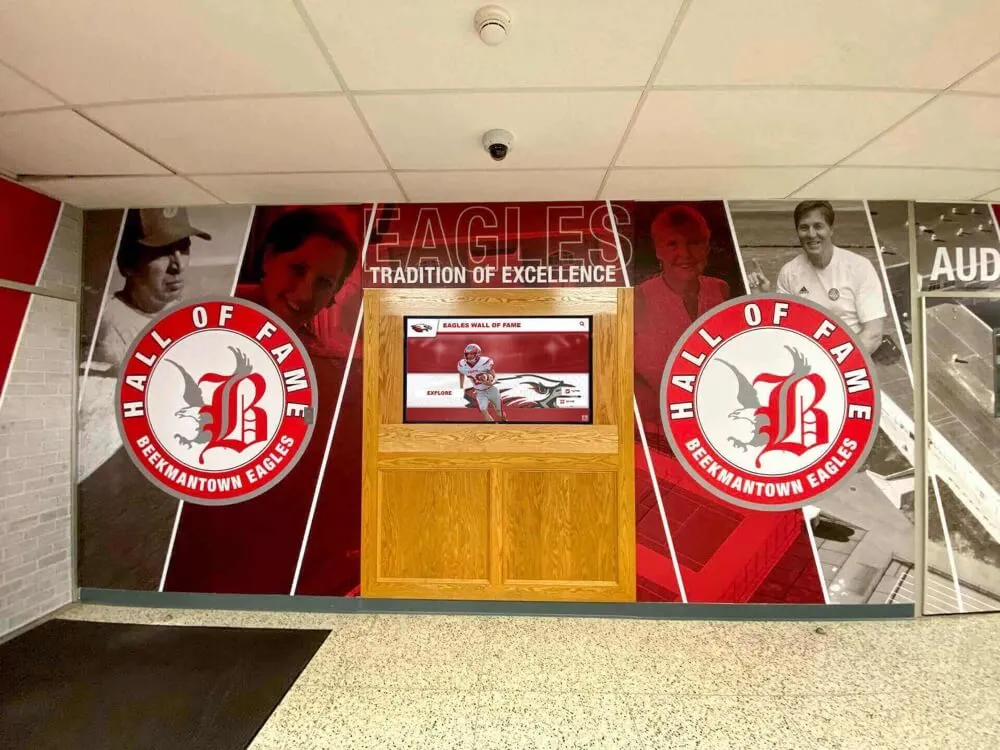
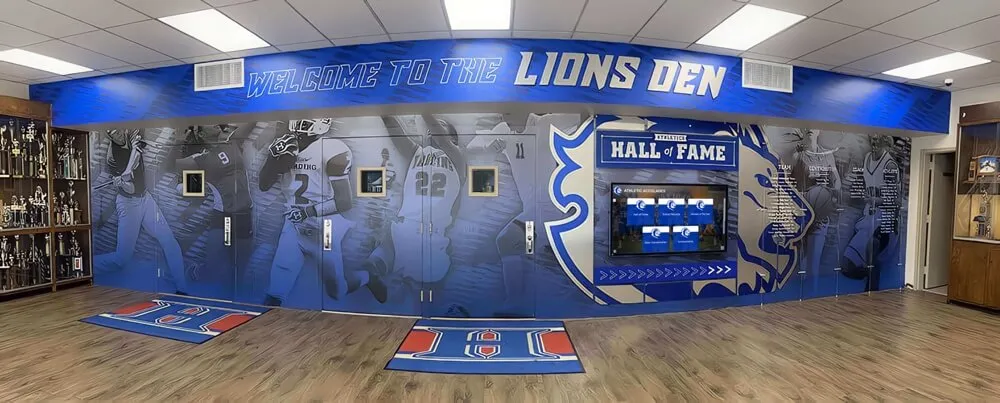
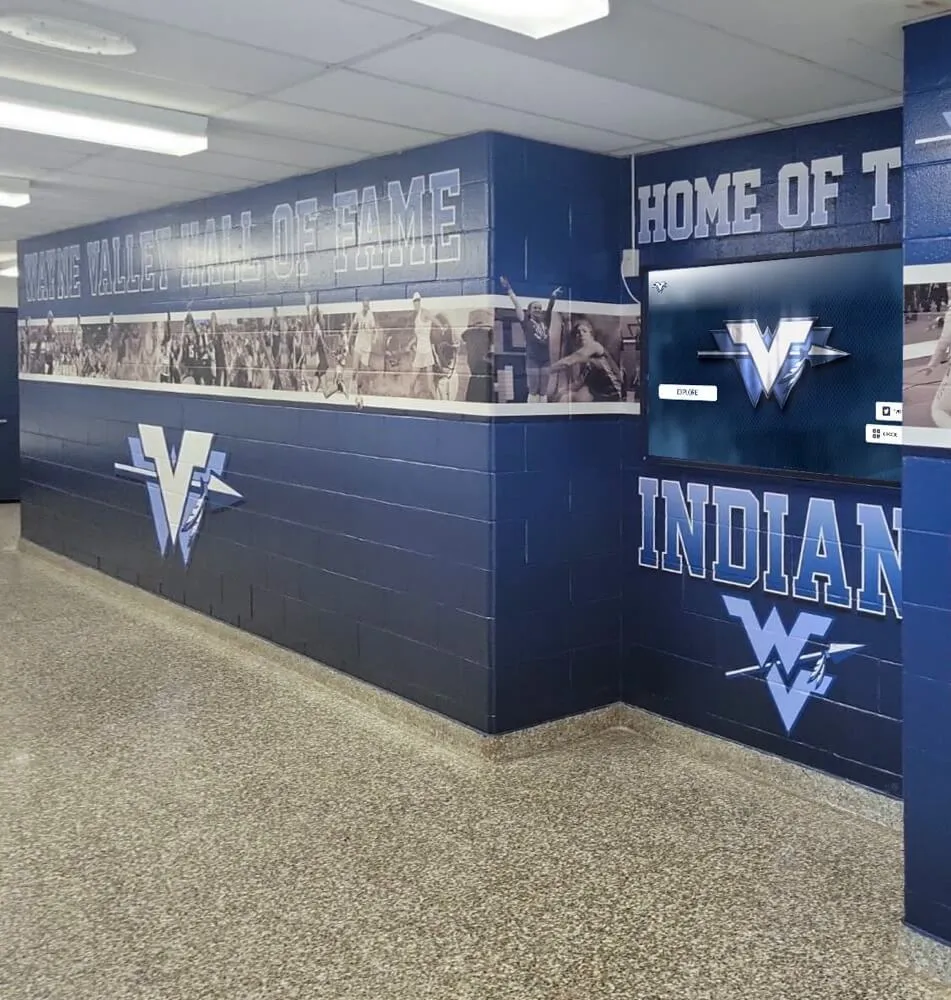
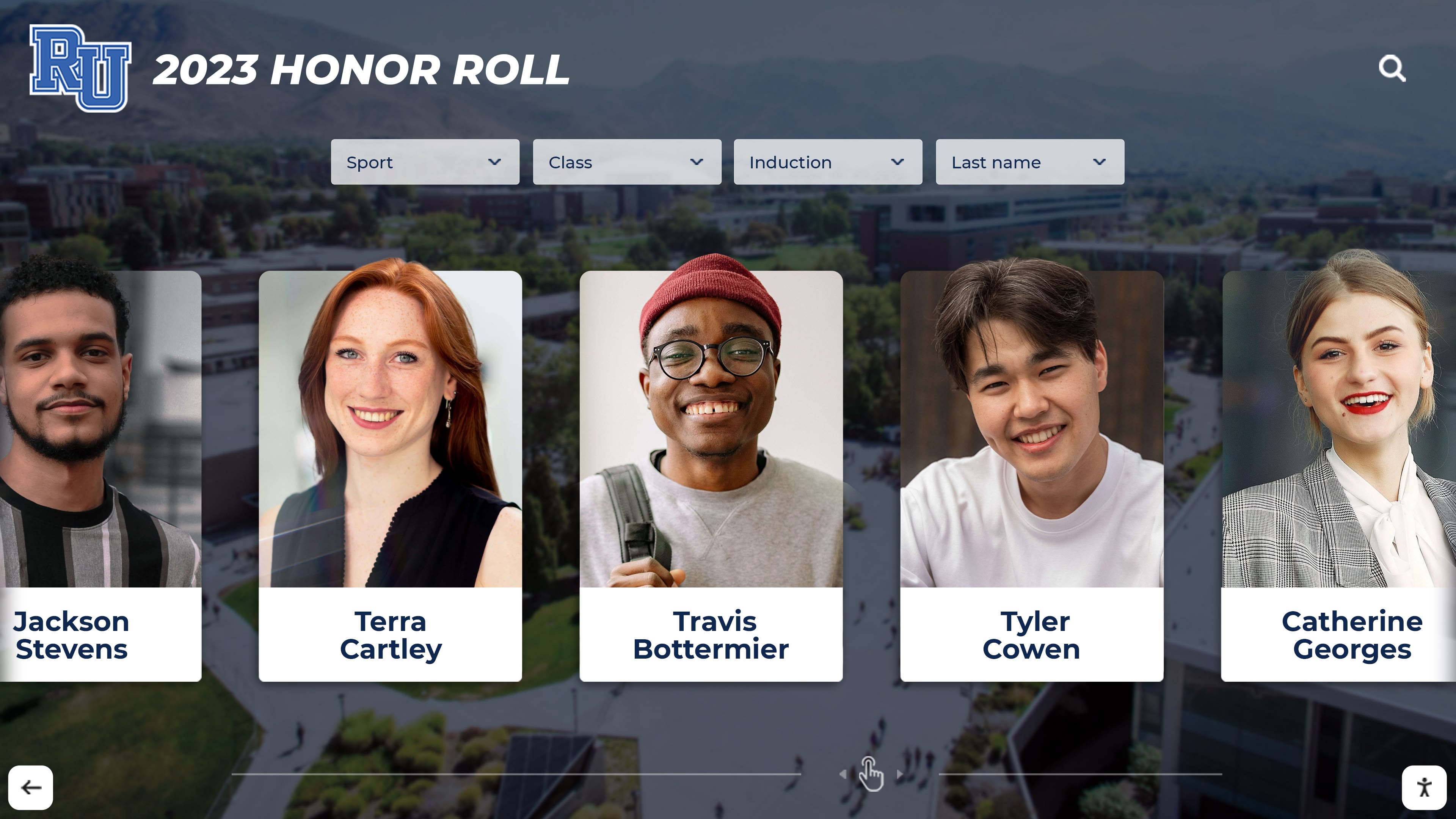
Digital recognition systems enable schools to celebrate academic achievement dynamically as rankings and honors change throughout students' high school careers
Transcript and School Profile Reporting Formats
Transcript Notation Methods
- Exact rank: “Rank 15 of 342 students”
- Percentile: “Top 5% of graduating class”
- Decile: “First decile (top 10%)”
- Quintile: “First quintile (top 20%)”
- No rank: “School does not rank students”
School Profile Integration
Every school counselor sends a school profile alongside transcripts explaining the institutional context for student achievement. Class rank information in school profiles should include:
- Whether school calculates and reports class rank
- If ranks are weighted, unweighted, or both
- Which courses receive additional weight in calculations
- When rank is calculated (end of junior year, mid-senior year, final)
- What percentage of students typically take AP/IB courses
- Historical data about top students’ college destinations
- Explanation of any special circumstances affecting rankings
Common Application Reporting
The Common Application includes specific fields for class rank reporting:
- Exact rank and class size if school ranks precisely
- Decile, quintile, or quartile if school uses broad categories
- Weighted or unweighted designation
- Explanation in “Additional Information” section if needed
Counselor Discretion and Context
Even when schools don’t officially rank, counselors may indicate relative standing when it benefits students:
- “Among the most rigorous schedules in the school”
- “Top tier of academic achievement in graduating class”
- “One of the top students in our most challenging curriculum”
- “Demonstrates exceptional academic achievement relative to peers”
This contextual information helps colleges understand achievement level without precise numerical rankings.
Class Rank Impact on College Admissions
Understanding how colleges actually use class rank information helps schools make informed policy decisions about ranking practices.
How Selective Colleges Evaluate Class Rank
Holistic Review Context Selective colleges use class rank as one factor among many:
- Academic rigor of courses taken
- Standardized test scores
- Extracurricular achievements and leadership
- Essays and personal statements
- Letters of recommendation
- Special talents or circumstances
Transcript Review Prioritization Many admissions officers prioritize:
- Course rigor: Did the student challenge themselves with available advanced courses?
- GPA trends: Are grades improving, declining, or consistent?
- Subject strength: Strong performance in intended major area?
- Class rank: How does achievement compare to schoolmates?
School Context Evaluation Colleges carefully read school profiles understanding:
- What opportunities were available to students
- How competitive or collaborative the environment is
- Whether ranking methodology fairly reflects achievement
- How previous graduates from the school have performed
Top 10% Rules and Automatic Admissions
Several states maintain automatic admissions policies guaranteeing public university admission to students meeting class rank thresholds:
Texas Top 10% Rule (now Top 6% for UT Austin)
- Guarantees University of Texas system admission for top percentage
- Drives intense competition at high-achieving high schools
- Has evolved over time responding to capacity concerns
- Significantly influences course selection and ranking anxiety
California ELC (Eligibility in Local Context)
- Top 9% of California high school classes guaranteed UC admission
- Provides admission to at least one UC campus (not necessarily choice campus)
- Considers both grades and test scores in eligibility
- Reduces but doesn’t eliminate ranking pressure
Florida Bright Futures Scholarships
- Merit scholarships with class rank and GPA requirements
- Different award levels tied to achievement thresholds
- Incentivizes ranking systems at Florida high schools
- Substantial financial impact on college affordability
These policies create significant incentives for schools to maintain class rank systems even when educational philosophy might favor elimination.
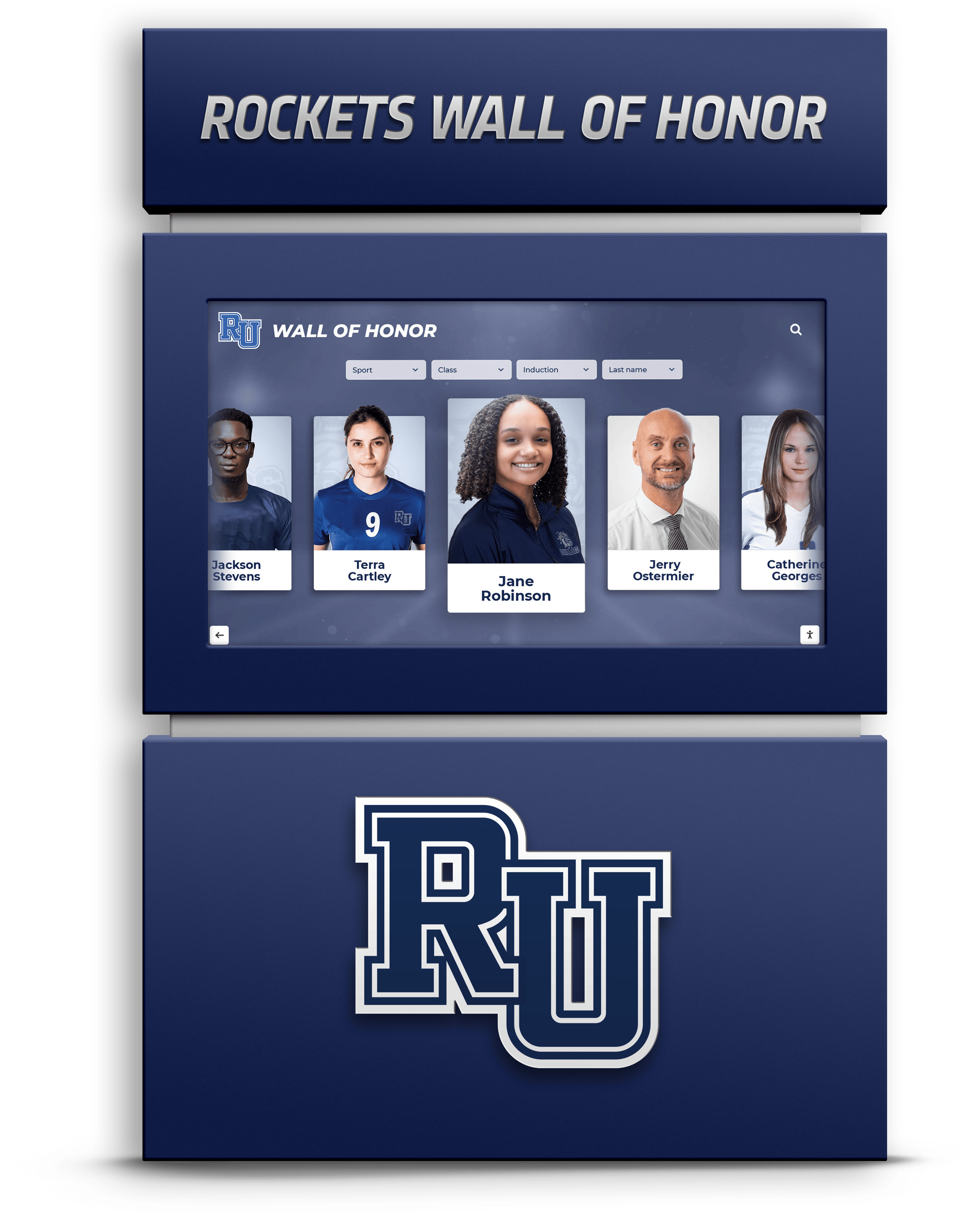
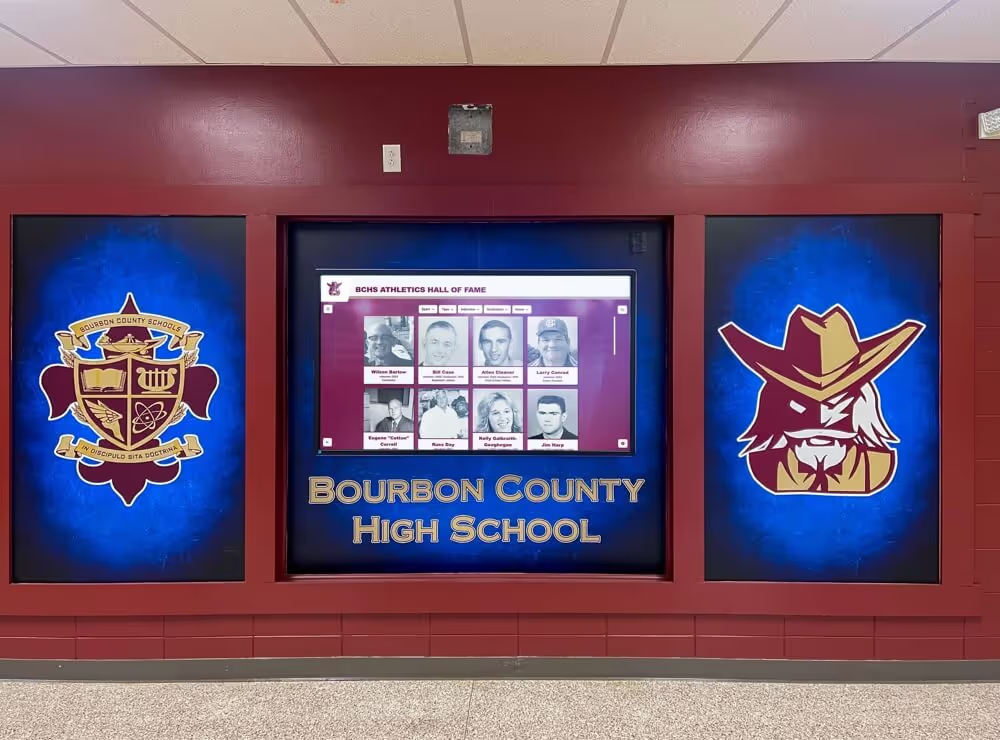
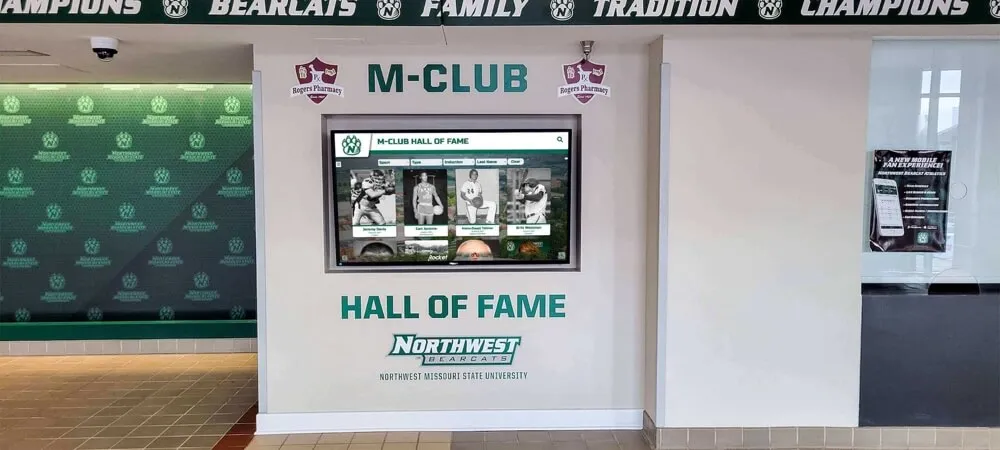
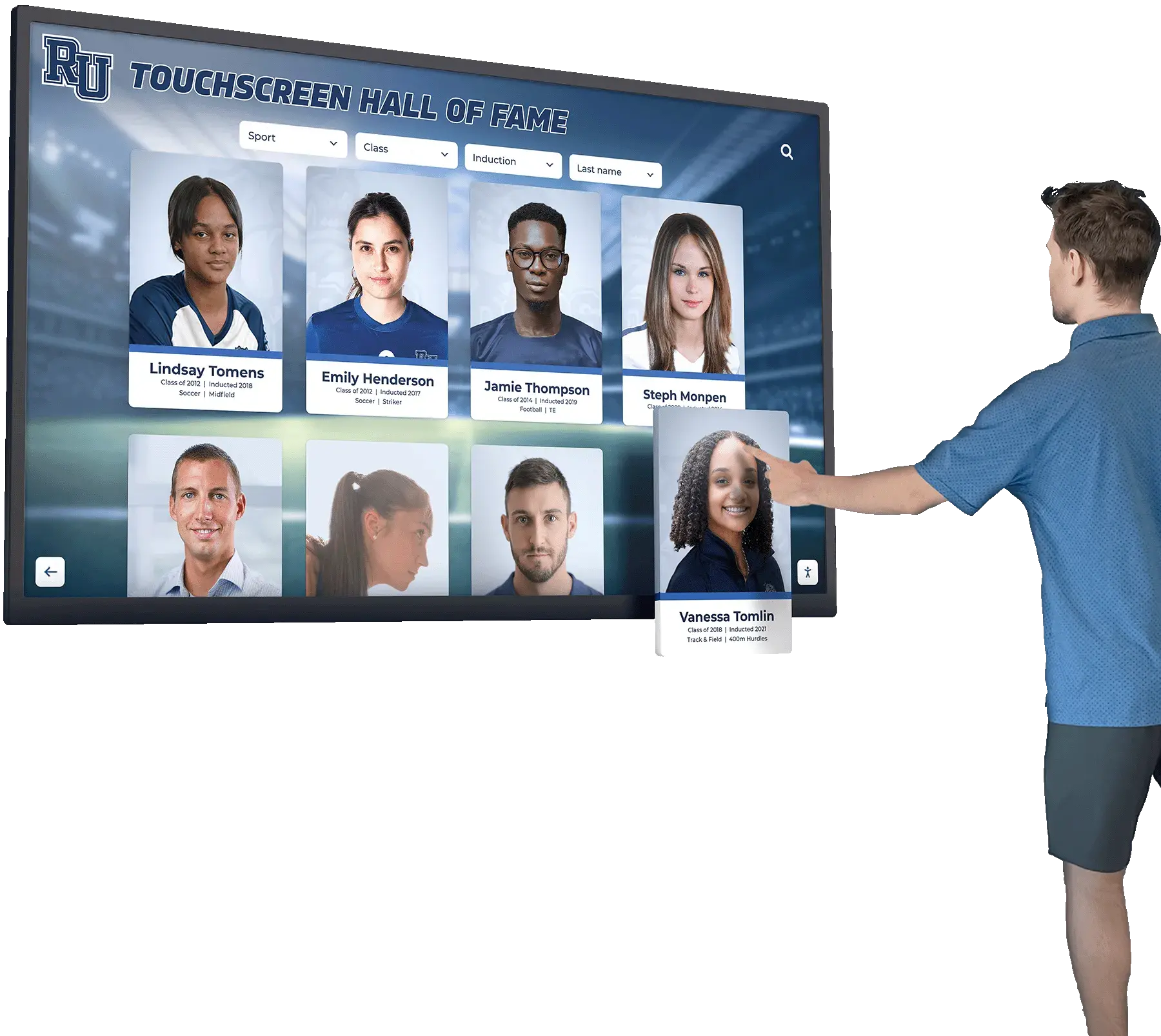
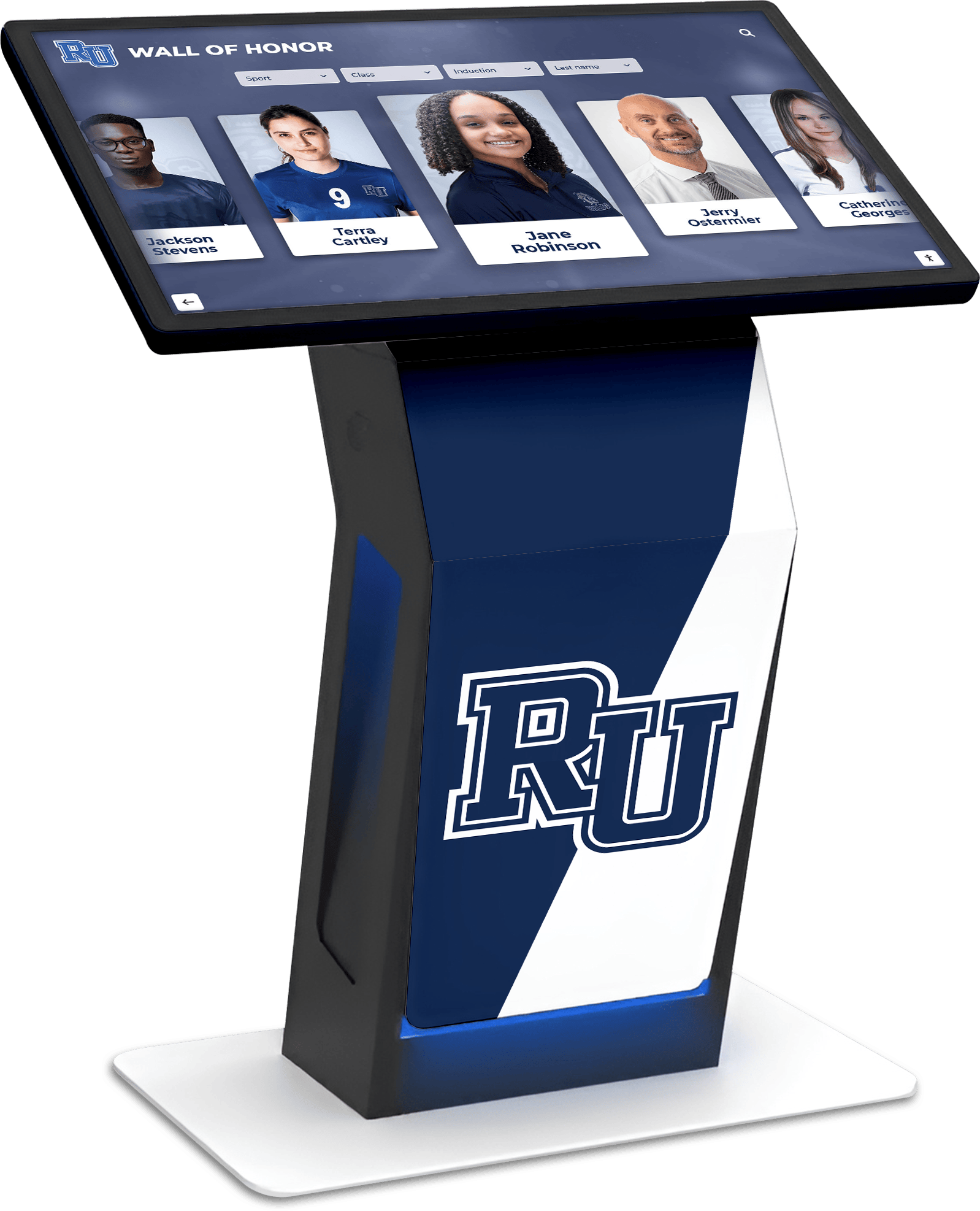
Modern recognition technology enables schools to celebrate valedictorians, honor students, and academic achievers through engaging interactive displays accessible to entire school communities
Scholarship Programs and Class Rank Requirements
Many scholarship programs maintain explicit class rank requirements:
National Merit Scholarship Eligibility
- Based primarily on PSAT scores, not class rank
- However, advancing requires strong academic record
- Finalist status considers rank among qualifications
- Substantial scholarship opportunities for finalists
Local and Community Scholarships
- Often specify “top 10%” or “top 25%” requirements
- May require specific numerical rank for consideration
- Provide significant funding for local students
- Drive continued demand for ranking information
College Merit Scholarships
- Many universities tie automatic merit awards to rank
- Combined GPA and test score thresholds common
- Can represent tens of thousands in scholarship value
- Creates financial incentive for strategic ranking positioning
Military Academy Nominations
- Congressional nominations often consider class rank
- Service academies evaluate rank among qualifications
- Competitive nominations favor top-ranked students
- May influence course selection decisions
This scholarship landscape creates practical pressure for schools to maintain ranking systems even when educational considerations suggest alternatives might better serve students.
Challenges and Controversies in Class Rank Reporting
Despite widespread use, class rank reporting creates significant challenges requiring thoughtful policy consideration.
Student Mental Health and Competitive Pressure
Hypercompetition and Anxiety
- Students may experience extreme stress over small GPA differences
- A single B can dramatically affect rank and perceived opportunities
- Competition among top students can damage relationships
- Some students experience debilitating perfectionism
- Mental health concerns intensify at high-achieving schools
Grade Inflation and Course Gaming
- Students may avoid challenging courses to protect GPAs
- Course selection driven by weighting advantage rather than interest
- Lobbying for grade changes becomes more common
- Teachers face pressure to inflate grades
- Educational decisions distorted by ranking concerns
Equity and Access Issues
- Students without access to advanced courses disadvantaged in weighted systems
- Socioeconomic factors influencing course access affect rankings
- Transfer students may face calculation inconsistencies
- Scheduling limitations create unequal opportunities
- Special education students may face ranking disadvantages
According to Challenge Success, a Stanford-based nonprofit, schools eliminating class rank often see reductions in student anxiety, more thoughtful course selection matching genuine interests, and improved collaborative learning environments—all while maintaining strong college admission outcomes.
Administrative and Implementation Challenges
Calculation Complexity
- Maintaining accurate GPA databases throughout four years
- Applying weighting formulas consistently across transcripts
- Handling transfer credits and coursework from other institutions
- Managing mid-year transfers requiring recalculation
- Ensuring accuracy in high-stakes calculations affecting student futures
Policy Disputes and Disagreements
- Which courses should receive weighted status
- How to handle dual enrollment or summer coursework
- Whether repeated courses should replace or average with initial grades
- Grade appeals and their impact on rankings
- Valedictorian ties and how to resolve them
Communication Challenges
- Explaining complex weighting formulas to students and families
- Managing disappointment when rankings fall short of expectations
- Addressing concerns about fairness and methodology
- Helping families understand college admissions context
- Supporting students whose identity becomes tied to rank
Learn about comprehensive approaches to recognizing diverse academic achievement beyond competitive rankings alone.
Modern Alternatives to Traditional Class Rank
Many schools are rethinking class rank, implementing alternative approaches that support students more holistically.
Percentage-Based Reporting Without Exact Rank
Decile Reporting Implementation
- Groups students into 10% bands
- Example: “Top 10%” rather than “Rank 15 of 350”
- Reduces anxiety while maintaining meaningful differentiation
- Sufficient for most college admissions purposes
- Easier to explain and less subject to minute disputes
Quintile Reporting
- Even broader groupings (top 20%, 21-40%, etc.)
- Further reduces competitive pressure
- May be too imprecise for certain scholarships
- Works well for collaborative school cultures
- Simpler to administer and communicate
Advantages of Percentage-Based Approaches
- Reduces stress from small GPA differences
- Maintains sufficient information for colleges
- Decreases grade grubbing and appeals
- Still allows identification of top achievers
- Balances competing interests effectively
Latin Honors and Recognition Tiers
Cumulative GPA Thresholds
Instead of competitive rankings, schools establish absolute standards:
| Honor Level | GPA Threshold | Recognition |
|---|---|---|
| Summa Cum Laude | 3.9+ | Highest honor |
| Magna Cum Laude | 3.7-3.89 | High honor |
| Cum Laude | 3.5-3.69 | Honor |
Benefits of Threshold Systems
- Students compete against standards, not each other
- Multiple students can achieve highest recognition
- Reduces zero-sum competitive dynamics
- Focuses attention on learning rather than ranking
- Aligns with many college recognition systems
Considerations
- May create threshold gaming (3.89 vs. 3.9 matters greatly)
- Doesn’t provide relative comparison colleges sometimes want
- Requires thoughtful threshold setting avoiding grade inflation
- May need adjustment over time as student populations change
Eliminating Class Rank Entirely
No Ranking Movement
Approximately half of U.S. high schools now choose not to rank students at all. These schools:
- Report only cumulative GPA on transcripts
- Provide detailed school profiles explaining grade distributions
- Rely on counselor recommendations to contextualize achievement
- Emphasize course rigor over numerical positioning
- Often see reductions in student anxiety and competition
How Colleges Respond
Research shows colleges adapt effectively to no-rank students:
- Admissions offices become skilled at evaluating in context
- School profiles provide sufficient comparative information
- Counselor recommendations offer relative standing when helpful
- Course rigor and GPA remain strong predictive factors
- Students from no-rank schools aren’t disadvantaged in admissions
When Elimination Works Best
- Schools with strong counseling capacity and relationships
- Institutions with established reputations colleges recognize
- Communities supportive of collaborative rather than competitive cultures
- Contexts where students have diverse post-secondary goals
- Schools with equitable access to challenging coursework
When Ranking May Remain Beneficial
- States with automatic admissions policies (Texas, California, Florida)
- Schools where many students pursue competitive scholarships
- Contexts where rank provides meaningful differentiation
- Less-known schools where rank helps contextualize achievement
- Communities with strong traditions around valedictorian designation
Explore how schools are modernizing recognition approaches to celebrate achievement comprehensively beyond competitive metrics.

Comprehensive recognition systems celebrate academic excellence across broad student populations rather than focusing exclusively on top-ranked individuals
Best Practices for Schools and Counselors
Whether your school maintains class rank or not, these practices support students effectively through the academic achievement and college admissions process.
If Your School Ranks: Supporting Students Effectively
Transparent Communication
- Explain methodology clearly to students and families in freshman year
- Provide written documentation of calculation formulas
- Share rank information sensitively and privately
- Help students understand context and limitations
- Address concerns compassionately and thoroughly
Equitable Policy Design
- Ensure all students have equal access to weighted courses
- Consider socioeconomic impacts of course access
- Regularly audit methodology for unintended bias
- Evaluate whether weighting reflects actual course rigor
- Adjust policies based on outcome data and feedback
Holistic Student Support
- Counsel students that rank is one factor among many
- Encourage course selection based on interest and challenge
- Celebrate achievement across broader populations
- Support students whose rank doesn’t match aspirations
- Address anxiety and competitive pressure proactively
Strategic Reporting Decisions
- Report at optimal timeframes for college applications
- Consider decile or quintile reporting reducing anxiety
- Provide comprehensive school profile context
- Train counselors to explain rank effectively in recommendations
- Advocate for students in college admissions process
If Your School Doesn’t Rank: Providing Necessary Context
School Profile Excellence
- Provide detailed grade distribution information
- Explain curriculum rigor and advanced course opportunities
- Share historical college admission and success data
- Describe student body academic profile
- Include specific information about top achievers when helpful
Counselor Recommendation Training
- Develop consistent language describing relative achievement
- Provide context about course rigor and selection
- Explain school culture and competitive context
- Highlight specific strengths without comparative ranking
- Balance advocacy with authenticity
Supporting Students in Selective Admissions
- Help students understand they won’t be disadvantaged
- Encourage focus on authentic achievement and growth
- Emphasize importance of course rigor and challenge
- Guide compelling personal statement development
- Build relationships enabling strong recommendation letters
Valedictorian and Salutatorian Designation
Clear Criteria and Processes
- Define methodology transparently before students begin high school
- Decide how to handle ties in advance
- Establish timelines for calculation and announcement
- Create appeals processes for disputed calculations
- Communicate expectations consistently
Tie-Breaking Approaches
When multiple students have identical GPAs:
Multiple Valedictorians
- Most equitable approach recognizing all top achievers
- Avoids arbitrary distinction when achievement is truly equal
- Increasingly common at schools nationwide
- May require shared speaking opportunities
- Celebrates collaboration over competition
Standardized Test Scores
- Some schools use SAT/ACT as tiebreaker
- Controversial due to equity concerns with standardized testing
- May disadvantage students who test less well
- Becoming less common in test-optional era
Most Rigorous Schedule
- Evaluate overall course rigor when GPAs are identical
- Requires subjective evaluation of schedule difficulty
- Can be more equitable than test scores
- May still face challenges in truly ambiguous cases
Co-Valedictorians with Primary Speaker
- Recognize all tied students as valedictorians
- Select speaker through separate process (application, vote, etc.)
- Separates recognition from speaking opportunity
- Provides additional criteria when needed
Consider how digital recognition platforms enable schools to celebrate valedictorians, salutatorians, and honor students prominently while also recognizing broader achievement across graduating classes.

Interactive recognition systems make academic achievement visible and accessible throughout school buildings, celebrating excellence daily rather than only at graduation
Digital Recognition Systems: Celebrating Achievement Beyond Rankings
Modern schools increasingly complement or replace traditional ranking systems with comprehensive digital recognition celebrating achievement across broader student populations.
Expanding Recognition Beyond Top Ranks
Multi-Tier Achievement Celebration
Rather than focusing exclusively on valedictorians and top-10 students, comprehensive recognition systems celebrate:
- Honor Roll: Students meeting defined GPA thresholds each semester
- Subject Excellence: Top performers in specific academic departments
- Academic Growth: Students showing significant improvement over time
- Specialized Awards: Recognition for specific accomplishments and competitions
- Perfect Attendance: Acknowledging consistent academic dedication
- National Honor Society: Leadership and service alongside scholarship
- AP Scholars: Recognition for AP exam performance across multiple subjects
- Subject-Specific Honors: Math team, science olympiad, debate champions
This broader approach reduces unhealthy competition while ensuring more students receive meaningful acknowledgment of their academic achievements.
Digital Display Platforms for Academic Recognition
Interactive Touchscreen Systems
Modern recognition technology enables schools to:
- Showcase hundreds or thousands of student achievements in single displays
- Update recognition instantly as new honors are earned
- Feature rich profiles including photos, statistics, and achievements
- Enable easy browsing and searching for specific students
- Share recognition across multiple displays throughout buildings
- Extend recognition beyond physical displays to web platforms
Solutions like Rocket Alumni Solutions provide comprehensive platforms specifically designed for academic recognition, combining unlimited recognition capacity with engaging interfaces that celebrate achievement prominently throughout school communities.
Dynamic Recognition Features
- Real-time updates: Add new honor roll members immediately each semester
- Historical archives: Maintain permanent recognition of past achievements
- Search functionality: Allow students to find themselves and classmates easily
- Multiple categories: Organize by grade level, achievement type, academic year
- Featured content: Highlight valedictorians, perfect scores, special accomplishments
- Integration capabilities: Connect with student information systems for automatic updates
Physical Display Placement
Strategic location of academic recognition displays:
- Main entrances: Greet visitors with academic excellence
- Counseling offices: Support college application conversations with visible achievement
- Academic wings: Celebrate scholarship in core educational spaces
- Libraries: Connect recognition with learning environments
- Cafeterias: Reach broad student populations daily
- Gymnasium lobbies: Balance athletic recognition with academic celebration
Connecting Recognition to Class Rank and College Preparation
Integrated Achievement Narratives
Digital recognition systems can connect class rank context with broader achievement stories:
- Profile top-10 students with comprehensive achievement narratives
- Highlight valedictorians and salutatorians with featured content
- Showcase college commitment destinations alongside academic recognition
- Document scholarship awards earned by academic achievers
- Create where-are-they-now spotlights showing college success of past top students
- Build aspirational narratives for younger students
Supporting College Admissions Process
Recognition displays serve practical college preparation purposes:
- Celebrate students earning admission to competitive universities
- Highlight scholarship awards creating awareness of opportunities
- Feature alumni success stories demonstrating pathways
- Document acceptance to specialized programs (engineering, medicine, arts)
- Create visibility around college planning timeline and deadlines
- Build college-going culture through visible achievement celebration
Explore comprehensive approaches to end-of-year recognition that celebrate academic achievement alongside other accomplishments.

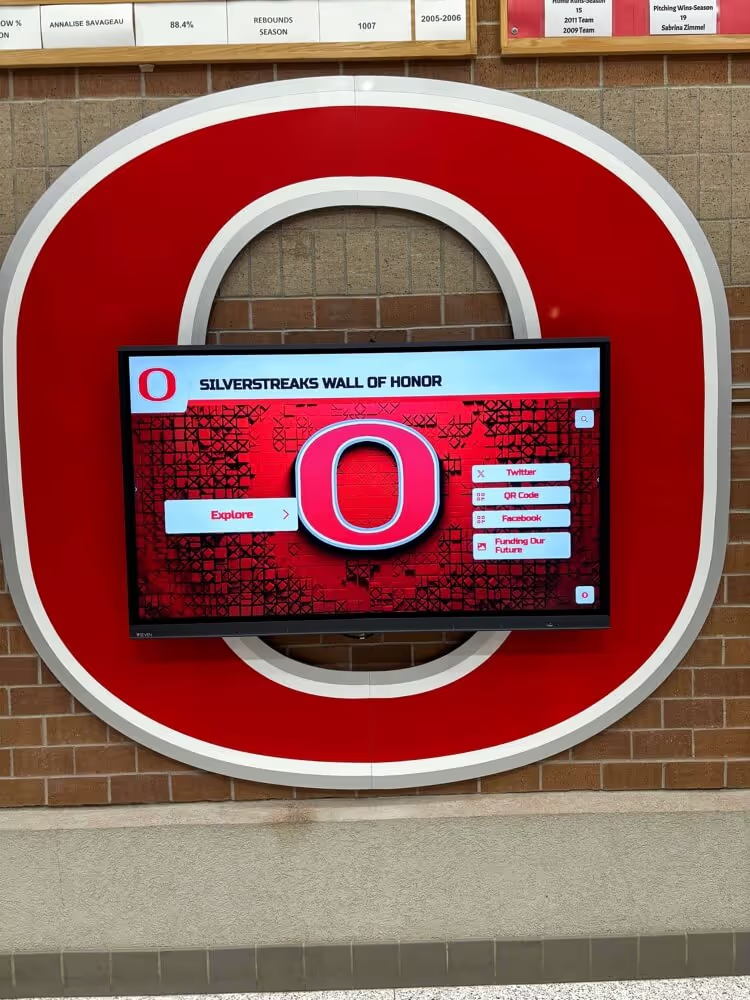
Intuitive touchscreen interfaces enable students across all ages to explore academic recognition independently, building awareness of achievement expectations and opportunities
Technology Implementation: Managing Academic Recognition Efficiently
Schools implementing digital academic recognition systems benefit from understanding effective implementation approaches.
Content Management for Academic Achievement
Semester Recognition Workflows
- Import honor roll data directly from student information systems
- Apply consistent formatting and profile templates
- Review and approve content before publishing
- Schedule releases coordinating with honor roll announcements
- Update displays instantly across all locations
- Archive historical recognition maintaining permanent records
Annual Achievement Updates
- Add valedictorians and salutatorians with featured profiles
- Update Dean’s List recipients and academic honors
- Document National Merit Scholars and commended students
- Recognize perfect ACT/SAT scores and academic competition winners
- Add scholarship recipients with award amounts when appropriate
- Feature graduating senior achievements and college destinations
Efficient Multi-Year Management
- Organize content by graduating class for easy access
- Maintain consistent templates ensuring professional appearance
- Use bulk upload tools adding entire honor roll rosters quickly
- Archive graduated students maintaining historical record
- Search across years finding past recognition easily
- Generate reports showing recognition trends over time
Integration with School Systems
Student Information System Connections
- Automatically pull GPA data for honor roll calculation
- Import demographic information and student photos
- Update enrollment status and graduating class information
- Sync contact information for communication purposes
- Maintain data accuracy through single source of truth
- Reduce manual data entry and associated errors
School Website Integration
- Display academic recognition on school websites
- Share valedictorian and top student profiles publicly
- Enable family sharing of individual student achievements
- Extend recognition reach beyond physical displays
- Support college applications with accessible achievement documentation
- Build institutional pride through public excellence celebration
Social Media Publishing
- Share academic achievements across school social channels
- Celebrate valedictorians, honor roll, and special accomplishments
- Tag students and families (with permission) for increased engagement
- Build community awareness of academic excellence
- Attract prospective families through visible achievement
- Support school advancement and development efforts
Learn about birthday recognition programs and other complementary approaches schools use to build culture beyond academic achievement alone.
Evaluating Your School’s Class Rank Policy
Schools considering changes to ranking practices should systematically evaluate their current approach and potential alternatives.
Assessment Questions for School Leadership
Current State Evaluation
- How does our ranking system affect student course selection decisions?
- Do students avoid challenging courses to protect GPAs and rankings?
- How equitable is access to weighted courses across student populations?
- What level of stress and anxiety do students experience around rankings?
- How do colleges use our ranking information in admissions decisions?
- What percentage of our students pursue opportunities requiring class rank?
- How much administrative time goes into calculation and communication?
- What disputes and appeals arise from ranking methodology?
Alternative Approach Exploration
- Would decile or quintile reporting serve students better than exact ranks?
- Could Latin honors (cum laude) replace competitive ranking systems?
- What would eliminating rank entirely mean for our students’ opportunities?
- How would automatic admissions policies affect no-rank students?
- Can our counselors provide adequate context without formal rankings?
- What do peer and aspirational schools do regarding ranking?
- How would different approaches affect our school culture and environment?
- What stakeholder communication would be needed for changes?
Implementation Considerations
- What timeline would allow thoughtful transition to new approaches?
- How would changes affect current students versus future cohorts?
- What communication strategies would help families understand changes?
- How would counselors need to adjust practices and training?
- What technology or systems changes would be required?
- How would we measure success of policy changes?
- What contingency plans address unintended consequences?
Stakeholder Engagement Process
Comprehensive Input Gathering
- Survey students about ranking stress and course selection impacts
- Gather parent perspectives on ranking value and concerns
- Consult faculty about classroom impacts of ranking competition
- Interview counselors about college admissions implications
- Review research literature on ranking systems and student outcomes
- Examine peer institution practices and rationales
- Consult admissions officers at colleges students typically attend
- Engage school board in policy-level considerations
Pilot Programs and Transitions
- Consider phased implementation starting with entering freshman class
- Test alternative reporting formats with college admissions offices
- Implement support systems addressing specific concerns
- Monitor outcomes and adjust based on real experience
- Communicate transparently throughout process
- Remain flexible responding to legitimate concerns
- Document decision rationale for institutional memory
- Plan long-term evaluation of policy effectiveness
Conclusion: Supporting Students Through Thoughtful Class Rank Practices
Class rank reporting represents a critical intersection of academic achievement measurement, college admissions requirements, scholarship eligibility, recognition traditions, and student wellbeing. When schools approach ranking thoughtfully—establishing transparent calculation methodologies that reward rigor appropriately, implementing equitable policies ensuring all students have genuine opportunity, supporting students through the pressures ranking systems can create, providing meaningful context for colleges evaluating achievement, and complementing rankings with comprehensive recognition celebrating broader excellence—they create frameworks that serve students effectively while meeting legitimate external information needs.
The frameworks explored throughout this comprehensive guide provide school counselors and administrators with systematic approaches to every dimension of class rank reporting—from understanding fundamental calculation methods and reporting formats through evaluating college admissions implications, addressing equity and wellbeing concerns, considering modern alternatives, and implementing digital recognition systems that celebrate achievement beyond competitive rankings alone. Whether your school maintains traditional exact ranking, implements decile or quintile approaches, awards Latin honors based on absolute standards, or eliminates ranking entirely, the fundamental principle remains consistent: student wellbeing and authentic learning should drive decisions rather than external pressures alone.
Effective class rank policies balance multiple competing considerations: providing colleges meaningful comparative achievement information while reducing unhealthy student competition; rewarding students who challenge themselves with rigorous coursework while ensuring equitable access to those opportunities; maintaining useful traditions like valedictorian designation while celebrating excellence across broader populations; meeting scholarship and program requirements that specify ranking criteria while supporting collaborative rather than cutthroat school cultures. No single approach perfectly optimizes all considerations simultaneously—thoughtful school leaders make intentional tradeoffs aligned with institutional values and student population needs.
Ready to celebrate academic excellence comprehensively beyond competitive rankings alone? Modern recognition solutions help schools honor valedictorians, salutatorians, honor roll students, and diverse academic achievers through engaging digital displays accessible throughout buildings and online. Platforms like Rocket Alumni Solutions provide comprehensive systems specifically designed for academic recognition, combining unlimited honoree capacity with intuitive interfaces, cloud-based management enabling easy updates, and professional support ensuring successful long-term programs.
Whether your school ranks students precisely, reports in broad percentiles, or eliminates ranking entirely, digital recognition technology enables you to celebrate academic achievement prominently while building culture that motivates excellence across entire student populations. Request a free custom demo exploring how interactive touchscreen displays can showcase your school’s academic excellence prominently while supporting students appropriately through their educational journeys and college preparation processes.
The most important consideration isn’t whether class rank itself is inherently good or bad—it’s whether your specific ranking policy and recognition approach serve your particular students, school culture, and community values effectively. Some schools and student populations thrive under ranking systems providing clear competitive structures and external validation; others benefit dramatically from ranking elimination removing anxiety and enabling more authentic course selection aligned with genuine interests. Your responsibility as educators and counselors is understanding your students deeply enough to make informed decisions serving their best interests, implementing chosen approaches thoughtfully with appropriate support systems, and remaining open to evolution as student needs and external contexts change over time.
Begin evaluating your class rank practices today by gathering systematic feedback from students, families, faculty, and counselors about current impacts on course selection, student wellbeing, and college preparation effectiveness. Research what peer and aspirational schools do regarding ranking and why they’ve made those choices. Consult admissions officers at colleges your students typically attend to understand how ranking information actually gets used in admission decisions. Consider whether alternative approaches—decile reporting, Latin honors, ranking elimination—might serve students better while still providing necessary information to external programs. And explore how digital recognition technology can complement or enhance class rank systems by celebrating achievement comprehensively across broader student populations beyond competitive top-10 lists alone.