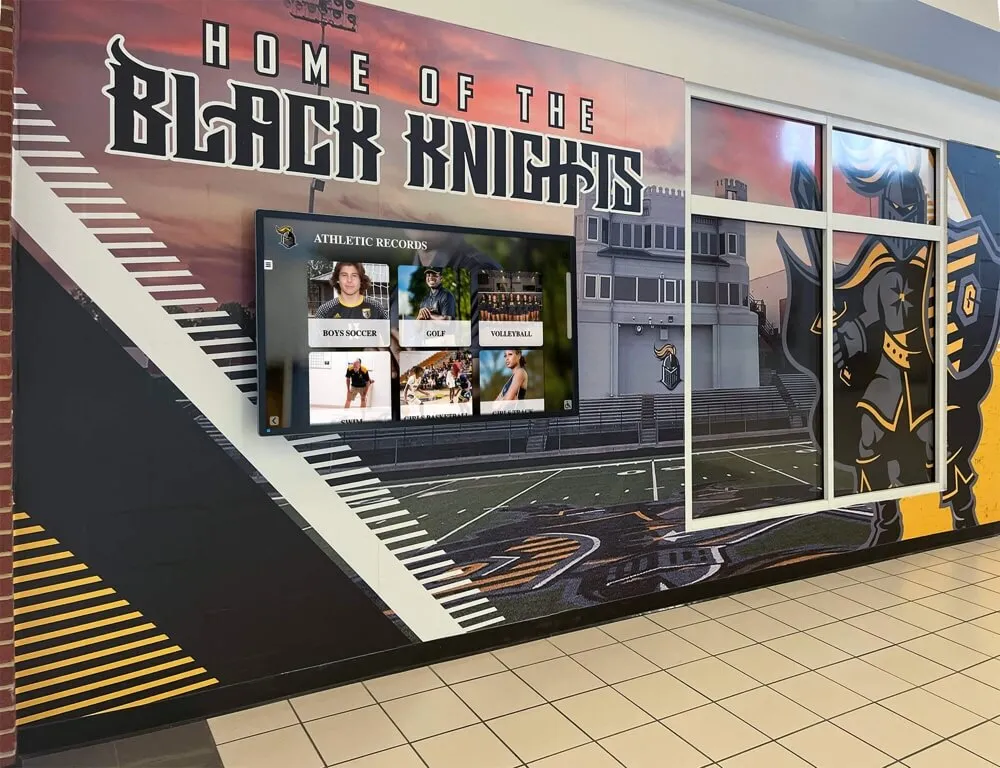




Walk down the hallway of many American high schools and you will find trophy cases celebrating football championships, homecoming courts, and National Honor Society inductees. What you will rarely see—despite decades of hard-earned rank promotions, search-and-rescue training, and aerospace scholarship—is any recognition of the cadets who belong to Civil Air Patrol.
Civil Air Patrol cadets put in the work. They study aerospace and leadership, earn military-style ranks through demonstrated achievement, master emergency services skills, and represent their school and community in a program that traces its origins to the days before the United States entered World War II. Their achievements deserve the same hallway visibility that schools give to athletic champions.
This guide explains what Civil Air Patrol is, how the cadet program functions in schools, what cadets actually accomplish on their way through the rank structure, and how schools can build recognition walls that honor CAP milestones alongside every other form of student achievement.
Civil Air Patrol is one of the most substantive youth programs operating in American schools today—yet it remains one of the least understood by the administrators, athletic directors, and fine arts coordinators who control recognition infrastructure. Understanding what CAP actually is and what its cadets actually achieve is the first step toward giving those cadets the recognition they have earned.

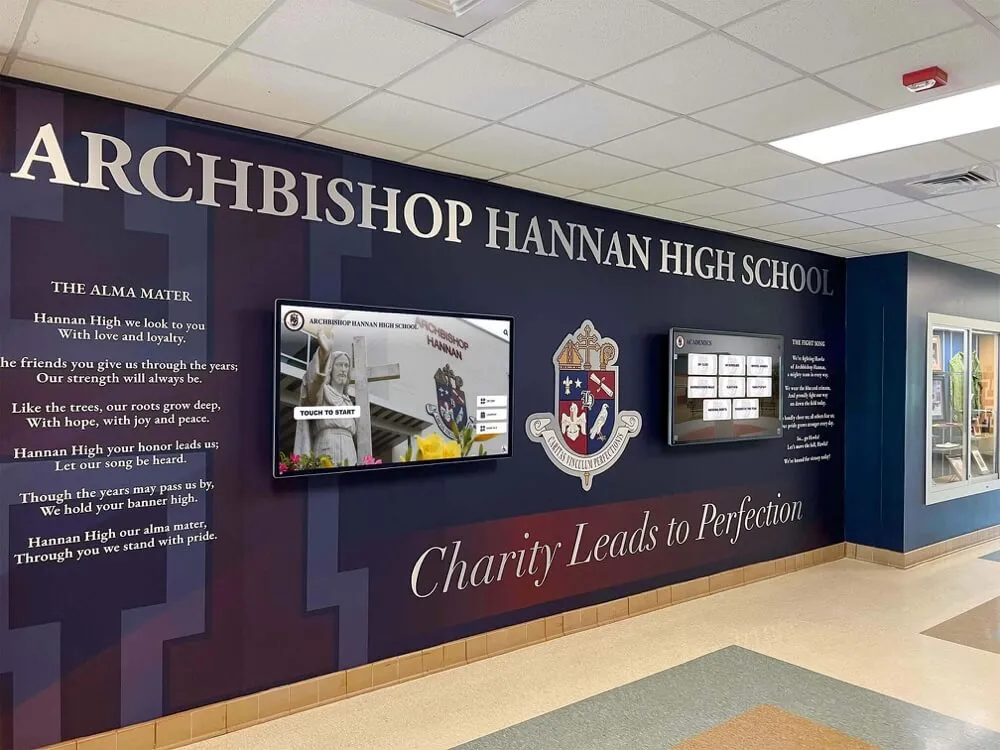
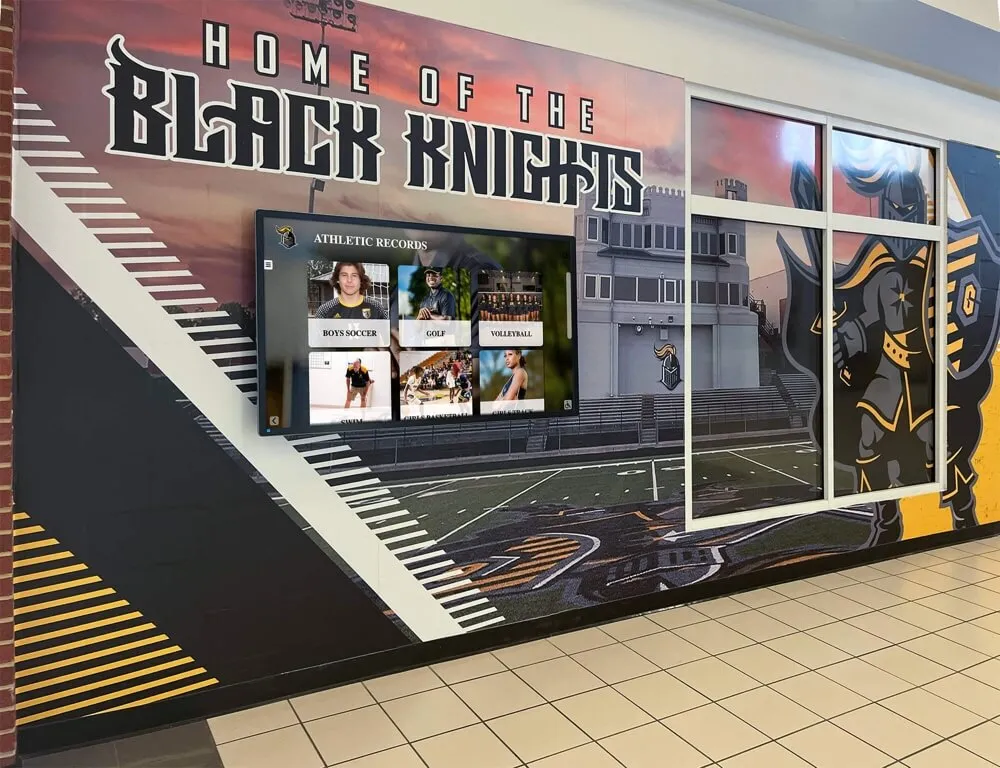
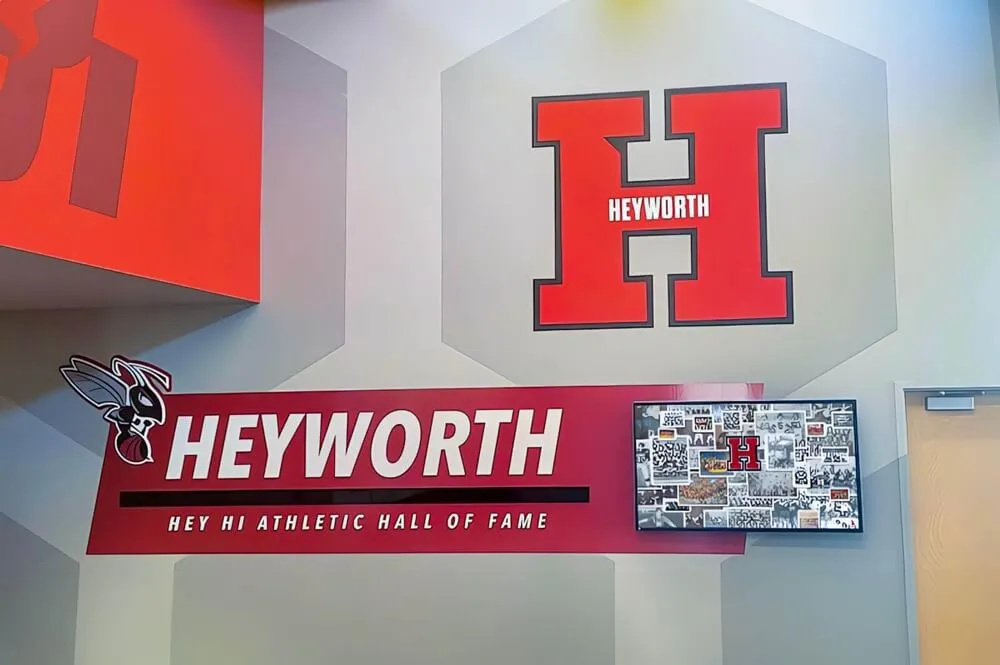
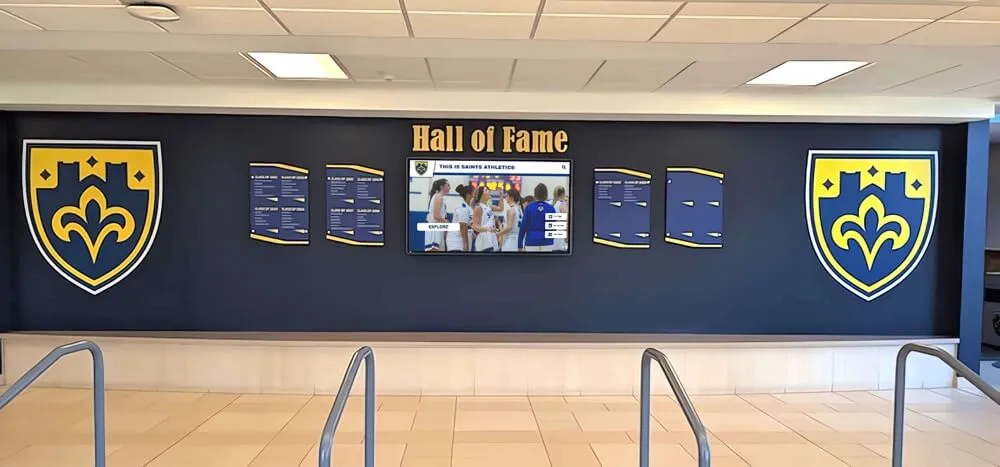
Recognition walls in school hallways are the natural home for CAP cadet achievement displays—yet most schools with active CAP units leave this space unused for cadet recognition
Program Snapshot: Civil Air Patrol in Schools
| Program Element | Details |
|---|---|
| Full Name | Civil Air Patrol (CAP) |
| Status | Official Civilian Auxiliary of the U.S. Air Force |
| Founded | December 1, 1941 |
| Cadet Age Range | 12–20 years old |
| Three Core Missions | Emergency Services, Aerospace Education, Cadet Programs |
| Rank Structure | Enlisted and officer grades mirroring U.S. Air Force |
| Top Milestone Awards | Mitchell Award, Earhart Award, Spaatz Award |
| School Integration | School-sponsored units or independent local squadrons |
| Recognition Opportunities | Rank promotions, milestone awards, encampment completions, solo flight endorsements |
What Is Civil Air Patrol?
Civil Air Patrol is the official civilian auxiliary of the United States Air Force. It is a nonprofit organization chartered by Congress and composed of volunteer members—both adults and young people—who perform a wide range of public services related to aviation, emergency response, and youth education.
CAP was founded on December 1, 1941—six days before the attack on Pearl Harbor—in direct response to the need for civilian volunteers to support national defense. In its earliest months, CAP members flew private aircraft along the Atlantic Coast on coastal patrol missions. Today, CAP operates under a Congressional charter as an official Air Force auxiliary, with members serving in three interconnected mission areas:
Emergency Services CAP conducts a significant share of inland search-and-rescue missions authorized by the Air Force Rescue Coordination Center. CAP pilots, ground teams, and mission support volunteers locate missing aircraft, search for missing persons, and provide disaster relief support using a fleet of aircraft and a trained volunteer force operating nationwide.
Aerospace Education CAP promotes aerospace literacy among the general public and in schools through structured curriculum, teacher workshops, and cadet training programs. This mission positions CAP as one of the few organizations systematically building STEM understanding within a structured youth program context.
Cadet Programs The cadet program is the youth development component of CAP—and the program most directly relevant to schools. Cadets ages 12–20 develop leadership, physical fitness, aerospace knowledge, and character through a structured progression of rank advancement and milestone awards.
For a detailed look at the full CAP cadet rank structure and what each grade represents, CAP cadet ranks explained provides a complete breakdown of the enlisted and officer progression cadets navigate.
How Civil Air Patrol Operates in Schools
School-Sponsored CAP Units
Civil Air Patrol operates through local squadrons—composite squadrons that include both adult senior members and cadets, or cadet-only squadrons sponsored by schools. A school-based CAP unit typically:
- Meets once or twice per week during school hours or as an after-school activity
- Is supervised by adult senior members who volunteer as squadron commanders and activity officers
- Operates under the authority of a CAP wing (the state-level CAP organization)
- Functions distinctly from JROTC programs, which are Department of Defense programs operated by military branches directly in schools
CAP vs. JROTC: What Schools Should Know
Civil Air Patrol and JROTC (Junior Reserve Officers’ Training Corps) are frequently confused because both involve military-style rank structures and both operate in school settings. The key differences matter for administrators deciding how to categorize and recognize each program:
Civil Air Patrol
- A civilian auxiliary organization, not a military program
- Self-funded through membership fees and donations rather than Department of Defense budgets
- Cadets are not enrolling in or making commitments to military service
- Open to schools with interested adult volunteer leaders willing to establish and lead a unit
- Provides aviation activities, aerospace education, and emergency services training
JROTC
- A formal Department of Defense program operated by branches of the military
- Schools must meet size and certification requirements to establish a JROTC unit
- Military instructors are provided and partially funded by the military branch
- Focused on leadership and citizenship development without aviation-specific missions
Schools with active CAP units gain access to aerospace education, flight experiences, and emergency services training that JROTC programs do not offer. Both programs deserve recognition infrastructure—they serve different populations with different program structures.

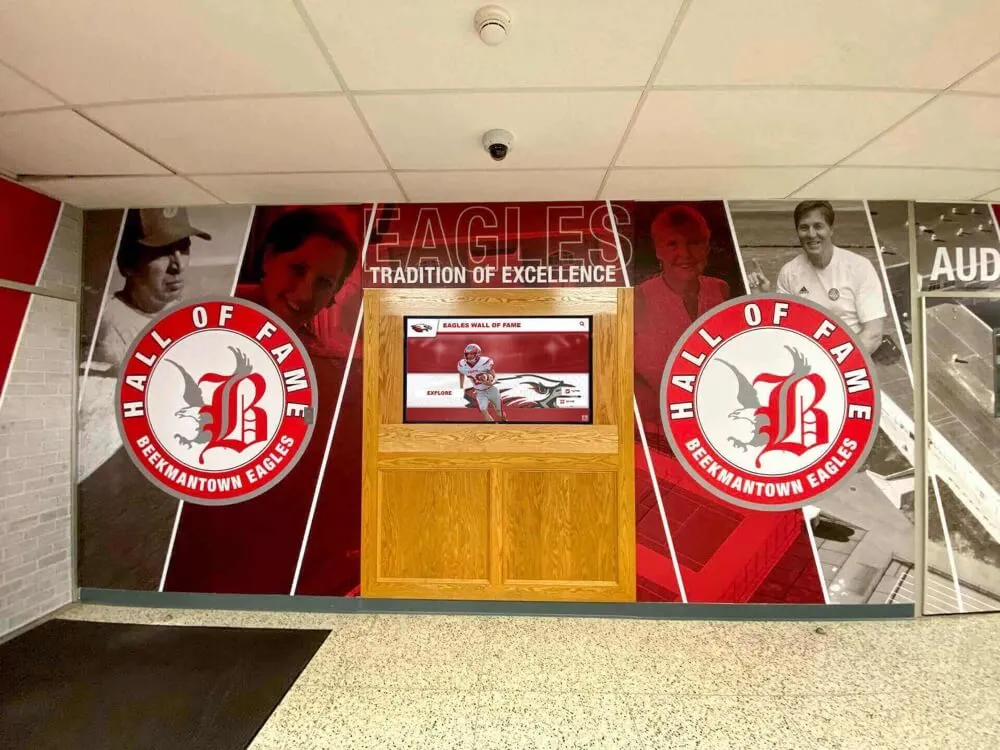
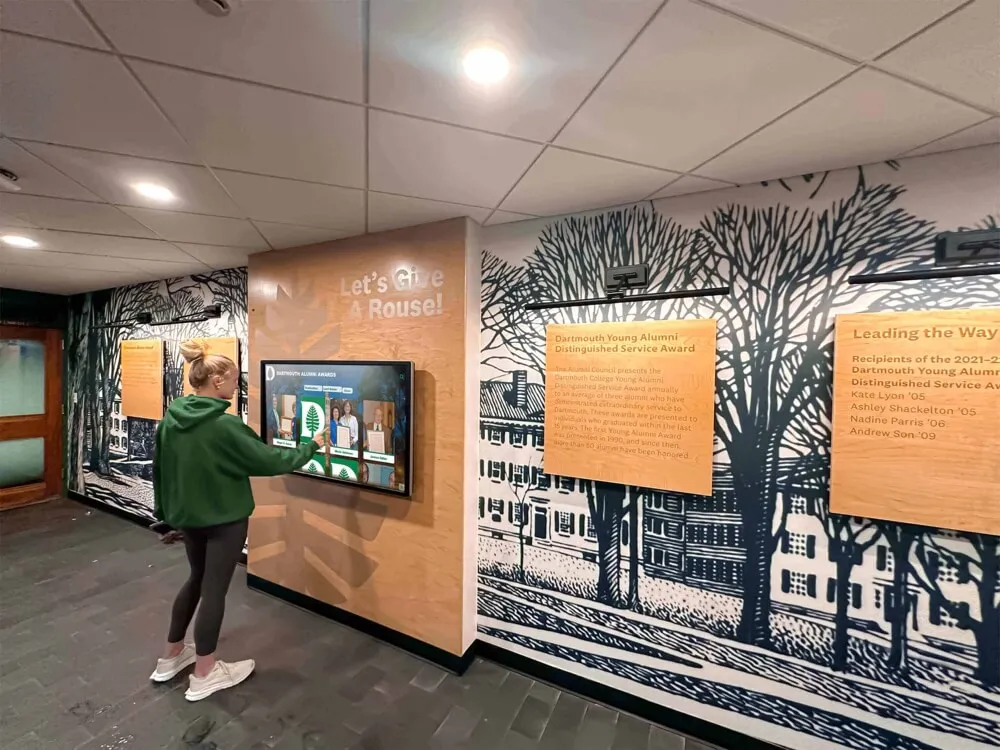
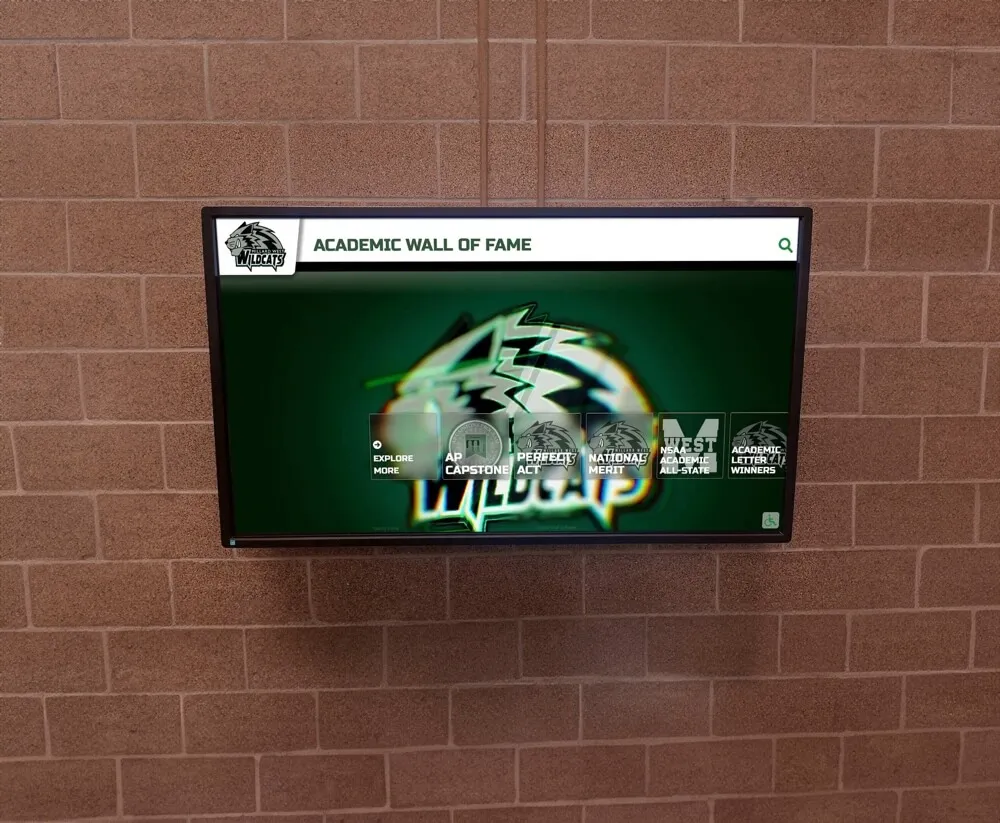
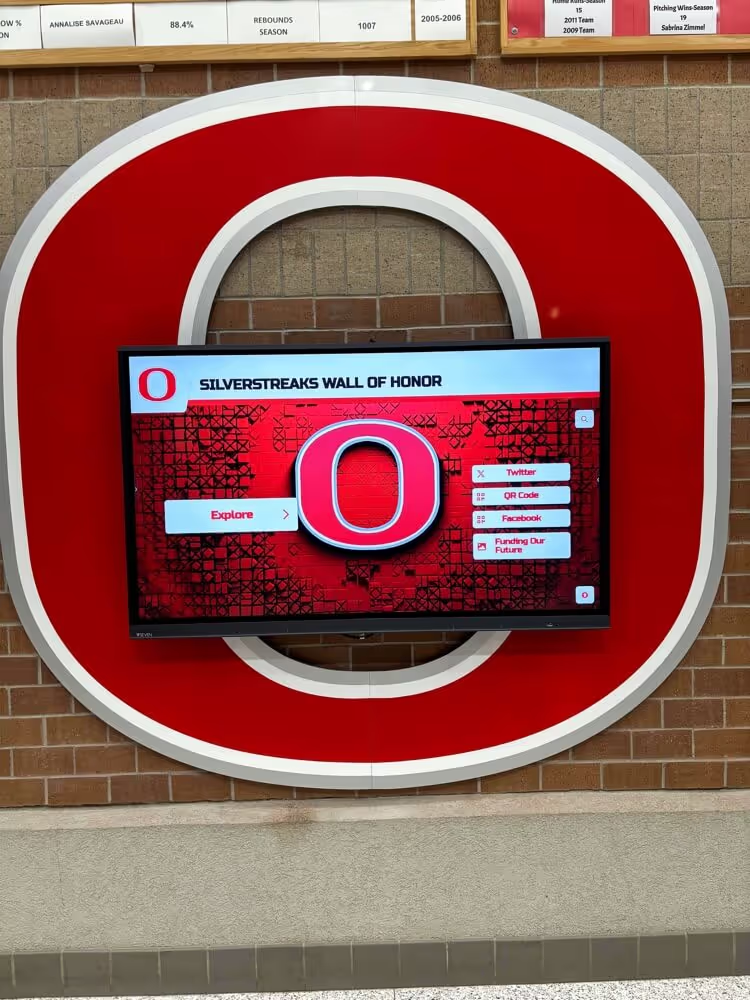
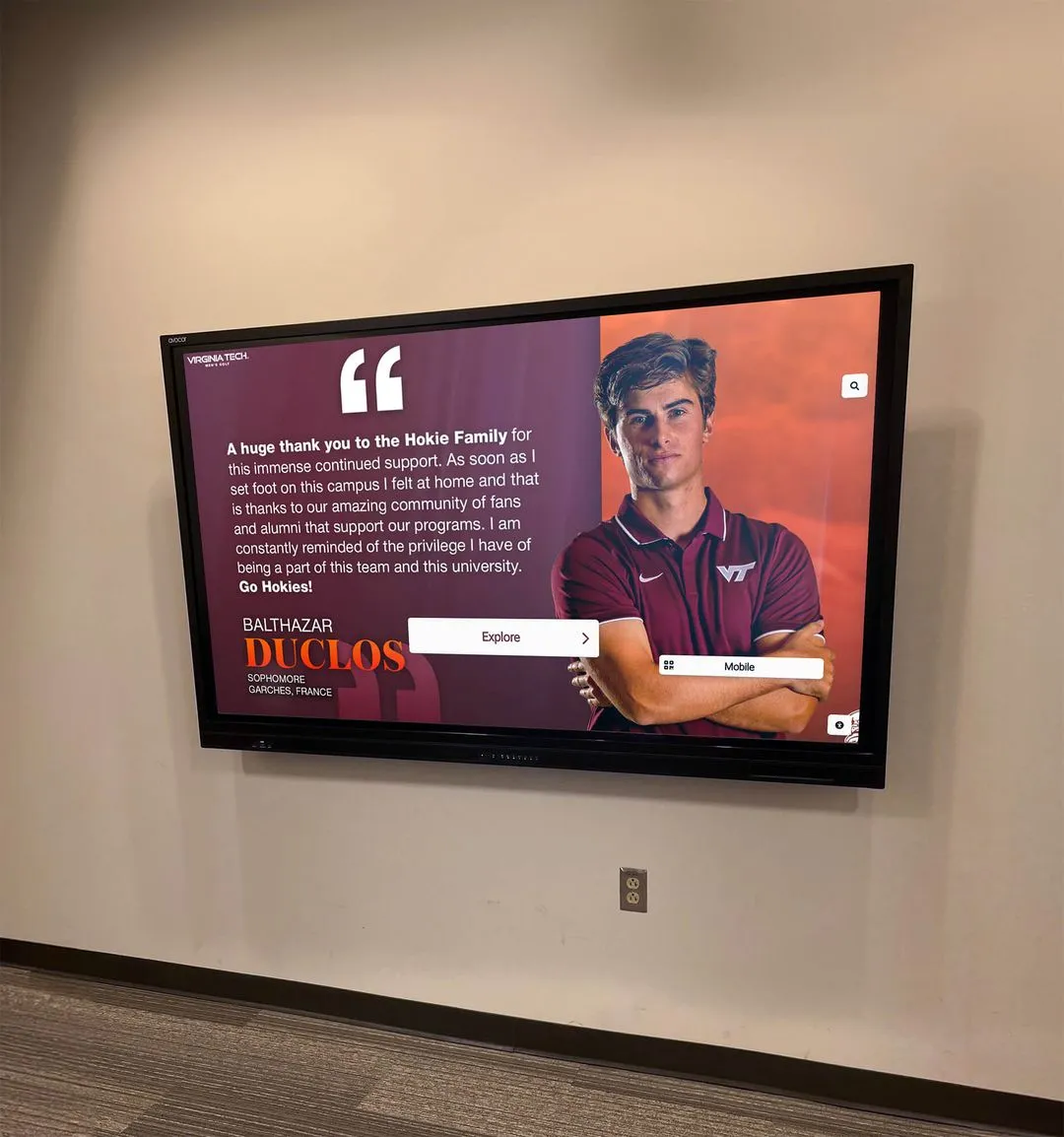
Interactive digital recognition systems let schools showcase CAP cadet achievements alongside athletic and academic accomplishments in the same hallway infrastructure
The CAP Cadet Program: How It Works
Joining Civil Air Patrol as a Cadet
Prospective cadets between the ages of 12 and 20 join Civil Air Patrol by finding a local squadron and completing the enrollment process. There are no prior experience requirements—students do not need aviation background, military family connections, or specific academic records to join. CAP recruits students who demonstrate interest and commitment to learning.
Once enrolled, new cadets begin at the entry enlisted grade and start working through curriculum requirements. Advancement through the enlisted grades and eventually into officer grades happens through:
- Completing aerospace education modules covering aviation, meteorology, rocketry, and space exploration
- Demonstrating physical fitness standards for each grade
- Passing leadership examinations and character development activities
- Meeting active participation and attendance requirements within the squadron
Rank advancement is earned, not automatic. A cadet who does not meet the educational, fitness, and leadership requirements for the next grade does not advance—making each promotion a genuine achievement rather than a time-served milestone.
CAP Cadet Activities Beyond Rank Advancement
Cadet rank progression is the spine of CAP youth development, but the program extends well beyond studying for promotion requirements:
Encampments CAP encampments are week-long intensive programs—typically held at military installations or airports—where cadets experience structured daily schedules, leadership challenges, and aviation activities. Completing an encampment is a significant milestone that many cadets describe as among the most formative experiences of their cadet careers.
Powered Flight and Glider Programs Qualified cadets can participate in CAP-sponsored powered flight and glider programs, including opportunities to fly as pilot-in-command in glider aircraft under instructor supervision. Cadets who complete glider solo flights earn an endorsement that represents one of the most tangible achievements in the program—and one of the most compelling recognition items for a school display wall.
Rocketry and STEM Activities CAP’s aerospace education mission includes hands-on STEM activities covering rocketry, robotics, and drone operation. These activities connect CAP to school STEM initiatives, giving squadrons natural bridges to academic programming and making CAP visible to students who might not otherwise discover the program.
Color Guard and Drill Teams Many CAP squadrons field color guard and drill teams that perform at school and community events. These teams represent CAP publicly and provide cadets with additional performance and leadership opportunities beyond the squadron meeting schedule.
National Cadet Special Activities CAP operates competitive national programs where cadets can earn slots for international exchanges, space academy experiences, congressional flight program participation, and specialized leadership schools. These opportunities are highly competitive and represent extraordinary individual achievement worthy of prominent recognition.
Learn how schools are building comprehensive recognition systems through digital recognition strategies for school programs that extend visibility beyond traditional athletics and into programs like CAP.
CAP Cadet Rank Structure: What Schools Need to Know
CAP’s cadet rank structure mirrors the United States Air Force, creating two main tiers: enlisted grades and officer grades. Cadets progress through the enlisted grades first, then transition to officer grades upon meeting advanced requirements.
Enlisted Cadet Grades
Starting from the entry enlisted grade and progressing upward, cadets advance through positions that mirror Air Force enlisted ranks from Airman Basic through Chief Master Sergeant. Each promotion requires completing specific curriculum modules and demonstrating fitness and leadership standards. Reaching the highest enlisted cadet grade represents significant time, effort, and sustained achievement within the program.
Cadet Officer Grades
Cadet officers hold grades from Cadet Second Lieutenant through Cadet Colonel. Transition into officer grades is a major milestone requiring completion of the first major achievement award requirements. Officer-grade cadets typically hold leadership positions within their squadron, mentoring junior cadets and leading activities.
The Three Milestone Awards
Within this rank structure, three named milestone awards represent the most significant achievements in the CAP cadet program—and the most important recognition targets for school display walls:
The Gen. Billy Mitchell Award The Mitchell Award is the first major milestone in the CAP cadet program—often described as the most significant rank a cadet earns because it marks the transition into officer status and demonstrates proficiency across all core elements of the CAP achievement system. Mitchell Award recipients have completed aerospace education curriculum, passed leadership examinations, demonstrated physical fitness, and shown character development across their time in the squadron.
Schools with Mitchell Award recipients have students who have accomplished something genuinely difficult. Many CAP programs hold special ceremonies recognizing Mitchell Award earners, making this a natural recognition wall moment that should be photographed, documented, and displayed permanently.
The Amelia Earhart Award The Earhart Award is the second major milestone, requiring continued progression through advanced curriculum and leadership responsibilities. Named for the pioneering aviator, this award is earned by cadets who demonstrate sustained commitment to CAP’s educational and leadership development goals well beyond the Mitchell Award level.
The Gen. Carl A. Spaatz Award The Spaatz Award is the highest achievement in the CAP cadet program—earned by a very small percentage of all cadets who join CAP. Recipients demonstrate mastery of aerospace education, advanced leadership, physical fitness, and character across years of active participation. Earning a Spaatz Award is the CAP equivalent of a school district’s most distinguished student honor, representing exceptional commitment across the full arc of the cadet experience.
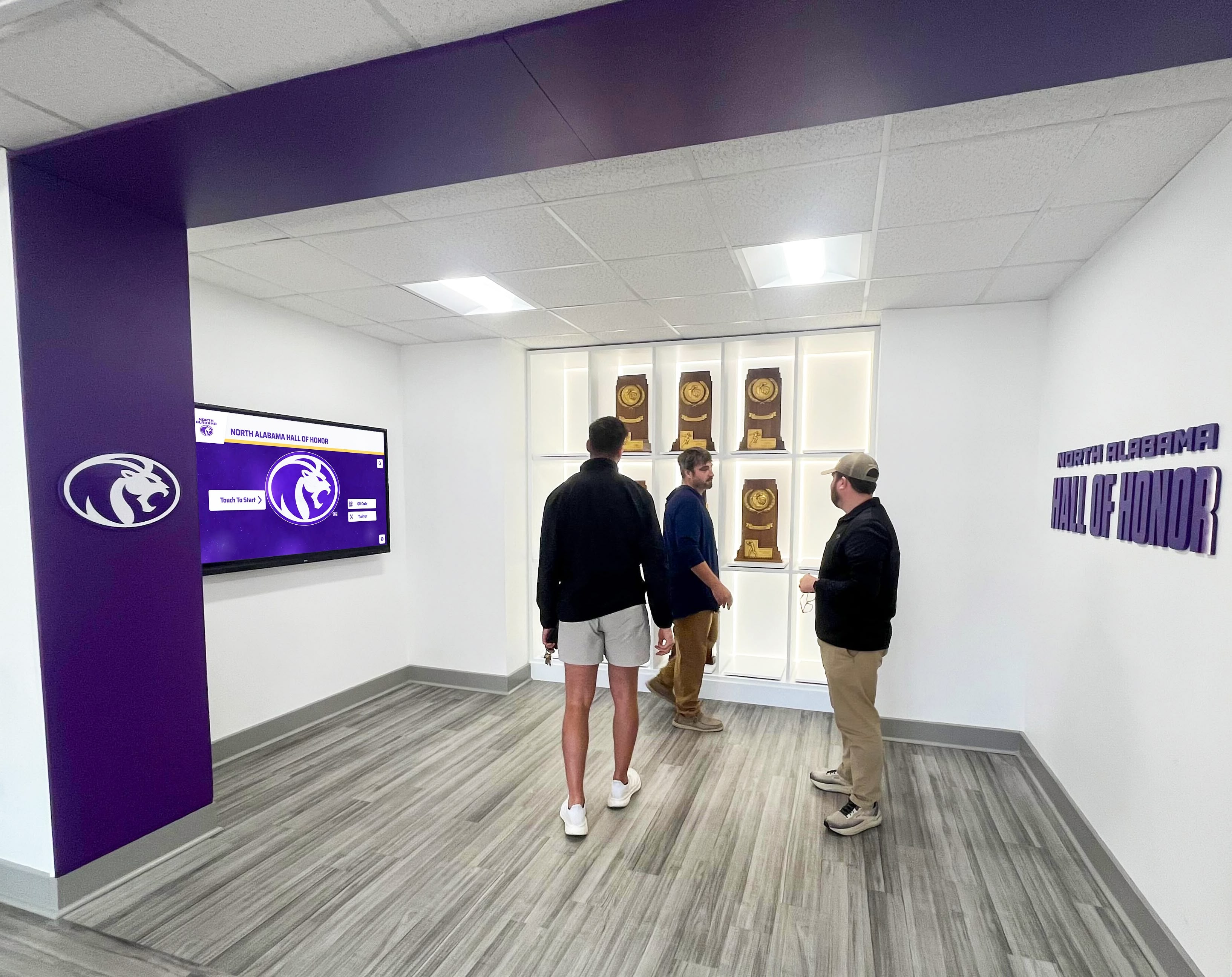
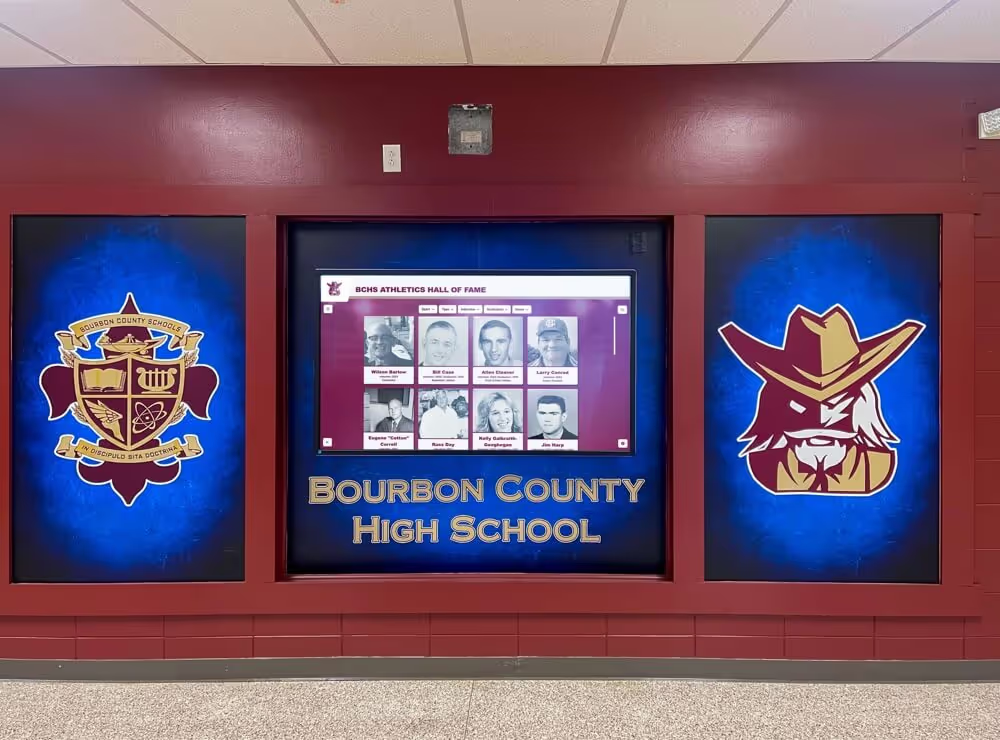
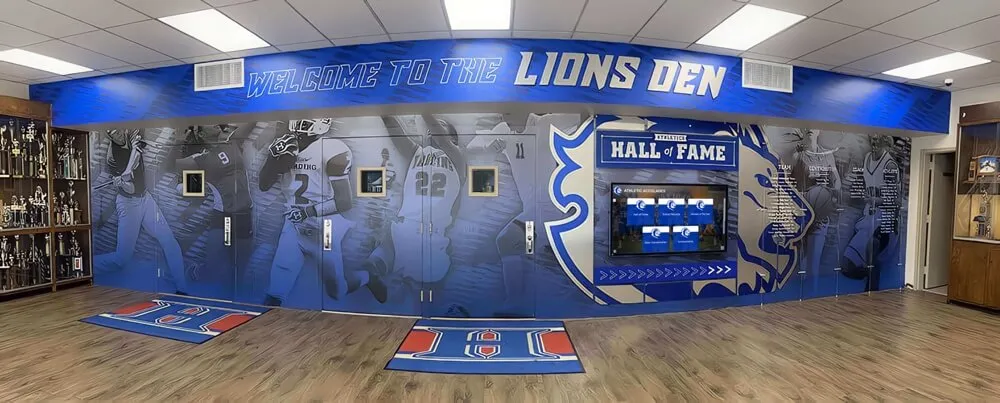
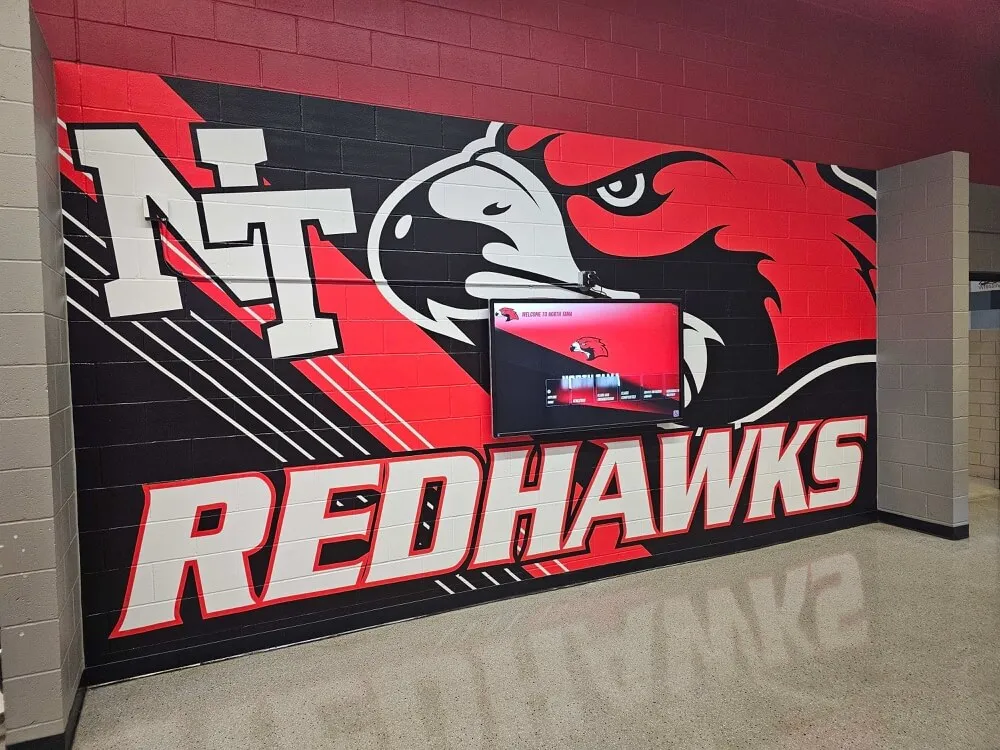
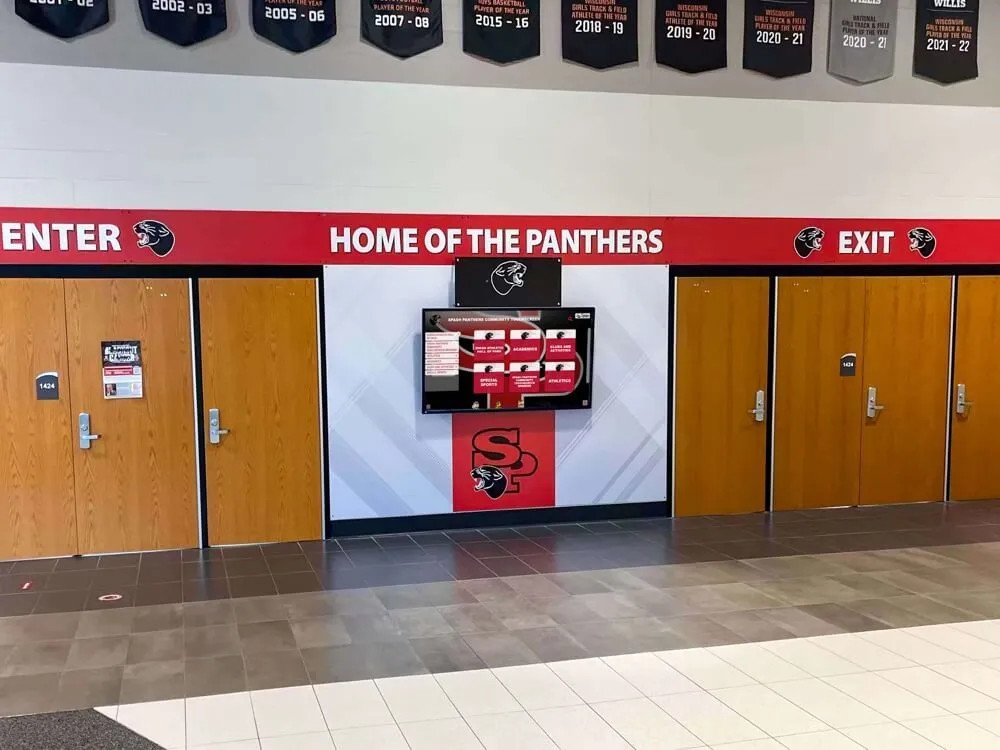
Dedicated recognition spaces—whether trophy rooms or digital displays—give CAP milestone award recipients the visible, permanent celebration their achievements deserve
Skills CAP Cadets Develop
Civil Air Patrol develops a distinctive combination of technical, leadership, and character skills that serve cadets well beyond the program itself.
Leadership and Decision-Making
CAP’s structured rank system places leadership responsibilities on cadets early. Senior cadets mentor junior members, lead activities, run meetings, and make decisions within the squadron. This is not simulated leadership—it is practical authority with real consequences for program quality and member experience.
Leadership skills developed through CAP include:
- Delegation and span-of-control management
- Public speaking in formal and informal settings
- Staff planning and operations management
- Mentoring and teaching peers
- Decision-making under structured pressure during emergency services training
Aerospace and STEM Knowledge
CAP cadets systematically study aerospace topics including aviation history, meteorology, flight principles, rocketry, and space exploration. This curriculum gives cadets substantive STEM knowledge applicable to academic and career pursuits in aviation, engineering, meteorology, and related fields—knowledge that distinguishes CAP from almost every other school-based youth program.
Emergency Services Preparedness
Advanced cadets can qualify in ground team operations, communications, and mission support—gaining practical emergency management skills that few youth programs develop. This training connects directly to CAP’s real-world emergency services mission, giving cadets preparation that has genuine public value.
Physical Fitness and Discipline
CAP cadets meet physical fitness standards for promotion—a consistent accountability structure that develops physical conditioning alongside mental discipline. The combination of study requirements, fitness standards, and attendance expectations mirrors the commitment framework that produces lasting habits of achievement applicable across every area of a cadet’s life.
Explore how schools are honoring community accomplishments through recognition programs that extend beyond athletics and academics to include programs like CAP.
Recognition Wall Ideas for CAP Programs
Why CAP Recognition Belongs in School Hallways
Most school recognition infrastructure is built around athletics and academics. Halls of fame display athletes; honor rolls celebrate GPA. Civil Air Patrol cadets—who demonstrate aerospace literacy, earn military-style ranks through genuine achievement, and commit hundreds of hours to program participation—rarely appear in these spaces.
The recognition gap sends an unmistakable message to current and prospective CAP cadets: their achievements matter less than a varsity letter or honor roll listing. Schools that want strong CAP programs build visible recognition that communicates the opposite message.
Critically, CAP recognition also serves recruitment. A display wall showing cadet rank progressions, Spaatz Award portraits, encampment completion certificates, and glider solo endorsements tells prospective cadets—and their parents—that this school takes CAP seriously and that joining has visible, permanent value.
Physical Display Options for CAP Achievement
Milestone Award Portraits The Mitchell, Earhart, and Spaatz Award recipients are natural candidates for portrait displays. A dedicated wall or case section featuring award recipient photos, names, achievement dates, and a brief description of what each award represents creates permanent recognition for the program’s highest achievers—and context for visitors who may not be familiar with CAP’s achievement framework.
Rank Progression Boards A display tracking the current squadron’s cadet roster and rank progression gives the full program visibility—not just top award earners. Visitors can see at a glance how many cadets are currently enrolled and what rank milestones the squadron has collectively achieved.
Activity Recognition Encampment completions, solo flight endorsements, color guard performances, and national program selections all represent milestone achievements worth displaying. A well-designed recognition system gives each category its own visual element—photography, dedicated panels, or digital content sections.
Annual Updates Unlike sports trophies updated once per season, CAP recognition opportunities occur throughout the year as individual cadets earn promotions and milestone awards. A recognition system designed to update regularly reflects the ongoing nature of CAP achievement rather than treating it as a single end-of-year event.
For guidance on avoiding common pitfalls when planning recognition displays, common mistakes installing hall of fame boards covers the planning and placement errors that reduce the impact of recognition installations across all program types.
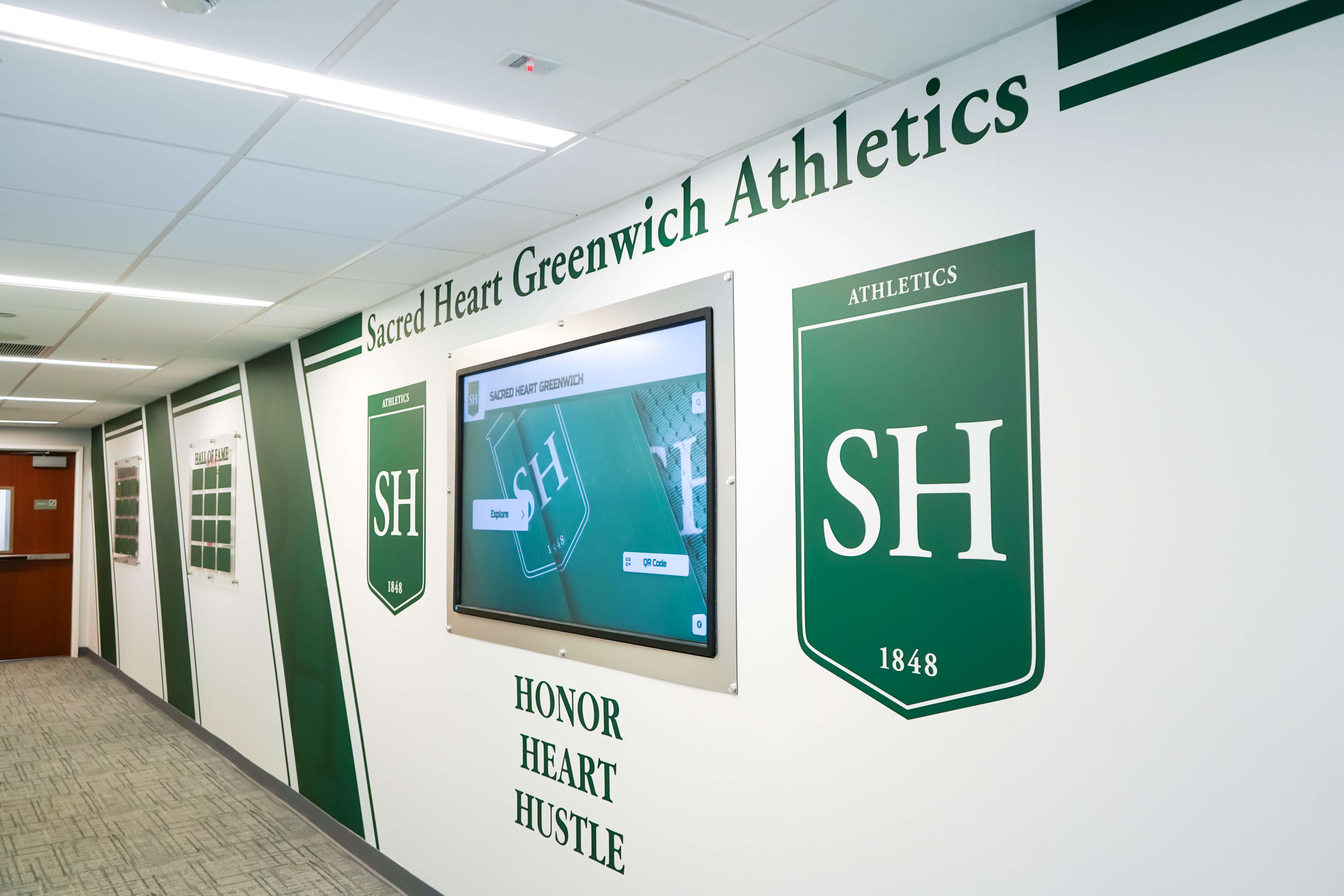
Shield-style recognition displays adapted for CAP programs can feature individual cadet photos, rank designations, and milestone award achievements in a format that scales as the squadron grows
Digital Recognition Displays for CAP Cadets
Content Architecture: What to Display
A digital recognition system purpose-built for a school CAP squadron should organize content across several modules that reflect the unique structure of the program:
Program Identity
- Squadron number, charter date, and school affiliation history
- Commanding officers and adult volunteer staff recognition
- Historical photos from encampments, activities, and ceremonies
- CAP mission imagery connecting the local squadron to the national organization’s work
Individual Cadet Profiles
- Name, current rank, and years of service in the squadron
- Milestone awards earned with dates and brief descriptions
- Special activities attended (encampments, national programs, solo flights)
- Career aspirations and post-graduation plans for senior cadets
- Quote or personal statement from the cadet
Rank Progression Archive
- Year-by-year roster showing rank progression over time
- Milestone award recipients organized chronologically
- First-in-squadron-history recognitions (first Spaatz Award, first solo flight, and similar milestones)
Current Program Highlights
- Active cadet roster and current ranks
- Upcoming activities and encampments
- Recent competition results from drill or color guard activities
- Photo gallery from current-year activities
Engagement Features
- Video content from encampments, flights, and activities
- QR codes linking to CAP’s aerospace education resources
- Interactive search allowing visitors to find specific cadets or award recipients
- Recognition touchpoints allowing alumni cadets to reconnect with current program content
Schools implementing comprehensive digital recognition systems find that programs like CAP particularly benefit from the format because their achievement structure is ongoing and multi-dimensional rather than season-based. Reviewing digital wall of fame vs. physical displays helps administrators understand why dynamic content matters for programs with year-round achievement milestones like CAP.
Placement Strategy for CAP Recognition
Main Building Lobby High-traffic entry placement ensures every student, parent, and visitor encounters CAP recognition. This placement communicates institutional support for the program at the building’s front door—the most powerful statement a school can make about what it values.
Near STEM or Science Classrooms CAP’s aerospace education mission connects naturally to school STEM programming. Placing CAP recognition near science or technology classrooms bridges the program to academic areas and exposes STEM-interested students who might not otherwise discover CAP as an option.
Alongside Athletic and Academic Recognition The most impactful placement strategy integrates CAP recognition directly into existing recognition walls rather than creating separate isolated displays. When CAP cadet portraits appear alongside football championship photos and honor roll listings, the implicit message is parity: all forms of student excellence deserve the same visibility.
For a comprehensive look at what school digital signage implementation requires, school digital signage implementation guide covers planning, installation, and content management considerations that apply directly to CAP recognition projects.

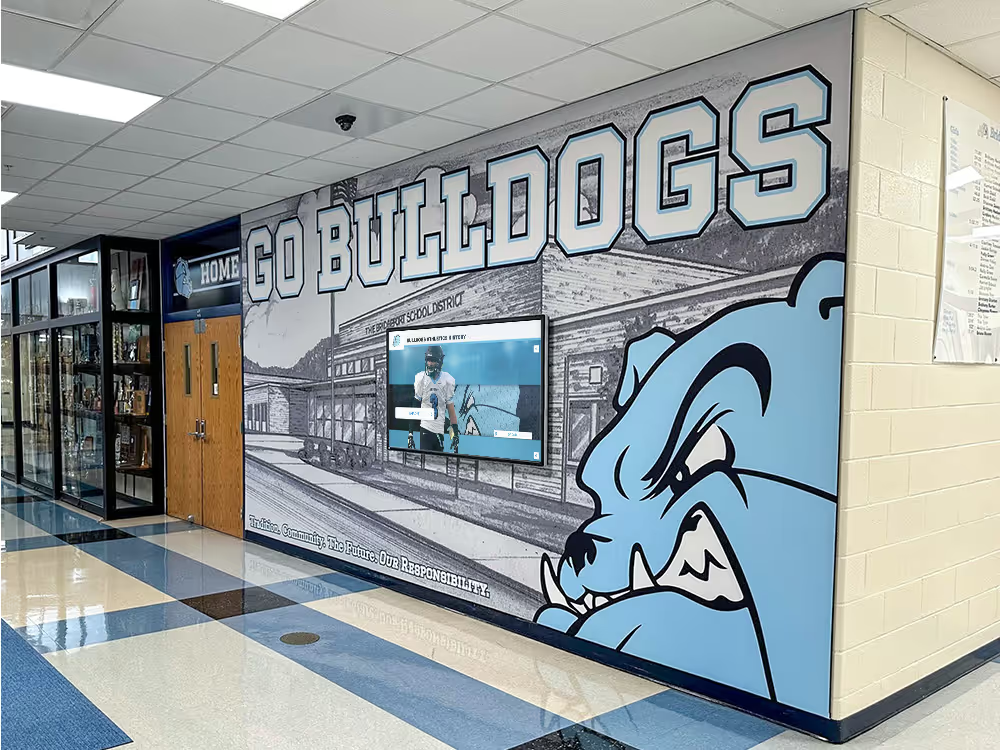
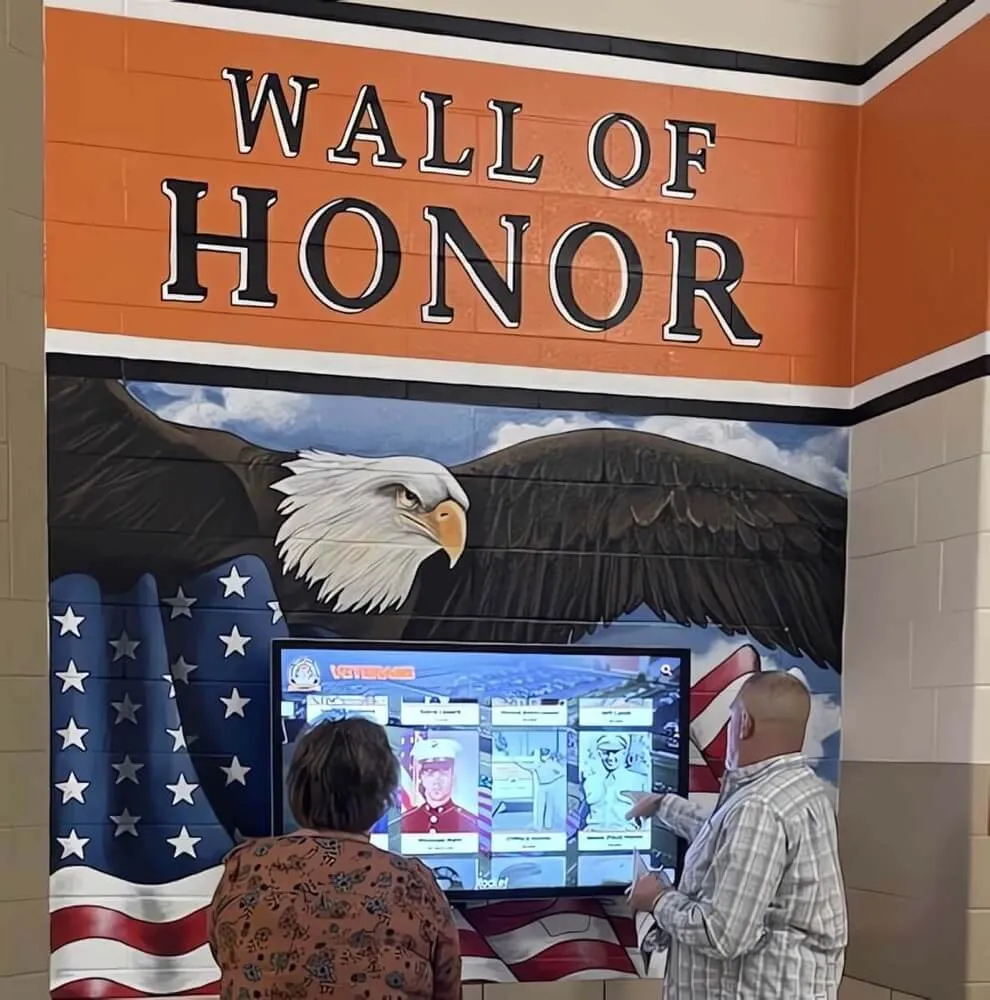
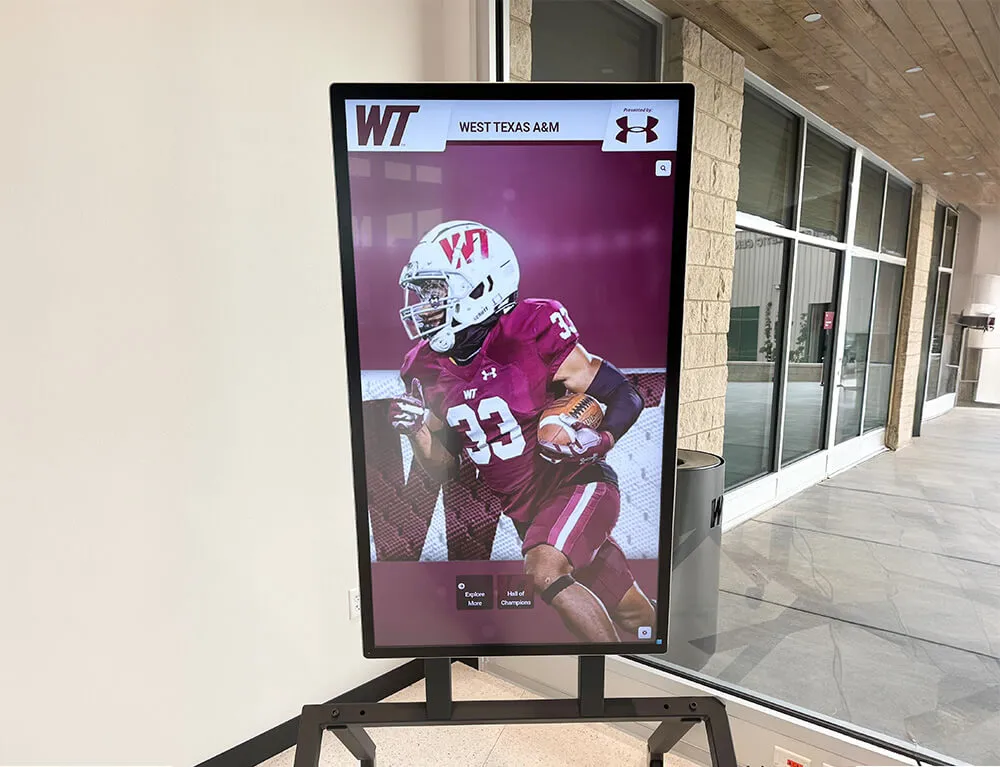
Interactive touchscreen systems allow CAP programs to display the full depth of cadet achievement—from rank progression to milestone awards—in a format visitors can explore at their own pace
Execution Timeline: Building CAP Recognition Infrastructure
Phase 1: Planning (Month 1–2)
- Meet with squadron commander and senior member leadership to understand what content exists
- Catalog current cadet roster, ranks, and milestone award history as far back as records allow
- Photograph current cadet members and gather biographical information
- Identify display locations within the school and assess hardware or wall space availability
- Establish a content refresh workflow so new rank promotions update the display promptly
Phase 2: Content Development (Month 2–3)
- Design display structure organized around CAP’s achievement framework (ranks, milestone awards, activities)
- Write brief descriptions of the three milestone awards to provide visitor context
- Gather historical photos from encampments, color guard performances, and special activities
- Contact alumni cadets who earned senior milestone awards to gather biographical updates
- Create individual profiles for Spaatz and Earhart Award recipients
Phase 3: Launch (Month 3–4)
- Install display hardware or update existing recognition infrastructure
- Load content and verify all cadet information is accurate and current
- Announce the display launch through morning announcements, school website, and social media
- Conduct a formal unveiling ceremony with current cadets, adult leaders, and invited milestone award recipients
- Invite local media to cover the recognition installation
Phase 4: Ongoing Refresh (Quarterly)
- Update display within two weeks of each rank promotion ceremony
- Add new milestone award recipients as they earn their awards throughout the year
- Archive prior-year content at the end of each academic year
- Plan expanded content for following year based on anticipated cadet achievements
Sustaining these update cycles requires organized photo and content management. Photo organizer software for school communities covers approaches that keep recognition content accessible and well-organized for ongoing updates across multiple school programs.
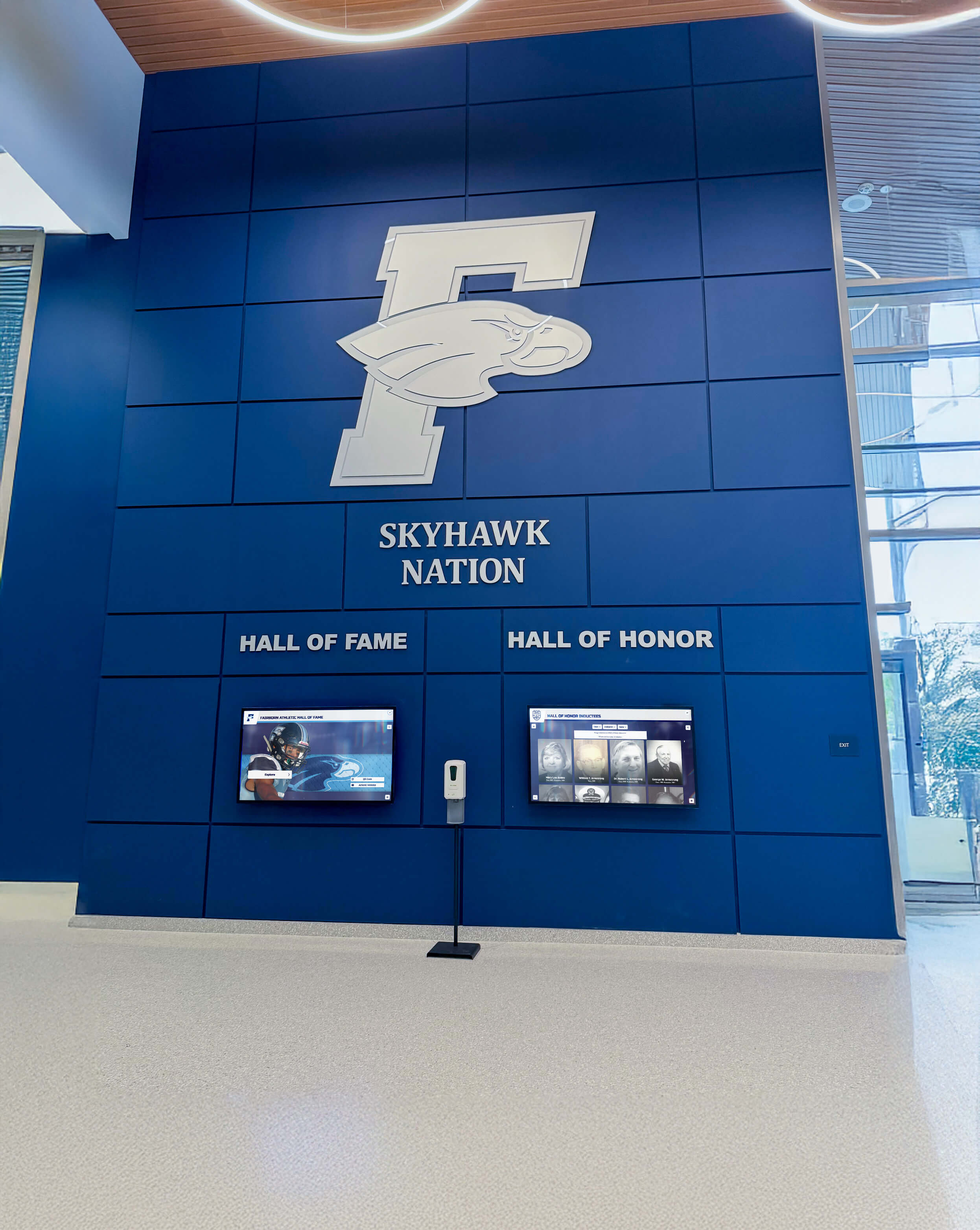
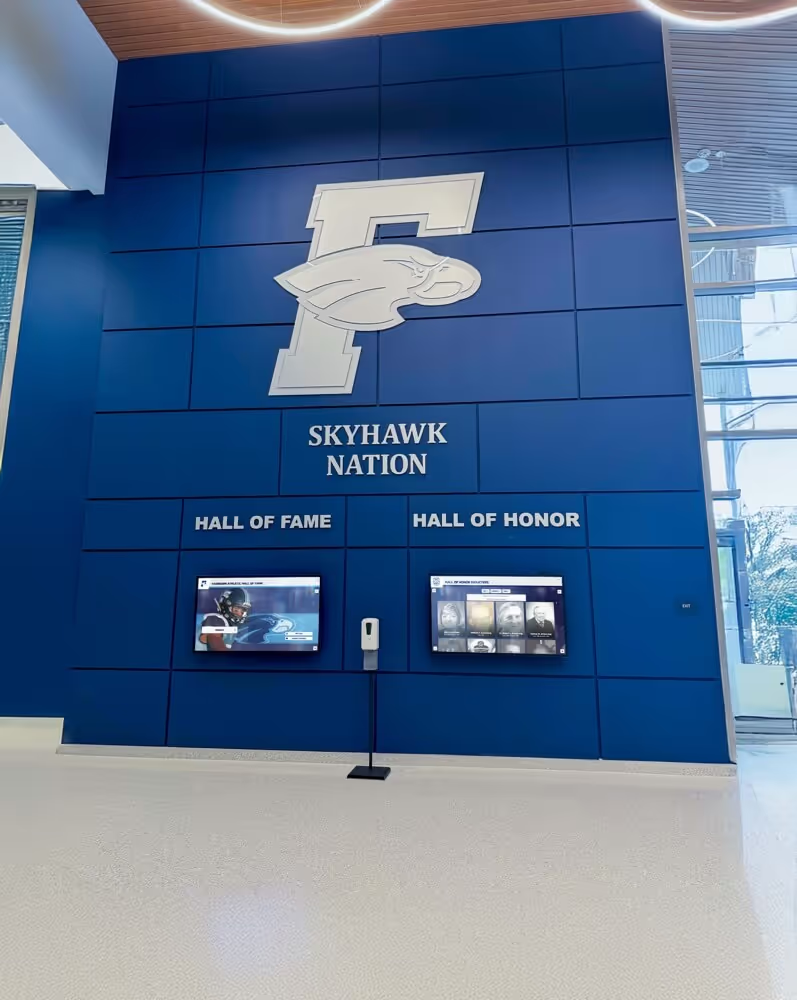
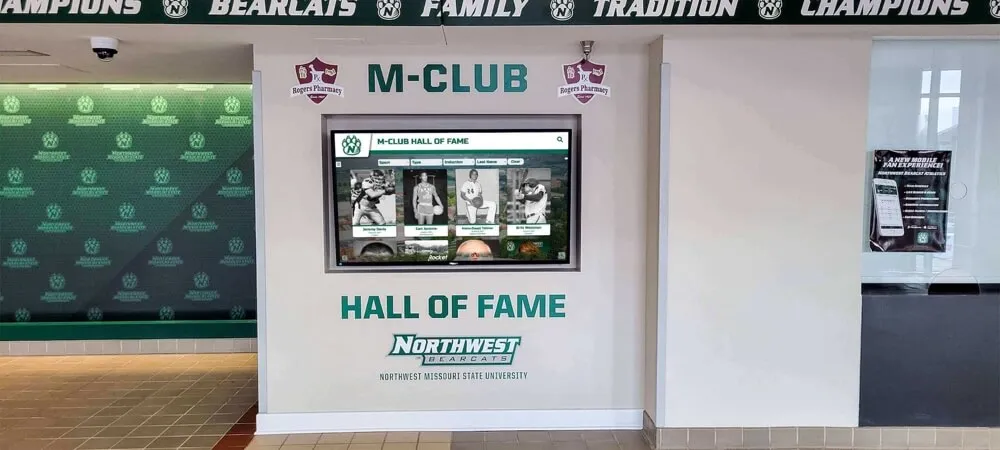
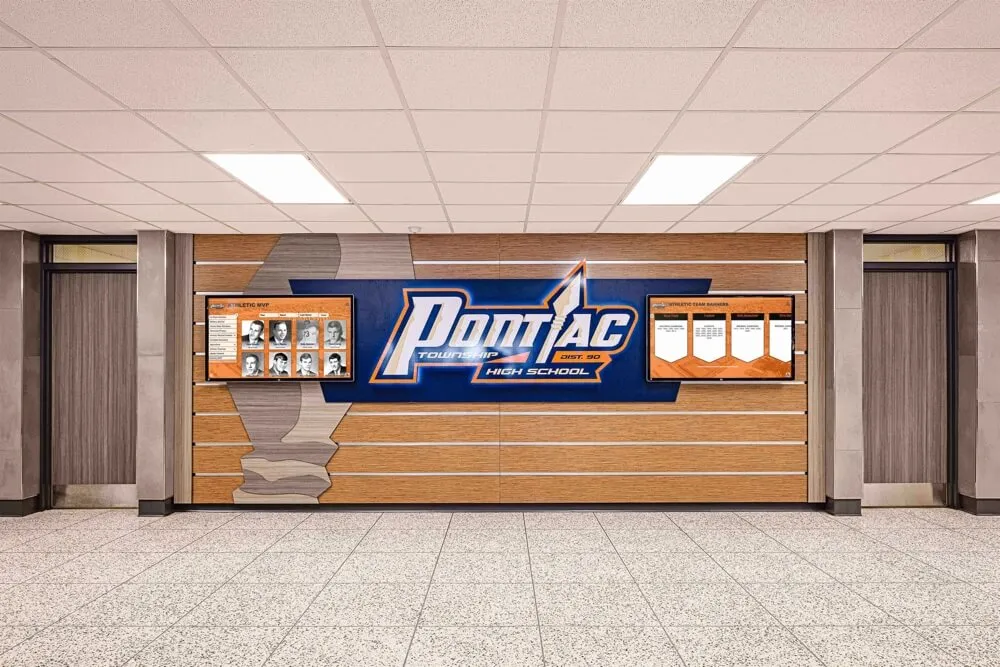
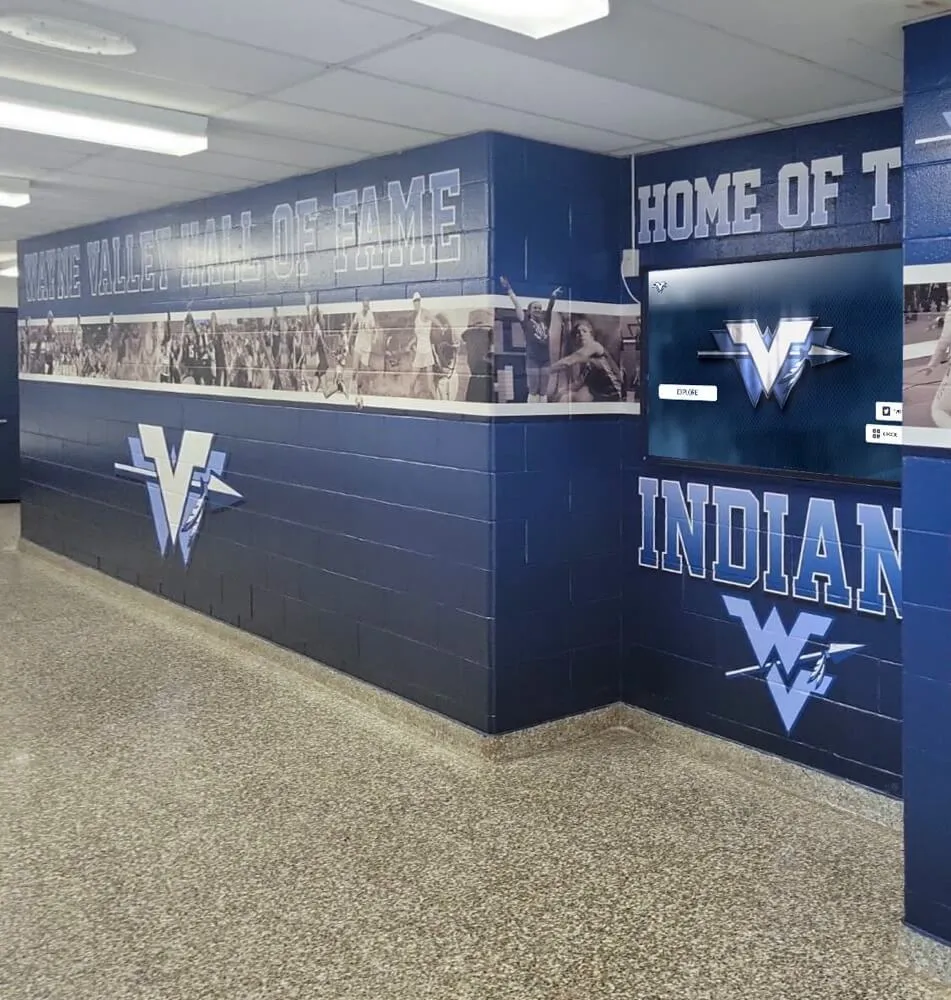
Dedicated hall of fame spaces in school lobbies give CAP squadrons the institutional footprint needed to celebrate cadet achievement year after year with growing historical depth
Building a Recognition Program That Serves CAP Cadets
Involving Senior Members in Recognition Design
Adult senior member volunteers who lead CAP squadrons are deeply invested in recognizing cadet achievement—recognition is often what they cite as most meaningful to cadets’ continued engagement with the program. Involving senior members in recognition design creates advocates who will champion the display, keep content current, and help recruit the next generation of cadets by pointing to visible evidence of what program participation produces.
Recognizing the Full Spectrum of Achievement
A recognition program that only displays Spaatz Award recipients—the rarest achievement—misses most of the cadets who deserve celebration. Effective CAP recognition systems acknowledge achievement at every level:
- Every cadet who completes an encampment (a significant accomplishment for any age)
- Every cadet who achieves a rank promotion (each is genuinely earned through curriculum and fitness requirements)
- Every Mitchell Award recipient (the most commonly earned major milestone)
- Every Earhart Award recipient (sustained commitment beyond the entry milestone)
- Every Spaatz Award recipient (the pinnacle achievement)
- Cadets selected for national special activities (highly competitive achievements)
- Solo flight endorsements (exceptional individual milestones)
- Service recognitions from emergency services participation and community events
This spectrum approach ensures that a first-year cadet who completes encampment sees their achievement displayed alongside the senior who earned the Spaatz Award after five years in the program. Both achievements deserve recognition. Both help build the culture that makes a CAP squadron worth joining.
Connecting CAP Recognition to School Community
Effective recognition programs extend beyond the display itself to connect CAP achievement to the broader school community:
Announcements and Social Media Every major milestone award should generate a morning announcement and social media post from the school’s accounts. Treating a Spaatz Award the same way a school treats a state athletic championship—with a formal announcement, photo, and community celebration—communicates its genuine significance.
Community Events CAP cadets who participate in emergency services missions, perform at community ceremonies, or represent the school at civic events deserve community acknowledgment. Schools that highlight CAP’s public service role position the program as a community asset, not just a school club.
Alumni Engagement Former CAP cadets who earned milestone awards, went on to aviation careers, or served in the military after their cadet experience are natural alumni ambassadors. Building a recognition infrastructure that includes alumni content creates pathways for former cadets to reconnect with the program and serve as mentors for current cadets.
For structural principles on building meaningful recognition programs with clear categories, consistent criteria, and compelling presentation, creating an employee recognition program offers frameworks that translate directly to designing cadet recognition systems at any scale.
Frequently Asked Questions About Civil Air Patrol
Is Civil Air Patrol part of the military?
Civil Air Patrol is the official civilian auxiliary of the United States Air Force but is not itself a military organization. CAP members are civilian volunteers, not military personnel. Cadets who participate in CAP are not enlisting in or making any commitment to military service. CAP operates under a Congressional charter and receives Air Force support, but members carry civilian status throughout their participation.
What is the difference between Civil Air Patrol and JROTC?
JROTC is a Department of Defense program operated directly by military branches in schools, focused on leadership and citizenship without aviation-specific missions. Civil Air Patrol is a civilian auxiliary organization with three distinct missions—emergency services, aerospace education, and cadet programs—that includes actual aviation activities and real-world emergency services operations. Both programs use rank structures, but CAP’s mission scope and aviation components make it distinctive.
Can middle school students join Civil Air Patrol?
Yes. The CAP cadet program accepts members as young as 12 years old, making it accessible to middle school students. Many cadets begin in middle school and continue through high school, allowing them to progress significantly through the rank structure and earn milestone awards across a multi-year cadet career.
What does a CAP cadet actually do at meetings?
Squadron meeting activities typically include rank and uniform inspection, aerospace education curriculum study, leadership development activities, physical training, emergency services training, and drill practice. Squadron commanders design meeting content to advance cadets through curriculum requirements while developing practical skills relevant to CAP’s missions.
How does Civil Air Patrol recognition fit into a school’s existing honor system?
CAP recognition should be treated as equivalent in seriousness to other distinguished student achievement programs. The Spaatz Award—the program’s highest honor—is genuinely rare and represents years of sustained achievement. Schools can integrate CAP recognition into existing honor walls, create dedicated CAP display sections, or implement standalone digital displays dedicated to squadron history and cadet achievement. For ongoing individual recognition ideas that pair naturally alongside CAP displays, student-of-the-month program ideas offers frameworks for celebrating individual achievement throughout the school year.
What should go on a CAP recognition wall?
Effective CAP recognition walls include milestone award recipient portraits (Mitchell, Earhart, Spaatz), current cadet rank roster, encampment completion records, solo flight endorsements, special activity selections, color guard and drill team competition results, and squadron history from founding to present.
Is Civil Air Patrol worth joining for high school students?
For students interested in aviation, aerospace careers, STEM fields, leadership development, emergency services, or military pathways, CAP provides substantive preparation that few other youth organizations offer. Cadet pilots who earn solo endorsements have demonstrable flight experience. Leaders who earn senior milestone awards have structured leadership experience spanning years. The program rewards sustained commitment with tangible, verifiable achievements that carry weight in college applications and career discussions.
Measurement: Demonstrating CAP Squadron Value to School Administration
Schools and squadron commanders who want to document CAP’s contribution to school culture can track meaningful metrics across several categories:
Participation Metrics
- Total cadet roster size year-over-year
- Average retention rate from one year to the next
- New cadet recruitment each year
- Percentage of cadets who earn at least one encampment completion
Achievement Metrics
- Mitchell Award recipients per year and cumulative total
- Earhart Award recipients per year and cumulative total
- Spaatz Award recipients (any in squadron history is notable)
- Solo flight endorsements earned by squadron cadets
- National special activity selections per year
School Integration Metrics
- Number of school events at which CAP color guard or drill team performs
- Emergency services activities in which cadets participated
- Media coverage of CAP milestones and activities
- Recognition display visitor engagement for digital systems
Community Value Metrics
- Public service hours contributed through emergency services participation
- Community events at which the squadron provided color guard or ceremonial presence
- Alumni cadets who pursued aviation or military careers after the program
Conclusion: Civil Air Patrol Recognition That Matches Its Commitment
Civil Air Patrol cadets earn their achievements through genuine effort over sustained time. A Spaatz Award represents years of consistent dedication. A Mitchell Award marks the transition into officer leadership within the squadron. An encampment completion represents a week of intensive challenge that many cadets describe as transformational.
These achievements belong on school walls. They belong in hallway displays alongside athletic championships and honor roll listings. They belong in the permanent institutional record that tells future students what this school has produced and what this school values.
For schools with active CAP squadrons, building recognition infrastructure is straightforward: photograph the cadets, document the milestones, display the achievements, and announce them with the same enthusiasm brought to every other form of student excellence. The cadets who have earned that recognition—and the ones who will decide whether CAP is worth joining—are watching to see if this school delivers.
Ready to build recognition infrastructure that gives your CAP squadron the visibility it has earned? Rocket Alumni Solutions provides digital recognition platforms built specifically for schools—capable of displaying individual cadet profiles, milestone award histories, rank progression archives, and activity photography through intuitive touchscreen systems that require no technical expertise to update. With unlimited content capacity, professional display hardware, and cloud-based content management, these systems give CAP programs the permanent, living recognition infrastructure they deserve alongside every other form of student achievement your school celebrates.
Whether your squadron has been operating for two years or twenty, your cadets’ achievements deserve recognition that lasts beyond a single ceremony night. Start building that recognition foundation today.
The schools that build the strongest CAP programs share one characteristic: they treat cadet achievement with the same institutional seriousness they bring to athletics and academics. Recognition infrastructure is where that seriousness becomes visible. Make sure your school’s hallways communicate clearly that Civil Air Patrol achievement matters—because for the students who earn those ranks and awards, it absolutely does.