



All-conference in high school is a formal athletic honor awarded to the top-performing student-athletes within a specific sports conference—the group of schools in the same league, district, or regional association that compete against one another during the regular season. When coaches, athletic directors, or sportswriters designate a player as “All-Conference,” they are affirming that athlete performed among the best at their position or in their sport across all teams in that conference for that season.
The designation matters well beyond the game-day roster. All-conference selections sit at the foundation of a school’s athletic achievement record. They appear on college applications, shape scholarship conversations, and—when properly preserved—become a defining part of school athletic identity for decades. Yet many schools grant these honors without any systematic plan for documenting, displaying, or communicating what “all-conference” actually means to families, prospective recruits, or alumni returning years later.
This guide explains what all-conference recognition means in practice, how selection processes work, what eligibility criteria schools should establish before publishing inductees, and how to route these honors into lasting recognition systems that serve athletes, schools, and communities long after the final whistle.
Effective all-conference recognition does more than mark a single season achievement—it creates a permanent archival record, signals program standards to future athletes, and gives athletic administrators a structured framework for honoring excellence fairly and consistently across every sport and every year.

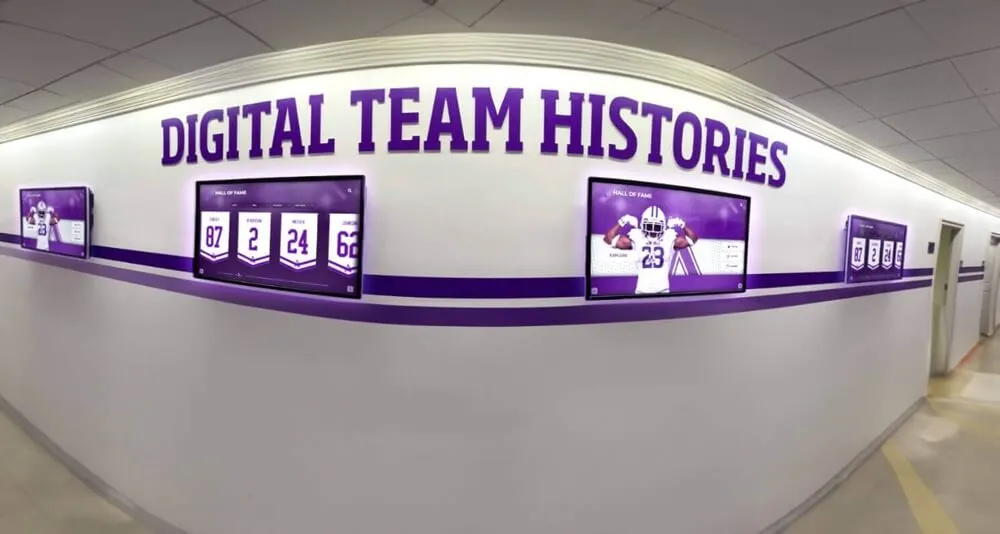
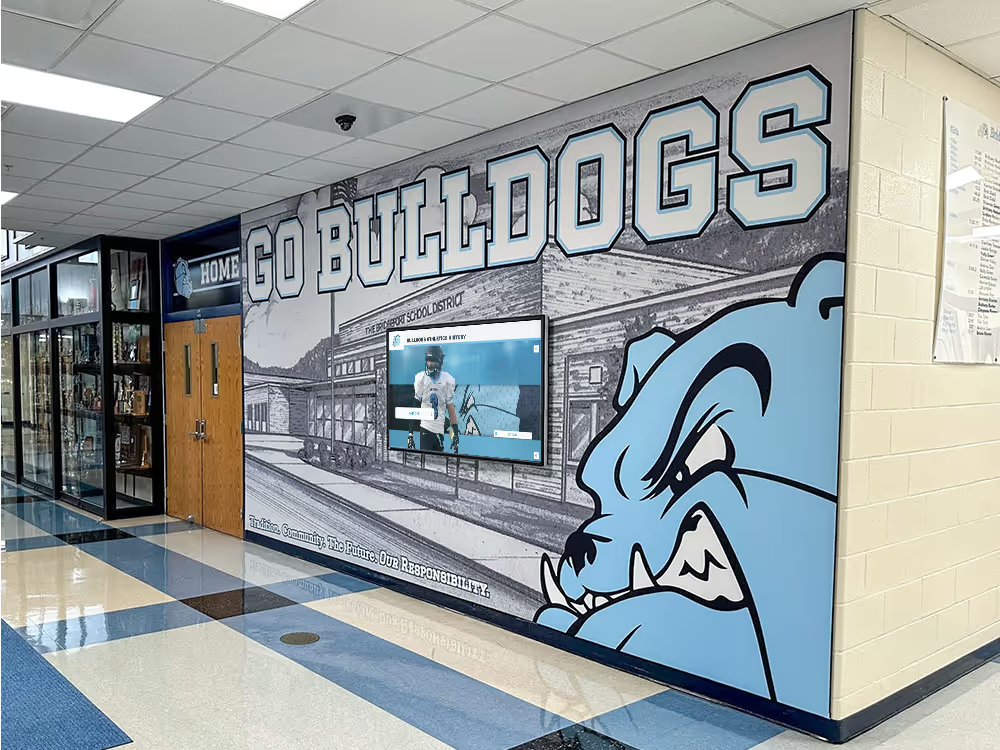
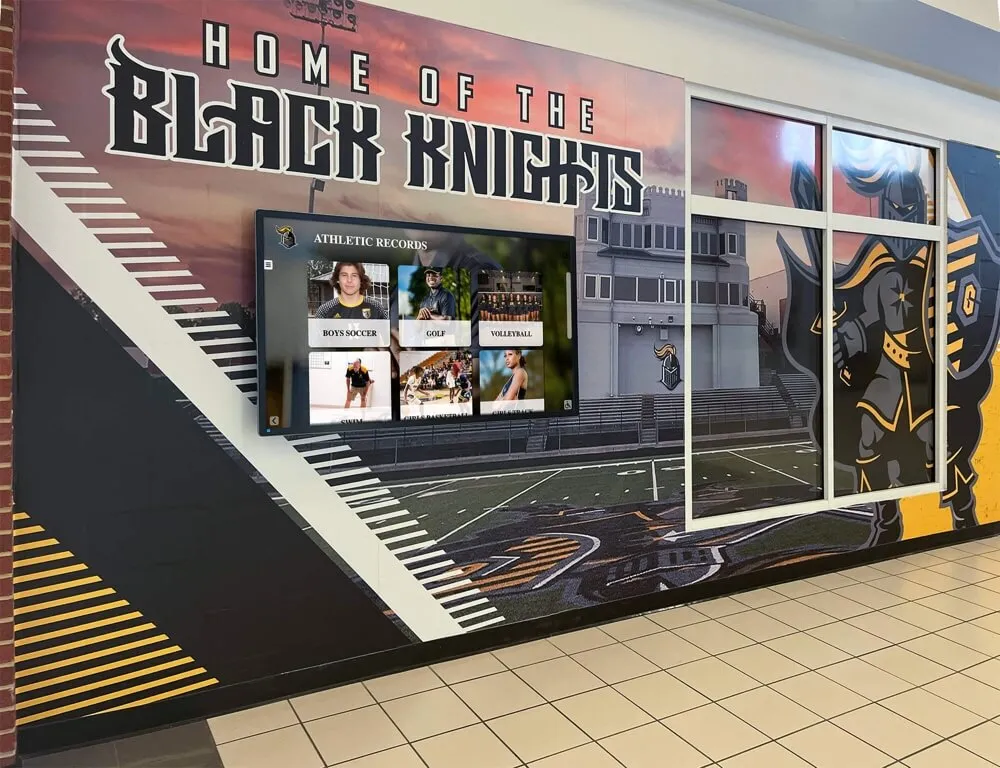
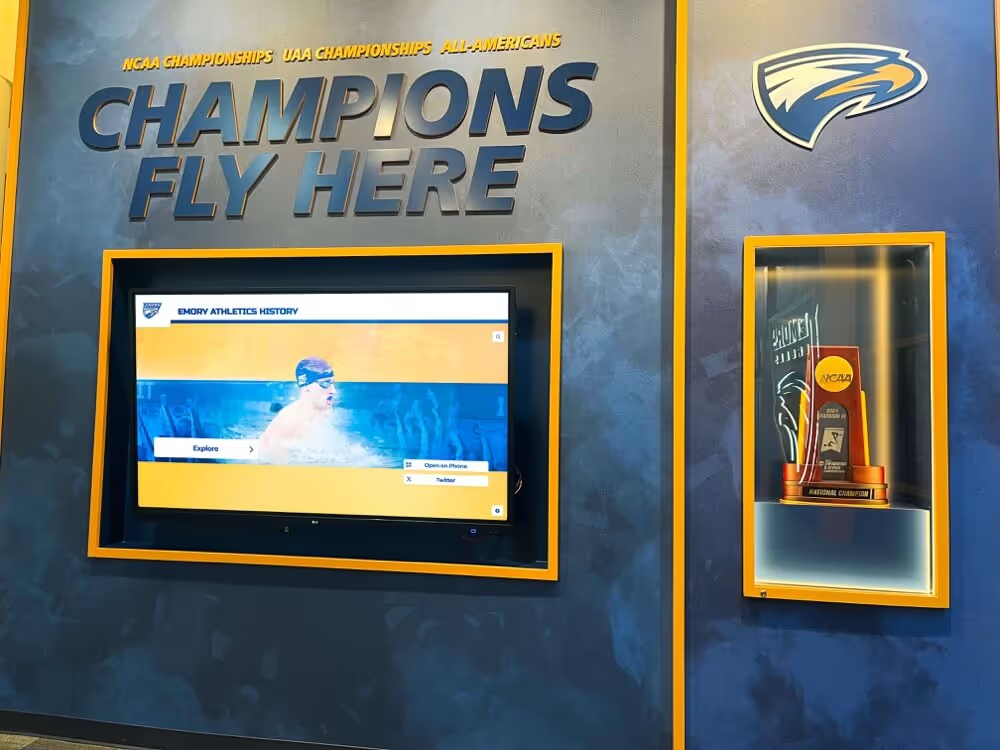
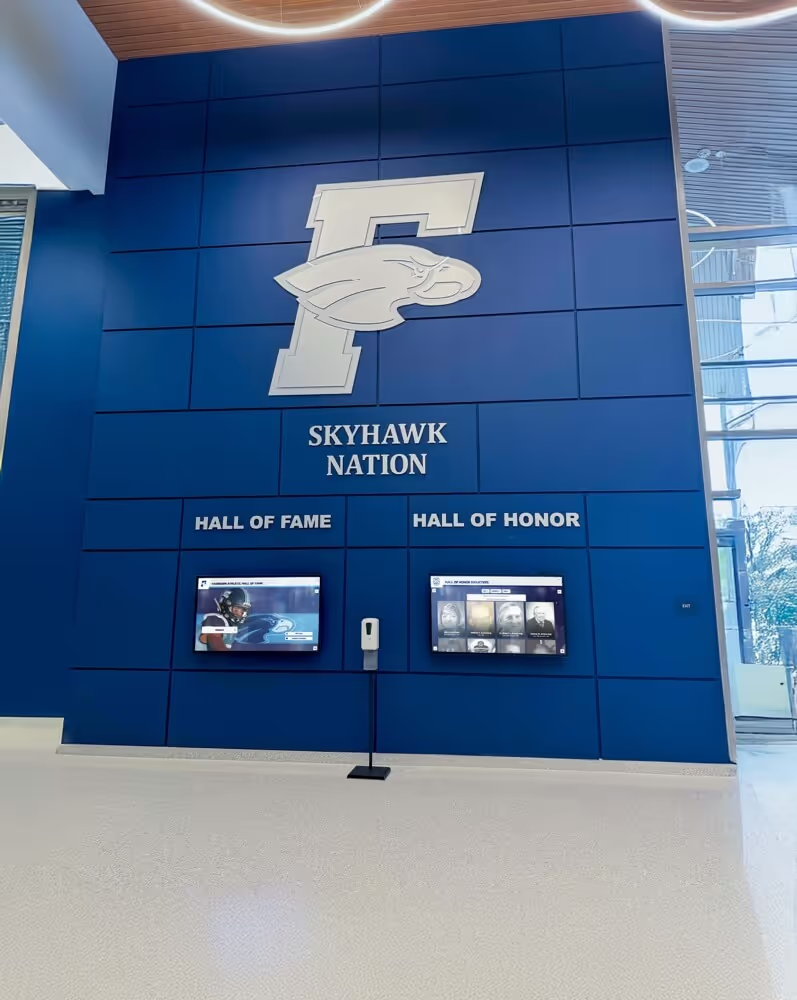
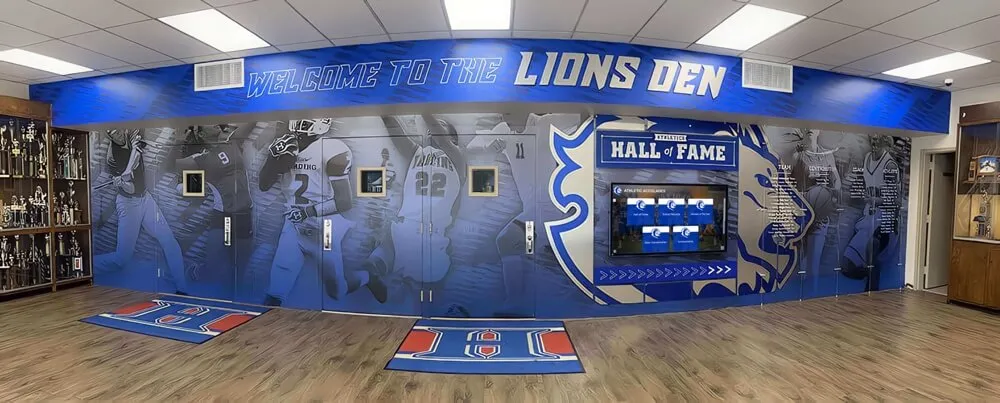
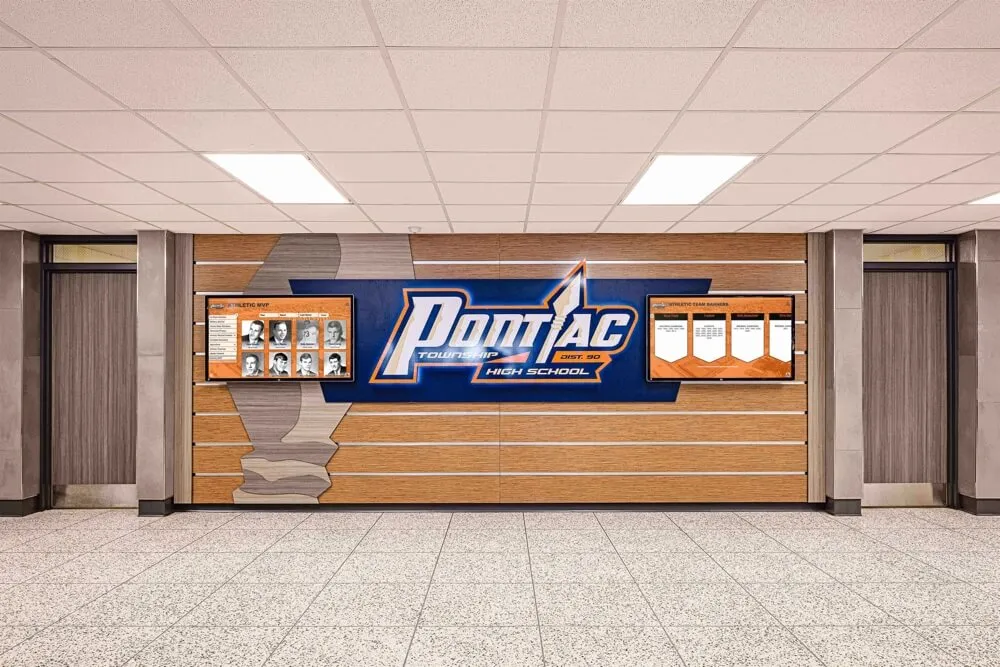
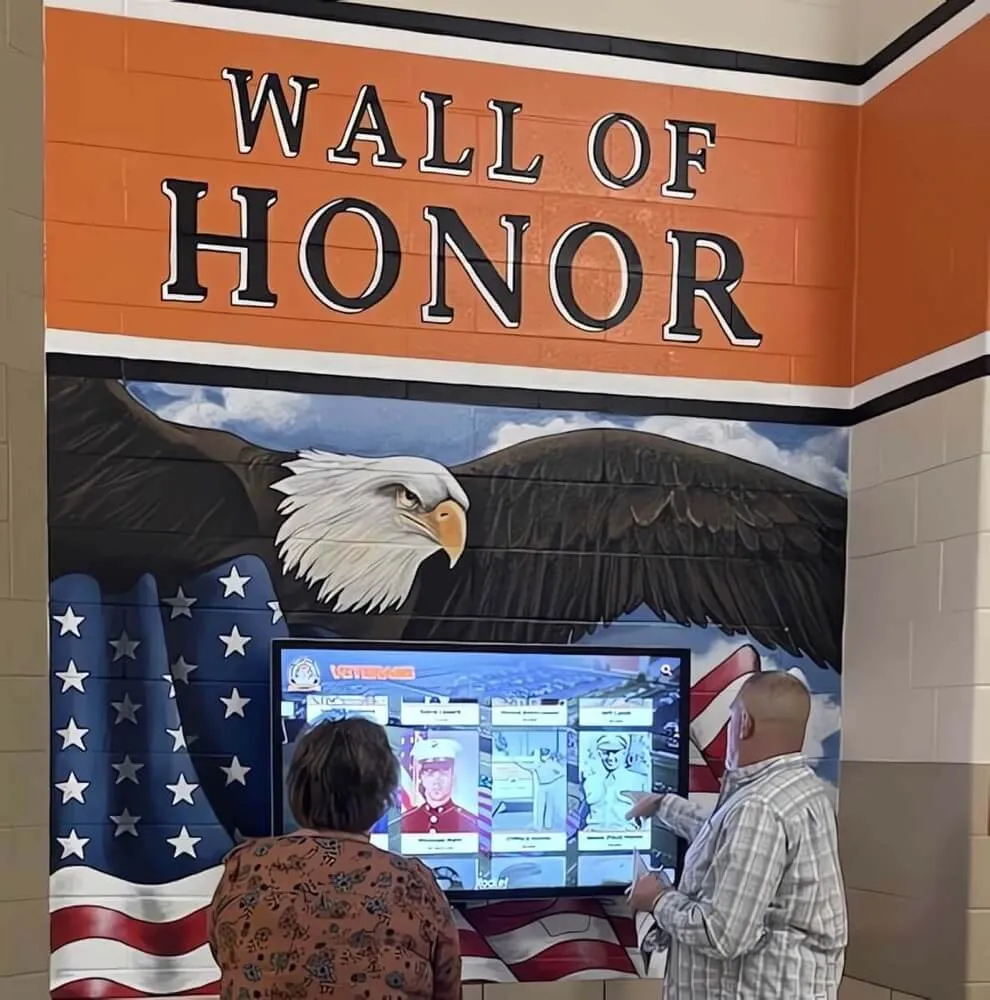
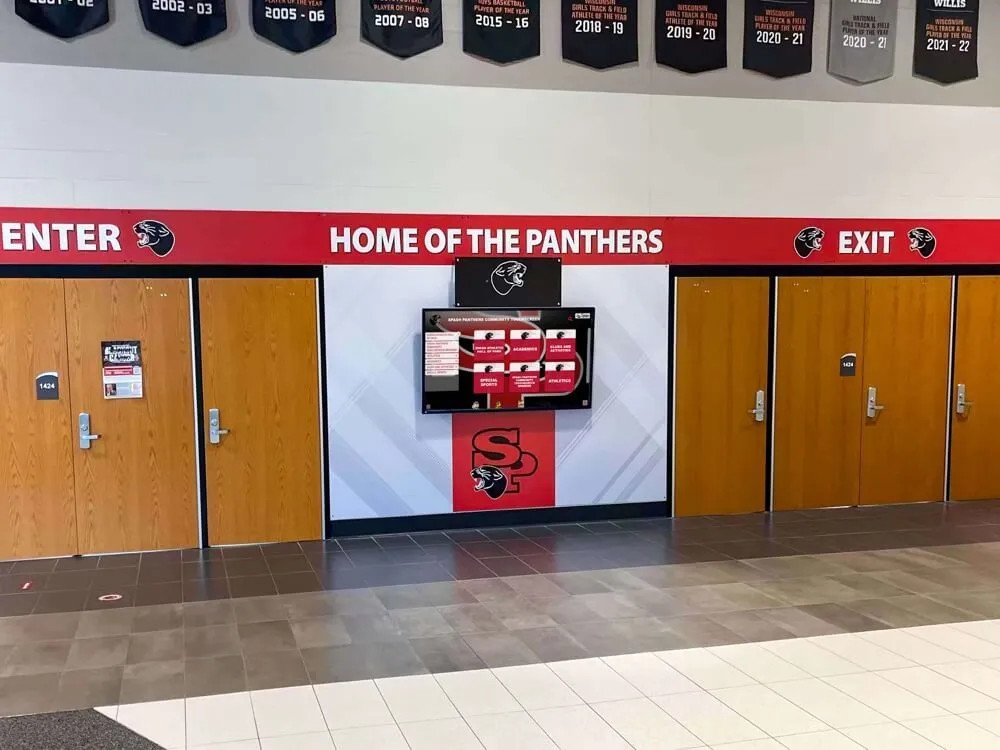
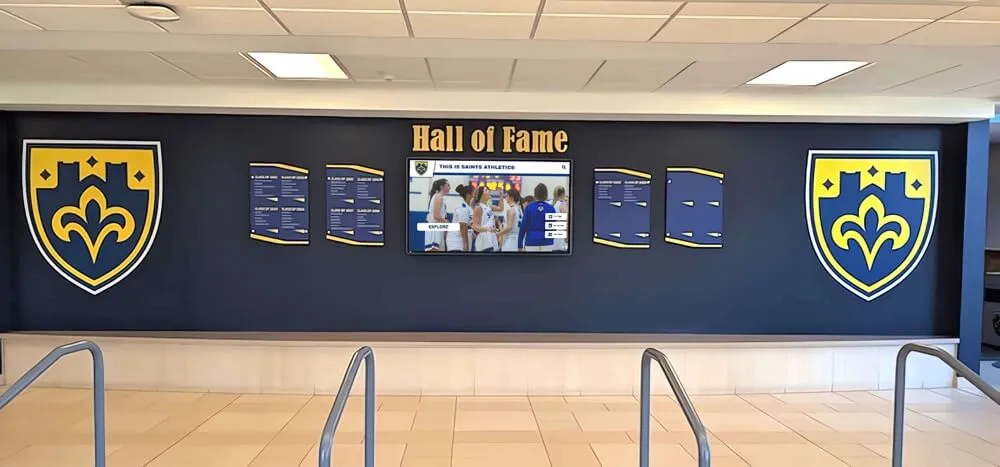
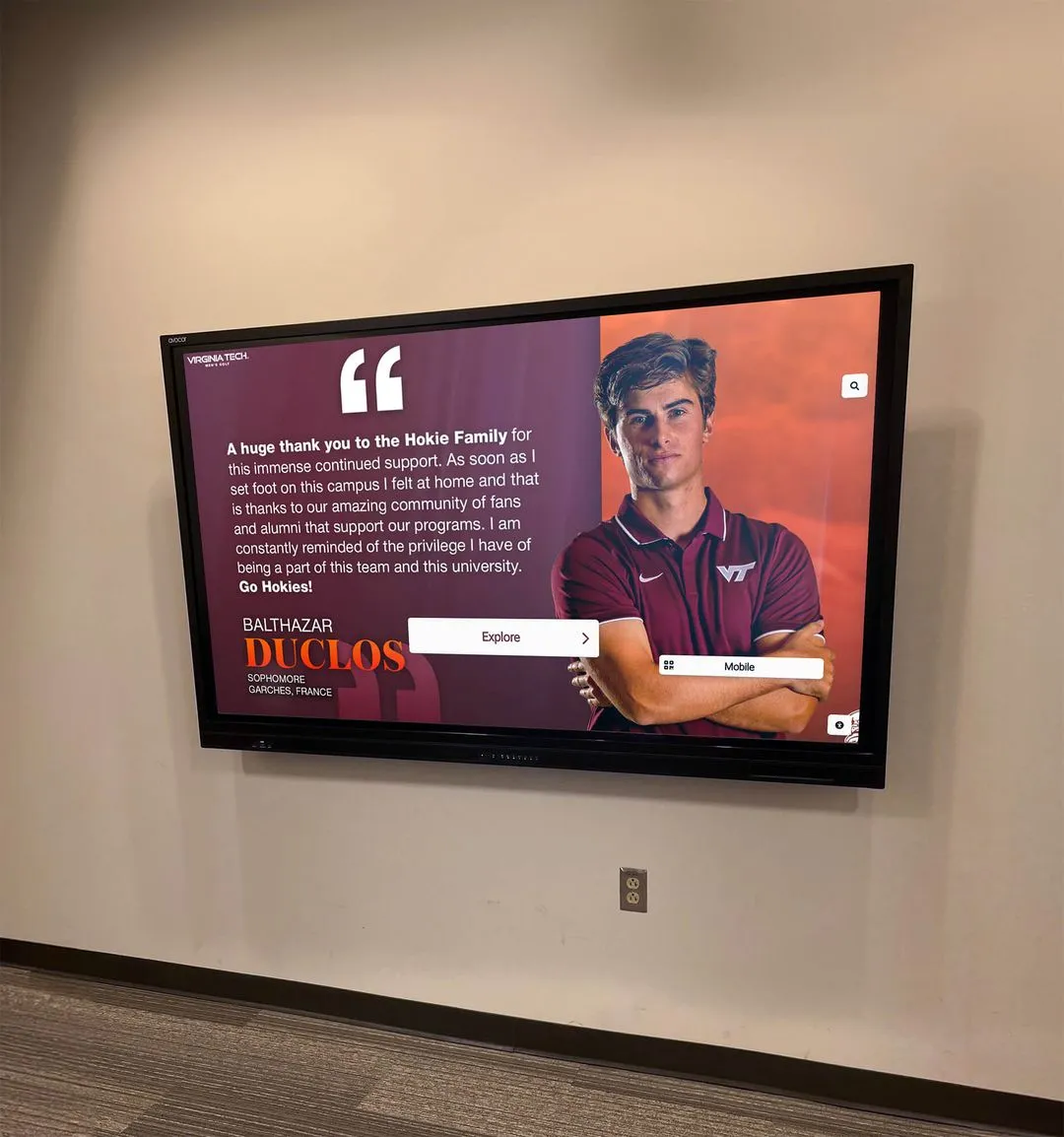
Digital recognition platforms let schools display all-conference honors alongside hall of fame inductees and team records in a single searchable archive
What Is All-Conference in High School? The Direct Definition
All-conference is a peer-voted or committee-selected designation identifying the best athletes in a sports conference during a given season. The exact process differs by state, conference, and sport, but the core meaning is consistent:
A student-athlete named All-Conference was recognized—by opposing coaches or a selection committee—as performing at an elite level among all schools in the same competitive conference during that season.
Unlike school-level awards (MVP, most improved), all-conference recognition is external. It requires affirmation from coaches and administrators outside of the athlete’s own program, making it a credible third-party indicator of competitive achievement.
All-Conference vs. Similar Honor Tiers
Understanding where all-conference fits in the broader athletic honor hierarchy helps athletic directors communicate its significance clearly to athletes, families, and alumni.
| Honor Tier | Scope | Selected By | Competition Level |
|---|---|---|---|
| All-Conference | Athletes within one conference (local/regional) | Conference coaches or committee | Regional |
| All-District | Multi-conference regional grouping | District-level committee | Multi-regional |
| All-Region | Multiple districts | Regional association | Statewide sub-region |
| All-State | Entire state | State athletic association | Statewide |
| All-American | Entire country | National governing body or publication | National |
All-conference is typically the first external honor level a high school athlete can earn and often serves as a prerequisite signal for district, region, and state selections that follow.
Program Snapshot: All-Conference Recognition
| Element | Details |
|---|---|
| Audience | Current athletes, families, alumni, college recruiters |
| Selection Timing | End of regular season or post-championship |
| Number Honored | Varies by conference; typically 10–30 athletes per sport |
| Award Tiers | First Team, Second Team, Honorable Mention |
| Display Setting | Athletic hallways, trophy cases, digital kiosks, school website |
| Record Lifespan | Permanent—should be archived indefinitely |
| Key Stakeholders | Athletic director, conference office, coaches, communications team |
How All-Conference Selections Work
Conference athletic associations typically use one of three models to determine all-conference selections each season.
1. Coaches’ Vote Model
The most common selection method: head coaches from each conference school submit ballots ranking athletes at each position or event in a given sport. Athletes from the voting coach’s own program are typically excluded from that coach’s ballot to reduce bias. The top vote-getters earn First Team honors; the next tier earns Second Team; and additional athletes receive Honorable Mention.
This model is transparent and involves stakeholders directly—the opposing coaches who faced these athletes all season. It also distributes recognition across programs rather than concentrating awards at dominant schools.
2. Committee Selection Model
Some conferences appoint a selection committee composed of athletic directors, conference administrators, and senior coaches. Committees review statistical performance, head-to-head matchup results, and sportsmanship records before making selections. This model is slower but allows for nuanced evaluation beyond raw statistics alone.
3. Statistical Threshold Model
A smaller number of conferences use published statistical thresholds: any athlete meeting a defined performance benchmark (points per game, batting average, goals scored) automatically qualifies, with a selection committee resolving ties or edge cases. This model prioritizes transparency and objectibility.
Eligibility Criteria Schools Should Set Before Publishing All-Conference Inductees
Publishing all-conference honors without a documented eligibility framework creates inconsistencies that are difficult to defend later—especially when disputed cases arise. Schools and conferences benefit from establishing written criteria covering the following areas before nominations open.
Academic Standing Requirements
Many conferences require all-conference nominees to meet minimum academic standards at the time of nomination. Common thresholds include:
- Minimum cumulative GPA (typically 2.0 to 2.5 or higher depending on conference policy)
- No active academic probation or suspension during the nomination period
- Satisfactory progress toward graduation requirements per state athletic association rules
Setting academic minimums reinforces the student-athlete identity and protects the program’s credibility with families and school boards.
Participation Minimums
Eligibility often requires meeting a participation floor to ensure the honor reflects a full season of contribution rather than a single standout performance:
- Minimum games or matches started (e.g., 50% or more of varsity contests)
- Minimum statistical thresholds for position-specific metrics where applicable
- Verified participation on the varsity roster for the declared sport and season
Character and Conduct Standards
Conference awards are public-facing honors tied to the school’s name. Schools commonly require all-conference nominees to have:
- No active disciplinary suspensions during the season
- No violations of the athletic code of conduct on file with the athletic office
- Compliance with state athletic association eligibility rules throughout the season
Documenting these criteria in a published policy—before the season begins—prevents after-the-fact disputes and establishes trust with athletes, families, and the broader community.
Waiting Period and Transfer Rules
Some conferences apply eligibility waiting periods to mid-season transfer athletes, ensuring all-conference recognition reflects competition performed as an enrolled member of that school community rather than imported achievement from a prior program.
For schools building or refining these criteria frameworks, academic recognition program guides offer transferable principles for structuring tiered eligibility standards that work across both athletic and academic award programs.
Content Architecture: Mapping All-Conference Honors to Recognition Displays
Once a school establishes selection criteria and collects official all-conference designations, the next challenge is making these honors visible, searchable, and durable. Schools that treat all-conference records as a living archive—rather than a bulletin board announcement—create recognition infrastructure that pays forward for years.
Screen Module Mapping
| Content Type | Display Module | Platform Feature |
|---|---|---|
| Athlete name, sport, year | Inductee profile card | Searchable database by name or year |
| Conference name and award tier | Honor category label | First Team / Second Team / Honorable Mention tags |
| Statistical performance context | Season stats block | Auto-populated from scoring or performance record |
| Athlete photo | Portrait gallery | Cloud-managed photo upload with accessibility alt text |
| Team record that season | Team history panel | Linked team timeline by sport |
| Conference affiliation history | Program metadata | School conference membership record over time |
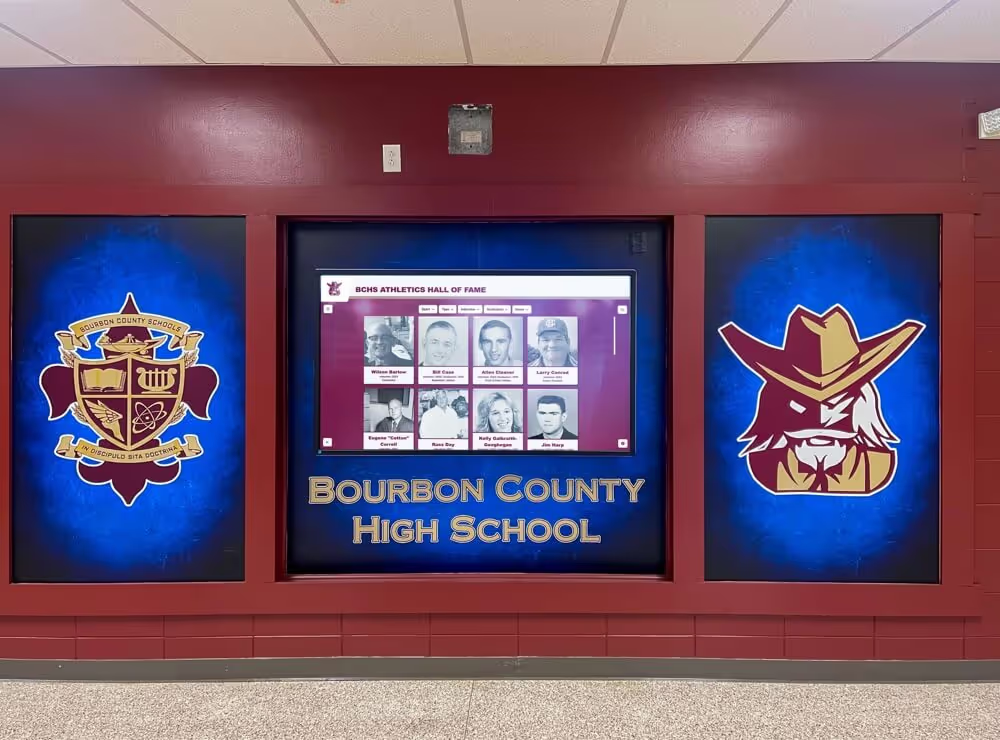
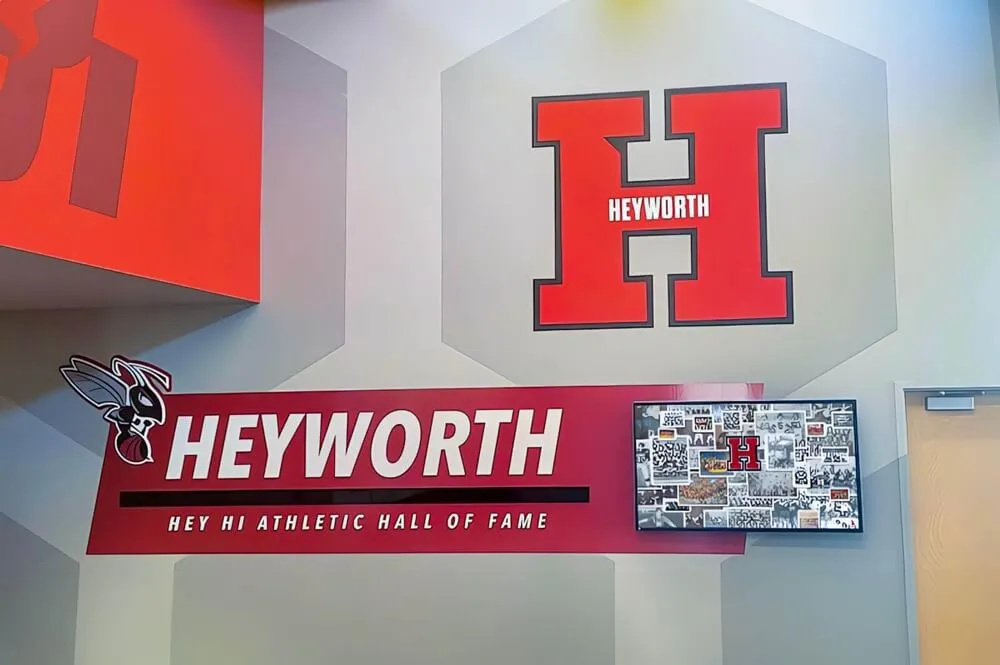
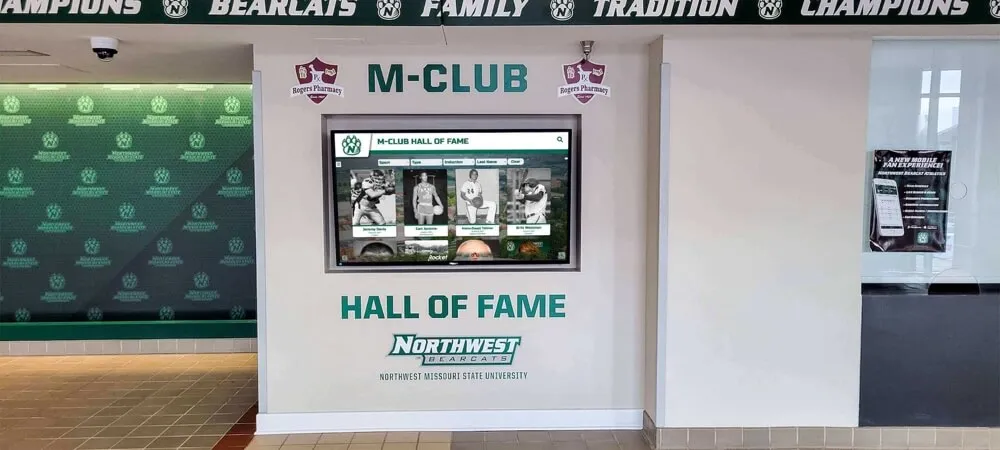
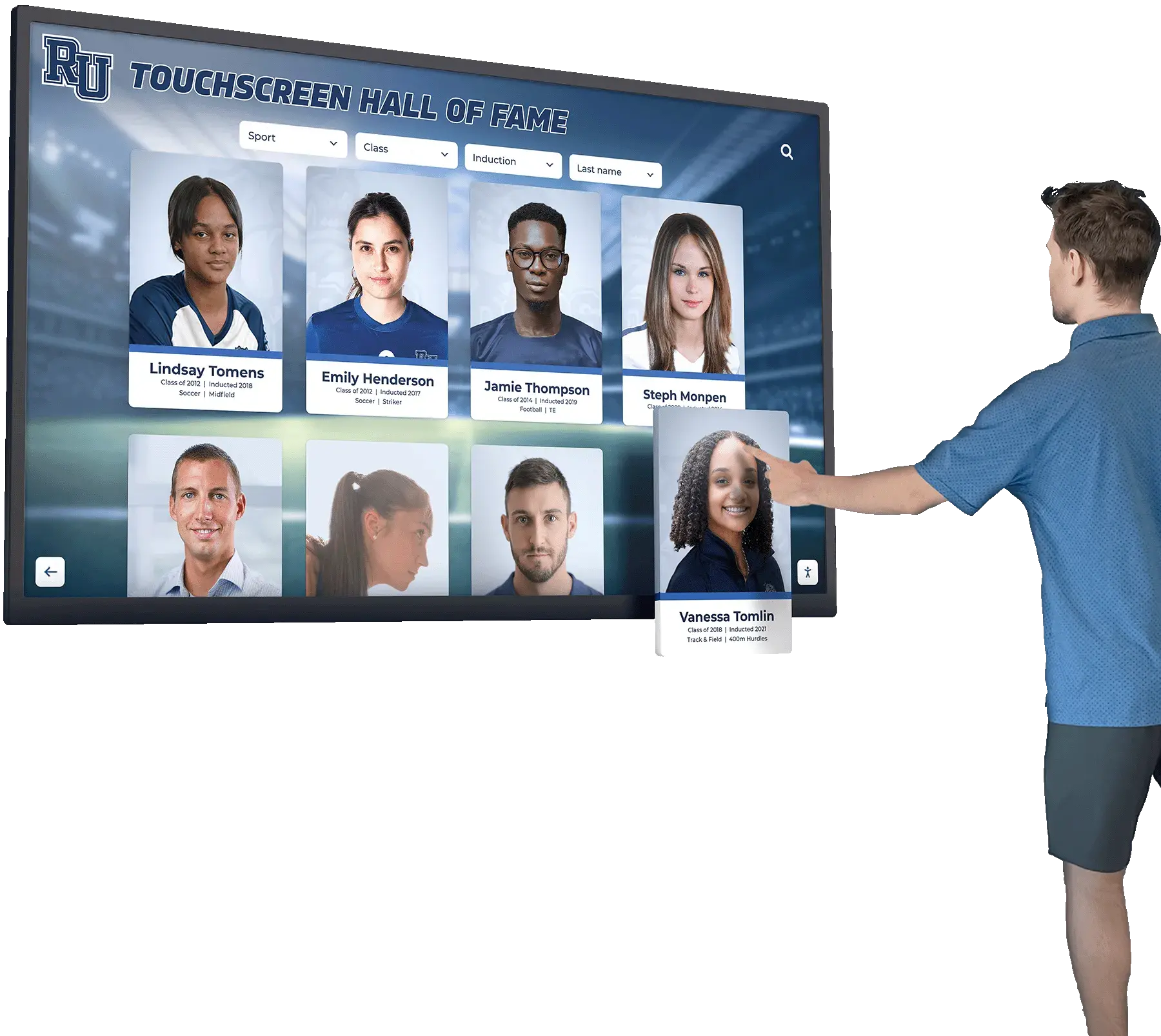
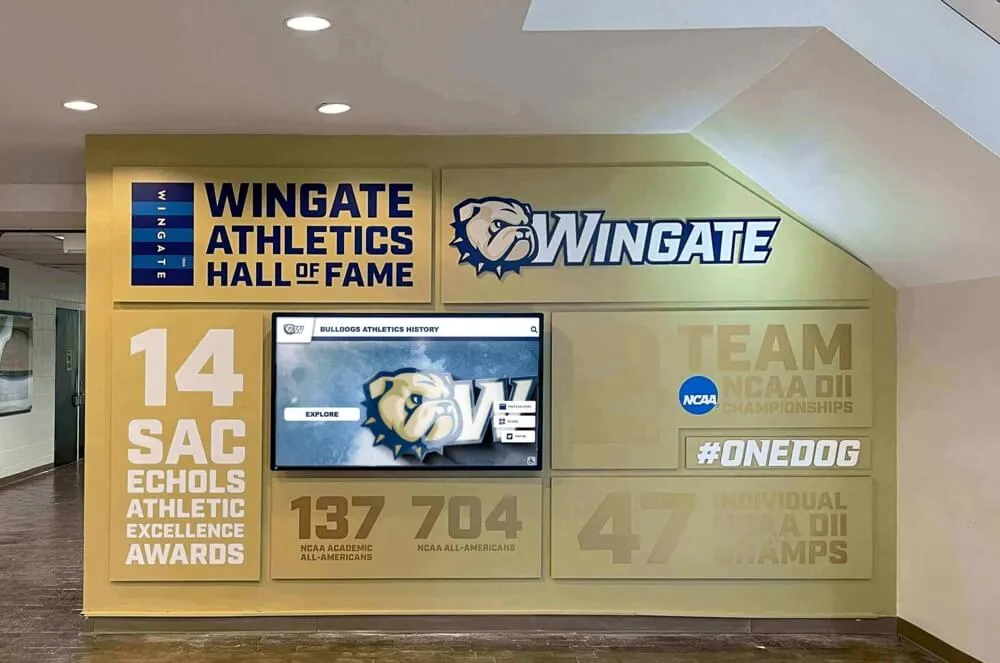
Platforms like Rocket Alumni Solutions allow athletic directors to build searchable inductee archives that display all-conference athletes alongside hall of fame inductees, team championships, and individual record holders—all through a single touchscreen interface. Visitors can filter by sport, year, award tier, or athlete name, turning a static trophy case into an interactive institutional memory that serves coaches, families, recruiters, and alumni alike.

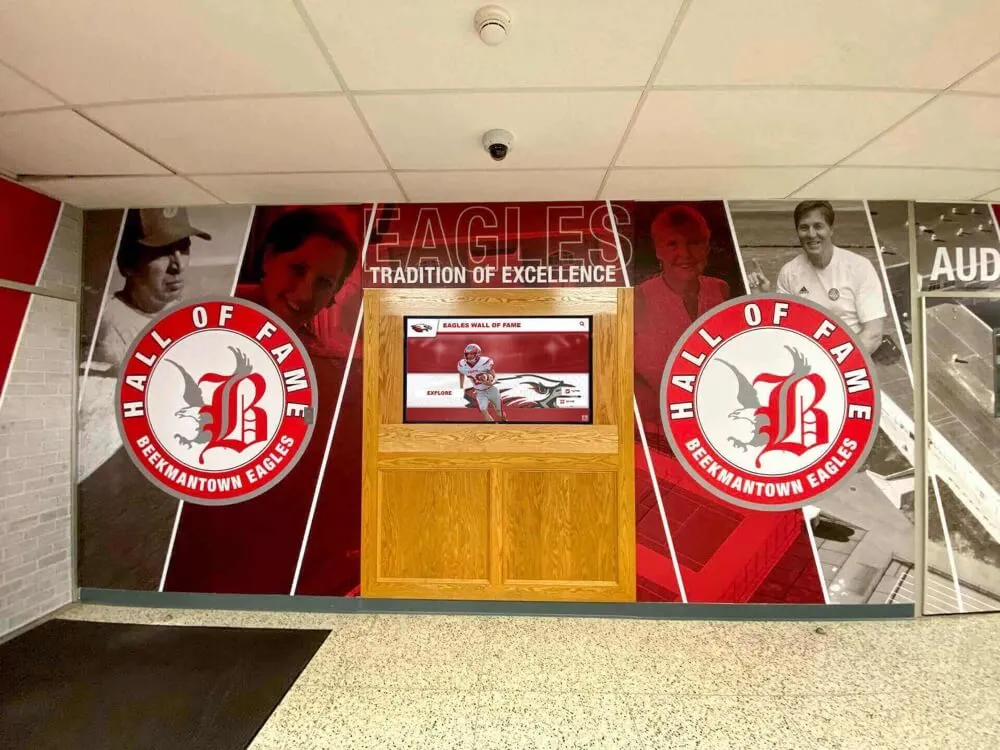
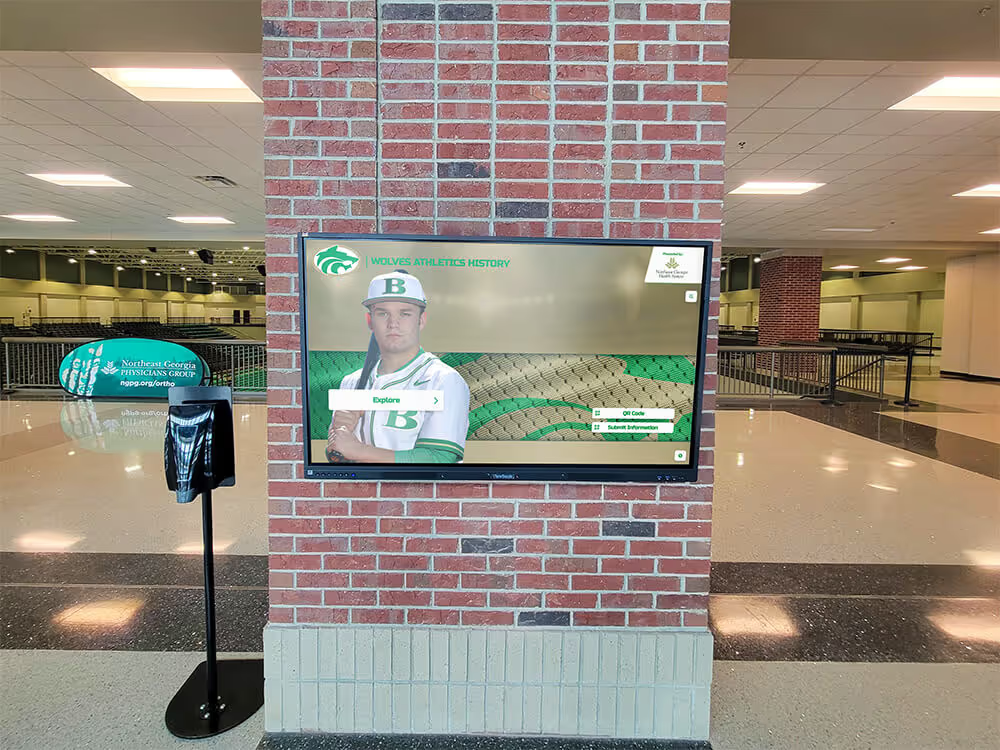
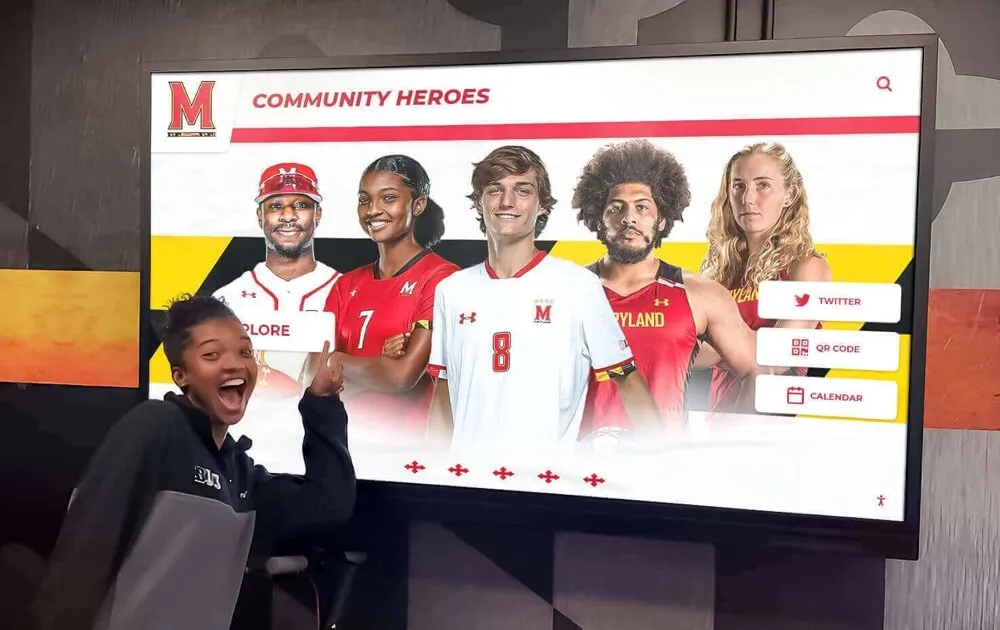
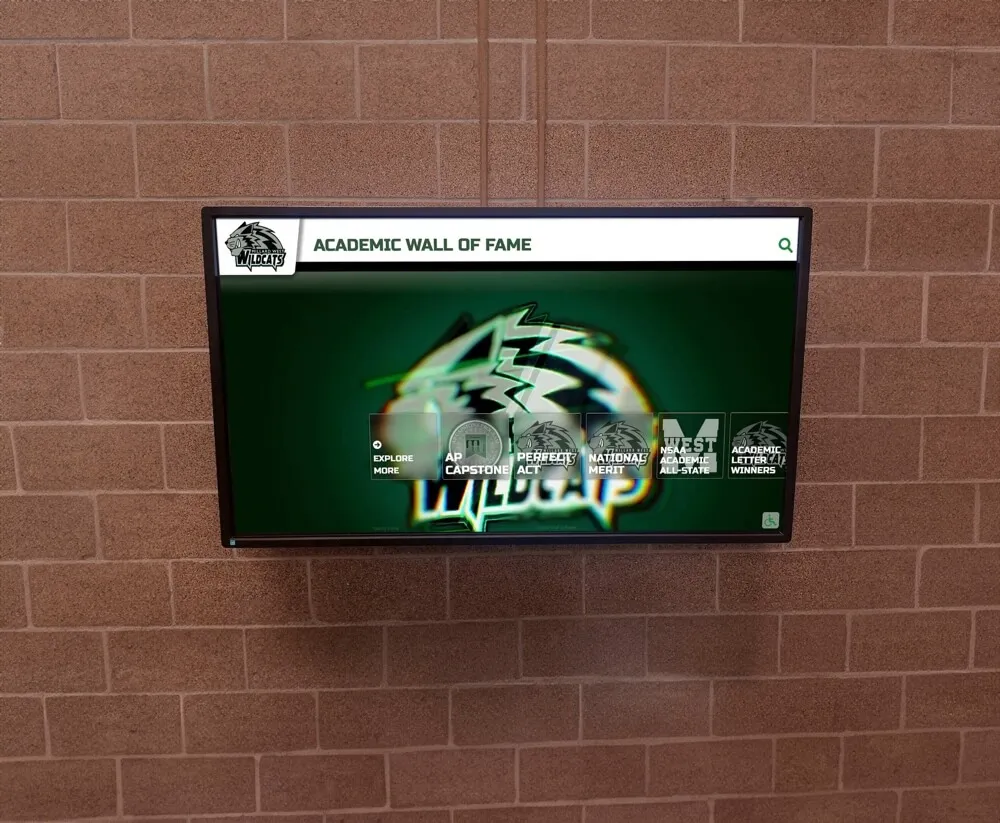
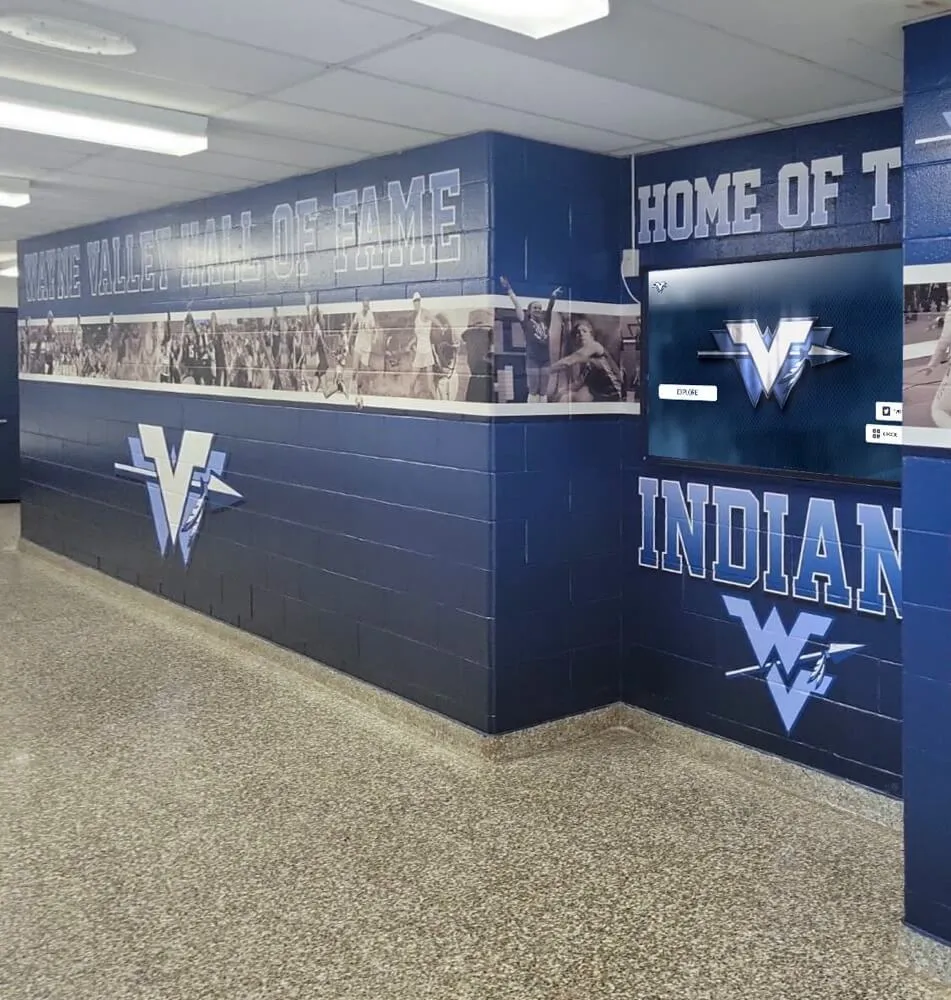
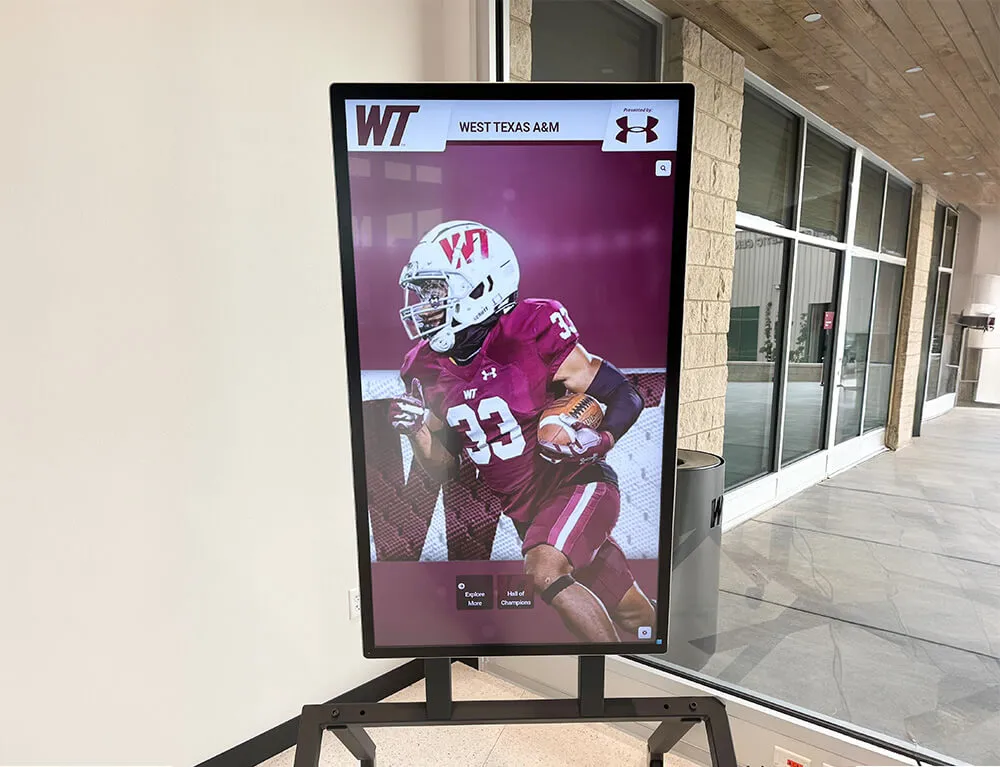
Interactive kiosks let coaches, families, and alumni browse all-conference records by year, sport, or honor tier—transforming a seasonal award into a searchable institutional legacy
Schools investing in touchscreen platforms built for design consistency across multiple display zones ensure all-conference honors appear with the same visual authority as championship banners and hall of fame plaques throughout athletic facilities.
Execution Timeline: From Selection to Lasting Recognition
Preserving all-conference honors requires a process that bridges the moment of announcement and the long-term archive. The following phased timeline helps athletic directors manage each stage systematically.
Phase 1: Plan (Pre-Season)
- Confirm conference selection schedule and official submission deadlines
- Publish written eligibility criteria to coaches and athletes before competition begins
- Designate a staff member responsible for collecting official announcements from the conference office
- Verify the digital display platform will accept new inductee entries and has current season templates ready
- Communicate the recognition pathway to athletes and families at the season kickoff meeting
Phase 2: Build (End of Regular Season)
- Collect official conference selections from the conference office or coaches’ vote tabulation
- Verify each nominee meets published eligibility criteria before entry
- Gather athlete photos, career statistics, and conference designation tier (First Team, Second Team, Honorable Mention)
- Enter complete records into the school’s digital recognition platform
Phase 3: Launch (Awards Season)
- Announce all-conference selections at the athletic awards ceremony or banquet
- Update physical displays including trophy cases, banner walls, and digital signage simultaneously
- Publish selections on the school website and athletic department communications channels
- Post to school social media with proper athlete attribution and context for the honor’s meaning
Phase 4: Refresh (Ongoing, Annual)
- Add the new class of all-conference honorees at the close of each season
- Cross-reference historical records to fill any prior years missing from the archive
- Enable public search access so alumni and recruiters can verify records independently
- Review eligibility criteria annually to align with current conference policies and state athletic association rules
Schools using cloud-managed recognition platforms can complete the Build and Launch phases in a single editing session—changes publish immediately to touchscreen kiosks, digital signage, and web displays simultaneously without requiring IT support for each update.
Virtual hall of fame platforms with strong historical depth give athletic directors structured tools for organizing all-conference records across multiple decades without dedicated IT resources for each annual update cycle.
Display Integration: Making All-Conference Honors Permanently Visible
The physical and digital placement of all-conference recognition determines whether these awards function as living institutional memory or simply seasonal announcements that disappear from view within months.
Recommended Display Locations
Athletic Hallways and Trophy Cases
All-conference honors fit naturally alongside championship trophies and retired jerseys. Schools using fully locked-down touchscreen kiosk apps can deploy dedicated recognition kiosks in athletic hallways that operate reliably without daily IT supervision—displaying all-conference archives and record boards simultaneously on a stable, managed display.
Gymnasium and Fieldhouse Lobbies
High-traffic athletic spaces provide maximum visibility for conference honor displays. Visitors arriving for games, alumni returning for reunions, and college recruiters touring facilities encounter the recognition record naturally without requiring staff to curate a tour.
School Website Athletic Pages
A searchable online directory of all-conference honorees serves college recruiters and journalists who need to verify historical performance. It also gives current athletes meaningful context for what the honor represents before they compete for it themselves.
Athletic Awards Ceremony Displays
Rolling highlight displays during athletic banquets can feature all-conference honoree profiles in real time, giving families visual context for the award alongside the formal announcement rather than relying on a printed program alone.
ADA Accessibility Considerations
Recognition displays installed in public school spaces must meet accessibility standards. When deploying touchscreen kiosks for all-conference archives, schools should verify:
- Screen mounting height within the 15–48 inch ADA reach range for users in wheelchairs
- Sufficient color contrast ratios meeting WCAG 2.1 AA standards for all text and background combinations
- Touch target sizes of at least 44×44 pixels for all interactive elements
- Audio description or screen-reader-compatible options for visually impaired visitors
Multi-screen digital signage systems with widget-based layouts can integrate recognition displays across multiple zones—including accessible-height kiosks and larger overhead screens—ensuring all visitors engage with the same archive regardless of access needs.
Measurement: Tracking the Impact of All-Conference Recognition Programs
Schools that treat all-conference honors as an ongoing program—rather than a one-time announcement—can track meaningful outcomes that justify the investment and demonstrate program value to school boards and boosters.
| Metric | How to Measure | Target |
|---|---|---|
| Archive completeness | Percentage of historical years with complete all-conference records entered | 100% of available records |
| Display engagement | Kiosk session counts per month | Growth quarter-over-quarter |
| Athlete profile views | Web directory page analytics | Top-viewed pages in athletics section |
| Recruiter inquiries | Contact form submissions citing recognition record | Track source attribution |
| Alumni engagement | Event attendance by former all-conference honorees | Year-over-year growth at banquets |
Schools that document recognition programs with clear outcome metrics are better positioned to justify display investment, communicate program value to school boards, and build alumni giving relationships rooted in athletic identity.
Schools connecting athletic recognition to broader community engagement can draw on donor stewardship frameworks designed for school environments to see how recognition-driven relationships translate into long-term institutional investment.
Frequently Asked Questions: All-Conference in High School
What does all-conference mean in high school sports?
All-conference is a peer-selected or committee-selected athletic honor designating that a student-athlete was among the top performers in their sport across all schools competing in the same conference during a given season. It is typically voted on by opposing coaches or selected by a conference committee, making it an external, third-party validation of athletic excellence rather than an internal school award.
How is all-conference different from all-state?
All-conference recognition covers athletes within a single regional conference—the league of schools that compete against one another during the regular season. All-state recognition extends to the entire state’s top athletes, selected after all-conference and all-district selections narrow the field at multiple levels. All-conference is typically the first step toward all-state consideration.
Is all-conference the same at every school?
No. Conference size, sport structure, and state association rules all affect how all-conference selections are made and how many athletes receive the honor. Larger conferences with more member schools may designate more all-conference slots per sport; smaller conferences may limit selections to one per position or event.
How many athletes are named all-conference each season?
It varies by sport and conference. In most high school sports conferences, all-conference teams include 10 to 30 athletes across First Team, Second Team, and Honorable Mention tiers. Individual sport structures—such as a football conference naming players by position versus a swimming conference naming event winners—also affect the total count each cycle.
Can all-conference honors help with college recruiting?
Yes. College coaches and recruiters use all-conference designations as one indicator of competitive performance in context. The honor signals that an athlete earned recognition from coaches outside their own school—a credible external validation—and typically appears on athletic resumes and recruiting profiles alongside statistics and film.
How should schools preserve historical all-conference records?
Schools benefit from entering all-conference records into a central digital archive—organized by sport, year, and award tier—accessible to athletes, families, recruiters, and alumni. Touchscreen recognition platforms connected to cloud-managed content systems allow schools to update records without dedicated IT support and display them publicly in athletic facilities and on school websites.
What should schools publish alongside all-conference announcements?
A clear explanation of the selection criteria—who voted, how they voted, what eligibility standards applied—helps families and athletes understand what the honor represents. Providing historical context, including prior years’ honorees and how the conference defines award tiers, gives the announcement meaning beyond a name list.
Reusable Checklist: All-Conference Recognition Program Essentials
Copy and adapt this checklist for your athletic department’s annual process.
Before the Season
- Confirm conference selection timeline and official submission deadlines
- Publish written eligibility criteria (academic standing, participation minimums, conduct requirements)
- Designate a staff member responsible for collecting and entering official selections
- Verify the digital recognition platform is ready to accept new inductee records for the current season
During the Season
- Track athletes meeting participation minimums across all varsity sports
- Flag any conduct or eligibility issues before the nomination window opens
At Season End
- Collect official conference selections from the conference office or voting tabulation
- Verify each honoree meets published eligibility criteria before public announcement
- Gather photos, statistics, and award tier designation for each honoree
- Enter all records into the digital archive and schedule physical display updates
After Announcement
- Publish selections on the school website and social channels with context for the honor
- Update athletic hallway displays, trophy cases, and recognition kiosks
- Recognize honorees at the awards ceremony with explanation of what the designation means
- Archive records permanently in the school’s recognition database for future access
Why Lasting Recognition Matters Beyond the Season
All-conference honors represent one of the most credible athletic distinctions a high school student-athlete can earn. Their impact, however, depends almost entirely on how schools choose to preserve and communicate them over time.
A name printed in a local newspaper and filed away serves a single moment. The same name displayed on an interactive touchscreen in the school’s athletic hallway—searchable by sport, year, and honor tier—serves every incoming freshman who walks past it, every recruiter who tours the campus, and every alumnus who returns to watch a game decades later.
Schools that invest in systematic recognition programs, built on clear eligibility criteria and durable digital displays, transform seasonal awards into lasting evidence of athletic excellence that defines program identity across generations.
Connecting all-conference archives to a unified recognition platform means every tier of achievement—from conference honors to championship banners to hall of fame inductees—tells a coherent, searchable story about your program’s standards, history, and the athletes who built both.
Build a Permanent Home for Your All-Conference Honors
Rocket Alumni Solutions helps schools create searchable, ADA-compliant recognition archives that display all-conference honorees alongside hall of fame inductees, team championships, and program records—all managed through a cloud-based CMS that requires no IT support for routine annual updates.
Athletic directors use the platform to build a single, durable recognition system where every tier of achievement lives together: the athlete who earned Second Team All-Conference as a sophomore appears beside the inductee who went on to play professionally, both preserved in the same publicly accessible institutional record that families, recruiters, and alumni can search from any device.
Request Your Free Custom Demo to see how Rocket builds your school’s all-conference archive alongside your complete athletic recognition program.