



School superintendents occupy the most influential leadership position in public education—overseeing entire districts, managing multimillion-dollar budgets, directing thousands of employees, and shaping educational experiences for communities of students spanning multiple schools and grade levels. Yet despite their profound impact on educational outcomes, many families and even educators misunderstand what superintendents actually do and how their decisions affect daily classroom experiences.
Whether you’re a parent wanting to understand district leadership structure, an educator considering advancement into administration, a school board member working with superintendent candidates, or simply a community member interested in how local schools are governed, understanding the superintendent role proves essential for engaging effectively with your educational system.
This comprehensive guide explores the superintendent position in depth—examining their responsibilities, qualifications, career paths, and the critical decisions that shape educational quality for entire communities. We’ll demystify this crucial leadership position while highlighting how superintendent priorities influence everything from curriculum adoption to facility improvements to district-wide recognition programs celebrating student achievement.
Superintendents serve as chief executive officers of school districts—strategic leaders translating educational policy into operational reality while balancing competing demands from school boards, state departments of education, teachers’ unions, parent communities, and the students whose futures depend on effective district leadership.

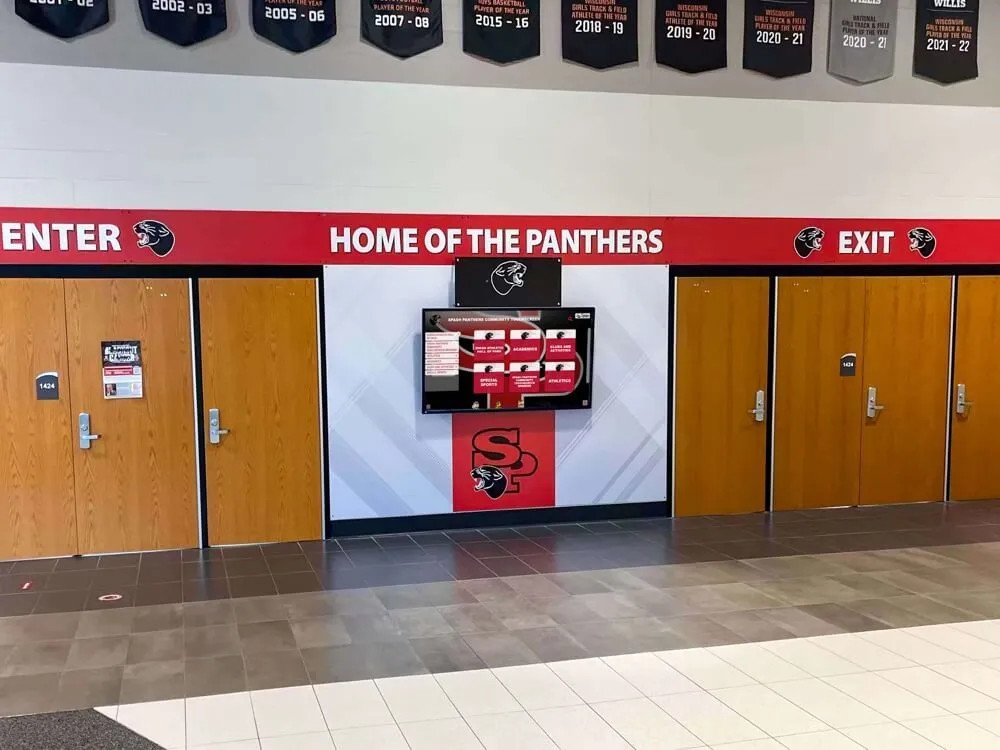
District leaders oversee comprehensive programs celebrating achievement and building institutional pride across multiple schools
Defining the Superintendent Role: Chief Educational Executive
The superintendent position represents the highest administrative authority within a school district, combining executive leadership, educational expertise, and political acumen in ways few other positions require.
Superintendent Defined
A superintendent is the chief administrative officer appointed by a local school board to manage all operational, educational, financial, and personnel functions of a school district. They serve as the board’s primary advisor on educational policy while implementing board directives through district-wide systems affecting every school, student, and employee within their jurisdiction.
Key Distinguishing Characteristics
Superintendents differ from other educational leaders in several critical ways:
- District-Wide Authority - Unlike principals who lead individual schools, superintendents oversee entire systems of schools
- Board-Appointed Position - Serve at the pleasure of elected or appointed school boards rather than being directly elected
- Strategic vs. Operational Focus - Set district vision and policy rather than managing daily school operations
- Community Leadership - Represent public education in civic contexts beyond school walls
- Resource Allocation Authority - Control district budgets distributing funds across multiple schools and programs
This unique position requires balancing educational expertise with business management, political awareness, and community relations in ways that define district success or failure.
Appointment Process and Governance Structure
Understanding superintendent authority requires examining their relationship with school boards and communities:
School Board Governance
Most U.S. school districts operate under governance structures where:
- Elected or appointed school boards hold ultimate policy authority representing community interests
- Superintendents serve as board employees implementing board-established policies and priorities
- Separation of roles with boards setting policy and superintendents managing operations
- Contractual relationships defining terms, compensation, performance expectations, and evaluation processes
- Board-superintendent partnership functioning effectively when roles remain clearly defined
This governance structure creates both accountability and complexity—superintendents must satisfy board expectations while managing practical operational realities that sometimes conflict with board directives.

Superintendents coordinate institutional identity and pride across district facilities
Search and Selection Process
School boards typically hire superintendents through rigorous processes:
- Needs Assessment - Board identifies district priorities and desired superintendent characteristics
- Search Firms or Internal Process - Large districts often hire search consultants; smaller districts may manage internally
- Application Screening - Initial candidate pools narrowed to qualified applicants matching board priorities
- Semifinalist Interviews - Detailed interviews with reduced candidate pools
- Finalist Vetting - Background checks, reference verification, and often public forums with finalists
- Contract Negotiation - Detailed agreements specifying responsibilities, compensation, and terms
- Transition Planning - Preparation for assuming district leadership
This extensive process reflects superintendent impact on district success and the substantial investment communities make in leadership selection.
Core Superintendent Responsibilities: The Scope of District Leadership
Superintendent responsibilities span extraordinary breadth—from instructional leadership to facility management, budget development to community relations. Understanding this scope reveals why effective superintendents prove so valuable and difficult to find.
Educational Leadership and Instructional Oversight
Despite extensive managerial responsibilities, superintendents fundamentally serve as educational leaders:
Curriculum and Instruction Direction
Superintendents establish instructional priorities affecting thousands of students:
- Curriculum Framework Adoption - Selecting instructional programs and learning standards across subjects and grade levels
- Assessment System Implementation - Establishing evaluation methods measuring student learning and program effectiveness
- Professional Development Direction - Coordinating teacher training supporting instructional improvement
- Academic Achievement Accountability - Monitoring performance data and intervening when schools underperform
- Educational Innovation - Introducing new pedagogical approaches, technology integration, and program enhancements
These decisions fundamentally shape what students learn, how teachers teach, and the educational quality families experience throughout the district.
Academic Program Development
Strategic superintendents expand educational opportunities:
- Special programs for gifted students and advanced learners
- Specialized career and technical education pathways
- Early childhood education expansion
- Alternative education options serving diverse student needs
- Dual enrollment and advanced placement program growth
- Academic recognition programs celebrating student achievement district-wide
Effective superintendents don’t just maintain existing programs—they strategically develop educational offerings meeting evolving community needs and student interests.

District-wide recognition initiatives coordinated by superintendents celebrate academic achievement across all schools
Personnel Management and Human Resources Leadership
People represent any district’s most important resource and largest expense. Superintendents oversee comprehensive personnel systems:
Recruitment and Hiring Oversight
Building quality staff requires systematic approaches:
- Teacher Recruitment - Attracting qualified educators to district positions
- Principal Selection - Hiring building leaders who execute district vision
- Central Office Staffing - Building administrative teams supporting schools
- Support Staff Hiring - Coordinating recruitment for paraprofessionals, custodians, food service, and transportation staff
- Succession Planning - Preparing for predictable retirements and turnover
Districts with effective recruitment attract and retain quality educators creating sustained excellence.
Staff Development and Evaluation
Superintendent responsibilities extend beyond hiring to developing talent:
- Establishing district-wide professional development systems
- Creating administrator evaluation processes ensuring leadership quality
- Implementing teacher evaluation systems aligned with instructional priorities
- Fostering professional learning communities supporting continuous improvement
- Managing performance concerns and dismissal processes when necessary
- Building school culture supporting staff excellence and satisfaction
Labor Relations and Collective Bargaining
In districts with unionized employees, superintendents navigate complex labor relationships:
- Leading contract negotiations with teachers’ unions
- Managing collective bargaining agreements affecting compensation and working conditions
- Resolving grievances and labor disputes
- Maintaining productive working relationships despite sometimes adversarial positions
- Balancing district fiscal constraints against employee compensation expectations
These negotiations significantly impact district budgets and working conditions affecting staff morale and retention.
Financial Management and Resource Allocation
Superintendents serve as chief financial officers managing substantial public resources:
Budget Development and Management
Financial stewardship represents critical superintendent responsibility:
- Annual Budget Preparation - Developing comprehensive budgets balancing educational priorities against revenue constraints
- School Board Budget Presentation - Explaining financial proposals and justifying resource allocation decisions
- Multi-Year Financial Planning - Forecasting enrollment, revenue, and cost trends
- Resource Distribution - Allocating funds equitably across schools while addressing different needs
- Budget Monitoring - Tracking expenditures ensuring fiscal responsibility
- Financial Reporting - Providing transparent accounting to boards and communities

Superintendents coordinate facility improvements including recognition systems celebrating district excellence
District budgets range from a few million dollars in small rural districts to billions in major urban systems—superintendents manage these resources under intense scrutiny with taxpayer dollars requiring exemplary stewardship.
Revenue Generation and Diversification
Beyond managing allocated funds, strategic superintendents expand resources:
- Pursuing state and federal grants supporting specific programs
- Developing community partnerships providing supplemental resources
- Coordinating foundation relationships and educational fundraising
- Managing facility rentals and alternative revenue streams
- Leading capital campaign efforts for major facility improvements
- Stewarding donor recognition programs acknowledging community supporters
Superintendents who successfully supplement tax revenues expand program capabilities beyond what operating budgets alone support.
Facilities and Operations Management
Physical infrastructure represents massive investments requiring strategic oversight:
Facility Planning and Development
Superintendents coordinate comprehensive facility management:
- Long-Range Facility Planning - Projecting enrollment trends and space needs
- Capital Improvement Programs - Prioritizing building renovations and improvements
- New Construction Projects - Managing building programs responding to growth or facility inadequacies
- Facility Maintenance Systems - Ensuring systematic upkeep protecting substantial investments
- Technology Infrastructure - Coordinating network systems, device deployment, and digital learning capacity
- Safety and Security Systems - Implementing comprehensive approaches protecting students and staff
Major facility projects often require superintendent leadership on bond referenda seeking voter approval for capital investments—requiring political acumen alongside operational expertise.
Operational System Oversight
Beyond academic programs, superintendents oversee essential operations:
- Transportation Systems - Managing bus fleets safely moving thousands of students daily
- Food Service Programs - Coordinating nutritional services while managing complex federal regulations
- Custodial and Maintenance Operations - Maintaining clean, safe facilities across multiple buildings
- Technology Services - Providing digital infrastructure supporting modern education
- Athletics and Activities - Overseeing comprehensive programs beyond classroom instruction
These operational systems prove essential to district functioning yet rarely receive public recognition until problems emerge.

Superintendents coordinate athletic programs and recognition systems celebrating student achievement across all sports
Strategic Leadership Responsibilities: Shaping District Vision
Beyond managing operations, effective superintendents provide strategic leadership establishing long-term direction:
Vision Development and Strategic Planning
Districts need clear direction guiding daily decisions toward long-term goals:
Strategic Plan Development
Superintendents lead planning processes establishing district priorities:
- Community Engagement - Gathering stakeholder input about educational priorities and concerns
- Data Analysis - Examining achievement, enrollment, demographic, and operational data
- Goal Setting - Establishing measurable objectives for district improvement
- Strategy Development - Creating action plans achieving identified goals
- Resource Alignment - Directing budget and staff toward strategic priorities
- Progress Monitoring - Tracking implementation and adjusting approaches
Strategic plans provide frameworks ensuring daily operational decisions support coherent long-term direction rather than reacting to immediate pressures without coordination.
Innovation and Change Leadership
Education evolves continuously—superintendents must lead change while managing resistance:
- Introducing new educational approaches and instructional models
- Implementing technology integration supporting modern learning
- Adapting to changing student populations and community demographics
- Responding to state and federal policy changes
- Leading cultural transformation when district culture requires improvement
- Managing change resistance from staff and community members preferring status quo
Change leadership represents among the most challenging superintendent responsibilities—requiring vision communication, stakeholder engagement, and persistence through inevitable resistance.
Policy Development and Compliance
Superintendents translate complex regulations into operational policies while ensuring legal compliance:
Board Policy Recommendation
School boards establish policies governing district operations, but superintendents typically:
- Research policy needs and best practices
- Draft policy recommendations for board consideration
- Advise boards on policy implications and implementation requirements
- Coordinate policy review and updating as regulations evolve
- Ensure policy alignment with state and federal requirements
This advisory role requires understanding both educational best practices and legal requirements affecting public education.
Regulatory Compliance Oversight
Public education operates under extensive state and federal regulation:
- Special Education Compliance - Ensuring adherence to IDEA requirements serving students with disabilities
- Title IX Compliance - Guaranteeing gender equity in athletics and preventing sex discrimination
- Civil Rights Compliance - Preventing discrimination and ensuring equitable treatment across racial, ethnic, and other protected categories
- Financial Audit Readiness - Maintaining documentation supporting transparent fiscal management
- Safety Regulations - Meeting building codes, health standards, and security requirements
- Employment Law Adherence - Following labor regulations governing public sector employment
Compliance failures create legal liability, financial penalties, and reputational damage—superintendents must establish systems preventing violations while documenting adherence.

District identity programs coordinated by superintendents strengthen institutional pride across all facilities
Community Leadership and Public Relations
Superintendents serve as primary spokespersons for public education in their communities—a role requiring political awareness and communication excellence:
Board Relations and Governance Partnership
The superintendent-board relationship fundamentally affects district effectiveness:
Board Communication and Support
Successful superintendents provide comprehensive board support:
- Information Provision - Keeping boards informed about district operations, challenges, and successes
- Policy Guidance - Advising on policy implications and implementation considerations
- Problem Presentation - Bringing significant issues to board attention with potential solutions
- Meeting Preparation - Preparing agendas, materials, and presentations for effective board meetings
- Individual Board Member Relationships - Maintaining professional relationships with all board members
- Board Professional Development - Educating board members about effective governance
This relationship requires balancing superintendent operational authority with appropriate board oversight—successful partnerships recognize distinct roles while maintaining collaborative spirit.
Managing Board Dynamics
Elected boards bring diverse perspectives and sometimes conflicting priorities:
- Navigating political divisions among board members
- Maintaining professionalism during board conflicts
- Providing consistent information preventing misinformation
- Respecting democratic processes while offering professional guidance
- Managing unrealistic board expectations without appearing defensive
When board-superintendent relationships deteriorate, district effectiveness suffers and superintendent tenure proves short-lived.
Community Engagement and Communication
Superintendents represent districts to broader communities:
Public Communication Strategies
Effective superintendents maintain strong community relationships:
- Media Relations - Providing district information to local news organizations
- Community Presentations - Speaking at civic organizations, service clubs, and community meetings
- Crisis Communication - Managing public messaging during emergencies or controversies
- Celebration Opportunities - Recognizing achievements at community events and galas
- Digital Communication - Leveraging websites, social media, and electronic newsletters
- Town Hall Forums - Creating dialogue opportunities with concerned community members
Strong communication prevents misinformation while building support for district initiatives.
Stakeholder Relationship Building
Districts depend on relationships with diverse community groups:
- Business Community Partnerships - Developing employer relationships supporting career preparation
- Higher Education Collaboration - Coordinating with colleges and universities on dual enrollment and preparation
- Municipal Government Relations - Partnering with city and county leadership on shared community interests
- Faith Community Connections - Building relationships with religious organizations serving families
- Service Organization Partnerships - Coordinating with Rotary, Kiwanis, Lions, and similar community groups
- Alumni Engagement - Connecting graduates to current district initiatives and needs
These relationships generate community support, supplemental resources, and political capital supporting district priorities.

Superintendent-coordinated recognition programs honor community supporters while strengthening partnerships
Political Awareness and Advocacy
Public education operates in inherently political environments:
Local Political Navigation
Superintendents must understand local political dynamics:
- Reading community sentiment about controversial issues
- Building coalitions supporting district initiatives
- Managing politically motivated criticism and attacks
- Navigating board elections that change governance dynamics
- Responding to organized opposition groups or vocal critics
Political naivety can derail even educationally sound initiatives—effective superintendents understand politics while maintaining professional integrity.
State and Federal Advocacy
Education policy originates at state and federal levels:
- Participating in state superintendent associations influencing legislation
- Communicating with legislators about policy impacts on local districts
- Coordinating with other superintendents on collective advocacy
- Educating policymakers about practical implications of proposed regulations
- Implementing federal programs while advocating for regulatory flexibility
Superintendents serve as bridges between state/federal policymakers and local educational realities—interpreting policy for local implementation while communicating local impacts upward.
Superintendent Qualifications and Career Pathways
Understanding typical superintendent preparation helps explain their expertise and career trajectories:
Educational Requirements and Certification
Superintendent positions require substantial educational credentials:
Degree Requirements
State regulations typically mandate:
- Master’s Degree Minimum - Graduate education in educational leadership, administration, or related fields
- Doctoral Degrees Common - EdD or PhD increasingly expected, particularly for larger districts
- Specialized Programs - Superintendent preparation programs focusing specifically on district-level leadership
- Continuing Education - Ongoing professional development maintaining current knowledge
This extensive education requirement reflects position complexity and the specialized knowledge effective district leadership requires.
State Certification and Licensure
Most states require specific superintendent credentials:
- Superintendent License - State-issued certification authorizing district-level leadership
- Prior Administrator Experience - Typically requiring several years as principal or central office administrator
- Coursework Requirements - Specific classes in school law, finance, governance, and district administration
- Assessment Passage - Professional examinations demonstrating knowledge and competencies
- Background Checks - Criminal history verification and professional conduct review
These requirements ensure minimum competency while preventing unqualified individuals from accessing such influential positions.

District-wide initiatives including facility improvements require superintendent coordination and oversight
Typical Career Progression
Most superintendents follow similar advancement patterns:
Teacher to Administrator Pipeline
The traditional path involves:
- Teaching Career - Beginning in classroom positions developing educational expertise
- Department Chair or Lead Teacher - Taking initial leadership responsibilities
- Assistant Principal - Moving into building administration focusing on discipline and operations
- Principal - Leading entire schools and managing comprehensive building operations
- Central Office Administration - Assuming district-level roles in curriculum, personnel, or operations
- Assistant Superintendent - Serving in district leadership preparing for top position
- Superintendent - Assuming chief executive responsibility
This progression typically requires 12-20 years from initial teaching position to superintendent appointment, though timelines vary significantly.
Alternative Pathways
Some superintendents enter through less traditional routes:
- Business and Finance Backgrounds - Private sector executives bringing management expertise
- Military Leadership - Retired officers with organizational leadership experience
- Non-Traditional Education Programs - Alternative certification pathways for career changers
- Charter School Leadership - Charter executives transitioning to traditional public districts
These alternative pathways remain controversial, with proponents emphasizing management skills while critics stress the need for educational expertise.
Compensation and Working Conditions
Superintendent positions offer substantial compensation reflecting their responsibilities:
Salary Ranges
Superintendent compensation varies dramatically by district size and location:
- Small Rural Districts (under 1,000 students) - $80,000-$140,000 annually
- Mid-Size Districts (1,000-10,000 students) - $120,000-$250,000 annually
- Large Suburban Districts (10,000-25,000 students) - $200,000-$400,000 annually
- Major Urban Districts (25,000+ students) - $300,000-$500,000+ annually
- Largest Urban Systems (100,000+ students) - $400,000-$600,000+ for districts like New York, Los Angeles, Chicago
These compensation levels reflect the scope of responsibility, required credentials, and intense demands of district leadership positions.
Contract Terms and Conditions
Superintendent employment typically includes:
- Multi-year contracts (typically 3-5 years) providing stability
- Performance evaluation systems and accountability measures
- Comprehensive benefits including retirement, insurance, and vehicle allowances
- Professional development funding and conference attendance
- Separation agreements specifying buyout terms
- Clear termination conditions and due process protections
Contract negotiations balance superintendent security against board flexibility to make leadership changes when performance concerns emerge.

District-wide recognition programs overseen by superintendents celebrate achievement across multiple schools and programs
Superintendent Impact on Educational Outcomes
Research consistently demonstrates that superintendent quality significantly affects district performance:
Achievement and Improvement Leadership
Effective superintendents improve student outcomes:
Academic Achievement Impact
Studies by the Wallace Foundation and others demonstrate:
- Districts with effective superintendents show faster achievement growth than those with weak leadership
- Superintendent tenure correlates positively with achievement when leadership proves effective
- Strategic superintendents successfully close achievement gaps between student subgroups
- Clear instructional vision from district leadership improves teaching quality throughout systems
- Superintendent focus on specific improvement areas generates measurable progress
This research confirms that superintendent quality matters tremendously—leadership extending beyond individual principals to entire systems creates leverage improving outcomes for thousands of students simultaneously.
System Improvement Capacity
Beyond individual school success, superintendents build improvement systems:
- Implementing data systems enabling progress monitoring
- Creating professional development supporting instructional improvement
- Establishing intervention protocols helping struggling schools
- Aligning resources toward improvement priorities
- Building cultures of continuous improvement rather than complacency
These systemic approaches create sustained improvement beyond what individual principal heroics alone can generate.
Culture Development and Climate Impact
Superintendents shape district culture profoundly:
District Climate Influence
Superintendent priorities establish what districts value:
- What receives recognition and celebration communicates institutional values
- Resource allocation demonstrates genuine priorities beyond stated rhetoric
- Personnel decisions signal behavioral and performance expectations
- Communication patterns establish transparency or secrecy norms
- Problem-solving approaches model collaborative or authoritarian cultures
Districts with positive culture share superintendent leadership establishing clear values, recognizing excellence, expecting accountability, and supporting growth—characteristics that ripple through every school and classroom.
Learn about comprehensive building positive school culture approaches that superintendents coordinate district-wide.
Innovation and Excellence Standards
Superintendent expectations influence whether districts:
- Embrace innovation or resist change
- Maintain high expectations or accept mediocrity
- Celebrate diverse achievements or privilege narrow accomplishments
- Welcome community input or insulate from external perspectives
- Pursue excellence or tolerate adequacy
These cultural elements don’t emerge accidentally—they reflect superintendent leadership and the standards established through word and deed.

Modern recognition initiatives coordinated by superintendents create engaging displays celebrating district-wide excellence
Current Challenges Facing Superintendents
The superintendent role grows increasingly complex amid contemporary challenges:
Political Polarization and Controversy
Recent years have intensified political pressure on school leaders:
Contentious Issues
Superintendents navigate increasingly polarized debates about:
- Curriculum content and book selections
- Social-emotional learning and character education approaches
- LGBTQ+ student policies and accommodations
- Racial equity initiatives and critical race theory allegations
- Pandemic response policies and mask requirements
- Parental rights versus professional educational judgment
These controversies create no-win situations where any position alienates substantial community segments—superintendents must maintain educational focus while addressing legitimate concerns without capitulating to political pressure.
Board Politicization
School board elections increasingly reflect national political divisions:
- Single-issue candidates winning seats focused on specific controversies
- Board meetings disrupted by organized activist groups
- Social media attacks targeting superintendents personally
- Recall efforts removing superintendents or board members
- Board majorities changing rapidly based on political trends
This politicization disrupts educational continuity and makes superintendent tenure increasingly precarious.
Recruitment and Retention Challenges
Districts struggle to find and keep quality superintendents:
Declining Candidate Pools
Fewer educators pursue superintendent positions due to:
- Intense stress and work demands affecting health and family life
- Political controversies creating personal attacks and reputational risks
- Relatively modest compensation compared to private sector executive positions
- Job insecurity with short average tenures
- Extensive education requirements requiring substantial investment
Many experienced administrators decline superintendent opportunities preferring less stressful positions despite lower compensation.
Short Superintendent Tenure
Average superintendent tenure continues declining:
- Urban superintendents average 3-4 years in position
- Rural and suburban districts show somewhat longer but still brief tenures
- Frequent leadership turnover disrupts improvement initiatives
- Districts cycle through multiple superintendents preventing sustained strategic direction
- Short tenure creates risk-averse leadership avoiding necessary but controversial decisions
This instability undermines district effectiveness and makes superintendent positions less attractive.
Financial Constraints and Resource Limitations
Inadequate funding creates persistent challenges:
Funding Inadequacy
Most districts operate with insufficient resources:
- Teacher compensation struggling to compete with other professions
- Facility needs exceeding available capital funding
- Technology requirements demanding ongoing investment
- Special education services consuming growing budget shares
- Community expectations exceeding financial capacity
Superintendents must manage these constraints while maintaining quality education and managing community disappointment about unmet expectations.
Equity Challenges
Resource distribution creates ethical dilemmas:
- Balancing needs of different schools and programs
- Addressing achievement gaps requiring targeted investment
- Maintaining comprehensive programs during financial constraints
- Explaining resource limitations to disappointed stakeholders
- Pursuing supplemental funding without disadvantaging certain schools
These equity challenges have no perfect solutions—superintendents must make difficult decisions affecting educational opportunities for different student groups.

Facility improvements including recognition displays represent superintendent priorities affecting all district schools
Working Effectively with Your Superintendent
Understanding the superintendent role helps community members engage productively:
For Parents and Community Members
Effective engagement requires understanding appropriate channels:
Appropriate Communication Pathways
Respect organizational hierarchy while seeking superintendent engagement:
- Classroom Concerns - Begin with teachers before escalating
- School-Level Issues - Work with principals managing building operations
- District-Wide Policies - Appropriate for superintendent engagement
- Individual Student Situations - Typically principal responsibility unless systemic concerns emerge
- Board Policy Questions - Superintendent can explain but board ultimately controls
Superintendents cannot personally resolve every family concern in districts serving thousands—respect communication protocols while knowing when superintendent involvement proves appropriate.
Constructive Engagement Strategies
When engaging superintendents:
- Focus on issues and solutions rather than personal attacks
- Recognize competing demands and resource constraints
- Provide specific information and examples
- Acknowledge positive initiatives alongside concerns
- Build relationships during calm periods, not only during crises
- Support superintendent leadership while maintaining appropriate accountability
Community Support
Superintendents benefit from community backing:
- Attending board meetings and speaking supportively
- Voting for necessary funding measures
- Volunteering time and expertise supporting district initiatives
- Defending against unfair criticism and political attacks
- Recognizing complexity of educational leadership
Community support enables superintendents to lead effectively rather than constantly defending against criticism.
For School Board Members
Effective governance requires understanding board-superintendent partnerships:
Maintaining Appropriate Boundaries
Successful relationships require role clarity:
- Board Policy Authority - Boards set direction through policy adoption
- Superintendent Operational Authority - Superintendents manage implementation and daily operations
- Collective vs. Individual Authority - Boards act collectively; individual members lack authority
- Evaluation and Accountability - Boards evaluate superintendent performance against established goals
- Communication Protocols - Clear expectations about board member communication with staff
Boundaries prevent micromanagement while ensuring appropriate oversight.
Supporting Superintendent Success
Boards enable effective leadership through:
- Clear goal-setting and performance expectations
- Appropriate compensation attracting and retaining quality leadership
- Public support and unified messaging
- Professional development opportunities and peer networking
- Reasonable workload expectations and adequate vacation
- Honest feedback through regular evaluation processes
Superintendent success depends substantially on board support and governance quality.
For Educators Considering Administration
Teachers contemplating superintendent paths should understand:
Preparation Requirements
Advancement requires intentional preparation:
- Pursuing administrative licensure and graduate education
- Seeking leadership opportunities within teaching positions
- Learning budget, policy, and operations beyond instructional focus
- Developing political awareness and community engagement skills
- Building relationships with current administrators
- Gaining experience at multiple organizational levels before pursuing superintendent positions
Reality Assessment
Consider whether superintendent leadership aligns with personal priorities:
- Substantial time demands affecting family and personal life
- Political pressures and community criticism
- Distance from direct student interaction
- Management focus rather than instructional work
- Public visibility and scrutiny
- Job insecurity and potential relocation needs
Superintendent positions offer tremendous influence and appropriate compensation but demand substantial sacrifice—ensure alignment between personal values and position realities.

Modern superintendents coordinate comprehensive recognition systems accessible to families and community members beyond school walls
The Future of Superintendent Leadership
The superintendent role continues evolving amid changing educational landscapes:
Emerging Responsibilities and Expectations
New demands expand traditional superintendent functions:
Technology Leadership
Digital transformation requires superintendent direction:
- Implementing comprehensive learning management systems
- Coordinating device deployment and digital equity initiatives
- Managing cybersecurity and student data privacy
- Overseeing interactive recognition and communication displays throughout facilities
- Integrating artificial intelligence and adaptive learning technologies
- Building staff capacity for technology integration
Technology moves from supplemental tool to core infrastructure requiring strategic leadership.
Mental Health and Wellness Focus
Student well-being demands superintendent priority:
- Coordinating comprehensive mental health services
- Addressing increasing anxiety, depression, and behavioral concerns
- Implementing social-emotional learning programs
- Supporting trauma-informed practices
- Partnering with community mental health providers
- Creating cultures of belonging reducing student isolation
Superintendents must balance academic achievement with holistic student development.
Equity and Inclusion Leadership
Demographic diversity requires intentional approaches:
- Addressing persistent achievement gaps between student subgroups
- Creating inclusive environments for diverse student populations
- Recruiting and retaining diverse staff reflecting student demographics
- Implementing culturally responsive teaching practices
- Ensuring equitable access to advanced programs and opportunities
- Celebrating diverse achievements across student populations
Equity requires systematic approaches rather than isolated interventions—superintendents must embed equity in all operations.
Preparation and Support Needs
Supporting superintendent effectiveness requires improved preparation:
Enhanced Training Programs
Superintendent preparation must evolve:
- Greater emphasis on change management and political skills
- Financial management training matching actual superintendent responsibilities
- Community engagement and communication development
- Crisis management and media relations preparation
- Technology leadership and digital transformation understanding
- Wellness and work-life balance strategies
Current preparation often inadequately addresses practical superintendent challenges—improvements can better prepare aspiring leaders.
Professional Support Systems
Superintendents benefit from peer networks and ongoing development:
- State superintendent associations providing advocacy and professional learning
- Mentoring programs connecting new superintendents with experienced colleagues
- Executive coaching supporting leadership development
- Peer networking opportunities reducing isolation
- Stress management and wellness resources
- Professional development addressing emerging challenges
These supports improve superintendent effectiveness while reducing burnout contributing to short tenure.
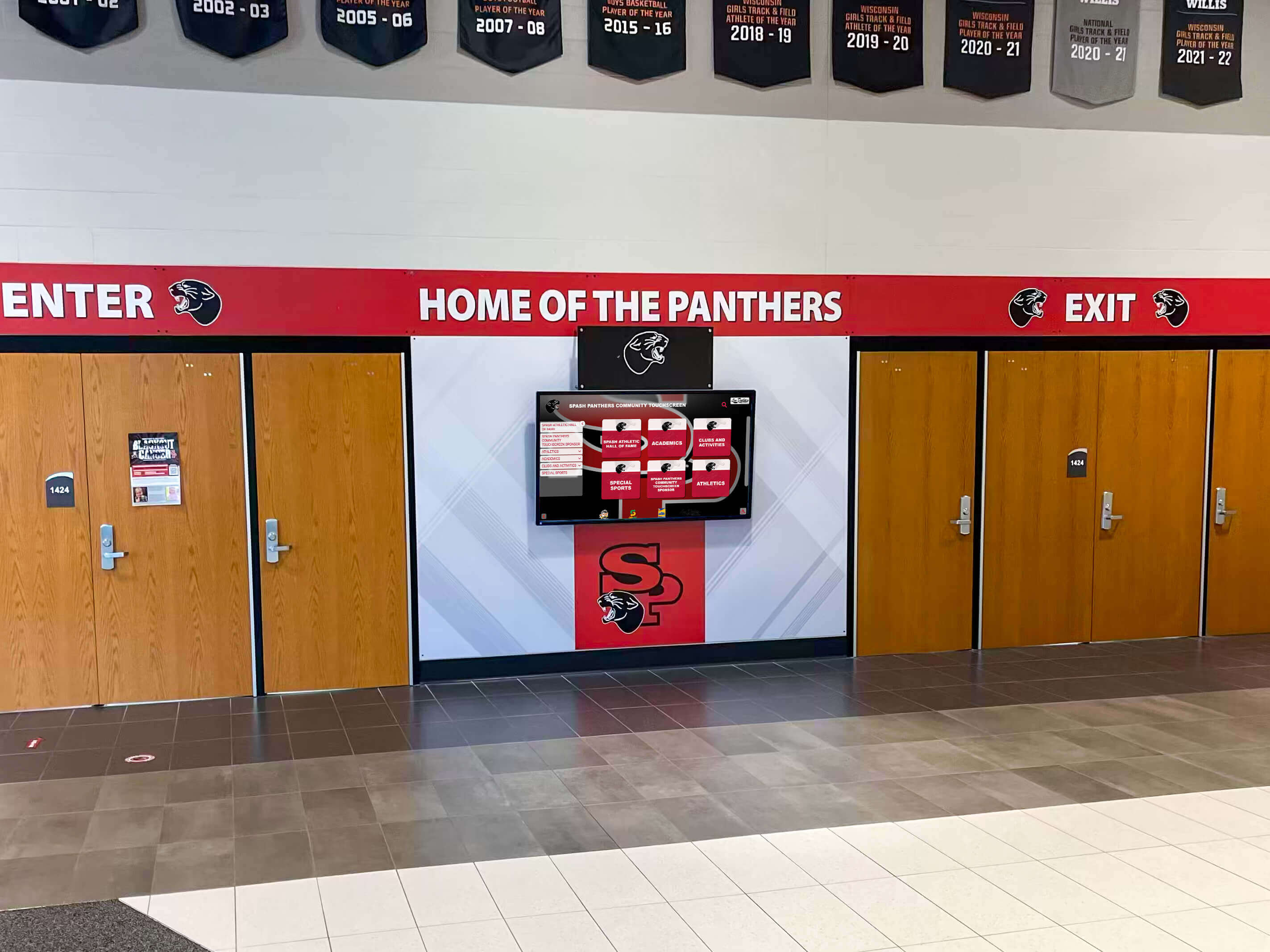
Superintendents coordinate comprehensive facility improvements creating welcoming environments across all district schools
Conclusion: The Critical Importance of Superintendent Leadership
Superintendents occupy education’s most challenging and consequential leadership position—balancing educational expertise with political acumen, managing substantial public resources under intense scrutiny, navigating polarized community expectations, and maintaining focus on student learning amid countless competing demands. Their decisions affect thousands of students, hundreds of staff members, and entire communities depending on quality public education.
Effective superintendents don’t just manage operations—they establish compelling visions, build cultures of excellence, make difficult decisions guided by educational values, and lead systemic improvement creating better outcomes for all students. They coordinate everything from curriculum adoption to facility development, from comprehensive recognition programs celebrating achievement to strategic plans guiding long-term development.
Understanding what superintendents do—and the complex environments in which they lead—enables more productive community engagement and appropriate support for these critical leaders. Whether you’re a parent advocating for your children, a board member governing your district, an educator considering administrative advancement, or a community member supporting public education, superintendent effectiveness affects educational quality in your community profoundly.
The best superintendents combine educational expertise with business acumen, maintain steady focus on student learning while managing political pressures, make evidence-based decisions informed by community values, and build cultures celebrating achievement across all domains. They coordinate district-wide initiatives including modern recognition solutions like those from Rocket Alumni Solutions that preserve institutional heritage while engaging current students, families, and communities.
Districts deserve superintendent leadership equal to the responsibility these positions carry. Communities can support effective superintendents through appropriate compensation, reasonable working conditions, constructive engagement rather than personal attacks, and recognition that educational leadership involves complex decisions without perfect solutions. When we support superintendent excellence while maintaining appropriate accountability, we strengthen the educational leadership affecting our children’s futures and our communities’ success.
The superintendent role will continue evolving amid changing educational landscapes, but the core mission remains constant—providing leadership ensuring every student receives excellent education preparing them for successful futures. That mission demands the best leaders we can attract, prepare, and support—our children deserve nothing less.