



A varsity letter is one of the oldest and most recognized forms of achievement a high school athlete can earn. It signals that a student not only competed at the program’s highest level but met specific standards of performance, participation, and conduct that coaches and athletic departments set to protect the honor’s meaning. For students wearing a letter on a jacket or jersey, the patch is a visible record of a season—and sometimes multiple seasons—of dedication.
For schools, the varsity letter program is more than a tradition. It is a policy decision. Athletic departments define the criteria, communicate the standards, and choose how to preserve the names of every student who earned the recognition. When that record-keeping is clear and lasting, the honor holds its value across generations. When it is inconsistent or inaccessible, the history fades.
This guide defines what a varsity letter means, explains how schools structure their criteria, and walks through the display and archiving approaches that keep letter-winner recognition visible long after graduation.
A straightforward question deserves a direct answer before diving into school policy and display strategy. Understanding what “varsity” means in sports helps establish the foundation from which any letter-award policy is built.

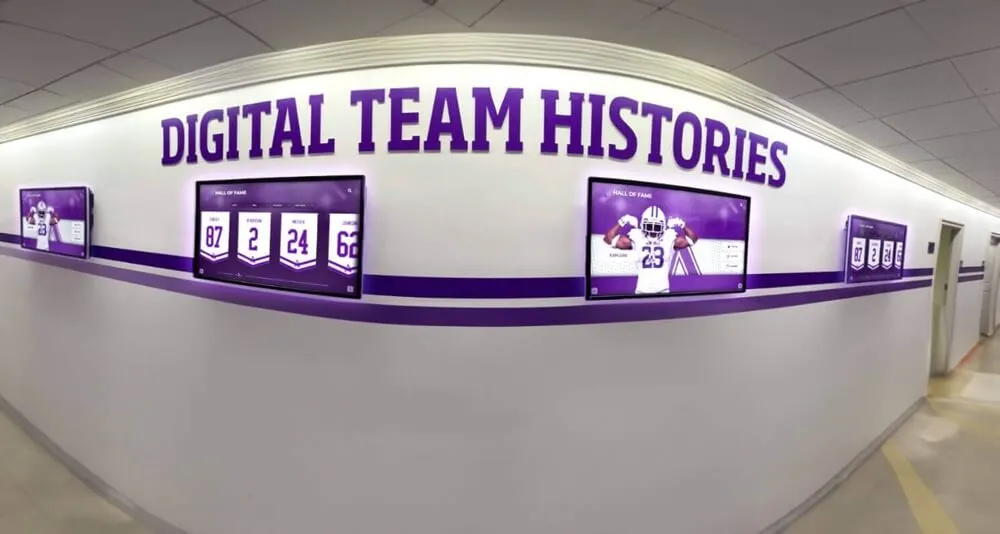
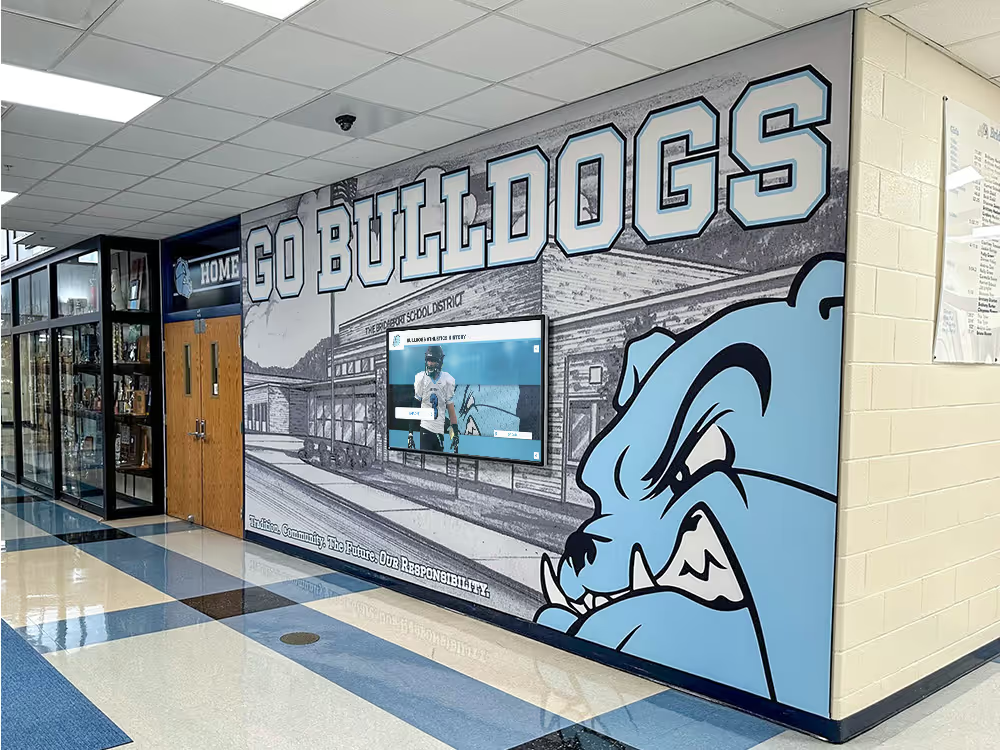
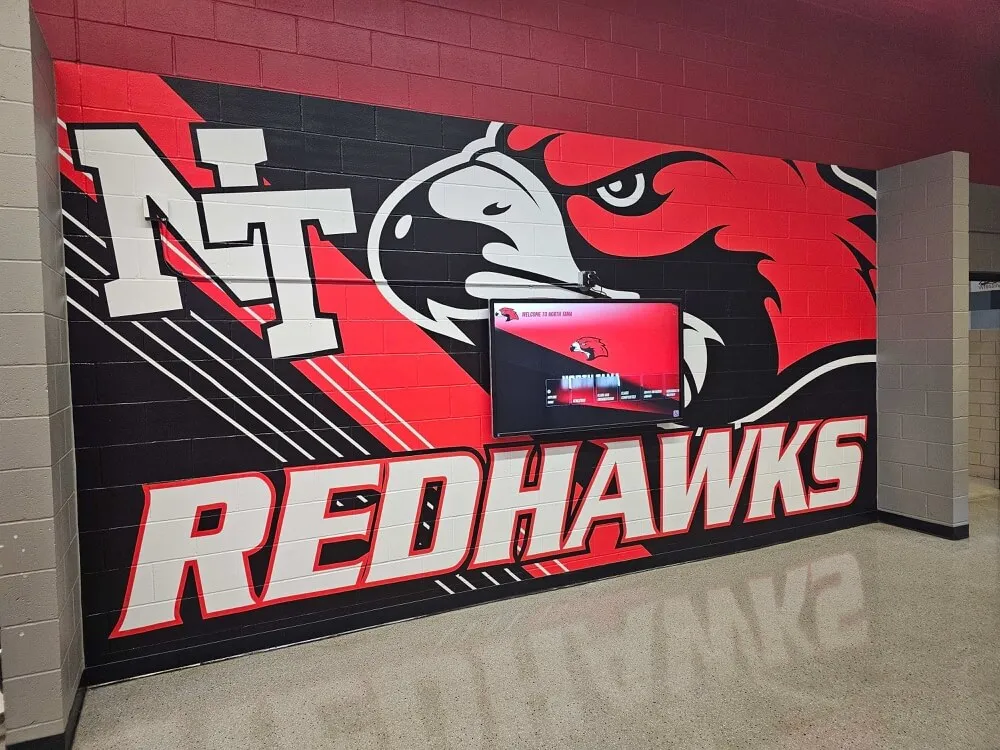
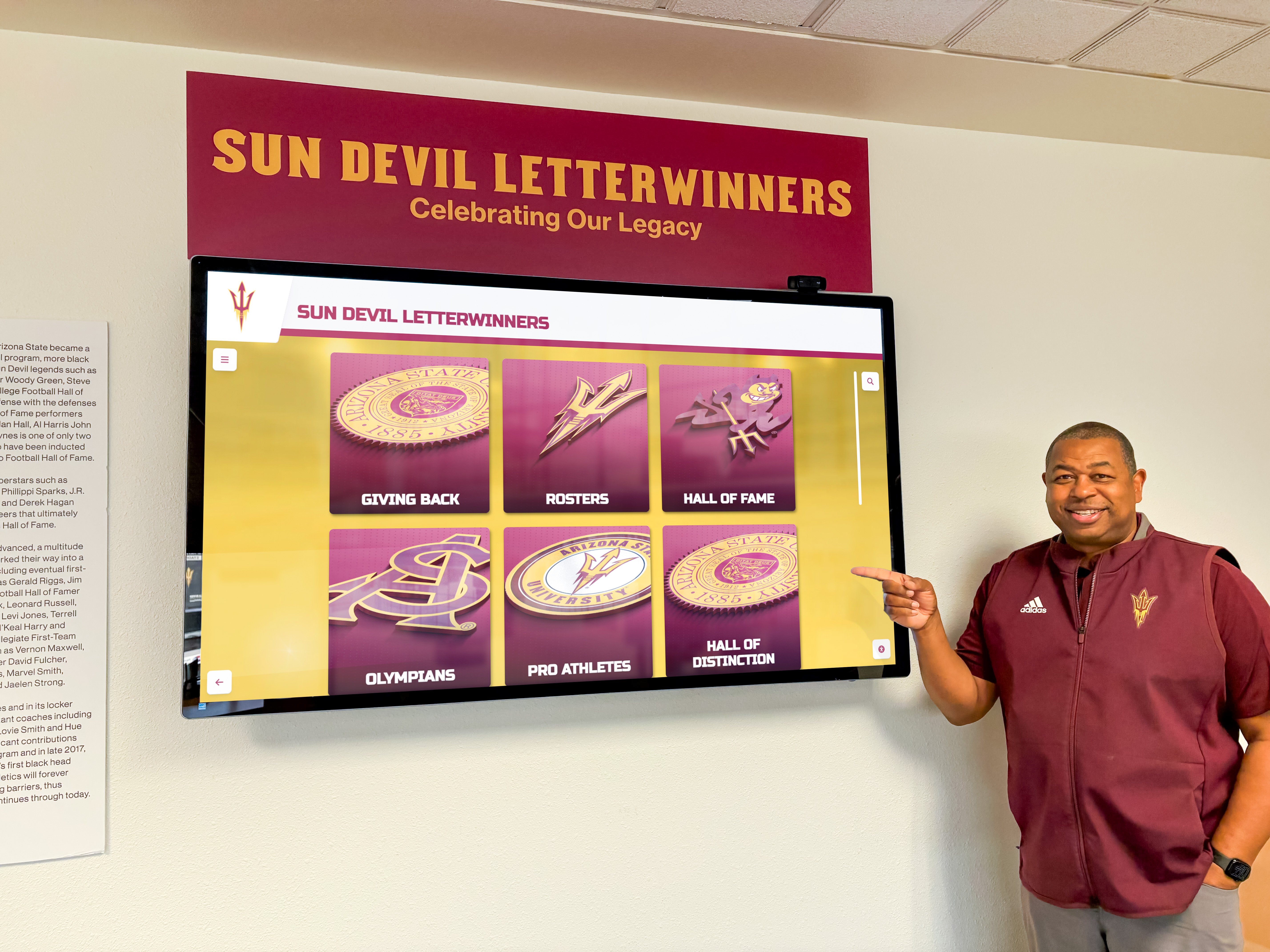
Letterwinners displays recognize athletes who met their school's varsity letter criteria and preserve those names as part of the program's permanent record
What Does a Varsity Letter Mean?
A varsity letter—also called a letterman award or athletic letter—is a formal award given by a school to a student athlete who has met established criteria for competing at the varsity level. It is typically represented by a chenille patch displaying the school’s initial in the school’s colors.
Earning a varsity letter means a student achieved three things simultaneously:
- Competed at the highest level of the school’s athletic program — the varsity squad, not the junior varsity or freshman team.
- Met measurable participation or performance thresholds — minutes played, matches competed, statistics reached, or coach evaluations cleared, depending on the sport and school.
- Maintained academic eligibility and conduct standards — most schools require a minimum GPA and satisfactory behavior to receive or retain letter eligibility.
The letter itself is typically sewn onto a letterman jacket or displayed in a shadow box. Schools often supplement the patch with pins, bars, or chevrons indicating subsequent letters earned in the same sport, or with sport-specific emblems and achievement bars added over multiple seasons.
For students, a varsity letter is personal validation—a physical object connected to a specific season of effort. For schools, it is an institutional record: a documented list of athletes who met the standard and deserve permanent recognition as part of the program’s history.
Program Snapshot: Varsity Letter Awards
| Element | Typical Practice |
|---|---|
| Award format | Chenille letter patch in school colors (6–8 inches); supplemental pins or bars for repeat earners |
| Sport coverage | All NFHS-sanctioned varsity sports plus school-designated activities (e.g., cheer, dance, esports at some schools) |
| Criteria type | Participation-based, performance-based, coach-discretion, or a hybrid of all three |
| Academic requirement | Minimum GPA (commonly 2.0–2.5) and eligibility in good standing throughout the season |
| Presentation setting | Letter ceremonies, athletic banquets, or individual coach-to-athlete awards |
| Preservation method | School records, yearbook listings, trophy cases, and increasingly digital recognition systems |
How Schools Set Varsity Letter Criteria
No national standard governs exactly how a student earns a varsity letter. State athletic associations (governed by the NFHS framework) set eligibility rules for competition, but individual schools determine what earns the letter itself. This gives athletic departments flexibility—and responsibility.
Participation-Based Criteria
The most common approach ties letter eligibility to a minimum percentage of competitions. A school might require an athlete to appear in 50 percent of varsity contests, or to log a minimum number of innings, quarters, sets, or matches. Swimming programs often count heat appearances; track programs count event entries.
This model is transparent and easy to communicate. Every athlete and parent can track progress toward the threshold. Coaches can publish participation requirements at the start of the season and apply them consistently across the roster.
Performance-Based Criteria
Some programs—particularly in individual sports—set performance benchmarks instead of or alongside participation minimums. A tennis player might need to win a certain percentage of sets. A cross country runner might need to place within the program’s top seven at a defined number of meets. A pitcher might need to log a minimum number of innings with an ERA below a specified mark.
Performance criteria reward competitive contribution but can feel subjective if athletes perceive the benchmarks as moving. Schools that use this model benefit from publishing written criteria before the season starts so every athlete understands the standard in advance.
Coach-Discretion Awards
A third approach gives head coaches authority to award letters based on holistic contribution—considering improvement, attitude, leadership, and practice participation alongside competitive performance. This model is common in programs where roster sizes vary significantly or where a student’s circumstances (injury, late-season arrival to the squad) don’t fit neatly into participation percentages.
Coach-discretion awards work best when coaches document their reasoning and athletic directors review awards before they are presented. Transparency protects both the honor and the athlete.
Hybrid Criteria
Most programs combine elements of all three. A minimum participation percentage establishes a baseline. Performance bars add a merit component. Coach discretion fills gaps for special cases. Athletic directors who want to protect the consistency of their program benefit from writing all three components into a formal policy and reviewing it annually.
Explore how schools define and display high school varsity letter recognition to understand the range of approaches in practice.
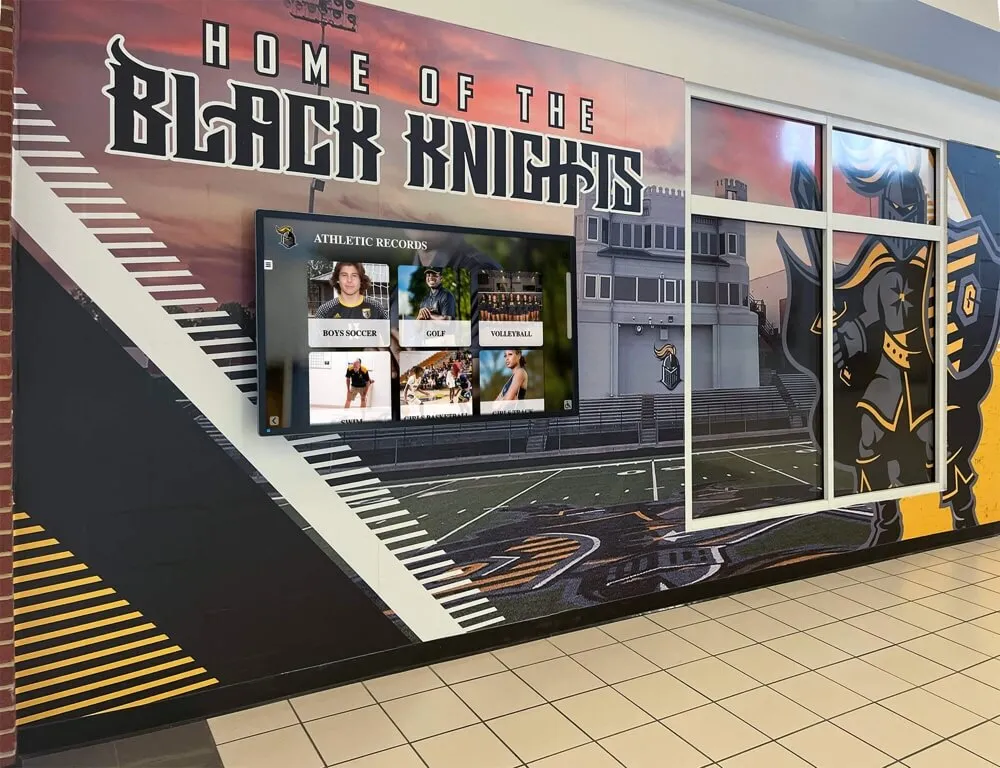
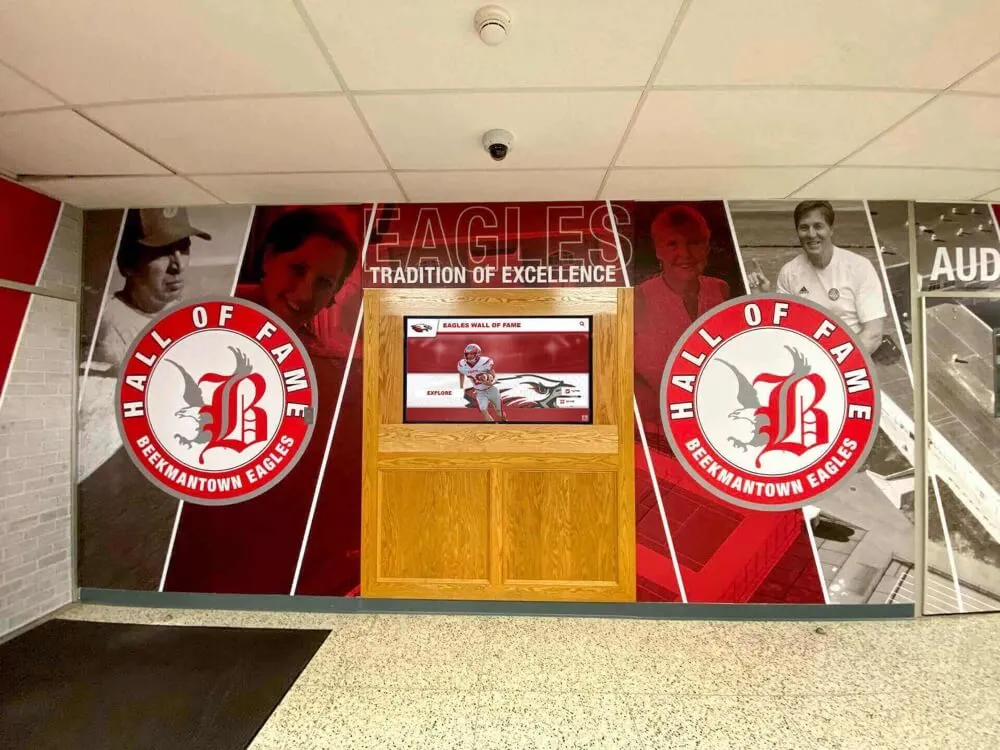
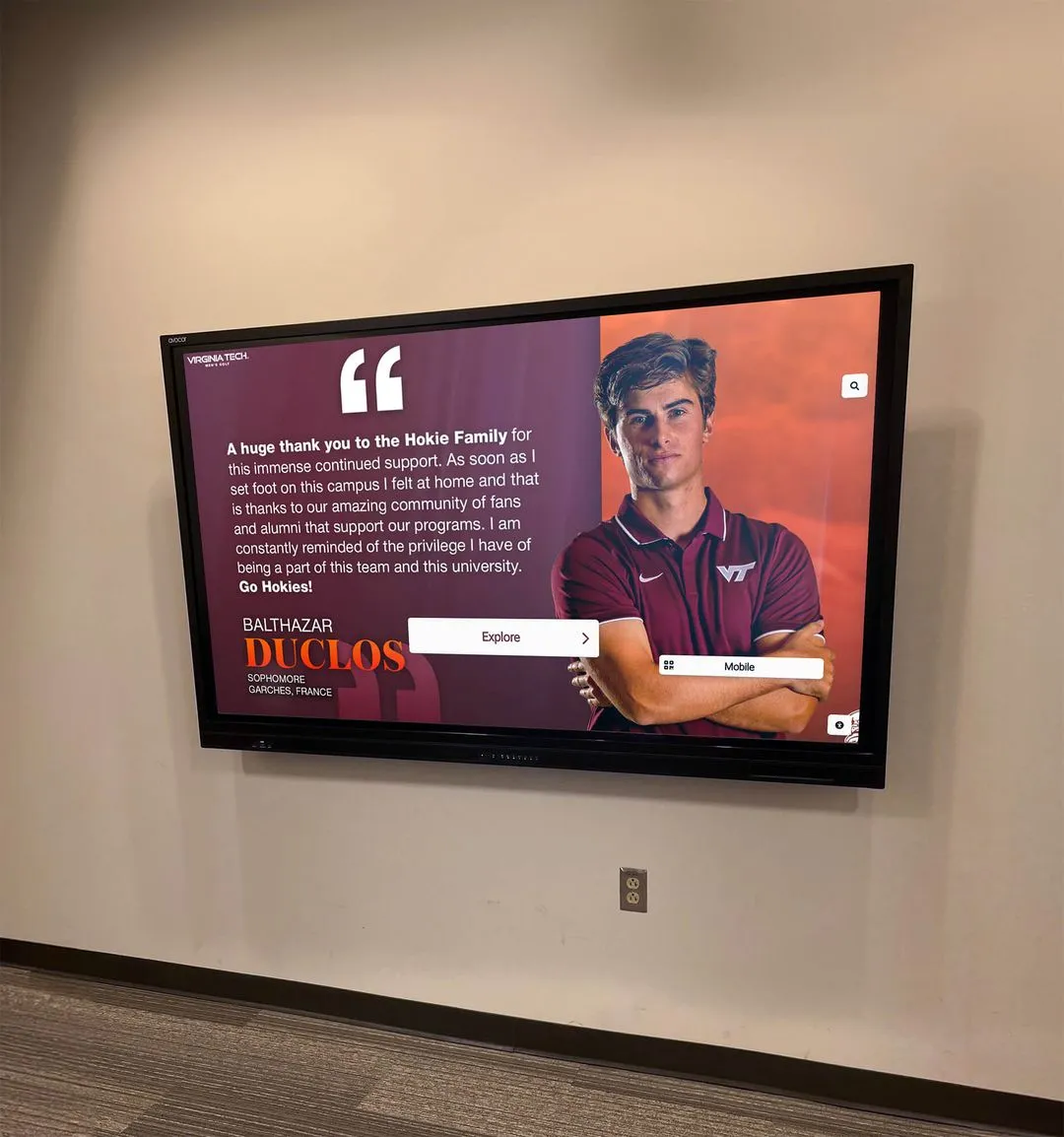
Schools that post written criteria alongside recognition displays help current athletes understand exactly what earning a letter means
What a Varsity Letter Looks Like: Physical Symbols and Traditions
The physical varsity letter has retained its basic form for more than 150 years. Harvard’s baseball team issued the first letters in 1865, and the chenille patch on a wool jacket remains the dominant format in American high schools today.
The Letter Patch
The standard letter is:
- Material: Chenille (a looped, tufted yarn that creates a raised, textured surface)
- Size: Typically 6–8 inches tall
- Color: School colors—either a single-color letter on a contrasting background or a two-color design
- Shape: Block letter, script letter, or custom school font displaying the school’s initial
Patches are typically machine-sewn onto letterman jackets (also called varsity jackets) across the left chest. Some schools position the letter on the left sleeve.
Add-On Recognition Elements
Beyond the base letter, schools use supplemental hardware to recognize continued and specialized achievement:
- Activity pins: Small enamel pins indicating which sport(s) earned the letter
- Chevrons or bars: Added below or around the main letter for each additional year of earning in the same sport
- Service stripes: Indicating years of membership on a varsity program
- Achievement bars: Recognizing records, all-conference selections, or state competition appearances
- Gold letters: Some programs award a gold or metallic letter to multi-sport letter winners or four-year lettermen
The history and traditions behind letterman jackets trace how these symbols evolved from collegiate origins into the cornerstone of high school athletic culture.
Letter Ceremonies and Banquets
Most schools present varsity letters at formal end-of-season or end-of-year events. Athletic letter ceremony planning shapes how the award lands for athletes and families. Ceremonies that include:
- A brief explanation of the earning criteria
- Individual name calls with a handshake or photo moment
- A description of the athlete’s contributions to the team
…turn a patch distribution into a genuine recognition event that athletes remember for years.
Why Varsity Letters Matter: The Weight of the Honor
The varsity letter holds meaning at three levels: personal, institutional, and community.
For the athlete: It is evidence of meeting a standard set by people who know the sport. Unlike participation trophies, varsity letters require crossing a threshold. Many athletes describe earning their first letter as the moment a sport became part of their identity.
For the school: The cumulative list of letter winners is a program history. It records who showed up, met the standard, and competed with integrity across every season. A program that has awarded letters for 40 years has documented hundreds or thousands of students whose dedication built the athletic culture current students inherit.
For the community: Letterwinners are a connection point between generations. Alumni who walk into a school and see their name—or a teammate’s name—among the honored athletes experience a direct link to their time in the program. That connection fuels alumni engagement, booster club support, and program continuity.
Understanding how to earn a varsity letter in high school gives students and families a clear roadmap for reaching a milestone that carries meaning well beyond the high school years.

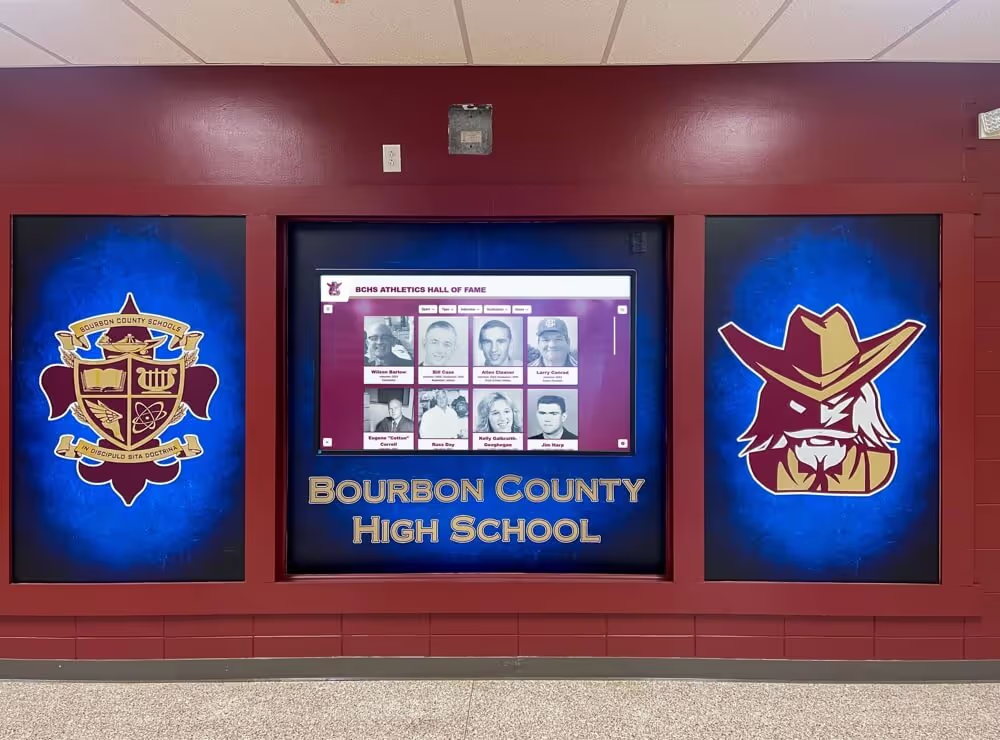
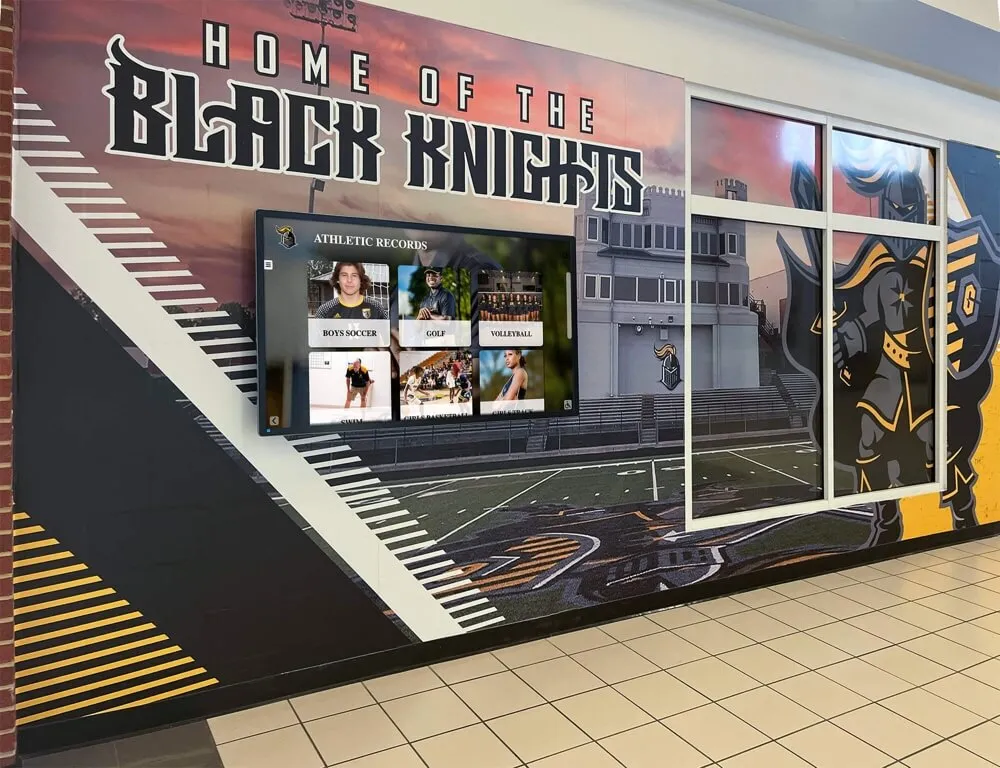
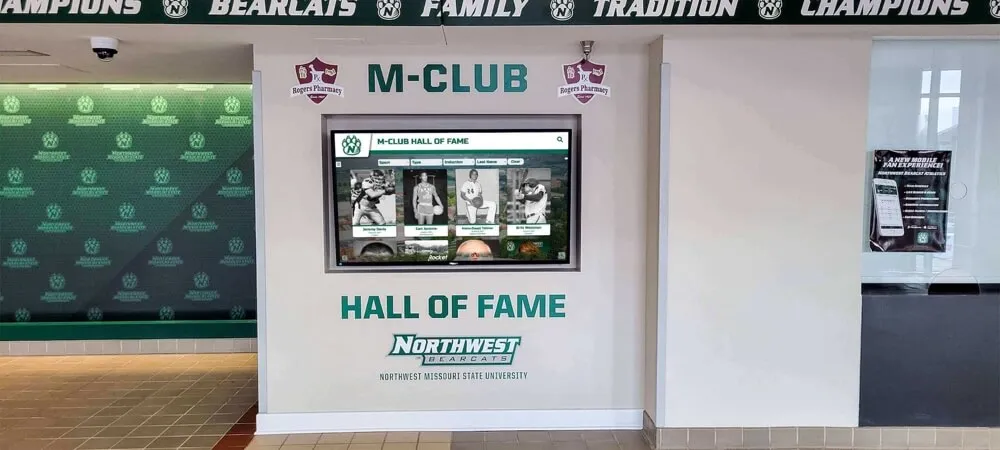
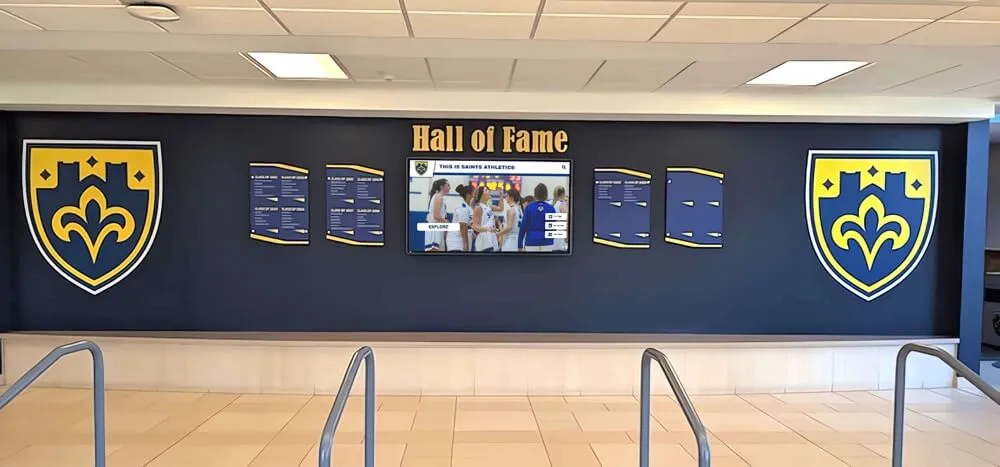
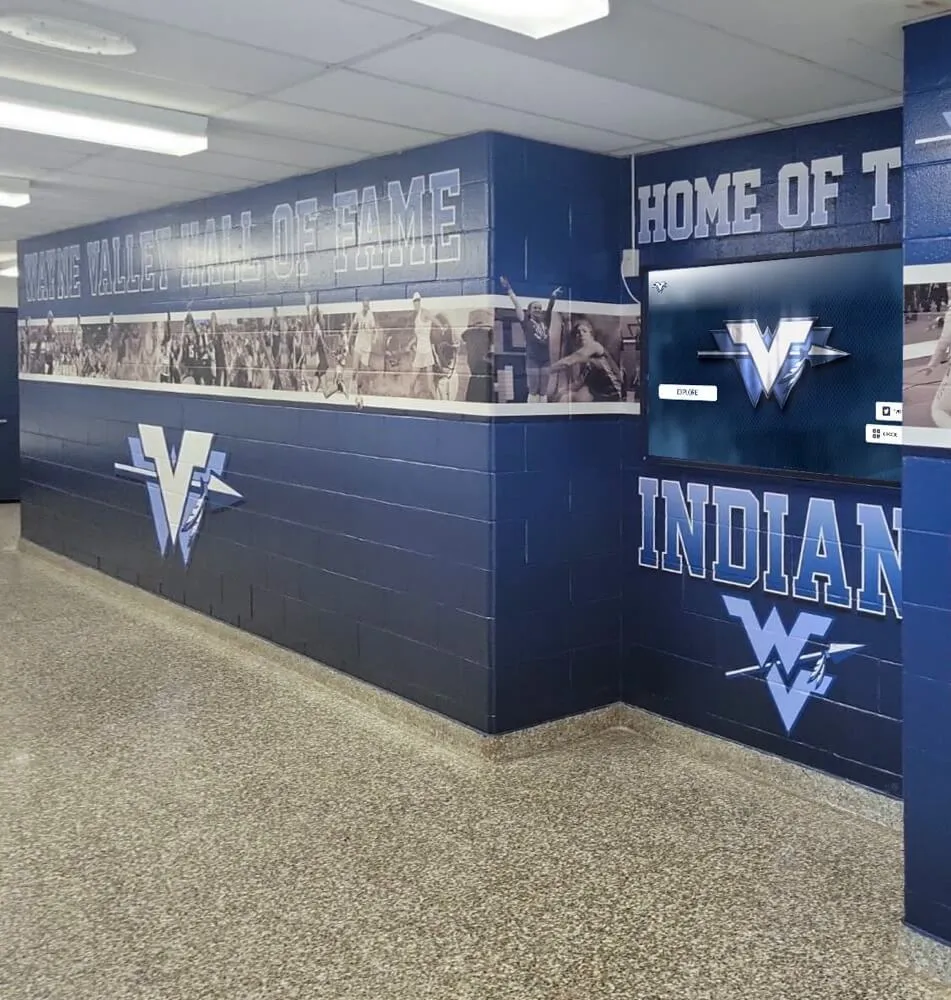
Honor walls that list every letter winner by sport and year create program histories that resonate with current students, alumni, and community members
How Schools Preserve and Display Varsity Letter Honors
Awarding a varsity letter is only half of the recognition program. The second half is making sure that record survives.
Traditional Display Methods
Schools have historically relied on physical displays to preserve letter-winner history:
Framed letter boards: Engraved or printed panels listing recipients by sport and year, mounted in hallways, gymnasiums, or athletic offices. These are durable but expensive to update and limited by available wall space.
Trophy cases: Glass cases housing letters, jackets, and memorabilia donated by alumni. These create visual interest but require curation and maintenance, and they rarely scale to include every winner.
Yearbooks: Annual publications capture each season’s letter winners in print. They serve as an archival record but are not easily searchable and are not publicly accessible for most alumni.
Coach’s office records: Program binders or spreadsheets maintained by individual coaches. These are functional but vulnerable to turnover—when a longtime coach leaves, the records often leave with them.
Each approach has worked for decades but carries limits: finite space, high maintenance burden, and no way for alumni to access the record remotely.
Modern Digital Preservation
Digital recognition systems address the structural weaknesses of physical-only displays. Schools implementing interactive displays can:
- Archive unlimited letter winners across all sports and all years without physical space constraints
- Make records searchable by athlete name, sport, graduation year, or achievement type
- Link letter winners to related honors—all-conference selections, school records, hall of fame induction—within the same system
- Update the display instantly when new letter winners are certified each season
- Provide alumni access through web platforms that mirror the on-campus display
Varsity letter display ideas range from framed shadow boxes for individual athletes to building-scale interactive walls that house a program’s complete history.
For schools preserving physical letters from alumni decades past, digital methods for varsity letter frames and archiving offer practical approaches to scanning, cataloging, and integrating historical materials into searchable displays without discarding the originals.
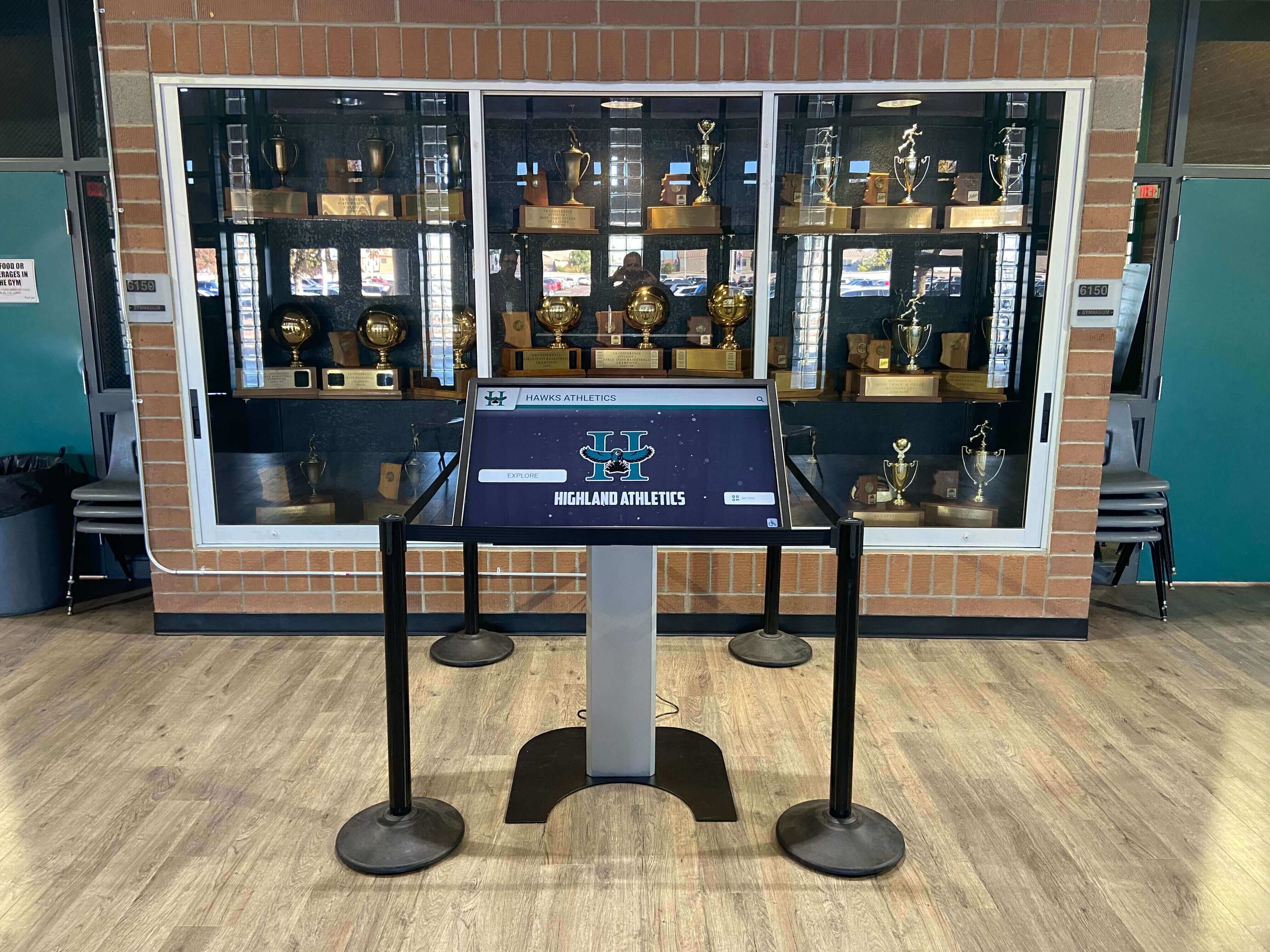
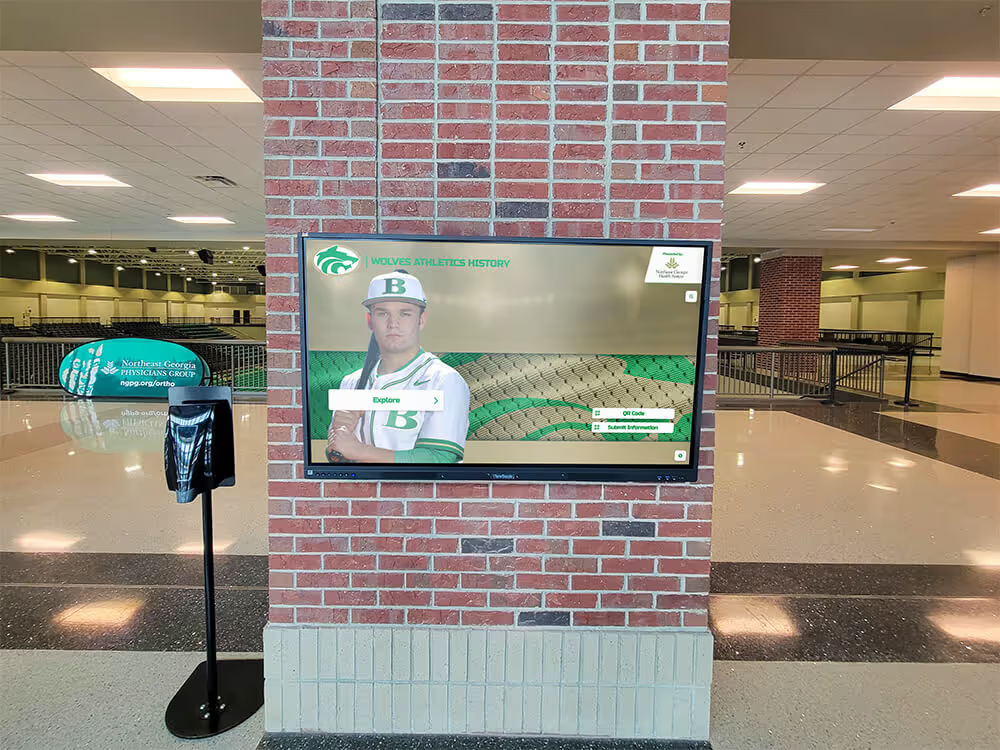
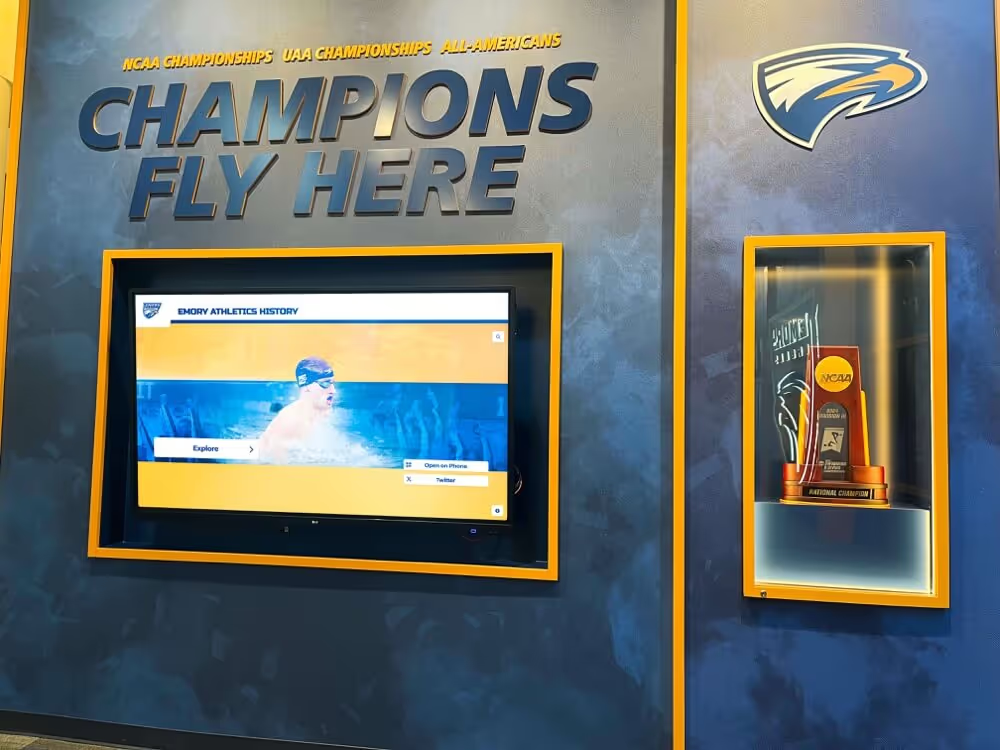
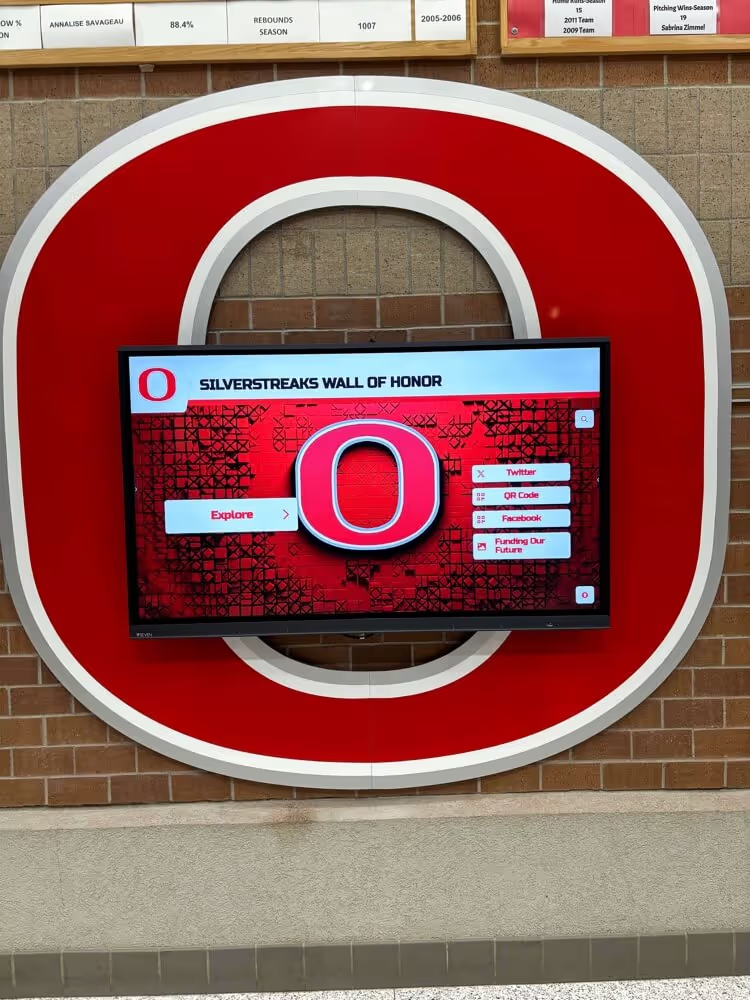
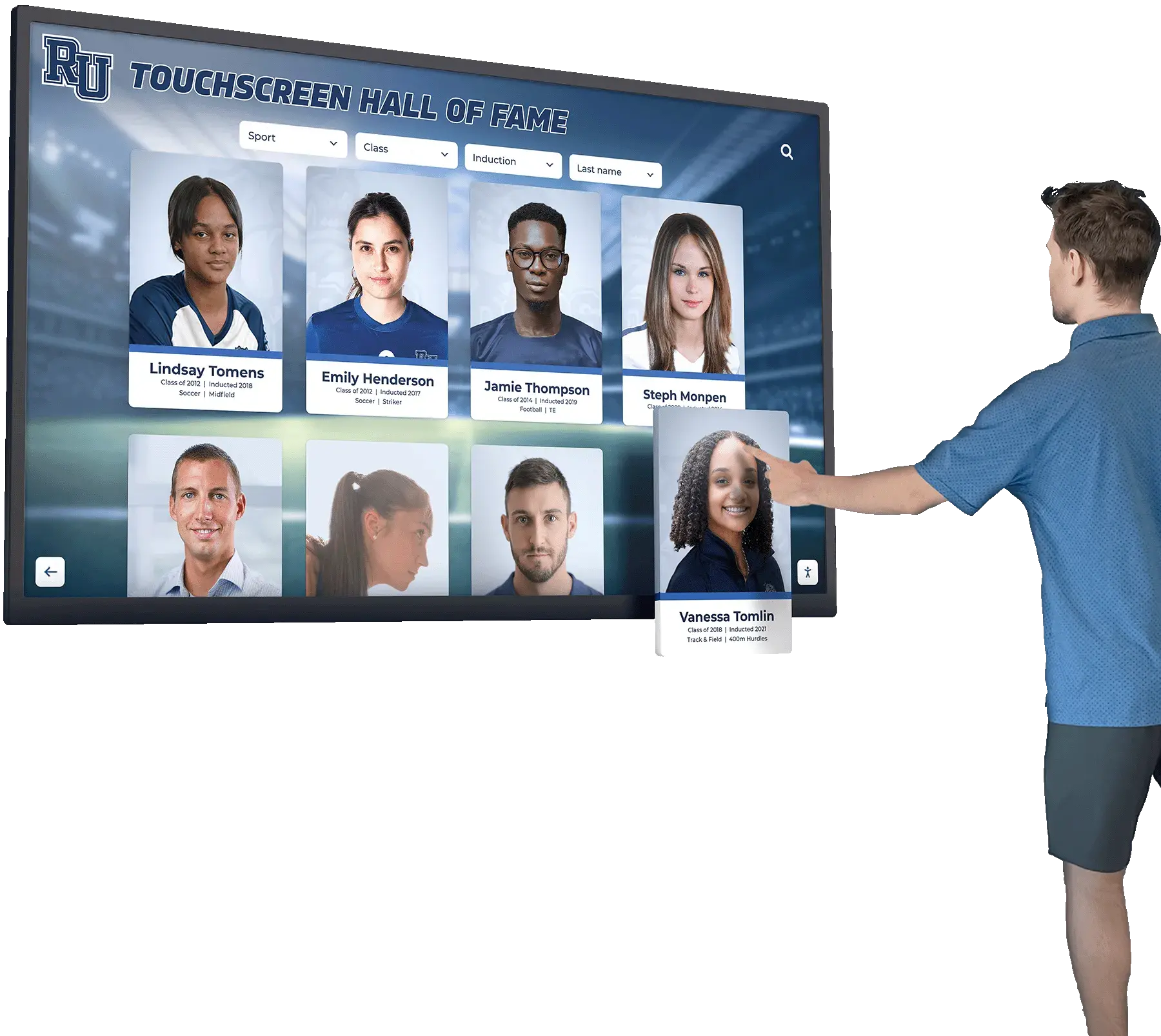
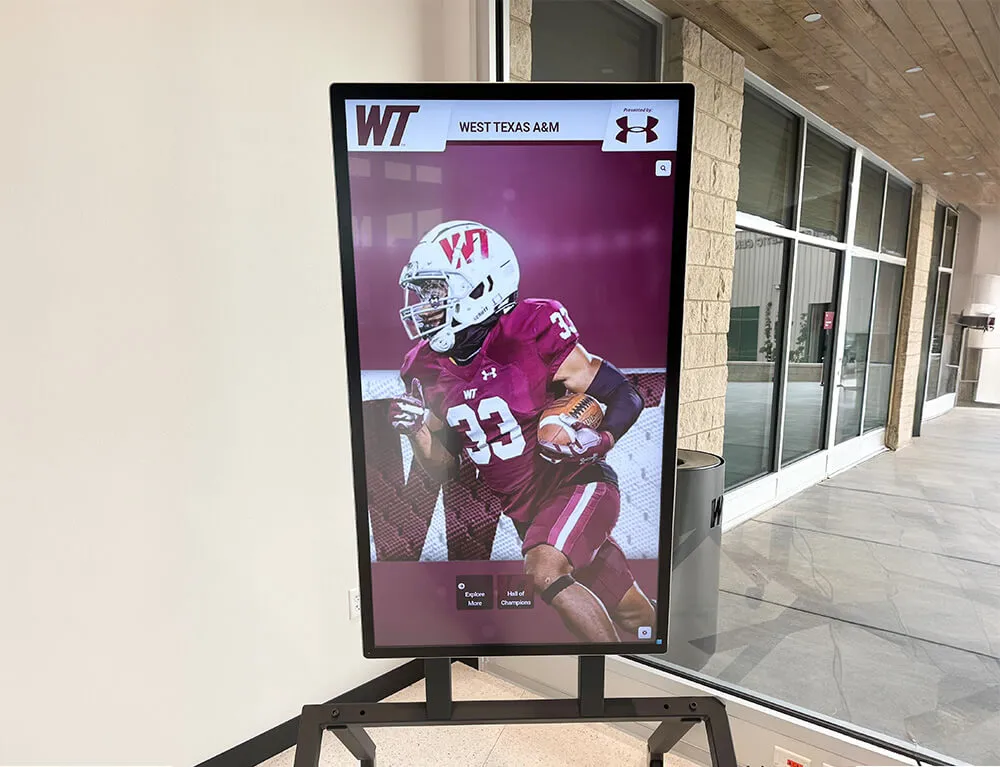
Touchscreen kiosks placed within or adjacent to traditional trophy cases bridge the gap between physical memorabilia and searchable digital archives
Content Architecture: How Letter-Winner Recognition Maps to Display Systems
Athletic departments building or upgrading their recognition displays benefit from planning which information belongs in each zone of the system.
Core Display Modules for Varsity Letter Recognition
Letter-winner roster board: A searchable, filterable grid showing every athlete who earned a letter, organized by sport and year. This is the primary archival function—a living record of the program’s history.
Athlete profile cards: Individual pages for each letter winner featuring name, graduation year, sport(s), letter count, and any supplemental honors (all-conference, team captain, records held). Photo integration is valuable when schools have images on file.
Sport-specific program histories: Dedicated sections for each varsity sport showing the complete timeline of letter winners alongside season records, championship years, and coaching histories. This gives context to individual names.
Multi-letter winner recognition: A dedicated module highlighting athletes who lettered in two or more sports or earned letters across three or four seasons. Multi-sport letterwinners represent the program’s most complete athletic contributors and deserve separate visibility.
Criteria transparency panel: A display component showing the current letter-earning criteria for each sport. This helps current athletes and families understand what the award represents and what it takes to earn it.
Integration with Broader Recognition Programs
Varsity letter recognition does not exist in isolation. Effective display systems connect it to:
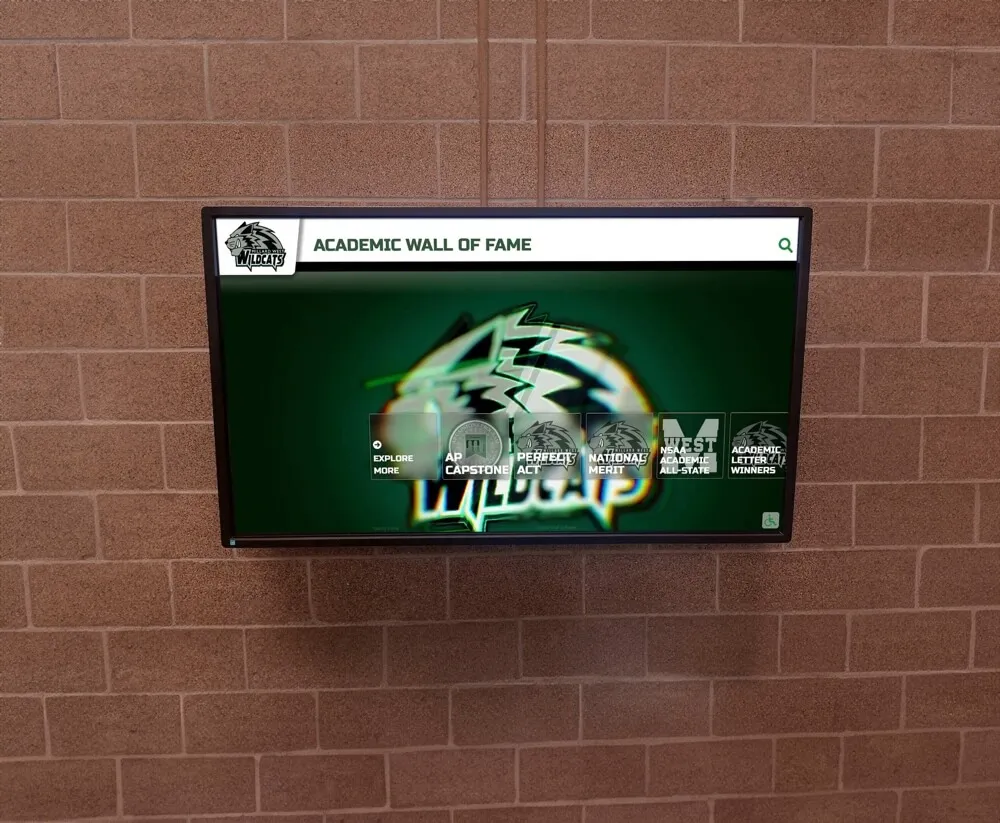
- Academic award walls that show letter winners maintaining high GPAs alongside their athletic achievement
- Hall of fame inductee records that allow visitors to trace an athlete’s path from letter winner to inducted honoree
- Donor and booster recognition acknowledging the community support that sustains athletic programs
Award wall ideas for schools demonstrate how athletic and academic honors can share a cohesive recognition environment without competing for prominence.
Execution Timeline: Launching or Refreshing a Letter-Winner Display
Pre-season (August–September)
- Review and formalize letter criteria for all sports; distribute to coaches, athletes, and families
- Audit existing letter-winner records; identify gaps in historical documentation
- Plan display zones for new or updated recognition systems
Mid-season (October–January)
- Track athlete participation and performance data in real time
- Begin compiling documentation for letter certification decisions
Post-season (February–May)
- Certify letter winners for fall and winter sports
- Enter new recipients into the digital recognition system
- Update framed or printed displays in hallways and athletic spaces
- Present letters at end-of-season ceremonies or spring athletic banquet
Annual review (May–June)
- Evaluate whether criteria produced appropriate recognition rates across sports
- Update policy documentation for the following year
- Archive the completed season’s records in permanent digital storage
Display Integration: Connecting the Physical Letter to the Digital Record
The most durable approach to varsity letter recognition combines physical and digital elements.
Physical layer: The chenille patch and letterman jacket remain. These are personal objects athletes carry into adulthood. Schools that present letters at a formal ceremony give the moment weight that no digital notification replicates.
Hallway layer: Printed or engraved letter-winner boards in athletic hallways give the recognition institutional permanence. Current students see the names daily; the display becomes part of the environment that defines the athletic culture.
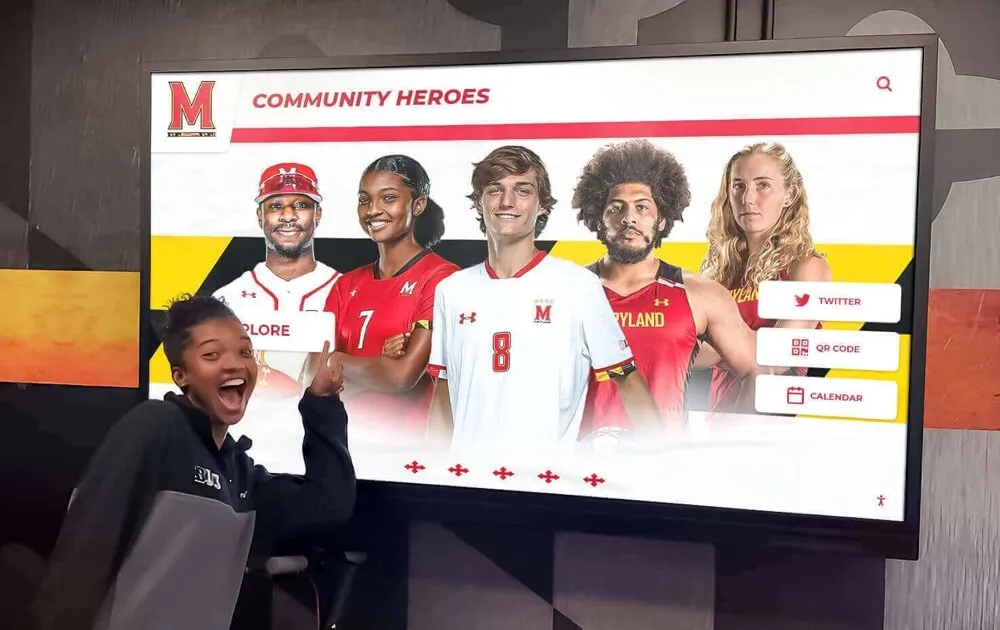
Digital layer: An interactive touchscreen kiosk or wall-mounted display in the gymnasium lobby, trophy case area, or main athletic hallway extends the archive beyond what physical space can hold. Alumni returning for games or reunions can search for their own names and their teammates’. Families of current athletes can find the season’s letter winners the day awards are certified.
Web layer: A publicly accessible online platform mirrors the on-campus display and gives alumni worldwide the ability to connect with their program history without visiting in person.
Varsity letter shadow box display ideas serve the personal layer of preservation for individual athletes, while institutional digital systems handle the program-wide archive.
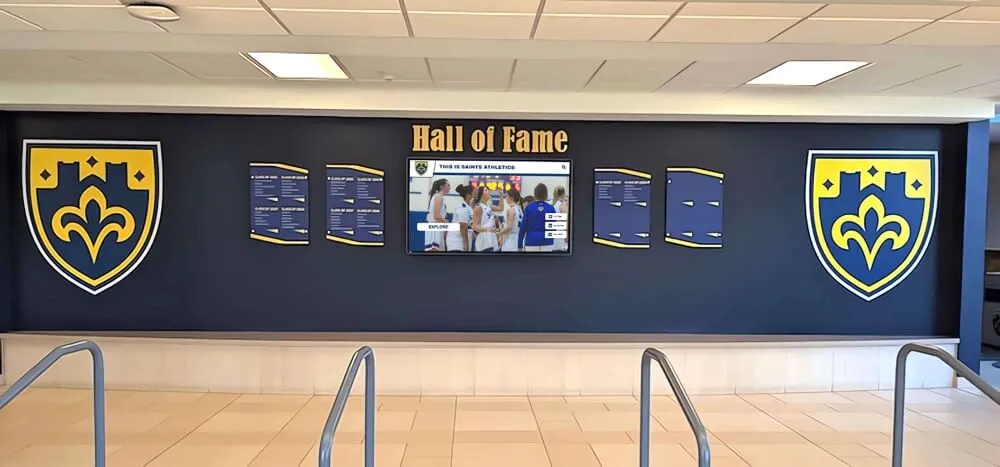
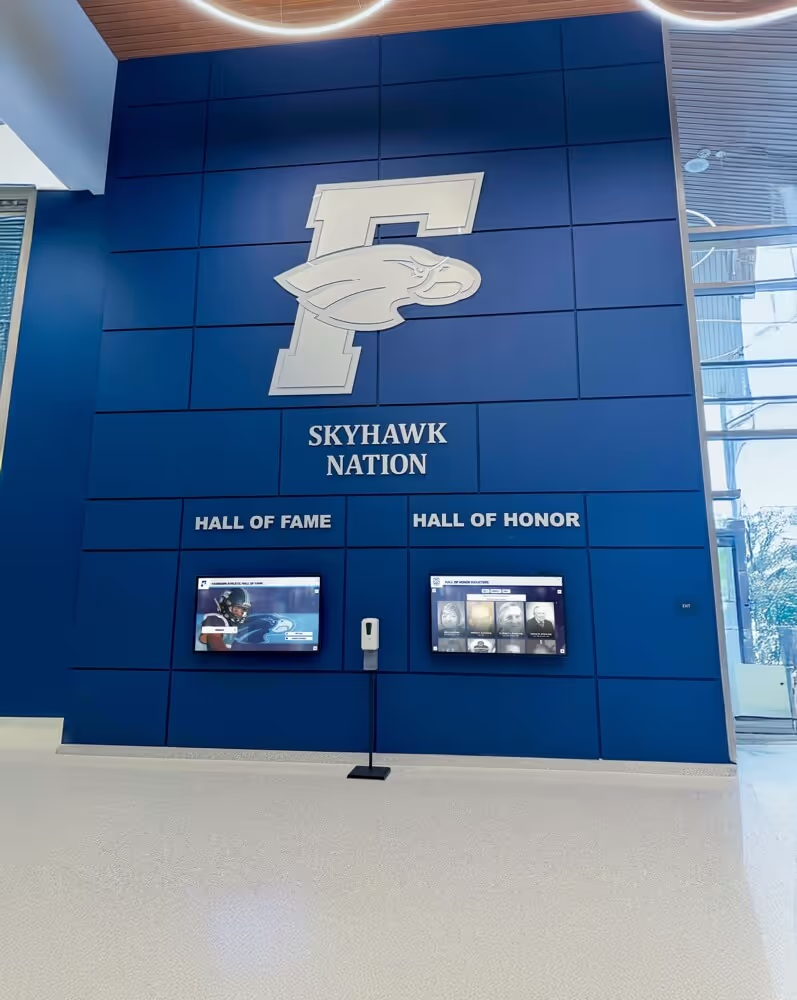
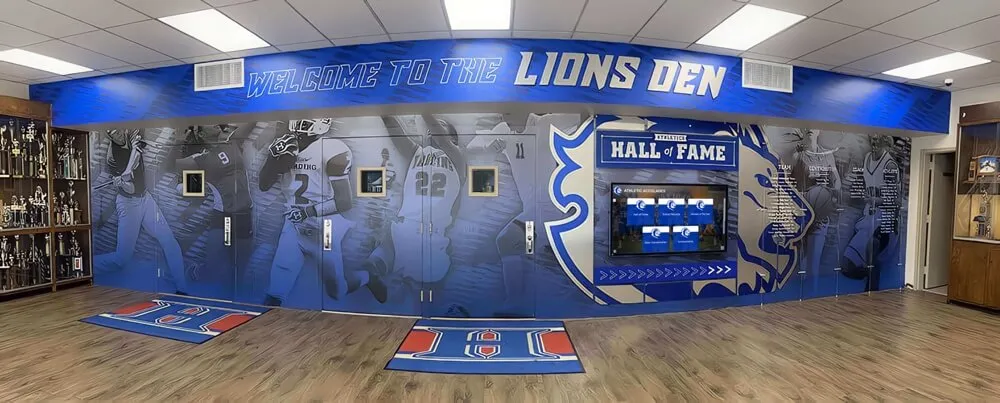
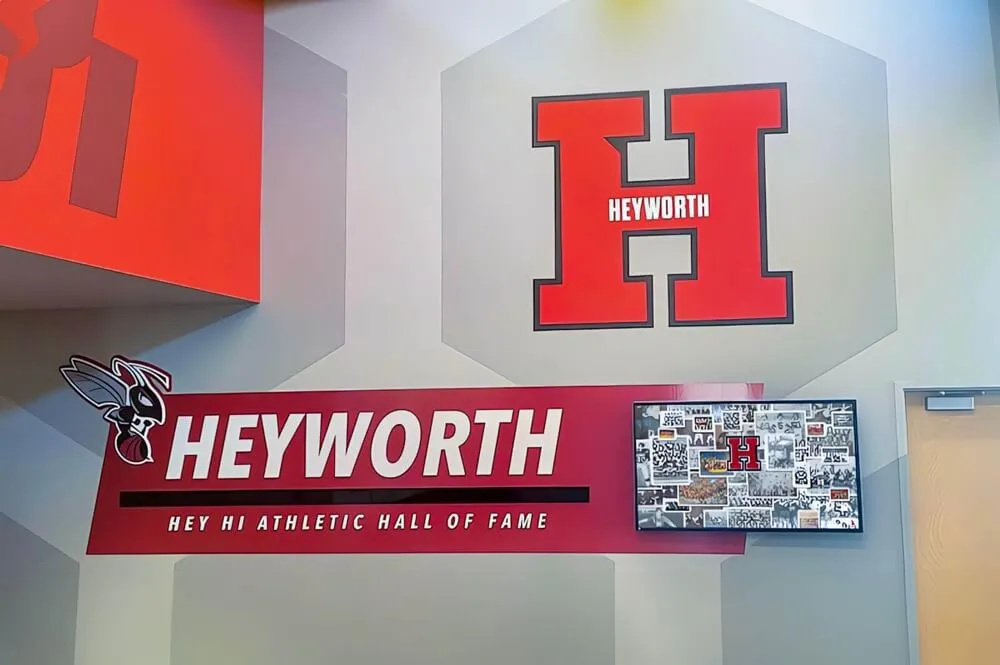
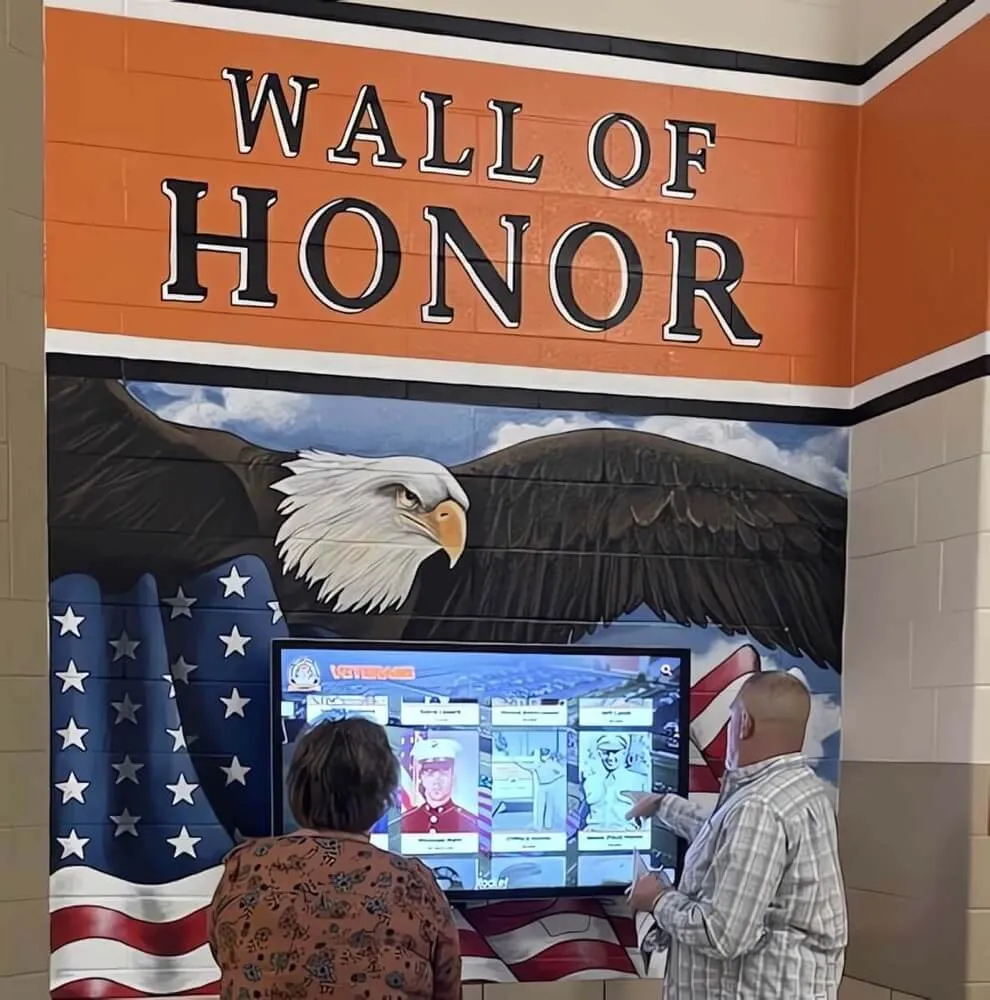
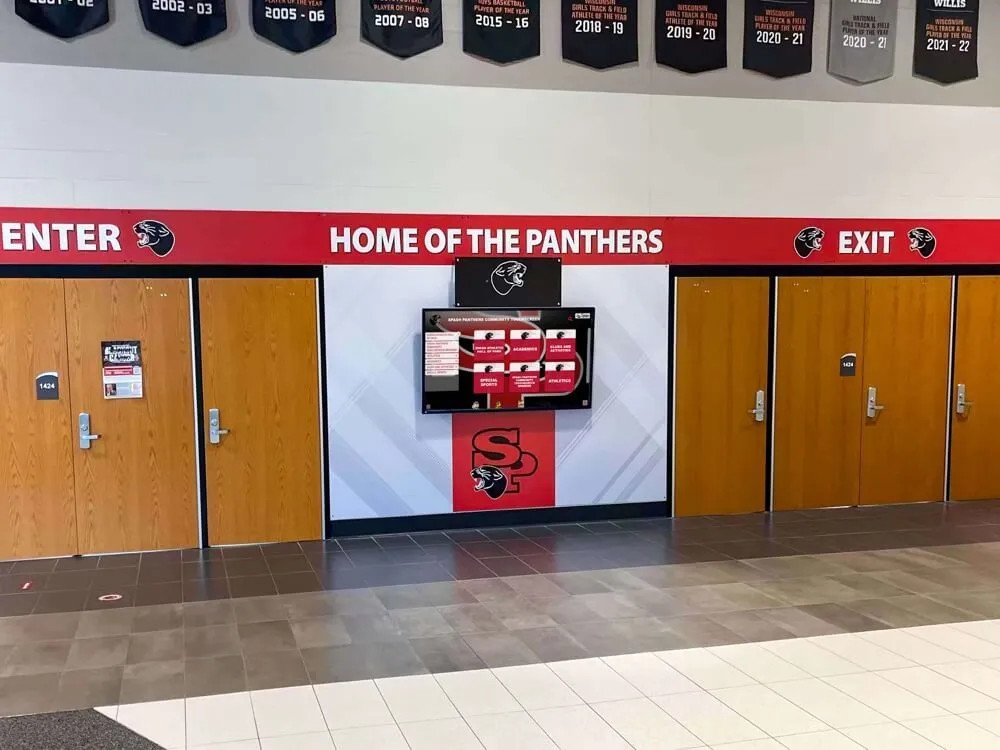
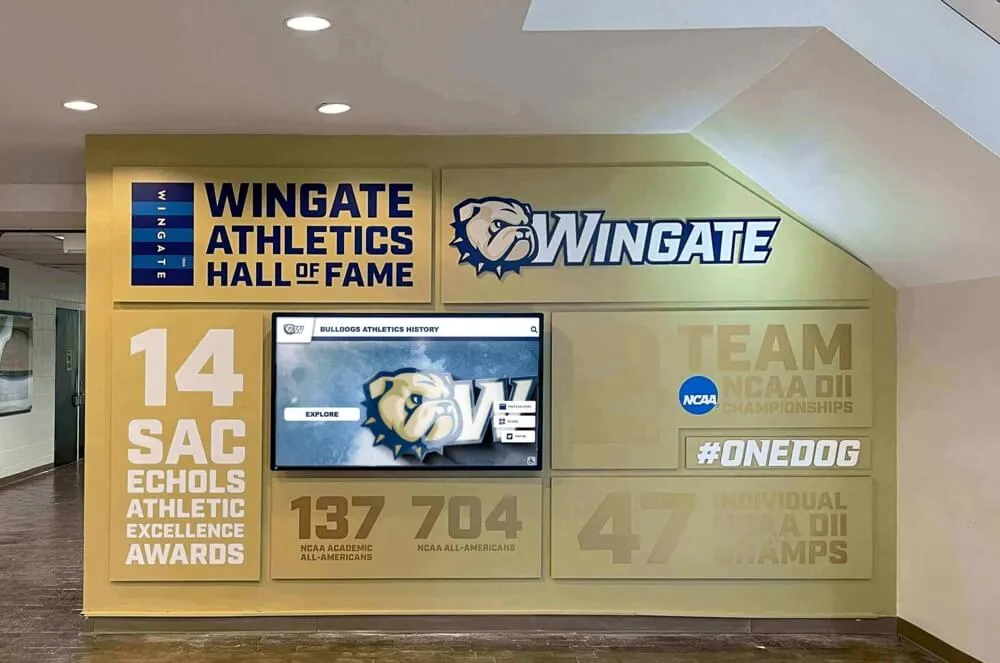
Recognition environments that combine traditional physical elements with integrated digital screens create layered experiences that serve current students, alumni, and community members simultaneously
Frequently Asked Questions About Varsity Letters
Do all varsity athletes earn a letter? No. Being on a varsity roster does not automatically earn a letter. Athletes must meet the school’s published criteria, which typically include minimum participation thresholds, academic eligibility, and conduct standards. Some programs award letters to every varsity participant; most require a defined standard to be met.
Can a student earn more than one letter? Yes, and in two ways. A student can earn a letter in multiple sports in the same year. A student can also earn a letter in the same sport across multiple years, often marked with supplemental bars or chevrons added to the original award.
What happens to letter-winner records when a coach leaves? This is a genuine preservation risk. Schools that maintain records only in coach-held files or informal binders frequently discover gaps when coaches transition. Centralized digital systems managed at the athletic department or school administration level protect against this.
Do academic standards affect letter eligibility? In most programs, yes. State athletic associations set baseline GPA requirements for competition eligibility, and many schools require athletes to maintain academic standing throughout the season to receive award certification. Some schools require a higher GPA than the state minimum for letter eligibility.
Is a varsity letter the same as being a letterman or letterwoman? A letterman or letterwoman is a student who has earned one or more varsity letters. The term describes the person; the varsity letter describes the award. Letterwinners at most schools are recognized as a distinct group, sometimes with dedicated recognition programs, alumni associations, or display sections.
Measurement: How Schools Know Their Letter Programs Are Working
Athletic departments can evaluate the health of their letter recognition program using a few practical indicators:
| Signal | What It Reveals |
|---|---|
| Criteria are published and distributed each season | Policy transparency; reduces appeals and disputes |
| Letter winner rate is consistent across similar sports | Criteria are being applied uniformly, not selectively |
| Historical records are complete back 10+ years | Archive integrity; program history is protected |
| Display is current within 30 days of season end | Operational responsiveness; recognition arrives promptly |
| Alumni engage with online records | Institutional connection; history remains accessible beyond campus |
| Current athletes can name prior letter winners in their sport | Cultural transmission; the honor carries meaning across generations |
Build a Letter-Winner Archive That Lasts
Rocket Alumni Solutions helps schools create interactive recognition displays that preserve every varsity letter winner in a searchable, updatable system — connecting current athletes to program history and giving alumni a permanent link to their achievements.
Request Your Free Custom DemoConclusion: The Varsity Letter as a Living Record
A varsity letter means something specific: a student athlete competed at the highest level of their school’s program, met defined standards, and earned recognition from the coaches and institution that set those standards. That meaning depends entirely on the consistency of the policy behind it and the durability of the records that preserve it.
Schools that define criteria clearly, communicate them to athletes and families at the start of each season, present awards at recognizable ceremonies, and maintain searchable records of every recipient protect the honor’s value across decades. Schools that treat the letter as informal or inconsistent risk diluting the recognition for the athletes who earned it legitimately.
Digital recognition systems—whether touchscreen walls, interactive kiosks, or web-accessible platforms—extend a school’s ability to preserve and display letter-winner history well beyond what physical plaques and trophy cases can hold. When an alumnus from thirty years ago can search a display and find their name listed alongside this year’s letter winners, the varsity letter becomes exactly what it was always meant to be: a permanent, institutional record of achievement.
Rocket Alumni Solutions helps athletic departments build recognition environments that honor every varsity letter winner—past and present—with the visibility their dedication deserves. Request a free custom demo to see how a touchscreen letter-winner display could work for your program.