



The first days and weeks of a new school year set the tone for everything that follows. How schools welcome students back—whether from summer break or returning from winter holidays—fundamentally shapes student engagement, community connection, and the cultural climate that influences academic success throughout the months ahead.
Yet many schools struggle to move beyond generic “welcome back” posters and rushed opening assemblies. Students arrive to unchanged environments communicating that this year will look exactly like the last, opportunities for fresh starts and renewed motivation dissipate quickly, and the energy that should fuel early engagement never fully materializes.
This comprehensive guide explores creative, practical strategies for welcoming students back to school in ways that generate genuine excitement, strengthen community bonds, showcase institutional values, and establish the positive momentum that carries through entire semesters.
Effective welcome back initiatives accomplish multiple strategic objectives simultaneously: they create memorable experiences students associate with school community, communicate institutional priorities and values through visible recognition, establish clear expectations and excitement for upcoming opportunities, and build the sense of belonging that research consistently connects to academic engagement and achievement.

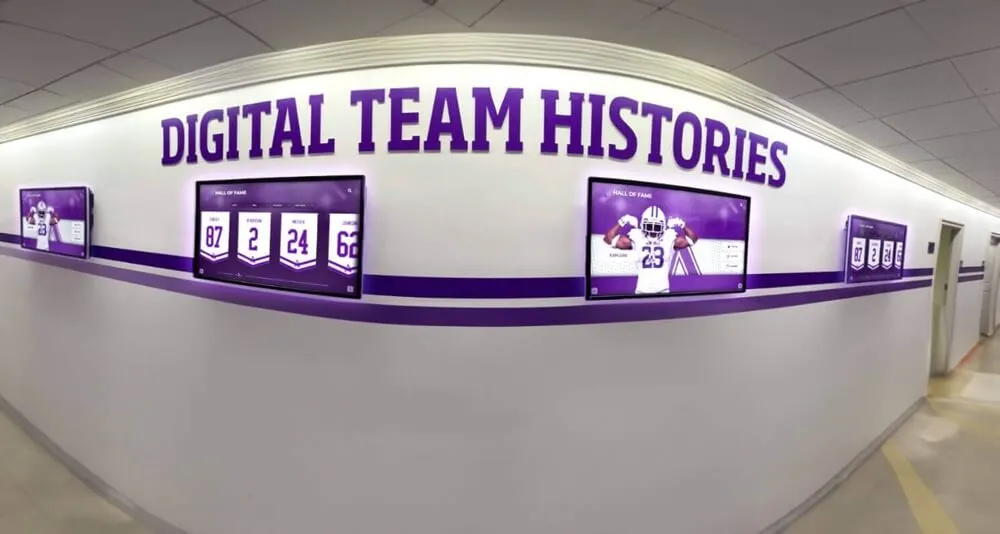
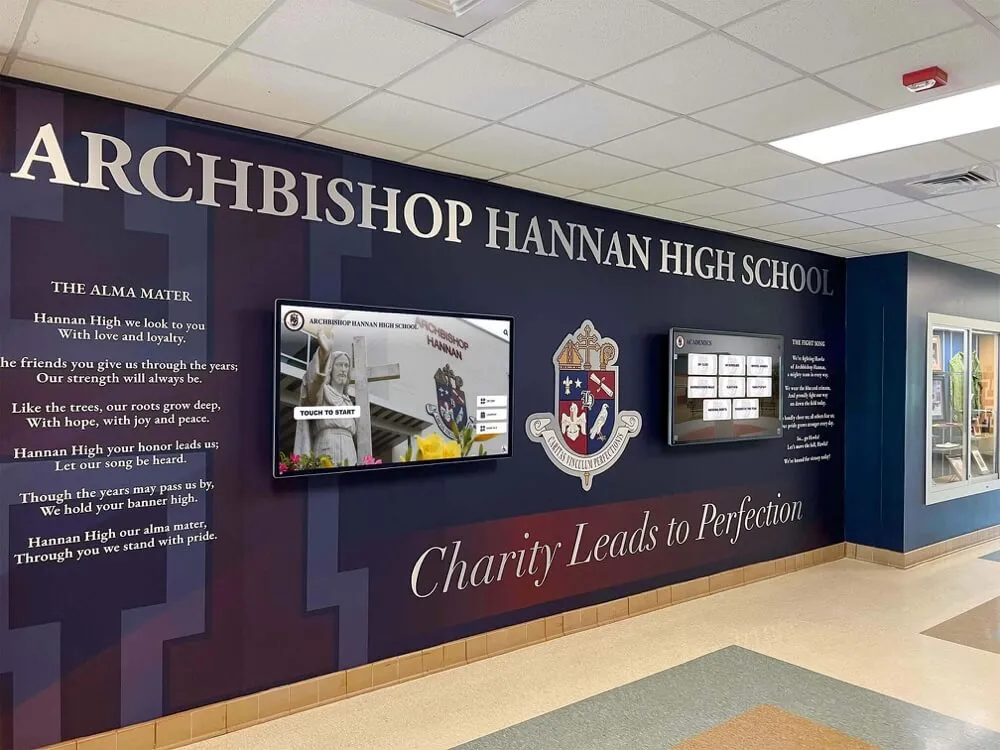
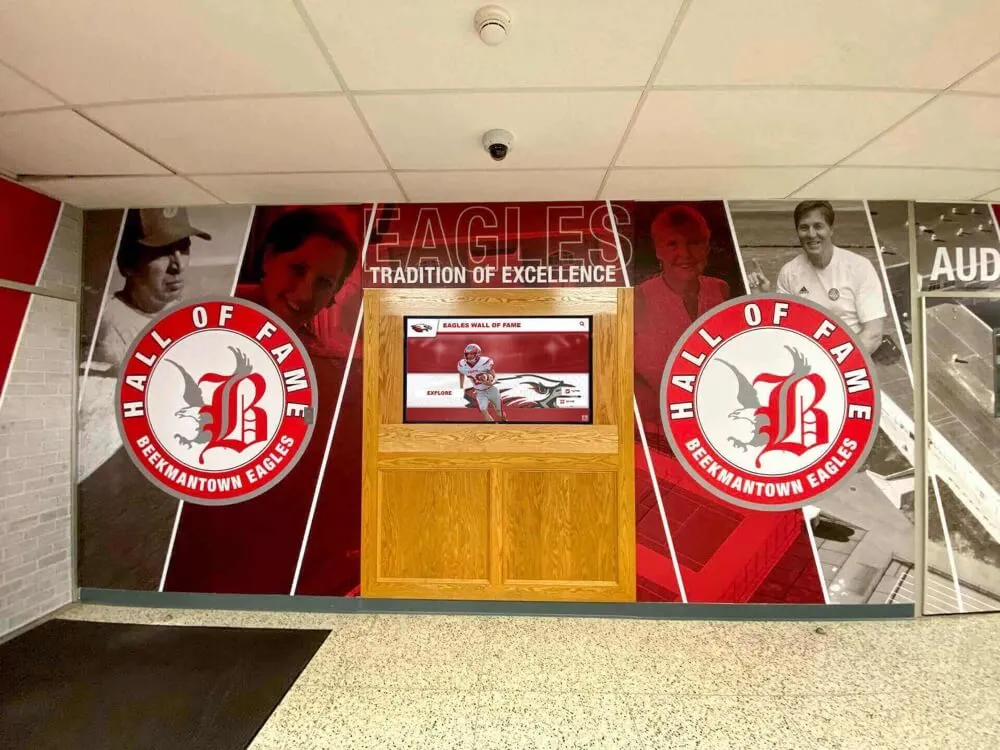
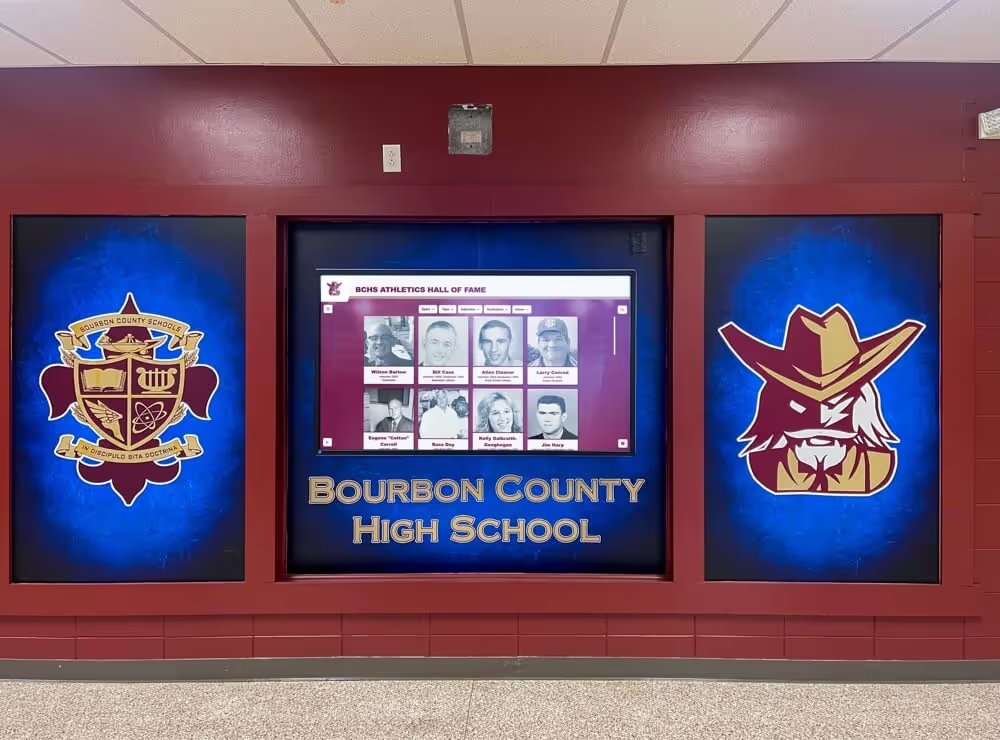
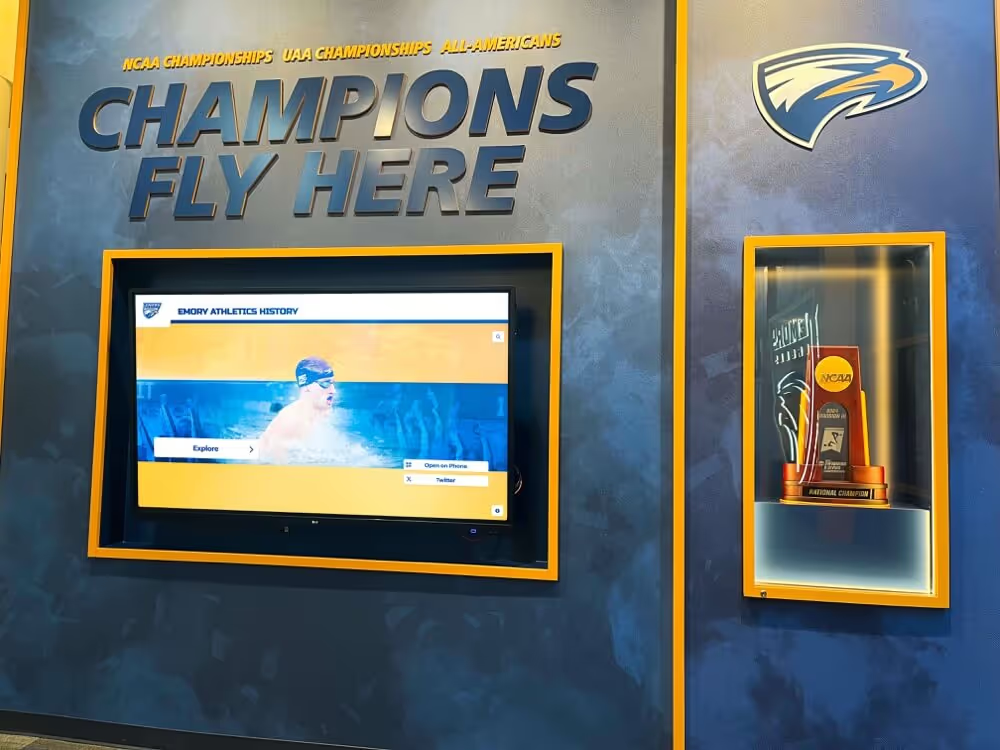
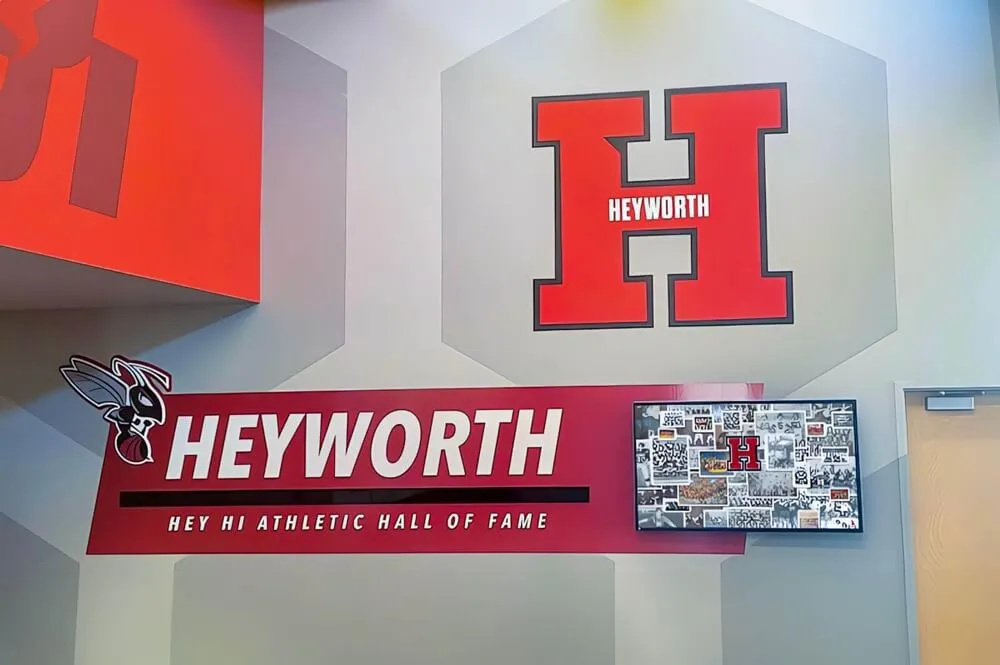
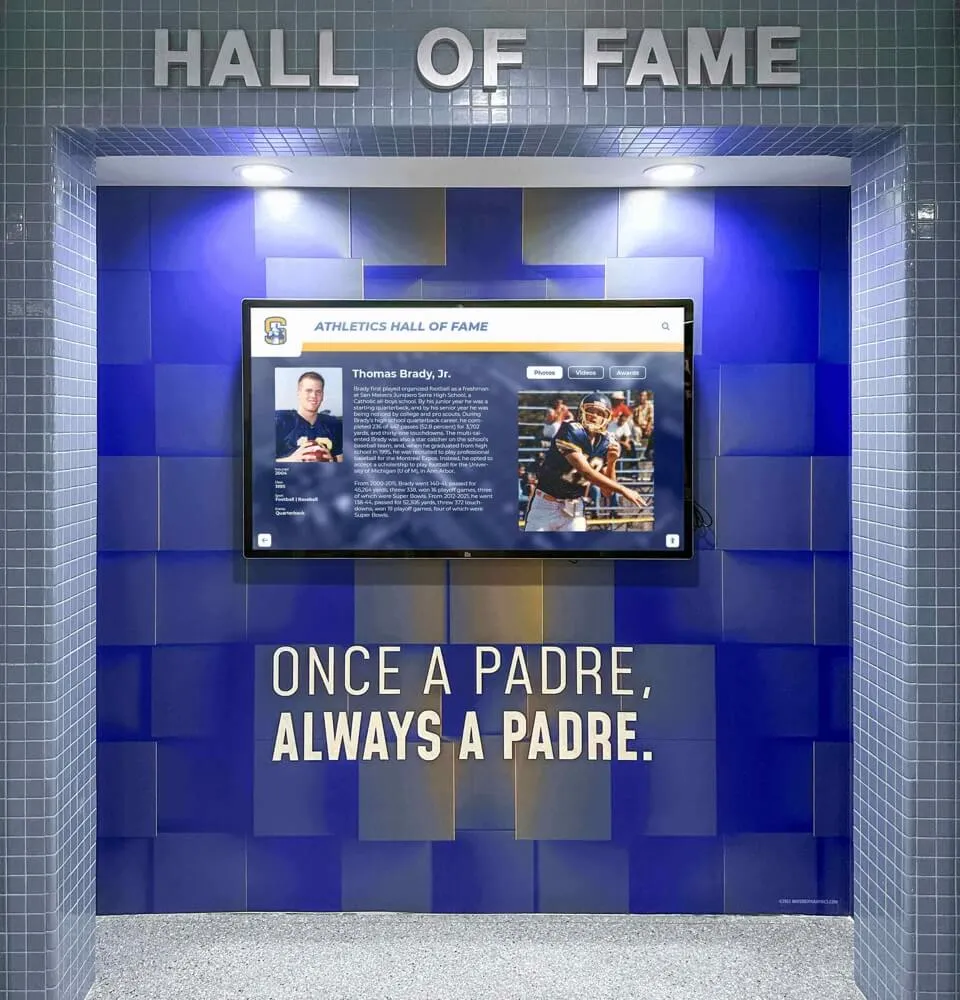
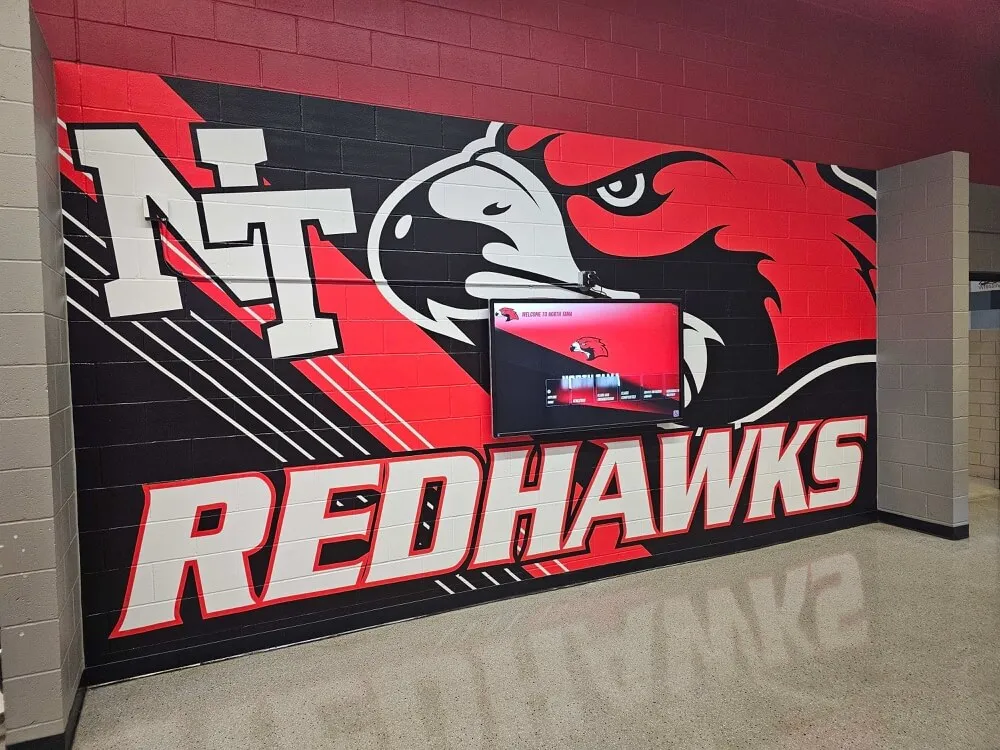
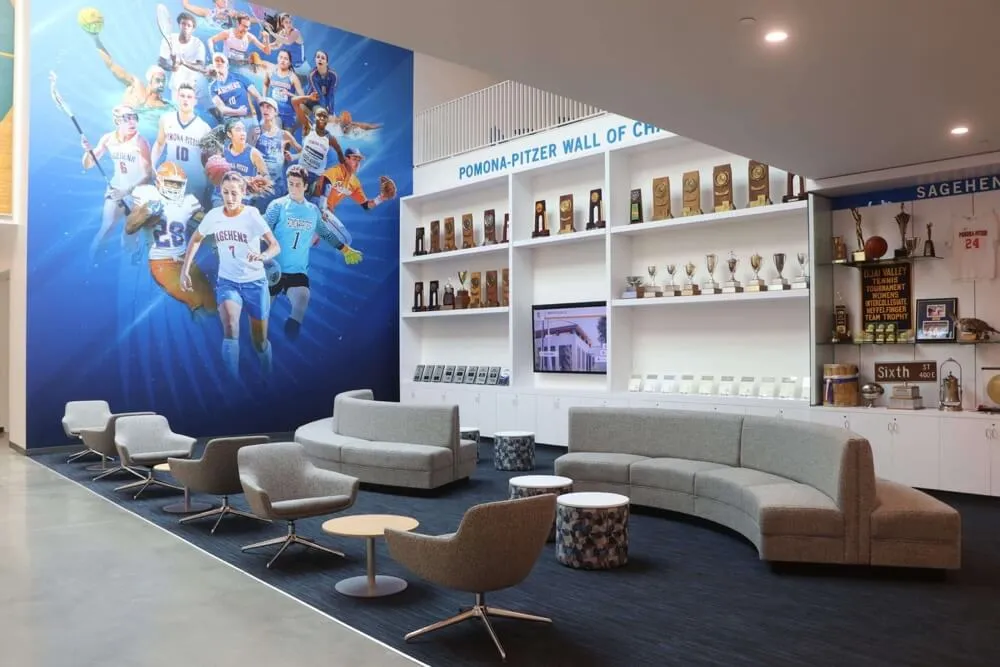
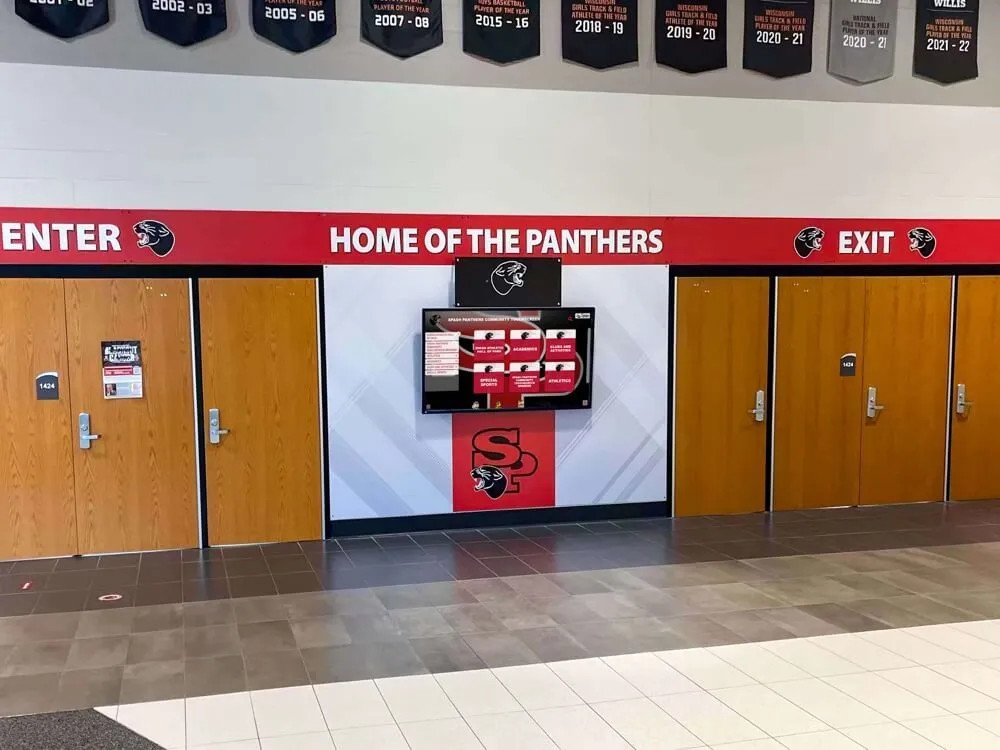
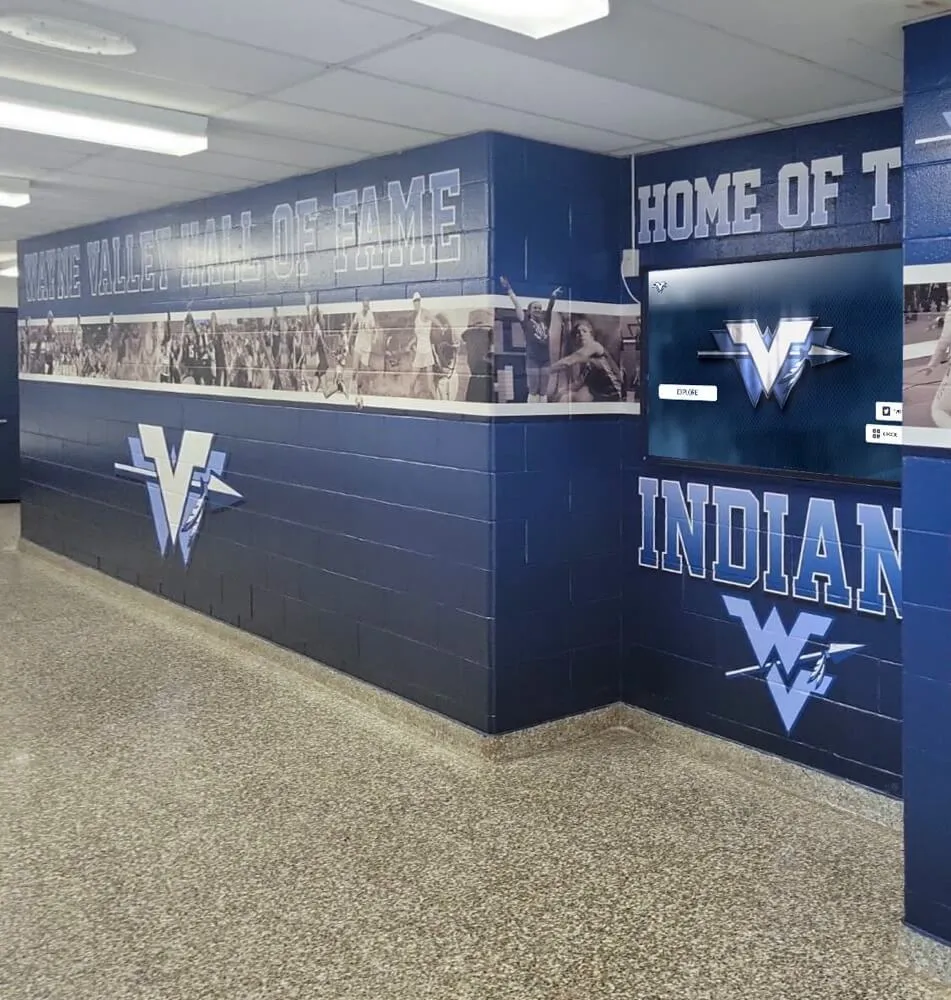
Welcoming visual environments combining school branding, achievement recognition, and digital displays create excitement as students return
The Strategic Importance of Welcome Back Celebrations
Understanding why welcome back initiatives matter helps schools allocate appropriate resources and planning attention to these critical transition moments.
Psychological Impact of New Beginnings
Educational research demonstrates that new beginnings—whether academic years, semesters, or terms—create unique windows for behavior change and engagement shifts:
Fresh Start Effect
- Students perceive new academic periods as opportunities for reinvention and improvement
- Past academic struggles feel less defining when new terms begin
- Motivation peaks during opening weeks before routine settles in
- Social dynamics reset enabling relationship rebuilding and new connections
- Goal-setting and commitment to positive behaviors increase at temporal landmarks
According to research from the Wharton School, individuals are significantly more likely to pursue aspirational behaviors following temporal landmarks that represent new beginnings. Schools can harness this psychological phenomenon through strategic welcome back programming that channels heightened motivation toward productive engagement.
Community Building Through Shared Experience
Welcome back celebrations create collective experiences strengthening school community:
Social Connection Opportunities
- Students reconnect with friends following breaks
- New students integrate into existing social networks
- Staff members rebuild collegial relationships
- Cross-grade interactions foster school-wide community
- Shared positive experiences create common reference points
Institutional Identity Reinforcement
- School traditions connect past, present, and future
- Values and priorities receive visible emphasis
- Achievement recognition demonstrates what schools celebrate
- Visual branding reinforces institutional pride
- Community storytelling strengthens collective identity
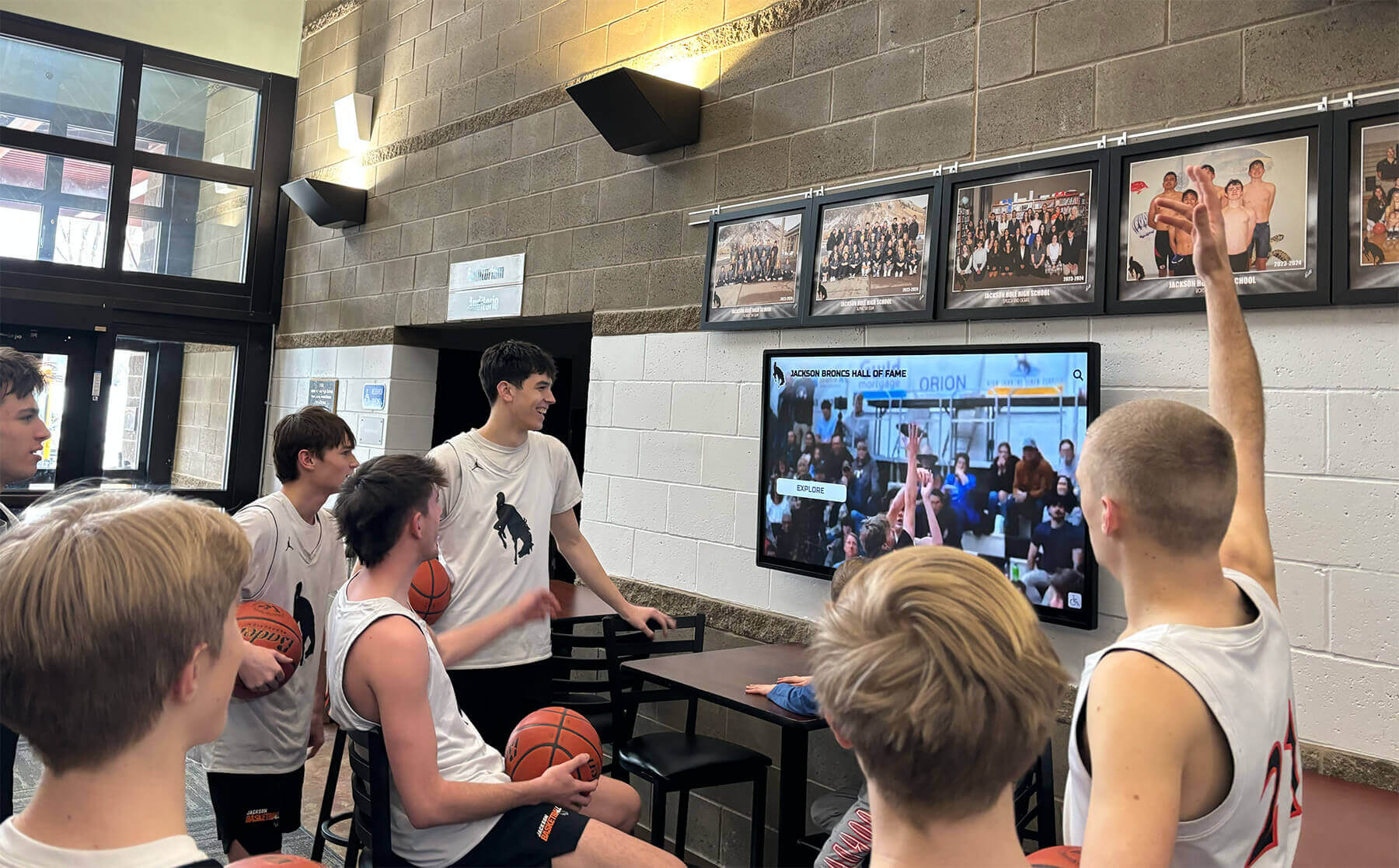
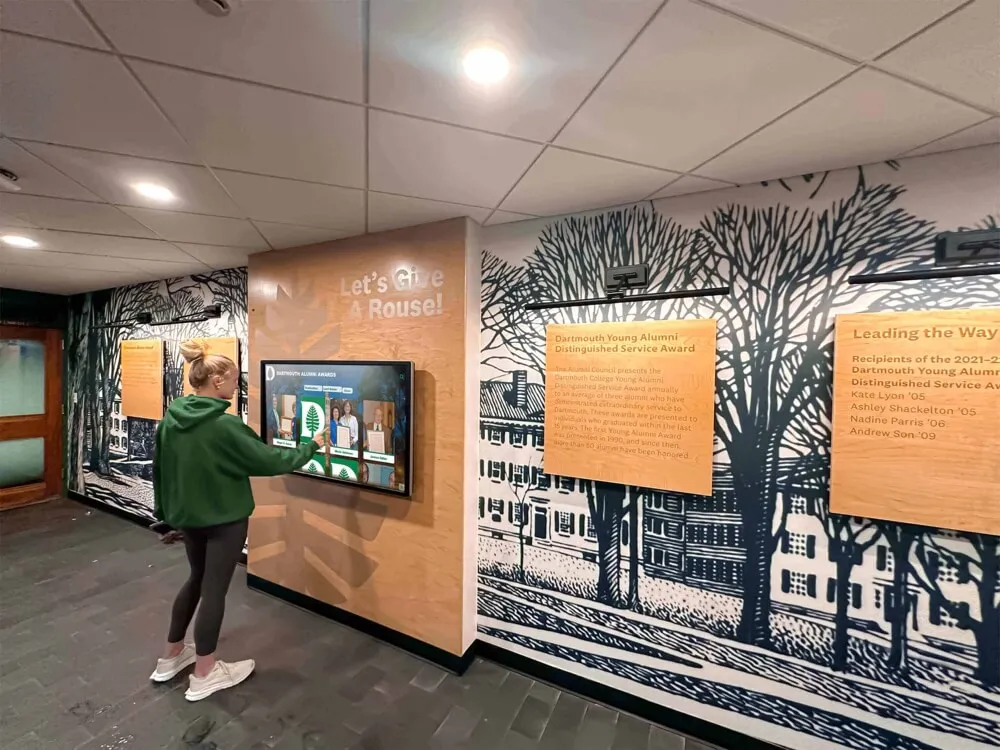
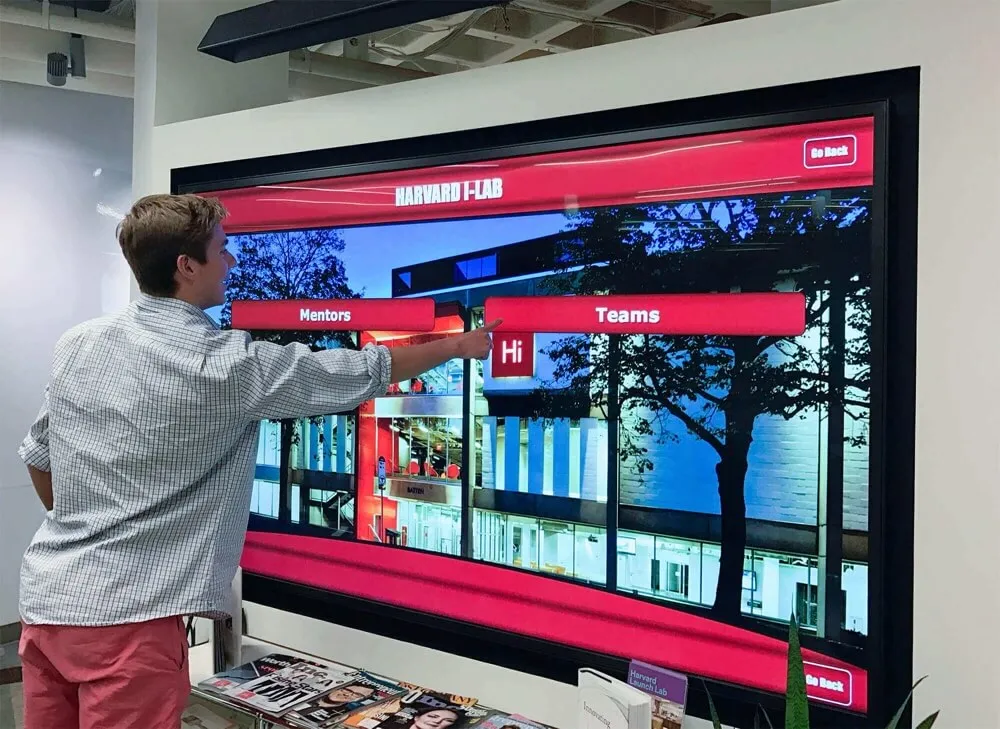
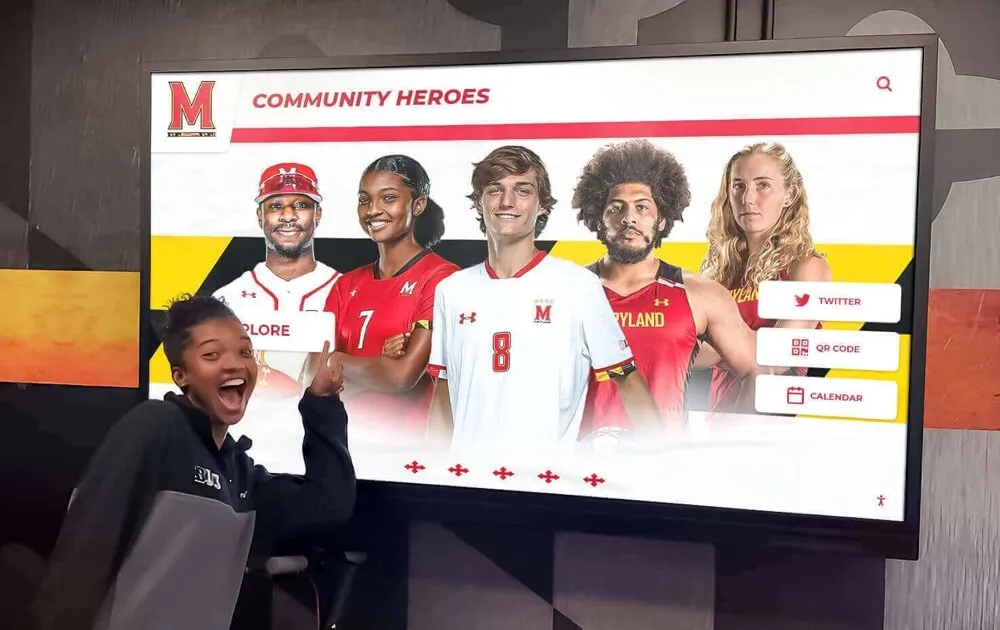
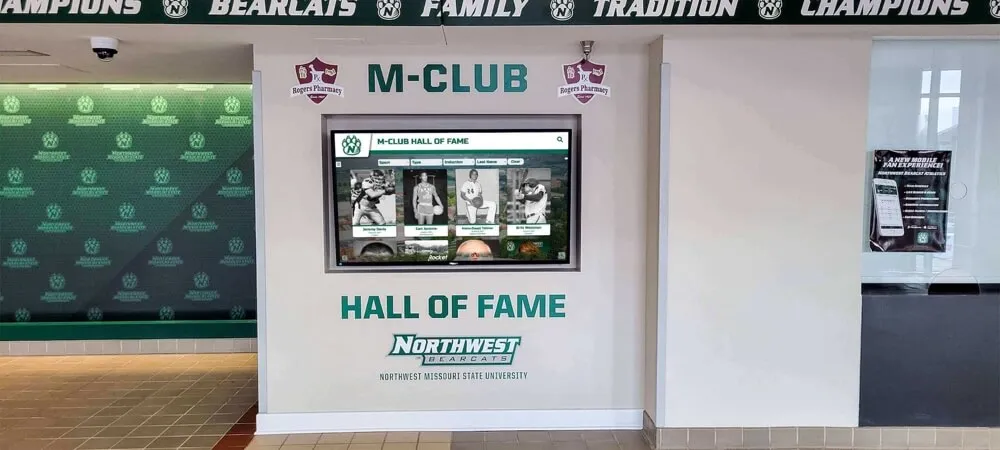
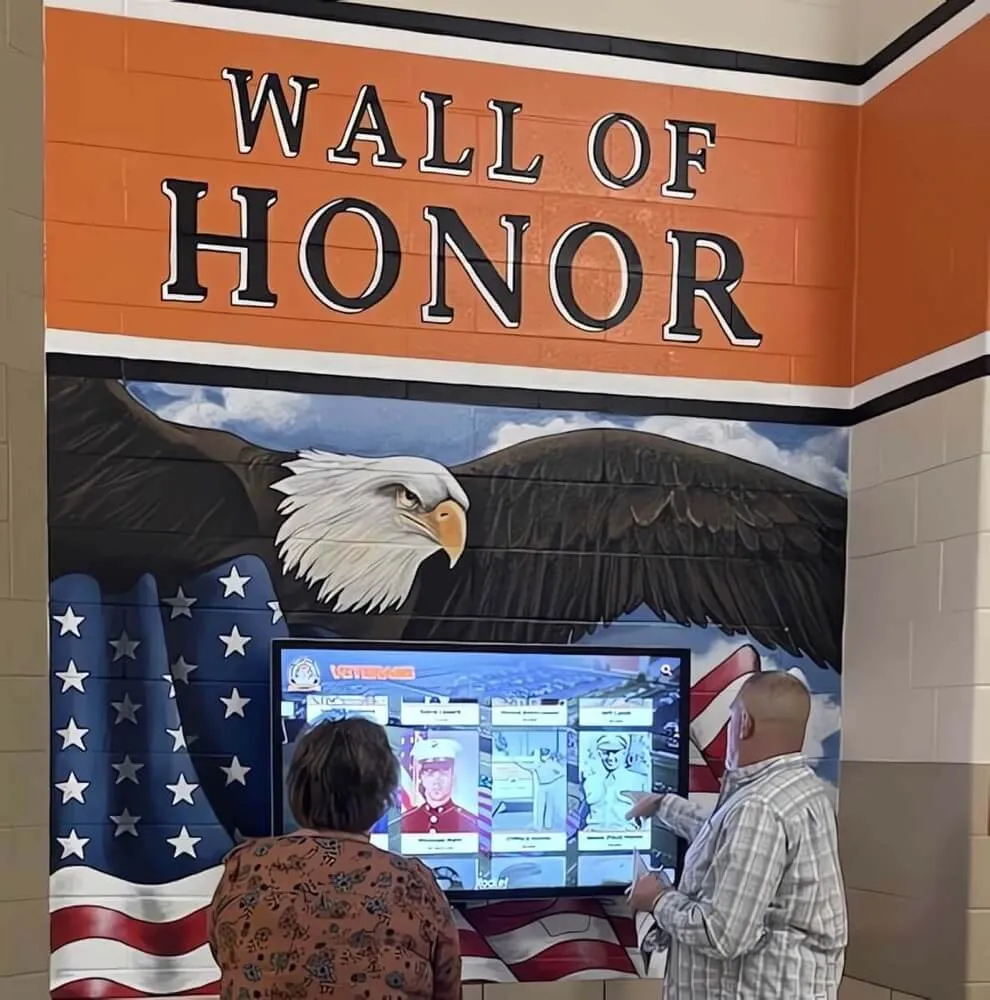
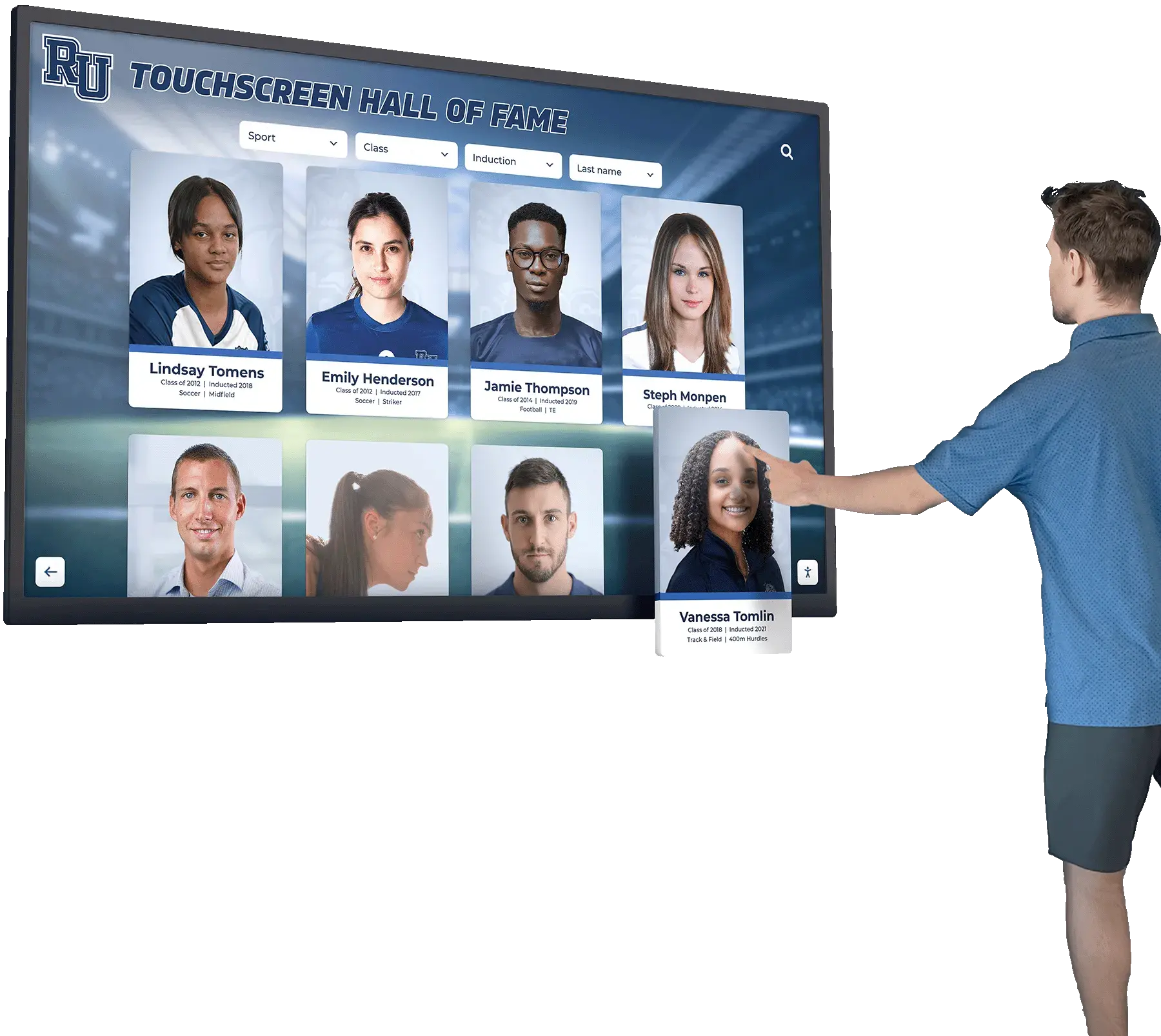
Interactive displays create engagement opportunities as students explore achievements and school history
These social and identity benefits extend far beyond opening week—students who feel strong school connection demonstrate better attendance, higher academic engagement, more positive behavior, and greater participation in extracurricular activities throughout the year.
Visual Environment Transformation
Physical spaces communicate powerful messages about institutional priorities and the type of community students are entering.
Strategic Lobby and Entrance Design
First impressions begin before students reach classrooms—entrance areas set immediate tone:
Welcome Messaging and Signage
Create visible welcome communications throughout entry spaces:
- Large “Welcome Back” banners featuring school colors and mascots
- Personalized grade-level or class-specific welcome messages
- Digital displays showing welcome videos from administrators and teachers
- Student-created artwork celebrating new beginnings
- Motivational quotes about learning, growth, and community
- Calendar highlights showcasing upcoming events and opportunities
Achievement Showcases
Transform lobbies into celebration spaces recognizing accomplishments from previous terms:
Solutions like digital recognition displays enable comprehensive achievement celebration without physical space constraints:
- End-of-semester honor roll recognition celebrating academic excellence from the previous term
- Athletic championship highlights documenting recent team successes and individual achievements
- Arts and activities showcases featuring competition results, performances, and creative accomplishments
- Community service recognition acknowledging student volunteer work and citizenship
- Student spotlight profiles introducing new students or highlighting returning student leaders
Modern touchscreen systems allow schools to update recognition immediately, ensuring displays reflect the most current achievements as students return rather than outdated information communicating institutional neglect.
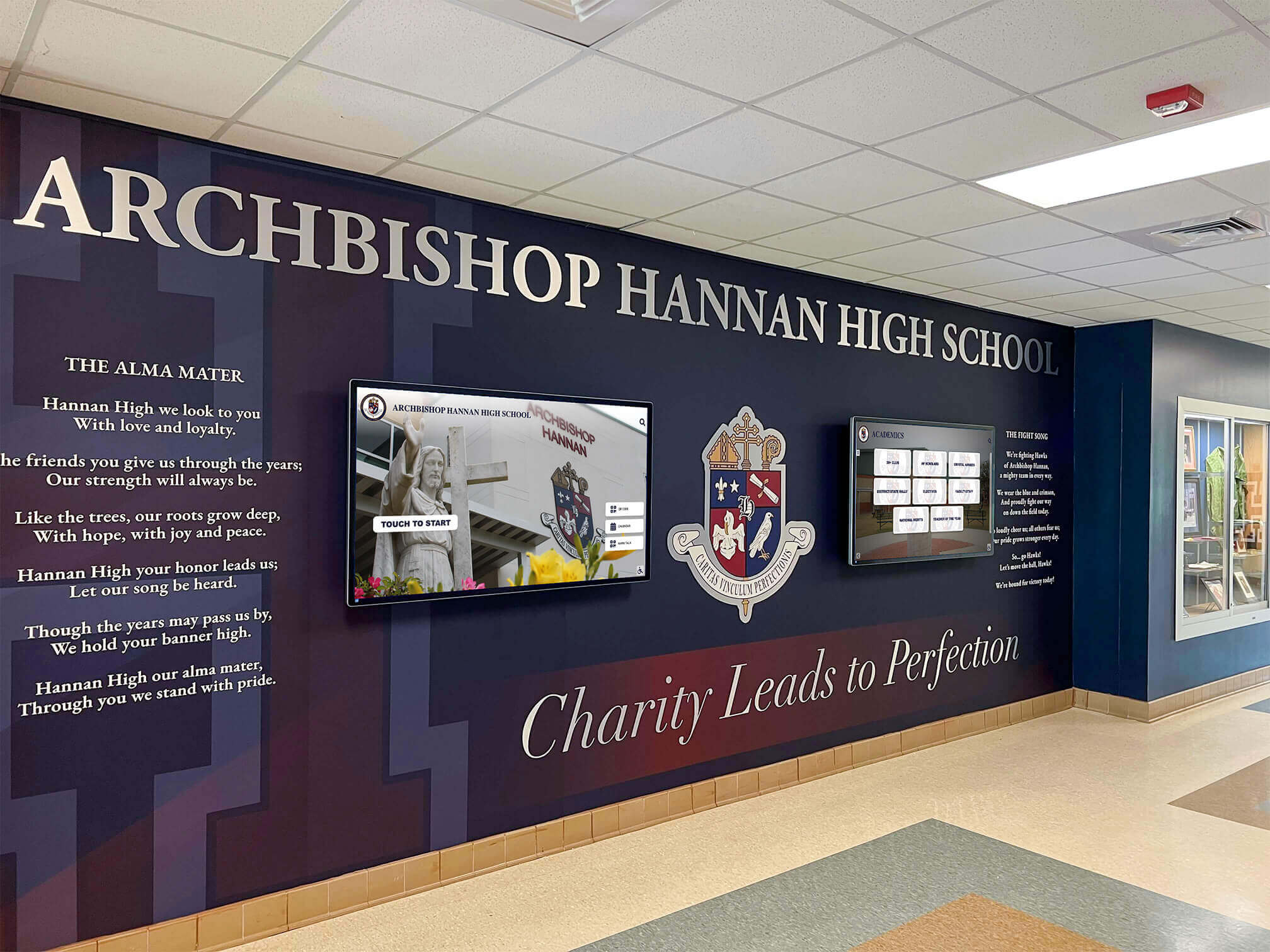
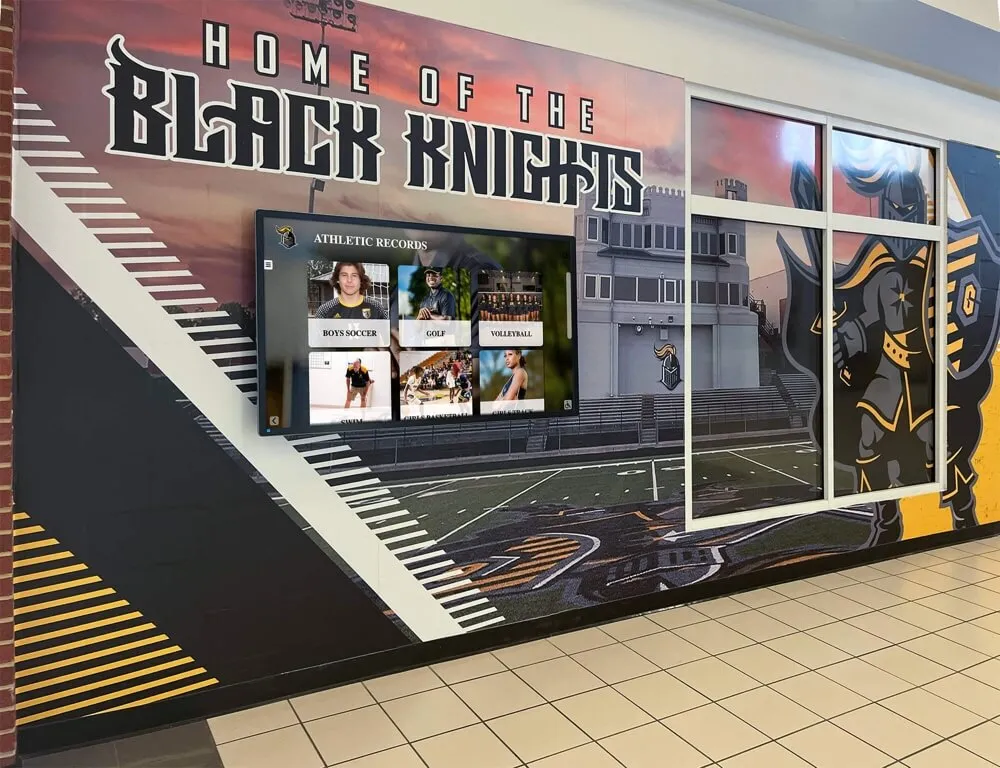
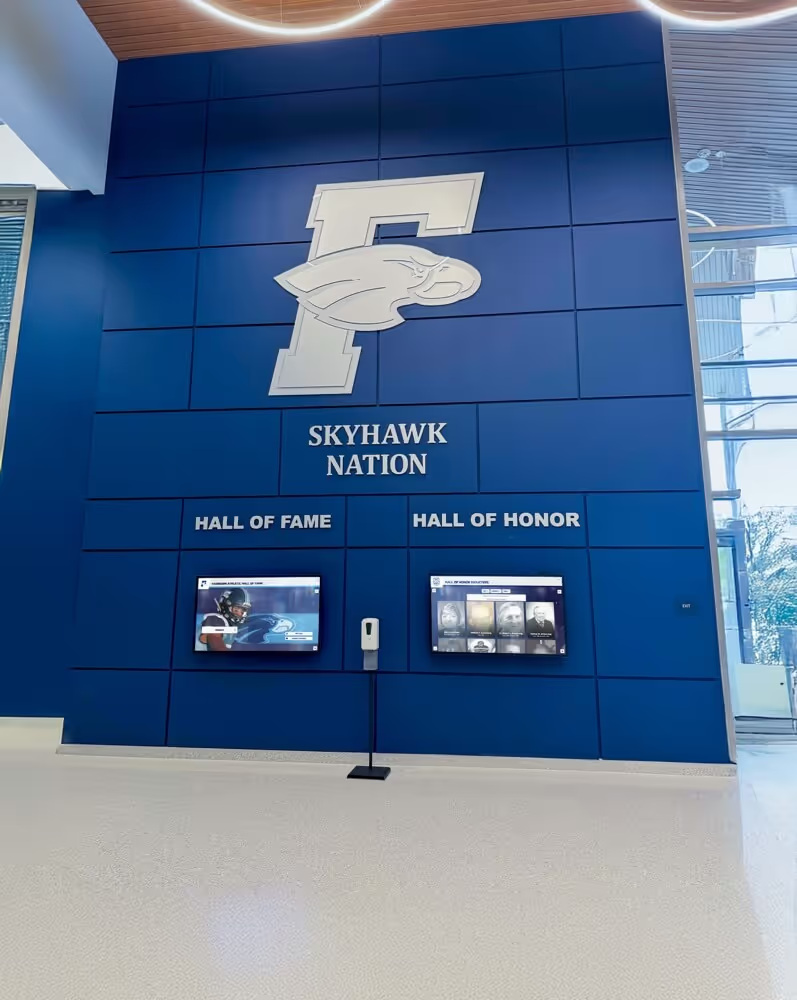
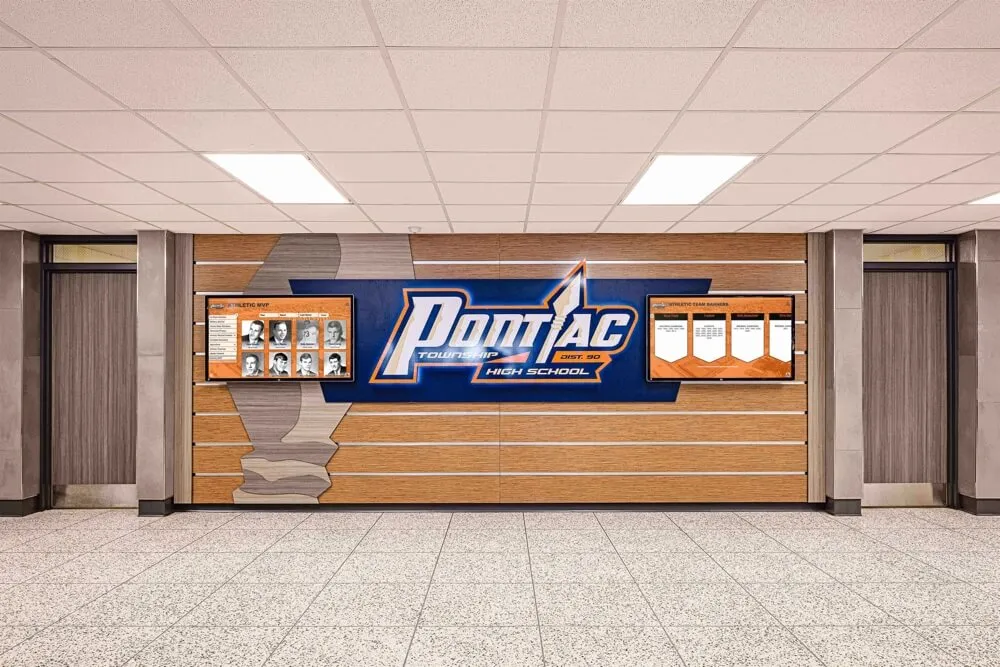
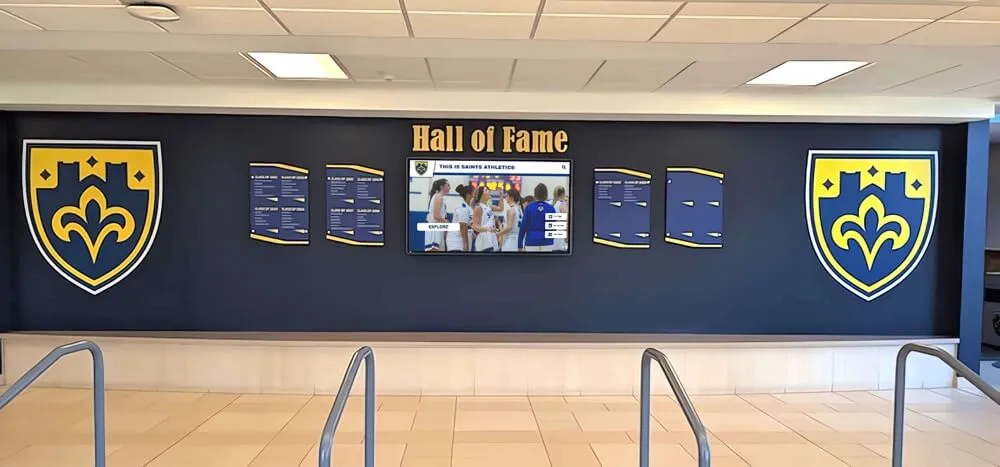
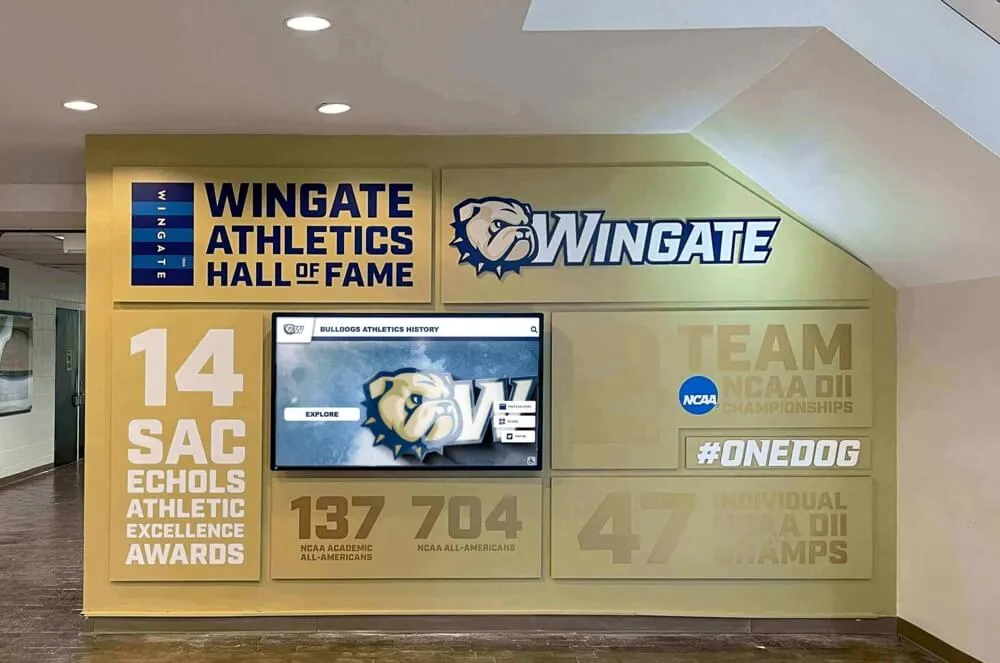
Coordinated entrance displays combining school branding, recognition, and welcome messaging create powerful first impressions
Hallway and Common Area Enhancements
Beyond entrance spaces, strategic enhancements throughout buildings amplify welcome messaging:
Classroom Door Decorations
Teacher-created doorway displays add personal warmth:
- Individual teacher welcome messages for students
- Creative themes connecting to subject areas or grade levels
- Student name displays showing each student belongs
- Class motto or values statements
- Photos from previous year creating continuity
- QR codes linking to welcome videos or digital resources
Hallway Recognition Walls
Transform corridors into engagement spaces celebrating diverse achievements:
Comprehensive student recognition programs ensure all accomplishment categories receive visibility:
- Academic achievement boards updated with most recent honor roll
- Athletic record boards documenting program history and recent success
- College commitment displays celebrating students’ post-graduation plans
- Perfect attendance recognition honoring consistent engagement
- Student leadership showcases highlighting class officers and organization leaders
- Community partnership acknowledgment recognizing local business support
These visible recognition displays communicate institutional priorities while motivating continued achievement and participation.
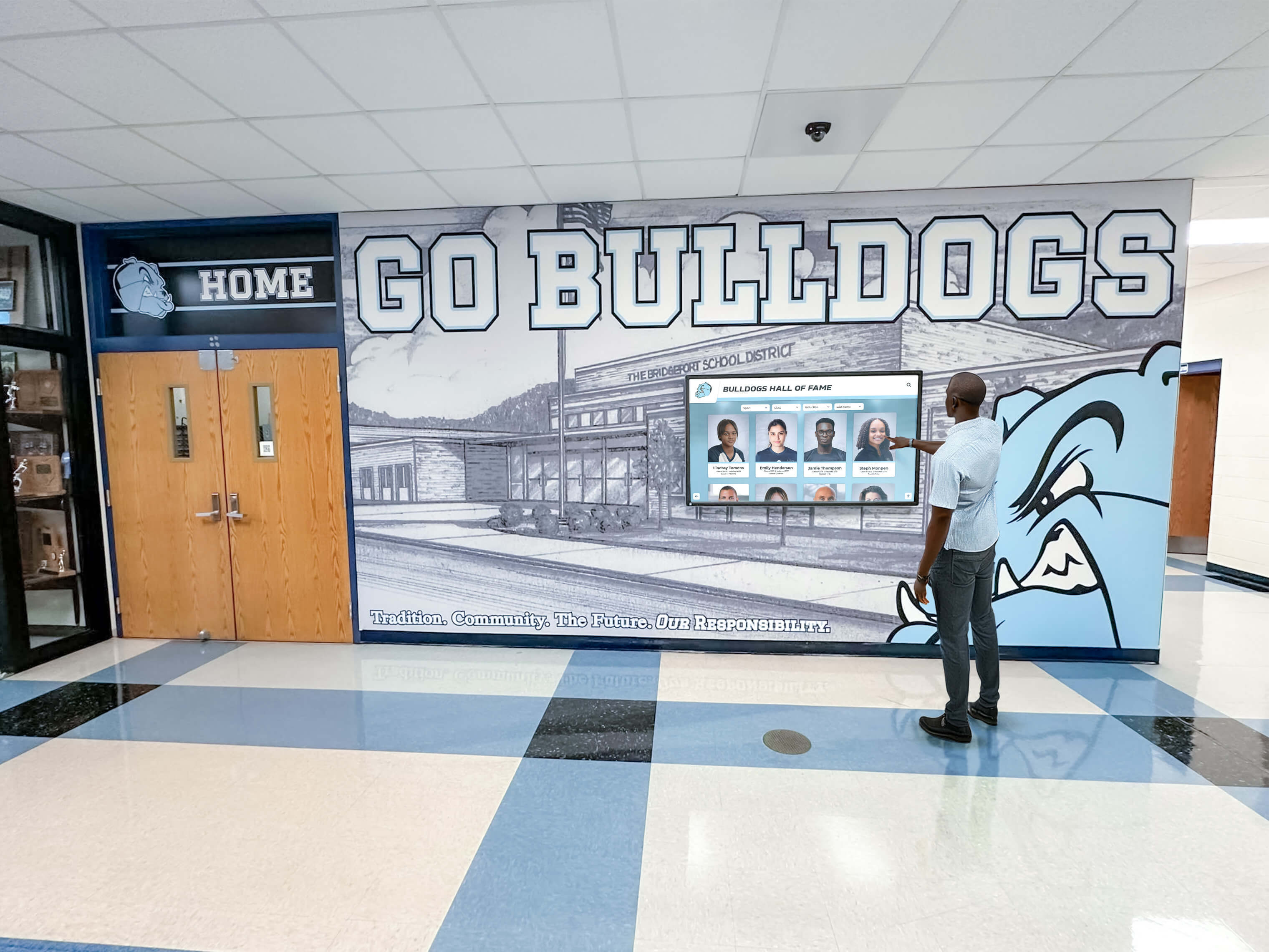
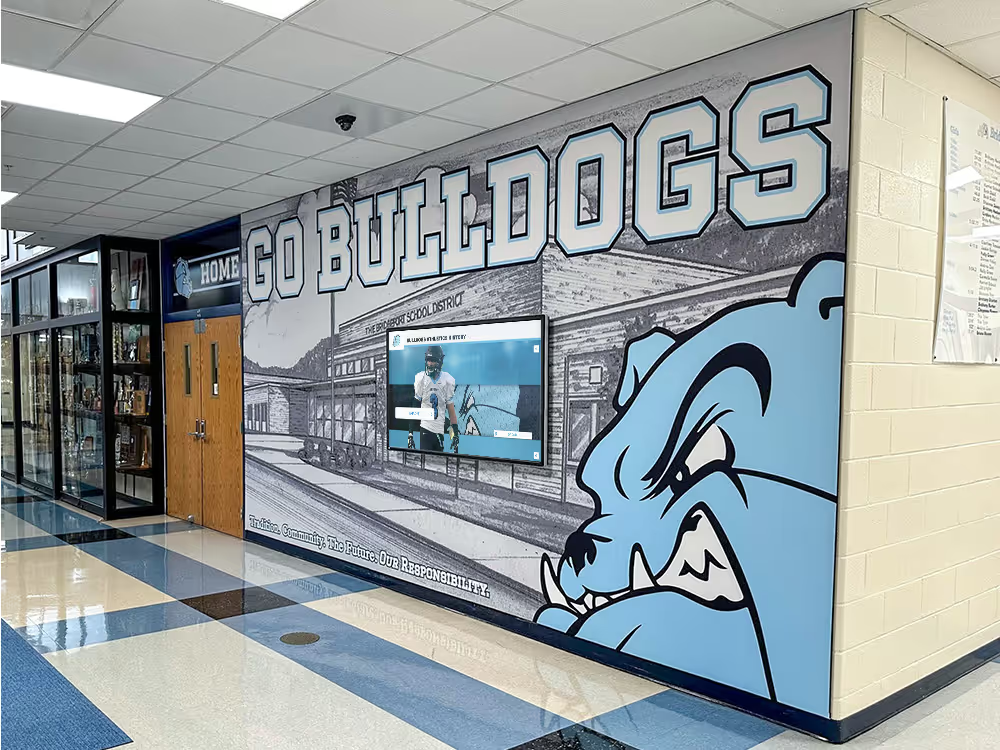
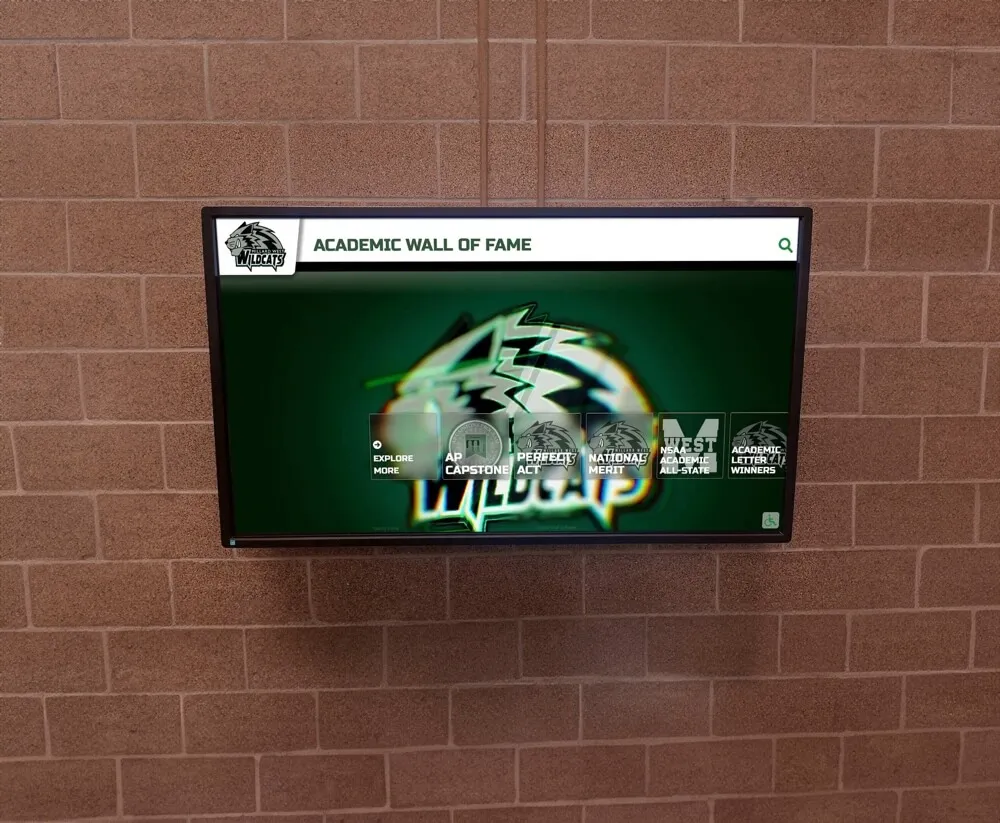
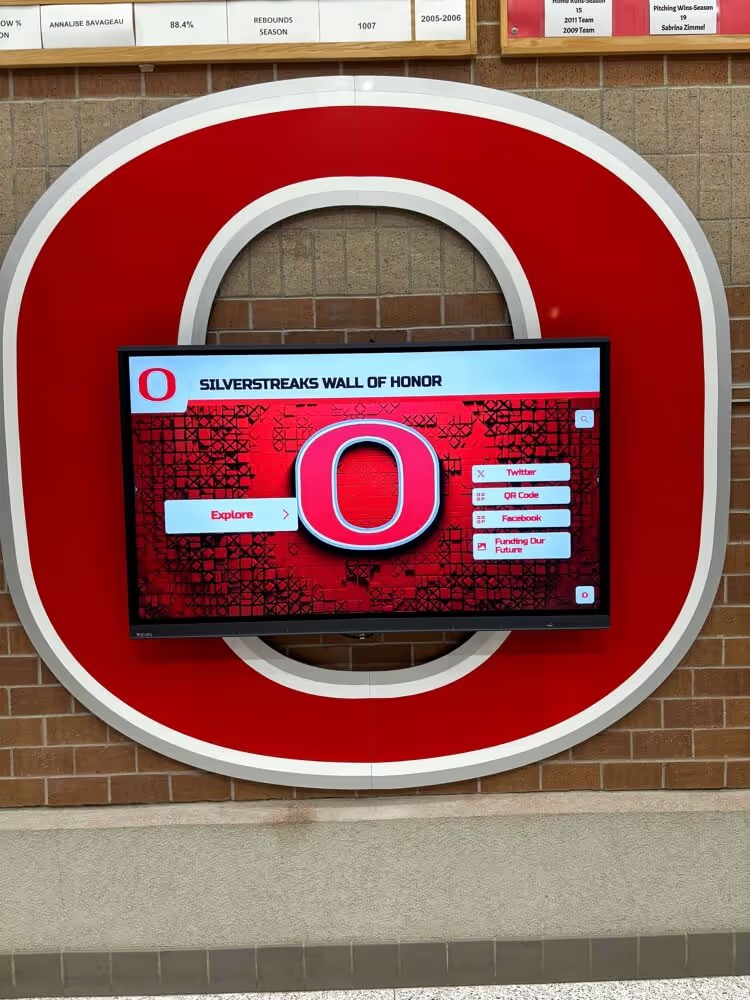
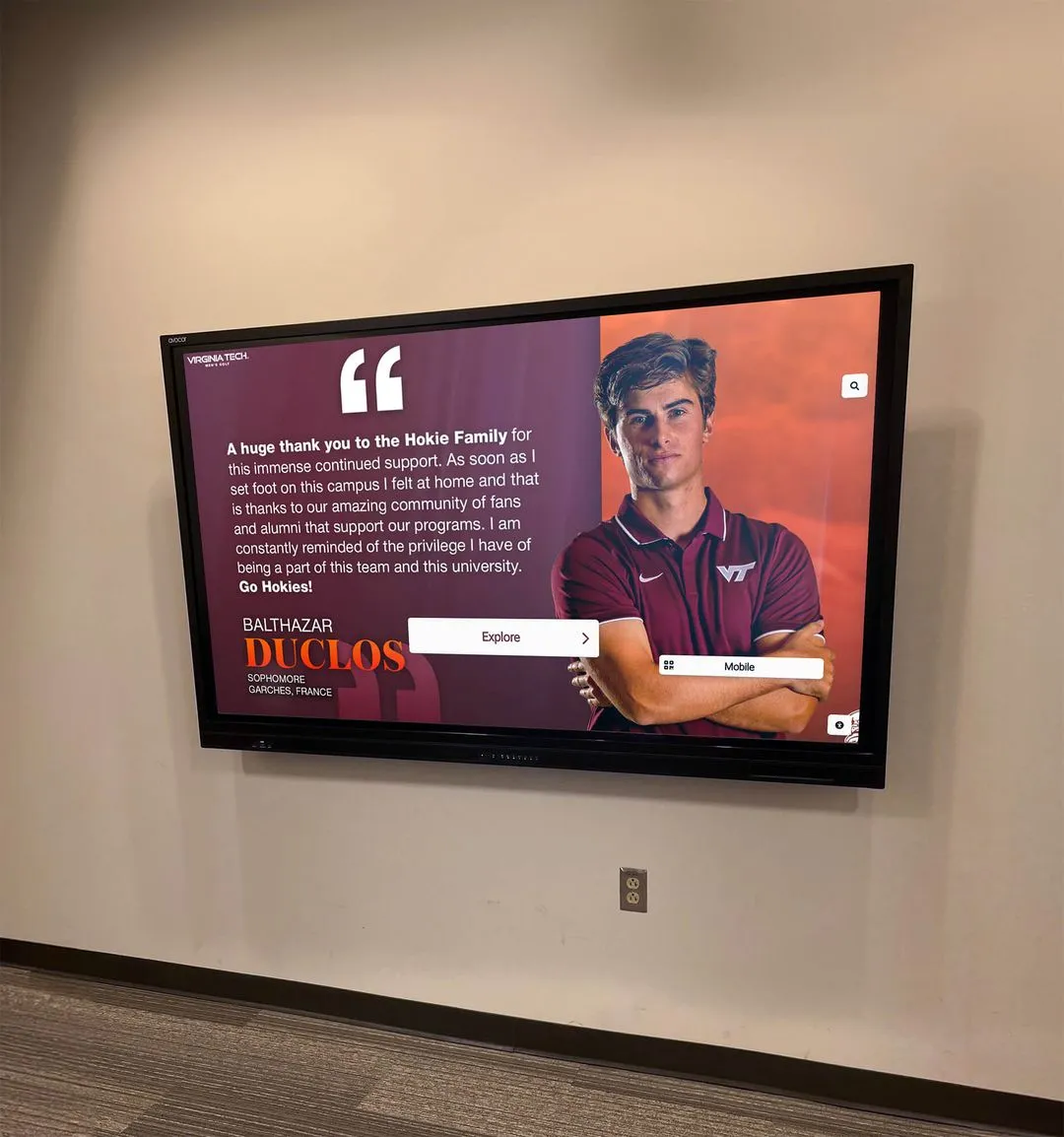
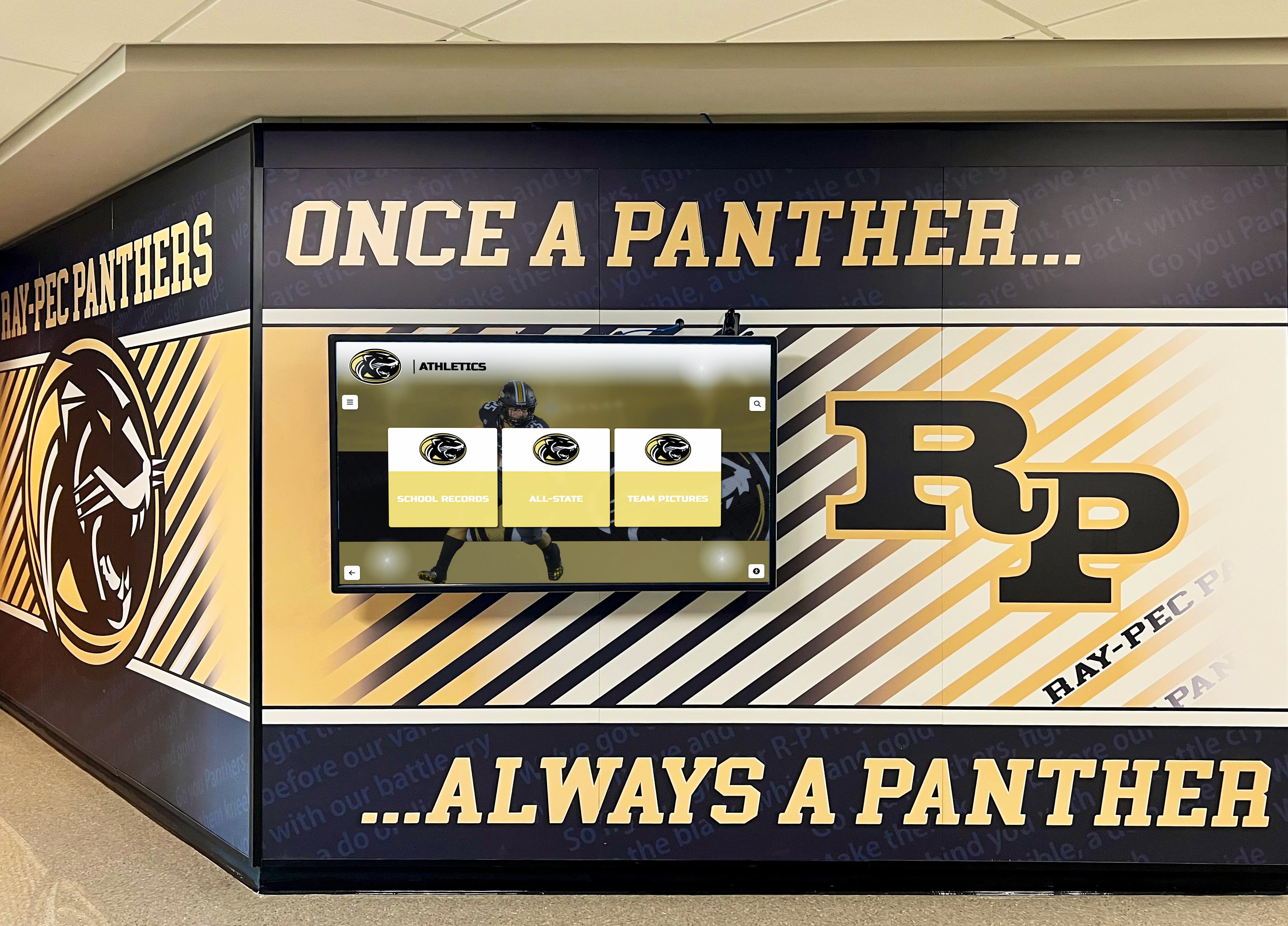
Interactive hallway displays create exploration opportunities during passing periods and arrival times
Welcome Back Assemblies and Opening Events
Strategic programming creates shared experiences establishing positive tone for academic terms.
Planning Effective Opening Assemblies
Assembly programs require careful planning balancing information delivery with engagement and inspiration:
Assembly Content Structure
Opening Inspiration (5-7 minutes)
- Energizing music as students enter creating positive atmosphere
- Administrator welcome message emphasizing fresh starts and possibilities
- Brief motivational message focusing on growth mindset and community
- Introduction of school year theme if applicable
- Acknowledgment of returning students and welcome to new community members
Achievement Recognition (8-12 minutes)
- Celebration of significant accomplishments from previous term
- Academic honors recognition acknowledging intellectual excellence
- Athletic championship and individual achievement highlights
- Arts competition success and performance excellence
- Community service awards honoring student volunteers
- Special recognition for milestone achievements
Recognition segments communicate what schools genuinely value while inspiring continued achievement across all students.
Information and Expectations (5-8 minutes)
- Calendar highlights showcasing upcoming events and opportunities
- Important date reminders and deadlines
- Behavioral expectations and community standards review
- New programs, courses, or opportunities introduction
- Technology expectations and digital citizenship reminders
- Resource availability and support service information
Community Building Activities (10-15 minutes)
- School chant or song building collective energy
- Interactive activities requiring cross-grade participation
- Student leadership team introductions
- Special performance by school music or arts groups
- Video presentations showcasing school culture and community
- Motivational speaker or student testimony about school impact
Closing and Transition (3-5 minutes)
- Restatement of welcome and excitement for year ahead
- Clear directions for dismissal and next activities
- Final energizing music creating positive departure mood
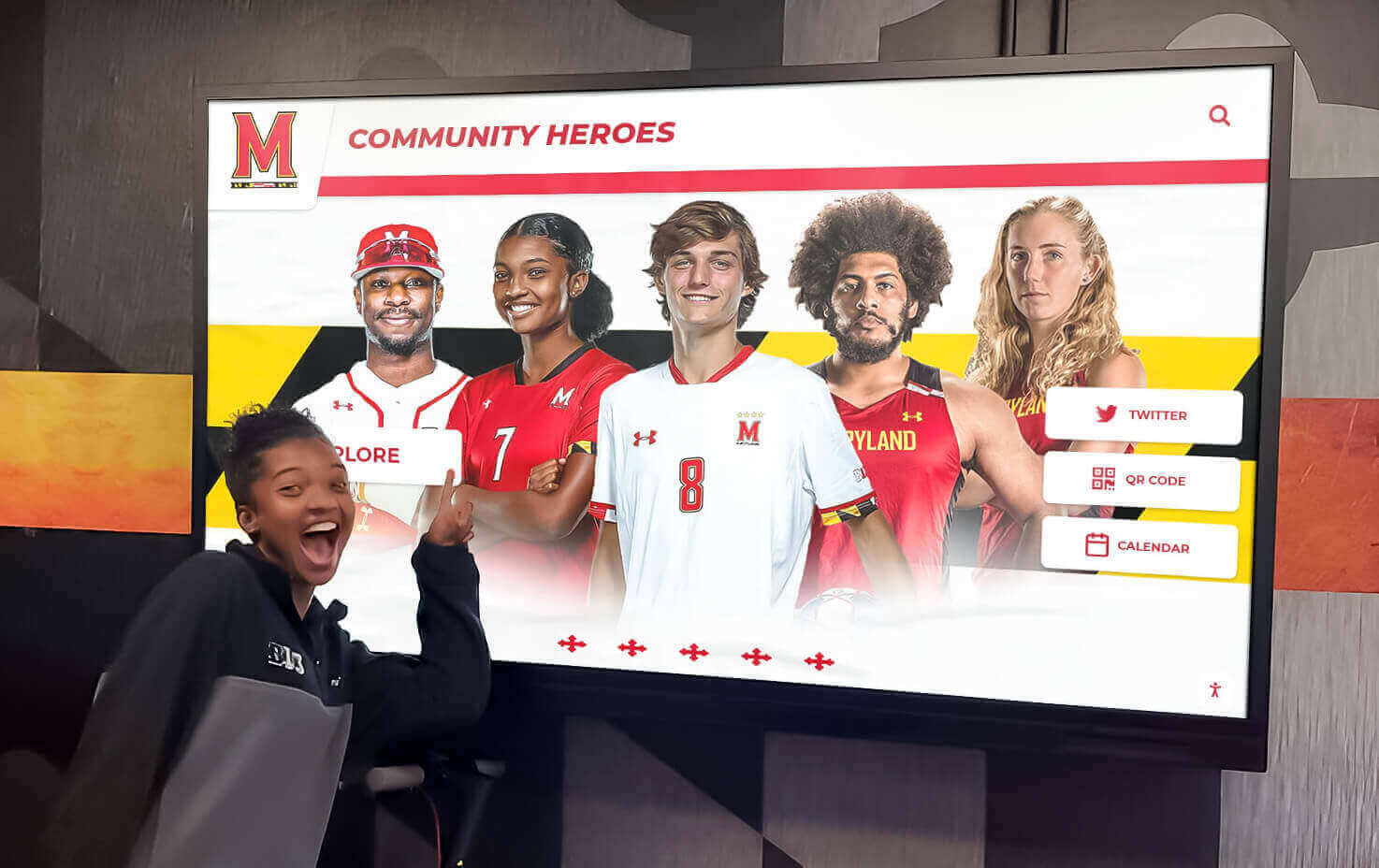
Recognition displays during assemblies and events create visual celebration reinforcing verbal acknowledgment
Grade-Level and Class-Specific Welcome Events
While all-school assemblies create community, smaller groupings enable more targeted relationship building:
Elementary Welcome Activities
Age-appropriate activities for younger students:
- Classroom scavenger hunts helping students explore learning spaces
- “All About Me” sharing activities introducing students to classmates
- Meet-the-teacher sessions with parents participating when possible
- Buddy system pairing older elementary students with younger grades
- Playground games and outdoor activities building social connections
- Welcome gift distribution (pencils, bookmarks, stickers with school branding)
Middle School Transition Support
Developmentally appropriate activities for early adolescents:
- Advisory group ice-breaker activities facilitating peer connections
- Locker practice and school navigation orientation
- Club and activity fair introducing extracurricular opportunities
- Student leadership panel sharing tips for success
- Goal-setting activities establishing personal academic and social objectives
- Technology orientation ensuring students understand digital learning tools
High School Community Building
Activities appropriate for adolescent social dynamics:
- Class-specific events building grade-level identity and pride
- Senior privilege and tradition introduction creating excitement for final year
- College and career readiness information for upperclass students
- Freshman orientation addressing common anxieties about high school transition
- Club recruitment fair showcasing activity participation opportunities
- School spirit activities building institutional connection and pride
Explore strategies for welcoming new students that extend beyond opening days.
Digital Welcome Initiatives
Technology enables welcome strategies extending beyond physical presence on campus.
Pre-Arrival Digital Communications
Strategic communications before students return build anticipation and preparation:
Social Media Welcome Campaigns
Leverage school social media platforms:
- Countdown posts building excitement for opening day
- Teacher introduction videos helping students connect with faculty
- Facility tour videos showing new students campus layout
- Student testimonial videos sharing positive school experiences
- Behind-the-scenes content showing staff preparation activities
- Interactive polls and questions generating student engagement
Welcome Video Messages
Personalized digital communication creates connection:
- Principal welcome video addressing entire school community
- Grade-level administrator messages targeting specific student groups
- Teacher-created welcome videos for specific classes
- Student leadership welcome messages from class officers and organization presidents
- Athletic coach introductions for team members
- Activity sponsor messages welcoming club participants
Digital Resource Distribution
Ensure students access important information before arrival:
- School calendar with important dates and events
- Technology access instructions for learning management systems
- Supply lists and classroom preparation information
- Transportation schedules and building access procedures
- Extracurricular opportunity information and signup details
- Support service contact information for counseling, learning support, and other resources
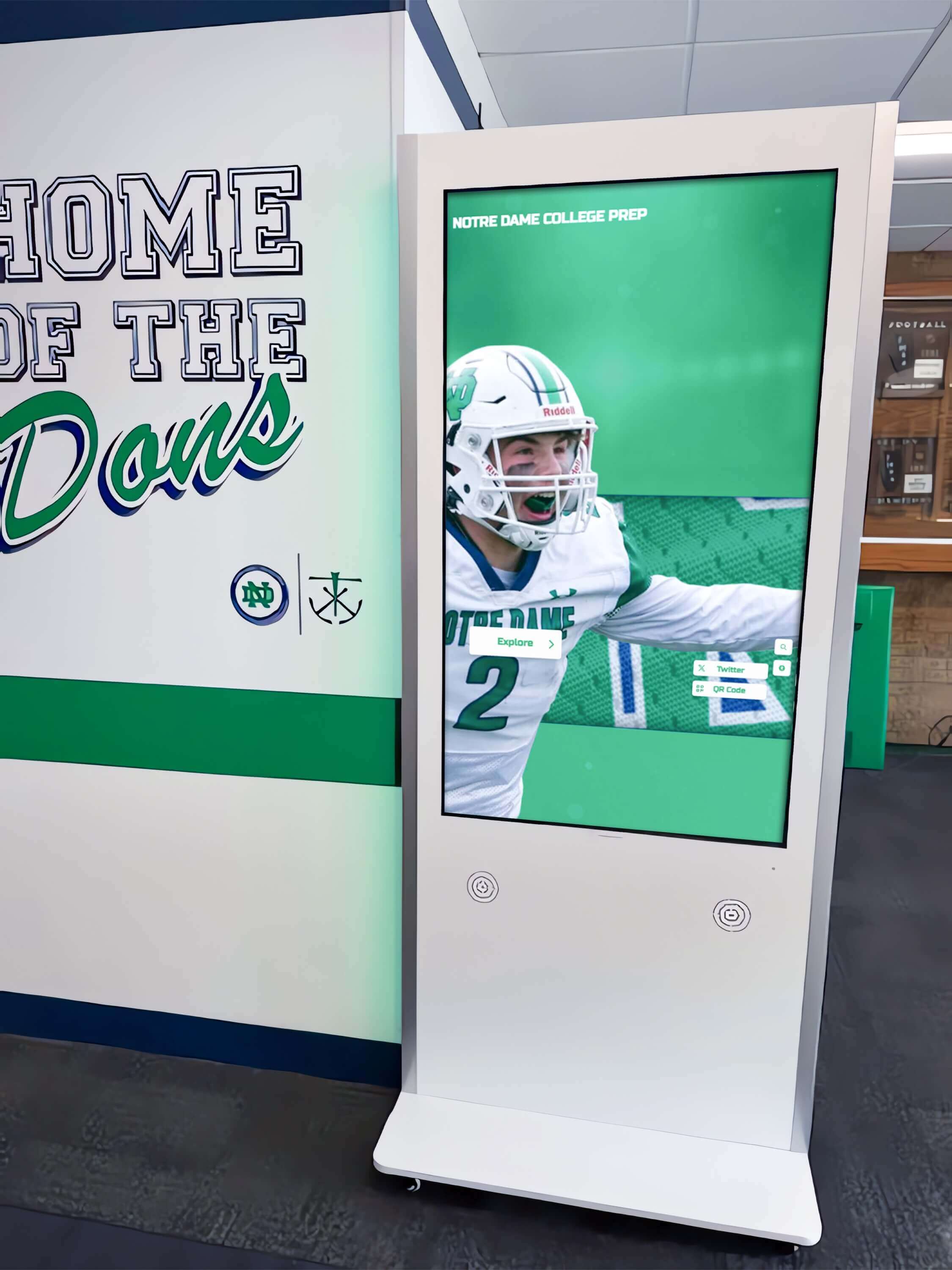
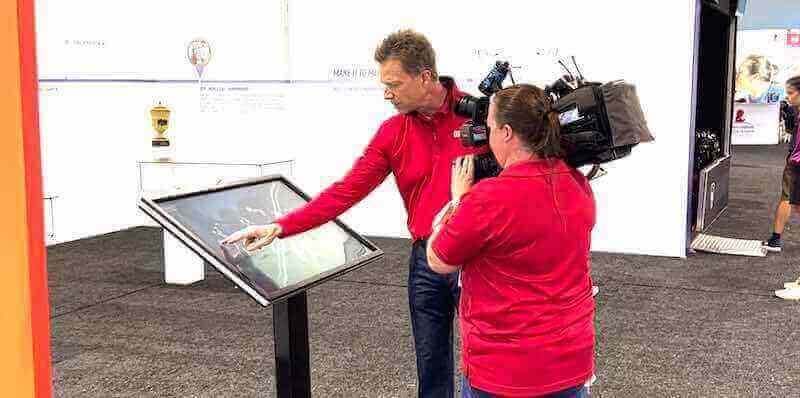
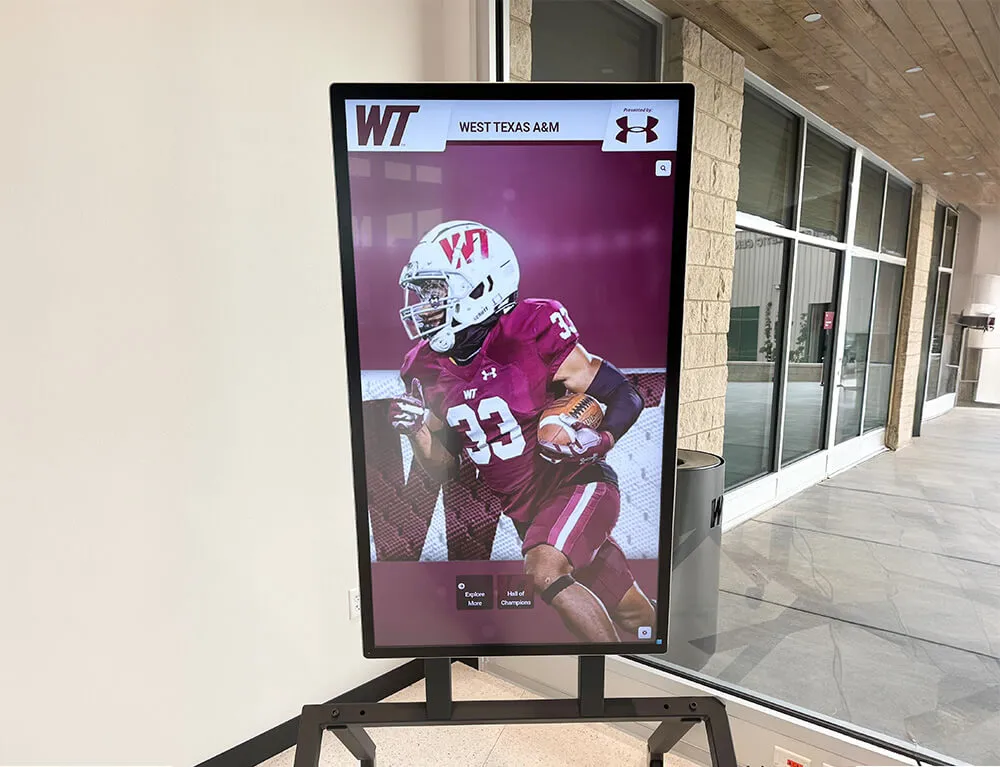
Freestanding interactive kiosks provide flexible placement for welcome messaging and recognition displays
Interactive Digital Recognition Displays
Modern recognition technology transforms how schools celebrate achievement and build community during welcome back initiatives.
Advantages of Digital Welcome Displays
Digital platforms like Rocket Alumni Solutions provide comprehensive capabilities specifically designed for educational recognition:
- Immediate content updates ensuring displays reflect current information as students return
- Multimedia welcome messaging combining video, images, and text for engaging presentations
- Interactive exploration enabling students to search achievements and school history
- Unlimited recognition capacity celebrating all deserving students regardless of space constraints
- Professional design consistency maintaining quality appearance across all content
- Remote content management allowing updates from any location without physical installation
- Scheduled content rotation showcasing diverse achievements and information throughout days and weeks
Strategic Content Curation for Welcome Back
Customize displayed content specifically for return periods:
- Feature prominently students returning from recent accomplishments (summer programs, competitions, volunteer work)
- Highlight upcoming opportunities and events in opening weeks
- Showcase new students through introduction profiles
- Display welcome messages from administrators, teachers, and student leaders
- Feature school history and traditions connecting newcomers to institutional legacy
- Celebrate previous year’s achievements creating pride and motivation
Schools implementing digital recognition report that visible achievement celebration motivates continued engagement far more effectively than exclusive recognition most students perceive as unattainable.
Learn about comprehensive recognition program strategies extending beyond opening events.
Student Welcome Committees and Leadership Involvement
Student-led welcome initiatives create authentic peer connection more effectively than adult-directed programming.
Organizing Student Welcome Teams
Systematic student involvement ensures comprehensive coverage:
Welcome Ambassador Programs
Train student volunteers for specific welcome responsibilities:
- New student buddy assignments pairing newcomers with established students
- Building tour guides helping students navigate campus
- First-week lunch companions ensuring no student eats alone
- Classroom orientation assistants supporting teacher welcome activities
- Technology support helpers assisting with digital tool access
- Question answering resources for students confused about procedures
Student Leadership Welcome Initiatives
Leverage existing leadership structures:
- Student government welcome event planning and execution
- Class officer grade-specific welcome activities
- Club and activity representatives recruiting new participants
- Athletic team captains welcoming teammates back and integrating new members
- Performing arts leaders introducing programs to potential participants
- Honor society members mentoring academically focused students
Discover strategies for developing student leadership programs that strengthen school culture.
Peer-to-Peer Welcome Activities
Student-designed activities often resonate more authentically than adult-created programming:
Social Connection Events
Activities facilitating relationship building:
- Grade-level social events (ice cream socials, outdoor games, movie nights)
- Interest-based meetups connecting students around shared passions
- Lunch-and-learn sessions where upperclass students share success strategies
- Collaborative art projects creating visual displays throughout school
- Team-building activities requiring cross-grade cooperation
- Service projects giving students shared purpose immediately
Welcome Week Theme Days
Student leadership teams can organize spirit activities:
- School colors day encouraging school pride apparel
- Decade days or other costume themes creating fun atmosphere
- Twin day or group costume day facilitating social interaction
- Career day connecting to future aspirations
- Cultural celebration days honoring diversity
- Team jersey day celebrating athletic programs and school spirit
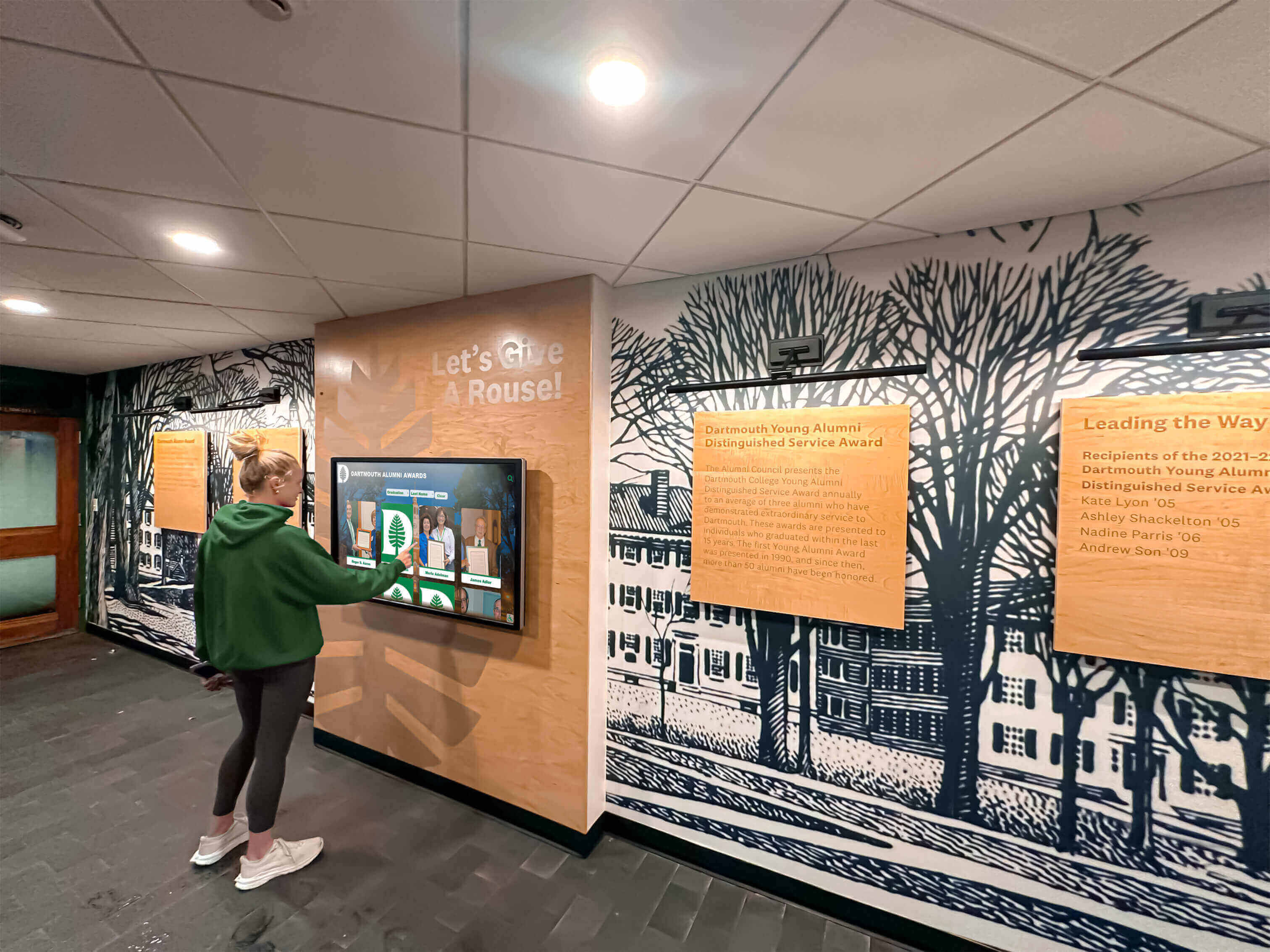
Student-accessible displays create exploration opportunities during free time and passing periods
Classroom-Level Welcome Strategies
Individual teachers create critical first impressions establishing tone for specific learning environments.
Creating Welcoming Classroom Environments
Physical classroom setup communicates expectations and culture:
Visual Environment Design
- Clean, organized spaces free of clutter
- Inspirational quotes and positive messaging about learning
- Student work from previous classes showing expected quality
- Visual syllabus or learning objective displays
- Clear seating arrangements facilitating community building
- Welcome message on board greeting students by name when possible
First-Day Materials and Gifts
Small touches demonstrate care and preparation:
- Personalized welcome notes on student desks
- Small welcome gifts (pencils, bookmarks, stickers) with positive messages
- Name tents or cards helping teacher learn names quickly
- Course syllabus and calendar clearly organized
- Parent communication templates explaining course expectations
- Interest inventory forms helping teachers understand students
Engaging First-Class Activities
Opening activities establish classroom culture and expectations:
Relationship-Building Activities
- Student introduction activities revealing interests beyond academics
- “Find Someone Who” activities requiring students to interact with multiple classmates
- Collaborative challenges requiring teamwork immediately
- Goal-setting activities establishing student aspirations
- Community agreement development where students help define classroom expectations
- Teacher storytelling sharing personal passion for subject matter
Academic Engagement Activities
- Subject-specific hook activities generating immediate interest in content
- Diagnostic activities (non-graded) helping teachers understand student knowledge
- Preview activities showing exciting upcoming learning opportunities
- Real-world connection activities demonstrating subject relevance
- Collaborative problem-solving establishing classroom instructional approach
- Resource exploration familiarizing students with course materials and tools
Explore approaches to classroom engagement strategies applicable to student recognition.
Special Focus: Welcoming New Students
Students entering established communities face unique challenges requiring targeted support.
New Student Orientation Programs
Systematic orientation reduces anxiety and accelerates integration:
Pre-Arrival Orientation
Before school begins, comprehensive orientation helps newcomers prepare:
- Campus tours familiarizing students with building layout
- Administrative team introductions connecting students with key personnel
- Handbook review covering essential policies and procedures
- Technology setup ensuring access to digital learning platforms
- Locker assignment and practice (for schools with lockers)
- Schedule review and course selection confirmation
- Q&A opportunities addressing specific concerns
Buddy System Implementation
Pair new students with established student ambassadors:
- Match based on grade level, interests, or programs when possible
- Train ambassadors in effective mentoring and support strategies
- Provide structured check-in expectations (daily first week, then weekly)
- Create ambassador-new student activities facilitating relationship development
- Recognize ambassadors for service and leadership contributions
- Monitor matches ensuring connections are productive
Ongoing Integration Support
Welcome extends beyond opening days:
- Regular counselor check-ins during first semester
- New student lunch groups creating peer connection opportunities
- Parent communication ensuring families understand school community
- Activity and club recruitment encouraging extracurricular participation
- Academic monitoring ensuring coursework transitions are successful
- Social-emotional support addressing adjustment challenges
Learn about comprehensive student integration strategies creating lasting connections.
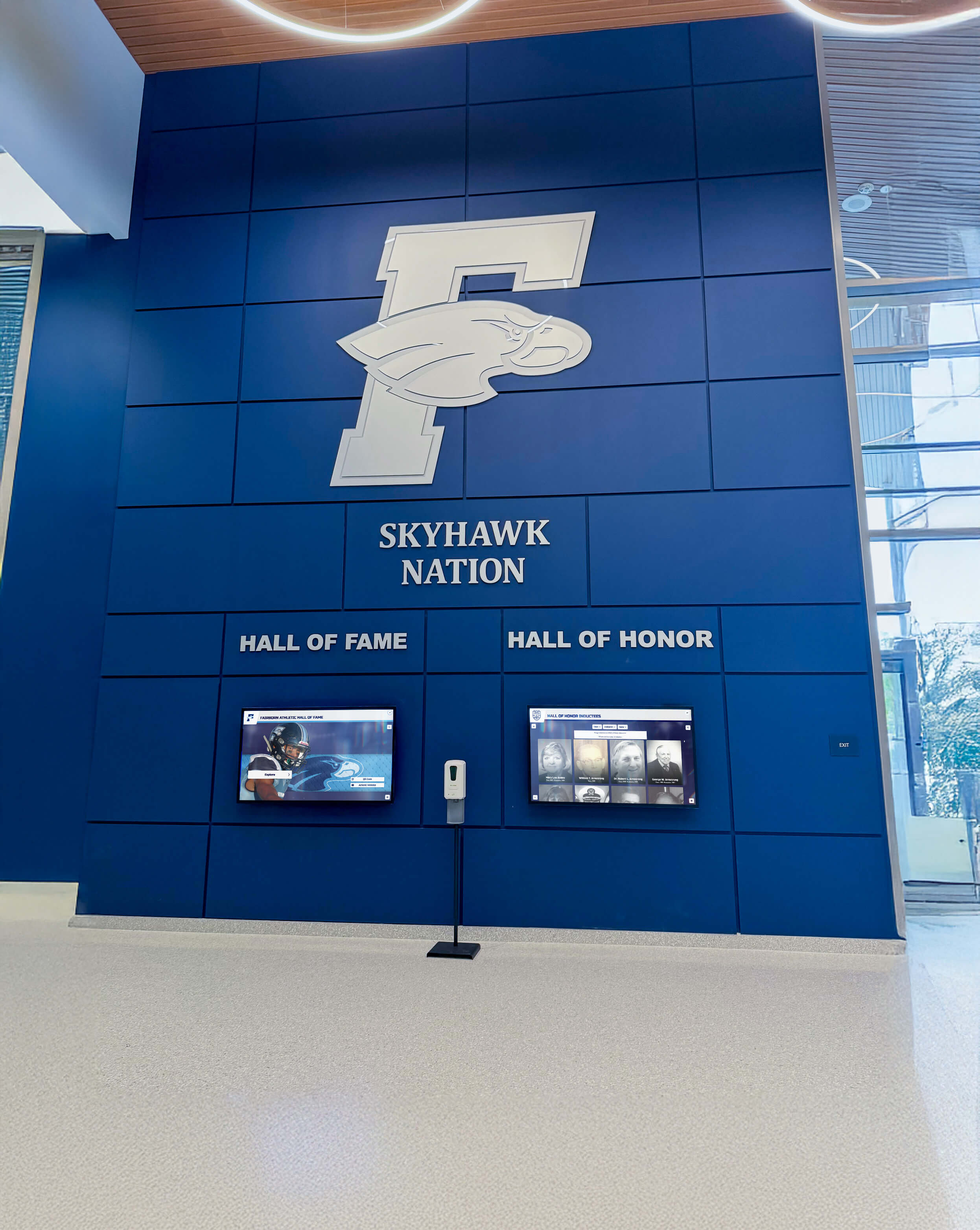
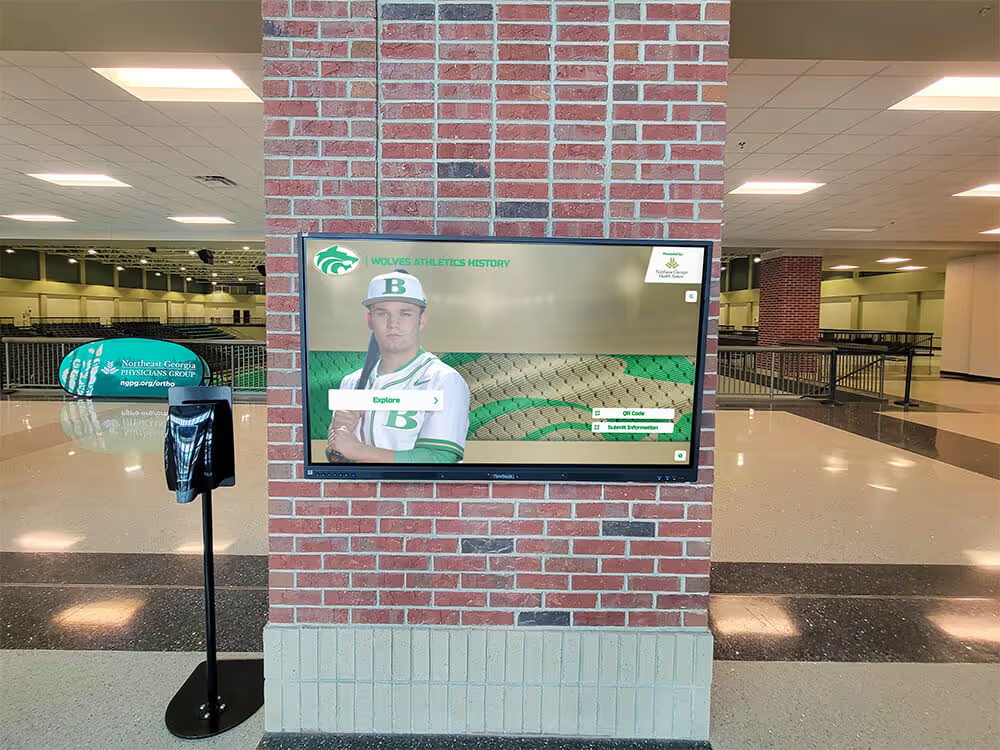
Professional entrance displays communicate institutional excellence while welcoming students to community
Family Engagement in Welcome Back Initiatives
Strong family partnerships extend positive welcome culture beyond students to entire households.
Family Welcome Events
Include families in opening celebrations:
Open House and Meet-the-Teacher Events
Structured opportunities for family-school connection:
- Classroom visits allowing families to meet teachers and see learning spaces
- Program overviews explaining curriculum and instructional approaches
- Extracurricular activity fairs introducing participation opportunities
- Administrative Q&A sessions addressing common questions and concerns
- Tour opportunities for families new to school or community
- Resource information about support services and communication channels
Back-to-School Picnics or Social Events
Informal gatherings building community:
- Outdoor events (weather permitting) creating relaxed atmosphere
- Food and entertainment appealing to families
- Activity stations for younger siblings enabling full family attendance
- Student organization tables recruiting participants
- Athletic team introductions and coach meet-and-greets
- Performing arts previews generating excitement for upcoming productions
Discover strategies for family engagement programs extending throughout school years.
Digital Family Communication
Ensure families receive clear, consistent information:
Welcome Communications
- Principal welcome letter to all families
- Teacher introduction emails or videos
- School calendar with important dates and events
- Communication protocol information (email, phone, platforms)
- Technology access instructions for parent portals and learning management systems
- Volunteer opportunity information encouraging family involvement
Ongoing Family Engagement
Maintain communication momentum established at opening:
- Weekly or biweekly newsletters updating families on school activities
- Teacher communications about classroom learning and student progress
- Event invitations and participation opportunities
- Transparent communication about challenges demonstrating institutional responsiveness
- Recognition announcements celebrating student and program achievements
- Resource sharing supporting families’ educational partnership role
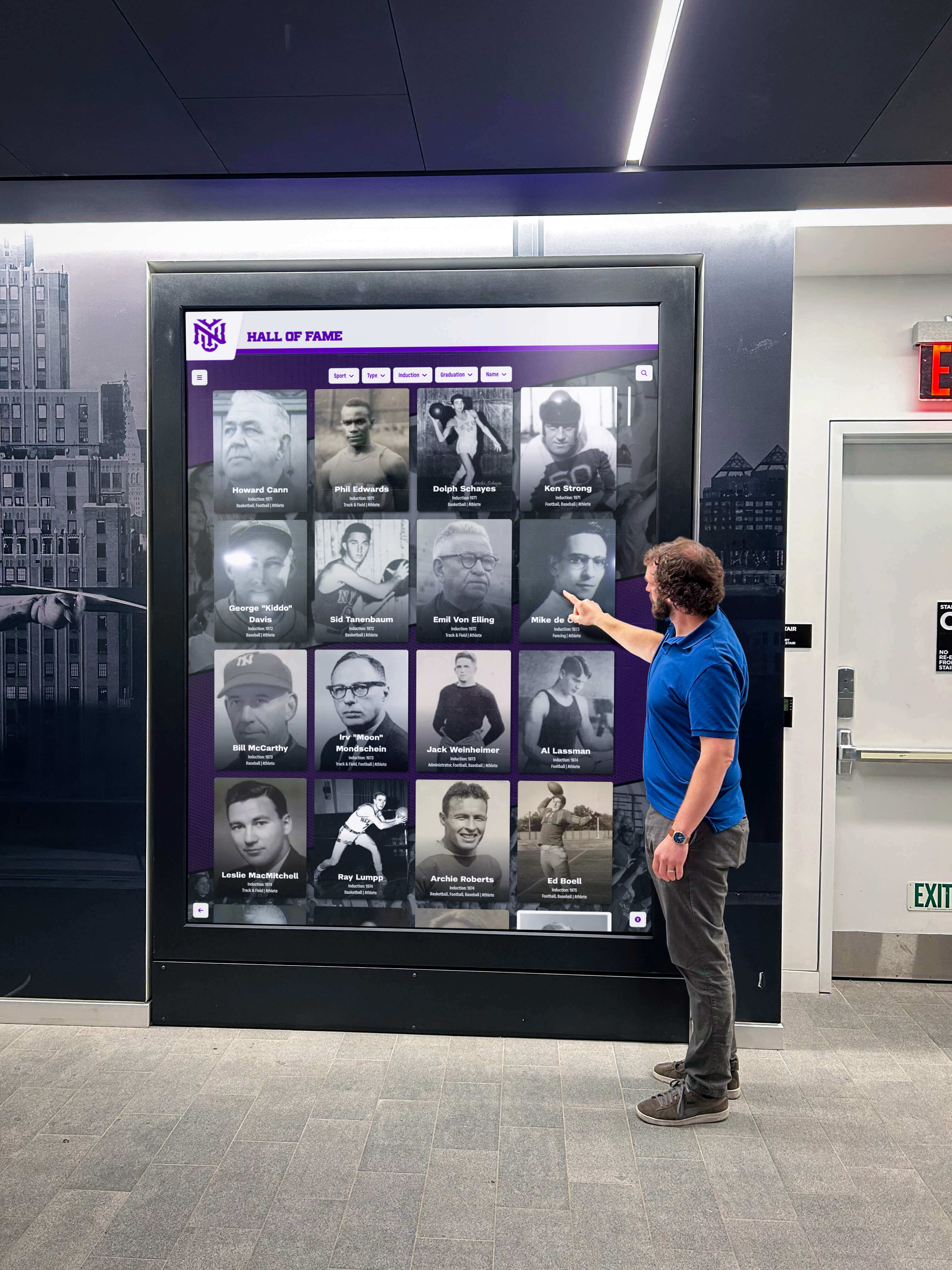
Recognition displays create engagement opportunities for families during campus visits and events
Theme-Based Welcome Back Initiatives
Cohesive themes create memorable experiences connecting diverse activities.
Selecting Effective Welcome Themes
Strategic themes align with institutional values while generating student enthusiasm:
Growth and Achievement Themes
- “New Year, New Heights”
- “Level Up Your Learning”
- “Write Your Story”
- “Chase Your Dreams”
- “Reach for the Stars”
- “Make Your Mark”
Community and Connection Themes
- “Stronger Together”
- “One School, One Community”
- “Building Bonds”
- “We Are [School Name]”
- “United in Excellence”
- “Community First”
Journey and Adventure Themes
- “Begin the Adventure”
- “Chart Your Course”
- “Epic Year Ahead”
- “Journey to Excellence”
- “Explore and Discover”
- “Navigate Your Future”
Implementing Cohesive Theme Elements
Once selected, themes should appear consistently throughout welcome initiatives:
Visual Theme Integration
- Entrance banners and signage incorporating theme language and imagery
- Classroom door decorations reflecting theme
- Assembly programs structured around theme concepts
- Digital display content incorporating theme messaging
- Social media content using theme hashtags and visuals
- Student handbook or agenda covers featuring theme design
Activity Theme Connection
- Opening assembly programs explicitly connecting to theme
- Spirit week activities reflecting theme concepts
- Classroom activities incorporating theme where appropriate
- Recognition categories or awards connected to theme values
- Student challenge initiatives aligned with theme aspirations
- Community service projects embodying theme commitments
Learn about creating comprehensive school culture initiatives that extend beyond opening events.
Staff Welcome and Preparation
Student-facing welcome initiatives succeed only when staff feel welcomed, prepared, and enthusiastic.
Staff Pre-Opening Events
Invest in staff experience before students arrive:
Welcome Back Staff Meetings
Professional gatherings establishing positive staff culture:
- Administrator welcome messages expressing appreciation and excitement
- Team-building activities strengthening collegial relationships
- Vision-casting for upcoming year connecting to mission and values
- Professional development preparing for instructional priorities
- Logistics review ensuring clarity about procedures and expectations
- Department or grade-level team meetings facilitating collaboration
Staff Recognition and Appreciation
Acknowledge educator contributions as year begins:
- Welcome back gifts (school-branded items, supplies, refreshments)
- Recognition of service milestones and years with institution
- New staff introduction and mentoring pair assignments
- Celebration of previous year accomplishments and achievements
- Staff appreciation initiatives demonstrating genuine gratitude
- Professional growth opportunities and support service introduction
Supporting Staff Preparation
Ensure teachers have resources and support for successful openings:
Classroom Preparation Time
- Adequate time before student arrival for room setup
- Custodial support ensuring clean, well-maintained spaces
- Technology setup and testing confirming systems function properly
- Material and supply distribution providing necessary resources
- Mentoring support for new teachers navigating preparations
- Administrative accessibility for questions and problem-solving
Opening Week Support
Reduce non-instructional burdens during critical initial days:
- Simplified administrative procedures during opening week
- Clear communication about expectations and procedures
- Technology support readily available for troubleshooting
- Counseling and support services easily accessible
- Additional staff presence in hallways during transitions
- Recognition that opening weeks require flexibility and grace
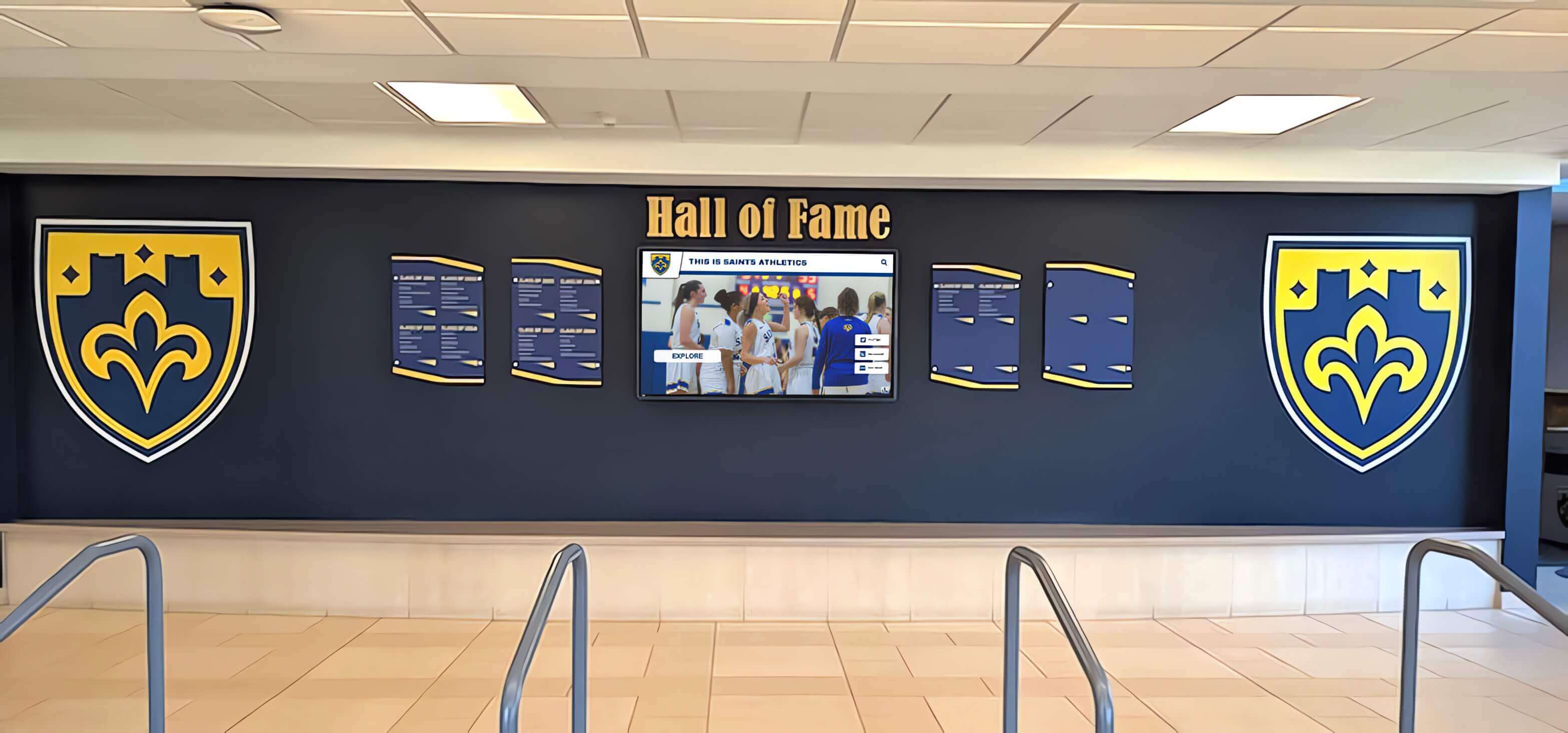
Professional entrance displays communicate institutional excellence to staff, students, and families
Sustaining Welcome Momentum
Welcome back energy must extend beyond opening days into sustained engagement throughout terms.
First-Week Extension Activities
Maintain enthusiasm through structured follow-through:
Daily Theme Activities
- Spirit dress-up days throughout first week
- Lunch activities or entertainment creating positive atmosphere
- After-school social events or open recreation opportunities
- Morning announcements highlighting daily themes and upcoming events
- Small incentives or recognitions for participation and positive behavior
- Community service or kindness challenges establishing values
Progressive Engagement Building
- Monday: School-wide community building assembly or activities
- Tuesday: Grade-level specific events and team building
- Wednesday: Club and activity recruitment fair
- Thursday: Academic focus activities and goal-setting
- Friday: Spirit celebration and first-week reflection
First-Month Sustained Strategies
Extend positive opening beyond initial week:
Recognition Programs Launch
Implement recognition initiatives building on opening excitement:
- Academic recognition for first-quarter or first-semester goals
- Character and citizenship spotlights celebrating positive behaviors
- Athletic season kickoff events generating team and spectator enthusiasm
- Arts and activities showcases demonstrating program quality
- Community service recognition honoring student volunteers
- Perfect attendance celebrations maintaining consistency expectations
Community Building Continuation
Regular activities maintaining relationship momentum:
- Weekly spirit activities (themed dress days, competitions, challenges)
- Lunch-time entertainment or activities creating positive social spaces
- After-school events appealing to diverse student interests
- Parent engagement opportunities continuing family connection
- Student leadership initiatives giving students voice and ownership
- Staff appreciation maintaining educator morale and recognition
Explore approaches to sustaining school culture initiatives throughout academic years.
Measuring Welcome Back Initiative Success
Assessment ensures continuous improvement and resource allocation justification.
Quantitative Success Indicators
Engagement Metrics
- Assembly and event attendance rates
- First-week attendance compared to typical rates
- Activity and club sign-up numbers
- Digital display interaction data
- Social media engagement (likes, shares, comments)
- Volunteer participation in welcome activities
Climate Indicators
- Disciplinary referral rates during opening weeks
- Counseling office visit patterns
- Academic engagement measures (homework completion, class participation)
- Student check-in/check-out data
- Family communication frequency
- Staff morale indicators
Qualitative Assessment
Stakeholder Feedback
- Student surveys about welcome experiences and suggestions
- Parent feedback about communication and events
- Staff reflections on preparation and support quality
- Student focus groups exploring specific initiative elements
- Observation data from administrators and leadership
- Informal feedback through multiple channels
Continuous Improvement Process
- Review assessment data identifying what worked well and improvement areas
- Celebrate successful elements while learning from challenges
- Adjust future planning based on feedback and metrics
- Share effective practices with broader educational community
- Document successful strategies for institutional memory
- Allocate resources toward highest-impact initiatives
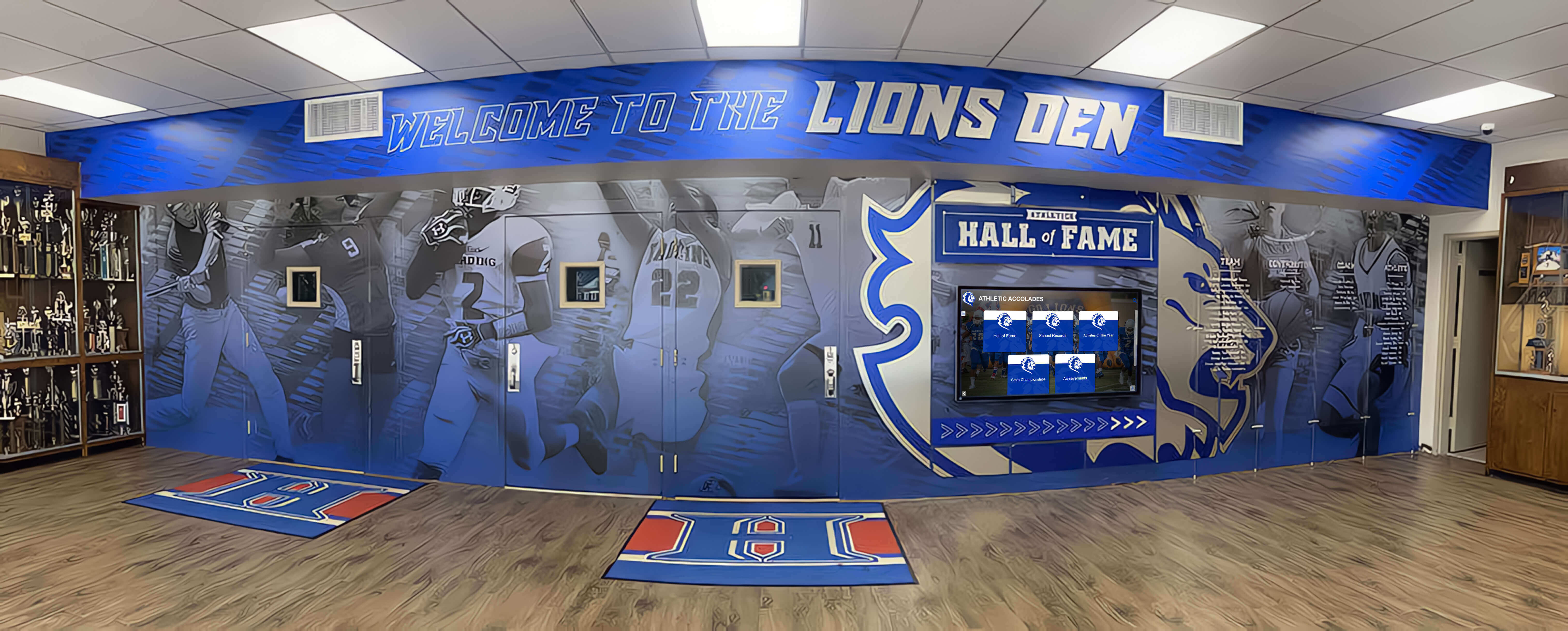
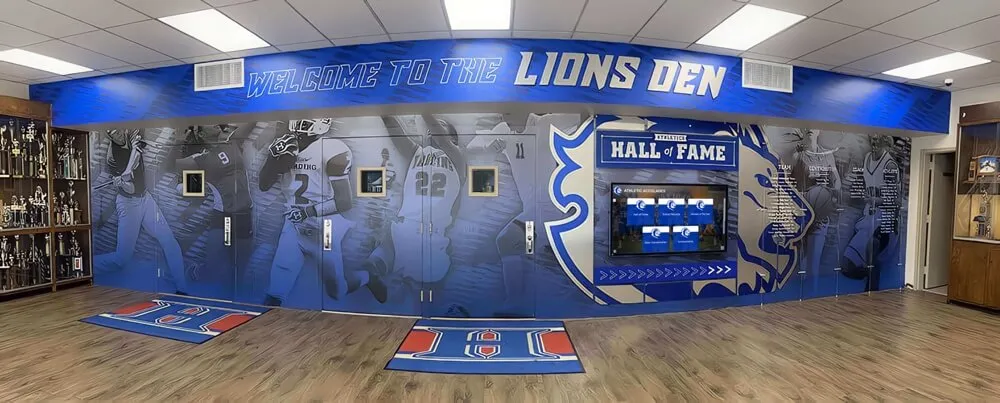
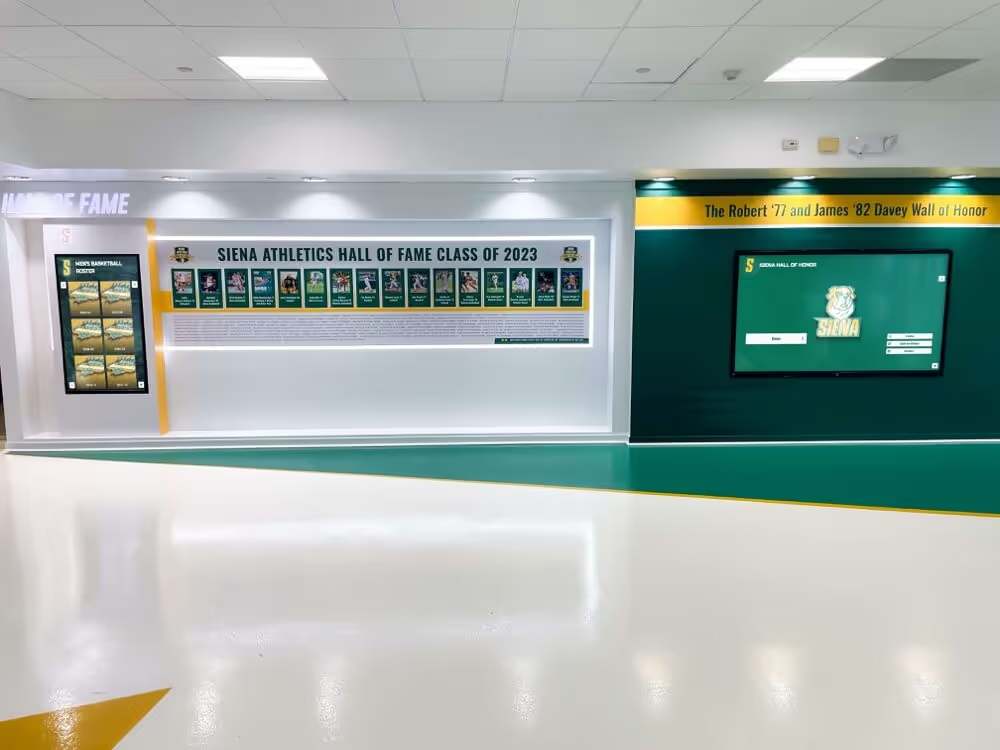
Heritage displays connect students to institutional legacy while celebrating tradition and excellence
Special Considerations for Different Return Scenarios
Welcome back strategies should adapt to specific circumstances and timing.
Beginning New Academic Year (Fall)
Traditional school year openings require comprehensive approaches:
- Summer break reconnection after extended time apart
- New student integration requiring systematic support
- Grade-level transitions (elementary to middle, middle to high)
- Senior class special recognition and privilege introduction
- Complete facilities and program orientation for all students
- Family engagement events introducing parents to new year
Post-Winter Break Return (January)
Mid-year returns require different emphasis:
- Shorter welcome period before regular instruction resumes
- Focus on renewed motivation and fresh start opportunities
- Second semester or new term goal-setting
- Recognition of first semester achievements
- Preview of spring events and opportunities
- Less comprehensive orientation (relationships and procedures already established)
Post-Spring Break Return
Brief break returns need minimal but meaningful recognition:
- Quick reconnection activities in classrooms
- Digital displays highlighting upcoming end-of-year events
- Motivation for final academic push toward year completion
- Recognition of recent spring achievements (athletic seasons, competitions, performances)
- Testing preparation and academic support reminders
- Final-term goal reinforcement
Special Circumstances
Returning After Extended Closures
Unique situations require adapted approaches:
- Explicit acknowledgment of challenges faced during closure
- Mental health and well-being emphasis
- Relationship rebuilding as primary priority
- Flexible academic expectations during transition
- Enhanced family communication about support services
- Celebration of resilience and adaptation
Implementation Roadmap
Strategic planning ensures comprehensive, sustainable welcome back programming.
Planning Timeline
Two Months Before Return
- Form planning committee including administrators, teachers, students, and families
- Review previous welcome back feedback and assessment data
- Establish theme if using cohesive approach
- Budget allocation for materials, technology, and programming
- Initial planning for major events (assemblies, family events, orientation)
- Begin staff recruitment for volunteer roles
One Month Before Return
- Finalize event details and logistics
- Create or update digital recognition content
- Prepare visual environment materials (banners, posters, decorations)
- Schedule student leadership training and orientation
- Prepare communication materials for families
- Order supplies and materials needed for activities
Two Weeks Before Return
- Staff preparation and welcome back professional development
- Physical environment setup (displays, decorations, signage)
- Digital platform content publication and testing
- Student ambassador training completion
- Communication distribution to families
- Final logistics confirmation for all events
First Week of Return
- Daily activities and events execution
- Ongoing communication and celebration
- Problem-solving and adjustment as needed
- Photo and video documentation for future reference
- Recognition of volunteers and participants
- Assessment data collection beginning
First Month Follow-Up
- Assessment review and initial feedback gathering
- Thank you communications to all participants
- Sustained activity planning and implementation
- Documentation of successes and learning
- Recognition of outstanding contributors
- Adjustment of ongoing initiatives based on feedback
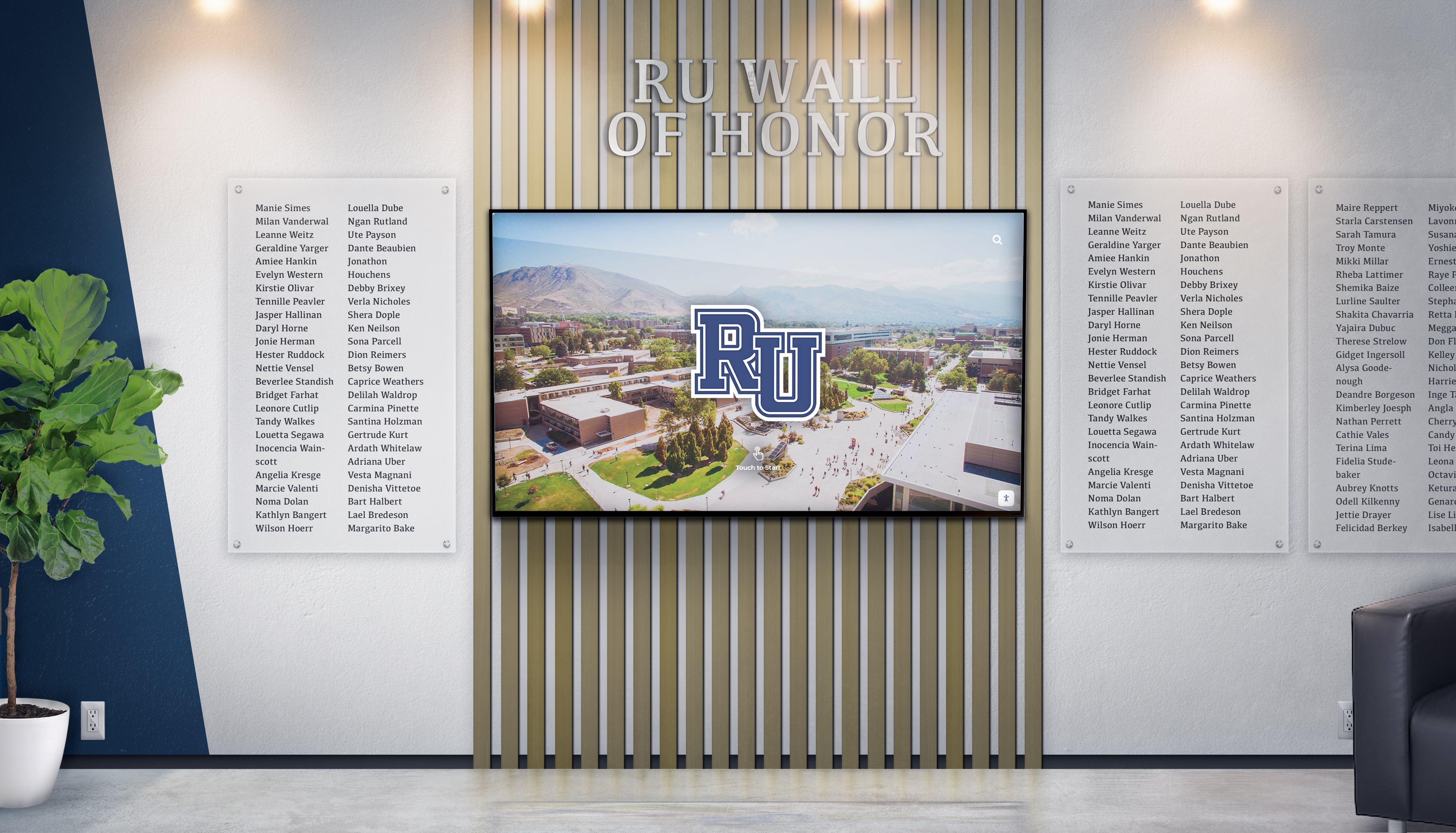
Integrated recognition systems combine traditional and digital elements for comprehensive celebration
Budget Considerations and Resource Allocation
Effective welcome back initiatives require strategic resource investment balanced with fiscal responsibility.
High-Impact, Low-Cost Strategies
Many powerful strategies require minimal financial resources:
Relationship and Community Building
- Student-led welcome activities (cost: staff time for training)
- Classroom door decorations using existing supplies
- Digital communications through existing platforms
- Assembly programs featuring student and staff talent
- Peer mentoring and buddy systems
- Recognition programs beginning with simple acknowledgment
Visual Environment Enhancements
- Printed banners and posters (modest printing costs)
- Student-created artwork and displays
- Strategic arrangement of existing recognition materials
- Digital display content updates using existing hardware
- Hallway bulletin boards with welcoming themes
- Classroom environment improvements using available resources
Strategic Technology Investment
While budget-conscious approaches create impact, strategic technology investment amplifies reach and sustainability:
Digital Recognition Platforms
Solutions like Rocket Alumni Solutions provide comprehensive digital recognition capabilities transforming how schools welcome students and celebrate achievement:
- Immediate content updates ensuring welcome messaging and recognition stay current
- Unlimited recognition capacity celebrating all achievements regardless of space constraints
- Professional presentation quality maintaining consistency and institutional excellence
- Multi-year sustainability providing value far beyond single welcome back event
- Remote management enabling updates without physical installation requirements
- Interactive engagement creating exploration opportunities during welcome periods
These platforms serve welcome back needs while providing year-round recognition infrastructure strengthening ongoing school culture and community.
Conclusion: Creating Memorable Welcome Experiences That Last
Welcome back to school initiatives represent far more than routine administrative obligations—they establish the relational foundation, cultural tone, and community connection that influence everything from academic engagement to behavioral climate to long-term student outcomes. When schools approach these critical transitions strategically through comprehensive recognition programming, thoughtful environmental design, authentic relationship-building opportunities, and systematic attention to both logistics and emotional experience, they create memorable beginnings that generate momentum lasting throughout entire academic terms.
The strategies explored in this guide provide practical frameworks for transforming welcome back events from checkbox activities to powerful community-building experiences that genuinely excite students about returning to school. From digital recognition systems showcasing unlimited achievements to student-led welcome committees creating authentic peer connections, these approaches address the multiple dimensions that collectively create positive, engaging educational environments.
Ready to transform your welcome back to school celebrations with recognition displays that showcase achievement and build community pride? Modern recognition solutions help schools create engaging environments that communicate excellence while welcoming students to positive learning communities. Solutions like Rocket Alumni Solutions provide comprehensive digital platforms specifically designed for educational institutions, combining unlimited recognition capacity with intuitive content management and professional hardware creating lasting impressions on students, families, and entire school communities.
Whether planning fall semester openings, January returns, or ongoing welcome strategies for new students throughout the year, success requires authentic commitment to relationship building, strategic planning addressing both logistics and emotional experience, visual environment investment communicating institutional priorities, student leadership involvement ensuring authentic peer connection, and recognition that welcome extends far beyond opening day speeches into sustained culture of belonging.
Your students deserve welcome back experiences reflecting your school’s commitment to excellence, community, and genuine care for every individual. With thoughtful planning, appropriate technology investment where beneficial, and authentic focus on relationships over routines, you can create opening experiences that students genuinely look forward to rather than merely tolerate.
Start with improvements you can implement immediately—updating recognition displays with current achievements, training student ambassadors for peer welcome, creating warmer classroom environments, improving family communication—then systematically build toward comprehensive approaches your community deserves. The most important element isn’t budget size or elaborate programming—it’s genuine commitment to creating environments where every student feels welcomed, valued, and excited about the learning and growth opportunities ahead.
Every student who begins a school term feeling welcomed and connected demonstrates better engagement, stronger relationships, and more positive academic and behavioral outcomes. Every family who experiences clear communication and institutional warmth becomes stronger educational partner. Your school’s success depends on the community culture you create—make welcoming students back your strategic priority and foundational commitment to excellence.