



Air traffic controllers carry one of the most demanding and critical responsibilities in modern aviation—safely coordinating thousands of aircraft daily through complex airspace systems, preventing collisions, managing emergency situations, and ensuring millions of passengers reach their destinations safely. Behind every successful flight lies the expertise, quick thinking, and unwavering professionalism of air traffic controllers who work under intense pressure in high-stakes environments where split-second decisions can mean the difference between routine operations and catastrophic outcomes.
Yet despite their essential role in aviation safety, air traffic controllers often work behind the scenes with limited public visibility. Their contributions deserve systematic recognition that acknowledges both routine excellence and extraordinary performance during challenging situations. When aviation organizations implement comprehensive recognition programs, they boost controller morale, reinforce safety culture, improve retention in a profession facing workforce challenges, and strengthen the entire aviation safety system.
This comprehensive guide explores effective ways to recognize air traffic controllers, from formal industry awards and digital recognition displays to peer-nominated programs and meaningful day-to-day appreciation strategies. Whether you’re managing an air traffic control facility, leading an aviation organization, or seeking to honor controllers who serve your airport or region, these evidence-based approaches help create recognition systems that genuinely resonate with the professionals who keep our skies safe.
Air traffic control represents a unique profession combining extraordinary technical expertise, constant vigilance, effective communication under pressure, and responsibility for countless lives—all while working irregular schedules in windowless facilities. Recognizing these professionals appropriately requires understanding what motivates them and how recognition programs can reinforce the safety culture and operational excellence that define outstanding air traffic control performance.

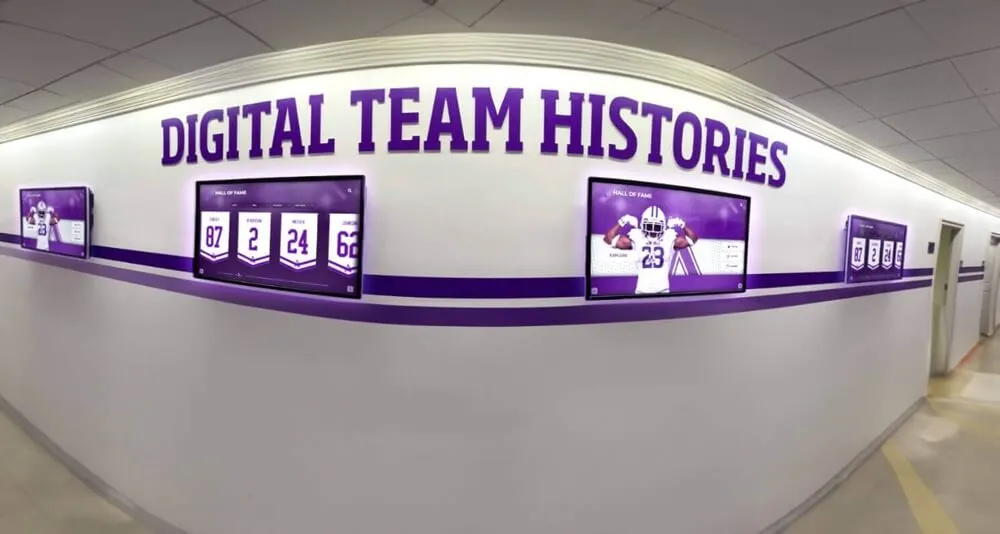
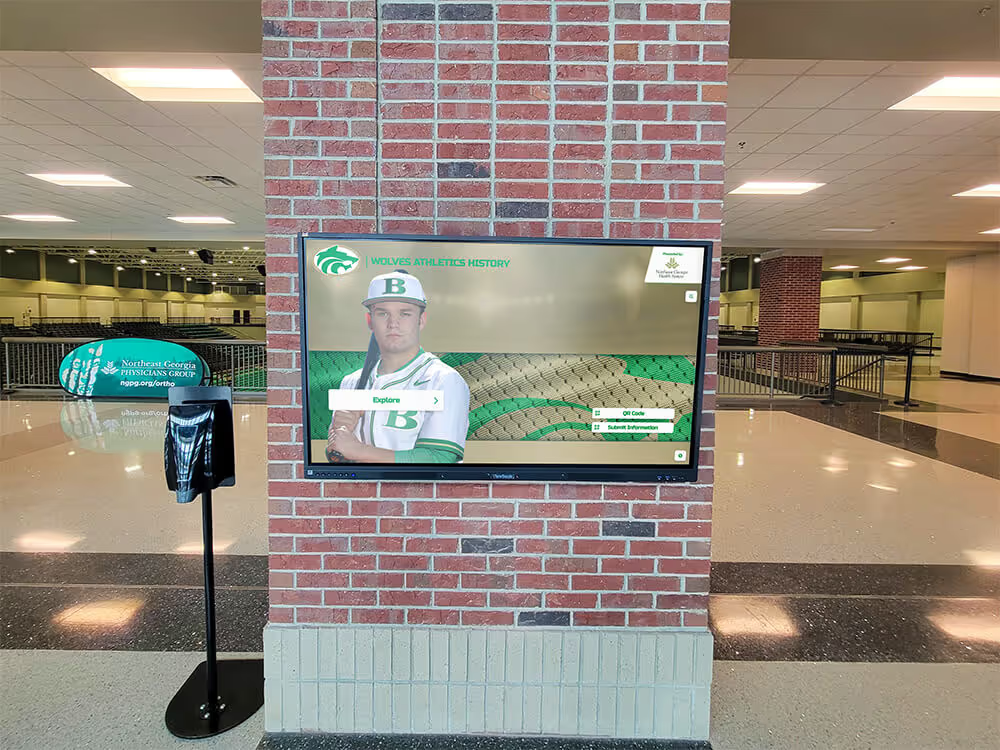
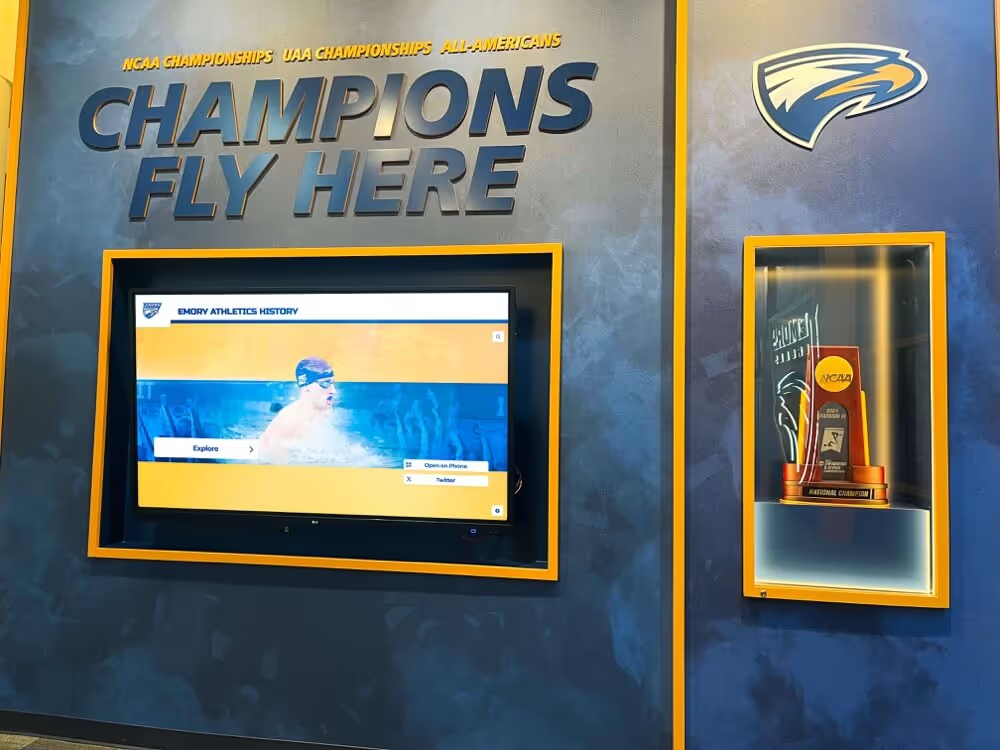
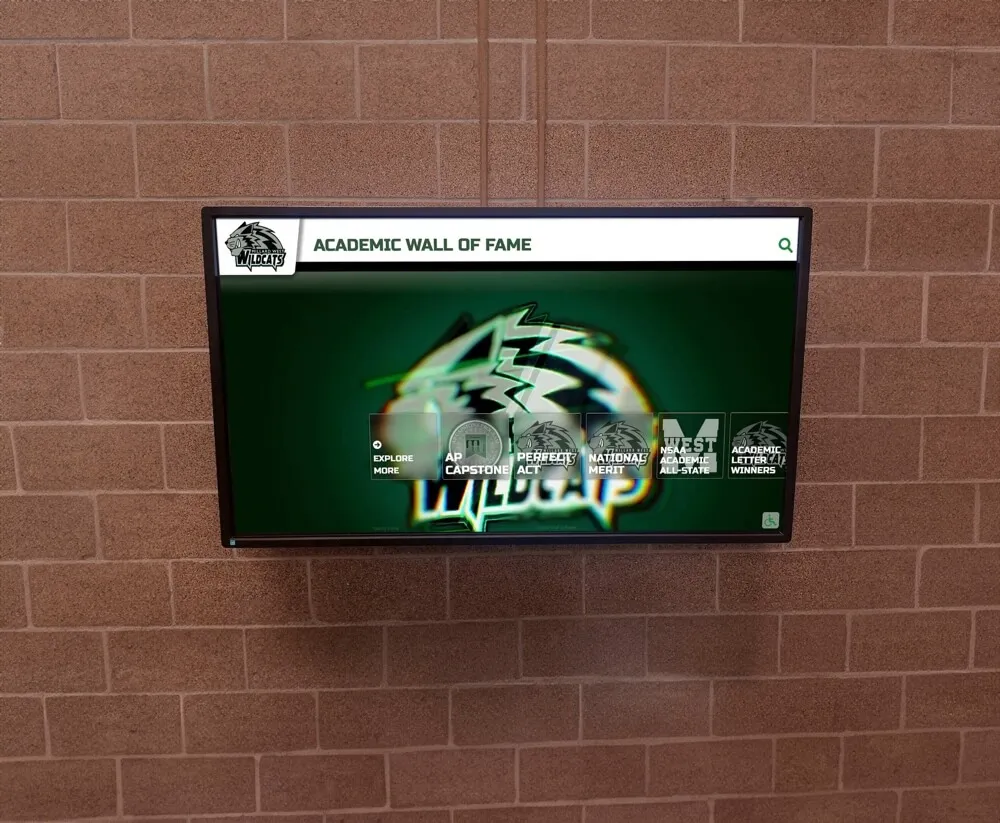
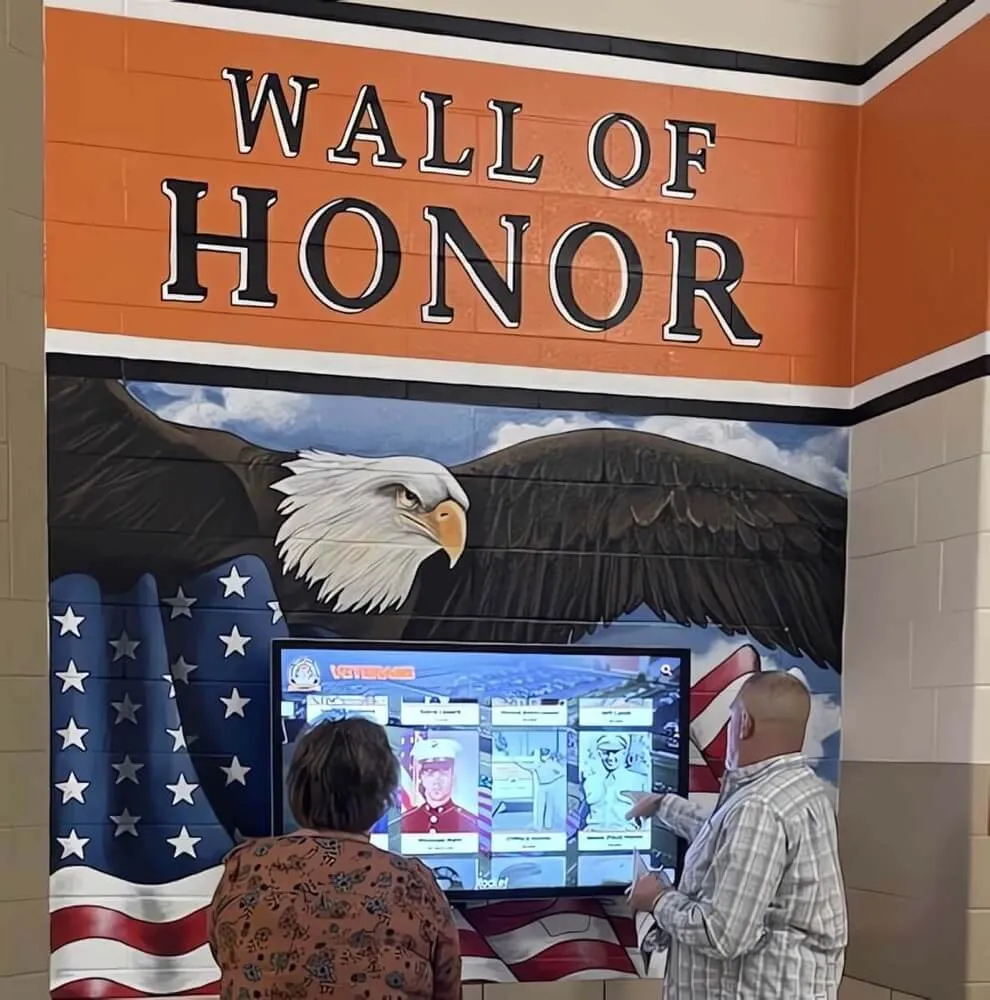
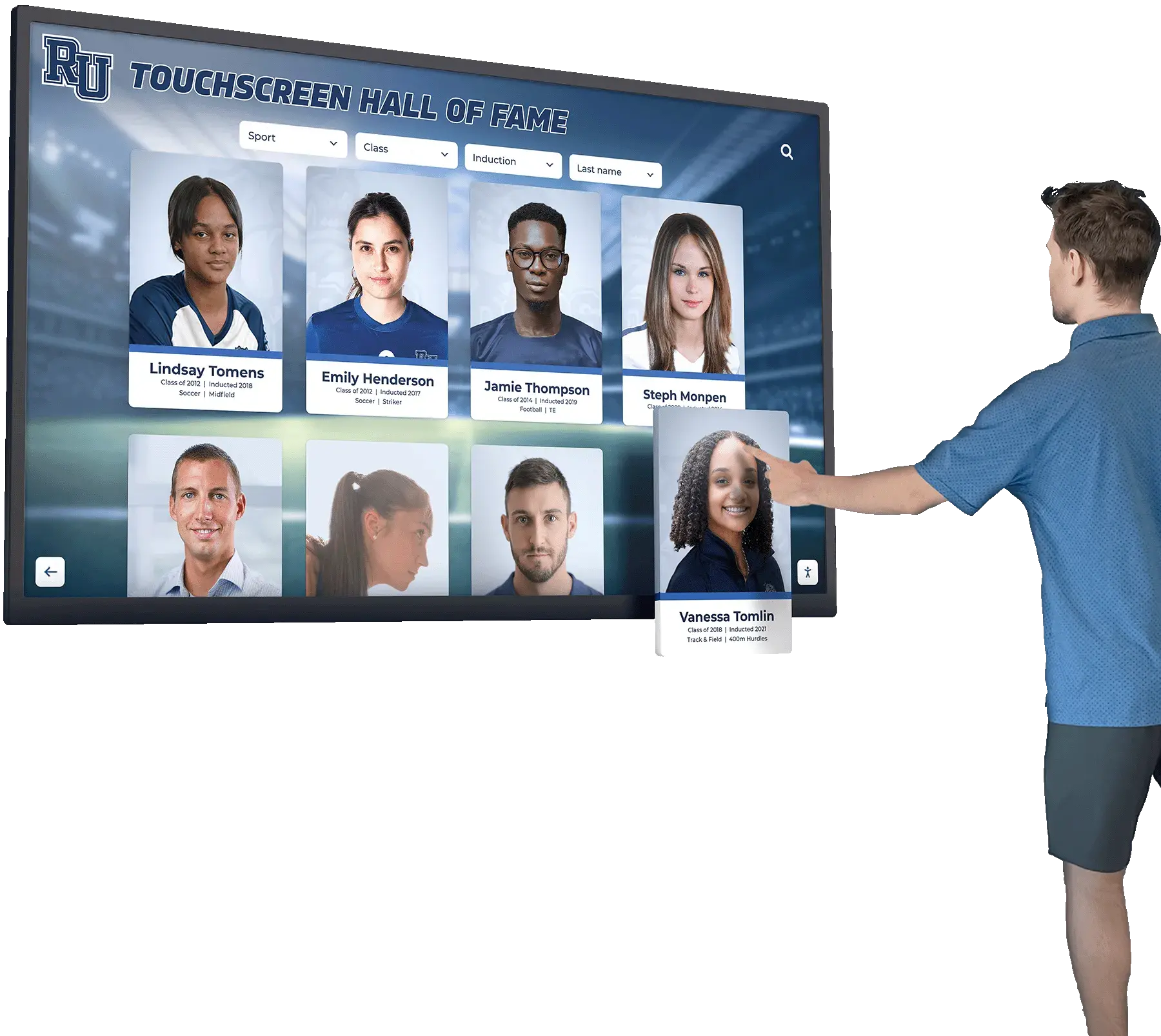
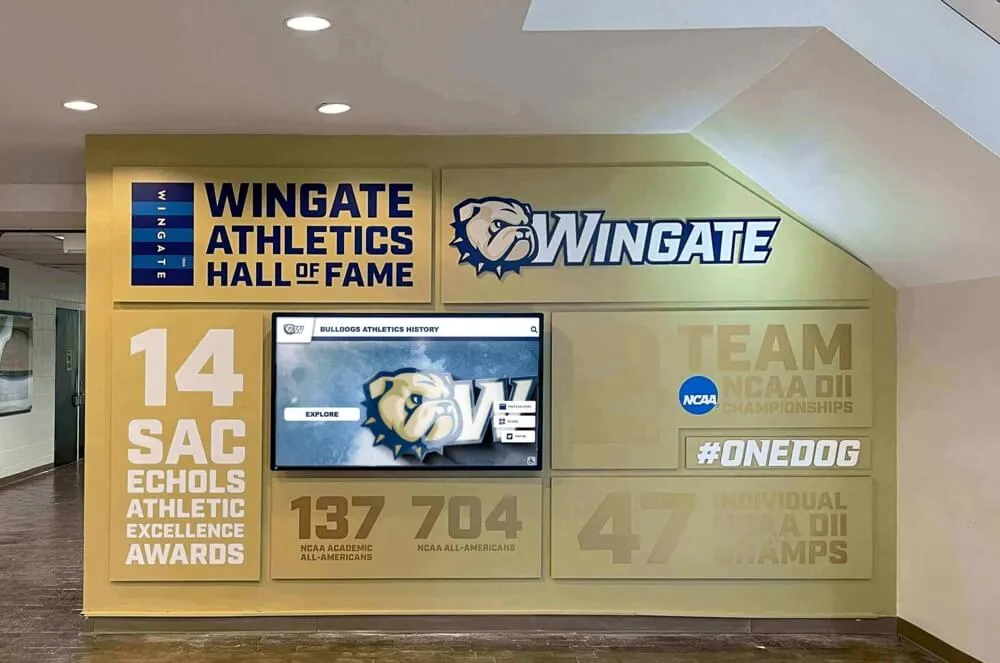
Modern recognition displays enable aviation organizations to honor air traffic controllers through professional, visible installations
The Importance of Recognizing Air Traffic Controllers
Understanding why air traffic controller recognition matters helps organizations design programs that deliver maximum impact while strengthening operational culture and workforce stability.
Addressing Unique Professional Challenges
Air traffic controllers face distinctive workplace pressures that make recognition particularly valuable:
High-Stakes Decision Making Every working hour involves decisions with safety implications. Controllers coordinate aircraft separations, sequence arrivals and departures, manage weather deviations, respond to pilot requests, and handle emergency situations—all requiring rapid assessment and precise communication. This constant responsibility creates cognitive demands that few professions match.
Sustained Vigilance Requirements Controllers maintain continuous situation awareness across their assigned airspace, monitoring multiple aircraft simultaneously while anticipating conflicts before they develop. This level of sustained attention demands exceptional concentration over multi-hour shifts.
Irregular Scheduling Impacts Many air traffic facilities operate 24/7/365, requiring controllers to work rotating shifts including nights, weekends, and holidays. These schedules disrupt normal sleep patterns and complicate family life, creating personal sacrifices that recognition can acknowledge.
Limited Public Visibility Unlike pilots who interact directly with passengers or maintenance crews visible on ramps, controllers work in secured facilities with minimal public contact. Their critical contributions often go unnoticed by the traveling public who depend on them.
Recognition programs address these challenges by validating the difficulty of controller work, acknowledging sacrifices made, creating positive reinforcement in demanding environments, and providing tangible evidence that leadership values controller contributions.
Benefits of Systematic Recognition
Well-designed recognition programs deliver measurable benefits across multiple organizational dimensions:
Workforce Retention The aviation industry faces significant air traffic controller workforce challenges, with retirement waves and training pipeline constraints creating staffing pressures. Recognition programs improve job satisfaction, strengthen organizational commitment, and reduce voluntary turnover among controllers who might otherwise seek less demanding careers.
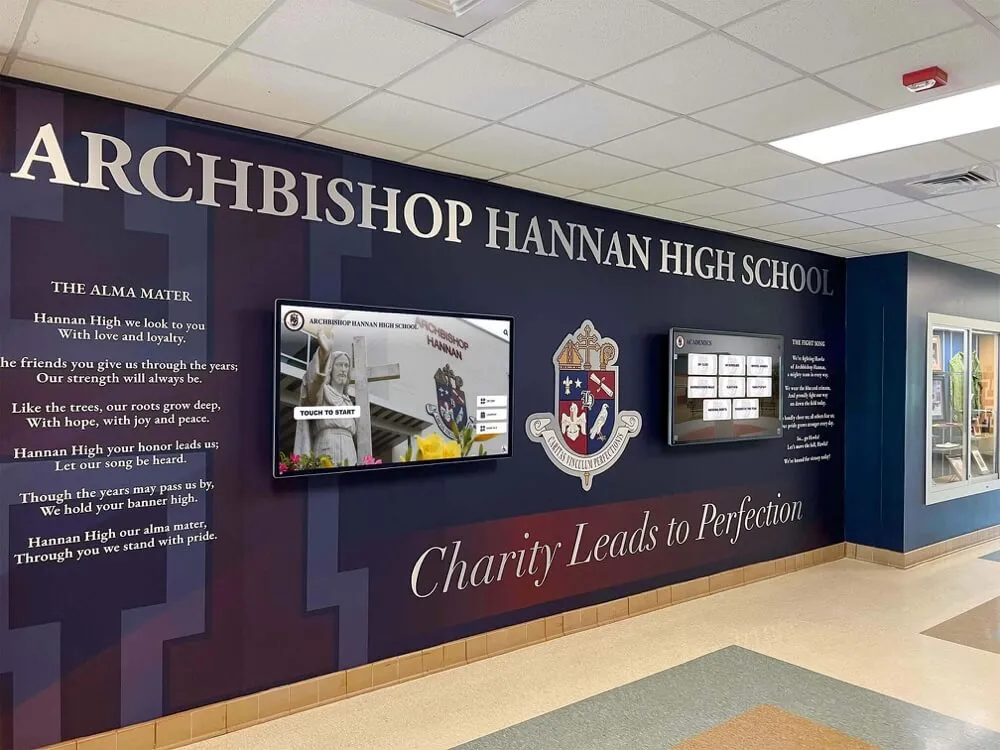
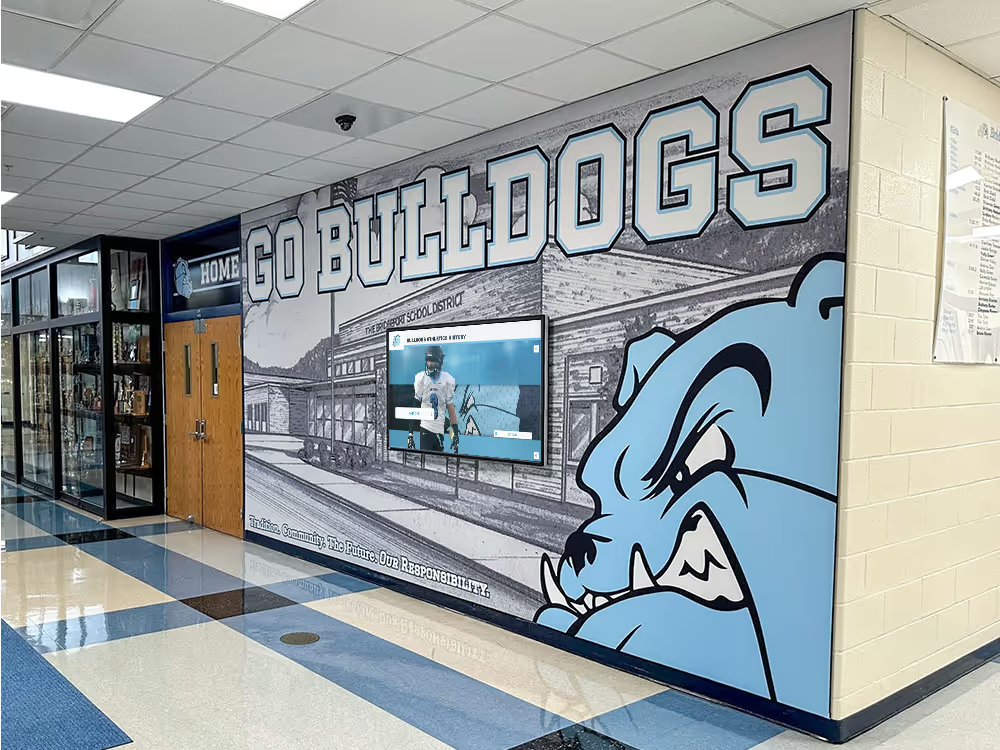
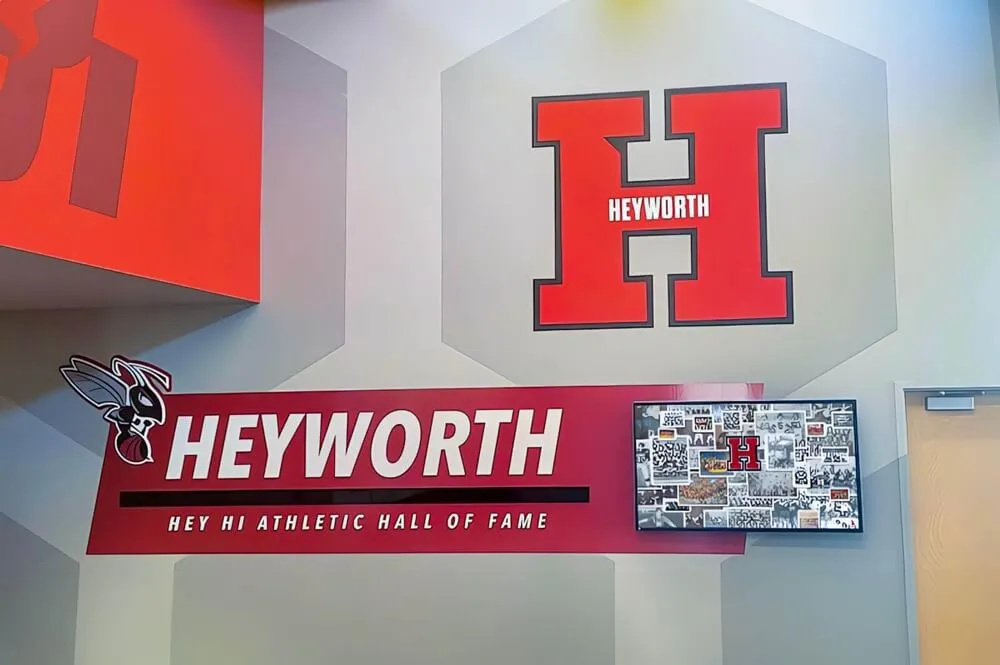
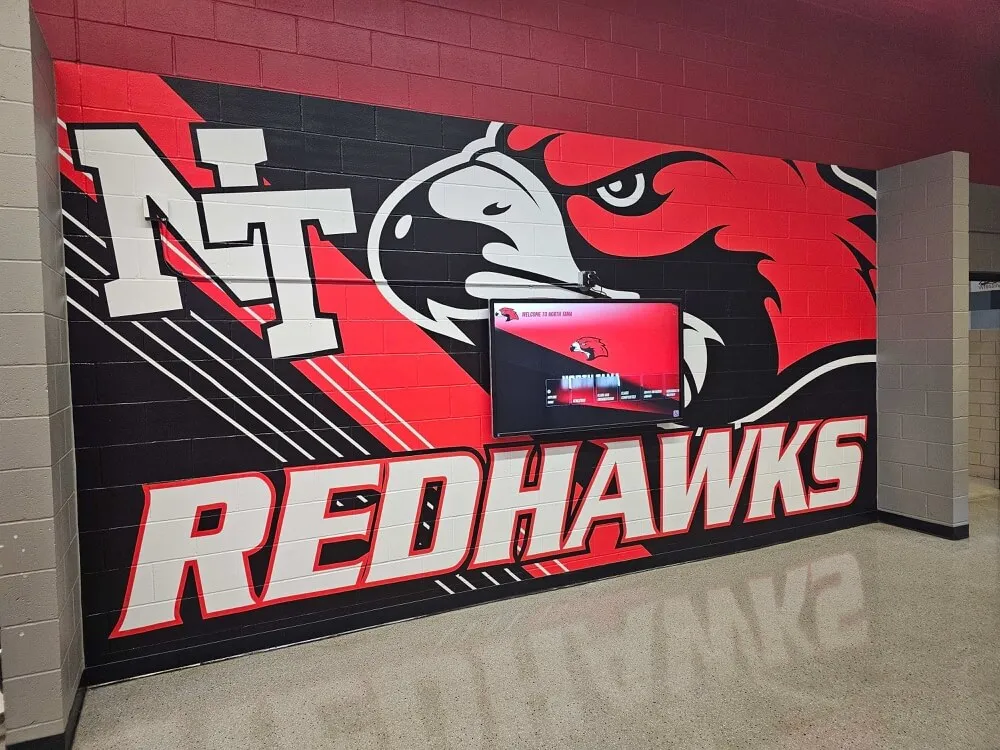
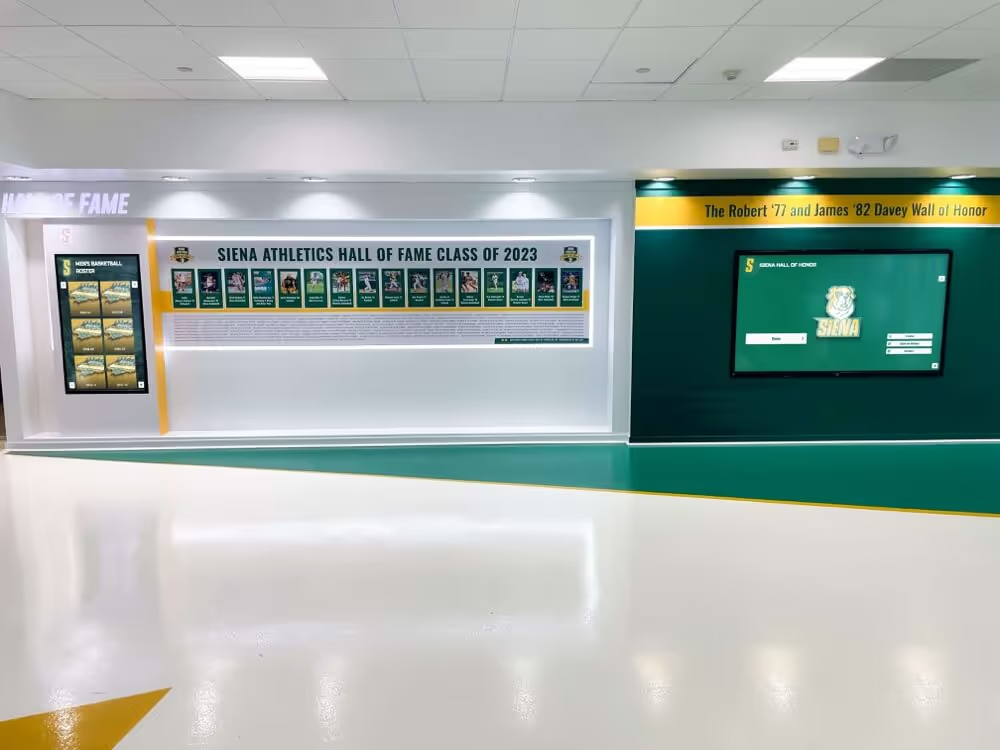
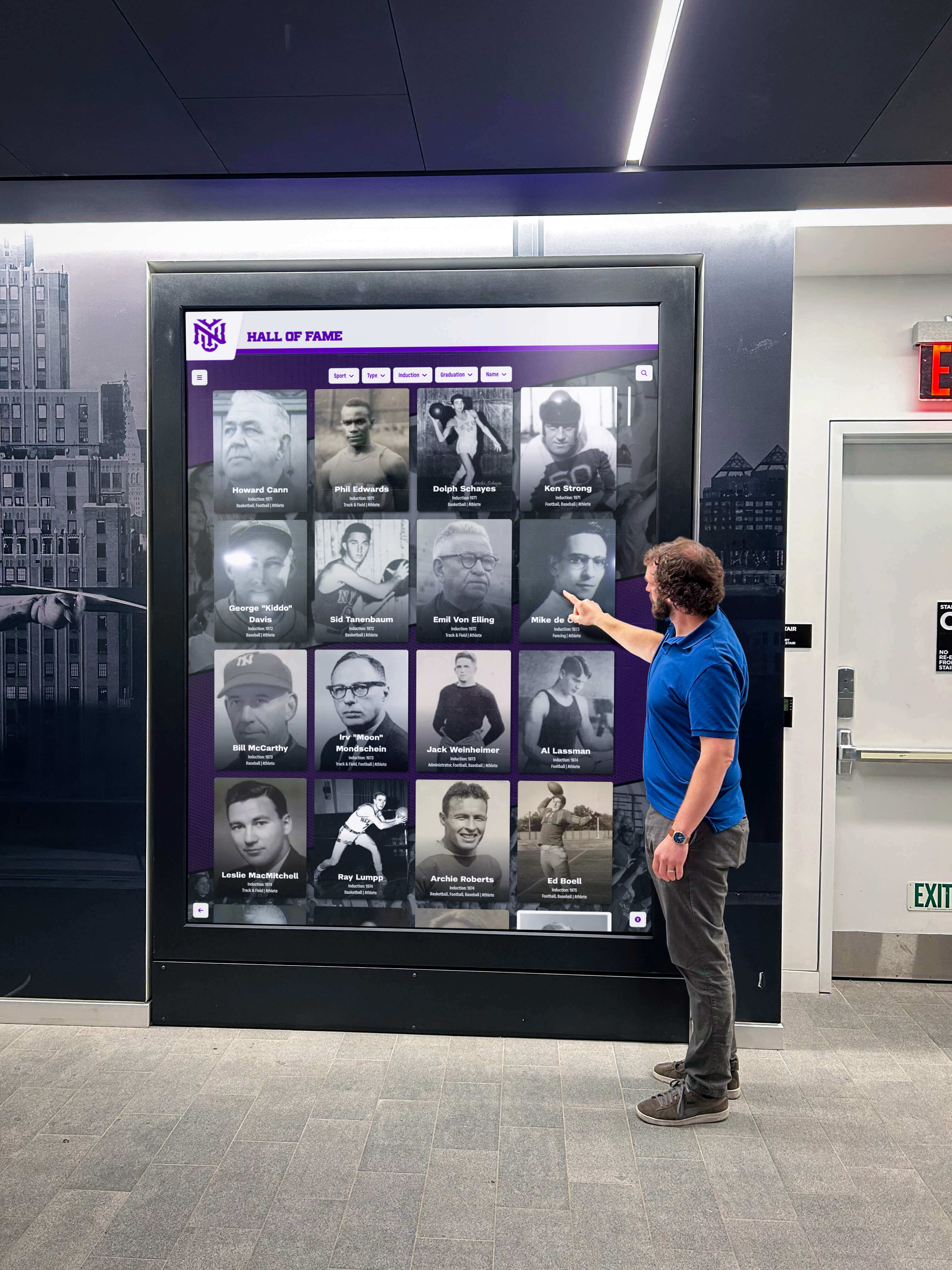
Recognition displays celebrate professionals who serve their communities with excellence and dedication
Safety Culture Reinforcement Recognition that specifically acknowledges safety-focused behaviors reinforces organizational priorities. When controllers receive recognition for outstanding situational awareness, effective communication, or proper protocol adherence, it strengthens the culture of safety that underlies effective air traffic control operations.
Morale and Engagement Controllers who feel valued demonstrate higher engagement levels, more positive attitudes toward organizational changes, greater willingness to mentor newer controllers, and stronger connections with facility and FAA mission. Recognition contributes directly to the positive work environment essential in high-stress professions.
Peer Culture Development Recognition programs create opportunities for controllers to acknowledge exceptional work by colleagues, strengthening the collaborative culture essential to effective air traffic control. When peers recognize each other’s excellence, it builds mutual respect and reinforces professional standards.
Formal Air Traffic Controller Recognition Programs
Several established aviation organizations administer formal recognition programs specifically designed to honor air traffic controller excellence across different performance dimensions.
The Archie League Medal of Safety Award
The most prestigious recognition for air traffic controllers, the Archie League Medal of Safety Award honors outstanding “saves”—situations where controller actions prevented potential accidents or serious incidents. Named for Archie League, recognized as the first air traffic controller, this award exemplifies what makes air traffic control vital to aviation safety.
Program Structure The National Air Traffic Controllers Association (NATCA) administers this program annually, with each NATCA region selecting one outstanding save from nominations submitted throughout the year. Regional winners compete for the national Archie League Medal, awarded at the annual NATCA convention.
Recognition Criteria Award nominations typically involve situations where controllers detected and resolved potential collision conflicts, provided critical assistance during aircraft emergencies, managed complex traffic situations preventing cascading problems, demonstrated exceptional situational awareness under pressure, or took actions that directly prevented accidents or serious incidents.
These recognitions acknowledge the quick thinking, professional expertise, and decisive action that represent air traffic control at its best, providing concrete examples of how controller skill directly impacts aviation safety.
Implementation Value Organizations should systematically nominate eligible controllers for Archie League consideration, celebrate nominees and winners within facilities through multiple channels, document recognition stories for internal communications and safety training, and use award examples to reinforce desired safety behaviors across controller workforce.

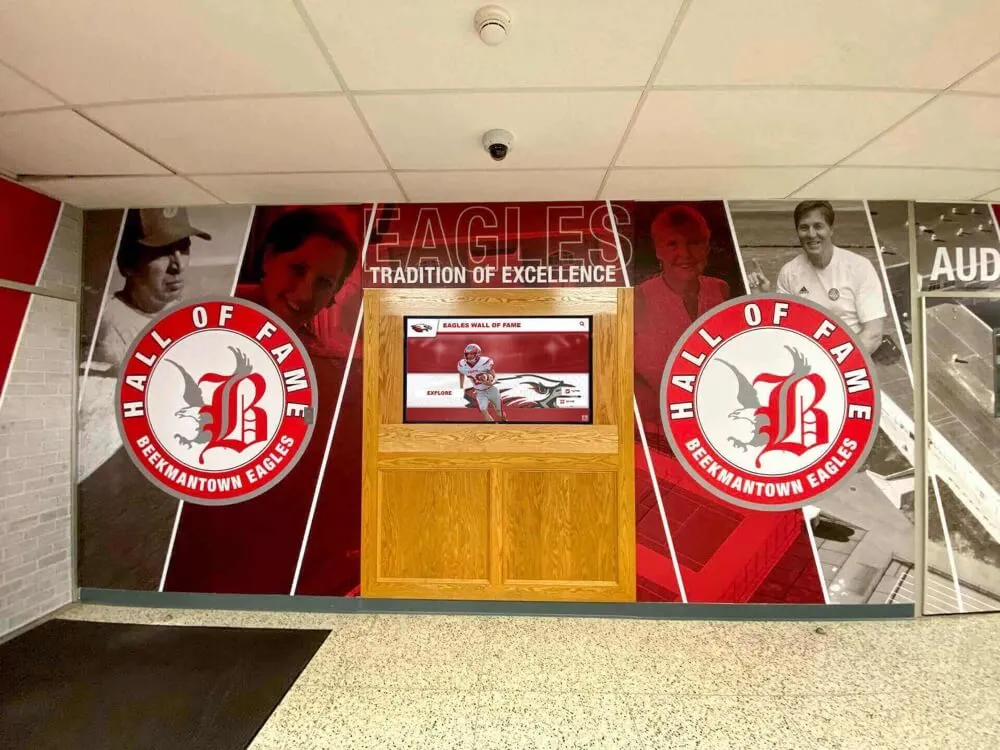
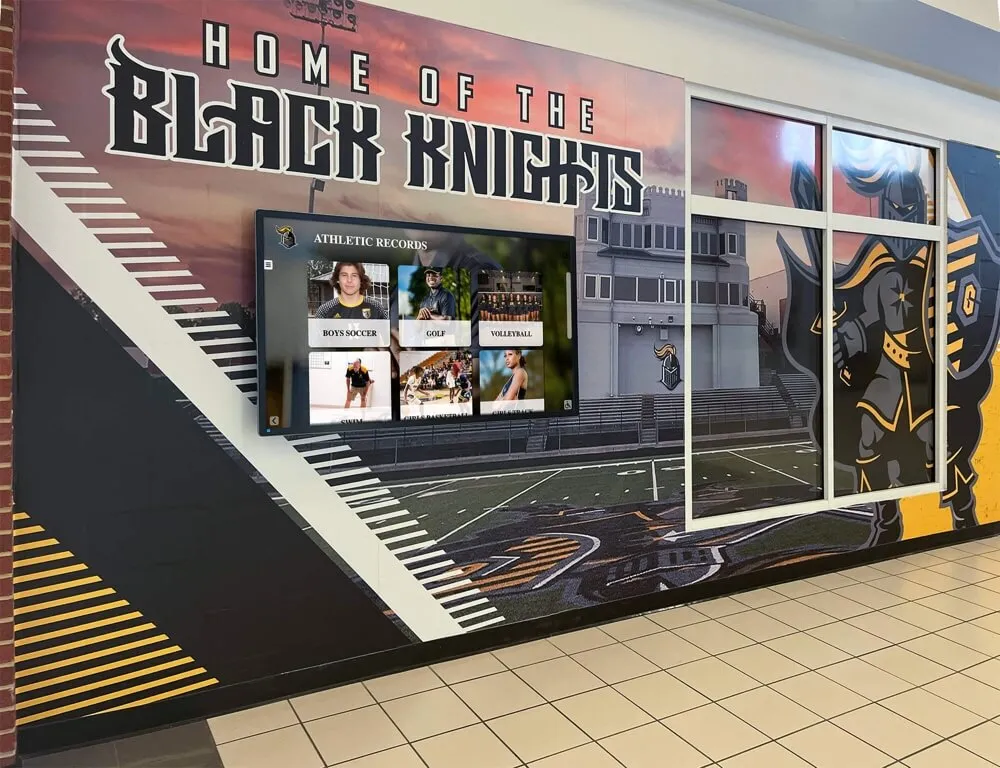
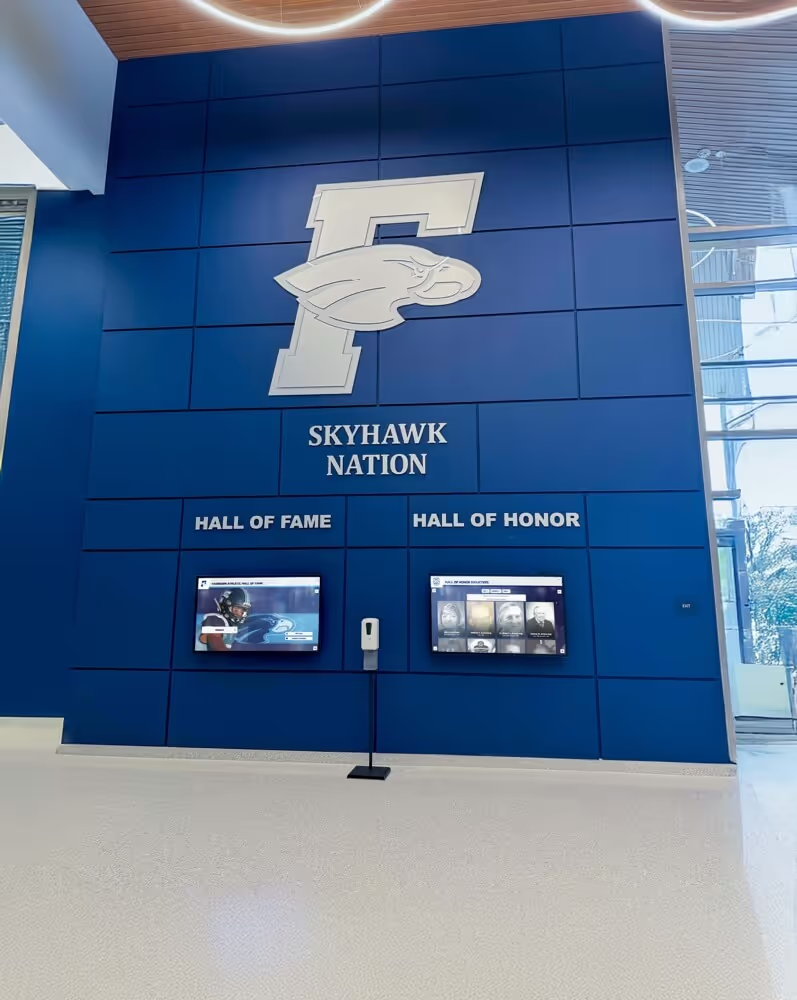
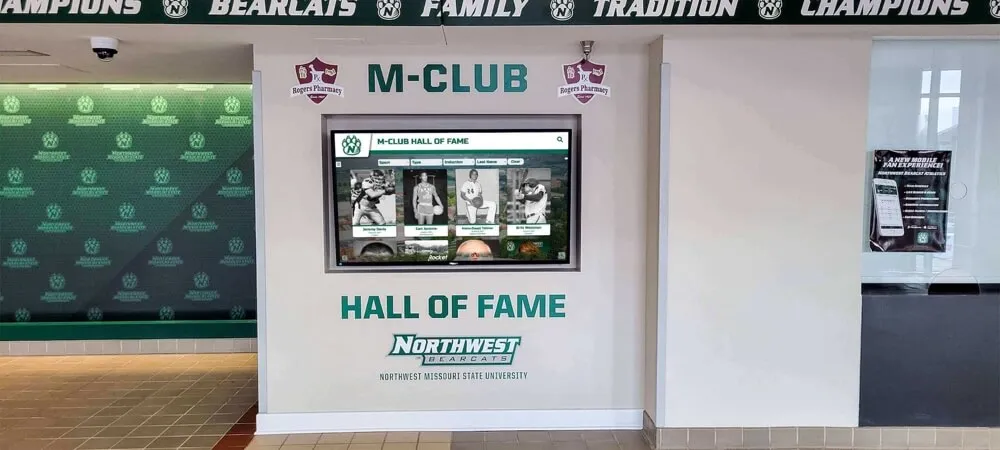
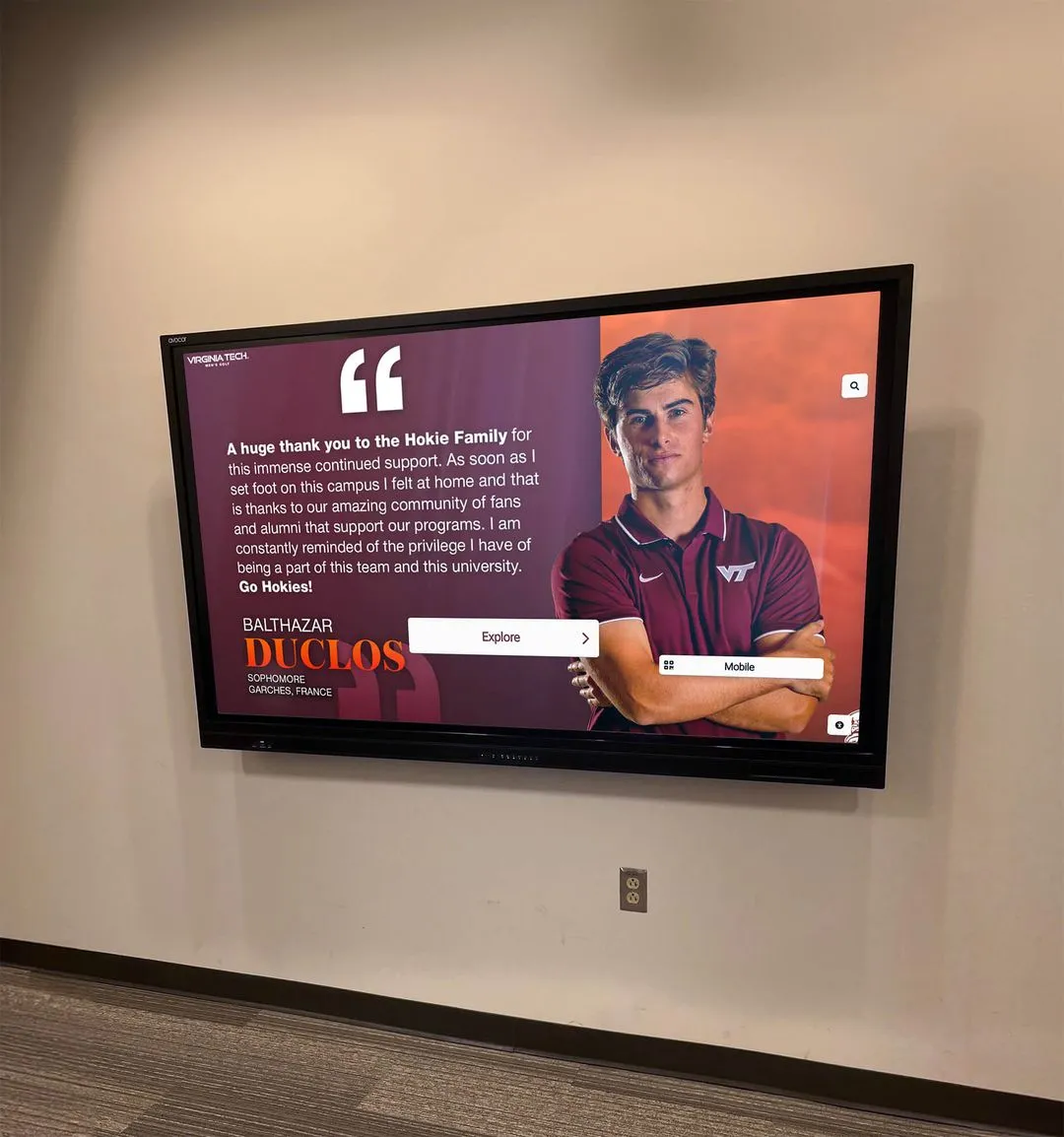
Interactive recognition systems enable aviation facilities to showcase controller achievements in high-traffic areas
ATCA Awards for Air Traffic Controllers
The Air Traffic Control Association (ATCA) administers multiple award programs recognizing various aspects of air traffic control excellence beyond emergency response situations.
ATCA Recognition Categories Several ATCA awards honor air traffic controllers and air traffic management professionals including outstanding civilian ATC manager recognition, excellence in aviation traffic management, contributions to air traffic control system development, and NAS (National Airspace System) safety achievements.
These diverse award categories ensure recognition opportunities exist for controllers at different career stages and in various specializations—from frontline operational controllers to supervisors, trainers, and those contributing to system improvements.
Nomination and Selection Process ATCA awards typically involve formal nomination processes where colleagues, supervisors, or aviation organizations submit detailed documentation of candidate achievements. Selection committees evaluate nominations based on specific criteria appropriate to each award category.
Organizations should identify potential nominees during annual performance review cycles, provide support for preparing comprehensive nomination packages, celebrate all nominees regardless of final award outcomes, and publicize award recipients through internal and external communications.
Strategic Recognition Value ATCA awards provide external validation of controller excellence that extends beyond facility or agency recognition. These industry-level awards enhance professional reputations, demonstrate organizational commitment to excellence, provide content for recruitment and retention messaging, and connect individual facilities with broader aviation community.
Regional and Local Recognition Programs
Many aviation organizations develop facility-specific or regional recognition programs that complement national awards while acknowledging excellence within local contexts.
Facility-Level Recognition Individual air traffic facilities can establish quarterly or annual awards for controller of the quarter, outstanding teamwork during challenging operations, excellence in training and mentorship, contributions to safety culture, and operational innovation or process improvement.
These local programs enable more frequent recognition than national awards allow, creating multiple opportunities for controllers to receive acknowledgment throughout their careers.
Airport Authority Recognition Airports can honor the controllers who serve their facilities through annual recognition events during airport board meetings, inclusion in airport employee recognition programs, acknowledgment during Airport Appreciation Days, features in airport communications and annual reports, and coordination with FAA facilities for joint recognition initiatives.
This recognition from airport partners helps controllers see how their work contributes to broader airport operations and community service, extending recognition beyond FAA internal programs.
Explore comprehensive approaches to community recognition programs that celebrate professional excellence.
Digital Recognition Displays for Air Traffic Controllers
Modern recognition technology enables aviation organizations to create comprehensive, visible, and engaging recognition systems that overcome traditional limitations while honoring controller achievements appropriately.
The Evolution from Static to Interactive Recognition
Traditional air traffic controller recognition often relied on static plaques mounted in facility hallways—limited by physical space, difficult to update, and quickly becoming outdated as new achievements occurred. Digital recognition displays solve these constraints while creating more engaging and comprehensive recognition experiences.
Unlimited Recognition Capacity Digital platforms eliminate space limitations that force organizations to choose whose accomplishments receive visibility. Solutions like Rocket Alumni Solutions enable facilities to recognize unlimited controllers across categories including career milestone recognition spanning 10, 20, 30+ year anniversaries, annual performance excellence awards, safety-focused recognitions and saves, training and mentorship contributions, special achievement acknowledgments, retirement tributes with comprehensive career retrospectives, and historical recognition honoring controllers from past decades.
This comprehensive capacity ensures no worthy achievement goes unrecognized due to physical display constraints.
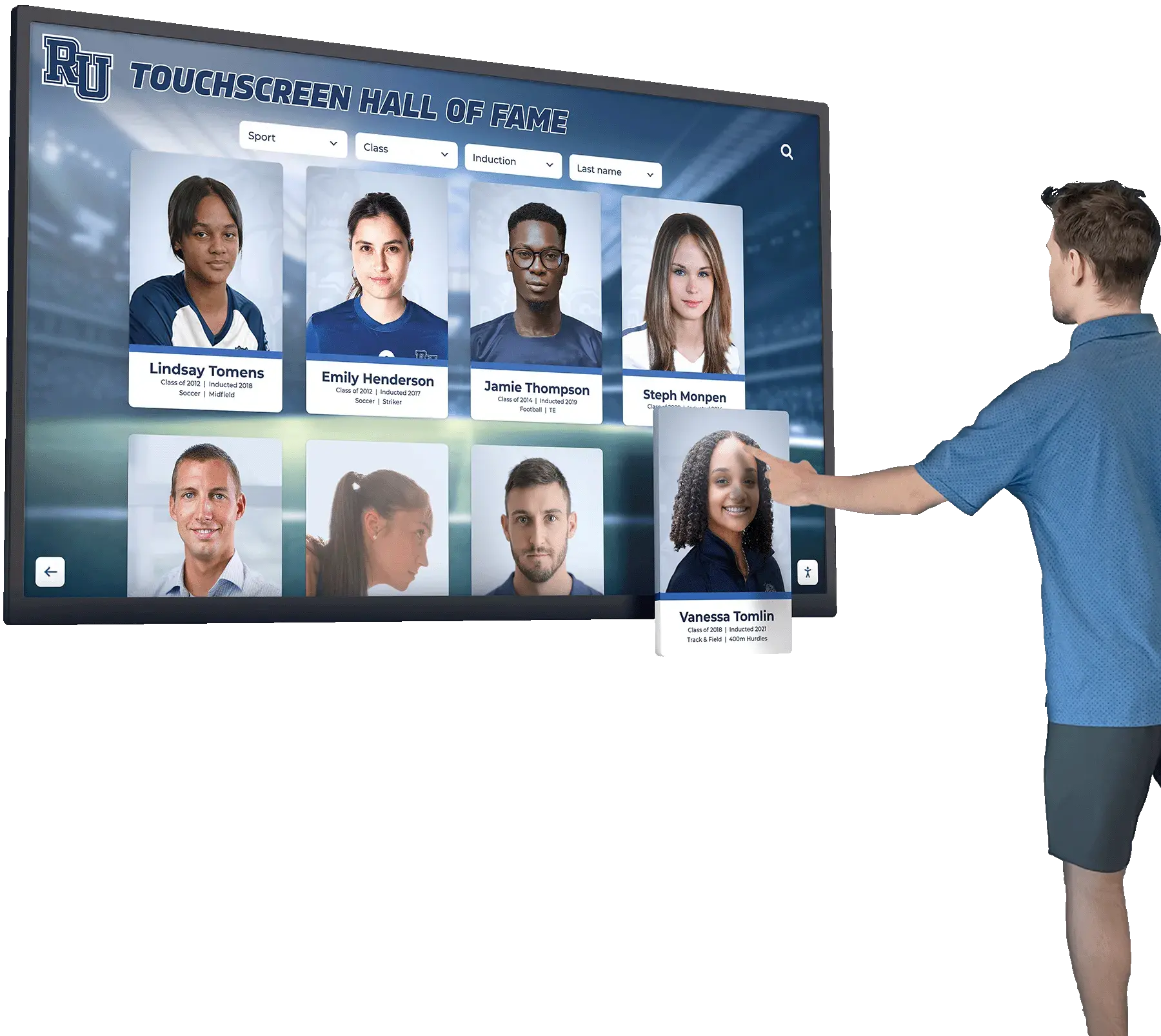
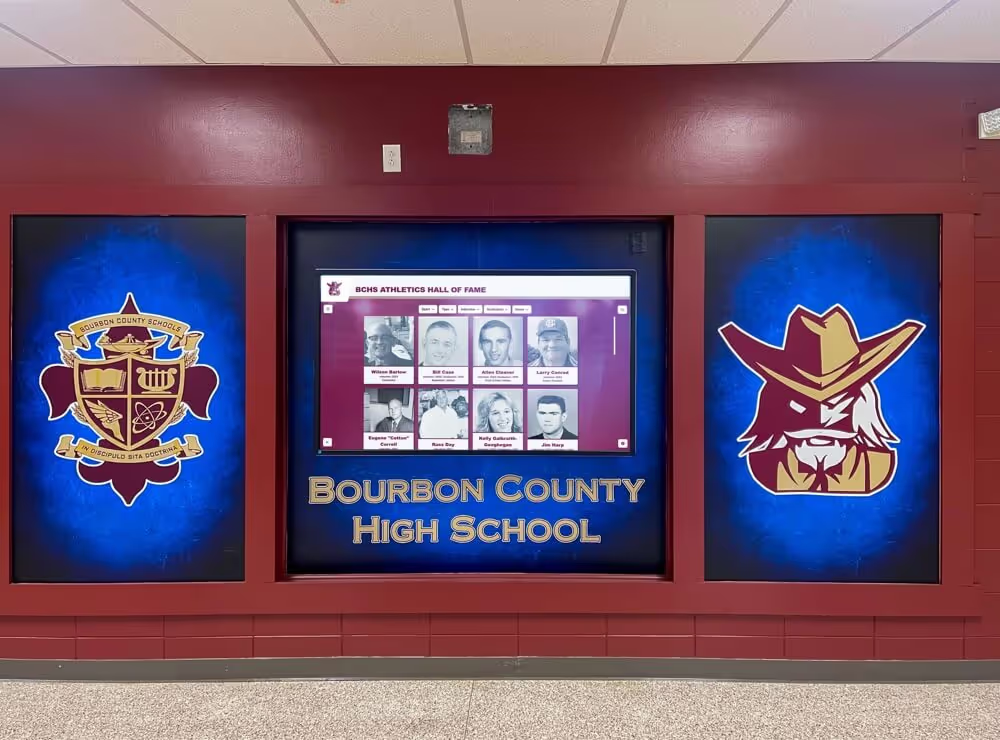
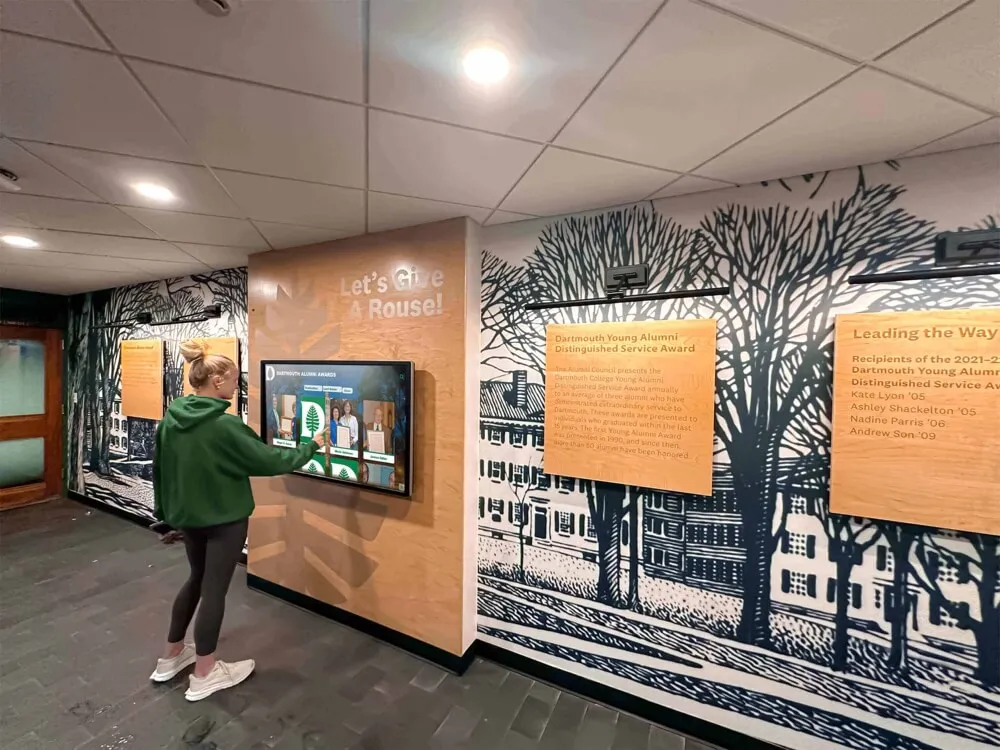
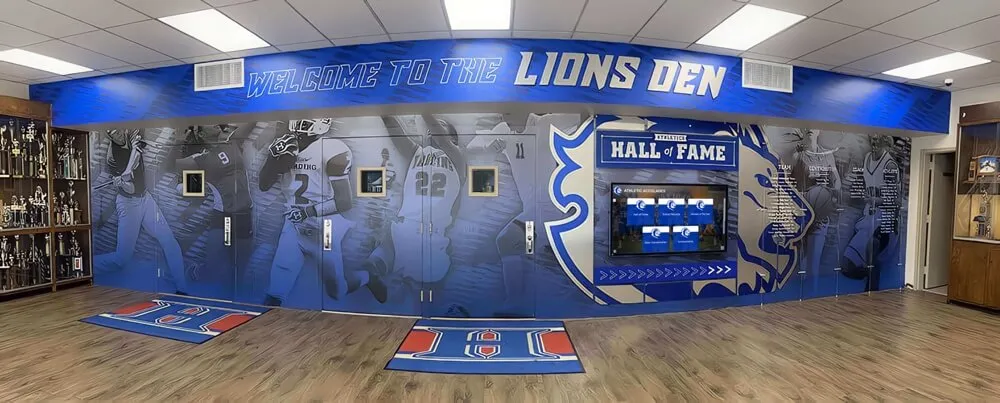
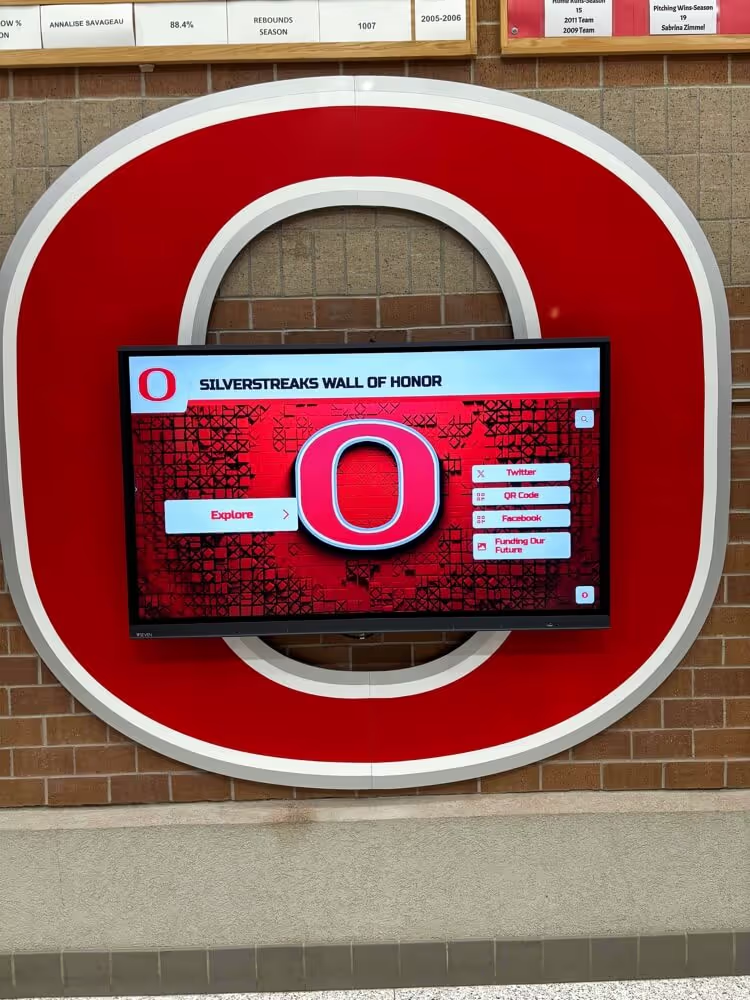
Touchscreen interfaces enable controllers and visitors to explore comprehensive recognition content including achievements, career highlights, and contributions
Rich Multimedia Storytelling Static plaques list names and dates but cannot convey the stories behind exceptional performance. Digital recognition enables comprehensive controller profiles with biographical information and career progression, detailed descriptions of recognized achievements, photos from throughout controller careers, testimonials from supervisors, peers, and pilots, documentation of specific saves and challenging situations managed, and video interviews capturing controller experiences in their own words.
These multimedia elements create meaningful recognition that truly honors controller contributions rather than reducing careers to simple name listings.
Simple Content Management Cloud-based recognition systems eliminate the logistical challenges of updating physical displays. Authorized staff can update recognition content remotely from any internet-connected device, schedule recognition announcements to publish automatically on specific dates, bulk import historical controller data for comprehensive archives, manage content through intuitive interfaces requiring no technical expertise, and coordinate recognition across multiple facility locations from centralized management.
Aviation organizations report 80-90% reduction in administrative time spent maintaining recognition programs after implementing digital systems compared to managing physical plaques and displays.
Implementing Recognition Displays in Aviation Facilities
Successful implementation requires thoughtful planning around display placement, content strategy, and integration with existing facility culture.
Strategic Display Placement Digital recognition displays maximize impact when located in high-visibility areas including facility entrance lobbies where visitors, management, and controllers see recognition daily, break rooms where controllers spend time between shifts, training areas where recognition inspires controllers under development, visitor observation areas for airport tours and stakeholder visits, and administrative corridors where facility leadership regularly passes.
Multiple displays throughout facilities ensure recognition achieves maximum visibility across different staff populations and visitor types.
Content Strategy Development Effective recognition displays balance multiple content types including permanent recognition of long-term achievements, rotating spotlights on recent accomplishments, historical sections honoring facility heritage and retired controllers, upcoming milestone anniversaries creating anticipation, and integration with safety messaging and operational excellence themes.
This varied content keeps recognition fresh and engaging rather than becoming static background that staff stops noticing.
Technology Specifications Aviation facility environments require displays with commercial-grade specifications including touchscreen capability for interactive exploration, commercial displays rated for continuous 24/7 operation, brightness specifications suitable for various facility lighting conditions, secure mounting preventing unauthorized access, network connectivity for remote content management, and professional aesthetics appropriate for aviation environments.
Organizations implementing recognition displays should work with providers experienced in professional facility installations rather than deploying consumer-grade equipment that may fail prematurely in continuous-use environments.
Learn about digital recognition platforms specifically designed for professional recognition applications.
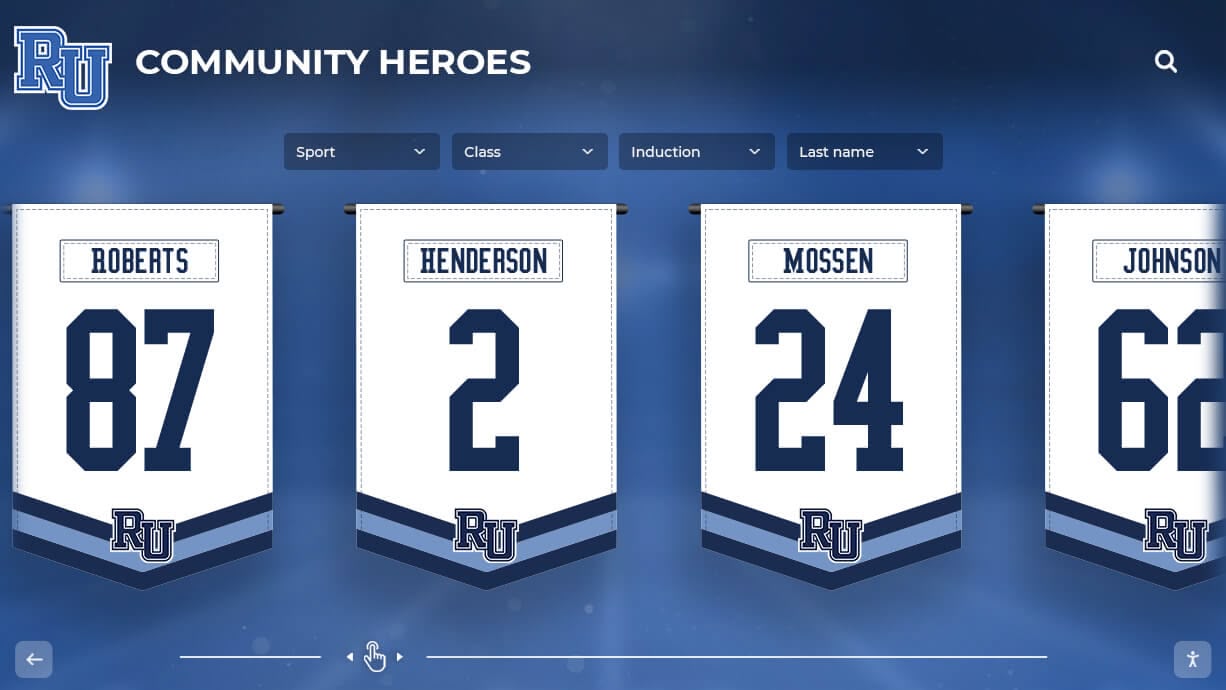
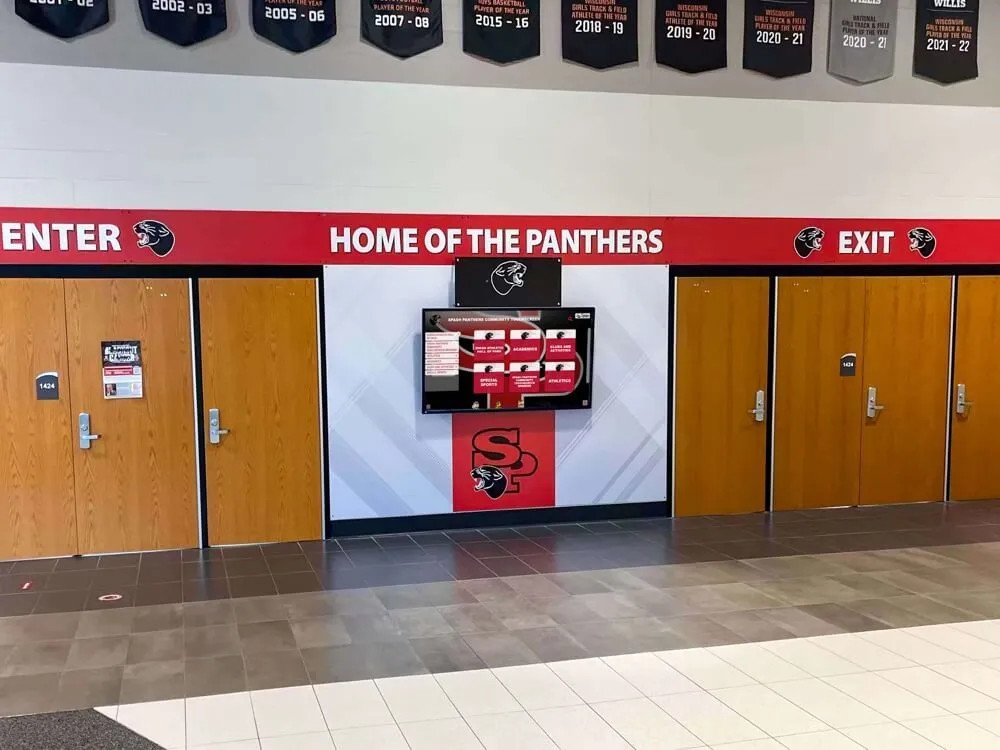
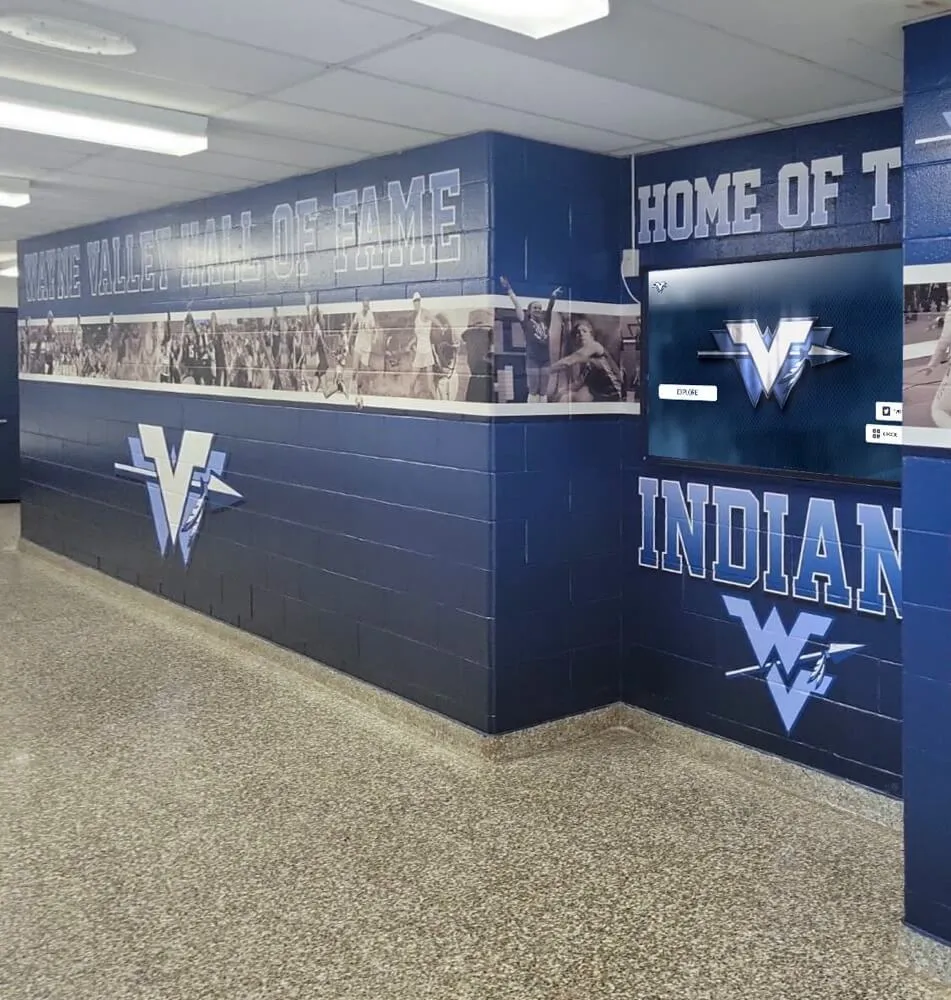
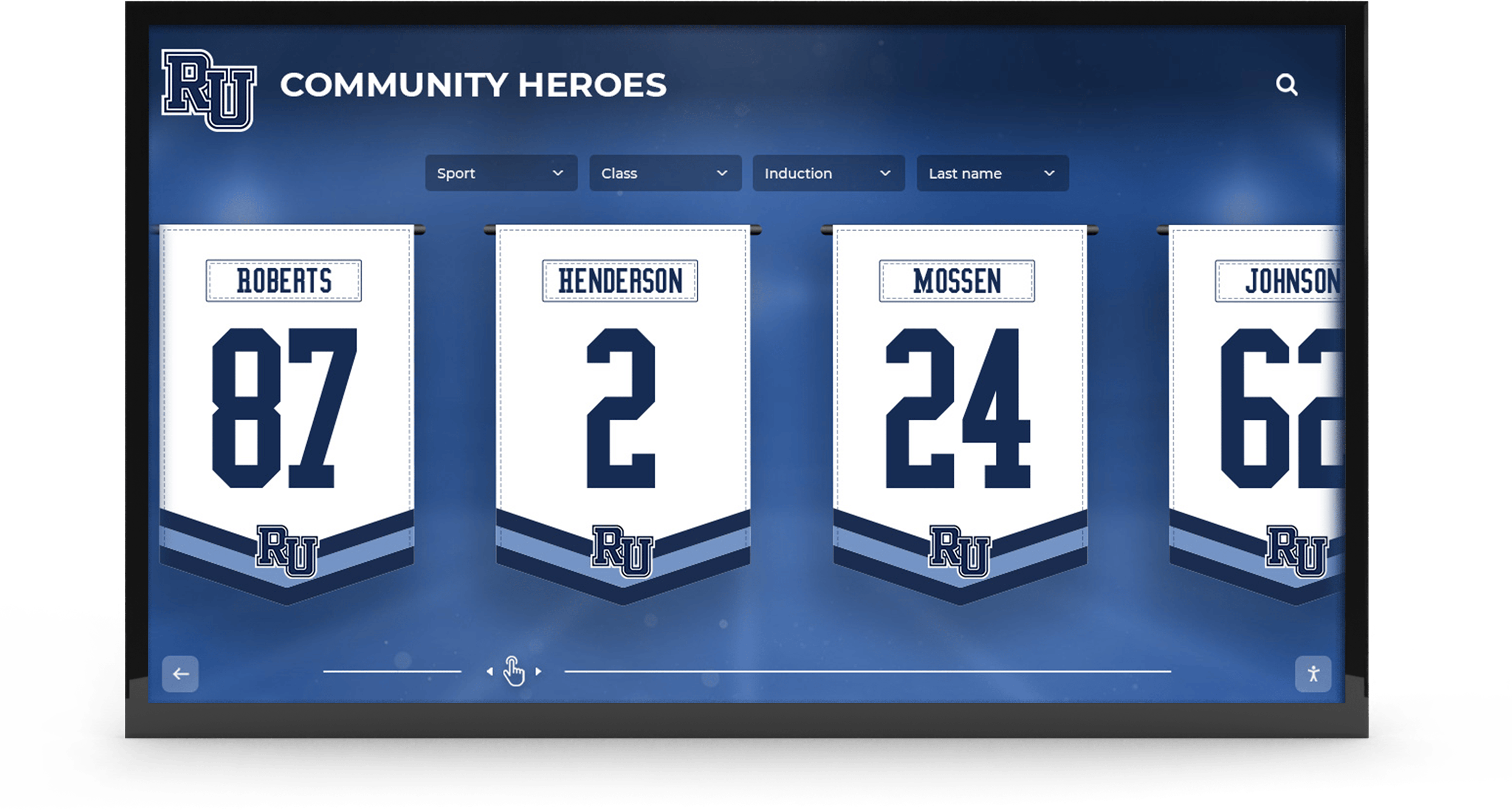
Professional banner displays complement digital systems in creating comprehensive recognition environments
Web-Based Recognition Extensions
Digital recognition should extend beyond physical facility displays to engage broader audiences including controllers’ families, aviation stakeholders, and the general public.
Online Recognition Platforms Web-accessible recognition systems amplify impact through family and friend access to controller recognition from anywhere, public visibility demonstrating organizational values and controller professionalism, recruitment value showing prospective controllers the culture they’d join, media content for public relations and aviation safety communications, and mobile optimization ensuring accessibility across devices.
These online extensions enable controllers to share recognition with family members who may never visit secure air traffic facilities but take pride in controller achievements.
Social Media Integration Modern recognition programs incorporate social media channels for regular recognition posts celebrating controller achievements, milestone announcements for anniversaries and special awards, national recognition when controllers receive industry awards, International Day of the Air Traffic Controller celebration content (October 20), and storytelling content humanizing controllers for public audiences.
According to workplace recognition research, social recognition generates significantly higher engagement and perceived value than purely private acknowledgment, making public celebration particularly impactful.
Communication Strategies Systematic communication ensures recognition achieves maximum visibility through email announcements to all facility staff when recognitions are awarded, newsletter features highlighting recognized controllers, facility bulletin boards with recognition program updates, coordination with NATCA local representatives for union communication channels, and integration with FAA regional communications for broader visibility.
Multi-channel communication prevents recognition from being limited to those who happen to pass display locations, ensuring entire facilities know about controller achievements.
Explore online recognition platforms that extend recognition beyond physical locations.
Peer-to-Peer Recognition Programs
Formal awards typically recognize extraordinary achievements, but day-to-day excellence also deserves acknowledgment through systematic peer recognition that any controller can initiate.
Creating Effective Peer Recognition Systems
Peer recognition programs enable controllers to acknowledge colleagues who exemplify professionalism, teamwork, and operational excellence in routine work.
Recognition Pathways Effective systems provide multiple mechanisms for peer acknowledgment including digital platforms where controllers submit recognition nominations, physical recognition boards in break rooms with peer shout-outs, team recognition during shift briefings and debriefs, peer nomination for formal awards, and integration with operational evaluation processes.
The easier organizations make peer recognition, the more frequently it occurs, creating culture where acknowledging excellence becomes routine rather than exceptional.
Meaningful Recognition Criteria Peer recognition works best when focused on specific behaviors aligned with organizational values and operational excellence:
- Exceptional teamwork during challenging traffic situations
- Outstanding assistance training developmental controllers
- Effective communication preventing misunderstandings
- Situational awareness that prevented potential issues
- Flexibility accommodating schedule changes or facility needs
- Positive attitude that improves workplace culture
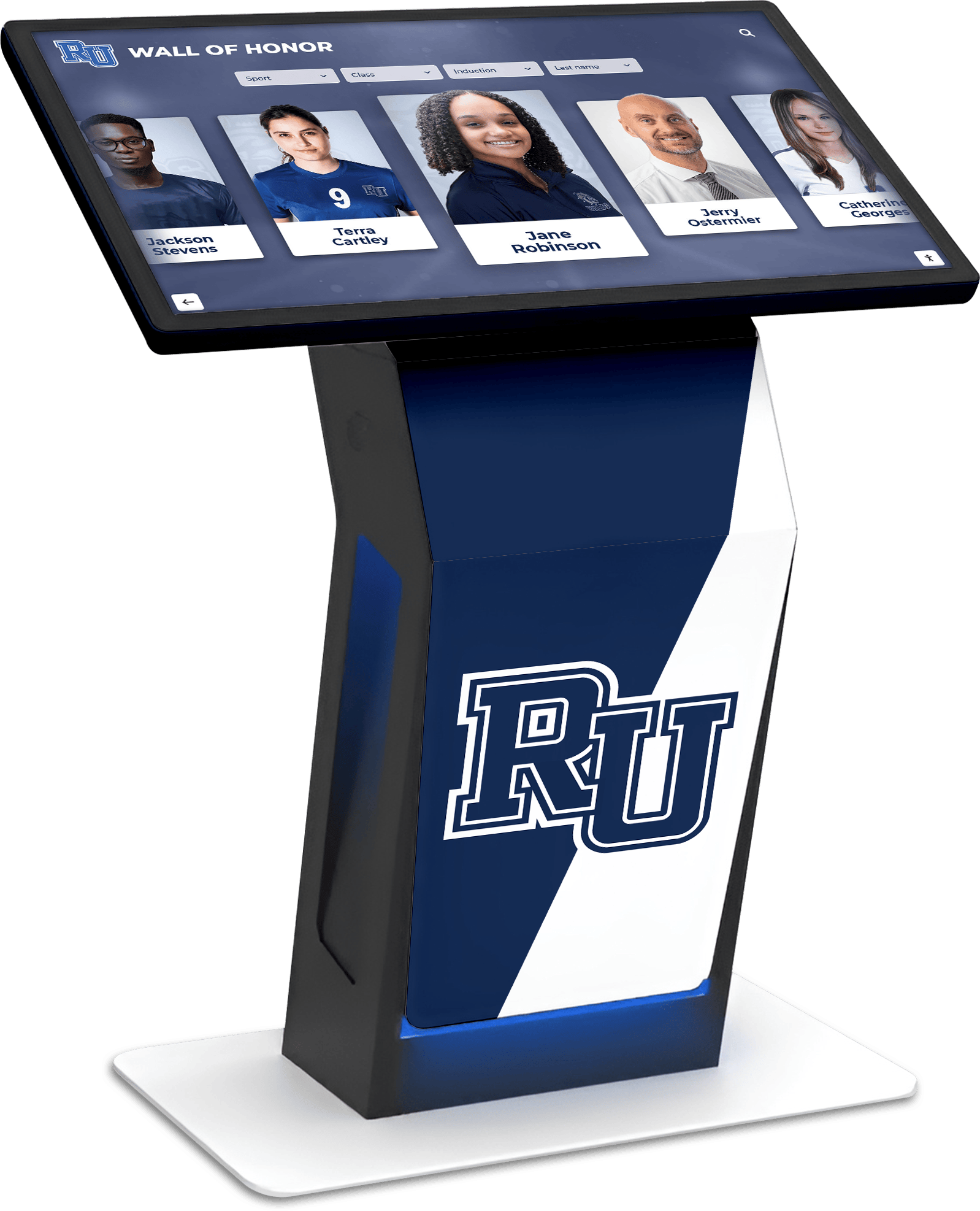
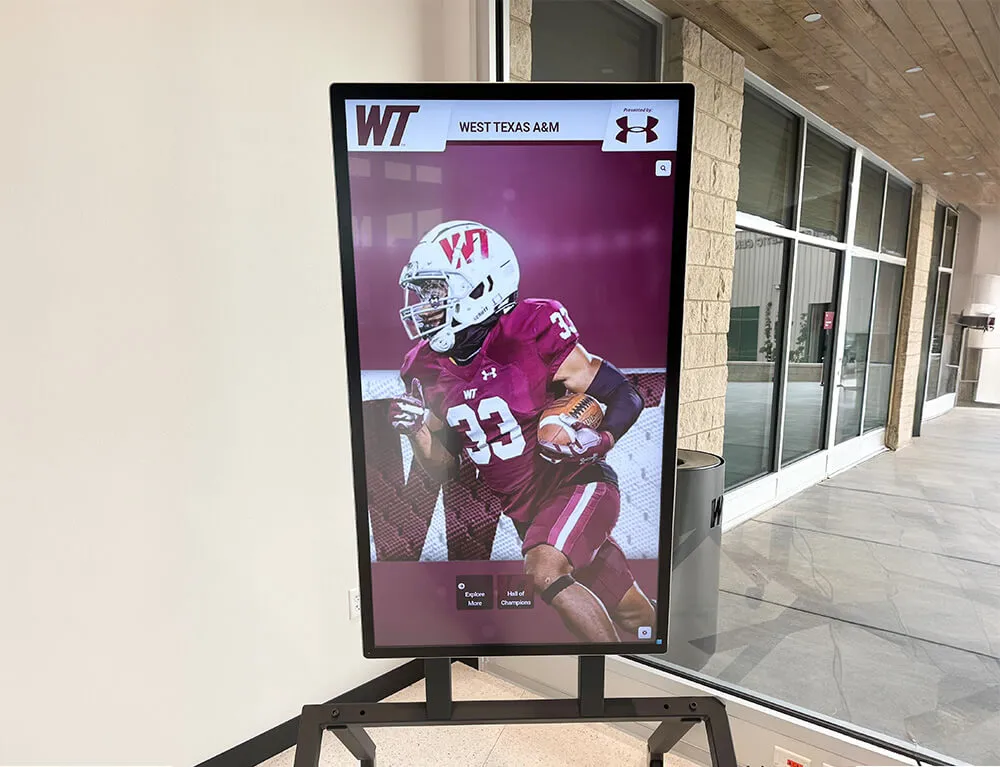
Modern recognition kiosks provide professional platforms for peer-nominated recognition programs
Recognition Reinforcement Peer nominations gain impact when organizations systematically acknowledge them through display on recognition boards or digital displays, mention in facility communications, consideration for formal award nominations, accumulation toward quarterly or annual recognition, and celebration during facility meetings or events.
When controllers see peer recognition taken seriously by management, they participate more actively in recognizing colleagues.
Pilot and Stakeholder Recognition Programs
Air traffic controllers serve pilots and other aviation system users who have direct experience with controller professionalism and expertise. Creating pathways for these stakeholders to recognize exceptional service strengthens relationships while providing external validation.
Pilot Recognition Opportunities Aviation organizations can establish systems enabling pilots to submit commendations for exceptional controller service, recognize controllers who provided outstanding assistance during challenging situations, acknowledge particularly professional or helpful communications, nominate controllers for formal recognition awards, and participate in facility appreciation events.
Aircraft Owners and Pilots Association (AOPA) and other pilot organizations periodically recognize outstanding controllers, demonstrating the value pilots place on excellent air traffic control services.
Airport and Stakeholder Recognition Airports, fixed-base operators, and other aviation stakeholders can honor controllers through facility appreciation events acknowledging air traffic contributions, inclusion of controllers in airport community recognition programs, partnership in International Day of the Air Traffic Controller celebrations, support for controller recognition displays and programs, and public acknowledgment of controller professionalism and safety focus.
This recognition from partners outside the FAA organizational structure provides external validation particularly meaningful to controllers who primarily receive feedback from within agency hierarchies.
Service Milestone and Career Recognition
Long careers in air traffic control deserve systematic recognition that acknowledges sustained professional excellence and dedication across years or decades of service.
Career Anniversary Recognition
Controllers reaching significant service milestones deserve celebration recognizing their sustained contributions:
Milestone Anniversary Categories Organizations should systematically recognize controllers at 5-year intervals throughout careers including initial journeyman certification completion, 10-year service anniversaries, 15-year career milestones, 20-year service recognition, 25-year anniversary honors, 30+ year career celebrations, and retirement recognition when controllers transition from active service.
These recurring touchpoints throughout controller careers provide regular acknowledgment rather than concentrating recognition only at retirement.
Meaningful Anniversary Recognition Career milestones deserve acknowledgment beyond perfunctory certificates through personalized recognition highlighting specific contributions during the period, gifts acknowledging the milestone (high-quality watches, custom artwork, or meaningful items), facility celebrations with colleagues and family invited, updates to recognition displays documenting career progression, and formal recognition during facility meetings or FAA leadership visits.
Controllers report that personalized recognition acknowledging their specific contributions means more than generic service awards that could apply to anyone reaching the same tenure threshold.
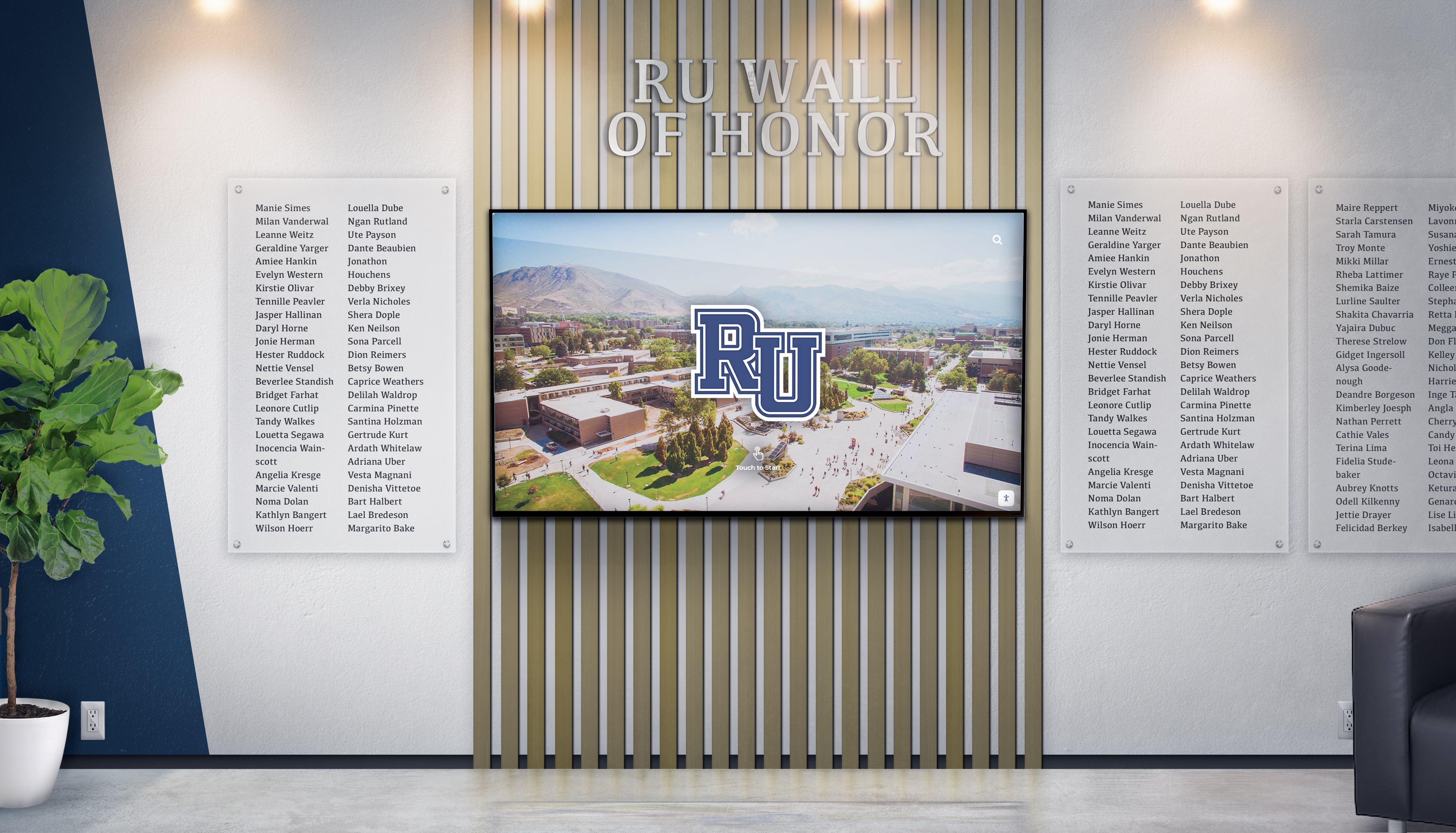
Comprehensive recognition systems document career progression and celebrate sustained professional excellence
Retirement Recognition
Controllers retiring after full careers deserve comprehensive recognition honoring their accumulated contributions to aviation safety:
Retirement Celebration Components Meaningful retirement recognition includes formal retirement ceremonies with facility leadership and colleagues, comprehensive career retrospectives documenting achievements and career progression, retirement plaques or customized recognition items, facility contributions or gifts reflecting retiree interests, inclusion in permanent recognition displays honoring facility history, and post-retirement connections maintaining relationships with retired controllers.
Many facilities maintain retiree databases and host periodic reunions connecting retired controllers with current staff, acknowledging that controller contributions extend beyond active service years.
Documentation and Legacy Preservation Retiring controllers possess decades of operational experience and institutional knowledge. Recognition programs should include oral history interviews capturing controller perspectives, documentation of significant events and changes witnessed during careers, contributions to training materials and facility standard operating procedures, mentorship connections pairing retiring controllers with developmental staff, and archival of career achievements for historical facility records.
This documentation ensures retiring controllers’ knowledge and experience benefit future generations rather than being lost with their departure.
Explore professional recognition displays that honor career excellence across various professional fields.
Specialized Recognition Categories
Beyond general excellence and career milestones, targeted recognition programs can acknowledge specific contributions that support air traffic control mission and organizational goals.
Training and Mentorship Recognition
Controllers who excel at training and mentoring developmental staff deserve specific acknowledgment for these critical contributions:
Training Excellence Criteria Recognition programs should honor controllers who demonstrate exceptional training abilities through consistently successful on-the-job training outcomes, innovative training approaches that accelerate learning, patience and professionalism during training challenges, effective feedback that drives improvement, and commitment to maintaining training certifications and skills.
Outstanding training performance directly impacts facility capability by developing the next generation of qualified controllers—contributions worthy of formal recognition.
Mentorship Acknowledgment Beyond formal training roles, many controllers informally mentor colleagues through career guidance, helping newer controllers navigate organizational dynamics, providing professional development advice, supporting controllers through challenging situations, and demonstrating professionalism that sets standards for others.
This informal mentorship strengthens facility culture and controller retention, making it worthy of recognition even when it falls outside formal job duties.
Safety Culture Champions
Controllers who actively promote and strengthen safety culture deserve recognition for contributions extending beyond individual operational performance:
Safety-Focused Recognition Programs should acknowledge controllers who identify and report safety concerns through established reporting systems, propose operational improvements enhancing safety, participate in safety committees and working groups, promote just culture principles within facilities, and demonstrate consistent adherence to safety protocols even under operational pressure.
Recognizing these behaviors reinforces their importance while encouraging other controllers to actively participate in safety culture rather than treating it as purely management responsibility.
Facility Operational Excellence Some controllers consistently demonstrate operational excellence across multiple dimensions including maintaining exceptionally low operational errors, managing complex situations with professionalism, receiving consistently positive pilot feedback, adapting effectively to new procedures or technologies, and demonstrating flexibility that supports facility operations.
This consistent day-to-day excellence deserves recognition even when specific dramatic saves don’t occur, acknowledging that outstanding air traffic control involves sustained high-performance across routine operations.
Learn about comprehensive volunteer and service recognition programs applicable to recognizing professional service excellence.
Day-to-Day Recognition and Appreciation
While formal awards and structured programs provide important recognition, daily appreciation and informal acknowledgment create the positive culture where controllers feel genuinely valued.
Immediate Recognition Practices
Supervisors and managers should provide timely recognition for specific positive behaviors and achievements:
Real-Time Acknowledgment Effective immediate recognition includes verbal appreciation immediately after observing excellent performance, specific feedback describing what was done well and why it mattered, written commendations following exceptional performance, email recognition copying facility leadership and colleagues, and acknowledgment during shift briefings or debriefs.
Research consistently shows that immediate recognition provides more motivational value than delayed acknowledgment, even when delayed recognition involves more formal processes or tangible rewards.
Specific and Meaningful Praise Generic praise loses impact compared to specific acknowledgment. Instead of “good job,” effective recognition describes the specific action, explains why it exemplified excellence or organizational values, notes the positive impact it created, and acknowledges the effort or skill required.
Controllers report that specific recognition demonstrates that leadership actually understands their work and pays attention to their contributions, making acknowledgment feel genuine rather than perfunctory.
Creating Recognition-Rich Cultures
Facilities with strong recognition cultures don’t rely solely on formal programs but embed appreciation throughout daily operations:
Leadership Modeling Facility managers and supervisors who regularly recognize and appreciate controller contributions create cultures where recognition becomes normal rather than unusual. This requires intentional effort to notice and acknowledge positive performance, balance corrective feedback with recognition of strengths, celebrate successes during facility meetings, and personally connect with controllers beyond operational interactions.
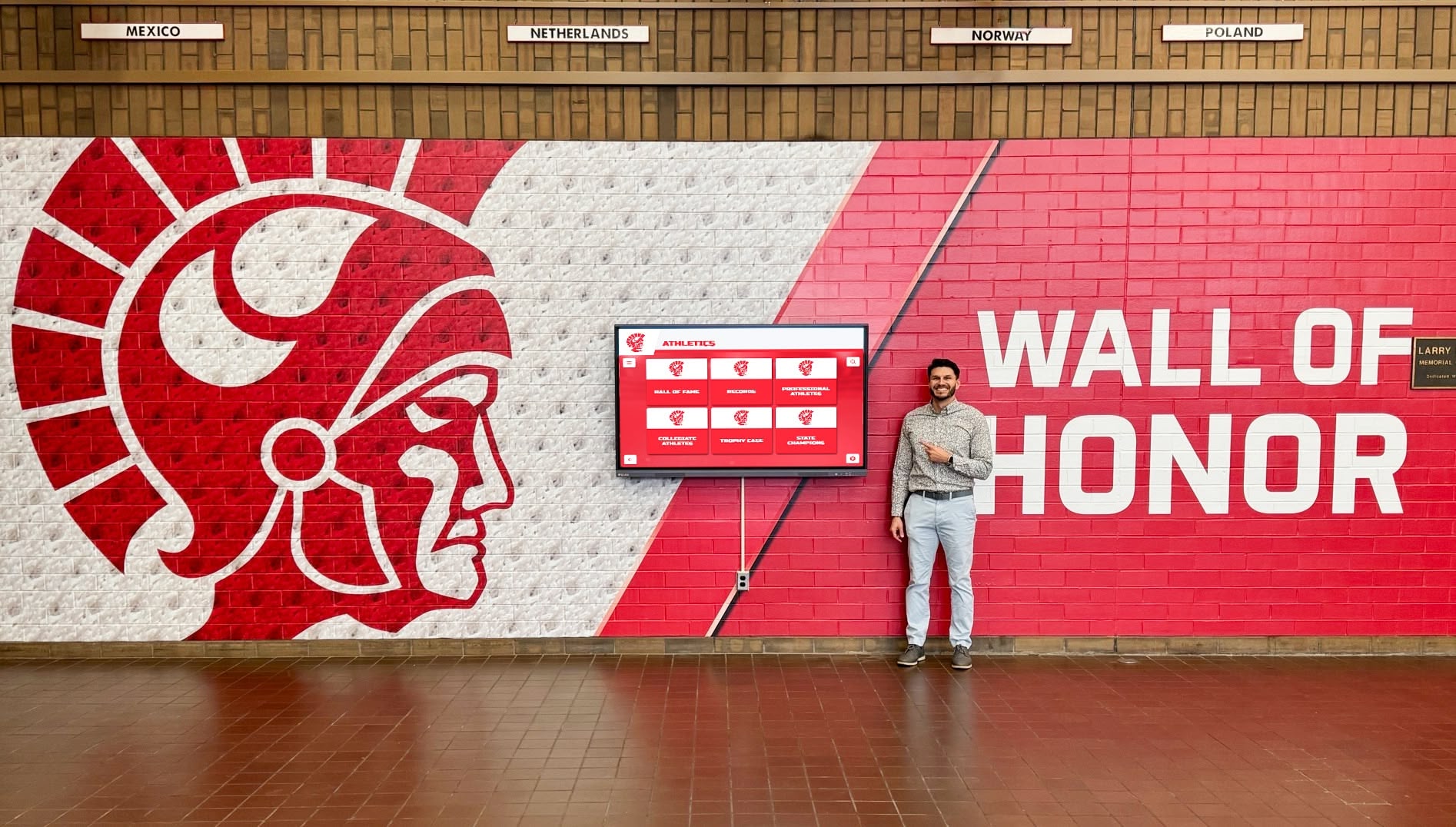
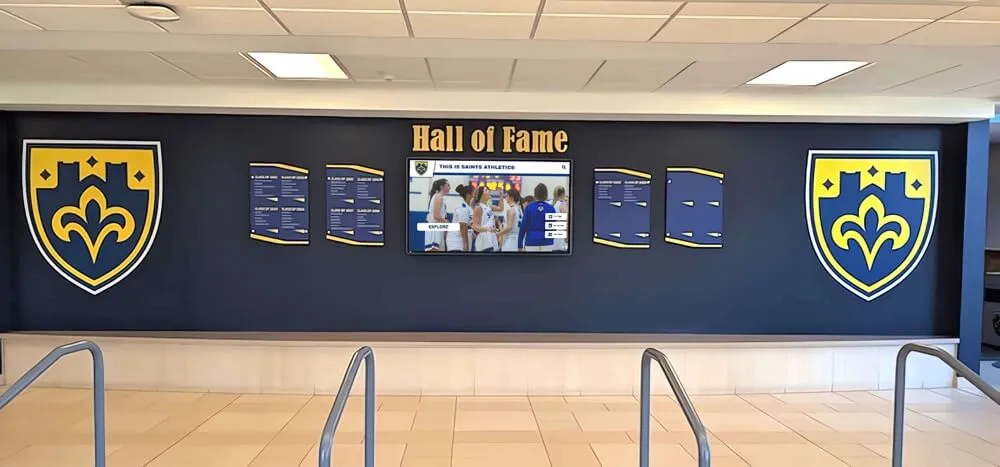
Visible recognition displays enable organizations to celebrate excellence and create cultures of appreciation
Peer Culture Development When controllers regularly acknowledge each other’s contributions, it strengthens team cohesion and creates positive work environments. Organizations can promote peer recognition culture through making recognition easy and accessible, celebrating examples of peer recognition, training supervisors to encourage peer acknowledgment, creating dedicated time in meetings for team recognition, and ensuring peer recognition influences formal evaluation and award processes.
Recognition Integration The most effective recognition becomes woven throughout organizational practices rather than being treated as separate programs. This integration includes beginning meetings with recognition highlights, featuring recognition in facility newsletters and communications, displaying recognition prominently in facility spaces, connecting recognition to organizational values and goals, and tracking recognition distribution to ensure equitable acknowledgment.
International Day of the Air Traffic Controller
October 20 marks the International Day of the Air Traffic Controller, providing annual opportunities for focused recognition and public appreciation of air traffic controllers worldwide.
Origins and Significance
The International Day of the Air Traffic Controller commemorates the establishment of the International Federation of Air Traffic Controllers’ Associations (IFATCA) in 1961, creating a global community connecting controllers across borders and regulatory systems.
Annual Recognition Opportunities Organizations can leverage this international observance for focused controller appreciation through facility-wide celebration events, public communications highlighting controller contributions, media engagement educating communities about air traffic control, special recognition ceremonies for controller achievements throughout the past year, and community partnership events at airports and aviation organizations.
Public Awareness Building Most people interact with aviation as passengers but lack understanding of air traffic controllers’ critical role. International Day of the Air Traffic Controller provides opportunities for educational initiatives explaining what controllers do and how they ensure aviation safety, facility tours or virtual experiences showing controller work environments, pilot testimonials about controller professionalism and expertise, controller interviews sharing perspectives on their profession, and social media campaigns humanizing controllers for general audiences.
According to aviation organizations, these public awareness efforts strengthen community support for adequate controller staffing and resources while helping attract candidates to the profession.
Family Appreciation Controller families sacrifice normal schedules, holiday availability, and routine family time to support careers in 24/7 operations. International Day of the Air Traffic Controller can specifically acknowledge family support through family-inclusive recognition events, appreciation expressed to controller families for their support, family tours of controller work environments, and recognition of the partnership between controllers and families that enables their essential work.
Explore recognition program ideas adaptable across various professional and community contexts.
Recognition Program Design and Implementation
Creating effective air traffic controller recognition requires systematic planning, sustained commitment, and continuous refinement based on feedback and results.
Planning Phase
Needs Assessment Organizations should begin by evaluating current recognition practices and gaps through controller surveys about recognition preferences and perceived gaps, analysis of existing recognition programs and participation rates, benchmarking against other facilities and aviation organizations, review of retention data and exit interview feedback, and stakeholder input from controllers, supervisors, and facility leadership.
This assessment identifies specific recognition needs and opportunities rather than implementing generic programs that may miss what controllers actually value.
Program Design Principles Effective recognition programs incorporate multiple core principles including meaningful criteria tied to safety and operational excellence, equitable opportunity for all controllers to receive recognition, appropriate frequency balancing exclusivity with accessibility, sincere acknowledgment that feels genuine rather than perfunctory, visible celebration ensuring recognition achieves awareness, and sustainable administration that doesn’t create excessive management burden.
Resource Allocation Recognition programs require resources including staff time for program administration and nomination review, budget for recognition items, displays, and technology, technology infrastructure for digital recognition platforms, communication resources for publicizing recognition, and leadership commitment to sustained implementation.
Organizations should approach recognition as strategic investment in workforce culture and retention rather than discretionary expense easily cut during budget pressures.
Implementation Strategy
Phased Rollout Successful implementation typically involves staged approaches beginning with high-visibility programs likely to succeed, expanding systematically based on initial results, incorporating feedback from early participants, building momentum as controllers experience recognition value, and establishing sustainable long-term processes.
Starting with achievable programs builds credibility and buy-in before implementing more complex recognition systems.
Communication and Engagement Recognition programs succeed when controllers understand them and engage actively. Effective communication includes clear explanation of recognition criteria and nomination processes, regular reminders about recognition opportunities, visibility of recognition being awarded to colleagues, channels for feedback about recognition programs, and leadership communication about recognition program importance.
Training and Support Supervisors and managers need support to implement recognition effectively including training on giving meaningful specific feedback, guidance on recognition timing and approaches, resources for nominating controllers for formal awards, tools for documenting recognition-worthy performance, and accountability for participating in recognition programs.
Evaluation and Refinement
Success Metrics Organizations should track recognition program effectiveness through participation rates showing how many controllers receive recognition, distribution analysis ensuring equitable recognition across demographics and shifts, controller satisfaction survey data about recognition adequacy, retention correlations examining recognition’s relationship to controller retention, and culture indicators measuring whether recognition strengthens desired organizational culture.
Continuous Improvement Recognition programs should evolve based on regular assessment of what’s working and what needs adjustment, controller feedback about recognition program effectiveness, benchmarking against best practices from other facilities and industries, technological updates as recognition platforms evolve, and alignment with changing organizational priorities and challenges.
The most effective recognition programs treat implementation as beginning of an ongoing process rather than a one-time initiative, continuously refining approaches to maximize impact and relevance.
Conclusion: Building Recognition Cultures That Honor Controller Excellence
Air traffic controllers perform one of aviation’s most demanding and critical roles, coordinating the complex ballet of aircraft movement that enables modern air travel while accepting extraordinary responsibility for passenger safety. Their expertise, professionalism, and dedication deserve recognition systems that genuinely honor their contributions—from dramatic saves that prevent accidents to the sustained excellence of routine operations performed flawlessly across entire careers.
The recognition strategies explored in this guide provide comprehensive frameworks for celebrating air traffic controllers across multiple dimensions—formal industry awards acknowledging exceptional performance, digital recognition displays creating visible and lasting tribute to controller achievements, peer-nominated programs enabling controllers to acknowledge colleagues’ excellence, career milestone recognition honoring sustained professional dedication, and day-to-day appreciation creating cultures where controllers feel valued.
Transform Your Air Traffic Controller Recognition
Discover how modern digital recognition solutions can help your aviation organization create comprehensive, visible, and meaningful recognition programs that honor air traffic controller excellence and strengthen operational culture.
Explore Recognition SolutionsModern recognition technology makes comprehensive controller recognition achievable even for organizations with limited resources or staff. Digital platforms eliminate the space constraints that historically forced facilities to choose whose achievements could be displayed, while cloud-based management systems dramatically reduce the administrative burden of maintaining current recognition content. Solutions like Rocket Alumni Solutions provide purpose-built platforms specifically designed for professional recognition, making implementation straightforward without requiring technical expertise or massive budgets.
Most importantly, effective recognition creates tangible benefits extending far beyond making controllers feel appreciated. Recognition programs strengthen safety culture by reinforcing desired behaviors, improve retention in a profession facing significant workforce challenges, boost morale in demanding work environments, and demonstrate organizational values through concrete actions rather than abstract policies. In aviation where human performance directly impacts safety outcomes, these cultural benefits contribute meaningfully to the reliable, professional air traffic control services that keep millions of passengers safe daily.
Your air traffic controllers dedicate their careers to aviation safety, working under intense pressure in challenging conditions with limited public visibility. They deserve recognition systems that genuinely honor their contributions, celebrate their achievements, and create positive cultures where excellence receives appropriate acknowledgment. With thoughtful planning, appropriate technology, and sustained commitment, you can implement recognition programs that meaningfully impact controller morale and retention while strengthening the operational excellence that defines outstanding air traffic control.
Ready to enhance air traffic controller recognition at your facility or aviation organization? Explore corporate recognition wall solutions or learn about community honors display systems that adapt effectively to professional aviation contexts. Every controller who receives meaningful recognition for their contributions develops stronger organizational commitment and greater pride in their essential role keeping our skies safe.