Water Polo Positions Explained: Understanding the Roles in the Pool
- Home /
- Digital Hall of Fame Insights & Resources /
- Water Polo Positions Explained: Understanding the Roles in the Pool
The Easiest Touchscreen Solution




Live Example: Rocket Alumni Solutions Touchscreen Display
Interact with a live example (16:9 scaled 1920x1080 display). All content is automatically responsive to all screen sizes and orientations.
Water polo combines the endurance of swimming, the strategy of basketball, and the physicality of hockey into one of the most demanding team sports in competitive athletics. Understanding water polo positions represents the foundation for players, coaches, and fans seeking to appreciate the tactical complexity driving this fast-paced aquatic sport. Unlike land-based team sports where players run on solid ground, water polo athletes must maintain positioning while treading water, adding an exhausting physical dimension to strategic role execution that distinguishes this sport from all others.
Each water polo position demands specific skills, physical attributes, and tactical awareness that enable cohesive team play in the pool. The seven positions—goalkeeper, two wings, two drivers (also called flats), two point guards, and center forward—work together executing offensive attacks and defensive systems that create scoring opportunities while preventing opponents from finding the back of the net. Successful water polo programs develop players who understand not just their own position responsibilities but also how each role interconnects within team strategies.
This comprehensive guide examines each water polo position in detail, exploring the skills required, tactical responsibilities, positioning strategies, and development pathways that help athletes excel in their designated roles while contributing to team success.
Water polo’s tactical sophistication emerges through the specialized roles each position fulfills, creating offensive and defensive systems that reward both individual excellence and seamless team coordination in the unique aquatic environment.

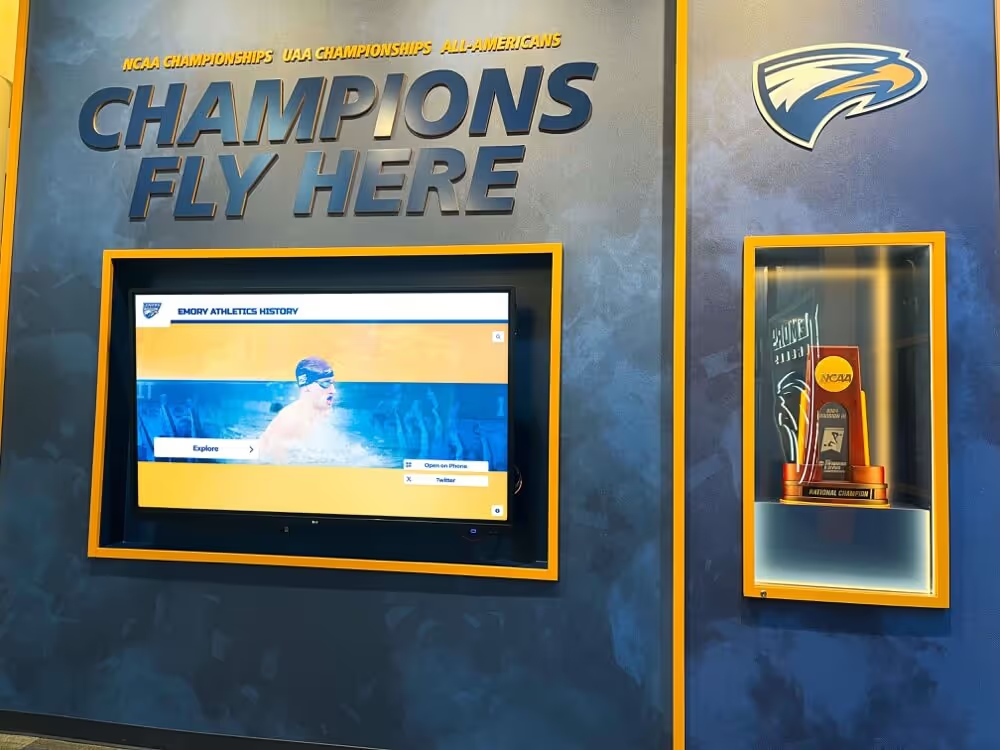
Aquatic programs celebrate water polo achievements alongside swimming accomplishments in comprehensive athletic recognition systems
Understanding Water Polo Position Structure
Before diving into individual position details, understanding how water polo positions organize within team structure provides essential context for role comprehension and tactical implementation.
The Seven-Player Formation
Water polo teams field seven players during active play, strategically positioned to balance offensive threat with defensive coverage:
Offensive Formation (Attacking)
When attacking, teams typically deploy in formations maximizing perimeter shooting opportunities while creating central scoring threats:
- Center Forward (Set, Hole Set, or 2-Meter Player): Positioned closest to the opponent’s goal, typically 2-5 meters out, this player serves as the focal point for the offense
- Two Wings: Positioned on the left and right sides at the 2-meter line, offering shooting angles from the perimeter
- Two Drivers (Flats): Located outside the wings at approximately 4-5 meters from goal, providing additional perimeter shooting and driving lanes
- Two Point Guards: Positioned furthest from goal at 6-7 meters, orchestrating offensive plays and providing outside shooting threats
- Goalkeeper: Remains in the goal area, ready to transition quickly to offense after defensive stops
The numbering convention typically designates the center forward as position 2 (the “2-meter” position), wings as positions 1 and 3, drivers as positions 4 and 6, and point guards as positions 5 and 7, with the goalkeeper unnumbered or designated as position 1 in some systems.
Defensive Formation (Defending)
Defensive positioning adapts to opponent attacks while maintaining goal protection:
- Teams employ either zone defense (covering spaces) or player-to-player defense (marking specific opponents)
- Defensive positions mirror offensive formations, with defenders matching up against their counterparts
- Drop defense brings perimeter defenders closer to goal when the ball moves to certain positions
- Press defense applies pressure higher in the pool to disrupt opponent attacks before they establish offensive positioning
Understanding how offensive and defensive formations interact reveals why individual position mastery matters—each role creates tactical advantages when executed properly while defensive breakdowns in one position create vulnerabilities opponents exploit ruthlessly.
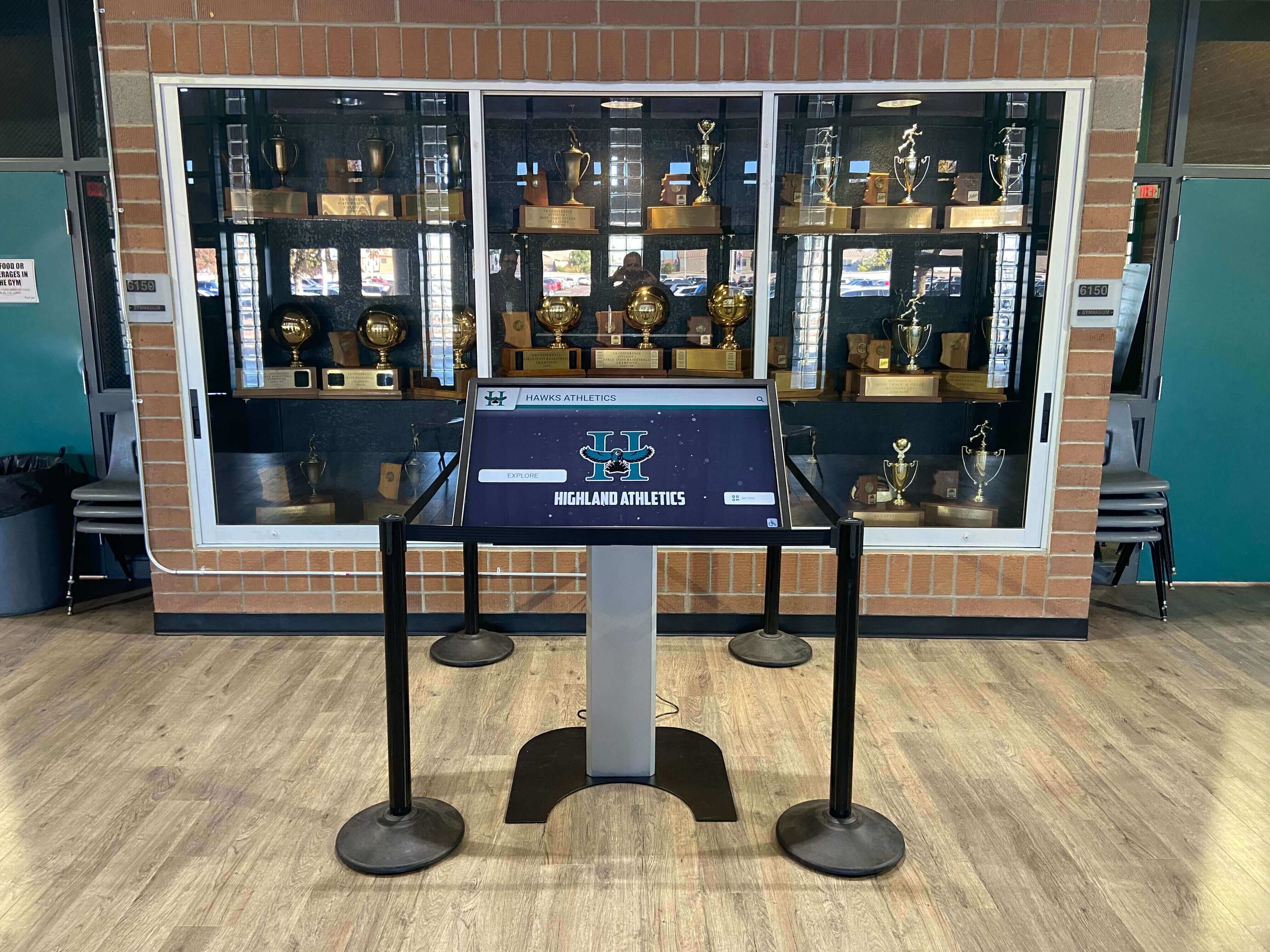
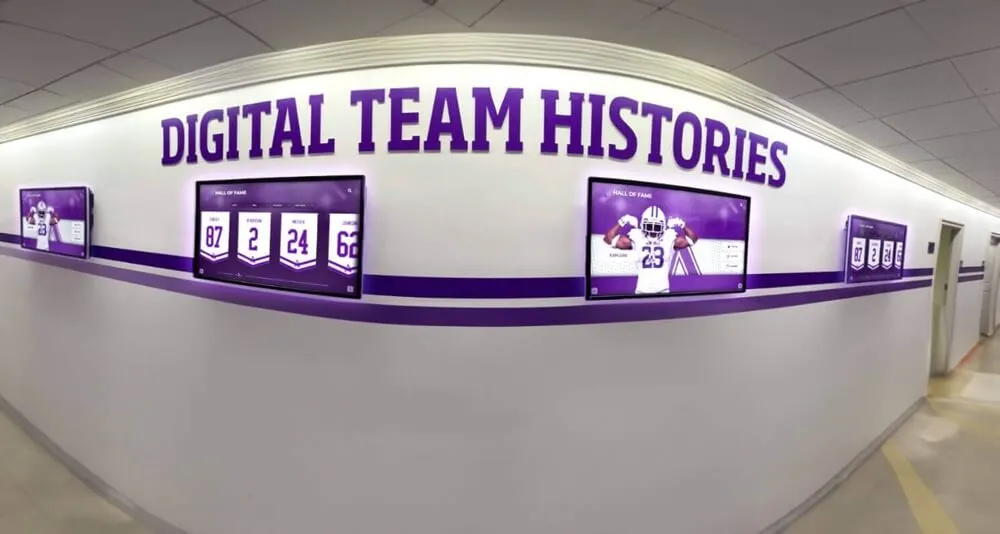
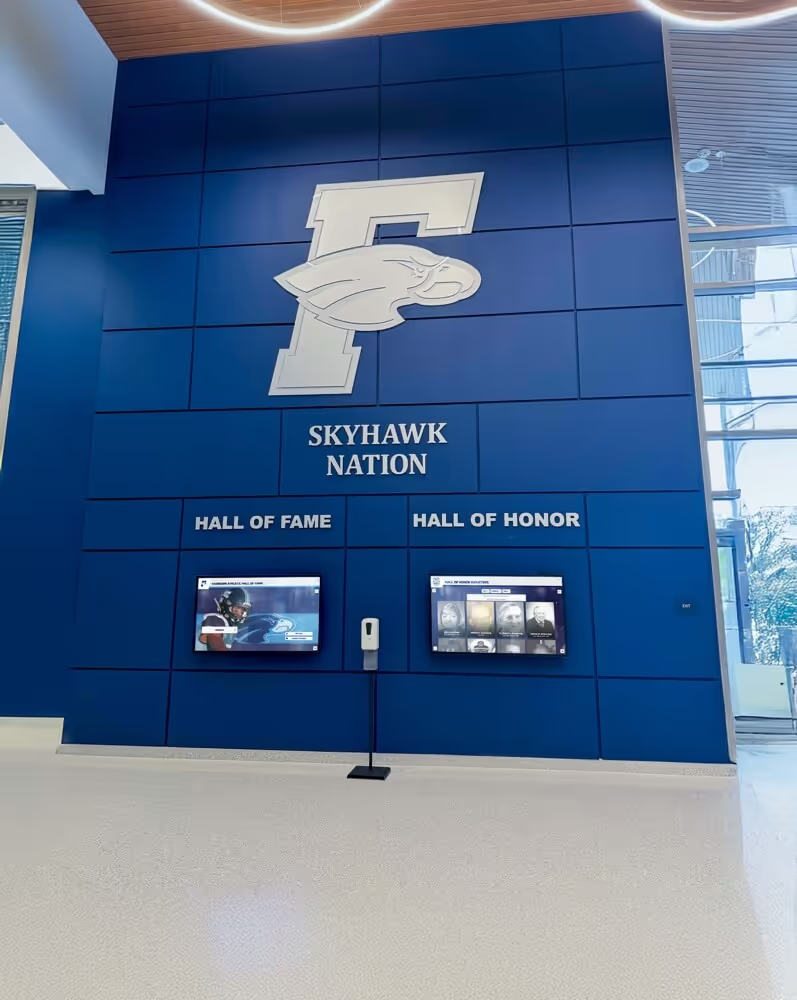
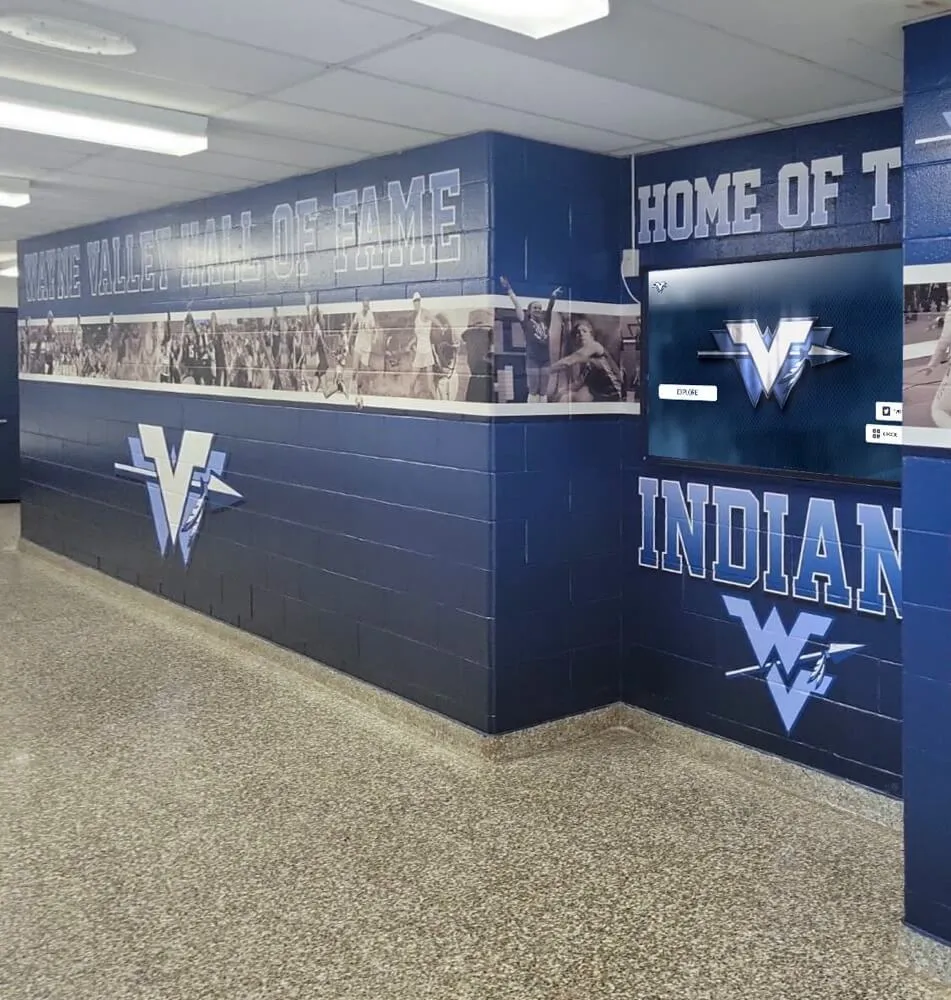
Digital displays showcase individual and team achievements across all athletic programs
Position Numbering and Communication
Water polo employs position numbering facilitating tactical communication during fast-paced gameplay:
Standard Position Numbers
Most water polo programs use consistent numbering enabling players to quickly identify roles during plays:
- Position 1: Left Wing (attacking from left side)
- Position 2: Center Forward (the “hole” or “set” position)
- Position 3: Right Wing (attacking from right side)
- Position 4: Left Driver/Flat (left perimeter)
- Position 5: Point Guard (usually positioned at top center)
- Position 6: Right Driver/Flat (right perimeter)
- Position 7: Second Point Guard (often positioned slightly right of center)
Coaches call plays referencing these numbers, allowing teams to execute complex offensive sets rapidly without lengthy explanations that opponents might decipher. The numbering system also facilitates substitution communication and enables players to understand tactical adjustments communicated from the bench during brief timeouts.
Many athletic recognition displays feature position-specific achievements, celebrating top scorers, defensive specialists, and goalkeeper statistics that help younger players understand position expectations and program standards.
The Goalkeeper: Last Line of Defense
The goalkeeper occupies the most specialized position in water polo, serving as the only player allowed to touch the pool bottom (when shallow enough), stand on the pool deck during play, and use both hands simultaneously on the ball within the 5-meter area.
Goalkeeper Skills and Responsibilities
Water polo goalkeepers require distinct skill sets differentiating them from field players:
Essential Goalkeeper Attributes
- Explosive vertical leap: Jumping from water to block high shots requires exceptional lower body power and timing
- Hand-eye coordination: Tracking and reacting to shots traveling 50+ mph from close range demands elite reflexes
- Spatial awareness: Reading shooter positioning and anticipating shot placement before release
- Communication leadership: Directing defensive positioning and calling out offensive threats throughout possessions
- Mental resilience: Recovering quickly from goals allowed while maintaining confidence and focus
Primary Goalkeeper Duties
The goalkeeper’s responsibilities extend beyond simple shot-stopping to encompass comprehensive team defense coordination:
- Shot blocking: Using hands, arms, and body positioning to prevent goals from various angles and distances
- Defensive organization: Calling out offensive player movements, screen threats, and shot clock awareness
- Outlet passing: Initiating counterattacks with accurate passes to advancing teammates after defensive stops
- Positional discipline: Maintaining optimal goal positioning relative to ball location and shooter positioning
- Stealing attempts: Lunging to intercept passes into the center forward when opportunities arise
Elite goalkeepers develop signature styles—some rely on remarkable reach and positioning, while others use aggressive charges and physical intimidation disrupting shooter confidence.
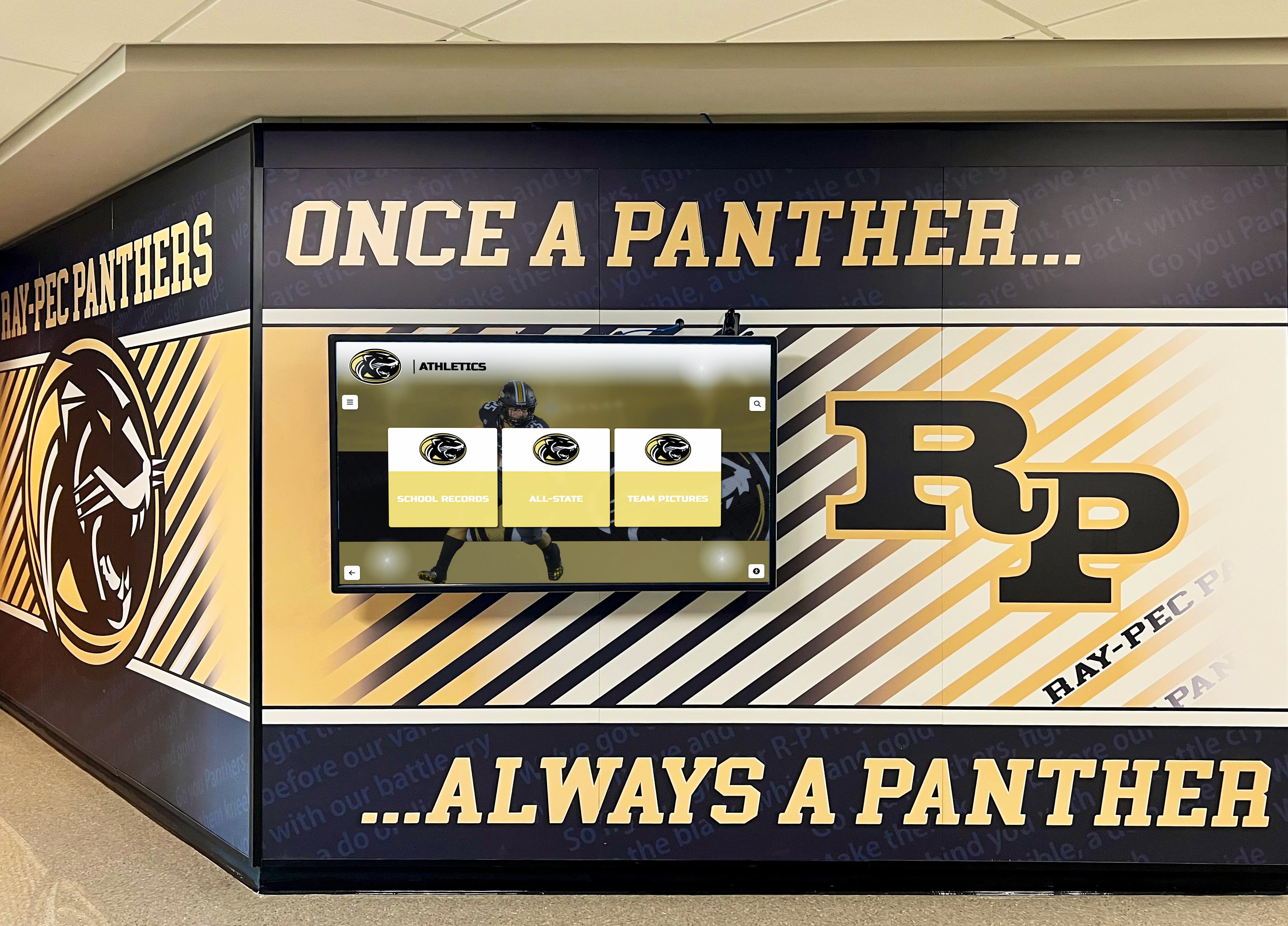
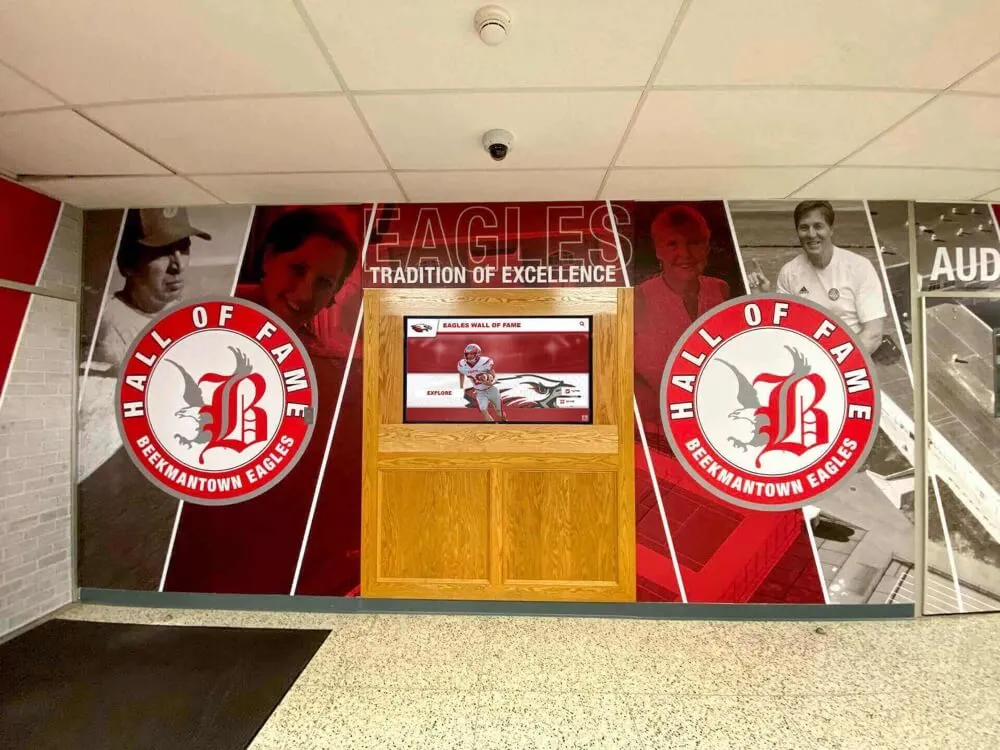
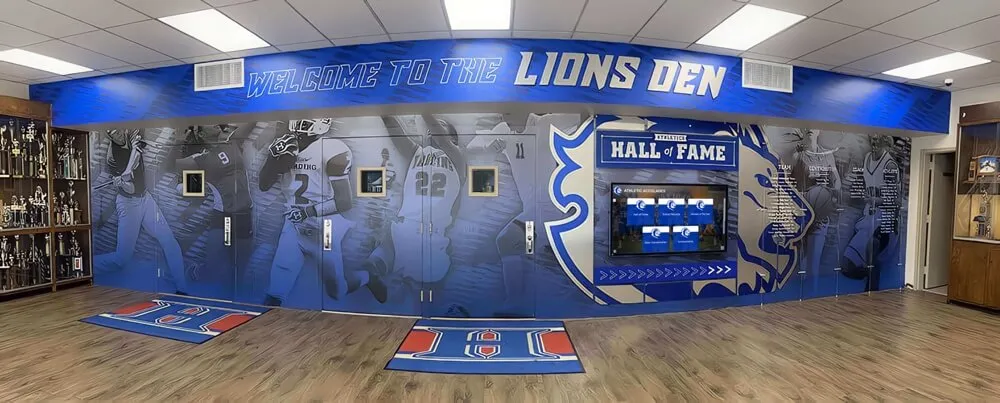
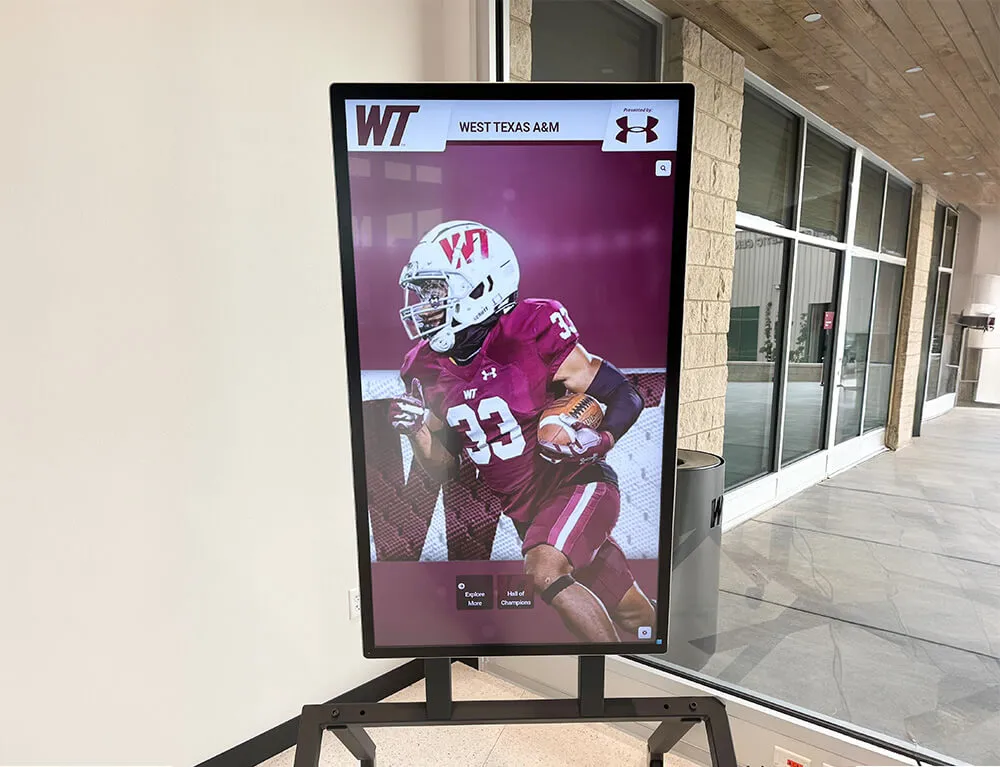
Schools honor position-specific excellence through comprehensive athletic recognition programs
Goalkeeper Positioning and Technique
Proper goalkeeper positioning maximizes coverage while enabling explosive reactions:
Defensive Positioning Fundamentals
- Ball-relative positioning: Maintaining position on the line between the ball and goal center, adjusting continuously as the ball moves
- Depth management: Moving forward toward the 5-meter line when the ball is distant, dropping deeper when shooting threats emerge closer
- Wing positioning: Shifting aggressively toward the near post when wings receive the ball, cutting down shooting angles
- Center defense: Staying slightly forward when defending the center forward, ready to contest passes or quick shots
Reaction Techniques
- Egg-beater kick: Using powerful alternating leg movements to maintain high body position and enable quick directional adjustments
- Explosive reach: Extending arms fully while jumping from water to maximize vertical and horizontal reach
- Hand positioning: Keeping hands above water and ready, with palms facing shooters to deflect shots
- Recovery speed: Returning to centered positioning immediately after save attempts to defend follow-up shots
Programs that systematically develop goalkeeper talent often use digital recognition systems tracking save percentages, shutouts, and other goalie-specific metrics that motivate continued improvement while celebrating defensive excellence often overshadowed by offensive statistics.
The Center Forward: Offensive Anchor
The center forward position—also called the “hole,” “set,” or “2-meter” position—serves as the focal point for water polo offenses, positioned directly in front of the opponent’s goal and drawing constant defensive pressure.
Center Forward Skills and Physical Requirements
Playing center forward demands unique physical and mental attributes distinguishing this position from perimeter roles:
Essential Center Forward Characteristics
- Physical strength: Battling defensive pressure while maintaining position against defender contact and holds
- Body positioning: Using back and hips to feel defender positioning while establishing and maintaining space
- Quick release shooting: Converting close-range opportunities despite tight defensive coverage
- Passing vision: Distributing to perimeter shooters when double-teams arrive or better scoring opportunities develop
- Drawing exclusions: Recognizing and forcing defensive fouls that result in opponent ejections creating 6-on-5 advantages
Primary Center Forward Responsibilities
The center forward creates scoring opportunities both individually and for teammates:
- Posting up: Establishing position close to goal similar to basketball post players, creating a target for entry passes
- Goal-side positioning: Maintaining position between defenders and the goal, preventing easy defensive positioning
- Immediate scoring threat: Shooting quickly when receiving passes, often with back to goal using spin moves or quick turns
- Setting screens: Using body position to screen defenders, creating passing and shooting lanes for perimeter players
- Reading double teams: Recognizing when defenses collapse, then distributing to open perimeter shooters for quality shots
Elite center forwards develop signature moves—spin shots, quick releases, and physical positioning techniques that create scoring opportunities despite constant defensive pressure. Strong center forward play forces defensive adjustments that open perimeter shooting opportunities for teammates.
Center Forward Tactical Positioning
Strategic positioning separates effective center forwards from those who simply occupy space without creating genuine scoring threats:
Offensive Positioning Strategies
- Active movement: Constantly adjusting position within the 2-meter area rather than remaining stationary
- Seal positioning: Using back and hips to “seal” defenders behind, preventing them from intercepting entry passes
- Angle creation: Moving slightly left or right to create better passing angles for perimeter teammates
- Timing awareness: Recognizing when perimeter players are ready to deliver passes, establishing position at optimal moments
Defensive Recognition
- Single coverage awareness: Capitalizing immediately on one-on-one situations with quick shots
- Double team recognition: Identifying when two defenders commit, then finding open perimeter shooters
- Defender positioning: Feeling through body contact where defenders stand, exploiting weak side positioning
- Shot clock awareness: Understanding time remaining, helping team maximize possession by drawing fouls when needed
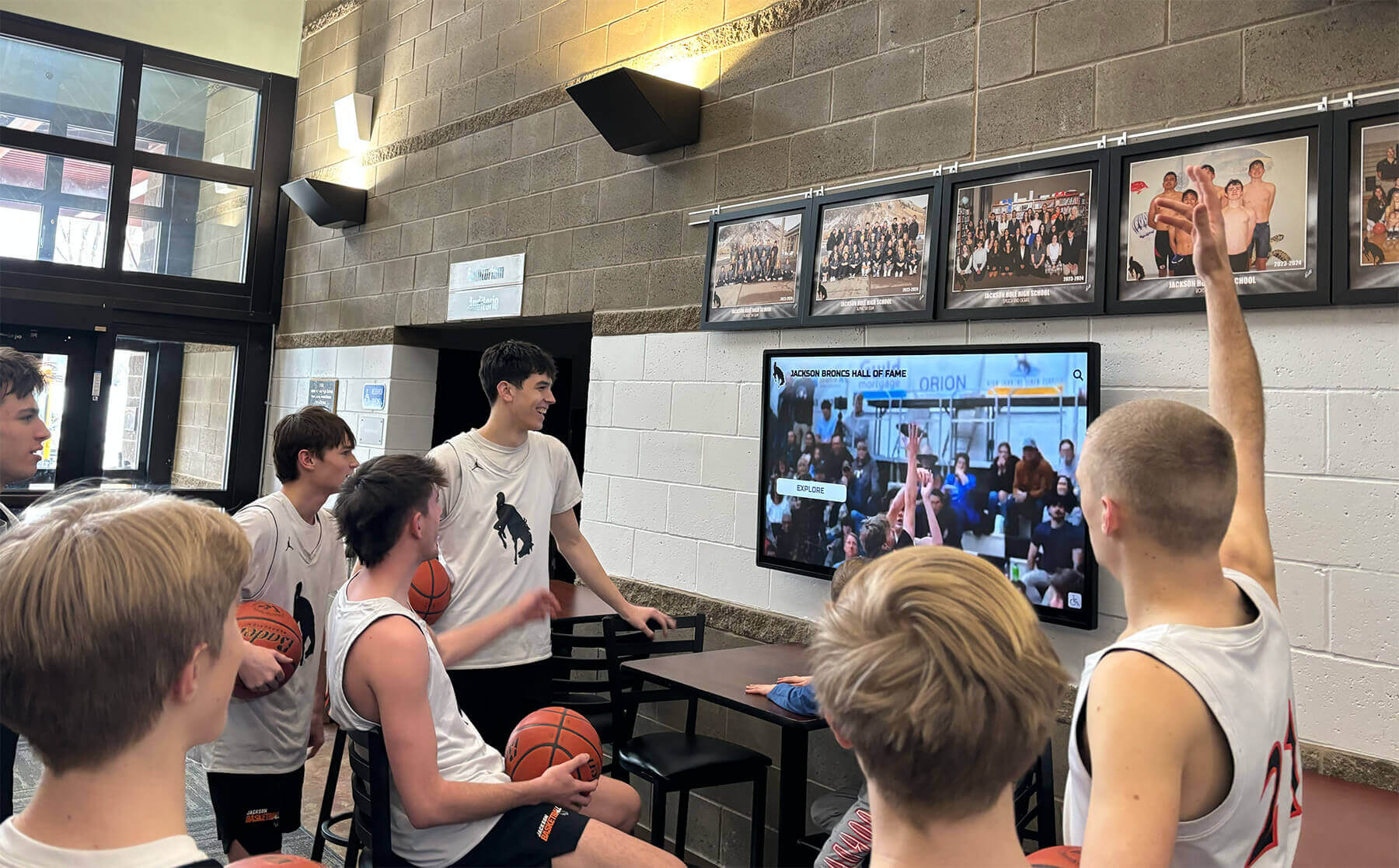
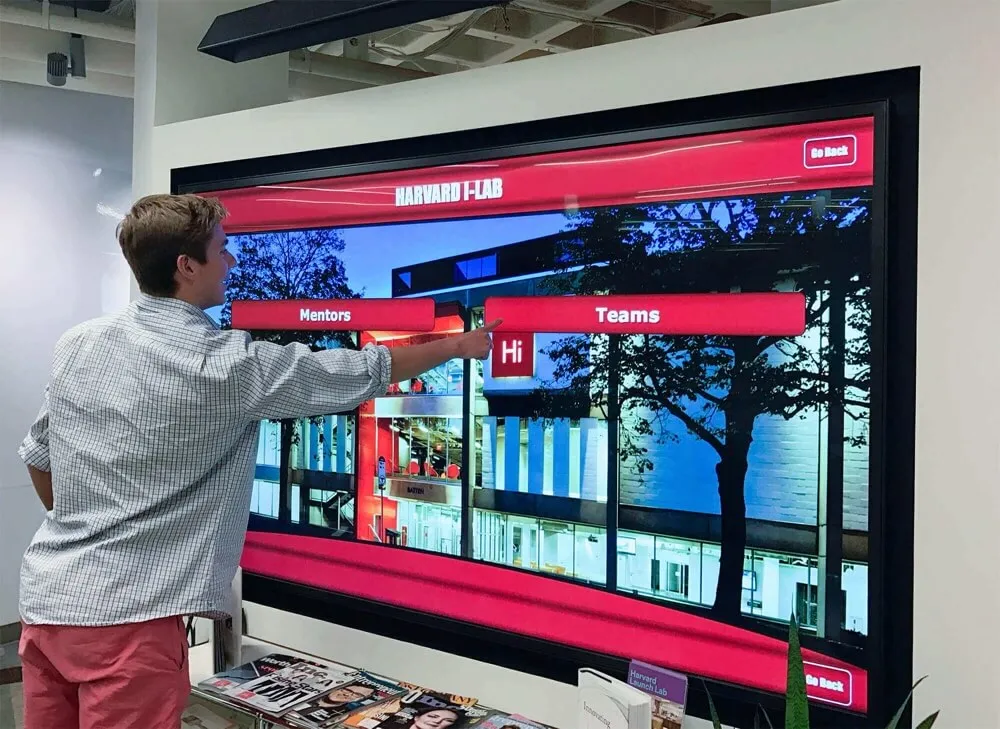
Teams review game footage and celebrate position-specific excellence through interactive displays
The center forward position offers natural recognition opportunities, as these players often lead teams in scoring and exclusions drawn. Schools celebrating water polo achievement through digital athletic displays can highlight center forward statistics alongside recognition for all position types, demonstrating program appreciation for diverse contributions.
Wing Positions: Angle Shooters
The two wing positions—left wing (position 1) and right wing (position 3)—station on opposite sides of the pool at the 2-meter line, providing crucial scoring threats from angles that challenge goalkeepers differently than center forward or perimeter shots.
Wing Skills and Responsibilities
Wing players require specialized skills enabling them to maximize scoring opportunities from their unique positional angles:
Essential Wing Player Attributes
- Corner shot accuracy: Converting close-range shots from tight angles that offer small goal windows
- Quick release: Shooting immediately upon receiving passes before defenders can recover to contest shots
- Cross-cage vision: Reading when crossing passes to the opposite wing create better scoring chances than shooting
- Defensive anticipation: Timing drives toward goal when defenders focus on other threats
- Counterattack speed: Sprinting to wing positions during transitions, getting ahead of retreating defenders
Primary Wing Responsibilities
Wings balance individual scoring with creating opportunities for teammates through strategic positioning and movement:
- Position maintenance: Staying wide at the 2-meter line, stretching defenses and preventing collapsing coverage on the center forward
- Corner shots: Converting passes into quick shots from angles requiring goalkeeper movement across the cage
- Cross-cage passing: Delivering skip passes to the opposite wing when defenders overcommit
- Driving lanes: Timing drives toward goal when defensive attention shifts elsewhere
- Weak-side rebounding: Crashing toward goal for offensive rebounds when shots come from the opposite side
Wings often develop position-specific shot techniques—quick inside corner shots, skip shots bouncing off water to confuse goalkeepers, and lob shots arcing over goalkeepers who commit too aggressively forward.
Wing Positioning Strategy
Strategic wing positioning creates scoring opportunities while maintaining offensive balance:
Optimal Wing Positioning
- Two-meter positioning: Staying at the 2-meter line (marked by colored buoys or deck markings) to maximize scoring angle while remaining legal
- Width maintenance: Remaining spread wide toward pool edges, preventing defenders from providing easy help defense on the center forward
- Constant readiness: Keeping hands visible and ready to receive passes, signaling availability to teammates
- Depth adjustment: Moving slightly closer or farther based on defensive pressure and shot clock situation
Movement and Timing
- Drive timing: Recognizing when to drive toward goal, typically when the center forward draws double-team attention or defenders focus on driver/point guard ball handlers
- Cut timing: Making well-timed cuts across the pool when defensive positioning creates passing lane opportunities
- Screen usage: Using the center forward as a screen when driving toward goal, creating separation from defenders
- Transition positioning: Sprinting to wing position during counterattacks, establishing offensive positioning before defensive recovery
Programs recognize wing excellence through statistics tracking goals, assists, and shooting percentages from different positions. Modern recognition displays can showcase position-specific achievements, helping younger players understand the unique contributions each position provides.
Driver Positions: The Versatile Threats
Driver positions—also called “flats” in some systems—occupy the perimeter area outside the wings (positions 4 and 6), providing versatile offensive threats through shooting, driving, and playmaking that force defensive adjustments creating advantages throughout the formation.
Driver Skills and Responsibilities
Drivers must master the most diverse skill set in water polo, functioning as hybrids between perimeter shooters, drivers, and secondary playmakers:
Essential Driver Attributes
- Outside shooting range: Converting perimeter shots from 4-5 meters, keeping defenses honest
- Driving ability: Attacking goal through swimming speed and ball handling while under defensive pressure
- Passing accuracy: Delivering precise passes to cutting teammates or the center forward in traffic
- Defensive versatility: Guarding various offensive positions when defending, adapting to opponent strategies
- Conditioning excellence: Maintaining high activity levels throughout games, as driver positions demand constant movement
Primary Driver Responsibilities
The driver positions create offensive opportunities through multiple avenues:
- Perimeter shooting: Providing outside shooting threats that prevent defenses from collapsing entirely on the center forward
- Driving attacks: Swimming toward goal with the ball, drawing defensive attention and creating passing opportunities
- Secondary playmaking: Initiating offensive sets when point guards pass to drivers for better angles
- Ball movement: Swinging the ball quickly around the perimeter to find favorable matchups or shooting opportunities
- Help defense: Providing defensive coverage when teammates get beaten, using positioning to contest drives
Elite drivers seamlessly transition between shooting, passing, and driving based on defensive reactions, making split-second decisions that exploit any defensive weakness.
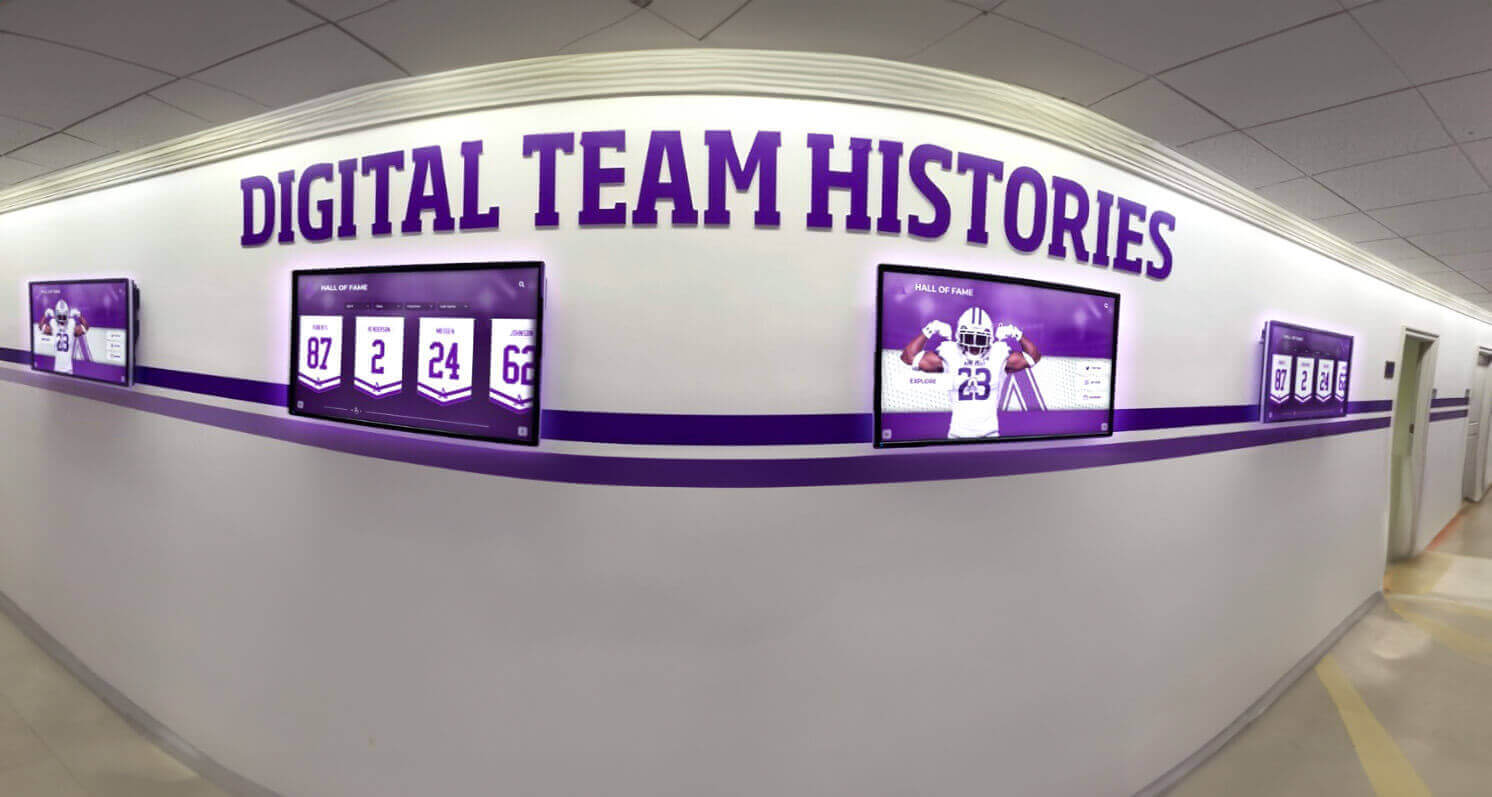
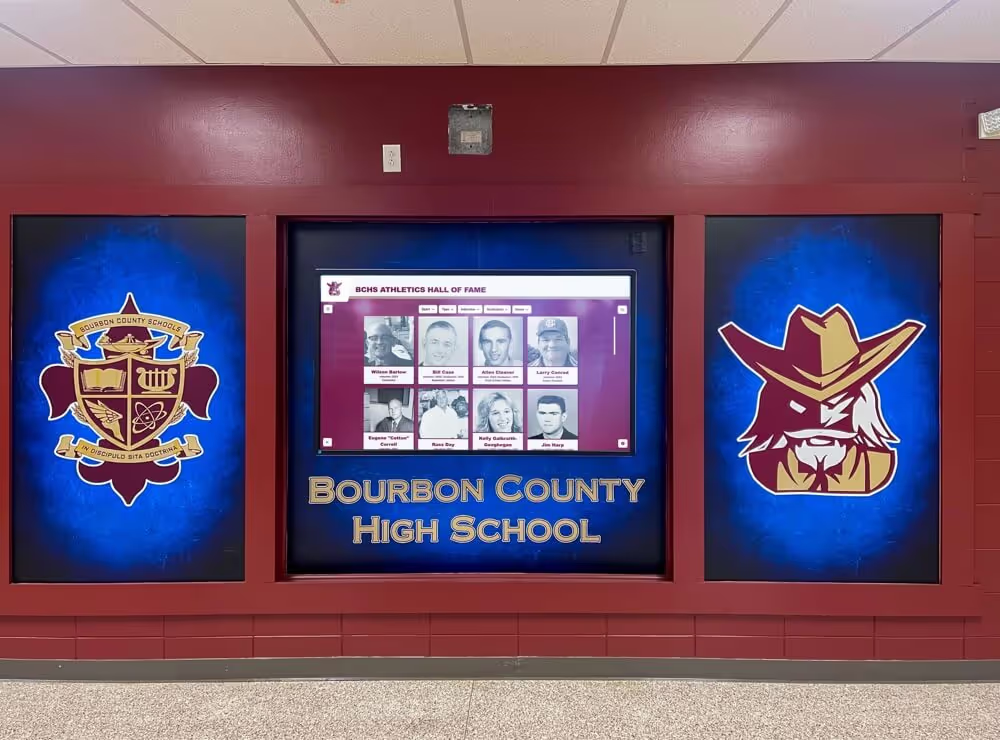
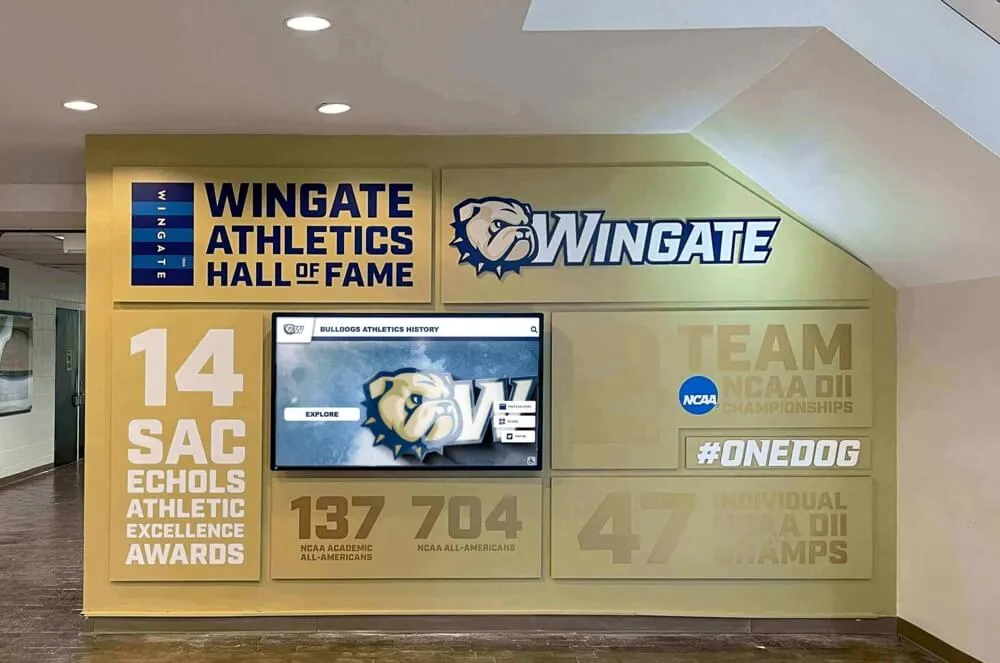
Comprehensive team recognition systems celebrate achievements across all positions and roles
Driver Positioning and Movement Patterns
Strategic driver positioning and movement create the dynamic offensive flow characterizing successful water polo attacks:
Positional Responsibilities
- Baseline spacing: Maintaining proper distance from wings, typically positioned 1-2 meters outside wing positioning
- Depth variation: Adjusting positioning between 4-5 meters from goal based on defensive pressure and offensive strategy
- Ball-side adjustment: Moving slightly toward the ball when it shifts to their side, creating better passing angles
- Help-side positioning: Drifting slightly farther from goal when the ball is on the opposite side, preparing to receive swing passes
Movement Patterns
- Drive timing: Initiating drives when defenders focus elsewhere or when creating 2-on-1 advantages against wing defenders
- Cutting patterns: Making well-timed cuts toward goal or into the pit when defensive positioning creates opportunities
- Ball reversal: Moving the ball quickly to the opposite driver to attack recovering defenses before they establish positioning
- Pick-and-roll actions: Setting screens for guards or other drivers, then rolling toward goal when defenders switch assignments
Driver versatility makes these positions valuable for team success while sometimes receiving less individual recognition than center forwards or high-scoring wings. Comprehensive athletic recognition programs ensure drivers receive appropriate credit for assists, drawn ejections, and defensive contributions that don’t always show in goal totals.
Point Guard Positions: Offensive Quarterbacks
Point guard positions (typically positions 5 and 7) operate from the top of the offensive formation at 6-7 meters from goal, serving as primary playmakers who initiate offensive sets, manage shot clock awareness, and provide outside shooting threats that prevent defensive sagging.
Point Guard Skills and Responsibilities
Point guards function as the “quarterbacks” of water polo offenses, requiring leadership, vision, and tactical awareness beyond what other positions demand:
Essential Point Guard Attributes
- Tactical awareness: Understanding offensive sets, defensive tendencies, and optimal play calling based on game situations
- Passing excellence: Delivering accurate passes to all positions, including skip passes, lob passes, and drives to the center forward
- Outside shooting range: Converting shots from 6-7 meters when defenses drop too far back
- Game management: Controlling possession pace, managing shot clock effectively, and recognizing when to hold versus when to attack
- Communication leadership: Calling plays, directing player movement, and ensuring teammates understand offensive execution
Primary Point Guard Responsibilities
Point guards orchestrate offensive attacks while maintaining shooting threats themselves:
- Play initiation: Starting offensive sets through entry passes or ball movement that triggers teammate movements
- Shot clock management: Monitoring time remaining in possessions, ensuring teams execute quality shots before violations
- Center forward feeding: Delivering well-timed passes into the center forward when positioning and timing align
- Outside shooting: Converting perimeter shots that punish defenses for collapsing too far on interior players
- Tempo control: Adjusting offensive pace based on game situation—running when advantageous, slowing when protecting leads
The best point guards exhibit court vision and decision-making comparable to basketball point guards, reading defenses and delivering the ball to teammates in positions maximizing scoring probability.
Point Guard Tactical Execution
Successful point guard play requires mastering complex tactical concepts that separate good players from elite floor generals:
Offensive Orchestration
- Reading defenses: Identifying whether opponents play zone or player-to-player defense, then exploiting vulnerabilities
- Creating advantages: Using ball movement, pump fakes, and threatening drives to force defensive mistakes
- Recognizing double teams: Identifying when defenders collapse on the center forward, creating opportunities for skip passes to open wings
- Exploiting mismatches: Finding advantageous matchups, then delivering the ball to teammates positioned to exploit those matchups
Advanced Playmaking
- Pick-and-roll execution: Coordinating with drivers or other guards to run screens creating shooting opportunities
- Backdoor recognition: Identifying when defenders overplay passing lanes, then delivering backdoor passes to cutting teammates
- Shot selection: Taking high-percentage outside shots while avoiding low-probability attempts that waste possessions
- Transition leadership: Pushing pace during counterattacks, making quick decisions that generate quality scoring chances before defenses establish positioning
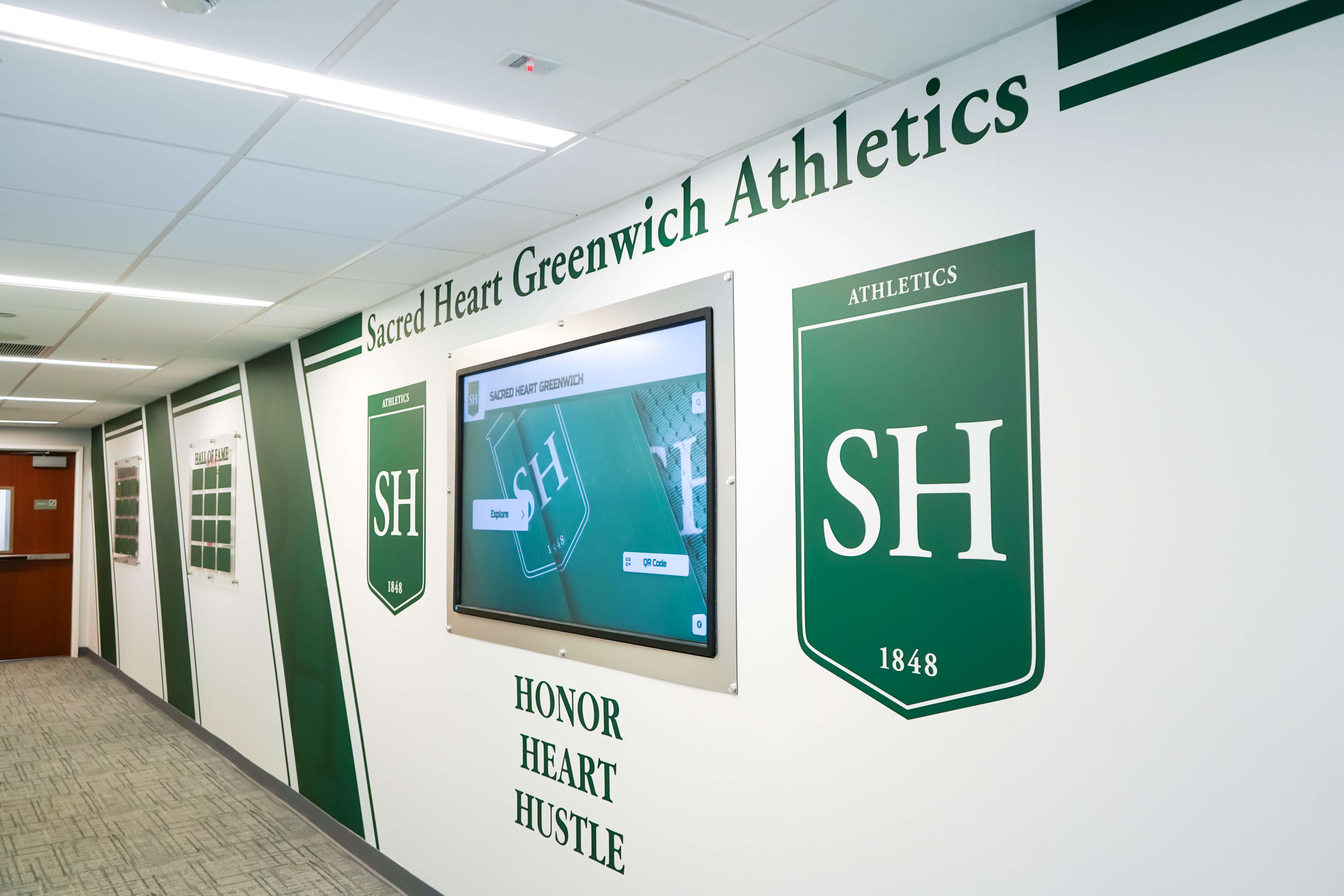
Position-specific achievements receive recognition in comprehensive athletic hall displays
Point guards often serve as team captains, with their leadership recognized through traditional and digital recognition systems that celebrate not just scoring but also assists, field goal percentage, and leadership contributions essential to team success.
Defensive Positions and Strategies
While offensive positions receive more attention, water polo demands that every player master defensive responsibilities corresponding to their offensive roles, creating cohesive team defense preventing opponent scoring.
Position-Specific Defensive Responsibilities
Each offensive position has corresponding defensive duties when opponents gain possession:
Goalkeeper Defensive Leadership
Beyond shot-stopping, goalkeepers coordinate defensive positioning:
- Calling out offensive player movements and screening threats
- Directing field defenders to correct positioning based on ball location
- Communicating shot clock awareness, ensuring defenders understand time pressure
- Identifying when to steal passes versus maintaining conservative positioning
Center Defender (Guarding Opponent Center Forward)
The most physically demanding defensive assignment:
- Fronting the offensive center forward, preventing easy entry passes
- Battling for position while avoiding ejection-worthy fouls
- Contesting shots when the center forward receives the ball
- Communicating when offensive players set screens
Wing Defenders
Guarding opponent wings requires:
- Denying easy catches at the 2-meter line
- Closing out quickly when wings receive passes, contesting shots
- Preventing driving lanes toward goal
- Helping on the center forward when opportunities arise
Driver Defenders
Versatile defensive positioning:
- Pressuring perimeter passes to prevent comfortable shooting opportunities
- Helping defensively when the ball moves toward their side
- Recovering to their assignment after providing help defense
- Intercepting cross-pool passes when defensive positioning allows
Point Guard Defenders
Guarding the top of the offense:
- Applying pressure on the ball to disrupt offensive timing
- Anticipating passes into the center forward for steal attempts
- Dropping back when opponents drive, providing help defense
- Recognizing when to pressure aggressively versus providing help coverage
Understanding team defensive systems becomes as important as individual skill development, with successful programs recognizing defensive excellence through statistics like steals, blocks, and exclusions drawn against opponents.
Position-Specific Development Pathways
Athletes typically develop water polo skills through progressive position specialization, starting with general fundamentals before focusing on position-specific techniques as they advance through program levels.
Youth Development: Building Foundational Skills
Young water polo players benefit from exposure to all positions before specializing:
Elementary and Middle School Programs
- Position rotation: Playing all positions to understand the full game
- Fundamental emphasis: Developing swimming stamina, basic ball handling, and passing accuracy
- Tactical introduction: Learning basic offensive formations and defensive positioning concepts
- Position exploration: Discovering which positions match their emerging physical attributes and preferences
Early High School Development
- Primary position emergence: Identifying 1-2 positions matching physical attributes and skill preferences
- Skill specialization beginning: Developing position-specific techniques while maintaining versatility
- Tactical sophistication: Understanding position-specific responsibilities within offensive sets and defensive schemes
- Leadership development: For point guards and goalkeepers especially, building communication and tactical decision-making skills
Programs might use recognition displays showcasing development pathways from youth programs through varsity excellence, demonstrating how position mastery progresses across program levels while inspiring younger athletes.
Advanced High School and Club Development
As players advance, position specialization intensifies while maintaining foundational versatility:
Upper High School Levels
- Position mastery focus: Perfecting position-specific techniques, movements, and tactical execution
- Physical development alignment: Building strength, conditioning, and attributes specific to position demands
- Film study integration: Analyzing position-specific performance, learning from elite players at their position
- Situational expertise: Mastering position performance in various game situations and against different defensive schemes
College Preparation
- Versatility maintenance: Developing proficiency at a secondary position for recruiting value and tactical flexibility
- Advanced tactics: Understanding complex set plays, defensive rotations, and situational strategies
- Leadership cultivation: For appropriate positions, developing the communication and decision-making that college programs value
- Physical preparation: Building the strength, endurance, and explosive power college water polo demands
College recruiters evaluate position-specific excellence alongside overall athleticism and tactical understanding. Schools supporting water polo programs can celebrate player development and college commitments through comprehensive digital displays that inspire current athletes while honoring program achievements.
Position Versatility and Team Strategy
While position specialization matters, the most valuable water polo players develop versatility enabling tactical adjustments and providing coaching flexibility across various game situations.
Multi-Position Capability Benefits
Players who master multiple positions provide substantial team value:
Tactical Flexibility
- Adjusting formations mid-game to exploit opponent weaknesses
- Substituting into different positions based on game situations
- Running specialized plays requiring unusual position alignments
- Compensating for injuries or foul trouble by filling multiple roles
Development Advantages
- Understanding the game from multiple perspectives improves overall water polo IQ
- Building comprehensive skill sets rather than narrow specializations
- Increasing playing time opportunities by filling various roster needs
- Improving college recruitment prospects through demonstrated versatility
Common Position Transitions
- Wings developing driver capabilities, playing both positions depending on matchups
- Drivers gaining point guard skills, providing playmaking from multiple spots
- Point guards with driving ability sliding to driver positions in certain formations
- Field players developing basic goalkeeper skills for emergency situations
Elite teams often feature players who seamlessly transition between similar positions, creating matchup advantages and tactical unpredictability that keep defenses off-balance.
Special Situations and Position Adjustments
Water polo includes situations requiring position modifications from standard formations:
Six-on-Five Offense (Power Play)
When opponents receive ejections:
- Extra attacker positioning typically at point or as a second center forward
- Modified spacing creating additional passing angles and shooting threats
- Position-specific power play roles maximizing advantage situations
Five-on-Six Defense (Player Down)
When defending with an ejected player:
- Defensive formations adjusting to cover the goal with one fewer defender
- Position assignments shifting to prevent easy shots while running time off ejection
- Goalkeeper communication becoming even more critical for positioning guidance
Counterattack Situations
Fast breaks after defensive stops:
- Wings and drivers sprinting ahead as primary counterattack targets
- Point guards reading numbers advantages, delivering passes to create quality chances
- Position discipline preventing cherry-picking that leaves teams vulnerable to opponent counterattacks
Schools celebrating water polo excellence often recognize clutch performances in critical situations, including game-winning goals, defensive stops, and power-play conversions that demonstrate position mastery under pressure.
Recognizing Water Polo Excellence Through Modern Displays
Water polo programs deserve recognition systems that celebrate position-specific excellence while conveying the sport’s tactical sophistication to school communities who may be less familiar with aquatic athletics compared to traditional sports.
Position-Specific Recognition Opportunities
Comprehensive water polo recognition extends beyond simple win-loss records to highlight diverse contributions across all positions:
Individual Position Recognition
- Goalkeeper save percentages and shutout records
- Center forward scoring leaders and exclusions drawn statistics
- Wing shooting accuracy and clutch goal performance
- Driver assist leaders and all-around statistical excellence
- Point guard playmaking recognition and assist-to-turnover ratios
Team Achievement Recognition
- Championship wins and tournament success
- Conference standings and playoff advancement
- Team statistical leaders across various categories
- Season highlight moments and memorable victories
- Historical program milestones and record-breaking performances
Player Development Recognition
- Athletes earning college athletic scholarships
- All-conference and all-region selections
- Career milestone achievements (goals, assists, saves)
- Team captain recognition and leadership awards
- Improvement awards celebrating position mastery development
Traditional static displays struggle to convey the dynamic nature of water polo achievement and the statistical nuances differentiating position-specific excellence. Digital recognition solutions offer superior approaches to celebrating water polo programs by providing:
- Interactive position diagrams explaining roles to unfamiliar audiences
- Video highlights showcasing position-specific skills and achievements
- Comprehensive statistics that honor all position types equitably
- Historical rosters showing how players developed through position pathways
- Searchable databases allowing families to explore individual athlete achievements
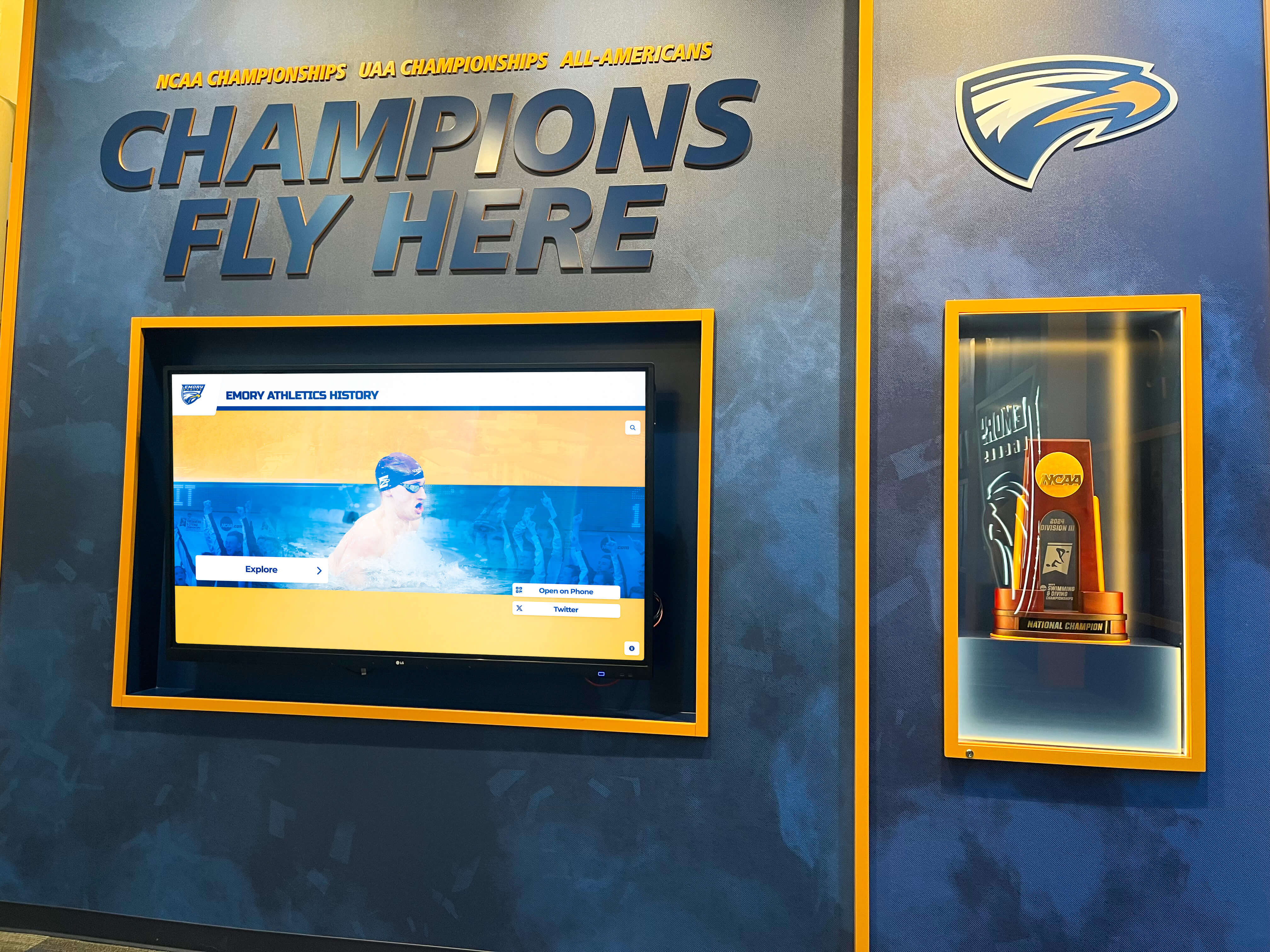
Rocket Alumni Solutions specializes in creating touchscreen recognition displays that bring water polo achievements to life through engaging multimedia content. These systems can explain position nuances to audiences unfamiliar with water polo while providing the comprehensive statistical recognition that players, families, and program supporters value. The interactive nature allows visitors to explore position-specific achievements, watch highlight footage, and understand the tactical sophistication that makes water polo such a compelling competitive sport.
Conclusion: Mastering Water Polo Positions
Understanding water polo positions represents just the beginning of mastering this tactically complex sport. Each position demands specific skills, physical attributes, and strategic awareness, while the most successful players develop positional versatility enabling teams to adjust formations and exploit opponent weaknesses throughout competitions.
For players seeking to excel in water polo, position mastery requires:
- Dedicated skill development in position-specific techniques and responsibilities
- Tactical sophistication understanding how individual positions integrate within team systems
- Physical preparation building the strength, endurance, and explosive power each position demands
- Game intelligence developed through film study, practice repetition, and competitive experience
- Versatility cultivation that provides tactical flexibility and increases overall player value
For coaches building competitive programs, effective position development demands systematic approaches that progress players from fundamental exposure through advanced specialization while maintaining the versatility that enables tactical flexibility.
For schools supporting water polo programs, comprehensive recognition systems that celebrate position-specific excellence while explaining the sport’s nuances to broader audiences help build program culture, inspire continued participation, and demonstrate institutional appreciation for aquatic athletic achievement.
Water polo positions create the tactical framework enabling one of sport’s most demanding team competitions. Players who master their positional responsibilities while understanding how all seven positions interconnect develop the game awareness separating good water polo players from elite performers who elevate entire team performance through individual excellence and collective understanding.
Modern recognition approaches help water polo programs achieve the visibility and celebration their achievements deserve. Rocket Alumni Solutions provides the technology enabling comprehensive celebration of water polo excellence through interactive displays that educate audiences about position nuances while honoring the athletes who master these demanding roles in the pool.
Live Example: Rocket Alumni Solutions Touchscreen Display
Interact with a live example (16:9 scaled 1920x1080 display). All content is automatically responsive to all screen sizes and orientations.