



School environments profoundly influence student pride, visitor impressions, and community identity—yet many facilities feature bland corridors, empty walls, and uninspiring spaces that fail to communicate institutional values, celebrate achievements, or reinforce school culture effectively.
Wall wraps for schools provide transformative solutions that convert ordinary surfaces into dynamic visual environments showcasing school spirit, celebrating achievements, displaying mascots and branding, and creating memorable spaces that strengthen institutional identity while inspiring students, impressing visitors, and building lasting pride throughout educational communities.
This comprehensive guide explores wall wrap planning, design considerations, material options, installation requirements, cost factors, maintenance needs, and integration strategies with recognition displays. These frameworks help administrators, facilities directors, and recognition coordinators make informed decisions about transforming school environments through professional wall graphics that serve institutional goals while remaining sustainable throughout building lifecycles.
Educational facilities face unique environmental challenges—high traffic volumes, limited budgets, frequent cleaning requirements, and the need to update recognition content as achievements accumulate and student populations change. The most effective wall wrap programs address these realities through durable materials, strategic placement, maintainable designs, and integration with flexible recognition systems that balance permanent branding with updateable content showcasing current achievements.

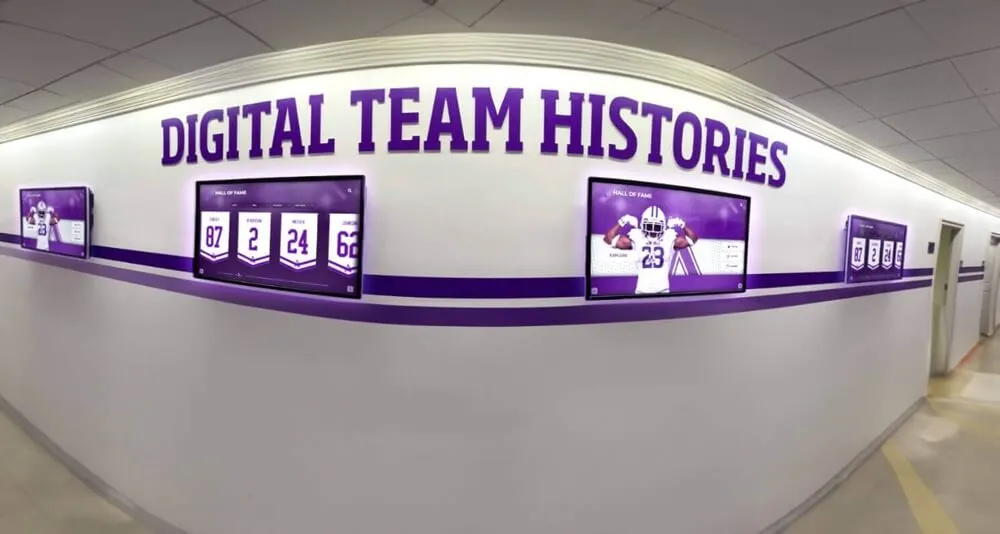
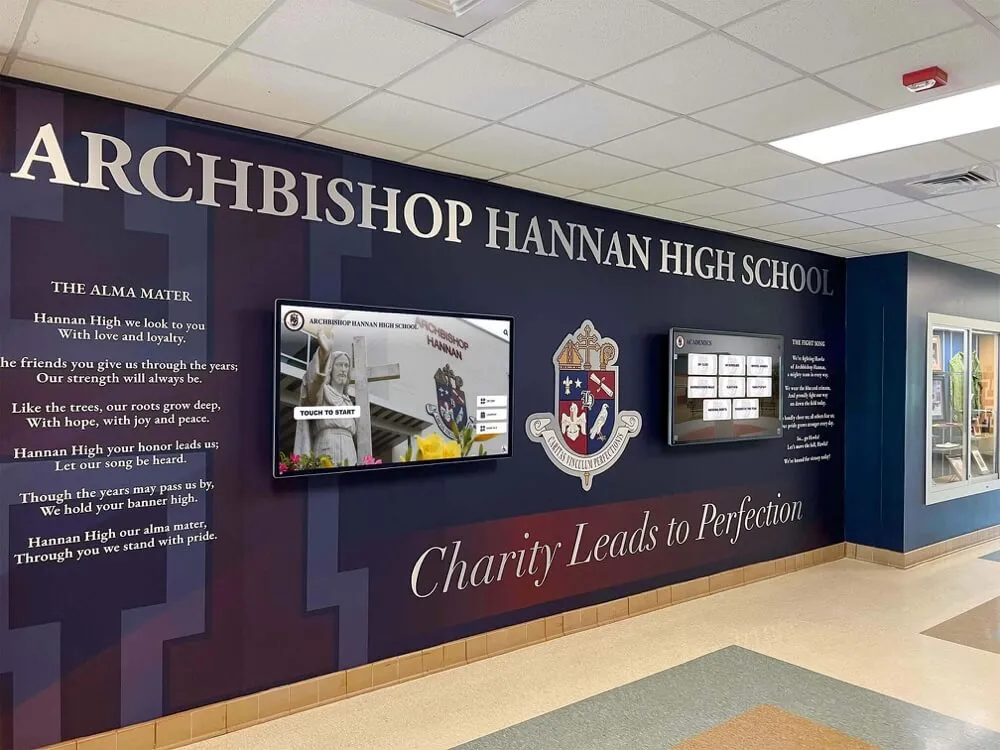
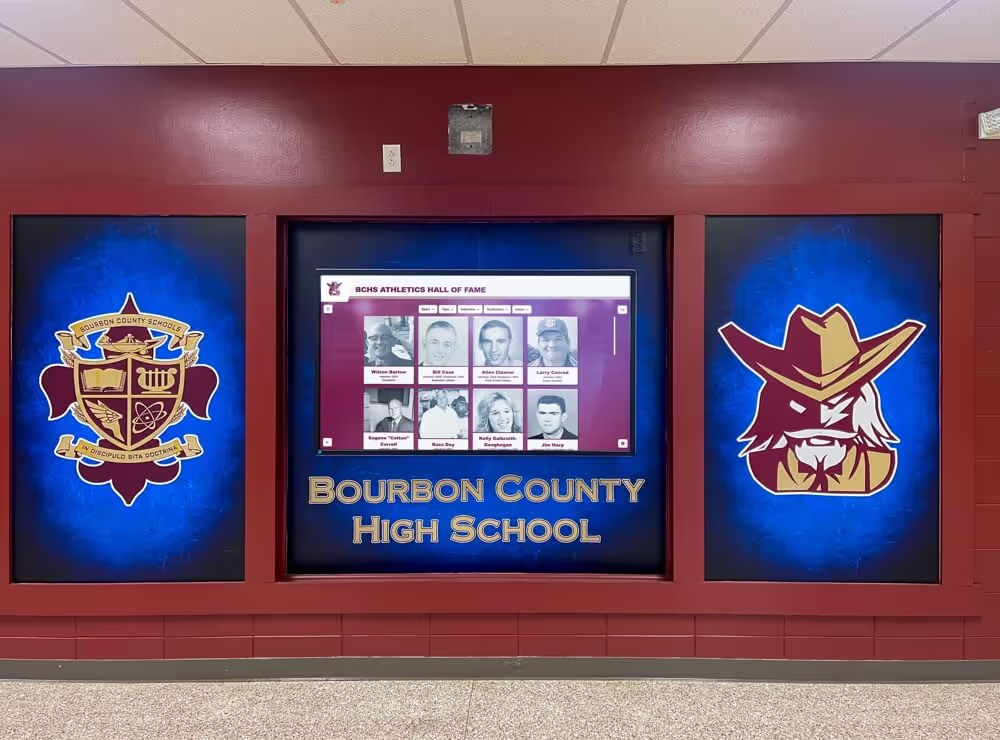
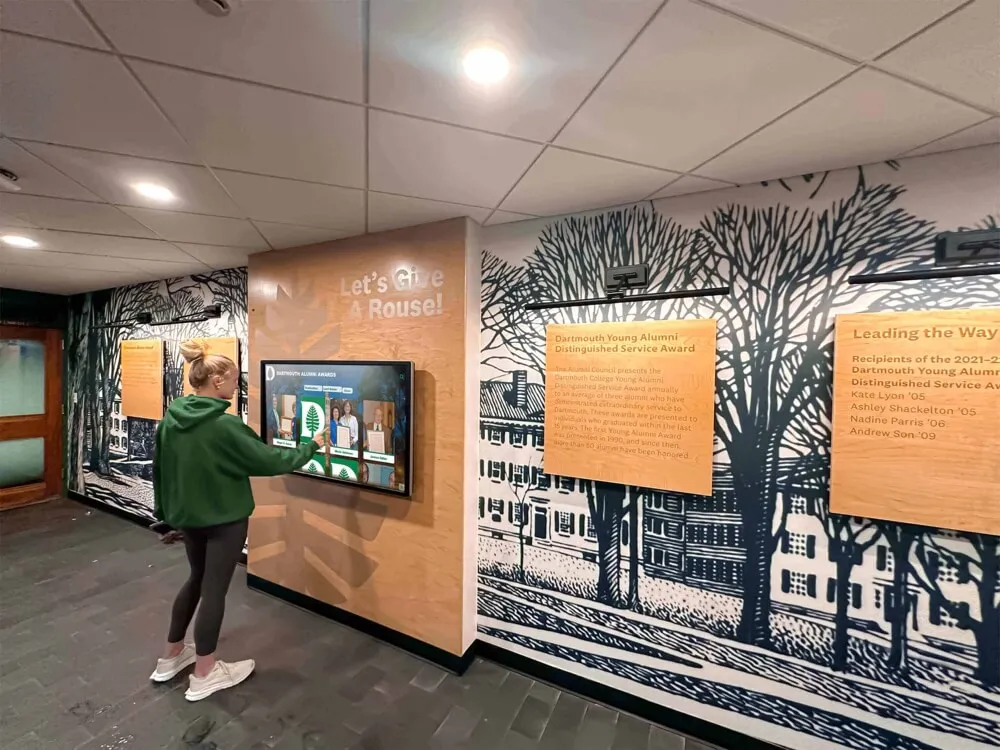
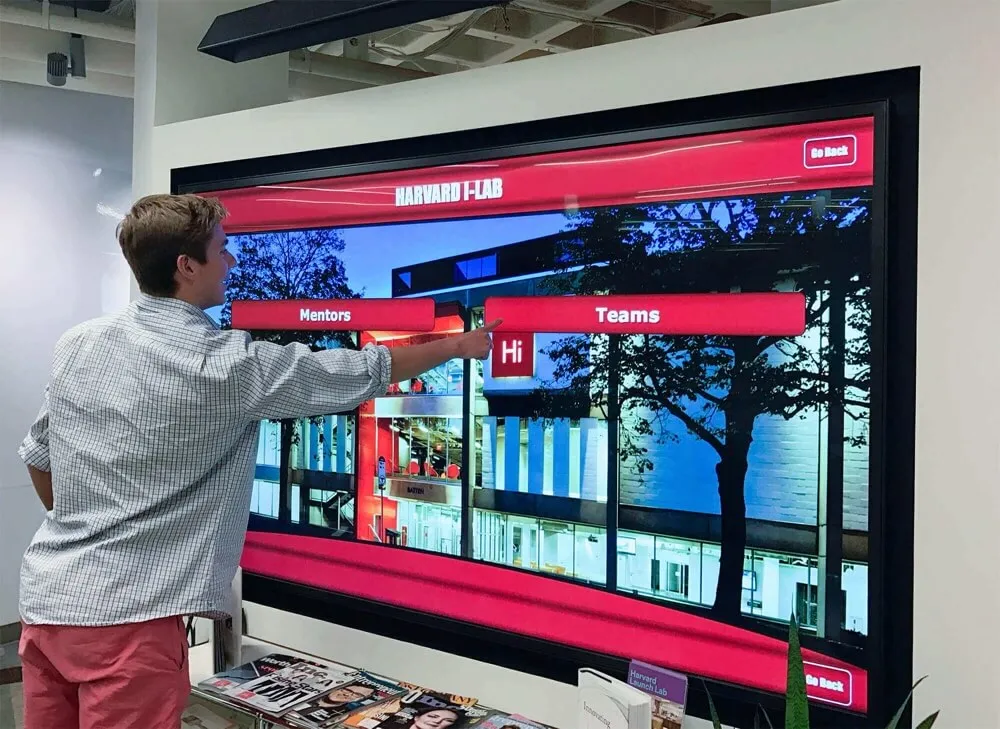
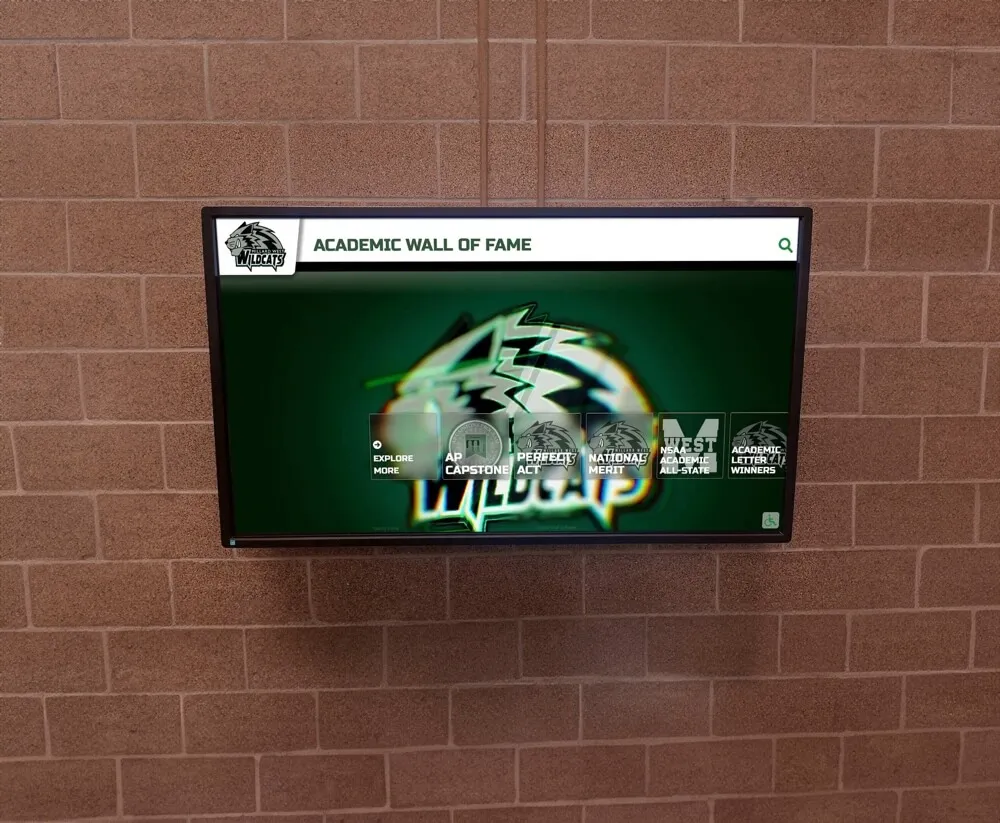
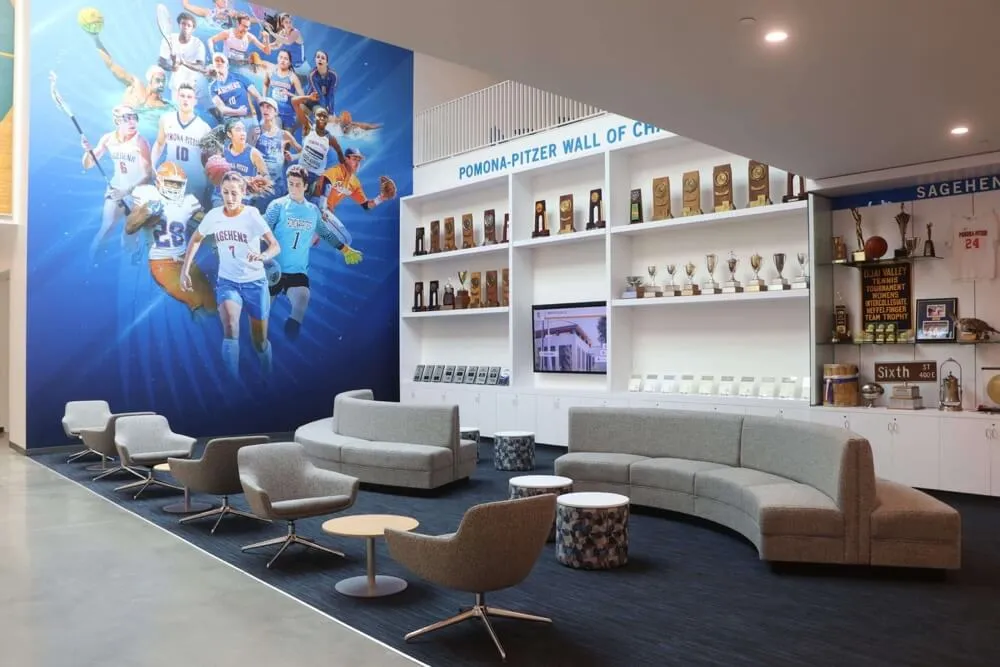
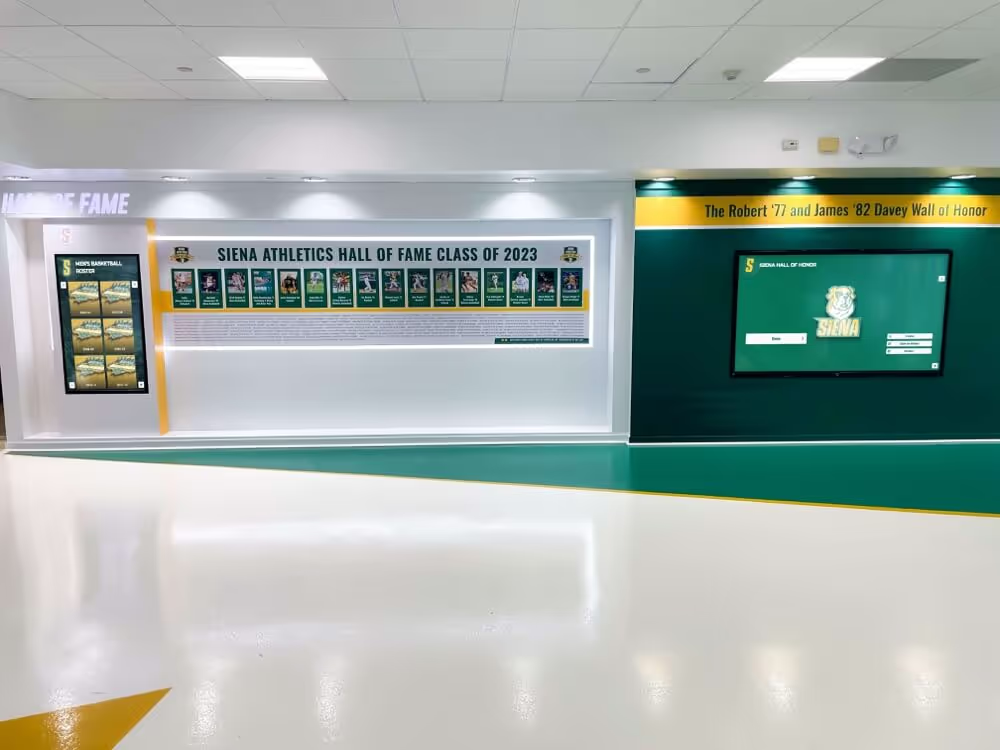
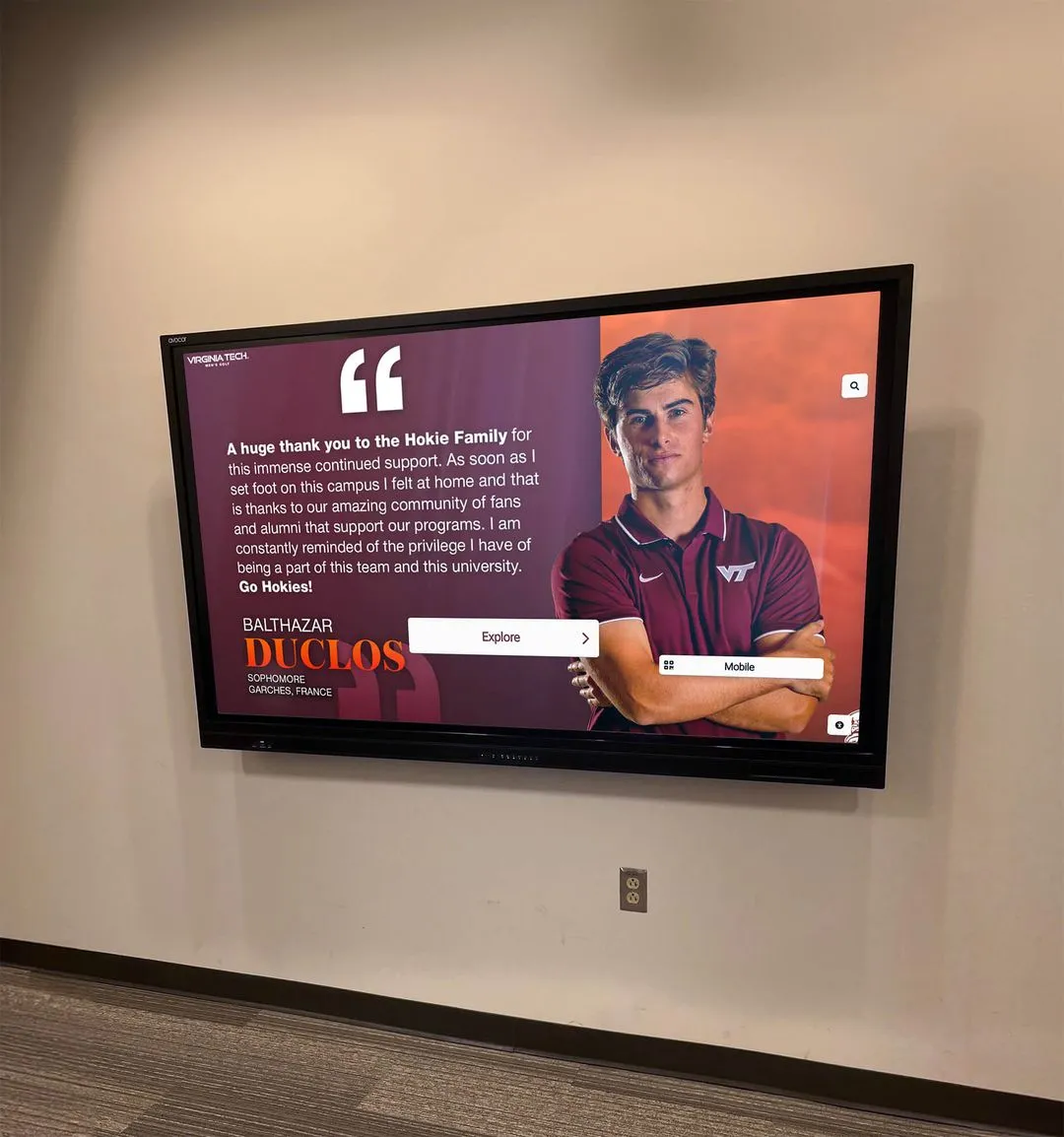
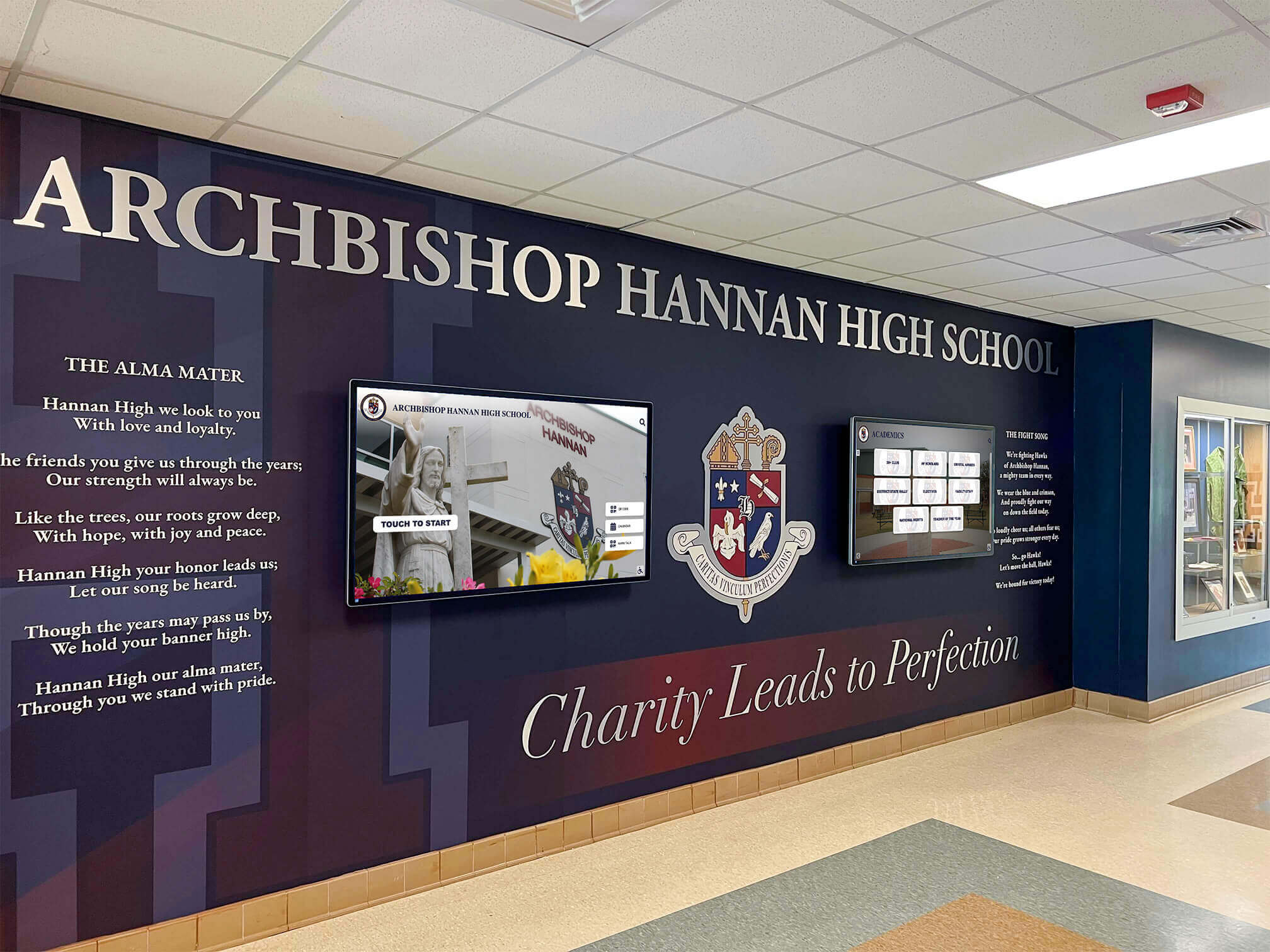
Strategic wall wraps transform school lobbies into welcoming environments that communicate institutional identity immediately
Understanding Wall Wraps for Educational Environments
Before implementing wall graphics programs, understanding format options, material specifications, and application contexts helps administrators make appropriate selections for specific institutional needs.
What Are Wall Wraps and How Do They Function?
Wall wraps consist of large-format printed graphics applied directly to wall surfaces using specialized adhesive materials designed for commercial installation:
Core Components and Construction
Professional wall wrap systems include:
- High-resolution digital printing on specialized vinyl or fabric substrates
- Pressure-sensitive adhesive backing enabling application to painted walls
- Protective laminate layers preventing scratches, fading, and surface damage
- Professional installation requiring specialized training and equipment
- Expected lifespans of 3-10 years depending on materials and maintenance
Common Application Types for Schools
Educational facilities utilize several wall wrap categories:
Brand Identity Graphics - Mascot displays, school crests, mission statements, and institutional branding establishing visual identity in entrances, lobbies, and prominent corridors.
Athletic Recognition Walls - Championship banners, team photographs, record holders, and performance statistics celebrating athletic program achievements in gymnasiums, field houses, and athletic facilities.
Academic Excellence Displays - Honor roll recognition, academic achievement showcases, college acceptance walls, and scholarship acknowledgment highlighting educational accomplishments throughout academic buildings.
Historical Timeline Walls - Institutional history, notable alumni, facility evolution, and milestone achievements creating connection to school heritage in libraries, administration areas, or dedicated museum spaces.
Wayfinding and Information Graphics - Directory systems, building maps, department identification, and navigation assistance helping visitors and community members locate destinations efficiently.
Inspirational Messaging - Motivational quotes, character values, behavioral expectations, and cultural reinforcement supporting positive school climate in hallways, cafeterias, and common areas.
Key Benefits of School Wall Wraps
Strategic implementation provides multiple institutional advantages:
Visual Impact and Environment Transformation
- Convert bland corridors into engaging, branded spaces
- Create memorable first impressions for prospective families
- Differentiate school identity from generic institutional aesthetics
- Generate pride among students, staff, and community members
Cost-Effective Facility Enhancement
- Achieve dramatic visual improvements without construction
- Cover aging, damaged, or deteriorating wall surfaces
- Update recognition content without complete reinstallation
- Scale implementation incrementally within budget constraints
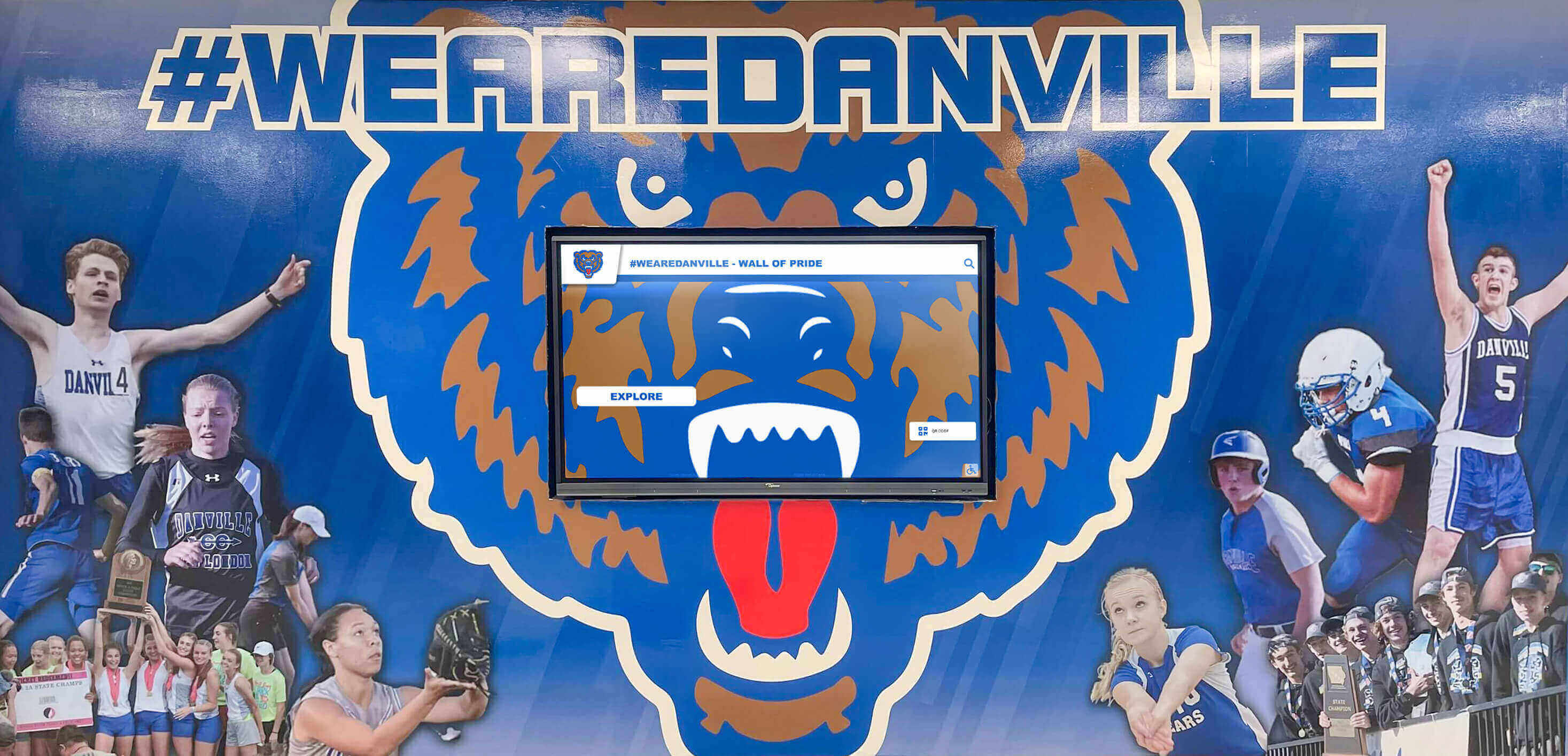
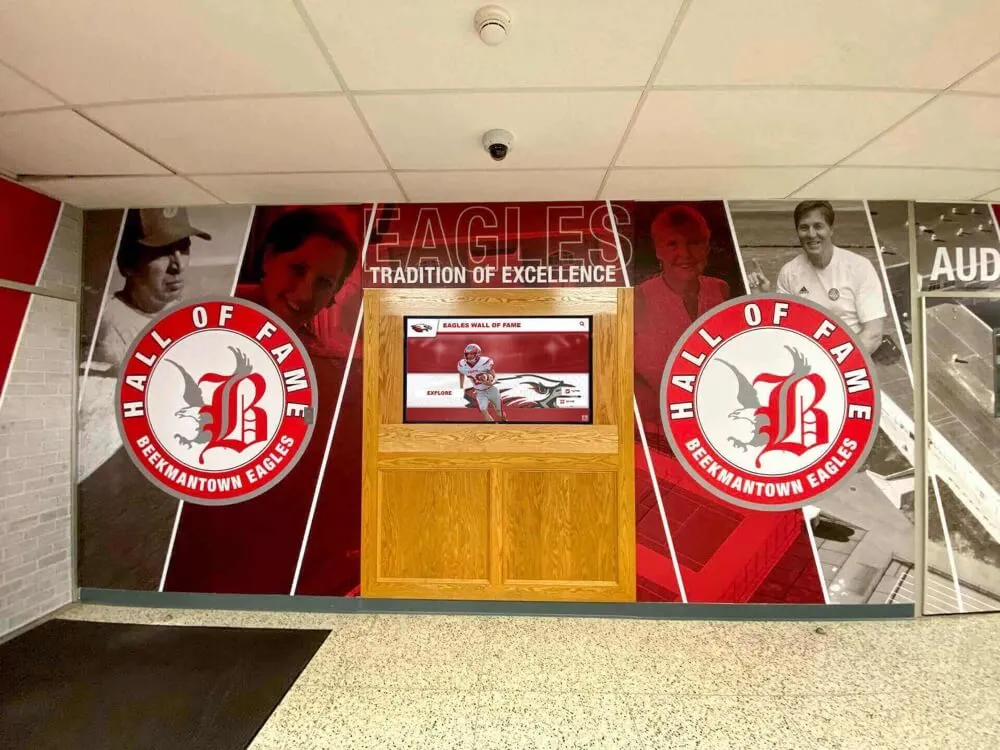
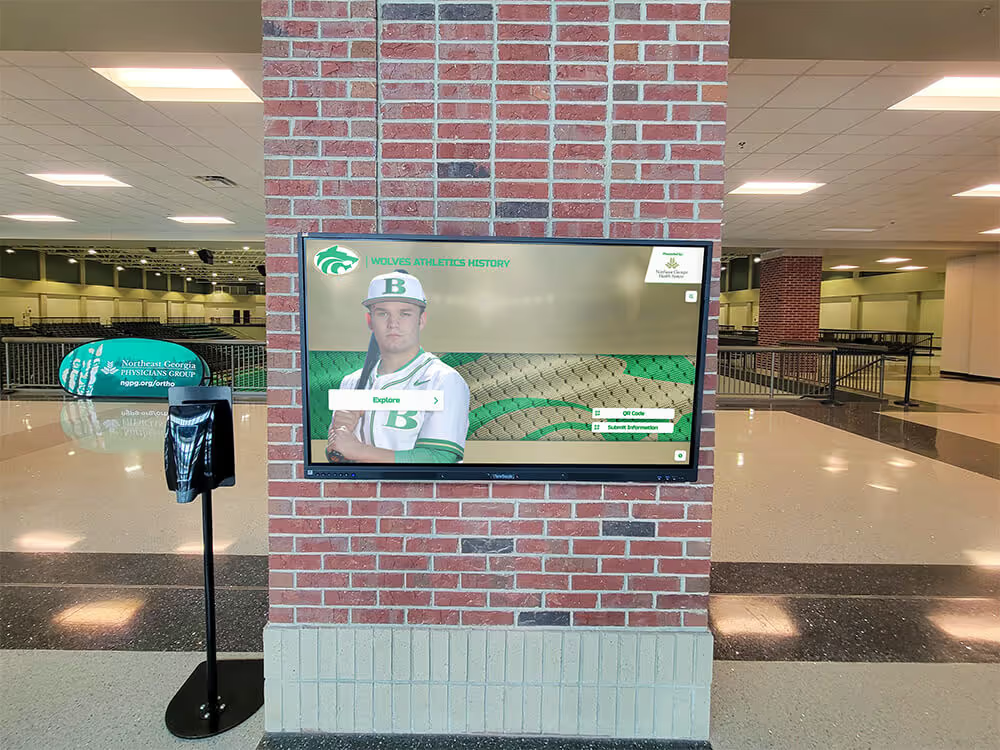
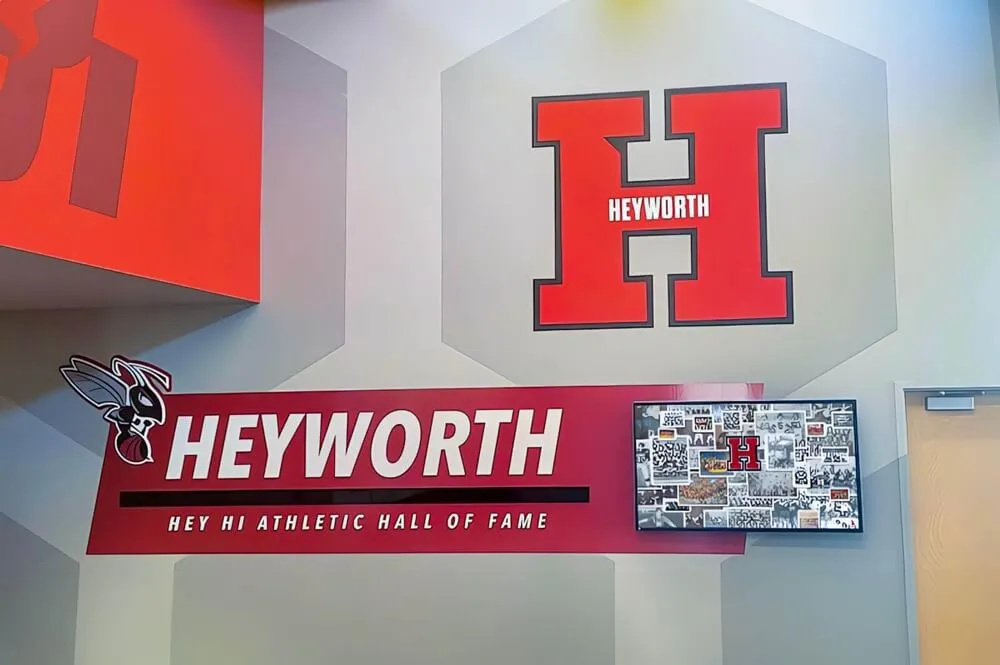
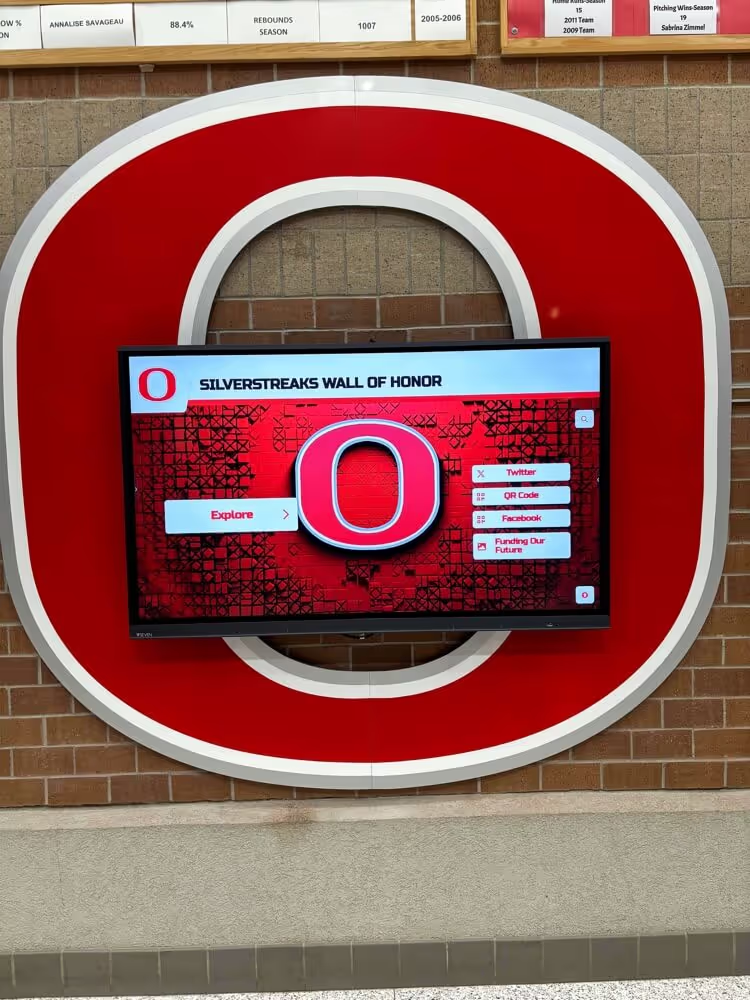
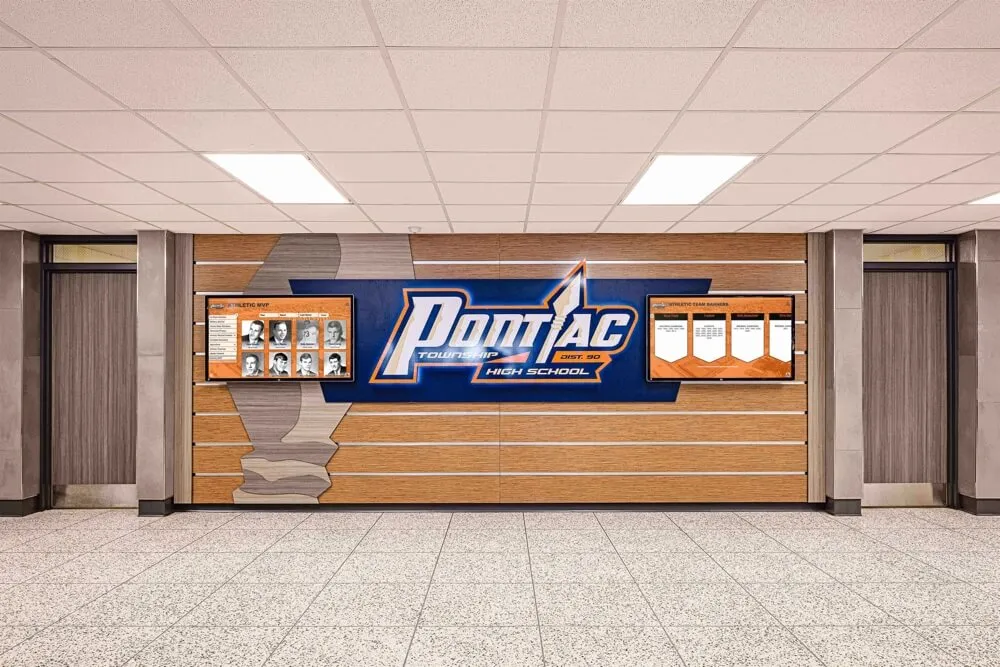
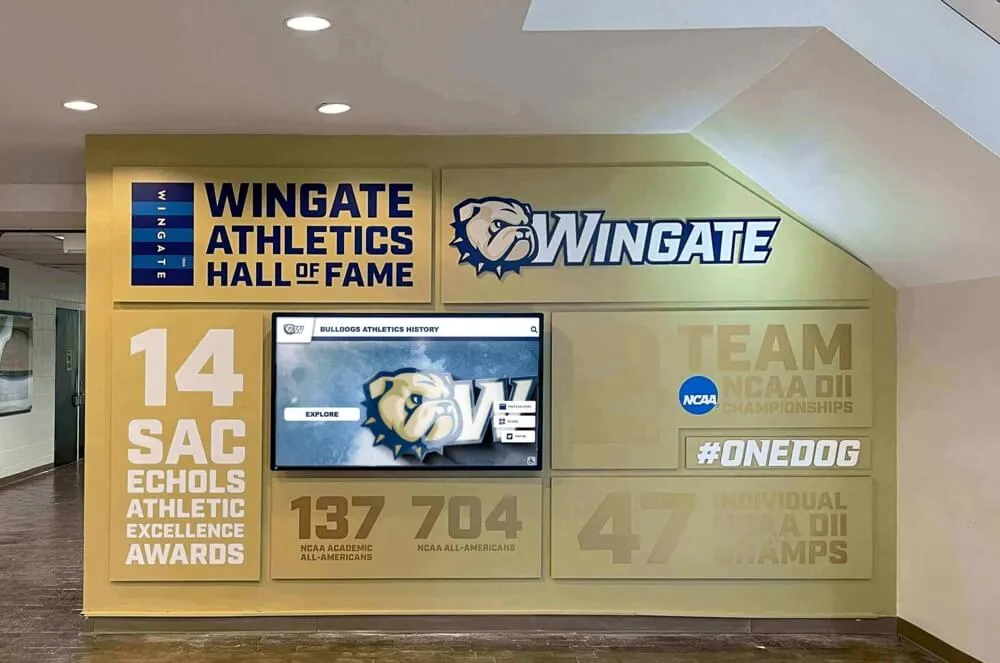
Integrated wall wraps combine permanent branding with updateable digital recognition for maximum flexibility
Recognition and Achievement Celebration
- Showcase accomplishments prominently throughout facilities
- Create permanent tribute spaces honoring excellence
- Motivate current students through visible achievement examples
- Build institutional heritage through documented success
Flexible Content Management
- Remove and replace outdated recognition as achievements accumulate
- Update messaging reflecting current priorities or campaigns
- Refresh graphics without extensive construction or painting
- Maintain contemporary appearance adapting to evolving institutional identity
Understanding school facility improvement approaches provides context for how wall wraps fit within comprehensive environmental enhancement strategies.
Program Snapshot: Wall Wrap Implementation Framework
Systematic planning ensures successful wall graphics programs addressing institutional goals while remaining sustainable throughout facility lifecycles.
| Implementation Phase | Timeline | Key Activities |
|---|---|---|
| Planning and Design | 6-12 weeks | Needs assessment, location selection, content development, design creation, approval processes |
| Material Selection | 2-4 weeks | Substrate evaluation, durability requirements, finish specifications, cost analysis |
| Vendor Selection | 3-6 weeks | Proposal requests, vendor qualification, reference checking, contract negotiation |
| Production | 2-6 weeks | File preparation, printing, quality control, material finishing |
| Installation | 1-5 days | Surface preparation, professional application, finishing work, cleanup |
| Integration | 1-2 weeks | Recognition display coordination, lighting installation, signage integration |
| Budget Range | Varies | $15-$45 per square foot installed depending on complexity, materials, and scope |
Material Options and Specifications for School Applications
Appropriate material selection significantly impacts wall wrap performance, longevity, and maintenance requirements in demanding educational environments.
Vinyl Wall Wrap Materials
Self-adhesive vinyl remains the most common substrate for school wall graphics:
Standard Calendered Vinyl
Entry-level option balancing cost and performance:
- Cost range: $8-$15 per square foot installed
- Expected lifespan: 3-5 years in interior applications
- Best applications: Short-term displays, temporary recognition, budget-conscious projects
- Limitations: May shrink slightly over time, less conformable to textured surfaces
- Maintenance: Standard cleaning with approved products
Premium Cast Vinyl
Professional-grade material for demanding applications:
- Cost range: $15-$25 per square foot installed
- Expected lifespan: 5-7 years in high-traffic interior locations
- Best applications: Permanent branding, high-visibility areas, long-term installations
- Advantages: Superior conformability, color stability, minimal shrinkage
- Maintenance: Excellent durability, resists scratches and cleaning chemicals
Textured and Specialty Vinyls
Enhanced aesthetic options for premium installations:
- Options include canvas textures, metallic finishes, and dimensional effects
- Cost range: $20-$35 per square foot installed
- Creates distinctive appearances differentiating premium recognition areas
- Particularly effective for donor walls, hall of fame spaces, and featured displays
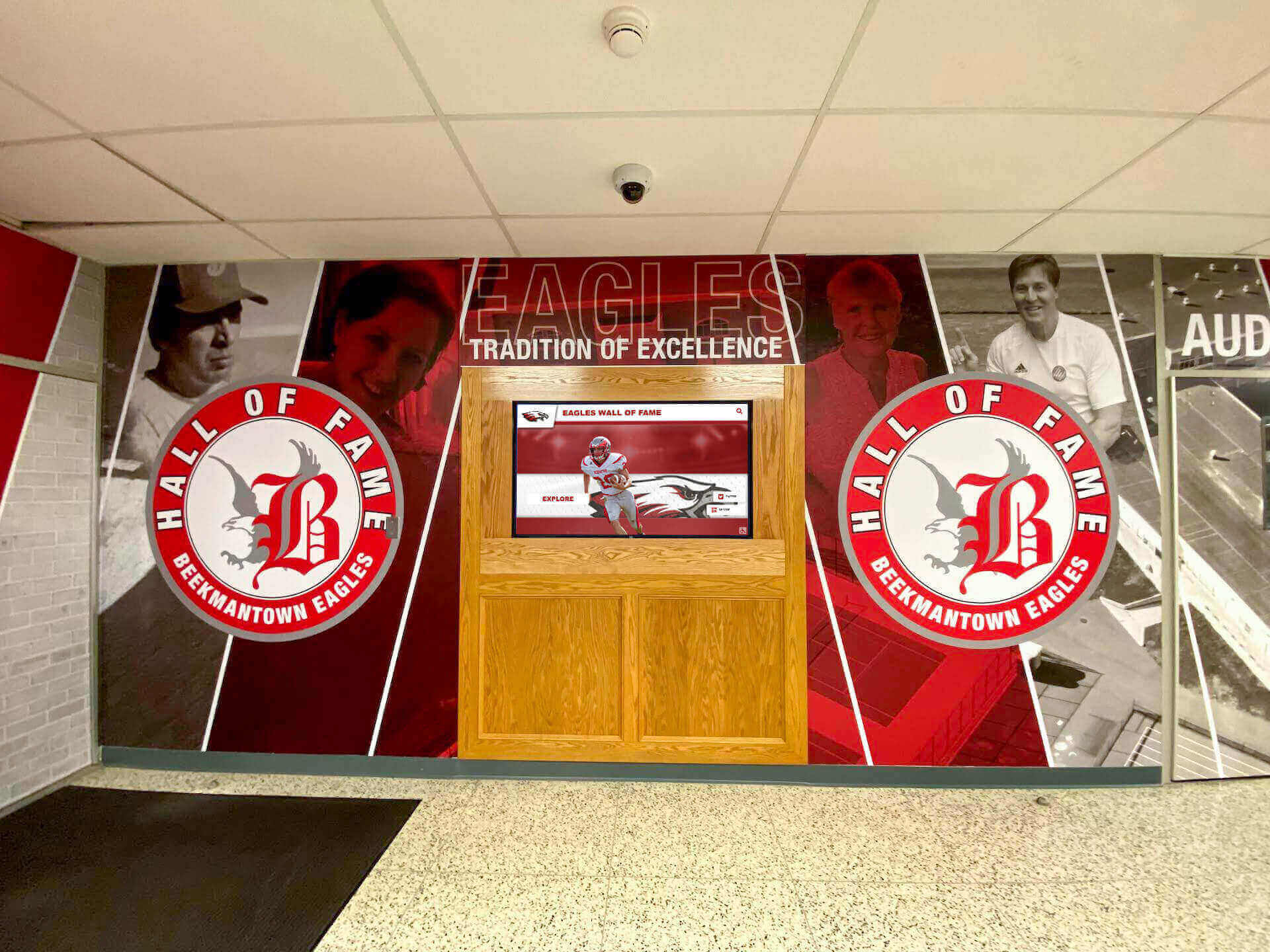
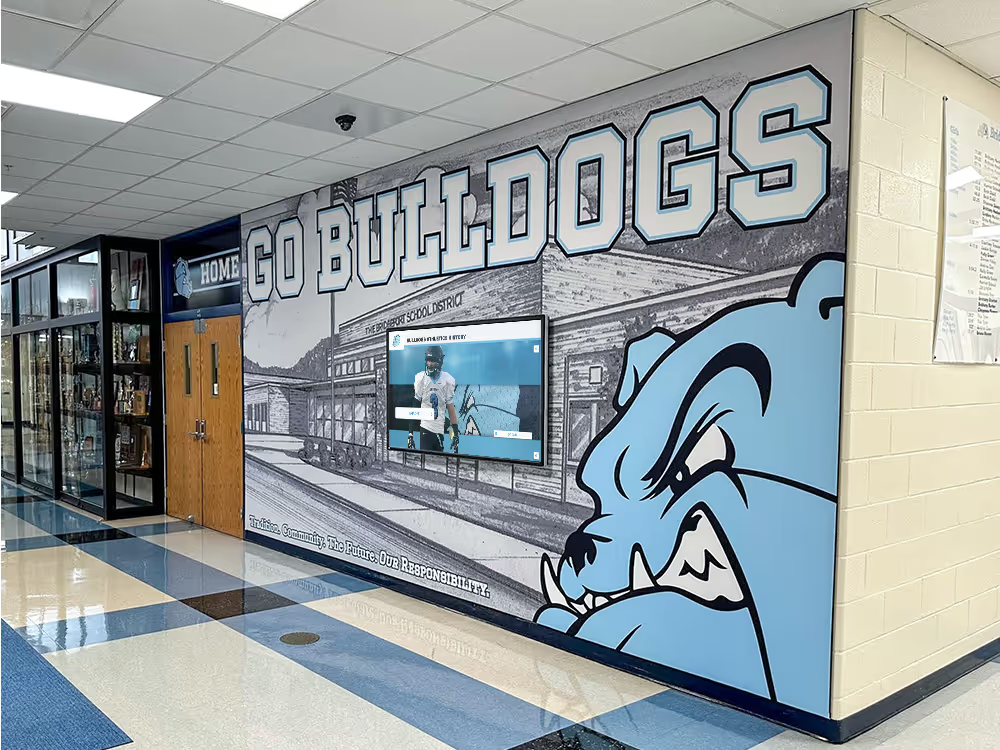
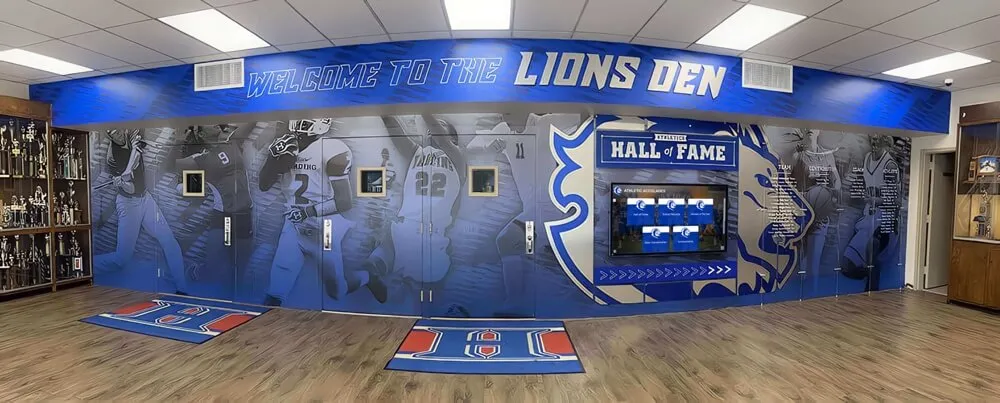
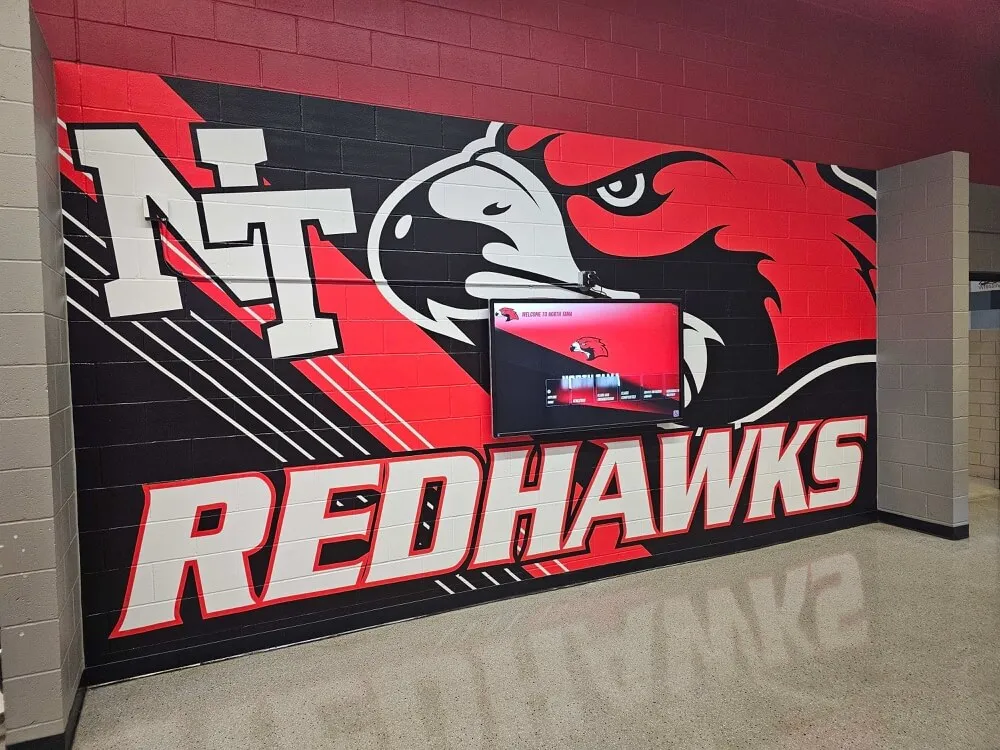
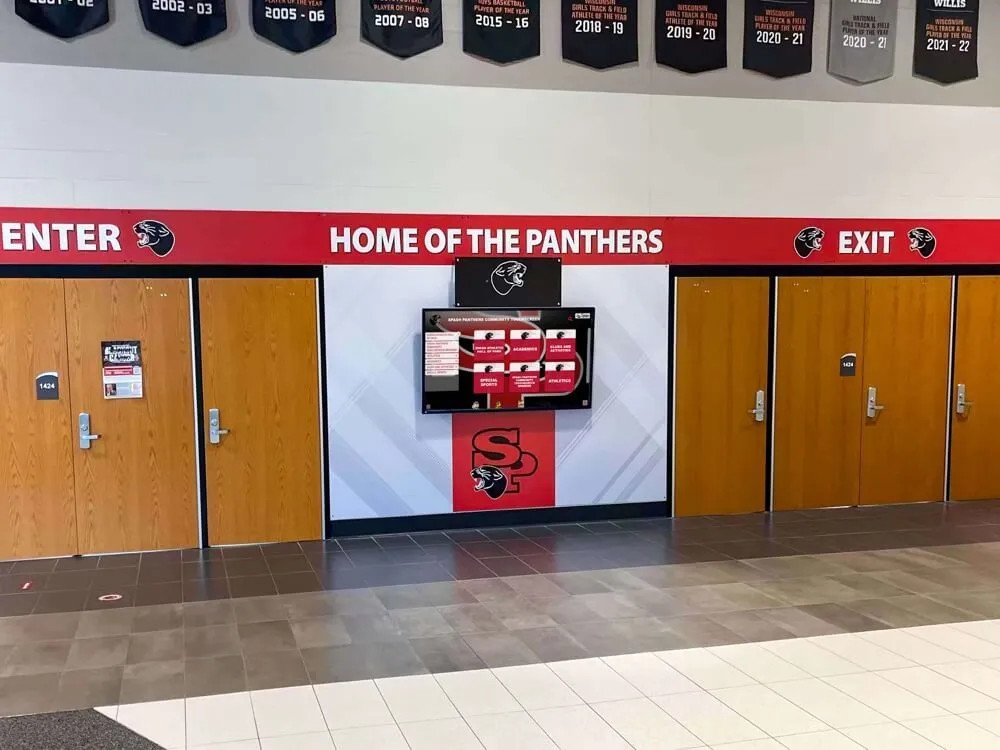
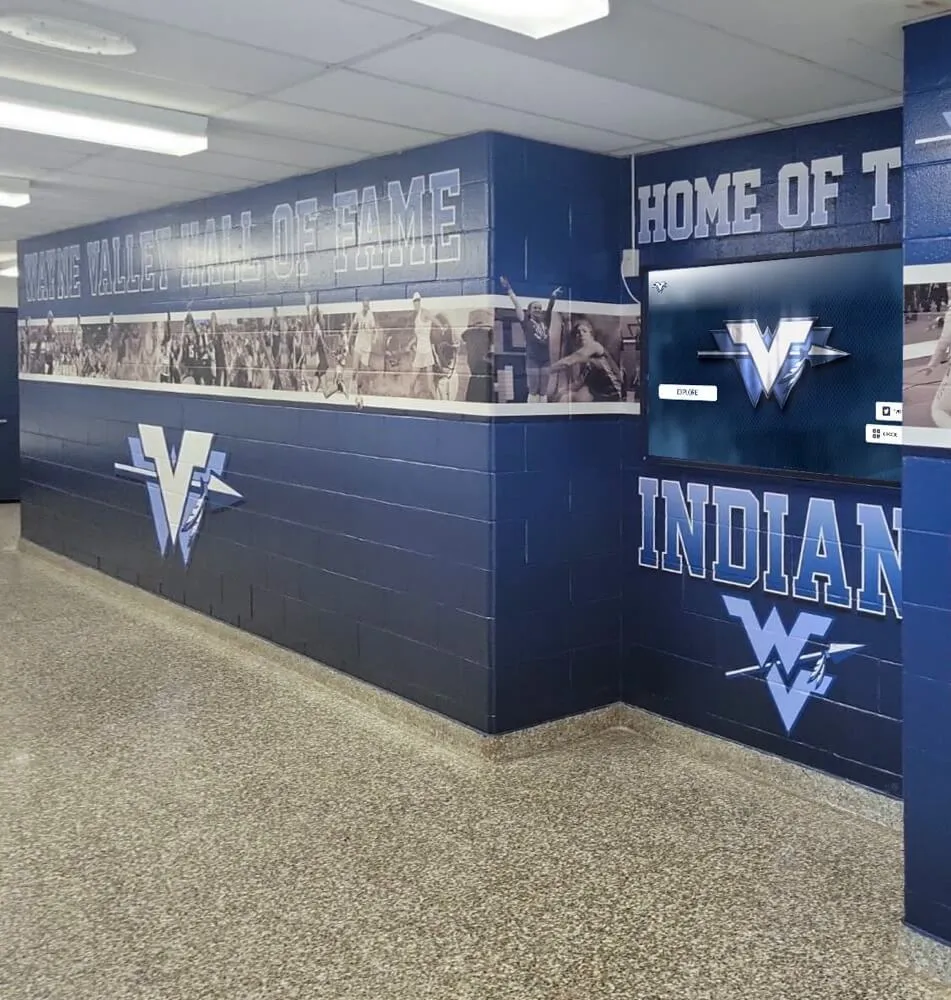
Full-wall installations create immersive environments reinforcing school identity throughout facilities
Fabric Wall Covering Systems
Textile-based alternatives provide distinct advantages for certain school applications:
Stretch Fabric Wall Systems
Tension-mounted fabric creates seamless, professional installations:
- Fabric stretched over aluminum frame systems mounted to walls
- Eliminates visible seams creating unified large-scale graphics
- Replaceable fabric panels enable content updates without frame replacement
- Sound absorption properties reducing noise in corridors and common spaces
- Cost range: $25-$45 per square foot installed including framing
- Best for: Auditoriums, lobbies, donor recognition walls, premium display areas
Adhesive Fabric Graphics
Wall fabric combining textile aesthetics with vinyl installation methods:
- Repositionable adhesive allowing adjustment during installation
- Texture and appearance differing from vinyl for distinctive presentation
- Removal without surface damage when properly installed
- Lower gloss levels reducing glare in lighting-intensive areas
- Cost range: $18-$28 per square foot installed
Surface Preparation and Compatibility
Wall wrap success depends fundamentally on proper substrate conditions:
Acceptable Wall Surfaces
Professional installation works on:
- Smooth painted drywall or plaster (ideal substrate)
- Painted concrete block when properly sealed
- Smooth painted wood paneling
- Clean, sealed brick (with appropriate primers)
- Previously painted walls in good condition
Problematic Surfaces Requiring Special Treatment
Challenging substrates demanding additional preparation:
- Textured walls requiring skim coating for smooth application surfaces
- Fresh paint requiring 30-day curing before graphics application
- Damaged walls needing repair before installation
- Porous surfaces requiring primers preventing adhesive failure
- Existing wall coverings requiring complete removal
Facilities directors should involve qualified installers in surface evaluation before committing to installation timelines.
Explore how recognition program planning integrates with facility improvement strategies including wall graphics implementation.
Design Considerations for Educational Wall Graphics
Effective design balances aesthetic appeal, institutional messaging, practical constraints, and long-term content flexibility.
Content Development and Visual Strategy
Thoughtful content planning ensures wall wraps serve institutional goals effectively:
Establishing Design Objectives
Clear purpose definition guides content creation:
- What specific message or information should graphics communicate?
- Which audiences (students, visitors, alumni, community) represent primary viewers?
- How should graphics reflect institutional brand standards and visual identity?
- What emotional response or behavioral outcome should design encourage?
- How frequently will content require updating or replacement?
Balancing Permanent and Temporary Content
Strategic content mix accommodating change over time:
Permanent Design Elements suitable for long-term display include:
- School mascots, logos, and enduring brand graphics
- Mission statements and core institutional values
- Historical information unlikely to require updates
- Architectural or decorative elements enhancing aesthetics
- Wayfinding and building identification
Variable Content Areas requiring periodic updates include:
- Current championship recognition and recent achievements
- Annual honor roll listings and academic award recipients
- Current student leadership and team photographs
- Donor recognition as fundraising campaigns evolve
- Temporary campaigns or initiative promotion
The most sustainable designs incorporate permanent branded elements with designated areas for updateable content—either through removable graphic panels or integration with digital displays providing unlimited content flexibility.
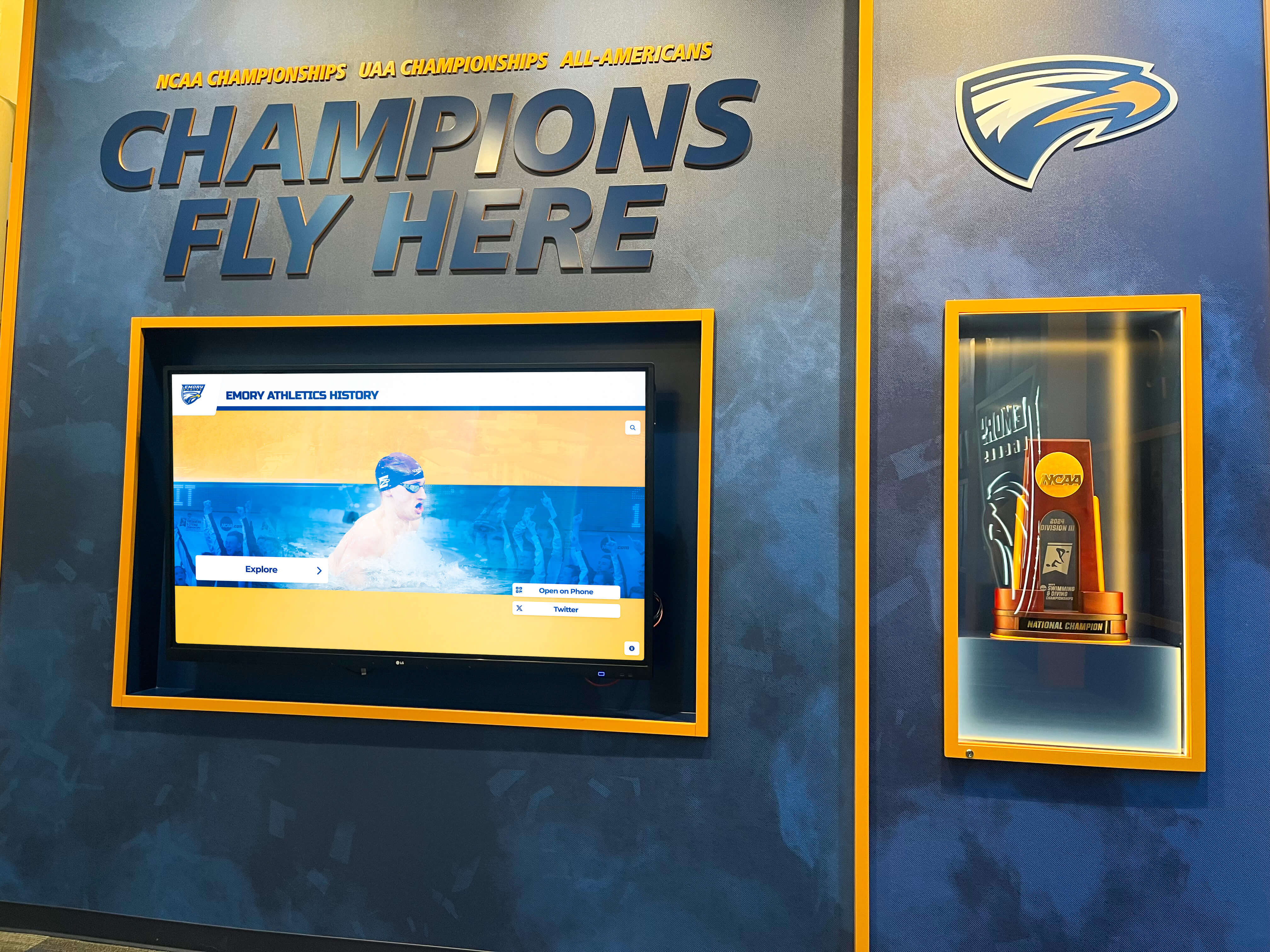
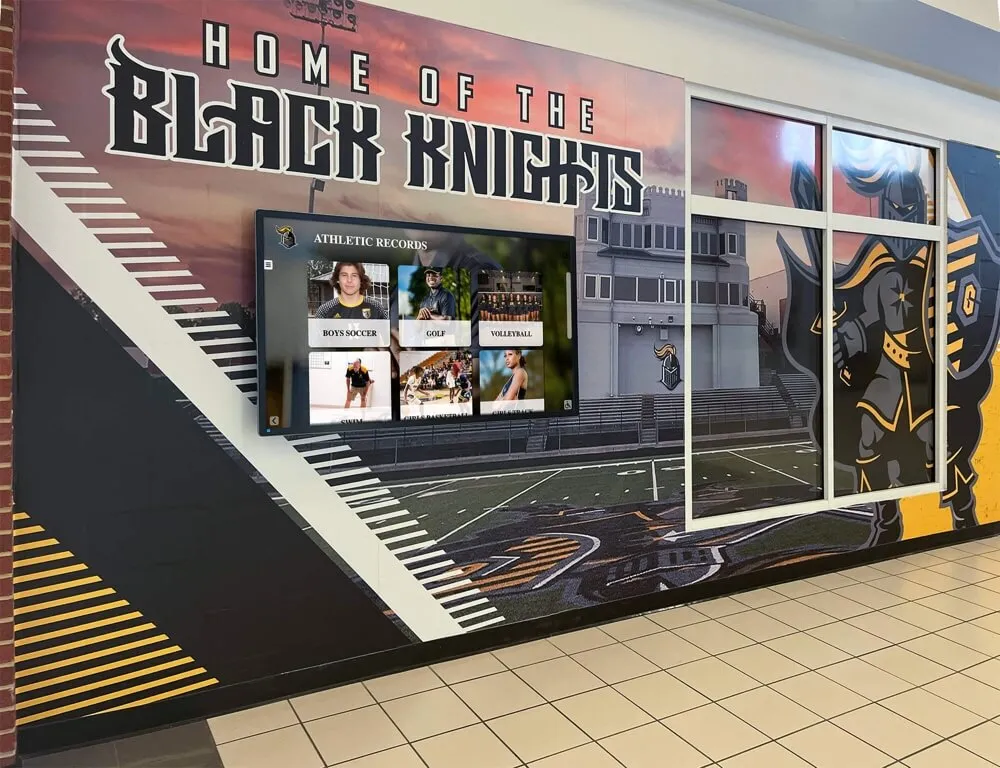
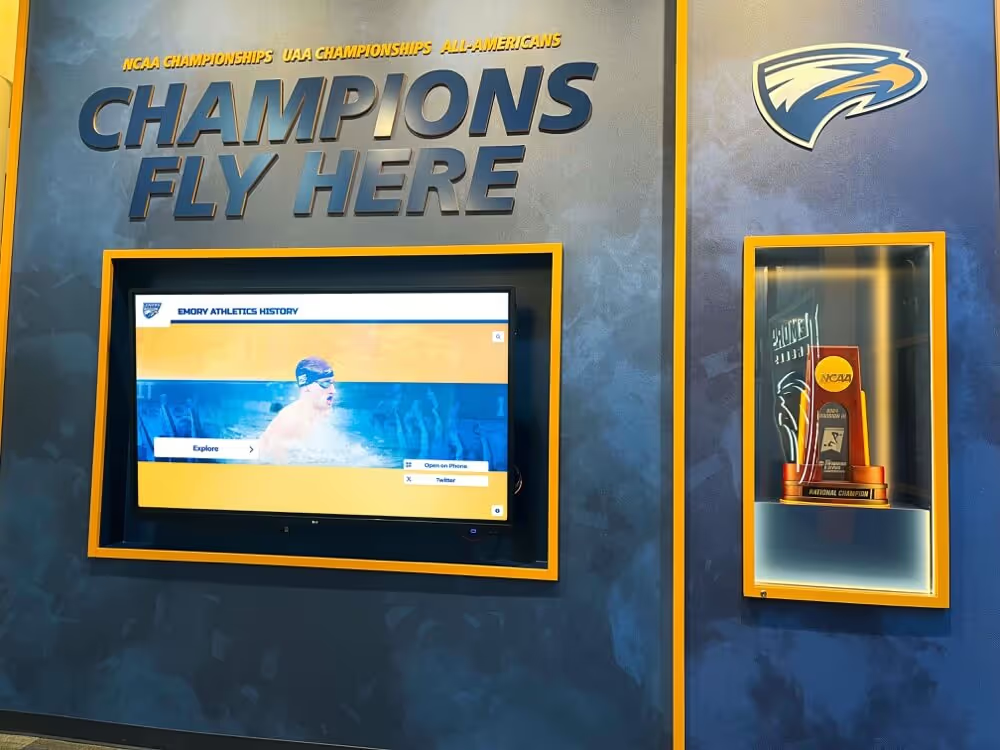
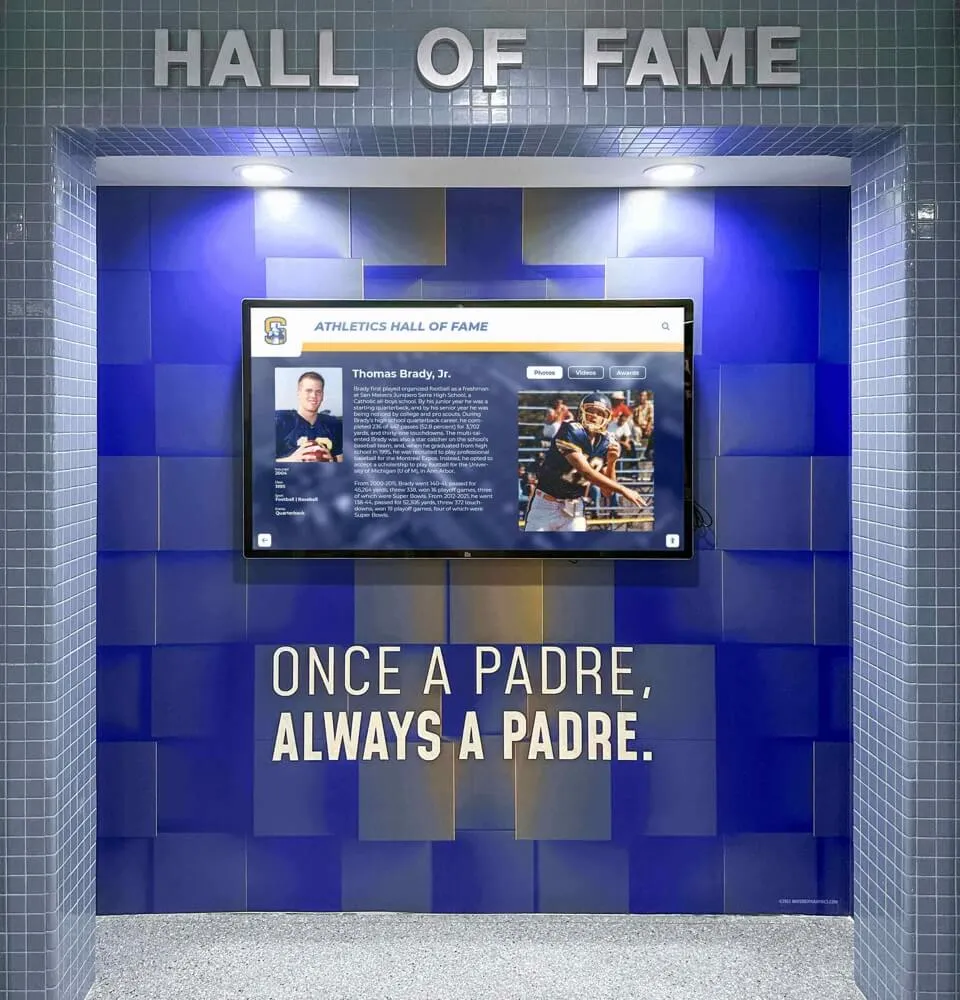
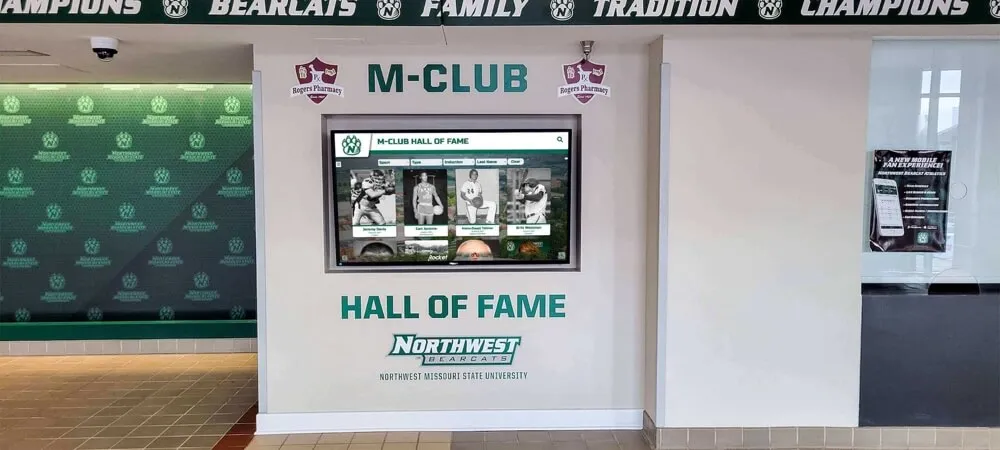
Comprehensive recognition environments integrate wall graphics, trophy displays, and documentation creating memorable achievement showcases
Typography and Readability Standards
Text-heavy wall graphics require careful typographic consideration:
Viewing Distance and Letter Sizing
Calculate appropriate text sizes based on expected viewing distances:
- Primary headlines: 1 inch of letter height per 10 feet of viewing distance
- Secondary headlines: 1 inch per 15 feet of viewing distance
- Body text: 1 inch per 25 feet of viewing distance
- Minimum recommended text height: 2 inches for hallway applications
Font Selection and Legibility
Typography choices significantly affecting readability:
- Sans-serif fonts generally provide superior distance legibility
- Adequate letter spacing preventing visual crowding
- Sufficient stroke width ensuring visibility from distance
- Contrast ratios exceeding 4.5:1 between text and background colors
- Institutional brand fonts when suitable for large-format applications
Information Hierarchy and Scanning
Organize content facilitating quick comprehension:
- Most important information in largest, most prominent positions
- Supporting details in subordinate visual hierarchy
- Logical reading order matching natural eye movement patterns
- White space preventing visual clutter and reading fatigue
- Bullet points and lists for scannable information presentation
Color Strategy and Brand Consistency
Strategic color application reinforces institutional identity while ensuring visual impact:
School Color Integration
Primary institutional colors should dominate wall wrap designs:
- Reinforce immediate brand recognition and school identity
- Create cohesive visual environments throughout facilities
- Coordinate with existing architectural finishes and furnishings
- Balance bold school colors with neutral backgrounds preventing visual fatigue
Contrast and Visibility Requirements
Ensure graphics remain visible under various lighting conditions:
- Sufficient contrast between figure and ground elements
- Avoid color combinations creating visual vibration or legibility problems
- Consider how artificial and natural lighting affects color perception
- Test designs on actual wall surfaces under facility lighting before production
Color Accuracy and Management
Professional production ensuring color consistency:
- Provide designers with Pantone or specific color specifications
- Request physical color proofs before full production
- Understand that printed colors may not precisely match digital previews
- Plan for slight color variation between production runs if requiring future additions
Understanding school history display approaches provides additional frameworks for content organization in wall graphics applications.
Installation Planning and Process Management
Professional installation requires systematic planning ensuring quality results within building operation constraints.
Timing and Scheduling Considerations
School calendar constraints significantly impact installation planning:
Optimal Installation Windows
Schedule major installations during facility vacations:
- Summer breaks enabling extended installation without disrupting instruction
- Winter breaks for smaller projects or touch-up work
- Spring breaks for moderate-scope installations
- Weekends or evening hours for minor projects in occupied buildings
Building Access and Coordination
Arrange necessary facility support:
- Facilities director coordination for building access and security
- Custodial staff awareness for furniture moving and space clearing
- HVAC management maintaining temperature and humidity during installation
- Security protocols for after-hours contractor access
- Communication plans informing building occupants about disruption expectations
Professional Installation Requirements
Quality results demand experienced commercial installers with school facility experience:
Installer Qualification Verification
Confirm contractor capabilities before engagement:
- Portfolio demonstrating comparable school projects completed successfully
- Insurance certificates including liability and workers compensation coverage
- Background check completion for personnel working in school facilities
- References from educational clients regarding quality and professionalism
- PDAA or 3M certifications indicating professional training and standards
Installation Process Overview
Professional installation follows systematic procedures:
- Surface Preparation - Cleaning walls, filling imperfections, ensuring proper adhesion surfaces
- Graphic Positioning - Measuring, marking, and aligning graphics before application
- Application - Methodical installation eliminating bubbles and ensuring proper adhesion
- Trimming and Finishing - Precise edge work at corners, outlets, and architectural details
- Quality Inspection - Comprehensive review ensuring specifications met throughout
- Cleanup - Complete removal of installation debris and protective materials
Installation Timeline Expectations
Project duration varies based on scope and complexity:
- Simple wall graphics (under 100 square feet): 1 day
- Medium installations (100-500 square feet): 2-3 days
- Large-scale projects (500-2000 square feet): 3-5 days
- Complex multi-room installations: 1-2 weeks
Allow buffer time in scheduling accommodating unexpected delays or complications.
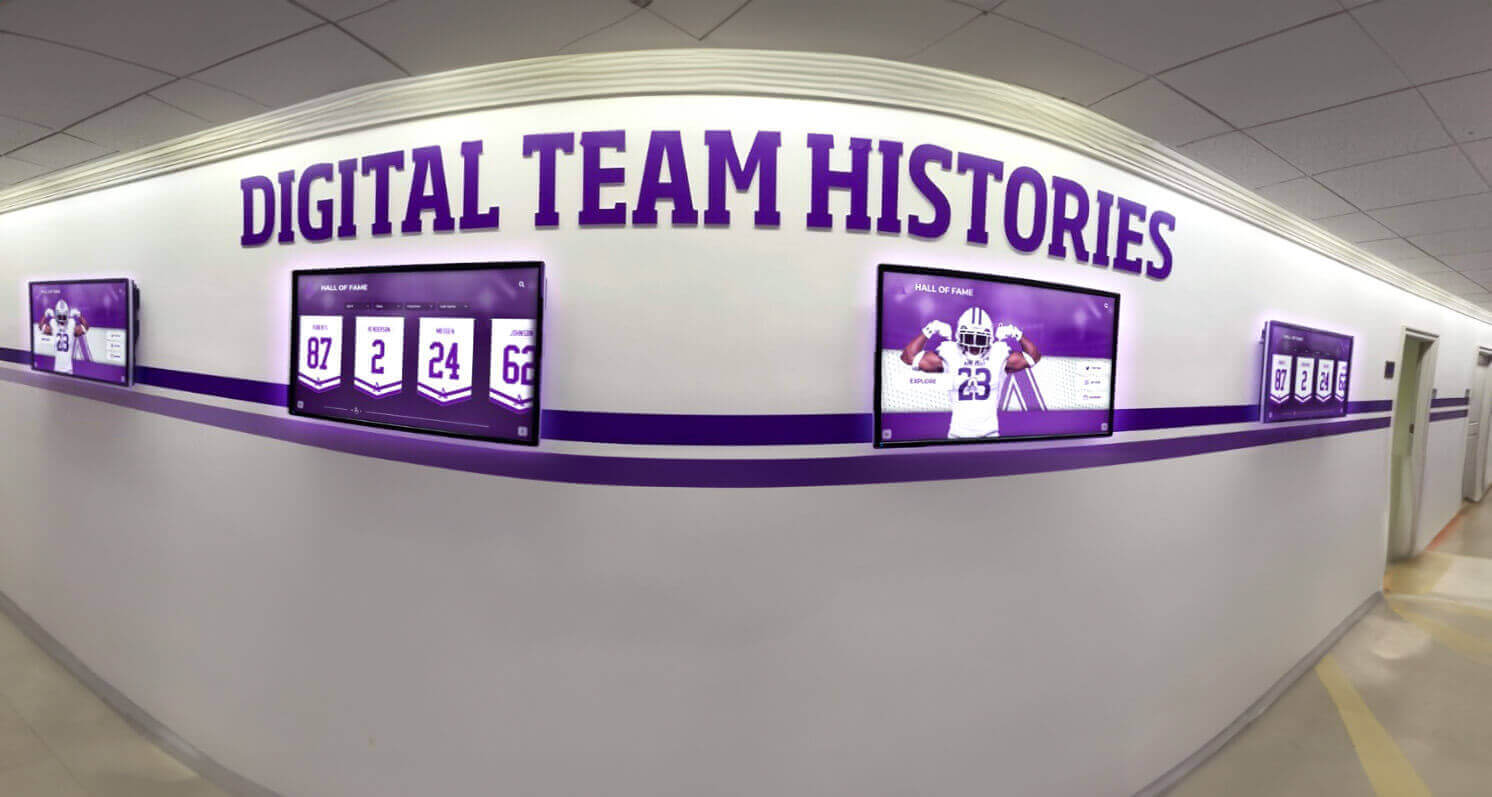
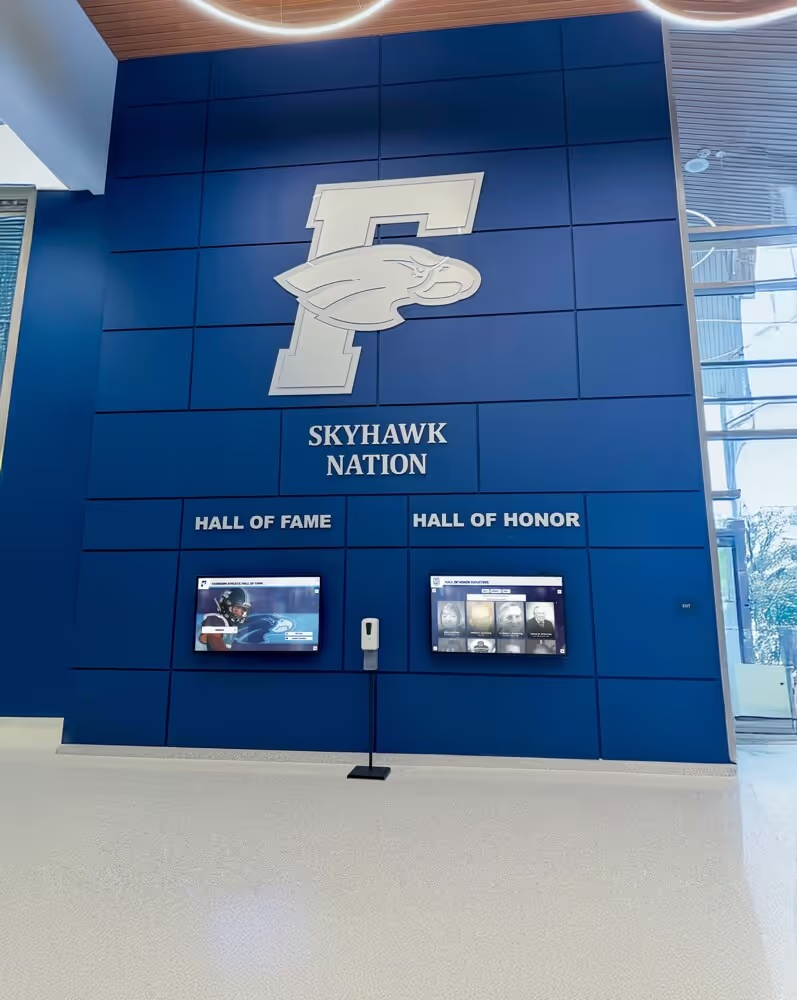
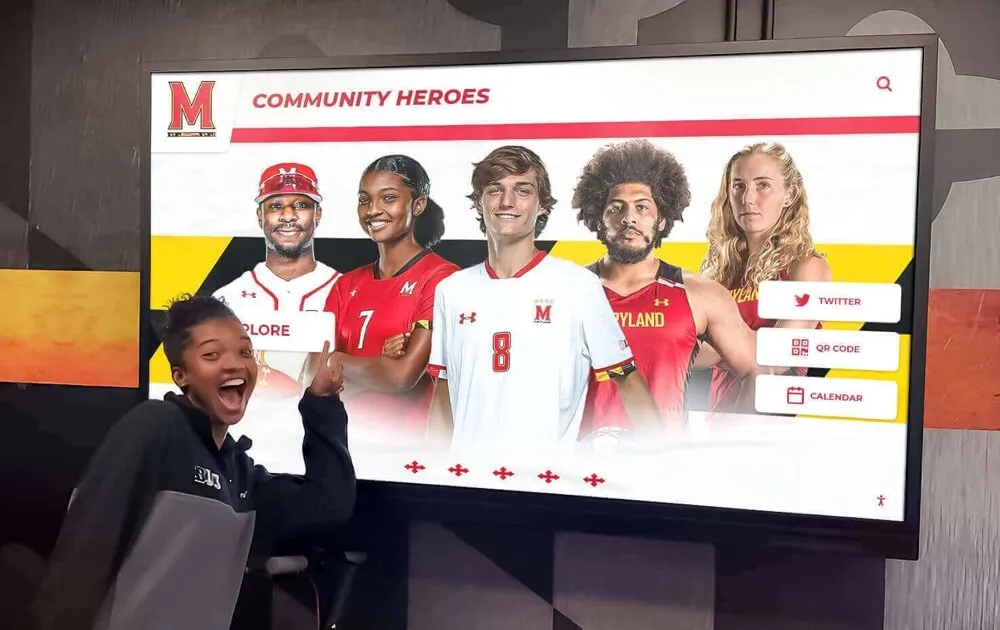
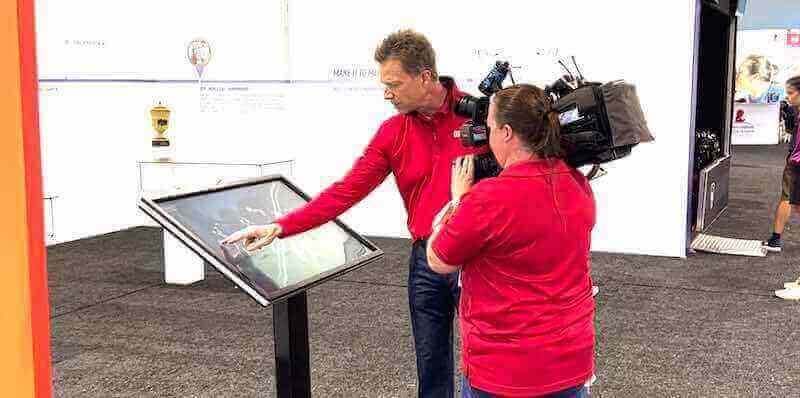
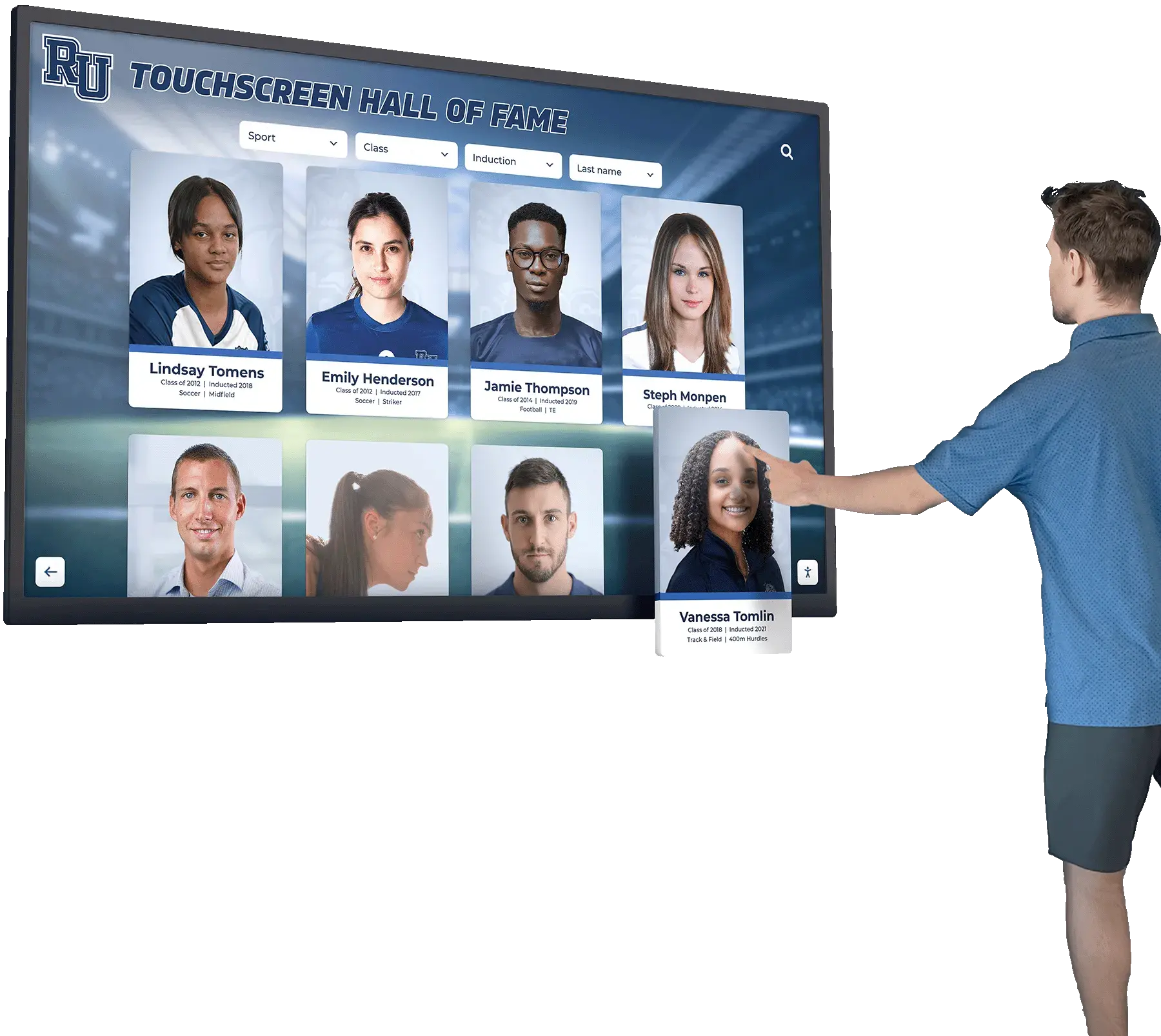
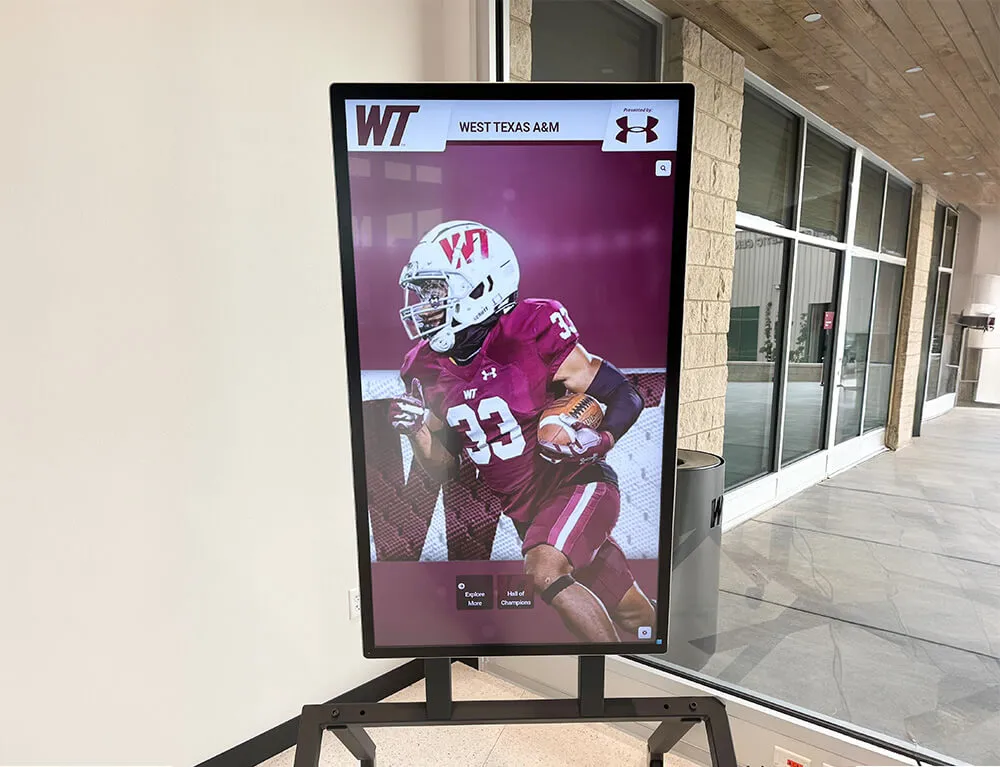
Digital recognition displays complement wall wraps by providing unlimited content capacity for evolving achievement documentation
Cost Analysis and Budget Planning
Understanding complete project costs enables realistic budget development and appropriate scope determination.
Cost Components and Price Ranges
Wall wrap expenses include multiple distinct elements:
Design and Content Development
Professional creative services:
- Concept development and design iterations: $500-$3,000
- Photography or image licensing: $200-$2,000
- Copywriting and content creation: $300-$1,500
- Design revision rounds: $200-$800
- File preparation for production: Typically included with design
Many projects utilize in-house design staff or volunteer designers reducing external costs substantially.
Material and Production Costs
Graphic printing and finishing:
- Standard vinyl materials: $3-$6 per square foot
- Premium vinyl materials: $6-$12 per square foot
- Specialty finishes and textures: $10-$18 per square foot
- Lamination and protective coatings: $1-$3 per square foot
- Shipping to installation location: $100-$500 depending on size
Professional Installation
Labor and application expenses:
- Standard installations: $5-$12 per square foot
- Complex installations (multiple rooms, obstacles): $12-$20 per square foot
- Surface preparation (if required): $2-$8 per square foot
- Travel and mobilization: $200-$1,000 for distant installers
- Equipment rental or staging: $100-$500
Total Project Cost Examples
Representative pricing for common school applications:
Small Lobby Feature Wall (80 square feet)
- Design: $800
- Materials and production: $640
- Installation: $640
- Total: $2,080 ($26 per square foot)
Athletic Hall of Fame Wall (200 square feet, premium materials)
- Design: $2,000
- Materials and production: $3,000
- Installation: $2,400
- Total: $7,400 ($37 per square foot)
Main Corridor Installation (500 square feet)
- Design: $2,500
- Materials and production: $4,500
- Installation: $5,000
- Total: $12,000 ($24 per square foot)
Budget Optimization Strategies
Maximize visual impact within fiscal constraints:
Phased Implementation Approach
Distribute expenses across multiple budget cycles:
- Year 1: Main entrance and lobby creating immediate impact
- Year 2: Athletic facilities celebrating sports programs
- Year 3: Academic buildings highlighting educational excellence
- Year 4: Additional common areas and specialized spaces
Strategic Scope Definition
Focus resources on highest-impact locations:
- Prioritize entrance areas influencing first impressions
- Target high-traffic corridors maximizing visibility
- Concentrate recognition graphics where achievements naturally occur
- Defer lower-visibility areas until primary spaces complete
Material Selection Optimization
Balance quality and cost based on application:
- Premium materials for permanent, high-visibility branding
- Standard materials for recognition content requiring periodic updates
- Simple designs reducing production complexity and cost
- Larger unbroken surfaces minimizing installation labor per square foot
Explore school recognition program budgeting for additional frameworks applicable to comprehensive facility enhancement planning.
Maintenance Requirements and Longevity Factors
Proper care significantly extends wall wrap lifespan while maintaining professional appearance throughout service life.
Routine Cleaning and Care
School wall graphics require periodic maintenance:
Approved Cleaning Methods
Safe cleaning practices preventing damage:
- Regular dusting with microfiber cloths removing surface dirt
- Damp cleaning with mild soap solutions for stubborn marks
- Immediate spot cleaning addressing spills or marks when they occur
- Soft sponges or cloths avoiding abrasive materials scratching surfaces
- Thorough drying after wet cleaning preventing moisture issues
Cleaning Products to Avoid
Substances damaging vinyl graphics:
- Harsh chemical cleaners or solvents
- Abrasive cleaners or scouring powders
- Petroleum-based cleaning products
- Ammonia-based window cleaners
- High-pressure water sprayers
Provide custodial staff with specific cleaning guidelines preventing accidental damage during routine building maintenance.
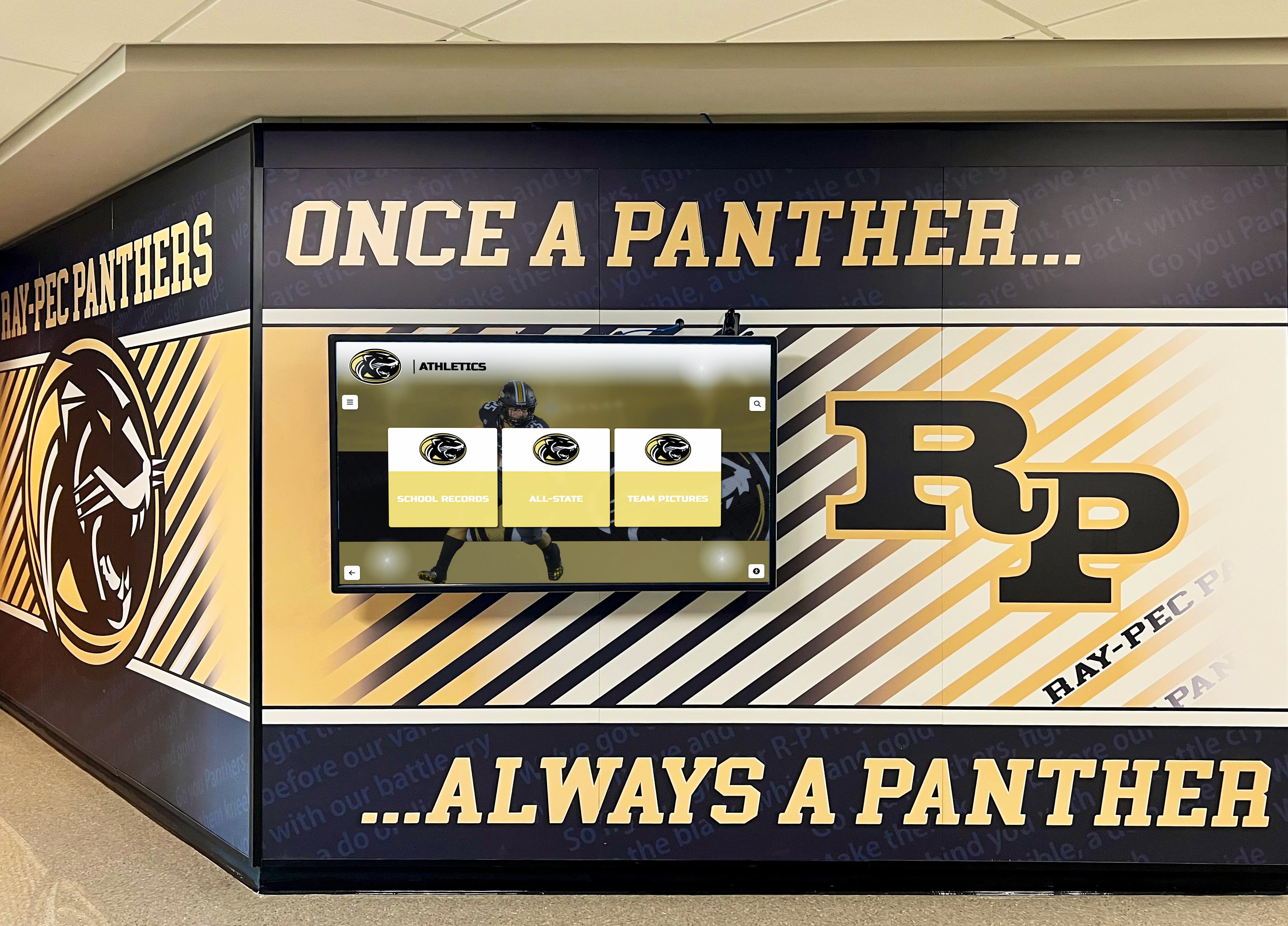
Durable wall wraps withstand high-traffic school environments while maintaining professional appearance with proper maintenance
Factors Affecting Wall Wrap Lifespan
Multiple variables influence how long graphics maintain acceptable appearance:
Environmental Conditions
Building factors impacting durability:
- Traffic levels and potential for physical contact or damage
- Lighting exposure (direct sunlight accelerates fading)
- Temperature fluctuations and humidity levels
- Air quality and environmental contaminants
- Proximity to moisture sources (drinking fountains, bathrooms)
Material Quality
Substrate specifications affecting longevity:
- Premium materials substantially outlasting economy options
- Proper lamination protecting printed surfaces from scratches
- UV-resistant inks preventing premature fading
- Appropriate adhesive strength for substrate and climate
Installation Quality
Professional application ensuring maximum lifespan:
- Complete adhesion preventing edge lifting or bubbling
- Proper surface preparation creating optimal bonding
- Appropriate techniques preventing future problems
- Careful edge sealing in high-traffic areas
Realistic Lifespan Expectations
Typical service life in school environments:
- Standard vinyl in protected locations: 3-5 years
- Premium vinyl in high-traffic areas: 5-7 years
- Fabric systems with periodic textile replacement: 5-10 years (frames lasting longer)
- Outdoor graphics in covered areas: 3-5 years
- Fully exposed outdoor graphics: 1-3 years
Plan for eventual replacement as normal facility maintenance rather than unexpected failure.
Integrating Wall Wraps with Digital Recognition Displays
The most flexible school recognition systems combine permanent wall graphics with updateable digital displays providing unlimited content capacity.
Hybrid Recognition Strategies
Balanced approaches leveraging both format strengths:
Permanent Branding Through Wall Graphics
Enduring visual elements appropriate for static wall wraps:
- School mascots, logos, and brand identity graphics
- Historical timelines and founding information
- Inspirational messaging and institutional values
- Architectural or decorative elements enhancing spaces
- Category headers and organizational frameworks
Dynamic Content Through Digital Displays
Achievement recognition requiring frequent updates:
- Current honor roll and academic achievement lists
- Athletic records, statistics, and recent championship recognition
- Rotating student leadership and team photographs
- Donor acknowledgment as fundraising campaigns evolve
- Event promotion and community announcements
Physical Integration Approaches
Design strategies creating cohesive environments:
- Wall wrap designs incorporating designated areas for display mounting
- Matching color schemes and design aesthetics between formats
- Coordinated content ensuring messages complement rather than compete
- Unified branding creating singular visual experiences
- Strategic lighting highlighting both wall graphics and displays
Solutions like Rocket Alumni Solutions provide specialized recognition displays designed specifically for integration with school branding and facility aesthetics, enabling comprehensive environments celebrating achievement while maintaining institutional identity.
Understanding digital recognition display benefits helps administrators evaluate options for comprehensive recognition programs.
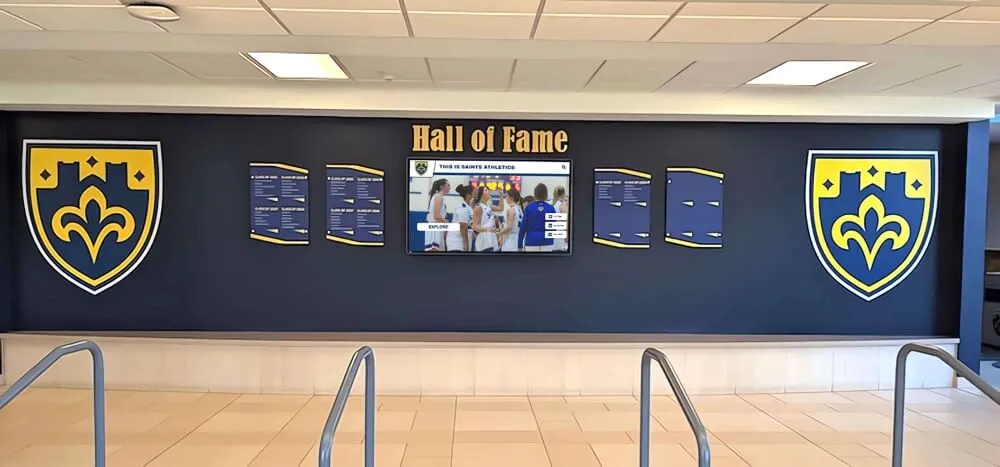
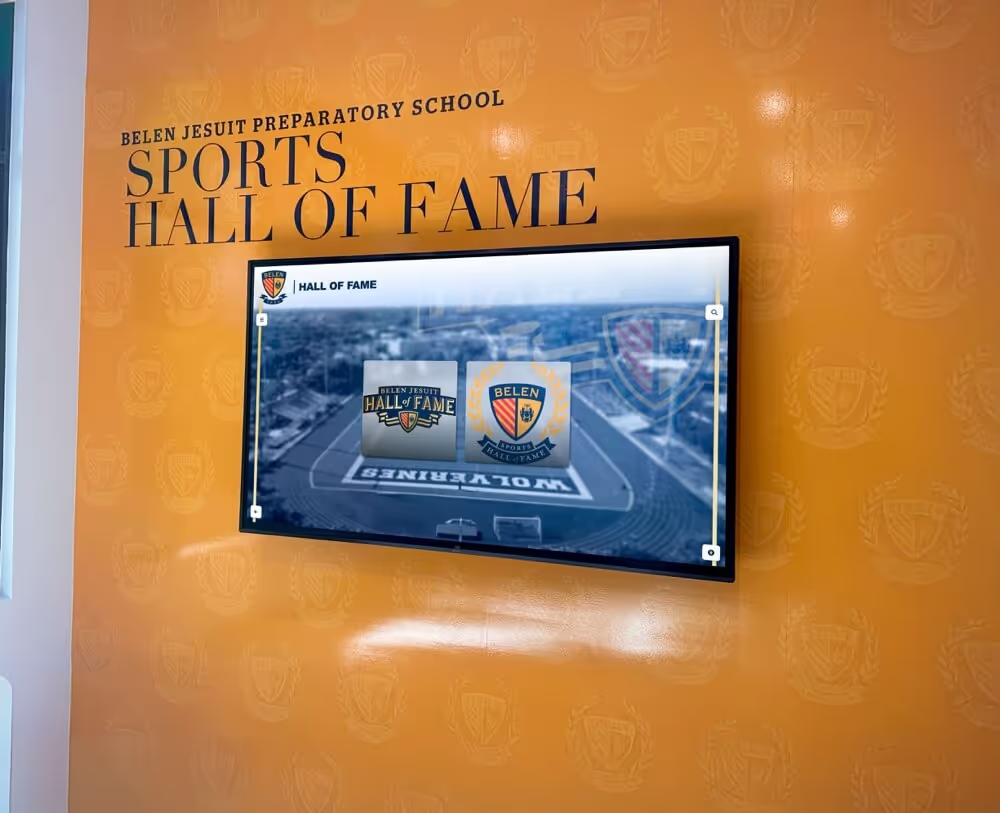
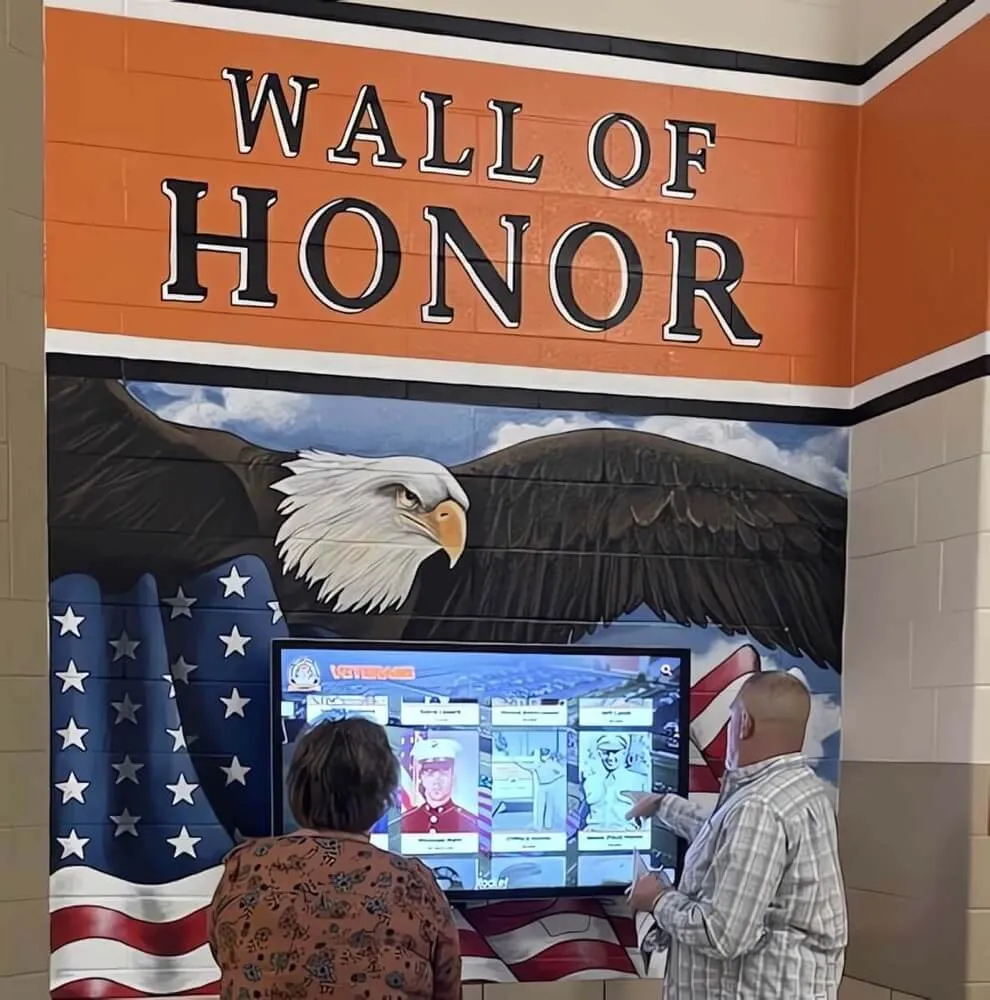
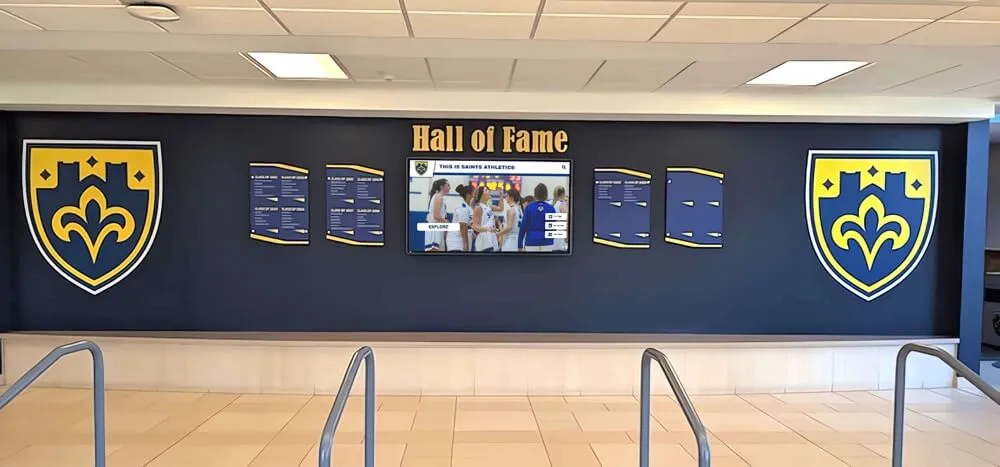
Integrated recognition systems combine permanent graphic branding with flexible digital content management
Technical Considerations for Display Integration
Successful integration requires planning during wall wrap design:
Electrical and Mounting Requirements
Infrastructure supporting display installation:
- Power outlet locations planned during wall wrap design
- Adequate electrical capacity for commercial displays
- Mounting bracket compatibility with wall substrates
- Cable management concealing wiring within graphic designs
- Adequate clearance preventing heat buildup behind displays
Design Coordination Between Elements
Ensure visual cohesion:
- Display size and orientation incorporated in wall wrap design
- Color schemes coordinating between graphics and display content
- Typography consistency between static and digital elements
- Content framing that makes displays appear integrated rather than added later
- Lighting design illuminating graphics without creating display glare
Installation Sequencing
Proper timing prevents rework:
- Wall wrap installation typically precedes display mounting
- Display mounting locations precisely marked before graphic application
- Outlet covers and mounting points installed after graphics
- Final display installation and content configuration completing project
Explore recognition display planning frameworks for comprehensive guidance on creating effective recognition environments.
Common Applications and Use Cases in Schools
Understanding typical wall wrap applications helps administrators identify opportunities within their specific facilities.
Athletic Facility Recognition
Sports venues benefit particularly from comprehensive wall graphics:
Gymnasium and Field House Applications
Recognition appropriate for athletic spaces:
- Championship banners and conference title recognition
- Team photographs from successful seasons
- Individual record holders and statistical achievements
- Coach recognition and program history timelines
- Mascot graphics reinforcing school identity
- Motivational messaging inspiring current athletes
Locker Room and Training Facility Graphics
Team spaces utilizing wall wraps:
- Value statements and team culture messaging
- Practice philosophy and work ethic expectations
- Individual goal setting and achievement tracking areas
- Alumni success stories and professional athlete recognition
- Sponsor acknowledgment for program supporters
Stadium and Competition Venue Branding
Outdoor and covered athletics facilities:
- Entrance branding creating memorable first impressions
- Concourse graphics celebrating program history
- Press box and hospitality area enhancements
- Concession stand and restroom building graphics
- Sponsor recognition and fundraising acknowledgment
Understanding athletic recognition approaches provides additional frameworks for comprehensive sports program celebration.
Academic Building Applications
Educational spaces benefit from recognition graphics:
Main Entrance and Lobby Areas
Creating positive first impressions:
- Mission statements and institutional values
- Welcome messaging for visitors and prospective families
- School history timelines and milestone achievements
- Directory information and wayfinding graphics
- Notable alumni recognition and achievement celebration
Corridor and Common Area Graphics
Transforming functional spaces:
- Subject-specific graphics in departmental hallways
- College and career pathway information
- Historical photographs and institutional evolution
- Student artwork and project showcases
- Honor roll and academic achievement recognition
Library and Media Center Applications
Supporting learning environments:
- Author quotes and literary inspiration
- Reading promotion and literacy messaging
- Research process guidance and academic support
- Historical collections and archive highlights
- Donor recognition for library funding
Administrative and Community Spaces
Support areas utilizing wall graphics:
Administration Building Graphics
Professional presentation for visitors:
- School leadership recognition and organizational charts
- Board of education member acknowledgment
- District history and community information
- Strategic plan highlights and institutional priorities
- Awards and accreditation recognition
Cafeteria and Commons Applications
High-traffic gathering spaces:
- Nutritional information and healthy eating promotion
- Student social messaging and behavior expectations
- Community values and cultural celebration
- Sponsor recognition for meal program supporters
- Seasonal decoration and campaign promotion
Performing Arts Venue Graphics
Theater and music spaces:
- Production history and notable performances
- Alumni performing artists achieving professional success
- Program supporter and donor acknowledgment
- Technical theater education and behind-scenes information
- Upcoming event promotion and season announcements
Removal and Replacement Planning
Wall wraps eventually require removal as content becomes outdated or materials reach end-of-life.
Professional Removal Processes
Proper removal techniques prevent wall damage:
Removal Methods and Considerations
Professional installers utilize systematic approaches:
- Heat application softening adhesive for easier removal
- Careful peeling at shallow angles preventing drywall paper damage
- Adhesive residue removal using approved solvents
- Surface cleaning preparing walls for new graphics
- Minor wall repairs addressing any removal damage
Costs and Timing
Removal expenses and scheduling:
- Professional removal: $2-$5 per square foot
- Surface preparation for new graphics: $1-$3 per square foot
- Removal duration: Approximately half of original installation time
- Planning window: Schedule removal immediately before replacement installation
Replacement Strategies
Systematic approaches maintaining contemporary recognition:
Scheduled Refresh Cycles
Proactive replacement preventing deteriorated appearance:
- Major installations: Plan 5-7 year replacement cycles
- Recognition content areas: Update every 2-3 years
- Outdoor graphics: Replace every 2-4 years
- Damage response: Address vandalism or damage immediately
Content Update Planning
Ensure recognition remains current:
- Annual review identifying outdated information
- Archive significant graphics for historical preservation
- Photograph installations before removal
- Update designs incorporating lessons learned
- Maintain design files enabling consistent aesthetics across generations
Budget Planning for Lifecycle Costs
Account for total ownership expenses:
- Establish facility improvement reserves funding periodic replacement
- Include maintenance and replacement in annual budgets
- Plan replacement timing coordinating with other facility improvements
- Consider lifecycle costs when selecting materials initially
Vendor Selection and Procurement Guidelines
Choosing qualified partners significantly impacts project success.
Qualification Criteria
Evaluate potential vendors using multiple factors:
Experience and Specialization
Verify relevant expertise:
- Educational facility experience demonstrating understanding of school requirements
- Portfolio of comparable projects showing design capability
- Size capacity ensuring ability to handle project scope
- References from similar school clients
Technical Capabilities
Confirm production and installation qualifications:
- Equipment capable of producing required quality and size
- Material options meeting durability and aesthetic requirements
- Installation teams with commercial graphics experience
- Quality control processes ensuring consistent results
Business Credentials
Verify operational reliability:
- Appropriate business licensing and registrations
- Insurance coverage including liability and workers compensation
- Background check completion for school facility access
- Financial stability for project completion
- Warranty and support commitments
Procurement Process Recommendations
Systematic vendor selection ensures competitive pricing and quality:
Request for Proposal Development
Comprehensive specifications enable accurate bidding:
- Detailed project descriptions including square footage
- Location information and site conditions
- Material preferences and quality requirements
- Installation timing and schedule constraints
- Design responsibilities and file delivery expectations
- Payment terms and project milestones
Evaluation and Selection
Compare proposals systematically:
- Price comparison on equivalent specifications
- Reference checking with previous school clients
- Portfolio review assessing design quality and capabilities
- Interview discussing project approach and timeline
- Contract review ensuring appropriate terms and protections
Conclusion: Transforming School Environments Through Strategic Wall Graphics
Wall wraps for schools provide powerful tools transforming bland institutional facilities into dynamic environments celebrating achievement, reinforcing identity, and inspiring pride throughout educational communities. The strategic frameworks explored throughout this guide—from material selection and design planning through installation management and maintenance requirements—enable administrators to implement wall graphics programs serving institutional goals effectively while remaining sustainable throughout facility lifecycles.
The most successful programs balance permanent branding elements with flexible recognition content, integrate static wall graphics with updateable digital displays, prioritize high-impact locations within budget constraints, and plan systematically for eventual replacement as normal facility maintenance. Whether implementing comprehensive entrance transformations, athletic recognition walls, or academic achievement showcases, thoughtful wall wrap programs create memorable spaces strengthening school culture while honoring accomplishments meaningfully.
As educational facilities continue evolving to support contemporary learning, environmental graphics will play increasingly important roles communicating values, celebrating achievement, and differentiating institutional identity. Technologies enabling integration between permanent wall wraps and dynamic digital recognition provide particularly powerful approaches—combining the visual impact of large-scale graphics with unlimited content capacity accommodating achievement recognition without physical space constraints.
For schools ready to transform facilities through strategic wall graphics, success depends on systematic planning addressing design objectives, material specifications, budget realities, and long-term maintenance requirements. The investment in professional wall wraps creates environments that elevate institutional identity, celebrate community accomplishments, and inspire current students through visible examples of excellence—benefits extending far beyond aesthetic improvement alone.
Solutions like Rocket Alumni Solutions provide comprehensive recognition platforms integrating with wall wrap environments, combining permanent facility branding with flexible digital displays that accommodate unlimited achievement recognition. This hybrid approach enables schools to create cohesive recognition environments celebrating accomplishments comprehensively while maintaining visual impact and institutional identity throughout evolving content needs.
Ready to explore how wall wraps and integrated recognition displays can transform your school environment? Strategic planning, appropriate material selection, and qualified vendor partnerships enable facility improvements that strengthen school pride, celebrate achievement, and create lasting impressions on students, visitors, and communities for years to come.