



Define how schools and organizations design impactful wall of fame displays that honor achievement through thoughtful design principles, strategic placement, content organization, and recognition formats creating inspiring spaces that celebrate excellence while preserving institutional heritage.
A wall of fame represents far more than names listed on a surface—it embodies institutional values, celebrates exceptional achievement, preserves organizational heritage, and inspires future excellence through visible examples of what’s possible. Whether honoring academic scholars, athletic champions, arts excellence, service contributions, or distinguished alumni, effective walls of fame create focal points where communities gather to reflect on accomplishment and connect current participants with inspirational legacy.
Yet many organizations struggle to design recognition displays that achieve these outcomes. They purchase expensive plaques without considering long-term scalability, mount displays in locations where nobody sees them, organize content in ways that make discovery difficult, or implement systems that become administratively burdensome to maintain. These missteps transform what should be inspiring recognition into static afterthoughts generating minimal engagement and limited impact despite substantial investment.
This comprehensive guide provides complete frameworks for designing walls of fame that meaningfully celebrate achievement through strategic planning, thoughtful format selection, professional execution, and sustainable management ensuring recognition remains relevant and inspiring across decades of institutional evolution.
Effective walls of fame balance multiple objectives—honoring individual achievement, demonstrating institutional excellence, preserving organizational memory, inspiring current participants, engaging broader communities, and creating administrative sustainability. Organizations that excel at recognition display design consider all these dimensions systematically rather than focusing narrowly on aesthetic appearance alone.

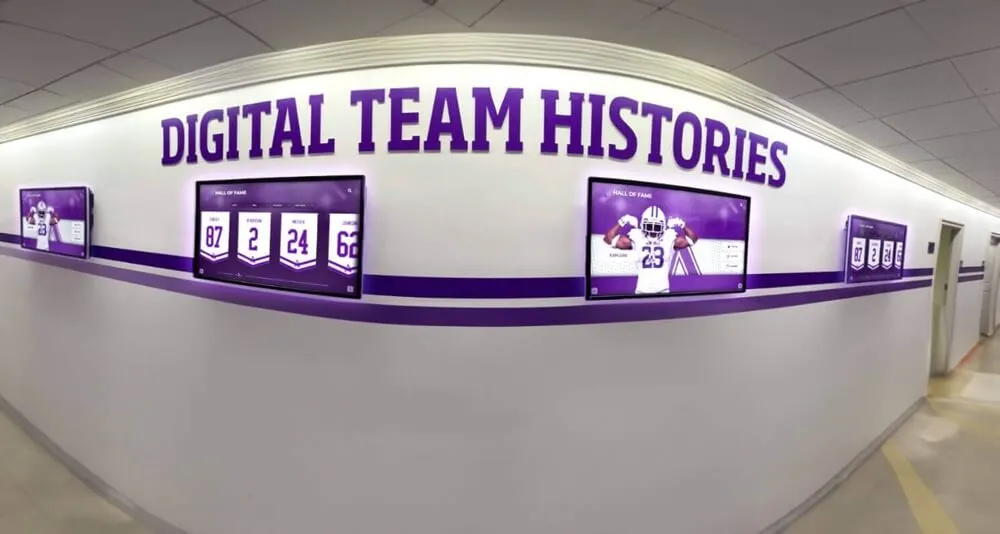
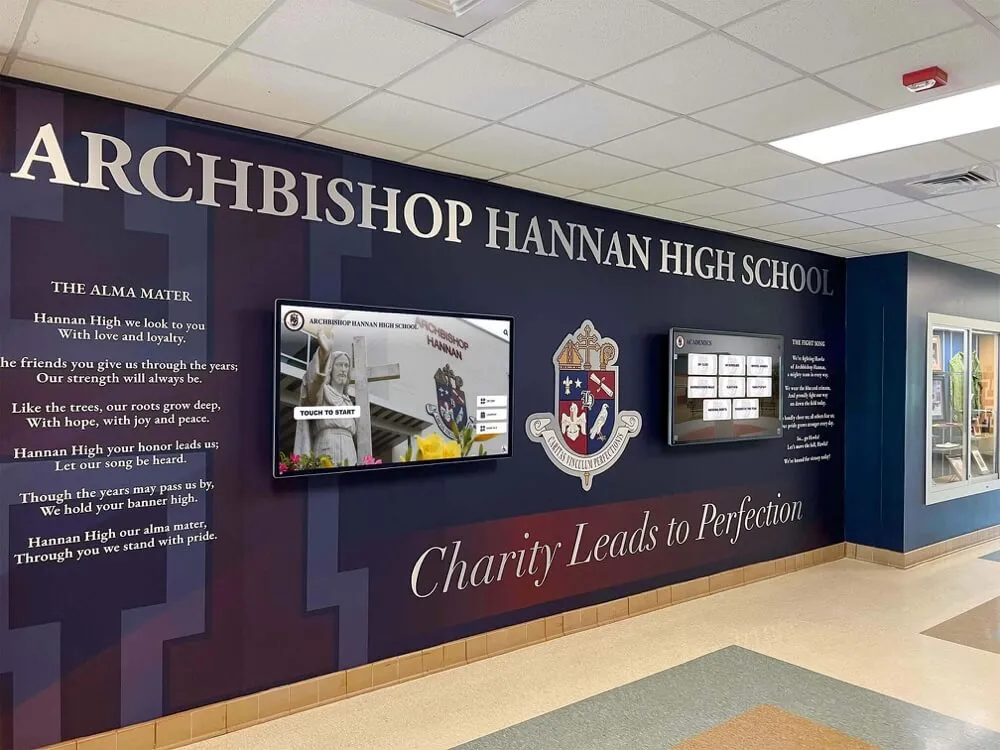
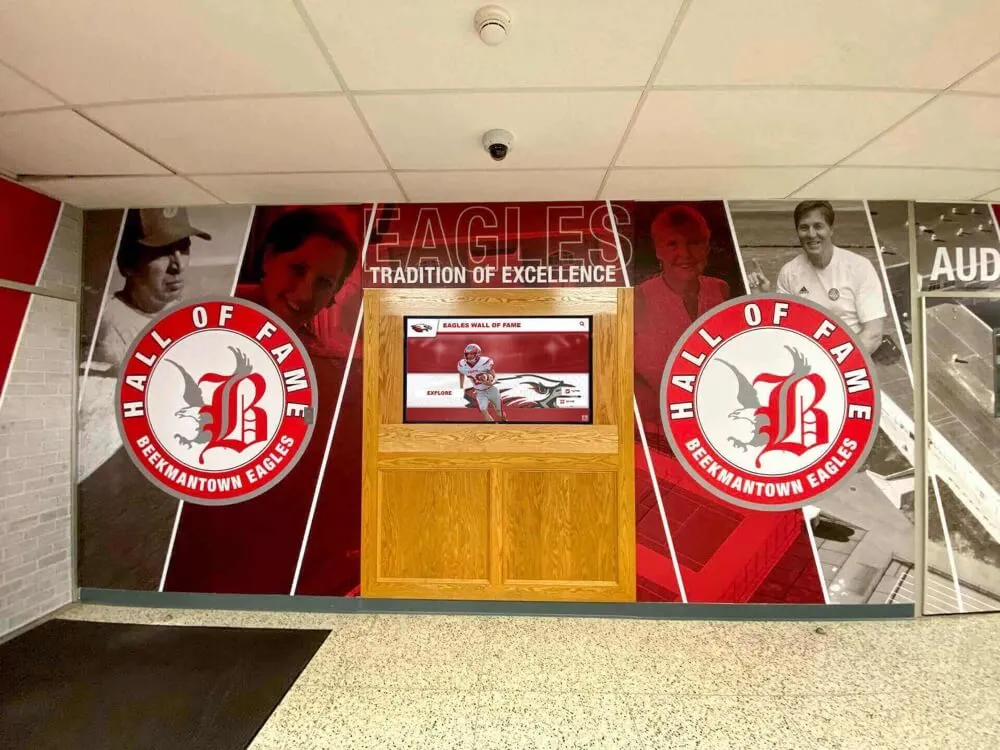
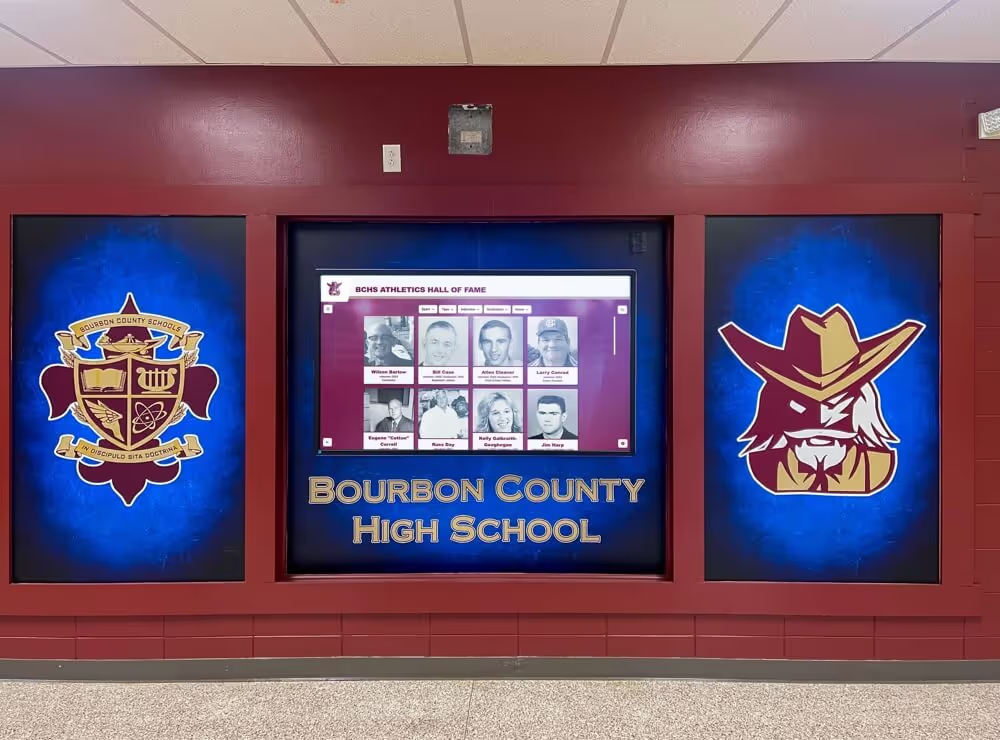
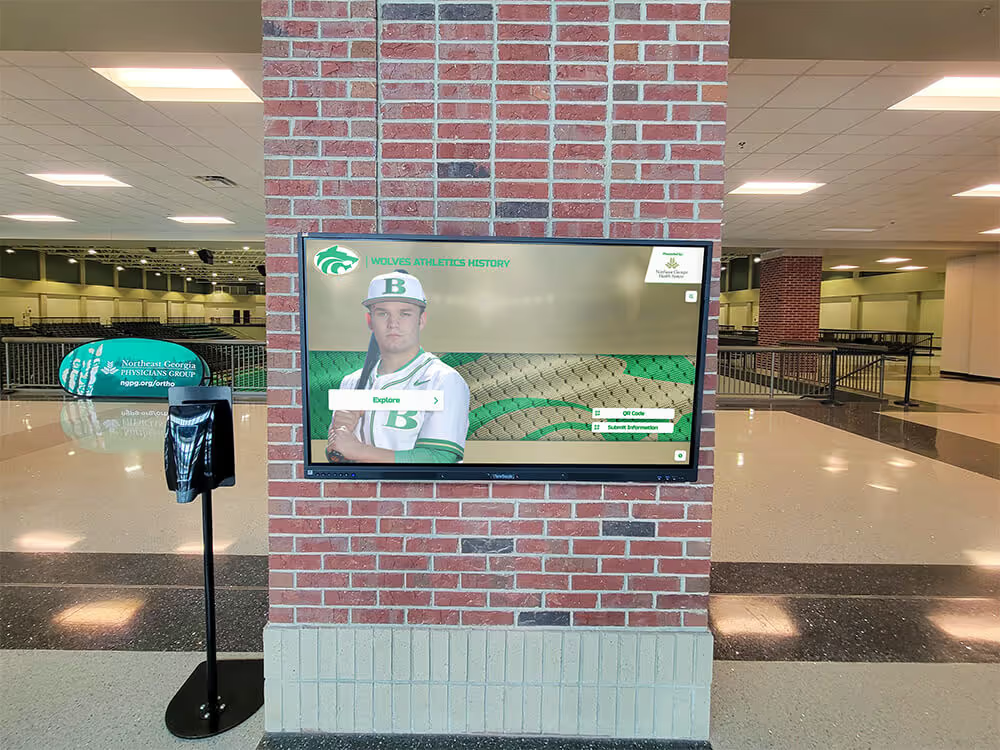
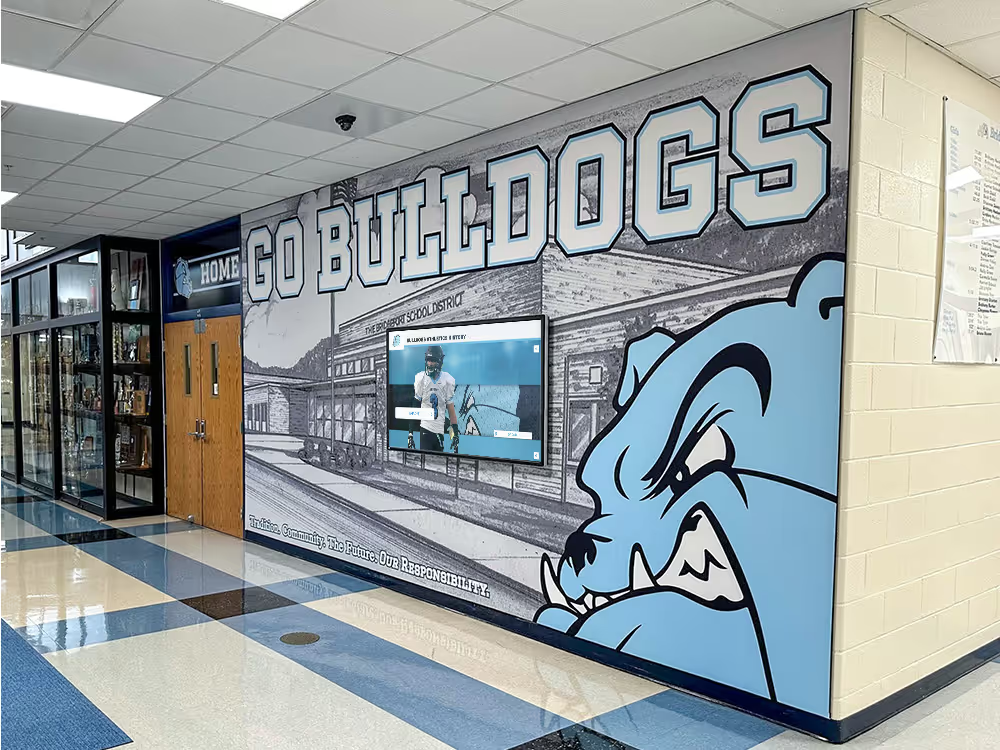
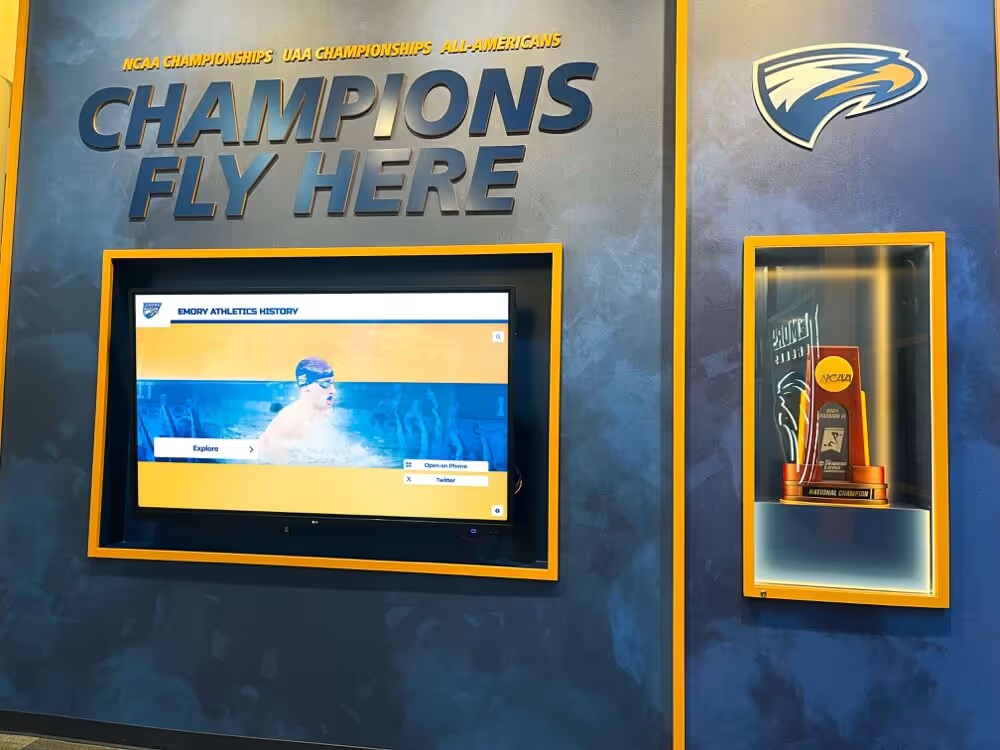
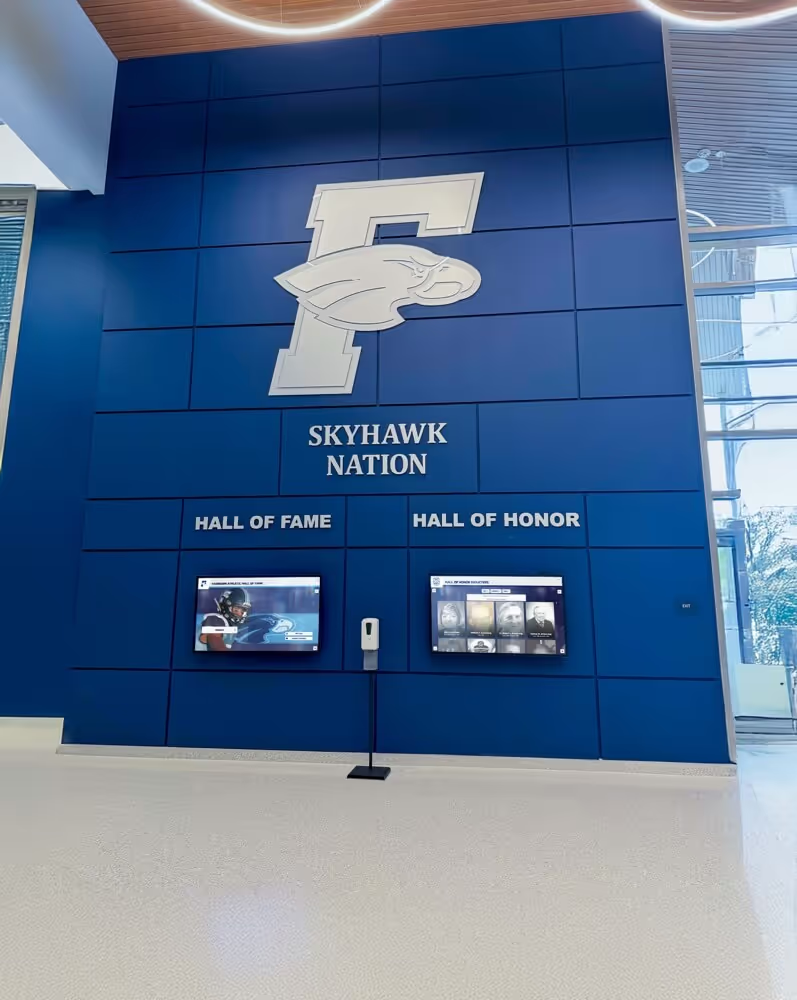
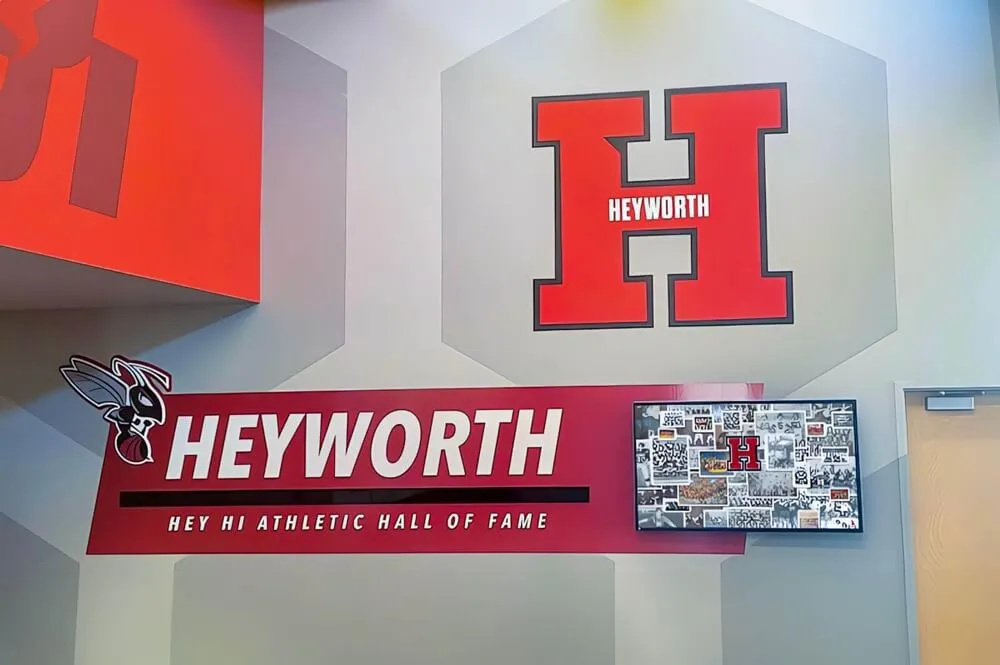
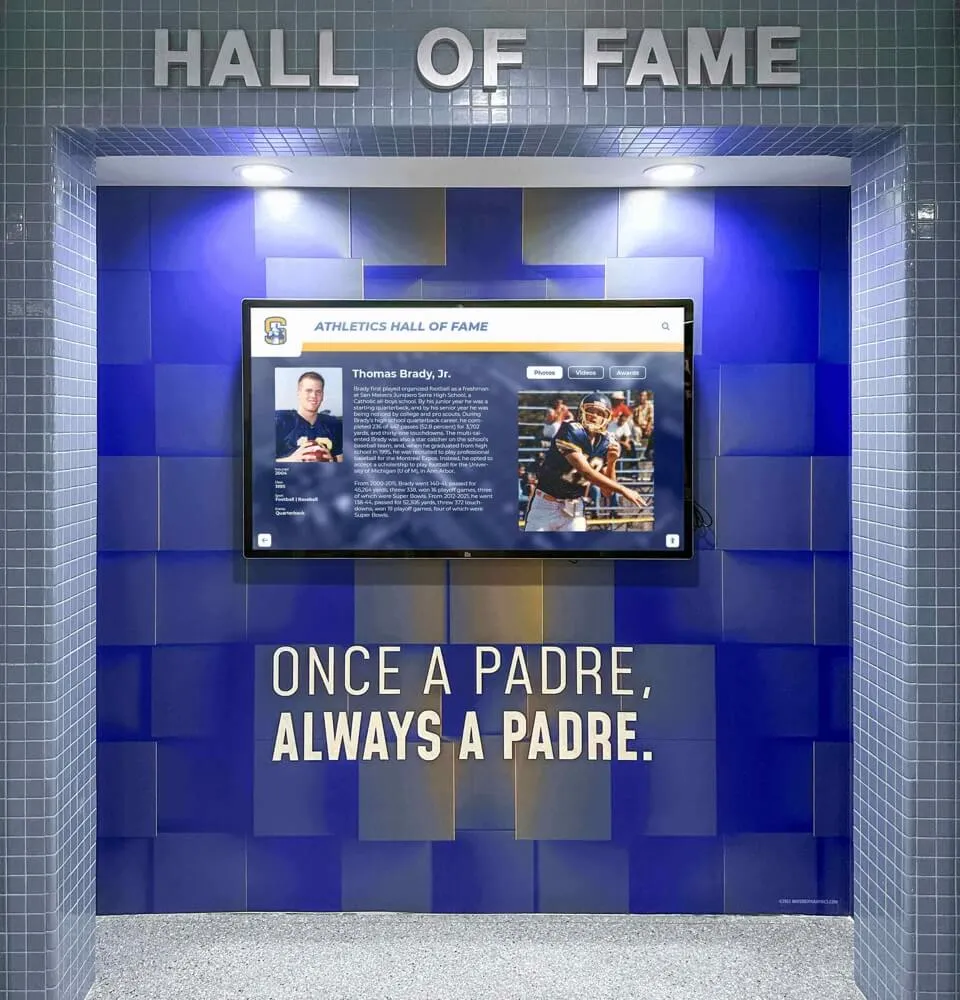
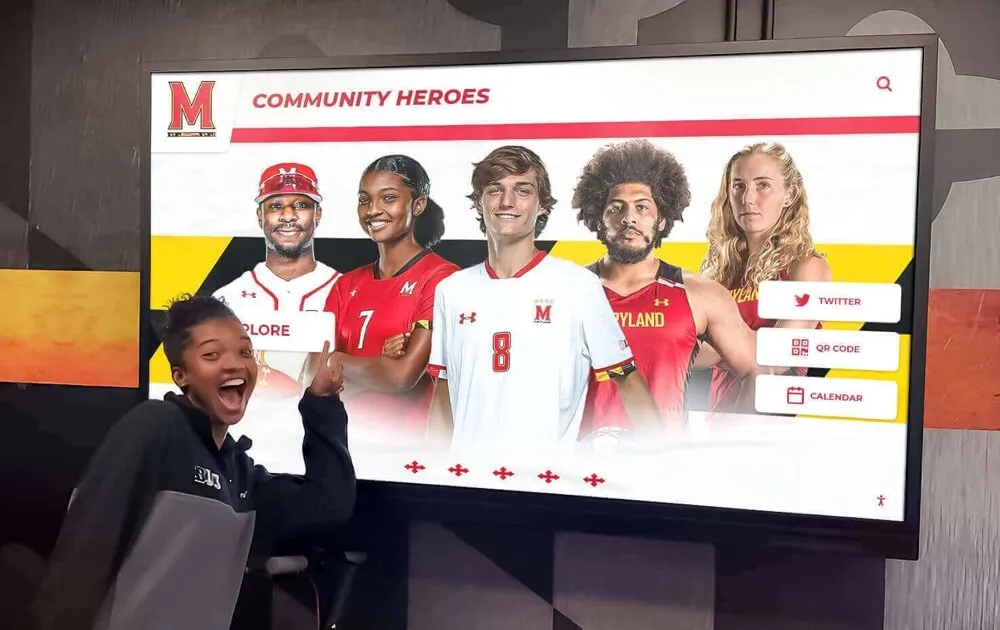
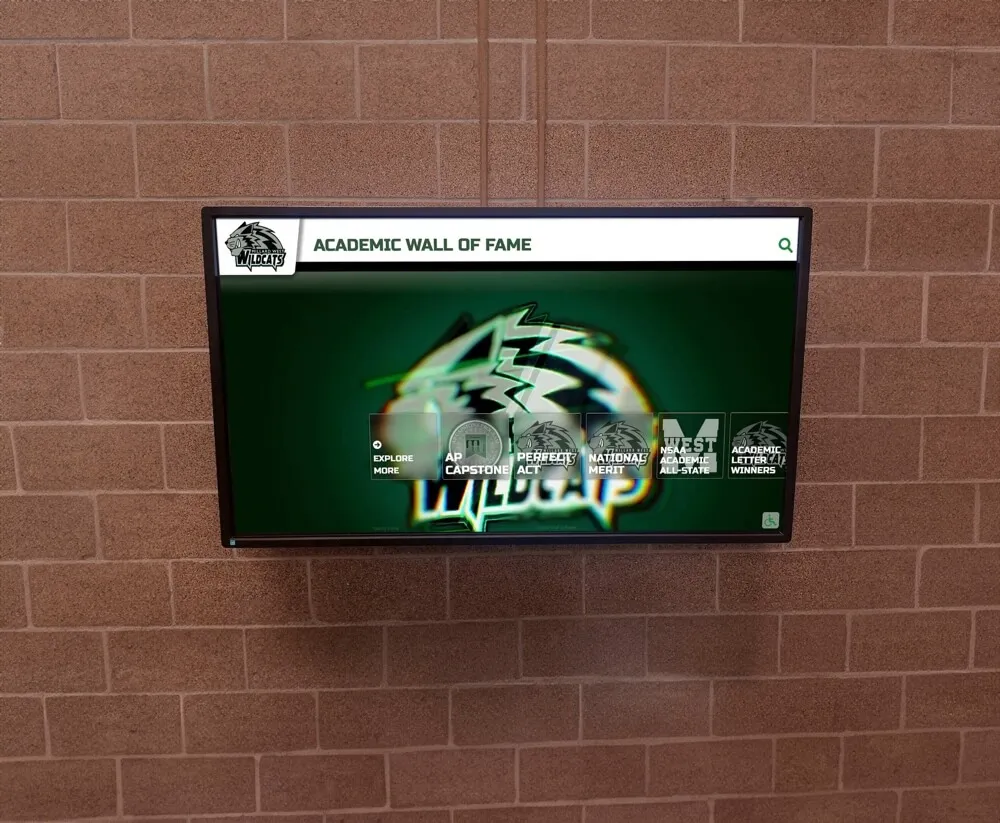
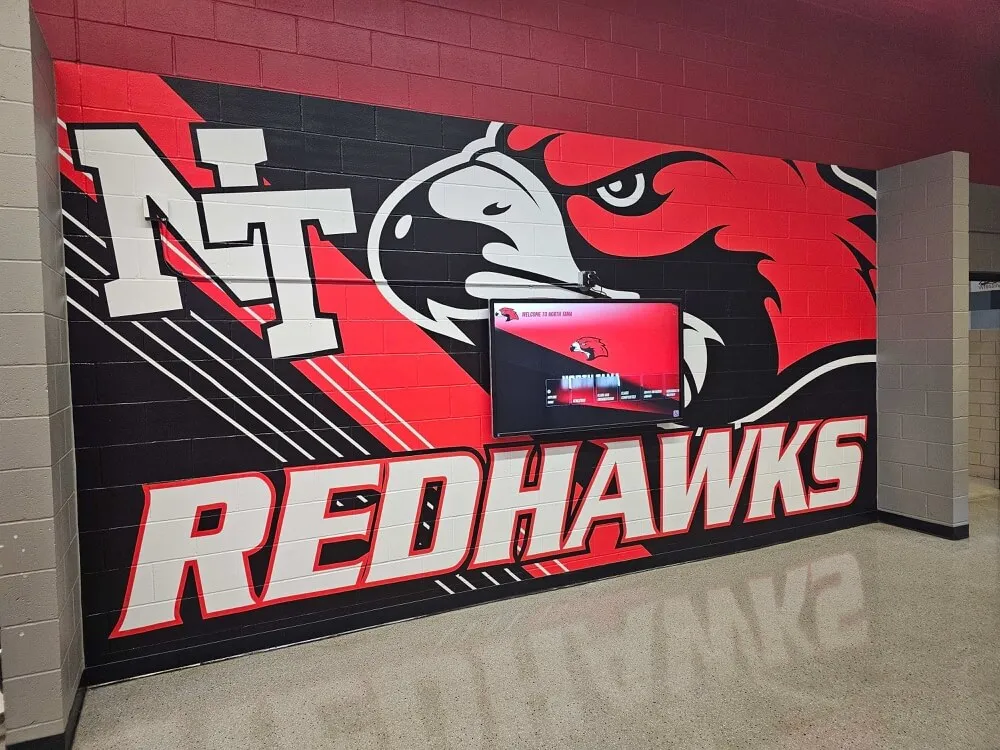
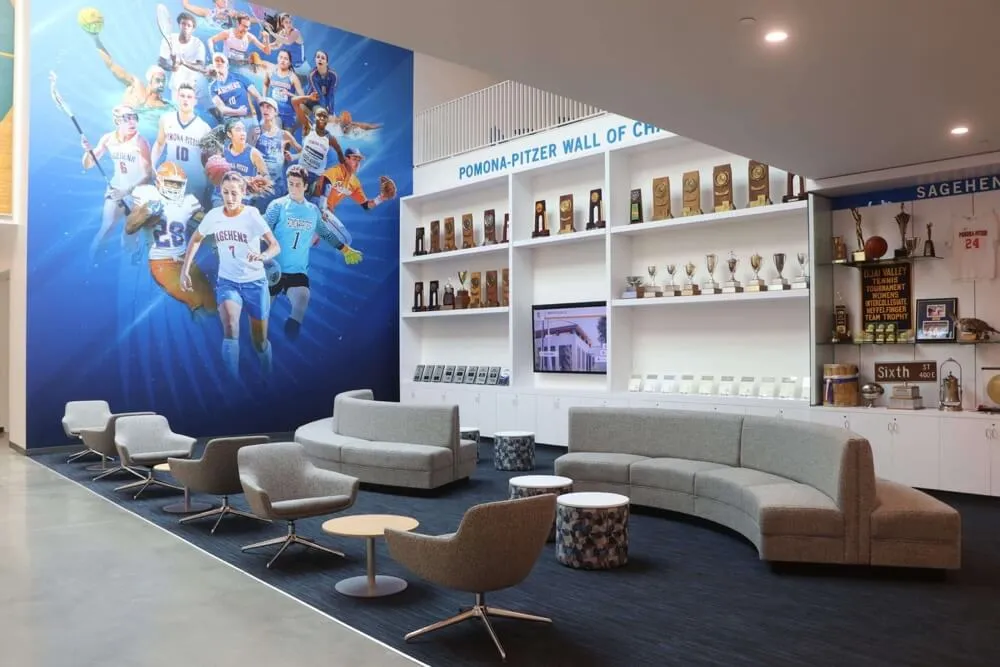
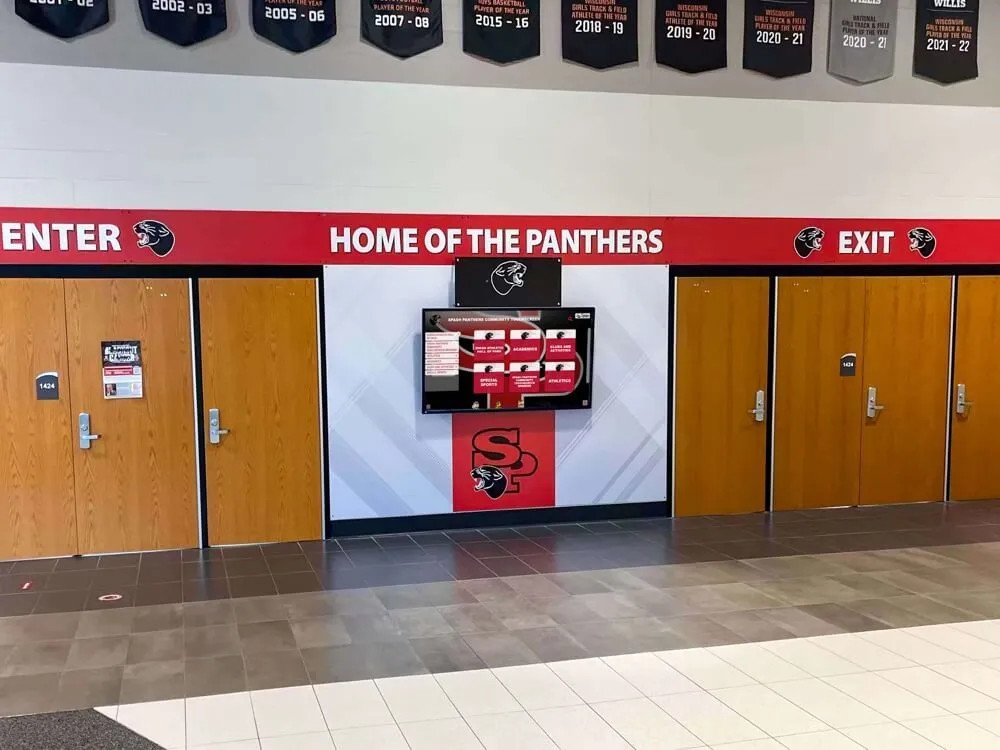
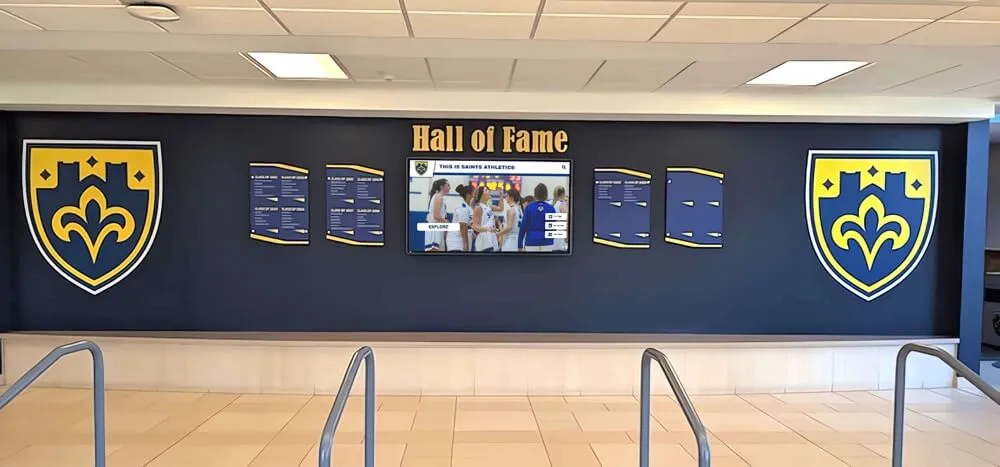
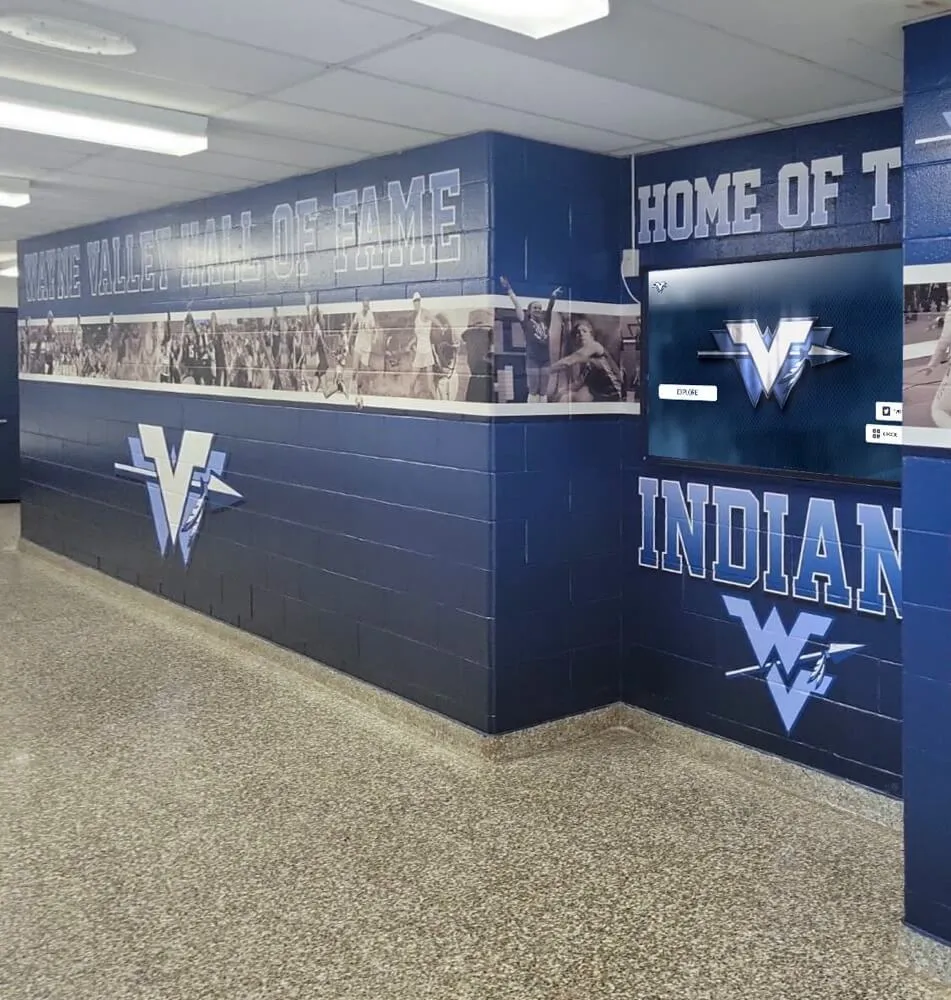
Thoughtfully designed walls of fame create engaging spaces where communities connect with excellence and institutional heritage
Program Snapshot: Wall of Fame Recognition Display Planning
Before exploring specific design approaches, understanding complete program requirements helps organizations assess whether wall of fame investments align with recognition goals and available resources.
| Program Element | Description | Key Considerations |
|---|---|---|
| Recognition Purpose | Honor exceptional achievement; preserve institutional heritage; inspire current participants; engage alumni and community | Clear purpose definition shapes all subsequent design decisions |
| Target Audiences | Honorees and families; current students or members; prospective participants; alumni; community visitors; donors | Different audiences require different discovery pathways and content depth |
| Display Format Options | Traditional plaques; digital touchscreens; hybrid combinations; web-accessible platforms | Format selection profoundly impacts capacity, flexibility, and engagement potential |
| Content Requirements | Photos, biographies, achievements, statistics, videos, historical context for all honorees | Comprehensive content development requires substantial investment but drives meaningful recognition |
| Strategic Placement | High-traffic lobbies; dedicated recognition spaces; near program facilities; web accessibility | Visibility directly correlates with community engagement and recognition impact |
| Management Approach | Annual induction cycles; ongoing content updates; display maintenance; selection processes | Sustainable operations require realistic staff capacity and clear responsibilities |
| Budget Considerations | Initial display installation; annual recognition additions; ongoing maintenance; content development | Total cost of ownership across multi-year horizon often exceeds initial expectations |
Understanding Wall of Fame Design Principles
Before selecting specific recognition formats, understanding foundational design principles helps organizations make decisions aligned with long-term goals and community needs.
Defining Wall of Fame Recognition Scope
Achievement Categories and Eligibility
Successful walls of fame begin with clear definitions of what receives recognition:
Athletic Excellence Recognition
- Individual athletes achieving exceptional competitive success
- Championship teams demonstrating collective excellence
- Coaches building distinguished programs across careers
- Record holders establishing new performance standards
- Multi-sport athletes demonstrating broad excellence
Learn about comprehensive approaches to athletic hall of fame programs that complement wall of fame displays.
Academic Achievement Recognition
- Valedictorians and salutatorians across graduating classes
- National Merit Scholars and academic competition winners
- Perfect attendance and outstanding citizenship recipients
- Distinguished scholarship winners and academic honorees
- Faculty excellence and teaching impact recognition
Arts and Activities Excellence
- All-state musicians and performing arts achievements
- Theatre and drama competition winners
- Visual arts scholarship recipients
- Debate, forensics, and academic competition excellence
- Student leadership and service contribution recognition
Alumni Distinguished Achievement
- Career accomplishments reflecting institutional education quality
- Community leadership and philanthropic contributions
- Professional achievements bringing distinction to institutions
- Service excellence and humanitarian contributions
- Innovation and entrepreneurial success
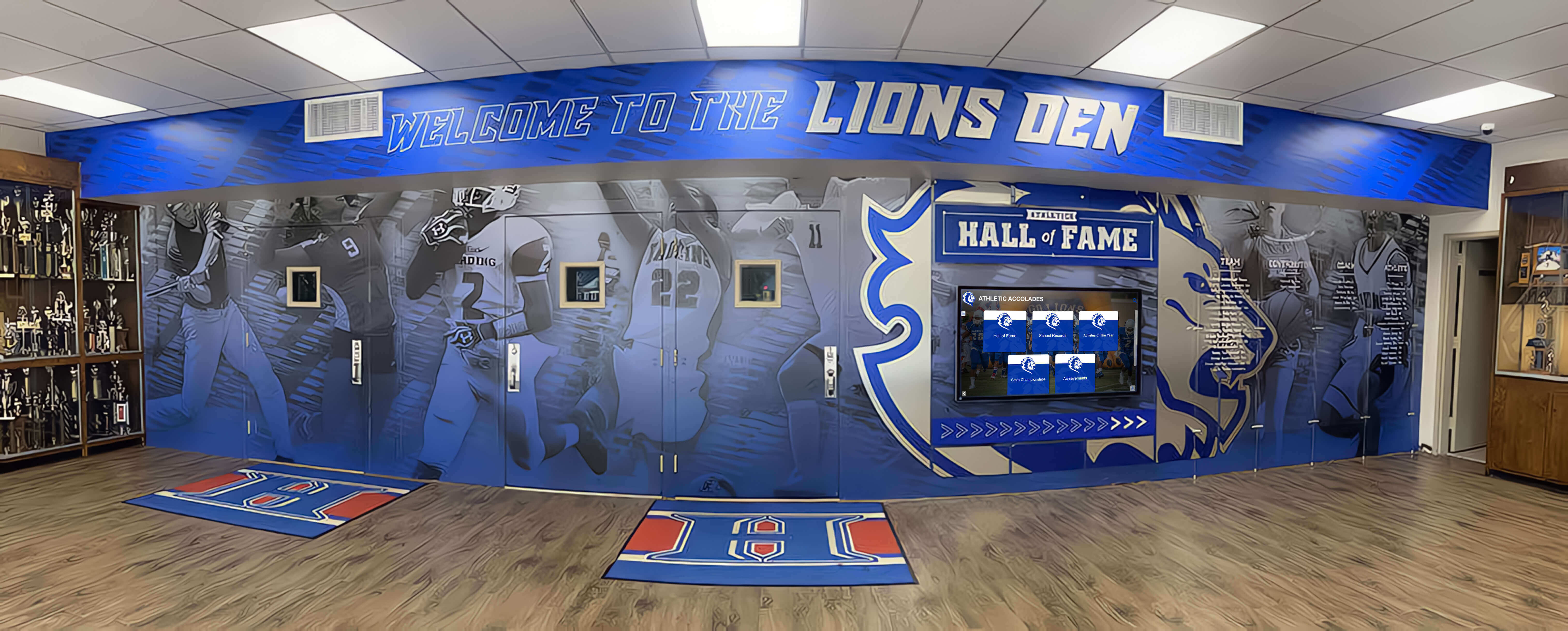
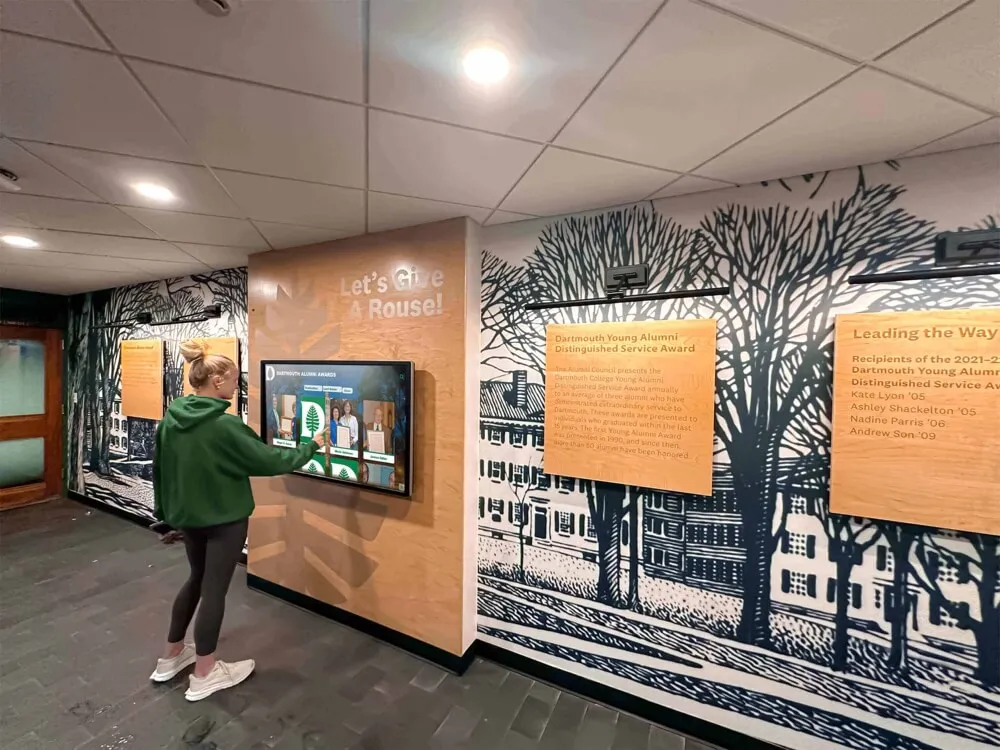
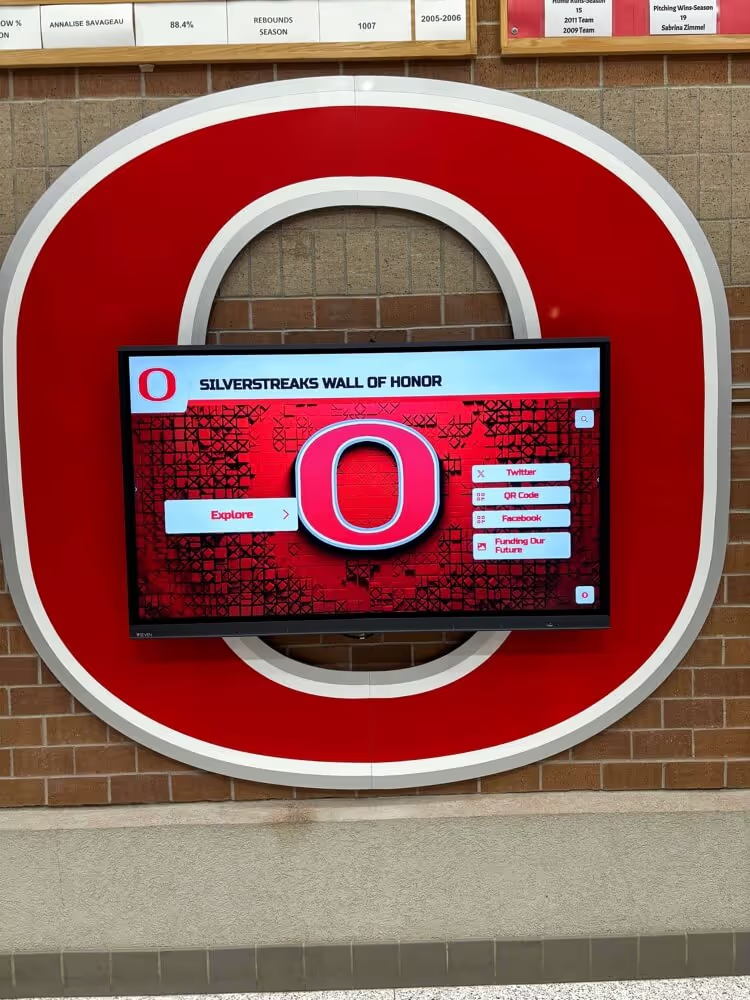
Comprehensive wall of fame displays integrate multiple recognition categories showcasing diverse forms of excellence
Balancing Exclusivity and Inclusivity
Creating Appropriate Recognition Standards
Walls of fame face inherent tension between maintaining prestige through selectivity and ensuring broad representation across achievement types:
Selective Hall of Fame Approach
- Rigorous criteria establishing high achievement thresholds
- Formal nomination and selection processes
- Limited inductions annually maintaining exclusivity
- Prestigious recognition for most exceptional contributions
- Clear distinction from comprehensive achievement recognition
Comprehensive Recognition Approach
- Broader eligibility celebrating all significant achievements
- Systematic recognition of qualifying accomplishments
- Multiple achievement tiers acknowledging varying levels
- Inclusive celebration of diverse excellence forms
- Integration of both individual and team recognition
Most effective programs define clear recognition standards appropriate to their institutional context—with larger organizations often maintaining both selective halls of fame and broader walls of honor serving different recognition purposes.
Explore donor recognition wall ideas demonstrating inclusive recognition approaches.
Establishing Sustainable Management Systems
Planning for Long-Term Recognition Success
Wall of fame effectiveness depends on sustainable operations:
Selection and Governance
- Committee structure with clear roles and responsibilities
- Transparent nomination and voting procedures
- Documented eligibility criteria applied consistently
- Regular meeting schedules maintaining program momentum
- Succession planning ensuring continuity through leadership transitions
Content Development Workflows
- Biographical research and achievement documentation
- Photography collection and digitization
- Statistics compilation and verification
- Profile writing and editing
- Quality assurance and approval processes
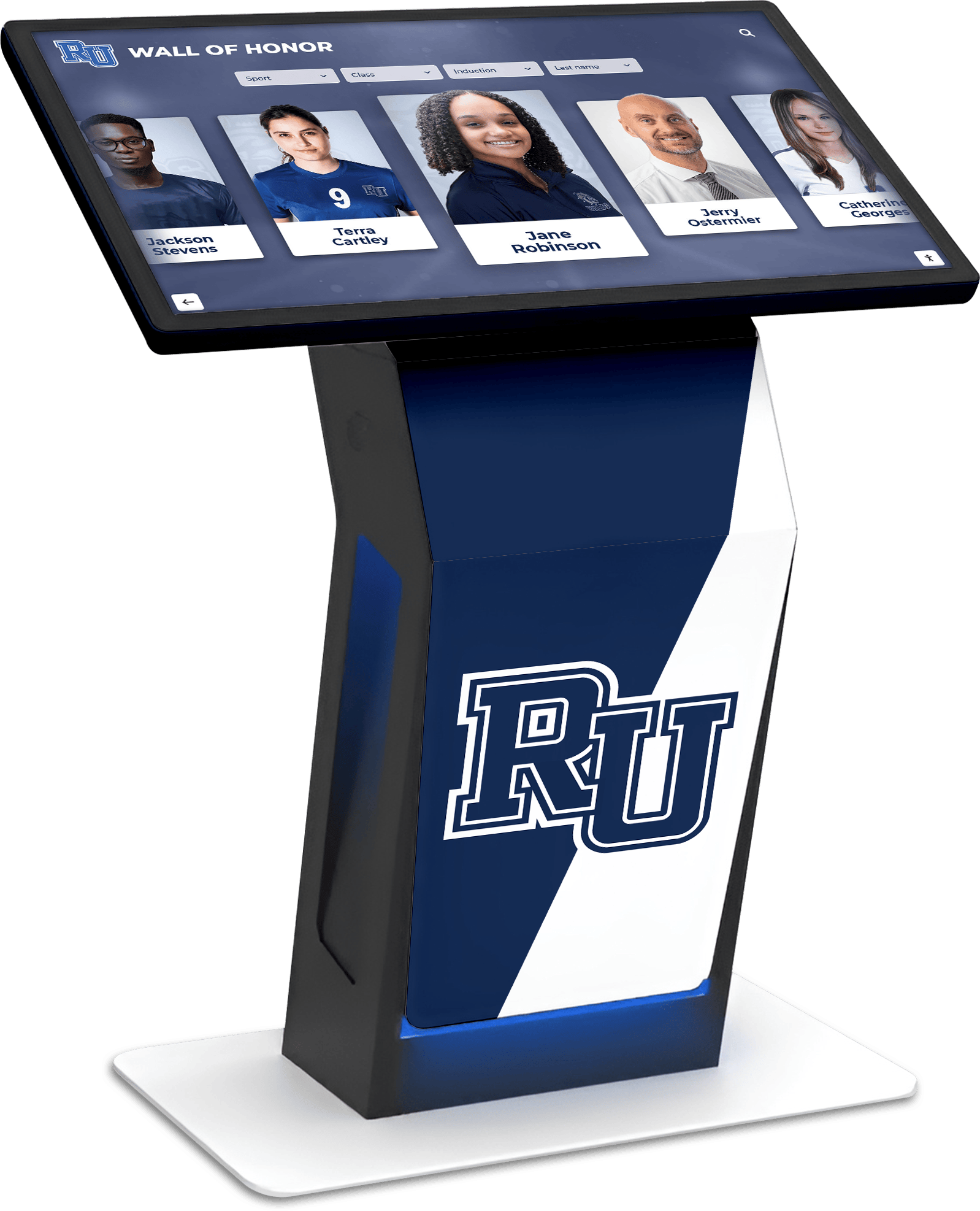
Modern recognition systems support rich multimedia content while maintaining sustainable administrative workflows
Administrative Sustainability
- Staff time allocation for ongoing management
- Budget planning covering initial investment and operational costs
- Technology support for digital systems
- Physical maintenance for traditional displays
- Communication and promotion responsibilities
Organizations often underestimate management requirements—discovering that creating displays proves far easier than sustaining recognition quality across multiple years of continued operation.
Wall of Fame Format Options: Traditional, Digital, and Hybrid Approaches
Recognition display format fundamentally shapes capacity, flexibility, engagement potential, and long-term sustainability.
Traditional Plaque and Display Approaches
Classic Recognition Wall Formats
Traditional walls of fame take several established forms:
Individual Engraved Plaques
The most common traditional format features:
- Uniform plaques for each honoree maintaining visual consistency
- Names, graduation years, and brief achievement summaries
- Organized chronologically, alphabetically, or by category
- Wall-mounted in prominent high-traffic locations
- Professional engraving creating permanent recognition
Advantages: Tangible physical presence, perceived permanence, traditional aesthetic appeal, and established community familiarity.
Limitations: Severe space constraints limiting capacity, expensive ongoing expansion, difficult updates requiring physical modification, minimal biographical context beyond basic information, and zero interactivity preventing content discovery.
Schools implementing traditional plaque walls typically accommodate 50-150 honorees before facing difficult decisions about display expansion, space limitations, or selective removal of historical recognition—creating problematic situations where early inductees disappear as programs grow.
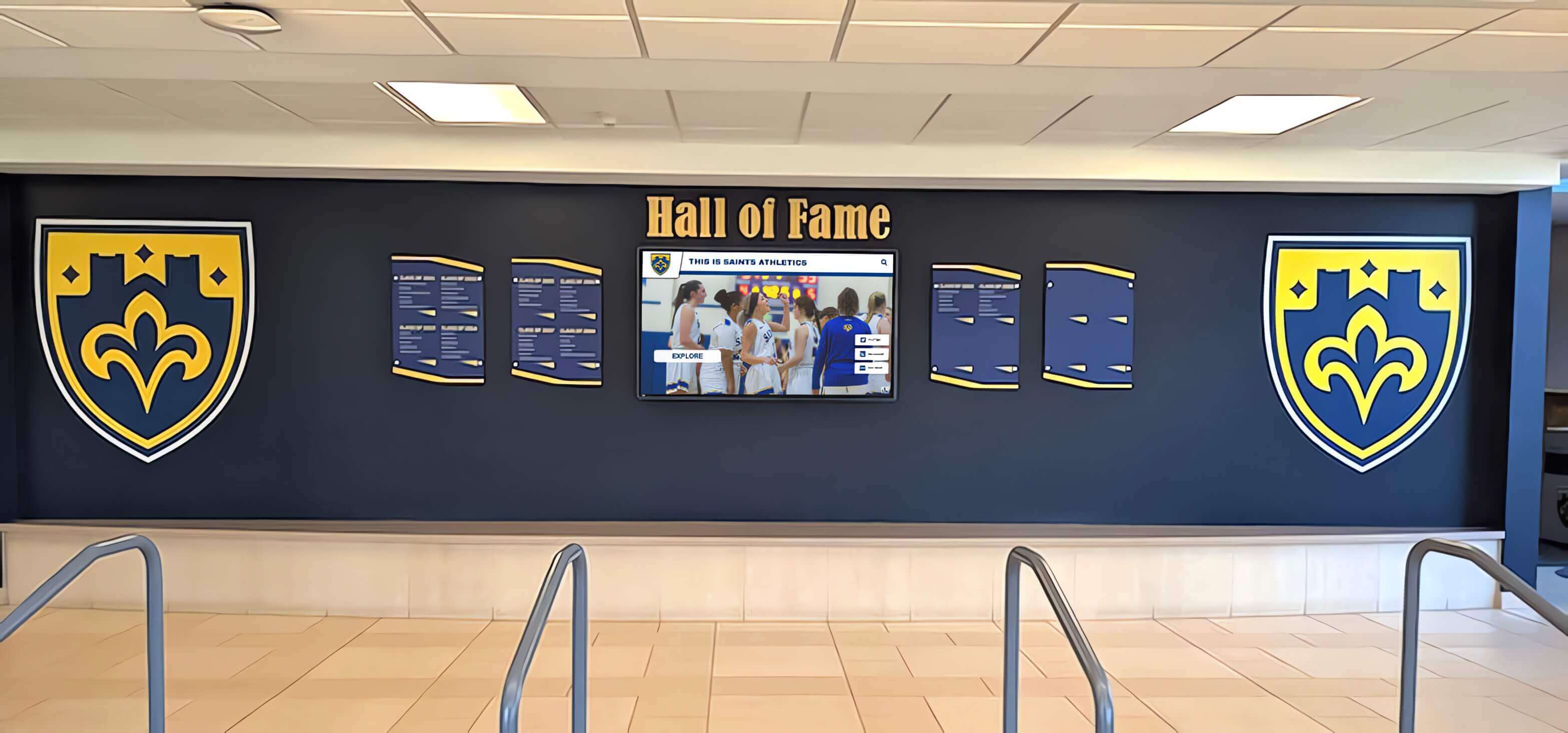
Traditional plaque walls create professional recognition but impose severe capacity constraints as programs grow
Trophy Case and Display Cabinet Approaches
Some organizations create dedicated recognition spaces:
- Individual display cases for significant honorees
- Biographical information and achievement documentation
- Personal memorabilia and artifacts
- Championship trophies and awards
- Historical photographs and newspaper clippings
Advantages: Rich storytelling through artifacts, comprehensive achievement documentation, and protected preservation of valuable items.
Limitations: Significant space requirements, expensive case fabrication and installation, limited accessibility to those physically visiting facilities, and substantial ongoing curation effort.
Photographic Recognition Walls
Another traditional approach features:
- Framed photographs of honorees in uniform grid layouts
- Nameplate identification beneath or beside images
- Organized by induction year or achievement category
- Protected behind glass or acrylic covering
- Periodic replacement as space fills
Advantages: Visual recognition showing actual honorees, relatively affordable compared to individual plaques, and modular expansion adding new frames.
Limitations: Similar capacity constraints as plaque walls, minimal biographical context, difficult updates requiring frame replacement, and no mechanism for content discovery beyond visual scanning.
Learn about creating exciting hallway displays that maximize traditional recognition impact.
Modern Digital Wall of Fame Displays
Interactive Touchscreen Recognition Systems
Digital platforms fundamentally transform recognition capacity and engagement:
Unlimited Recognition Capacity
Solutions like Rocket Alumni Solutions eliminate space constraints:
- Single digital display showcases unlimited honorees across all categories
- Comprehensive archives preserve complete institutional history
- No need to remove historical inductees as programs grow
- All achievement types receive equal display capacity
- Equal prominence for recent and historical recognition
Organizations transitioning from traditional displays commonly discover they can recognize 300-500+ deserving individuals who couldn’t receive acknowledgment under previous space-constrained systems.
Interactive Exploration Features
Touchscreen systems create engagement impossible with static displays:
- Full-text search enabling visitors to find specific honorees instantly
- Filtering by achievement category, induction year, or program type
- Detailed profiles with photos, statistics, and biographical narratives
- Video highlights and interview footage when available
- Related content connecting associated achievements and individuals
- Social sharing enabling honorees to celebrate with extended networks
Comprehensive Multimedia Recognition
Digital platforms support rich content celebrating achievements appropriately:
- High-resolution photographs showing honorees during competitive years
- Complete biographical narratives telling achievement stories
- Career statistics and quantitative accomplishment documentation
- Championship team memberships and contributions
- Video highlights preserving memorable performances
- Historical context connecting individual achievements to program evolution
Discover approaches to digital hall of fame displays that create engaging recognition experiences.
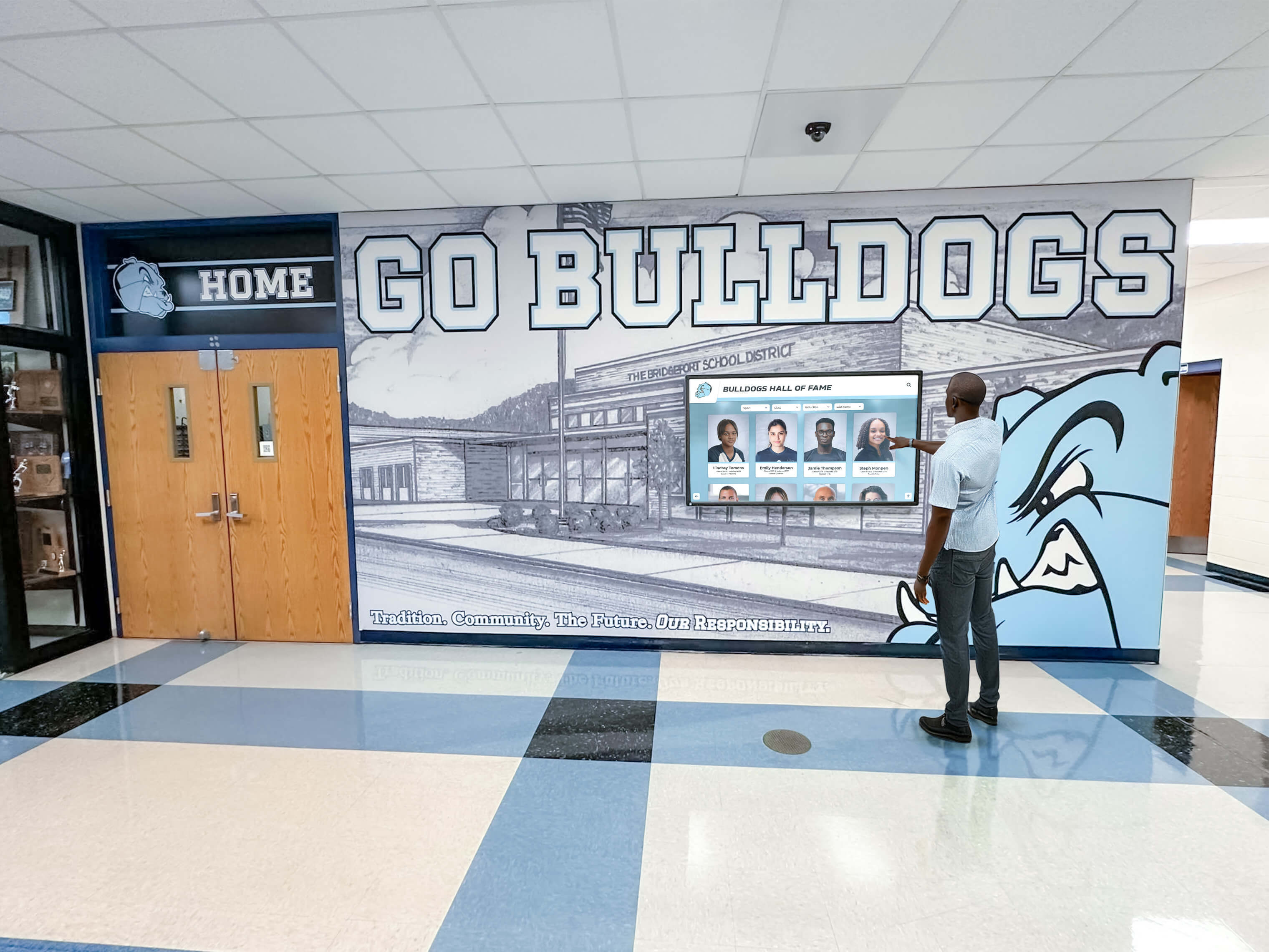
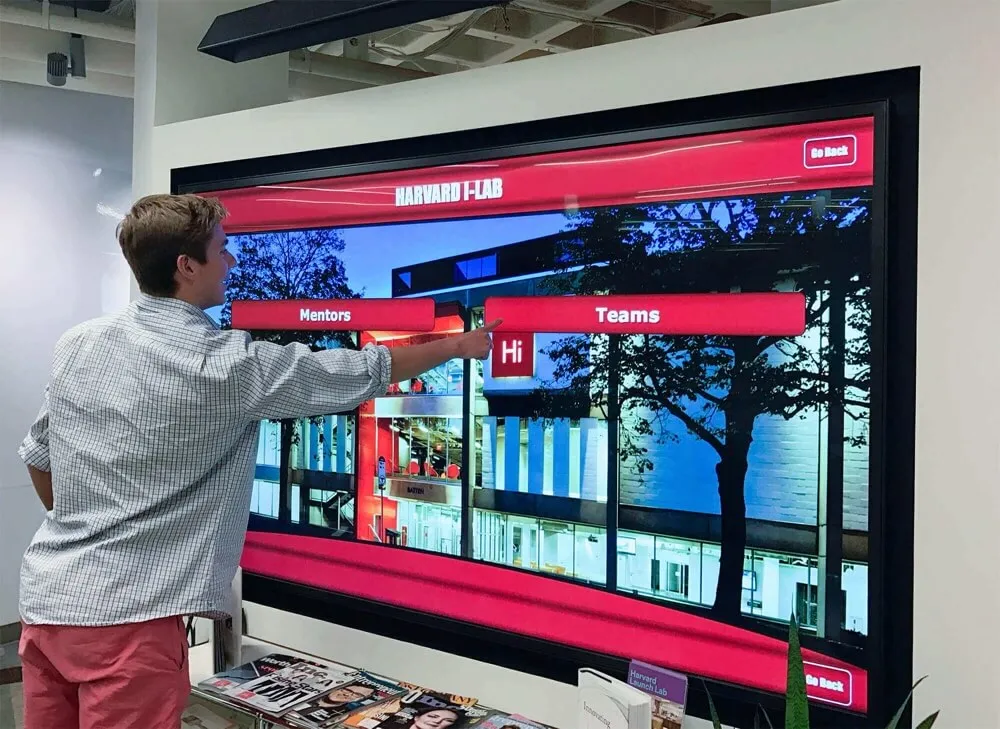
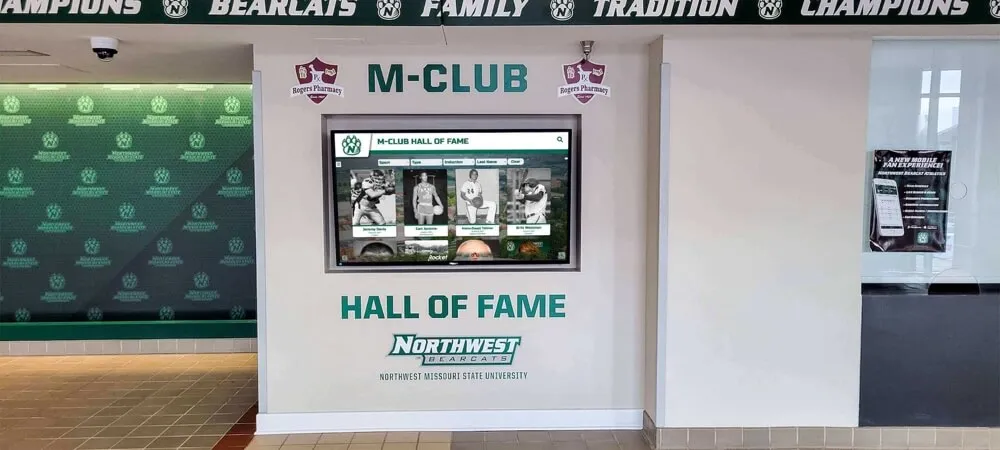
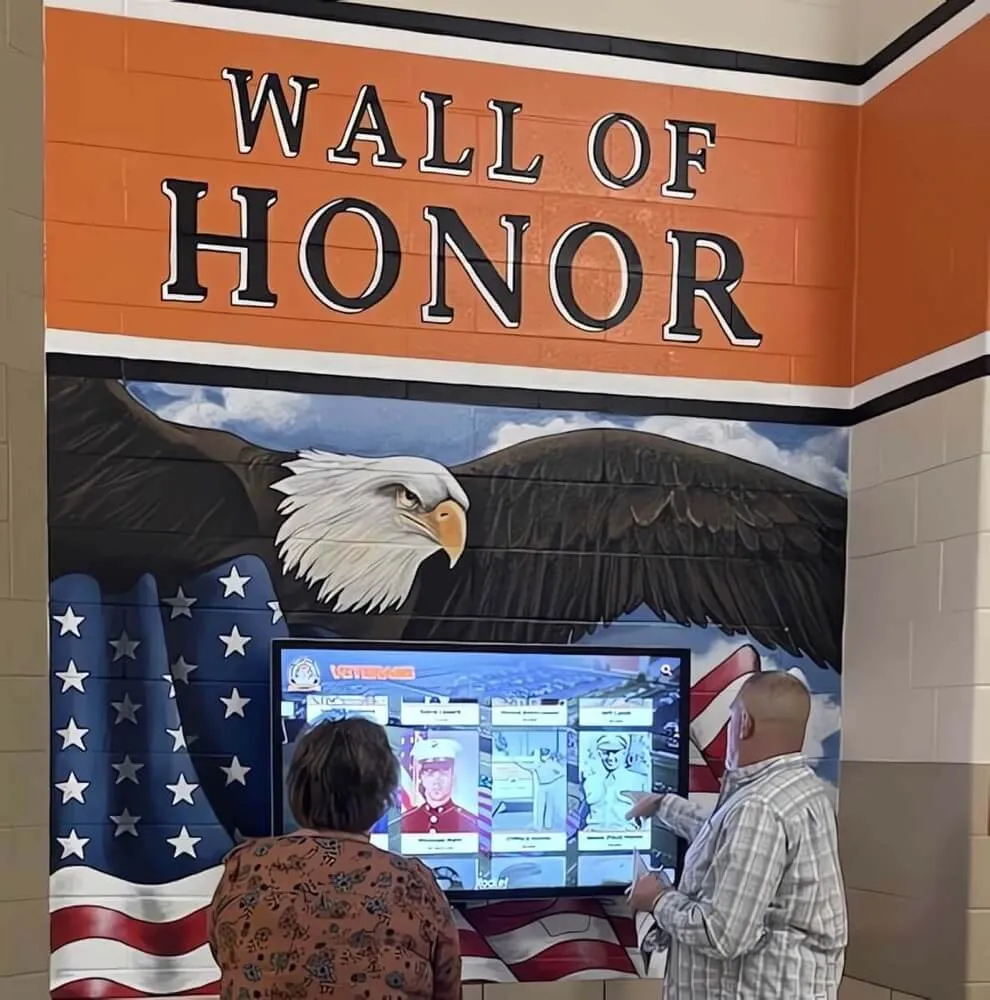
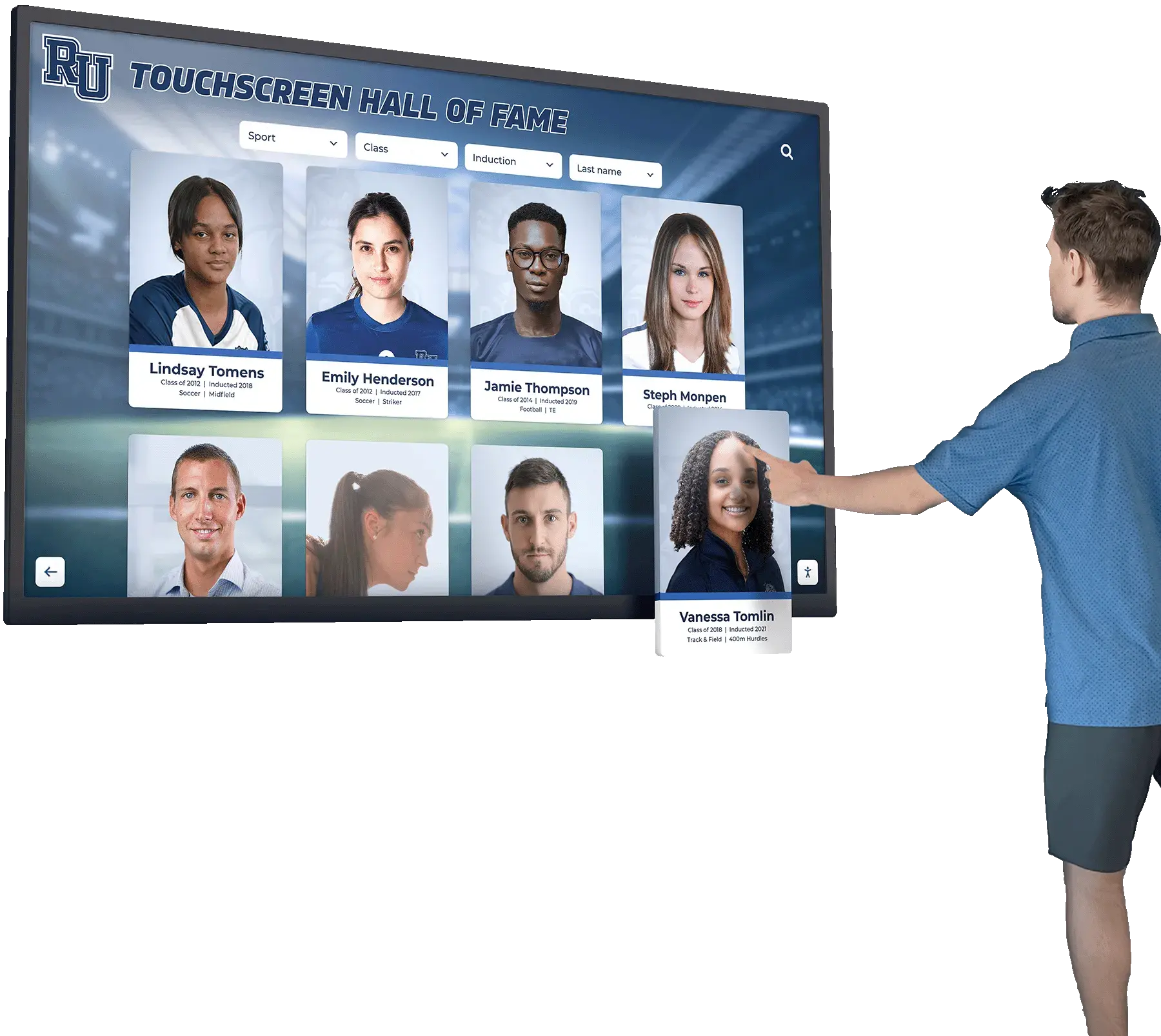
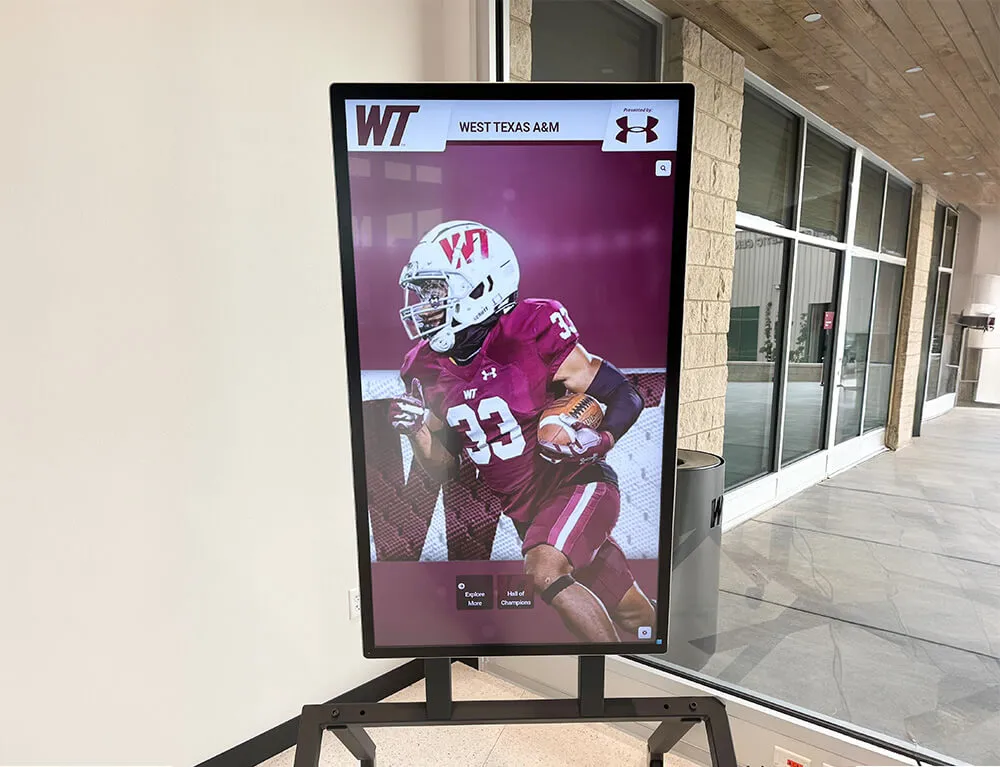
Digital touchscreens enable intuitive exploration of comprehensive recognition content across unlimited honorees
Web Accessibility and Remote Engagement
Modern recognition extends beyond physical facilities:
- Same content accessible via web browsers from anywhere globally
- Mobile-responsive designs ensuring smartphone and tablet access
- Alumni anywhere can explore recognition regardless of physical location
- Integration with institutional websites and alumni platforms
- 24/7 accessibility versus limited facility hours
- Analytics revealing engagement patterns and popular content
Organizations implementing digital walls of fame commonly report 10-15x engagement increase compared to traditional displays—as interactive exploration invites sustained discovery versus brief glances at static plaques.
Cloud-Based Content Management
Remote administration capabilities streamline ongoing operations:
- Update content from any internet-connected device
- No campus visits required for recognition additions
- Template-based profile creation ensuring consistency
- Bulk upload tools for efficient team or class additions
- Scheduled publishing coordinating with induction ceremonies
- Automatic cloud backups preventing content loss
Schools report 70-85% reduction in administrative time maintaining digital recognition versus traditional displays requiring coordination with engravers, installers, and facility managers for every update.
Learn about touchscreen software options specifically designed for recognition applications.
Hybrid Recognition Combining Traditional and Digital Elements
Optimizing Both Tangible Presence and Digital Capability
Many organizations implement hybrid approaches capturing advantages of multiple formats:
Physical Tradition with Digital Enhancement
- Traditional plaque wall or display for most recent inductees
- QR codes on plaques linking to detailed digital profiles
- Digital touchscreen display nearby providing interactive exploration
- Website integration extending access to distant alumni
- Best of both worlds honoring tradition while embracing capability
Rotating Physical Recognition
- Traditional displays featuring current year inductees prominently
- Digital archive preserving complete historical recognition
- Annual rotation updating physical displays with new honorees
- Permanent comprehensive recognition through digital preservation
- Manageable physical footprint with unlimited digital capacity
Tiered Recognition Approach
- Most distinguished honorees receive traditional plaque recognition
- Broader achievement categories celebrated through digital systems
- Multiple recognition levels appropriate to different accomplishment types
- Maintains hall of fame exclusivity while enabling inclusive celebration
- Both selective prestige and comprehensive acknowledgment
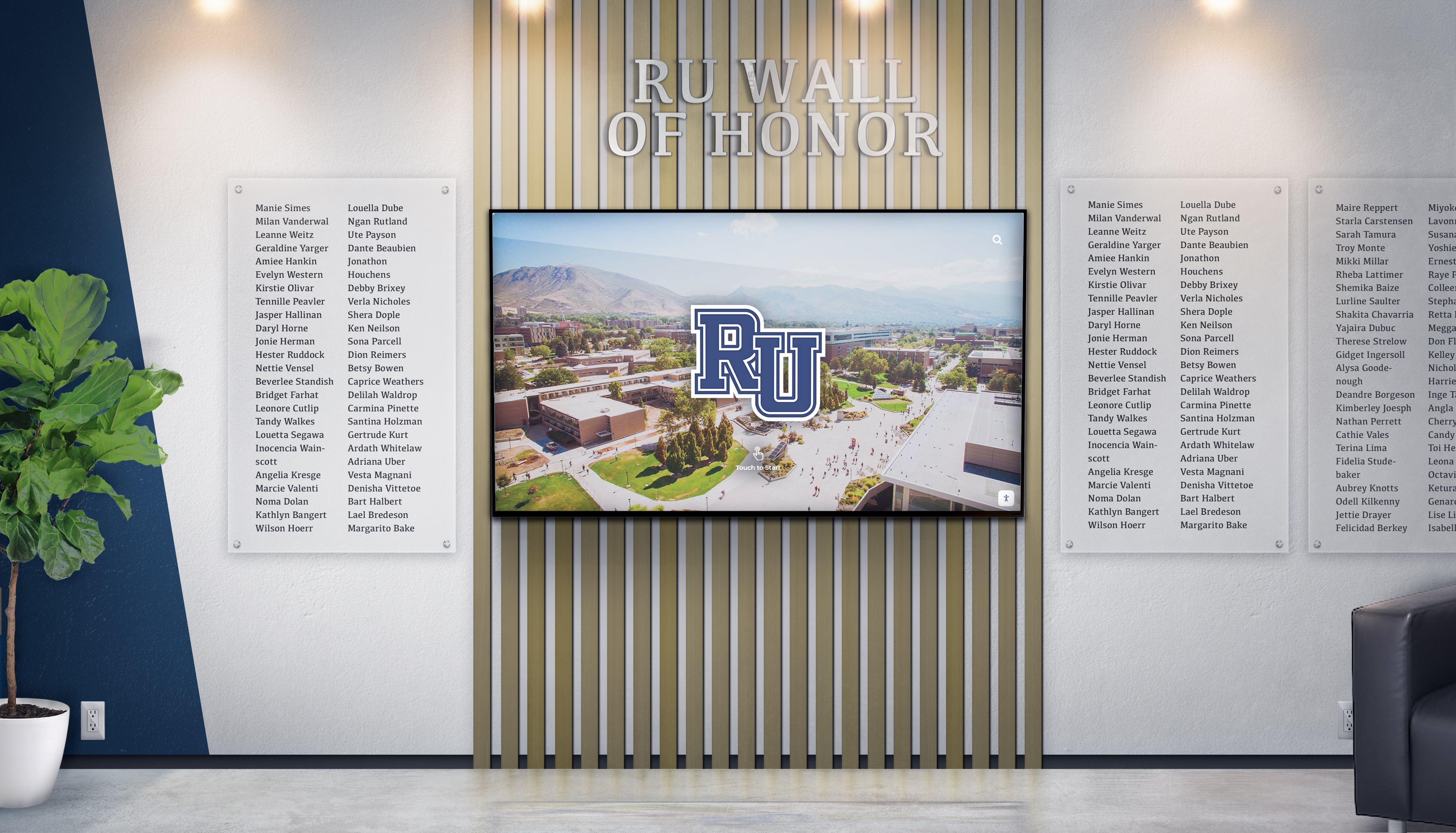
Hybrid approaches combine tangible traditional recognition with comprehensive digital capabilities
Content Architecture: Organizing Recognition for Maximum Impact
Effective walls of fame require thoughtful content organization supporting intuitive discovery and meaningful celebration.
Individual Honoree Profile Components
Essential Biographical Information
Comprehensive profiles include:
- Professional photographs showing honorees during achievement periods
- Full names, graduation years, and program affiliations
- Achievement summaries explaining recognition qualification
- Career statistics and quantitative accomplishments
- Induction year and ceremony documentation
- Personal quotes or reflections when available
Achievement Context and Documentation
Rich recognition provides deeper understanding:
- Detailed descriptions of specific accomplishments
- Historical context showing significance within institutional history
- Championship team memberships and contributions
- Records broken or standards established
- All-state, all-American, or similar honors received
- Post-institutional achievements demonstrating lasting impact
Multimedia Enhancement
Modern platforms support:
- Multiple photographs showing different achievement moments
- Video highlights of performances or competitions
- Audio interviews or acceptance speeches
- Newspaper articles and media coverage
- Scanned historical documents or programs
- Family photos and personal memorabilia
This comprehensive content approach transforms brief name listings into engaging narratives that honor achievement appropriately while providing genuine value for younger participants seeking inspiration and guidance.
Explore digital storytelling approaches for athletic recognition programs.

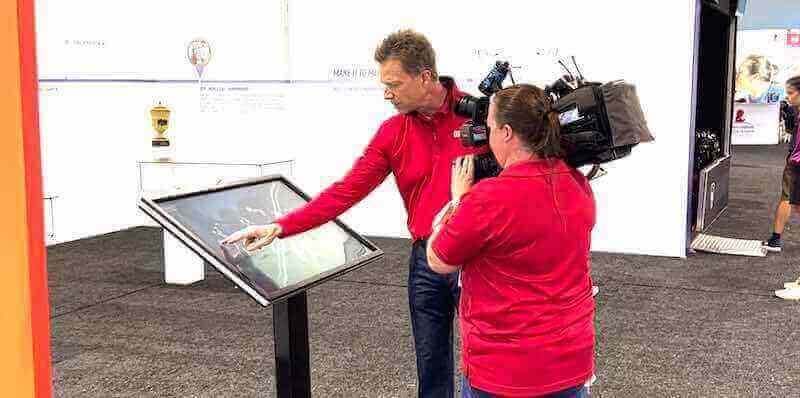
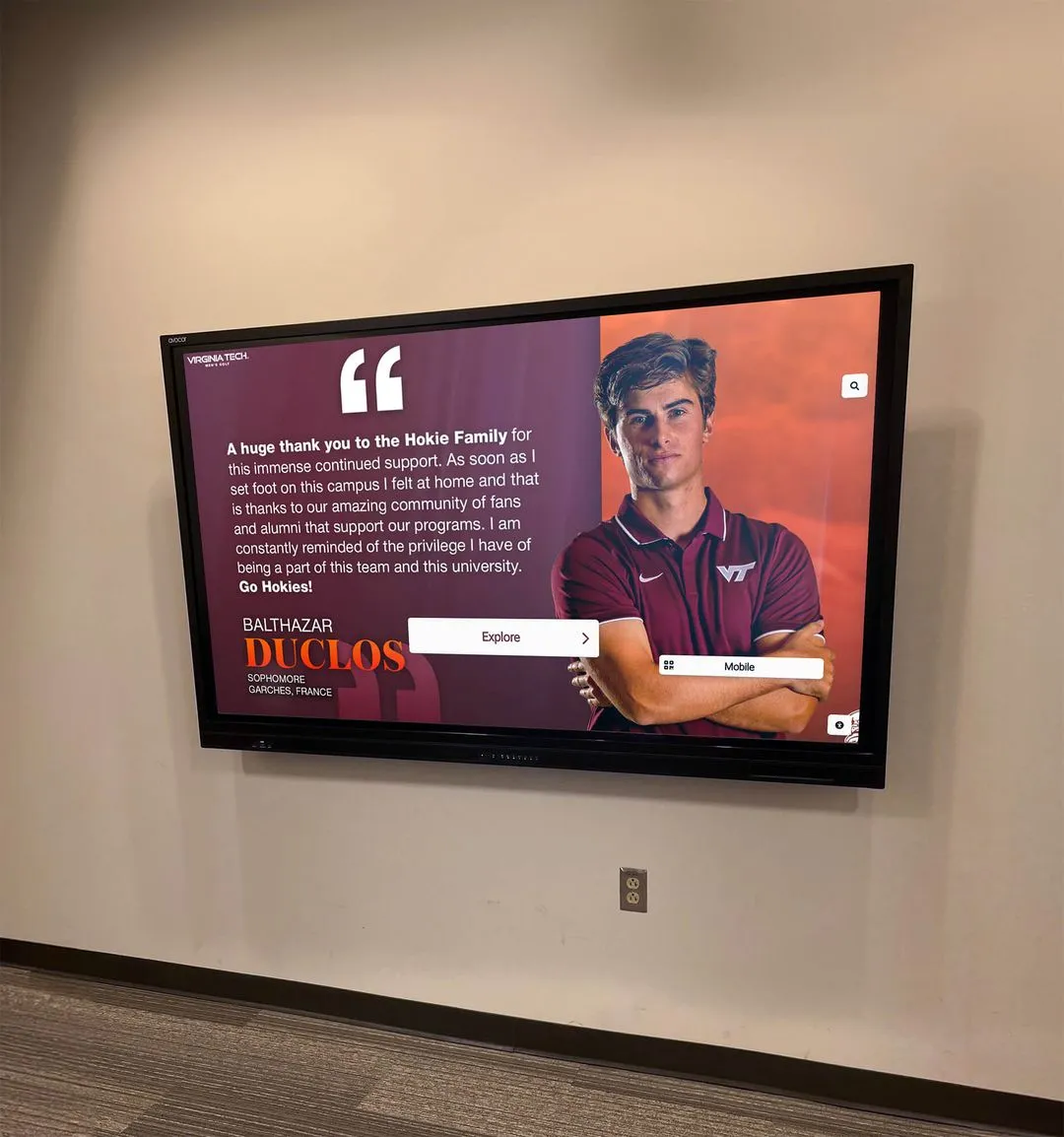
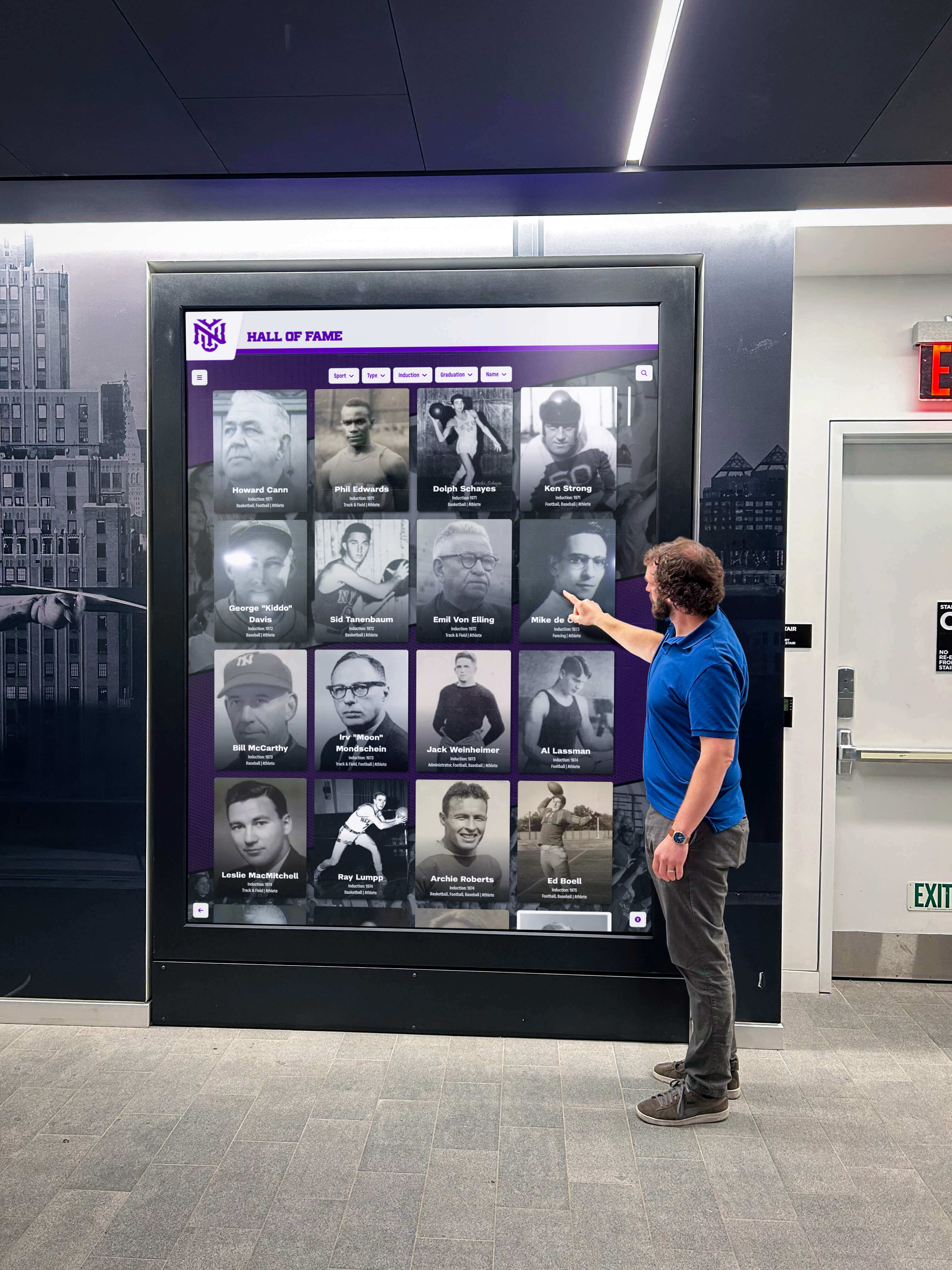
Intuitive interfaces enable seamless exploration of detailed individual recognition profiles
Team and Group Recognition Organization
Collective Achievement Celebration
Championship teams deserve comprehensive acknowledgment:
Team Profile Components
- Team photographs with all members identified
- Season records, statistics, and tournament progression
- Individual roster information with player statistics
- Coach and staff recognition
- Season narrative describing challenges and memorable moments
- Long-term program impact from championship success
Individual-to-Team Connections
- Cross-references linking individuals to all teams they joined
- Team pages showing complete roster membership
- Multiple recognition pathways discovering same content
- Family connections showing multi-generational participation
- Related achievements creating discovery opportunities
This interconnected content structure mirrors how people naturally explore recognition—following connections between individuals, teams, time periods, and achievement types creating engaging discovery experiences.
Historical Archive Organization
Preserving Institutional Memory Systematically
Comprehensive walls of fame organize historical content:
Chronological Organization
- Recognition organized by induction year or achievement date
- Decade-by-decade browsing showing program evolution
- Era-specific context explaining changing competitive landscapes
- Anniversary recognition marking significant milestones
- Timeline visualizations showing program trajectory
Achievement Category Organization
- Separate sections for athletics, academics, arts, service, alumni
- Sport-specific or program-specific organization
- Multiple classification systems supporting different discovery preferences
- Cross-category connections for multi-dimensional achievers
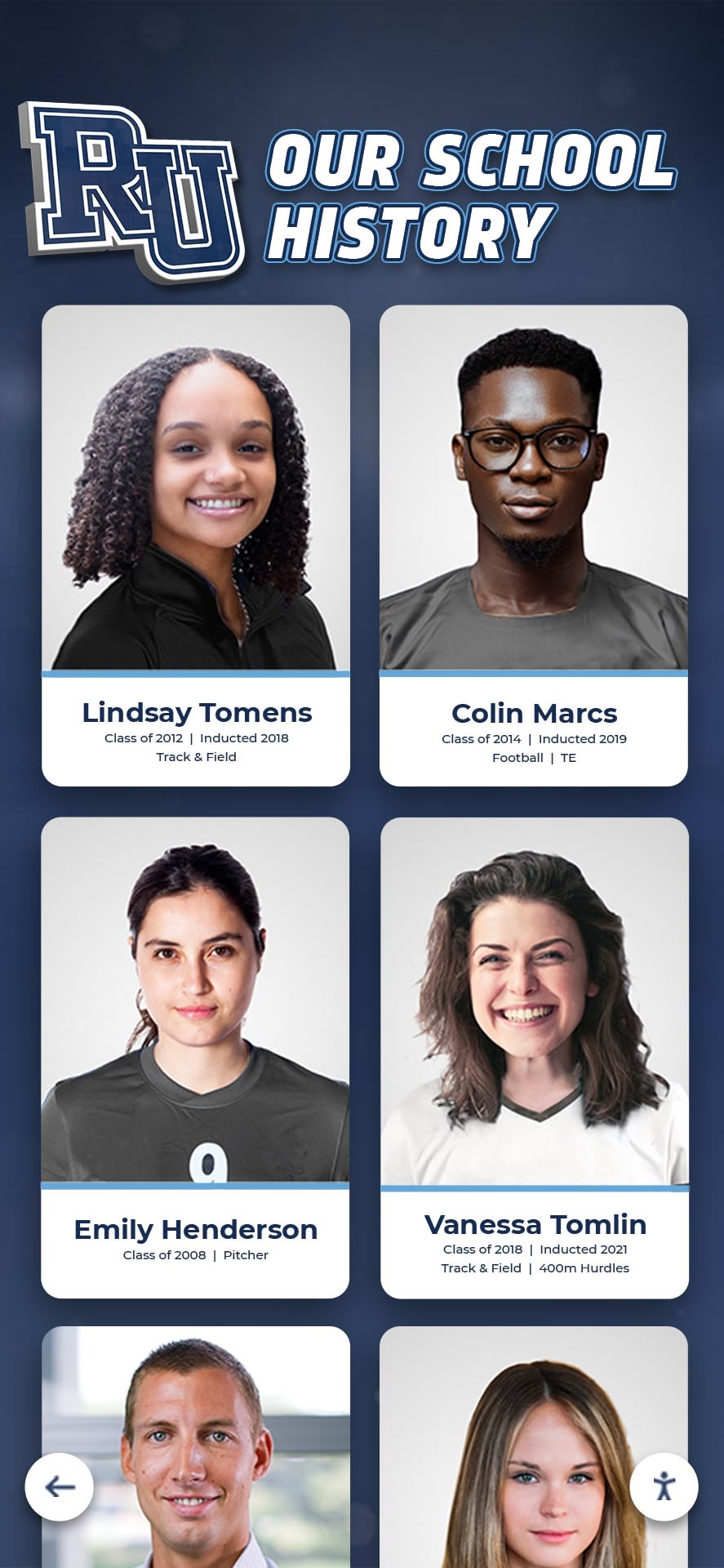
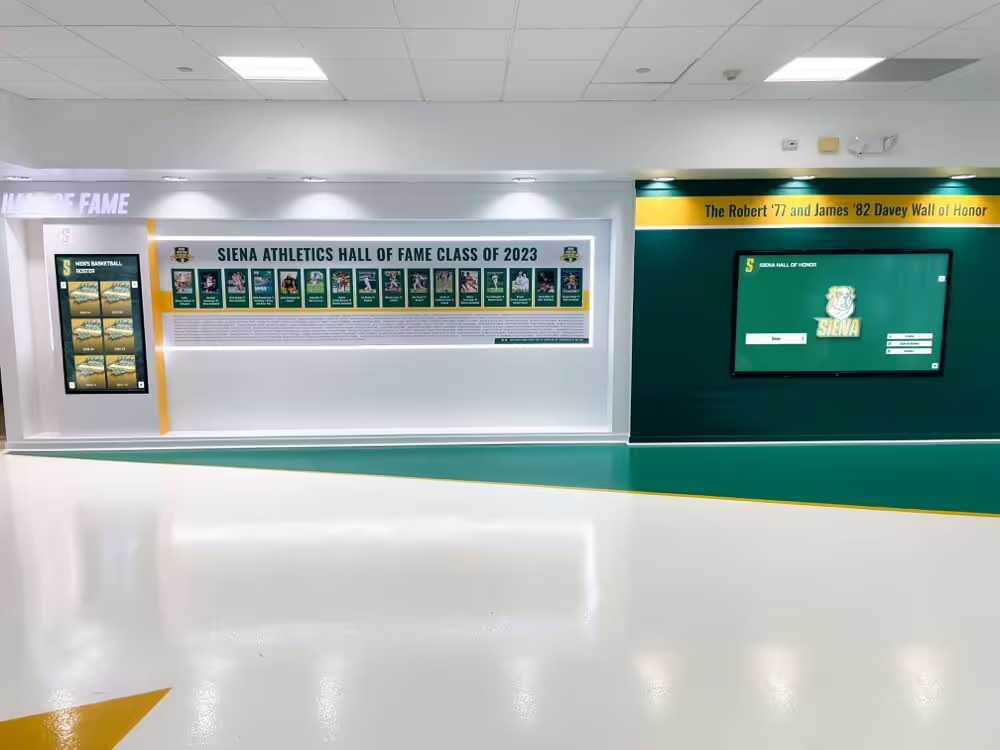
Comprehensive systems preserve complete recognition history across all achievement categories and time periods
Program Evolution Documentation
- Historical context showing how programs developed
- Coaching histories and leadership transitions
- Facility development and institutional growth
- Rule changes and competitive classification evolution
- Connection between past achievements and current opportunities
This historical depth creates recognition serving educational purposes—helping current participants understand traditions they’re continuing while preserving organizational memory that might otherwise disappear.
Learn about academic history archiving approaches for comprehensive institutional preservation.
Strategic Display Placement: Maximizing Visibility and Engagement
Recognition display location profoundly impacts community awareness and engagement levels.
High-Traffic Location Selection
Primary Placement Opportunities
Effective wall of fame locations include:
Main Entrance Lobbies
- Greet all visitors establishing immediate recognition priority
- Highest traffic volume ensuring maximum community exposure
- Signal institutional values through prominent display placement
- Natural gathering points for ceremonies and celebrations
- Professional appearance impressing prospective families and donors
Program-Specific Facilities
- Athletic recognition in gymnasiums and field houses
- Academic honors in library or classroom wings
- Arts recognition in auditoriums and performance spaces
- Thematic connection between recognition and program facilities
- Constant visibility for current participants
Commons and Cafeteria Areas
- Sustained viewing time as people gather and eat
- Broad student exposure creating cultural impact
- Casual discovery opportunities during daily routines
- Social gathering spaces encouraging group exploration
- High daily traffic across entire community
Alumni and Development Offices
- Engagement with distinguished graduates during campus visits
- Donor recognition demonstrations showing stewardship transparency
- Development conversation tools showing institutional excellence
- Private viewing opportunities for honorees and families
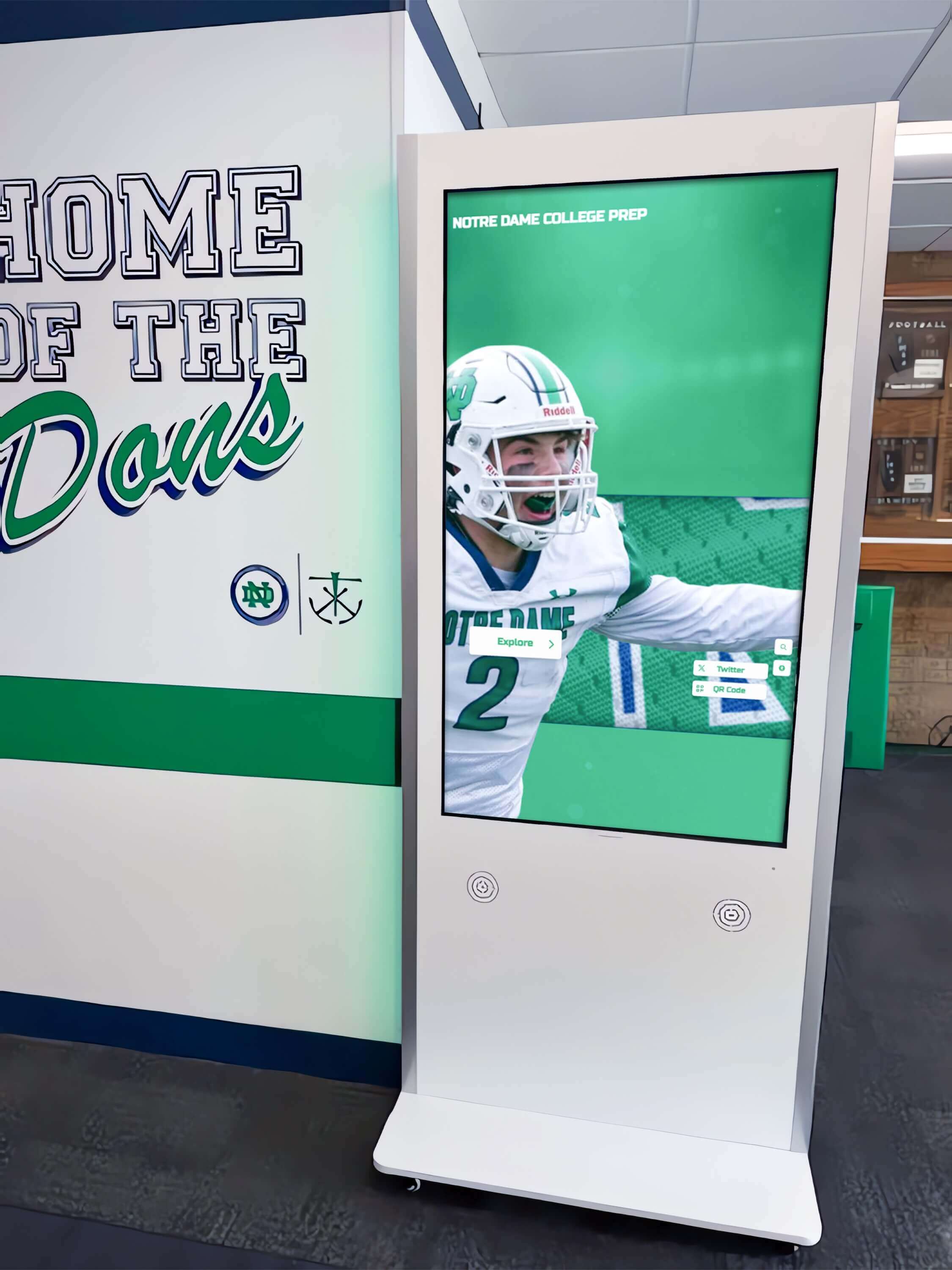
Strategic placement in high-traffic corridors ensures recognition receives consistent community visibility
Viewing Environment Optimization
Creating Effective Recognition Spaces
Physical environment significantly affects engagement:
Lighting Considerations
- Adequate illumination ensuring visibility at all times
- Glare prevention for digital displays near windows
- Accent lighting highlighting traditional displays
- Natural light assessment for optimal placement
- Emergency lighting ensuring 24/7 visibility
Spatial Design Elements
- Clear floor space enabling group viewing simultaneously
- ADA-compliant accessibility for wheelchair users
- Comfortable viewing distances appropriate to display size
- Seating areas inviting extended exploration
- Minimal competing visual distractions maintaining focus
Integration with Facilities
- Cohesive design complementing institutional aesthetics
- Color schemes and finishes matching facility standards
- Professional installation quality reflecting recognition importance
- Protection from vandalism in unsupervised areas
- Durability for high-traffic public environments
Explore elementary school recognition approaches including appropriate placement strategies.
Multiple Display Location Strategies
Extending Recognition Across Facilities
Larger organizations benefit from multiple recognition points:
Primary Flagship Display
- Most comprehensive installation in highest-visibility location
- Full recognition archive with all categories and time periods
- Professional focal point creating maximum impression
- Ceremonial space for induction events and celebrations
Secondary Program-Specific Displays
- Athletic recognition in sports facilities
- Academic honors in classroom buildings
- Satellite displays showing relevant subsets of recognition
- Thematic filtering appropriate to each location
Web-Accessible Platform
- Identical content available online from anywhere
- 24/7 access regardless of facility hours or physical location
- Alumni engagement from distant locations
- Mobile access during campus tours and visits
- Integration with institutional websites and portals
This multi-location strategy maximizes recognition impact across entire communities while providing redundancy ensuring access even during facility maintenance or renovation projects.
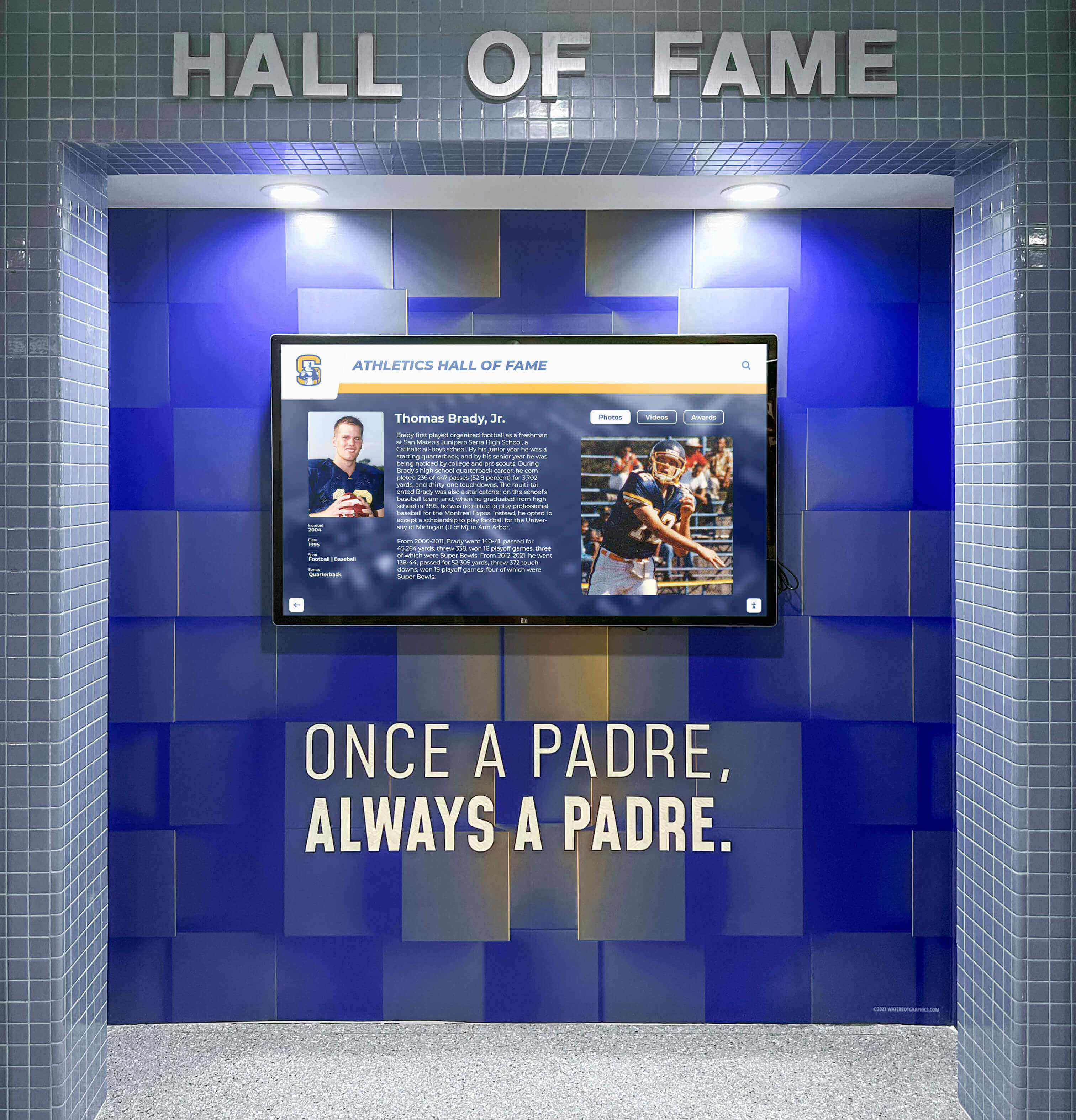
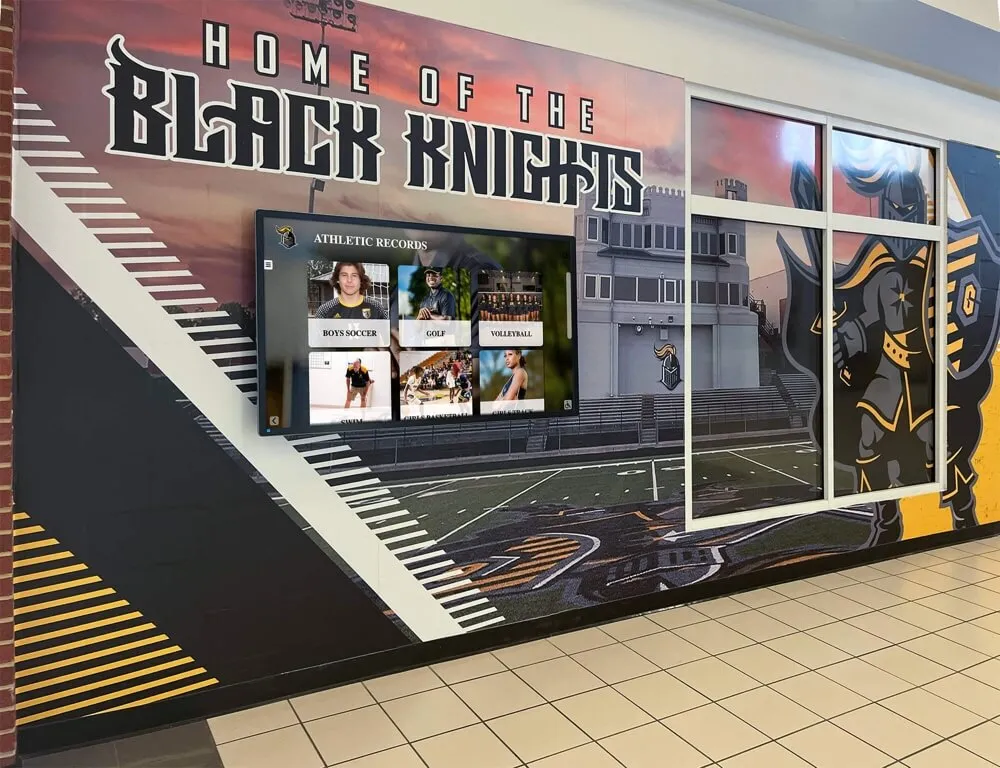
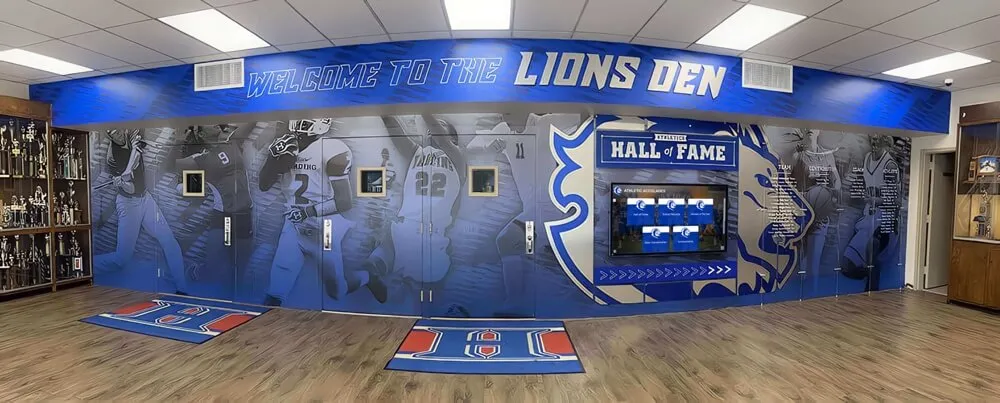
Professional installations in program-specific facilities create thematic recognition connections
Design Principles for Visual Impact and Professional Presentation
Beyond format and placement, thoughtful design creates recognition commanding appropriate respect and attention.
Visual Hierarchy and Organization
Creating Intuitive Recognition Structures
Effective displays guide viewers naturally through content:
Homepage and Entry Points
- Clear prominent titles establishing recognition purpose
- Featured content highlighting notable achievements
- Multiple discovery pathways supporting different exploration preferences
- Invitation to interact encouraging engagement
- Institutional branding maintaining identity consistency
Category Organization
- Logical groupings by achievement type, time period, or program
- Visual differentiation between recognition categories
- Consistent navigation patterns preventing confusion
- Breadcrumb trails showing current location within archives
- Search and filter tools enabling targeted discovery
Individual Profile Presentation
- Professional photography with consistent quality standards
- Clear readable typography across all biographical content
- Balanced layout between images, text, statistics, and multimedia
- Prominent achievement summaries before detailed information
- Related content suggestions extending exploration
Learn about academic recognition program design principles and best practices.
Branding and Institutional Identity Integration
Connecting Recognition to Organizational Values
Effective walls of fame reflect institutional identity:
Visual Identity Elements
- School or organization colors throughout displays
- Logo integration maintaining brand consistency
- Mascots and symbols reinforcing identity
- Typography matching institutional communications
- Photography style consistent with organizational aesthetic
Messaging and Tone
- Language reflecting institutional values and culture
- Recognition criteria demonstrating what organizations prioritize
- Historical narratives showing organizational evolution
- Current mission connections tying past to present
- Aspirational messaging inspiring future achievement
Physical Design Integration
- Displays complementing existing facility aesthetics
- Materials and finishes matching architectural context
- Scale appropriate to space and viewing distances
- Professional installation quality reflecting recognition importance
- Durability ensuring long-term appearance maintenance
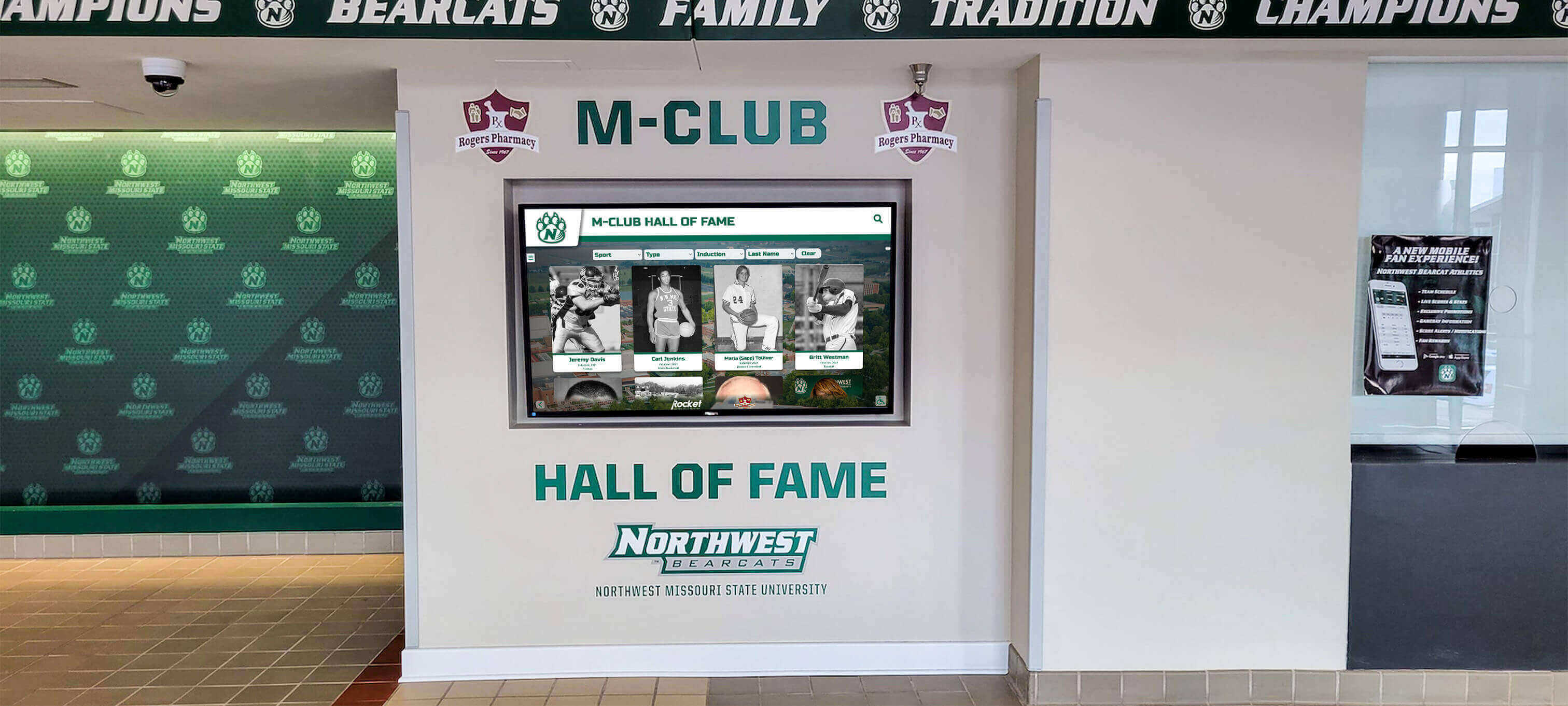
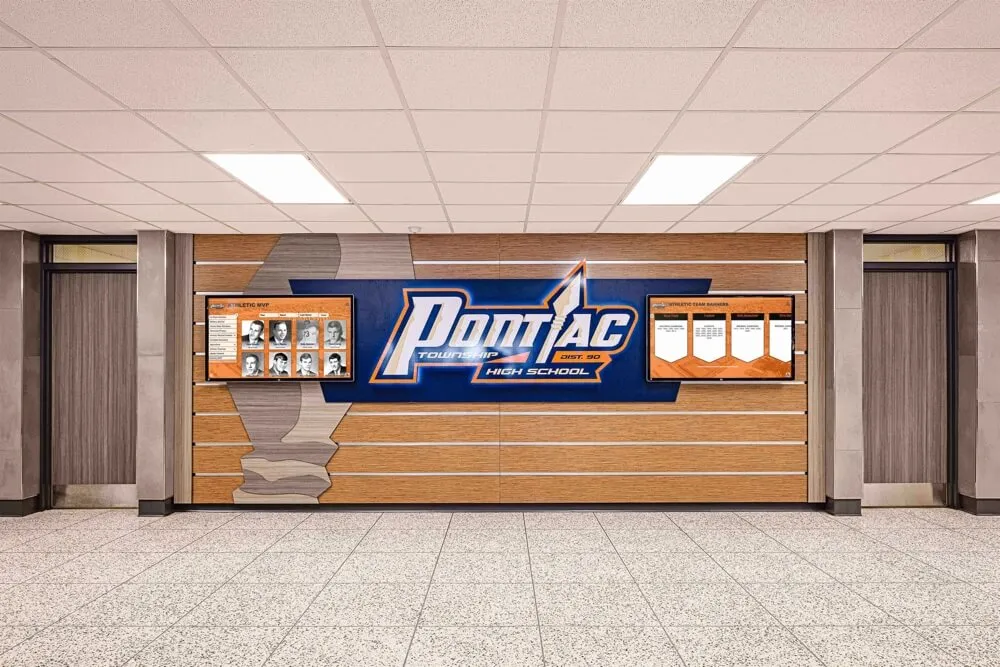
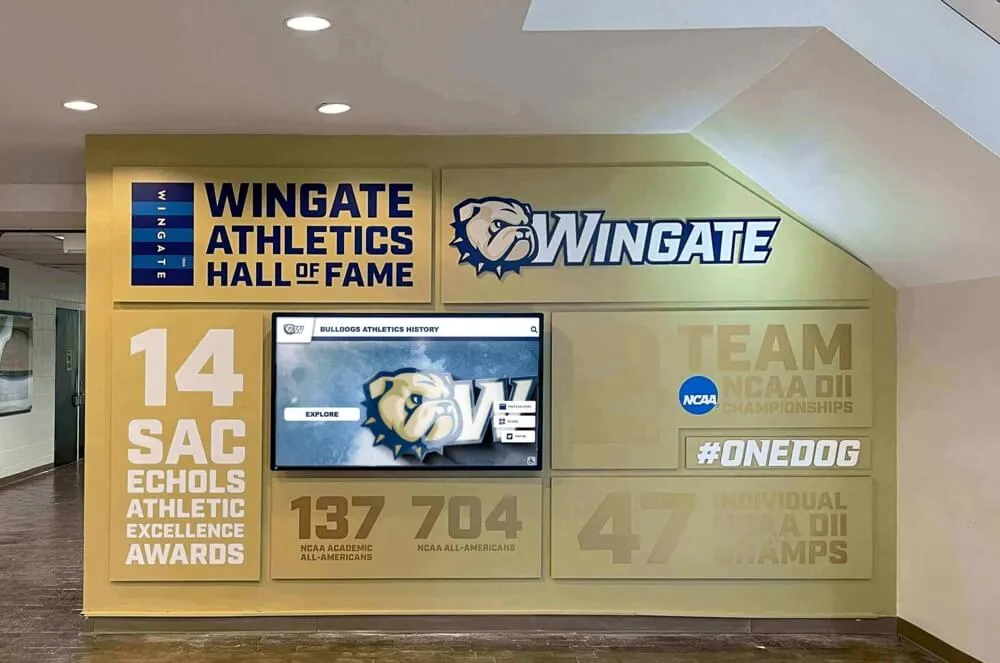
Strong institutional branding creates cohesive recognition reflecting organizational identity and values
Accessibility and Universal Design Considerations
Ensuring Recognition Serves All Community Members
Effective displays accommodate diverse users:
Physical Accessibility Standards
- Display height positioning controls within ADA reach ranges
- Wheelchair-accessible approach and maneuvering clearance
- Touchscreen sensitivity appropriate for varied dexterity levels
- Audio alternatives for visual content where feasible
- Clear floor space requirements meeting accessibility codes
Digital Accessibility Features
- High-contrast viewing modes for visual impairments
- Text magnification options across all content
- Screen reader compatibility for visually impaired users
- Keyboard navigation alternatives to touch interaction
- Plain language writing for diverse literacy levels
- WCAG 2.1 AA compliance across web platforms
Inclusive Content Presentation
- Representative recognition across demographics
- Diverse achievement types beyond athletic excellence
- Multilingual support for diverse communities
- Gender-neutral language in descriptions and criteria
- Cultural sensitivity in biographical content
Comprehensive accessibility ensures recognition reaches all community members while demonstrating institutional commitment to inclusion and equity.
Execution Timeline: From Concept to Launch
Successful wall of fame implementation follows systematic phases ensuring professional results.
Phase 1: Planning and Requirements (Weeks 1-6)
Stakeholder Engagement and Goal Setting
Foundation establishment includes:
- Assemble recognition planning committee with broad representation
- Define recognition scope and achievement categories
- Establish selection criteria and eligibility requirements
- Set measurable success metrics for program effectiveness
- Secure administrative approval and budget authorization
- Document governance structure and decision-making authority
Technology and Format Evaluation
- Research traditional versus digital recognition options
- Evaluate purpose-built platforms versus generic alternatives
- Compare total cost of ownership across planning horizons
- Assess staff capabilities for ongoing content management
- Review facility constraints and placement opportunities
- Request comprehensive vendor proposals and demonstrations
Learn about hall of fame planning strategies for effective program design.
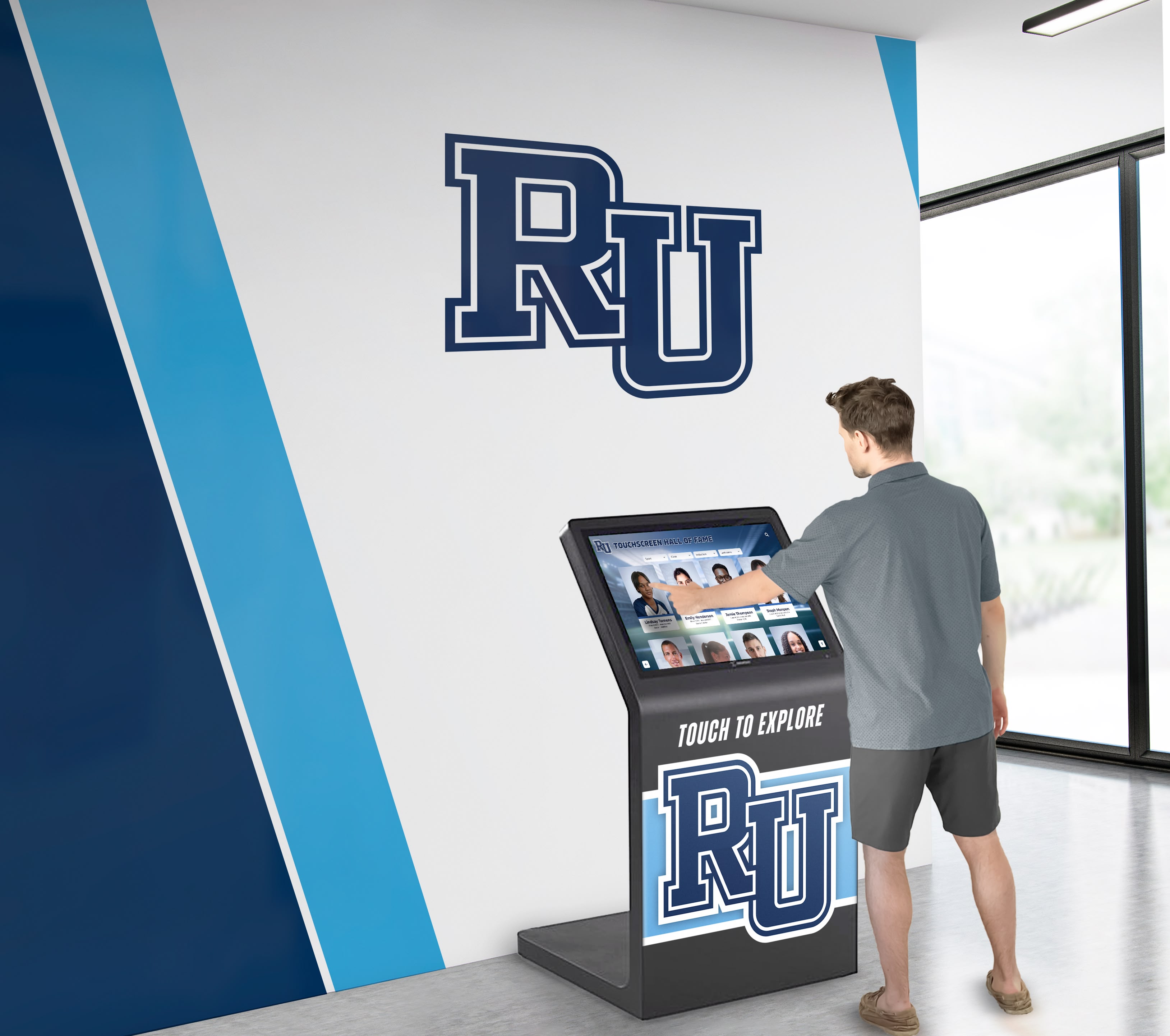
Thorough planning and platform evaluation create foundations for successful long-term recognition programs
Phase 2: Content Development and Preparation (Weeks 7-20)
Historical Research and Archive Development
Content creation represents substantial but essential investment:
- Conduct yearbook, publication, and newspaper archive research
- Locate biographical information through alumni outreach
- Digitize historical photographs ensuring adequate resolution
- Research missing information closing documentation gaps
- Compile statistics and quantitative accomplishment data
- Develop content style guides ensuring consistent quality
Profile Creation and Production
- Write engaging biographical narratives for all honorees
- Organize photography libraries with proper identification
- Produce video content when historical footage exists
- Create statistics displays and achievement visualizations
- Build team pages with complete rosters and documentation
- Establish approval workflows ensuring accuracy before publication
Organizations commonly underestimate content development effort—comprehensive recognition for 100 honorees typically requires 150-300 hours depending on available source materials and content depth expectations.
Phase 3: Installation and Training (Weeks 21-26)
Display Installation and Configuration
Professional implementation includes:
- Complete electrical and network infrastructure work
- Mount displays with ADA-compliant positioning
- Install professional cable management and finishing
- Configure displays including brightness, touch calibration, connectivity
- Test all interactive functions verifying reliable operation
- Integrate displays with existing facility aesthetics and branding
Administrator Training and Capability Development
- Hands-on content management training with actual profile creation
- Administrative function coverage including workflows and scheduling
- Multimedia management for photos, videos, and documents
- Bulk upload tool training for efficient team or class additions
- Analytics and reporting feature demonstrations
- Ongoing support access establishment including helpdesk contact
Solutions like Rocket Alumni Solutions provide comprehensive training specifically designed for recognition applications rather than generic digital signage tutorials.
Phase 4: Launch and Community Engagement (Week 27+)
Public Unveiling and Promotion
Strategic launch maximizes initial impact:
- Schedule unveiling ceremony during high-visibility event
- Invite previous honorees creating cross-generational connections
- Arrange media coverage generating community awareness
- Provide guided tours and demonstrations encouraging exploration
- Create commemorative elements marking institutional milestone
- Launch communication campaigns across multiple channels
Ongoing Promotion and Sustained Visibility
- Feature inductee profiles through social media regularly
- Integrate displays into facility tours for prospective members
- Train ambassadors to demonstrate features and encourage exploration
- Share recognition updates through newsletters and websites
- Maintain communication sustaining awareness beyond launch enthusiasm
- Celebrate milestones like 100th inductee or anniversary recognitions
Learn about college signing recognition programs that can complement wall of fame displays.
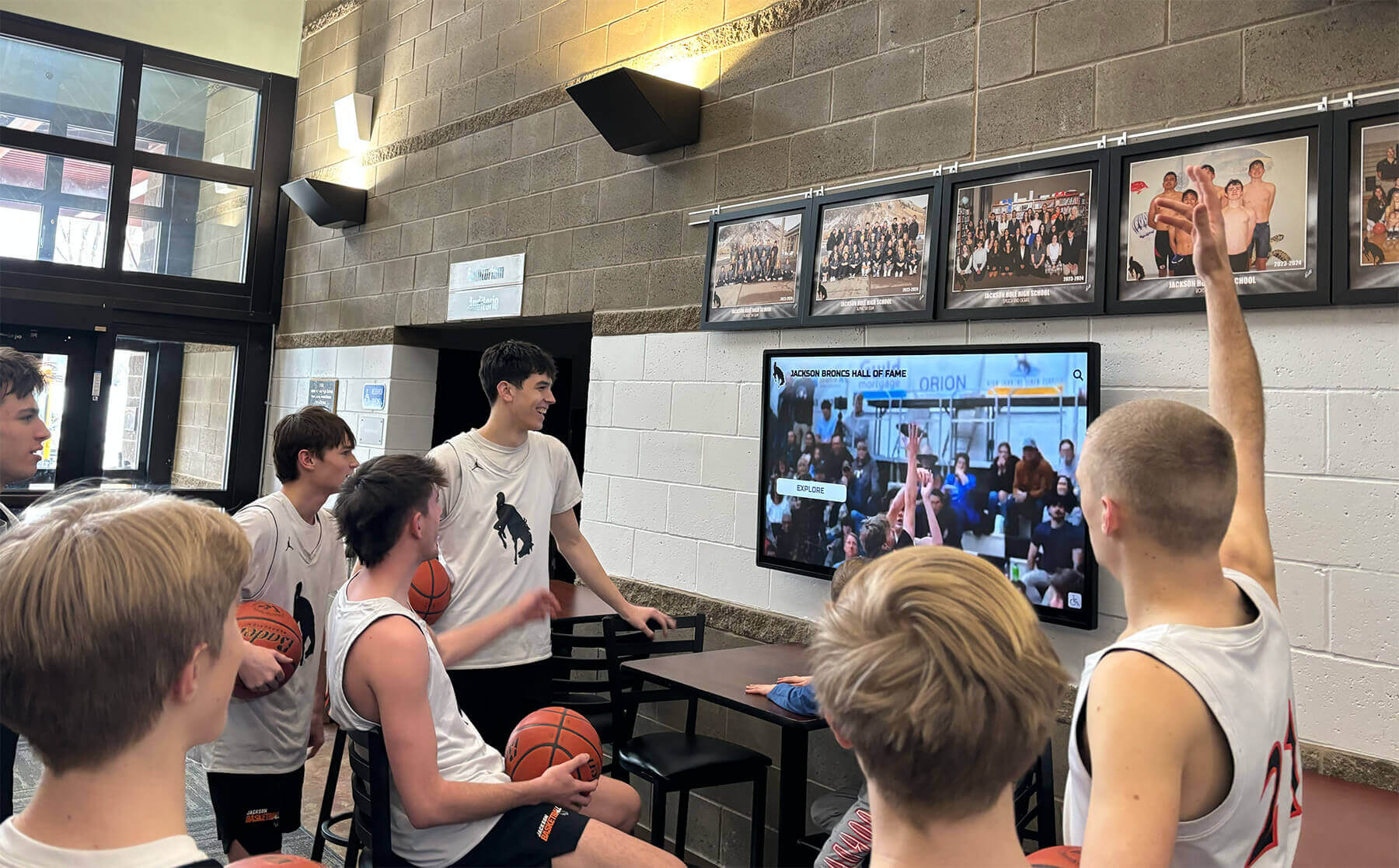
Strategic launches create excitement while establishing recognition as valued institutional tradition
Sustaining Your Wall of Fame: Long-Term Management and Growth
Effective recognition programs require ongoing commitment beyond initial implementation.
Annual Recognition Cycles
Establishing Predictable Rhythms
Sustainable programs follow consistent annual patterns:
Fall (September-November)
- Open nomination period announcing timelines and criteria
- Distribute nomination forms through multiple channels
- Promote nomination opportunities encouraging broad participation
- Collect nominations by established deadline
- Selection committee reviews all submissions and deliberates
Winter (December-February)
- Announce new inductees through institutional communications
- Contact honorees coordinating participation and information collection
- Develop biographical content and recognition materials
- Update displays adding new inductees
- Plan induction ceremony logistics and programming
Spring (March-May)
- Conduct induction ceremony celebrating new honorees
- Media coverage amplifying recognition community-wide
- Post-ceremony content updates and photo additions
- Thank sponsors, volunteers, and contributors
- Evaluation and improvement planning for next cycle
This predictable rhythm creates institutional expectations while ensuring recognition remains current and relevant rather than becoming stagnant historical archive.
Content Management and Quality Maintenance
Preserving Recognition Excellence
Ongoing operations require:
Regular Content Updates
- Add new inductees promptly after selection
- Update biographical information as honorees achieve new accomplishments
- Correct errors or omissions identified by community members
- Refresh featured content highlighting different achievements seasonally
- Archive and preserve historical materials as they become available
Quality Assurance Processes
- Proofread all new content before publication preventing errors
- Verify statistics and achievement claims for accuracy
- Obtain proper photo permissions and releases
- Maintain consistent style and formatting across all profiles
- Regular content audits ensuring completeness and currency
Technical Maintenance
- Software updates maintaining security and functionality
- Hardware inspection ensuring reliable operation
- Network connectivity monitoring preventing access issues
- Backup verification ensuring content protection
- Display cleaning and physical maintenance
Digital recognition platforms typically require 2-4 hours monthly for ongoing content management versus 10-20+ hours for traditional displays requiring coordination with engravers, installers, and facility managers for each update.
Explore donor recognition approaches demonstrating effective long-term program management.
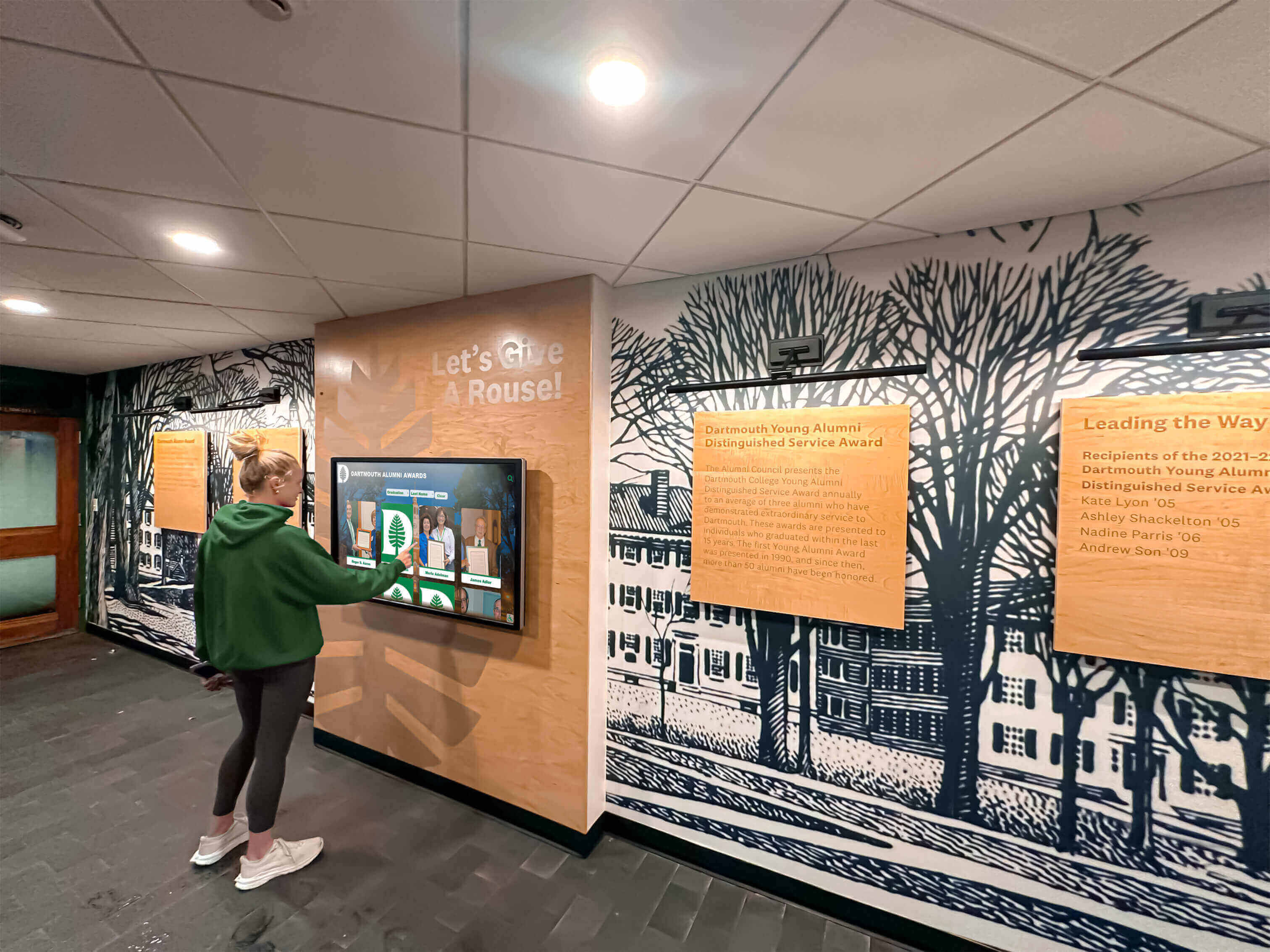
User-friendly management systems enable staff to maintain recognition quality without technical expertise
Creative Wall of Fame Ideas for Different Contexts
Recognition display approaches vary based on organizational type and community needs.
Educational Institution Wall of Fame Ideas
School-Specific Recognition Approaches
Educational settings commonly implement:
Comprehensive Athletic Wall of Fame
- All-state athletes across all sports programs
- Championship teams and coaching excellence
- School record holders and statistical leaders
- Alumni achieving collegiate or professional athletics success
- Multi-sport excellence recognition
Discover specialized high school athletic recognition approaches building program pride.
Academic Excellence Recognition
- Valedictorians and salutatorians across decades
- National Merit Scholars and AP Scholars
- Academic competition winners and scholarship recipients
- Perfect attendance and citizenship honorees
- Faculty teaching excellence recognition
Distinguished Alumni Wall
- Career achievements reflecting educational quality
- Community leadership and philanthropic contributions
- Professional accomplishments bringing institutional distinction
- Entrepreneurial success and innovation leadership
- Service excellence and humanitarian contributions
Community Organization Wall of Fame Ideas
Club and Association Recognition
Community groups implement creative approaches:
Volunteer Service Wall of Honor
- Long-term volunteer recognition by years of service
- Leadership contributions and program development
- Special project completion and impact achievement
- Founding members and organizational pioneers
- Distinguished service awards and impact recognition
Achievement and Competition Recognition
- Tournament champions and competitive excellence
- Skill mastery and certification achievement
- Instructional contributions and mentorship
- Safety records and professional standards
- Community outreach and program growth contributions
Learn about country club recognition programs for membership organizations.
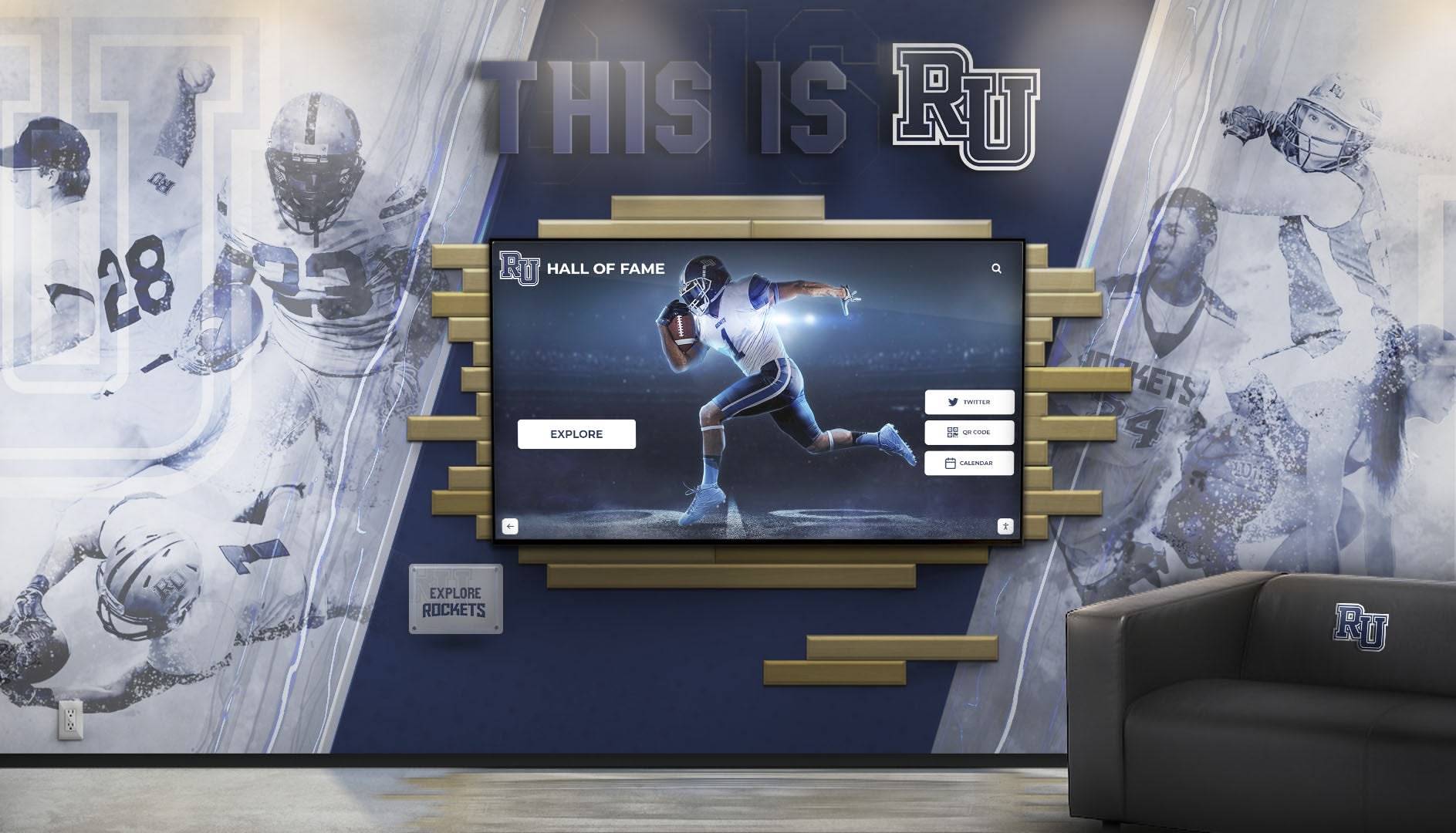
Community organizations create recognition displays reflecting organizational missions and member achievements
Corporate and Professional Wall of Fame Ideas
Workplace Recognition Applications
Professional settings adapt recognition principles:
Top Performer Recognition
- Sales excellence and quota achievement
- Customer service distinction and satisfaction ratings
- Innovation contributions and process improvements
- Safety records and operational excellence
- Leadership development and mentorship impact
Tenure and Service Recognition
- Long-term employee acknowledgment by service years
- Retirement celebrations and career contributions
- Department excellence and team achievements
- Professional certification and skill development
- Company milestone participation and legacy builders
Innovation and Achievement Wall
- Patent awards and intellectual property development
- Product launches and market success
- Award recognition and industry distinction
- Efficiency improvements and cost savings
- Safety innovations and best practice development
These corporate applications demonstrate wall of fame principles extending far beyond educational athletics—any context valuing achievement and recognition benefits from thoughtful display design and professional implementation.
Measurement: Assessing Wall of Fame Impact and Effectiveness
Systematic evaluation demonstrates recognition value and guides continuous improvement.
Engagement Metrics
Quantitative Performance Indicators
Digital platforms provide comprehensive analytics:
- Total display interactions showing community engagement frequency
- Average session duration indicating exploration depth
- Web platform visits demonstrating remote access utilization
- Search queries revealing what visitors seek
- Popular content identification showing which profiles attract interest
- Social sharing frequency demonstrating viral community conversation
- Year-over-year trends showing whether engagement grows or declines
Schools implementing digital recognition commonly report 6-12 minute average engagement durations versus brief glances at traditional static displays—demonstrating dramatically increased recognition impact through interactive exploration.
Community Impact Assessment
Stakeholder Satisfaction Indicators
Qualitative measures include:
- Honoree feedback about recognition quality and personal impact
- Current participant surveys measuring motivational influence
- Alumni engagement changes showing strengthened connections
- Family satisfaction with recognition appropriateness
- Community pride indicators through observation and feedback
- Administrator satisfaction with sustainability and management ease
Institutional Value Measures
- Administrative time compared to traditional recognition management
- Cost efficiency versus ongoing physical display expenses
- Recruitment effectiveness during facility tours
- Donor engagement influenced by recognition demonstrations
- Media coverage generating institutional visibility
- Competitive positioning versus peer organizations
Regular assessment ensures recognition programs continue delivering value justifying ongoing investment while identifying enhancement opportunities maintaining effectiveness as communities evolve.
Conclusion: Creating Walls of Fame That Inspire and Endure
Walls of fame represent significant institutional investments celebrating community achievement while preserving organizational heritage and inspiring future excellence. When organizations implement thoughtfully—following systematic planning establishing clear goals, selecting appropriate recognition formats supporting long-term needs, developing comprehensive content honoring achievements meaningfully, executing professional installations reflecting recognition importance, and committing to sustained management maintaining quality across decades—they create recognition programs that become valued institutional traditions strengthening community bonds and organizational pride.
The strategies explored throughout this comprehensive guide provide complete frameworks for designing walls of fame serving any organizational context—from understanding critical format distinctions and content architecture requirements to implementing professional displays and managing sustainable long-term operations. Whether establishing first-ever recognition systems or modernizing existing programs, fundamental principles remain consistent: honor achievement comprehensively rather than selectively when possible, leverage technology purposefully to overcome traditional constraints, develop content richly celebrating accomplishments, engage communities meaningfully through accessible intuitive exploration, and sustain commitment ensuring recognition remains current and relevant year after year.
Ready to transform recognition at your school or organization? Modern wall of fame solutions help institutions celebrate unlimited achievements while preserving program heritage and creating engaging discovery experiences. Solutions like Rocket Alumni Solutions provide comprehensive platforms specifically designed for educational and organizational recognition, combining purpose-built software with professional display recommendations, implementation support, and ongoing training ensuring successful long-term programs that become valued institutional centerpieces.
Your recognition journey begins with clear planning defining philosophy and scope, continues through thoughtful format selection ensuring platforms match specific needs and capabilities, advances with systematic content development creating meaningful achievement celebration, and sustains through ongoing commitment making wall of fame recognition permanent institutional practice rather than temporary initiative.
Request Your Free Custom Demo to explore how modern recognition displays can appropriately honor your community’s excellence and heritage.
Your community’s achievements deserve recognition technology that celebrates accomplishments appropriately while creating meaningful engagement and lasting impact. The most important consideration isn’t selecting the most expensive displays or most sophisticated software—it’s choosing solutions aligned with your recognition values, sustainable within your resources, and designed to serve your specific community needs effectively throughout decades of operation. Your achievers deserve comprehensive equitable recognition celebrating their excellence meaningfully. Thoughtfully designed walls of fame make that vision achievable and sustainable for generations to come.
Begin your wall of fame journey today by assembling your planning team, defining recognition scope and standards, evaluating purpose-built platforms designed specifically for institutional recognition, developing comprehensive content strategies ensuring meaningful achievement celebration, and committing to systematic implementation and sustained excellence. The frameworks provided throughout this guide offer proven pathways to success—transform vision into reality and create the lasting recognition legacy your community deserves.
Whether you’re honoring athletic champions, academic scholars, distinguished alumni, community volunteers, or professional excellence, the fundamental principles explored here apply universally: plan systematically, select thoughtfully, execute professionally, and sustain commitment. Schedule a consultation to begin designing recognition displays that will inspire and engage your community for decades to come.