



Recognition transforms achievement from personal accomplishment into community celebration—acknowledging excellence, preserving heritage, and inspiring future generations through visible examples of what’s possible. Whether you’re an athletic director planning sports recognition, an activities coordinator celebrating student achievements, an alumni director honoring distinguished graduates, or an organizational leader establishing recognition programs, effective wall of fame displays create lasting impact by celebrating accomplishments meaningfully while building institutional pride.
Yet many organizations struggle with recognition planning: What display formats best showcase achievements while managing space constraints? How can programs accommodate decades of growth without expensive renovations? Which recognition approaches create emotional connections versus becoming overlooked wallpaper? What balance works between honoring traditions and embracing modern presentation capabilities?
This comprehensive guide explores creative wall of fame ideas across display formats, content strategies, and organizational contexts—from traditional plaque systems and trophy showcases to cutting-edge interactive digital platforms. Whether establishing your first recognition program or modernizing existing displays, these proven approaches help you celebrate achievement authentically while creating recognition that resonates with communities for generations.
Recognition programs serve multiple purposes beyond individual acknowledgment—they strengthen community connections, motivate current participants through visible excellence examples, preserve institutional memory, and create gathering points where generations connect over shared traditions. Organizations implementing thoughtful recognition systems create valued institutional centerpieces that enhance culture while honoring those who built distinguished legacies.

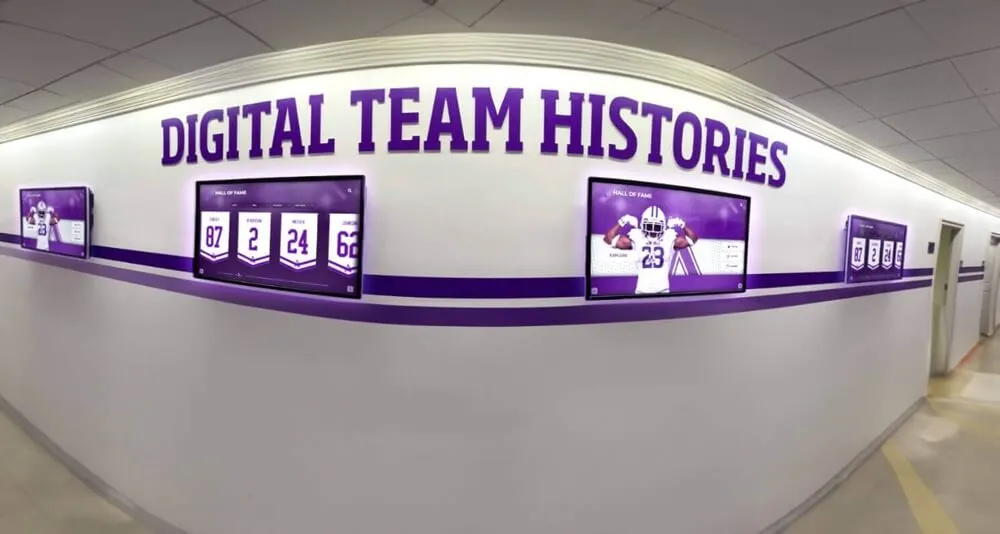
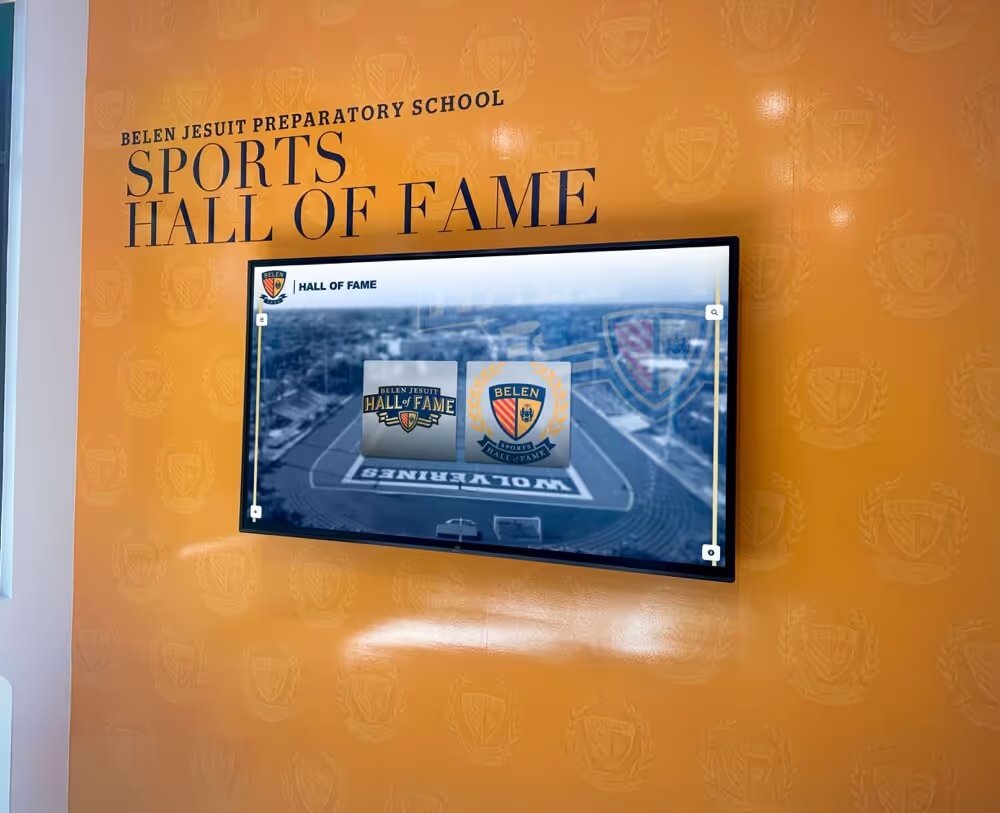
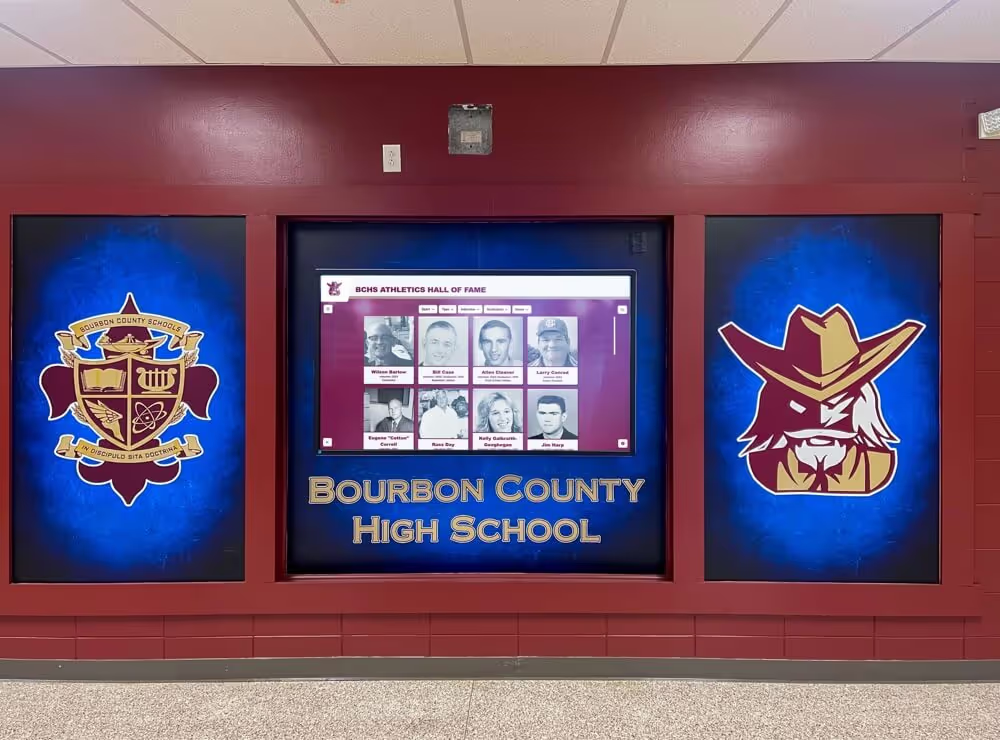
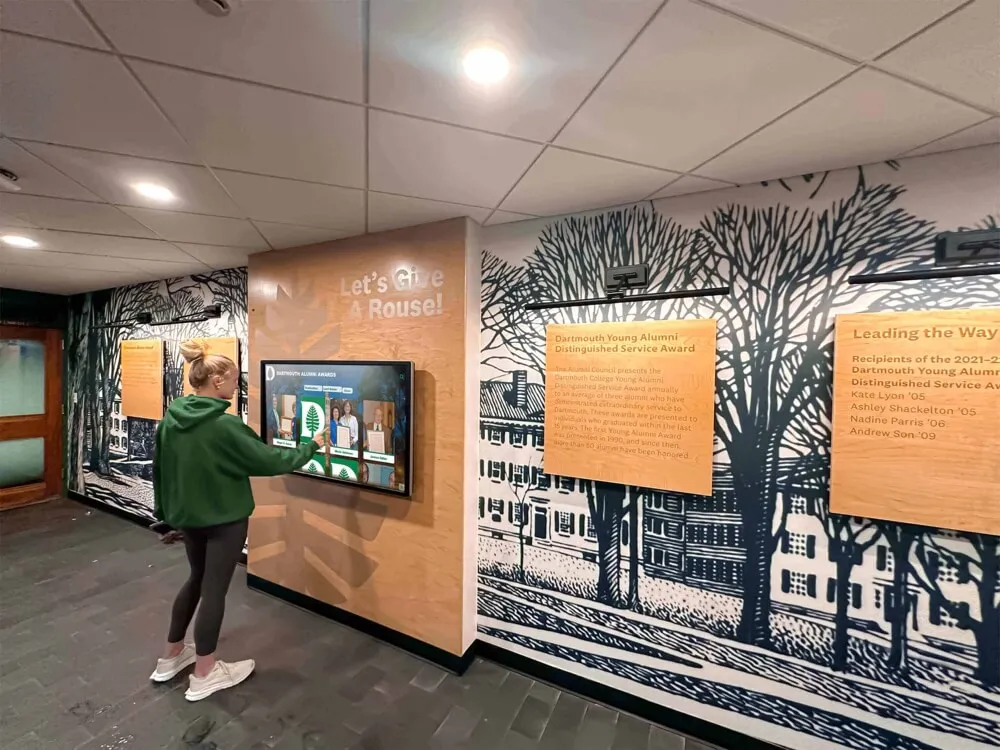
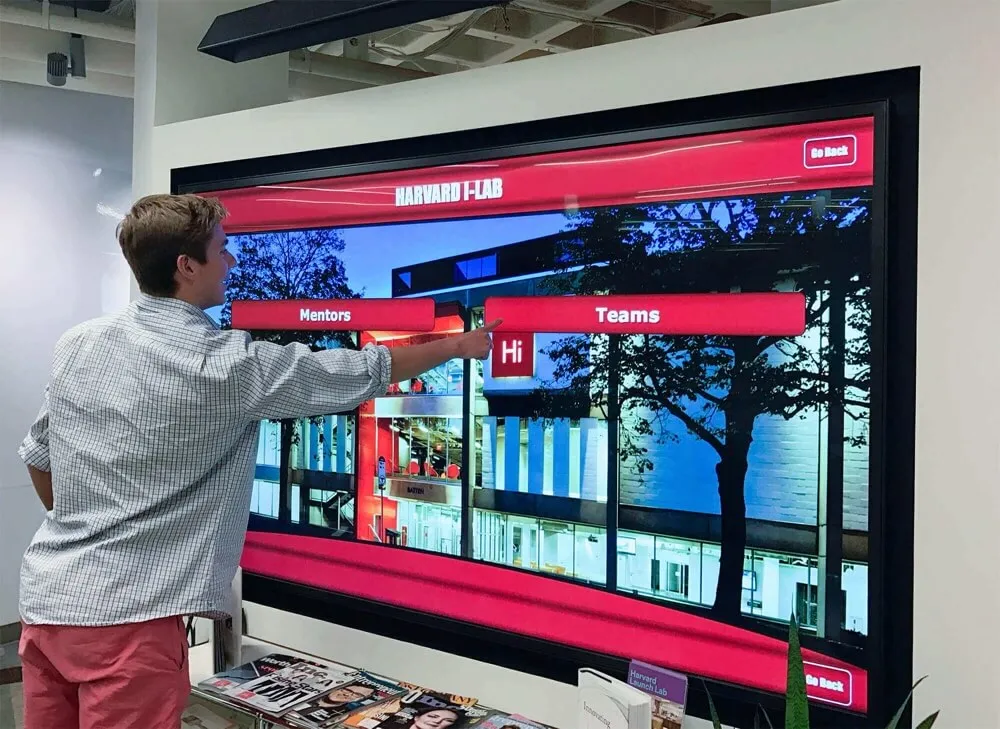
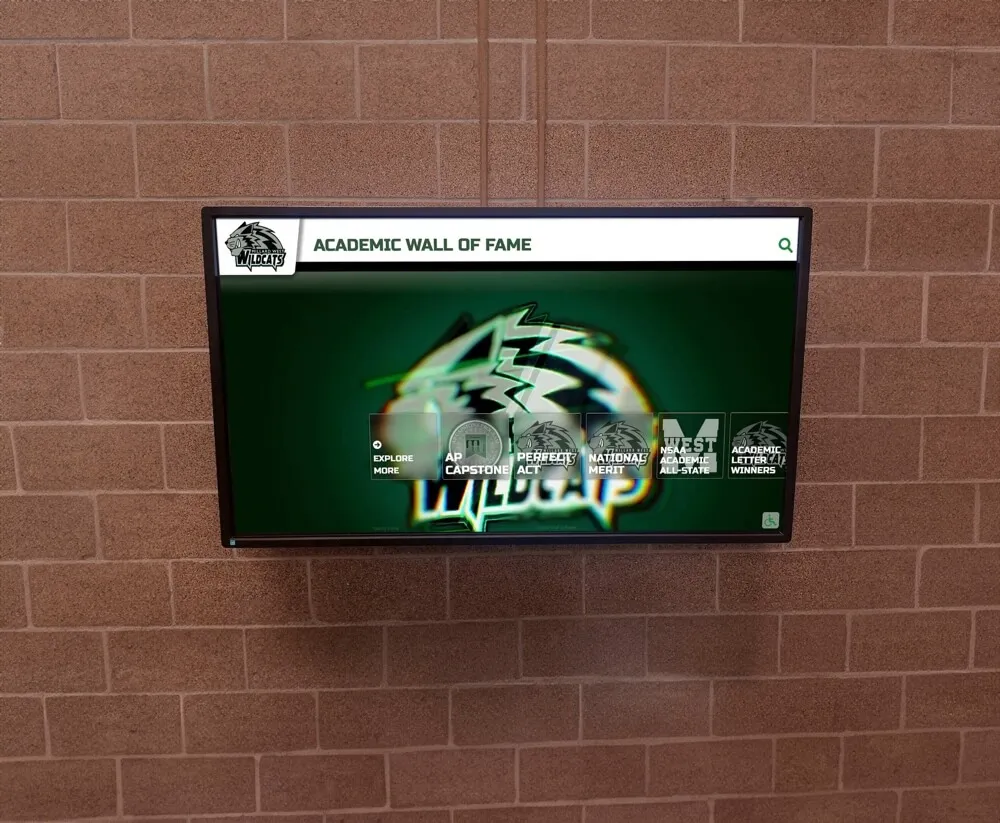
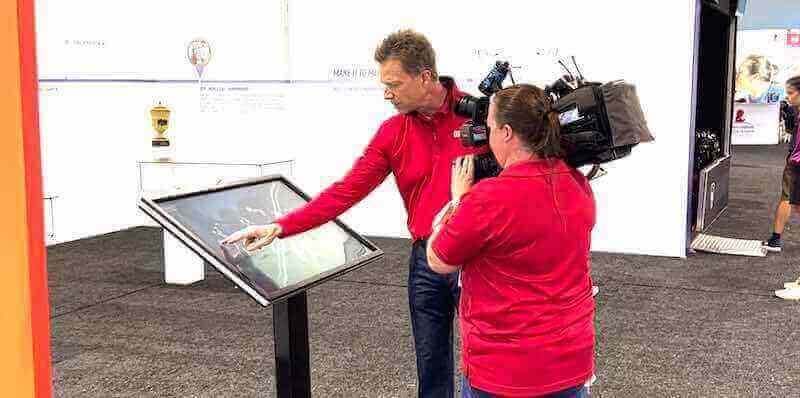
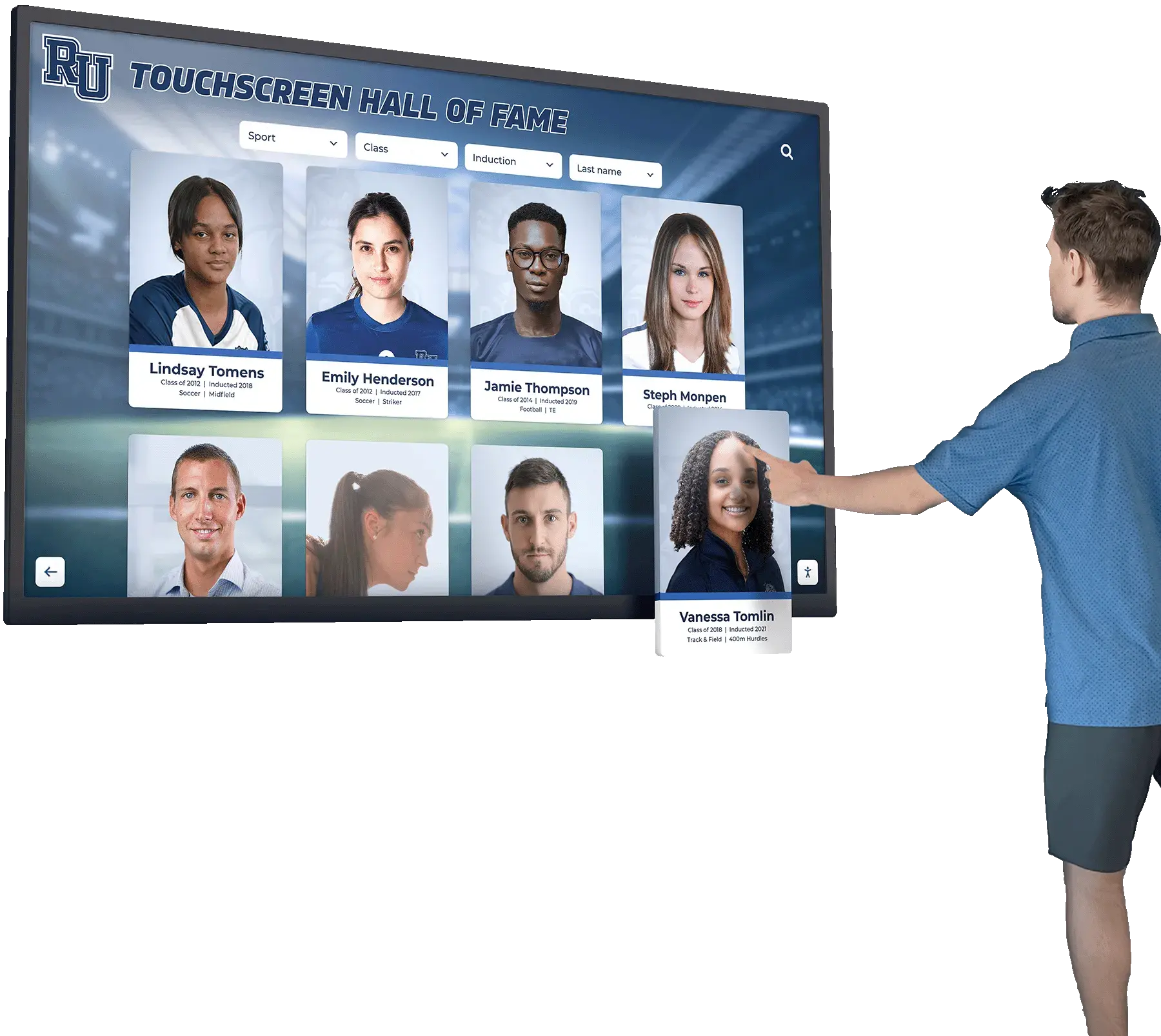
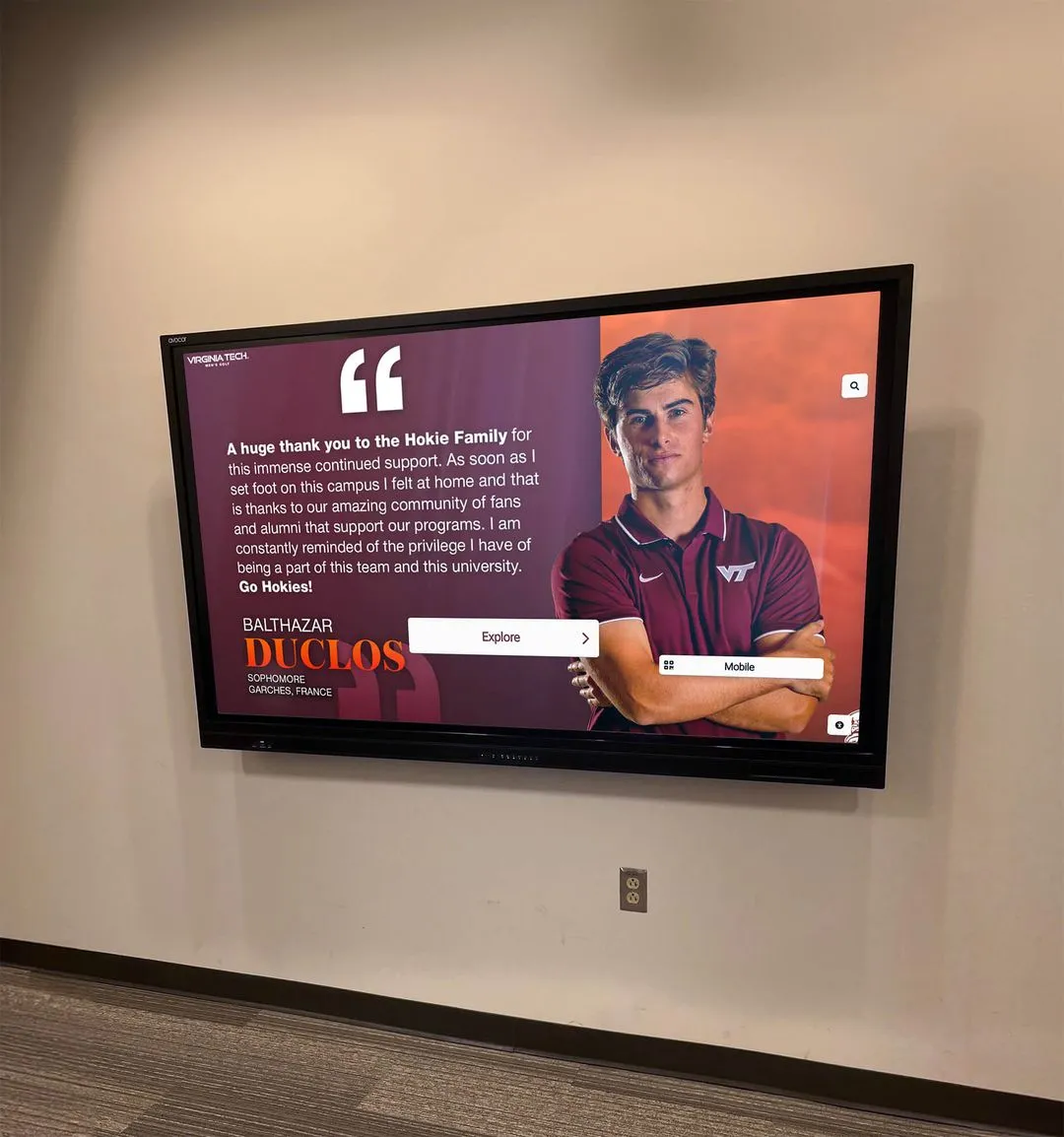
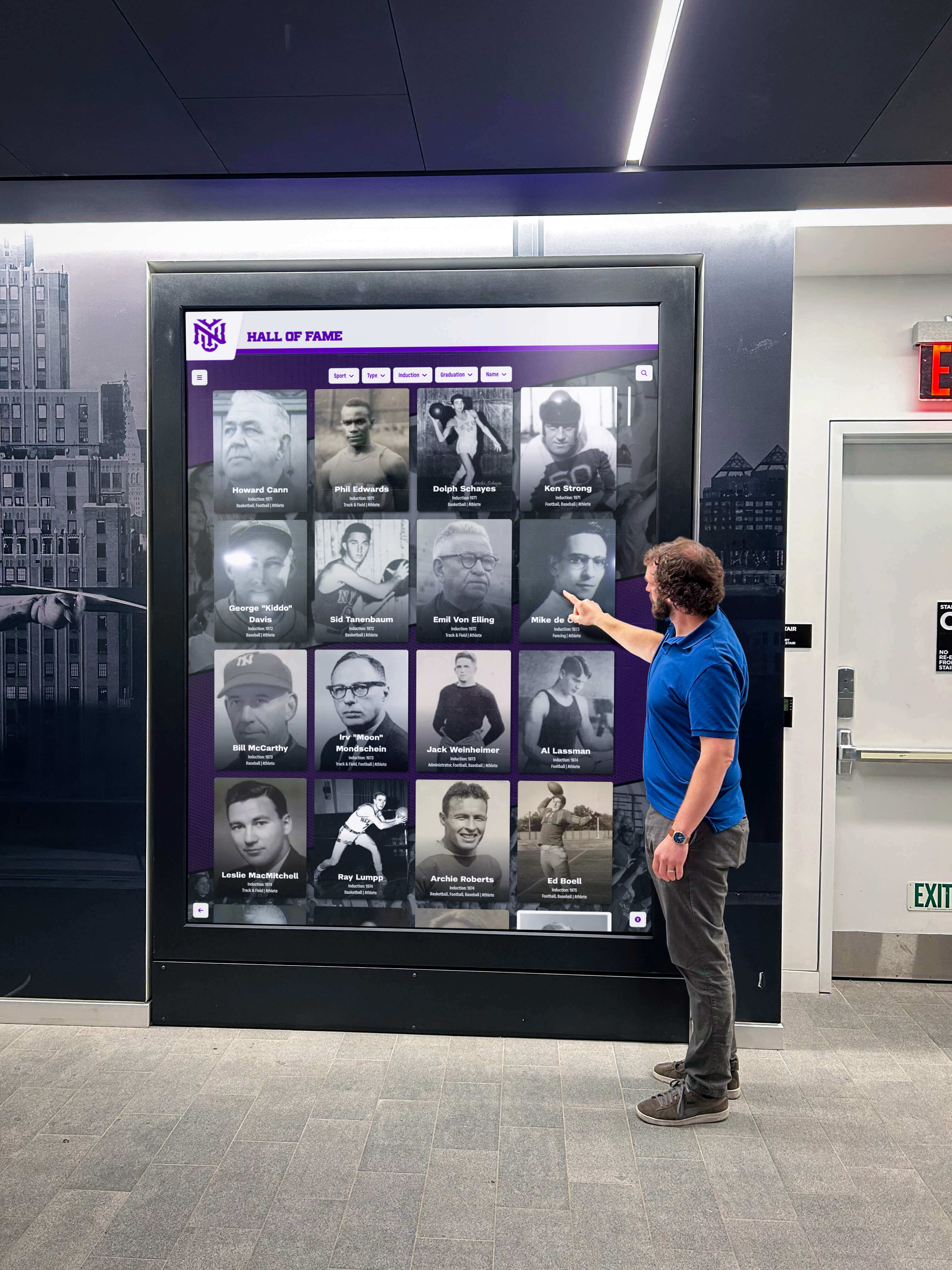
Modern recognition systems create engaging discovery experiences while celebrating unlimited achievement across all categories
Understanding Wall of Fame Fundamentals: Core Components and Planning Considerations
Before exploring specific display ideas, understanding fundamental recognition program elements helps organizations create comprehensive systems addressing stakeholder needs while ensuring sustainable long-term operations.
Essential Recognition Program Elements
Successful wall of fame programs incorporate several foundational components:
Clear Recognition Criteria
Effective programs establish transparent standards:
- Achievement thresholds defining eligibility requirements
- Character and citizenship expectations beyond performance metrics
- Category definitions accommodating different accomplishment types
- Eligibility windows determining when individuals qualify
- Selection processes ensuring fair, credible decisions
- Documentation requirements supporting nomination submissions
Written criteria prevent arbitrary decisions while building stakeholder confidence in recognition integrity across leadership transitions.
Comprehensive Content Strategy
Meaningful recognition requires thoughtful information presentation:
- Individual profiles celebrating personal achievements and contributions
- Biographical context connecting accomplishments to human stories
- Visual documentation through photographs, videos, and artifacts
- Statistical achievement data providing quantitative context
- Historical perspective showing era-specific accomplishment significance
- Related content linking associated individuals, teams, or programs
Rich content creates emotional connections while providing historical documentation that becomes increasingly valuable as decades pass.
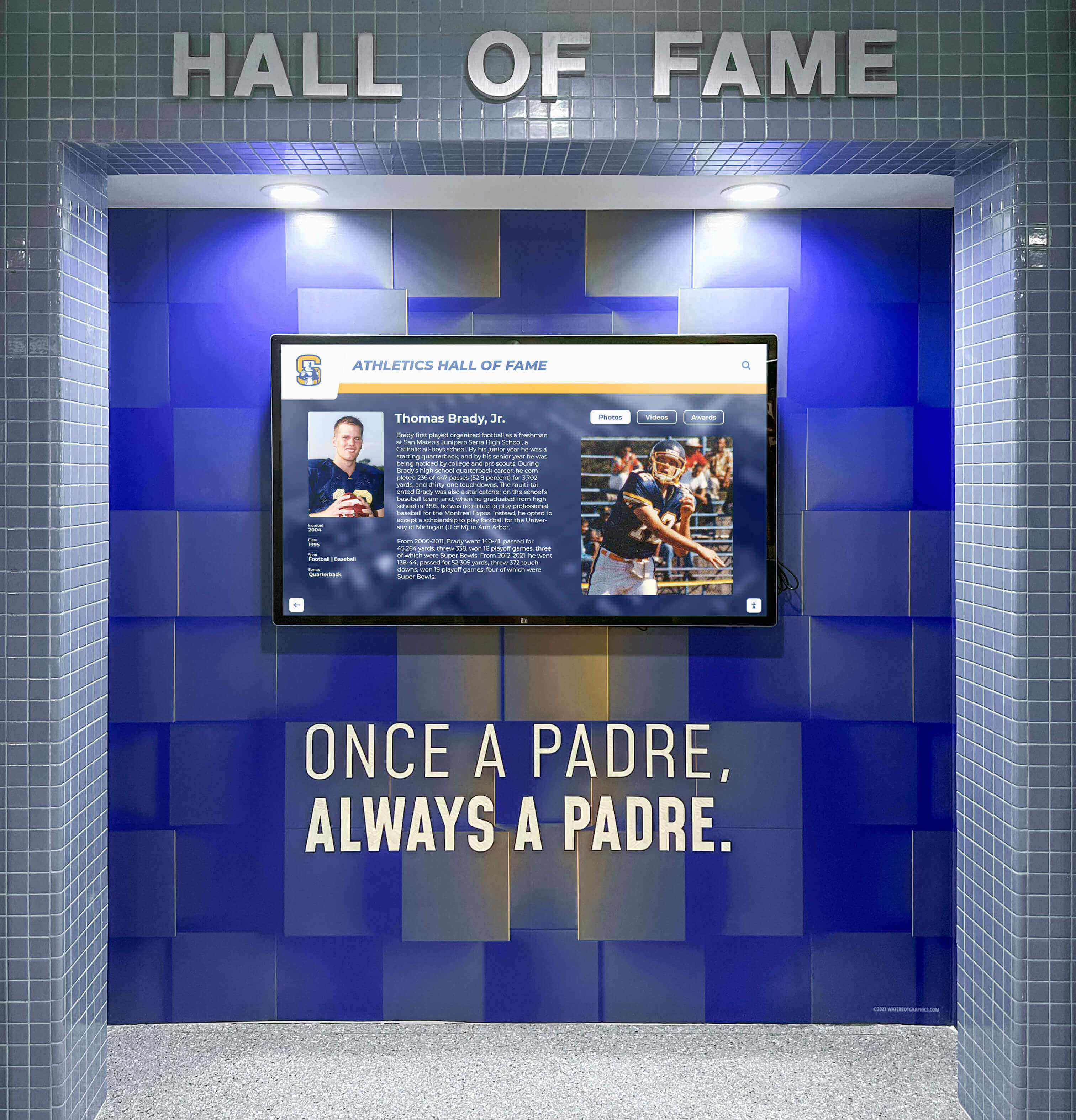
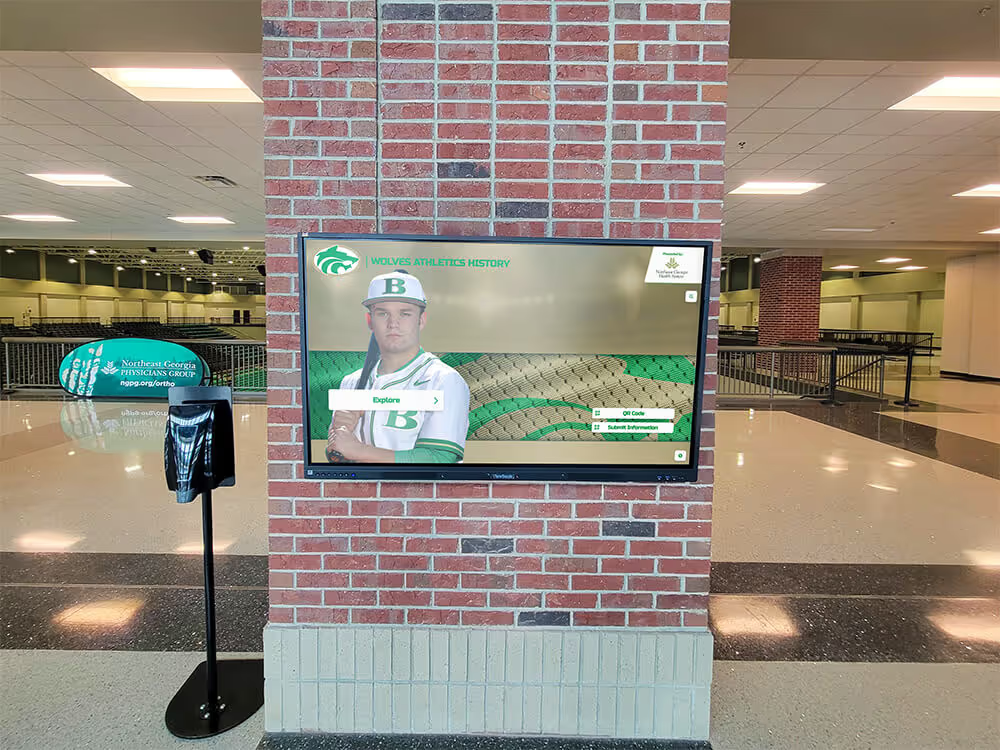
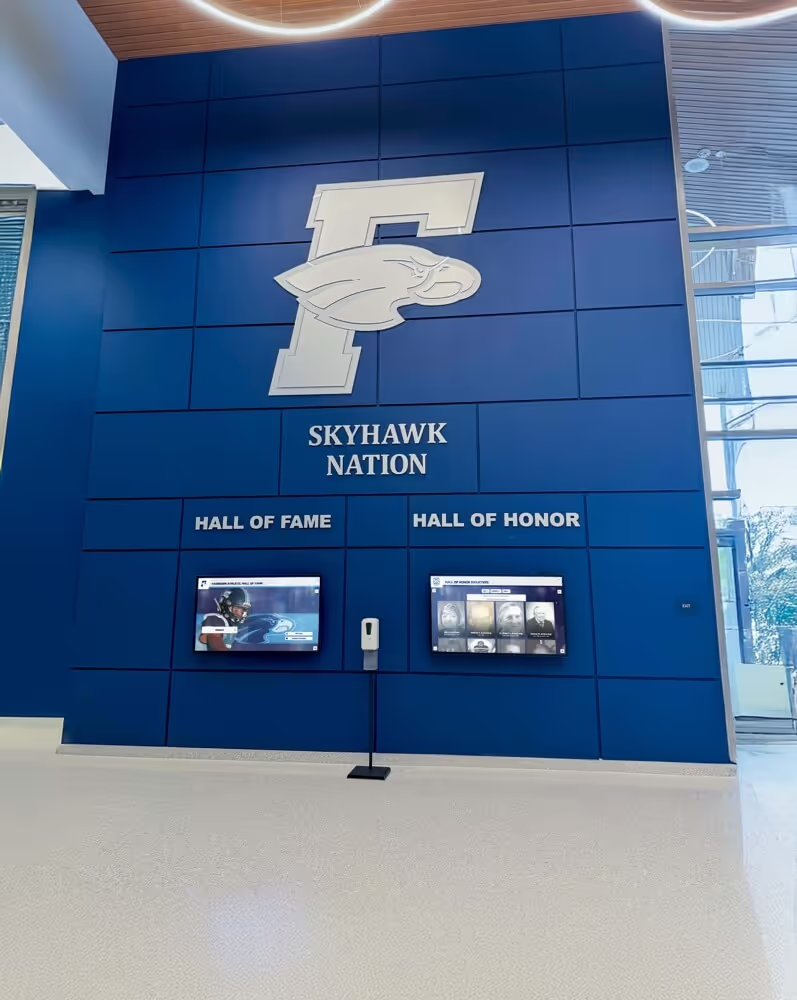
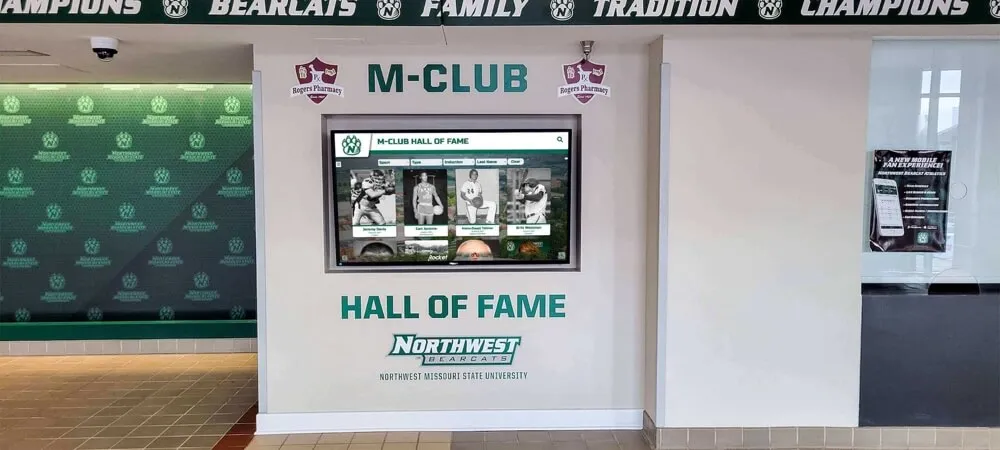
Strategic placement in high-traffic areas ensures recognition reaches maximum community audiences
Strategic Physical Placement
Location dramatically affects recognition impact:
- High-traffic corridors ensuring regular community exposure
- Lobby areas greeting visitors and establishing institutional priorities
- Athletic facilities connecting recognition thematically with current programs
- Alumni centers creating natural gathering points for returning graduates
- Event spaces where ceremonies and celebrations occur regularly
- Integration with existing displays creating comprehensive recognition environments
Thoughtful placement transforms recognition from isolated displays into institutional focal points strengthening community engagement.
Sustainable Management Systems
Long-term success requires ongoing administration:
- Content update processes accommodating annual additions
- Display maintenance ensuring professional appearance over time
- Archive systems protecting historical documentation
- Clear responsibilities assigning management tasks
- Budget allocations supporting operations and enhancements
- Succession planning ensuring continuity through staff transitions
Organizations addressing sustainability from the start create recognition programs remaining effective and valued across decades rather than becoming neglected disappointments.
Program Snapshot: Wall of Fame Implementation Framework
| Program Element | Details |
|---|---|
| Planning Phase | 3-6 months establishing criteria, selecting displays, and developing initial content |
| Initial Content Scope | 25-100+ honorees depending on institutional history and resources |
| Display Budget Range | $2,000-$50,000+ varying by format, size, and technology sophistication |
| Annual Operating Costs | $500-$5,000 for updates, maintenance, and induction ceremonies |
| Space Requirements | 50-500+ square feet depending on format and honoree capacity |
| Management Time | 5-20 hours monthly for content updates and program administration |
| Content Development | 1-4 hours per honoree profile depending on research and production requirements |
| Typical Lifespan | 10-30+ years before replacement or major renovation needed |
Traditional Wall of Fame Ideas: Classic Recognition Approaches
Physical recognition displays have celebrated achievement for generations. Understanding traditional formats helps organizations honor heritage while recognizing contemporary capabilities.
Individual Plaque Recognition Systems
Wall-mounted plaque arrangements remain popular for their permanence and traditional appeal:
Standard Plaque Formats
Classic approaches include:
- Uniform Bronze or Wood Plaques - Individual recognition pieces with photos, names, and achievement summaries
- Grid Arrangements - Organized rows creating clean, structured presentations
- Timeline Layouts - Chronological progression showing program evolution over decades
- Sport or Category Groupings - Organized sections separating different achievement types
- Engraved Metal Plates - Durable recognition with professional appearance
Plaque systems provide permanent recognition requiring minimal maintenance but consuming substantial wall space as programs grow.
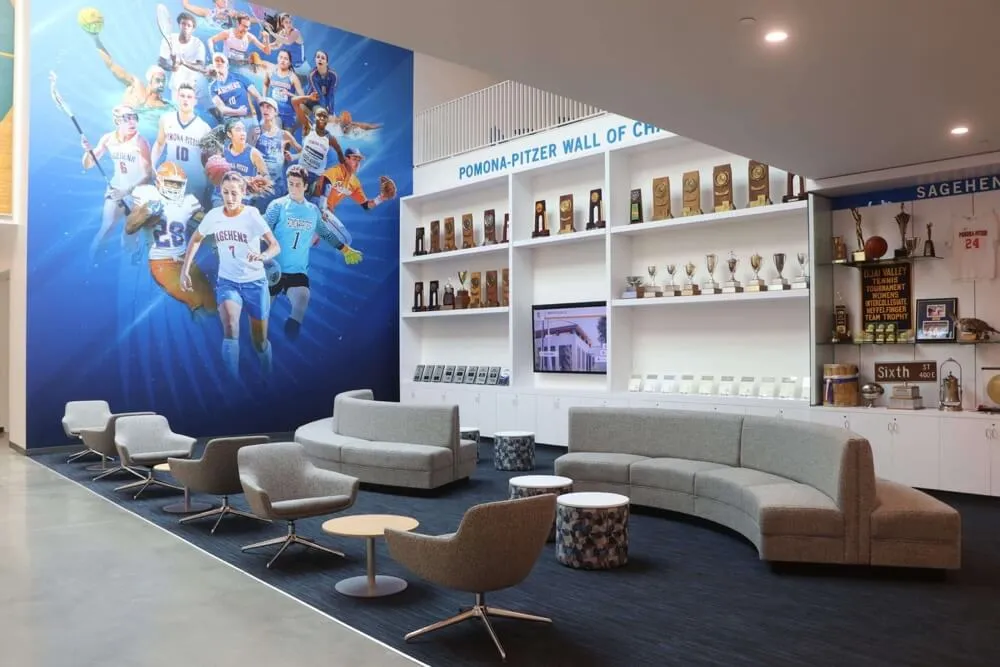
Traditional plaque walls combined with trophy displays create comprehensive athletic heritage showcases
Plaque System Advantages
Traditional formats offer specific benefits:
- Permanent installation creating lasting recognition
- Professional appearance reflecting achievement significance
- Minimal ongoing maintenance requirements
- No technology dependencies or operational complexities
- Familiar format meeting traditional expectations
- Tactile quality creating physical connection to heritage
These advantages explain why plaque systems remain common despite space limitations and static presentation constraints.
Addressing Growth and Space Constraints
Organizations using plaque systems face capacity challenges:
- Designated expansion areas ensuring accommodation for future inductees
- Modular designs allowing wall extension without appearance disruption
- Secondary locations when primary walls reach capacity
- Selective recognition limiting honoree numbers through stringent criteria
- Rotation strategies periodically moving older plaques to archives
- Transition planning to expanded formats when space exhausts
Proactive capacity planning prevents difficult decisions when walls fill and organizations face either stopping recognition or expensive renovations.
Trophy Case and Display Cabinet Showcases
Glass cabinet installations provide protection while showcasing three-dimensional artifacts:
Display Case Applications
Effective uses include:
- Championship Trophy Collections - Showcasing team awards from state titles, conference championships, and tournament victories
- Uniform and Jersey Displays - Preserving game-worn equipment from notable athletes or historic seasons
- Memorabilia Showcases - Highlighting signed items, programs, tickets, and historical artifacts
- Equipment Evolution - Demonstrating how gear changed across program history
- Document Preservation - Protecting historical newspapers, letters, and certificates from deterioration
- Medal and Award Collections - Displaying individual recognitions earned by program members
Display cases create museum-quality presentations that protect valuable items while enabling visual appreciation.
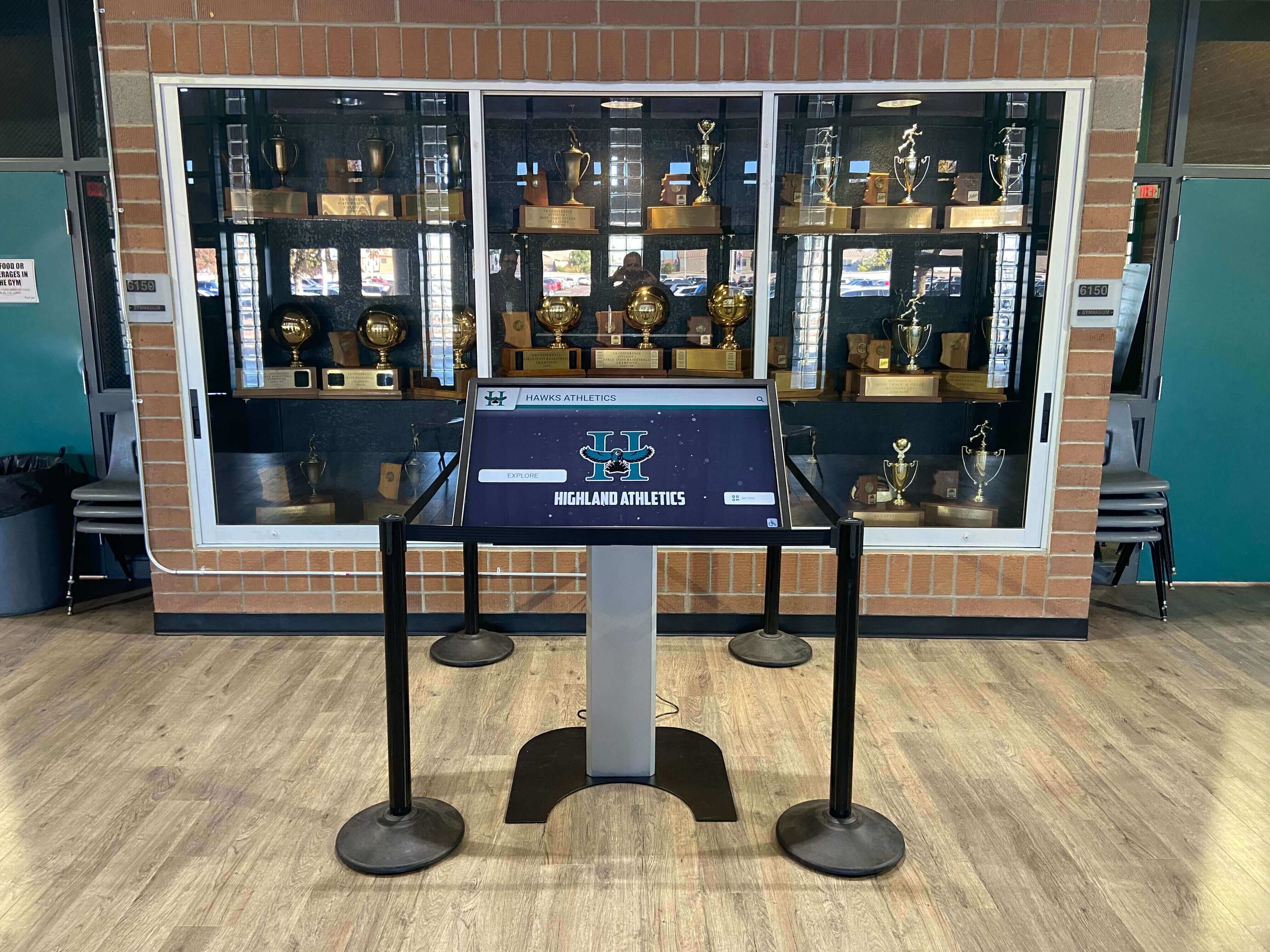
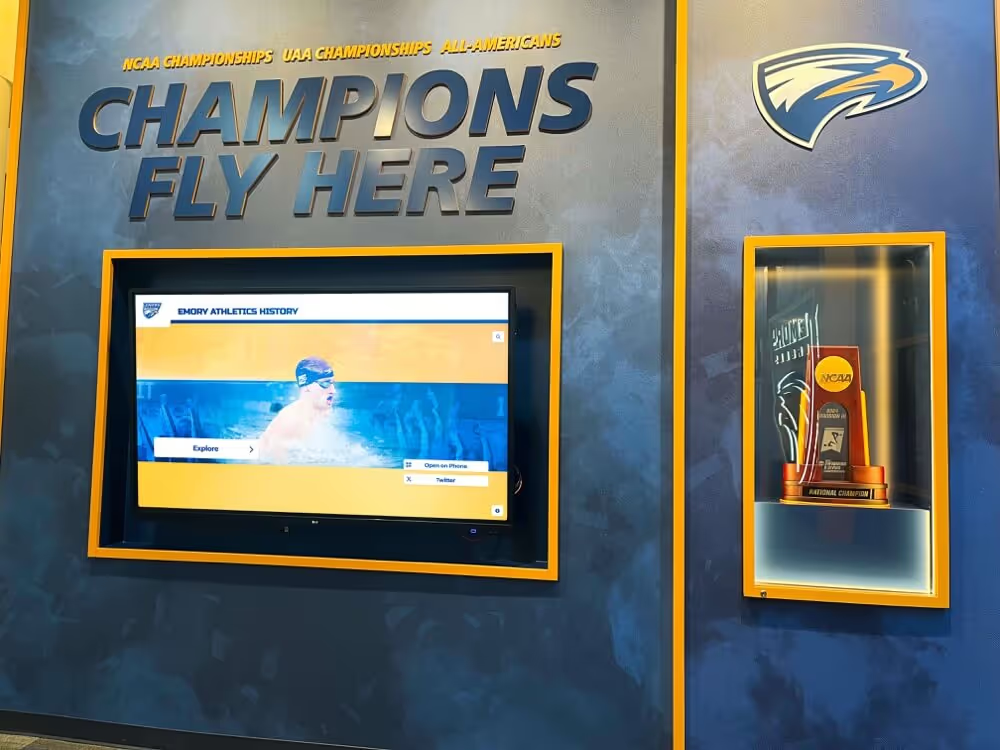
Hybrid approaches combining physical artifacts with digital storytelling maximize both format strengths
Design Considerations for Display Cases
Quality installations require planning:
- Lighting Systems - LED strips or spotlights highlighting items without generating heat that damages fabrics
- Climate Control - Sealed cases preventing humidity and temperature fluctuations that deteriorate materials
- Security Features - Locks and alarms protecting valuable historical items from theft
- Adjustable Shelving - Flexible configurations accommodating different item sizes and display arrangements
- Background Materials - Fabric, paint, or graphics creating visual appeal and item contrast
- Rotation Strategies - Periodic content changes maintaining interest and showcasing diverse collections
Thoughtful case design creates professional presentations that honor items appropriately while protecting them for future generations.
Maintenance and Curation Requirements
Display cases demand ongoing attention:
- Regular cleaning preventing dust accumulation and appearance degradation
- Content rotation keeping displays fresh and interesting
- Item condition monitoring identifying deterioration requiring intervention
- Label updates ensuring accurate, current information
- Repair coordination addressing mechanical issues or damage
- Archive systems storing items not currently displayed
These requirements make case displays more labor-intensive than plaque systems but create richer storytelling opportunities when organizations commit to proper curation.
Wall Murals and Branded Recognition Environments
Artistic installations integrate recognition with school identity and branding:
Mural Recognition Approaches
Creative formats include:
- Painted Heritage Walls - Custom artwork depicting institutional history, mascots, and achievements
- Vinyl Wall Graphics - Large-format prints creating dramatic visual impact with flexibility for updates
- Mosaic or Tile Installations - Permanent artistic recognition incorporating donor names or athlete achievements
- Dimensional Lettering - Raised metal or acrylic text creating sophisticated three-dimensional presentations
- Timeline Walls - Visual chronologies showing program milestones, championships, and historical highlights
- Photo Collages - Large-scale image arrangements celebrating individuals and teams comprehensively
Mural approaches create destination recognition spaces that enhance facility aesthetics while celebrating heritage.
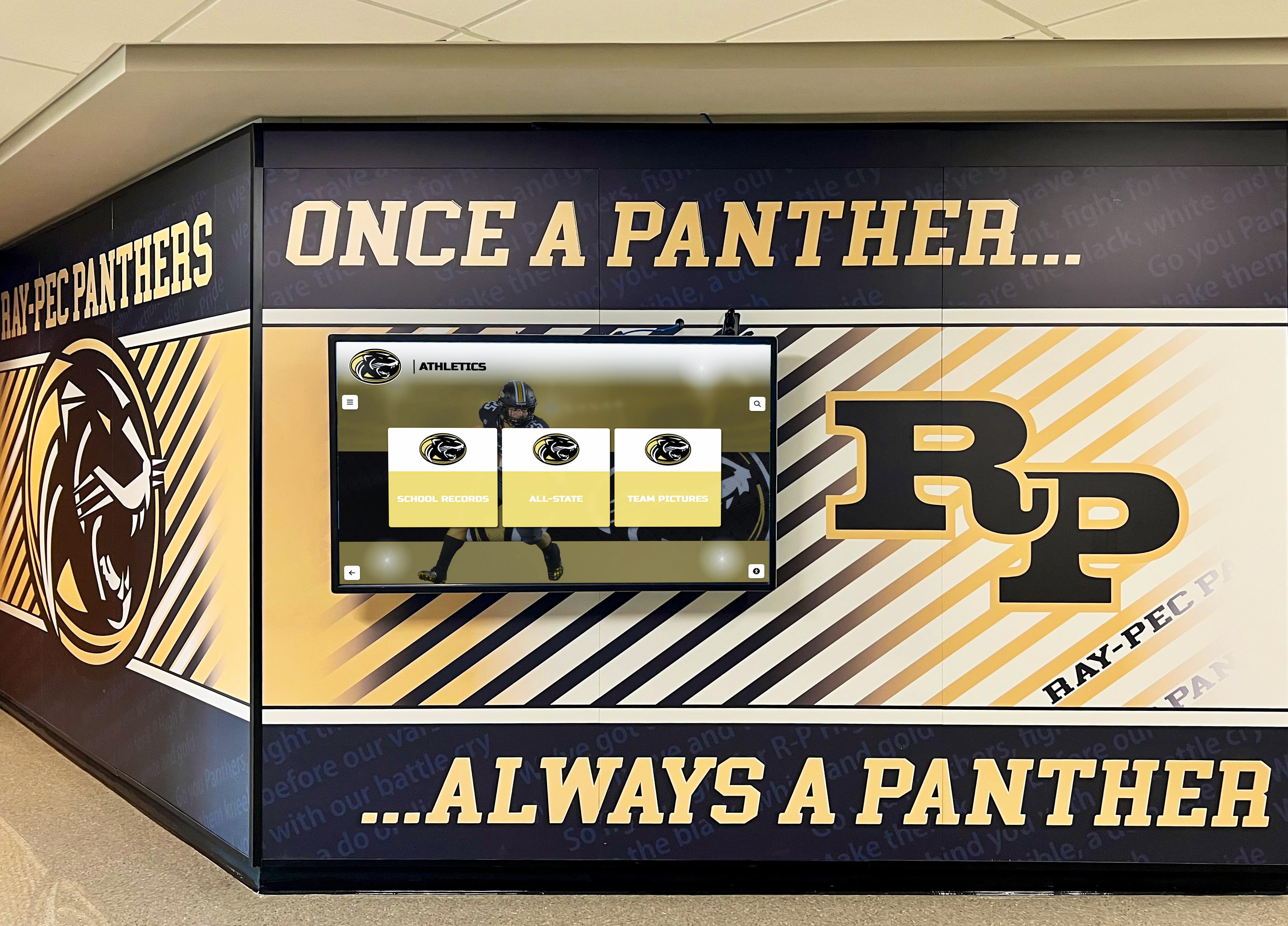
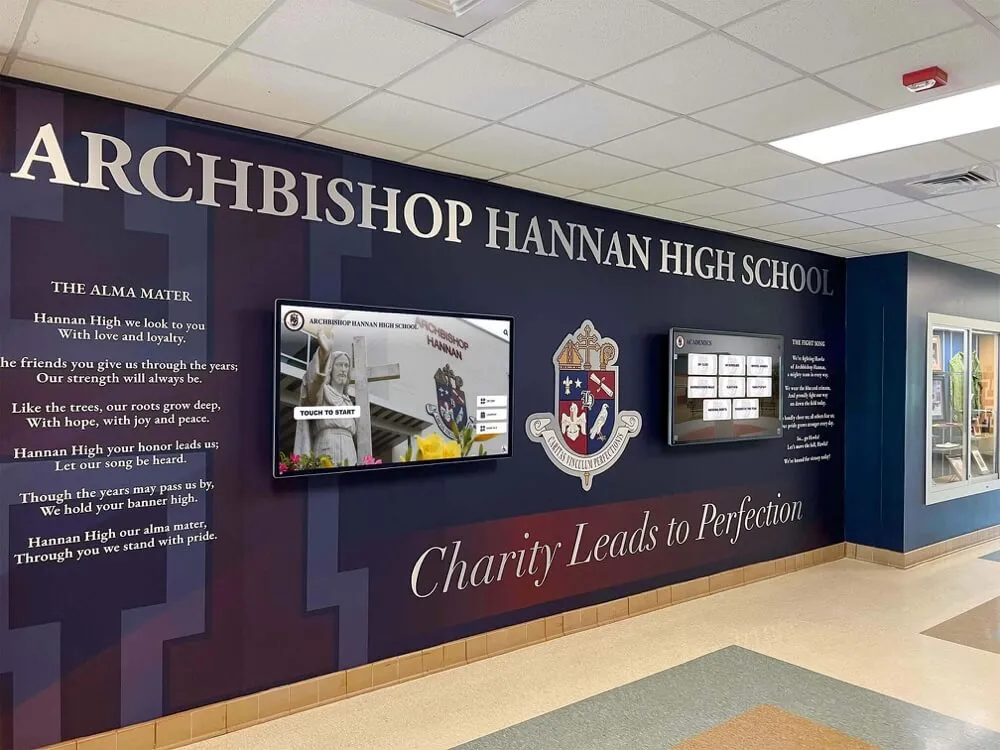
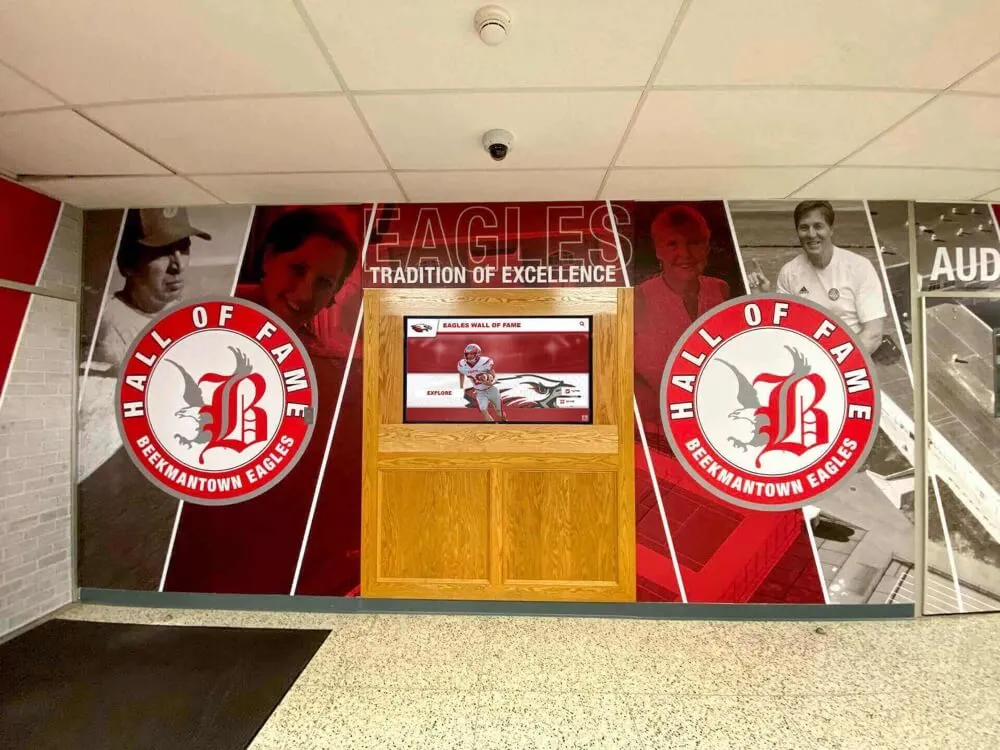
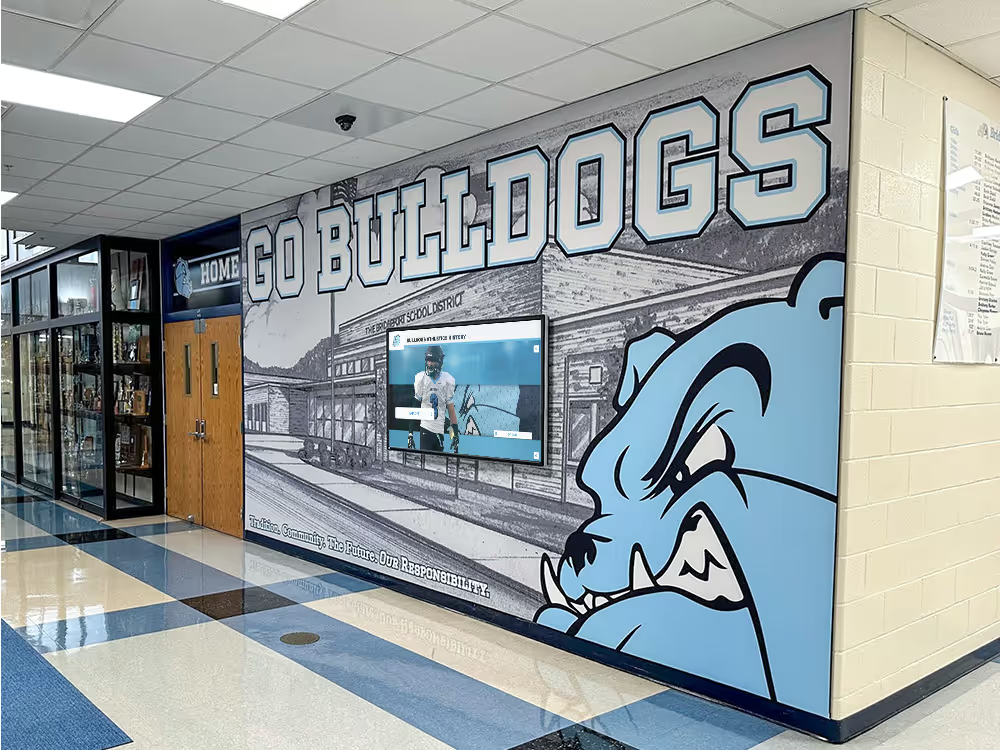
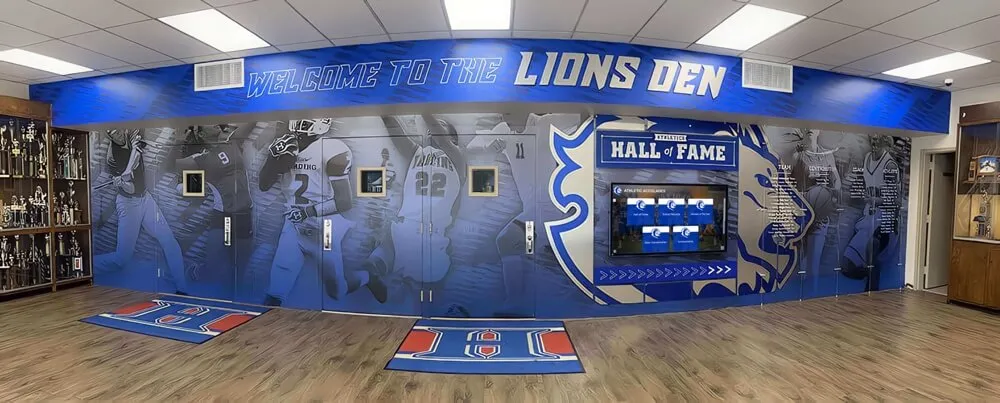
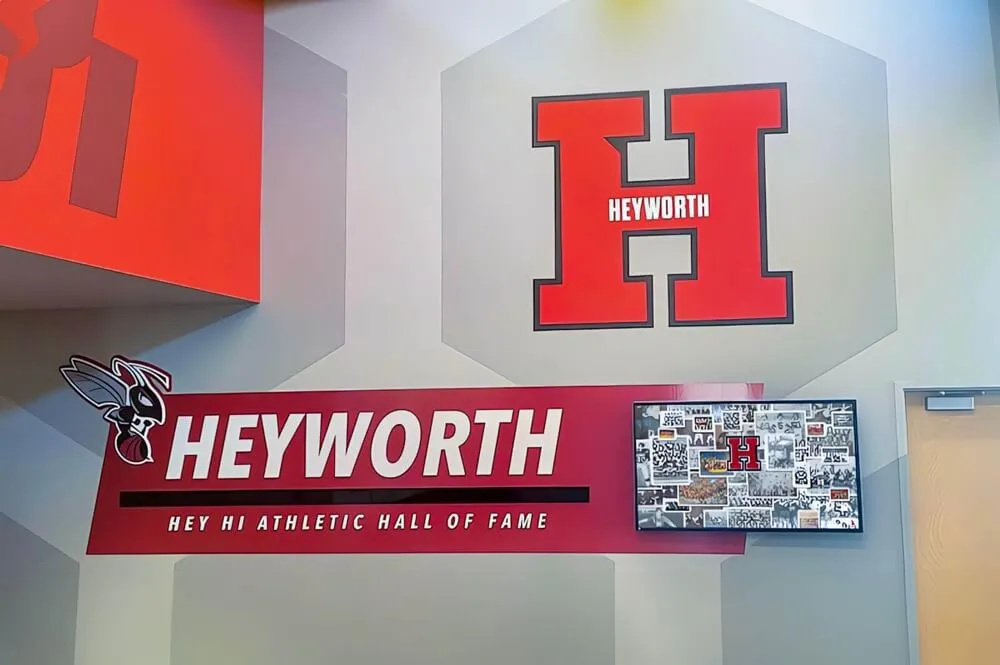
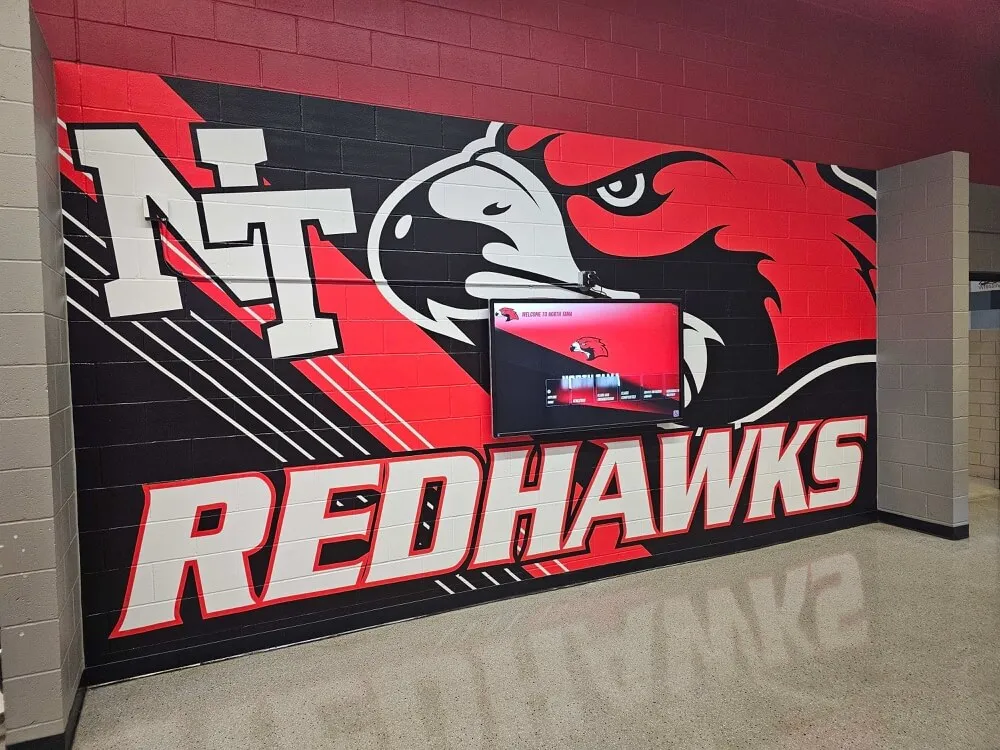
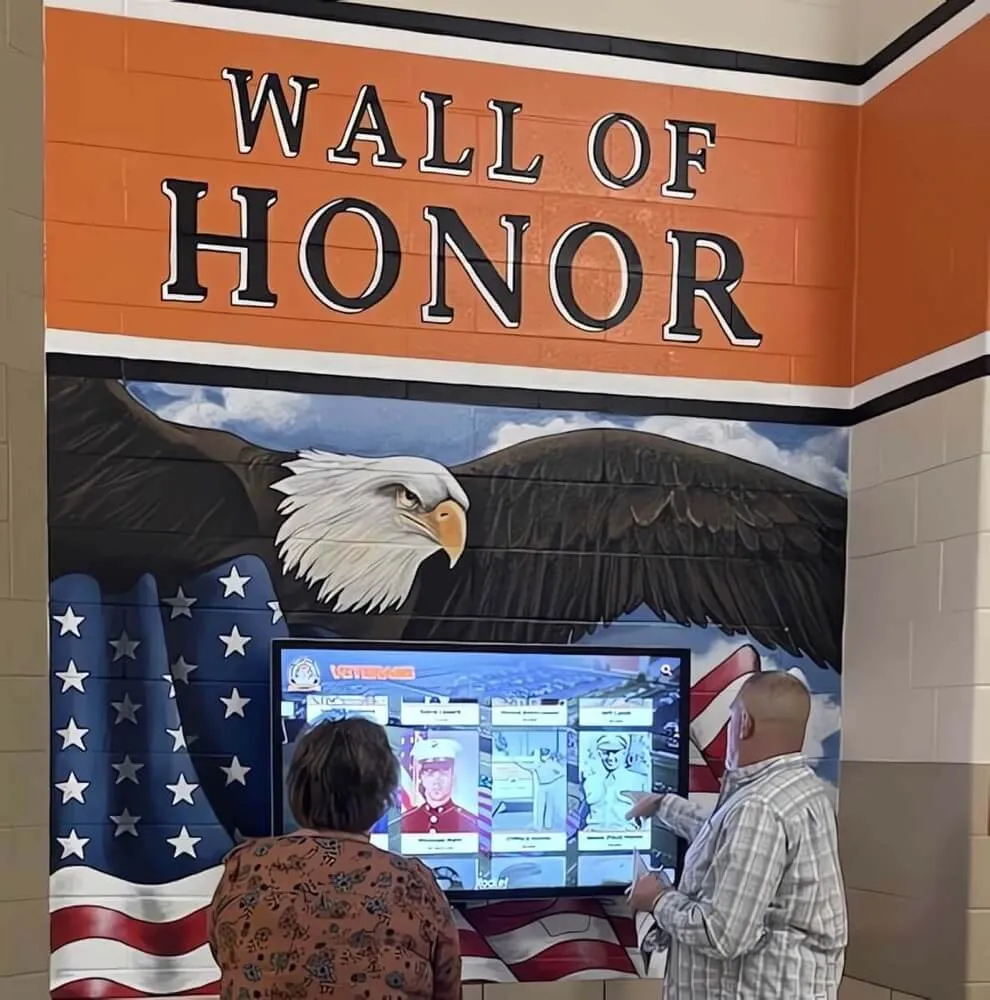
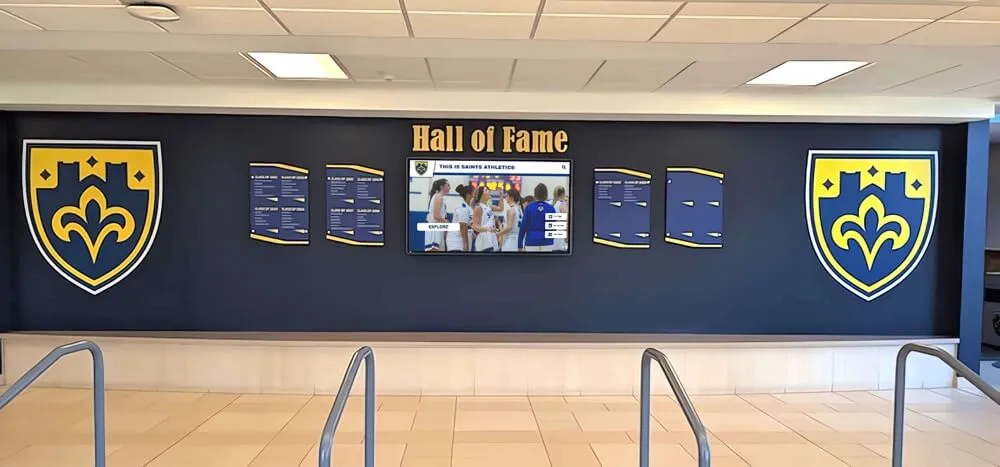
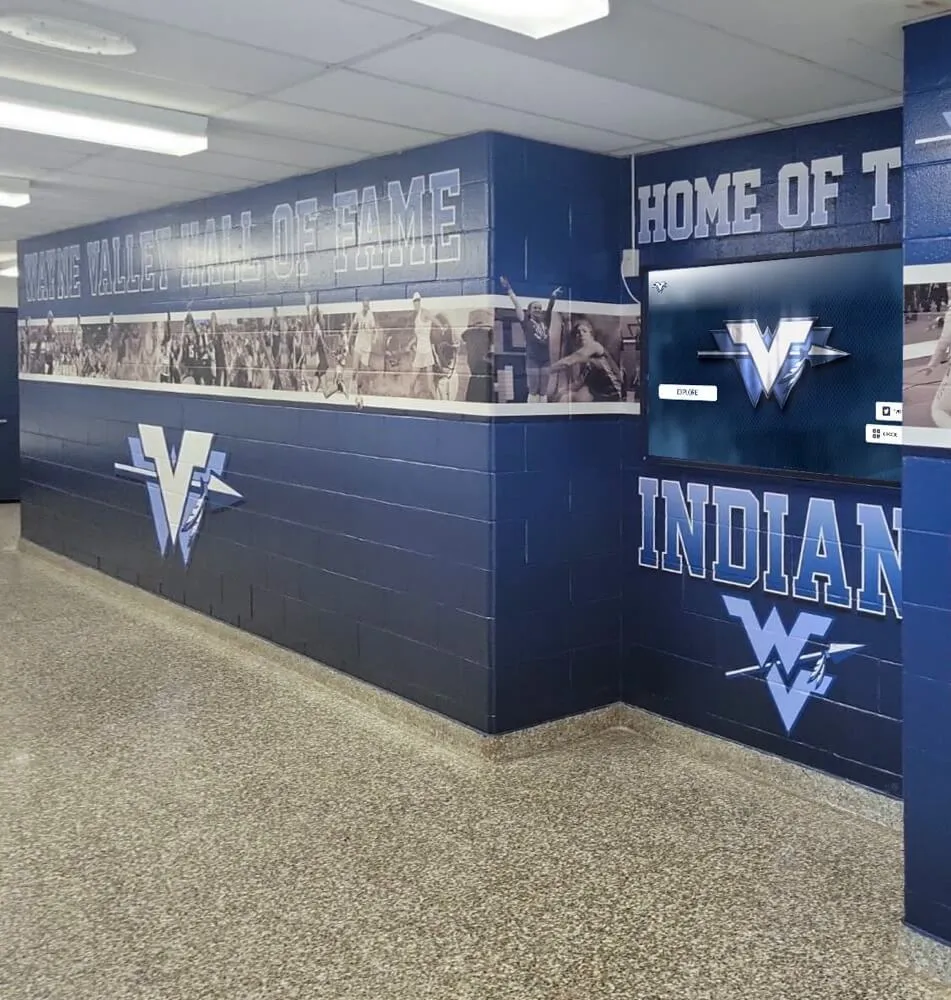
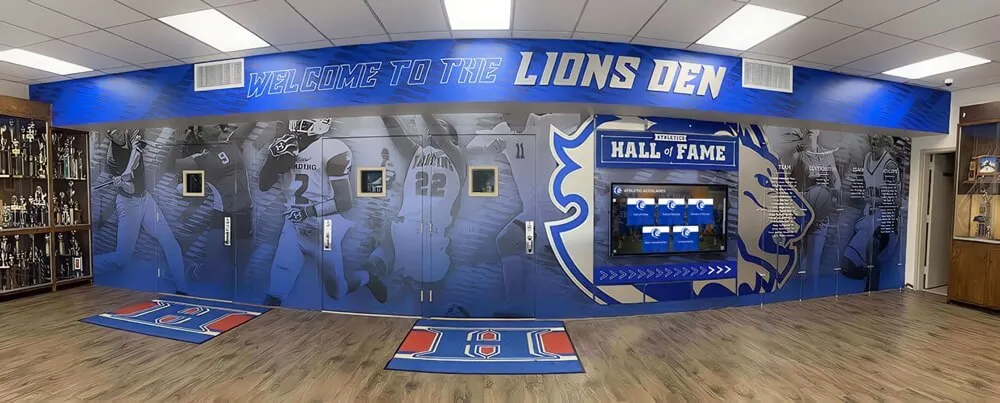
Branded murals combined with digital displays create immersive recognition environments reinforcing institutional identity
Integration with Facility Branding
Effective murals coordinate with overall aesthetics:
- School colors creating cohesive visual identity
- Mascot incorporation reinforcing institutional branding
- Architectural consideration ensuring designs complement building styles
- Lighting design highlighting recognition while creating dramatic effects
- Traffic flow optimization directing people toward displays naturally
- Photography opportunities creating shareable social media moments
Organizations treating recognition spaces as complete environments rather than isolated plaques create memorable experiences that strengthen community pride.
Flexibility and Update Considerations
Permanent installations require planning for changes:
- Digital display integration enabling content updates within static mural frameworks
- Modular component designs allowing section replacement without complete renovation
- QR code incorporation linking physical murals to updateable digital content
- Timeless design approaches avoiding dated references requiring replacement
- Designated update zones accommodating annual additions
- Balance between permanence honoring tradition and flexibility enabling evolution
Thoughtful planning creates artistic recognition that remains relevant and fresh across decades without expensive renovation.
Digital Wall of Fame Ideas: Technology-Enhanced Recognition Solutions
Modern platforms address traditional format limitations while creating engaging interactive experiences that transform how communities explore achievements.
Interactive Touchscreen Display Systems
Purpose-built recognition platforms provide comprehensive capabilities exceeding traditional format possibilities:
Unlimited Recognition Capacity
Digital systems eliminate space constraints:
- Accommodate unlimited honorees without physical expansion requirements
- Provide equal recognition depth for all individuals regardless of induction timing
- Support comprehensive team rosters showing all championship participants
- Enable regular content additions without display replacement or renovation
- Eliminate difficult decisions about who receives limited physical space
- Allow historical recognition programs honoring founding-era contributors without current-wall space
Space flexibility proves particularly valuable for organizations with extensive histories or multiple achievement categories deserving comprehensive celebration.
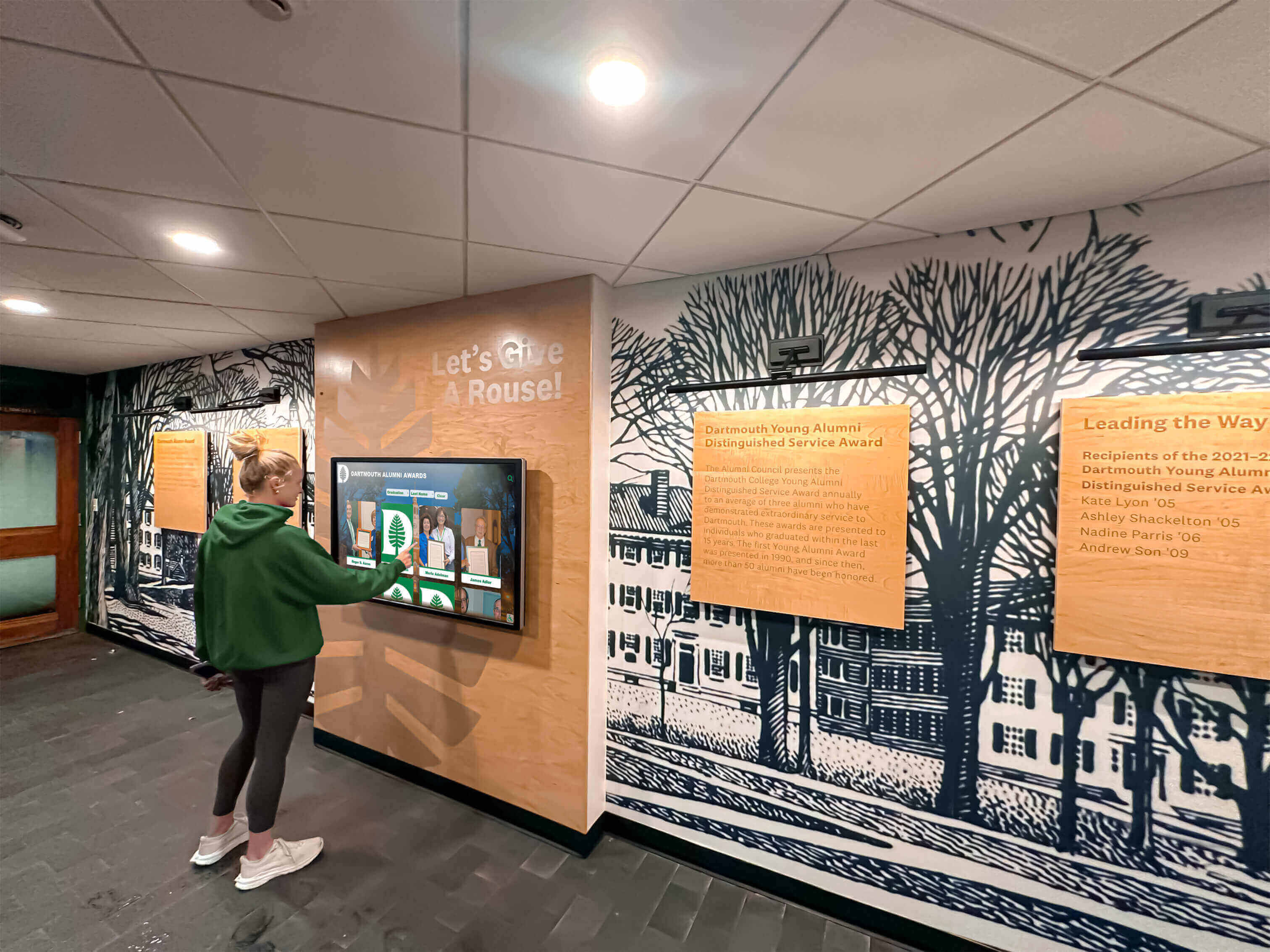
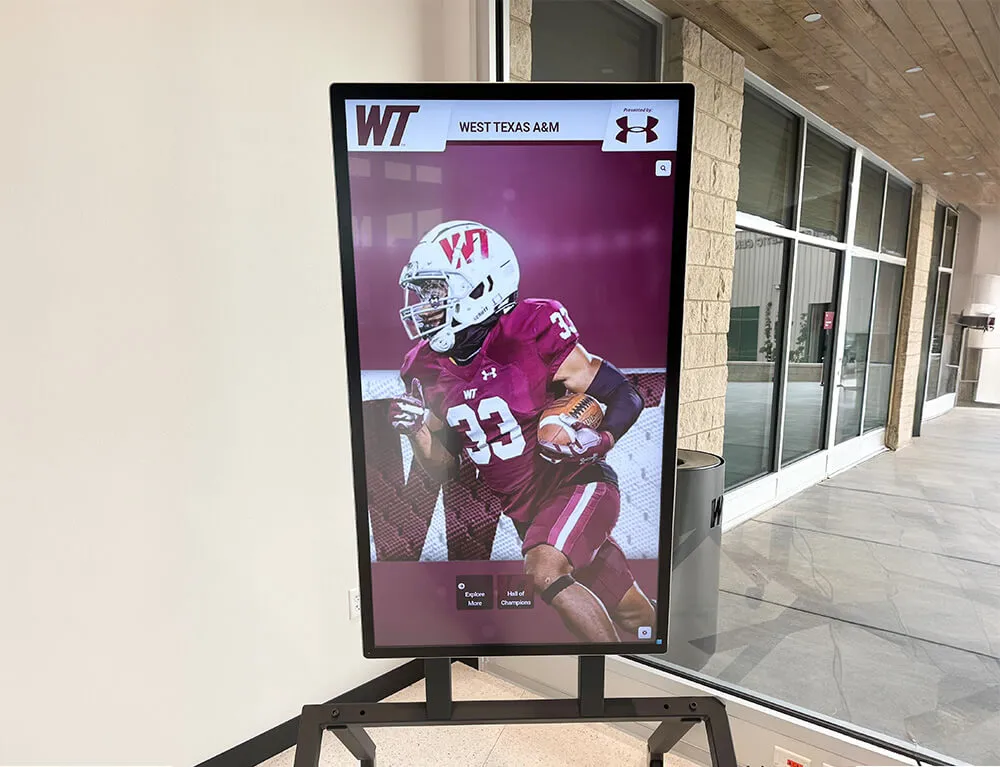
Intuitive touchscreen interfaces enable independent exploration across all ages without instruction
Rich Multimedia Storytelling
Technology enables comprehensive presentations:
- High-Resolution Photography - Multiple images showing career progression and memorable moments
- Video Content - Competition highlights, interviews, acceptance speeches, and documentary features
- Statistical Displays - Career numbers, records, and achievement comparisons with context
- Audio Integration - Musical performances, speeches, or oral history preserving voices
- Document Archives - Newspaper clippings, programs, certificates, and historical materials
- Interactive Timelines - Visual chronologies connecting individual careers to program evolution
Multimedia presentations create emotional engagement exceeding static text and photos while preserving information becoming increasingly valuable as decades pass.
Dynamic Search and Discovery Features
Modern platforms enable multiple exploration pathways:
- Full-Text Search - Find individuals quickly by name, achievement, year, or keyword
- Filter Functions - Browse by sport, category, era, or recognition type
- Alphabetical Navigation - Systematic browsing when visitors know names but not specific details
- Featured Content - Curated highlights showcasing interesting stories and notable achievements
- Related Content - Connections between teammates, coaches, family members, or program contemporaries
- Social Sharing - Enable honorees to celebrate achievements with extended networks digitally
Multiple discovery methods ensure all visitors—from those seeking specific individuals to casual explorers—engage meaningfully with recognition content.
Solutions like Rocket Alumni Solutions provide comprehensive platforms combining these capabilities with intuitive interfaces specifically designed for institutional recognition applications, offering schools and organizations turnkey systems that balance professional presentation with easy content management.
Video Wall and Digital Signage Integration
Large-format screens create dramatic presentations while maintaining content flexibility:
Video Wall Recognition Applications
Multi-screen installations offer unique capabilities:
- Rotating Highlight Reels - Automated video presentations showcasing achievements continuously
- Photo Galleries - Slideshow displays cycling through historical and recent images
- Live Social Media Feeds - Real-time connections showing how honorees celebrate or current community engagement
- Splitscreen Formats - Simultaneous display of multiple honorees, statistics, or content types
- Scheduled Content - Timed presentations aligned with relevant events, anniversaries, or seasons
- Announcement Integration - Recognition combined with current event promotion or institutional messaging
Video walls create motion and visual drama that attracts attention in high-traffic areas while maintaining fresh appearance through regular content rotation.
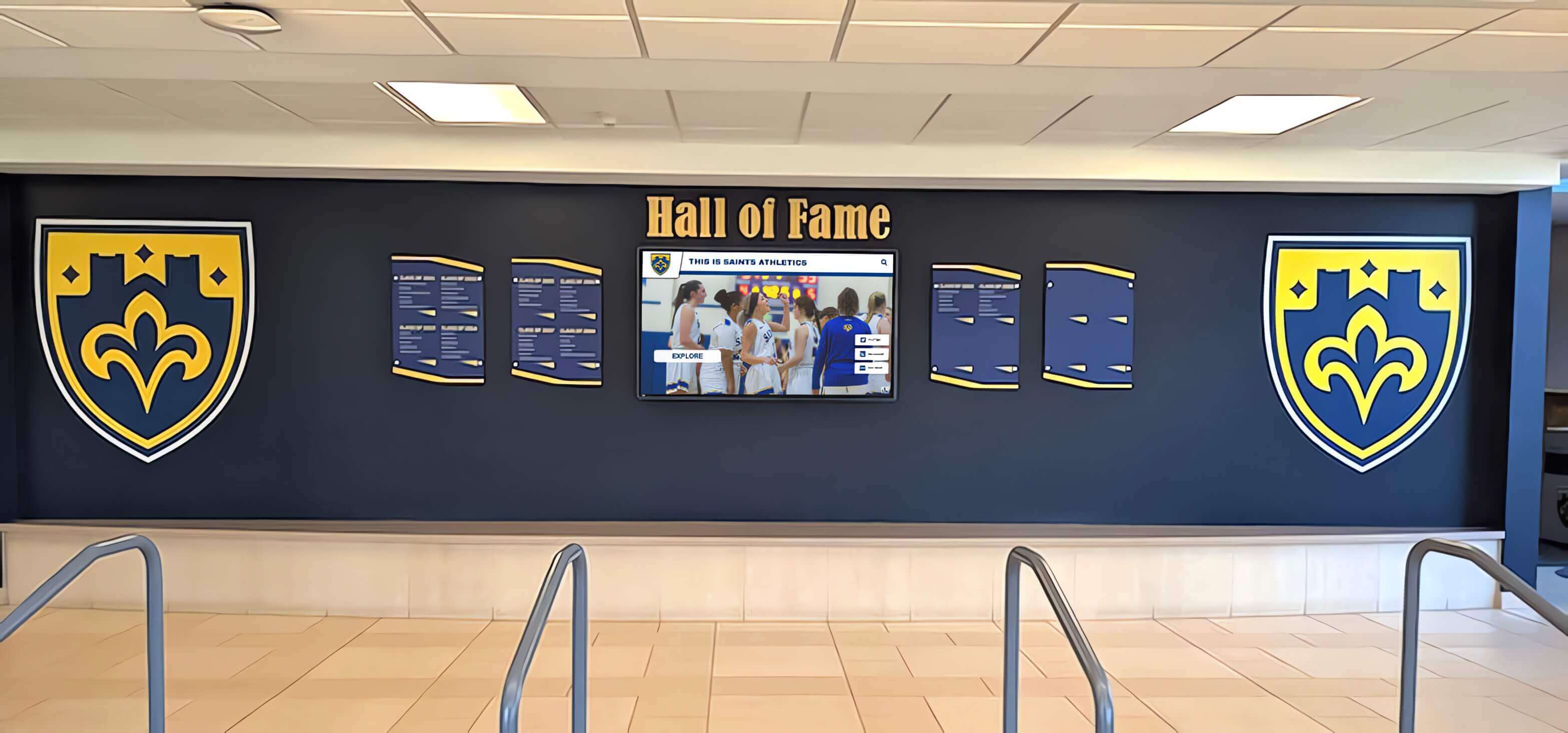
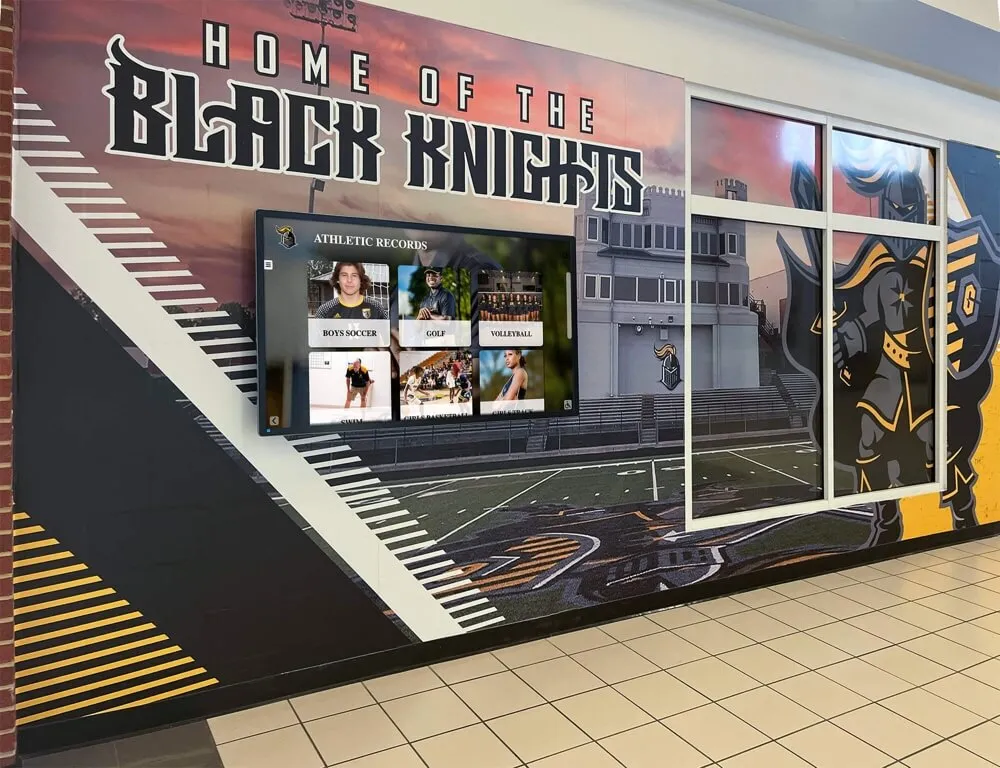
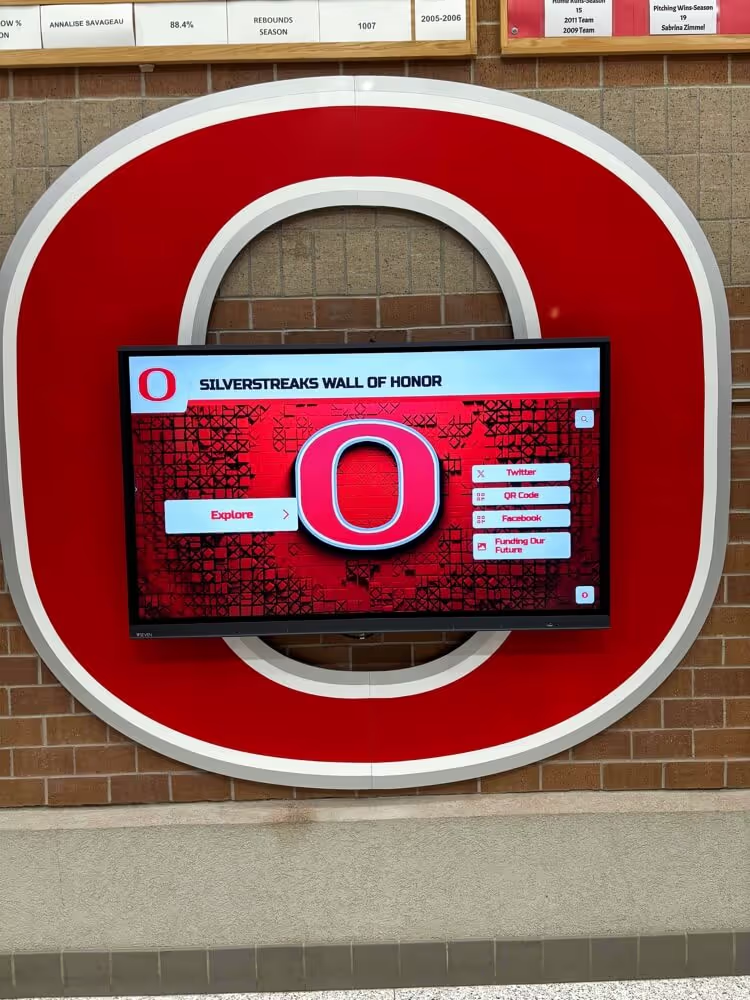
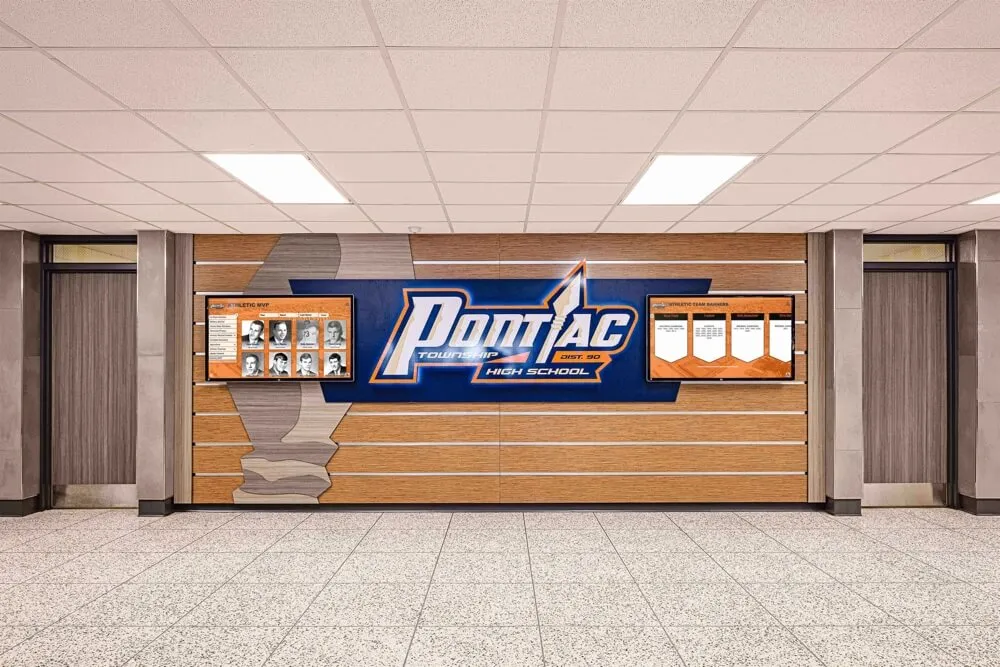
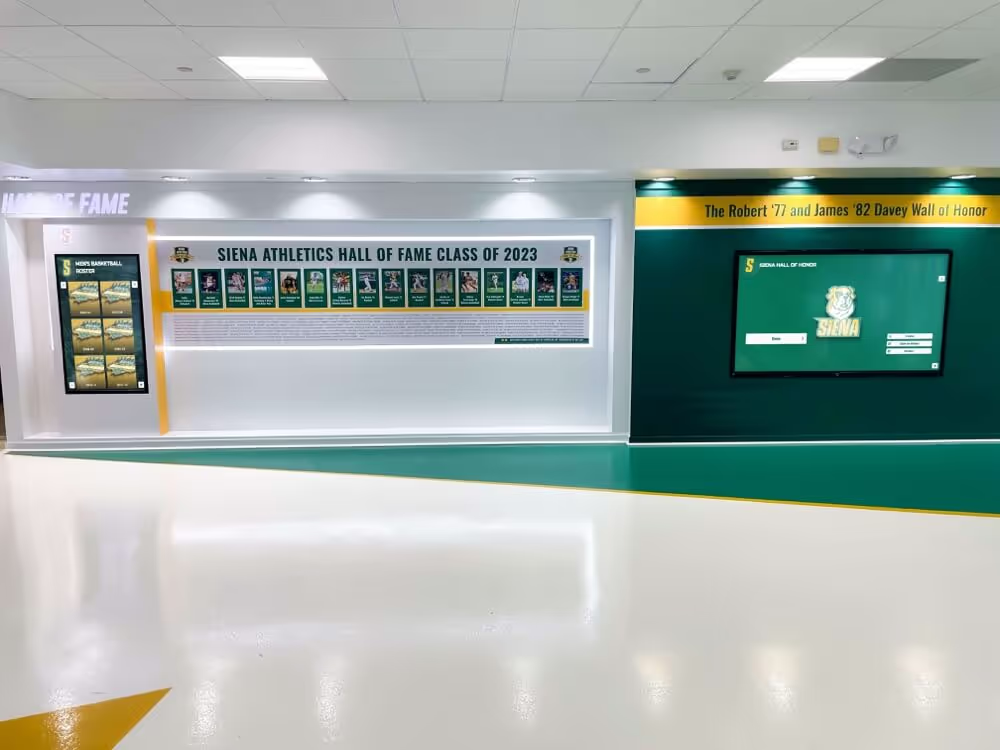
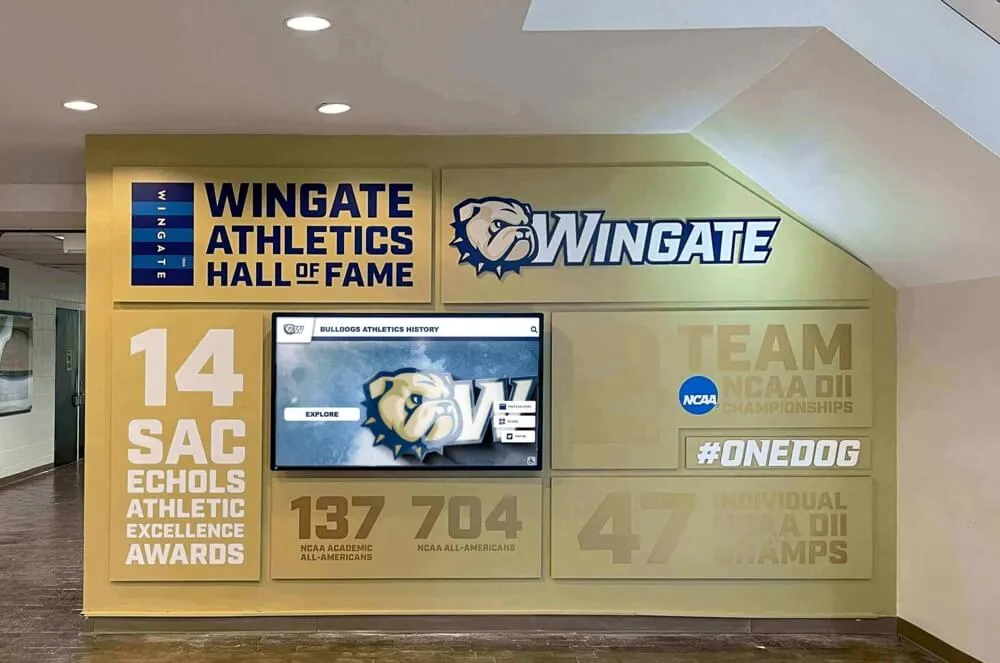
Blended installations honoring traditional expectations while leveraging digital flexibility and freshness
Content Management Considerations
Effective video wall programs require:
- Cloud-Based Content Systems - Remote management enabling updates from anywhere with internet access
- Content Calendar Planning - Scheduled rotations maintaining variety and relevance
- Design Template Development - Professional formats ensuring consistent quality across presentations
- Resolution Optimization - High-quality media taking advantage of large display capabilities
- Motion and Transition Strategy - Dynamic presentations without creating distracting visual clutter
- Analytics Integration - Tracking engagement patterns and optimizing content strategy accordingly
Organizations implementing video recognition should evaluate whether passive display-only systems or interactive touchscreen capabilities better serve recognition goals and audience engagement preferences.
Hybrid Recognition Systems: Combining Traditional and Digital Approaches
Integrated strategies maximize format strengths while addressing respective limitations:
Complementary Display Strategies
Effective hybrid approaches include:
- Physical Plaques with QR Codes - Traditional recognition linking to expanded digital profiles with multimedia content
- Trophy Cases with Video Screens - Artifacts showcased alongside digital storytelling providing context and highlights
- Wall Murals with Integrated Displays - Artistic recognition environments incorporating technology seamlessly
- Recent Honoree Plaques with Historical Database Access - Physical recognition for current inductees while digital platforms provide unlimited historical access
- Lobby Showcases with Online Extensions - Prominent physical displays for high-visibility recognition while comprehensive websites enable global community access
- Mobile App Integration - Smartphone experiences enhancing on-site exploration or providing remote access
Hybrid strategies honor traditional recognition expectations while leveraging technology to overcome space constraints and enable richer storytelling than physical formats alone support.
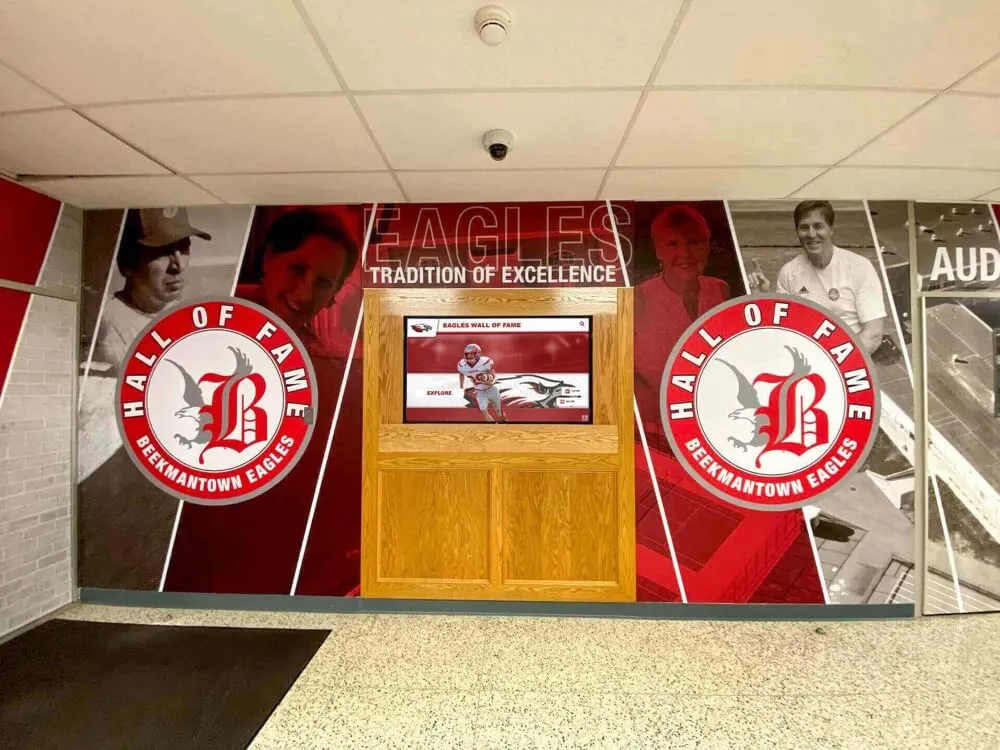
Blended recognition respects heritage while embracing modern storytelling capabilities
Balancing Investment Across Format Types
Resource allocation strategies include:
- Prioritizing digital investment for comprehensive, long-term recognition capacity
- Maintaining selective physical displays for highest-profile recognition or recent inductees
- Creating physical “gateways” directing community members to digital content depth
- Phased implementation starting with one format and expanding strategically over time
- Budget-appropriate scaling matching institutional resources to recognition ambitions
- Focus on sustainable operations rather than elaborate launches becoming maintenance burdens
Organizations should evaluate whether resources support maintaining multiple format types or concentrating investment in single comprehensive approaches serving needs most effectively.
Content Architecture: What to Include in Wall of Fame Displays
Effective recognition requires thoughtful information strategy ensuring displays celebrate achievements meaningfully while creating emotional connections:
Individual Honoree Profile Components
Comprehensive recognition typically includes:
Essential Biographical Information
- Full name, graduation year, or service period
- Current location and occupation when appropriate
- Birth and death dates for historical or deceased honorees
- Academic achievements or institutional involvement beyond recognized accomplishment
- Family connections highlighting multi-generational participation
Achievement Documentation
- Primary accomplishments qualifying for recognition
- Career statistics, records, or quantitative performance metrics
- Awards, honors, and external recognition received
- Championship participation or milestone achievement contributions
- Post-institutional success relevant to original achievement context
- Leadership roles, captaincy, or team impact beyond individual statistics
Personal Context and Storytelling
- Biographical narratives explaining journeys and achievement significance
- Overcoming adversity or notable character demonstrations
- Coach, mentor, or teammate testimonials providing perspective
- Personal reflections on experiences or values (quotes from interviews)
- Career paths showing how achievements influenced life trajectories
- Community contributions beyond recognized accomplishment area
Rich content creates recognition transcending simple name-listing while providing historical documentation that becomes increasingly valuable over time.
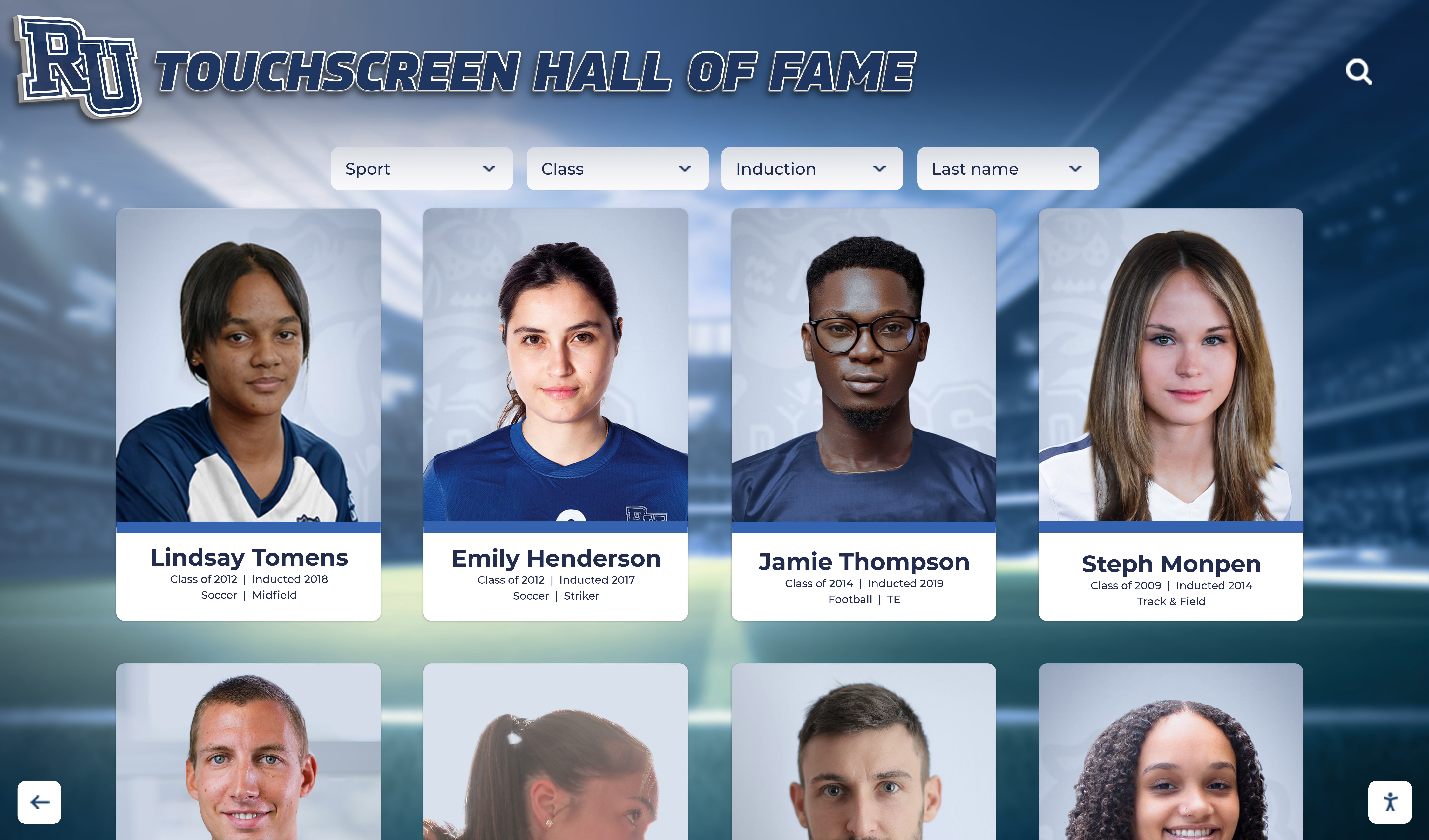
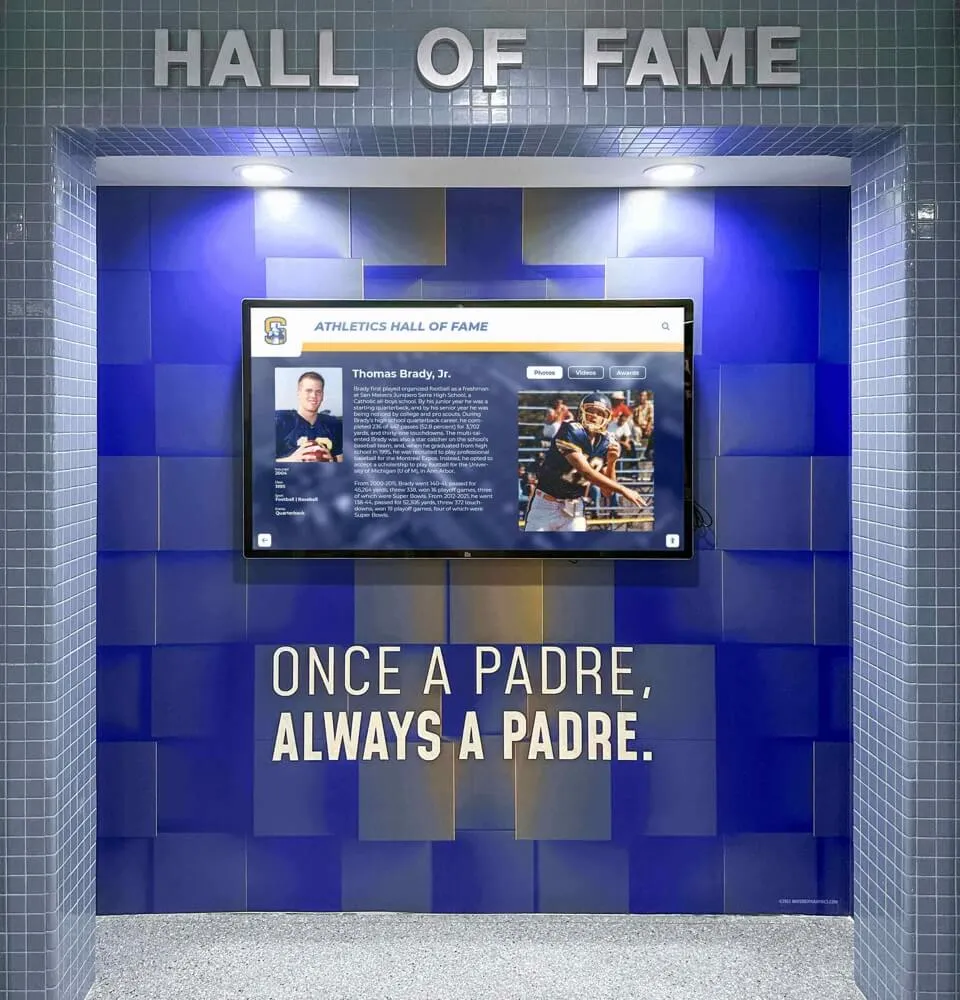
Comprehensive digital profiles celebrate achievements while preserving personal stories and context
Team and Group Recognition Approaches
Collective achievements require different presentation strategies:
Championship Team Documentation
- Complete rosters with all players, coaches, and support staff identified
- Season records, tournament progression, and championship victories
- Team photographs preserving visual documentation
- Season narratives describing memorable moments and challenges overcome
- Individual standout performances within team context
- Long-term program impact from championship seasons
- Coach perspectives on team chemistry and success factors
Program Milestone Recognition
- Anniversary commemorations marking program founding or significant dates
- Record-setting team achievements (longest winning streak, best season record)
- Facility dedication or renovation projects
- Coaching milestone acknowledgments (career wins, tenure anniversaries)
- Program development phases showing evolution over time
Team recognition ensures comprehensive celebration beyond individual standouts while preserving collective memories and shared accomplishment experiences.
Historical Context and Timeline Integration
Mature programs benefit from showing achievement within broader institutional narratives:
Era-Specific Context
- Competitive environment explanations (classification size, league strength)
- Facility and resource considerations affecting achievement context
- Rule changes or format modifications influencing performance comparisons
- Social and cultural context of different periods
- Program development stages showing how success built over time
Chronological Organization Options
- Decade views showing era-specific achievements
- Timeline presentations revealing program evolution
- Year-by-year inductee listings
- Anniversary celebrations marking milestone moments
- Before-and-after facility comparisons showing resource development
Historical perspective helps communities understand achievement significance while connecting current participants to heritage and traditions spanning generations.
Sport-Specific Wall of Fame Ideas
Different athletic programs require tailored recognition approaches reflecting sport-specific characteristics:
Team Sport Recognition Systems
Basketball, football, volleyball, baseball, and similar programs share recognition considerations:
Statistical Display Approaches
- Career point/goal scorers and offensive achievement leaders
- All-time statistics leaders by position or category
- Single-season and career record boards
- Championship team rosters and tournament achievements
- All-conference and all-state selection compilations
- Professional and collegiate success tracking
Team-Specific Content Elements
- Position-specific recognition accommodating different contribution types
- Offensive and defensive achievement balance
- Team chemistry and leadership acknowledgment beyond statistics
- Coaching tree documentation showing assistant coach development
- Rivalry game performances and memorable moments
Team sport recognition should balance individual excellence with collective achievement celebration while acknowledging position-specific contribution variations.
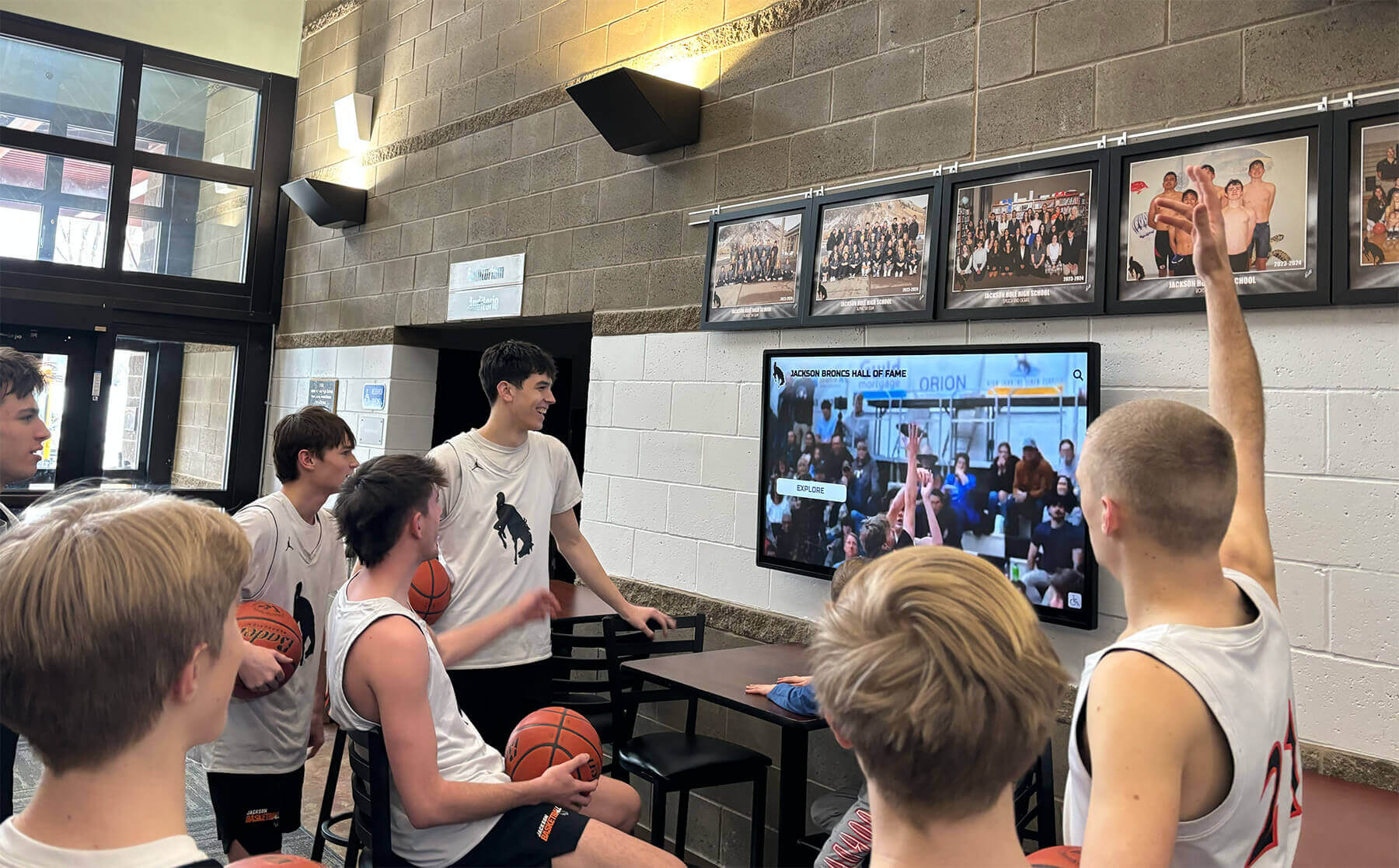
Video highlight integration brings athletic achievements to life for current and future generations
Individual Sport Recognition Systems
Track, swimming, tennis, golf, wrestling, and similar sports require different approaches:
Performance Metric Documentation
- Personal records and performance progressions
- State meet qualifications and championship performances
- School record tracking and progression over time
- National ranking achievements or elite competition participation
- Improvement trajectories showing development across careers
- Multi-event excellence for sports with multiple disciplines
Comparison and Context Features
- Historical record comparison showing performance evolution
- Era-adjusted results accounting for surface, technology, or rule changes
- Peer comparison within graduating classes or seasons
- Progression tracking from freshman to senior performance
- National standard comparison contextualizing local achievements
Individual sport recognition can provide more detailed statistical documentation while highlighting personal excellence and sustained improvement across athletic careers.
Multi-Sport Athlete Recognition
Programs should acknowledge athletes excelling across multiple sports:
Multi-Sport Achievement Displays
- Comprehensive profiles showing all sport participation
- Varsity letter totals and participation years
- Sport-specific achievement summaries within unified profiles
- Athletic versatility recognition separate from sport-specific halls
- Endurance and commitment acknowledgment across seasons
- Legacy perspectives showing how multi-sport participation developed well-rounded individuals
Multi-sport recognition ensures athletes contributing across programs receive appropriate comprehensive celebration rather than being overlooked when single-sport criteria dominate selection processes.
Non-Athletic Wall of Fame Ideas: Beyond Sports Recognition
Comprehensive institutional recognition extends beyond athletic achievement to celebrate diverse excellence:
Academic Excellence Recognition
Educational achievement deserves prominent celebration:
Academic Achievement Display Categories
- Valedictorian and salutatorian recognition across graduating classes
- National Merit Scholars and standardized test excellence
- AP Scholar awards and advanced coursework achievement
- Academic competition success (quiz bowl, math competitions, science fairs)
- GPA achievement recognition and honor roll compilations
- College admission successes to highly selective institutions
Subject-Specific Recognition
- Mathematics achievement walls
- Science research accomplishments
- Literary awards and writing competitions
- Foreign language proficiency recognition
- Social studies competition success
- Career and technical education excellence
Academic recognition demonstrates institutional values while providing balance to athletic-dominated recognition environments and celebrating scholarly excellence comparably to sports achievement.
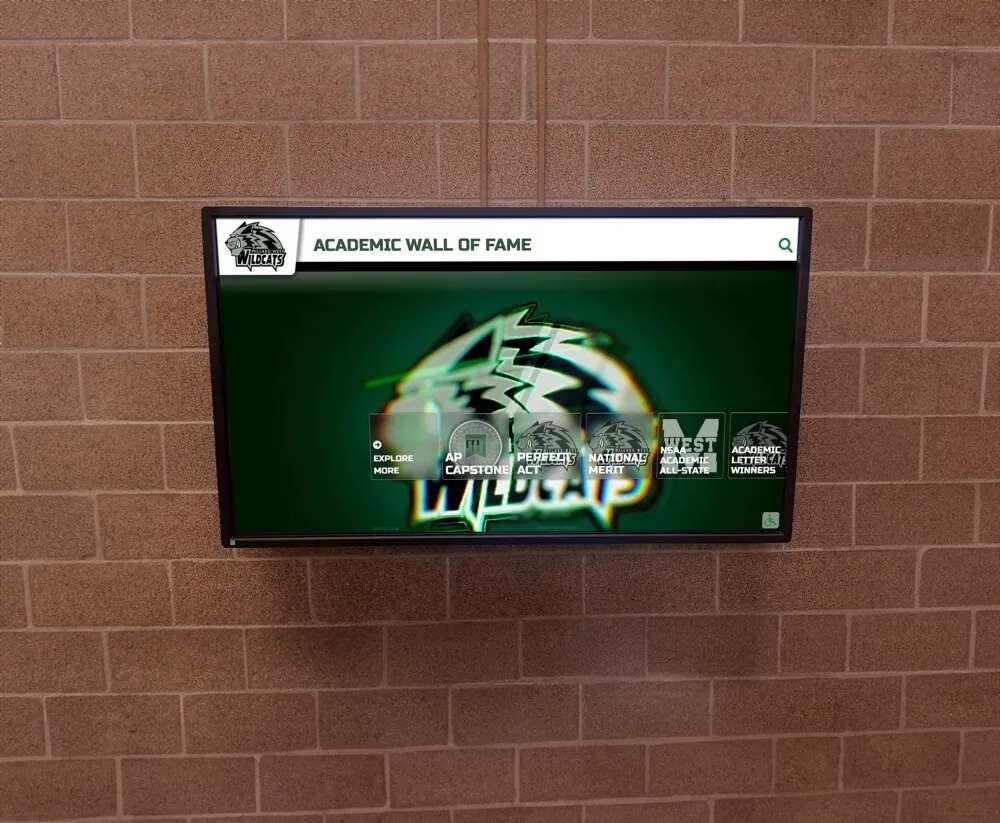
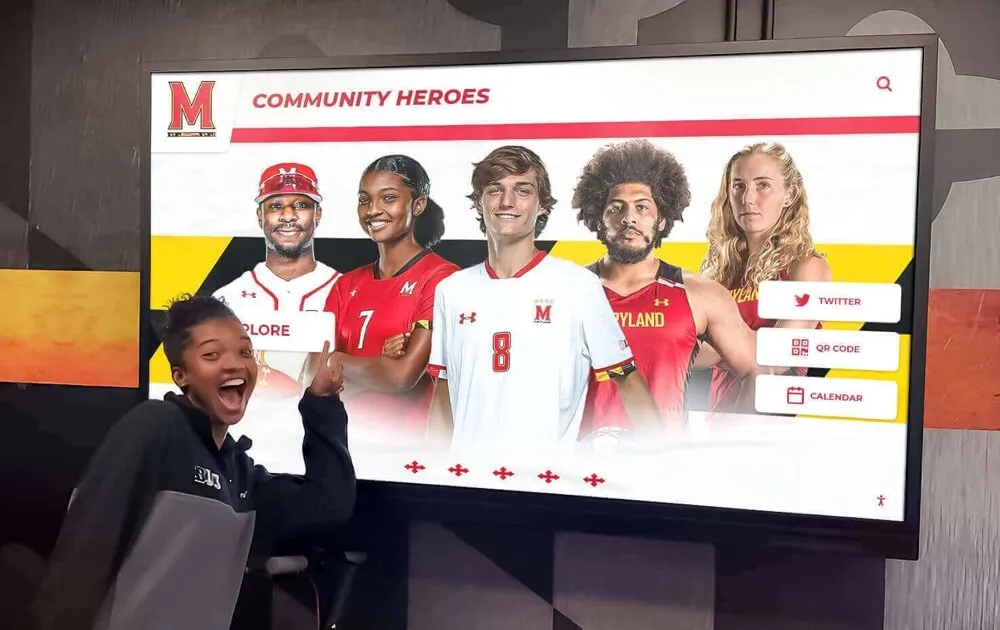
Academic recognition receives equal prominence to athletic achievement in comprehensive programs
Fine Arts and Activities Recognition
Creative and co-curricular achievement requires celebration:
Performing Arts Recognition
- All-state music selections and performance honors
- Dramatic performance awards and theatre production highlights
- Dance achievement and competition success
- Musical composition or arrangement accomplishments
- Solo and ensemble ratings and festival performances
- Director acknowledgment for program development
Visual Arts and Publications
- Art competition awards and gallery exhibitions
- Photography achievement and publication
- Yearbook and newspaper journalism recognition
- Film and video production honors
- Graphic design accomplishments
- Literary magazine publications and writing awards
Activities and Leadership Recognition
- Student government service and leadership positions
- Debate and forensics competition success
- Service learning and community contribution hours
- Club leadership and organizational development
- National Honor Society and organizational memberships
- Special recognition for founding or revitalizing programs
Comprehensive recognition demonstrates that excellence manifests across diverse pursuits and that all achievement types deserve institutional celebration and honor.
Alumni Career Achievement and Distinguished Service
Long-term recognition programs celebrate post-graduation success:
Professional Achievement Categories
- Career accomplishment recognition across diverse fields
- Entrepreneurial success and business leadership
- Public service and political leadership contributions
- Academic and research achievements
- Arts, entertainment, and creative career excellence
- Military service and leadership recognition
Institutional Contribution Recognition
- Philanthropic support and donor acknowledgment
- Volunteer service to schools or programs
- Mentorship and career guidance for current students
- Board service and governance participation
- Advocacy and community support for institutional needs
- Legacy building through multi-generational family participation
Alumni recognition extends institutional communities beyond current participants while demonstrating how formative experiences influenced successful life trajectories and creating mentorship connections between generations.
Implementation Timeline: From Planning to Launch
Systematic implementation ensures successful recognition program development:
Phase 1: Planning and Design (Months 1-3)
Stakeholder Engagement
- Committee formation with broad representation
- Recognition scope definition and category determination
- Selection criteria development ensuring equity
- Budget allocation for initial investment and operations
- Success metric establishment defining effectiveness
Display Format Selection
- Space assessment identifying optimal locations
- Format evaluation comparing traditional and digital approaches
- Capacity planning ensuring accommodation for program growth
- Integration planning with existing displays and facility aesthetics
- Vendor research and proposal requests for selected approaches
Content Strategy Development
- Profile component definition determining information included
- Historical research planning identifying archive requirements
- Content development workflow establishment
- Quality standards definition ensuring professional presentation
- Style guide creation for consistent formatting
Phase 2: Content Development (Months 4-6)
Historical Research and Archive Development
- Yearbook and publication review identifying qualifying honorees
- Statistical compilation from records and archives
- Biographical research through alumni outreach and documentation
- Photograph digitization ensuring high-quality display presentation
- Video content production including interviews and highlights
Profile Creation
- Biographical narrative writing for all initial launch honorees
- Statistics formatting and presentation design
- Photo library organization with proper identification
- Video editing and multimedia content production
- Quality review ensuring accuracy before publication
Phase 3: Installation and Launch (Months 7-9)
Physical Display Installation
- Professional mounting and hardware installation
- Network and power infrastructure for digital systems
- Display configuration, calibration, and testing
- Integration with facility aesthetics and branding
- Final quality verification before public debut
Launch Event Planning
- Ceremony scheduling during high-visibility occasions
- Honoree and family invitations
- Media coverage arrangements generating awareness
- Facility tours and display demonstrations
- Commemorative elements marking milestone
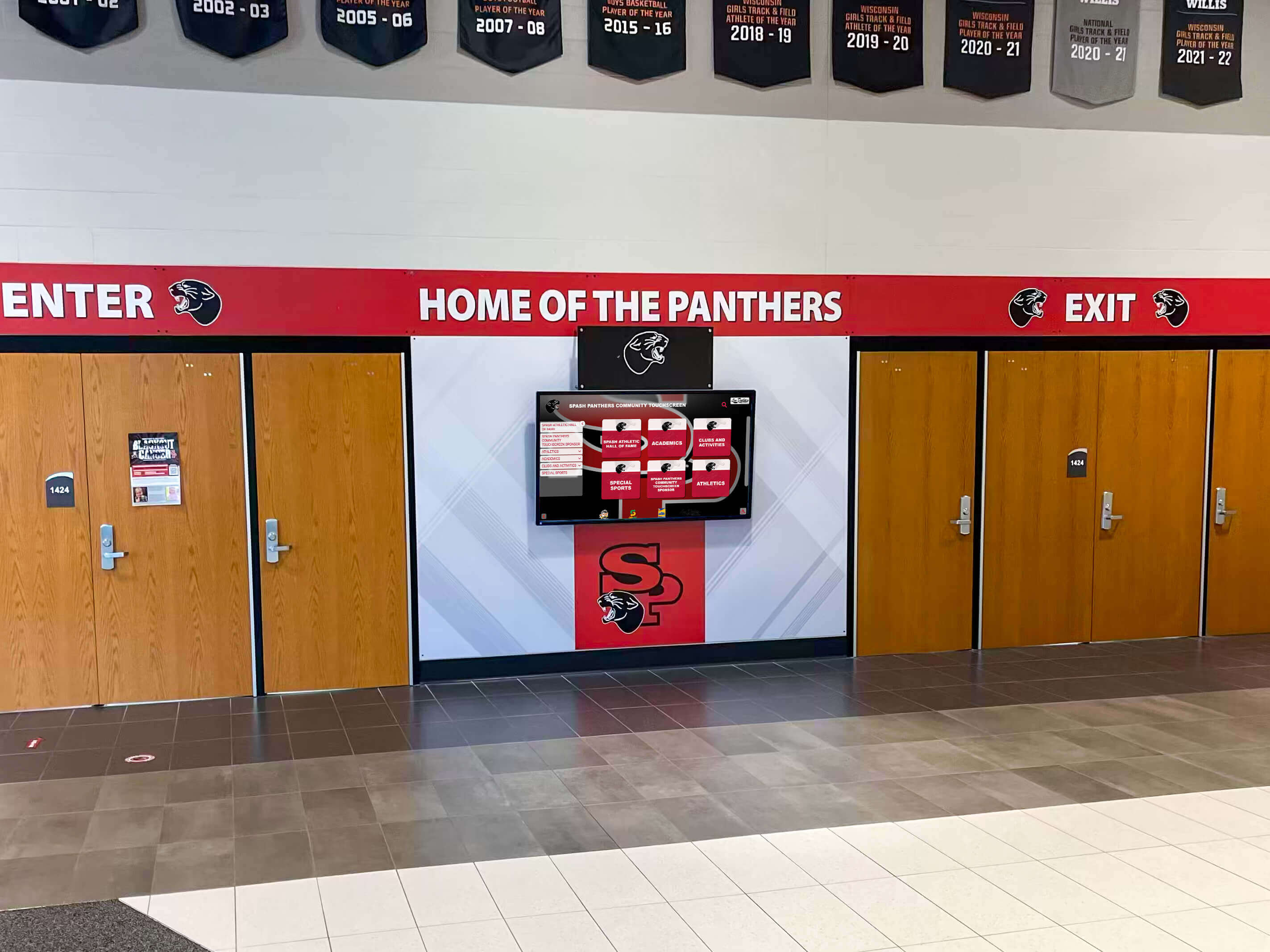
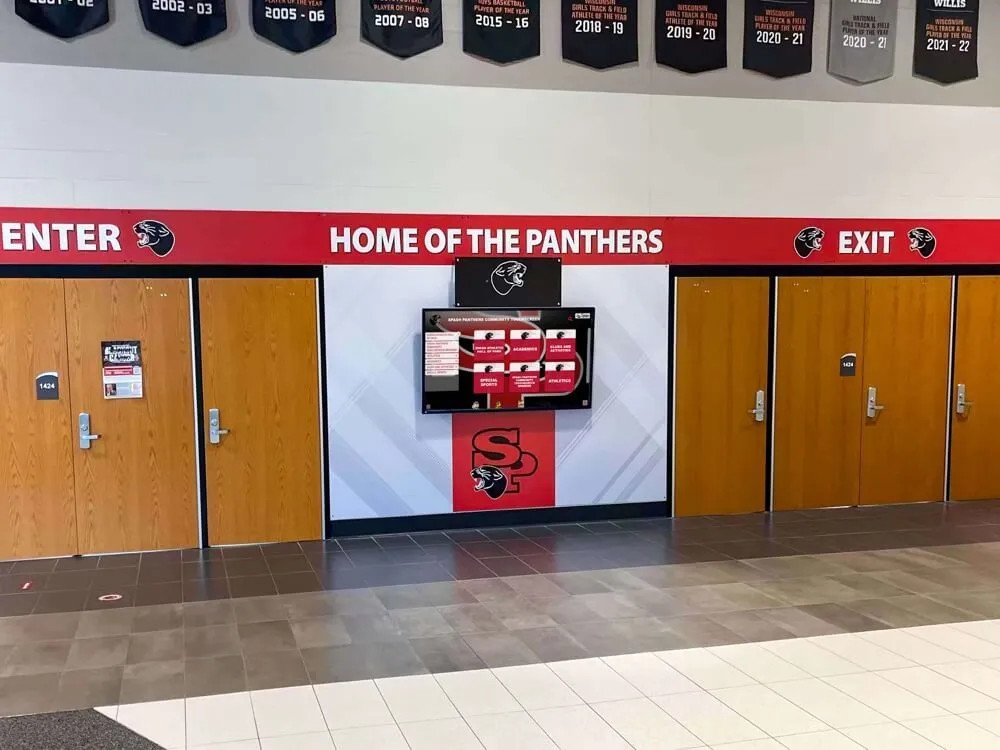
Strategic entrance placement ensures recognition greets all visitors establishing institutional priorities
Phase 4: Ongoing Management and Growth (Ongoing)
Annual Operations
- Nomination solicitation and submission collection
- Selection committee evaluation and voting
- New honoree content development
- Induction ceremony execution
- Display updates and maintenance
- Program evaluation and refinement
Continuous Improvement
- Engagement analytics review identifying popular content
- Stakeholder feedback collection through surveys
- Best practice adoption from peer programs
- Technology updates maintaining currency
- Historical expansion systematically adding early-era recognition
Budget Planning: Cost Considerations Across Recognition Approaches
Understanding financial requirements helps organizations make informed format decisions:
Traditional Display Budget Components
Physical recognition systems include:
Initial Installation Costs
- Individual plaques: $75-300 each depending on size, material, and customization
- Wall mounting systems and frameworks: $500-3,000
- Trophy cases: $2,000-10,000+ based on size and features
- Professional installation labor: $500-2,000
- Facility preparation (painting, electrical): $500-5,000
- Design and layout services: $500-3,000
Ongoing Operational Expenses
- Annual plaque additions: $750-2,400 (10 plaques at $75-240 each)
- Maintenance and cleaning supplies: $100-500 annually
- Display updates and modifications: $200-1,000
- Lighting replacement and electrical: $100-500
Traditional systems require substantial initial investment but relatively modest ongoing costs compared to digital alternatives requiring software subscriptions.
Digital Recognition Budget Components
Technology-based systems include different cost structures:
Initial Implementation Investment
- Commercial-grade touchscreen displays: $3,000-10,000 per screen depending on size and features
- Mounting hardware and installation: $500-2,000
- Network infrastructure and connectivity: $500-2,000
- Platform software licensing: $1,000-5,000 annual or one-time
- Content development and migration: $2,000-15,000 depending on initial scope
- Training and implementation support: $500-3,000
Annual Operational Expenses
- Software subscription or licensing: $1,000-5,000 annually
- Content hosting and storage: $200-1,000 annually
- Technical support and maintenance: $500-2,000 annually
- Content development for new honorees: $100-400 per profile
- Hardware warranty or replacement fund: $300-1,000 annually
Digital systems typically require higher initial investment but provide unlimited recognition capacity eliminating future physical expansion costs while enabling richer storytelling through multimedia content.
Hybrid Approach Budget Strategies
Organizations can balance investment through phased approaches:
- Start with modest physical recognition for recent honorees
- Implement digital platforms for comprehensive historical archives
- Add physical elements annually as budgets allow
- Leverage QR codes connecting affordable plaques to rich digital content
- Prioritize digital investment for long-term capacity and flexibility
Budget-conscious organizations should evaluate total 5-10 year costs rather than just initial investment when comparing format options.
Common Wall of Fame Challenges and Solutions
Learning from typical obstacles helps organizations avoid expensive mistakes:
Challenge 1: Running Out of Physical Display Space
Organizations using traditional plaques inevitably face capacity limits:
Problem: Wall space fills after 10-20 years, forcing difficult choices between stopping recognition, costly facility renovations, or reducing plaque sizes diminishing recognition quality.
Solutions:
- Plan digital transition from the start rather than after walls fill
- Designate expansion areas during initial installation
- Implement stringent criteria limiting annual inductee numbers to sustainable levels
- Create secondary locations for older inductees (though this creates hierarchy concerns)
- Consider digital platforms providing unlimited capacity from the beginning
Proactive capacity planning prevents crisis decision-making when walls fill and organizations face expensive renovations or stopping recognition programs.
Challenge 2: Outdated or Neglected Displays
Recognition becomes wallpaper when displays appear tired or unmaintained:
Problem: Faded photos, broken lighting, dust accumulation, and outdated design make displays look neglected, diminishing rather than enhancing achievement honor while creating negative impressions.
Solutions:
- Establish maintenance schedules with clear responsibilities
- Budget operational funds for regular updates and repairs
- Choose durable materials and finishes resisting deterioration
- Select digital platforms with automatic content freshness features
- Create institutional memory through documentation preventing abandonment during staff transitions
- Periodic refresh planning replacing displays before deterioration becomes severe
Recognition quality reflects institutional values—neglected displays suggest organizations don’t genuinely value celebrated achievements.
Challenge 3: Insufficient Content Depth
Name-only recognition fails to create emotional connections or tell compelling stories:
Problem: Displays listing only names and years provide minimal information, failing to help communities understand why individuals deserve recognition or connect with their human stories and achievement contexts.
Solutions:
- Invest content development time creating rich profiles
- Implement digital platforms supporting expanded storytelling beyond plaque space constraints
- Conduct interviews with honorees capturing personal reflections
- Research historical archives developing comprehensive achievement documentation
- Prioritize quality over quantity—fewer well-documented honorees exceed many shallow listings
Meaningful recognition requires information depth that honors accomplishments authentically while preserving stories becoming increasingly valuable as decades pass.
Challenge 4: Lack of Engagement and Community Awareness
Even impressive displays fail when communities don’t know they exist or explore them:
Problem: Recognition sits unused in isolated locations, receives no promotion, and lacks features encouraging exploration, resulting in minimal community engagement and limited program impact.
Solutions:
- Strategic placement in unavoidable high-traffic locations
- Launch promotions building awareness through multiple communication channels
- Social media integration sharing honoree stories creating viral community conversation
- Interactive features encouraging exploration versus passive display observation
- Annual ceremony tradition maintaining regular visibility and participation
- Integration with current programs connecting recognition to ongoing activities
Recognition should be actively promoted and integrated into institutional life rather than assuming passive displays will attract attention without deliberate engagement strategies.
Conclusion: Creating Wall of Fame Recognition That Honors Achievement Meaningfully
Wall of fame programs represent significant institutional investments celebrating community excellence and preserving heritage for future generations. When organizations implement thoughtfully—following systematic planning establishing clear recognition goals, selecting appropriate display formats balancing traditions with capabilities, developing comprehensive content celebrating achievements meaningfully, and committing to sustained excellence beyond initial launch—they create recognition programs that strengthen community pride, motivate current participants through visible excellence examples, preserve institutional memory, and deliver lasting value justifying ongoing investment throughout decades of operation.
The wall of fame ideas explored throughout this comprehensive guide provide frameworks for developing effective recognition serving any organizational context—from understanding traditional format strengths and limitations to leveraging modern digital platforms that overcome space constraints while enabling richer multimedia storytelling. Whether you’re establishing your first recognition program or modernizing existing displays, fundamental principles remain consistent: honor achievement comprehensively rather than selectively, leverage appropriate technology purposefully to enhance presentation and overcome constraints, develop content richly celebrating individual and collective accomplishments, ensure prominent placement maximizing community engagement, and sustain commitment ensuring programs remain current and relevant year after year.
The most important consideration isn’t selecting the most expensive displays or most sophisticated technology—it’s choosing solutions aligned with your recognition values, sustainable within available resources, and designed to serve your specific community needs effectively throughout decades of operation. Your achievers deserve recognition celebrating their excellence meaningfully while inspiring future generations toward similar accomplishment pursuit.
Ready to transform recognition at your organization? Modern wall of fame solutions help schools and organizations celebrate unlimited achievements while preserving heritage and creating engaging discovery experiences. Solutions like Rocket Alumni Solutions provide comprehensive digital recognition platforms specifically designed for educational institutions and organizations, combining purpose-built software with professional display recommendations, implementation support, and ongoing training ensuring successful long-term programs that become valued institutional centerpieces.
Your implementation journey begins with clear planning defining recognition scope and standards, continues through thoughtful display format selection ensuring approaches match your specific needs and capabilities, advances with systematic content development creating meaningful achievement celebration, and sustains through ongoing commitment making recognition permanent institutional practice rather than temporary initiative. Request your free custom demo to explore how comprehensive digital wall of fame platforms can appropriately honor your community’s excellence and heritage.
Begin your wall of fame journey today by assembling your planning team, defining recognition categories and criteria, evaluating display formats balancing tradition with modern capabilities, developing comprehensive content strategies ensuring meaningful achievement celebration, and committing to systematic implementation and sustained excellence. The ideas and frameworks provided throughout this guide offer proven pathways to creating recognition programs that truly honor accomplishments while building community pride across generations—transform your vision into reality and create the lasting recognition legacy your community deserves.