



Volunteer appreciation month represents an essential opportunity for schools, churches, community organizations, and nonprofits to systematically recognize the dedicated individuals who power programs, support students, strengthen communities, and make mission work possible. April—designated as National Volunteer Appreciation Month—provides the perfect framework for implementing recognition initiatives that celebrate volunteer contributions while building sustained engagement extending far beyond a single week or month.
Yet many organizations struggle to move beyond generic appreciation gestures that feel obligatory rather than meaningful. Standard approaches—mass email thank-yous, cafeteria cookies during volunteer week, or perfunctory certificates printed from templates—fail to demonstrate genuine appreciation for the substantial time, expertise, and dedication volunteers contribute throughout the year. Volunteers notice when recognition feels superficial, impacting retention rates and future recruitment as potential helpers observe how organizations actually value their contributors.
This comprehensive guide explores volunteer appreciation month ideas that create authentic recognition programs demonstrating real gratitude—from planning systematic appreciation initiatives through implementing permanent recognition displays ensuring volunteer contributions remain visible and celebrated year-round, not just during designated appreciation periods.
Effective volunteer appreciation extends beyond temporary gestures to build recognition cultures where contributions receive ongoing visibility comparable to other organizational achievements, creating environments where helpers feel genuinely valued and motivated to sustain their essential work.

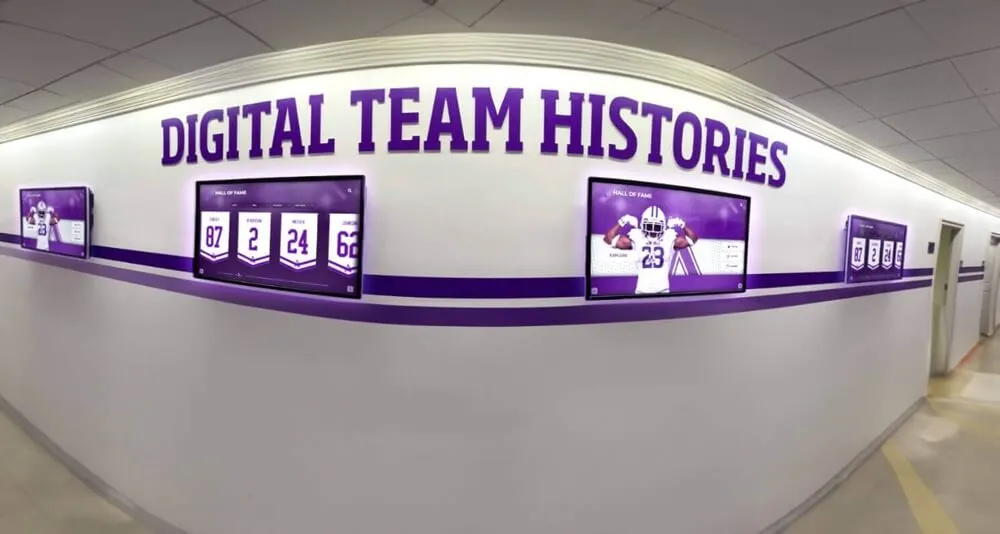
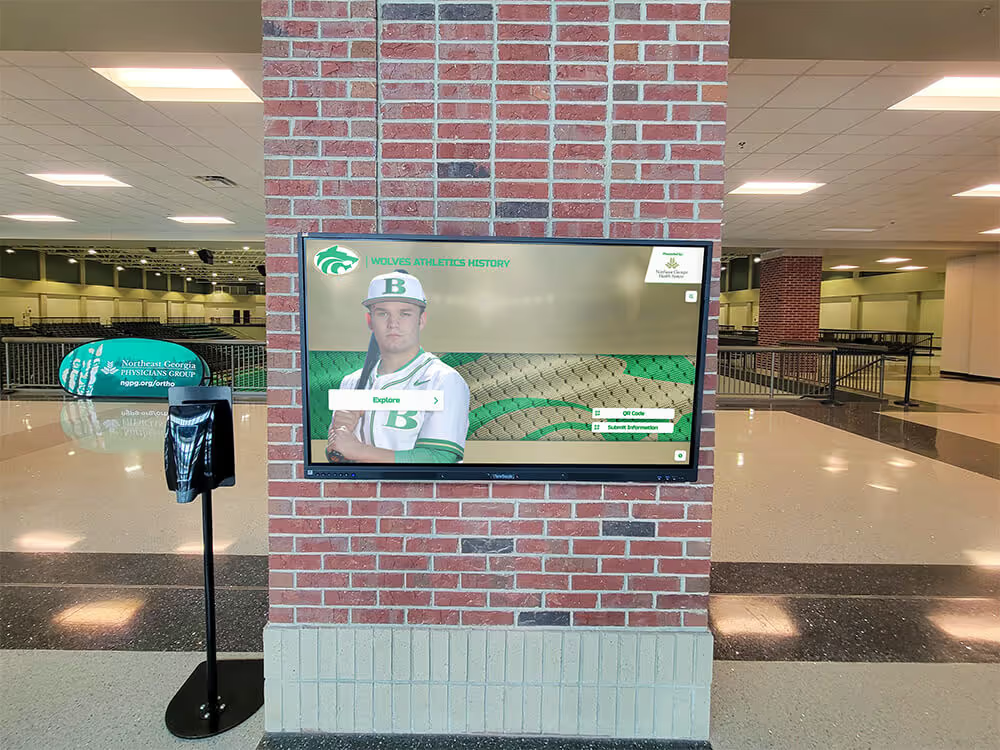
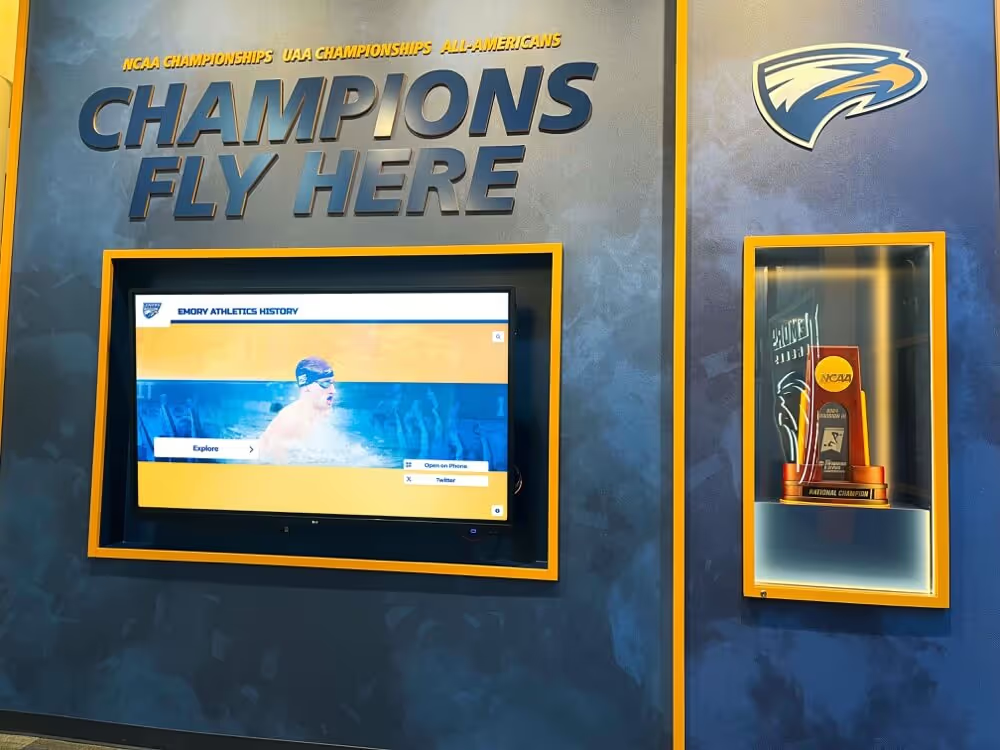
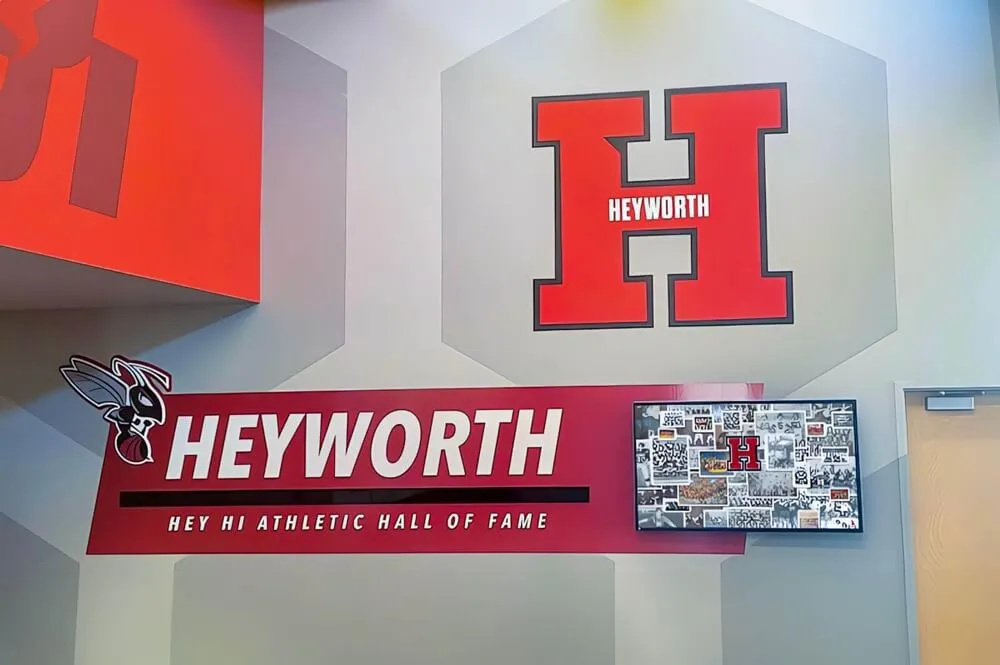
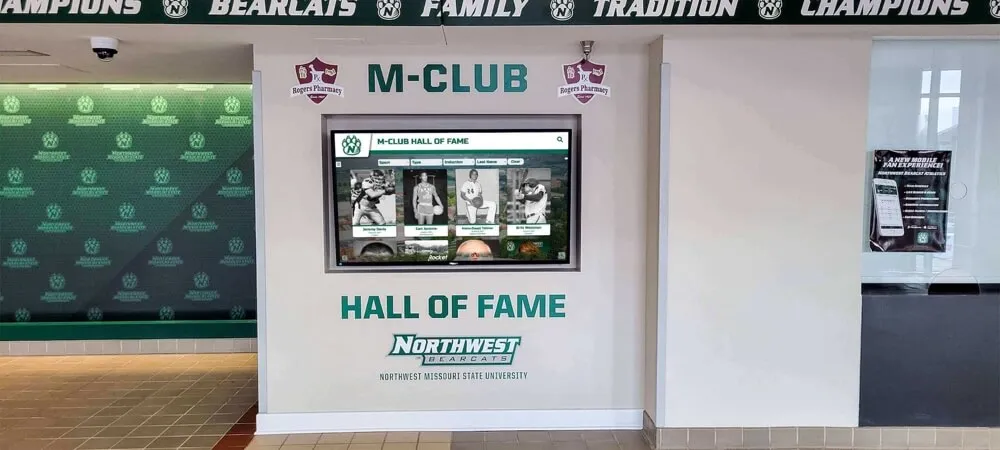
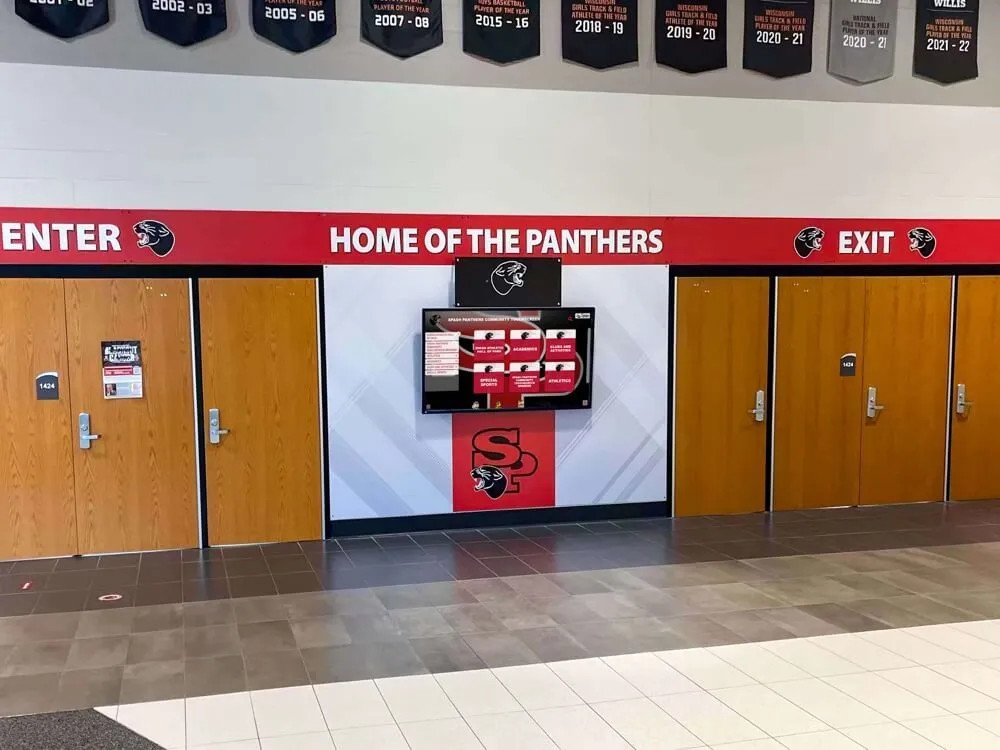
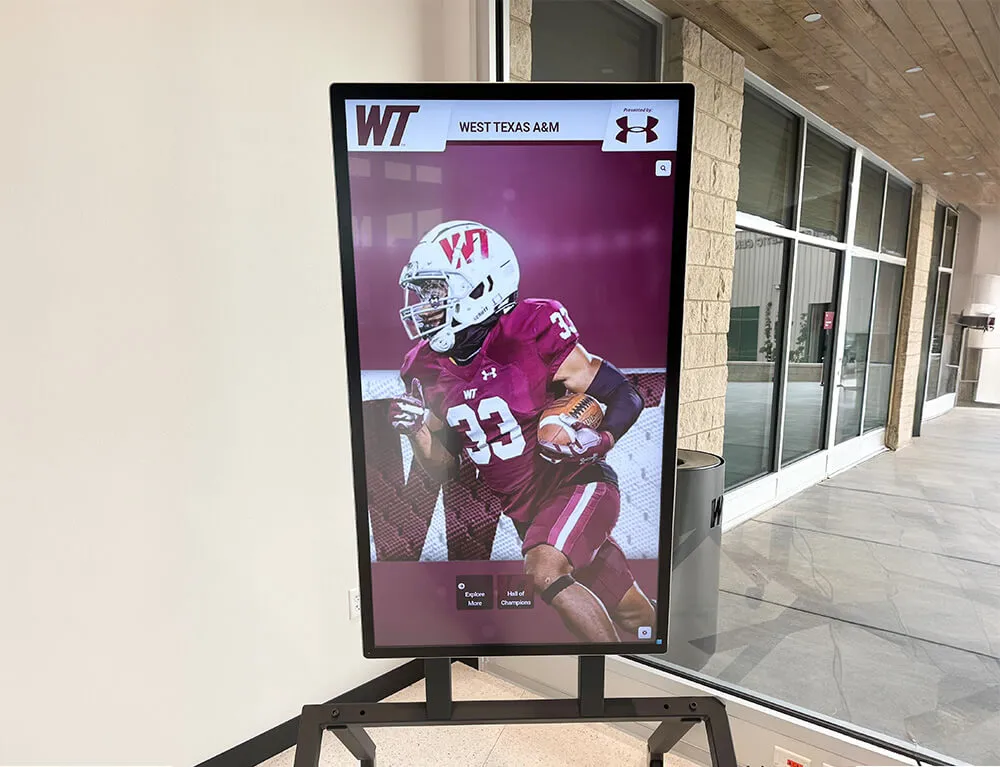
Modern recognition displays celebrate community volunteers with prominence matching athletic and academic achievements
Understanding the Strategic Importance of Volunteer Appreciation
Organizations implementing thoughtful volunteer appreciation programs recognize these initiatives as strategic retention and recruitment investments rather than optional social niceties.
The Real Impact of Volunteer Contributions
Before designing recognition programs, organizations should quantify volunteer contributions to understand what appreciation actually honors:
Calculating Volunteer Hour Value
Most organizations significantly underestimate volunteer contribution value. Track total volunteer hours across all programs and activities, calculate monetary equivalent using Independent Sector’s volunteer hour value (currently $33.49/hour nationally), identify specialized expertise volunteers provide that would require paid professionals, and document program expansion possible only through volunteer support.
When a school’s parent volunteers contribute 5,000 hours annually coaching youth athletics, chaperoning events, organizing fundraisers, and mentoring students, that represents over $167,000 in equivalent labor value—substantial contribution deserving recognition proportional to significance.
Beyond Financial Value: Irreplaceable Human Elements
Beyond hour calculations, volunteers provide irreplaceable benefits including institutional knowledge spanning decades from long-term volunteers, authentic community connections that paid staff may lack, diverse skills and professional expertise enriching programs, mentorship and role modeling for young people, and genuine passion for organizational missions creating infectious enthusiasm.
These qualitative contributions resist simple quantification but represent the heart of what volunteer appreciation should honor—the human dedication making organizations thrive beyond what resources alone could accomplish.
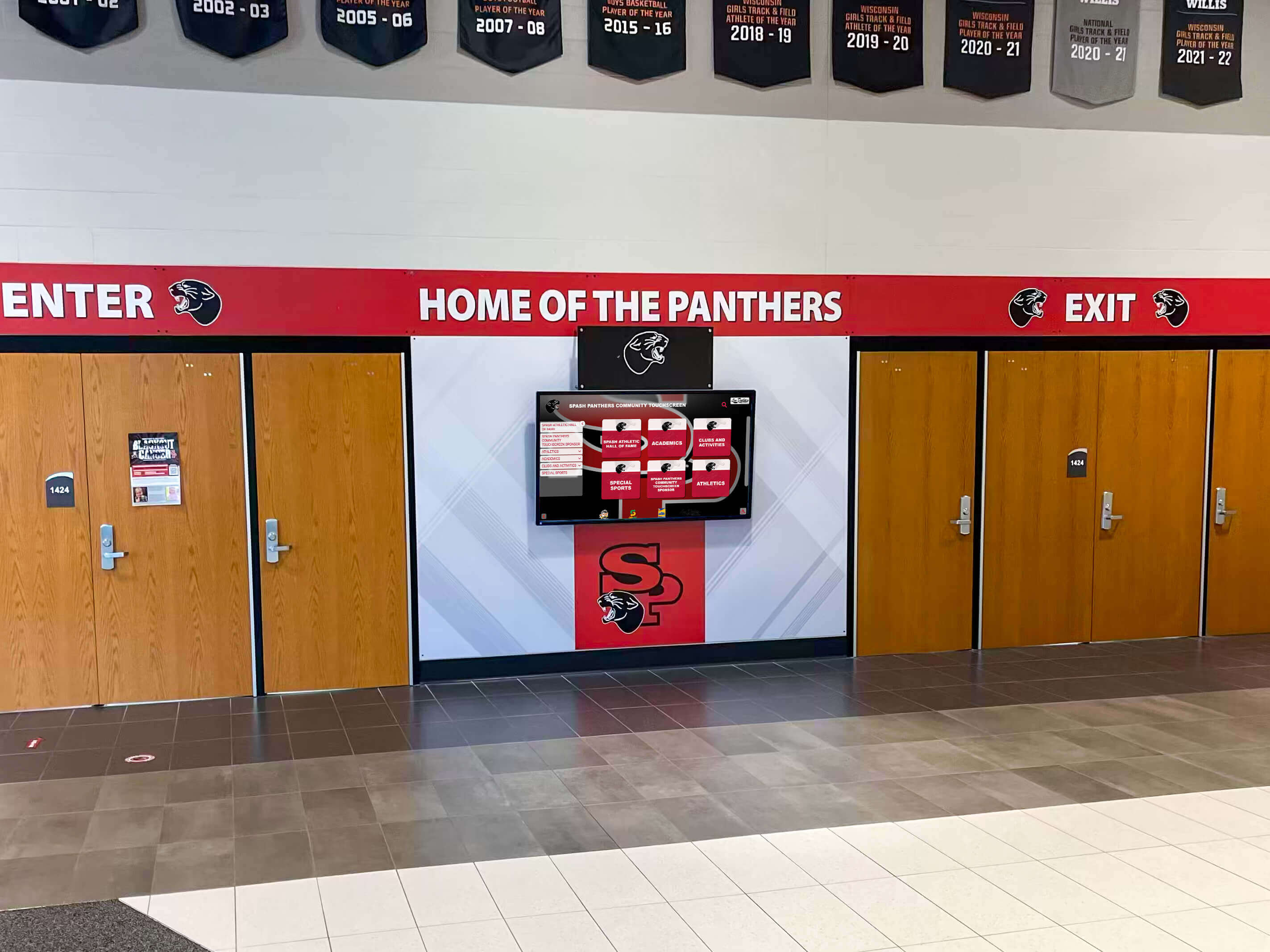
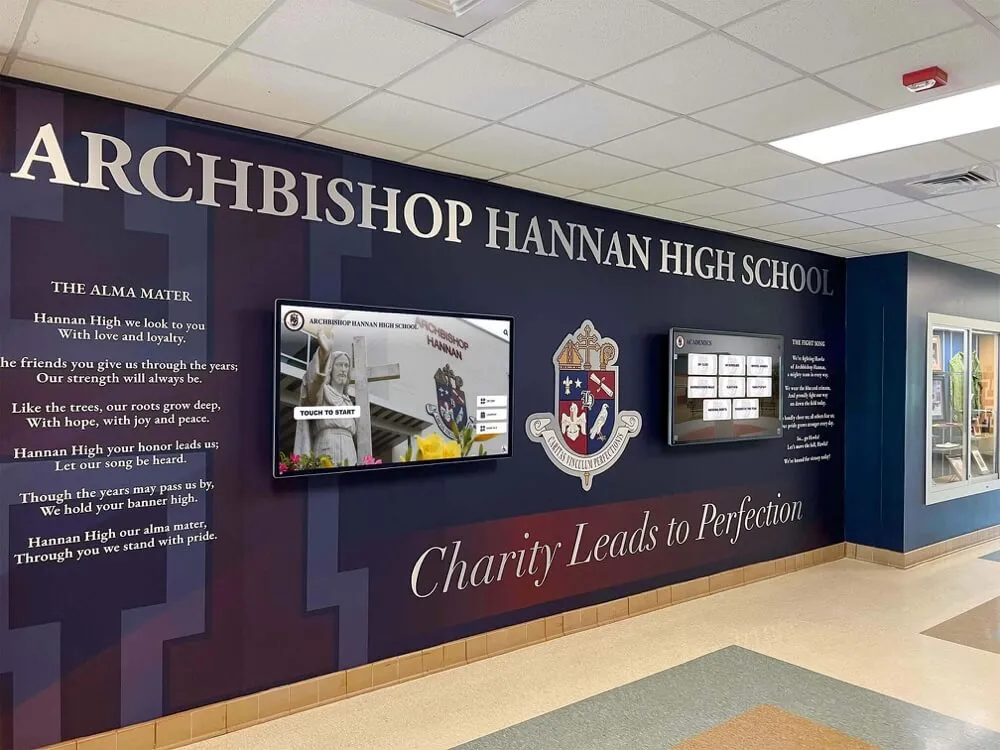
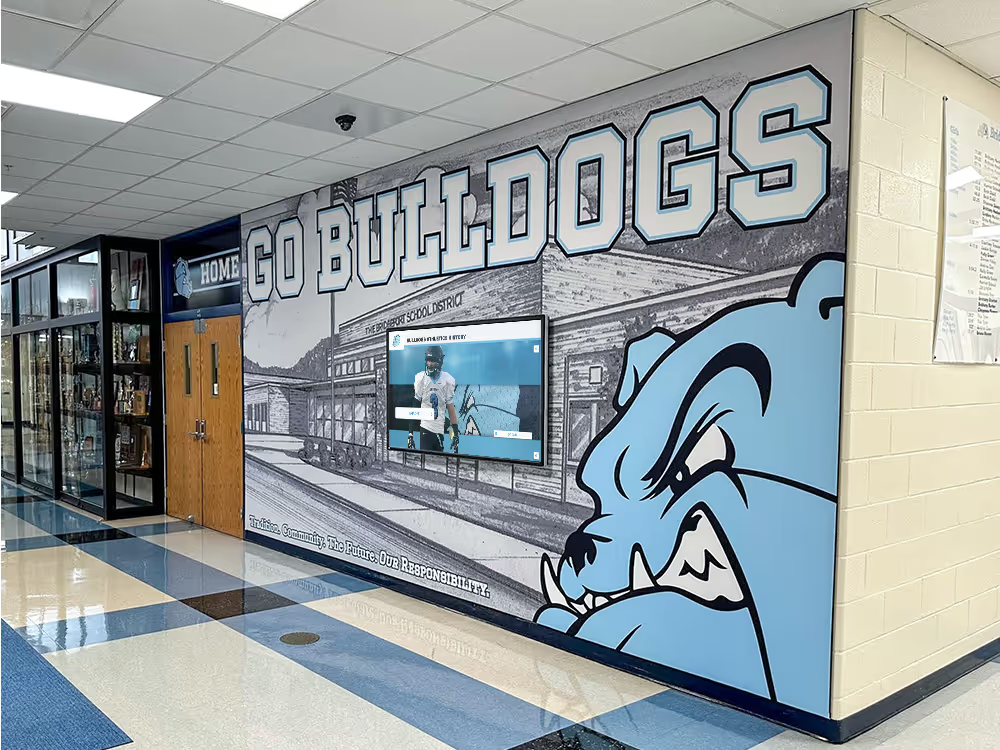
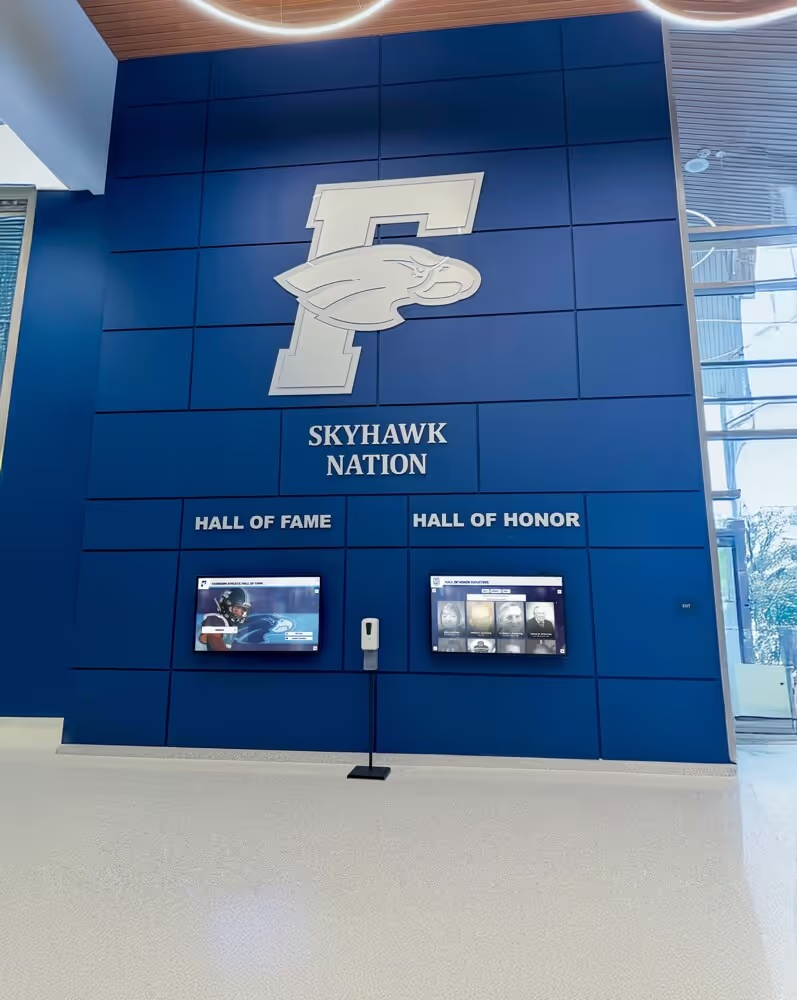
Entrance displays ensure volunteer recognition greets community members daily, demonstrating organizational values
Why Generic Appreciation Falls Short
Common appreciation approaches fail because they demonstrate minimal effort and personalization, suggesting volunteers receive only what organizations conveniently offer rather than recognition matching contribution significance.
The Problem With One-Size-Fits-All Recognition
Mass approaches treating all volunteers identically ignore the reality that contributions vary dramatically in duration, intensity, and impact. The parent volunteer chaperoning one field trip receives identical recognition to the booster club president dedicating 20 hours weekly throughout the year. The community member stuffing envelopes occasionally gets thanked similarly to the retired teacher tutoring struggling students three afternoons weekly.
When recognition fails to reflect contribution levels, organizations inadvertently communicate that they don’t actually notice or value the substantial difference between token participation and transformative dedication.
Temporary Recognition Creating No Lasting Impact
Appreciation events concluding with volunteers holding nothing tangible, having no permanent record of recognition, and seeing no ongoing visibility of their contributions feel ephemeral. Next week, physical evidence of appreciation vanishes. Next month, new community members have no way to discover who these valued volunteers were or what they accomplished.
Organizations implementing recognition programs that honor long-term contributors understand that permanent displays create lasting impact far exceeding temporary appreciation gestures.
Missing the Recruitment Opportunity
Volunteer appreciation serves dual purposes: honoring current contributors while demonstrating to potential volunteers that the organization genuinely values helpers. When current volunteers receive only superficial recognition, prospective volunteers notice—diminishing recruitment effectiveness as people hesitate to commit time to organizations that don’t truly appreciate contributions.
Conversely, visible recognition programs showcasing volunteer achievements attract new participants who want to join communities that celebrate member contributions meaningfully.

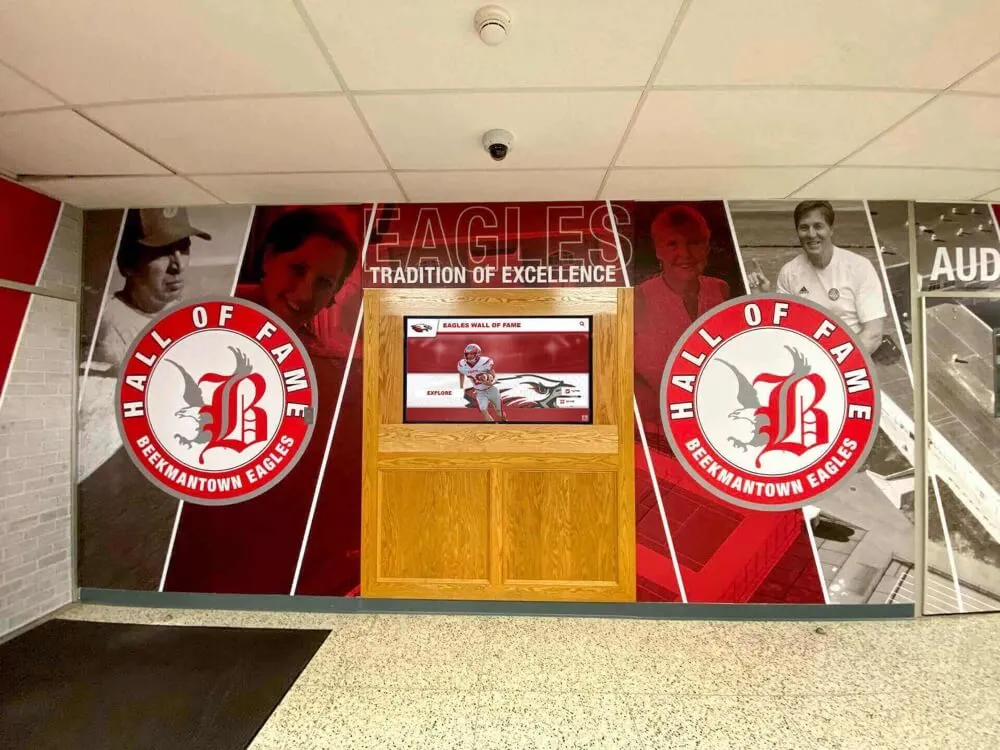
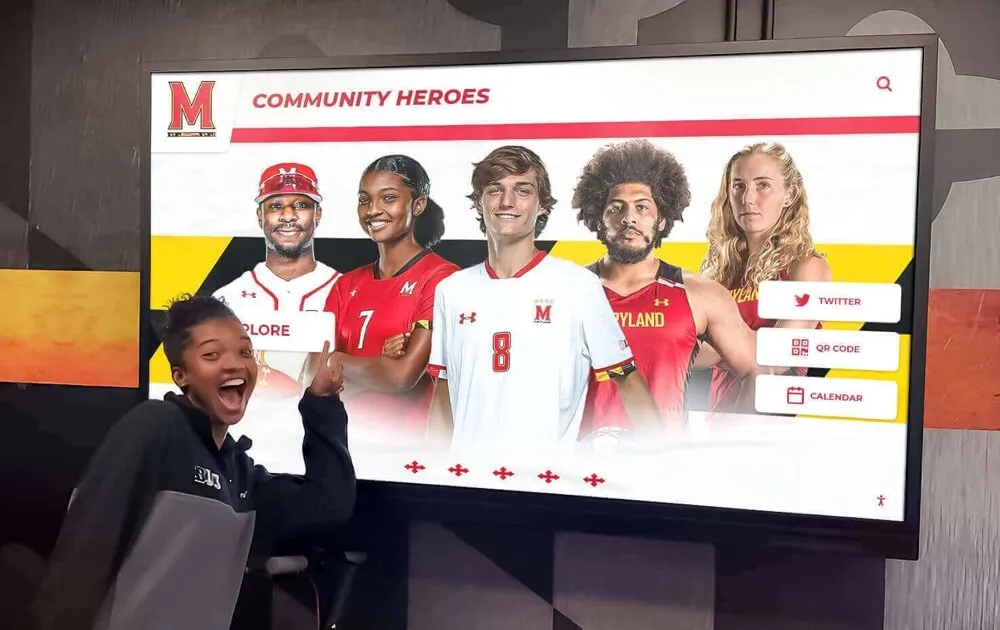
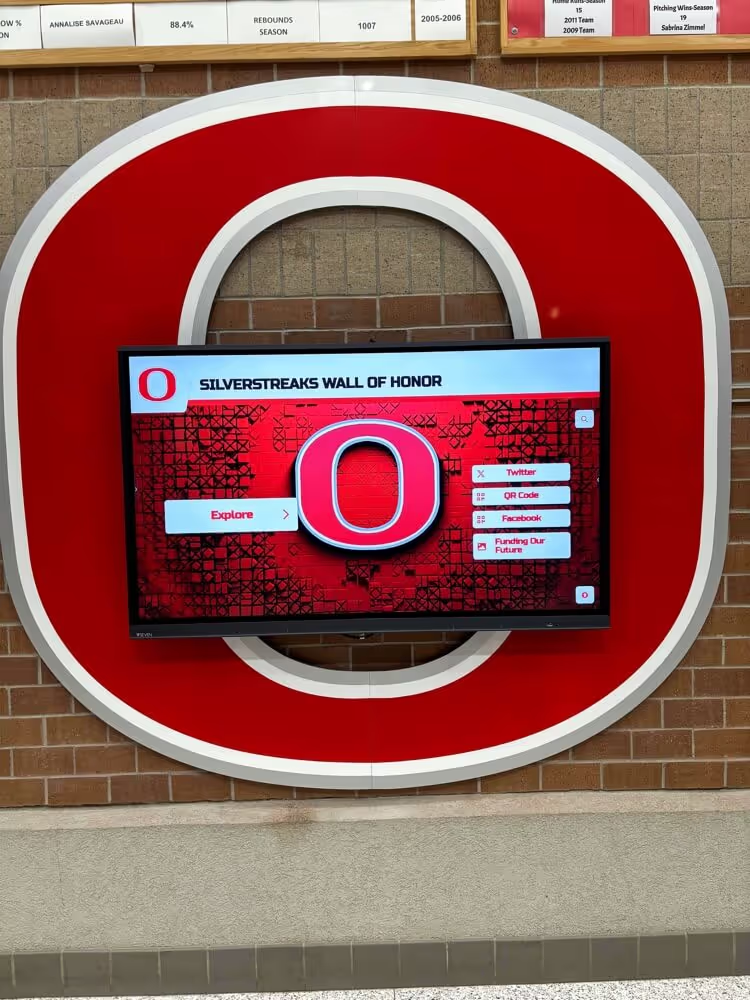
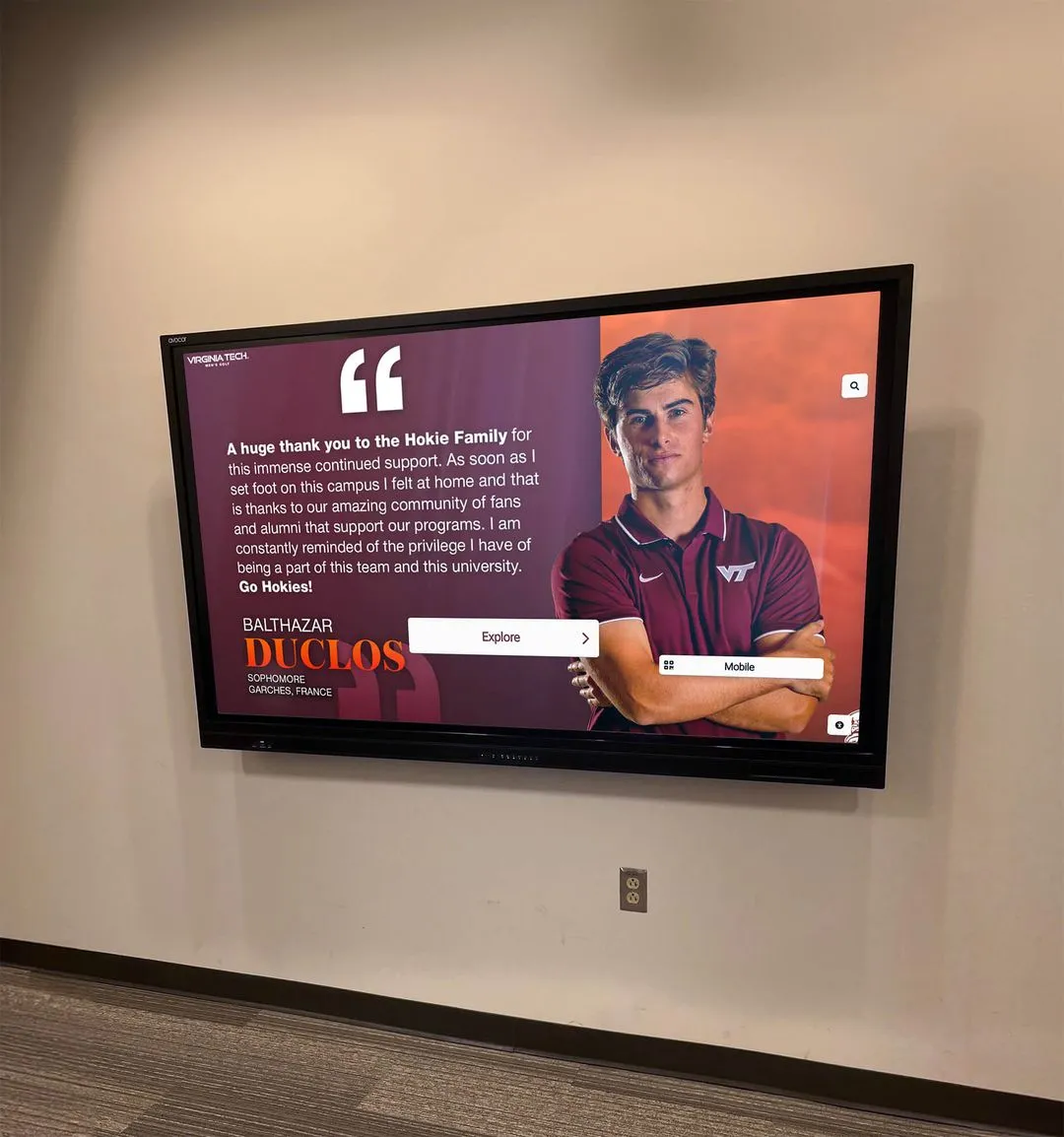
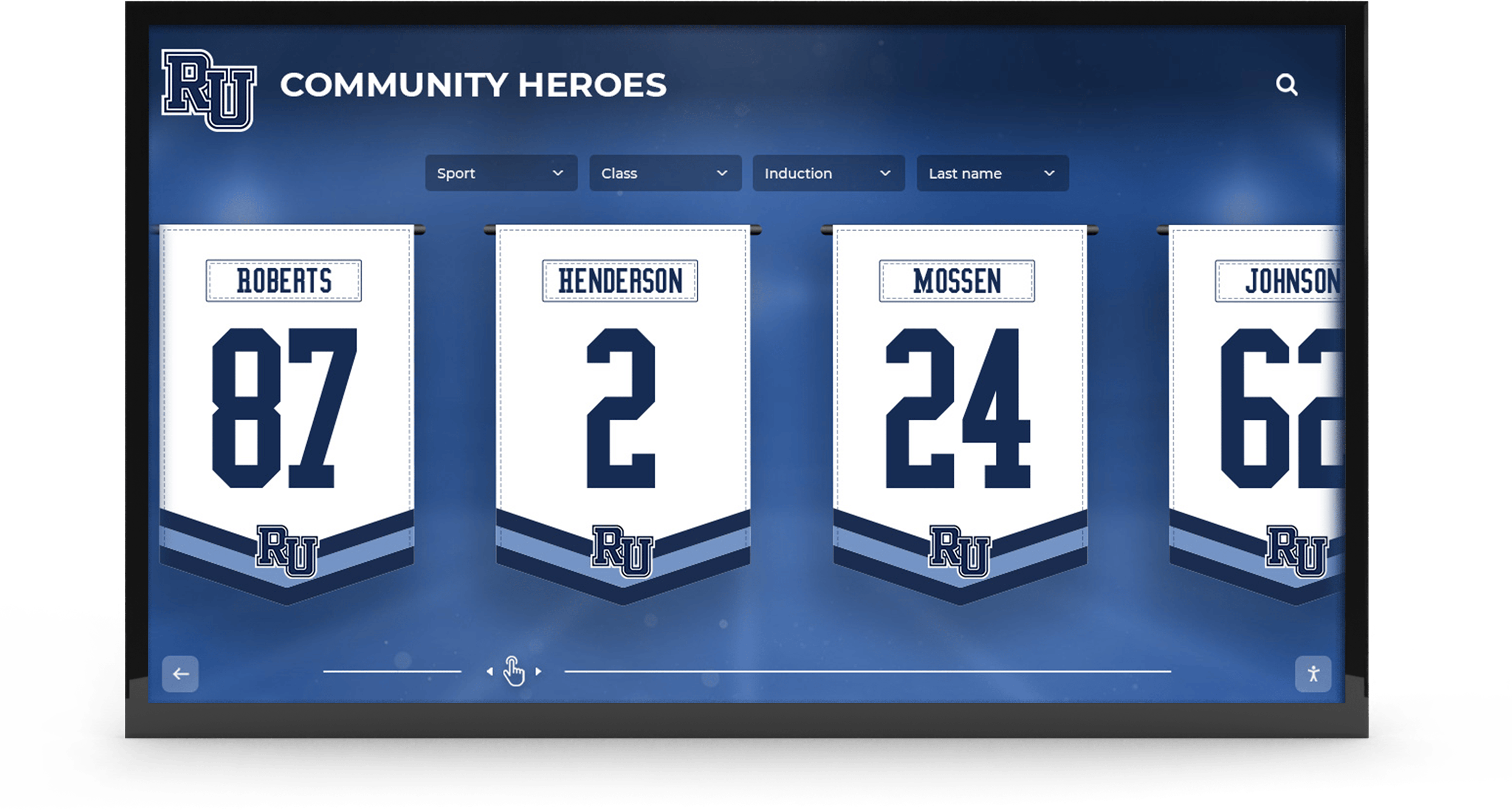
Interactive displays enable exploring individual volunteer profiles highlighting specific contributions and impact
Volunteer Appreciation Month Program Components
Comprehensive appreciation initiatives combine multiple recognition elements addressing diverse volunteer preferences and creating varied touchpoints throughout April and beyond.
Week-by-Week Appreciation Framework
Structure volunteer appreciation month systematically rather than concentrating everything into a single event or day:
Week One: Public Acknowledgment and Visibility
Launch appreciation month by maximizing volunteer visibility across all organizational channels. Feature volunteer spotlights on website homepages and social media, display volunteer recognition throughout physical facilities, send personalized appreciation letters from organizational leadership to each volunteer, publish volunteer impact stories in newsletters and communications, and announce appreciation month at all organizational gatherings.
This visibility phase signals that appreciation month represents genuine priority rather than afterthought checkbox activity, setting tone for subsequent weeks while immediately demonstrating volunteer importance.
Week Two: Personal Connection and Gratitude
Focus the second week on direct, personal appreciation expressions. Encourage program directors to have individual conversations thanking specific volunteers, facilitate peer appreciation where volunteers recognize fellow helpers, create opportunities for service recipients (students, program participants, community members) to thank volunteers directly, and distribute personalized appreciation gifts reflecting individual volunteer interests.
Research from the Corporation for National and Community Service consistently shows that personal, specific recognition creates significantly stronger volunteer satisfaction than generic mass appreciation.
Week Three: Celebration and Community Building
Dedicate week three to communal celebration bringing volunteers together. Host volunteer appreciation events featuring food, entertainment, and fellowship, organize volunteer recognition ceremonies with formal acknowledgments, create volunteer social opportunities for relationship building, facilitate informal gatherings in various formats accommodating different schedules, and celebrate volunteer milestones (years of service, hour thresholds, special achievements).
These communal experiences build volunteer community strengthening retention as people develop relationships beyond just service activities.
Week Four: Future Engagement and Sustained Commitment
Conclude appreciation month by looking forward and reinforcing ongoing volunteer value. Survey volunteers about their experiences and improvement suggestions, discuss upcoming opportunities and expanded volunteer roles, preview new programs where volunteer contributions will prove essential, introduce volunteer leadership development opportunities, and transition from appreciation month into sustained recognition systems continuing year-round.
This forward-looking conclusion positions appreciation month not as conclusion but launching point for enhanced ongoing recognition.
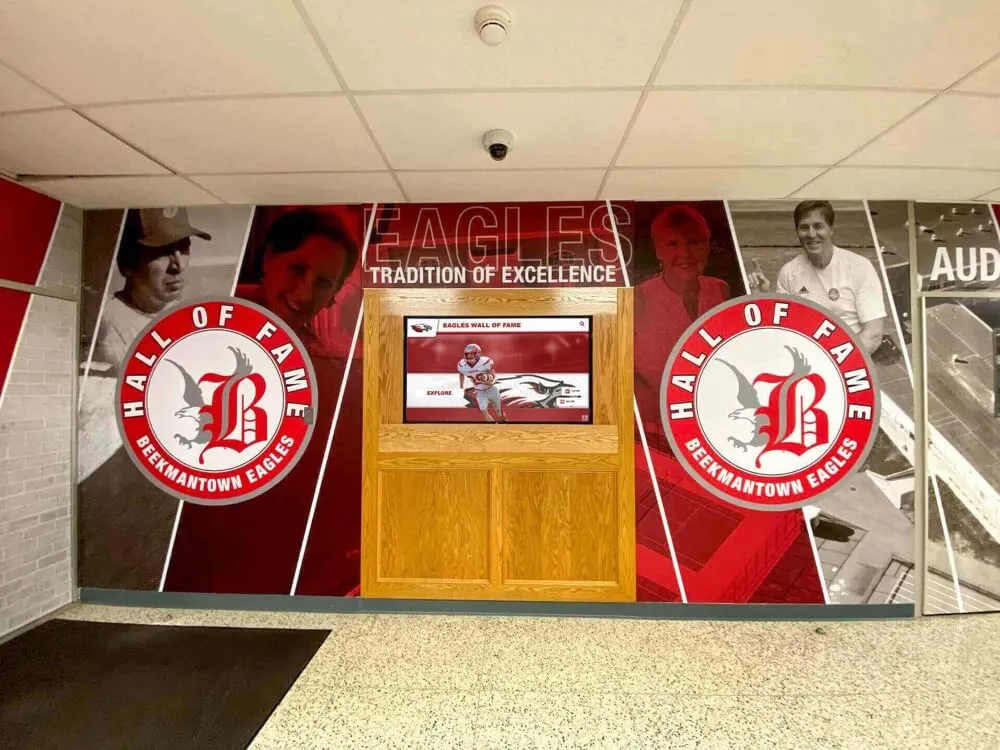
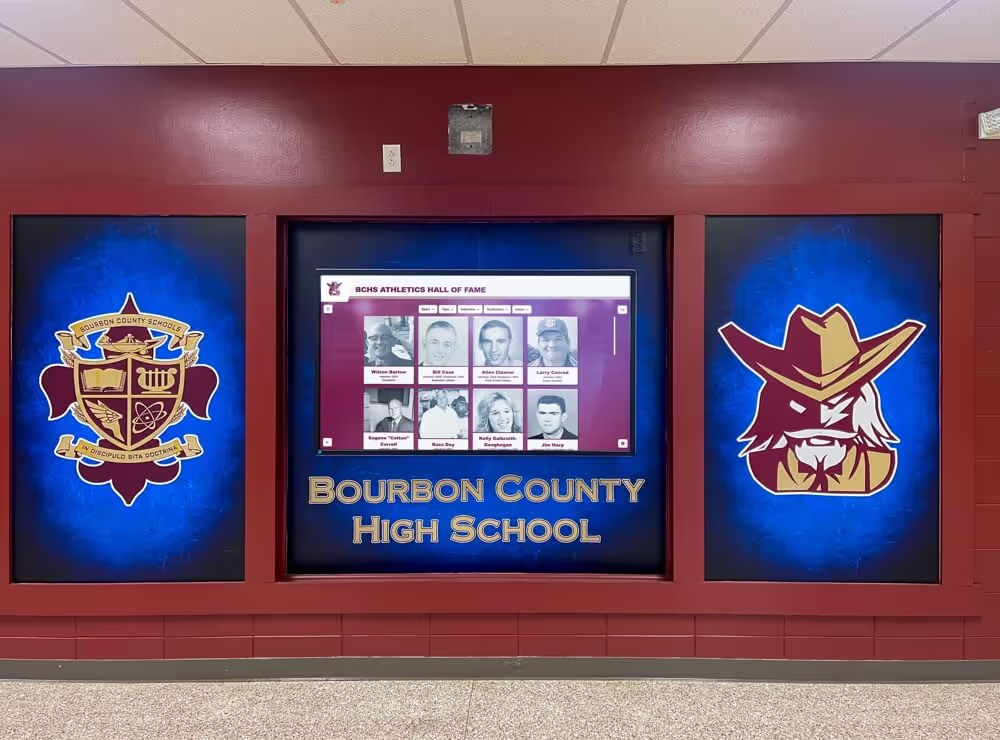
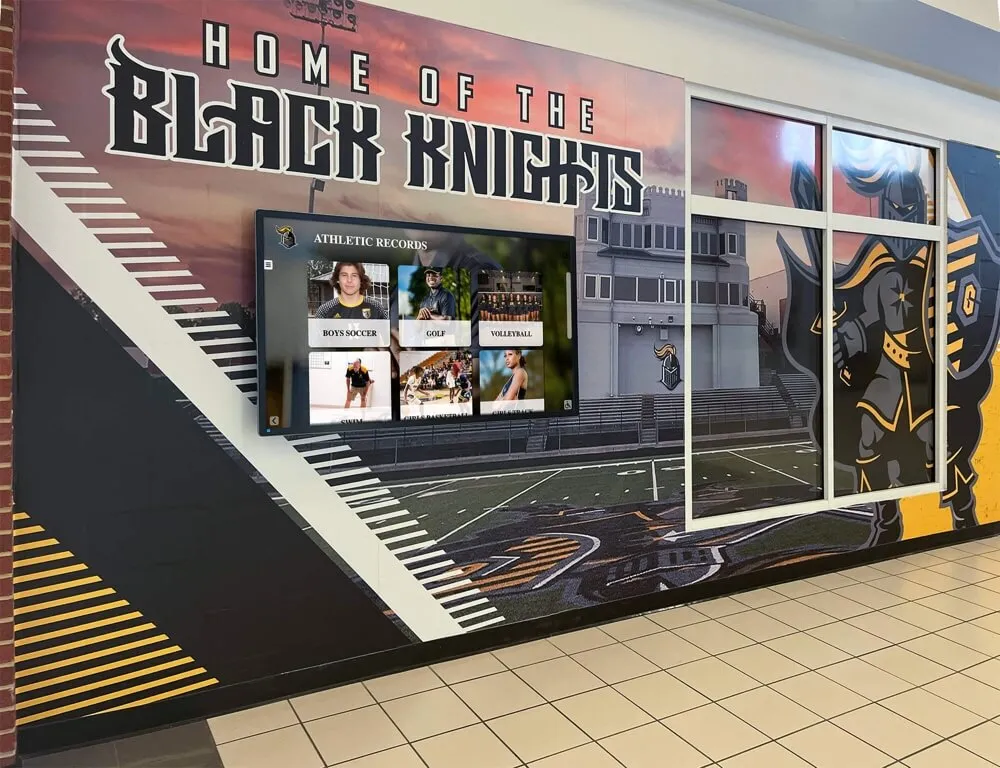
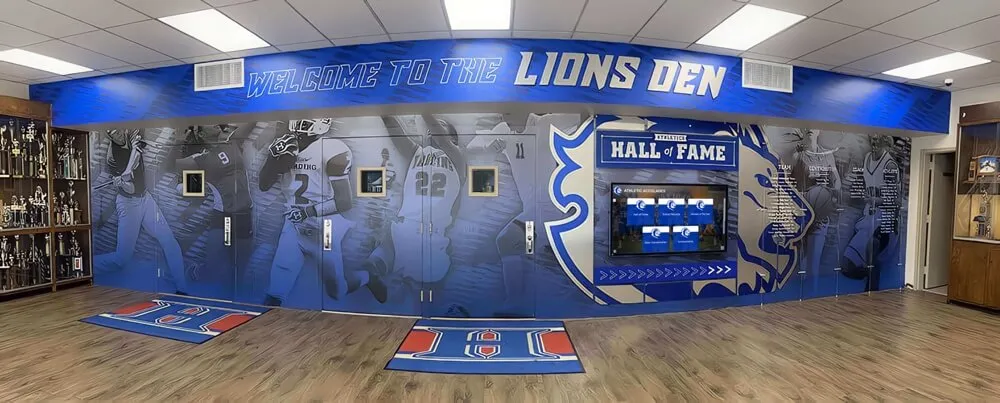
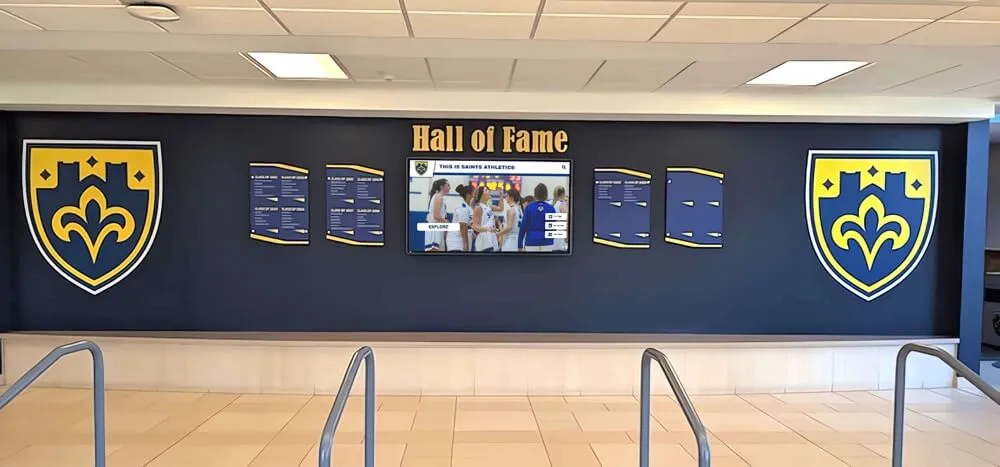
Lobby recognition installations create dedicated spaces celebrating volunteer contributions alongside institutional achievements
Tiered Recognition Acknowledging Contribution Levels
Effective appreciation programs differentiate recognition based on volunteer engagement depth while ensuring all contributions receive appropriate acknowledgment:
Milestone Hour Recognition
Implement systematic recognition tied to volunteer hour thresholds. Acknowledge volunteers reaching 25, 50, 100, 250, 500, and 1,000+ hour milestones with increasingly significant recognition. Track cumulative hours across years recognizing sustained long-term commitment. Celebrate both individual volunteer hours and aggregate volunteer program impact.
Digital recognition platforms enable automatically tracking volunteer hours and triggering milestone recognition, ensuring no significant achievement goes unnoticed due to manual tracking limitations.
Role-Based Appreciation
Different volunteer roles deserve recognition acknowledging their unique contributions. Distinguish between volunteer leadership (committee chairs, program coordinators, board members), specialized expertise volunteers (professionals sharing skills), regular program volunteers (weekly tutors, coaches, activity leaders), event volunteers (one-time or occasional helpers), and emeritus volunteers (retired long-term volunteers remaining connected).
Each category receives recognition appropriate to contribution type and intensity—not diminishing any volunteer but ensuring major contributions receive proportional acknowledgment.
Years of Service Recognition
Long-term volunteer commitment represents extraordinary dedication deserving special celebration. Establish clear service year recognition tiers (5, 10, 15, 20, 25+ years), create distinctive recognition for each milestone level, maintain permanent records of service longevity, and develop emeritus volunteer status honoring retired long-term contributors.
Organizations implementing approaches described in retirement recognition programs find that honoring sustained commitment significantly impacts volunteer retention while demonstrating that organizations value loyalty.
Special Volunteer Spotlight Programs
Beyond general appreciation, highlight specific volunteers creating human interest stories that make recognition concrete and relatable:
Volunteer of the Month/Year Selection
Implement regular volunteer recognition spotlights. Establish clear nomination and selection criteria balancing hours, impact, and service quality. Feature selected volunteers prominently across organizational communications. Create permanent recognition for spotlight honorees. Share volunteer stories highlighting personal motivations and service impact.
These spotlights create aspirational recognition inspiring other volunteers while demonstrating exactly what the organization values in volunteer contributions.
Multi-Generational Volunteer Family Recognition
Many organizations benefit from families where multiple generations volunteer simultaneously or sequentially. Recognize these volunteer legacies celebrating parents and children volunteering together, grandparents inspiring family service traditions, siblings following each other into volunteer roles, and families contributing across decades.
Family volunteer recognition creates powerful emotional connections while modeling service values for younger generations.
Behind-the-Scenes Volunteer Recognition
Ensure appreciation extends to volunteers doing essential but less visible work. Celebrate volunteers handling administrative tasks, data entry, or technical support, individuals managing facilities, equipment, or supplies, volunteers working during non-event times when few others see their contributions, and helpers tackling unglamorous but necessary tasks.
Recognizing these behind-the-scenes volunteers demonstrates that organizations value all contributions equally regardless of visibility, strengthening retention among volunteers who might otherwise feel overlooked.
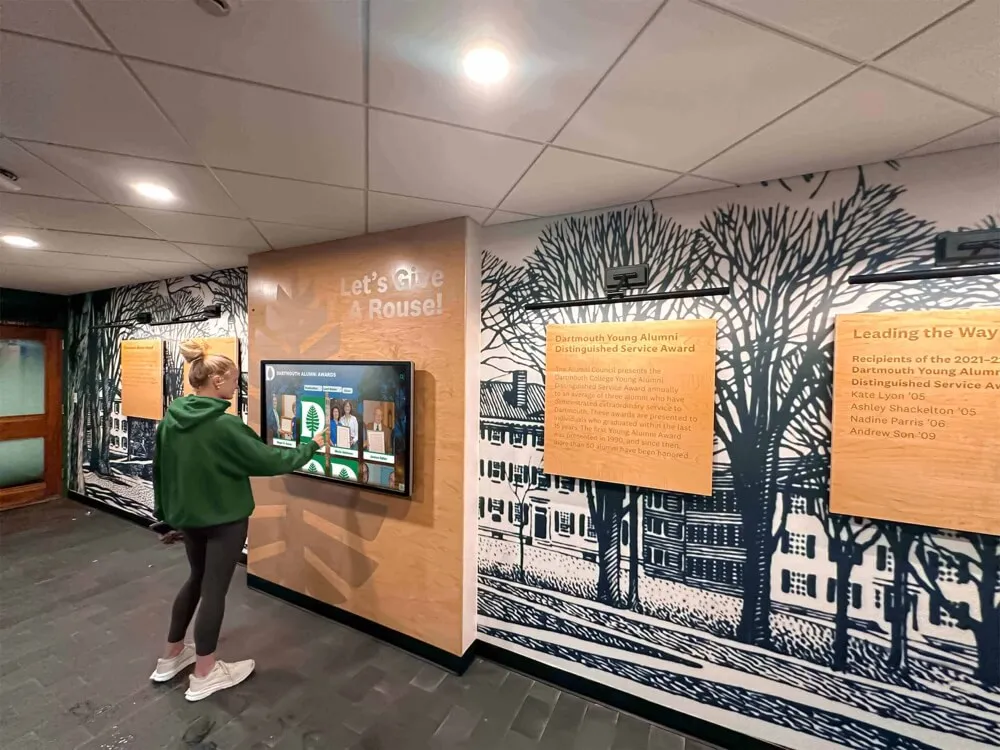
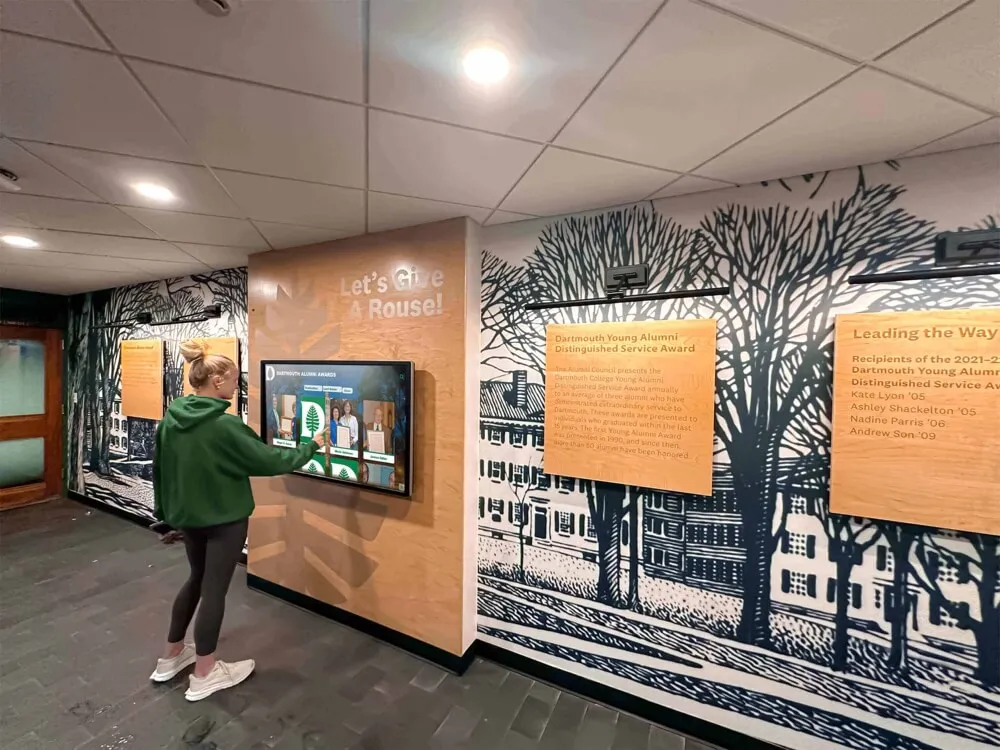
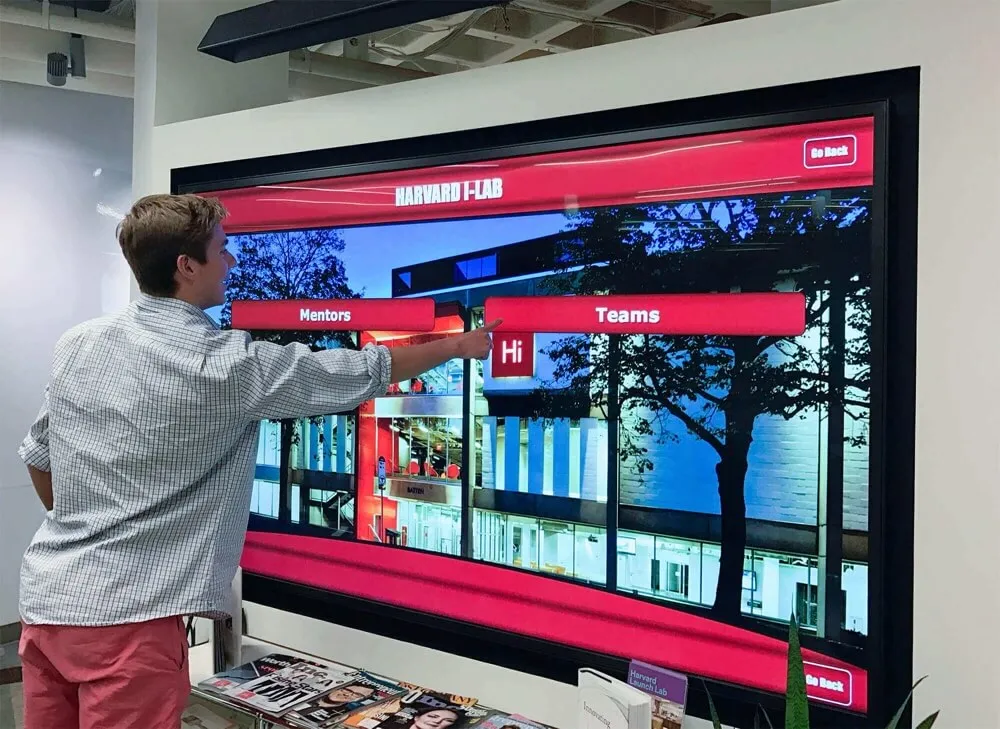
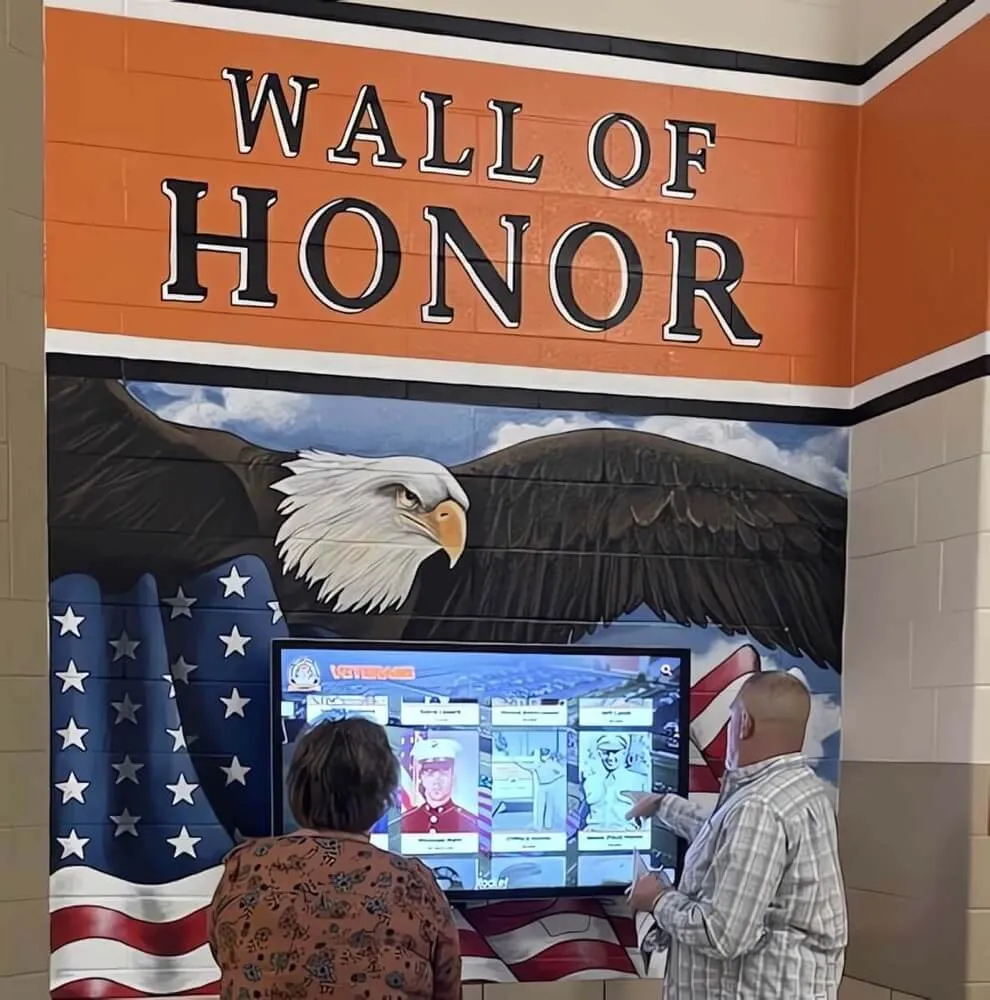
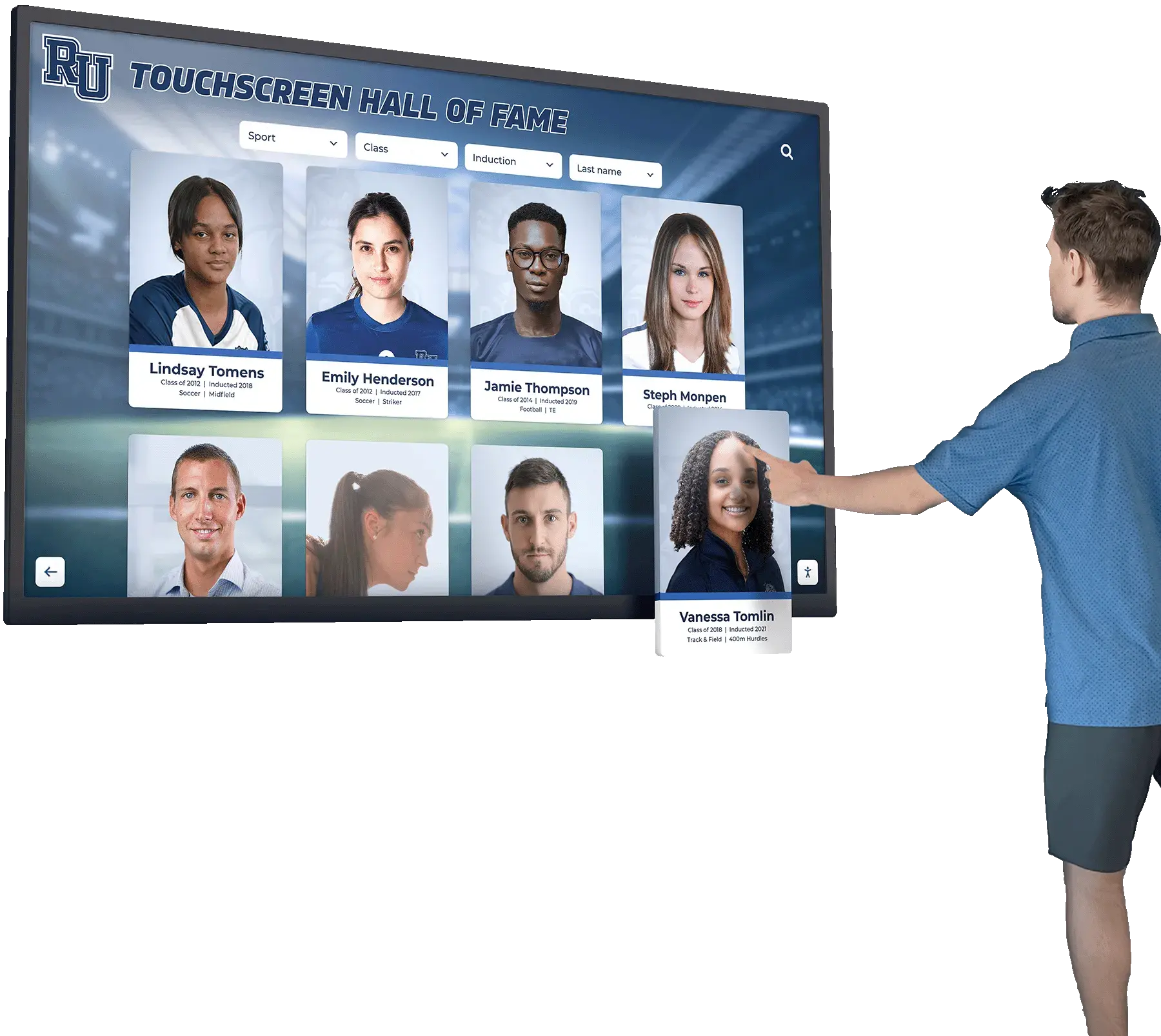
Touchscreen interfaces enable intuitive exploration of volunteer histories and program impact
Creative Volunteer Appreciation Ideas Beyond Standard Approaches
Memorable appreciation combines traditional recognition with creative elements demonstrating genuine thoughtfulness and personalization.
Personalized Appreciation Demonstrating Individual Attention
Custom Recognition Reflecting Volunteer Interests
Move beyond generic gifts toward personalized appreciation acknowledging individual volunteers. Learn volunteer hobbies, interests, and preferences through casual conversations and observations. Select appreciation gifts connecting to these interests (books for readers, gardening items for gardeners, local restaurant cards for foodies). Include handwritten notes referencing specific contributions and impact. Create photo books documenting volunteer work throughout the year.
This personalization requires more effort but communicates that the organization genuinely knows and values volunteers as individuals rather than interchangeable helpers.
Volunteer Impact Reports
Provide volunteers with concrete data showing exactly what their contributions accomplished. Quantify students helped, programs supported, or outcomes achieved. Include testimonials from service recipients whose lives volunteers touched. Show aggregate impact across all volunteer hours and contributions. Create shareable formats volunteers can show family members explaining what their service achieved.
Many volunteers appreciate this concrete demonstration of impact more than physical gifts, as it validates that their time investment created meaningful difference.
Professional Development and Skill-Building Recognition
For volunteers seeking growth opportunities, appreciation can include access to training workshops or professional development sessions, conference attendance related to volunteer interests, certifications or credentials supported by the organization, and networking opportunities with professionals in volunteer interest areas.
This investment-based recognition particularly resonates with volunteers motivated by learning and growth rather than just service.
Experience-Based Appreciation Creating Memorable Moments
Exclusive Access and Behind-the-Scenes Experiences
Create special experiences available only to volunteers. Organize backstage tours or exclusive facility access, arrange meetings with organizational leadership or notable community members, provide VIP seating at organizational events, and create volunteer-only programming showcasing work volunteers support.
These unique experiences create memorable recognition impossible to replicate through purchases while demonstrating volunteer insider status within the organization.
Volunteer Appreciation Events With Thoughtful Details
When hosting appreciation events, elevate beyond basic receptions through careful planning. Select venues and timing convenient for volunteers rather than organizational convenience, provide food quality matching nice restaurant standards rather than budget catering, eliminate all organizational business or fundraising from appreciation events, focus entirely on volunteer celebration and enjoyment, and include entertainment or activities volunteers genuinely enjoy.
The difference between perfunctory appreciation events and thoughtfully planned celebrations significantly impacts how valued volunteers feel.
Volunteer Alumni Networks and Ongoing Connection
For volunteers transitioning out of active service, maintain connection through volunteer alumni recognition. Create emeritus volunteer status maintaining community membership, invite former volunteers to special events and milestones, document volunteer legacies in organizational histories, and facilitate mentoring relationships connecting former volunteers with current helpers.
This lifelong recognition approach demonstrates that organizations value relationships beyond just active service periods—building institutional loyalty spanning decades.
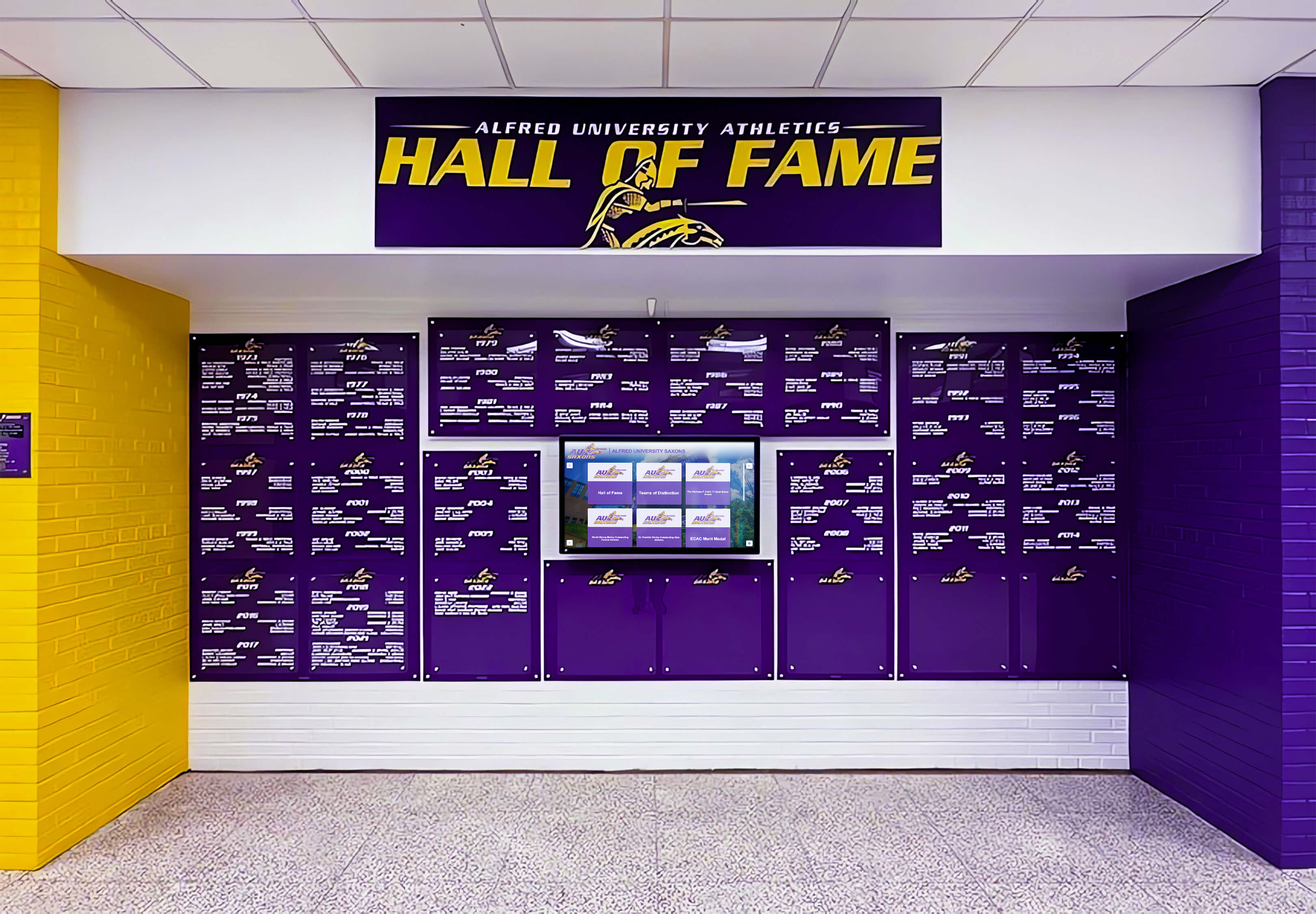
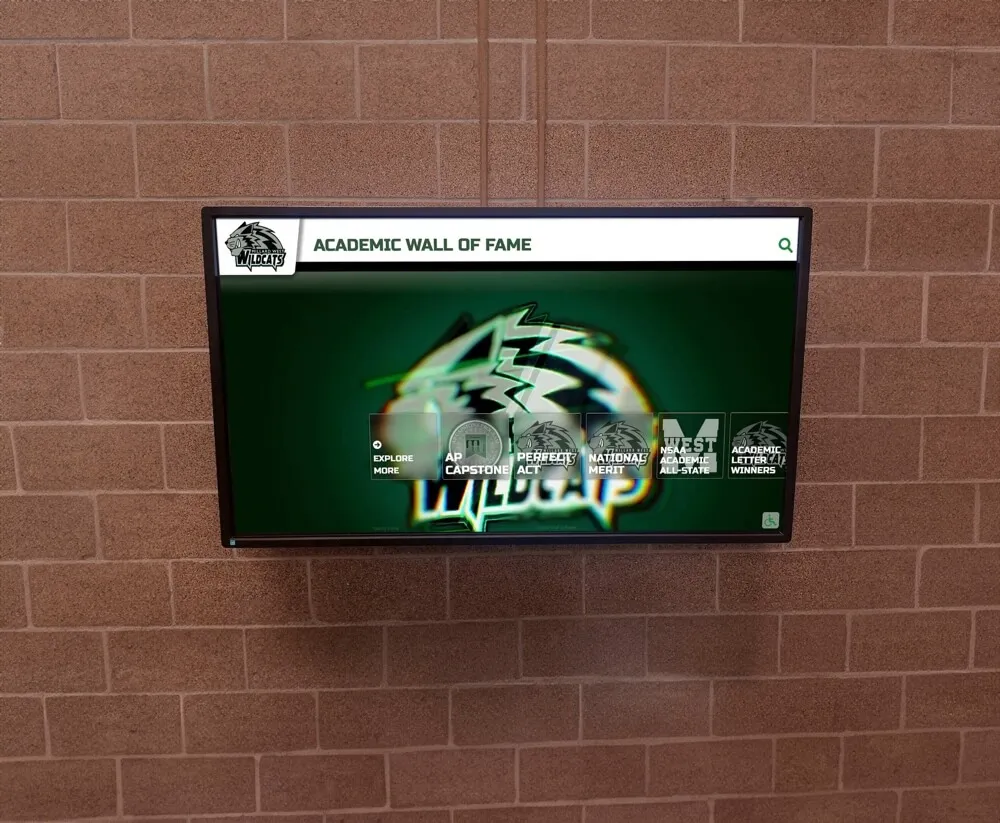
Recognition displays celebrating volunteers with the same prominence as athletic and academic achievements demonstrate genuine appreciation
Permanent Digital Recognition Solutions
While volunteer appreciation month provides concentrated recognition opportunity, year-round visibility through permanent displays creates sustained impact demonstrating ongoing volunteer value.
Limitations of Traditional Volunteer Recognition
Common volunteer recognition approaches create significant practical constraints limiting effectiveness:
Physical Space Limitations
Traditional recognition methods like volunteer plaques, donor walls, or photo displays quickly exhaust available wall space. As volunteer programs grow, organizations face difficult choices about which contributors receive recognition and which get excluded. Rotating displays fail to provide permanent visibility, and expansion requires expensive construction or renovation.
Static Information Becoming Outdated
Engraved plaques, printed materials, and physical displays capture volunteer information at specific moments but become outdated as programs evolve. New volunteers receive no recognition until expensive updates occur. Volunteer hour totals, active status, and contribution details remain frozen rather than reflecting current reality. Correction costs discourage fixing errors or updating information.
Limited Storytelling and Context
Physical plaques listing volunteer names provide minimal context about contributions, impact, or personal stories. Visitors see names without understanding what these volunteers accomplished or why their service mattered. This limited information fails to inspire potential volunteers or adequately honor current contributors.
Organizations implementing comprehensive recognition approaches described in digital display guides find that modern solutions overcome these traditional limitations while creating more engaging volunteer celebration.
Digital Recognition Display Advantages
Modern recognition platforms like Rocket Alumni Solutions transform volunteer appreciation from static lists into engaging celebration systems:
Unlimited Recognition Capacity
Digital platforms accommodate unlimited volunteer profiles without space constraints. Organizations can recognize every contributor regardless of service duration or hour totals. New volunteers join the recognition system immediately without waiting for physical updates. The platform scales automatically as volunteer programs grow across years and decades.
This unlimited capacity ensures inclusive recognition where no contributor gets excluded due to space limitations—important equity consideration as organizations strive to acknowledge all helpers appropriately.
Rich Multimedia Volunteer Profiles
Beyond simple name listings, digital recognition supports comprehensive volunteer storytelling including high-resolution volunteer photos, detailed contribution descriptions and impact stories, volunteer testimonials explaining why they serve, video messages from volunteers or service recipients, cumulative hour totals and milestone tracking, and service history showing contribution evolution across years.
This rich content transforms recognition from perfunctory acknowledgment into genuine celebration conveying appreciation depth and substance.
Real-Time Updates and Accuracy
Cloud-based platforms enable instant updates ensuring volunteer recognition remains current. Add new volunteers immediately without production delays, update volunteer hour totals continuously rather than annually, correct information errors within minutes rather than months, adjust volunteer status as roles change, and refresh content maintaining engagement and relevance.
Schools and organizations using solutions like Rocket Alumni Solutions report that easily maintainable recognition systems receive more regular updates compared to traditional approaches where update difficulty causes outdated information to persist indefinitely.
Interactive Exploration and Discovery
Touchscreen interfaces create engaging volunteer recognition exploration. Users can search for specific volunteers by name or contribution type, filter by service years or volunteer roles, explore volunteer impact stories and testimonials, browse chronologically through volunteer history, and share profiles via social media or email.
This interactivity increases engagement time and emotional impact compared to passive reading of static plaques.
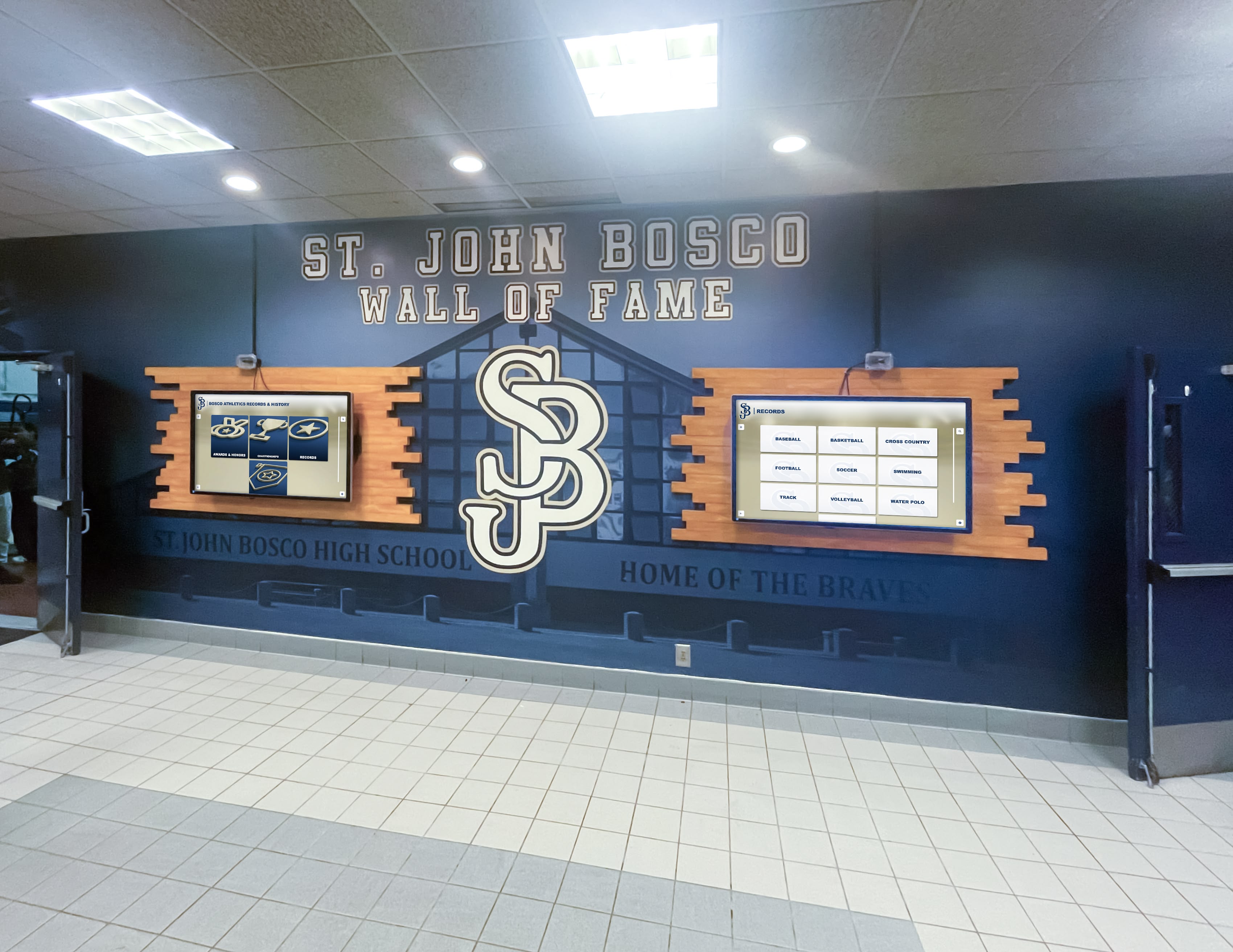
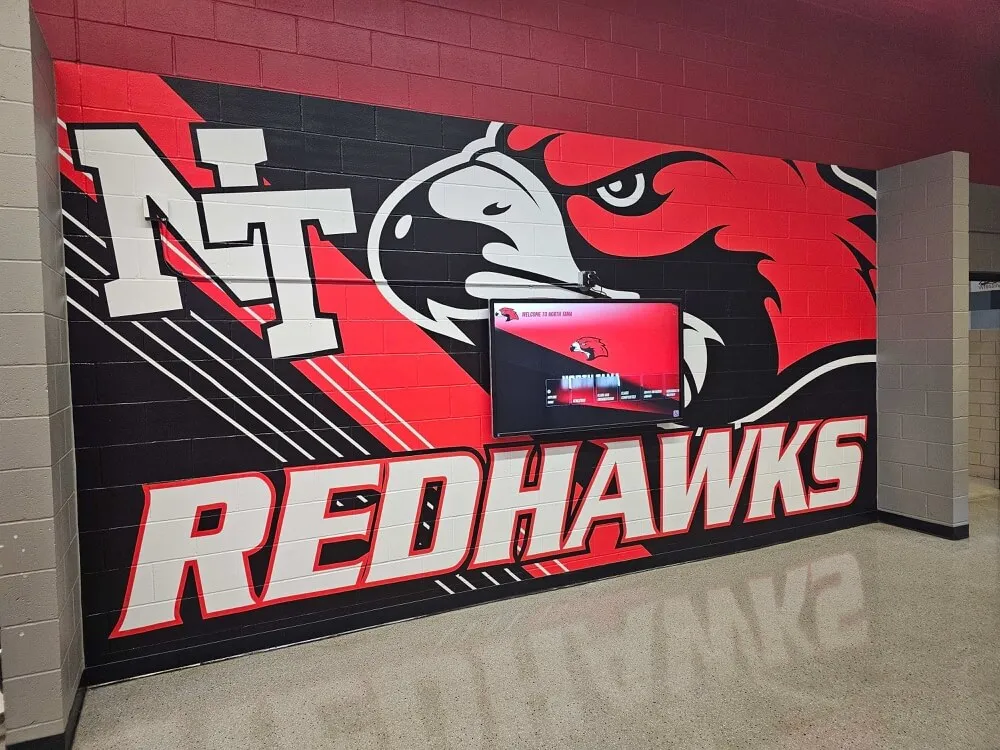
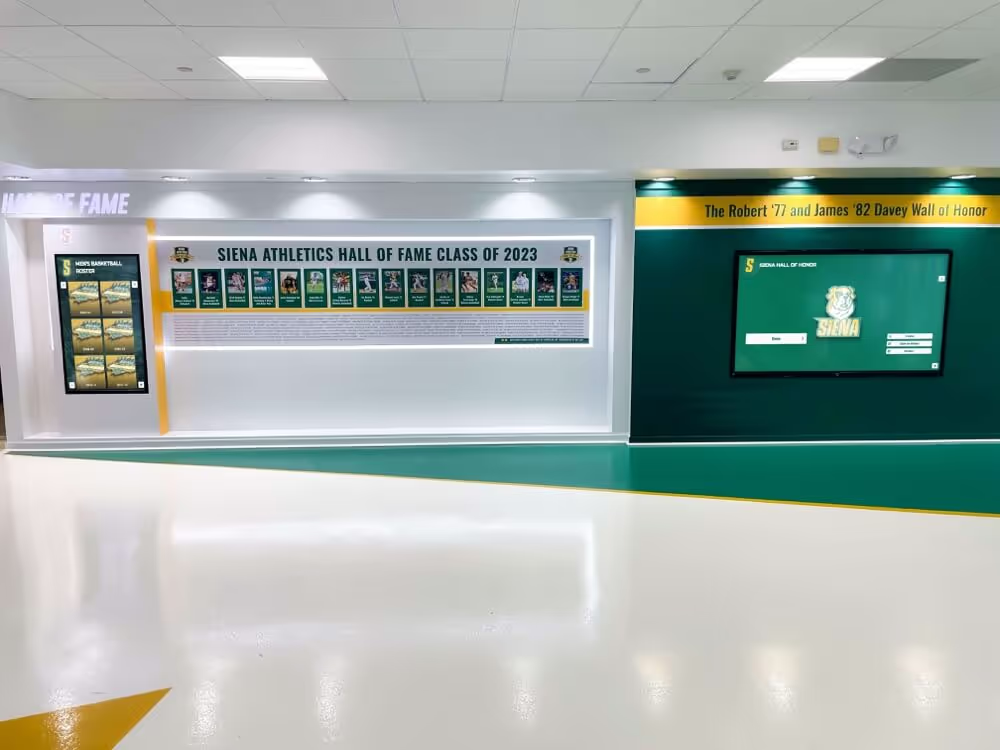
Dual-screen installations create impactful recognition statements in high-traffic hallway locations
Implementation Strategies for Digital Volunteer Recognition
Moving from concept to operational volunteer recognition displays requires systematic planning:
Content Development and Volunteer Profiling
Begin by gathering comprehensive volunteer information. Collect high-quality volunteer photos meeting display standards, document detailed contribution descriptions and service histories, record volunteer hour totals and milestone achievements, gather volunteer testimonials or personal service statements, and identify special achievements or recognition highlights.
This content development often reveals how much volunteer programs have accomplished while creating foundation for meaningful recognition that volunteers genuinely appreciate.
Display Placement Maximizing Visibility
Strategic placement ensures volunteer recognition receives appropriate prominence. Consider entrance lobbies where all visitors encounter recognition immediately, hallways with heavy daily foot traffic ensuring regular viewing, community gathering spaces where volunteers themselves congregate, and areas adjacent to programs volunteers support (classrooms, gyms, performance spaces).
Visible placement communicates institutional priority—volunteer recognition displayed as prominently as athletic trophies or academic honors demonstrates that organizations genuinely value volunteer contributions comparably to other achievements.
Launch and Promotion
Maximize volunteer appreciation month impact by coordinating digital recognition launch as centerpiece appreciation initiative. Host unveiling ceremony with volunteers present, feature new recognition system in all appreciation month communications, train volunteers on accessing their profiles and sharing recognition, and promote recognition system to broader community demonstrating volunteer program strength.
This high-visibility launch creates immediate volunteer satisfaction while establishing recognition system as permanent appreciation element rather than temporary initiative.
Organizations implementing similar recognition strategies find that combining physical installations with web accessibility—as described in approaches supporting volunteer organization coordination—creates maximum impact and accessibility.
Volunteer Appreciation Program Snapshot
| Program Element | Description | Implementation Timeline |
|---|---|---|
| Week 1: Visibility | Launch appreciation month with maximum volunteer recognition across all organizational channels | April 1-7 |
| Week 2: Personal Connection | Individual thank-yous, personalized recognition, and direct appreciation expressions | April 8-14 |
| Week 3: Celebration | Communal appreciation events, recognition ceremonies, and volunteer community building | April 15-21 |
| Week 4: Future Engagement | Survey feedback, upcoming opportunities, and transition to year-round recognition | April 22-30 |
| Permanent Recognition | Digital display launch showcasing volunteer contributions with unlimited capacity and regular updates | Unveiled during appreciation month, maintained year-round |
| Success Metrics | Volunteer retention rates, new volunteer recruitment, engagement survey results, recognition display interactions | Measured quarterly post-launch |
Content Architecture for Digital Volunteer Recognition
Effective volunteer recognition displays organize information enabling intuitive exploration while celebrating diverse contribution types:
Core Recognition Modules
Individual Volunteer Profiles
Each volunteer receives dedicated profile including photo and biographical information, service role and contribution summary, cumulative hours and years of service, specific achievements and milestone recognition, impact stories and testimonials, and contact preferences for volunteer recruiting.
Volunteer Leadership Showcase
Highlight volunteer leaders including committee chairs and board members, program coordinators managing significant initiatives, volunteer coordinators recruiting and organizing helpers, and emeritus volunteers with extraordinary service histories.
This leadership recognition acknowledges expanded responsibility and impact these volunteers provide beyond standard service.
Service Area Categories
Organize volunteers by contribution type including education volunteers (tutors, mentors, classroom helpers), athletics volunteers (coaches, officials, team parents), facilities and operations volunteers (maintenance, setup, technical support), fundraising and development volunteers (event organizers, donation coordinators), and administrative volunteers (office support, data management, communications).
Categorical organization helps visitors understand volunteer program breadth while enabling targeted recognition promoting specific volunteer needs.
Milestone and Anniversary Recognition
Feature volunteers reaching significant service milestones. Create automatic highlighting of hour thresholds (100, 500, 1,000+ hours), service anniversaries (5, 10, 15, 20+ years), lifetime achievement recognition for extraordinary long-term volunteers, and memorial recognition for deceased volunteers maintaining legacy connections.
Milestone recognition creates aspirational goals encouraging sustained volunteer commitment.
Impact Metrics and Program Outcomes
Complement individual recognition with aggregate program impact showing total volunteer hours contributed annually, monetary equivalent of volunteer service value, number of active volunteers across program areas, programs made possible through volunteer support, and testimonials from service recipients explaining volunteer impact.
These metrics demonstrate collective volunteer community achievement while validating individual contributions as part of larger meaningful impact.
Execution Timeline: Planning Through Post-Appreciation Month
Planning Phase (January-February)
Establish Appreciation Month Objectives
Define what the organization wants volunteer appreciation month to accomplish. Set volunteer retention goals, identify volunteer recruitment targets, determine recognition system improvements needed, establish budget parameters for appreciation activities, and assign clear leadership responsibility for appreciation month planning.
Form Appreciation Planning Committee
Assemble diverse stakeholder group including volunteer representatives providing volunteer perspective, program staff working directly with volunteers, organizational leadership authorizing resources, and communications personnel promoting appreciation initiatives.
Inventory Current Volunteer Recognition
Audit existing recognition approaches identifying strengths to maintain and gaps to address. Review volunteer feedback from previous years, assess which volunteers currently receive recognition versus those overlooked, evaluate permanent recognition systems or lack thereof, and benchmark against peer organizations’ appreciation practices.
Development Phase (March)
Create Detailed Appreciation Month Calendar
Map specific activities across all four appreciation weeks. Schedule volunteer spotlights and social media features, plan appreciation events with venues and catering confirmed, coordinate recognition ceremonies with speaker scheduling, develop communication timeline for newsletters and announcements, and establish volunteer gift procurement and personalization timeline.
Develop Digital Recognition Content
If implementing permanent recognition displays, dedicate March to content development. Collect volunteer photos and biographical information, draft contribution descriptions and impact stories, gather volunteer testimonials and quotes, compile volunteer hour records and milestone data, and organize content for platform upload and testing.
Coordinate Stakeholder Communications
Brief all stakeholder groups about upcoming appreciation month. Train staff on personal appreciation expectations and volunteer recognition talking points, inform volunteers about upcoming appreciation activities and recognition opportunities, notify organizational leadership about participation expectations at appreciation events, and prepare board members for any recognition program announcements or dedications.
Implementation Phase (April - Volunteer Appreciation Month)
Execute Week-by-Week Programming
Implement planned appreciation calendar systematically. Monitor participation and engagement throughout the month, adjust activities based on initial volunteer response, document appreciation month activities for future planning and promotion, collect volunteer feedback in real-time through informal conversations, and maintain consistent communication momentum across all four weeks.
Launch Permanent Recognition System
If implementing digital displays, coordinate unveiling as appreciation month centerpiece. Host recognition system dedication ceremony with volunteers as honored guests, provide demonstrations showing volunteers how to access and share their recognition, capture photos and videos of volunteers interacting with new recognition, announce recognition system through organizational and local media channels, and celebrate volunteer program strength through this permanent recognition investment.
Organizations implementing similar recognition launches—following patterns described in guides like peer recognition program development—report that timing permanent recognition with appreciation month creates maximum volunteer satisfaction and community awareness.
Sustainability Phase (May-December)
Maintain Recognition System Currency
Ensure permanent recognition remains accurate and current. Establish regular update schedule (monthly or quarterly), add new volunteers immediately upon onboarding, update volunteer hour totals continuously, refresh volunteer photos periodically, and feature rotating spotlight volunteers maintaining display freshness.
Extend Appreciation Beyond April
Transform appreciation month launch into sustained recognition culture. Implement monthly volunteer spotlights continuing year-round, celebrate volunteer birthdays or service anniversaries throughout calendar year, maintain regular volunteer appreciation events beyond April, and incorporate volunteer recognition into all organizational events and communications.
Measure and Report Impact
Track metrics demonstrating volunteer appreciation program value including volunteer retention comparing year-over-year rates, new volunteer recruitment attributable to recognition programs, volunteer satisfaction scores from annual surveys, volunteer hour contribution growth or stabilization, and community awareness of volunteer program strength.
Report these outcomes to organizational leadership demonstrating that volunteer appreciation investments generate tangible returns through strengthened volunteer programs supporting organizational missions.
Measuring Volunteer Appreciation Program Success
Quantitative Metrics
Volunteer Retention and Growth
Track volunteer program health indicators including year-over-year volunteer retention percentage, new volunteer recruitment rates, average volunteer tenure duration, and volunteer hour contribution totals.
Successful appreciation programs demonstrate improved retention and recruitment compared to baseline measurements before systematic recognition implementation.
Recognition System Engagement
For digital recognition platforms, monitor usage analytics including unique visitors viewing volunteer recognition, time spent exploring volunteer profiles, most-viewed volunteer profiles and stories, social shares of volunteer recognition, and return visitor rates showing sustained interest.
High engagement metrics validate recognition investment while identifying which content types resonate most strongly with audiences.
Program Participation
Measure appreciation month activity engagement through appreciation event attendance rates, volunteer survey response rates, volunteer spotlight nomination participation, and social media engagement with volunteer recognition posts.
Strong participation indicates that volunteers value appreciation efforts and engage actively with recognition programming.
Qualitative Feedback
Volunteer Satisfaction Surveys
Gather volunteer perspective through structured feedback. Ask volunteers whether they feel appreciated and valued by the organization, how recognition programs impact their motivation to continue serving, which appreciation elements they found most meaningful, what additional recognition would increase volunteer satisfaction, and whether they would recommend volunteering to friends and family.
This direct feedback reveals whether appreciation efforts achieve intended emotional impact beyond just programmatic execution.
Service Recipient Testimonials
Collect stories from program participants, students, or community members whose lives volunteers touched. Document specific volunteer impact through recipient voices, capture emotional gratitude demonstrating volunteer work significance, and share testimonials as part of volunteer recognition demonstrating tangible difference volunteers make.
These testimonials provide powerful volunteer motivation while creating compelling recruitment messaging for prospective helpers.
Community Awareness Assessment
Evaluate whether volunteer recognition successfully raises awareness including media coverage of volunteer programs and appreciation initiatives, community member recognition of organization volunteer strength, prospective volunteer inquiries attributable to recognition visibility, and organizational reputation for valuing volunteers.
Broader awareness demonstrates that recognition extends beyond internal appreciation to external community building and organizational positioning.
Conclusion: From Appreciation Month to Recognition Culture
Volunteer appreciation month provides invaluable concentrated opportunity to honor helpers powering organizational missions—but sustainable volunteer programs require recognition cultures extending far beyond single months or isolated events. The most successful organizations implement appreciation month as launching point for permanent recognition systems ensuring volunteer contributions receive ongoing visibility and celebration throughout the entire year.
Traditional appreciation approaches relying on temporary gestures, generic thank-yous, and obligatory certificates fail to demonstrate genuine gratitude matching the extraordinary dedication volunteers provide. Organizations depending heavily on volunteer support cannot afford perfunctory recognition risking volunteer burnout, declining retention, and difficulty recruiting new helpers into cultures where appreciation feels superficial rather than authentic.
Ready to transform volunteer appreciation from annual obligation into authentic recognition culture? Modern digital recognition solutions like Rocket Alumni Solutions help schools, churches, and community organizations create comprehensive volunteer celebration systems that honor unlimited contributors without space constraints, maintain current recognition through easy cloud-based updates, showcase volunteer impact through rich multimedia profiles, and engage communities through interactive touchscreen exploration and web accessibility.
Whether implementing first systematic volunteer recognition or enhancing existing appreciation approaches, purpose-built platforms provide tools needed to celebrate volunteers with the visibility, permanence, and genuine gratitude that their essential contributions deserve.
Request your free custom demo to explore how digital recognition displays can transform volunteer appreciation at your organization.
Your volunteers sacrifice personal time, share professional expertise, and dedicate themselves to supporting missions they believe in—receiving no financial compensation beyond satisfaction of serving others and strengthening communities. They deserve recognition demonstrating that organizations genuinely value these contributions, remember volunteer legacies permanently, and celebrate helpers with prominence matching other achievements receiving systematic institutional recognition.
Volunteer appreciation month creates perfect catalyst for launching recognition systems ensuring these essential contributors receive appreciation they’ve earned. Solutions like digital recognition displays provide platforms specifically designed for comprehensive volunteer celebration—combining unlimited recognition capacity, engaging interactive exploration, beautiful visual presentation, and proven implementation success across schools, churches, nonprofit organizations, and community groups nationwide.
Start building genuine volunteer appreciation culture today, ensuring helpers powering your mission receive recognition creating lasting pride while inspiring future generations of community members to continue service traditions making your organization’s important work possible.