Volleyball Blocking Drills: Net Fundamentals That Shut Down Opposing Attacks
- Home /
- Digital Hall of Fame Insights & Resources /
- Volleyball Blocking Drills: Net Fundamentals That Shut Down Opposing Attacks

The Easiest Touchscreen Solution




Live Example: Rocket Alumni Solutions Touchscreen Display
Interact with a live example (16:9 scaled 1920x1080 display). All content is automatically responsive to all screen sizes and orientations.
Effective blocking transforms volleyball defense from reactive scrambling into proactive attack disruption—turning opponents’ strongest hitters into frustrated attackers watching their kill attempts ricochet off solid blocks. Elite blockers don’t simply jump high and hope for contact; they execute systematic footwork patterns, read setter tendencies, time approaches precisely, and position hands to channel attacks into defensive zones. Whether you’re a middle blocker anchoring your team’s net defense, an outside hitter developing blocking consistency, or a coach building comprehensive defensive systems, mastering blocking fundamentals through targeted drills creates the foundation for shutting down opposing attacks.
Yet many volleyball programs discover that developing effective blocking requires far more than teaching players to jump and reach. Successful blocking demands precise footwork enabling quick lateral movement across the net, sophisticated reading skills anticipating set location and hitter approach, perfect timing coordinating jumps with attacker contact, proper hand positioning channeling balls into defensive coverage, and sustained technique execution under match pressure when fatigue challenges form. Teams that rush toward competitive play without systematically developing these blocking fundamentals through progressive drills typically create defensive vulnerabilities—while those training systematically establish blocking walls that frustrate opponents and ignite team momentum through spectacular stuffs.
This comprehensive guide explores proven volleyball blocking drills developing complete net defense—from fundamental footwork patterns and approach timing through advanced reading progressions, positioning strategies, and competitive blocking scenarios. Whether establishing foundational blocking technique with beginning players or refining elite-level defensive systems, these systematic training approaches ensure your blockers develop the skills, confidence, and tactical understanding to dominate net play.
Volleyball blocking represents one of the sport’s most impactful defensive skills—executed correctly, a single well-placed block can swing momentum, demoralize opponents, and transform defensive sequences into immediate offensive opportunities through block kills and defensive disruption.

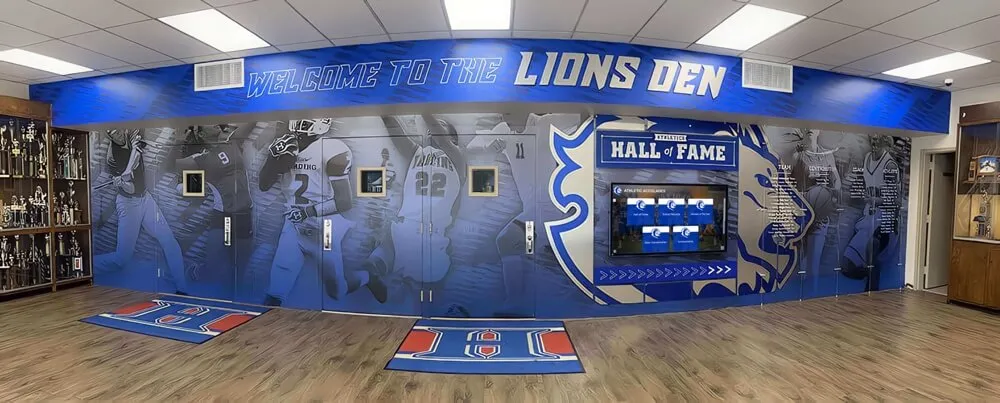
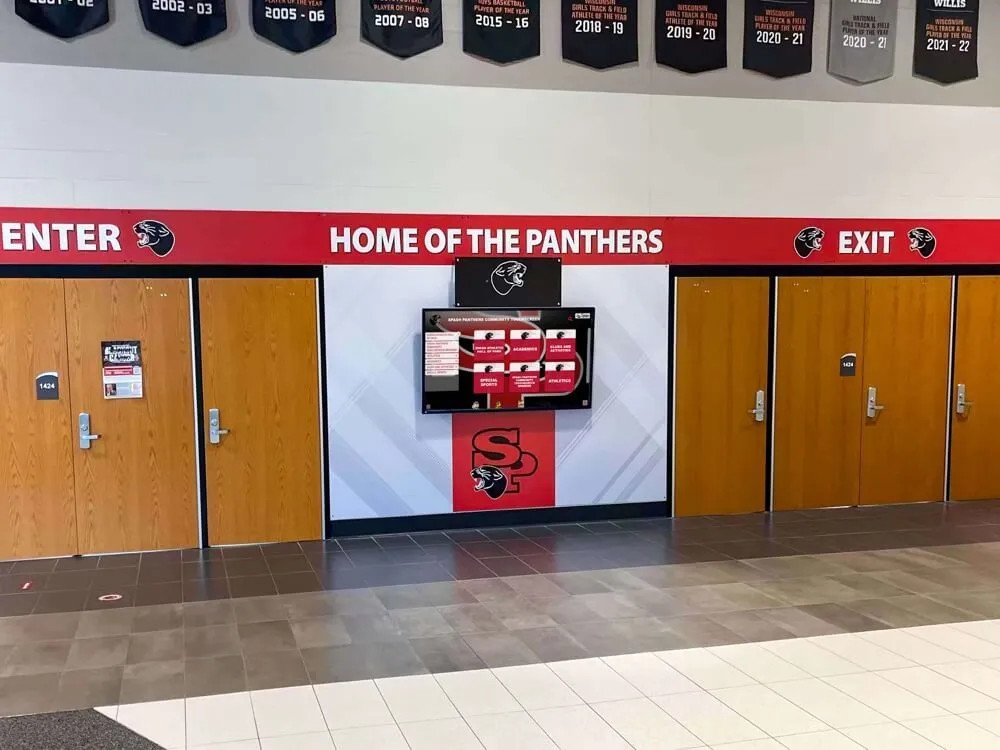
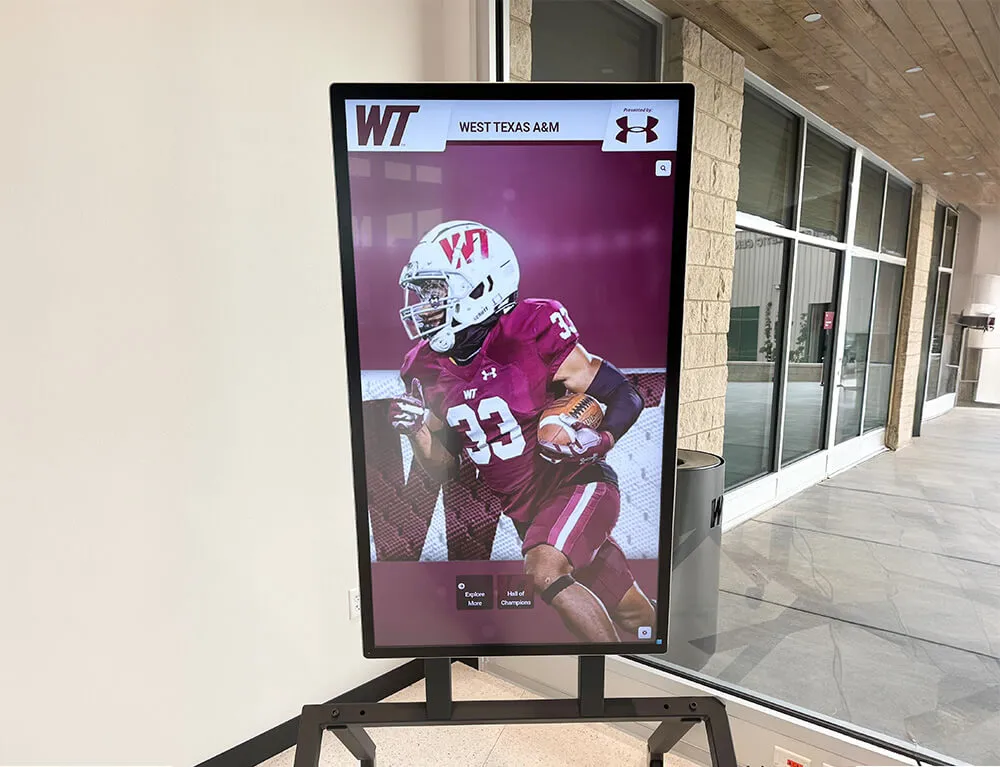
Elite volleyball programs combine systematic skill development with recognition systems celebrating blocking achievements and defensive excellence
Understanding Volleyball Blocking Fundamentals
Before implementing specific drills, understanding core blocking principles helps coaches design training sequences developing complete defensive capabilities rather than isolated physical movements.
The Strategic Value of Effective Blocking
Primary Blocking Objectives
Successful blocking accomplishes multiple defensive functions simultaneously:
- Direct Attack Termination: Block kills that immediately end rally and score points
- Attack Channel Control: Forcing hitters into specific zones where defensive players position optimally
- Attack Deflection: Slowing or altering ball trajectory enabling back-row defenders to make plays
- Hitter Intimidation: Creating psychological pressure causing opponents to make conservative shot selections
- Transition Creation: Generating block touches that create offensive opportunities rather than rally continuation
- Defensive Organization: Providing reference points around which back-row defenders structure coverage positioning
According to volleyball analytics tracking thousands of collegiate matches, teams averaging two or more blocks per set win 67% of matches compared to just 38% for teams averaging fewer than one block per set—demonstrating blocking’s significant correlation with overall team success.
Blocking Statistics and Recognition
Elite blocking performance appears prominently across volleyball record boards and achievement recognition:
- Individual match block records
- Season and career block totals
- Block assists demonstrating collaborative defensive execution
- Solo block achievements highlighting dominant individual performances
- Block percentage tracking efficiency versus attempts
- Stuff blocks leading directly to points
Many programs showcase blocking excellence through sports memorabilia display ideas celebrating defensive achievements alongside traditional offensive statistics.
Core Blocking Technique Components
Ready Position and Starting Stance
Effective blocking begins before opponents even contact the ball:
- Athletic Base: Feet shoulder-width apart with knees slightly bent enabling explosive movement
- Hand Position: Arms extended upward at shoulder height, elbows at 90 degrees, hands above net level when possible
- Weight Distribution: Balanced on balls of feet ready for lateral movement in either direction
- Visual Focus: Eyes tracking setter to read set direction and hitter selection
- Net Distance: Positioning approximately arm’s length from net preventing contact violations while maximizing reach
Footwork Patterns for Net Movement
Blockers employ specific footwork sequences enabling quick lateral repositioning:
Shuffle Step Pattern: For short lateral movements (1-3 steps)
- Lead with foot in direction of movement
- Follow with trailing foot without crossing feet
- Maintain low athletic position throughout movement
- Keep shoulders square to net during transition
Crossover Step Pattern: For longer lateral movements (4+ steps)
- First step crosses trailing foot in front of body
- Second step is long lateral stride with lead foot
- Final step brings feet together for balanced jumping position
- Used primarily by middle blockers tracking sets across entire net width
Block Jump Mechanics
Proper vertical technique maximizes reach while maintaining position:
- Arms swing upward from ready position accelerating vertical lift
- Explosive leg drive coordinated with arm swing
- Shoulders penetrate over net (without contact) to reduce available hitting angles
- Hands positioned with thumbs close together (6-9 inches apart) creating solid surface
- Wrists firm and slightly tilted backward preventing balls deflecting out of bounds
- Eyes open tracking ball through attacker’s contact

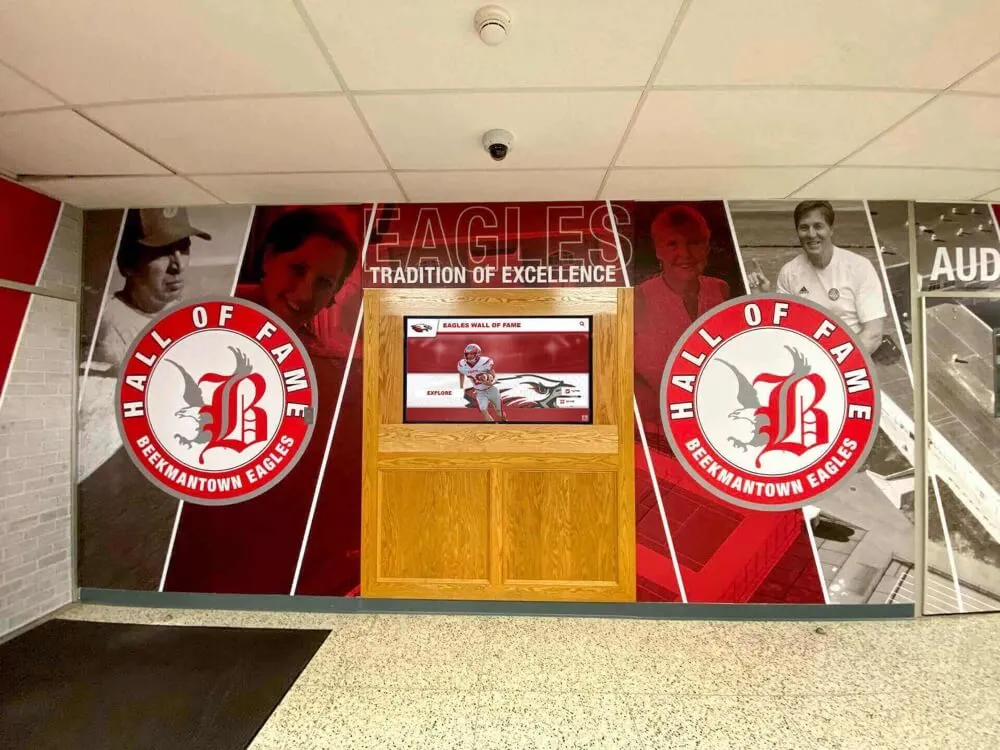
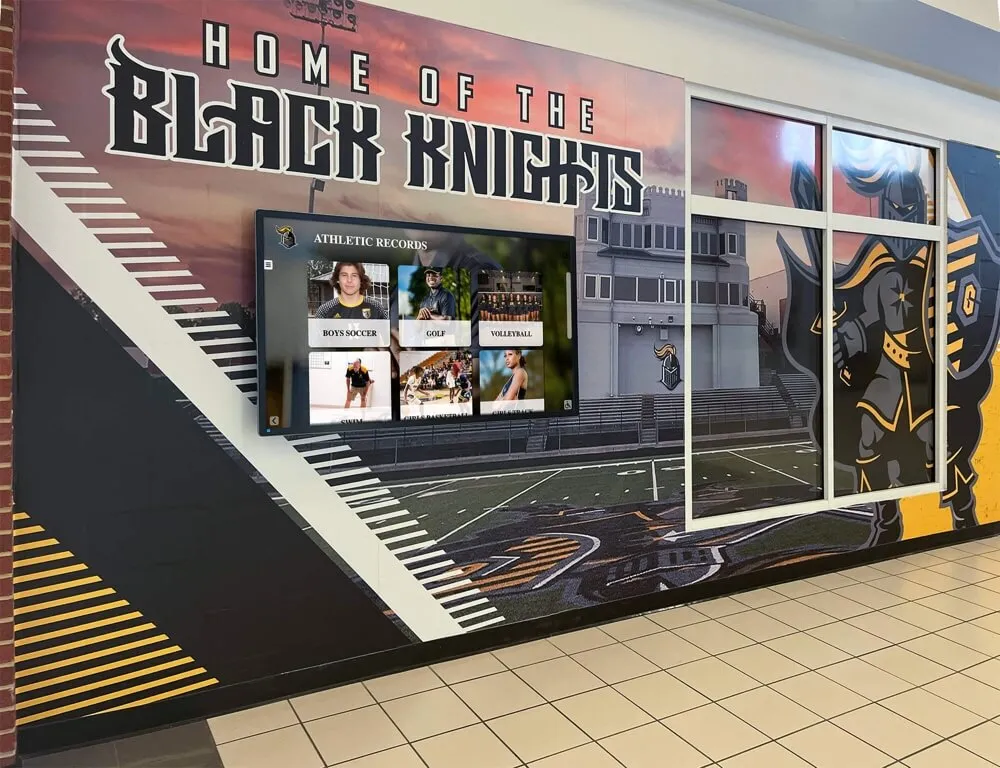
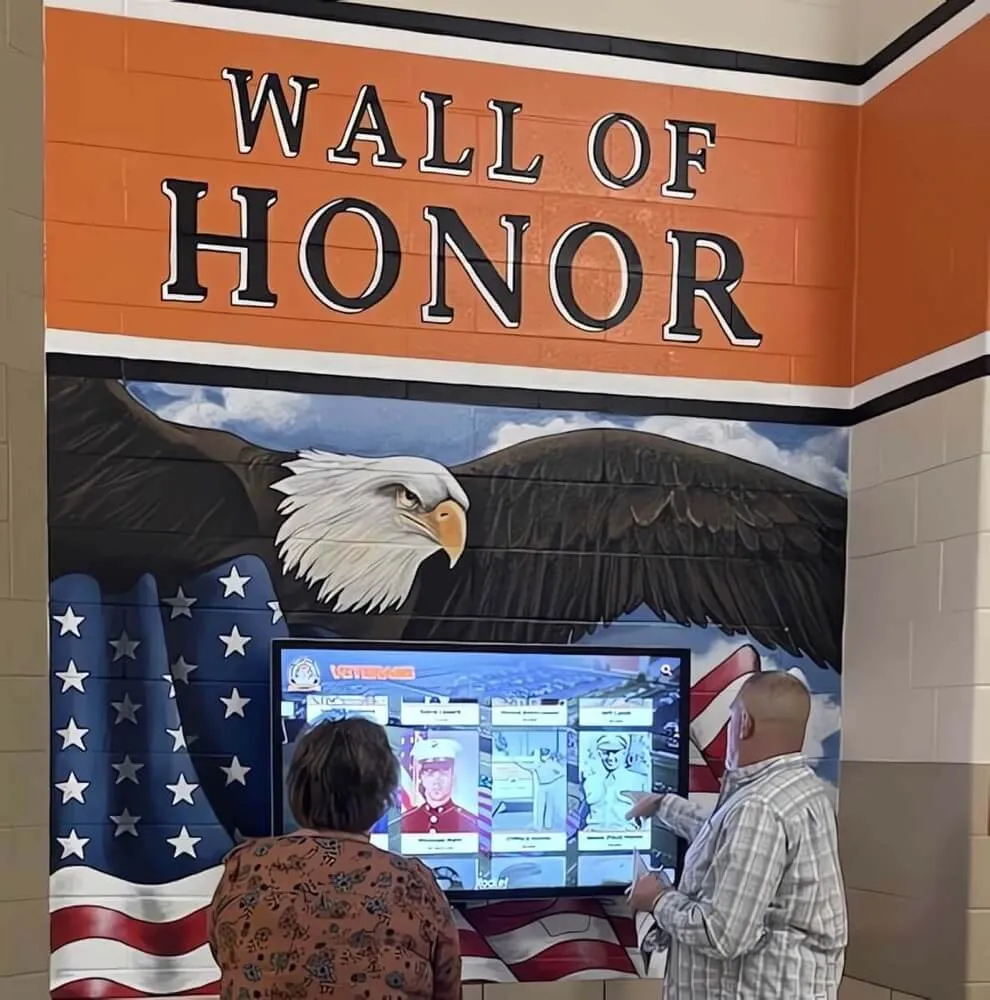
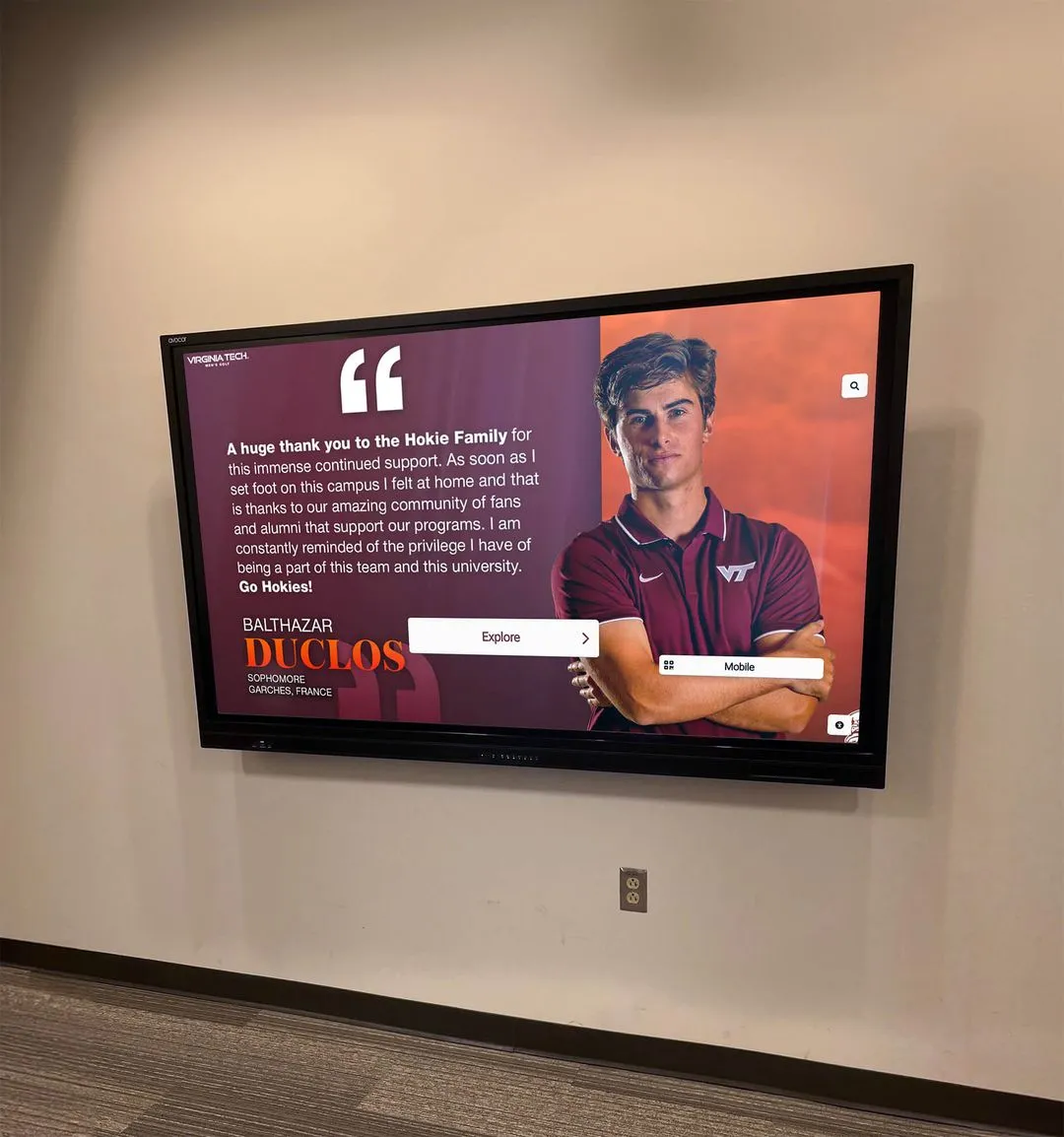
Modern recognition systems enable volleyball programs to showcase blocking records and defensive achievements through interactive displays accessible to athletes, families, and recruits
Progressive Blocking Drills: Building Foundation Skills
Systematic skill development follows logical progressions from isolated technique work through increasingly complex game-like scenarios.
Wall Blocking: Stationary Technique Development
Drill Purpose: Develop proper blocking form, hand positioning, and penetration without movement complexity.
Setup and Execution:
- Position blockers at net in ready stance
- Coach stands on opposite side with ball on platform or tossing position
- Blocker focuses on hand positioning, wrist angle, and shoulder penetration
- Coach tosses ball directly at blocker’s hands from short distance
- Blocker executes proper block mechanics deflecting ball downward
Coaching Points:
- Hands start above net level before jump when possible
- Thumbs 6-9 inches apart creating solid blocking surface
- Shoulders press forward over net at peak of jump
- Wrists slightly tilted back directing ball downward
- Eyes remain open tracking ball into hands
Progression Variations:
- Level 1: Coach holds ball stationary; blocker presses hands against ball practicing proper positioning
- Level 2: Slow motion tosses enabling technique focus
- Level 3: Full speed tosses simulating attack velocity
- Level 4: Angle variations requiring blockers to adjust hand positioning
Volume Recommendations: 3 sets of 10-15 repetitions focusing on technical precision
Line Blocking: Lateral Movement Integration
Drill Purpose: Combine proper footwork patterns with blocking mechanics while moving along net.
Setup and Execution:
- Blockers start at left antenna in ready position
- Coach calls specific number of steps (2, 3, or 4)
- Blocker uses appropriate footwork pattern (shuffle or crossover) moving toward right side
- At coach’s signal, blocker executes block jump with proper hand positioning
- Return to starting position and repeat sequence
Coaching Points:
- Maintain low athletic base during lateral movement
- Final step before jump brings feet together for balanced takeoff
- Shoulders remain square to net throughout movement sequence
- Transition from movement to jump happens smoothly without pause
- Hand positioning consistent regardless of net location
Footwork Pattern Selection:
- 2-3 steps: Shuffle step maintaining square positioning
- 4+ steps: Crossover step for efficient coverage of greater distance
- Practice both patterns ensuring versatility across different blocking situations
Progression Variations:
- Movement in both directions (left to right, right to left)
- Random step commands developing reaction capability
- Partner competition racing across net with proper form
- Timed sequences measuring improvement in movement speed
Volume Recommendations: 4 sets covering entire net length in both directions
Understanding comprehensive athletic development approaches explored in team building activities for high school students helps coaches integrate blocking drills into broader program development.
Shadow Blocking: Reading and Timing Development
Drill Purpose: Develop setter reading skills and approach timing by tracking offensive movement patterns.
Setup and Execution:
- Offensive setter and hitter(s) positioned in regular attacking formation
- Blocker(s) in defensive ready position tracking play development
- Setter executes set to designated hitter location
- Hitter performs full approach (without ball contact or with controlled tip)
- Blocker reads set trajectory, moves to correct position, and times jump with hitter’s approach
Coaching Points:
- Eyes initially focus on setter reading body position and hand contact
- After set release, vision shifts to ball trajectory determining location
- Lateral movement begins immediately after reading set direction
- Jump timing coordinates with hitter’s final two approach steps
- Block penetration occurs at moment of hitter’s arm swing
Reading Progression:
- Stage 1: Setter announces set location verbally before execution
- Stage 2: Setter uses predetermined patterns blocker studies beforehand
- Stage 3: Setter executes random sets requiring real-time reading
- Stage 4: Full offense with setter decision-making based on pass quality
Volume Recommendations: 20-30 repetitions per blocker focusing on reading accuracy before adding ball contact
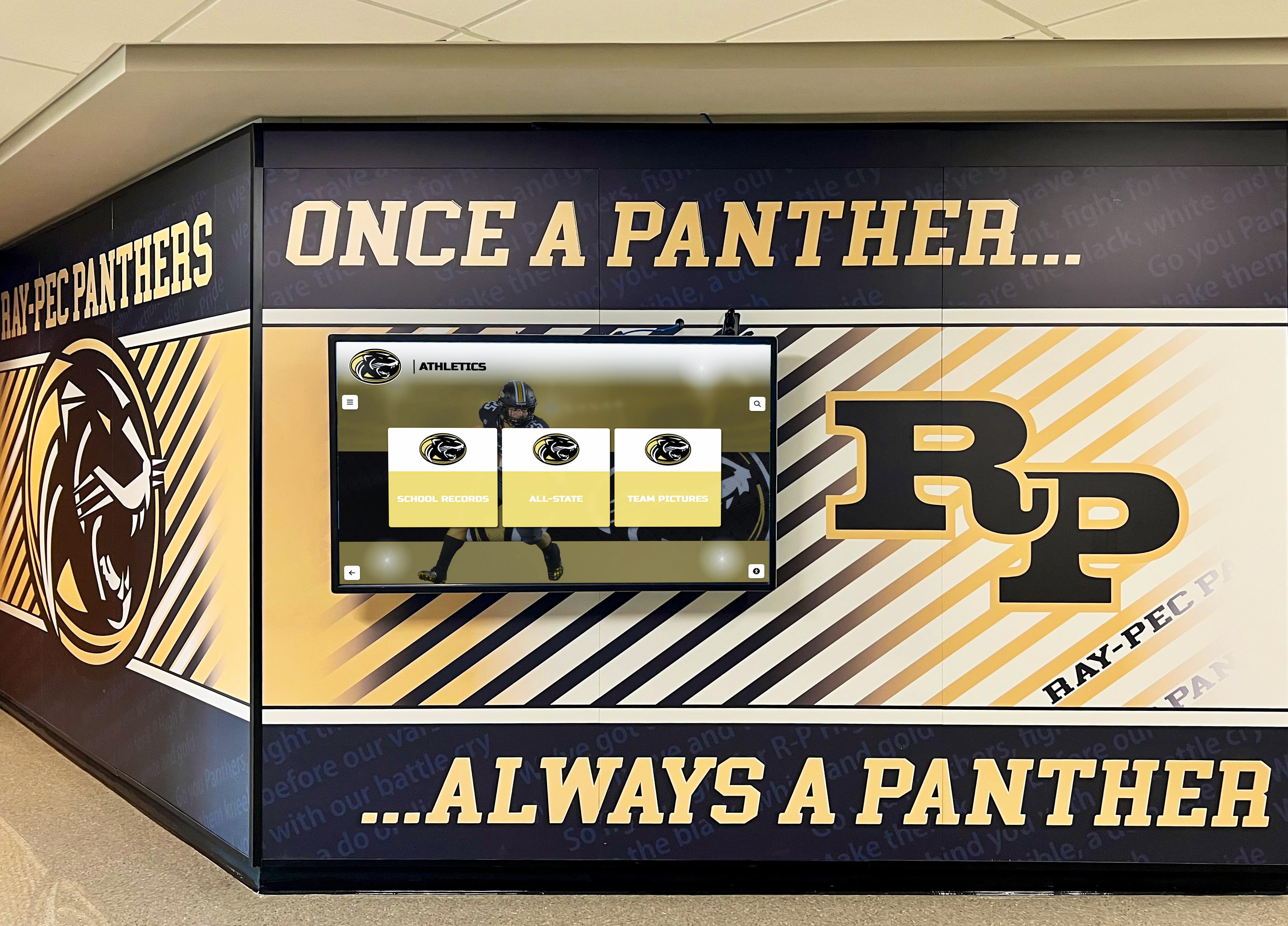
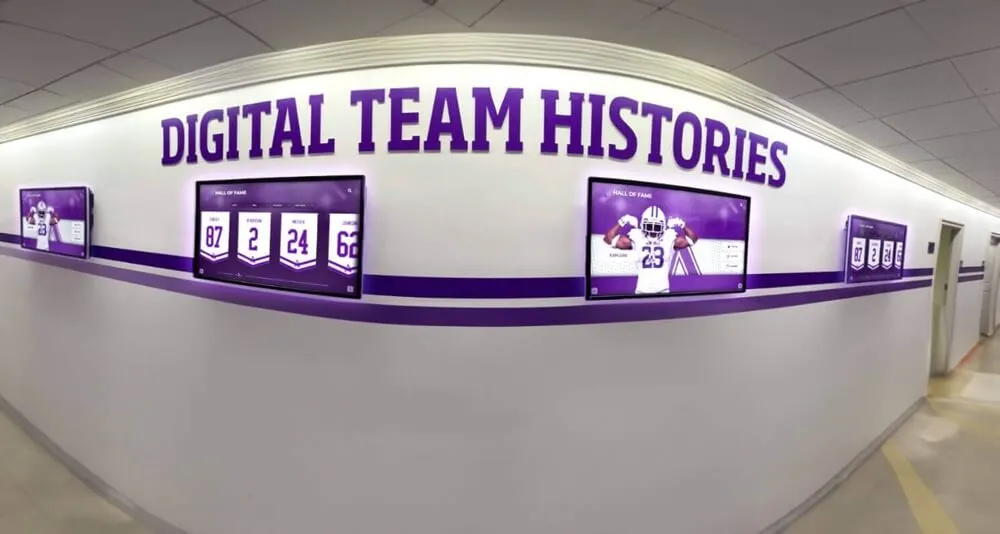
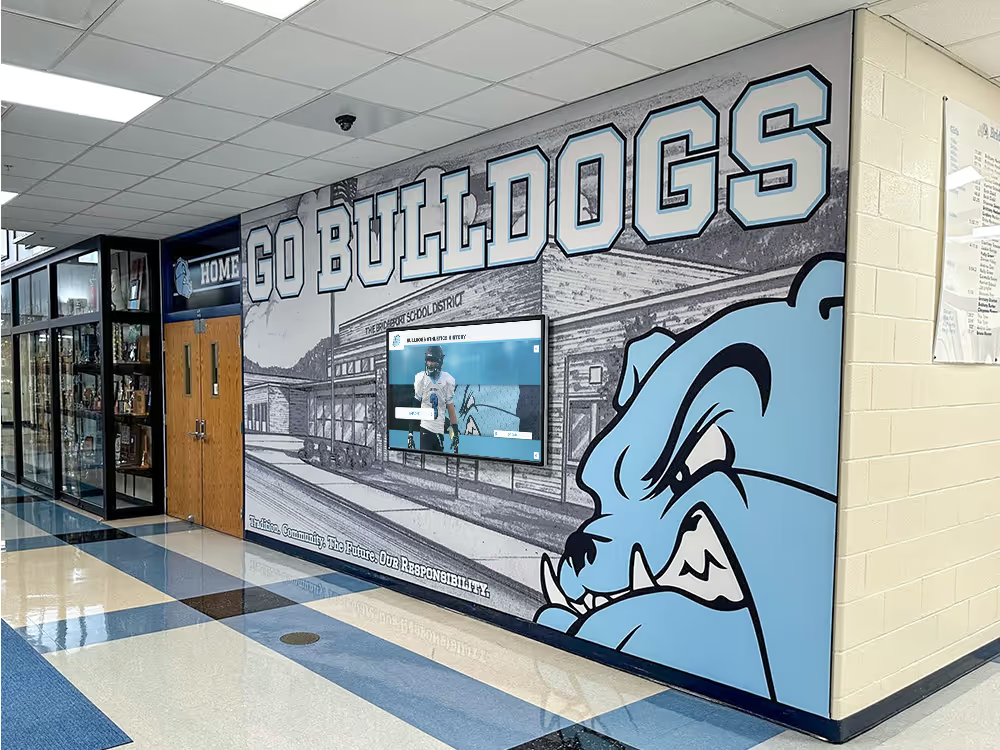
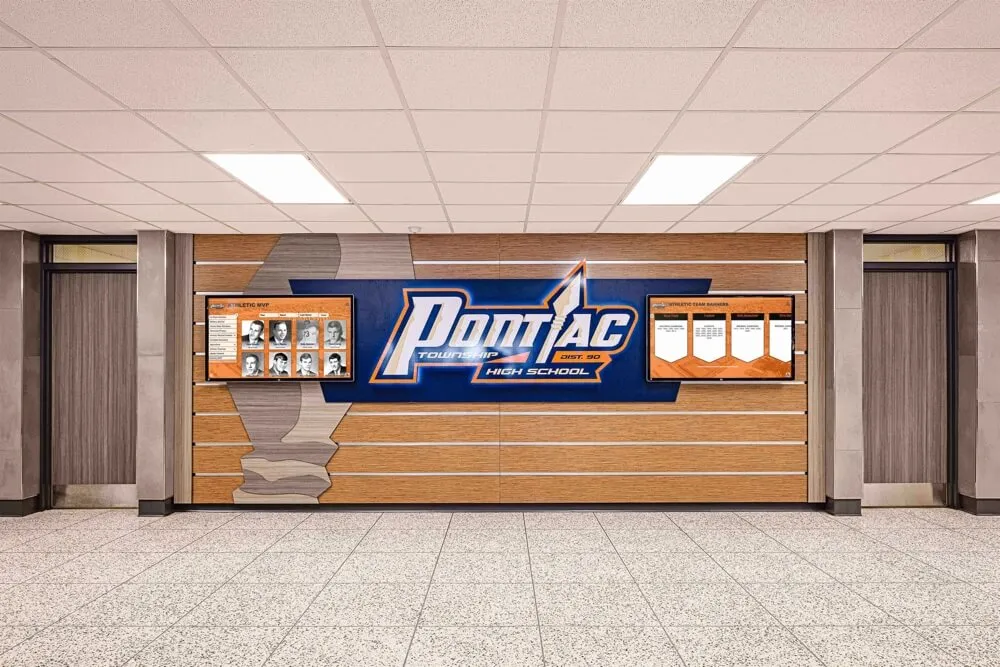
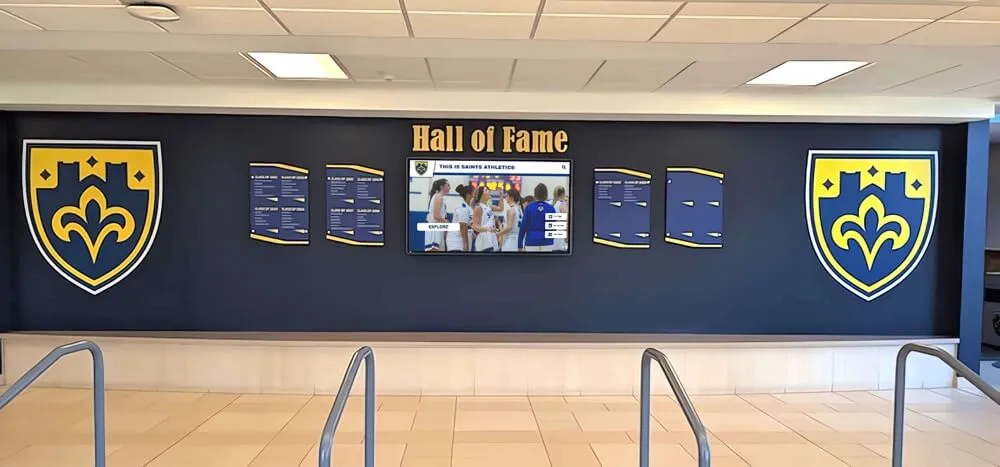
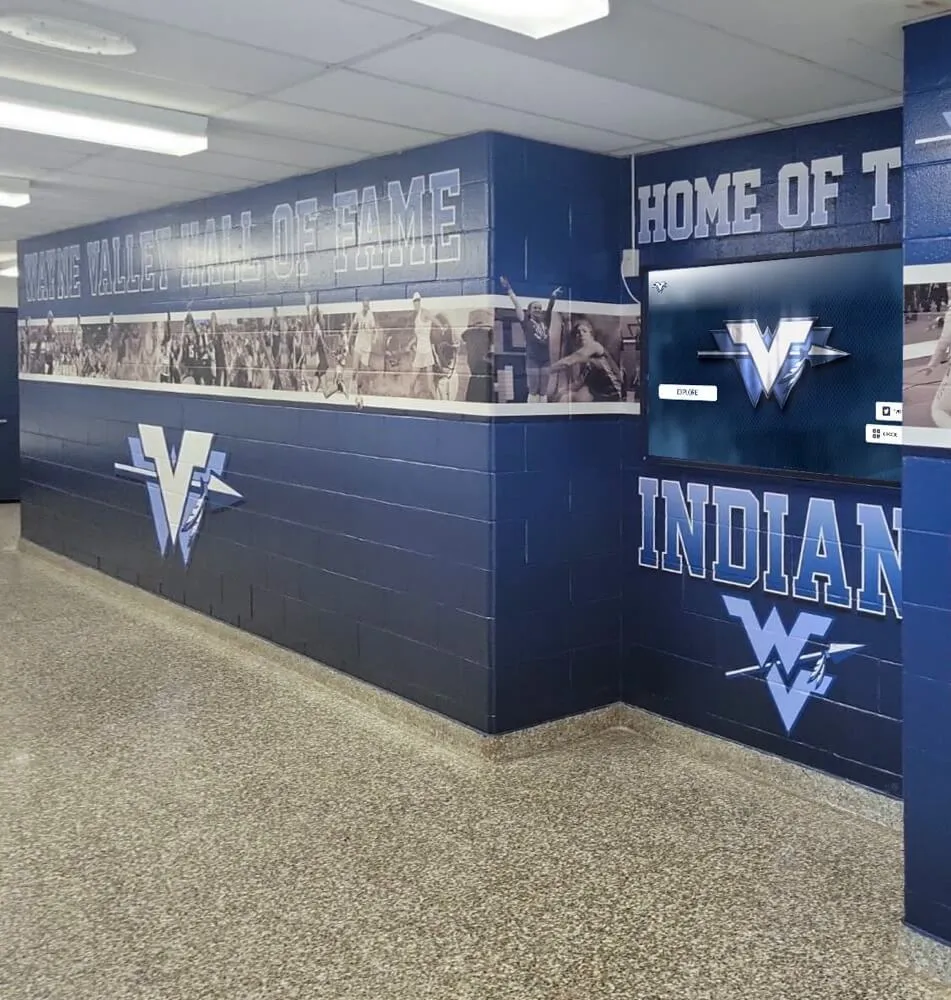
Prominent hallway displays showcase blocking achievements and defensive records inspiring daily excellence as athletes pass recognition installations
Advanced Blocking Drills: Tactical Development
Once foundational mechanics become consistent, advanced drills introduce decision-making, partner coordination, and game-realistic complexity.
Block Pattern Drills: Multi-Position Coverage
Drill Purpose: Develop systematic movement patterns covering standard offensive attack combinations.
Setup and Execution:
- Full offensive formation with setter and multiple hitters
- Complete blocking unit (typically 2-3 blockers) in defensive positions
- Offense runs specific play combinations (4-9, 5-1, quick-slide, etc.)
- Blockers execute appropriate coverage responsibilities based on offensive pattern
- Repeat pattern until blocking movement becomes automatic
Common Pattern Sequences:
Outside-Middle Combination:
- Middle blocker reads setter and commits to quick attack threat
- Outside blocker moves inside if middle hits quick
- Both blockers converge on outside set if middle becomes decoy
Slide-Opposite Combination:
- Middle blocker tracks slide approach to right side
- Right-side blocker prepares for both quick tandem or opposite attack
- Blockers communicate reading high or quick set tempo
Three-Hitter Rotation:
- Middle blocker identifies primary threat based on set location
- Outside blockers adjust positioning supporting middle or taking responsibility
- Communication critical preventing gaps between blockers
Coaching Points:
- Blockers announce hitter responsibility (“I’ve got four!” “Help middle!”)
- Closing distance between blockers eliminates seams attackers exploit
- Outside hands seal antenna preventing sharp angle attacks
- Inside hands press toward each other eliminating center gaps
Volume Recommendations: 10 repetitions per pattern combination until movement becomes reflexive
Partner Blocking: Coordination and Communication
Drill Purpose: Develop synchronized blocking requiring precise timing, positioning, and verbal communication between adjacent blockers.
Setup and Execution:
- Two blockers work together (typically middle with outside or middle with right side)
- Offensive player attacks from position requiring dual block coverage
- Blockers communicate responsibilities, close distance, and time jumps together
- Focus on eliminating seams and creating solid wall rather than individual blocks
Key Coordination Elements:
Communication Protocol:
- Early call identifying coverage (“I’m closing!” “Stay wide!”)
- Confirming formation (“Set!” when properly positioned)
- Post-play feedback (“Good seal” or “Need tighter”)
Closing Technique:
- Moving blocker arrives before jump to ensure proper spacing
- Target distance: shoulders nearly touching at peak of jump
- Outside blocker’s outside hand seals antenna
- Inside hands press together eliminating center seam
Timing Synchronization:
- Both blockers jump simultaneously despite different approach distances
- Stationary blocker may delay jump slightly waiting for partner arrival
- Peak height coincides with attacker’s contact point
Common Coordination Errors:
- Arriving too late leaving gaps attackers exploit
- Jumping at different times creating height differential
- Positioning too far apart allowing balls through center
- Over-pursuing leading to net contact violations
Progression Variations:
- Controlled sets enabling focus on coordination over reading
- Live sets requiring reading while maintaining synchronization
- Competitive scoring rewarding coordinated stuffs versus individual touches
- Three-blocker formations adding complexity for advanced teams
Comprehensive approaches to team bonding ideas for sports help coaches build the trust and communication essential for effective partner blocking.
Read and React Blocking: Decision-Making Under Pressure
Drill Purpose: Develop rapid decision-making distinguishing between commit blocking, read blocking, and bunch reading based on offensive patterns.
Setup and Execution:
- Full offensive formation runs varied tempo combinations
- Blockers must identify attack pattern and select appropriate blocking strategy
- No predetermined blocking scheme—decisions based on real-time reading
- Emphasizes quick recognition and commitment to chosen strategy
Blocking Strategy Selection:
Commit Blocking:
- Used against quick tempo attacks (quick sets, slides, tandems)
- Blocker jumps with hitter before ball arrival
- High risk/high reward—effective stuff or creates defensive gap
- Decision made based on setter body position and pass quality
Read Blocking:
- Used against high sets with extended approach time
- Blocker waits to confirm set location before lateral movement
- Emphasizes forming double blocks and eliminating seams
- Lower risk strategy suitable when multiple attack options exist
Bunch Reading:
- Middle blocker reads setter waiting to identify primary threat
- Delays lateral movement until set direction confirmed
- Partners adjust coverage based on middle blocker’s decision
- Effective against multi-option offenses spreading blockers
Decision-Making Cues:
- Perfect pass → expect quick tempo (commit blocking)
- Off-target pass → expect high outside (read blocking)
- Setter facing middle → potential quick attack
- Setter facing sideline → likely outside or opposite set
Coaching Points:
- Wrong strategy executed decisively beats correct strategy executed hesitantly
- Communication essential—announce blocking strategy to partners
- Evaluate decision quality separately from physical execution
- Adjust strategy based on opponent tendencies observed during match
Volume Recommendations: 15-20 random offensive combinations requiring varied strategic responses
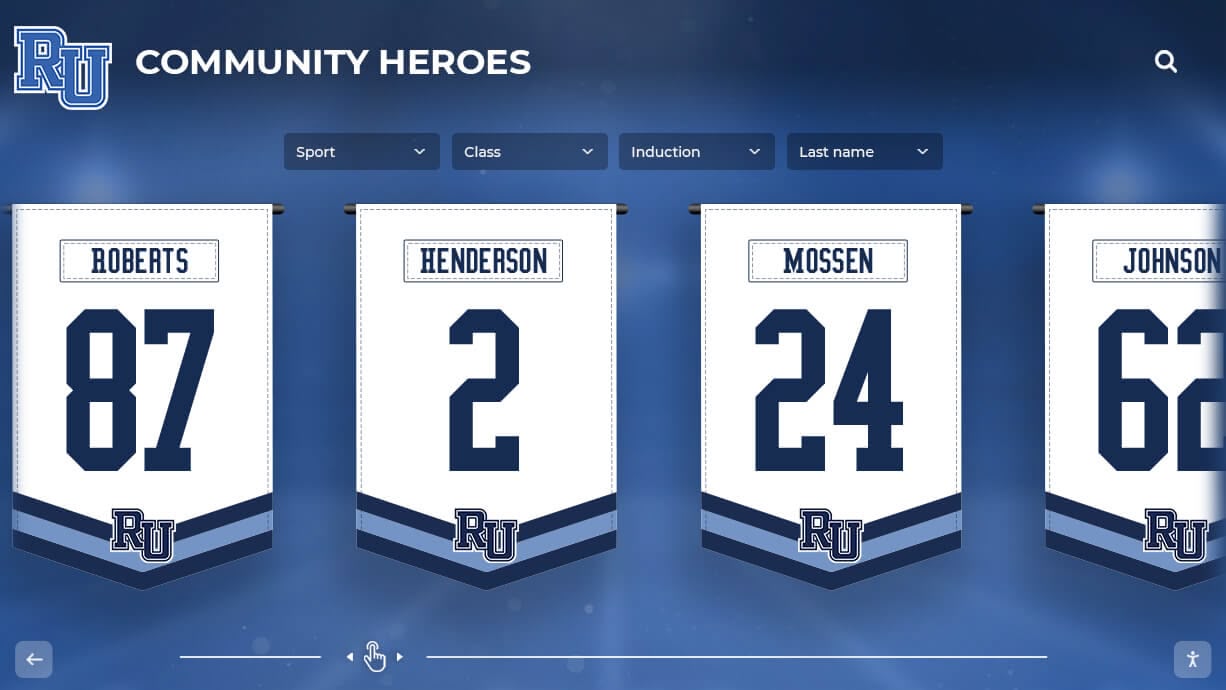
Jersey banner displays celebrate blocking specialists and defensive leaders inspiring current athletes to pursue elite defensive excellence
Position-Specific Blocking Development
Different positions require specialized blocking techniques and strategic approaches based on court location and offensive responsibilities.
Middle Blocker: The Blocking Anchor
Unique Middle Blocker Challenges:
- Responsible for blocking across entire net width
- Must defend quick tempo attacks requiring commit decisions
- Transition blocking after attacking own quick sets
- Close distance with outside blockers after lateral movement
- Execute stuff blocks while moving at high speed
Middle-Specific Drill Progressions:
Quick Attack Recognition Drill:
- Offensive middle runs varied quick attack locations (A, B, C, quick-out)
- Blocker reads approach angle and setter release
- Executes commit block at correct location
- Focuses on early recognition enabling successful block despite quick tempo
Slide Tracking Drill:
- Middle attacker runs slide approach to right side
- Blocker tracks lateral movement across court
- Times approach to arrive and jump simultaneously with attacker
- Emphasizes efficient footwork covering maximum distance quickly
Close and Block Combination:
- Middle blocker starts at right side antenna
- Set goes to left side requiring maximum lateral movement
- Blocker sprints across court, closes with outside blocker, and forms wall
- Develops cardiovascular capacity and movement efficiency under fatigue
Volume Recommendations: 25-30 total repetitions daily focusing on position-specific patterns
Outside Hitter Blocking: Balance and Transition
Outside Blocker Strategic Role:
- Primary responsibility blocking opposing outside hitters
- Seal antenna preventing sharp cross-court angles
- Support middle blocker on quick tempo attacks
- Transition efficiently from offensive approach to defensive blocking
- Recognize when to release for back-row defense versus staying to block
Outside-Specific Blocking Drills:
Antenna Seal Technique:
- Blocker focuses on positioning outside hand firmly against antenna
- Eliminates sharp angle attacks to sideline
- Inside hand presses toward middle blocker eliminating center seam
- Body angle slightly favoring line coverage while maintaining cross-court presence
Approach-to-Block Transition:
- Blocker executes full offensive approach and swing
- Immediately transitions to defensive ready position
- Reads setter and moves to block location
- Simulates realistic match scenarios requiring rapid role switching
Help Middle Decision Drill:
- Offensive quick attack paired with outside set combination
- Outside blocker reads whether middle blocker requires help
- Decides whether to move inside supporting middle or remain wide
- Emphasizes reading and decision-making over physical execution
Coaching Points:
- Outside blockers often block more opponents than any other position
- Must maintain blocking discipline despite offensive fatigue
- Antenna seal prevents easy high-percentage attacks
- Communication with middle blocker prevents coverage gaps
Understanding comprehensive athletic recognition explored through indoor sports facility design helps programs create environments celebrating defensive excellence alongside offensive achievements.
Right-Side/Opposite Blocking: Specialized Coverage
Right-Side Blocker Responsibilities:
- Block opposing outside hitters attacking from right side
- Cover quick tandem attacks run behind middle blocker
- Track slide approaches crossing from middle to right
- Often blocking left-handed hitters with different tendencies
- Coordinate with middle blocker on combination plays
Right-Side Blocking Drills:
Tandem Coverage Drill:
- Offensive middle and right-side run quick tandem combination
- Right-side blocker must identify which attacker receives set
- Practices reading setter and ball trajectory under time pressure
- Develops recognition patterns distinguishing between first and second tempo
Left-Handed Hitter Adaptation:
- Practice against left-handed attackers when possible
- Recognize different approach angles and shot tendencies
- Adjust hand positioning accounting for opposite hitting mechanics
- Anticipate line attacks left-handed hitters favor
Slide Defense Drill:
- Middle attacker runs slide approach toward right antenna
- Right-side blocker tracks movement and times closing distance
- Both blockers jump together forming wall against slide attack
- Emphasizes coordination between right-side and middle positions
Competitive Blocking Drills: Game-Realistic Scenarios
Advanced teams benefit from competitive drills simulating match pressure while providing immediate performance feedback.
King/Queen of the Court Blocking
Drill Purpose: Create competitive blocking scenarios with consequences motivating maximum effort and smart decision-making.
Setup and Execution:
- Divide team into groups of 2-3 blockers per side
- Offensive hitters rotate attacking from various positions
- Blockers earn points for stuff blocks (3 points), touches leading to digs (1 point)
- Blockers lose points for net violations (-2 points) or getting tooled (-1 point)
- Winning team stays on court; losing team rotates off
- First team to predetermined point total or team holding court longest wins
Competitive Elements:
- Creates pressure similar to match blocking situations
- Rewards both aggressive blocking and technical discipline
- Penalizes violations encouraging control under competitive stress
- Enables tracking individual and team blocking statistics
Variations:
- Position-specific competition (middles vs. middles, outsides vs. outsides)
- Height-restricted blocking (partial jumps) emphasizing positioning over athleticism
- Communication scoring (bonus points for successful partner coordination)
- Timed rounds creating urgency and conditioning stress
Six-on-Six Blocking Focus Scrimmage
Drill Purpose: Practice blocking within full game context while maintaining statistical tracking and immediate feedback.
Setup and Execution:
- Full team scrimmage with normal rules and rotation
- Coaches or managers track blocking statistics (solo blocks, block assists, touches, errors)
- Implement blocking-specific scoring incentives
- Stop play periodically for coaching feedback on blocking decisions
- Review video immediately after rallies showing blocking alignment and technique
Blocking-Specific Scoring Modifications:
- Stuff blocks worth 3 points instead of 1
- Block touches leading to defensive conversions worth 2 points
- Successful double blocks earn bonus point
- Net violations cost extra point penalizing sloppy technique
Coaching Integration:
- Pause after blocking sequences analyzing decision quality
- Replay video showing positioning, timing, or reading errors
- Positive reinforcement for excellent reads even without successful blocks
- Identify patterns in opposing offense exploiting blocking weaknesses
This game-realistic training prepares blockers for actual match scenarios while maintaining accountability through statistical tracking and immediate feedback mechanisms.
Comprehensive athletic development explored in college intramural sports digital recognition demonstrates how programs motivate defensive excellence through visible achievement celebration.
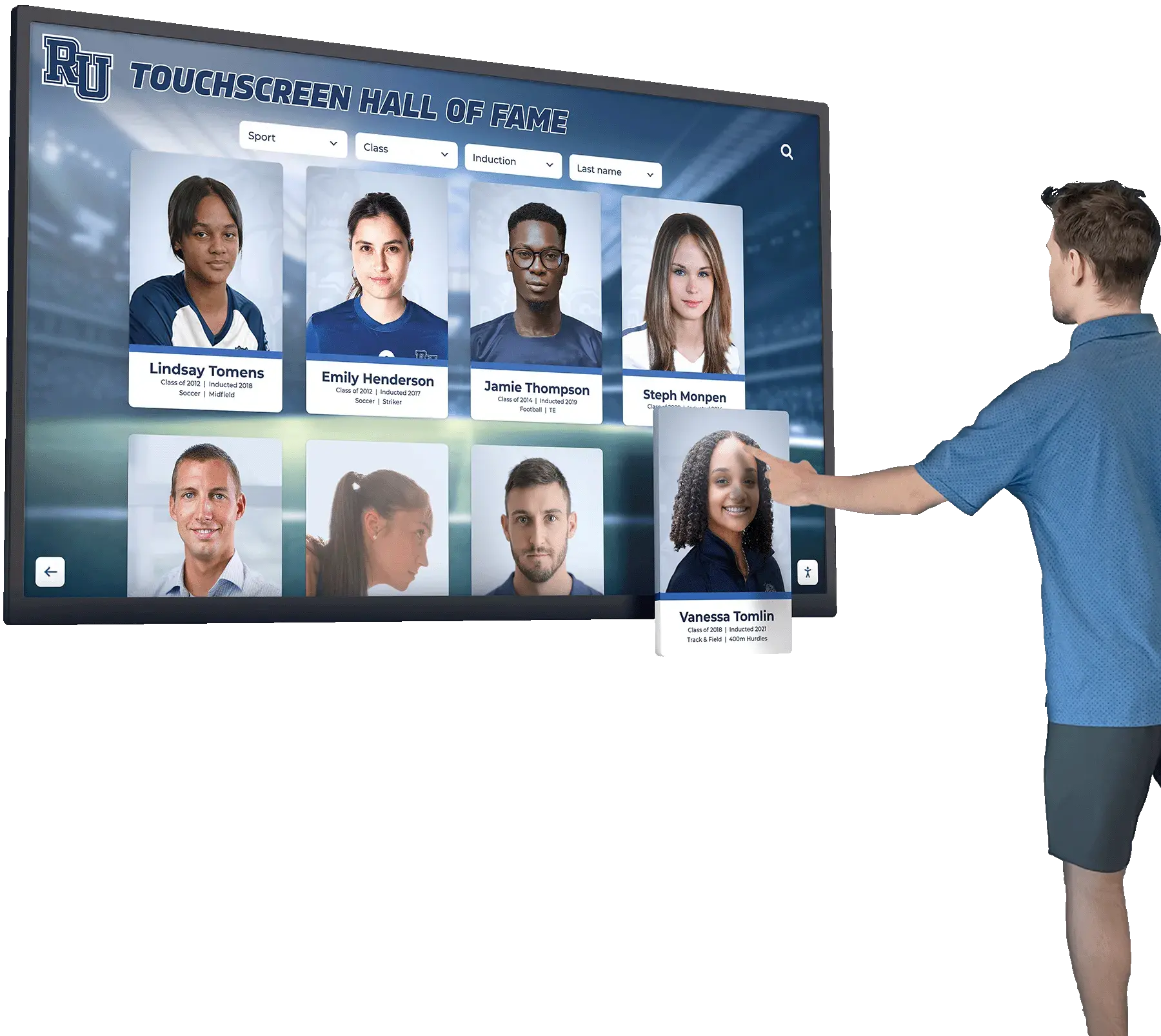
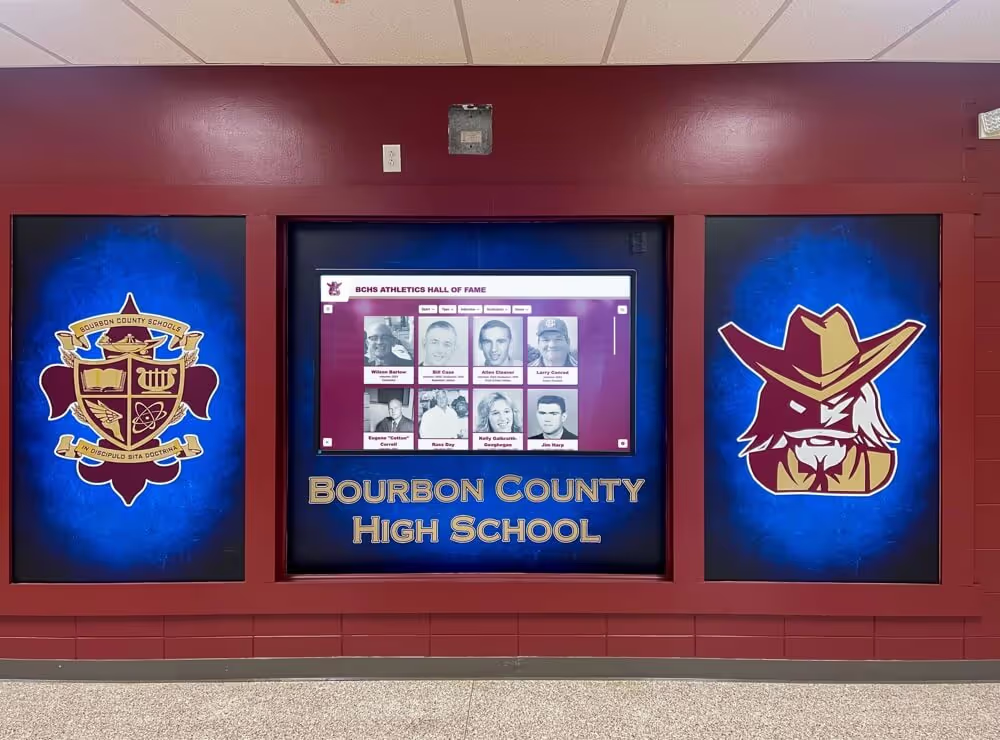
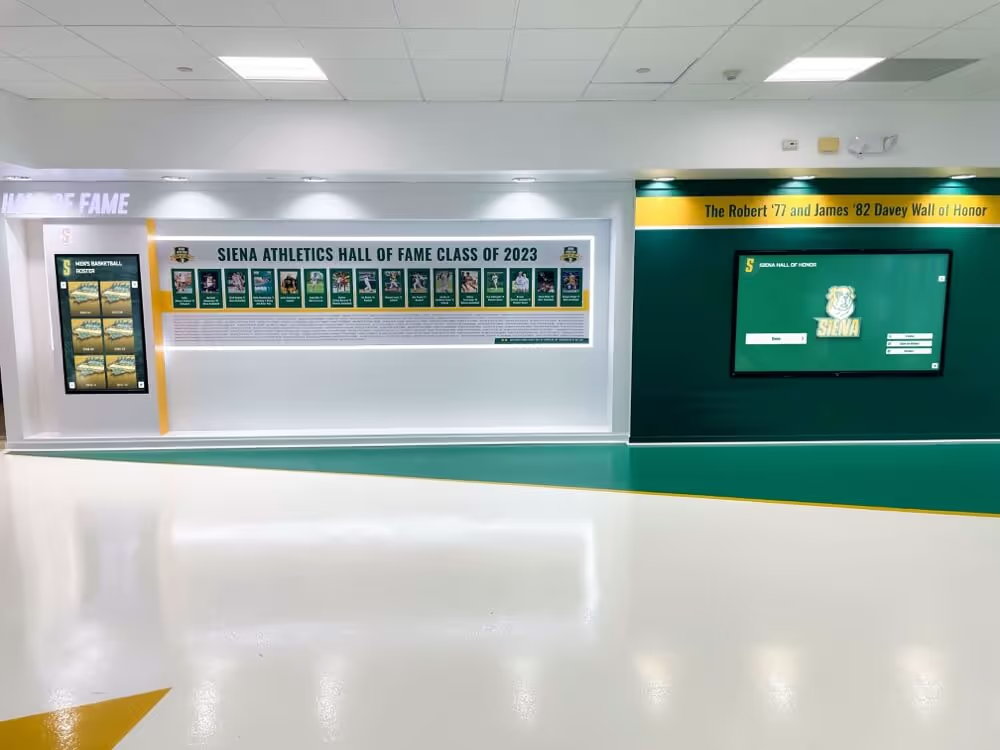
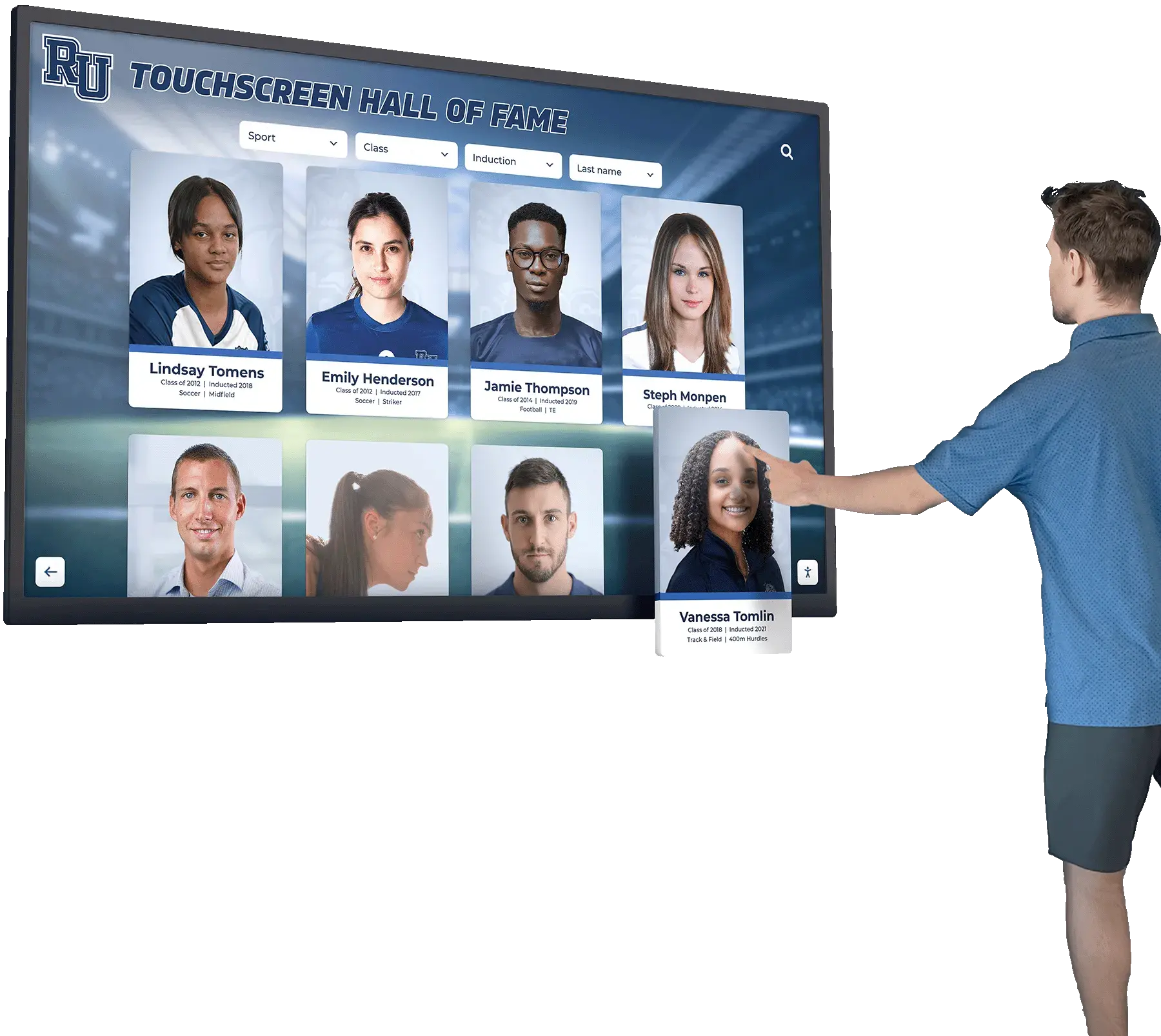
Interactive recognition platforms enable volleyball programs to showcase complete blocking statistics, career achievements, and defensive records through engaging multimedia presentations
Common Blocking Errors and Corrective Drills
Systematic error identification and targeted correction improves blocking effectiveness more efficiently than generic repetition.
Error: Net Violations and Contact Fouls
Problem Indicators:
- Frequent whistle for net contact during blocks
- Blockers leaning into net rather than jumping vertically
- Hands or body touching net during penetration
- Landing causes net contact from proximity or imbalance
Root Causes:
- Starting position too close to net
- Excessive forward lean during jump
- Arms swinging forward rather than straight upward
- Poor landing control or off-balance descent
Corrective Drill—Tape Line Blocking:
- Place tape line 12-18 inches from net base
- Blockers must keep feet behind line during all phases
- Execute blocking jumps focusing on vertical lift
- Gradually move line closer as control improves
- Emphasizes proper distance and vertical technique
Corrective Drill—Shadow Net Blocking:
- Blocker executes proper technique without net present
- Coach observes body mechanics and forward lean
- Add net only after consistent vertical jumping pattern established
- Provides feedback focusing on mechanics not avoiding violations
Error: Poor Reading and Late Movement
Problem Indicators:
- Consistently arriving at blocking location after attacker’s jump
- Blocking air while ball contacts elsewhere
- Reading set direction incorrectly
- Reacting to hitter approach rather than setter
Root Causes:
- Watching hitter instead of setter initially
- Delayed reaction to set release
- Inefficient footwork patterns wasting time
- Indecision about movement direction
Corrective Drill—Setter Reading Focus:
- Remove hitters entirely focusing only on setter
- Blocker watches setter hand position and body angle
- Moves toward predicted set location immediately at release
- Coach verifies set went to predicted location
- Builds reading confidence without competitive pressure
Corrective Drill—Early Movement Emphasis:
- Offensive sequence runs in slow motion initially
- Blocker focuses on early movement rather than final blocking technique
- Gradually increase tempo as reading accuracy improves
- Rewards early correct movement even if blocking execution imperfect
Error: Gaps Between Blockers
Problem Indicators:
- Attackers consistently hitting through seams between blockers
- Blockers positioned with visible space at shoulders or hands
- One blocker arrives late leaving temporary gap
- Outside blocker fails to seal antenna
Root Causes:
- Closing blocker arrives too late or positions too far away
- Blockers jumping at different times creating height differential
- Insufficient communication about positioning
- Stationary blocker drifting from optimal position
Corrective Drill—Partner Press Blocking:
- Two blockers stand side-by-side at net
- Execute synchronized jumps pressing shoulders together at peak
- Coach tosses ball at seam between blockers
- Focus on eliminating space rather than successful block
- Builds kinesthetic awareness of proper closing distance
Corrective Drill—Slow Motion Coordination:
- Offensive attack runs at 50% speed
- Blockers execute proper footwork, closing, and synchronized jumping
- Coach verifies proper spacing before allowing jump
- Gradually increase speed as coordination consistency improves
- Video review showing positioning from offensive perspective
Error: Weak Hand Positioning and Ball Control
Problem Indicators:
- Balls deflecting off hands out of bounds
- Soft touches allowing hitters to tool the block
- Hands separated creating gaps balls pass through
- Wrists bent backward or forward at contact
Root Causes:
- Hands positioned too wide (thumbs more than 9 inches apart)
- Weak wrists unable to maintain firm position
- Improper wrist angle directing balls incorrectly
- Fingers spread too wide reducing surface area
Corrective Drill—Wall Hand Positioning:
- Blocker stands facing wall with arms extended overhead
- Practices proper hand position (thumbs 6-9 inches apart)
- Presses hands against wall with firm wrists
- Holds position for 10-second intervals building hand strength
- Coach verifies proper thumb spacing and wrist angle
Corrective Drill—Medicine Ball Blocking:
- Partner tosses medicine ball (2-4 lbs) at blocker’s hands
- Blocker maintains firm hand position deflecting ball downward
- Builds hand and wrist strength managing heavier resistance
- Progression from light to heavier balls as strength improves
Learning comprehensive recognition strategies from end of season athletic awards helps programs celebrate blocking specialists and defensive achievements appropriately.
Measuring Blocking Development and Progress
Systematic assessment demonstrates improvement, identifies persistent weaknesses, and motivates continued development through visible achievement documentation.
Quantitative Blocking Metrics
Individual Performance Statistics:
- Total blocks per match (solo blocks + block assists)
- Block efficiency (successful blocks divided by attempts)
- Stuff block percentage (immediate point-scoring blocks)
- Block touches leading to defensive conversions
- Net violations per match (lower indicates better control)
- Successful double block formations (coordination measure)
Team Defensive Statistics:
- Team blocks per set average
- Opponent hitting percentage against blocks
- Points scored directly from stuff blocks
- Defensive conversion rate after block touches
- Block advantage (team blocks minus opponent blocks)
Comparative Benchmarks:
- High school competitive average: 1.5-2.5 blocks per set
- Elite high school programs: 3.0+ blocks per set
- Individual blockers: 0.5-1.0 blocks per set minimum target
- Middle blockers: 1.0-2.0 blocks per set expectation
Qualitative Assessment Criteria
Reading and Recognition Skills:
- Consistently watches setter rather than hitter initially
- Identifies set location before ball reaches apex
- Distinguishes between quick tempo and high sets accurately
- Anticipates offensive patterns based on pass quality
- Communicates readings verbally to teammates
Technical Execution Quality:
- Maintains proper ready position between plays
- Executes efficient footwork patterns (shuffle vs. crossover)
- Achieves proper spacing when closing with partners
- Jumps with shoulders penetrating plane of net
- Lands balanced and controlled after blocking attempts
Tactical Decision-Making:
- Selects appropriate blocking strategy (commit, read, bunch)
- Recognizes when to release for back-row defense
- Adjusts positioning based on hitter tendencies observed
- Communicates responsibilities clearly with blocking partners
- Maintains blocking discipline despite offensive fatigue
Progress Tracking and Recognition
Individual Development Documentation:
- Monthly statistical summaries tracking improvement trends
- Video compilation showing technique refinement over season
- Achievement milestones (first stuff block, season block record)
- Position-specific development goals with progress markers
- Peer and coach evaluation of qualitative improvement
Team Recognition Systems:
- Block leader boards displayed in practice facilities
- Weekly defensive player acknowledgment
- Season-end blocking awards (most blocks, best efficiency, defensive MVP)
- Career blocking records celebrated through permanent recognition
- Student recognition displays celebrating blocking achievements
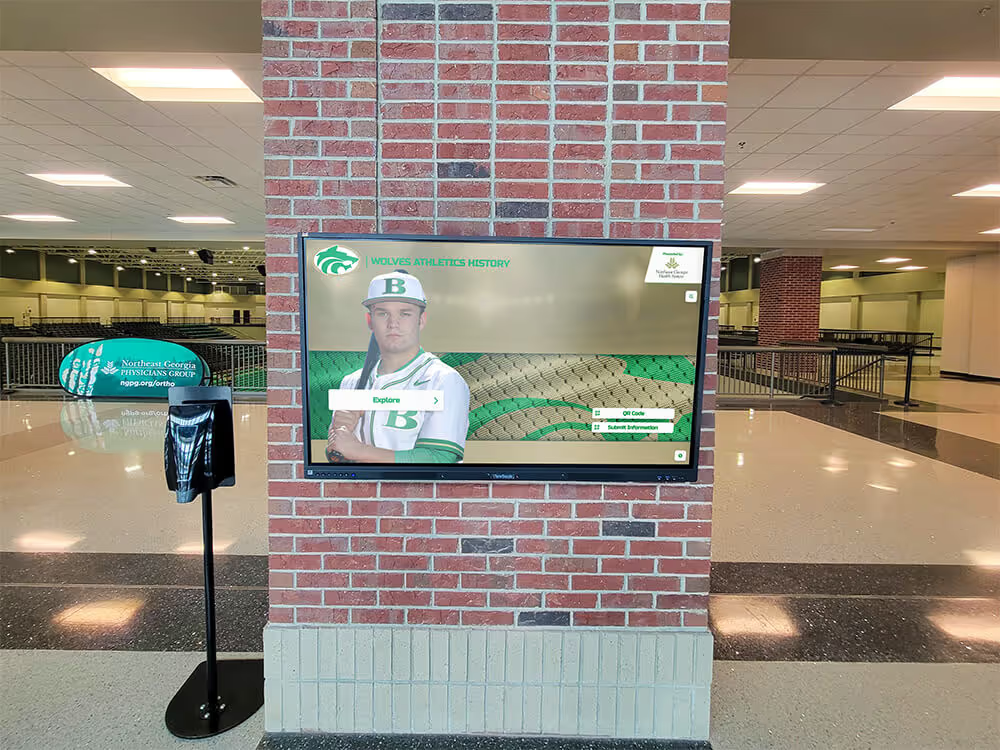
Modern recognition platforms enable volleyball programs to showcase blocking statistics, defensive records, and individual achievements through digital displays accessible to athletes, families, and the broader community—creating visible celebration motivating continued defensive excellence.
Integrating Blocking Drills Into Practice Planning
Systematic practice integration ensures blocking receives appropriate emphasis without neglecting other essential volleyball skills.
Practice Time Allocation Recommendations
Early Season (Weeks 1-3):
- 30-35% of practice dedicated to blocking fundamentals
- Emphasis on footwork patterns and basic technique
- Isolated blocking drills before adding offensive complexity
- Position-specific skill development in small groups
- Video review establishing proper technique baselines
Mid-Season (Weeks 4-8):
- 20-25% of practice time focused on blocking
- Increased integration with full offensive scenarios
- Competitive drills simulating match pressure
- Tactical development emphasizing reading and decision-making
- Partner coordination and communication emphasis
Late Season (Weeks 9+):
- 15-20% of practice devoted to blocking maintenance
- Focus on game-specific preparation based on opponent scouting
- Polish blocking schemes and strategic approaches
- Maintain technical precision despite competitive fatigue
- Quick correction of individual errors observed in matches
Sample Weekly Blocking Practice Schedule
Monday—Technique Refinement Day:
- 10 min: Wall blocking (hand positioning and penetration)
- 10 min: Line blocking (footwork patterns both directions)
- 10 min: Shadow blocking (reading and timing with no contact)
- 5 min: Video review of previous match blocking
Tuesday—Position-Specific Development:
- 15 min: Small group position-specific drills (middles, outsides, right-sides separate)
- 10 min: Partner blocking coordination and communication
- 10 min: Competitive position-specific blocking games
Wednesday—Tactical Integration:
- 15 min: Block pattern drills (covering specific offensive combinations)
- 15 min: Read and react blocking with full offense
- 10 min: Six-on-six scrimmage with blocking focus
Thursday—Match Preparation:
- 10 min: Opponent-specific blocking preparation
- 15 min: Full team scrimmage implementing scouted blocking strategies
- 5 min: Blocking review and adjustment
Friday—Light Technical Work:
- 10 min: Fundamental technique maintenance (wall blocking, line blocking)
- 5 min: Blocking visualization and mental preparation
This balanced approach ensures systematic development while preventing blocking overemphasis that neglects other essential volleyball skills.
Conclusion: Building Elite Blocking Through Systematic Development
Volleyball blocking transforms from intimidating complexity into achievable defensive excellence through systematic progressive training—starting with fundamental footwork and hand positioning, advancing through reading and timing development, integrating tactical decision-making and partner coordination, and culminating in game-realistic competitive scenarios preparing athletes for match pressure. When coaches implement thoughtfully—following logical skill progressions, providing appropriate volume balancing development with recovery, offering immediate feedback correcting errors systematically, and celebrating blocking achievements through visible recognition—they create defensive capabilities shutting down opposing attacks while building athlete confidence in their ability to impact matches through elite net play.
The volleyball blocking drills explored throughout this comprehensive guide provide complete frameworks for developing defensive excellence serving any program context—from foundational technique work with beginning players through elite-level tactical refinement. Whether establishing first-year blocking skills or enhancing experienced players pursuing college-level competition, the fundamental principles remain consistent: master efficient footwork patterns enabling quick lateral movement, develop sophisticated reading skills anticipating offensive patterns, perfect synchronization with blocking partners eliminating exploitable seams, maintain technical discipline under competitive pressure, and sustain commitment ensuring blocking receives training emphasis proportional to its significant match impact.
Ready to celebrate blocking achievements and defensive excellence that inspire continued skill development? Modern recognition solutions help volleyball programs showcase blocking records, defensive statistics, and individual achievements while preserving program heritage through engaging displays. Solutions like Rocket Alumni Solutions provide comprehensive platforms specifically designed for athletic recognition, combining unlimited capacity for complete historical documentation with professional multimedia presentation capabilities, intuitive content management requiring no technical expertise, and web accessibility extending recognition impact beyond physical facilities.
Volleyball blocking development deserves recognition systems celebrating achievements appropriately—from individual match performances through season records and career blocking totals. Digital recognition platforms enable programs to document complete defensive statistics, highlight elite blocking specialists, and create inspirational displays motivating current athletes to pursue defensive excellence knowing their achievements will receive lasting celebration.
Your volleyball program’s defensive success depends fundamentally on developing blocking capabilities that frustrate opponents, ignite momentum through spectacular stuffs, and establish defensive foundations enabling back-row players to position confidently. The most important consideration isn’t implementing every possible blocking drill or achieving perfect technique immediately—it’s committing to systematic progressive development, maintaining appropriate training volume and intensity, providing quality feedback enabling rapid error correction, and celebrating blocking achievements visibly demonstrating that defensive excellence receives recognition equal to offensive accomplishments.
Successful blocking development requires patience accepting that sophisticated skills develop gradually through consistent repetition, precision emphasizing technical quality over rushed volume, and persistence maintaining focus despite blocking’s complexity and initial challenge. Begin your blocking development journey today by assessing current skill levels honestly, implementing fundamental drills establishing proper footwork and hand positioning, progressing systematically toward tactical integration, and celebrating improvements maintaining motivation throughout the development process. Elite blocking that shuts down opposing attacks awaits teams willing to invest the focused training these essential defensive skills truly deserve.
Live Example: Rocket Alumni Solutions Touchscreen Display
Interact with a live example (16:9 scaled 1920x1080 display). All content is automatically responsive to all screen sizes and orientations.