



Intent: Define — Video games at children’s hospitals represent powerful therapeutic tools transforming patient experiences through distraction, engagement, and healing. While hospitals historically relied on traditional playrooms and bedside entertainment, modern therapeutic gaming programs deliver measurable benefits including reduced pain scores, decreased anxiety, improved mood, and enhanced patient satisfaction through mobile gaming kiosks, virtual reality experiences, and interactive digital platforms specifically designed for pediatric healthcare environments.
Children facing extended hospitalizations confront unique challenges including boredom, isolation, anxiety, and physical discomfort that traditional entertainment approaches fail to adequately address. Meanwhile, research demonstrates that video games redirect focus, reduce stress, minimize pain perception, and provide socialization opportunities that support emotional well-being and positive health outcomes throughout treatment and recovery.
This comprehensive guide explores therapeutic gaming programs in pediatric hospitals, evidence-based research supporting video game interventions, recognition systems celebrating patient gaming achievements, and how modern digital recognition platforms enable hospitals to showcase program impact while engaging communities in supporting hospitalized children effectively.
Effective therapeutic gaming programs extend beyond simple entertainment—they serve as medical interventions reducing pain medication needs, psychological tools combating anxiety and isolation, and recognition opportunities celebrating achievements that validate patient experiences and build confidence during challenging healthcare journeys. Children’s hospitals implementing comprehensive gaming programs create healing environments where play becomes medicine and achievement receives meaningful acknowledgment.

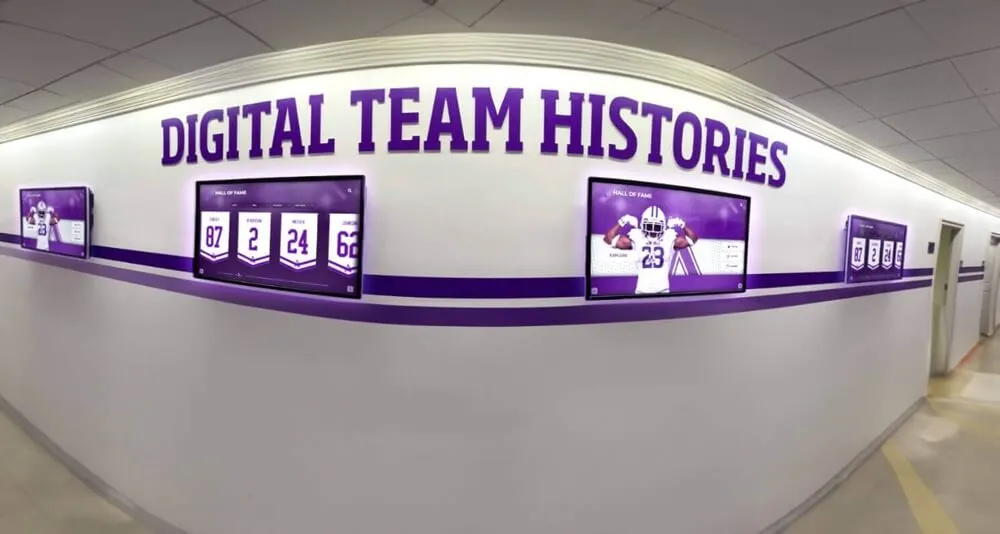
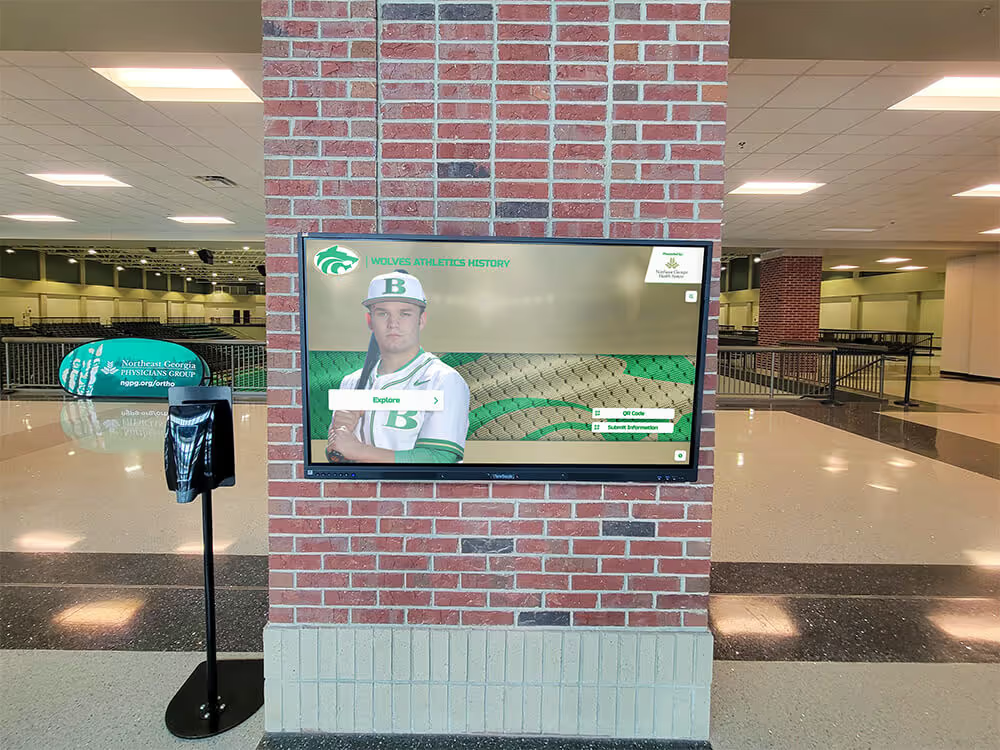
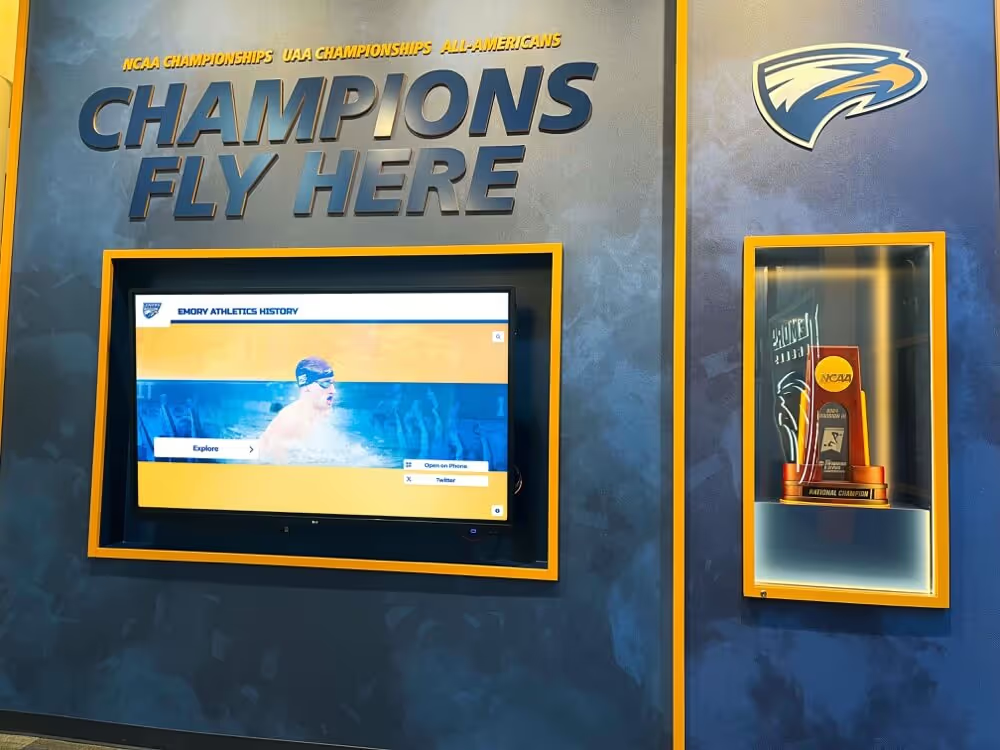
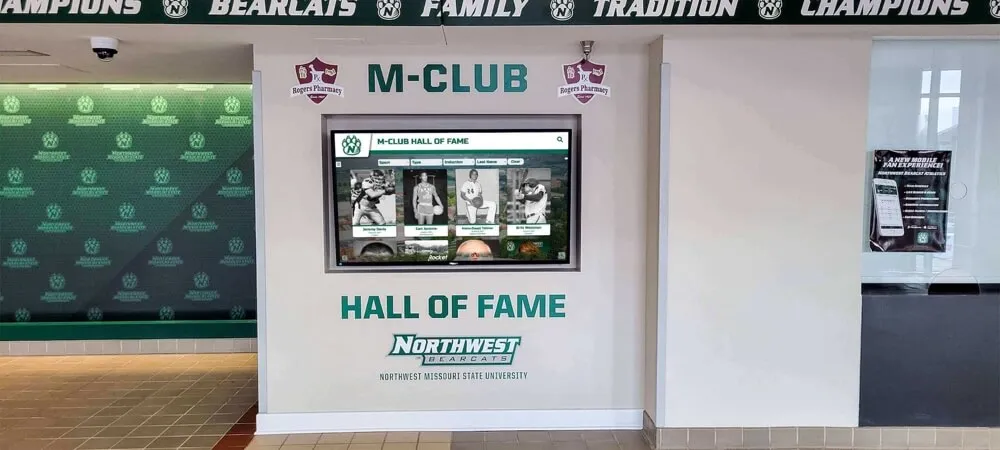
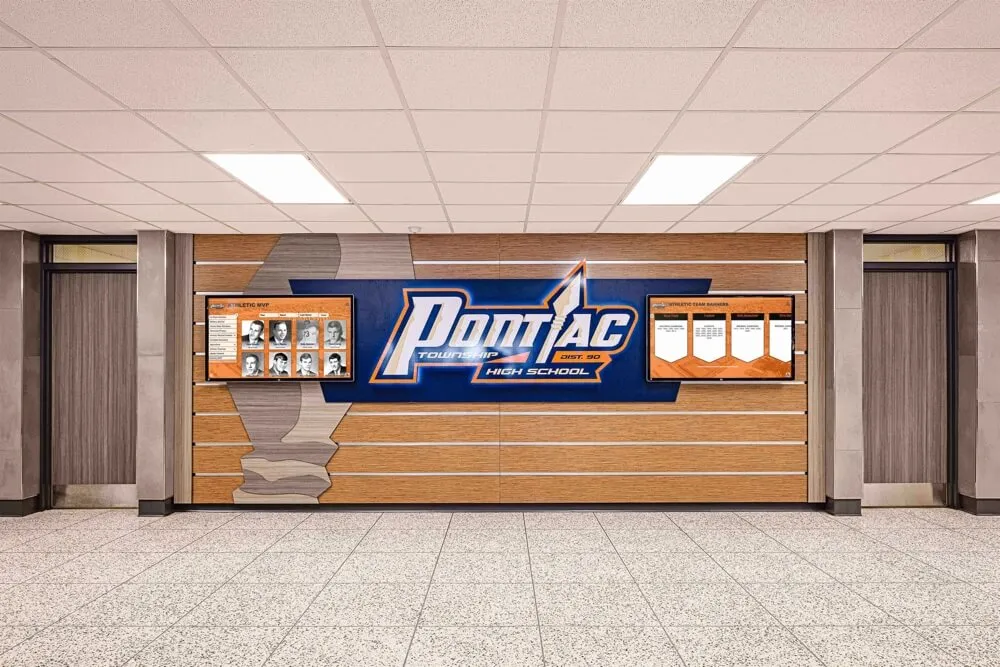
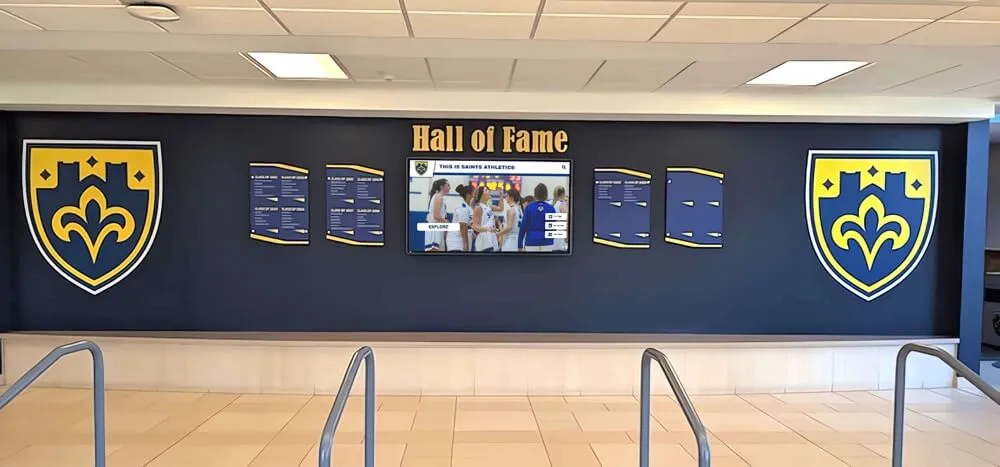
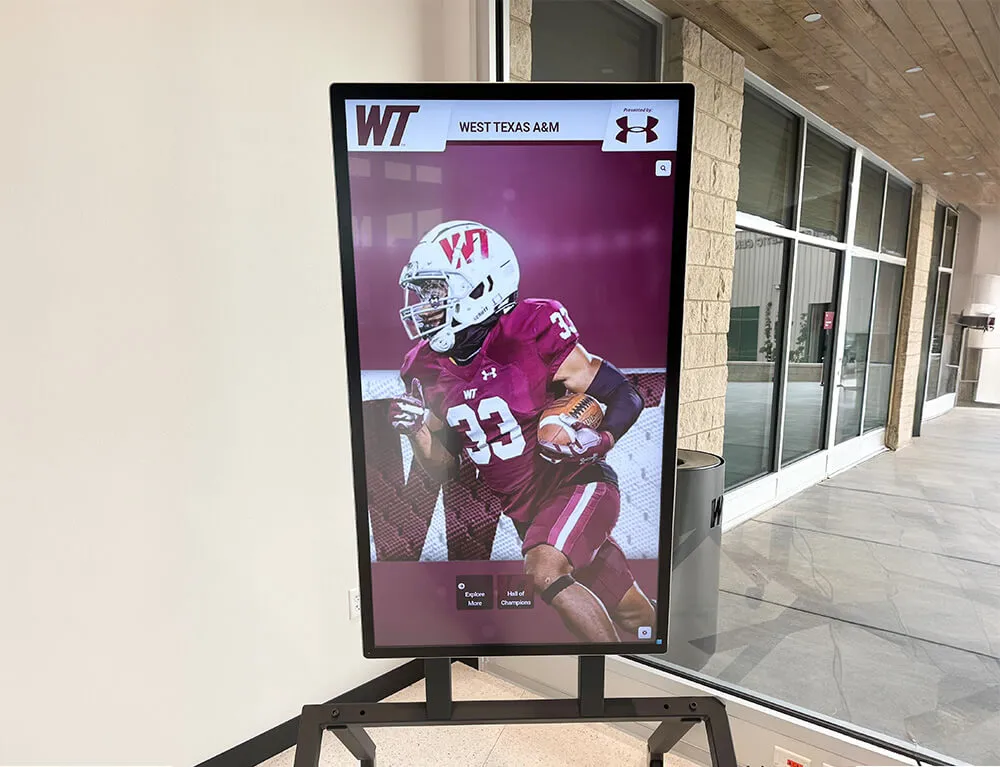
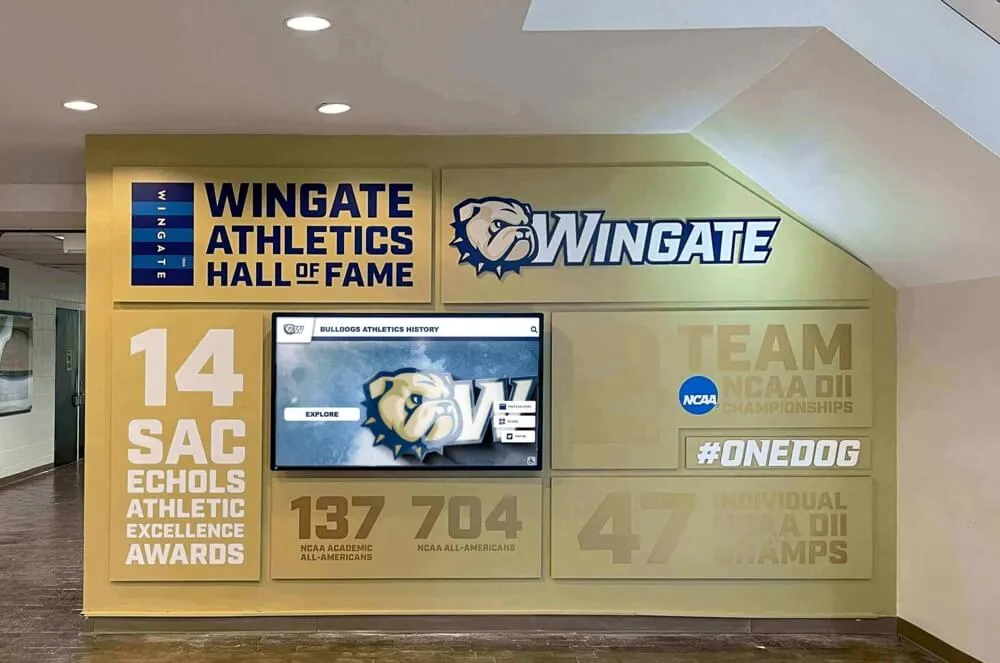
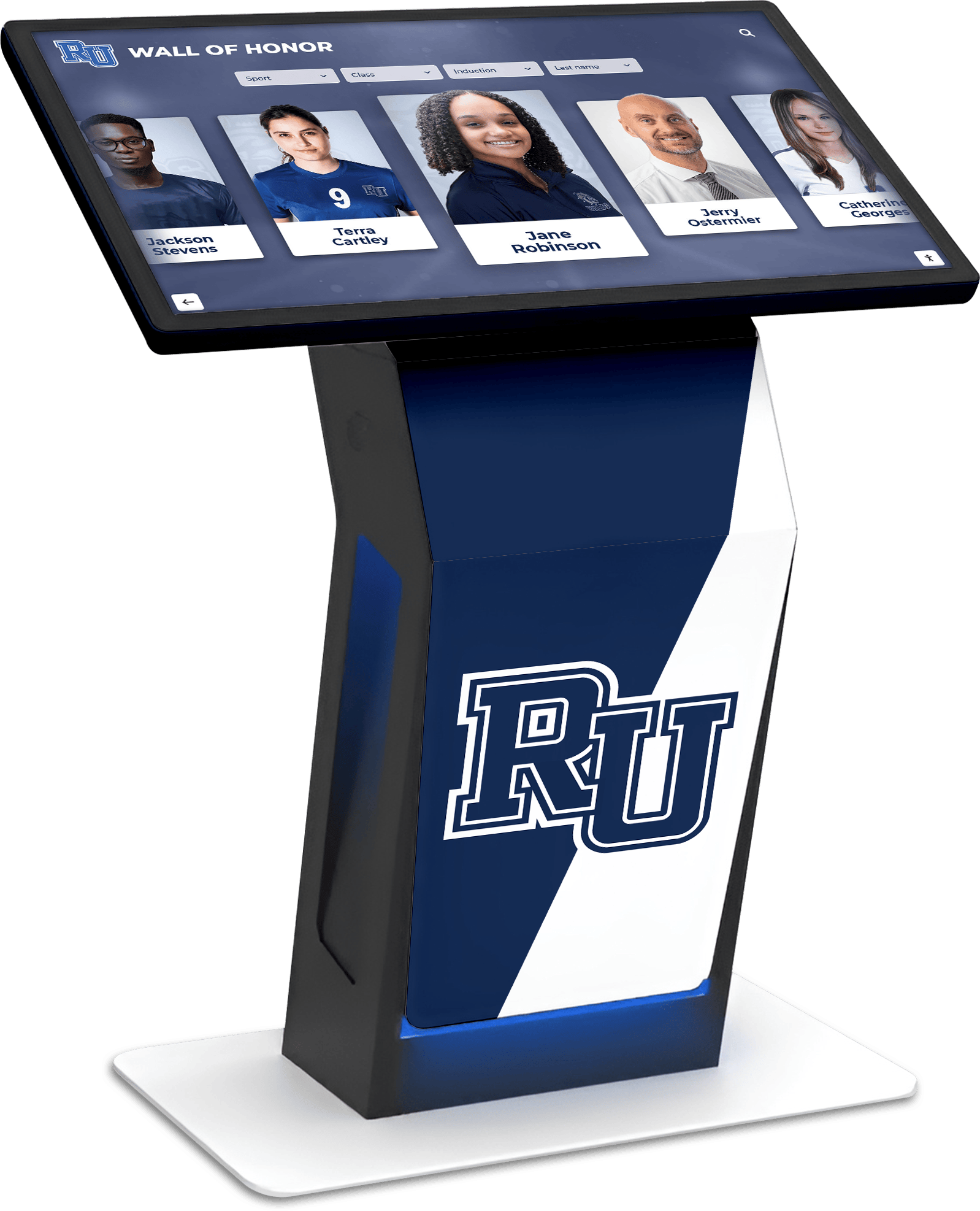
Modern recognition systems showcase therapeutic gaming achievements and community contributions supporting hospitalized children
Program Snapshot: Video Games in Pediatric Healthcare
Understanding therapeutic gaming in hospital contexts clarifies requirements distinct from recreational gaming or general entertainment approaches:
| Program Element | Healthcare Requirements | Recognition Opportunities |
|---|---|---|
| Primary Function | Therapeutic intervention reducing pain, anxiety, and isolation during hospitalization | Patient achievements, milestone completions, community donor recognition |
| Content Type | Age-appropriate games supporting emotional regulation, cognitive engagement, and physical rehabilitation | Gaming accomplishments, therapy integration, volunteer contributions |
| User Interaction | Flexible engagement accommodating varying energy levels, medical restrictions, and treatment schedules | Progress tracking, achievement celebration, supporter acknowledgment |
| Administrative Needs | Medical-grade equipment, infection control protocols, therapeutic integration with care teams | Program impact documentation, donor stewardship, community engagement |
| Access Model | Bedside mobile kiosks, playroom stations, virtual reality systems, and personal device support | Public displays honoring supporters, online recognition extending reach |
| Measurement Focus | Clinical outcomes including pain scores, anxiety reduction, medication needs, patient satisfaction | Quantifiable program impact, donor contributions, volunteer hours |
Content Architecture: Therapeutic Gaming Program Components
Comprehensive pediatric gaming programs organize interventions through specialized architectural elements addressing clinical, emotional, and social needs:
Mobile Gaming Kiosk Infrastructure
Modern hospital gaming relies on purpose-built equipment addressing unique healthcare requirements:
GO Kart Systems from Gamers Outreach
According to research conducted across 20 hospitals, mobile gaming kiosks deliver measurable patient benefits: 70% of players reported increased happiness, 70% experienced reduced anxiety, 60% noted decreased feelings of loneliness, and over 80% felt less stress during gaming sessions.
Purpose-built hospital gaming kiosks feature:
- Medical-grade construction meeting infection control standards
- Height-adjustable mechanisms accommodating bedside positioning
- Integrated Xbox gaming systems with diverse game libraries
- Controllers accessible for patients with varying physical abilities
- Virtual reality headsets expanding immersive experiences
- Wheeled mobility enabling room-to-room deployment
- Antimicrobial surfaces facilitating thorough sanitization between patients
These mobile platforms solve critical accessibility challenges, delivering therapeutic gaming directly to bedridden patients unable to access centralized playrooms while maintaining rigorous healthcare facility safety and hygiene standards.
Stationary Gaming Stations
Playroom and activity center installations provide communal gaming experiences:
- Multiple console systems supporting simultaneous multiplayer engagement
- Comfortable seating arrangements accommodating varying mobility needs
- Extensive game libraries spanning age ranges and interest areas
- Social gaming opportunities reducing isolation and building peer connections
- Supervised environments ensuring age-appropriate content and positive interactions
- Interactive touchscreen software creating engaging group experiences
According to the Seattle Children’s Hospital therapeutic gaming program, which has become a leader in therapeutic gaming since 2018, therapeutic gaming specialists manage distribution and maintenance of more than 100 devices daily and conduct an average of 200 patient visits per month, demonstrating the scale and impact of comprehensive hospital gaming infrastructure.
Therapeutic Gaming Specialist Roles
Professional staffing distinguishes therapeutic programs from simple entertainment provision:
Patient Gaming & Technology Coordinators
Texas Children’s Hospital was among the nation’s first to create roles dedicated to gaming activities. These specialists use video games and technology to support patients’ emotional, developmental, psychosocial, and physical needs throughout hospitalization.
Specialist responsibilities include:
- Individual patient assessment identifying appropriate gaming interventions
- Game selection matching therapeutic goals and patient preferences
- Equipment delivery and setup at bedsides or treatment locations
- Gaming session facilitation providing instruction and encouragement
- Progress monitoring tracking engagement levels and therapeutic outcomes
- Collaboration with medical teams integrating gaming into care plans
- Family education helping parents understand therapeutic gaming benefits
According to industry growth data, when Seattle Children’s program launched in 2018, only four gaming specialists existed nationwide. As of 2024, approximately 60 therapeutic gaming specialists work in pediatric hospitals worldwide, demonstrating rapid program expansion as evidence of effectiveness accumulates.
Child Life Specialist Integration
Gaming programs coordinate with broader child life services:
- Preparation for medical procedures using gaming distraction techniques
- Pain management protocols incorporating gaming as non-pharmaceutical intervention
- Anxiety reduction strategies leveraging immersive gaming experiences
- Developmental support through age-appropriate interactive content
- Socialization facilitation connecting isolated patients through multiplayer games
- Family support helping caregivers understand play’s therapeutic role
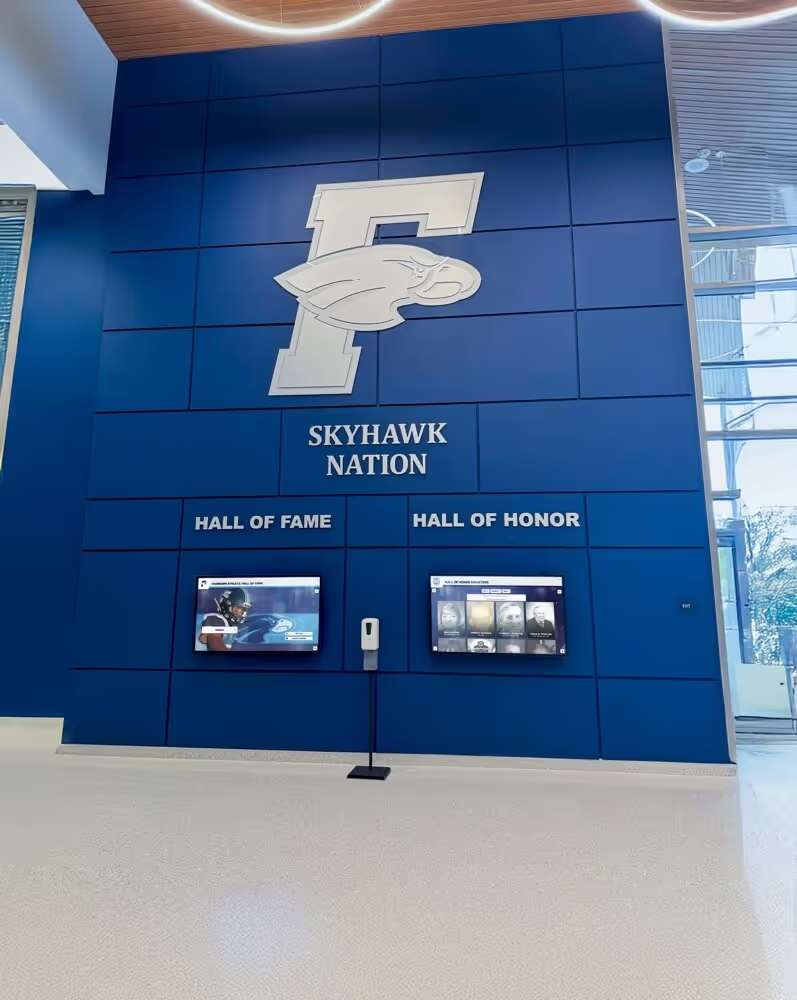
Digital recognition displays can showcase child life program impact, celebrating patient achievements and community contributions supporting therapeutic environments.
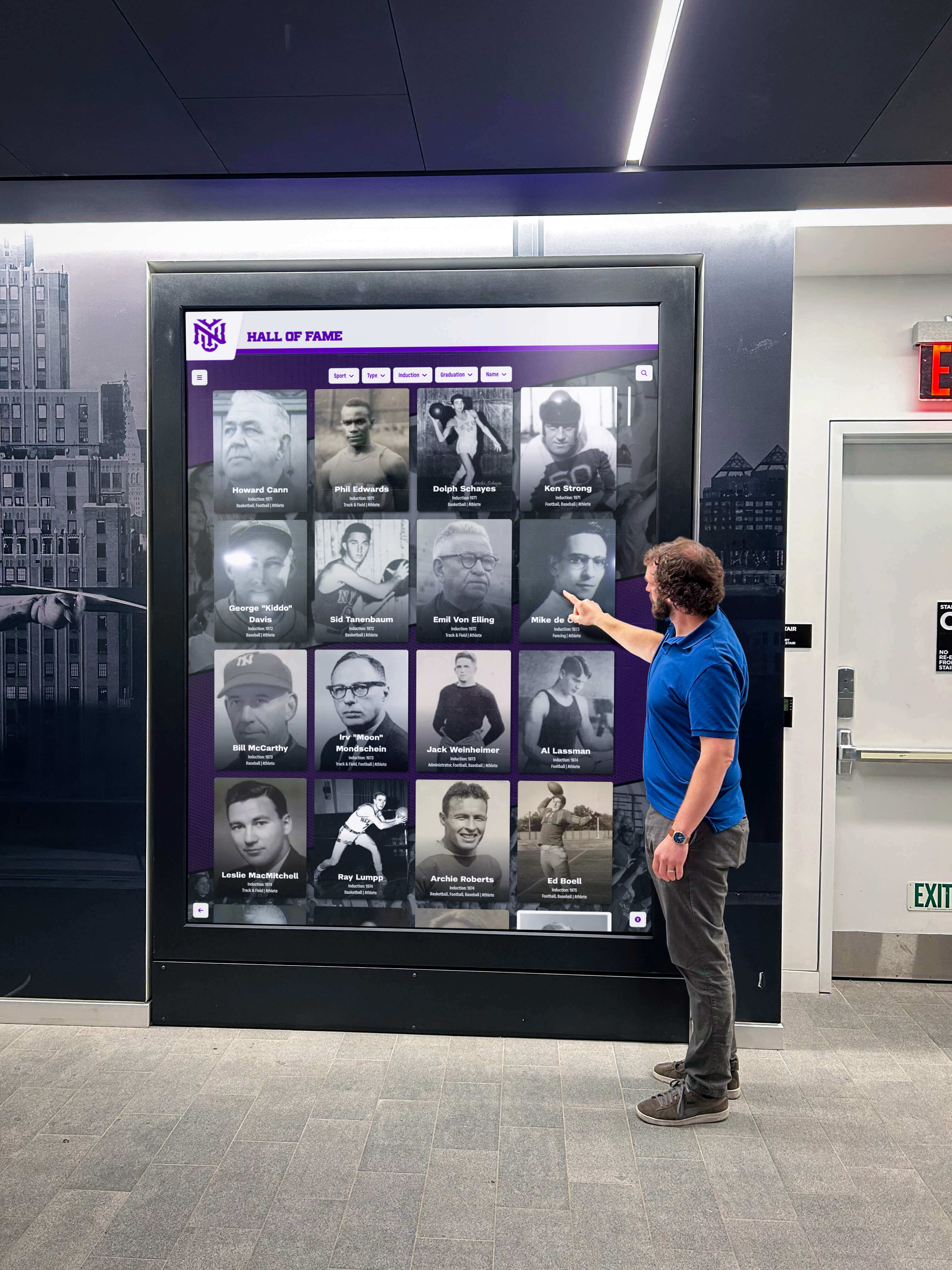
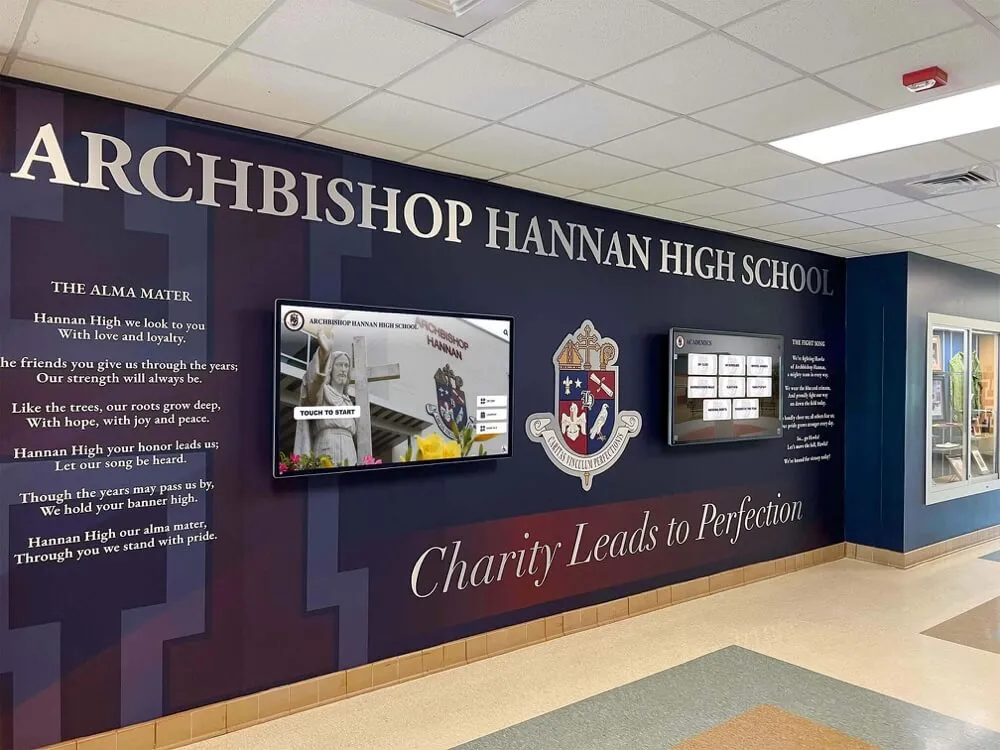
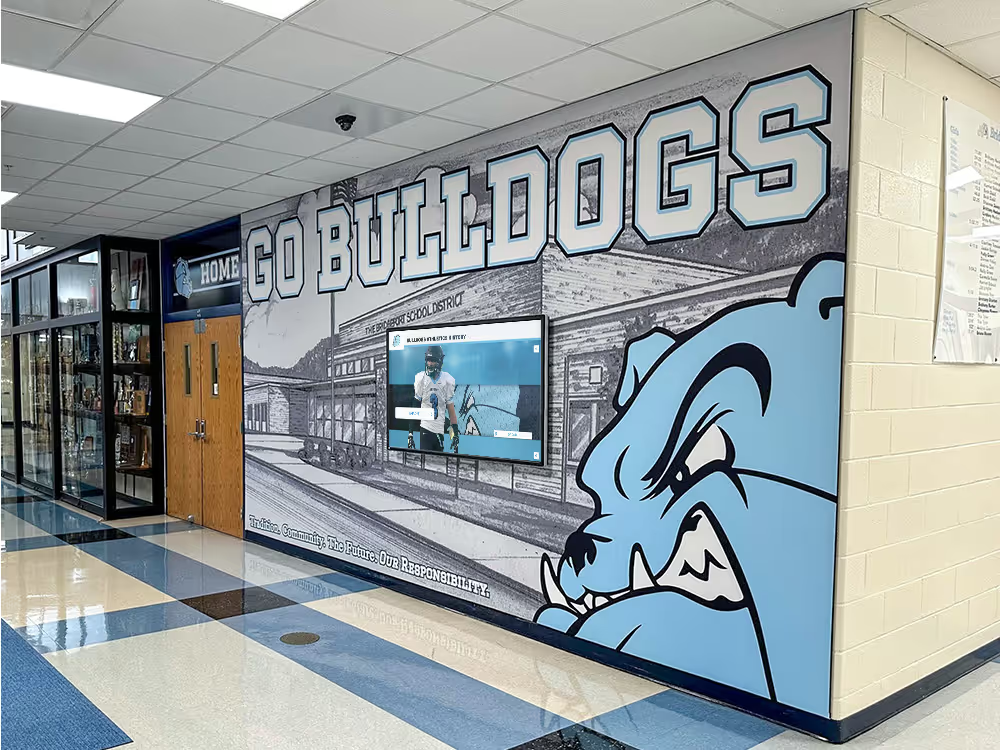
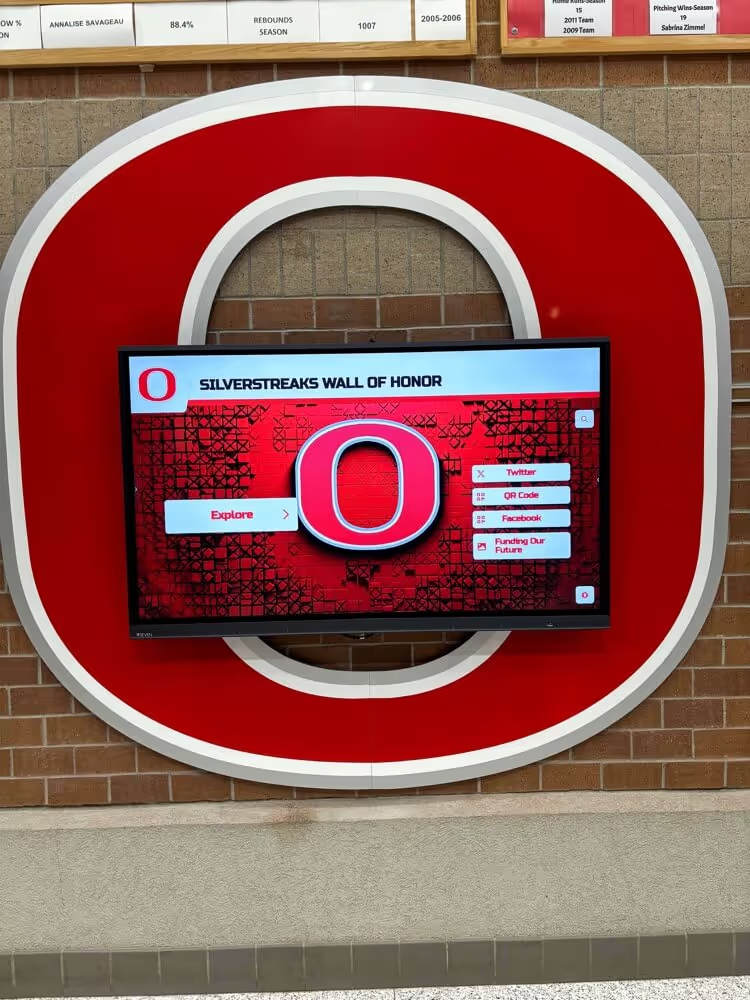
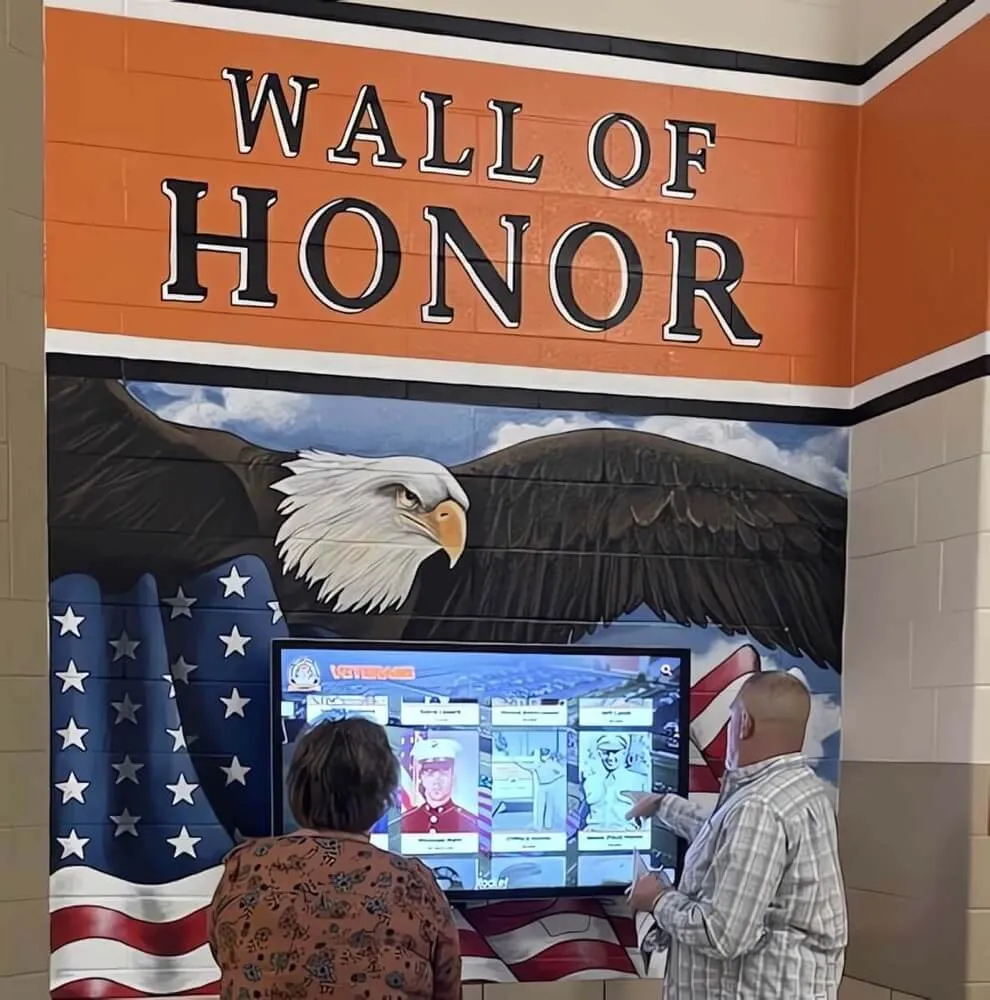
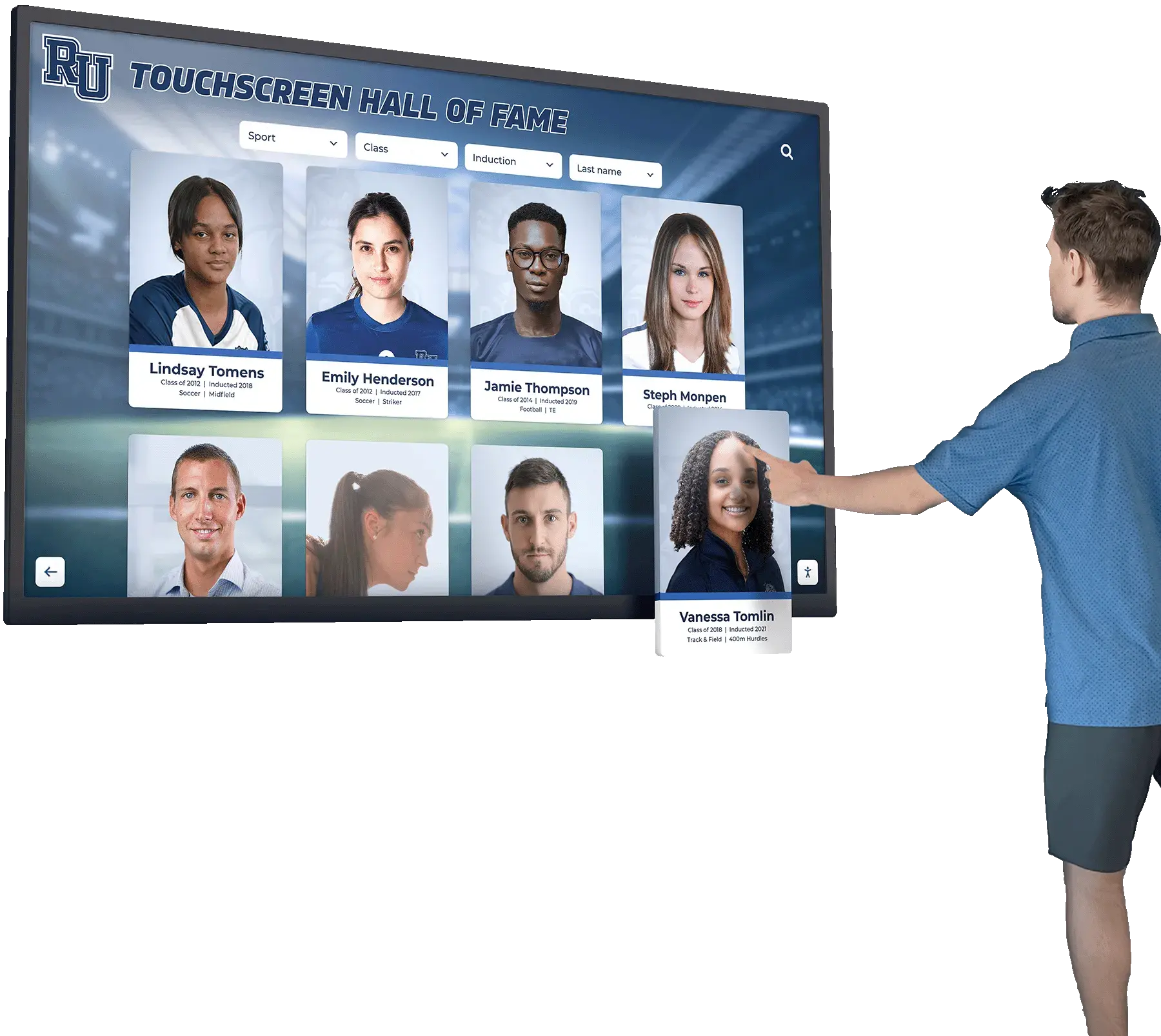
Interactive displays engage hospital visitors while showcasing therapeutic program impact and donor contributions
Clinical Integration and Therapeutic Applications
Evidence-based gaming interventions deliver measurable healthcare outcomes:
Pain Management and Reduction
Research from Seattle Children’s Hospital demonstrates significant clinical benefits: video games reduced pain scores by 1.6-2.3 points on standard pain scales, and patients engaging in gaming needed an average of seven fewer morphine boluses per day compared to non-gaming controls.
Gaming-based pain management approaches include:
- Distraction during painful procedures including injections, dressing changes, and physical therapy
- Virtual reality immersion transporting patients away from clinical environments
- Interactive experiences requiring cognitive focus redirecting attention from discomfort
- Achievement systems providing positive reinforcement and motivation
- Timed sessions coordinating gaming with anticipated pain events
- Integration with pharmacological approaches reducing medication needs
According to Johns Hopkins research published in September 2024, games designed for patients with ADHD and depression provided modest symptom reduction. The meta-analysis of 27 randomized clinical trials involving 2,911 participants aged 6-17 demonstrated that “while the benefits are still modest, our research shows that we have some novel tools to help improve children’s mental health — particularly for ADHD and depression — that can be relatively accessible to families.”
Anxiety and Emotional Regulation
Gaming serves critical psychological functions during hospitalization:
- Pre-procedure anxiety reduction through engaging distraction
- Hospital environment acclimation for newly admitted patients
- Control and agency in situations where patients feel powerless
- Emotional expression through game narratives and character experiences
- Stress management through enjoyable, familiar activities
- Social connection reducing isolation during extended stays
Video games redirect children’s focus, resulting in reduced anxiety and improved mood. Engaging with games requiring active participation leads to decreased perception of pain and psychological distress.
Physical Rehabilitation and Therapy Integration
Gaming supports physical recovery and skill development:
- Motion-controlled games encouraging physical activity during recovery
- Fine motor skill development through controller manipulation
- Cognitive rehabilitation following neurological events or treatments
- Coordination improvement through interactive gaming challenges
- Therapy motivation through gamification of exercises
- Progress tracking documenting recovery milestones
According to multiple hospital programs, therapeutic gaming specialists frequently partner with physical therapists and occupational therapists to incorporate gaming into rehabilitation sessions, transforming potentially frustrating exercises into engaging, motivating experiences.
Community Support and Donor Recognition Systems
Successful gaming programs depend on philanthropic investment requiring stewardship and acknowledgment:
Program Funding Sources
Multiple charitable organizations support pediatric gaming programs:
Child’s Play Charity delivers therapeutic games and technology directly to pediatric hospitals, partnering with nearly 200 facilities nationwide. The organization provides funding for Pediatric Gaming and Technology Specialists as well as long-term investments in child life departments.
Extra Life unites thousands of gamers around the world to play games in support of their local Children’s Miracle Network Hospital. Since 2008, Extra Life has raised more than $100 million for sick and injured kids.
Starlight Gaming, as of 2021, has helped more than 11.6 million children in more than 900 children’s hospitals across the United States and Puerto Rico through donated gaming equipment and technology.
Donor Recognition and Stewardship
Comprehensive recognition validates supporter contributions:
- Digital donor walls showcasing individuals, corporations, and foundations funding gaming programs
- Impact documentation demonstrating how contributions improve patient outcomes
- Patient testimonials sharing personal gaming program experiences
- Photography and video content capturing therapeutic gaming in action
- Annual reports quantifying program reach and clinical effectiveness
- Recognition events honoring major supporters and celebrating program milestones
Solutions like Rocket Alumni Solutions provide platforms specifically designed for healthcare donor recognition, combining touchscreen displays with web accessibility ensuring supporters receive appropriate acknowledgment while protecting patient privacy and complying with healthcare regulations.
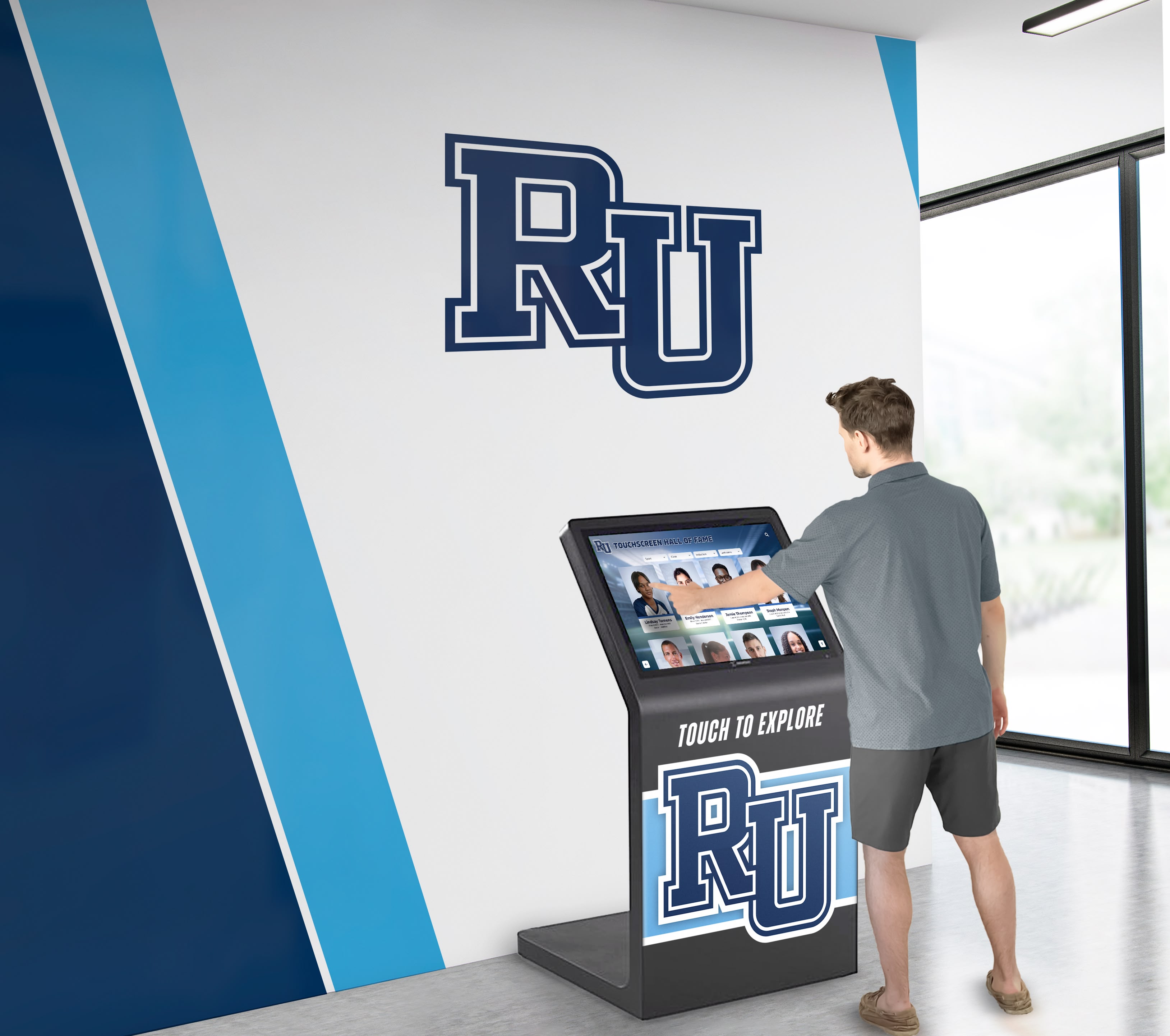
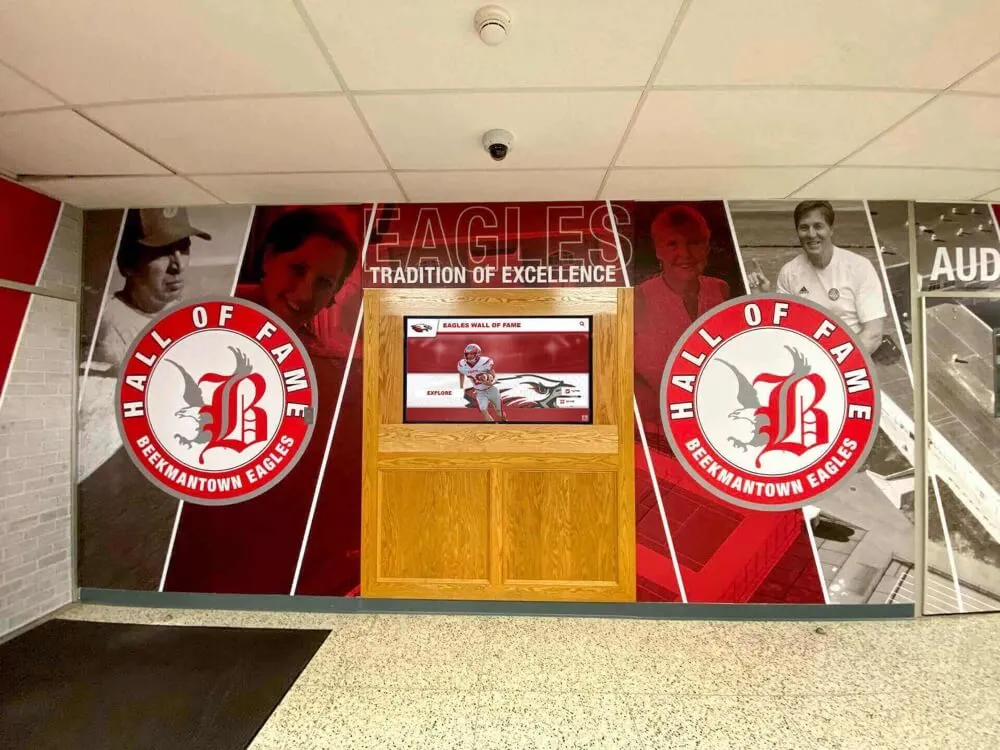
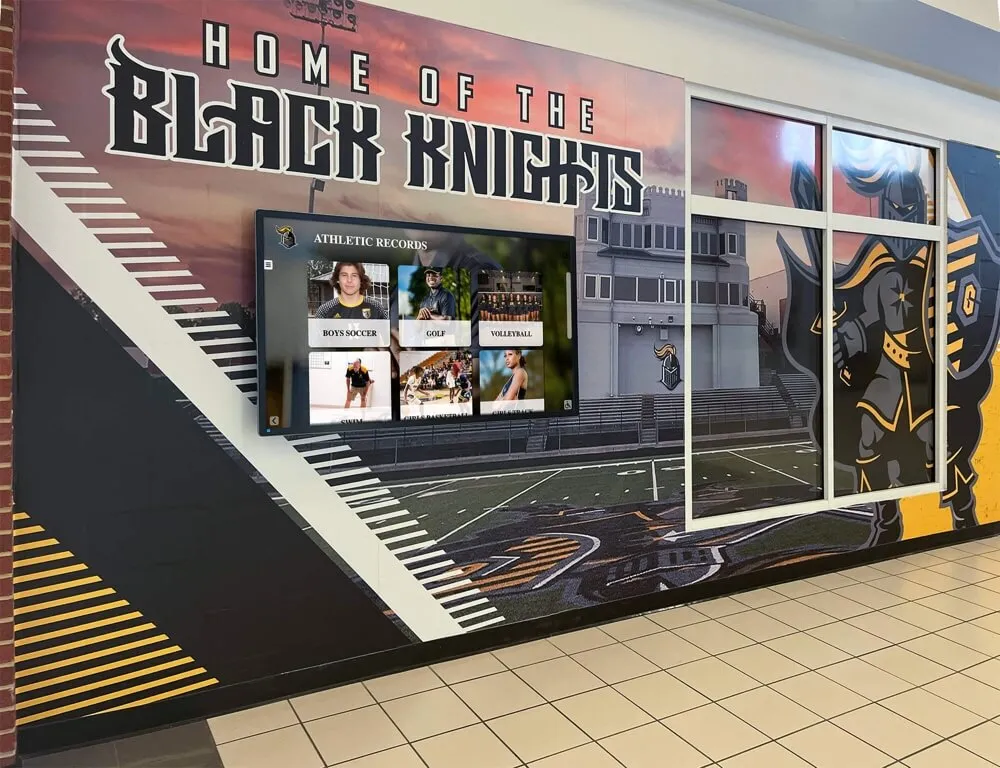
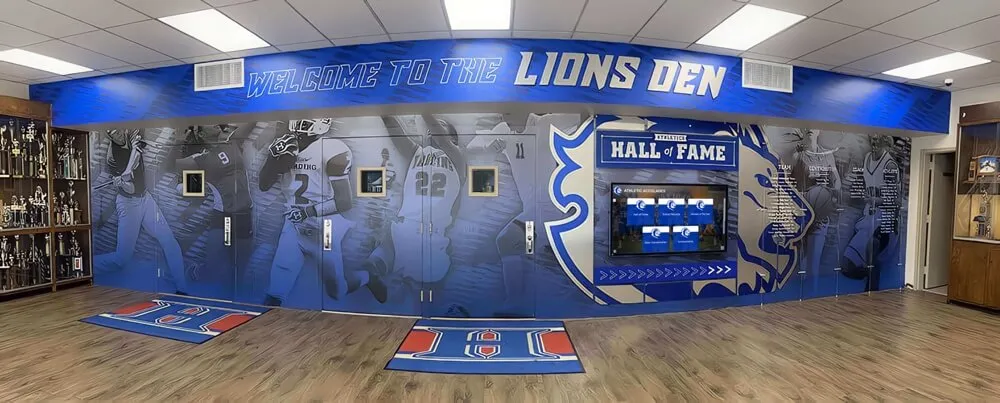
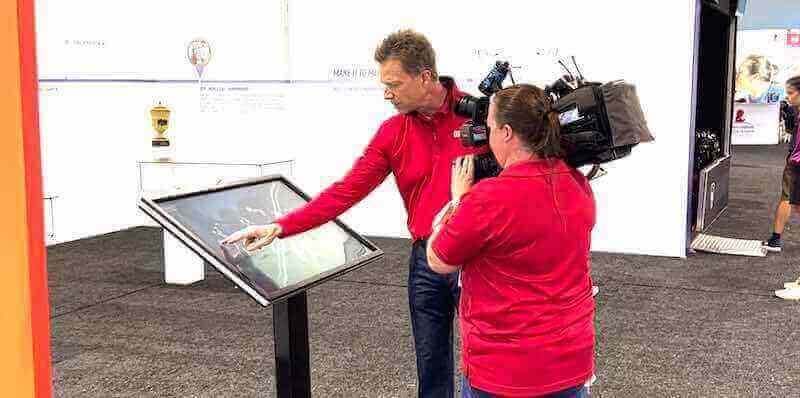
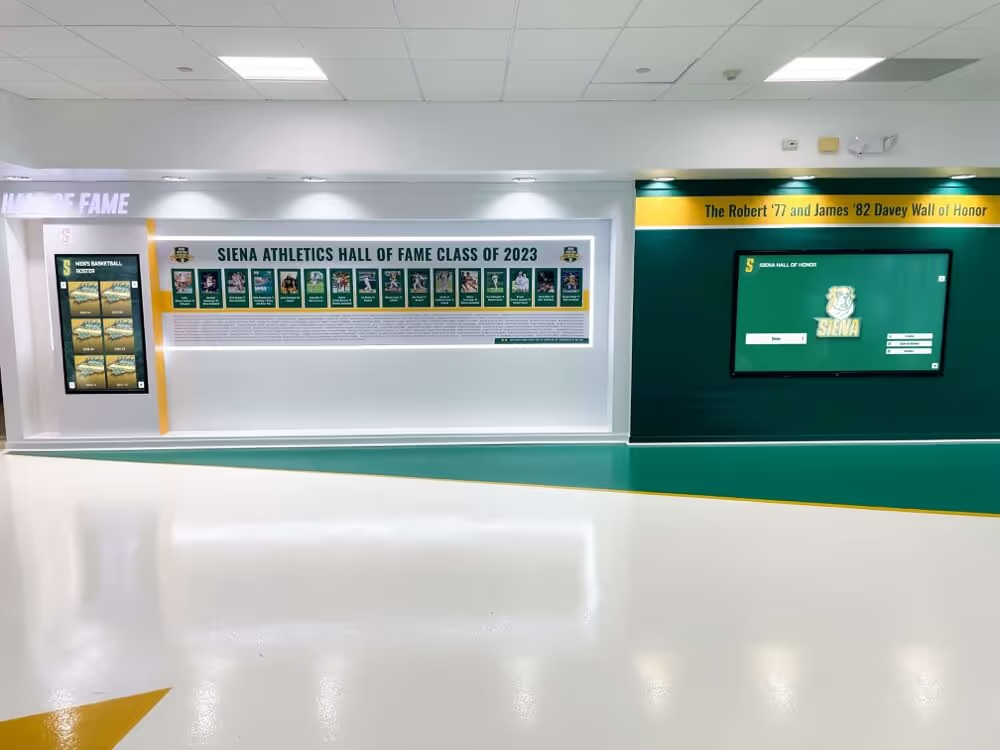
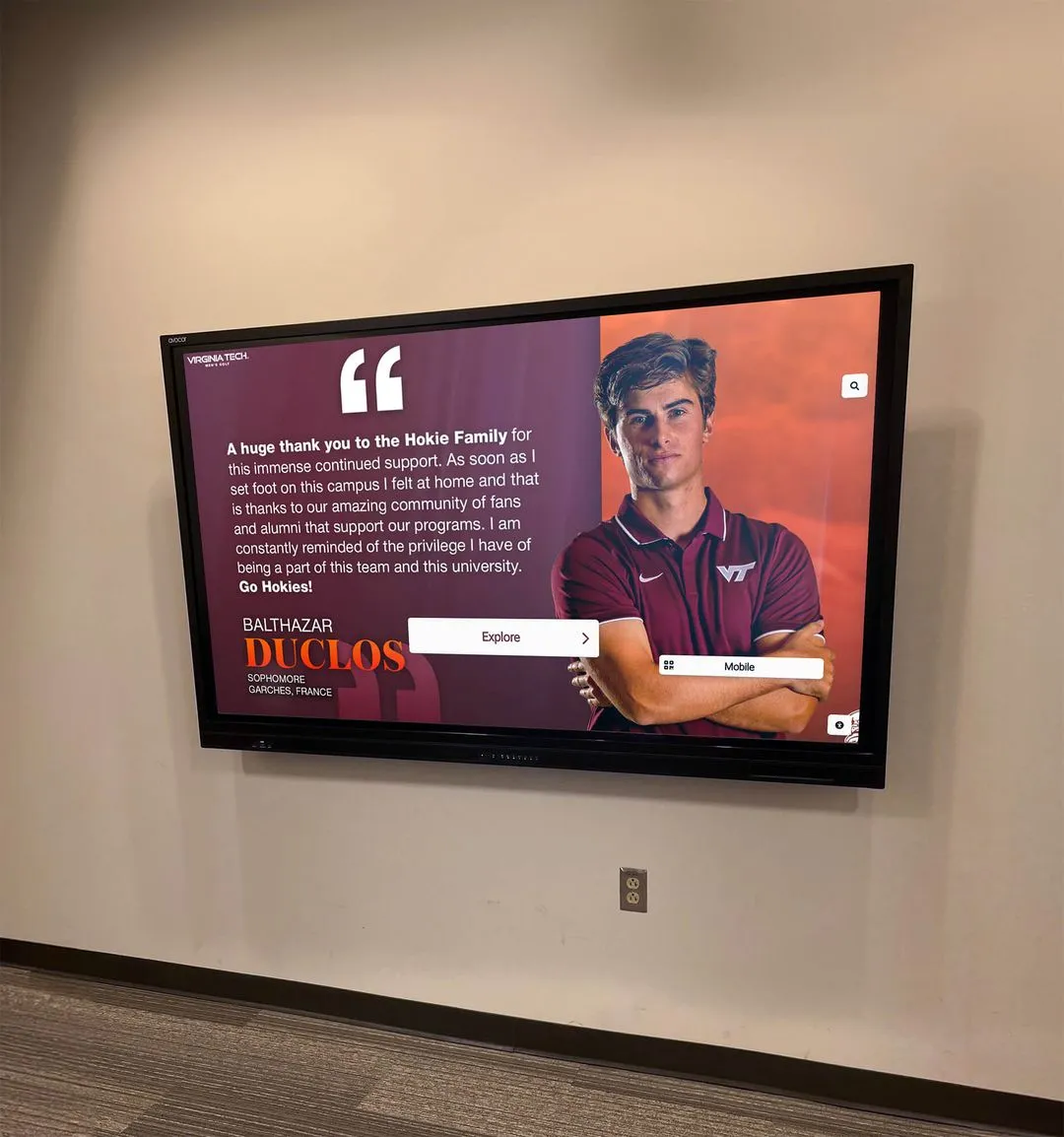
Healthcare facilities use interactive displays to honor supporters while engaging visitors in institutional missions
Execution Timeline: Implementing Therapeutic Gaming Programs
Systematic planning ensures gaming programs deliver clinical value while maintaining operational sustainability:
Phase 1: Program Planning and Needs Assessment (Weeks 1-4)
Clinical Needs Analysis
Hospitals should identify specific therapeutic gaming applications:
- Patient population demographics including age ranges and diagnostic categories
- Treatment protocols where gaming distraction provides clinical benefit
- Pain management approaches where gaming reduces pharmaceutical needs
- Psychological support needs addressing anxiety, depression, and isolation
- Physical rehabilitation goals potentially enhanced through interactive gaming
- Current entertainment offerings and identified gaps or limitations
Infrastructure and Equipment Evaluation
Technical requirements shape program implementation:
- Available spaces for gaming including playrooms, activity centers, and common areas
- Mobile kiosk needs enabling bedside gaming access
- Network infrastructure supporting online gaming and content updates
- Infection control protocols affecting equipment selection and maintenance
- Budget parameters for initial equipment and ongoing operational costs
- Staffing models determining specialist positions versus volunteer coordination
Regulatory and Safety Compliance
Healthcare settings impose unique requirements:
- Medical device classification and approval processes
- Infection control standards for equipment surfaces and shared controllers
- Patient privacy protection ensuring gaming doesn’t compromise HIPAA compliance
- Content appropriateness policies governing game selection and access
- Accessibility requirements serving patients with diverse abilities and medical restrictions
- Liability considerations addressing equipment-related incidents
Phase 2: Equipment Acquisition and Program Development (Weeks 5-12)
Gaming Equipment Selection
Purpose-built healthcare gaming systems address specialized needs:
- Medical-grade construction meeting durability and sanitization requirements
- Height adjustment mechanisms accommodating bedside positioning
- Controller options serving patients with varying physical abilities
- Game library diversity spanning age ranges, interests, and therapeutic goals
- Virtual reality capabilities expanding immersive distraction opportunities
- Maintenance support ensuring consistent availability and minimal downtime
According to Gamers Outreach, hospital-proofed GO Karts include internal lift mechanisms allowing staff to adjust height to each individual patient’s bedside, with each kiosk featuring gaming consoles, monitors, controllers, assorted games, and occasionally virtual reality headsets.
Game Library Curation
Therapeutic effectiveness depends on appropriate content selection:
- Age-appropriate titles spanning early childhood through adolescence
- Difficulty levels accommodating varying cognitive abilities and energy levels
- Multiplayer options enabling social engagement and peer connection
- Short-session games respecting limited attention and frequent interruptions
- Calming experiences supporting anxiety reduction and emotional regulation
- Achievement systems providing motivation and progress recognition
Mary Bridge Children’s program, now considered the nation’s first second-generation pediatric gaming program, emphasizes careful curation ensuring games serve therapeutic purposes while remaining engaging and age-appropriate.
Staff Training and Competency Development
Effective programs require skilled facilitation:
- Gaming system operation and troubleshooting
- Patient assessment identifying appropriate gaming interventions
- Game recommendation matching therapeutic goals with patient preferences
- Family education explaining gaming’s therapeutic benefits and program policies
- Documentation protocols tracking patient engagement and clinical outcomes
- Integration strategies coordinating gaming with care team goals
- Infection control procedures maintaining equipment safety between patients
Phase 3: Program Launch and Patient Engagement (Week 13+)
Patient Introduction and Access
Successful programs ensure all eligible patients receive gaming access:
- Admission orientation introducing gaming program availability
- Bedside consultations assessing interest and therapeutic appropriateness
- Family engagement helping parents understand and support gaming participation
- Flexible scheduling accommodating treatment demands and energy fluctuations
- Progress tracking documenting engagement patterns and outcomes
- Feedback collection informing program refinement and improvement
Clinical Integration and Outcome Measurement
Gaming programs must demonstrate therapeutic value:
- Pain score tracking before, during, and after gaming sessions
- Anxiety assessment using validated pediatric tools
- Medication administration logging comparing gaming versus non-gaming periods
- Patient satisfaction surveys measuring perceived benefit and program quality
- Length of stay analysis investigating potential gaming impact on recovery time
- Staff observation documenting behavioral changes and emotional responses
Seattle Children’s Hospital research demonstrates video games significantly reduced pain scores by 1.6-2.3 points and decreased patients’ need for pain medication, with gaming patients requiring seven fewer morphine boluses per day on average.
Community Awareness and Donor Engagement
Program visibility supports fundraising and community connection:
- Media coverage showcasing program impact and patient testimonials
- Social media content capturing therapeutic gaming moments (with appropriate privacy protections)
- Donor recognition displays honoring supporters funding equipment and staffing
- Volunteer recruitment engaging community members in program facilitation
- Partnership development with gaming industry and charitable organizations
- Annual impact reporting quantifying clinical outcomes and program reach
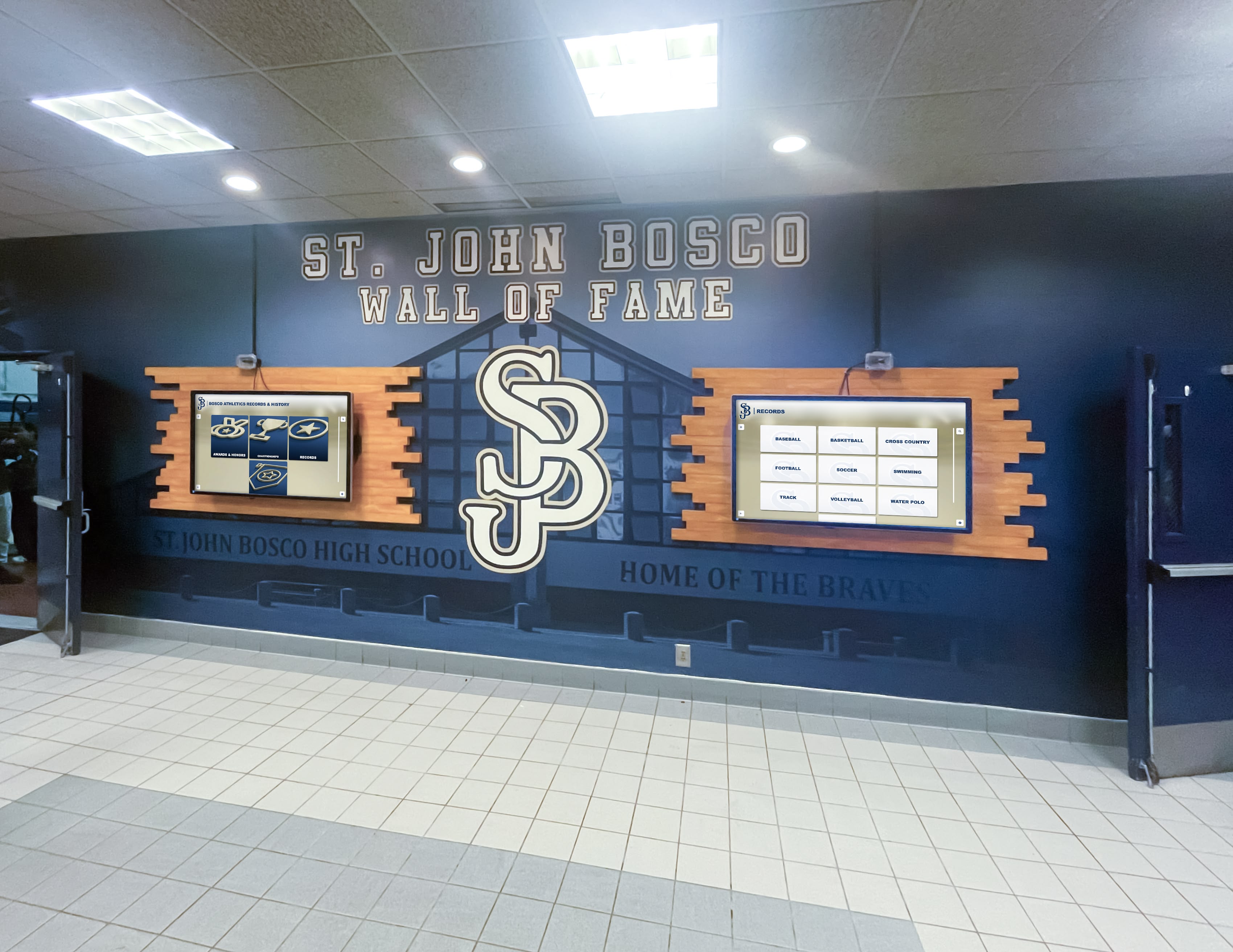
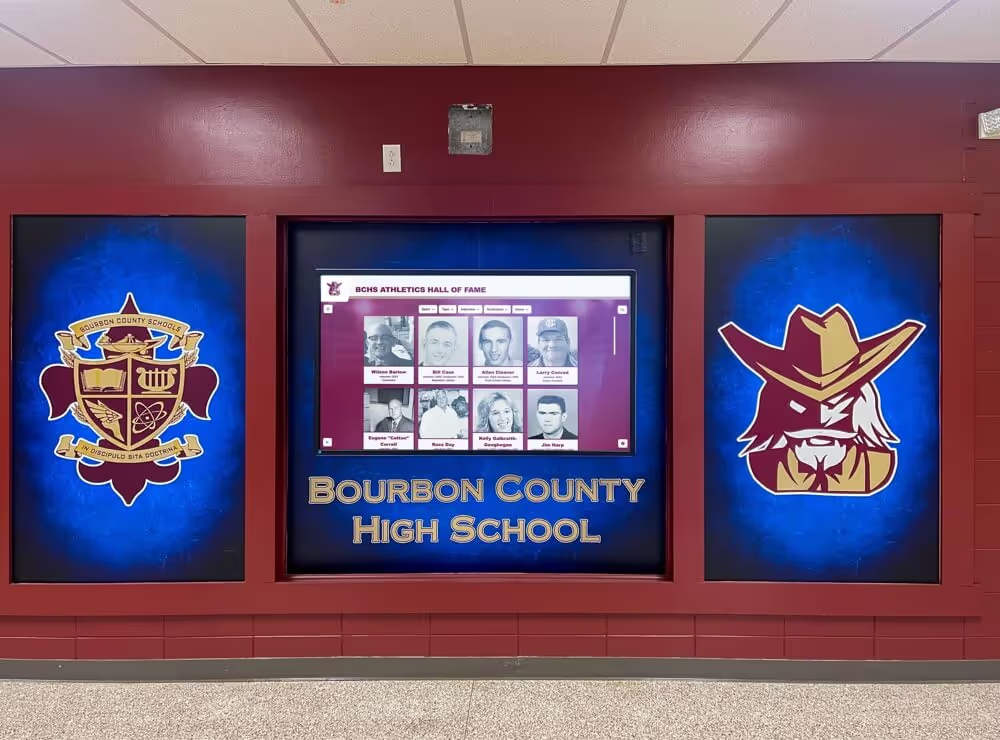
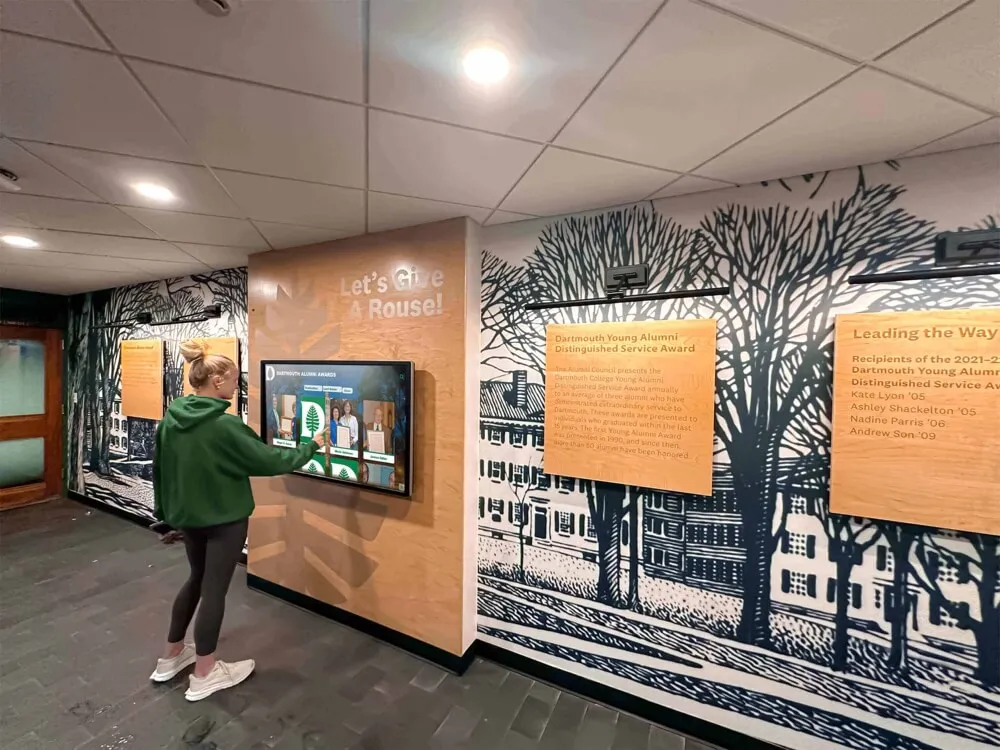
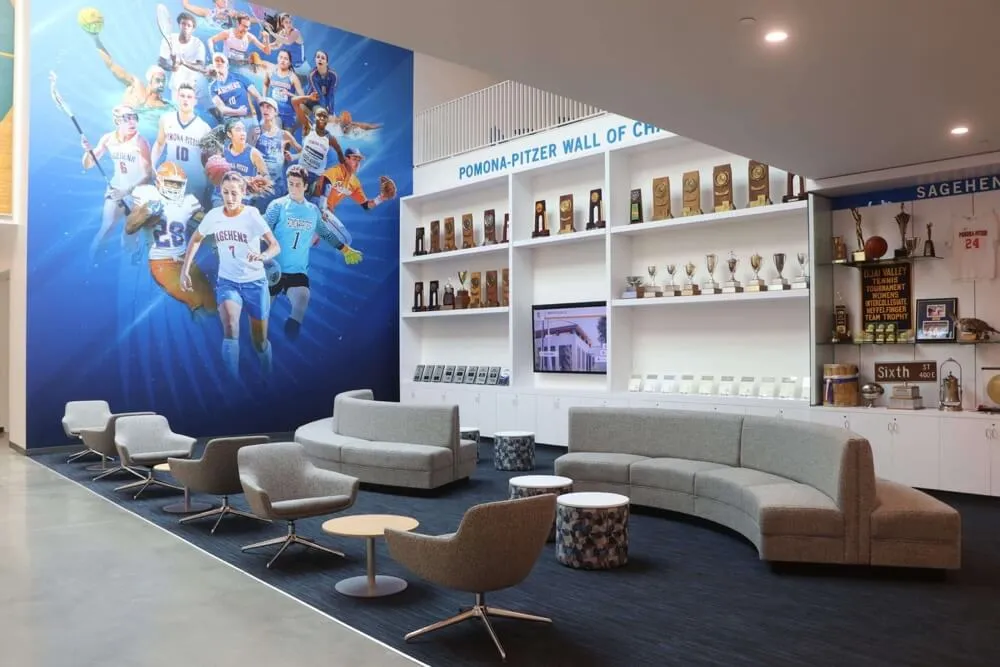
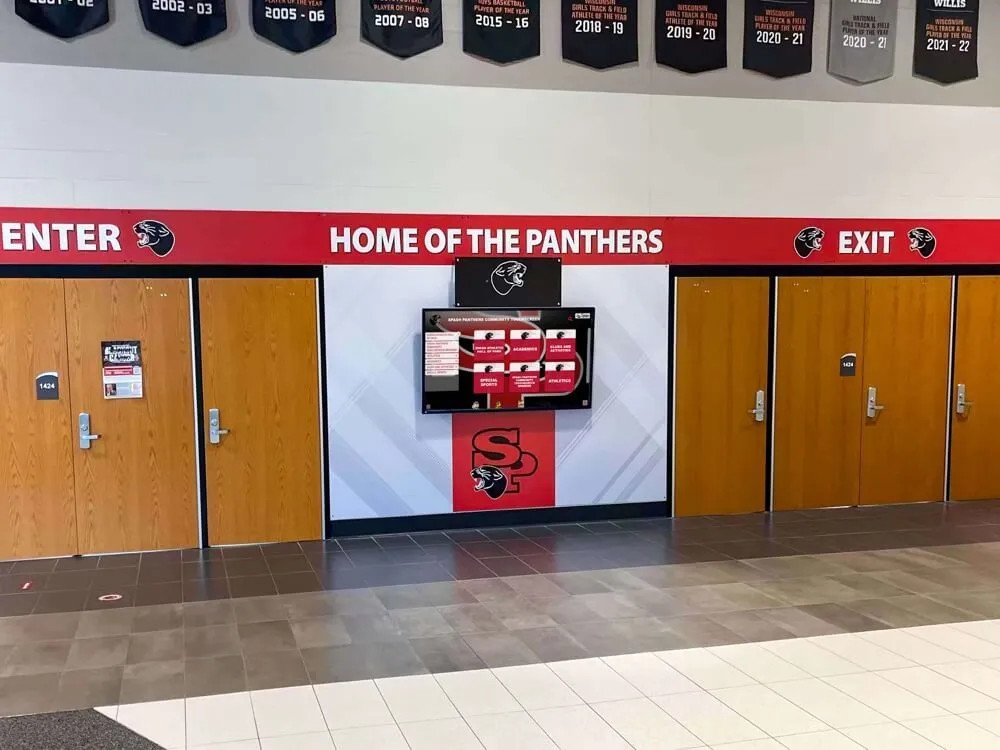
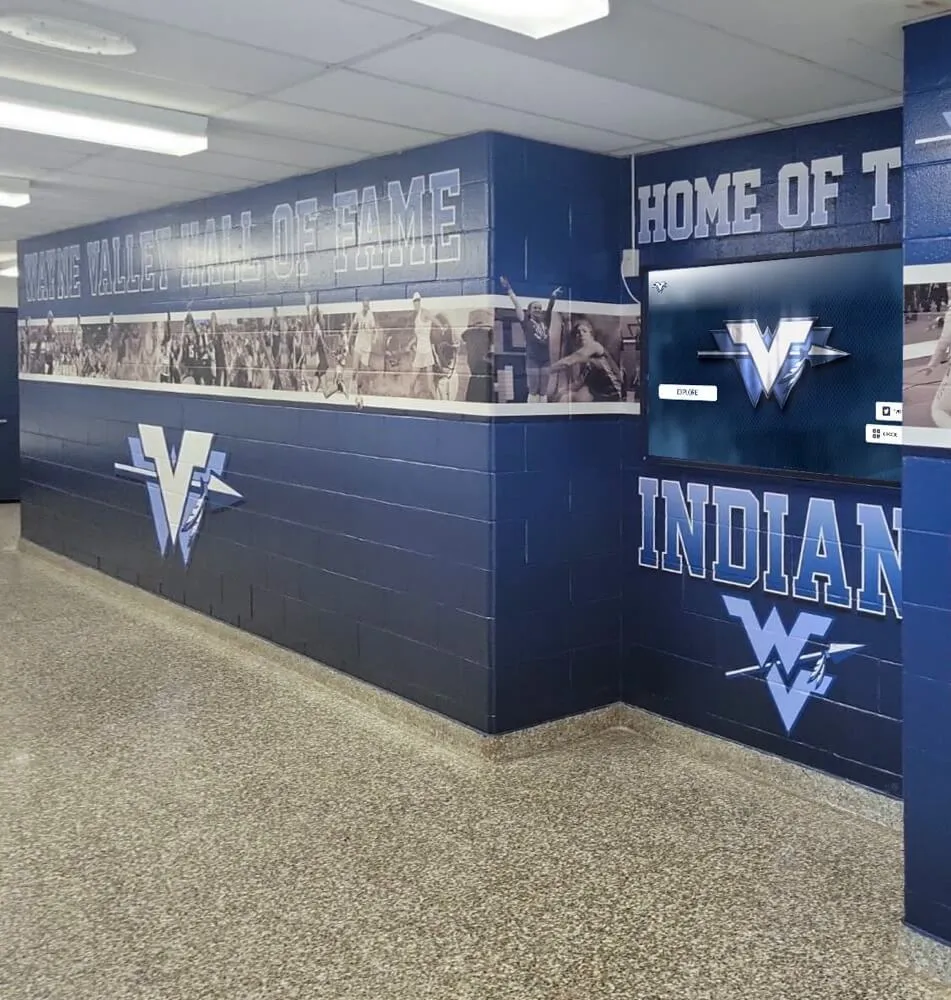
Healthcare facilities integrate recognition displays throughout campuses, celebrating supporters and engaging diverse audiences
Display Integration: Recognition Systems Supporting Gaming Programs
Digital recognition platforms extend therapeutic gaming program impact beyond direct patient services:
Donor Recognition and Philanthropic Stewardship
Gaming programs depend on charitable contributions requiring appropriate acknowledgment:
Digital Donor Walls
Interactive donor recognition showcases supporter contributions:
- Individual donor profiles acknowledging personal contributions
- Corporate partnership recognition honoring business supporters
- Foundation grants highlighting major program funding sources
- Volunteer acknowledgment celebrating time and talent contributions
- Historical giving records documenting cumulative support over time
- Impact statements connecting contributions to specific patient outcomes
Healthcare facilities report that comprehensive donor recognition increases retention, strengthens relationships, and inspires additional giving as supporters see their contributions appropriately acknowledged and program impact clearly documented.
Impact Visualization and Program Documentation
Recognition platforms demonstrate gaming program value:
- Patient testimonials sharing therapeutic gaming experiences (with privacy protections)
- Clinical outcome data quantifying pain reduction and anxiety improvement
- Program statistics documenting patient reach and engagement levels
- Photography and video content capturing therapeutic gaming in action
- Historical timelines showing program growth and evolution
- Comparative metrics demonstrating improvement over baseline entertainment approaches
This documentation serves dual purposes: validating current supporters’ contributions while providing compelling evidence for prospective donors and hospital leadership evaluating program continuation and expansion.
Patient Achievement Recognition Systems
Celebrating gaming accomplishments supports emotional well-being and motivation:
Milestone Celebration and Progress Tracking
Digital platforms can acknowledge patient gaming achievements:
- Game completion recognition validating effort and accomplishment
- Skill development documentation tracking progress over hospitalization
- Challenge achievement celebration providing motivation and positive reinforcement
- Leaderboard displays (when clinically appropriate) fostering healthy competition
- Personal best recognition honoring individual progress regardless of peer comparison
- Therapeutic goal integration connecting gaming achievements to recovery milestones
Privacy considerations and clinical appropriateness must guide patient recognition, ensuring celebration remains therapeutic rather than creating unhealthy pressure or revealing protected health information.
Volunteer and Staff Acknowledgment
Comprehensive recognition extends beyond donors and patients:
- Therapeutic gaming specialist profiles honoring dedicated professionals
- Volunteer recognition celebrating community members supporting programs
- Child life team acknowledgment highlighting collaborative therapeutic approaches
- Hospital leadership recognition validating administrative support
- Partnership appreciation honoring collaborating organizations and foundations
- Historical program pioneers documenting visionaries who established gaming initiatives
This broad recognition builds constituency supporting program sustainability while demonstrating institutional commitment to therapeutic innovation.
Community Engagement and Awareness Displays
Public recognition platforms engage hospital visitors and community members:
Lobby and Common Area Installations
Strategic display placement maximizes program visibility:
- Main entrance areas where recognition becomes part of arrival experience
- Waiting rooms providing engaging content for families during appointments
- Conference and event spaces contextualizing hospital innovation and excellence
- Fundraising event venues demonstrating program impact to prospective supporters
- Community showcase displays engaging diverse audiences in institutional missions
According to healthcare facilities implementing comprehensive recognition systems, prominent displays drive measurably increased community engagement, with recognition becoming destination attractions for donors, volunteers, and community members interested in supporting pediatric care.
Web and Mobile Accessibility
Modern recognition extends beyond physical facilities:
- Online platforms making donor recognition accessible to global audiences
- Mobile-responsive design ensuring quality experience across devices
- Social media integration enabling supporters to share recognition with networks
- Remote access allowing family members to explore program impact
- Alumni engagement connecting former patients with current gaming programs
- Research dissemination sharing clinical outcomes with healthcare professionals
Solutions like Rocket Alumni Solutions provide cloud-based platforms delivering simultaneous touchscreen and web access from unified content sources, maximizing recognition reach while simplifying administrative management.
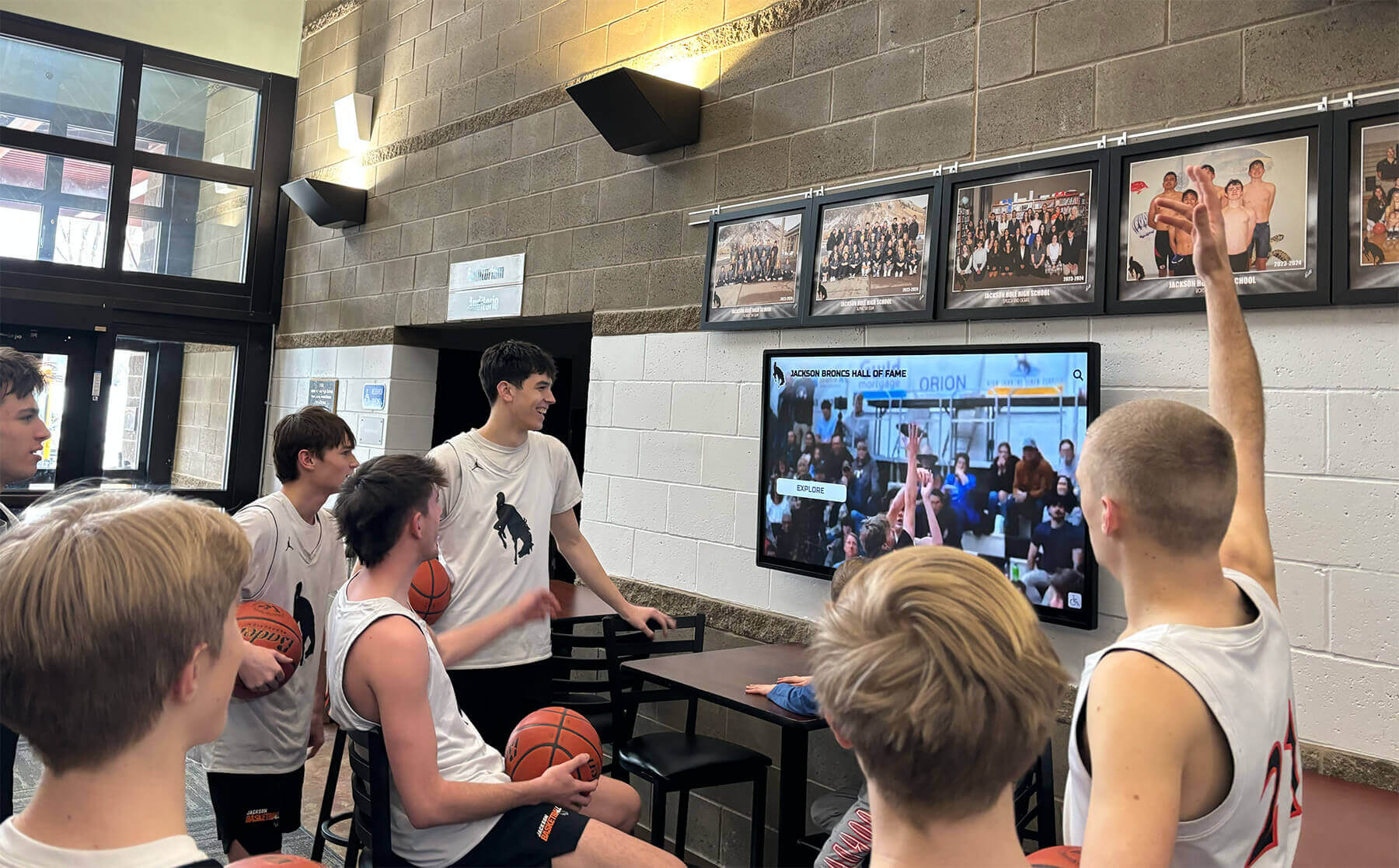
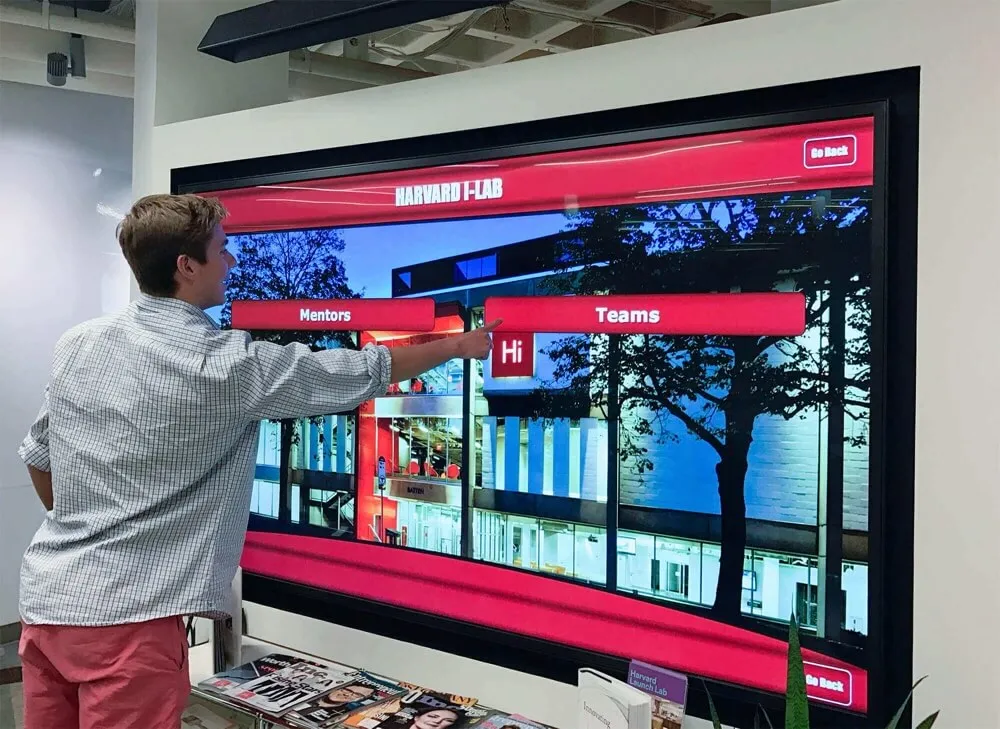
Interactive displays create engaging social experiences where communities explore achievements and institutional impact together
Measurement Block: Evaluating Therapeutic Gaming Program Effectiveness
Systematic assessment demonstrates program value while identifying improvement opportunities:
Clinical Outcome Metrics
Therapeutic gaming programs must deliver measurable patient benefits:
Pain Management Effectiveness
Quantitative measures document pain reduction:
- Pre-session and post-session pain scores using validated pediatric scales
- Comparison of medication administration during gaming versus non-gaming periods
- Duration of pain relief following gaming sessions
- Procedure tolerance when gaming distraction employed
- Patient-reported pain perception surveys
- Caregiver observations of pain behavior changes
Seattle Children’s research demonstrated games reduced pain scores by 1.6-2.3 points and decreased morphine needs by seven boluses per day on average, providing compelling evidence of clinical effectiveness.
Psychological and Emotional Impact
Gaming affects multiple dimensions of emotional well-being:
- Anxiety reduction measured through standardized assessment tools
- Mood improvement documented via patient and caregiver reports
- Isolation reduction through social gaming opportunities
- Coping skill development supporting stress management
- Hospital environment acclimation reducing fear and distress
- Treatment compliance potentially influenced by positive hospital experiences
According to multi-hospital research, 70% of gaming patients reported increased happiness, 70% experienced reduced anxiety, 60% noted decreased loneliness, and over 80% felt less stress during gaming sessions.
Physical and Cognitive Outcomes
Gaming supports broader recovery goals:
- Physical therapy integration improving rehabilitation engagement and outcomes
- Cognitive stimulation supporting neurological recovery
- Fine motor skill development through controller manipulation
- Coordination improvement via interactive gaming challenges
- Activity level increases for patients previously sedentary during hospitalization
- Developmental milestone progression for pediatric patients facing extended stays
Program Utilization and Engagement Analytics
Understanding usage patterns informs program optimization:
Patient Participation Metrics
Comprehensive tracking reveals program reach:
- Total patient encounters documenting program scale
- Participation rate among eligible patients
- Average session duration indicating engagement depth
- Repeat engagement frequency showing sustained interest
- Game preference patterns informing library curation
- Demographic analysis ensuring equitable access across patient populations
Seattle Children’s specialists manage over 100 devices daily and conduct approximately 200 patient visits monthly, demonstrating substantial program utilization and reach.
Equipment Performance and Operations
Technical reliability affects program effectiveness:
- Device availability rates measuring maintenance demands
- Technical issue frequency identifying problematic equipment
- Sanitization cycle compliance ensuring infection control
- Battery performance for mobile kiosks enabling bedside access
- Network reliability supporting online gaming experiences
- Replacement and refresh cycles maintaining contemporary gaming experiences
Community and Philanthropic Impact Measures
Gaming programs influence institutional relationships and support:
Donor Engagement and Retention
Recognition effectiveness affects philanthropic sustainability:
- Donor retention rates comparing gaming program supporters to general donors
- Giving level progression showing increased commitment over time
- Recognition engagement metrics tracking donor display interaction
- Testimonial impact measuring emotional connection to program outcomes
- Event attendance rates at gaming program celebrations and tours
- Major gift pipeline development attributed to gaming program exposure
Community Awareness and Perception
Program visibility shapes institutional reputation:
- Media coverage quantity and quality
- Social media engagement and reach
- Community survey responses measuring program awareness
- Prospective patient family feedback regarding gaming program influence
- Partnership development with gaming industry and foundations
- Academic and conference presentations disseminating best practices
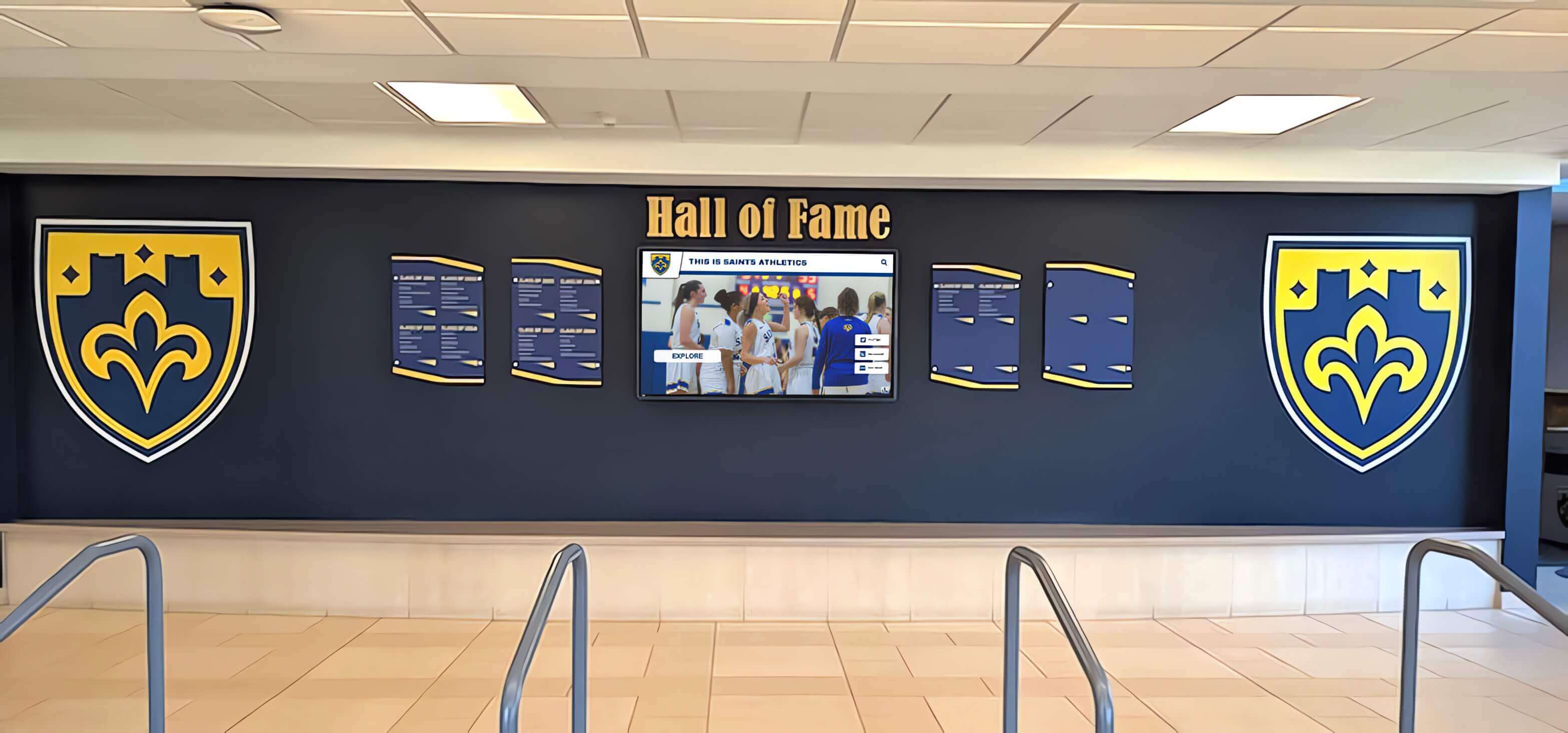
Recognition displays integrate institutional identity while celebrating community contributions and program excellence
Emerging Technologies and Future Therapeutic Gaming Developments
Therapeutic gaming continues evolving as technology advances and evidence accumulates:
Virtual Reality and Immersive Experiences
VR technology offers enhanced therapeutic possibilities:
Pain Management Applications
Virtual reality delivers powerful distraction during procedures:
- Immersive environments transporting patients away from clinical settings
- Interactive VR experiences requiring cognitive engagement and attention
- Customized experiences matching patient preferences and interests
- Procedure-specific VR protocols for common painful interventions
- Age-appropriate content spanning childhood through adolescence
- Portable VR systems enabling bedside deployment
According to emerging research, virtual reality distraction provides pain reduction equivalent to or exceeding traditional gaming approaches, with immersive experiences proving particularly effective during procedures like injections, wound care, and physical therapy sessions.
Anxiety and Phobia Treatment
VR enables exposure therapy and anxiety management:
- Gradual exposure to anxiety-producing medical scenarios
- Relaxation environments supporting stress reduction and emotional regulation
- Social VR connecting isolated patients with peers facing similar challenges
- Guided meditation and mindfulness experiences leveraging immersion
- Pre-procedure preparation reducing anticipatory anxiety
- Medical education helping patients understand treatments reducing fear of unknown
Augmented Reality and Mixed Reality Applications
AR technology bridges physical and digital experiences:
Educational Integration
Augmented reality supports medical education and preparation:
- Anatomical visualizations helping patients understand treatments
- Procedure previews showing what to expect during medical interventions
- Medication education making complex information accessible and engaging
- Physical therapy guidance overlaying correct movement patterns on patients
- Scavenger hunts encouraging mobility and facility exploration
- Interactive hospital maps reducing anxiety about unfamiliar environments
Social Connection Enhancement
AR enables novel forms of patient interaction:
- Shared AR experiences connecting patients in different locations
- Family connection tools bridging geographic separation during hospitalization
- Pet visitation alternatives for infection-controlled environments
- Classroom integration enabling hospitalized students to “attend” school
- Special event participation for patients unable to leave medical facilities
- Memory creation through AR-enhanced photography and video
Artificial Intelligence and Personalization
AI enables individualized therapeutic gaming experiences:
Adaptive Game Difficulty
Machine learning optimizes engagement:
- Real-time difficulty adjustment matching patient energy and ability
- Therapeutic goal integration guiding game recommendation algorithms
- Frustration detection and intervention preventing negative experiences
- Success reinforcement through achievement systems matched to progress
- Session length optimization based on engagement patterns and clinical status
- Multi-session progression tracking skill development and preference evolution
Clinical Integration and Decision Support
AI analyzes gaming data revealing clinical insights:
- Pattern recognition identifying changes potentially indicating complications
- Mood detection through gameplay behavior changes
- Engagement level correlation with pain or psychological distress
- Optimal intervention timing suggestions based on historical effectiveness
- Predictive models identifying patients most likely to benefit from specific games
- Outcome prediction supporting evidence-based program refinement
While promising, AI applications must prioritize patient safety, privacy protection, and clinical appropriateness, ensuring technology serves therapeutic goals rather than introducing additional complexity or risk.
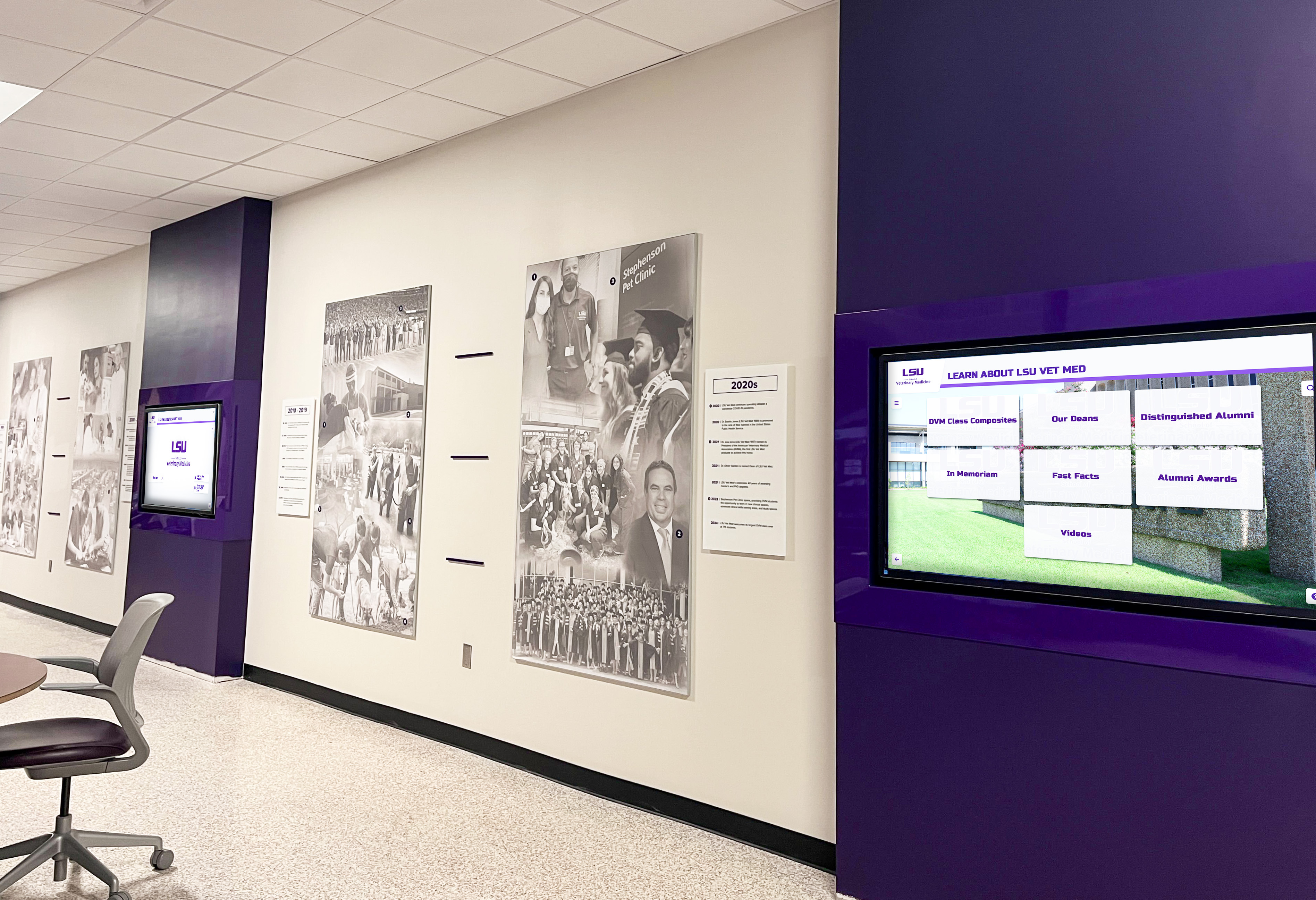
Recognition displays integrated throughout healthcare facilities create environments celebrating community support and program impact
Building Comprehensive Recognition Programs Supporting Therapeutic Gaming
Recognition systems connecting gaming programs to community support create sustainable funding and engagement:
Donor Communication and Impact Storytelling
Effective recognition demonstrates contribution value:
Individual Donor Profiles
Personal recognition creates emotional connection:
- Biographical information celebrating supporter backgrounds and motivations
- Giving history documenting cumulative support and relationship duration
- Impact statements connecting specific contributions to patient outcomes
- Testimonial integration featuring patient family gratitude (with privacy protections)
- Photography showing donors engaging with programs they’ve funded
- Video content capturing supporters reflecting on their philanthropic motivations
Donor recognition best practices emphasize authentic storytelling that honors contributions while demonstrating tangible impact on patients and families.
Corporate Partnership Recognition
Business supporters require appropriate acknowledgment:
- Company profiles highlighting corporate citizenship and community commitment
- Partnership history documenting ongoing support and evolving relationships
- Employee engagement recognition celebrating volunteer participation
- Product and service contributions acknowledging in-kind donations
- Industry leadership positioning corporate supporters as healthcare innovation partners
- Research collaboration highlighting joint efforts advancing therapeutic gaming
Corporate recognition should reflect partnership sophistication, moving beyond simple logo display to meaningful storytelling demonstrating mutual commitment to pediatric healthcare excellence.
Foundation and Organizational Support
Institutional funders merit comprehensive acknowledgment:
- Mission alignment narratives connecting foundation priorities to gaming programs
- Grant impact documentation showing how funding achieved therapeutic goals
- Multi-year relationship recognition honoring sustained commitment
- Research dissemination sharing clinical outcomes with foundation stakeholders
- Partnership expansion opportunities identifying additional collaboration areas
- Recognition program strategies adapted for institutional supporters
Patient and Family Engagement
Gaming program recognition can appropriately celebrate patient achievements:
Achievement Celebration Systems
Age-appropriate recognition validates effort:
- Milestone completion certificates documenting gaming achievements
- Personal progress tracking showing skill development over hospitalization
- Therapeutic goal integration connecting gaming to recovery objectives
- Family sharing enabling loved ones to celebrate patient accomplishments
- Keepsake creation providing lasting mementos of positive hospital experiences
- Privacy-protected public recognition celebrating achievements without revealing protected health information
Clinical appropriateness and privacy protection must guide patient recognition, ensuring systems support therapeutic goals while respecting individual preferences and regulatory requirements.
Alumni Connection Programs
Former patients can support future therapeutic gaming:
- Alumni testimonials sharing how gaming supported their healthcare journey
- Fundraising participation through peer-to-peer campaigns and events
- Volunteer opportunities assisting current patients with gaming programs
- Advisory roles informing program development from patient perspective
- Research participation contributing to evidence base supporting gaming interventions
- Advocacy efforts promoting therapeutic gaming adoption at additional facilities
Alumni recognition approaches demonstrate strategies for engaging former patients in ongoing program support and community building.
Community Education and Awareness Building
Recognition platforms educate while acknowledging support:
Program Impact Documentation
Comprehensive data communication builds understanding:
- Clinical outcome infographics making research accessible to lay audiences
- Patient reach statistics documenting program scale and growth
- Testimonial collections featuring patient, family, and clinician perspectives
- Comparative analysis showing gaming versus traditional entertainment approaches
- Cost-benefit analysis demonstrating return on philanthropic investment
- Historical timelines documenting program evolution and milestone achievements
Educational Content Integration
Recognition displays can inform while celebrating:
- Gaming and health research summaries explaining therapeutic mechanisms
- Therapeutic gaming specialist role descriptions helping visitors understand professional expertise
- Equipment explanations demystifying GO Karts, VR systems, and gaming technology
- Clinical integration narratives showing gaming coordination with care teams
- Child life philosophy education positioning gaming within comprehensive pediatric support
- Innovation storytelling celebrating institutional commitment to evidence-based care advancement
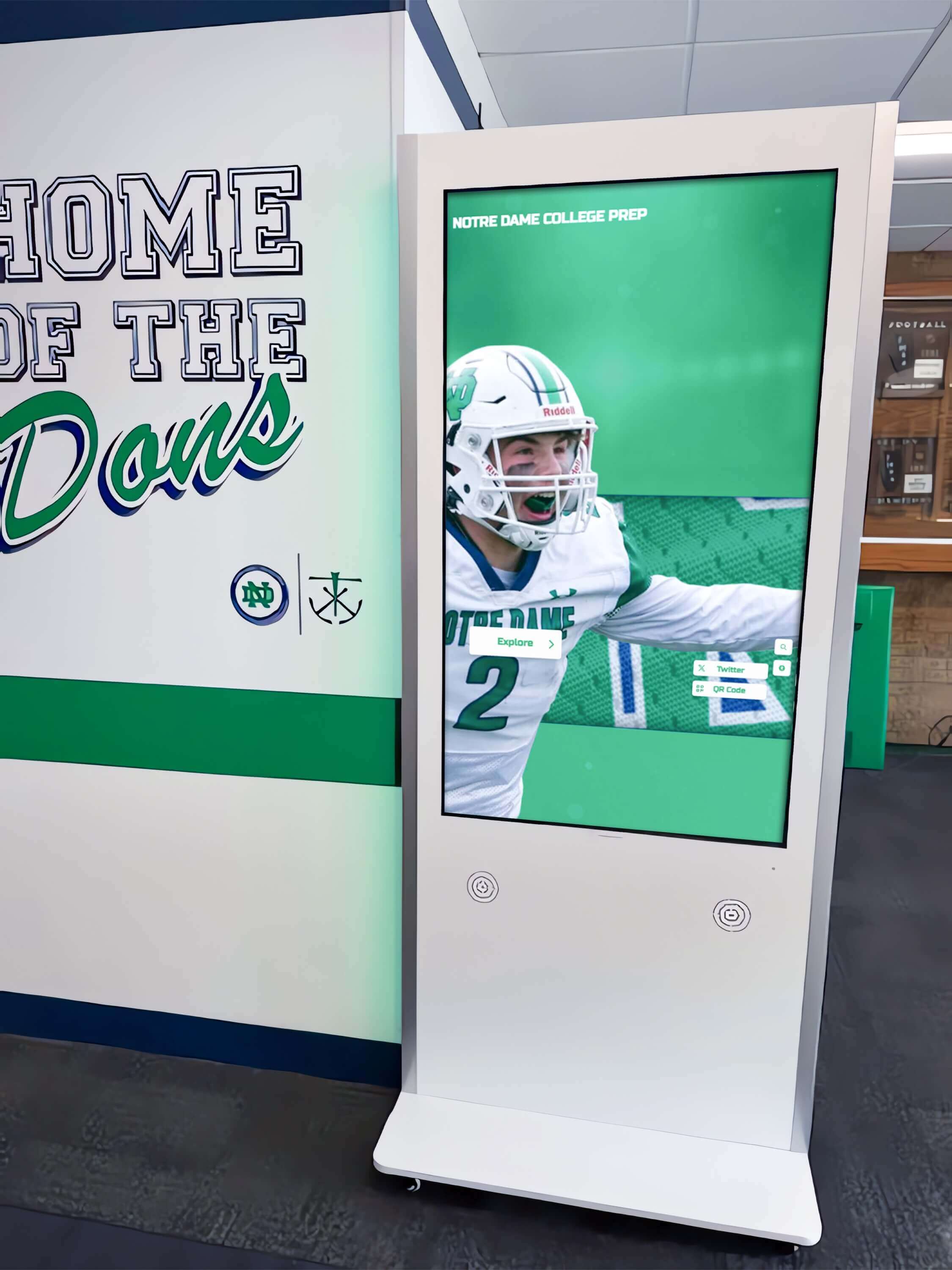
Strategic recognition placement creates focal points celebrating achievement while enhancing facility aesthetics and engagement
Best Practices from Leading Pediatric Gaming Programs
Learning from established programs informs successful implementation:
Seattle Children’s Hospital Therapeutic Gaming Program
Leading program demonstrates comprehensive approach:
Program Structure and Staffing
Since 2018 inception, Seattle Children’s has built comprehensive gaming infrastructure:
- Therapeutic gaming specialists managing 100+ devices daily
- Average of 200 patient visits conducted monthly
- Integration with child life services and clinical care teams
- Continuous equipment maintenance ensuring availability
- Research participation generating evidence supporting therapeutic gaming
Clinical Integration and Outcomes
Evidence-based practice drives program operation:
- Pain score reductions of 1.6-2.3 points documented through research
- Morphine administration decreased by average of seven boluses per day
- Patient satisfaction improvements measured through surveys
- Family engagement supporting home-based gaming following discharge
- Academic partnerships advancing therapeutic gaming research
Program Growth and Industry Leadership
Seattle Children’s exemplifies successful program development:
- Expansion from pilot to comprehensive facility-wide initiative
- Specialist training programs educating professionals at other institutions
- Conference presentations disseminating best practices nationally
- Research publication advancing evidence base for therapeutic gaming
- Advocacy efforts promoting gaming program adoption across pediatric healthcare
Texas Children’s Hospital Patient Technology Program
Pioneer program established dedicated gaming roles:
Integrated Service Model
Comprehensive approach addresses multiple patient needs:
- Patient Gaming & Technology Coordinators supporting emotional, developmental, psychosocial, and physical needs
- Equipment diversity spanning gaming consoles, tablets, virtual reality, and emerging technologies
- Flexible delivery models including bedside, playroom, and take-home devices
- Family education helping caregivers understand and support therapeutic play
- Long-term patient support for children facing extended or repeated hospitalizations
Multidisciplinary Collaboration
Gaming coordinators work throughout hospital:
- Emergency department distraction during acute care
- Pre-operative preparation reducing anticipatory anxiety
- Post-operative recovery support managing pain and boredom
- Rehabilitation services integration motivating therapy participation
- Intensive care unit appropriate gaming for critically ill patients
- Outpatient clinic engagement improving appointment experience
Mary Bridge Children’s Hospital Second-Generation Program
Innovative program advances therapeutic gaming practice:
Evidence-Driven Program Design
Second-generation approach incorporates lessons learned:
- Comprehensive needs assessment informing equipment selection
- Age-appropriate content curation ensuring developmental match
- Outcomes measurement embedded from program inception
- Continuous quality improvement using patient feedback and clinical data
- Staff training emphasizing therapeutic integration versus entertainment provision
Community Partnership Development
Sustainable programs require philanthropic support:
- Donor cultivation emphasizing measurable patient outcomes
- Corporate partnerships leveraging gaming industry relationships
- Foundation grants supporting research and program expansion
- Volunteer recruitment engaging community in direct patient support
- Recognition systems honoring supporters and demonstrating impact
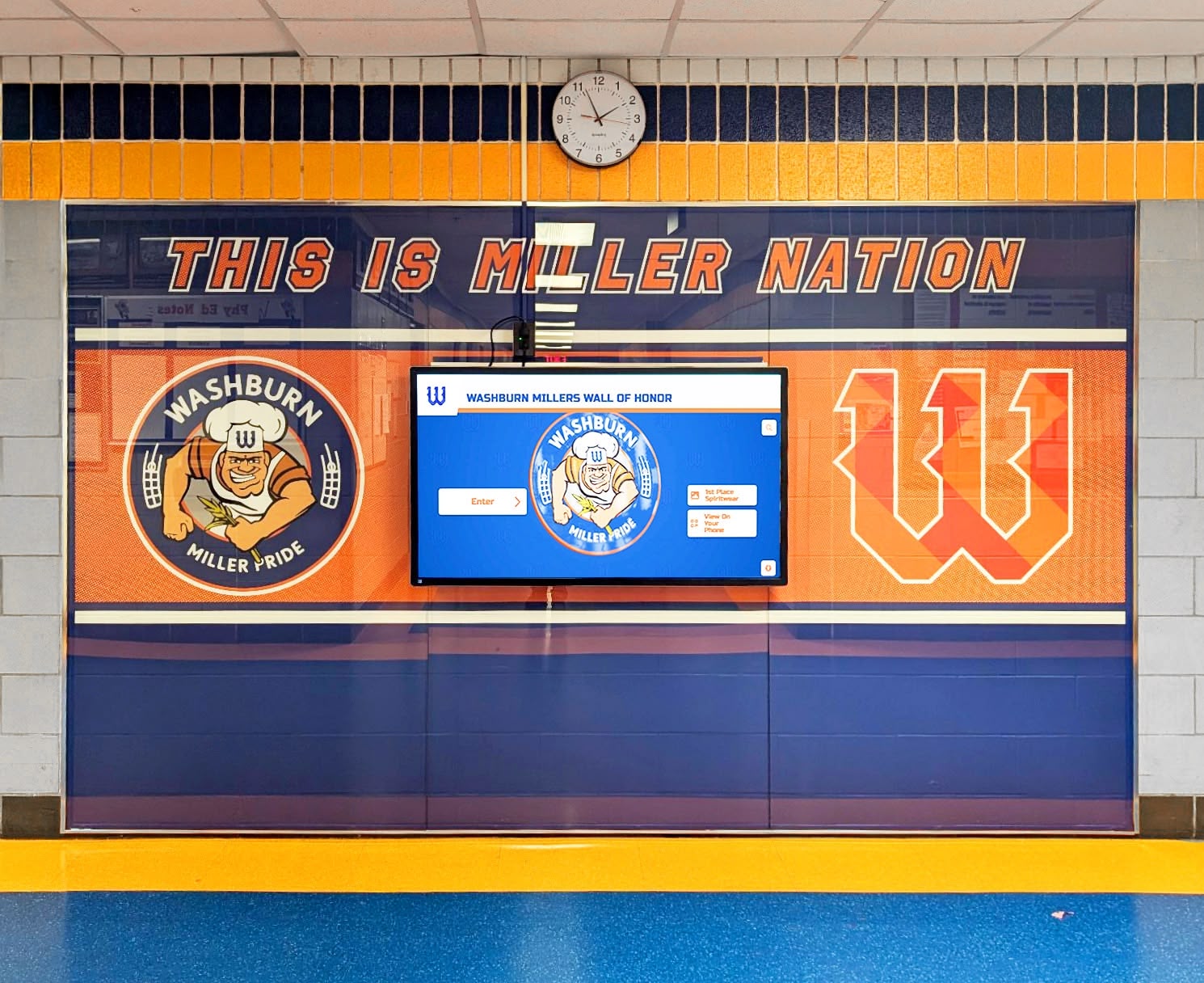
Recognition displays throughout facilities maintain visibility for supporters and programs while engaging diverse audiences
Conclusion: Gaming as Medicine and Community Connection
Video games at children’s hospitals represent powerful therapeutic interventions transforming pediatric healthcare through measurable pain reduction, anxiety improvement, and enhanced emotional well-being. Organizations implementing comprehensive gaming programs create healing environments where play becomes medicine, patients receive age-appropriate distraction and engagement during challenging medical experiences, and communities contribute to pediatric care through equipment donations and program support receiving appropriate recognition and stewardship.
The strategies explored throughout this comprehensive guide provide frameworks for building therapeutic gaming programs delivering clinical value, implementing recognition systems honoring supporters appropriately, and measuring outcomes demonstrating program effectiveness to stakeholders and prospective funders. From mobile GO Kart kiosks enabling bedside gaming access to virtual reality systems creating immersive distraction experiences and therapeutic gaming specialists providing professional facilitation, these evidence-based approaches transform pediatric hospitalization from isolated, anxious experiences into engaged, supported recovery journeys.
Ready to implement recognition systems celebrating therapeutic gaming programs and honoring community supporters who make these innovative approaches possible? Modern recognition solutions help healthcare facilities showcase program impact while building constituencies supporting continued investment in therapeutic gaming. Solutions like Rocket Alumni Solutions provide digital recognition platforms specifically designed for healthcare applications, combining donor stewardship with program impact communication through touchscreen displays and web accessibility that extend recognition reach while simplifying administrative management.
Whether establishing first-time gaming programs or enhancing existing initiatives with comprehensive recognition, success depends on evidence-based therapeutic approaches, appropriate clinical integration, and authentic community engagement demonstrating how contributions transform patient experiences. Schedule a custom demonstration exploring how purpose-built recognition platforms support healthcare missions while honoring supporters and documenting program excellence effectively.
Hospitalized children deserve therapeutic interventions addressing pain, anxiety, isolation, and boredom through engaging, age-appropriate experiences supported by dedicated professionals and generous communities. Video games represent validated medical tools delivering measurable clinical benefits while providing positive memories during challenging healthcare experiences. Communities supporting these programs through equipment donations, volunteer time, and philanthropic contributions deserve recognition demonstrating impact and validating investment.
The most important element isn’t sophisticated technology or extensive game libraries—it’s authentic institutional commitment to evidence-based therapeutic innovation serving pediatric patients comprehensively while honoring supporters appropriately. With systematic planning prioritizing clinical integration, comprehensive recognition celebrating contributions, and rigorous outcome measurement documenting effectiveness, healthcare facilities can implement gaming programs transforming pediatric care while building sustainable community partnerships supporting continued innovation and excellence.
Begin by researching therapeutic gaming evidence, consulting established programs like Seattle Children’s and Texas Children’s, defining clinical goals and patient populations, securing appropriate medical-grade equipment, developing recognition systems honoring supporters, and committing to outcome measurement demonstrating program value throughout years of sustained operation and continuous improvement.
Sources
Information about video games and therapeutic benefits at children’s hospitals:
- Specially Designed Video Games May Benefit Mental Health of Children and Teenagers - Johns Hopkins Medicine
- Seattle Children’s Therapeutic Gaming Program Uses Video Games - Seattle Children’s Hospital
- Project GO Kart: Therapeutic Gaming Kiosks for Hospitalized Children - LA2050
- Foundation Teams Up with Microsoft to Bring Video Games to Hospitalized Children - HealthTech Magazine
- Play With Purpose - Boston Children’s Hospital Trust
- Our Mission: Giving Kids Access to Play through Video Games - Gamers Outreach
- Pediatric Gaming and Technology with Coordinator Marty McMahon - Texas Children’s Hospital
- Press play, not pause: Gaming program levels up hospital stays - Mary Bridge Children’s
- Gaming in Hospitals: More Than A Distraction - Starlight Children’s Foundation
- Therapeutic Gaming Program Boosts the Patient Experience - Children’s Hospitals Today