Valedictorian Speech Ideas: Themes, Structure, and Memorable Openings for 2026
- Home /
- Digital Hall of Fame Insights & Resources /
- Valedictorian Speech Ideas: Themes, Structure, and Memorable Openings for 2026
The Easiest Touchscreen Solution




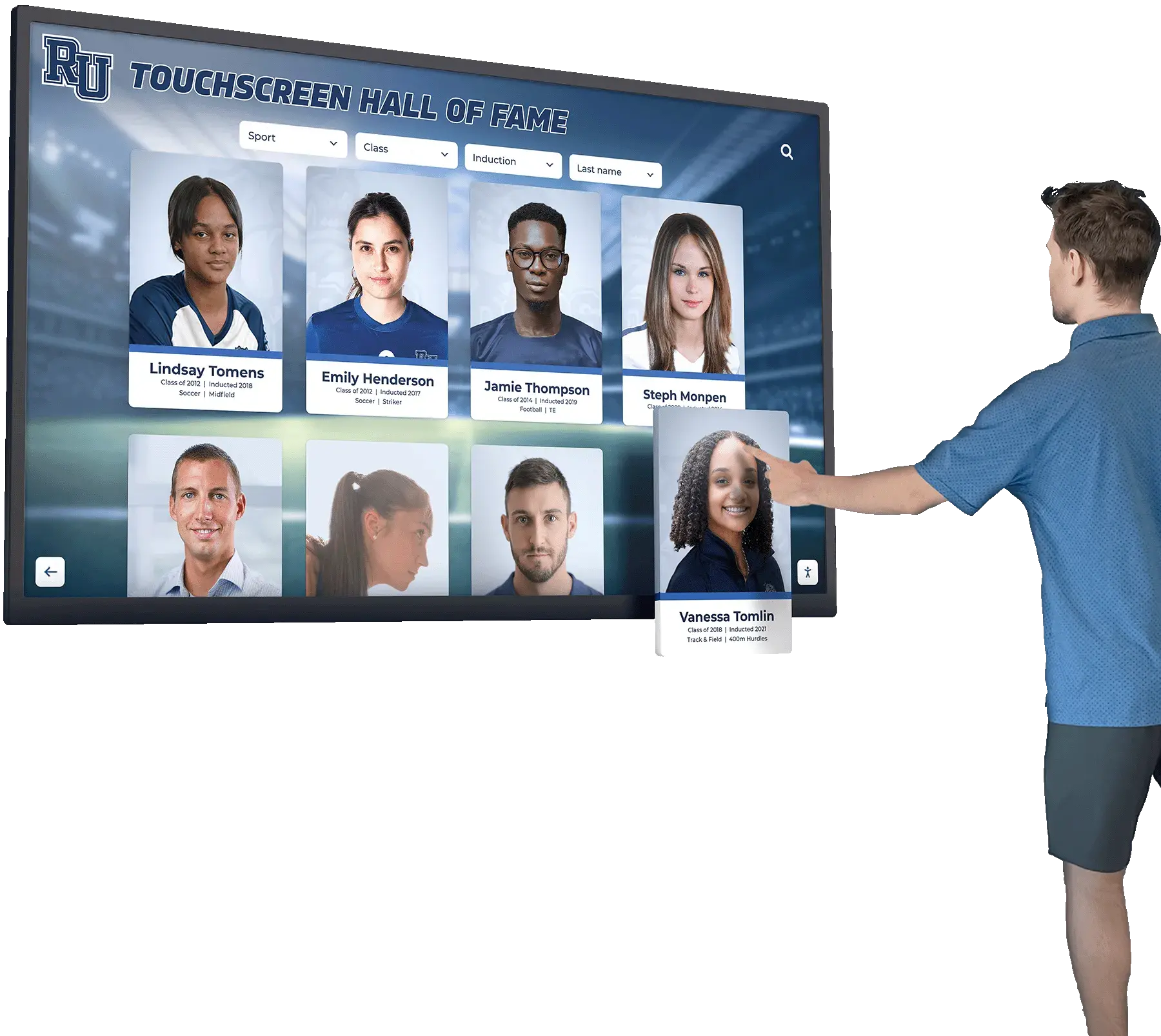
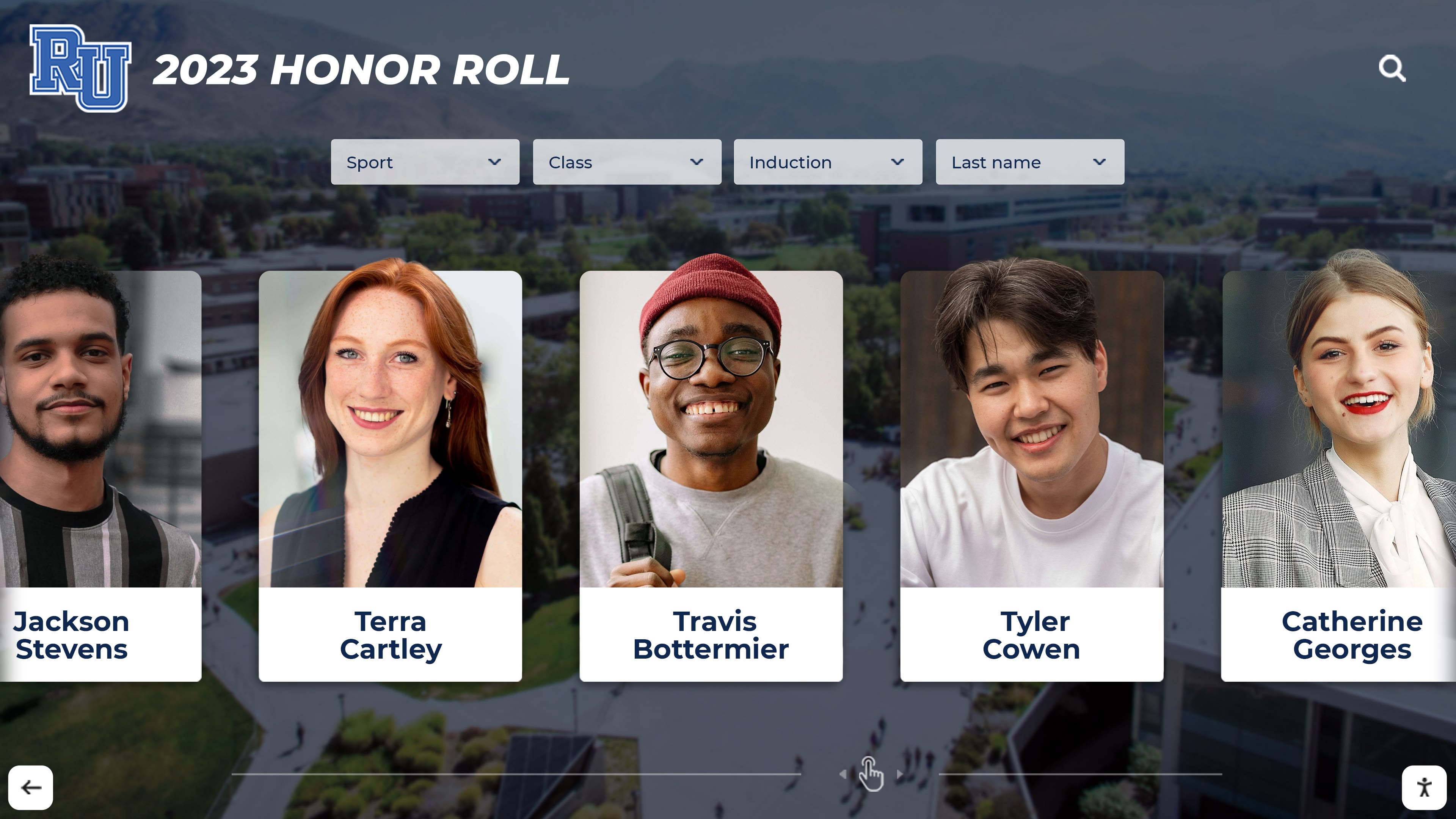
Live Example: Rocket Alumni Solutions Touchscreen Display
Interact with a live example (16:9 scaled 1920x1080 display). All content is automatically responsive to all screen sizes and orientations.
Intent: Define — Delivering the valedictorian speech represents one of the most significant honors a graduating student receives, yet transforming academic excellence into an inspiring commencement address challenges even the most accomplished scholars. Whether you’re a valedictorian seeking meaningful themes that resonate with your class, a school administrator supporting student speakers, or an activities coordinator helping recognize graduating seniors, this comprehensive guide provides proven frameworks for crafting speeches that inspire audiences, honor shared experiences, and create memorable graduation moments.
Yet many valedictorians discover that writing effective commencement addresses demands skills fundamentally different from academic writing. Successful speeches require authentic connection with diverse audiences ranging from fellow graduates to proud parents and faculty members, compelling narrative structures that maintain engagement throughout extended delivery, memorable openings that immediately capture attention, appropriate humor balancing levity with occasion gravity, and genuine vulnerability sharing personal struggles alongside triumphs. Students who approach speech-writing as extended essays typically deliver forgettable addresses—while those employing proven speaking frameworks create moments their communities remember for decades.
This comprehensive valedictorian speech guide walks you through every phase—from selecting meaningful themes and structuring compelling narratives to crafting memorable openings, integrating humor appropriately, and delivering with confidence. Whether writing your first public address or enhancing existing drafts, these evidence-based strategies ensure your speech honors both your achievement and your class’s collective journey.
Valedictorian speeches occupy unique positions within graduation ceremonies—simultaneously celebrating individual academic achievement while representing entire graduating classes. Students approaching this responsibility thoughtfully—with authentic themes, inclusive storytelling, appropriate vulnerability, polished delivery, and genuine appreciation for shared experiences—create addresses that strengthen community bonds, inspire audiences across generations, provide meaningful ceremony anchors, and establish graduation traditions that future classes emulate throughout decades of commencement celebrations.

Academic excellence recognition celebrates individual achievement—but valedictorian speeches must connect personal success to collective class experiences
Speech Snapshot: Valedictorian Address Elements
Before exploring detailed writing strategies, understanding the complete speech structure helps valedictorians assess effective approaches and audience expectations.
| Speech Element | Description | Key Considerations |
|---|---|---|
| Primary Audience | Fellow graduates, parents, faculty, administrators, younger students, community members | Different audience segments require different connection points and references |
| Typical Duration | 5-8 minutes (approximately 650-1,000 words) | Shorter addresses maintain engagement better than extended speeches |
| Core Themes | Shared experiences, gratitude, growth, future outlook, resilience, community, legacy | Universal themes resonate more effectively than overly personal narratives |
| Tone Balance | Inspirational yet humble, celebratory yet reflective, confident yet grateful | Avoiding arrogance while acknowledging achievement requires careful calibration |
| Delivery Context | Large audiences, outdoor venues, emotional atmosphere, time constraints, ceremony formality | Environmental factors significantly impact effective delivery approaches |
| Memorability Goal | 2-3 key messages audiences remember weeks later | Focus beats comprehensiveness for lasting impact |
| Preparation Timeline | Typically 4-6 weeks from initial drafting through final delivery | Rushed preparation consistently produces weaker speeches |
Content Architecture: Building Compelling Speech Structures
Effective valedictorian speeches organize ideas through proven frameworks specifically designed for graduation address delivery:
Opening Strategies That Capture Immediate Attention
Your speech’s first 30 seconds determine whether audiences engage or mentally check out:
Personal Anecdote Openings
Begin with brief, relatable stories establishing connection:
- Specific moments from freshman year showing growth trajectory
- Humorous classroom incidents your entire class remembers
- Shared experiences that immediately resonate with graduates
- Vulnerable admissions about initial struggles or fears
- Unexpected events that defined your high school journey
According to communication research from the National Communication Association, speeches opening with concrete stories capture audience attention 73% more effectively than those beginning with abstract statements or gratitude lists.
Thought-Provoking Questions
Engage audiences through immediate reflection:
- “How many of us remember exactly what we imagined high school would be like on our first day?”
- “What would we tell our freshman-year selves if we could travel back in time?”
- “When did you realize that the people sitting around you would become lifelong friends?”
- “What moment made you genuinely proud to be part of this graduating class?”
Questions work when they prompt genuine reflection rather than requiring literal responses from seated audiences.
Powerful Quotations or Statistics
Launch with external validation of your themes:
- Relevant quotes from figures meaningful to your generation
- Surprising statistics about your graduating class’s accomplishments
- Research findings that illuminate shared experiences
- Historical perspectives connecting past graduates to present moment
Avoid overused graduation quotes (Steve Jobs, Dr. Seuss, “Oh, the places you’ll go”) that audiences have heard repeatedly at every ceremony.
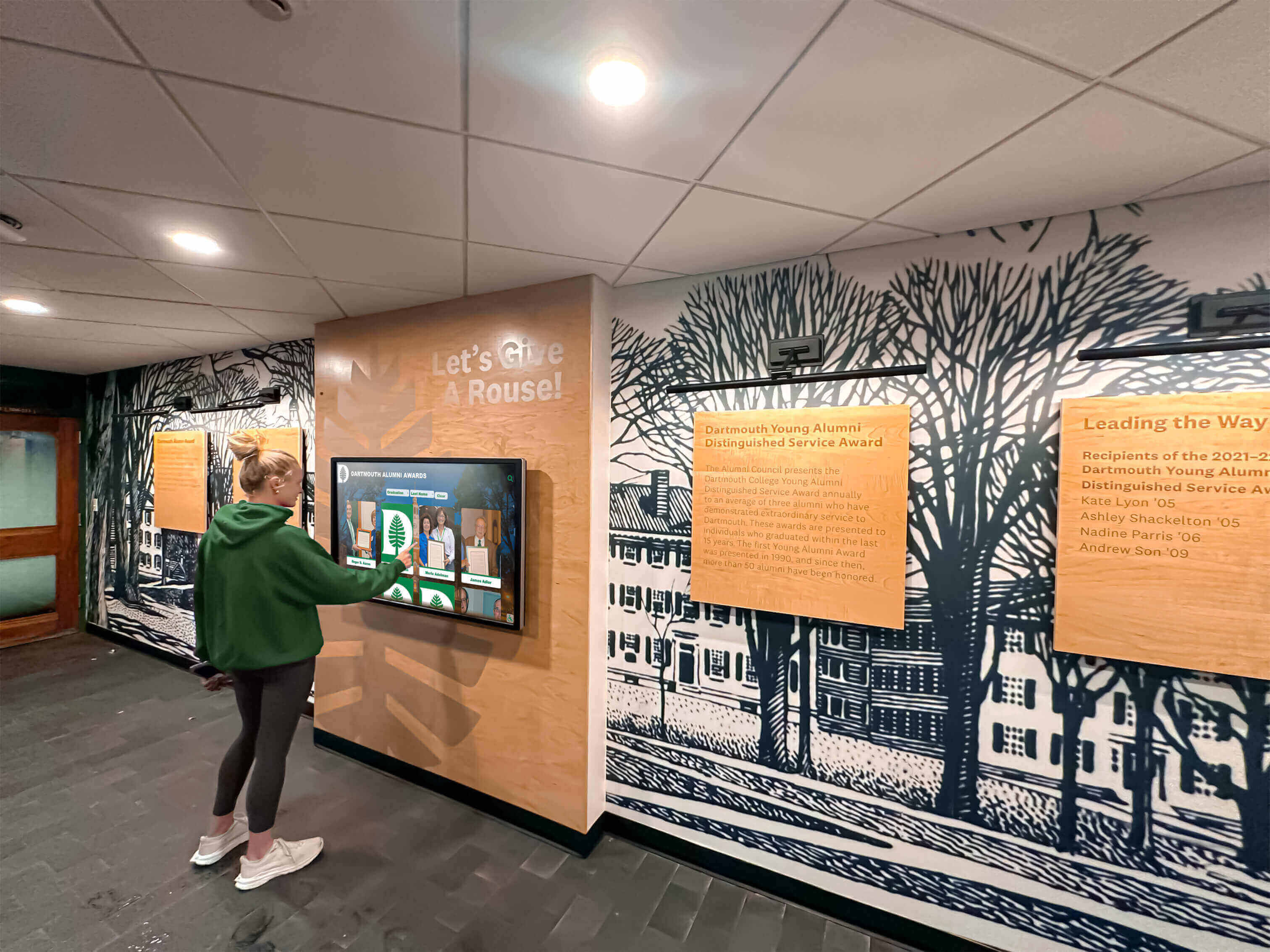
Effective speeches connect individual achievement to broader class accomplishments and shared institutional pride
Humor and Light Moments
Well-placed humor creates immediate rapport:
- Self-deprecating jokes about valedictorian stereotypes
- Gentle observations about shared high school absurdities
- References to universally recognized class moments
- Appropriate callbacks to beloved teachers or memorable events
- Light commentary on ceremony traditions and formality
Humor must be inclusive rather than targeting specific individuals and appropriate for mixed-age audiences including grandparents and young siblings.
Universal Themes That Resonate Across Audiences
Selecting central themes requires balancing personal authenticity with universal accessibility:
Growth and Transformation
Explore how high school changed your class:
- Academic skills developed beyond test-taking
- Character growth through challenges and setbacks
- Relationship building across diverse classmate backgrounds
- Self-discovery through extracurricular activities and interests
- Perspective shifts from immature freshmen to graduating seniors
Similar to how schools recognize diverse achievements through comprehensive recognition programs, valedictorian speeches should acknowledge multiple dimensions of student development.
Gratitude and Appreciation
Acknowledge those who supported your journey:
- Teachers who invested beyond basic instruction
- Parents who provided unwavering support through challenges
- Friends who created essential support networks
- Coaches, advisors, and mentors who guided development
- Staff members who maintained environments enabling success
- Administrators who created opportunities and resolved obstacles
Gratitude sections work best when specific rather than generic—mentioning particular teachers’ unique impacts or specific parent sacrifices rather than broad categories.
Resilience and Overcoming Challenges
Connect with audiences through vulnerability:
- Collective challenges your class faced together
- Personal academic struggles and how you overcame them
- Social challenges navigating complex peer relationships
- External obstacles like pandemic disruptions or tragedies
- Self-doubt moments and how support systems helped
- Failures that ultimately taught valuable lessons
Just as schools celebrate perseverance through athletic banquet recognition, graduation speeches should acknowledge that success often follows setbacks.
Community and Belonging
Emphasize collective identity over individual achievement:
- Unique characteristics defining your graduating class
- Traditions your class upheld or created
- Ways your class supported one another
- Shared identity elements that united diverse students
- Community service or collective impact projects
- Class culture distinguishing your year from others
Research on effective leadership communication demonstrates that inclusive “we” language builds stronger audience connection than “I” statements, particularly for formal addresses representing entire groups.

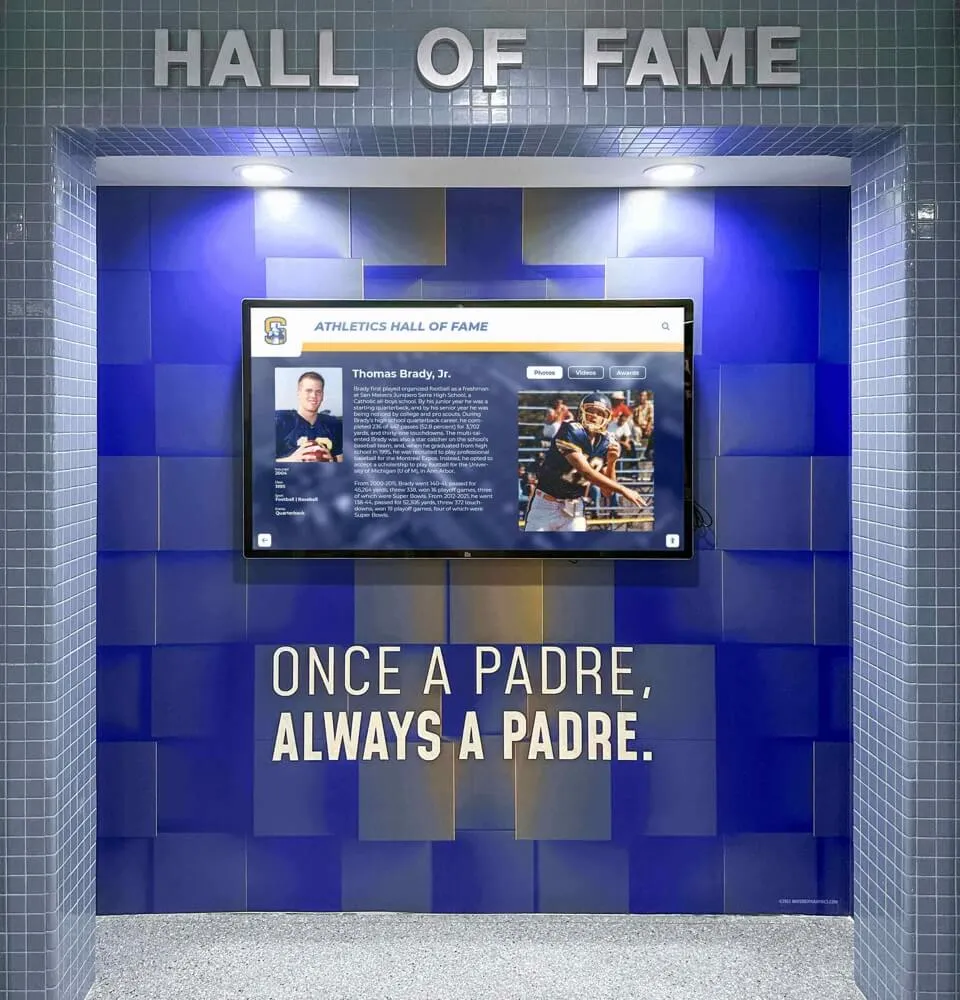
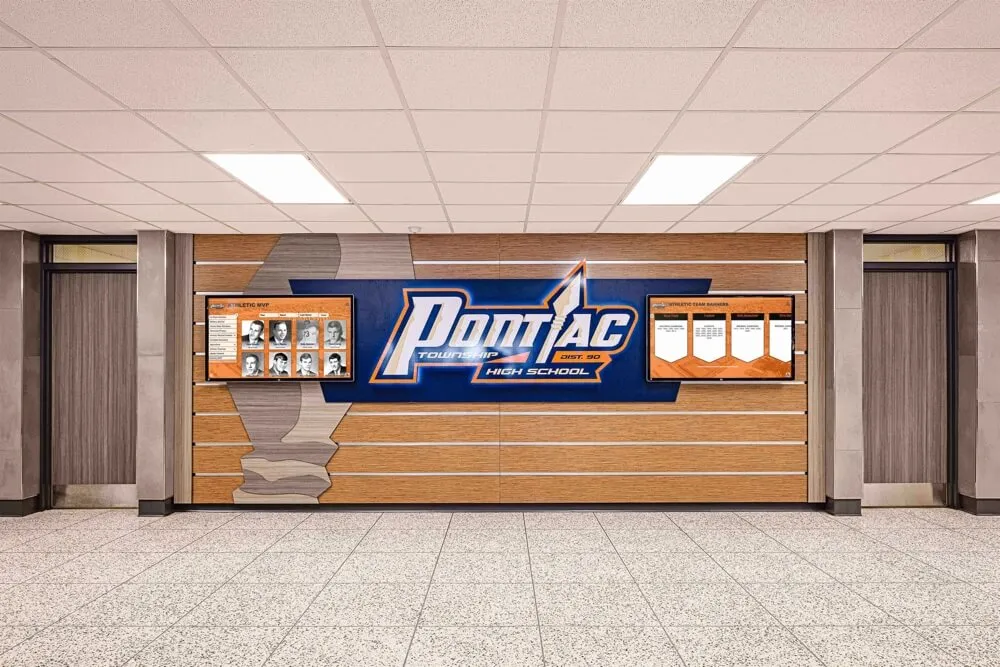
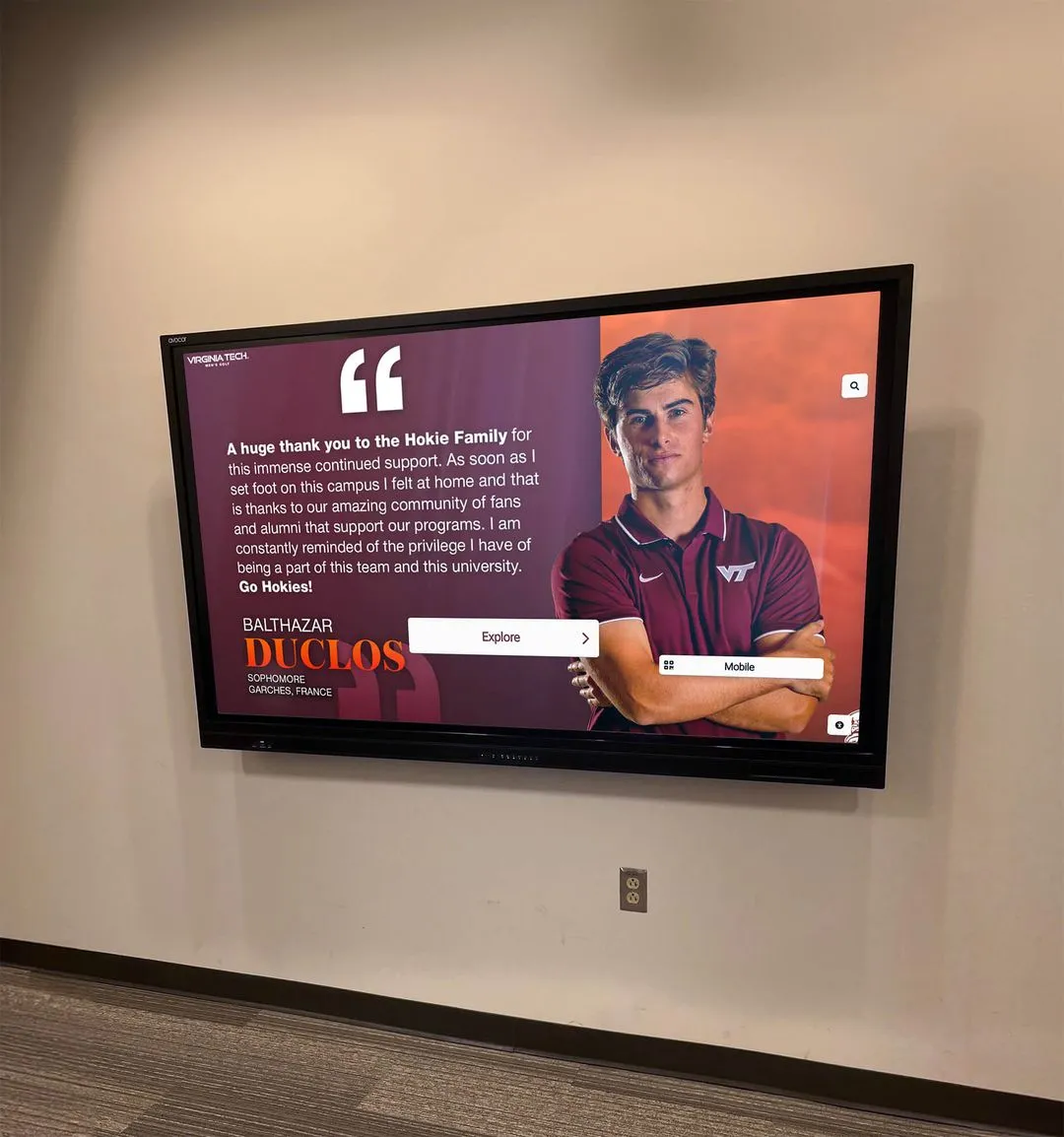
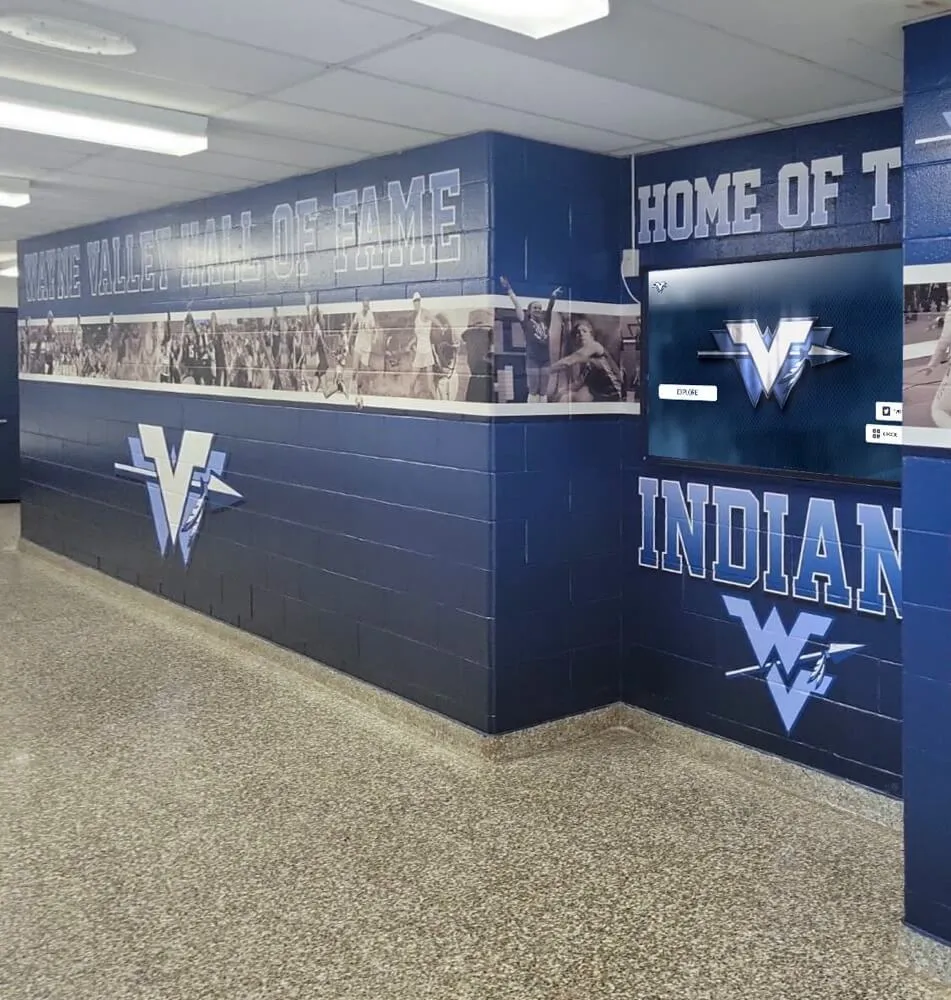
Modern recognition systems preserve graduating class achievements—just as valedictorian speeches preserve shared experiences through storytelling
Looking Forward With Purpose
Balance nostalgia with future-focused optimism:
- Lessons from high school applicable to future challenges
- Hopes for classmates’ diverse future paths
- Continuing class bonds beyond physical proximity
- Responsibility to honor educational investment received
- Excitement about collective potential and possibilities
- Commitment to values developed during high school years
Forward-looking sections work best when acknowledging uncertainty rather than pretending to predict specific futures or prescribing narrow success definitions.
Structural Frameworks for Coherent Delivery
Organize content through proven speech architectures:
Past-Present-Future Structure
Classic chronological organization:
Past (Opening 25%)
- Begin with early high school memories
- Establish who your class was when journey started
- Acknowledge initial fears, excitement, or uncertainty
- Set context for transformation narrative
Present (Middle 50%)
- Explore growth experiences throughout high school
- Acknowledge challenges overcome collectively
- Express gratitude to supporters and guides
- Celebrate accomplishments and defining moments
- Reflect on lessons learned and wisdom gained
Future (Closing 25%)
- Look toward post-graduation opportunities
- Offer encouragement for diverse paths ahead
- Emphasize enduring class bonds and shared identity
- Close with memorable call-to-action or final reflection
This structure mirrors natural storytelling progression audiences instinctively follow.
Theme-Based Organization
Organize around 3-4 central concepts:
- Introduction establishing speech roadmap
- Section 1: Theme One (resilience, for example)
- Supporting story or example
- Connection to class experience
- Lesson or insight
- Section 2: Theme Two (gratitude, for example)
- Supporting story or example
- Connection to class experience
- Lesson or insight
- Section 3: Theme Three (growth, for example)
- Supporting story or example
- Connection to class experience
- Lesson or insight
- Conclusion tying themes together with forward vision
Clear thematic organization helps audiences follow extended addresses more easily than stream-of-consciousness approaches.
Much like senior composite displays organize graduating class recognition systematically, effective speeches require deliberate structural choices rather than random topic sequencing.
Execution Timeline: From Initial Draft to Final Delivery
Successful valedictorian speech development follows systematic phases ensuring thoughtful refinement and confident delivery:
Phase 1: Brainstorming and Theme Selection (Week 1)
Reflection and Idea Generation
Begin with comprehensive exploration:
- Journal about meaningful high school moments and experiences
- List potential themes that genuinely resonate with your journey
- Consider what messages would benefit your specific classmates
- Identify 3-5 stories that might illustrate chosen themes
- Review class yearbooks, photos, and memories for specific details
- Seek input from trusted friends about shared defining moments
Audience Analysis
Understand who you’re addressing:
- What experiences unite your graduating class specifically?
- What inside references will your classmates immediately recognize?
- What values do parents and faculty members appreciate hearing?
- What topics might alienate or exclude portions of your audience?
- What tone balances celebration with appropriate ceremony gravity?
Similar to planning basketball senior night celebrations, effective speeches require understanding specific audience expectations and emotional needs.
Phase 2: Drafting and Structure Development (Weeks 2-3)
Initial Draft Creation
Transform brainstorming into coherent first draft:
- Select 2-3 primary themes from brainstorming session
- Choose structural framework (past-present-future or thematic)
- Write opening paragraph with attention-capturing element
- Develop body sections with stories supporting each theme
- Draft conclusion tying themes together with forward vision
- Don’t self-edit excessively during initial drafting—prioritize getting ideas documented
Content Refinement
Strengthen initial draft through deliberate revision:
- Verify speech duration (aim for 6-7 minutes when reading aloud)
- Ensure “we” language dominates over “I” statements
- Check that humor lands appropriately without meanness
- Confirm gratitude sections feel genuine rather than obligatory
- Eliminate clichés, overused quotes, and generic platitudes
- Add specific details making abstract themes concrete and memorable
Research from the National Speech and Debate Association demonstrates that concrete specificity—mentioning particular classroom moments, specific teacher phrases, exact dates—increases audience emotional engagement by 64% compared to abstract generalities.
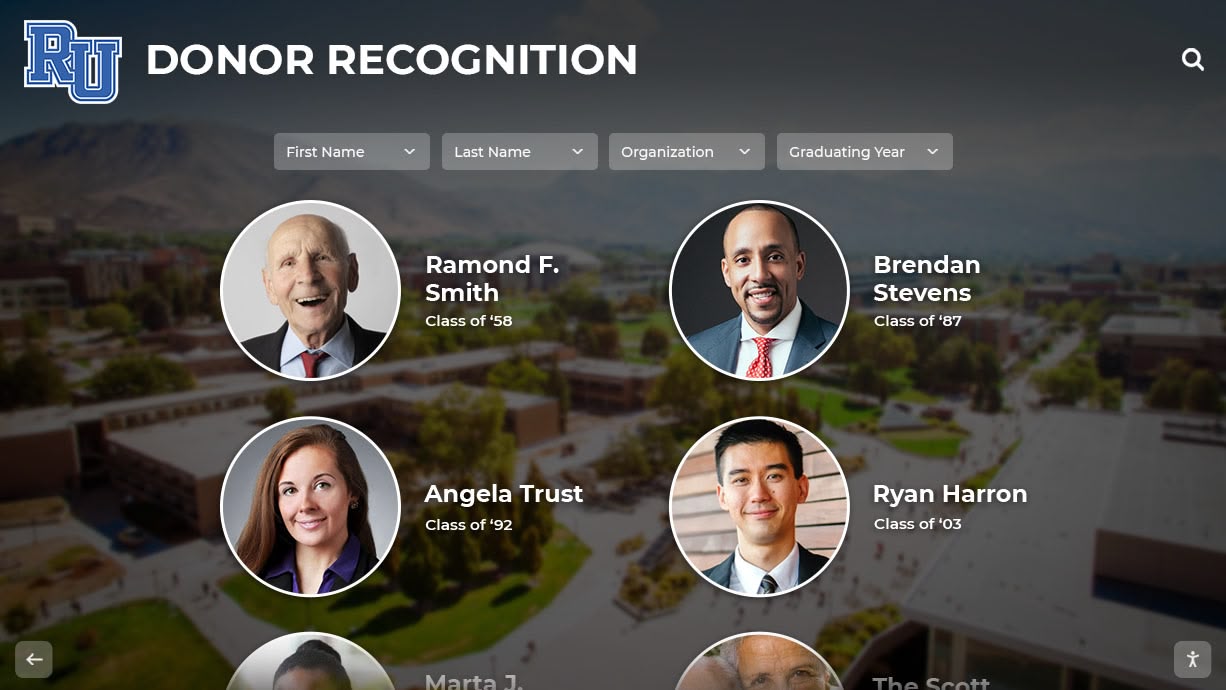
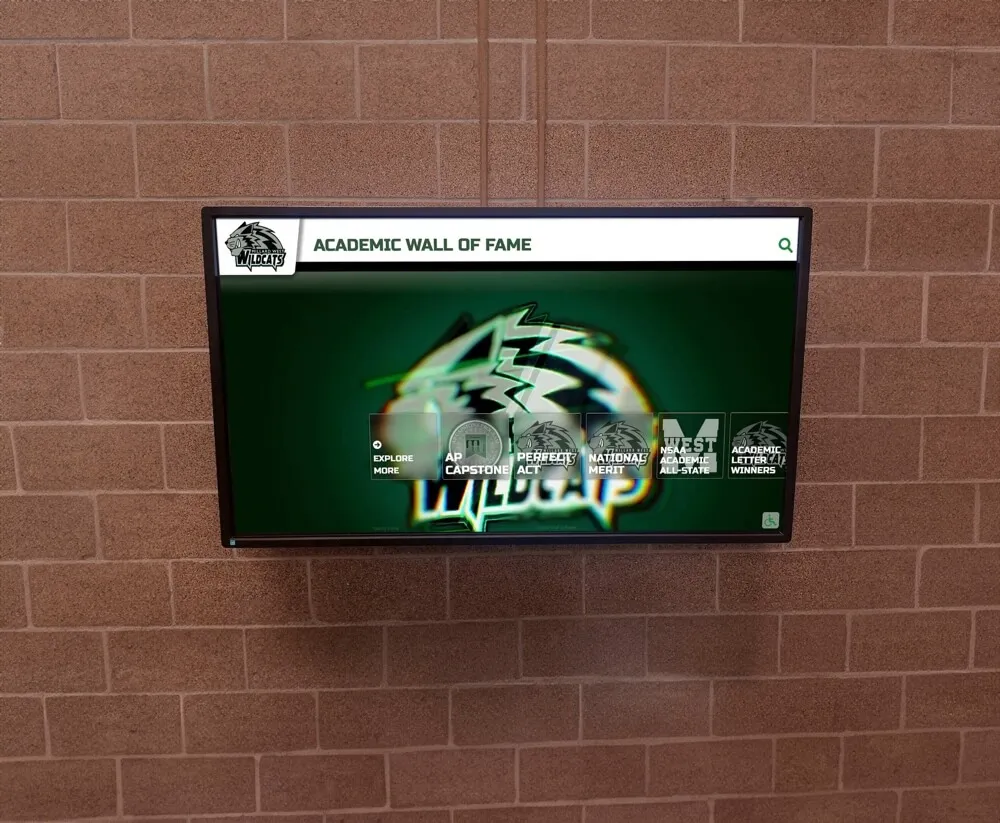
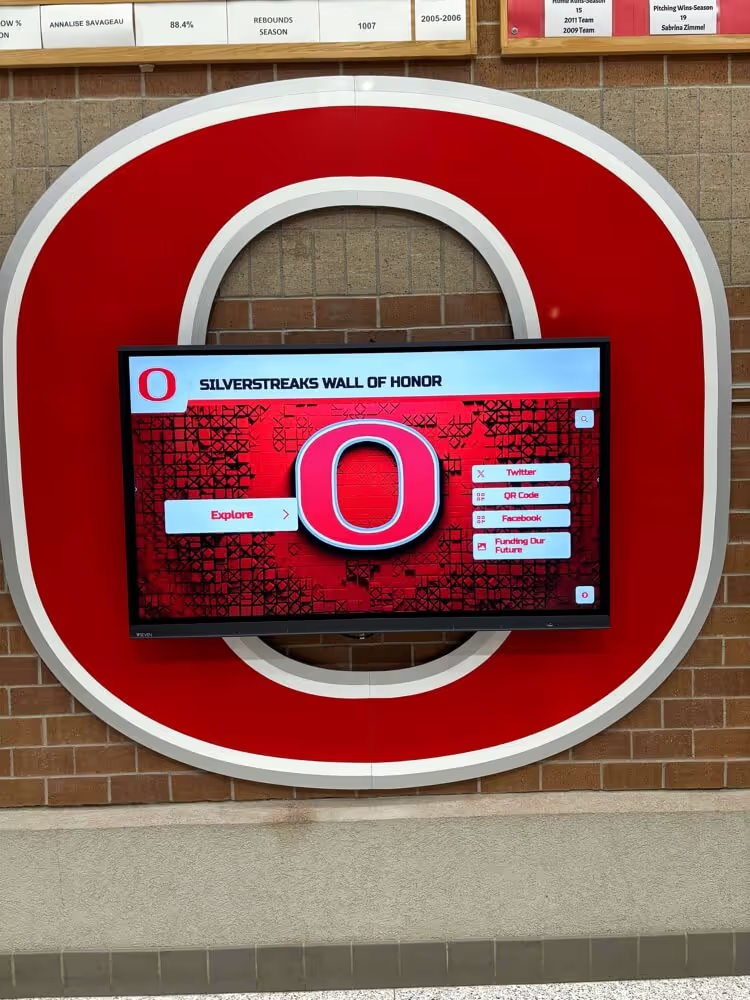
Recognition systems preserve graduate achievements across decades—while powerful speeches create lasting memories of graduation moments
Phase 3: Feedback and Revision (Week 4)
Seeking Constructive Input
Gather diverse perspectives:
- Share draft with trusted English teacher for structural feedback
- Read aloud to parents for tone and content appropriateness
- Test humor with close friends to verify it lands effectively
- Request administrator review for policy compliance and time constraints
- Consider recording yourself reading to identify awkward phrasing
Incorporating Revisions
Strengthen speech based on feedback:
- Adjust sections that feedback identified as unclear or off-tone
- Verify you addressed all ceremony logistics (time limits, content guidelines)
- Enhance emotional peaks and valleys for engaging delivery rhythm
- Ensure opening and closing create strong bookend impact
- Polish language for memorable phrasing and quotability
Phase 4: Memorization and Delivery Preparation (Weeks 5-6)
Strategic Memorization Approaches
Develop confident delivery:
- Memorize opening and closing paragraphs word-for-word
- Know body section talking points but allow natural phrasing variation
- Practice with notecards as backup but aim to minimize dependence
- Record yourself delivering and identify areas needing smoothing
- Rehearse in front of mirrors to develop comfortable body language
- Practice in graduation venue if possible to familiarize with space
Delivery Technique Refinement
Polish presentation skills:
- Vary pacing throughout—slow for important points, natural for stories
- Identify moments for deliberate pauses creating emphasis
- Plan eye contact patterns sweeping across different audience sections
- Practice managing emotions during potentially tearful moments
- Prepare for environmental factors (outdoor venues, microphone technique, sun glare)
- Develop contingency plans for forgetting lines or losing place
Much like athletes prepare for sports banquet speeches, valedictorians benefit from extensive practice transforming written words into compelling spoken delivery.
Delivery Integration: Bringing Your Speech to Life
Transforming polished drafts into powerful spoken addresses requires attention to presentation elements beyond content:
Managing Nervousness and Stage Presence
Pre-Speech Anxiety Management
Reduce performance anxiety through preparation:
- Arrive early to graduation venue for environmental familiarization
- Practice breathing exercises reducing physical stress symptoms
- Visualize successful delivery creating positive mental imagery
- Accept that some nervousness indicates appropriate respect for occasion
- Remember that audiences support you and want you to succeed
- Prepare backup notecards providing security even if unused
Physical Presentation Elements
Project confidence through deliberate choices:
- Stand with grounded, balanced posture avoiding swaying or fidgeting
- Use natural hand gestures emphasizing key points sparingly
- Maintain facial expressions matching content (warm for gratitude, thoughtful for reflection)
- Make genuine eye contact with different audience sections rather than staring at notes
- Speak to back rows ensuring volume reaches entire audience
- Smile naturally during lighter moments to invite audience connection
Vocal Variety and Pacing
Strategic Delivery Techniques
Maintain engagement through vocal modulation:
- Vary pitch avoiding monotone delivery patterns
- Adjust volume for emphasis—quieter for intimate moments, stronger for inspirational calls
- Control pacing—slower for complex ideas, natural rhythm for stories
- Use strategic pauses after important statements allowing absorption
- Articulate clearly despite nerves potentially affecting pronunciation
- Maintain energy throughout rather than trailing off toward conclusion
Research demonstrates that vocal variety maintains audience attention 89% longer than monotone delivery, even when identical content is presented.
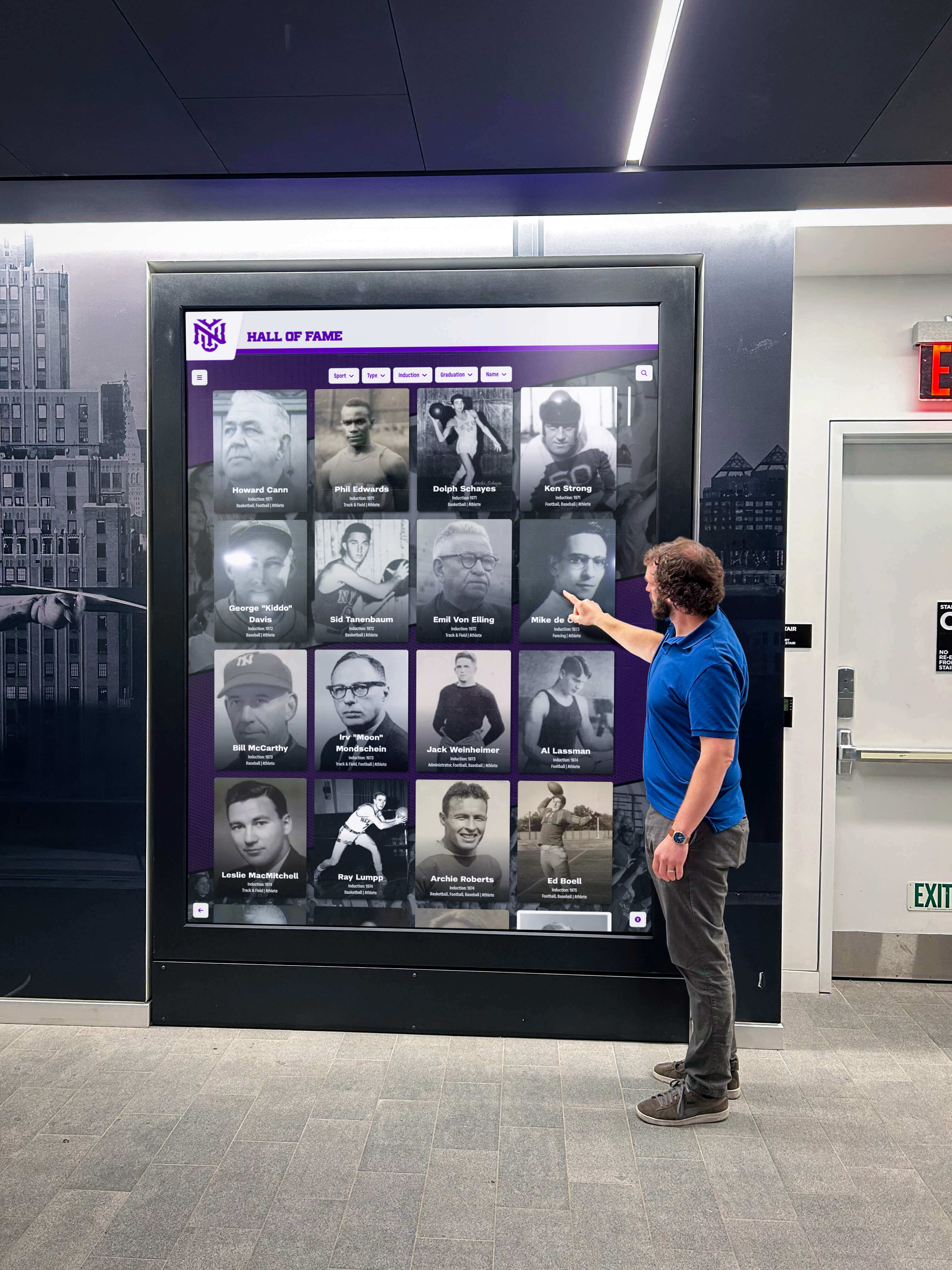
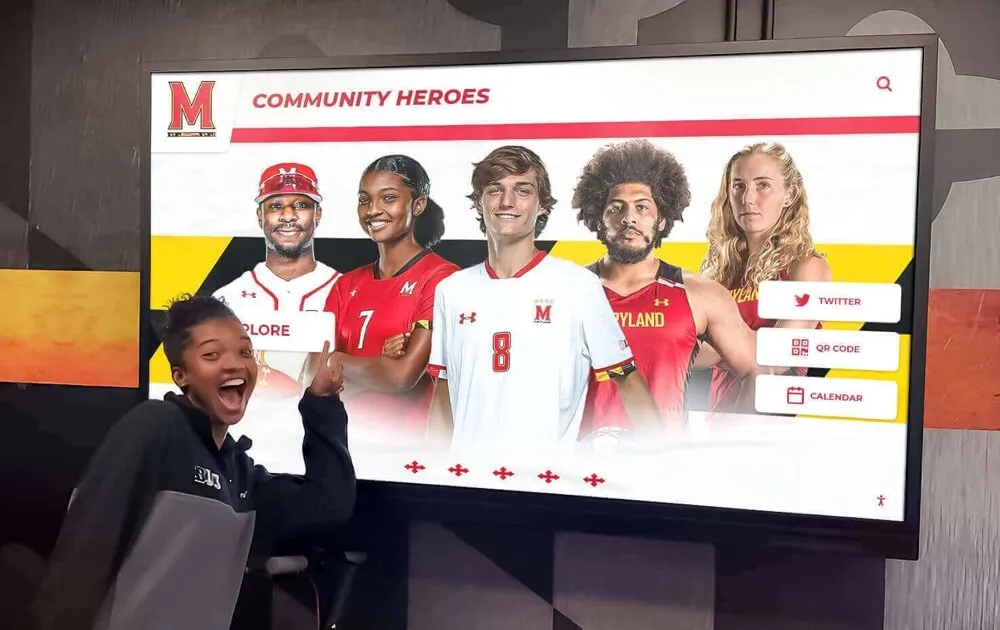
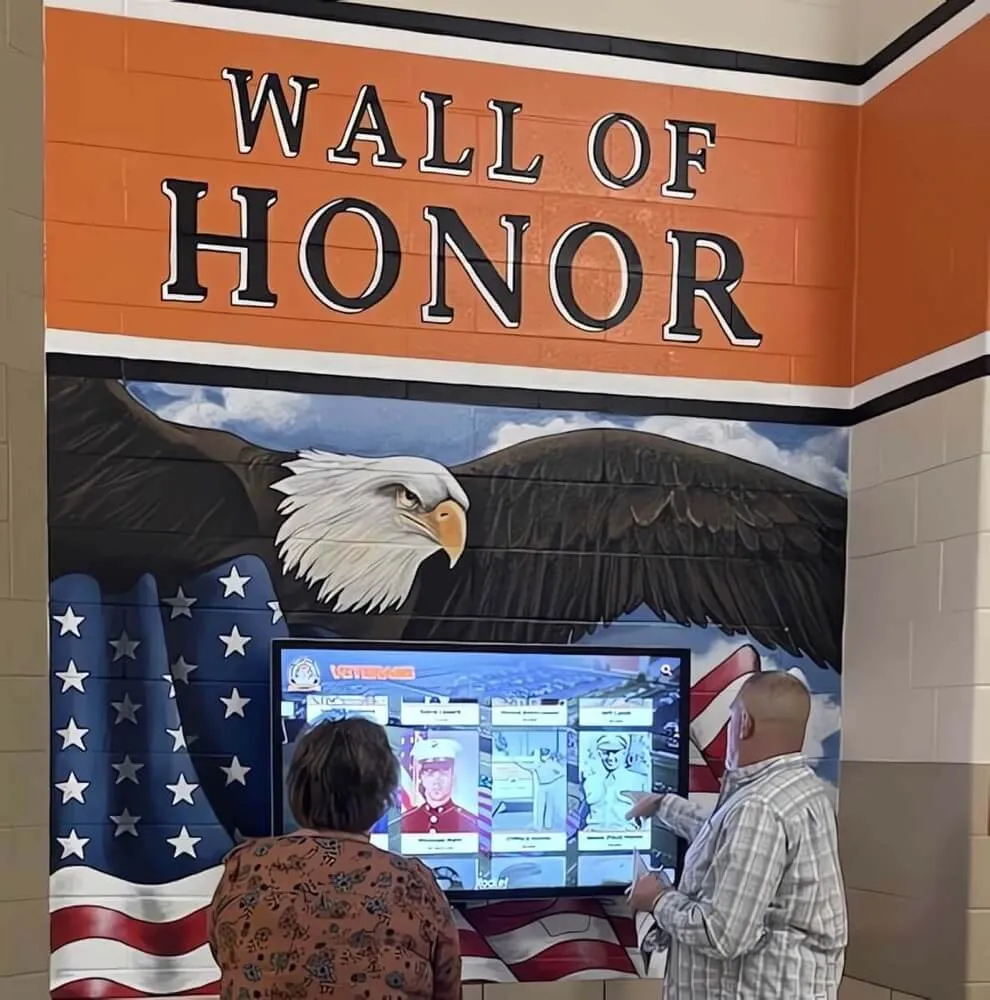
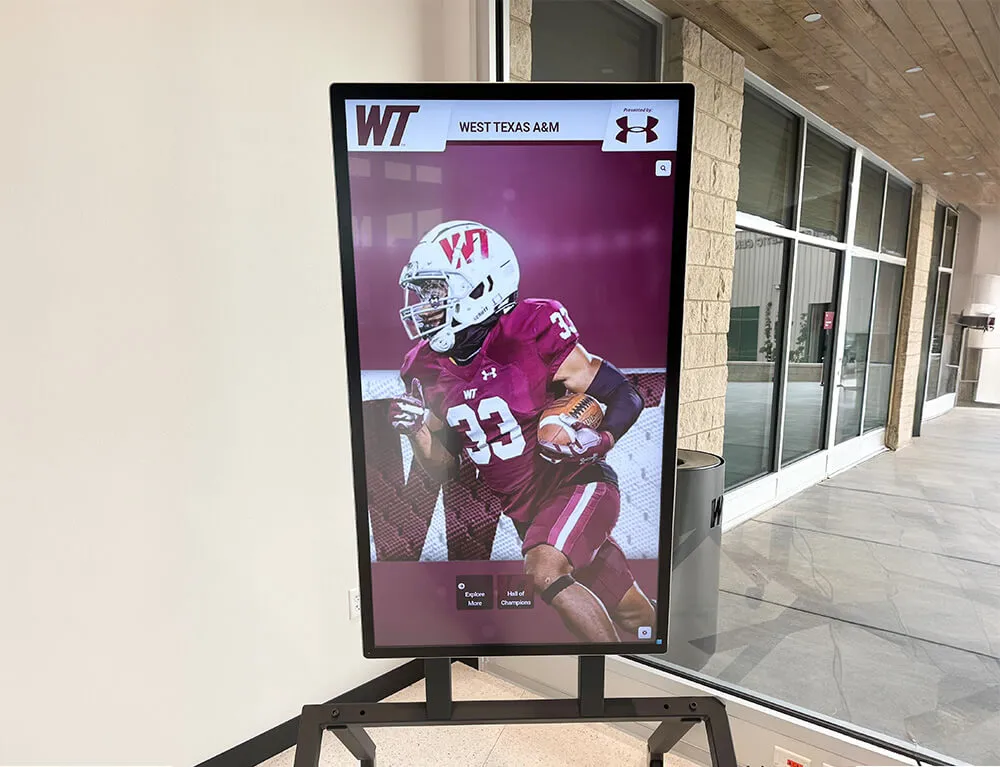
Engaging recognition systems invite exploration—just as compelling speeches invite audience emotional investment and connection
Handling Emotional Moments
Navigating Tears and Sentiment
Prepare for emotional delivery challenges:
- Identify sections likely to trigger tears during practice sessions
- Slow pacing intentionally during emotional passages
- Keep water nearby for dry-mouth moments
- Pause deliberately if emotions surge—audiences respect authenticity
- Have backup notecards for sections where emotions might overwhelm memory
- Remember that some vulnerability connects audiences rather than undermining credibility
Maintaining Composure
Balance emotion with ceremony responsibilities:
- Practice emotional sections repeatedly to reduce surprise impact
- Focus on message importance rather than personal feelings
- Use breathing techniques managing emotional surges
- Remember that brief pauses for composure appear thoughtful rather than problematic
- Keep perspective that audiences empathize with graduation emotion
Common Pitfalls and How to Avoid Them
Understanding frequent valedictorian speech mistakes helps prevent disappointment:
Content Mistakes to Avoid
Excessive Self-Focus
Speeches about “my journey” alienate classmates:
- Balance personal anecdotes with collective class experiences
- Use “we” language far more frequently than “I” statements
- Acknowledge that valedictorian status reflects support and opportunity
- Include stories about classmates’ achievements and character
- Recognize that you represent your class rather than simply yourself
Clichéd or Generic Content
Overused themes feel forgettable:
- Avoid “journey” metaphors without specific, unique details
- Skip graduation quote clichés audiences have heard repeatedly
- Replace vague “follow your dreams” platitudes with concrete wisdom
- Eliminate “dictionary definition” openings (“Webster’s defines success as…”)
- Provide specific details making universal themes personally resonant
Inappropriate Humor or Inside Jokes
Comedy that excludes or offends undermines impact:
- Test humor with diverse age groups before inclusion
- Avoid jokes targeting specific individuals, even lightheartedly
- Skip references only small friend groups understand
- Eliminate potentially offensive content regardless of personal comfort
- Remember that ceremony formality requires appropriate tone boundaries
Structural and Delivery Mistakes
Exceeding Time Limits
Long speeches lose audience engagement:
- Respect stated time guidelines showing consideration for ceremony flow
- Remember that graduation audiences sit through extended programming
- Recognize that quality beats quantity for memorable impact
- Cut ruthlessly during editing rather than assuming “they’ll want to hear everything”
- Practice with timer ensuring reliable duration estimates
Reading Rather Than Speaking
Monotone note-reading destroys connection:
- Memorize enough content for genuine eye contact with audiences
- Use notes as security backup rather than primary delivery method
- Practice until delivery feels conversational rather than performed
- Develop comfortable relationship with material through extensive rehearsal
- Remember that slight imperfection with genuine delivery beats perfect reading
Neglecting Audience Diversity
Forgetting multiple audience segments creates disconnect:
- Include content resonating with fellow graduates, parents, and faculty
- Avoid assumptions about post-graduation plans (college isn’t universal)
- Acknowledge diverse achievement types beyond academics
- Use inclusive language respecting various family structures and backgrounds
- Balance nostalgia for graduates with forward optimism for parents
Similar to comprehensive athletic recognition honoring diverse achievements, effective speeches acknowledge multiple forms of excellence and varied post-graduation pathways.
Preserving and Celebrating Graduate Achievement
Beyond individual graduation ceremonies, schools create lasting recognition preserving class accomplishments and valedictorian speeches across generations:
Digital Recognition Systems for Academic Excellence
Modern institutions preserve graduate achievement through comprehensive platforms:
- Interactive displays showcasing valedictorians, salutatorians, and top scholars across decades
- Video integration preserving graduation speech delivery for future classes
- Digital archives maintaining class histories and significant moments
- Alumni connection systems enabling ongoing graduate engagement
- Achievement galleries celebrating academic, athletic, and service excellence
- Mobile accessibility allowing families to explore recognition remotely
Schools implementing digital recognition solutions create environments where current students discover inspiring predecessors while graduates maintain connections to institutions that shaped their journeys.
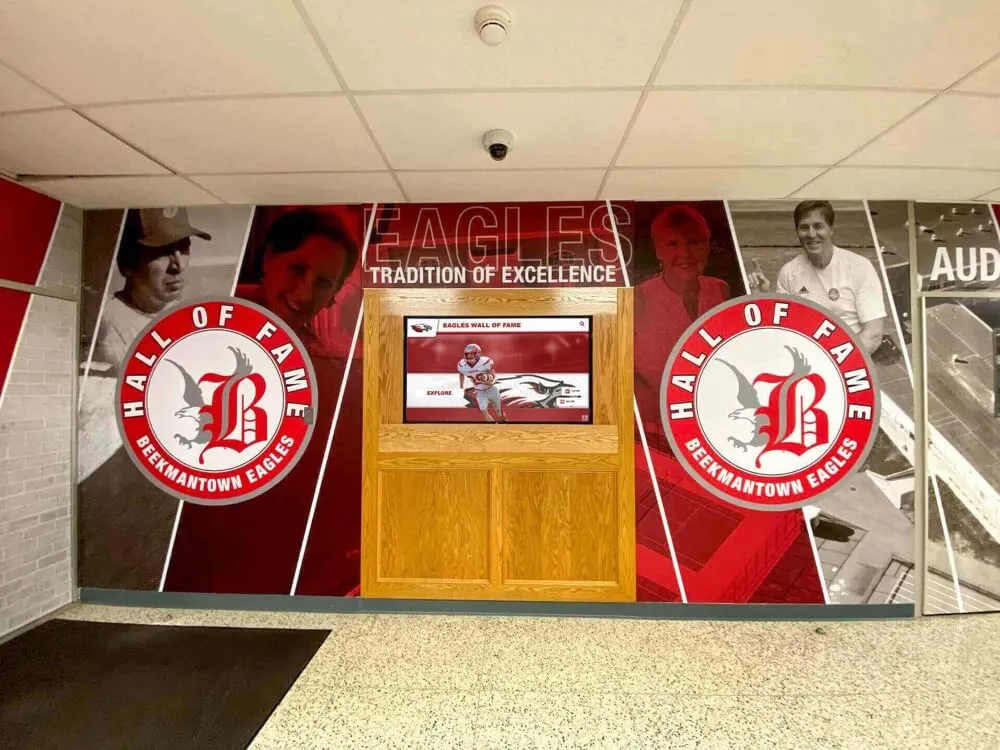
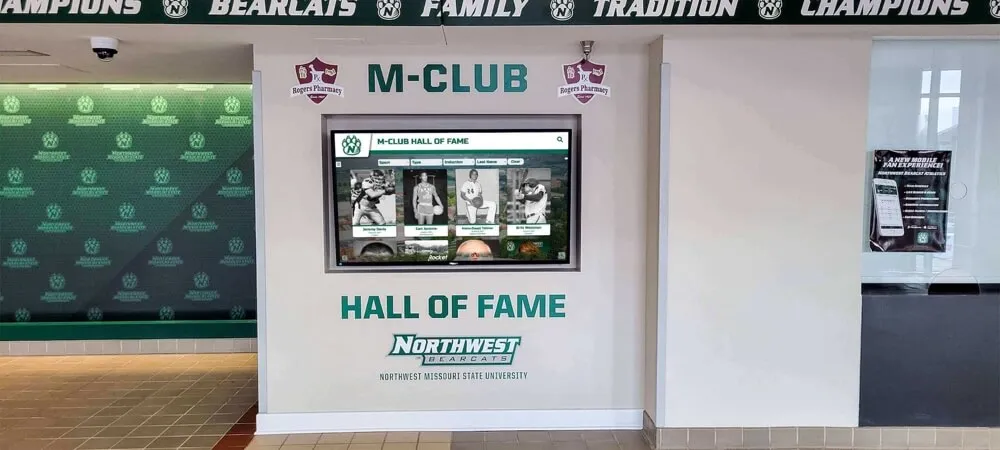
Comprehensive recognition systems celebrate graduating classes—preserving valedictorian achievements and graduation traditions for future generations
Creating Graduation Recognition Traditions
Thoughtful institutions develop ceremonies honoring academic achievement:
- Dedicated recognition areas displaying valedictorian names, years, and current pursuits
- Video compilation screening previous valedictorian speech highlights
- Alumni speaker programs inviting former valedictorians to share wisdom
- Academic achievement galleries showcasing scholarly accomplishment across categories
- Homecoming celebration integration connecting current and past academic excellence
- Digital platforms enabling virtual attendance for unable family members
Conclusion: Honoring Achievement Through Meaningful Address
Delivering the valedictorian speech represents both tremendous honor and significant responsibility—the opportunity to represent your entire graduating class during one of life’s most meaningful ceremonies. By selecting universal themes that resonate across diverse audiences, structuring content through proven frameworks maintaining engagement, crafting memorable openings capturing immediate attention, integrating appropriate humor and vulnerability creating genuine connection, and delivering with practiced confidence balanced by authentic emotion, you create addresses that your communities remember long after graduation day fades into treasured memory.
The most powerful valedictorian speeches acknowledge that academic achievement reflects collective support rather than individual superiority, celebrate diverse forms of excellence beyond test scores and GPAs, demonstrate gratitude for investment received while accepting responsibility for future contribution, balance pride in accomplishment with humility about ongoing growth needs, and inspire audiences across generations to pursue excellence defined personally rather than by narrow external standards.
Whether you’re beginning initial speech brainstorming or polishing nearly-final drafts, these proven strategies ensure your address honors both your achievement and your class’s collective journey—creating the meaningful graduation moment your community deserves.
Just as schools preserve graduate achievement through comprehensive digital recognition systems, powerful valedictorian speeches create lasting memories connecting current graduates to the honored traditions of all who came before and the promising potential of all who will follow.
Live Example: Rocket Alumni Solutions Touchscreen Display
Interact with a live example (16:9 scaled 1920x1080 display). All content is automatically responsive to all screen sizes and orientations.