



University giving days have transformed higher education fundraising by concentrating development efforts into focused 24-hour campaigns that generate unprecedented donor participation, create viral momentum through social media, and cultivate new donor relationships that sustain institutions for years to come. These concentrated campaigns consistently outperform traditional fundraising approaches by leveraging urgency, competition, peer influence, and celebration to inspire thousands of small gifts that collectively generate substantial revenue while expanding donor bases far beyond major gift prospects.
The most successful university giving day campaigns share common characteristics: they start with months of strategic planning, implement sophisticated multi-channel marketing strategies, incorporate compelling recognition programs that showcase participant impact, and build sustainable infrastructure turning one-day events into lasting engagement platforms. When institutions invest adequate resources in planning, promotion, and donor celebration, giving days generate not just immediate financial results but transformational shifts in philanthropic culture creating communities where annual giving becomes normal, expected, and celebrated.
This comprehensive guide provides complete frameworks for planning and promoting successful university giving day campaigns, from initial timeline development through post-campaign recognition strategies. Whether launching inaugural giving days or refining established programs, institutions will discover actionable strategies for maximizing participation, creating viral momentum, recognizing donors meaningfully, and building traditions that strengthen institutional community while generating sustainable revenue year after year.
University giving days represent opportunities to engage constituencies who rarely participate in traditional fundraising campaigns. Students, young alumni, faculty, staff, parents, and community members respond enthusiastically to time-limited campaigns emphasizing participation over gift size—democratizing philanthropy and building broad-based support that complements major gift programs while creating pipeline donors who increase giving capacity over lifetimes.

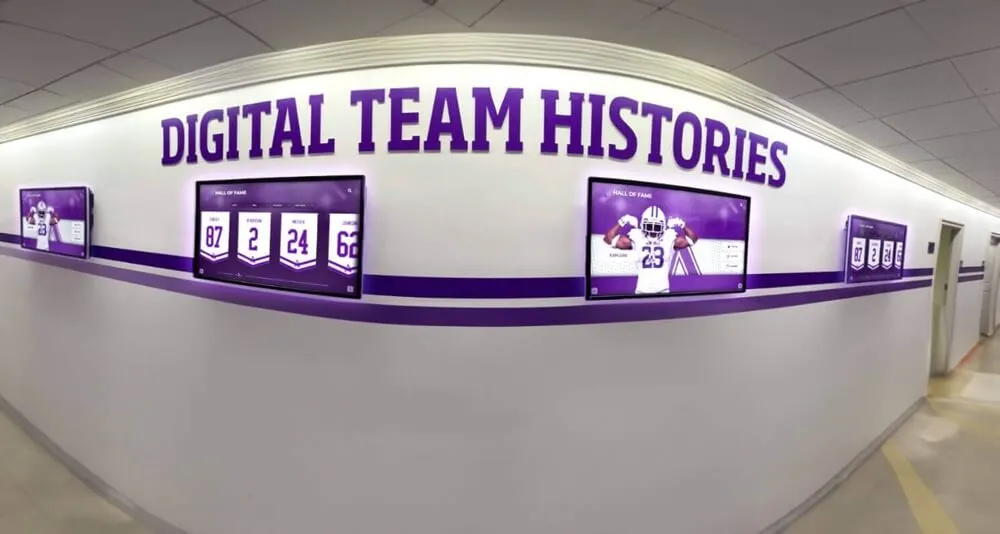
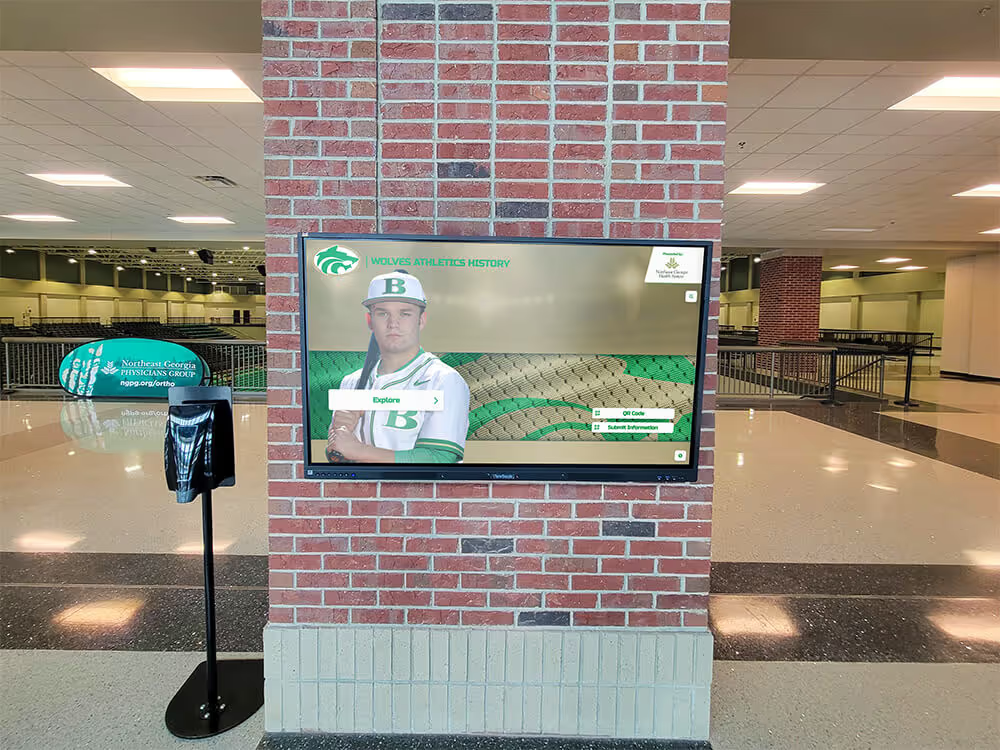
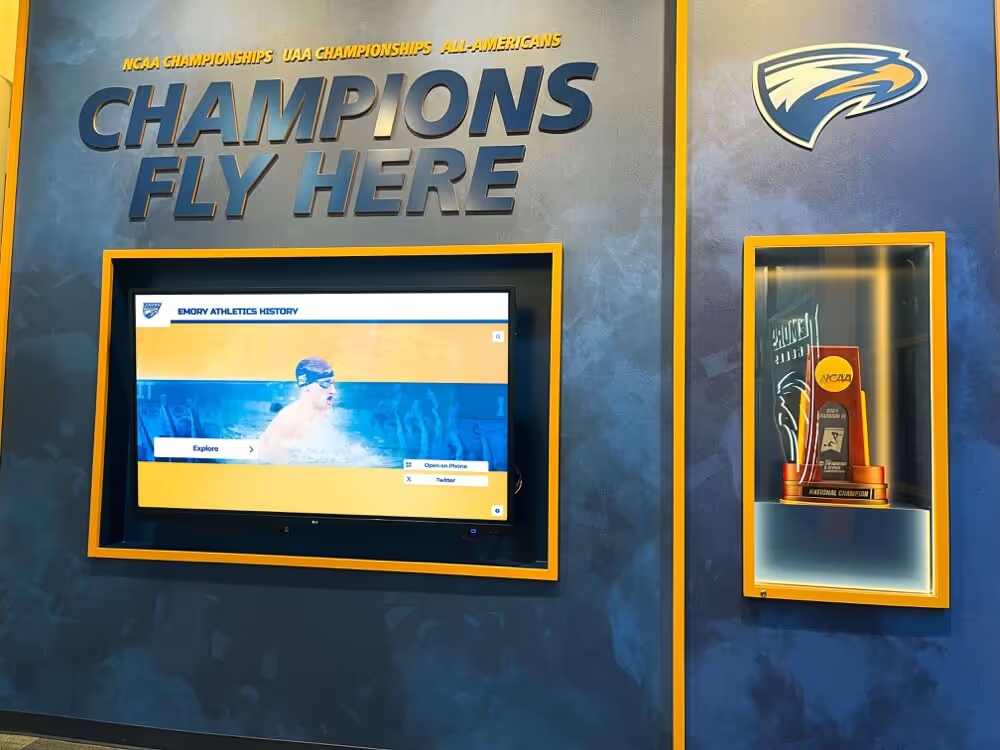
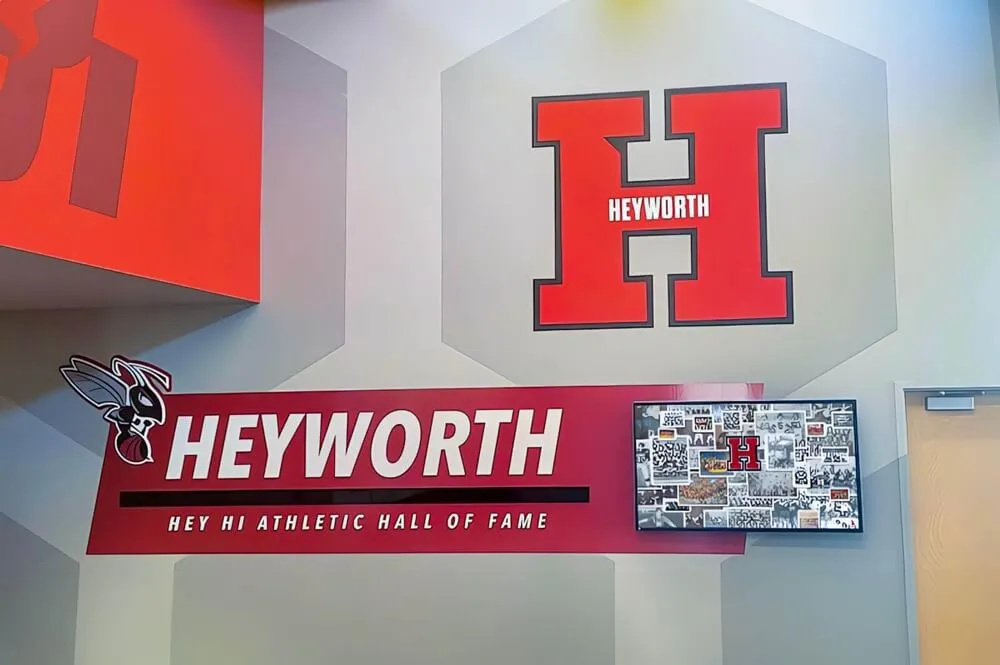
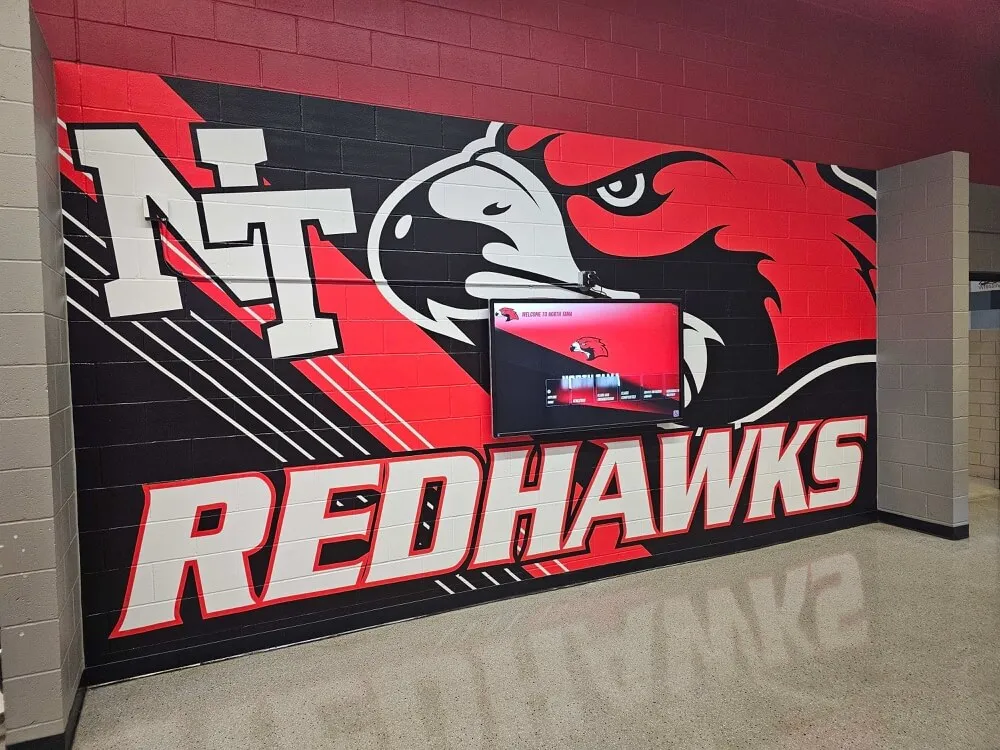
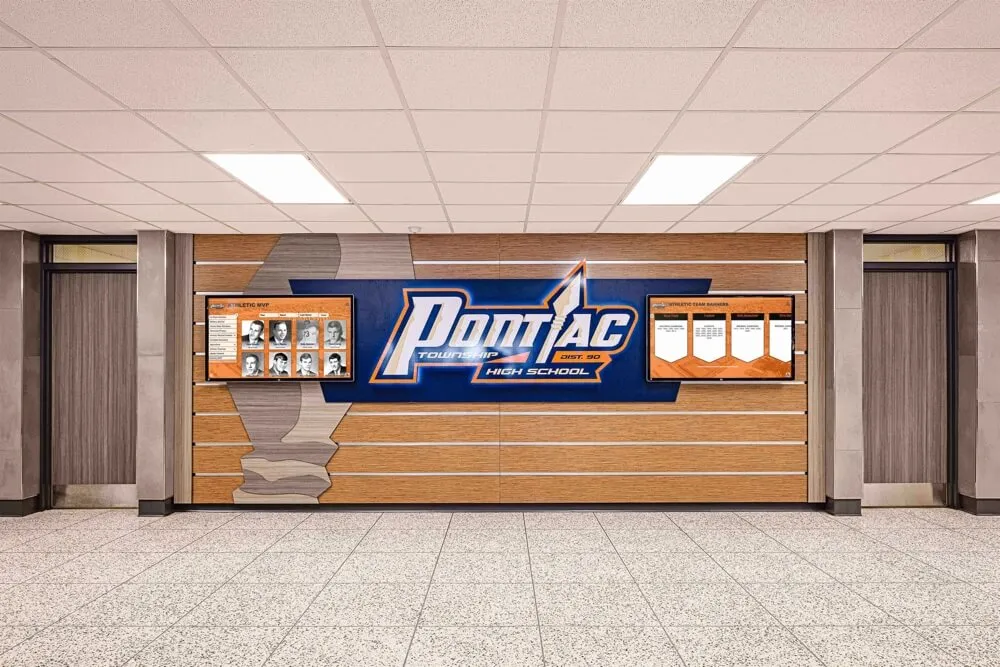
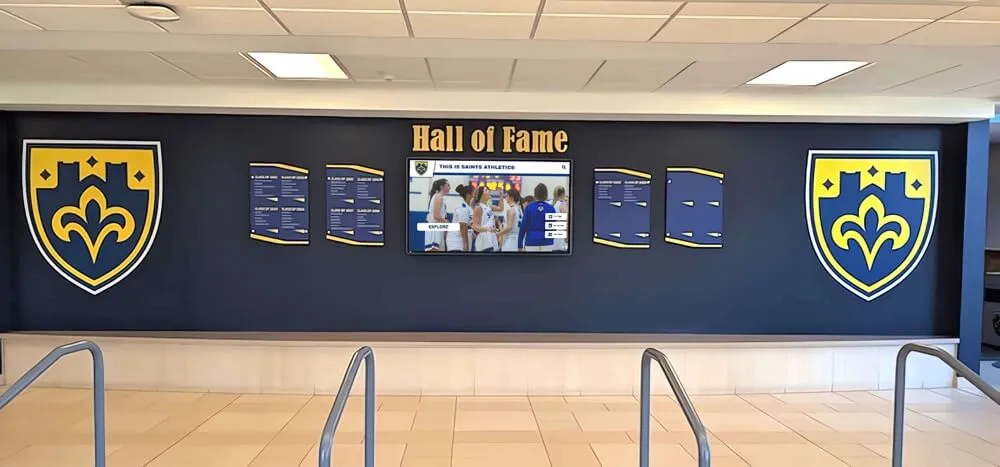
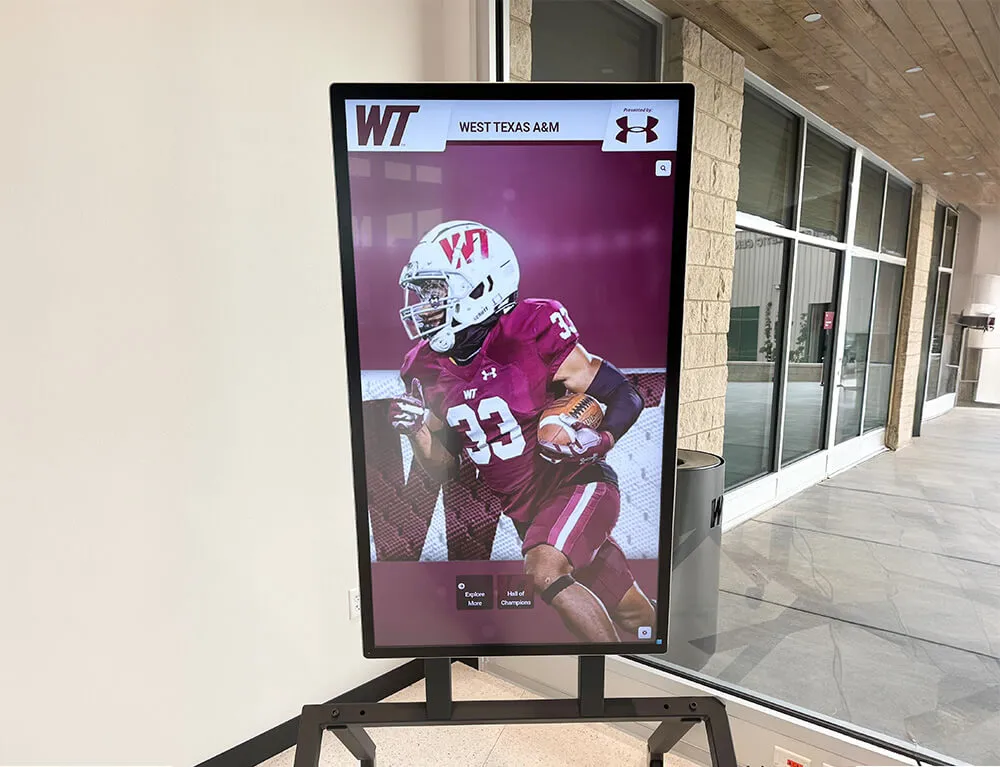
Permanent donor recognition displays showcase giving day participants alongside traditional major donors, validating all contributions regardless of size
What Is a University Giving Day?
University giving days concentrate fundraising efforts into focused time periods—typically 24 hours—creating urgency and momentum that drive participation.
Core Campaign Concept
Concentrated Fundraising Windows
The defining characteristic creates compressed timelines:
- Most campaigns run exactly 24 hours from midnight to midnight
- Some institutions extend to 36 or 48 hours for broader participation
- Countdown clocks and real-time updates emphasize time-limited nature
- Urgency messaging drives immediate action rather than procrastination
- Concentrated windows enable focused marketing and volunteer activation
- Specific end times create natural deadlines motivating last-minute gifts
This compressed timeline fundamentally differentiates giving days from ongoing annual fund campaigns that run continuously throughout fiscal years.
Participation-Focused Metrics
Successful campaigns emphasize donor count over total dollars:
- Celebrate number of participants rather than exclusively gift amounts
- Set public goals for donor participation milestones
- Implement challenge gifts unlocked by reaching participant thresholds
- Track and display donor counts in real-time creating visible momentum
- Recognize first-time donors and lapsed donor reactivation specifically
- Build cultures where every gift matters regardless of size
This participation emphasis makes giving days accessible to constituencies traditionally excluded from major gift-focused development strategies.
Key Campaign Components
Challenge Gifts and Matching Funds
Leverage major donors to inspire broad participation:
- Secure advance commitments from major donors matching gifts during specific hours
- Create unlockable pools released when participation reaches designated thresholds
- Establish college or department-specific challenges encouraging unit competition
- Implement affinity group challenges for teams, Greek organizations, or geographic regions
- Structure progressive challenges where escalating participation unlocks increasing matches
- Use matching incentives to drive giving during slow periods or final hours
Strategic challenge structures multiply individual gift impact while providing major donors meaningful engagement opportunities beyond traditional solicitations.
Real-Time Reporting and Leaderboards
Transparency creates competitive momentum:
- Display live donation counts showing campaign progress toward goals
- Publish leaderboards ranking colleges, class years, or affinity groups by participation
- Share donor names in real-time creating social proof and recognition
- Track hourly giving patterns identifying momentum shifts requiring intervention
- Celebrate milestone moments when participation crosses significant thresholds
- Enable instant donor acknowledgment validating participation immediately
Digital platforms make real-time transparency possible at scales impossible in traditional campaigns.
Social Media Amplification
Viral marketing extends reach exponentially:
- Encourage participants to share gifts publicly across personal networks
- Create campaign-specific hashtags tracking conversation volume
- Feature donor testimonials explaining personal giving motivations
- Amplify student and alumni ambassador content reaching peer networks
- Share compelling stories demonstrating institutional impact worthy of support
- Coordinate volunteer social media teams creating constant content flow
Social channels enable peer-to-peer fundraising that reaches audiences institutional communications cannot access effectively.
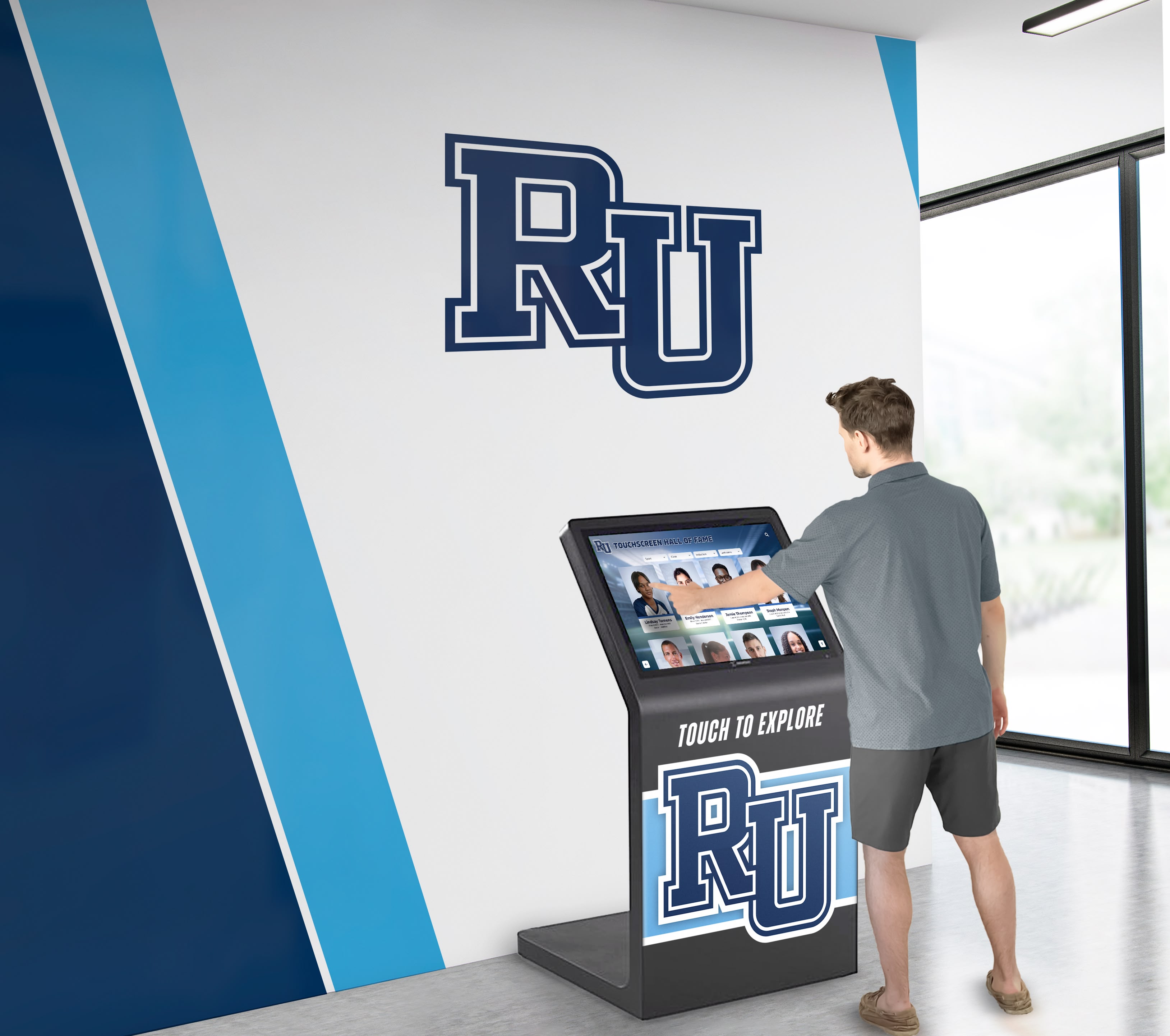
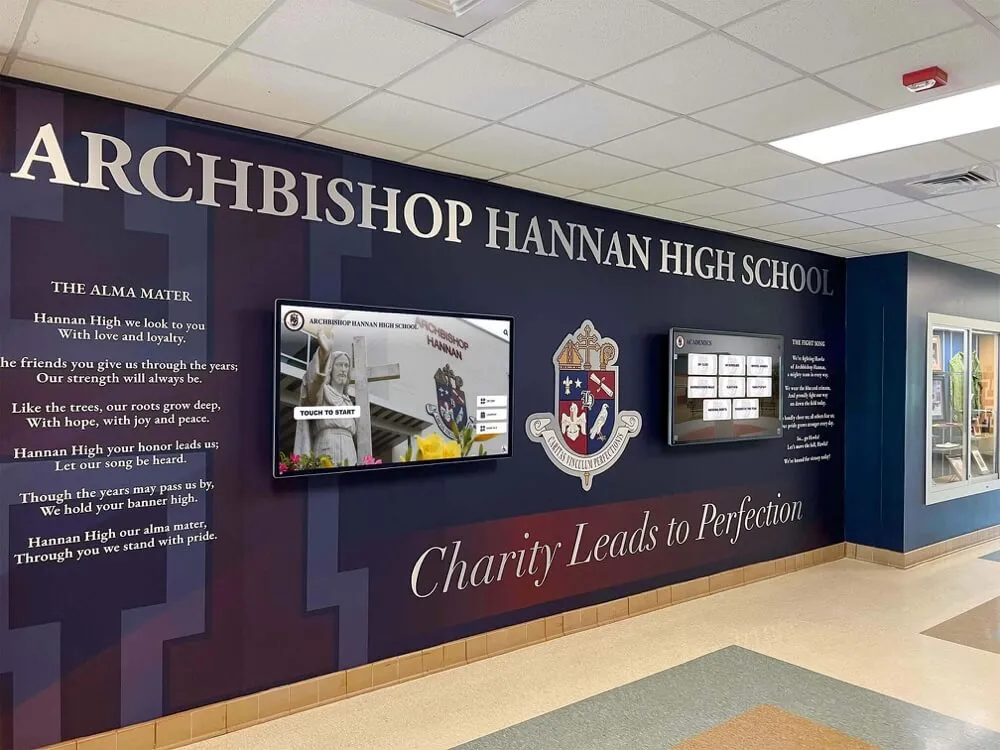
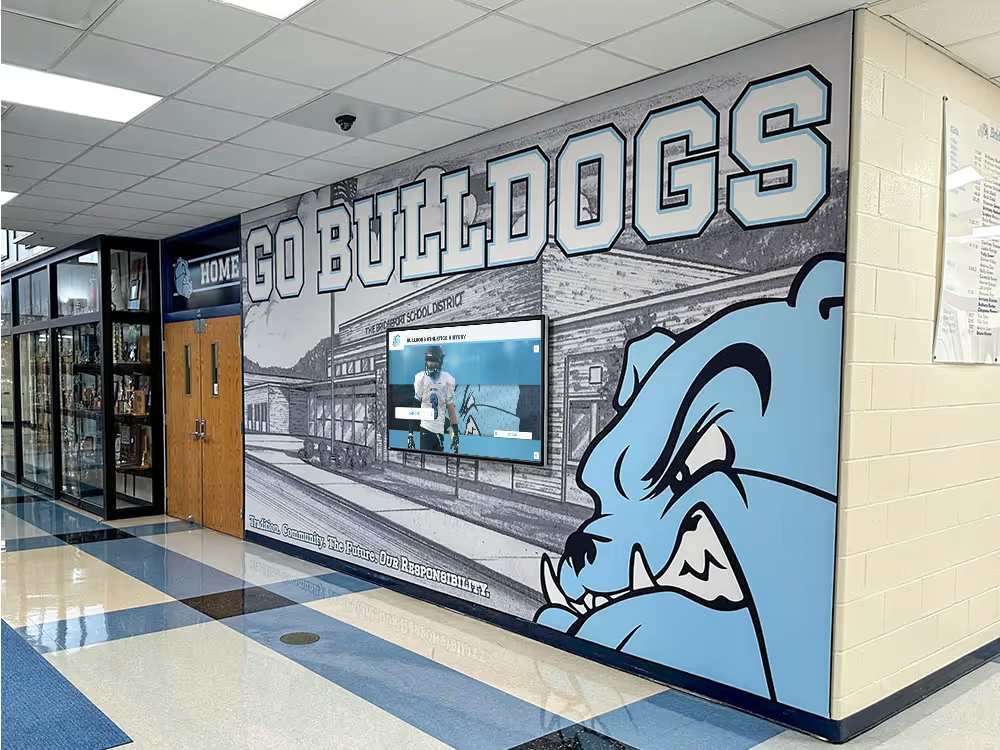
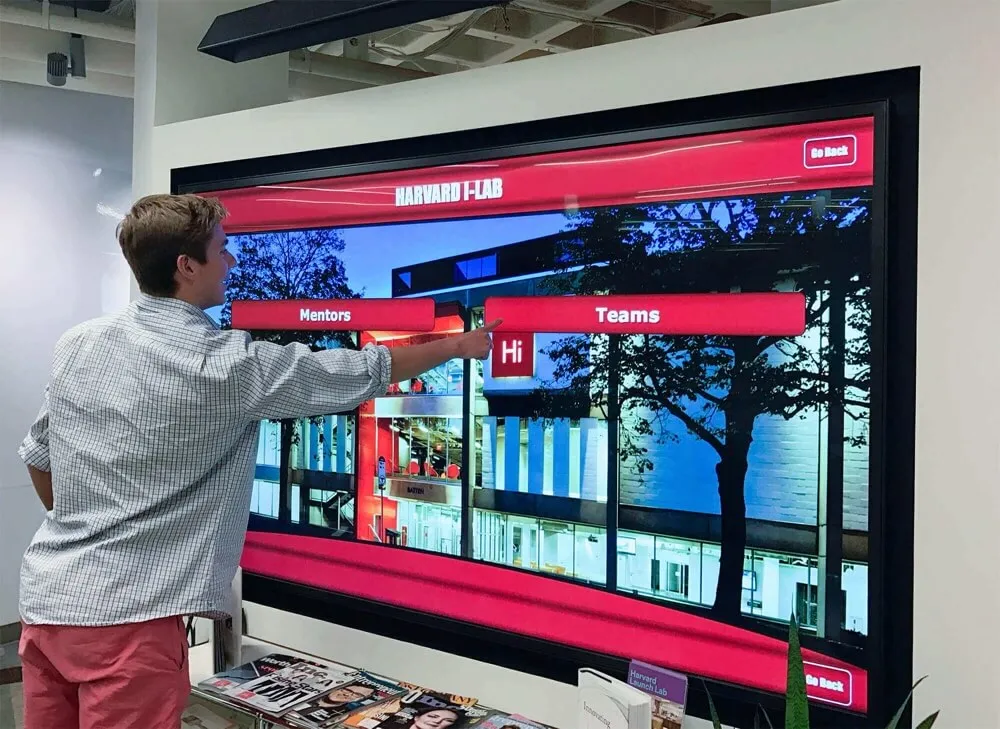
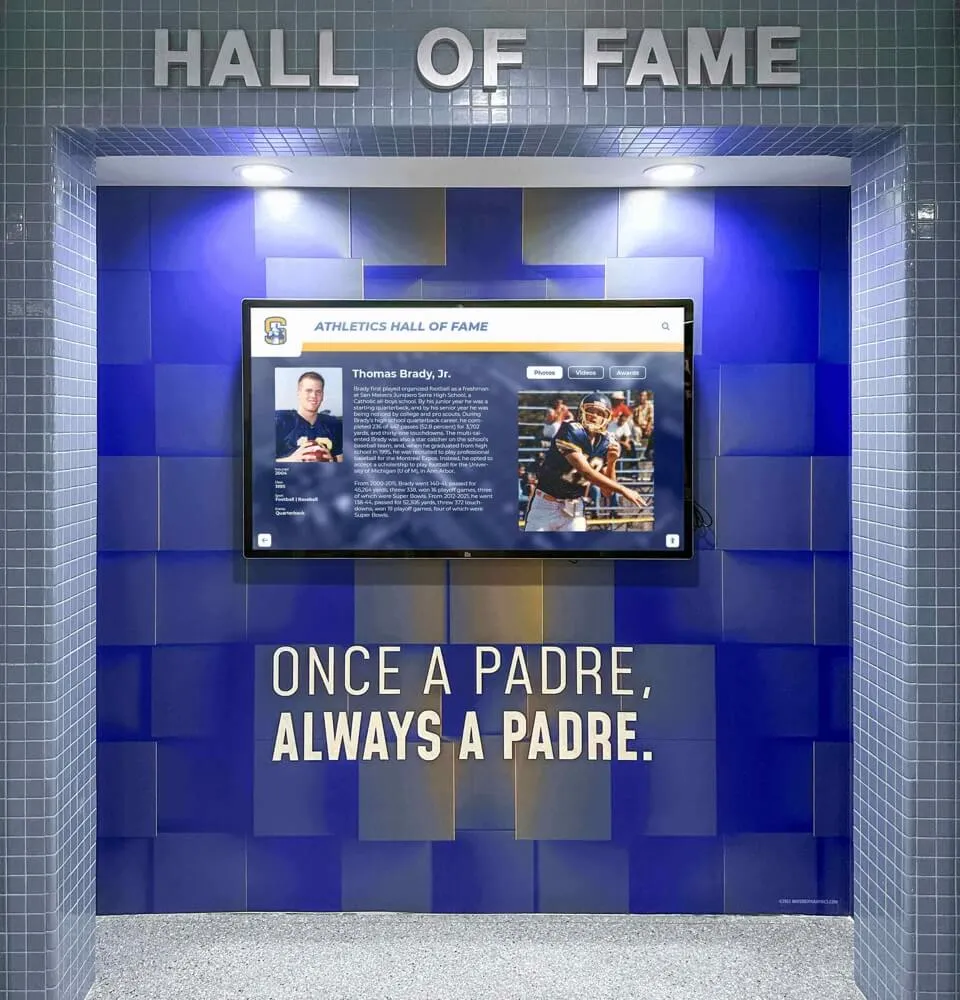
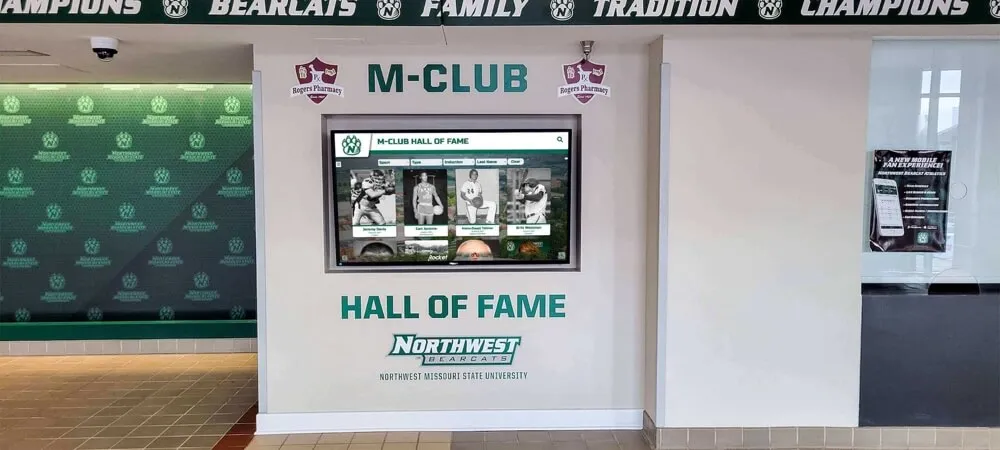
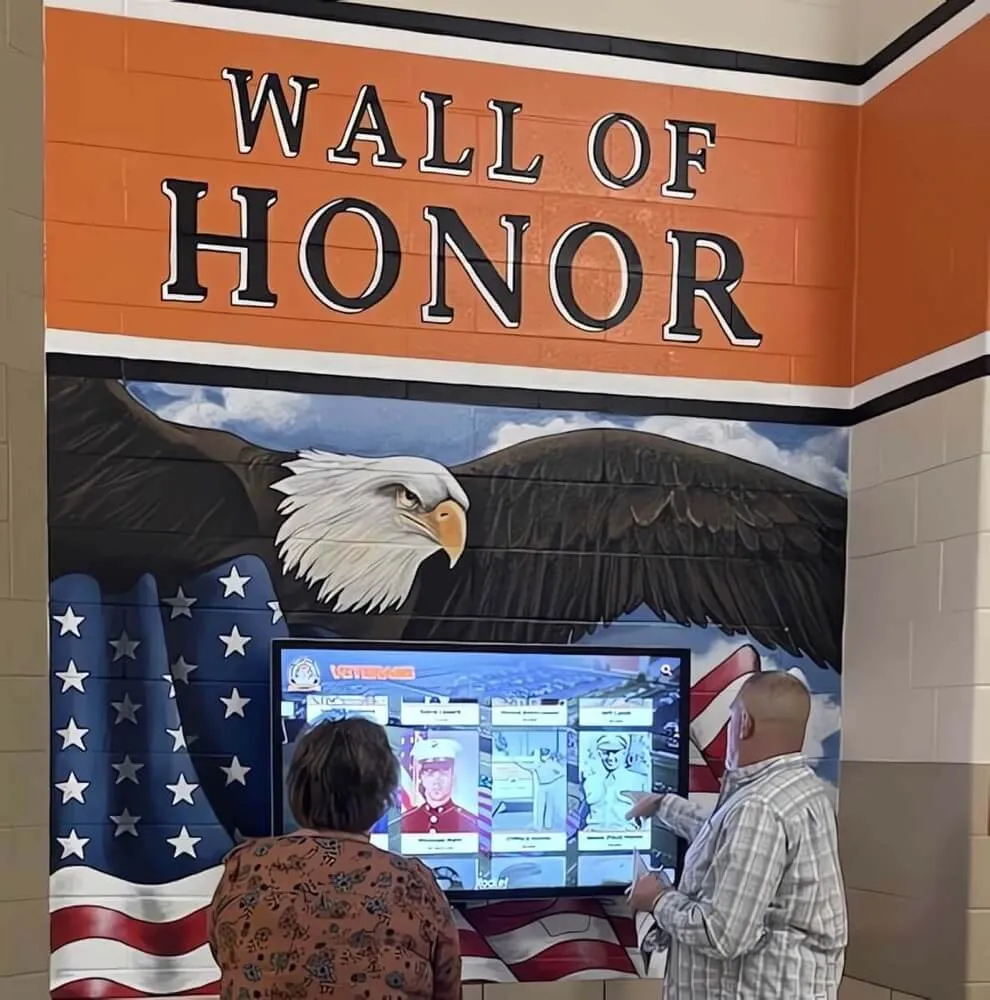
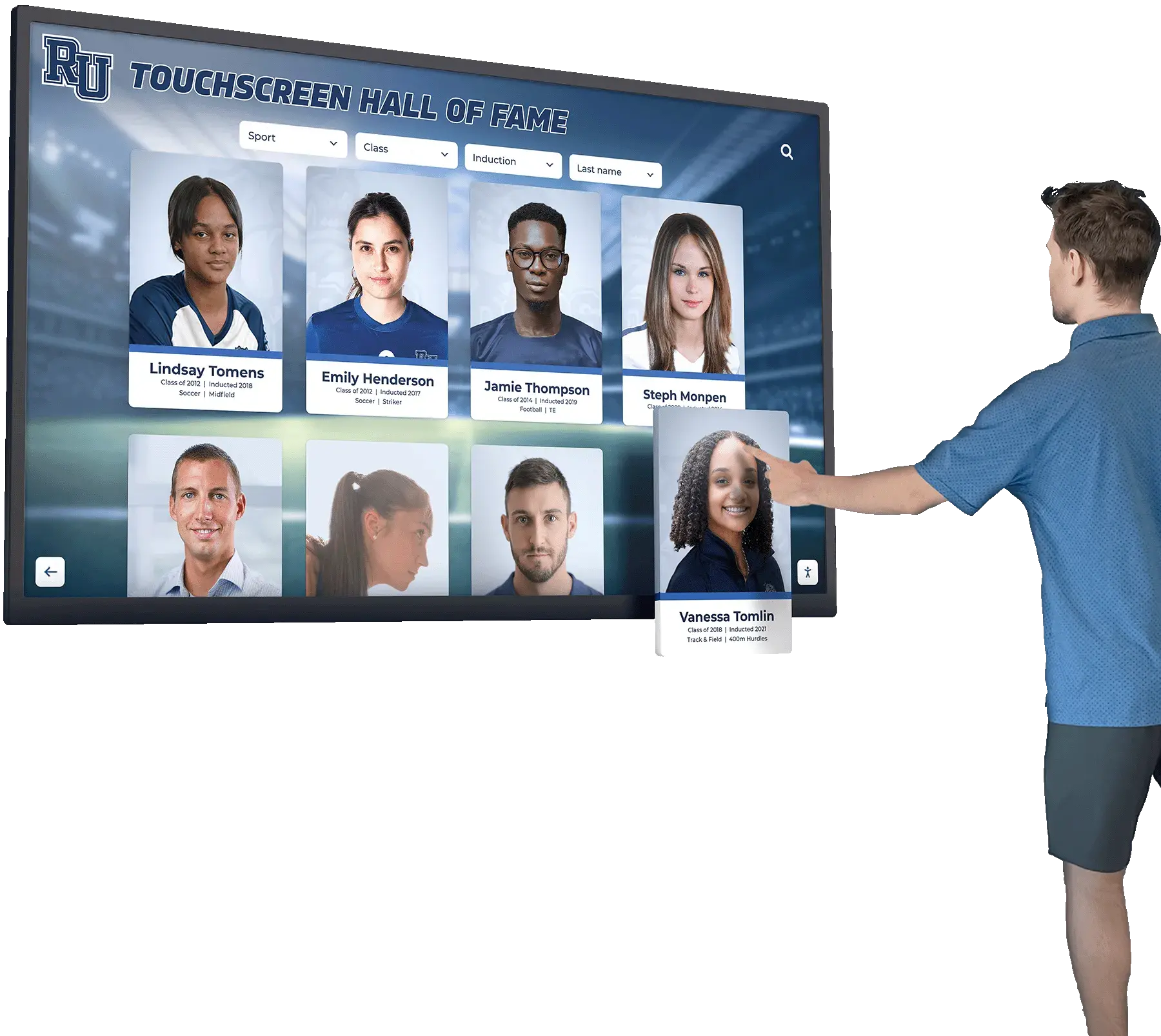
Interactive displays enable giving day participants to explore impact immediately after donating, connecting contributions to institutional outcomes
University Giving Day Program Snapshot
Comprehensive campaign overview provides planning foundation:
| Component | Description |
|---|---|
| Campaign Duration | 24-hour concentrated fundraising window (typically midnight to midnight) |
| Primary Audience | Alumni, students, faculty, staff, parents, friends, community members |
| Participation Goals | 2,000-10,000+ donors depending on institutional size and donor base maturity |
| Revenue Objectives | $250,000-$5,000,000+ combining individual gifts and challenge matches |
| Key Success Metrics | Total donor count, first-time donor acquisition, lapsed donor reactivation, participation rates by constituency, social media reach, average gift size |
| Planning Timeline | 6-9 months advance preparation for mature campaigns |
| Marketing Channels | Email campaigns, social media, direct mail, phone outreach, digital advertising, campus signage, student ambassadors |
| Recognition Programs | Real-time donor walls, social media shoutouts, digital displays, challenge group leaderboards, permanent donor recognition |
| Technology Requirements | Online giving platform with real-time reporting, leaderboard capabilities, social sharing integration, mobile optimization |
| Volunteer Activation | Student ambassadors, alumni volunteers, college champions, social media teams, phone bank callers |
| Post-Campaign Strategy | Donor stewardship program, impact reporting, recognition display updates, annual tradition establishment |
This snapshot illustrates how multiple components work together creating comprehensive campaigns that drive both immediate results and long-term donor development.
Campaign Planning Timeline
Strategic preparation determines success or failure. Implement this phased approach:
Phase 1: Foundation Building (6-9 Months Before Campaign)
Establish Campaign Infrastructure
Build organizational foundation:
- Assemble campaign leadership team including development staff, marketing, IT, and volunteer leaders
- Select optimal campaign date avoiding academic calendar conflicts and competing institutional events
- Secure online giving platform capable of real-time reporting and social integration
- Establish preliminary budget accounting for technology, marketing, events, and recognition
- Identify preliminary revenue and participation goals based on benchmarking and institutional analysis
- Create campaign brand identity including naming, visual design, and messaging themes
Adequate advance planning prevents rushed decisions compromising campaign effectiveness.
Secure Challenge Gifts
Leverage major donors early:
- Identify prospective challenge gift donors from major gift portfolios
- Develop compelling challenge structures matching gifts or unlocking pools
- Secure written commitments specifying exact terms, amounts, and trigger conditions
- Create college-specific or affinity group challenges encouraging broad participation
- Structure challenges throughout 24-hour window driving sustained momentum
- Establish final-hour challenges creating excitement during potential slowdown periods
Challenge commitments secured early enable marketing teams to promote incentives throughout pre-campaign communications.
Recruit Volunteer Leadership
Build campaign ambassadors:
- Identify student champions representing diverse campus communities and organizations
- Recruit alumni volunteers willing to leverage personal networks for peer solicitation
- Engage college deans and department chairs as unit-specific campaign leaders
- Activate Greek life, athletic teams, and affinity organizations as competitive participants
- Train volunteer ambassadors on messaging, social media best practices, and personal solicitation
- Establish clear roles, responsibilities, and support structures enabling volunteer success
Volunteers multiply campaign reach beyond what professional development teams achieve independently.
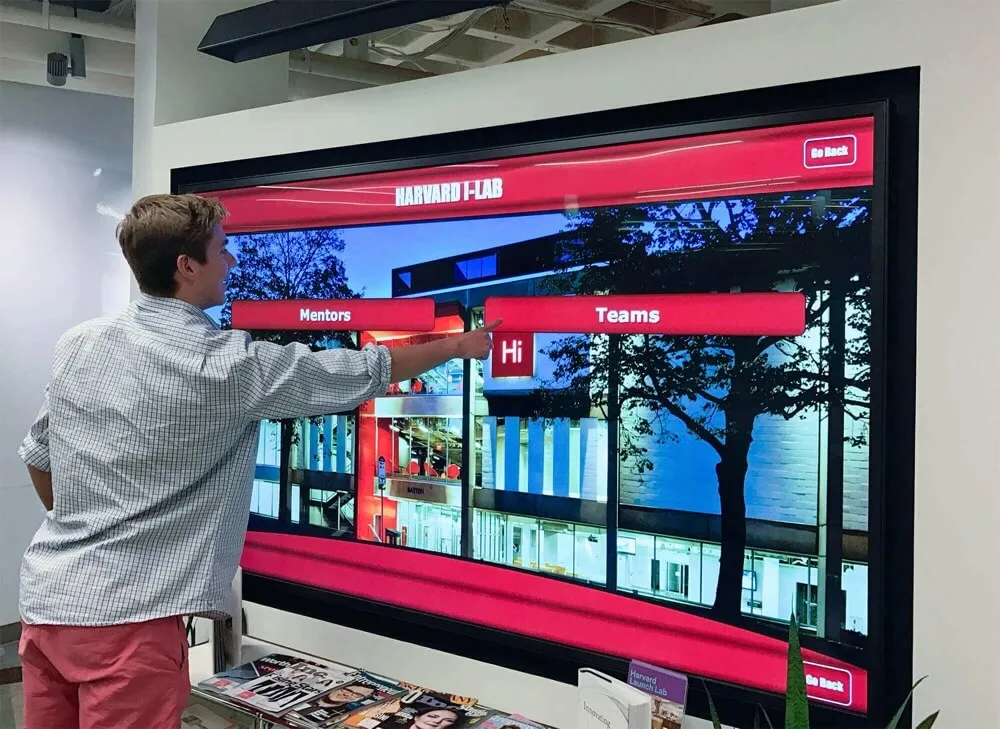
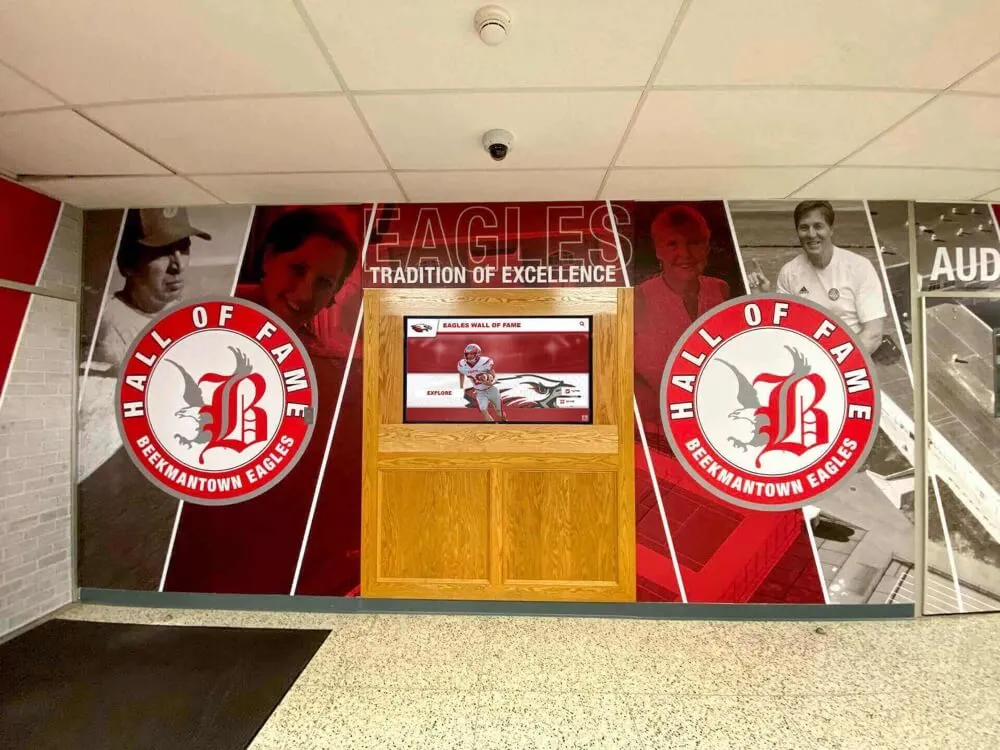
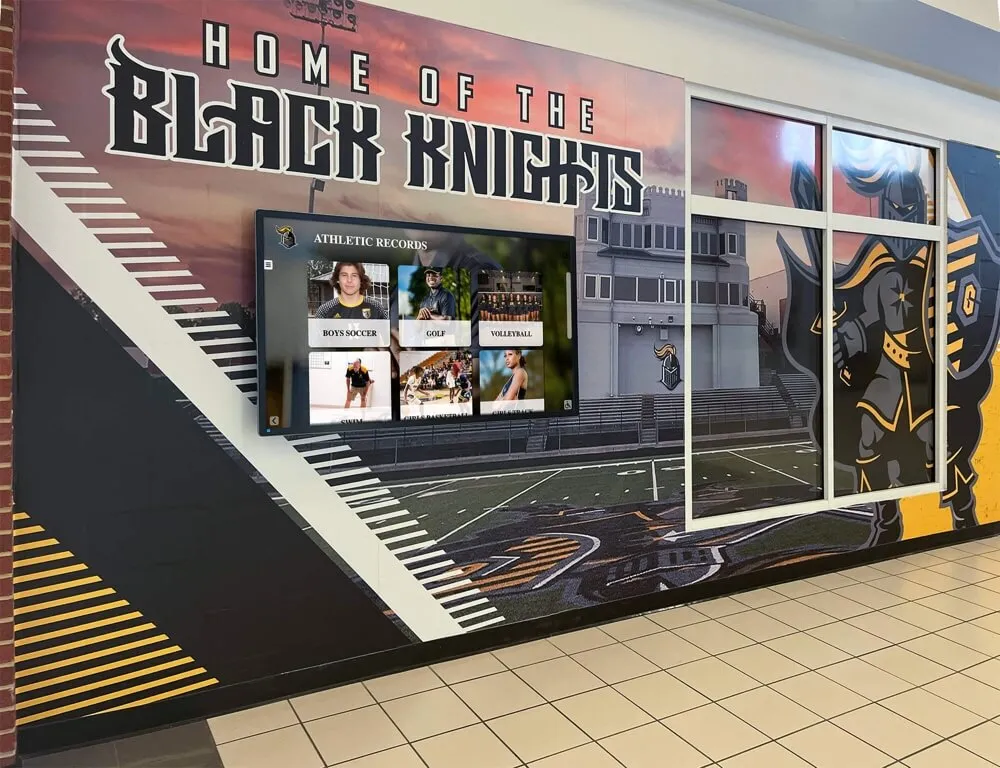
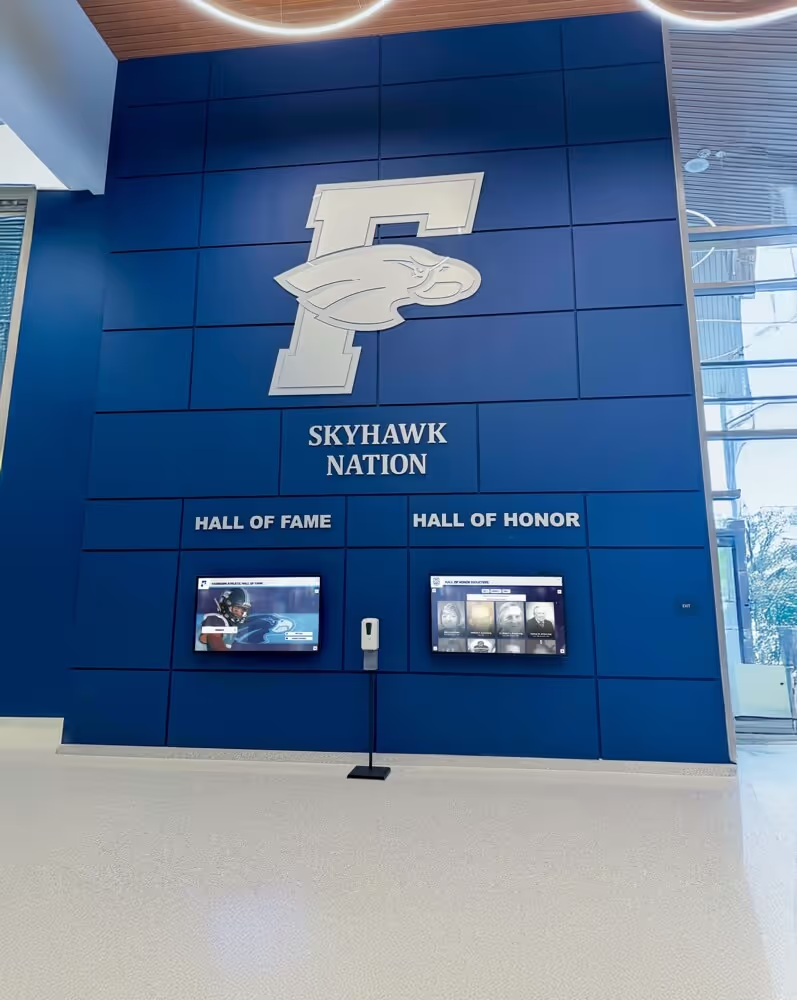
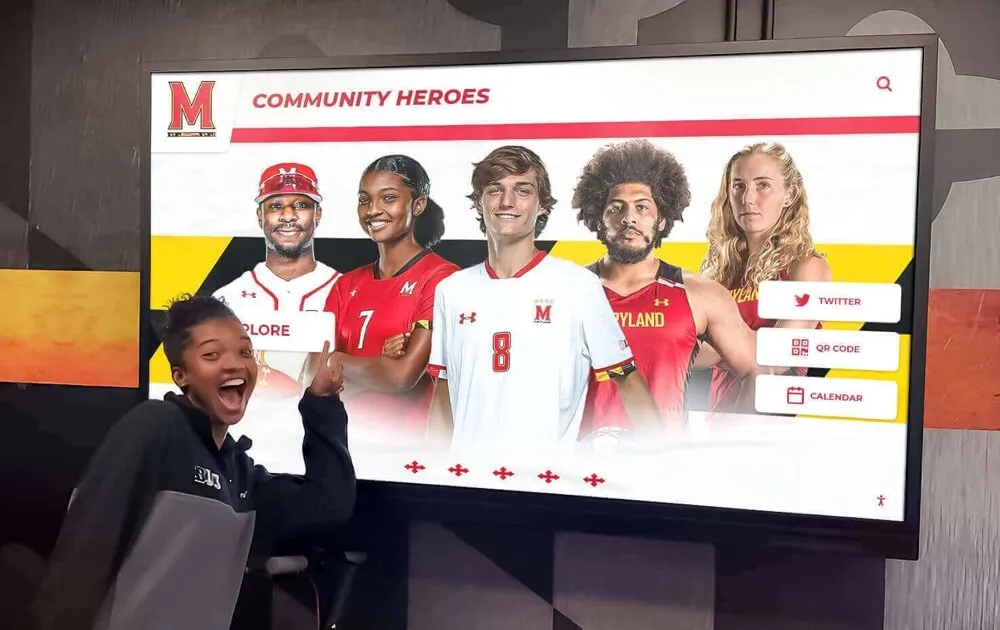
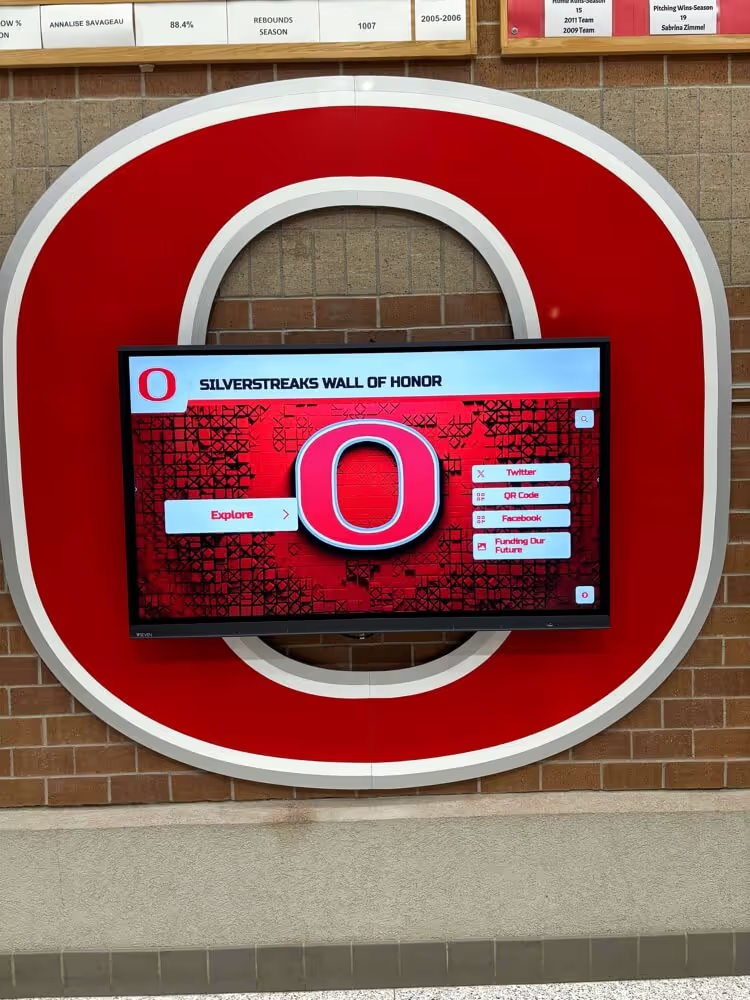
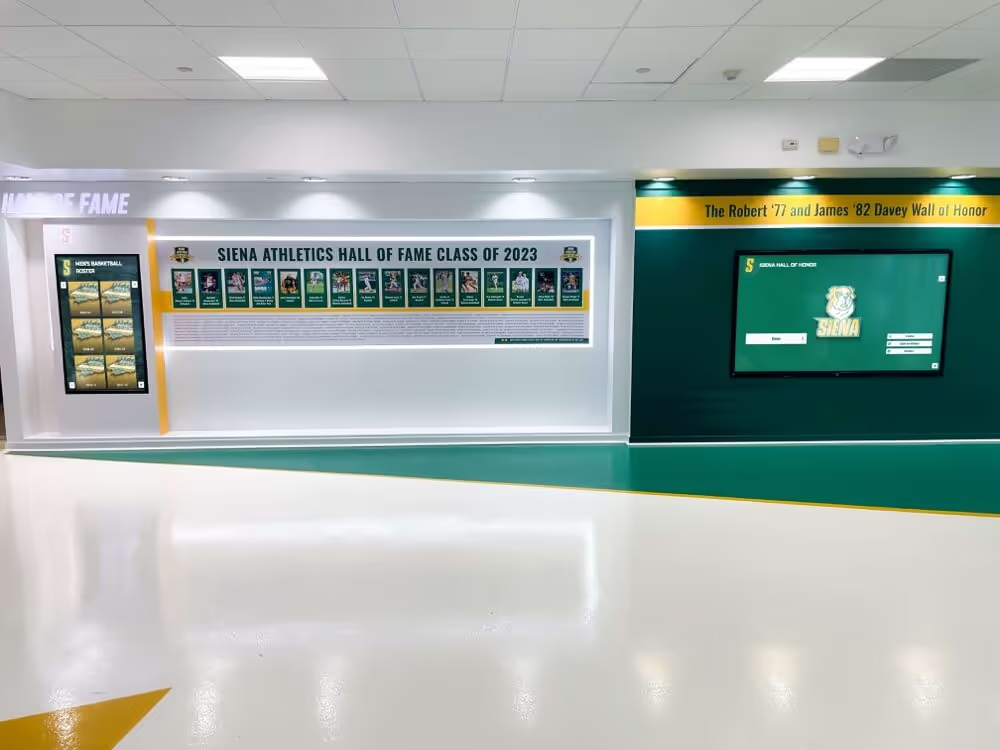
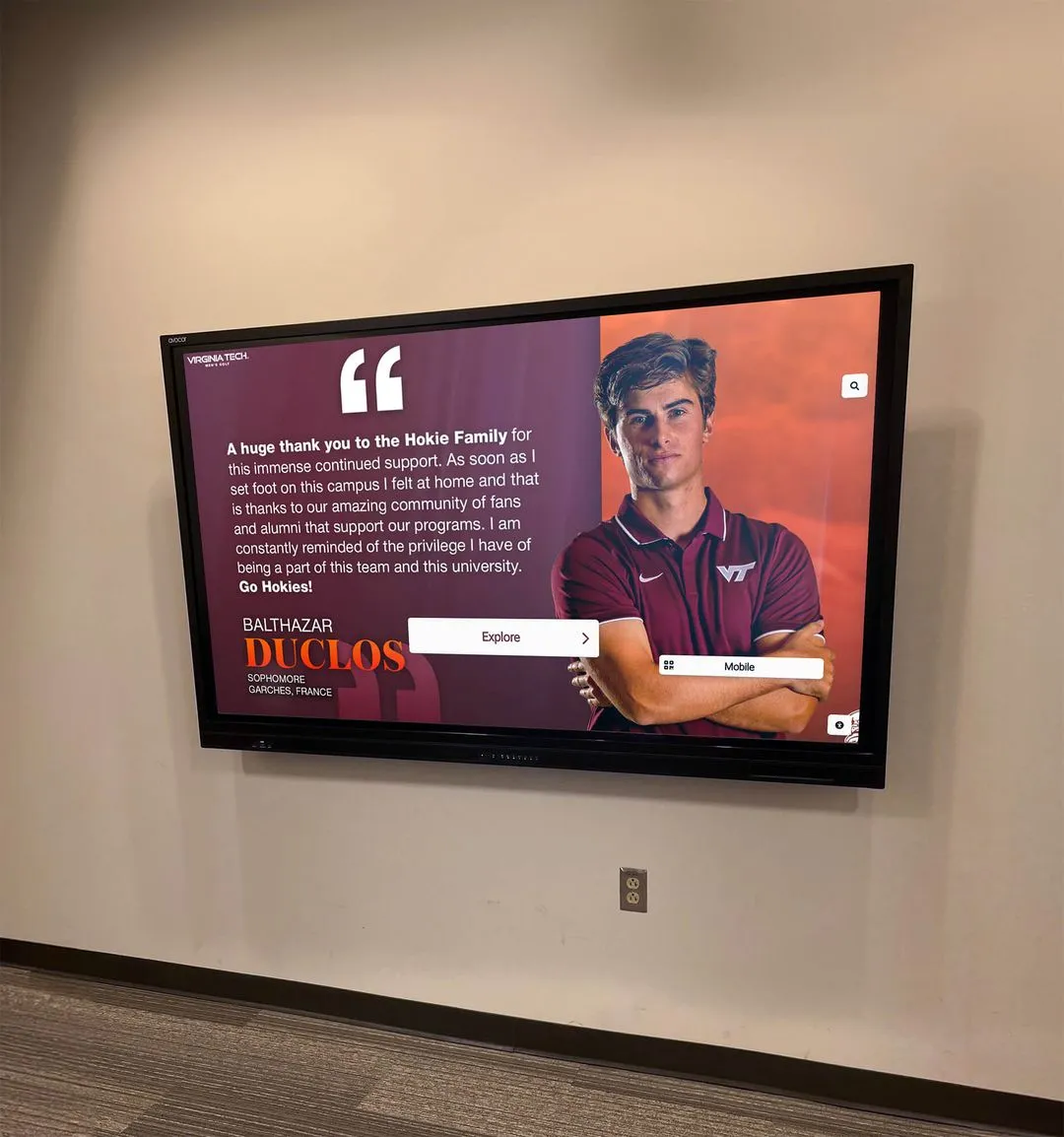
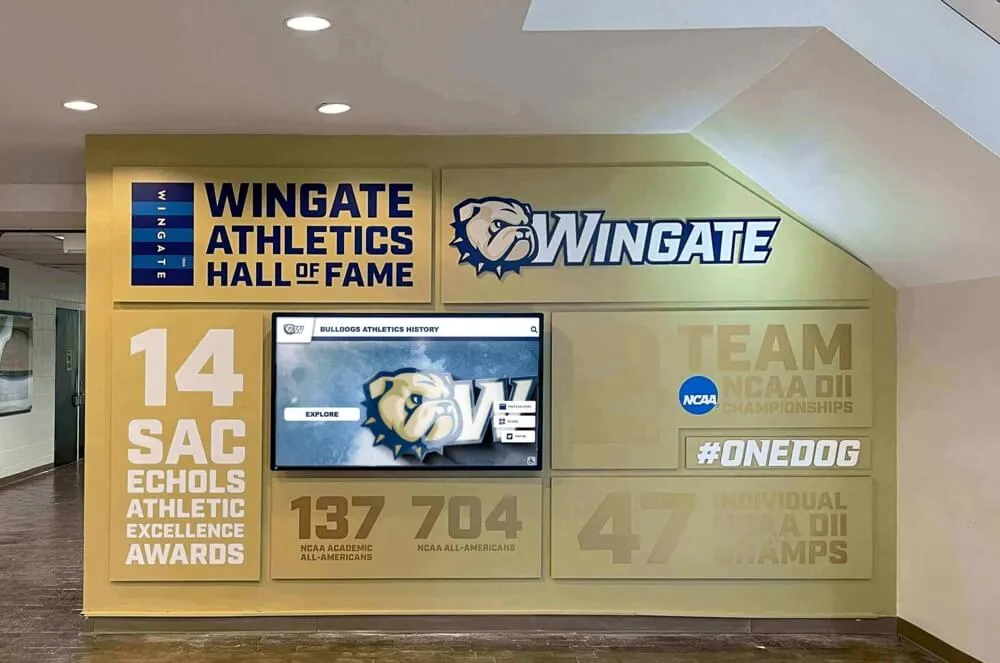
Leading institutions integrate donor recognition into high-traffic campus spaces creating year-round visibility for giving day participants
Phase 2: Campaign Development (3-6 Months Before)
Create Marketing Materials
Develop comprehensive communications:
- Design email campaign sequences for various constituency segments
- Create social media content calendars with scheduled posts throughout campaign
- Develop print materials including posters, flyers, and table tents for campus distribution
- Produce video content featuring student testimonials and impact stories
- Write website copy explaining campaign purpose, participation process, and recognition
- Design digital advertising creative for social media and display advertising campaigns
Professional, consistent branding creates credible campaigns worthy of participation.
Build Digital Infrastructure
Implement technology platforms:
- Configure online giving platform with campaign-specific branding and messaging
- Develop real-time leaderboard displays tracking participation by college and affinity group
- Create live donation feed showing donor names and gift designations publicly
- Implement social sharing functionality enabling donors to broadcast participation
- Ensure mobile optimization accommodating smartphone giving behavior
- Integrate analytics tracking to measure traffic sources, conversion rates, and abandonment patterns
Technical preparation prevents day-of-campaign emergencies that undermine momentum.
Develop Recognition Programs
Plan donor celebration:
- Design digital donor walls displaying all participants regardless of gift size
- Create recognition categories including first-time donors, consecutive year donors, and challenge participants
- Develop permanent digital recognition displays showcasing giving day participation alongside traditional donors
- Establish social media recognition protocols celebrating donors publicly with permission
- Plan post-campaign recognition events honoring top participants and volunteer leaders
- Coordinate thank-you communications sent immediately after gifts complete
Meaningful recognition validates participation and builds commitment to future giving.
Phase 3: Pre-Campaign Activation (1-3 Months Before)
Launch Marketing Campaigns
Build awareness and anticipation:
- Begin email campaigns educating constituencies about upcoming giving day
- Activate social media accounts sharing countdown content and campaign previews
- Distribute print materials across campus creating physical presence
- Launch paid digital advertising targeting alumni and parent constituencies
- Implement phone outreach to major donor prospects and volunteer leaders
- Create campus events and tabling opportunities explaining campaign to students
Sustained pre-campaign marketing ensures constituents know about campaigns before day-of-event arrives.
Activate Volunteer Networks
Mobilize ambassadors:
- Conduct training sessions teaching volunteers effective peer solicitation techniques
- Provide volunteers with personalized fundraising pages and social media toolkits
- Establish competition structures with prizes for top-performing volunteer fundraisers
- Create volunteer communication channels enabling coordination and support
- Set individual fundraising goals motivating volunteer commitment and accountability
- Recognize volunteer contributions publicly building pride and ownership through digital recognition
Energized volunteers become campaign’s most effective marketers and solicitors.
Finalize Operational Details
Confirm all logistics:
- Test technology platforms ensuring functionality under anticipated traffic loads
- Confirm challenge gift terms and trigger mechanisms with donor partners
- Establish campaign command center staffed throughout 24-hour window
- Create contingency plans addressing potential technical failures or unexpected challenges
- Coordinate cross-departmental support from IT, communications, and student affairs
- Develop hour-by-hour staffing schedules ensuring coverage across entire campaign
Thorough preparation enables teams to respond quickly to emerging opportunities and challenges.
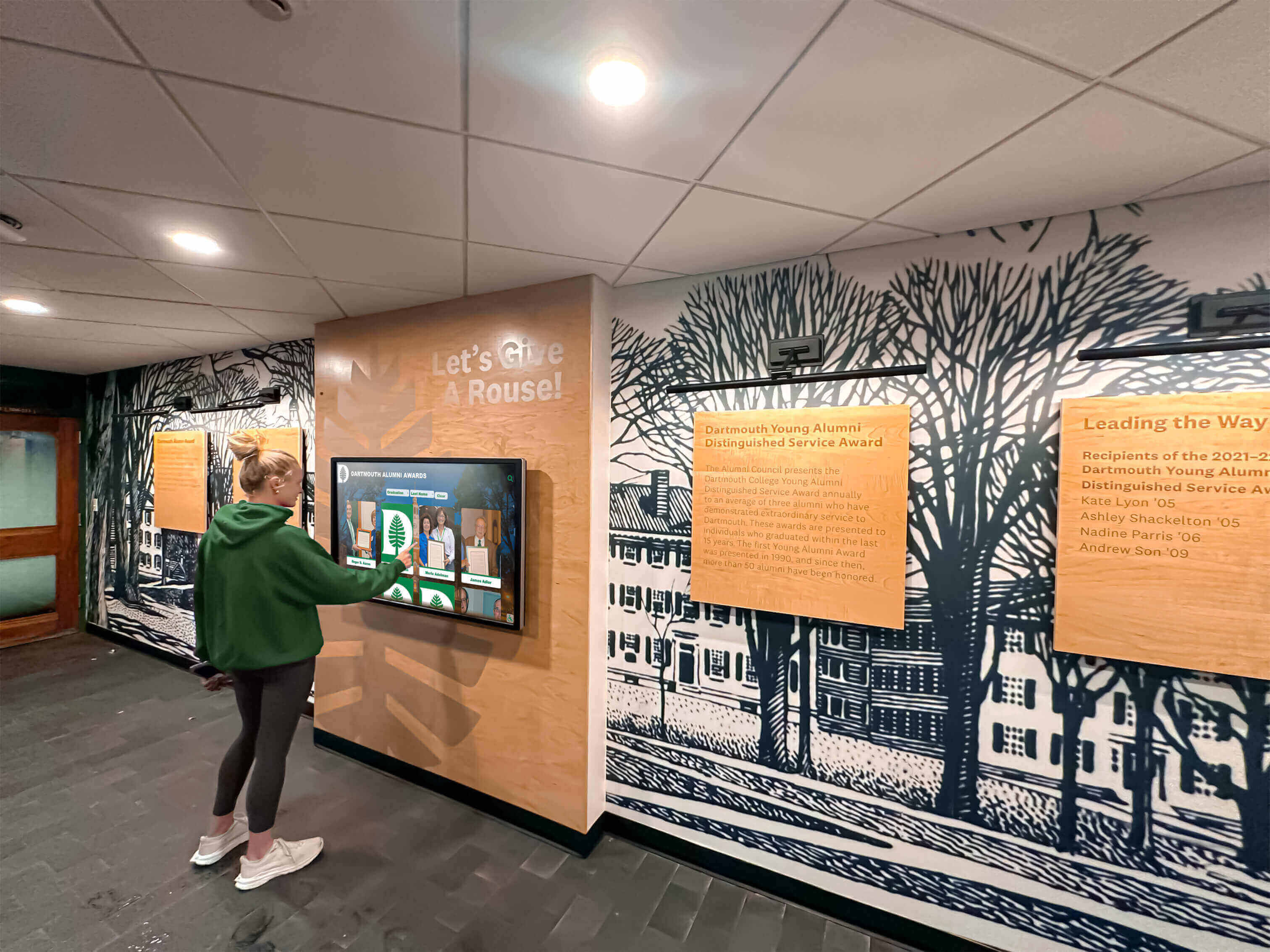
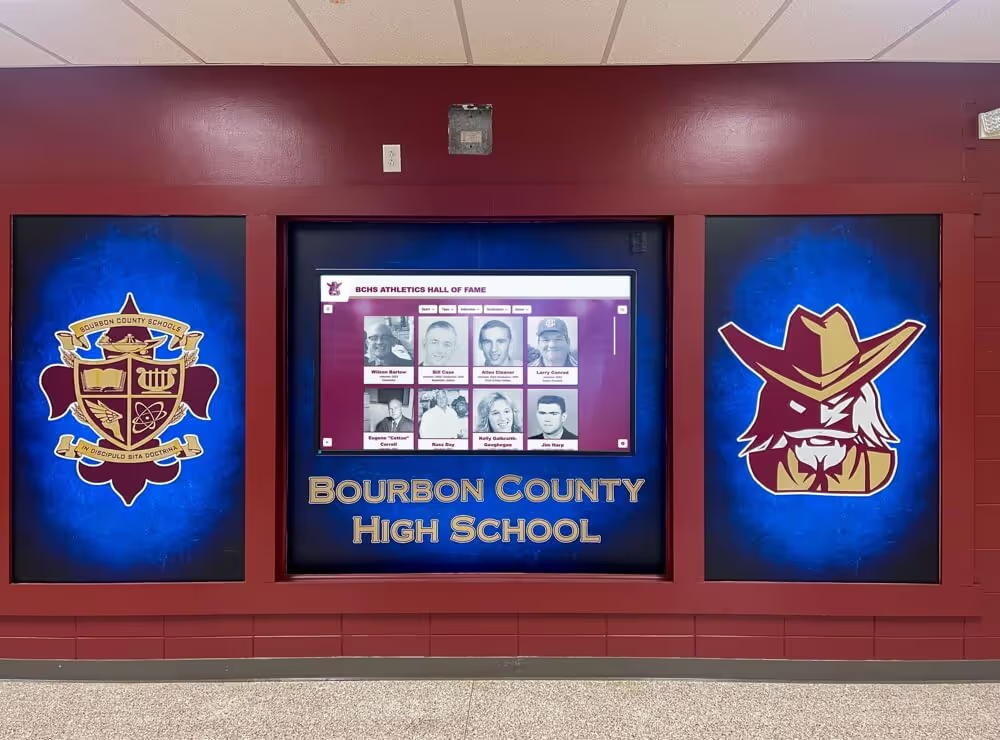
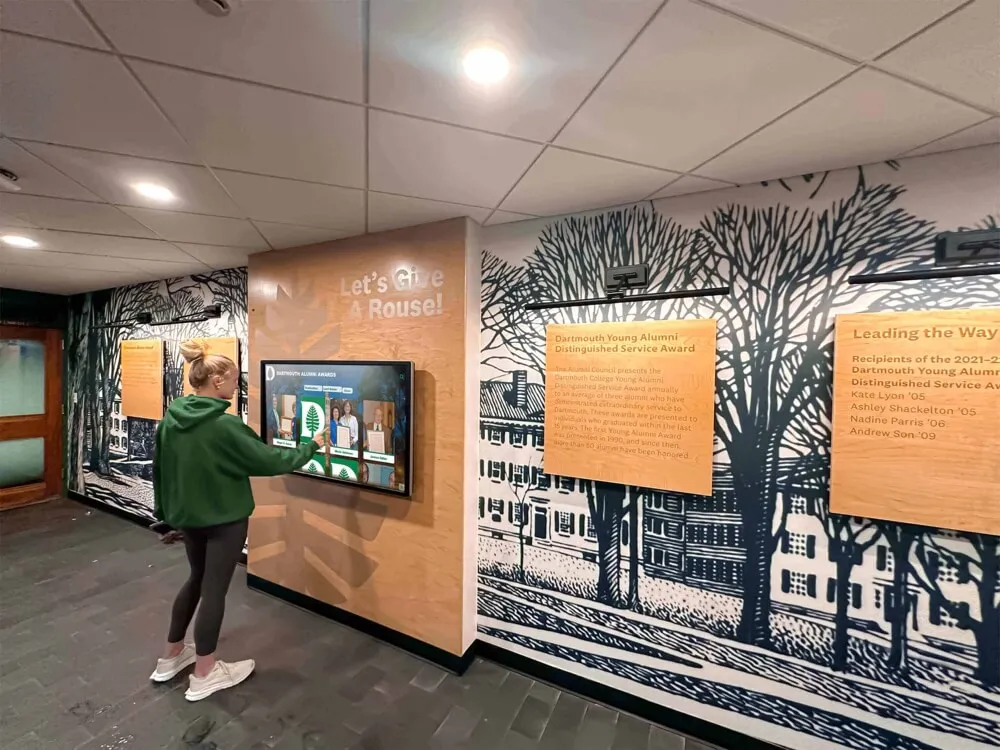
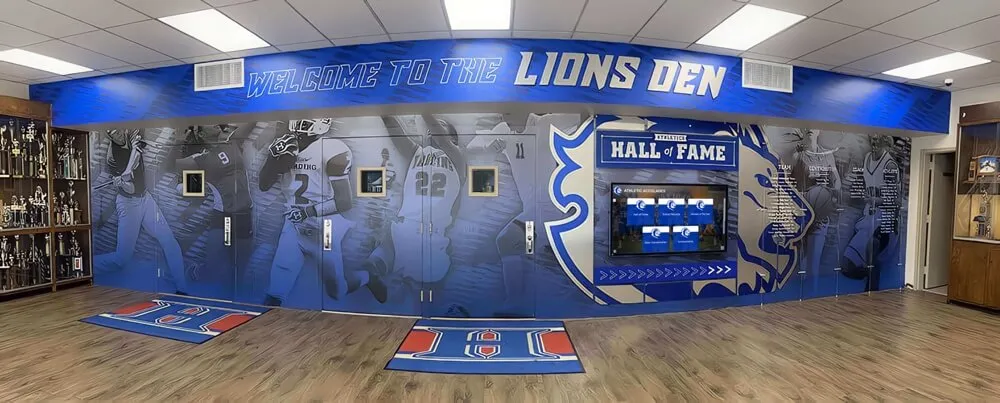
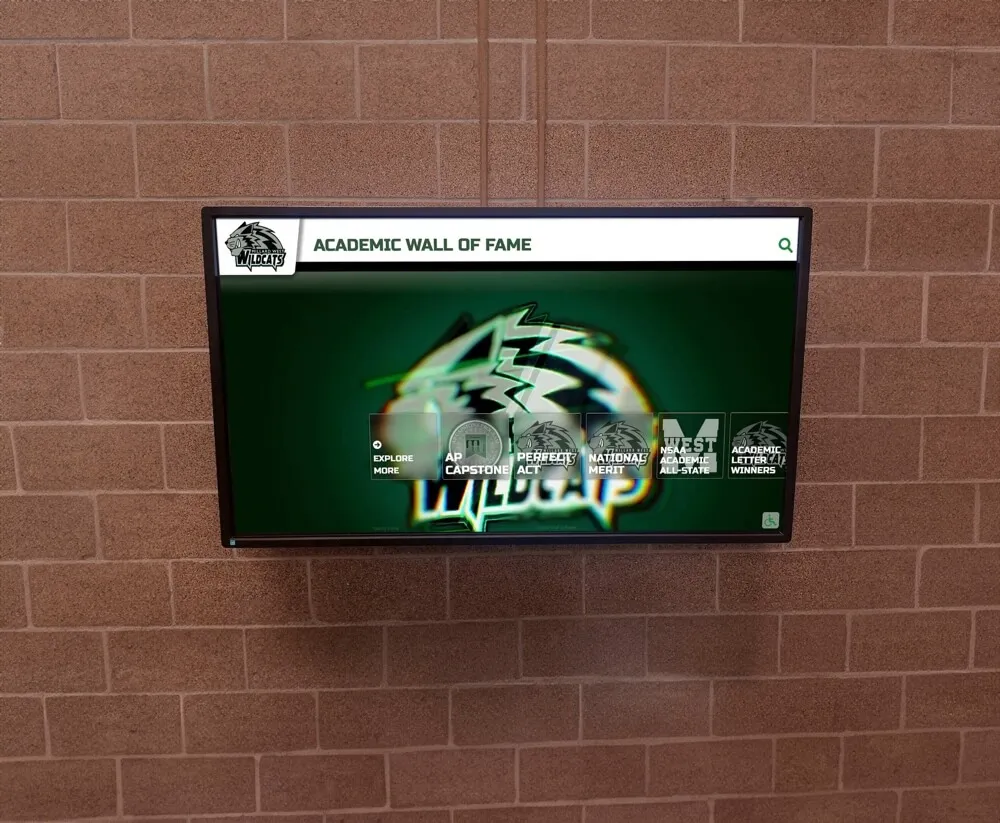
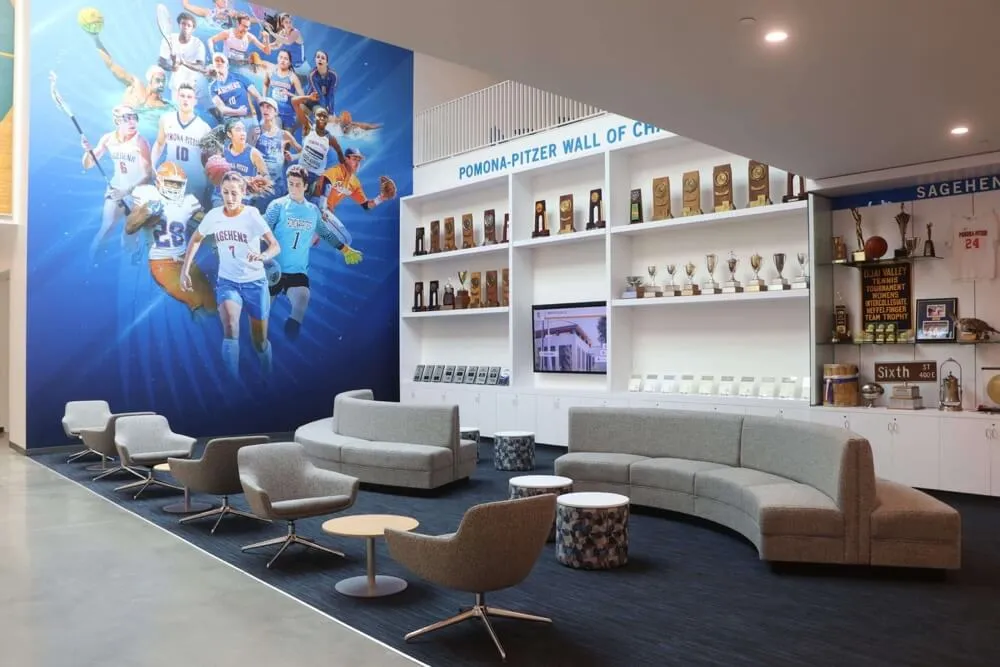
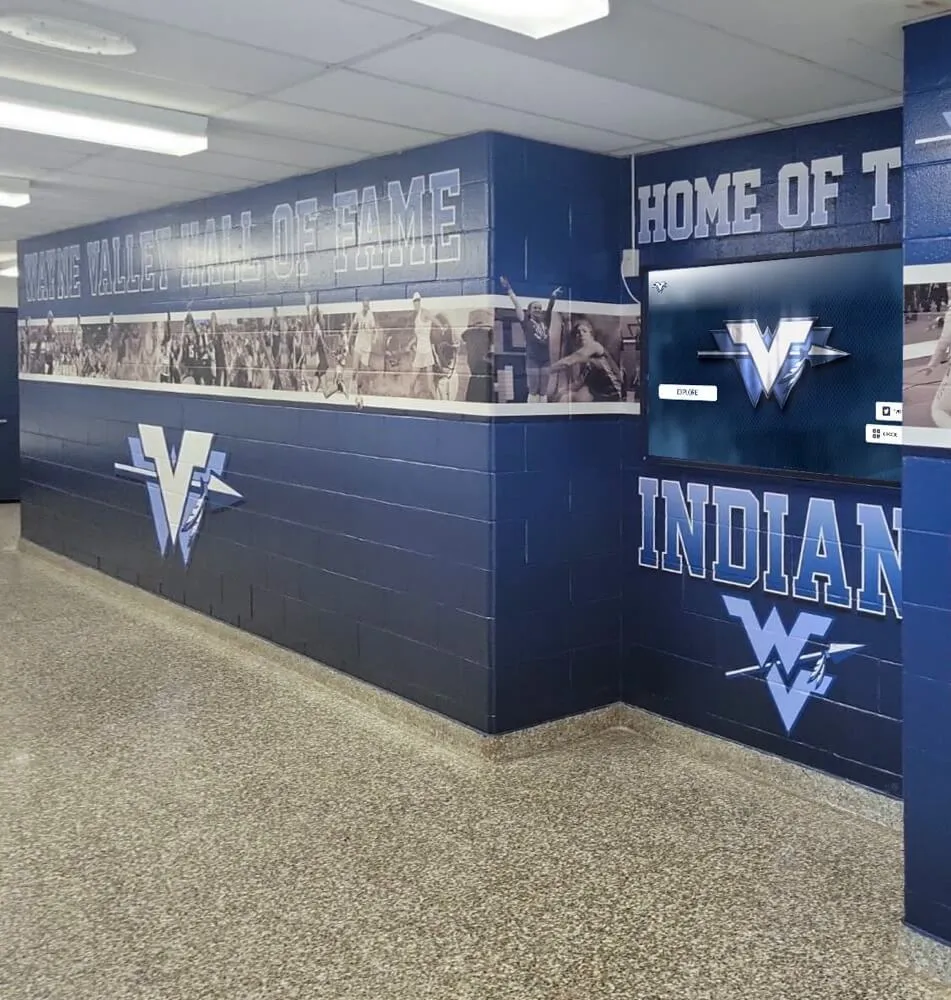
Year-round accessibility enables students to discover donor impact stories inspiring their own future philanthropic participation
Phase 4: Campaign Execution (24-Hour Window)
Real-Time Campaign Management
Maintain momentum throughout:
- Monitor giving patterns hourly identifying slow periods requiring intervention
- Deploy reserved challenge gifts during lulls creating renewed urgency
- Share milestone celebrations across all channels when participation crosses thresholds
- Respond to donor questions and technical issues immediately maintaining positive experience
- Coordinate volunteer phone banks during evening hours capturing working professionals
- Adjust messaging based on real-time performance data maximizing remaining potential
Active management transforms campaigns from static programs into dynamic experiences.
Content Creation and Amplification
Maintain constant communication flow:
- Share real-time updates celebrating progress and announcing unlocked challenges
- Feature donor testimonial videos and impact stories throughout campaign
- Amplify student and alumni social media posts reaching peer networks
- Create urgency messaging as deadlines approach motivating last-minute participation
- Celebrate leaderboard standings encouraging competitive giving among units
- Thank donors publicly creating social proof and recognition
Sustained content keeps campaigns visible across cluttered social media environments.
Engagement Monitoring
Track performance continuously:
- Analyze traffic sources identifying highest-converting marketing channels
- Monitor conversion rates from landing pages to completed gifts
- Track challenge progress ensuring terms are met and recognition delivered
- Measure social media engagement including hashtag usage and sharing volume
- Identify technical issues preventing gift completion and implement fixes immediately
- Assess performance against goals determining whether final hour pushes are necessary
Data-driven decision making optimizes results throughout campaigns.
Phase 5: Post-Campaign Recognition (Immediately After - 3 Months)
Immediate Stewardship
Begin donor relations instantly:
- Send automated thank-you emails confirming gifts within minutes of completion
- Deploy challenge gift notifications when donor participation triggers matching funds
- Share final campaign results celebrating total raised and participation achieved
- Publish final leaderboard standings recognizing winning colleges and affinity groups
- Thank volunteer ambassadors publicly acknowledging their essential contributions
- Create impact reports demonstrating how campaign funds support institutional priorities
Prompt stewardship signals that participation is valued and impactful.
Comprehensive Recognition Programs
Celebrate all participants:
- Update digital donor recognition displays adding all giving day participants
- Host recognition events honoring top volunteers and milestone participants
- Feature donor profiles in alumni publications and social media throughout following months
- Send personalized impact updates demonstrating specific outcomes donors supported
- Implement ongoing stewardship programs moving first-time donors toward sustained annual giving
- Create giving societies recognizing consecutive year participants building commitment
Recognition investments pay dividends when one-time participants become lifelong donors.
Performance Analysis
Learn from results:
- Analyze final participation data by constituency, gift size, and acquisition source
- Assess marketing channel effectiveness comparing investment to conversion performance
- Survey participants about campaign experience identifying improvement opportunities
- Calculate return on investment comparing revenue to campaign expenses
- Benchmark results against peer institutions and previous year performance
- Document lessons learned creating institutional knowledge for future campaigns
Systematic analysis enables continuous improvement year over year.
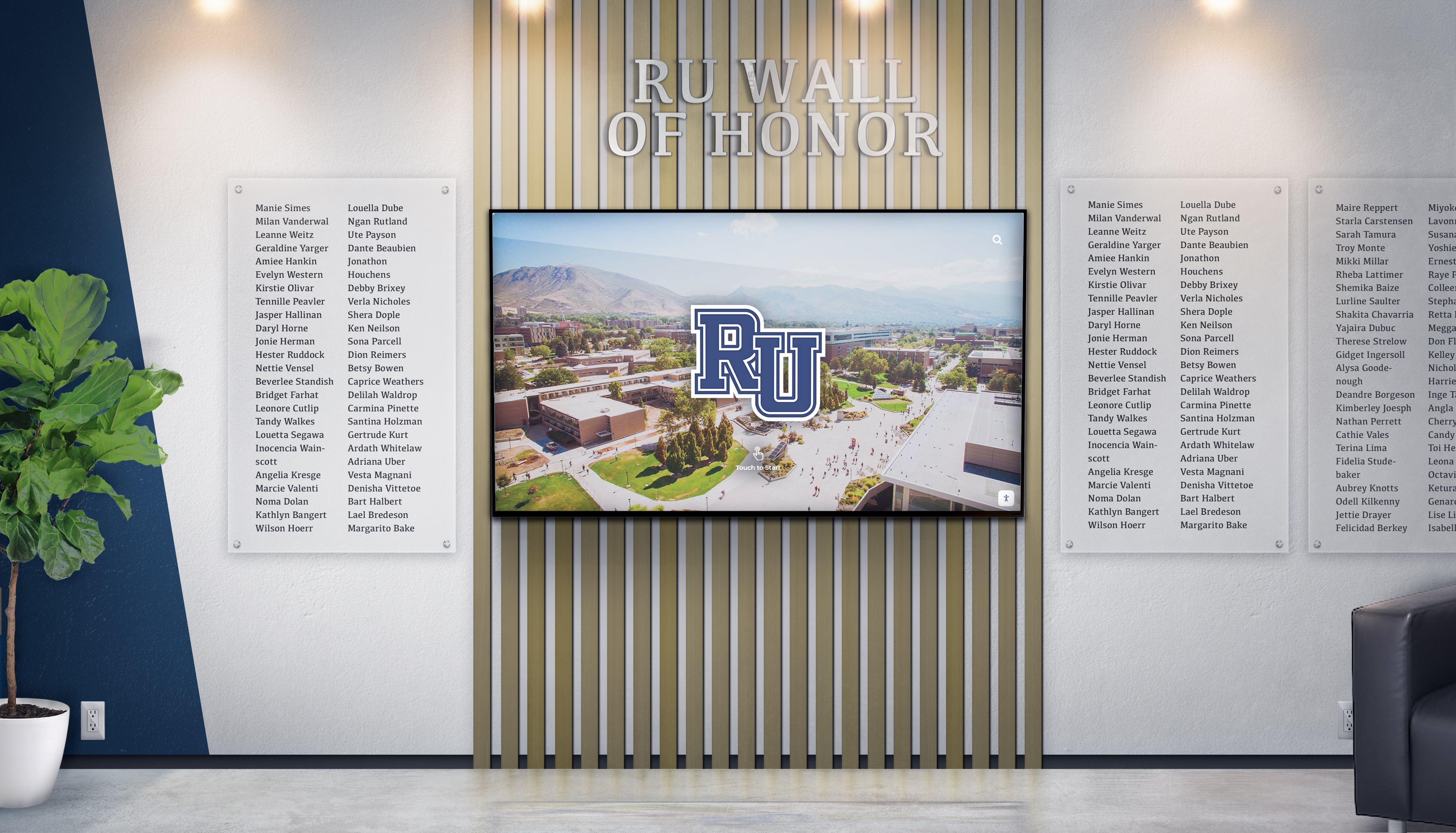
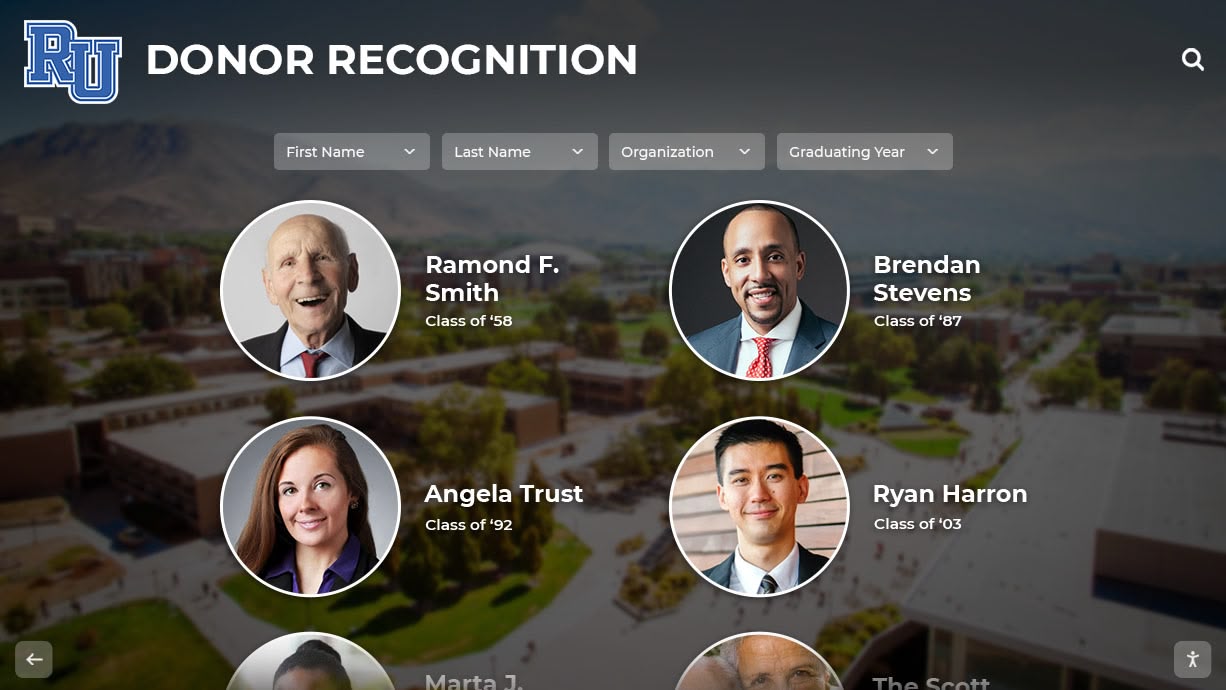
Comprehensive recognition systems showcase entire donor communities from major benefactors to first-time giving day participants
Promotion and Marketing Strategies
Multi-channel marketing reaches diverse constituencies effectively.
Email Marketing Campaigns
Segmented Messaging
Customize communications by audience:
- Create separate email sequences for recent graduates, established alumni, parents, and faculty
- Develop college-specific campaigns emphasizing unit fundraising priorities and leaderboard competition
- Personalize messages referencing recipient graduation year, major, or campus involvement
- Implement progressive sequences building from awareness to urgency as campaign approaches
- A/B test subject lines, sender names, and call-to-action placement optimizing performance
- Schedule sends during optimal open times varying by constituency behavior patterns
Segmentation dramatically improves engagement compared to generic mass communications.
Campaign Arc Structure
Build momentum through sequencing:
- Announcement Phase (6-8 weeks before): Introduce campaign concept and participation benefits
- Education Phase (4-6 weeks before): Explain impact stories and challenge gift opportunities
- Activation Phase (2-4 weeks before): Encourage advance commitments and calendar marking
- Countdown Phase (1 week before): Build urgency with daily countdown communications
- Campaign Day: Hourly updates sharing progress, celebrating milestones, creating urgency
- Post-Campaign: Thank participants and share final results demonstrating collective impact
Structured sequences prevent both under-communication and message fatigue.
Social Media Activation
Platform-Specific Strategies
Leverage each channel’s strengths:
- Facebook: Create event pages with RSVP functionality building participant lists before campaign launches
- Instagram: Share visual impact stories and student testimonials through stories and reels
- LinkedIn: Target professional alumni emphasizing career impact and institutional reputation
- Twitter/X: Deploy rapid-fire updates during campaign day creating real-time conversation
- TikTok: Engage student ambassadors creating viral challenge videos and peer influence content
- YouTube: Produce longer-form impact stories and campaign overview videos
Different platforms reach different constituencies requiring customized approaches.
Hashtag Campaigns
Create trackable conversation:
- Develop unique campaign hashtags combining institution identity with giving day theme
- Encourage participant selfies with challenge-style hashtags spreading virally
- Monitor hashtag usage identifying influential ambassadors whose content reaches large audiences
- Aggregate user-generated content sharing participant testimonials through official channels
- Create complementary hashtags for specific colleges or affinity groups driving unit competition
- Feature top hashtag users in recognition programs incentivizing social amplification
Hashtags enable peer-to-peer marketing that extends reach exponentially beyond institutional accounts.
Student Ambassador Programs
Peer-to-Peer Solicitation
Leverage student influence:
- Recruit diverse student ambassadors representing various organizations, majors, and demographics
- Train ambassadors on personal storytelling emphasizing why they support institutional mission
- Provide social media toolkits with suggested posts, graphics, and timing recommendations
- Establish friendly competition among ambassadors with recognition for top performers
- Coordinate tabling presence in high-traffic campus locations during pre-campaign period
- Enable ambassadors to create personal fundraising pages sharing with friends and family
Current students influence peers more effectively than institutional marketing ever can.
Ambassador Recognition and Incentives
Motivate sustained participation:
- Offer exclusive experiences like dinners with university leadership for top performers
- Provide tangible rewards including branded merchandise and gift cards
- Create public recognition highlighting ambassador contributions across institutional channels
- Include ambassador participation in student leadership development portfolios
- Establish annual ambassador programs creating traditions and year-over-year improvement
- Connect ambassadors to professional development and networking opportunities post-campaign
Meaningful incentives transform one-time volunteers into sustained program advocates.
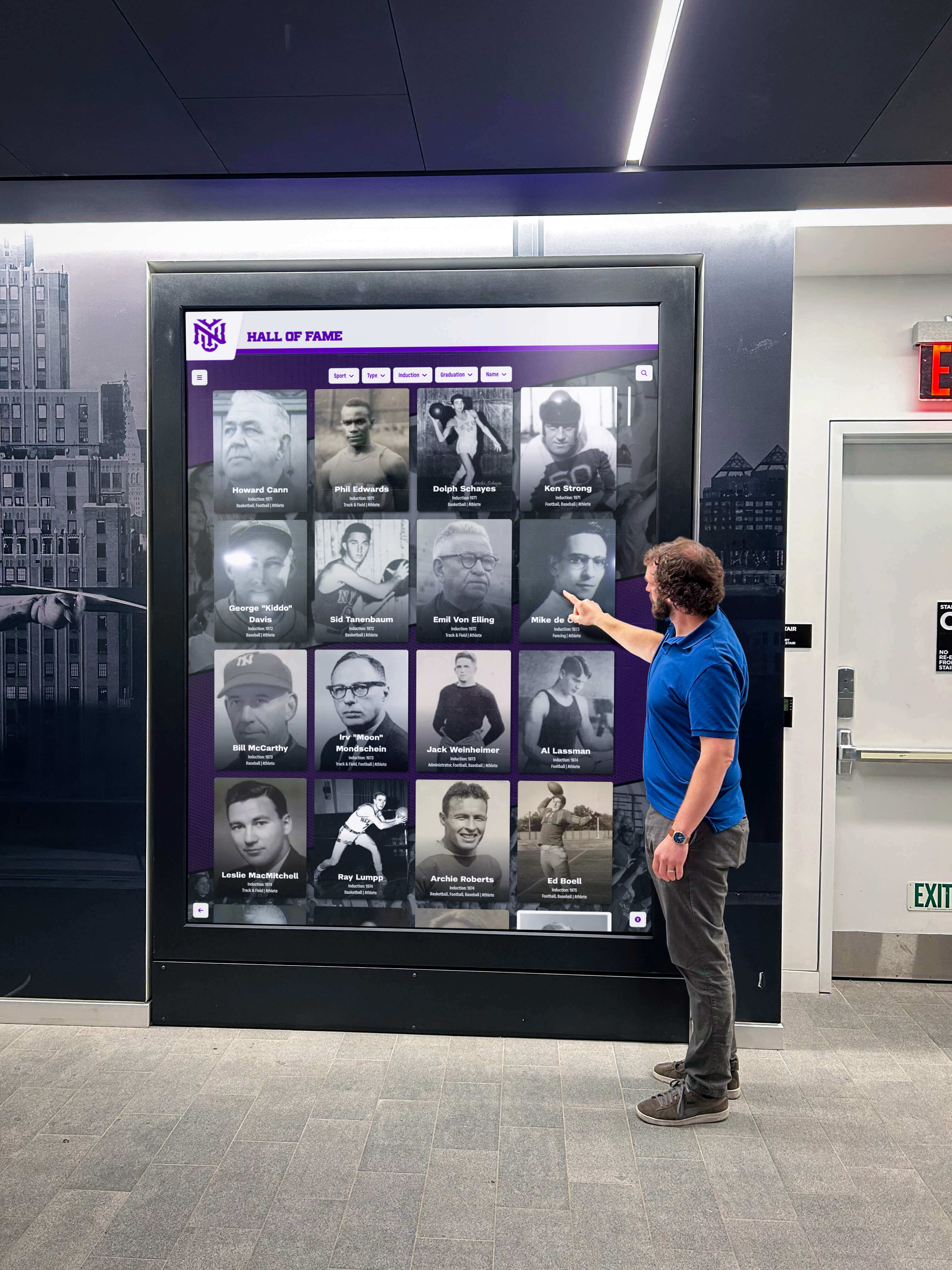
Strategic placement in admissions areas connects prospective students with donor impact stories demonstrating community support
Traditional Marketing Channels
Print and Physical Presence
Create campus visibility:
- Design posters placed in residence halls, academic buildings, and student centers
- Produce table tents for dining facilities creating repeated exposure during meals
- Create sidewalk chalk messaging in high-traffic pedestrian areas
- Develop digital signage content for campus screens in lobbies and common areas
- Distribute flyers at campus events building awareness through physical touchpoints
- Install countdown clocks in prominent locations building anticipation
Physical presence ensures campus community awareness even without digital engagement.
Phone Outreach
Personal connection drives participation:
- Coordinate student calling campaigns reaching alumni during evening hours
- Script callers with talking points emphasizing impact, challenge gifts, and participation goals
- Target lapsed donors and first-time prospects building new donor relationships
- Follow up with major donor prospects requiring personal attention beyond digital outreach
- Use calling programs for stewardship simultaneously with solicitation building relationships
- Track calling outcomes measuring conversion rates and refining approach systematically
Personal outreach generates higher average gifts and stronger donor connections than impersonal digital communications.
Content Architecture for Giving Day Recognition
Map donor celebration to year-round visibility creating sustained value.
Real-Time Campaign Recognition
Live Donor Walls
Display participation immediately:
- Scrolling donor names appearing instantly after gift completion
- Gift designation displays showing what donors support specifically
- Milestone celebrations when participation crosses challenge thresholds
- Class year, geographic, or affinity group leaderboards encouraging competition
- First-time donor callouts celebrating new relationships specifically
- Countdown clocks and progress bars creating visual urgency
Real-time visibility validates participation immediately reinforcing positive donor experience.
Permanent Digital Recognition Systems
Comprehensive Donor Databases
Build lasting platforms:
- Unlimited capacity accommodating every giving day participant regardless of amount
- Searchable interfaces enabling donors to find their names and share with networks
- Integration with existing donor recognition programs honoring all contributor levels
- Annual giving society designations recognizing consecutive year participants
- Mobile accessibility extending recognition beyond physical campus locations
- Social sharing functionality enabling donors to broadcast participation publicly
Digital platforms create permanent recognition impossible with physical plaques constrained by space limitations.
Interactive Touchscreen Displays
Campus-based exploration:
- High-traffic lobby installations in student centers and admissions buildings
- College-specific displays showcasing unit donors and fundraising success
- Athletic facility installations connecting giving day to sports program support
- Alumni center placements facilitating donor rediscovery during campus visits
- Library and academic building locations demonstrating scholarship and program funding
- Recognition wall designs incorporating institutional branding and architectural integration
Physical touchpoints create tangible donor visibility inspiring current students and demonstrating community support to prospective families.
Multi-Channel Recognition Delivery
Distributed Celebration
Recognize donors everywhere:
- Email acknowledgment campaigns thanking participants and sharing impact
- Social media features highlighting donor testimonials and participation motivations
- Alumni magazine coverage showcasing campaign success and donor stories
- Website landing pages permanently documenting giving day participation and results
- Annual reports including giving day data demonstrating broad-based philanthropic engagement
- Event recognition programs honoring volunteer leaders and milestone participants
Distributed recognition ensures all participants receive acknowledgment through channels they actually use.
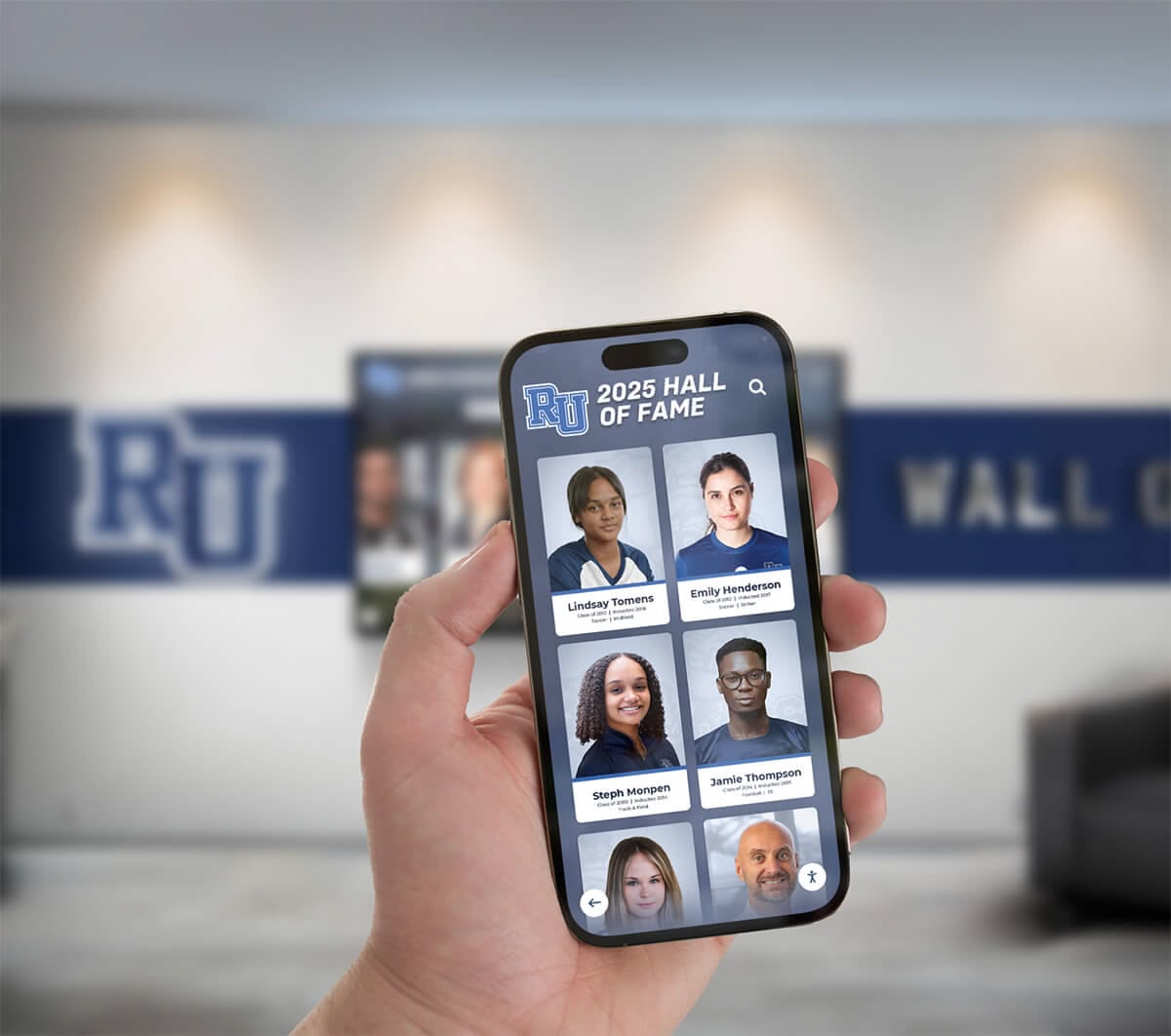
Mobile platforms enable donors to explore their recognition anytime creating lasting value beyond one-day campaigns
Display Integration and Technology Infrastructure
Modern platforms transform one-day campaigns into year-round engagement assets.
Cloud-Based Content Management
Easy Updates and Additions
Maintain current recognition:
- Upload new donors immediately after campaign completion without technical expertise
- Update lifetime giving totals as participants contribute in subsequent campaigns
- Add rich biographical content including donor testimonials and impact statements
- Schedule recognition refreshes featuring different donors seasonally
- Integrate with advancement databases enabling automated updates
- Manage multiple display locations from centralized cloud platforms
Cloud systems eliminate update bottlenecks that plague traditional static donor walls.
ADA Compliance and Accessibility
Universal Access Standards
Ensure inclusive recognition:
- WCAG 2.1 AA compliant interfaces accommodating visual impairments
- Screen reader compatibility enabling non-visual access to donor information
- High contrast display modes improving readability for low-vision users
- Keyboard navigation alternatives to touchscreen interaction
- Adjustable text sizing accommodating various visual needs
- Multi-language support serving diverse campus communities
Accessible design ensures all donors receive equal recognition regardless of ability.
Analytics and Engagement Tracking
Measuring Recognition Impact
Understand usage patterns:
- Track which donors are searched most frequently identifying influential community members
- Measure dwell time at displays determining engagement depth
- Analyze peak usage periods optimizing content scheduling
- Monitor search terms understanding what information donors seek
- Assess geographic access patterns from web-based recognition
- Connect recognition engagement to subsequent giving behavior measuring stewardship effectiveness
Data transforms recognition from feel-good activity into strategic donor development tool.
Measurement and Success Metrics
Define success comprehensively beyond simple dollar totals.
Participation Metrics
Donor Acquisition and Retention
Track relationship building:
- Total unique donor count measuring campaign reach
- First-time donor acquisition establishing new relationships
- Lapsed donor reactivation reconnecting previously disengaged supporters
- Consecutive year participation demonstrating habit formation
- Student donor participation building lifelong giving culture
- Faculty and staff participation showing internal community support
Participation metrics predict long-term value better than single-year revenue totals.
Financial Performance
Revenue Generation
Measure immediate impact:
- Total funds raised including both individual gifts and challenge matches
- Average gift size indicating donor capacity and campaign positioning
- Participation by gift level showing distribution across donor pyramid
- Unrestricted versus restricted giving reflecting donor priorities and campaign messaging
- Cost per dollar raised determining campaign efficiency
- Return on marketing investment by channel optimizing future resource allocation
Financial analysis demonstrates campaign value while identifying improvement opportunities.
Engagement Indicators
Reach and Amplification
Assess marketing effectiveness:
- Social media impressions and engagement rates measuring content resonance
- Hashtag usage and sharing volume indicating viral spread
- Email open and click-through rates determining message effectiveness
- Website traffic and conversion rates tracking digital funnel performance
- Volunteer fundraiser participation showing ambassador program success
- Media coverage and earned publicity extending campaign visibility
Engagement metrics reveal campaign penetration into target constituencies.
Long-Term Impact
Sustained Giving Behavior
Track donor development:
- Second-year retention rates among first-time giving day donors
- Lifetime value projections for acquired donors
- Upgrade rates showing gift increases in subsequent years
- Major gift pipeline development from giving day participants
- Planned giving inquiries inspired by campaign participation
- Volunteer engagement beyond donation including mentorship and recruitment
Giving days succeed when they build sustainable donor relationships transcending single transactions.
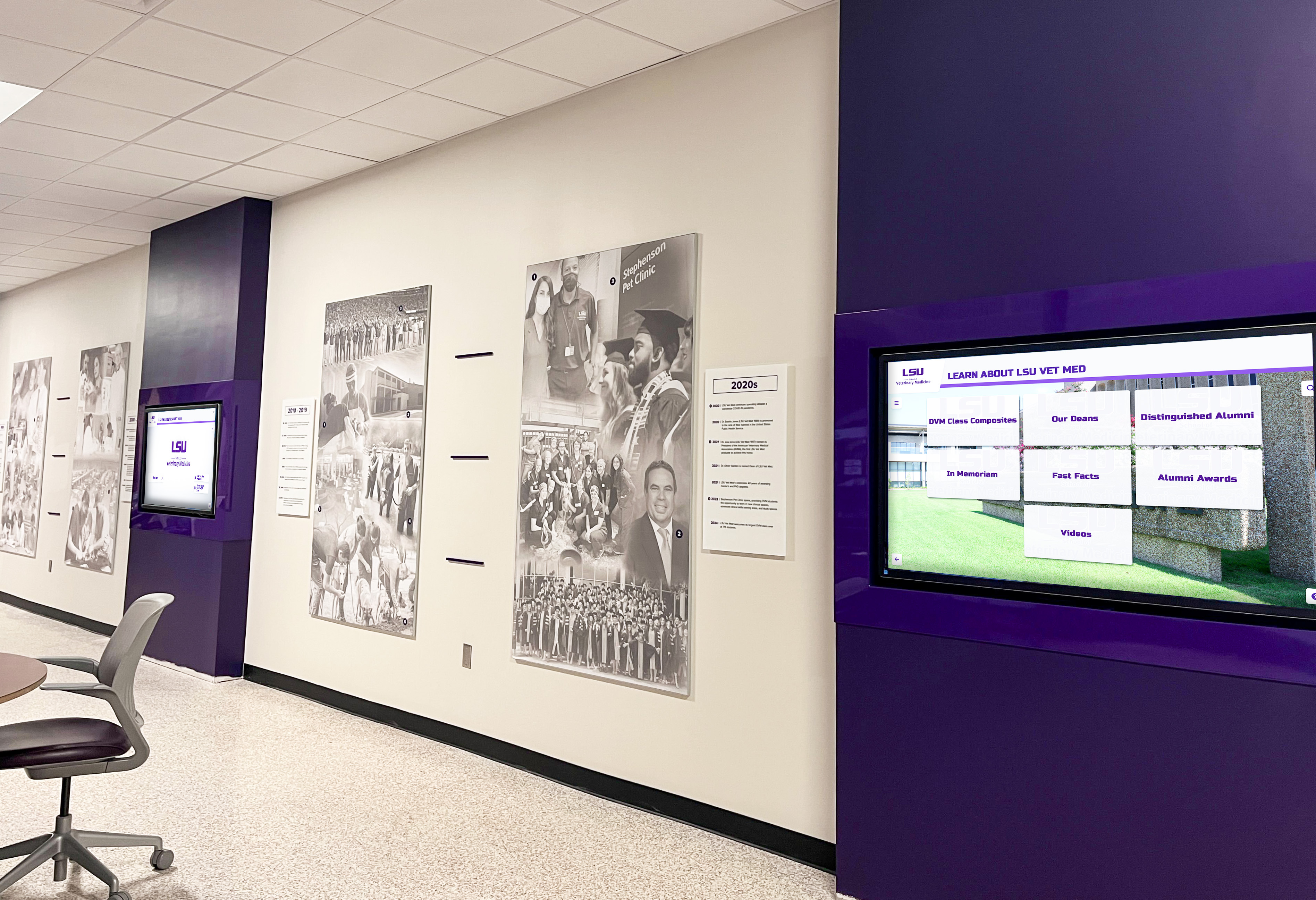
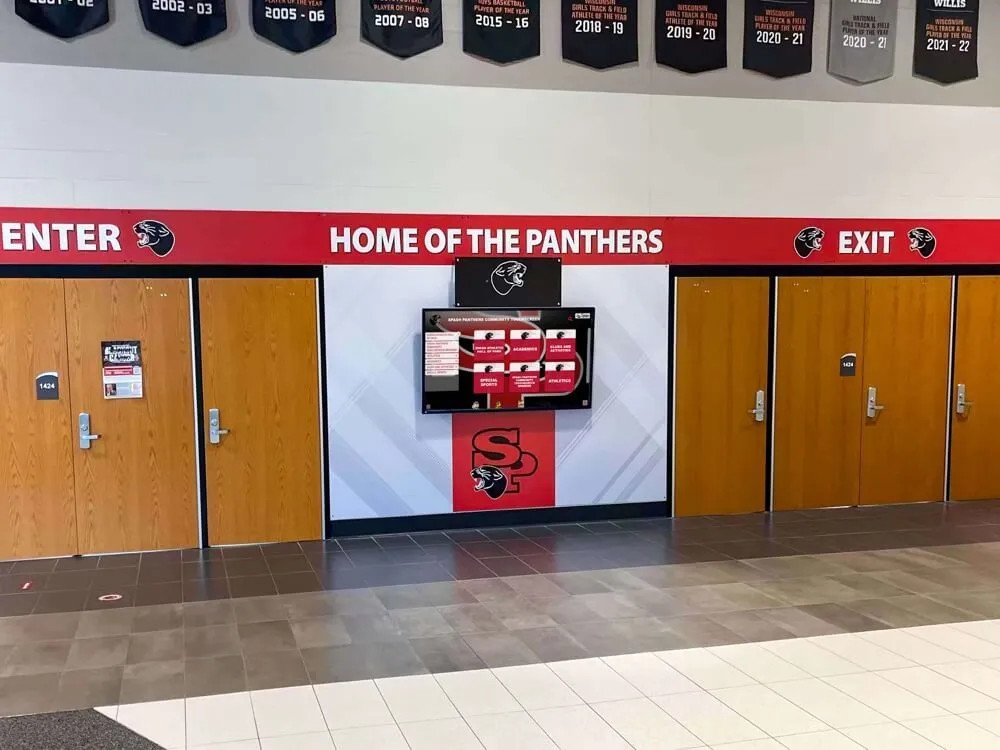
Strategic placement throughout campus creates multiple touchpoints ensuring donor recognition reaches diverse constituencies continuously
Post-Campaign Recognition and Stewardship
Convert one-time participants into sustained supporters.
Immediate Thank You Programs
Rapid Acknowledgment
Respond instantly:
- Automated email confirmations sent within minutes of gift completion
- Personalized thank-you videos from university leadership or student beneficiaries
- Social media shoutouts celebrating donors publicly with permission
- Text message acknowledgments for mobile donors confirming successful transactions
- Challenge unlock notifications when donor participation triggers matching gifts
- Impact statements explaining specifically how gifts support institutional priorities
Speed demonstrates that participation is valued and noticed immediately.
Impact Reporting
Demonstrating Donor Effect
Show tangible outcomes:
- Create campaign summary reports showing total participation and funds distribution
- Develop program-specific impact stories demonstrating scholarship, facility, or research outcomes
- Feature student testimonials thanking donors for specific opportunities enabled
- Produce annual impact reports tracking how giving day funds support ongoing initiatives
- Share metrics like students served, programs funded, or facilities enhanced
- Connect individual gifts to collective community impact celebrating shared achievement
Meaningful impact reporting transforms abstract contributions into concrete outcomes donors understand and value.
Recognition Events
Celebrating Participants
Honor involvement publicly:
- Host volunteer appreciation events recognizing ambassador contributions
- Organize donor recognition receptions celebrating milestone participants
- Create exclusive experiences for consecutive-year donors building loyalty
- Develop giving societies with special benefits for sustained participants
- Feature top donors and volunteers at institutional events providing public acknowledgment
- Coordinate class reunion integration celebrating giving day participation during alumni weekends
Personal recognition builds emotional connections sustaining participation beyond transactional relationships.
Ongoing Stewardship Programs
Building Donor Relationships
Develop sustained engagement:
- Implement monthly e-newsletters updating donors on institutional progress
- Create personalized communication streams based on gift designation interests
- Invite donors to campus events connecting them to funded programs
- Develop mentorship opportunities enabling donors to support students directly
- Provide exclusive content access including research findings or program updates
- Solicit donor feedback creating two-way relationships rather than one-way asks
Strategic stewardship increases retention rates and lifetime giving value exponentially.
Annual Tradition Building
Creating Sustainable Programs
Establish recurring campaigns:
- Set consistent annual dates making giving days predictable calendar traditions
- Develop year-over-year participation challenges encouraging consecutive participation
- Create legacy giving societies recognizing donors who participate every year
- Implement progressive challenge structures increasing goals annually
- Celebrate campaign anniversaries highlighting multi-year growth
- Build institutional culture where giving day participation becomes normal expectation
Traditions create sustainable revenue streams more reliable than one-time campaign success.
Conclusion: Building Philanthropic Culture Through Strategic Giving Days
University giving days represent far more than concentrated fundraising campaigns generating short-term revenue spikes. When planned strategically, promoted effectively, and integrated into comprehensive recognition programs, giving days fundamentally transform institutional philanthropic culture by democratizing participation, building broad-based donor communities, creating viral momentum through peer influence, and establishing sustainable traditions that strengthen institutional community while generating reliable annual revenue supporting mission-critical priorities year after year.
The planning frameworks, marketing strategies, recognition programs, and measurement approaches explored throughout this guide provide complete roadmaps for institutions at all stages of giving day maturity. From inaugural campaigns building foundational infrastructure to established programs refining sophisticated strategies, successful giving days share common characteristics: they start with adequate advance planning, leverage multiple marketing channels reaching diverse constituencies, incorporate meaningful recognition programs celebrating all participants, deploy real-time management responding to emerging opportunities, and implement sustained stewardship converting one-time donors into lifelong supporters.
Ready to maximize your university giving day impact through comprehensive donor recognition that extends campaign value far beyond 24-hour fundraising windows? Modern digital recognition platforms transform temporary campaigns into permanent engagement infrastructure by showcasing all participants regardless of gift size, creating year-round visibility across campus and online, enabling instant updates adding new donors immediately after campaigns conclude, and building sustainable stewardship programs that increase retention rates and lifetime giving value exponentially.
Solutions like Rocket Alumni Solutions provide purpose-built platforms specifically designed for higher education donor recognition combining interactive touchscreen displays in high-traffic campus locations with mobile-accessible web interfaces, cloud-based content management enabling easy updates without technical expertise, unlimited capacity accommodating every donor regardless of contribution level, comprehensive analytics tracking engagement patterns, and ADA-compliant accessibility ensuring inclusive recognition for all community members.
Whether launching inaugural giving day campaigns or enhancing established programs, strategic integration of permanent recognition infrastructure creates lasting value that compounds year over year as donor communities grow, participation traditions strengthen, and philanthropic culture becomes embedded in institutional identity.
The institutions that excel at giving day fundraising recognize that success requires treating campaigns not as isolated events but as integral components of comprehensive advancement strategies spanning donor acquisition, relationship building, meaningful recognition, sustained stewardship, and community development. By investing adequate resources in planning, promotion, technology infrastructure, and recognition programs, universities create giving days that generate immediate financial results while building sustainable donor pipelines, strengthening alumni engagement, inspiring current students, demonstrating community support to prospective families, and establishing philanthropic traditions serving institutional mission for generations to come.
Begin planning your next university giving day campaign by implementing the strategic frameworks outlined throughout this guide. Select optimal timing, secure compelling challenge gifts, recruit enthusiastic volunteer ambassadors, develop comprehensive multi-channel marketing strategies, implement robust technology platforms, create meaningful recognition programs, and commit to sustained stewardship that converts temporary participants into permanent institutional supporters. The relationships you build and traditions you establish will transform fundraising from transactional necessity into celebrated community ritual strengthening institutional bonds while generating sustainable revenue supporting mission-critical priorities year after year.
Request your free custom demo to discover how comprehensive digital recognition platforms can transform your university giving day campaign into lasting donor engagement infrastructure.