



UDA National Championship recognition represents one of the highest honors in competitive dance, celebrating teams that have reached the pinnacle of their sport at the Universal Dance Association’s prestigious national competitions. Since the first UDA College Nationals in 1983, these championships have grown into what many consider the “Super Bowl of dance,” with the high school National Dance Team Championship hosting 374 teams and 5,935 athletes across 36 states in 2025 alone, demonstrating the tremendous growth and popularity of competitive dance programs nationwide.
Yet many schools struggle with how to appropriately recognize these extraordinary achievements. Traditional championship banners fade over time, trophy cases fill quickly with multiple years of competition hardware, and static plaques fail to capture the artistry, athleticism, and dedication that define UDA championship performances. As dance programs accumulate achievements across multiple categories—Pom, Jazz, Hip Hop, High Kick, Game Day, and Pep Band—institutions need recognition systems that honor every accomplishment without space limitations while telling complete stories of championship journeys.
This comprehensive guide explores how schools, colleges, and dance organizations can create exceptional UDA National Championship displays using modern digital recognition technology that preserves performance legacies permanently, inspires current dancers through interactive exploration, and demonstrates institutional commitment to celebrating dance excellence at the highest competitive levels.
UDA National Championships represent months of rigorous preparation, countless practice hours, strategic choreography, technical perfection, and exceptional teamwork. When schools invest in comprehensive recognition displays, they communicate that these achievements deserve celebration matching their significance while building traditions that inspire generations of future dancers to pursue similar excellence.

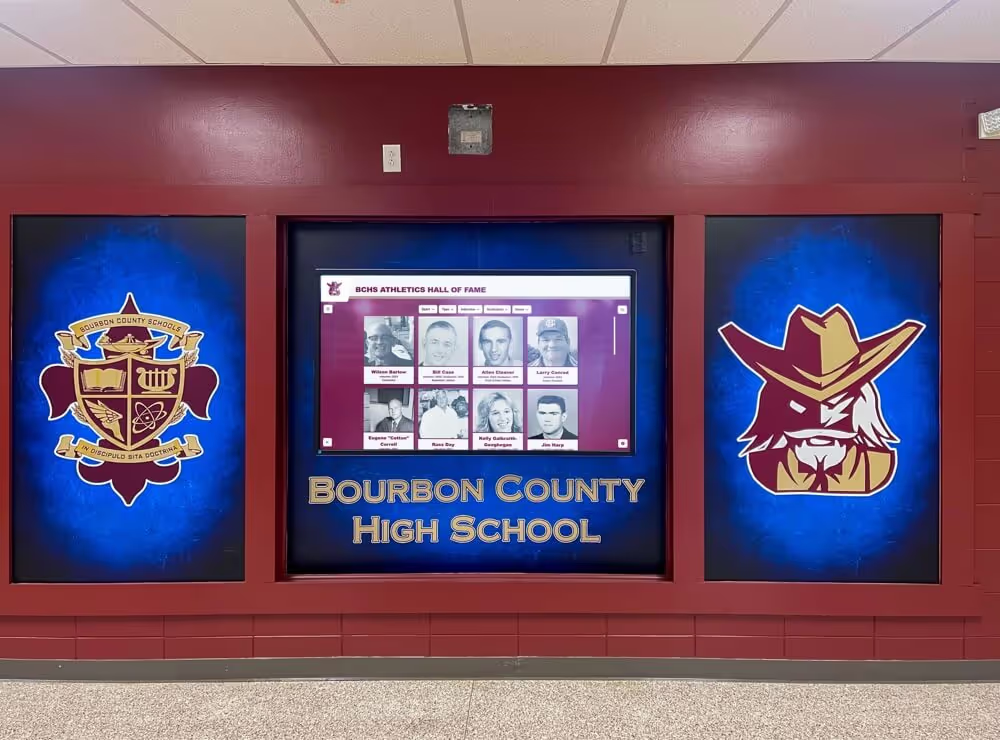
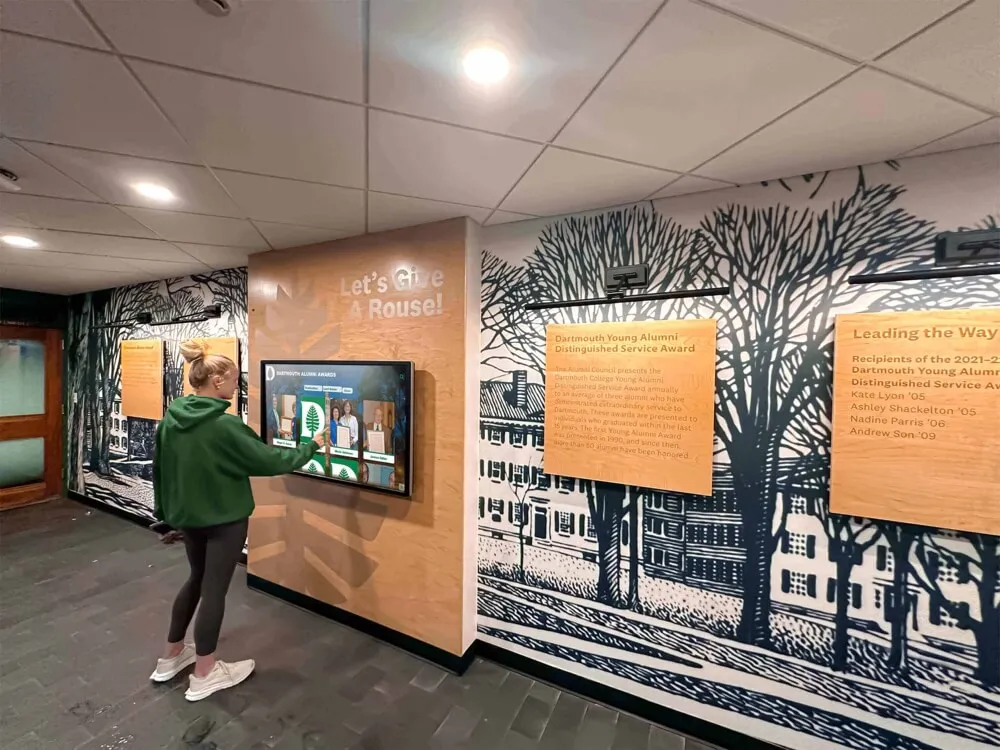
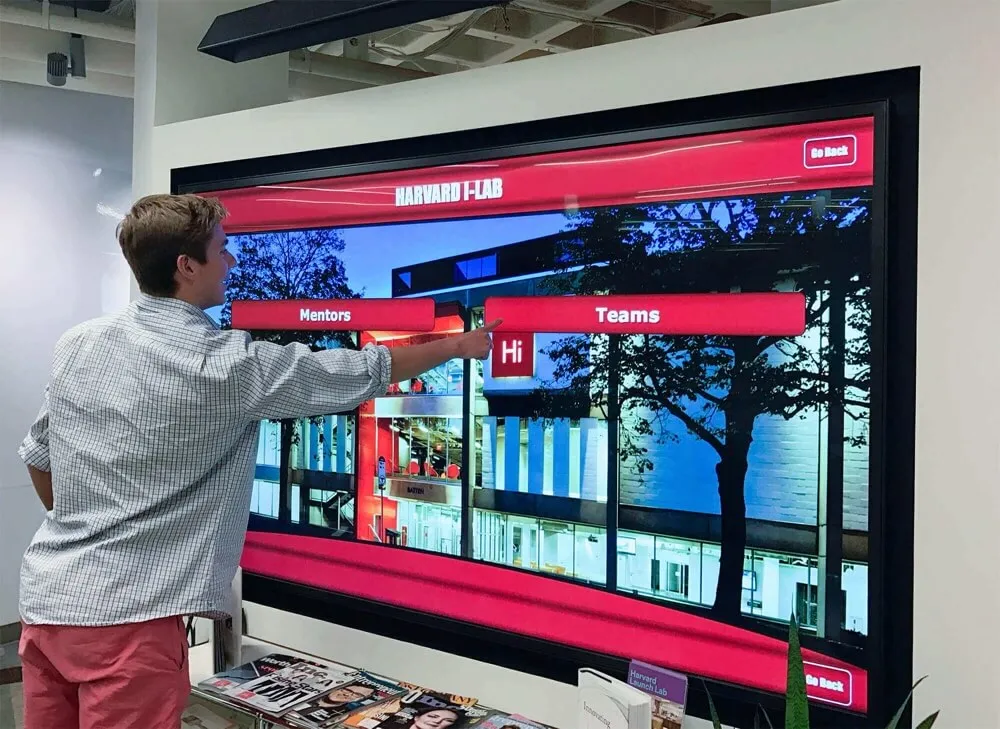
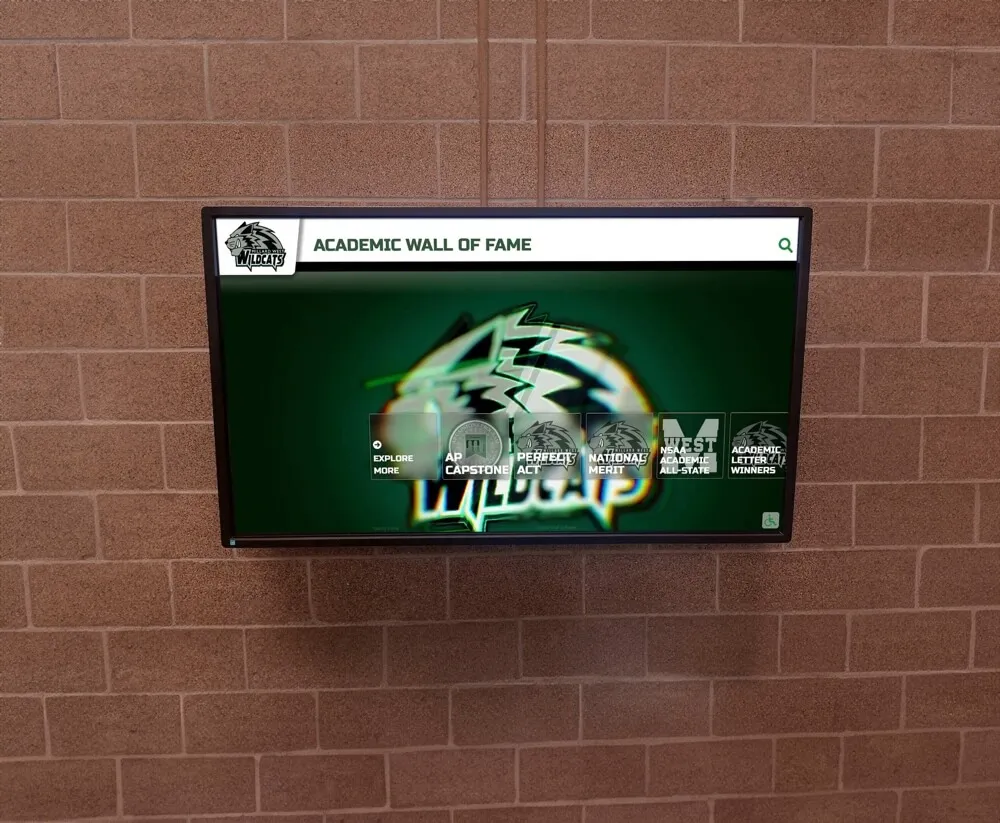
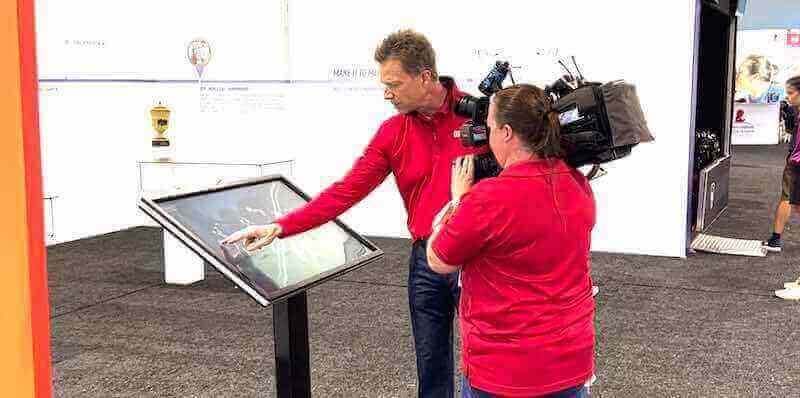
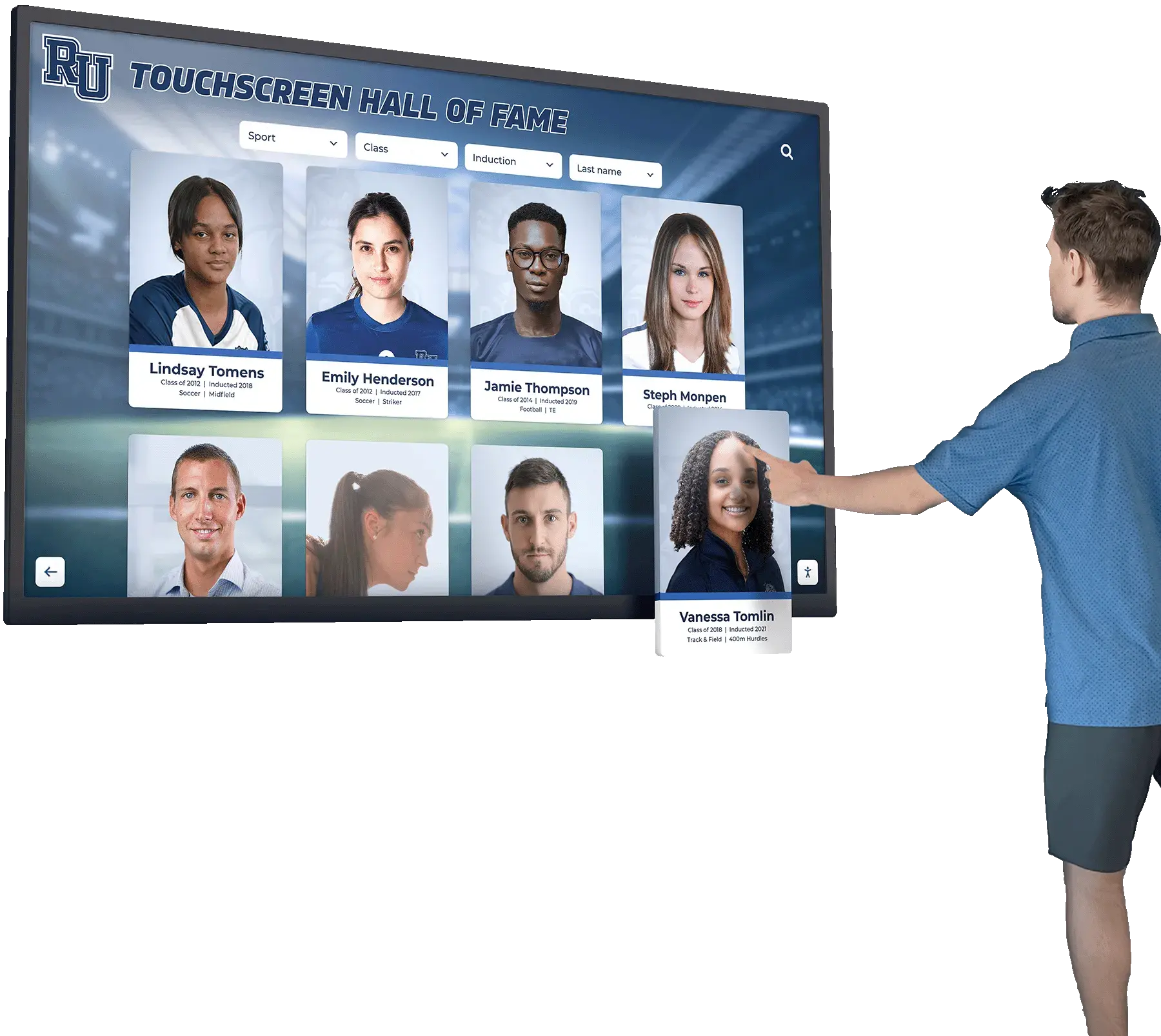
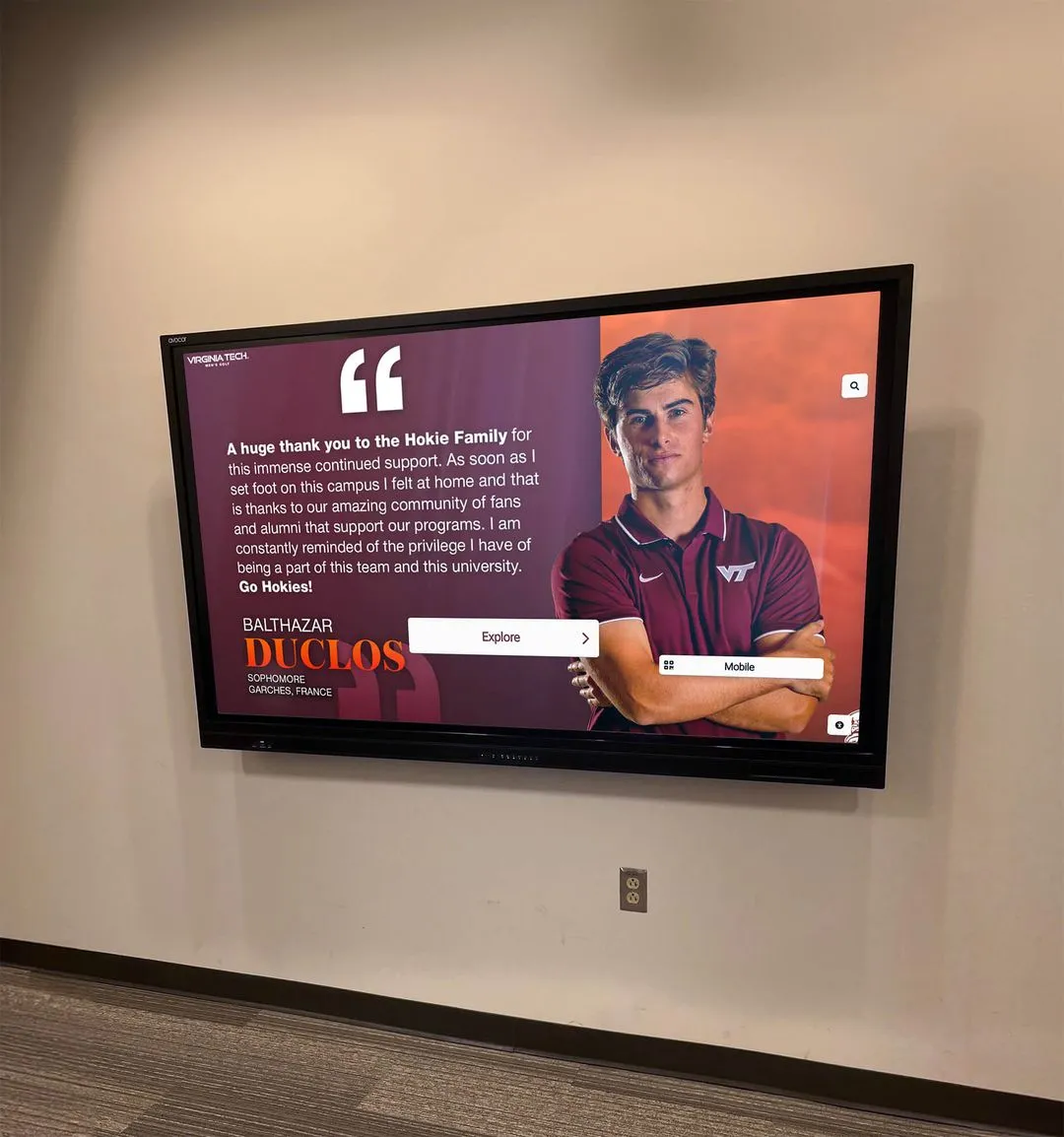

Interactive digital displays enable comprehensive exploration of UDA championship teams with detailed profiles celebrating individual dancers and collective achievements
Understanding UDA National Championships and Their Significance
Before implementing recognition displays, understanding the competitive landscape and what makes UDA championships special helps schools create appropriate celebration systems.
The UDA Championship Landscape
College-Level Competition
The UCA & UDA College Cheerleading and Dance Team National Championship takes place annually at the ESPN Wide World of Sports Complex at Walt Disney World Resort in Orlando, Florida. According to official championship reports, the 2025 event took place January 17-19, 2025, hosting over 300 teams across 46 states, with over 100,000 viewers tuning in to Varsity TV to watch teams compete.
College dance teams compete across four primary categories:
- Pom: High-energy routines featuring synchronized pom-pom choreography emphasizing sharp motions, precision, and athleticism
- Jazz: Technical routines showcasing dance technique, turns, leaps, and artistic expression
- Hip Hop: Urban dance styles featuring intricate choreography, musicality, and performance energy
- Game Day: Routines simulating actual game-day performances including sideline, crowd-leading, and band dance components
Recent championship winners have included powerhouse programs like The Ohio State University, University of Minnesota, and University of Nevada-Las Vegas, demonstrating the elite level of competition that defines UDA College Nationals.
High School National Dance Team Championship
The UDA High School National Dance Team Championship (NDTC) represents the only national-level dance team championship endorsed by the National Federation of State High School Associations. The 2025 championship took place January 31-February 2, 2025, at the ESPN Wide World of Sports Complex.
According to official reports, the 2025 event hosted 5,935 athletes and 374 teams across 36 states, competing in six categories:
- Pom
- Jazz
- Hip Hop
- High Kick
- Game Day
- Game Day Live
The 2025 championship also featured the inaugural Pep Band Division, crowning the first-ever high school pep band national champion and allowing school bands to showcase their talent, school spirit, and musical precision alongside dance teams.
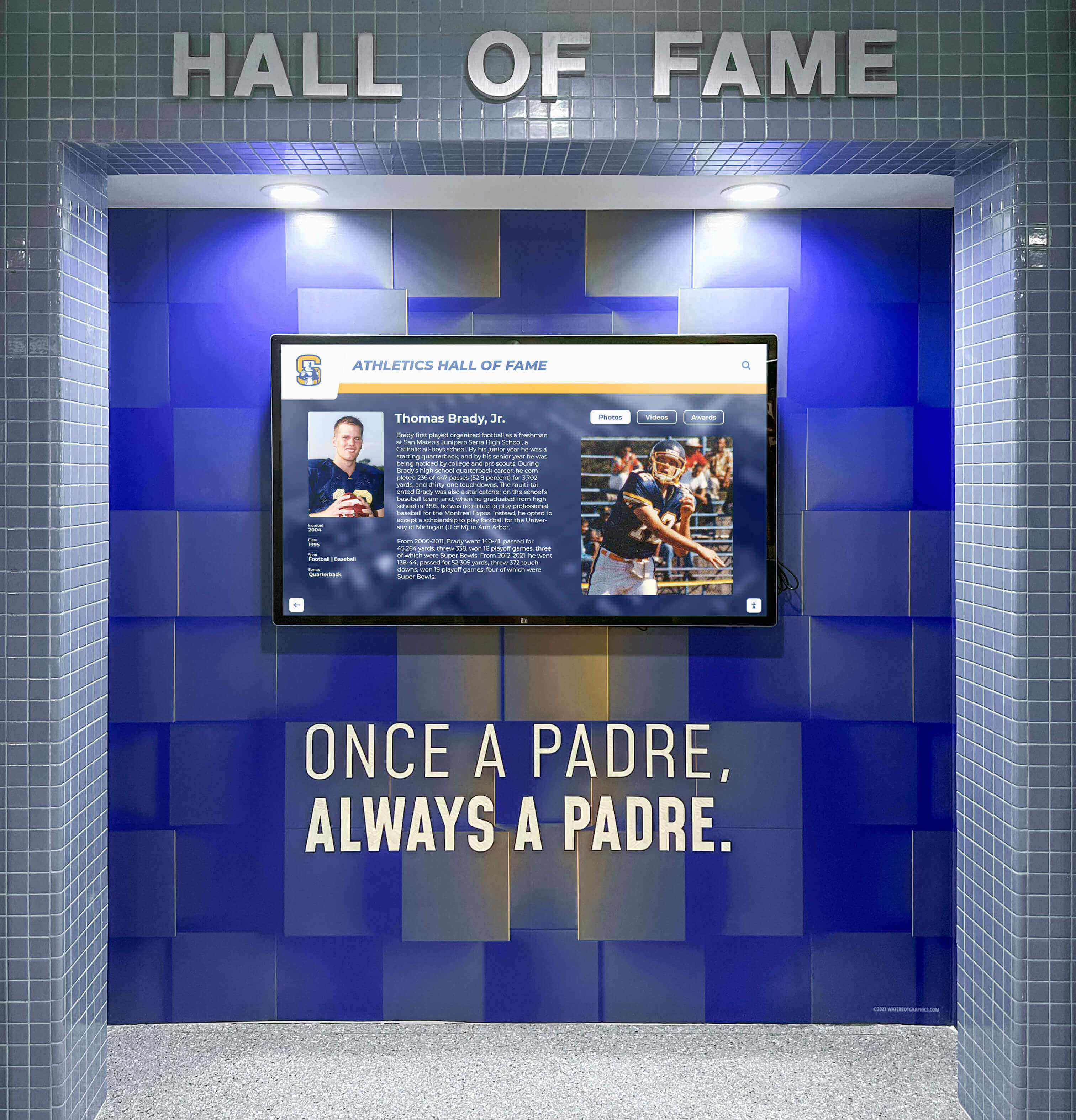
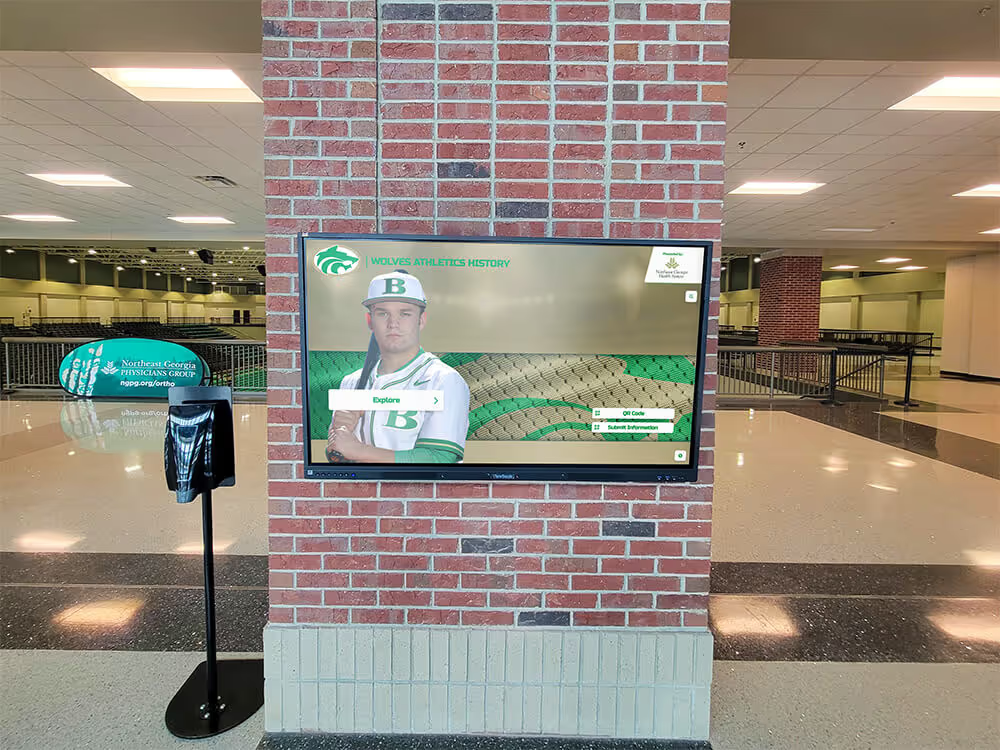
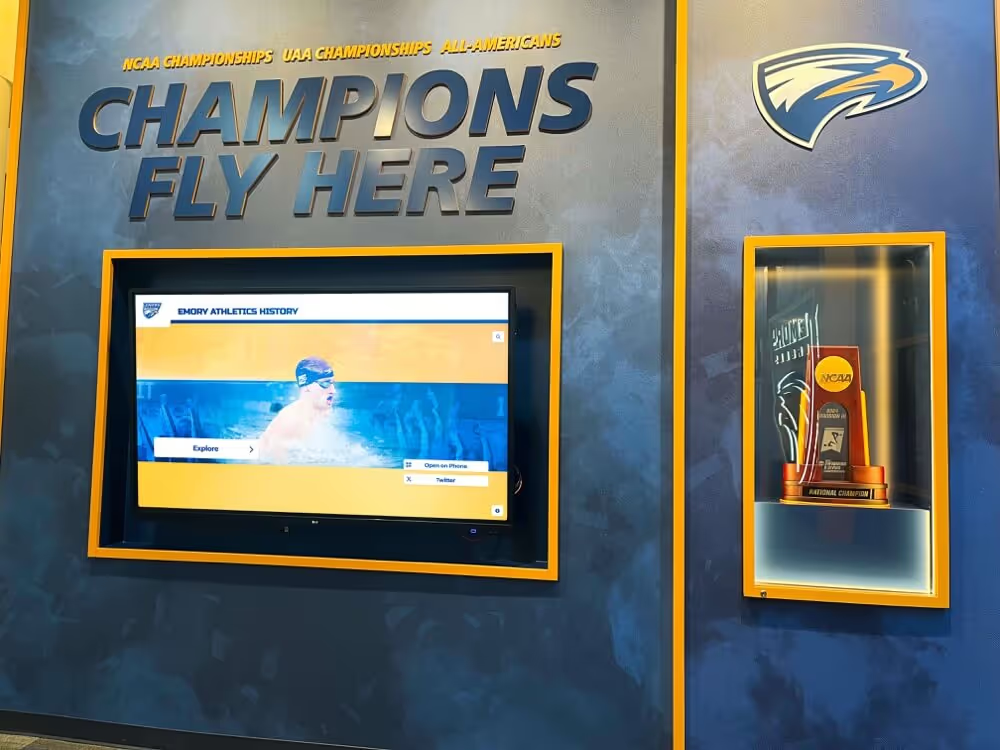
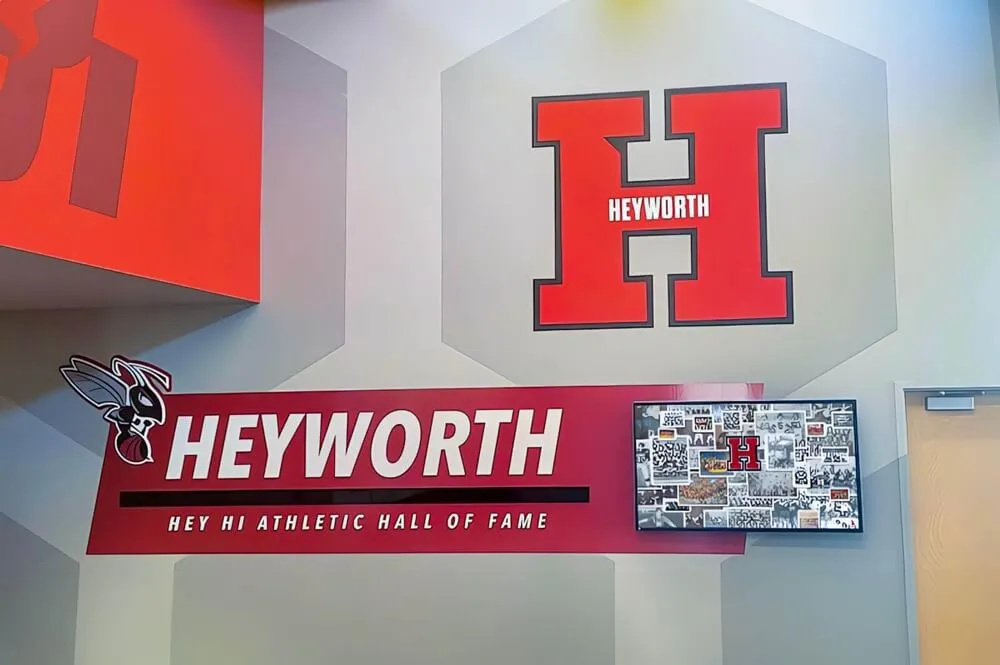
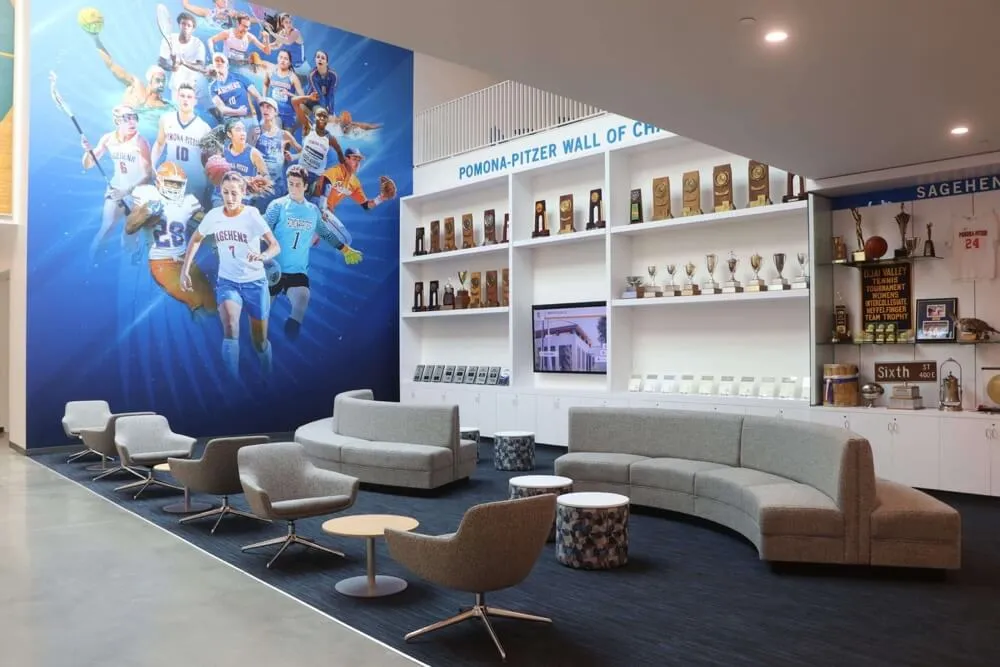
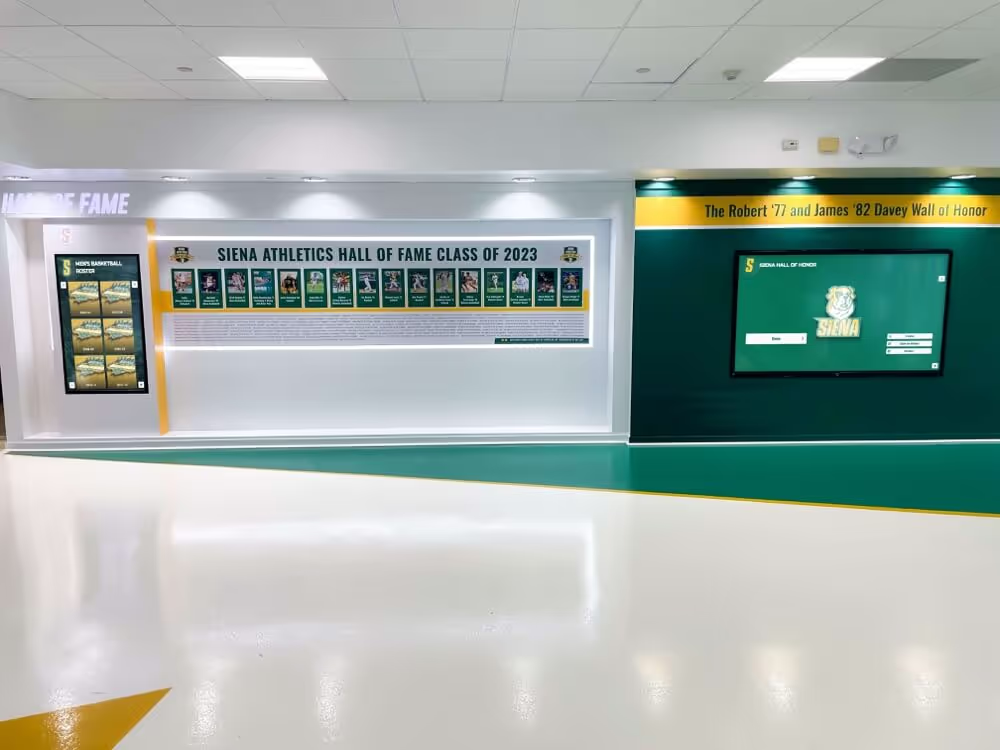
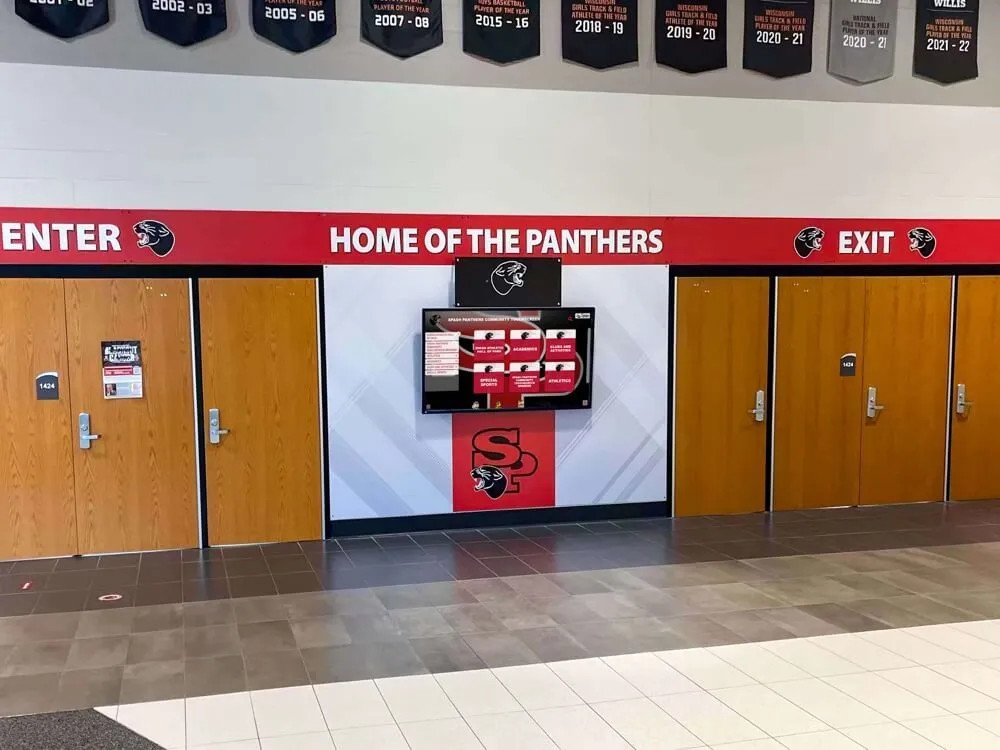
Prominent recognition displays in high-traffic athletic facilities ensure championship achievements receive visibility they deserve
Why UDA Championship Recognition Matters
Legitimizing Dance as Competitive Athletics
UDA championships have been featured on ESPN since 1983, establishing competitive dance as a legitimate varsity sport deserving recognition equivalent to traditional athletics. When schools create comprehensive championship displays, they reinforce this legitimacy by demonstrating that dance excellence receives celebration comparable to football championships, basketball tournaments, or any other competitive achievement.
Many colleges now offer varsity dance programs that meet specific institutional standards demonstrating commitment including dedicated physical space, official recognition with operating budgets, and active recruitment. Programs achieving this varsity status deserve recognition systems that honor their achievements appropriately.
Inspiring Current and Future Dancers
When dancers walk into practice facilities and see comprehensive recognition of past UDA championship teams, abstract competitive goals become concrete possibilities. Detailed displays documenting previous championship journeys—from regional qualifications through national finals—provide roadmaps showing exactly what championship achievement requires.
Organizations implementing comprehensive dance recognition consistently report increased participant motivation, program pride, and competitive commitment as dancers see their potential achievements valued equivalently to other school athletics.
Preserving Dance Program Legacy
Championship performances represent defining moments in institutional athletic history that deserve permanent documentation. Unlike game footage that can be reviewed repeatedly, live dance performances exist briefly before disappearing unless systematically preserved. Comprehensive recognition displays ensure that championship routines, team compositions, choreographic innovations, and competitive achievements survive for future generations to appreciate and learn from.
Learn about athletic recognition programs that honor diverse forms of excellence including dance, academics, and traditional athletics.
Traditional UDA Championship Recognition Approaches
Understanding conventional recognition methods helps appreciate both their ceremonial value and practical limitations.
Championship Banners in Athletic Facilities
Fabric banners hanging from gymnasium or practice facility ceilings provide immediate visual impact, clearly communicating competitive success to anyone entering the space. Traditional UDA championship banners typically display:
- Championship year
- Competition level (High School/College Nationals)
- Category (Pom, Jazz, Hip Hop, High Kick, Game Day)
- Placement (National Champions, Runner-Up, Finalist)
- School colors and dance team branding
Banner Limitations
While banners create ceremonial presence, they face significant constraints. Physical ceiling space limits how many banners facilities can accommodate before becoming cluttered. Programs competing successfully across multiple categories for multiple years quickly exhaust available hanging space.
Information capacity represents another critical limitation. Banners convey basic facts—that a championship occurred—but provide no opportunity to share team rosters, choreographer credits, competition footage, individual dancer profiles, or compelling stories behind performances. Viewers learn a championship was won but discover nothing about the people who achieved it or what made that particular season special.
Fabric materials deteriorate over time due to facility environmental conditions. Temperature fluctuations, humidity, and light exposure cause fading and weakening requiring expensive replacement every 10-15 years.
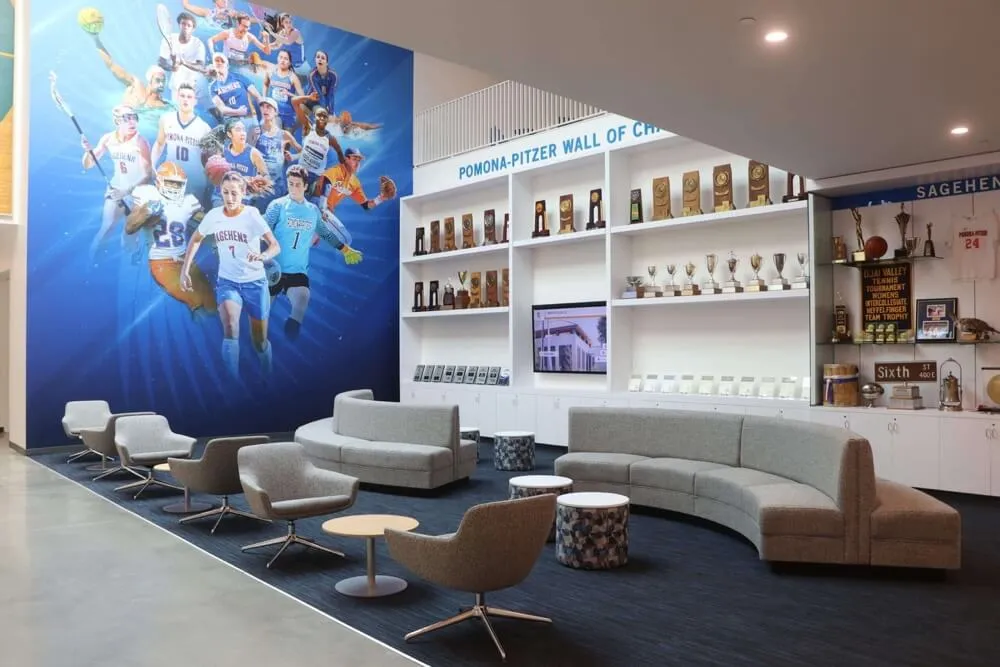
Traditional trophy walls and banners provide tangible recognition but face severe space and information capacity limitations
Trophy Cases and Physical Awards
Glass display cases showcasing championship trophies, plaques, and awards provide tangible evidence of competitive success. UDA awards substantial physical recognition to championship teams, making trophy cases natural focal points in athletic facility entrances.
Space Capacity Challenges
Space limitations severely constrain trophy case capacity. As dance programs continue achieving championships across multiple categories over many years, decisions about which trophies to display versus store become increasingly difficult.
Older championships often get removed to accommodate recent achievements, effectively erasing historical accomplishments from visible institutional memory. The national championship trophy from ten years ago deserves equal recognition to this year’s award, but space constraints frequently dictate that older accomplishments disappear from displays.
Beyond physical trophies, cases provide minimal context about the teams that won these awards, individual dancers who contributed, choreographic approaches, or championship significance within broader program history.
Team Photographs and Static Displays
Championship team photographs mounted on walls document who participated in successful seasons, providing visual records preserving faces that might otherwise be forgotten. Photos often cluster in dance studio hallways or athletic facility corridors creating championship recognition zones.
Information Context Limitations
Photos offer extremely limited information despite their visual appeal. Visitors see team members but learn nothing about individual contributions, technical skills, competitive journey, standout performances, or defining moments that produced championships. Without accompanying documentation, photos become anonymous faces rather than meaningful tributes to specific achievements.
This lack of context particularly affects viewers who didn’t experience championship seasons firsthand and lack personal knowledge to supplement what displays show.
Modern Digital Recognition for UDA Championships
Digital technology has revolutionized how schools can showcase UDA championships, addressing traditional limitations while creating enhanced engagement opportunities impossible with conventional approaches.
Unlimited Recognition Capacity
Digital recognition displays eliminate space constraints entirely. A single touchscreen display can showcase comprehensive information for dozens of championship teams across all competition categories throughout program history—content that would require enormous physical space to display via traditional banners and trophy cases.
This unlimited capacity means schools finally recognize every UDA championship achievement regardless of category or year without forced prioritization based on available wall space or ceiling capacity. Every national championship, finals appearance, and competition participation receives appropriate acknowledgment.
The absence of per-championship costs makes comprehensive recognition financially sustainable. Traditional approaches incur expenses for each banner fabricated or plaque mounted. Digital systems accommodate unlimited championships without additional hardware costs, making complete historical documentation economically feasible for programs of all sizes.
Solutions like Rocket Alumni Solutions provide comprehensive platforms specifically designed for athletic recognition needs, combining unlimited capacity with rich multimedia profiles, interactive exploration capabilities, and web accessibility that extends recognition impact far beyond traditional trophy cases and hallway plaques.
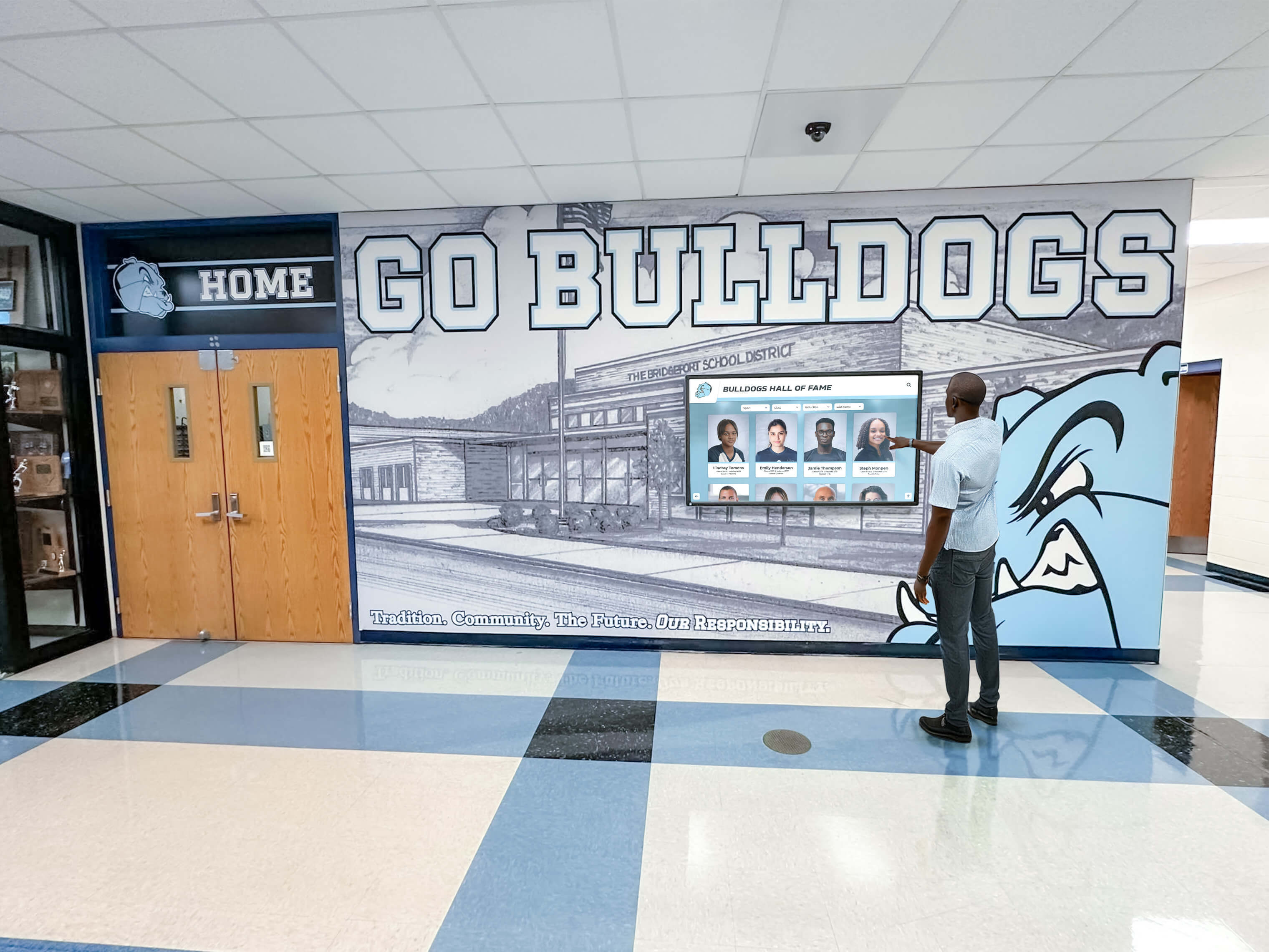
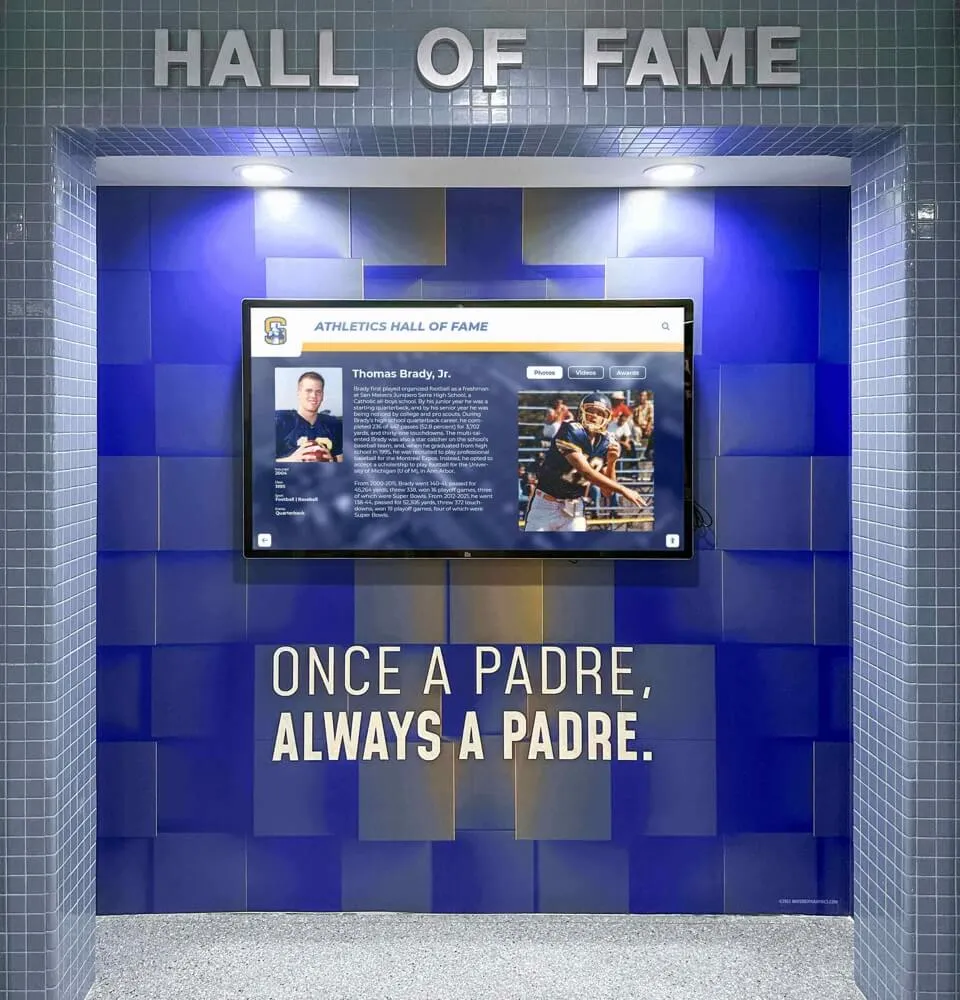
Digital displays enable unlimited championship recognition without the space constraints that limit traditional approaches
Rich Multimedia Content and Storytelling
Digital platforms enable compelling championship narratives incorporating multiple content types that bring achievements to life:
Performance Video Documentation
Competition footage transforms abstract championship achievements into visceral experiences. Viewers watch the actual routines that won national titles—technical execution, artistic expression, synchronization, and energy that judges rewarded with top placements. Video creates emotional connections and engagement impossible with static images or text.
For UDA championships specifically, video documentation becomes essential because dance is inherently a moving art form. A photograph cannot capture the flow of choreography, the precision of synchronized movement, or the athletic skill that defines championship-level performance.
Comprehensive Team Rosters and Dancer Profiles
Detailed individual profiles document each team member’s contributions:
- Position and role within routines
- Years of program participation
- Individual awards and recognition received
- Technical specialties and standout skills
- Leadership roles and team contributions
- Academic achievements and post-graduation pursuits
- Personal reflections on competitive experience
These profiles ensure every dancer receives appropriate recognition rather than limiting acknowledgment to team captains or featured performers.
Complete Season Narratives
Season documentation provides context explaining how championships were achieved:
- Regional and preliminary competition results leading to nationals
- Practice preparation and training approaches
- Choreographic development and strategic decisions
- Obstacles overcome during competitive season
- Defining moments that shaped championship journey
- Coach and choreographer insights
- Team bonding experiences and culture development
This narrative depth transforms championship recognition from simple fact statements into compelling stories that engage audiences while honoring the complete championship experience.
Photo Galleries and Visual Documentation
Multiple images from championship seasons create visual narratives:
- Professional action shots from competition performances
- Celebration photos capturing emotional victory moments
- Behind-the-scenes preparation images
- Team bonding and travel experiences
- Award ceremony and trophy presentation photos
- Practice facility and training documentation
Explore comprehensive approaches to state championship recognition applicable to UDA and other competitive achievements.
Interactive Exploration and User Engagement
Modern touchscreen interfaces transform passive viewing into active exploration that holds attention and enables personal discovery:
Powerful Search Capabilities
Visitors instantly locate specific teams, dancers, years, or competition categories through intuitive search functions. Alumni quickly find their championship teams without scanning through decades of information. Current dancers research program history efficiently accessing relevant content without manually browsing extensive archives.
Advanced Filtering and Categorization
Users filter championships by category (Pom, Jazz, Hip Hop, etc.), year range, placement level, or coaching era to focus on personally relevant content. This personalization ensures diverse audiences find meaningful information regardless of specific interests.
Dance programs competing successfully across multiple categories particularly benefit from filtering capabilities that allow focused exploration of specific competitive disciplines rather than requiring viewers to navigate irrelevant content.
Cross-Referencing and Historical Connections
Digital systems link related content connecting dancers who participated in multiple championship teams, showing choreographers who guided different championship squads, highlighting family legacies of program participation, or displaying performance comparisons across championship eras. These connections create rich discovery experiences encouraging extended engagement.
Learn about digital recognition display implementation designed specifically for school recognition needs.
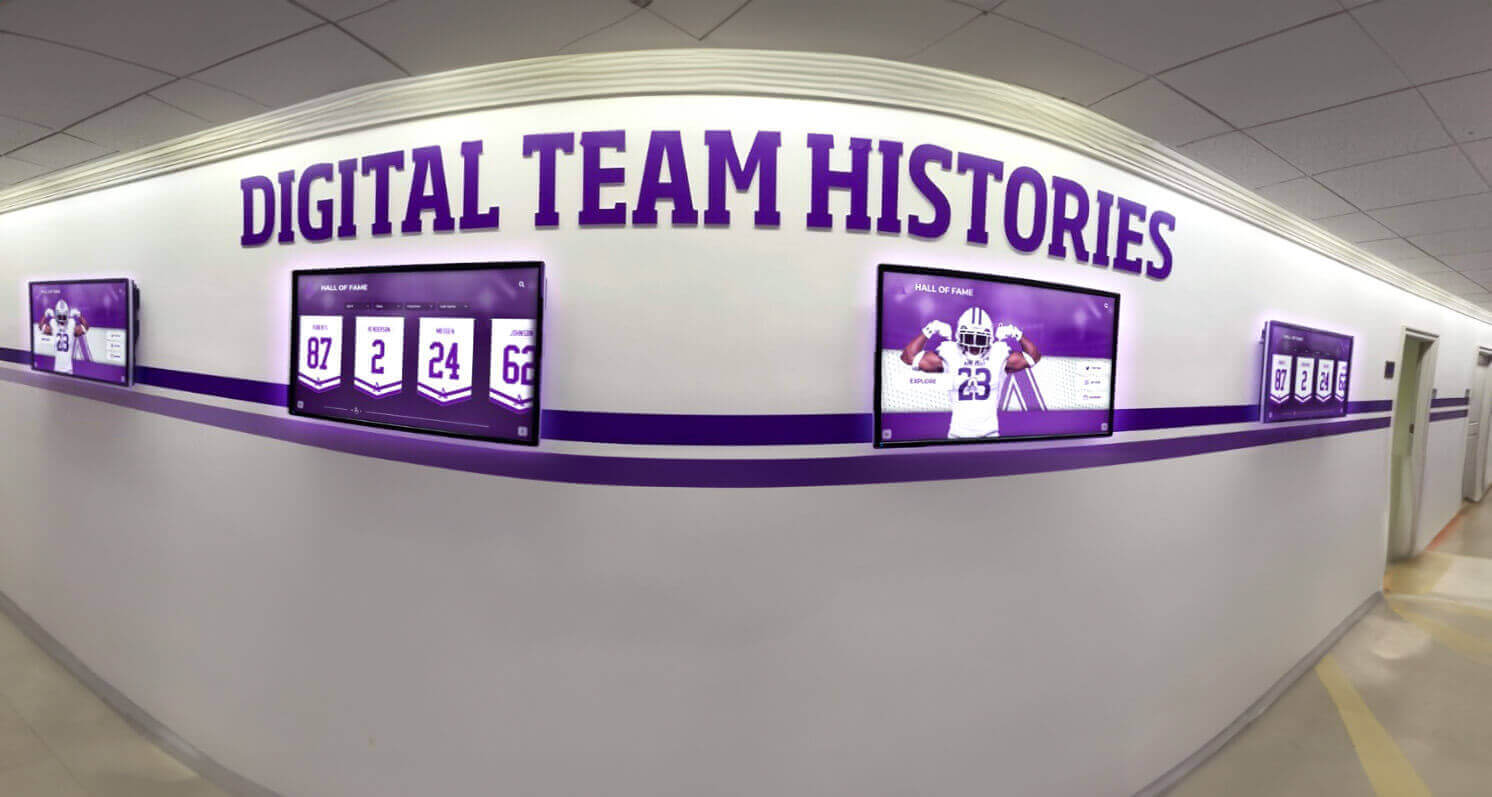
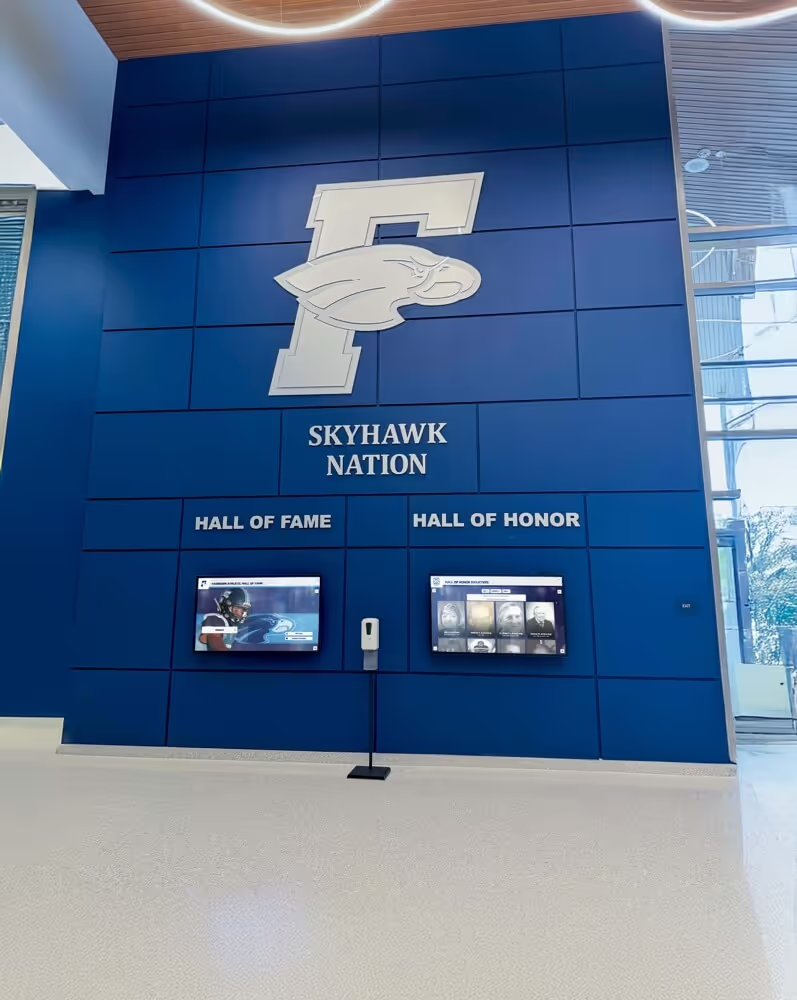
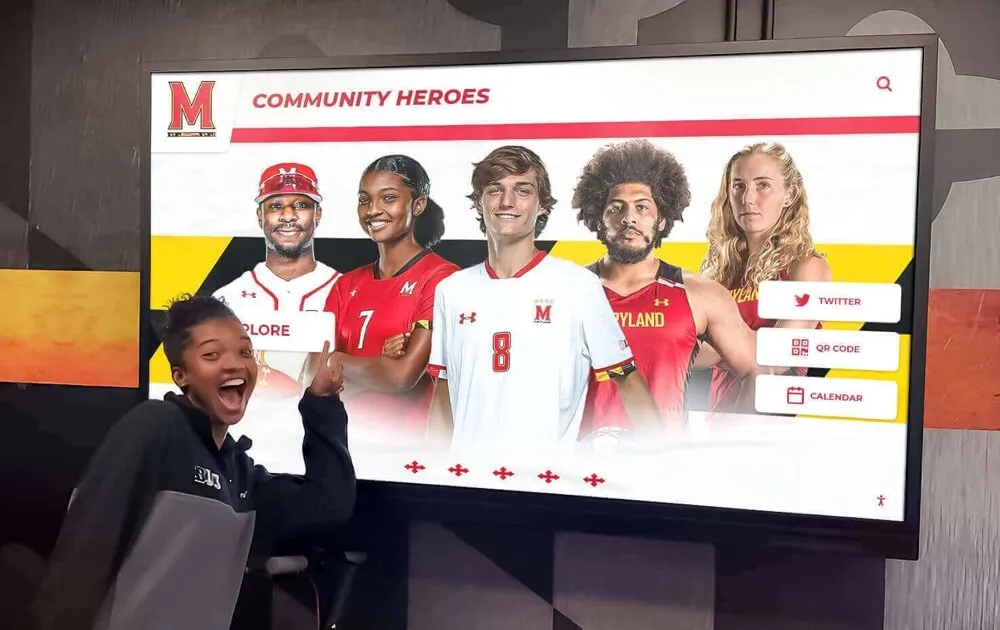
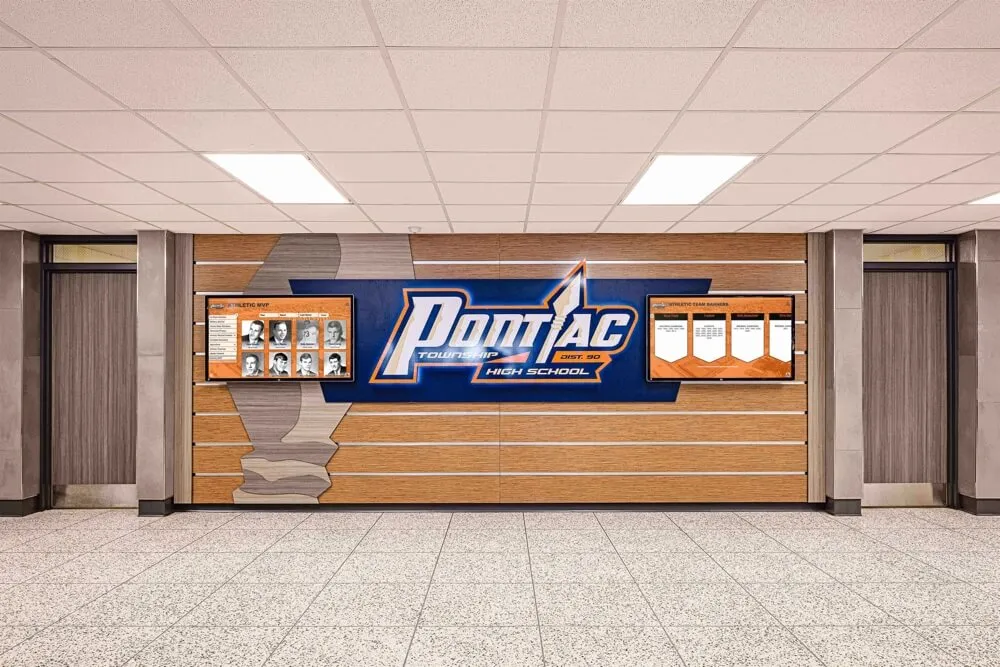
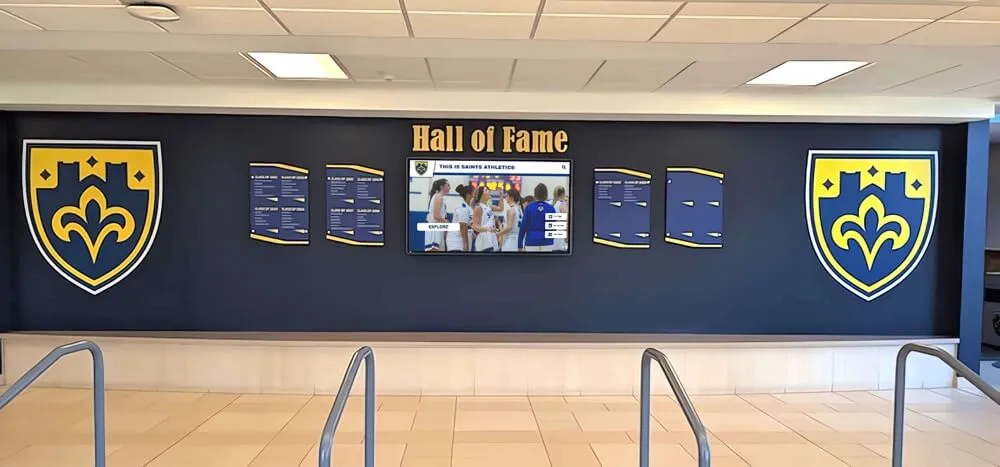
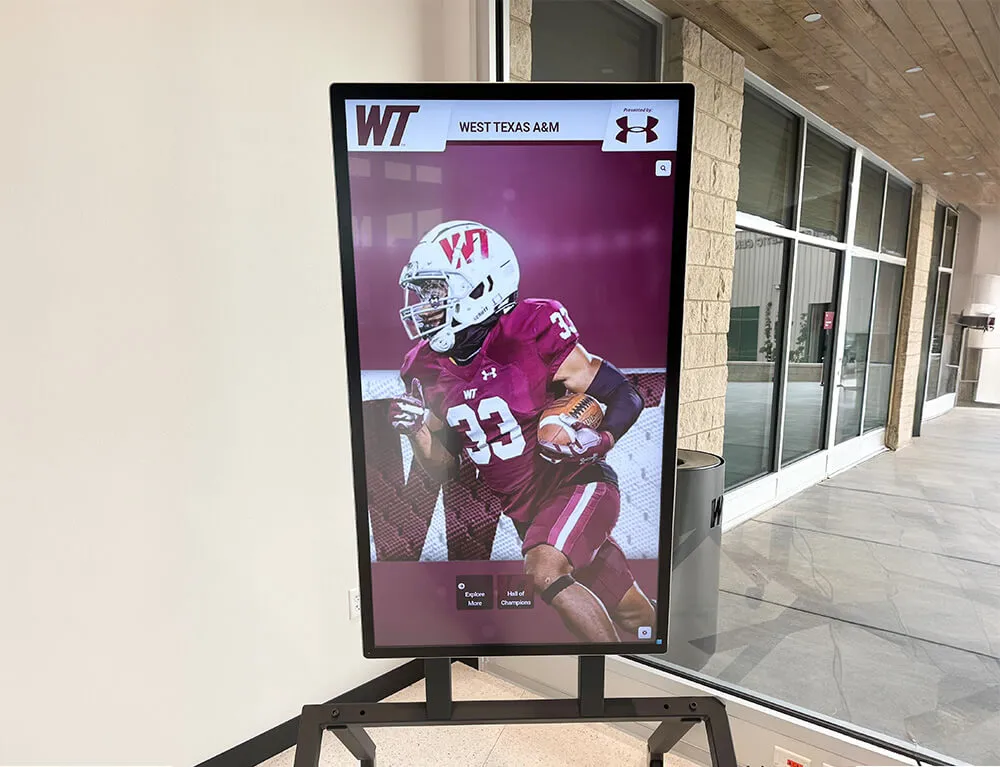
Multiple coordinated displays enable simultaneous showcase of different competition categories or championship eras
Real-Time Updates and Living History
Cloud-based content management enables immediate championship recognition updates without vendor dependency or physical modifications:
Schools add championship teams to displays within days of competition victories while excitement remains high. Competition results, performance footage, celebration photos, and team reflections integrate seamlessly through intuitive administrative interfaces requiring no technical expertise.
For UDA championships occurring in late January/early February annually, immediate recognition proves particularly valuable. Teams returning from Disney World competitions receive recognition acknowledgment before competitive adrenaline subsides and school community attention shifts to other activities.
Championship displays become living histories rather than static snapshots frozen in time. As dancers achieve post-graduation success in professional dance, dance education, or other pursuits, displays update to reflect new accomplishments—ensuring championship recognition remains current and relevant over decades.
Web Accessibility and Extended Reach
Digital championship recognition extends far beyond physical campus boundaries through web accessibility. Alumni living anywhere in the world explore championship displays through online platforms, maintaining connections to dance achievements and reliving memories of competitive participation from remote locations.
This global accessibility proves particularly valuable for dance programs where alumni often pursue careers in diverse geographic locations. Former dancers living in different states or countries stay connected to program history and current team achievements through web-accessible recognition platforms.
Prospective dancers and their families research program championship history during initial recruitment evaluations before ever visiting campus. This early accessibility influences perception and competitive positioning throughout recruiting processes, providing evidence of program excellence and competitive success.
Social sharing capabilities enable current dancers and alumni to share championship content with family members, former teammates, and friends through social media platforms, exponentially extending recognition reach beyond those who physically visit campus.
Essential Content for UDA Championship Displays
Effective championship recognition requires systematic content development across multiple categories ensuring comprehensive documentation.
Core Championship Information
Basic Competition Facts
Foundation-level information every UDA championship display should include:
- Competition year and specific dates
- Championship level (High School NDTC or College Nationals)
- Competition category (Pom, Jazz, Hip Hop, High Kick, Game Day, Game Day Live, Pep Band)
- Final placement and division
- Competition location (ESPN Wide World of Sports Complex)
- Team size and roster composition
- Head coach and choreographer credits
- Program administrators and key supporters
Season Overview and Competitive Journey
Comprehensive season documentation provides meaningful context:
- Preliminary competition results and qualifying path
- Regular season performance schedule and highlights
- Preparation timeline and training intensity
- Routine development and choreographic evolution
- Technical skills emphasized and performance themes
- Team goals established and achievement milestones reached
- Obstacles overcome during competitive season
Championship Performance Documentation
Detailed coverage of the national championship performance:
- Full routine video from competition performance
- Judges’ scores and placement determination
- Technical execution highlights and standout moments
- Comparison to preliminary rounds showing progression
- Crowd and community reactions
- Awards ceremony and trophy presentation coverage
- Media coverage and external recognition received
- Post-competition celebrations and team reflections
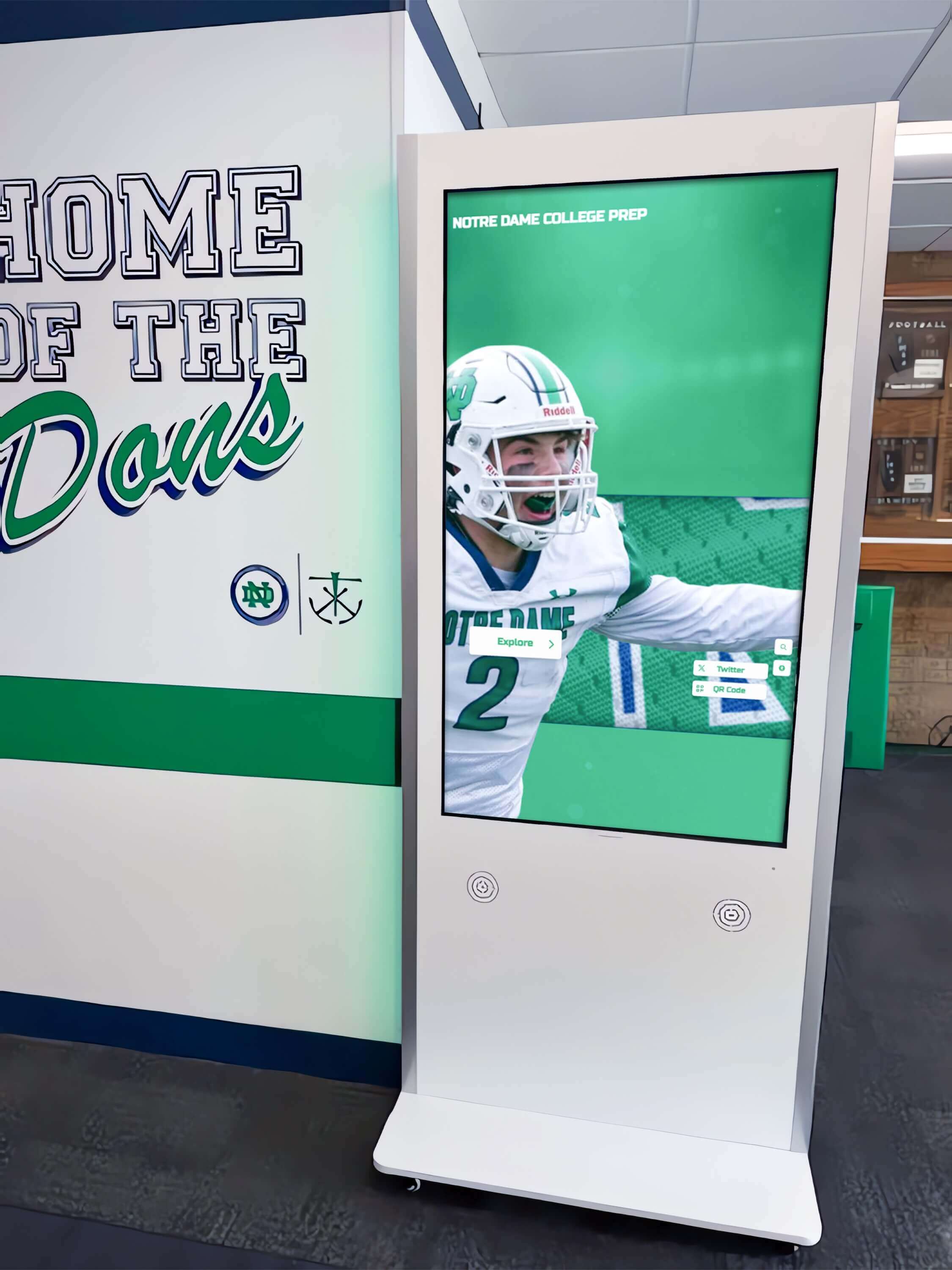
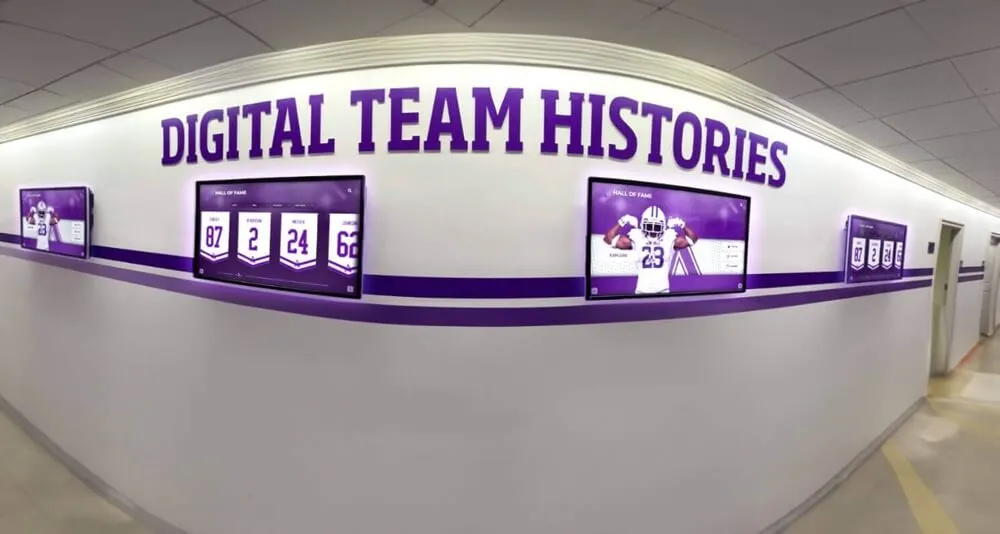
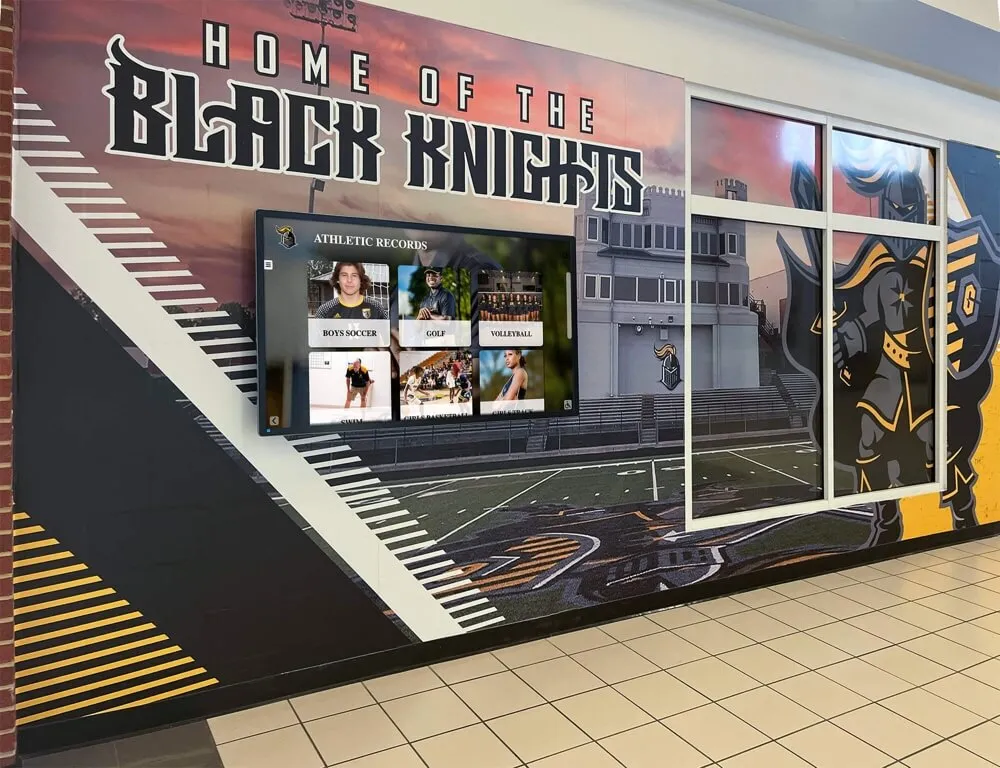
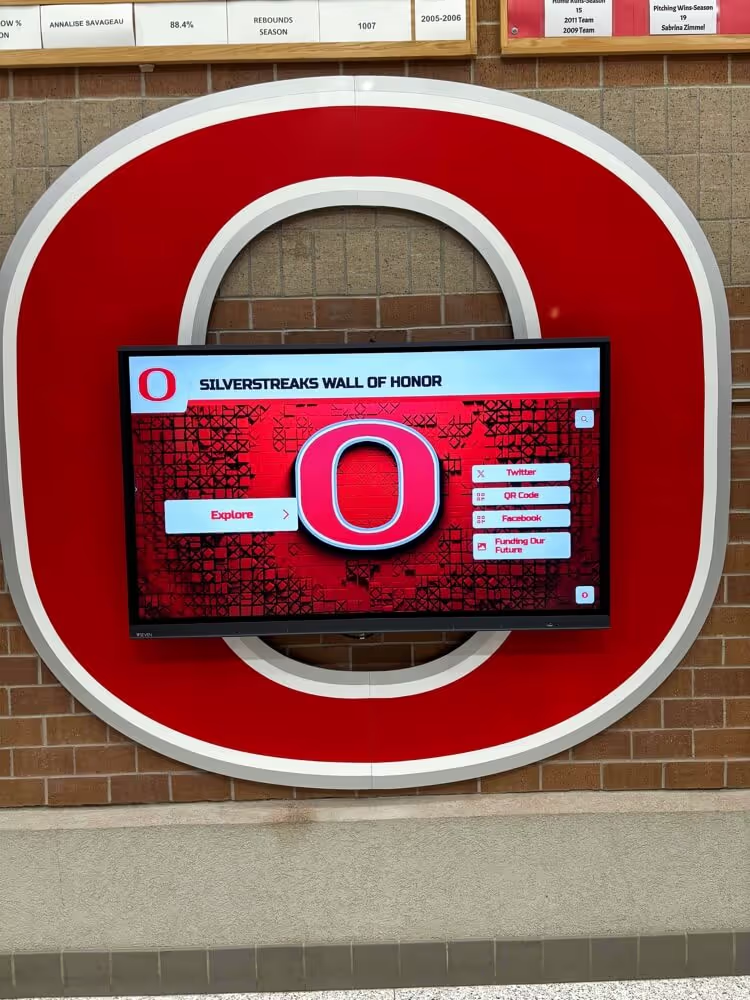
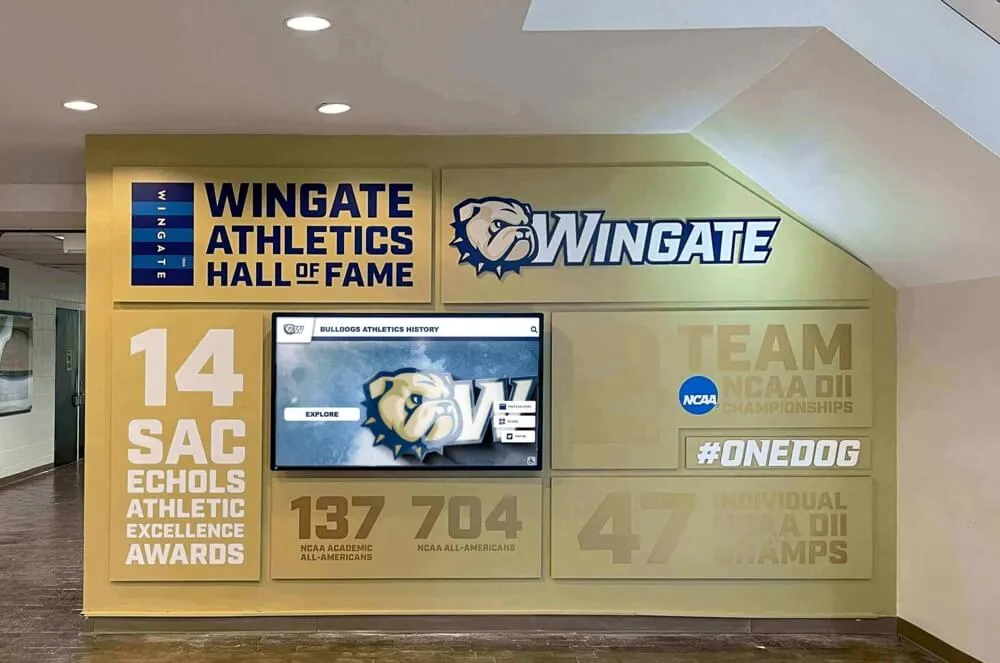
Professional recognition installations create impressive focal points demonstrating institutional commitment to celebrating championship excellence
Individual Dancer Recognition
Comprehensive dancer documentation ensures every team member receives appropriate acknowledgment:
Dancer Profile Elements
Individual recognition should include:
- Full name and graduation year
- Position and role within championship routine
- Years of program participation and competitive experience
- Individual technique specialties and standout skills
- Leadership roles and team contributions beyond performance
- Academic achievements and honors
- Personal statement or reflection about championship experience
- Action photos from championship performance
- Post-graduation pursuits in dance or other fields
- Current contact information for alumni engagement
Including every dancer—featured performers and ensemble members, seniors and underclassmen, technical specialists and versatile performers—creates inclusive recognition demonstrating that championships require complete team efforts. Every dancer contributed to championship success through performance excellence, practice commitment, team support, or leadership regardless of featured positioning in final routines.
Coaching and Choreography Recognition
Championship teams succeed through exceptional leadership:
Coach and Choreographer Documentation
Comprehensive coaching recognition should include:
- Biographical information and competitive dance background
- Coaching philosophy and team development approach
- Career championship history and coaching achievements
- Choreographic style and creative influences
- Training methodologies and technical emphasis
- Quotes reflecting on specific championship season
- Photos with championship team
- Post-championship career trajectory and continued involvement
Support Staff Acknowledgment
Comprehensive recognition extends to all contributors:
- Athletic administrators enabling program success
- Assistant coaches and specialized technique instructors
- Music editing and sound production contributors
- Costume design and uniform preparation
- Athletic trainers supporting dancer health and injury prevention
- Academic support staff helping dancers maintain eligibility
- Booster organization leadership and fundraising support
- Family and community supporters enabling competitive participation
This comprehensive approach demonstrates appreciation for everyone contributing to championship success beyond just dancers and head coaches.
Explore strategies for homecoming and spirit recognition that complement competitive achievement celebration.
Historical Context and Program Significance
Championship achievements gain additional meaning through appropriate contextualization:
Historical Program Significance
Context helping viewers understand championship importance:
- Program championship history and achievement frequency
- Comparison to previous championship teams and eras
- Records set or significant program milestones achieved
- Place within broader school athletic history
- Notable alumni connections across championship generations
- Competitive landscape context and rival program comparison
- Community impact and celebration scope
- Media recognition and program visibility generated
Era and Competition Context
Information helping future generations understand championship context:
- UDA competition format and structure during championship year
- Scoring criteria and judging emphasis for specific category
- Competitive field strength and notable rival programs
- Rule differences from current competition standards
- Trends in choreographic style and technical emphasis
- Available training resources and facility conditions
- Cultural context and dance style influences of the period
This contextual information helps audiences decades later understand not just that championships occurred, but what they meant within specific competitive moments and how programs evolved over time.
Strategic Display Placement and Design Principles
Where and how UDA championship recognition appears significantly affects visibility, engagement, and overall program impact.
Optimal Location Selection
Primary Dance Facilities
UDA championship displays belong in main dance studios, athletic facilities, or school lobbies where dancers train, students congregate, and visitors encounter the school’s first impressions. These high-traffic locations ensure maximum visibility among target audiences—current dancers needing inspiration, prospective recruits evaluating programs, alumni attending events, and community members supporting teams.
Consider placing displays in specific locations:
- Main entrance areas capturing immediate attention upon arrival
- Lobby spaces where people gather before and after performances
- Hallways adjacent to dance studios where dancers pass daily
- Athletic facility corridors connecting different program spaces
- School commons or cafeteria areas reaching broader student populations
- Auditorium or theater lobbies where performance audiences congregate
School-Wide Visibility Benefits
Beyond dance-specific facilities, championship recognition in main school entrances, administration areas, or student commons demonstrates that dance excellence represents an institutional priority valued across entire school communities. This prominent placement communicates to all students—not just dancers—that their school celebrates championship achievement as source of collective pride.
Prominent displays also educate broader communities about competitive dance legitimacy, helping stakeholders unfamiliar with UDA championships understand the dedication, skill, and athletic achievement these victories represent.
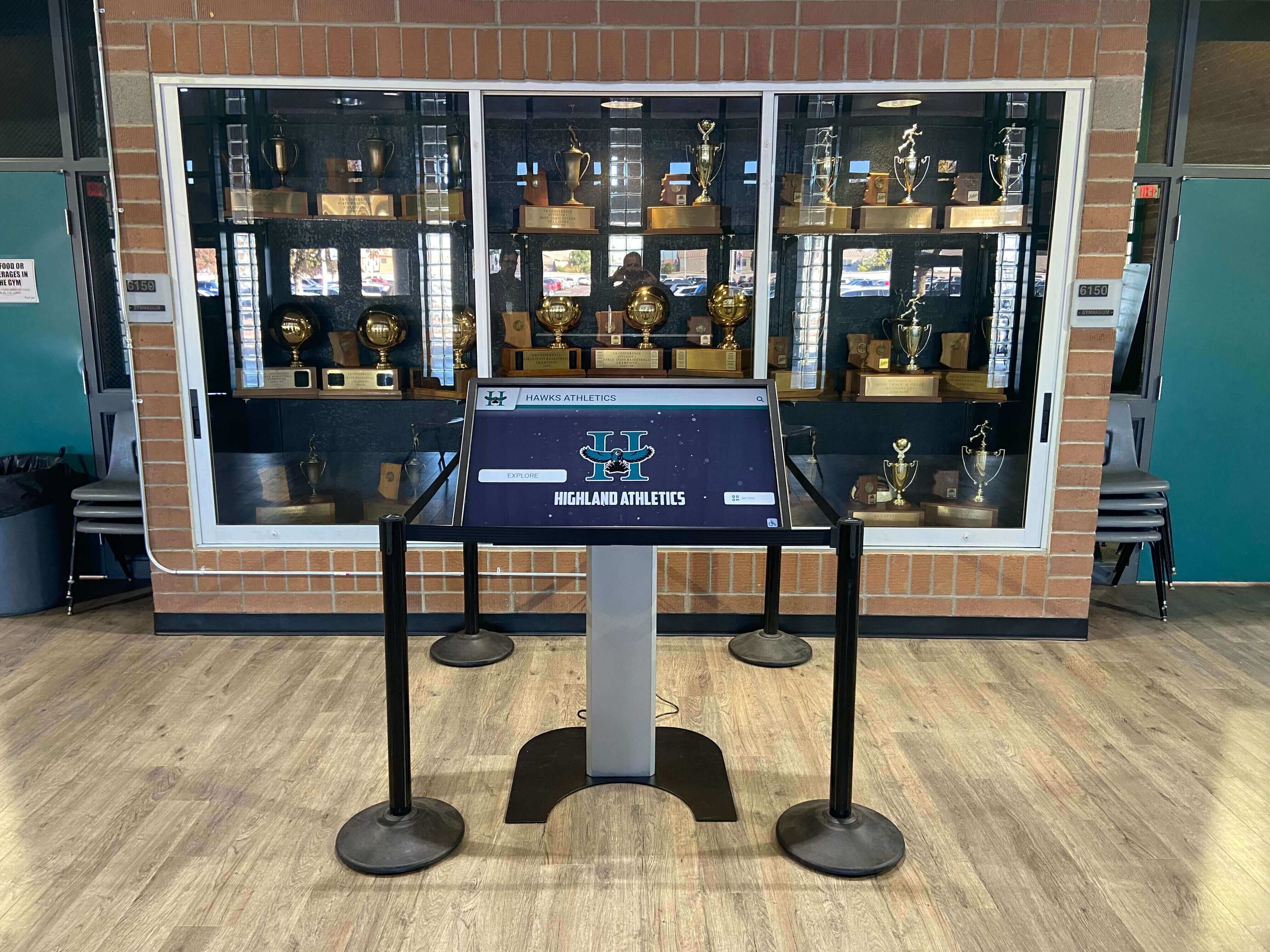
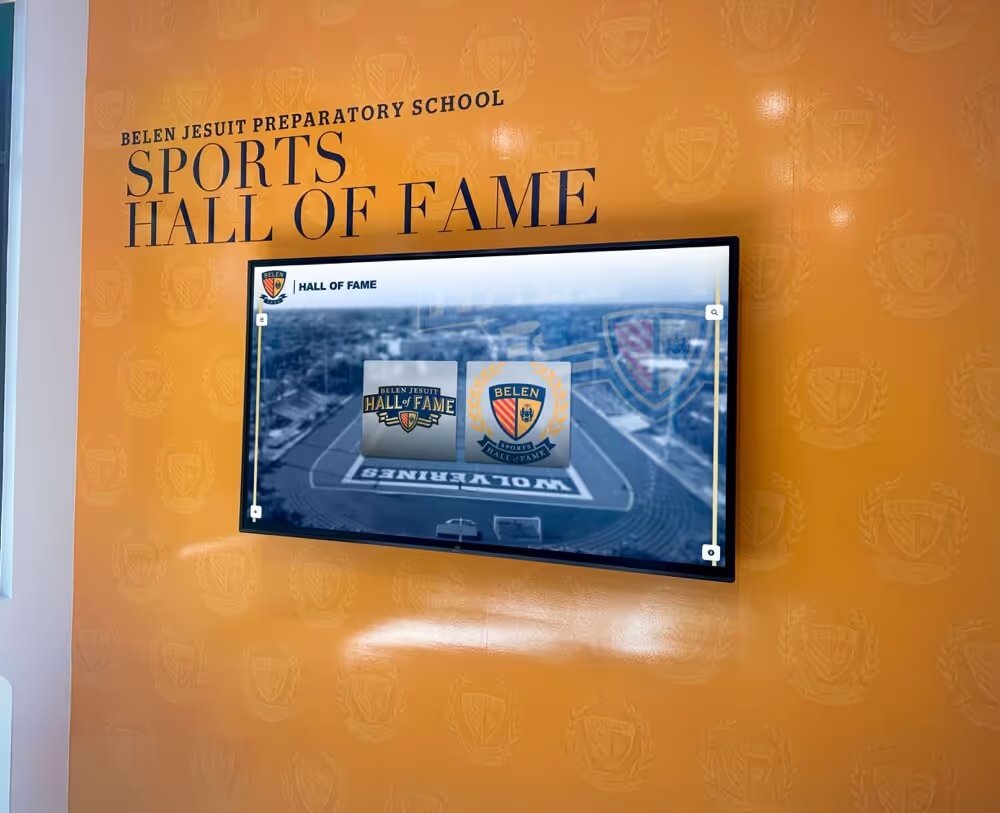
Integrating digital displays with traditional trophy cases creates comprehensive recognition combining physical artifacts with rich digital storytelling
Design Principles for Maximum Impact
Visual Hierarchy and Information Architecture
Organize content to guide viewer attention logically:
- Prominent championship identification immediately visible (year, category, placement)
- Team performance photos providing instant visual connection
- Competition highlights and key achievement statistics
- Detailed information accessible through progressive disclosure
- Individual dancer profiles and season documentation
- Supporting context and historical background material
Intuitive Navigation and User Experience
Digital displays should feature straightforward navigation enabling visitors of all ages and technical abilities to explore content easily:
- Clear categorization by competition year, category, or placement level
- Browse-by-year timelines providing chronological exploration
- Search functionality enabling specific team or dancer discovery
- Filtering by competition category (Pom, Jazz, Hip Hop, etc.)
- Consistent interface patterns reducing learning curve
- Touch targets appropriately sized for confident interaction
Engaging Multimedia Integration
Balance different content types preventing text-heavy presentations:
- Performance action photography capturing competitive moments
- Video highlights showcasing championship routines
- Competition score graphics and placement visualizations
- Coach and dancer interview clips providing personal perspectives
- Historical photos and documentation adding depth
- Social media integration showing community celebration
Consistent Institutional Branding
Championship displays should incorporate school colors, logos, and visual identity creating cohesive brand experiences:
- Official color palette usage throughout displays
- Proper logo placement and sizing per brand guidelines
- Typography consistent with school communications
- Design templates ensuring presentation consistency
- Dance program-specific customization within institutional framework
Learn about classroom and academic recognition that complements athletic achievement celebration.
Implementation Strategies and Best Practices
Successfully showcasing UDA championships requires systematic approaches addressing planning, technology selection, content development, and ongoing maintenance.
Comprehensive Planning Process
Needs Assessment and Goal Definition
Begin by understanding current recognition state and desired future outcomes:
- Inventory existing championship recognition noting coverage gaps
- Assess physical display space and condition of current installations
- Survey stakeholders (dancers, coaches, alumni, administrators) about recognition satisfaction
- Define clear objectives for enhanced championship celebration
- Establish success metrics for measuring program impact
- Determine budget parameters and funding sources
Budget Development and Funding
Realistic budget planning ensures sustainable implementation:
Initial Investment Components
- Display hardware (touchscreens, kiosks, mounting systems)
- Software platform licenses and setup
- Content development (videography, editing, profile creation)
- Installation and implementation services
- Staff training and documentation
Ongoing Operational Costs
- Annual software maintenance and hosting
- Content updates for new championships
- Display maintenance and occasional repairs
- Electricity and connectivity expenses
- Periodic content refresh and enhancement
Traditional banner programs require ongoing per-banner costs typically ranging from $150-400 each. Digital systems involve higher initial investment but dramatically lower marginal costs for additional championships and content updates.
Funding Source Strategies
Schools successfully fund championship recognition through:
- Dance booster club fundraising and dedicated contributions
- Alumni association support and campaign inclusion
- Memorial naming opportunities for major donors
- Athletic facility renovation project integration
- Grant applications for technology initiatives
- Phased implementation spreading costs across multiple fiscal years
Technology Platform Selection
Hardware Considerations
Appropriate display hardware selection ensures reliability and longevity:
- Display size appropriate to viewing distance (typically 43-75 inches)
- Commercial-grade panels rated for continuous operation
- Touchscreen capability for interactive exploration
- Adequate brightness for varying lighting conditions
- Durable construction suitable for high-traffic environments
- Professional mounting or kiosk enclosure options
- Connectivity supporting cloud-based content management
Software Platform Requirements
Essential capabilities for UDA championship recognition:
- Intuitive content management requiring minimal technical expertise
- Robust video hosting and streaming capabilities
- Comprehensive multimedia support (performance videos, photos, documents)
- Flexible categorization and organizational structures
- Responsive design working across devices and screen sizes
- Analytics tracking engagement and usage patterns
- Regular platform updates and feature enhancements
- Reliable cloud hosting and automatic backups
Purpose-built platforms like Rocket Alumni Solutions provide specialized features designed specifically for school recognition needs that generic content management systems cannot efficiently replicate.
Explore digital recognition technology solutions designed for comprehensive athletic achievement documentation.
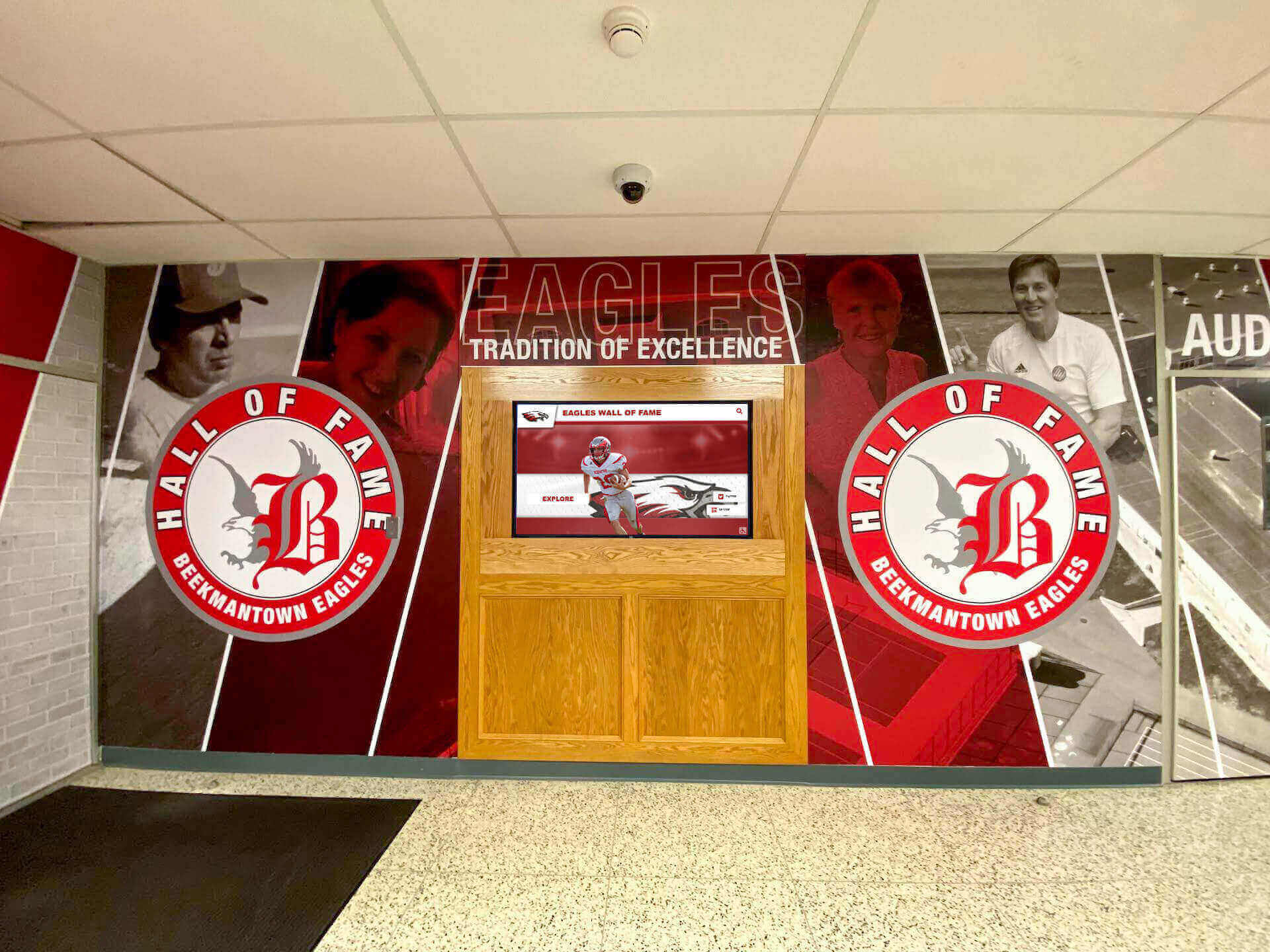
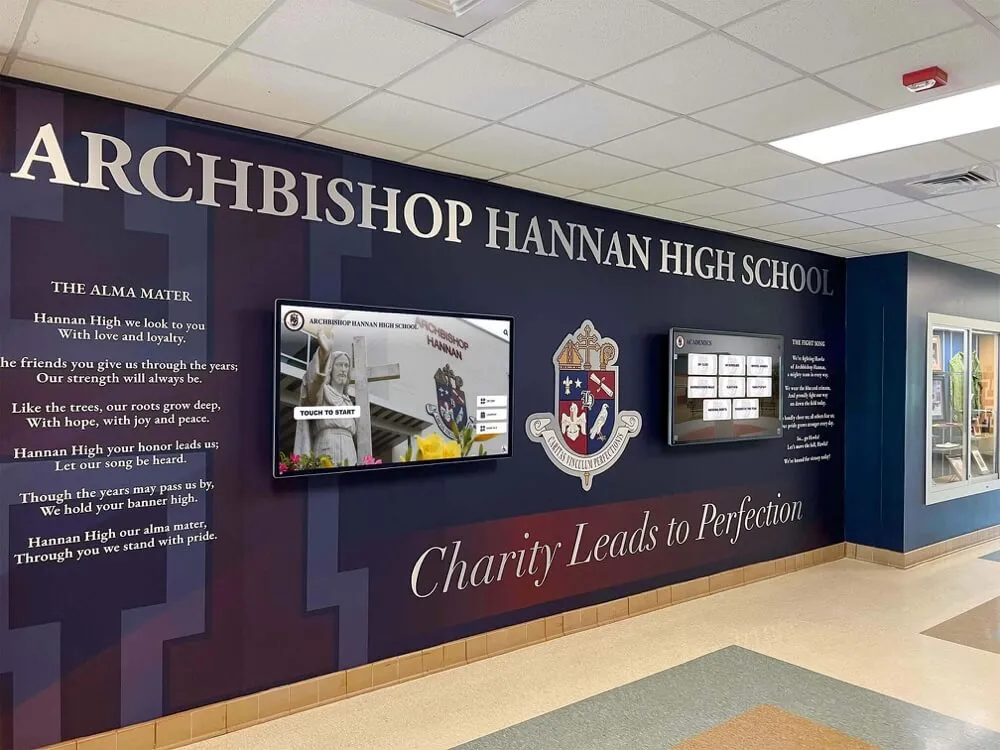
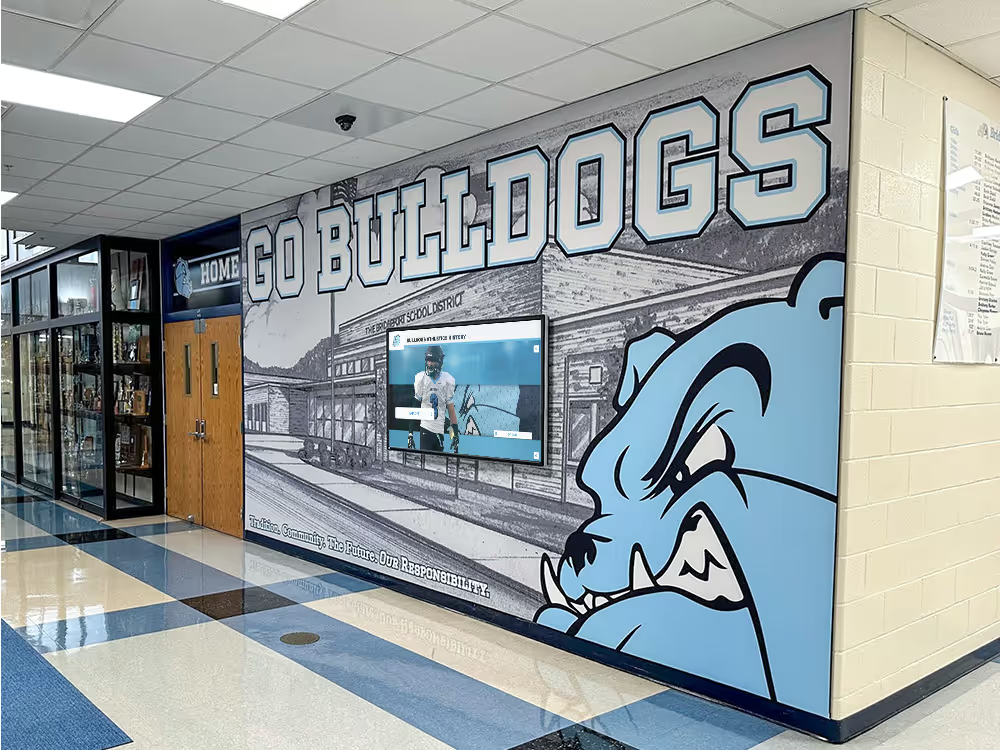
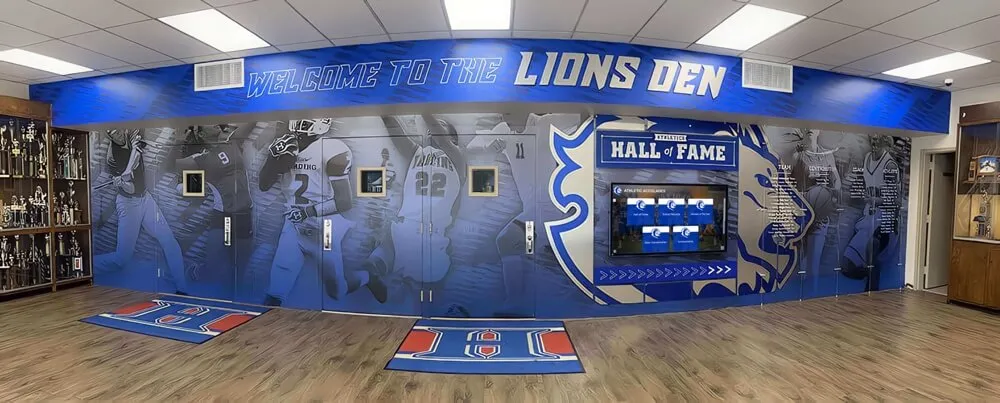
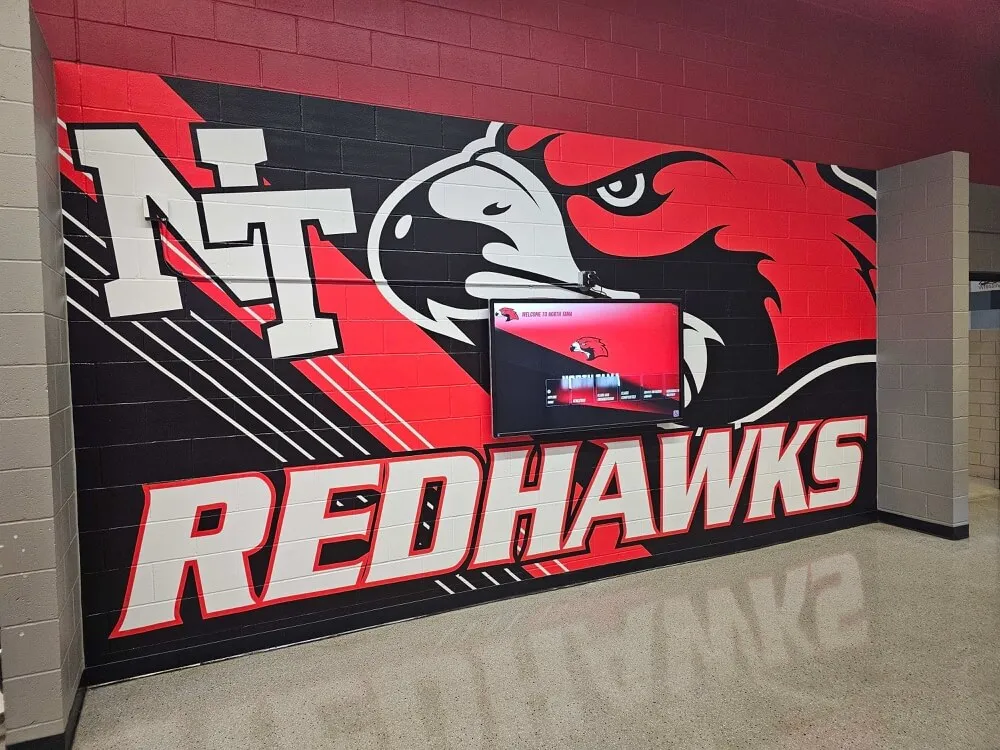
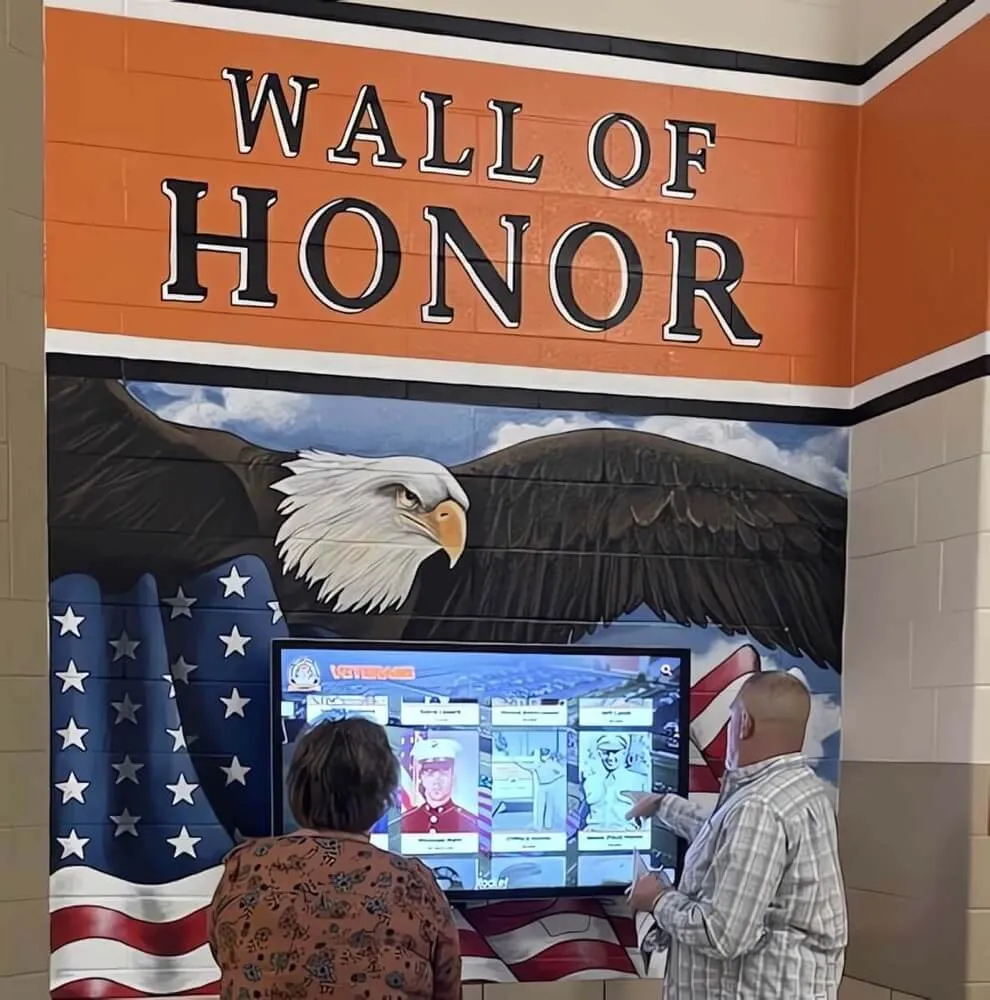
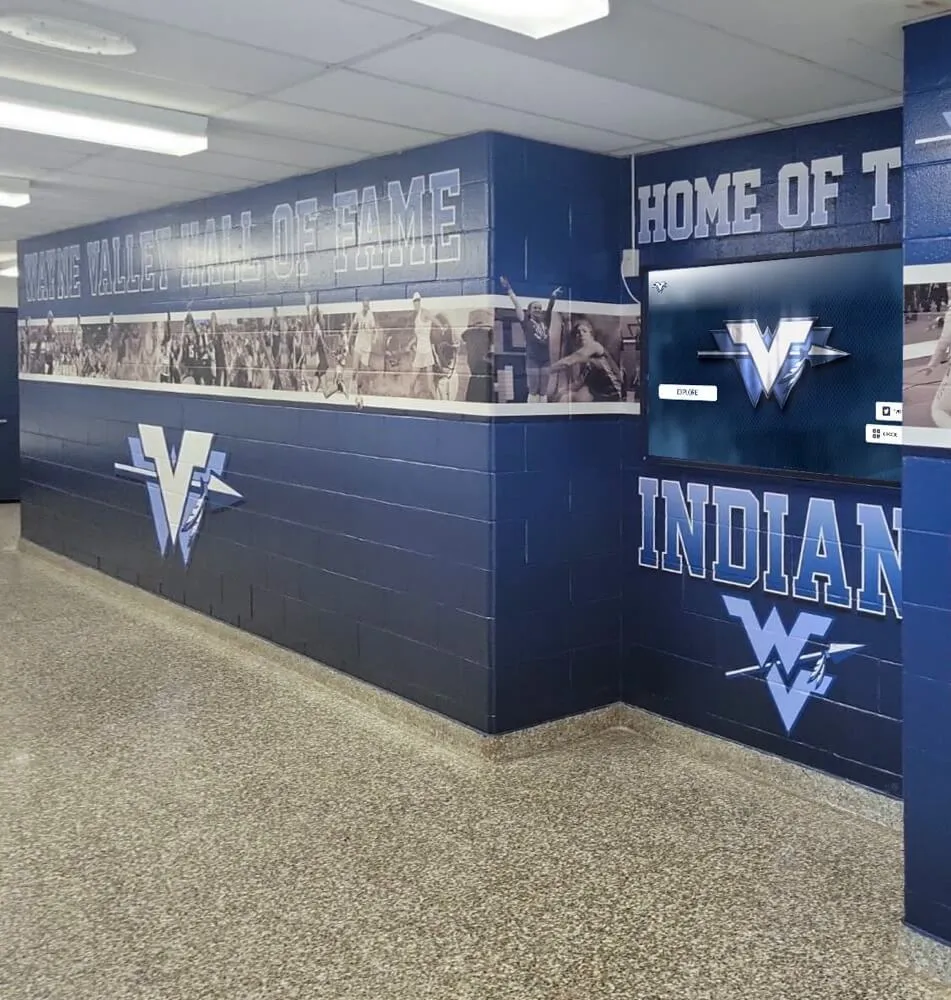
Professional installations combining murals, branding, and digital displays create impressive recognition showcasing institutional pride
Systematic Content Development
Historical Research and Documentation
Building complete championship archives demands dedicated effort:
- Review program records, yearbooks, and historical documentation
- Search local newspaper archives for competition coverage
- Interview coaches, dancers, and administrators with institutional memory
- Contact alumni for historical performance footage and photos
- Digitize championship videos, photos, and artifacts
- Verify competition results through UDA historical records
- Document research sources for future reference
Current Championship Documentation Processes
Establish systematic workflows ensuring future championships receive complete documentation from occurrence:
- Assign clear staff responsibility for championship documentation
- Create standardized information collection forms for coaches
- Implement videography capture ensuring professional-quality competition footage
- Archive competition scores and judges’ feedback systematically
- Collect dancer biographical information and season reflections immediately
- Document season narratives and championship journey defining moments
- Gather media coverage and social media celebration content
Proactive documentation proves far more efficient than attempting to reconstruct championship details years later when memories fade and materials disappear.
Phased Implementation Approach
Rather than attempting comprehensive documentation simultaneously:
Phase One: Most recent championships (past 3-5 years) with readily available video and living participants
Phase Two: Landmark championships (first national title, undefeated seasons, record placements) regardless of era
Phase Three: Remaining modern-era championships (past 10-15 years) with accessible documentation
Phase Four: Historical championships requiring extensive research and reconstruction
Phase Five: Ongoing additions as new championships occur annually
This phased approach delivers immediate value while building toward comprehensive archives over time without overwhelming available resources.
Maximizing Championship Display Impact
Championship recognition creates maximum strategic value when integrated with broader dance program and institutional initiatives.
Supporting Dance Program Recruiting
Recruiting Visit Integration
Leverage championship displays as powerful recruiting tools:
- Feature displays prominently during all campus tours
- Allow prospective dancers extended time to explore championship history
- Demonstrate consistent competitive achievement across multiple years
- Showcase alumni success pathways after high school or college
- Highlight coaching expertise and proven development systems
- Document performance styles and choreographic approaches
Displays documenting multiple UDA championships provide compelling evidence that program excellence represents sustainable culture rather than isolated flukes, reassuring recruits and families about development opportunities and competitive experiences they’ll receive.
Program Culture Development
Championship recognition reinforces program culture and performance expectations:
- Establishes clear excellence standards for all dancers
- Creates aspirational goals grounded in program precedent
- Documents successful training approaches and technical development
- Preserves winning traditions and team rituals
- Connects current teams to broader program legacy
- Motivates maximum effort during challenging preparation periods
Coaches reference championship displays during team meetings, explaining how previous teams achieved success and identifying transferable lessons applicable to current competitive seasons.
Learn about student athlete recognition approaches applicable to dance and other athletic programs.
Alumni Engagement and Community Connection
Reunion Programming Integration
Feature specific championship teams during milestone reunions:
- Highlight specific championship years during reunion weekends
- Enable easy content filtering to relevant graduation classes
- Facilitate reminiscing and reconnection among former teammates
- Provide conversation starters and shared memory triggers
- Document reunion gatherings and update alumni information
- Create opportunities for championship teams to share experiences with current dancers
Ongoing Alumni Communication
Championship recognition creates natural touchpoints for sustained engagement:
- Share championship anniversaries and milestone celebrations
- Enable alumni to submit career updates and accomplishments
- Incorporate “where are they now” content showing life after competitive dance
- Facilitate networking among championship team alumni
- Support fundraising through demonstrated appreciation for excellence
- Create mentor relationships between championship alumni and current dancers
School Pride and Community Identity
Building Institutional Culture
Comprehensive championship recognition strengthens school culture:
- Creates shared identity around dance program excellence
- Demonstrates institutional commitment to celebrating diverse achievements
- Establishes aspirational standards recognized school-wide
- Provides concrete evidence supporting school pride claims
- Generates positive word-of-mouth among community members
- Positions school as leader in competitive dance programs
Community Engagement Opportunities
Championship displays create community touchpoints:
- Feature during school events and facility tours
- Generate local media coverage and social media sharing
- Create conversation topics at school performances and competitions
- Demonstrate positive impact of community support
- Build civic pride extending beyond just school stakeholders
- Showcase return on investment for booster support and fundraising
Explore national honor society recognition demonstrating comprehensive approaches to celebrating diverse student excellence.
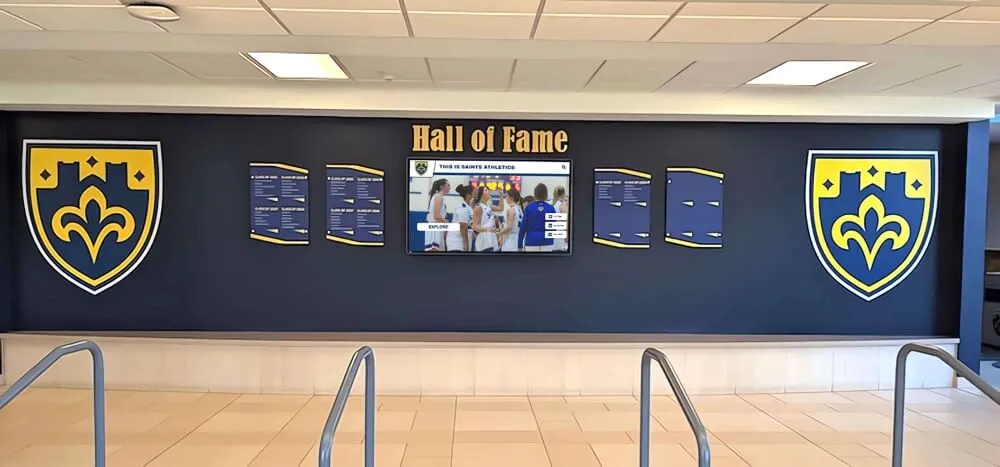
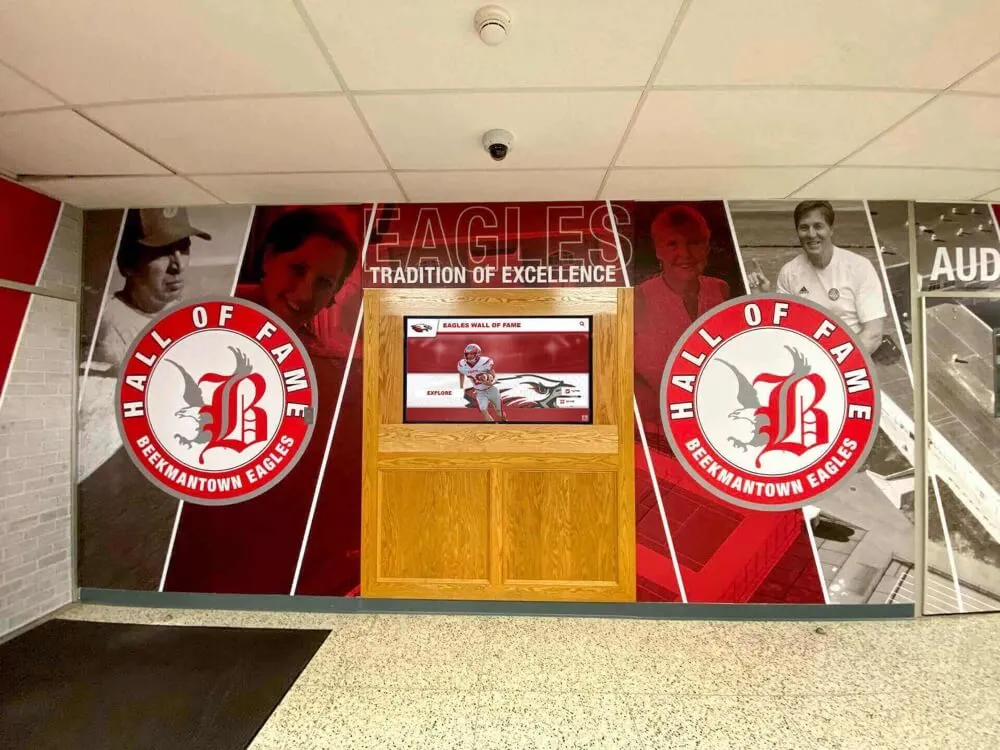
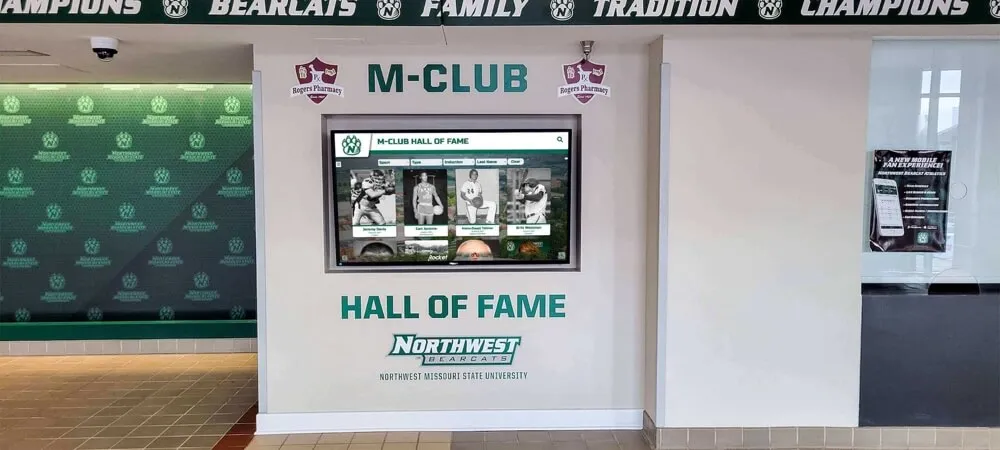
Professional recognition walls create prestigious focal points demonstrating institutional commitment to celebrating competitive excellence
Special Considerations for UDA Championship Recognition
Several unique factors require thoughtful approaches in UDA championship displays:
Addressing Multiple Competition Categories
Dance programs competing across multiple UDA categories (Pom, Jazz, Hip Hop, High Kick, Game Day) require recognition systems accommodating diverse performance styles:
Equivalent Recognition Across Categories
- Ensure all competition categories receive equal display prominence
- Avoid hierarchical presentation implying some categories matter more
- Recognize that different categories require different technical skills
- Celebrate category-specific achievements and specializations
- Enable filtering allowing focused exploration of specific categories
- Document how programs build excellence across multiple disciplines
Some programs excel in specific categories while others compete successfully across all divisions. Recognition systems should accommodate both approaches appropriately.
Performance Footage Rights and Permissions
UDA championship recognition involving performance video requires attention to rights and permissions:
Video Usage Considerations
- Understand copyright and usage rights for competition footage
- Obtain necessary permissions from choreographers when required
- Secure media release forms from all depicted dancers
- Respect licensing restrictions on competition music
- Document permission status for all archived video
- Update displays if permissions expire or are revoked
Many schools successfully use competition footage by limiting use to institutional recognition purposes on password-protected or campus-only systems when broader distribution rights prove challenging.
Respecting Dancer Privacy
Recognition programs should prioritize dancer comfort and safety:
Privacy Protection Strategies
- Offer opt-out opportunities for dancers uncomfortable with public recognition
- Respect requests to limit specific personal information
- Provide privacy controls for sensitive situations
- Accommodate dancers who prefer limited social media visibility
- Protect contact information and personal details appropriately
- Support dancers facing any harassment or unwanted attention
Given the public nature of UDA championships, most dancers welcome recognition, but systems should accommodate individual preferences when privacy concerns arise.
Evolving Competition Formats
UDA championships evolve over time with new categories, rule changes, and format adjustments:
Maintaining Historical Context
- Document competition rules and judging criteria for each championship era
- Explain scoring system changes affecting placement comparisons
- Provide context when comparing achievements across different competition formats
- Preserve information about discontinued categories or divisions
- Update displays as current competition structures evolve
- Educate viewers about how UDA championships have developed over decades
This historical perspective helps future audiences understand championship achievements within their appropriate competitive contexts rather than applying current standards to past performances.
Learn about fall sports recognition and seasonal athletic achievement celebration.
Conclusion: Honoring Dance Excellence Through Comprehensive Recognition
UDA National Championship achievements represent the pinnacle of competitive dance—victories resulting from years of dancer development, countless dedicated practice hours, exceptional choreography, and complete team commitment. These accomplishments deserve recognition proportional to their significance, not recognition arbitrarily limited by available wall space, banner durability, trophy case capacity, or information constraints of traditional physical recognition.
The strategies explored in this guide provide frameworks for creating UDA championship displays that honor every achievement comprehensively, preserve complete performance legacies through rich multimedia documentation, inspire current dancers through interactive exploration of program history, and demonstrate institutional commitment to celebrating dance excellence at the highest competitive levels.
Ready to transform how your school celebrates UDA championship excellence? Modern digital recognition solutions help schools honor dance achievements comprehensively while creating engaging experiences that preserve program legacy permanently. Solutions like Rocket Alumni Solutions provide comprehensive platforms specifically designed for athletic recognition, offering unlimited capacity for celebrating every championship team, rich multimedia profiles showcasing performance footage, interactive exploration engaging communities, and web accessibility extending recognition reach far beyond campus.
Whether establishing first-ever formal UDA championship recognition or enhancing existing displays through digital platforms, the key is developing systematic approaches ensuring all championships receive appropriate acknowledgment, creating memorable presentations honoring achievement meaningfully, and implementing systems maintaining championship legacies permanently while remaining current as new achievements occur.
Your dance program invests extraordinary effort pursuing UDA championship excellence—preparation beginning years before national competition, dedication sustaining through rigorous training schedules, commitment reaching peak intensity during competitive season. Recognizing these achievements appropriately honors individual dancer excellence while building institutional traditions demonstrating that championship performance in any discipline receives the celebration it deserves.
The most important considerations aren’t budget size, facility quality, or championship frequency—they’re genuine commitment to comprehensive recognition, systematic documentation preserving complete championship stories, and authentic celebration communicating that UDA excellence represents pinnacle achievement worthy of permanent institutional honor matching the dedication these championships require.
Start planning your UDA championship recognition program today, and create the celebration culture your dancers and community deserve. Explore how digital trophy displays can transform championship recognition or learn about student achievement showcasing to build complete recognition programs celebrating excellence across all competitive endeavors.