



When administrators search for digital hall of fame displays, many discover a frustrating reality: most vendors sell only hardware or software, leaving schools to coordinate multiple contractors, manage installation logistics, digitize historical content, train staff, and integrate everything into a working system. This fragmented approach creates hidden costs, extended timelines, and implementation stress that schools rarely anticipate when budgeting for recognition projects.
Turnkey solutions address this challenge by bundling hardware, software, professional installation, content development, staff training, and ongoing support into comprehensive packages. A single vendor manages the entire process from initial design through launch day, delivering operational systems rather than boxes of equipment requiring assembly and configuration.
For schools evaluating digital recognition displays, understanding turnkey pricing structures, included services, vendor capabilities, and long-term value propositions determines whether your investment creates the celebrated recognition centerpiece you envision or becomes an expensive project requiring months of internal work to make functional.
Schools invest in recognition displays to celebrate achievements, preserve institutional heritage, engage alumni, and inspire current students. Yet many administrators underestimate the work required to transform hardware and software purchases into engaging displays featuring decades of accomplishments. Turnkey solutions transfer this complexity to experienced vendors who complete implementation efficiently using established processes.

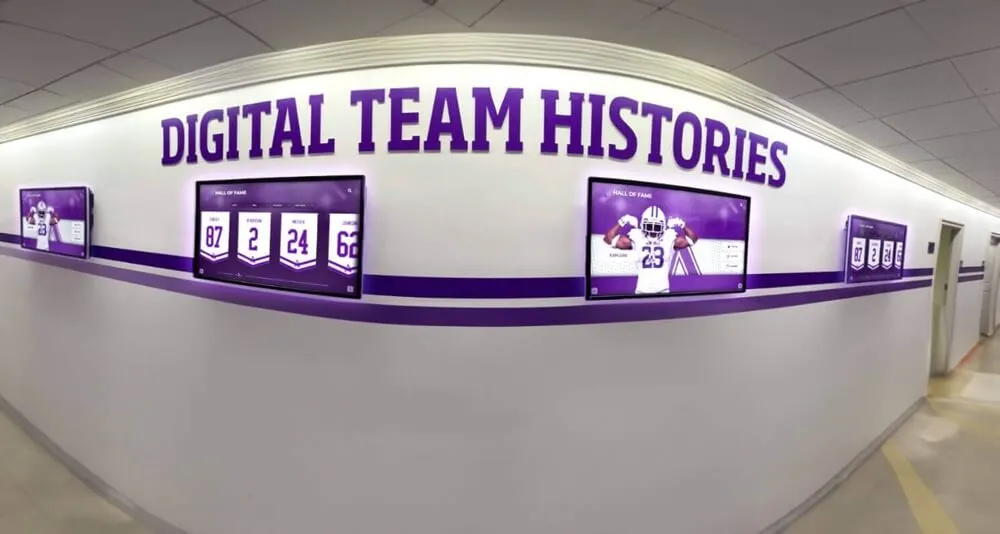
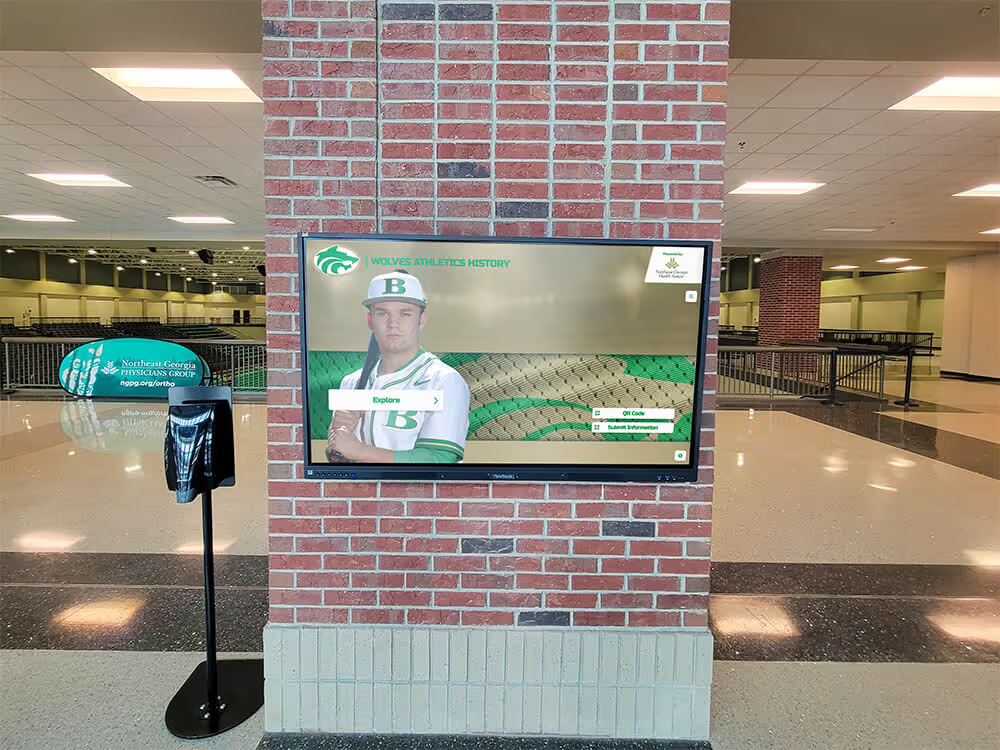
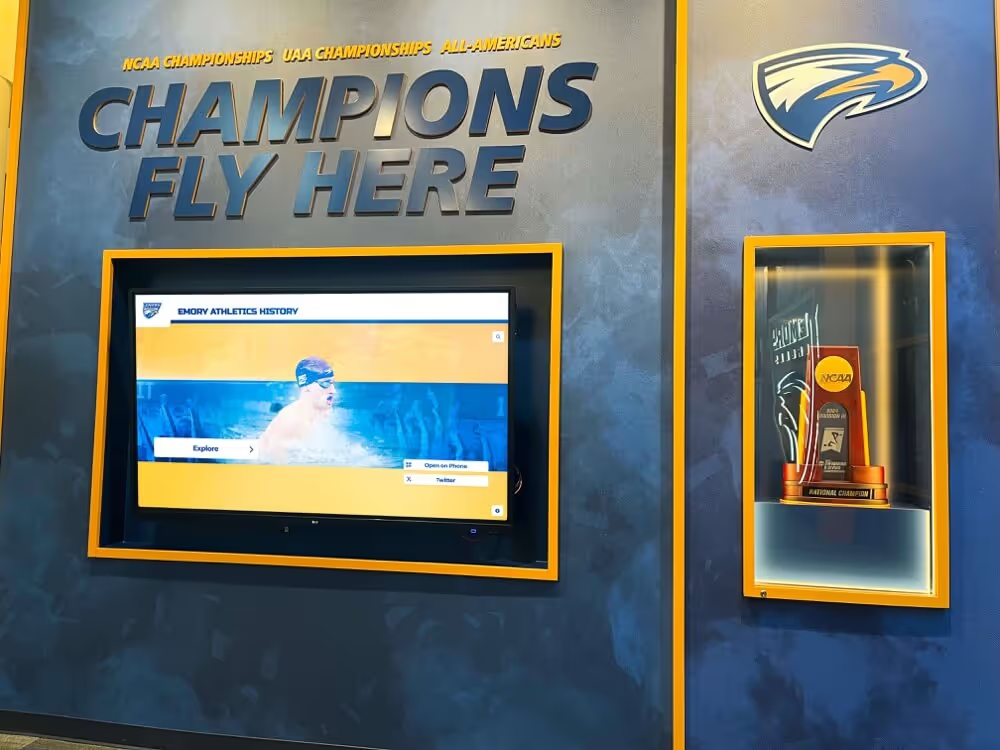
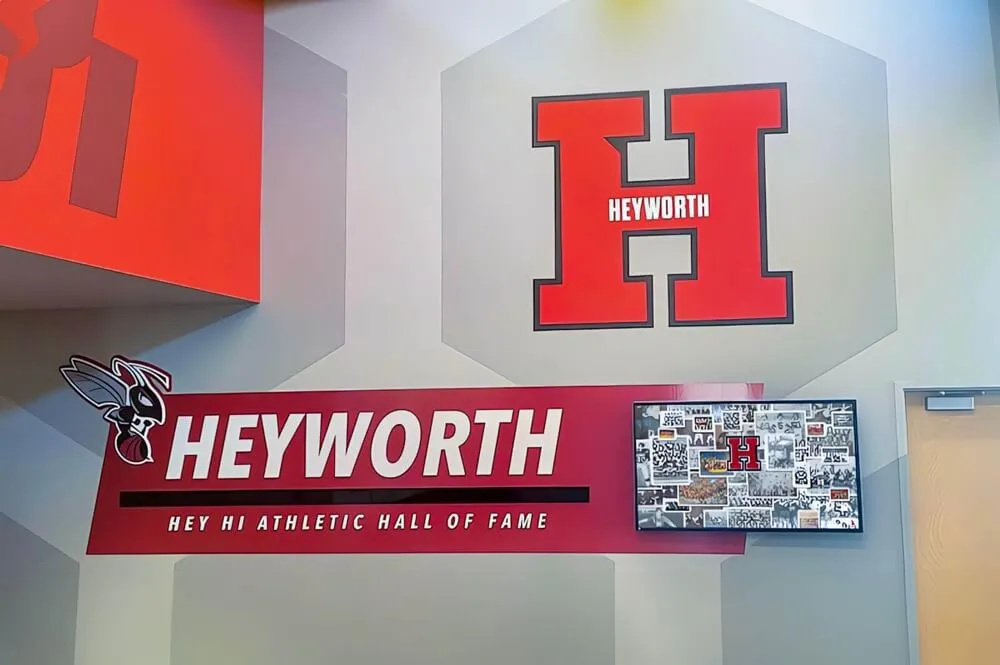
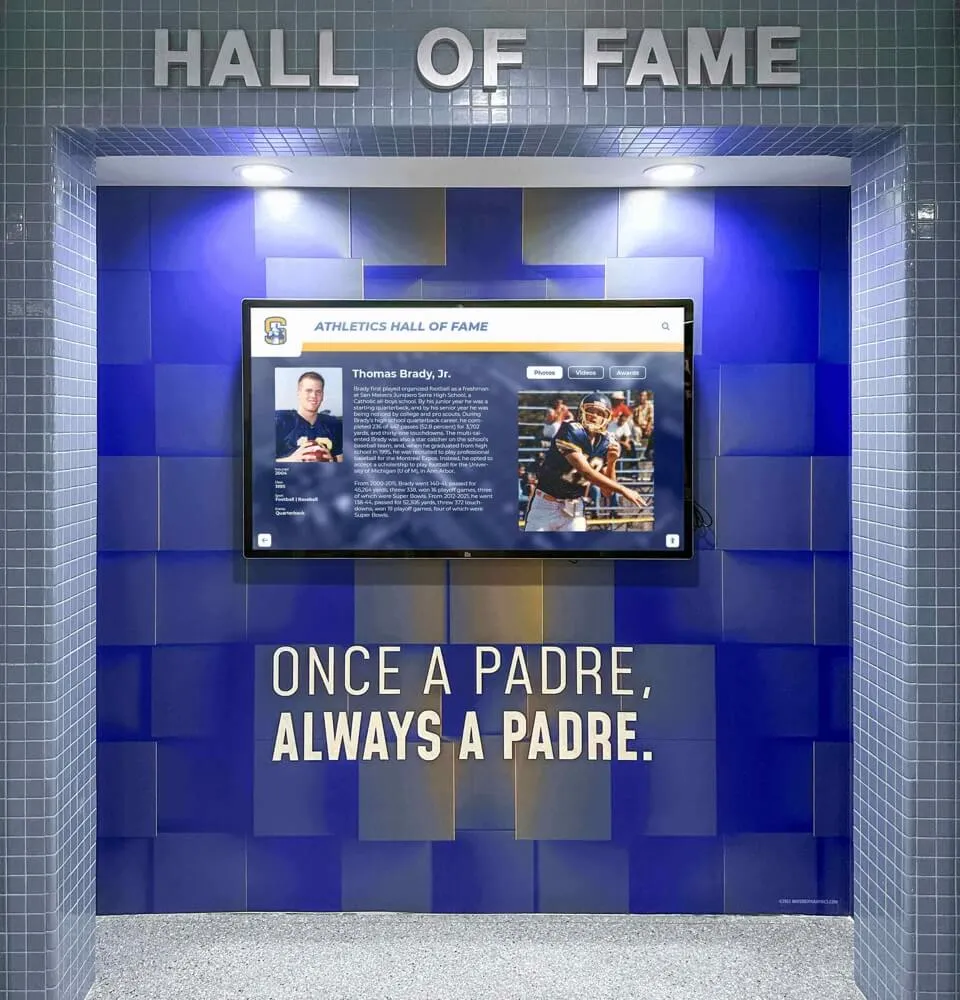
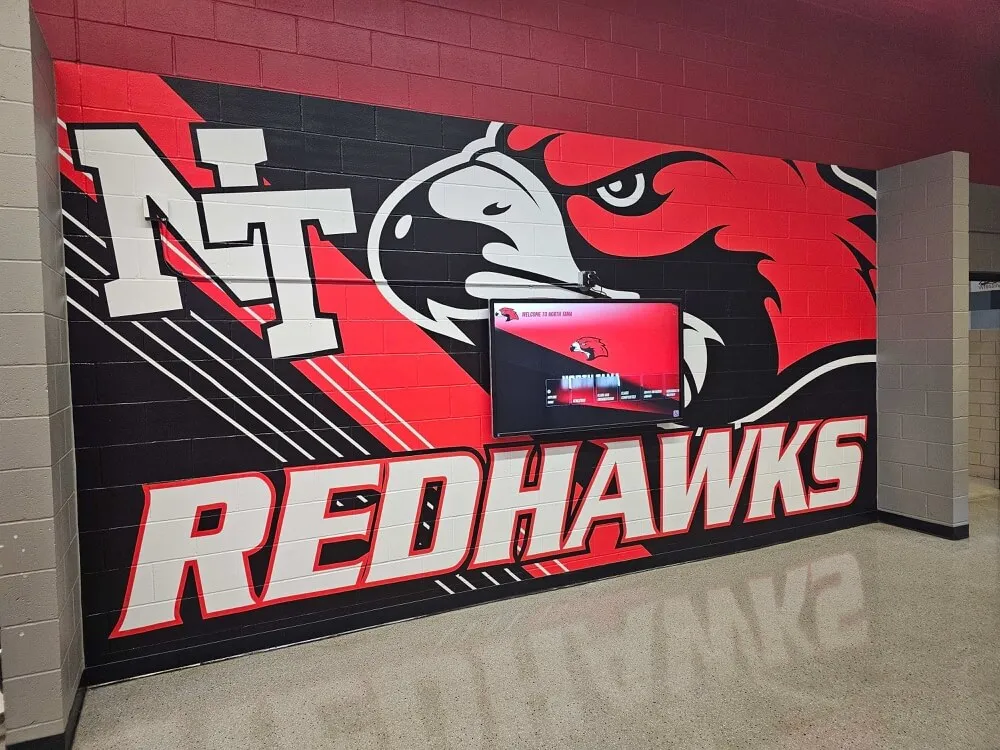
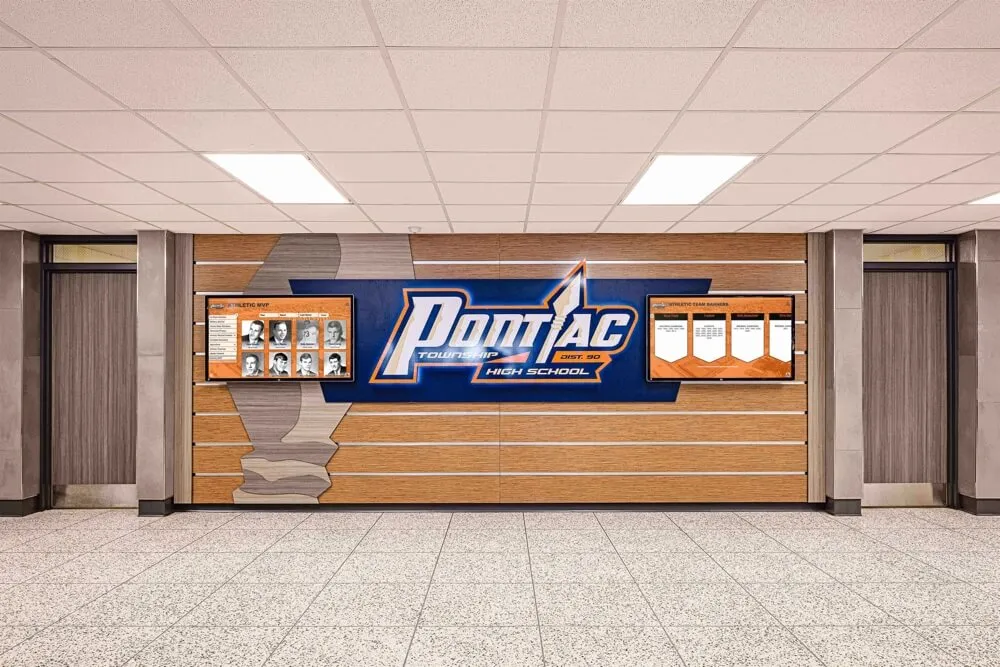
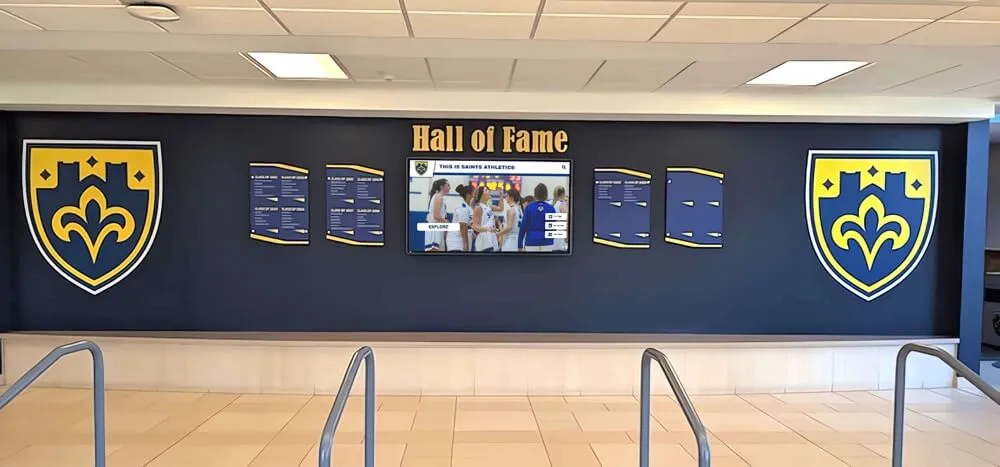
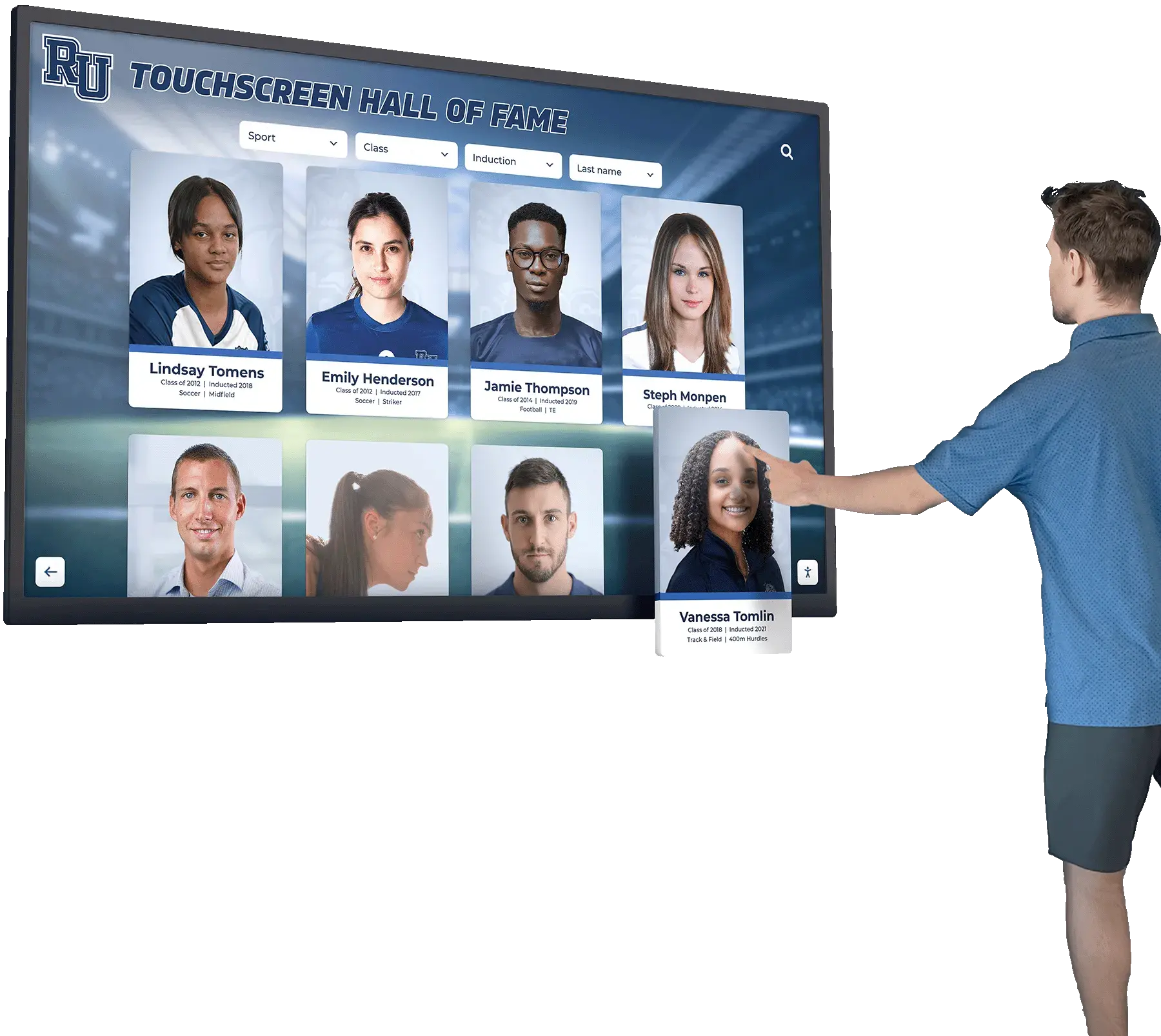
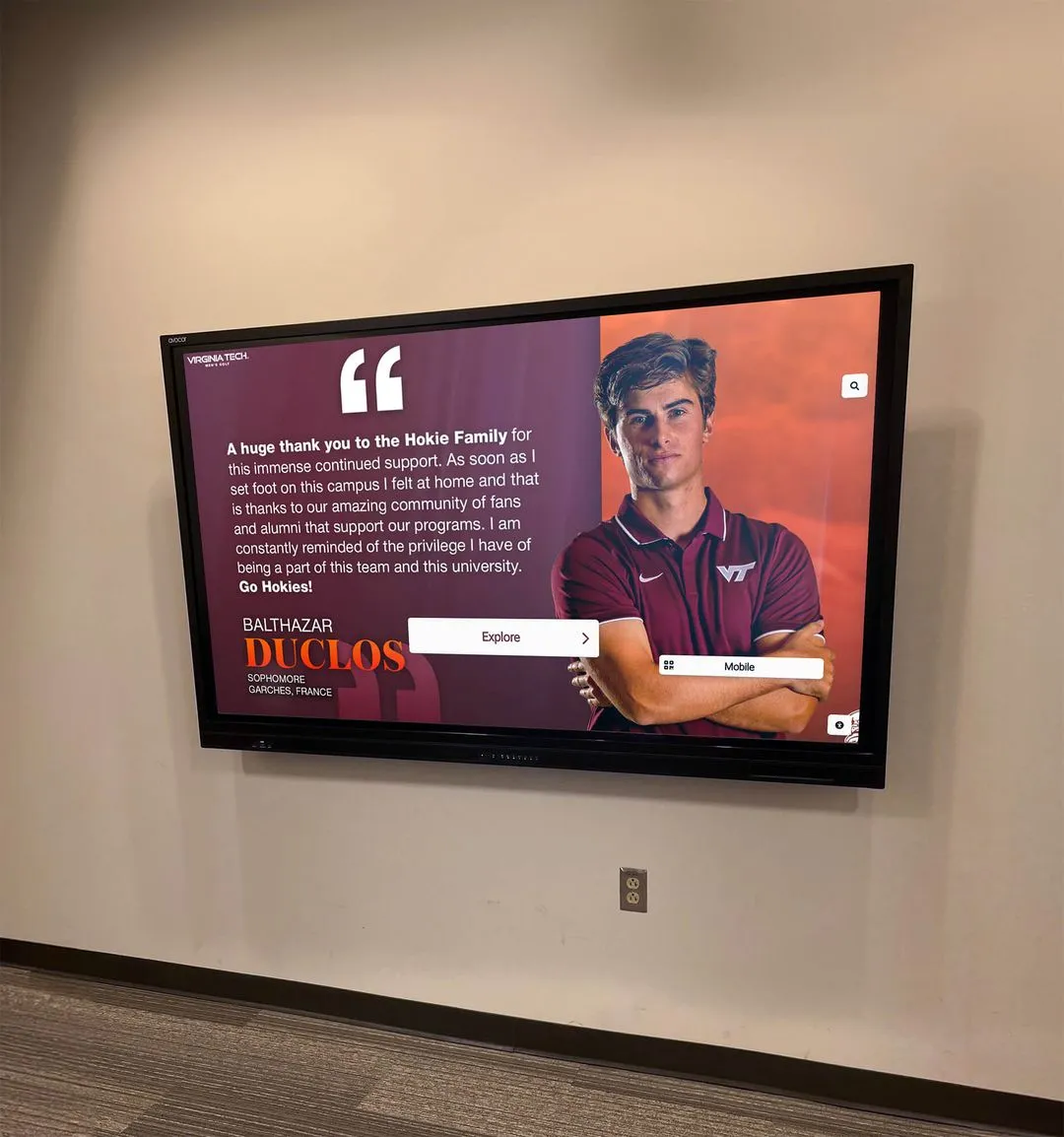
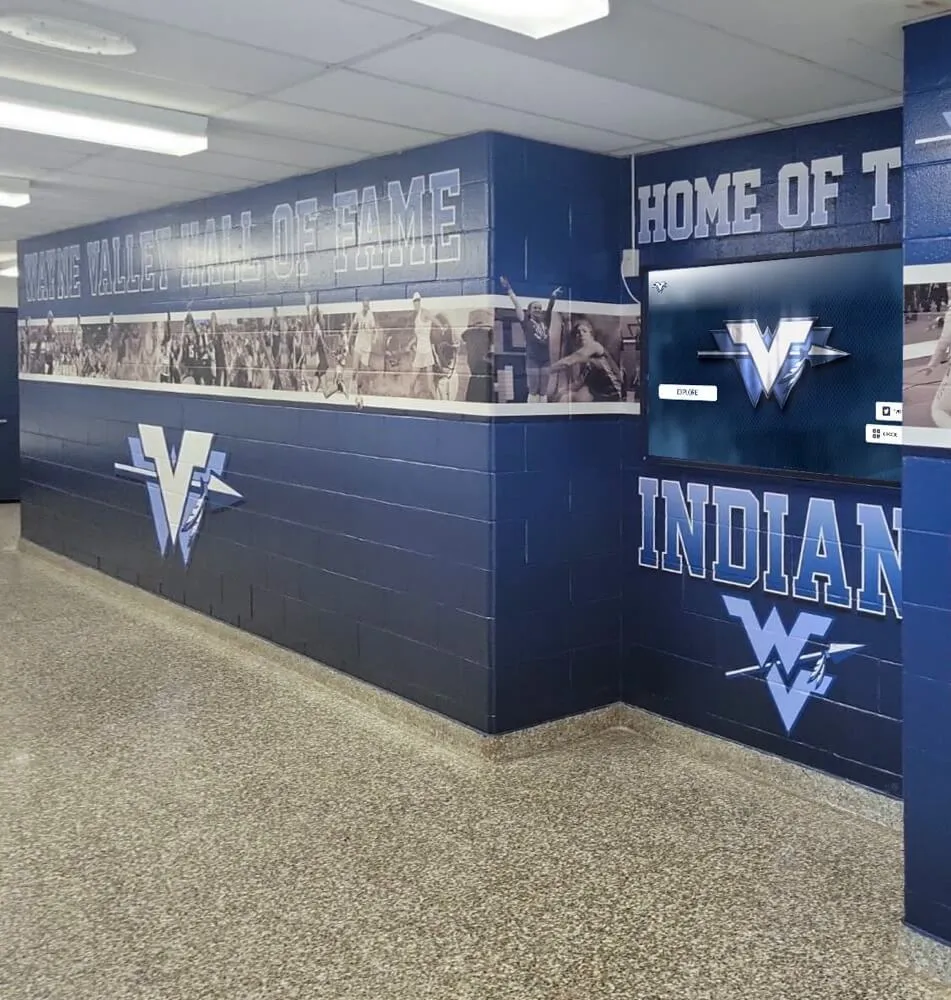
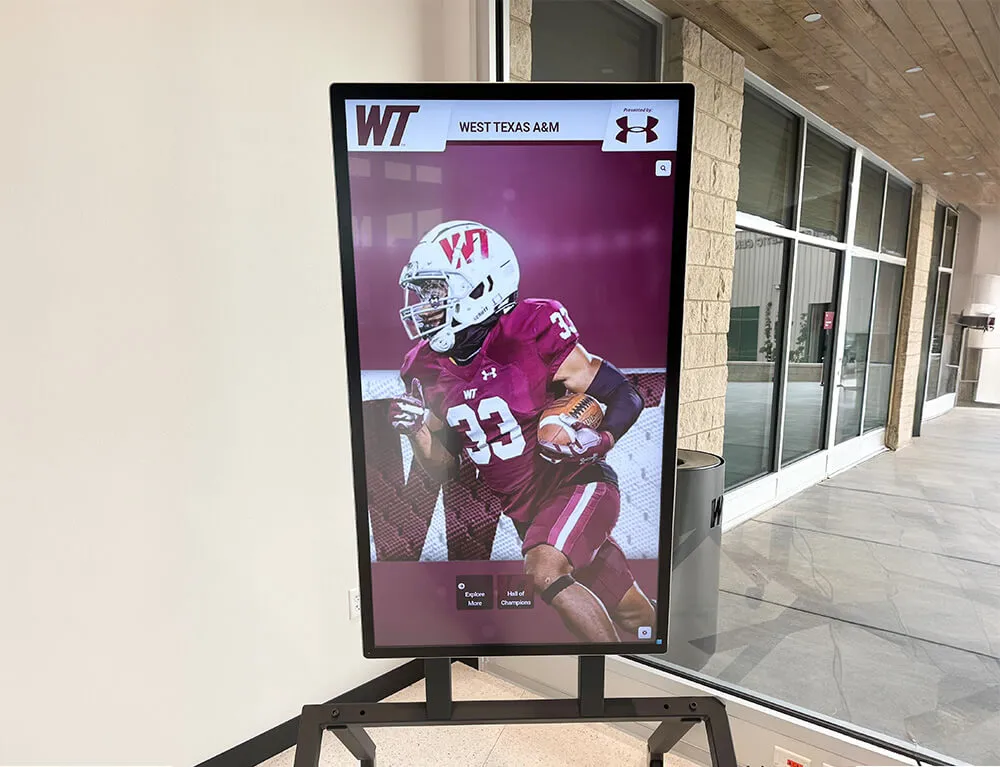
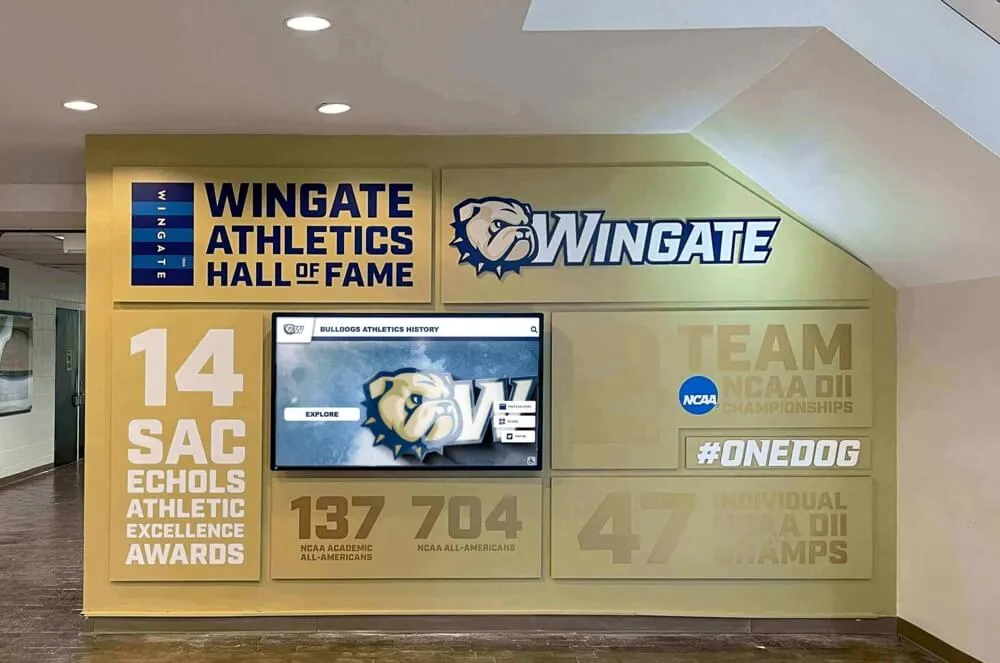
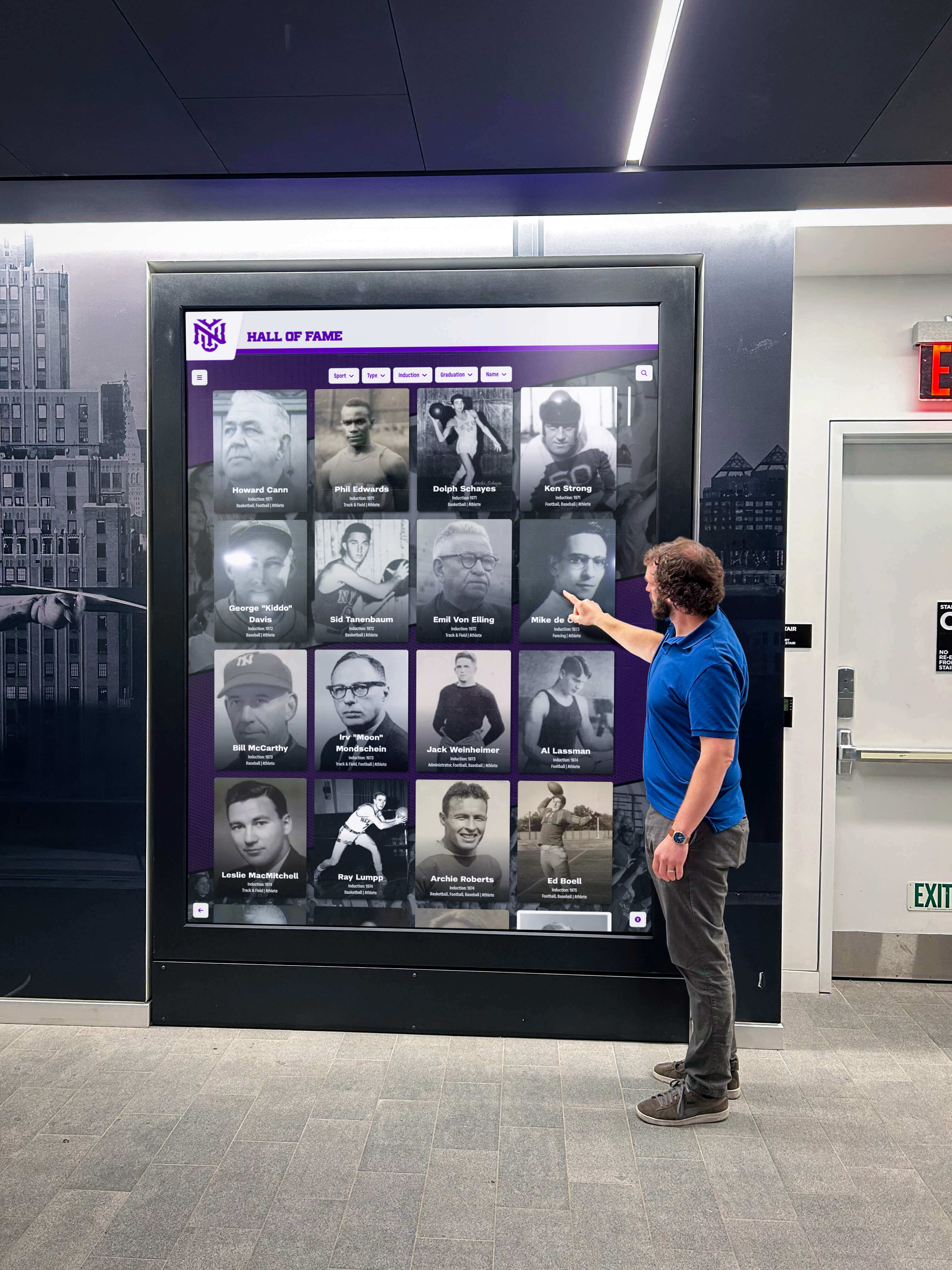
Turnkey installations deliver operational systems with content loaded and staff trained from day one
What “Turnkey” Actually Means for Digital Recognition Displays
The term “turnkey” originates from construction, describing projects delivered ready for immediate occupancy—turn the key and occupy the space. For digital hall of fame displays, true turnkey solutions provide:
Hardware Components
- Professional-grade display screens sized appropriately for viewing distances
- Touchscreen technology supporting intuitive interaction (for interactive installations)
- Media player computers with adequate processing power
- Mounting hardware and cable management systems
- Protective enclosures when required for high-traffic areas
- Network infrastructure assessment and configuration
Software Platform
- Recognition-specific content management system
- Template designs matching school branding
- Web-accessible platform extending recognition beyond physical displays
- Mobile-responsive interfaces for smartphone access
- Search functionality enabling instant individual discovery
- Analytics tracking engagement and demonstrating ROI
Professional Installation
- Site assessment and optimal placement recommendations
- Display mounting and secure hardware attachment
- Cable routing and professional wire management
- Network connectivity configuration
- System testing and quality assurance
- Launch day support ensuring smooth operation
Content Development Services
- Historical research accessing yearbooks and archives
- Photography digitization meeting display resolution requirements
- Biographical writing maintaining consistent professional standards
- Data entry and profile creation for historical honorees
- Quality assurance preventing factual errors
- Phased content expansion planning
Training and Documentation
- Administrator training sessions for content management
- User documentation and quick-reference guides
- Video tutorials for common administrative tasks
- Template usage and customization instruction
- Troubleshooting procedures and support contact information
- Training for multiple staff members ensuring continuity
Ongoing Support
- Technical support from recognition-focused specialists
- Software updates maintaining security and adding features
- Content development assistance for annual additions
- Hardware warranty and replacement coordination
- Performance monitoring and optimization recommendations
- Annual check-ins reviewing utilization and planning enhancements
Schools purchasing only hardware or software assume responsibility for coordinating most of these components internally or hiring separate contractors for installation, content development, and training—substantially increasing total project costs and timeline while creating coordination complexity.
Explore comprehensive planning considerations in athletic hall of fame complete guide for school administrators.
Turnkey Pricing Ranges and Package Structures
Turnkey digital hall of fame display pricing varies substantially based on display size, content scope, installation complexity, and included services. Understanding typical pricing structures helps schools develop realistic budget expectations.
Entry-Level Turnkey Packages ($25,000-$45,000)
Typical Components
- 55-inch touchscreen display with mounting hardware
- Recognition software with 3-5 year subscription
- Professional installation including basic wire management
- Initial content development (50-150 historical profiles)
- Administrator training session (2-4 hours)
- One-year technical support
Appropriate For
- Small schools with limited historical archives
- Single-sport recognition programs
- Donor walls with 50-150 contributors
- Schools planning phased content expansion
- Organizations with internal content development capacity
Considerations Entry-level packages provide functional systems but typically limit initial content volume, requiring schools to expand archives gradually using internal resources. These installations work well for organizations with clear content strategies and staff capacity for ongoing development.
Mid-Range Turnkey Solutions ($45,000-$85,000)
Typical Components
- 65-75 inch touchscreen display with professional mounting
- Comprehensive recognition software with 5-year subscription
- Professional installation with custom wire management
- Substantial content development (200-500 historical profiles)
- Comprehensive administrator training (full day session)
- Two-year enhanced technical support
- Custom branding and template design
- Web platform configuration and launch
Appropriate For
- Medium-sized schools with substantial historical archives
- Multi-sport athletic recognition programs
- Comprehensive donor walls with multiple giving categories
- Schools requiring significant historical digitization
- Organizations prioritizing professional content quality
Considerations Mid-range packages balance comprehensive implementation with budget constraints most schools face. These solutions provide substantial historical content while establishing systems schools can maintain independently for ongoing additions.
Premium Comprehensive Packages ($85,000-$150,000+)
Typical Components
- Large-format displays (75-86 inches) or multiple coordinated screens
- Enterprise recognition software with unlimited subscription
- Complex installation including custom architectural integration
- Extensive content development (500-2,000+ historical profiles)
- Multi-day training programs for multiple administrators
- Three-year white-glove support with dedicated account management
- Professional photography sessions for current honorees
- Custom web platform development with advanced features
- Year-round content development services
- Annual refresh and enhancement planning
Appropriate For
- Large schools with extensive historical archives
- Universities requiring comprehensive athletic and academic recognition
- Multi-location installations across campus facilities
- Organizations expecting high visibility and professional quality
- Schools prioritizing complete turnkey experience with minimal internal work
Considerations Premium packages deliver the most comprehensive implementations, essentially outsourcing the entire recognition program to experienced vendors. These solutions work best for institutions requiring extensive historical content development without adequate internal capacity or expertise.
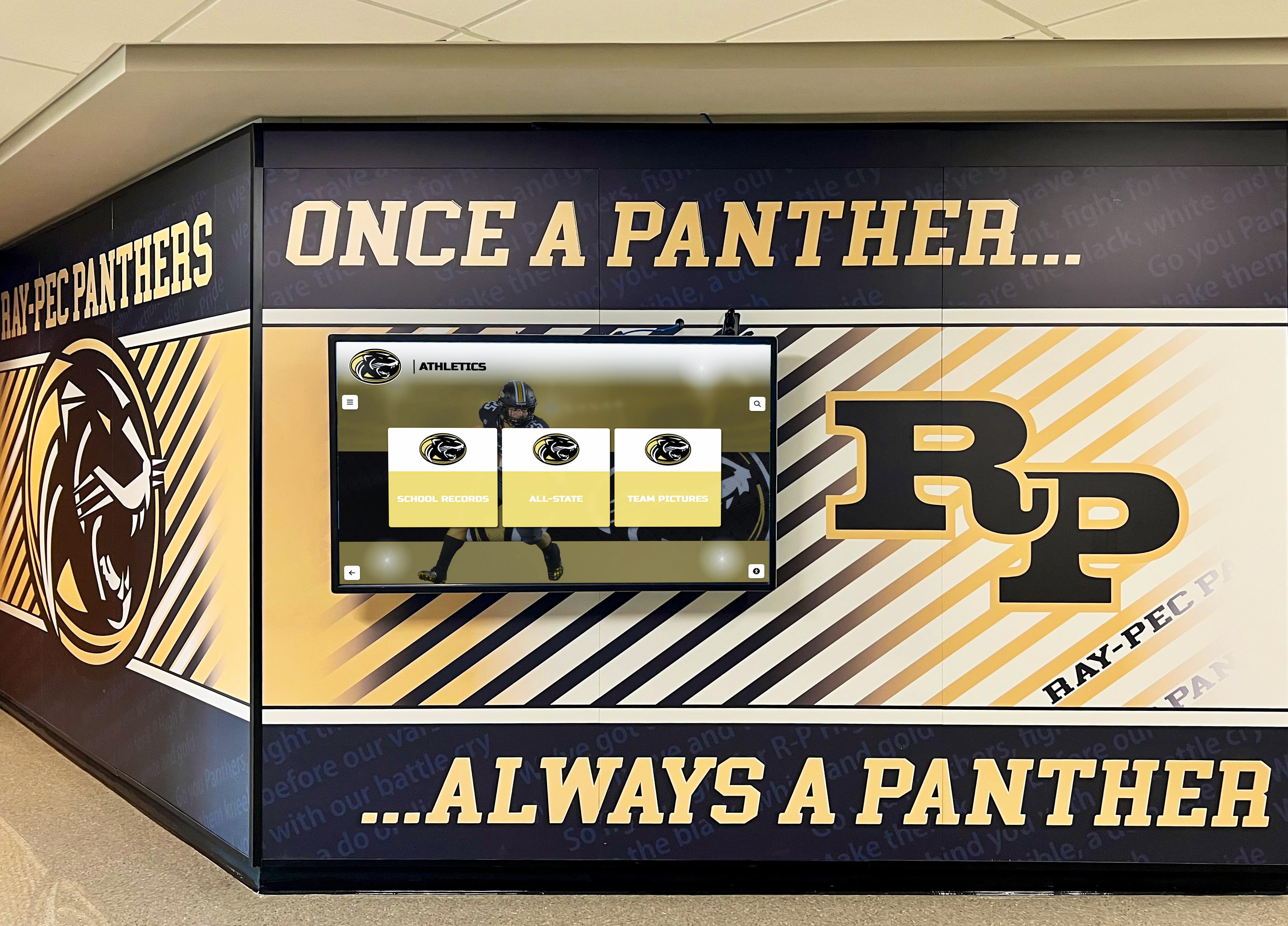
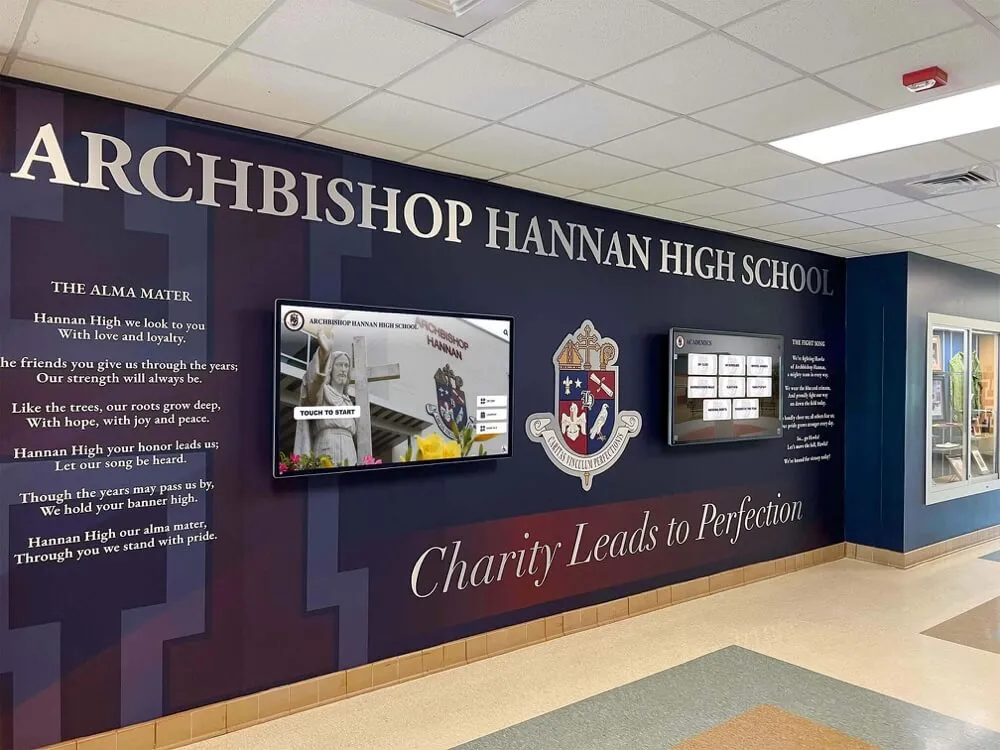
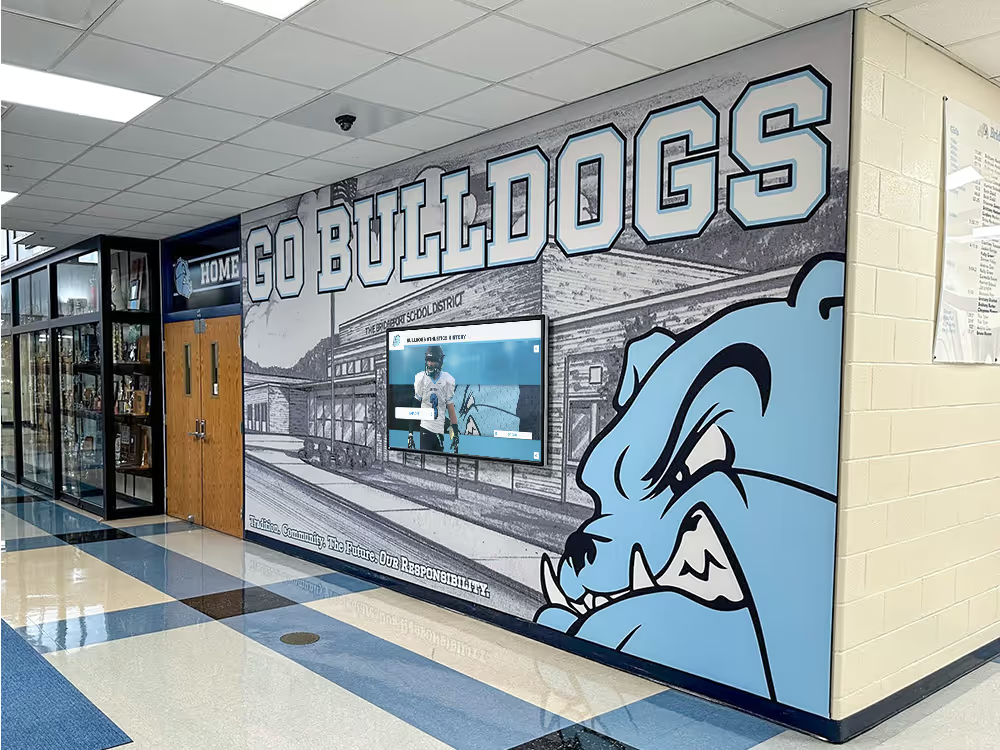
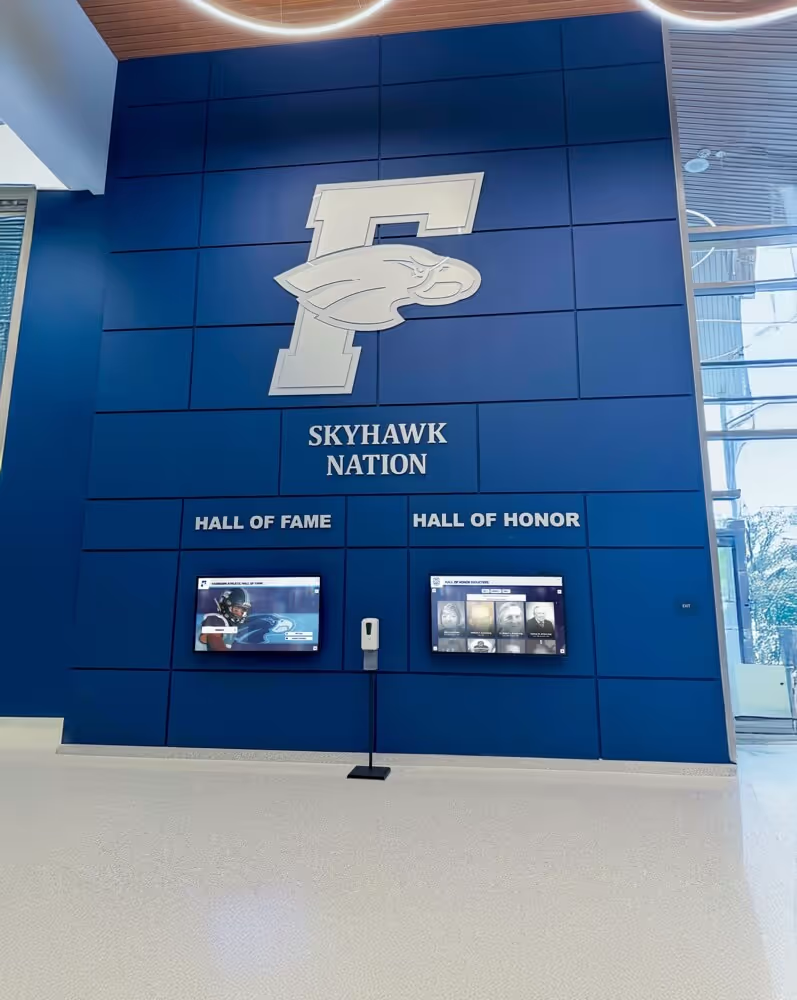
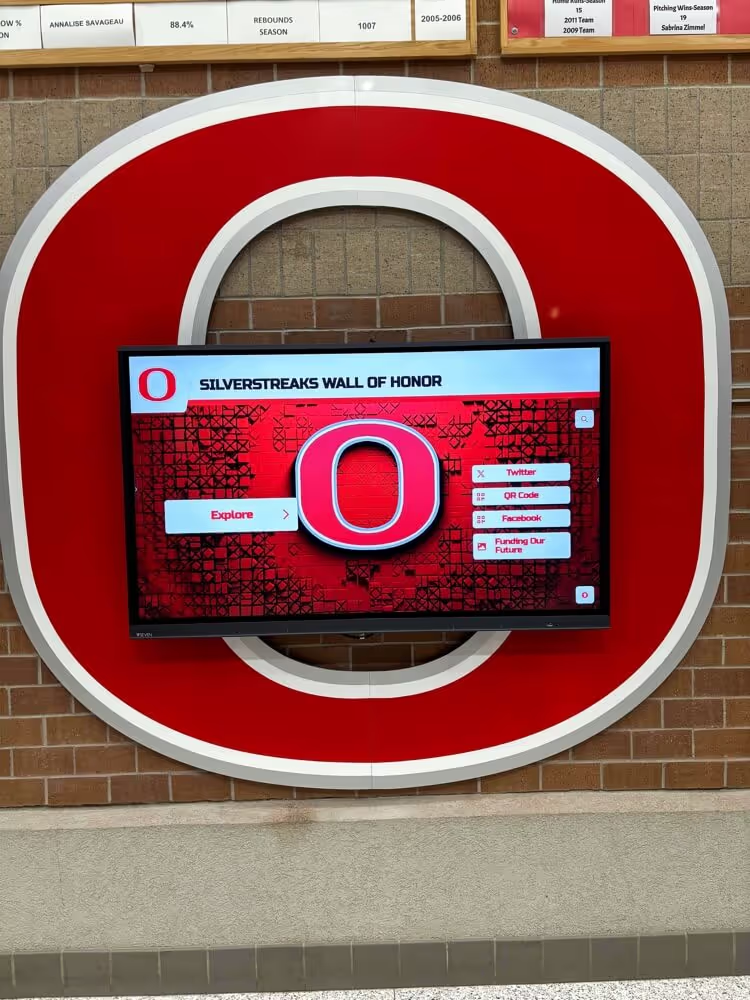
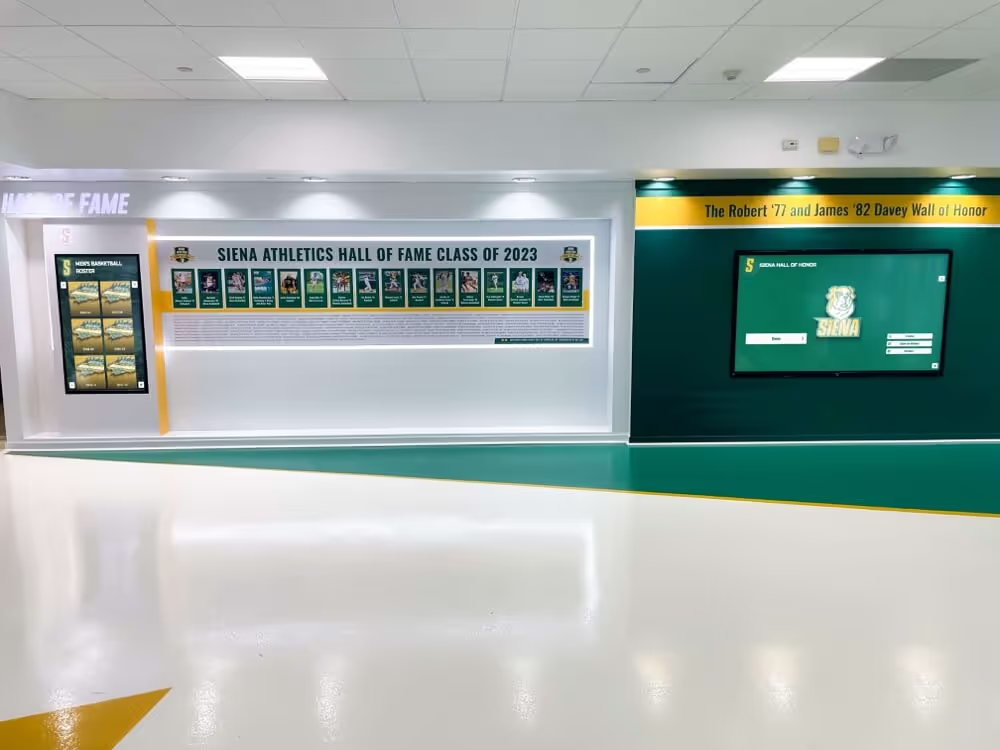
Professional installations integrate recognition displays seamlessly with existing architectural elements and school identity
What Drives Pricing Variations in Turnkey Solutions
Beyond package tier, specific project characteristics substantially affect turnkey pricing, requiring schools to understand cost drivers when requesting proposals.
Display Hardware Specifications
Screen Size and Technology
- 55-inch displays: $2,000-$4,000 hardware cost
- 65-inch displays: $3,500-$6,000 hardware cost
- 75-inch displays: $5,000-$9,000 hardware cost
- 86-inch displays: $8,000-$15,000 hardware cost
- Commercial-grade durability adding 25-40% over consumer models
- Touchscreen capability adding $1,500-$3,000 per display
Mounting and Installation
- Wall-mounted installations: $1,000-$2,500 per display
- Freestanding kiosk enclosures: $3,000-$8,000 per unit
- Ceiling-mounted or suspended configurations: $2,500-$5,000
- Custom architectural integration: $5,000-$15,000+
- Historic building considerations requiring specialized mounting
- ADA compliance ensuring appropriate height and reach ranges
Content Development Scope
Historical Profile Volume
- Basic profile creation: $25-$75 per individual honoree
- Comprehensive biographical development: $75-$200 per honoree
- Team recognition with complete rosters: $200-$500 per team
- Historical research for incomplete records: $500-$2,000 per research project
- Photography digitization: $5-$15 per photograph
- Video digitization and editing: $100-$500 per video
Content Complexity
- Basic biographical profiles with statistics
- Comprehensive narratives requiring research and writing
- Multimedia content including video interviews
- Historical documentation requiring archive research
- Translation services for multilingual recognition
- Specialized design for unique achievement categories
Understanding content management requirements for digital recognition displays helps schools budget realistically for initial development and ongoing maintenance.
Installation Complexity Factors
Facility Considerations
- Standard drywall mounting requiring basic anchors
- Concrete or masonry mounting requiring specialized equipment
- Glass wall mounting requiring custom hardware solutions
- Historic building restrictions limiting installation methods
- Multi-story installations requiring lifts or scaffolding
- Outdoor or semi-outdoor locations requiring weatherproof enclosures
Infrastructure Requirements
- Existing network connectivity reducing installation costs
- New network drops requiring cable runs through walls or ceilings
- Electrical outlet installation for displays lacking nearby power
- Dedicated circuit requirements for large displays
- Cable concealment complexity based on facility architecture
- Security system integration for valuable hardware protection
Software and Licensing Structure
Licensing Models
- Monthly subscription: $150-$400 per month ongoing
- Annual subscription: $1,500-$4,000 per year ongoing
- Multi-year prepaid: $6,000-$15,000 for 3-5 years
- Perpetual licensing: $10,000-$25,000 one-time (rare in modern SaaS)
- Per-display pricing versus unlimited displays
- Content management user limits or unlimited administrator access
Software Feature Variations
- Basic recognition display functionality
- Interactive touchscreen navigation capabilities
- Web platform access extending recognition online
- Mobile app development for smartphone access
- Advanced analytics and engagement reporting
- Integration with existing school systems and websites
- Custom development for unique organizational requirements
Training and Support Depth
Training Program Components
- Single administrator basic training (2-4 hours): $500-$1,500
- Comprehensive training for multiple staff (full day): $2,000-$4,000
- On-site training at school facility: travel costs $500-$2,000
- Video training library and documentation: $1,000-$3,000 development
- Ongoing training for new administrators annually: $500-$1,500 per session
- Advanced customization training: $1,000-$3,000
Support Service Levels
- Email support during business hours (included in most packages)
- Phone support with guaranteed response times: $1,000-$2,500 annually
- Priority support with same-day response: $2,500-$5,000 annually
- Dedicated account management: $3,000-$8,000 annually
- On-site support visits for complex issues: $1,500-$3,000 per visit
- Annual system review and optimization consultation: $2,000-$5,000
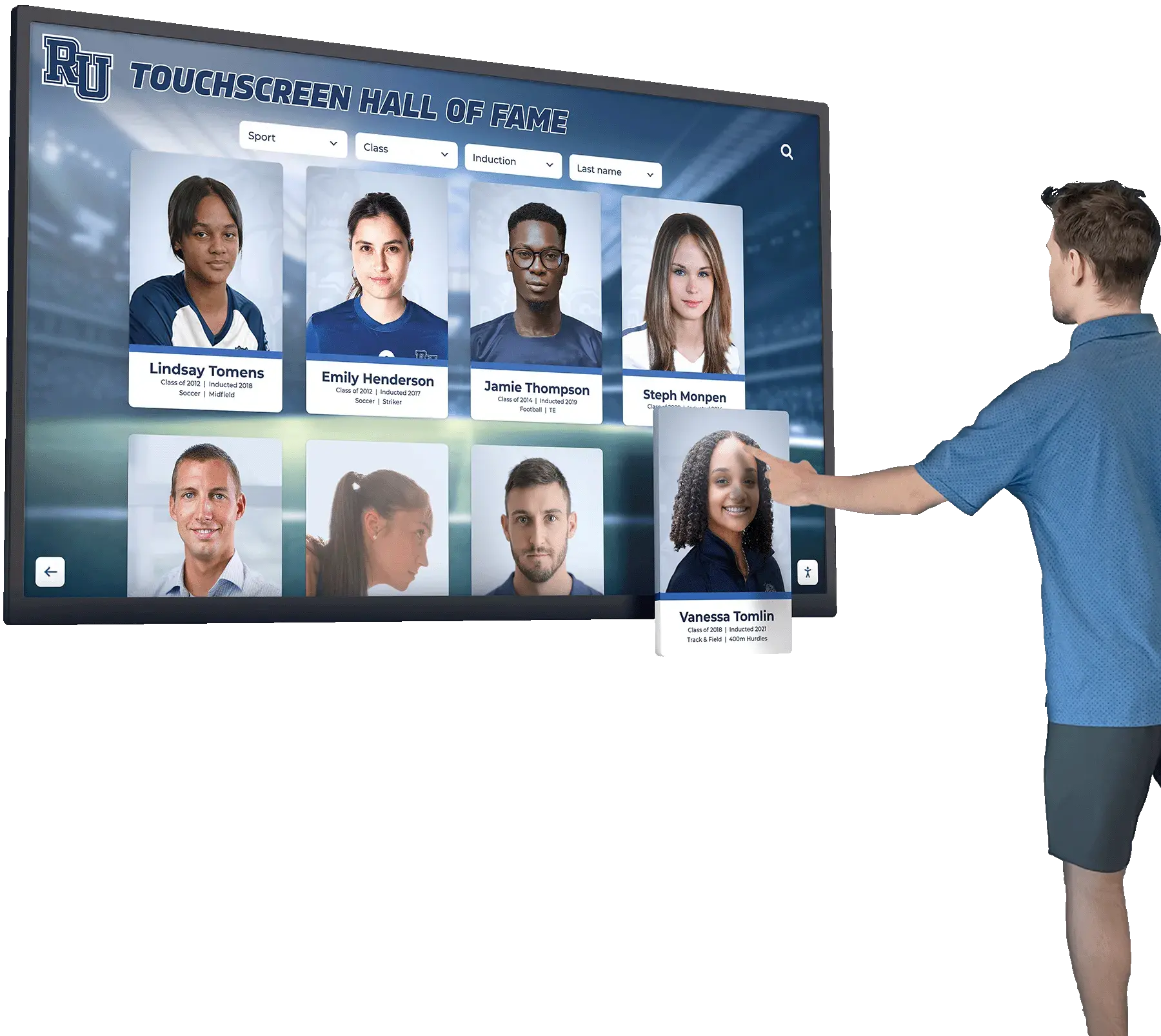
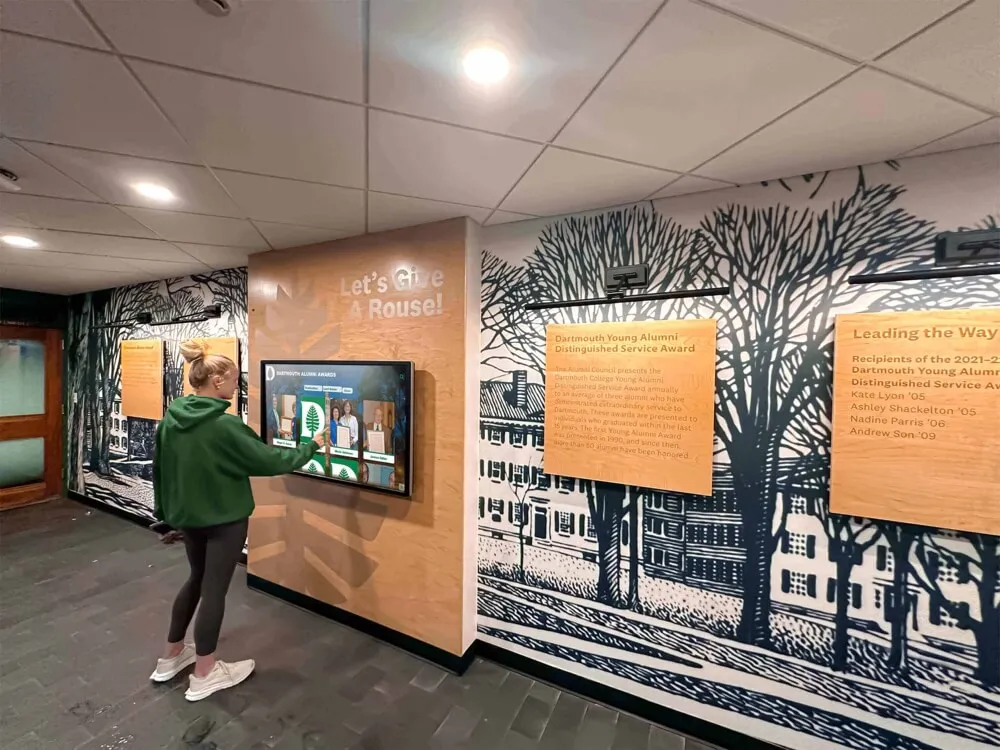
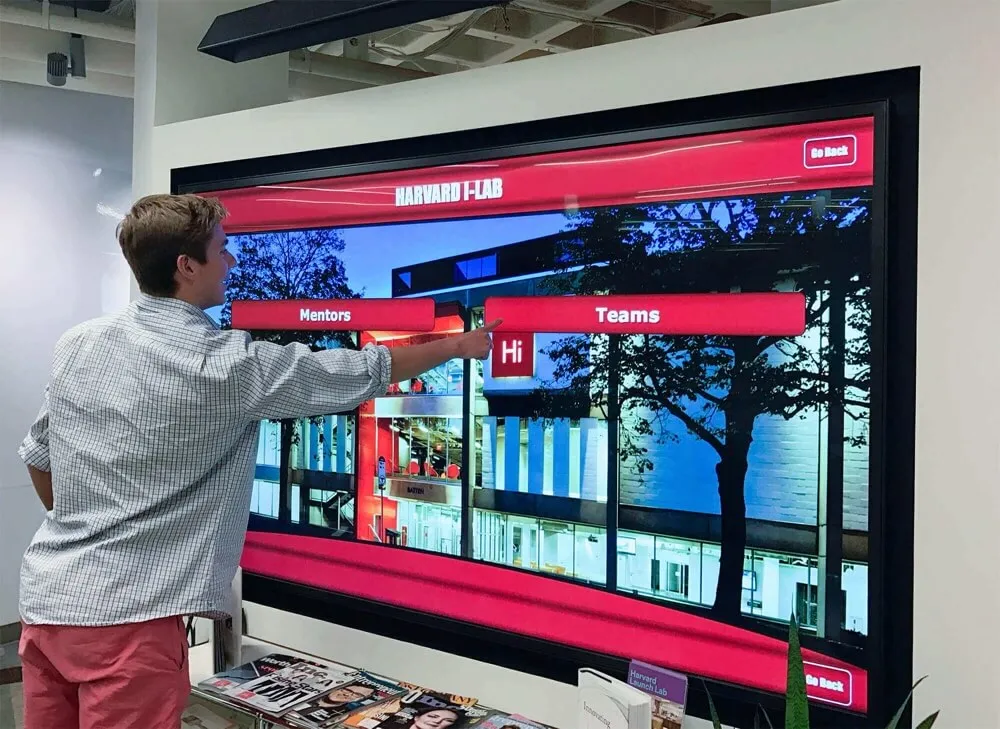
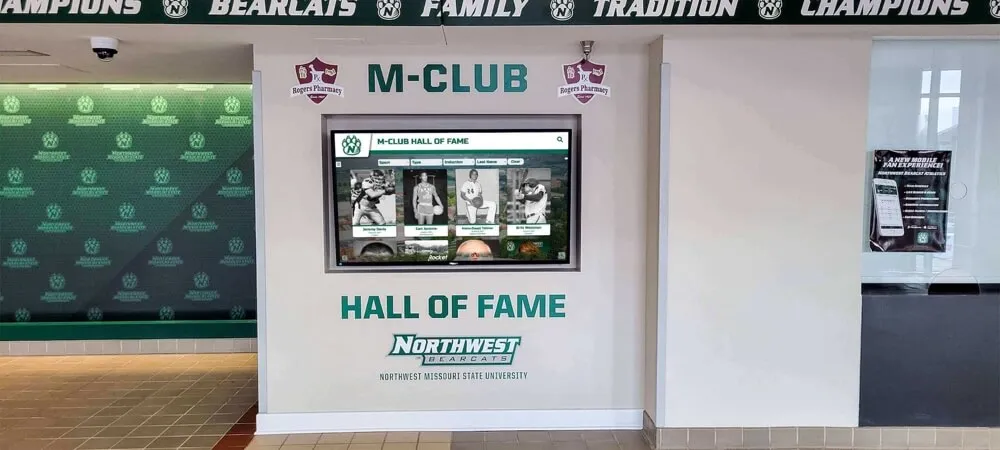
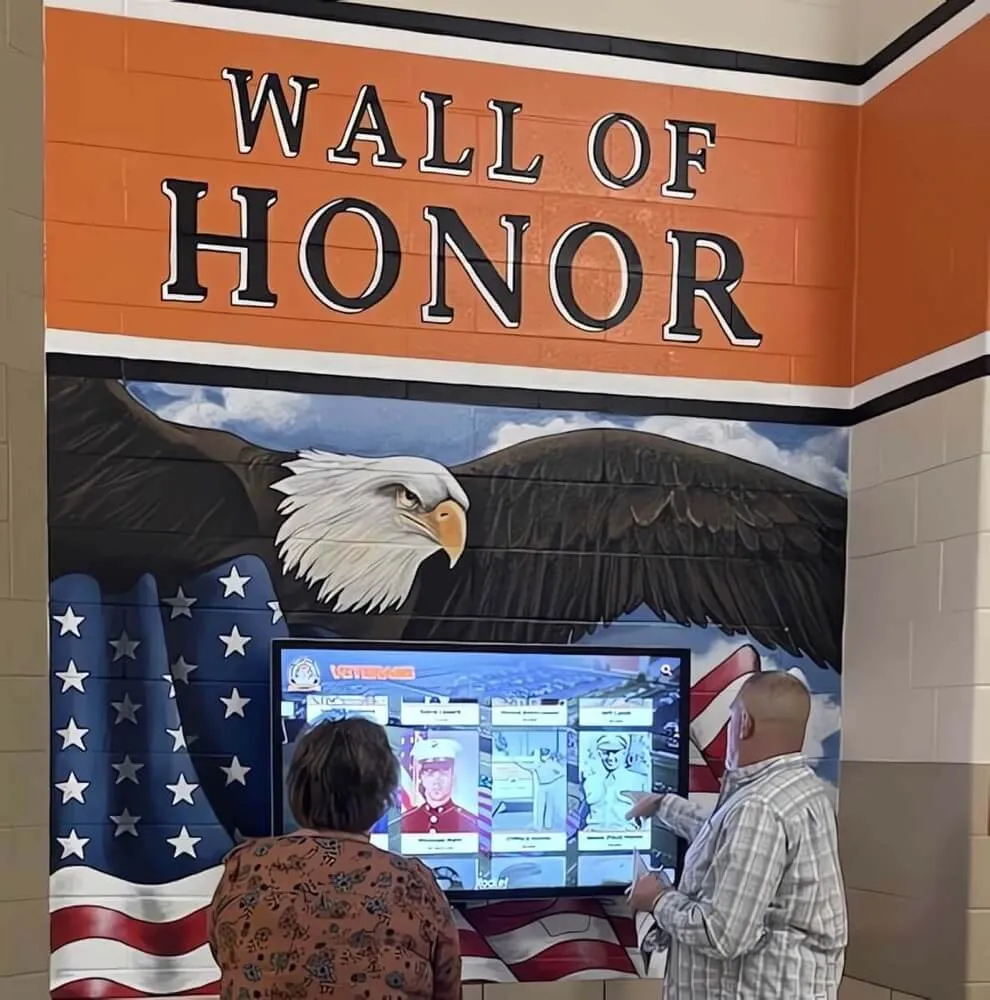
Intuitive administrative interfaces enable schools to manage recognition content without requiring technical expertise
Leading Turnkey Digital Hall of Fame Vendors
Several vendors offer comprehensive turnkey solutions for schools, each with distinct approaches, pricing structures, and service models.
Rocket Alumni Solutions: Comprehensive Recognition Platform
Rocket Alumni Solutions specializes in purpose-built recognition displays for schools, providing complete turnkey implementations across athletic halls of fame, donor walls, academic recognition, and comprehensive multi-category displays.
Turnkey Service Approach
The company delivers complete implementations including:
- Professional display hardware recommendations based on viewing environment
- Recognition-specific software designed for searchable biographical databases
- Professional installation with custom mounting and wire management
- Comprehensive content development services for historical archives
- Multi-administrator training programs ensuring operational confidence
- Responsive ongoing support from recognition-focused specialists
- Web platform extending recognition beyond physical displays
- Annual content development assistance for new inductees
Pricing Structure
Rocket Alumni Solutions typically packages services in comprehensive implementations:
- Small school packages: $35,000-$55,000 (single display, 100-200 initial profiles)
- Medium school implementations: $55,000-$85,000 (single large display, 300-500 profiles)
- Large comprehensive installations: $85,000-$150,000+ (multiple displays, extensive content)
- Multi-year software subscriptions: $2,400-$4,800 annually
- Content development services: available as ongoing retainer or project-based
Distinctive Capabilities
The platform provides recognition-specific features including:
- Searchable databases enabling instant individual discovery
- Sport-specific statistics and record board capabilities
- Unlimited profile capacity accommodating comprehensive archives
- Template-based content management requiring no design expertise
- Web accessibility for remote alumni engagement
- Analytics demonstrating engagement and program ROI
- White-glove support maintaining high satisfaction rates
Schools selecting Rocket Alumni Solutions typically prioritize purpose-built recognition functionality over adapted digital signage, value comprehensive implementation services reducing internal work, and expect responsive ongoing support maintaining system effectiveness year after year.
Learn more about implementation approaches in creating online digital archives for schools.
Touchhalloffame.us: Specialized Recognition Solutions
Touchhalloffame.us focuses specifically on hall of fame applications, providing turnkey solutions emphasizing interactive touchscreen experiences and comprehensive biographical content.
Service Model
Implementation includes:
- Touchscreen display hardware with intuitive navigation
- Purpose-built hall of fame content management platform
- Professional installation and system configuration
- Content development assistance and training
- Ongoing technical support and software updates
Typical Pricing
Budget expectations generally align with:
- Complete turnkey implementations: $40,000-$75,000 depending on scope
- Software subscriptions: $2,000-$4,000 annually
- Content development: project-based or monthly retainer options
The company serves schools prioritizing interactive exploration and searchable recognition databases over passive slideshow displays.
Halloffamewall.com: Traditional and Digital Recognition
Halloffamewall.com offers both traditional plaques and modern digital solutions, providing schools options to blend physical and digital recognition elements.
Hybrid Approach
Services encompass:
- Traditional recognition plaques and physical displays
- Digital screen integration complementing physical elements
- Content development for both physical and digital components
- Installation coordination for comprehensive recognition environments
Investment Range
Pricing varies based on physical and digital component mix:
- Digital-only implementations: $35,000-$65,000
- Hybrid physical-digital projects: $50,000-$100,000+
- Traditional plaque programs: $10,000-$40,000
Schools considering this vendor often value the flexibility to integrate traditional recognition elements with modern digital capabilities.
Touchwall.us: Interactive Display Specialists
Touchwall.us specializes in interactive touchscreen applications across various sectors, including educational recognition programs.
Technical Focus
Implementations emphasize:
- Large-format touchscreen technology
- Custom interface design and user experience
- Content management training for school administrators
- Technical support and system maintenance
Budget Considerations
Typical turnkey implementations range:
- Single display installations: $40,000-$70,000
- Multi-display coordinated systems: $80,000-$150,000+
- Annual support and software maintenance: $2,500-$5,000
The company serves schools prioritizing advanced touchscreen technology and custom interface design.
Chase McKee (chasemckee.com): Recognition Design and Implementation
Chase McKee provides recognition display design and implementation services with emphasis on aesthetic integration and custom content development.
Design-Focused Approach
Services typically include:
- Custom recognition display design matching facility architecture
- Content strategy development and implementation planning
- Professional content development and photography
- Project management coordinating multiple vendors
- Training and transition planning
Professional Services Pricing
Design and implementation services generally range:
- Consultation and design: $5,000-$15,000
- Complete project management: $10,000-$30,000
- Content development: project-specific pricing
Schools engaging Chase McKee often coordinate hardware and software purchases separately while relying on professional design and project management expertise.
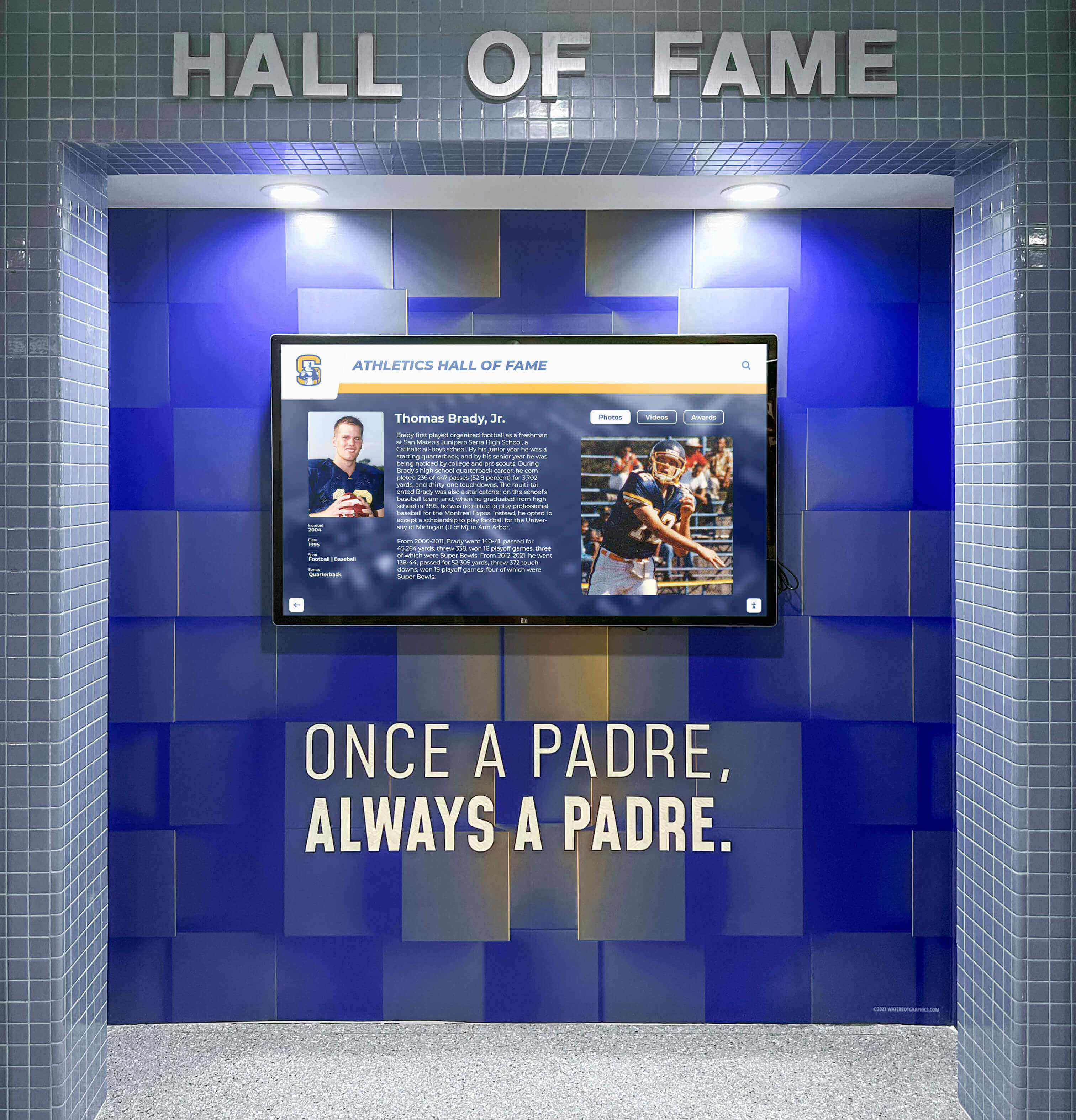
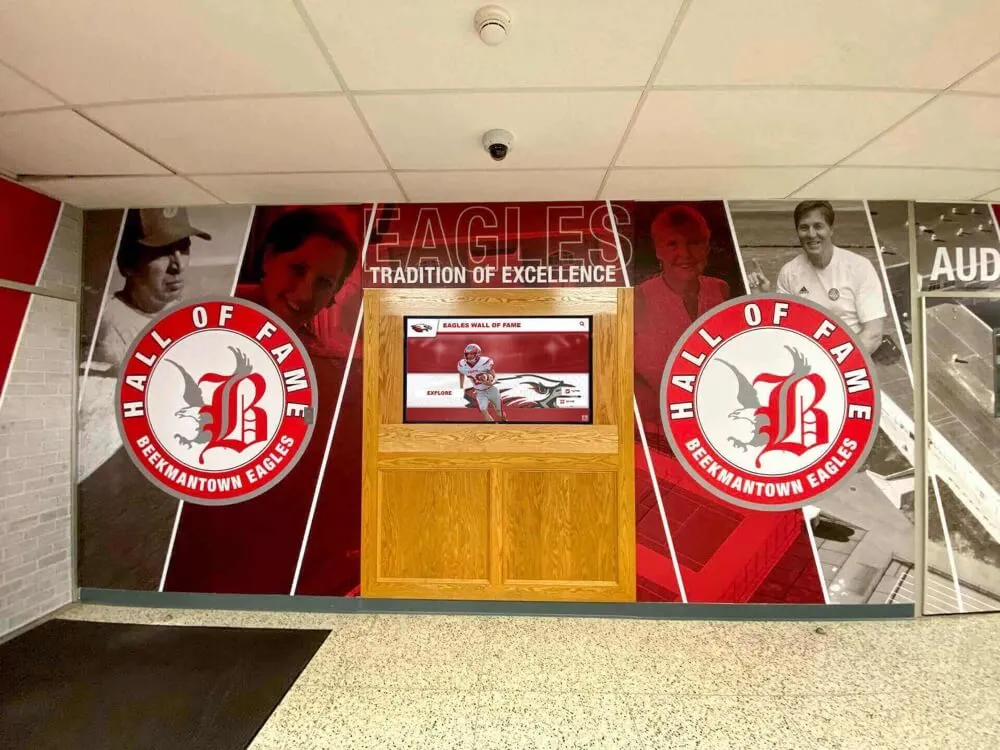
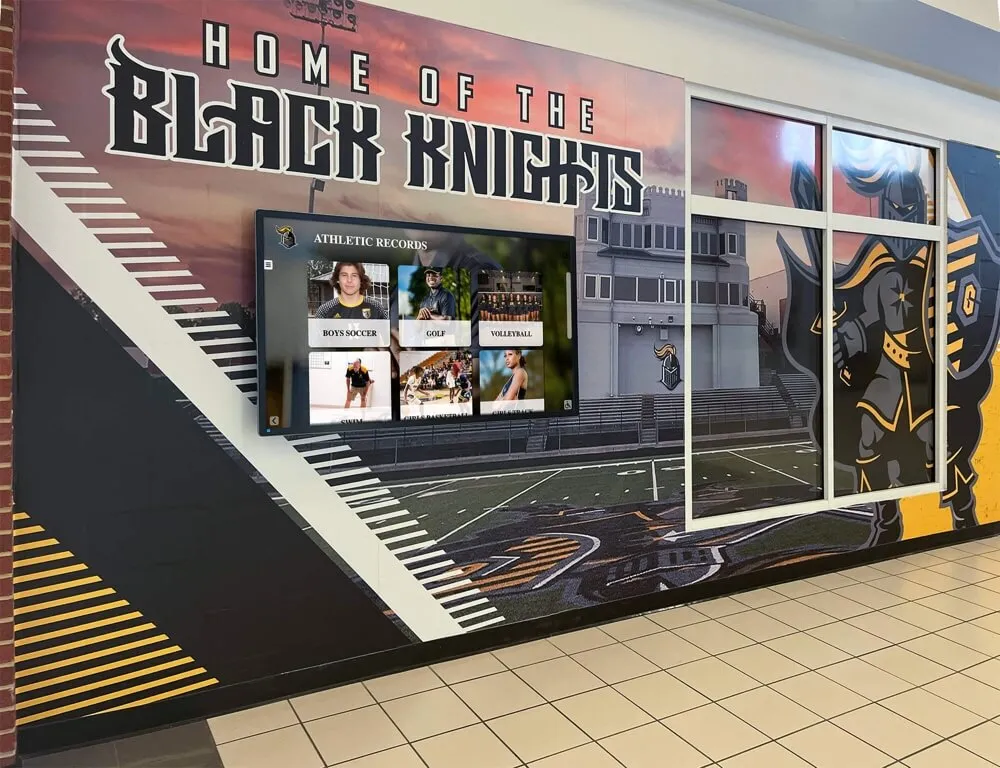
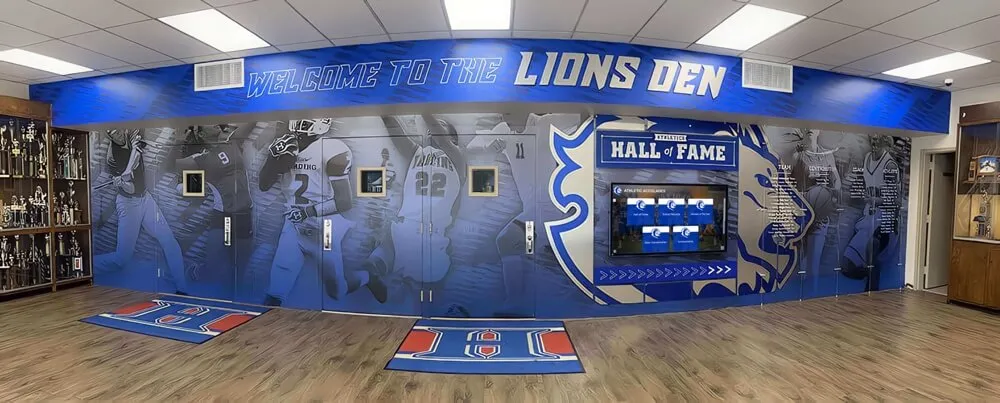
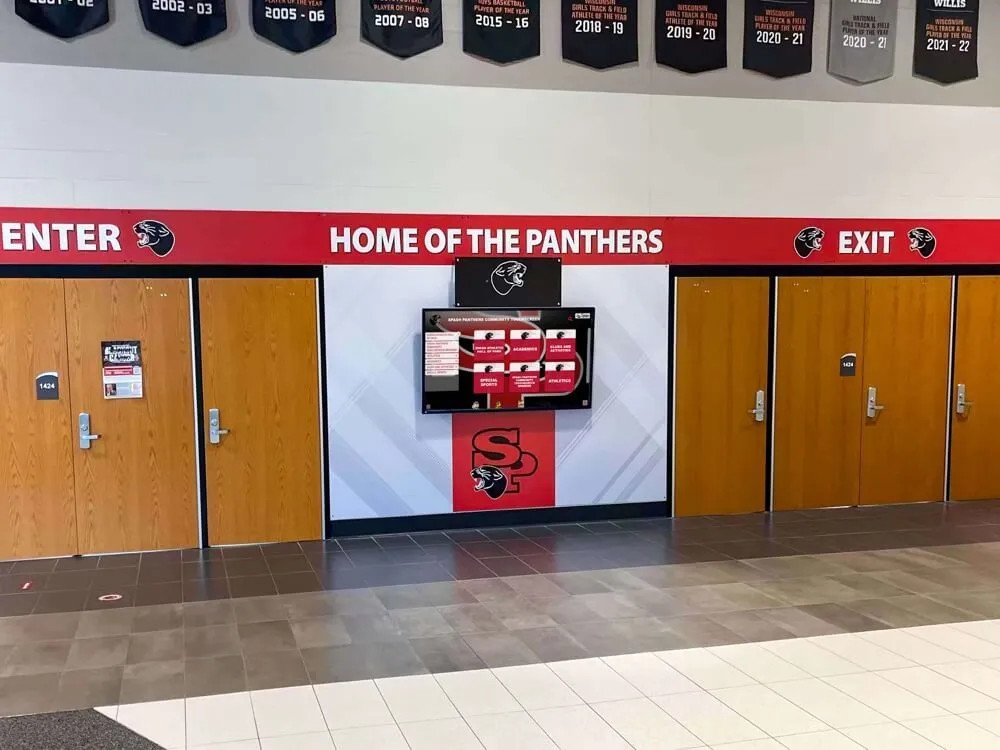
Thematic installations in athletic facilities create natural connections between historical achievement and current programs
Evaluating Turnkey Proposals: Critical Questions for Schools
When reviewing vendor proposals, administrators should assess specific capabilities and service commitments distinguishing comprehensive turnkey solutions from partial offerings.
Hardware and Installation Assessment
Quality and Specifications
- What display brands and models does the vendor recommend?
- Are displays commercial-grade rated for continuous operation?
- Does touchscreen technology (if included) support multi-touch gestures?
- What warranties cover hardware components and for how long?
- How does the vendor handle hardware failures and replacement?
Installation Scope
- Does installation include cable concealment and professional wire management?
- Who performs installation—vendor employees or subcontractors?
- What facility assessment occurs before installation?
- How does the vendor address unexpected installation challenges?
- Does installation include network configuration and system testing?
- What launch day support ensures smooth operation?
Software and Platform Evaluation
Recognition-Specific Features
- Is the platform purpose-built for recognition or adapted digital signage?
- Does it provide searchable databases versus slideshow-only presentation?
- Can administrators create profiles without design expertise?
- Does the system accommodate unlimited historical content?
- Is web accessibility included extending recognition online?
- What analytics demonstrate engagement and program impact?
Long-Term Platform Viability
- How long has the vendor operated in the recognition market?
- What is the software development roadmap and enhancement schedule?
- How do existing customers rate satisfaction after 2-3 years of use?
- What happens to school content if the vendor relationship ends?
- Does the school retain content ownership and export capabilities?
Understanding recognition platform technology requirements helps schools evaluate software capabilities systematically.
Content Development Services
Initial Historical Content
- How many historical profiles does the turnkey package include?
- What profile depth do content services provide?
- Does the vendor conduct historical research or only enter provided information?
- Are professional writing services included for biographical content?
- What photography standards and digitization processes apply?
- How does content review and approval work before launch?
Ongoing Content Support
- Does the vendor provide annual content development assistance?
- What happens when staff responsible for content management change?
- Are templates and tools adequate for internal content creation?
- Can schools purchase additional content development hours annually?
- What guidance supports sustainable content management long-term?
Training and Support Commitment
Initial Training Program
- How many administrators receive training?
- Is training on-site at the school or remote?
- What documentation and reference materials accompany training?
- Are video tutorials available for review and new staff orientation?
- Does training cover both routine operations and troubleshooting?
Ongoing Support Quality
- What support channels are available (phone, email, video conference)?
- What are guaranteed response times for different issue types?
- Do support staff understand recognition applications specifically?
- How does the vendor handle urgent issues during school events?
- What proactive maintenance and check-ins occur annually?
- Can schools speak with existing customers about support experiences?
Total Cost of Ownership Transparency
Upfront Investment Breakdown
- What percentage of total cost represents hardware versus services?
- Are there separate installation charges beyond quoted pricing?
- What travel and expense costs apply for on-site services?
- Does the proposal include all necessary equipment and materials?
- What payment schedules and deposit requirements apply?
Ongoing Annual Costs
- What annual software subscription fees continue after implementation?
- Are support fees separate from software subscriptions?
- Do annual costs increase over time and at what rate?
- What services require additional fees beyond base subscription?
- What is realistic five-year total cost of ownership?
Schools should request detailed cost breakdowns separating hardware, software, installation, content development, training, and ongoing support to understand true total investment and compare proposals fairly across vendors.
Explore budgeting considerations in school technology purchasing best practices.
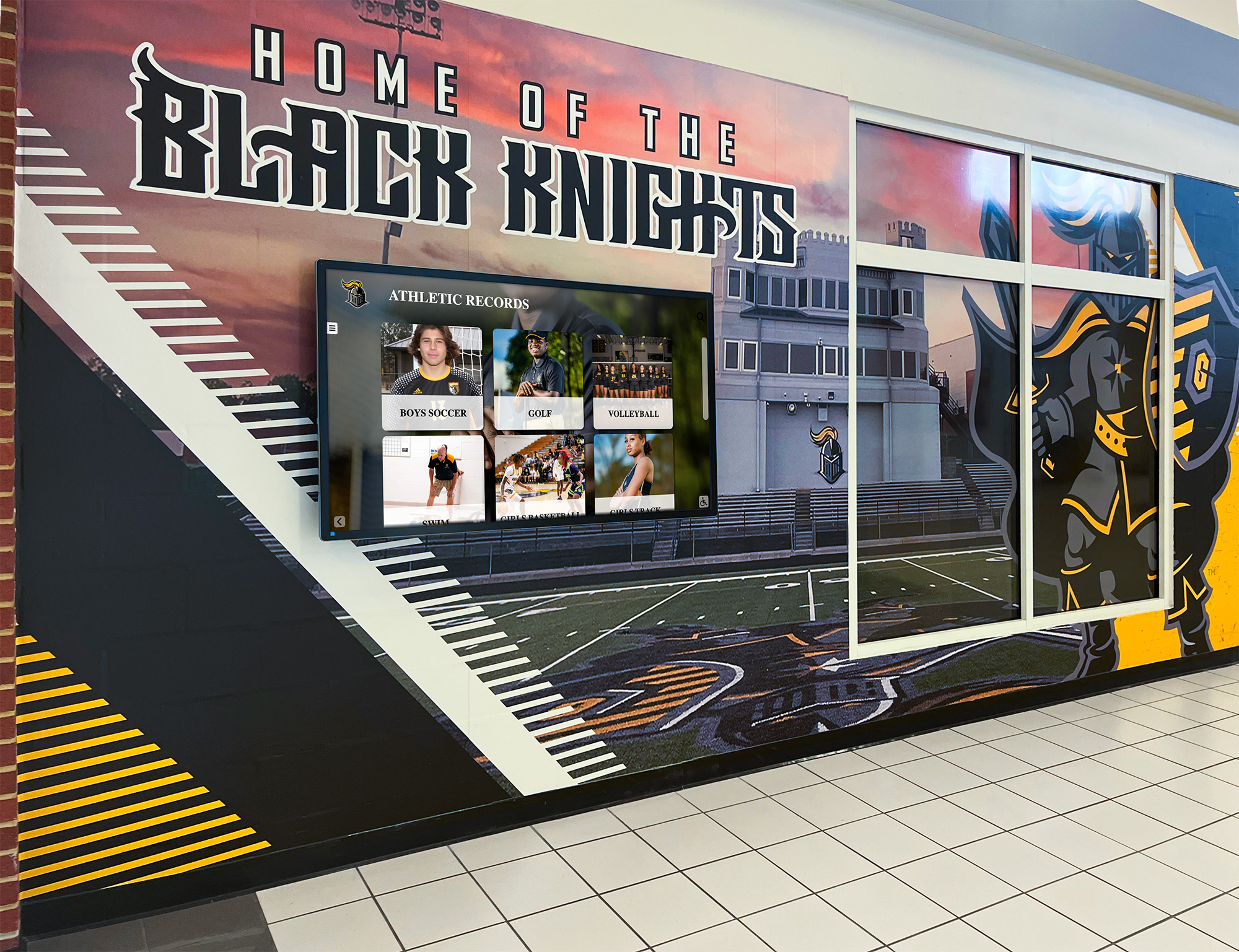
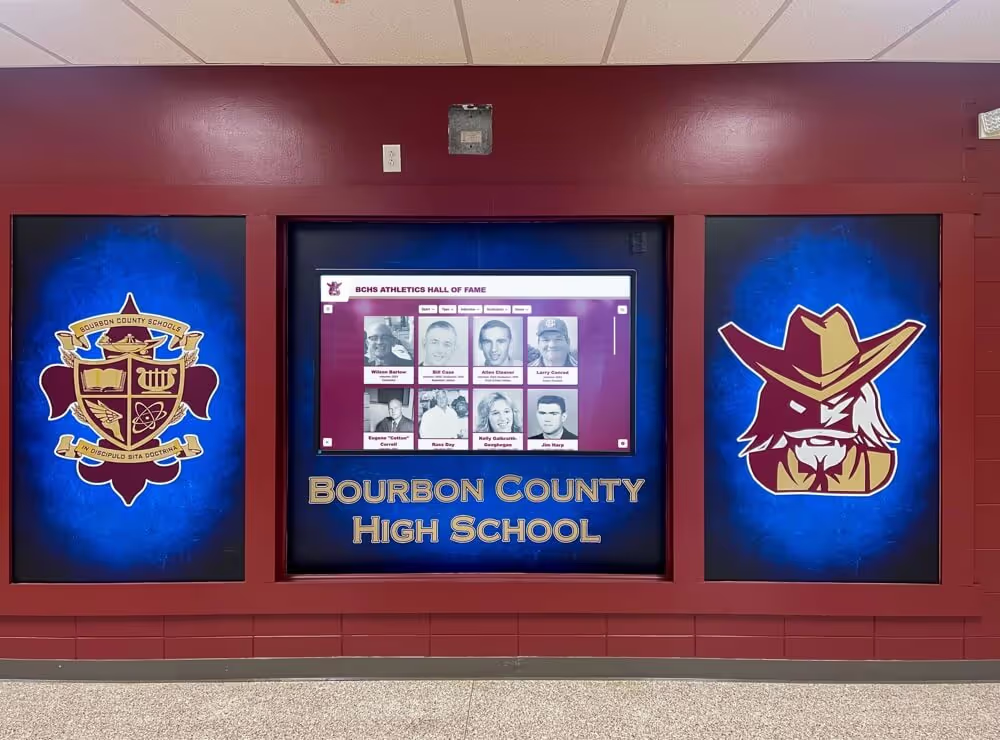
Coordinated recognition environments integrate digital displays with physical branding elements celebrating institutional identity
Hidden Costs in “Turnkey” Proposals: What to Watch For
Not all vendors describing services as “turnkey” deliver truly comprehensive implementations. Schools should identify common hidden costs requiring additional budget allocation.
Incomplete Installation Services
Some proposals quote hardware and software but treat installation as separate:
- Display mounting and hardware installation charged separately
- Network infrastructure assessment and configuration excluded
- Cable and wire management not included in base pricing
- Electrical work required before installation (schools must coordinate separately)
- Multi-day installation charging daily rates beyond quoted price
- Travel expenses for vendor installation teams
- Post-installation system configuration charged hourly
True turnkey proposals include all installation work required to deliver operational systems, specifying exactly what installation encompasses and any facility prerequisites schools must address separately.
Limited Content Development
Proposals may claim “content setup” while providing minimal actual content creation:
- Profile templates provided but schools must write all biographical content
- Schools must digitize all photography before vendor can import
- Only basic data entry included with no historical research
- Template usage training provided but no actual profile creation
- Maximum profile limits requiring additional fees for complete archives
- Photography and videography services excluded from content development scope
Comprehensive turnkey content development includes actual profile creation, not merely providing tools schools must use independently.
Minimal Training Programs
Some vendors offer brief training insufficient for confident operation:
- Single one-hour remote training session
- Training limited to basic operations without covering common scenarios
- Only one administrator trained (no multi-staff training)
- No documentation or reference materials beyond software help files
- Video tutorials not included requiring schools to create their own
- No follow-up training as staff change over time
Adequate training programs span multiple hours, train multiple administrators, provide comprehensive documentation, include video tutorials, and offer periodic refresher sessions.
Support Service Exclusions
Base proposals may exclude critical ongoing support:
- Technical support charged per incident or hourly
- Only email support during business hours (no phone support)
- Long response times (3-5 business days) for non-critical issues
- No dedicated account management or proactive outreach
- Software updates requiring additional fees or upgrade purchases
- Content development assistance beyond year one requires separate contracts
Sustainable implementations require responsive ongoing support included in annual subscription fees rather than charged separately per incident.
Upgrade and Expansion Costs
Initial proposals may limit future growth:
- Adding display locations requiring new software licenses
- Content capacity limits requiring paid upgrades
- Feature additions priced separately (analytics, web platform, mobile apps)
- Annual price increases exceeding standard inflation rates
- Platform version upgrades requiring migration fees
- Hardware replacement costs when technology refreshes occur
Schools should understand all future costs before committing to vendors, including expansion costs, typical annual increases, and long-term platform roadmap.
Understanding complete implementation requirements helps schools avoid common digital hall of fame implementation mistakes.
Budgeting and Funding Strategies for Turnkey Implementations
Most schools must develop creative funding approaches to afford turnkey digital recognition displays, combining multiple sources and planning phased implementations.
Capital Budget Allocation
Technology Infrastructure Funding
- Annual technology refresh budgets
- Facility improvement and renovation allocations
- Building bond referendum funding for new construction or major renovations
- Deferred maintenance budgets addressing outdated recognition systems
- ADA compliance funding requiring accessible recognition alternatives
Planning Timeline Schools typically require 12-24 months lead time for capital budgets:
- Budget requests submitted during spring planning cycle
- Approval processes through summer and early fall
- Implementation occurring following fiscal year
- Multi-year planning for phased expansions
Development and Fundraising Campaigns
Donor Recognition Funding Donor walls naturally fund themselves through contributions:
- Major donors often contribute specifically for recognition displays honoring their gifts
- Legacy society campaigns designating specific amounts for recognition program
- Capital campaigns including recognition components
- Memorial gift funds supporting tribute recognition
- Family gifts celebrating alumni achievements
Athletic Program Support
- Booster club fundraising specifically for athletic hall of fame
- Golf tournament or gala proceeds designated for recognition project
- Season ticket holder campaigns for facility improvements
- Alumni athlete reunion fundraising for hall of fame launch
Broad Community Campaigns
- Annual giving campaigns including recognition technology goals
- Matching gift programs doubling donor contributions
- Crowdfunding platforms engaging broad alumni participation
- Reunion giving campaigns linked to recognition content expansion
- Commemorative brick or plaque campaigns funding digital complement
Understanding donor engagement through recognition displays helps organizations develop funding strategies.
Grant Opportunities
Technology Education Grants
- State education technology funding programs
- Federal E-Rate program for network infrastructure
- Educational foundation grants supporting digital initiatives
- Corporate education partnerships and sponsorships
Cultural and Historical Preservation
- State humanities councils supporting historical documentation
- Local historical societies interested in community heritage
- Veteran organization grants for military service recognition
- Arts councils supporting cultural program recognition
Athletic and Youth Development
- National governing body grants supporting youth sports
- Conference or league community benefit programs
- Corporate athletic sponsorships and partnerships
- Foundation grants supporting positive youth development
Phased Implementation Approaches
Multi-Year Expansion Strategy
Many schools implement recognition displays progressively:
Year 1: Foundation Launch
- Single display in highest-traffic location
- Recent 5-10 years of content (200-400 profiles)
- Essential features and functionality
- Investment: $35,000-$55,000
Year 2-3: Content Expansion
- Historical content development extending back 20-40 years
- Additional profile creation using annual budget allocations
- Content development services or internal staff time
- Investment: $5,000-$15,000 annually
Year 4-5: Multi-Location Expansion
- Additional displays in specialized locations (athletic facilities, specific academic wings)
- Comprehensive historical archive completion
- Advanced features and enhanced functionality
- Investment: $25,000-$50,000 per location
Phased approaches make comprehensive recognition programs financially manageable while building community support through demonstrated success.
Vendor Financing and Payment Plans
Some turnkey vendors offer flexible payment structures:
- Multi-year payment plans spreading investment over 3-5 years
- Annual subscription models reducing upfront capital requirements
- Bundled hardware and software leasing arrangements
- Upgrade programs allowing technology refresh without full replacement cost
- Shared services models for multi-school district implementations
Schools should carefully evaluate financing options, understanding total costs including interest and fees compared to capital purchase alternatives.
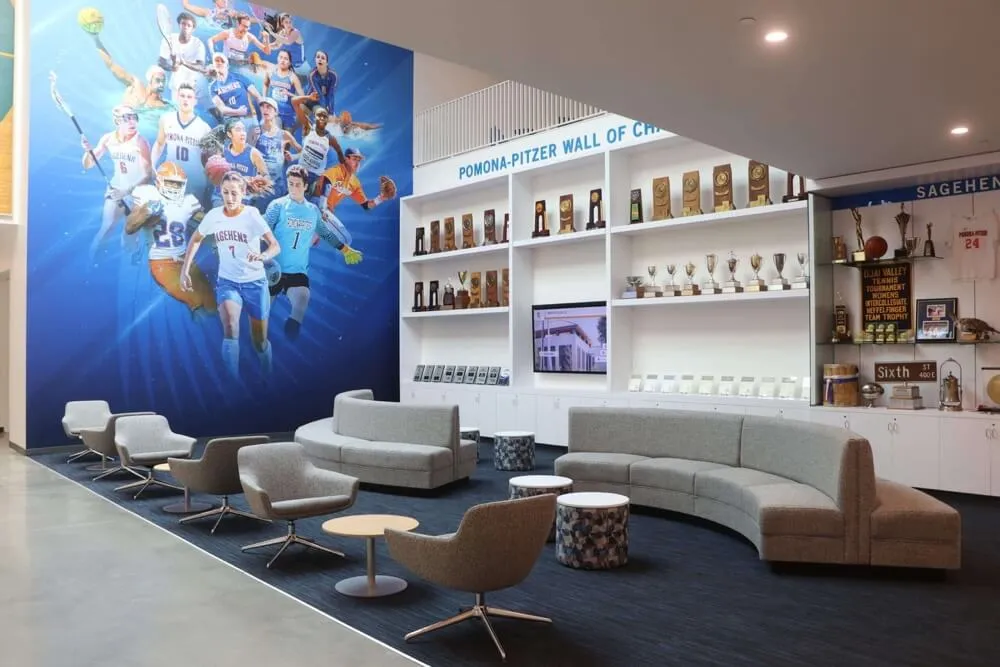
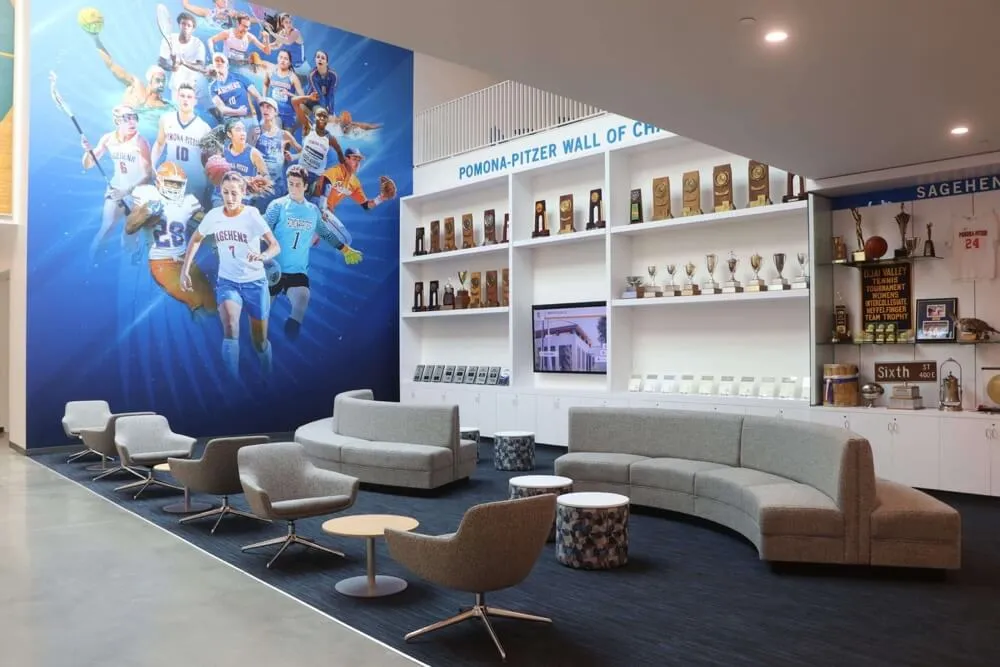
Comprehensive recognition environments celebrate program heritage while inspiring current athletes and engaging alumni
Implementation Timeline: What to Expect from Turnkey Projects
Understanding realistic implementation timelines helps schools coordinate recognition display launches with ceremonies, reunions, facility openings, or academic calendars.
Pre-Contract Planning Phase (4-8 Weeks)
Vendor Selection Process
- Request for proposal development and distribution (2 weeks)
- Vendor proposal submission and initial review (2-3 weeks)
- Reference checking and customer site visits (1-2 weeks)
- Final presentations and contract negotiation (1-2 weeks)
- Board approval and contract execution (1 week)
Planning Considerations Schools should begin vendor evaluation 6-9 months before desired launch date to accommodate this initial phase and subsequent implementation timeline.
Design and Planning Phase (3-6 Weeks)
Discovery and Design
- Site assessment and facility measurement (1 week)
- Content scope definition and historical archive review (1-2 weeks)
- Template design and branding customization (2-3 weeks)
- Installation planning and infrastructure assessment (1 week)
- Project timeline finalization and resource coordination (1 week)
School Responsibilities During this phase schools typically:
- Provide access to historical records and archives
- Identify content priorities and historical gaps
- Supply branding assets (logos, colors, style guides)
- Coordinate facility access for vendor assessment
- Review and approve design concepts
Content Development Phase (8-16 Weeks)
Historical Research and Profile Creation
- Yearbook and archive research identifying individuals (2-4 weeks)
- Photography digitization and preparation (2-4 weeks)
- Biographical writing and content development (4-8 weeks)
- School review and approval process (2-3 weeks)
- Revisions and final content refinement (1-2 weeks)
Timeline Variability Content phase duration depends heavily on:
- Volume of historical profiles required for launch
- Completeness of existing historical records
- Availability of photography and biographical information
- School review and approval responsiveness
- Vendor content development capacity and resources
This phase represents the most variable timeline component, potentially extending to 20+ weeks for comprehensive historical archives or compressing to 4-6 weeks for limited initial content with planned phased expansion.
Hardware Installation Phase (1-3 Weeks)
Installation Activities
- Hardware delivery and on-site preparation (3-5 days)
- Display mounting and secure attachment (1-2 days)
- Cable routing and electrical connection (1-2 days)
- Network configuration and system testing (1-2 days)
- Software installation and content loading (1-2 days)
- Final testing and quality assurance (1-2 days)
Installation Considerations Timeline varies based on:
- Facility access and scheduling coordination
- Installation complexity and mounting requirements
- Multiple display coordination across locations
- Network infrastructure work required
- School scheduling around academic calendar
Most installations occur during summer months, holiday breaks, or weekends to minimize disruption.
Training and Launch Phase (1-2 Weeks)
Final Preparation
- Administrator training sessions (1-2 days)
- Documentation and tutorial review (ongoing)
- Soft launch testing and refinement (3-5 days)
- Public launch coordination and promotion (1 week)
- Post-launch monitoring and support (ongoing)
Launch Timing Strategy Schools often coordinate launches with:
- Homecoming weekends celebrating alumni return
- Hall of fame induction ceremonies and banquets
- Athletic season kickoff events
- Open house or back-to-school nights
- Facility ribbon-cutting ceremonies
- Reunion weekends attracting large alumni attendance
Strategic launch timing maximizes community awareness and engagement with the new recognition display.
Total Project Timeline Summary
Expedited Implementation: 4-6 months
- Limited initial content (50-150 profiles)
- Simple installation in single location
- Vendor has availability and capacity
- School provides responsive review and approval
Typical Implementation: 6-9 months
- Moderate content volume (200-400 profiles)
- Standard installation complexity
- Normal vendor and school scheduling
- Comprehensive but manageable scope
Comprehensive Implementation: 9-15 months
- Extensive historical content (500-1,500+ profiles)
- Complex or multi-location installation
- Substantial historical research required
- Launch coordinated with specific event timing
Schools should plan recognition projects well in advance of desired launch dates, accounting for vendor capacity during popular installation seasons and internal approval processes.
Understanding comprehensive planning timelines for recognition displays ensures realistic expectations and successful implementation.
Making the Turnkey Investment Decision: Return on Recognition
Beyond pricing and implementation logistics, schools should evaluate expected benefits justifying recognition display investments.
Quantifiable Benefits
Administrative Efficiency
- Eliminate physical plaque ordering, tracking, and installation (saving 20-40 hours annually)
- Reduce trophy case management and organization time
- Simplify induction ceremony preparation
- Simplify historical record maintenance and archive management
- Enable remote content management from any location
Space Optimization
- Reclaim wall space consumed by traditional plaques
- Eliminate trophy case capacity constraints
- Display unlimited achievements in fixed physical footprint
- Showcase comprehensive archives impossible with physical recognition
- Maintain recognition prominence without facility expansion
Engagement Enhancement
- Interactive exploration increasing dwell time 300-500% versus static displays
- Web accessibility enabling remote alumni engagement 24/7
- Searchable content allowing instant individual discovery
- Social sharing amplifying recognition reach across networks
- Analytics demonstrating community interaction and program value
Strategic Benefits
Alumni Relations and Fundraising
- Recognition displays strengthen emotional connections driving giving
- Searchable archives facilitate alumni rediscovery of institutional connection
- Web accessibility maintains engagement with geographically distant alumni
- Quality recognition demonstrates institutional values attracting donor confidence
- Donor walls with digital components increase campaign visibility and impact
Recruitment and Admissions
- Prospective student campus tours showcase achievement culture
- Recognition displays communicate program quality and tradition
- Athletic recruiting benefits from visible achievement celebration
- Performing arts programs demonstrate opportunity and recognition
- School pride evident in recognition systems attracts families
Institutional Pride and Culture
- Comprehensive recognition validates all achievement categories
- Visible achievement celebration inspires current students
- Historical preservation maintains institutional memory and tradition
- Community gathering spaces where recognition displays reside
- Staff and volunteer appreciation programs acknowledging service
Long-Term Investment Perspective
Decade-Plus Utility Quality turnkey implementations serve institutions for 10-15+ years:
- Display hardware lifecycle: 7-10 years before replacement
- Software platforms evolving with ongoing enhancements
- Content archives growing continuously adding value
- Recognition programs becoming institutional traditions
- Community engagement building year over year
Cost Per Year Analysis
$60,000 turnkey investment over 10-year utility:
- $6,000 per year base investment
- $3,000 per year ongoing software and support
- $9,000 total annual cost
- Serving student populations of 500-2,000+ students
- Engaging thousands of alumni, families, and visitors annually
When evaluated over expected utility rather than initial investment, comprehensive turnkey recognition displays represent relatively modest annual costs delivering substantial community benefits.
The most important perspective recognizes these systems as permanent institutional infrastructure celebrating achievements for decades rather than short-term technology purchases requiring frequent replacement.
Conclusion: Selecting Turnkey Recognition Display Partners
Turnkey digital hall of fame displays offer schools comprehensive solutions transforming recognition from challenging multi-vendor coordination projects into streamlined implementations delivering operational systems. Understanding pricing structures, included services, vendor capabilities, hidden costs, funding strategies, realistic timelines, and long-term value enables informed decisions creating celebrated recognition centerpieces rather than expensive disappointments.
Schools evaluating turnkey solutions should prioritize vendors with recognition-specific expertise over general digital signage companies, assess total cost of ownership over five years rather than focusing only on initial investment, verify content development capacity through customer references, confirm comprehensive support commitments maintaining long-term system effectiveness, and ensure platform capabilities accommodate decades of achievement celebration through unlimited content capacity and ongoing enhancements.
The distinction between true turnkey implementations and partial solutions requiring substantial school coordination determines whether recognition projects launch successfully within expected timelines and budgets or extend months beyond projections while consuming administrative resources schools cannot sustain long-term.
Talk to our team to discuss your school’s recognition program goals, explore turnkey implementation approaches matching your timeline and budget, and discover how comprehensive solutions eliminate implementation complexity while delivering the celebrated recognition centerpiece your community deserves.
Your school’s achievements deserve recognition systems honoring accomplishments appropriately while creating engagement that inspires current students and strengthens alumni connections. The most important consideration is selecting turnkey partners who understand recognition applications specifically, deliver complete implementations reducing your administrative burden, and provide responsive ongoing support maintaining system effectiveness for decades. Investment in quality turnkey solutions creates permanent institutional assets celebrating your community’s achievements for generations.