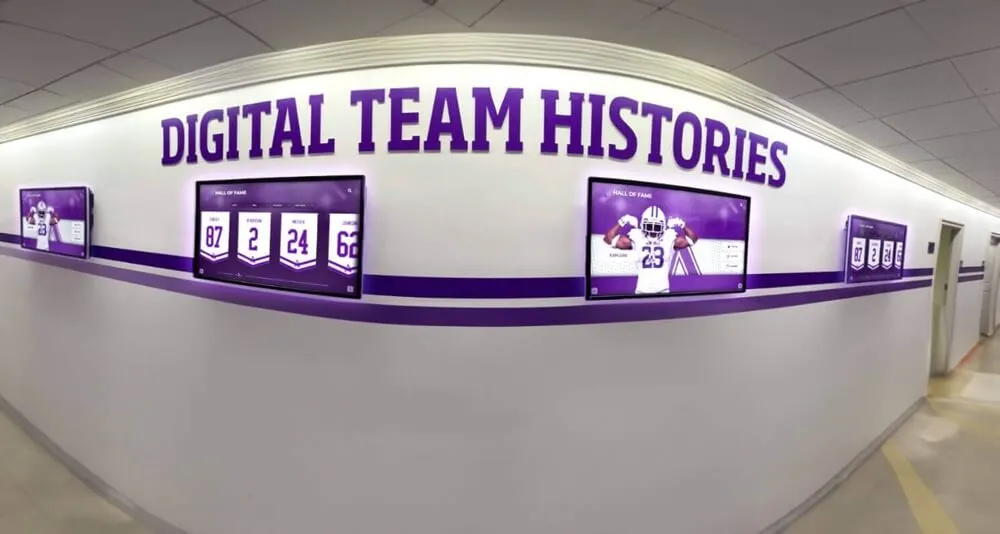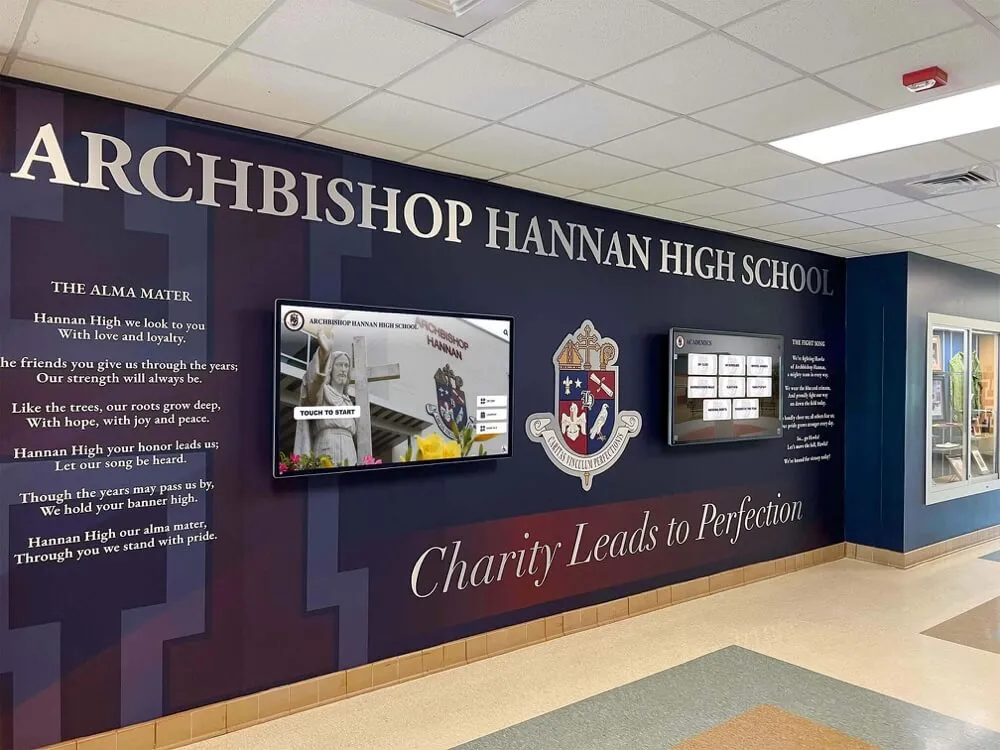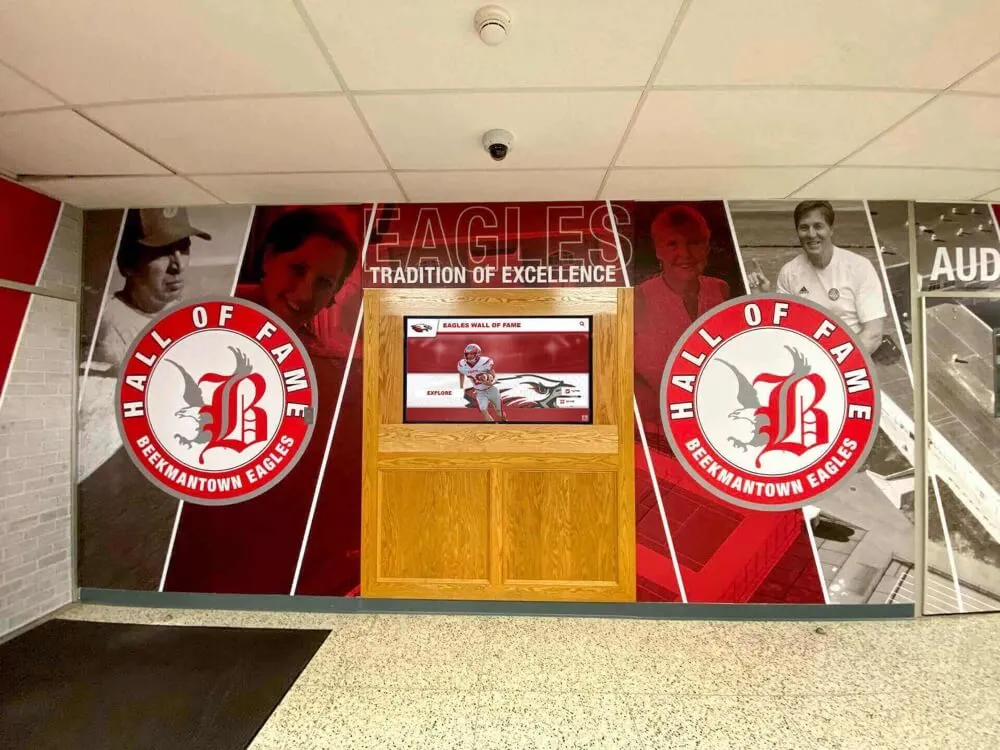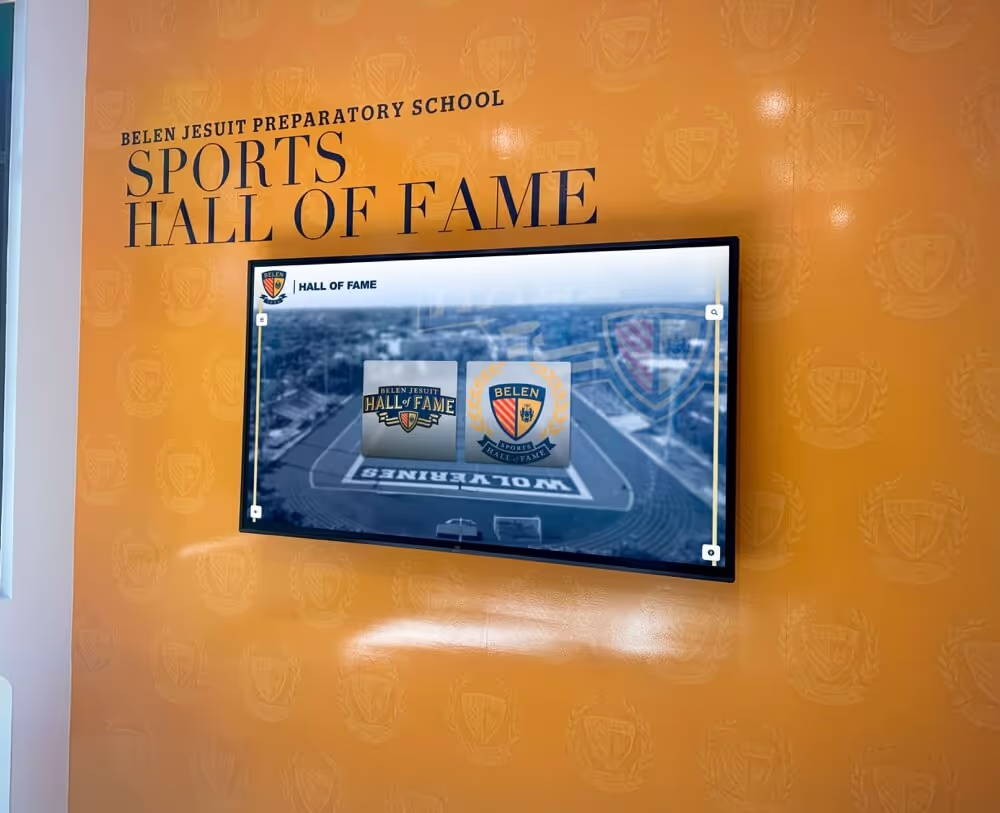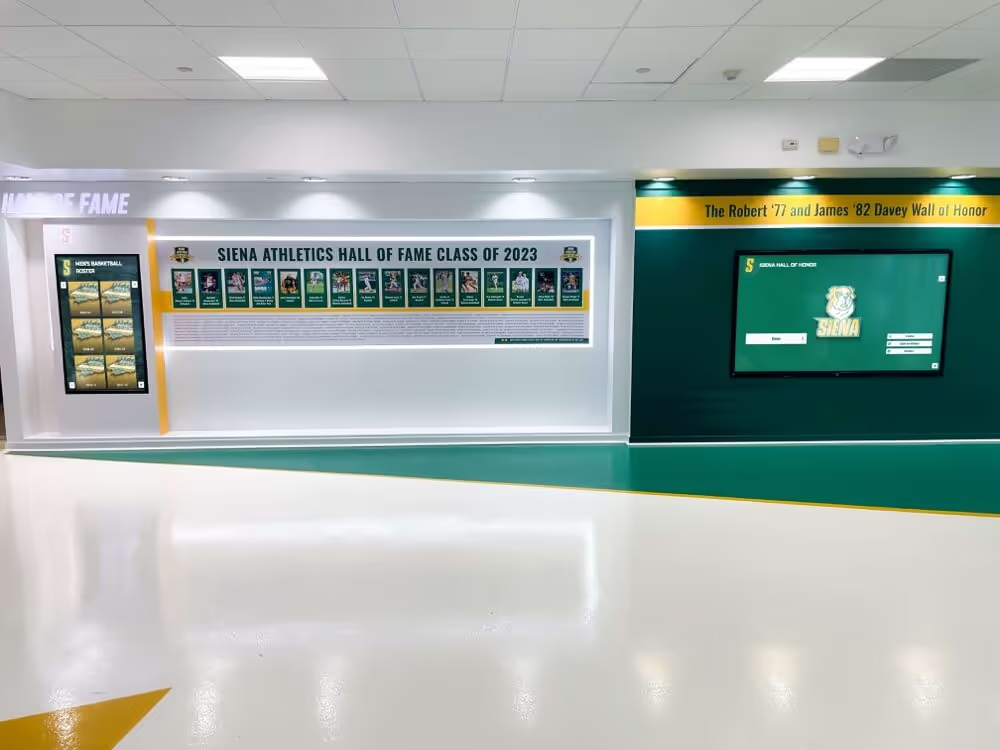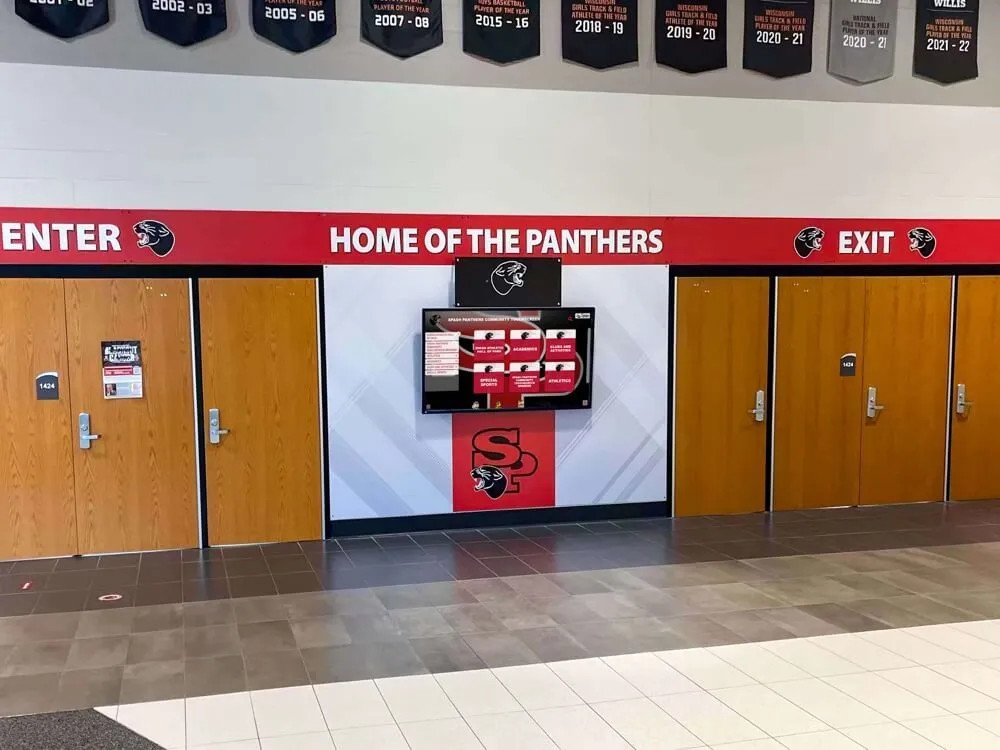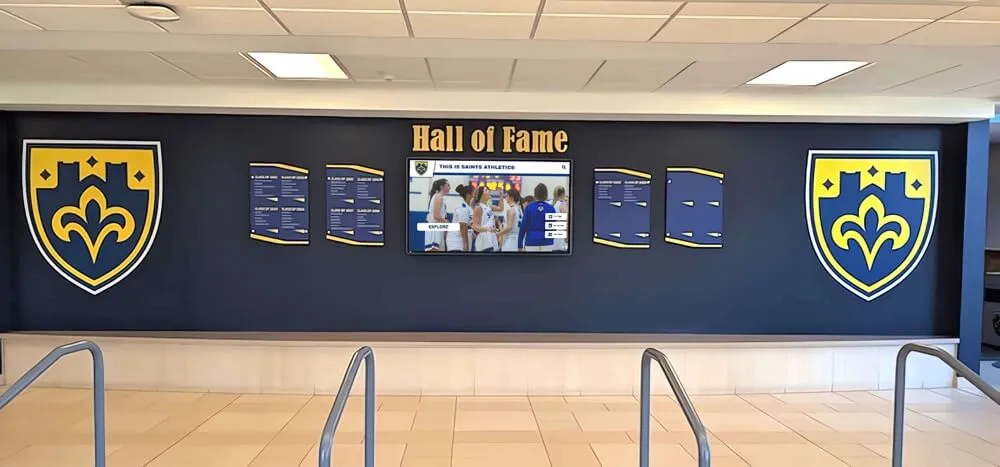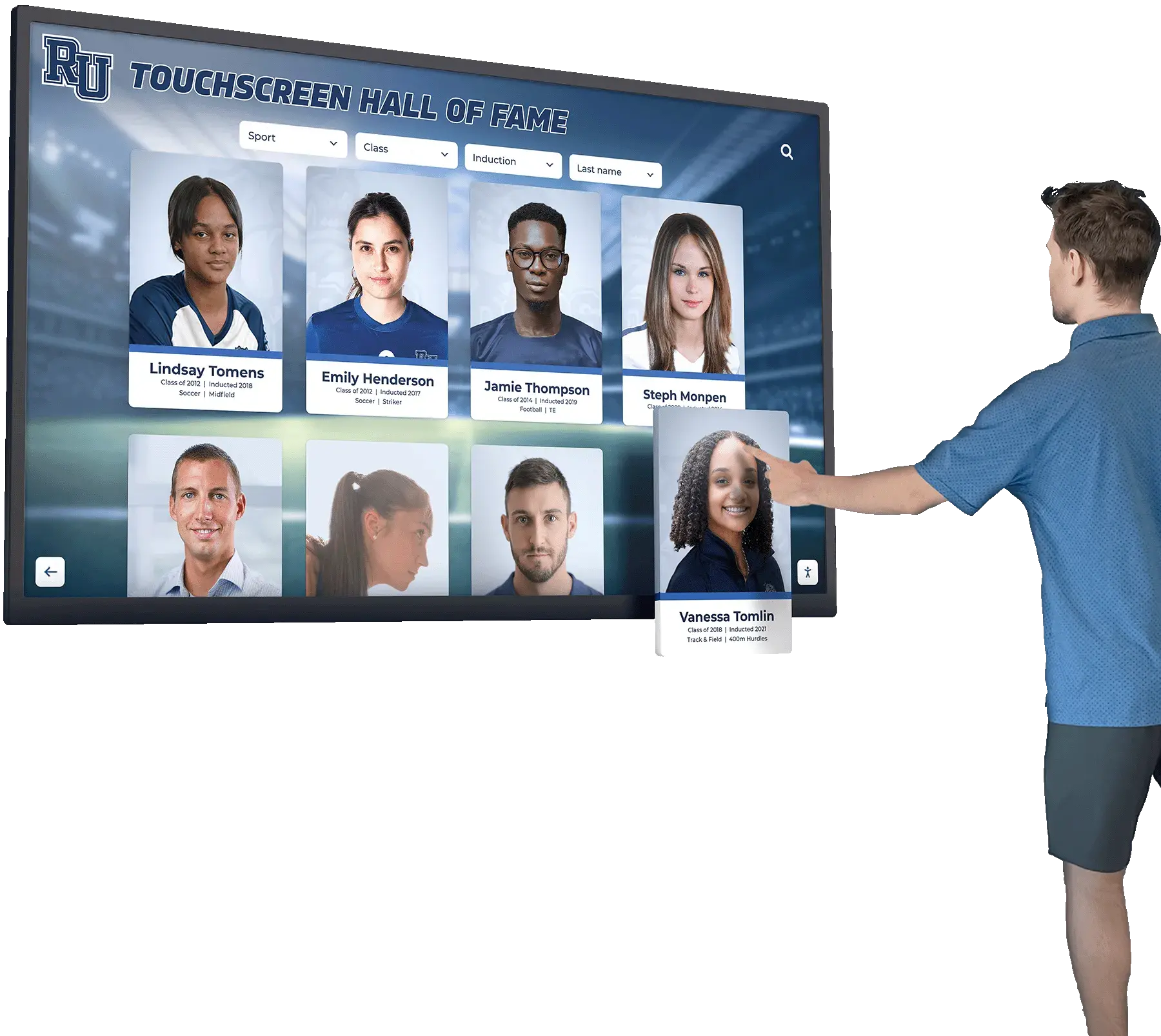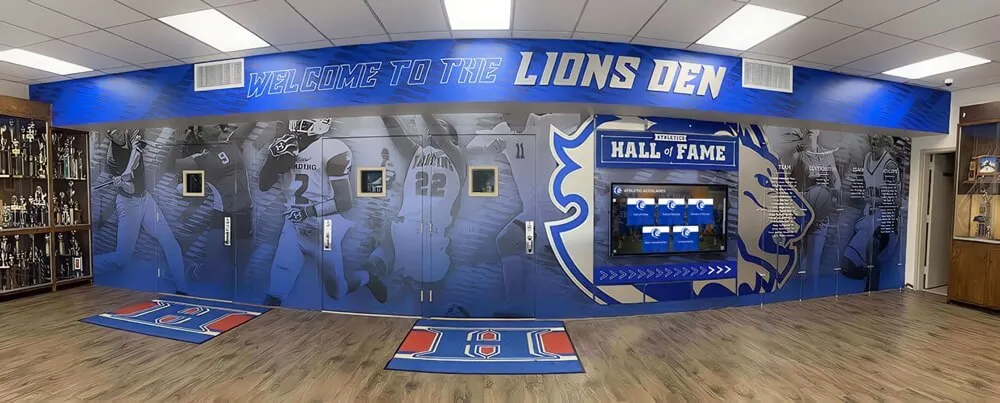




Trophies represent tangible proof of achievement, dedication, and excellence—whether earned through athletic championships, academic competitions, performing arts excellence, or community service recognition. Yet many schools struggle with displaying these hard-won awards effectively, facing challenges with limited space, outdated display cases, cluttered arrangements that diminish individual trophy significance, and static presentations that fail to engage current students or connect achievements to the stories behind them.
The way schools display trophies sends powerful messages about institutional values and priorities. Prominent, well-organized trophy displays celebrate achievement visibly, inspire current students through examples of excellence, preserve institutional heritage across generations, and create gathering points where communities connect over shared pride in accomplishment. Conversely, trophies stuffed into overcrowded cases, hidden in forgotten corners, or stored away completely suggest that achievements—and the athletes, scholars, and performers who earned them—lack lasting value worth commemorating.
This comprehensive guide provides school administrators, athletic directors, and program coordinators with creative trophy display ideas spanning traditional approaches, space-saving solutions, hybrid systems combining physical and digital elements, and modern platforms that overcome display limitations while creating engaging recognition experiences. Whether renovating existing trophy cases, planning new athletic facilities, or seeking alternatives to space-constrained physical displays, these strategies help schools showcase achievements effectively while honoring those who built distinguished traditions through their dedication and excellence.
Effective trophy displays do more than hold awards—they tell stories, celebrate journeys, inspire future achievement, and create visual landmarks that become integral to school identity. Understanding the full range of display options enables administrators to select approaches matching their specific space constraints, budget realities, aesthetic preferences, and engagement goals.

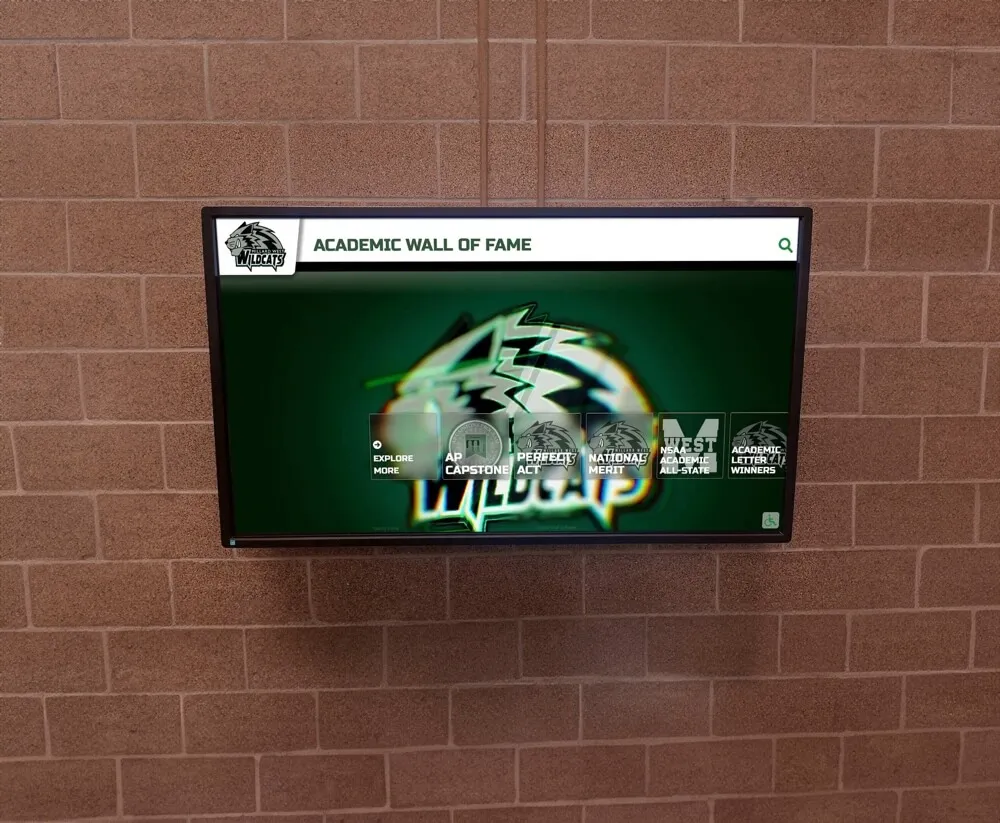
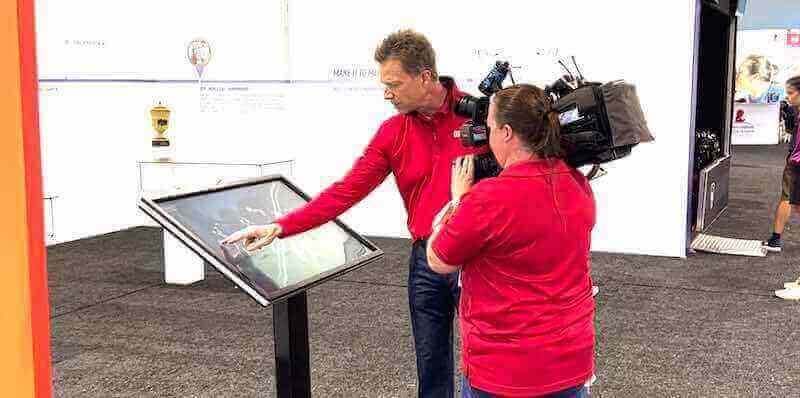
Traditional trophy cases remain popular when integrated thoughtfully with school branding and positioned prominently in high-traffic areas where students, visitors, and community members encounter achievements daily
Understanding Trophy Display Challenges in Schools
Before exploring creative solutions, understanding common display challenges helps administrators identify which approaches best address their specific situations.
Space Limitations and Growth Management
The most frequent trophy display challenge involves space constraints:
Finite Physical Space Traditional wall-mounted or free-standing trophy cases occupy substantial square footage while accommodating only limited numbers of awards. As programs accumulate achievements across decades, physical space becomes increasingly scarce—forcing difficult decisions about which trophies receive prominent display versus which get relegated to storage or disposal.
Facility Design Limitations Older buildings often lack dedicated trophy display areas, relegating awards to narrow hallways, cramped corners, or administrative offices where community members rarely see them. Retrofit display installations may require expensive renovations, wall reinforcements, or adjustments to existing architectural elements.
Unbalanced Sport and Program Representation When display space runs out, newer achievements often displace older ones, creating recency bias. Successful programs with many trophies dominate limited space while emerging or smaller programs struggle for representation, potentially sending messages about unequal value that don’t reflect institutional priorities.
Maintenance and Presentation Quality
Display quality affects how achievements are perceived:
Deteriorating Cases and Fixtures Aging trophy cases with broken locks, cracked glass, failing lighting, or outdated designs detract from the awards they contain. Dusty, cluttered, or poorly maintained displays suggest neglect rather than honoring the achievements they ostensibly celebrate.
Inadequate Context and Information Trophies sitting in cases without identification, dates, team rosters, or achievement context create confusion rather than celebration. Viewers struggle to understand what awards represent, when they were earned, or who contributed to championship successes.
Lighting and Visibility Issues Poor lighting in display areas makes trophies difficult to view, obscures engraving and details, and creates an uninviting atmosphere. Natural light can fade awards and damage materials over time, while insufficient artificial lighting renders displays ineffective.
Schools seeking comprehensive solutions for recognizing diverse achievements might explore approaches similar to how institutions honor volunteer service and community contributions, which face similar space and representation challenges.
Engagement and Relevance Concerns
Static trophy displays often fail to capture attention:
Lack of Storytelling Trophies alone don’t convey the drama of championship games, the dedication behind tournament victories, or the individuals whose contributions produced team success. Without storytelling context, awards become mere objects rather than symbols of meaningful achievement.
Limited Accessibility Traditional displays serve only people physically present in buildings, excluding geographically dispersed alumni, remote family members, and community stakeholders who might appreciate achievement recognition but never visit campus.
Minimal Current Student Connection Decades-old trophies from unfamiliar eras fail to resonate with current students who lack context connecting historical achievements to present-day programs and opportunities.
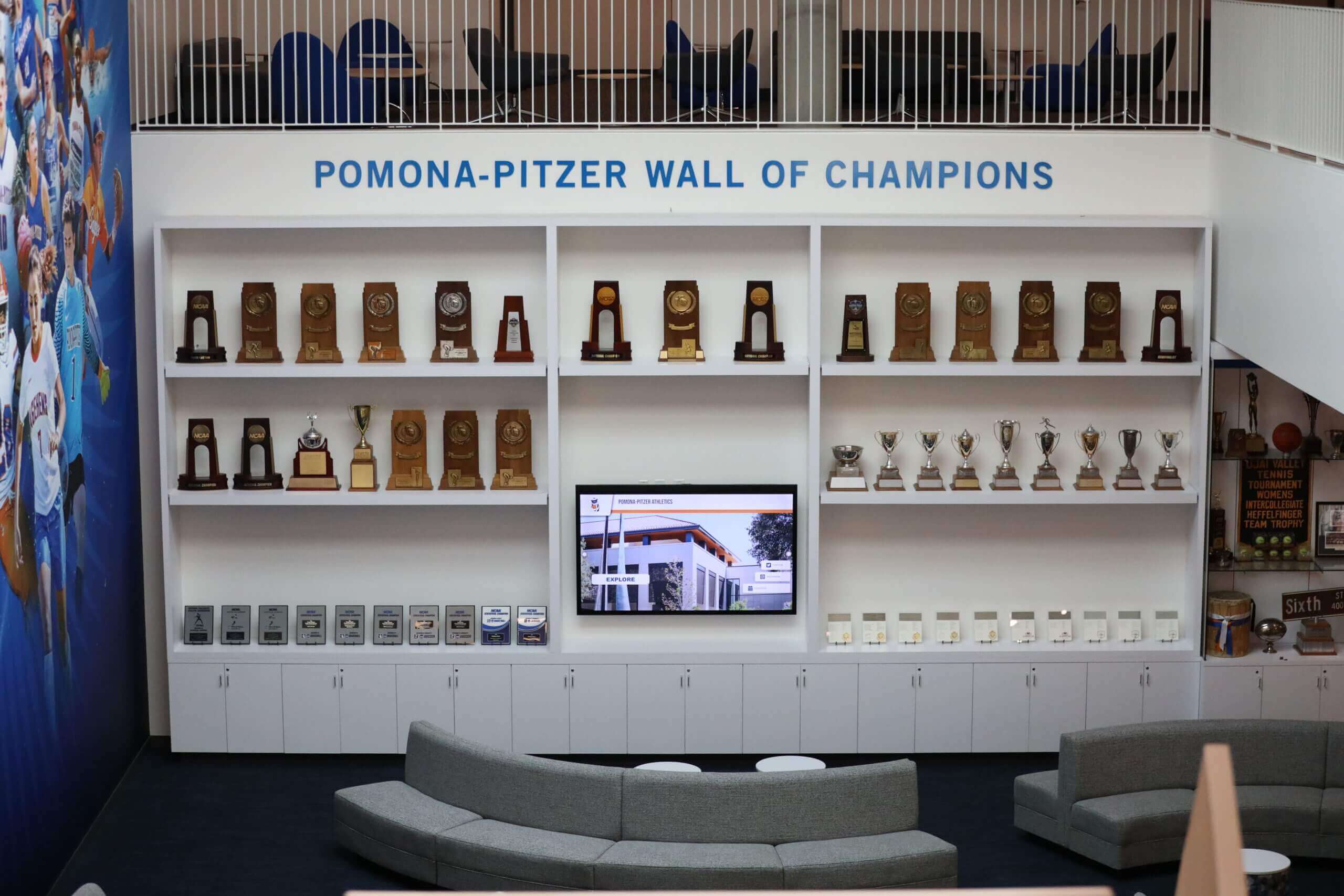
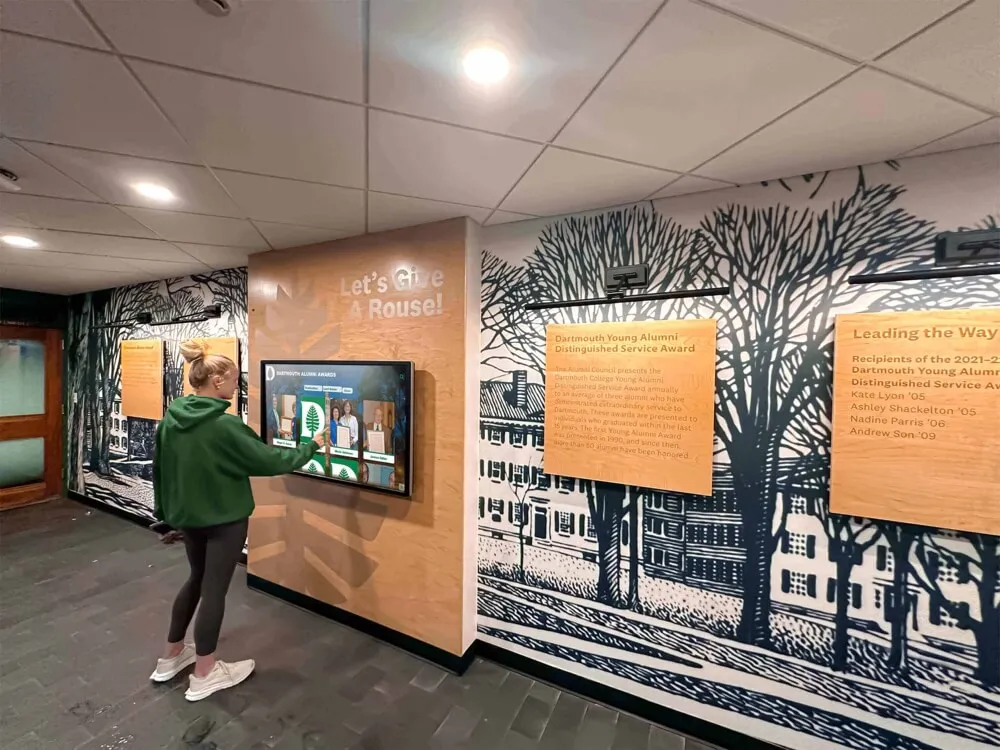
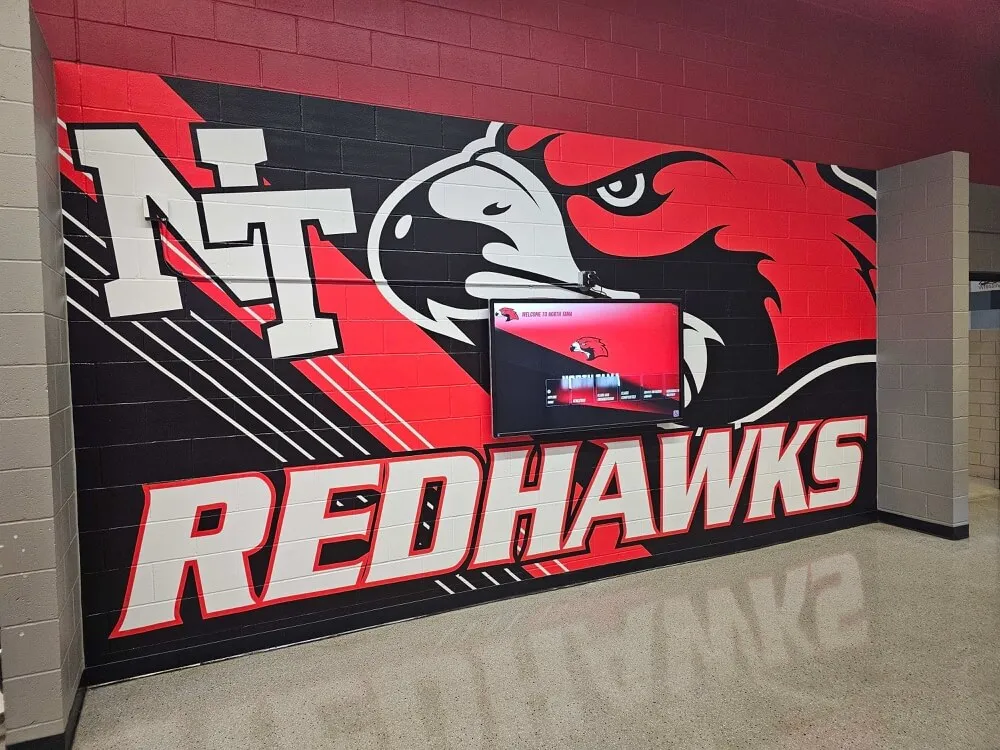
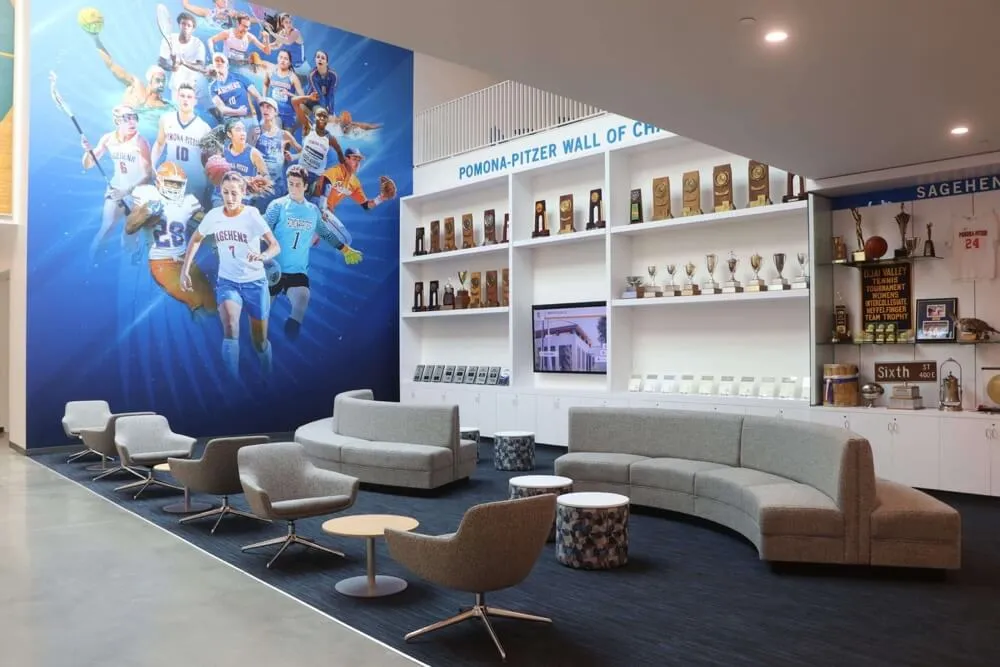
Dedicated trophy lounges transform recognition spaces into gathering areas where teams, alumni, and visitors connect with achievement heritage through immersive displays that celebrate program excellence comprehensively
Traditional Trophy Display Ideas and Approaches
Conventional display methods remain effective when implemented thoughtfully with attention to organization, aesthetics, and accessibility.
Wall-Mounted Display Cases
Classic wall-mounted cases provide secure, visible trophy housing:
Organized Grid Arrangements Systematic trophy organization creates visual coherence rather than cluttered chaos. Group awards by sport, year, championship type, or achievement level. Consistent internal shelving, uniform spacing, and logical arrangement help viewers understand display organization quickly.
Vertical Timeline Displays Arrange trophies chronologically along walls, creating visual timelines showing program evolution from founding years through current achievements. Timeline approaches work particularly well in long hallways, allowing viewers to experience program history progression as they walk.
Sport-Specific Display Sections Dedicate separate cases or wall areas to individual sports programs, creating focused showcases highlighting each program’s specific achievements, traditions, and excellence. Sport-specific sections prevent larger programs from overwhelming smaller ones while ensuring balanced recognition.
Achievement Category Organization Group trophies by type rather than sport—state championships together, regional titles grouped, invitational tournament wins categorized separately. Category organization emphasizes the significance of particular achievement levels while showcasing breadth of success across programs.
Quality Case Selection Invest in well-constructed cases with:
- Tempered glass preventing breakage and ensuring safety
- Secure locking mechanisms protecting valuable awards
- Adjustable shelving accommodating various trophy sizes
- Integrated LED lighting highlighting displays effectively
- Dust seals preventing interior accumulation requiring frequent cleaning
- Professional finishes matching school colors or facility aesthetics
Schools planning athletic facility renovations might consider timing similar to guidance on when to install touchscreen displays in new gymnasiums, ensuring recognition infrastructure receives appropriate attention during construction phases.
Free-Standing Trophy Cases and Cabinets
Independent display units offer flexibility traditional wall-mounted cases lack:
Tower Display Cases Tall, narrow tower cases maximize vertical space while minimizing floor footprint. Position towers in lobby areas, gymnasium entrances, or hallway alcoves where they create visual anchors without blocking traffic flow. Tower cases work particularly well for displaying individual awards or specific achievement categories.
Rotating Display Cabinets Rotating cases allow viewers to spin displays, accessing awards on all sides while requiring minimal floor space. Four-sided rotating cabinets essentially quadruple display capacity within a given footprint, making them ideal for space-constrained locations.
Peninsula and Island Displays Free-standing cases positioned in lobby centers create island displays visible from all directions. Peninsula arrangements extending from walls into spaces provide additional display surface while maintaining architectural connection to building structure.
Mobile Display Units Wheeled trophy cases enable temporary displays moved for special events, rotated seasonally to feature relevant sports, or repositioned during facility renovations. Mobility adds flexibility unavailable with permanent installations.
Custom Built-In Display Solutions
Architectural integration creates impressive, permanent trophy showcases:
Recessed Wall Displays Building trophy displays directly into wall cavities during construction or renovation creates seamless architectural features. Recessed displays maintain clean wall planes, protect trophies from damage, and create museum-quality presentations befitting championship achievements.
Stadium Club and Locker Room Displays Integrate trophy showcases directly into athletic facilities where teams practice and compete. Locker room trophy displays immerse athletes in program tradition daily, while stadium club displays create VIP spaces where boosters and supporters connect with program excellence.
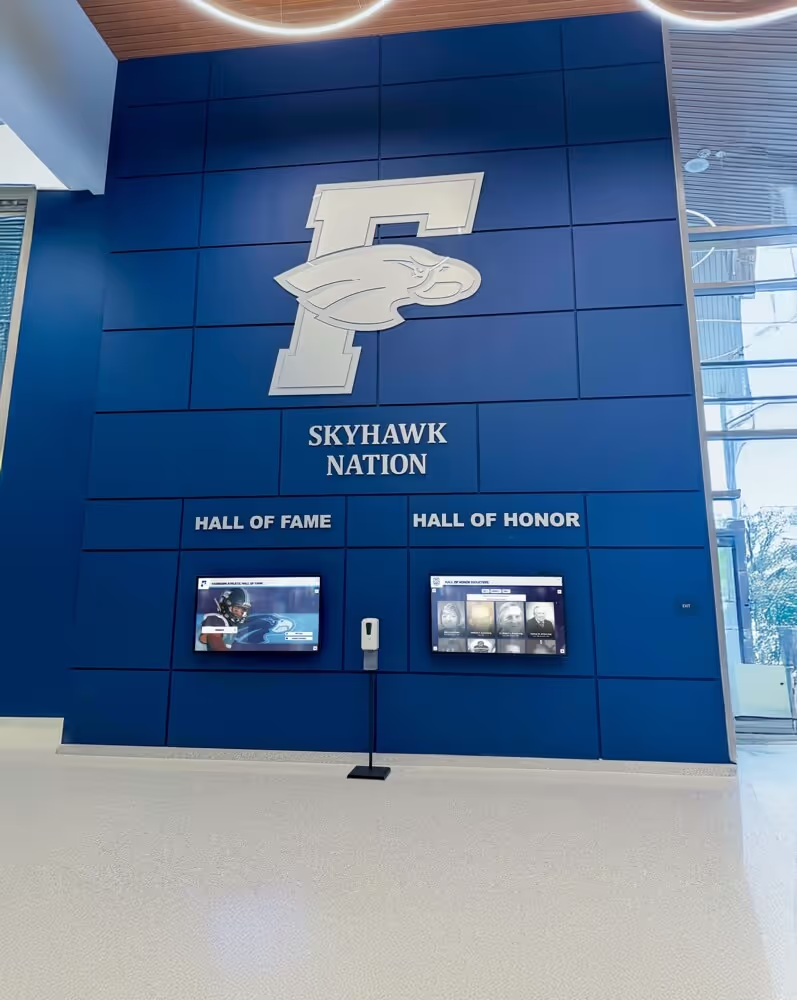
Entrance Feature Walls Transform school or gymnasium entrances into trophy showcases serving as architectural focal points welcoming visitors with immediate visual evidence of institutional excellence. Feature walls communicate priorities before visitors even enter main building spaces.
Illuminated Display Niches Create individually lit display niches for championship trophies deserving special emphasis—state titles, national championships, or particularly significant awards. Niche displays elevate specific achievements while providing variety in overall presentation.
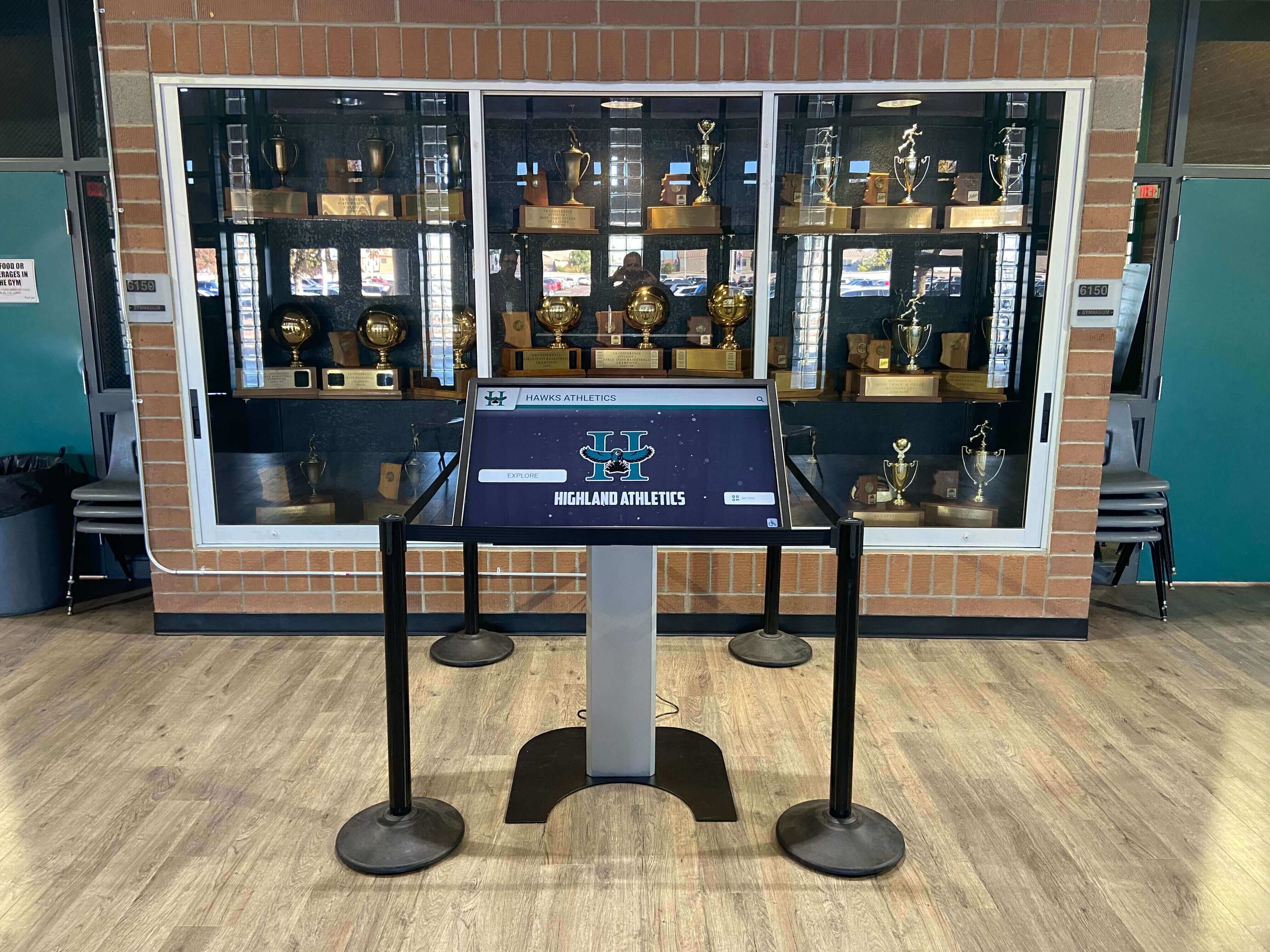
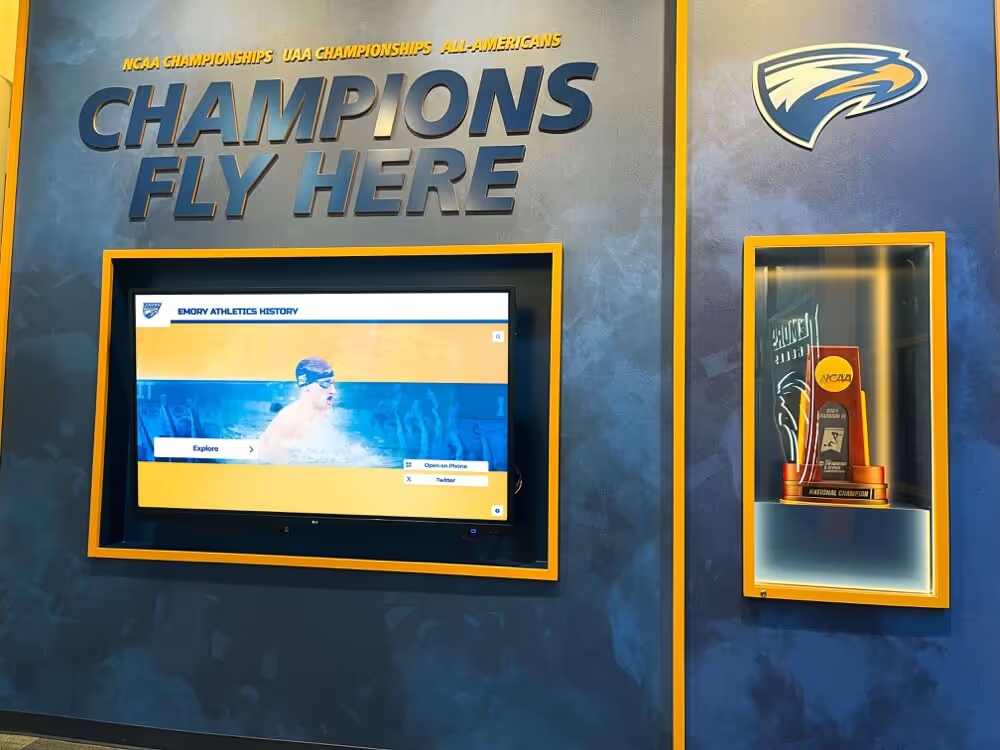
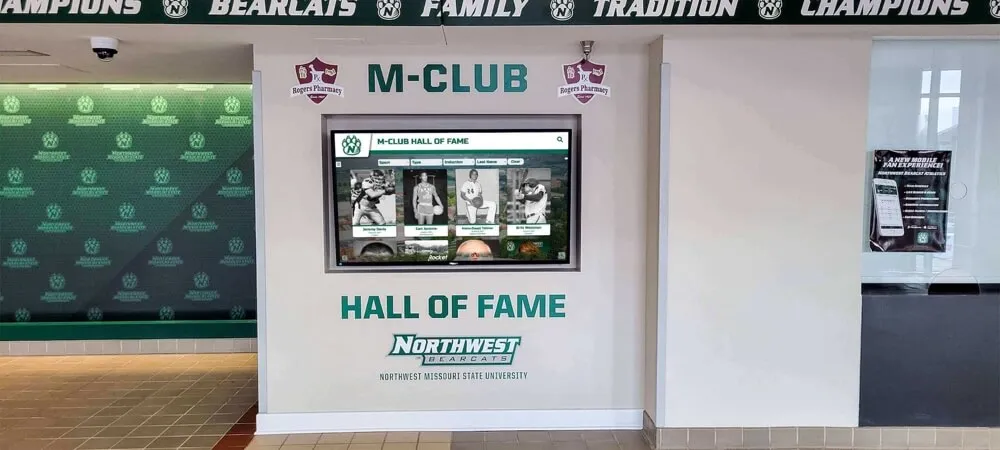
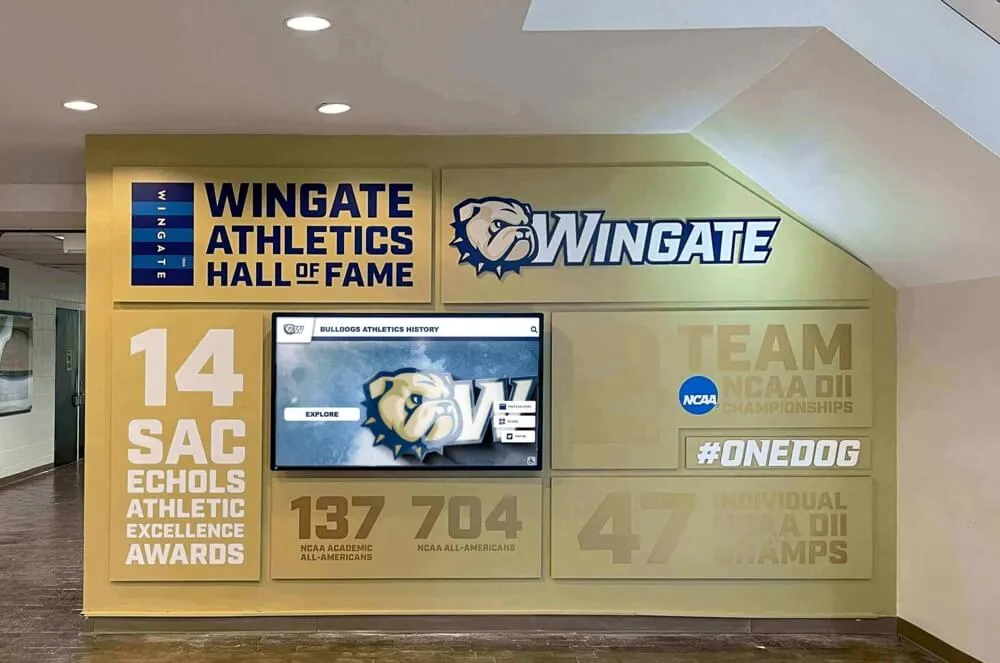
Hybrid displays combining traditional trophy cases with interactive touchscreen technology provide comprehensive recognition accommodating both physical awards and expanded digital storytelling that enriches trophy context
Space-Saving Trophy Display Solutions
When space limitations prevent traditional approaches, creative solutions maximize recognition within constraints.
Rotating and Seasonal Trophy Displays
Dynamic rotation strategies keep displays fresh while managing space:
Seasonal Sport Rotation Display current season trophies prominently, rotating awards as athletic seasons change. Fall displays feature football, volleyball, cross country, and soccer championships; winter showcases basketball, wrestling, and swimming trophies; spring highlights baseball, softball, track, and tennis awards. Seasonal rotation keeps displays relevant while preventing stagnation.
Anniversary and Milestone Celebrations Feature specific championship anniversaries or program milestones. Ten-year, twenty-five-year, or fifty-year championship anniversaries create natural rotation opportunities while connecting current students with historical achievements. Milestone displays honor past excellence while educating new generations about program heritage.
Thematic Recognition Months Coordinate trophy displays with broader recognition initiatives—feature women’s sports championships during Women’s History Month, highlight specific programs during their peak seasons, or showcase particular achievement types during relevant celebrations.
High-Impact Trophy Selection
Strategic curation focuses display space on most significant achievements:
Championship-Only Displays Limit physical displays to conference championships, state titles, regional championships, and national honors while finding alternative recognition for participation trophies, invitational tournament awards, or lower-tier competitions. Championship-focused displays emphasize excellence standards and preserve space for truly distinguished achievements.
Representative Trophy Showcases Display one representative trophy per championship year alongside comprehensive documentation explaining the season’s achievements. Rather than showing every tournament trophy from a championship season, feature the state championship trophy with context describing the journey, record, and key contributors.
Largest Trophy Displays Create dedicated spaces for oversized championship trophies that dominate display cases. Feature these prominent awards individually with appropriate context rather than cramming them into overcrowded cases where their significance gets lost.
Understanding comprehensive student engagement strategies helps schools create trophy displays that actively engage current students rather than serving merely as historical archives.
Alternative Trophy Storage and Documentation
Creative approaches preserve trophy significance without requiring unlimited physical display space:
Championship Trophy Libraries Create secure storage areas where complete trophy collections remain preserved and accessible for research, special occasions, or temporary displays while only featured selections receive permanent showcase space. Library approaches honor all achievements while acknowledging practical display limitations.
Photo Documentation Displays Photograph trophy collections comprehensively, creating visual catalogs displayed on walls, screens, or digital platforms. Photo documentation preserves visual records while consuming minimal physical space compared to actual trophy displays.
Trophy Loans to Department Offices Distribute trophies to coaches’ offices, athletic department spaces, or relevant academic departments. Loans spread recognition throughout facilities while reducing central display space demands. Rotating loan assignments keep displays dynamic.
Digital Trophy Display Solutions
Technology-based approaches address traditional display limitations while creating engaging, scalable recognition systems.
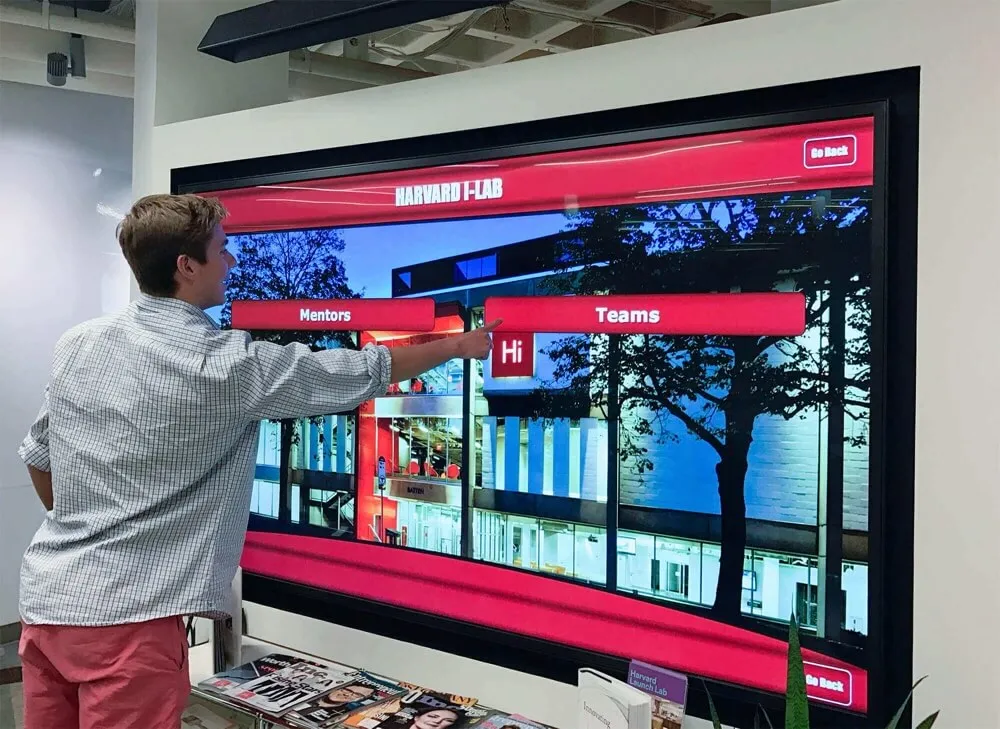
Interactive Digital Trophy Cases
Modern platforms provide comprehensive trophy recognition without physical space constraints:
Unlimited Virtual Display Capacity Digital systems accommodate unlimited trophies, awards, and achievement records without additional physical space requirements. Schools can showcase every championship, tournament victory, and competition award from program history without space-constrained curation decisions that leave worthy achievements unrecognized.
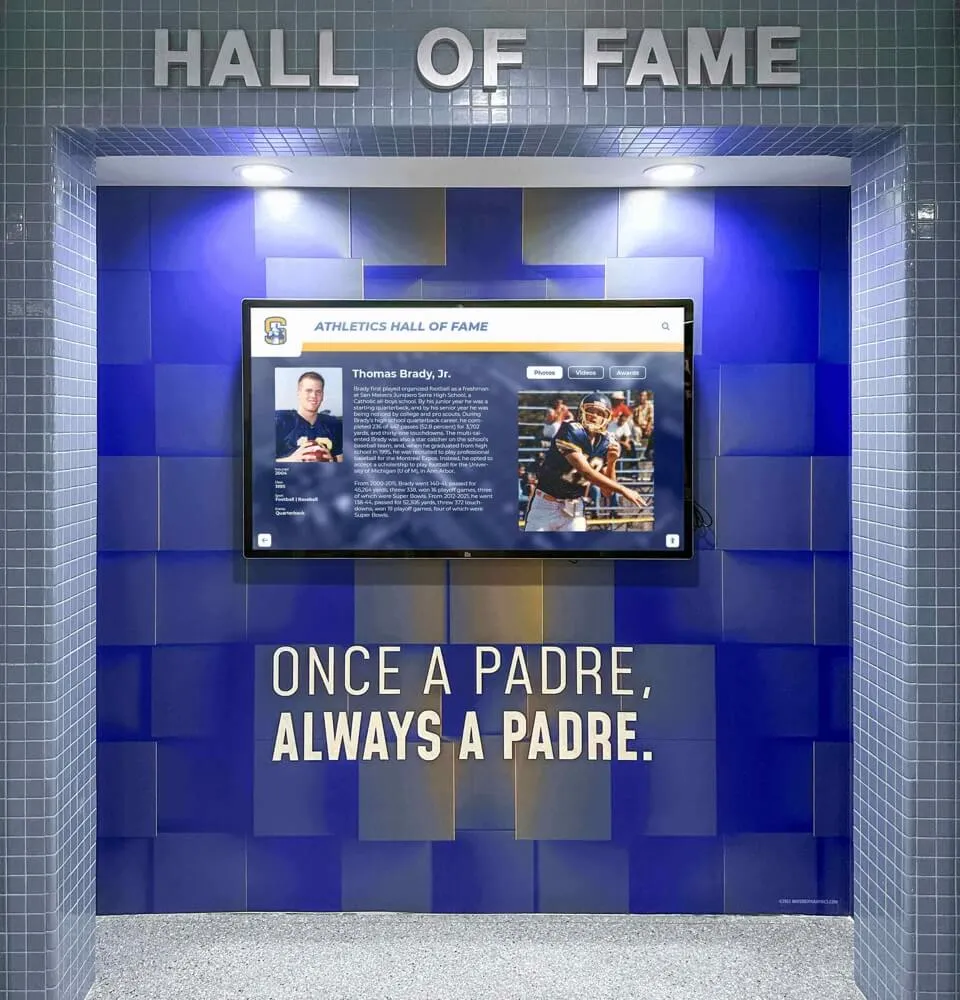
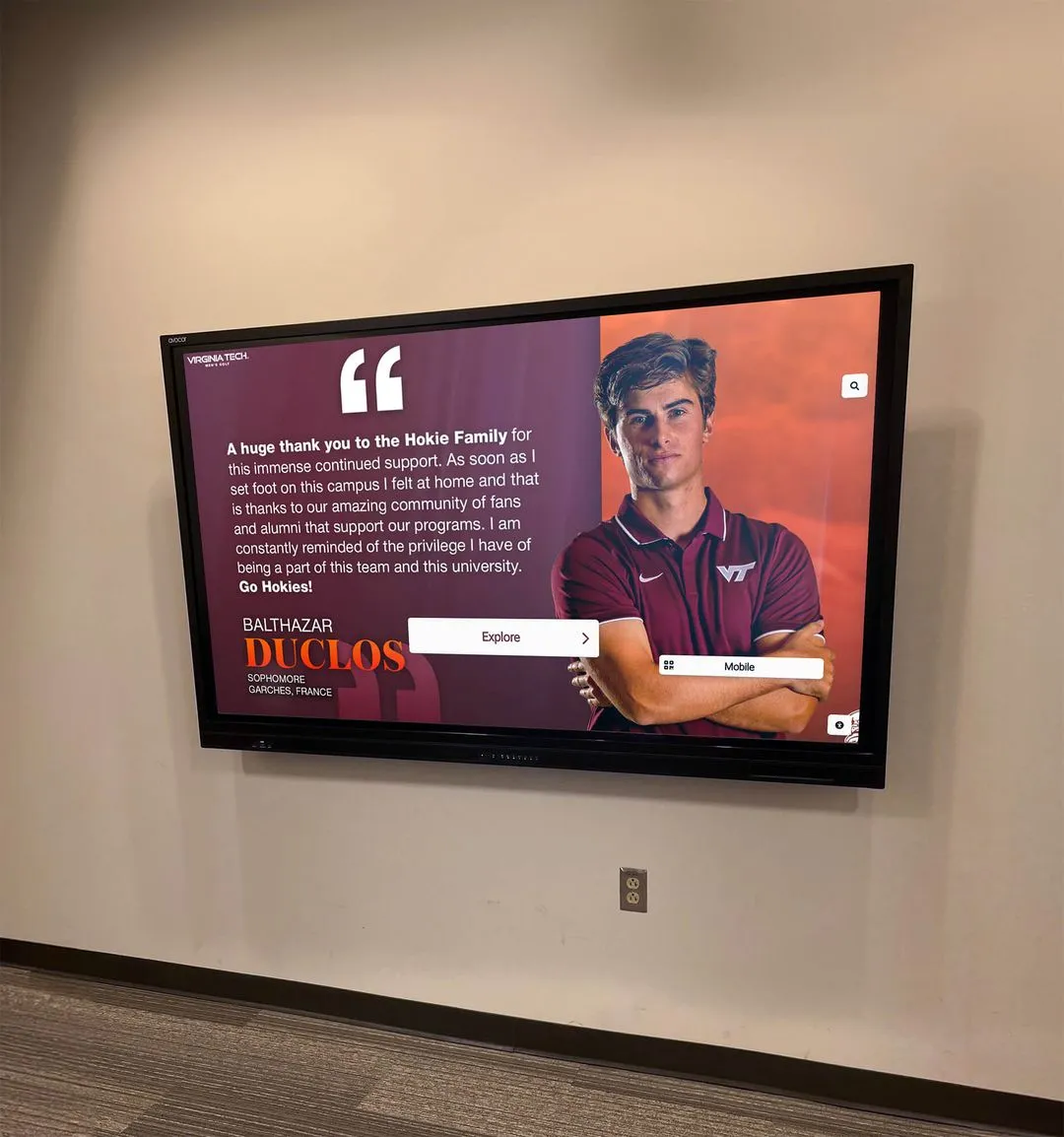
Rich Multimedia Context Digital trophy displays integrate photos, videos, statistics, team rosters, season records, game highlights, and achievement narratives that physical trophy engravings cannot accommodate. Comprehensive context transforms trophies from objects into stories, helping viewers understand the dedication, challenges, and triumphs behind each award.
Search and Filter Functionality Interactive platforms enable visitors to search by sport, year, championship type, coach, or athlete name—finding specific trophies instantly rather than scanning overcrowded physical cases. Advanced search capabilities make even extensive trophy collections accessible and navigable.
Regular Content Updates Digital displays accommodate new trophies immediately through simple content management systems rather than requiring physical space expansion, case modifications, or trophy rearrangements. Easy updates ensure current achievements receive recognition promptly without displacing historical awards.
Engagement Analytics Modern platforms track which trophies, sports, and achievement stories generate most viewer interest, providing data-driven insights about what resonates with audiences. Analytics inform content development, promotional strategies, and recognition program enhancements.
Solutions like Rocket Alumni Solutions provide purpose-built digital trophy case platforms designed specifically for educational institutions, combining professional presentation with user-friendly content management enabling non-technical staff to maintain comprehensive trophy recognition effectively.
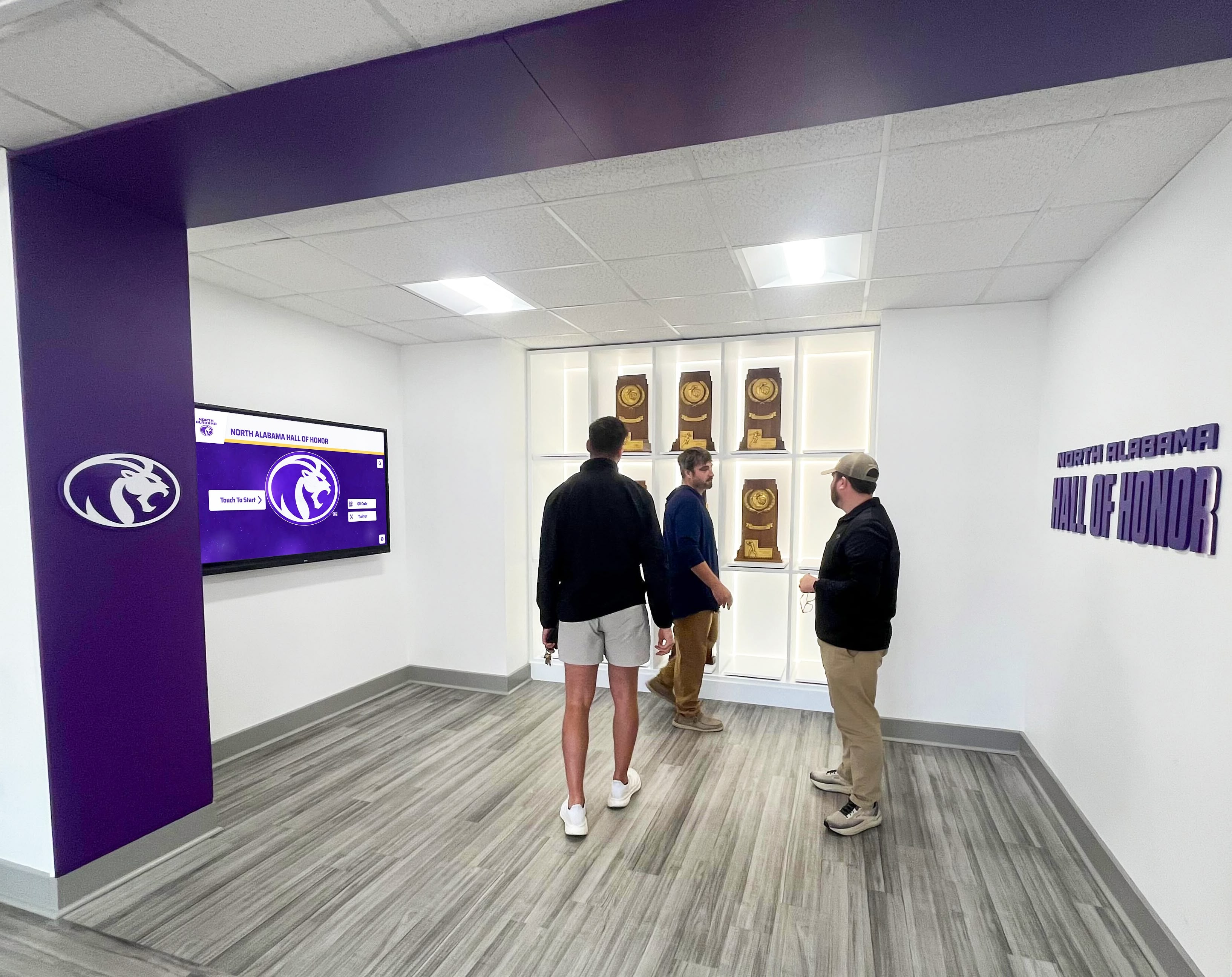
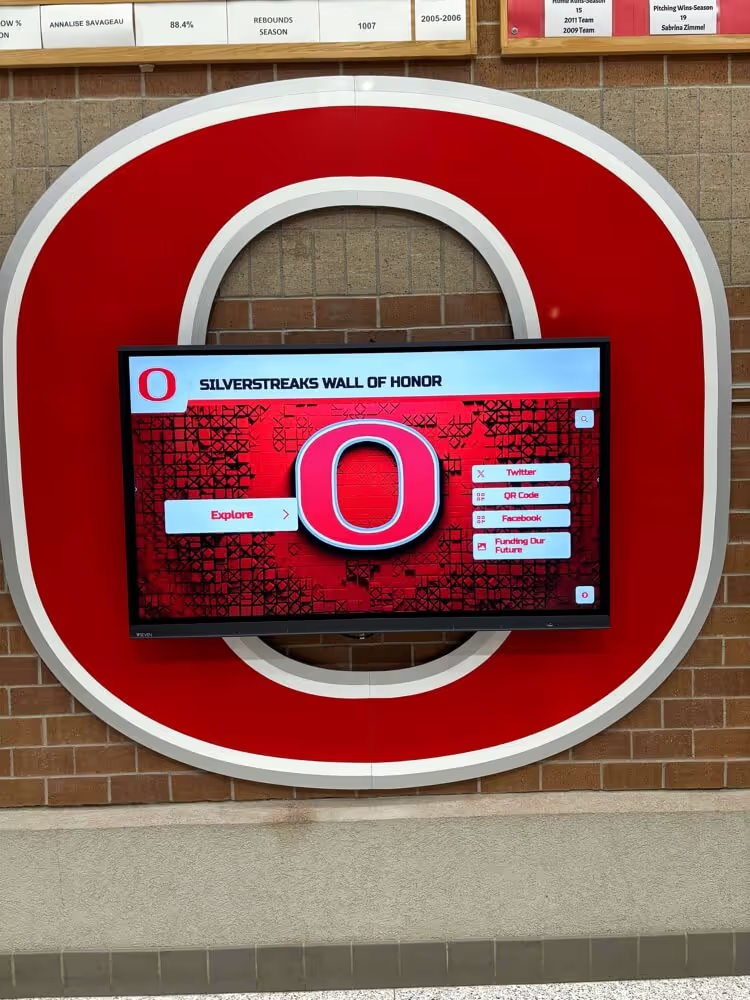
Well-designed trophy displays create gathering spaces where community members connect with athletic heritage, inspiring conversations about past achievements while building pride that strengthens institutional culture
Hybrid Physical and Digital Display Systems
Integrated approaches combine traditional trophy display strengths with digital platform capabilities:
Physical Showcase for Premier Trophies Display the most significant awards—state championships, national titles, record-breaking achievements—in prominent physical cases while comprehensive digital platforms showcase complete trophy collections. Hybrid approaches honor tradition while providing scalability.
QR Code Enhanced Physical Displays Add QR codes to physical trophy cases linking to digital platforms containing expanded content, team rosters, championship game highlights, season statistics, and participant stories. QR integration transforms static cases into gateways for rich digital engagement.
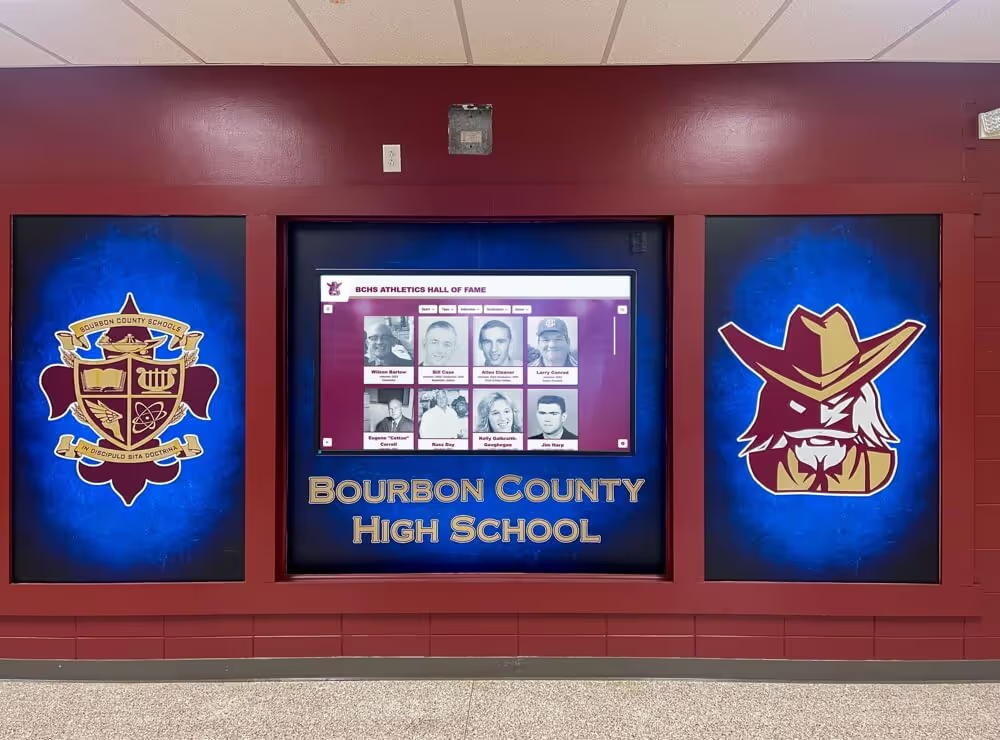
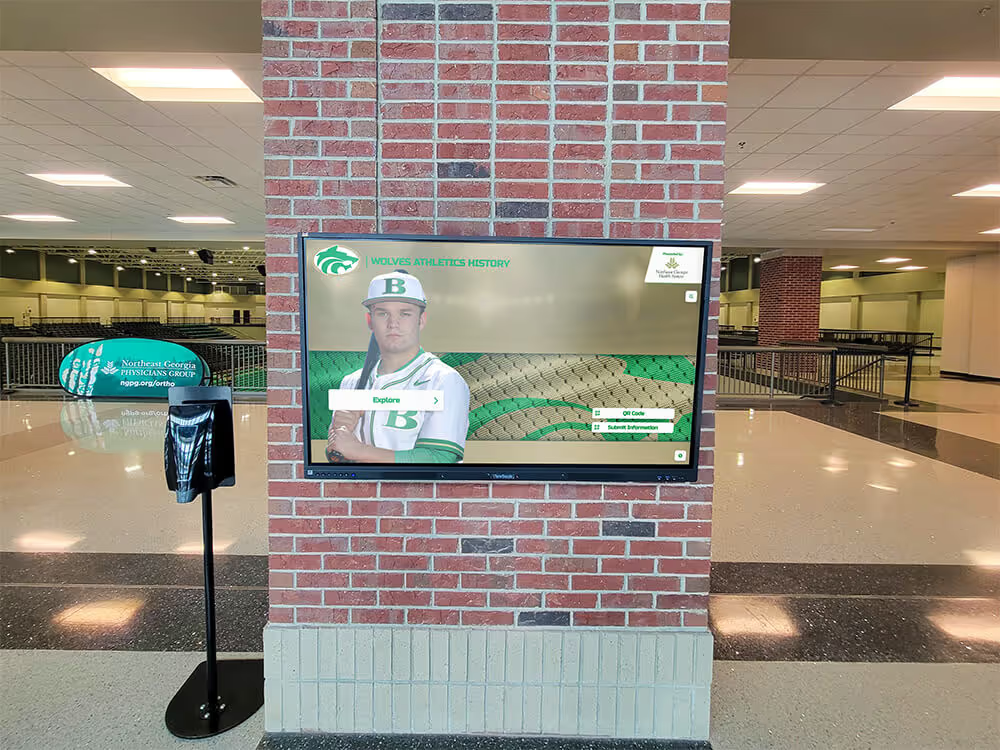
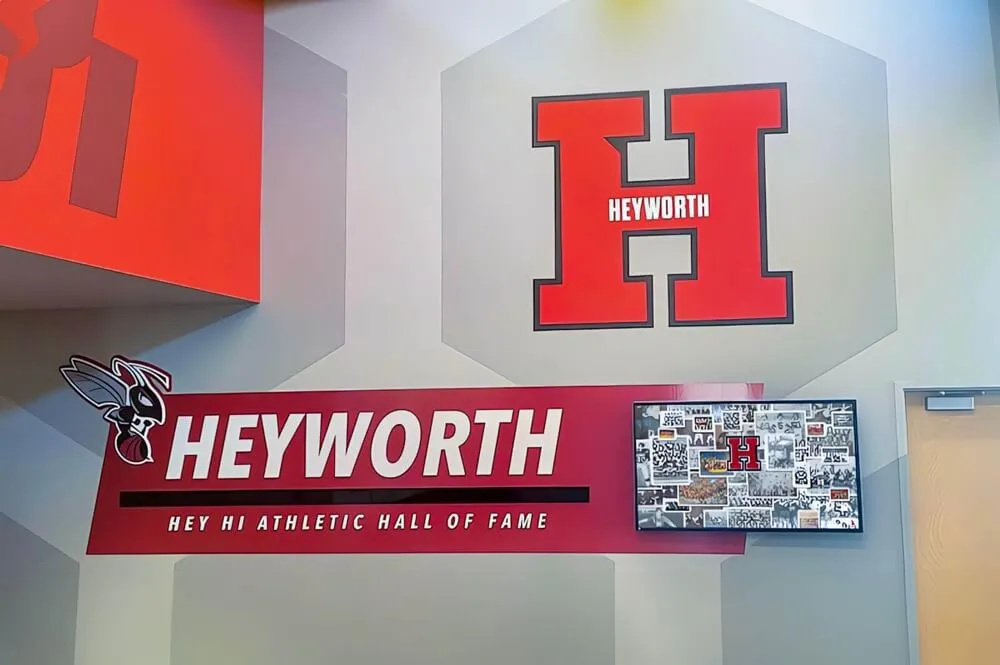
Large-Screen Trophy Highlights Install digital displays adjacent to traditional trophy cases, showing rotating highlight videos, championship photo galleries, or historical achievement timelines that complement physical trophies with dynamic multimedia content.
Mobile-Responsive Web Galleries Create website trophy galleries accessible via smartphones and tablets, enabling community members to explore comprehensive trophy collections remotely. Mobile galleries extend recognition reach beyond physical building visitors to geographically dispersed alumni, family members, and supporters.
Schools building comprehensive recognition programs might learn from alumni engagement strategies that emphasize creating meaningful connections between past achievements and current community involvement.
Virtual Trophy Room Platforms
Comprehensive digital environments create immersive trophy exploration experiences:
3D Virtual Walkthrough Displays Advanced platforms create virtual trophy rooms visitors navigate digitally, experiencing spatial trophy arrangements similar to physical displays but without space limitations. Virtual environments accommodate unlimited expansion while providing engaging exploration experiences.
Chronological Trophy Timelines Interactive timelines position trophies along historical progressions, allowing viewers to explore program evolution from founding through current achievements. Timeline visualizations reveal program development patterns, championship era identification, and success trajectory trends.
Sport-Specific Virtual Collections Organize digital trophy displays by program, creating dedicated virtual spaces for each sport where complete award collections, related photos, videos, and statistics reside. Program-specific organization ensures balanced representation while facilitating focused exploration.
Creating Engaging Trophy Display Content
Effective displays require more than trophy arrangement—thoughtful content development transforms awards into stories that inspire and educate.
Essential Trophy Display Information
Comprehensive labeling provides context making trophies meaningful:
Achievement Identification Clearly state what each trophy represents—championship type, competition level, sport, and year earned. Eliminate confusion about trophy significance through explicit labeling rather than assuming viewers understand award meanings.
Team or Individual Recognition Identify whether trophies recognize team championships, individual accomplishments, or coaching achievements. Clear attribution ensures proper credit while helping viewers understand achievement context.
Season Records and Statistics Include team records, tournament performance, scoring statistics, or other quantifiable metrics providing achievement context. A state championship trophy gains additional meaning when viewers understand the undefeated season or come-from-behind tournament run behind it.
Coach and Key Contributor Names Name head coaches, assistant coaches, team captains, and significant contributors associated with championship achievements. Personal attribution honors individuals while creating connections between trophies and the people whose dedication produced success.
Competition Context Explain competition scale and significance—state classifications, tournament sizes, competitive field strength, or historical achievement significance. Context helps viewers appreciate whether championships came in small-school categories or against state powerhouses.
Storytelling Elements That Enhance Trophy Displays
Rich narratives transform trophies from objects into inspiration:
Championship Journey Descriptions Share brief narratives describing paths to championships—improbable playoff runs, championship game drama, season-defining moments, or obstacles overcome. Story elements create emotional connections between viewers and achievements that mere trophies cannot convey alone.
Photo Integration Include team photos, action shots from championship competitions, celebration images, or pre-game preparations alongside trophies. Visual storytelling humanizes achievements while preserving memories that trophies alone cannot capture.
Quote Inclusions Feature brief quotes from coaches reflecting on championship seasons, athlete testimonials about team experiences, or administrator statements about achievement significance. First-person perspectives add authenticity and emotional resonance.
Record-Breaking Achievement Emphasis Highlight when trophies represent record-setting performances, program firsts, or unprecedented accomplishments. Special designation for particularly significant achievements ensures these milestones receive appropriate emphasis.
Schools installing recognition displays might reference approaches used in high-profile installations like Madison Square Garden, which demonstrate how professional-grade recognition platforms create immersive experiences.
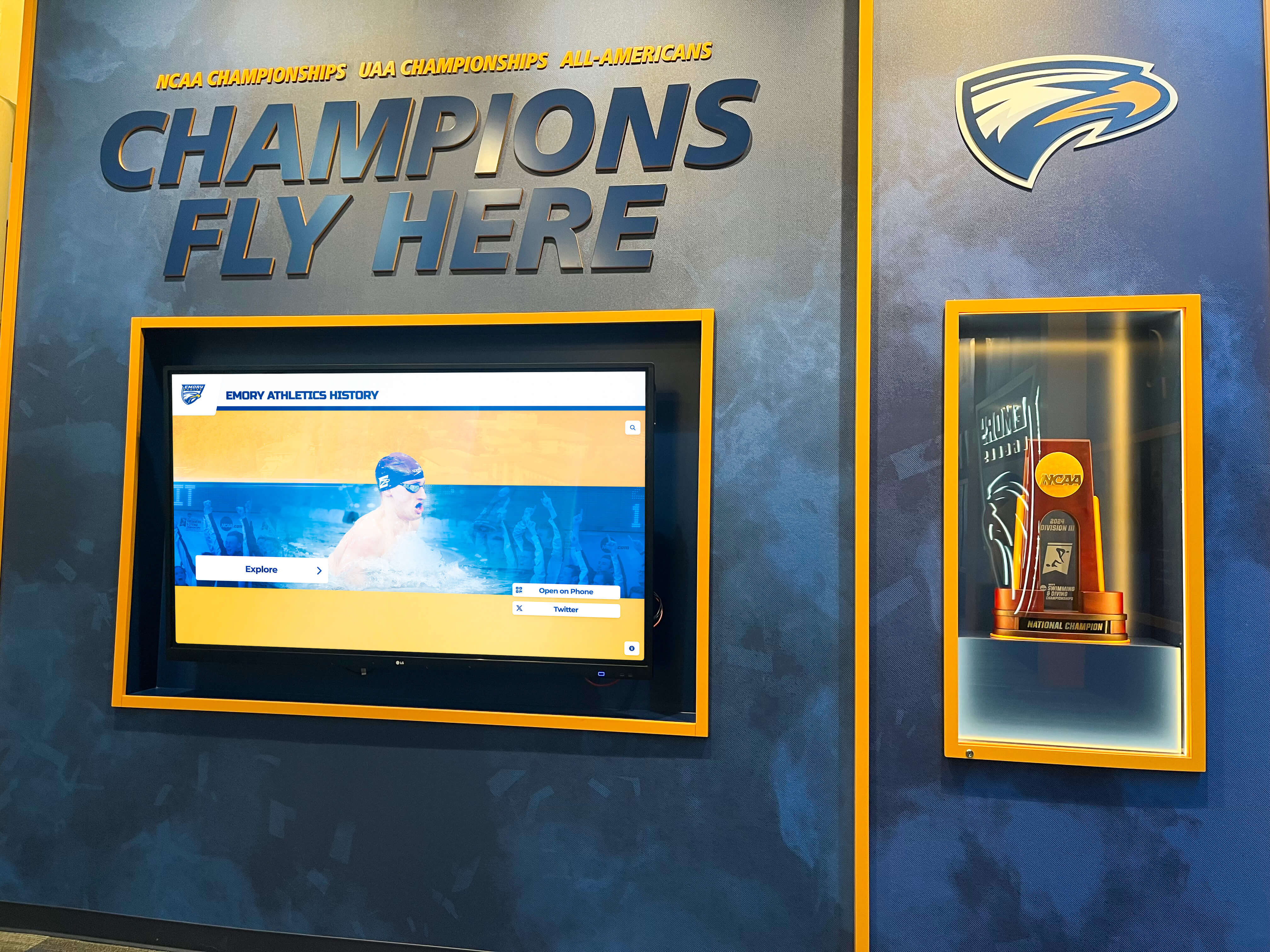
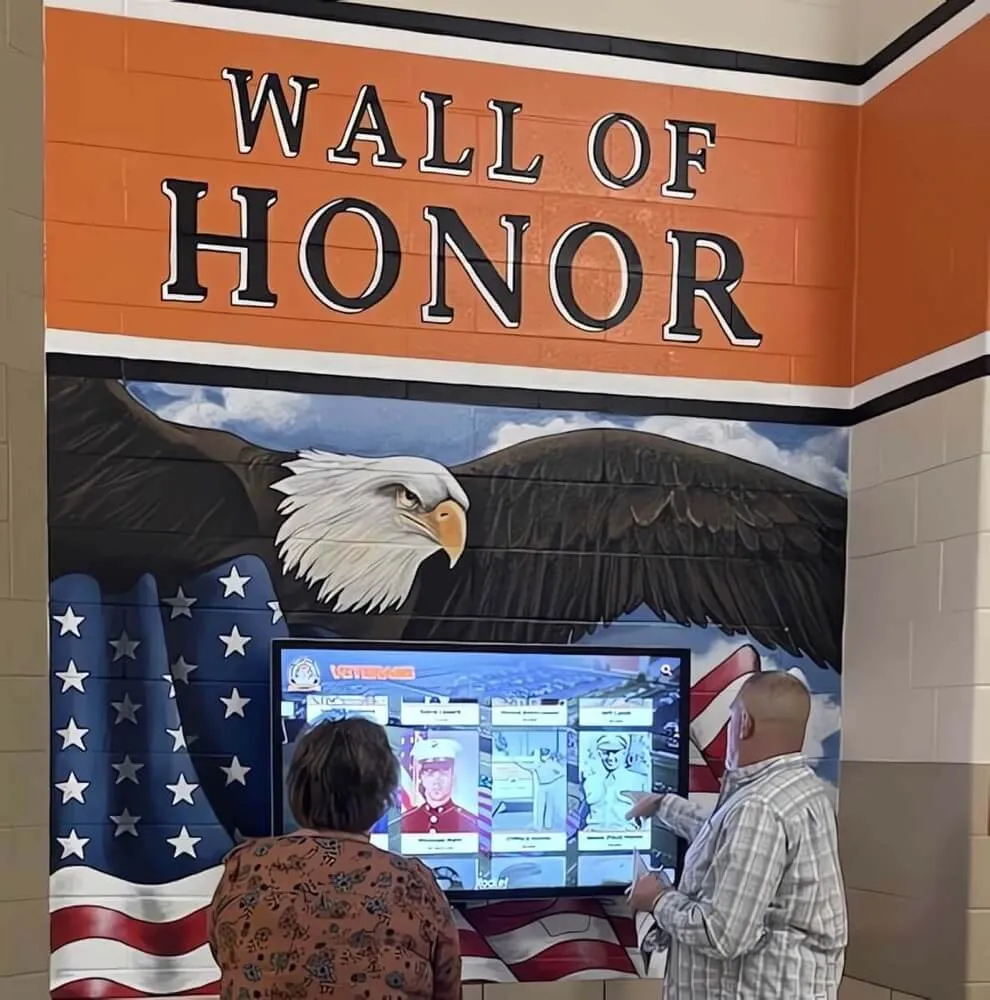
Championship walls elevate premier achievements through dedicated displays that emphasize trophy significance while integrating supporting photos, statistics, and narratives celebrating the excellence these awards represent
Trophy Display Location and Placement Strategies
Strategic positioning determines whether trophy displays fulfill their recognition and inspiration potential.
High-Traffic Area Placement
Location determines display visibility and impact:
Main Entrance Lobbies Position trophy displays prominently in school main entrances where they greet students, staff, visitors, and community members daily. Entrance displays communicate institutional values immediately while ensuring maximum exposure to diverse audiences.
Gymnasium and Athletic Facility Entrances Place trophy showcases at gymnasium entrances where athletes, coaches, fans, and event attendees encounter them before competitions. Athletic facility displays immerse visitors in program excellence while providing home-field advantage reinforcement.
Main Hallway Corridors Utilize long hallways connecting major building sections for timeline trophy displays that viewers experience progressively as they walk. Hallway displays transform transitional spaces into purposeful recognition galleries.
Commons Areas and Student Gathering Spaces Install trophy displays in cafeterias, student lounges, or common areas where students congregate between classes. Commons placement ensures regular student exposure rather than limiting displays to administrative or visitor-focused spaces.
Athletic Program Integration
Connect trophy displays directly with active athletic spaces:
Locker Room Displays Install trophy cases or digital displays within team locker rooms where athletes see them daily during practices and pre-game preparations. Locker room displays immerse teams in tradition while providing constant inspiration and standard-setting reminders.
Practice Facility Showcases Feature championship trophies in weight rooms, training facilities, or practice gyms where daily athletic work occurs. Practice space displays create direct visual connections between effort invested and excellence achieved.
Competition Venue Recognition Ensure championship trophies remain visible in actual competition spaces—basketball courts, wrestling rooms, swimming facilities, or tracks where championships were earned. Venue displays create powerful symbolic connections between spaces and success.
Educational programs seeking comprehensive recognition approaches might explore models like inclusive digital recognition programs that ensure diverse achievements receive appropriate visibility and celebration.
Balanced Program Representation
Strategic placement ensures equitable recognition:
Distributed Display Locations Rather than centralizing all trophies in single locations favoring facility proximity, distribute displays across campus—athletic facilities, academic buildings, performing arts centers, and administrative areas. Distribution ensures various program achievements receive appropriate visibility.
Proportional Space Allocation Allocate display space considering program size, championship frequency, and institutional priorities rather than allowing dominant programs to monopolize limited space. Proportional allocation demonstrates balanced institutional support across athletic offerings.
Rotating Feature Displays Create premium display locations featuring rotating sport-specific showcases throughout athletic years. Fall features football and volleyball, winter highlights basketball and wrestling, spring celebrates baseball and track. Rotation ensures every program receives premier positioning periodically.
Trophy Display Design and Aesthetic Considerations
Visual presentation quality affects how viewers perceive both trophies and institutions displaying them.
Lighting Design for Trophy Displays
Proper illumination transforms trophy presentation:
Integrated LED Display Lighting Install LED lighting strips within trophy cases providing consistent, energy-efficient illumination that highlights awards effectively without generating heat that might damage trophies. Modern LED systems offer long lifespans with minimal maintenance.
Accent and Spotlight Lighting Use focused spotlights or accent lighting emphasizing premier championship trophies deserving special attention. Lighting variety creates visual interest while signaling achievement hierarchy and significance.
Natural Light Management If displays receive natural light, install UV-filtering glass protecting trophies from sun damage that fades finishes and degrades materials over time. Balance visibility benefits of natural light against preservation concerns.
Ambient Lighting Coordination Ensure display lighting complements overall facility lighting schemes rather than creating harsh contrasts. Coordinated lighting creates cohesive visual environments enhancing displays without overwhelming spaces.
School Branding Integration
Cohesive visual identity strengthens display impact:
Color Coordination Select display cases, backgrounds, and mounting systems reflecting school colors. Color coordination creates visual connections between trophies and institutional identity while ensuring displays feel integrated rather than afterthought additions.
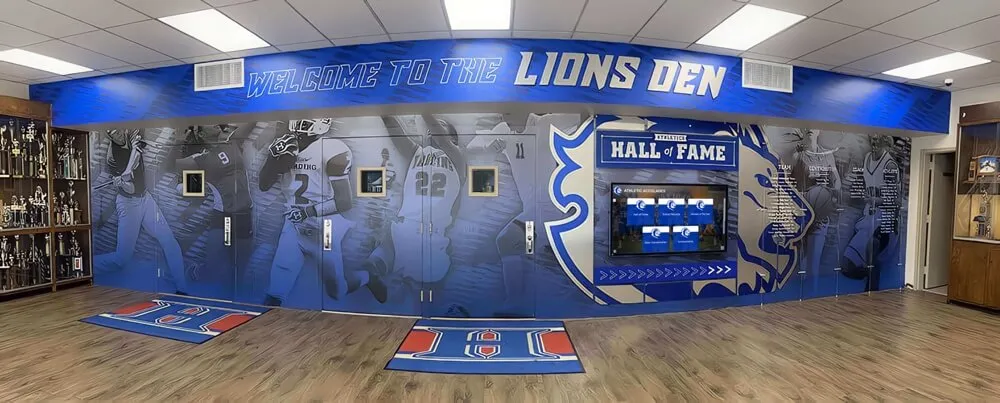
Logo and Mascot Integration Incorporate school logos, mascot images, or athletic program branding into display backgrounds, case headers, or surrounding walls. Branding integration reinforces institutional identity while creating professional, cohesive presentations.
Typography and Signage Consistency Use consistent fonts, label styles, and signage approaches matching broader school communication standards. Typography consistency creates polished presentations reflecting institutional attention to detail and quality standards.
Championship Banner Coordination If schools display championship banners alongside trophy cases, ensure visual coordination between banner designs and trophy display aesthetics. Unified recognition approaches create comprehensive environments celebrating excellence across formats.
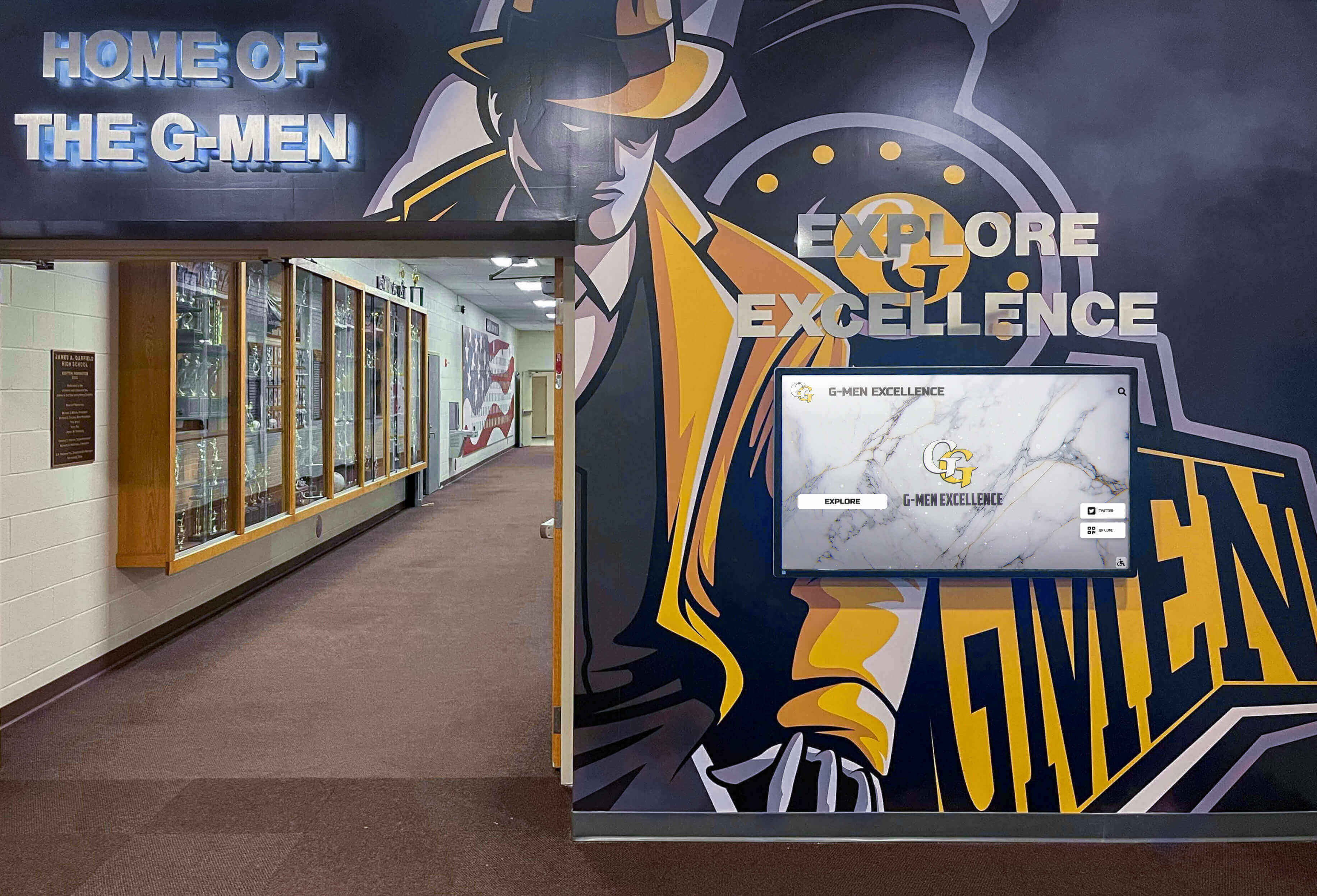
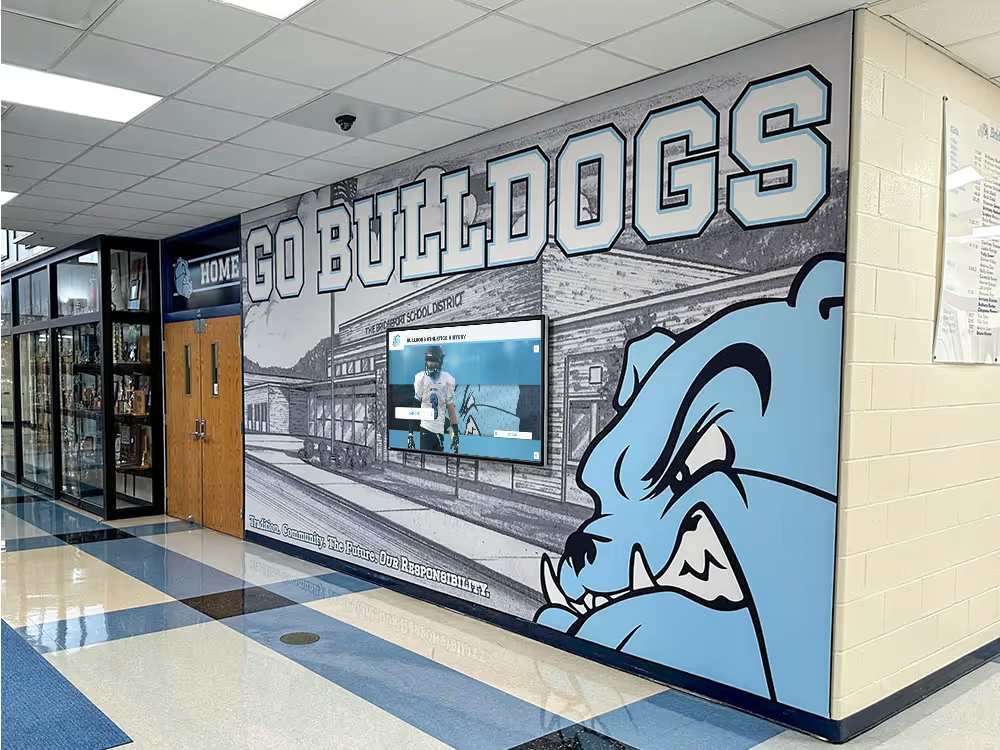
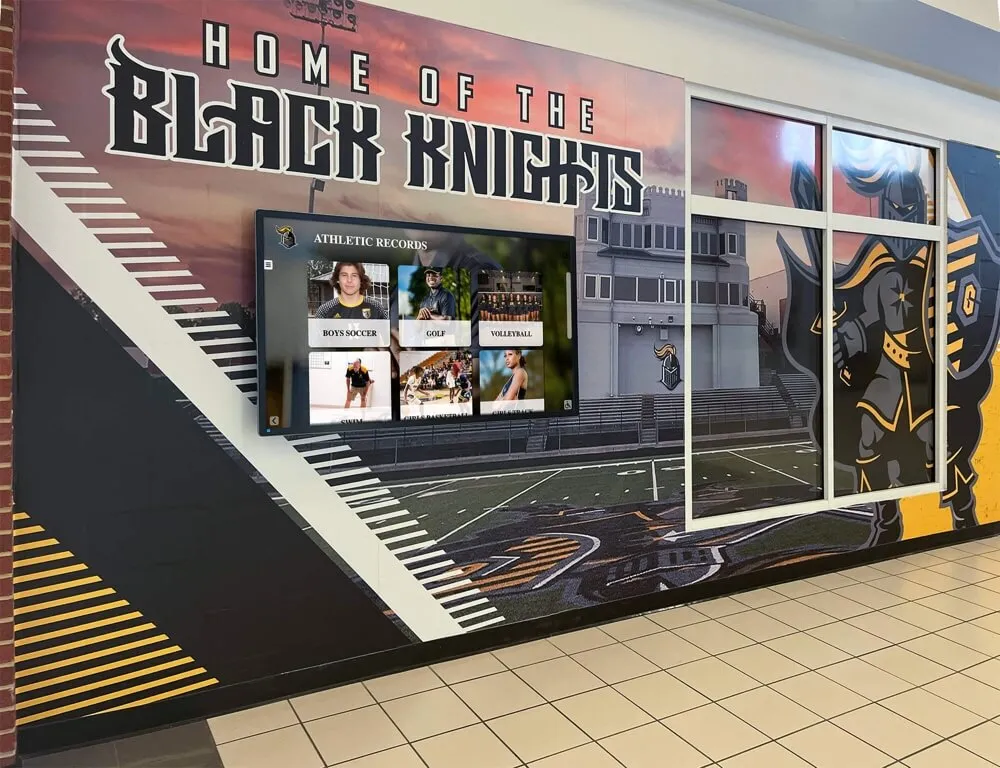
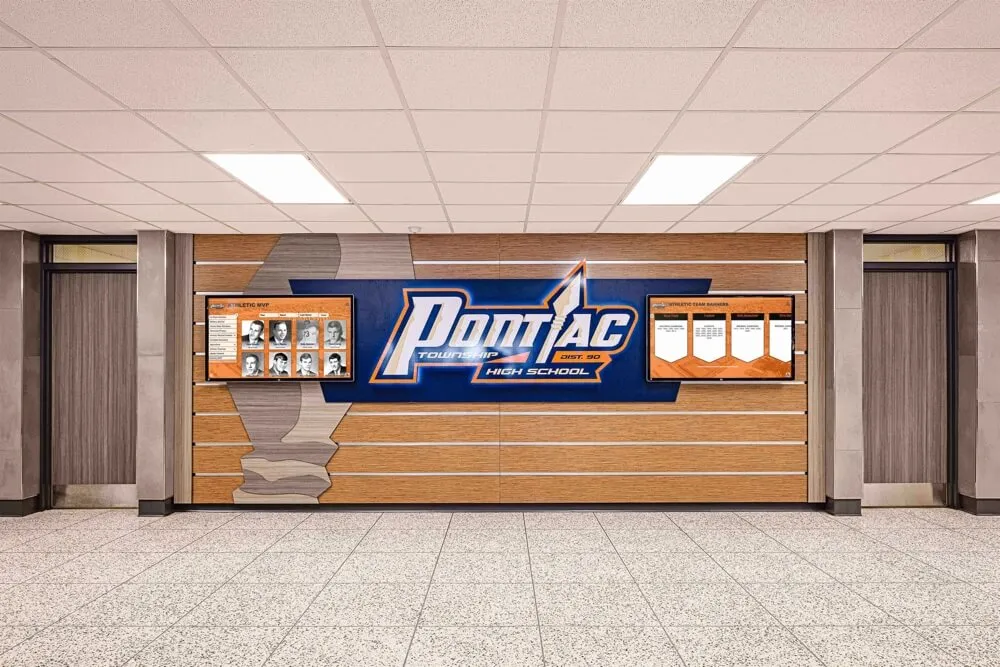
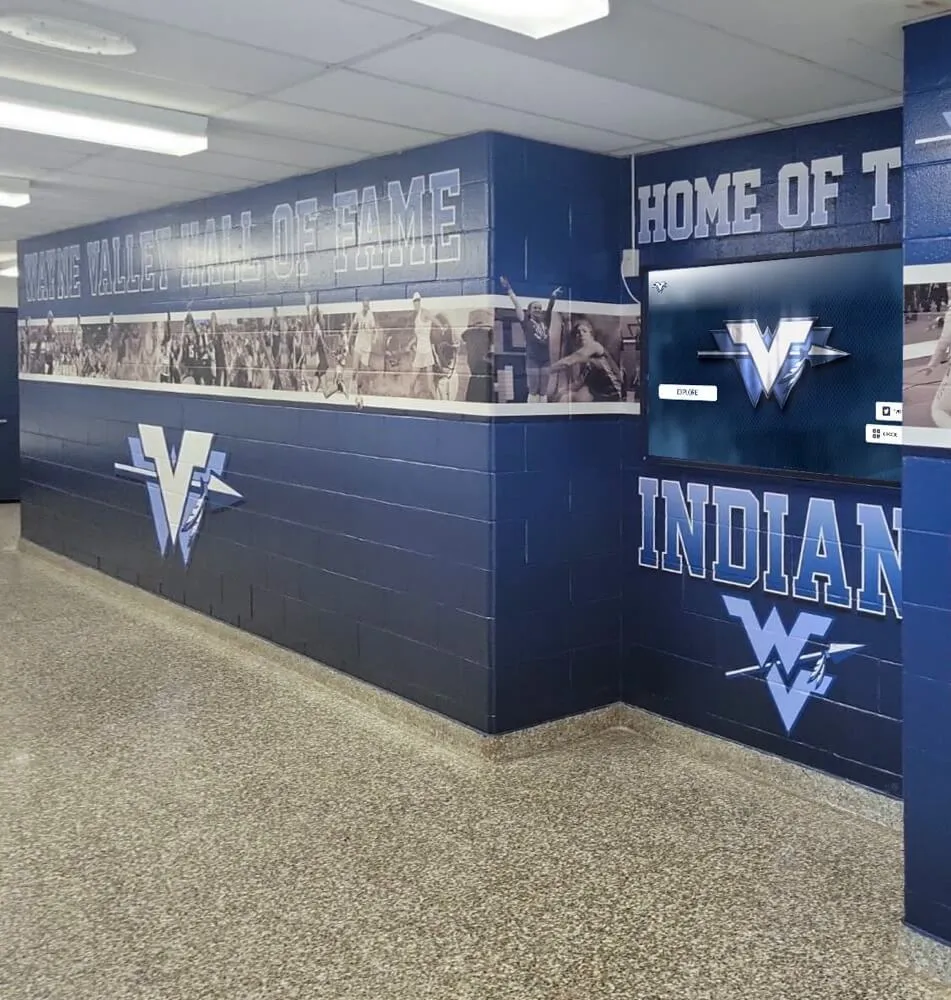
Integrated recognition environments combining trophy cases, digital displays, and branded murals create immersive experiences that transform ordinary hallways into pride-building showcases celebrating institutional excellence comprehensively
Trophy Display Maintenance and Management
Sustainable trophy programs require ongoing attention ensuring displays remain effective and appealing.
Regular Cleaning and Upkeep
Consistent maintenance preserves display quality:
Scheduled Cleaning Protocols Establish regular cleaning schedules for display cases, glass, trophies, and surrounding areas. Dusty, dirty displays suggest neglect that diminishes achievement significance they ostensibly honor. Quarterly deep cleaning supplemented by weekly surface maintenance ensures displays remain presentable.
Trophy Polishing and Restoration Periodically polish trophies maintaining their original luster, removing tarnish from metal awards, and restoring finishes degraded over time. Well-maintained trophies command respect while demonstrating institutional commitment to honoring achievements properly.
Display Case Repairs Address broken locks, cracked glass, failing lighting, or damaged fixtures promptly rather than allowing deterioration to worsen. Proactive repairs maintain display security and presentation quality while preventing minor problems from becoming major replacements.
Labeling Updates and Corrections Review trophy labels periodically, correcting errors, updating information, or improving descriptions as better documentation becomes available. Accurate labeling maintains display credibility while ensuring proper attribution.
Trophy Inventory and Documentation
Systematic record-keeping supports long-term trophy management:
Comprehensive Trophy Databases Maintain digital inventories documenting all trophies including acquisition dates, achievement details, physical locations, condition assessments, and historical documentation. Complete inventories facilitate display planning while preserving institutional knowledge across personnel transitions.
Photography and Digital Preservation Photograph all trophies systematically, creating visual records that serve multiple purposes—display planning, insurance documentation, historical preservation, and digital display content. Photography investments protect against loss while enabling remote trophy sharing.
Achievement Documentation Archive supporting materials—championship programs, newspaper articles, team rosters, season statistics, and competition records—providing context enriching trophy displays and supporting future recognition program development.
Comprehensive recognition programs often benefit from approaches similar to how schools honor athletic leaders and coaching excellence, which face similar documentation and display challenges.
Managing Display Growth Over Time
Proactive planning accommodates ongoing trophy accumulation:
Display Expansion Planning When establishing trophy displays, plan for future growth through modular systems accepting additional cases, expandable digital platforms accommodating unlimited content, or architectural designs reserving space for expansion. Growth planning prevents premature obsolescence.
Regular Display Audits Periodically assess trophy display effectiveness, capacity utilization, aesthetic quality, and community engagement. Systematic evaluation identifies problems early while informing improvement investments and strategic adjustments.
Technology Refresh Cycles For digital display systems, establish technology refresh schedules ensuring platforms remain current, secure, and capable as newer solutions emerge. Planned refreshes prevent sudden obsolescence while maintaining display effectiveness.
Budget Considerations for Trophy Displays
Understanding cost factors enables realistic planning and sustainable investment decisions.
Traditional Display Cost Factors
Physical trophy displays involve various expense categories:
Initial Case Purchase and Installation Quality trophy cases range from several hundred dollars for basic wall-mounted units to thousands for custom built-in systems. Installation costs depend on complexity—simple wall mounting versus architectural renovation incorporating recessed displays or custom millwork.
Lighting Systems Integrated LED lighting adds $100-500 per case depending on sophistication. Professional electrical installation may require additional costs, particularly for displays in locations lacking nearby power sources.
Ongoing Maintenance Expenses Budget for cleaning supplies, repair parts, glass replacement, lighting maintenance, and periodic professional cleaning services. Annual maintenance costs typically represent 5-10% of initial display investment.
Space Opportunity Costs Consider that trophy display space could serve alternative purposes—classroom space, storage, or other functional uses. While difficult to quantify directly, opportunity costs factor into comprehensive space allocation decisions.
Digital Display Investment Considerations
Technology-based trophy displays involve different cost structures:
Platform Licensing or Purchase Digital recognition platforms typically operate on subscription models ($1,000-5,000+ annually depending on features and school size) or one-time purchases for self-hosted systems. Evaluate total cost of ownership across expected platform lifespans.
Initial Content Development Launching digital trophy displays requires content creation—trophy photography, information compilation, scanning historical documents, and platform population. Initial setup represents significant time investment or professional service costs if outsourcing content development.
Hardware Requirements If deploying touchscreen kiosks for physical installation, budget for commercial-grade displays ($2,000-8,000+ depending on size and quality), mounting systems, protective enclosures, and installation. Web-only platforms eliminate hardware costs while reducing interactive physical presence.
Ongoing Content Management Digital platforms require staff time for regular updates adding new trophies, correcting information, improving content, and managing platform administration. Budget approximately 5-10 hours annually per sport for basic content management.
Schools exploring various recognition approaches might review booster club program ideas that often fund trophy display improvements through targeted fundraising campaigns.
Funding Strategies for Trophy Display Projects
Creative funding approaches support display improvements:
Booster Club Support Athletic booster organizations frequently fund trophy display projects recognizing their role celebrating achievements supporting groups helped produce. Booster funding often covers both initial installation and ongoing maintenance.
Alumni Association Contributions Alumni groups invest in recognition displays honoring achievements from their own athletic generations while creating permanent institutional showcases. Alumni funding particularly supports comprehensive historical recognition initiatives.
Naming Rights and Sponsorships Offer corporate sponsors or major donors naming rights for trophy display areas—“The Smith Family Trophy Gallery” or “Community Bank Athletic Hall of Champions.” Naming opportunities generate substantial funding while acknowledging supporter contributions publicly.
Capital Campaign Integration Incorporate trophy display components into broader facility renovation capital campaigns, positioning recognition infrastructure as essential elements of athletic facility planning rather than afterthought additions.
Phased Implementation Approaches If budgets limit comprehensive display overhauls, implement improvements incrementally—start with most visible locations, address highest-priority sports first, or begin with digital platforms requiring lower initial investment while planning physical display renovations for future phases.
Trophy Display Ideas for Specific School Spaces
Different locations offer unique display opportunities and challenges.
Gymnasium and Arena Trophy Displays
Athletic facility displays create powerful program connections:
Lobby Feature Walls Transform gymnasium lobbies into trophy showcases greeting all event attendees—home fans, visiting teams, officials, and community members. Lobby feature walls establish home-field advantage while celebrating tradition.
Concourse Displays Utilize arena concourses for timeline trophy displays viewers explore while moving between seating areas, concessions, and restrooms. Concourse displays maximize exposure during events while providing engaging content during competition breaks.
Court and Floor Perimeter Recognition In larger facilities, install trophy displays along basketball court perimeters, wrestling mat edges, or competition floor sides where athletes compete directly adjacent to championship recognition. Proximity creates powerful symbolic connections.
Upper-Level Championship Galleries Utilize gymnasium upper levels or mezzanines for comprehensive trophy galleries that don’t compete for premium ground-level space. Elevated galleries create destination areas while preserving main-level traffic flow.
Academic Building Trophy Displays
Recognition extends beyond athletic facilities:
Main Entrance Recognition Position academic achievement trophies—math competition wins, science olympiad championships, debate tournament victories, robotics competition awards—in academic building entrances celebrating intellectual excellence parallel to athletic achievement.
Library and Media Center Displays Showcase academic and fine arts trophies in libraries or media centers where students studying or conducting research encounter evidence of institutional excellence across multiple domains.
Departmental Office Displays Distribute relevant trophies to academic departments earning them—science competition awards in science wings, debate trophies in English departments, business competition recognition in career and technical education areas.
Comprehensive recognition programs might explore approaches similar to honor society recognition displays that celebrate academic excellence alongside athletic achievements.
Performing Arts Trophy Displays
Fine arts achievements deserve appropriate recognition:
Auditorium Lobby Showcases Feature performing arts trophies—band competition awards, choir festival honors, drama competition recognition, orchestra achievements—in auditorium lobbies where music and theater audiences encounter them before performances.
Practice Room Displays Install trophy displays in band rooms, choir rooms, or theater spaces where daily practice occurs. Practice space displays connect effort with results while building program tradition and pride.
Competition Trophy Integration Display marching band, show choir, or theater competition trophies chronologically showing program evolution and competitive success trajectories across seasons and decades.
Technology Trends Shaping Trophy Display Future
Emerging technologies create new recognition possibilities:
Augmented Reality Trophy Experiences
Cutting-edge platforms layer digital content onto physical trophies:
AR-Enhanced Physical Displays Visitors using smartphone AR apps can point devices at physical trophies, triggering overlay content—championship game video highlights, 3D athlete models, statistics visualizations, or interactive trophy histories. AR bridges physical trophy preservation with rich digital storytelling.
Virtual Trophy Collection Exploration AR applications enable virtual trophy room walkthrough experiences where users explore comprehensive trophy collections digitally regardless of physical location. Virtual exploration extends access beyond building visitors to global audiences.
Social Media Integration
Connected displays facilitate digital sharing:
Share-Ready Digital Trophy Cards Digital platforms generate shareable trophy cards optimized for social media posting—attractive graphics featuring trophy images, achievement details, and school branding that community members can easily share celebrating institutional excellence.
Alumni Engagement Connections Trophy displays linked to alumni databases enable personalized connections—alumni visiting digital trophy displays see their own team memberships highlighted, receive notifications when their achievements are featured, or contribute memories enriching trophy stories.
Community Voting and Recognition Interactive platforms enable community members to vote on favorite trophies, share memories about championship seasons, or nominate achievements for special feature displays. Engagement transforms passive trophy viewing into active community participation.
Understanding comprehensive fundraising strategies often employed for recognition programs, schools might explore approaches like fundraising thermometer displays that visualize progress toward trophy display improvement goals.
Analytics and Engagement Measurement
Data-driven insights optimize trophy displays:
Viewing Pattern Analysis Digital platforms track which trophies, sports, and achievement eras generate most engagement, informing content development priorities and display organization decisions based on actual viewer interests.
Dwell Time Measurement Analytics reveal how long viewers engage with different display sections, identifying which presentation approaches capture sustained attention versus which get quickly passed over.
Geographic Access Patterns Web-based trophy displays reveal where viewers access content geographically—local community, dispersed alumni, prospective families—enabling targeted promotion strategies and community-specific engagement efforts.
Creating Memorable Trophy Display Experiences
Beyond functional display, thoughtful design creates memorable community experiences:
Interactive Elements
Engagement features transform passive viewing into active exploration:
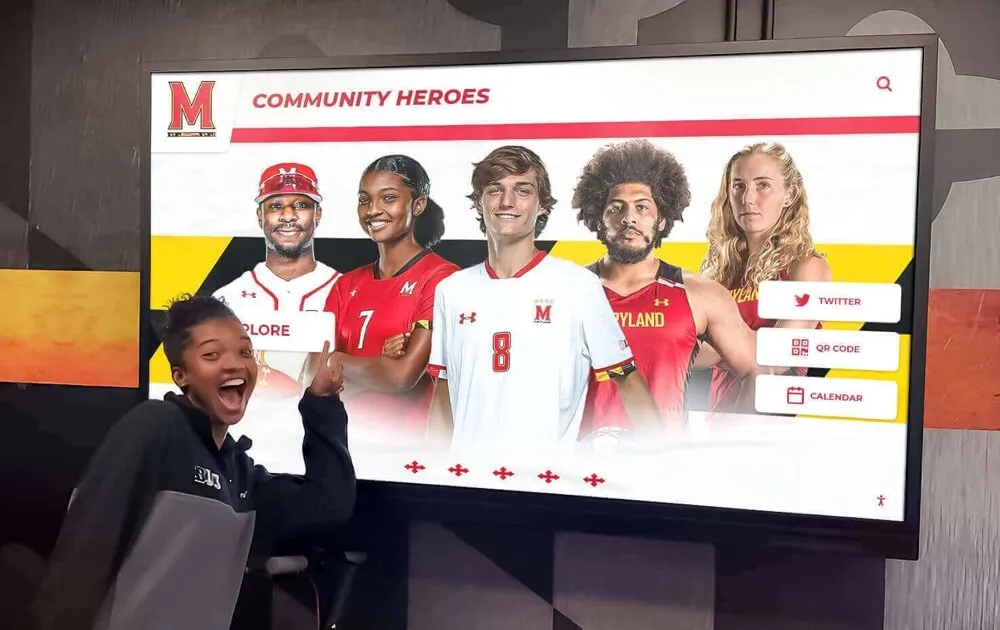
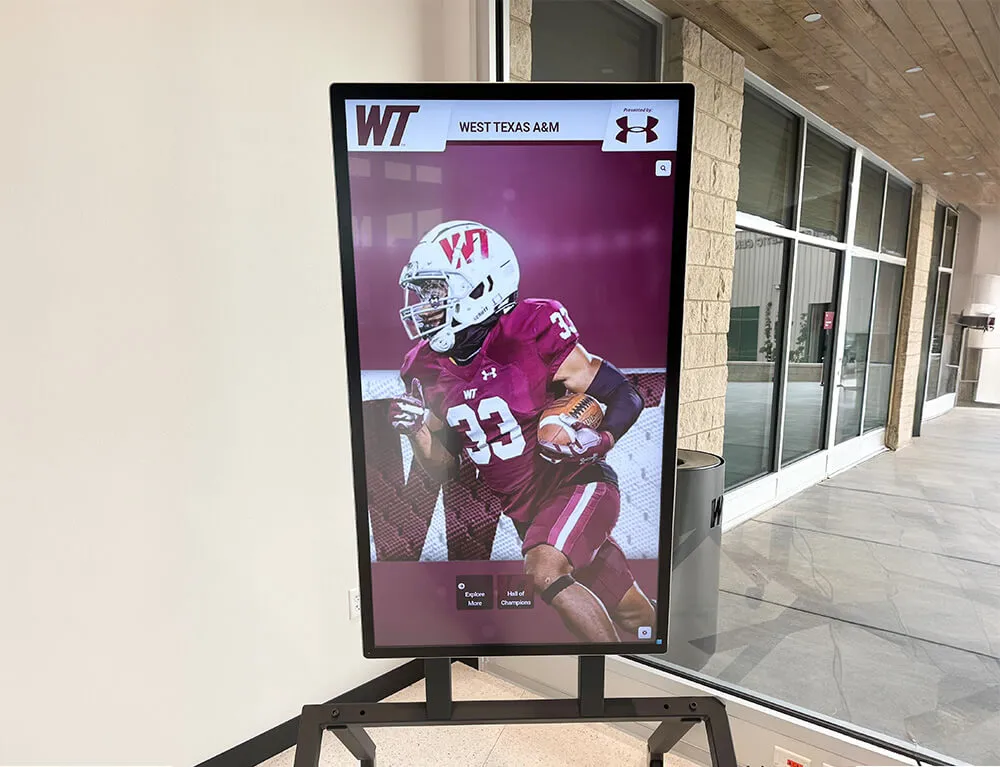
Touch-Enabled Trophy Discovery Interactive touchscreens enable visitors to explore trophy collections through intuitive search, filtering, and navigation rather than passively viewing static arrangements. Touch interaction creates memorable experiences while improving information access.
Championship Timeline Navigation Interactive timelines allowing viewers to select specific years, exploring championship rosters, season records, and competition results from chosen eras. Timeline navigation supports both casual exploration and focused research.
Coach and Athlete Profile Connections Link trophies to comprehensive coach and athlete profiles containing biographical information, career statistics, achievement histories, and personal reflections. Profile connections humanize trophies while preserving individual stories alongside team achievements.
Ceremonial and Event Integration
Connect trophy displays with ongoing programs and celebrations:
Championship Trophy Ceremonies Establish formal trophy unveiling ceremonies when new championship trophies arrive, creating community events celebrating achievements while inducting awards into permanent displays. Ceremonies elevate trophy significance beyond mere display additions.
Anniversary Celebrations Mark championship anniversaries through special displays, reunion events, or digital campaigns featuring specific trophies and their achievement stories. Anniversary recognition maintains historical achievement relevance while connecting past and present.
Student Engagement Programs Create educational programs where students research trophy histories, interview championship team members, or develop content enriching digital displays. Student involvement builds research skills while creating meaningful connections with institutional heritage.
Schools developing comprehensive recognition approaches might explore examples from famous alumni recognition programs that demonstrate effective integration of achievement celebration with ongoing community engagement.
Conclusion: Building Trophy Displays That Inspire Excellence
Effective trophy displays accomplish far more than storing awards in glass cases—they celebrate achievement authentically, preserve institutional heritage across generations, inspire current students through tangible evidence of excellence possibilities, and create gathering points where communities connect over shared pride in accomplishment. Whether implementing traditional display cases, adopting modern digital platforms, or combining both approaches through hybrid systems, schools that approach trophy display thoughtfully create recognition experiences honoring past achievements while motivating future excellence.
The most effective trophy displays share common characteristics regardless of format—prominent positioning ensuring regular visibility, organized presentation creating clarity rather than clutter, comprehensive context providing storytelling that transforms trophies from objects into inspiration, and sustainable management ensuring displays remain current and well-maintained across years. Traditional approaches offer tangible presence and ceremonial weight, while digital solutions provide unlimited capacity, rich multimedia storytelling, and extended community reach beyond physical locations.
For schools facing space constraints, seeking more engaging presentation approaches, or planning comprehensive recognition program overhauls, digital trophy display platforms offer substantial advantages. Solutions like Rocket Alumni Solutions provide purpose-built systems designed specifically for educational institutions, combining professional presentation with user-friendly content management that enables comprehensive trophy recognition without physical space limitations while creating interactive experiences that engage current students, celebrate alumni achievements, and strengthen community connections.
Ultimately, trophy displays represent investments in institutional culture—visual statements about what schools value, whom they choose to honor, and how they preserve traditions connecting past excellence with future aspirations. Thoughtful trophy display development ensures that hard-won championships, competition victories, and achievement milestones receive recognition worthy of the dedication required to earn them.
Modern recognition platforms enable schools to showcase complete trophy collections without space constraints, provide rich multimedia context that physical engravings cannot accommodate, extend recognition access to geographically dispersed communities, and create engaging interactive experiences that transform passive viewing into active exploration. These comprehensive approaches ensure every championship receives appropriate recognition while inspiring current students through tangible evidence of excellence possibilities achievable through dedication, teamwork, and commitment to distinction.
Request your free custom demo to explore how purpose-built trophy display technology can transform your school’s recognition program, creating comprehensive showcases celebrating championship achievements while overcoming traditional display limitations through innovative digital solutions designed specifically for educational excellence celebration.
Schools investing in effective trophy displays demonstrate institutional commitment to honoring achievement properly, preserving heritage systematically, and creating visible cultures where excellence receives celebration inspiring future generations toward similar distinction. Whether renovating existing display cases, planning new facility recognition infrastructure, or exploring digital alternatives expanding recognition capacity beyond physical constraints, these trophy display ideas provide frameworks for creating showcases worthy of the championships they celebrate and the athletes, coaches, and programs whose dedication built distinguished traditions deserving permanent recognition and lasting honor.