Track and Field Day Ideas: How to Plan a Memorable Athletic Event at Your School
- Home /
- Digital Hall of Fame Insights & Resources /
- Track and Field Day Ideas: How to Plan a Memorable Athletic Event at Your School
The Easiest Touchscreen Solution




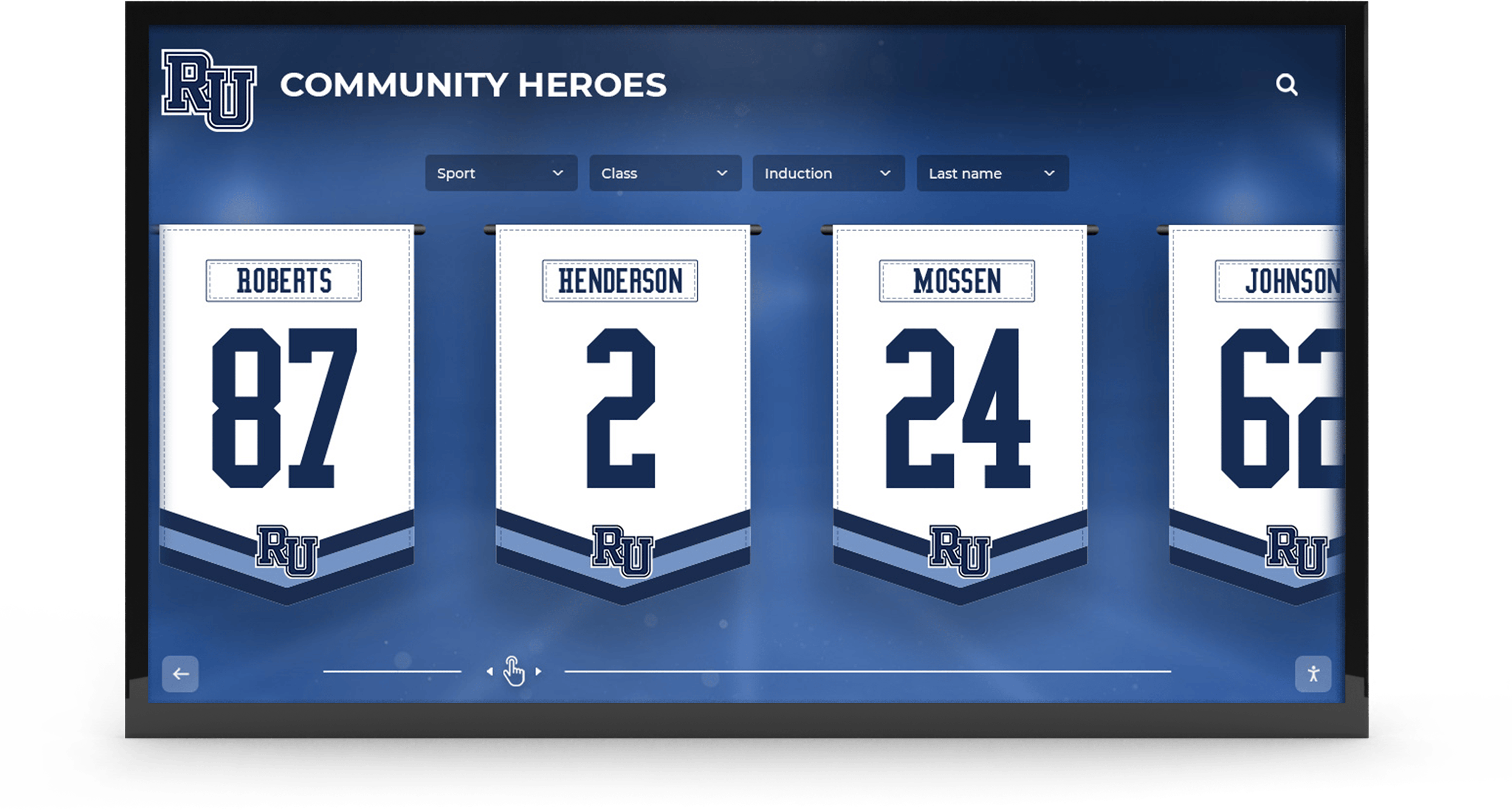
Live Example: Rocket Alumni Solutions Touchscreen Display
Interact with a live example (16:9 scaled 1920x1080 display). All content is automatically responsive to all screen sizes and orientations.
Track and field day represents one of the most anticipated events on the school calendar—a celebration of athletic ability, teamwork, and school spirit that brings entire student bodies together for competition and community building. These events create opportunities for students of all skill levels to participate, compete, and celebrate physical achievement outside traditional sports team structures, fostering inclusive athletic experiences that build memories lasting long after elementary, middle, or high school.
Yet many physical education teachers, athletic directors, and event coordinators struggle to create track and field days that remain engaging, well-organized, and meaningful for diverse student populations. Traditional approaches—limited event variety, chaotic transitions between stations, minimal recognition beyond first-place finishers, inadequate volunteer management—often result in lengthy wait times, disengaged students, and celebrations falling short of their community-building potential.
This comprehensive guide explores creative track and field day ideas spanning event selection, scheduling strategies, station management, volunteer coordination, recognition systems, and celebration traditions. Whether you’re planning your first field day or enhancing established traditions, these frameworks help create athletic celebrations honoring diverse achievements while inspiring continued commitment to physical fitness, sportsmanship, and school pride.
Track and field days serve multiple educational purposes beyond physical competition—they promote healthy lifestyle habits, demonstrate inclusive athletic participation, celebrate effort and improvement alongside competitive excellence, and create shared experiences strengthening school culture across grade levels and ability ranges. Coordinators who approach these events systematically create celebrations that engage all students while remaining manageable to execute with available staff and volunteer resources.

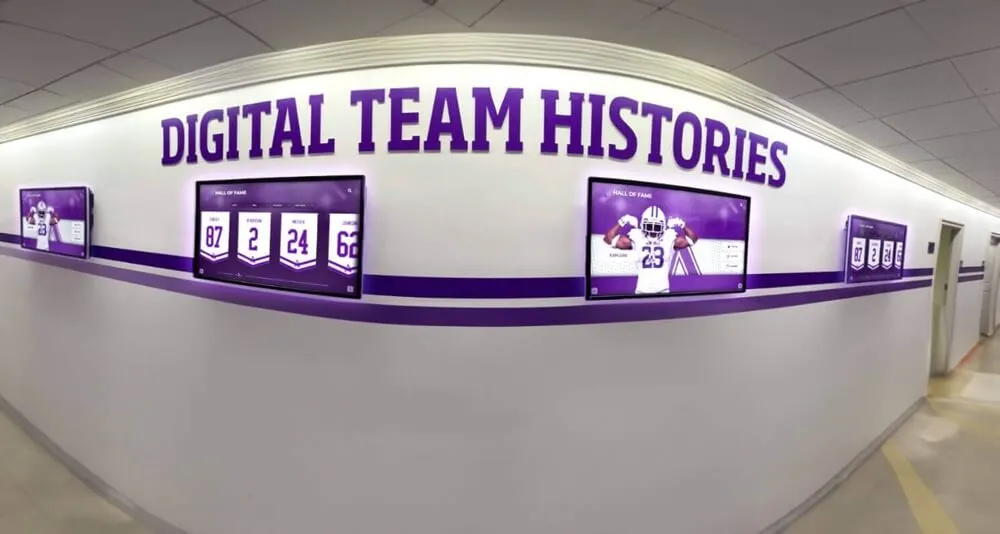
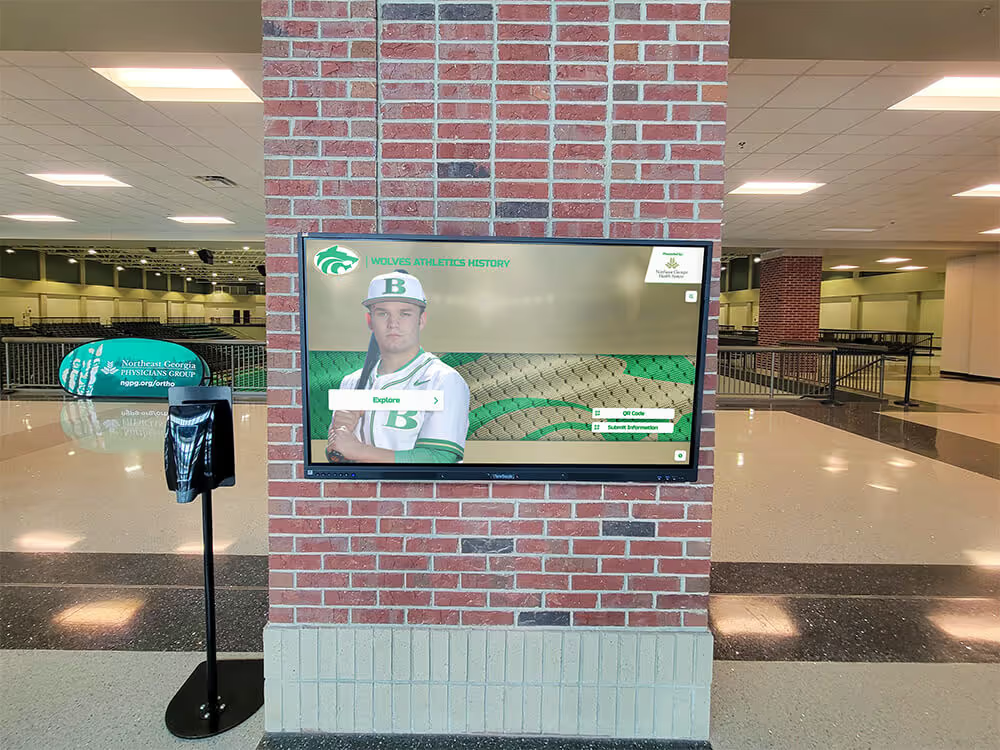
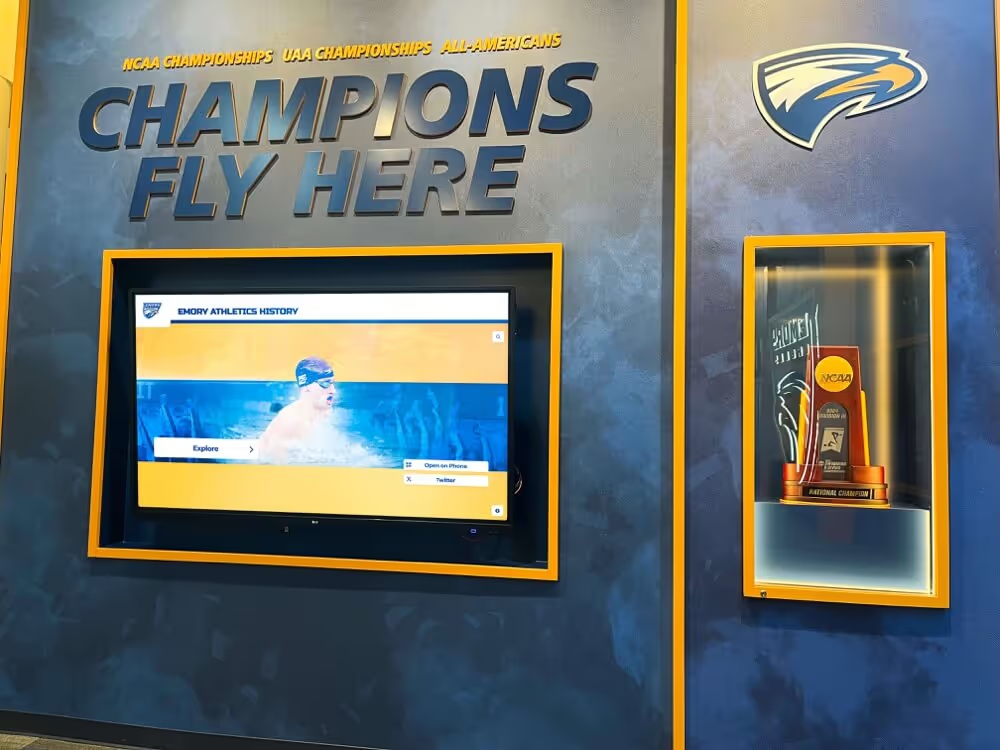
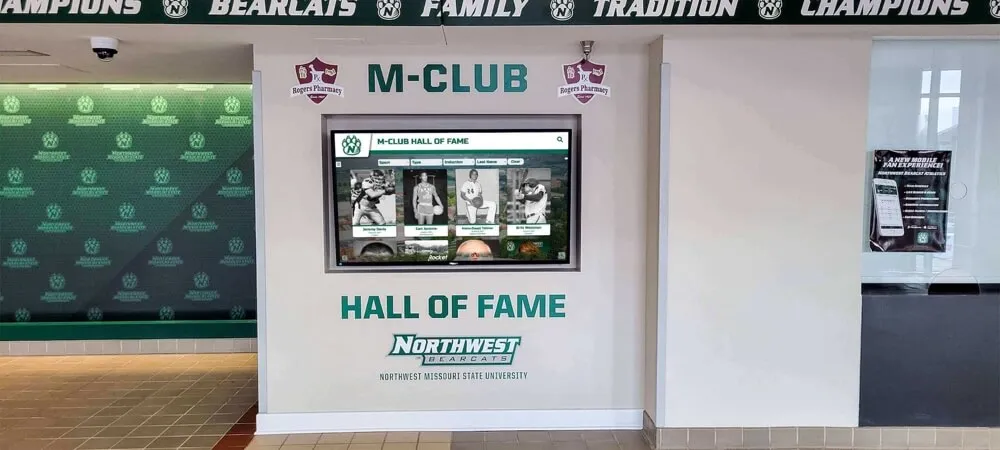
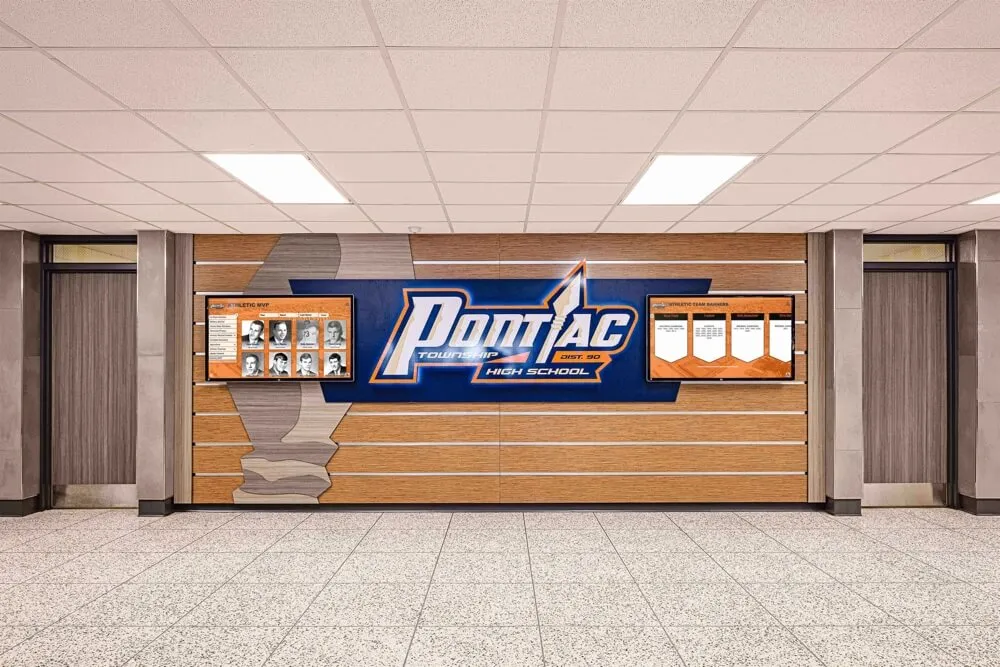
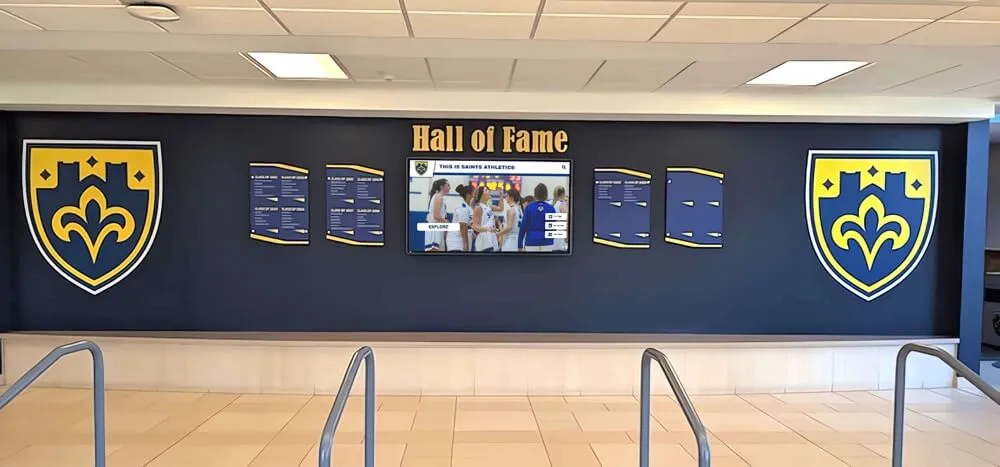
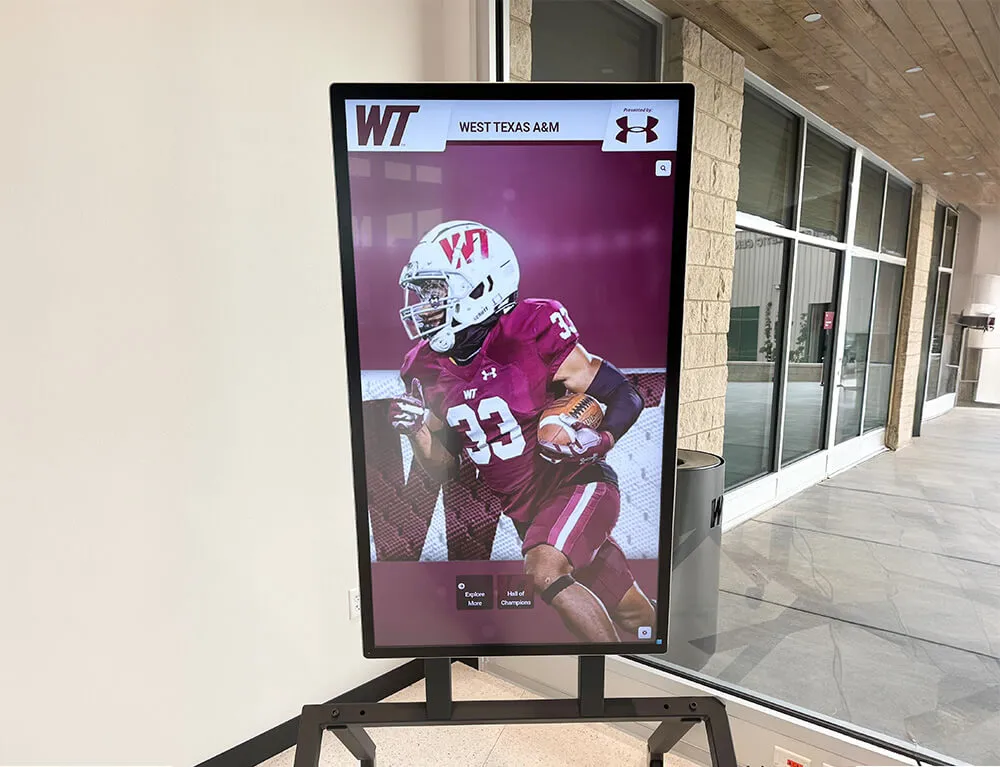
Modern recognition displays enable schools to celebrate track and field day achievements year-round, building athletic pride beyond single-day events
Program Snapshot: Track and Field Day Implementation Framework
Understanding complete planning components helps coordinators design comprehensive events that celebrate achievements while remaining logistically executable within typical school day constraints.
| Program Component | Planning Timeline | Key Considerations |
|---|---|---|
| Initial Planning | 8-12 weeks before event | Date selection, grade level structure, budget determination, event selection |
| Volunteer Recruitment | 6-8 weeks out | Parent coordinators, community volunteers, teacher assignments, student helpers |
| Equipment Planning | 6-8 weeks out | Inventory assessment, rental needs, setup logistics, safety equipment |
| Event Structure Design | 4-6 weeks out | Rotation schedules, heat assignments, timing protocols, scoring systems |
| Communication | 4-6 weeks out | Parent notifications, student preparation, volunteer instructions, weather contingencies |
| Final Logistics | 1-2 weeks out | Team assignments, volunteer confirmation, equipment delivery, setup planning |
| Event Execution | Event day | Setup, registration, event management, timing, scoring, awards ceremony |
| Post-Event Activities | 1-2 weeks after | Recognition updates, photo distribution, thank you communications, evaluation |
Essential Track and Field Day Event Ideas
Comprehensive event selection ensures diverse athletic abilities receive appropriate showcase opportunities throughout the celebration.
Traditional Track Events
Classic running competitions forming the foundation of most field day programs:
Sprint Events
Short-distance races celebrating speed and explosive power:
- 50-Meter Dash - Elementary-appropriate sprint distance emphasizing proper form
- 100-Meter Dash - Classic sprint distance for middle and high school students
- 200-Meter Dash - Longer sprint requiring speed endurance and pacing strategy
- Relay Races - 4×100m or 4×200m team events building cooperation and teamwork
Sprint events provide straightforward competition requiring minimal equipment while creating exciting head-to-head races that generate significant spectator engagement and school spirit throughout field day celebrations.
Middle-Distance and Endurance Events
Longer races acknowledging stamina and mental toughness:
- 400-Meter Run - Quarter-mile distance requiring speed and endurance balance
- 800-Meter Run - Half-mile event testing cardiovascular fitness and pacing judgment
- Mile Run - Classic distance event celebrating sustained effort and determination
- Fun Run - Non-competitive distance option encouraging participation over competition
Distance events recognize athletes who may not excel in sprints, creating recognition opportunities for students demonstrating different athletic strengths while promoting cardiovascular fitness valued in physical education curricula.
Understanding comprehensive athletic recognition programs provides frameworks for celebrating diverse achievements across multiple athletic contexts beyond single events.
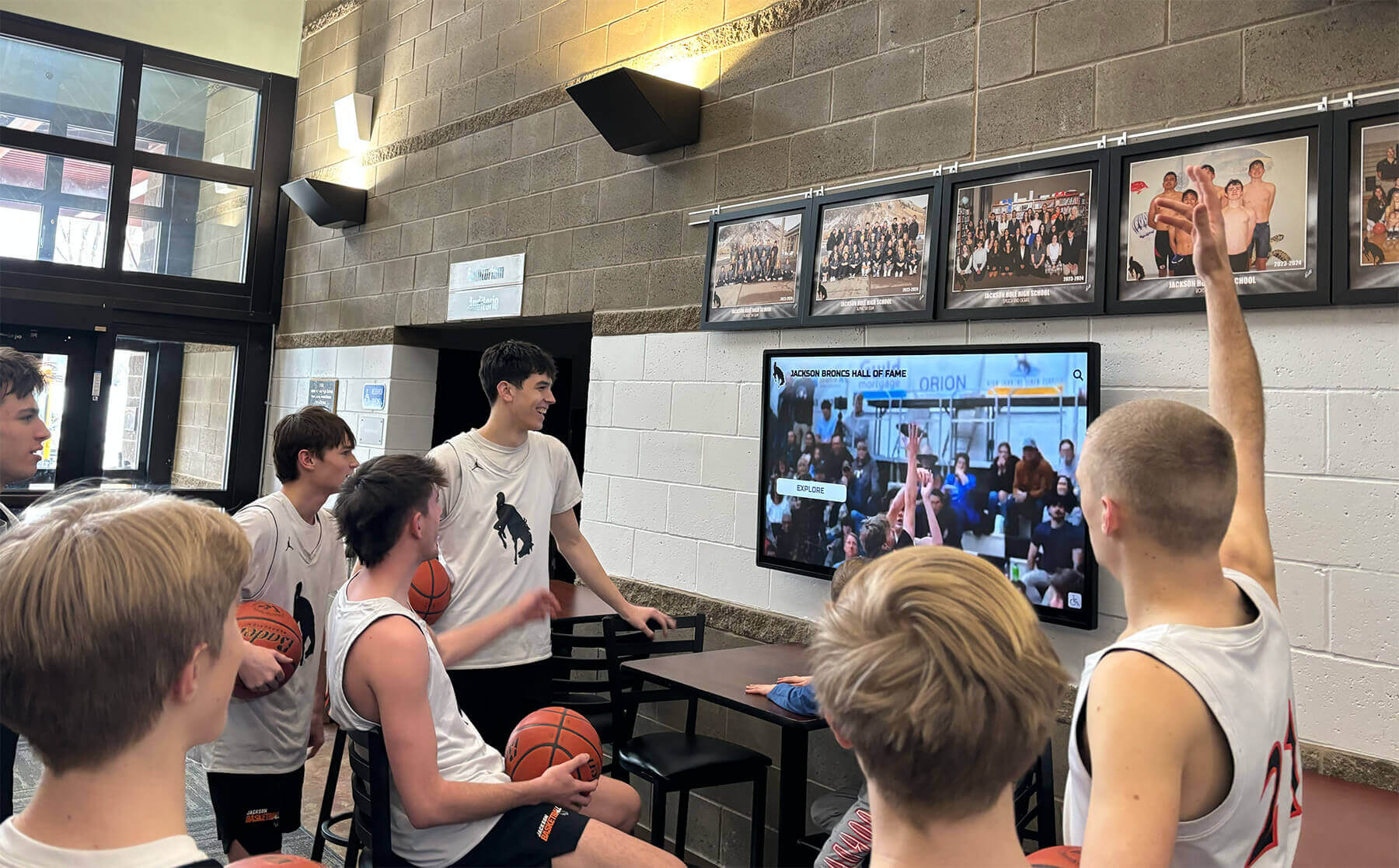
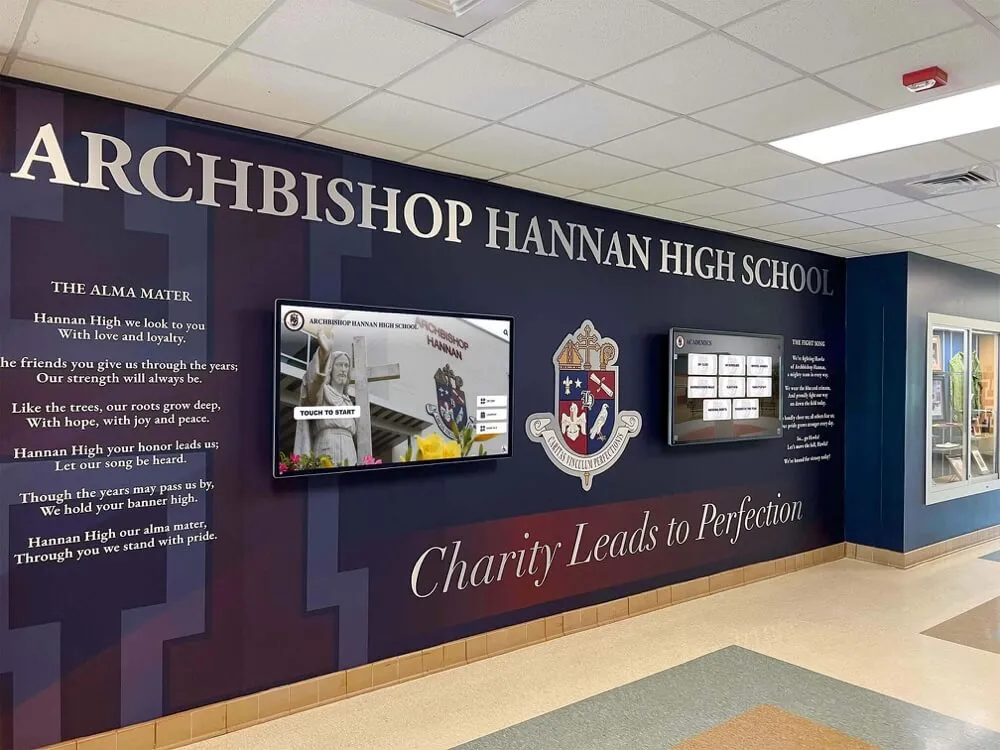
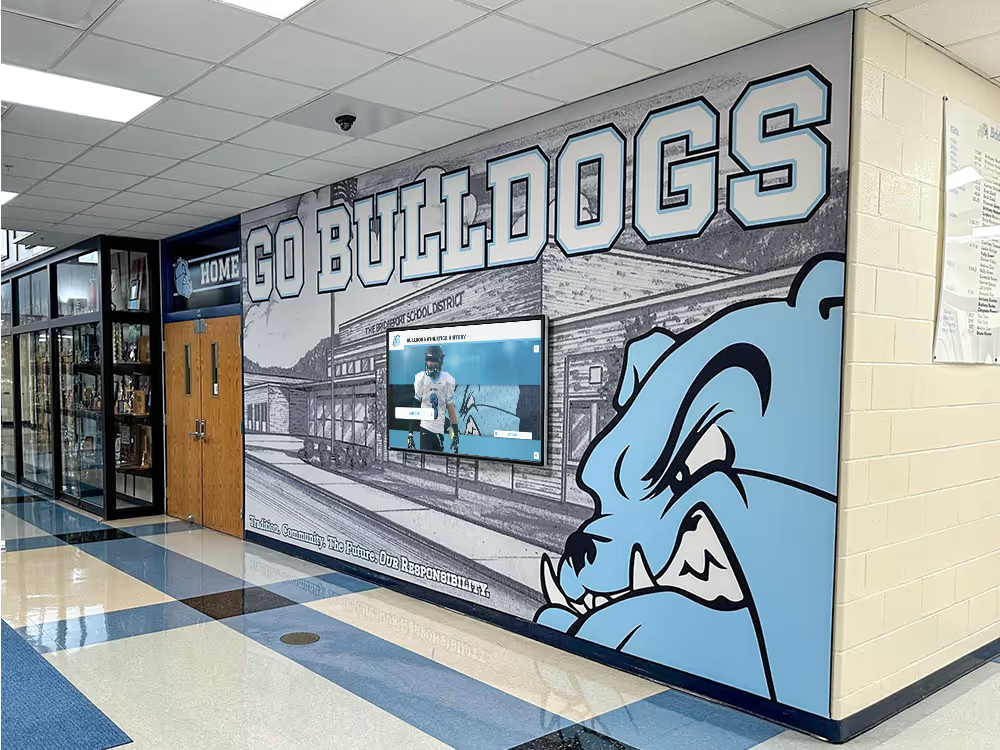
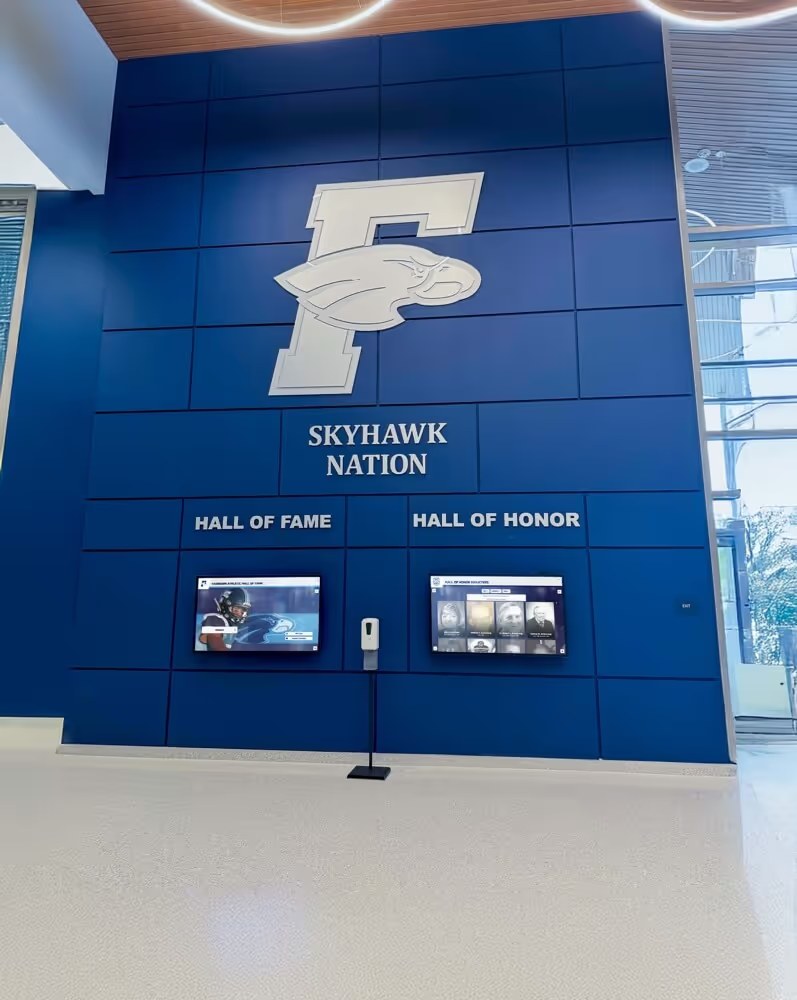
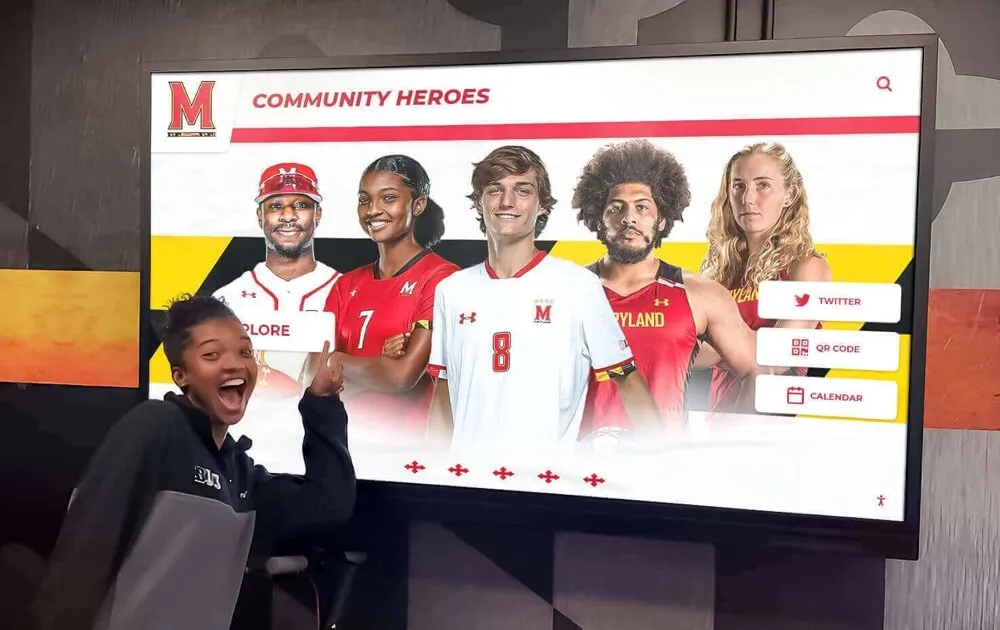
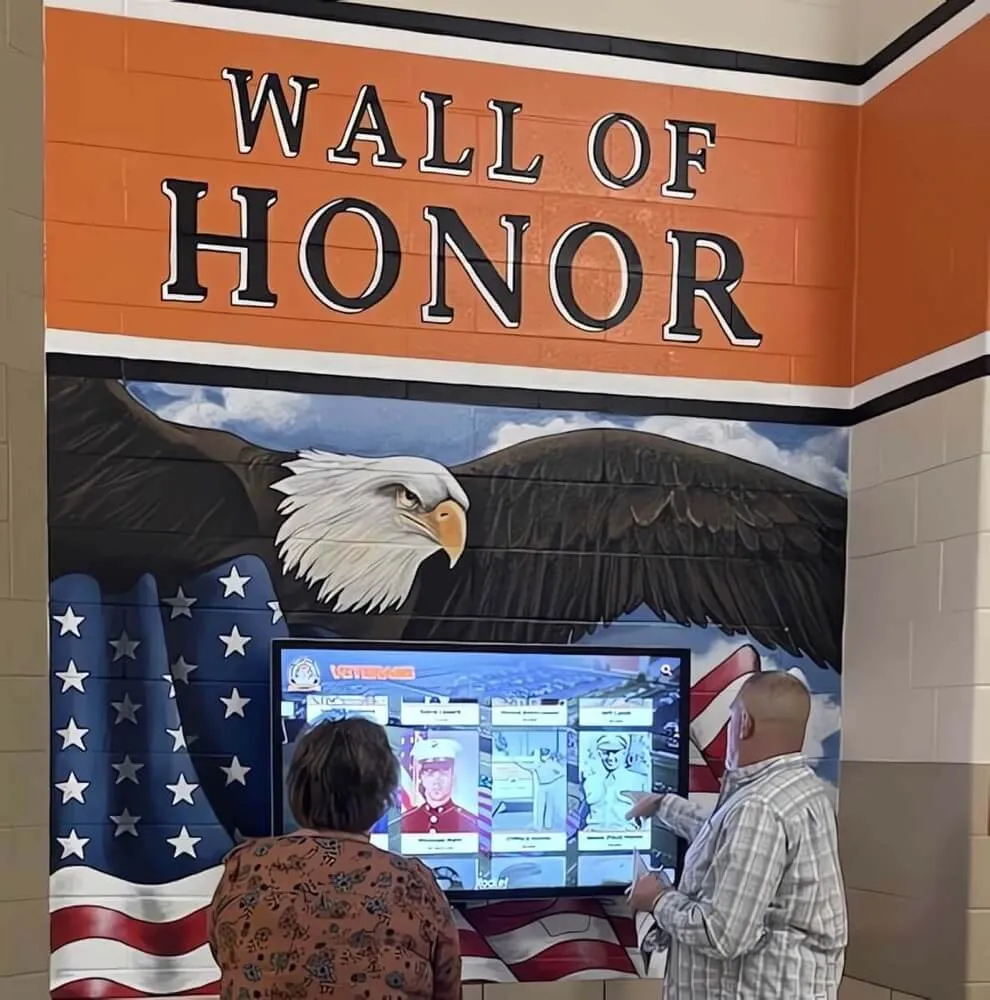
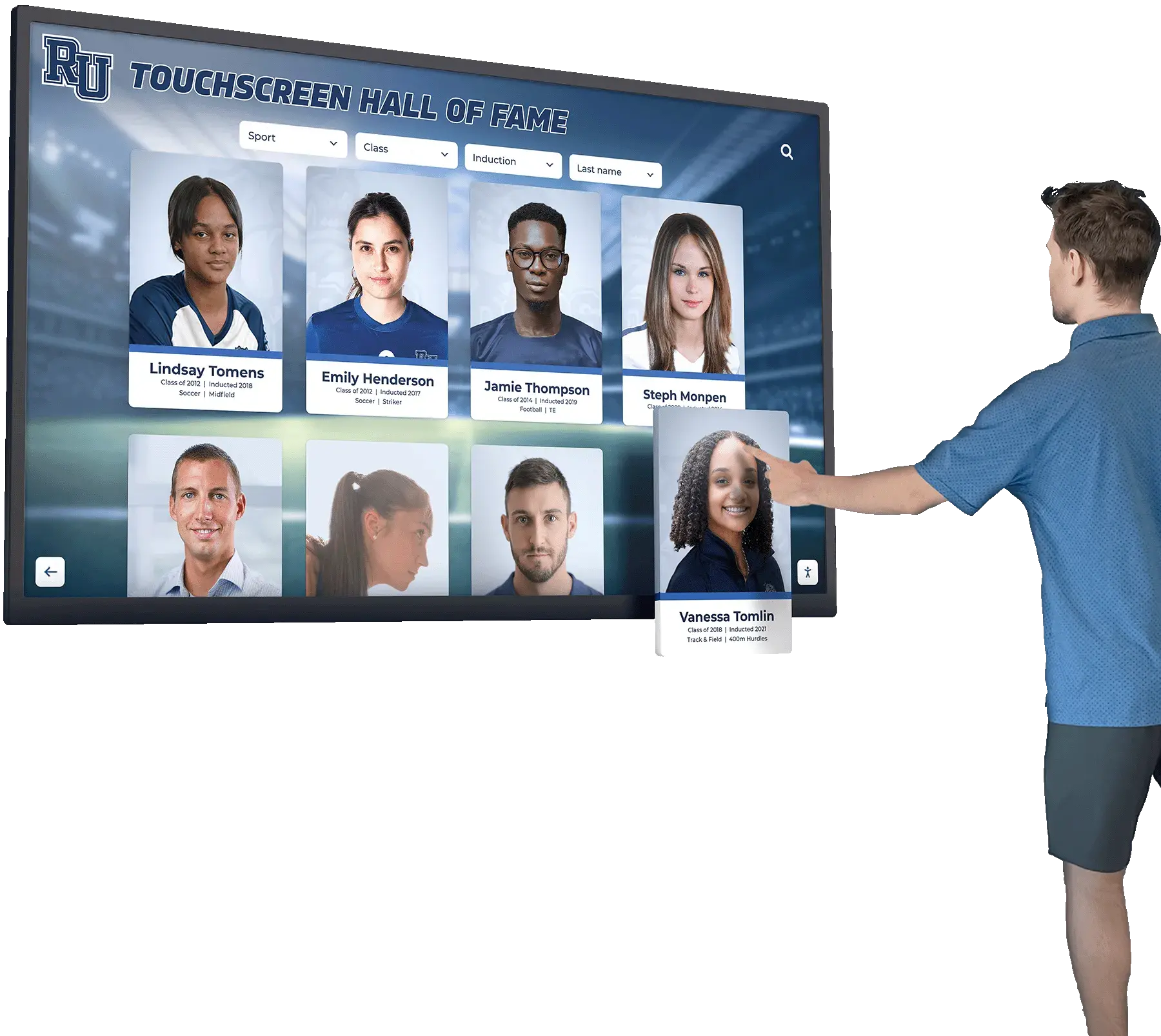
Digital displays enable students to relive athletic achievements and celebrate performance milestones throughout the school year
Field Events Celebrating Strength and Technique
Throwing, jumping, and strength-based competitions diversifying athletic opportunities:
Throwing Events
Distance throws acknowledging power and technique mastery:
- Softball Throw - Elementary-friendly throwing event measuring distance and accuracy
- Football Throw - Popular throwing competition using familiar equipment
- Frisbee Distance Throw - Non-traditional event appealing to diverse interests
- Medicine Ball Throw - Strength event appropriate for older students
Throwing events require minimal space and equipment while creating opportunities for students who excel in power-based activities rather than running competitions, ensuring field days celebrate diverse athletic abilities.
Jumping Events
Explosive power competitions testing technique and athleticism:
- Long Jump - Classic horizontal jump measuring distance from takeoff to landing
- Standing Long Jump - Modified jump eliminating running approach for younger students
- High Jump - Vertical clearance event requiring technique and courage
- Triple Jump - Advanced multi-phase jump for experienced athletes
Jumping events provide dramatic competition moments while acknowledging athletic abilities distinct from running or throwing prowess, creating additional recognition pathways for students with explosive power and coordination.
Explore how student accomplishment recognition extends beyond single events to create year-round celebration systems honoring diverse achievements.
Creative and Non-Traditional Event Ideas
Unique competitions adding variety and increasing participation across ability levels:
Team Relay Variations
Creative relay formats building cooperation and excitement:
- Obstacle Course Relay - Multi-station relay incorporating diverse physical challenges
- Water Balloon Relay - Fun summer event requiring coordination and speed
- Three-Legged Race - Partner coordination event emphasizing teamwork over pure speed
- Wheelbarrow Race - Upper body strength relay requiring partner cooperation
- Sack Race - Traditional field day event generating enthusiasm across grade levels
Modified relay events reduce emphasis on pure running speed, creating opportunities for students to compete through teamwork, creativity, and different physical skills while maintaining the excitement traditional relays generate.
Skill-Based Stations
Technical competitions celebrating precision and practice:
- Target Throw - Accuracy-based throwing at designated targets or hoops
- Dribbling Course - Basketball or soccer ball handling through cone patterns
- Jump Rope Challenge - Endurance or trick-based rope jumping competitions
- Agility Ladder - Footwork and coordination through ladder patterns
- Hula Hoop Contest - Duration or trick-based hula hoop performance
Skill stations diversify athletic challenges beyond traditional track and field, acknowledging that physical education encompasses broader movement competencies than running, jumping, and throwing alone while creating entry points for students intimidated by head-to-head racing.
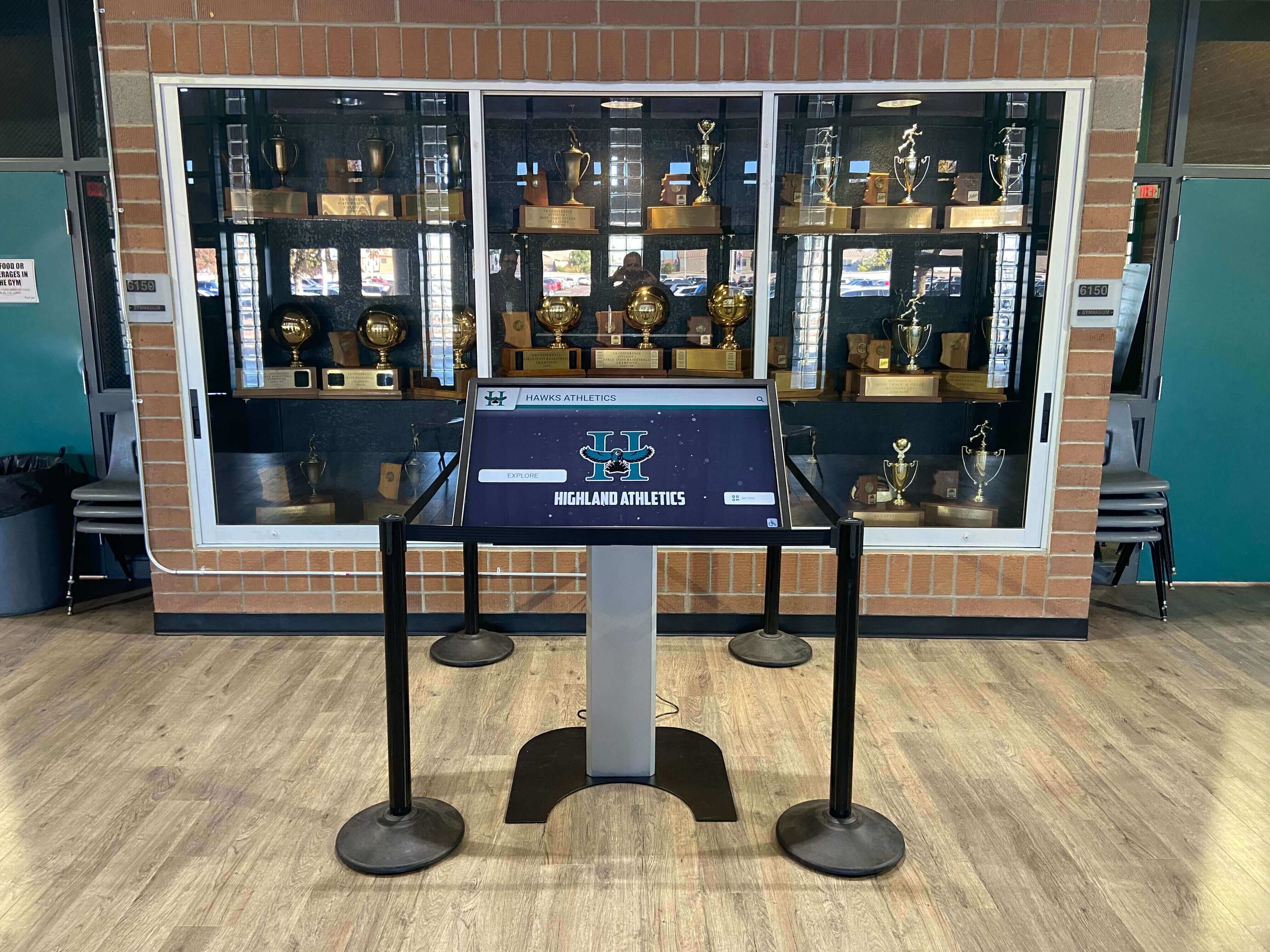
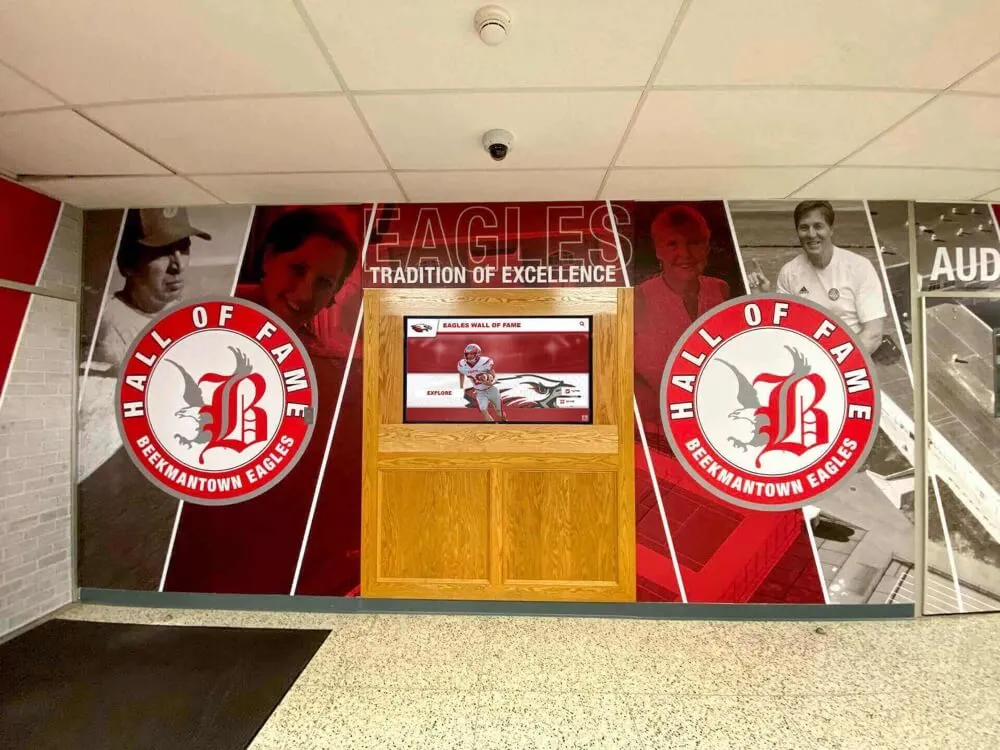
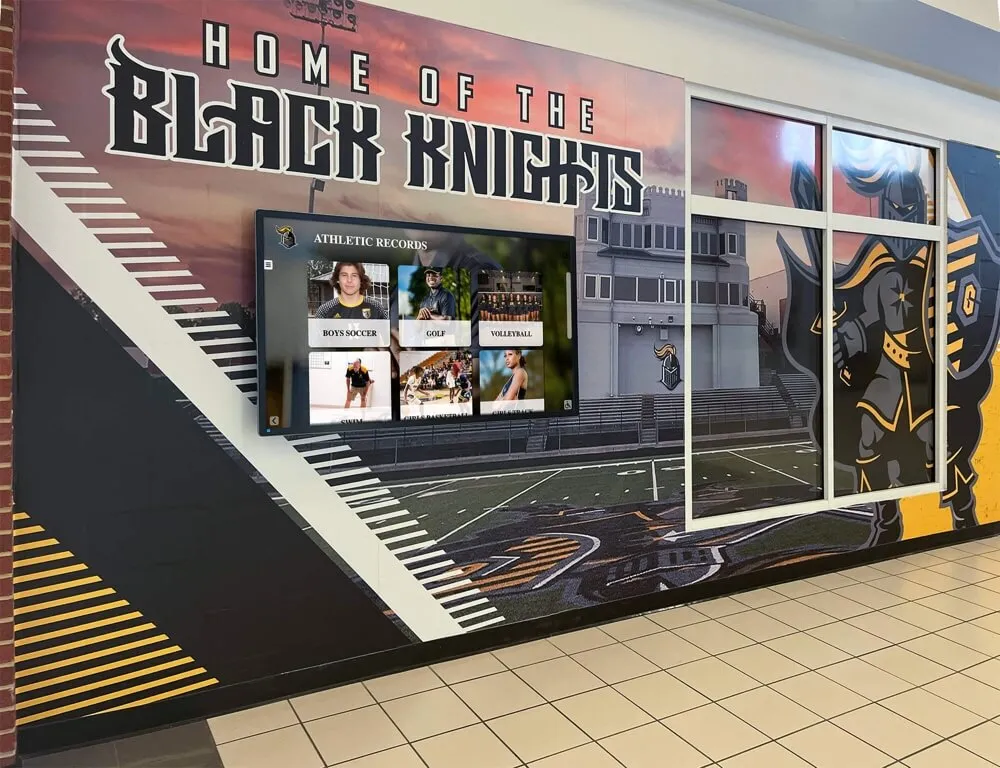
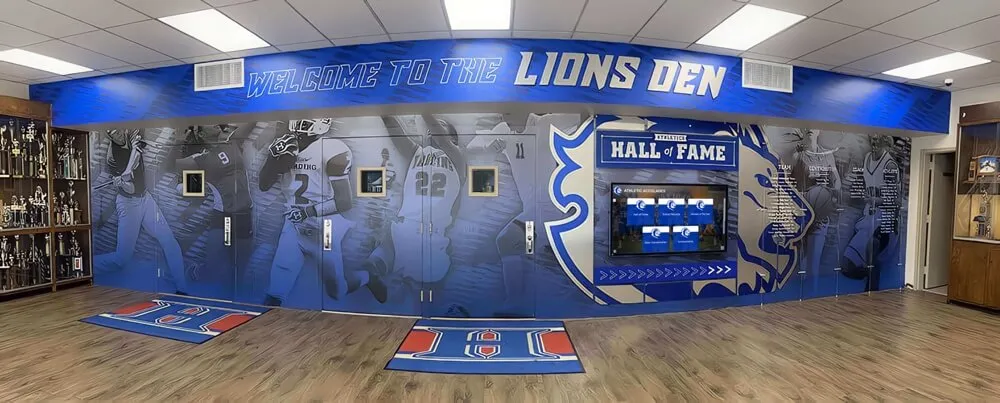
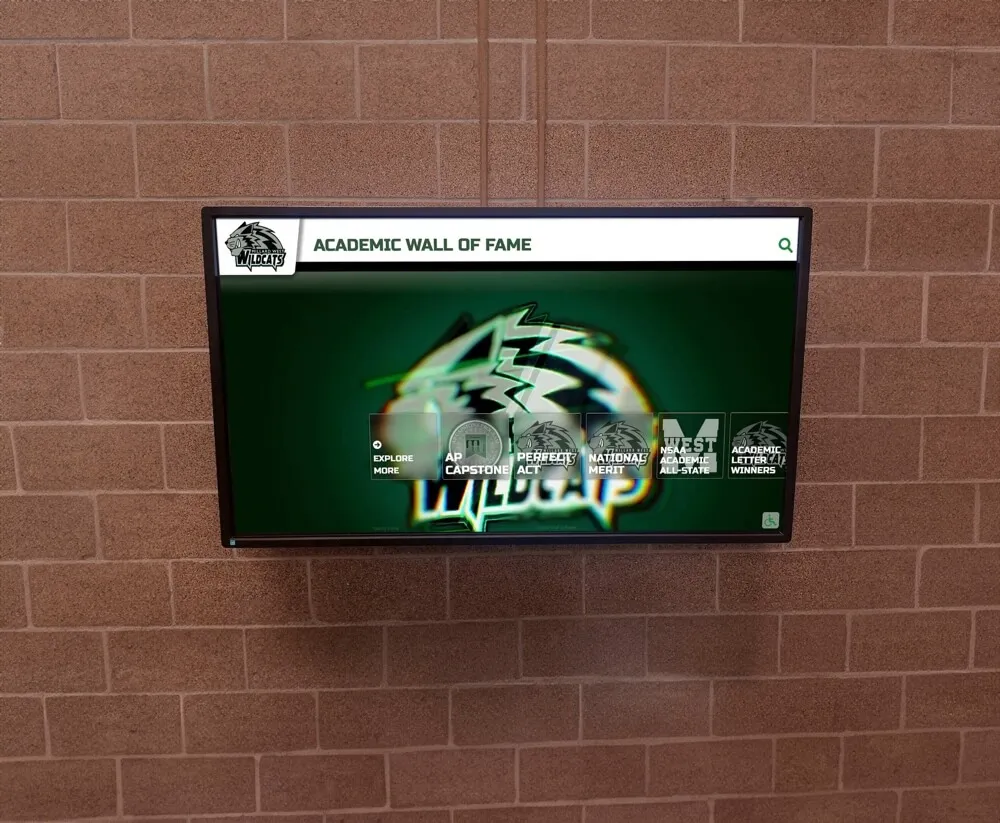
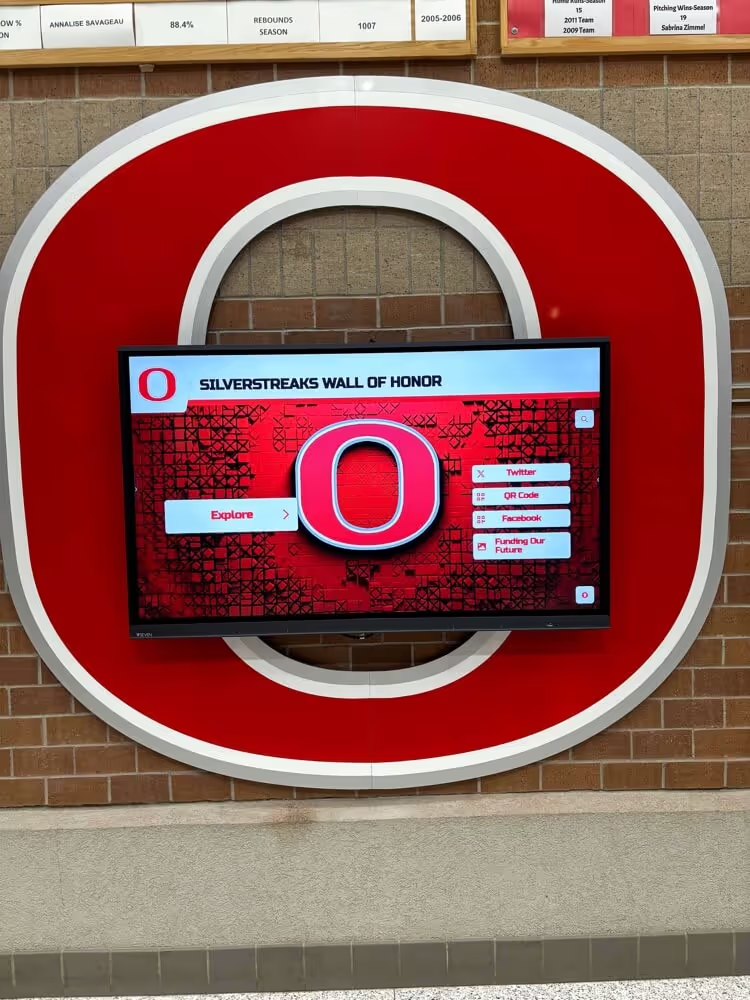
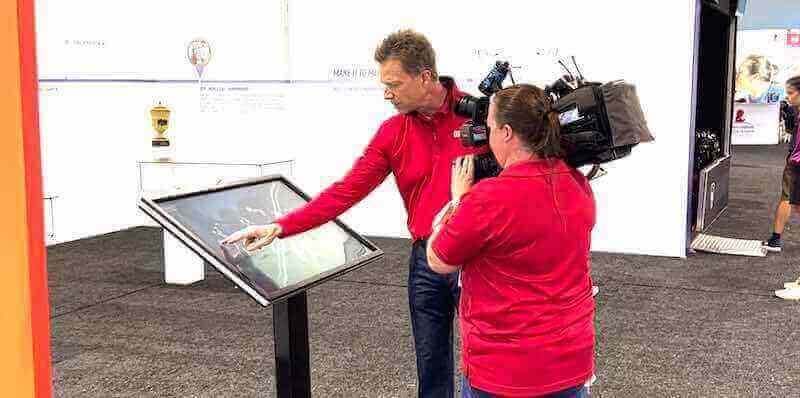
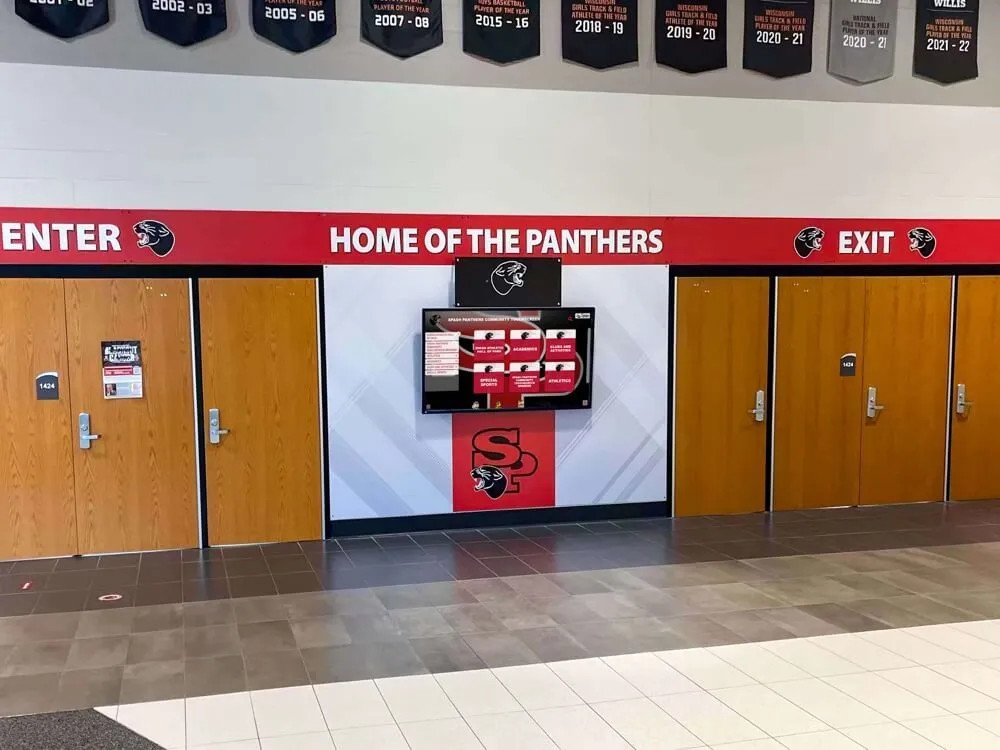
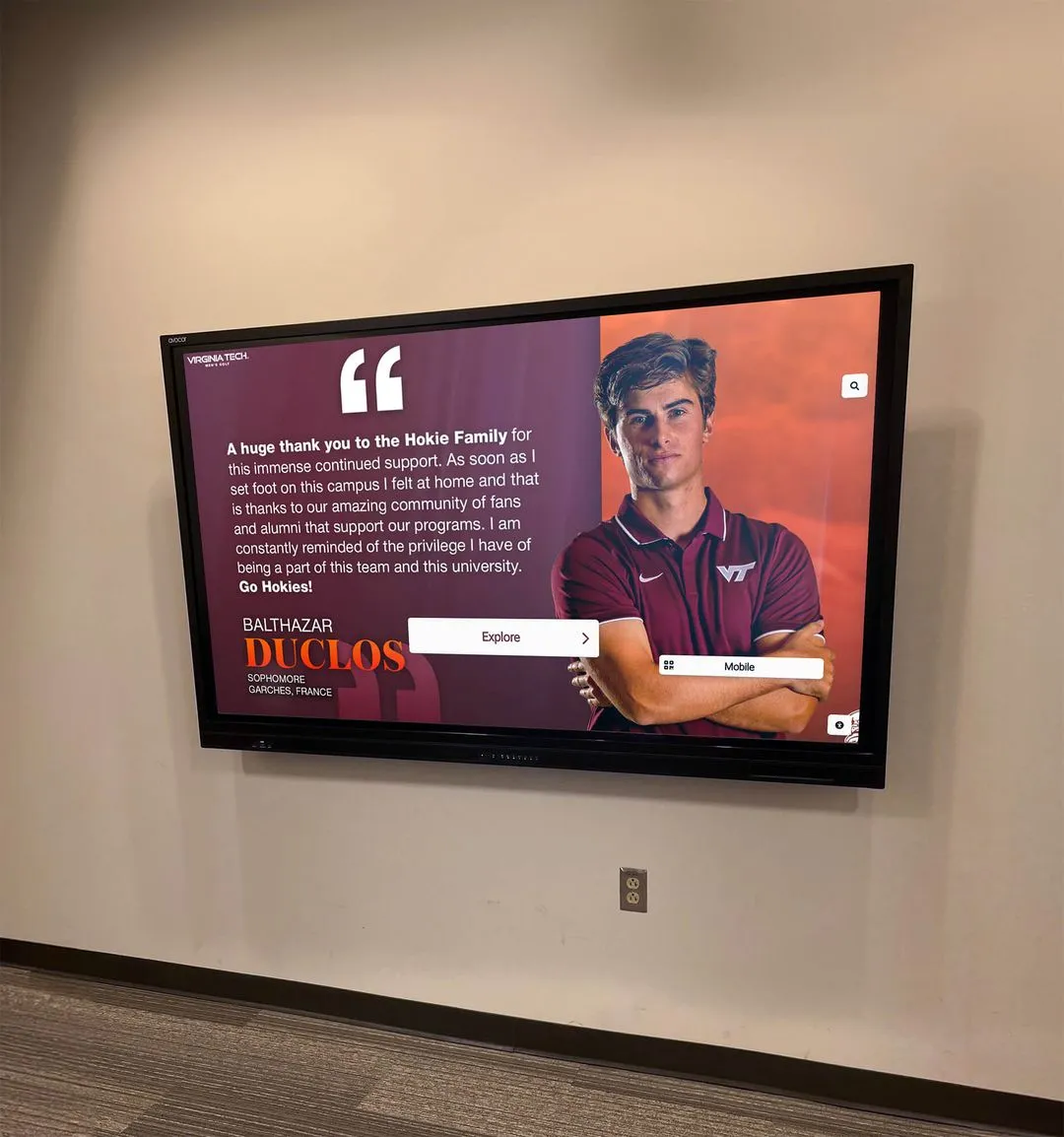
Interactive touchscreen displays complement traditional trophy cases, providing unlimited capacity for comprehensive student recognition beyond physical space limitations
Track and Field Day Organizational Strategies
Systematic planning approaches transform potentially chaotic celebrations into well-executed events maximizing participation while minimizing downtime and confusion.
Station Rotation and Scheduling Systems
Grade-Level Separation
Organizing events by grade creates appropriate competition and manageable group sizes:
- Separate elementary grades (K-2, 3-5) to account for developmental differences
- Create middle school divisions by grade or combined 6-8 competitions
- Design high school events as all-school or class-based competitions
- Consider gender-separated and co-ed event options based on student preferences
Grade-level organization ensures fair competition while simplifying heat management and award distribution, creating age-appropriate athletic challenges that recognize developmental stage differences affecting performance expectations.
Rotation Schedule Options
Different scheduling approaches accommodating various field day formats:
Full-Day Carnival Format
- Students rotate through multiple stations throughout the day
- Each grade completes 8-12 different events during assigned time blocks
- Creates variety and engagement through constant activity changes
- Requires extensive volunteer staffing and station management
- Ideal for elementary schools prioritizing participation over competition intensity
Championship Track Meet Format
- Traditional track meet structure with scheduled heats for each event
- Students compete in 2-4 self-selected events throughout the day
- Emphasizes competitive excellence and personal performance
- Requires fewer simultaneous stations but more precise scheduling
- Better suited for middle and high schools with competitive athletics programs
Hybrid Approach
- Morning features rotating stations with required participation
- Afternoon showcases championship heats in featured events
- Balances broad participation with competitive recognition opportunities
- Accommodates diverse student interests and ability levels
- Creates natural transition from inclusive participation to excellence celebration
Scheduling strategy should align with school culture, available resources, and educational objectives—whether prioritizing universal participation, competitive excellence, or balanced approaches acknowledging both values.
Volunteer Coordination and Station Management
Effective field days require substantial adult supervision—successful events typically need one adult per 15-20 students plus dedicated station managers for each competition area.
Volunteer Role Definitions
Clear responsibility descriptions ensure smooth event execution:
- Station Managers - Oversee individual events, explain rules, judge competition, record results
- Timekeepers - Manage racing events with stopwatches, record official times
- Registration Coordinators - Check in students, distribute team assignments, manage rosters
- Scorekeepers - Compile results across events, calculate team standings, prepare awards
- Safety Monitors - Supervise transitions, ensure proper hydration, address minor injuries
- Logistics Support - Manage equipment, setup/breakdown stations, problem-solve issues
Written role descriptions provided during volunteer recruitment clarify expectations while enabling coordinators to match volunteers with appropriate responsibilities based on experience and comfort levels.
Learn more about athletic facility management approaches ensuring events proceed safely with proper facility preparation and maintenance protocols.
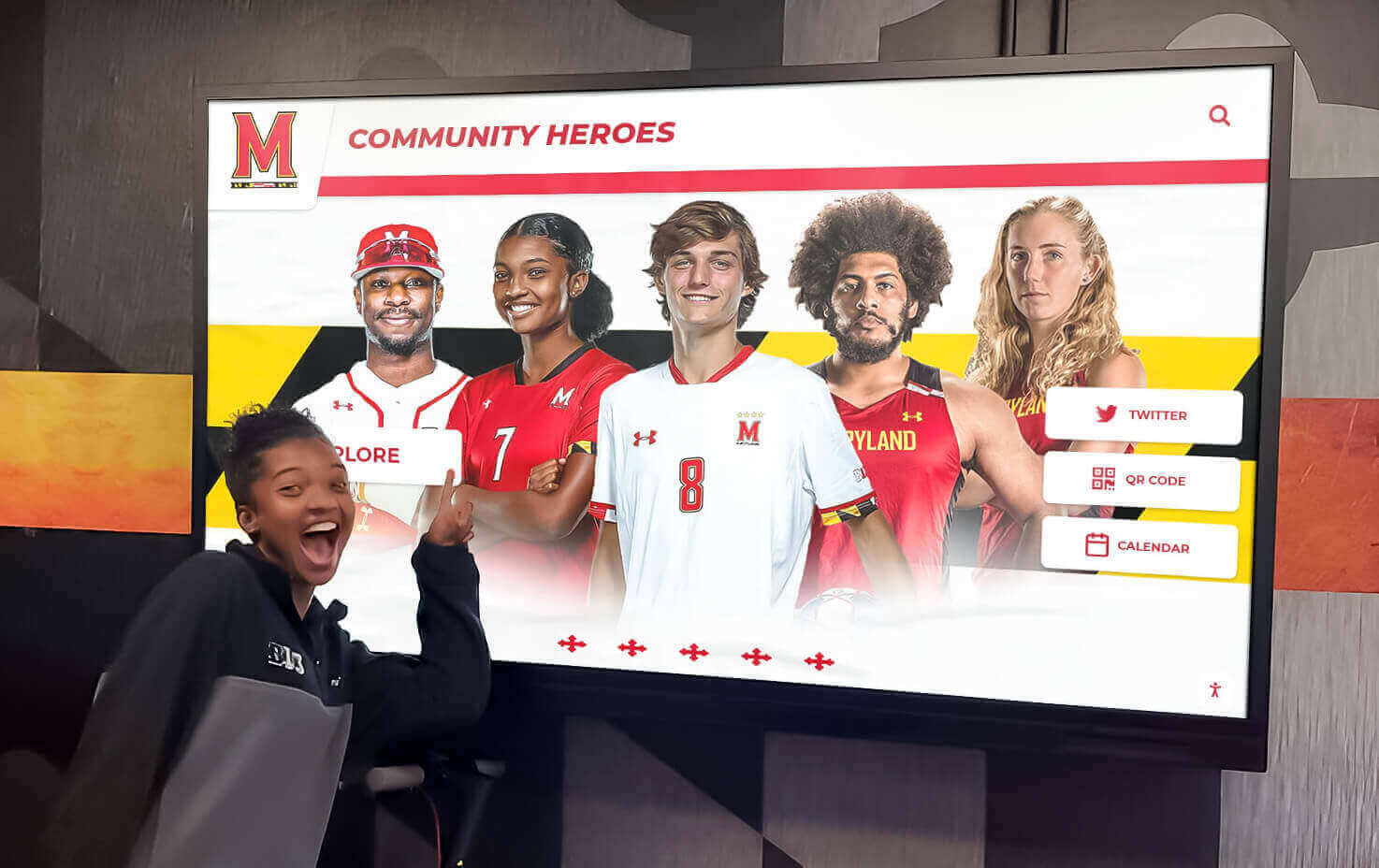
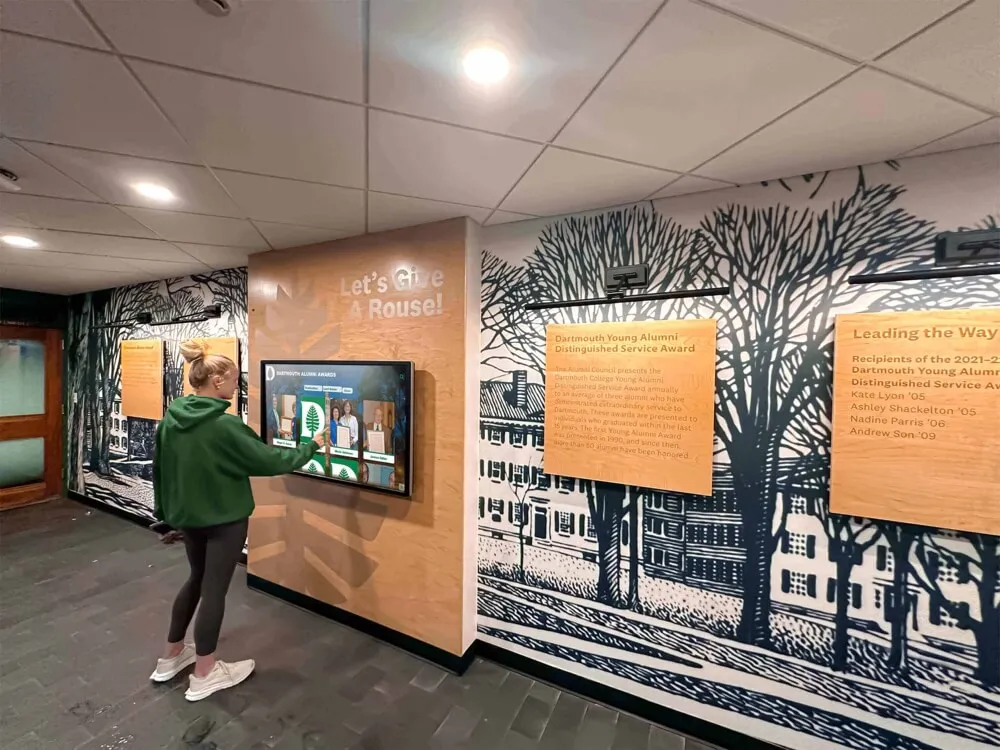
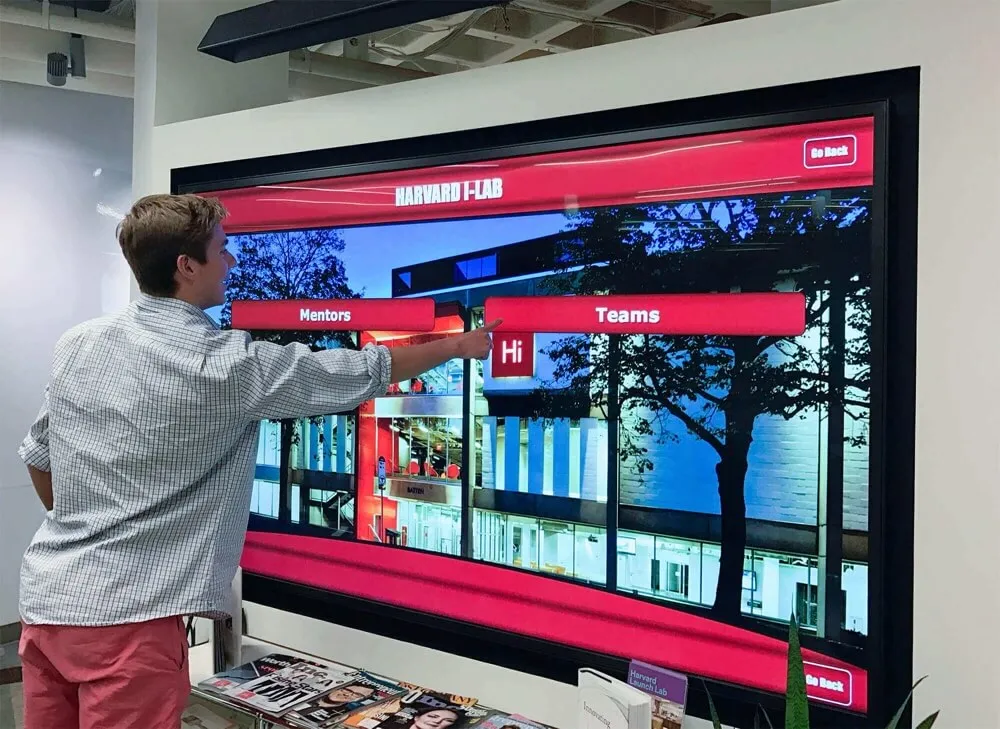
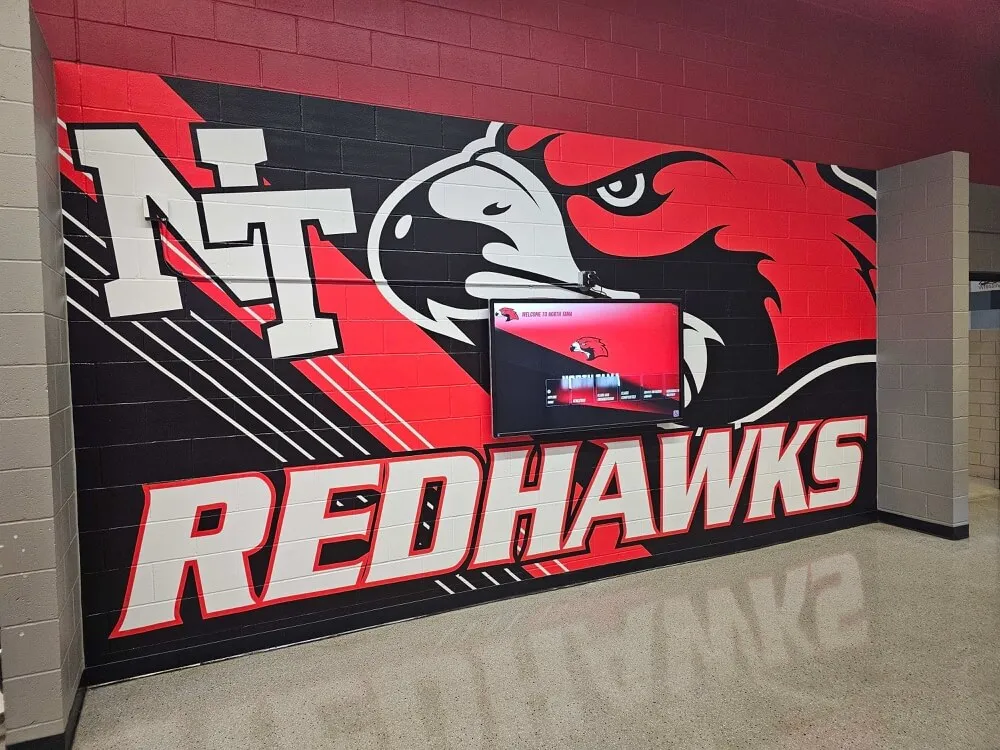
Interactive recognition systems engage students year-round, enabling them to explore athletic achievements and inspire future participation in school events
Recognition Systems and Award Strategies
Thoughtful recognition approaches celebrate achievement across multiple dimensions while ensuring diverse student contributions receive appropriate acknowledgment.
Multi-Tiered Recognition Categories
Comprehensive systems acknowledging various forms of excellence and effort:
Competitive Achievement Awards
Performance-based recognition for measurable success:
- Event Champions - First, second, third place finishers in individual competitions
- Record Breakers - Students setting new school or grade-level performance records
- Age Group Winners - Top performers within specific grade or age divisions
- Heat Winners - Recognition for preliminary heat victories before finals
- Personal Records - Individual improvement compared to previous performances
Competitive awards maintain performance standards celebrating genuine athletic achievement while creating multiple recognition tiers beyond single overall champion designations.
Participation and Effort Recognition
Character-based acknowledgment ensuring all students receive validation:
- Perfect Participation - Students completing all assigned events with full effort
- Sportsmanship Awards - Peer or teacher nominations for positive competitive behavior
- Most Improved - Greatest performance gains from previous year or season
- Spirit Awards - Outstanding enthusiasm, encouragement, and school pride demonstration
- Team Leadership - Positive influence on teammates and classmates
Effort-based recognition communicates that participation, improvement, and character matter alongside competitive results, ensuring students who may not win events still find meaningful acknowledgment for valued contributions.
Understanding perfect attendance recognition approaches provides frameworks for celebrating consistent effort and commitment applicable to athletic participation contexts.
Team Competition Structures
Collaborative recognition building community connections:
- Homeroom Championships - Cumulative points across all events by classroom
- House System Competition - School-wide teams competing for overall victory
- Grade Level Challenges - Inter-grade competitions building class pride
- Color Wars - Traditional team-based field day format with assigned color groups
Team structures create collective celebration opportunities while reducing individual performance pressure, ensuring students who may not excel individually still contribute meaningfully to team success through consistent effort across multiple events.
Digital Recognition and Year-Round Celebration
Modern technology enables field day recognition extending beyond single-day awards ceremonies:
Immediate Results Display
Real-time performance tracking building excitement throughout events:
- Digital leaderboards showing current standings as events conclude
- Live result updates enabling spectators to follow competition progression
- Photo galleries capturing action shots and celebration moments
- Video highlights showcasing outstanding performances and memorable moments
Immediate visibility creates engagement and anticipation throughout field days while providing documentation enabling later recognition through school communication channels and permanent displays.
Permanent Achievement Recognition
Year-round displays honoring field day excellence:
- Digital record boards showcasing event records and championship performances
- Interactive touchscreen displays enabling students to explore historical results
- Photo galleries documenting field day traditions across years
- Achievement profiles highlighting student athletic accomplishments
Permanent recognition systems extend field day impact beyond single events, creating visible reminders of athletic achievement that build school pride while inspiring future students to pursue similar excellence through training and participation.
Explore how digital recognition options enable schools to celebrate achievements comprehensively without physical space limitations inherent in traditional trophy cases and plaque walls.

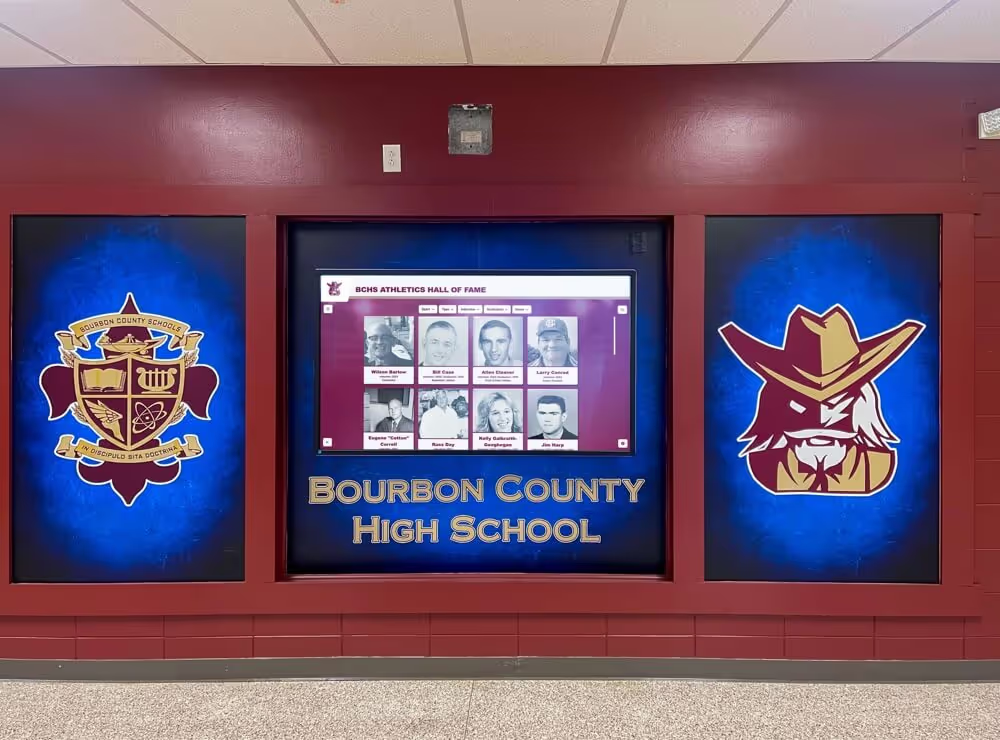
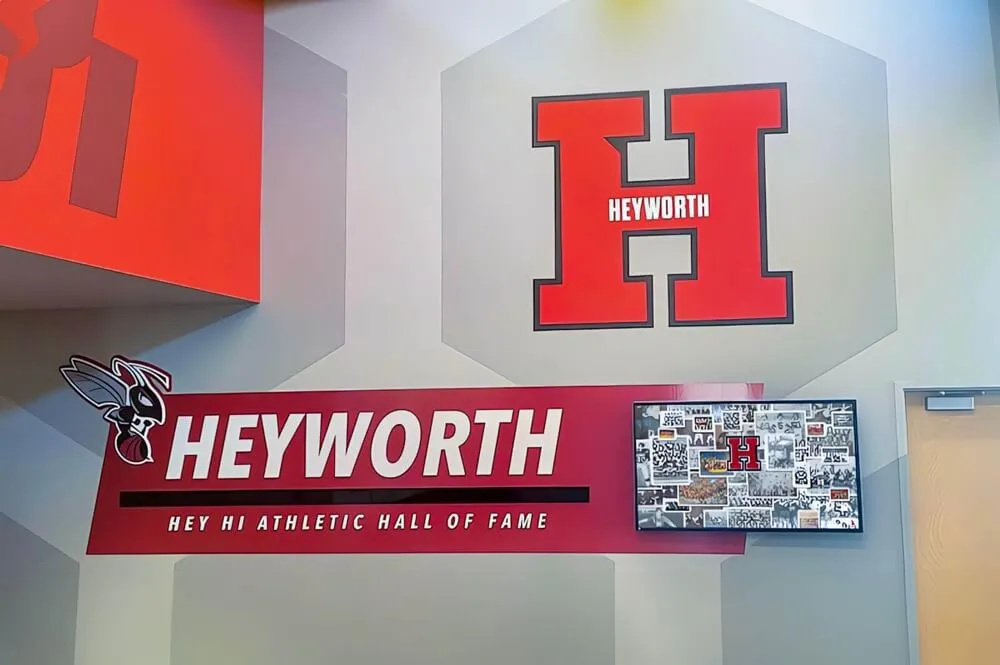
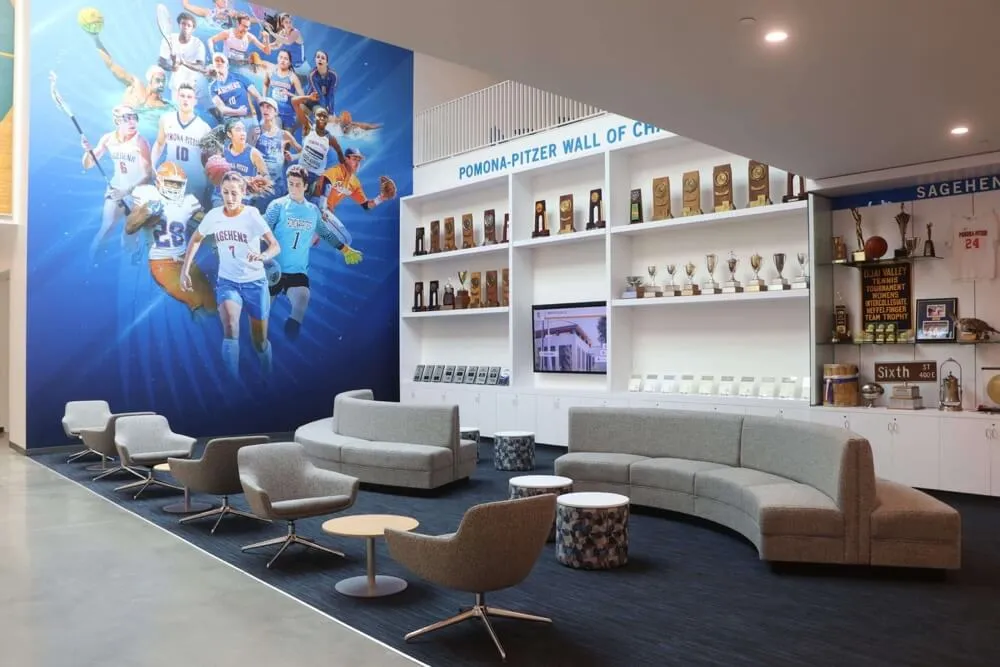
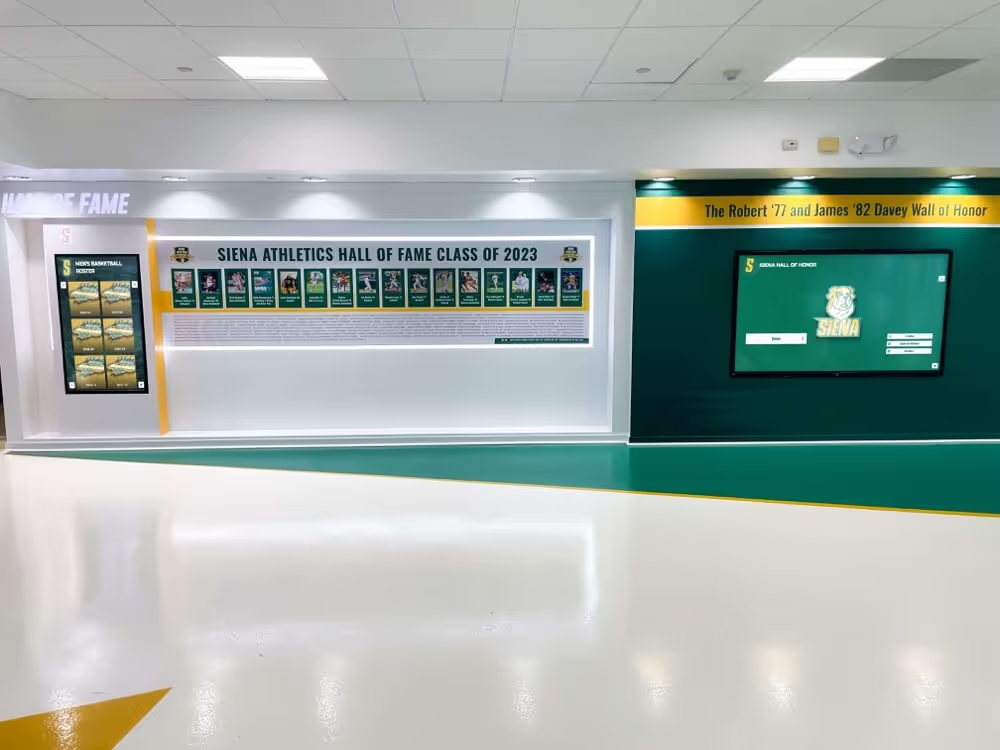
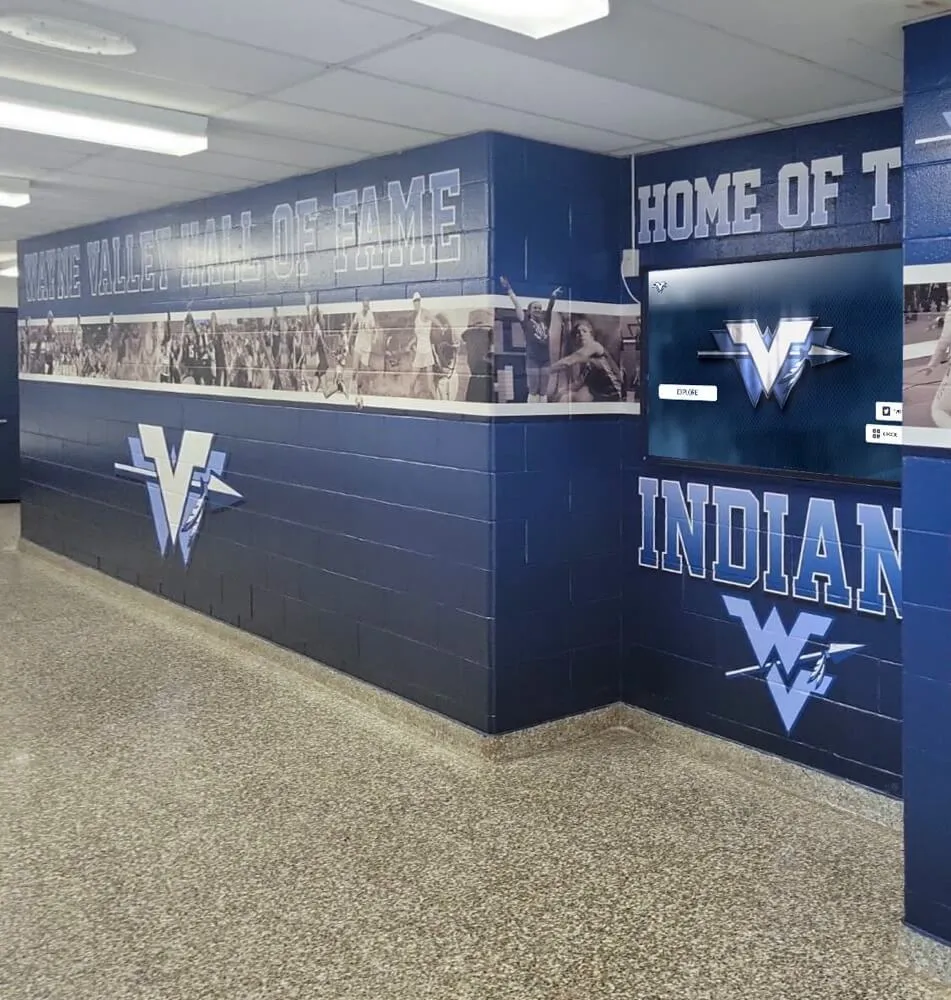
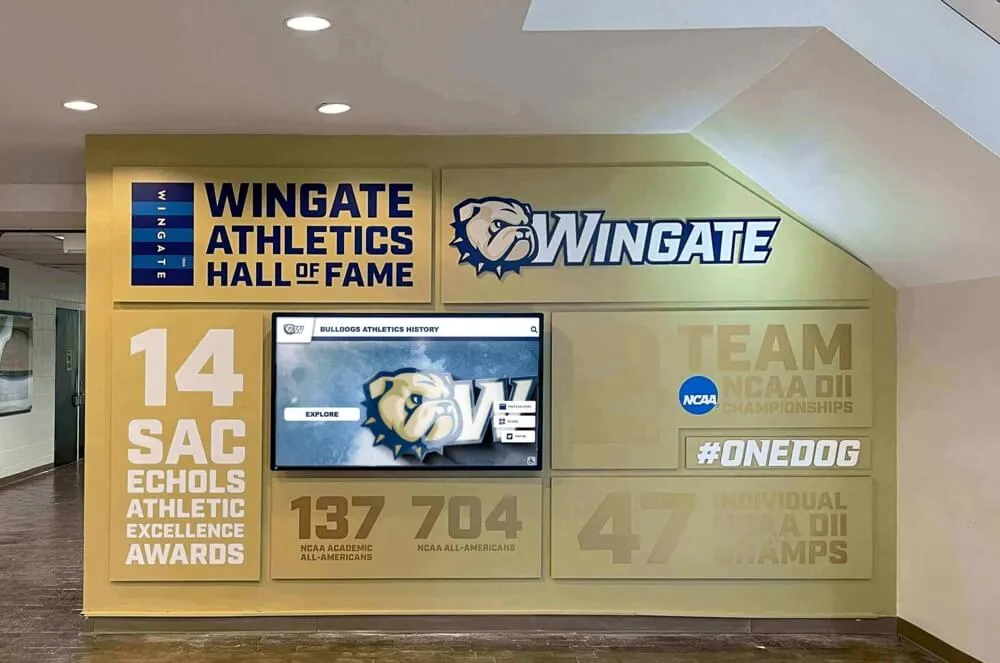
Contemporary athletic halls of fame combine physical displays with digital platforms to showcase track and field achievements effectively throughout school facilities
Field Day Enhancement Ideas and Special Touches
Strategic additions elevate standard field days into memorable celebrations students anticipate annually and remember long after graduation.
Ceremonial and Traditional Elements
Ritualized components creating field day identity and building year-over-year traditions:
Opening Ceremonies
Event launches establishing tone and building excitement:
- National anthem performance or recording setting formal tone
- Principal or athletic director welcome speech framing event purpose
- Student council opening remarks building peer leadership visibility
- Team parade or march-in creating processional excitement
- Spirit competitions (chants, dance performances) energizing participants
Opening ceremonies transform field days from extended recess into significant school events worthy of preparation and anticipation, communicating institutional value placed on physical achievement and community celebration.
Closing Celebrations and Awards
Conclusion rituals honoring achievements and providing closure:
- Final results announcements building anticipation for recognition
- Award presentations across multiple categories ensuring broad acknowledgment
- Record-breaking announcements celebrating exceptional performances
- Overall team championship revelations creating dramatic conclusion
- Victory lap or celebration traditions marking event completion
Closing ceremonies provide natural conclusions while ensuring recognition happens publicly rather than through later announcements losing emotional impact, creating shared celebration moments strengthening community bonds.
Community Engagement Strategies
Approaches expanding field day reach beyond student participants:
Family Participation Options
Creating spectator experiences and involvement opportunities:
- Designated spectator areas enabling family attendance and support
- Parent-student relay races building intergenerational connections
- Younger sibling activities enabling whole-family participation
- Volunteer opportunities giving families hands-on involvement
- Photo opportunities and social media sharing encouraging digital engagement
Family involvement transforms field days from school-only events into community celebrations, increasing parent engagement while providing students with supportive audiences celebrating their athletic efforts publicly.
Understanding event planning approaches applicable to major school celebrations helps coordinators create professional experiences rivaling traditional ceremonies in significance and execution quality.
Media and Documentation
Preserving field day memories through comprehensive capture:
- Professional or parent volunteer photographers documenting events
- Student journalism programs covering competitions and producing recaps
- Social media live updates engaging broader school community
- Video highlight reels creating shareable celebration content
- Local media invitations building community awareness and pride
Thoughtful documentation extends field day impact beyond participants, creating content that builds school pride while providing material for ongoing recognition through yearbooks, school communications, and permanent displays showcasing athletic traditions.
Logistical Considerations and Best Practices
Practical planning details ensuring events proceed smoothly despite inevitable challenges inherent in large-scale outdoor celebrations involving entire student bodies.
Equipment and Materials Planning
Essential Equipment Inventory
Core items required for comprehensive field day execution:
- Timing equipment (stopwatches, starting pistol or whistle, finish line tape)
- Measuring tools (tape measures, distance markers, cone markers)
- Competition equipment (batons, hurdles, jump ropes, throwing implements)
- Safety materials (first aid kits, sunscreen, hydration stations, shade structures)
- Organizational tools (clipboards, rosters, result sheets, pens)
- Audio equipment (PA system, microphones, music players)
Equipment planning should begin 6-8 weeks before events, allowing time to identify missing items, coordinate rentals for specialized equipment, and ensure backup supplies for critical materials likely to break or become lost during active field day chaos.
Weather Contingency Planning
Outdoor events require backup plans addressing unpredictable weather threatening scheduled celebrations:
Rain Date Scheduling
Advance planning preventing last-minute scrambling:
- Establish rain date immediately when setting original field day date
- Communicate backup date in all initial parent communications
- Create decision timeline (e.g., “Final determination at 6:00 AM on event day”)
- Develop clear communication protocols for postponement announcements
- Consider indoor modification options for partial implementation during marginal weather
Modified Indoor Alternatives
Adapted formats enabling celebration despite weather challenges:
- Gymnasium rotations featuring modified events fitting indoor spaces
- Classroom-based individual challenges requiring minimal space
- Staggered grade-level events over multiple days using available indoor facilities
- Emphasis on skill stations rather than running events requiring outdoor tracks
- Abbreviated event lists focusing on highest-priority competitions
Weather flexibility demonstrates organizational professionalism while ensuring students receive anticipated celebrations despite circumstances beyond coordinator control, maintaining field day tradition value within school culture.
Learn about photo booth software applications for school events enabling engaging documentation and instant keepsake creation during field days and other celebrations.
Building Field Day Traditions Across Years
Sustainable field day programs develop distinctive identity through consistent elements evolving thoughtfully rather than requiring complete reinvention annually.
Multi-Year Tradition Development
Signature Events
Unique competitions becoming field day hallmarks:
- School-specific challenges reflecting local culture or history
- Traditional events maintained across decades building alumni connections
- Named competitions honoring retired coaches or administrators
- Unique relay formats distinguishing your field day from generic templates
Signature events create institutional memory and tradition, enabling alumni to connect with current students through shared experiences while building field day identity distinct from standard physical education activities.
Recognition Archives
Historical documentation preserving field day heritage:
- Record books tracking performances across years and decades
- Photo archives showing field day evolution through school history
- Championship rosters honoring team and individual winners annually
- Alumni memories collection building narrative tradition
Archives transform field days from isolated annual events into ongoing traditions connecting current students with school athletic heritage, demonstrating that their achievements join historical record rather than disappearing after single-day celebrations.
Understanding athletic commitment recognition approaches provides frameworks for celebrating student achievement milestones that build program prestige and tradition over time.
Continuous Improvement Through Evaluation
Post-event assessment enabling year-over-year refinement:
Stakeholder Feedback Collection
Systematic evaluation gathering multiple perspectives:
- Student surveys assessing event enjoyment and engagement levels
- Teacher feedback regarding logistics, timing, and organizational effectiveness
- Volunteer debriefs identifying improvement opportunities for future events
- Parent input through online surveys or informal feedback channels
Annual evaluation prevents repetition of previous problems while building institutional knowledge across coordinator transitions, ensuring field day quality improves rather than stagnates or declines as experienced organizers depart.
Documentation and Planning Materials
Creating resources enabling efficient future planning:
- Detailed timeline documents showing all planning milestones and deadlines
- Equipment checklists preventing last-minute scrambling for missing materials
- Volunteer role descriptions clarifying responsibilities for future recruitment
- Budget templates accounting for all expense categories and vendor contacts
- Setup diagrams showing optimal station placement and logistics flow
Comprehensive documentation transforms coordinator knowledge into transferable institutional resources, ensuring field day quality survives staff changes while reducing planning burden for future organizers building on established frameworks rather than starting fresh annually.
Creating Lasting Field Day Impact
Track and field days represent more than single-day celebrations—they embody institutional values regarding inclusive athletic participation, character development through competition, and community building through shared celebration. Well-executed field days create memories students carry throughout lives while demonstrating school commitment to holistic development extending beyond academic achievement alone.
Effective field day planning requires balancing competitive excellence with inclusive participation, creating events celebrating diverse athletic abilities while maintaining standards acknowledging genuine achievement. The most successful celebrations honor both speed and effort, natural talent and determination, individual excellence and team cooperation—recognizing that athletic events serve developmental purposes beyond determining fastest runners or furthest throwers.
As you plan your next track and field day, consider how event structure, recognition systems, and celebration traditions communicate values to students: Does your field day celebrate only elite athletes or acknowledge effort across ability levels? Do recognition systems create multiple pathways to honor or concentrate awards among small groups? Do traditions build inclusive community or reinforce existing social hierarchies?
Field days planned thoughtfully become anticipated celebrations strengthening school culture while honoring the diverse ways students demonstrate physical capability, competitive spirit, and personal growth through athletic participation.
Ready to build lasting recognition that celebrates track and field achievements year-round? Rocket Alumni Solutions provides digital recognition platforms that showcase athletic accomplishments beyond single events, creating permanent displays honoring student excellence while inspiring continued participation in school athletic traditions. Discover how interactive touchscreen displays and digital record boards transform field day recognition into year-round celebration systems building school pride across generations.
Live Example: Rocket Alumni Solutions Touchscreen Display
Interact with a live example (16:9 scaled 1920x1080 display). All content is automatically responsive to all screen sizes and orientations.