



Touchscreen games for children’s hospitals have transformed pediatric care environments, turning sterile medical spaces into engaging, healing-focused destinations where young patients can play, learn, and cope with medical challenges through interactive technology. These sophisticated systems—ranging from wall-mounted interactive displays to mobile touchscreen tables—provide therapeutic distraction during procedures, educational content supporting health literacy, and developmental activities that maintain normalcy during extended hospital stays.
Yet healthcare administrators and child life professionals considering interactive technology face important questions: What therapeutic benefits do touchscreen games provide for pediatric patients? How do interactive displays reduce anxiety and pain perception during medical procedures? Which types of games and content work best for different age groups and medical situations? What hygiene and safety considerations matter in healthcare environments? How do costs compare to traditional play therapy approaches?
This comprehensive guide explores touchscreen games and interactive display technology for children’s hospitals, providing healthcare decision-makers with practical insights for evaluating, selecting, and implementing systems that enhance pediatric patient experiences, support therapeutic goals, and create positive healing environments where children can maintain childhood joy even during difficult medical journeys.
Children’s hospitals serve vulnerable populations facing medical challenges that create anxiety, pain, isolation, and developmental disruption. Interactive touchscreen technology addresses these challenges through engaging, age-appropriate content that distracts from discomfort, educates about health conditions, facilitates social connection, and preserves developmental progress during hospitalization. When thoughtfully selected and implemented, touchscreen games become valuable therapeutic tools complementing medical treatment and traditional child life programming.

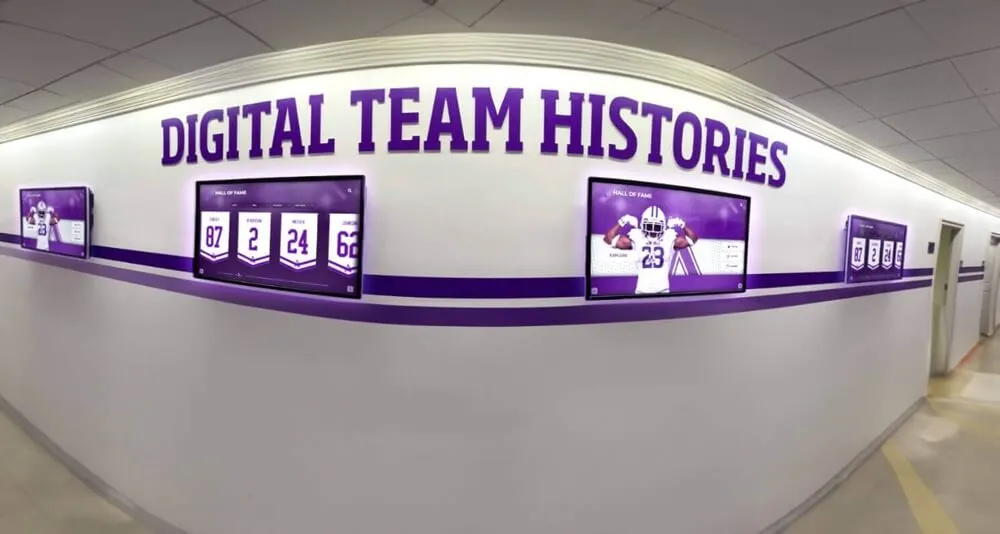
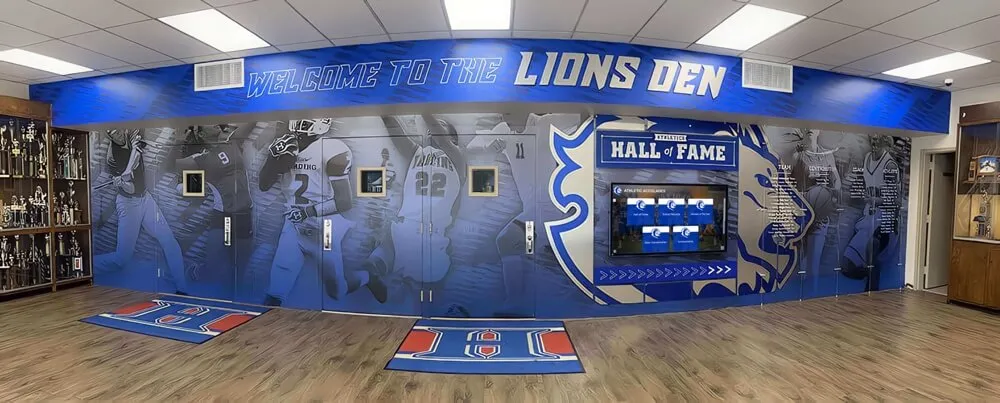
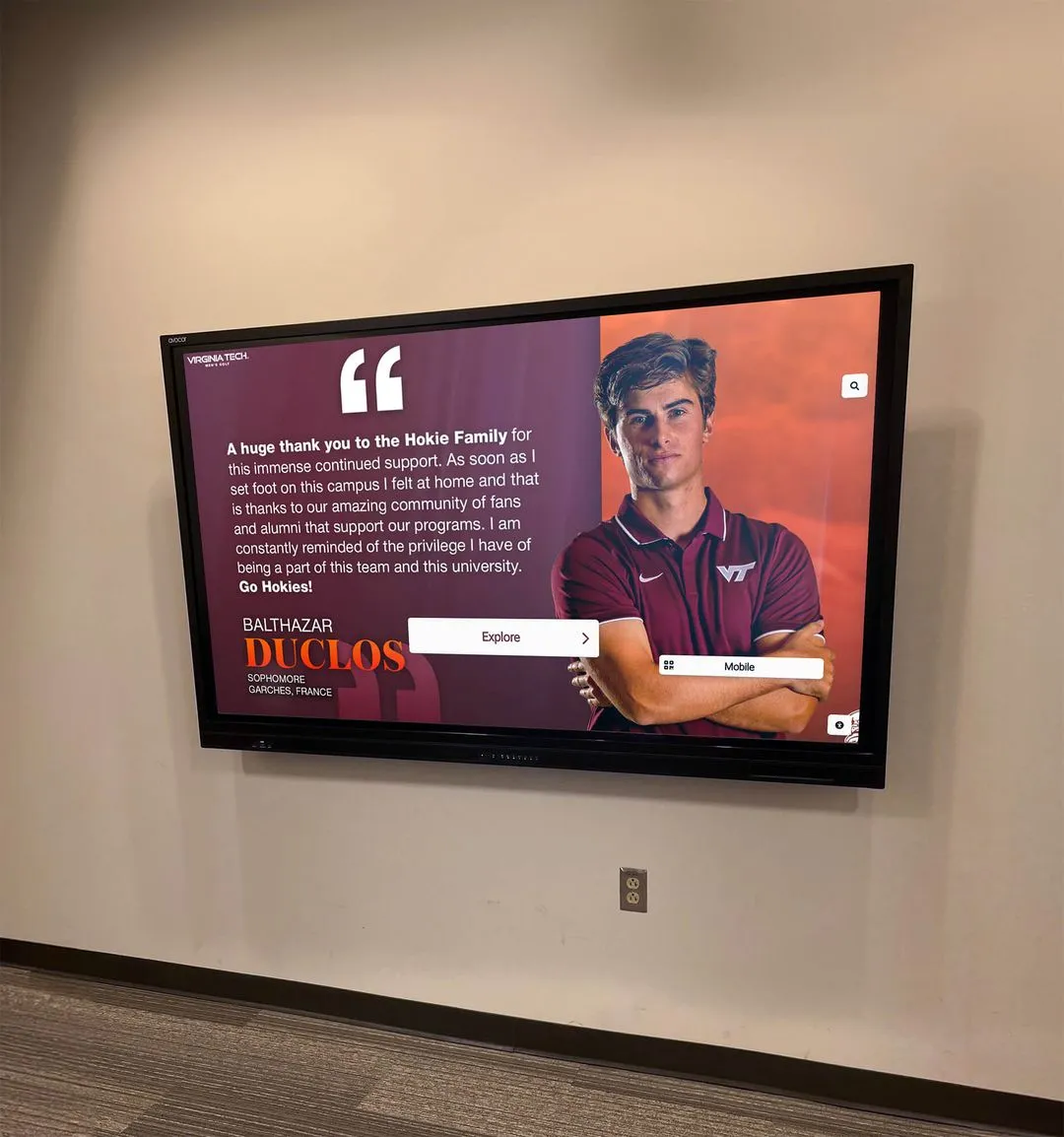
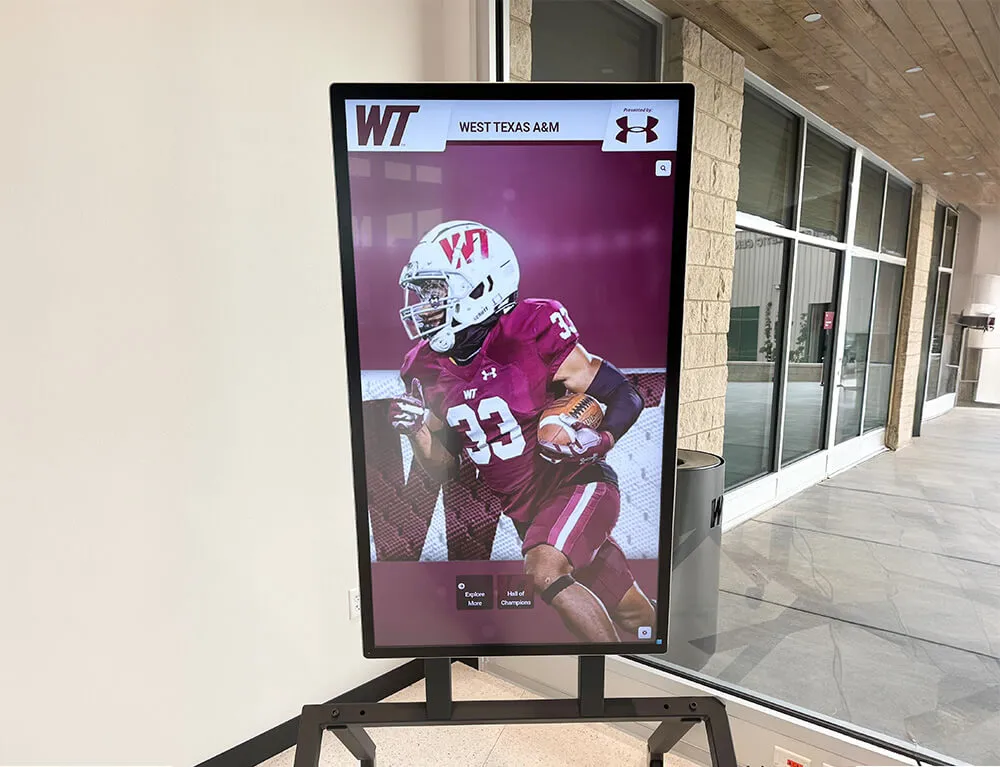
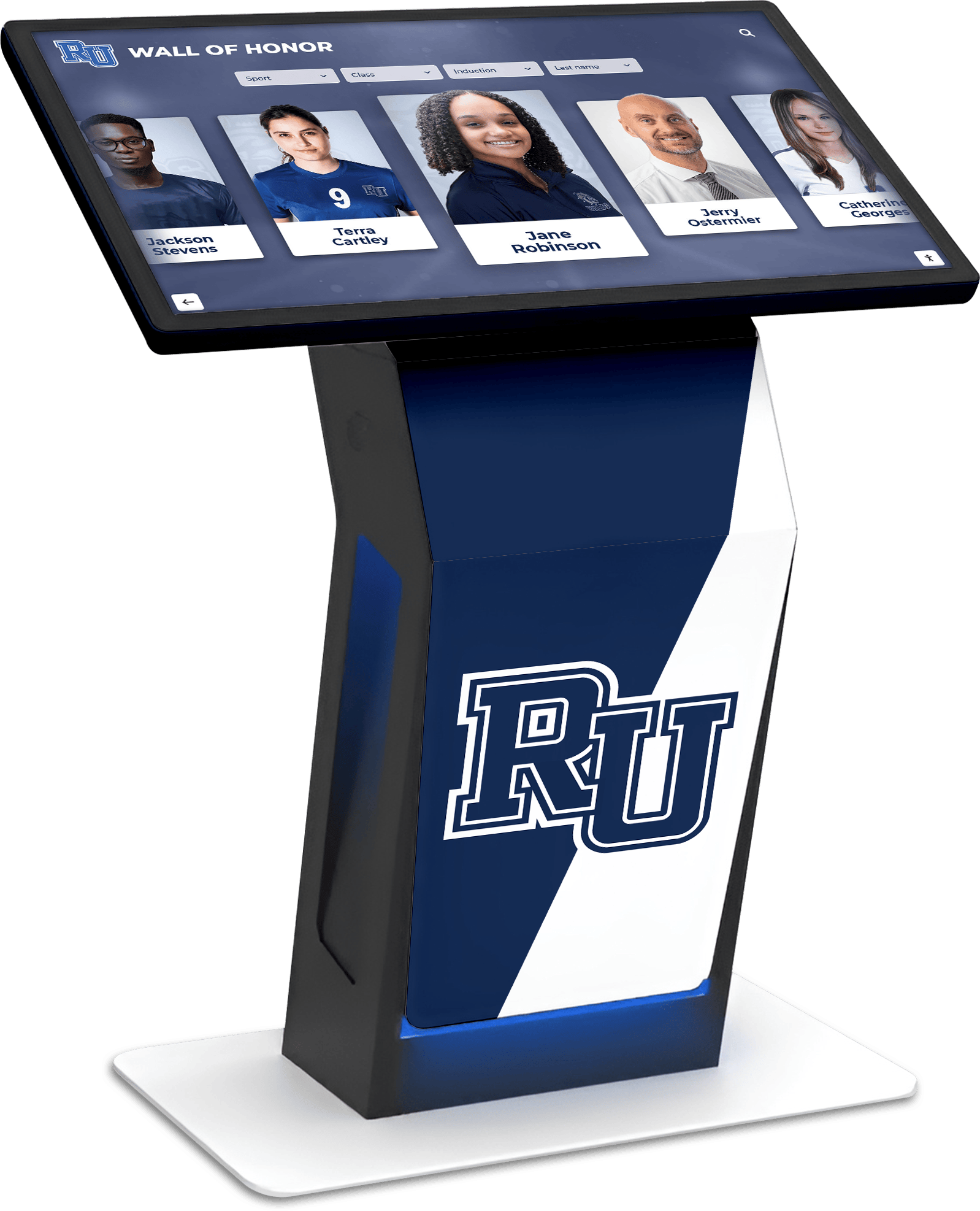
Professional-grade interactive displays serve multiple therapeutic and educational functions in pediatric healthcare settings
Understanding Touchscreen Technology in Pediatric Healthcare
Before evaluating specific products or solutions, understanding how interactive touchscreen technology functions in healthcare contexts helps hospitals make informed decisions aligned with therapeutic goals and operational realities.
Types of Interactive Systems for Children’s Hospitals
Pediatric healthcare facilities utilize several distinct touchscreen configurations, each serving different applications and patient populations:
Wall-Mounted Interactive Displays
Large-format touchscreen walls typically measuring 55-86 inches create immersive play experiences in waiting rooms, playrooms, and therapy spaces. These permanent installations provide:
- Group play opportunities reducing isolation for multiple children
- High-visibility attractions drawing children into therapeutic spaces
- Durable installations withstanding frequent use by many patients
- Motion-activated games accommodating various mobility levels
- Sensory stimulation through colorful, responsive graphics
- Customizable content reflecting hospital branding and values
Wall-mounted systems work particularly well in common areas where multiple children gather, creating social interaction opportunities that combat the isolation many pediatric patients experience during extended hospital stays.
Touchscreen Tables and Activity Stations
Interactive tables with touchscreen surfaces typically measuring 32-55 inches provide seated play experiences in patient rooms, therapy areas, and waiting spaces. These versatile solutions offer:
- Portable options that move between locations as needs change
- Collaborative play surfaces accommodating multiple simultaneous users
- Comfortable seated interaction for patients with limited mobility
- Lower profile reducing visual impact in crowded medical spaces
- Accessible height for wheelchair users and various age groups
- Easy cleaning of flat surfaces between patient uses
Touchscreen tables prove especially valuable in therapy contexts where child life specialists, physical therapists, or occupational therapists use interactive games as therapeutic interventions supporting specific treatment goals.
Mobile Touchscreen Carts
Wheeled interactive systems bring touchscreen entertainment directly to patient bedsides, providing critical distraction and engagement for children confined to beds or unable to visit common play areas. Mobile solutions include:
- Height-adjustable displays accommodating beds and wheelchairs
- Rotating and tilting screens for optimal viewing angles
- Battery-powered operation eliminating cable trip hazards
- Compact footprints maneuvering through crowded patient rooms
- Hygiene-focused designs enabling thorough cleaning between patients
- Secure mounting preventing tip-over accidents
Mobile carts serve as essential tools for child life specialists supporting patients during procedures, providing distraction during difficult moments, and maintaining engagement for immunocompromised children requiring isolation.
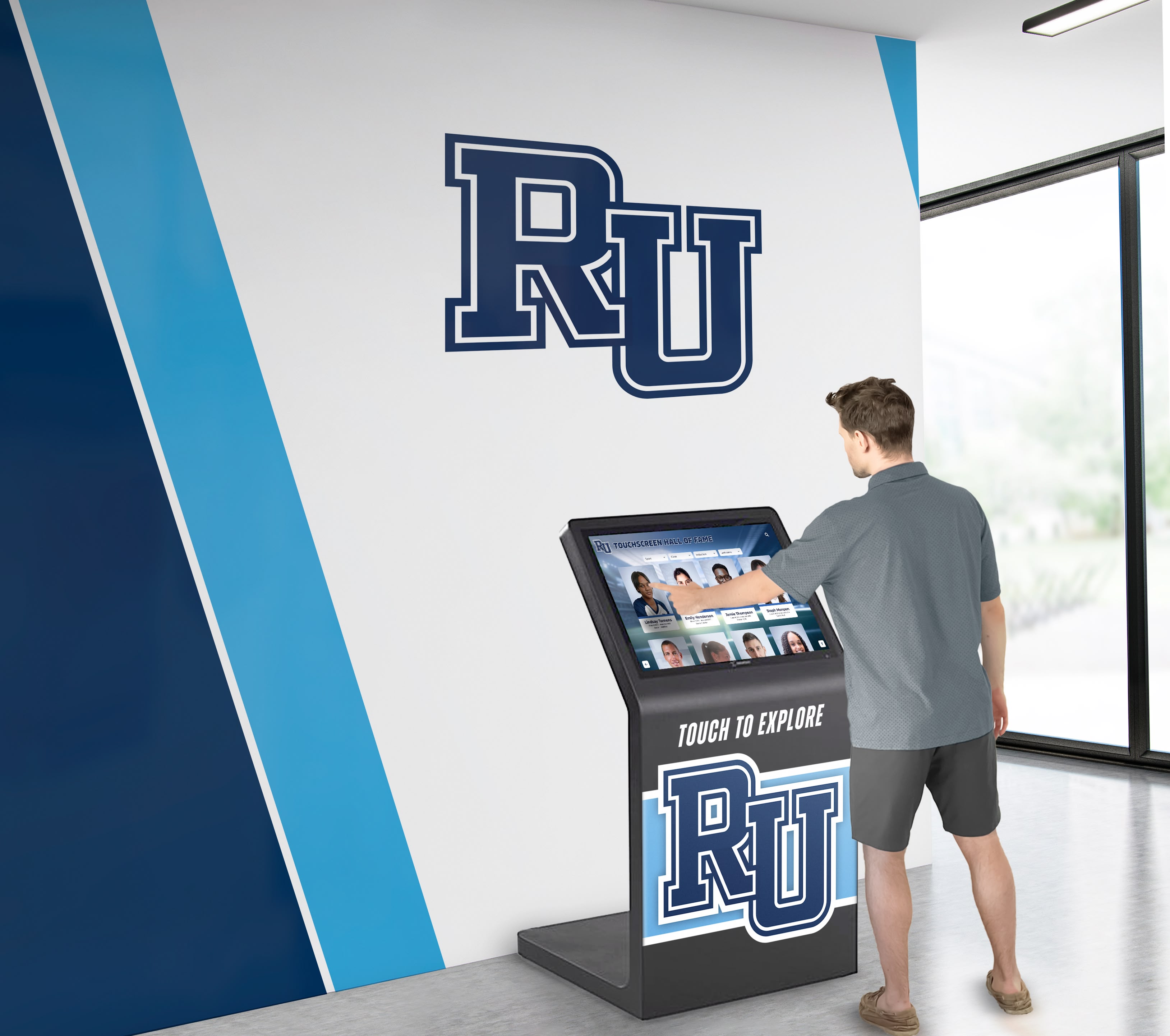
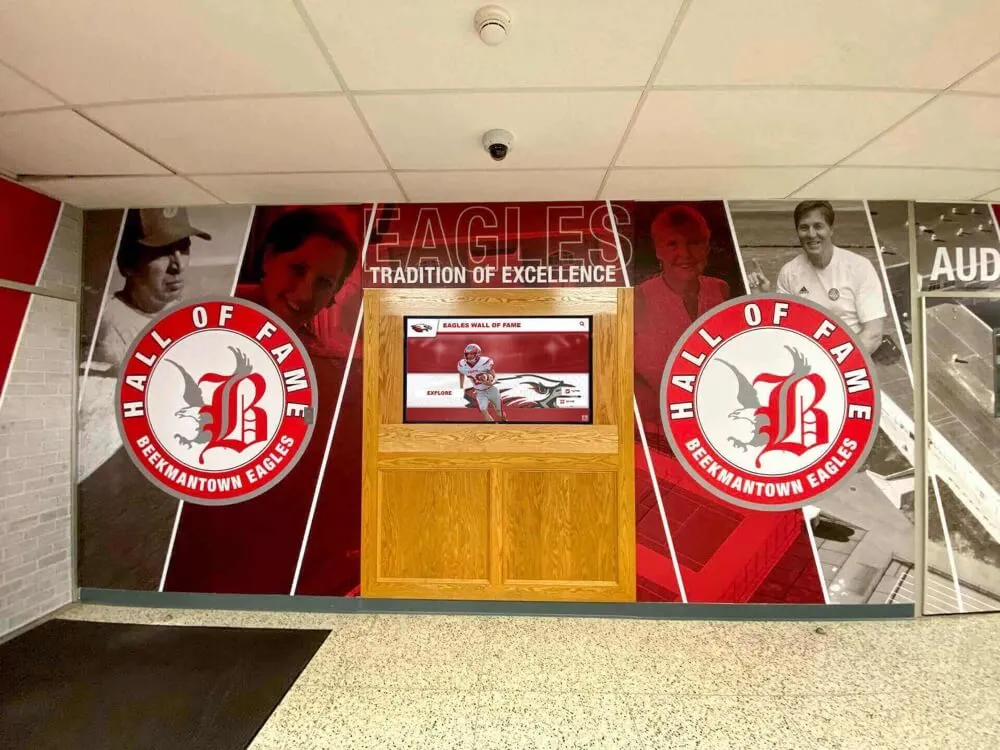
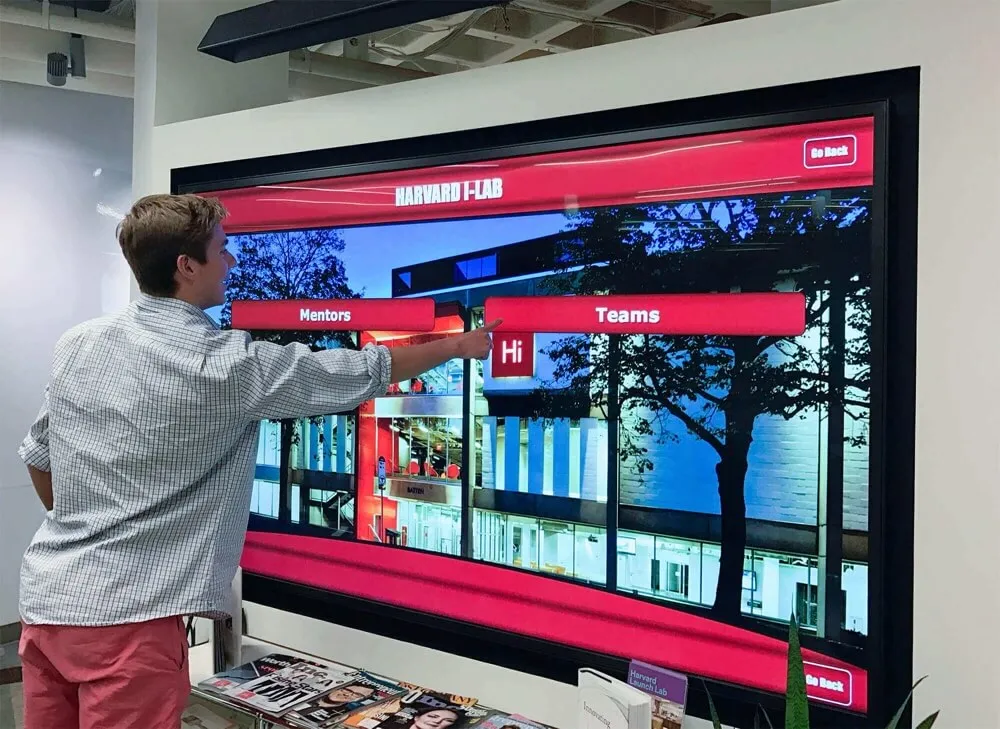
Intuitive touchscreen interfaces enable children of all ages and abilities to engage independently with therapeutic content
How Touchscreen Games Differ From Traditional Play Therapy
Understanding the distinctive benefits of interactive technology helps hospitals determine where touchscreens complement traditional approaches:
Traditional Play Therapy Limitations:
- Physical toys require cleaning or disposal between patients
- Shared toys carry infection transmission risks
- Traditional materials offer limited variety within space constraints
- Board games and puzzles require manual dexterity some patients lack
- Static toys provide no adaptive challenge as skills improve
- Traditional play often requires staff facilitation
- Books and games wear out requiring frequent replacement
Touchscreen Technology Advantages:
- Digital content never wears out or requires replacement
- Surfaces clean easily with medical-grade disinfectants
- Unlimited game variety through software updates
- Adaptive difficulty matching individual abilities
- Self-directed play reducing staff supervision needs
- Gesture and touch controls accommodating limited mobility
- Multiplayer capabilities supporting social interaction
- Analytics tracking engagement patterns and preferences
Research on pediatric pain management demonstrates that interactive digital games provide more effective distraction during medical procedures compared to passive entertainment like television, with touchscreen interaction requiring active attention that more effectively diverts focus from discomfort.
Therapeutic Benefits for Pediatric Patients
Interactive touchscreen technology delivers measurable benefits supporting medical treatment and pediatric patient wellbeing:
Anxiety and Pain Reduction
Clinical research demonstrates that interactive games reduce perceived pain and anxiety during medical procedures through several mechanisms:
- Active engagement requiring attention that cannot simultaneously focus on pain
- Immersive experiences creating psychological distance from medical environment
- Achievement and reward systems providing positive emotional experiences
- Control and choice reducing feelings of helplessness common in medical settings
- Familiar recreational activities maintaining normalcy during stressful situations
Studies on pediatric procedural pain show that children engaged with interactive games report significantly lower pain scores compared to children receiving standard distraction techniques, with effects comparable to some pharmaceutical interventions without medication side effects or risks.
Developmental Continuity
Extended hospitalization disrupts normal childhood development, with medical challenges consuming time and energy typically devoted to learning and growth. Interactive touchscreen games support developmental continuity through:
- Age-appropriate cognitive challenges maintaining mental engagement
- Fine motor skill practice through touch and gesture controls
- Problem-solving activities supporting logical reasoning development
- Educational content continuing academic learning during school absences
- Creative applications enabling artistic expression and imagination
- Social games maintaining peer interaction skills
This developmental support proves particularly valuable for children with chronic conditions requiring frequent or extended hospitalizations throughout critical developmental periods.
Emotional Coping and Self-Efficacy
Hospitalization often creates feelings of powerlessness as medical professionals make decisions affecting children’s bodies and experiences. Touchscreen games restore agency through:
- Choice and control over entertainment decisions
- Achievement systems providing success experiences
- Mastery progression demonstrating competence and capability
- Exploration opportunities in safe, consequence-free environments
- Expression outlets for processing medical experiences
- Positive emotional experiences countering medical stress
Child life specialists report that children who actively engage with interactive entertainment demonstrate better emotional coping and more positive attitudes about hospitalization compared to children with limited engagement opportunities.
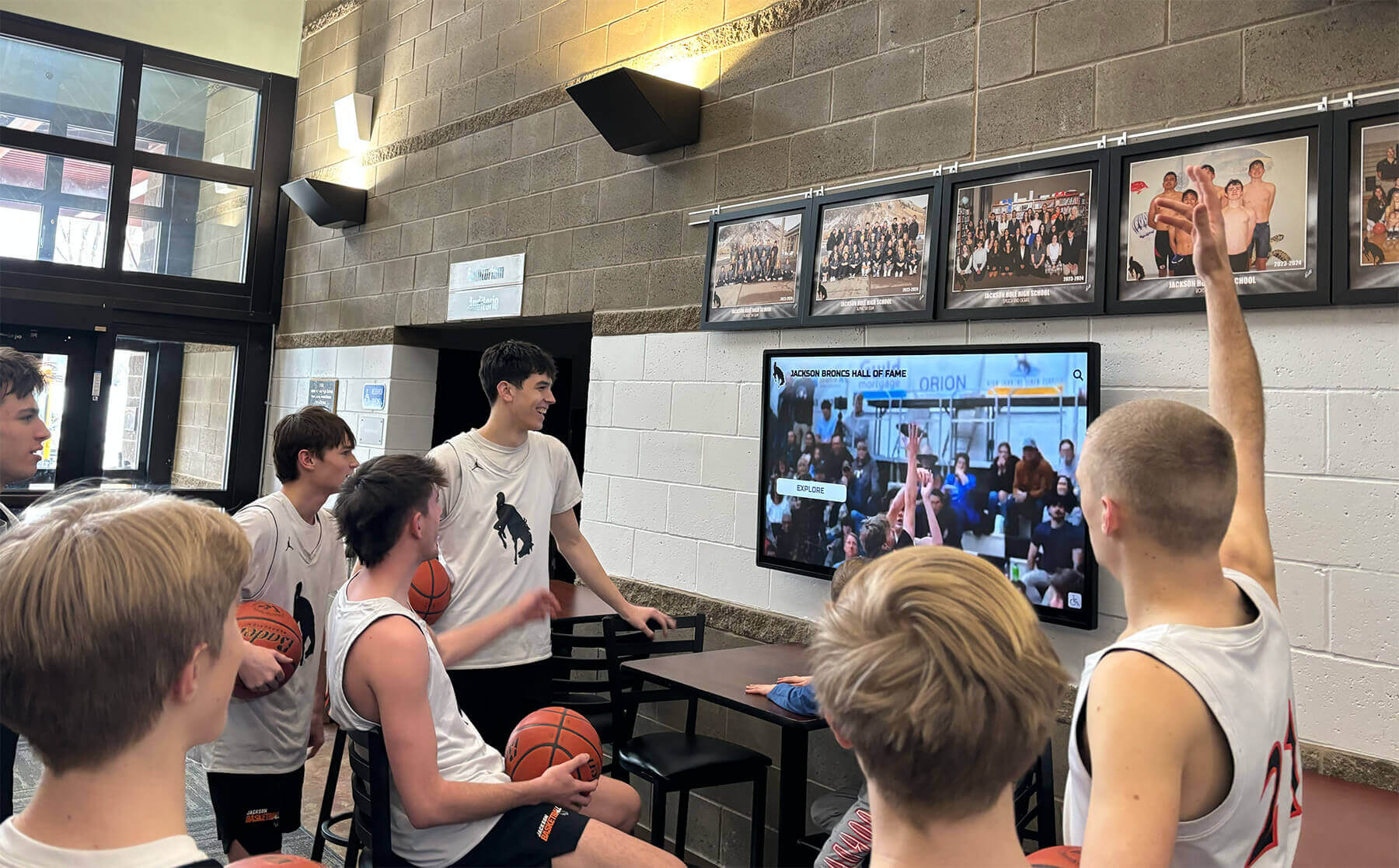
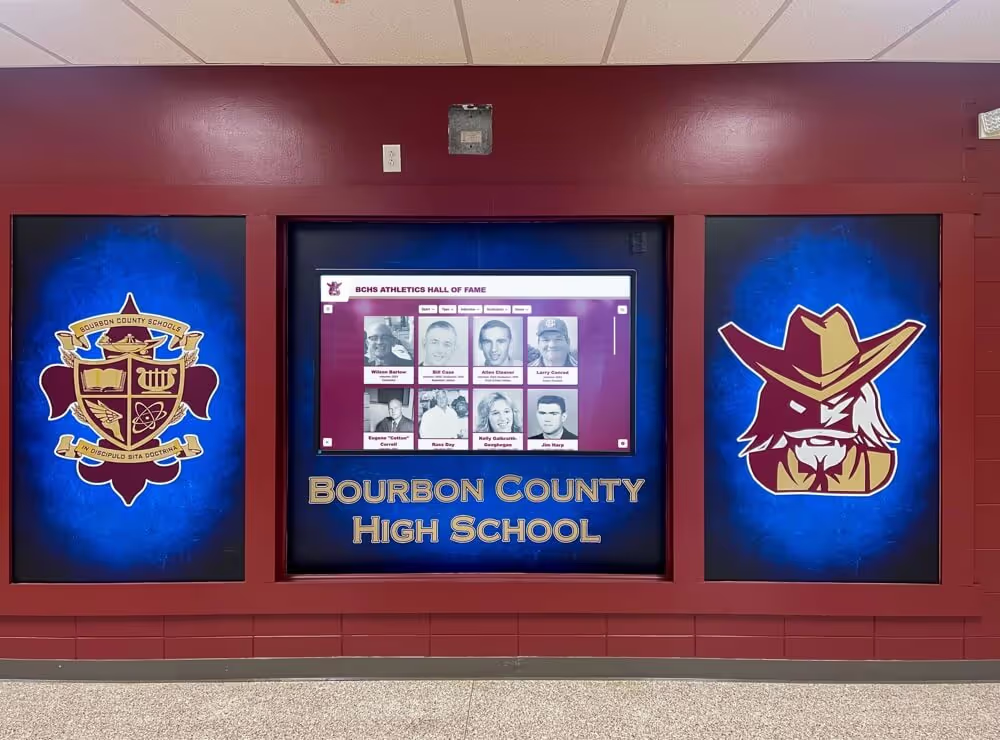
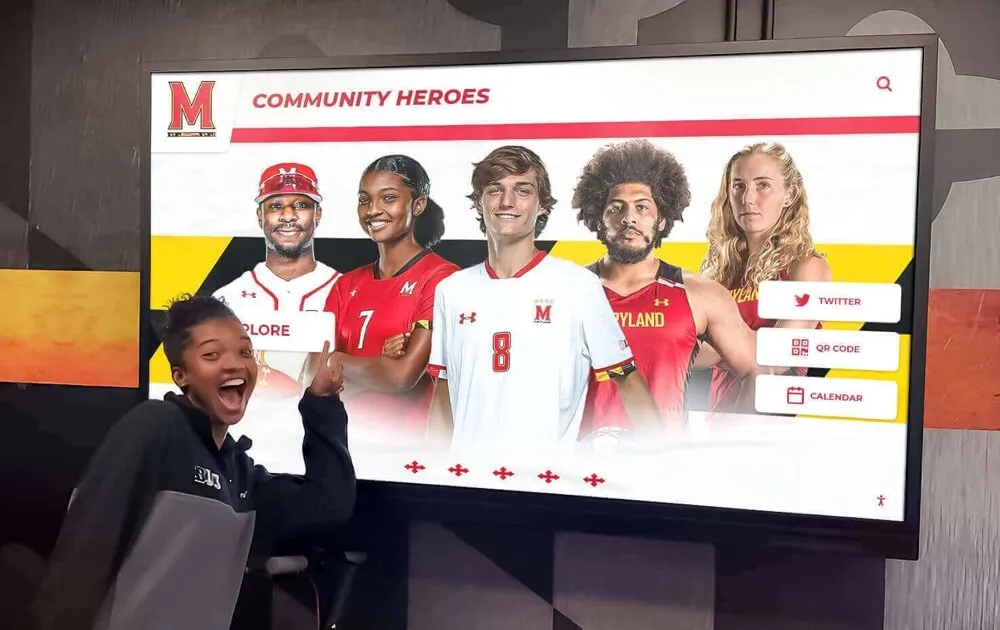
Interactive displays create social gathering points where children can play together, reducing isolation during hospitalization
Therapeutic Applications: Using Touchscreen Games in Pediatric Care
Effective implementation requires understanding specific therapeutic applications and how interactive technology supports various aspects of pediatric healthcare.
Procedural Distraction and Pain Management
One of the most valuable applications involves providing distraction during medical procedures ranging from routine blood draws to complex interventions:
Pre-Procedure Preparation
Interactive games help prepare children emotionally before procedures by:
- Providing calming, engaging activities reducing anticipatory anxiety
- Educational games explaining procedures in age-appropriate ways
- Breathing and relaxation games teaching coping techniques
- Familiar entertainment creating psychological comfort
- Achievement-focused games building confidence before challenges
Child life specialists commonly use tablets or mobile touchscreen carts to engage children in waiting areas before procedures, establishing rapport while simultaneously reducing anxiety that can complicate medical interventions.
During-Procedure Distraction
Active engagement during procedures provides therapeutic distraction:
- Immersive games requiring full attention diverting focus from discomfort
- Music and rhythm games with auditory engagement masking medical sounds
- Simple reaction games matching cognitive capacity during stress
- Reward-based games creating positive experiences during difficult moments
- Familiar content providing psychological safety during vulnerability
According to pediatric pain management research, interactive distraction during procedures can reduce pain scores by 30-50% compared to no distraction, with effects most pronounced when children actively control content rather than passively viewing entertainment.
Post-Procedure Recovery
After procedures, games support recovery and positive memory formation:
- Achievement rewards celebrating successful procedure completion
- Social games reconnecting with family after separation
- Relaxing activities supporting physiological calming
- Positive entertainment creating favorable procedure memories
- Self-selected content restoring sense of control and normalcy
This comprehensive procedural support cycle—preparation, distraction, recovery—maximizes therapeutic value of interactive technology throughout the procedure experience continuum.
Educational Applications and Health Literacy
Beyond distraction, touchscreen games serve important educational functions:
Age-Appropriate Health Education
Interactive content teaches children about health conditions, treatments, and self-care through:
- Animated explanations of anatomy and body systems
- Interactive simulations demonstrating medication effects
- Games teaching disease management skills
- Quizzes reinforcing health information
- Achievement systems rewarding health knowledge acquisition
Children with chronic conditions like diabetes, asthma, or cancer benefit particularly from interactive health education that makes complex medical concepts accessible and engaging rather than overwhelming or frightening.
Procedure Education and Demystification
Many children’s fears stem from uncertainty about what will happen during medical care. Interactive educational content addresses this through:
- Virtual tours of procedure rooms reducing environmental anxiety
- Animated demonstrations of equipment and processes
- Interactive timelines showing procedure steps and duration
- Question-and-answer games addressing common concerns
- Success stories from other children who completed procedures
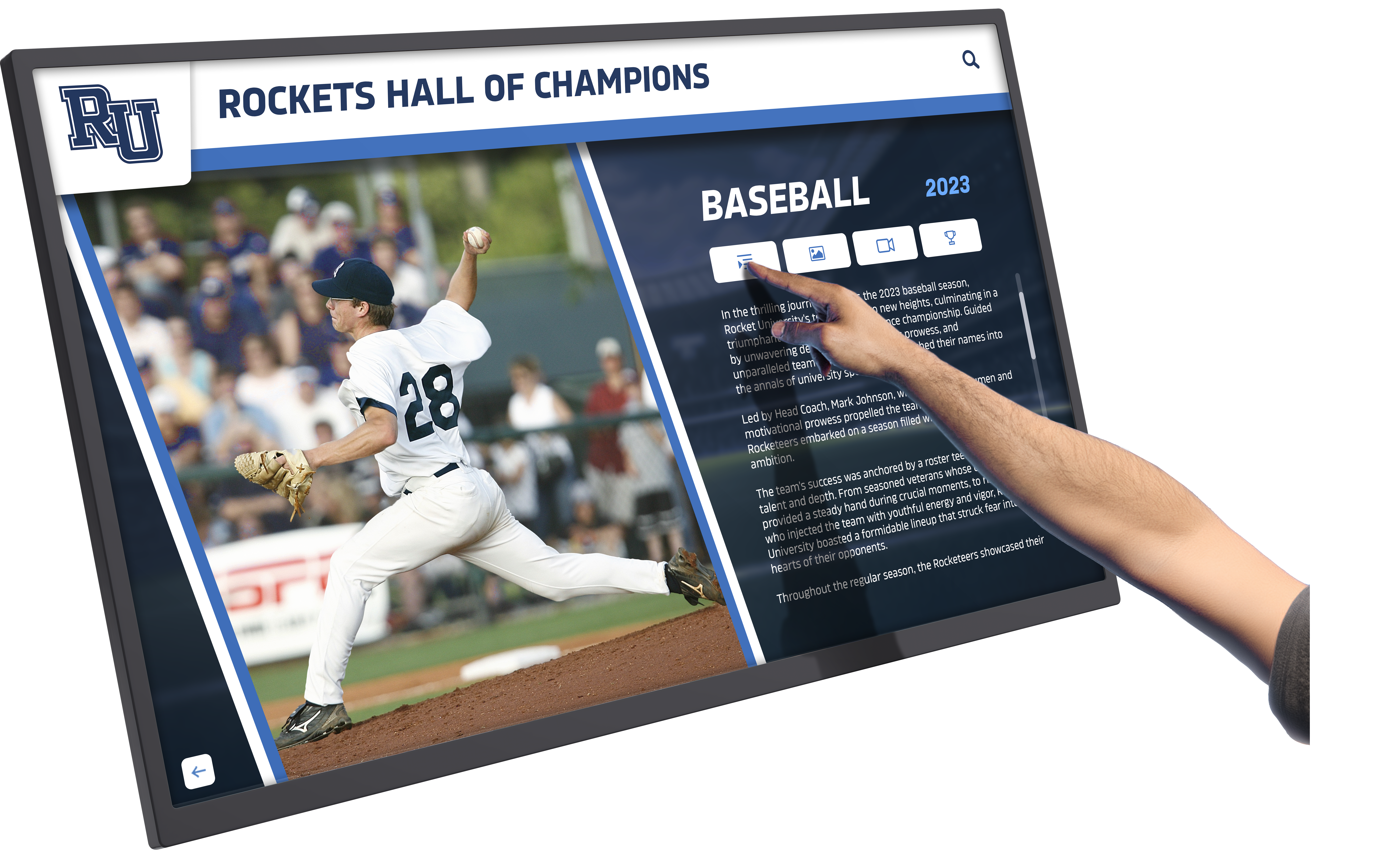
Touch interfaces accommodate children's natural interaction patterns and varying motor skill levels
Physical and Occupational Therapy Integration
Rehabilitation specialists increasingly incorporate touchscreen technology into therapy protocols:
Motor Skill Development
Touch-based games support physical and occupational therapy goals through:
- Gesture-based games exercising arm and hand movements
- Precision touch activities developing fine motor control
- Reaction time games building processing speed
- Bilateral coordination games requiring two-hand cooperation
- Tracking exercises improving visual-motor integration
Therapists can adjust game difficulty to match patient abilities while progression tracking documents improvement over therapy sessions. Some specialized therapeutic software even generates reports tracking specific motor skills for clinical documentation.
Cognitive Rehabilitation
For children recovering from traumatic brain injuries or managing developmental challenges, touchscreen games support cognitive therapy:
- Memory games rebuilding recall abilities
- Attention exercises improving focus duration
- Problem-solving activities developing reasoning skills
- Sequencing games supporting executive function
- Processing speed activities rebuilding cognitive efficiency
Interactive formats make repetitive practice less tedious than traditional cognitive exercises while automatically adapting difficulty maintaining appropriate challenge levels that optimize learning and recovery.
Social and Emotional Development Support
Hospitalization isolates children from normal social contexts and peer relationships. Interactive technology can reduce this isolation:
Multiplayer and Collaborative Games
Touchscreen systems supporting multiple simultaneous users enable:
- Cooperative games requiring teamwork and communication
- Friendly competition creating normal peer interactions
- Shared experiences building relationships between patients
- Family play sessions maintaining parent-child bonds
- Group activities reducing feelings of isolation
Child life specialists intentionally facilitate group play sessions where multiple children engage with interactive displays together, creating social opportunities that maintain social skill development despite medical challenges.
Connection With Outside World
Some advanced systems enable remote interaction:
- Video chat integration connecting patients with family and friends
- Multiplayer games connecting hospitalized children with siblings at home
- Social features enabling sharing achievements with remote audiences
- Remote classroom participation maintaining school connections
- Virtual visits from therapy animals or entertainment when physical visits aren’t possible
These connection capabilities prove especially valuable for immunocompromised children in isolation units who cannot receive physical visitors but still desperately need social engagement.
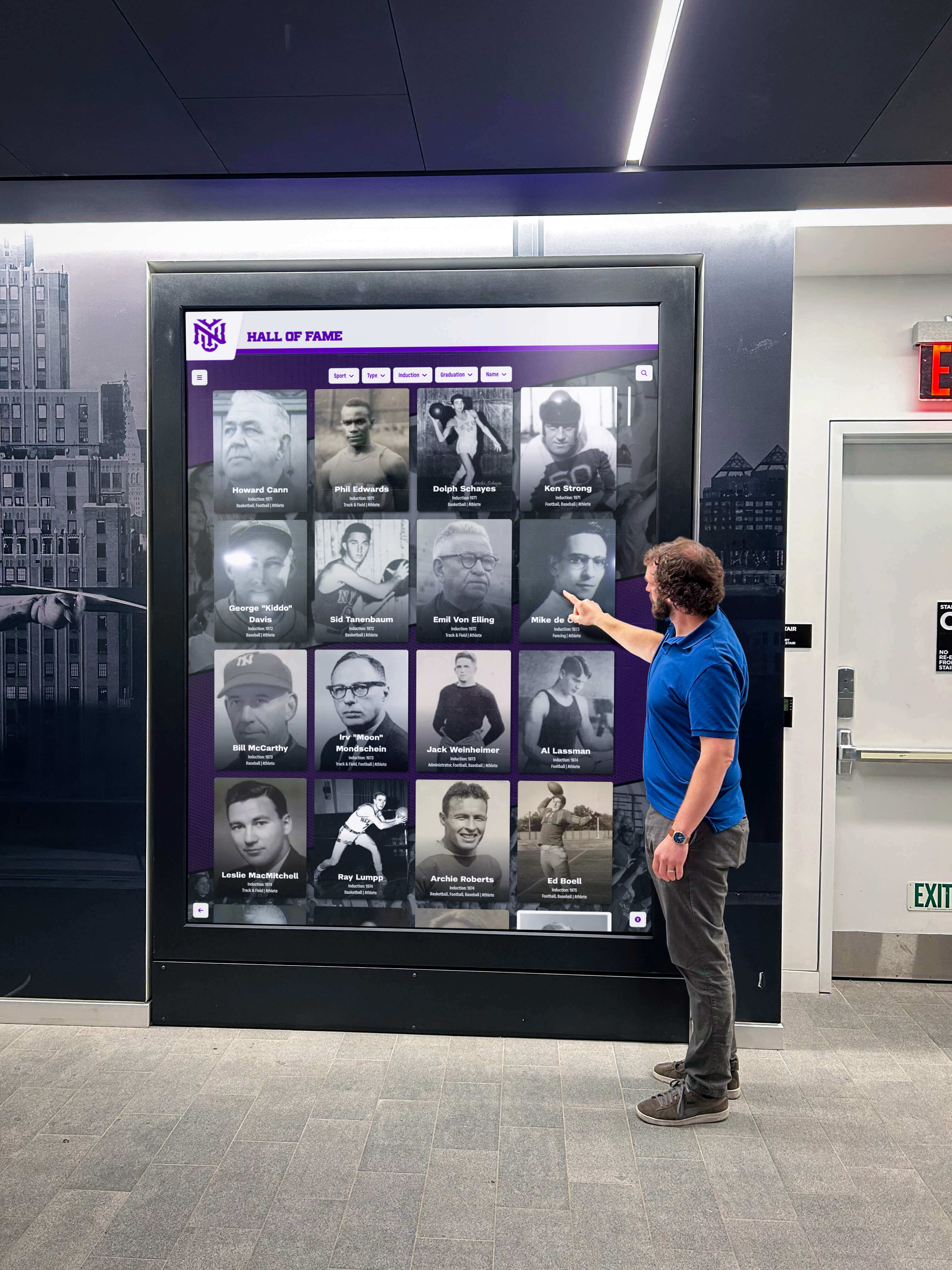
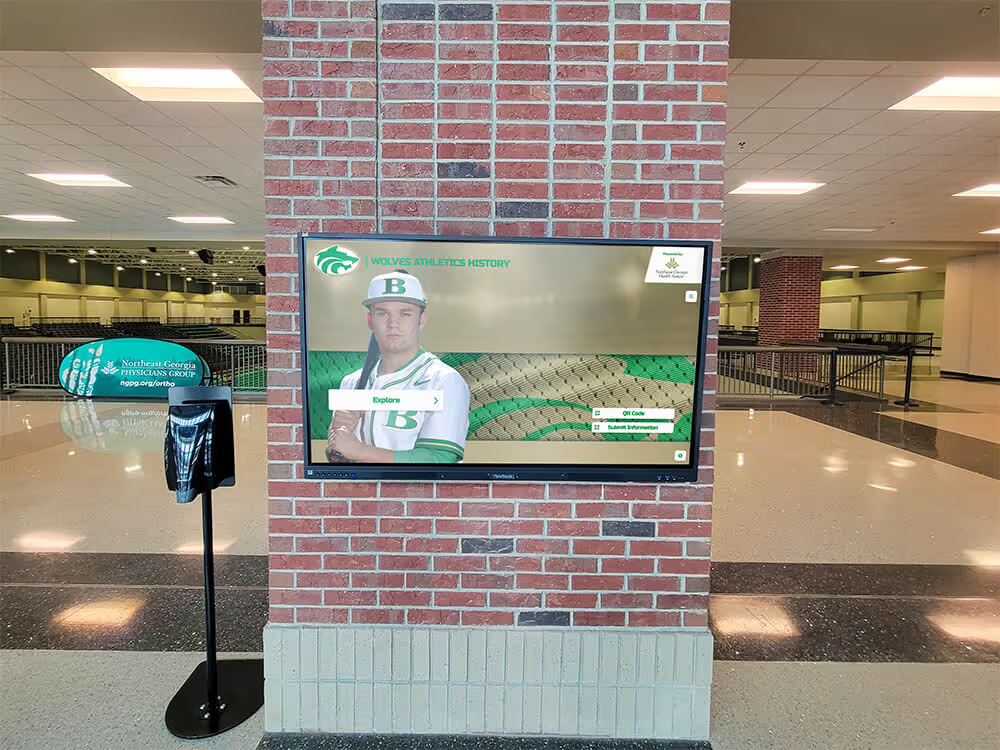
Interactive displays in waiting areas provide immediate engagement for anxious children and families upon arrival
Content Selection: Types of Games and Activities
Effective therapeutic use requires thoughtful content selection matching games and activities to patient needs, developmental stages, and therapeutic goals.
Age-Appropriate Game Categories
Different age groups respond to distinct content types:
Infants and Toddlers (0-3 years)
Very young patients engage with:
- Cause-and-effect games where touches create visual or audio responses
- Simple animal and nature animations attracting attention
- Music and sound exploration encouraging auditory engagement
- Large, colorful graphics with high contrast and simple shapes
- Gentle, slow-moving content avoiding overstimulation
- Parent-assisted activities supporting caregiver-child bonding
Content for this age group focuses primarily on sensory stimulation and distraction rather than complex interaction or learning objectives.
Preschool Children (3-5 years)
Slightly older children benefit from:
- Simple matching and sorting games developing categorization skills
- Basic counting and shape recognition supporting early learning
- Storytelling apps with interactive elements
- Creative drawing and painting applications
- Simple puzzle games with immediate success feedback
- Character-based content featuring familiar children’s media
Games for preschoolers should provide immediate rewards and positive reinforcement while avoiding complex instructions or abstract concepts that exceed developmental capabilities.
School-Age Children (6-12 years)
Elementary-age patients engage with more sophisticated content:
- Strategy games requiring planning and problem-solving
- Educational games teaching academic concepts
- Creative applications enabling artistic expression
- Adventure games with exploration and discovery
- Simulation games allowing experimentation
- Multiplayer games supporting social interaction
- Achievement systems with progression and unlockables
This age group can engage with content for extended periods and benefit from adaptive difficulty that provides appropriate challenge without frustration.
Adolescents (13+ years)
Teenage patients require age-appropriate engagement:
- Complex strategy and logic games
- Creative applications for art, music, or video creation
- Social games enabling peer connection
- Educational content preparing for academic futures
- Relaxation and mindfulness applications
- Entertainment matching mainstream teen interests
- Career exploration and life skills content
Adolescents particularly value having content choices that respect their maturity rather than being offered only “children’s” games that feel patronizing.
Therapeutic vs. Entertainment Content
While pure entertainment provides value, purpose-designed therapeutic content offers additional benefits:
Therapeutic Game Design Elements
Specialized pediatric healthcare games incorporate:
- Gradual difficulty progression preventing frustration
- Positive reinforcement avoiding negative feedback
- Biofeedback integration tracking physiological responses
- Customization matching individual abilities and interests
- Clinical data collection supporting treatment planning
- Evidence-based design incorporating pediatric psychology research
Some therapeutic game companies design content specifically for healthcare contexts, partnering with child life specialists and pediatric psychologists to ensure games support therapeutic goals rather than simply entertaining.
Balance Between Therapeutic and Recreational Content
Hospitals should offer both specialized therapeutic games and mainstream entertainment:
- Therapeutic games for specific clinical interventions and therapy sessions
- Entertainment games for free play and self-directed engagement
- Educational games supporting school continuity
- Creative applications enabling self-expression
- Relaxation content for stress management
- Variety ensuring engagement across different moods and needs
Children who recognize all available content as “medical” may resist engagement, while diverse recreational options create genuine choice and control.
Cultural Sensitivity and Inclusivity
Pediatric hospitals serve diverse communities requiring inclusive content:
Multilingual Support
Content should accommodate various languages:
- Automatic language detection or easy selection
- Complete translation of instructions and interface elements
- Culturally appropriate examples and references
- Voice-over options in multiple languages for pre-readers
Families where English isn’t primary language face additional hospital stress without language-accessible entertainment and education for their children.
Representation and Diversity
Game content should reflect diverse populations:
- Characters representing various ethnicities and backgrounds
- Family structures including diverse configurations
- Abilities representation including characters with disabilities
- Cultural celebration content honoring various traditions
- Inclusive narratives avoiding stereotypes
Children should see themselves reflected in content rather than only engaging with characters and stories from dominant cultural perspectives. The importance of inclusive recognition similar to national heritage months recognition programs extends to therapeutic gaming contexts.
Accessibility Features
Games should accommodate various abilities:
- Adjustable difficulty for cognitive diversity
- Large touch targets for limited fine motor control
- High contrast modes for visual impairments
- Audio descriptions for blind or low-vision users
- Single-switch accessibility for severely limited mobility
- Closed captions for deaf or hard-of-hearing children
No child should be excluded from therapeutic gaming benefits due to disability or different abilities requiring accommodation.

Professional-grade interactive systems undergo rigorous testing ensuring reliability in demanding healthcare environments
Implementation Considerations for Healthcare Environments
Deploying touchscreen technology in children’s hospitals requires addressing unique healthcare considerations beyond typical interactive display implementations.
Hygiene and Infection Control
Healthcare environments demand exceptional hygiene standards:
Surface Materials and Cleanability
Touchscreen systems for hospitals must feature:
- Non-porous surfaces enabling effective disinfection
- Medical-grade materials resistant to harsh cleaning agents
- Seamless construction eliminating crevices harboring pathogens
- Antimicrobial coatings providing additional contamination protection
- Smooth glass surfaces easily wiped clean between uses
- Sealed electronics preventing liquid ingress during cleaning
Unlike consumer touchscreens, medical-grade interactive displays withstand frequent cleaning with hospital disinfectants that would damage typical electronics or degrade standard touchscreen surfaces.
Cleaning Protocols and Frequency
Hospitals should establish clear hygiene protocols:
- Cleaning between each patient use in high-touch areas
- Scheduled disinfection multiple times daily in common areas
- Deep cleaning during overnight or low-activity periods
- Documentation of cleaning compliance for infection control records
- Staff training on proper cleaning techniques preserving equipment
- Backup systems available when displays undergo deep cleaning
Some advanced systems include automated UV sterilization cycles, though surface cleaning remains essential for visible cleanliness that creates patient and family confidence.
Infection Transmission Risk Management
Beyond surface cleaning, considerations include:
- Minimizing equipment sharing between immunocompromised patients
- Single-use disposable screen covers for high-risk situations
- Hand sanitizer stations immediately adjacent to interactive displays
- Hygiene signage reminding users to clean hands after play
- Monitoring infection transmission patterns relative to shared equipment
Infection control departments should review and approve interactive equipment before deployment, ensuring systems meet institutional standards and don’t create unacceptable transmission risks.
Safety and Durability Requirements
Healthcare environments present unique safety challenges:
Physical Safety Standards
Equipment must meet healthcare safety requirements:
- Tip-resistant bases or secure mounting preventing collapse
- Rounded edges and corners eliminating sharp contact points
- Tempered glass screens reducing injury risk if broken
- Secure cable management eliminating trip hazards
- Emergency power cutoff accessible to staff
- Fire-resistant materials meeting building codes
Children’s hospitals often have more stringent safety standards than general healthcare facilities due to vulnerable pediatric populations and active, sometimes unpredictable patient behaviors.
Durability for Heavy Use
Hospital equipment faces constant use:
- Commercial-grade components rated for continuous operation
- Scratch-resistant screen treatments withstanding heavy touching
- Impact-resistant construction surviving accidental bumps
- Moisture-resistant designs withstanding spills and drool
- Ventilation systems preventing overheating during extended use
- Warranty coverage protecting significant investments
Consumer-grade touchscreens fail quickly under intensive healthcare use, making commercial medical-grade equipment essential for long-term reliability despite higher upfront costs.
Medical Equipment Integration
In patient rooms, considerations include:
- Positioning avoiding interference with medical equipment
- Cable routing preventing tangles with medical device cords
- Mounting systems that don’t obstruct clinical access to patients
- Quick removal capabilities when emergency access needed
- Compatibility with bed controls and room management systems
Clinical staff should participate in placement decisions ensuring entertainment equipment enhances rather than complicates clinical workflows.
Privacy and Content Monitoring
Healthcare settings require careful attention to privacy:
HIPAA Compliance
If systems collect any patient information:
- Secure data transmission and storage
- Access controls limiting data viewing
- Audit trails documenting all data access
- Automatic de-identification of usage analytics
- Clear policies about data retention and destruction
Many entertainment systems avoid patient data entirely, using completely anonymous operation that eliminates HIPAA concerns while still providing valuable therapeutic distraction.
Content Filtering and Age-Appropriateness
Hospitals must ensure appropriate content:
- Age-verification preventing young children accessing mature content
- Content filtering blocking inappropriate material
- Supervised mode allowing staff oversight when needed
- Reporting systems flagging concerning content
- Regular content audits ensuring quality standards
- Parental controls enabling family content decisions
Unlike home environments, hospitals cannot supervise every moment of screen time, making robust automated content controls essential for patient safety.
Screen Time Management
While interactive games provide therapeutic benefits, excessive screen time raises concerns:
- Recommended duration guidelines for different age groups
- Automatic reminders encouraging breaks from screens
- Balance with non-screen activities in play areas
- Parent and staff education about healthy screen time
- Alternative entertainment options ensuring choice
- Clinical documentation when screens used for therapeutic purposes
The American Academy of Pediatrics provides screen time guidelines that child life professionals should adapt for hospitalized children whose circumstances differ from typical childhood contexts.
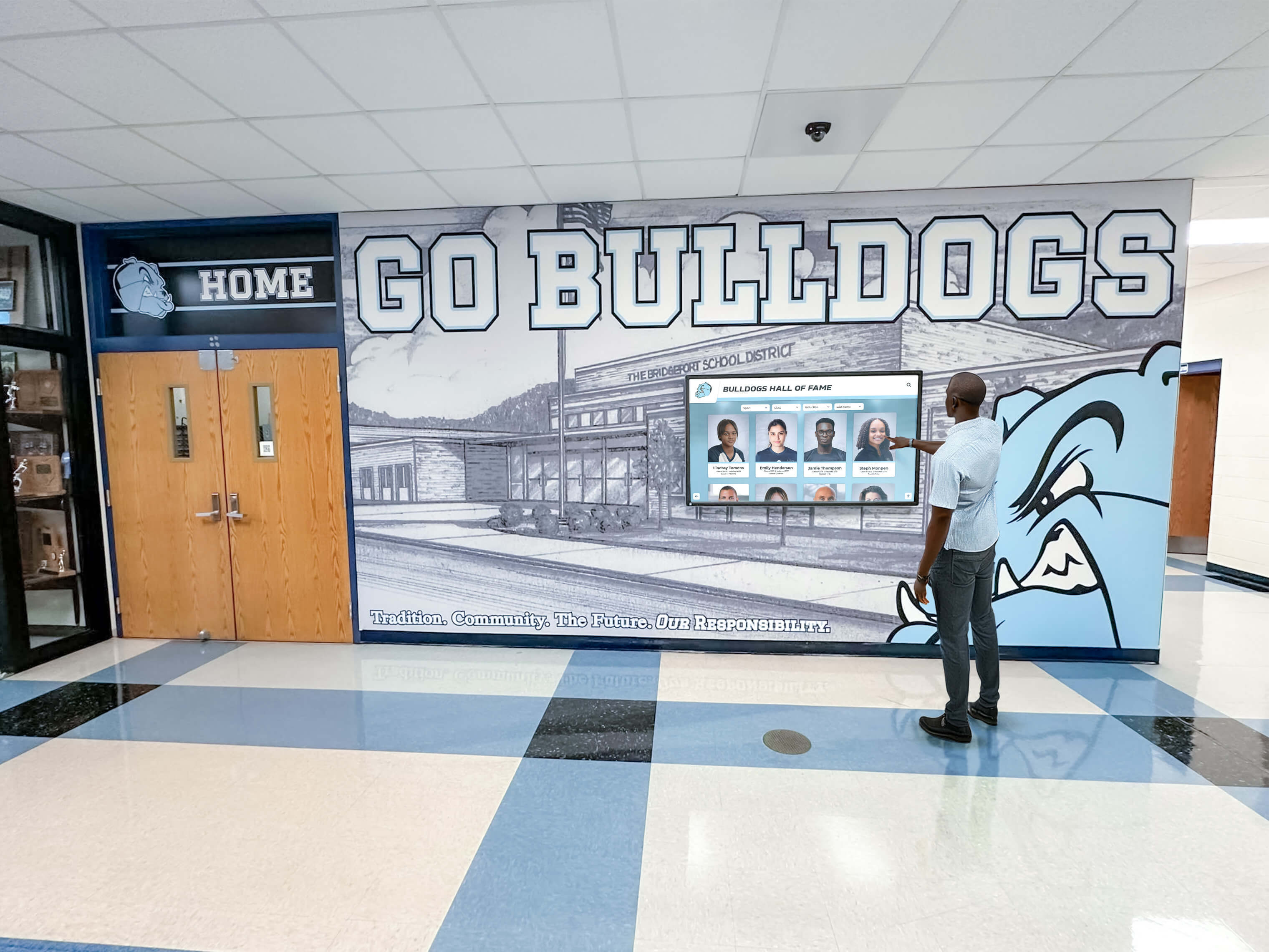
Intuitive interfaces enable independent use by children without constant staff supervision or technical assistance
Selecting Systems and Vendors
Healthcare administrators face numerous options when selecting interactive touchscreen solutions for pediatric facilities.
Specialized Healthcare Gaming Vendors
Several companies design touchscreen systems specifically for medical environments:
Healthcare-Focused Features
Medical gaming vendors typically provide:
- Medical-grade hardware meeting healthcare standards
- Content specifically designed for pediatric patients
- HIPAA-compliant systems protecting privacy
- Hygiene-optimized designs enabling easy cleaning
- Clinical support from child life and pediatric psychology experts
- Healthcare-appropriate content filtering and supervision
- Analytics and reporting supporting program evaluation
- Installation and training specialized for healthcare contexts
While potentially more expensive than general consumer products, specialized medical gaming systems provide features and support specifically addressing healthcare requirements.
Vendor Evaluation Criteria
When selecting vendors, hospitals should assess:
- Experience with similar pediatric healthcare implementations
- References from other children’s hospitals
- Content quality and age-appropriateness
- Ongoing content updates and improvement
- Technical support responsiveness and quality
- Warranty terms and expected equipment lifespan
- Training and implementation support services
- Total cost of ownership including long-term expenses
Some vendors provide trial periods or demo equipment enabling evaluation before major investment commitments.
Content Management and Customization
Flexible systems enable hospitals to tailor content:
Custom Branding and Content
Hospitals may want customization:
- Hospital branding and visual identity integration
- Custom educational content about specific conditions
- Procedure-specific preparation and education materials
- Local community and cultural content
- Partnership recognition for donor-funded systems
- Original content created by child life staff
Solutions like digital recognition displays from Rocket Alumni Solutions demonstrate how customized content platforms can adapt to various institutional needs, with similar flexibility valuable for healthcare gaming systems.
Content Curation and Updates
Effective systems provide:
- Regular content additions maintaining novelty and engagement
- Seasonal and holiday content creating timely relevance
- Trending games and popular entertainment maintaining interest
- Content retirement removing outdated or unpopular options
- Analytics-driven selection focusing on most engaging content
- Professional content review ensuring quality and appropriateness
Hospitals lacking internal expertise benefit from vendors providing ongoing content curation rather than requiring internal game selection and management.
Cost Considerations and Funding
Interactive gaming systems represent significant investments requiring careful financial planning:
Equipment Costs
Typical pricing includes:
- Wall-mounted interactive displays: $8,000-25,000 per installation
- Touchscreen tables: $5,000-15,000 per unit
- Mobile touchscreen carts: $4,000-12,000 per cart
- Installation and integration: $2,000-8,000 depending on complexity
- Initial content licensing: Often included or $1,000-5,000
- Training and implementation: $2,000-5,000 for initial deployment
Ongoing Costs
Annual expenses include:
- Software and content licensing: $1,500-5,000 per year per system
- Maintenance and technical support: $1,000-3,000 annually
- Content updates and additions: Often included in licensing
- Replacement parts and repairs: $500-2,000 annually
- Cleaning supplies and screen protectors: $200-500 annually
Funding Sources
Hospitals pursue various funding strategies:
- Philanthropy and donor funding specifically for child life programming
- Foundation grants supporting pediatric patient experience
- Corporate partnerships with technology companies
- Hospital auxiliary organizations supporting patient amenities
- Naming opportunities attracting major donors
- Capital budgets during facility renovation or new construction
Many donors respond positively to tangible patient-facing amenities like interactive gaming that directly improve children’s hospital experiences. Approaches similar to donor recognition strategies can acknowledge supporters while celebrating their contributions to pediatric care quality.
Return on Investment
While difficult to quantify financially, benefits include:
- Reduced medication requirements for procedural anxiety and pain
- Improved patient satisfaction scores affecting reimbursement
- Decreased procedure time through better patient cooperation
- Enhanced reputation attracting patient families to facility
- Reduced staff burden through self-directed entertainment
- Improved procedural success rates with calm, cooperative patients
These benefits often justify investments even absent direct financial returns, representing commitment to comprehensive pediatric patient experience beyond strictly medical intervention.
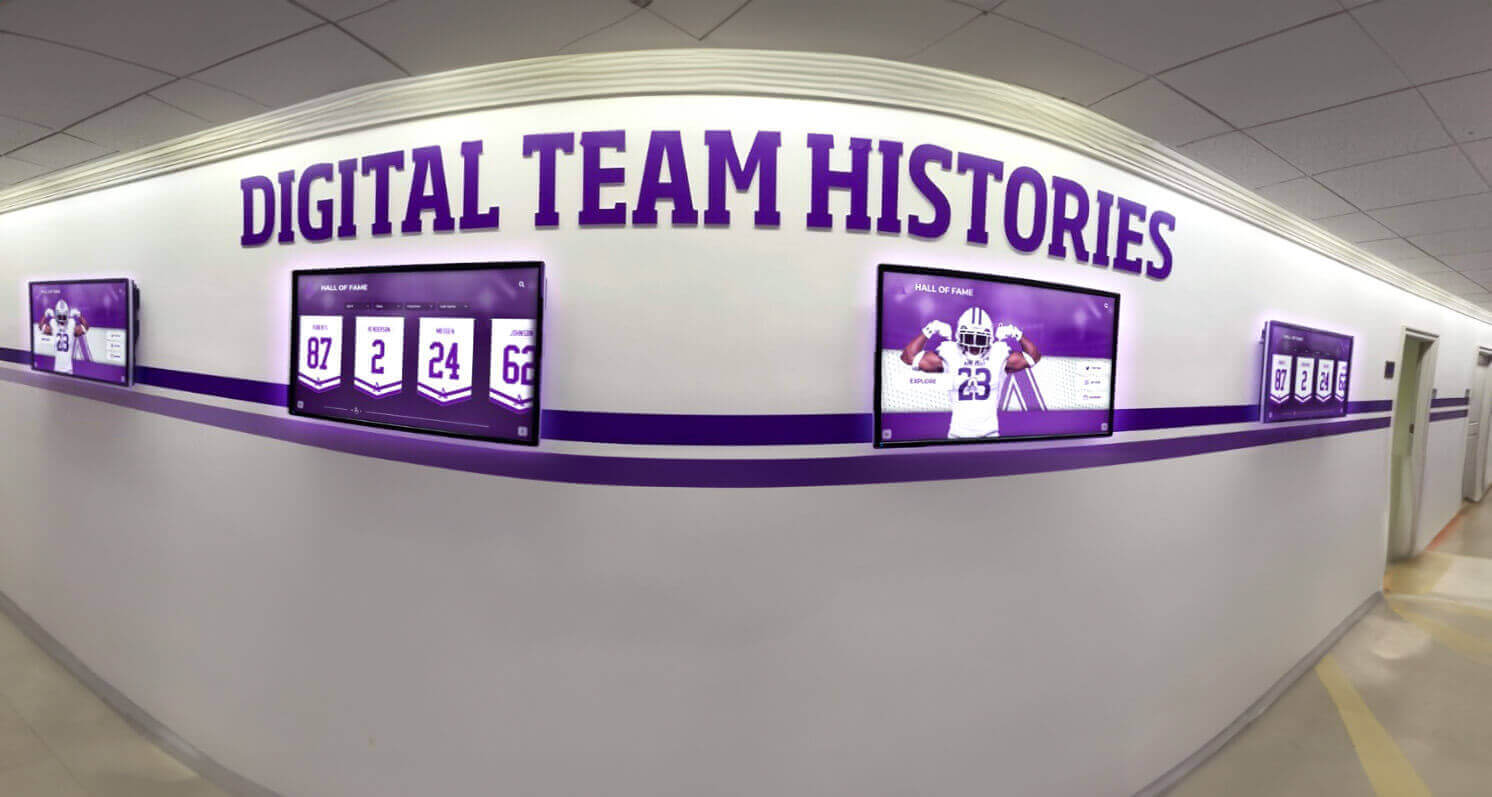
Multiple coordinated displays throughout facilities create comprehensive engagement environments serving various patient populations
Case Studies and Implementation Examples
Learning from other hospitals’ experiences informs successful implementations:
Waiting Room Interactive Walls
Many children’s hospitals install large interactive walls in waiting areas:
Implementation Approach
Typical installations feature:
- 75-86 inch touchscreens positioned at child-appropriate heights
- Motion-activated idle content attracting attention
- Multiple simultaneous user support for group play
- Rotating content maintaining novelty for frequent visitors
- Volume controls respecting waiting room acoustics
- Durable mounting withstanding heavy use
Reported Benefits
Hospitals report:
- Reduced perceived wait time through engagement
- Decreased anxiety before appointments
- Fewer behavioral challenges from bored, anxious children
- Improved parent satisfaction with facility
- Social interaction opportunities between patients
- Positive first impressions for families
These waiting room installations often serve as entry points for broader interactive technology adoption as hospitals experience direct benefits.
Bedside Distraction Carts
Mobile entertainment carts bring engagement directly to patient rooms:
Implementation Approach
Effective mobile programs include:
- Fleet of carts sufficient for simultaneous use across units
- Child life staff training on therapeutic distraction techniques
- Scheduling systems ensuring fair distribution across patients
- Cleaning protocols between every patient use
- Content selection matching various ages and conditions
- Analytics tracking utilization and patient preferences
Therapeutic Applications
Common uses include:
- Pre-procedure distraction in patient rooms
- During-procedure engagement for minor bedside interventions
- Post-operative entertainment during recovery
- Extended engagement for bed-bound patients
- Social connection for isolated immunocompromised children
Mobile cart programs require significant child life staff involvement but provide targeted therapeutic intervention most other entertainment approaches cannot achieve.
Physical Therapy Integration
Rehabilitation departments incorporate touchscreen games in therapy protocols:
Implementation Approach
Therapy-focused installations feature:
- Games specifically designed for motor skill development
- Adjustable mounting accommodating various patient positions
- Integration with therapy documentation systems
- Therapist training on game selection for therapeutic goals
- Progress tracking demonstrating improvement over sessions
Therapeutic Outcomes
Benefits reported include:
- Increased patient engagement in repetitive exercises
- Improved therapy compliance through game motivation
- Objective data documenting skill improvement
- Reduced perceived exertion during challenging exercises
- Enhanced parent understanding of therapy goals through visible progress
These specialized applications require clinical expertise ensuring games genuinely support therapeutic objectives rather than simply entertaining patients during therapy time. Similar principles from STEM projects recognition programs apply, where measurable achievement tracking demonstrates progress and celebrates success.
Outpatient Clinic Play Areas
Outpatient facilities create engaging environments:
Implementation Approach
Effective clinic installations include:
- Multiple interactive stations accommodating various ages
- Shorter-duration games matching brief clinic visits
- Content rotation maintaining novelty for regular visitors
- Integration with clinic flow and room-call systems
- Parent supervision capability from waiting areas
Operational Benefits
Clinics report:
- Reduced check-in resistance from anxious children
- Improved patient flow through positive distraction
- Decreased perception of appointment delays
- Enhanced facility atmosphere and patient satisfaction
- Reduced staff interruptions from bored children
These applications demonstrate that therapeutic gaming benefits extend beyond inpatient settings to any pediatric healthcare environment where children experience anxiety or require positive distraction.
Staff Training and Program Integration
Technology succeeds only when staff embrace and effectively utilize systems:
Child Life Specialist Training
Child life professionals serve as primary therapeutic gaming facilitators:
Training Content Should Cover:
- Selecting appropriate games for specific therapeutic goals
- Using interactive distraction during medical procedures
- Facilitating social play experiences between patients
- Troubleshooting basic technical issues
- Documenting therapeutic interventions in medical records
- Evaluating patient response and adjusting approaches
- Maintaining hygiene standards with equipment
- Managing screen time appropriately
Specialized training helps child life staff view touchscreen games as professional therapeutic tools rather than simply entertainment devices.
Clinical Staff Awareness
Nurses and physicians should understand systems:
Clinical Training Should Address:
- When and how to offer interactive distraction
- Positioning equipment appropriately during procedures
- Basic operation enabling staff to assist patients
- Hygiene protocols protecting infection control
- Documentation requirements for therapeutic use
- Respecting clinical workflows and priorities
- Recognizing when games provide therapeutic benefit versus inappropriate distraction
Brief awareness training helps clinical staff support therapeutic gaming programs without requiring deep expertise or significant time investment.
Parent and Family Education
Family education maximizes benefit:
Parent Information Should Include:
- Available interactive resources throughout facility
- Therapeutic benefits beyond simple entertainment
- Appropriate screen time guidance for hospitalized children
- How families can participate in interactive play
- Requesting child life support for interactive distraction
- Hygiene practices with shared equipment
This education helps families understand interactive gaming as valuable therapeutic intervention rather than concerning screen time during medical challenges. Approaches similar to community engagement strategies help families become active partners in therapeutic gaming programs.
Volunteer and Support Staff Training
Additional personnel can extend program reach:
Volunteer Training Content:
- Basic system operation and game selection
- Appropriate supervision of children using equipment
- When to seek child life specialist assistance
- Hygiene and infection control practices
- Respecting family preferences and clinical priorities
- Documenting volunteer interactions
Well-trained volunteers can dramatically expand interactive gaming availability, providing engaged supervision in play areas when child life specialists focus on higher-level therapeutic interventions.
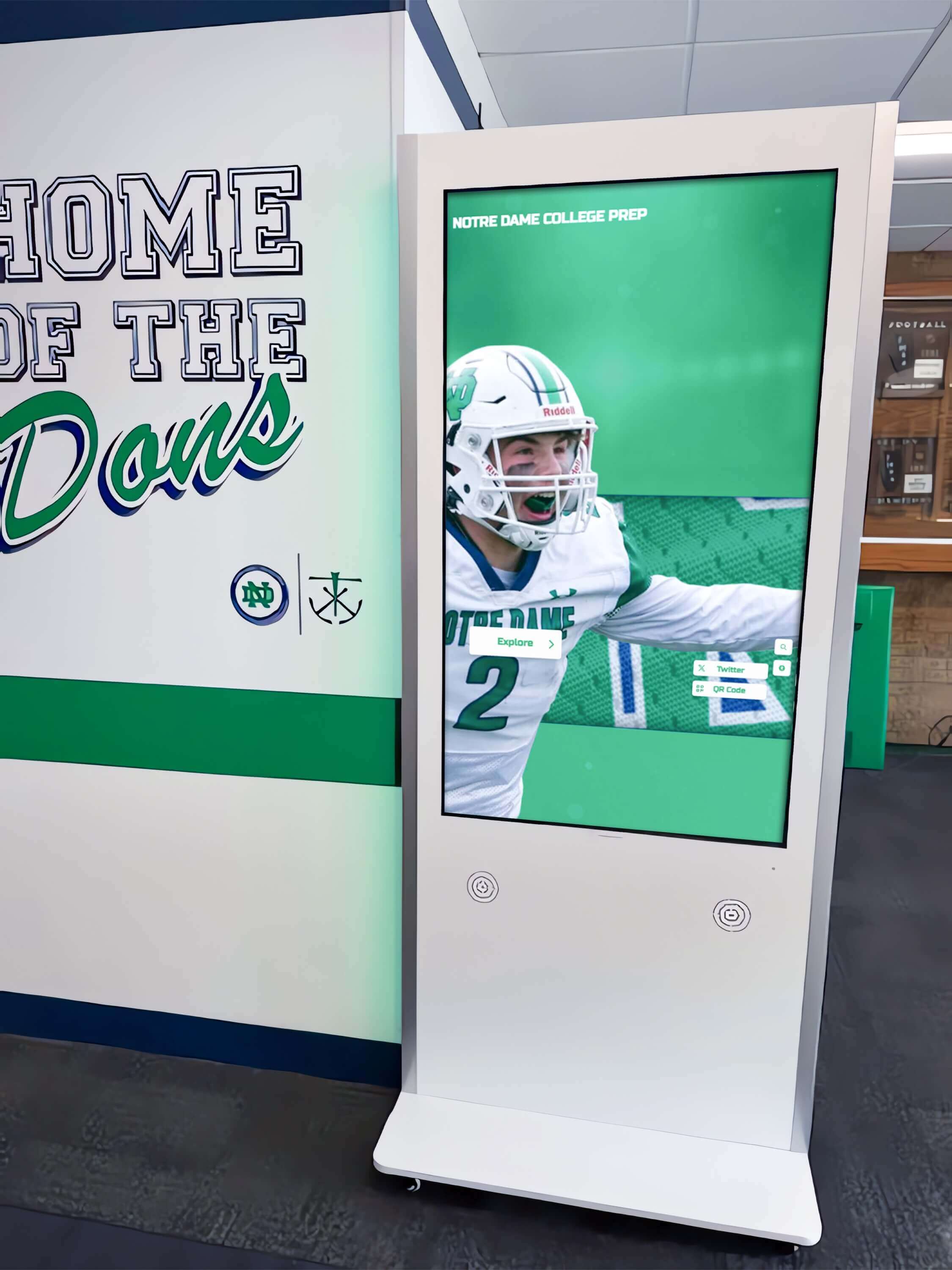
Freestanding kiosk installations provide professional appearance and flexible placement without wall mounting requirements
Measuring Success and Program Evaluation
Demonstrating value justifies continued investment and program expansion:
Patient and Family Satisfaction
Measuring satisfaction documents perceived value:
Satisfaction Metrics:
- Overall satisfaction with child life programming
- Specific feedback about interactive gaming
- Perceived effectiveness for anxiety reduction
- Reported pain perception during procedures
- Family willingness to recommend facility
- Social media mentions and public comments
Regular satisfaction surveys should specifically query interactive gaming experiences, distinguishing these programs from general facility satisfaction.
Clinical Outcome Measures
Objective clinical data demonstrates therapeutic value:
Clinical Metrics:
- Pain scores during procedures with versus without gaming distraction
- Medication requirements for procedural anxiety
- Procedure completion rates and patient cooperation
- Time required to complete procedures
- Adverse events related to patient distress
- Repeated procedure success rates (subsequent attempts easier or harder)
These clinical measures provide concrete evidence that interactive gaming delivers therapeutic benefits justifying investment and programmatic priority. Documentation approaches similar to academic recognition programs demonstrate systematic evaluation yielding continuous improvement.
Utilization and Engagement Analytics
Usage data guides program optimization:
Analytics to Track:
- System usage frequency and duration
- Most and least popular games and content
- Peak usage times and locations
- Age group engagement patterns
- Multi-user versus single-player preferences
- Session abandonment rates (children stopping mid-game)
These analytics inform content decisions, identify underutilized equipment requiring relocation or replacement, and demonstrate program reach across patient populations.
Staff Feedback
Frontline staff provide operational insights:
Staff Feedback Areas:
- Ease of system use and reliability
- Perceived therapeutic effectiveness
- Technical support responsiveness
- Content appropriateness and variety
- Workflow integration challenges
- Suggestions for improvement
Regular structured feedback from child life specialists, nurses, and other staff ensures programs evolve based on practical experience rather than remaining static after initial implementation.
Financial Impact Assessment
Quantifying value supports continued funding:
Financial Considerations:
- Reduced medication costs through non-pharmaceutical interventions
- Procedure efficiency gains through better patient cooperation
- Patient satisfaction impact on facility reputation and market position
- Potential effects on reimbursement tied to satisfaction scores
- Staff time savings through self-directed entertainment
- Avoided costs of behavioral management challenges
While precise financial returns prove difficult to calculate, documenting potential financial impacts helps administrators justify ongoing investment in therapeutic gaming programs.
Future Trends and Emerging Technologies
Interactive pediatric healthcare technology continues evolving:
Virtual and Augmented Reality
Immersive technologies expand therapeutic possibilities:
VR/AR Applications:
- Virtual reality distraction during painful procedures
- Augmented reality overlays on physical environments
- Virtual field trips for bed-bound patients
- Immersive physical therapy experiences
- Medical education through virtual anatomy exploration
- Social VR connecting isolated patients
Some children’s hospitals pilot VR programs for specific applications, though technology costs and hygiene challenges currently limit widespread adoption.
Biofeedback Integration
Advanced systems incorporate physiological monitoring:
Biofeedback Applications:
- Games responding to heart rate teaching stress management
- Breathing exercises with visual feedback promoting relaxation
- Pain management through biofeedback-guided games
- Anxiety reduction through physiological monitoring
- Sleep improvement through relaxation training
- Real-time stress assessment during therapeutic interventions
These sophisticated applications blur boundaries between entertainment and medical intervention, creating new therapeutic possibilities.
Artificial Intelligence Personalization
AI enables adaptive experiences:
AI Applications:
- Automatic difficulty adjustment matching skill levels
- Content recommendations based on individual preferences
- Natural language interaction for conversational games
- Emotion recognition adapting content to patient mood
- Predictive analytics identifying optimal intervention timing
- Automated therapy progress documentation
As AI capabilities mature and healthcare applications expand, personalized adaptive gaming may provide increasingly sophisticated therapeutic support.
Telehealth Integration
Remote healthcare expands interactive gaming opportunities:
Telehealth Gaming Applications:
- Remote therapy sessions using shared gaming platforms
- Virtual play dates connecting hospitalized and discharged patients
- Home-based therapeutic gaming continuing hospital interventions
- Remote child life support for outpatient procedures
- Teletherapy using interactive exercises
The expansion of pediatric telehealth creates opportunities for therapeutic gaming extending beyond hospital walls, maintaining continuity as children transition between care settings. Approaches developed for digital recognition extending beyond physical displays demonstrate how digital platforms can reach audiences wherever they are.
Conclusion: Transforming Pediatric Care Through Interactive Technology
Touchscreen games for children’s hospitals represent far more than entertaining distractions—they provide powerful therapeutic tools that reduce pain and anxiety, support developmental continuity, facilitate rehabilitation, and preserve childhood joy during medical challenges. When hospitals thoughtfully select age-appropriate content, implement medical-grade hardware, train staff in therapeutic application, and integrate systems into comprehensive child life programming, interactive technology transforms from nice-to-have amenity into essential component of comprehensive pediatric patient care.
The considerations explored throughout this guide provide frameworks for evaluating options, making informed technology selections, and implementing programs that serve therapeutic goals while respecting healthcare operational realities. From understanding therapeutic mechanisms and selecting appropriate content to addressing hygiene requirements and measuring outcomes, each decision affects whether interactive gaming delivers its full therapeutic potential or becomes underutilized equipment failing to justify investment.
Ready to explore how touchscreen games can enhance your pediatric facility? Modern interactive solutions help healthcare institutions reduce patient anxiety, support therapeutic interventions, and create healing environments where children maintain childhood normalcy despite medical challenges. While specialized medical gaming vendors provide healthcare-focused solutions, institutions can also adapt professional interactive display platforms for therapeutic applications. Solutions like Rocket Alumni Solutions demonstrate how flexible interactive display technology serves diverse institutional needs, with similar platforms adaptable to healthcare contexts requiring reliable, engaging, professionally-presented content.
Whether implementing comprehensive gaming systems throughout facilities or starting with targeted applications in specific high-value contexts, the key is selecting solutions aligned with therapeutic goals, ensuring content appropriately serves diverse patient populations, and integrating technology into broader child life programming rather than treating systems as standalone entertainment.
Your pediatric patients deserve healing environments that address not only medical needs but also emotional, developmental, and social wellbeing during hospitalization. Touchscreen games and interactive technology provide evidence-based tools supporting these comprehensive care goals. With thoughtful planning, appropriate system selection, comprehensive staff training, and genuine commitment to therapeutic application rather than simply installing equipment, children’s hospitals can implement interactive gaming programs that measurably improve patient experiences, support clinical outcomes, and create the positive, engaging healing environments every child deserves during medical challenges.
The most sophisticated technology provides little value if it doesn’t serve actual therapeutic needs or prove too complex for practical clinical application. Successful pediatric gaming programs balance innovation with practicality, ensuring systems genuinely support patients and staff rather than creating technical burdens. Your patients, families, and clinical teams deserve technology that works reliably, serves real therapeutic purposes, and integrates seamlessly into the complex realities of pediatric healthcare delivery.