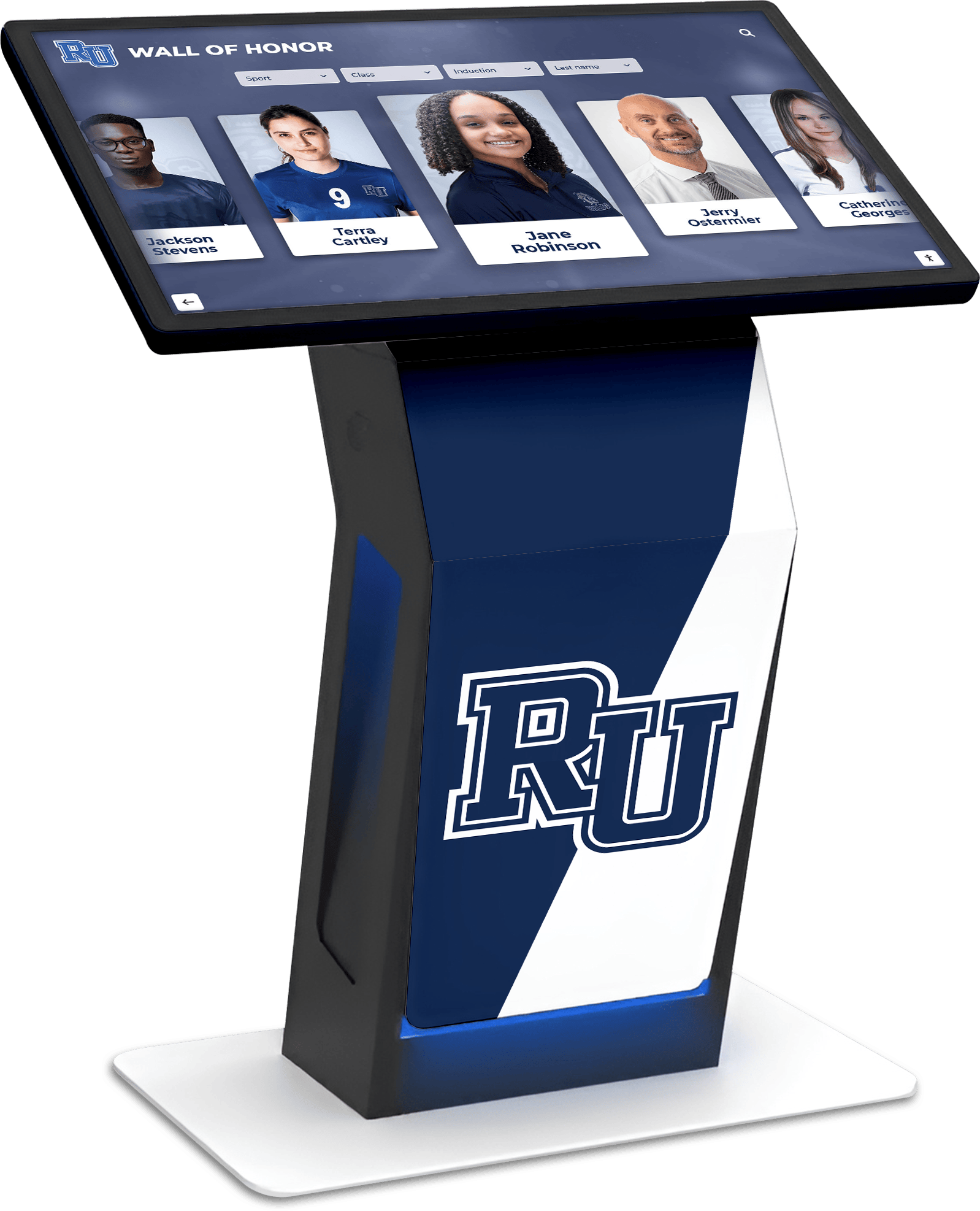




Touchscreen digital hall of fame walls and interactive awards displays represent the future of recognition technology for schools, universities, athletic programs, and organizations. These sophisticated systems combine commercial-grade touchscreen hardware with specialized recognition software to create unlimited capacity for celebrating achievements, engaging exploration experiences that keep visitors interacting for minutes rather than seconds, and comprehensive biographical content that honors accomplishments far beyond what traditional plaques or trophy cases can provide.
Organizations implementing touchscreen hall of fame systems eliminate the space constraints that force difficult decisions about which achievements to display, the static presentations that generate brief passive viewing, the limited information capacity of physical plaques, and the ongoing maintenance burden of managing traditional recognition. Interactive displays create dynamic recognition experiences where visitors actively explore content, search for specific individuals or achievements, filter by categories or time periods, watch video highlights, and share recognition through social media—transforming recognition from static acknowledgment into engaging discovery.
This comprehensive guide explores everything you need to know about touchscreen digital hall of fame walls and interactive awards displays, from understanding core technology and essential features to planning implementations, developing content strategies, and measuring success. Whether you’re establishing your first digital recognition system or enhancing existing programs, these proven strategies help ensure your investment delivers meaningful achievement celebration and lasting community engagement.
Touchscreen digital hall of fame technology has matured significantly over the past decade. What began as experimental installations in a few forward-thinking institutions has become standard practice across thousands of schools, universities, athletic facilities, and organizations worldwide. Modern systems deliver reliability, usability, and engagement that traditional recognition approaches simply cannot match.

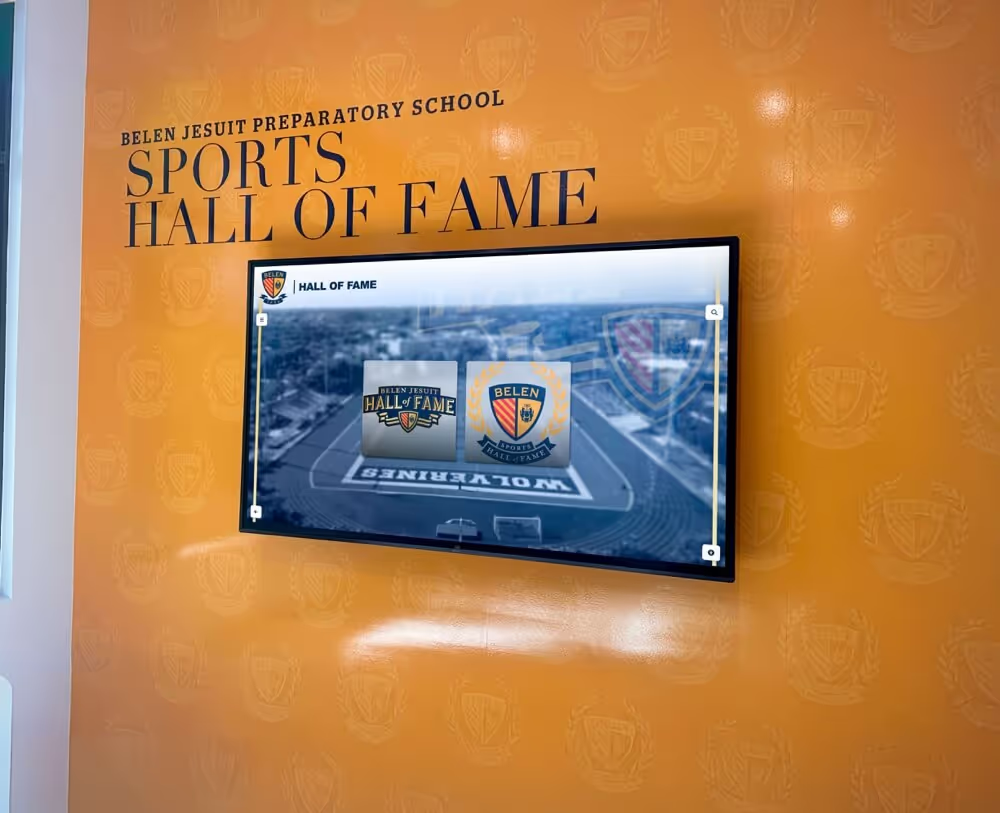
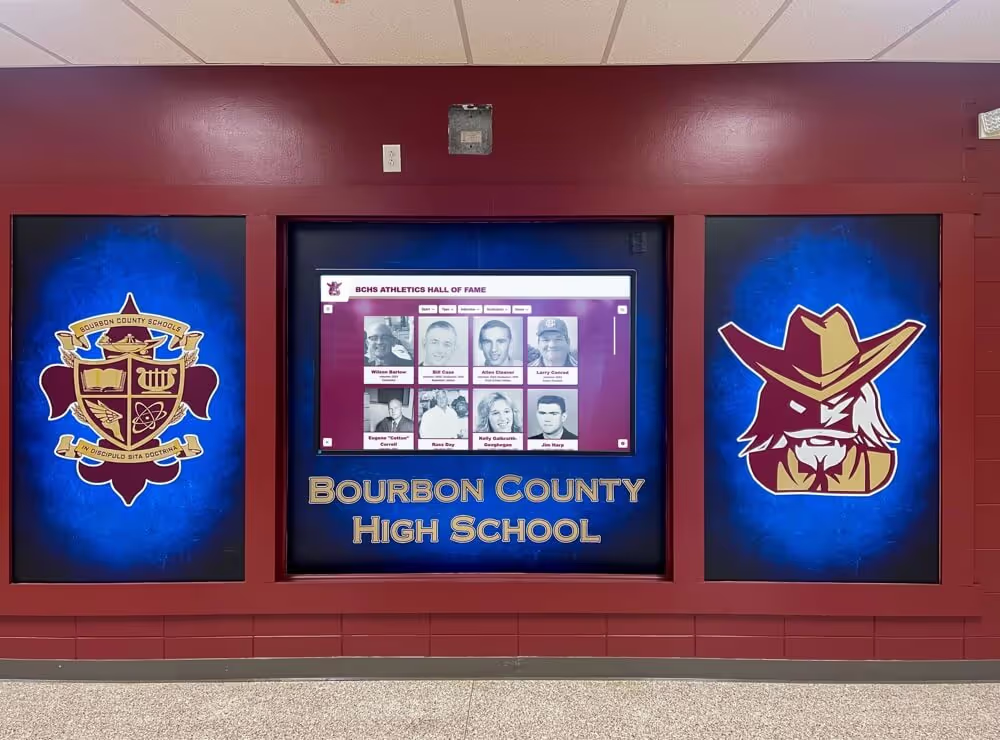
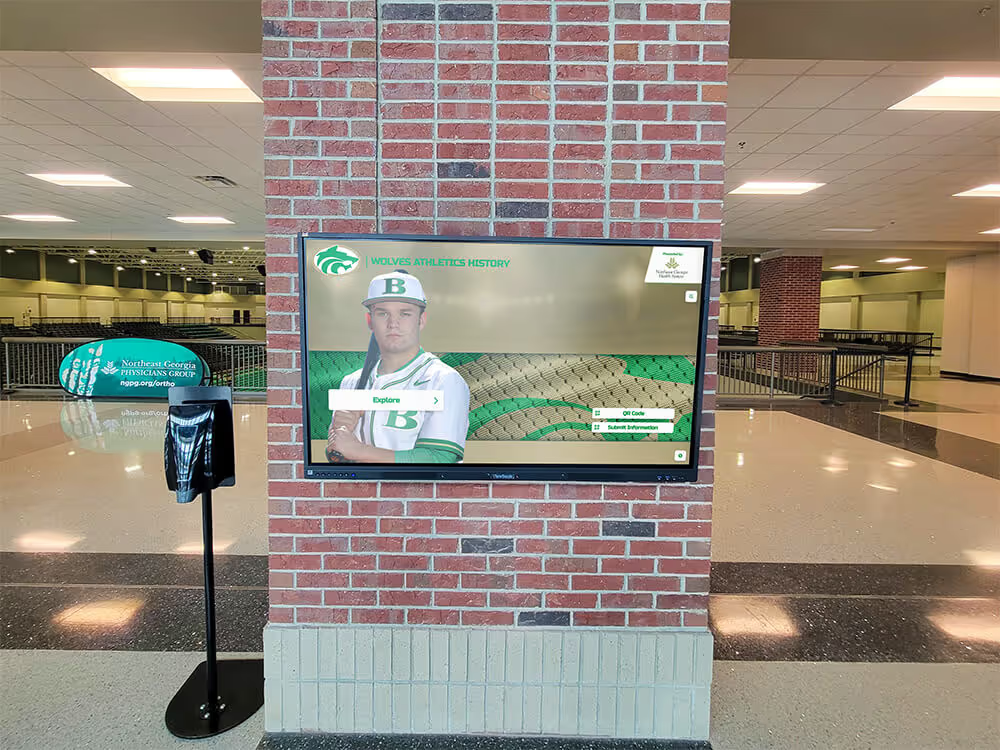
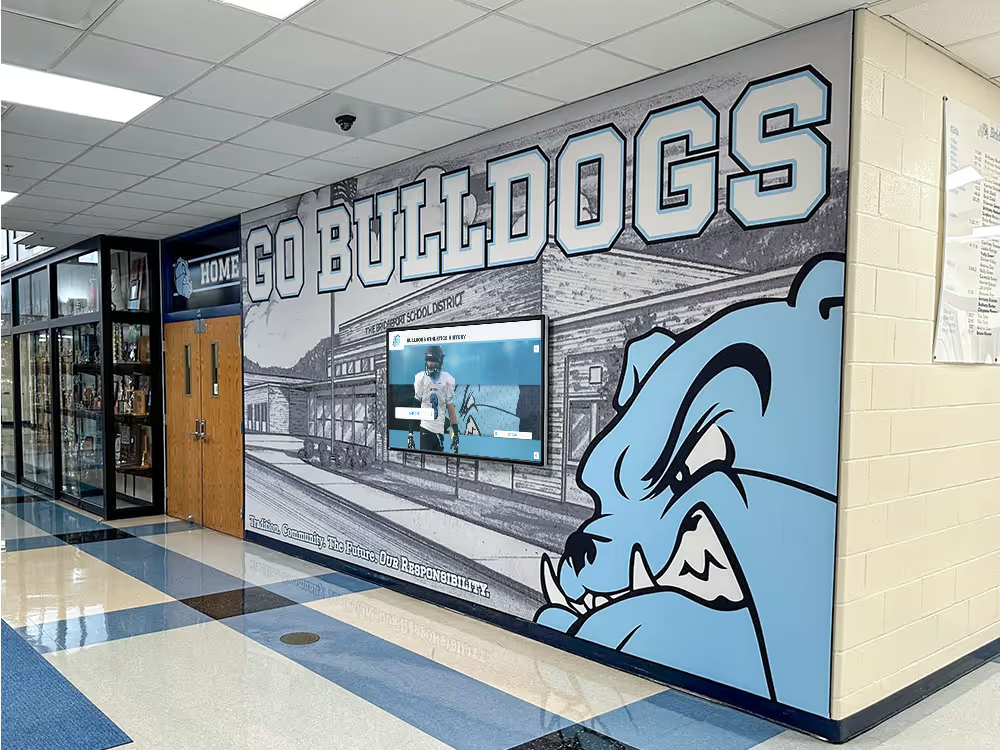
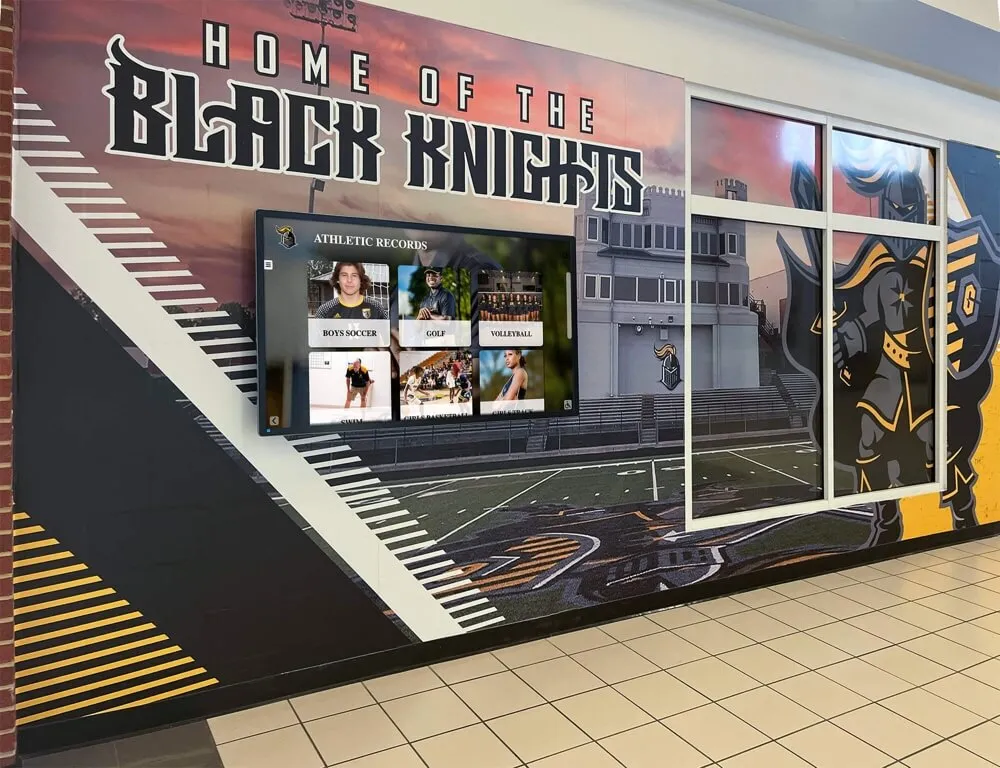
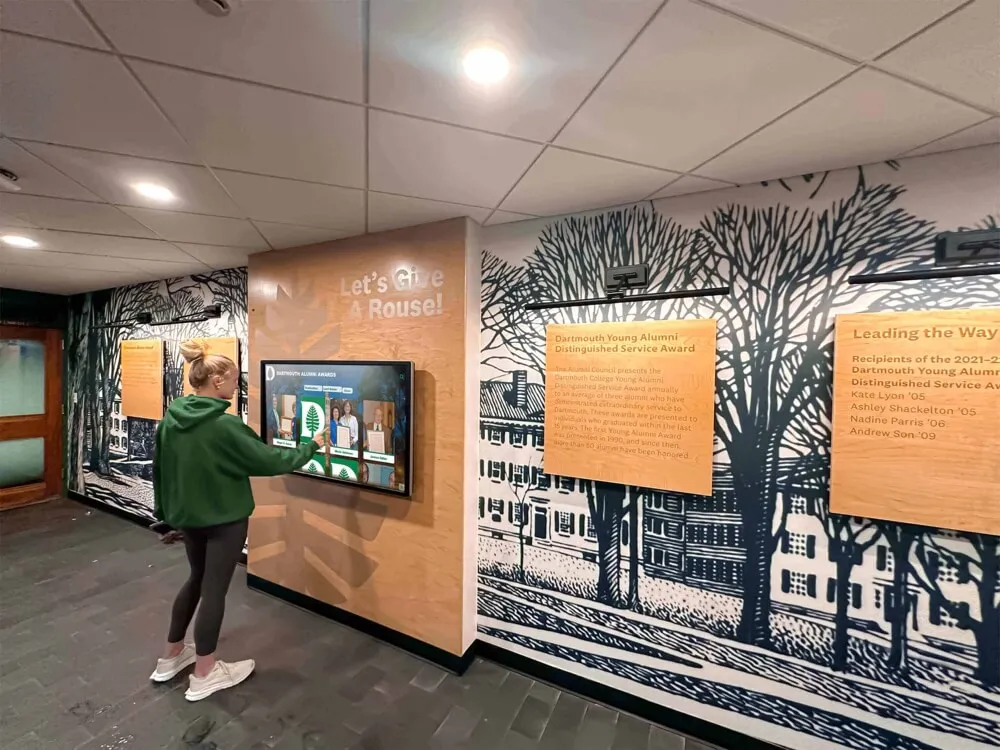
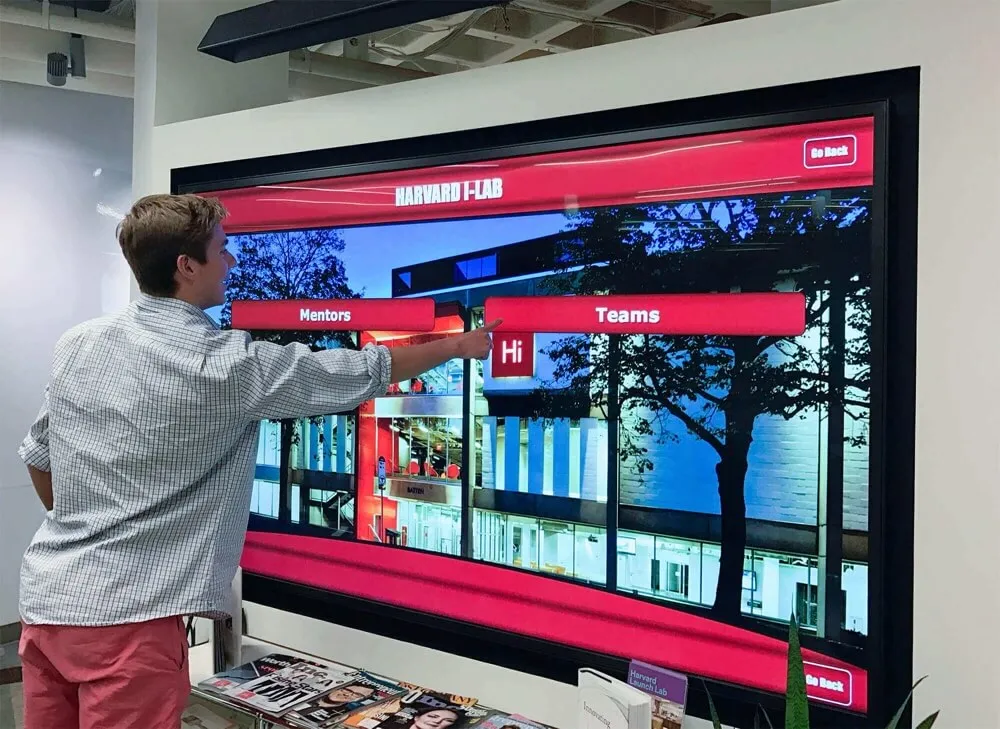
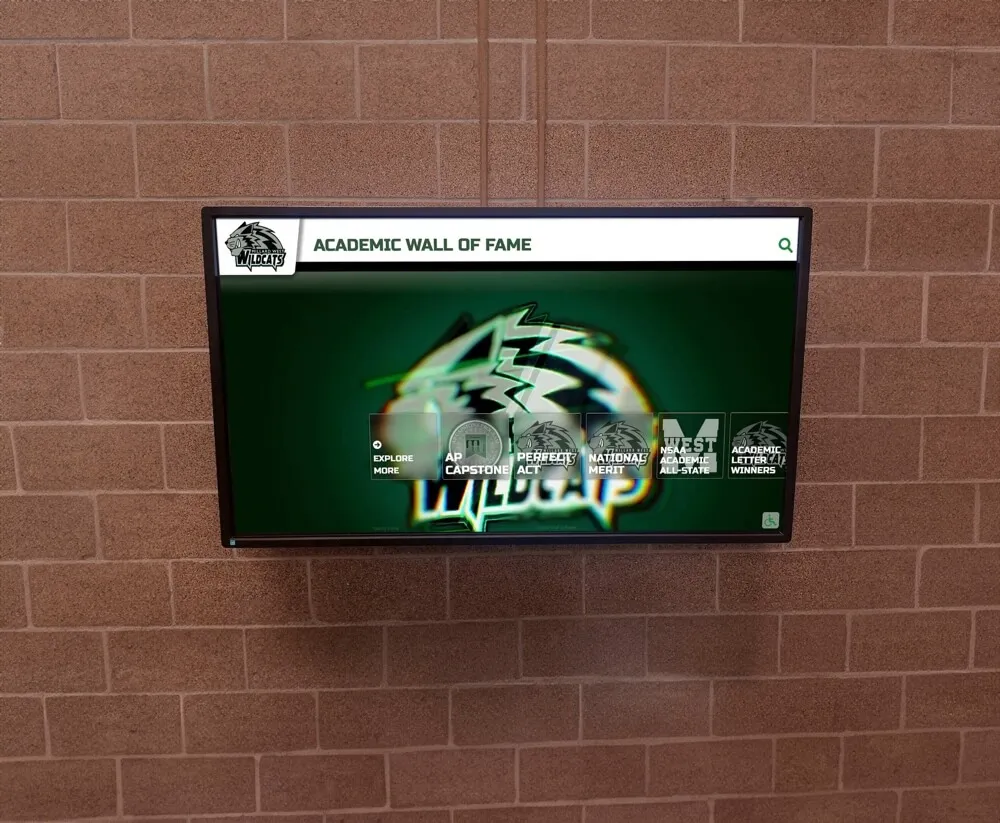
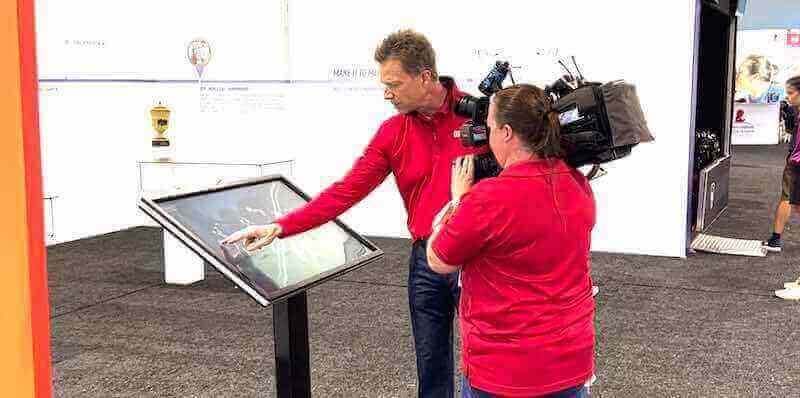
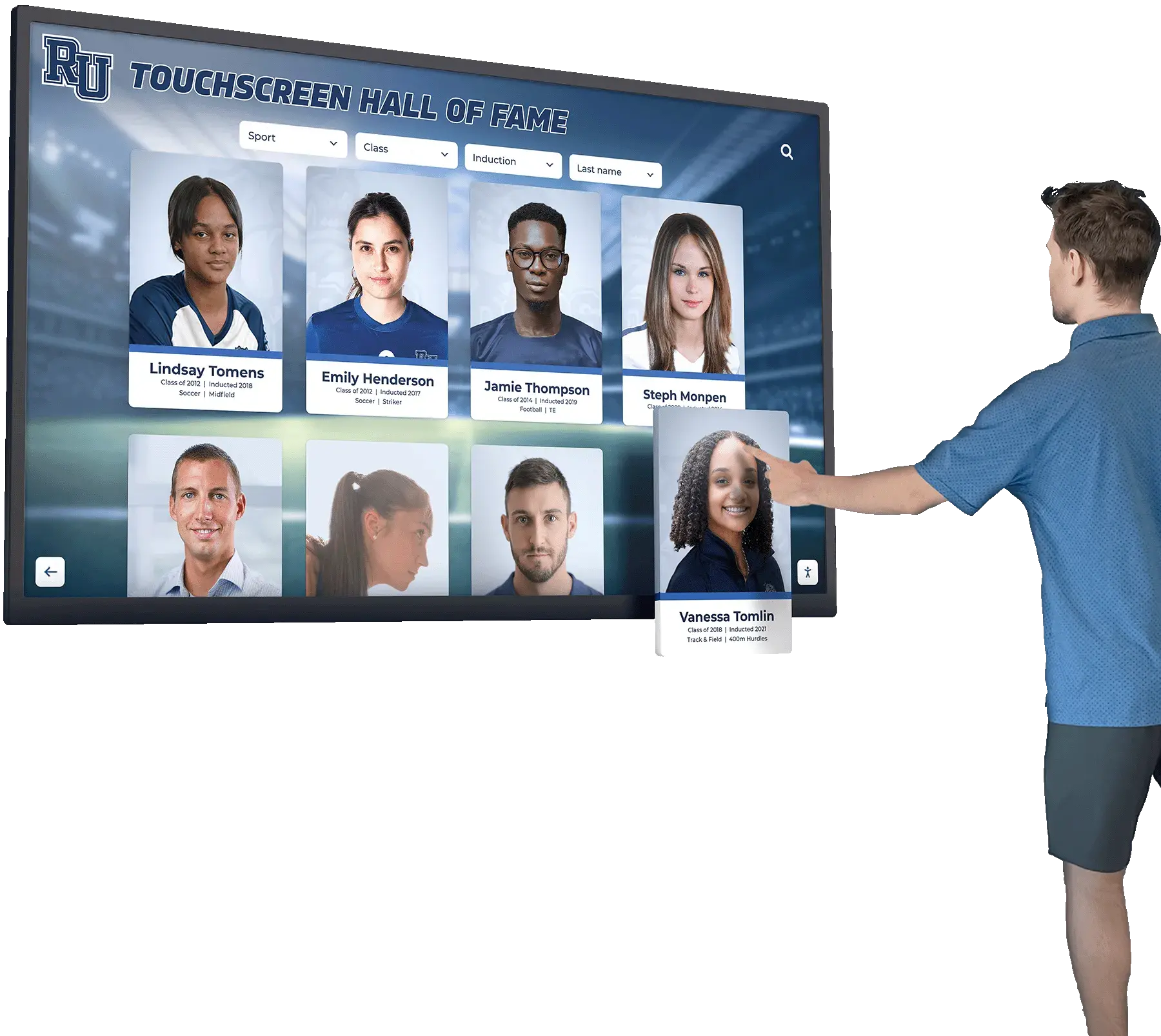
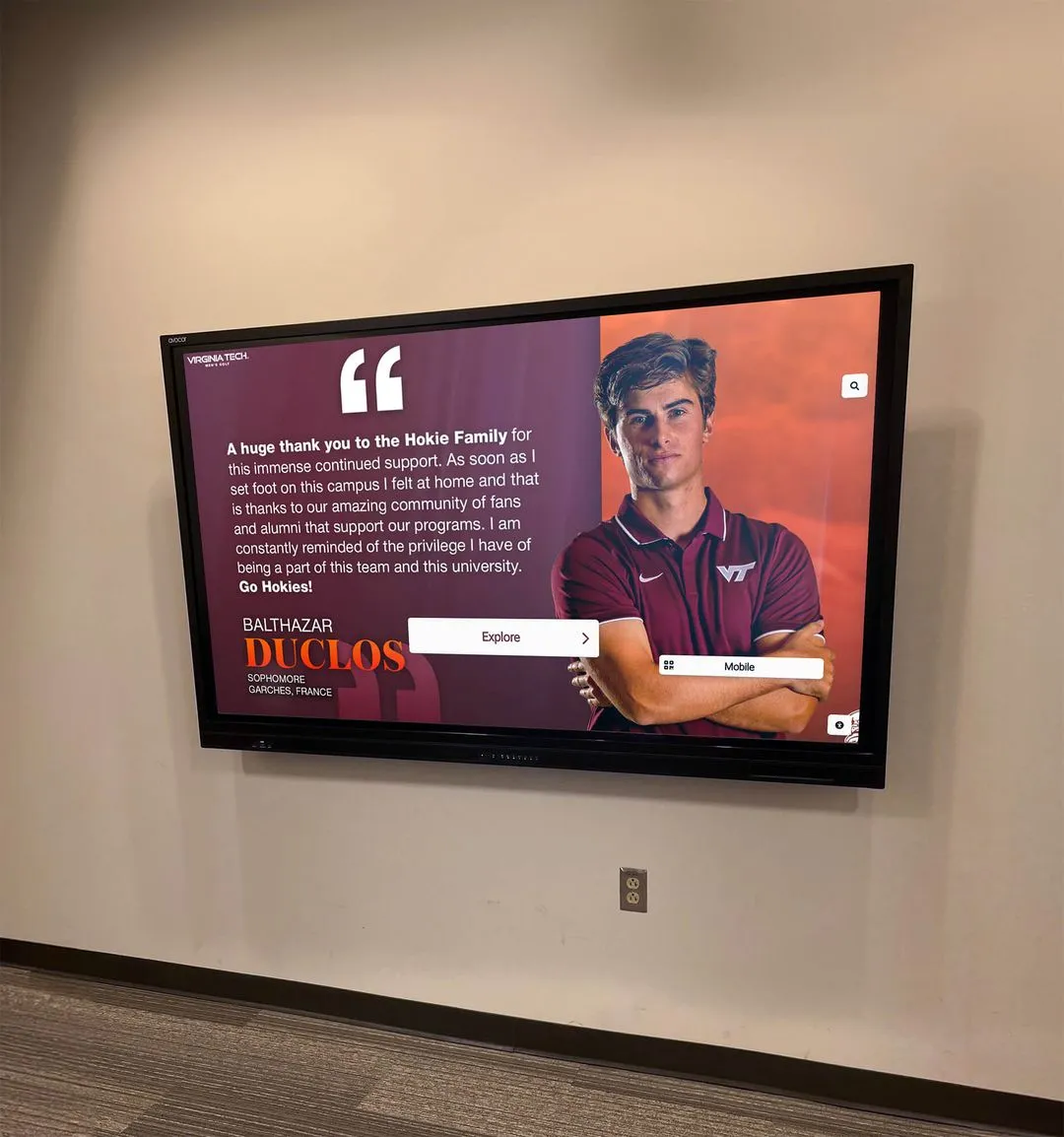
Professional touchscreen hall of fame kiosks provide engaging platforms for exploring achievements through intuitive interfaces
Program Snapshot: Touchscreen Digital Hall of Fame Recognition
Before exploring detailed implementation strategies, understanding the complete scope helps organizations assess whether touchscreen systems align with recognition goals and available resources.
| Program Element | Description | Key Considerations |
|---|---|---|
| Technology Components | Commercial-grade touchscreen displays (55-86 inches), purpose-built recognition software, cloud-based content management systems | Purpose-built platforms deliver superior results versus generic digital signage |
| Recognition Capacity | Unlimited honorees across all achievement categories and historical periods | Eliminates space constraints forcing difficult selection decisions |
| Target Audiences | Current members, alumni, prospective participants, families, community supporters, donors, visitors | Different audiences require different discovery paths and content types |
| Primary Outcomes | Comprehensive achievement celebration, extended engagement time, enhanced visitor experience, preserved heritage, strengthened community connections | Success requires measurable goals beyond simply “having a touchscreen” |
| Content Requirements | Photos, biographies, statistics, videos, achievements, awards, historical context for all honorees | Comprehensive content development represents substantial but essential investment |
| Implementation Timeline | Typically 2-4 months from planning through installation and launch | Rushed implementations with inadequate preparation consistently disappoint |
| Ongoing Management | Monthly content updates, regular system monitoring, periodic content refreshes | Sustainable operations require realistic staff capacity and clear responsibilities |
| Investment Range | Initial: $12,000-35,000; Annual: $2,000-6,000 | Costs vary by display size, software platform, and implementation approach |
Understanding Touchscreen Hall of Fame Technology
Touchscreen digital hall of fame systems integrate several sophisticated technology components that work together to create engaging recognition experiences.
Core Hardware Components
Commercial-Grade Touchscreen Displays
The foundation of any touchscreen hall of fame system is commercial-quality display hardware:
- Large-format touchscreens typically ranging from 55 to 86 inches diagonal
- Capacitive touch technology providing responsive, smartphone-like interaction
- Multi-touch capability supporting intuitive gestures including swiping, pinching, tapping, and scrolling
- Commercial displays engineered for 16-18 hours daily continuous operation
- Enhanced brightness (400-700 nits) ensuring visibility in well-lit hallways and lobbies
- 50,000-70,000 hour lifespans providing 6-8 years of continuous reliable operation
- Protective tempered glass surfaces resisting damage while maintaining clarity
- Wide viewing angles (178 degrees) maintaining image quality from various positions
- Anti-glare coatings reducing reflection from facility lighting
Commercial displays differ substantially from consumer televisions in durability, operational specifications, warranty coverage, and reliability under the continuous-use conditions common in institutional environments. Consumer displays typically fail within 12-18 months when operated continuously, while commercial units deliver years of reliable performance.
Touch Technology Specifications
Quality touchscreen systems require responsive, accurate touch detection:
- Capacitive touchscreen technology (not resistive) for best responsiveness
- Multi-touch support enabling 10+ simultaneous touch points
- Response time under 10 milliseconds for immediate feedback
- Consistent touch detection across entire screen surface
- Palm rejection preventing accidental input during use
- Durability under continuous use in high-traffic public environments
- Easy cleaning and maintenance of touch surfaces
- Tamper-resistant construction protecting internal components
Explore comprehensive guides to touchscreen kiosk software for recognition applications.
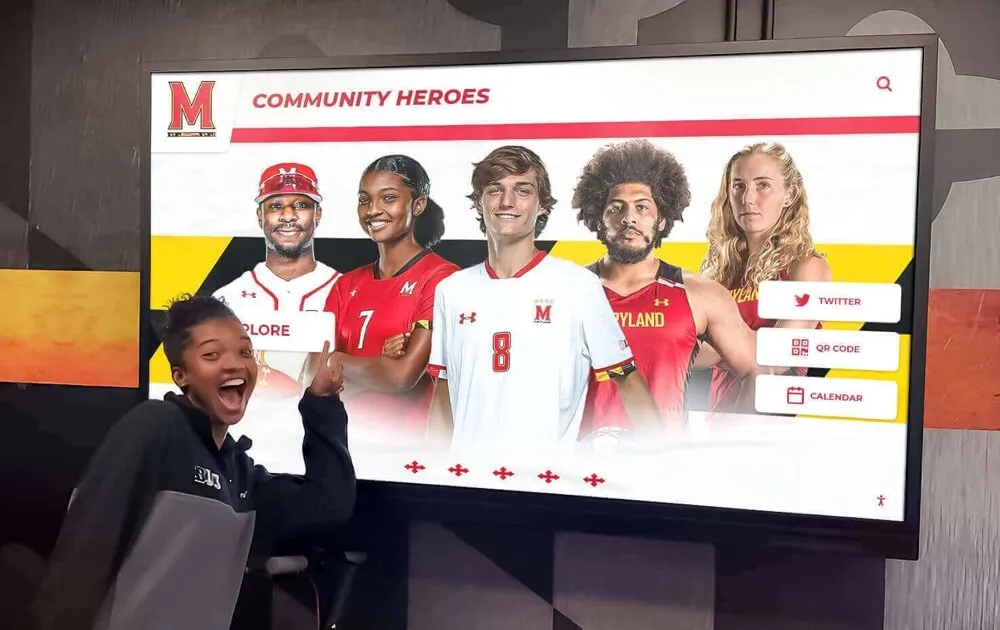
Intuitive touchscreen interfaces enable visitors of all ages to explore recognition content independently without instruction
Purpose-Built Recognition Software
Generic digital signage software lacks the specialized features required for effective hall of fame applications. Purpose-built recognition platforms provide:
Database and Content Management
- Structured databases organizing hundreds or thousands of inductee records
- Individual profile management with comprehensive biographical information
- Achievement categorization by sport, activity, award type, or program area
- Relationship mapping connecting inductees to teams, events, and accomplishments
- Search optimization ensuring profiles appear in relevant queries
- Bulk upload tools for efficiently adding entire classes or teams
- Import capabilities from spreadsheets and existing databases
Interactive Discovery Features
- Full-text search across names, achievements, years, and keywords
- Auto-complete suggestions reducing errors and speeding discovery
- Advanced filtering by year, category, achievement type, or custom criteria
- Alphabetical, chronological, and categorical browsing options
- Featured content highlighting notable achievements and interesting stories
- Related content suggestions connecting associated achievements
- Comparison views showing achievements relative to program standards
Multimedia Integration
- High-resolution photo galleries with zoom and detail examination
- Video integration supporting highlight reels, interviews, and historical footage
- Audio content including speeches, performances, or oral histories
- Document embedding for newspaper articles, certificates, or historical materials
- Social media galleries showing current program connections
- QR code generation linking physical spaces to digital content
Web Accessibility
- Responsive web platforms providing access beyond physical displays
- Mobile-optimized interfaces ensuring smartphone and tablet usability
- Social sharing capabilities enabling honorees to celebrate recognition
- Analytics tracking engagement patterns and popular content
- Search engine optimization making content discoverable publicly
- Integration with institutional websites and alumni platforms
Solutions like Rocket Alumni Solutions provide comprehensive platforms specifically designed for hall of fame and awards recognition, with features addressing challenges institutions face when celebrating accomplishments comprehensively. Learn about digital hall of fame software comparison to understand platform options.
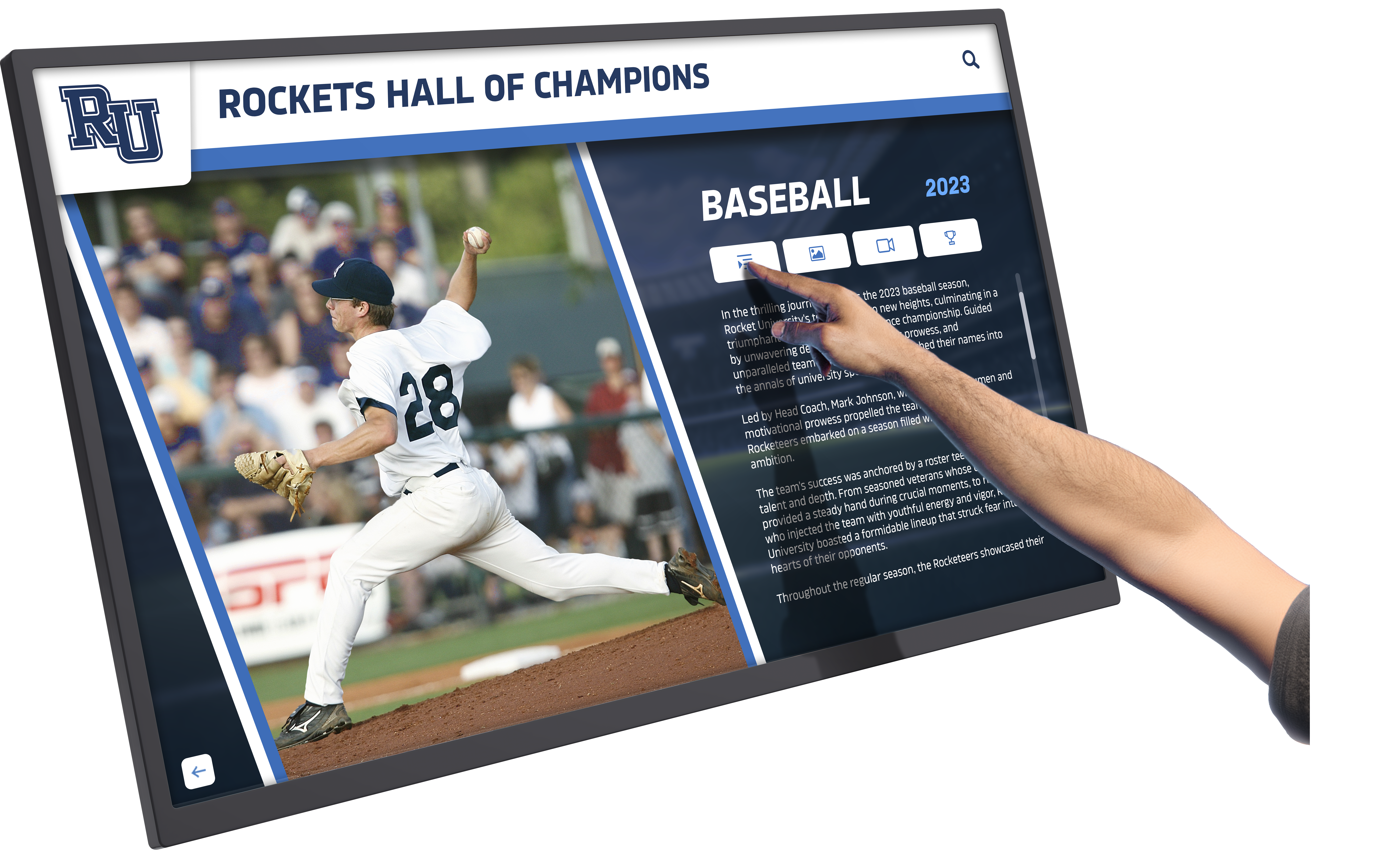
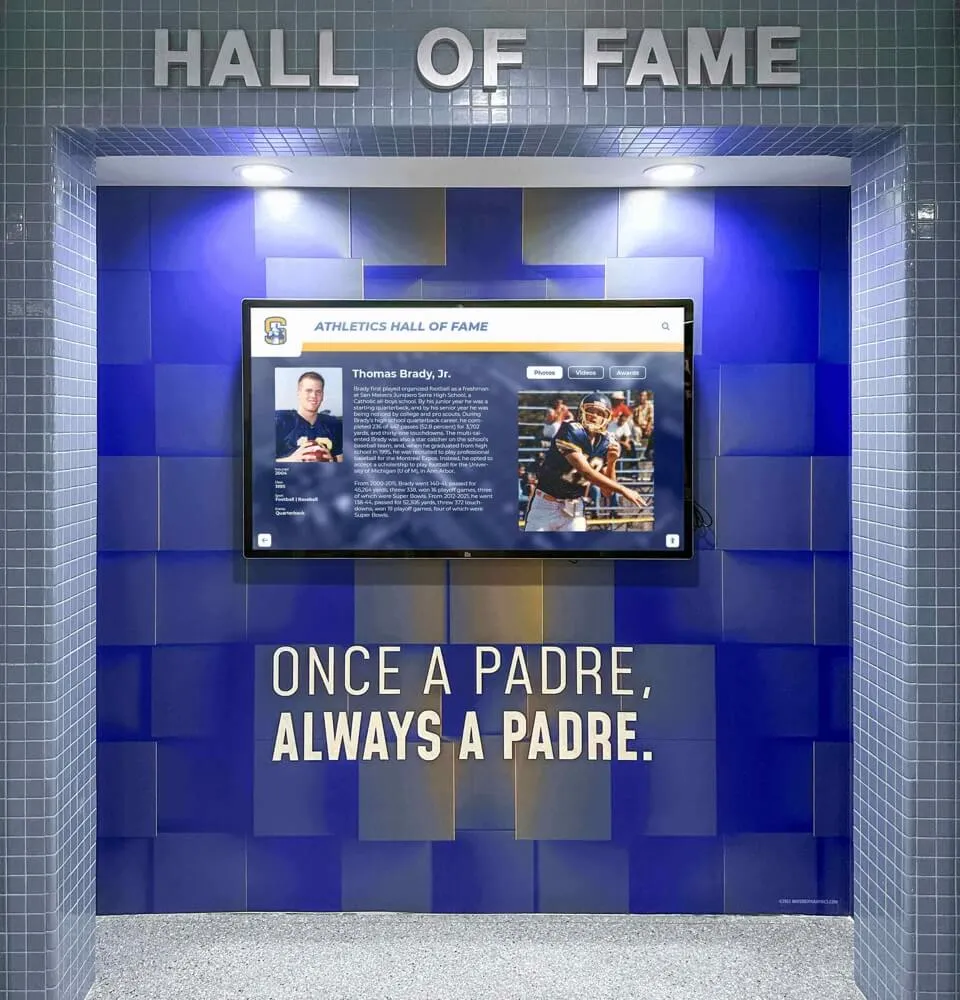
Detailed athlete profiles with statistics, photos, and achievements provide comprehensive recognition impossible with traditional plaques
Cloud-Based Content Management Systems
Modern touchscreen hall of fame platforms enable efficient ongoing management through sophisticated cloud-based administration:
Remote Administration Capabilities
- Web-based control panels accessible from any internet-connected device
- No special software installation or licensing required for content administrators
- Simultaneous multi-user access enabling collaborative content development
- Mobile-responsive admin interfaces supporting smartphone and tablet management
- Secure authentication protecting institutional recognition content from unauthorized changes
- Automatic cloud backups preventing permanent content loss from hardware failures
- Version history tracking all changes with rollback capabilities when needed
Streamlined Content Workflows
- Template-based profile creation ensuring consistent professional presentation
- Approval workflows supporting quality review before content publication
- Scheduled publishing enabling coordinated recognition releases for ceremonies or events
- Media libraries organizing thousands of photos and videos with tagging and search
- Bulk editing tools for updating multiple profiles simultaneously
- Content cloning for efficiently creating similar profiles
- Import/export functions for backup and migration
Multi-Location Display Management
- Centralized administration updating multiple displays across campus or district simultaneously
- Location-specific content enabling customized recognition at different facility areas
- Coordinated scheduling ensuring consistent content across all institutional displays
- Remote troubleshooting and configuration without campus visits
- Performance monitoring identifying technical issues before they impact user experience
- Update verification confirming content changes appear correctly across all platforms
Discover approaches to digital trophy wall management that apply to comprehensive recognition programs.
Benefits of Touchscreen Hall of Fame Systems
Interactive touchscreen displays deliver substantial advantages over traditional recognition approaches, impacting institutions, honorees, and communities.
Unlimited Recognition Capacity
The most significant benefit is eliminating space constraints that plague traditional recognition:
Overcoming Traditional Limitations
Physical plaques and trophy cases face severe capacity constraints:
- Limited wall space accommodates only 50-200 plaques before requiring expansion
- Trophy cases fill quickly, forcing difficult decisions about what to display
- Adding new recognition requires removing previous honorees or expensive facility expansion
- Many deserving achievements go unrecognized due to space limitations
- Inequitable recognition where some programs receive visibility while others don’t
Touchscreen systems eliminate these constraints:
- Single displays showcase unlimited inductees across all categories and time periods
- Complete historical archives preserving every significant achievement
- No need to remove previous recognition to accommodate new honorees
- Equal opportunity for all programs regardless of achievement accumulation
- Comprehensive recognition without costly construction or space expansion
Schools implementing touchscreen systems report displaying 5-15 times more honorees than previous traditional approaches allowed, creating comprehensive recognition previously impossible. Review honor roll display strategies that leverage unlimited digital capacity.
Multi-Program Integration
Traditional displays often segregate recognition by program or sport:
- Separate trophy cases for athletics, academics, arts, and service
- Fragmented presentation preventing appreciation of comprehensive institutional excellence
- Difficulty comparing achievement across different programs or time periods
- Limited space preventing emerging programs from receiving appropriate recognition
Touchscreen systems integrate comprehensively:
- Unified platforms showcasing all institutional achievements together
- Cross-program browsing revealing institutional excellence breadth
- Equal representation for all programs regardless of historical trophy accumulation
- Narrative connections between different achievement areas
- Holistic institutional excellence demonstration rather than program fragmentation
This comprehensive integration shows visitors the full scope of institutional excellence rather than isolating achievements by program boundaries.
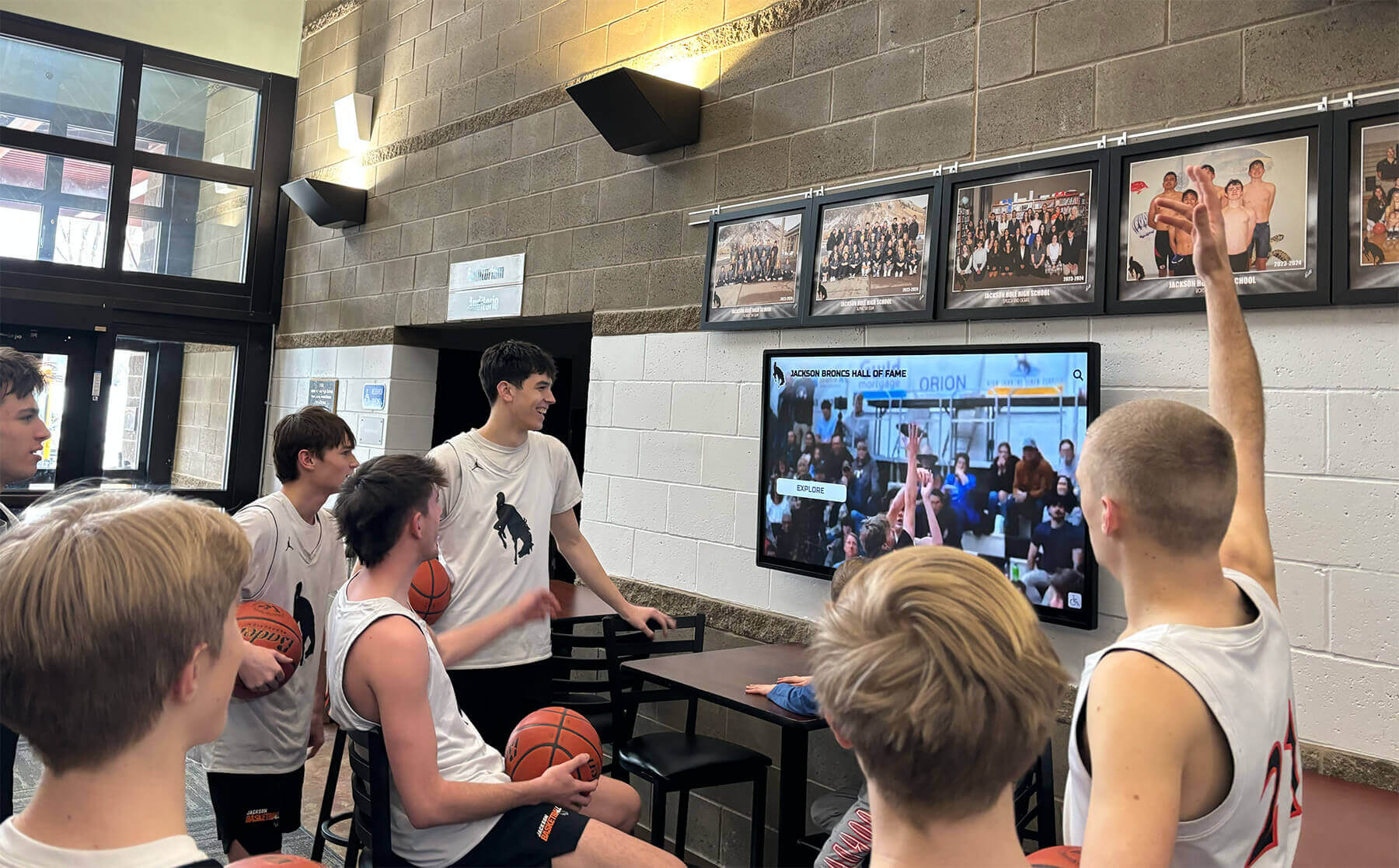
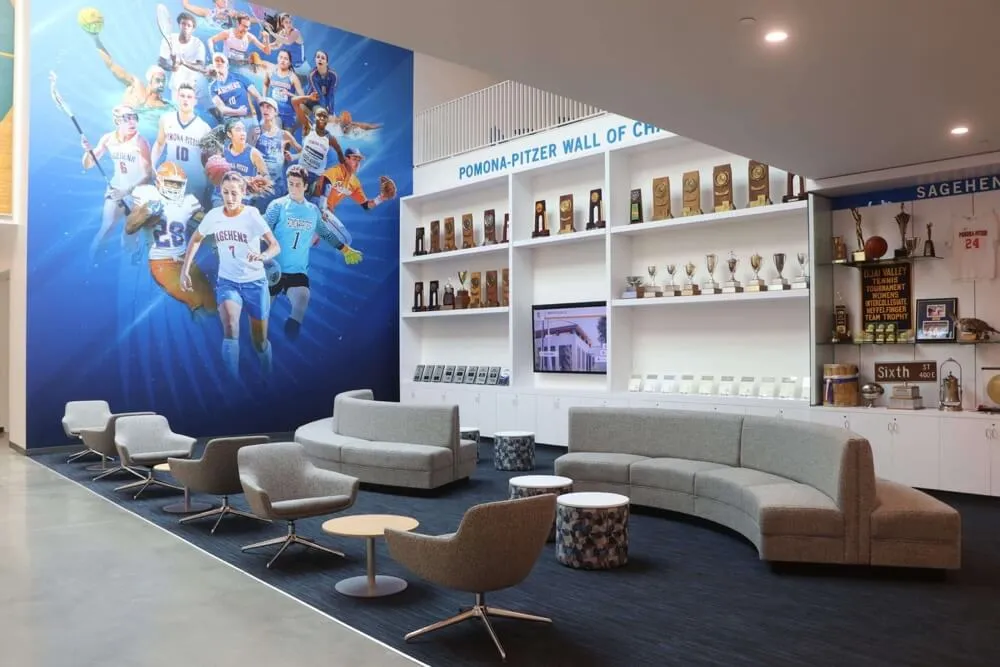
Interactive displays create social gathering points where communities explore achievements and watch highlights together
Enhanced Visitor Engagement and Experience
Touchscreen technology transforms recognition from passive viewing to active exploration:
Interactive Exploration vs. Static Viewing
Traditional recognition generates brief, passive engagement:
- Visitors glance at plaque walls while passing through hallways
- Limited engagement beyond reading names and years
- No ability to explore specific interests or search for particular individuals
- Static presentation unchanged during multiple viewings
- Average viewing time typically 15-45 seconds
Touchscreen systems create active discovery:
- Visitors actively engage through touchscreen interaction rather than passive viewing
- Search functionality enables finding specific people, teams, or achievements instantly
- Filtering by year, category, achievement type, or custom criteria
- Browsing related accomplishments and exploring program histories
- Video content and detailed examination of achievements
- Average interaction time typically 4-8 minutes per visitor
Research on museum interactive exhibits demonstrates that touchscreen engagement generates 8-12 times longer visitor interaction compared to static displays, transforming brief glances into meaningful exploration sessions. Explore museum kiosk design principles that apply to recognition displays.
Personalized Discovery Pathways
Different visitors have different exploration preferences:
- Alumni searching for specific classmates or teammates
- Prospective students exploring achievement examples during facility tours
- Current participants investigating program traditions and record holders
- Community members browsing featured content and interesting stories
- Family members celebrating their honoree’s recognition
Touchscreen systems support multiple discovery modes:
- Direct search for visitors knowing specific names
- Category browsing enabling exploration by achievement type
- Chronological navigation showing specific years or decades
- Featured content providing curated highlights for casual browsers
- Related content suggestions creating serendipitous discovery
- Recent additions showcasing newest recognition
This personalization means every visitor can find content specifically relevant to their interests rather than accepting whatever happens to be physically displayed.
Social and Shared Experiences
Touchscreen systems create community gathering points:
- Groups cluster around displays exploring content together during events
- Athletes show teammates championship videos and team accomplishments
- Alumni returning for reunions explore their era and relive memories together
- Prospective students touring facilities engage with authentic achievement evidence
- Visitors photograph content and share on social media extending recognition reach
- Recognition becomes participatory social experience rather than solitary passive viewing
This social dimension amplifies recognition impact beyond individual acknowledgment to create shared celebration and community connection around institutional achievement traditions.
Comprehensive Biographical Content
Touchscreen platforms enable recognition depth impossible with traditional approaches:
Rich Multimedia Recognition
Traditional plaques provide minimal information:
- Simple name, year, and perhaps achievement category
- No biographical context or achievement details
- No visual representation beyond engraved text
- Static presentation with no ability to provide additional resources
Touchscreen profiles deliver comprehensive content:
- High-resolution photographs showing honorees and achievements
- Complete biographical information including graduation year, position, or role details
- Detailed achievement descriptions explaining accomplishments and significance
- Career statistics and quantitative accomplishment documentation
- Video highlights, interviews, or performance footage when available
- Historical context connecting individual achievements to institutional traditions
- Related content linking associated teams, coaches, mentors, or family members
- Social media connections showing current activities and accomplishments
This comprehensive content honors achievements fully while educating visitors about institutional excellence and program histories in ways traditional recognition never could.
Dynamic Content Updates
Traditional recognition is permanent and unchanging:
- Errors require expensive plaque replacement or engraving corrections
- New achievements or information cannot be added after installation
- Historical context remains limited to original brief inscription
Digital recognition evolves continuously:
- Content updates require minutes through cloud-based administration
- New achievements, videos, or photos added anytime without physical modification
- Corrections made instantly when identified
- Biographical updates reflecting post-achievement accomplishments
- Anniversary content added for milestone celebrations
- Featured content rotated seasonally maintaining fresh engagement
This flexibility ensures recognition remains current, accurate, and engaging rather than becoming outdated historical artifact.
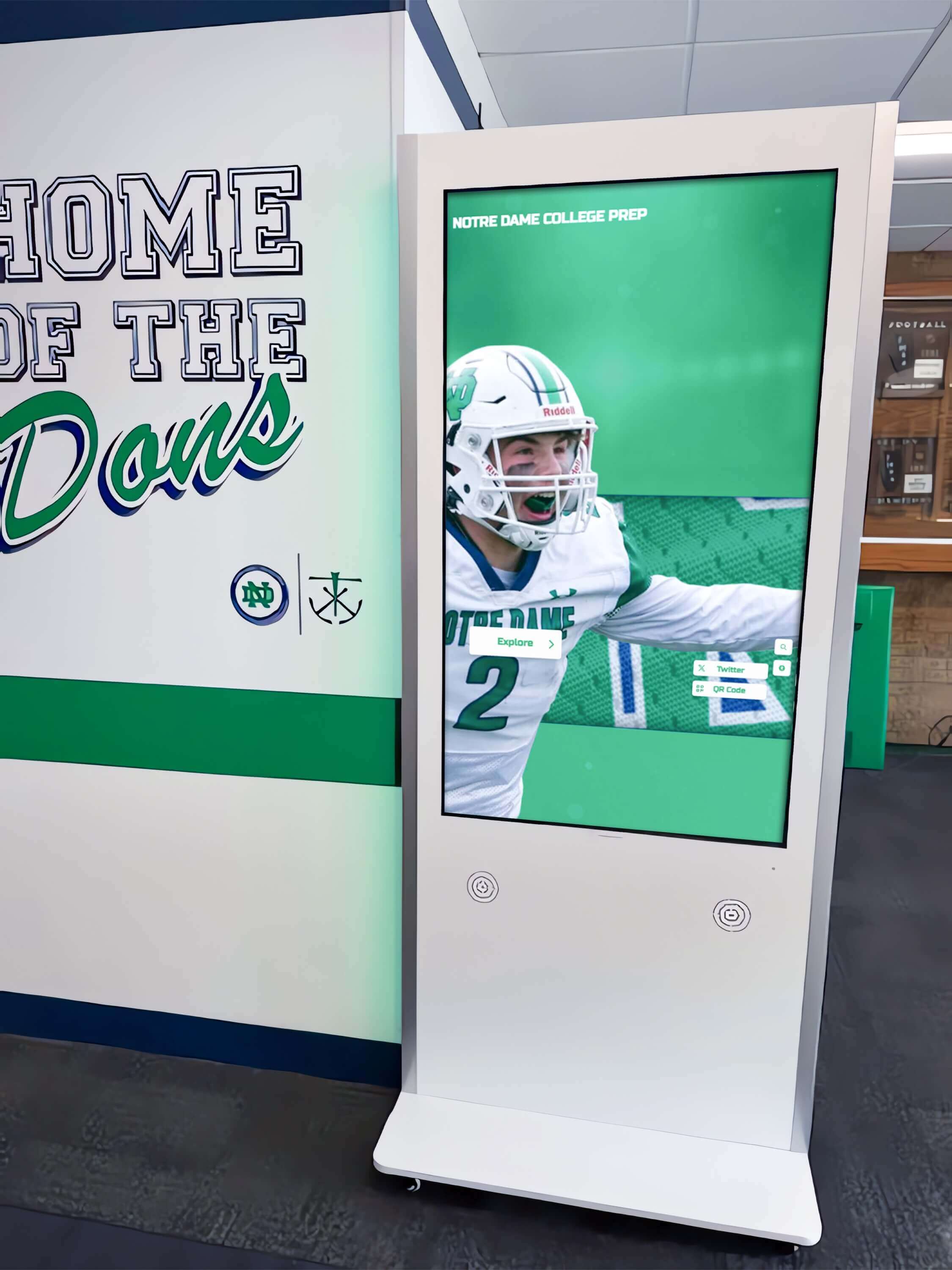
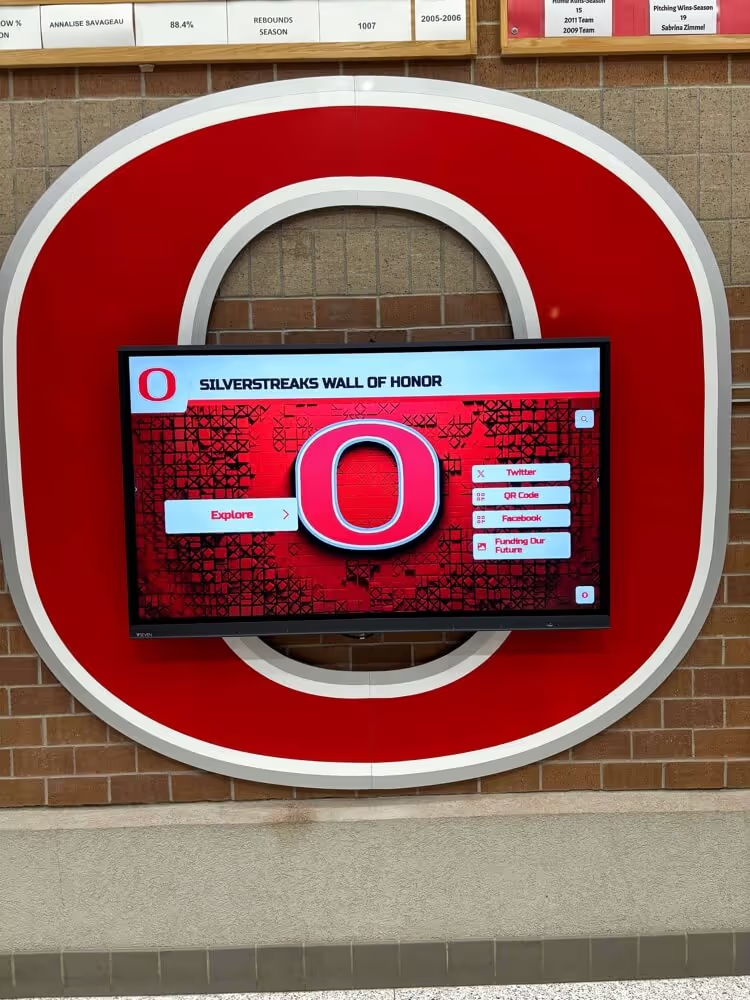
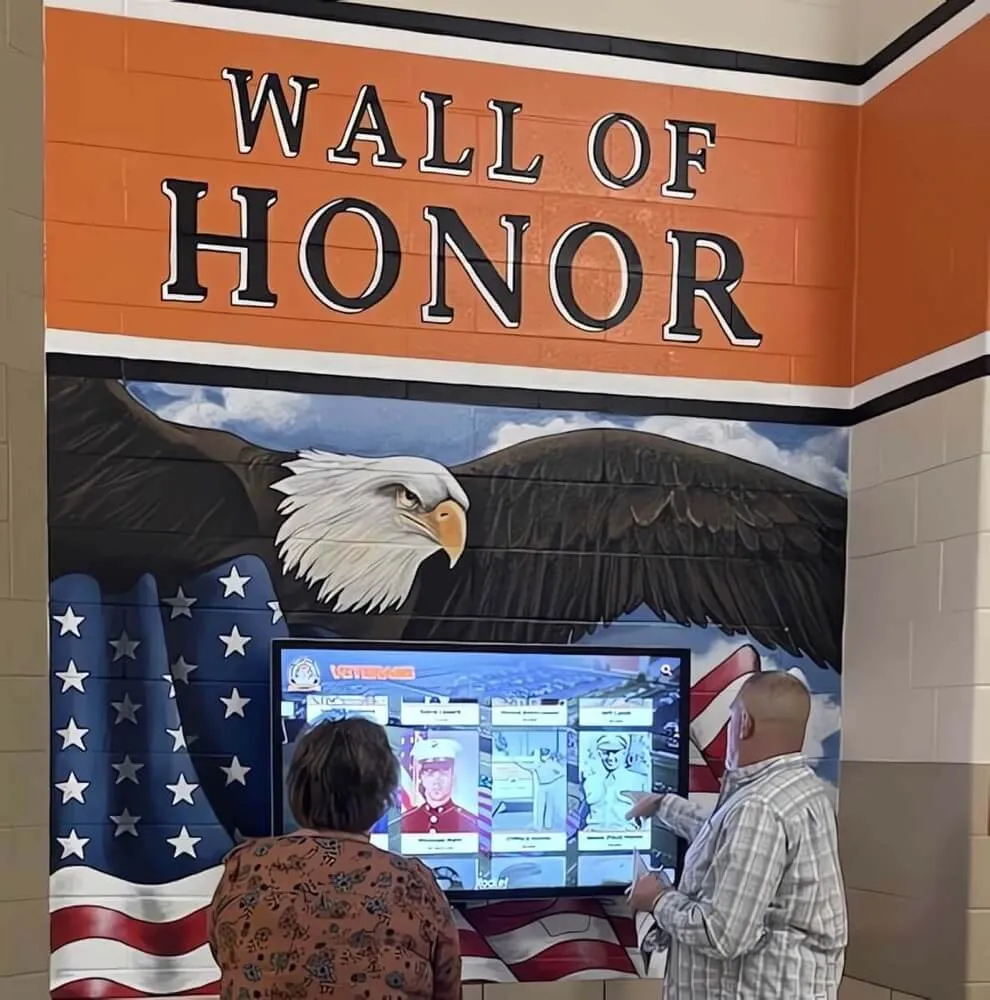
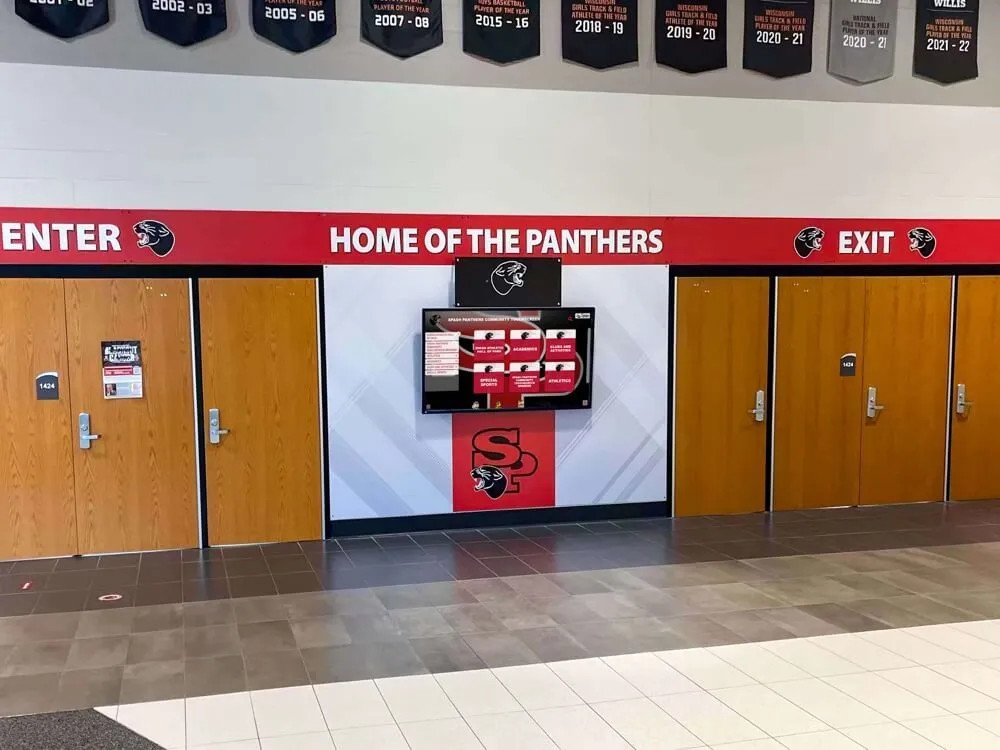
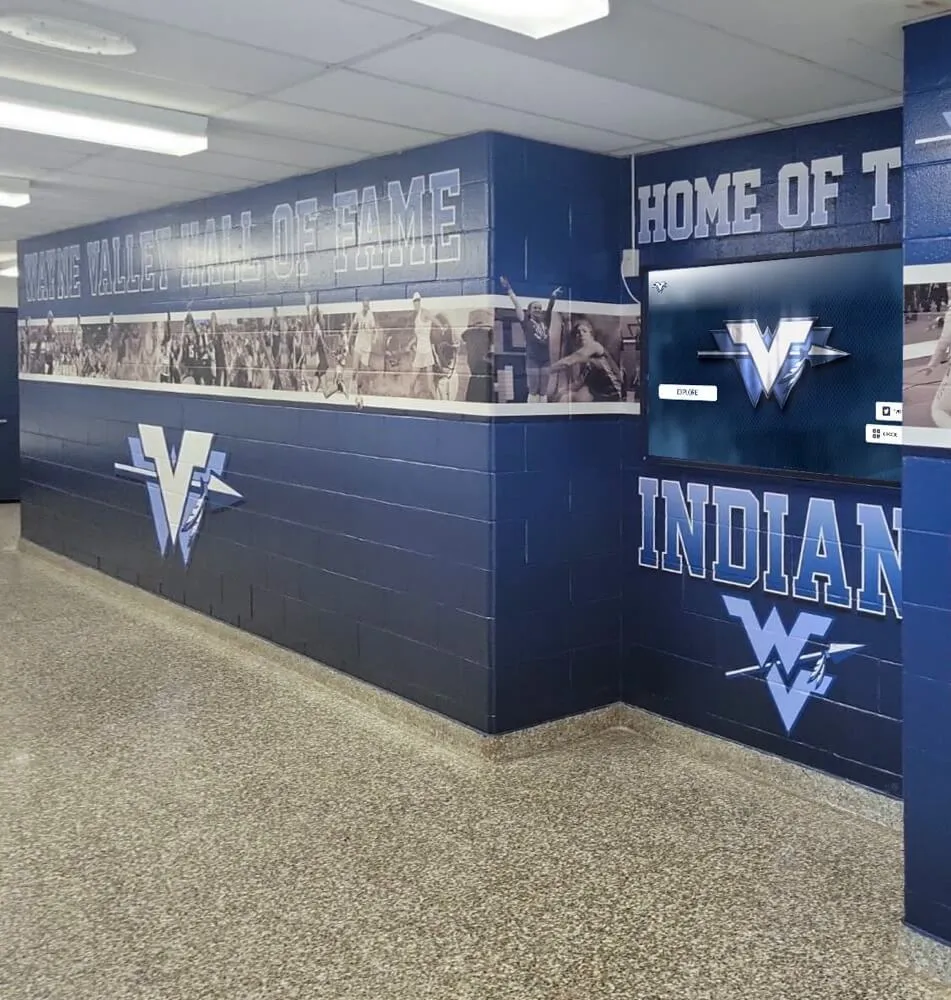
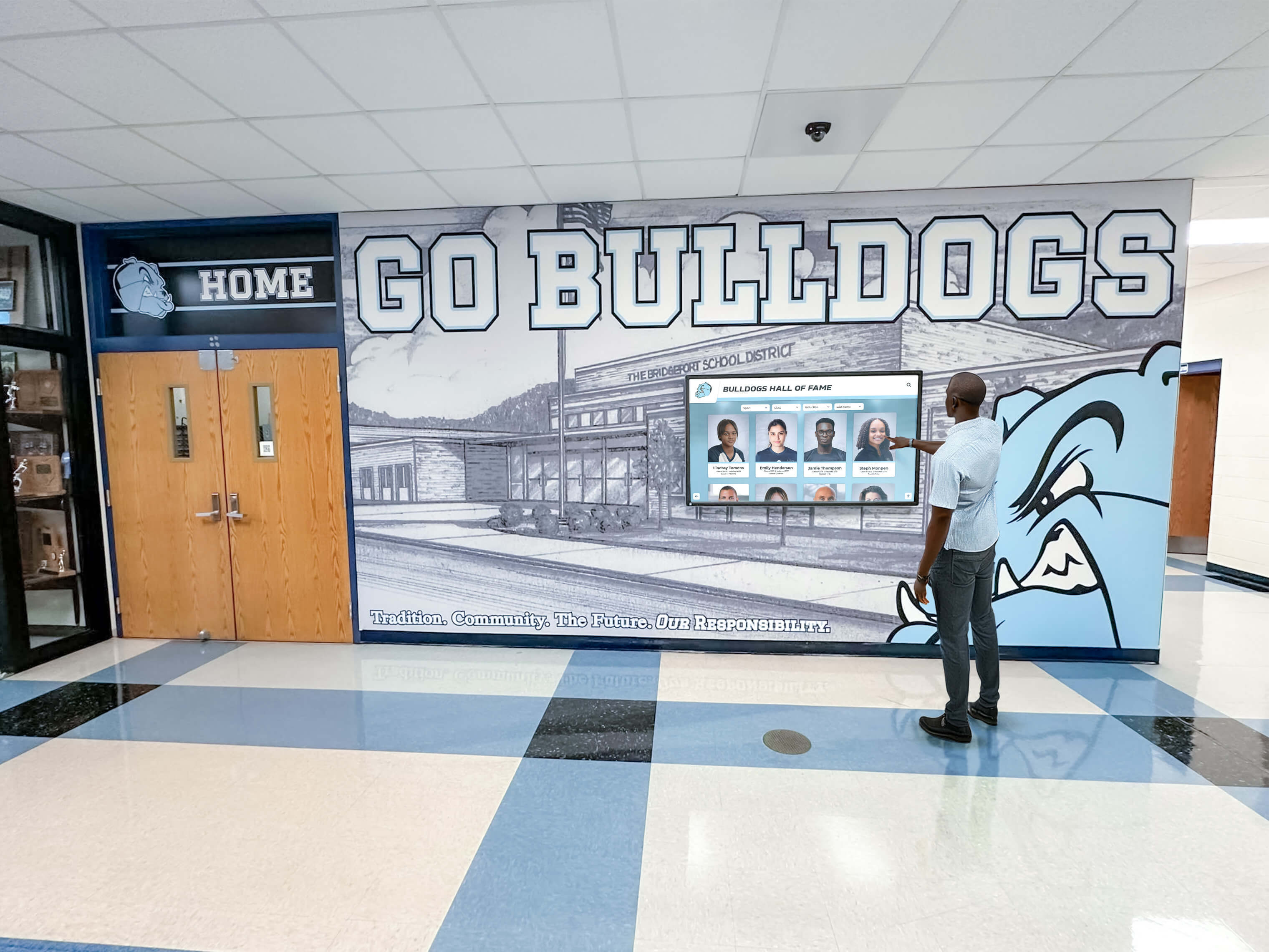
Strategic placement in high-traffic hallways ensures touchscreen displays reach broad audiences during daily activities
Administrative Efficiency and Cost Effectiveness
While touchscreen systems require upfront investment, long-term economics and operational efficiency favor digital approaches:
Simplified Recognition Management
Traditional recognition requires substantial labor:
- Physical plaque ordering, approval, fabrication (8-12 weeks typical)
- Plaque mounting requiring facilities staff, contractors, or vendors
- Trophy case arrangement and rearrangement as items are added
- Trophy cleaning, dusting, and case maintenance
- Case lock repairs, lighting replacement, and glass cleaning
- Difficult decisions about plaque removal when walls fill
- Contractor fees for wall expansion or facility modifications
Touchscreen systems eliminate these burdens:
- Cloud-based content management from any internet-connected device
- Adding new honorees requires minutes through administrative interfaces
- No physical materials, printing, or installation required for updates
- Automated scheduling for recognition announcements and timing
- Simple editing and correction of any information instantly
- No space expansion required regardless of achievement growth
Schools and organizations report 75-90% reduction in time spent managing recognition after implementing touchscreen systems, with time savings enabling more comprehensive celebration of all achievements.
Long-Term Economic Value
Traditional recognition ongoing costs include:
- New plaques ($75-300 each) for every honoree
- Installation labor ($50-150 per plaque)
- Wall expansion or new cases ($3,000-15,000 per installation)
- Trophy case purchases ($2,000-8,000 per case)
- Engraving and labeling ($30-100 per item)
- Physical maintenance and repairs
- Limited capacity forcing difficult exclusions
Touchscreen systems cost structure includes:
- One-time hardware investment ($12,000-35,000 for comprehensive systems)
- Predictable software subscription ($2,000-5,000 annually typically)
- Minimal ongoing maintenance (periodic screen cleaning)
- No materials costs for adding unlimited honorees
- No space expansion required regardless of growth
- Comprehensive recognition economically sustainable indefinitely
Many institutions find that touchscreen systems achieve return on investment within 3-5 years compared to traditional recognition costs, while delivering substantially superior capacity, engagement, and ease of management throughout decades of operation.
Extended Reach Through Web Accessibility
Modern touchscreen platforms extend recognition far beyond physical facility locations:
Global Access for Alumni and Supporters
Web-accessible recognition amplifies impact:
- Same content on facility displays simultaneously available online
- Alumni worldwide can explore current and historical achievements
- Families and supporters access recognition from anywhere
- Prospective students evaluate programs through authentic achievement evidence
- College recruiters and scouts review program excellence remotely
- Media and journalists research program histories without facility visits
- Community members engage without requiring physical access
This extended accessibility means recognition reaches audiences of thousands or tens of thousands rather than hundreds of facility visitors, maximizing institutional impact and community engagement.
Social Media Integration and Viral Sharing
Digital recognition enables broader celebration:
- Direct sharing of achievement profiles to Facebook, Instagram, LinkedIn, and other platforms
- Honorees celebrate accomplishments with extended networks
- Alumni share recognition demonstrating program legacy
- Institutions promote excellence through authentic evidence
- Achievement announcements generate organic community engagement
- Viral sharing during major accomplishments expanding institutional visibility
Schools implementing comprehensive touchscreen hall of fame systems report measurable increases in social media engagement, program enrollment interest, and community support as authentic achievement visibility creates compelling evidence of excellence.
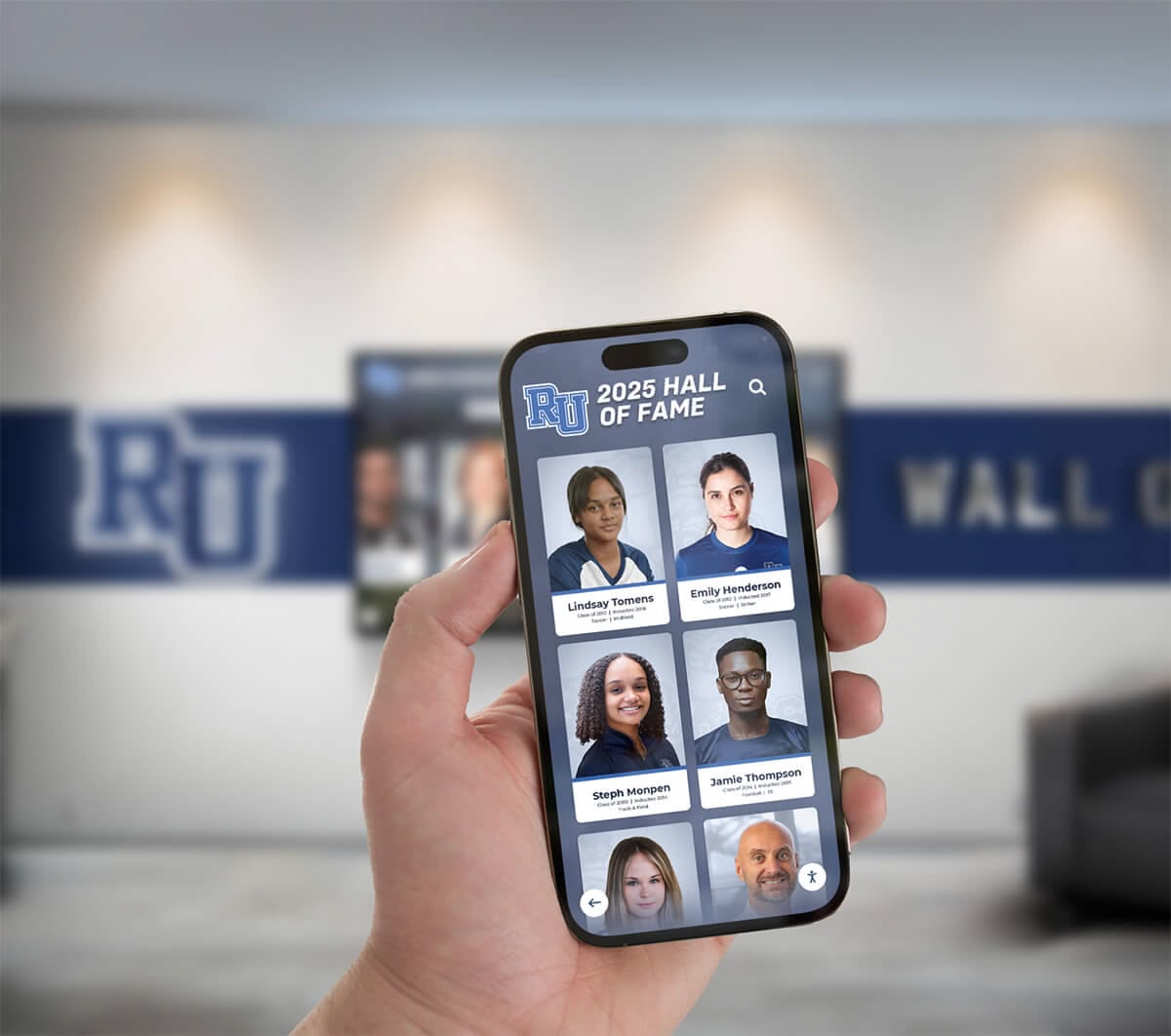
Web accessibility extends recognition to smartphones, tablets, and computers beyond physical display locations
Essential Features for Effective Touchscreen Hall of Fame Systems
Not all interactive displays deliver equal value for recognition applications. Evaluate systems based on features critical for comprehensive achievement celebration.
Recognition-Specific Content Architecture
Effective touchscreen systems require specialized organization beyond generic digital signage:
Individual Profile Management
Comprehensive systems provide:
- Structured profile templates ensuring consistent professional presentation
- Unlimited custom fields accommodating various recognition types
- Biography sections supporting rich narratives and achievement stories
- Statistics and records integration with appropriate formatting
- Achievement categorization for filtering and discovery
- Timeline views showing career progression
- Related content linking to teams, coaches, and associated achievements
Team and Group Recognition
Championship and milestone teams deserve collective celebration:
- Team profile pages with season records and narratives
- Complete roster management linking individuals to team achievements
- Game results and tournament progression documentation
- Coach and leadership recognition associated with teams
- Season highlights and memorable moments
- Photo galleries from championship seasons
- Video integration for game footage and celebrations
Award and Honor Management
Recognition systems should accommodate various award types:
- Academic honors (honor roll, scholarships, academic excellence)
- Athletic achievements (championships, all-conference, records)
- Arts recognition (performances, competitions, exhibitions)
- Service awards (community contributions, leadership positions)
- Special recognition (alumni achievement, distinguished service)
- Multiple simultaneous awards for individual recipients
- Automatic categorization and filtering by award type
Discover comprehensive academic recognition program strategies that complement athletic hall of fame recognition.
Intuitive User Interface Design
Touchscreen systems must invite and enable exploration across all age groups and technical comfort levels:
Touchscreen-Optimized Navigation
Quality interfaces provide:
- Large, clearly-labeled buttons and navigation controls (minimum 44x44 pixels)
- Gesture support including swiping through galleries and pinching photos
- Visual design incorporating institutional colors, logos, and branding
- Smooth scrolling and responsive performance eliminating lag
- Consistent navigation patterns throughout all sections
- Clear visual hierarchy making content discoverable
- Prominent search functionality for instant discovery
- Home button always accessible for easy navigation reset
Powerful Search and Filtering
Effective discovery requires:
- Instant search with auto-complete suggestions
- Multiple search options by name, year, sport, achievement type
- Filtering capabilities narrowing collections by various criteria
- Alphabetical index for browsing by last name
- Advanced search supporting complex queries across multiple fields
- Search results highlighting matching terms
- Search history for repeat visitor convenience
- Zero-results handling with suggestions
Attracting Idle-State Content
When displays aren’t actively used, dynamic content should draw attention:
- Rotating featured profiles highlighting significant or anniversary achievements
- Scrolling photo galleries showing recent additions and historical images
- Video content playing automatically to catch passing attention
- Seasonal content reflecting current institutional activities
- Clear touch prompts inviting visitor interaction
- Institutional branding and identity reinforcement
- QR codes for smartphone access to web platform
This idle content transforms displays from blank screens awaiting use into dynamic features actively attracting attention and inviting exploration.
Hardware Quality and Installation Options
Display hardware must meet institutional requirements for durability, visibility, and aesthetics:
Commercial Display Specifications
Quality touchscreen systems require:
- Commercial displays (not consumer TVs) rated for continuous operation
- 50,000-70,000 hour lifespans providing 6-8 years of reliable performance
- Enhanced brightness (400-700 nits) ensuring visibility in bright environments
- Wide viewing angles (178 degrees) maintaining image quality from various positions
- Protective tempered glass surfaces resisting damage and scratches
- Anti-glare coatings reducing reflection from facility lighting
- Consistent color reproduction accurately displaying photos
- Commercial warranties covering continuous-use applications
Installation Configuration Options
Various configurations serve different applications:
Wall-Mounted Displays
- 55-65 inch displays ideal for hallway installations
- 65-75 inch displays appropriate for larger lobbies
- 75-86 inch displays creating impressive focal points
- ADA-compliant mounting heights ensuring accessibility
- Professional cable management for polished appearance
- Integrated security features preventing theft or tampering
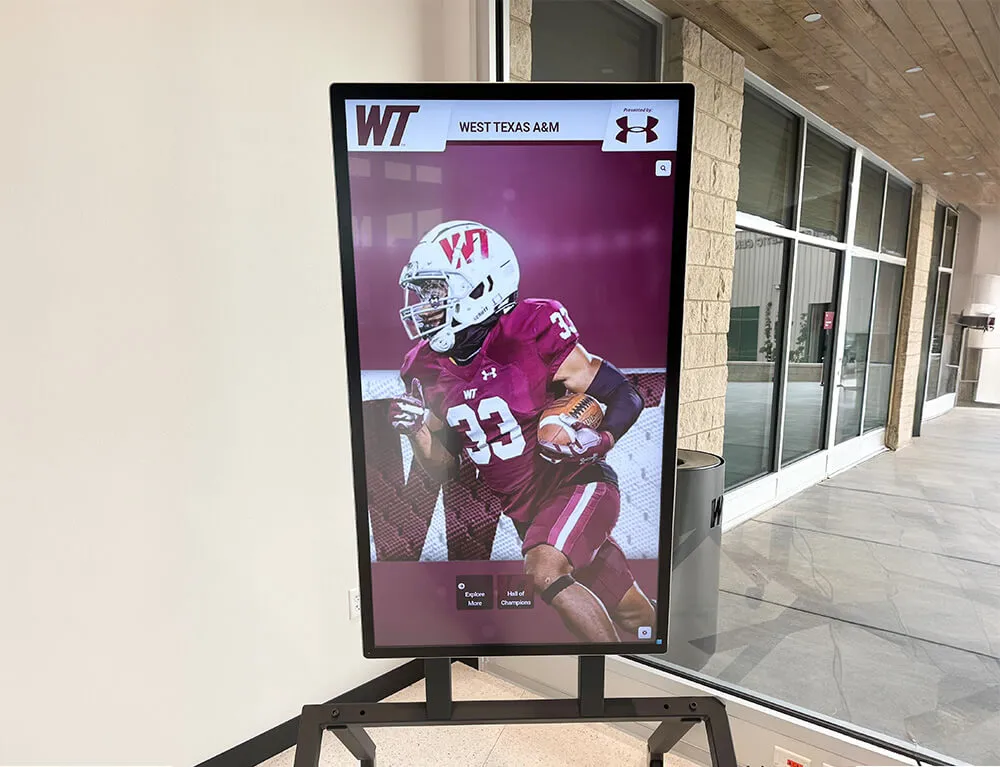
Freestanding Kiosks
- Complete enclosures eliminating need for wall mounting
- Mobility enabling location testing and event use
- Built-in computers and media players
- Cable management integrated into kiosk design
- Commercial-grade construction for public environments
- Branding panels for institutional identity
Hybrid Approaches
- Digital displays near traditional trophy cases
- QR codes on plaques linking to comprehensive digital profiles
- Wayfinding connecting physical and digital recognition
- Complementary rather than replacement approaches
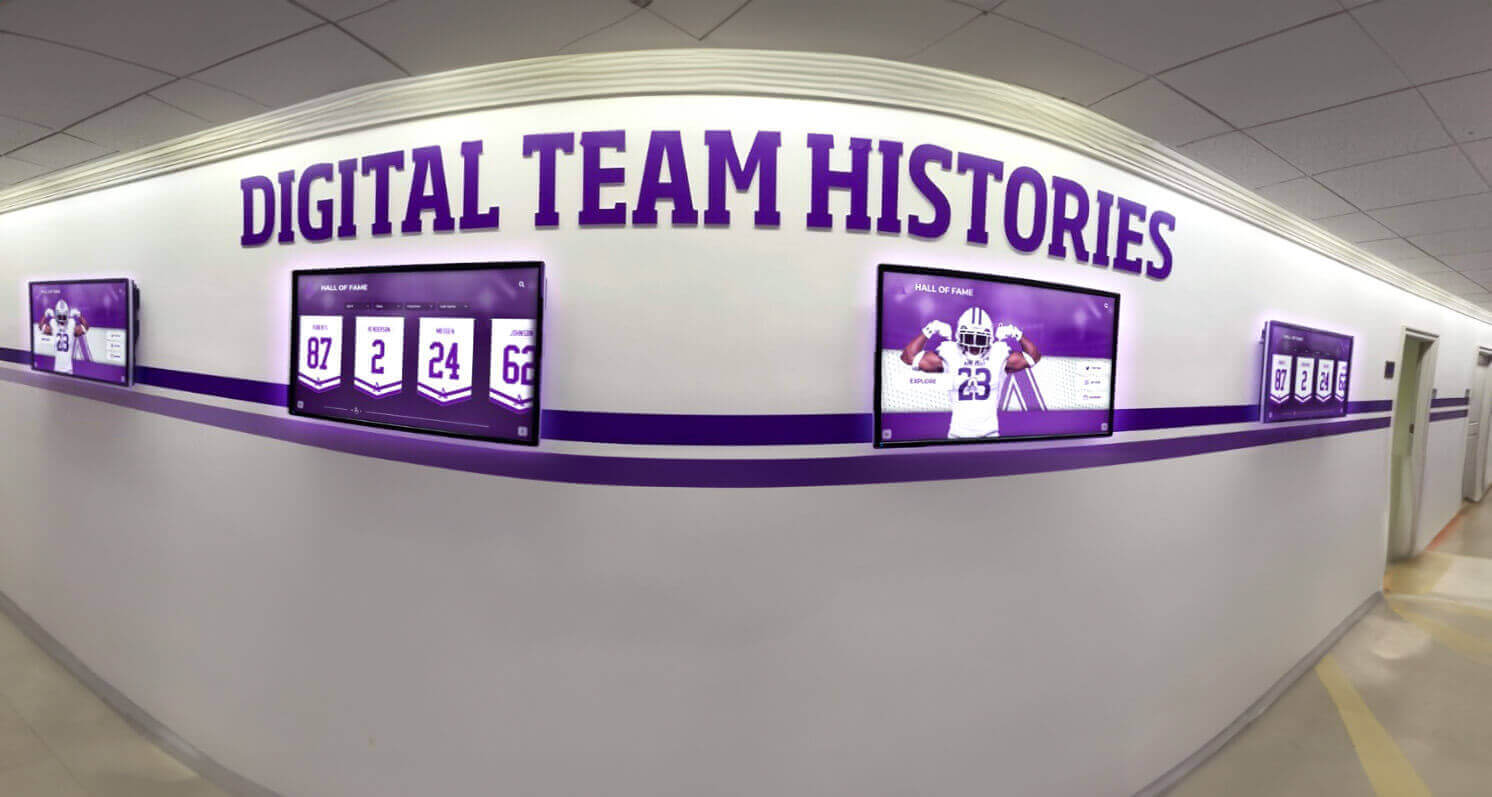
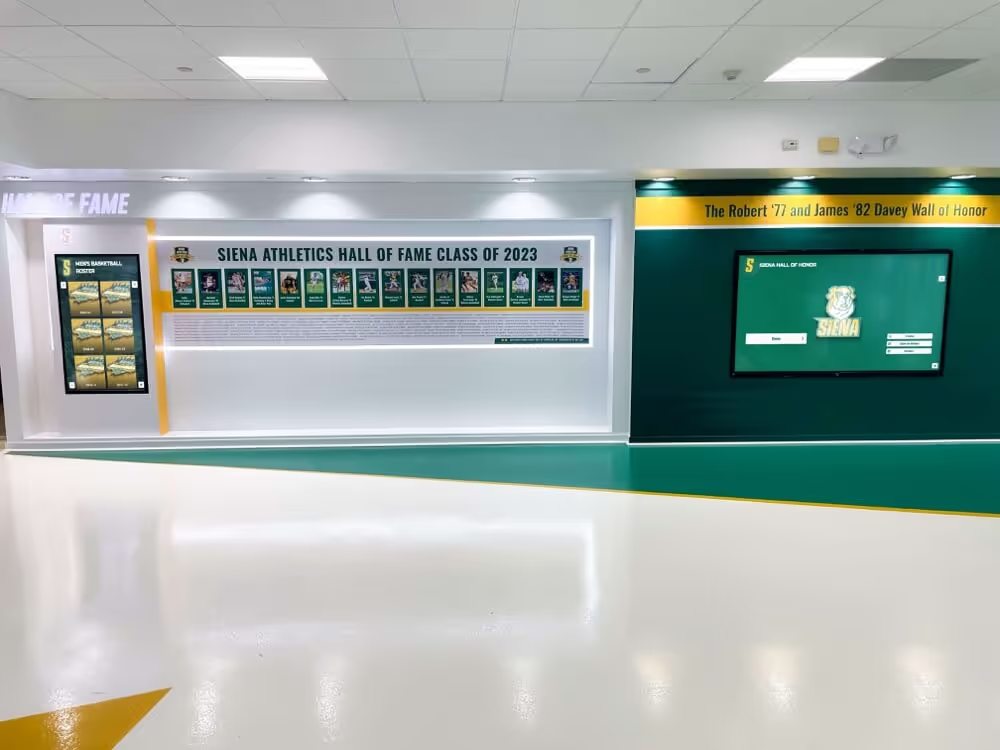
Comprehensive installations can include multiple coordinated displays showcasing various achievement categories and program areas
Implementation Planning and Best Practices
Successful touchscreen hall of fame systems result from careful planning that establishes strong foundations before launching.
Forming an Implementation Team
Establishing a representative team ensures diverse perspectives inform program design:
Team Composition
Effective teams typically include:
- Athletic director or activities coordinator providing program leadership
- IT staff ensuring network infrastructure and technical requirements
- Facilities manager coordinating installation and physical space
- Alumni representative offering historical knowledge and engagement perspective
- Communications staff managing promotion and awareness
- Budget authority ensuring funding and sustainability
Team Responsibilities
The implementation team should address:
- Defining recognition scope and categories
- Selecting technology vendors and platforms
- Planning content development and historical research
- Coordinating installation logistics and timing
- Developing launch strategy and promotion
- Establishing ongoing management responsibilities
Strategic Placement and Location Selection
Display location significantly impacts engagement and recognition effectiveness:
High-Traffic Location Identification
Optimal touchscreen locations include:
- Main entrance lobbies greeting all visitors and establishing institutional priority
- Athletic facility entrances connecting recognition thematically with sports programs
- Commons areas and gathering spaces with sustained viewing time
- Alumni centers creating natural destinations for returning graduates
- Event spaces where ceremonies and celebrations occur regularly
- Hallways connecting major facilities ensuring broad daily exposure
Viewing Environment Optimization
Physical environment affects display effectiveness:
- Lighting assessment ensuring displays remain visible without glare
- Positioning avoiding direct sunlight creating screen washout
- Adequate space in front enabling group viewing and multiple simultaneous users
- Minimal competing visual distractions maintaining focus on recognition
- Proximity to seating enabling extended exploration sessions
- Consideration of visitor flow patterns and natural gathering points
- Climate control for displays in non-conditioned spaces
Institutions should observe facility usage and traffic patterns before finalizing placement decisions, potentially using temporary installations or cardboard mockups to test locations and viewing angles.
Integration with Physical Recognition
Digital and traditional recognition can complement each other:
- Touchscreen displays near traditional trophy cases providing detailed information
- Prominent trophies displayed physically with comprehensive digital documentation
- Physical spaces featuring QR codes linking to digital profiles
- Wayfinding connecting physical and digital recognition locations
- Hybrid approaches honoring tradition while embracing technology advantages
- Phased transitions allowing gradual adoption as confidence builds
Many institutions successfully maintain physical trophy cases for prominent championships while using touchscreen systems to provide unlimited comprehensive recognition and detailed achievement documentation.
Content Development Strategy
Touchscreen value depends fundamentally on content quality and comprehensiveness:
Historical Archive Development
Launch with substantial recognition content:
- Complete inventories of all qualifying honorees across relevant time periods
- High-quality photography showing individuals and achievements
- Biographical information research through yearbooks, archives, and outreach
- Achievement documentation with statistics, records, and accomplishments
- Team rosters connecting individuals to championship teams
- Historical context explaining significance and program traditions
- Media archive integration including newspaper articles and historical documents
Comprehensive initial content creates immediate engagement and demonstrates platform value rather than disappointing early visitors with sparse recognition.
Ongoing Content Addition Workflows
Sustainable programs require systematic processes:
- Defined procedures for adding new honorees after selection
- Responsibility assignment for content creation and management
- Photography standards ensuring consistent professional presentation
- Information collection protocols gathering biographical details comprehensively
- Quality review workflows maintaining content standards
- Timeline from selection to publication on displays
- Celebration integration making content addition part of recognition ceremonies
Community Contribution Systems
Consider engaging broader communities:
- Alumni information update portals allowing honorees to provide current details
- Photo submission systems gathering historical images from personal collections
- Story collection features gathering anecdotes and memories
- Correction reporting enabling community members to identify and report errors
- Student involvement opportunities connecting content development to learning
- Volunteer historical research projects building recognition archives
This engagement creates ownership while distributing workload and enriching content with diverse perspectives and memories.
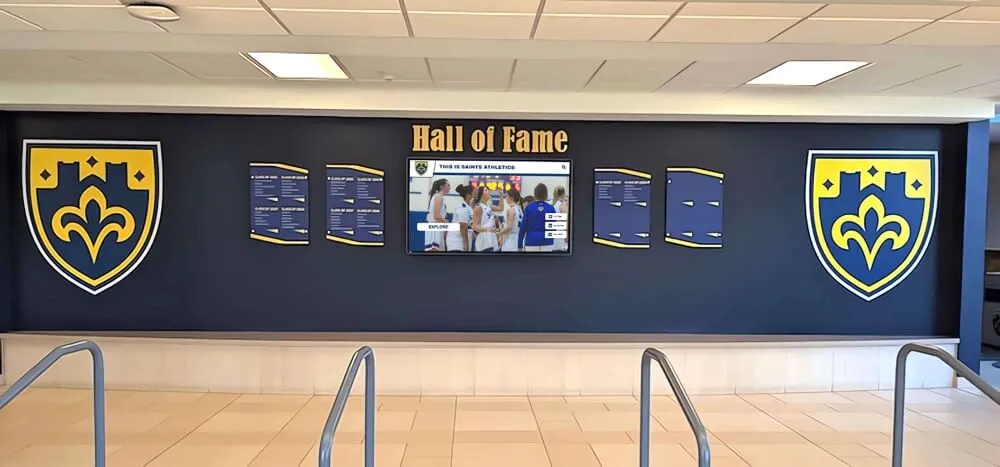
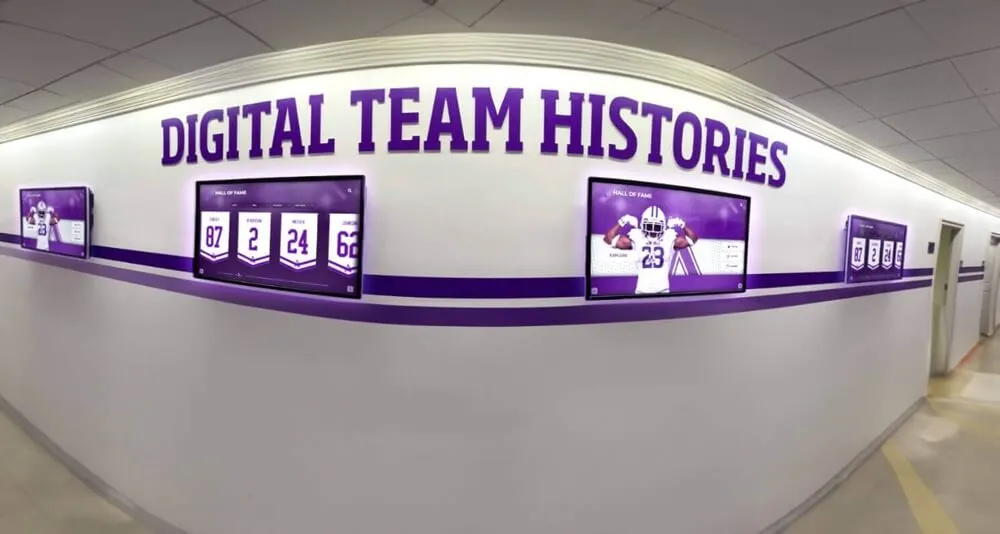
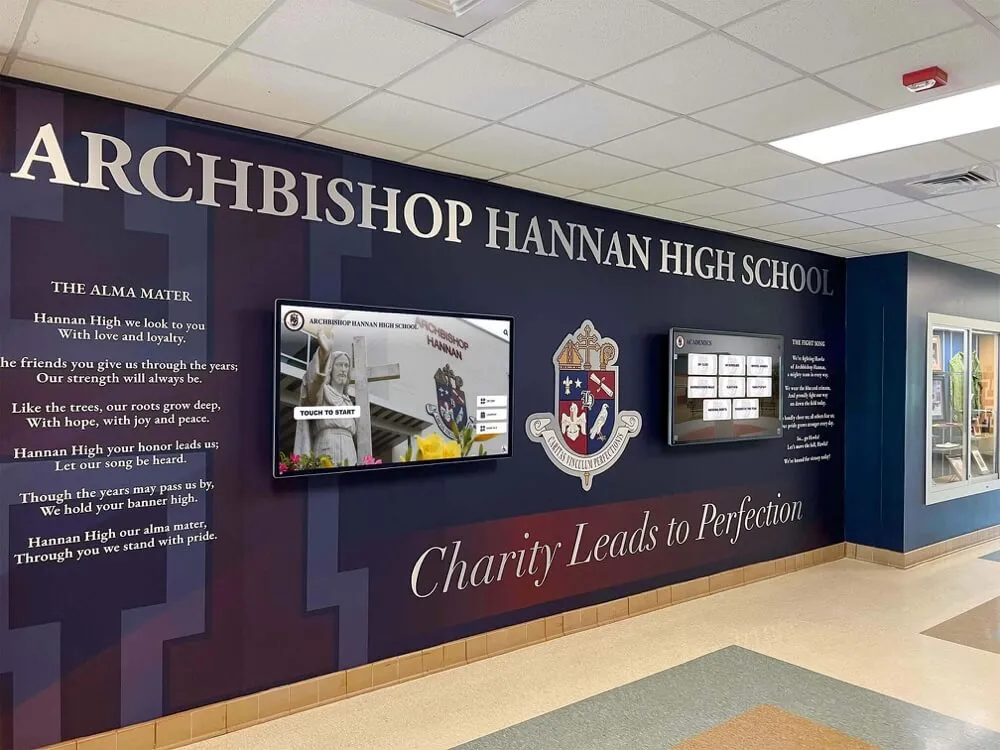
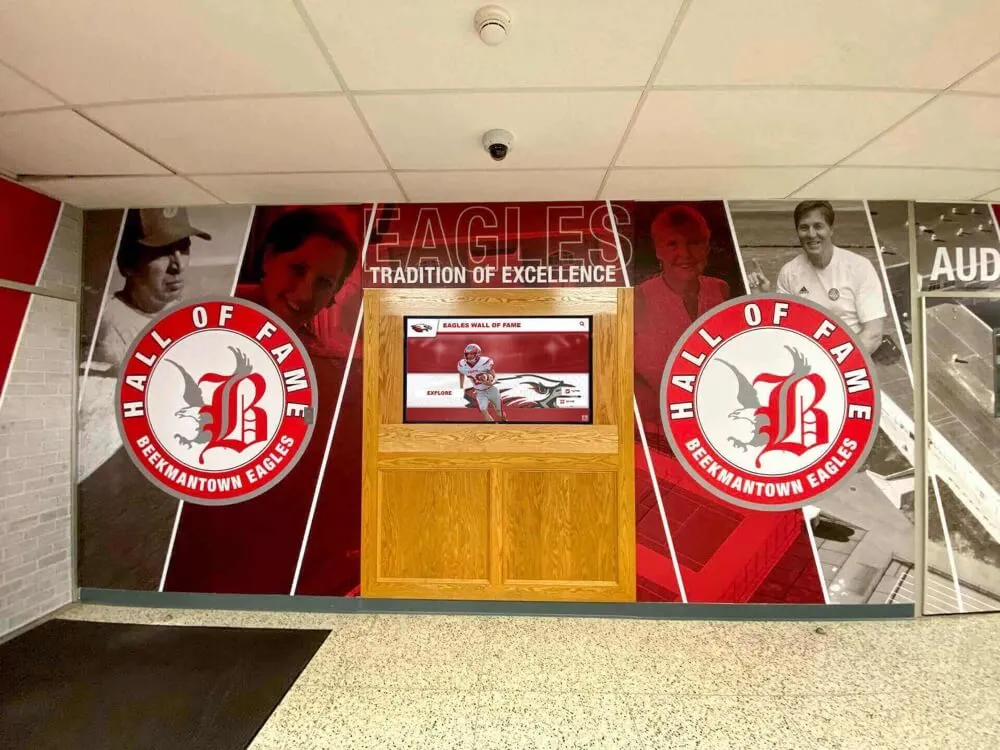
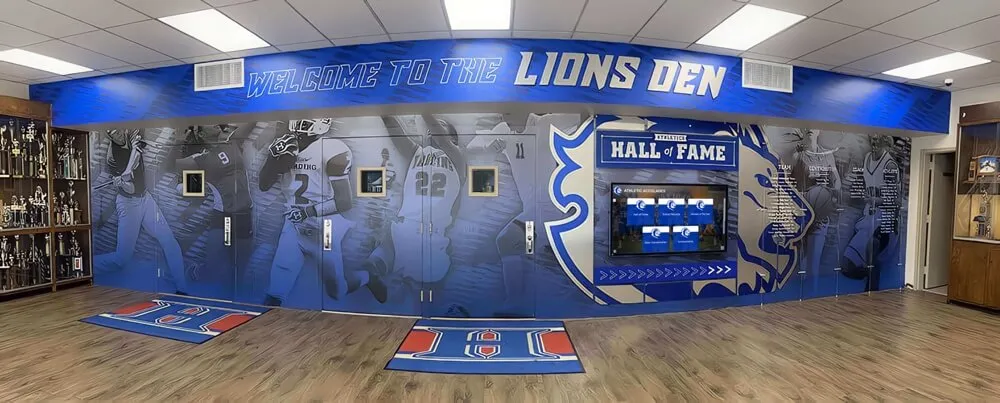
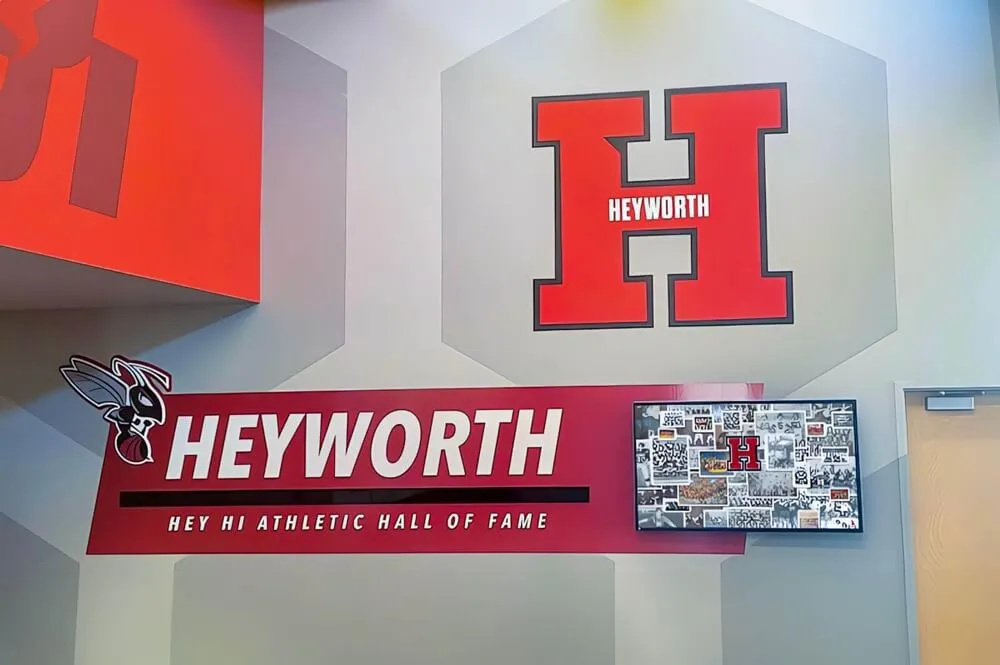
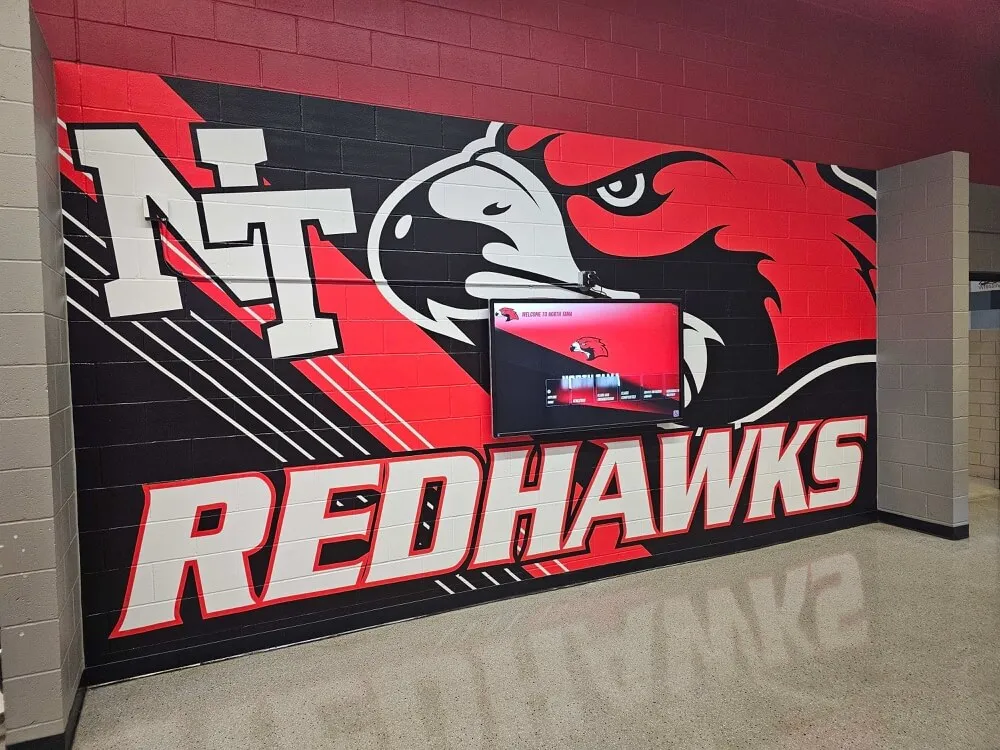
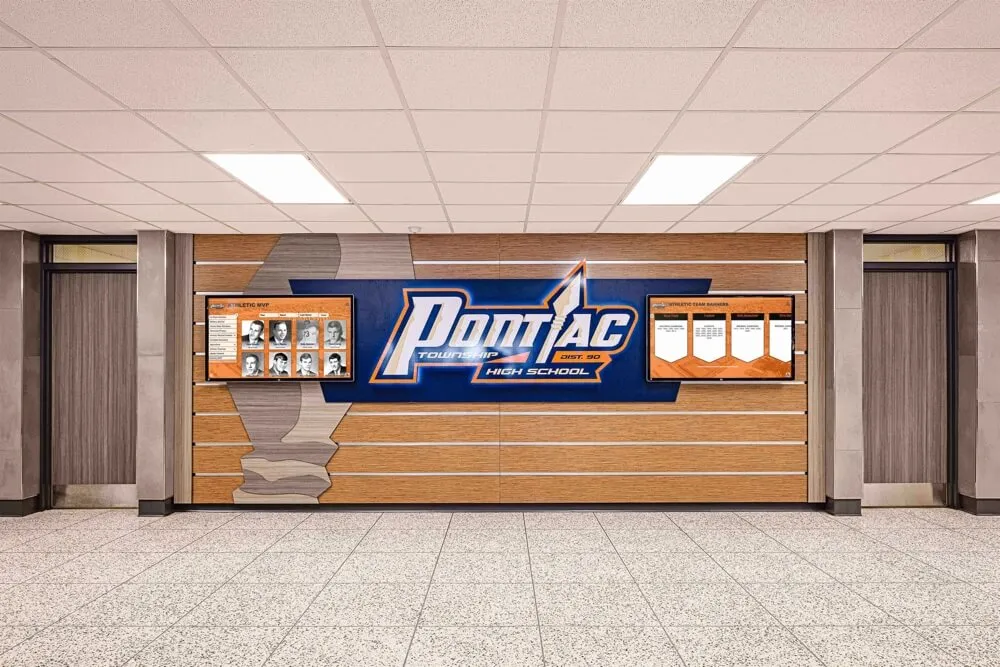
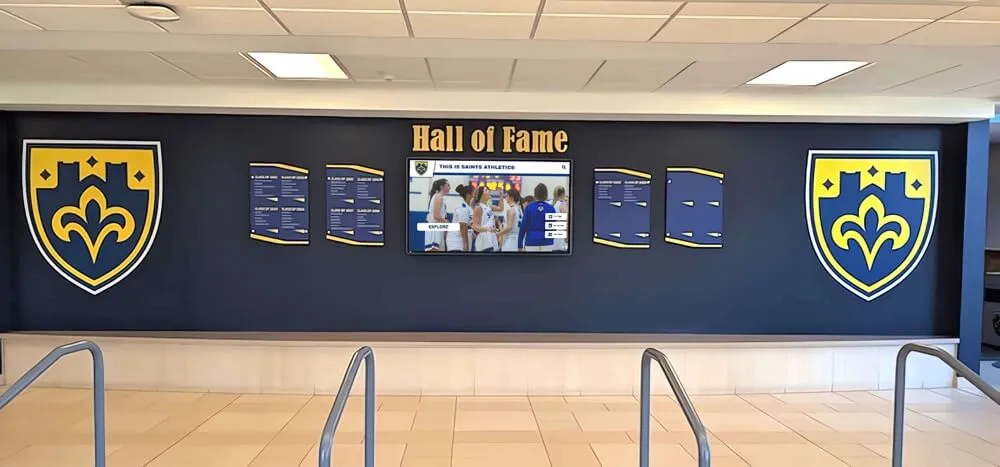
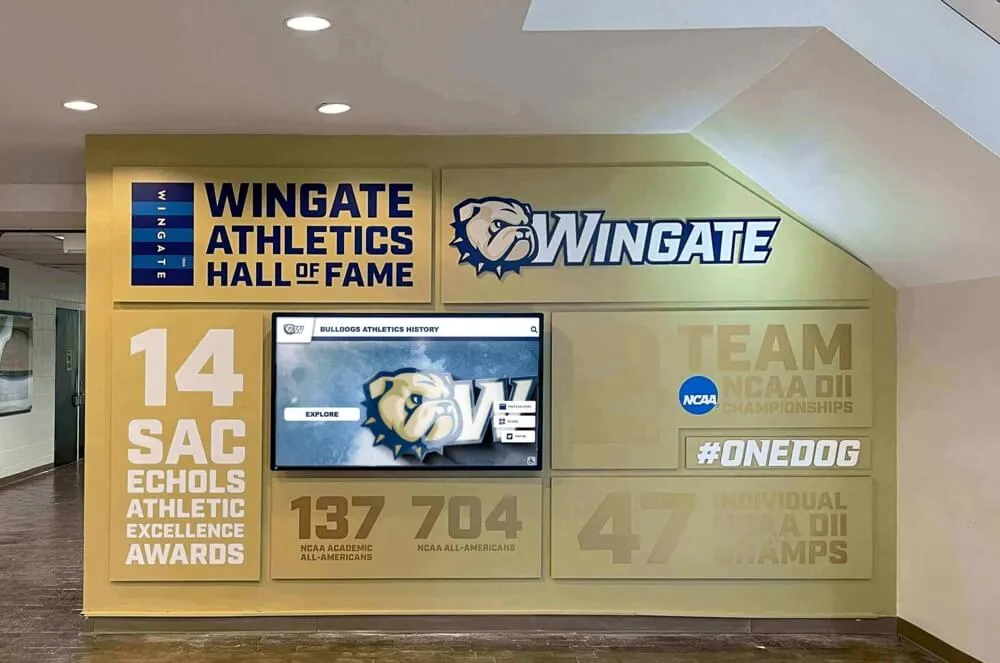
Professional installations integrate digital technology with traditional branding elements creating impressive recognition environments
Cost Considerations and Investment Planning
Understanding investment requirements helps institutions plan appropriately for touchscreen hall of fame implementations.
Initial Investment Components
Touchscreen hall of fame costs include several categories:
Hardware Costs
Display equipment pricing typically includes:
- 55-inch commercial touchscreen display: $5,000-8,000
- 65-inch commercial touchscreen display: $7,500-12,000
- 75-inch commercial touchscreen display: $10,000-16,000
- 86-inch commercial touchscreen display: $15,000-25,000
- Freestanding kiosk enclosure: $3,000-6,000 additional
- Media player or integrated computer: Often included or $500-1,500
- Professional installation: $1,500-3,500
- Network infrastructure upgrades if needed: $500-3,000
- Mounting hardware and accessories: $400-1,000
Software and Platform Costs
Recognition software pricing varies:
- Purpose-built hall of fame platforms: $2,000-6,000 annual subscription
- Initial setup and configuration: Often included or $1,000-3,000
- Custom design and branding: $1,000-3,000 one-time
- Training and implementation support: Often included or $1,500-4,000
- Ongoing support, hosting, and updates: Typically included in subscription
Initial Content Development
Launch preparation includes:
- Historical research and inductee identification: $2,000-8,000 depending on scope
- Photography and image preparation: $1,000-4,000
- Biographical content writing: $2,000-6,000 or managed internally
- Video production if applicable: $3,000-10,000 optional
- Launch event and promotion: $1,000-3,000
Total Initial Investment Range: $15,000-50,000 depending on display size, content scope, and implementation approach. Most single-display implementations with comprehensive content development fall in the $20,000-35,000 range.
Ongoing Operational Costs
Annual expenses after initial implementation:
Software and Services
- Platform subscription: $2,000-6,000 annually
- Cloud hosting and storage: Typically included in subscription
- Technical support and updates: Typically included
- Training for new staff: Included or minimal additional cost
Hardware Maintenance
- Cleaning and basic maintenance: Minimal staff time
- Extended warranty coverage: $500-1,200 annually optional
- Display repair or replacement: Covered by warranty initially
- Energy costs: Approximately $100-200 annually per display
Content Management
- Staff time for updates: 2-6 hours monthly typically
- Photography for new honorees: Absorbed within operations
- Event integration: Minimal incremental cost
- Periodic content refreshes: 4-8 hours quarterly
Total Annual Operating Costs: $2,000-8,000 with most expenses being predictable subscription fees and included services.
Return on Investment Analysis
Touchscreen systems deliver value justifying investment:
Quantifiable Benefits
- Elimination of new plaque purchases ($100-300 each avoided)
- Reduced labor managing physical recognition
- Extended recognition reach through web accessibility
- Enhanced recruitment impact through authentic achievement documentation
- Administrative time savings enabling other priorities
- Space expansion costs avoided through unlimited digital capacity
Non-Monetary Value
- Comprehensive recognition previously impossible with space constraints
- Enhanced visitor engagement through interactive exploration
- Strengthened alumni connection to institutional achievements
- Preserved heritage in accessible, shareable formats
- Improved equity ensuring all programs receive appropriate recognition
- Enhanced facility aesthetics with professional modern installations
Most institutions find touchscreen hall of fame systems achieve cost-neutral operation within 3-5 years compared to traditional recognition approaches, while delivering substantially superior capacity and community engagement throughout decades of operation.
Advanced Features and Capabilities
Modern touchscreen hall of fame platforms offer sophisticated features enhancing recognition effectiveness:
Analytics and Engagement Measurement
Understanding how visitors interact with recognition informs continuous improvement:
Engagement Metrics
- Total display interactions showing frequency of community engagement
- Average session duration indicating depth of exploration
- Popular content identification revealing which profiles attract most interest
- Search query analysis showing what visitors seek
- Geographic distribution of web platform visitors
- Peak usage times informing content scheduling
- Year-over-year trends showing engagement patterns
Content Performance Analysis
- Most-viewed profiles identifying popular honorees
- Video play rates showing multimedia engagement
- Social sharing frequency measuring viral reach
- Search success rates revealing discovery effectiveness
- Filter usage patterns informing interface optimization
- Path analysis showing common exploration sequences
This data-driven approach enables systematic improvement rather than assumptions about effectiveness.
Integration Capabilities
Touchscreen systems can connect with broader institutional technology:
Data Integration
- Student information system connections for automatic roster updates
- Athletic management software reducing duplicate data entry
- Alumni database integration enriching recognition with current information
- Website content management system connections
- Social media publishing automation
- Donor recognition platform connections
Event and Ceremony Integration
- Live ceremony streaming to web platforms
- Real-time social media walls during events
- QR code check-in for attendance tracking
- Digital program distribution through displays
- Photo booth integration for event galleries
- Automatic ceremony highlights addition
Accessibility and Inclusion
Touchscreen systems should serve all community members:
Physical Accessibility
- ADA-compliant mounting heights for wheelchair users
- Adequate clearance space for maneuvering
- Controls positioned within appropriate reach ranges
- Audio description options for visually impaired visitors
- High-contrast modes for low vision users
- Tactile navigation options when applicable
Digital Accessibility
- Text size adjustment options
- Screen reader compatibility for web platforms
- Keyboard navigation alternatives to touch
- Color contrast meeting WCAG 2.1 AA standards
- Multiple language support for diverse communities
- Caption support for videos
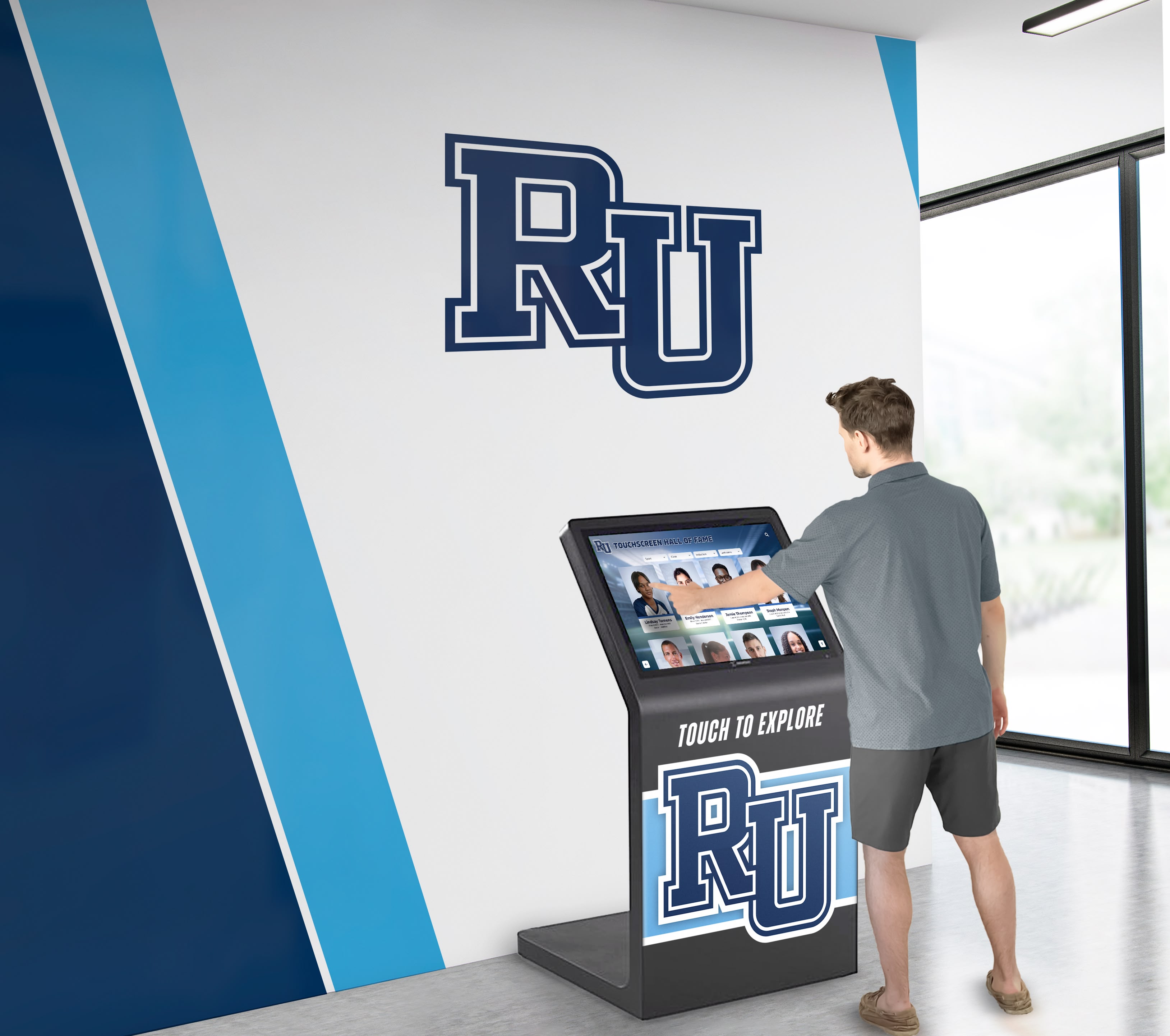
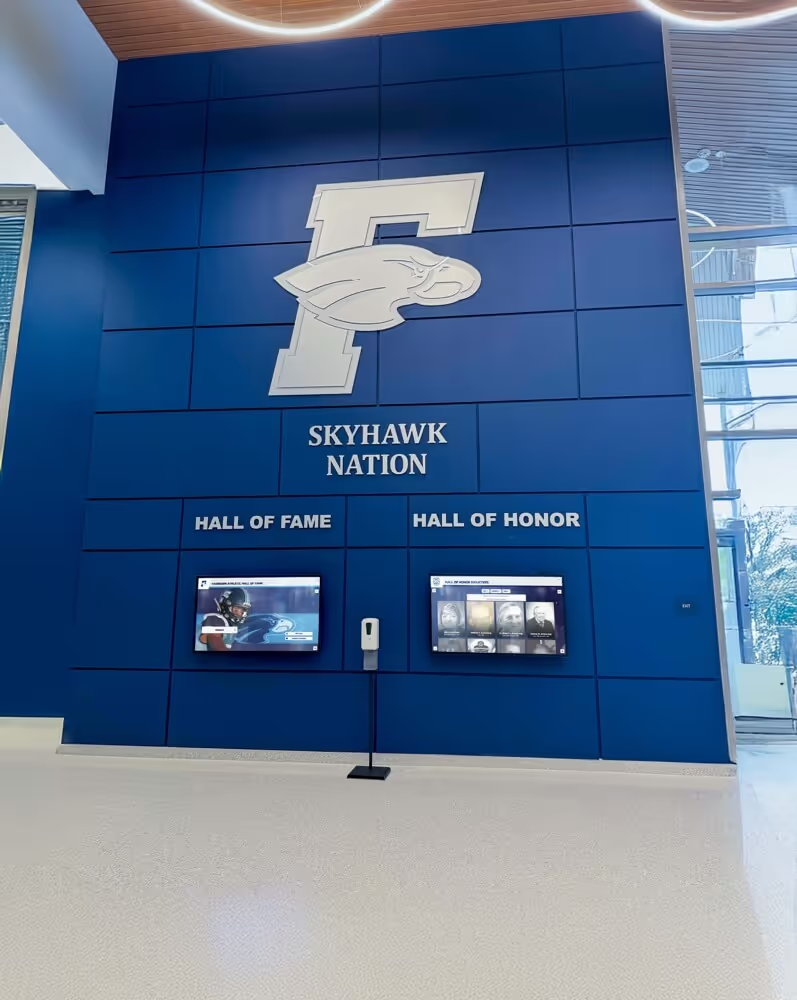
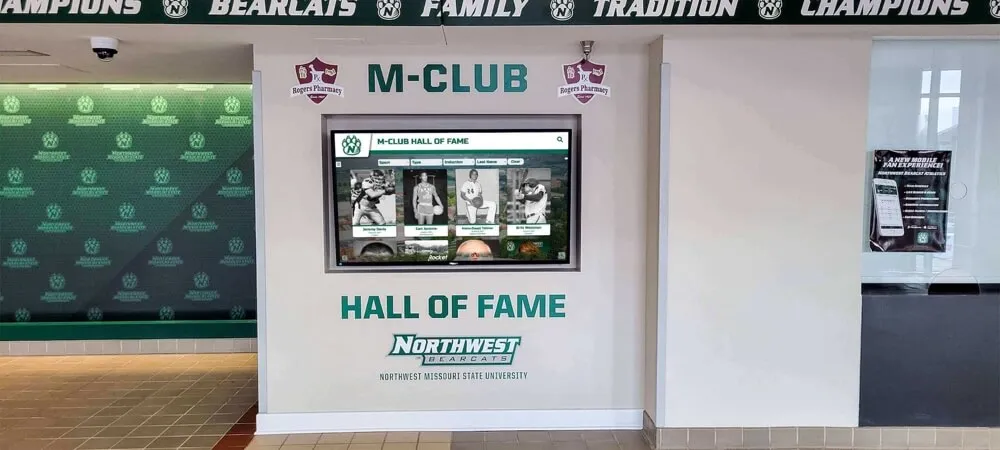
Professional touchscreen installations create welcoming focal points in campus lobbies and gathering spaces
Launch Strategy and Community Engagement
Successful touchscreen hall of fame implementations include thoughtful launch strategies:
Pre-Launch Preparation
Build anticipation before public debut:
Internal Preparation
- Staff training on content management and system operation
- Administrator familiarization with all features and capabilities
- Technical testing ensuring reliable performance
- Content quality assurance reviewing all profiles
- Backup and contingency planning
Community Communication
- Advance announcements building anticipation
- Preview opportunities for key stakeholders
- Media outreach generating coverage
- Social media campaigns promoting launch
- Email and newsletter communications
Launch Event Planning
Transform system debut into meaningful celebration:
Event Components
- Dedication ceremony recognizing contributors
- System demonstrations and guided tours
- Featured honoree spotlights and stories
- Reception enabling community gathering
- Media coverage and documentation
- Recognition of implementation team
Promotion and Awareness
- Press releases to local media
- Social media coverage during event
- Professional photography and videography
- Event recap communications
- Thank you messages to attendees
- Ongoing awareness campaign post-launch
Sustained Engagement Strategies
Maintain visibility and usage beyond initial launch:
Regular Content Updates
- New inductee additions following selection
- Featured content rotation maintaining freshness
- Anniversary recognition for milestone achievements
- Seasonal content reflecting current activities
- Story spotlights highlighting interesting profiles
Integration into Institutional Activities
- Facility tour demonstrations during admissions visits
- Event incorporation during homecoming and reunions
- Ceremony integration for induction celebrations
- Social media campaigns promoting exploration
- Ambassador training for demonstrations
Continuous Improvement
- Regular analytics review identifying enhancement opportunities
- User feedback collection through surveys and conversations
- Technology updates implementing new features
- Content strategy refinement based on engagement patterns
- Benchmark comparison with peer programs
Discover strategies for creating outstanding student showcases that leverage digital recognition technology.
Common Implementation Challenges and Solutions
Learning from frequent pitfalls helps organizations avoid expensive mistakes:
Challenge 1: Purchasing Generic Digital Signage for Recognition
The Problem: Organizations buy general-purpose digital signage systems believing they’ll work for recognition, discovering too late that slideshow-only displays, missing search capabilities, difficult content management, and passive viewing experiences create disappointment.
The Solution: Evaluate purpose-built recognition platforms specifically designed for halls of fame rather than adapting communication tools. Verify platforms provide searchable databases, individual profile pages, interactive exploration, and recognition-specific content management. Organizations implementing signage systems for recognition consistently express regret once limitations become apparent.
Challenge 2: Underestimating Content Development Requirements
The Problem: Organizations assume existing staff will develop comprehensive archives “in their spare time,” discovering that quality recognition content requires far more effort than anticipated. Rushed inadequate launches disappoint audiences expecting depth.
The Solution: Realistically assess content development time requirements—comprehensive historical archives typically require 100-400+ hours depending on available records and recognition scope. Allocate dedicated staff time, engage external content development services, implement phased approaches starting with recent recognition, or adjust scope expectations matching available resources.
Challenge 3: Poor Location Selection
The Problem: Displays installed in low-traffic locations, areas with severe glare, or spaces without adequate viewing clearance fail to generate expected engagement regardless of technology quality.
The Solution: Conduct thorough location assessment evaluating traffic patterns, lighting conditions, viewing angles, space availability, and thematic appropriateness. Test locations with cardboard mockups before installation. Prioritize visibility and accessibility over convenience or aesthetics.
Challenge 4: Inadequate Training and Support
The Problem: Staff receives minimal training leaving administrators unable to manage systems confidently. Unresponsive vendor support when problems arise leads to frustration and eventual abandonment.
The Solution: Evaluate training comprehensiveness and ongoing support quality as thoroughly as platform features. Verify training includes hands-on practice, recognition-specific guidance, and multiple sessions. Speak directly with current customers about vendor support responsiveness. Choose vendors demonstrating genuine commitment to customer success.
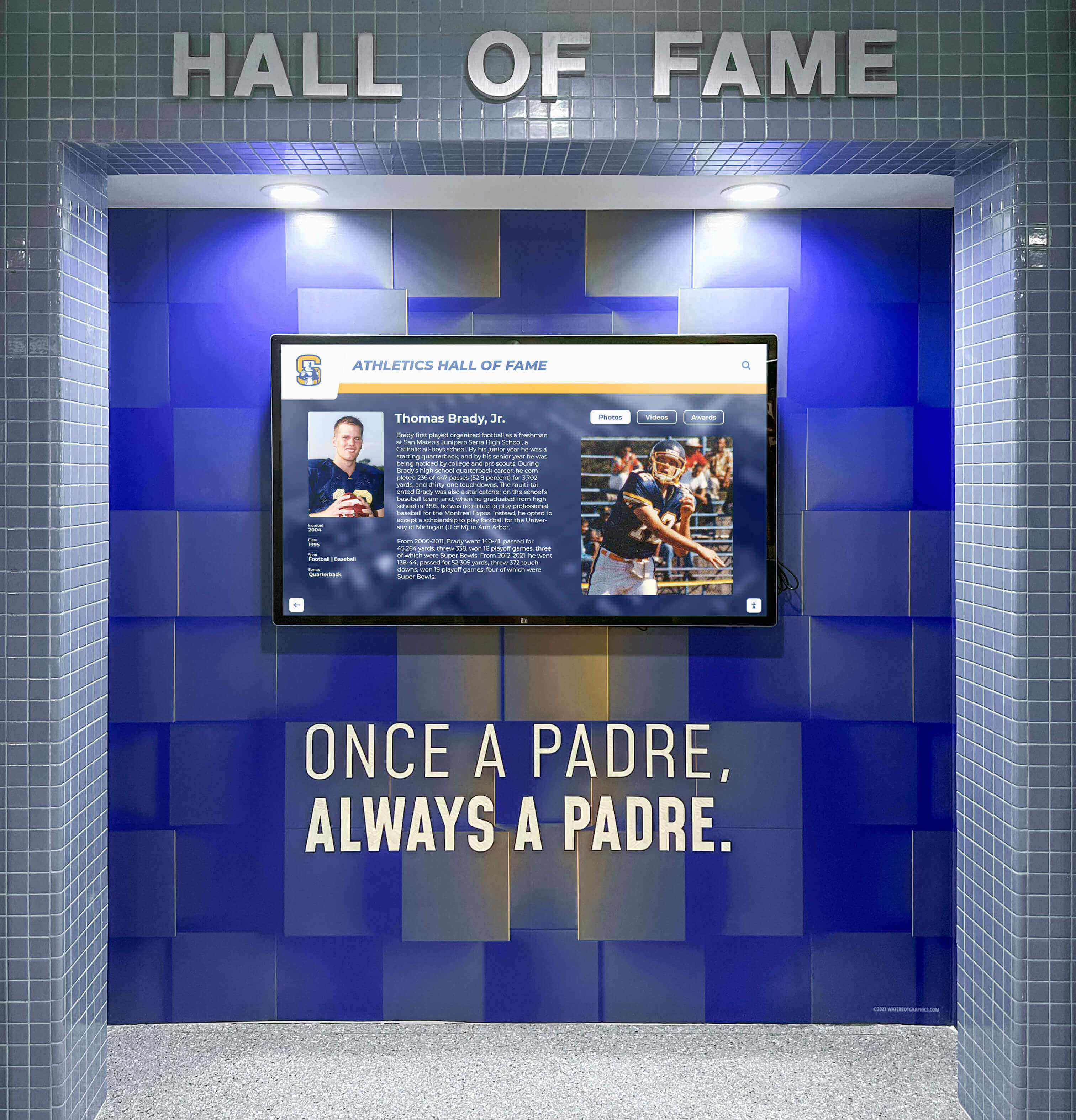
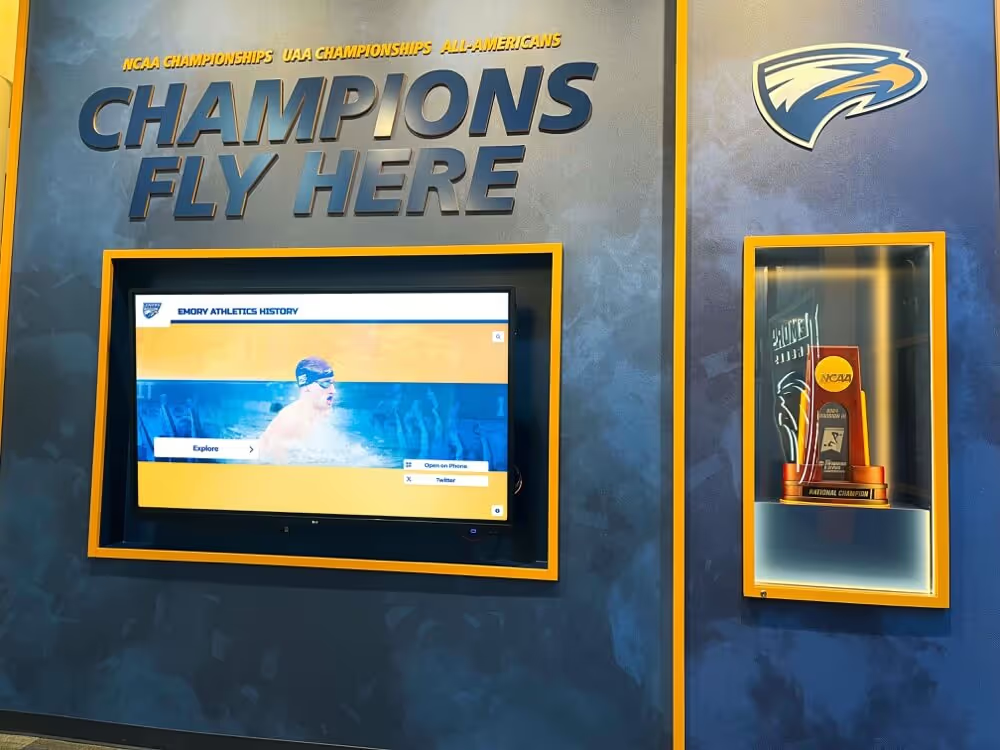
Strategic placement in athletic facilities creates natural thematic connections between recognition and current programs
Conclusion: Transforming Recognition Through Touchscreen Technology
Touchscreen digital hall of fame walls and interactive awards displays represent more than simple replacements for traditional plaques and trophy cases—they enable fundamentally different approaches to recognition that celebrate unlimited achievements, create engaging exploration experiences, provide comprehensive biographical content, and preserve institutional excellence in ways physical displays never could. When organizations thoughtfully select hardware, implement purpose-built recognition platforms, develop comprehensive content, and commit to sustained management, touchscreen systems transform from theoretical possibility to practical reality delivering lasting value to honorees, communities, and institutions.
The technology considerations, implementation strategies, and best practices explored throughout this guide provide frameworks for evaluating options, making informed decisions, and creating recognition systems that serve institutional goals effectively. From understanding commercial display specifications and purpose-built recognition software to planning content development and measuring engagement success, each decision affects long-term program effectiveness and community impact.
Ready to explore how touchscreen digital hall of fame walls can transform recognition at your institution? Modern interactive recognition solutions help schools, universities, and organizations celebrate unlimited achievements while creating engaging experiences and preserving excellence. Solutions like Rocket Alumni Solutions provide comprehensive platforms specifically designed for hall of fame and awards recognition, combining intuitive software with professional hardware recommendations, implementation support, and ongoing training ensuring successful long-term programs that become valued institutional centerpieces.
Your implementation journey begins with clear planning defining recognition philosophy and scope, continues through thoughtful technology selection ensuring platforms match your specific needs, advances with systematic content development creating meaningful achievement celebration, and sustains through ongoing commitment making digital recognition permanent institutional practice. Book a demo to explore how touchscreen hall of fame systems can appropriately honor your community’s excellence and heritage.
Your honorees deserve recognition technology that celebrates achievements appropriately while creating meaningful engagement and lasting community impact. With thoughtful evaluation, appropriate technology selection, comprehensive content development, and authentic commitment to achievement celebration, you can implement touchscreen digital hall of fame walls that motivate current participants, engage broader communities, and preserve excellence for generations to come.
The most important consideration isn’t selecting the most expensive hardware or most sophisticated software—it’s choosing solutions aligned with your recognition values, sustainable within your resources, and designed to serve your specific community needs effectively. Your achievements deserve comprehensive recognition that honors accomplishments meaningfully. Touchscreen digital hall of fame walls make that vision achievable and sustainable.
Begin your touchscreen hall of fame journey today by assembling your planning team, defining recognition scope and categories, evaluating purpose-built platforms designed specifically for institutional recognition, developing content strategies ensuring meaningful achievement celebration, and committing to systematic implementation and sustained excellence. The blueprint provided throughout this guide offers proven pathways to success—transform vision into reality and create the lasting recognition legacy your community deserves.