



Interactive touch boards for teacher appreciation represent a modern approach to celebrating educators that converts traditional recognition into engaging, permanent, and highly visible displays of teaching excellence. These digital recognition platforms combine the accessibility of touchscreen technology with comprehensive capabilities that honor teachers year-round, preserve achievement histories, and create interactive experiences that students, families, and communities can explore to discover the exceptional educators shaping their schools.
Yet many schools continue to rely on outdated recognition approaches—brief mentions in newsletters, small plaques in administrative areas, or annual ceremonies where acknowledgment quickly fades from institutional memory. Meanwhile, exceptional teachers whose dedication transforms student lives go underrecognized, limiting morale while perpetuating cultures where educator excellence receives insufficient celebration and visibility.
This comprehensive guide explores how interactive touch boards elevate teacher appreciation programs, creating systematic recognition that celebrates excellence throughout school years, preserves educator achievements through permanent digital displays, and builds educational cultures where teaching excellence receives the prominence and lasting visibility it deserves.
Interactive touch boards fundamentally change how schools approach teacher appreciation by creating always-accessible recognition platforms that extend far beyond single ceremonies or static displays. These systems enable schools to feature teaching achievements through multimedia profiles, maintain living histories of educator excellence, engage communities in discovering exceptional teachers, and inspire professional growth through visible examples of what dedication and exceptional practice can achieve.

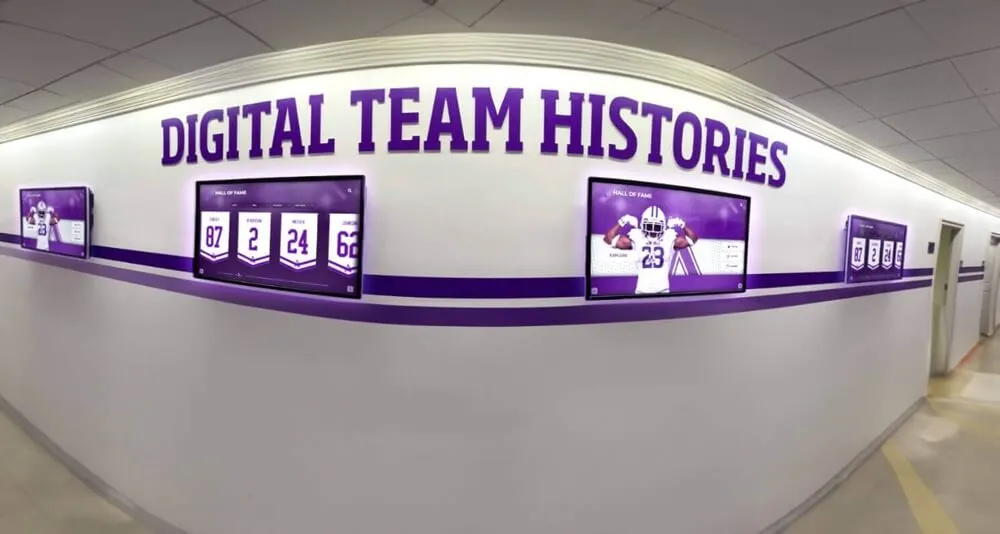
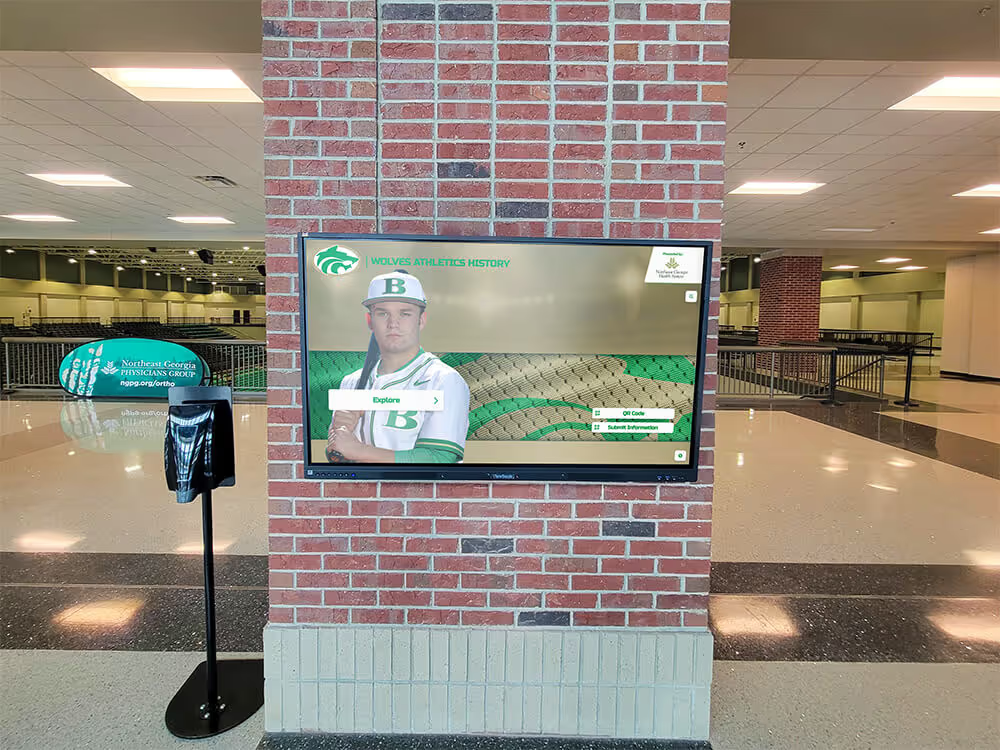
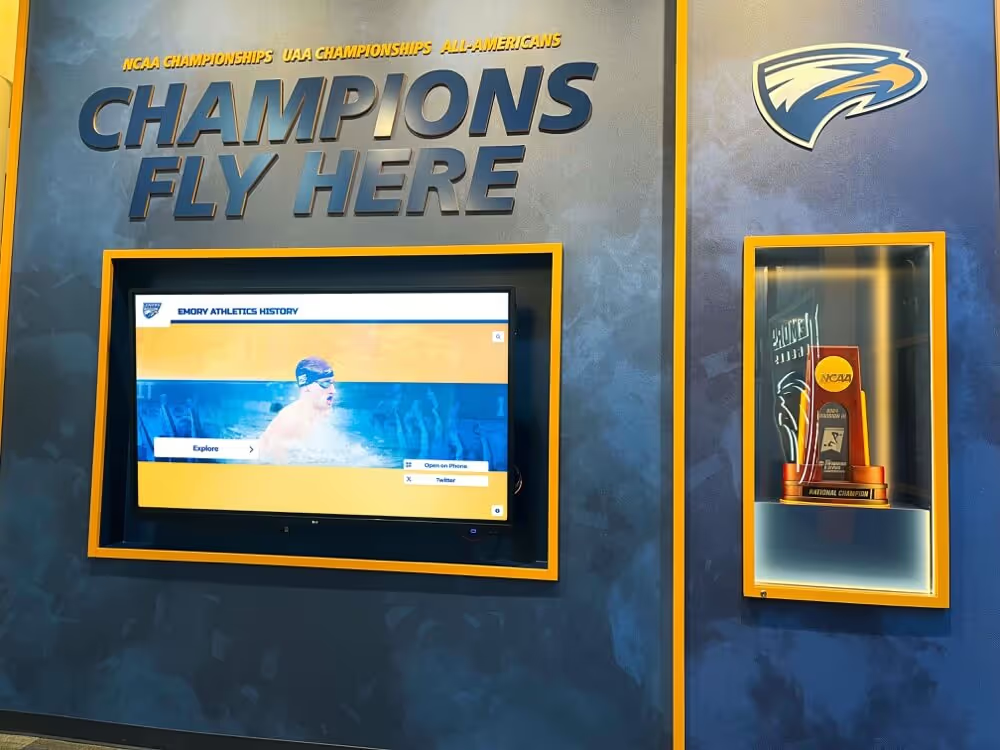
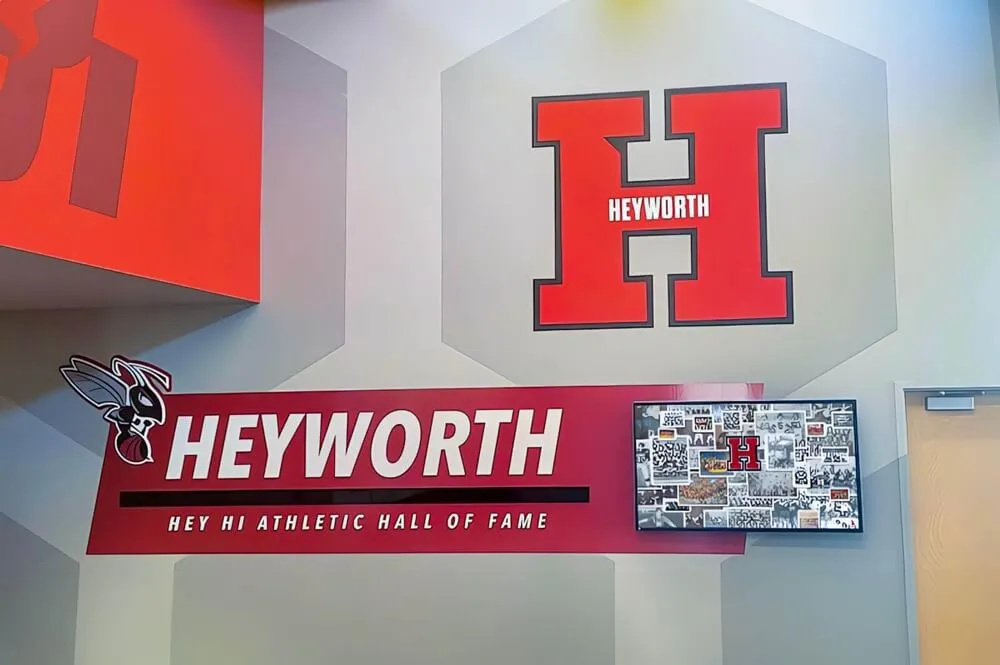
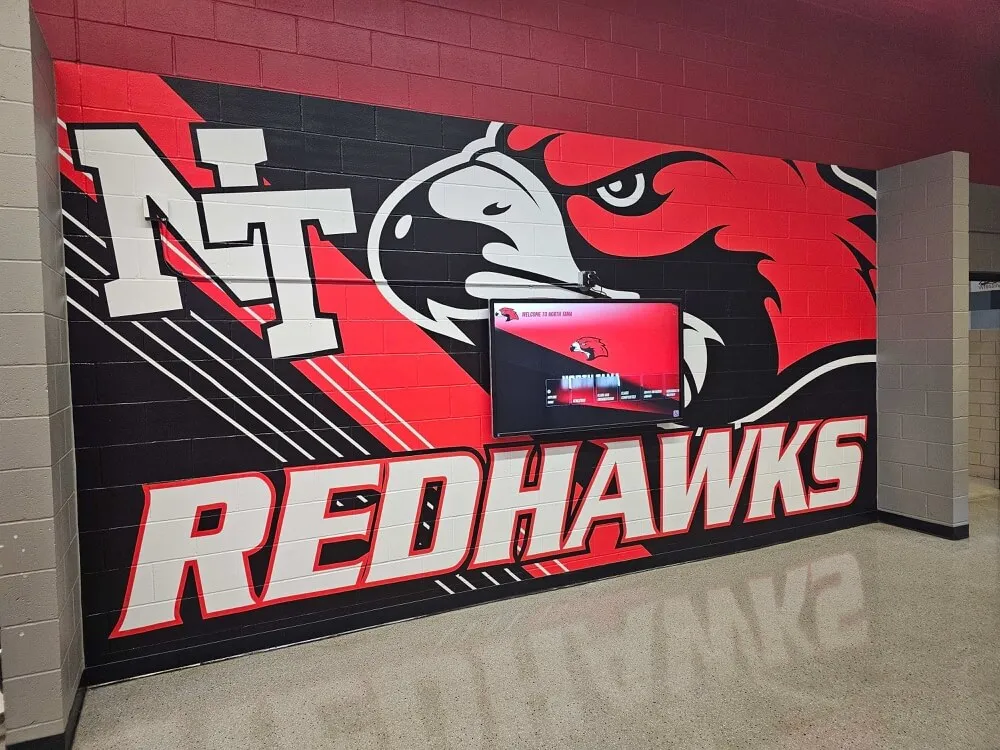
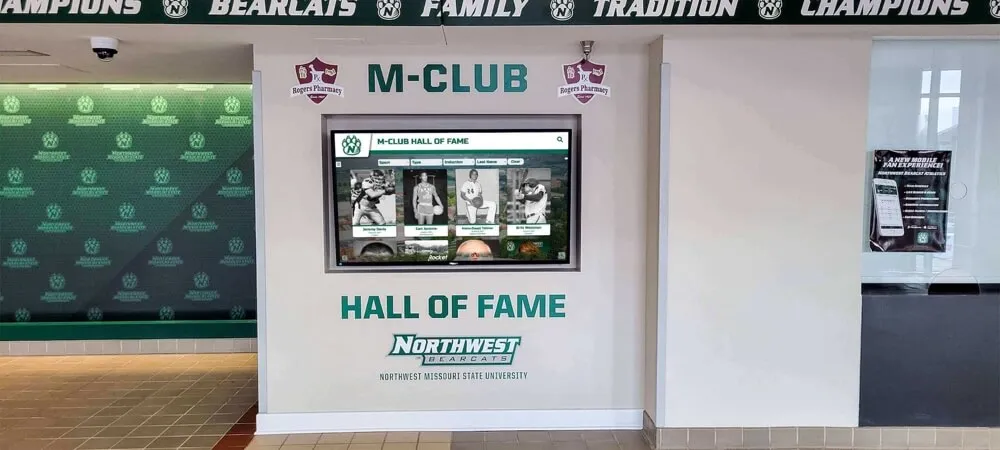
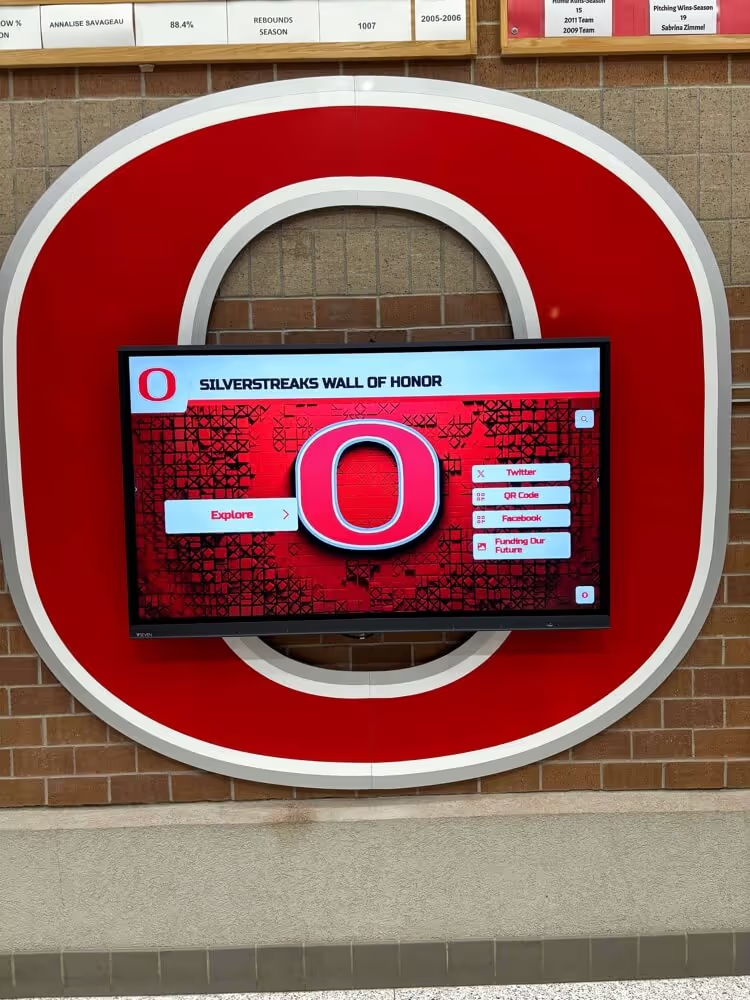
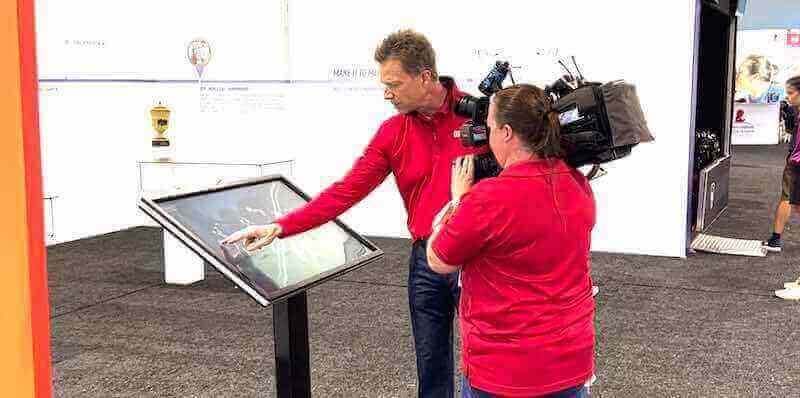
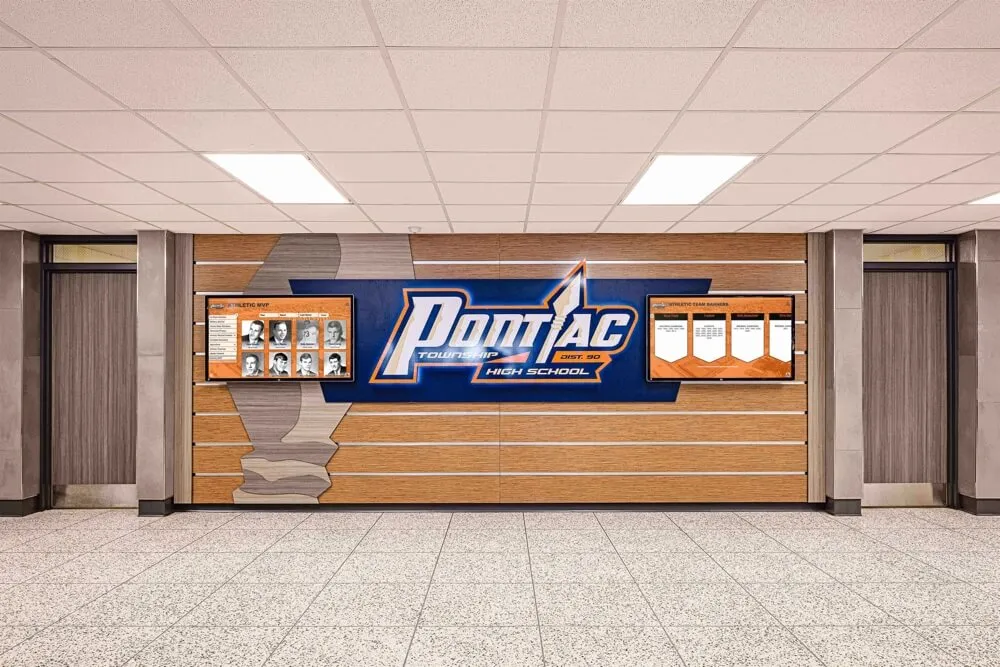
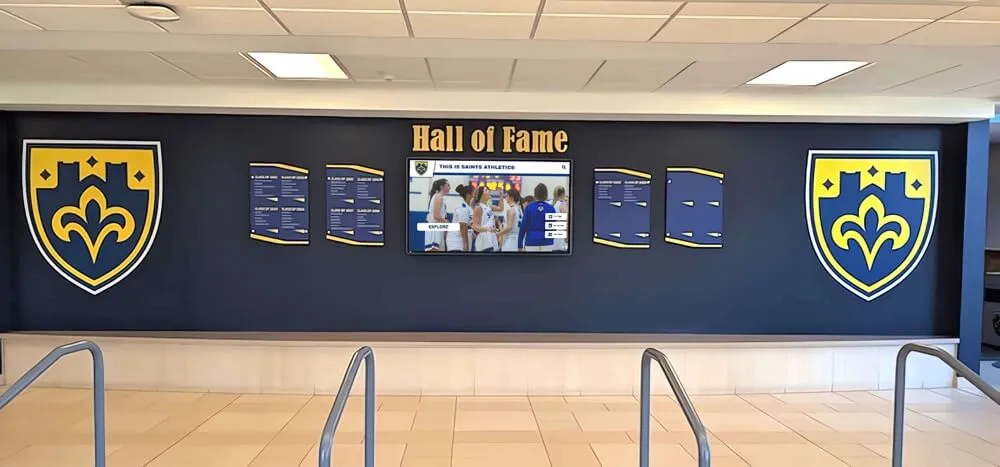
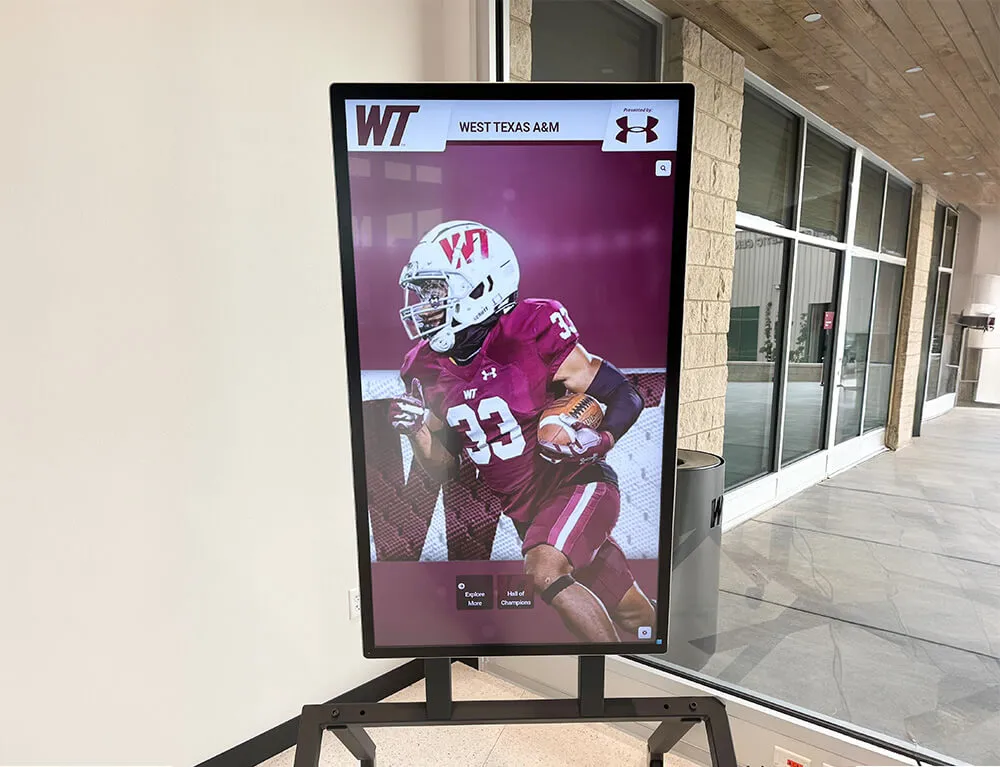
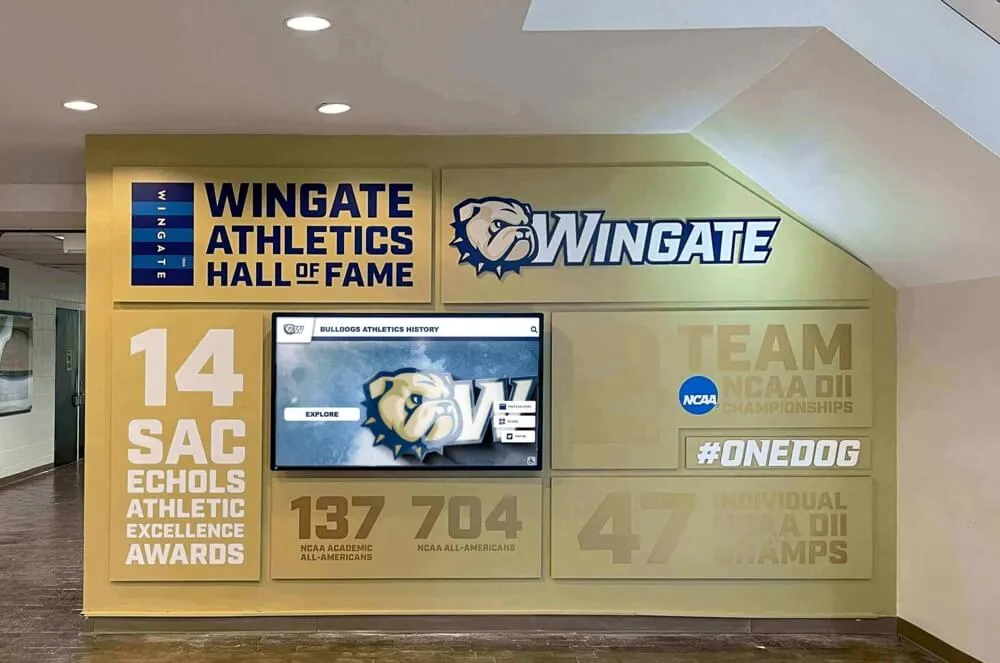
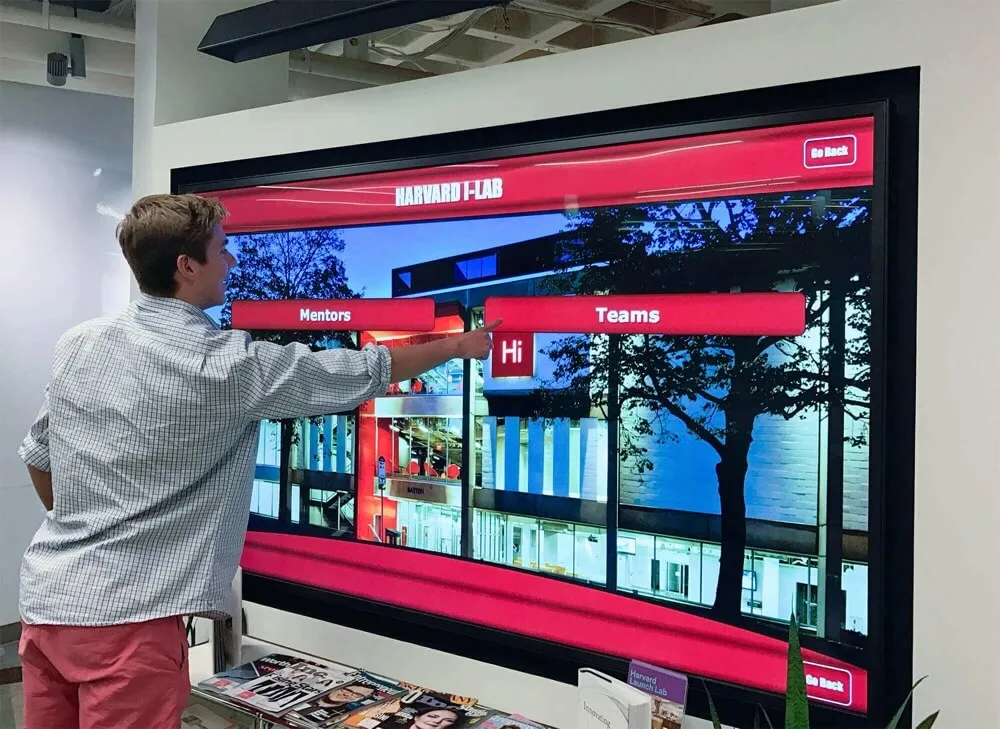
Interactive touch boards provide engaging platforms for presenting teacher achievements and inspiring community appreciation
Understanding Interactive Touch Boards for Teacher Recognition
Before implementing digital recognition systems, understanding how interactive touch boards differ from traditional approaches helps schools create comprehensive programs addressing multiple teacher appreciation dimensions.
What Makes Touch Boards Effective for Teacher Appreciation
Interactive touch boards combine several capabilities that make them particularly effective for educator recognition:
Always-Accessible Recognition Platforms
Unlike ceremony-based recognition that occurs once annually, touch boards create permanent visibility for teacher achievements. Educators receive ongoing acknowledgment as students, families, and visitors explore recognition displays throughout school years, reinforcing appreciation beyond momentary celebrations.
Multimedia Storytelling Capabilities
Digital platforms enable rich profiles that capture teaching excellence through multiple dimensions—biographical information, career histories, teaching philosophies, student testimonials, classroom photos, achievement timelines, and video messages. This comprehensive storytelling creates deeper connections than traditional plaques or certificates can achieve.
Interactive Exploration Experiences
Touchscreen interfaces transform passive viewing into active discovery. Students can search for favorite teachers, explore career achievements, watch celebration videos, and learn about educator backgrounds through engaging interactions that create memorable recognition experiences.
Living, Evolving Recognition Systems
Touch boards accommodate continuous updates as teachers achieve new milestones, receive additional recognition, or reach career anniversaries. This living system ensures recognition remains current while preserving historical achievements, creating comprehensive career timelines showing sustained excellence.
Multi-Teacher Recognition at Scale
Digital platforms overcome space limitations that constrain physical displays. Schools can recognize dozens or hundreds of educators comprehensively rather than selecting limited numbers for prominent acknowledgment, creating inclusive recognition cultures where all teaching excellence receives appropriate visibility.
Traditional Recognition Limitations vs. Touch Board Solutions
Understanding traditional approach limitations highlights how interactive displays address systemic recognition challenges:
Traditional Recognition Challenges
Schools implementing conventional teacher appreciation often encounter:
- Single annual recognition events where acknowledgment quickly fades
- Physical space constraints limiting how many educators receive prominent display
- Static plaques providing minimal information about teaching excellence
- Recognition visible only in administrative areas with limited community access
- Difficulty updating displays as teachers achieve new milestones
- Limited ability to tell comprehensive stories about educator contributions
- Ceremony-focused approaches that don’t create lasting visibility
- Recognition systems that exclude most teachers from prominent acknowledgment
These limitations result in appreciation programs that feel momentary rather than sustained, exclusive rather than comprehensive, and forgettable rather than memorable.
Touch Board Recognition Solutions
Interactive displays address traditional limitations through:
- Year-round visibility creating sustained appreciation beyond single events
- Unlimited digital space enabling comprehensive multi-teacher recognition
- Rich multimedia profiles presenting teaching excellence comprehensively
- High-traffic placement ensuring broad community engagement with displays
- Cloud-based content management enabling continuous recognition updates
- Storytelling capabilities capturing the depth of educator contributions
- Always-accessible platforms providing ongoing acknowledgment
- Inclusive systems where all excellent teachers receive appropriate visibility
These capabilities transform recognition from occasional ceremonies into sustained cultural commitments that honor teaching excellence continuously.
Learn more about comprehensive staff recognition programs that celebrate diverse contributions to educational excellence.
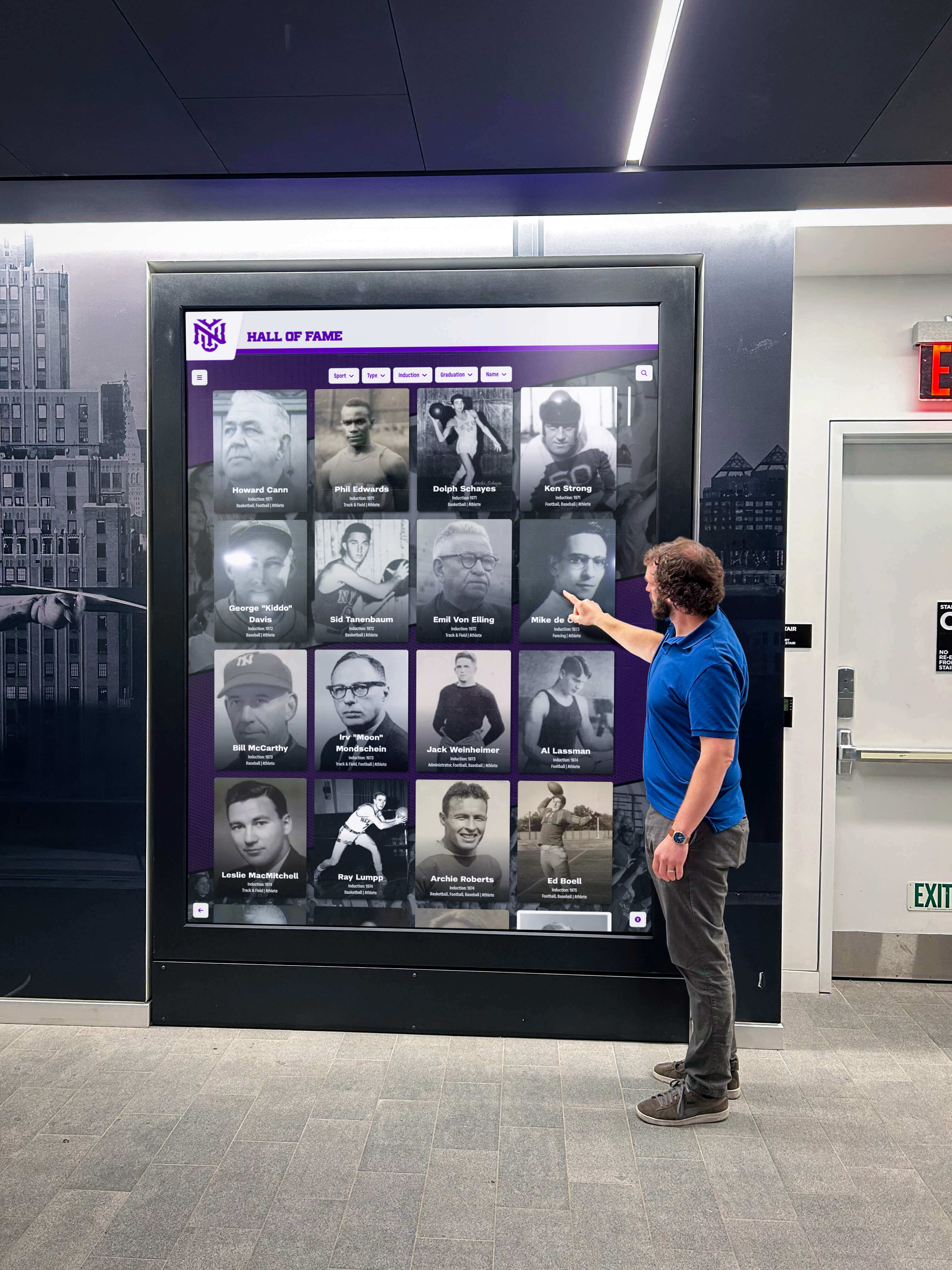
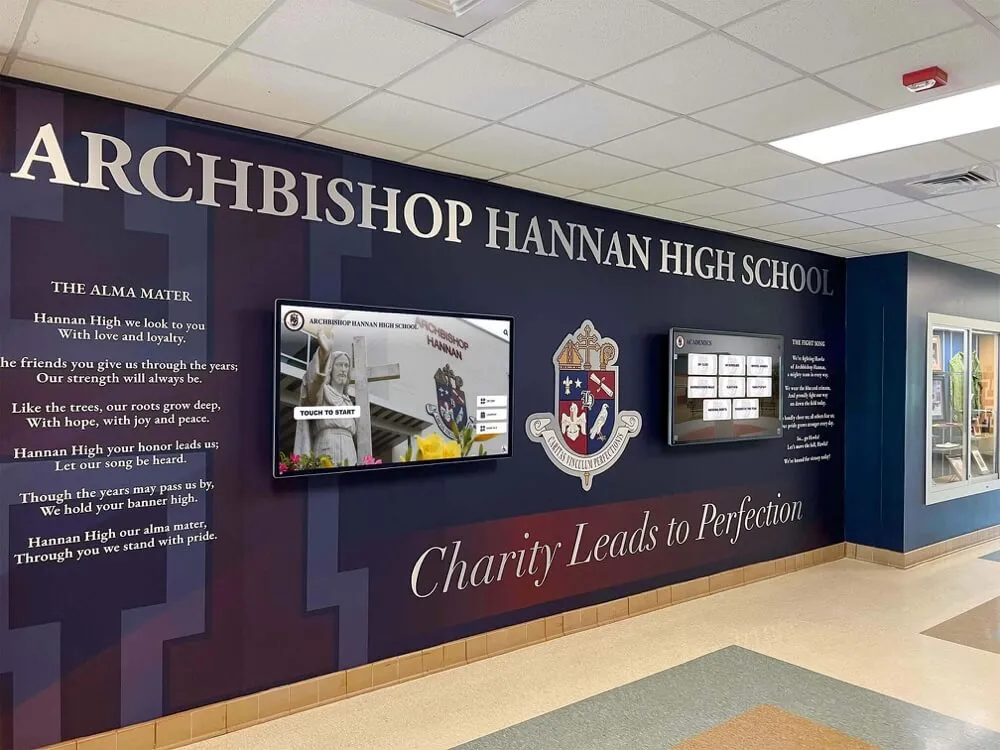
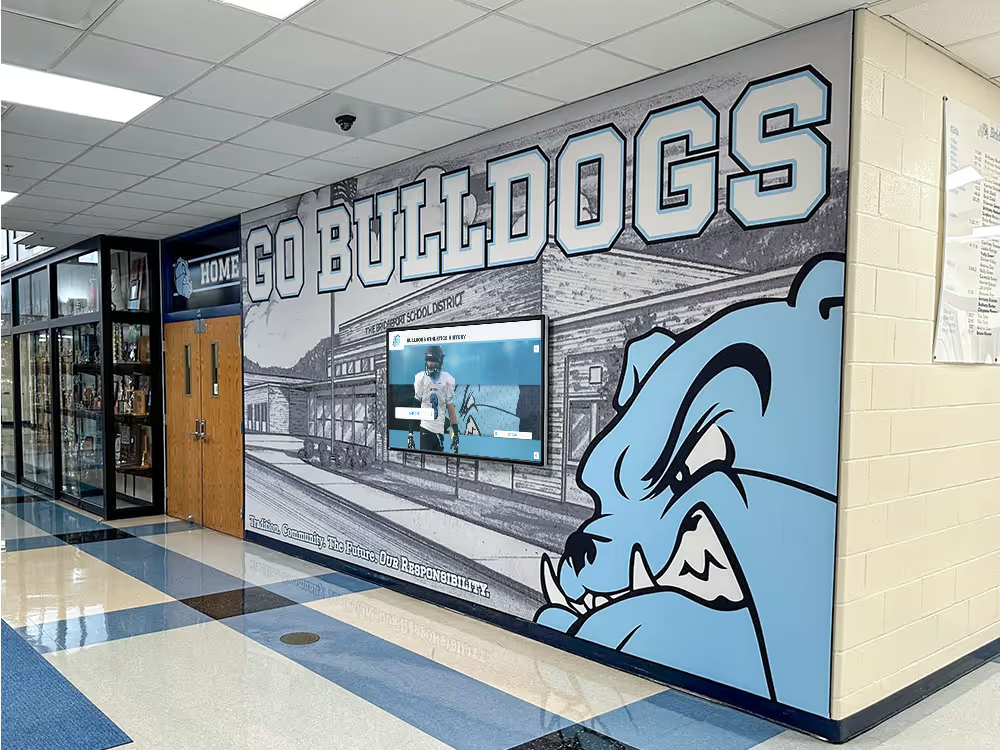
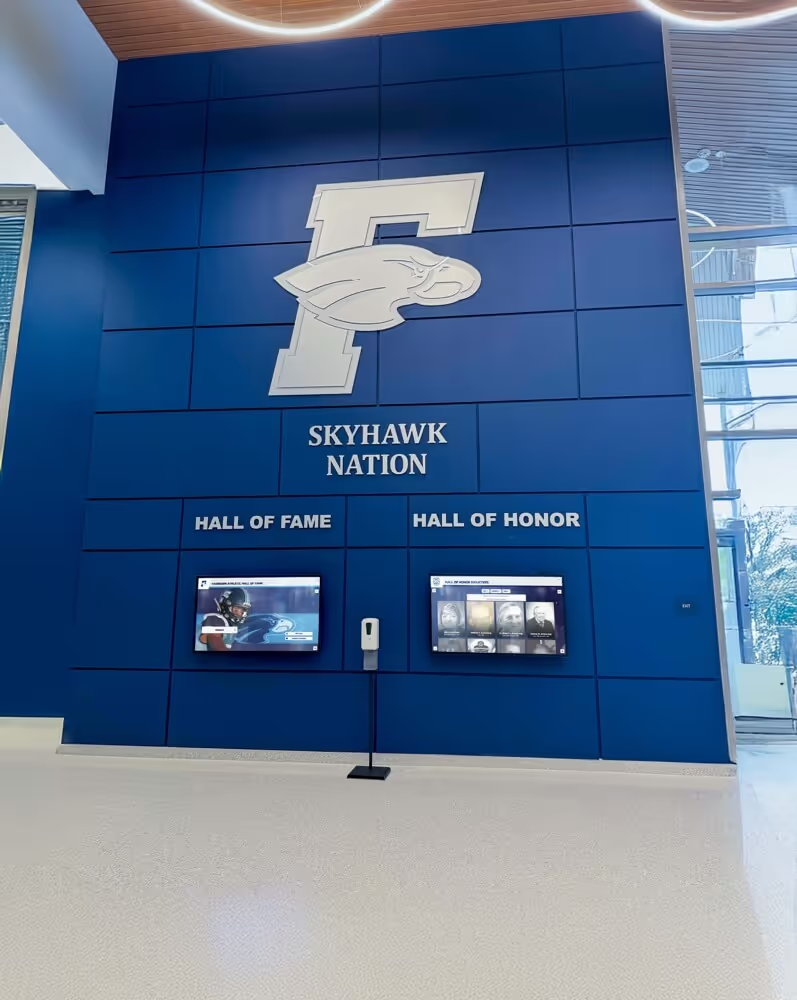
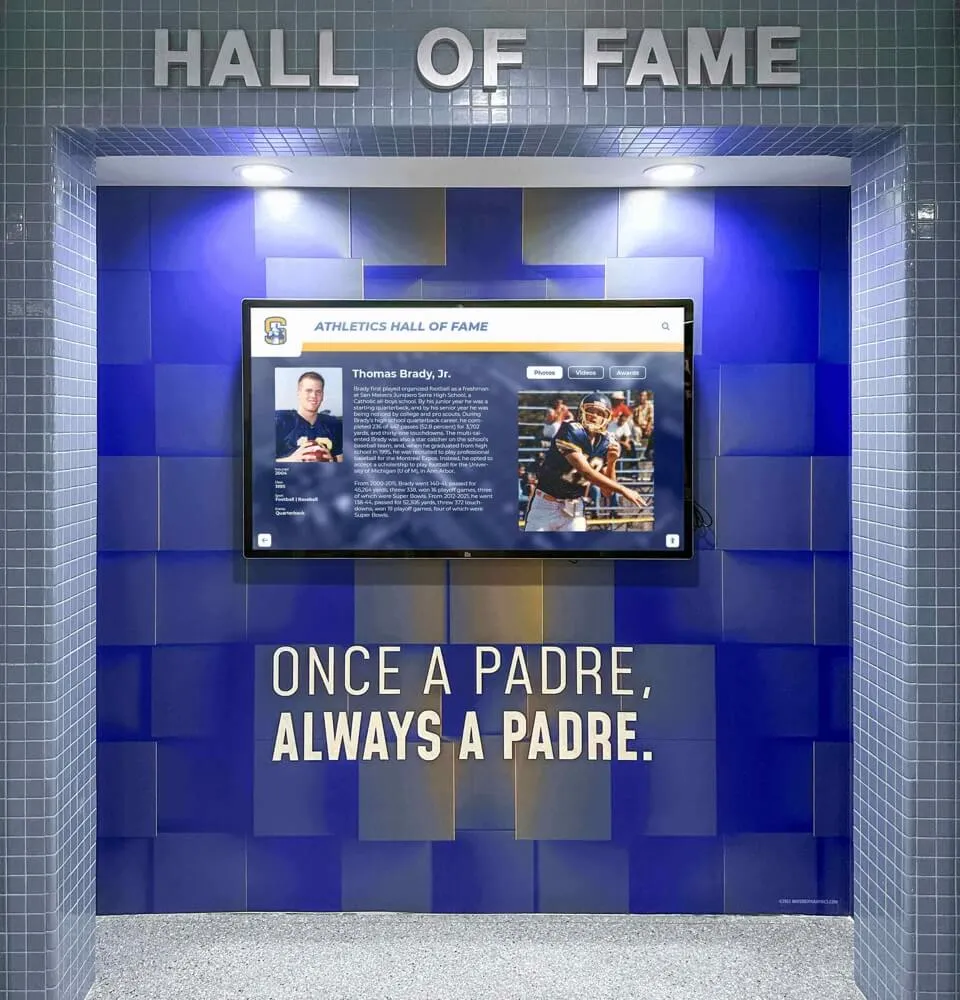
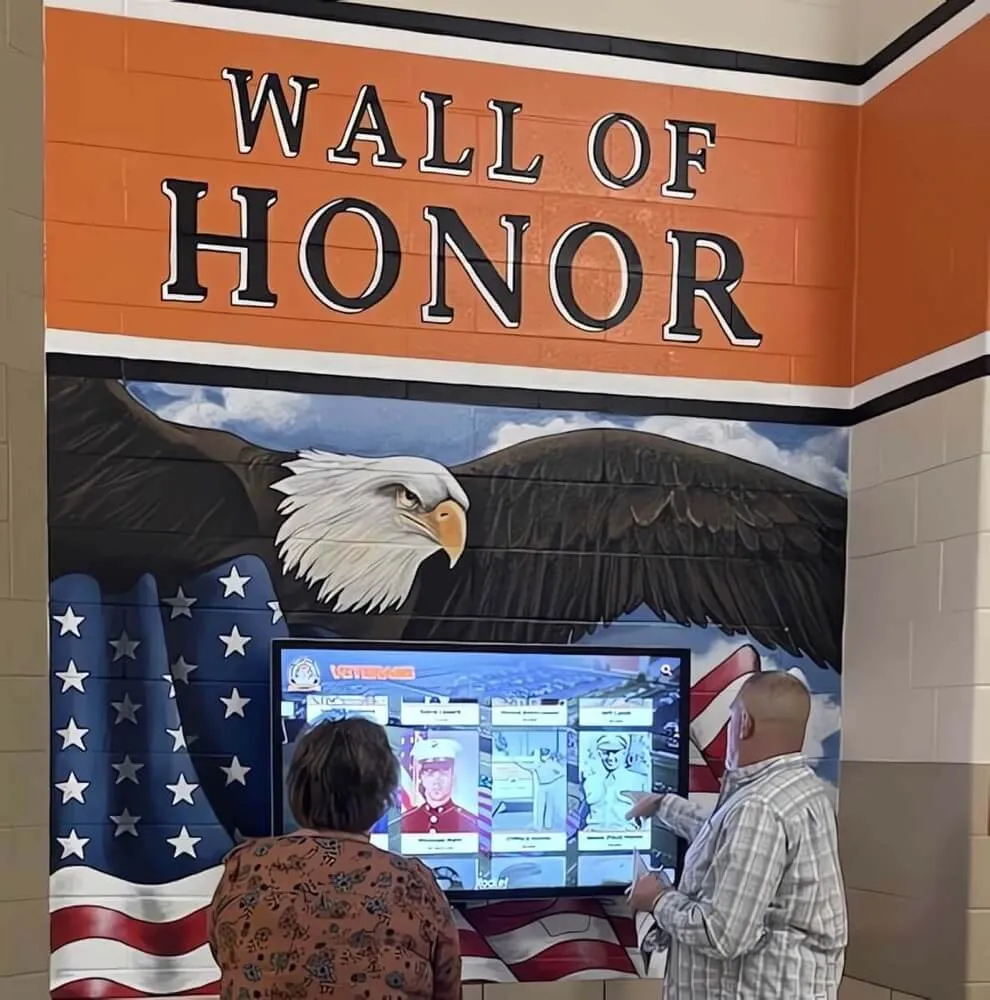
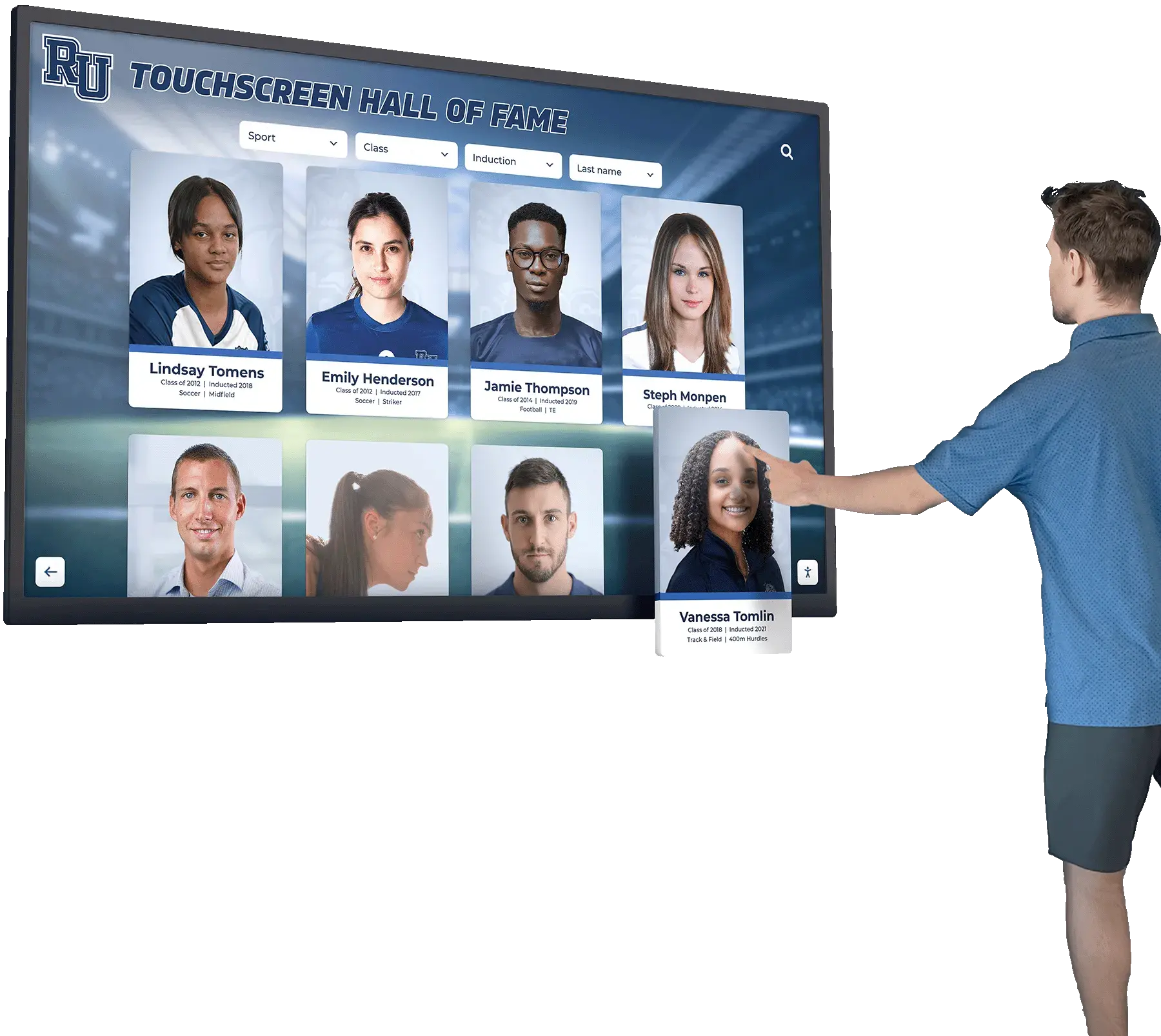
Digital touch boards create accessible, engaging platforms for community-wide teacher appreciation
Program Snapshot: Interactive Touch Board Teacher Appreciation System
| Program Element | Description |
|---|---|
| Recognition Scope | All teaching staff, support educators, and instructional specialists |
| Display Locations | Main lobby, faculty areas, student commons, parent resource centers |
| Content Types | Teacher profiles, achievement timelines, testimonials, classroom highlights, award histories |
| Update Frequency | Real-time additions for new recognition, quarterly content refreshes |
| Interaction Methods | Search by name/subject, browse by department, filter by awards, timeline exploration |
| Integration Points | Teacher of the Year programs, milestone celebrations, retirement tributes, new teacher welcomes |
| Community Access | Students, families, alumni, community members during school hours and events |
| Management System | Cloud-based CMS enabling remote updates by administrative teams |
Planning Interactive Touch Board Teacher Recognition Programs
Successful implementation requires systematic planning addressing recognition criteria, content development, and program integration.
Defining Teacher Recognition Categories and Criteria
Comprehensive programs acknowledge excellence across multiple dimensions rather than single achievement types:
Teaching Excellence Recognition
Core recognition categories celebrate exceptional classroom practice:
- Teacher of the Year Recipients - School, district, and state-level award winners
- Instructional Excellence - Educators demonstrating outstanding teaching effectiveness
- Innovation Leaders - Teachers implementing creative approaches that transform learning
- Student Success Catalysts - Educators producing exceptional learning outcomes and growth
- Differentiation Masters - Teachers excelling at meeting diverse learner needs
Professional Growth and Leadership
Advanced recognition acknowledges development and influence:
- Mentorship Excellence - Educators guiding colleague professional development
- Curriculum Leadership - Teachers shaping instructional programs and approaches
- Professional Development Champions - Continuous learners pursuing advanced credentials
- Educational Research Contributors - Teachers integrating research-based practices
- Professional Learning Community Leaders - Educators strengthening collaborative cultures
School and Community Impact
Broader recognition celebrates influence beyond individual classrooms:
- School Culture Builders - Teachers creating positive, inclusive environments
- Student Advocacy Leaders - Educators championing student needs and equity
- Family Partnership Champions - Teachers building strong home-school connections
- Extracurricular Contributors - Educators supporting students beyond academic instruction
- Community Engagement Leaders - Teachers connecting schools with broader communities
Career Milestone Recognition
Service-based acknowledgment honors sustained commitment:
- Career Anniversaries - 5, 10, 15, 20, 25, 30+ year milestones
- Retirement Celebrations - Comprehensive career retrospectives
- New Teacher Welcomes - First-year educator introductions
- National Board Certification - Advanced professional credential achievement
- Advanced Degree Completion - Educational attainment recognition
This multi-category approach ensures comprehensive recognition opportunities exist for educators across different excellence dimensions and career stages.
Content Architecture for Teacher Appreciation Touch Boards
Effective displays require systematic content organization connecting teaching excellence to touchscreen modules:
Individual Teacher Profile Structure
Comprehensive educator profiles include:
- High-quality professional photograph or personalized portrait
- Full name, teaching position, subjects or grades taught
- Years of service and career timeline at the institution
- Educational background including degrees and certifications
- Teaching philosophy statement or educational approach description
- Notable achievements, awards, and recognition received
- Student testimonials and family feedback quotes
- Classroom highlights presenting teaching in action
- Professional development and leadership contributions
- Community involvement and extracurricular activities
- Personal interests that humanize and create connections
- Video messages from the educator when available
Interactive Navigation Features
Touch board interfaces enable multiple exploration pathways:
- Search Functionality - Find teachers by name, subject, or department
- Department Browsing - Explore educators organized by teaching area
- Award Filtering - Display teachers who received specific recognition
- Timeline Views - See teacher profiles organized by years of service
- Recent Recognition - Display newest additions and recent achievements
- Alphabetical Listings - Traditional A-Z teacher directories
- Featured Teacher Spotlights - Rotating highlighted educator profiles
Multimedia Integration Elements
Rich content types enhance storytelling:
- Professional photography capturing teachers in their classrooms
- Video testimonials from students, colleagues, and administrators
- Classroom activity photos showing educators in action
- Award ceremony images documenting recognition moments
- Historical photos for career retrospectives and timelines
- Student work examples demonstrating teaching impact
- Community event photos showing broader engagement
- News articles and media coverage when applicable
Social Sharing and Extended Engagement
Modern touch boards enable recognition beyond the physical display:
- QR code generation linking to individual teacher profile pages
- Social media sharing options for families to celebrate educators
- Email capability to send teacher profiles to family devices
- Mobile-responsive web views ensuring accessibility beyond the kiosk
- Download options for printing individual recognition certificates
Solutions like digital recognition displays provide comprehensive platforms specifically designed for institutional recognition applications across schools, universities, and educational communities, combining multimedia storytelling with touchscreen interaction and cloud-based content management ensuring successful long-term programs.
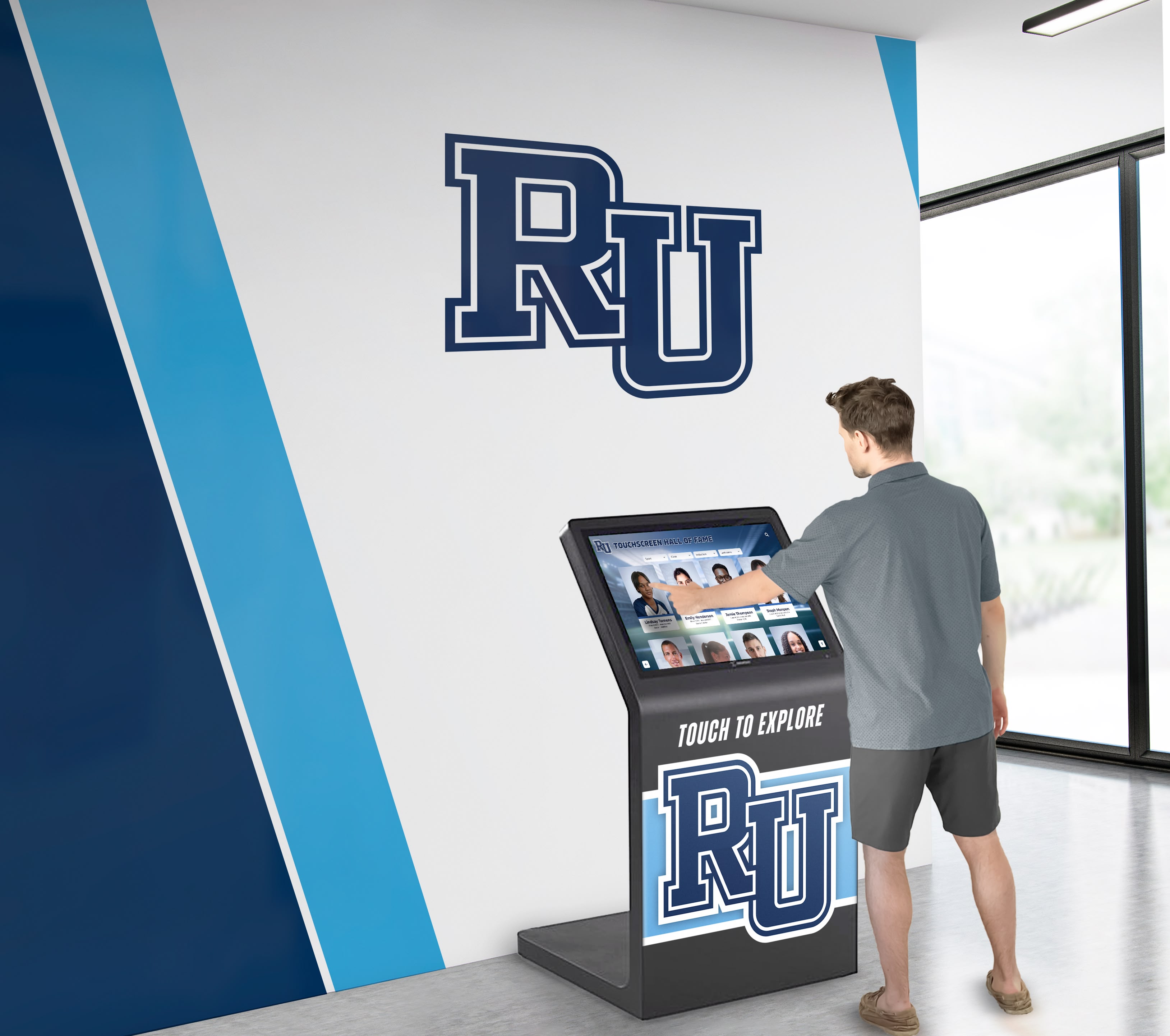
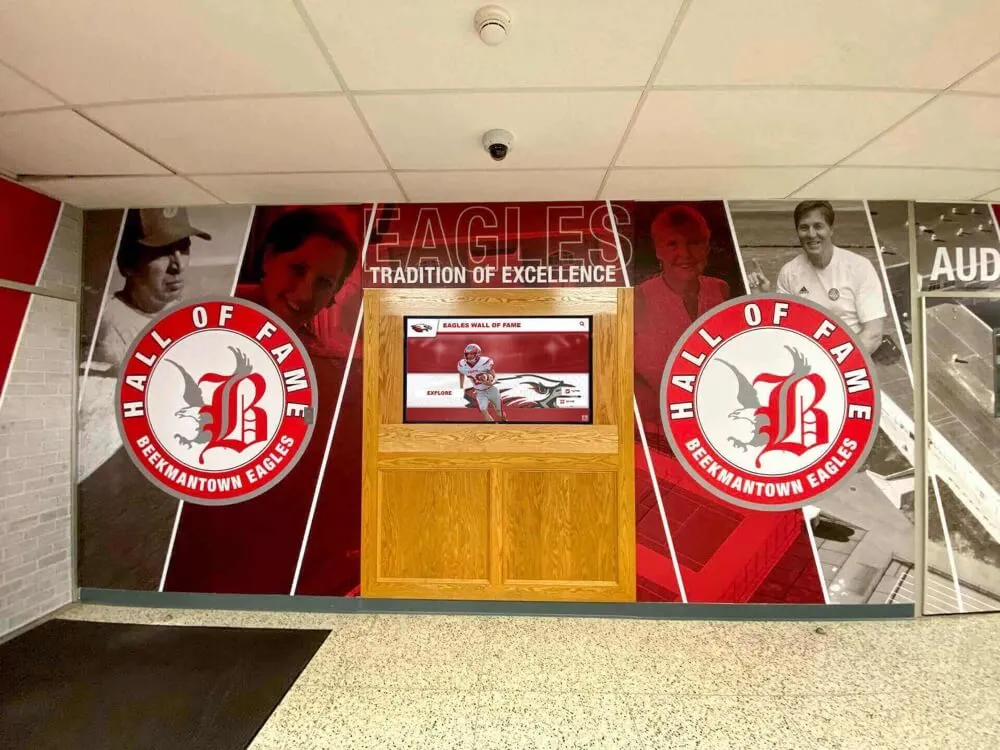
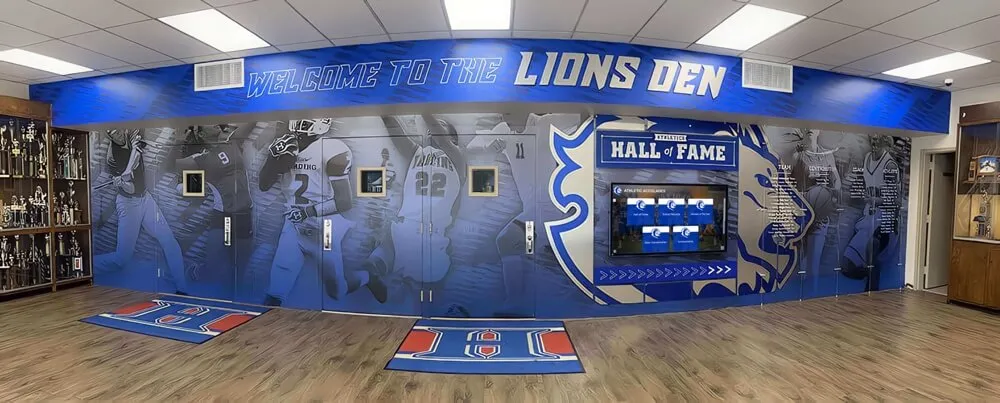
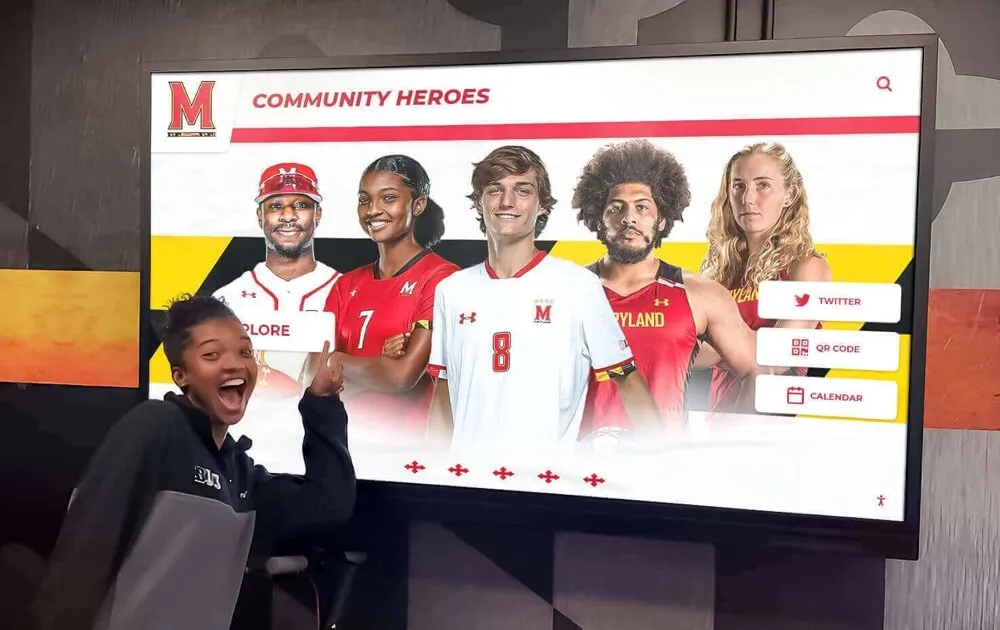
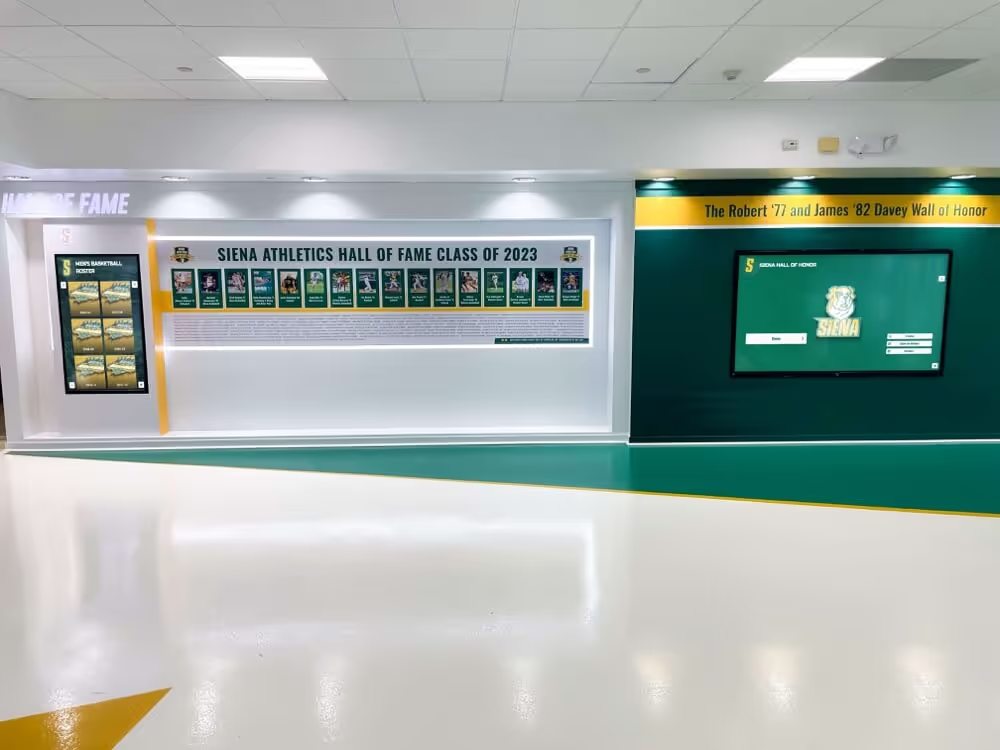
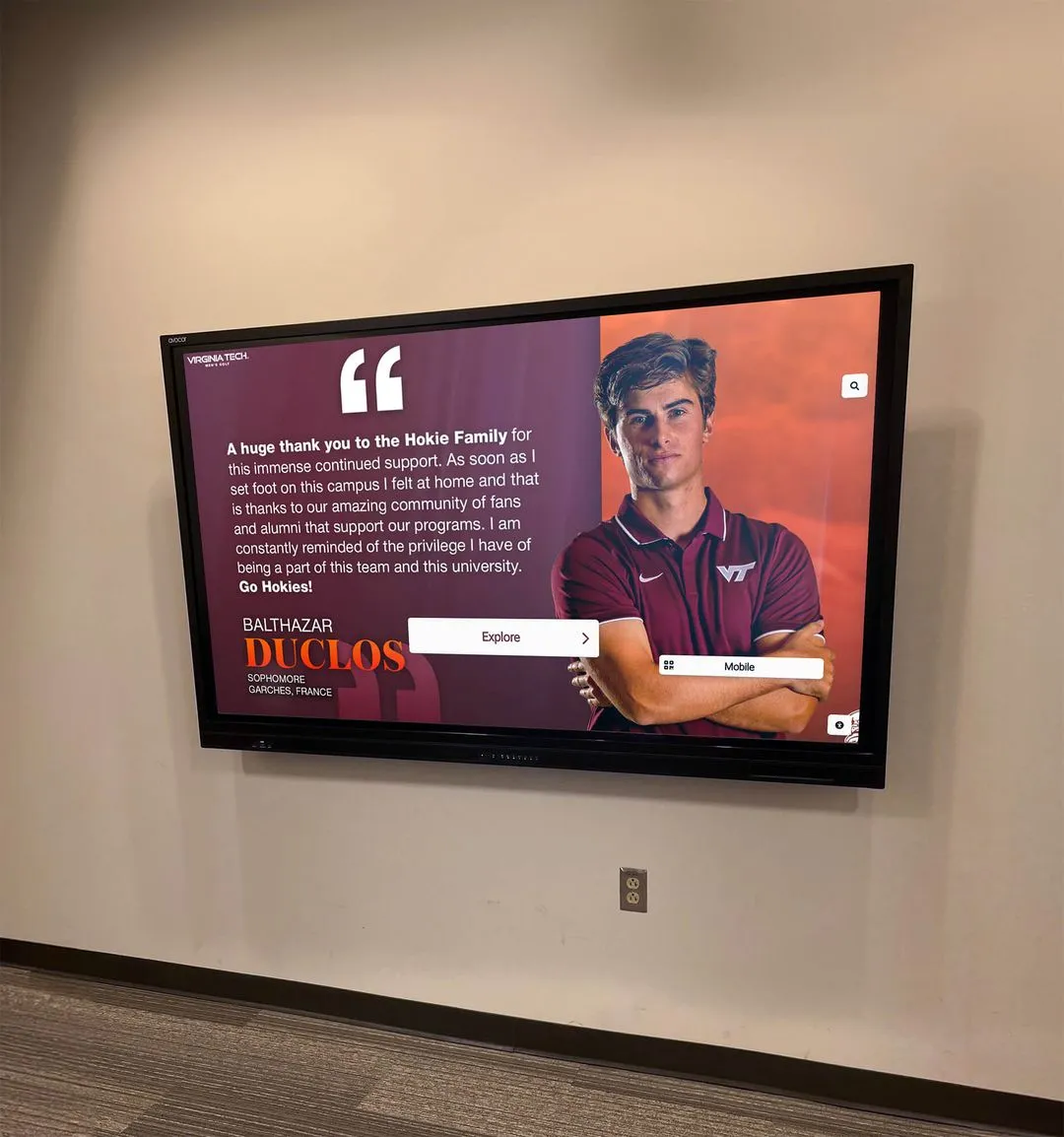
Interactive kiosks provide intuitive interfaces for discovering teacher achievements and reading recognition stories
Implementation Timeline for Teacher Appreciation Touch Boards
Systematic implementation ensures successful program launches and sustained engagement.
Phase 1: Planning and Content Preparation (Weeks 1-4)
Initial preparation establishes program foundations:
Week 1-2: Program Design and Criteria Definition
- Form teacher recognition planning committee including administrators, teacher representatives, students, and family members
- Define recognition categories and selection criteria for featured educators
- Determine touch board placement locations maximizing visibility and traffic
- Establish content guidelines including profile elements and multimedia requirements
- Create teacher participation communication explaining program and requesting information
- Develop data collection forms capturing required profile information
- Set program launch goals and success metrics
Week 3-4: Content Collection and Development
- Distribute teacher information request forms to all educators
- Schedule professional photography sessions for educator portraits
- Collect teaching philosophy statements and biographical information
- Gather student and colleague testimonial quotes
- Document existing awards and recognition received
- Compile classroom photos and teaching activity images
- Organize historical photos for veteran teachers
- Record video messages when educators agree to participate
Display Selection and Technical Planning
Concurrent with content preparation, address technical implementation:
- Evaluate touch board display options considering screen size, resolution, and interactive responsiveness
- Select high-traffic, accessible locations ensuring ADA compliance with appropriate height and reach ranges
- Plan installation logistics including power, network connectivity, and mounting requirements
- Choose content management platforms enabling remote updates and multimedia support
- Design interface layouts optimizing teacher profile navigation and exploration
- Create backup and disaster recovery plans ensuring content preservation
- Establish content moderation and approval workflows
Phase 2: Content Production and System Setup (Weeks 5-8)
Transform collected information into polished recognition content:
Profile Development and Multimedia Production
- Edit professional photography ensuring consistent quality and style
- Write or refine biographical narratives telling compelling educator stories
- Edit video testimonials and messages for appropriate length and quality
- Design graphical elements including name cards, achievement badges, and timeline visualizations
- Organize multimedia assets into folders matching teacher profiles
- Create searchable metadata tags enabling efficient navigation
- Develop featured teacher spotlight content for rotating highlights
- Design welcome screen and main navigation interfaces
Content Management System Configuration
- Upload teacher profiles and multimedia assets to cloud-based CMS
- Configure search, filtering, and browsing functionalities
- Test interactive features ensuring smooth touchscreen responsiveness
- Establish content update workflows and administrative access
- Create user documentation for system management
- Set up scheduled content refreshes and automated backups
- Develop mobile-responsive web views for extended access
Quality Assurance and Testing
Before launch, comprehensive testing ensures excellent user experiences:
- Verify all teacher profiles display correctly with complete information
- Test search and filtering functions for accurate results
- Ensure multimedia elements play properly including videos and images
- Validate touchscreen responsiveness and navigation intuitiveness
- Check accessibility compliance including contrast ratios and text sizing
- Test on multiple devices if supporting mobile or tablet access
- Gather preview feedback from teacher representatives and students
Phase 3: Launch and Community Engagement (Weeks 9-10)
Strategic launch maximizes initial visibility and engagement:
Pre-Launch Communications
Build anticipation before unveiling:
- Announce touch board launch dates through multiple channels
- Share preview images of the display and sample profiles
- Send personalized notifications to featured teachers
- Create social media content building excitement
- Invite families to explore educator recognition at the launch event
- Prepare administrators and staff to demonstrate the system
Launch Event Programming
Formal unveiling ceremonies create memorable celebrations:
- Schedule launch during high-visibility times like Teacher Appreciation Week
- Invite district leadership, school board members, and community partners
- Include student speakers sharing teacher appreciation messages
- Demonstrate touch board features and navigation for attendees
- Photograph educators exploring their profiles for documentation
- Share recognition on school social media and communications
- Distribute QR codes linking to individual teacher profiles
- Collect initial feedback through comment cards or digital surveys
Ongoing Engagement Strategies
Sustain visibility beyond initial launch:
- Feature individual teacher spotlights in weekly newsletters
- Encourage students to explore and share favorite teacher profiles
- Update displays monthly with new recognition and achievements
- Integrate touch board references into parent communication
- Use profiles during new teacher orientations and recruitment
- Include recognition displays in school tour programming
- Share educator profiles during college and career advising sessions
- Celebrate teacher milestones through display updates
Explore comprehensive digital recognition strategies that create lasting visibility for achievement and excellence across educational institutions.
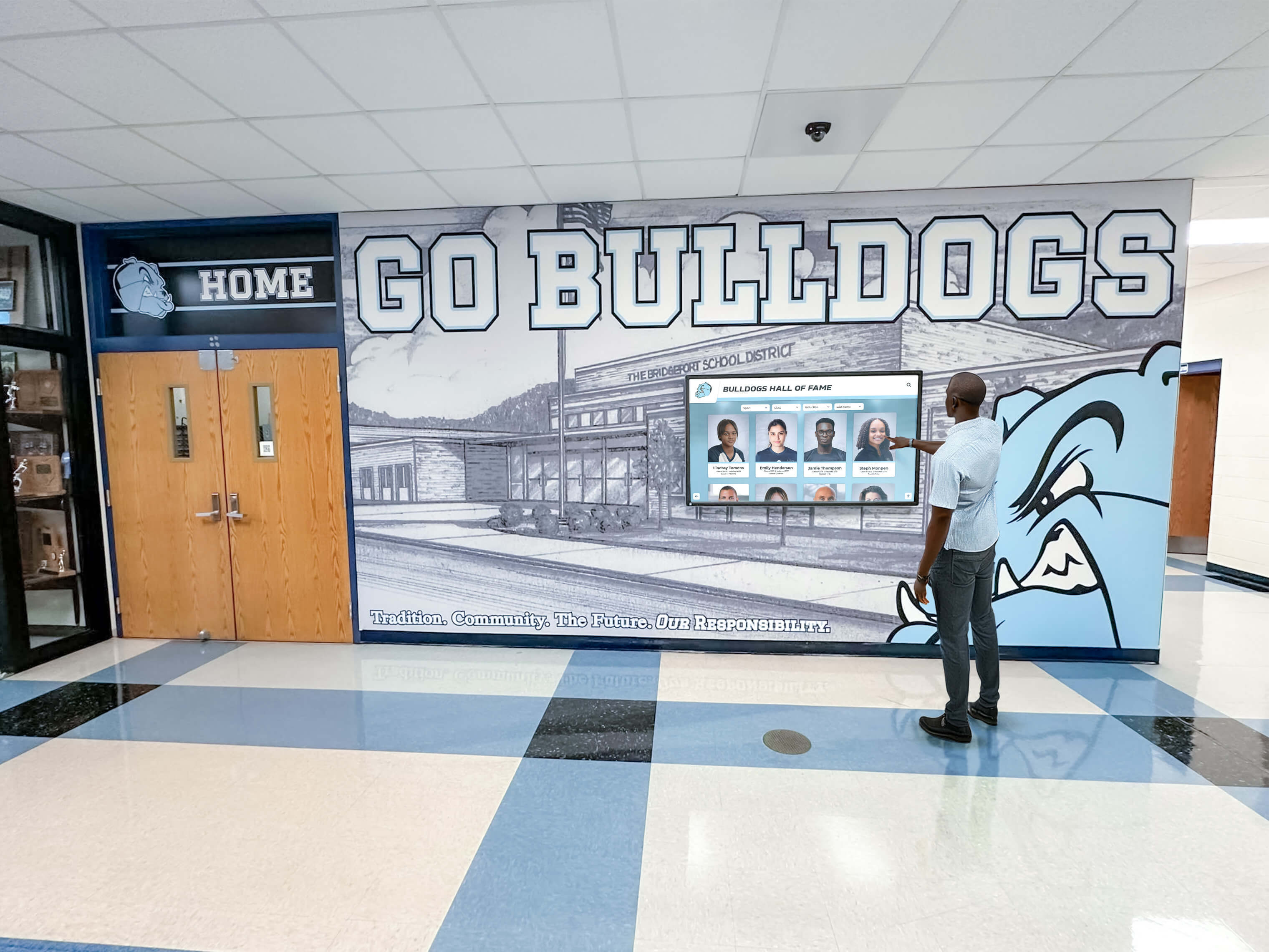
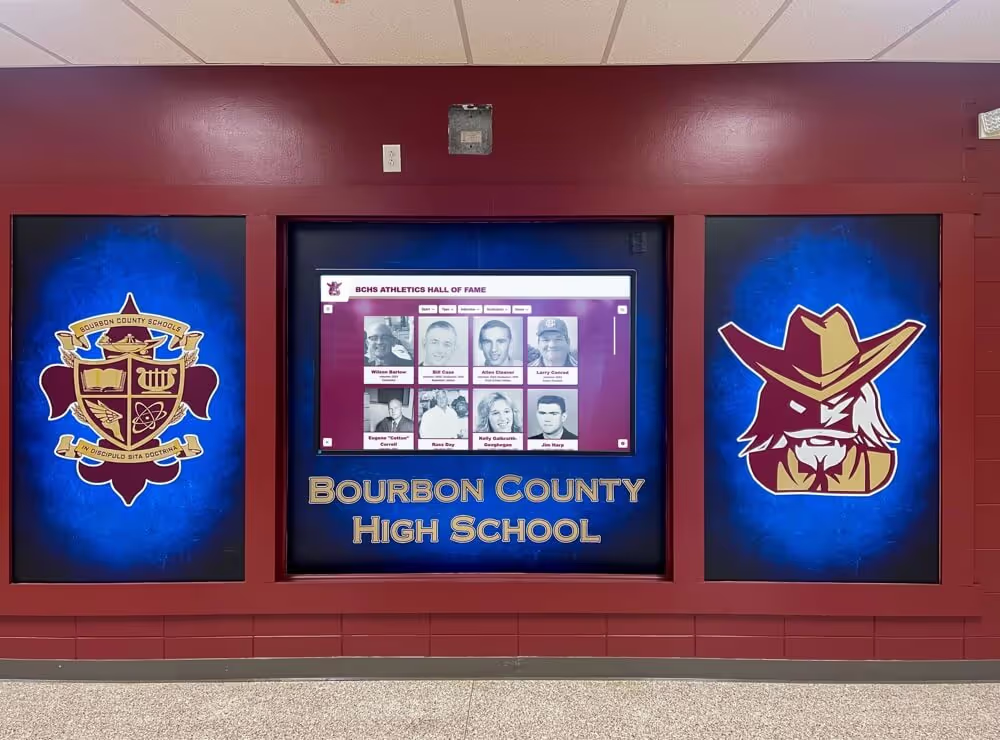
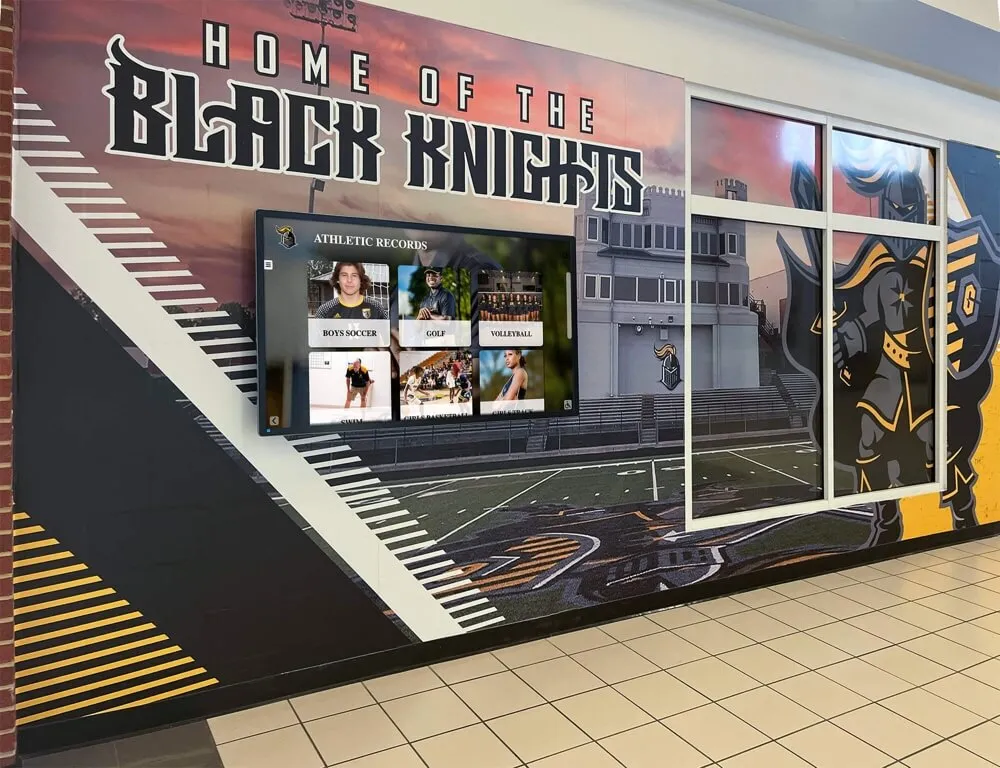
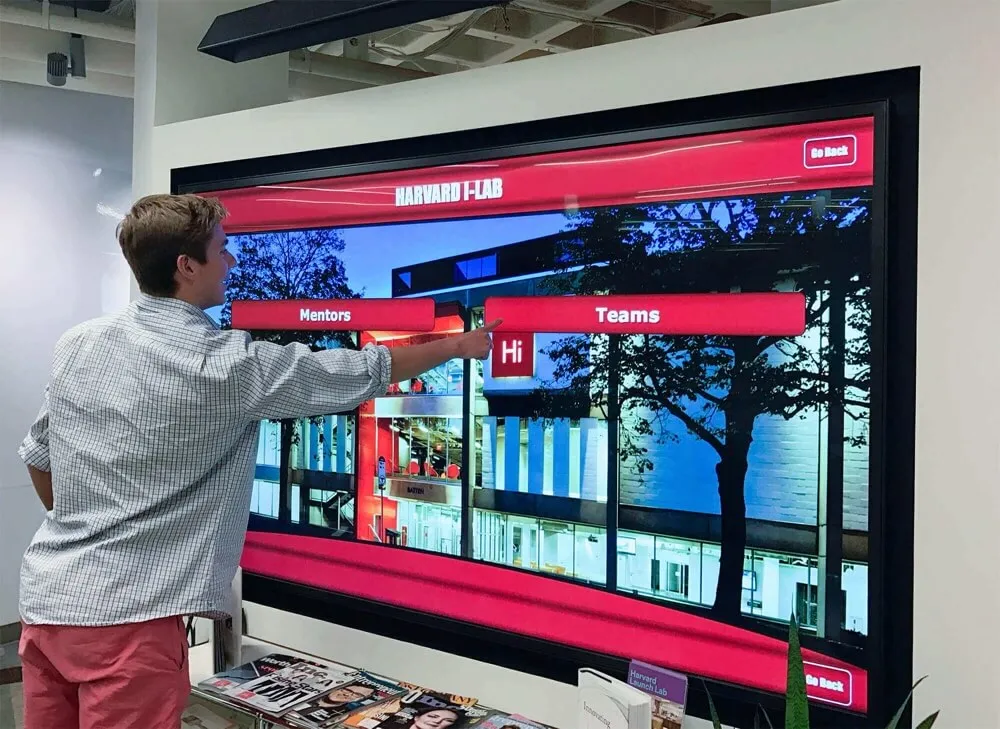
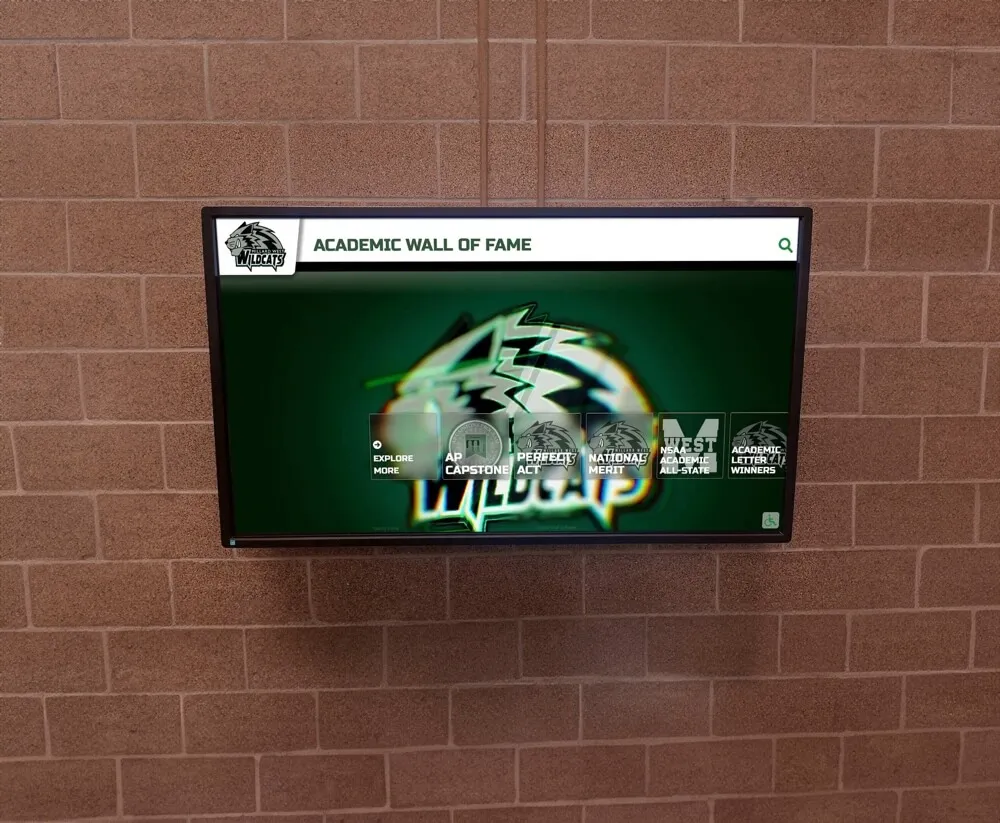
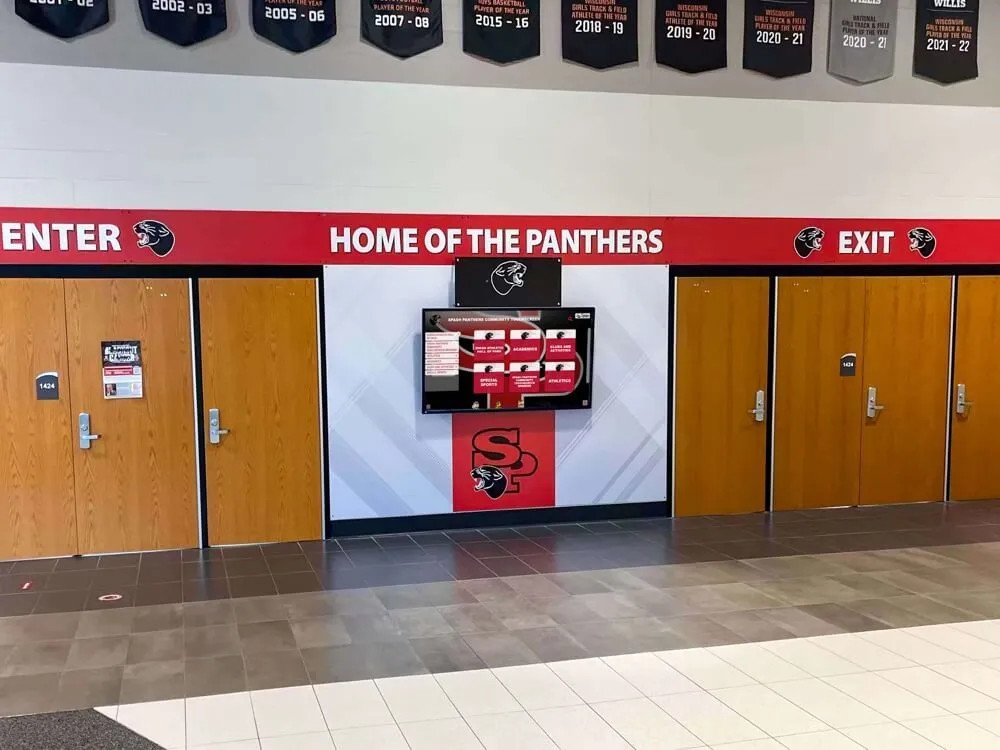
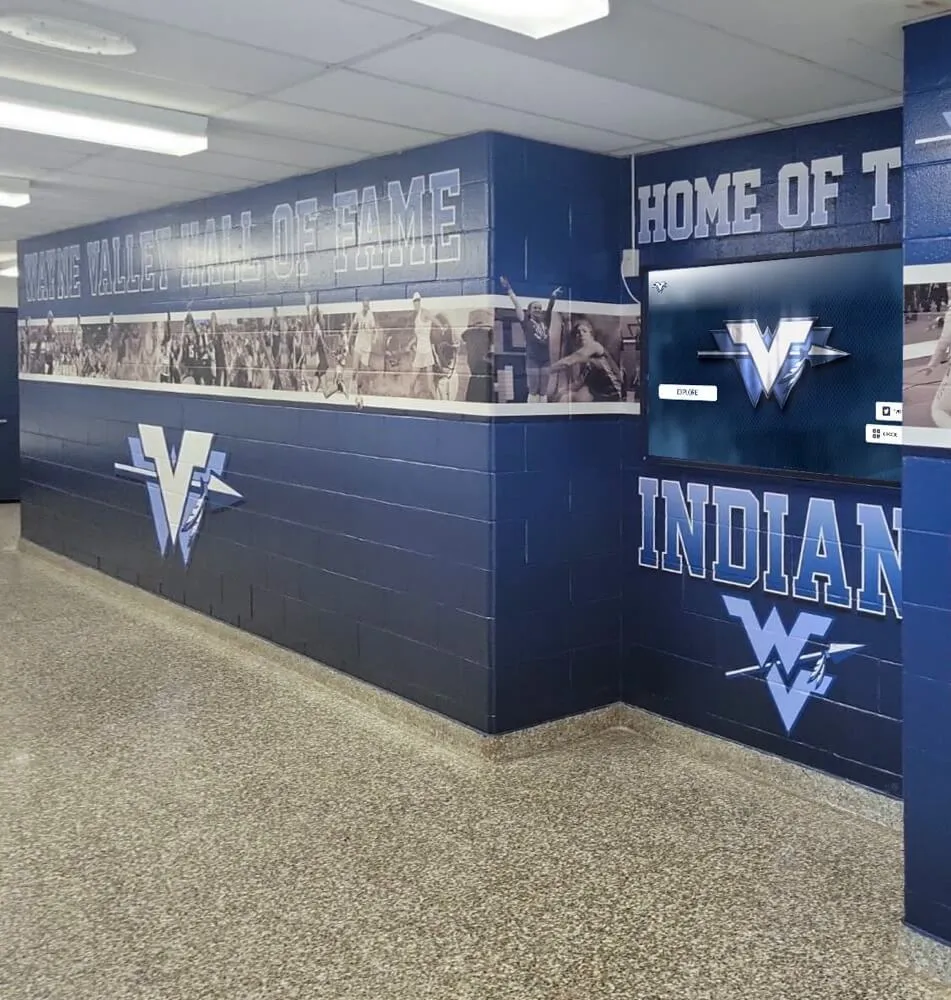
Thoughtful placement and intuitive design ensure touch boards become natural destinations for discovering educator excellence
Phase 4: Sustained Management and Program Evolution (Ongoing)
Long-term success requires continuous content refreshes and program improvements:
Content Refresh and Update Workflows
Establish systematic processes maintaining current recognition:
Monthly Update Cycles
Regular maintenance ensures displays remain fresh:
- Add new teachers as they join the staff
- Update profiles for recent award recipients
- Include new testimonials and classroom photos
- Feature rotating teacher spotlights highlighting different educators
- Add milestone recognition for career anniversaries
- Update biographical information for role changes or new certifications
- Refresh student testimonials with current feedback
- Archive and celebrate retiring educators with career retrospectives
Annual Comprehensive Reviews
Yearly deep reviews maintain program quality:
- Audit all teacher profiles for accuracy and currency
- Update professional photography as needed
- Refresh teaching philosophy statements
- Add new achievement documentation
- Review navigation and search functionality for improvements
- Analyze usage data identifying popular features and underutilized content
- Survey teachers gathering feedback on recognition experiences
- Evaluate physical display condition and technical performance
Event-Driven Special Updates
Timely recognition maintains relevance:
- Feature Teacher of the Year winners immediately after selection
- Celebrate National Board Certified teachers upon achievement
- Feature retirement tributes coordinating with farewell events
- Display award recipients following recognition ceremonies
- Update profiles for educators receiving external honors
- Feature new teachers at the beginning of each school year
- Celebrate milestone anniversaries when reached
- Share special recognition during Teacher Appreciation Week
Integration with Broader Recognition Programs
Touch boards complement rather than replace other teacher appreciation initiatives:
Teacher Appreciation Week Enhancement
Digital displays amplify annual celebration:
- Feature daily teacher spotlights throughout the week
- Add special Thank You messages from students and families
- Include video montages celebrating teaching excellence
- Link physical gifts and recognition to digital profiles
- Encourage community members to explore and share teacher profiles
- Document appreciation activities through photos added to displays
- Use QR codes connecting physical recognition to digital content
Professional Development Recognition
Link growth initiatives to appreciation systems:
- Celebrate teachers completing advanced training programs
- Acknowledge professional learning community participation
- Recognize peer mentorship and instructional coaching
- Display conference presentations and publication achievements
- Document National Board Certification journeys
- Present innovation and instructional improvement projects
Recruitment and Retention Applications
Use recognition displays for talent management:
- Include touch board tours in recruitment campus visits
- Share digital profiles during candidate interviews
- Feature exemplary teachers as retention incentives
- Use recognition systems in new teacher orientation
- Display career growth opportunities through veteran teacher timelines
- Demonstrate institutional commitment to appreciating excellence
Parent and Community Engagement
Extend appreciation beyond internal recognition:
- Encourage families to explore teacher profiles during school events
- Include display demonstrations during back-to-school nights
- Share digital links in parent newsletters and communications
- Feature teacher profiles in admissions and enrollment materials
- Use recognition displays during community partnership meetings
- Include displays in alumni event programming
Discover how digital recognition walls create comprehensive platforms celebrating achievement across multiple recognition dimensions.
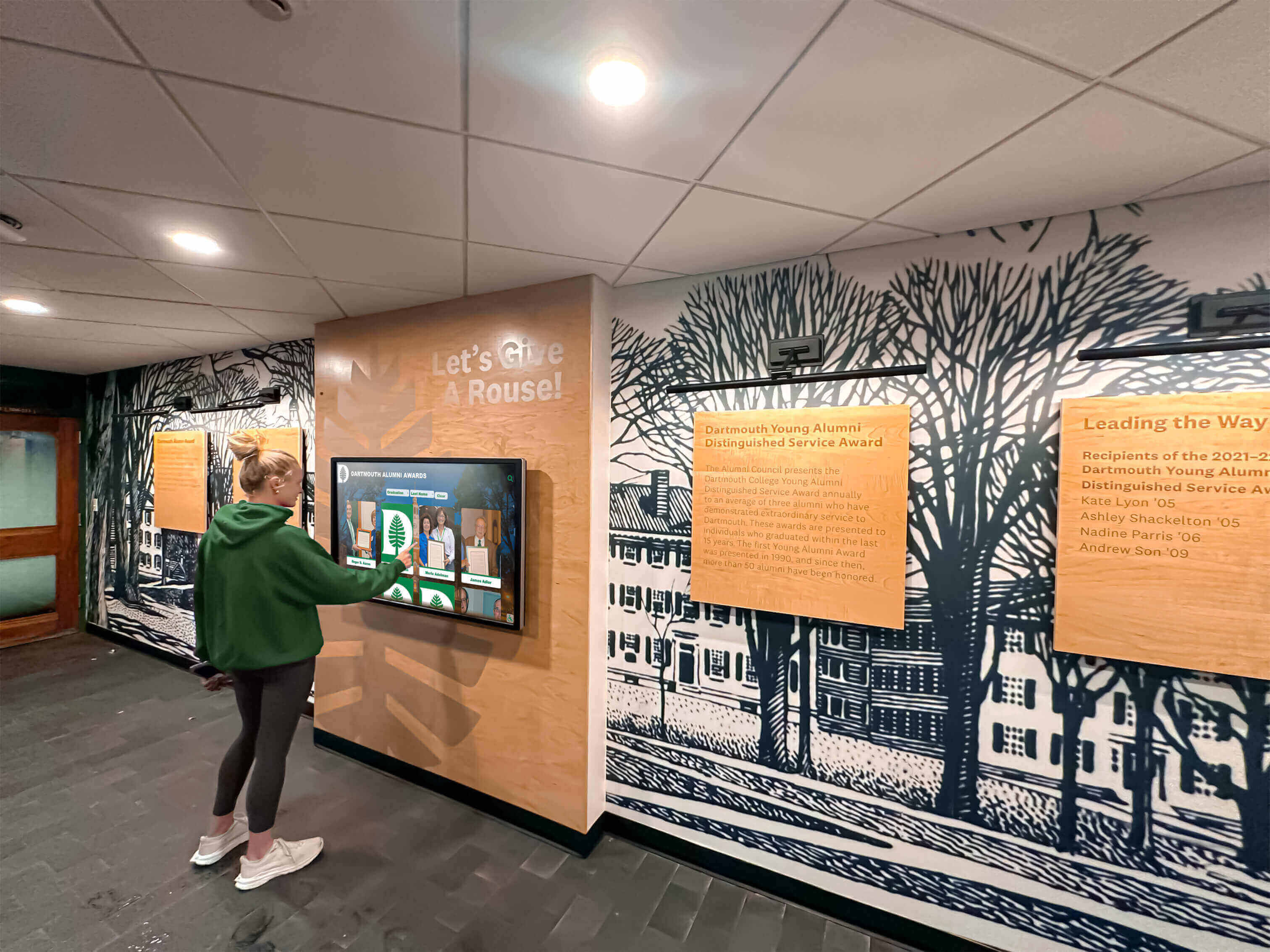
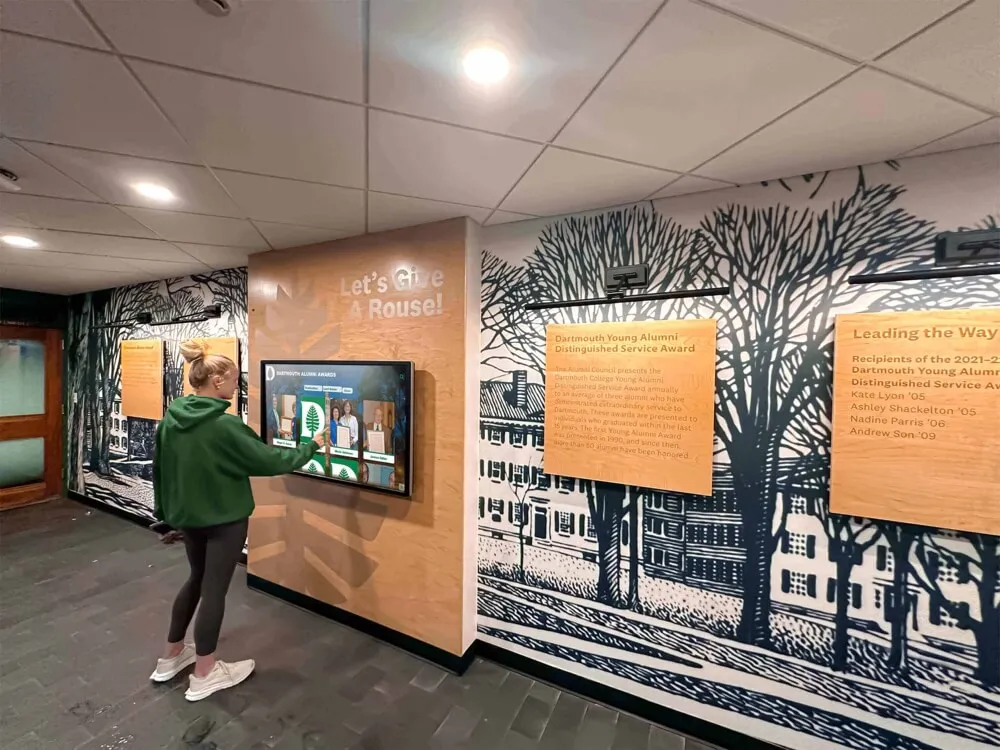
Interactive displays engage students in appreciating the educators who shape their learning experiences
Display Integration: Technical Considerations for Teacher Appreciation Touch Boards
Successful recognition displays require thoughtful technical planning ensuring accessibility, reliability, and excellent user experiences.
Hardware Selection and Placement Strategy
Choose equipment and locations maximizing visibility and engagement:
Display Technology Considerations
Select touchscreen systems appropriate for educational environments:
- Screen Size - 43-55 inch displays provide optimal viewing and interaction without overwhelming spaces
- Resolution - Full HD (1920x1080) minimum, 4K preferred for crisp text and high-quality photos
- Touch Technology - Capacitive touchscreens offer responsive, multi-touch capabilities supporting intuitive gestures
- Brightness - 300-500 cd/m² ensures visibility in various lighting conditions including bright hallways
- Viewing Angles - Wide viewing angles (178°) ensure content remains visible from different positions
- Durability - Commercial-grade displays designed for continuous operation in high-traffic environments
- Anti-Glare Coatings - Reduce reflections that impair visibility and touchscreen responsiveness
Strategic Placement Locations
Position displays where they maximize visibility and natural discovery:
- Main Entrances and Lobbies - High-traffic areas where families, visitors, and students naturally gather
- Faculty Areas - Staff lounges and workrooms where teachers see their colleagues celebrated
- Student Commons - Cafeterias, libraries, and gathering spaces with high student traffic
- Administrative Corridors - Near main offices where families visit for conferences and meetings
- Parent Resource Centers - Dedicated family spaces during back-to-school events and conferences
- Athletic or Performing Arts Lobbies - Spaces where students and families wait before events
- Media Centers - Libraries that serve as academic hubs with diverse user populations
Accessibility and Universal Design
Ensure recognition displays meet ADA requirements and best practices:
- Mount touchscreens at appropriate heights (40-48 inches from floor to center) enabling standing and seated access
- Provide clear floor space (30" x 48" minimum) in front of displays for wheelchair users
- Ensure touchscreen controls are within comfortable reach ranges
- Use high contrast ratios (4.5:1 minimum for text, 3:1 for graphics) meeting WCAG 2.1 AA standards
- Design interfaces with large, easily tappable buttons and clear navigation
- Include text size controls enabling user-adjustable readability
- Provide audio options for vision-impaired users when budget allows
- Ensure adequate lighting without glare or shadows impeding use
Content Management and Remote Administration
Cloud-based systems enable efficient recognition program management:
Cloud Content Management Systems
Modern platforms provide powerful administrative capabilities:
- Web-Based Access - Manage content from any device without specialized software installation
- Role-Based Permissions - Control administrative access ensuring appropriate content management authority
- Media Libraries - Organize photos, videos, and documents with searchable tags and metadata
- Template Systems - Create consistent teacher profile layouts maintaining visual cohesion
- Preview Modes - Review content changes before publishing to live displays
- Scheduled Publishing - Queue updates to go live at specific dates and times
- Version Control - Maintain content history enabling rollback if needed
- Automated Backups - Regular data preservation protecting against accidental deletion
Remote Update Workflows
Efficient processes minimize administrative burden:
- Administrative teams update content remotely without physical display access
- Changes publish instantly across all connected displays
- Schedule content refreshes during off-hours avoiding disruption
- Bulk update capabilities apply changes to multiple teacher profiles simultaneously
- Mobile-friendly admin interfaces enable updates from phones and tablets
- Email notification systems alert relevant parties when profiles update
- Content approval workflows ensure quality control before publishing
Analytics and Engagement Measurement
Track recognition program effectiveness through usage data:
- Session counts showing daily, weekly, and monthly interaction frequency
- Dwell time metrics indicating average exploration duration
- Search query analysis revealing which teachers users seek
- Popular content tracking identifying most-viewed profiles and features
- Navigation pattern analysis showing user exploration pathways
- Time-of-day usage patterns informing optimal refresh scheduling
- Comparative metrics tracking engagement trends over time
Maintenance and Technical Support Planning
Ensure long-term reliability through systematic maintenance:
Routine Maintenance Protocols
Regular attention preserves display quality:
- Weekly cleaning of touchscreen surfaces maintaining responsiveness
- Monthly inspection of physical display condition
- Quarterly hardware diagnostics checking display and computer components
- Annual professional servicing including deep cleaning and component testing
- Software updates applied during school breaks minimizing disruption
- Content audit processes ensuring profile accuracy and currency
- Backup verification confirming data preservation systems function correctly
Technical Support and Troubleshooting
Establish clear protocols addressing issues:
- Document common troubleshooting steps for basic issues
- Identify technical contacts for hardware and software support
- Create contingency plans for display failures during important events
- Maintain spare equipment when budget allows
- Establish vendor service level agreements for repair timelines
- Train administrative staff on basic troubleshooting and content management
- Keep technical documentation accessible for maintenance staff
Explore interactive touchscreen software that powers recognition displays with intuitive interfaces and cloud-based management capabilities.
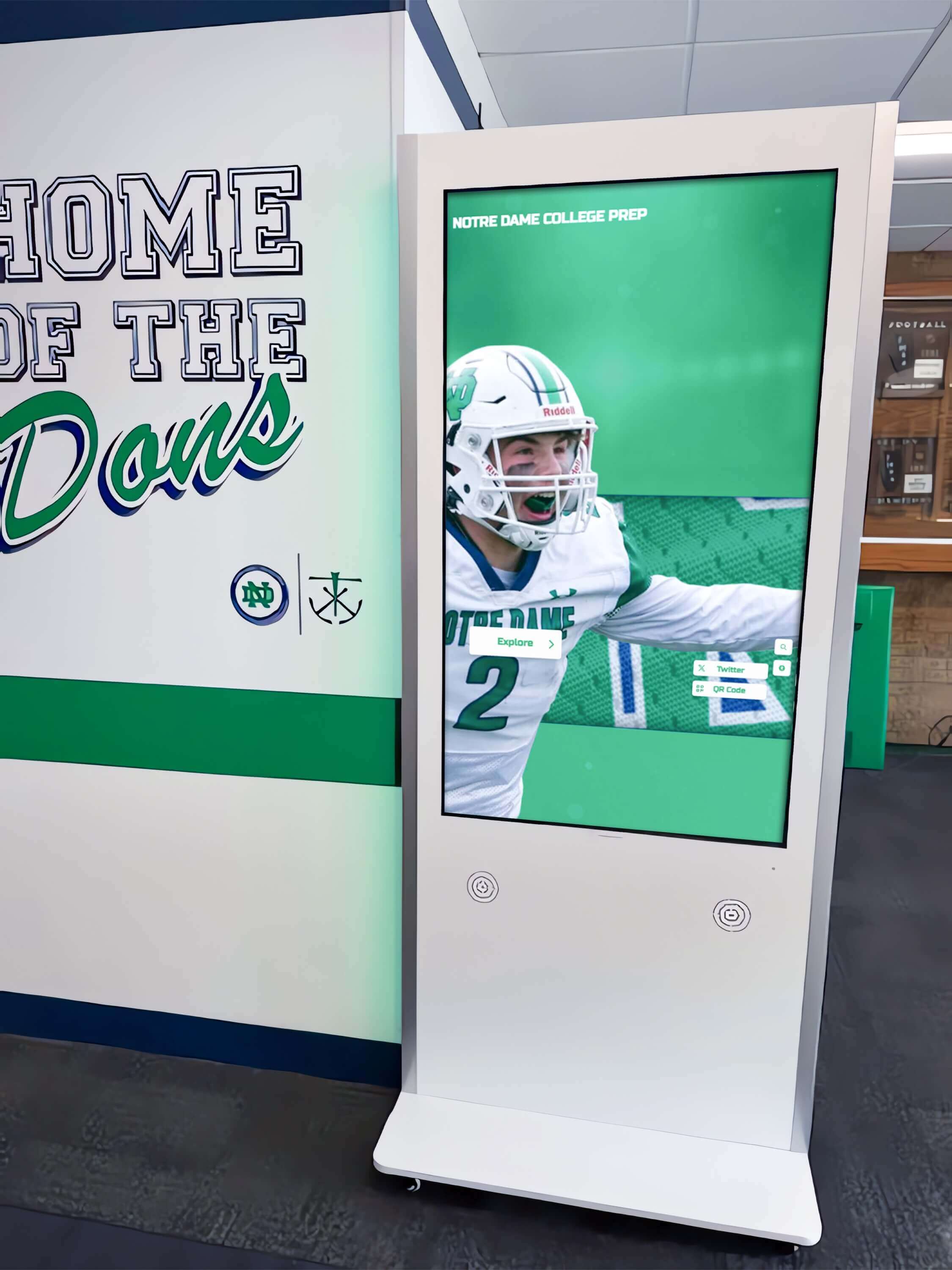
Professional installation and maintenance ensure touch boards remain reliable, accessible recognition resources
Measurement and Success Metrics
Evaluate recognition program effectiveness through multiple indicators:
Quantitative Engagement Metrics
Objective data reveals program impact:
Display Interaction Metrics
Digital systems capture concrete usage data:
- Total Sessions - Number of interactions indicating overall engagement
- Average Session Duration - Time spent exploring content revealing depth of interest
- Daily Active Users - Regular engagement patterns showing sustained visibility
- Profile View Counts - Individual teacher recognition visibility tracking
- Search Query Volume - Active seeking behavior demonstrating intentional discovery
- Peak Usage Times - Optimal moments for featuring new content and updates
- Return User Rates - Repeat engagement suggesting compelling content
Program Participation Metrics
Administrative data tracks program scale:
- Teacher Profile Completion - Percentage of educators with comprehensive recognition
- Update Frequency - Content refresh rates ensuring current information
- Multimedia Integration - Profiles including photos, videos, and testimonials
- Recognition Category Coverage - Distribution across achievement types
- Multi-Year Growth - Recognition expansion tracking over time
- Administrator Engagement - Management team active content stewardship
Qualitative Impact Indicators
Subjective measures reveal cultural effects:
Teacher Feedback and Satisfaction
Survey educators receiving recognition:
- Feelings of appreciation and institutional acknowledgment
- Pride in public celebration of teaching excellence
- Impact on professional morale and job satisfaction
- Effectiveness of multimedia storytelling capturing their contributions
- Suggestions for improving recognition program elements
- Willingness to recommend the school to potential colleagues
- Perceived value for recruitment and retention
Student and Family Responses
Gather community perspective:
- Student awareness of teacher achievements and dedication
- Family appreciation for discovering educator backgrounds and excellence
- Community members’ reactions to comprehensive recognition systems
- Prospective family responses during recruitment and enrollment
- Alumni feedback on honoring teachers who influenced their lives
Administrative and Institutional Benefits
Assess broader organizational impacts:
- Enhanced school culture and staff morale
- Improved teacher recruitment outcomes
- Increased retention of high-performing educators
- Strengthened community perception of educational quality
- Positive media coverage highlighting recognition innovations
- Alignment with strategic priorities celebrating excellence
Discover donor recognition strategies that apply similar approaches to celebrating contributions across educational institutions.
Best Practices for Maximizing Teacher Appreciation Touch Board Impact
Implement proven strategies ensuring recognition programs achieve maximum effectiveness:
Inclusive Recognition Approaches
Create systems celebrating diverse excellence:
Broad Recognition Criteria
Avoid overly narrow definitions of teaching excellence:
- Acknowledge multiple achievement dimensions beyond test scores and traditional metrics
- Recognize excellence at all career stages from emerging teachers to veterans
- Celebrate diverse teaching contexts and subject areas equitably
- Include support educators, specialists, and non-classroom instructional staff
- Feature teachers from all departments and grade levels proportionally
- Acknowledge both individual excellence and collaborative achievements
Equitable Visibility Distribution
Prevent recognition concentration among select groups:
- Rotate featured teacher spotlights systematically
- Track recognition distribution across departments and demographics
- Proactively seek nominations for underrepresented teacher groups
- Create multiple recognition pathways addressing different excellence types
- Ensure administrators, teachers, students, and families can nominate educators
- Review selection processes for unconscious bias affecting recognition patterns
Authentic Storytelling and Humanization
Create connections through compelling narratives:
Beyond Resume Recognition
Transform profiles from credential lists to personal stories:
- Include teaching philosophy statements explaining educators’ approaches and beliefs
- Feature personal interests and hobbies humanizing teachers beyond professional roles
- Share origin stories about why teachers chose education and this institution
- Feature meaningful student relationships and memorable teaching moments
- Include favorite quotes, books, or inspirations revealing personality
- Feature family information when teachers choose to share
- Tell career journey stories showing pathways into teaching
Student and Colleague Voice Integration
Authentic testimonials create powerful recognition:
- Collect genuine student feedback describing teacher impact
- Include colleague testimonials highlighting professional contributions
- Feature parent appreciation messages when appropriate
- Incorporate administrator observations about teaching excellence
- Share alumni reflections on teachers who influenced their lives
- Use direct quotes rather than generic praise statements
- Include specific examples and stories rather than abstract commendations
Strategic Communication and Program Promotion
Maximize visibility through multichannel approaches:
Internal Communication Integration
Embed recognition throughout school communications:
- Reference touch board in weekly newsletters with featured teacher highlights
- Include display demonstrations during staff meetings and professional development
- Feature recognition profiles in faculty communications celebrating colleagues
- Incorporate displays into new teacher orientation programming
- Share recognition achievements during board presentations and leadership meetings
- Use profiles during teacher performance reviews and evaluation conferences
External and Community Outreach
Extend appreciation visibility beyond internal audiences:
- Promote recognition displays through school social media channels
- Include display information in parent newsletters and family communications
- Feature teachers during recruitment events and campus tours
- Share recognition stories with local media during Teacher Appreciation Week
- Incorporate displays into alumni engagement programming
- Use recognition content in grant applications demonstrating institutional quality
- Include profiles in annual reports and stakeholder communications
Digital Extension Strategies
Create multi-platform recognition ecosystems:
- Generate QR codes linking to individual teacher profiles for print materials
- Create mobile-responsive web versions accessible beyond physical displays
- Share teacher profiles through email to families and community members
- Enable social media sharing so families can celebrate educators publicly
- Develop screensaver or digital signage modes displaying rotating profiles
- Integrate recognition feeds into school websites and student portals
- Create annual recognition videos compiling teacher highlights
Explore academic recognition programs that celebrate excellence across multiple dimensions of educational achievement.
Privacy and Professional Boundaries
Balance recognition visibility with appropriate constraints:
Consent and Participation Parameters
Respect educator preferences:
- Obtain explicit consent before creating public teacher profiles
- Provide opt-out mechanisms for educators preferring limited recognition
- Allow teachers to review and approve profile content before publishing
- Enable educators to specify what personal information they’re comfortable sharing
- Respect preferences about personal life details and family information
- Update or remove profiles at teacher request
- Clarify recognition visibility scope during consent processes
Appropriate Content Guidelines
Establish boundaries ensuring professional recognition:
- Focus on professional accomplishments, teaching excellence, and educational contributions
- Avoid over-personal information unrelated to teaching roles
- Use school-sanctioned photos rather than personal social media images
- Ensure student photos in classroom images have appropriate permissions
- Review testimonials for appropriate language and professional tone
- Maintain dignified recognition avoiding embarrassing or overly casual content
- Keep biographical information relevant to educational context
Connecting Touch Boards to Broader Teacher Appreciation Ecosystems
Interactive displays complement comprehensive recognition programs:
Integrating Digital and Traditional Recognition
Create cohesive multi-channel appreciation:
Ceremony and Event Connections
Link physical celebrations to digital permanence:
- Document award ceremonies through photos and videos added to profiles
- Use touch board displays during recognition events showing honorees
- Generate printed certificates linking to digital profiles via QR codes
- Create ceremony programs featuring display information and access details
- Photograph teachers exploring their profiles during unveiling events
- Share ceremony highlights through display updates following events
Physical Recognition Coordination
Coordinate digital displays with tangible acknowledgment:
- Reference touch board profiles on physical plaques and awards
- Include QR codes on certificates linking to comprehensive digital recognition
- Coordinate visual design between physical displays and digital interfaces
- Place physical recognition near digital displays creating comprehensive recognition zones
- Use consistent language and branding across recognition formats
- Ensure physical and digital systems reference each other appropriately
Building Sustainable Recognition Cultures
Embed appreciation deeply into institutional practices:
Leadership Commitment Demonstration
Administrative actions reinforce recognition priorities:
- Allocate dedicated budget resources for recognition program maintenance
- Assign clear administrative ownership ensuring program stewardship
- Include recognition program updates in leadership communications
- Model appreciation behaviors celebrating teaching excellence publicly
- Link recognition systems to strategic priorities and mission statements
- Invest in staff time for content development and program management
- Prioritize recognition initiatives during budget planning and resource allocation
Teacher Ownership and Engagement
Involve educators in recognition program development:
- Include teacher representatives on recognition planning committees
- Survey staff regularly gathering feedback on recognition effectiveness
- Enable teachers to nominate colleagues for recognition
- Create peer-recognition categories celebrating colleague contributions
- Allow teachers to suggest improvements and new recognition dimensions
- Celebrate teachers who contribute to recognition program development
- Build recognition program stewardship into leadership roles
Student and Family Participation
Engage broader community in appreciation:
- Enable students to submit teacher appreciation testimonials throughout the year
- Invite families to nominate exceptional educators for recognition
- Create student-led recognition initiatives coordinating with touch board content
- Include recognition program tours during student leadership training
- Encourage students to explore teacher profiles discovering educator backgrounds
- Integrate recognition awareness into school culture and student experience
- Build appreciation practices into curriculum and character education
Learn about digital recognition display launch strategies that maximize visibility and engagement with new recognition programs.
Budgeting and Resource Planning
Understand investment requirements for successful implementation:
Initial Implementation Costs
Major expense categories for program launch:
Hardware and Installation
Physical display components:
- Commercial Touchscreen Display - $2,000-$5,000 depending on size, resolution, and features
- Computer or Media Player - $500-$1,500 for system powering the display
- Mounting Hardware - $200-$800 for professional-grade stands or wall mounts
- Installation and Setup - $500-$2,000 for professional mounting and configuration
- Network Infrastructure - $0-$1,000 if additional connectivity required
- Protection and Accessories - $200-$500 for surge protection, cables, and peripherals
Software and Content Management
Digital platform investments:
- Recognition Platform Software - $1,500-$5,000 annually for cloud-based content management systems
- Content Development - $2,000-$8,000 for initial profile creation, photography, and multimedia production
- Design and Customization - $1,000-$3,000 for interface design matching school branding
- Training and Setup Support - $500-$2,000 for administrator training and initial configuration
Total Initial Investment Range
Comprehensive program launch typically requires $8,000-$25,000 depending on display quality, content sophistication, number of teachers featured, and customization extent.
Ongoing Annual Costs
Sustained operation requires continued investment:
Platform and Maintenance
Recurring expenses:
- Software Subscription - $1,500-$5,000 annually for content management platform
- Content Updates - $1,000-$4,000 annually for new photography, video production, and profile creation
- Technical Support - $500-$2,000 annually for software support and troubleshooting assistance
- Hardware Maintenance - $300-$1,000 annually for cleaning, component replacement, and servicing
Administrative Time
Staff investment considerations:
- Content coordination requiring 2-5 hours monthly for updates and management
- Photography and media collection requiring 5-10 hours annually
- Program planning and improvement requiring 5-15 hours annually
- Training new administrators requiring 3-5 hours as needed
Total Annual Investment Range
Ongoing program operation typically requires $3,000-$12,000 annually plus modest administrative time allocation.
Budget-Friendly Implementation Strategies
Reduce costs while maintaining effective recognition:
Phased Rollout Approaches
Spread investment over multiple years:
- Begin with single display in highest-traffic location
- Feature initial teacher subset expanding annually
- Use existing photography reducing production costs
- Implement core features before advanced capabilities
- Add multimedia elements gradually as budget allows
- Expand to multiple locations over 2-3 years
Resource Leveraging Tactics
Maximize existing assets:
- Use high-quality smartphone photography rather than professional photographers
- Engage student media programs for video production
- Leverage existing displays adding interactive software
- Utilize free or low-cost content management platforms initially
- Recruit volunteers for content development assistance
- Apply for grants supporting teacher recognition initiatives
- Partner with booster clubs or foundations for funding support
Cost-Benefit Maximization
Optimize investment impact:
- Prioritize high-traffic placement maximizing visibility per dollar invested
- Select scalable platforms supporting future expansion
- Choose durable commercial equipment reducing replacement frequency
- Invest in quality content management enabling efficient long-term updates
- Focus initial content on exemplary teachers inspiring broader participation
- Design reusable templates minimizing per-profile development time
Discover budget-friendly digital recognition strategies that make teacher appreciation displays accessible for schools with limited resources.
Overcoming Common Implementation Challenges
Address typical obstacles ensuring successful programs:
Teacher Participation and Buy-In
Some educators may resist recognition visibility:
Resistance Causes
Understanding hesitation sources:
- Discomfort with public recognition or perceived self-promotion
- Concern about colleague relationships if some teachers featured prominently
- Time constraints for providing profile information and participating in photography
- Skepticism about program value or sustainability
- Privacy concerns about sharing personal information publicly
- Worry about accuracy and how they will be portrayed
Engagement Strategies
Build broad teacher support:
- Communicate program purposes emphasizing inclusive celebration of excellence
- Emphasize choice and consent respecting individual preferences
- Make participation straightforward with simple information collection processes
- Share examples showing dignified, professional recognition approach
- Start with enthusiastic early adopters building momentum and modeling participation
- Feature testimonials from participating teachers about positive experiences
- Demonstrate administrative commitment through sustained investment and attention
- Create multiple recognition levels accommodating different comfort levels
Technical Reliability and Maintenance
Display failures undermine recognition program credibility:
Common Technical Issues
Anticipate potential problems:
- Touchscreen responsiveness degradation from dirt and fingerprint accumulation
- Network connectivity interruptions preventing content updates
- Display hardware failures requiring repair or replacement
- Software bugs affecting navigation or content display
- Outdated content creating impression of neglect
- User confusion from poor interface design
Preventive Approaches
Maintain reliable systems:
- Establish routine cleaning schedules maintaining touchscreen responsiveness
- Use commercial-grade equipment designed for continuous operation
- Implement redundant network connections when possible
- Select platforms with strong technical support and documented reliability
- Create maintenance checklists ensuring systematic attention
- Train multiple administrators preventing single-point-of-failure dependencies
- Budget for hardware replacement on appropriate cycles
- Monitor displays regularly checking for issues
- Develop troubleshooting documentation for common problems
Sustained Engagement and Fresh Content
Recognition programs can become stale without continuous attention:
Engagement Decline Risks
Recognition visibility may diminish over time:
- Initial excitement fading as displays become familiar fixtures
- Content stagnation if profiles don’t update regularly
- Competition from other communication channels and initiatives
- Staff turnover affecting administrative continuity
- Budget pressures reducing content development investment
Sustained Vitality Strategies
Keep recognition programs vibrant:
- Schedule regular content refresh cycles ensuring ongoing updates
- Rotate featured teachers maintaining novelty
- Add new recognition categories addressing different excellence dimensions
- Celebrate timely achievements and milestones immediately
- Promote displays repeatedly through multiple communication channels
- Integrate recognition into annual events ensuring regular visibility
- Collect and share engagement metrics demonstrating program value
- Survey stakeholders regularly gathering improvement suggestions
- Celebrate program milestones and participation growth
- Assign clear administrative ownership preventing neglect
Learn about recognition solutions for building community belonging that create inclusive cultures celebrating diverse contributions.
Future Trends in Digital Teacher Recognition
Emerging technologies will expand interactive recognition capabilities:
Artificial Intelligence and Personalization
AI will enhance recognition experiences:
- Personalized Recommendations - Systems suggesting teacher profiles based on student schedules, interests, or previous exploration
- Automated Content Generation - AI assistance creating profile narratives from basic information inputs
- Sentiment Analysis - Analyzing testimonial language ensuring appropriate tone and authenticity
- Accessibility Enhancements - AI-powered audio descriptions and real-time translation supporting diverse users
- Engagement Optimization - Machine learning identifying most effective content types and navigation patterns
Augmented Reality Integration
AR will create immersive recognition experiences:
- 3D Profile Visualization - Layered content views providing depth to educator stories
- Virtual Classroom Tours - AR-enabled exploration of teaching environments
- Interactive Timeline Experiences - Visual career journey navigation through spatial interfaces
- Photo and Video Overlays - Enhanced multimedia integration triggered by AR markers
- Mobile AR Companions - Smartphone apps extending physical display experiences
Advanced Analytics and Impact Measurement
Data capabilities will deepen program assessment:
- Predictive Engagement Models - Forecasting recognition effectiveness before implementation
- Sentiment Tracking - Monitoring emotional responses to recognition through facial analysis and feedback
- Correlation Analysis - Connecting recognition visibility to retention, recruitment, and satisfaction metrics
- Comparative Benchmarking - Assessing program effectiveness against peer institutions
- Real-Time Adaptation - Dynamic content adjustment based on engagement patterns
Expanded Integration Ecosystems
Recognition systems will connect with broader platforms:
- Learning Management System Integration - Teacher recognition appearing within classroom platforms
- HR and Talent Management Connections - Recognition data informing professional development and evaluation
- Social Media Automation - Streamlined sharing of recognition across platforms
- Alumni Platform Integration - Connecting current recognition to alumni networks for retrospective appreciation
- Fundraising System Coordination - Linking recognition to development initiatives supporting teaching excellence
Final Implementation Checklist
Use this comprehensive checklist ensuring successful programs:
Planning and Preparation
- Form representative planning committee including administrators, teachers, students, and families
- Define clear recognition categories and selection criteria
- Establish program goals and success metrics
- Determine placement locations maximizing visibility and accessibility
- Select appropriate display hardware and content management platform
- Create budget and secure funding for initial implementation and ongoing operation
- Develop content collection forms and communication templates
- Establish data collection and profile development workflows
Content Development
- Communicate program to all teachers explaining participation process
- Schedule professional photography sessions for educator portraits
- Collect biographical information, teaching philosophies, and achievement documentation
- Gather student testimonials and colleague recognition quotes
- Compile classroom photos and teaching activity images
- Record video messages from participating educators when available
- Write or refine biographical narratives telling compelling stories
- Organize multimedia assets with searchable metadata
Technical Implementation
- Purchase and install display hardware ensuring ADA-compliant placement
- Configure content management system and upload teacher profiles
- Design intuitive navigation interfaces enabling multiple exploration pathways
- Test search, filtering, and browsing functionalities thoroughly
- Verify multimedia playback quality and touchscreen responsiveness
- Create mobile-responsive web versions for extended access
- Establish administrator access, permissions, and training
- Develop maintenance protocols and troubleshooting documentation
Launch and Promotion
- Schedule formal unveiling during high-visibility period
- Communicate launch through multiple channels building anticipation
- Send personalized notifications to featured teachers
- Invite community members and stakeholders to launch event
- Document launch through photography and video for future promotion
- Distribute QR codes linking to individual teacher profiles
- Share recognition on school social media and communications
- Collect initial feedback through surveys and comment mechanisms
Sustained Management
- Establish monthly content update cycles ensuring fresh recognition
- Monitor display functionality and address technical issues promptly
- Track engagement metrics analyzing program usage and effectiveness
- Survey stakeholders annually gathering improvement feedback
- Integrate recognition into annual events and communication strategies
- Update administrative documentation as workflows evolve
- Celebrate program milestones and participation growth
- Budget for ongoing maintenance, content development, and platform subscriptions
Ready to transform teacher appreciation at your institution? Modern interactive touch board solutions help schools create comprehensive, engaging recognition programs that celebrate educator excellence year-round. Solutions like Rocket Alumni Solutions provide comprehensive platforms specifically designed for educational recognition applications across schools, universities, and educational communities, combining intuitive touchscreen interfaces with cloud-based content management, multimedia storytelling capabilities, and unlimited educator profiles ensuring successful long-term programs that honor teaching excellence at scale.
Their recognition systems enable schools to showcase teacher achievements through rich multimedia profiles, maintain living histories of educator excellence, engage communities in discovering exceptional teachers, and inspire professional growth through visible examples of dedication and exceptional practice—creating comprehensive appreciation cultures where teaching excellence receives the prominence and lasting visibility it deserves.
Interactive touch boards represent a fundamental shift in how educational institutions approach teacher appreciation—moving from momentary acknowledgment to sustained recognition, from limited visibility to comprehensive showcasing, and from static displays to engaging exploration experiences. When implemented thoughtfully with systematic planning, quality content development, strategic placement, and sustained management, these digital platforms create recognition ecosystems that honor educators meaningfully, build appreciation cultures authentically, and demonstrate institutional commitment to celebrating the teaching excellence that transforms student lives and builds thriving educational communities.
Schools investing in comprehensive teacher recognition through interactive touch boards don’t just implement technology—they create cultural commitments that elevate teaching as a profession, inspire educational excellence, strengthen school communities, and ensure that the educators shaping future generations receive the lasting appreciation their dedication and impact truly deserve.