



Elite Olympic athletes don’t achieve podium performances by accident. Behind every gold medal, every record-breaking moment, and every inspiring Olympic triumph stands a sophisticated support infrastructure that combines world-class training facilities, cutting-edge sports science, expert coaching, and comprehensive athlete services. In the United States, a network of specialized Olympic training centers provides this critical foundation where the nation’s most promising athletes transform potential into championship performances.
From the high-altitude advantages of Colorado Springs to the winter sports legacy venues of Lake Placid, from the Southern California sunshine of Chula Vista to specialized training sites across the nation, these Olympic training centers represent America’s commitment to athletic excellence. Each facility offers unique advantages tailored to specific sports while sharing a common mission—helping American athletes compete successfully against the world’s best.
Yet for many coaches, athletic directors, and community sports programs, understanding how elite Olympic training systems actually work remains unclear. What makes these facilities special? How do athletes gain access to Olympic training centers? What lessons from Olympic athlete development can educational institutions and youth sports organizations apply to their own recognition and development programs? This comprehensive guide explores America’s premier Olympic training facilities while connecting Olympic excellence with opportunities for schools and communities to celebrate their own athletic achievements.
The journey from youth athlete to Olympic champion requires years of dedicated training, expert coaching, sophisticated support systems, and access to world-class facilities that enable athletes to maximize their potential. America’s Olympic training center network provides exactly these resources, creating environments where talented athletes can pursue Olympic dreams while developing the skills, strength, and mental toughness required for international competition at the highest levels.

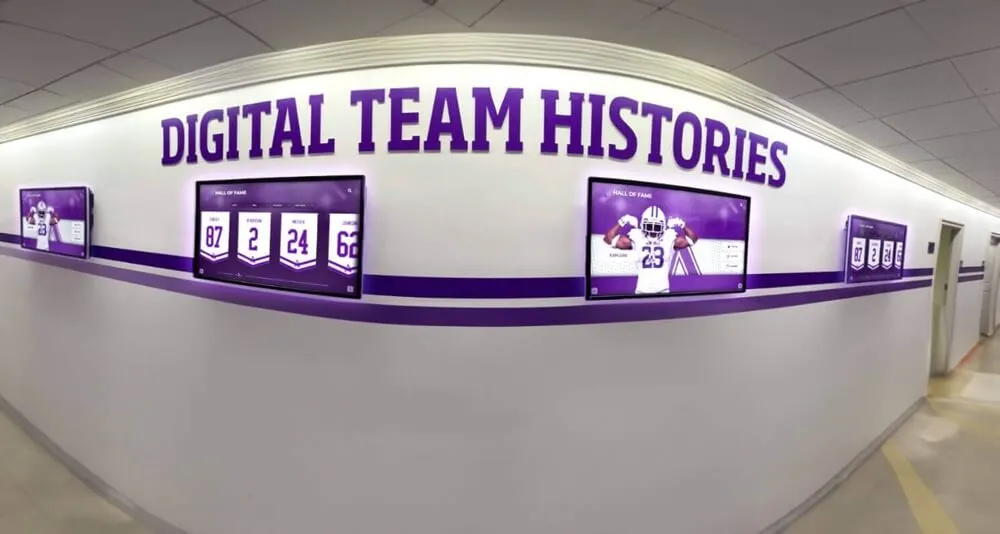
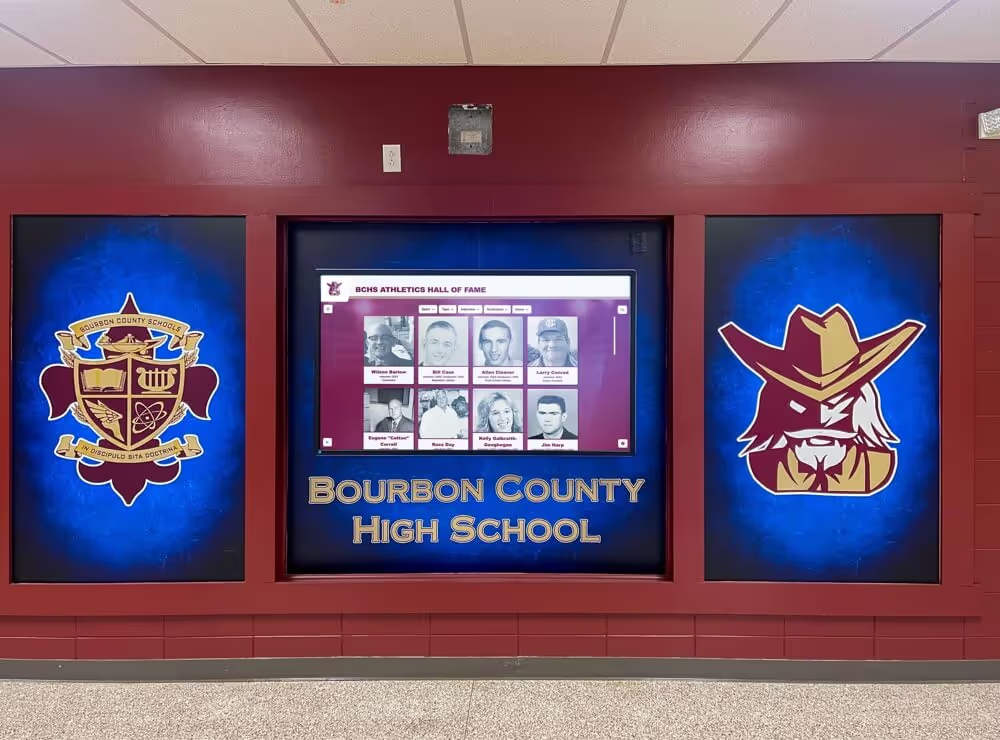
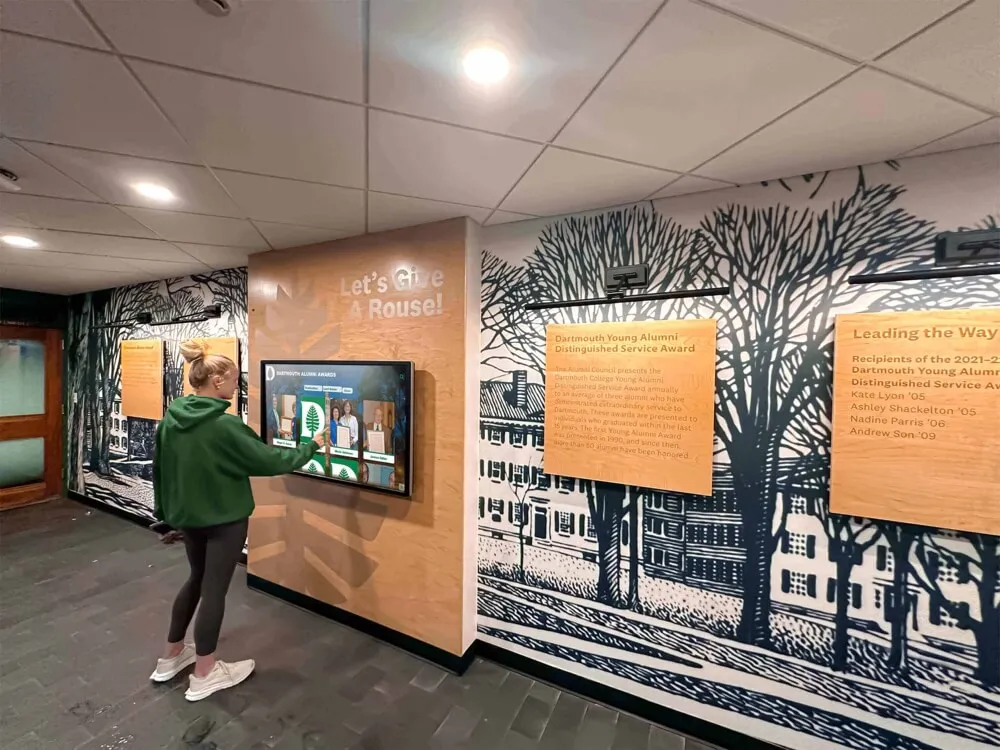
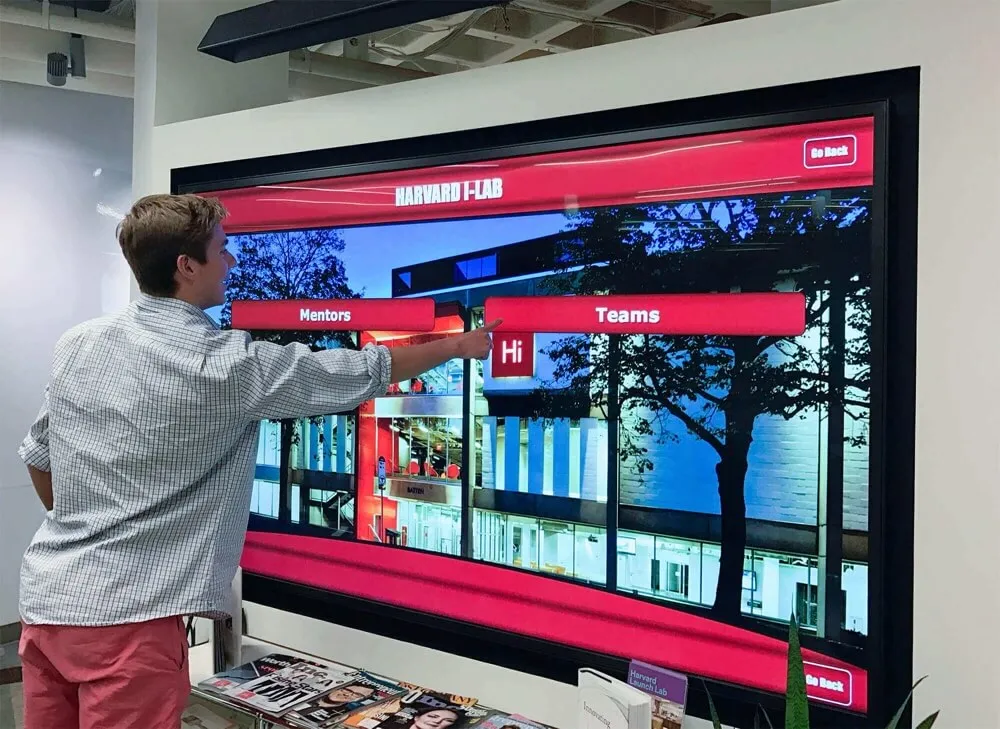
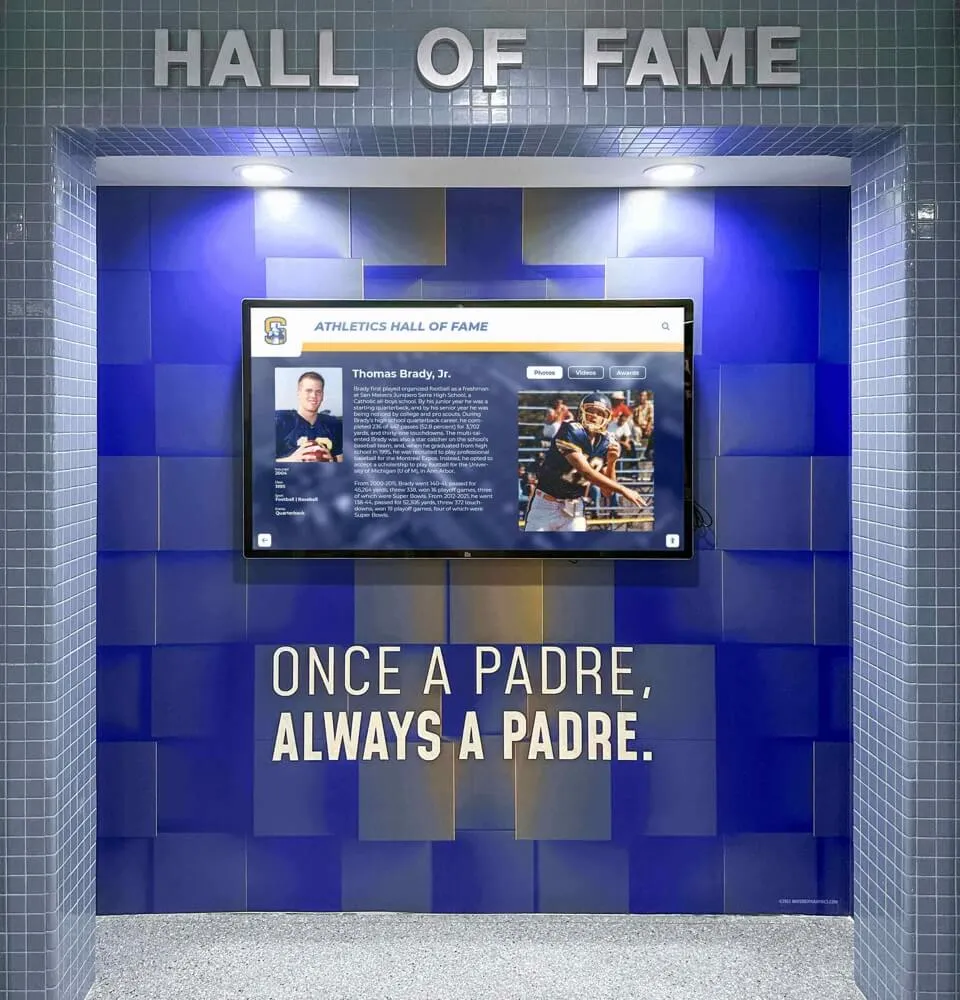
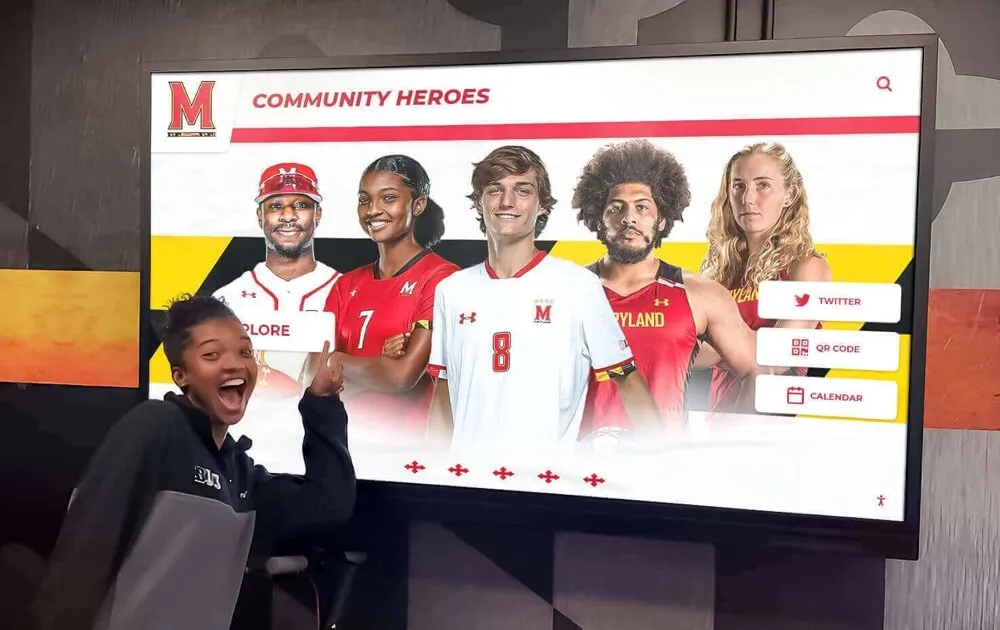
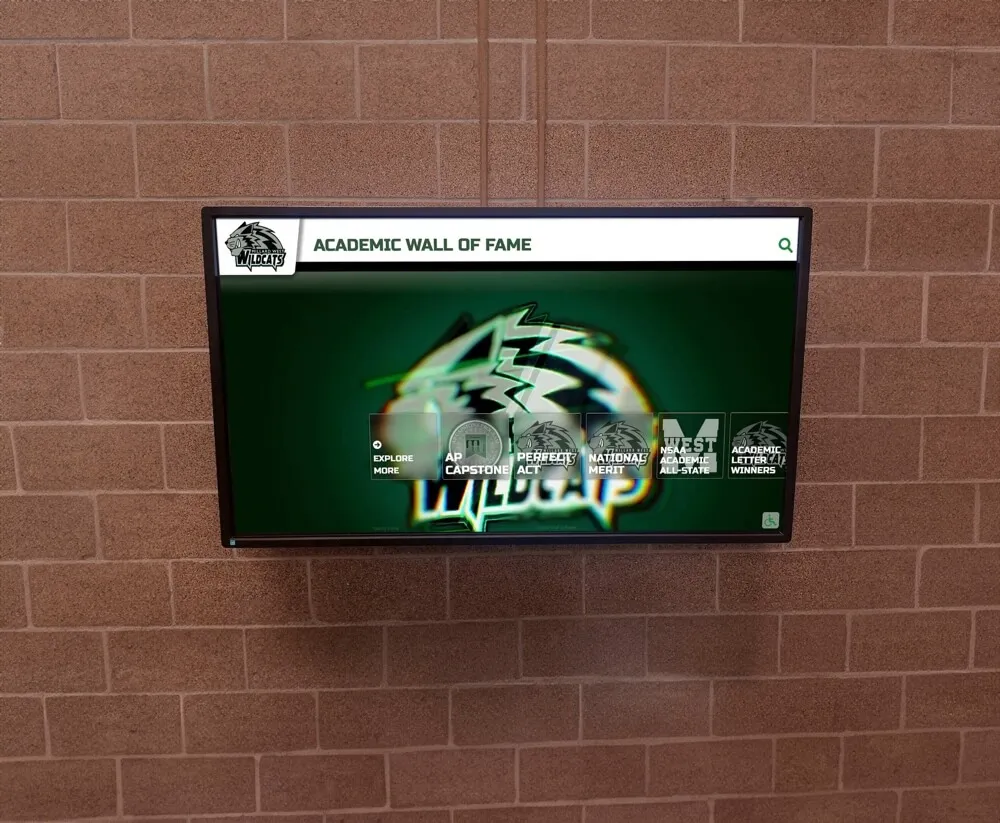
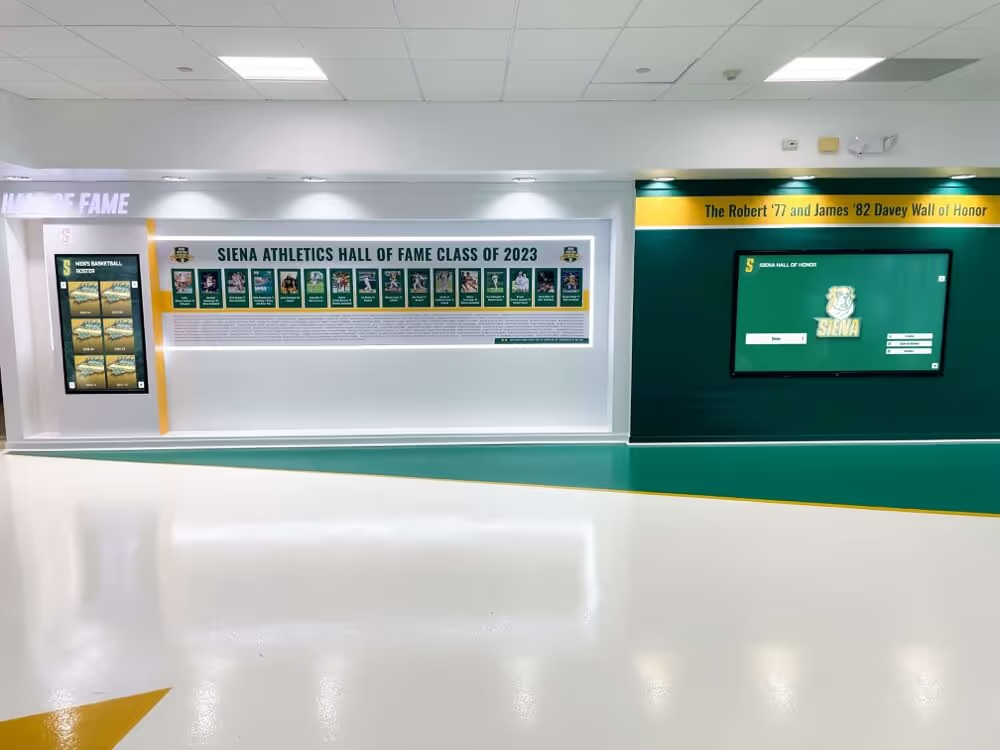
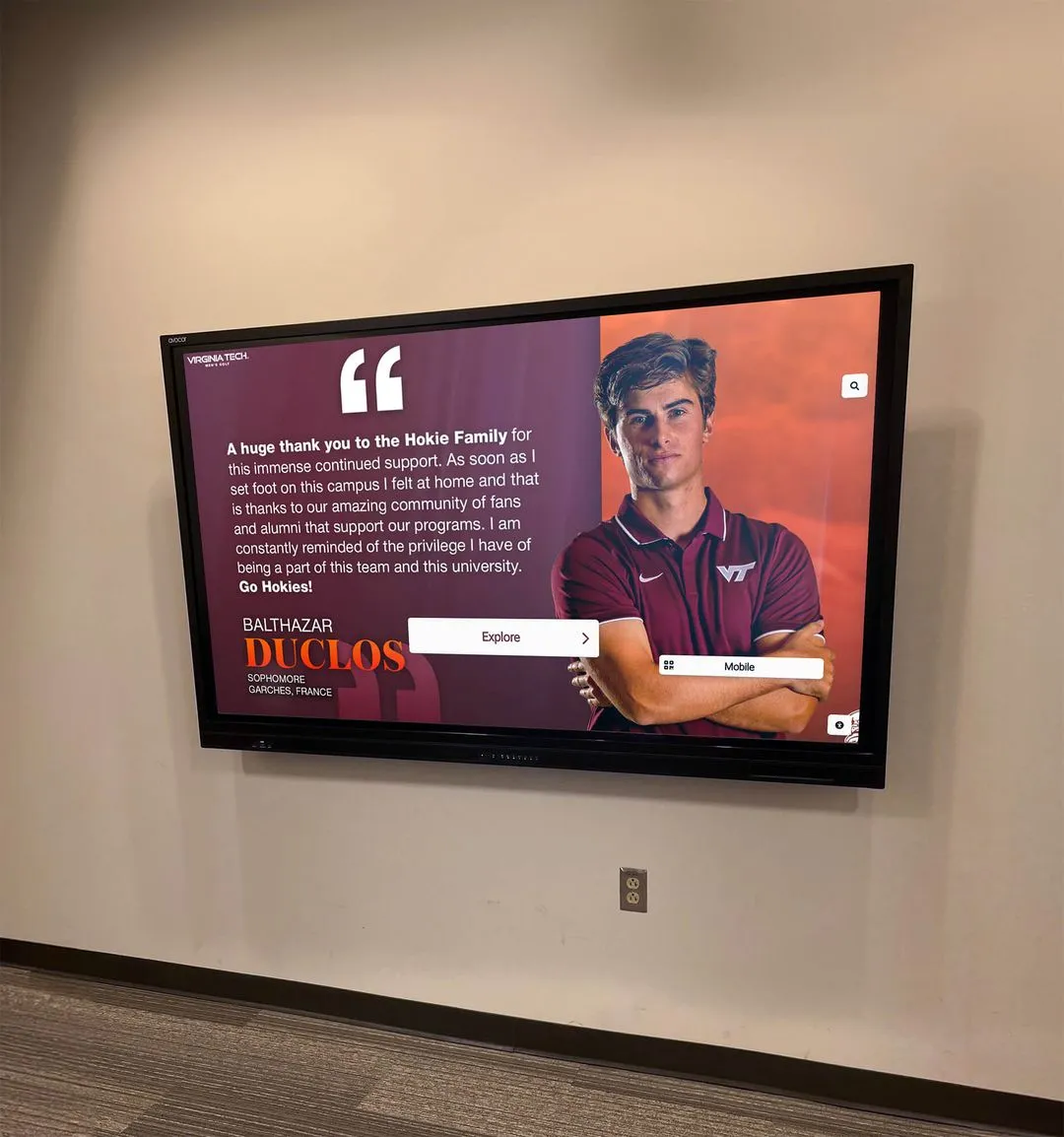
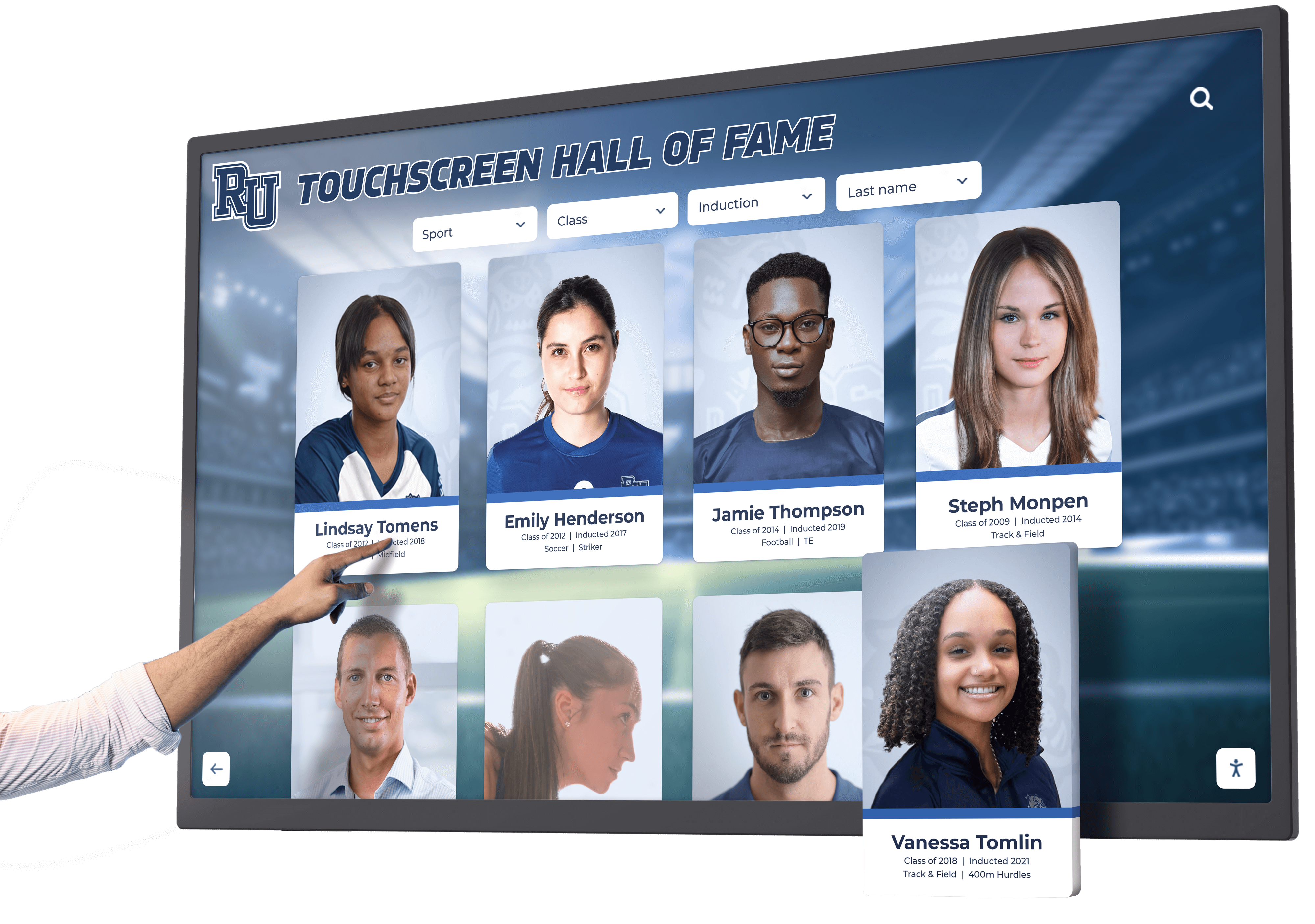
Modern recognition systems help communities celebrate Olympic achievements while inspiring the next generation of elite athletes
Understanding the US Olympic Training Center System
Before exploring individual training facilities, understanding how America’s Olympic training infrastructure functions provides essential context for appreciating what makes these centers exceptional.
The USOPC Training Center Network
The United States Olympic & Paralympic Committee operates and designates various training facilities specifically designed to support Olympic and Paralympic athlete development across multiple sports disciplines.
Official Olympic & Paralympic Training Centers
The USOPC currently operates two full-service Olympic & Paralympic Training Centers that serve as comprehensive athlete development hubs:
- Colorado Springs Olympic & Paralympic Training Center (Colorado)
- Lake Placid Olympic & Paralympic Training Center (New York)
These flagship facilities provide year-round training opportunities, residential programs for elite athletes, comprehensive sports medicine and sports science support, strength and conditioning facilities designed for Olympic-level training, on-site dining optimized for athlete nutrition needs, and dormitory housing enabling athletes to focus completely on training.
Official Training Sites
Beyond the two primary training centers, the USOPC designates numerous specialized training sites focusing on specific sports or serving particular geographic regions. These official training sites include partnerships with universities, municipalities, and private facilities meeting rigorous standards for Olympic athlete development.
According to USOPC documentation, these training sites provide crucial training access for athletes who cannot relocate permanently to Colorado Springs or Lake Placid while maintaining quality standards appropriate for international competition preparation.
Evolution of US Olympic Training Facilities
America’s Olympic training infrastructure developed gradually over several decades in response to changing competitive realities and recognition that systematic athlete development required dedicated facilities.
Early Olympic Preparation
Prior to the 1970s, American Olympic athletes typically trained independently with personal coaches at local facilities, receiving minimal centralized support. This decentralized approach worked when international competition intensity remained relatively modest, but created disadvantages as other nations invested in comprehensive national training systems.
Colorado Springs Establishment
The Colorado Springs Olympic Training Center opened in 1978 on the former Ent Air Force Base, representing America’s first dedicated Olympic training facility. This pioneering center demonstrated how consolidated training environments with specialized facilities and expert support staff could accelerate athlete development and improve international competitive results.
System Expansion
Following Colorado Springs’ success, the training center network expanded strategically to accommodate different sports’ needs and geographic considerations. Lake Placid joined the network in 1982, leveraging existing Winter Olympic venues. Chula Vista opened in 1995, providing warm-weather training opportunities. Additional specialized sites developed through partnerships addressing sport-specific requirements that flagship centers couldn’t accommodate effectively.
This evolution mirrors how educational institutions increasingly recognize the value of systematic athletic recognition programs that celebrate achievements while inspiring continued excellence.
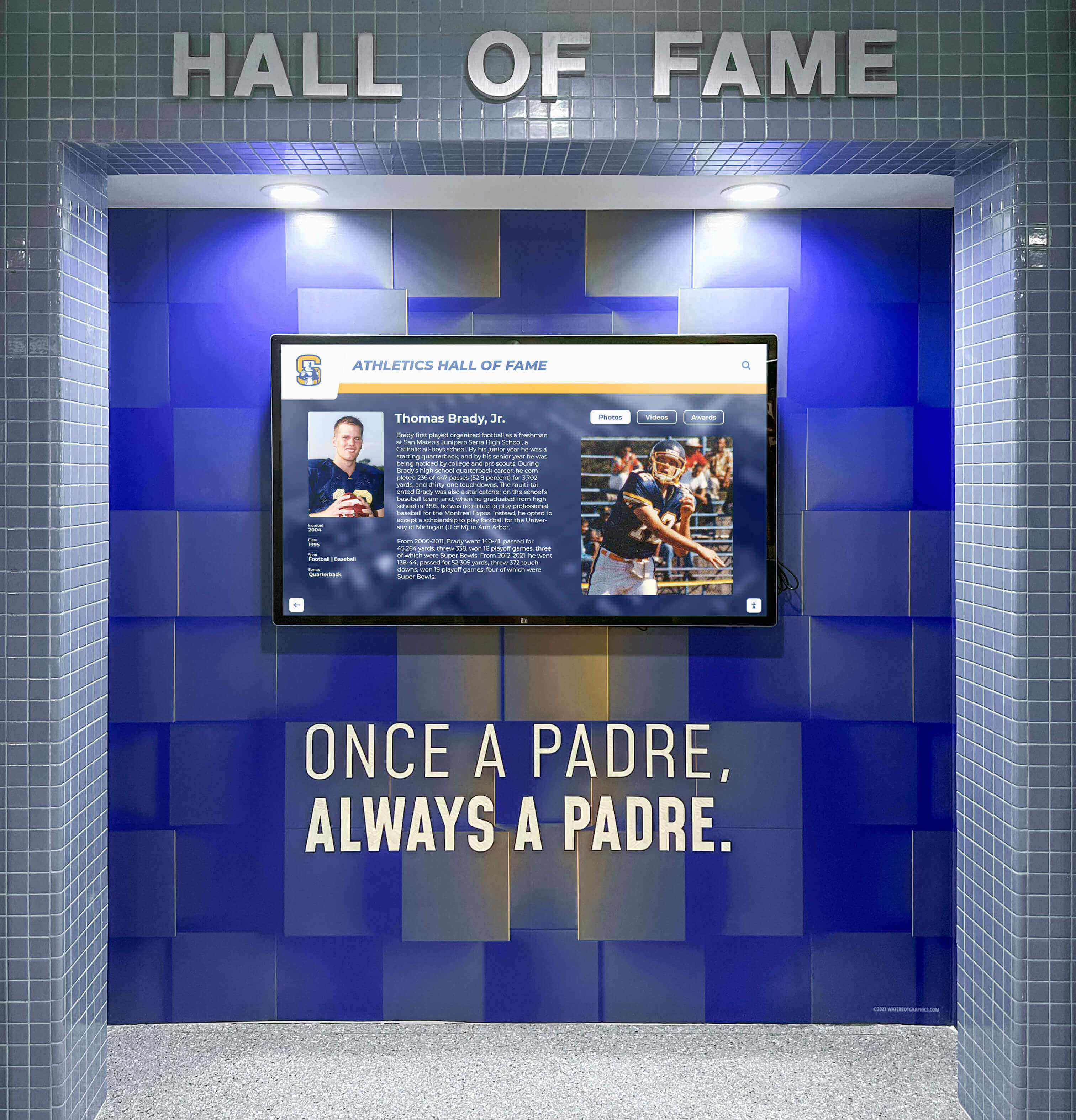
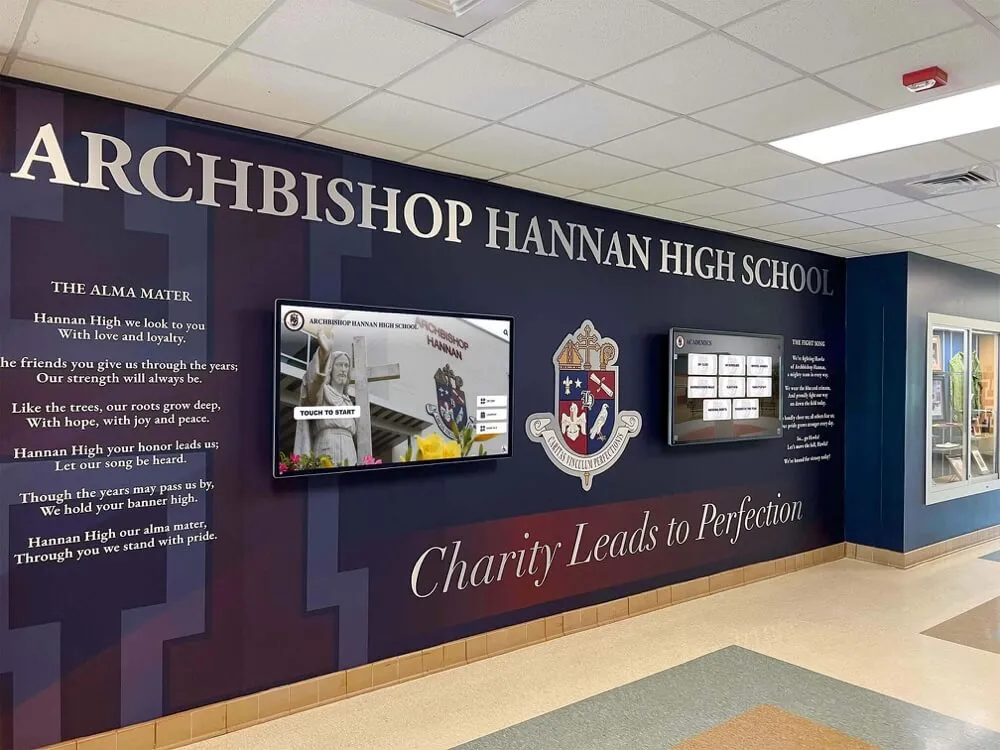
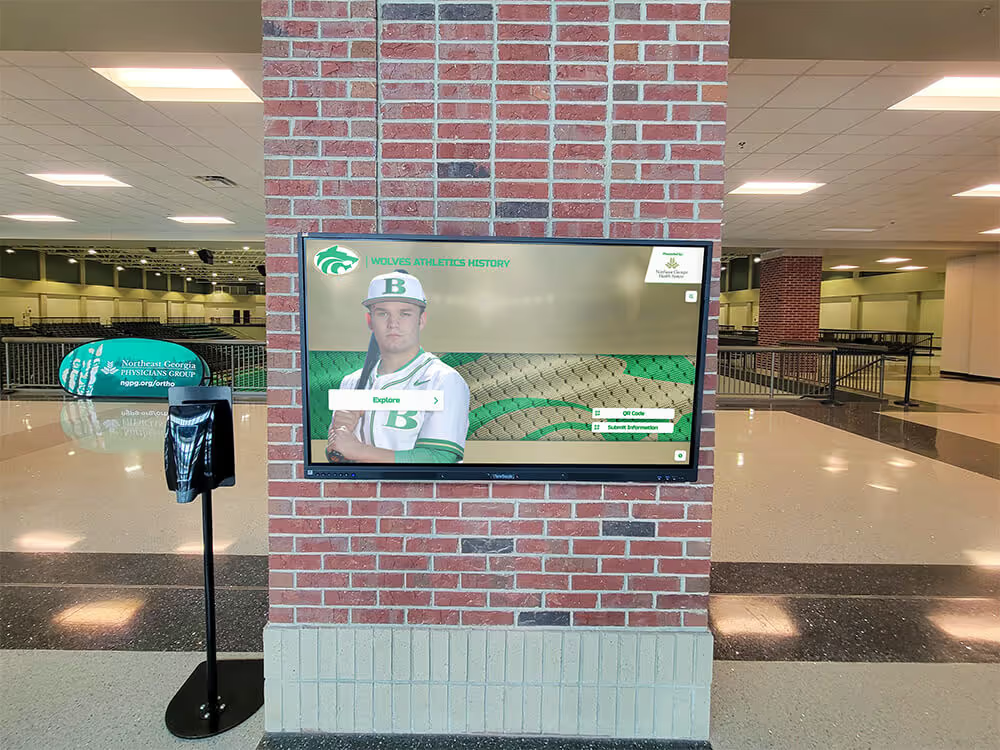
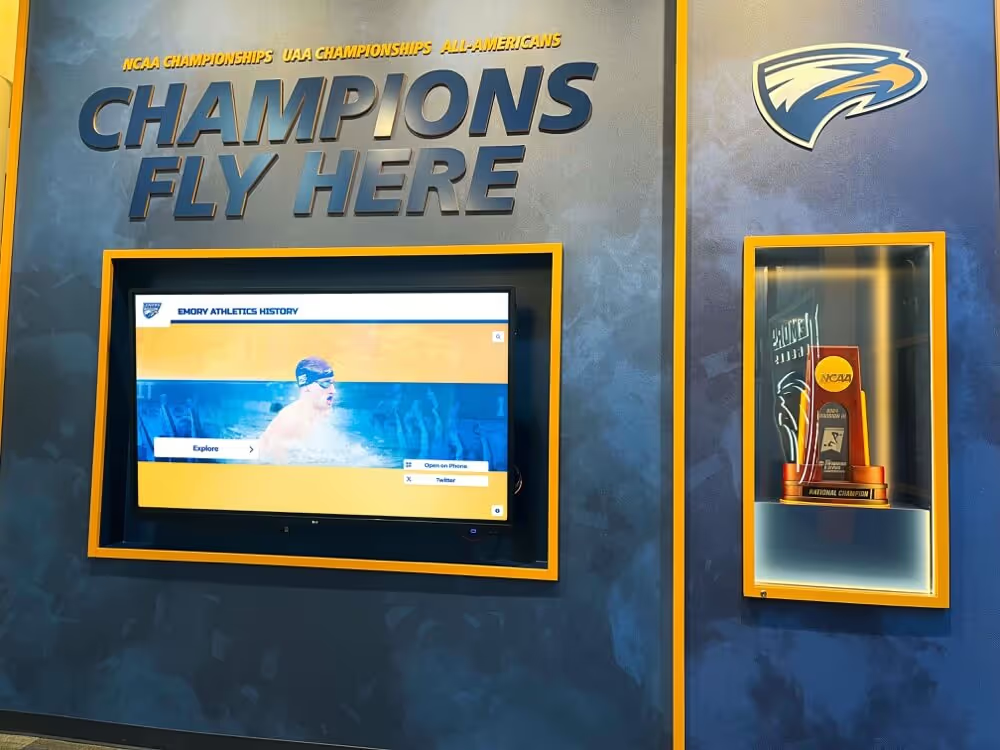
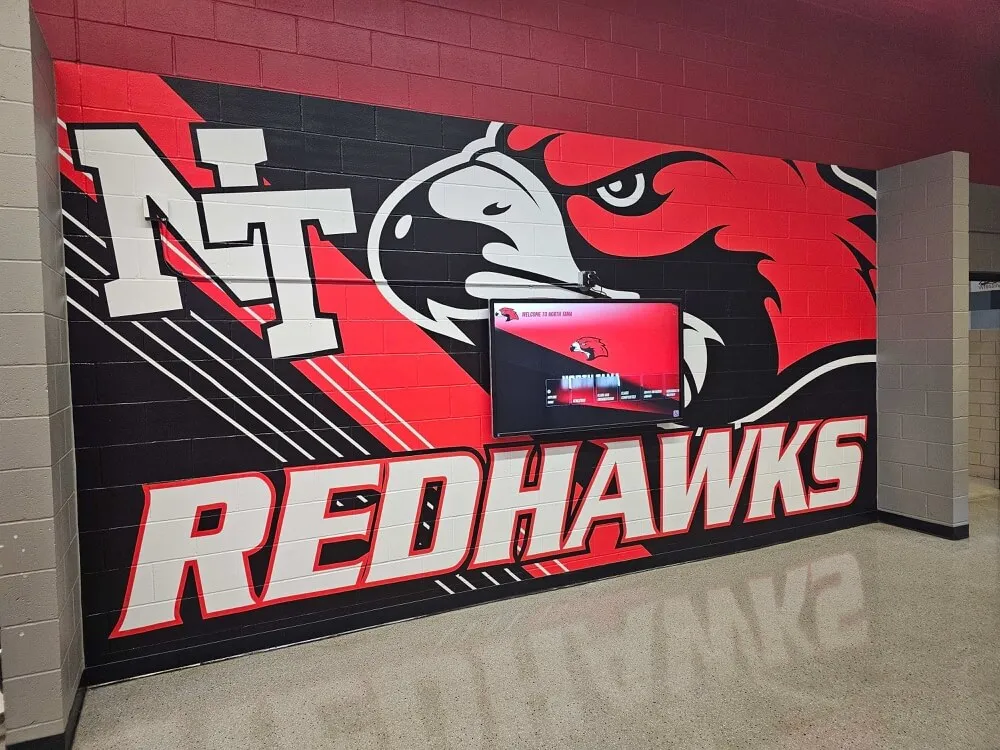
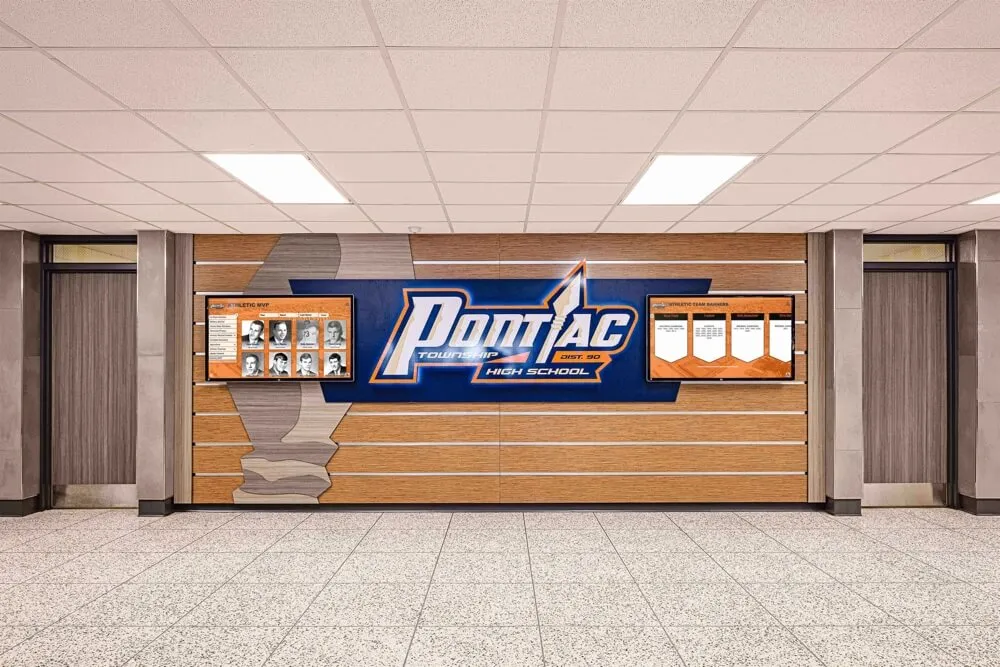
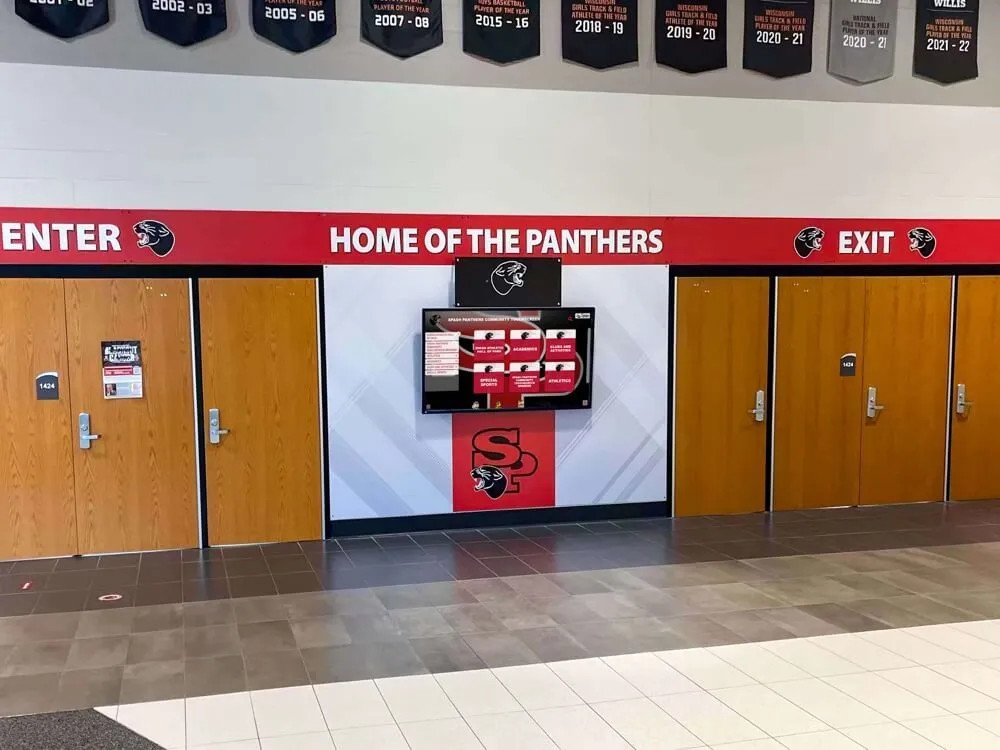
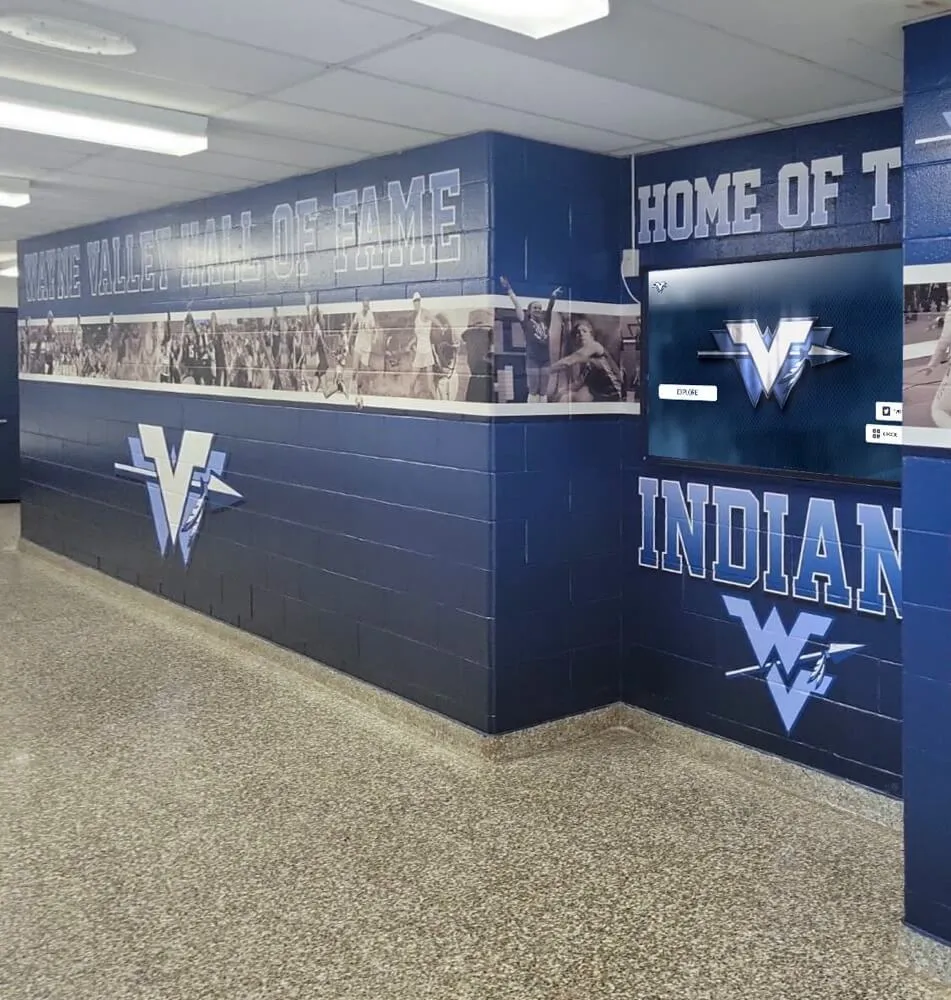
Training centers increasingly incorporate digital recognition displays celebrating Olympic alumni and inspiring current athletes
Benefits of Centralized Olympic Training
Concentrated training environments deliver advantages that dispersed independent training cannot match, explaining why nations invest significantly in developing these specialized facilities.
Competitive Training Partners
Olympic training centers concentrate elite athletes in similar sports, creating daily training environments where athletes push each other to higher levels. Swimmers train alongside other world-class swimmers, wrestlers face Olympic-caliber sparring partners, and track athletes compete against international-level competition during routine training sessions.
Specialized Coaching Expertise
Training centers attract and employ expert coaches with proven track records developing Olympic champions. Athletes access coaching knowledge that would be impossible to find in typical community programs, with specialized expertise in technique refinement, tactical preparation, and competition psychology specific to international-level performance.
Integrated Support Services
Comprehensive support systems available on-site eliminate logistical challenges that complicate independent training. Athletes access sports medicine immediately when injuries occur, work with sports scientists optimizing training protocols, receive nutrition guidance tailored to their specific metabolic needs, and utilize strength coaches designing Olympic-specific conditioning programs.
Facility Optimization
Purpose-built Olympic facilities provide equipment, venues, and training environments specifically designed for international competition preparation. Velodromes match Olympic specifications, swimming pools offer optimal conditions, shooting ranges replicate competition settings, and equipment matches international competition standards.
These integrated advantages explain why Olympic training centers consistently produce superior results compared to athletes training independently at local facilities.
Colorado Springs Olympic & Paralympic Training Center
The Colorado Springs facility serves as the United States’ flagship Olympic training venue and USOPC headquarters, representing the most comprehensive Olympic athlete support infrastructure in America.
Facility Overview and History
Located on a 35-acre campus in Colorado Springs, Colorado, this training center has anchored American Olympic athlete development since 1978 when it opened on the former Ent Air Force Base site.
Strategic Location Advantages
Colorado Springs’ selection as America’s primary Olympic training site reflected several strategic considerations:
- High elevation (6,035 feet) providing natural altitude training benefits
- Favorable year-round climate enabling outdoor training across seasons
- Available government land reducing development costs
- Central geographic location relatively accessible from both coasts
- Supportive local community embracing Olympic athlete presence
This location decision proved remarkably successful, with the facility continuously expanding over four decades to accommodate growing athlete needs and program evolution.
Campus Development
The Colorado Springs campus features world-class training venues across multiple sports, residential housing for athletes in the resident program, the USOPC headquarters coordinating national Olympic activities, comprehensive sports medicine and sports science facilities, Olympic-level strength and conditioning centers, athlete dining hall providing nutrition-optimized meals, and a visitor center welcoming over 100,000 annual visitors interested in Olympic athlete development.
According to USOPC data, the facility hosts approximately 15,000 athletes annually through various programs, from short-term training camps to year-round resident athletes living on campus.
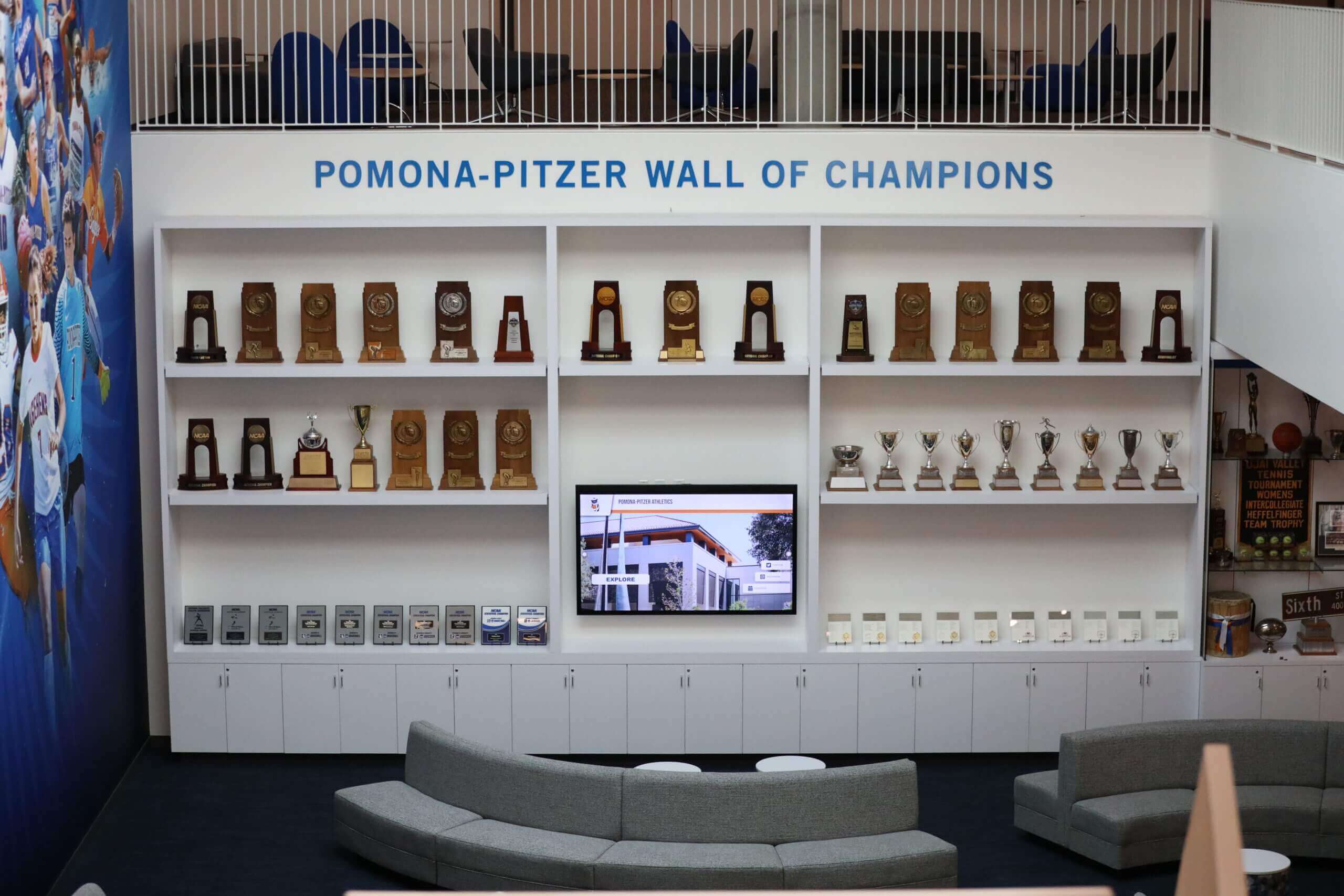
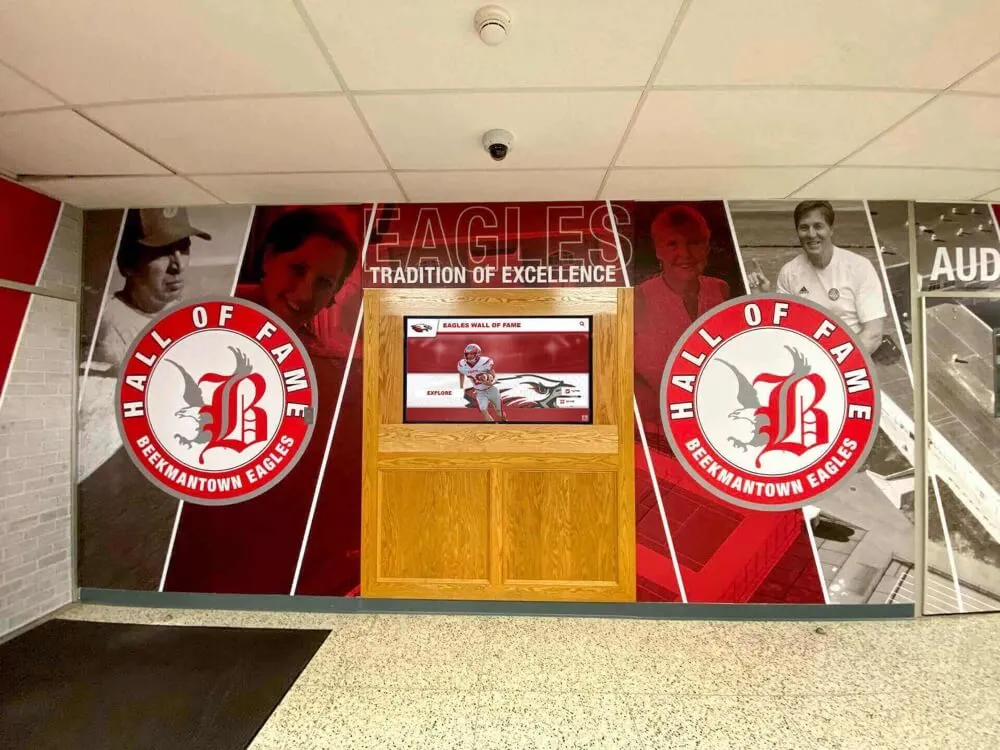
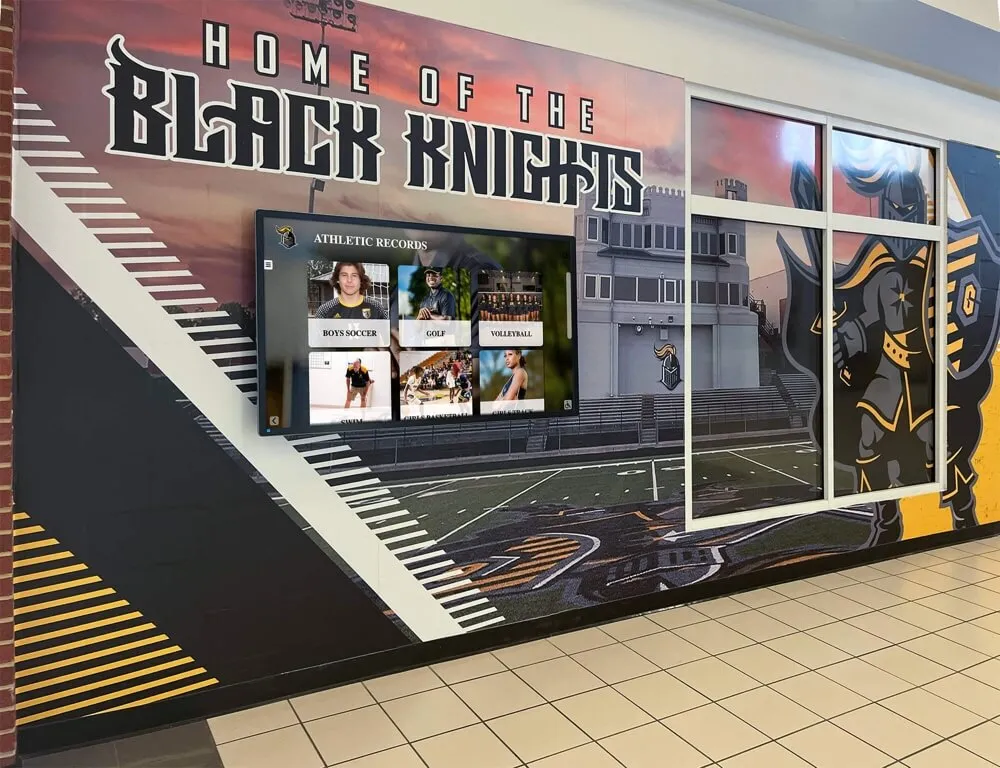
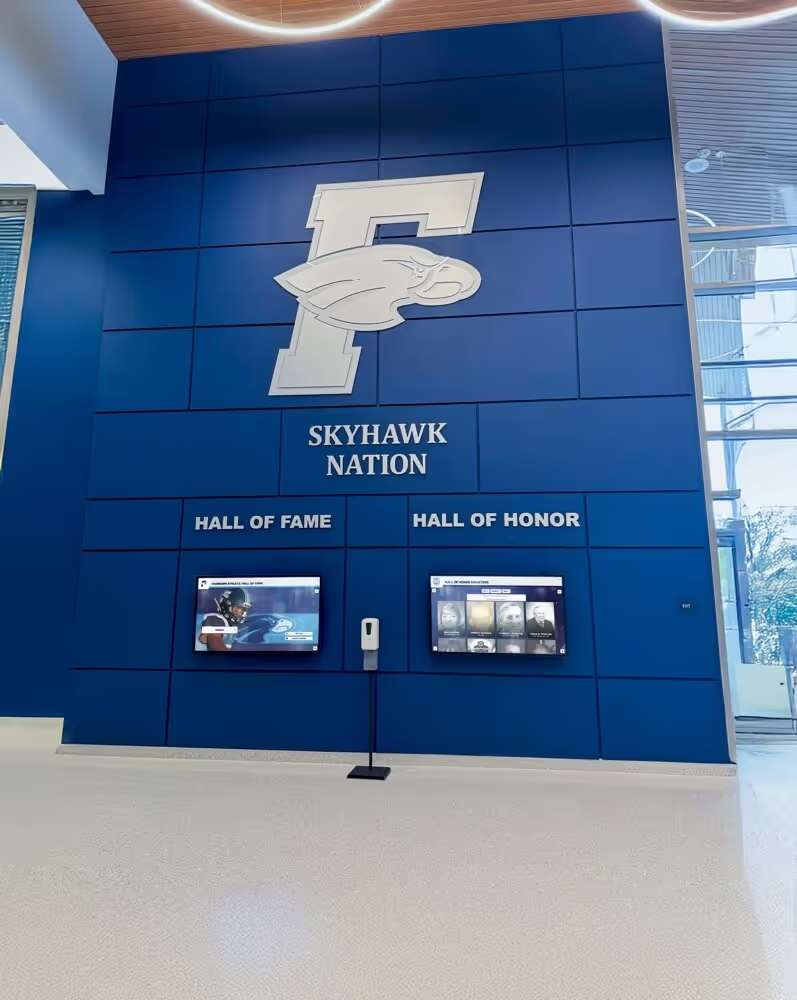
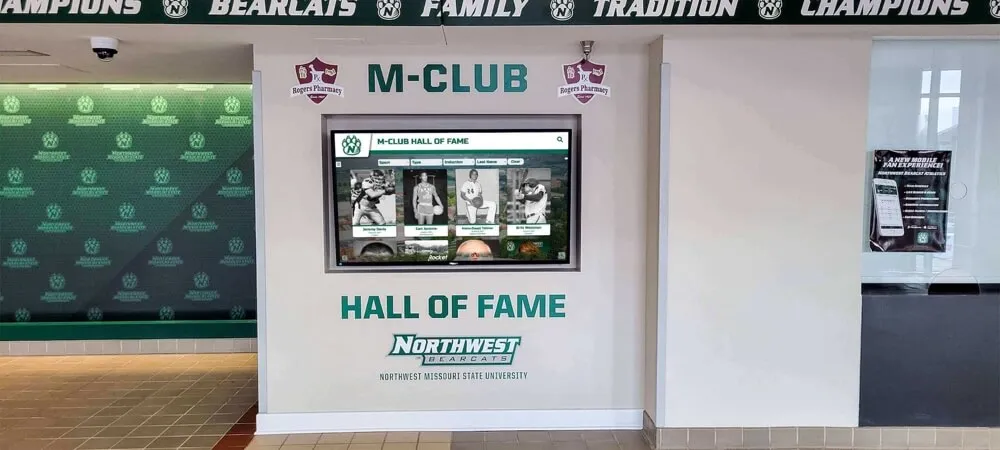
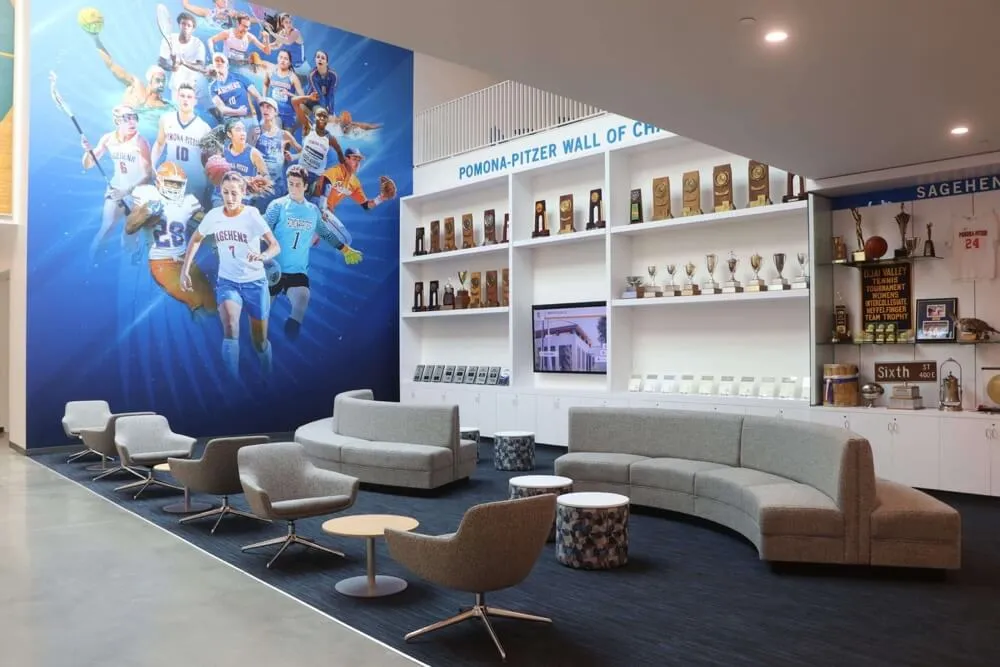
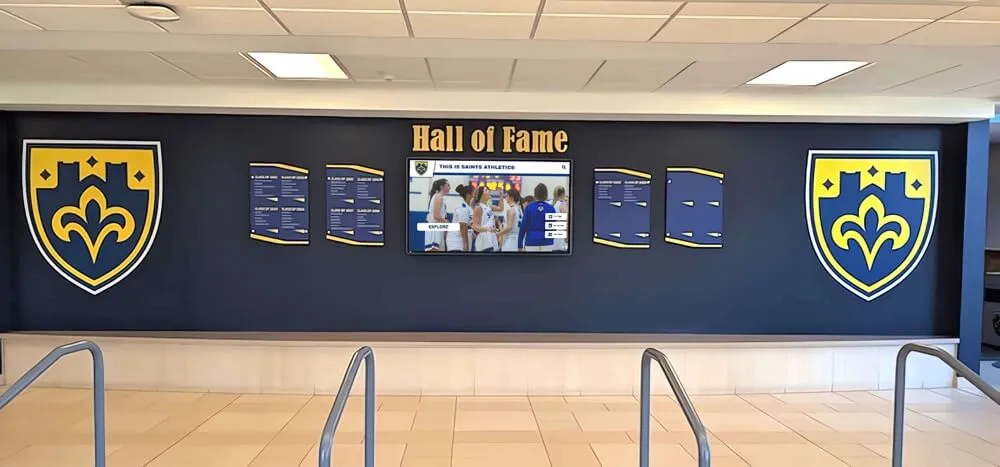
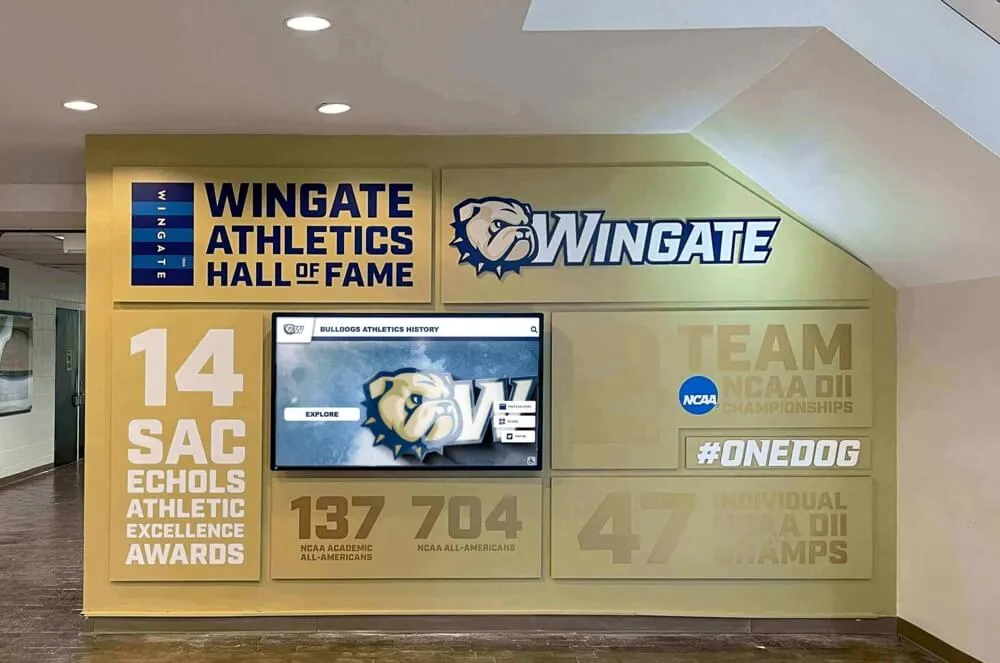
Elite training facilities incorporate recognition spaces celebrating championship achievements and Olympic excellence
Sports and Training Programs
The Colorado Springs center accommodates numerous Olympic sports with specialized facilities and programs designed for international competition preparation.
Primary Sports
The center provides dedicated training support for:
Combat Sports: Boxing, wrestling, judo, taekwondo with specialized mat spaces and coaching Shooting Sports: Rifle, pistol, and shotgun training at the indoor shooting range Aquatics: Swimming, diving, synchronized swimming, and water polo in Olympic-sized pools Cycling: Velodrome training for track cycling and BMX development Gymnastics: Men’s and women’s artistic gymnastics with full apparatus Pentathlon: Modern pentathlon training combining multiple disciplines
Cross-Training Capabilities
Beyond sport-specific venues, the center provides comprehensive cross-training facilities that benefit athletes across all disciplines including strength and conditioning centers with Olympic lifting platforms, sports medicine clinics providing injury treatment and prevention, sports science laboratories conducting physiological testing and analysis, nutrition services offering meal planning and dietary counseling, and mental performance consulting developing competitive psychology skills.
Resident Program
Elite athletes can apply for the Resident Program, which provides:
- On-campus housing in athlete dormitories
- Full facility access throughout the year
- Integrated support services at no cost to athletes
- Training environment focused entirely on Olympic preparation
- Community of fellow Olympic-caliber athletes
Athletes in the resident program can focus completely on training and competition without typical distractions, working regular jobs, or managing daily logistics that complicate optimal athletic preparation.
Educational institutions can learn from this comprehensive approach when designing their own athletic recognition and development programs that support student-athlete excellence.
Sports Science and Support Services
Colorado Springs distinguishes itself through sophisticated sports science capabilities that leverage technology and expertise to optimize athlete performance.
Sports Science Laboratory
The on-site laboratory conducts various physiological assessments helping athletes and coaches refine training protocols:
- VO2 max testing measuring aerobic capacity and endurance
- Lactate threshold analysis determining optimal training intensities
- Body composition assessment tracking muscle mass and body fat percentages
- Biomechanical analysis improving technique efficiency
- Metabolic testing customizing nutrition and fueling strategies
Sports Medicine Clinic
Comprehensive medical services address athlete health needs:
- Injury evaluation and diagnosis by Olympic sports medicine physicians
- Physical therapy accelerating injury recovery
- Athletic training services providing daily treatment
- Chiropractic care addressing musculoskeletal issues
- Massage therapy supporting recovery and injury prevention
Performance Psychology
Mental skills coaching helps athletes develop psychological strengths essential for Olympic success:
- Competition anxiety management
- Focus and concentration techniques
- Confidence building strategies
- Goal setting and motivation
- Pre-competition mental preparation routines
These integrated services create comprehensive support systems addressing all dimensions of Olympic athlete development—physical, psychological, nutritional, and medical.
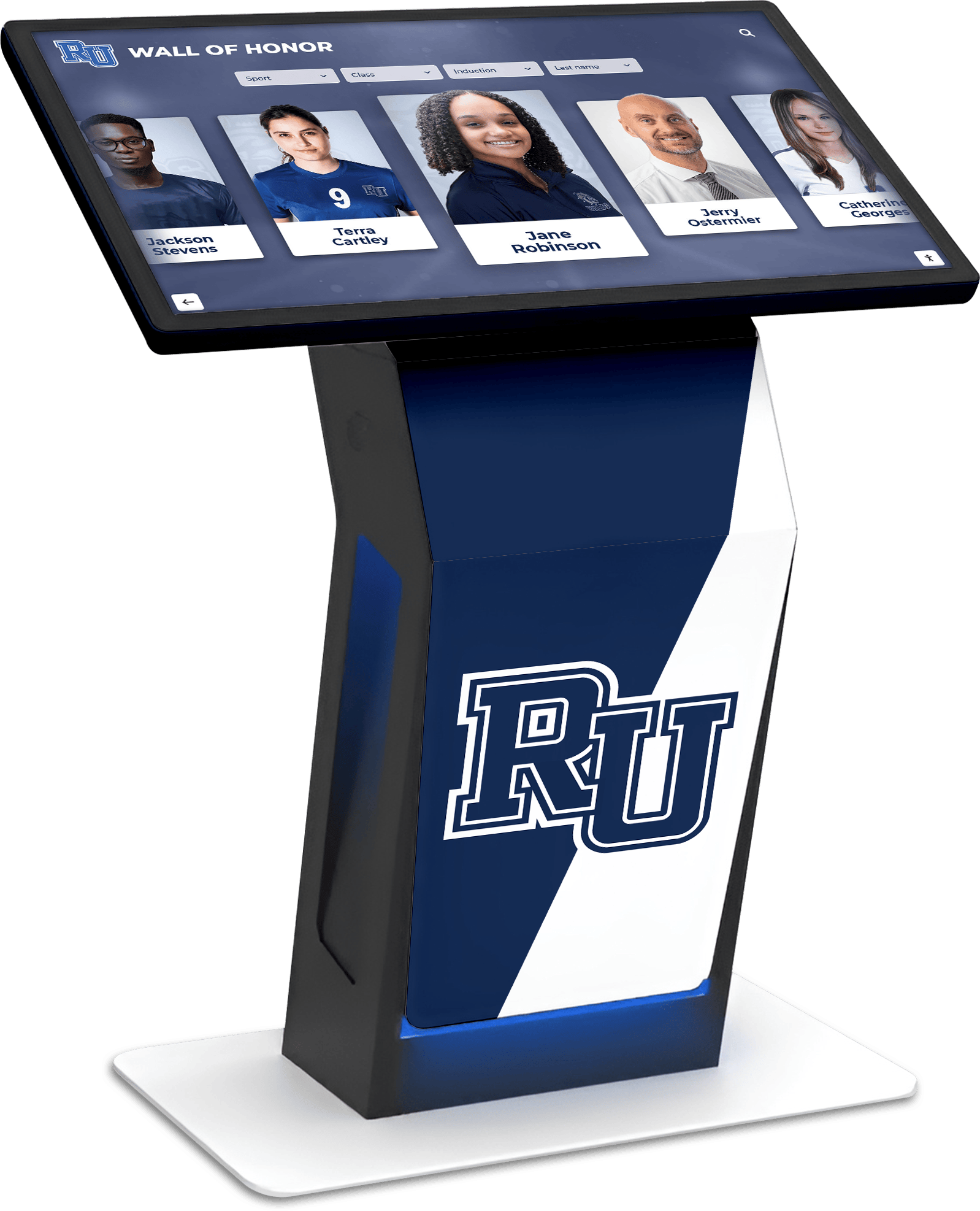
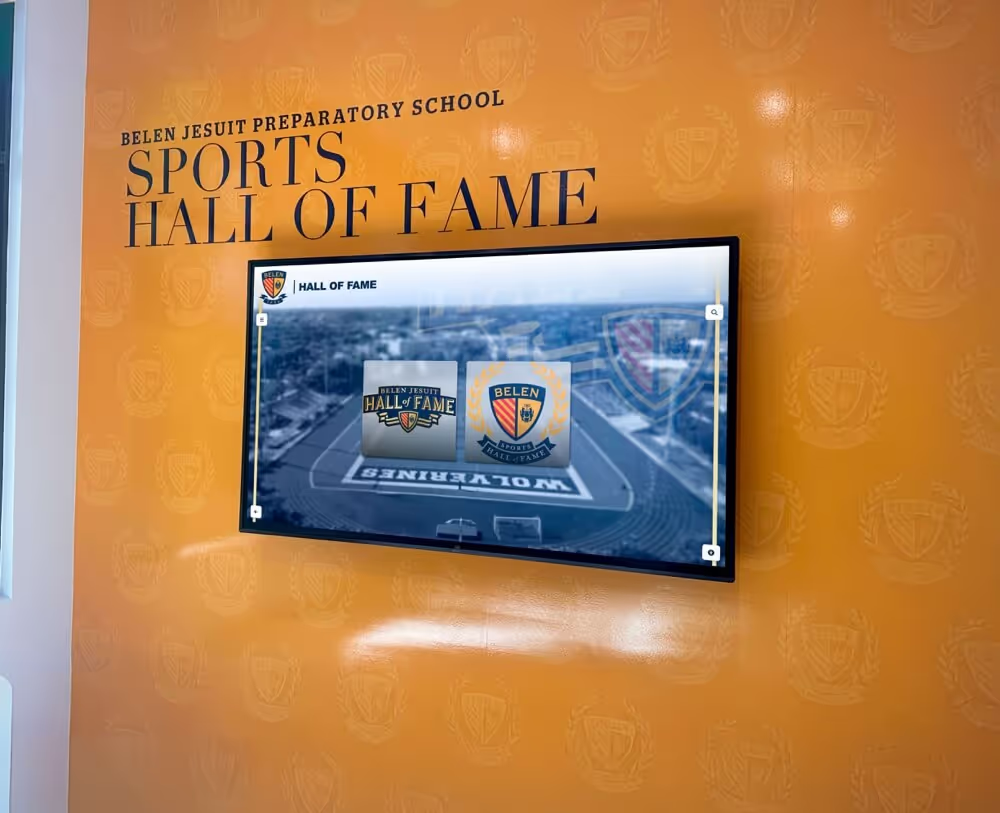
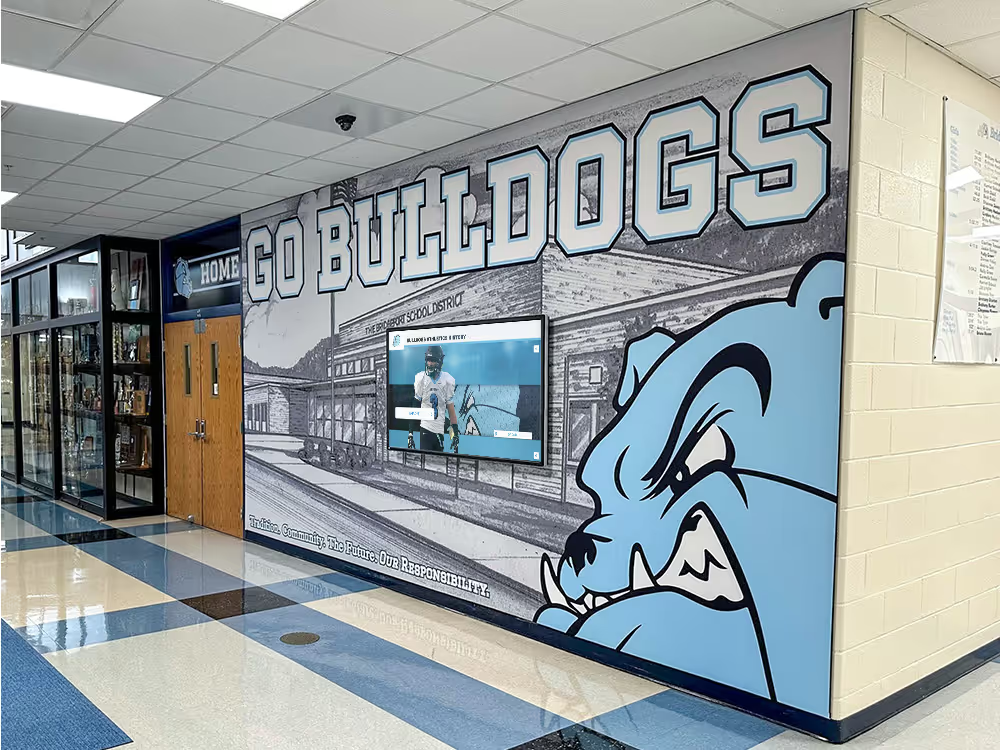
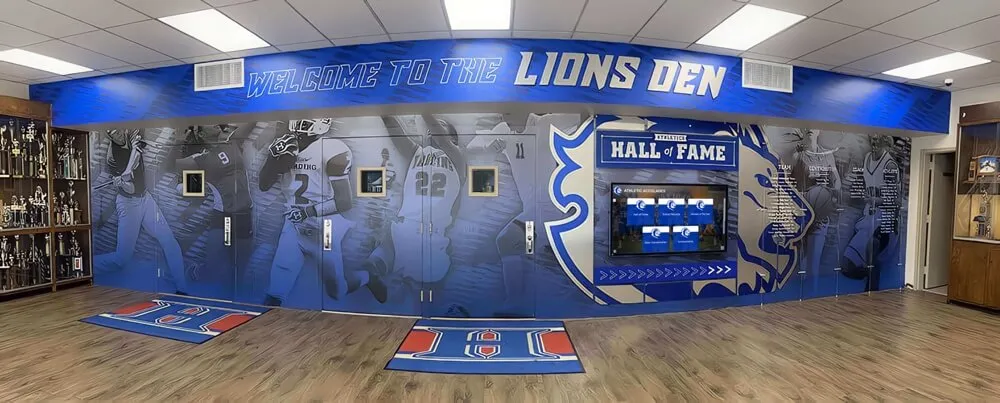
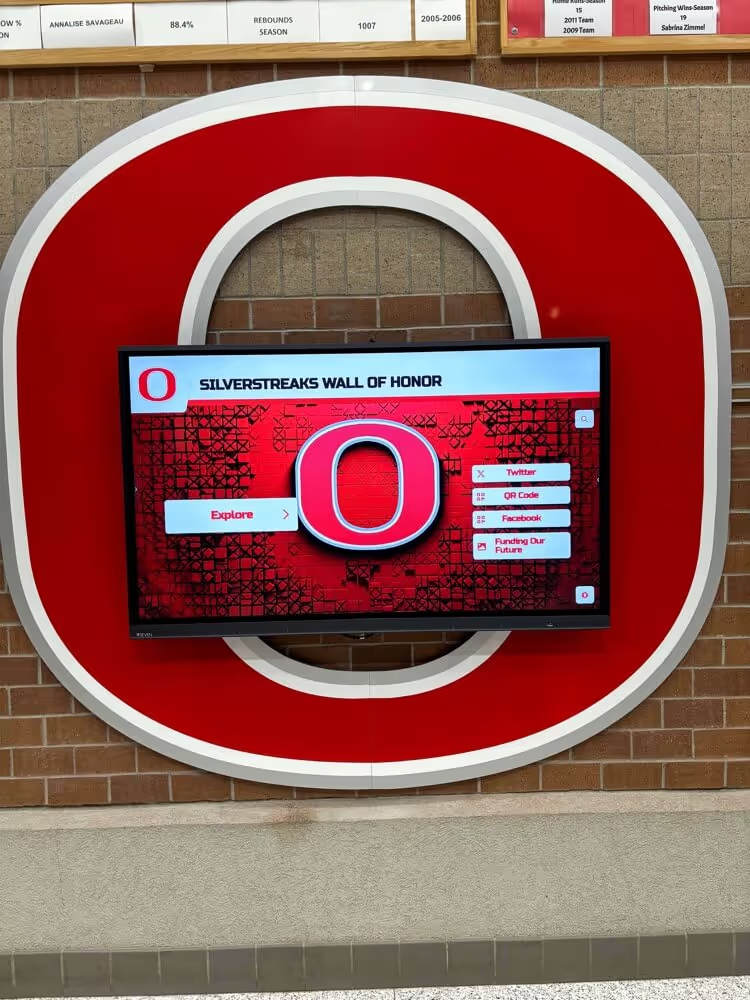
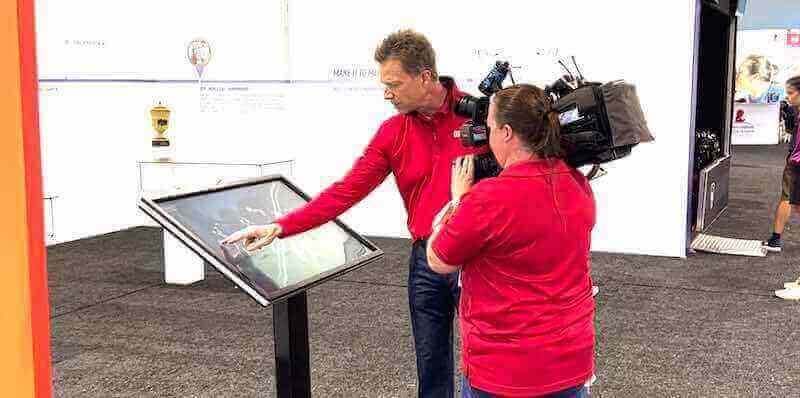
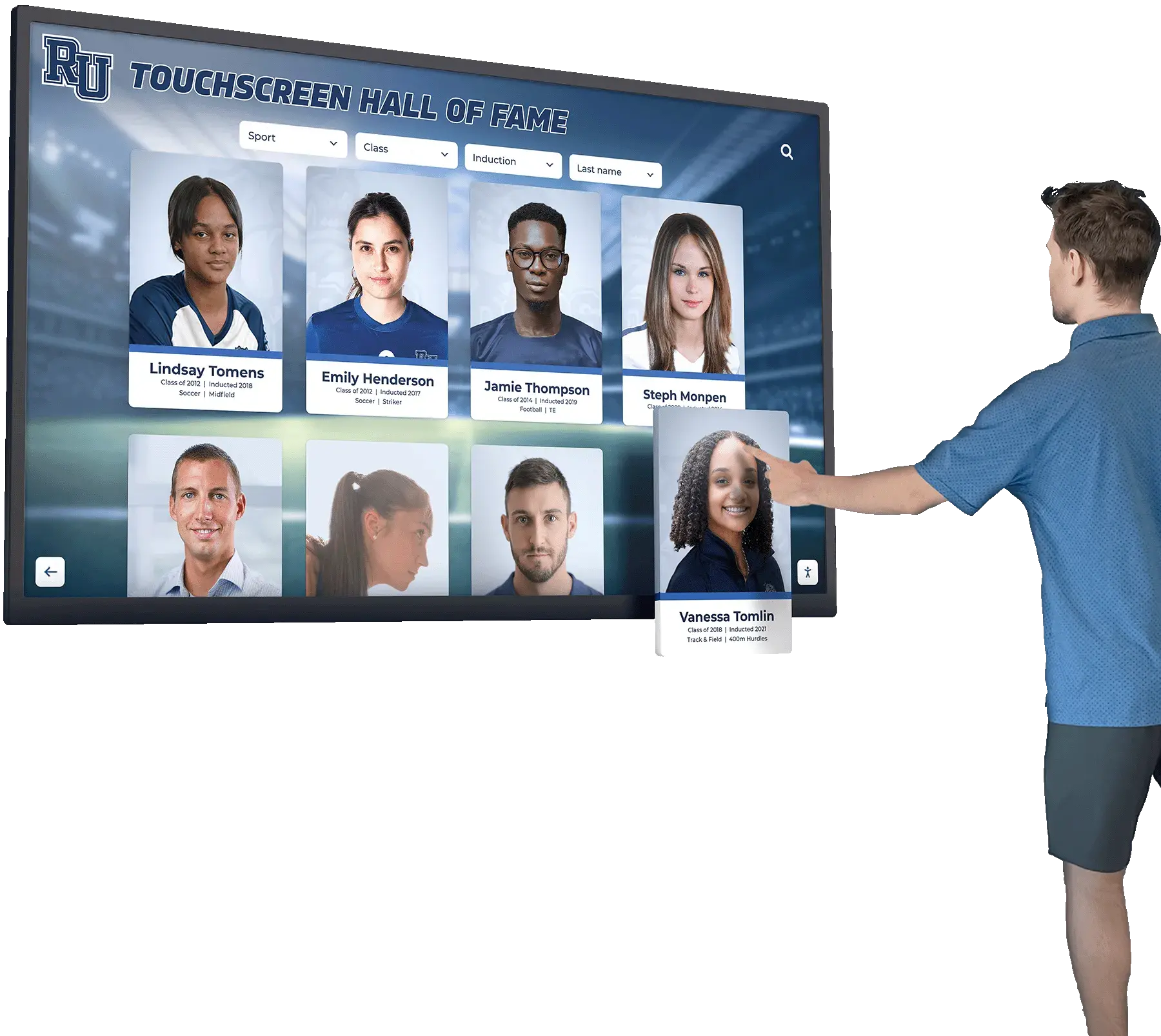
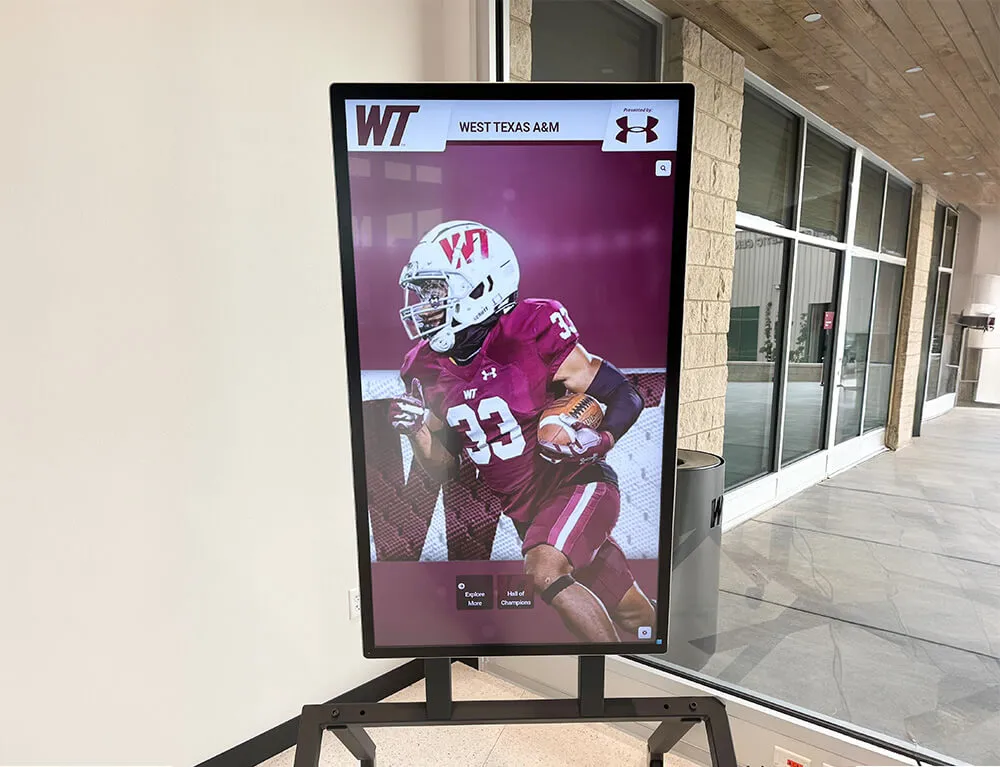
Modern facilities increasingly use interactive touchscreen systems to showcase athlete achievements and training programs
Lake Placid Olympic & Paralympic Training Center
America’s second flagship Olympic training center in Lake Placid, New York, specializes in winter sports while leveraging historic Olympic venues from the 1932 and 1980 Winter Olympics.
Winter Sports Heritage and Legacy
Lake Placid holds unique significance in American Olympic history as one of only three cities worldwide to host Winter Olympics twice, creating lasting infrastructure that continues supporting elite winter athlete development.
Historic Olympic Venues
The 1980 Winter Olympics produced iconic moments including the “Miracle on Ice” hockey victory, with competition venues remaining operational for athlete training today:
- Olympic Center arena where hockey gold medal occurred
- Olympic Jumping Complex for ski jumping and Nordic combined
- Mt. Van Hoevenberg for bobsled, luge, skeleton, and biathlon
- Olympic Speed Skating Oval for long-track speed skating
- Whiteface Mountain ski area for alpine skiing events
These venues combine Olympic history with modern training capabilities, inspiring athletes training where legends competed while providing facilities meeting contemporary international standards.
Training Center Establishment
The Lake Placid Olympic & Paralympic Training Center opened in November 1982, converting Olympic venues into year-round training infrastructure. According to ORDA (Olympic Regional Development Authority) partnership documentation, this innovative approach demonstrated how Olympic host cities could create lasting athlete development legacies beyond two-week competition periods.
Winter Sports Training Programs
Lake Placid provides specialized training for winter Olympic sports requiring specific facilities and climate conditions difficult to maintain elsewhere.
Ice Sports
Multiple ice venues accommodate various disciplines:
Figure Skating: Full-sized ice surfaces with optimal temperature and humidity control Ice Hockey: Regulation rinks for men’s and women’s teams Speed Skating: Olympic-sized 400-meter oval for long-track training Curling: Dedicated sheets meeting international specifications
Snow Sports
Mountain and cross-country venues support outdoor winter training:
Alpine Skiing: Downhill, slalom, giant slalom, and super-G courses Freestyle Skiing: Terrain parks with various jump configurations Ski Jumping: Multiple hill sizes from training through Olympic-sized jumps Nordic Combined: Ski jumping and cross-country course integration Biathlon: Shooting range combined with cross-country trails
Sliding Sports
Specialized refrigerated tracks enable year-round training:
Bobsled: Four-person, two-person, and monobob configurations Luge: Singles and doubles competition tracks Skeleton: Head-first sliding training and competition
These specialized facilities explain why winter sports athletes from around the nation and world travel to Lake Placid for critical training periods preparing for international competition.
Similar to how schools recognize state championship achievements, training centers celebrate Olympic performances inspiring current athletes.
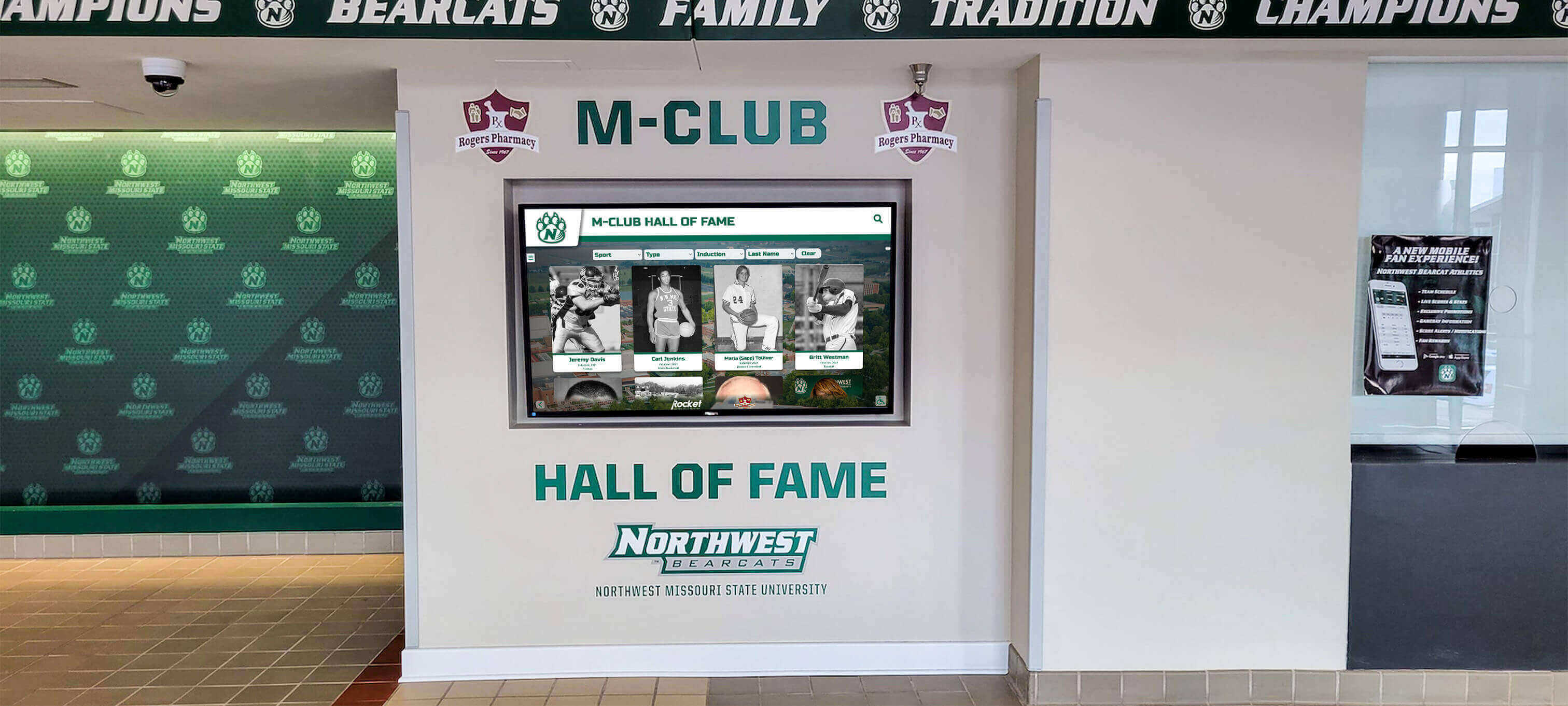
Recognition displays in training facilities celebrate past Olympians while motivating athletes pursuing their own Olympic dreams
Seasonal Training Considerations
Lake Placid’s winter sports focus creates unique seasonal dynamics affecting training program structure and athlete presence throughout the year.
Peak Winter Training
November through March represents peak activity when:
- Snow and ice conditions reach optimal training quality
- Winter sport athletes concentrate training before competition seasons
- International teams visit for pre-Olympic season preparation
- Facility utilization reaches maximum capacity across all venues
Summer Cross-Training
Warmer months accommodate different training patterns:
- Off-season conditioning and strength development
- Summer sport athletes use facilities (boxing, canoe/kayak, rowing)
- Sliding sports continue year-round with refrigerated tracks
- Reduced athlete population creates availability for camps and clinics
Year-Round Resident Program
Similar to Colorado Springs, Lake Placid offers resident programs allowing elite winter sport athletes to live near training venues throughout annual cycles, providing consistency and eliminating travel complications that disrupt training continuity.
Chula Vista Elite Athlete Training Center
Originally the third USOPC-operated training center before transitioning to city ownership in 2017, the Chula Vista facility provides warm-weather training opportunities for summer Olympic sports requiring outdoor venues and favorable year-round climate.
Facility Overview and Transition
Located on 155 acres adjacent to Lower Otay Reservoir in Chula Vista, California (near San Diego), this center opened in 1995 as the first Olympic training facility designed and built specifically for that purpose from the beginning.
Ownership Evolution
In January 2017, the USOPC transferred facility ownership to the City of Chula Vista as part of strategic restructuring focusing resources on Colorado Springs and Lake Placid while maintaining training site partnerships at facilities operated by other entities.
The rechristened Chula Vista Elite Athlete Training Center continues hosting national team training camps, providing athlete housing and support services, maintaining Olympic-quality venues across multiple sports, and serving as an official U.S. Olympic & Paralympic Training Site under city management rather than direct USOPC operation.
Strategic Location Benefits
Southern California positioning offers advantages for certain training needs:
- Warm, dry climate enabling outdoor training year-round
- Minimal weather disruptions to training schedules
- Proximity to Pacific Ocean for open-water sports
- Access to diverse terrain for various sport requirements
- Large athlete population drawing coaching expertise to region
Sports Programs and Facilities
Chula Vista specializes in summer Olympic sports benefiting from consistent outdoor training conditions and specialized venue requirements.
Primary Sports
The center provides dedicated facilities for:
Aquatics: Rowing and canoe/kayak on reservoir courses Field Sports: Soccer, rugby, field hockey on natural and artificial turf Court Sports: Tennis on hard courts optimized for training Track Sports: Athletics training on world-class track surfaces Cycling: BMX courses and road cycling training routes Target Sports: Archery range meeting international competition specifications
National Governing Body Partnerships
Several sport-specific national governing bodies maintain year-round presence:
- USA Rugby basing national team operations at facility
- USA Archery conducting national team training camps
- USATF utilizing track and field complex
- U.S. Cycling BMX programs and development
These partnerships create concentrated expertise and ongoing training opportunities for athletes in those sports, similar to how universities develop specialized athletic programs targeting specific competitive strengths.
Support Infrastructure
Athletes training at Chula Vista access comprehensive services including sports medicine clinic with physician and physical therapy services, strength and conditioning facilities designed for Olympic training, athlete housing providing on-site accommodation, dining facilities optimized for athletic nutrition needs, and recovery services including massage therapy and regeneration.
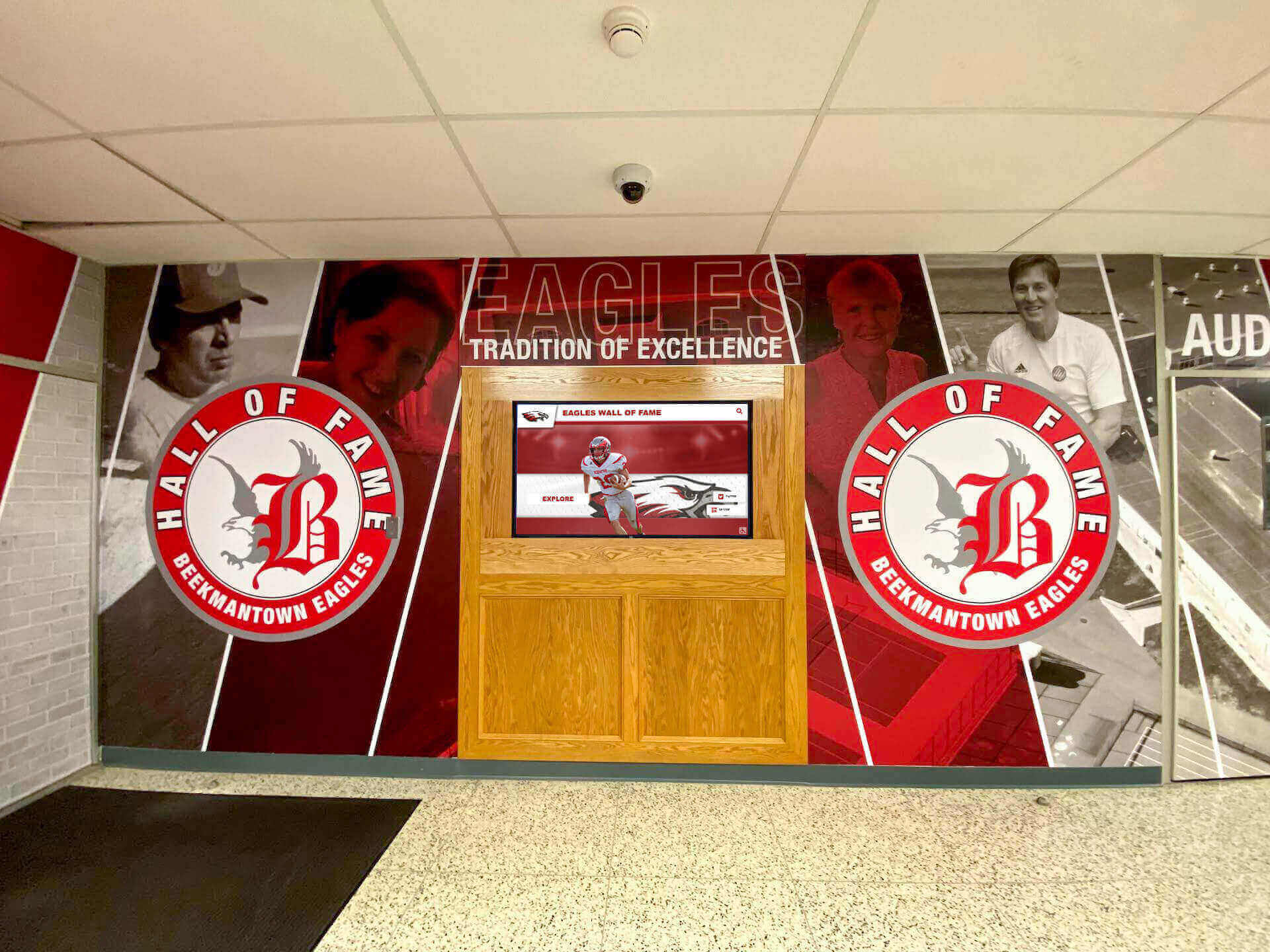
Schools and training facilities create inspiring recognition displays celebrating athletic excellence and Olympic achievements
Additional Official Training Sites Across America
Beyond the three major facilities, the USOPC designates numerous specialized training sites providing regional access and sport-specific expertise across the country.
Oklahoma Training Sites
Oklahoma hosts two official Olympic & Paralympic training sites specializing in different sports.
RIVERSPORT Oklahoma City
Located on the Oklahoma River south of downtown Oklahoma City, this facility serves as the official training site for rowing and canoe/kayak, offering:
- 2,000-meter sprint course matching international competition specifications
- 4,000-meter training courses for endurance development
- 50 ergometers for indoor rowing training
- 100 boats accommodating various training needs
- World’s first dynamic rowing tank simulating on-water conditions
- High-altitude training room providing simulated elevation
- Indoor propulsion swimming pool for cross-training
- Advanced strength and conditioning equipment
The 33,000-square-foot venue developed through partnership between USOPC and the Oklahoma City Boathouse Foundation demonstrates how municipalities can create Olympic-caliber facilities supporting national team athletes.
University of Central Oklahoma - Edmond
UCO received official U.S. Paralympic Training Site designation in 2005 and full Olympic designation in 2009, focusing on:
- Men’s and women’s sitting volleyball year-round training
- Archery training programs and competitions
- Taekwondo development camps
- Track and field athlete training periods
This university partnership exemplifies how educational institutions can contribute to Olympic athlete development while creating inspiring environments for their own student-athletes.
Pettit National Ice Center - Wisconsin
Located in West Allis, Wisconsin (suburban Milwaukee), the Pettit Center serves as an official Olympic Training Site for ice sports, providing:
- 97,000 square feet of ice surfaces
- Two international-sized rinks for hockey and figure skating
- 400-meter Olympic-sized speed skating oval
- 2,500-seat capacity for competitions
- 443-meter rubberized running track
- Year-round ice availability enabling consistent training
The Pettit Center fills crucial gaps in national ice sports infrastructure, particularly for speed skating training between Lake Placid Olympic events and athletes based in the Midwest.
Additional Specialized Sites
The USOPC designates various other training sites addressing specific sport requirements:
Lakeshore Foundation - Birmingham, Alabama: Paralympic athlete training specializing in wheelchair sports and adaptive athletics
StubHub Center - Carson, California: Track and field, soccer, tennis, and other outdoor summer sports (formerly Chula Vista overflow)
SPIRE Institute - Geneva, Ohio: Year-round multi-sport training campus near Cleveland
USRowing Training Center - Oakland, California: Rowing-specific facility on Oakland Estuary
Huntsville, Texas: Prison system partnership providing unique training venue for certain sports
This distributed network ensures athletes across America can access high-quality Olympic training without necessarily relocating to Colorado Springs or Lake Placid for year-round training.
Educational institutions can develop similar multi-level athletic recognition celebrating achievements across various competitive tiers.
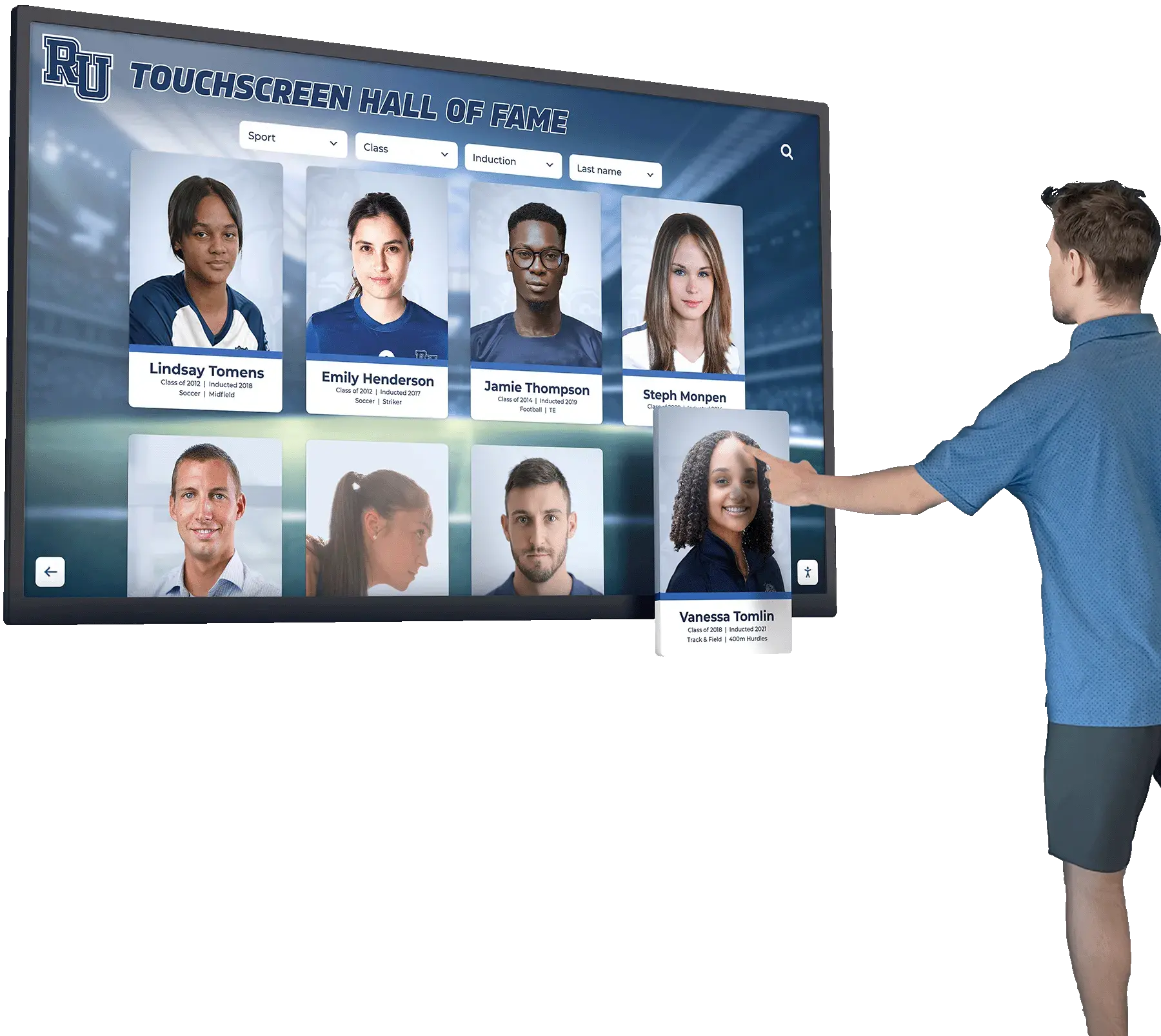
Interactive technology enables athletes and visitors to explore comprehensive Olympic athlete histories and achievements
What Elite Athletes Experience at Training Centers
Understanding what daily life and training actually look like at Olympic training centers helps appreciate how these facilities accelerate athlete development and competitive performance.
Typical Training Center Daily Routine
Olympic resident athletes follow structured daily schedules optimizing training effectiveness while ensuring adequate recovery and rest.
Morning Training Block
Most athletes begin days early:
- 6:00-7:00 AM: Wake up, light breakfast, mental preparation
- 7:00-9:30 AM: Primary sport-specific training session (technique work, skill development)
- 9:30-10:30 AM: Recovery meal, hydration, brief rest
- 10:30-11:00 AM: Sports medicine treatment or preventive therapy
Midday Activities
Afternoons typically include:
- 11:00 AM-12:30 PM: Strength and conditioning workout tailored to sport demands
- 12:30-2:00 PM: Lunch, rest period, possible sports science appointments
- 2:00-4:00 PM: Secondary training session or sport-specific conditioning
- 4:00-5:00 PM: Recovery protocols (ice baths, massage, stretching)
Evening and Rest
Later hours focus on recovery and preparation:
- 5:00-6:30 PM: Dinner providing optimal nutrition for recovery
- 6:30-9:00 PM: Video review, mental training, personal time
- 9:00-10:00 PM: Evening recovery routine, sleep preparation
- 10:00 PM: Target bedtime ensuring 8+ hours sleep for recovery
This structured approach maximizes training quality while preventing overtraining and ensuring adequate rest—balance that independent athletes often struggle to maintain without comprehensive support systems.
Nutrition and Recovery Protocols
Olympic training centers emphasize recovery as intensely as training, recognizing that adaptation occurs during rest periods between training sessions.
Athlete Dining Halls
On-site dining facilities provide:
- Meals designed specifically for athletic performance and recovery
- Macronutrient balance appropriate for training phase and sport demands
- High-quality proteins supporting muscle repair and development
- Complex carbohydrates fueling training and replenishing glycogen stores
- Nutrient-dense vegetables and fruits providing vitamins and antioxidants
- Hydration stations ensuring adequate fluid intake throughout day
Athletes work with sports nutritionists developing individualized meal plans addressing their specific metabolic needs, body composition goals, and training demands.
Recovery Facilities
Comprehensive recovery resources accelerate training adaptation:
- Ice baths and cold plunge pools reducing inflammation
- Compression therapy improving circulation and recovery
- Massage therapy addressing muscle tension and trigger points
- Float tanks providing sensory deprivation and mental recovery
- Sleep optimization education ensuring quality rest
- Injury prevention protocols minimizing training disruptions
According to sports science research, elite athletes require approximately 48-72 hours for full recovery from intense training sessions, with training center protocols systematically optimizing this critical adaptation period.
Mental Performance Development
Physical training represents only part of Olympic preparation, with mental skills often determining success when physical capabilities reach relatively equal levels among elite international competitors.
Sport Psychology Services
Olympic training centers provide regular access to sport psychologists and mental performance consultants addressing:
Competition Anxiety Management: Techniques controlling pre-competition nervousness and channeling arousal productively
Focus and Concentration: Strategies maintaining attention during extended competitions despite distractions
Confidence Building: Methods developing belief in preparation and ability to perform under pressure
Visualization Practice: Mental rehearsal improving skill execution and competition performance
Goal Setting: Structured approaches establishing meaningful short and long-term objectives
Adversity Response: Skills managing setbacks, injuries, and disappointing performances
These mental skills prove particularly valuable during Olympic Games when medal competition occurs in front of massive global audiences and years of training culminate in single performances.
Many schools are adopting similar comprehensive approaches through student-athlete recognition programs honoring both physical achievement and mental development.
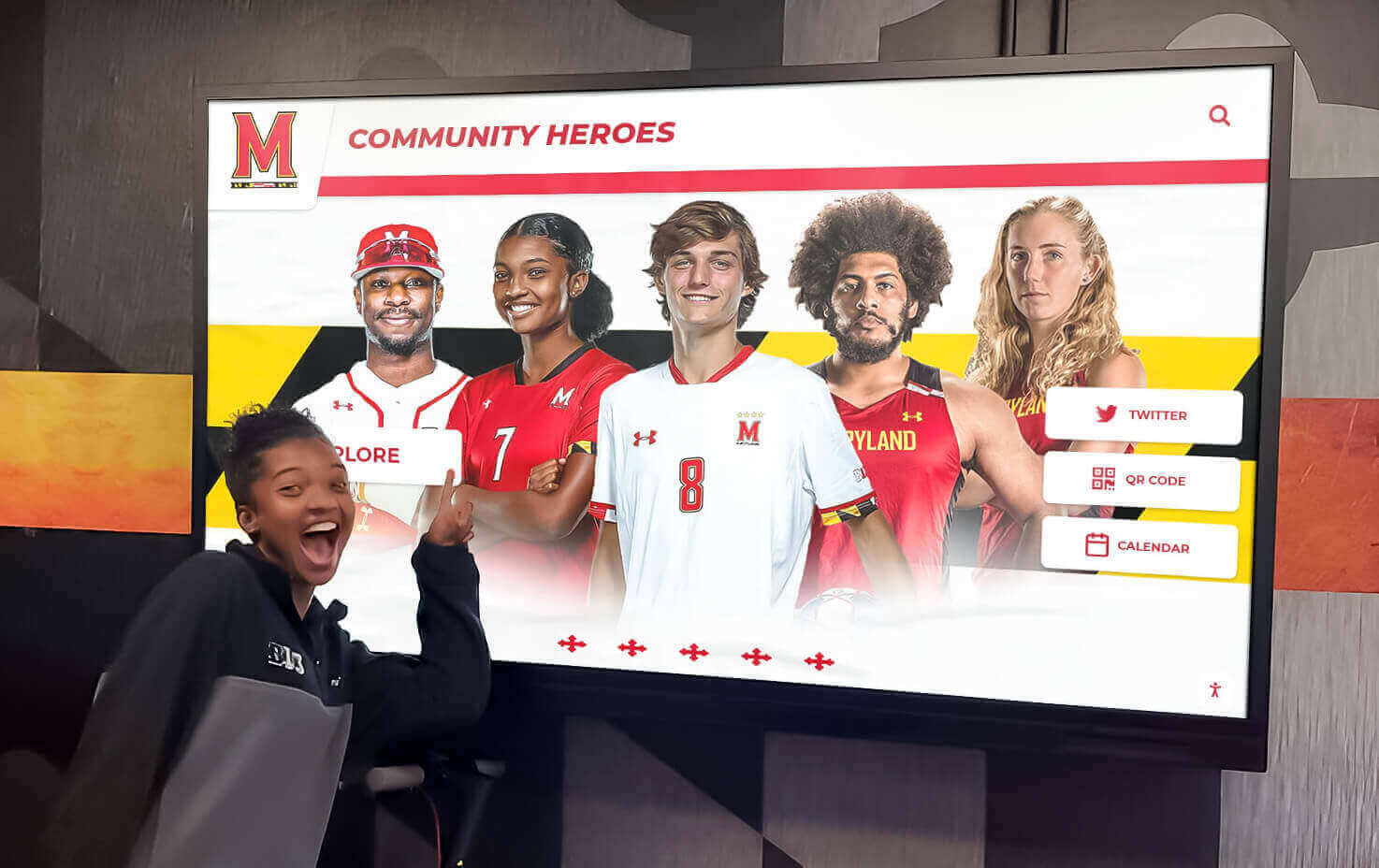
Recognition displays inspire youth athletes by showcasing pathways from local programs to Olympic excellence
How Athletes Gain Access to Training Centers
Olympic training centers don’t function as public gyms open to anyone—access requires demonstrating elite competitive level and meeting specific eligibility criteria established by sport governing bodies and the USOPC.
Eligibility Requirements
Athletes must meet various standards demonstrating international competitive potential before receiving training center access.
National Team Status
Most training center access routes through national team membership:
- Athletes must compete at international level in their sport
- Typically requires ranking among top competitors nationally
- National governing body (USA Swimming, USATF, etc.) nominates athletes
- Standards vary by sport based on international competitive depth
- Paralympic athletes follow equivalent pathways through Paralympic sport organizations
Performance Standards
Specific competitive achievements typically required:
- National championship performances or top finishes
- International competition participation and results
- World championship or Olympic qualification standards
- Consistent top-level competitive performance over time
- Potential for future Olympic or Paralympic medal contention
These selective standards ensure training center resources concentrate on athletes with genuine Olympic medal potential rather than those unlikely to reach international competitive levels regardless of facility access.
Resident Program Application
Athletes seeking year-round training center access through resident programs face additional requirements beyond basic eligibility.
Application Process
Resident program admission involves:
- National governing body nomination and endorsement
- Demonstration of training plan and competitive goals
- Agreement to training center codes of conduct and policies
- Commitment to full-time training focus
- Financial support plan (if required)
- Available dormitory capacity in desired sport
Program Benefits
Resident athletes receive:
- Free housing in athlete dormitories
- Meal plan covering nutritional needs
- Unlimited facility access across all training venues
- Sports medicine and sports science services at no cost
- Strength and conditioning support
- Mental performance consulting
- Administrative support for travel and competition coordination
Not all Olympic athletes live year-round at training centers—many maintain homes elsewhere while attending specific training camps or brief training periods coordinated by their national governing bodies.
Short-Term Training Camps
Beyond resident programs, training centers host hundreds of short-term training camps annually, providing broader athlete access for intensive preparation periods.
Camp Formats
Various camp structures serve different needs:
- National team training camps preparing for specific competitions
- Development camps evaluating emerging talent
- Pre-Olympic preparation camps for Games-year final preparation
- Off-season conditioning camps building fitness foundations
- Sport-specific technique camps addressing skill development
- Regional identification camps discovering promising athletes
According to USOPC data, Colorado Springs alone manages approximately 500 short-term programs annually serving 15,000 athletes, demonstrating that training center access extends well beyond the limited number of resident athletes.
Athletes participating in camps typically cover their own travel costs and camp fees, with national governing bodies subsidizing expenses for highest-level national team members.
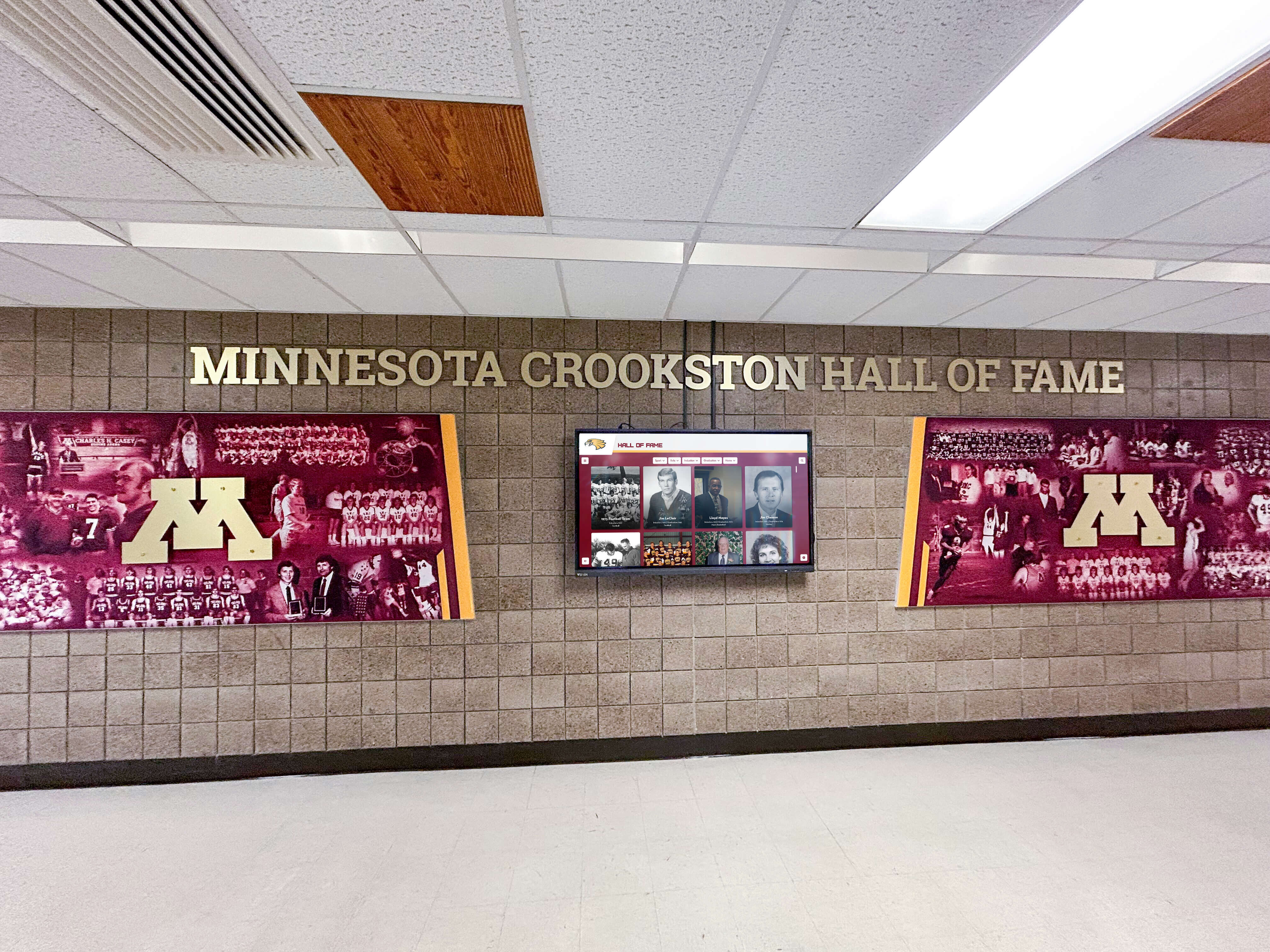
Educational institutions create recognition programs celebrating Olympic alumni and inspiring current student-athletes toward excellence
Lessons for Schools and Youth Sports Programs
While few educational institutions can replicate Olympic training center resources, important principles from elite athlete development apply to programs at every competitive level.
Recognition Programs Celebrating Excellence
Schools and communities can implement sophisticated recognition programs honoring athletic achievements without Olympic training center budgets.
Digital Hall of Fame Systems
Modern recognition technology enables comprehensive athlete celebration:
- Unlimited capacity recognizing all-time greats without space constraints
- Rich multimedia profiles telling complete athletic stories
- Interactive exploration engaging students and community members
- Real-time updates celebrating current achievements alongside historical excellence
- Web accessibility extending recognition beyond physical school locations
Solutions like Rocket Alumni Solutions provide purpose-built platforms specifically designed for educational athletic recognition, making sophisticated digital hall of fame capabilities accessible to high schools, colleges, and universities celebrating their own Olympic alumni, championship teams, and individual athletic excellence.
Olympic Alumni Recognition
Schools producing Olympic athletes can create specialized recognition programs:
- Comprehensive profiles documenting journey from youth athlete through Olympic competition
- Photos and videos from school years through Olympic performances
- Impact stories explaining how school programs supported Olympic development
- Inspiration for current student-athletes seeing pathway to highest competitive levels
- Community pride celebrating hometown Olympic representatives
Learn more about creating comprehensive athletic recognition programs that honor excellence while inspiring continued achievement.
Athlete Development Principles
Elite training center approaches offer valuable lessons for programs developing young athletes.
Comprehensive Support Systems
Olympic training centers succeed through integrated support addressing all athlete development dimensions—physical training, mental skills, nutrition education, injury prevention, and recovery protocols. Schools can adapt these principles by coordinating coaching, athletic training, academic support, and family communication creating holistic development environments even without Olympic resources.
Long-Term Development Focus
Elite programs recognize that Olympic-level excellence develops over 8-12 years of progressive training, not through shortcuts or excessive early specialization. Youth sports programs adopting similar long-term perspectives—emphasizing fundamental skill development, appropriate training loads for developmental stages, multi-sport participation building diverse athletic abilities, and gradual progression toward specialization—produce both better outcomes and healthier developmental experiences.
Culture of Excellence
Training centers create environments where excellence becomes normal expectation rather than exceptional achievement. Schools can build similar cultures through visible recognition of achievement inspiring others, clear performance standards and expectations, celebration of effort and improvement alongside results, and leadership from older athletes mentoring younger competitors.
These cultural elements prove just as important as facilities in determining program success and athlete development quality.
Leveraging Olympic Inspiration
Olympic athlete stories provide powerful motivation that schools and youth programs can harness systematically.
Olympic Connection Programs
Organizations can create explicit connections between local athletes and Olympic excellence:
- Recognition systems showcasing Olympic alumni from school programs
- Guest appearances by Olympic athletes sharing experiences
- Olympic-themed events during Olympic Games periods
- Historical preservation documenting school’s Olympic connections across decades
- Social media celebrating Olympic performances by alumni
Pathway Visibility
Making Olympic development pathways visible helps young athletes understand achievement progression:
- Recognition displays showing athlete progression from youth through elite levels
- Career timelines documenting training evolution and competitive advancement
- Milestone celebrations marking development stage completions
- Connection between school achievements and subsequent Olympic success
- Realistic information about dedication and sacrifice required for elite development
This transparency helps athletes set appropriate goals while appreciating that Olympic-level achievement requires extraordinary commitment sustained over many years.
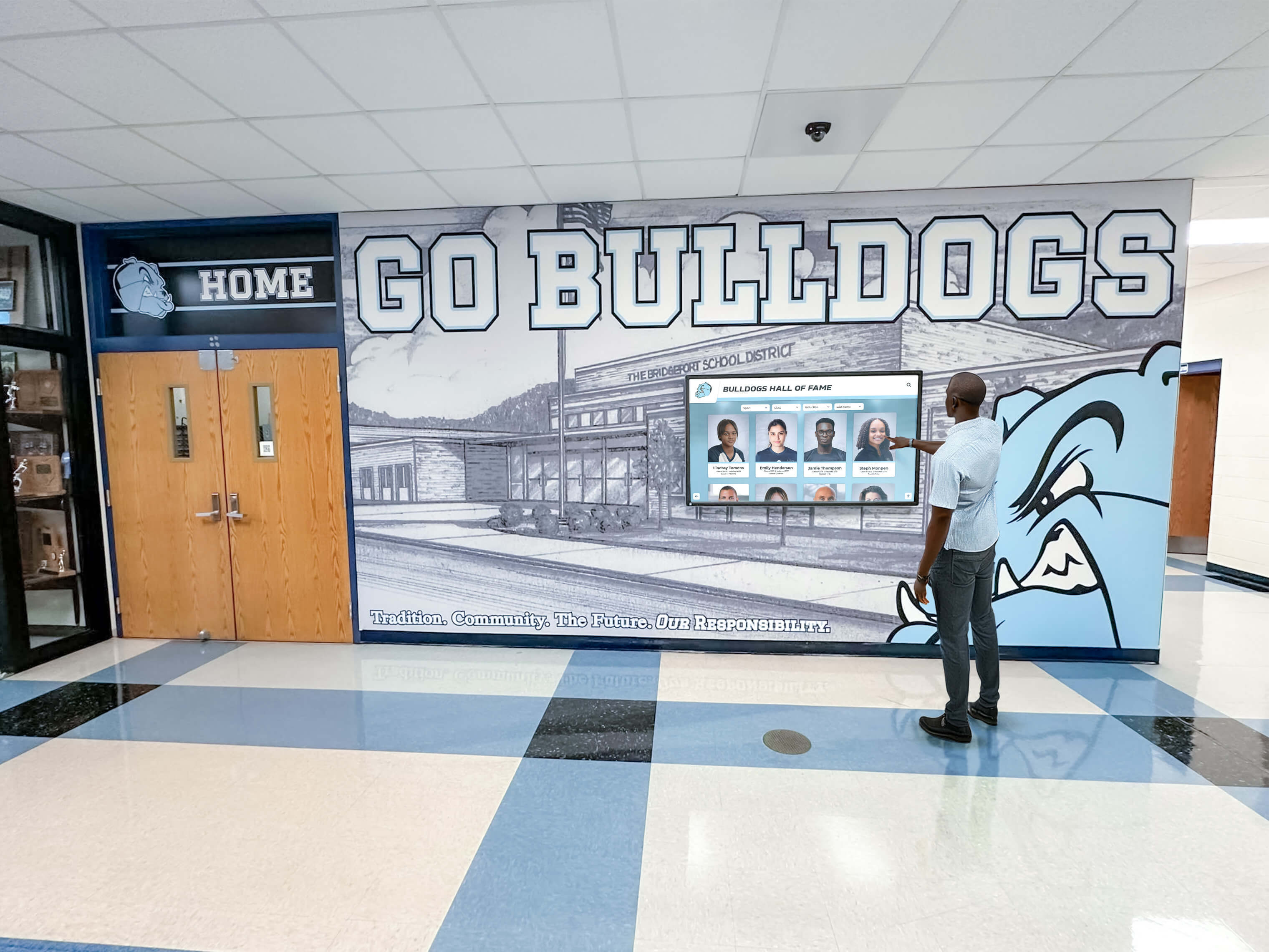
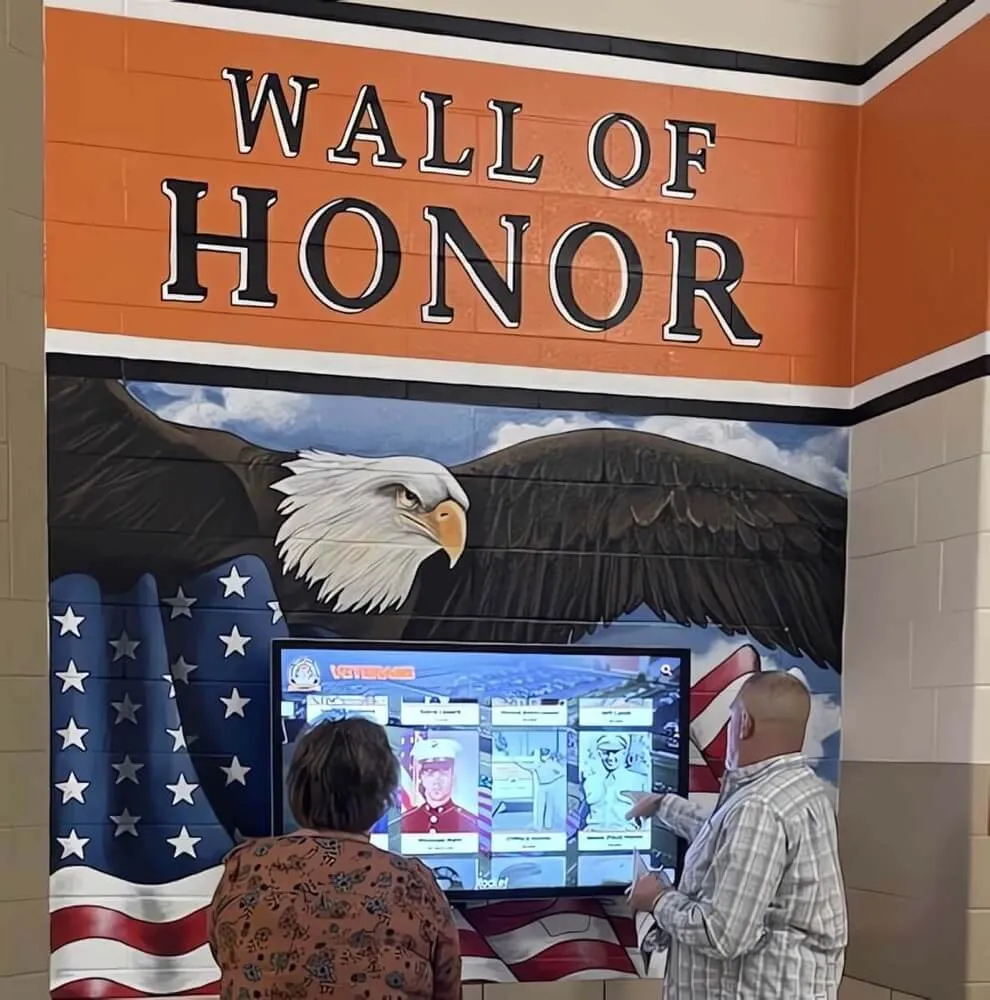
Interactive recognition displays in schools connect students with athletic legacy while celebrating excellence
The Future of Olympic Training Centers
America’s Olympic training infrastructure continues evolving with emerging technologies and changing competitive realities shaping how facilities support elite athlete development.
Technology Integration
Advanced technologies increasingly enhance training effectiveness and athlete development.
Performance Monitoring Systems
Wearable technology and sensors provide unprecedented data about athlete training:
- Continuous heart rate and physiological monitoring during training
- GPS tracking analyzing speed, distance, and movement patterns
- Force plate measurements optimizing strength development
- Video analysis with AI-enhanced technique evaluation
- Sleep tracking ensuring adequate recovery
- Biomechanical analysis identifying injury risks
This data enables highly individualized training program optimization based on each athlete’s specific physiological responses rather than generic protocols.
Virtual Reality Training
Emerging VR applications enhance certain training dimensions:
- Mental rehearsal practicing competition scenarios
- Technique visualization from athlete perspective
- Tactical preparation studying opponent strategies
- Anxiety exposure reducing competition nervousness
- Decision-making training in sport-specific contexts
Remote Coaching Technologies
Video conferencing and remote monitoring enable expert coaching support for athletes training away from primary facilities, extending training center expertise to athletes who cannot relocate permanently.
Specialized Development Pathways
Future training centers will likely develop increasingly specialized programs addressing sport-specific development needs.
Talent Identification Programs
Systematic approaches identifying promising young athletes before they reach national team levels enable earlier intervention and development support, potentially increasing the athlete pool reaching Olympic qualification standards.
Paralympic Integration
Continuing integration of Olympic and Paralympic programs ensures athletes with disabilities receive equivalent access to world-class training facilities, coaching, and support services supporting their competitive development and Paralympic success.
Emerging Sports Adaptation
As the International Olympic Committee adds new sports to Olympic programs (skateboarding, sport climbing, surfing, breaking), training centers adapt facilities and develop expertise in these emerging disciplines, ensuring American athletes can compete successfully in evolving Olympic landscape.
Similar adaptation occurs in educational settings through diverse athletic recognition honoring achievements across expanding sport offerings.
Sustainability and Accessibility
Training center evolution also addresses sustainability and broader athlete access.
Environmental Sustainability
Modern facility upgrades increasingly emphasize energy efficiency, renewable energy integration, water conservation in pool operations, sustainable building materials and construction, and minimized environmental impact.
Geographic Accessibility
Expanding regional training site networks reduces relocation requirements for elite athletes, enabling more competitors to access quality training while maintaining connections with home communities, families, and local support systems.
Socioeconomic Diversity
Ensuring Olympic pathways remain accessible to talented athletes regardless of family financial resources prevents loss of potential champions who cannot afford costs associated with elite training and competition.
Conclusion: Olympic Excellence Through World-Class Training
America’s Olympic and Paralympic training center network represents extraordinary national investment in athletic excellence, providing athletes with facilities, expertise, and support systems required to compete successfully against the world’s best. From Colorado Springs’ comprehensive multi-sport campus to Lake Placid’s winter sports specialization to specialized training sites across the nation, these facilities create environments where Olympic dreams become achievable realities through dedicated training and comprehensive support.
The most important lessons from Olympic training centers extend far beyond elite competition to apply at every competitive level. The integrated support systems addressing all athlete development dimensions—physical, mental, nutritional, and medical—provide models that schools, universities, and youth sports programs can adapt to their circumstances and resources. The recognition that excellence develops through years of progressive preparation rather than shortcuts offers essential guidance for creating healthy long-term athlete development cultures.
Similarly, the sophisticated recognition systems that training centers employ celebrating past Olympians while inspiring current athletes demonstrate how visible achievement celebration creates motivating environments where excellence becomes expected rather than exceptional. Modern digital recognition technology makes these comprehensive celebration capabilities accessible to educational institutions and community sports programs without requiring Olympic-sized budgets.
Ready to celebrate your own Olympic athletes and championship excellence? Whether your school produced Olympic competitors, your community developed world-class athletes, or your program achieved championship success worth celebrating, modern recognition solutions help you honor achievements appropriately while inspiring the next generation. Solutions like Rocket Alumni Solutions provide comprehensive platforms specifically designed for athletic recognition, combining intuitive software with professional hardware recommendations and implementation support ensuring successful long-term programs that deliver sustained value and inspiration.
Educational institutions with Olympic alumni can create recognition programs as sophisticated as those at training centers, documenting complete athletic journeys from youth sports through Olympic glory, sharing multimedia content bringing achievements to life, providing interactive exploration engaging students and communities, and celebrating excellence while making Olympic pathways visible to young athletes pursuing their own dreams.
The pathway from youth athlete to Olympic podium runs through these remarkable training centers where America’s best athletes transform talent into championship performances. Whether you’re an aspiring Olympic athlete evaluating competitive pathways, a coach supporting elite athlete development, or an educator creating programs celebrating athletic excellence at your school, understanding how Olympic training centers function provides valuable insights applicable across all competitive levels.
From the training halls where champions prepare to the recognition displays where their achievements inspire future generations, Olympic training centers embody America’s commitment to supporting athletes pursuing the highest levels of sporting excellence. Those same values—supporting athlete development, celebrating achievement, and inspiring continued excellence—can transform athletic programs at schools and communities across the nation, creating environments where every athlete can pursue their fullest potential regardless of whether their goals target Olympic podiums or personal excellence.
The facilities, expertise, and systematic approaches that Olympic training centers provide ensure American athletes compete successfully on the world’s biggest stages. By learning from and adapting these elite development principles while celebrating achievements through modern recognition technology, schools and youth sports programs can create their own cultures of excellence—ones that honor past achievements while inspiring future champions to pursue their own Olympic dreams with dedication, passion, and unwavering commitment to excellence.