



Intent: Plan — Top sales performer recognition displays represent powerful tools for celebrating achievement, motivating teams, and creating workplace cultures where excellence becomes visible, celebrated, and contagious. When organizations systematically recognize sales success through dedicated displays—from real-time leaderboards showcasing current performance to permanent installations honoring career achievement—they create environments where top performers feel valued, emerging talent finds inspiration, and competitive energy drives results.
Yet many organizations struggle with recognition approaches that truly impact performance and morale. Traditional plaques gather dust in storage, periodic award ceremonies feel disconnected from daily effort, and generic “employee of the month” programs generate cynicism rather than motivation. Meanwhile, sales teams crave immediate acknowledgment, visible celebration of success creates peer-to-peer inspiration, and well-designed recognition becomes recruitment and retention tools as valuable as compensation itself.
This comprehensive guide explores proven strategies for designing and implementing top sales performer recognition displays that deliver measurable business impact—from understanding what motivates modern sales professionals to selecting display technologies, crafting compelling content, integrating real-time performance data, and creating sustainable programs that evolve with organizational goals.
Effective sales recognition extends beyond occasional awards—it creates systematic, visible celebration that reinforces desired behaviors, demonstrates organizational values, and builds cultures where achievement drives both individual satisfaction and collective success. Organizations that excel at sales recognition understand that visibility matters as much as the recognition itself, creating displays that become focal points generating ongoing motivation and pride.

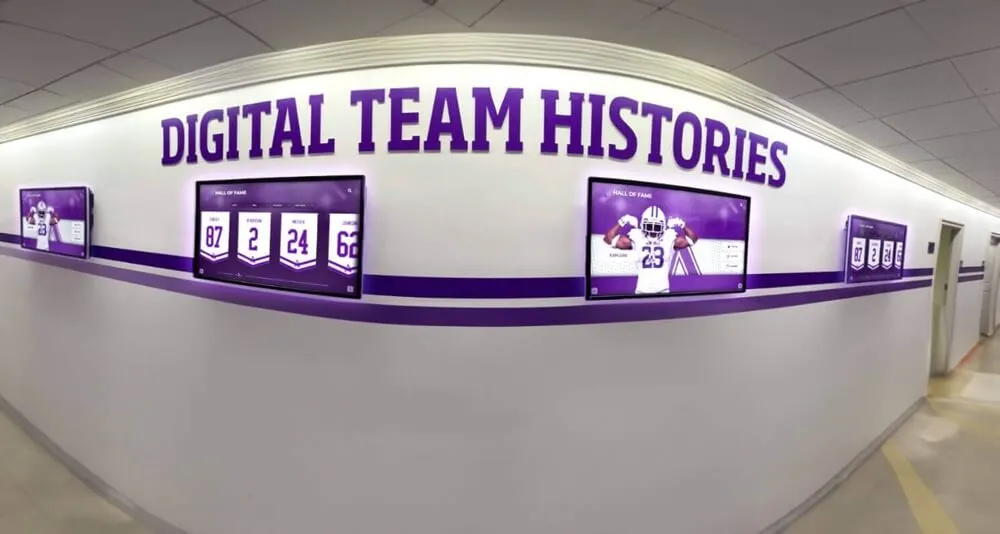
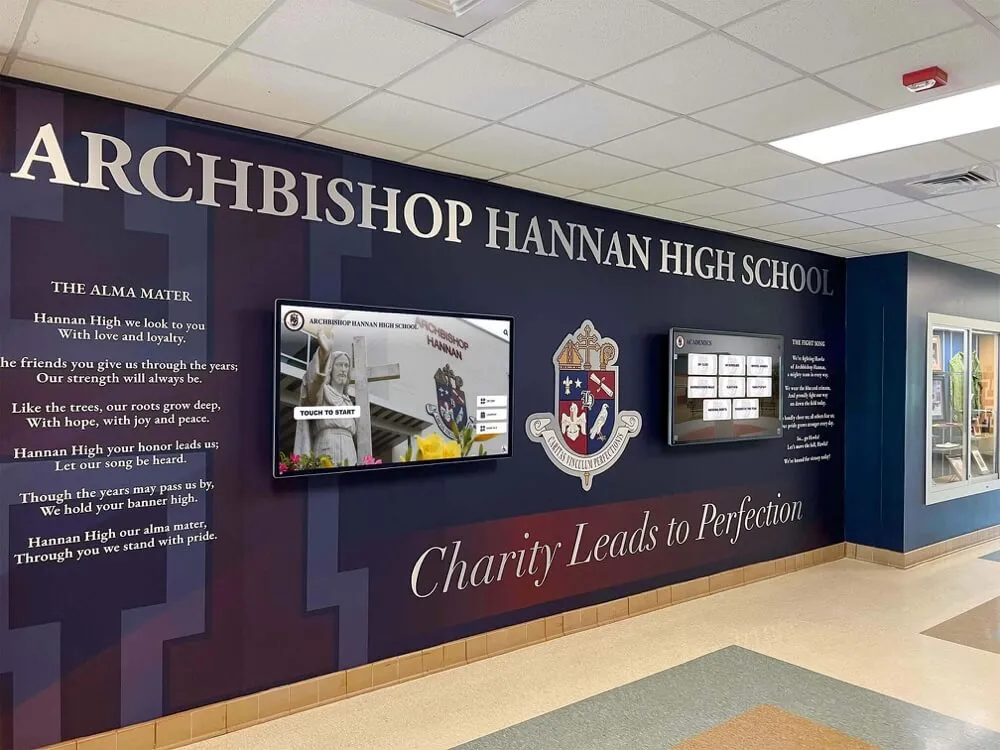
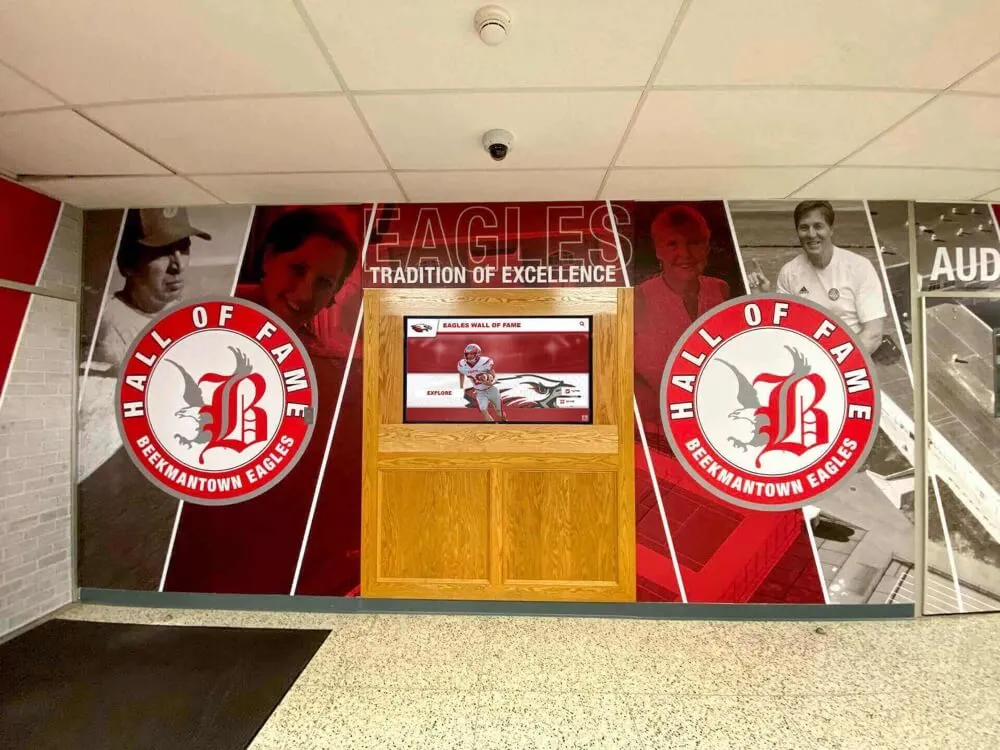
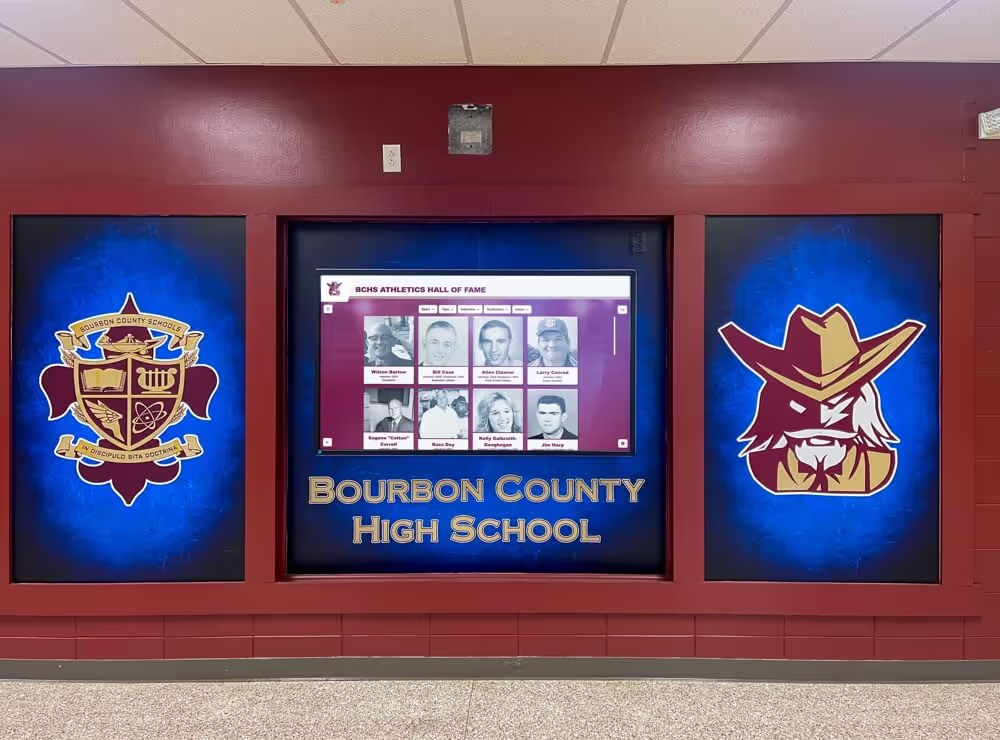
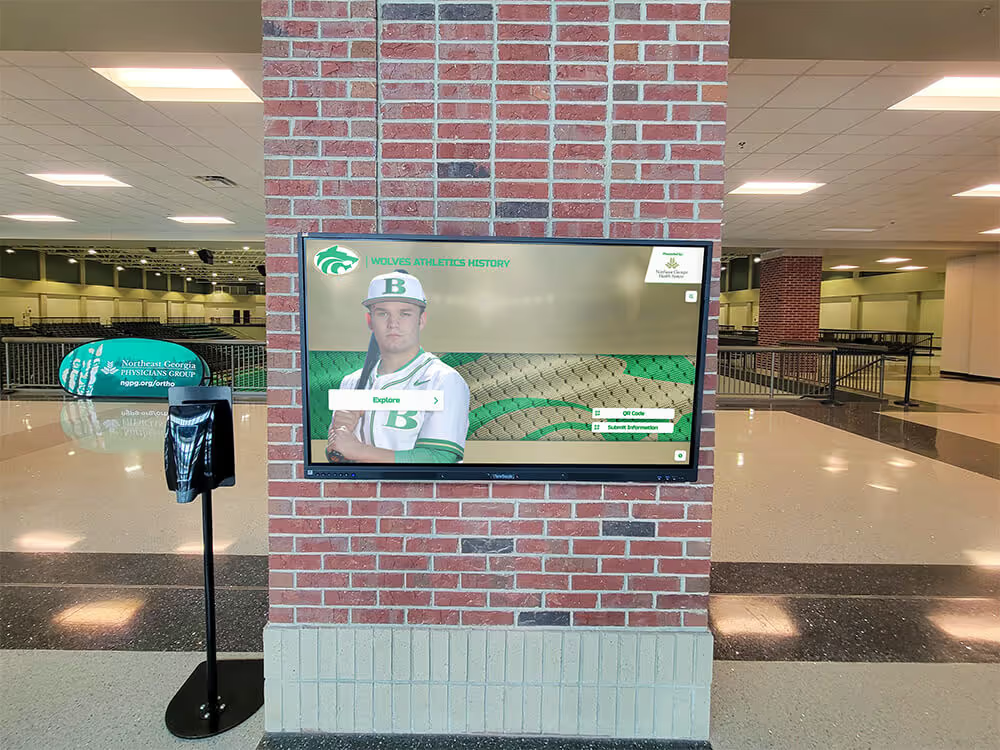
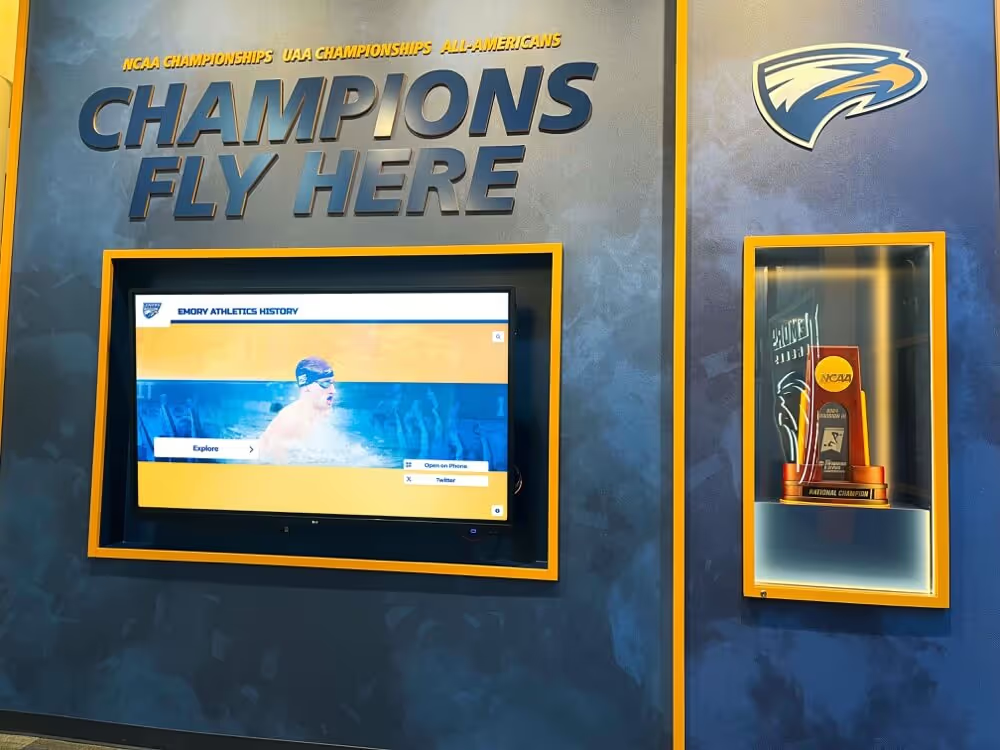
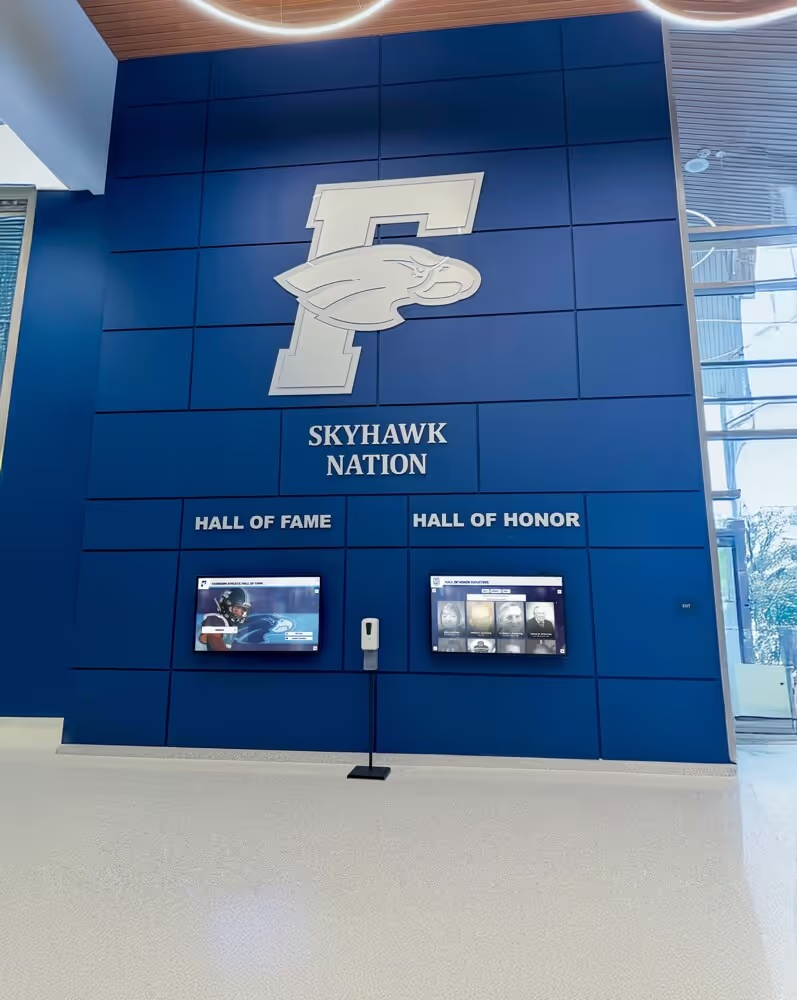
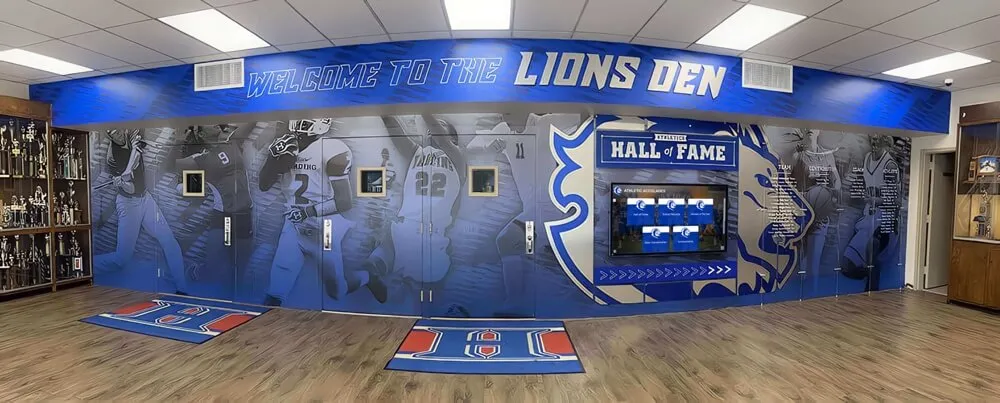
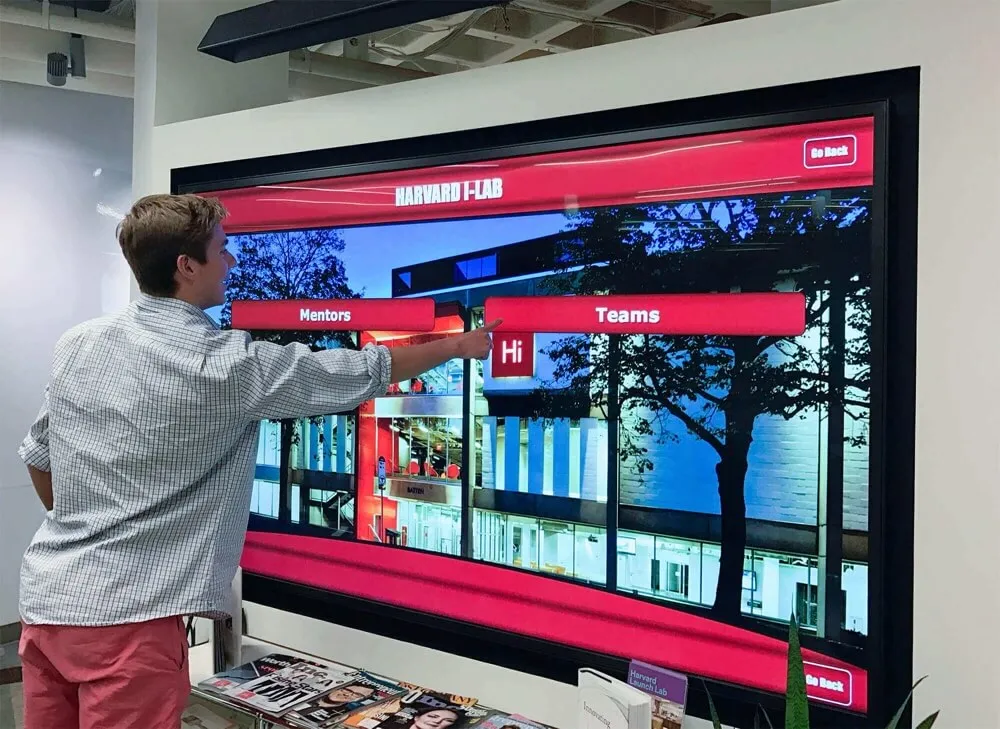
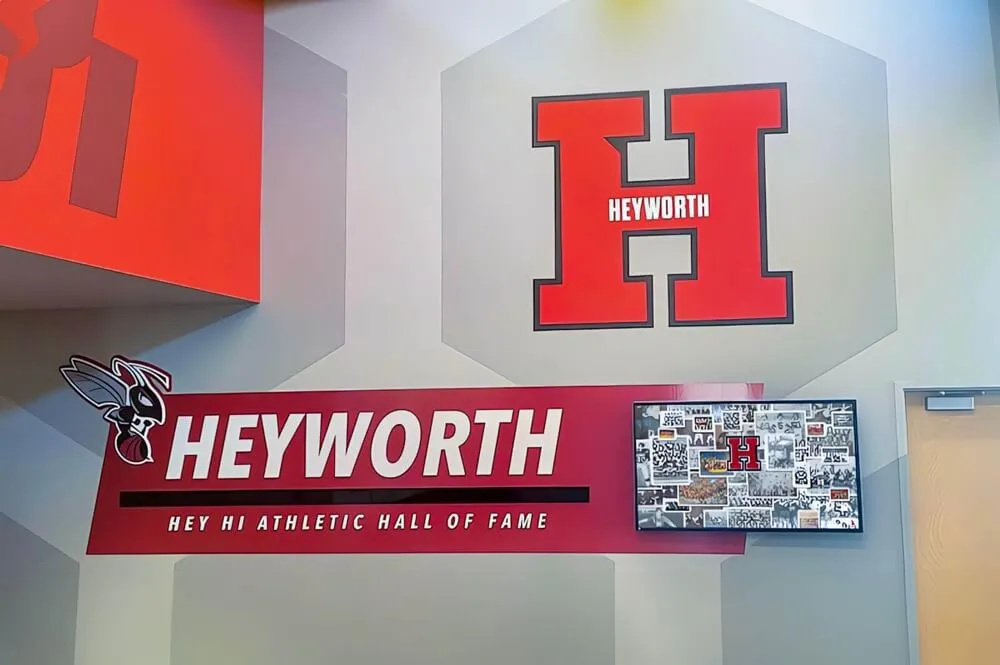
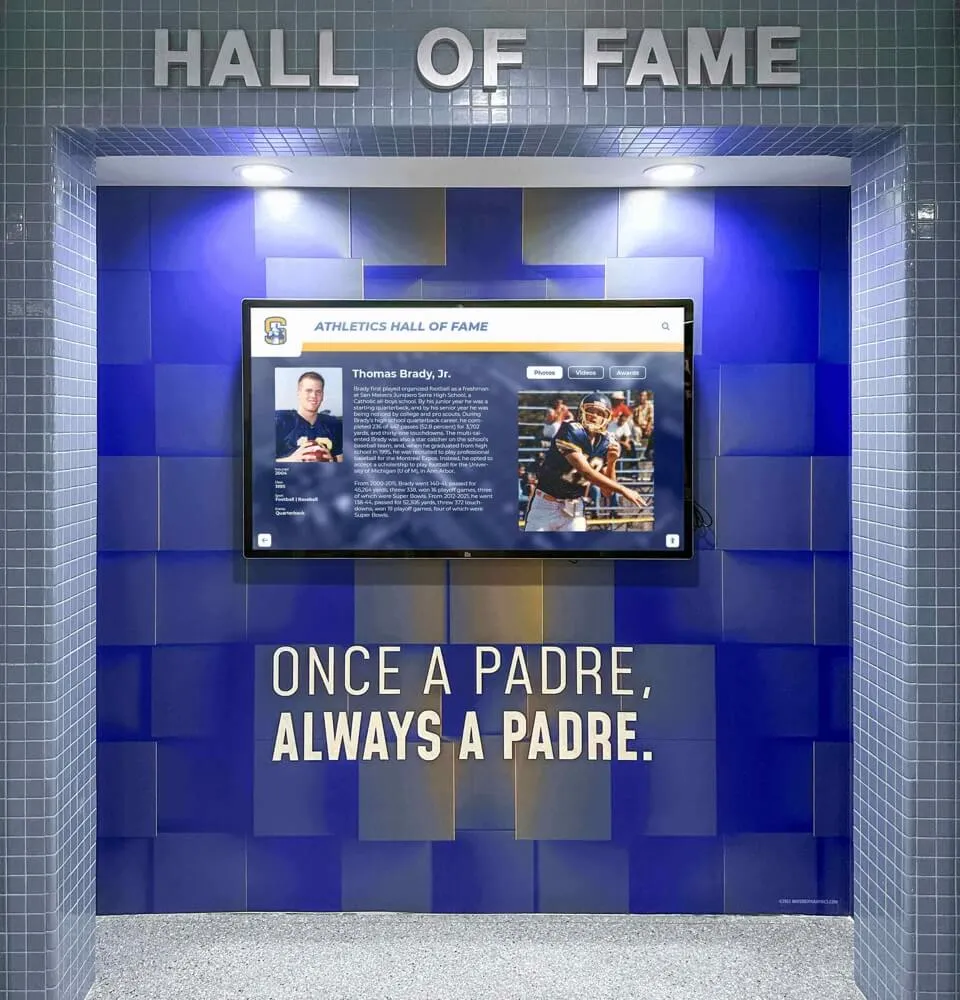
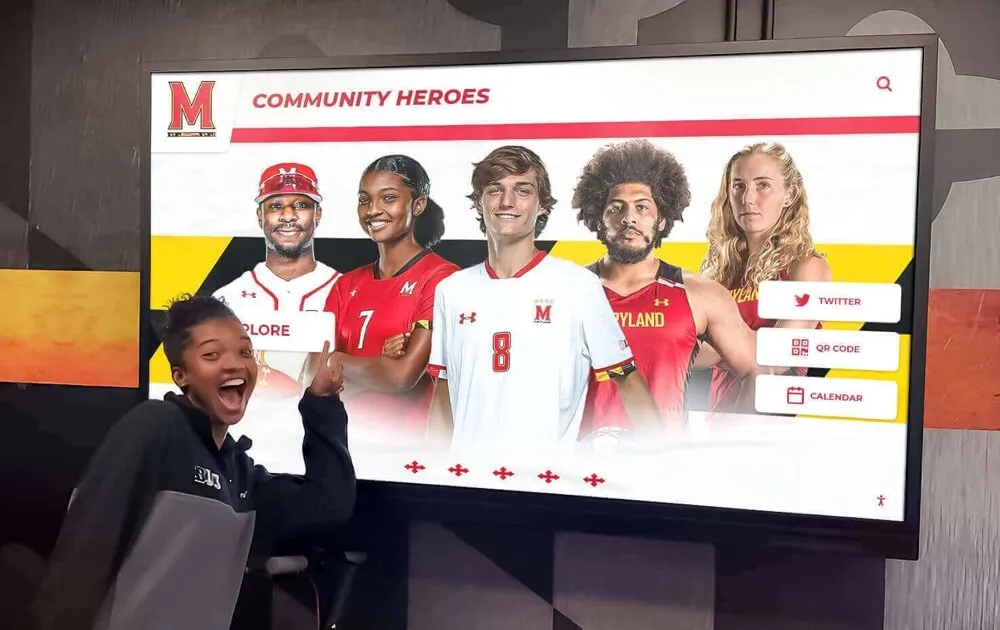
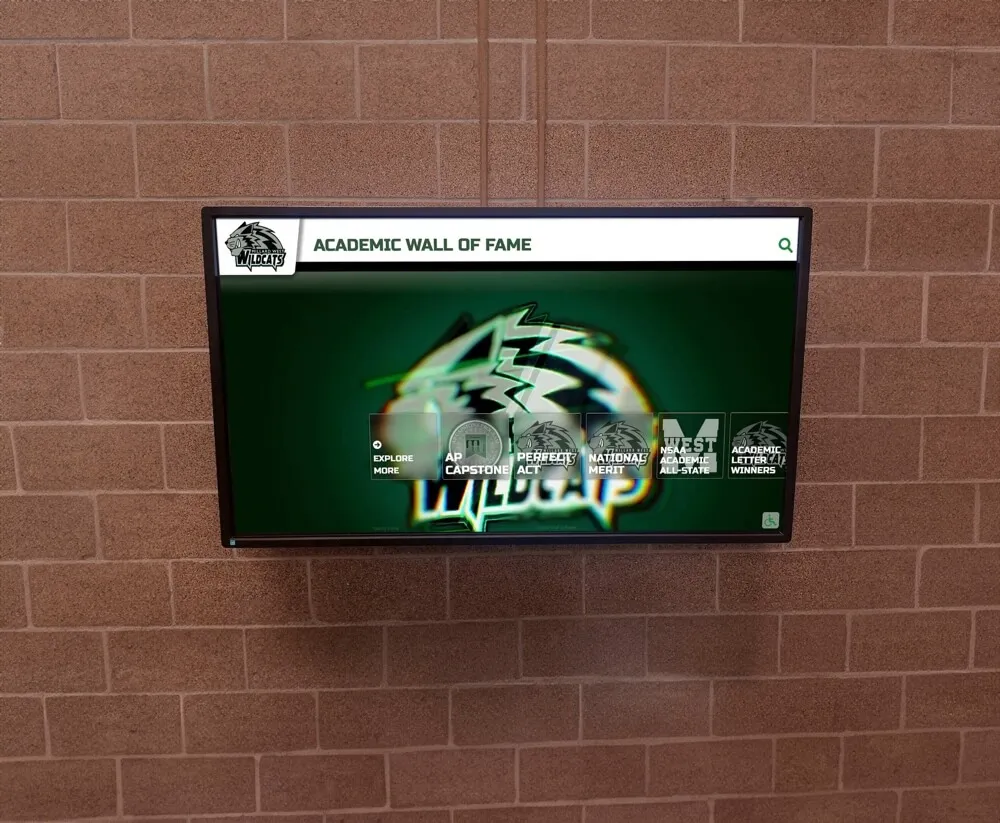
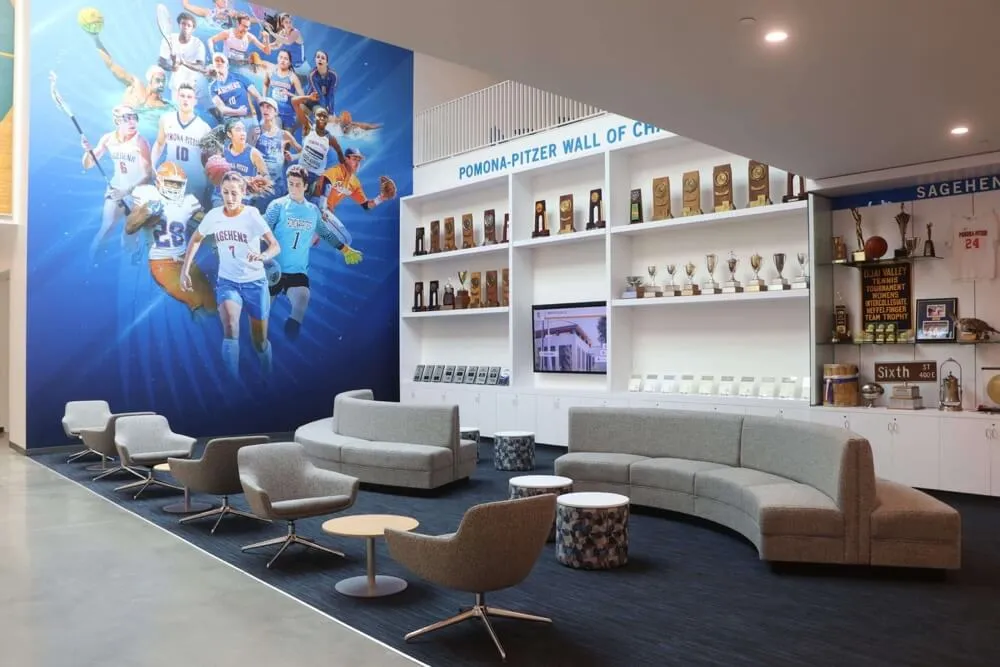
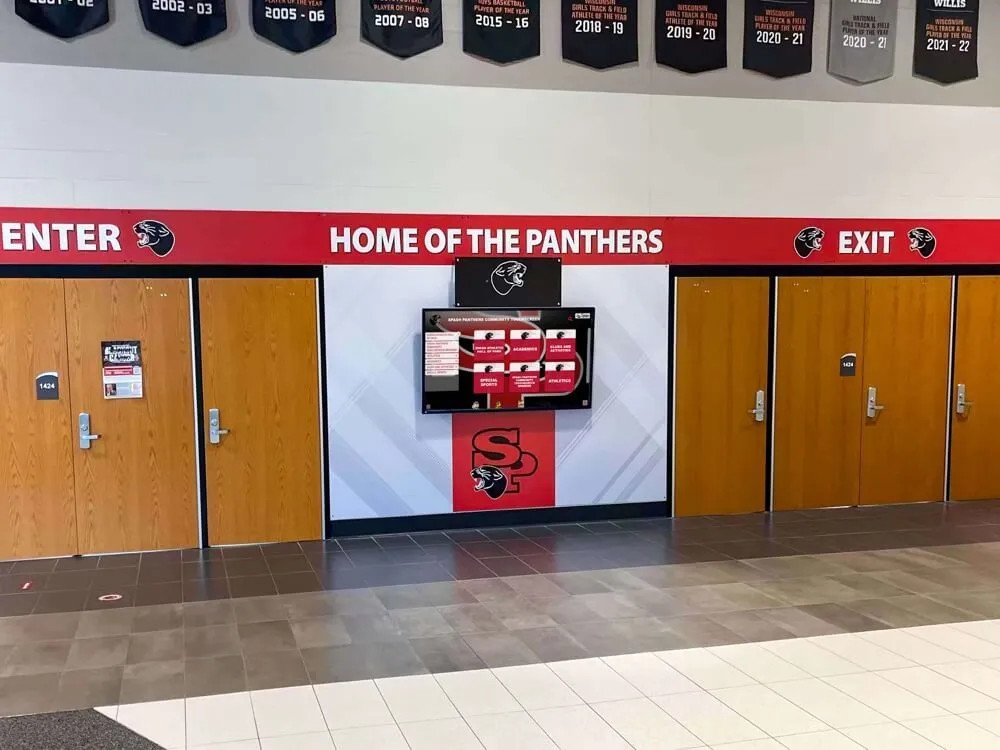
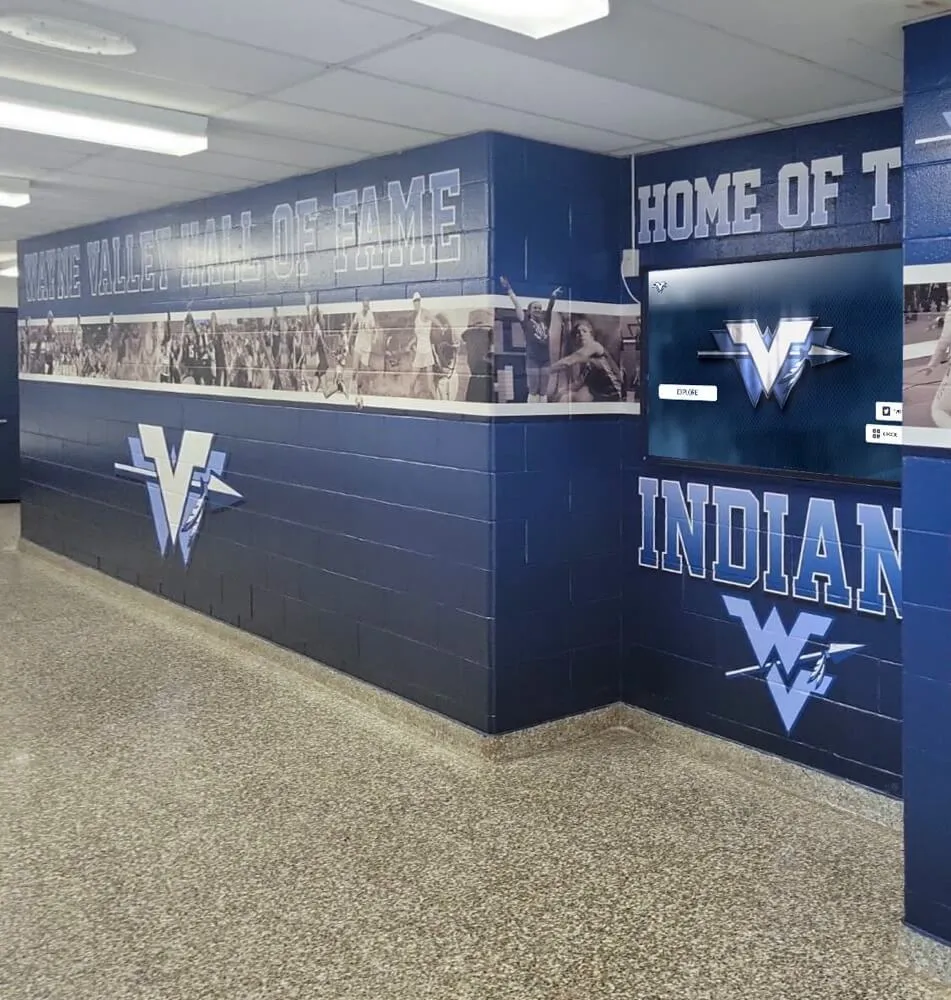
Prominent recognition displays ensure sales achievements receive visibility that motivates current performers while inspiring emerging talent
Program Snapshot: Top Sales Performer Recognition Display
Before exploring detailed implementation strategies, understanding the complete recognition program scope helps organizations assess alignment with sales culture and available resources.
| Program Element | Description | Key Considerations |
|---|---|---|
| Target Audience | Current sales team members, prospective sales candidates, company leadership, office visitors | Multiple audiences benefit from recognition visibility creating diverse value |
| Recognition Types | Top performers, quota achievers, deal closers, revenue leaders, team contributors | Diverse achievement categories ensure broad team engagement |
| Primary Outcomes | Increased motivation, improved retention, enhanced recruitment, visible performance culture | Success requires measurable goals beyond simply “having a display” |
| Display Options | Digital screens with real-time data, permanent achievement walls, interactive touchscreens, combination installations | Technology choices impact flexibility, cost, and update capabilities |
| Content Requirements | Performance metrics, individual profiles, photos, achievement details, historical records | Quality content development represents substantial ongoing investment |
| Update Frequency | Real-time (digital dashboards), monthly (periodic recognition), annual (permanent honors) | Cadence affects relevance, administrative burden, and motivational impact |
| Management Responsibility | Sales leadership, HR teams, operations staff, IT support | Clear ownership prevents inconsistent maintenance diminishing effectiveness |
Understanding Sales Recognition Psychology
Effective recognition programs leverage fundamental principles of human motivation and workplace psychology that drive performance improvement.
Why Sales Recognition Drives Performance
Research demonstrates clear connections between recognition practices and sales outcomes:
Motivation and Retention Impact
According to employee engagement research, employees who feel recognized are 63% more likely to stay with their current employer, with this effect particularly pronounced in sales roles where competitive opportunities abound. Organizations with robust recognition programs report 20-40% lower voluntary turnover among sales professionals compared to industry averages.
Performance Enhancement
Studies consistently show that recognized employees demonstrate 15-30% higher productivity, with sales teams exhibiting even more dramatic effects when recognition directly connects to revenue metrics and competitive performance.
Recruitment Advantage
Visible recognition culture becomes powerful recruitment tool, with prospective sales candidates rating “recognition for achievement” among top five employment decision factors. Organizations showcasing prominent recognition displays during interviews report higher offer acceptance rates and shorter time-to-productivity for new hires already familiar with performance expectations.
Learn about comprehensive recognition approaches through digital hall of fame displays that create lasting organizational impact.
What Sales Professionals Value in Recognition
Understanding recognition preferences ensures programs resonate with target audiences:
Timeliness Over Formality
Sales professionals consistently prioritize immediate recognition over elaborate formal ceremonies, with research showing that acknowledgment within 24-48 hours of achievement produces far stronger motivational impact than delayed recognition regardless of ceremonial grandeur.
Visibility and Peer Acknowledgment
Public recognition among peers matters significantly, with surveys indicating that 78% of sales professionals value team visibility of achievements more than private manager acknowledgment. Displays creating natural gathering points where colleagues encounter recognition organically generate greater satisfaction than hidden locations requiring intentional viewing.
Specific Achievement Details
Generic recognition (“Salesperson of the Month”) produces minimal impact compared to specific accomplishment acknowledgment (“Closed $500K enterprise deal with Fortune 500 client”). Detailed achievement descriptions demonstrate organizational awareness of individual contributions while teaching observers what excellence looks like practically.
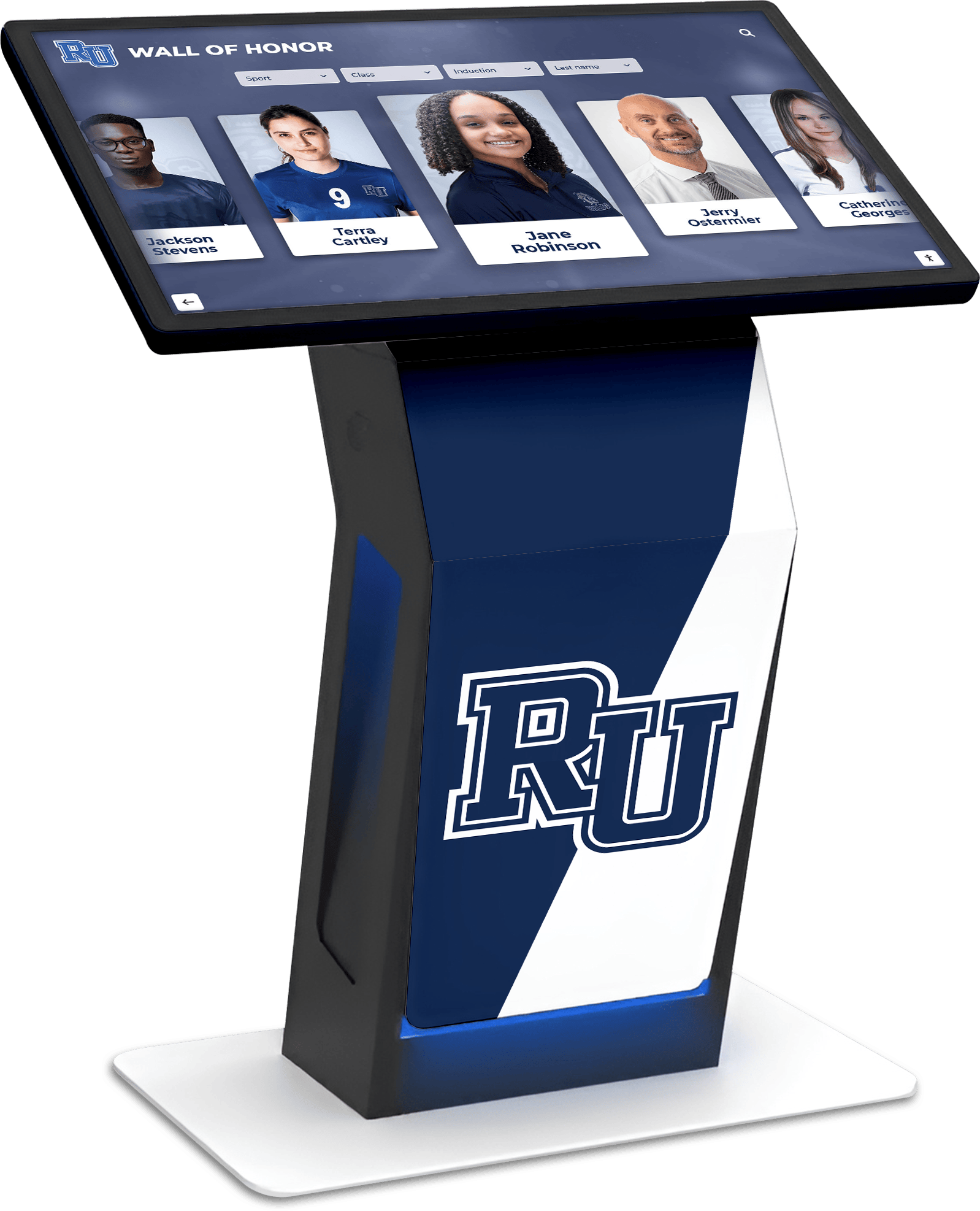
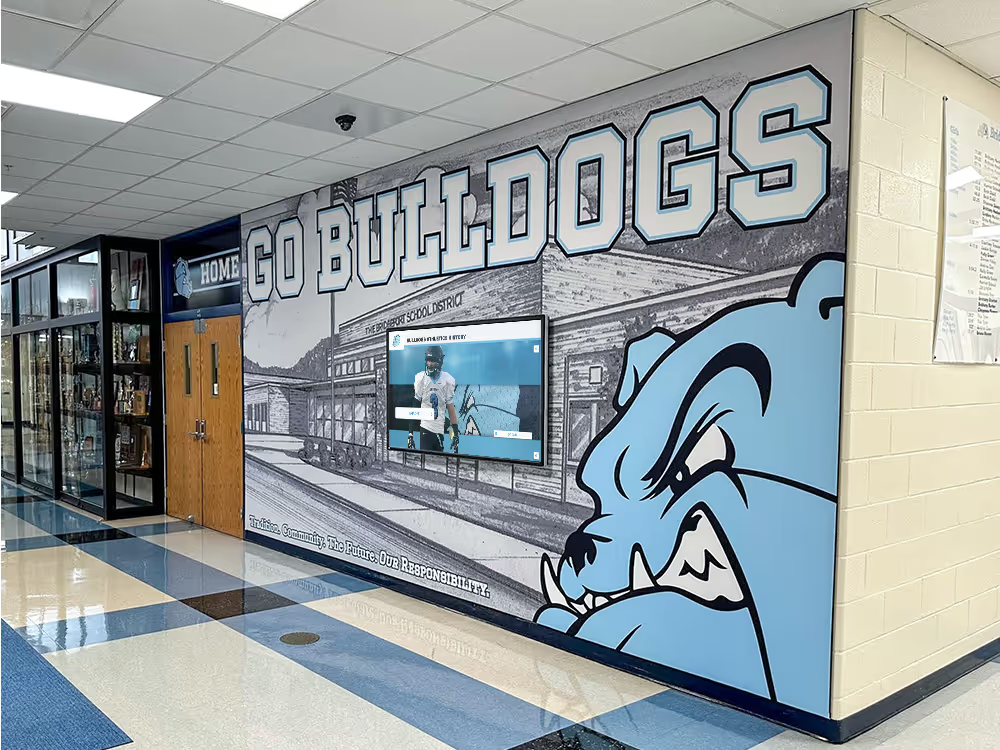
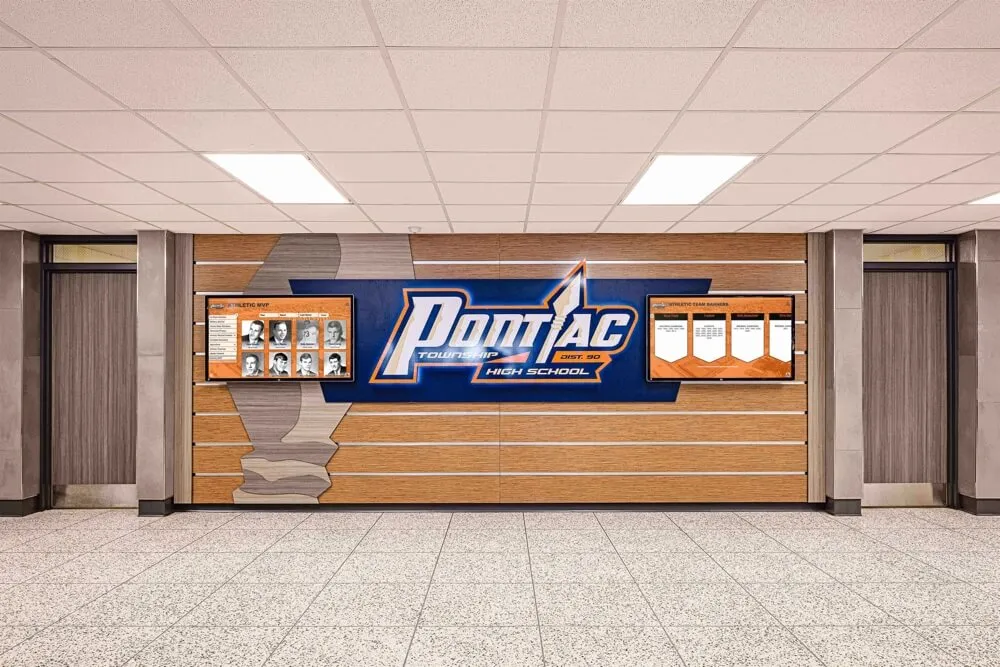
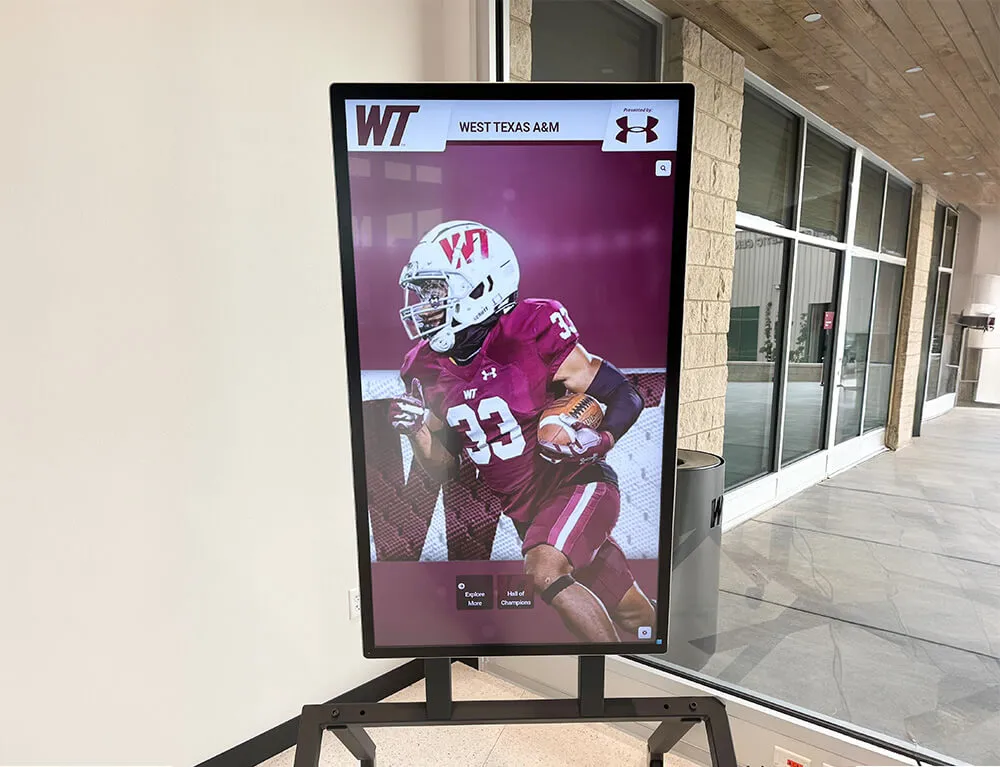
Well-designed recognition displays create focal points where team members naturally gather to celebrate achievements
Data-Driven Objectivity
Sales teams particularly appreciate recognition based on objective performance metrics rather than subjective manager preference, with quantitative achievement thresholds creating perceived fairness that encourages broad participation rather than cynicism about “favoritism.”
Balanced Competition and Collaboration
While competition motivates sales professionals, recognition approaches highlighting individual achievement while acknowledging team contributions balance competitive drive with collaborative culture preventing toxic environments where colleagues become adversaries.
Explore effective interactive board student achievements principles applicable to corporate recognition programs.
Content Architecture: Recognition Display Elements
Comprehensive recognition displays organize diverse achievement types through structured content modules designed for clear communication and motivational impact.
Performance Leaderboard Components
Real-time performance visibility creates ongoing competitive motivation:
Current Performance Rankings
Dynamic leaderboards showcasing:
- Individual sales rankings by revenue, deals closed, or quota attainment
- Team or regional performance comparisons
- Month-to-date, quarter-to-date, and year-to-date standings
- Movement indicators showing rank changes from previous periods
- Percentage-to-goal visualizations for each performer
- Historical comparisons showing performance trends
According to sales leaderboard research, organizations implementing visible performance tracking report 23% average increase in individual sales productivity within first six months, with competitive environments amplifying peer-driven improvement motivation.
Achievement Thresholds and Milestones
Celebrating incremental progress:
- “President’s Club” qualification tracking
- Quota achievement celebrations with visual indicators
- Deal size milestones (first $100K deal, largest single sale)
- Consecutive months achieving quota
- Revenue milestone celebrations ($1M career sales, $5M lifetime)
- Activity-based achievements (most meetings scheduled, highest conversion rate)
Research shows that intermediate milestone recognition produces sustained motivation more effectively than exclusive focus on ultimate achievement, with incremental acknowledgment preventing discouragement among performers not yet reaching top-tier thresholds.
Team Performance Visualization
Collective achievement displays:
- Total team revenue toward organizational goals
- Regional or product line performance comparisons
- Team-versus-target progress bars with completion percentages
- Collaborative deal acknowledgment where multiple salespeople contributed
- Support team recognition for customer success, operations, technical roles
- Cross-functional achievement highlighting company-wide collaboration
These collective elements balance individual competitive motivation with organizational unity preventing zero-sum mindsets where individual success comes at team expense.
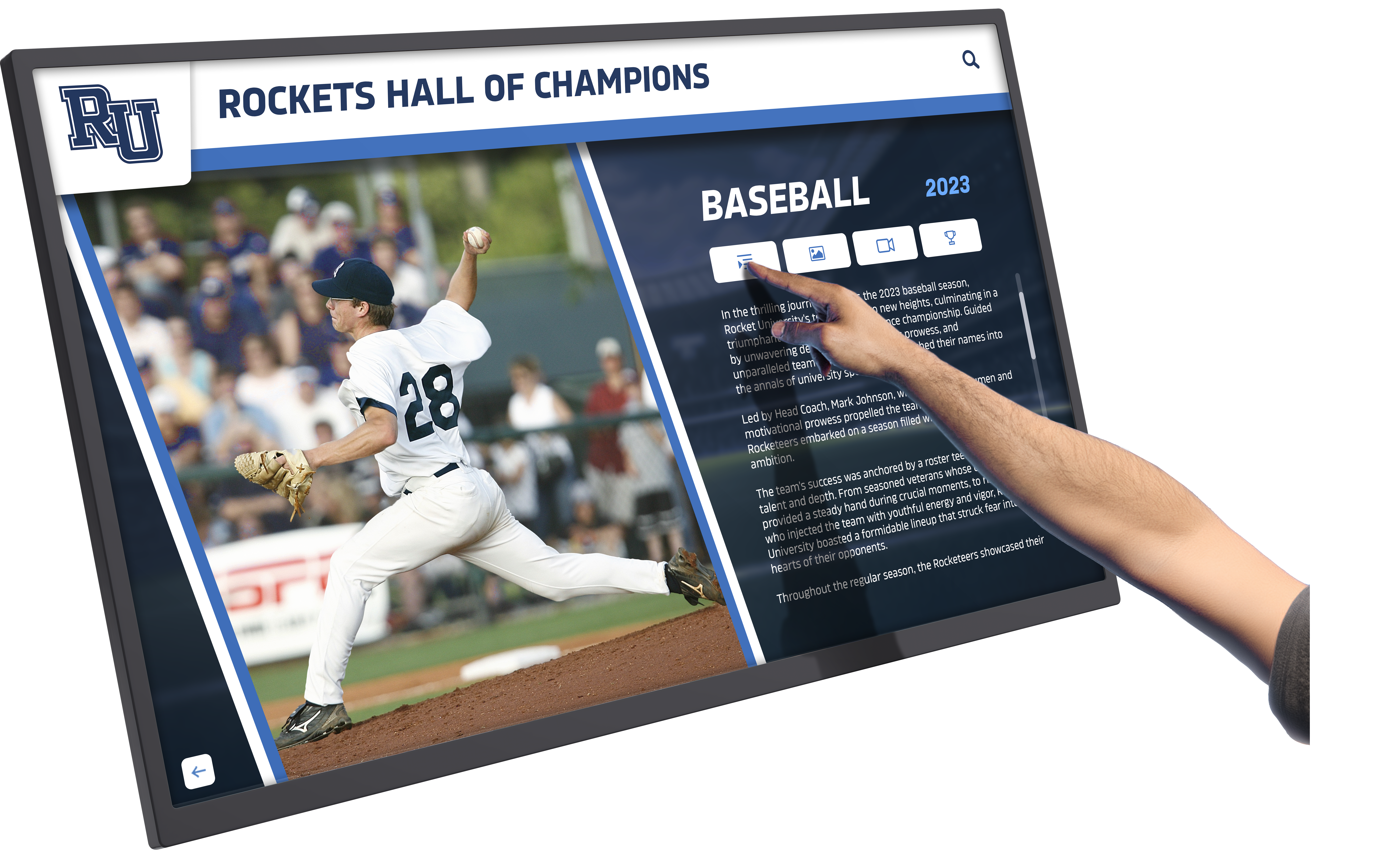
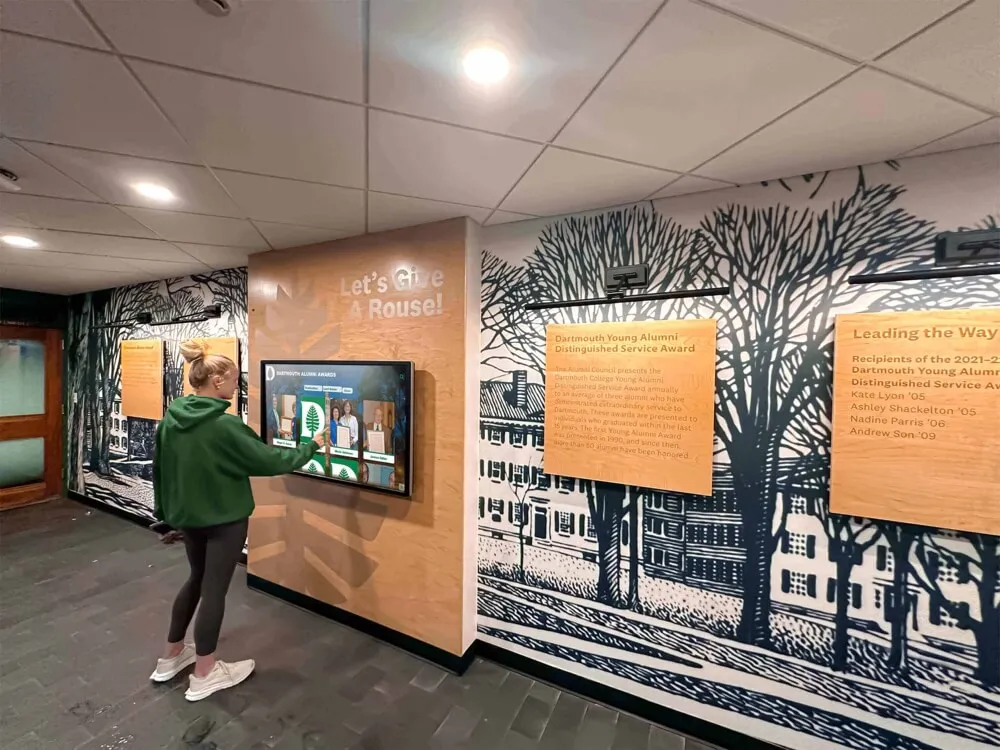
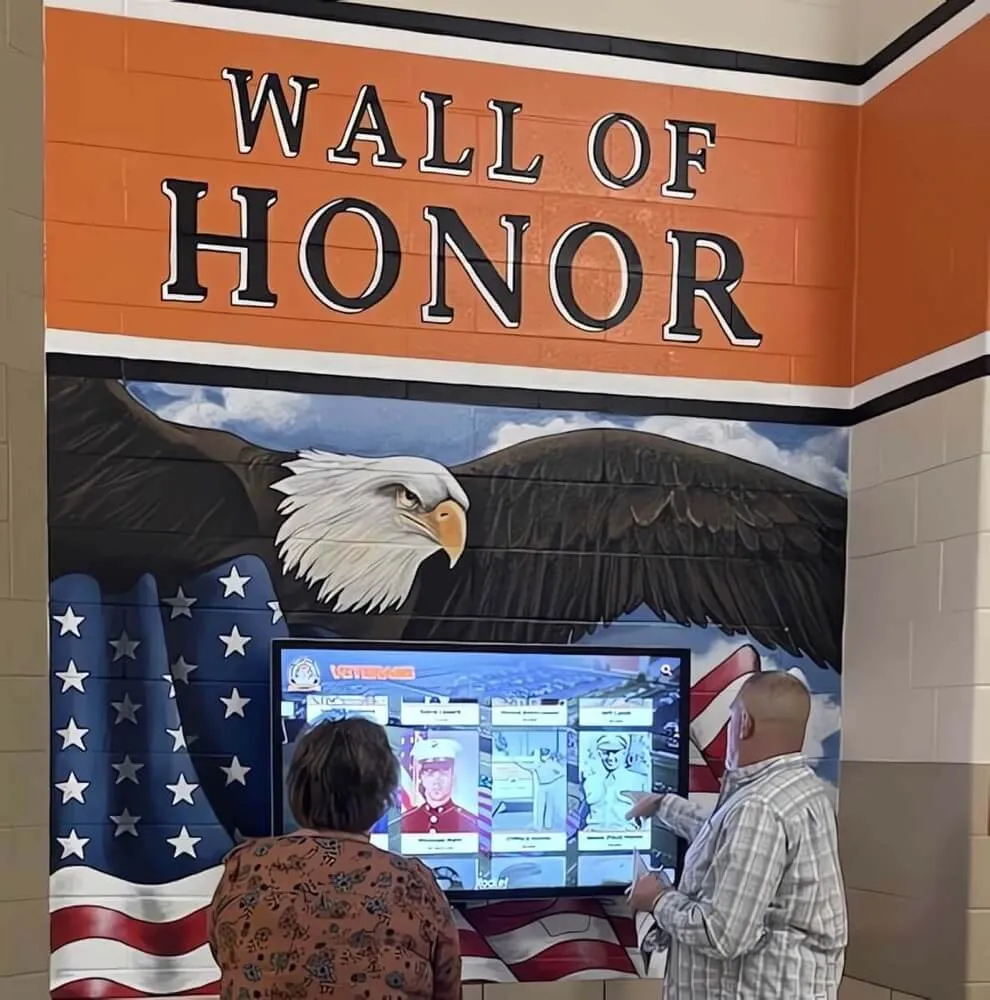
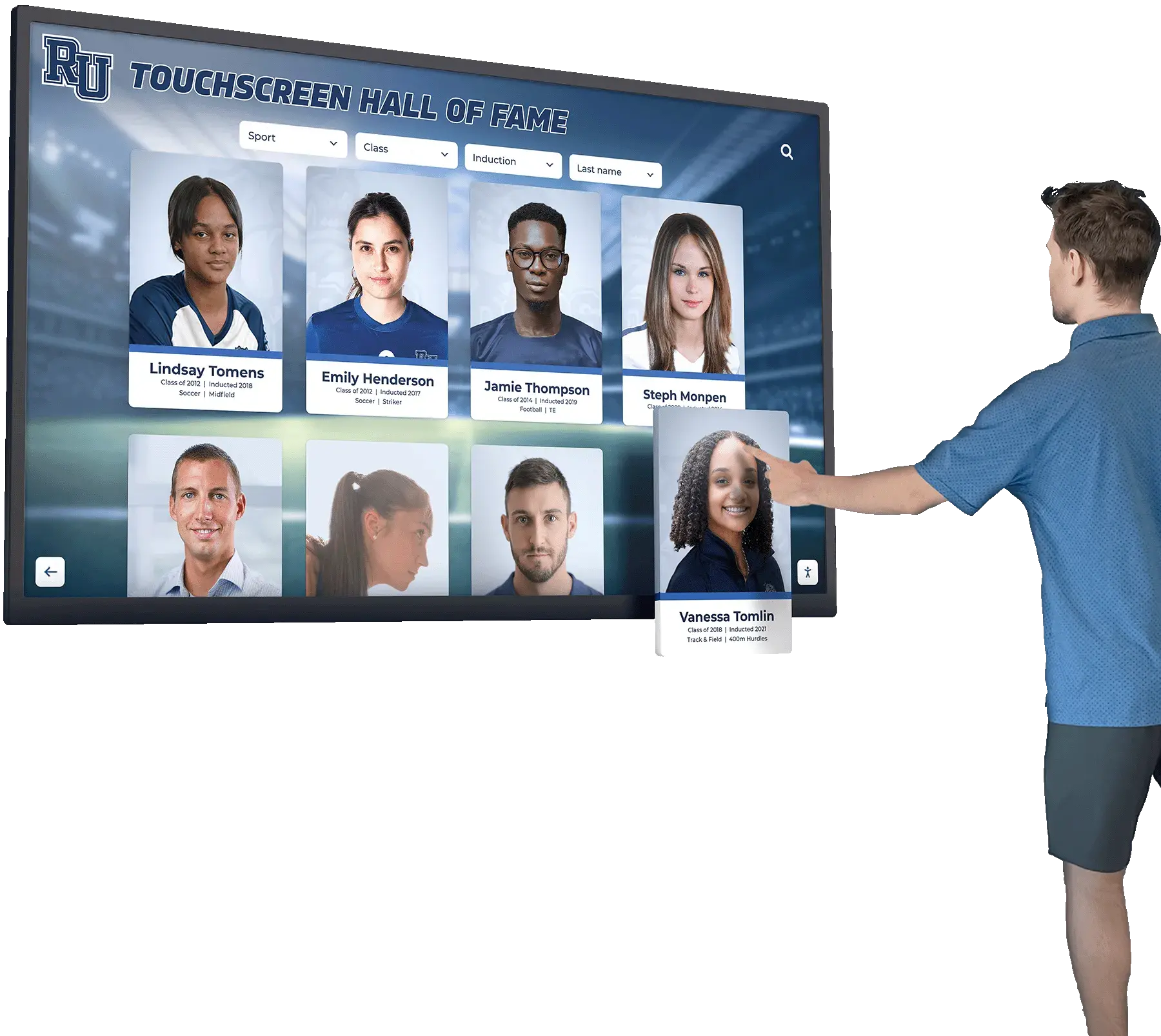
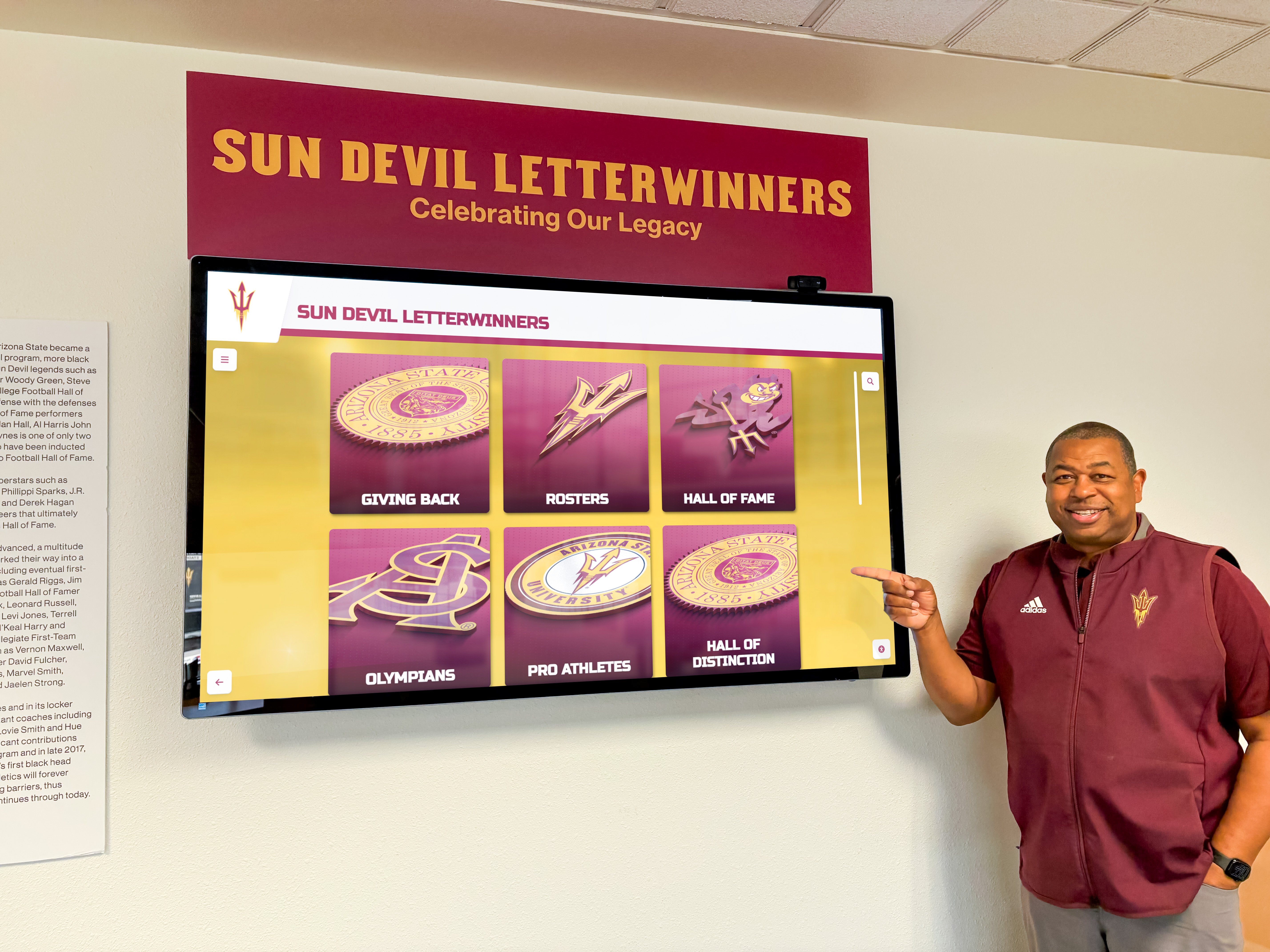
Interactive displays enable deeper exploration of achievement details and performance trends
Individual Achievement Profiles
Comprehensive recognition extends beyond names and numbers to tell complete achievement stories:
Performer Profile Components
Each recognized individual receives detailed acknowledgment including:
- Professional headshot and current role information
- Specific achievements and records broken
- Career statistics and performance history
- Notable deals and customer relationships
- Awards and recognition received
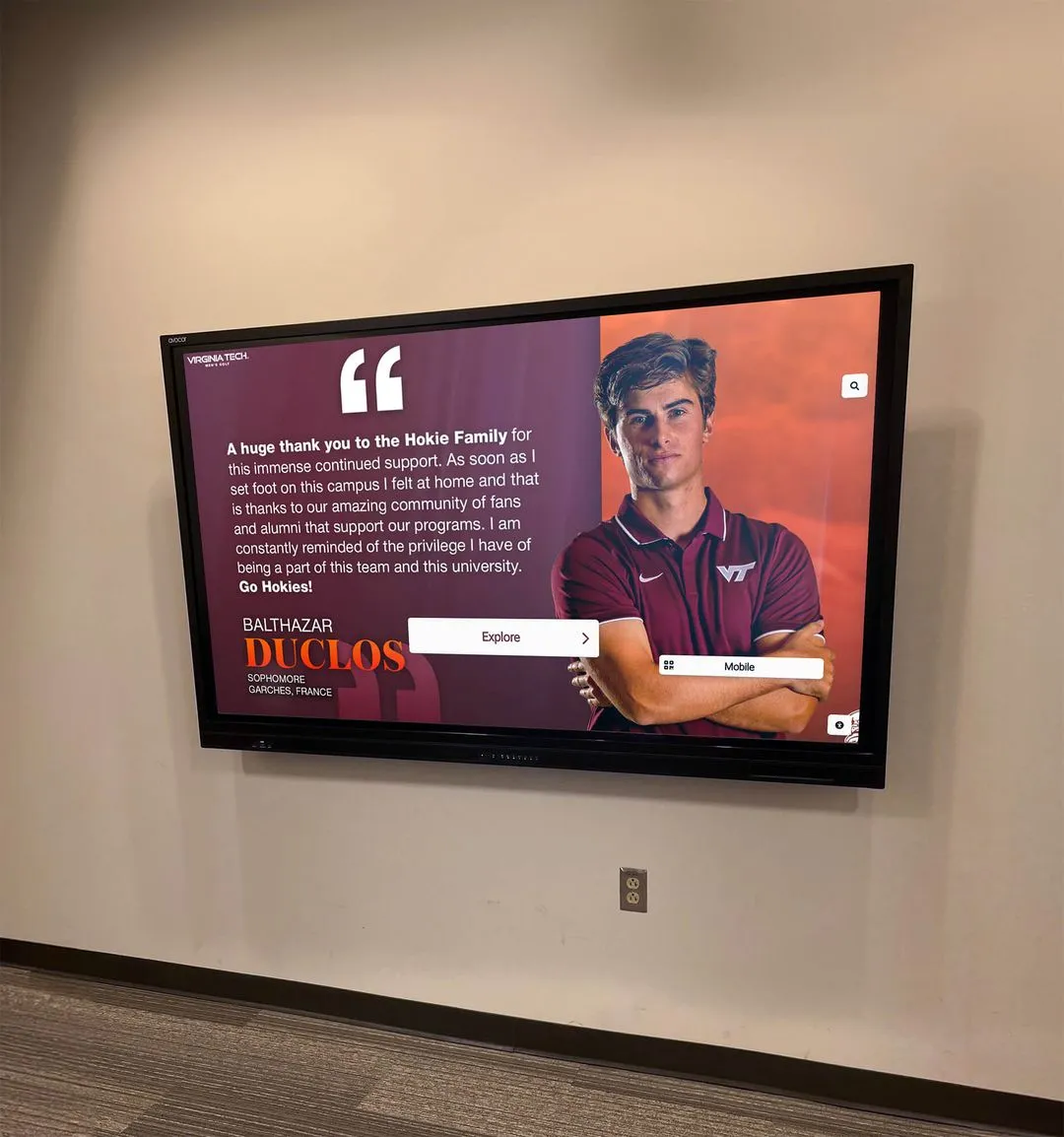
- Personal statement or motivation quote
- Career timeline showing progression
- Skills and specializations
Achievement Detail Documentation
Compelling recognition includes context:
- Specific deal details for major closures (within confidentiality parameters)
- Challenge overcome narratives showing resilience and problem-solving
- Customer testimonials or impact statements when appropriate
- Before-and-after metrics demonstrating improvement
- Innovation or process improvements contributing to success
- Mentorship and team development contributions
- Industry recognition or external awards received
These rich profiles transform basic recognition into inspirational stories that teach emerging performers what excellence requires while honoring top performers comprehensively.
Solutions like Rocket Alumni Solutions provide purpose-built platforms specifically designed for recognition applications, with features supporting detailed profiles that generic digital signage cannot accommodate effectively.
Historical Achievement Archives
Permanent recognition preserving career excellence:
Career Achievement Honors
Long-term performer acknowledgment:
- Career sales totals and major milestones
- Years of service recognition
- Hall of Fame or lifetime achievement induction
- Record-holder acknowledgment for enduring achievements
- Retirement recognition celebrating career contributions
- Alumni recognition for departed top performers who left positive legacy
Organizational Performance History
Institutional memory preservation:
- Annual top performer recognition across decades
- Record achievements and breakthrough moments
- Team accomplishments and milestone celebrations
- Leadership recognition for managers developing talent
- Company growth documentation connected to sales success
- Transformational deals changing organizational trajectory
Historical content demonstrates organizational values consistency, shows career progression possibilities inspiring tenure, and honors contributions that might otherwise disappear after personnel changes.
Discover approaches to preserving institutional history through digital recognition systems.
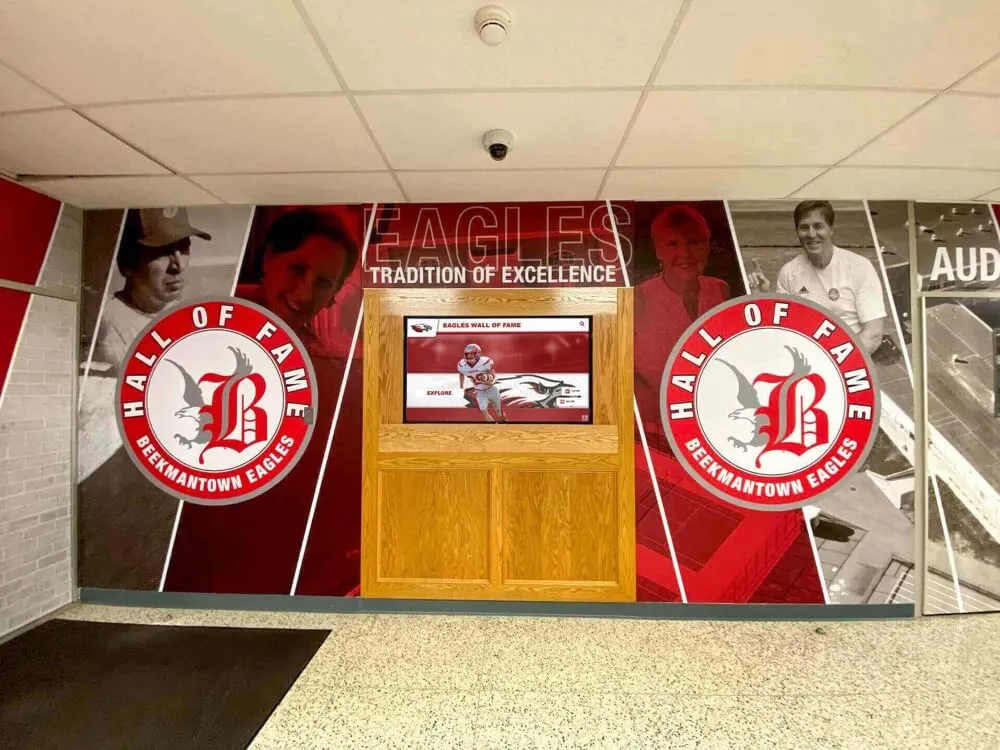
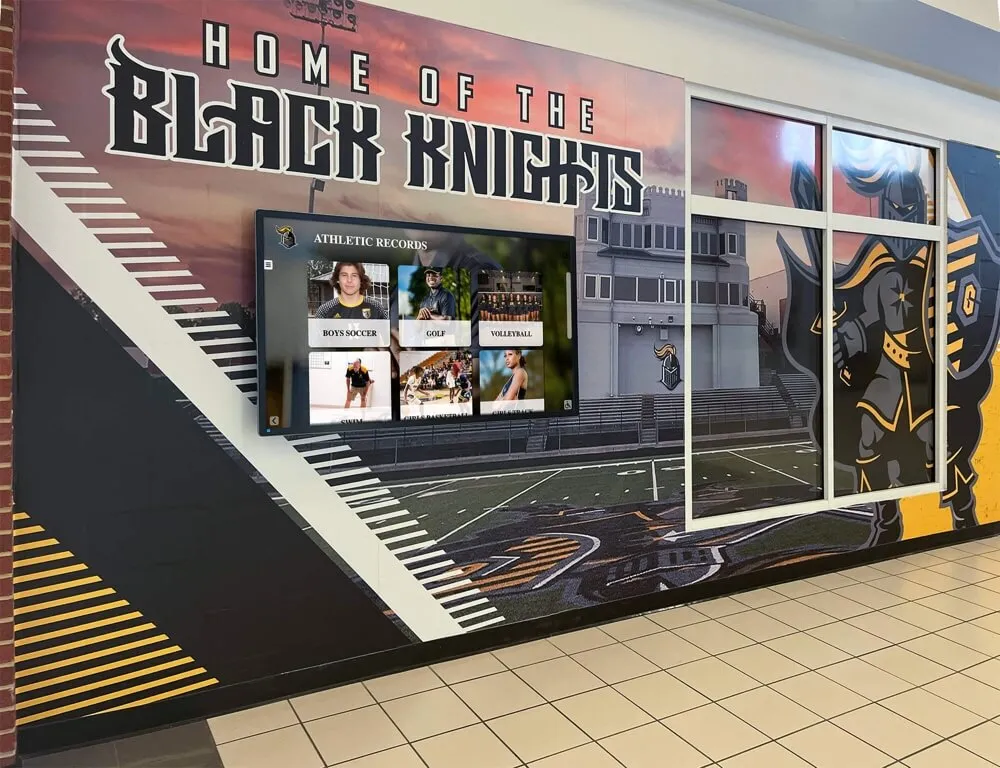
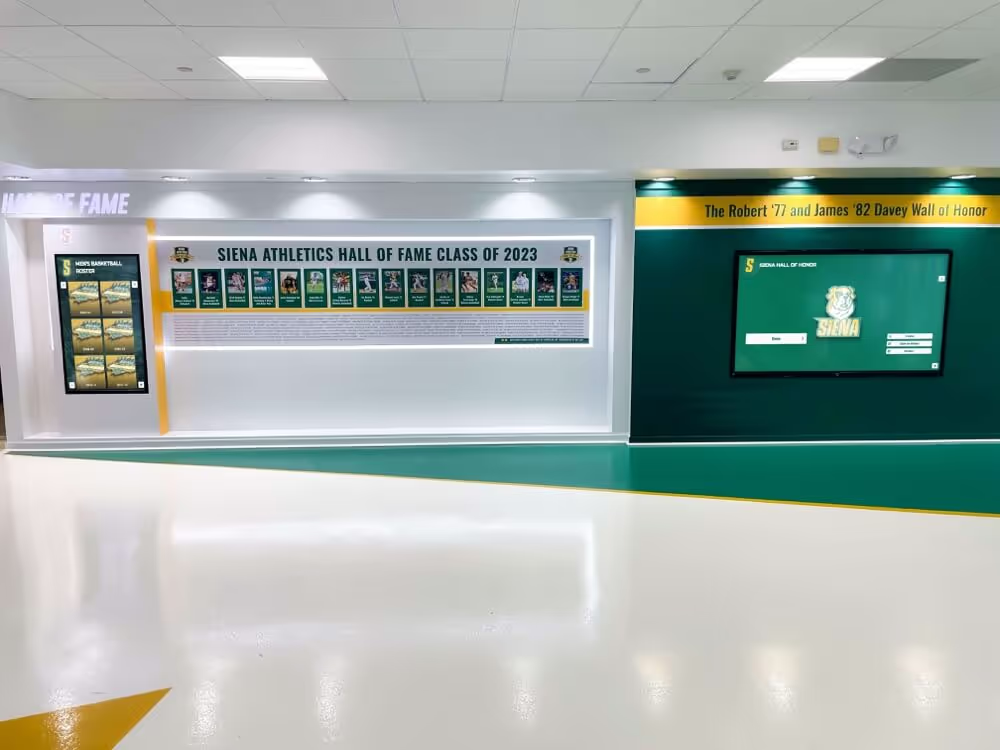
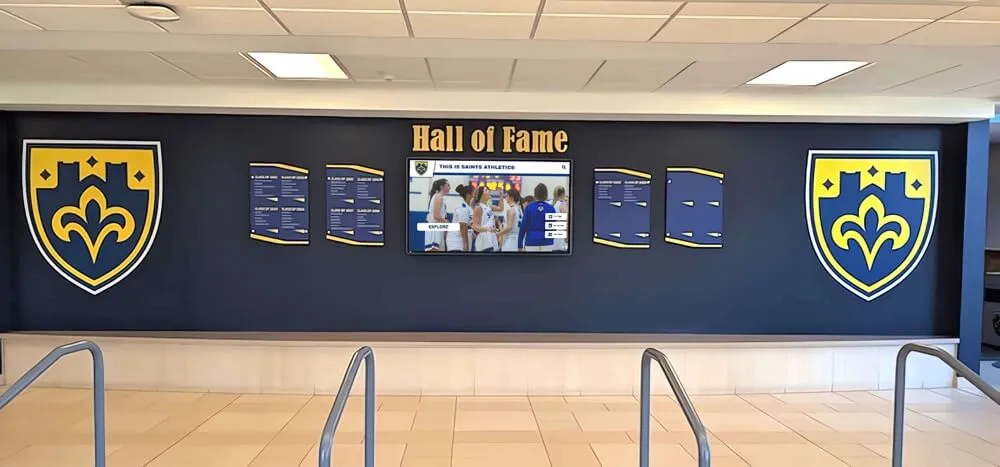
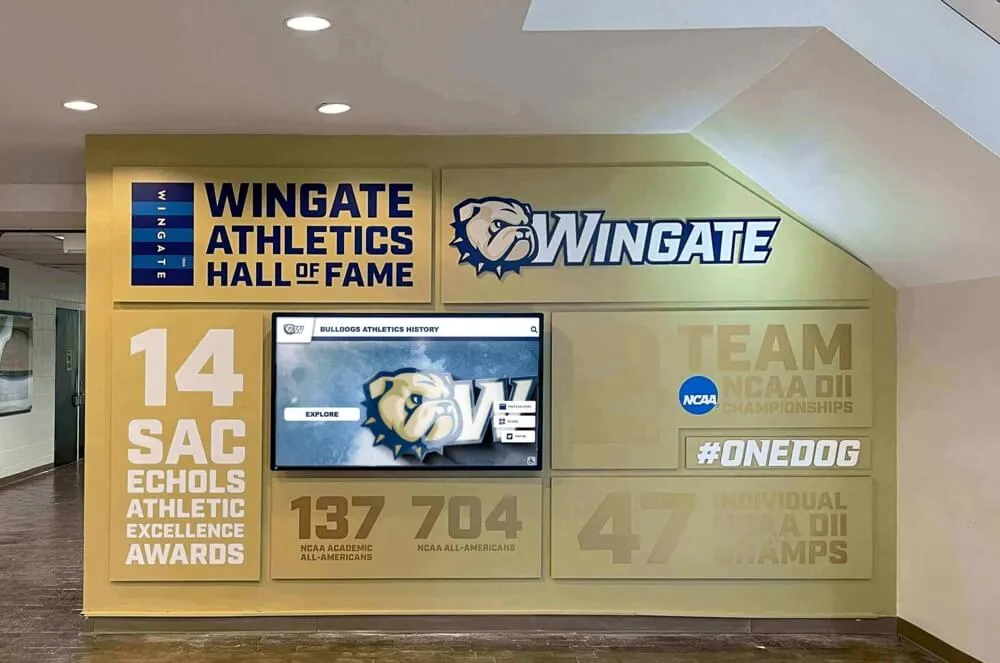
Permanent recognition installations honor career achievement while creating impressive focal points celebrating organizational excellence
Display Integration: Technology Selection and Implementation
Effective recognition requires selecting appropriate display technologies matching organizational needs, budget, and maintenance capabilities.
Digital Display Options
Modern technology offers diverse approaches to sales recognition:
Real-Time Performance Dashboards
Live data-connected displays showing:
- CRM system integration pulling current sales data automatically
- Instant updates as deals close and revenue posts
- Gamification elements with animated celebrations for achievements
- Multi-metric visualization showing diverse performance indicators
- Customizable views highlighting different time periods or categories
- Remote management enabling content updates from anywhere
According to digital signage for sales departments, organizations implementing data-connected displays report that 89% of employees feel more productive and motivated, with real-time visibility creating immediate performance feedback loops.
Interactive Touchscreen Recognition
Engagement-enabling displays featuring:
- Search functionality enabling finding specific performers or time periods
- Detailed profile exploration with photos, videos, and achievement details
- Historical browsing showing recognition across years
- Filtering capabilities by achievement type, team, or metric
- Social sharing enabling recognized performers to celebrate with networks
- Analytics tracking which content generates most engagement
Interactive capability transforms passive viewing into active exploration, with research indicating 5-10X longer engagement time compared to static displays.
Static Digital Signage
Simpler alternatives for budget-conscious implementations:
- Slideshow presentations rotating through recognition content
- Scheduled content displays showing different recognition types throughout day
- Announcement-style celebrations of recent achievements
- Photo galleries with achievement captions
- Video loops featuring performer interviews or achievement highlights
- Calendar-based content showing monthly or quarterly recognition
While less sophisticated than interactive options, static displays still provide substantial value over traditional printed approaches through easy updates and dynamic multimedia capabilities.
Learn about touchscreen software selection for recognition applications.
Physical Installation Considerations
Strategic placement dramatically affects recognition effectiveness:
High-Impact Location Selection
Optimal placement locations include:
- Sales floor or office entry ensuring every team member encounters recognition daily
- Break rooms and common areas where natural gathering creates viewing opportunities
- Conference rooms where client meetings and presentations occur
- Reception areas visible to visitors and prospective employees
- Main hallways connecting frequently-used spaces
- Near workstations where performers see recognition regularly
Research indicates that recognition placement in primary traffic paths generates 5-10 times more engagement than peripheral locations, making real estate decisions critical for program impact.
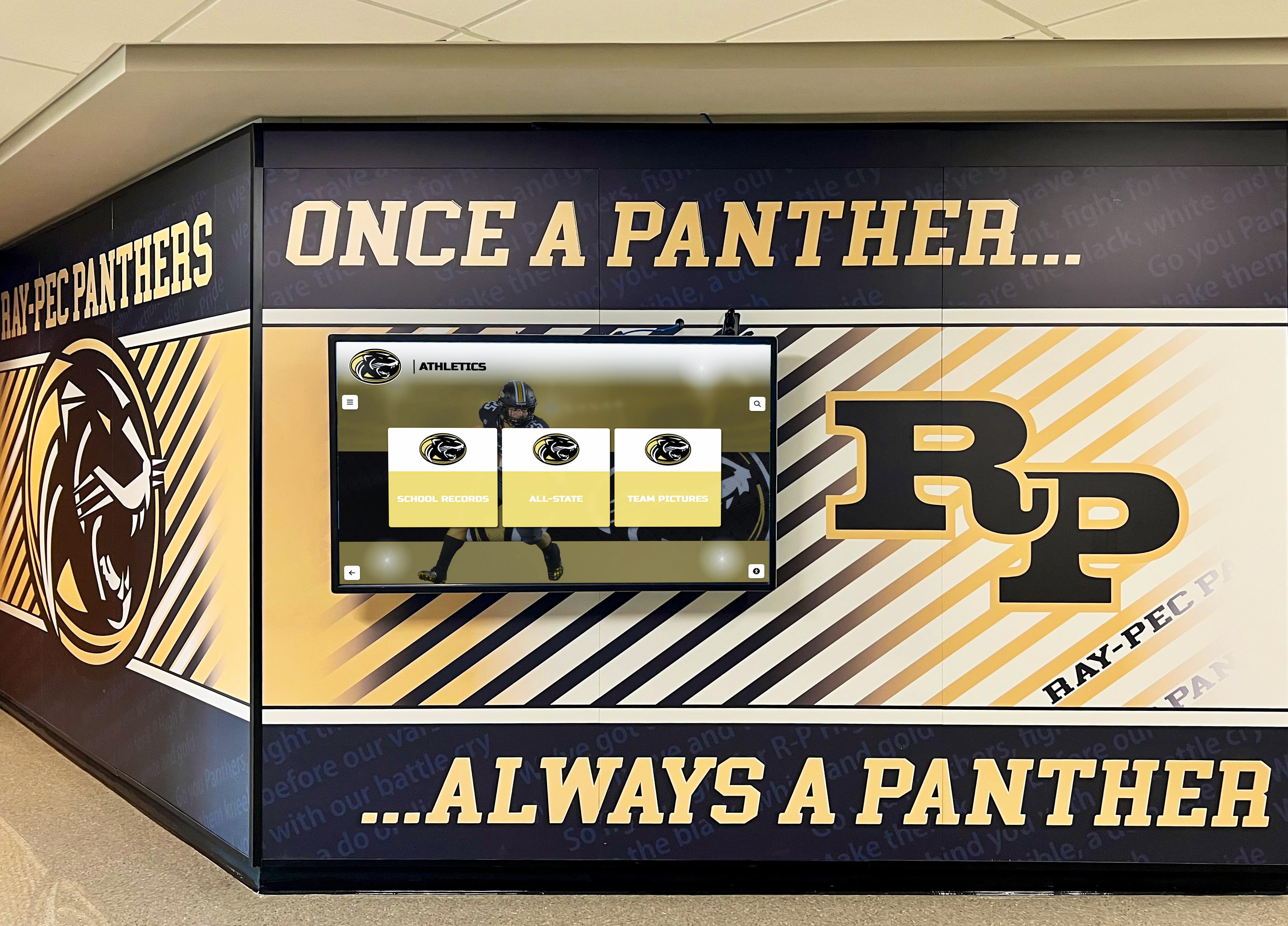
Strategic placement in high-traffic areas maximizes recognition visibility and motivational impact
Display Size and Format
Hardware specifications affecting visibility:
- Screen size appropriate for typical viewing distances (43-75 inches for most corporate settings)
- Portrait versus landscape orientation based on content type and space constraints
- Single large display versus multiple coordinated screens for comprehensive recognition
- Wall-mounted versus freestanding kiosk configurations
- Brightness specifications ensuring visibility in naturally lit corporate environments
- Commercial-grade displays rated for continuous operation versus consumer TVs
Technical Infrastructure Requirements
Installation necessities:
- Electrical power access with proper circuit capacity
- Network connectivity (wired Ethernet strongly preferred for reliability)
- Content management hardware (media players, touchscreen computers)
- Professional mounting with proper weight support and security
- Cable management creating polished finished appearance
- Backup power protection preventing data loss during outages
Professional installation ensures reliable operation and polished presentation reflecting positively on organizational quality standards.
Explore comprehensive digital recognition display selection guidance for corporate applications.
Software Platform Requirements
Content management capabilities determine program sustainability:
Essential Platform Features
Quality recognition systems provide:
- Intuitive cloud-based management requiring no technical expertise
- CRM and performance system integration for automatic data feeds
- Template-based content creation ensuring consistent professional presentation
- Scheduled publishing enabling automated recognition releases
- Multi-display coordination for organizations with multiple locations
- User permissions allowing appropriate staff access levels
- Mobile-responsive administration supporting updates from anywhere
- Media libraries organizing photos, videos, and graphics efficiently
Data Integration Capabilities
Automation reducing administrative burden:
- Salesforce, HubSpot, Microsoft Dynamics CRM connections
- Custom API integration for proprietary systems
- Automated leaderboard updates based on performance data
- Achievement threshold triggers creating automatic recognition
- Calendar integration for milestone and anniversary recognition
- HR system connections for organizational role information
- Analytics platforms providing engagement insights
Organizations implementing integrated systems report 70-85% reduction in manual recognition administration compared to disconnected approaches requiring duplicate data entry.
Customization and Branding
Professional presentation reflecting organizational identity:
- Color schemes matching corporate branding guidelines
- Logo integration and visual identity consistency
- Custom templates for different recognition types
- Typography reflecting corporate communications standards
- Animation and transition styles aligned with company culture
- Design flexibility accommodating organizational evolution
Quality platforms enable professional customization without requiring specialized design expertise or development resources.
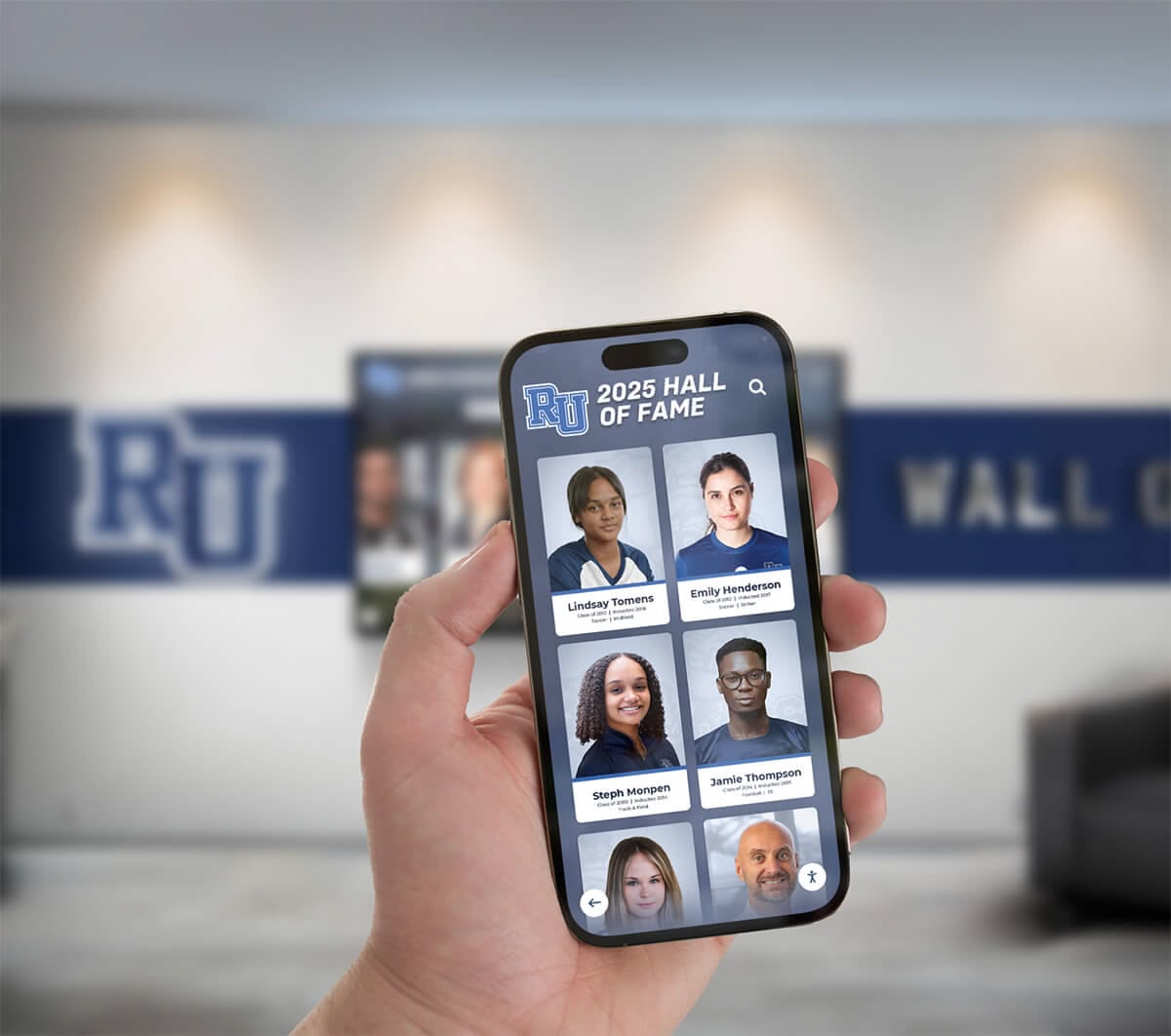
Cloud-based platforms enable recognition management from any device with internet access
Execution Timeline: Implementation Phases
Successful recognition display programs follow systematic development ensuring thoughtful decision-making and professional execution.
Phase 1: Planning and Requirements Definition (Weeks 1-3)
Stakeholder Engagement and Goal Setting
- Assemble cross-functional team including sales leadership, HR, operations, IT
- Define recognition philosophy and cultural values to reflect
- Establish measurable program objectives (retention improvement, productivity targets)
- Identify target audiences and prioritize their recognition needs
- Set budget parameters for initial investment and ongoing operations
- Secure executive sponsorship ensuring sustained commitment
Recognition Criteria Development
- Define achievement categories warranting recognition (quota, revenue, deals, quality)
- Establish quantitative thresholds for different recognition levels
- Determine recognition frequency (real-time, monthly, quarterly, annual)
- Create fairness guidelines ensuring equitable opportunity across team
- Decide historical recognition scope honoring past achievements
- Develop policies for sensitive situations (disputed recognition, misconduct after recognition)
Organizational Assessment
- Evaluate available staff time for program management
- Assess technical capabilities and IT support availability
- Review facility locations identifying optimal display placement
- Inventory existing performance data and CRM system capabilities
- Determine content development resources (photography, writing, design)
- Establish realistic launch timeline based on resource availability
Learn about effective recognition program planning approaches applicable across institutional contexts.
Phase 2: Technology Selection and Procurement (Weeks 4-6)
Display Technology Evaluation
- Compare real-time dashboard, interactive touchscreen, and static digital signage options
- Assess CRM integration capabilities with existing systems
- Evaluate vendor support quality and training offerings
- Review total cost of ownership including hardware, software, installation, ongoing fees
- Request demonstrations and trial periods ensuring capability verification
- Speak with current customers about implementation experiences and satisfaction
Hardware Specifications and Procurement
- Determine appropriate display sizes and quantities based on space assessment
- Select commercial-grade equipment rated for continuous operation
- Specify mounting approach (wall-mount versus kiosk) per location
- Procure installation materials and infrastructure components
- Verify compatibility between hardware and software platforms
- Establish installation timeline coordinating with facility availability
Software Platform Selection
- Prioritize purpose-built recognition platforms over generic digital signage
- Verify intuitive management interfaces enabling non-technical staff operation
- Confirm integration capabilities with performance tracking systems
- Assess scalability accommodating organizational growth
- Review analytics and reporting features providing engagement insights
- Negotiate licensing terms and service level agreements
Organizations should request comprehensive proposals with detailed pricing, implementation timelines, training plans, and ongoing support descriptions before committing to long-term platform relationships.
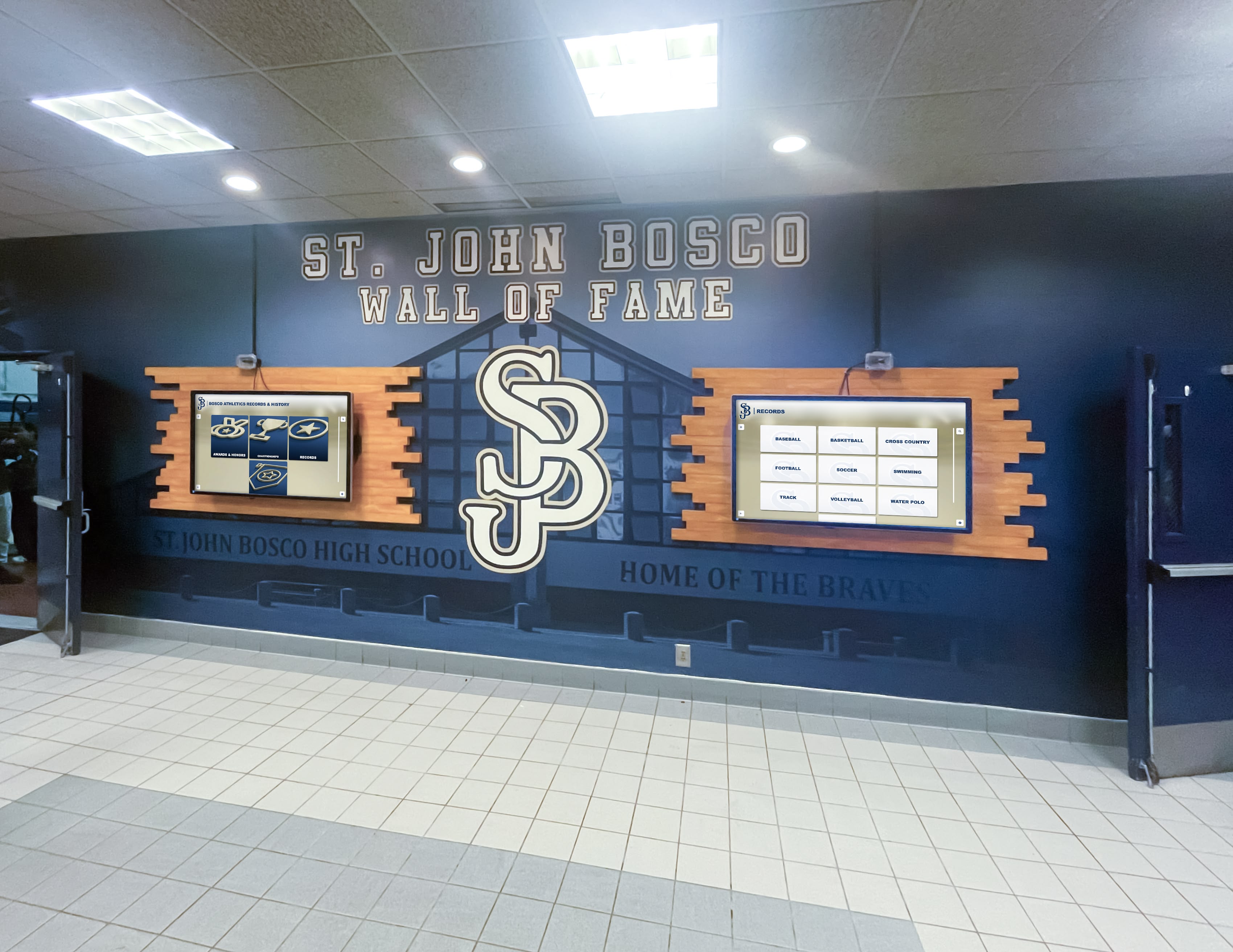
Multiple coordinated displays create comprehensive recognition installations showcasing diverse achievement categories
Phase 3: Content Development and System Configuration (Weeks 7-12)
Historical Achievement Documentation
- Research past top performers through sales records and archives
- Compile career statistics and major deal information
- Collect photos and biographical information for historical honorees
- Interview long-tenured performers about career highlights
- Verify accuracy of historical data before publication
- Obtain approvals from recognized individuals when feasible
Initial Content Creation
- Write performer profiles and achievement descriptions
- Produce professional photography of current team members
- Create video content featuring interviews or achievement highlights
- Design graphics and visual elements matching organizational branding
- Develop celebration animations for achievement milestones
- Build content libraries organizing media assets efficiently
System Configuration and Integration
- Install and configure content management software
- Establish CRM integration and automated data feeds
- Create content templates for different recognition types
- Configure user permissions and approval workflows
- Set up scheduled publishing for periodic recognition
- Implement backup procedures preventing data loss
Quality Assurance Testing
- Verify accurate data integration from performance systems
- Test all interactive features and navigation functionality
- Review content presentation on actual display hardware
- Validate search and filtering capabilities
- Confirm automated recognition triggers function properly
- Identify and resolve any technical or content issues
Quality assurance prevents embarrassing launch problems undermining confidence in program credibility.
Phase 4: Installation and Training (Weeks 13-15)
Professional Display Installation
- Complete electrical and network infrastructure work meeting code requirements
- Mount displays securely with professional cable management
- Install media players and touchscreen computers
- Configure displays including brightness, color calibration, network connectivity
- Test complete system functionality under realistic usage conditions
- Verify accessibility and viewing quality from intended distances
Administrator Training and Documentation
- Provide hands-on content management training with actual profile creation practice
- Cover data integration verification and troubleshooting
- Demonstrate approval workflows and scheduled publishing
- Train on media management and multimedia integration
- Review analytics and reporting features
- Document procedures for common administrative tasks
- Establish ongoing support access including helpdesk contact information
Staff Orientation and Communication
- Announce recognition program launch to entire team
- Explain recognition criteria and achievement thresholds
- Demonstrate display features and exploration capabilities
- Share recognition philosophy and program goals
- Encourage interaction and feedback
- Address questions and concerns proactively
Thorough training ensures administrators can manage systems confidently while team-wide communication builds excitement and understanding.
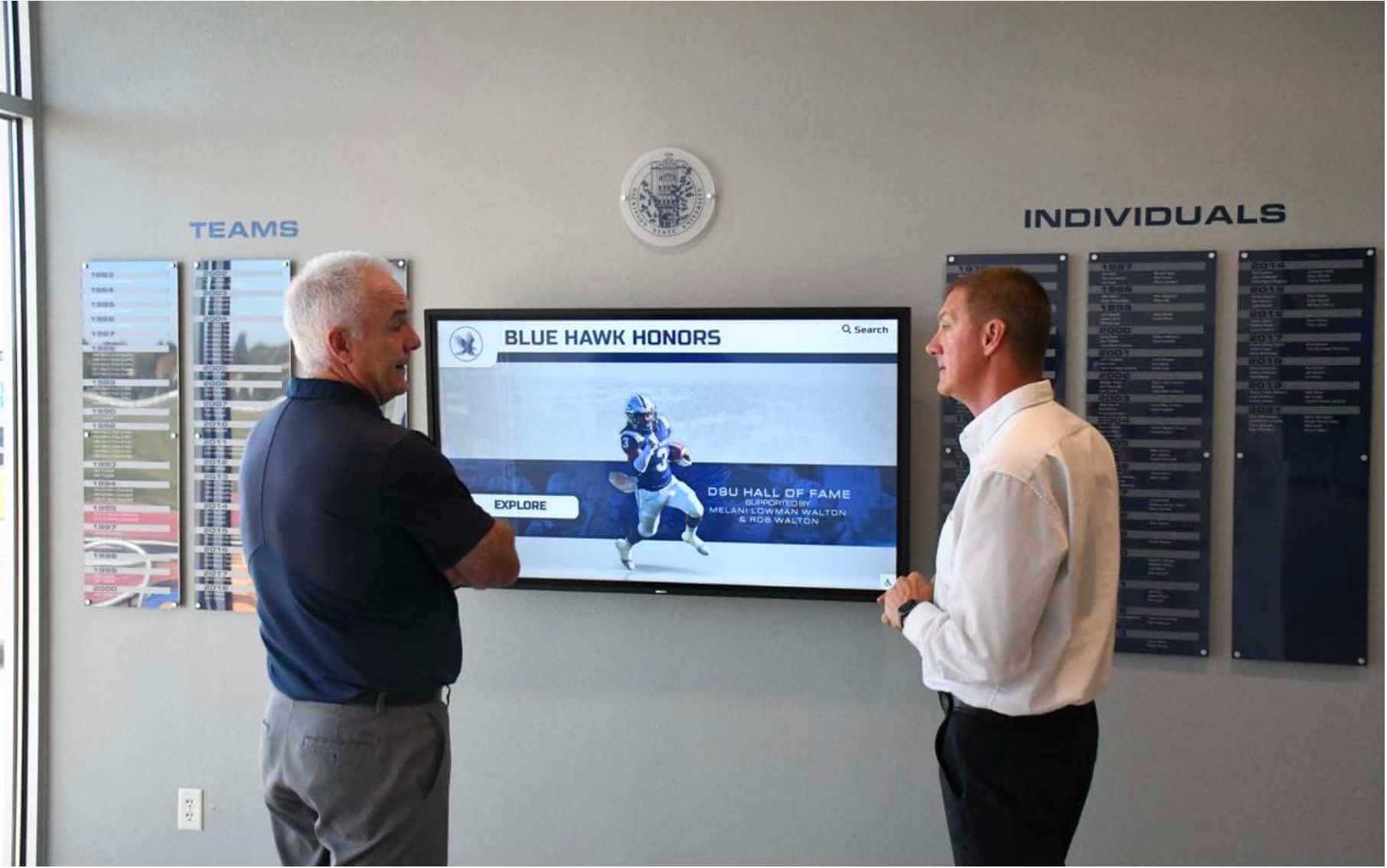
Launch events create excitement while educating team members about recognition program and display capabilities
Phase 5: Launch and Sustained Operation (Week 16+)
Public Launch Event
- Schedule unveiling during all-hands meeting or sales kickoff event
- Feature initial recognized performers prominently
- Arrange leadership remarks emphasizing recognition importance
- Demonstrate display features and exploration capabilities
- Capture photography documenting launch
- Celebrate milestone and acknowledge implementation team contributions
Ongoing Content Management
- Establish regular update schedule matching recognition frequency
- Monitor performance data integration ensuring accuracy
- Add new recognition as achievements occur
- Refresh featured content maintaining engagement
- Respond to feedback and correction requests promptly
- Maintain media libraries with current photography
Program Evaluation and Optimization
- Track engagement analytics identifying popular content and features
- Survey team members about recognition program satisfaction
- Measure impact on retention, productivity, and recruitment metrics
- Gather feedback from recognized performers about experience quality
- Identify enhancement opportunities based on usage patterns
- Refine criteria and processes based on fairness perceptions
Continuous Improvement Strategies
- Regular program reviews assessing effectiveness against goals
- Technology updates maintaining current capabilities
- Content strategy evolution responding to organizational changes
- Process optimization reducing administrative burden
- Benchmark comparison with industry recognition best practices
- Budget reviews ensuring sustainable resource allocation
Sustained management commitment ensures recognition programs remain effective rather than becoming neglected installations diminishing credibility over time.
Display Integration: Creating Compelling Recognition Content
Content quality determines whether recognition inspires motivation or becomes ignored background noise.
Effective Recognition Messaging
Written content communicating achievement significance:
Achievement Description Best Practices
Compelling recognition includes:
- Specific accomplishment details rather than generic praise
- Quantitative metrics demonstrating performance magnitude
- Context explaining why achievement represents excellence
- Customer or stakeholder impact when appropriate
- Skills or behaviors worth emulating
- Challenges overcome showing resilience
- Team collaboration acknowledgment where applicable
Compare these examples:
Generic: “Congratulations to Sarah Johnson, Top Salesperson this month!”
Compelling: “Sarah Johnson closed $487,000 in new business this month, including three enterprise deals with Fortune 500 clients. Her consultative approach and deep product expertise helped customers recognize strategic value, resulting in 28% larger average deal sizes than team average. Sarah’s achievement represents 156% of monthly quota and her sixth consecutive month exceeding targets.”
The detailed version teaches observers what excellence looks like practically while honoring Sarah’s specific contributions meaningfully.
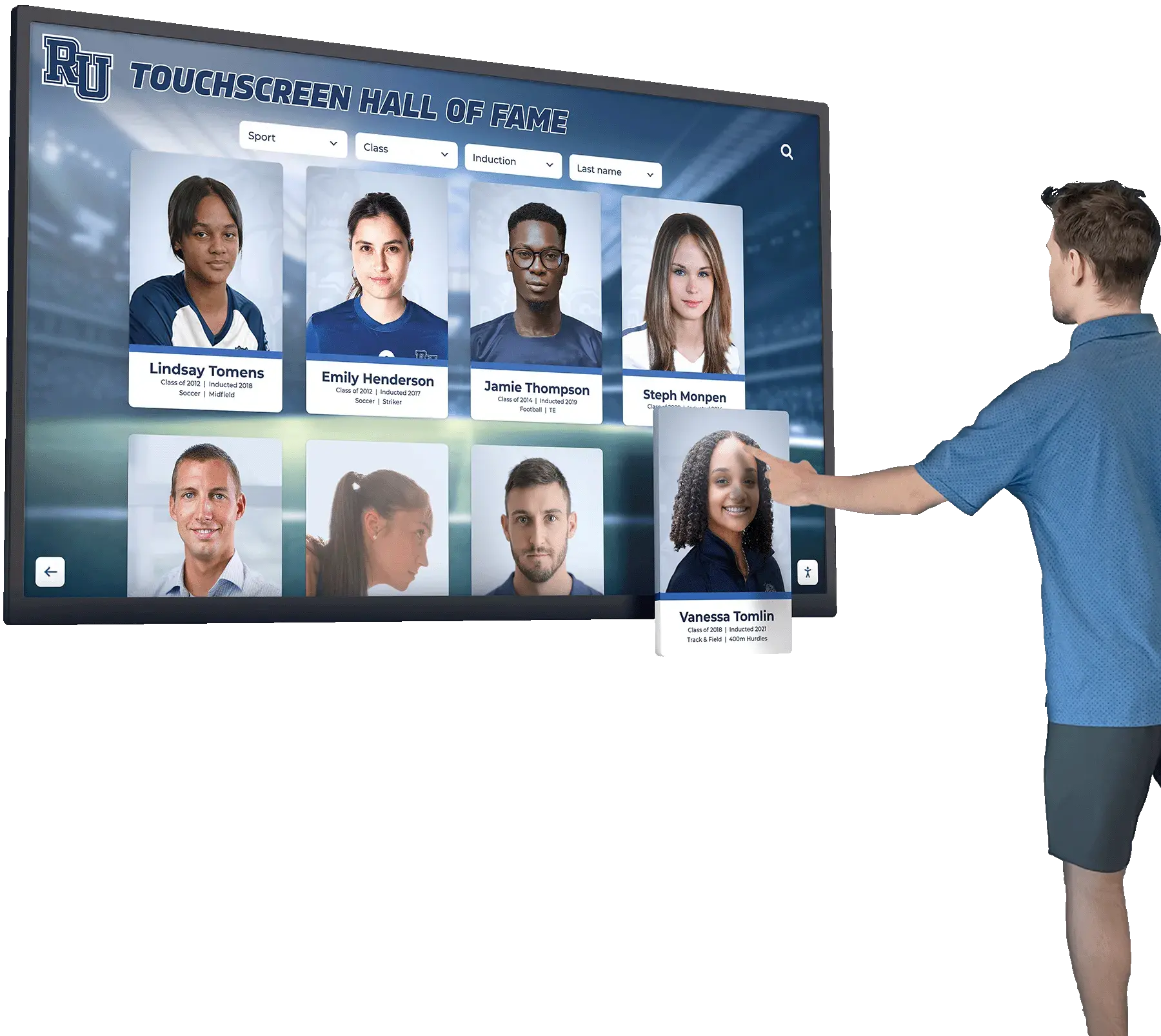
Detailed achievement descriptions honor contributions meaningfully while teaching emerging performers what excellence requires
Personal Statement Integration
When performers provide input:
- Brief quotes explaining motivation or approach
- Career advice for emerging sales professionals
- Reflection on what drives personal excellence
- Gratitude toward mentors, team members, or organizational support
- Personal goals and aspirations
These personal touches humanize recognition while creating connection between recognized performers and audience.
Visual Content Standards
Photography and multimedia enhancing engagement:
Professional Headshots and Action Shots
- High-resolution photos suitable for large display (minimum 1500x1500 pixels)
- Professional lighting and composition reflecting organizational quality standards
- Authentic expressions conveying personality and approachability
- Workplace context when possible showing performers in action
- Photo releases and permissions secured appropriately
- Consistent visual style across recognition content
Celebration Graphics and Animations
- Achievement badges or icons distinguishing recognition types
- Animated celebrations appearing when achievements unlock
- Progress bars and visualization graphics
- Team celebration photos from recognition events
- Deal closing moments or client interaction imagery (when appropriate)
- Celebratory color schemes and design elements
Video Content Integration
When resources permit:
- 60-90 second performer interviews sharing achievement context
- Customer testimonials about working with top performers
- Team celebration moments from recognition events
- Leadership congratulations messages
- Achievement highlight reels showing progression
- “Day in the life” features following top performers
Research from employee recognition with digital signage indicates that multimedia content generates 3-5X higher engagement than text-only recognition, making visual investment worthwhile for organizations seeking maximum impact.
Data Visualization and Performance Metrics
Quantitative information presented compellingly:
Leaderboard Design Principles
- Clear visual hierarchy emphasizing top performers
- Color-coding distinguishing achievement levels
- Trend indicators showing movement up or down rankings
- Multiple timeframe views (weekly, monthly, quarterly, annual)
- Percentage-to-goal bars providing context
- Historical comparison showing year-over-year performance
- Team or regional breakdowns enabling relevant comparisons
Achievement Milestone Visualization
- Progress tracking toward career accomplishments
- Lifetime revenue or deal counters
- Consecutive achievement streaks
- Record proximity indicators showing distance to organizational records
- Anniversary recognition counting tenure milestones
- Skill development badges earned through training or certification
Team Performance Dashboards
When displaying collective achievement:
- Total team revenue toward organizational goals with completion percentage
- Regional comparisons creating healthy inter-office competition
- Product line performance showing diverse success areas
- Customer satisfaction metrics alongside revenue achievement
- Retention and growth rates demonstrating account management excellence
- Pipeline health indicators predicting future performance
These quantitative elements provide objective transparency while enabling performers to track progress toward recognition thresholds.
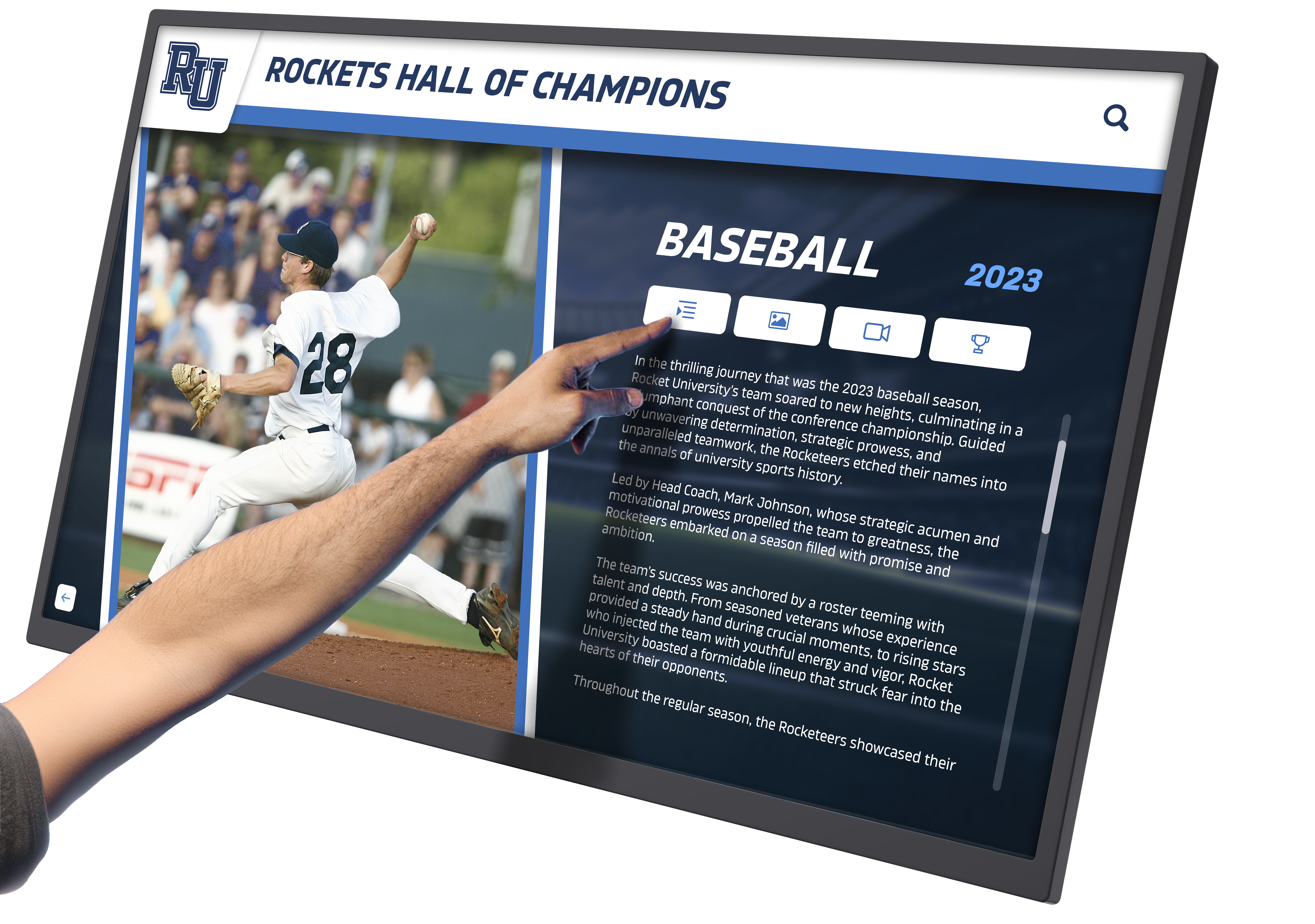
Data visualization transforms raw performance numbers into compelling visual stories demonstrating excellence
Advanced Recognition Strategies
Organizations with mature programs enhance effectiveness through sophisticated approaches:
Gamification and Competitive Elements
Structured competition amplifying motivation:
Achievement Badge Systems
Digital recognition platforms enable:
- Unlockable badges for specific accomplishment types
- Rare achievement indicators for exceptional performance
- Skill-based badges beyond revenue metrics
- Streak badges recognizing consistency
- Collaboration badges honoring team contributors
- Personal best badges celebrating individual improvement
According to workplace gamification research cited by sales leaderboard platforms, 89% of employees report feeling more productive and happier when gamification elements incorporate work recognition, with badge systems creating achievable intermediate goals maintaining sustained motivation.
Challenge and Contest Integration
Temporary competitions spotlighted on displays:
- Monthly sales contests with specific focus areas
- Team versus team challenges creating collaborative competition
- Product-specific contests driving strategic initiatives
- New customer acquisition challenges
- Customer satisfaction improvement competitions
- Skill development challenges with recognition for participation
These time-bound events create variety preventing recognition staleness while directing competitive energy toward organizational priorities.
Celebration Automation
Instant recognition moments:
- Automated congratulations messages appearing when deals close
- Achievement unlock animations celebrating milestone attainment
- Notification systems alerting teams to colleague successes
- Social feed style updates creating continuous recognition flow
- Peer recognition features enabling colleagues to acknowledge contributions
- Leadership spotlight features where executives record congratulations videos
Immediate recognition delivers strongest motivational impact, with automation enabling celebration at scale impossible through manual processes.
Learn about interactive announcements feed systems applicable to corporate recognition programs.
Balancing Individual and Team Recognition
Preventing toxic competition while maintaining motivation:
Collaborative Achievement Emphasis
Recognition including:
- Team deal credit when multiple people contributed
- Customer success team acknowledgment for retention achievements
- Support function recognition enabling sales success
- Mentorship recognition for developing emerging talent
- Cross-functional collaboration celebration
- Peer assistance acknowledgment
Research consistently demonstrates that while individual competition motivates sales professionals, excessive zero-sum environments create retention problems and cultural damage. Balanced recognition sustaining both individual drive and team unity delivers optimal long-term results.
Diverse Achievement Categories
Recognition beyond pure revenue including:
- Highest customer satisfaction scores
- Most meetings scheduled or opportunities created
- Best pipeline development demonstrating future success
- Highest conversion rates showing efficiency
- Largest deal size regardless of total revenue
- Most improved performance celebrating growth
- Consistent excellence recognizing sustained achievement
Diverse categories ensure broad team participation rather than same top performers receiving exclusive recognition creating resentment among colleagues excluded from acknowledgment.
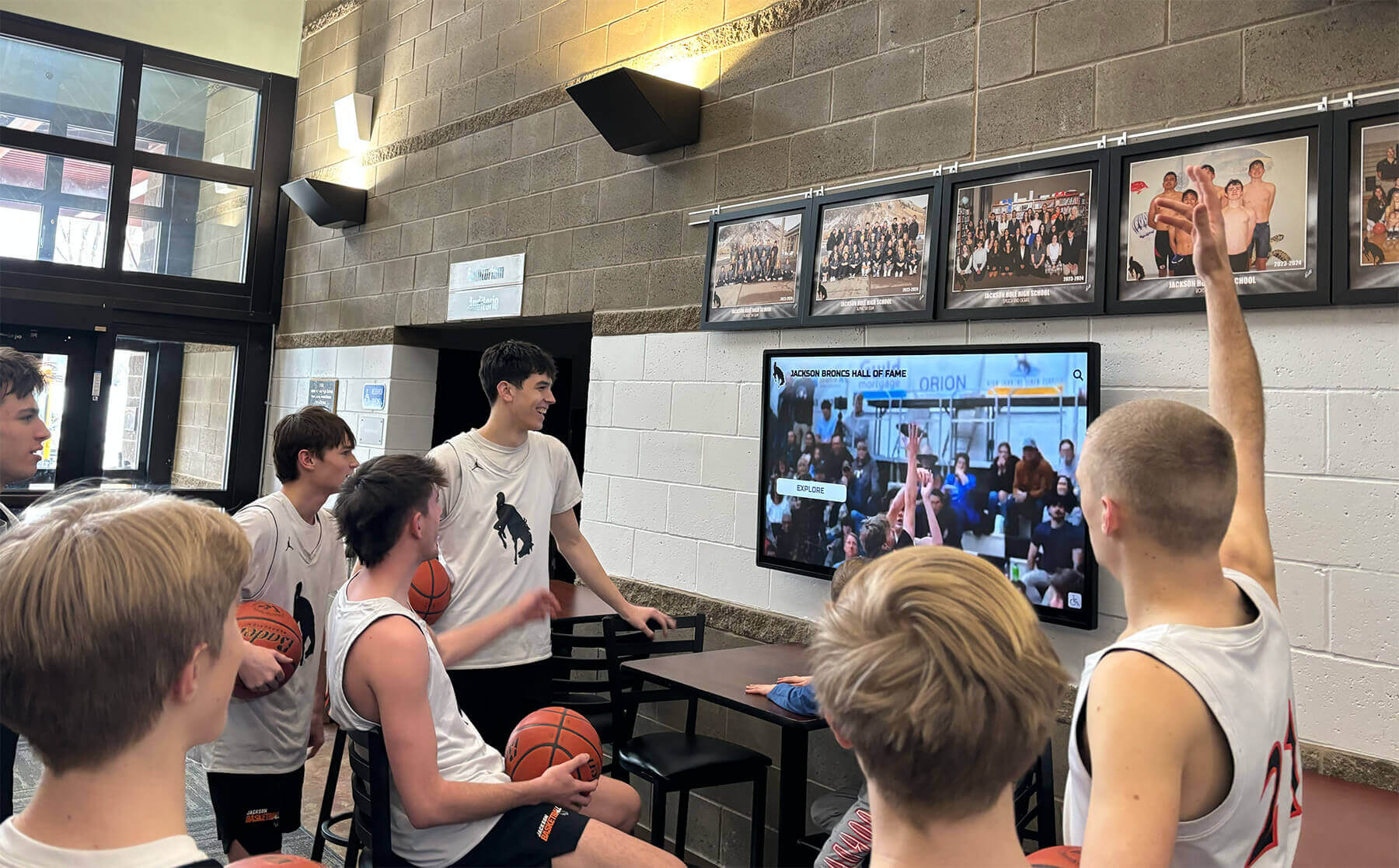
Recognition balancing individual excellence and team contribution creates healthy cultures where collaboration and competition coexist productively
Integration with Total Rewards Strategy
Recognition complementing compensation:
Tiered Recognition Approaches
Comprehensive systems including:
- Immediate public acknowledgment through displays for all achievements
- Tangible awards or prizes for significant accomplishments
- Compensation bonuses at established performance thresholds
- Career advancement opportunities for sustained excellence
- Development and training investments for top performers
- Special perks and privileges creating aspirational incentives
Organizations report strongest results when recognition complements rather than substitutes for fair compensation, with visibility and appreciation meaningfully increasing beyond pay alone.
Display Integration with Award Ceremonies
Connecting physical and digital recognition:
- Display content highlighting upcoming award ceremony honorees
- Post-ceremony content with photos and details from events
- Video content from recognition ceremonies
- Historical ceremony archives preserving tradition
- Calendar countdown building anticipation
- Virtual ceremony integration enabling remote participation
This integration creates cohesive recognition narrative connecting continuous display visibility with periodic celebration events.
Explore comprehensive employee recognition strategies that position displays within broader programs.
Measuring Recognition Program Impact
Systematic evaluation demonstrates value and guides continuous improvement:
Quantitative Performance Metrics
Data-driven assessment providing objective measurement:
Engagement Metrics
- Display interaction frequency and session duration
- Content view counts identifying popular elements
- Search query analysis revealing interests
- Time-on-content metrics indicating engagement depth
- Geographic and demographic distribution when available
- Peak usage times informing content scheduling
Business Outcome Indicators
- Sales team voluntary turnover rates before and after implementation
- Productivity metrics comparing recognized versus unrecognized periods
- Recruitment metrics including offer acceptance rates and time-to-hire
- New hire time-to-productivity showing reduced ramp time
- Internal referral rates from satisfied team members
- Quality metrics including customer satisfaction and retention
Recognition Program Utilization
- Number of performers recognized monthly or quarterly
- Achievement category distribution ensuring balanced recognition
- Recognition fairness perceptions through regular surveys
- Administrative time investment tracking sustainability
- Content update frequency demonstrating sustained commitment
- Recognition response time measuring acknowledgment speed
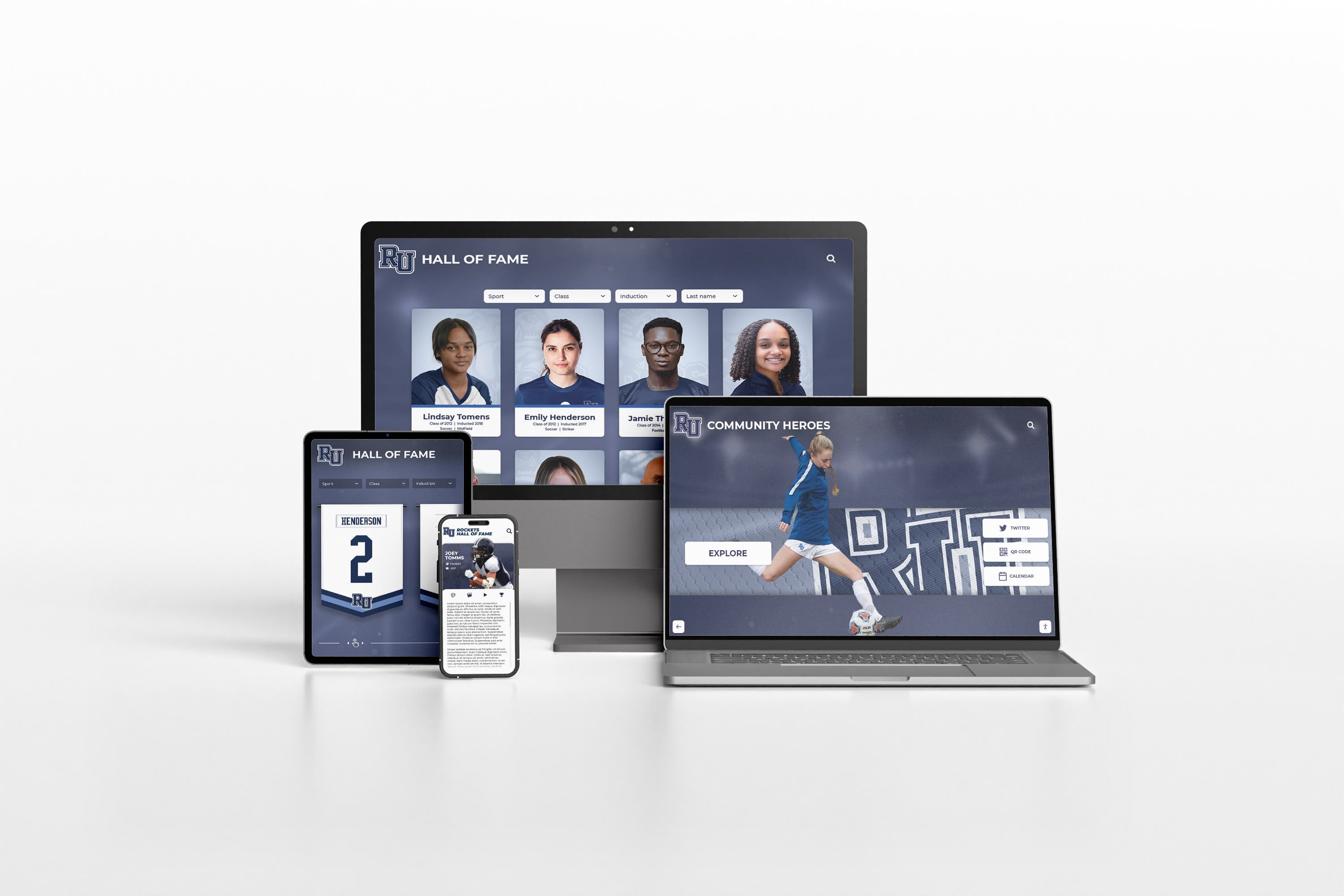
Analytics provide insights about recognition program effectiveness and engagement patterns
Qualitative Feedback Assessment
Stakeholder perspectives providing context for quantitative data:
Sales Team Satisfaction
- Recognition program awareness and engagement
- Perceived fairness and transparency
- Motivational impact on personal performance
- Satisfaction with recognition received
- Suggestions for program improvements
- Cultural impact perceptions
Recognition Recipient Experience
- Satisfaction with recognition quality and visibility
- Timeliness and appropriateness of acknowledgment
- Career impact from visible recognition
- Willingness to recommend organization to others
- Personal pride and accomplishment feelings
- Suggestions for enhanced recognition
Leadership and Stakeholder Perspectives
- Alignment with organizational culture and values
- Business impact observations
- Resource allocation appropriateness
- Recruitment and retention influence
- Competitive advantage perceptions
- Long-term sustainability confidence
Regular feedback collection ensures programs remain relevant and valued rather than becoming neglected initiatives disconnected from organizational reality.
Continuous Program Refinement
Data-driven optimization strategies:
Content and Design Adjustments
- Enhancing popular content types based on engagement analytics
- Simplifying underutilized features reducing complexity
- Refining achievement descriptions based on clarity feedback
- Adjusting visual design improving readability
- Expanding successful recognition categories
- Eliminating or consolidating ineffective elements
Process Improvements
- Streamlining administrative workflows reducing burden
- Automating manual tasks through better integration
- Accelerating recognition timing improving impact
- Simplifying criteria reducing confusion
- Enhancing data quality ensuring accuracy
- Strengthening communication about program updates
Strategic Evolution
- Aligning recognition with changing business priorities
- Adapting to organizational growth and structure changes
- Incorporating new technologies improving capabilities
- Responding to competitive threats affecting retention
- Adjusting budget allocations optimizing investment
- Planning long-term hardware refresh and platform evolution
Organizations treating recognition as dynamic living programs requiring continuous attention achieve far better results than those implementing static systems receiving minimal ongoing management.
Investment Considerations and Return on Investment
Understanding costs and returns helps organizations make informed decisions and secure necessary funding.
Comprehensive Budget Planning
Initial Investment Components
Recognition display implementation typically requires:
Hardware Costs
- Commercial display: $2,000-$7,000 per screen depending on size and features
- Media player or computer: $400-$1,500 per display
- Touchscreen upgrade: $500-$1,500 if not included in display
- Mounting hardware: $200-$800 per installation
- Installation labor: $800-$2,000 per display for professional setup
- Network infrastructure: $500-$3,000 if connectivity upgrades needed
Software and Implementation
- Recognition platform licensing: $2,000-$8,000 annually depending on features and scale
- Initial setup and configuration: Often included with quality vendors
- CRM integration development: $1,000-$5,000 for custom connections
- Design and customization: $1,000-$3,000 for organizational branding
- Training and documentation: Typically included with enterprise platforms
- Historical content development: $2,000-$8,000 depending on archive depth
Total Initial Investment
Organizations implementing comprehensive single-display sales recognition systems typically invest $10,000-$25,000 initially, with $2,500-$8,000 annual ongoing costs for software, support, and content management.
Review digital wall of fame screen size selection guidance for hardware planning.
Return on Investment Analysis
Direct Financial Returns
Measurable business impacts include:
Retention Improvement Value
Average sales professional replacement costs range from 150-200% of annual salary when including recruiting, onboarding, training, and productivity ramp costs. If recognition program reduces annual turnover by even 10% among a 50-person sales team with $100,000 average compensation, savings exceed $750,000 annually—dramatically outweighing recognition investment.
Productivity Enhancement
Research indicates that effective recognition improves productivity 15-30% among engaged employees. For 50-person sales team generating $10M annual revenue, even conservative 10% improvement yields $1M additional revenue with minimal corresponding expense increase.
Recruitment Acceleration
Visible recognition culture reducing time-to-hire by two weeks per position saves recruiting and opportunity costs while enabling faster productivity. Organizations report offer acceptance improvement of 15-25% when candidates experience recognition culture during interview process.
Strategic Value
Intangible benefits supporting organizational success:
- Enhanced employer brand attracting top talent
- Positive workplace culture reducing friction and conflicts
- Preserved institutional knowledge through historical recognition
- Leadership development pipeline through visible performance models
- Customer perception improvement through confident engaged sales teams
- Competitive advantage differentiating employer value proposition
These strategic benefits often exceed direct financial returns, making recognition valuable cultural investment beyond pure ROI calculations.
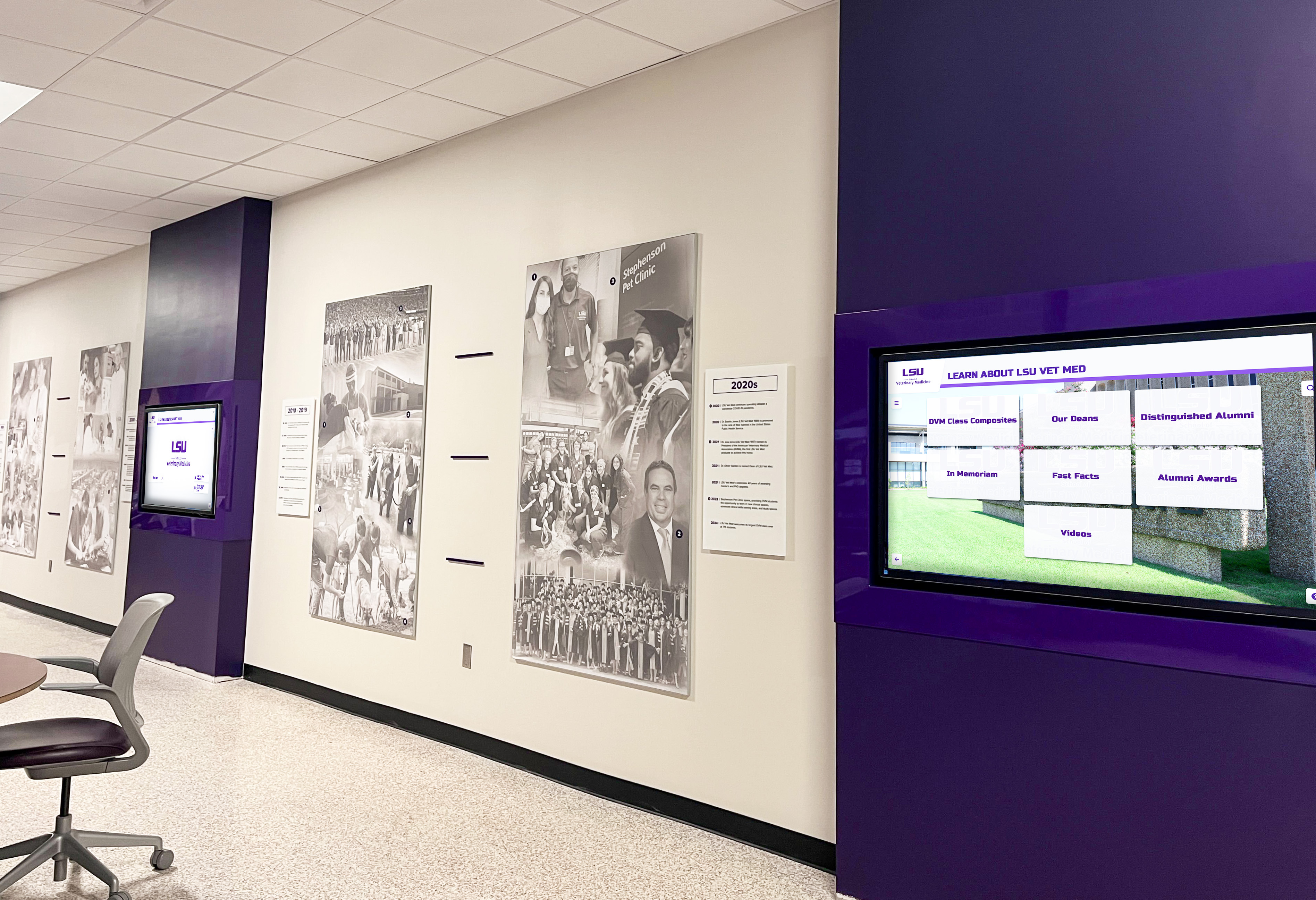
Professional recognition systems serve organizations effectively for years while accommodating growth and evolution
Best Practices and Common Pitfalls
Learning from successful implementations and frequent mistakes helps organizations maximize recognition effectiveness.
Success Factors
Clear Objective Recognition Criteria
Establish transparent achievement thresholds:
- Quantitative metrics whenever possible eliminating subjectivity
- Multiple achievement pathways ensuring diverse participation
- Regular communication about criteria and thresholds
- Consistent application preventing favoritism perceptions
- Periodic review ensuring criteria remain relevant
- Documentation showing rationale for recognition decisions
Perceived fairness determines whether recognition motivates or generates cynicism—objectivity and transparency are paramount.
Sustained Leadership Commitment
Recognition programs require ongoing executive support:
- Consistent messaging emphasizing recognition importance
- Personal participation in recognition events and celebrations
- Budget protection during difficult periods
- Celebration of program success and milestones
- Accountability for sustained program management
- Leading by example through personal recognition practices
Programs losing leadership attention inevitably decline regardless of initial enthusiasm or resource investment.
Balance Between Recognition Types
Effective approaches include:
- Immediate real-time acknowledgment for daily wins
- Periodic formal recognition for sustained achievement
- Permanent career honor for exceptional excellence
- Individual spotlight balanced with team celebration
- Quantitative achievement alongside qualitative contribution
- Public visibility combined with personal appreciation
Diverse recognition addressing different motivations and preferences creates comprehensive programs resonating broadly rather than narrow approaches appealing to limited audiences.
Learn about student athlete recognition programs offering transferable corporate insights.
Common Implementation Mistakes
Generic Impersonal Recognition
Avoid:
- Template messages lacking specific achievement details
- Standardized wording feeling mass-produced
- Missing context about why achievement matters
- Absence of personality or individual voice
- Superficial acknowledgment appearing obligatory
- Delayed recognition disconnected from achievement timing
Thoughtful specific recognition demonstrates genuine appreciation while teaching others what excellence requires practically.
Neglected Maintenance and Updates
Programs fail when:
- Content becomes outdated showing stale information
- Technical problems go unresolved
- Recognition frequency becomes inconsistent
- New achievements receive delayed or missing acknowledgment
- Display hardware deteriorates appearing unprofessional
- Management responsibility becomes unclear creating neglect
Sustained attention ensures recognition remains valuable rather than becoming embarrassing reminder of failed initiatives.
Excessive Complexity
Overly complicated programs struggle with:
- Convoluted criteria nobody understands
- Excessive achievement categories creating confusion
- Complex navigation preventing content discovery
- Administrative burden becoming unsustainable
- Technical sophistication exceeding maintenance capabilities
- Cost structures becoming unaffordable
Simpler sustainable programs consistently outperform ambitious complicated initiatives that collapse under their own complexity.
Exclusionary Recognition Approaches
Avoid creating environments where:
- Same elite performers receive exclusive recognition
- Achievement thresholds exclude majority of team
- Recognition focuses on outcomes ignoring effort and improvement
- New hires face unrealistic expectations
- Part-time or support roles never receive acknowledgment
- Recognition becomes source of division rather than unity
Inclusive approaches with diverse recognition categories encourage broad engagement rather than resentment from perpetually excluded team members.
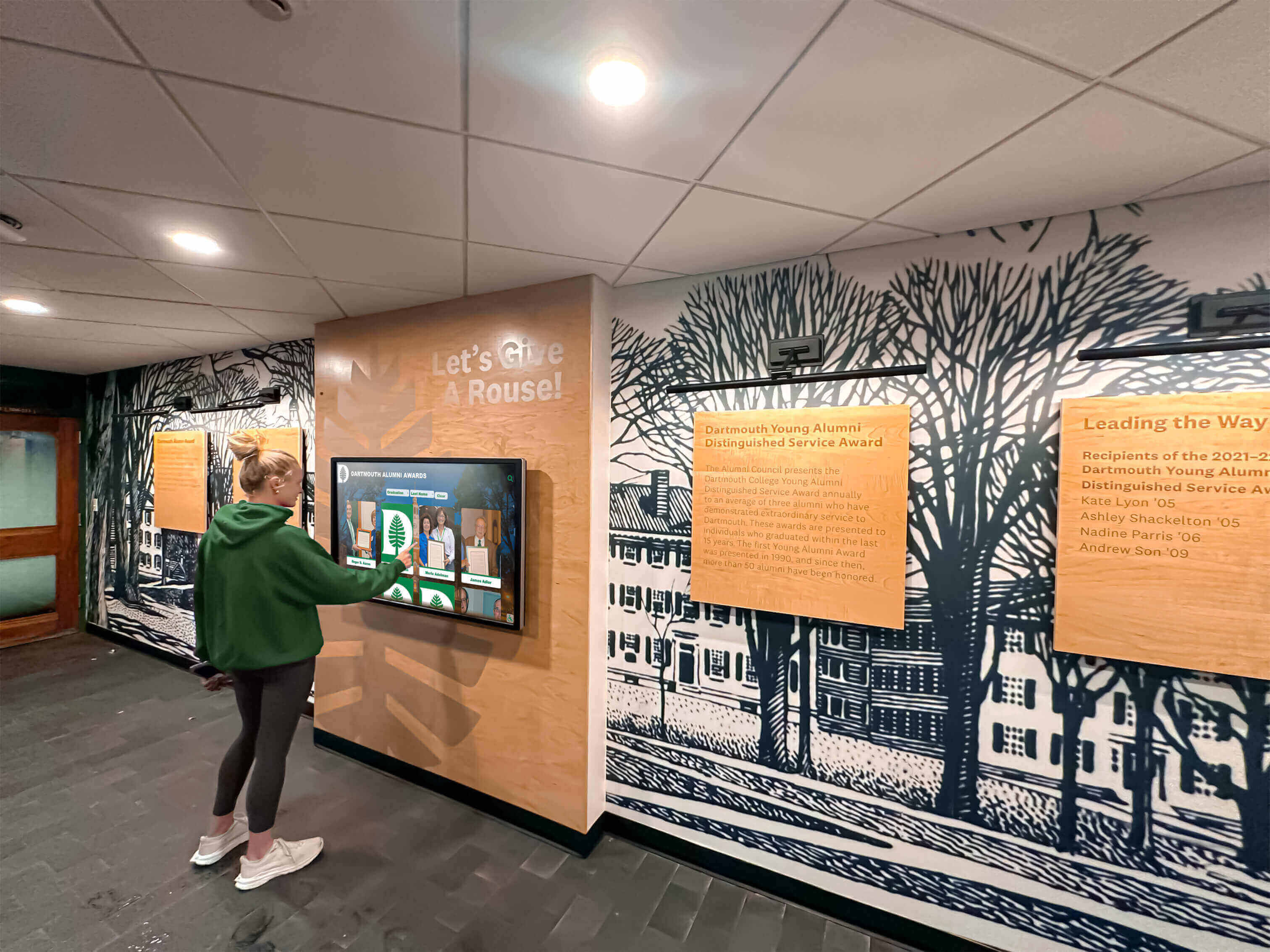
Effective recognition creates inclusive cultures where diverse achievements receive appropriate acknowledgment
Recognition Display by Industry Context
Different organizational types face unique recognition requirements:
Corporate B2B Sales Organizations
Enterprise sales teams benefit from:
- Deal-size focused recognition celebrating major closures
- Strategic account win acknowledgment for competitive victories
- Pipeline generation recognition for future success indicators
- Customer retention celebration for account management excellence
- Cross-sell and upsell achievement for existing customer growth
- Complex sale navigation honoring multi-stakeholder deal orchestration
Explore digital trophy wall approaches applicable to corporate sales recognition.
Technology and SaaS Companies
Software sales environments emphasize:
- MRR and ARR milestone recognition
- Enterprise versus SMB achievement categories
- Product-specific recognition driving strategic focus
- Trial-to-close conversion excellence
- Customer success collaboration acknowledgment
- Partner channel sales recognition
Retail and Consumer Sales
Consumer-facing organizations highlight:
- Customer satisfaction scores alongside sales metrics
- Transaction volume recognition for high-activity roles
- Average transaction value for upselling excellence
- Product knowledge demonstrations through customer feedback
- Store or location team achievements
- Seasonal performance recognition
Financial Services
Banks, insurance, and financial advisors feature:
- Relationship-building recognition beyond immediate sales
- Compliance and quality metrics alongside revenue
- Client retention and lifetime value celebration
- Cross-product penetration achievement
- Referral generation recognition
- Professional certification and development acknowledgment
Each industry context benefits from tailored recognition approaches reflecting specific business models, customer relationships, and success metrics while maintaining core principles of timely specific visible acknowledgment.
Conclusion: Building Sales Recognition That Drives Results
Top sales performer recognition displays represent strategic investments in team motivation, cultural development, and business performance delivering value far exceeding implementation costs. When organizations systematically celebrate sales achievement through well-designed displays—combining real-time performance visibility with permanent career honors, individual spotlight with team acknowledgment, and quantitative metrics with personal storytelling—they create environments where excellence becomes contagious, top performers feel valued, emerging talent finds inspiration, and competitive energy drives collective success.
The strategies explored throughout this comprehensive guide provide complete frameworks for building recognition programs that effectively honor diverse achievements while remaining administratively sustainable, financially realistic, and aligned with organizational goals. From understanding sales professional motivation to selecting display technologies, crafting compelling content, integrating performance data, and measuring program impact, these approaches transform occasional acknowledgment into systematic celebration woven throughout organizational culture.
Ready to transform sales recognition at your organization? Modern digital recognition solutions help companies celebrate unlimited achievements while strengthening team motivation and retention. Solutions like Rocket Alumni Solutions provide comprehensive platforms specifically designed for performance recognition, combining intuitive content management with engaging display technology and CRM integration to ensure maximum impact with minimal administrative burden.
Whether establishing your first formal recognition program or enhancing existing approaches, the key is designing systems aligned with your organizational culture, sustainable within resource constraints, and authentic in celebrating achievements your team values. Request your free custom demo or schedule a consultation to explore how top sales performer recognition displays can strengthen team performance and workplace culture.
Your sales team drives business success—their achievements deserve recognition creating visibility, inspiration, and ongoing motivation. With thoughtful planning, appropriate technology selection, compelling content development, and sustained management commitment, you can create recognition programs that become valued cultural centerpieces strengthening performance and retention across your organization.
The most important consideration isn’t implementing the most expensive technology or sophisticated features—it’s creating recognition systems that genuinely honor achievement meaningfully while motivating continued excellence authentically. Start with clear criteria and sustainable processes, build momentum through consistent execution, and expand systematically as programs prove value and gain organizational support.
Top performers choose employers celebrating their success visibly. Well-designed recognition displays become powerful recruitment and retention tools as valuable as compensation, demonstrating organizational appreciation through sustained visible acknowledgment. Your implementation journey begins today—transform recognition from occasional gesture into systematic practice driving measurable business results and team satisfaction.
Sources
- 25 Sales Award Wording Examples for 2025 - Award Maven
- Sales Recognition Programs: How To Encourage And Motivate Your Team - Nectar
- Sales Stars: Award Ideas for Recognizing Top Performers - Award Maven
- Top 10 Award & Trophy Ideas to Recognize Your Sales Team | Edco Awards
- 6 Best Sales Awards Ideas To Motivate Your Sales Team | Spinify
- The Ultimate Guide to Employee Recognition Strategies in 2025 - LumApps
- Boost Team Performance with Effective Sales Leaderboards
- Turn sales into an exciting adventure with leaderboards | Klipfolio
- How to tackle sales team recognition ideas in your small business
- Workplace Digital Signage: A Complete Guide for Internal Comms | Staffbase
- Look Blog: Why Digital Signage is Key to Sales Department Success
- 5 Ways to Elevate Employee Recognition with Digital Signage » Crown TV