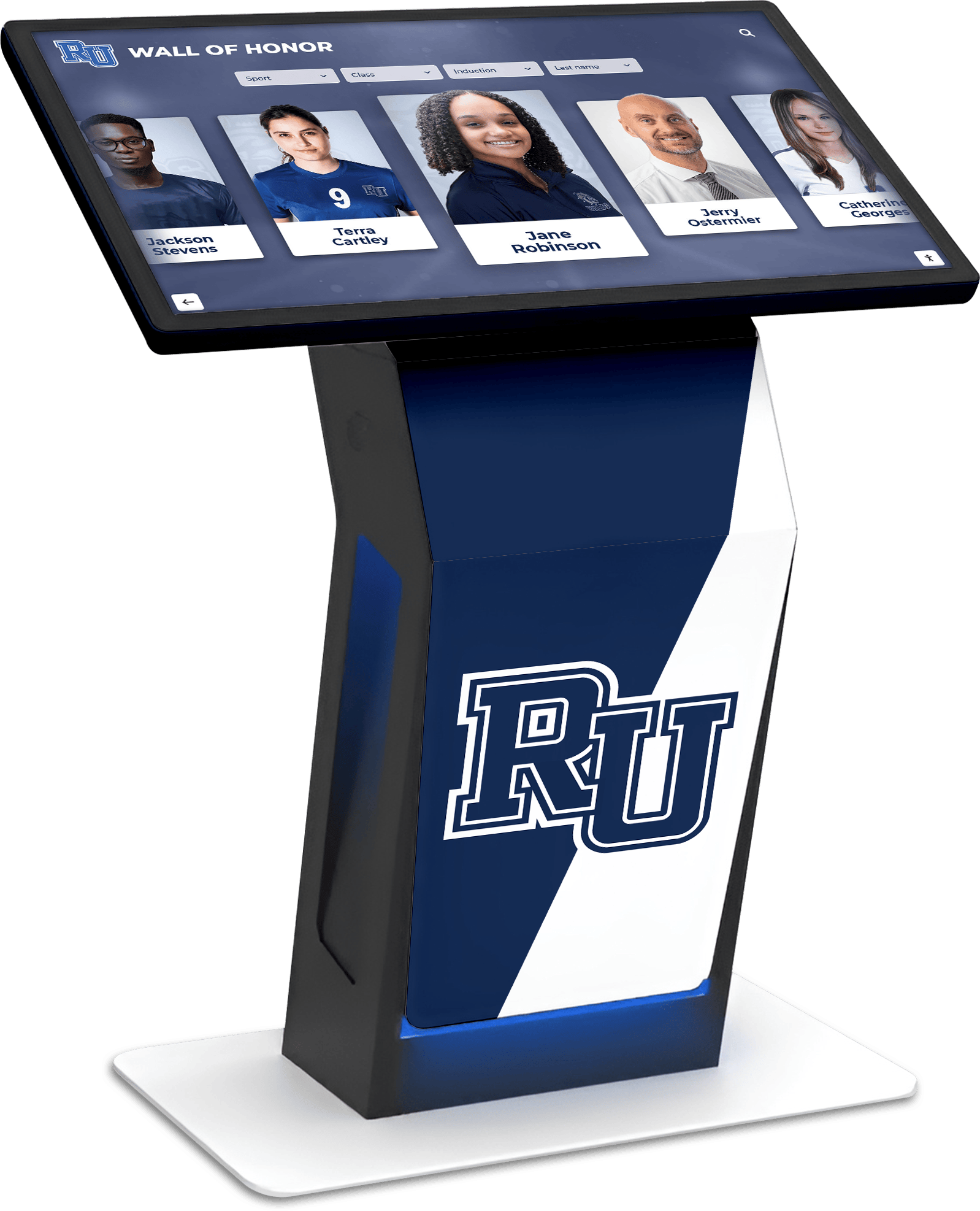




Schools nationwide rely on digital signage platforms like Carousel to communicate announcements, display cafeteria menus, and share daily information across campus displays. While Carousel Digital Signage excels at these communication tasks—offering content scheduling, template libraries, and integration with various media players—many schools discover significant limitations when attempting to use the platform for recognition purposes.
The fundamental challenge? Carousel was designed for passive information display and rotating announcements, not for celebrating student achievements, honoring athletic excellence, or creating interactive exploration of school history. When schools try using generic digital signage for recognition, they encounter missing search functionality, poor support for individual profiles, inadequate photo management for large archives, and complete absence of the interactive features that make recognition meaningful and engaging for modern audiences.
This comprehensive guide explores why purpose-built interactive touchscreen recognition platforms represent the top Carousel alternative for schools focused on celebrating achievements. We’ll examine the critical differences between communication-focused digital signage and recognition-specific systems, compare features and costs, and provide practical guidance for schools evaluating whether to expand Carousel implementations or invest in specialized recognition technology.
Digital signage platforms like Carousel serve important communication needs in educational environments. However, recognition applications demand fundamentally different capabilities—from organizing thousands of individual profiles to enabling search and discovery to creating engaging interactive experiences that honor achievements appropriately. Schools successfully implementing recognition programs understand these distinctions and select technology specifically designed for celebrating accomplishments rather than attempting to repurpose communication tools for recognition purposes.

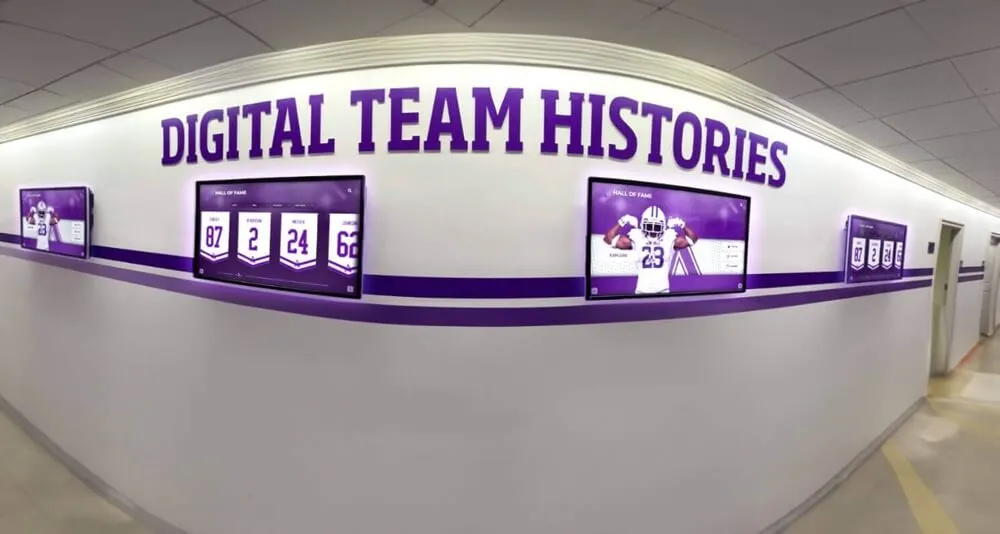
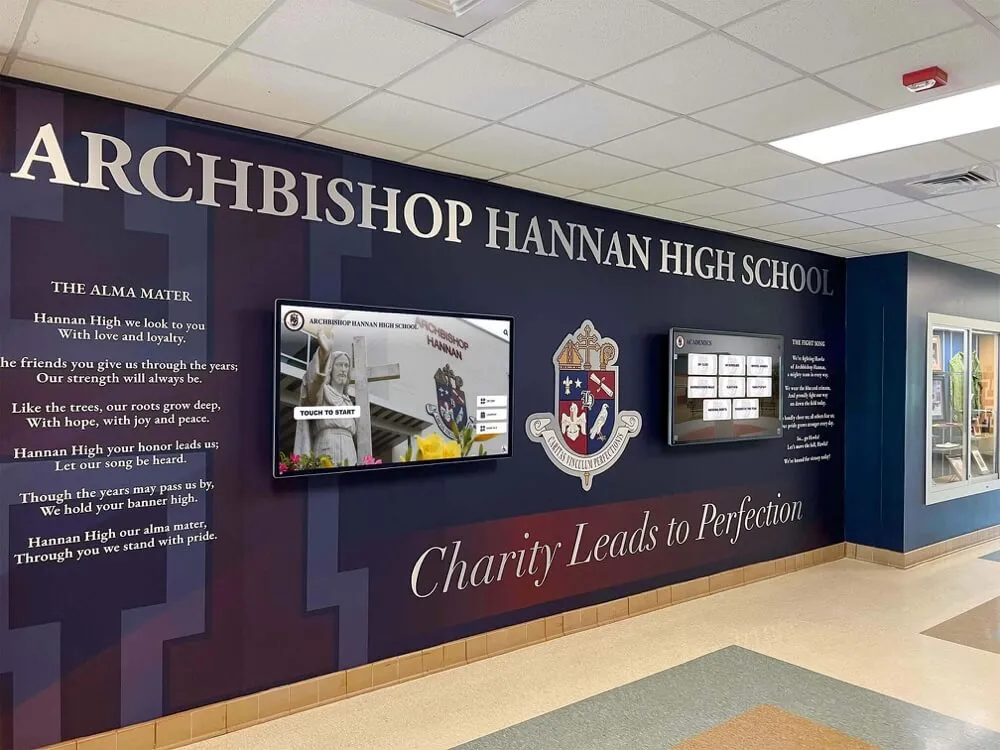
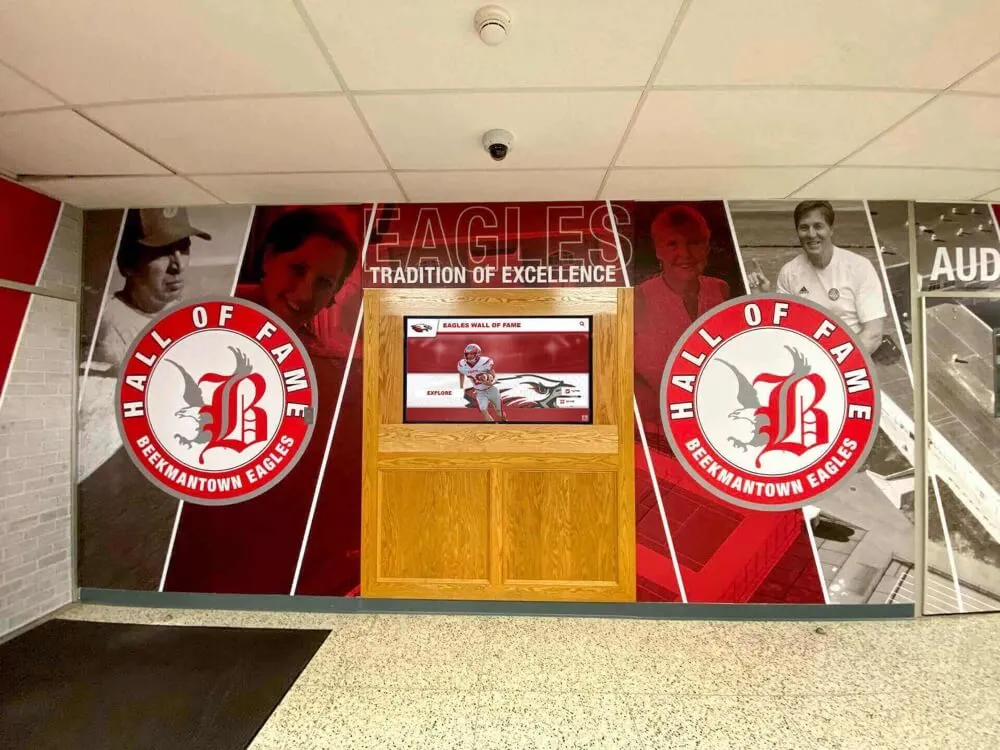
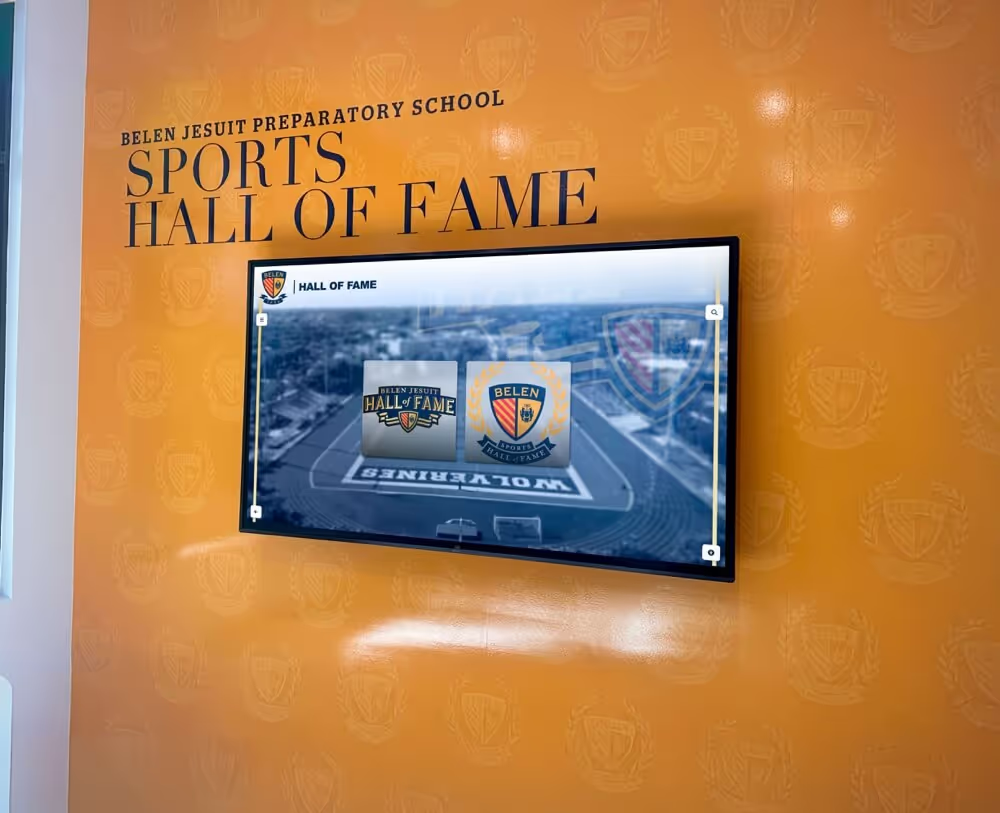
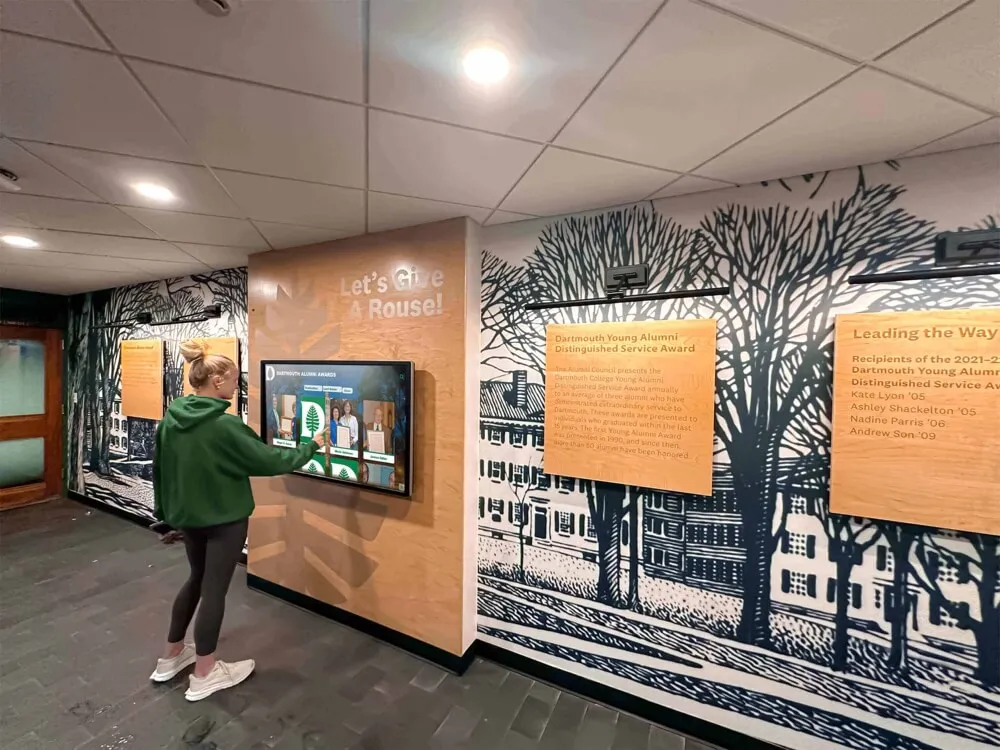
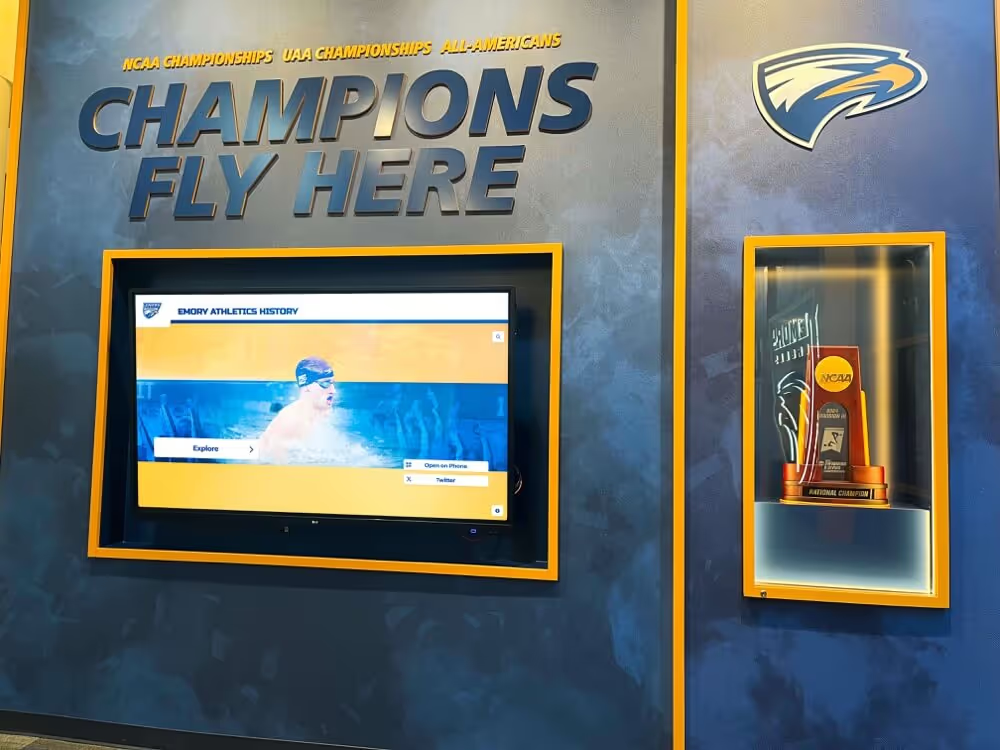
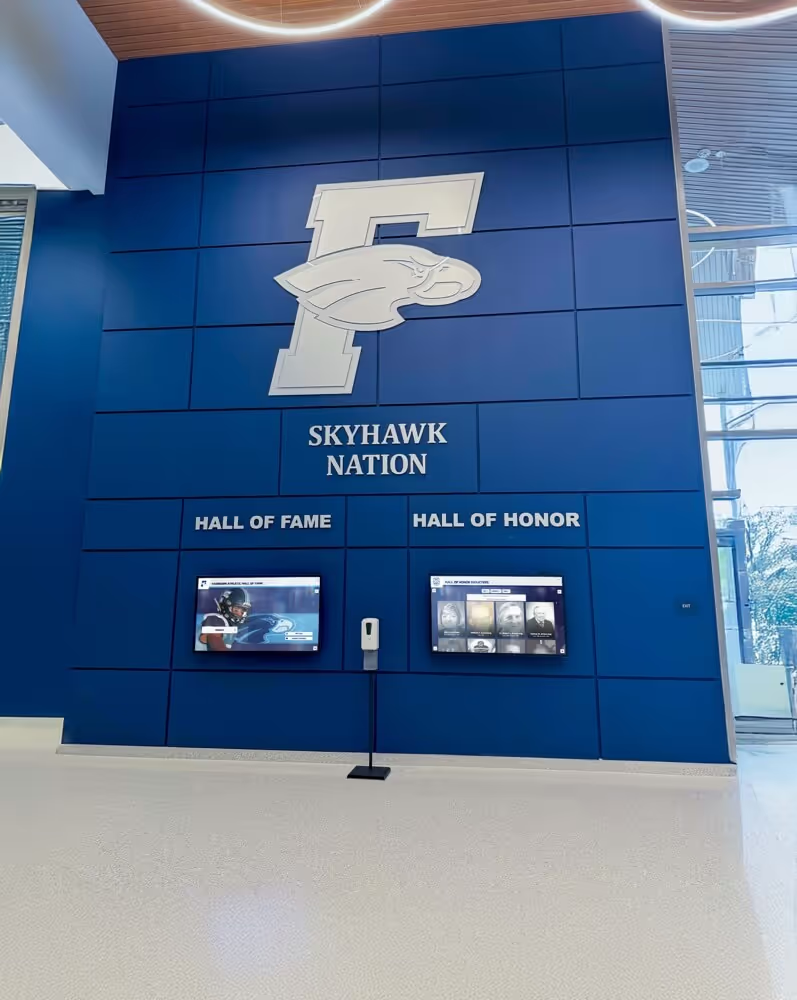
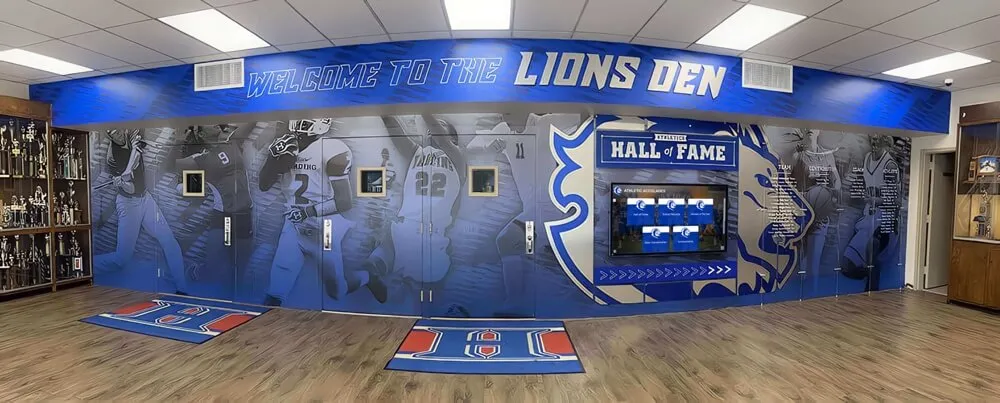
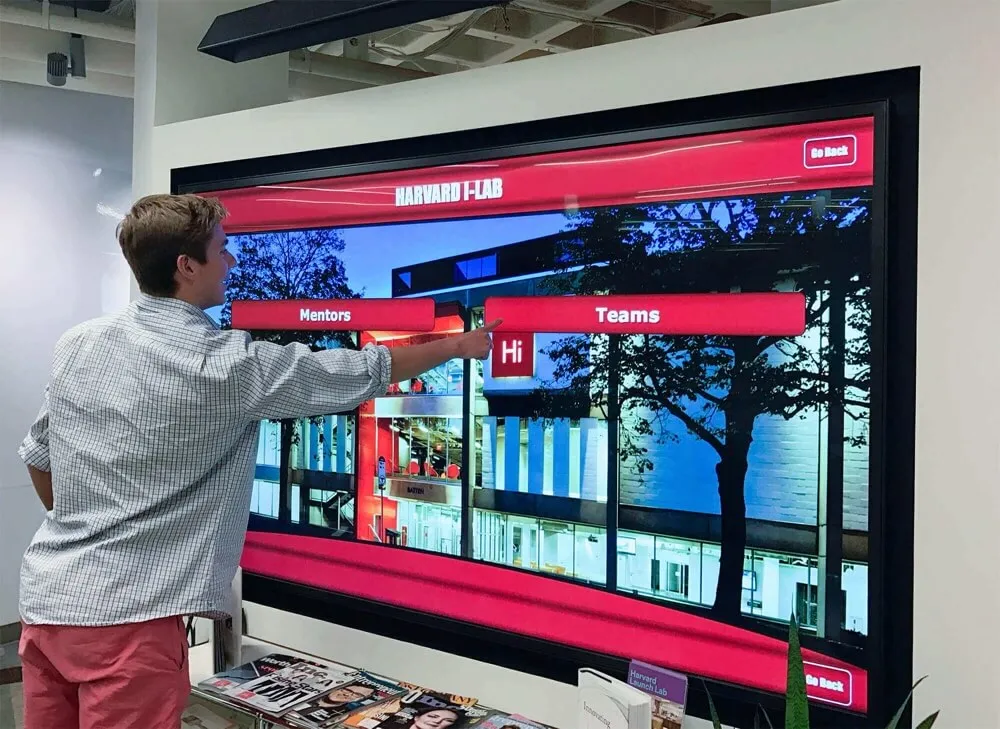
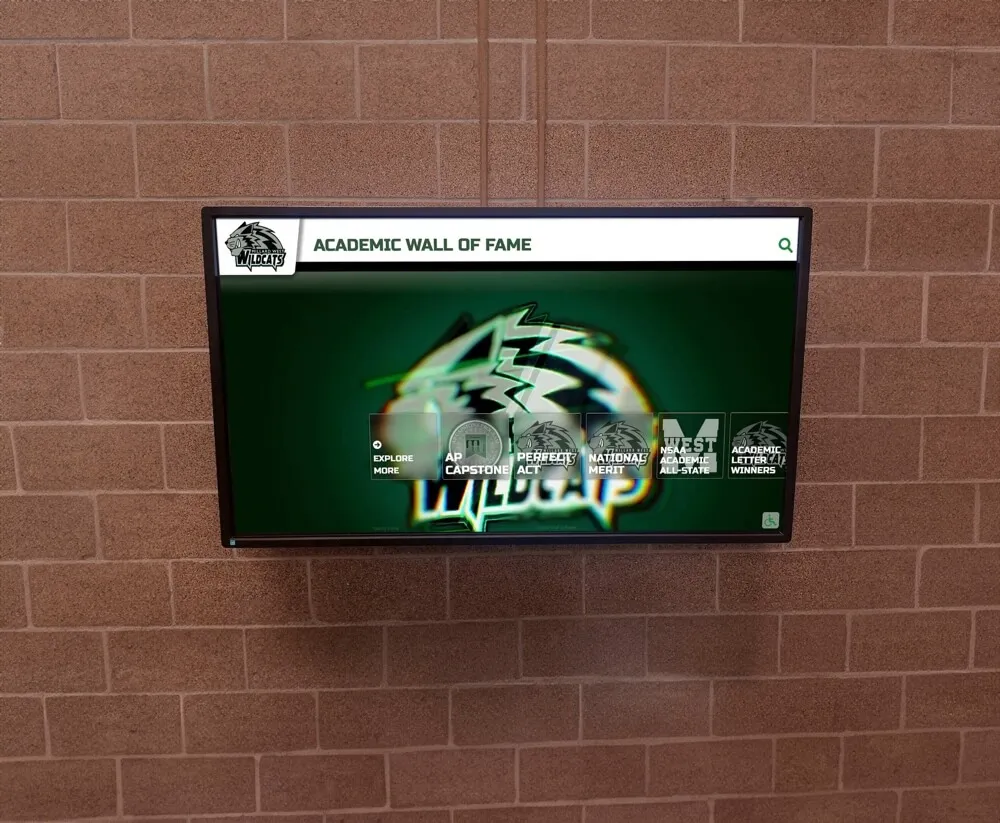
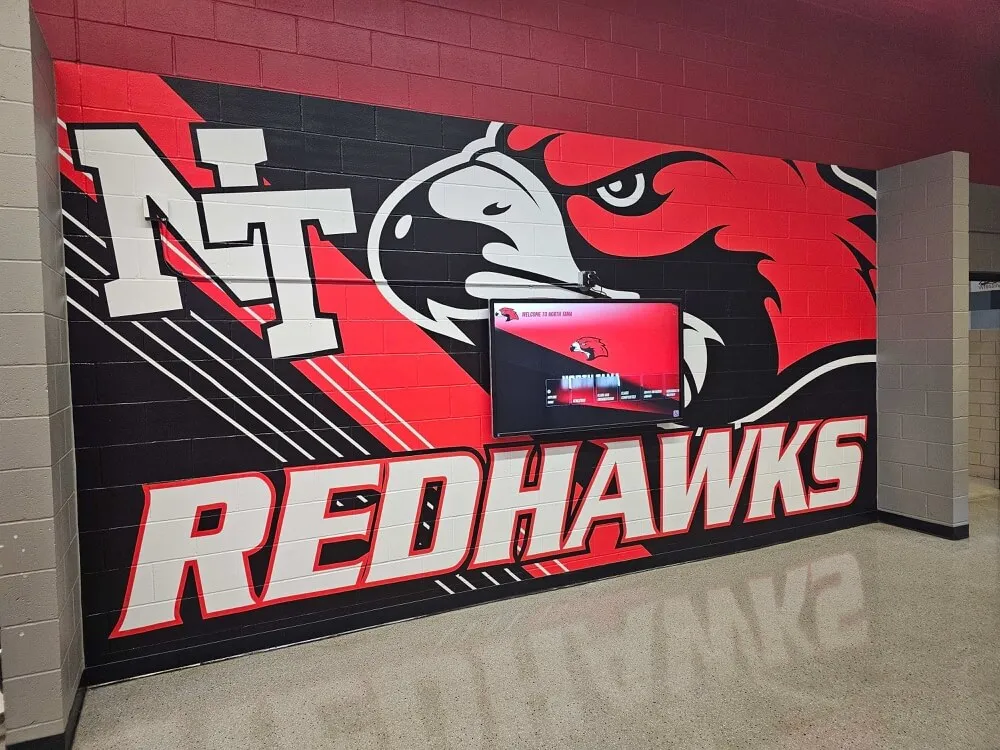
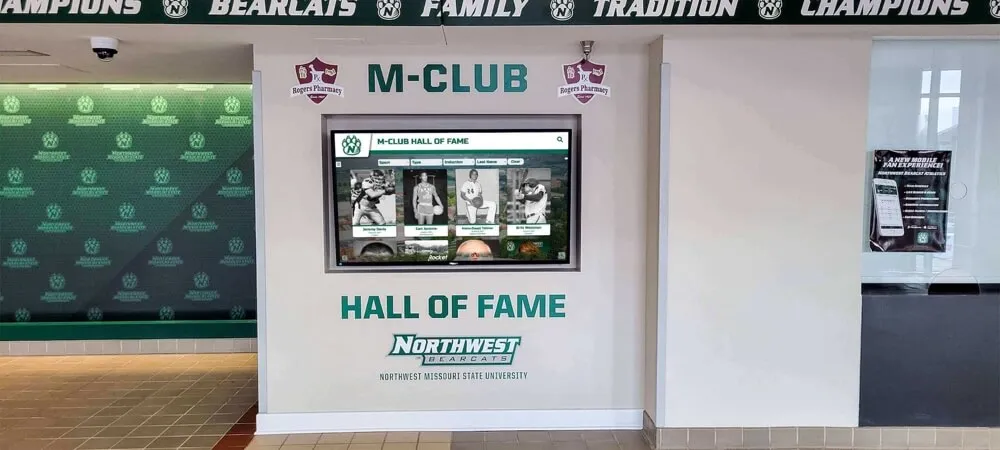
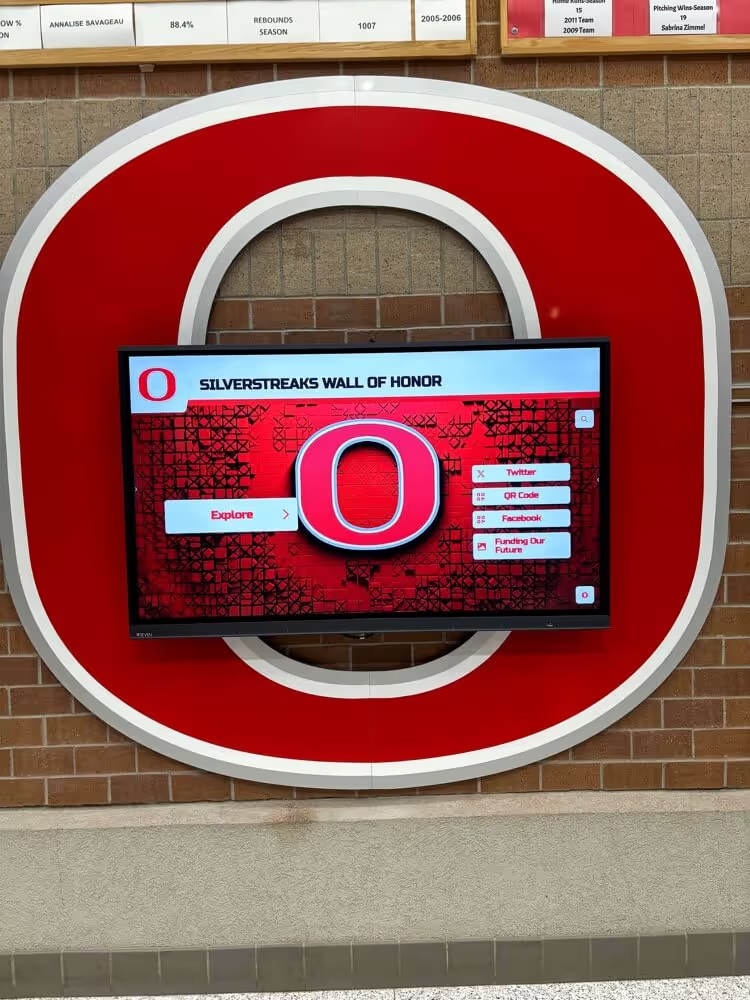
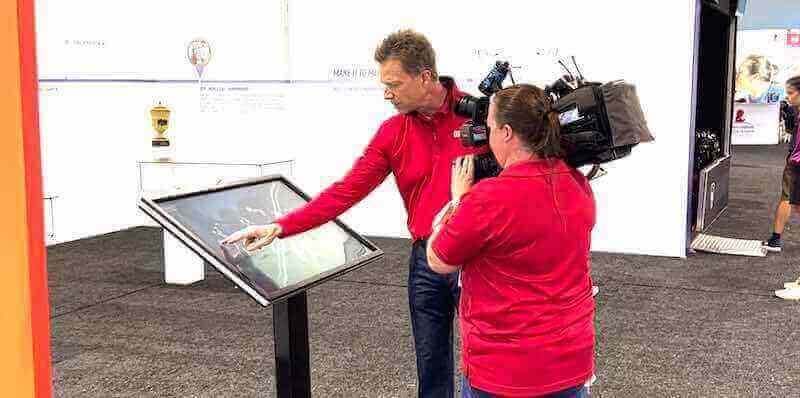
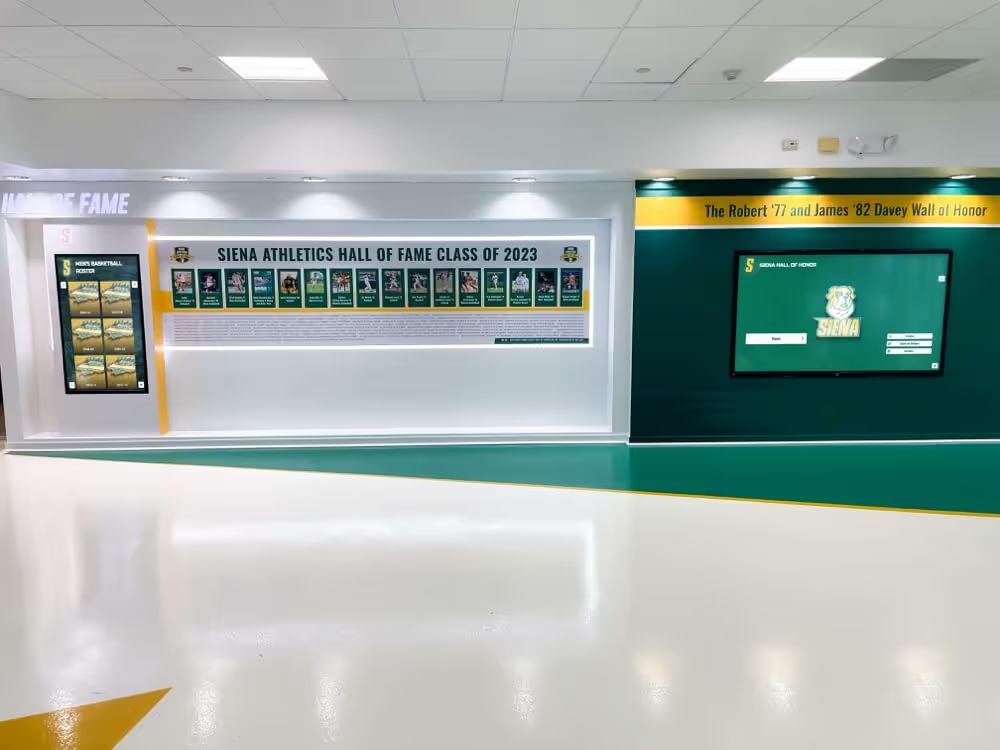
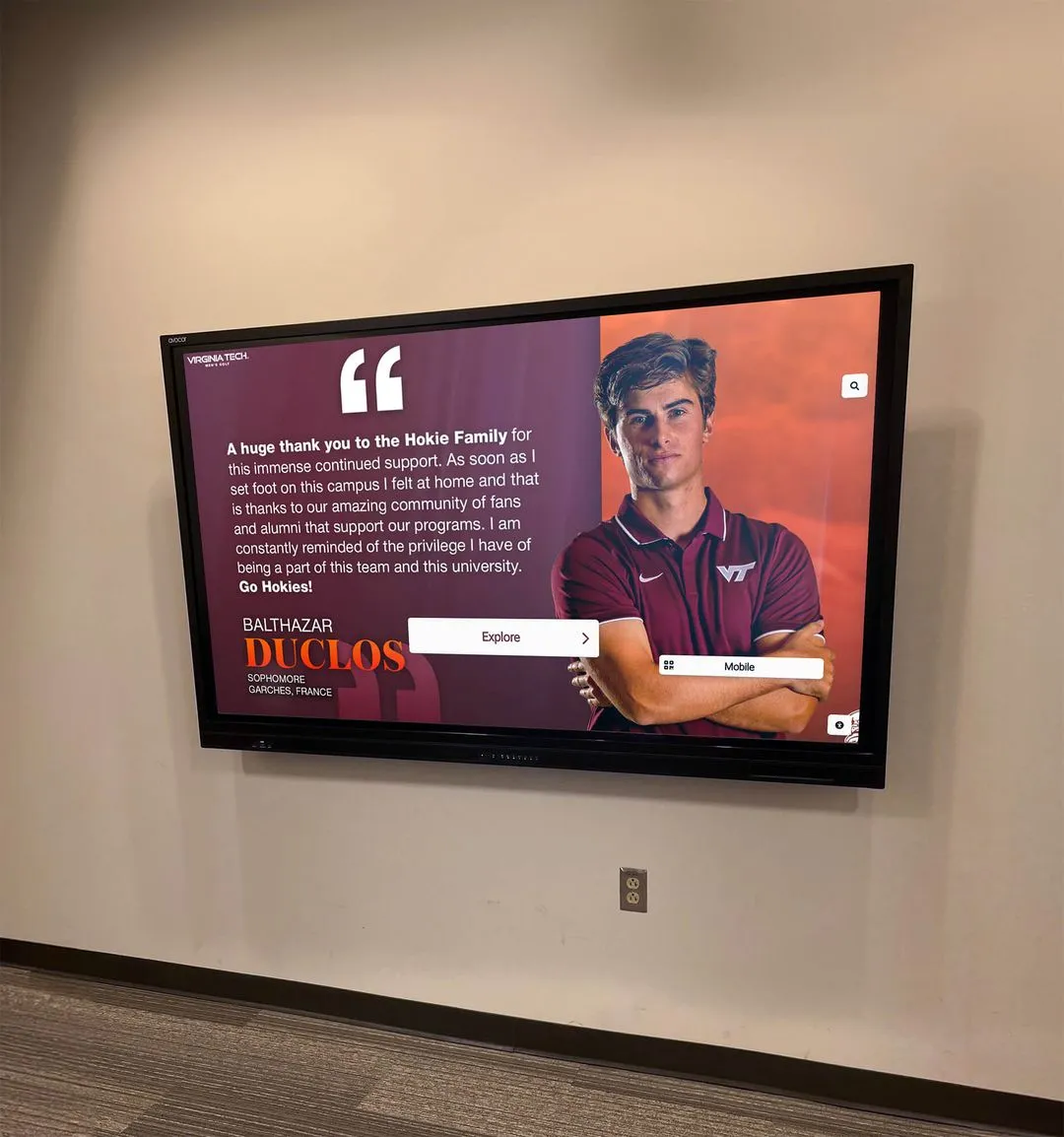
Purpose-built interactive touchscreen recognition systems provide capabilities that generic digital signage platforms cannot deliver
Understanding Carousel Digital Signage: Strengths and Limitations
Before evaluating alternatives, understanding what Carousel does well—and where it falls short for recognition applications—helps schools make informed technology decisions.
What Carousel Digital Signage Does Well
Carousel serves specific school communication needs effectively:
Scheduled Content Rotation
Carousel’s core strength lies in displaying scheduled, rotating content:
- Daily announcements and school news updating on regular schedules
- Cafeteria menus changing daily or weekly automatically
- Event calendars highlighting upcoming activities and deadlines
- Emergency messaging and weather alerts requiring immediate visibility
- Promotional content for programs, activities, and opportunities
- Directional information and campus maps for visitors
According to Carousel’s own marketing materials, the platform pricing starts at approximately $3,000 annually per 10 receivers (media players), positioning it as a mid-tier digital signage solution focused on content management and scheduled distribution across multiple displays.
Template Libraries and Design Tools
The platform provides design resources for creating attractive displays:
- Pre-built templates for common school communications
- Integration with design tools like Canva and PowerPoint
- Support for data visualization from sources like Power BI
- RSS feed integration for news and sports scores
- Media compatibility with popular players including BrightSign and Apple TV
Content Management Workflow
Administrative features support communication needs:
- Calendar-based scheduling for automated content publishing
- Review and approval workflows ensuring quality control before display
- Multi-display management across campus locations
- Role-based permissions controlling who can publish content
- K-12 discounted pricing acknowledging educational budgets
These capabilities make Carousel appropriate for general campus communication, replacing traditional bulletin boards and PA announcements with dynamic digital displays throughout school facilities.
Explore comprehensive digital signage options for schools comparing various platforms and approaches.
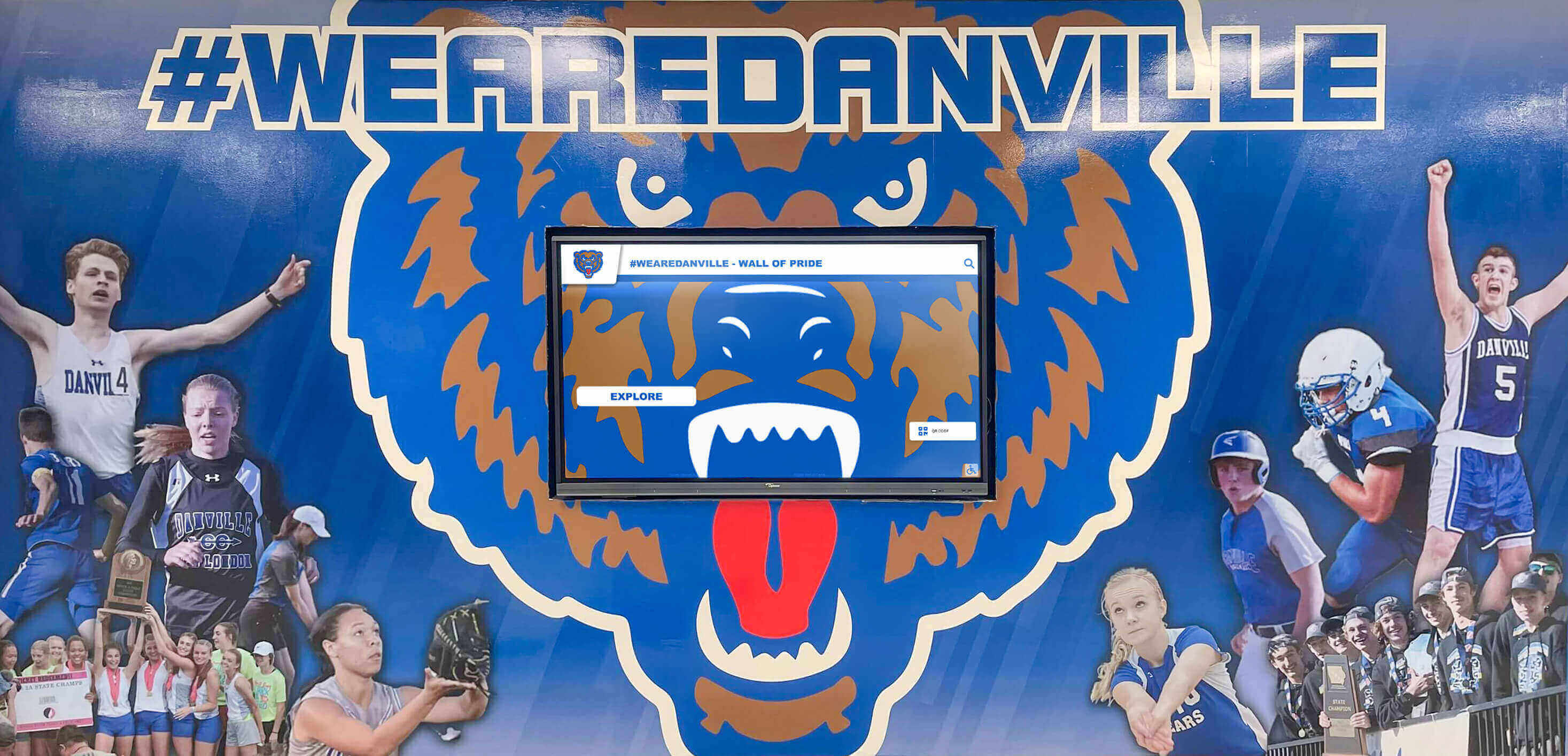
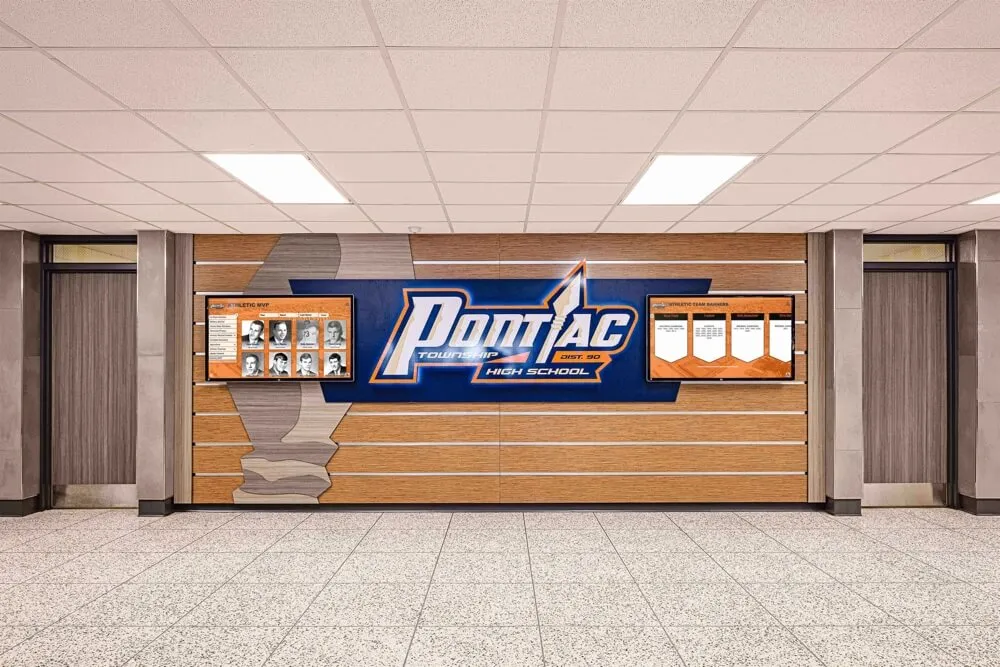
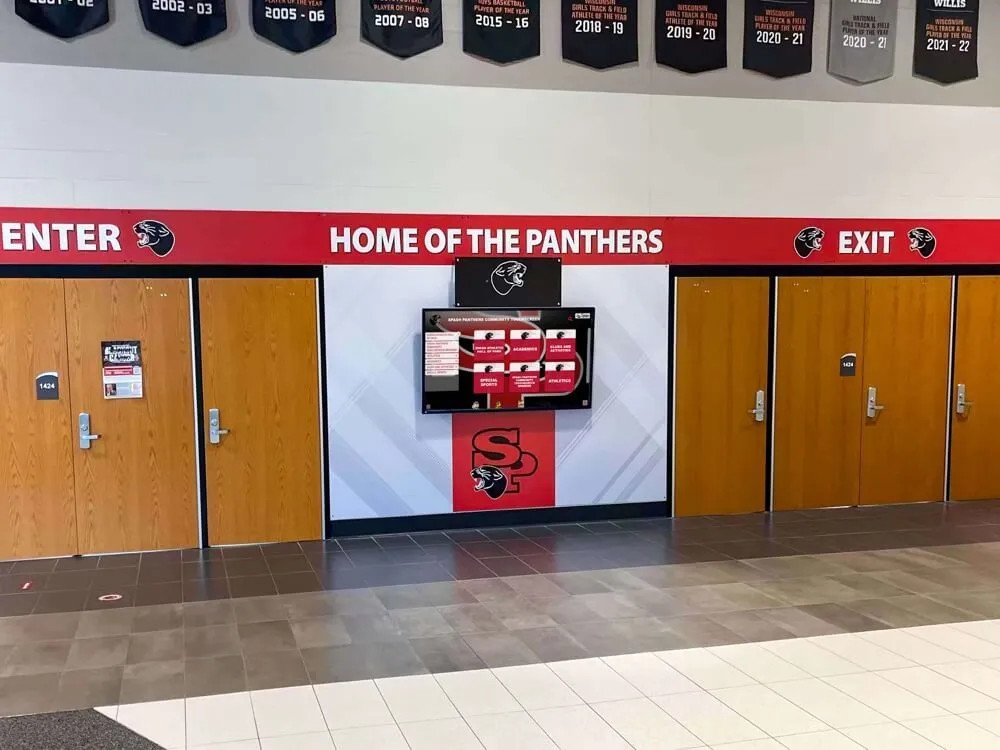
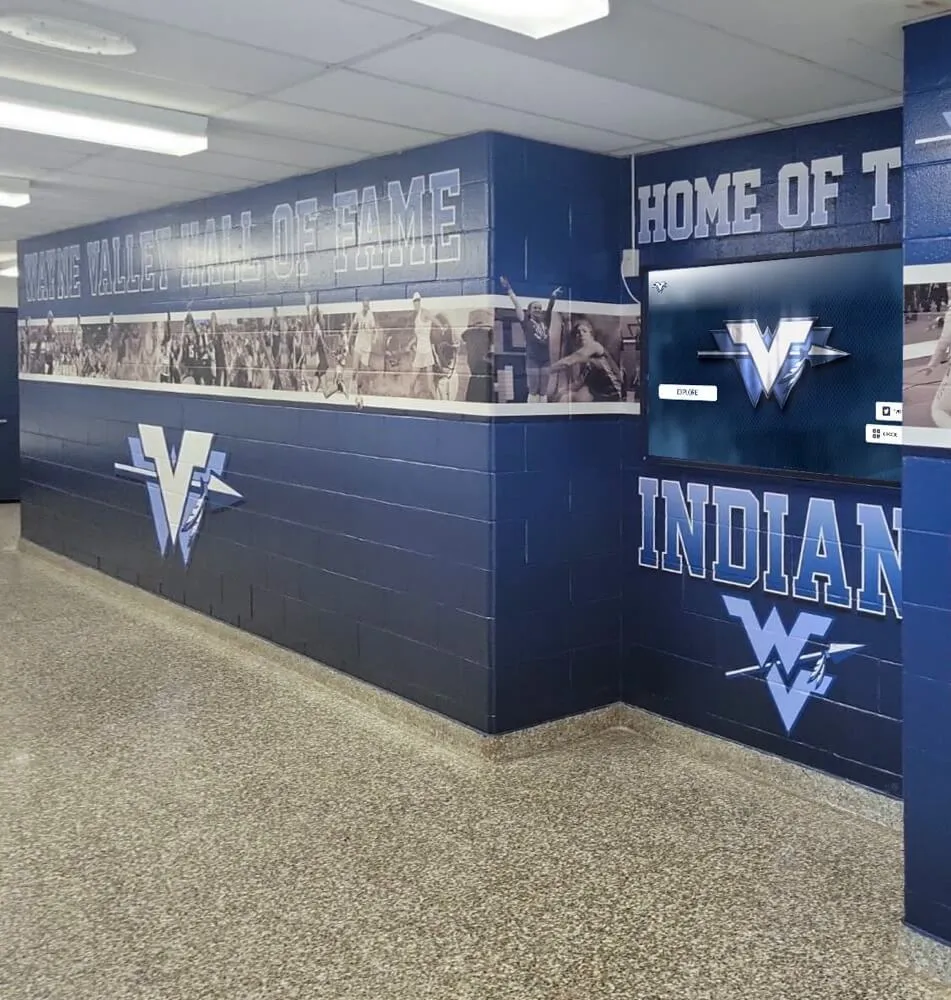
Standard digital signage effectively communicates daily information but lacks interactive recognition capabilities
Critical Limitations for Recognition Applications
Schools attempting to use Carousel for recognition quickly encounter fundamental constraints:
Limited or No Interactive Functionality
Carousel focuses on passive content display rather than active user engagement:
- Content rotates automatically on timers without user control
- No touchscreen interface enabling users to explore content
- Inability for visitors to search for specific individuals or achievements
- Missing navigation features allowing discovery of related content
- Passive viewing experience that generates brief glances rather than engagement
- No way for users to filter content by category, year, sport, or achievement type
Recognition effectiveness depends on audiences actively exploring content and discovering individuals meaningful to them. Passive rotation shows random content hoping something relevant appears, creating frustrating experiences compared to purposeful search and discovery.
Poor Support for Individual Profile Databases
Recognition requires organizing content around thousands of individuals:
- No profile management system for biographical information
- Inadequate structure for organizing relationships between individuals, teams, and achievements
- Missing categorization supporting recognition across athletics, academics, arts, and activities
- No multi-year tracking showing progression and accumulated accomplishments
- Lack of search functionality making specific individuals difficult or impossible to find
- Poor support for very large archives spanning decades of recognition
Schools attempting recognition via Carousel typically resort to creating separate slides for each individual—an approach requiring hundreds or thousands of slides that become unmanageable quickly while preventing meaningful discovery since users cannot search for specific people.
Inadequate Media Management for Recognition Archives
Comprehensive recognition demands robust photo and video capabilities:
- Limited photo library organization for thousands of recognition images
- No facial recognition or automatic tagging features
- Missing batch upload tools for efficiently adding large historical archives
- Inadequate support for video integration within individual profiles
- No automatic image optimization for various display formats
- Cloud storage limitations preventing comprehensive historical preservation
According to reviews on software comparison sites, users cite Carousel’s learning curve and complexity for new users as challenges, suggesting the platform prioritizes communication workflow features over the intuitive simplicity needed for recognition content that staff updates occasionally rather than daily.
Missing Features for Multi-Generational Archives
School recognition spans decades requiring specialized capabilities:
- No historical timeline features showing institutional evolution
- Missing era-based navigation enabling exploration by graduation year or decade
- Inadequate support for preserving historical context and narratives
- No anniversary features automatically highlighting milestone recognitions
- Poor accommodation for evolving photo formats and digitized historical materials
- Limited web accessibility preventing alumni from exploring recognition remotely
These limitations stem from Carousel’s design focus: scheduled communication of current information to passive audiences. Recognition demands different architecture: searchable databases of individuals, interactive exploration interfaces, comprehensive media management, and features specifically designed for celebrating achievements across entire institutional histories.
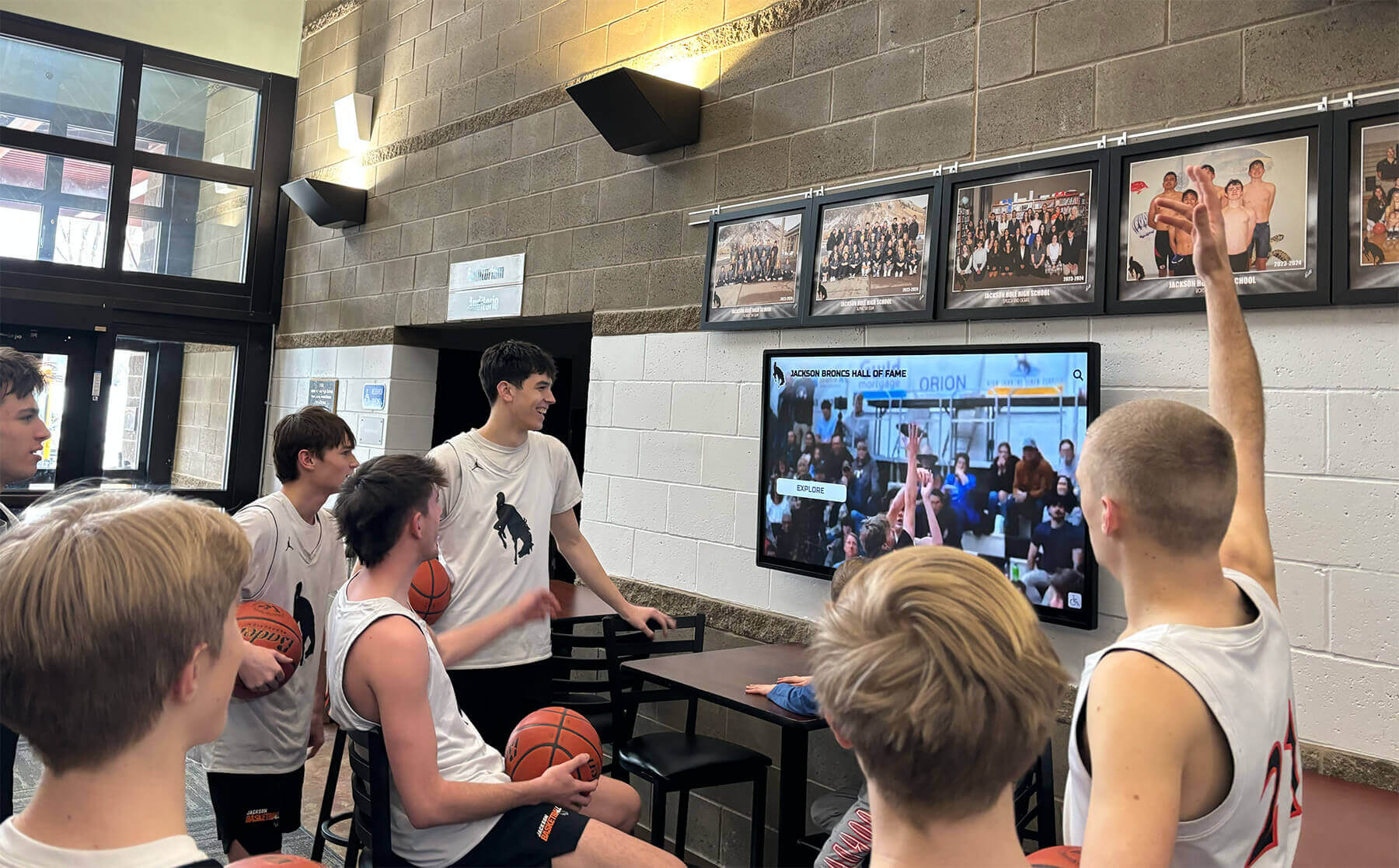
While students engage with video content, passive displays lack the interactive exploration features that recognition applications require
Why Interactive Touchscreen Recognition Systems Are the Top Carousel Alternative
Purpose-built recognition platforms address every limitation of generic digital signage while delivering capabilities specifically designed for celebrating achievements.
True Interactive Exploration vs. Passive Content Rotation
Recognition-specific systems transform how audiences experience achievement celebration:
Active Search and Discovery
Interactive platforms enable purposeful content exploration:
- Instant name search finding specific individuals immediately
- Advanced filtering by sport, academic program, achievement type, or category
- Chronological browsing by graduation year or era
- Statistical searches identifying record holders and leaders
- Related content discovery connecting teammates and classmates
- Featured profile highlighting rotating notable achievements
- Recent additions showcasing newest recognition
Rather than hoping relevant content appears during passive rotation, users actively search for information matching their specific interests—finding grandparents’ athletic achievements, researching program history, or exploring specific teams and eras.
Research on museum and exhibit engagement demonstrates that interactive displays generate 5-10 times longer visitor engagement compared to passive displays, with touchscreen features transforming brief glances into meaningful exploration sessions lasting several minutes.
Intuitive Touchscreen Interfaces
Modern recognition systems provide smartphone-like experiences:
- Large, clearly labeled buttons and controls optimized for touch interaction
- Gesture support including swiping, pinching, and tapping for natural navigation
- Responsive performance with smooth scrolling and immediate feedback
- Visual design reflecting school branding, colors, and identity
- Accessibility features supporting users with various abilities
- Idle-state content attracting attention when displays not actively used
- No instruction required—interfaces feel immediately familiar to all users
This intuitive design ensures students, visitors, and alumni of all ages can explore recognition independently without training, assistance, or frustration that complex interfaces create.
Learn about effective interactive touchscreen displays for school recognition and implementation strategies.
Comprehensive Profile Management and Organization
Recognition platforms organize content systematically around individuals:
Individual Profile Architecture
Purpose-built systems provide:
- Dedicated profile pages for each honoree with complete biographical information
- Photo galleries showing multiple images across different years and achievements
- Video highlights integrated directly into profiles
- Complete achievement lists and recognition details
- Statistics and performance records
- Graduation year and program affiliation
- Relationship mapping connecting teammates, classmates, and contemporaries
- Historical context and narrative storytelling
This comprehensive approach honors individuals appropriately rather than reducing recognition to names scrolling in rotating slides.
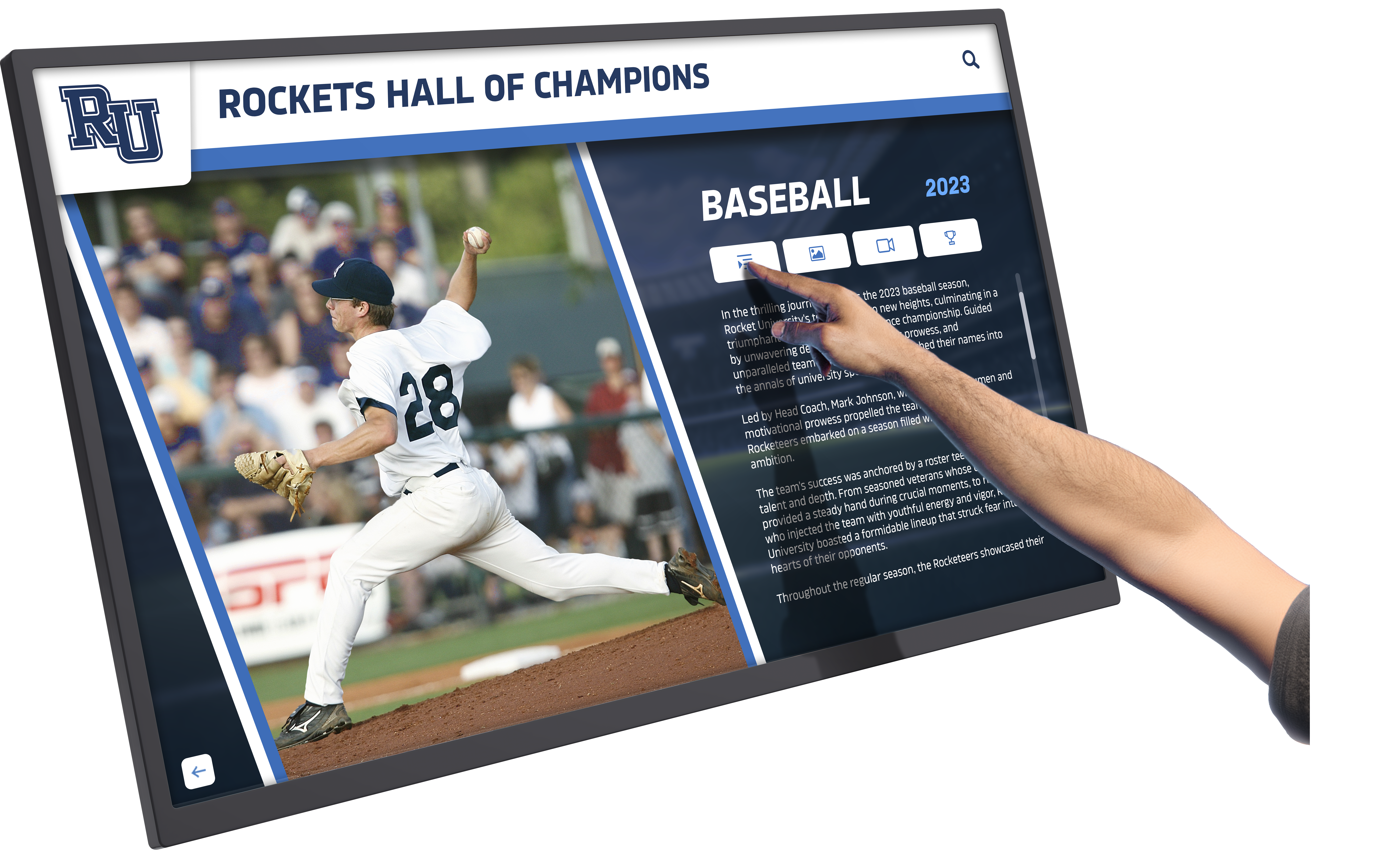
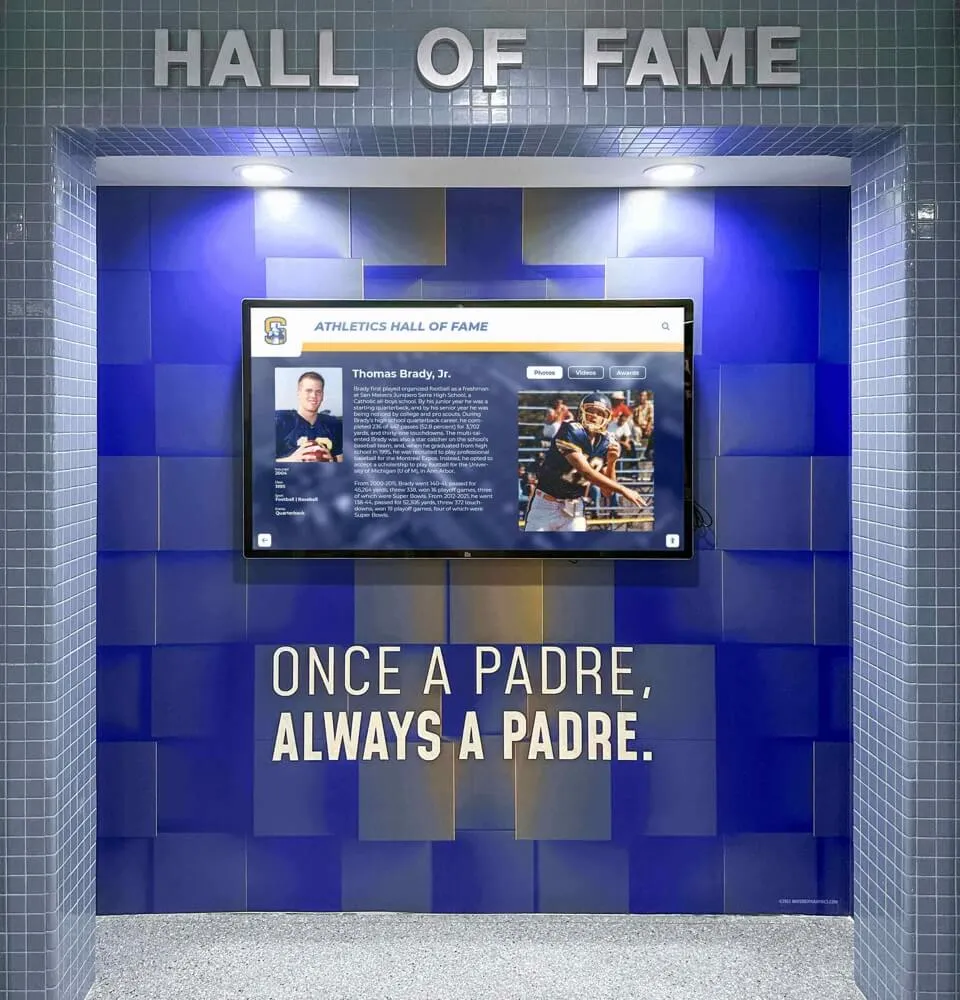
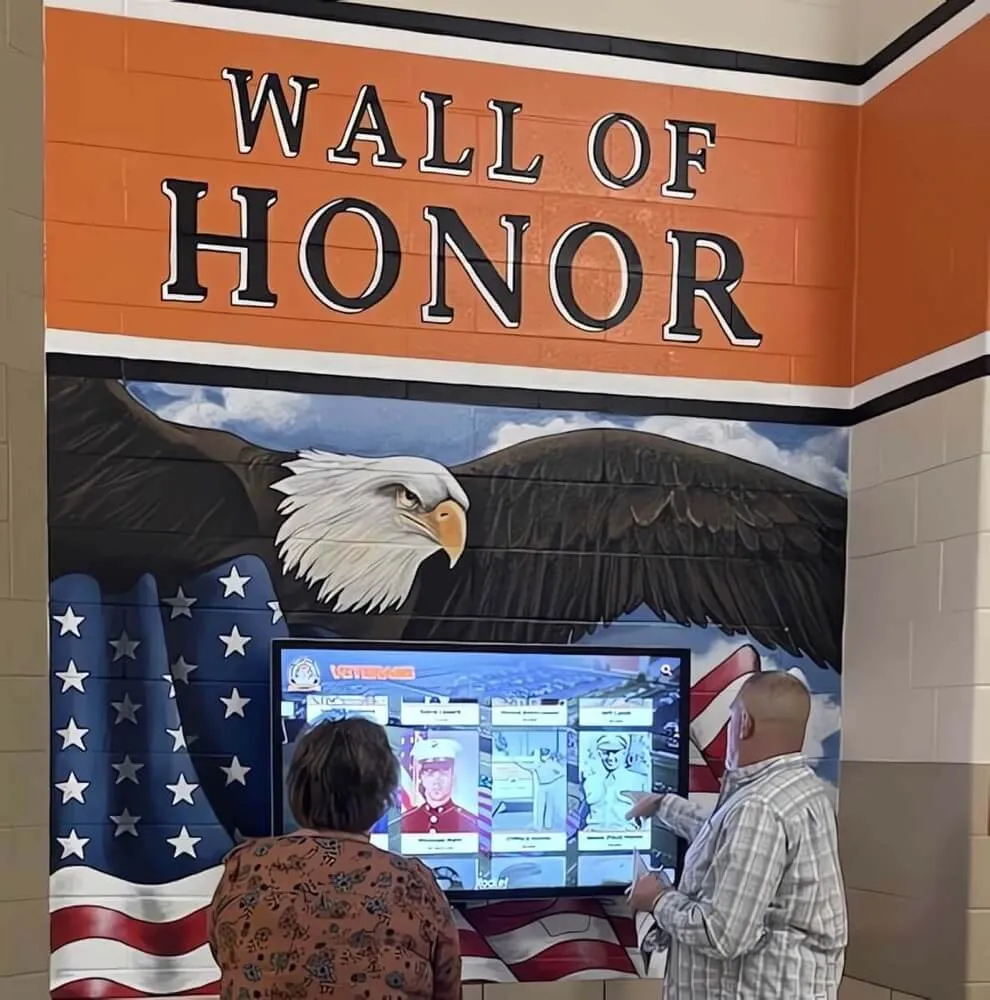
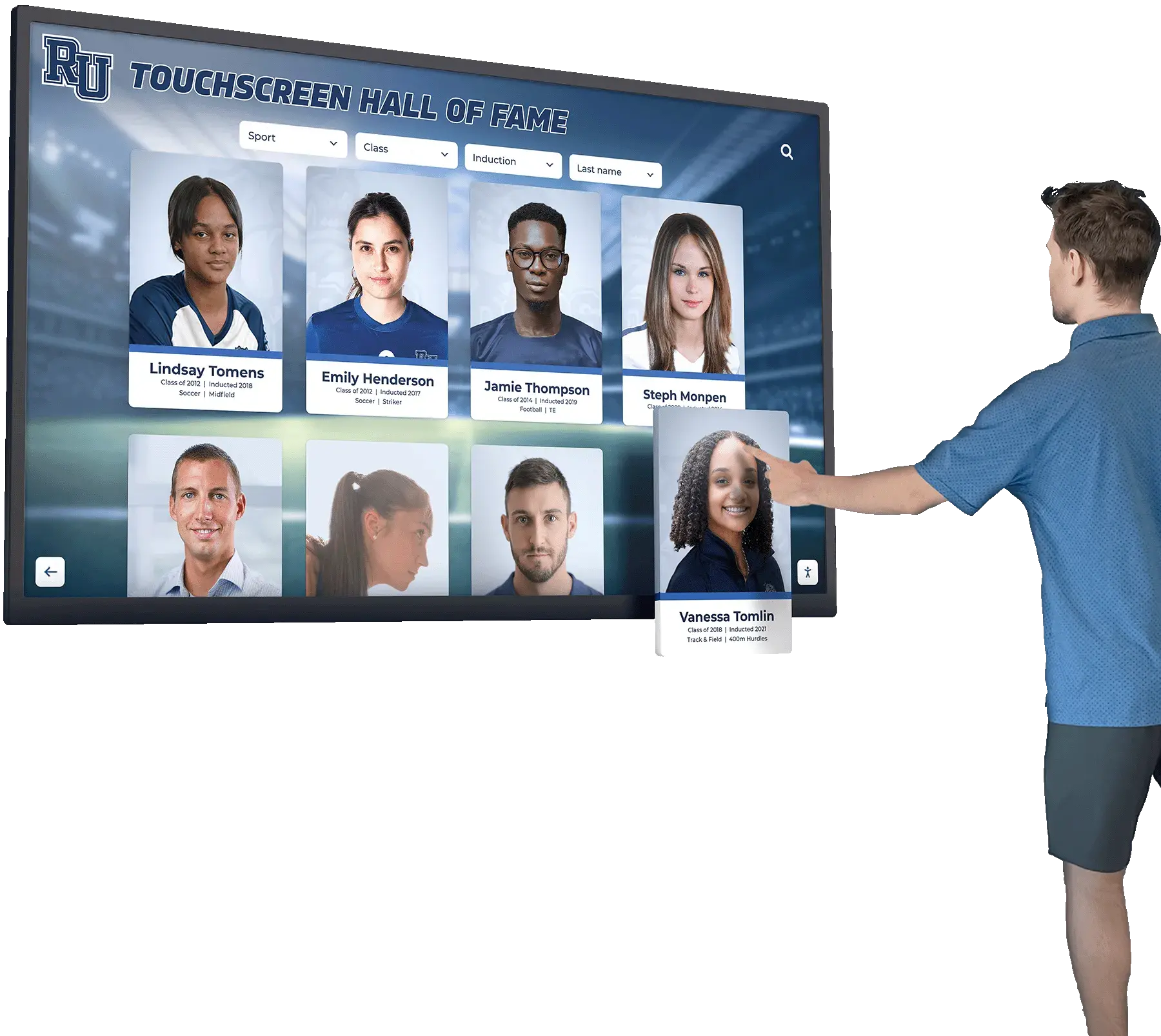
Interactive systems enable deep exploration of individual achievements and biographical information
Powerful Categorization and Organization
Sophisticated platforms support diverse recognition needs:
- Athletic recognition across all sports and achievement levels
- Academic excellence including honor roll, AP Scholars, and National Merit recognition
- Performing arts celebrating drama, music, and creative achievements
- Community service and leadership honoring civic engagement
- Alumni accomplishments tracking graduates beyond school years
- Faculty and staff recognition celebrating educators and support personnel
- Historical institutional milestones preserving school heritage
This multi-dimensional organization enables comprehensive recognition across all achievement categories rather than forcing schools to choose between athletics and academics due to platform limitations.
Multi-Year and Historical Tracking
Recognition systems accommodate decades of achievements:
- Complete archives spanning entire institutional history
- Era-based navigation enabling exploration by decade or time period
- Multi-year athlete tracking showing progression across seasons
- Alumni achievement updates adding post-graduation accomplishments
- Historical photo integration preserving legacy recognitions
- Timeline features showing institutional evolution and tradition development
Schools implementing purpose-built systems report the single greatest benefit is ability to recognize every deserving achievement across all categories and all years rather than selective few that limited space or platform capabilities force with traditional approaches.
Discover strategies for academic recognition programs that complement athletic achievements.
Professional Media Management for Recognition Content
Media quality determines recognition impact and meaningfulness:
Robust Photo Library Management
Recognition platforms provide:
- Organization of tens of thousands of images efficiently
- Batch upload capabilities for adding entire team or class photos
- Automatic resizing and optimization for display and web viewing
- Tagging and categorization enabling discovery and organization
- Cloud storage eliminating local capacity constraints
- Image editing tools for cropping and basic enhancement
- Facial recognition features for automatic tagging (emerging capability)
Quality photography transforms abstract name recognition into personal connections with real individuals whose achievements deserve appropriate honor.
Integrated Video Content
Video brings recognition to life uniquely:
- Video hosting and streaming integrated within individual profiles
- Highlight reels showcasing signature performances
- Interview content adding personal perspectives
- Historical footage preserving memorable moments
- Automatic optimization for smooth playback on displays and web
- Closed captioning support for accessibility
- Simple upload workflows requiring no technical expertise
Video highlights, championship moments, and personal interviews create emotional engagement impossible with static content, making recognition meaningful and memorable for honorees and audiences alike.
Archive and Document Integration
Comprehensive recognition often includes supporting materials:
- Newspaper article archives providing historical perspective
- Certificate and award documentation
- Yearbook page integration
- Program and event materials
- Statistical records and historical data
- Searchable document content enabling keyword discovery
These archival capabilities transform recognition systems into comprehensive institutional memory repositories preserving heritage appropriately.
Explore approaches to digitizing historical school materials and creating accessible archives.
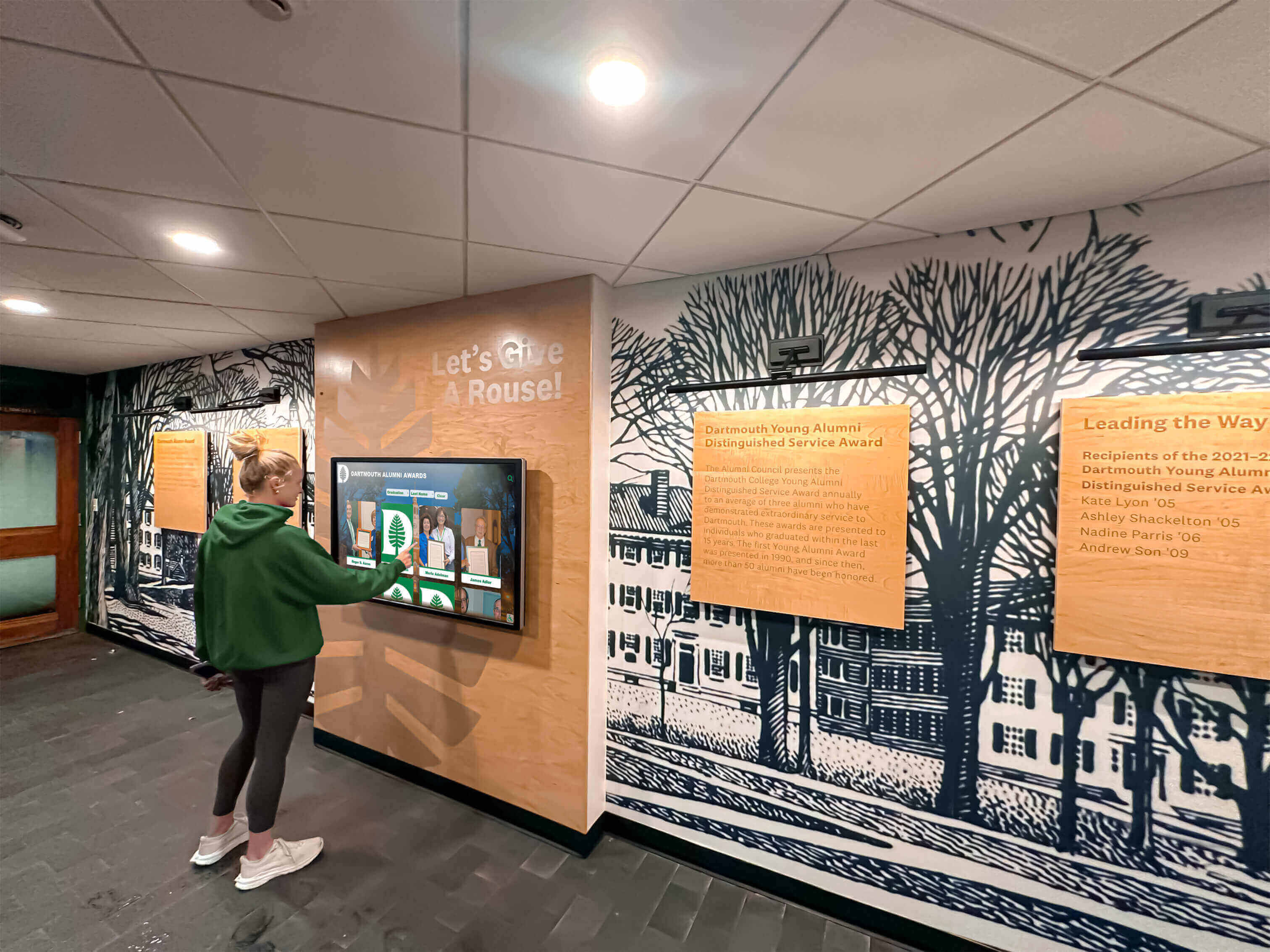
Interactive systems support rich multimedia content including photos, videos, and comprehensive biographical information
Web Accessibility and Extended Reach
Modern recognition platforms extend far beyond physical displays:
Simultaneous Physical and Web Presence
Comprehensive systems provide:
- Same content on facility displays simultaneously available online globally
- Responsive web design functioning on smartphones, tablets, and computers
- Direct profile links enabling sharing via social media and email
- QR code integration connecting physical displays with mobile exploration
- Search engine optimization making recognition discoverable via Google searches
- Alumni worldwide accessing current and historical recognition remotely
This extended accessibility means recognition created by schools reaches audiences of thousands rather than hundreds limited to physical facility visits, maximizing impact and community connection.
According to educational technology research, web-accessible recognition generates 10-15 times more total views than display-only systems, with alumni engagement increasing substantially when recognition becomes accessible from anywhere rather than requiring campus visits.
Social Media Integration and Viral Sharing
Digital recognition enables broader celebration:
- Direct sharing of individual profiles to Facebook, Instagram, LinkedIn, and other platforms
- Students celebrating achievements with extended personal networks
- Alumni sharing historical recognition demonstrating program legacy and pride
- Schools promoting excellence through authentic achievement evidence
- Community engagement building support, enrollment interest, and donations
- Viral potential when extraordinary achievements reach broader audiences beyond school communities
Schools implementing web-accessible recognition report measurable increases in social media engagement, prospective family interest, and alumni connections as authentic achievement visibility creates compelling evidence of educational quality and community values.
Analytics and Engagement Insights
Data-driven platforms provide valuable insights:
- Usage statistics showing engagement levels and trends
- Popular content identification revealing which achievements attract most interest
- Search query analysis showing what visitors seek
- Geographic distribution of web visitors demonstrating recognition reach
- Session duration metrics indicating engagement depth
- Return visitor tracking showing sustained interest
These insights enable continuous improvement and demonstrate program value to administrators and stakeholders.
Discover how touchscreen displays enhance school recognition and community engagement.
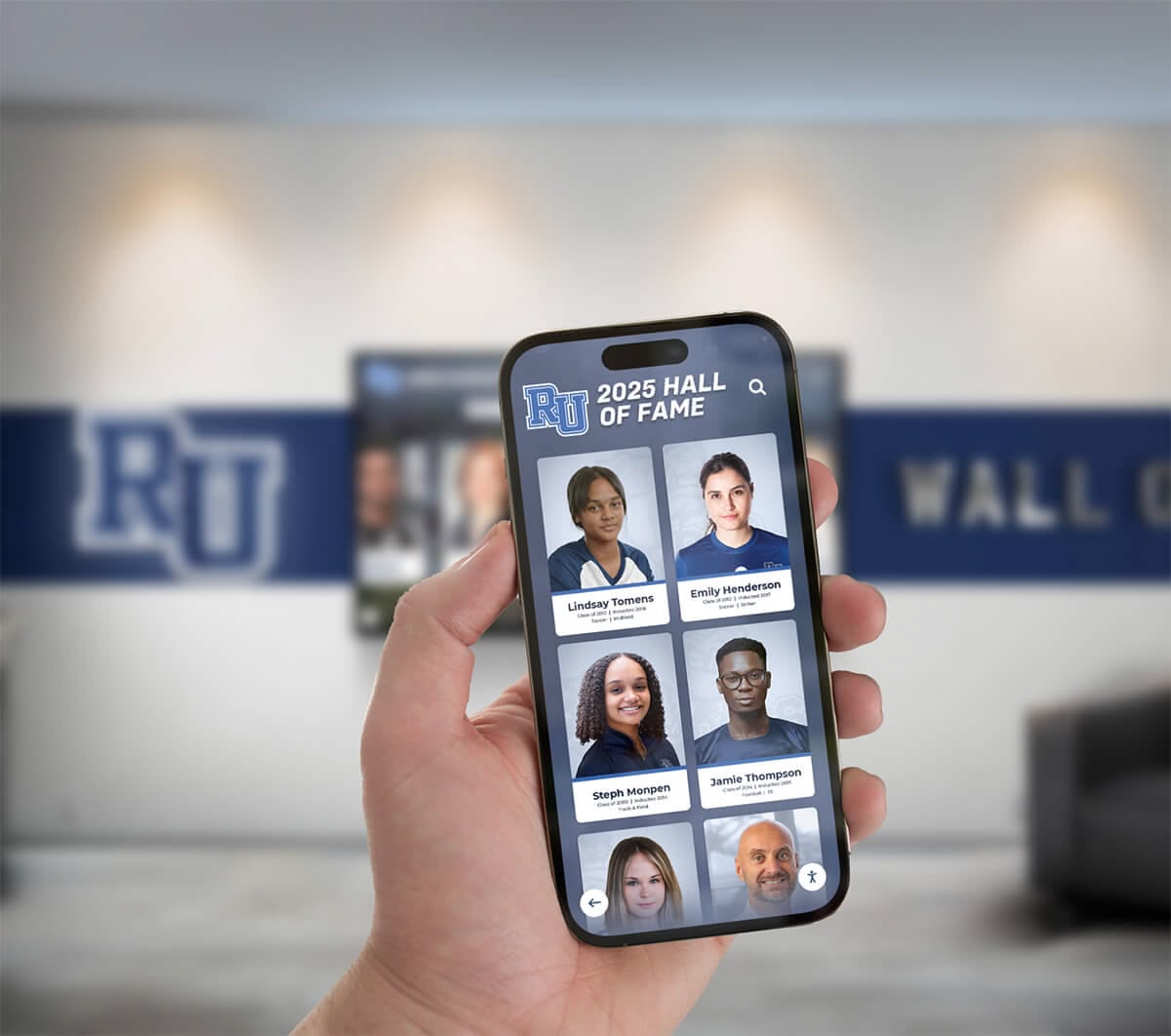
Web accessibility extends recognition beyond campus, enabling alumni and families to explore achievements from anywhere
Comparing Carousel vs. Interactive Recognition Platforms: Features and Costs
Understanding specific differences helps schools make informed decisions about appropriate technology for recognition needs.
Feature Comparison Matrix
Content Organization and Discovery
| Feature | Carousel Digital Signage | Interactive Recognition Platform |
|---|---|---|
| Individual profile pages | No | Yes - comprehensive biographical pages |
| Search functionality | No | Yes - instant name and keyword search |
| Filtering by category | Limited | Yes - sport, year, achievement type, etc. |
| Browse by chronology | No | Yes - explore by era, year, or decade |
| Related content discovery | No | Yes - teammates, classmates, connected achievements |
| Multi-year tracking | No | Yes - complete historical archives |
Interactive Features
| Feature | Carousel Digital Signage | Interactive Recognition Platform |
|---|---|---|
| Touchscreen optimization | Limited or no | Yes - purpose-built for touch interaction |
| User-controlled exploration | No - automated rotation only | Yes - active search and discovery |
| Multi-touch gestures | No | Yes - swipe, pinch, tap, etc. |
| Responsive interface | Basic | Advanced - smartphone-like experience |
| Idle-state attractors | Template-based slides | Dynamic featured content and video |
| Accessibility features | Basic | Comprehensive - all users |
Media Management
| Feature | Carousel Digital Signage | Interactive Recognition Platform |
|---|---|---|
| Photo library organization | Basic file management | Robust - tens of thousands of images |
| Batch photo upload | Limited | Yes - efficient bulk additions |
| Video integration in profiles | No profile structure | Yes - streaming within individuals |
| Automatic media optimization | Basic | Yes - display and web formats |
| Cloud storage capacity | Limited | Extensive - comprehensive archives |
| Historical archive management | Poor | Excellent - decades of recognition |
Recognition-Specific Features
| Feature | Carousel Digital Signage | Interactive Recognition Platform |
|---|---|---|
| Athletic statistics integration | No | Yes - performance tracking |
| Academic achievement tracking | No | Yes - GPA, honors, awards |
| Multi-category recognition | Difficult manual slides | Yes - athletics, academics, arts, service |
| Timeline and era features | No | Yes - historical perspective |
| Alumni achievement tracking | No | Yes - post-graduation updates |
| Anniversary and milestone features | Manual creation required | Automated - based on dates |
Administration and Management
| Feature | Carousel Digital Signage | Interactive Recognition Platform |
|---|---|---|
| Content management interface | Communication workflow focused | Recognition workflow optimized |
| Bulk import tools | Limited | Yes - entire teams or classes |
| Simple editing by non-technical staff | Moderate learning curve reported | Intuitive - minimal training needed |
| Web accessibility management | Not included typically | Yes - simultaneous display and web |
| Analytics and reporting | Basic usage stats | Comprehensive engagement insights |
| Integration with school systems | RSS feeds, data viz tools | Student information systems, athletic databases |
This comparison reveals fundamental architectural differences: Carousel was designed for communication and announcements while recognition platforms were built specifically for celebrating achievements and enabling discovery.
Learn about choosing recognition technology platforms and evaluation criteria.
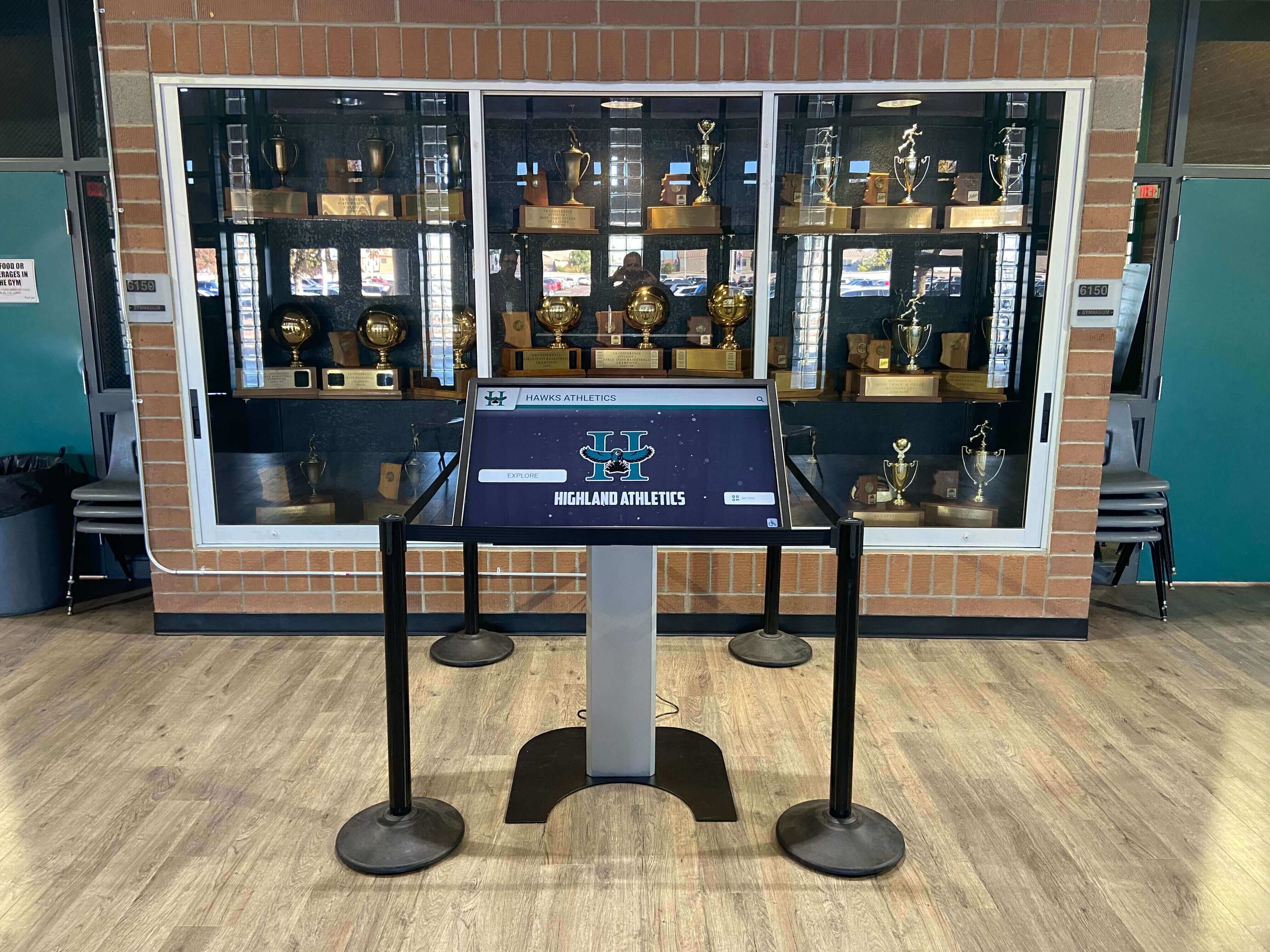
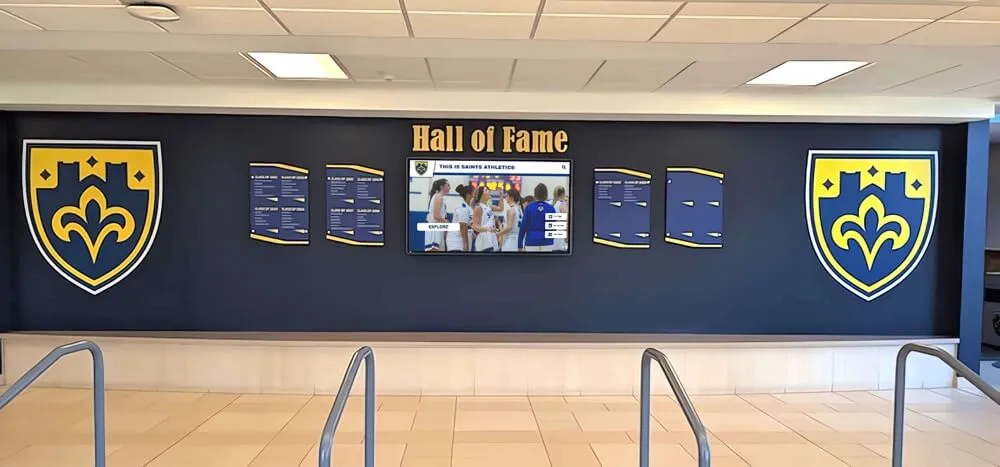
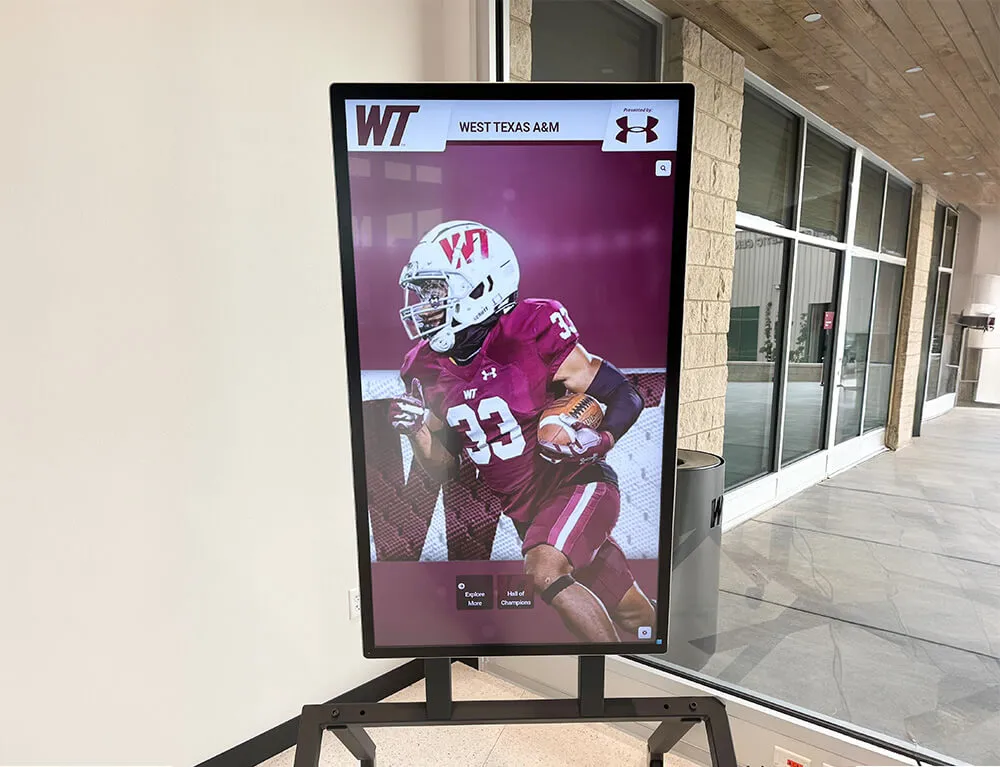
Purpose-built recognition kiosks provide capabilities that generic digital signage platforms cannot deliver
Cost Comparison and Investment Analysis
Understanding complete costs helps schools budget appropriately:
Carousel Digital Signage Investment
Typical costs for Carousel include:
- Software licensing: ~$3,000 annually per 10 receivers (media players)
- Additional receivers: ~$300 per media player/display beyond initial 10
- K-12 discount: Available but specific pricing requires direct contact
- Support tiers: Core (self-service), Pro (guided support), Enterprise (white glove service)
- Training and implementation: Varies by tier and school needs
- Ongoing content creation: Internal staff time or external design services
For a school deploying 5-10 displays for recognition purposes, annual costs might range from $3,000-6,000+ depending on support tier selection and media player requirements.
However, schools must also consider hidden costs:
- Staff time creating hundreds or thousands of individual slides for recognition
- Ongoing manual updates for each new achievement requiring slide creation
- Frustration from limited interactivity reducing recognition impact and engagement
- Missing recognition capabilities forcing supplemental systems or continued physical displays
- Poor search functionality creating difficult user experiences
Interactive Recognition Platform Investment
Purpose-built recognition systems typically include:
- Hardware: $5,000-15,000 per display installation (commercial touchscreen, kiosk, computing)
- Software subscription: $1,500-4,000 annually for recognition platform
- Initial content development: $2,000-8,000 for historical archive digitization
- Installation and setup: Often included or $500-2,000 per display
- Training and support: Typically included in subscription
- Web accessibility: Included - same content on displays and online
- Ongoing updates: Minimal staff time due to intuitive management
For a comprehensive 2-3 display recognition program, schools might invest $15,000-40,000 initially with $2,000-6,000 ongoing annually.
Return on Investment Analysis
Interactive recognition platforms deliver value justifying higher initial investment:
Quantifiable Benefits:
- 80-90% reduction in administrative time compared to creating slides or physical plaques
- Elimination of ongoing printing and materials expenses for traditional recognition
- Comprehensive recognition capacity vs. selective display due to platform limitations
- 5-10x longer engagement time creating meaningful connections
- Web accessibility reaching 10-15x more viewers than display-only systems
- Social sharing generating viral impressions impossible with Carousel
Non-Monetary Value:
- Ability to recognize every deserving achievement vs. selective few
- Enhanced student motivation from genuine recognition opportunities
- Strengthened community connection and school pride
- Preserved institutional heritage in accessible archives
- Improved equity ensuring all achievements receive appropriate recognition
- Competitive advantage versus schools using outdated recognition approaches
Many schools find that purpose-built recognition systems achieve cost-neutral operation within 3-5 years when comparing comprehensive capabilities to either traditional physical recognition costs or the limited impact of attempting recognition via generic digital signage, while delivering substantially superior recognition capacity and engagement throughout decades of operation.
Solutions like Rocket Alumni Solutions provide comprehensive platforms specifically designed for educational recognition, combining intuitive software with professional hardware recommendations and implementation support to ensure successful long-term programs.
Explore budget-friendly recognition approaches and implementation strategies.
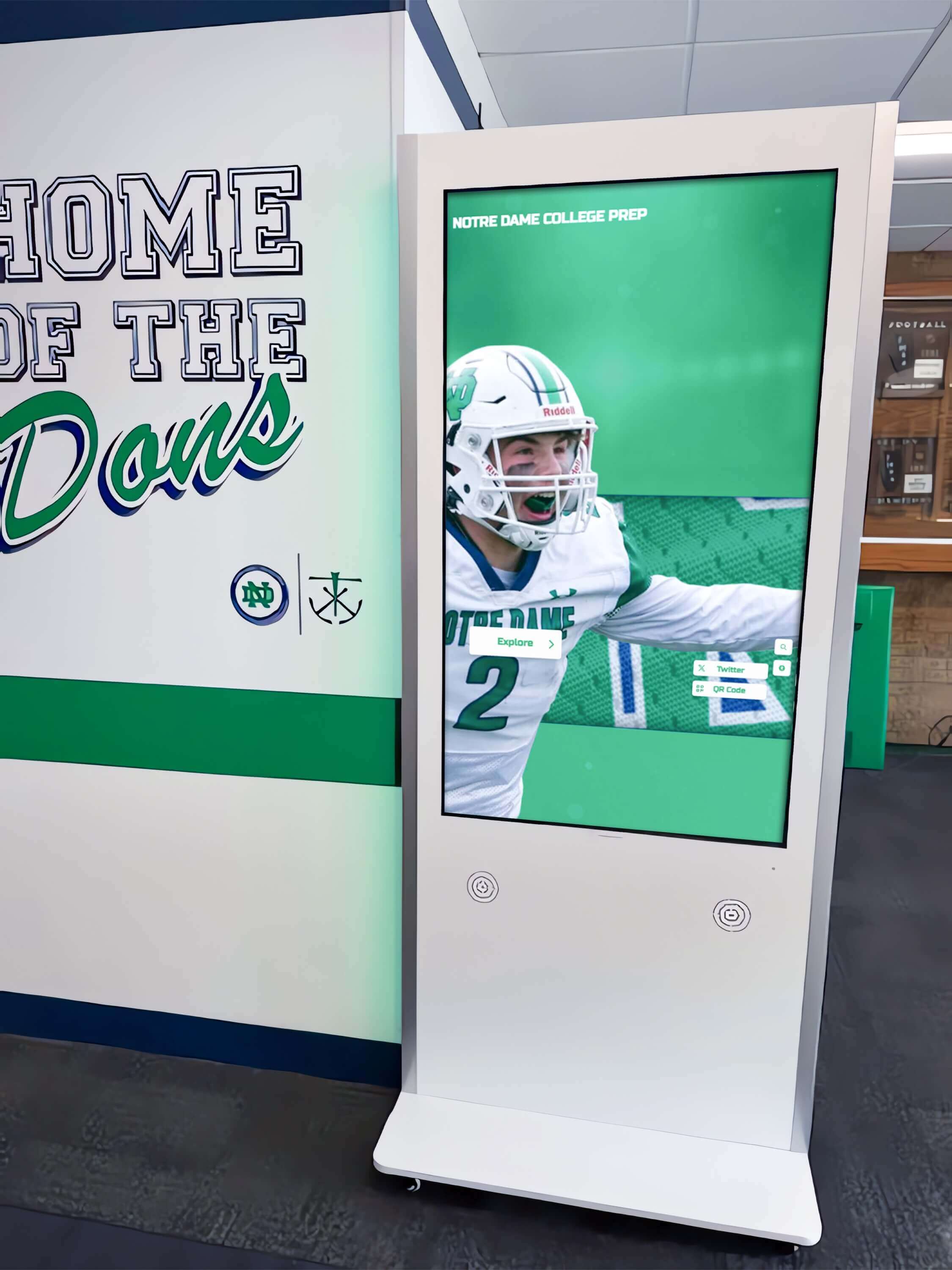
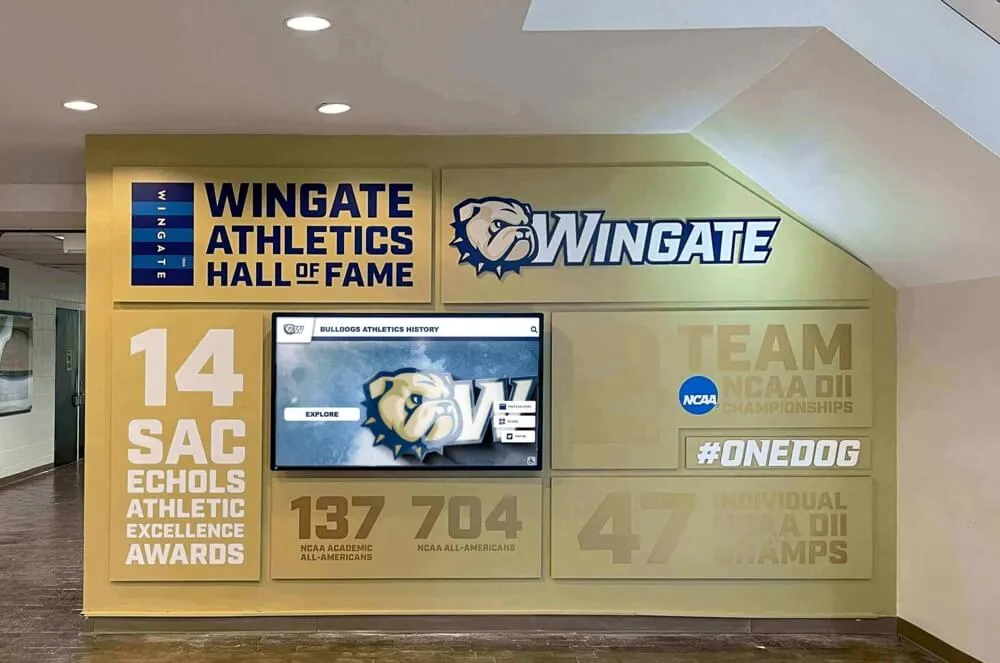
Professional recognition installations represent comprehensive solutions rather than repurposed communication tools
When to Use Carousel vs. When to Choose Interactive Recognition
Both platforms serve important but distinct purposes in educational environments:
Appropriate Carousel Digital Signage Applications
Carousel and similar digital signage excel at specific communication needs:
Daily Information and Announcements
Use digital signage for:
- Morning announcements and daily news replacing PA systems
- Lunch menus and cafeteria information updating daily
- Event calendars and schedule information
- Club meeting times and locations
- Weather alerts and emergency messaging
- Directional signage and campus maps
- Promotional content for upcoming programs and opportunities
These applications benefit from scheduled content rotation displayed to passive audiences moving through hallways and common areas. Interactive features add minimal value when content is simple, changes frequently, and targets time-sensitive awareness rather than deep exploration.
Template-Driven Content in Multiple Locations
Digital signage works well for:
- Standardized announcements distributed across many displays
- Content requiring frequent scheduling changes
- Information sourced from external feeds (news, sports scores, weather)
- Data visualization from business intelligence tools
- Simple promotion of programs without comprehensive detail
The template libraries, scheduling features, and multi-display management that Carousel provides serve these communication needs efficiently.
Budget-Constrained General Communication
Schools with limited technology budgets might choose digital signage when:
- Primary need is replacing bulletin boards and static posters
- Interactive exploration is not required for application
- Content changes daily or weekly requiring easy updates
- Recognition is not primary use case or institutional priority
- Existing infrastructure and expertise already supports platform
In these scenarios, the lower cost and communication-focused features align with needs and priorities.
Understand digital signage options for schools and appropriate applications.
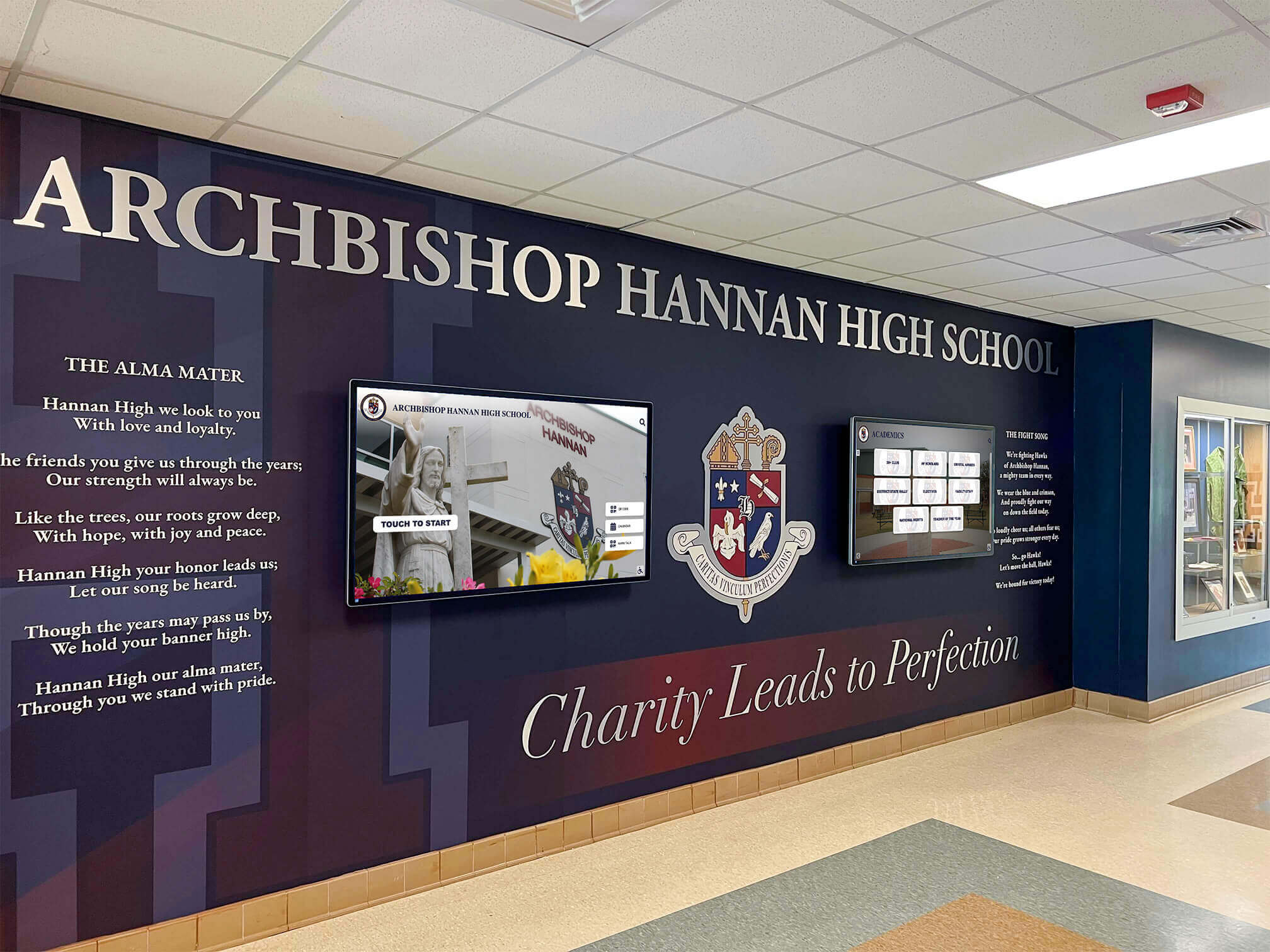
Digital signage effectively displays announcements and daily information in high-traffic areas
When Interactive Recognition Platforms Are Essential
Purpose-built systems become necessary when recognition is the priority:
Comprehensive Achievement Celebration
Choose recognition platforms when schools want to:
- Honor all deserving achievements across athletics, academics, arts, and service
- Provide complete biographical information beyond basic names and dates
- Enable search and discovery so visitors can find specific individuals
- Create engaging experiences that honor accomplishments appropriately
- Preserve institutional history comprehensively across decades
- Ensure equitable recognition rather than selective display due to platform limitations
The interactive features, profile organization, and media management that recognition platforms provide become essential rather than optional for these applications.
Athletic and Academic Hall of Fame Programs
Recognition systems shine for:
- Multi-sport athletic recognition with statistics and records
- Academic excellence celebrations including honor roll and scholars
- Historical archives preserving program legacy and traditions
- Championship team recognition with rosters and season narratives
- Individual achievement tracking across multiple years
- Record holder identification and comparison across eras
The specialized features that recognition platforms offer—statistical integration, multi-year tracking, comprehensive media management—prove impossible to replicate effectively using generic digital signage.
Alumni Engagement and Community Connection
Schools benefit from recognition platforms when:
- Alumni engagement is institutional priority deserving appropriate technology
- Web accessibility extends recognition to graduates worldwide
- Social sharing amplifies recognition impact beyond campus
- Historical preservation serves community identity and tradition
- Fundraising and development leverage authentic achievement evidence
- Recruitment and admissions showcase program excellence comprehensively
The web accessibility, social integration, and comprehensive archival capabilities that recognition systems provide deliver value far beyond what communication-focused digital signage can achieve.
Learn about creating athletic halls of fame and recognition programs.
The Critical Question
Schools should ask: “Is our primary goal communicating daily information to passive audiences, or celebrating achievements through interactive exploration that honors individuals appropriately?”
If communication dominates needs, digital signage may suffice. If recognition is the priority, purpose-built interactive platforms become essential.
Many schools implement both systems serving different purposes:
- Digital signage in hallways and commons for announcements
- Interactive recognition displays in lobbies and gathering spaces for achievement celebration
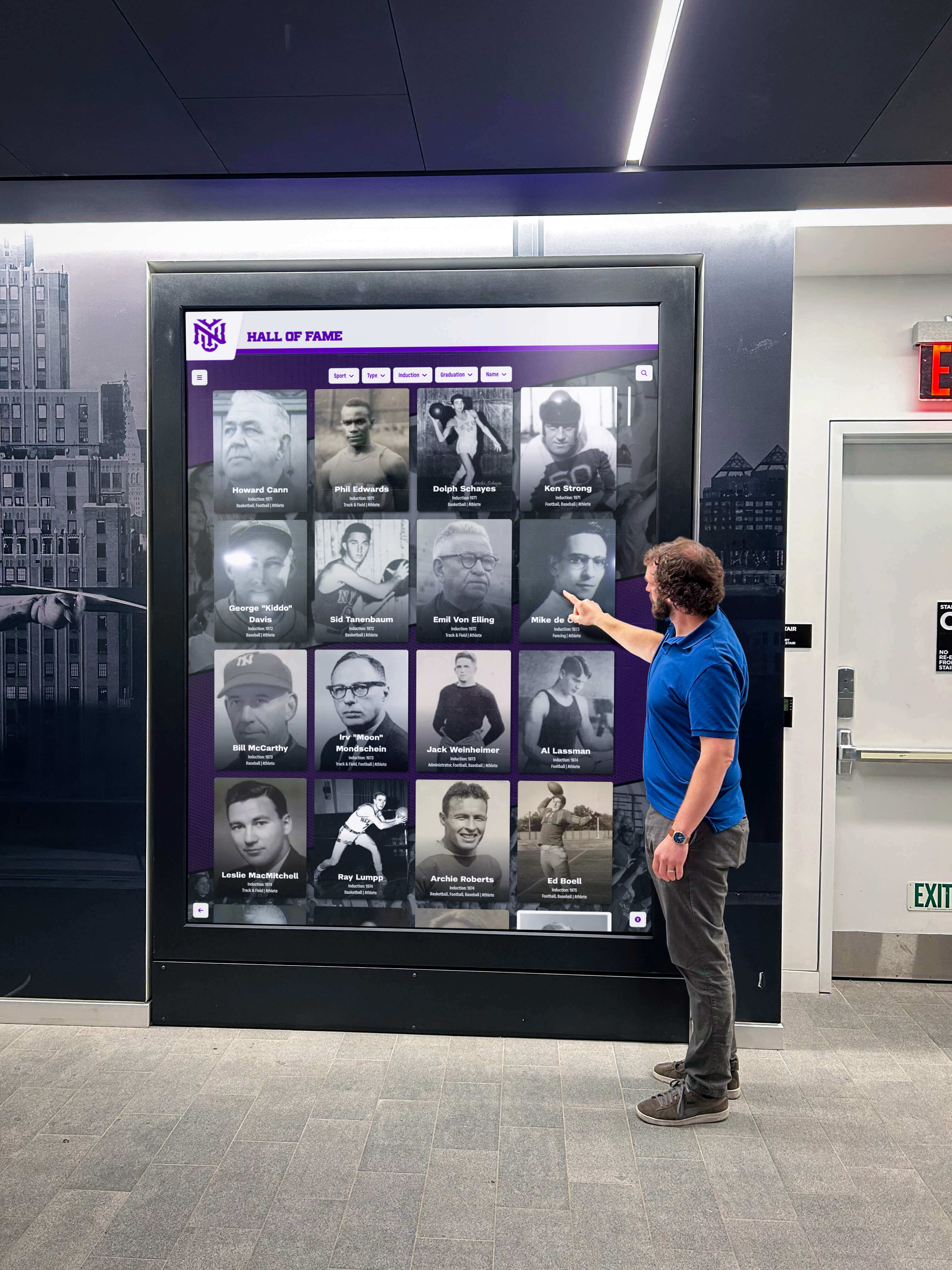
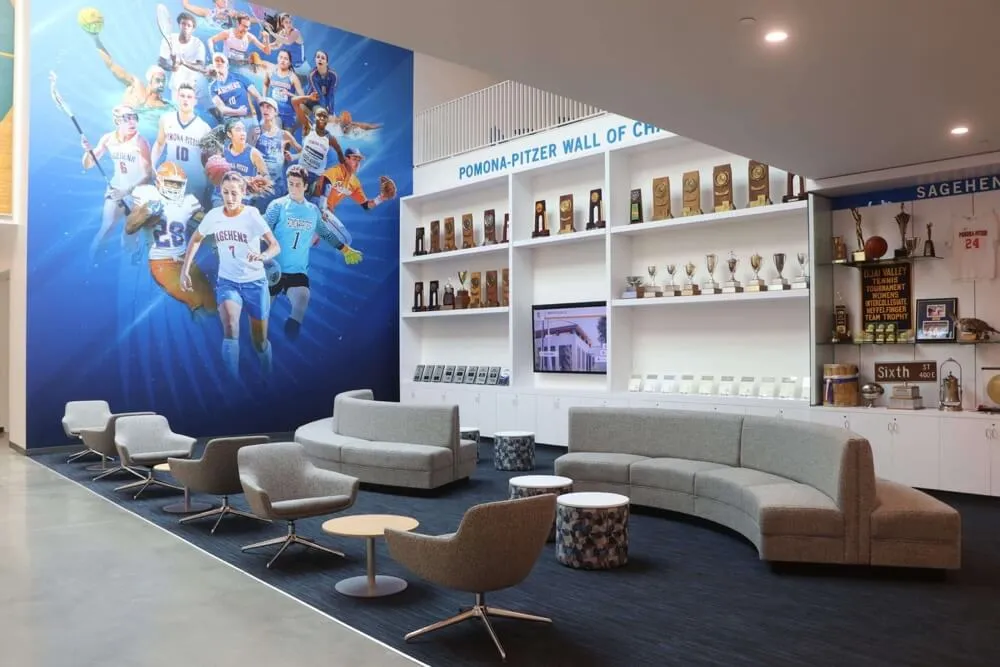
Recognition-focused installations deserve technology specifically designed for celebrating achievements
Real-World Considerations: School Decision Factors
Several practical factors influence schools’ platform selections:
Existing Technology Infrastructure and Expertise
Schools should evaluate current capabilities:
Current Carousel Investment
Schools already using Carousel for announcements face decisions:
- Continue Carousel for communication while adding specialized recognition system
- Attempt recognition via Carousel accepting significant functionality limitations
- Replace Carousel entirely with different approach serving both needs
Most schools find that the distinct purposes—communication vs. recognition—justify distinct systems rather than forcing single platform to inadequately serve both applications.
Staff Technical Expertise
Available expertise affects platform viability:
- Schools with dedicated IT staff can manage more complex systems
- Limited technical support requires highly intuitive platforms
- Ongoing staff changes necessitate simple administration requiring minimal training
- Student technology assistants may help manage recognition content
- External support availability from platform providers
Recognition platforms specifically designed for educational environments typically provide intuitive interfaces requiring minimal technical expertise, reducing burden on already-stretched school technology staff.
Hardware and Display Investment
Existing equipment influences decisions:
- Current displays may lack touchscreen capability for interactive recognition
- Consumer televisions used for signage lack durability for interactive public use
- Commercial touchscreen displays designed for recognition cost more initially but deliver reliability
- Kiosk enclosures provide professional appearance and security
- Installation complexity varies by facility constraints and mounting requirements
Learn about selecting touchscreen hardware for schools and specifications.
Content Development Capacity and Resources
Recognition quality depends fundamentally on content:
Historical Archive Status
Schools must assess available materials:
- Organized photo archives enabling efficient digitization
- Statistical records and achievement documentation
- Biographical information requiring research
- Video footage availability for highlights and features
- Document archives including newspapers and yearbooks
- Gap identification revealing areas requiring new content development
Schools with comprehensive historical archives can launch recognition quickly, while those requiring extensive research may need phased implementation or external assistance.
Ongoing Content Management Capacity
Sustainable programs require systematic workflows:
- Staff members designated for recognition updates and maintenance
- Time allocation for ongoing content additions as achievements occur
- Quality standards ensuring consistent professional presentation
- Student involvement opportunities where appropriate
- Community contribution systems enabling alumni submissions
- Budget for ongoing photography and content creation
Purpose-built recognition platforms typically require 3-8 hours monthly for updates—manageable within existing operations. Attempting recognition via digital signage often requires substantially more time creating individual slides and managing complex scheduling, reducing sustainability.
Implementation Support Availability
Schools should evaluate:
- Platform provider training and implementation services
- Content development assistance for historical archives
- Ongoing technical support for questions and issues
- Community resources including user groups and documentation
- Local technology partners familiar with platforms
Comprehensive recognition providers like Rocket Alumni Solutions offer complete implementation support including training, content strategy guidance, and ongoing assistance ensuring successful programs.
Explore recognition program implementation strategies and best practices.
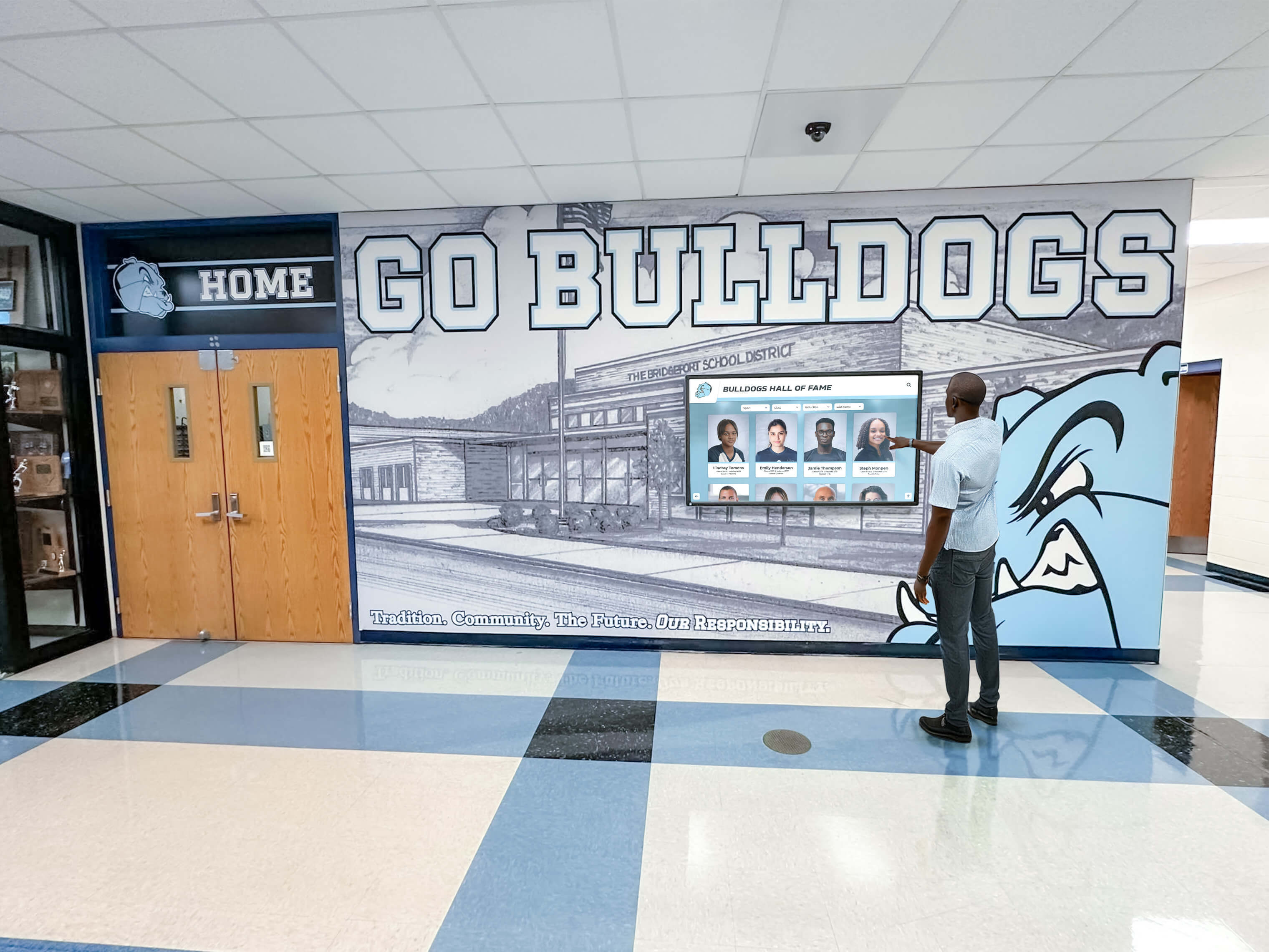
Recognition effectiveness depends on comprehensive content and intuitive access through purpose-built platforms
Budget and Resource Allocation
Financial considerations affect platform selection:
Capital vs. Operating Budget Structures
Schools face different budget realities:
- Capital funds may support initial hardware investment for touchscreen displays
- Operating budgets cover ongoing software subscriptions and content management
- Grant opportunities may fund recognition technology implementations
- Boosters and foundations sometimes support heritage preservation projects
- Phased implementation spreading costs across multiple years
- Shared funding between athletics, academics, and development departments
Total Cost of Ownership Analysis
Complete budget evaluation includes:
- Initial hardware, software, and implementation costs
- Ongoing subscription or maintenance fees
- Staff time for content management and updates
- Training and professional development
- Technical support and troubleshooting
- Content development and photography
- Marketing and community engagement
Purpose-built recognition systems typically deliver better total cost of ownership than attempting recognition via generic digital signage due to dramatic efficiency gains in content management, superior engagement justifying investment, and avoided costs from frustration and limited impact.
Competitive Context
Schools should consider:
- Peer institutions’ recognition approaches and capabilities
- Prospective family expectations during admissions process
- Alumni engagement capabilities affecting development and giving
- Recruitment advantages from comprehensive achievement evidence
- Community perception and pride in institutional investment
Recognition technology increasingly becomes competitive differentiator as schools invest in appropriate platforms while others continue outdated approaches creating unfavorable comparisons.
Implementation Best Practices for Interactive Recognition
Schools selecting purpose-built platforms should follow proven approaches ensuring success:
Strategic Planning and Goal Setting
Begin with clear objectives and stakeholder engagement:
Define Recognition Goals and Priorities
Successful programs start with:
- Identification of achievement categories deserving recognition
- Balance across athletics, academics, arts, service, and other areas
- Historical depth determining archive scope and timeline
- Equity considerations ensuring comprehensive rather than selective recognition
- Alumni engagement priorities affecting web features and social integration
- Community connection goals influencing content and accessibility
Stakeholder Involvement
Engage key constituencies in planning:
- Administration establishing vision and budget
- Athletics and activities providing achievement information
- Academic departments identifying excellence and scholars
- Development and alumni relations defining engagement objectives
- Students offering perspectives on meaningful recognition
- Community members contributing historical knowledge
This involvement ensures recognition serves institutional priorities while building support and engagement across constituencies.
Discover recognition program planning approaches and goal setting.
Content Strategy and Development
Recognition quality depends fundamentally on comprehensive content:
Phased Content Development
Launch strategically with:
- Core historical content providing immediate depth and value
- Current year recognition demonstrating ongoing relevance
- Variety across achievement categories showcasing breadth
- High-quality photography and complete biographical information
- Featured individuals representing diverse programs and eras
- Planned expansion schedule for systematic archive completion
Comprehensive initial content creates immediate engagement rather than disappointing early users with sparse recognition.
Ongoing Content Workflow
Sustainable programs require:
- Defined processes for adding recognition as achievements occur
- Responsibility assignment across departments and programs
- Quality standards ensuring professional consistency
- Student involvement opportunities where appropriate
- Community contribution systems enabling alumni submissions
- Regular content audits identifying gaps and opportunities
- Anniversary recognition maintaining ongoing freshness
Photography and Media Standards
Professional presentation requires:
- High-resolution photography specifications (minimum 1200x1600 pixels)
- Consistent photo styles and backgrounds where possible
- Video content guidelines for highlights and features
- Biographical information templates ensuring completeness
- Media rights documentation for all content
- Archive preservation meeting professional standards
Purpose-built recognition platforms provide guidance, templates, and tools supporting content quality and consistency.
Learn about effective recognition display content strategies across programs.

Comprehensive individual profiles honor achievements appropriately with complete biographical information and multimedia content
Technology Selection and Installation
Appropriate hardware ensures reliable, effective recognition:
Commercial-Grade Display Selection
Recognition applications require:
- Commercial displays rated for continuous operation (not consumer TVs)
- Capacitive touchscreens providing responsive, smartphone-like interaction
- Appropriate size for viewing distance and space (typically 55-65 inches for most applications)
- High brightness (300-500 nits) ensuring visibility in various lighting
- Protective tempered glass withstanding daily public interaction
- Mounting and installation meeting ADA accessibility requirements
According to commercial display specifications, appropriate equipment delivers 50,000-100,000 hours of operation—approximately 6-10+ years of continuous use—compared to 20,000-30,000 hours for consumer displays that fail quickly under institutional demands.
Strategic Placement
Display location significantly impacts engagement:
- Main entrance lobbies greeting all visitors and community members
- Athletic facility entrances connecting with sports recognition
- Gathering spaces and commons with sustained viewing time
- Alumni and development office areas engaging returning graduates
- Event spaces where communities assemble for ceremonies
- Hallways with adequate space for group viewing
Observe facility traffic patterns and community gathering behaviors before finalizing placement decisions.
Infrastructure Requirements
Successful installations need:
- Electrical power with dedicated circuits preventing interruptions
- Network connectivity (wired Ethernet preferred) for content management
- Physical security protecting equipment in public spaces
- ADA-compliant mounting heights and clearances
- Professional installation ensuring reliability and appearance
Explore installation considerations and best practices for recognition displays.
Launch and Community Engagement
Recognition programs deserve celebration and promotion:
Launch Event and Ceremonies
Formal introduction establishes importance:
- Dedication ceremony gathering community around recognition
- Student and alumni speakers connecting heritage with current programs
- Media coverage generating awareness and initial engagement
- Open house or showcase enabling exploration and discovery
- Recognition of contributors and supporters
- Ongoing communication maintaining awareness as content expands
Ongoing Promotion and Awareness
Sustained engagement requires:
- Social media campaigns highlighting featured achievements
- Email communications to alumni announcing expansions
- Student ambassador programs facilitating discovery
- Event integration incorporating exploration as activities
- Anniversary and milestone recognition maintaining freshness
- Community contribution opportunities enabling participation
This promotion establishes recognition as significant institutional investment deserving attention rather than minor addition easily overlooked.
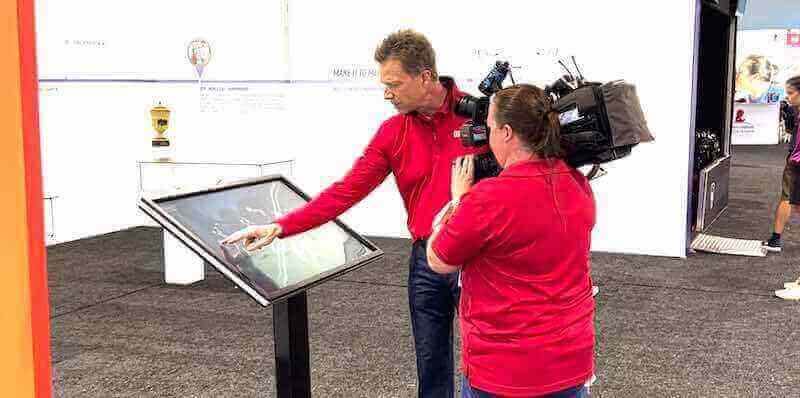
Recognition program launches deserve professional promotion and community celebration
The Future of Recognition Technology
Emerging capabilities will further enhance recognition effectiveness:
Artificial Intelligence and Automation
AI features increasingly support recognition:
Intelligent Content Management
Emerging capabilities include:
- Automatic photo tagging and organization using facial recognition
- Natural language search understanding conversational queries
- Content recommendations suggesting related achievements
- Automated biographical summaries from available source materials
- Predictive analytics identifying popular content and engagement patterns
Personalization Features
AI-powered experiences could include:
- Customized content recommendations based on viewing patterns
- Dynamic idle-state content adapting to audience demographics
- Intelligent search results prioritizing contextually relevant content
- Automated anniversary and milestone identification
- Voice interaction enabling hands-free exploration
These capabilities will reduce content management burden while enhancing user experiences.
Augmented Reality and Extended Experiences
AR technology will expand recognition possibilities:
Mobile AR Integration
Smartphone apps could enable:
- Point devices at physical locations triggering related historical content
- Virtual trophy cases and artifact displays
- Interactive scavenger hunts encouraging facility exploration
- Social sharing integrating physical and digital experiences
- Personalized tours adapted to individual interests
Virtual Reality Experiences
VR could transport users to:
- Historical championship moments and performances
- Virtual facility tours spanning different eras
- Behind-the-scenes access to restricted spaces
- Interactive documentaries with user-controlled exploration
Learn about emerging trends in digital recognition and future capabilities.
Enhanced Analytics and Measurement
Data-driven insights will optimize programs:
Comprehensive Engagement Metrics
Advanced analytics will provide:
- Detailed interaction patterns showing user behaviors
- Content performance identifying popular achievements
- Search analysis revealing audience interests
- Demographic insights when integrated with school systems
- Impact measurement connecting recognition to outcomes
- ROI documentation demonstrating program value
Continuous Optimization
Data enables:
- A/B testing different content presentations
- Personalization based on user segments
- Predictive modeling forecasting engagement
- Automated content recommendations
- Real-time adjustments optimizing experiences
Forward-thinking schools should select platforms positioned to incorporate innovations as they mature and become commercially viable rather than becoming locked into static technology unable to evolve.
Conclusion: Selecting the Right Platform for Recognition Excellence
Schools face important technology decisions when implementing or expanding recognition programs. While Carousel Digital Signage serves communication needs effectively—displaying announcements, menus, and daily information to passive audiences throughout campuses—the platform’s architecture and feature set poorly match recognition requirements demanding interactive exploration, comprehensive profile management, robust media capabilities, and features specifically designed for celebrating achievements across institutional history.
Purpose-built interactive touchscreen recognition platforms—particularly comprehensive solutions like Rocket Alumni Solutions—represent the top Carousel alternative for schools prioritizing achievement celebration. These specialized systems address every limitation of generic digital signage while delivering capabilities specifically designed for recognition: intuitive search and discovery, individual profile databases, multimedia integration, web accessibility extending reach globally, and administrative tools enabling sustainable content management by non-technical staff.
Ready to explore how interactive recognition technology can transform achievement celebration at your school? Modern recognition platforms help educational institutions honor unlimited accomplishments while creating engaging experiences that motivate students, connect communities, and preserve heritage appropriately. Solutions like Rocket Alumni Solutions provide comprehensive platforms specifically designed for school recognition, combining intuitive software with professional hardware recommendations and implementation support to ensure successful long-term programs delivering measurable value.
Whether replacing outdated physical displays, expanding beyond limited Carousel implementations, or establishing first-ever comprehensive recognition programs, the key is selecting technology specifically designed for celebrating achievements rather than attempting to repurpose communication tools for recognition purposes they cannot adequately serve.
Your students, athletes, scholars, artists, and alumni deserve recognition technology that honors their accomplishments appropriately while creating meaningful engagement and lasting impact. The right platform makes comprehensive, equitable recognition achievable and sustainable, transforming abstract names into personal stories that inspire current students, engage broader communities, and preserve institutional excellence for generations to come.
The most important consideration isn’t whether to use Carousel or alternatives—it’s understanding that communication and recognition represent fundamentally different applications requiring different technology approaches. Schools successfully implementing both communication displays and recognition systems understand these distinctions and select platforms specifically designed for each purpose rather than forcing single generic solution to inadequately serve both needs.
Ready to begin exploring purpose-built recognition platforms as the top Carousel alternative for your school? Start by defining your recognition goals, evaluating achievement categories deserving celebration, assessing historical archives available for digitization, and connecting with providers who understand educational recognition specifically rather than simply selling generic digital signage platforms that cannot deliver the specialized functionality comprehensive recognition programs require. Your community’s achievements deserve technology designed specifically to celebrate them appropriately and sustainably.