



Thanksgiving Day football rivalry games represent one of America’s most cherished high school traditions—a unique intersection of athletic competition, community celebration, and generational connection that has endured for over 140 years. Every Thanksgiving morning, communities across the United States gather at local high school football fields to witness legendary rivalries that stretch back generations, creating memories that last a lifetime and traditions that unite entire towns in shared passion and pride.
These Turkey Day games are far more than ordinary football contests. They represent culminating moments where decades or even centuries of competition come to life, where families return home to reunite with classmates and teammates, where current athletes add their own chapters to storied histories, and where communities demonstrate that high school athletics matter deeply to local identity. From the oldest rivalry between Needham and Wellesley in Massachusetts dating to 1882, to the legendary battles between traditional rivals across every region, Thanksgiving football creates experiences that transcend sports and become defining elements of community culture.
Yet many schools struggle to adequately preserve and celebrate these remarkable traditions. Historic game results fade from memory, legendary performances go undocumented, championship seasons receive inadequate recognition, and younger generations remain disconnected from the rich heritage their predecessors created. Meanwhile, opportunities to strengthen school spirit, engage alumni, and inspire current athletes through visible celebration of rivalry history remain unrealized.
This comprehensive guide explores the history, traditions, and cultural significance of Thanksgiving Day football rivalry games, while providing practical strategies for schools to preserve, celebrate, and honor these treasured traditions for current students and future generations.
Thanksgiving Day football rivalries serve purposes far beyond determining which school claims bragging rights for another year. These games preserve community traditions spanning generations, create opportunities for alumni to reconnect with schools and teammates, inspire current athletes by connecting them to continuing legacies, strengthen civic identity and pride, and demonstrate that educational athletics contribute meaningfully to community culture and shared experience.

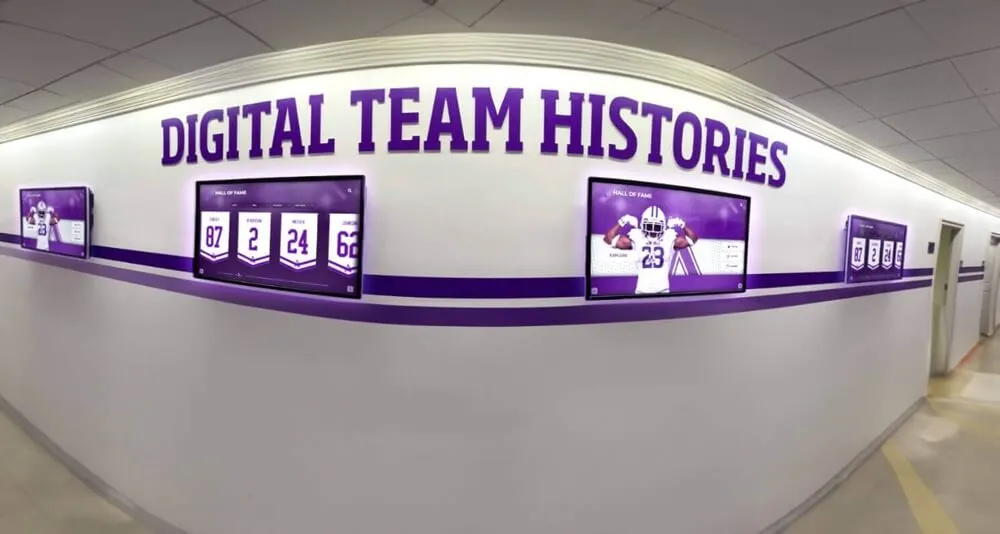
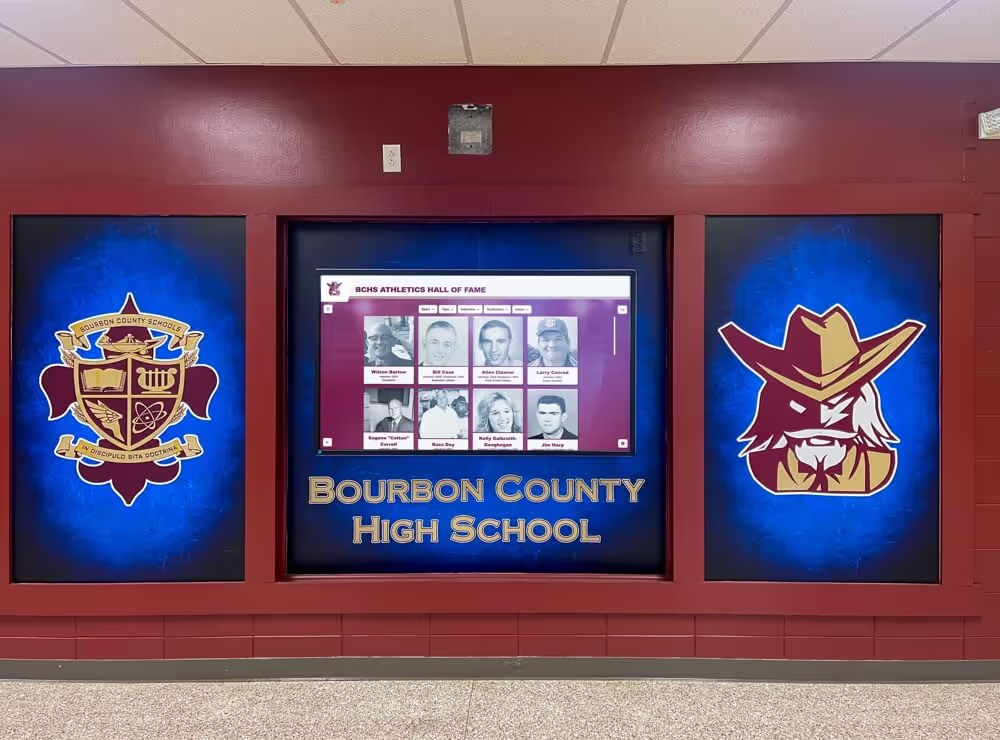
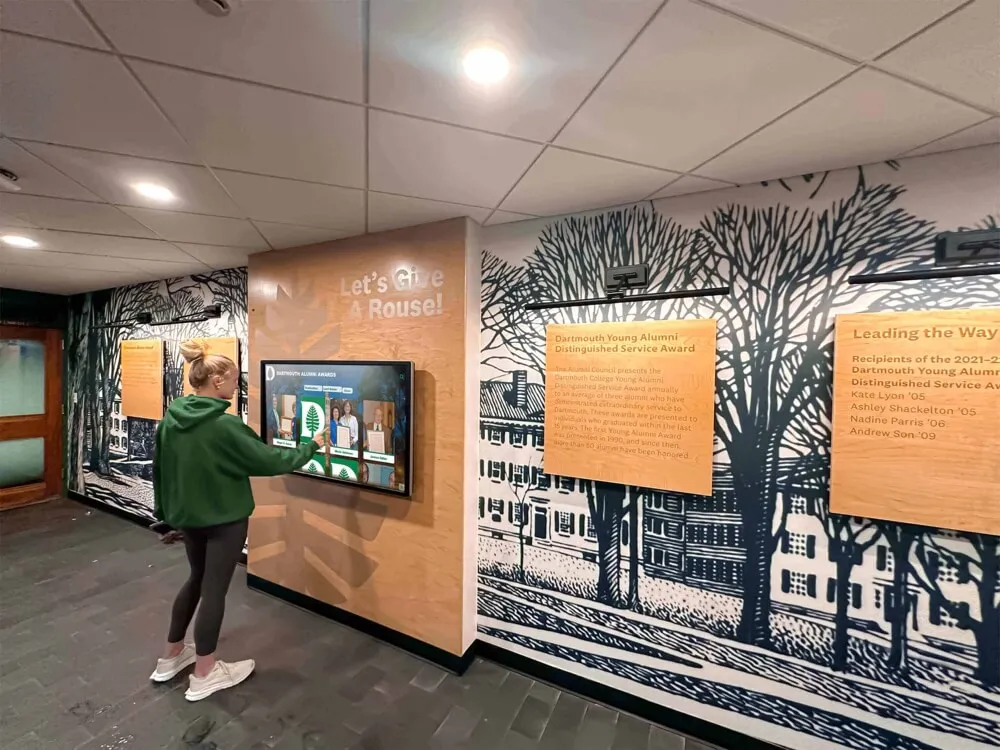
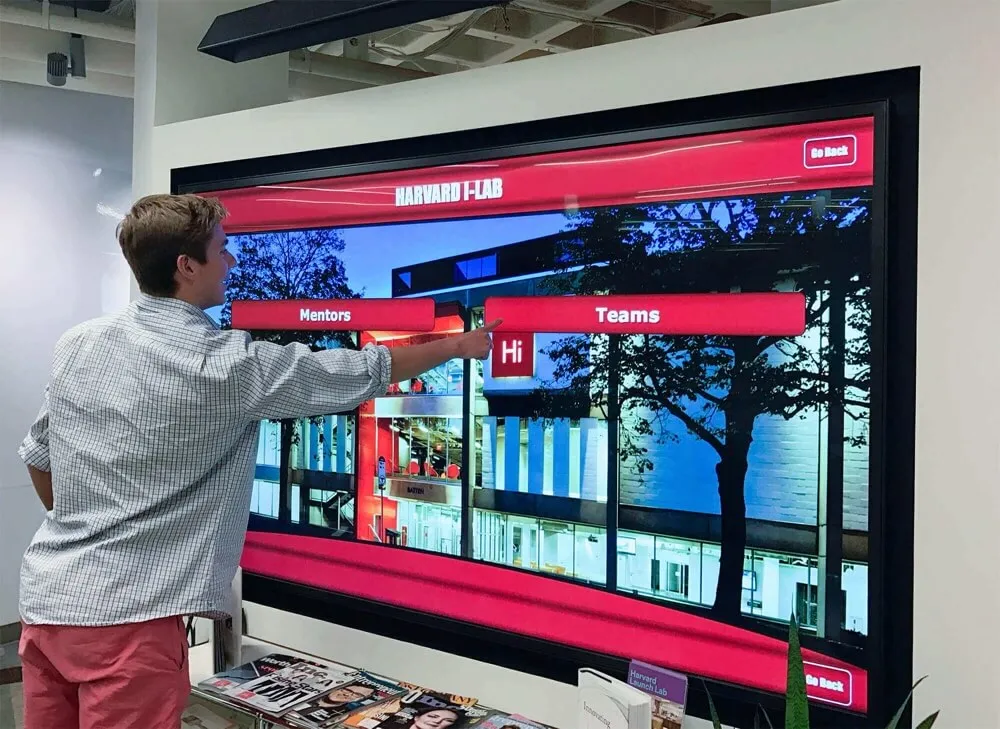
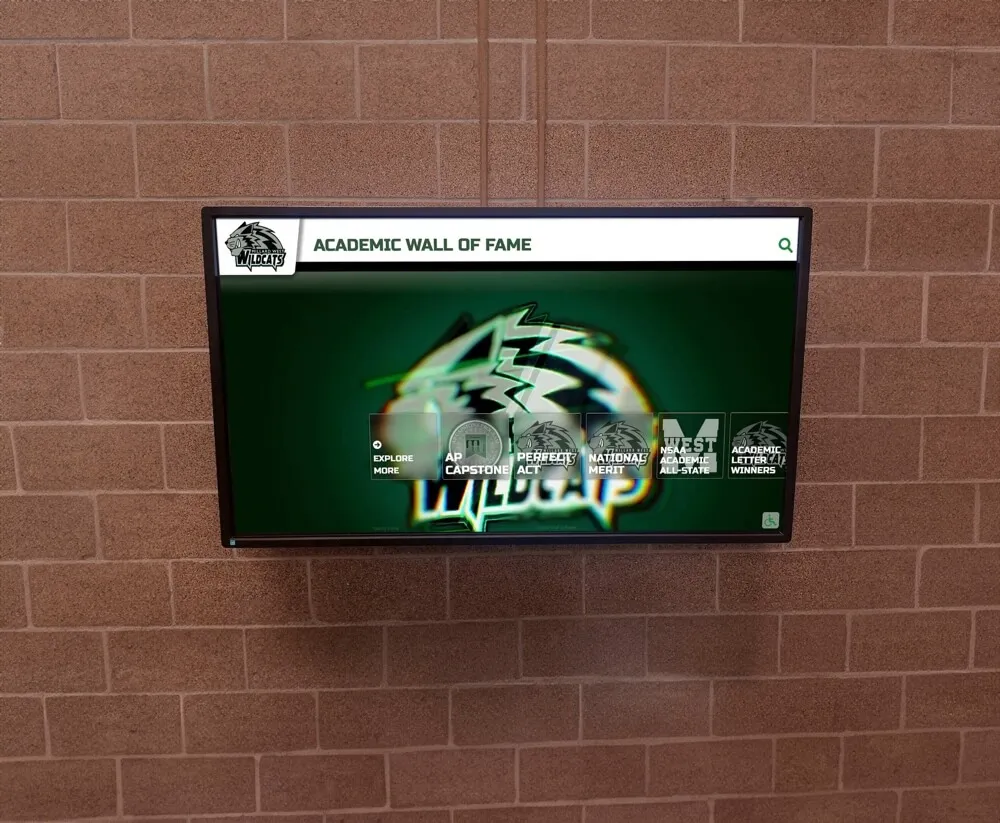
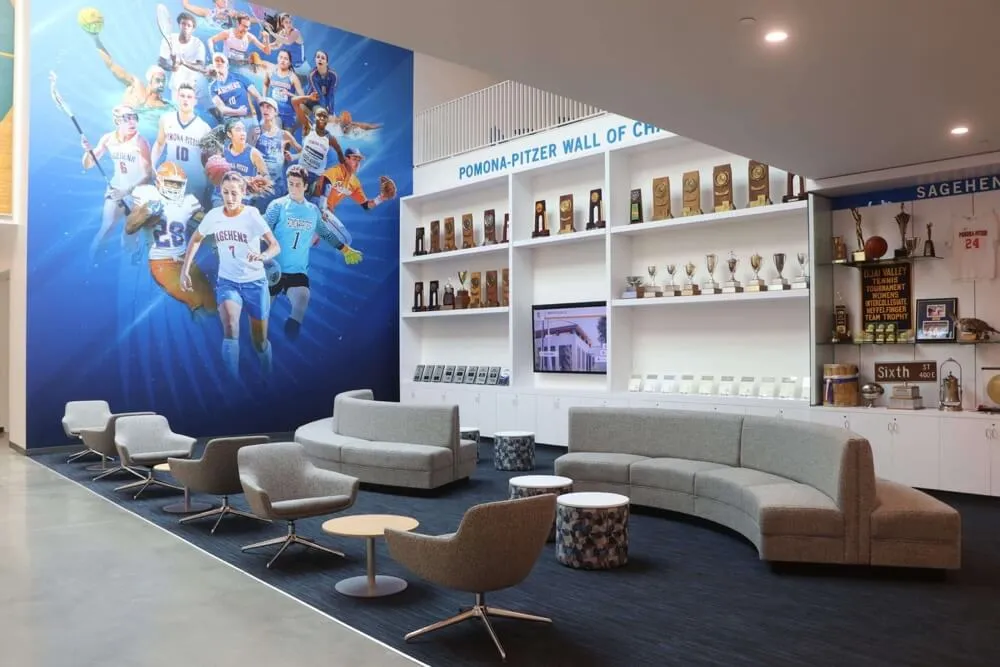
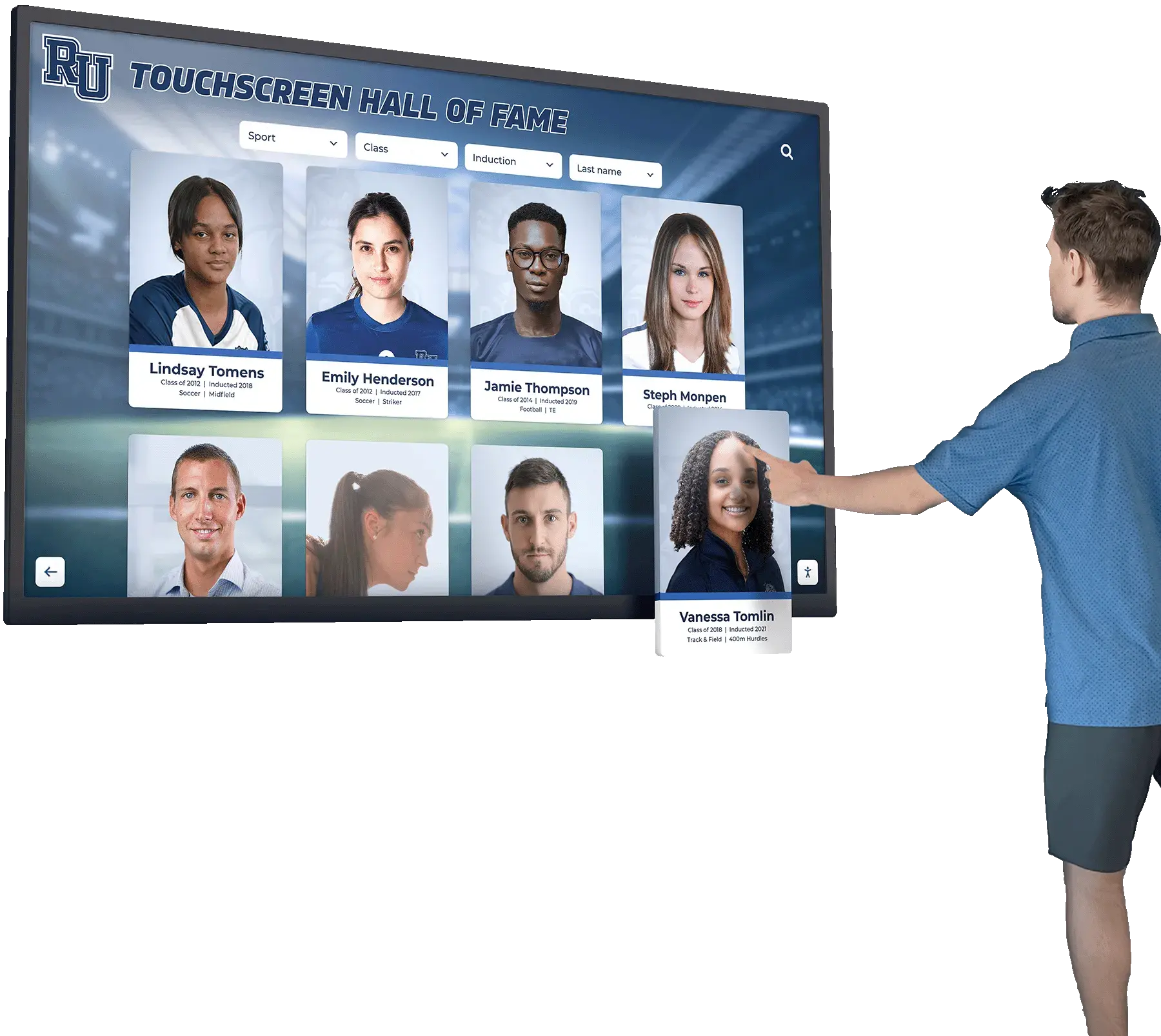
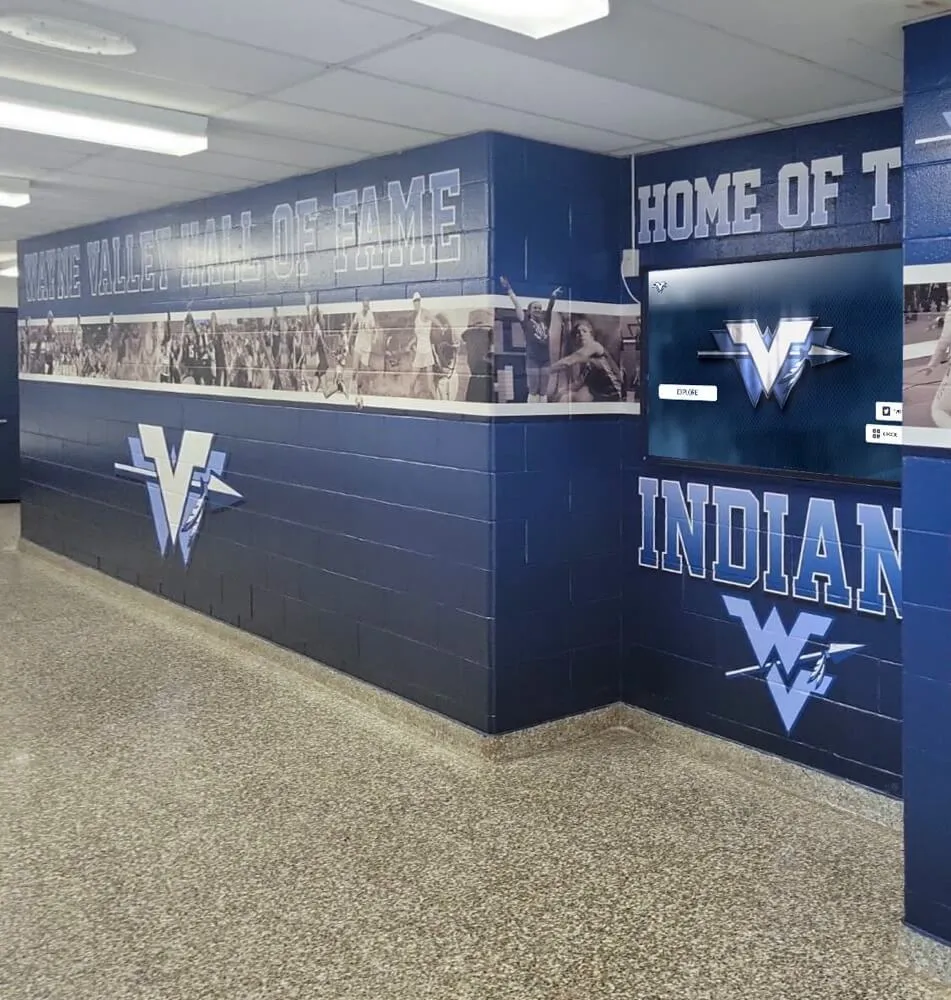
Modern recognition systems enable schools to preserve and celebrate Thanksgiving rivalry traditions through engaging multimedia displays
The History of Thanksgiving Day Football Rivalries
Understanding how Thanksgiving football traditions developed helps schools appreciate the cultural significance of these games and why preserving their history matters for communities.
Origins of Thanksgiving Football in America
American football on Thanksgiving Day dates to the sport’s earliest years, with the tradition beginning almost immediately after football was first organized as an intercollegiate sport in the 1860s.
Early College Games Establish the Tradition
The first Thanksgiving Day football game took place in Philadelphia on Thanksgiving Day 1869, just after the first recognized intercollegiate game between Rutgers and Princeton. By the 1870s and 1880s, Thanksgiving Day college football games had become major social events, particularly in the Northeast, with games between Yale, Princeton, Harvard, and Penn drawing tens of thousands of spectators to venues in New York City and Philadelphia.
These college games demonstrated football’s appeal as public spectacle and community gathering, establishing Thanksgiving Day as ideal timing for significant athletic competition when families already gathered and communities celebrated together.
High Schools Adopt the Tradition
High schools quickly recognized the appeal of Thanksgiving Day athletic competition. As secondary education expanded in the late 19th century and interscholastic athletics became organized, schools identified Thanksgiving as perfect timing for rivalry games that could engage entire communities.
The tradition proved particularly popular in New England, where high school football developed earliest and most extensively. By the 1880s and 1890s, Thanksgiving Day high school football games had become established traditions in Massachusetts, Connecticut, and other Northeastern states, with some rivalries that began during this era continuing uninterrupted to the present day.
America’s Oldest Thanksgiving Day Rivalries
Several legendary high school rivalries have continued for over a century, preserving traditions that connect modern students to predecessors who competed generations earlier.
Needham vs. Wellesley (Massachusetts) - Since 1882
The Needham Rockets and Wellesley Raiders began their rivalry in 1882, making it the oldest continuous public school football rivalry in the United States played on Thanksgiving Day. For over 140 years, these neighboring Massachusetts communities have gathered every Thanksgiving morning for this traditional matchup that attracts thousands of alumni, students, and community members regardless of current team records or championship implications.
According to historical records maintained by both schools, the series has been played continuously since its inception, surviving world wars, economic depressions, and all other circumstances that threatened but never cancelled this cherished tradition. The game regularly draws 8,000-10,000 spectators, remarkable attendance for high school football that demonstrates the rivalry’s cultural significance within these communities.
Boston Latin vs. Boston English (Massachusetts) - Since 1887
Boston Latin School and English High School of Boston began their Thanksgiving Day rivalry in 1887, creating what many historians consider the oldest continuous high school football rivalry in America. This traditional matchup between two of Boston’s most historic schools has continued through 130+ years, maintaining significance despite changing competitive landscapes and shifting educational priorities.
The game represents more than athletic competition—it symbolizes different educational philosophies and traditions within Boston’s public school system, with Boston Latin’s classical education approach contrasting with English High’s more modern curriculum. This broader cultural dimension elevates the rivalry beyond simple sports competition into representation of community values and educational identity.
Norwich Free Academy vs. New London High School (Connecticut) - Since 1875
While the Norwich-New London rivalry began in 1875, predating the other Thanksgiving Day matchups, the game wasn’t always played on Thanksgiving itself. Nevertheless, this Connecticut rivalry represents the oldest continuous public high school football rivalry in America, with over 145 years of competition creating legendary tradition.
The series has witnessed everything from controversial officiating to allegations of rule violations to community pranks and celebrations that became traditions themselves. This long history demonstrates how high school rivalries become repositories of community memory, with stories passed down through generations creating shared cultural heritage that transcends individual games or seasons.
Learn about comprehensive approaches to school rivalry history preservation that honor these legendary traditions through modern recognition systems.
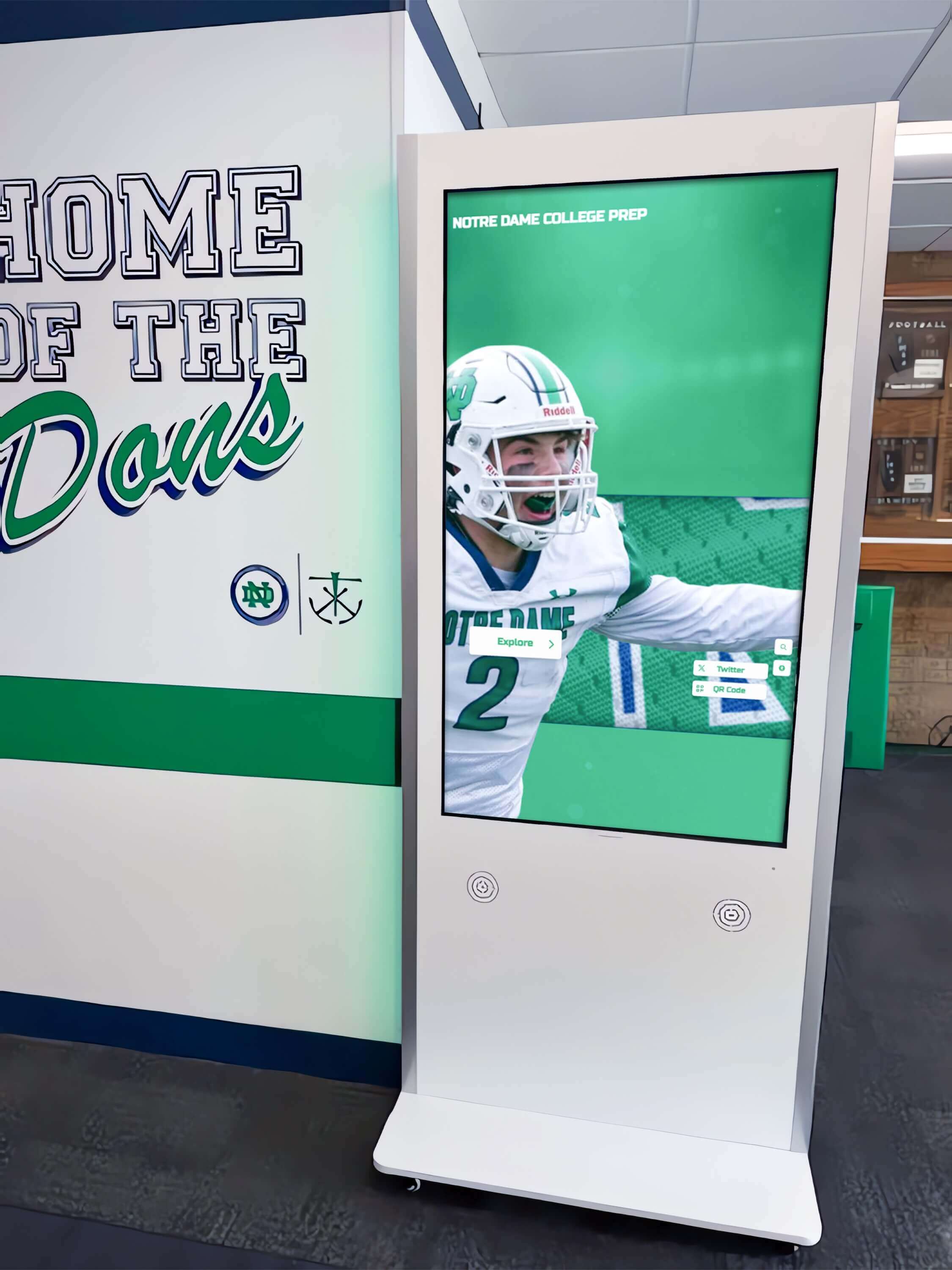
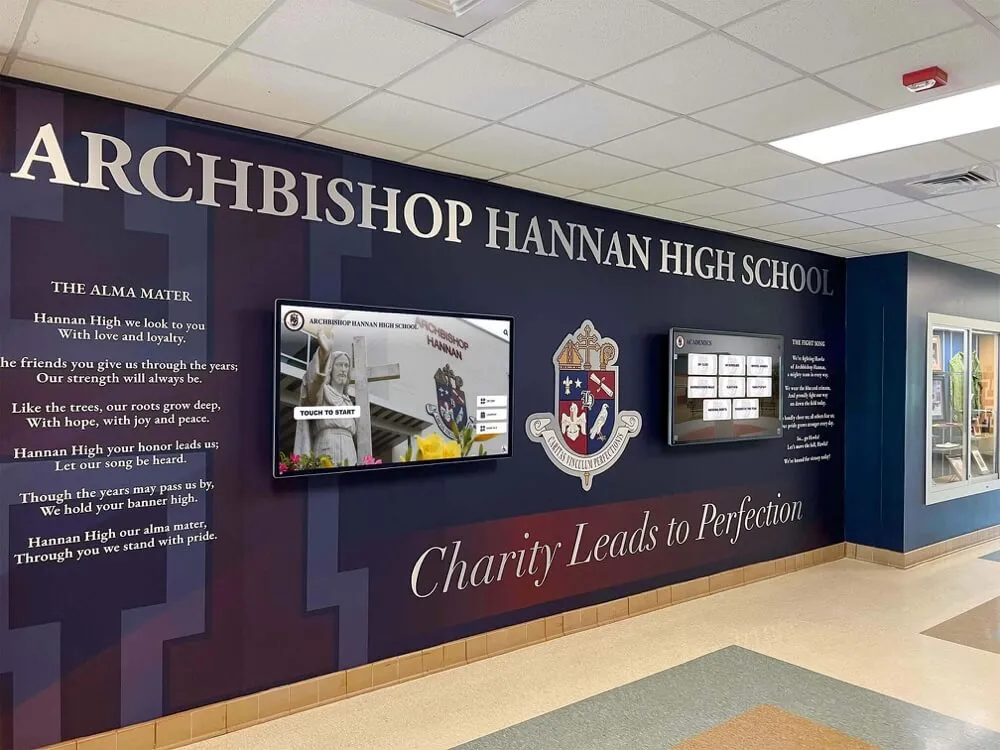
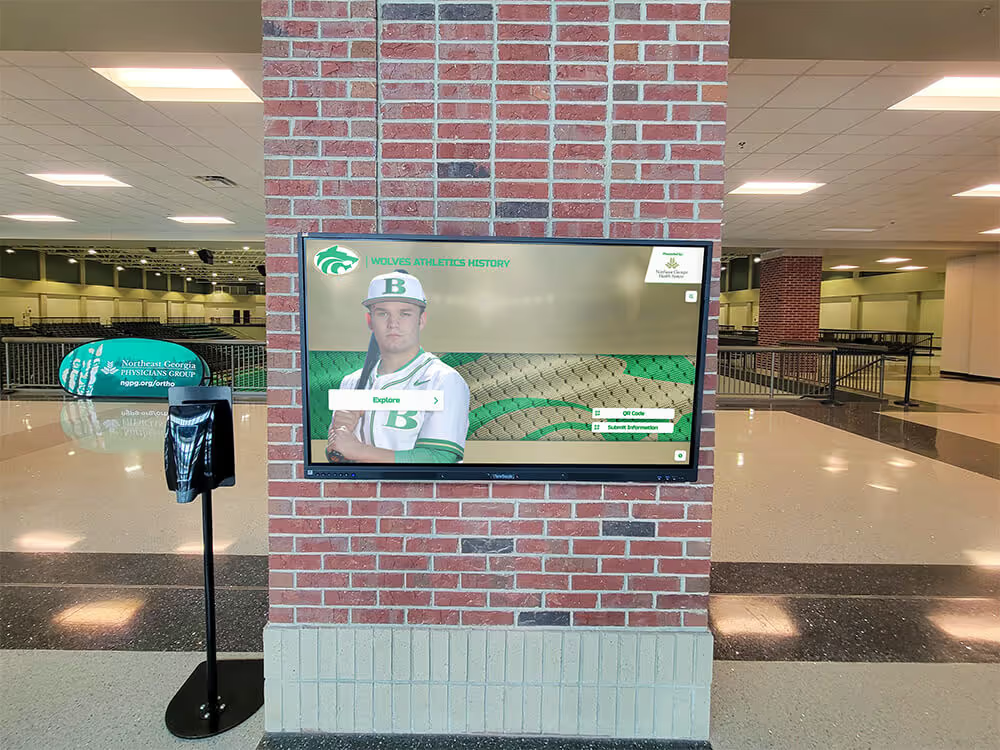
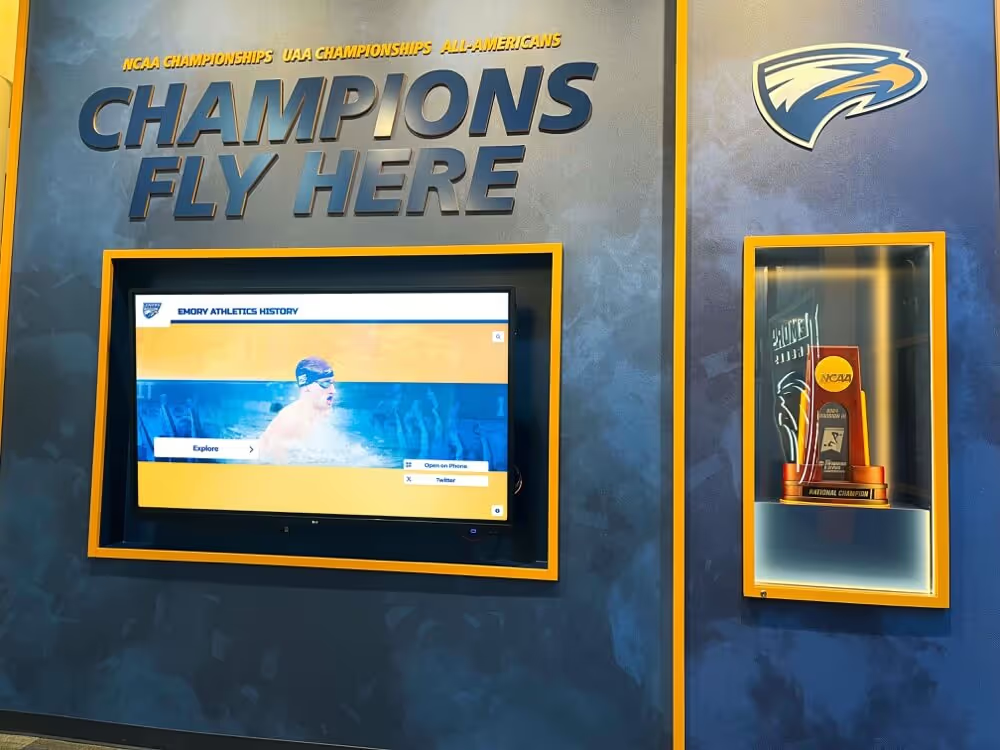
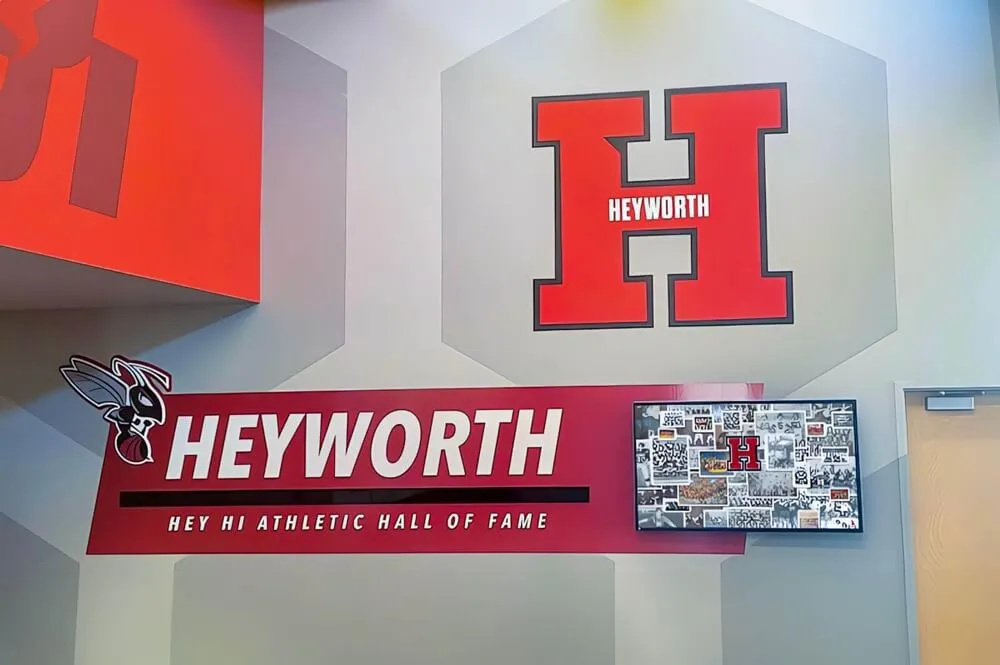
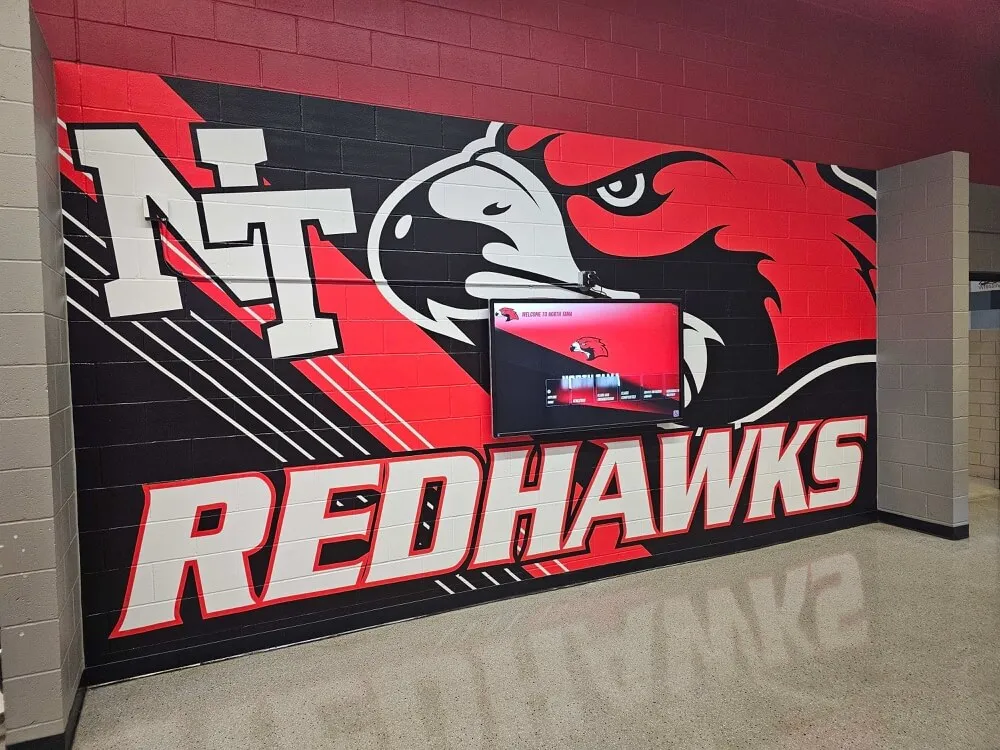
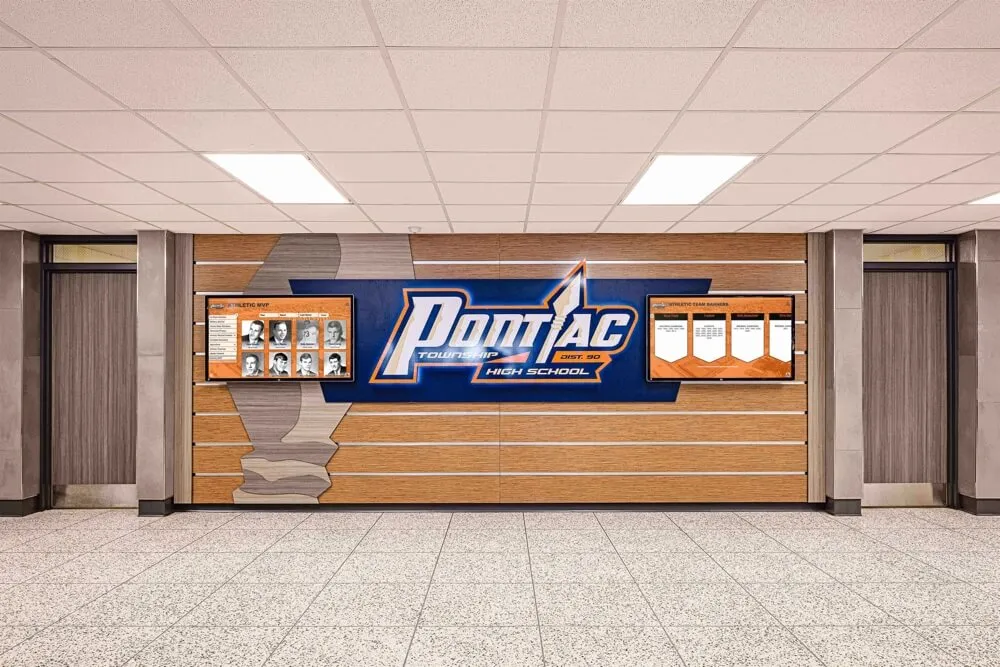
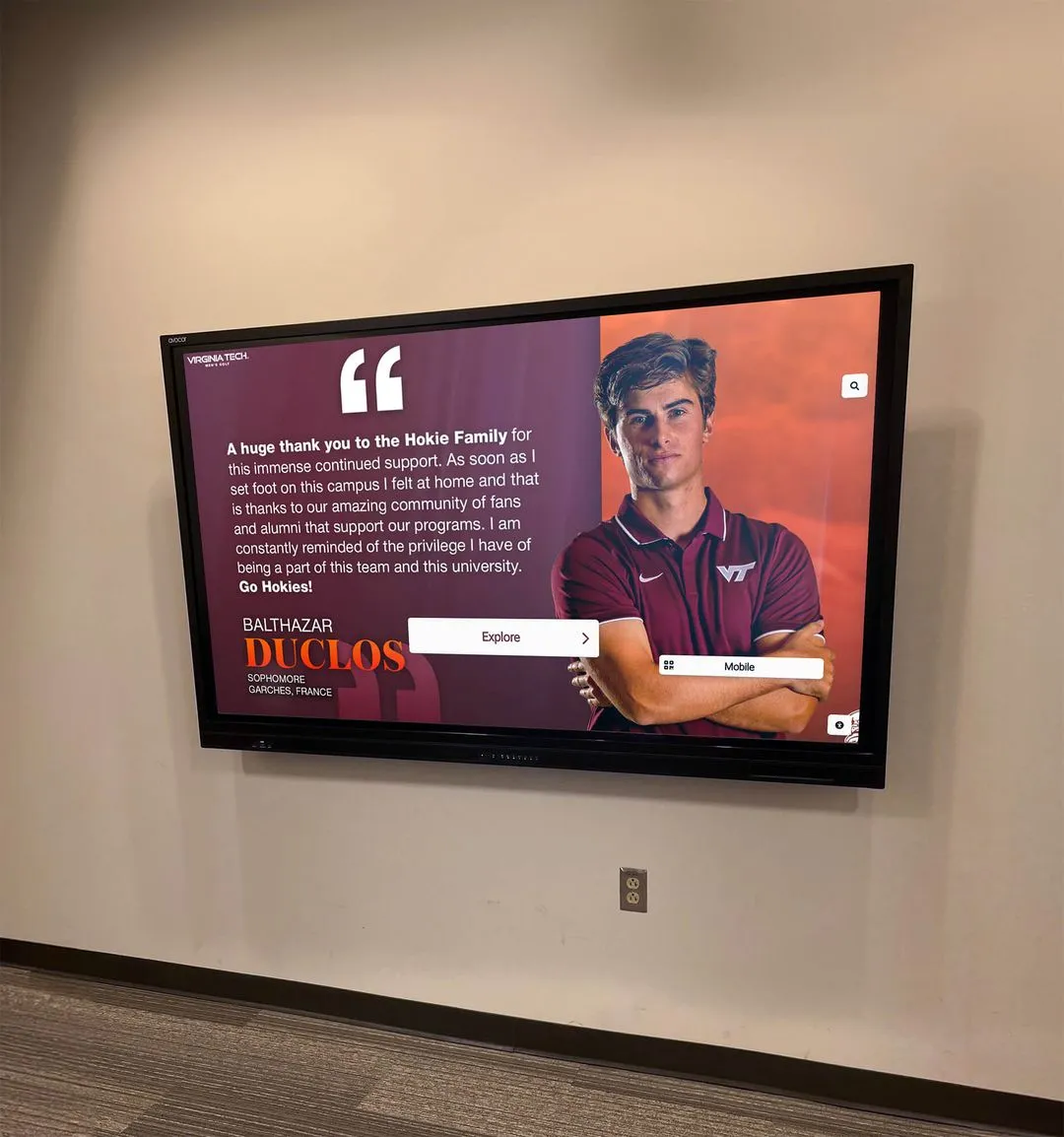
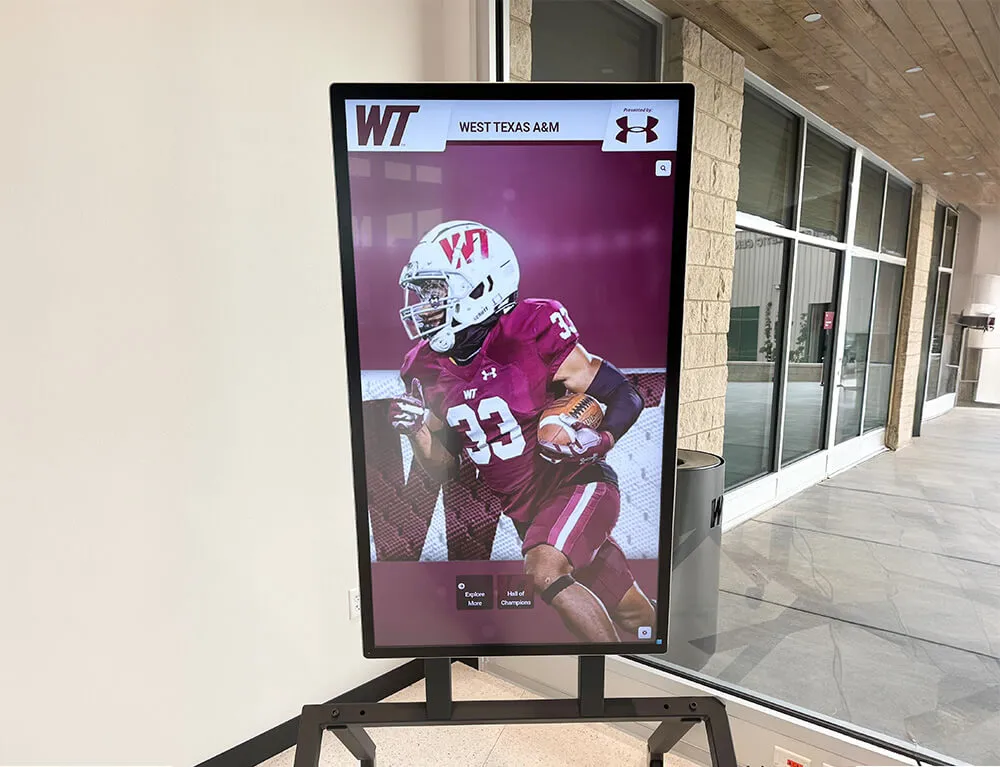
Interactive displays enable comprehensive documentation of rivalry traditions spanning decades or centuries of competition
Regional Thanksgiving Football Traditions
While Thanksgiving Day football rivalries exist nationwide, certain regions have particularly strong traditions that define local culture.
New England: The Heartland of Thanksgiving Football
Massachusetts remains the epicenter of Thanksgiving Day high school football, with virtually every school in the Bay State having a traditional Thanksgiving rival. The tradition runs so deeply that Thanksgiving morning in Massachusetts means high school football, with communities organizing their holiday schedules around attending games before family celebrations.
These games regularly draw crowds that would be impressive for college football in many regions. Schools in communities of just 30,000-40,000 residents routinely attract 8,000-12,000 spectators to Thanksgiving games, demonstrating the cultural significance these rivalries hold within New England communities.
Connecticut and Rhode Island maintain similarly strong traditions, with historic rivalries continuing uninterrupted through generations and attracting community-wide participation that extends far beyond typical athletic event attendance.
Mid-Atlantic Traditional Matchups
Maryland features notable Thanksgiving football traditions, particularly in the Baltimore region where both public and private school rivalries have continued for over a century.
Calvert Hall College and Loyola Blakefield have played their annual “Turkey Bowl” on Thanksgiving Day since the early 20th century, creating the oldest continuous Catholic prep school football rivalry in the United States. This Baltimore-area tradition attracts alumni from across the country who schedule Thanksgiving travel to attend the game and reunite with former classmates.
Baltimore Polytechnic Institute and Baltimore City College began their rivalry in 1889, competing on Thanksgiving Day for over a century before joining playoff associations in 1993 required scheduling changes. The series continues today, though no longer on Thanksgiving, demonstrating how even beloved traditions sometimes must adapt to changing athletic association requirements.
Midwest Turkey Day Games
Missouri features significant Thanksgiving football traditions, particularly in the St. Louis region. The Turkey Day Game between Webster Groves and Kirkwood began in 1907 and has continued for over 115 years, creating one of the Midwest’s most celebrated high school athletic traditions.
This rivalry extends beyond just the football game to include week-long community celebrations, pep rallies, and traditions like the Friendship Dance that began in 1939, demonstrating how Thanksgiving rivalries can anchor broader community traditions that strengthen social cohesion and civic identity.
Why Thanksgiving Day Rivalries Matter for Schools and Communities
Understanding the multifaceted significance of these traditions helps schools appreciate why investing in their preservation and celebration delivers value far beyond simple athletic recognition.
Creating Lifelong Memories and Emotional Connections
Thanksgiving Day rivalry games create defining memories that athletes and community members recall decades later with emotional intensity that few other high school experiences generate.
Athlete Perspectives and Legacy
For high school football players, the Thanksgiving Day game represents the culmination of their season—often their final game in school colors, their last opportunity to compete alongside teammates who became brothers through shared struggle and achievement. These circumstances create emotional stakes that transcend normal athletic competition.
Athletes who participated in Thanksgiving games regularly cite these experiences as among their most meaningful high school memories. The unique timing, the awareness of tradition, the presence of alumni who played in the same rivalry decades earlier, and the community-wide attention combine to create experiences athletes carry throughout their lives.
Learn about effective strategies for student athlete recognition that honor participation in these legendary traditions.
Community Gathering and Social Cohesion
Thanksgiving Day games function as community reunions, bringing together current residents with alumni who moved away but return home for holidays. These annual gatherings strengthen social bonds, maintain connections between people whose lives diverged after graduation, and create shared experiences that reinforce community identity.
In an era of declining civic participation and weakening community institutions, Thanksgiving Day football rivalries represent increasingly rare opportunities for entire communities to gather around shared traditions and collective identity. These games demonstrate that high school athletics contribute value extending far beyond simply providing extracurricular activities for student participants.
Preserving Local History and Cultural Heritage
Rivalry traditions preserve community history and cultural heritage that might otherwise fade as older generations age and institutional memory weakens.
Living History and Generational Continuity
When current athletes compete in rivalries that their parents, grandparents, or even great-grandparents played in, they connect to multi-generational narratives that provide perspective on their place within continuing stories larger than themselves. These connections to history create meaning and significance beyond individual athletic achievement.
Many families maintain traditions of attending Thanksgiving games across multiple generations, creating family rituals around these annual competitions. Grandparents who played in the 1950s bring children and grandchildren who now compete in the same rivalry, creating family legacies that strengthen both individual family identity and broader community cohesion.
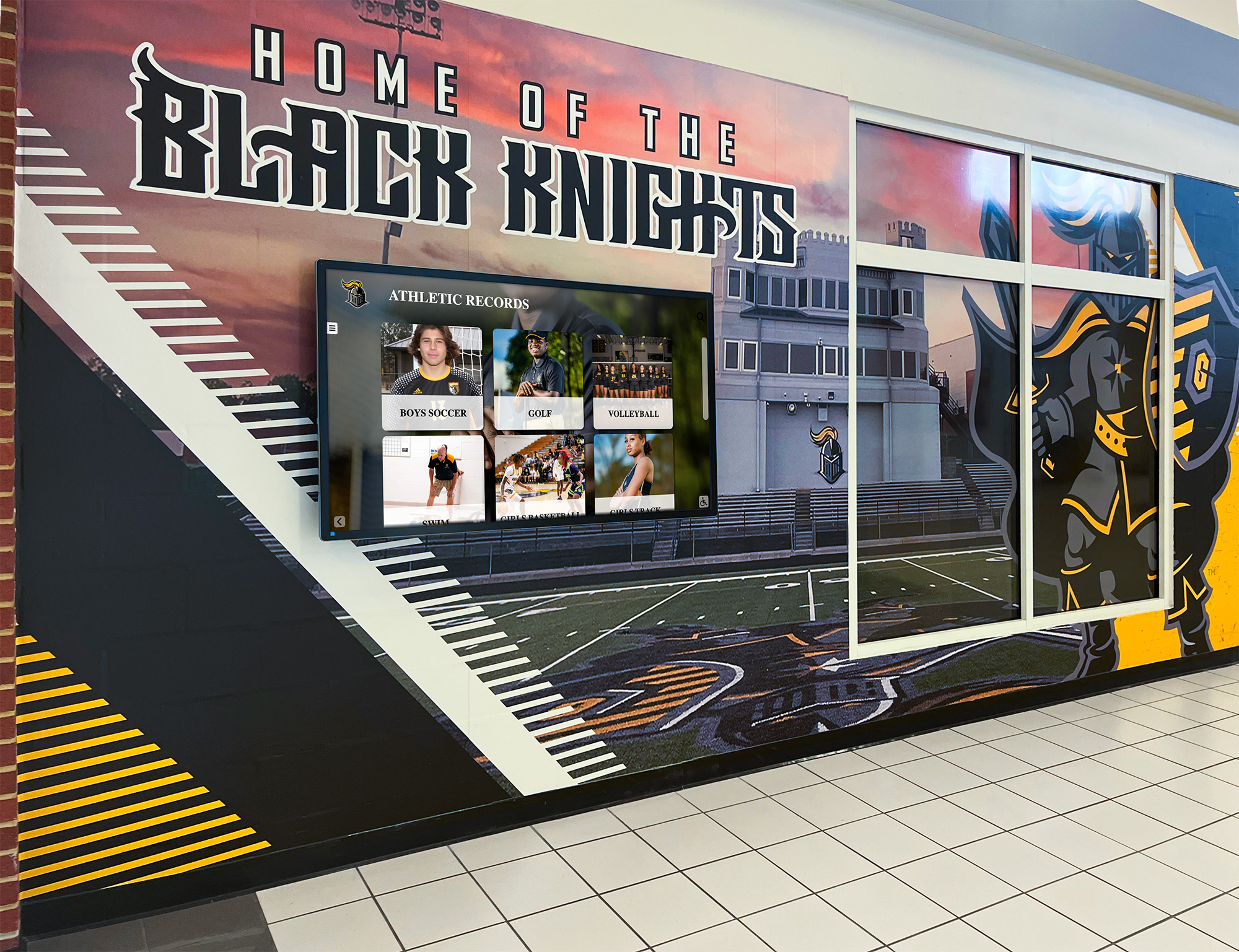
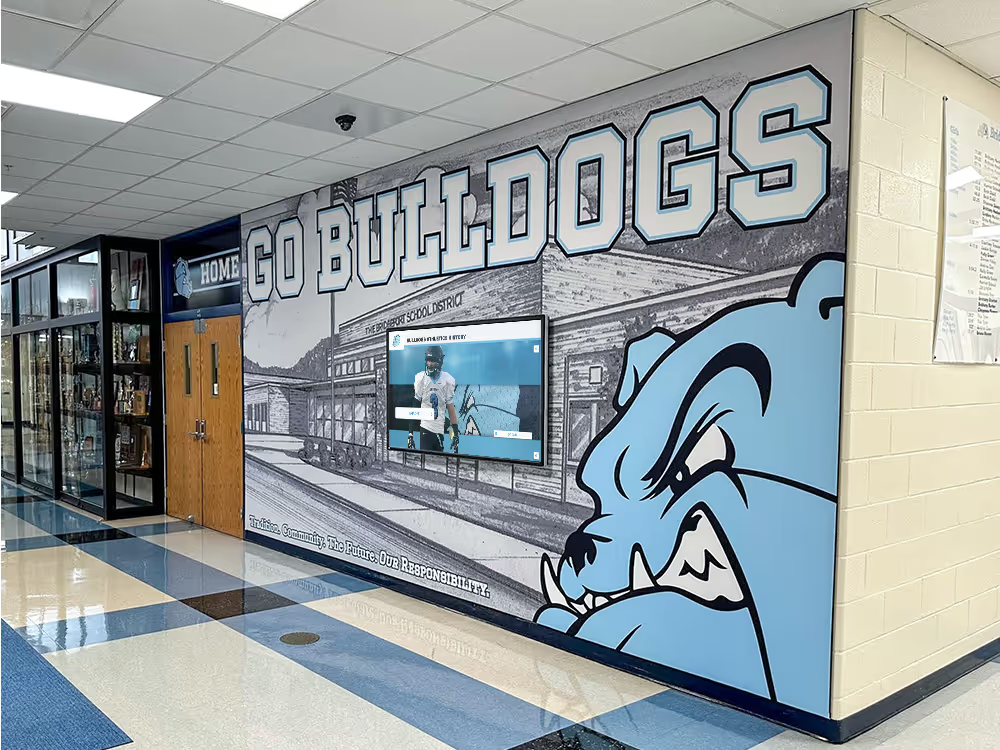
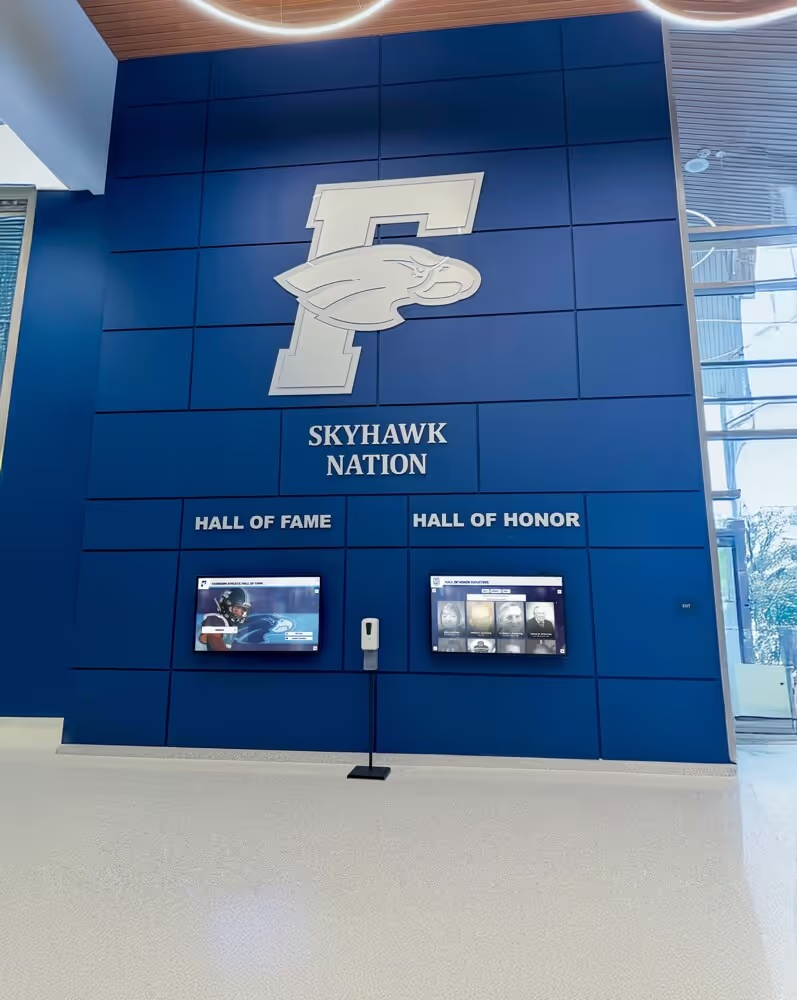
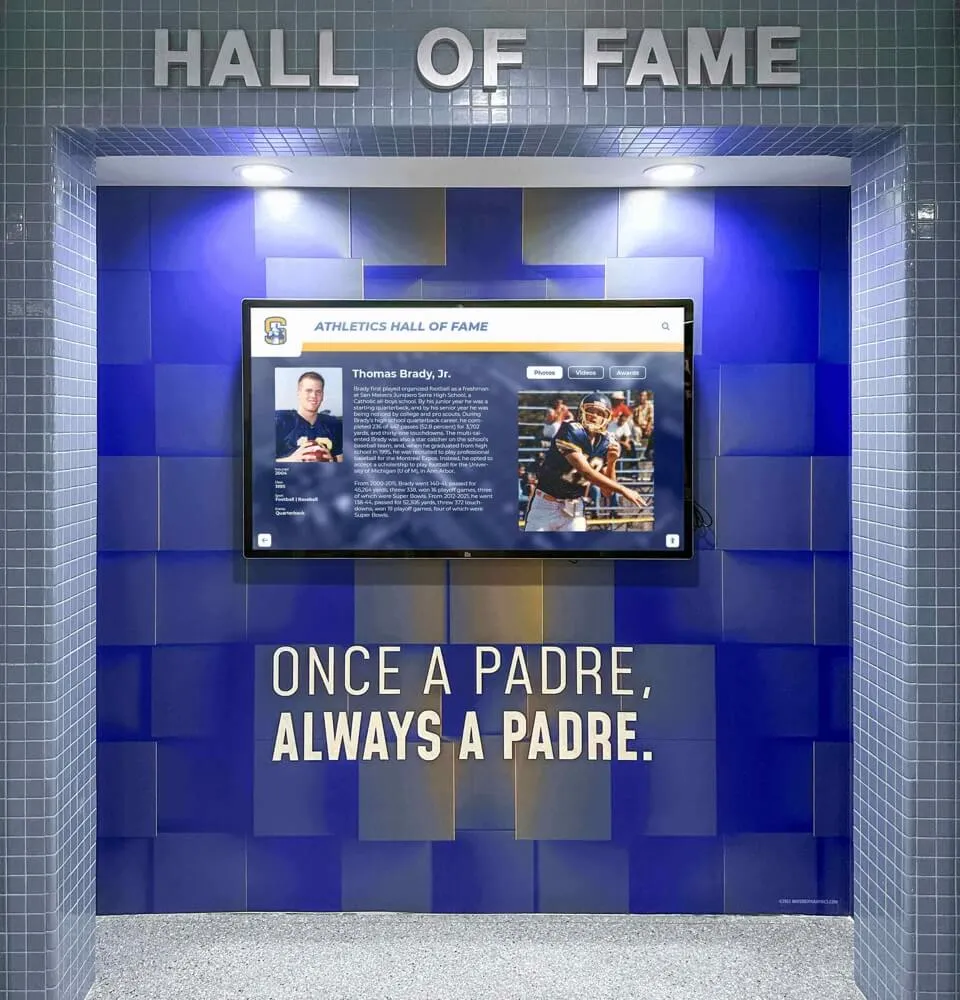
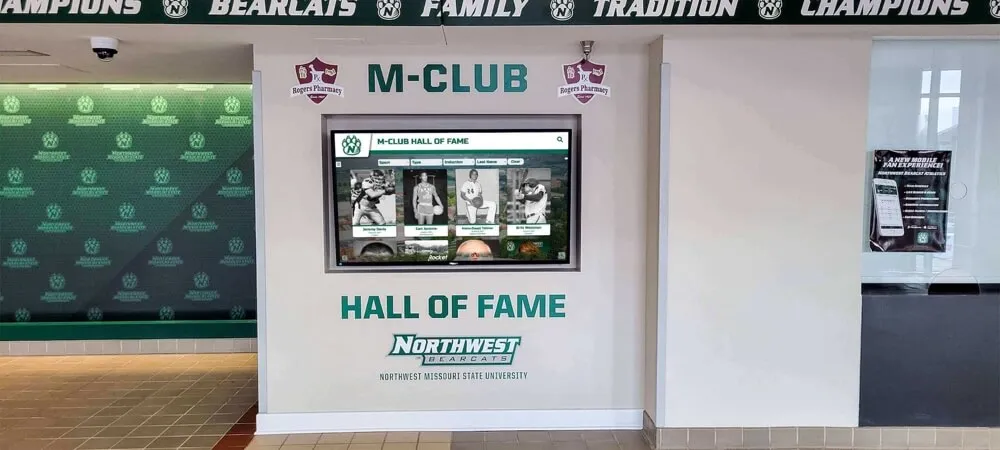
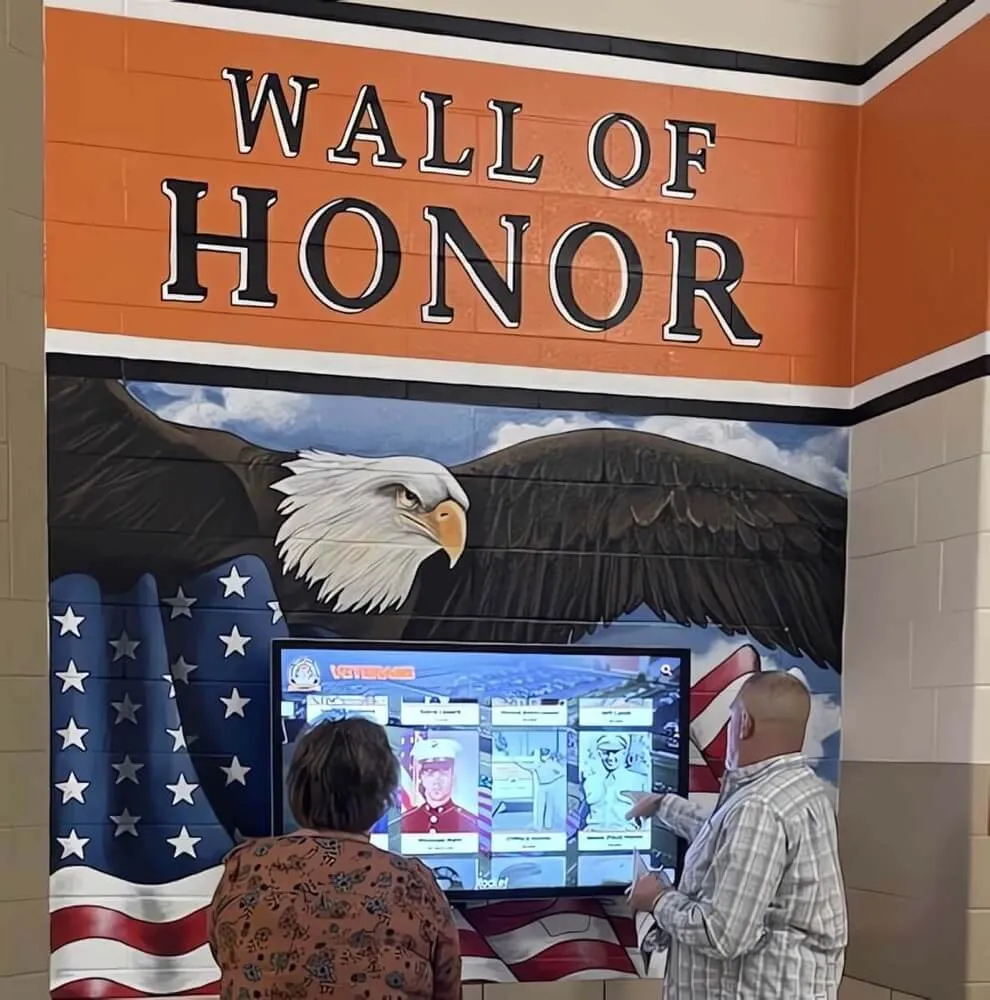
Comprehensive rivalry recognition preserves community history while connecting current athletes to continuing traditions
Documenting Community Evolution
Rivalry histories document broader community evolution—demographic changes, facility improvements, coaching philosophies, playing styles, and cultural shifts visible through decades of competition. These athletic narratives provide accessible entry points for understanding local history that might seem abstract or inaccessible through formal historical approaches.
When communities document rivalry histories comprehensively, they preserve not just athletic records but cultural heritage demonstrating what mattered to successive generations, how communities defined themselves, and what traditions they valued enough to maintain across decades despite changing circumstances.
Building School Spirit and Institutional Pride
Thanksgiving Day rivalries create concentrated expressions of school spirit that strengthen institutional identity and pride throughout the year, not just during football season.
Rivalry Week Traditions and Celebrations
The week leading to Thanksgiving games becomes special celebration periods in many communities, with schools organizing pep rallies, spirit days, alumni events, and traditions that involve entire student bodies regardless of athletic participation.
These celebrations strengthen school culture by creating shared experiences that unite diverse student populations around common identity. Students who never attend other athletic events participate in rivalry week traditions, demonstrating how these games engage broader constituencies than typical sports programming reaches.
Alumni Engagement and Continued Connection
Thanksgiving games provide natural touchpoints for alumni engagement, creating annual opportunities for graduates to return to campus, reconnect with schools, and maintain relationships with institutions that shaped their formative years.
Schools that recognize and celebrate rivalry traditions effectively transform these games into alumni engagement opportunities that strengthen lifelong connections and support advancement objectives including philanthropic giving, volunteer participation, and continued institutional support.
Explore comprehensive approaches to homecoming festivities that can integrate with Thanksgiving rivalry celebrations to maximize alumni engagement and school spirit.
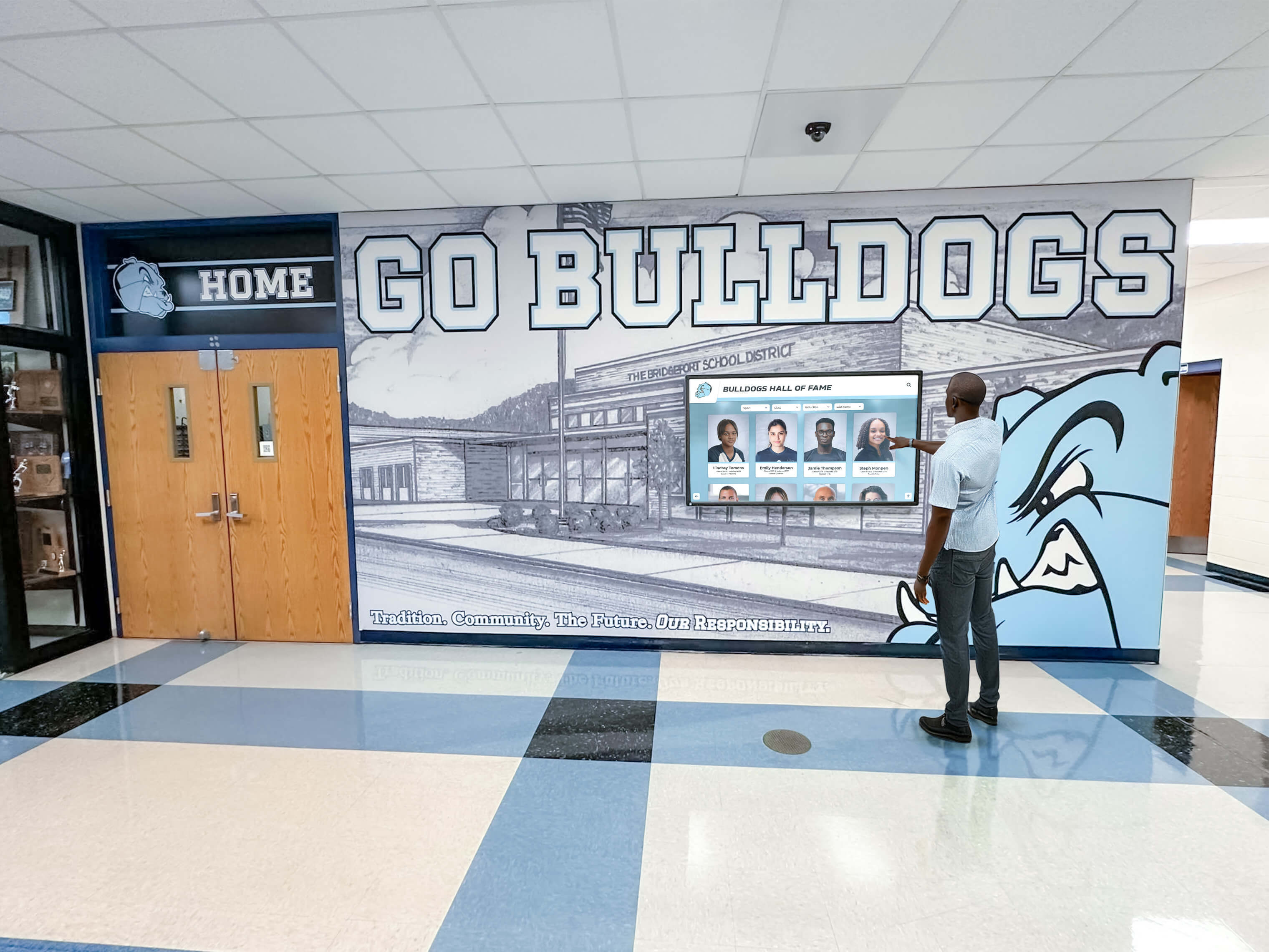
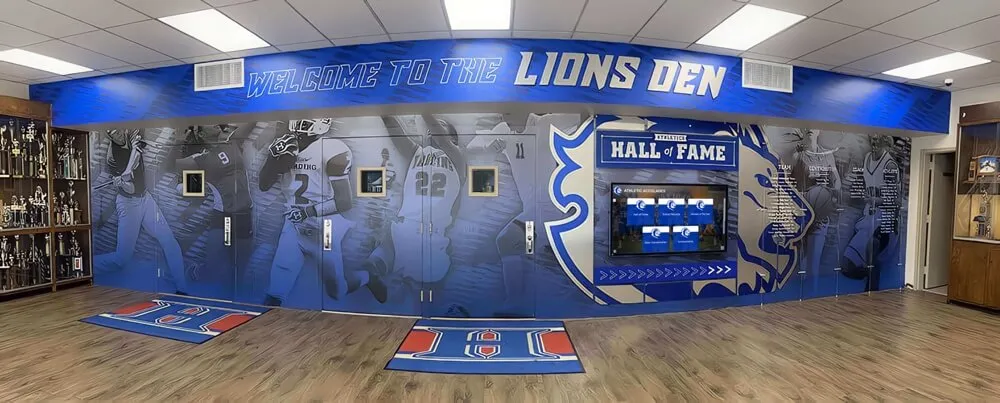
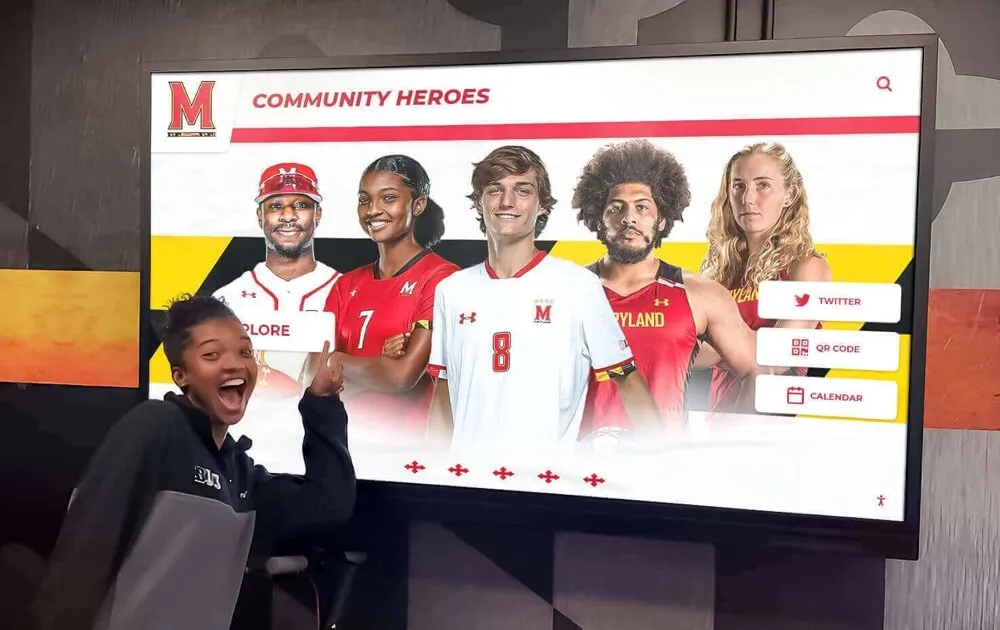
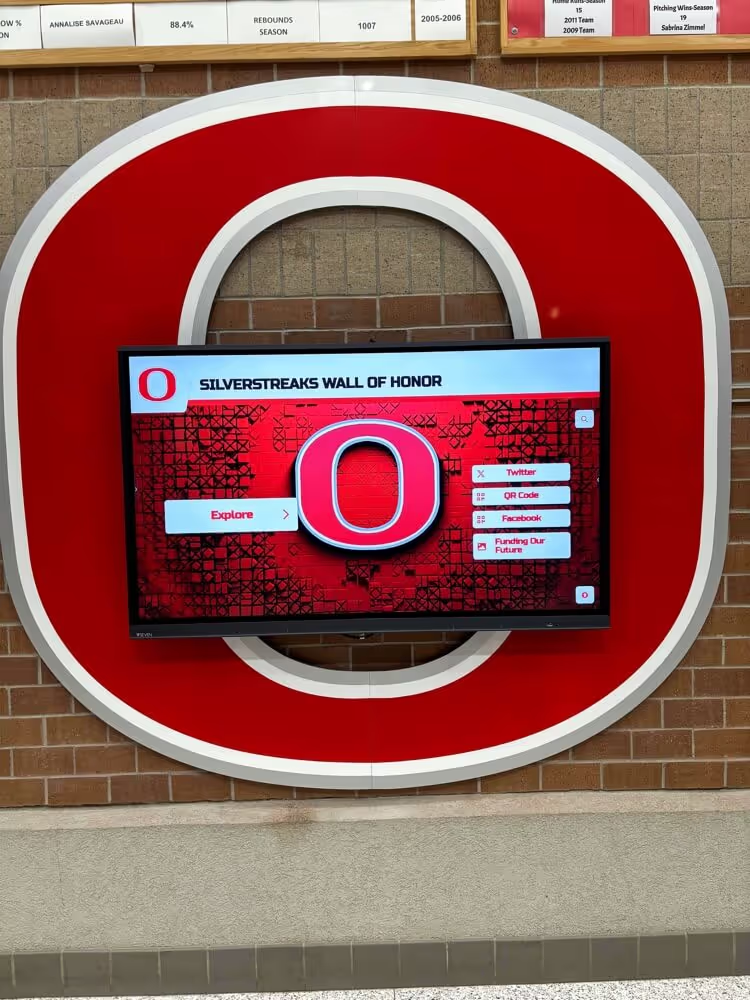
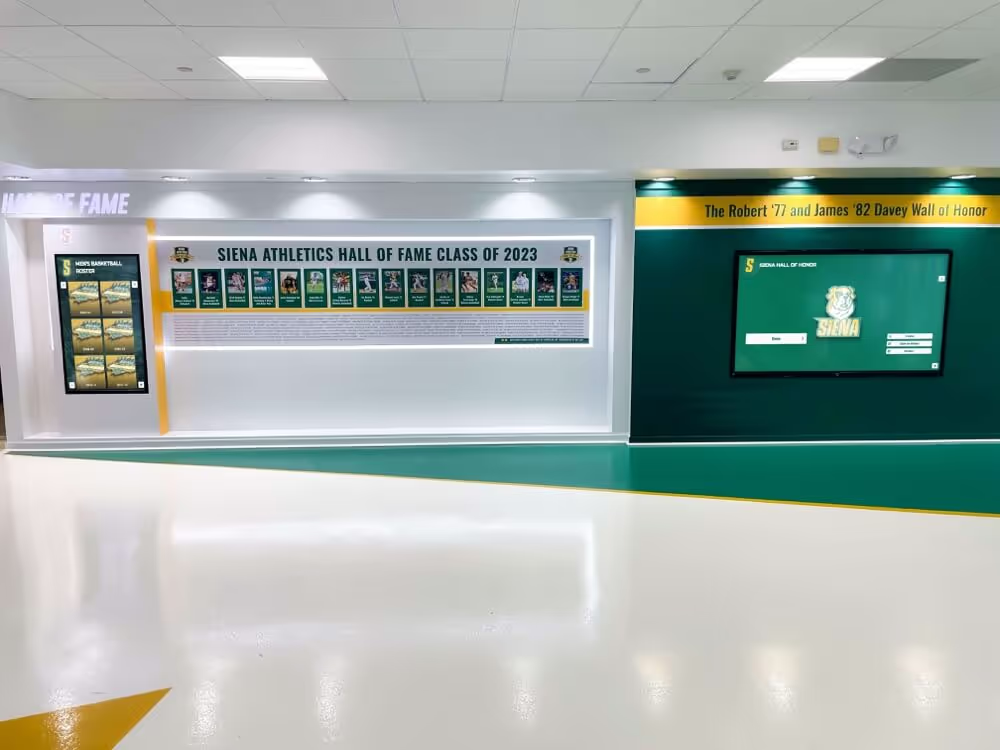
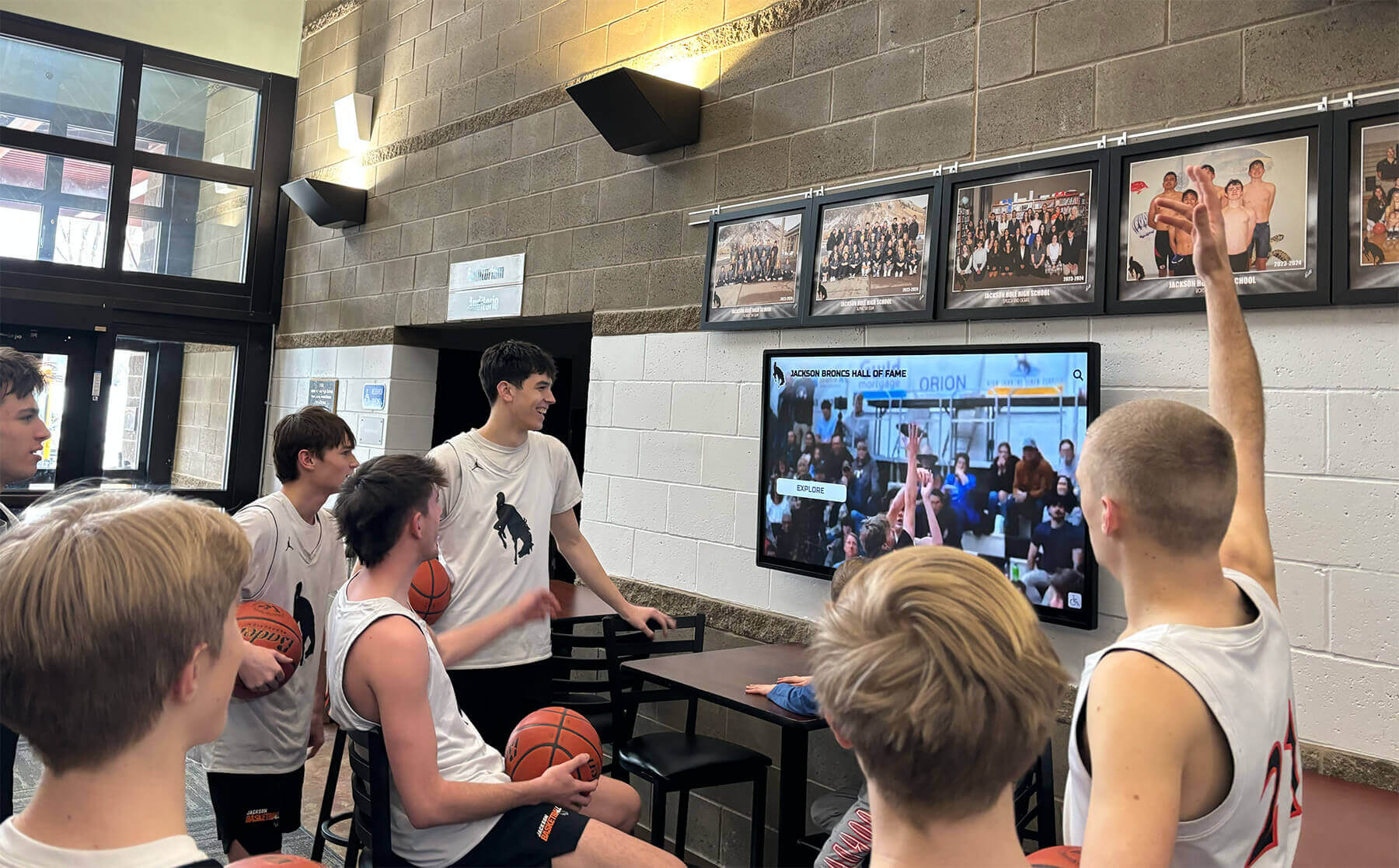
Interactive rivalry displays engage current students while providing alumni opportunities to reconnect with their competitive legacies
Legendary Thanksgiving Day Rivalry Traditions and Customs
The most memorable rivalries develop unique traditions and customs that become as important to communities as the games themselves.
Pre-Game Traditions and Community Celebrations
Many Thanksgiving rivalries feature elaborate pre-game traditions that extend celebration beyond the game itself.
Community Parades and Pep Rallies
Some communities organize Thanksgiving morning parades preceding games, featuring marching bands, cheerleaders, team floats, and community participation that transform game day into comprehensive celebration. These parades create festival atmospheres that engage even community members with limited interest in football itself.
Pre-game pep rallies—sometimes held the night before Thanksgiving, sometimes Thanksgiving morning before kickoff—unite student bodies in coordinated demonstrations of school spirit. These rallies often feature alumni speakers who competed in previous rivalry games, creating direct connections between current athletes and predecessors who established traditions they now continue.
Alumni Gatherings and Reunions
Many schools organize structured alumni gatherings around Thanksgiving games, creating opportunities for former teammates to reconnect and multiple graduation classes to maintain relationships. These gatherings often include pre-game breakfasts, tailgate parties, or informal social hours that strengthen alumni networks and institutional bonds.
The most successful programs recognize specific milestone reunion classes during Thanksgiving games, publicly acknowledging 10th, 25th, or 50th reunion classes and providing special recognition that makes alumni feel valued and connected to continuing school traditions.
In-Game Traditions and Ceremonial Elements
Thanksgiving rivalry games often feature unique in-game traditions that distinguish these contests from typical football games.
Trophy Presentation and Traveling Symbols
Many rivalries compete for traveling trophies that winning schools display for the following year. These trophies become tangible symbols of rivalry supremacy, with their presentation ceremonies following games creating emotional moments as players celebrate victory or experience defeat.
Some rivalries feature creative trophy designs reflecting local history or rivalry characteristics. Turkey-themed trophies acknowledge the Thanksgiving tradition, while others incorporate elements from community history or school symbolism creating unique artifacts that embody rivalry meaning.
Senior Recognition and Legacy Moments
Thanksgiving games often represent senior athletes’ final competitions in school colors, creating emotional circumstances as careers conclude. Many schools feature special senior recognition ceremonies, sometimes at halftime, sometimes following games, honoring graduating players’ contributions and celebrating their place within continuing program traditions.
These recognition moments acknowledge that while individual careers end, the rivalry and program traditions continue—connecting ending individual chapters to broader institutional narratives that transcend any single team or season.
Learn about approaches to digital storytelling for athletic programs that preserve these meaningful senior legacy moments for permanent recognition.
Post-Game Traditions and Community Celebrations
The most enduring rivalries feature post-game traditions that continue regardless of game outcomes, demonstrating that community and tradition matter as much as competition itself.
Friendship Dances and Community Events
Several historic rivalries feature post-game social events that bring together students from both schools, emphasizing sportsmanship and community over rivalry hostility. The Friendship Dance associated with the Webster Groves-Kirkwood rivalry in Missouri began in 1939 and continues today, creating structured opportunities for athletes and students from both schools to interact socially after intense athletic competition.
These traditions teach important lessons about sportsmanship, respect for opponents, and maintaining perspective about athletic competition’s proper role within educational contexts—recognizing that rivals on the field can respect each other as peers and community members off it.
Community Celebrations and Holiday Integration
Winning communities often feature post-game celebrations that integrate with broader Thanksgiving festivities, with restaurants offering special menus for celebrating fans or community centers hosting gatherings where victory gets celebrated before families disperse for private Thanksgiving dinners.
These celebrations demonstrate how Thanksgiving rivalries have become integrated into broader holiday traditions, with community members scheduling Thanksgiving Day around football games and incorporating game results into family holiday narratives and memories.
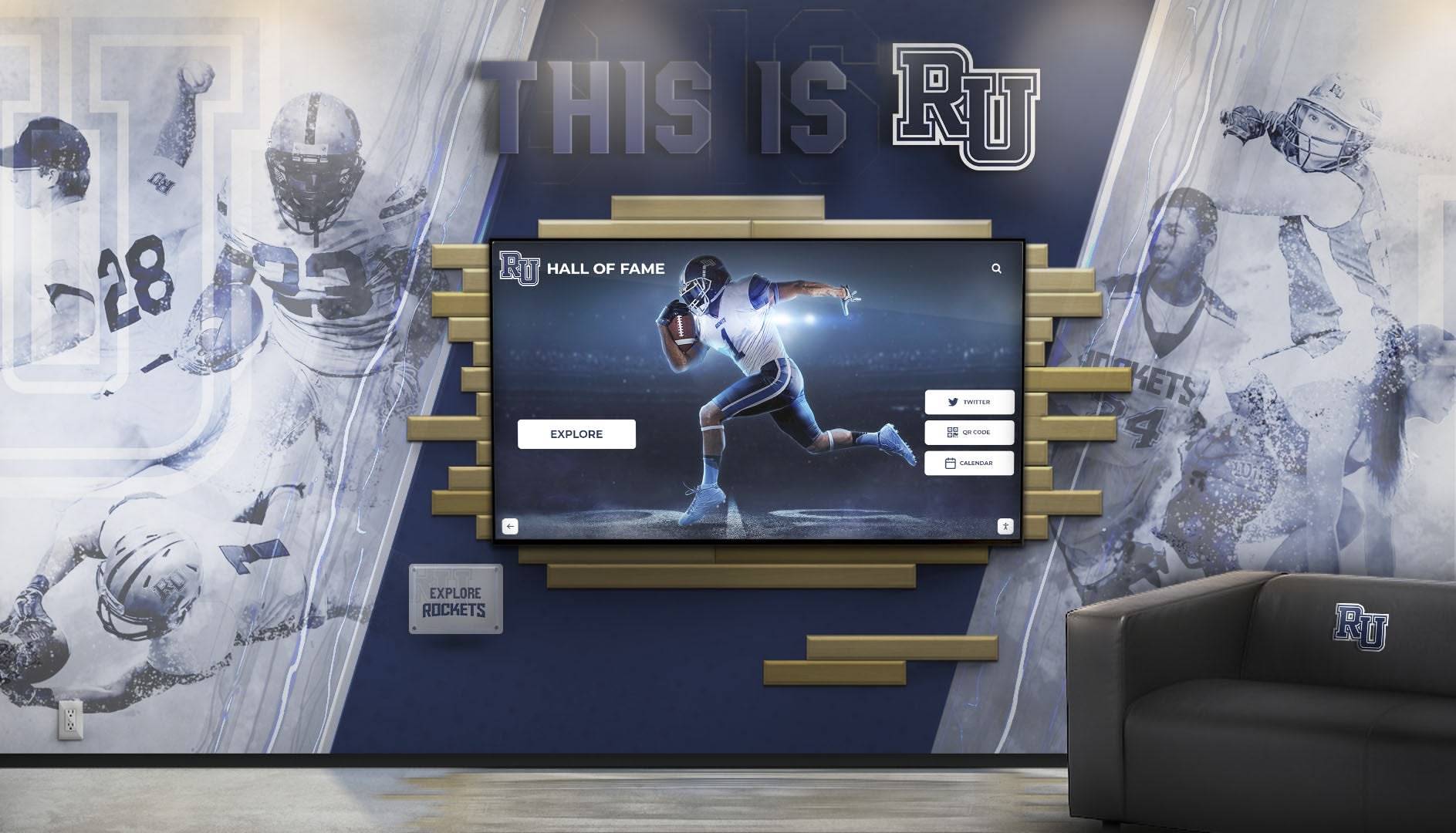
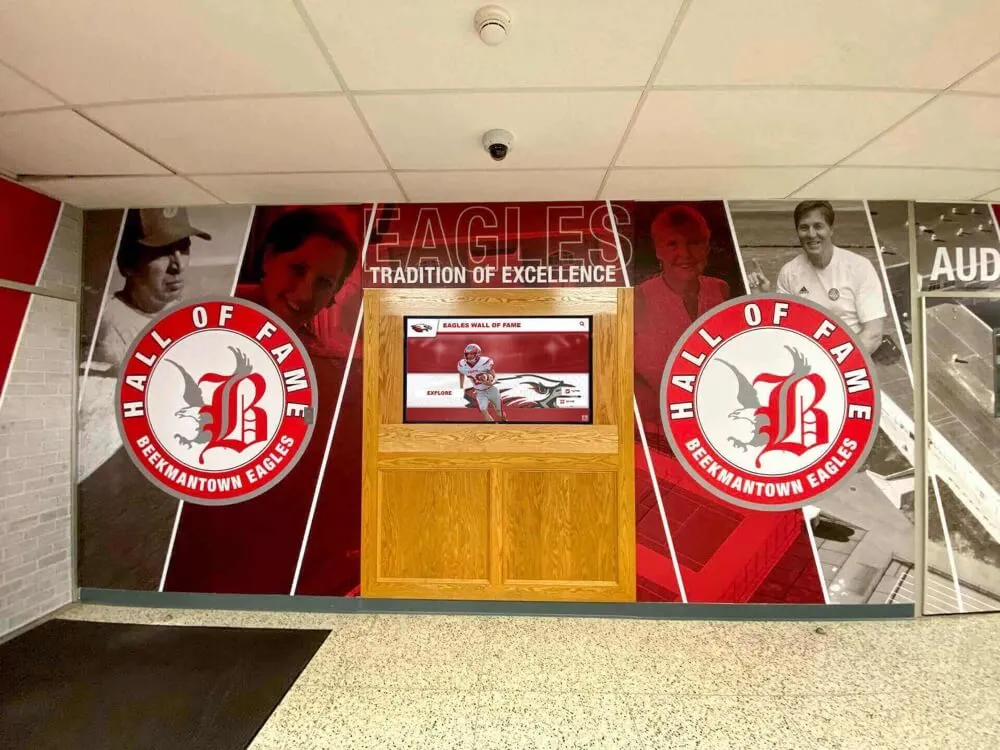
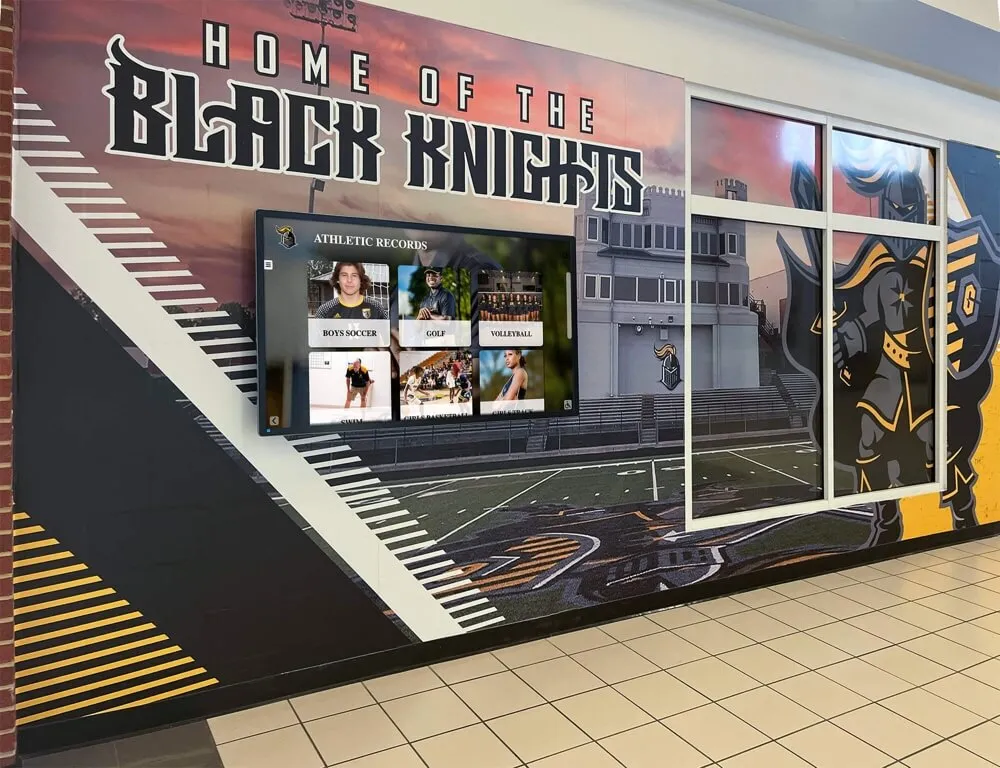
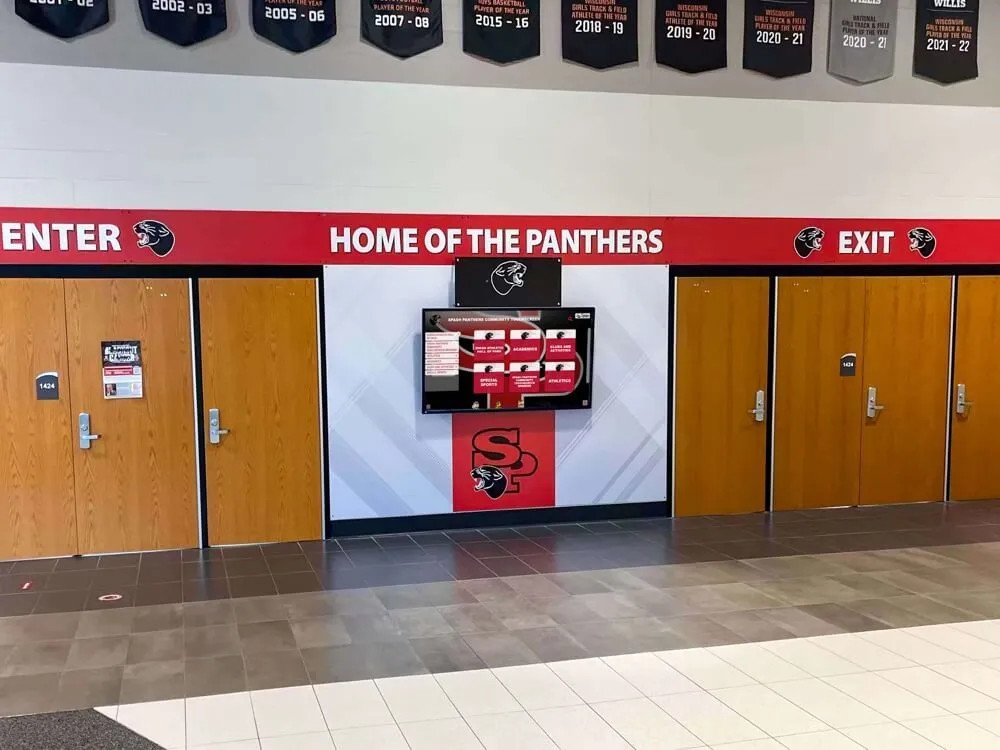
Prominent rivalry recognition in main school areas demonstrates institutional commitment to celebrating athletic traditions and honoring participating athletes
Preserving Thanksgiving Rivalry History and Traditions
While Thanksgiving Day rivalries create powerful traditions, many schools struggle to adequately preserve and celebrate their rivalry histories for current and future generations.
Challenges in Rivalry History Preservation
Several common obstacles prevent comprehensive rivalry documentation and recognition.
Scattered Historical Records
Rivalry information often exists in fragmented form across yearbooks, newspaper archives, personal collections, and informal records maintained by dedicated community members rather than systematic institutional archives. This scattered documentation makes comprehensive history reconstruction difficult and time-consuming.
Older game results may exist only in deteriorating newspaper clippings, fading yearbook pages, or the memories of aging alumni. Without proactive preservation efforts, this historical information faces permanent loss as physical materials deteriorate and community members with personal knowledge age.
Physical Space Constraints
Traditional recognition approaches like championship banners, trophy cases, and wall displays face severe space limitations. Schools with decades or centuries of rivalry history cannot possibly recognize every significant season, memorable game, or outstanding individual performance through physical displays constrained by available wall or ceiling space.
These limitations force difficult prioritization decisions about which years receive recognition versus being omitted from visible institutional memory, often resulting in recent decades receiving emphasis while historic achievements fade from view despite equal or greater significance.
Limited Information Capacity
Even when physical space allows some recognition, traditional approaches provide minimal information capacity. A championship banner might display the year and basic achievement but offers no opportunity to tell the complete story—team rosters, season narratives, memorable moments, individual contributions, or context explaining significance.
This information limitation means most rivalry history exists as basic facts—scores, dates, championships—without the rich storytelling that creates emotional connections and preserves meaningful memories beyond simple statistical records.
Discover strategies for displaying school history comprehensively that address these traditional preservation challenges.
Modern Solutions for Rivalry History Recognition
Digital recognition technology addresses traditional limitations while creating unprecedented opportunities for comprehensive rivalry celebration.
Unlimited Recognition Capacity
Digital displays eliminate space constraints entirely, enabling schools to document complete rivalry histories spanning decades or even centuries without prioritization forced by physical limitations. Every significant season, memorable game, and outstanding performance can receive appropriate recognition regardless of when achievements occurred.
This unlimited capacity proves particularly valuable for long-standing rivalries where comprehensive documentation might require recognizing 50, 75, or 100+ years of competition—recognition impossible through traditional banners or trophy cases but straightforward with digital systems.
Rich Multimedia Storytelling
Digital platforms incorporate diverse content types that bring rivalry traditions to life through engaging multimedia experiences:
Video Highlights and Game Footage
- Championship-deciding plays from historic Thanksgiving games
- Memorable touchdowns, defensive stands, and game-changing moments
- Trophy presentation ceremonies and post-game celebrations
- Alumni reflections recorded during reunion events
- Documentary-style historical content exploring rivalry evolution
Comprehensive Photography Archives
- Action shots from games across decades showing playing style evolution
- Team photographs documenting every season throughout rivalry history
- Candid images capturing team chemistry and community atmosphere
- Historical facility photographs showing stadium and school evolution
- Community celebration images documenting rivalry’s cultural significance
Detailed Statistical Documentation
- Complete game results across entire rivalry history
- Individual career statistics for all players who participated
- Season-by-season performance analysis and record documentation
- Coaching records and tenure information
- Championship achievements and milestone recognition
Personal Narratives and Storytelling
- First-person accounts from athletes describing memorable experiences
- Coach perspectives on rivalry preparations and strategic approaches
- Alumni reflections on how rivalry participation shaped their lives
- Community leader commentary on rivalry’s cultural significance
- Family stories spanning multiple generations of rivalry participation
Solutions like Rocket Alumni Solutions provide comprehensive platforms specifically designed for school recognition, enabling multimedia storytelling that transforms rivalry recognition from basic fact documentation into engaging historical narratives.
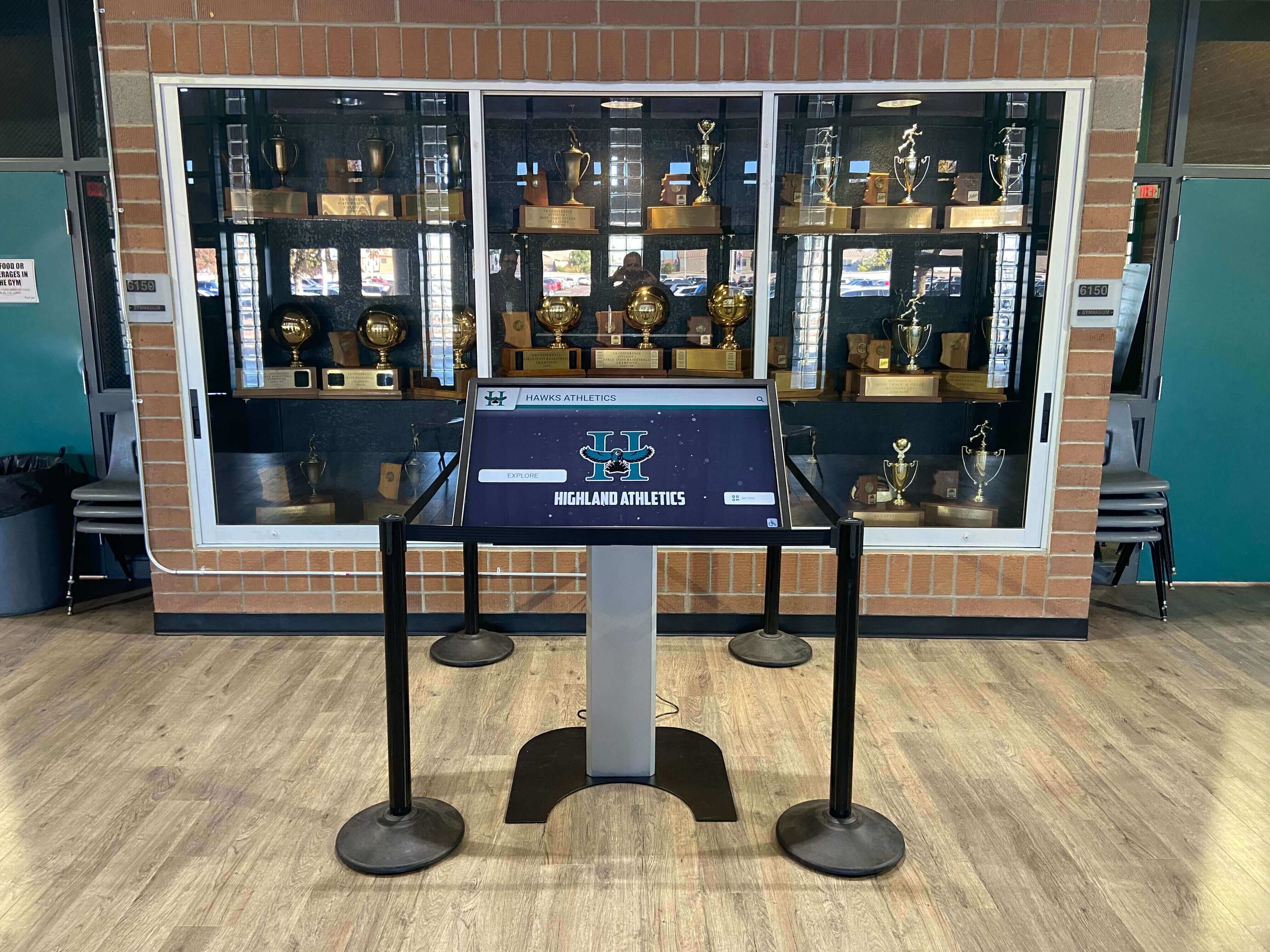
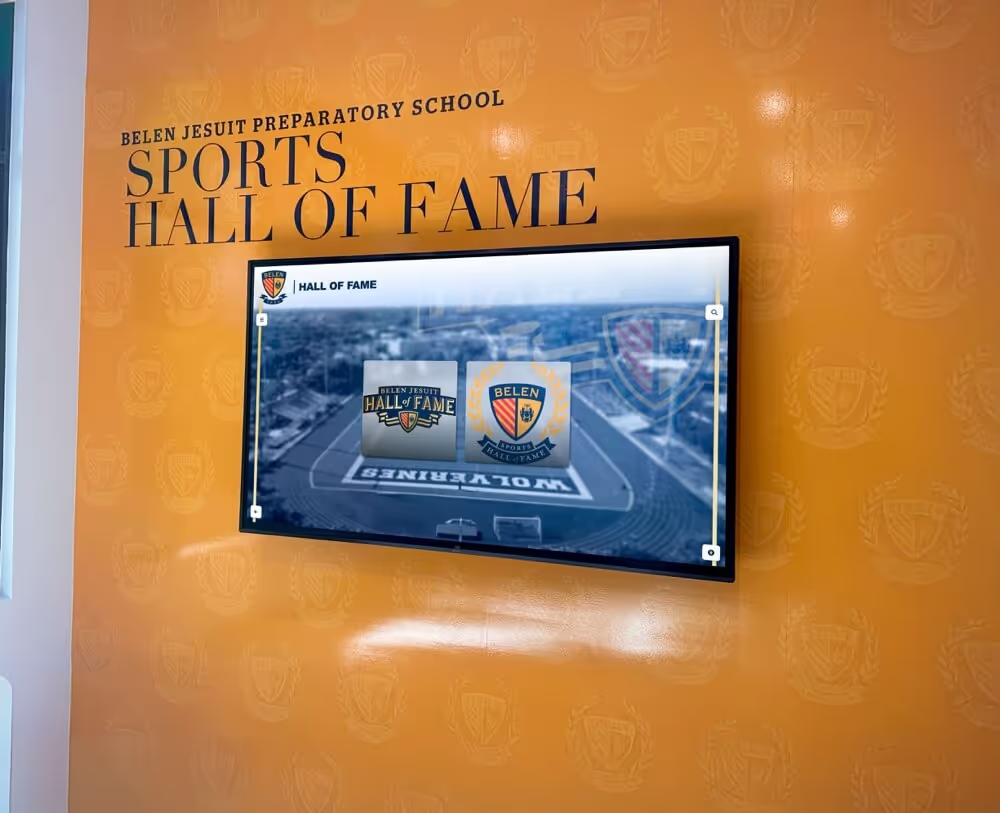
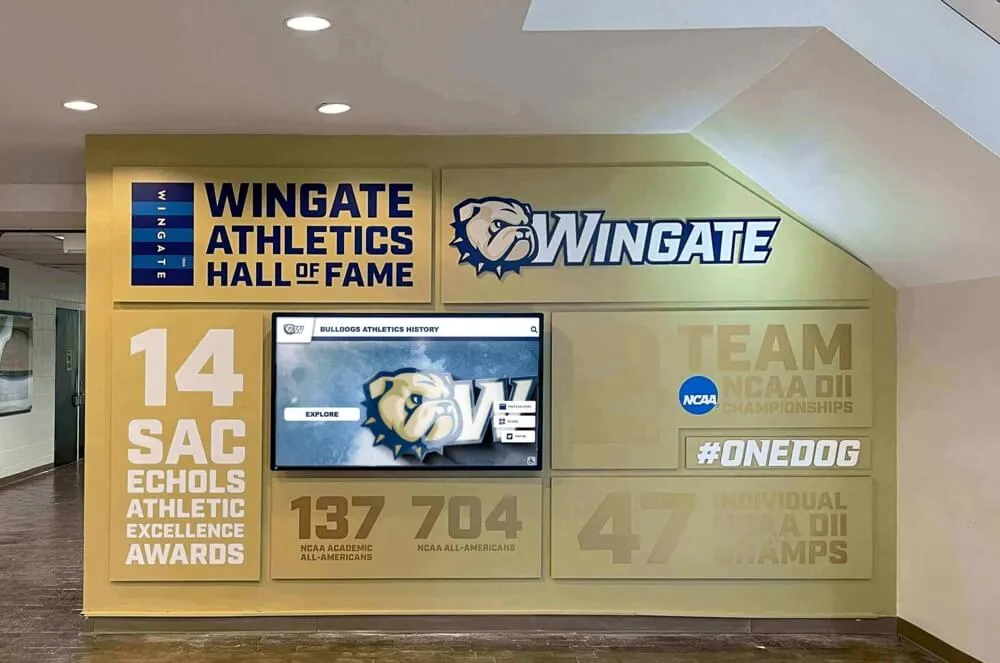
Digital recognition systems effectively complement traditional physical displays, dramatically expanding recognition capacity while preserving cherished aesthetic traditions
Interactive Exploration and Personal Discovery
Modern touchscreen interfaces enable personalized exploration impossible with static displays:
- Search functionality allowing alumni to instantly locate their seasons and teammates
- Filtering capabilities focusing on specific decades, championships, or memorable games
- Cross-referencing connecting related content across rivalry history
- Family legacy exploration showing multi-generational participation
- Statistical comparison tools enabling performance analysis across eras
This interactive capability transforms passive viewing into active discovery, with visitors spending 5-12 minutes exploring personally meaningful content rather than briefly glancing at static displays before moving on.
Web Accessibility Extending Recognition Reach
Online platform access extends rivalry recognition far beyond physical campus boundaries:
- Alumni anywhere in the world exploring rivalry history and their participation
- Prospective families researching program traditions during recruitment
- Media accessing historical information for anniversary coverage
- Researchers examining community athletic history
- Social sharing amplifying recognition and strengthening emotional connections
This extended reach maximizes recognition value while creating year-round engagement opportunities that keep rivalry traditions relevant beyond just Thanksgiving week.
Best Practices for Celebrating Thanksgiving Rivalries
Schools can enhance rivalry traditions and maximize community engagement through systematic approaches to celebration and recognition.
Rivalry Week Programming and Activities
The week preceding Thanksgiving games provides opportunities for structured activities that build excitement and engage broad participation.
Spirit Week Daily Themes
Coordinate daily dress-up themes or activities building toward Thanksgiving game day:
- Monday: School colors day demonstrating pride
- Tuesday: Throwback day featuring historic team jerseys or decade-themed costumes
- Wednesday: Rivalry history day sharing memorable moments through announcements or displays
- Thursday: Traditional Thanksgiving celebration with pep rally
- Friday/Thanksgiving: Game day with maximum school spirit demonstration
Educational Integration
Connect rivalry history to academic curriculum:
- History classes exploring how rivalry reflects broader community evolution
- English classes analyzing media coverage across different eras
- Mathematics classes examining statistical trends and performance analysis
- Physical education discussing strategy and tactical evolution
- Art classes creating posters and decorations celebrating rivalry traditions
Community Engagement Activities
Extend rivalry celebration beyond just students:
- Alumni interview projects capturing historical memories
- Community member participation in spirit activities
- Local business involvement through window decorating or special promotions
- Media coverage in local newspapers and broadcast outlets
- Social media campaigns sharing rivalry history and building anticipation
Learn about comprehensive approaches to homecoming festivities planning that can inform Thanksgiving rivalry week programming.
Game Day Experience Enhancement
Maximize the Thanksgiving game experience for all constituencies through thoughtful planning and execution.
Alumni Recognition and Integration
Create structured opportunities for alumni participation:
- Pre-game registration tables for visiting alumni
- Designated alumni seating sections facilitating reconnection
- Halftime recognition of milestone reunion classes
- Post-game alumni gatherings for continued socializing
- Digital displays featuring alumni achievements and rivalry history
Family-Friendly Atmosphere
Ensure Thanksgiving games accommodate families with diverse needs:
- Early start times enabling family Thanksgiving celebrations afterward
- Concessions and amenities appropriate for multi-generational attendance
- Accessible seating for elderly alumni and community members
- Entertainment and activities for young children
- Clear communication about schedule and logistics
Comprehensive Documentation
Systematically capture game day for historical preservation:
- Professional photography covering game action and community atmosphere
- Video recording for highlight creation and historical archiving
- Statistical documentation beyond just game scores
- Alumni attendance records and reunion gathering documentation
- Social media content creation and sharing
Explore strategies for state championship recognition that apply equally to significant Thanksgiving rivalry victories.
Maintaining Sportsmanship and Perspective
While rivalry intensity creates engagement, schools must ensure competition maintains appropriate educational context.
Promoting Positive Rivalry Culture
Emphasize respect and sportsmanship throughout rivalry celebrations:
- Clear behavioral expectations for students, athletes, and spectators
- Consequences for inappropriate conduct or unsportsmanlike behavior
- Positive rivalry traditions emphasizing respect for opponents
- Educational messaging about healthy competition versus hostility
- Post-game traditions bringing schools together regardless of outcome
Balancing Competition and Community
Maintain perspective on rivalry’s proper role within educational context:
- Emphasizing that rivalry strengthens both communities rather than dividing them
- Recognizing that respect for opponents demonstrates character and maturity
- Understanding that today’s rivals become tomorrow’s community partners
- Ensuring that rivalry intensity doesn’t create lasting interpersonal hostility
- Teaching that athletic competition represents one dimension of multifaceted identity
These approaches ensure rivalry traditions strengthen communities and teach positive values rather than creating divisive hostility or inappropriate intensity that overshadows rivalries’ proper role as enriching traditions within educational athletics.
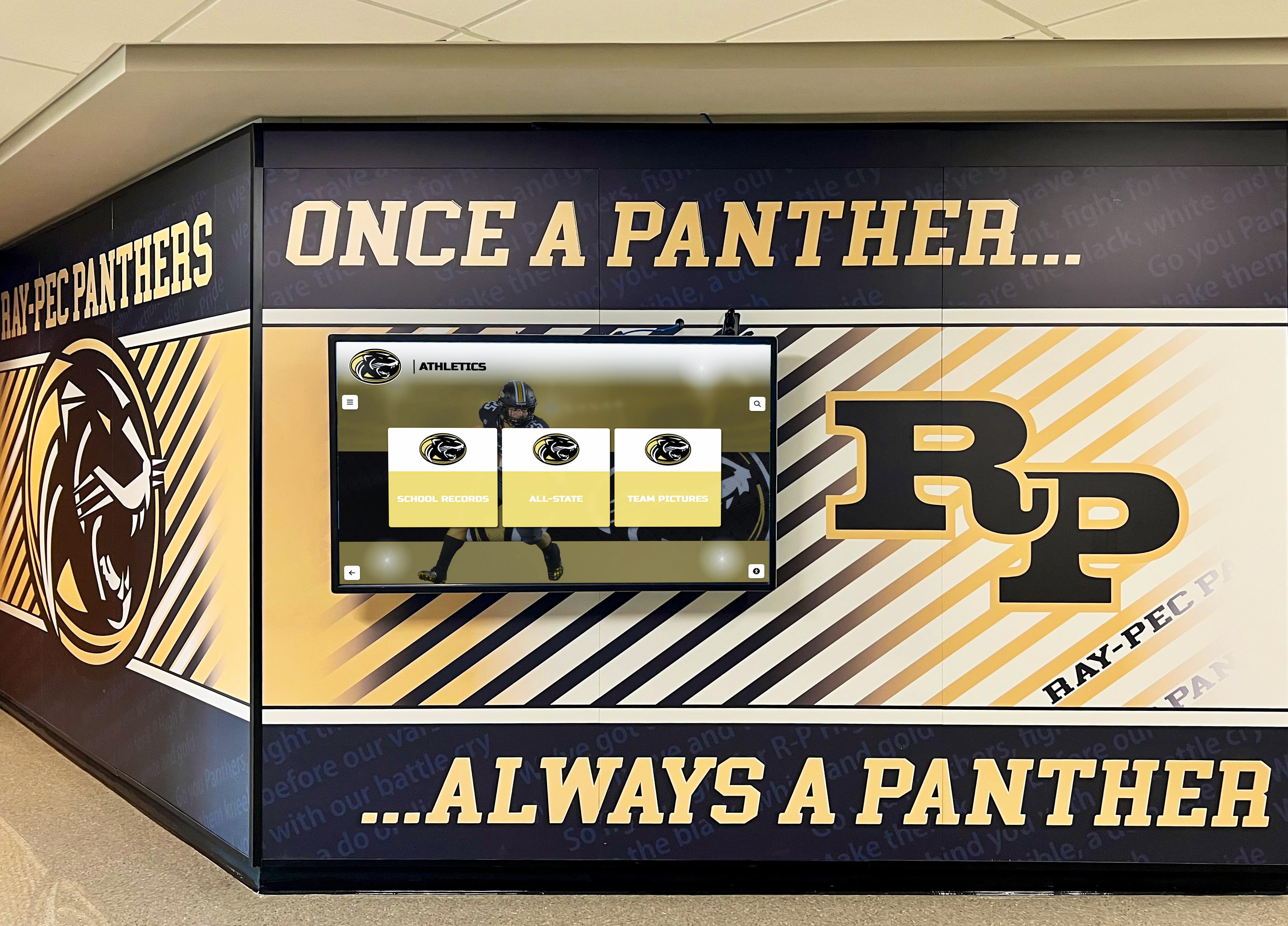
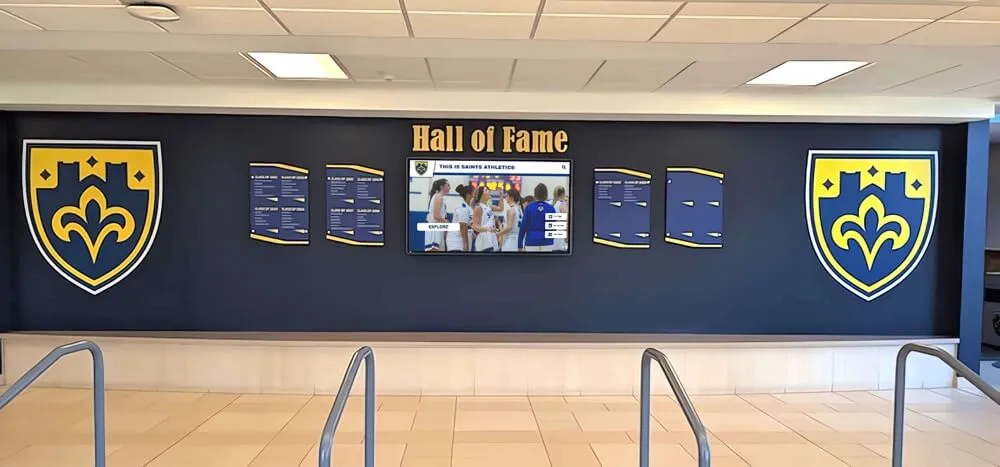
Effective rivalry recognition combines traditional aesthetic elements with modern digital capacity creating displays that honor heritage while enabling comprehensive documentation
The Future of Thanksgiving Day Football Rivalries
As American culture and educational athletics continue evolving, Thanksgiving Day rivalries face both challenges and opportunities that will shape their future.
Contemporary Challenges Facing Traditional Rivalries
Several pressures threaten some Thanksgiving Day rivalry traditions.
Playoff System Conflicts
Many states have implemented playoff systems requiring games be played on specific dates, sometimes conflicting with traditional Thanksgiving scheduling. Some historic rivalries have moved from Thanksgiving to earlier dates to accommodate playoff requirements, altering traditions that communities maintained for decades or even centuries.
Schools face difficult decisions balancing tradition preservation against athletic association requirements and competitive opportunities. Some communities have successfully negotiated exceptions allowing traditional Thanksgiving games to continue, while others have adapted to new realities by scheduling rivalry games on the weekend before Thanksgiving or another date maintaining annual tradition if not specific Thanksgiving Day timing.
Declining Community Cohesion
Broader societal trends toward declining civic participation and weakening community institutions affect Thanksgiving rivalries. As fewer people maintain lifelong residence in single communities, the multi-generational connections that traditionally sustained rivalry passion may weaken.
Modern entertainment competition—from streaming content to social media to professional sports—provides alternatives during holiday periods when families previously had limited options beyond gathering for community events like Thanksgiving football games.
Athletic Safety Concerns
Contemporary focus on athletic safety, particularly regarding football-related injury risks, creates challenges for all football programs including traditional Thanksgiving rivalries. Some schools have eliminated football programs entirely, ending rivalry traditions by necessity rather than choice.
Declining football participation in some regions due to injury concerns may threaten long-term sustainability of programs and rivalries that generations took for granted as permanent community fixtures.
Opportunities for Rivalry Revitalization
Despite challenges, Thanksgiving rivalries possess unique characteristics positioning them well for continued relevance.
Counter-Programming to Commercial Holiday
As Thanksgiving becomes increasingly commercialized with Black Friday shopping beginning Thanksgiving evening, authentic community traditions like high school football rivalries offer counter-programming emphasizing genuine human connection over commercial consumption.
Communities increasingly value authentic local traditions that strengthen social bonds and provide meaningful shared experiences. Thanksgiving rivalries deliver exactly these benefits, potentially experiencing renewed appreciation as reactions against commercial holiday culture intensify.
Alumni Engagement in Digital Age
Modern technology enables alumni engagement approaches impossible in previous generations. Social media allows alumni to maintain connections and coordinate return visits. Digital recognition systems provide year-round access to rivalry history and personal athletic achievements. Virtual attendance options could enable alumni unable to travel to participate remotely in rivalry traditions.
These technological capabilities create opportunities for deeper, more sustained alumni engagement that strengthens rivalry support and ensures continued community investment across generations.
Educational Value Recognition
Growing appreciation for athletics’ educational benefits—teaching teamwork, resilience, goal-setting, and leadership—supports continued emphasis on high school sports including traditional rivalries. Research demonstrating benefits of athletic participation and school connection strengthens arguments for maintaining and investing in programs that create the engagement and community that rivalries deliver.
As education focuses increasingly on holistic student development beyond just academic achievement, the community-building and tradition-preserving aspects of Thanksgiving rivalries align well with contemporary educational priorities.
Learn about innovative approaches to athletic program recognition that support rivalry tradition preservation and celebration.
Conclusion: Honoring Traditions While Building Tomorrow’s Memories
Thanksgiving Day football rivalry games represent irreplaceable traditions connecting current athletes and communities to predecessors spanning decades or even centuries. These annual competitions deliver value far exceeding simple athletic contests—they preserve community history, strengthen social bonds, create defining memories, teach important values, and demonstrate that educational athletics contribute meaningfully to culture and civic life.
The most successful programs understand that rivalry traditions require active preservation and celebration rather than passive assumption that traditions sustain themselves automatically. Systematic approaches to rivalry history documentation, comprehensive recognition of participating athletes and coaches, integration of rivalry celebration into broader school culture, and sustained investment in maintaining traditions ensure these cherished competitions continue serving communities effectively for future generations.
Whether your school’s rivalry dates to the 19th century or represents newer tradition still establishing itself, the opportunity exists to honor these competitions appropriately through recognition proportional to their significance within your community. Every game matters—not just championship seasons—because rivalry traditions build cumulatively over time through consistent annual competition that connects generations and creates shared identity.
Ready to preserve and celebrate your Thanksgiving Day rivalry traditions? Modern recognition solutions help schools honor decades or centuries of competition while creating engaging experiences connecting students, alumni, and communities with shared heritage. Digital recognition platforms like Rocket Alumni Solutions provide systems specifically designed for educational athletics, combining comprehensive multimedia storytelling with intuitive content management and professional hardware recommendations ensuring successful long-term programs.
Explore digital recognition display options designed specifically for school athletic programs, or learn about finding and preserving school sports records before they’re lost to time and fading memories.
Your Thanksgiving rivalry deserves recognition matching its significance—comprehensive documentation preserving complete history, engaging multimedia bringing traditions to life, searchable access enabling personal discovery, professional design reflecting school identity, and sustainable management ensuring recognition remains current across decades as your rivalry continues creating new memories worthy of the traditions established by those who competed before.
Start where you are with what you have—document recent seasons while researching historical achievements, engage alumni who remember what formal records may not capture, select recognition approaches appropriate for your resources and circumstances, and implement systems sustainable within your operational capabilities. The most important element isn’t budget size or technological sophistication—it’s genuine commitment to honoring traditions, celebrating all who participated, and preserving rivalry heritage for the generations of athletes and community members who will add their own chapters to continuing stories.
The Thanksgiving morning when your athletes take the field, they connect to everyone who competed in that same rivalry before them—teammates who graduated decades ago, coaches who built program foundations, and community members who made rivalry success possible. Ensure those connections remain visible, celebrated, and honored through recognition that preserves traditions properly while inspiring current and future participants to maintain the excellence and pride that make Thanksgiving Day rivalry games among America’s greatest high school traditions.