



Every March, the sound of sneakers squeaking on hardwood floors echoes across Texas as high school basketball teams statewide enter the University Interscholastic League (UIL) playoffs—a pressure-packed postseason journey transforming regular season achievements into championship legacies. From sprawling suburban powerhouses to small-town programs where entire communities rally behind their teams, the Texas high school basketball playoffs represent the culmination of months of preparation, where district champions face regional challengers, where buzzer-beaters create instant legends, and where state tournament appearances define program excellence for generations.
For schools, athletic directors, coaches, and communities invested in playoff basketball, understanding tournament structure, qualification requirements, classification systems, and championship pathways proves essential for navigating this extensive postseason landscape. Beyond competition itself, playoff achievements create defining institutional moments worthy of lasting recognition—district championships demonstrating regular season dominance, regional tournament victories marking significant program milestones, state semifinal appearances representing exceptional achievement, and state championships establishing permanent program legacies.
This comprehensive guide explores every dimension of Texas high school basketball playoffs, from UIL tournament mechanics and regional qualification to modern recognition approaches ensuring playoff excellence receives the permanent celebration it deserves across generations of athletes, coaches, and communities throughout the Lone Star State.
Texas high school basketball playoffs represent more than postseason tournaments—they embody school pride, community identity, championship aspiration, and the culmination of season-long preparation that separates good programs from legendary ones. Whether you’re tracking your local team’s playoff journey or planning long-term recognition systems honoring basketball excellence, understanding this championship landscape proves essential.

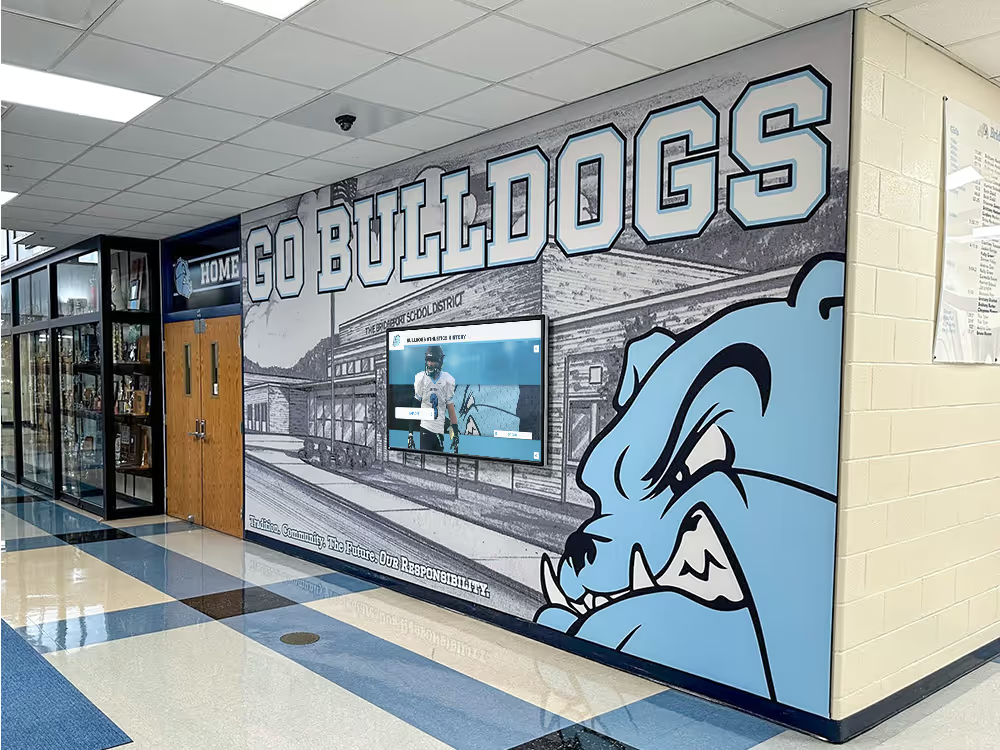
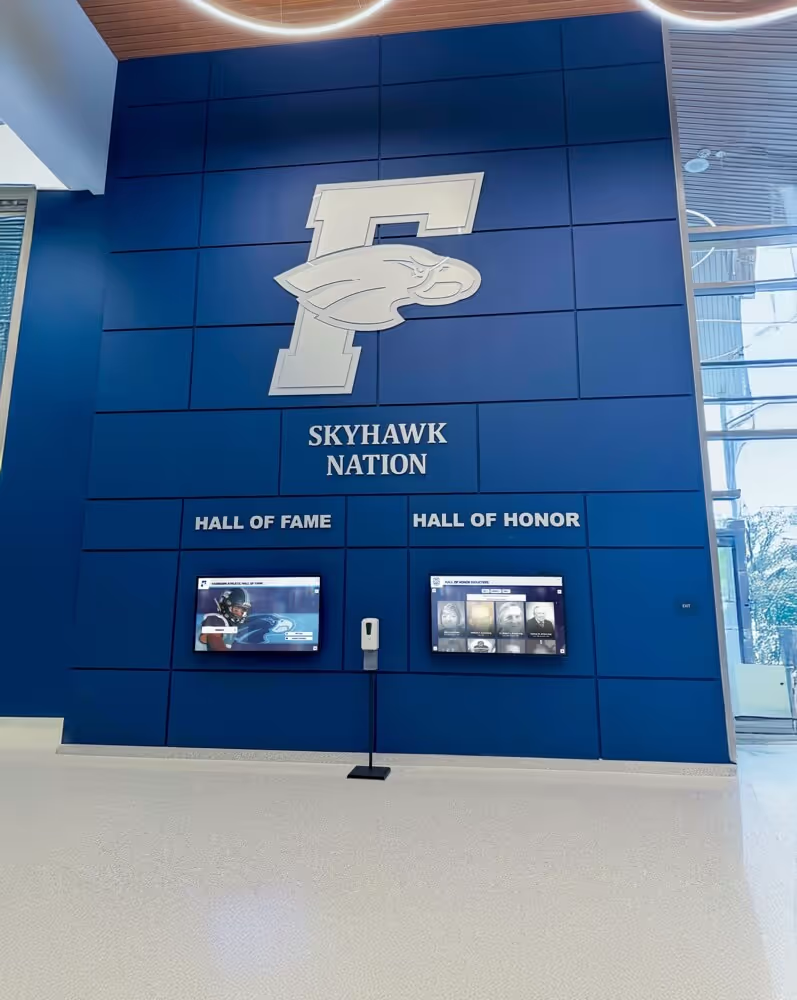
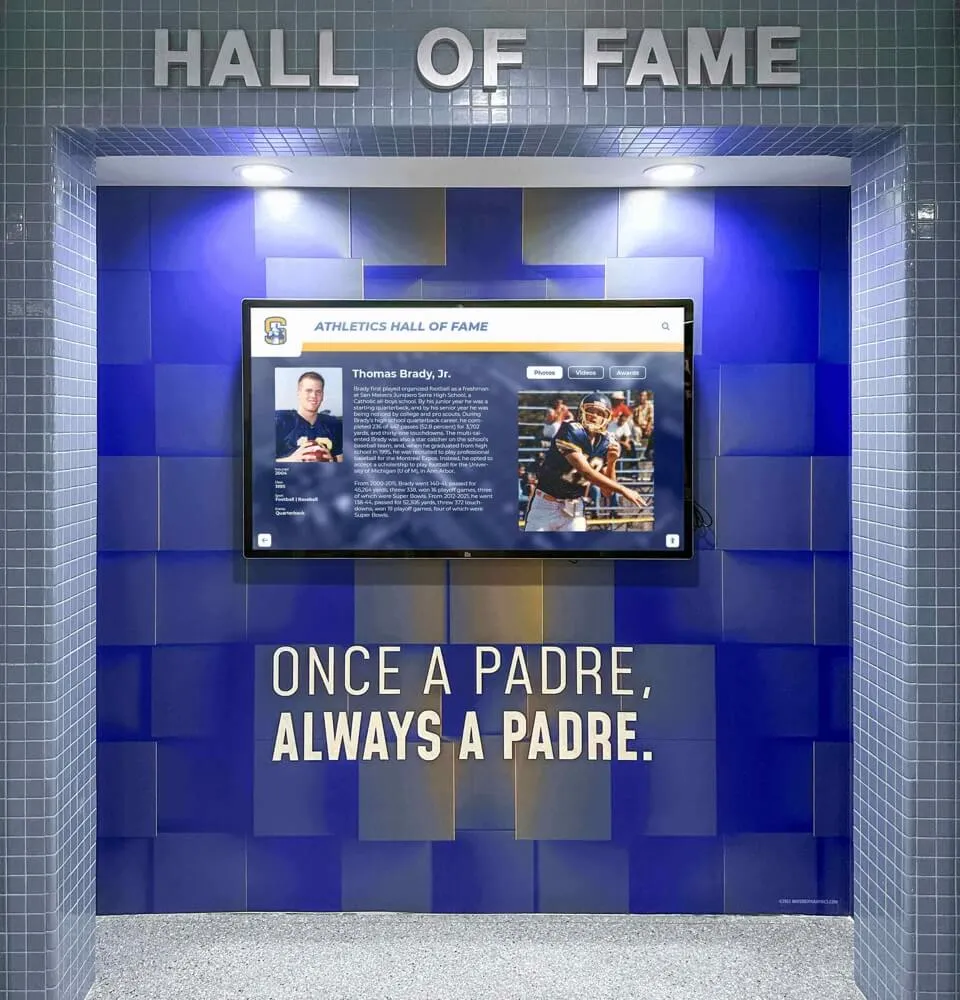
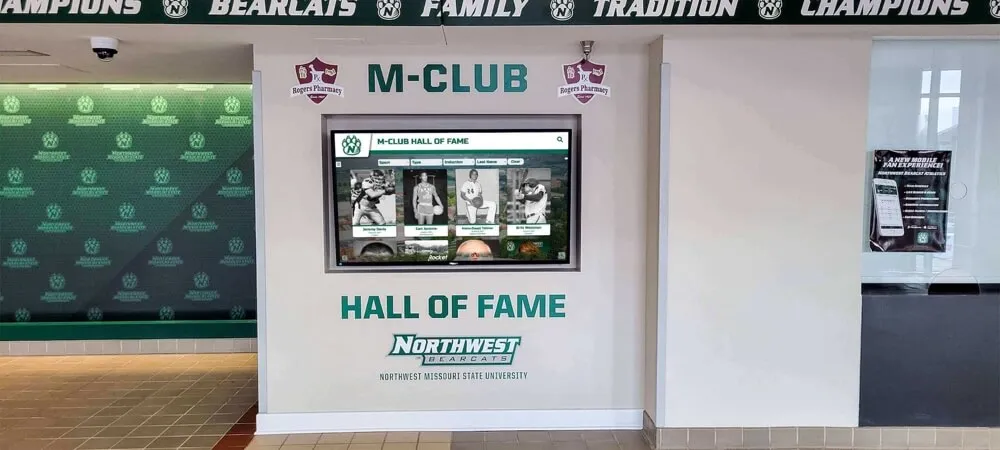
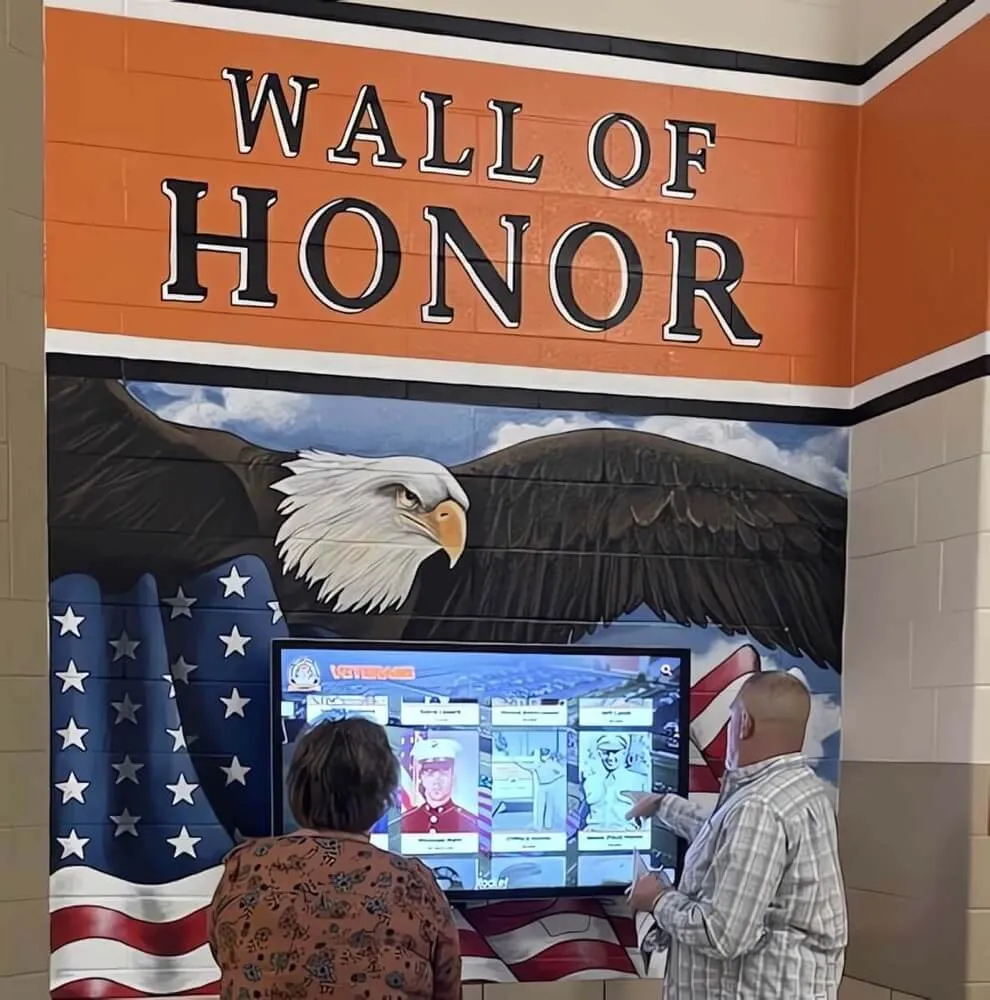
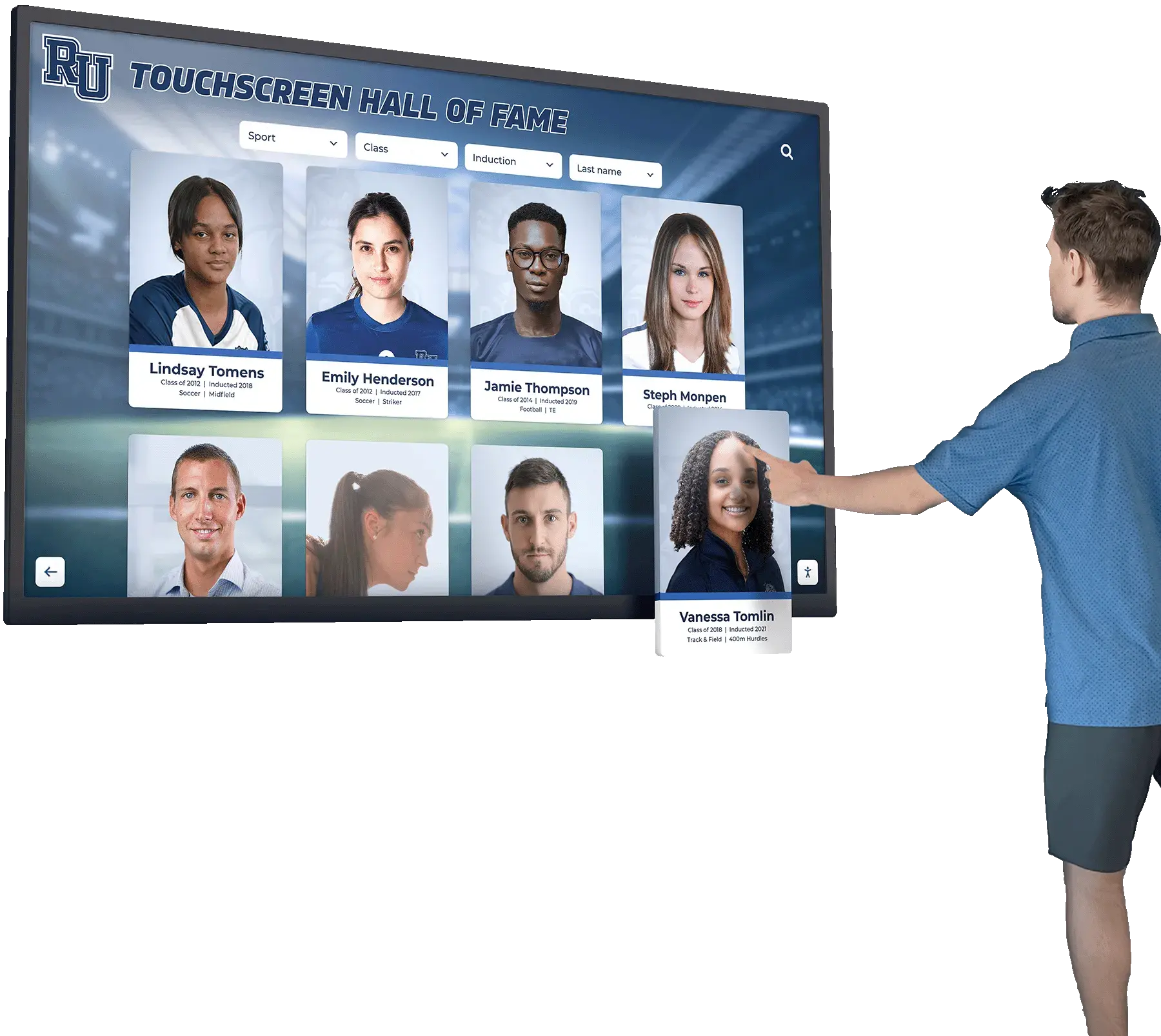
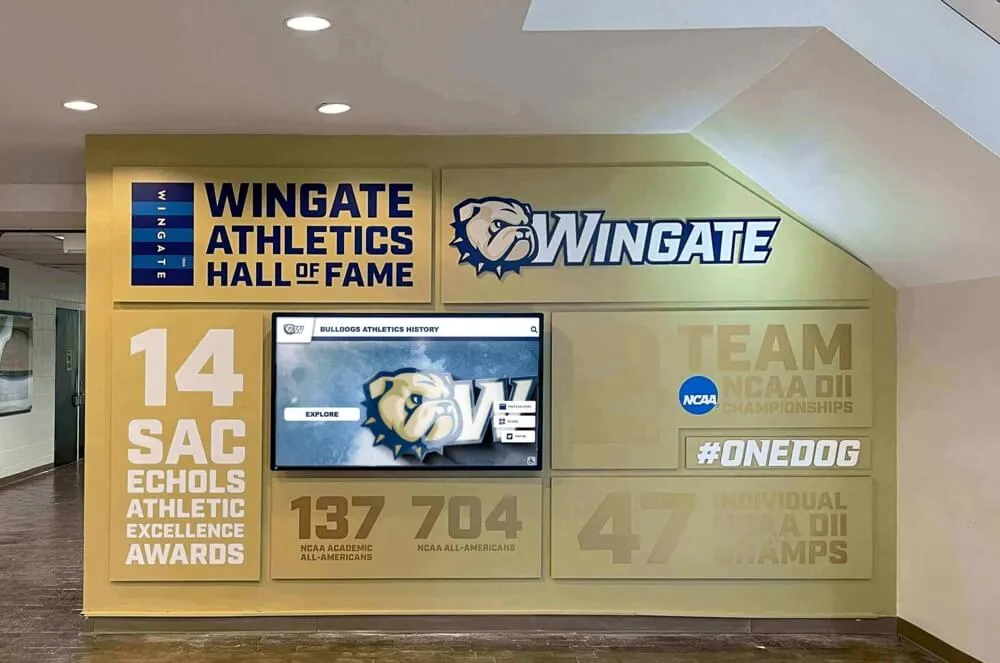
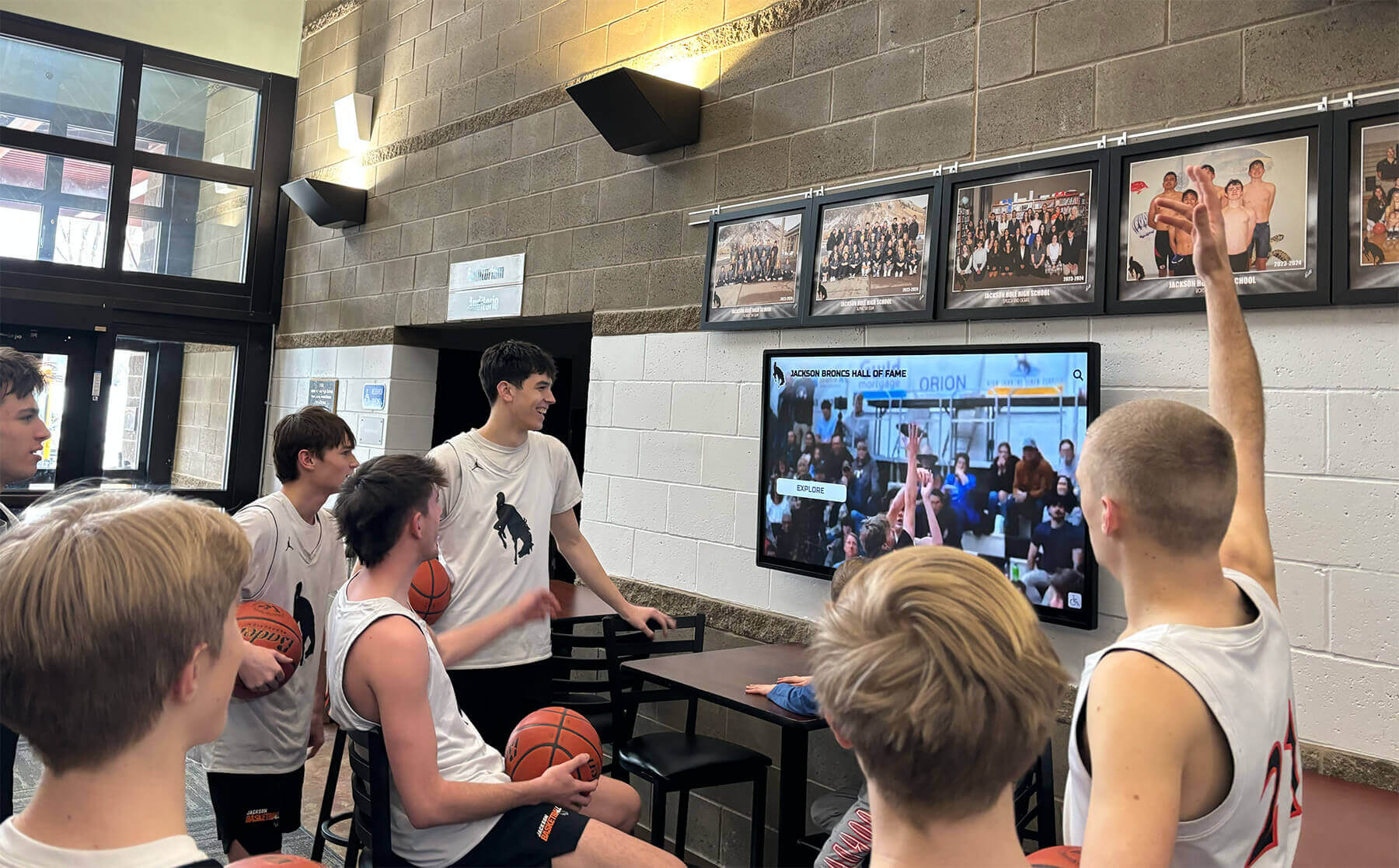
Modern recognition platforms enable schools to preserve playoff moments and championship journeys through engaging multimedia displays
Understanding Texas High School Basketball Playoff Structure
Before diving into qualification mechanics and tournament formats, grasping the fundamental architecture of this massive playoff system provides essential context.
UIL Governance and Tournament Administration
The University Interscholastic League oversees all aspects of Texas high school basketball playoffs, managing what represents one of the nation’s largest and most complex high school athletic tournaments:
UIL Organizational Role
The organization provides:
- Classification Assignment - Establishing school divisions based on enrollment data
- District Formation - Creating competitive geographic groupings for regular season competition
- Playoff Bracketing - Determining advancement paths from districts through regional tournaments
- Officials Coordination - Assigning certified game officials ensuring consistent enforcement
- Championship Site Management - Organizing state tournament finals at premier venues
- Rules and Regulations - Enforcing eligibility standards and competitive guidelines
- Historical Record Keeping - Maintaining comprehensive championship histories and program achievements
This centralized governance ensures fairness, consistency, and professional administration across all classifications and playoff levels throughout the expansive Texas landscape.
Playoff Timeline and Season Structure
Texas basketball playoffs follow predictable seasonal patterns:
- Regular Season - District-focused schedules running November through February
- District Tournament Seeding - Final district standings determining playoff qualification
- Bi-District Round - Opening playoff round (late February/early March)
- Area Round - Second playoff weekend advancing toward regional tournaments
- Regional Quarterfinals - Third playoff level narrowing field significantly
- Regional Tournaments - Regional semifinal and final rounds determining state qualifiers
- State Tournament - Multi-day championship event at neutral venue (typically early March)
- State Finals - Championship games across all classifications
This compressed tournament structure creates intensity as teams must maintain performance across successive playoff rounds spanning multiple weeks of single-elimination competition.
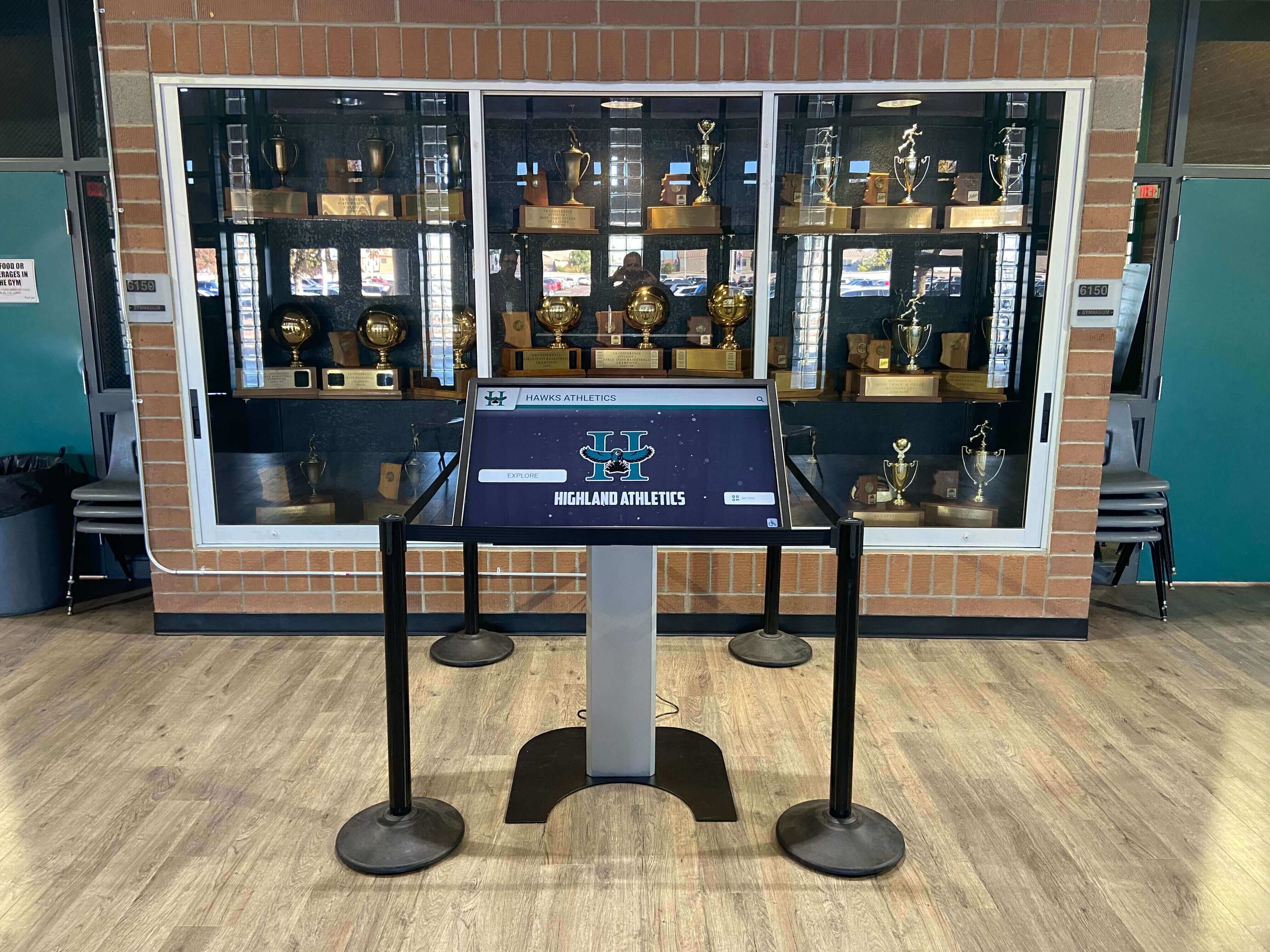
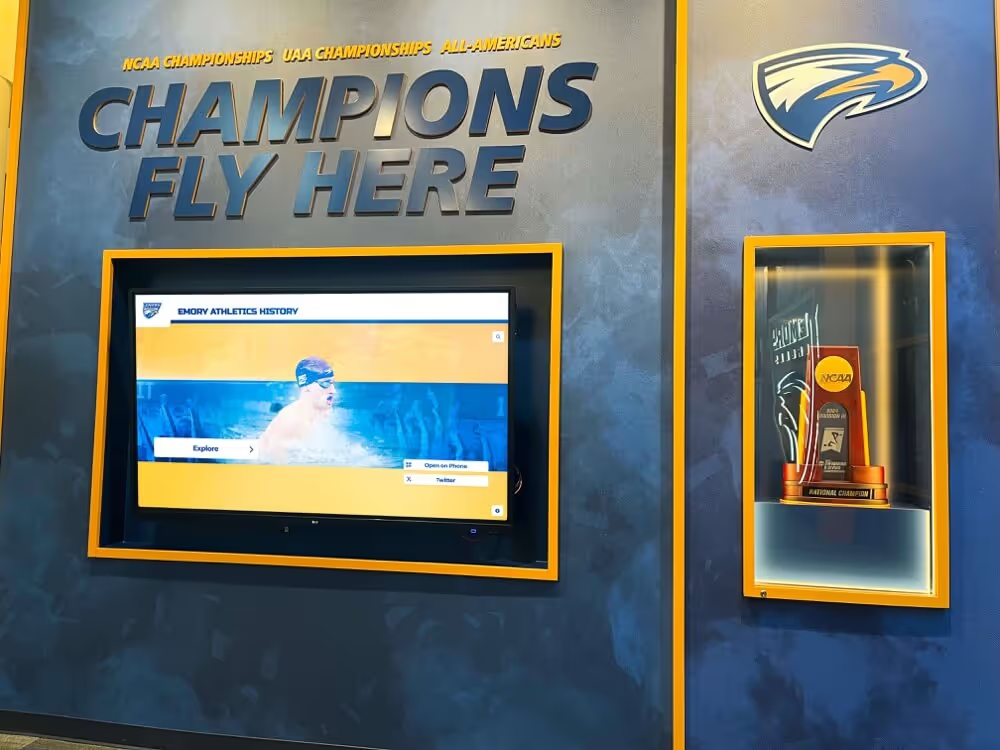
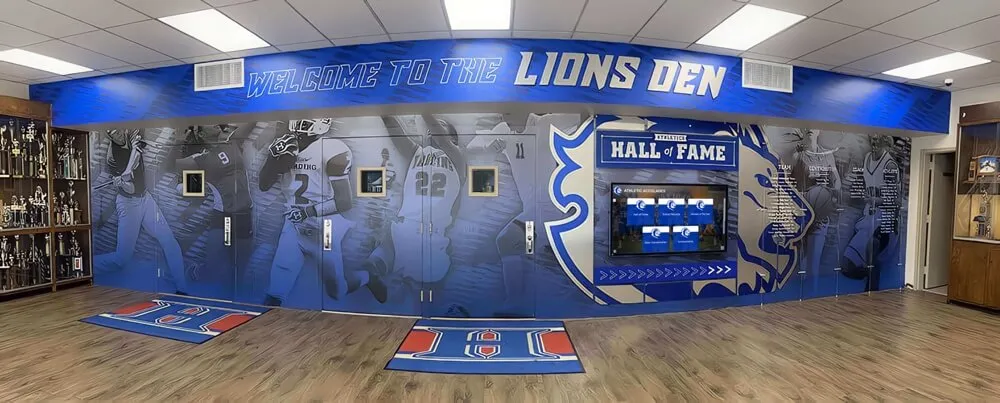
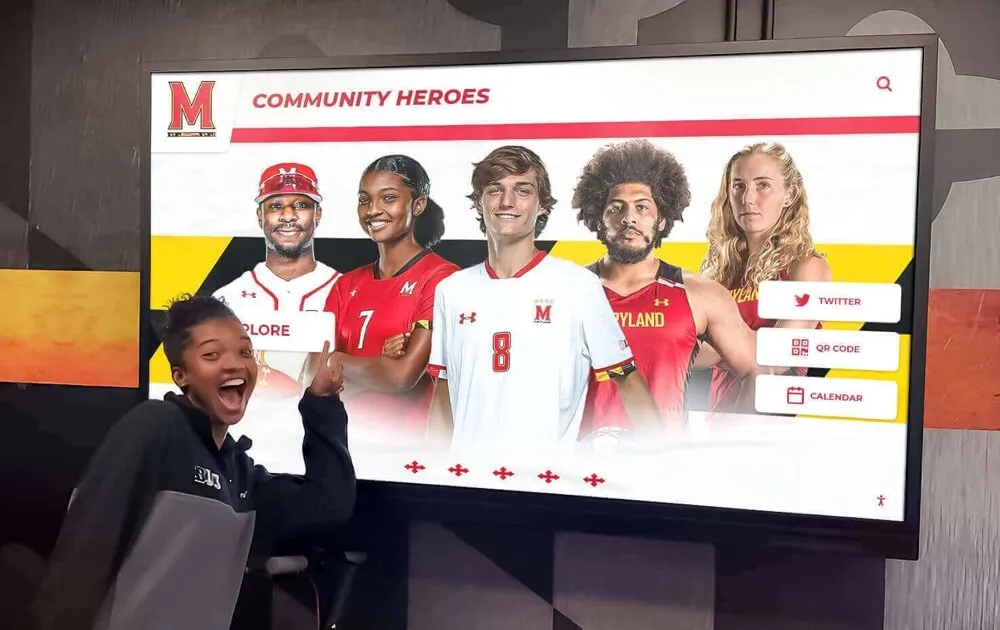
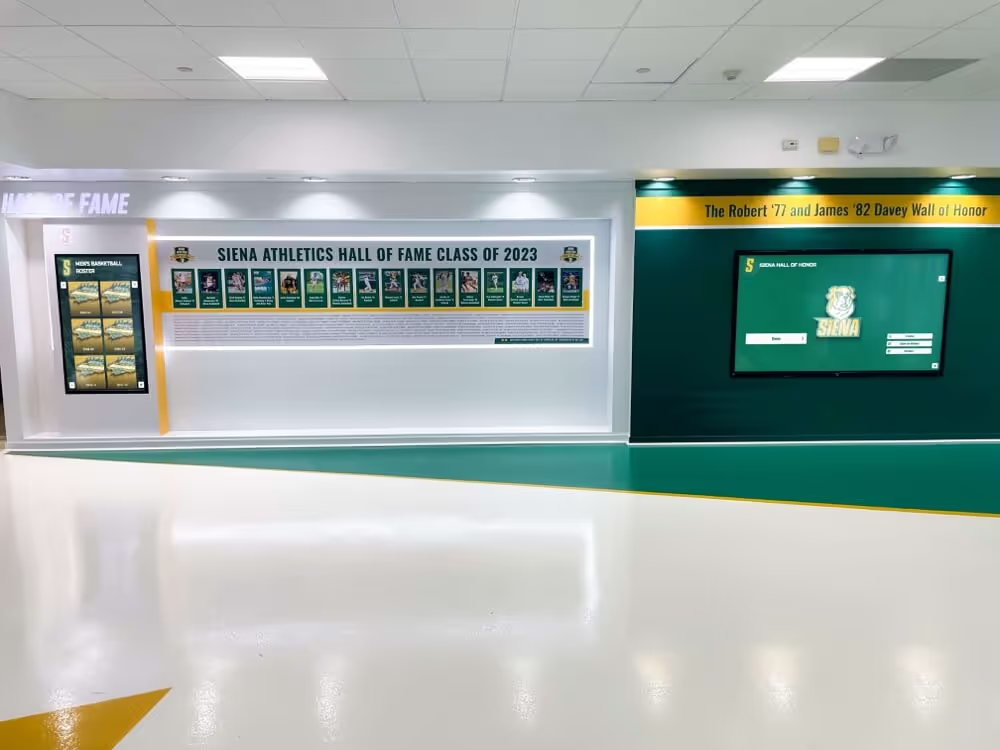
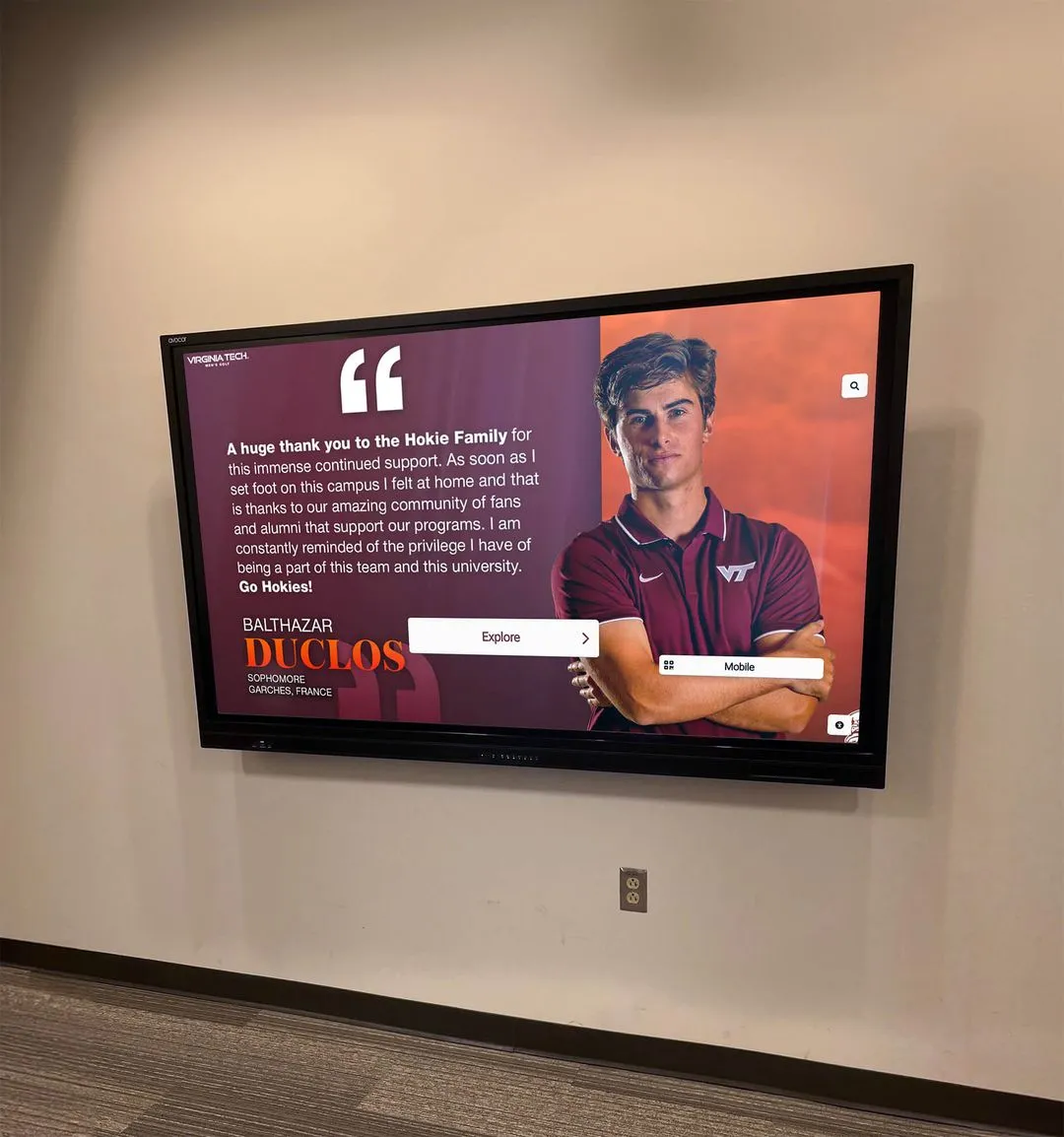
Trophy cases enhanced with interactive displays provide comprehensive documentation of playoff achievements and championship histories
Classification System and School Groupings
Texas organizes basketball playoffs across six classifications ensuring competitive balance among the state’s diverse school population:
UIL Classification Structure
Schools are assigned to classifications based on enrollment:
- 6A (Conference 6A) - Largest schools (2,220+ students in grades 9-12)
- 5A (Conference 5A) - Very large schools (1,230-2,219 students)
- 4A (Conference 4A) - Large schools (550-1,229 students)
- 3A (Conference 3A) - Medium schools (230-549 students)
- 2A (Conference 2A) - Small schools (105-229 students)
- 1A (Conference 1A) - Smallest schools (104.9 or fewer students)
These classifications undergo periodic review based on realignment cycles occurring every two years, with schools occasionally moving between classifications as enrollment changes.
District Organization Within Classifications
Each classification features multiple districts:
- Geographic proximity grouping schools to minimize regular season travel
- District sizes varying from 4-8 teams depending on classification and region
- District champions and runners-up (sometimes additional teams) earning playoff qualification
- Non-district scheduling flexibility enabling competitive matchups beyond league play
- Historic rivalries maintained despite periodic realignment adjustments
Understanding classification placement proves essential for realistic playoff expectations—programs competing in 6A face substantially different challenges than those in 1A, though championship achievement at any level represents remarkable accomplishment worthy of comprehensive recognition.
Explore how schools implement comprehensive athletic recognition programs celebrating playoff achievements alongside academic excellence.
Program Snapshot: Texas Basketball Playoff Framework
| Tournament Element | Details |
|---|---|
| Governing Body | University Interscholastic League (UIL) |
| Classification Count | Six classifications (1A through 6A) based on school enrollment |
| Playoff Format | Single-elimination tournament with progressive rounds toward regional and state championships |
| Qualification System | District standings determining playoff qualification (typically top 2-4 teams per district) |
| Regional Organization | Multiple regions within each classification hosting separate tournaments |
| Tournament Rounds | Bi-District, Area, Regional Quarterfinals, Regional Tournament, State Tournament |
| State Championship Site | Neutral venue hosting multi-classification finals (often San Antonio area) |
| Historic Significance | Among nation’s largest and most competitive high school basketball tournaments |
Playoff Qualification: How Teams Earn Tournament Berths
Understanding qualification mechanics helps schools, players, and communities comprehend what playoff inclusion requires in Texas’s highly competitive environment.
District Play and Qualification Paths
District performance directly determines playoff participation:
District Championship Race
Regular season district competition establishes playoff positioning through:
- District Champions - Winning district titles provides automatic playoff qualification plus advantageous seeding
- Runner-Up Positions - Second and sometimes third/fourth place teams earning playoff berths depending on district size
- Head-to-Head Tiebreakers - Direct competition results resolving ties when teams finish with identical district records
- Point Differential Considerations - Additional tiebreaker criteria when head-to-head doesn’t resolve standings
- Playoff Experience Advantages - District winners typically earning more favorable first-round matchups
Strong district performance creates meaningful playoff advantages through seeding that affects subsequent bracket positioning and potential advancement paths.
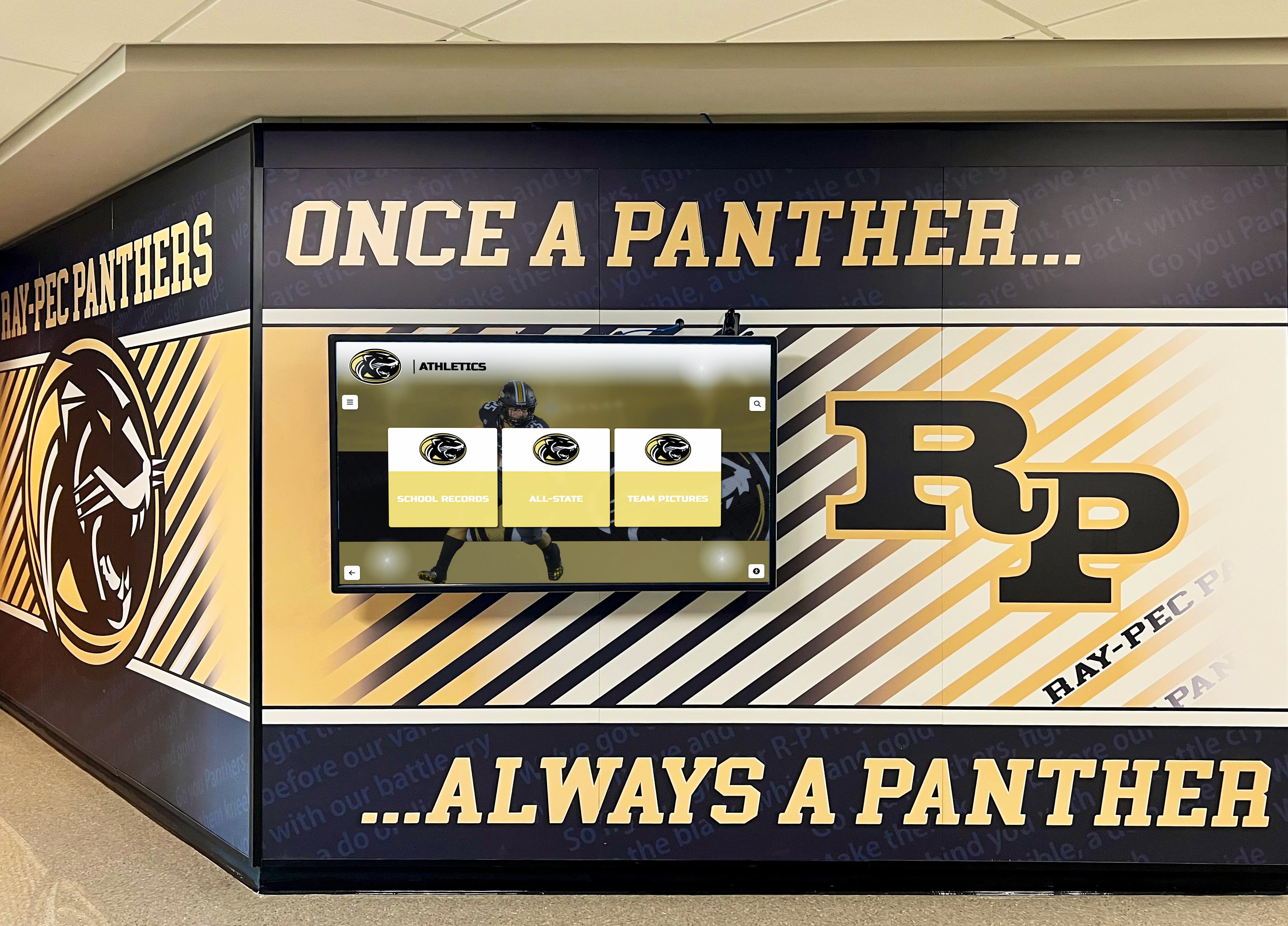
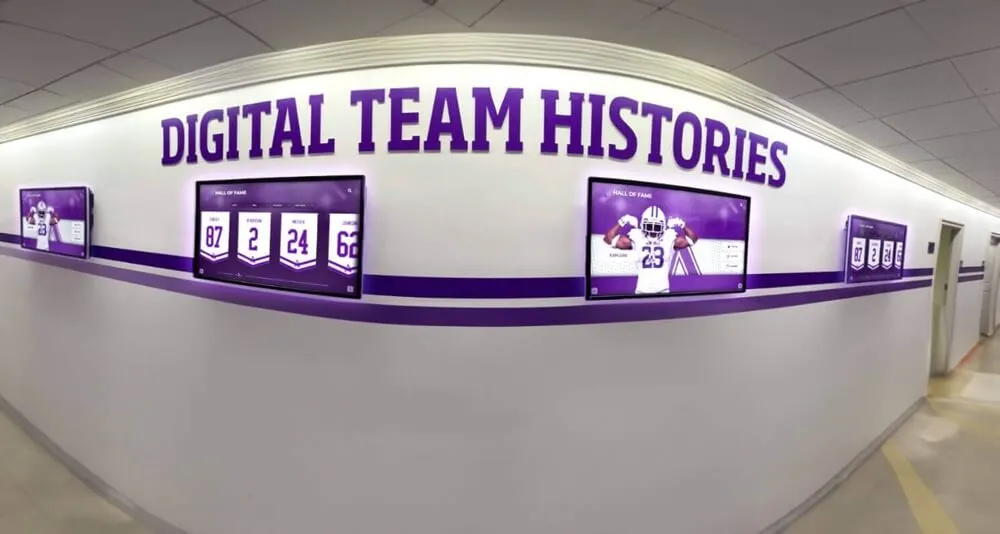
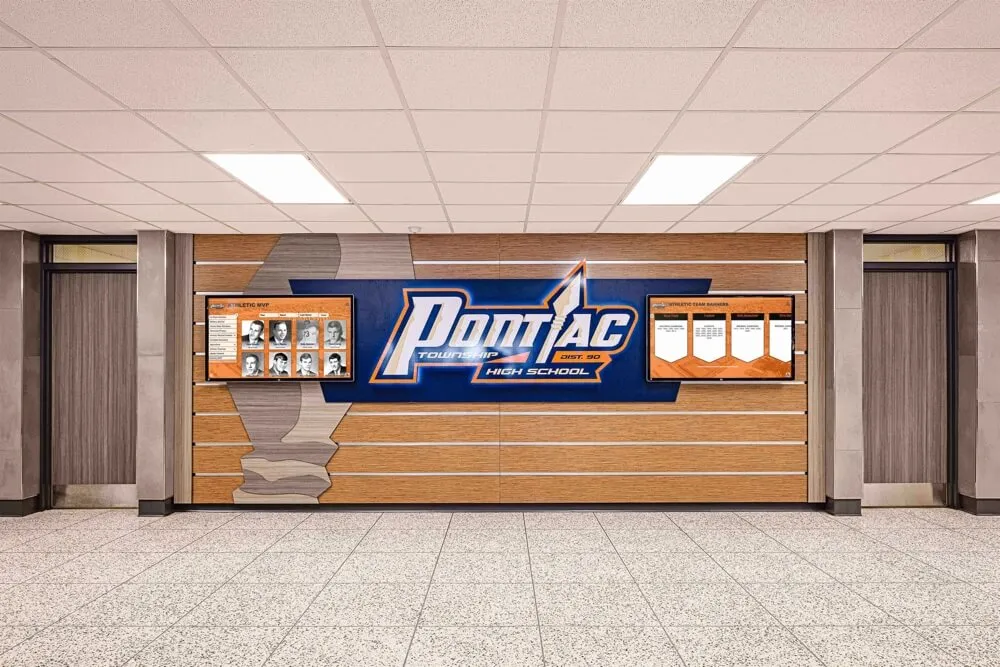
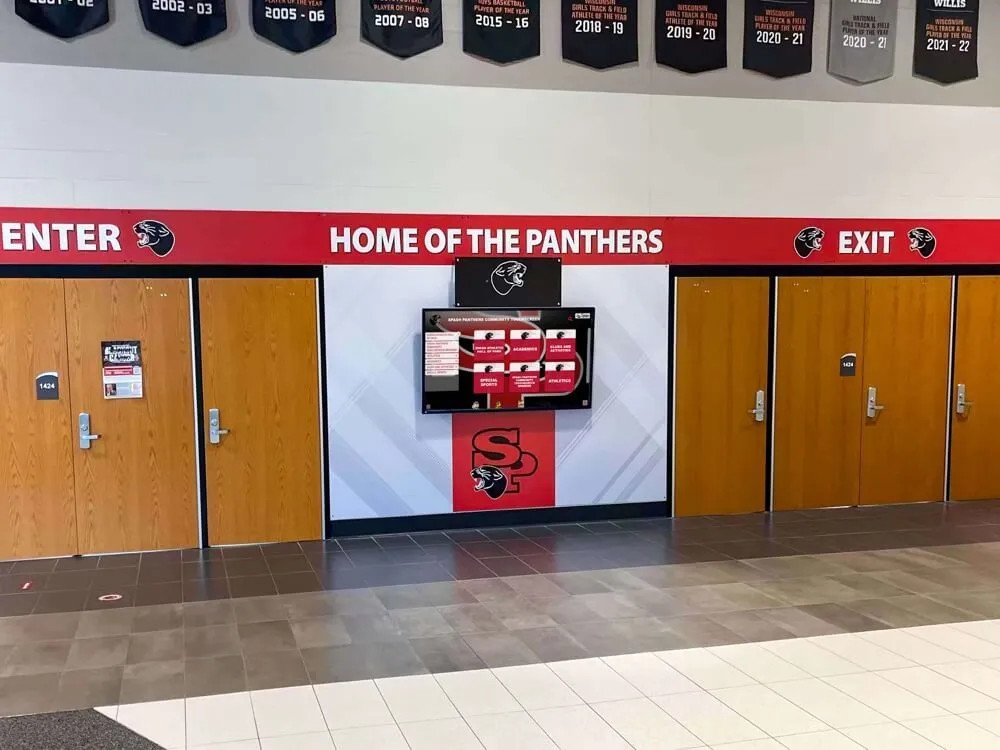
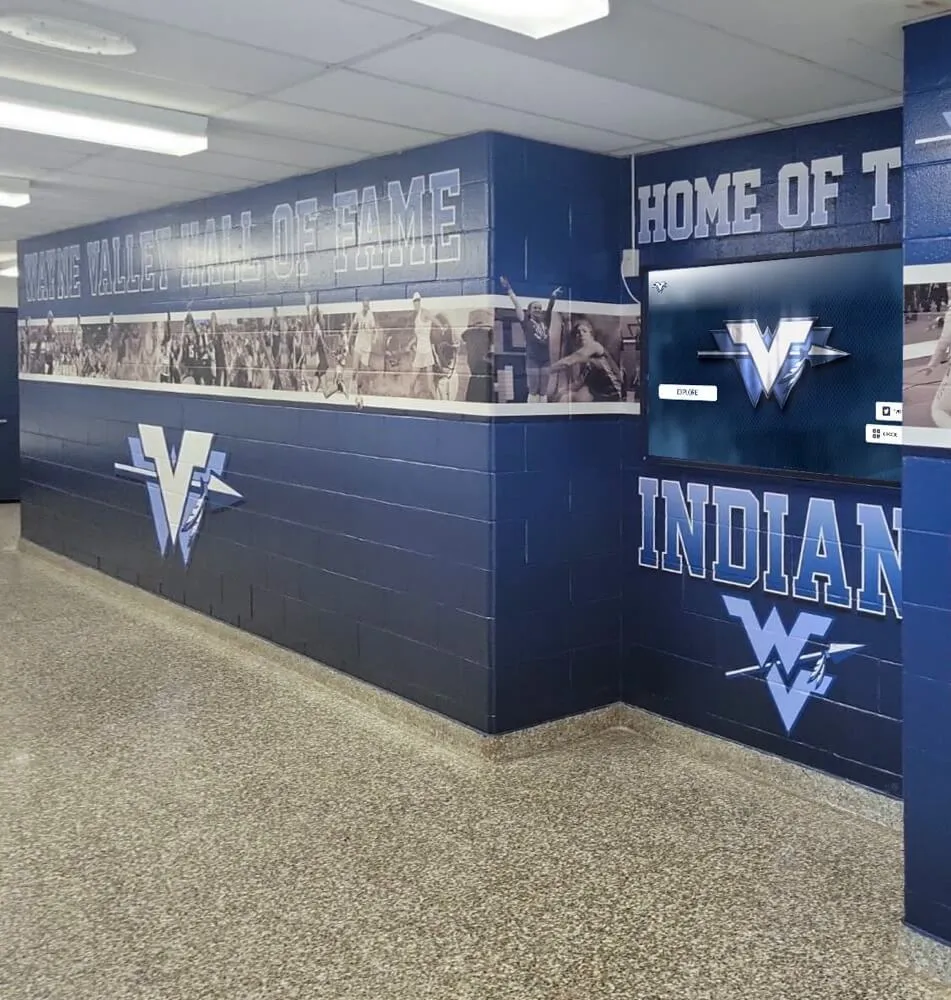
Prominent hallway installations ensure playoff achievements receive ongoing visibility inspiring current students while honoring past excellence
Multiple Team Qualification from Strong Districts
Competitive districts often send multiple teams deep into playoffs:
- Strong district competition preparing teams for postseason intensity
- Multiple playoff qualifiers from same district meeting in later rounds
- District tournament dynamics when districts hold playoff-style tournaments determining seedings
- “Play-in” scenarios in some classifications determining final playoff spots
- Strategic considerations when district standings already determined before final games
Districts recognized as particularly competitive gain reputations enhancing playoff credentials—teams emerging from challenging districts often viewed as battle-tested entering postseason competition.
Classification-Specific Playoff Dynamics
Each classification features unique competitive characteristics:
Large School Classifications (6A and 5A)
Largest classifications present:
- Deep talent pools with extensive roster depth
- Metropolitan area programs with substantial resources and facilities
- Competitive balance challenges as dominant programs maintain extended success
- High-profile matchups generating significant media attention and community engagement
- Recruitment implications as college scouts attend playoff games regularly
- State tournament berths representing exceptional achievement given competitive depth
Programs reaching state tournaments in large classifications establish lasting legacies given the extraordinary difficulty of advancing through multiple playoff rounds against elite competition.
Medium Classifications (4A and 3A)
Mid-sized schools experience:
- Balanced competition with less pronounced resource disparities than larger classifications
- Strong community support creating intense playoff atmospheres
- Regional pride as smaller cities rally behind programs
- Coaching continuity often driving sustained program excellence
- Player development visibility as standout athletes gain recognition
- State championship accessibility requiring consistent excellence across seasons
These classifications often produce exceptionally competitive playoffs as numerous programs maintain realistic championship aspirations creating dramatic tournament progression.
Small School Classifications (2A and 1A)
Smallest classifications feature:
- Entire communities uniting behind basketball programs
- Limited roster depth making injury management critical
- Multi-sport athletes competing across sports creating scheduling considerations
- Geographic challenges with extensive travel for playoff games
- Coaching and volunteer contributions essential for program operations
- Championship opportunities creating generational community memories
Small school playoff runs generate remarkable community engagement as towns celebrate achievements representing entire regions competing at state level.
Learn how athletic directors manage booster club coordination supporting playoff teams through travel, equipment, and recognition funding.
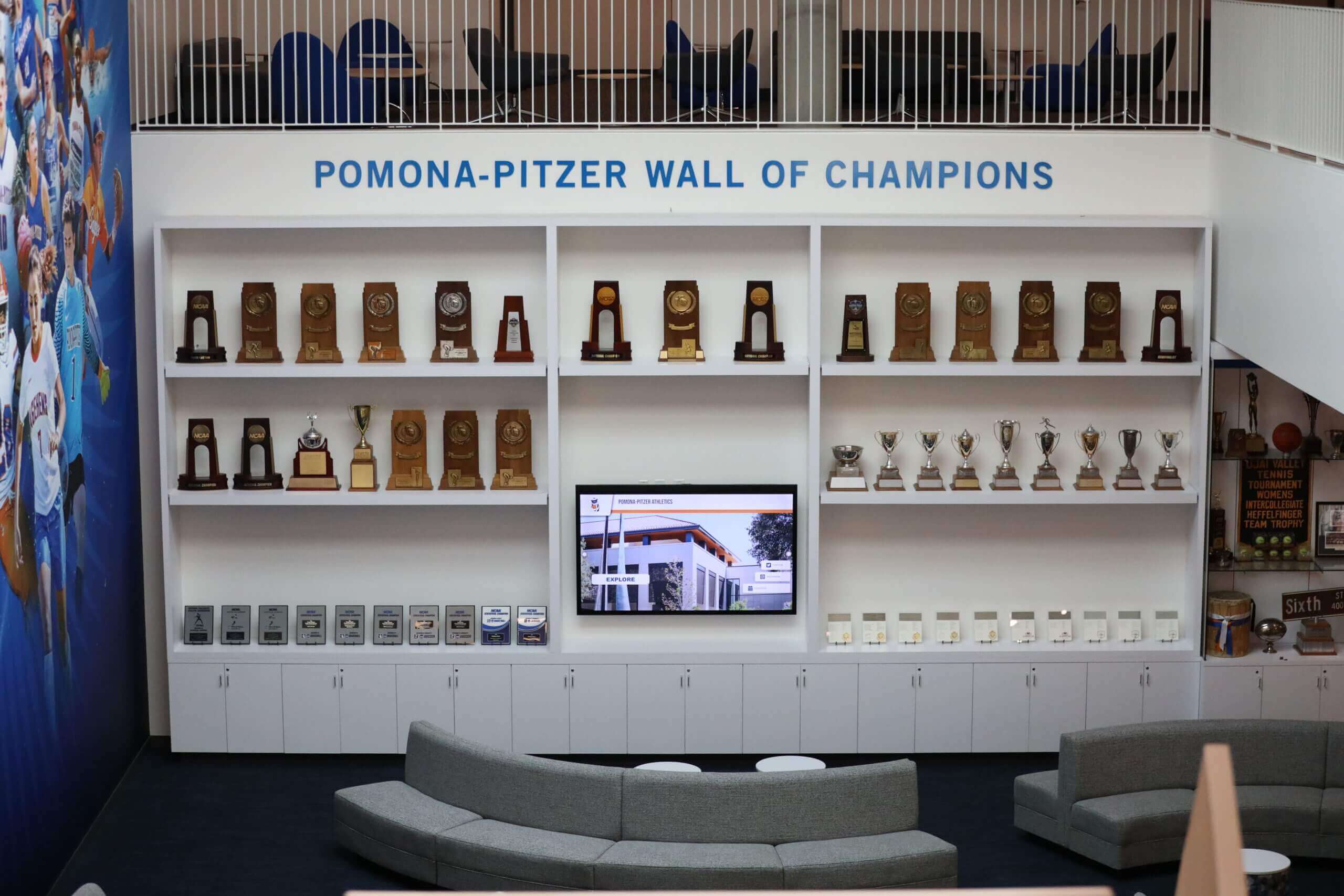
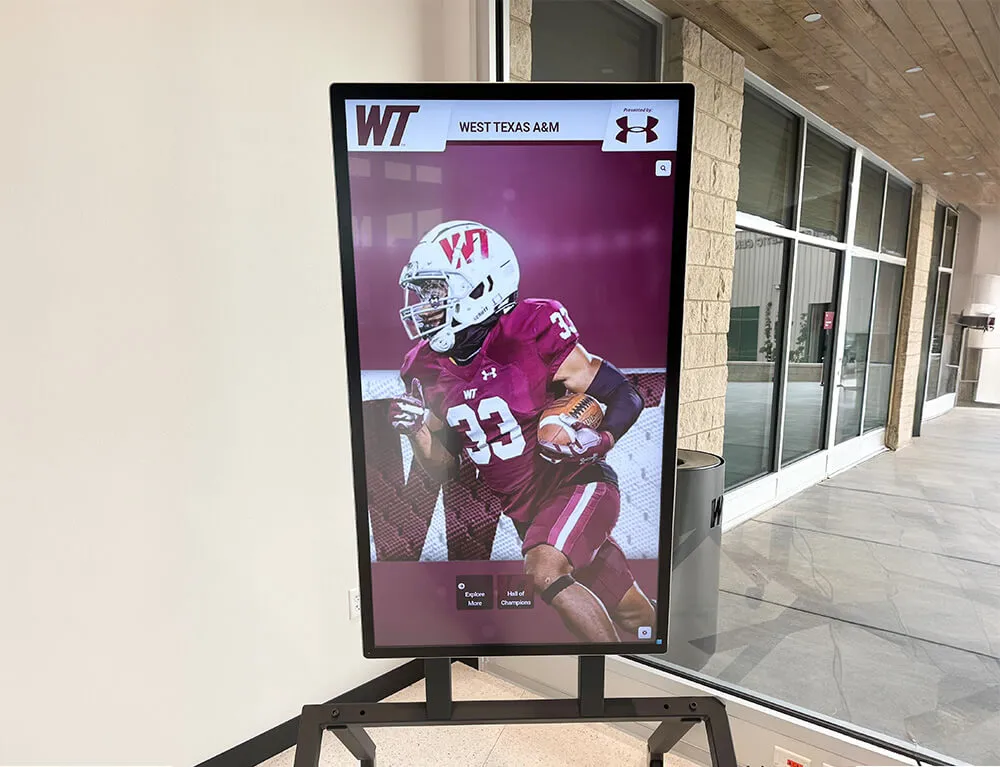
Championship trophy displays preserve playoff victories and team success for institutional heritage
Regional Tournament Structure and Advancement
Once district play concludes, teams enter progressive playoff rounds advancing toward regional championships and state tournament qualification.
Playoff Bracket Construction
Tournament organization balances geographic logic with competitive seeding:
Regional Assignment and Bracket Formation
Each classification divides into multiple regions (typically four regions in most classifications):
- Geographic distribution minimizing travel distances during early playoff rounds
- Seeding within regions based on district finish and performance
- Bi-district pairings matching teams from adjacent or nearby districts
- Progressive rounds narrowing regional fields toward single regional champion
- Neutral site games becoming more common in later regional rounds
Regional organization creates parallel tournament paths where teams compete within regions to earn coveted state tournament berths—only regional champions advancing to state-level competition in most classifications.
Bi-District and Area Rounds
Opening playoff rounds feature:
- Bi-District Round matching district champions against opposing district qualifiers
- Higher seeds often hosting home playoff games creating significant advantages
- Area Round advancing bi-district winners toward regional quarterfinals
- Single-elimination pressure where seasons end with single losses
- Upset opportunities as lower seeds occasionally defeat favored opponents
- Community rally events as schools celebrate playoff hosting opportunities
These early rounds determine which teams continue championship pursuits versus which programs conclude seasons, creating dramatic competition as every possession carries season-ending stakes.
Regional Quarterfinals and Semifinals
Later regional rounds intensify:
- Regional Quarterfinals reducing field to elite programs within each region
- Neutral site games becoming standard as rounds progress
- Extended travel as geographic scope expands with fewer remaining teams
- Semifinal rounds determining regional championship game participants
- Media coverage increasing as fields narrow toward state qualifiers
- Coaching strategy evolution as competition quality increases dramatically
Programs reaching regional tournaments establish significant achievements—these advanced rounds represent elite company within classifications, marking programs as among the state’s best basketball teams.

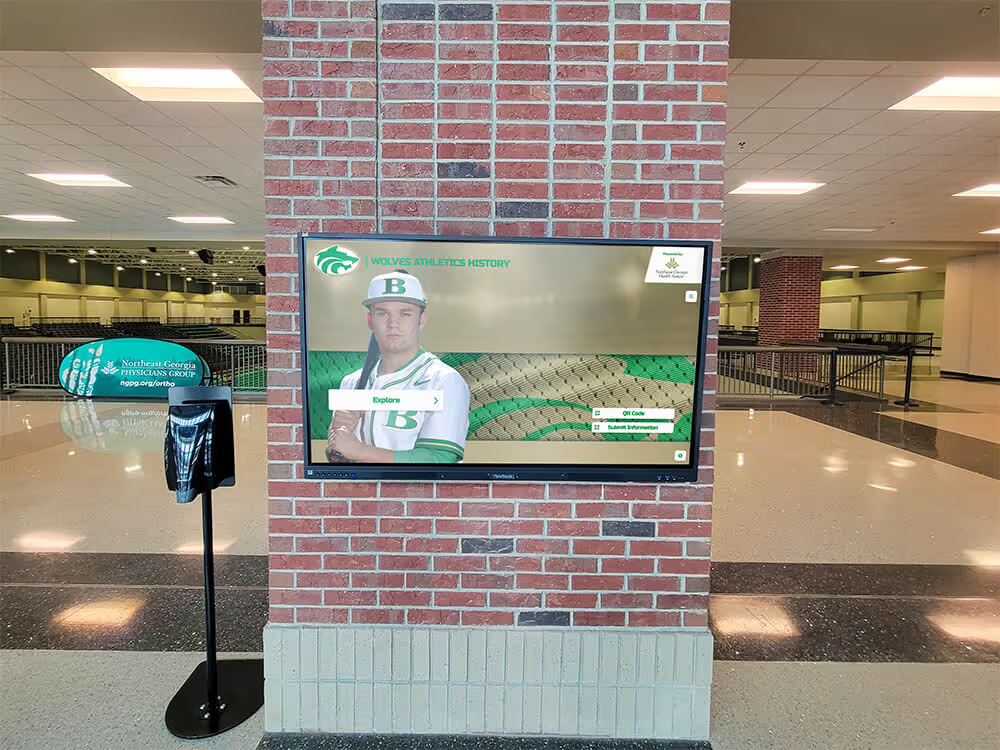
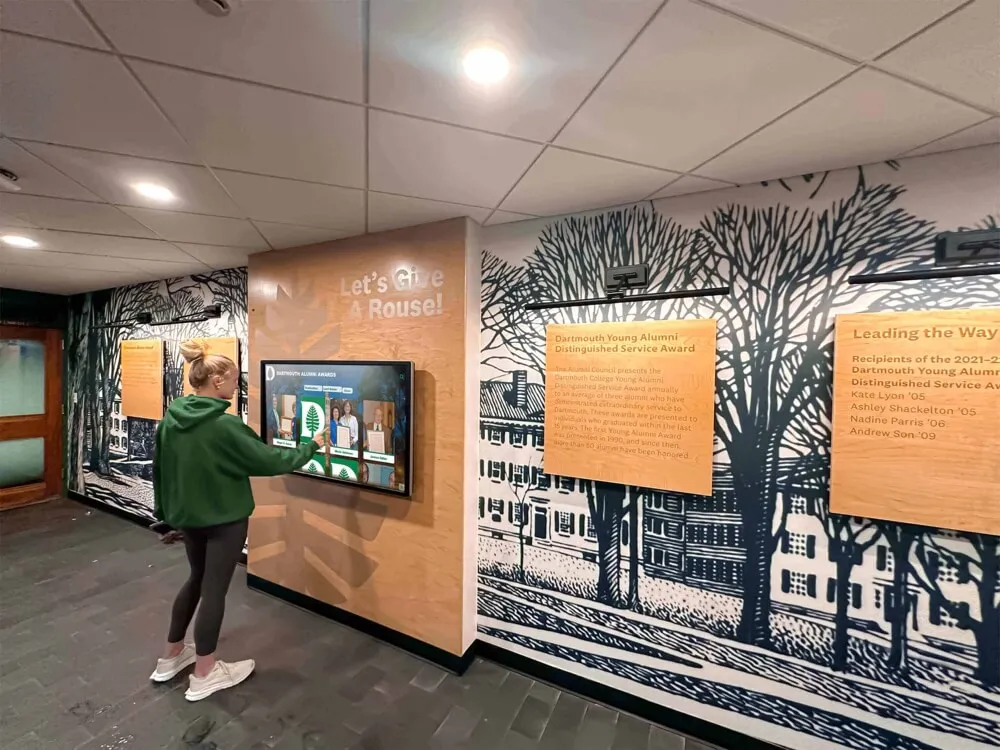
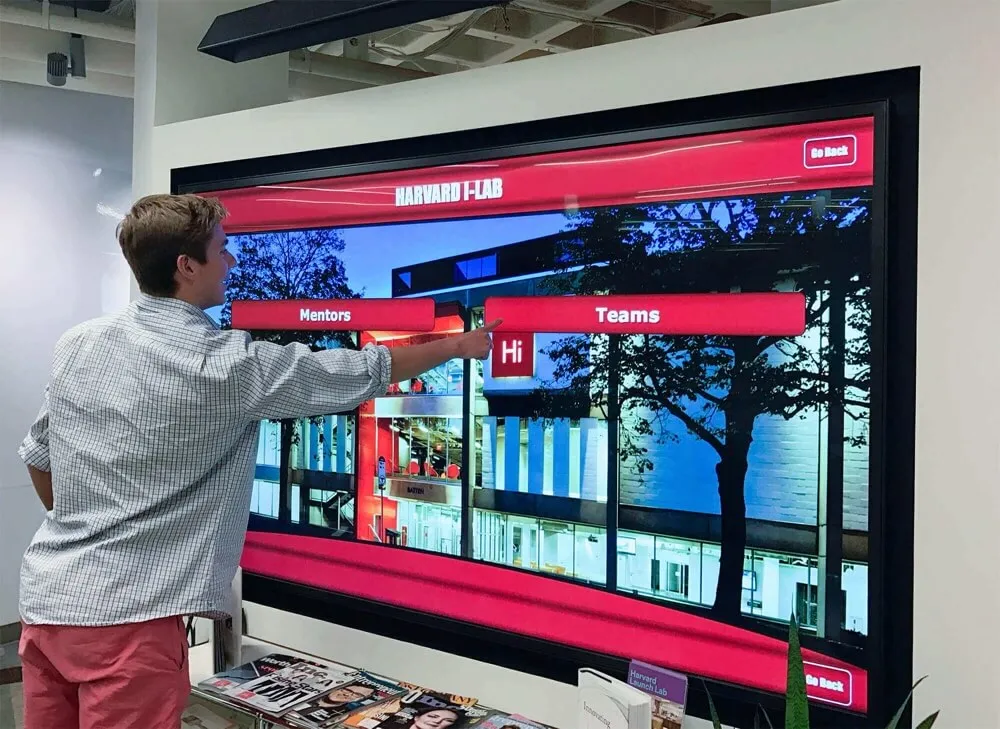
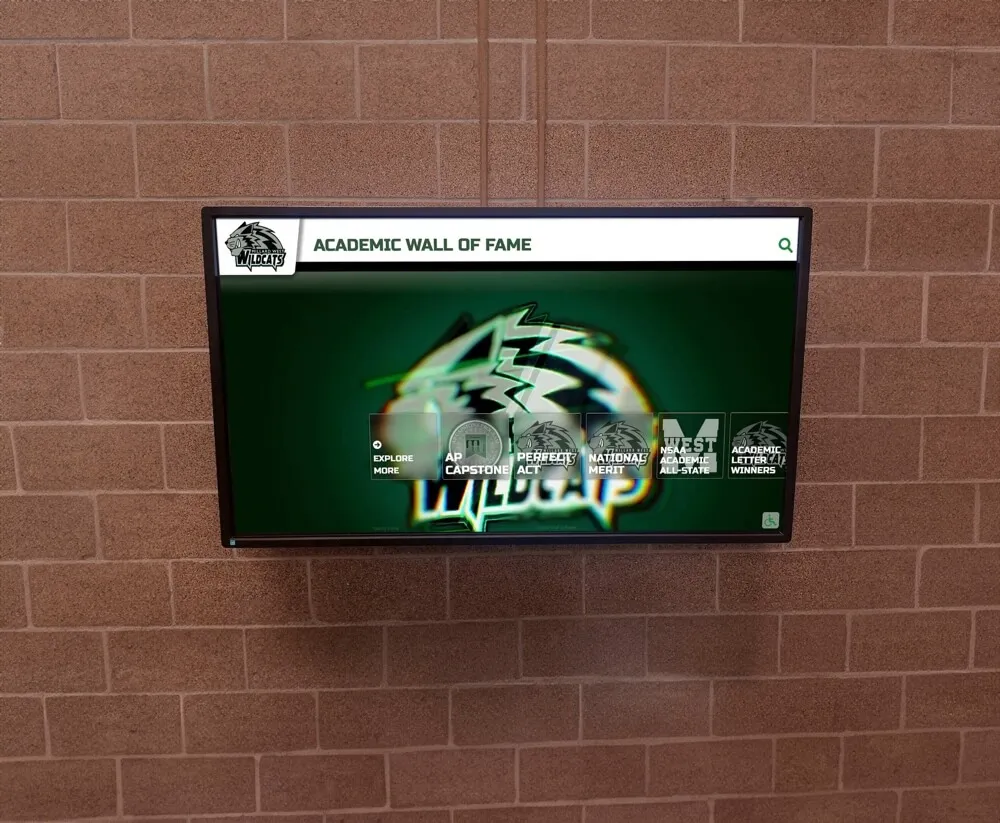
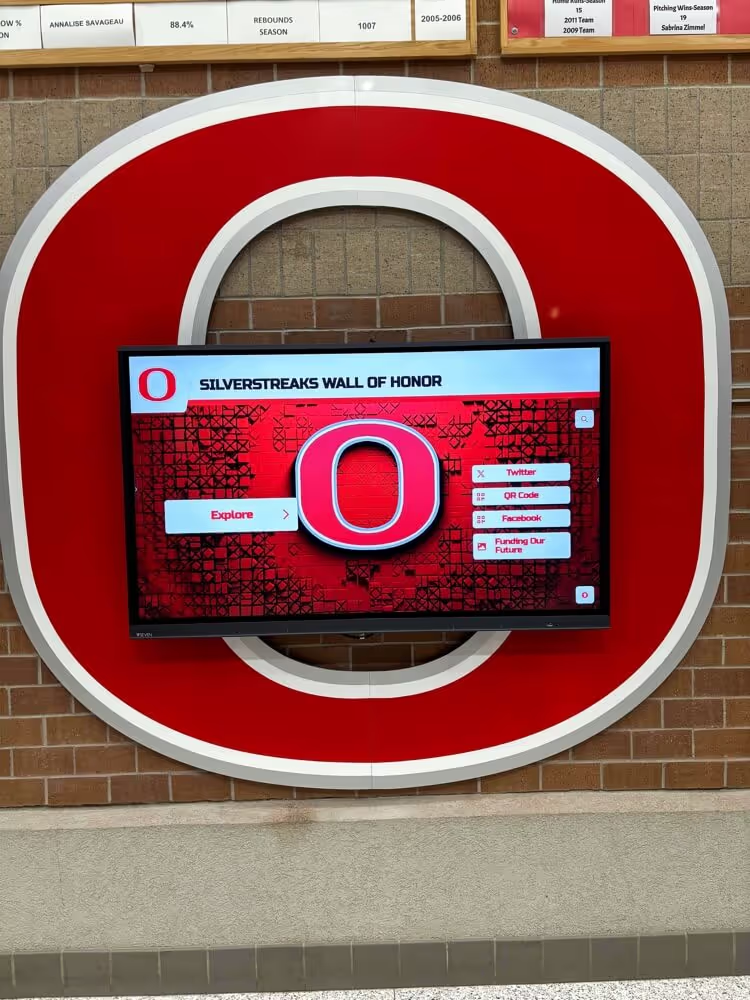
Touch-optimized interfaces enable intuitive exploration of playoff histories, player achievements, and championship memories
State Tournament Qualification and Finals
Regional championships provide the ultimate prize—advancement to UIL state tournaments:
State Tournament Format
Championship events create special experiences:
- Multiple classifications competing at single venue over several days
- Semifinal games determining championship game participants
- Championship finals deciding state champions in each classification
- Premium venue hosting (often Alamodome in San Antonio or similar major facilities)
- Festival atmosphere with fans from across state converging
- Ceremonial trophy presentations and championship recognition
- Statewide media coverage elevating participating schools’ profiles
State tournament participation represents pinnacle achievement for Texas high school basketball programs—reaching this level establishes permanent program legacy regardless of final outcomes.
Third-Place and Consolation Games
Complete tournament structures include:
- Semifinal losers competing in third-place championship games
- Recognition honoring programs reaching state tournament level
- Closure opportunities for senior athletes completing careers
- Additional competition experience at highest level
- Complete tournament experience maximizing educational value
- Program pride acknowledging exceptional season achievement
These elements ensure all state tournament participants receive appropriate recognition for remarkable accomplishments reaching Texas’s premier basketball stage.
Discover comprehensive approaches to basketball recognition programs celebrating playoff achievements and season excellence.
Notable Texas High School Basketball Traditions
Certain programs, venues, and traditions define Texas playoff basketball culture across the state’s rich athletic heritage.
Historic Championship Programs
Several Texas schools have established remarkable playoff legacies across classifications:
Perennial Playoff Contenders
Programs consistently reaching deep playoff runs:
- Duncanville High School - 6A powerhouse with multiple state championships and national recognition
- Cy-Fair area programs - Houston suburban programs maintaining consistent playoff excellence
- San Antonio area powers - Reagan, Warren, and other programs with strong traditions
- Small school dynasties - Nazareth, Lipan, and other small classification champions
- Private school success - Programs across classifications establishing championship traditions
- Inner-city programs - Urban schools developing talent reaching highest competitive levels
These programs demonstrate institutional commitment through coaching excellence, youth program development, facility investment, and cultural emphasis on basketball tradition sustaining success across player generations.
Championship Streaks and Historic Achievements
Memorable Texas basketball accomplishments include:
- Multi-year championship runs establishing dynasty eras
- Undefeated championship seasons achieving perfection
- Cinderella playoff runs by unexpected teams advancing deep into tournaments
- Overtime classics and dramatic championship finishes creating instant legends
- Record-setting individual playoff performances
- Team statistical excellence during championship runs
These defining moments become storytelling elements preserved through recognition systems, creating emotional connections between past excellence and current program aspirations inspiring future generations.
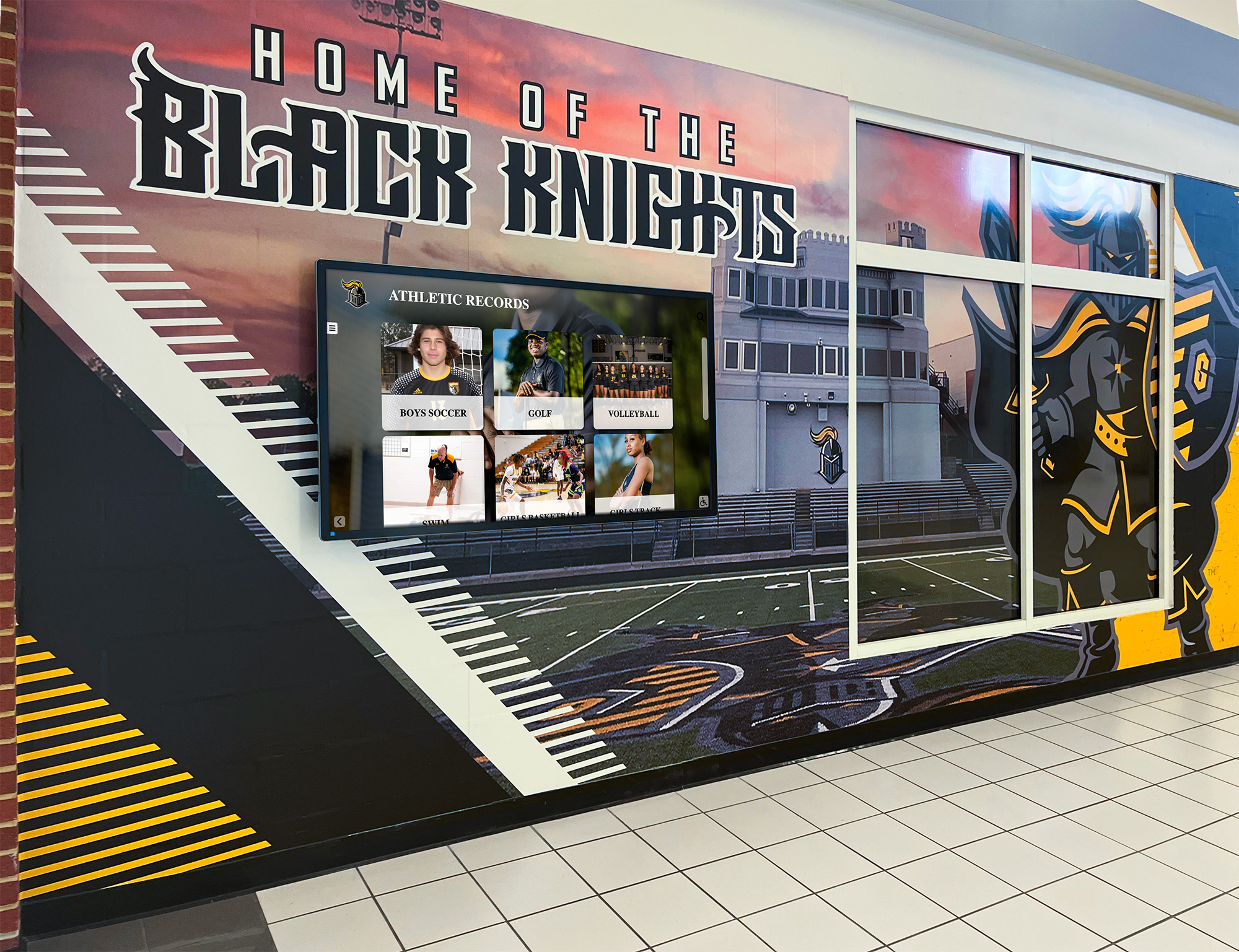
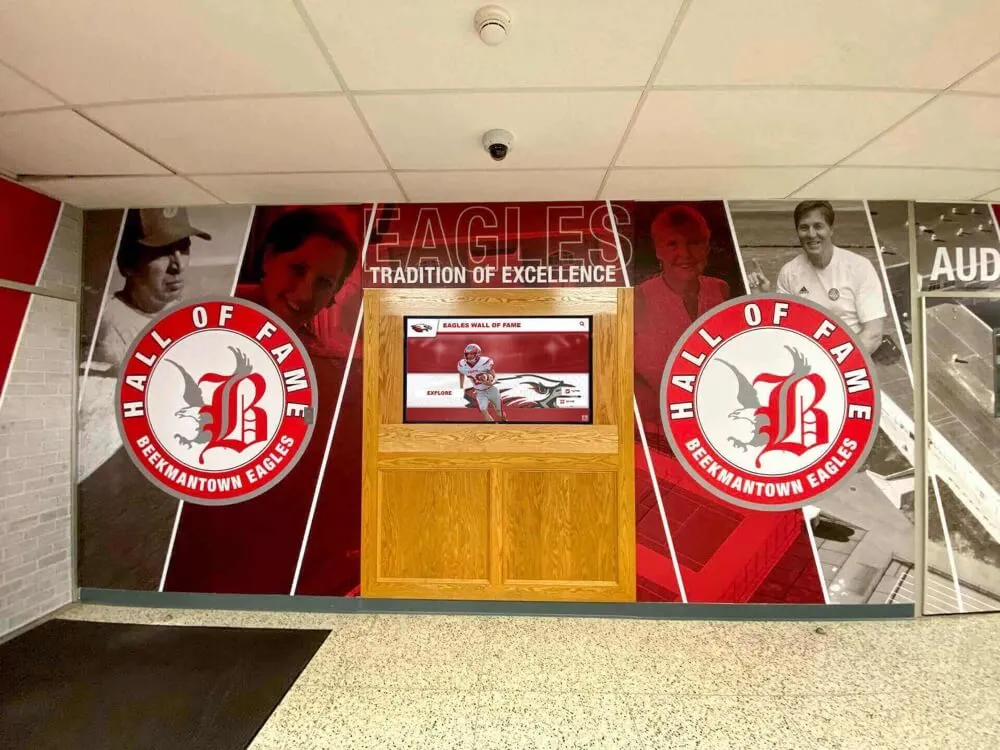
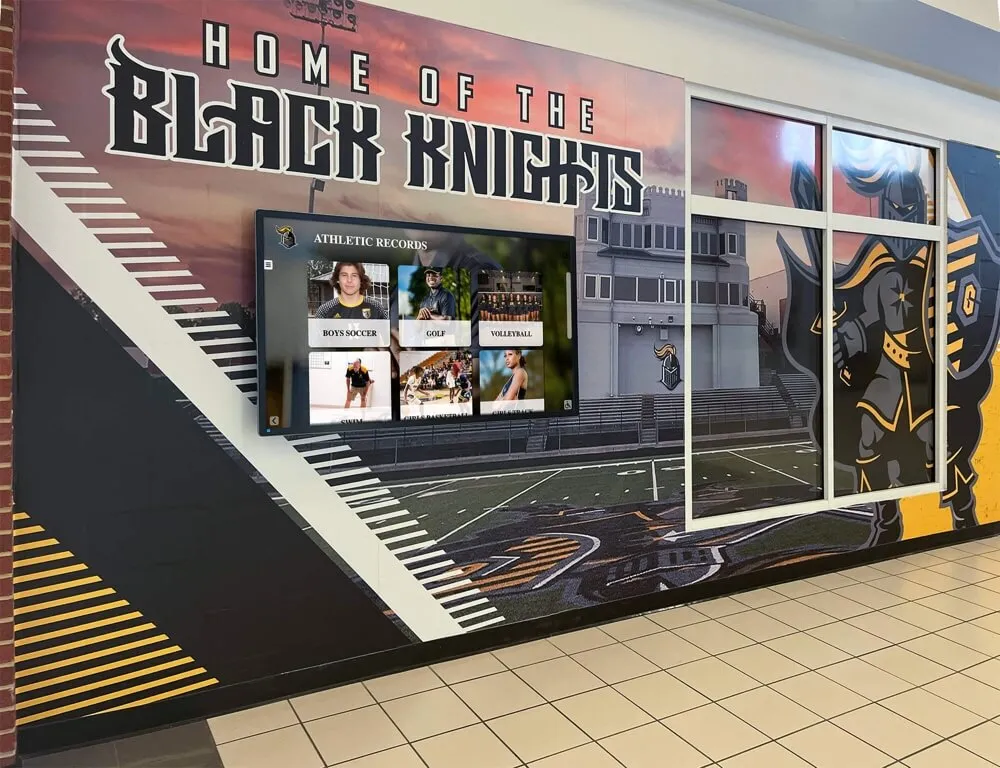
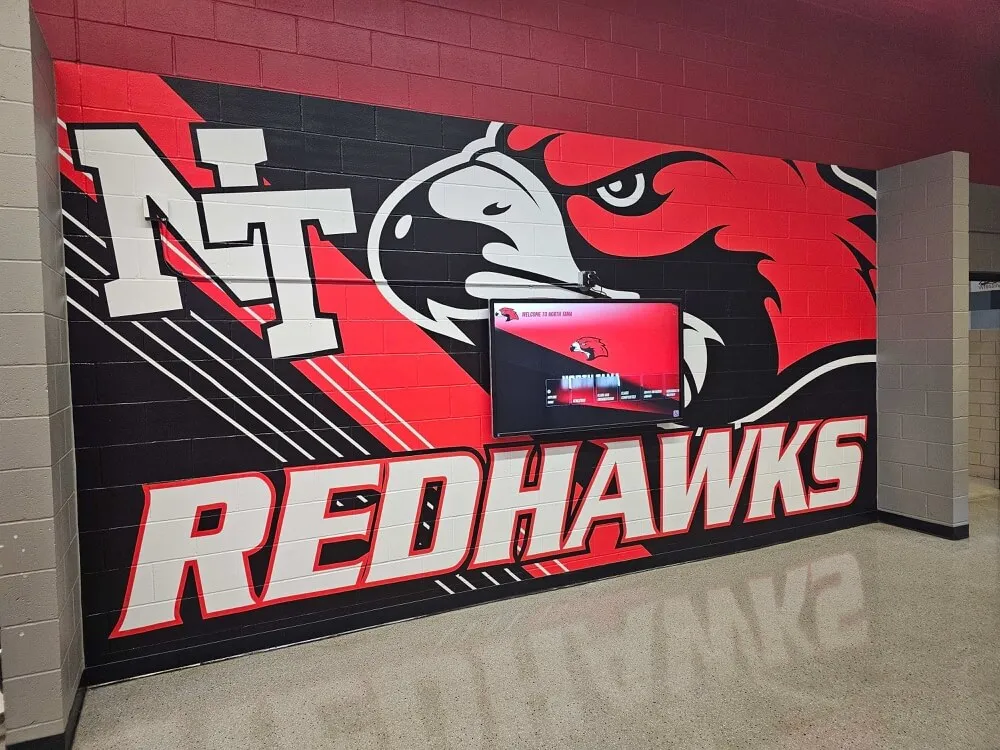
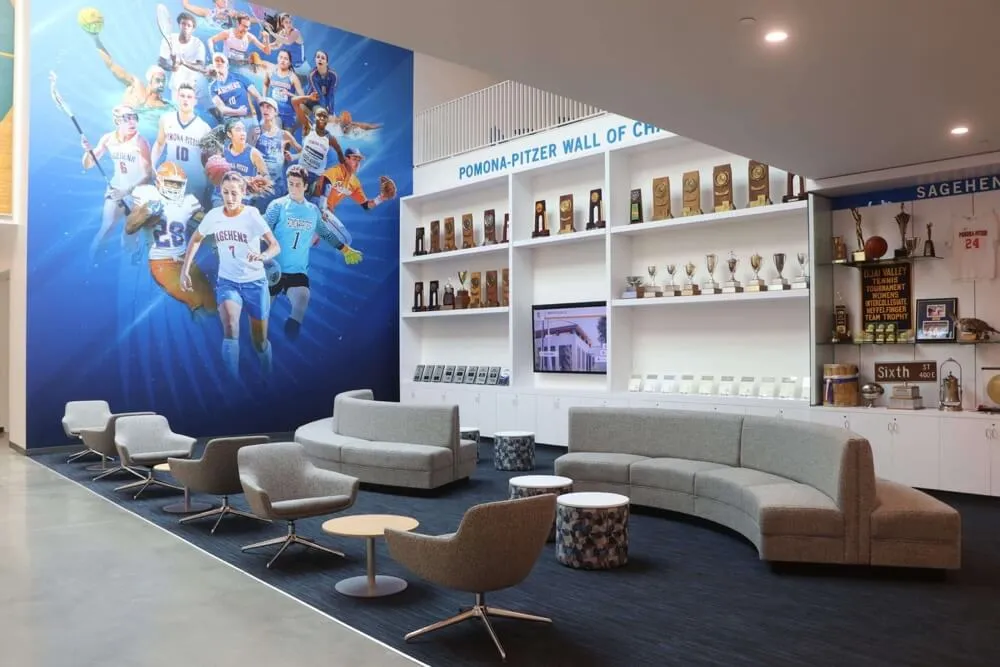
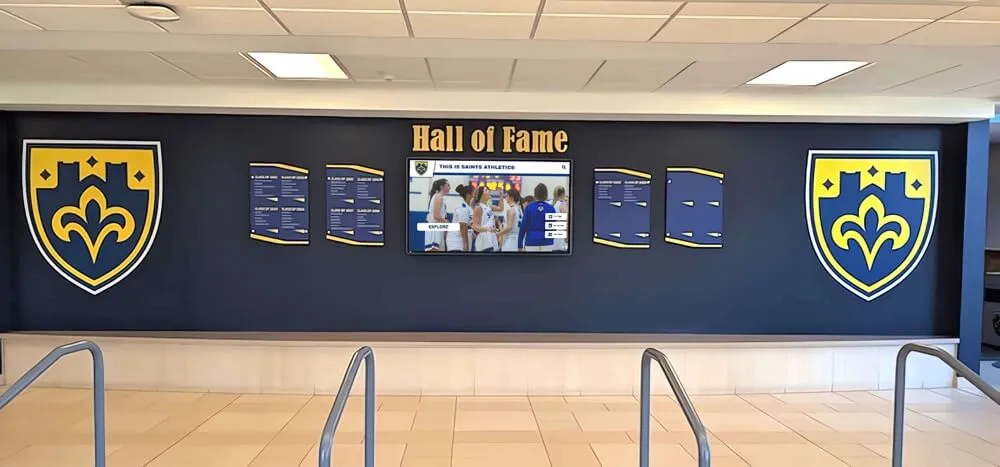
Integrated displays combining traditional murals with digital technology create comprehensive athletic heritage showcases
Regional Playoff Rivalries and Matchups
Geographic proximity and competitive balance create intense playoff rivalries throughout Texas:
District Rematches in Playoffs
Dramatic postseason scenarios include:
- District rivals meeting again in regional tournaments after splitting regular season series
- Revenge opportunities for teams losing district championships facing same opponents later
- Geographic proximity creating intense community interest when neighboring schools meet
- Familiar opponents requiring strategic adjustments beyond regular season approaches
- Media attention amplifying when traditional rivals meet with championship stakes
These matchups generate exceptional fan engagement as familiar competition intensifies with elimination consequences replacing regular season implications.
Urban-Rural Dynamics
Texas’s diverse geography creates unique playoff narratives:
- Metropolitan area programs facing small-town teams in early rounds
- Different playing styles colliding between urban uptempo approaches and rural methodical systems
- Community support dynamics contrasting large school fan bases with entire towns supporting small programs
- Coaching philosophy differences creating interesting strategic matchups
- Resource disparity perceptions versus competitive reality on courts
These dynamics demonstrate basketball’s universal appeal across Texas’s extraordinarily diverse communities and school contexts.
Modern Recognition: Preserving Playoff Excellence
Progressive basketball programs implement comprehensive systems documenting and celebrating playoff achievements extending beyond single seasons.
Digital Athletic Recognition Platforms
Technology-enhanced recognition addresses traditional display limitations:
Interactive Playoff Achievement Displays
Modern platforms provide:
- Complete playoff history databases showing all postseason appearances across program history
- Season-by-season playoff results with scores, opponents, and advancement paths documented
- Player profile integration connecting individual athletes with playoff achievements and statistics
- Video highlight preservation capturing championship moments permanently
- Statistical displays ranking playoff performances and career achievements across eras
- Searchable systems enabling visitors to explore specific seasons, players, or championship runs intuitively
- Mobile accessibility extending recognition beyond physical school facilities
Solutions like Rocket Alumni Solutions offer specialized basketball recognition platforms designed specifically for championship documentation, providing schools with turnkey systems combining professional presentation with easy content management that preserves playoff heritage comprehensively while remaining administratively sustainable.
Understanding digital signage strategies helps schools implement effective recognition displays throughout athletic facilities.
Social Media Integration and Real-Time Recognition
Contemporary programs leverage technology for immediate celebration:
- Playoff bracket updates shared through athletic department social channels
- Game result notifications celebrating victories as they occur during playoff runs
- Championship highlight videos posted immediately after tournament games
- Interactive graphics documenting playoff progression through tournament rounds
- Alumni engagement through throwback content comparing current and historic playoff achievements
- Player spotlights highlighting individual playoff performances and contributions
This real-time approach connects current achievement with program tradition while engaging dispersed basketball communities unable to attend games physically throughout extensive playoff travel.
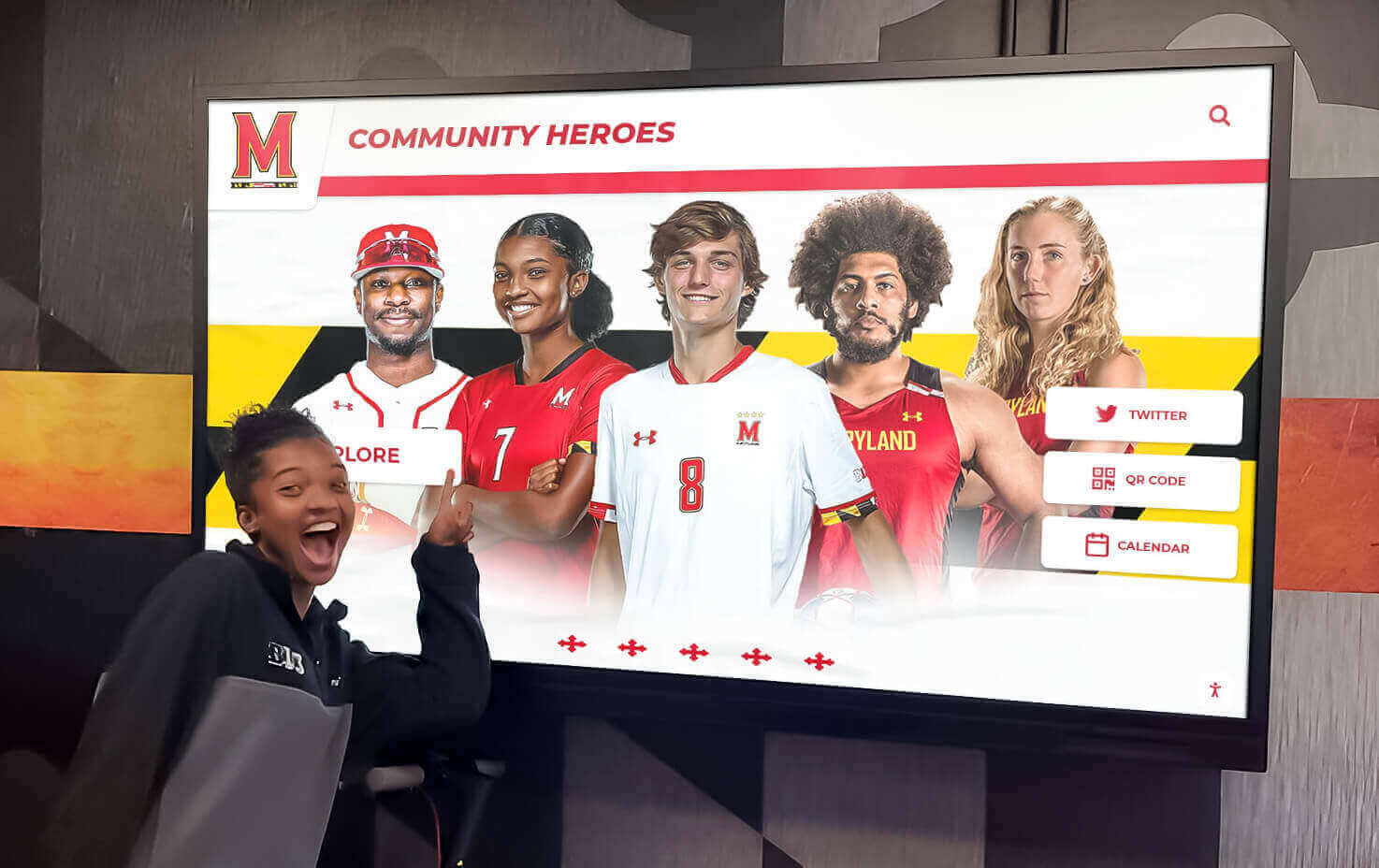
Recognition displays engage current students while educating them about playoff traditions and championship heritage
Physical Display Integration and Facility Showcases
Despite digital advantages, physical recognition maintains significant value in athletic facilities:
Championship Banner Displays
Traditional recognition includes:
- State championship banners displayed prominently in gymnasiums creating immediate visual impact
- Regional championship recognition documenting exceptional tournament advancement
- District championship banners acknowledging regular season excellence and playoff qualification
- State tournament appearance banners honoring programs reaching elite competition level
- Retired jersey recognition for exceptional individual contributors to championship programs
Physical displays create daily reminders for current players regarding program standards and championship expectations, establishing culture through visible tradition connecting past excellence with current aspirations.
Trophy and Award Collections
Material recognition elements include:
- State championship trophies displayed in main athletic building showcase cases
- Regional tournament trophies documenting significant program milestones
- Player individual awards including all-state selections, player of year honors, academic achievements
- Historic jerseys, warm-ups, and equipment from championship seasons
- Photographic documentation of championship celebrations and tournament moments
- Game balls and commemorative items from significant playoff victories
These tangible artifacts provide authentic connections to program history, creating emotional resonance exceeding what purely digital systems achieve alone—combination approaches leveraging both physical and digital recognition prove most effective.
Learn about schools implementing wall of fame programs celebrating basketball excellence alongside other athletic and academic achievements.
Strategic Playoff Preparation: Success Factors
Understanding what separates playoff achievers from first-round exits reveals patterns programs can cultivate systematically.
Physical and Mental Preparation
Playoff success requires specific preparation beyond regular season approaches:
Training Periodization and Peak Timing
Season planning targets playoff performance:
- Training cycles building toward March playoff timing ensuring athletes peak appropriately
- Injury management preserving player health for postseason through careful load management
- Depth development ensuring roster readiness for playoff intensity and potential injuries
- Practice planning simulating playoff pressure and single-elimination stakes
- Mental preparation managing elimination scenarios and high-pressure situations
- Conditioning emphasis maintaining performance across multiple games in compressed timeframes
Programs successfully peaking athletes for playoff basketball often see sustained tournament runs rather than first-round disappointments despite strong regular seasons—timing proves critical.
Playoff-Specific Practice Emphasis
Tournament preparation includes:
- Situational basketball drilling including late-game scenarios, inbound plays, press breaks
- Defensive versatility preparing for varied opponent styles in tournament play
- Free throw emphasis recognizing critical importance in close playoff games
- Turnover prevention prioritizing ball security in high-stakes situations
- Rebounding discipline understanding possession value in elimination games
- Timeout management and strategic planning for critical moments
Elite programs treat playoff preparation as distinct from regular season approaches, recognizing postseason competition demands situational mastery regular season games don’t always require.
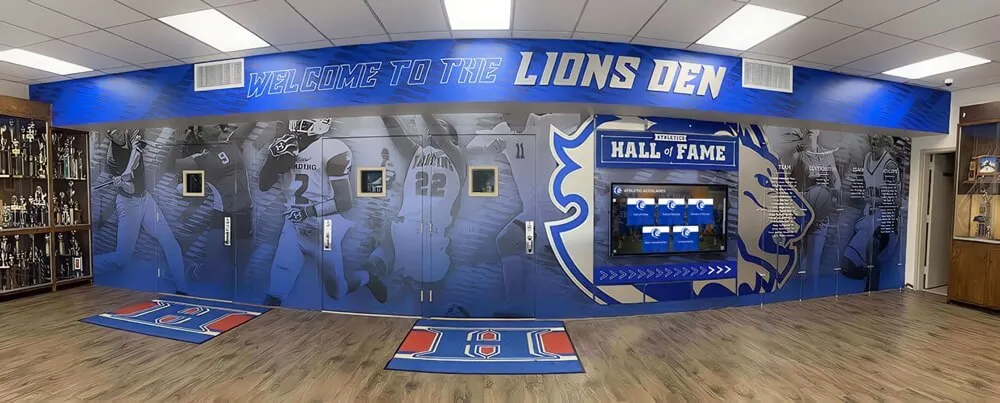
Comprehensive athletic displays showcase both playoff achievements and regular season excellence establishing program pride
Coaching and Game Management
Strategic coaching proves decisive in playoff single-elimination scenarios:
Opponent Scouting and Game Planning
Playoff preparation includes:
- Video analysis identifying opponent tendencies, personnel strengths, and strategic weaknesses
- Personnel matchup evaluation determining defensive assignments and offensive advantages
- Tactical flexibility preparing multiple game plan approaches based on game flow
- Adjustment capability responding to opponent tactical changes and strategic counters
- Situational awareness managing critical game moments including timeouts, substitutions, strategy
Texas’s extensive playoff format often creates matchups between unfamiliar opponents from different regions, making thorough scouting and tactical preparation essential for tournament advancement.
In-Game Adjustments and Situational Decisions
Critical coaching moments include:
- Halftime adjustments responding to opponent strategies and game flow
- Timeout utilization maximizing strategic advantage at critical junctures
- Foul management balancing aggression with avoiding disqualifications
- Substitution patterns managing player fatigue across tournament runs
- End-game strategy executing plays and defensive schemes in pressure moments
- Clock management in close games determining possession outcomes
Programs with coaching staffs excelling at situational decision-making gain advantages in close playoff games where single possessions determine advancement or elimination—coaching excellence proves difference-maker.
Community Engagement and School Spirit
Playoff runs create opportunities for community connection and school pride building throughout Texas communities:
Rally and Send-Off Traditions
Schools develop unique playoff celebration traditions:
Pre-Game Community Events
Common traditions include:
- Pep rallies preceding playoff games energizing student bodies and communities
- Community send-offs when teams depart for away playoff games creating memorable experiences
- Business window painting and sign displays showing community support throughout towns
- Social media campaigns rallying digital support from alumni and extended communities
- Alumni gatherings connecting graduated players with current teams during playoff runs
- Spirit week activities building school-wide engagement during tournament advancement
These traditions create shared experiences strengthening community bonds while demonstrating athletic program value extending beyond competition itself—playoff runs unite communities.
Championship Celebration Planning
Schools reaching deep playoff rounds prepare:
- Viewing parties for families unable to travel to distant playoff sites
- Post-game celebration coordination regardless of game outcomes honoring achievements
- Media management handling interview requests and coverage opportunities
- Recognition planning honoring playoff achievements appropriately
- Historical documentation preserving championship journey through photos, video, artifacts
- Welcome home celebrations when teams return from tournament appearances
Learn how schools coordinate event planning activities building school pride during playoff runs.
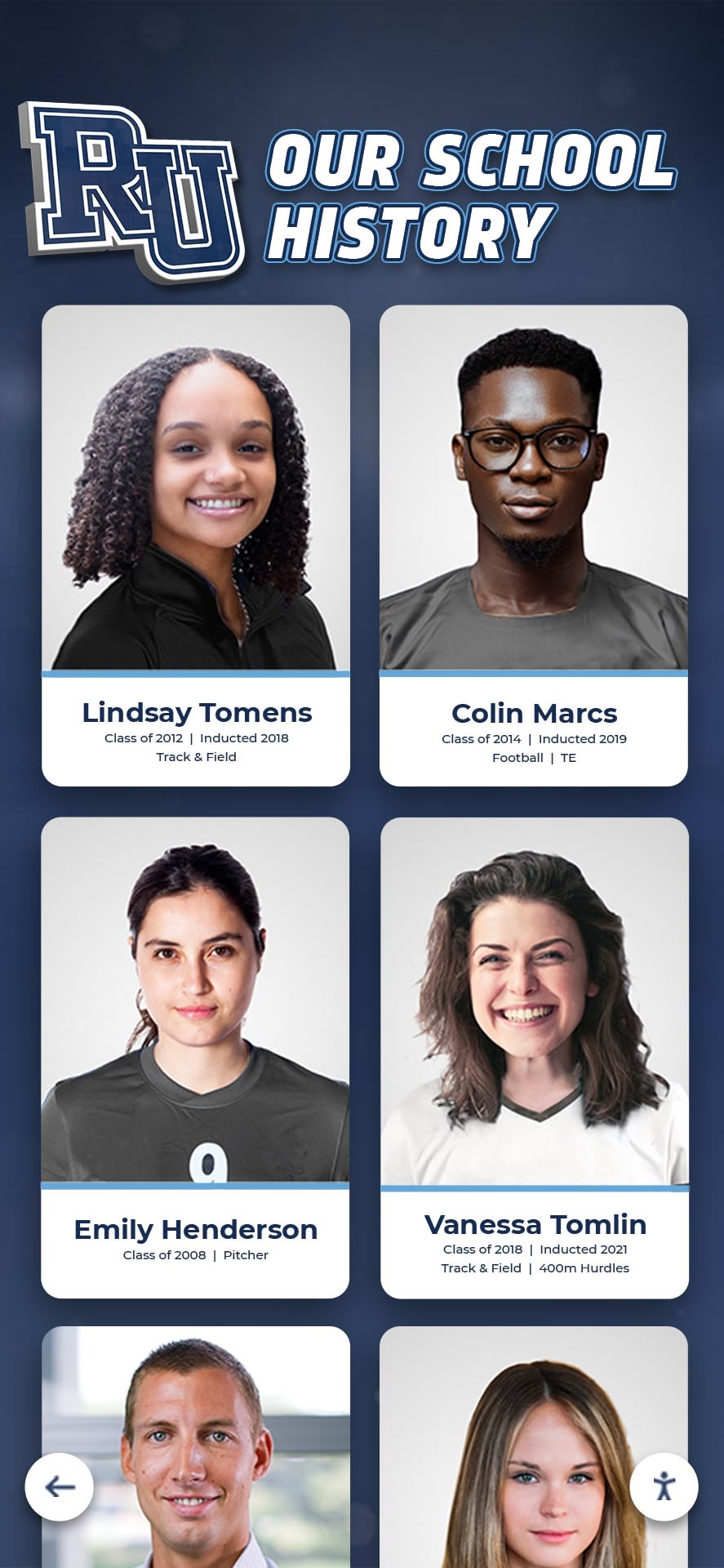
Comprehensive historical documentation preserves program legacy while connecting current players to traditions they inherit and continue
Booster Club and Volunteer Coordination
Playoff success requires organized support systems:
Travel Coordination and Logistics
Volunteer efforts include:
- Team travel arrangements including transportation, accommodations, meals for extended playoff runs
- Fan bus coordination for away games enabling community support at distant venues
- Tournament hospitality ensuring team needs met during multi-day regional tournaments
- Ticket coordination managing distribution and sales for playoff games
- Equipment and supply transportation supporting team logistical needs
Effective booster club operations enable programs to focus on competition while communities handle logistical support—organizational excellence proves essential.
Fundraising for Playoff Expenses
Financial support includes:
- Covering travel costs for progressively distant playoff games as teams advance
- Championship gear and apparel for teams reaching regional and state tournaments
- Post-season recognition expenses celebrating achievements appropriately
- State tournament trip funding including accommodations, meals, incidentals
- Facility improvement funding leveraging playoff success momentum for program enhancement
Community financial support demonstrates athletic program value while enabling competitive experiences independent of school district budget constraints—booster clubs prove invaluable.
Player Recognition and Individual Excellence
Playoff performances create defining moments for individual athletes earning recognition:
All-State and Postseason Honors
Texas recognizes playoff excellence through multiple honor systems:
All-State Selections
Individual recognition includes:
- Texas Association of Basketball Coaches (TABC) All-State teams selected by coaching peers
- Academic All-State honors recognizing student-athlete excellence
- Classification-specific all-state recognition across 1A through 6A
- First Team, Second Team, and Honorable Mention distinctions
- Mr. Basketball and Miss Basketball awards acknowledging premier performers statewide
- Regional all-tournament teams recognizing playoff excellence specifically
These honors become defining career achievements for high school athletes, supporting college recruiting while providing lasting recognition schools celebrate permanently through display systems.
College Recruiting and Playoff Visibility
Postseason performance impacts recruiting significantly:
- College scouts attending playoff games evaluating prospects under pressure
- State tournament exposure providing recruiting platforms and visibility
- Playoff statistics and highlight footage enhancing recruiting profiles
- Championship experience demonstrating competitive character and mental toughness
- Team success reflecting program quality to college coaches evaluating development
Playoff success creates recruiting advantages for programs and individual athletes, generating cycles where strong programs attract talent that sustains future playoff competitiveness—excellence breeds excellence.
Explore how schools showcase college commitment recognition celebrating athletes advancing to collegiate competition.
Team Awards and Season Recognition
Playoff achievements deserve comprehensive celebration:
End-of-Season Awards
Recognition programs include:
- Championship banquets honoring playoff teams and individual achievements comprehensively
- Player awards recognizing MVP, all-tournament performances, statistical leaders, character
- Senior recognition celebrating graduating athletes’ complete careers
- Coaching appreciation acknowledging staff contributions to playoff success
- Volunteer recognition thanking booster club and community supporters enabling achievements
- Academic achievement acknowledgment celebrating student-athlete balance
- Team awards including championship rings for state qualifiers and champions
These events provide closure while creating memorable experiences players carry throughout lives, making end-of-season recognition meaningful regardless of playoff outcomes—participation and effort deserve celebration.
Discover comprehensive recognition approaches applicable across athletic programs.
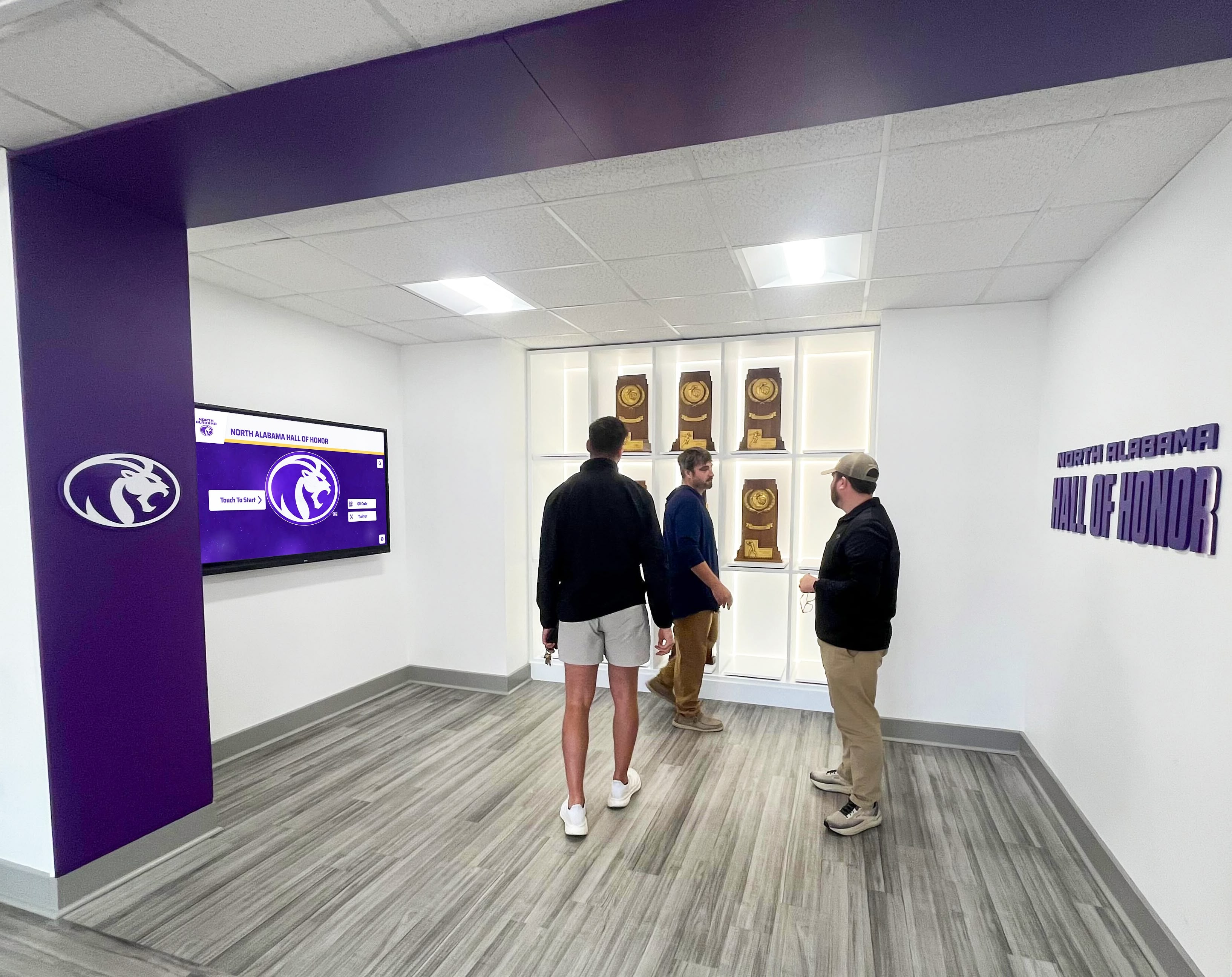
Interactive spaces encourage community engagement with championship histories creating connections between generations
Content Architecture: Organizing Texas Basketball Playoff Recognition
Systematic organization ensures comprehensive documentation of playoff achievements across program history.
Essential Documentation Elements
Season-by-Season Playoff Records
Complete documentation includes:
- District finish and playoff qualification pathway each season
- Playoff bracket positioning and seeding within regional tournament
- Round-by-round results showing scores, opponents, locations
- Player statistics throughout playoff runs including scoring leaders, rebounds, assists
- Coaching records and career playoff achievements
- Team accomplishments including records set, milestones reached
- Championship game details and memorable moment preservation
This comprehensive approach creates complete historical record enabling future generations to understand program excellence trajectory.
Individual Player Achievement Tracking
Player-specific recognition includes:
- Career playoff statistics and performance records
- All-tournament team selections and individual honors
- College commitment information connecting high school to collegiate success
- Memorable individual performances and defining playoff moments
- Video highlights showcasing exceptional plays and achievements
- Statistical rankings showing all-time playoff leaders in various categories
- Biographical information connecting athletic achievement to complete student experience
Individual recognition ensures players receive appropriate acknowledgment for contributions to program playoff success.
Championship Game Documentation
Special emphasis on state tournament games:
- Complete game statistics and play-by-play when available
- Starting lineups and rotation patterns documenting personnel
- Key plays and turning points in championship contests
- Post-game quotes and reactions capturing emotions
- Championship trophy and award presentation photos
- Team celebration documentation and community recognition
- Historical context showing championship significance within program history
State tournament documentation preserves pinnacle achievements requiring maximum attention and comprehensive preservation.
Display Integration Strategies
Multi-Platform Recognition Approach
Effective programs implement:
- Physical trophy cases in main athletic facility locations
- Digital touchscreen displays providing unlimited content capacity
- Mobile web platforms extending recognition access beyond campus
- Social media integration enabling sharing and community engagement
- Printed materials including media guides, programs, promotional content
- Video highlight reels showcasing playoff excellence visually
Integrated approaches maximize visibility ensuring playoff achievements receive appropriate recognition across multiple formats and audience touchpoints.
Learn about display hardware selection for implementing recognition systems effectively.
Execution Timeline: Building Sustainable Recognition Programs
Strategic implementation phases ensure quality recognition while managing resources effectively.
Phase 1: Program Planning and Design (Planning Stage)
Needs Assessment and Goal Setting
- Evaluate current recognition approaches identifying gaps and opportunities
- Define recognition goals aligning with athletic department values
- Determine budget parameters and funding sources
- Assess facility locations for display installation
- Review historical records identifying content requiring documentation
- Establish planning committee including coaches, athletic directors, alumni
Content Inventory and Collection
- Gather historical playoff records, statistics, photographs from archives
- Interview coaches and players capturing stories and memories
- Collect championship artifacts including trophies, jerseys, equipment
- Digitize physical materials ensuring preservation and accessibility
- Organize content systematically for efficient management
- Identify content gaps requiring research or reconstruction
Phase 2: System Selection and Implementation
Technology Platform Selection
- Research recognition software platforms designed for athletic programs
- Evaluate features including capacity, ease of use, mobile access, analytics
- Compare pricing models ensuring long-term affordability
- Request demonstrations and trial access for evaluation
- Gather feedback from stakeholders including coaches, students, community
- Select platform balancing functionality with budget and sustainability
Hardware Installation and Setup
- Determine optimal display locations for visibility and traffic
- Select appropriate screen sizes and mounting approaches
- Coordinate electrical and network infrastructure requirements
- Schedule professional installation minimizing disruption
- Configure displays with chosen software platform
- Test all systems ensuring functionality before launch
Phase 3: Content Development and Launch
Initial Content Creation
- Develop comprehensive player profiles for recent graduates first
- Document recent playoff runs while memories remain fresh
- Create video highlight compilations from available footage
- Design visual templates establishing consistent aesthetic
- Write historical content providing context and storytelling
- Photograph all physical championship materials for digital preservation
Launch and Promotion
- Coordinate unveiling event celebrating new recognition system
- Train staff on content management ensuring sustainability
- Promote recognition system through school communications
- Engage alumni encouraging content contributions and memories
- Monitor initial usage gathering feedback for improvements
- Establish ongoing content update schedule maintaining currency
Phase 4: Ongoing Management and Enhancement
Regular Content Updates
- Add current season content throughout year maintaining relevance
- Update playoff bracket information as tournaments progress
- Feature upcoming games and opponent information building anticipation
- Highlight player achievements and milestones as they occur
- Refresh featured content preventing stale displays
- Incorporate community submissions and alumni contributions
System Evaluation and Improvement
- Review usage analytics identifying popular content types
- Gather feedback from students, families, alumni, community
- Assess technical performance addressing issues promptly
- Expand content coverage filling historical gaps progressively
- Enhance features based on user needs and capabilities
- Budget for ongoing improvements and system enhancements
Systematic approach ensures recognition systems remain valuable long-term rather than becoming neglected installations requiring complete overhaul—sustainability requires planning.
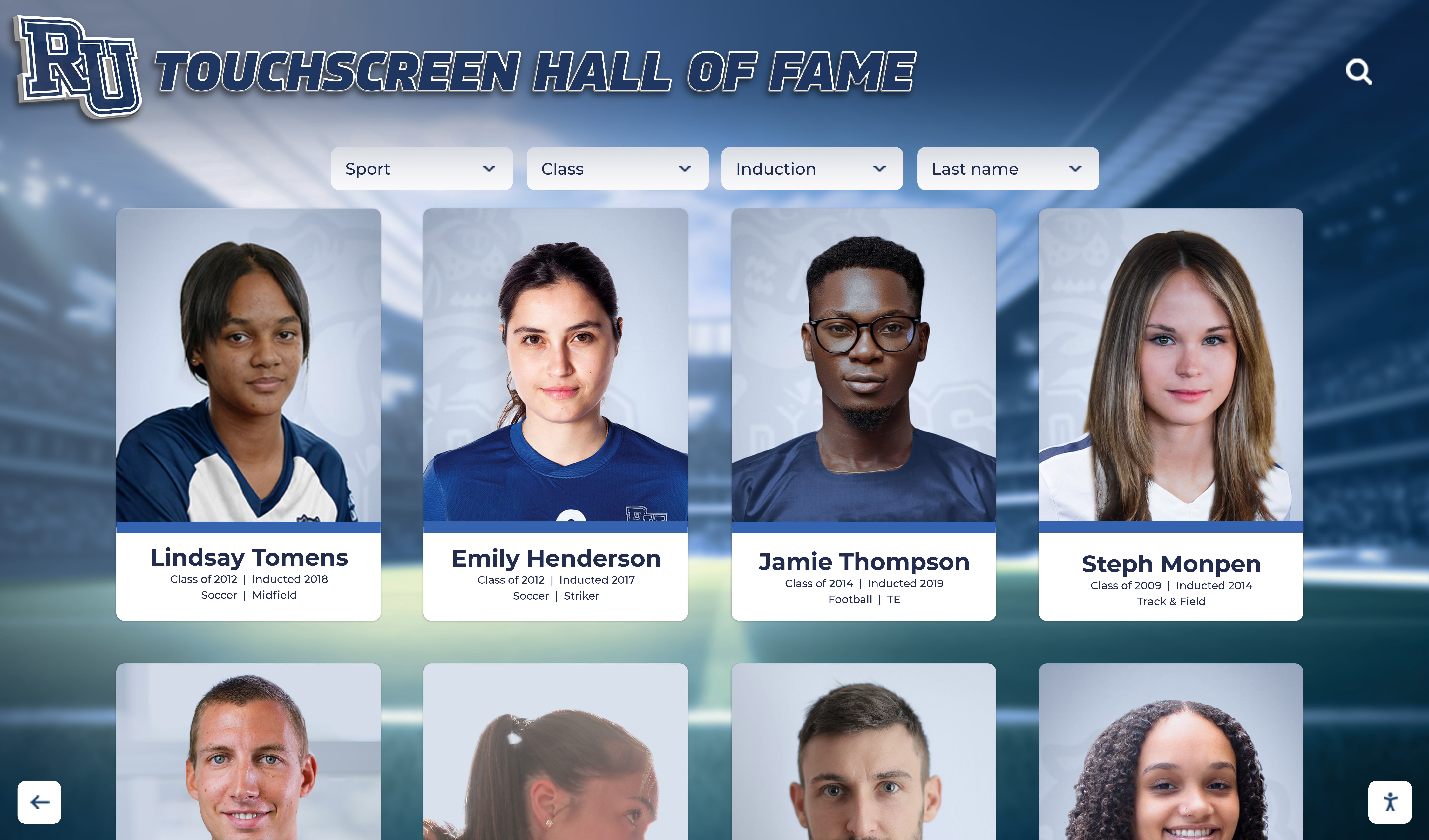
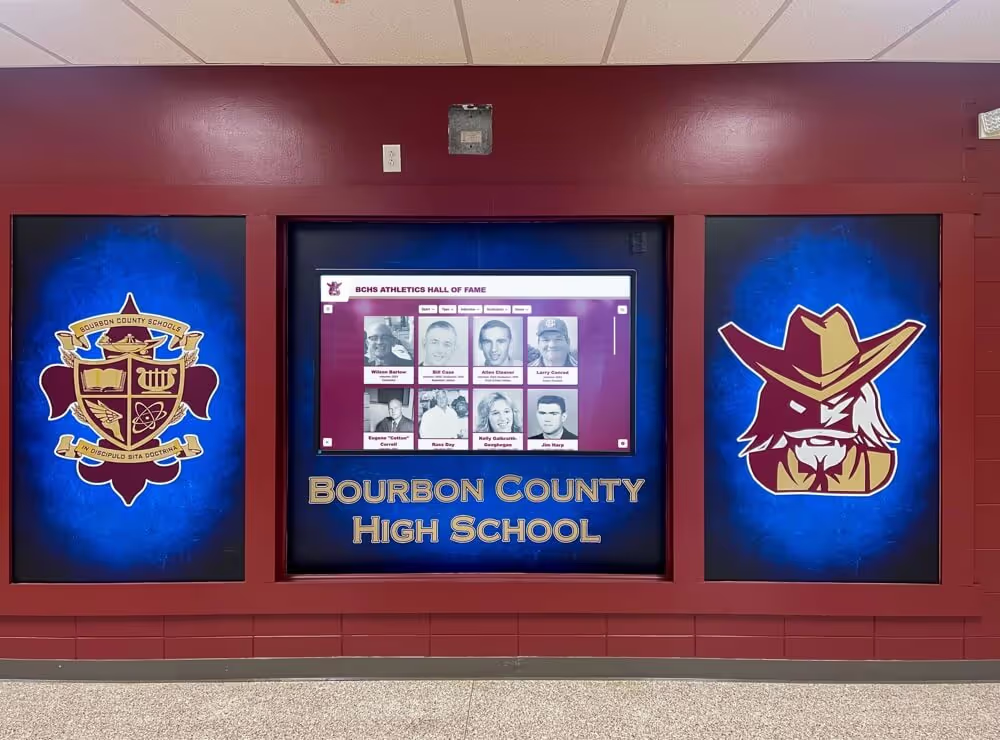
Comprehensive athlete databases enable exploration of complete program histories across decades of excellence
Conclusion: Celebrating Texas Playoff Basketball Excellence
Texas high school basketball playoffs represent pinnacle achievements in the state’s extraordinarily rich athletic tradition, where communities unite behind teams pursuing championship dreams and where student-athletes create defining moments that resonate across lifetimes. For schools, athletic departments, and communities invested in basketball excellence, approaching playoff participation strategically while implementing comprehensive recognition systems honors those who build championship legacies while inspiring future generations toward postseason success.
The most successful programs balance competitive preparation with community engagement, celebrate individual excellence within team contexts, preserve playoff heritage through modern recognition technology, and leverage postseason success for sustained program building. Whether celebrating first playoff appearances or defending state championships, effective programs share common characteristics—systematic preparation, comprehensive recognition, sustained institutional commitment, and cultural emphasis on basketball excellence extending beyond single seasons.
As Texas high school basketball evolves, technology-enhanced recognition platforms offer substantial advantages for documenting playoff achievements—unlimited capacity preserving complete tournament histories, rich multimedia storytelling capturing championship moments, extended community reach, and administrative efficiency enabling quality recognition without excessive resource demands.
Ready to preserve your basketball program’s playoff heritage more effectively? Modern digital recognition solutions enable comprehensive celebration of championship achievements, playoff milestones, and individual excellence while creating engaging experiences that inspire continued athletic success. Rocket Alumni Solutions provides specialized platforms specifically designed for athletic recognition, combining unlimited capacity with intuitive management appropriate for athletic department operation.
Whether your program is pursuing first playoff appearances or defending state championships, focus on creating authentic traditions aligned with community values, sustainable preparation within coaching capabilities, and comprehensive recognition honoring all contributors to playoff success. Discover how digital recognition can transform your basketball program’s impact while building lasting traditions celebrating postseason excellence across generations.
Texas high school basketball playoffs create opportunities for communities to unite, student-athletes to excel under pressure, and schools to establish traditions defining institutional identity. With strategic preparation, thoughtful recognition planning, and commitment to celebrating both competitive achievement and the supporters who make playoff basketball possible, programs can build legacies that transcend individual seasons while inspiring future athletes toward championship excellence.
The essential elements aren’t elaborate facilities or unlimited budgets—they’re authentic preparation, comprehensive recognition, inclusive celebration, and sustained commitment to honoring playoff excellence that connects current achievements with historical traditions. Your basketball program has the potential to create championship memories that resonate across generations. Start implementing these proven strategies today, preserving playoff heritage while building traditions that will inspire Texas high school basketball excellence for decades to come.