



Senior night represents one of the most meaningful traditions in high school athletics—the moment when communities gather to celebrate graduating athletes who dedicated years to their sport, developed character through competition, and contributed to program excellence. Yet tennis programs face unique challenges compared to traditional team sports when planning these ceremonies: recognizing both singles and doubles achievements fairly, honoring individual excellence within a team framework, managing weather uncertainty for outdoor courts, and creating visibility for a sport that often competes for attention against higher-profile athletics.
Many tennis coaches and athletic directors struggle with the recurring question: how do you create senior night celebrations that appropriately honor each graduating player’s unique journey—from the four-year varsity contributor to the senior who joined the team late but brought invaluable leadership—while building traditions that strengthen program culture and inspire younger players pursuing their own tennis excellence?
This comprehensive guide explores practical tennis senior night planning frameworks spanning ceremony design, recognition approaches, weather contingencies, award ideas, and permanent display solutions. Whether organizing your first tennis senior night or enhancing established traditions, these strategies help create celebrations that honor graduating players authentically while strengthening program traditions connecting current athletes to the legacy they’ll inherit and eventually pass forward.
Tennis senior night celebrations accomplish far more than distributing flowers and reading biographical statements—effective ceremonies honor individual athletic journeys comprehensively, acknowledge the unique demands of tennis competition, create memorable family experiences, and establish recognition traditions that elevate program prestige while demonstrating institutional commitment to individual sport excellence.

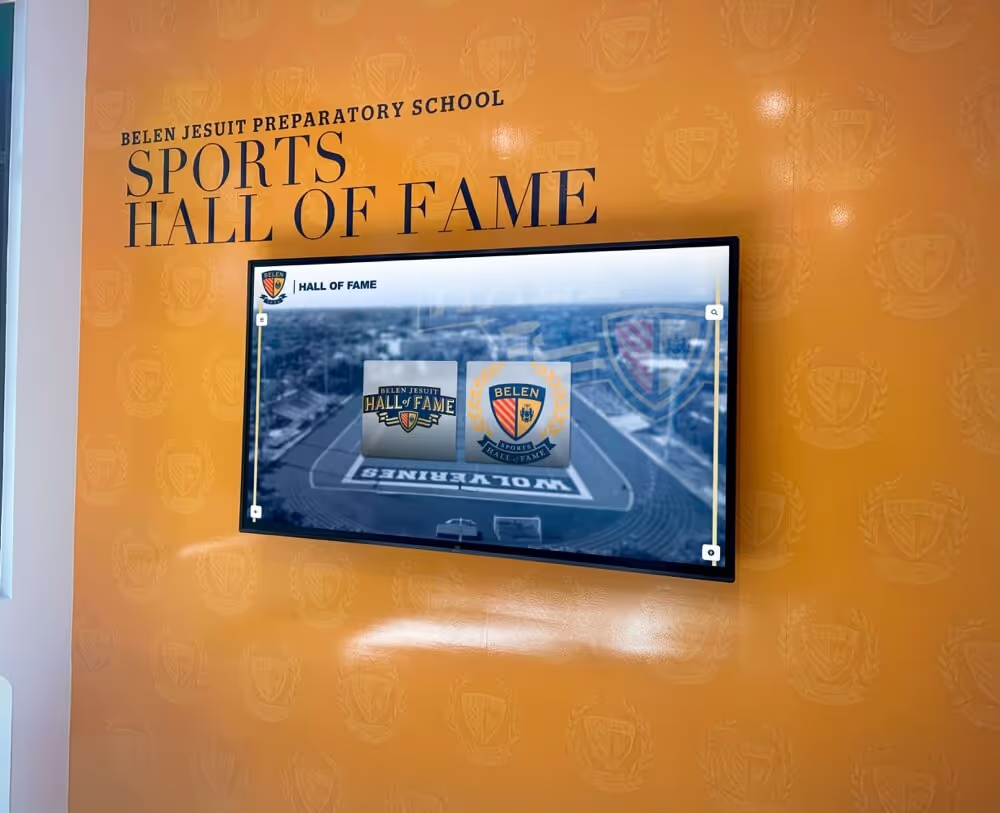
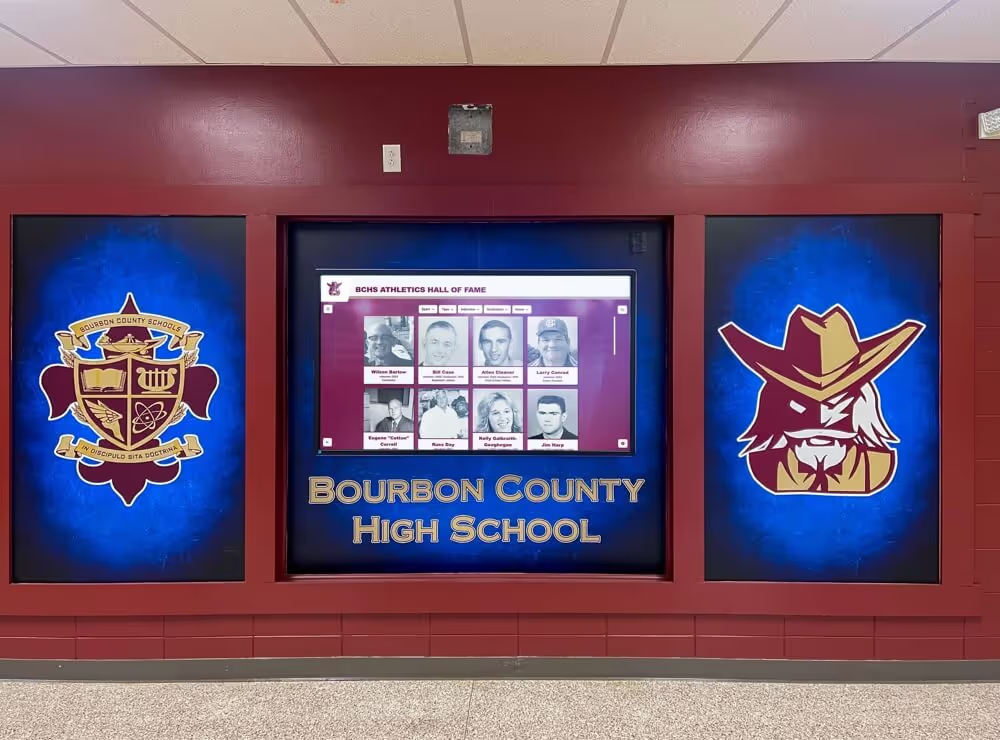
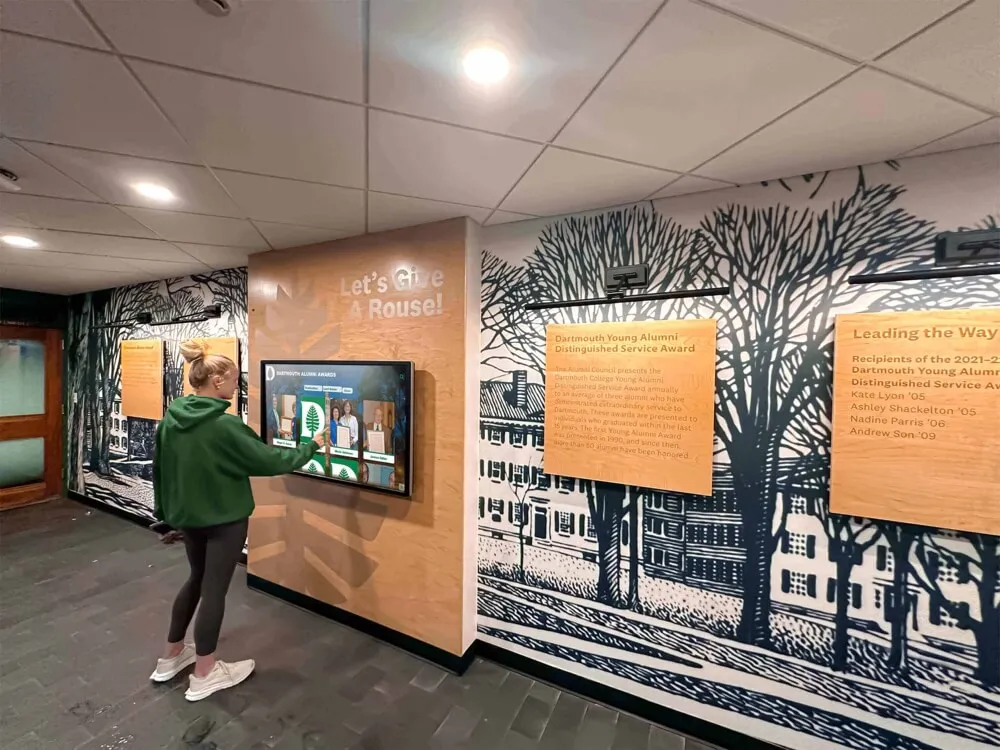
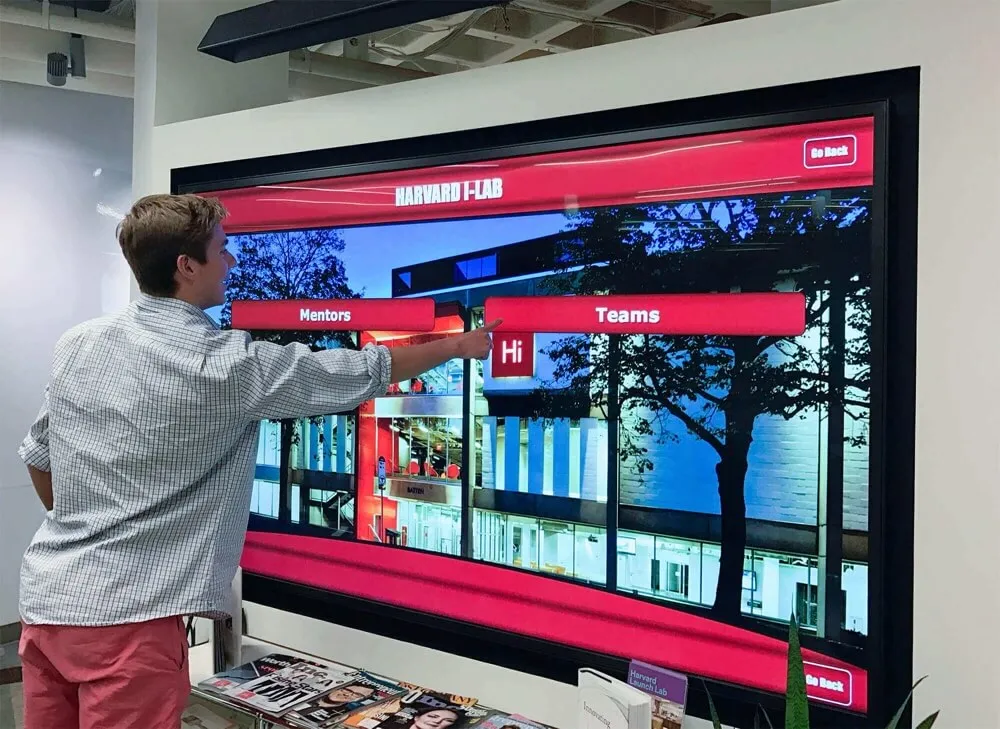
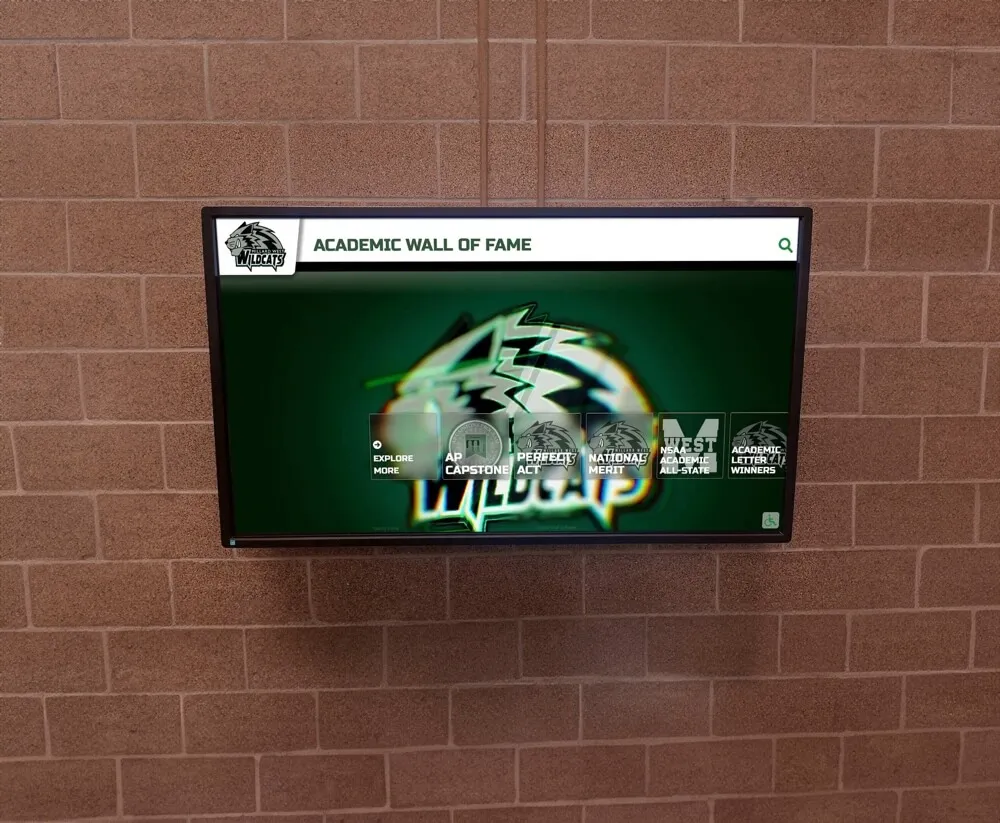
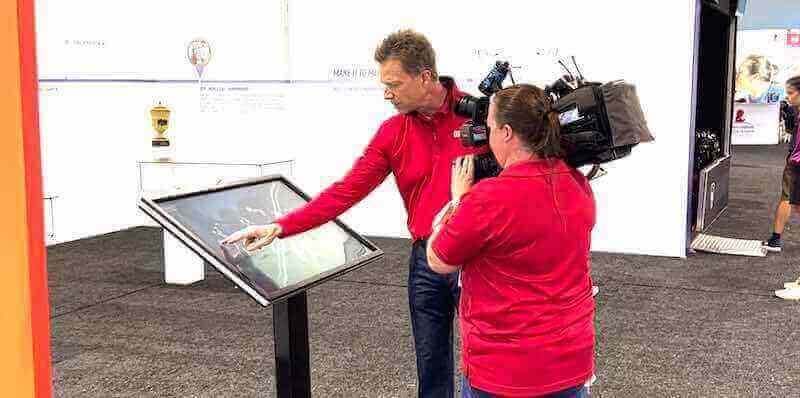
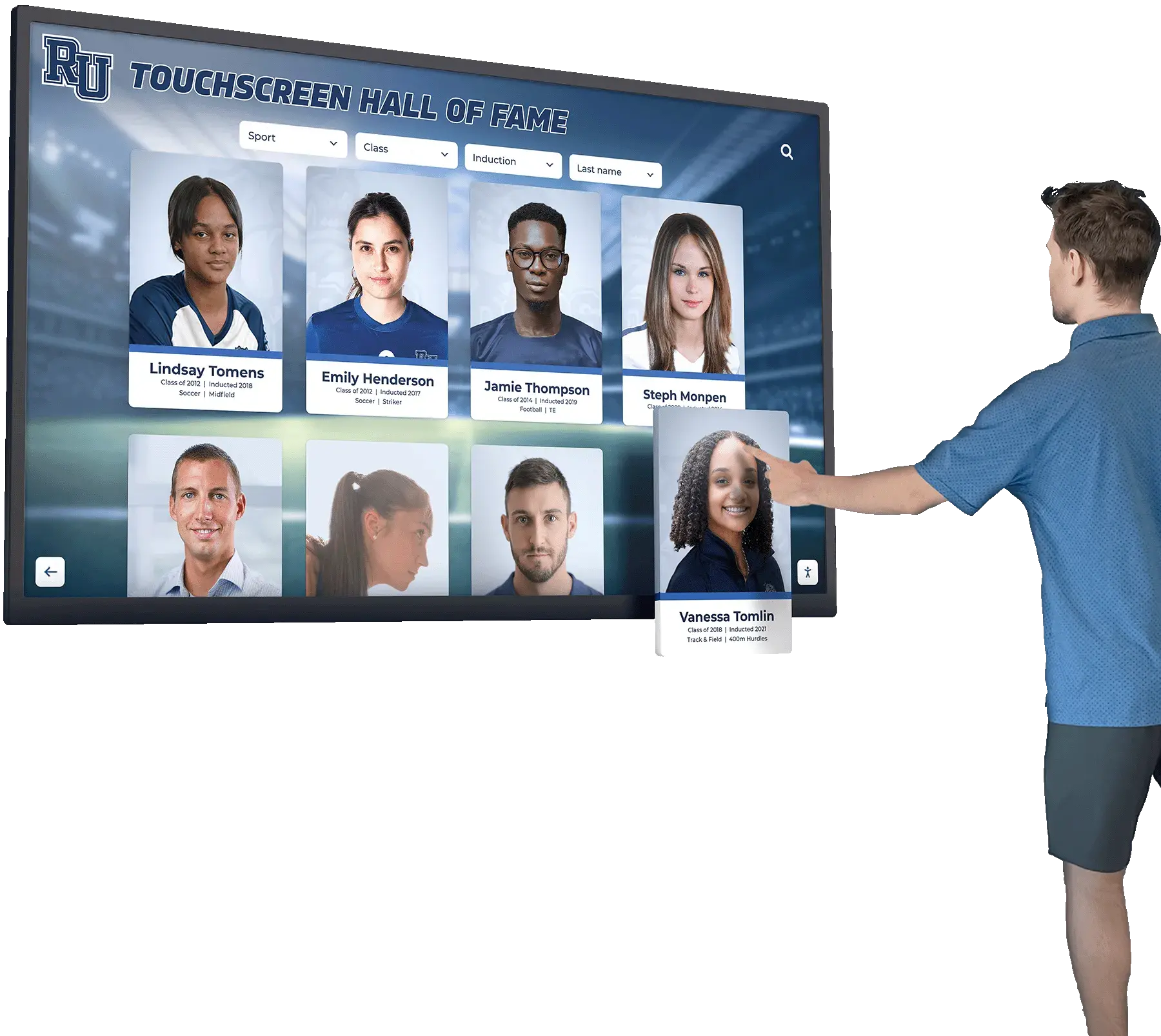
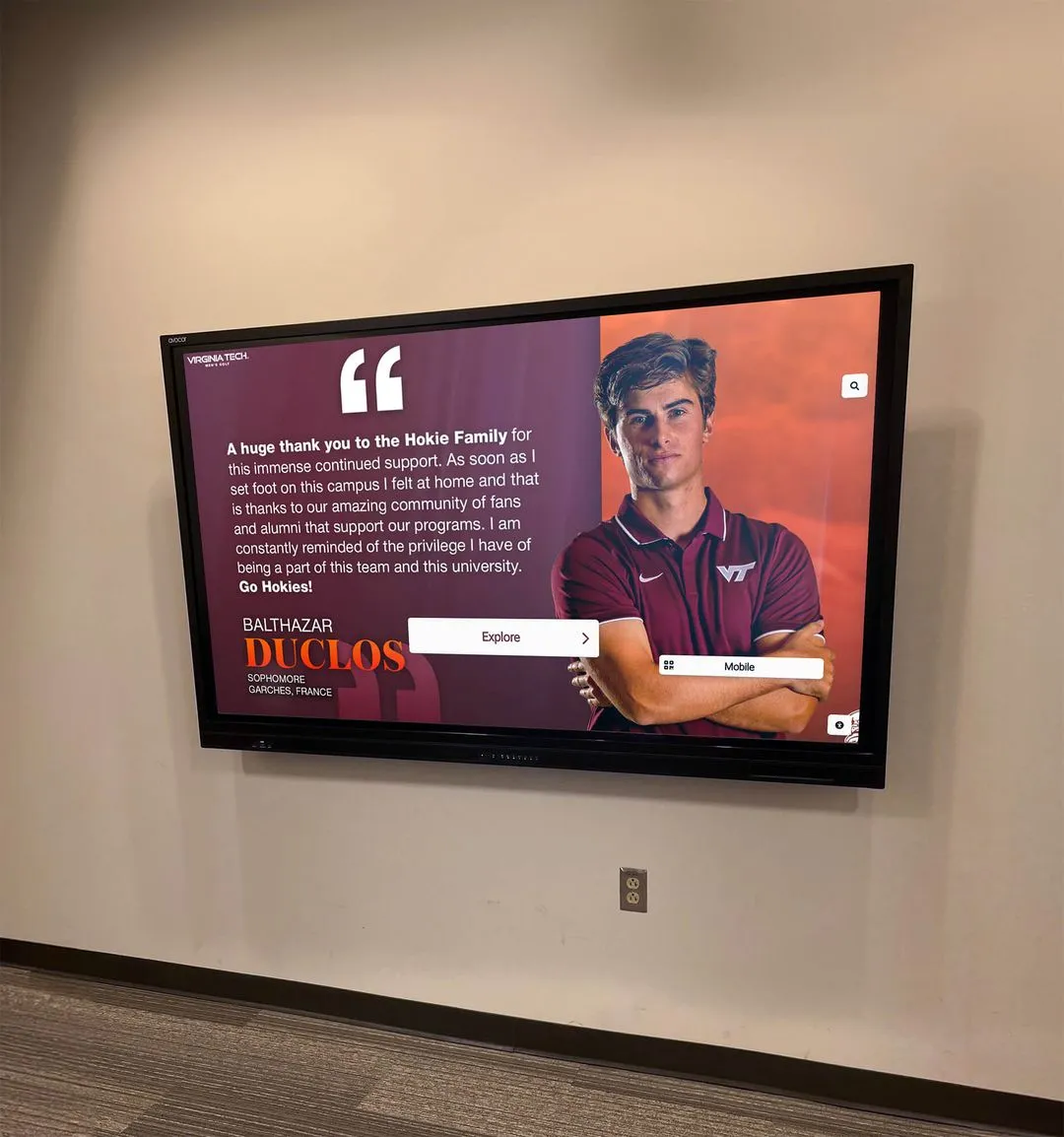

Digital recognition platforms enable comprehensive celebration of tennis achievements through interactive displays showcasing individual statistics, match results, and career progression
Program Snapshot: Tennis Senior Night Recognition Framework
Understanding complete planning components helps tennis programs design meaningful celebrations that honor graduating players while remaining manageable to execute within the constraints individual sports often face.
| Program Element | Planning Considerations |
|---|---|
| Recognition Scope | Singles players, doubles teams, team captains, character contributors, academic excellence |
| Ceremony Timing | Final home match during regular season, separate event if playoffs conflict, indoor backup for weather |
| Presentation Format | On-court recognition between matches, pre-match ceremony with parent escort, hybrid approach balancing ceremony and competition |
| Award Categories | MVP, Most Improved, Leadership, Sportsmanship, Academic Excellence, Doubles Team of Year, Career Achievement |
| Physical Recognition | Flowers, framed photos, personalized gifts, commemorative plaques, team-signed items |
| Extended Visibility | Permanent displays, digital recognition platforms, social media celebration, program history integration |
| Budget Range | $300-$1,500 total depending on team size, gifts, photography, and display investments |
| Planning Timeline | 6-8 weeks for complete preparation including communication, gift procurement, and ceremony rehearsal |
Understanding Tennis Senior Night Planning Challenges
Before exploring specific ceremony ideas and recognition approaches, acknowledging the unique factors affecting tennis programs helps coaches design celebrations that work within sport-specific realities rather than adapting frameworks designed for team sports with different dynamics.
Tennis-Specific Recognition Considerations
Tennis programs encounter distinct planning factors requiring thoughtful approaches:
Individual Sport Within Team Framework
Tennis exists in the unique space between pure individual competition and team collaboration:
- Singles players compete alone but contribute to team scoring and dynamics
- Doubles partnerships create collaborative excellence requiring chemistry and communication
- Lineup positions reflect competitive hierarchy that changes throughout seasons
- Individual achievement drives personal satisfaction while team success requires collective contribution
- Recognition must honor both individual excellence and team commitment appropriately
- Players often specialize in singles or doubles requiring distinct acknowledgment approaches
- Seniors may compete at different competitive levels requiring equitable recognition regardless of lineup position
This individual-team duality requires recognition approaches that celebrate personal achievement while acknowledging team contributions—ensuring both the number one singles player and the doubles specialist who anchored the lower lineup receive appropriate honor for their distinct roles in program success.
Weather and Facility Constraints
Outdoor tennis creates logistical challenges:
- Weather uncertainty on ceremony dates requiring flexible backup planning
- Court surface conditions affecting ceremony feasibility between matches
- Limited spectator seating compared to gymnasium or stadium sports
- Visibility challenges for families and attendees at outdoor facilities
- Sound system requirements for outdoor announcements
- Photography complications with outdoor lighting and backgrounds
- Time constraints between matches limiting extended ceremony duration
Effective tennis senior night planning anticipates these environmental factors, developing contingency approaches ensuring meaningful recognition occurs regardless of weather cooperation while respecting match schedules and opponent considerations.
Understanding senior athlete recognition strategies helps programs celebrate graduating players effectively across individual and team sport contexts.
Tournament Structure Impact
Tennis competition formats affect ceremony timing:
- Dual matches include multiple simultaneous courts making gathering difficult
- Tournament formats create unpredictable scheduling and duration
- Playoff qualification uncertainty affecting whether regular season finale represents true senior night
- Conference tournament timing potentially conflicting with traditional senior night windows
- Individual tournament advancement creating season length variability
- Team vs. individual state competition formats affecting final competition identification
- Senior participation in post-season events requiring recognition timing flexibility
Programs must navigate these scheduling complexities, determining optimal recognition timing that honors seniors appropriately while respecting competitive priorities and avoiding premature celebrations when significant matches remain.
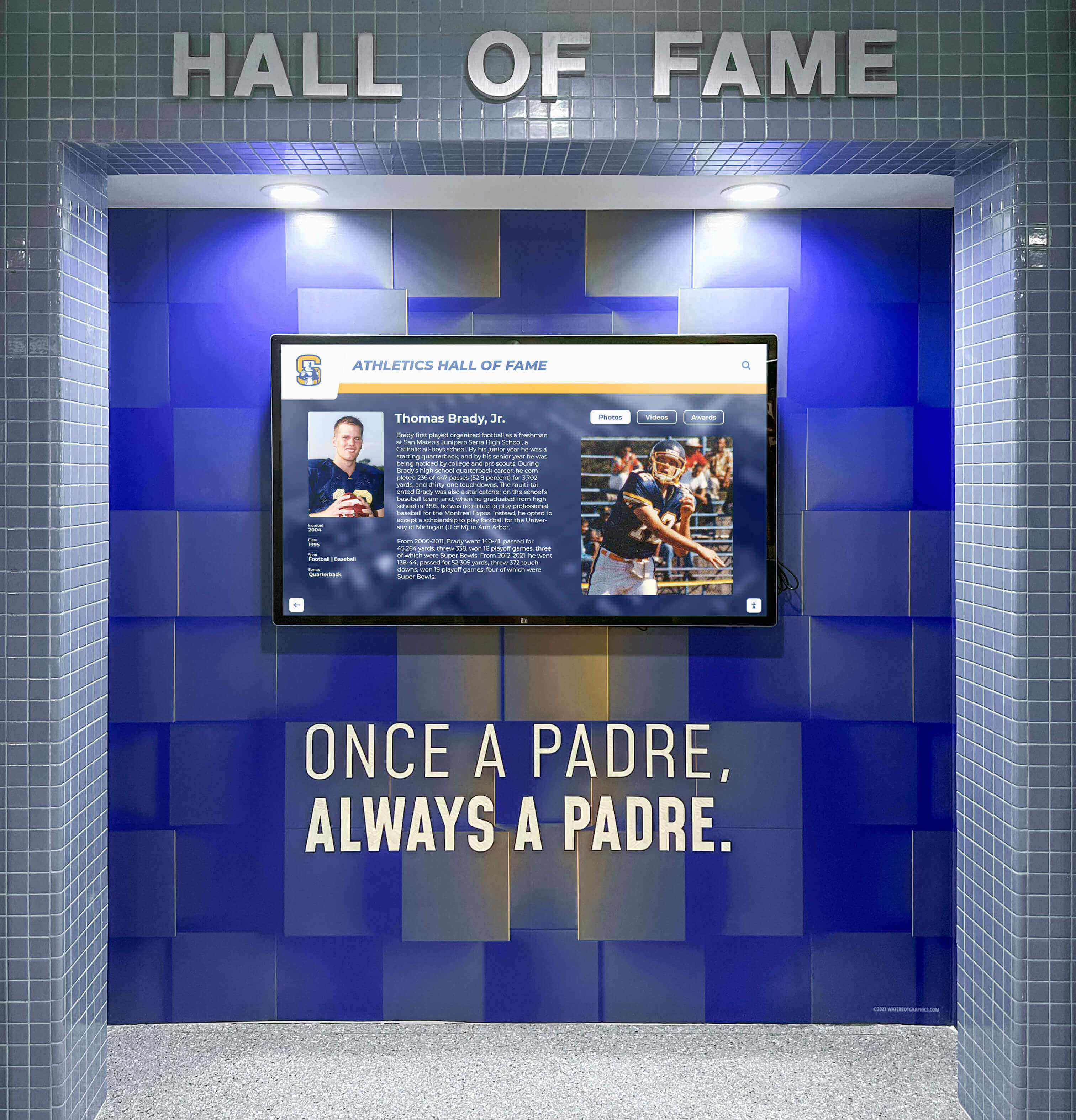
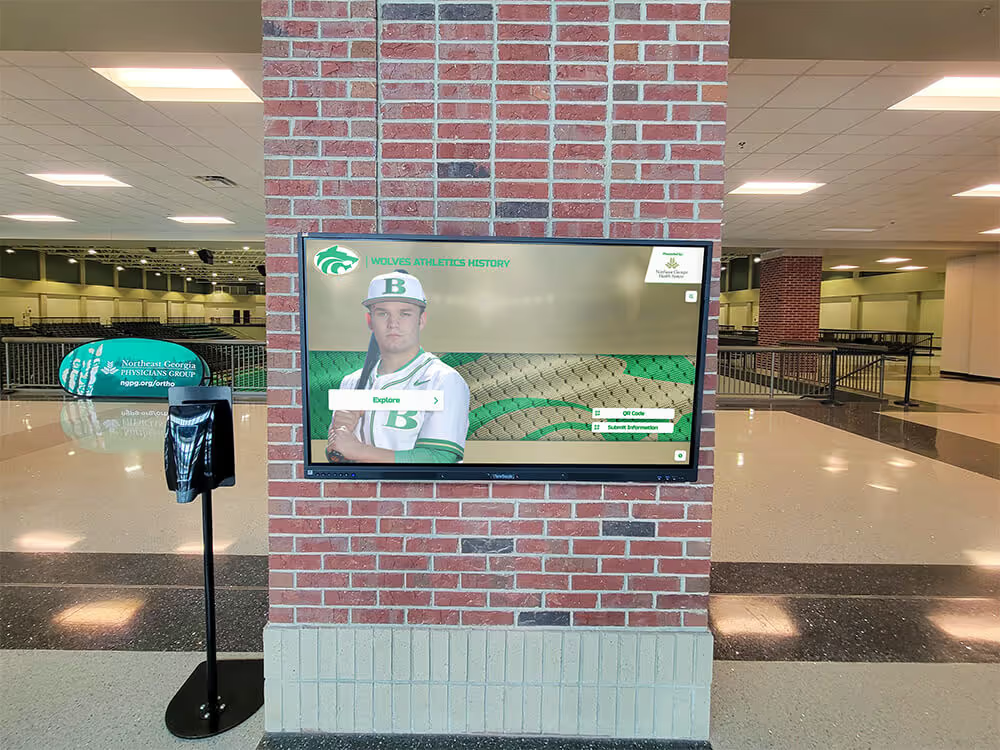
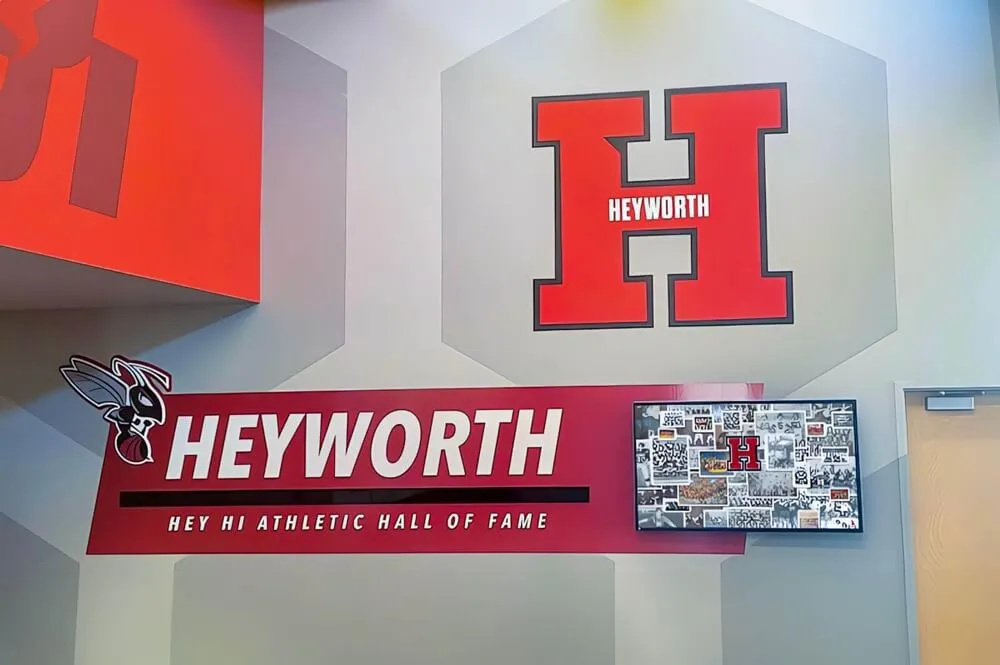
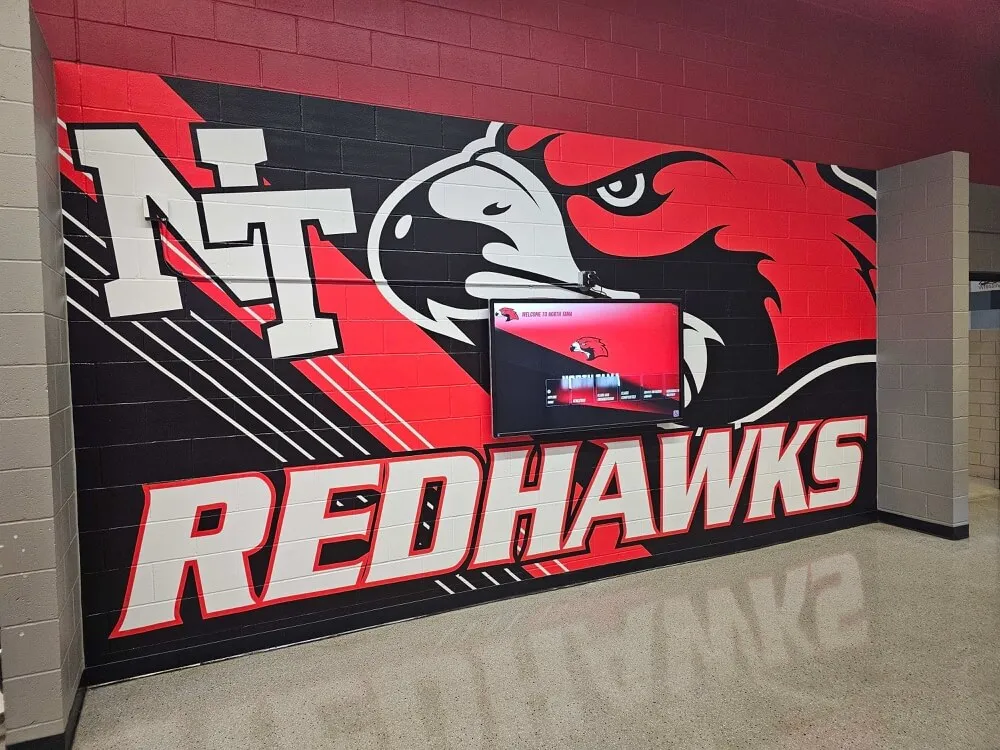
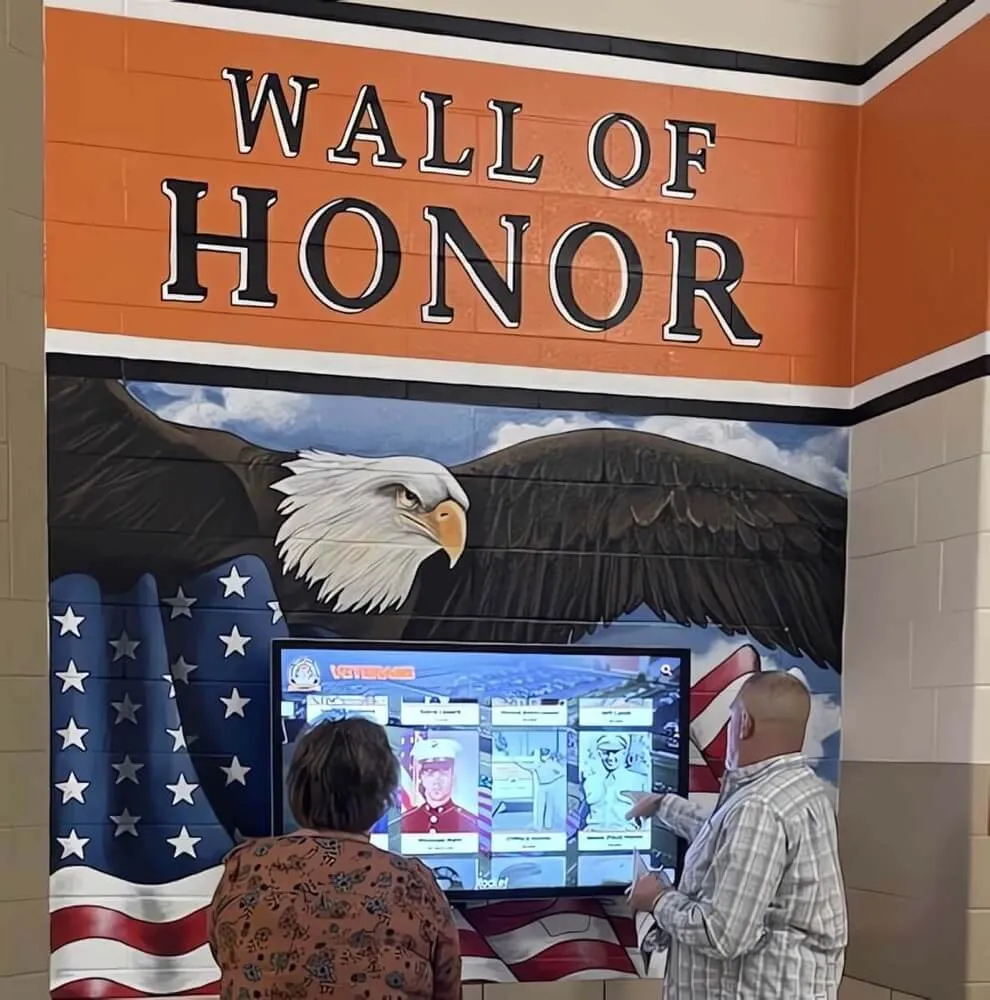
Permanent recognition displays ensure tennis achievements receive year-round visibility, elevating program prestige beyond single-evening ceremonies
Program Culture and Recognition Equity
Creating meaningful tennis senior night requires attention to program-specific culture and equity considerations:
Competitive Level Recognition Balance
Tennis programs span significant competitive range:
- Varsity letter requirements varying by program affecting senior recognition scope
- JV-only seniors who contributed to program culture without varsity competition
- Players joining tennis late in high school versus four-year contributors
- Competitive ability spectrum from conference champions to developmental players
- Playing time variability based on lineup positions and competitive results
- Different senior class sizes affecting ceremony scale and individual attention
- Previous recognition received during seasons affecting senior night expectations
Effective recognition approaches celebrate each senior’s personal journey and contribution regardless of competitive outcomes, ensuring players who developed throughout careers receive appropriate honor alongside those who achieved prominent competitive success from freshman seasons forward.
Gender Equity Considerations
Combined boys and girls programs or separate teams require thoughtful coordination:
- Scheduling separate vs. combined recognition ceremonies
- Ensuring equivalent recognition quality and resources across programs
- Coordinating timing when seasons overlap or occur sequentially
- Balancing ceremony attention when one program significantly larger
- Award category consistency demonstrating equal program value
- Budget allocation reflecting comparable commitment to both programs
- Family communication ensuring all families understand ceremony expectations
Programs should approach tennis senior night planning with intentional equity, ensuring male and female athletes receive comparable recognition quality, ceremony investment, and permanent visibility regardless of competitive results or program prominence within broader athletic department hierarchies.
Explore comprehensive athletic recognition program development strategies that strengthen school culture across multiple sports and activities.
Tennis Senior Night Ceremony Format Options
Strategic ceremony structure decisions significantly impact celebration effectiveness while managing tennis-specific logistical realities.
On-Court Recognition During Competition
Integrating senior recognition into match competition creates traditional tennis senior night experiences:
Pre-Match Ceremony Format
Recognition before competition begins:
- Seniors and parents gather on courts before match warm-ups commence
- Individual introductions with biographical information, achievements, and future plans
- Parent escort onto courts creating memorable family moments
- Gift presentations including flowers, framed photos, or commemorative items
- Team photo opportunities with seniors, families, and coaches
- Brief speeches from coaches or team captains honoring senior contributions
- Approximate duration: 20-30 minutes depending on senior class size
Advantages:
- Maintains focus on seniors before competitive attention shifts to matches
- Allows families to depart after recognition if unable to stay for complete matches
- Creates defined ceremony block with clear beginning and ending
- Enables photographer focus without competition distractions
- Respects opponent schedules by completing ceremony before warm-ups
Considerations:
- Requires earlier arrival for families and attendees
- Weather vulnerability if outdoors without immediate indoor backup
- May create nervous energy affecting senior performance in subsequent matches
- Limited spectator attendance if ceremony occurs before typical arrival times
Between-Matches Recognition Format
Honoring seniors during natural competition breaks:
- Recognition occurring between JV and varsity matches or during lineup transitions
- Enables larger crowd attendance as spectators arrive for featured matches
- Creates ceremony break within broader competition context
- Maintains on-court tradition while working within match schedules
- Allows flexible timing adjusting to actual competition pace
Advantages:
- Larger spectator attendance enhancing ceremony significance
- Natural competition break avoiding feeling rushed or disruptive
- Seniors can focus on early matches without ceremony distraction
- Weather conditions potentially improving as day progresses
Considerations:
- Unpredictable timing based on match duration creating family uncertainty
- Potential for extended wait times if earlier matches run long
- Divided attention between ceremony and ongoing competition
- Coordination challenges with opponents regarding break duration
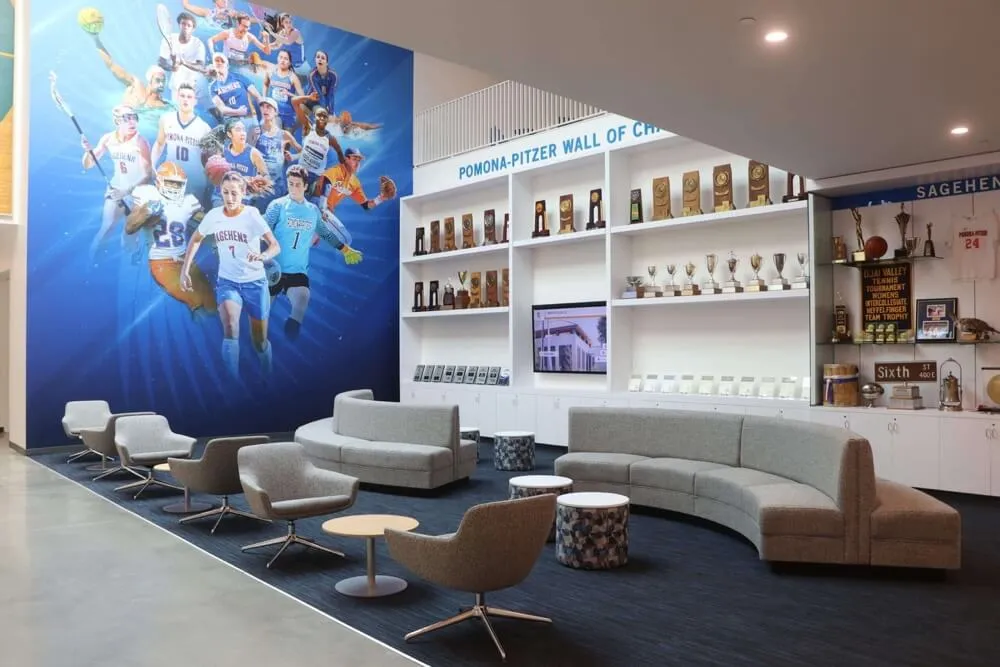
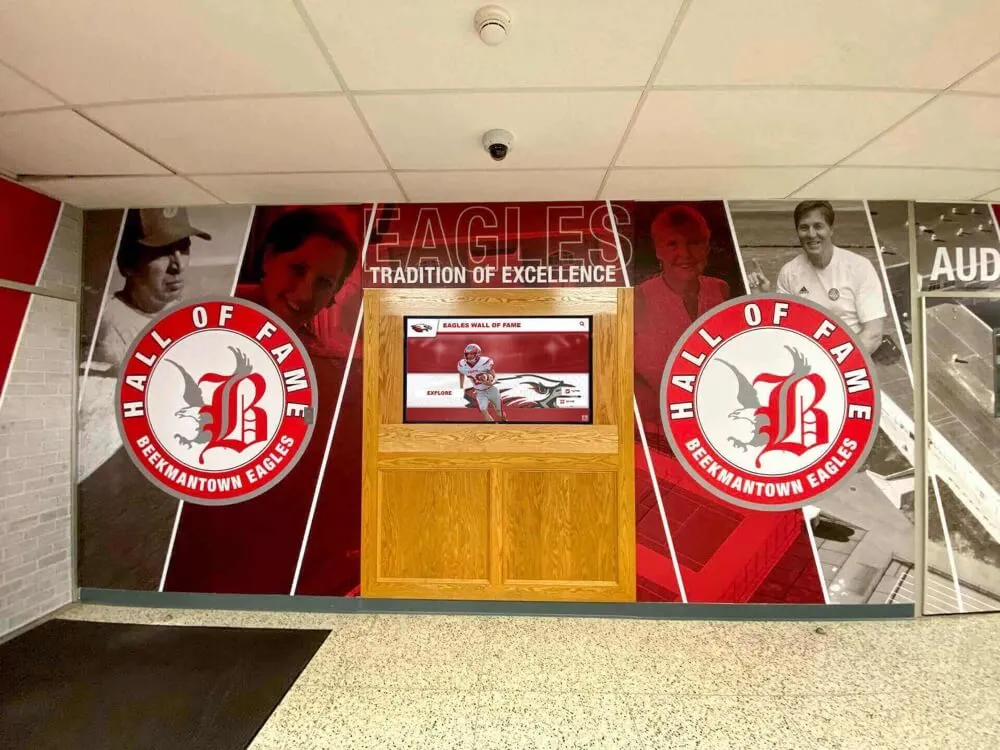
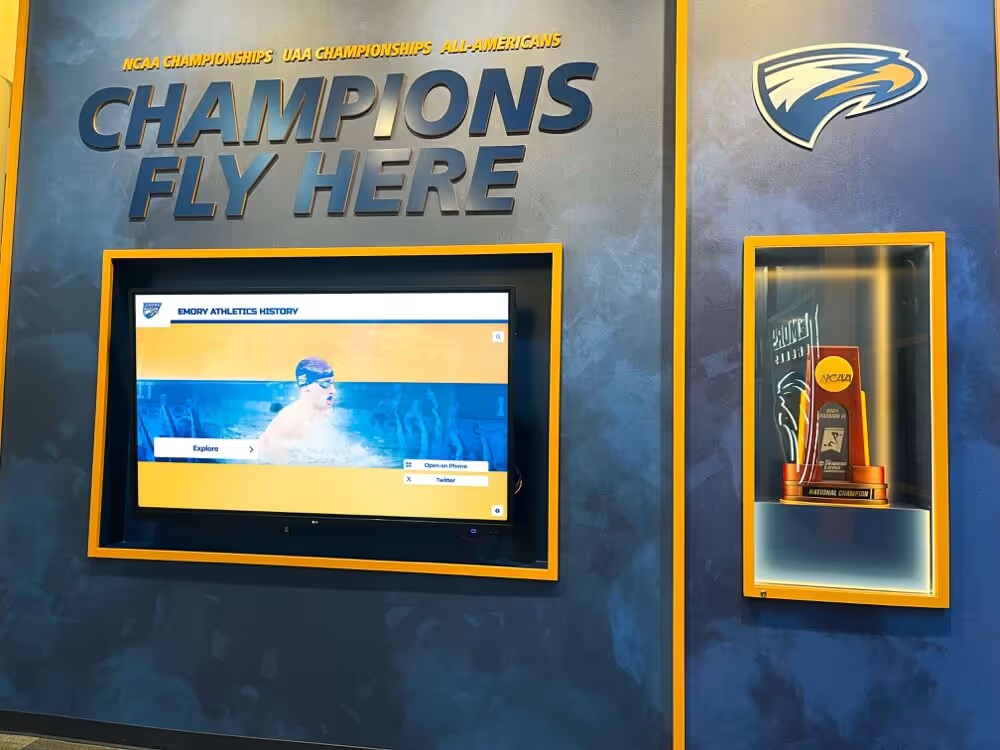
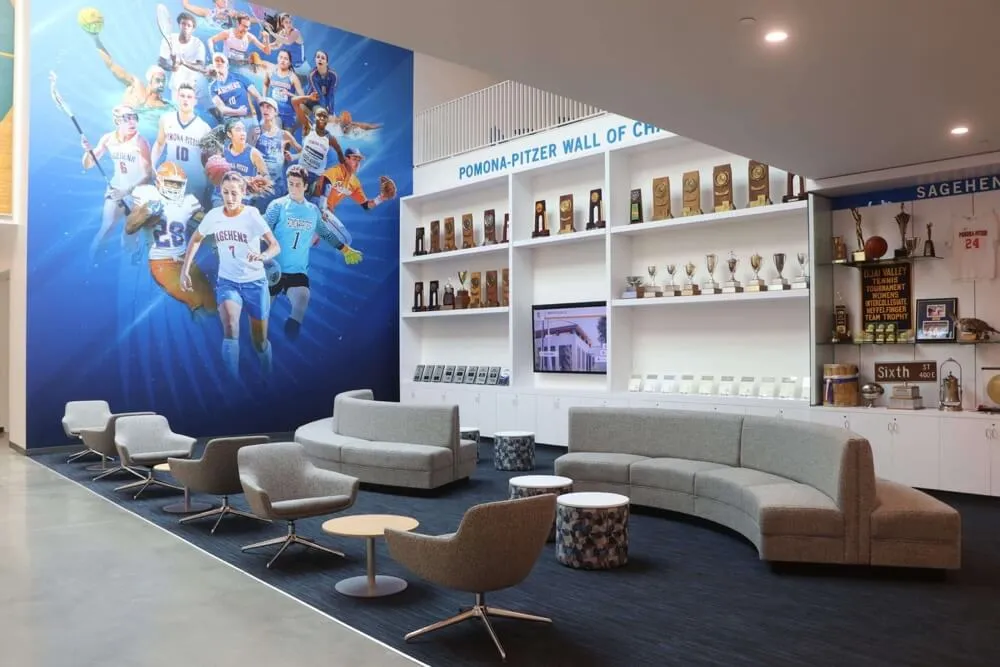
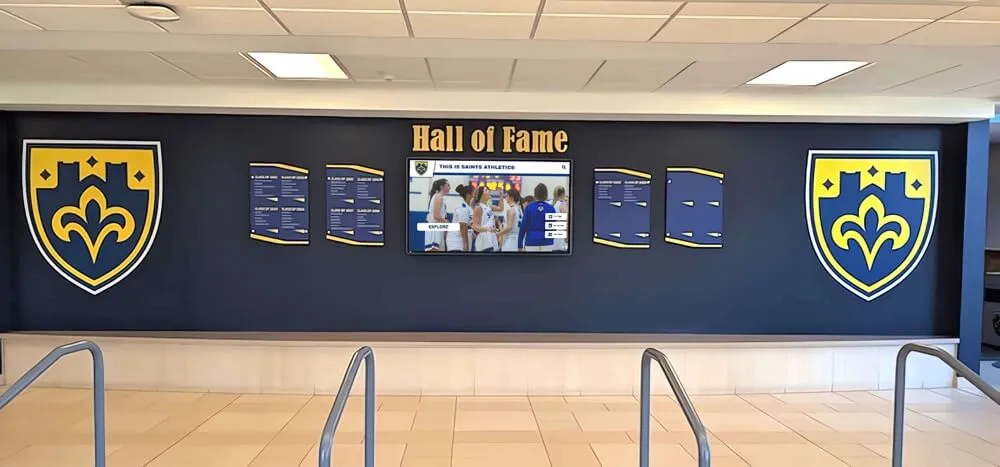
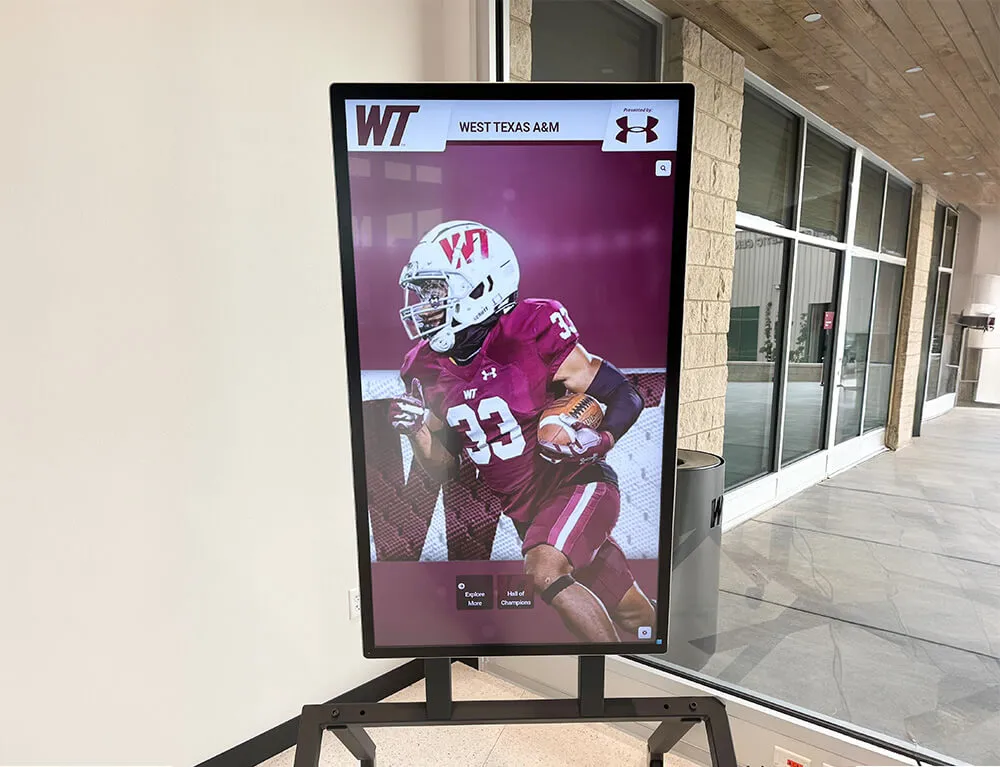
Well-designed recognition spaces create environments celebrating tennis excellence while inspiring continued athletic achievement
Separate Recognition Event Format
Decoupling ceremony from competition creates expanded celebration possibilities:
Evening Banquet or Reception
Dedicated celebration event separate from competition:
- Formal dinner, casual team meal, or reception format based on budget and preference
- Extended ceremony time enabling comprehensive recognition and speeches
- Video tributes showcasing career highlights and memorable moments
- Award presentations across multiple categories beyond senior recognition
- Senior speeches sharing reflections on tennis experiences and gratitude
- Parent acknowledgment honoring family support throughout athletic careers
- Social time strengthening team bonds and family connections
Advantages:
- Weather independence with indoor venue selection
- Comprehensive recognition time without competition constraints
- Enhanced production value including multimedia presentations
- Comfortable seating and atmosphere for extended program
- Combines senior night with broader season celebration
- Enables attendance from community members and alumni
Considerations:
- Additional planning complexity and budget requirements
- Requires separate scheduling coordination
- Some families prefer on-court tradition despite logistical challenges
- May reduce attendance if separate event creates additional time commitment
Senior Day Recognition
Modified celebration during final regular season home match:
- Combines abbreviated on-court ceremony with extended post-match reception
- Brief pre-match senior introductions maintaining tradition
- Detailed recognition, awards, and speeches after competition concludes
- Allows competitive focus during matches with celebration afterward
- Photo opportunities both on courts and in reception spaces
- Refreshments and social time following competition
Advantages:
- Balances on-court tradition with expanded recognition opportunity
- Single event reducing family schedule burden
- Maintains tennis context while enabling ceremony depth
- Weather backup flexibility with indoor reception space
Considerations:
- Post-match timing uncertainty based on competition duration
- Family commitment to remaining after potentially lengthy matches
- Energy levels after competition affecting ceremony engagement
- Coordination with facility usage schedules
Programs should select ceremony formats aligning with program culture, senior preferences, facility realities, and budget constraints—prioritizing meaningful recognition over format perfection when trade-offs become necessary.
Understanding end-of-season award approaches helps tennis programs celebrate achievements comprehensively beyond senior recognition.
Content Architecture: Tennis Recognition Categories and Awards
Comprehensive tennis senior night extends beyond biographical introductions to include meaningful awards celebrating diverse achievements and contributions.
Individual Performance Awards
Recognizing statistical and competitive excellence:
Singles Excellence Awards
Honoring individual match performance:
- Singles MVP - Most valuable singles player based on win percentage, competitive level, and season impact
- Singles Champion - Top singles position player or highest winning percentage
- Most Wins Award - Singles player accumulating most match victories throughout season
- Clutch Performer - Player delivering critical victories in tight conference or playoff matches
- Conference Champion - Recognition for individual conference tournament achievement
- Most Improved Singles Player - Greatest competitive advancement from season start to finish
Doubles Excellence Awards
Celebrating partnership achievement:
- Doubles Team of the Year - Most successful doubles partnership based on wins and competitive impact
- Doubles Champions - Top doubles position team or highest win percentage
- Best Chemistry Award - Doubles team demonstrating exceptional communication and partnership
- Versatile Player Award - Athlete excelling in both singles and doubles competition
- Most Improved Doubles Team - Partnership showing greatest development throughout season
Statistical Achievement Recognition
Quantifiable excellence celebration:
- Win Percentage Leader - Highest winning percentage across minimum match threshold
- Match Endurance Award - Most total games or sets played demonstrating reliability
- Comeback Player - Most three-set victories or comebacks from deficit positions
- Undefeated Season - Recognition for perfect individual or doubles season records
- Career Wins Milestone - Honoring seniors reaching career victory thresholds (50, 75, 100+ wins)
These performance-based awards create objective recognition opportunities while celebrating tennis-specific achievements that distinguish individual sport excellence.
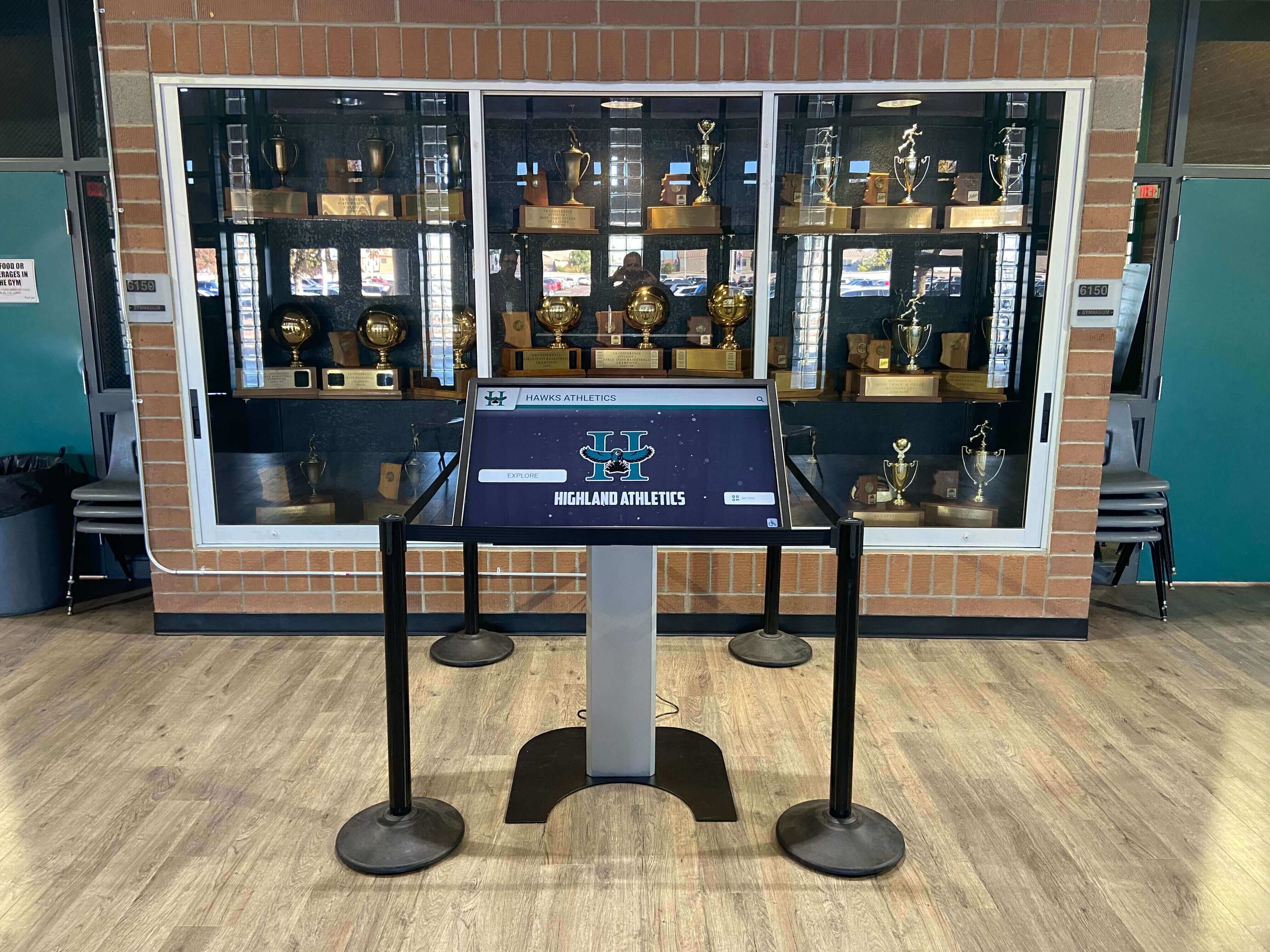
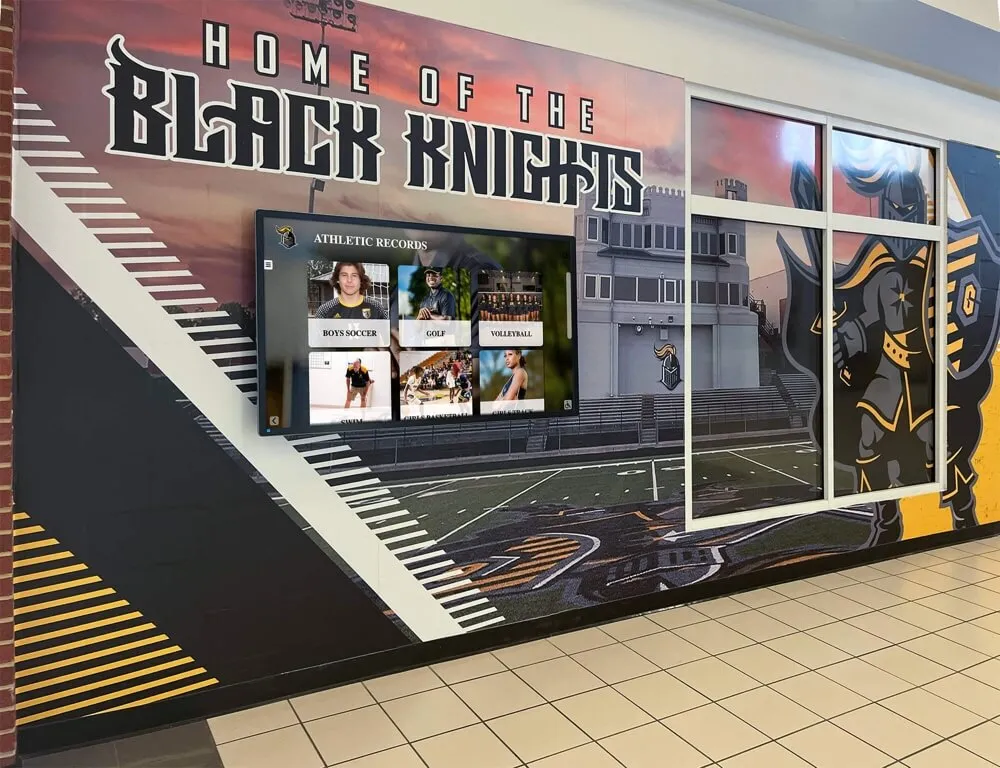
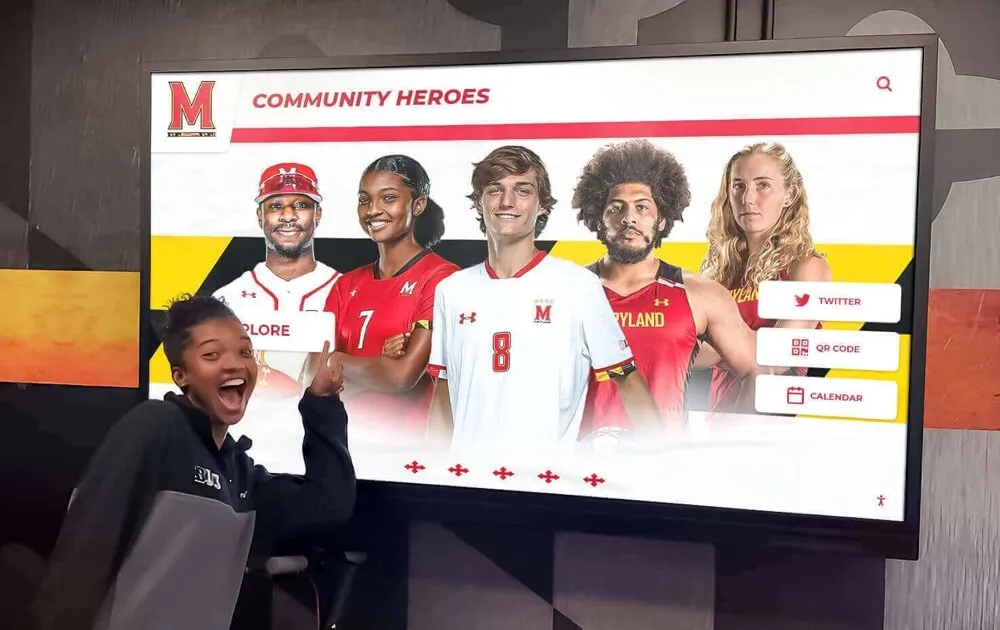
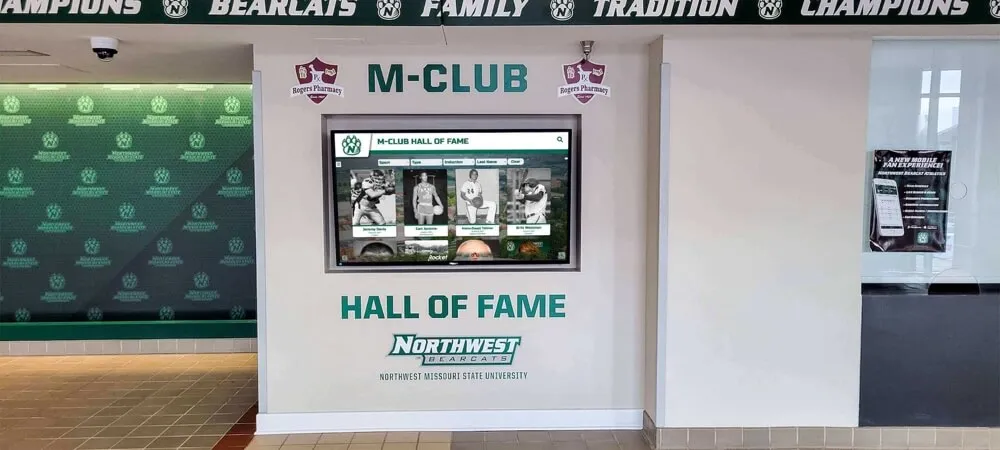
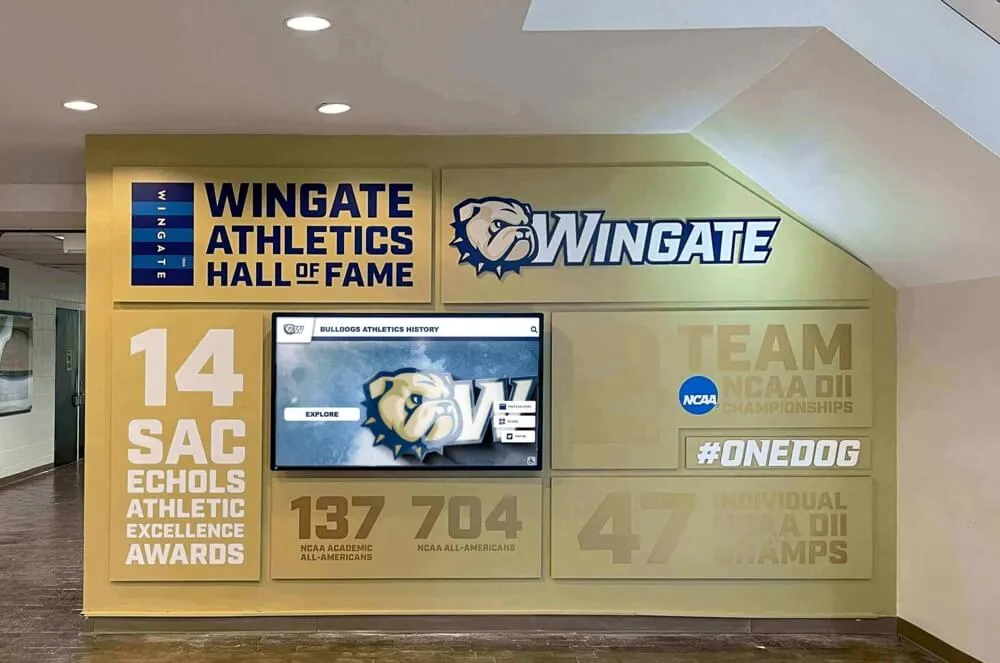
Strategic integration of digital recognition with traditional trophy displays creates comprehensive athletic excellence celebration
Character and Leadership Awards
Honoring intangible contributions strengthening program culture:
Leadership Recognition
Celebrating influence beyond competitive results:
- Team Captain Award - Official recognition for elected or appointed team leaders
- Leadership Award - Athlete demonstrating consistent positive influence on teammates
- Mentor Award - Senior providing valuable guidance to younger players
- Spirit Award - Player maintaining positive attitude and encouraging team atmosphere
- Vocal Leader - Athlete demonstrating exceptional communication and motivation
- Lead by Example - Player whose practice habits and commitment inspire teammates
Character and Sportsmanship Awards
Honoring competitive integrity and personal values:
- Sportsmanship Award - Gracious competition and respectful opponent treatment
- Coaches Award - Coach-selected recognition for coachable attitude and dedication
- Heart Award - Relentless effort and competitive spirit regardless of outcomes
- Practice Player of the Year - Outstanding daily commitment and focus
- Team Player Award - Selfless contribution prioritizing team success over personal recognition
- Ambassador Award - Exemplary program representation in school and community
Academic and Extracurricular Excellence
Recognizing well-rounded achievement:
- Scholar-Athlete Award - Highest GPA or academic honor roll achievement
- Academic All-Conference - Meeting conference academic recognition standards
- Student Leader Award - Excellence in student government, clubs, or school activities
- Community Service Recognition - Volunteer contributions beyond tennis participation
- Multi-Sport Athlete - Success across multiple athletic programs
These character-based awards ensure recognition extends beyond competitive outcomes, celebrating the complete individuals graduating seniors have become through tennis participation.
Discover basketball awards ideas applicable across athletic recognition programs.
Special Recognition Categories
Unique acknowledgments celebrating memorable contributions:
Career Achievement Recognition
Honoring cumulative excellence:
- Four-Year Letter Winner - Varsity letter achievement all four high school years
- Career Match Wins - Milestone recognition (50, 75, 100+ career victories)
- Consecutive Years Qualified - Regional or state tournament qualification streaks
- Program Record Holder - All-time program records in any category
- All-Conference Honoree - Multiple-year all-conference team selection
- State Qualifier Recognition - Individual or doubles state tournament participation
Memorable Moment Awards
Celebrating specific season highlights:
- Match of the Year - Most memorable victory based on opponent, circumstances, or importance
- Comeback Victory - Greatest comeback from deficit position
- Best Match - Highest quality competitive performance regardless of outcome
- Rivalry Game Hero - Exceptional performance in traditional rivalry matches
- Senior Day Victory - Success in final regular season home match
Senior-Specific Recognition
Unique to graduating class:
- Senior Leadership Council - Recognition for seniors forming leadership structure
- Legacy Award - Senior most responsible for strengthening program culture and tradition
- Future Success - Recognition acknowledging post-graduation college commitment or career plans
- Most Memorable Senior - Peer-voted recognition for senior creating lasting impression
- Program Impact - Senior whose contribution significantly elevated program competitiveness or culture
Comprehensive award structures ensure every senior receives meaningful recognition for some dimension of their tennis experience—competitive achievement, character contribution, or memorable moments that defined their high school tennis journey.
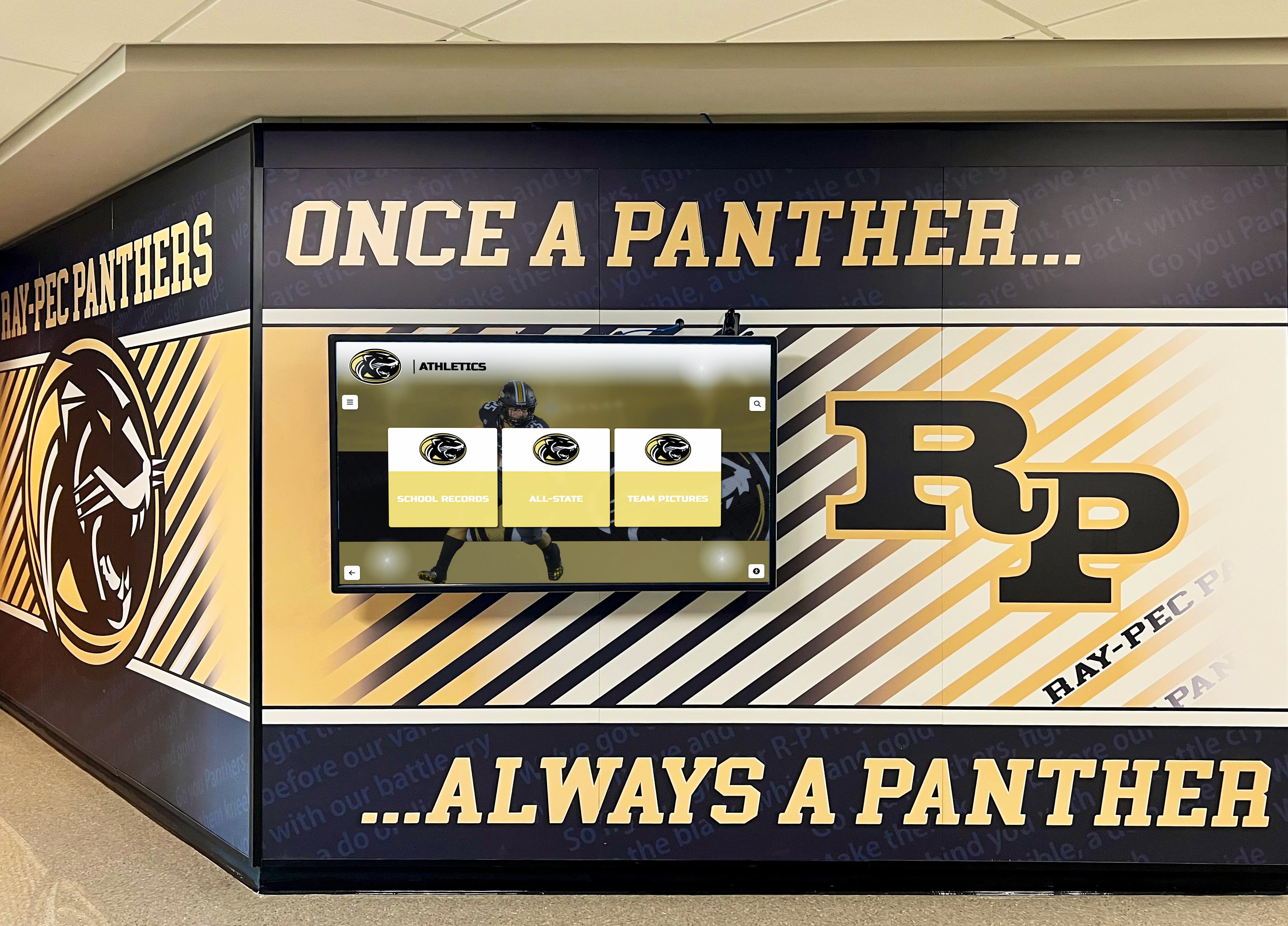
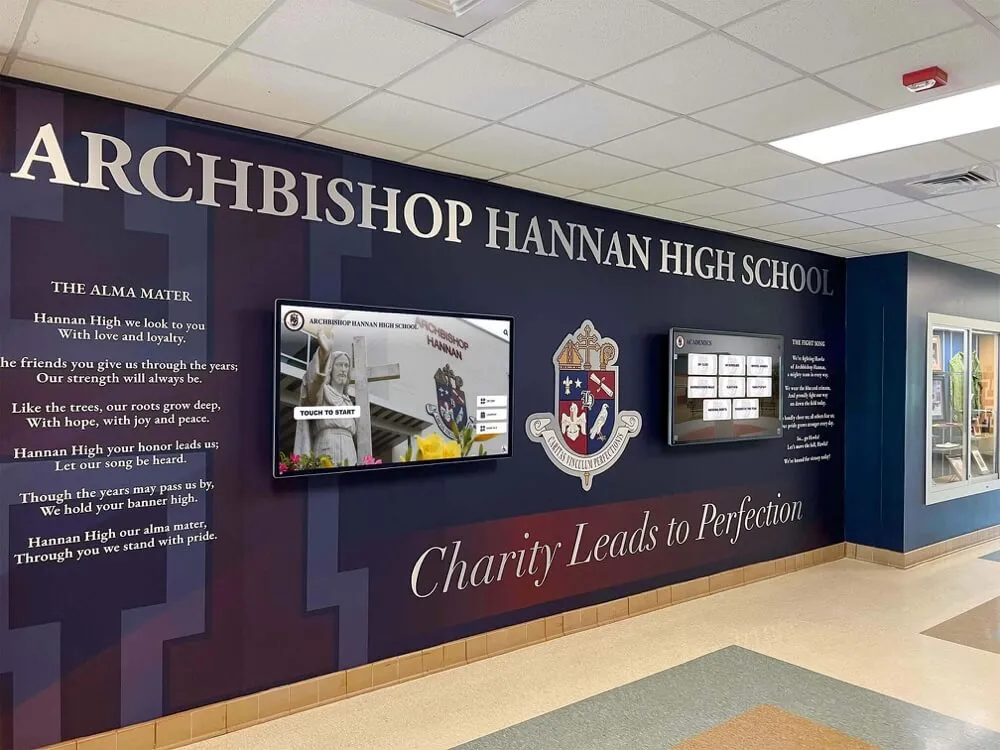
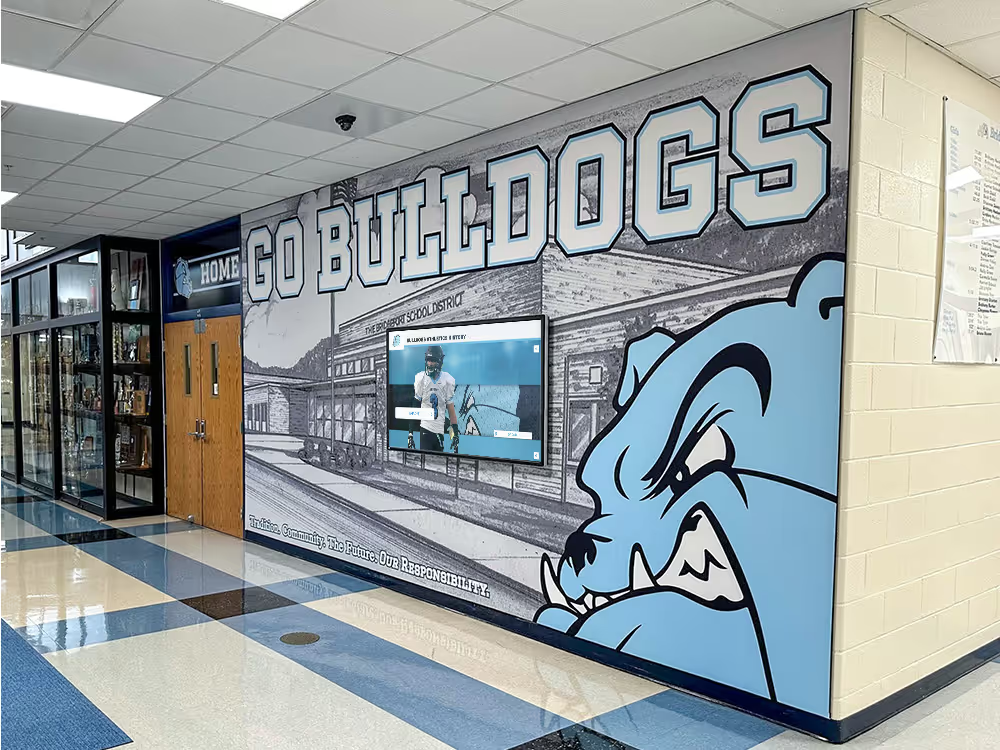
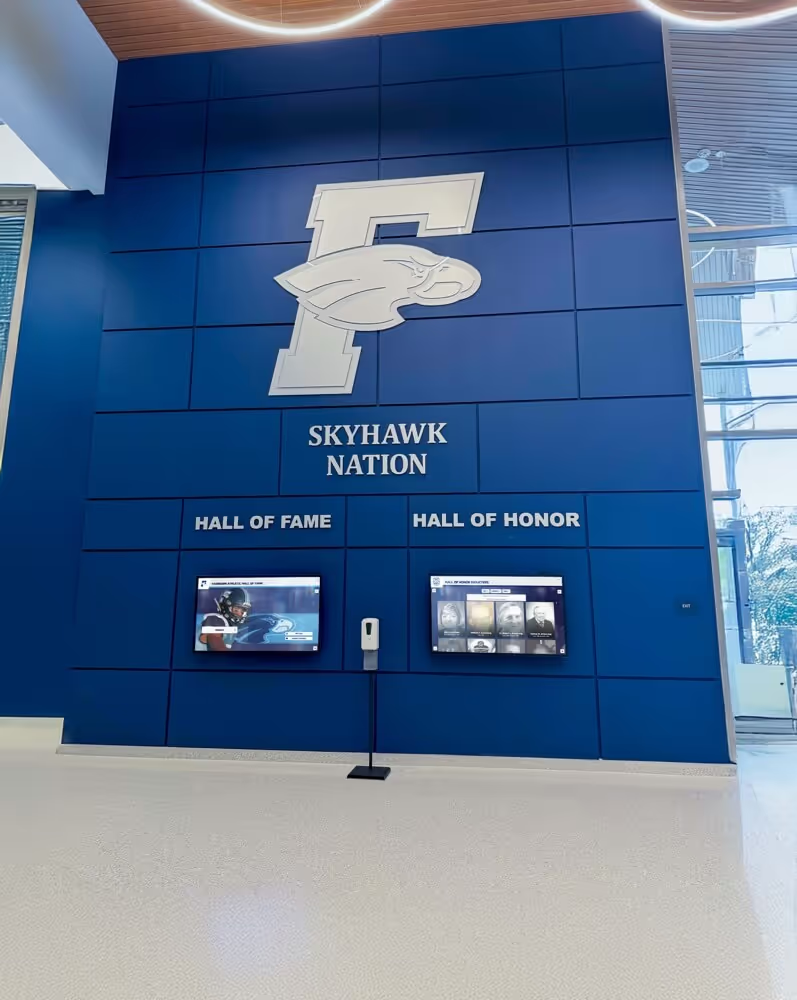
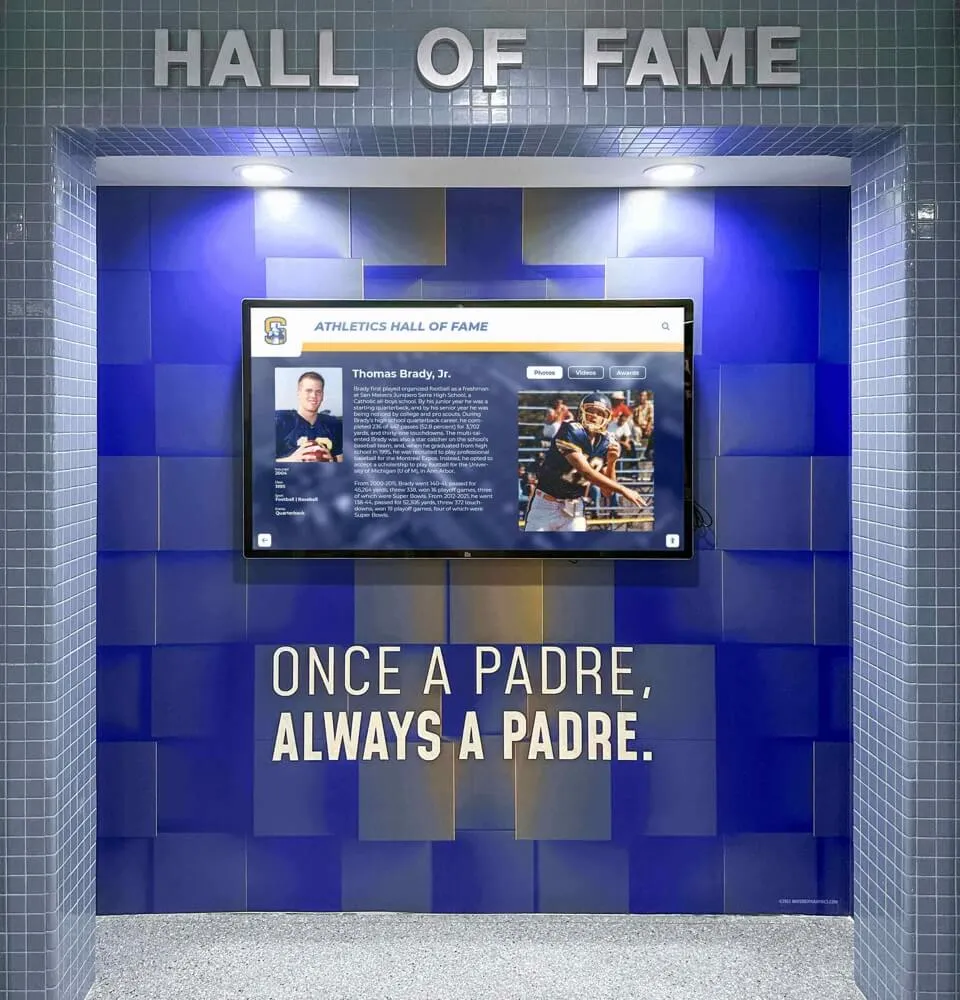
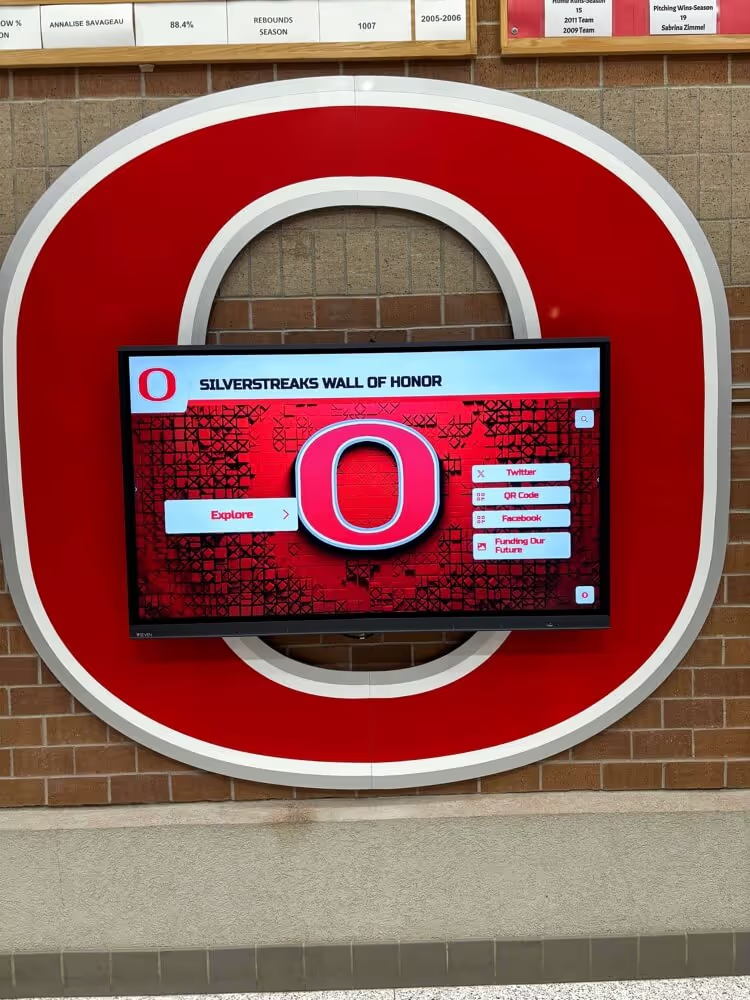
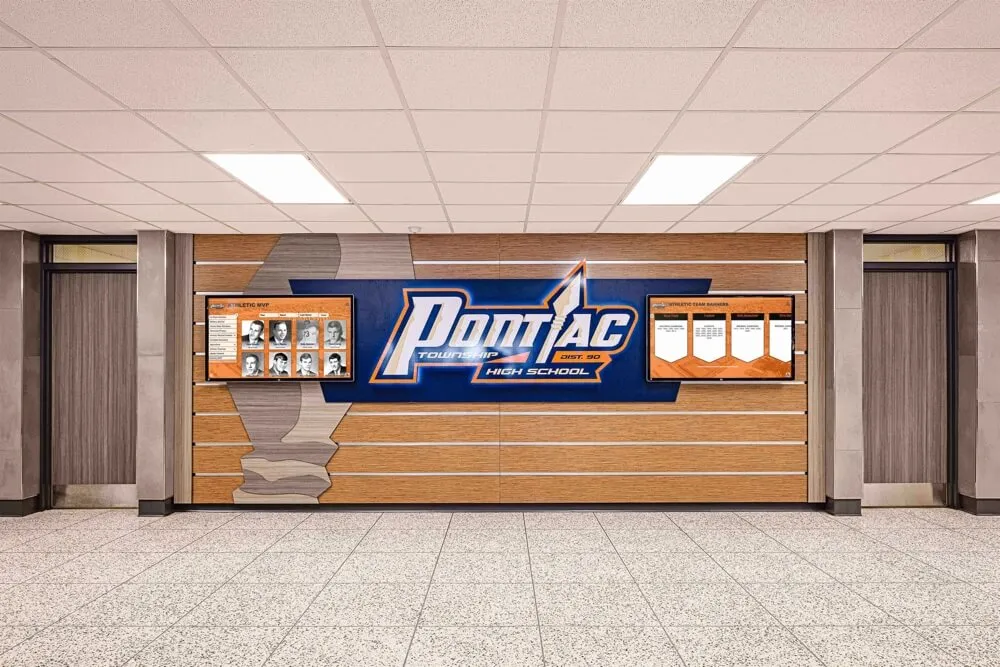
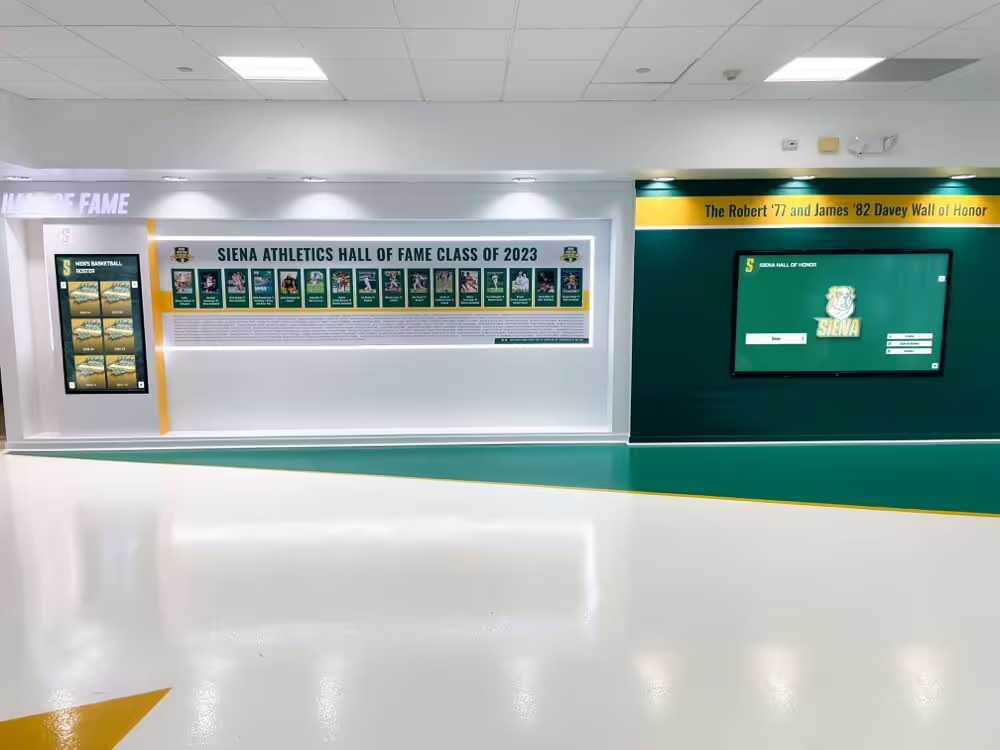
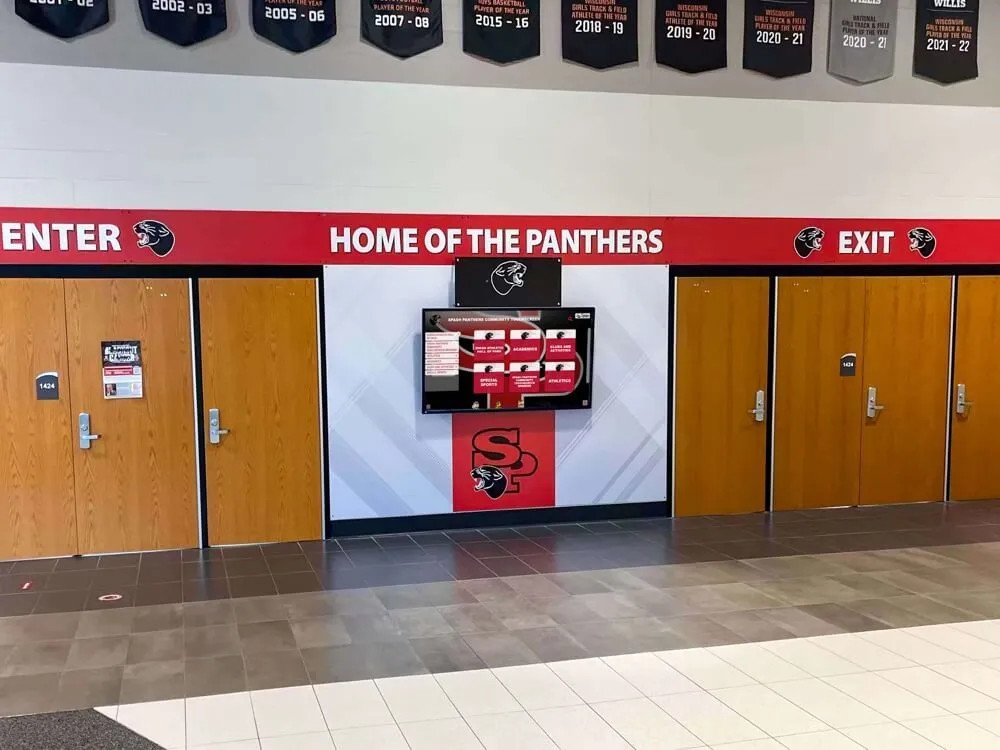
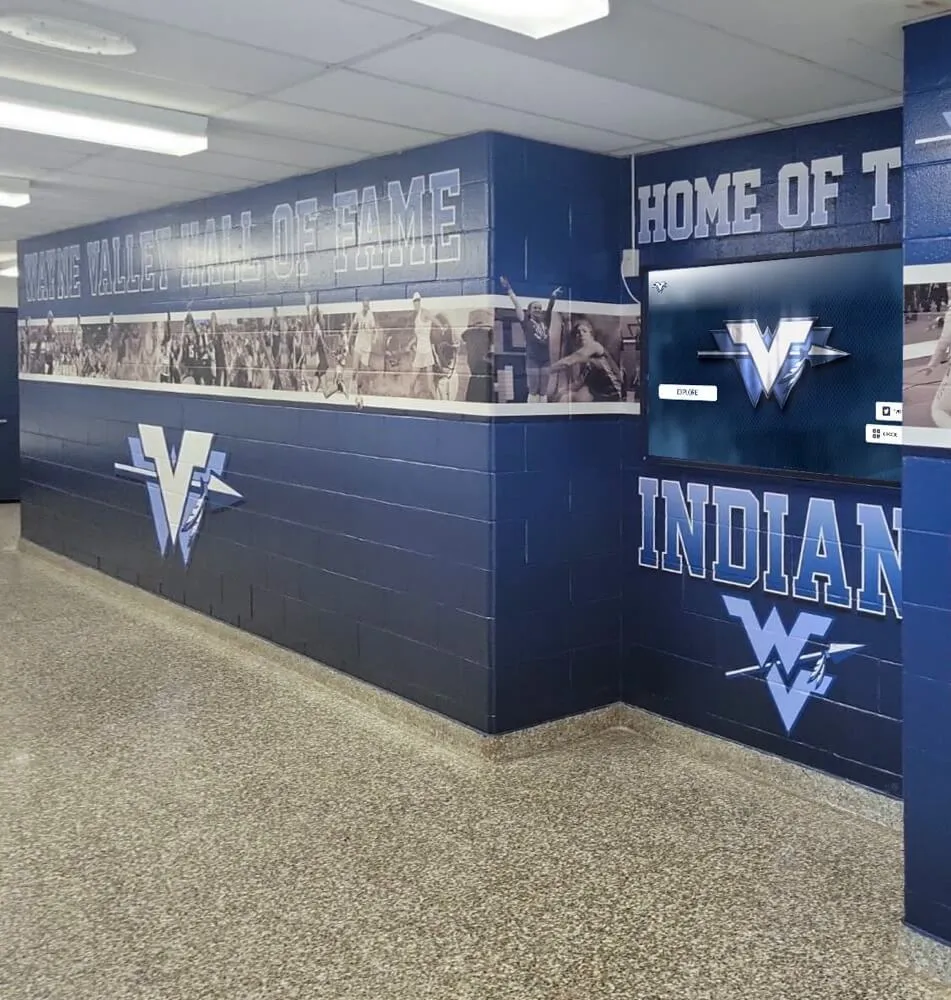
Prominent hallway installations ensure tennis achievements contribute to school-wide athletic pride and program visibility
Execution Timeline: Tennis Senior Night Implementation
Systematic planning ensures quality celebrations honoring graduating players appropriately while managing the competing demands of active competitive seasons.
Phase 1: Initial Planning (6-8 Weeks Before Ceremony)
Senior Roster Confirmation and Communication
Early preparation establishes foundations:
- Compile complete senior list across varsity and JV levels
- Determine ceremony format based on program preference and facility constraints
- Select ceremony date coordinating with competition schedule and facility availability
- Communicate initial information to senior families about ceremony expectations
- Form planning committee including coaches, senior parents, and booster representatives
- Establish budget determining available resources for gifts, flowers, and recognition
- Review previous senior nights identifying successful elements and improvement opportunities
Award Structure Development
Recognition planning:
- Select 8-12 award categories addressing performance, character, and special achievement
- Define clear criteria for each award ensuring transparent selection process
- Determine voting or evaluation methods involving coaches, captains, or team input
- Plan physical award procurement including trophies, plaques, or certificates
- Develop statistical tracking confirming data accuracy for performance awards
- Consider creating perpetual awards establishing multi-year traditions
- Communicate award structure to team building anticipation and understanding
Venue and Logistics Planning
Practical arrangements:
- Confirm ceremony location and weather contingency plans
- Assess sound system needs for outdoor or indoor recognition
- Arrange photography or videography coverage documenting ceremony
- Plan gift presentations determining flowers, framed photos, or alternative items
- Coordinate with opponents if ceremony occurs during competition day
- Reserve additional space if planning post-ceremony reception
- Assess parking and seating ensuring adequate family accommodations
Phase 2: Content Development and Coordination (3-5 Weeks Before)
Senior Information Collection
Biographical content gathering:
- Collect senior biographies including years played, positions, achievements
- Request high-quality photos for displays, programs, or video tributes
- Gather post-graduation plans including college attendance or career intentions
- Compile career statistics including win-loss records, tournament results, honors
- Request favorite tennis memories or meaningful moment reflections
- Collect family acknowledgments if incorporating parent recognition
- Verify name pronunciations ensuring accurate public announcements
Award Selection and Finalization
Recognition decisions:
- Complete statistical compilation and performance evaluation
- Conduct voting processes for subjective awards when applicable
- Select award recipients across all categories
- Order physical awards ensuring adequate delivery time before ceremony
- Prepare award descriptions and presentation remarks
- Decide whether to announce winners in advance or maintain ceremony surprise
- Plan presentation order creating appropriate ceremony flow
Ceremony Script and Program Development
Detailed planning:
- Write complete ceremony script including all introductions and transitions
- Prepare biographical statements for each senior
- Draft coach remarks reflecting on senior class impact
- Plan senior speeches if incorporating athlete reflections
- Create printed programs if distributing to attendees
- Develop timeline ensuring ceremony remains appropriately paced
- Rehearse pronunciation of names, colleges, and specialized terms
Phase 3: Final Preparation (1-2 Weeks Before)
Materials Procurement and Setup Planning
Final logistics:
- Confirm flower or gift deliveries with accurate quantities
- Receive and verify physical awards ensuring correct engraving
- Print programs, certificates, or biographical materials
- Prepare decorations or signage if enhancing ceremony spaces
- Test audio-visual equipment including microphones and video playback
- Finalize photographer instructions ensuring comprehensive coverage
- Create presentation area setup plan including gift tables and staging
Family Communication and Coordination
Participant preparation:
- Distribute detailed ceremony timeline to senior families
- Confirm parent escort participation and arrival times
- Communicate dress code or attire expectations
- Provide parking and seating information
- Share weather contingency plans and communication methods
- Request RSVPs for post-ceremony reception if applicable
- Address family questions ensuring comfort with ceremony expectations
Rehearsal and Contingency Planning
Final preparation:
- Conduct brief ceremony walk-through with seniors and families
- Review announcer script and presentation order
- Test sound system and microphone functionality
- Prepare backup plans for weather-related changes
- Confirm all responsible parties understand roles
- Create checklist ensuring all materials available on ceremony day
- Designate coordinator managing day-of logistics and problem-solving
Phase 4: Ceremony Execution and Follow-Up
Event Day Management
Ceremony delivery:
- Arrive early for setup and equipment testing
- Coordinate senior and family arrival and staging
- Manage ceremony timing maintaining appropriate pace
- Capture comprehensive photography and video
- Distribute gifts and awards to each senior
- Thank attendees, opponents, and facilities personnel
- Supervise breakdown and cleanup
Post-Ceremony Actions
Recognition extension:
- Share photos and videos with seniors and families
- Post ceremony highlights to social media celebrating seniors publicly
- Submit results and photos to local media when appropriate
- Update tennis program displays with senior recognition
- Distribute thank you communications to volunteers and contributors
- Archive ceremony documentation for program history
- Gather feedback informing future senior night planning
Systematic execution ensures graduating tennis players receive the meaningful recognition their dedication deserves while creating memories families cherish and traditions strengthening program culture across future senior classes.
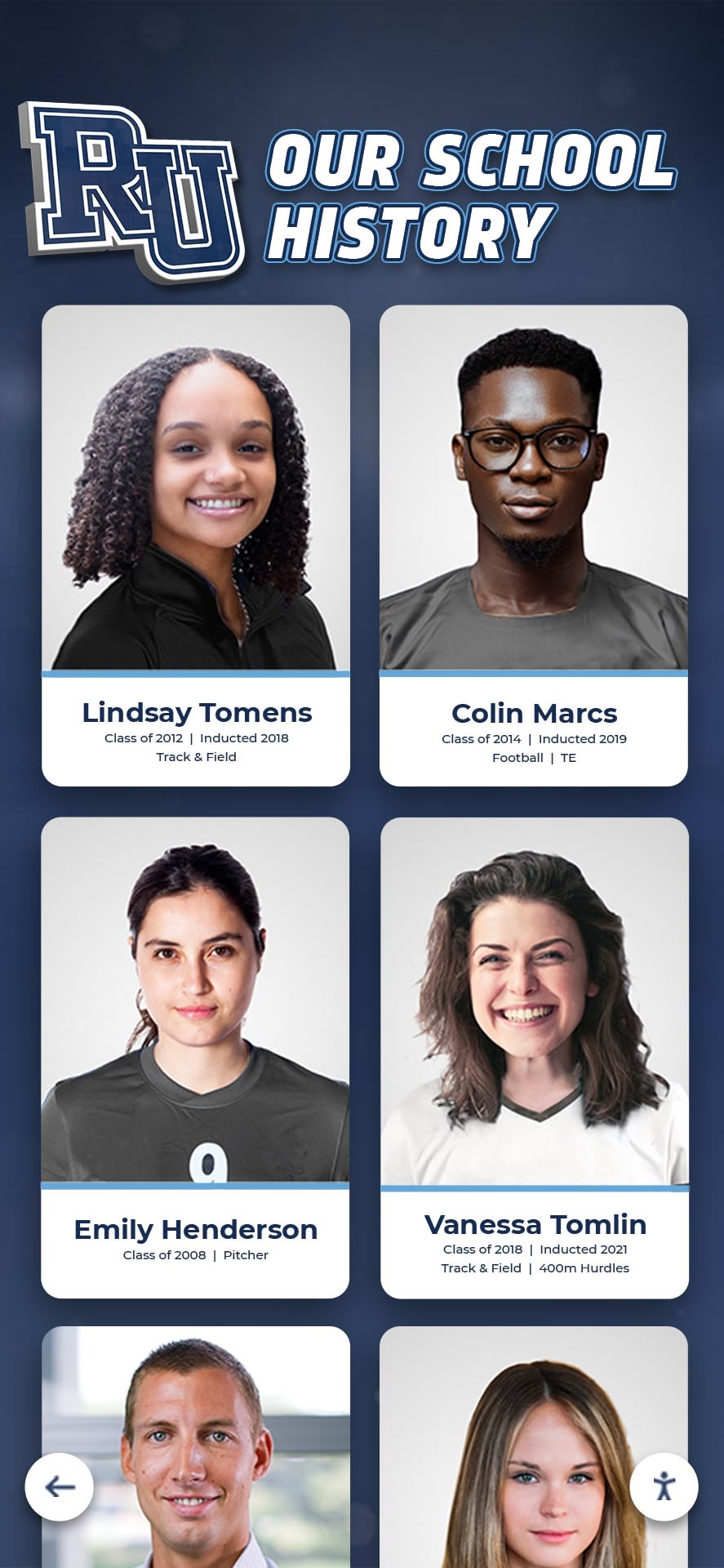
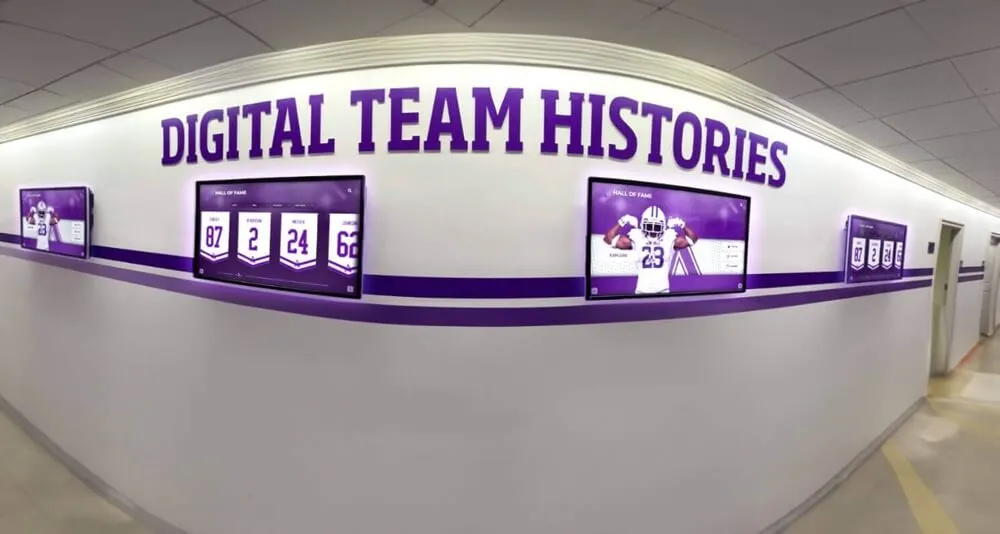
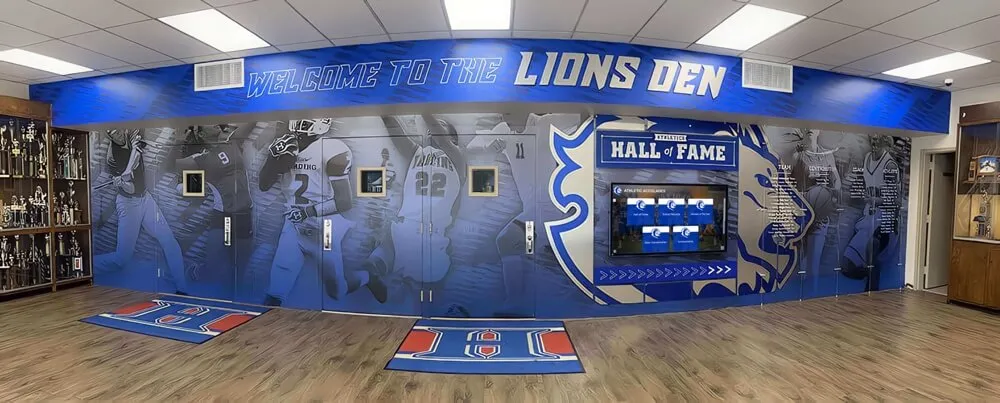
Comprehensive historical documentation preserves tennis program legacy while connecting current players to traditions they inherit
Display Integration: Permanent Tennis Recognition Beyond Senior Night
Strategic recognition extends beyond single-evening ceremonies, creating year-round visibility that builds program prestige while honoring graduating seniors permanently.
Digital Recognition Platform Benefits
Modern technology enables unlimited recognition capacity:
Comprehensive Player Profiles
Digital platforms provide extensive documentation:
- Complete career statistics including singles and doubles records
- Season-by-season progression showing development across years
- Tournament results and conference honors documentation
- Individual awards and recognition accumulated throughout careers
- Photo galleries featuring action shots and memorable moments
- Post-graduation updates tracking college tennis or career success
- Searchable databases enabling easy senior profile access
Tennis-Specific Content Organization
Sport-appropriate information architecture:
- Browse by graduation year accessing complete senior classes
- Filter by playing position (singles, doubles, both)
- Search by name locating specific athletes quickly
- Sort by statistical categories finding record holders
- View conference or state qualifiers across program history
- Explore team seasons with complete rosters and results
- Random discovery highlighting diverse athletes and achievements
Solutions like Rocket Alumni Solutions provide purpose-built athletic recognition platforms combining unlimited athlete capacity with intuitive management, enabling tennis programs to showcase senior achievements comprehensively without the physical space constraints limiting traditional displays while creating permanent archives accessible from anywhere through web and mobile platforms.
Physical Display Considerations
Traditional recognition remains valuable:
Tennis-Specific Display Options
Sport-appropriate physical recognition:
- Senior class composite photos with individual portraits
- Championship team photos from successful seasons
- Record boards showcasing all-time statistical leaders
- Conference and state qualifier recognition plaques
- Team captain acknowledgment across program history
- Letter winner boards documenting multi-year athletes
- Trophy cases displaying team and individual championships
Display Location Strategy
Maximizing visibility:
- Athletic facility lobbies greeting all visitors immediately
- Tennis-specific facilities creating sport identity
- Academic hallways extending visibility beyond athletic spaces
- Main gymnasium areas when tennis lacks dedicated facility
- Outdoor court signage visible during practices and matches
- Integration with broader athletic recognition when appropriate
- Multiple locations distributing recognition throughout campus
Explore trophy display case ideas combining traditional and digital recognition effectively.
Social Media and Digital Extension
Amplifying recognition reach:
Platform-Specific Strategies
Maximizing digital visibility:
- Instagram posts featuring senior profiles and achievements
- Facebook event pages for ceremony announcements and photo sharing
- Twitter recognition threads celebrating each senior individually
- Program website senior spotlight features with comprehensive profiles
- YouTube video tributes compiling season highlights
- Email newsletters to tennis community celebrating graduating class
- Alumni group communications connecting current seniors to program graduates
Content Ideas for Social Celebration
Engaging digital recognition:
- Senior spotlight series leading up to ceremony
- Career statistics graphics showcasing individual achievements
- Quote graphics featuring senior reflections on tennis experiences
- Throwback photos showing freshman-to-senior progression
- Match highlight videos featuring memorable senior performances
- Family appreciation posts acknowledging parent support
- Post-graduation update posts tracking college commitments
Digital extension transforms senior night from single-evening ceremony into sustained celebration spanning weeks before and after formal recognition, maximizing visibility while creating shareable content seniors and families treasure permanently.
Understanding digital storytelling for athletic programs helps tennis teams create compelling recognition content.
Budget Planning and Cost-Effective Recognition
Meaningful tennis senior night doesn’t require unlimited budgets—strategic approaches maximize impact within available resources.
Typical Cost Components
Understanding expense categories:
Per-Senior Costs
Individual athlete expenses:
- Flowers or Gift Items - $15-$30 per senior for bouquets or framed photos
- Physical Awards - $20-$50 per award recipient for trophies or plaques
- Printed Materials - $5-$15 per senior for programs or biographical displays
- Recognition Items - $10-$25 for commemorative gifts (t-shirts, ornaments, personalized items)
Program-Wide Expenses
Collective ceremony costs:
- Photography/Videography - $200-$500 for professional documentation
- Video Production - $300-$800 if creating senior tribute videos
- Decorations and Signage - $50-$200 for ceremony enhancement
- Sound System Rental - $100-$300 if facility equipment inadequate
- Reception Refreshments - $200-$500 if hosting post-ceremony gathering
- Printed Programs - $50-$150 for ceremony attendee distribution
Total Budget Ranges
Comprehensive ceremony investment:
- Modest Recognition - $300-$600 total (5-8 seniors, minimal extras)
- Standard Ceremony - $600-$1,200 total (balanced approach with photography and gifts)
- Enhanced Celebration - $1,200-$2,000+ total (comprehensive with reception and video)
Funding Strategies
Multiple approaches support senior night budgets:
Traditional Funding Sources
Standard budget allocation:
- Athletic department budget line items for senior recognition
- Tennis program accounts or booster club support
- Senior family contributions through voluntary donations
- Fundraising specifically designated for senior night expenses
- General team fundraising with senior recognition allocation
- Coach discretionary funds supporting recognition needs
Cost-Reduction Approaches
Maximizing budget efficiency:
- Parent volunteer photography replacing professional services
- DIY video compilation using existing season footage
- Digital programs eliminating printing costs
- Team-created decorations and signage
- Simple but meaningful gifts prioritizing sentiment over expense
- Combining senior night with existing season-end celebration
- Incremental approach with basic ceremony now and permanent displays later
The most meaningful tennis senior nights prioritize genuine appreciation and thoughtful recognition over expensive gifts or elaborate productions—seniors remember heartfelt speeches, family moments, and authentic celebration far more than gift values or ceremony budgets.
Special Considerations for Tennis Senior Night
Several unique factors require thoughtful approaches specific to tennis program contexts.
Weather Contingency Planning
Outdoor tennis creates unique challenges:
Backup Plans
Ensuring recognition occurs regardless of conditions:
- Indoor facility identification (gymnasium, cafeteria, auditorium) for weather backup
- Abbreviated ceremony format if moving indoors with limited time
- Communication plan notifying families of location changes quickly
- Portable sound system enabling ceremony flexibility across locations
- Photo backdrop or display materials easily transportable
- Ceremony script flexibility adapting to venue changes
- Advance family communication about weather decision-making process
Timing Flexibility
Adapting to conditions:
- Multiple potential ceremony dates if weather creates cancellation
- Willingness to recognize seniors during away match if home finale cancelled
- Indoor ceremony with tennis theme rather than requiring court location
- Post-season recognition if playoffs prevent appropriate regular season timing
- Split recognition if some seniors advance to state while others conclude
Weather unpredictability requires mental flexibility and advance planning ensuring seniors receive appropriate recognition even when ideal conditions prove elusive.
Individual vs. Team Sport Balance
Honoring individual excellence within team framework:
Recognition Equity
Ensuring fair acknowledgment:
- Comparable recognition time for each senior regardless of competitive level
- Award distribution spanning competitive achievements and character contributions
- Speaking time for lower-lineup players equal to featured competitors
- Biographical detail depth consistent across all seniors
- Photo and display quality equivalent for all graduating players
- Family experience quality independent of student competitive results
Competitive Hierarchy Sensitivity
Navigating lineup dynamics:
- Avoiding recognition that reinforces painful competitive positions
- Celebrating individual progress and development over comparative rankings
- Highlighting unique contributions each senior provided program
- Emphasizing team success requiring contributors at all levels
- Focusing on personal bests and growth rather than position comparisons
- Including awards recognizing non-competitive contributions equally
Tennis programs should approach senior night ensuring every graduating player feels genuinely valued for their personal journey and contribution rather than recognizing only the competitive outcomes that inevitably varied across senior class members.
Combined Gender Program Considerations
Coordinating boys and girls tennis recognition:
Separate vs. Combined Ceremonies
Strategic decision-making:
- Separate Recognition - Individual ceremonies enabling sport-specific focus and appropriate timing
- Combined Celebration - Single event demonstrating program unity and administrative efficiency
- Hybrid Approach - Shared reception with sport-specific recognition moments
Equity Assurance
Ensuring comparable treatment:
- Equivalent budget allocation across programs
- Similar ceremony duration and production quality
- Award category consistency across boys and girls teams
- Display space equity in permanent recognition
- Communication consistency in family outreach
- Photography coverage quality equivalent for both programs
Programs should evaluate combined vs. separate approaches based on senior preferences, schedule realities, and commitment to demonstrating equal value for boys and girls tennis excellence.
Understanding coach appreciation strategies helps programs honor tennis coaches contributing to senior development.
Conclusion: Building Lasting Tennis Senior Night Traditions
Tennis senior night represents far more than distributing flowers and reading biographical statements during brief on-court ceremonies—effective celebrations honor individual athletic journeys comprehensively, acknowledge the unique demands of tennis competition balancing individual excellence within team frameworks, create memorable family experiences cherished permanently, and establish recognition traditions that elevate tennis program prestige while demonstrating institutional commitment to individual sport excellence equal to higher-profile team athletics.
The strategies explored throughout this guide provide complete frameworks for creating tennis senior night celebrations spanning ceremony format selection, comprehensive award structures, permanent recognition displays, and budget-conscious approaches that honor graduating players meaningfully regardless of financial constraints. From on-court traditions maintaining tennis-specific recognition to digital platforms enabling unlimited capacity and year-round visibility, these approaches transform how tennis programs celebrate the athletes whose dedication and talent drive program excellence season after season.
Ready to enhance tennis senior night recognition beyond single-evening ceremonies? Modern digital recognition solutions provide comprehensive platforms showcasing tennis achievements year-round, preserving program history permanently, and creating engaging interactive experiences that players, families, and communities explore repeatedly throughout years.
Whether implementing new recognition approaches or enhancing existing traditions, success requires thoughtful ceremony planning creating positive memorable experiences, diverse award categories celebrating multiple contribution types, permanent displays building program visibility, and genuine appreciation communicating authentic value for each senior’s unique journey.
Discover how Rocket Alumni Solutions can help your tennis program create professional recognition displays showcasing achievements permanently, inspiring future players while honoring those who built program traditions through dedication and excellence on courts and in communities.
Your graduating tennis players deserve recognition celebrating athletic achievement, character development, leadership growth, and commitment demonstrated throughout demanding competitive seasons. With systematic planning addressing ceremony format, award diversity, family inclusion, and lasting visibility, you can create senior night celebrations honoring participants authentically while strengthening program culture sustaining tennis excellence across future seasons.
The essential elements aren’t expensive gifts, elaborate productions, or perfect weather—they’re genuine appreciation communicated authentically, comprehensive recognition acknowledging varied contributions, family and community inclusion honoring complete support systems, and sustained visibility ensuring achievements remain celebrated beyond single ceremony evenings. Start planning your tennis senior night today, creating traditions that build program pride while celebrating the players, coaches, and supporters who make competitive tennis excellence possible season after season.