Tennis Backhand Technique: One-Hander vs Two-Hander and How to Choose the Right Style for Your Game
- Home /
- Digital Hall of Fame Insights & Resources /
- Tennis Backhand Technique: One-Hander vs Two-Hander and How to Choose the Right Style for Your Game
The Easiest Touchscreen Solution




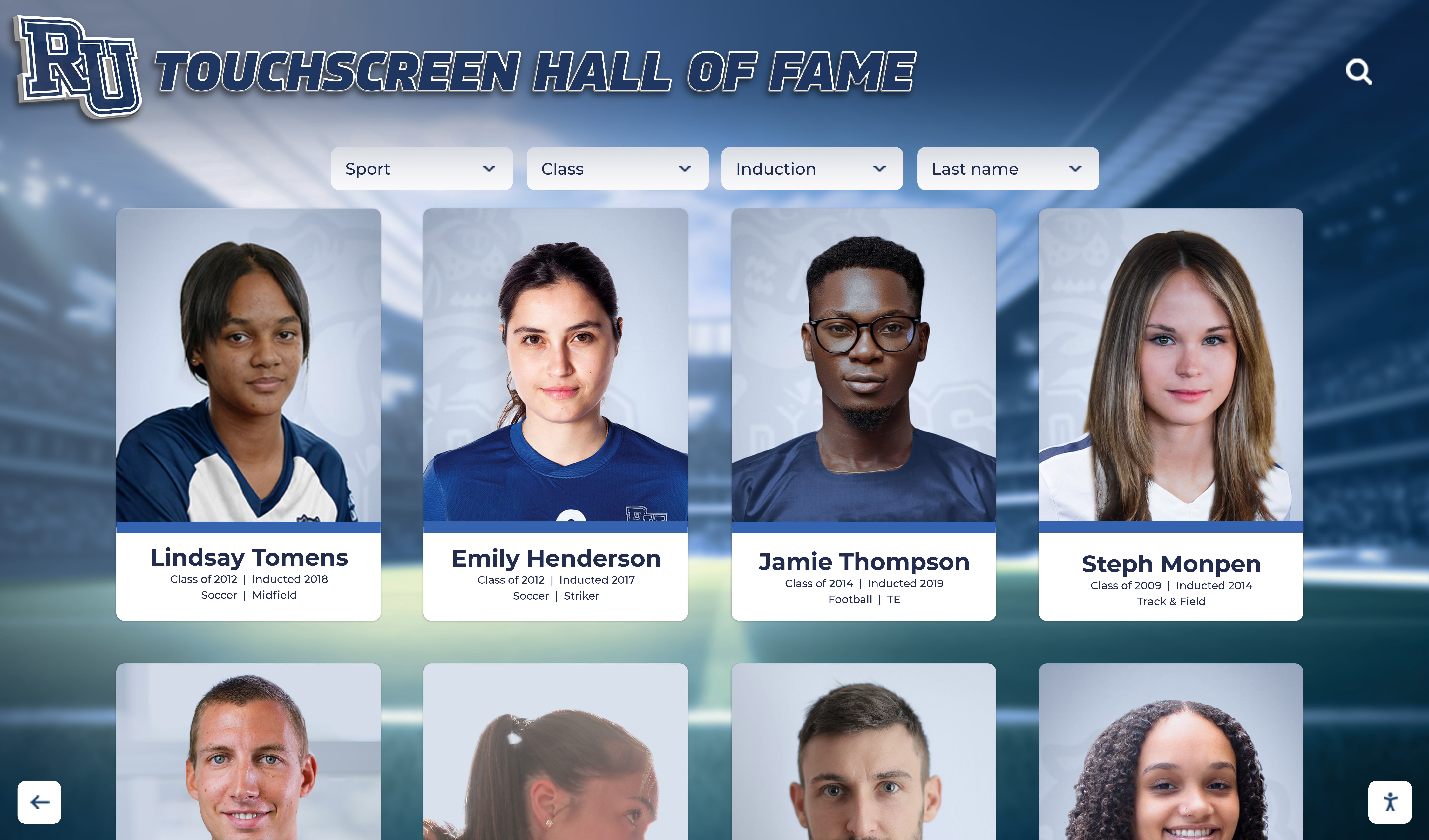
Live Example: Rocket Alumni Solutions Touchscreen Display
Interact with a live example (16:9 scaled 1920x1080 display). All content is automatically responsive to all screen sizes and orientations.
The backhand represents the most debated and technically diverse stroke in tennis, dividing players, coaches, and programs into passionate camps advocating for either one-handed or two-handed technique. Every competitive player eventually confronts this fundamental decision: which backhand style best matches their physical attributes, playing style, and development trajectory?
Unlike forehand technique, where nearly universal adoption of the modern semi-western grip has created standardization, backhand execution remains genuinely bifurcated at the highest levels of the game. Professional tours showcase both styles winning Grand Slam titles—Roger Federer’s elegant one-hander and Rafael Nadal’s powerful two-hander represent equally valid paths to elite performance, yet they require completely different technical foundations, training progressions, and tactical applications.
This comprehensive guide examines tennis backhand technique through direct comparison of one-handed and two-handed approaches, analyzing grip mechanics, biomechanical differences, developmental considerations, and decision frameworks that help coaches and players select the appropriate style. Programs implementing evidence-based backhand instruction tailored to individual player characteristics report 40-60% faster skill acquisition and significantly reduced technical compensation patterns that limit long-term development.
Understanding the technical distinctions between backhand styles enables informed decisions that align stroke mechanics with player physiology, developmental stage, and competitive objectives rather than defaulting to coaching preferences or mimicking professional tour trends without context.

Modern tennis programs utilize comprehensive recognition systems to celebrate player development milestones and technical achievements
Understanding Backhand Fundamentals: The Foundation Before Style Selection
Before comparing one-handed and two-handed techniques, establishing foundational backhand concepts that apply universally helps players and coaches build proper technical frameworks.
Core Biomechanical Principles Shared by Both Styles
Effective backhands regardless of hand configuration share essential mechanical elements:
Proper Unit Turn and Preparation
Both backhand styles require:
- Complete shoulder rotation bringing non-dominant shoulder toward the net
- Early racquet preparation establishing position behind contact point
- Balanced weight transfer from back foot through contact
- Hip and torso rotation generating power through kinetic chain
- Proper spacing maintaining optimal distance from contact point
Contact Point Geometry
Successful backhand execution demands:
- Contact occurring in front of the body relative to stance
- Racquet face orientation matching intended ball trajectory
- Appropriate contact height relative to ball bounce characteristics
- Stable head position maintaining visual focus through contact
- Follow-through continuing in direction of intended shot placement
Footwork and Court Positioning
Regardless of hand configuration, players must develop:
- Efficient split-step timing preparing for directional movement
- Appropriate stance selection (open, neutral, closed) based on ball position
- Recovery steps returning to optimal court position after stroke execution
- Movement patterns enabling preparation despite time pressure
- Balance maintenance throughout stroke execution and recovery phases
Coaches developing comprehensive athletic training programs recognize that fundamental movement skills and racquet control must precede style-specific instruction.
Common Technical Faults Affecting Both Backhand Types
Several mechanical errors undermine backhand effectiveness regardless of hand configuration:
Preparation and Timing Errors
- Late racquet preparation forcing rushed contact
- Insufficient shoulder turn limiting power generation capacity
- Improper weight distribution creating balance issues
- Inadequate spacing resulting in cramped contact points
- Inconsistent split-step timing delaying movement initiation
Contact Point and Swing Path Problems
- Contact occurring too far behind body position
- Inconsistent racquet face orientation at impact
- Collapsed wrist positions reducing control and stability
- Insufficient follow-through limiting consistency
- Excessive grip tension restricting natural swing mechanics
Essential Grip Concepts for Backhand Execution
Understanding grip mechanics establishes the foundation for style-specific technique:
Grip Terminology and Reference Points
Tennis grips are described using bevels on the racquet handle:
- Continental grip (bevel 2) provides neutral starting position
- Eastern backhand (bevel 1) offers traditional one-handed foundation
- Semi-western and western positions modify contact point geometry
- Grip pressure affects racquet head speed and control balance
Grip Change Mechanics
Efficient players develop:
- Quick grip transitions between forehand and backhand
- Consistent finger placement enabling repeatable contact
- Appropriate grip pressure varying with shot requirements
- Adaptation to different ball heights and spins
- Natural feel minimizing conscious adjustment during points
Developmental Timing for Backhand Style Selection
Age and physical development significantly influence appropriate backhand choices:
Younger Players (Ages 8-12)
Initial instruction considerations include:
- Hand size and strength affecting grip stability
- Coordination development determining complexity tolerance
- Attention span influencing practice effectiveness
- Growth patterns affecting long-term biomechanics
- Individual confidence with different stroke mechanics
Intermediate Players (Ages 13-16)
Refinement stage factors include:
- Established movement patterns becoming harder to modify
- Increased strength enabling more aggressive technique
- Competitive demands requiring consistent execution
- Technical sophistication supporting advanced tactics
- Commitment level justifying intensive technical reconstruction
Advanced and Adult Players
Late-stage considerations include:
- Entrenched muscle memory resisting fundamental changes
- Physical limitations affecting technique viability
- Competitive goals determining modification worthiness
- Time availability for technical reconstruction
- Injury history influencing biomechanical choices
School tennis programs tracking student-athlete development across multiple years observe that early appropriate backhand selection correlates with accelerated skill progression and reduced technical plateau patterns.
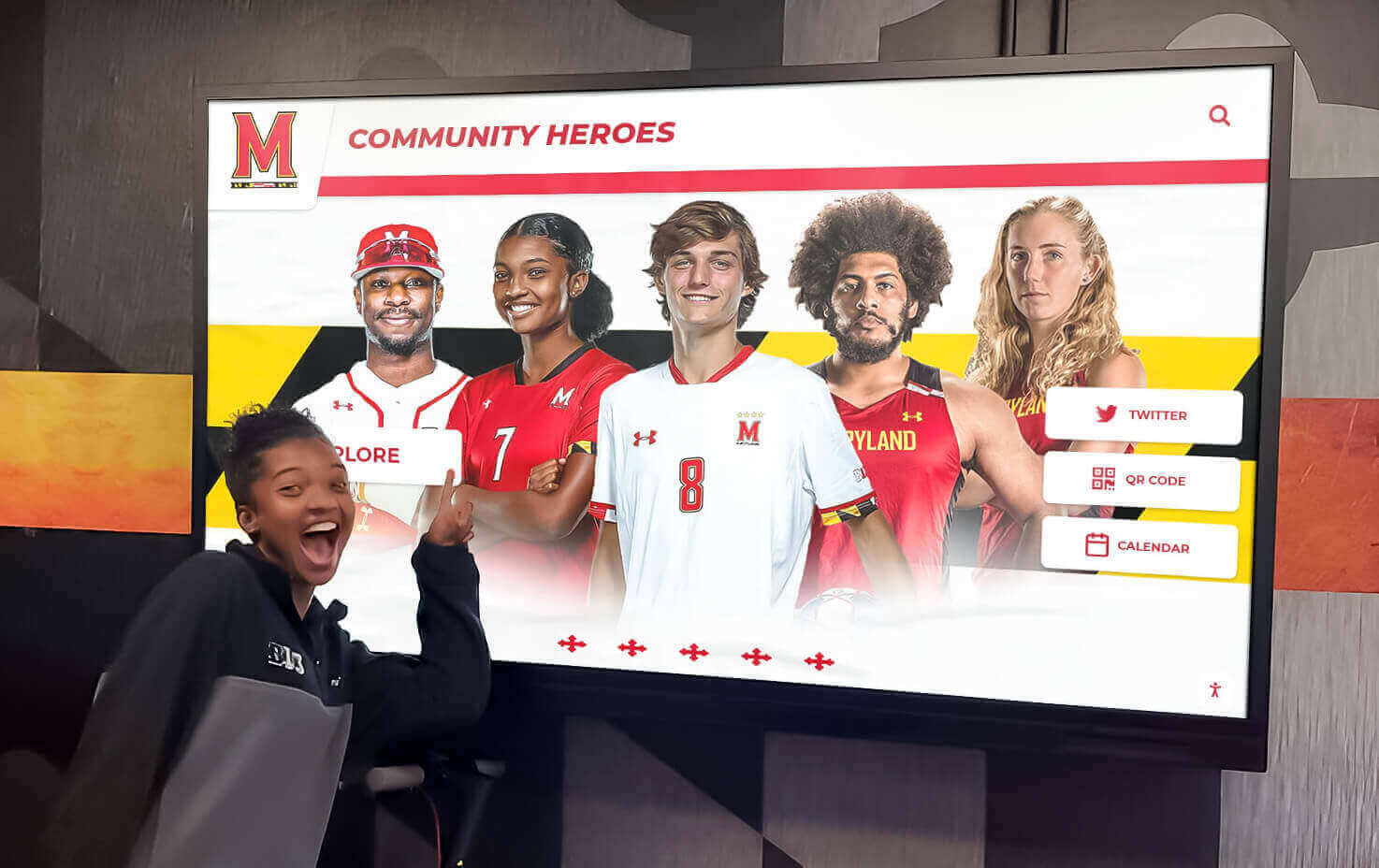
Digital recognition platforms enable tennis programs to document technical progression and celebrate achievement milestones throughout player development
One-Handed Backhand: Technical Breakdown, Advantages, and Ideal Player Profiles
The one-handed backhand represents tennis’s most aesthetically celebrated stroke, requiring exceptional timing, footwork, and coordination while offering unique tactical advantages.
Grip Mechanics and Hand Positioning for One-Handed Backhands
Single-hand technique demands precise grip understanding:
Eastern Backhand Grip (Primary Foundation)
The standard one-handed grip involves:
- Base knuckle of index finger positioned on bevel 1 (top-left for right-handers)
- Palm behind the racquet handle providing structural support
- Thumb placement diagonally across back panel increasing stability
- Fingers spread moderately around handle enabling wrist articulation
- Pressure concentrated in fingers rather than palm grip
Grip Variations for Different Shot Types
Advanced players modify grip subtly for:
- Slice backhands using more continental positioning (bevel 2)
- Topspin drives maintaining eastern or moving slightly toward semi-western
- High balls requiring closed racquet face approaching semi-western position
- Low balls benefiting from more continental orientation
- Volleys and approach shots utilizing continental for versatility
Common Grip Errors Compromising One-Handed Technique
- Too continental (hammer grip) preventing topspin generation
- Insufficient thumb support reducing stability at contact
- Excessive grip pressure restricting natural swing mechanics
- Inconsistent finger placement causing variable contact quality
- Failure to modify grip for different ball heights and situations
Biomechanics and Swing Path Characteristics
One-handed backhand execution requires specific mechanical sequencing:
Preparation Phase Mechanics
Effective preparation includes:
- Complete shoulder turn bringing left shoulder toward net (right-handed players)
- Non-hitting hand supporting racquet throat during turn
- Weight loaded on back foot establishing power transfer foundation
- Racquet positioned slightly below intended contact point
- Early recognition of ball trajectory enabling optimal spacing
Forward Swing and Contact Point Geometry
The hitting phase involves:
- Non-hitting hand releasing racquet as forward motion initiates
- Hip rotation initiating kinetic chain before arm acceleration
- Racquet path moving low-to-high creating topspin trajectory
- Contact occurring in front of hip at approximately waist height
- Straight front arm at contact providing structure and stability
- Weight transfer to front foot simultaneous with impact
Follow-Through and Recovery
Proper completion requires:
- Extended follow-through finishing over opposite shoulder
- Continuous rotation through contact point
- Maintained balance throughout stroke execution
- Immediate recovery step returning to ready position
- Visual tracking of ball throughout entire stroke sequence
Strategic Advantages of the One-Handed Backhand
Single-hand technique provides specific tactical benefits:
Greater Reach and Court Coverage
One-handed mechanics offer:
- Extended reach on wide balls beyond two-handed range
- More effective slice variation for defensive situations
- Superior low ball handling with easier weight transfer
- Enhanced transition to net positions from backhand side
- Natural approach shot mechanics facilitating all-court play
Slice Backhand Versatility
The one-handed slice provides:
- Natural grip alignment enabling effortless slice production
- Superior depth control for neutralizing rallies
- Effective drop shot disguise from identical preparation
- Reliable passing shot option against net approaches
- Tactical variety disrupting opponent rhythm
Aesthetic and Psychological Factors
Additional considerations include:
- Visual elegance inspiring confidence when executed properly
- Distinctive style creating psychological presence
- Effective high-ball solutions with proper technique development
- Natural feel for touch shots requiring finesse
- Historical association with classical tennis excellence
Tennis programs showcasing diverse playing styles and technical approaches recognize that one-handed backhands contribute valuable tactical dimensions to team competitions.
Physical Requirements and Ideal Player Characteristics
Certain attributes favor one-handed backhand success:
Optimal Physical Characteristics
- Longer arms providing natural leverage advantages
- Good shoulder flexibility enabling full rotation
- Strong wrist and forearm stability supporting contact
- Natural timing and coordination skills
- Comfortable weight transfer and balance patterns
Personality and Learning Style Indicators
- Patience with longer development timelines
- Appreciation for technical refinement and nuance
- Comfort with stroke variability and situation-specific adjustments
- Commitment to extensive repetition for consistency
- Desire for tactical versatility and all-court game
Less Suitable Candidates
- Very young players lacking strength and coordination
- Players requiring immediate competitive results
- Those preferring simplified mechanical patterns
- Late-starting adults with limited practice time availability
- Players with shoulder, wrist, or elbow vulnerability
Two-Handed Backhand: Technical Breakdown, Advantages, and Ideal Player Profiles
The two-handed backhand dominates contemporary tennis through its consistency, power generation potential, and faster learning curve, particularly for developing players.
Grip Mechanics and Hand Positioning for Two-Handed Backhands
Dual-hand technique involves coordinated grip positioning:
Dominant Hand Placement (Bottom Hand)
The foundation grip requires:
- Continental or eastern backhand positioning (bevels 1-2)
- Lighter grip pressure compared to one-handed technique
- Primary function providing guidance rather than power
- Stable base enabling second hand leverage
- Flexibility to rotate slightly based on individual preference
Non-Dominant Hand Placement (Top Hand)
The power-generating hand involves:
- Semi-western or eastern forehand grip positioning
- Primary power source through rotation and extension
- Dominant role in racquet head acceleration
- Contact pressure concentrated in top hand
- Natural finishing motion similar to forehand mechanics
Optimal Hand Spacing and Pressure Distribution
Effective two-handed grips feature:
- Minimal gap between hands (touching or slight separation)
- Pressure ratio favoring top hand approximately 60-40
- Unified grip pressure increasing through contact
- Coordinated tension enabling fluid rotation
- Adjustment capability for different shot intentions
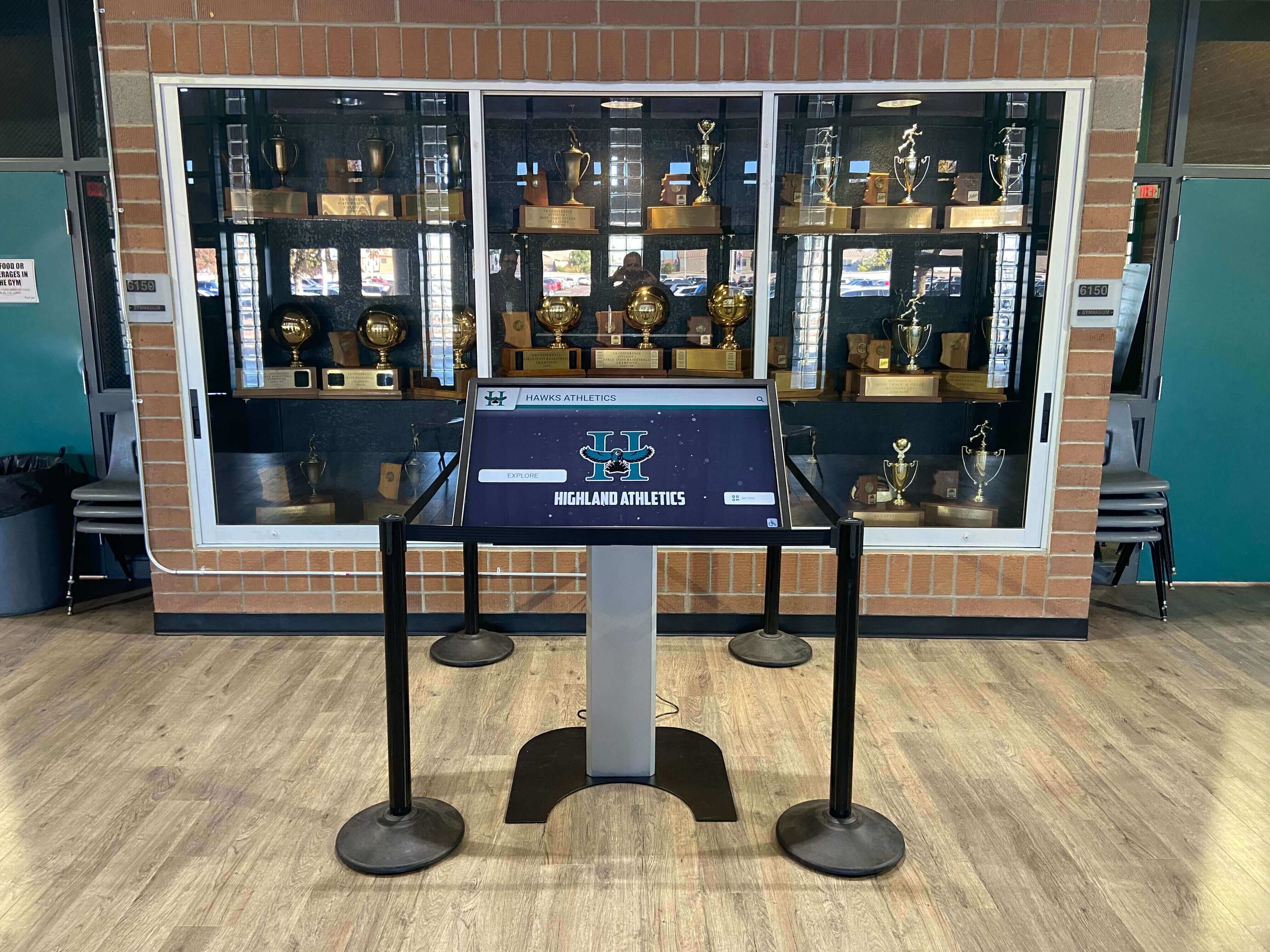
Comprehensive athletic programs document player progression across multiple technical dimensions, including backhand development and competitive results
Biomechanics and Swing Path Characteristics
Two-handed execution utilizes distinct mechanical patterns:
Preparation Phase Mechanics
Effective setup includes:
- Abbreviated shoulder turn compared to one-handed technique
- Both hands remaining on racquet throughout preparation
- More compact takeback reducing timing complexity
- Weight shift to back foot establishing transfer foundation
- Earlier optimal spacing due to reduced reach capability
Forward Swing and Contact Point Geometry
The hitting phase involves:
- Simultaneous rotation of shoulders, hips, and core
- Top hand generating primary racquet acceleration
- Contact point closer to body than one-handed technique
- Both hands maintaining contact through impact zone
- More vertical racquet path creating natural topspin
- Weight transfer emphasizing rotation over linear movement
Follow-Through and Recovery
Proper completion requires:
- Abbreviated follow-through with hands finishing near opposite shoulder
- Option to release bottom hand after contact for extension
- Maintained balance through rotational mechanics
- Quick recovery enabled by compact swing mechanics
- Continuous visual focus throughout stroke execution
Strategic Advantages of the Two-Handed Backhand
Dual-hand technique provides specific competitive benefits:
Power Generation and Consistency
Two-handed mechanics offer:
- Superior power potential from dual-hand leverage
- Enhanced consistency through increased contact stability
- Better control of high-bouncing balls above shoulder height
- Natural topspin production from vertical swing path
- Reduced timing precision requirements compared to one-handed technique
Return of Serve Effectiveness
The two-handed return provides:
- Compact preparation ideal for limited reaction time
- Effective blocking mechanics for powerful serves
- Better disguise delaying directional commitment
- Strong offensive capability from return position
- Reduced vulnerability to high-kicking serves
Modern Baseline Game Integration
Contemporary tennis benefits include:
- Ideal mechanics for semi-western grip baseline game
- Natural court positioning for modern defensive patterns
- Effective topspin rallying supporting extended exchanges
- Comfortable high contact points matching current spin levels
- Superior passing shot power from defensive positions
School tennis programs developing competitive players for college recruitment observe that two-handed backhands align well with modern junior tournament demands emphasizing consistency and topspin rallying capacity.
Physical Requirements and Ideal Player Characteristics
Certain attributes favor two-handed backhand success:
Optimal Physical Characteristics
- Adequate core rotation flexibility and strength
- Comfortable coordinating both arms simultaneously
- Good lateral movement and court coverage skills
- Sufficient shoulder stability for rotational mechanics
- Natural topspin swing path preference
Personality and Learning Style Indicators
- Preference for faster initial success and confidence
- Comfort with consistency-focused training approaches
- Desire for powerful baseline game development
- Limited practice time requiring efficient skill acquisition
- Enjoyment of modern aggressive tennis style
Less Suitable Candidates
- Players prioritizing all-court tactical versatility
- Those desiring exceptional slice variation
- Natural athletes with excellent timing preferring one-handed elegance
- Players with limited rotation flexibility
- Those pursuing classical aesthetic and traditional technique
Common Technical Challenges with Two-Handed Backhands
Despite advantages, dual-hand technique presents specific difficulties:
Limited Reach and Court Coverage
- Reduced effectiveness on wide balls outside comfortable stance
- Difficulty maintaining proper spacing under time pressure
- Less effective defensive slice from extreme positions
- Reduced net clearance on low balls requiring extended reach
- Challenging adaptation to drop shots and short balls
Transition and Net Play Limitations
- Less natural approach shot mechanics from backhand side
- Reduced volleys effectiveness if maintaining two hands
- Awkward low volleys and half-volleys requiring technique adjustment
- Less effective backhand overhead capability
- Challenging transition from baseline to net positions
Technical Dependency Issues
- Over-reliance on specific contact zone creating predictability
- Difficulty adjusting to variable ball heights outside comfort zone
- Reduced tactical variety compared to one-handed slice options
- Vulnerability to extremely high balls above shoulder height
- Limited touch shot development for finesse situations
Direct Comparison: One-Handed vs Two-Handed Backhand Decision Matrix
Understanding comparative strengths helps match backhand style to individual player profiles and competitive objectives.
Technical Characteristics Comparison Table
| Factor | One-Handed Backhand | Two-Handed Backhand |
|---|---|---|
| Learning Curve | Longer development timeline (2-4 years proficiency) | Faster initial success (6-12 months functional) |
| Power Potential | Moderate (dependent on timing and mechanics) | High (dual-hand leverage advantage) |
| Consistency | Requires extensive repetition for reliability | Naturally more consistent contact stability |
| Reach | Superior extension on wide balls | Limited by two-hand requirement |
| High Balls | Challenging without specific technique | Natural contact point above shoulder |
| Low Balls | Easier weight transfer and extension | More difficult requiring better footwork |
| Slice Effectiveness | Natural mechanics, superior variation | Requires hand release, less natural |
| Topspin Capacity | Moderate (requires specific wrist action) | Superior natural vertical swing path |
| Net Transition | Excellent approach shot mechanics | Less natural, requires adaptation |
| Return of Serve | Requires exceptional timing | Compact preparation, more consistent |
| Passing Shots | Good disguise and angle creation | Superior power from defensive positions |
| Touch/Finesse | Natural feel for drop shots and angles | Less intuitive requiring specific practice |
| Aesthetic Appeal | Classic elegance when executed properly | Modern powerful appearance |
| Injury Risk | Higher wrist and shoulder stress | More distributed stress, lower injury profile |
| Age Suitability | Better for older starters (12+) | Ideal for young players (8+) |
Playing Style and Strategic Preference Matrix
Different tactical approaches favor specific backhand styles:
One-Handed Backhand Optimal For:
- All-court game incorporating serve-volley patterns
- Slice-heavy tactical approaches varying pace and spin
- Classical tennis emphasizing touch, feel, and court craft
- Players prioritizing approach shots and net positions
- Situations requiring maximum reach on defensive balls
- Drop shot and angle specialists using finesse tactics
- Traditional grass court game leveraging slice effectiveness
Two-Handed Backhand Optimal For:
- Modern baseline game emphasizing consistent topspin rallies
- Aggressive return of serve attacking second serves
- Defensive counterpunching from behind baseline
- Power-baseline style generating pace from both sides
- High-altitude or high-bouncing court conditions
- Limited practice time requiring faster competency
- Contemporary junior competitive circuits emphasizing consistency
Programs recognizing diverse athletic achievements across different playing styles benefit from coaches capable of developing both backhand techniques according to individual player optimization.
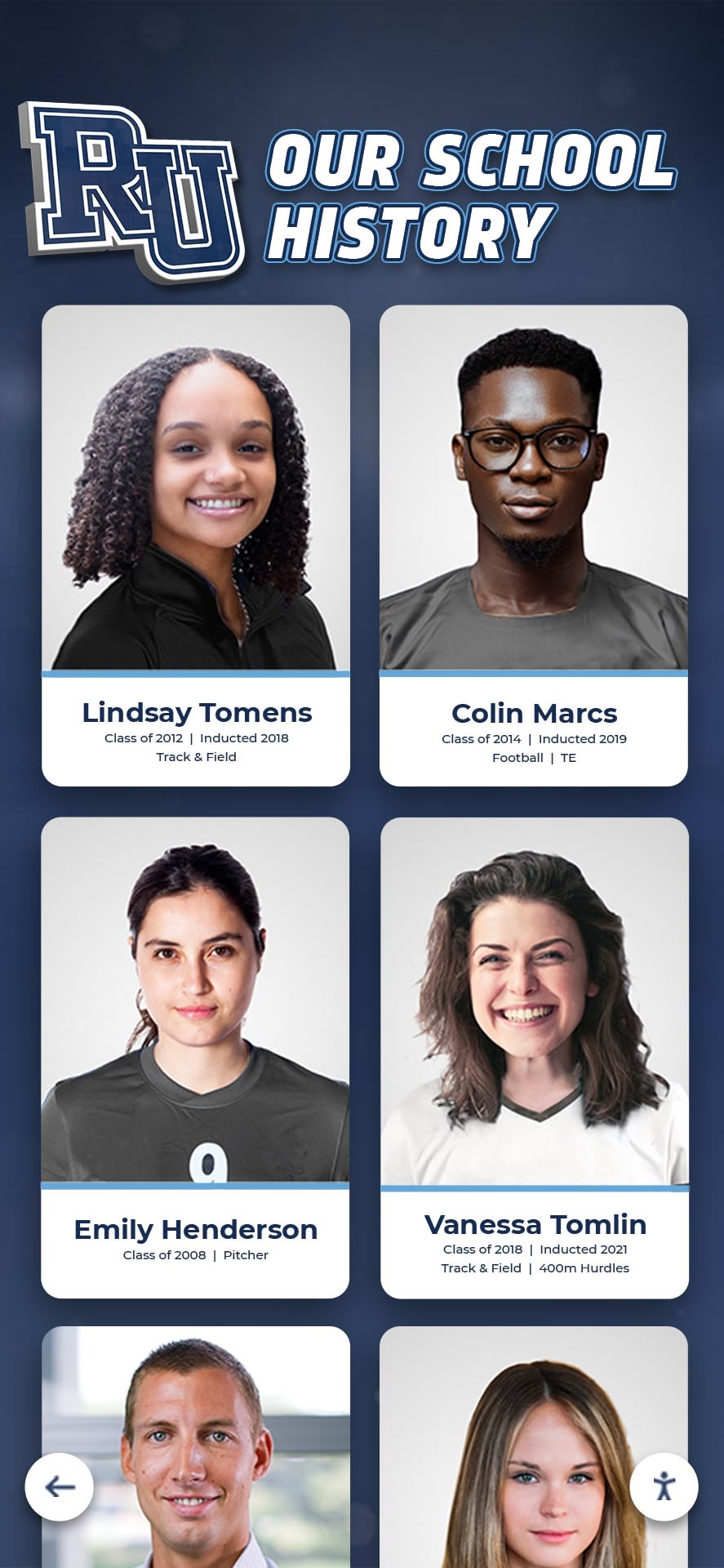
Modern recognition systems enable tennis programs to document technical evolution and celebrate players who achieved success with different backhand styles
Decision Framework: Choosing the Right Backhand Style
Systematic evaluation helps coaches and players make informed backhand selections aligned with individual characteristics and competitive objectives.
Assessment Criteria for Backhand Style Selection
Physical Assessment Factors
Evaluate these physiological characteristics:
Arm Length and Body Proportions
- Longer arms favor one-handed reach advantages
- Shorter, more compact builds suit two-handed rotation mechanics
- Shoulder width affects rotation capacity for two-handed technique
- Overall height influences natural contact point geometry
- Hand size determines grip comfort and stability with each style
Strength and Coordination Profile
- Upper body strength particularly in wrists and forearms (one-handed)
- Core rotational strength and flexibility (two-handed)
- Natural timing and hand-eye coordination level
- Balance and weight transfer capability
- Athletic maturity and coordination development stage
Flexibility and Range of Motion
- Shoulder rotation capacity for full preparation
- Wrist flexibility for topspin generation (one-handed)
- Hip and torso rotation for kinetic chain power
- Overall movement efficiency and court coverage ability
Injury History and Physical Limitations
- Previous shoulder issues (favor two-handed distributed stress)
- Wrist or elbow vulnerability (consider two-handed stability)
- Lower back concerns (evaluate rotation requirements)
- Growth plate considerations for young players
- Long-term physical sustainability based on body type
Competitive Context and Development Timeline
Current Competitive Level Assessment
Consider present playing situation:
- Recreational players prioritizing enjoyment over optimal technique
- Junior competitive players requiring tournament-ready consistency
- High school players with scholarship objectives and timelines
- Adult learners with limited practice time availability
- Elite aspirations requiring technical optimization
Development Timeline Realities
Honest evaluation of available development time:
- Years of dedicated practice accessible before competitive demands
- Practice frequency and coaching availability
- Patience for longer development curves versus immediate needs
- Willingness to potentially switch styles if initial choice proves unsuitable
- Age-related windows for optimal technique acquisition
Playing Style Aspirations
Long-term tactical preferences influence backhand selection:
- Serve-volley or all-court versatility (favors one-handed)
- Baseline consistency and power game (favors two-handed)
- Tactical variety incorporating slice and touch (favors one-handed)
- Modern aggressive baseline patterns (favors two-handed)
- Realistic assessment of physical capabilities supporting desired style
Trial Period and Style Testing Protocol
Rather than permanent immediate commitment, systematic testing helps validate backhand selection:
Structured Evaluation Process
Implement deliberate trial periods:
Phase 1: Introduction and Basic Mechanics (4-6 weeks)
- Learn fundamental grip and contact point for both styles
- Practice basic stroke production with each technique
- Develop initial feel and comfort assessment
- Document consistency rates and confidence levels
- Identify natural affinity or struggle patterns
Phase 2: Rally Integration and Consistency Development (6-8 weeks)
- Progress to sustained rallying with each backhand style
- Measure consistency metrics across multiple sessions
- Assess physical comfort and strain levels
- Evaluate learning curve progression rate
- Gather feedback from qualified coaching observation
Phase 3: Competitive Simulation and Pressure Testing (4-6 weeks)
- Incorporate point play and match situation practice
- Test effectiveness under time pressure and movement demands
- Evaluate performance degradation under fatigue
- Assess tactical application in competitive contexts
- Make data-informed style selection based on comprehensive evidence
Objective Measurement Criteria
Track these metrics throughout trial period:
- Consistency percentage on forehand and backhand feeds
- Power generation capacity measured through ball speed
- Spin production effectiveness creating heavy balls
- Learning curve steepness comparing early versus late trial period
- Subjective comfort and confidence self-assessment
- Coach observation of technical naturalness and efficiency
High-performing tennis programs implementing comprehensive athlete development tracking utilize systematic evaluation protocols ensuring backhand style selection aligns with individual optimization rather than arbitrary coaching preferences.
Special Considerations for Different Player Populations
Youth Players (Ages 8-12)
Early development considerations:
- Strong bias toward two-handed for faster success and confidence
- Exception for naturally gifted athletes showing exceptional timing
- Flexibility to switch styles if growth and strength enable one-handed later
- Emphasis on fundamental movement and spacing over style commitment
- Recognition that modern junior tennis favors two-handed consistency
Teenage Players (Ages 13-18)
Adolescent decision factors:
- Increasing difficulty changing established patterns after 2+ years
- Competitive demands often favoring two-handed reliability
- Physical development potentially enabling one-handed transition if desired
- College recruitment considerations (both styles equally viable)
- Individual player input and preference increasingly important
Adult Beginners and Recreational Players
Late-start considerations:
- Two-handed typically faster path to enjoyable rallying
- One-handed viable for athletic adults prioritizing elegance over speed
- Limited practice time favoring quicker-developing two-handed technique
- Physical limitations (shoulder issues) potentially determining choice
- Recreational enjoyment objectives potentially outweighing optimal selection
Competitive Adults and Advanced Players
Late-stage modification considerations:
- Extreme difficulty fundamentally changing established backhand style
- Potential for adding complementary skills (one-hander learning slice, two-hander developing release)
- Injury-driven modifications requiring technique adaptation
- Realistic assessment of time investment versus competitive benefit
- Focus on optimizing existing style rather than complete reconstruction
Training Progressions and Skill Development Pathways
After backhand style selection, systematic progression ensures efficient skill acquisition and long-term technical optimization.
One-Handed Backhand Development Progression
Stage 1: Grip and Contact Point Foundation (Weeks 1-4)
Initial focus areas:
- Establish proper eastern backhand grip placement and finger positioning
- Develop feel for correct contact point in front of body
- Practice stationary contact using drop-feed or toss-feed methods
- Build basic stroke mechanics with abbreviated swing pattern
- Emphasize balance and stable head position through contact
Stage 2: Footwork Integration and Movement Patterns (Weeks 5-12)
Progression elements:
- Introduce proper shoulder turn and unit turn mechanics
- Develop closed stance positioning for most backhand situations
- Practice directional movement to backhand side with proper spacing
- Begin recovery step patterns returning to ready position
- Integrate split-step timing preceding backhand preparation
Stage 3: Power Development and Kinetic Chain (Weeks 13-24)
Advanced mechanics:
- Develop complete hip and shoulder rotation generating power
- Establish proper weight transfer from back foot through contact
- Practice low-to-high swing path creating topspin trajectory
- Extend follow-through completing full rotation
- Increase racquet head speed while maintaining contact point consistency
Stage 4: Slice Variation and Tactical Application (Weeks 25-40)
Versatility development:
- Learn continental grip adjustment for slice backhand production
- Develop high-to-low swing path with open racquet face
- Practice slice for approach shots, defensive situations, and variety
- Integrate both topspin and slice into tactical patterns
- Develop situation-specific shot selection decision-making
Stage 5: Competitive Refinement and Advanced Skills (Ongoing)
Long-term optimization:
- Refine contact point adjustments for different ball heights
- Develop disguise and deception delaying opponent reading
- Practice extreme situation solutions (wide balls, high balls, low balls)
- Build mental toughness trusting backhand under pressure
- Continuous technical refinement maintaining optimal mechanics
Two-Handed Backhand Development Progression
Stage 1: Grip Coordination and Contact Feel (Weeks 1-4)
Foundation building:
- Establish proper two-hand grip with continental bottom, semi-western top
- Develop feel for coordinated two-hand contact point
- Practice stationary hitting building confidence and consistency
- Emphasize top-hand power generation awareness
- Build comfort with compact preparation pattern
Stage 2: Rotation Mechanics and Power Generation (Weeks 5-12)
Core development:
- Introduce full shoulder and hip rotation through contact
- Develop compact takeback with both hands maintaining contact
- Practice weight transfer emphasizing rotation over linear movement
- Build vertical swing path creating natural topspin
- Establish proper follow-through with hands finishing near shoulder
Stage 3: Footwork and Movement Integration (Weeks 13-20)
Dynamic application:
- Develop open and neutral stance options based on ball position
- Practice directional movement maintaining proper spacing
- Integrate split-step timing and explosive first steps
- Build recovery patterns enabling consistent court positioning
- Address wide balls and extreme positions requiring stance adaptation
Stage 4: Advanced Topspin and Offensive Development (Weeks 21-32)
Aggressive progression:
- Increase racquet head speed for heavier topspin production
- Develop inside-out backhand attacking short balls
- Practice offensive patterns from backhand corner
- Build effective return of serve attacking second serves
- Establish aggressive baseline positioning and tactics
Stage 5: Versatility and Competitive Refinement (Ongoing)
Long-term development:
- Learn bottom-hand release for extended reach situations
- Develop slice capability for defensive variety (optional)
- Refine contact point across different ball heights and spins
- Build mental confidence attacking with backhand side
- Continuous consistency optimization and technical refinement
Schools implementing comprehensive athlete recognition systems document technical progression milestones enabling coaches and players to track backhand development systematically across multi-year timelines.
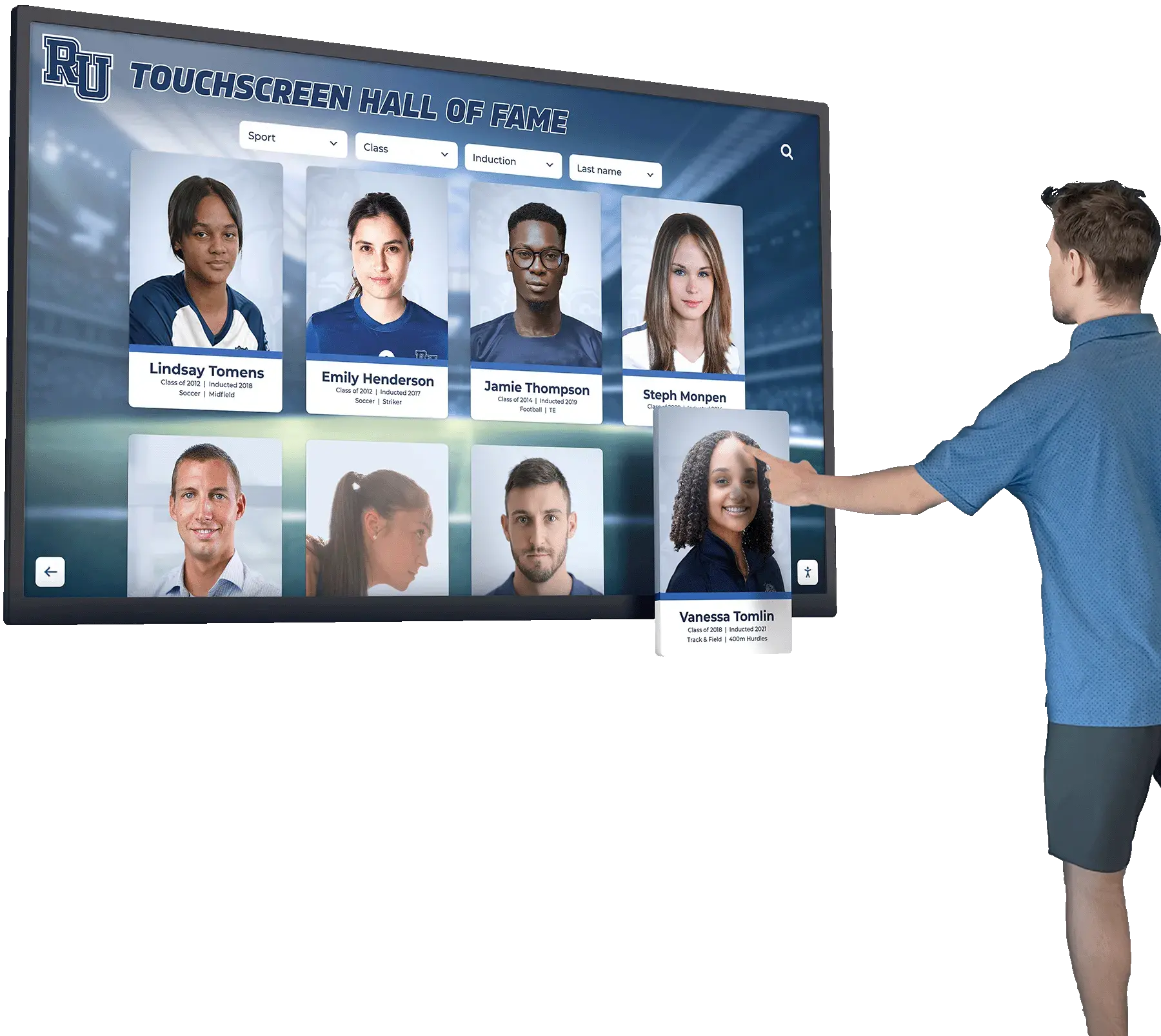
Advanced recognition systems provide interactive platforms for documenting tennis player progression across technical, tactical, and competitive dimensions
Common Mistakes and How to Avoid Them
Understanding typical backhand errors accelerates development by preventing counterproductive technical habits.
Universal Backhand Mistakes Affecting Both Styles
Preparation and Timing Errors
Avoid these common problems:
- Late racquet preparation forcing rushed contact and compromised mechanics
- Insufficient shoulder turn limiting power generation capacity
- Poor spacing standing too close or far from optimal contact point
- Inconsistent split-step timing delaying movement reaction
- Watching opponent rather than ball after shot execution
Correction Strategies:
- Practice early unit turn on every ball regardless of speed
- Emphasize complete shoulder rotation before forward swing
- Use court spacing drills establishing optimal contact zone awareness
- Develop rhythmic split-step habit synchronized with opponent contact
- Maintain visual focus on ball throughout stroke execution
Contact Point and Follow-Through Problems
Common mechanical breakdowns:
- Contact occurring behind body position reducing power and control
- Collapsed or rigid wrist positions compromising racquet stability
- Abbreviated follow-through limiting consistency and spin production
- Incorrect weight distribution compromising balance through contact
- Tension and muscling preventing fluid swing mechanics
Correction Strategies:
- Mark optimal contact zone and practice hitting through target area
- Develop proper wrist position awareness through technical drills
- Emphasize complete follow-through as non-negotiable technical standard
- Practice weight transfer drills isolating proper loading and release
- Focus on smooth acceleration rather than explosive muscular effort
One-Handed Backhand Specific Errors
Grip and Hand Position Mistakes
Avoid these one-handed problems:
- Hammer grip (too continental) preventing topspin capability
- Insufficient thumb support reducing stability at impact
- Death grip (excessive tension) restricting swing fluidity
- Inconsistent grip placement causing variable contact quality
- Failure to adjust grip for slice versus topspin shots
Mechanical Breakdown Patterns
Common one-handed technical errors:
- Bent arm at contact reducing structural stability and power
- Insufficient non-hitting hand release restricting rotation
- Dropping racquet head below ball on topspin attempts
- Pulling off the ball prematurely losing balance and direction
- Excessive wrist manipulation attempting to generate spin
Two-Handed Backhand Specific Errors
Grip Coordination Problems
Avoid these two-handed issues:
- Excessive gap between hands reducing unified leverage
- Bottom hand dominance preventing proper power generation
- Inconsistent top-hand grip placement creating variable contact
- Equal pressure distribution rather than top-hand emphasis
- Tension in bottom hand restricting top-hand rotation
Mechanical Limitation Patterns
Common two-handed technical errors:
- Insufficient rotation relying on arms rather than body turn
- Standing too upright preventing proper hip and shoulder engagement
- Pushing motion rather than rotating through contact
- Abbreviated follow-through from arm tension
- Over-reliance on specific contact zone limiting adaptability
Integrating Backhand Development into Comprehensive Tennis Programs
Systematic backhand instruction within structured program frameworks accelerates player development while building sustainable technical foundations.
Practice Structure and Repetition Requirements
Skill Acquisition Phase Repetition Targets
Effective backhand development requires:
- 3-5 practice sessions weekly during initial skill acquisition (8-16 weeks)
- 200-300 quality backhand repetitions per practice session
- Gradual progression from stationary feeds to live ball rallying
- Dedicated technical practice before competitive point play
- Video analysis sessions every 2-4 weeks documenting progress
Consistency Building and Automation
Long-term development demands:
- Sustained practice maintaining 2-4 weekly sessions minimum
- Integration into match play situations progressively
- Periodic technical review preventing gradual mechanical drift
- Seasonal planning addressing technical refinement during off-peak periods
- Patience recognizing full backhand mastery requires years of consistent practice
Integrating Backhand Development into Team Environments
Individual Variation Within Group Settings
Effective team programs accommodate:
- Different backhand styles within same training group
- Individualized technical instruction during group sessions
- Peer learning from players demonstrating both styles effectively
- Rotation through different practice stations addressing style-specific needs
- Recognition that optimal team composition includes diverse playing styles
Creating Supportive Development Culture
Championship programs establish:
- Celebration of technical milestones regardless of backhand style
- Positive reinforcement during challenging skill acquisition periods
- Realistic timeline expectations preventing premature frustration
- Documentation of progress through systematic assessment
- Recognition systems honoring improvement and developmental achievement
Tennis programs utilizing modern digital recognition platforms create motivating environments where players see their technical progression documented alongside competitive results and team contributions.
Professional Coaching and Instructional Resources
When to Seek Specialized Instruction
Consider professional coaching when:
- Initial backhand style selection requires expert evaluation
- Technical problems persist despite consistent practice efforts
- Competitive plateaus suggest mechanical limitations
- Injury concerns require biomechanical assessment
- Advanced refinement exceeds available local coaching expertise
Maximizing Coaching Investment Value
Optimize professional instruction through:
- Clear communication of development objectives and constraints
- Systematic practice between coaching sessions applying feedback
- Video documentation enabling remote analysis and guidance
- Honest assessment of commitment level and practice availability
- Openness to technical recommendations even when counterintuitive
Leveraging Technology and Modern Resources
Contemporary development benefits from:
- High-speed video analysis revealing technical details invisible to normal observation
- Ball machine programming enabling specific repetition patterns
- Online instructional content supplementing in-person coaching
- Performance tracking apps documenting consistency and improvement metrics
- Virtual coaching platforms expanding access to expertise
Celebrating Tennis Excellence Through Modern Recognition
As tennis programs develop players mastering proper backhand technique and achieving competitive success, recognizing these accomplishments reinforces positive program culture and inspires continued excellence.
Traditional static plaques and trophy cases struggle to capture the dynamic technical progression tennis players achieve throughout multi-year development timelines. Modern recognition platforms enable programs to showcase not only competitive results but also technical milestones, practice commitment, sportsmanship, and the diverse playing styles contributing to team success.
Schools and clubs implementing comprehensive tennis recognition discover that celebrating both competitive achievements and developmental progress creates motivating environments where players remain engaged throughout the challenging periods technical skill acquisition requires. Digital platforms enable programs to honor one-handed and two-handed backhand masters equally, showcase playing style diversity, and document the unique journey each player takes toward tennis excellence.
Whether your program develops classic one-handed artisans, modern two-handed power players, or both styles simultaneously, investing in recognition systems that celebrate the complete player development journey—not just tournament trophies—builds sustainable culture supporting long-term tennis success.
Live Example: Rocket Alumni Solutions Touchscreen Display
Interact with a live example (16:9 scaled 1920x1080 display). All content is automatically responsive to all screen sizes and orientations.