



Team sports participation transforms young people’s lives far beyond game-day performances. From basketball courts to soccer fields, athletics teach essential life skills including leadership, resilience, time management, and collaborative problem-solving—competencies that translate directly into academic achievement, career success, and community contribution throughout participants’ lifetimes.
Research consistently demonstrates that student-athletes develop stronger social networks, demonstrate higher academic performance, exhibit greater resilience when facing challenges, and engage more actively in their communities compared to non-participants. These benefits extend across socioeconomic backgrounds, geographic locations, and competitive levels—from recreational leagues to elite high school programs—making team sports among the most powerful youth development tools available to schools and communities.
This comprehensive guide explores how team sports build character and community, examining the psychological, social, physical, and academic benefits that make athletics essential components of holistic education. Whether you’re an athletic director planning program expansion, a parent evaluating sports participation, or an administrator seeking evidence supporting athletic investment, understanding these multifaceted benefits provides frameworks for maximizing positive impacts while celebrating achievements that extend far beyond scoreboards.
Team sports create structured environments where young people learn critical life lessons through authentic challenges requiring genuine effort, strategic thinking, emotional regulation, and interpersonal cooperation. Unlike classroom instruction where concepts remain abstract, athletics provide immediate feedback—success and failure, cooperation and conflict, persistence and frustration—creating powerful learning laboratories that shape character development and community identity.

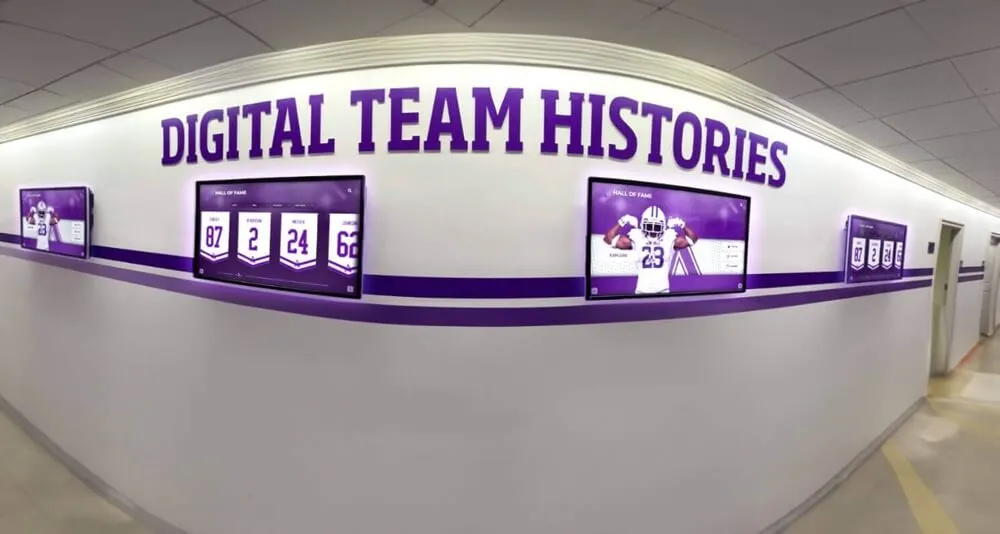
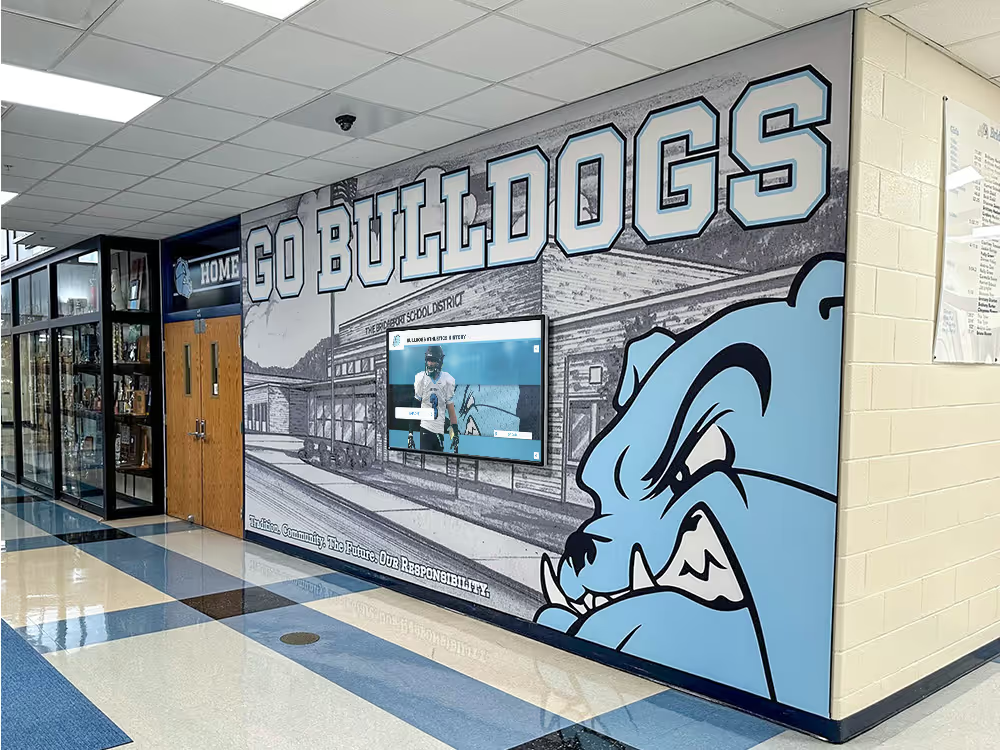
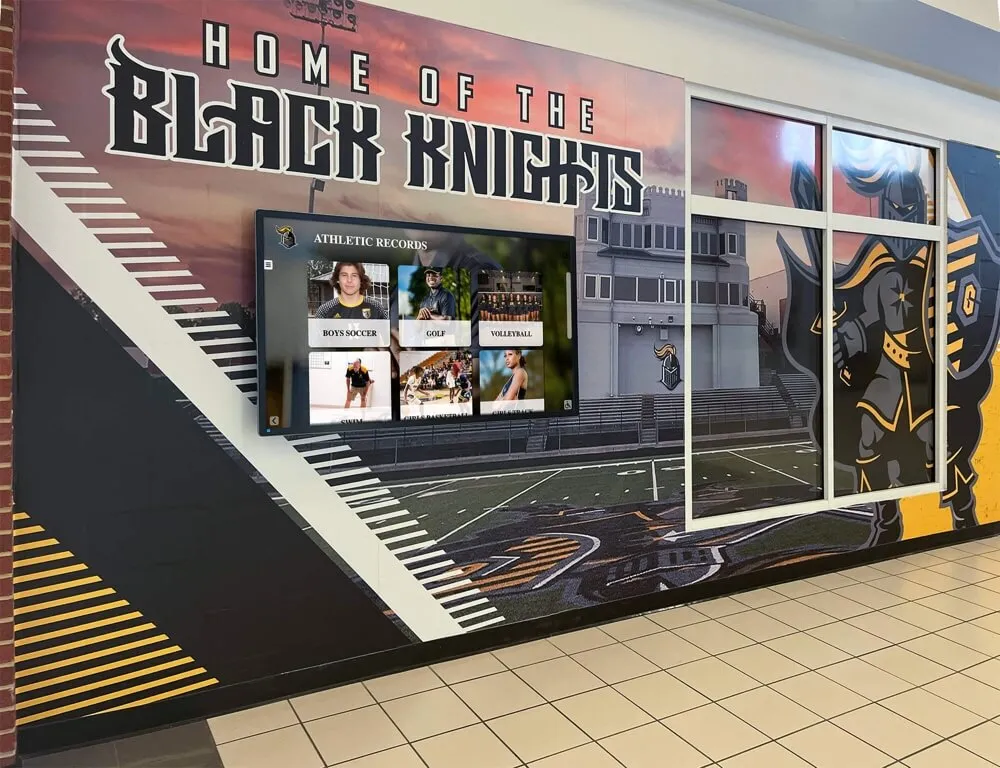
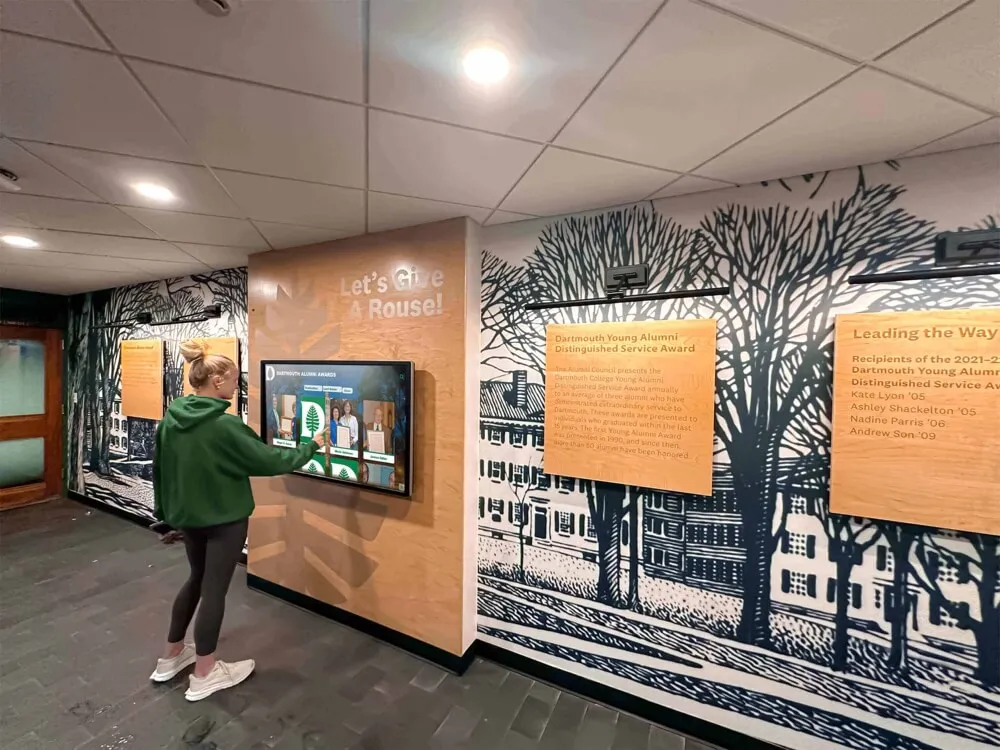
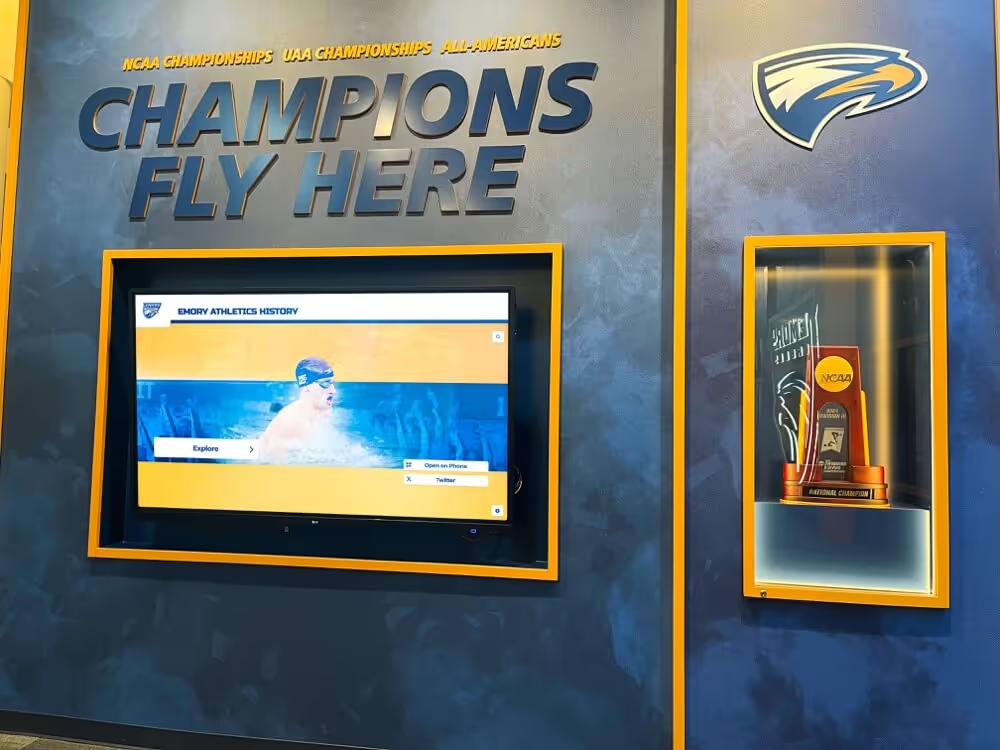
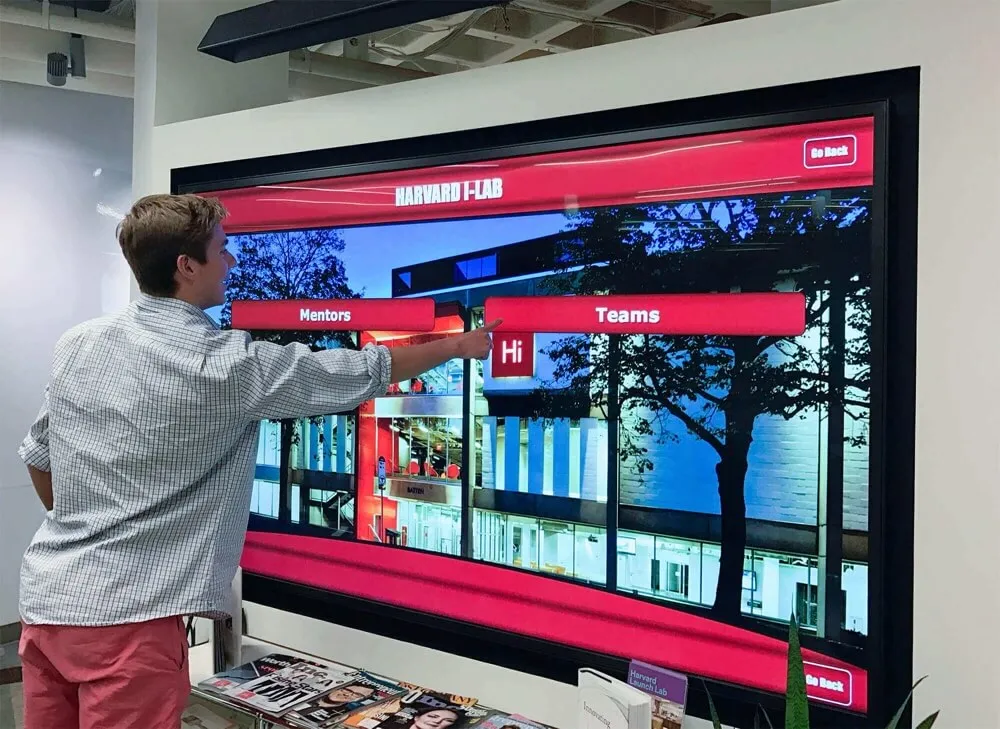
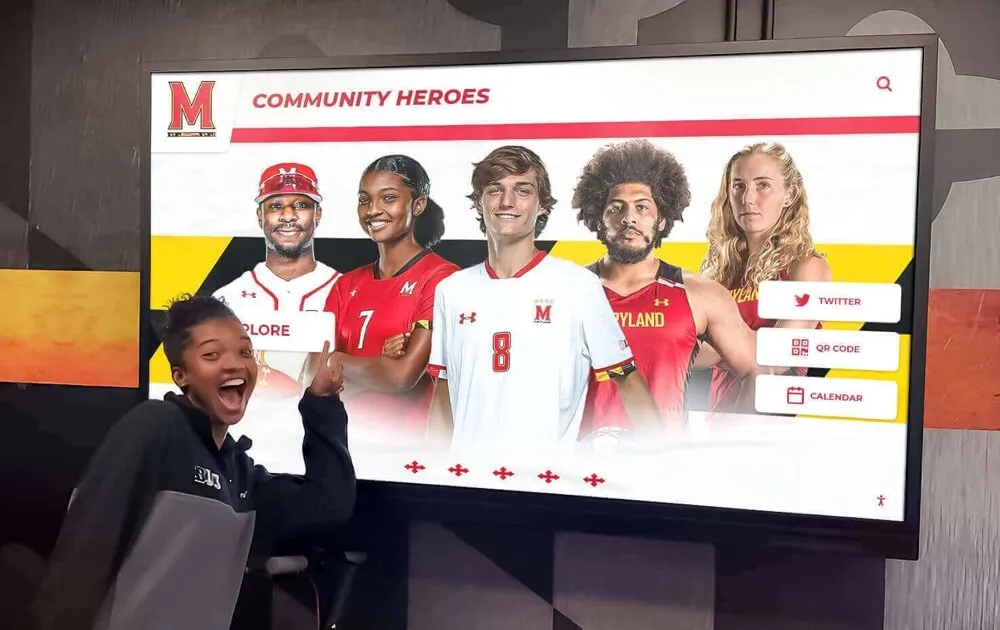
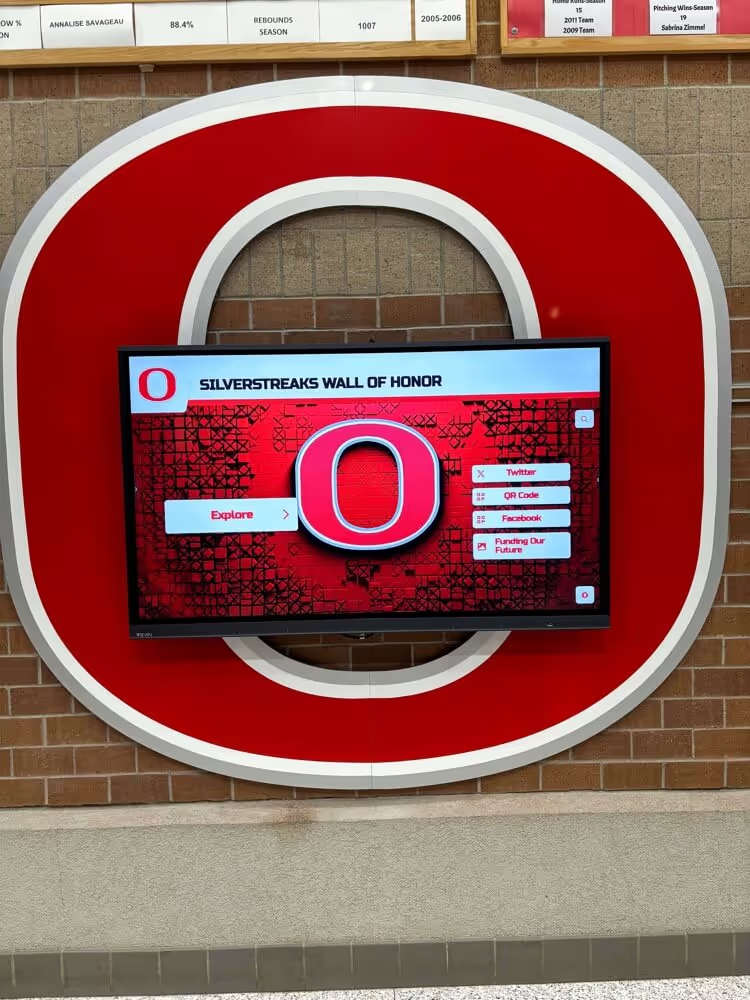
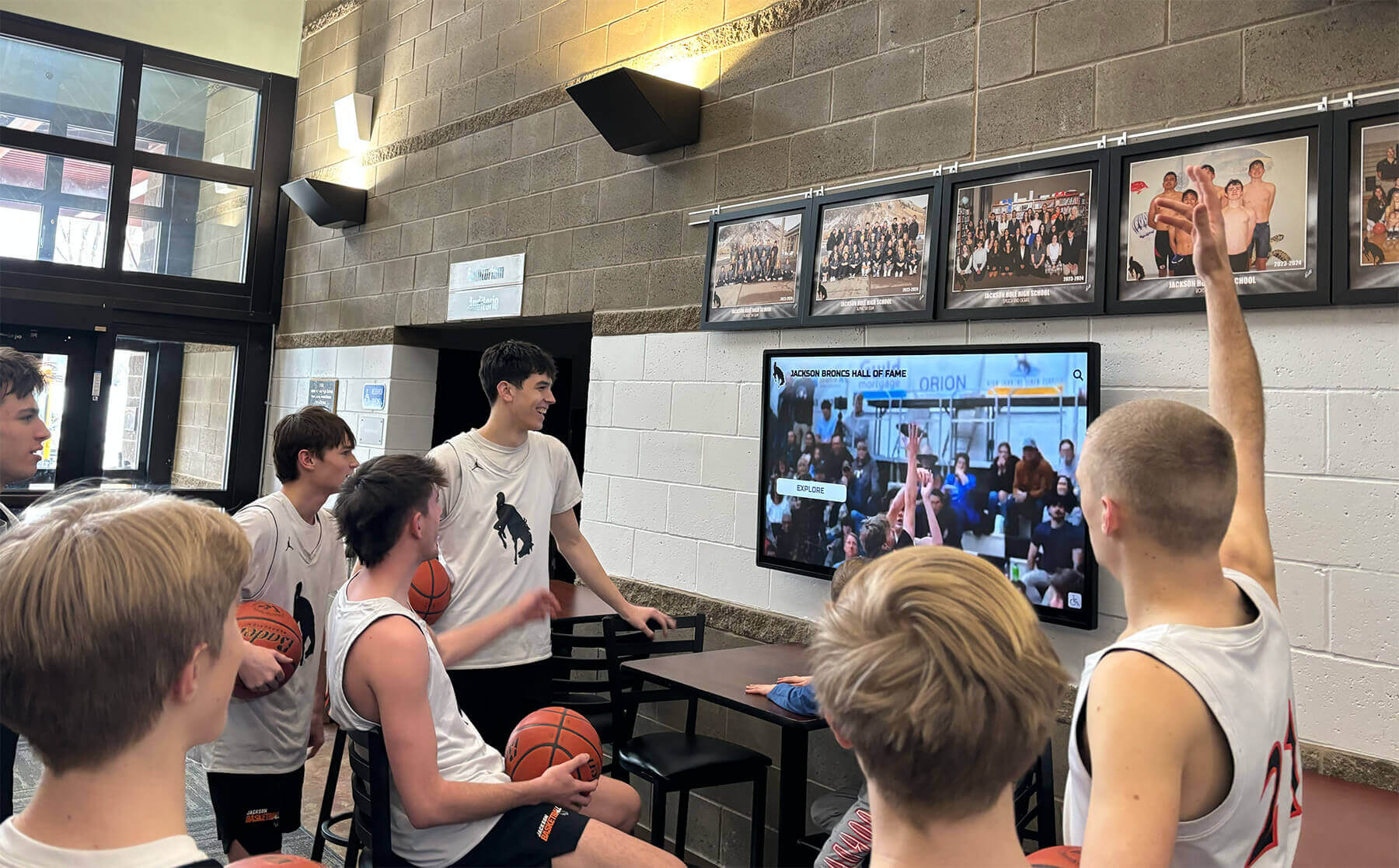
Digital athletic displays create gathering points where students explore team achievements together, building program culture and community pride
Program Snapshot: Team Sports Impact Framework
Understanding the comprehensive benefits helps administrators, coaches, and families maximize positive outcomes while addressing potential challenges systematically:
| Benefit Category | Key Outcomes | Development Timeline | Supporting Evidence |
|---|---|---|---|
| Character Development | Leadership, resilience, work ethic, discipline, responsibility | Develops throughout participation with maturity | Peer-reviewed research, longitudinal studies, coach observations |
| Social Skills & Community | Teamwork, communication, conflict resolution, diverse relationships | Immediate and cumulative across seasons | Social network analysis, participant surveys, community engagement metrics |
| Physical Health & Wellness | Cardiovascular fitness, motor skills, healthy habits, injury prevention | Immediate physical gains, lifelong habit formation | Medical research, fitness assessments, health outcome studies |
| Academic Performance | Time management, goal-setting, discipline, institutional connection | Evidence within single season, stronger over years | GPA comparisons, graduation rates, college matriculation data |
| Psychological Well-Being | Self-esteem, stress management, sense of belonging, mental health | Variable by individual, generally strengthens over time | Mental health assessments, self-reported confidence, clinical research |
This framework demonstrates that team sports benefits operate across multiple domains simultaneously, creating synergistic effects where athletic participation influences academic performance, physical development supports mental health, and social connections strengthen institutional engagement.
Character Development Through Athletic Competition
Team sports provide authentic challenges that forge essential character qualities impossible to develop through passive observation or theoretical instruction alone.
Leadership Skills and Responsibility
Athletic environments create natural leadership development opportunities:
Formal Leadership Roles
Team structures establish clear leadership positions:
- Team Captains - Selected athletes representing team values and communicating between coaches and teammates
- Position Leaders - Veteran players mentoring younger athletes in specialized roles
- Practice Captains - Rotating leadership developing skills across roster
- Special Teams Leadership - Focused responsibilities in specific game situations
These formal roles teach young people to accept responsibility, communicate effectively under pressure, make decisions affecting others, and represent groups larger than themselves—experiences that translate directly into workplace leadership and community service.
Informal Leadership Development
Beyond designated positions, athletics cultivate leadership through:
- Encouraging struggling teammates during challenging practices
- Modeling proper technique and work ethic for younger players
- Maintaining positive attitudes when facing adversity or limited playing time
- Speaking up when teammates violate team standards or values
- Taking initiative to organize optional training or team-building activities
- Accepting coaching feedback gracefully, demonstrating coachability to peers
These informal leadership moments occur daily throughout seasons, providing repeated practice in situations requiring emotional intelligence, situational awareness, and interpersonal courage that classroom environments rarely replicate.
Explore comprehensive leadership recognition approaches that celebrate both formal and informal athletic leadership contributions.
Resilience and Mental Toughness
Competition teaches young people to handle failure, overcome obstacles, and persist through difficulties:
Learning From Losses and Setbacks
Athletic competition provides low-stakes opportunities to experience failure safely:
- Losing games teaches that defeat isn’t permanent or defining
- Missing shots or making errors demonstrates that mistakes are learning opportunities
- Failing to make starting lineups motivates improvement rather than abandonment
- Suffering injuries requires patience, dedication to rehabilitation, and perspective
- Experiencing poor performances despite preparation teaches that effort doesn’t guarantee outcomes
These experiences build psychological resilience that serves students throughout lives—in college when facing academic challenges, in careers when projects fail, in relationships when experiencing conflict, and in personal growth when confronting limitations.
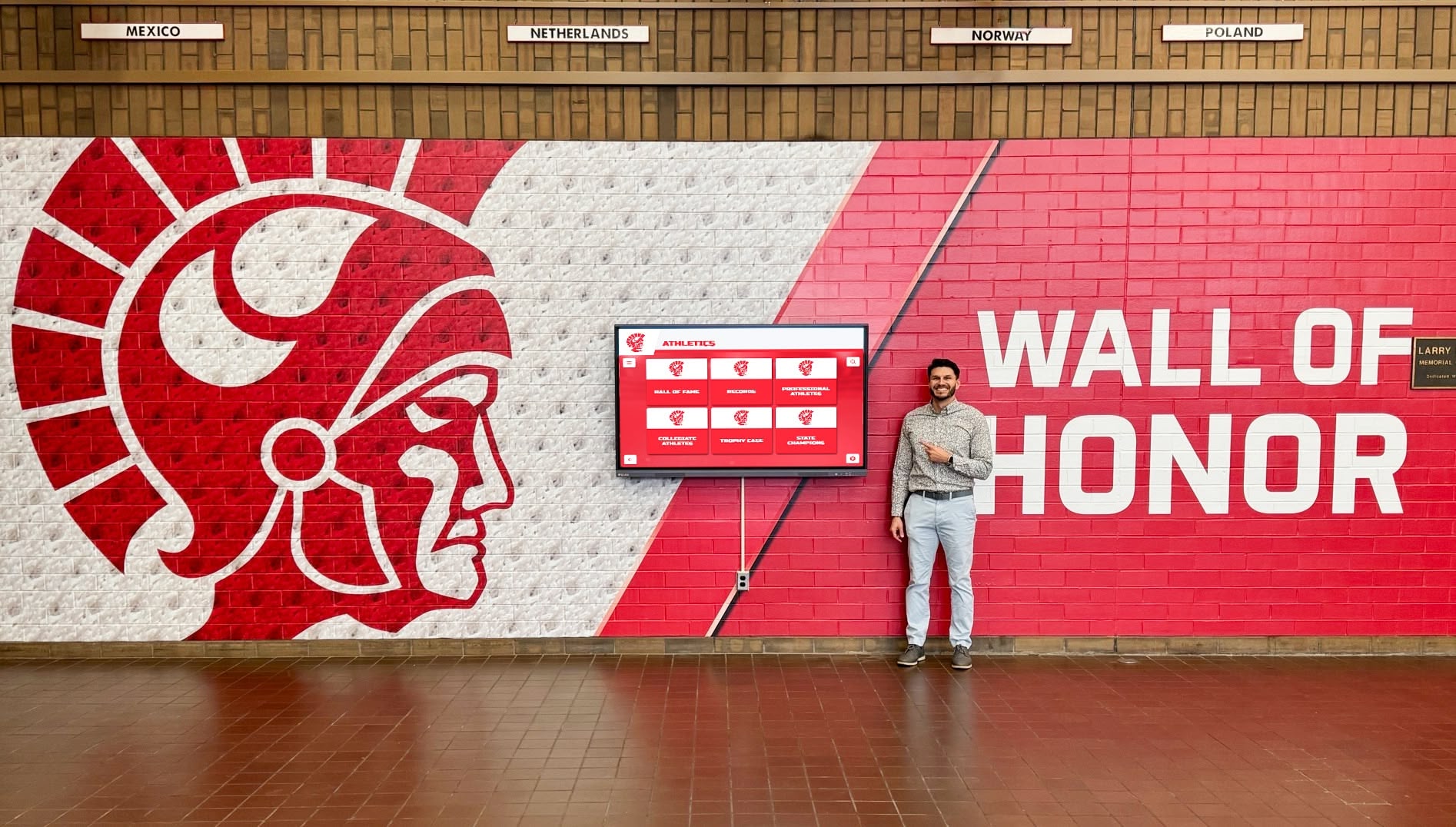
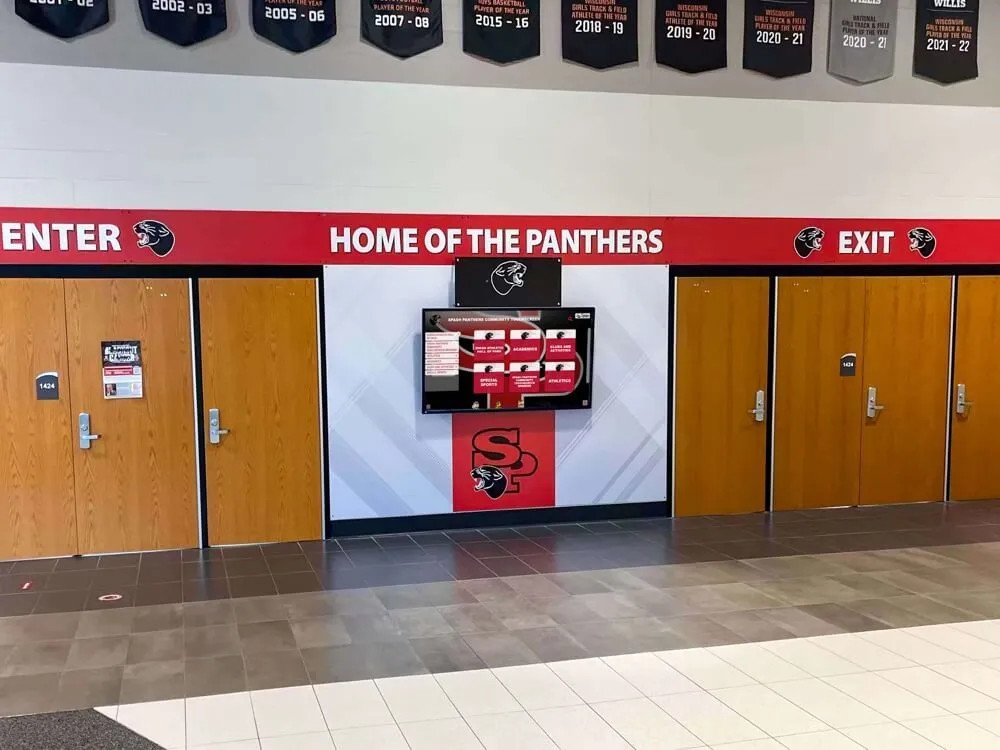
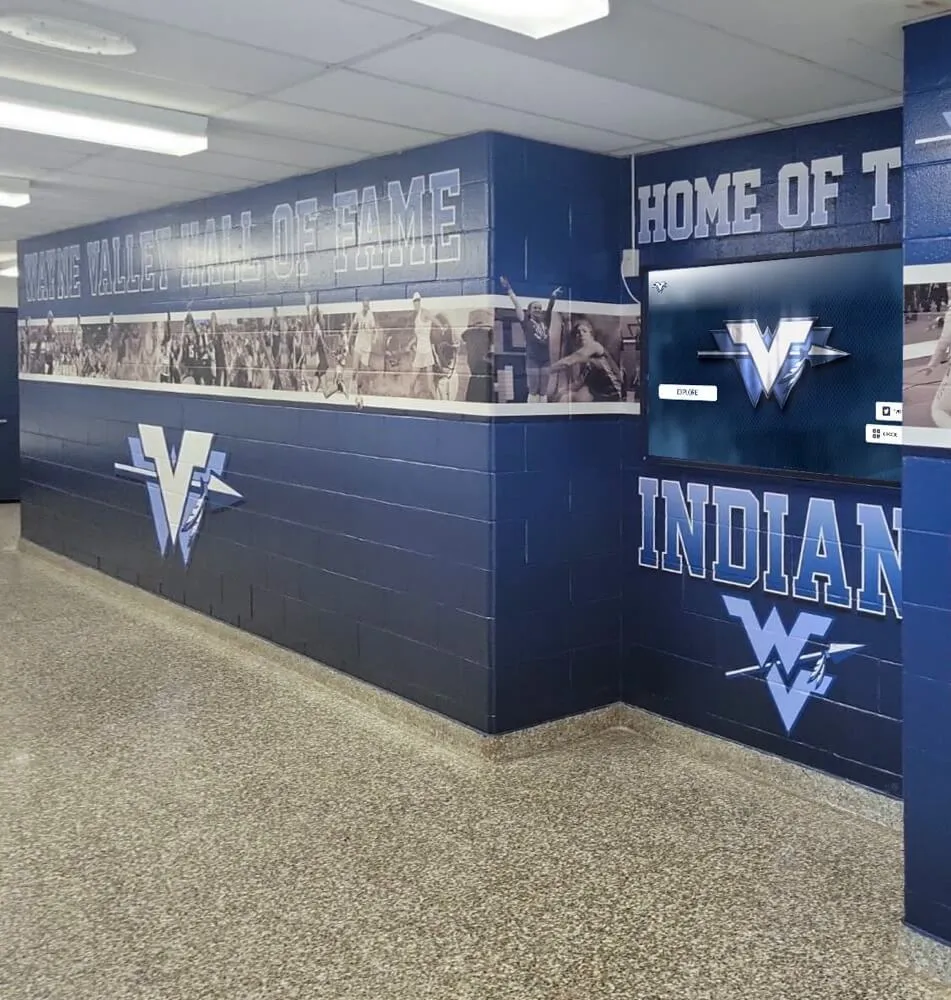
Prominent recognition displays throughout facilities celebrate perseverance and achievement, motivating current athletes while honoring those who demonstrated exceptional resilience
Developing Grit and Perseverance
Team sports inherently require sustained effort over extended periods:
- Season-long commitments teach delayed gratification and long-term thinking
- Daily practices despite fatigue or weather develop discipline and consistency
- Conditioning drills build physical and mental toughness through discomfort
- Skill development requires hundreds of repetitions demonstrating that excellence demands persistence
- Team accountability prevents quitting when motivation wanes
Research by psychologist Angela Duckworth demonstrates that “grit”—sustained passion and perseverance toward long-term goals—predicts success better than talent or intelligence. Athletic participation represents one of the most effective grit-building experiences available to young people.
Work Ethic and Self-Discipline
Team sports teach the connection between effort and outcomes through immediate, tangible feedback:
Understanding Effort-Achievement Relationships
Athletics demonstrate clearly that:
- Athletes who attend practices improve faster than those who miss sessions
- Players who practice skills independently advance beyond those relying only on team training
- Conditioning determines whether athletes maintain performance late in games
- Mental preparation affects decision-making during competition
- Film study and strategic understanding separate good players from elite performers
This effort-outcome transparency helps young people internalize work ethic lessons more effectively than academic contexts where grade causality often remains murky due to delayed feedback and subjective evaluation.
Time Management and Priority Setting
Balancing athletics with academics, family, and social life requires sophisticated organizational skills:
- Creating homework schedules around practice and competition calendars
- Prioritizing tasks based on deadlines and importance
- Saying “no” to activities conflicting with commitments
- Managing energy to maintain performance across multiple domains
- Communicating with teachers about absences and assignment adjustments
Student-athletes develop time management capabilities years ahead of non-participating peers, creating advantages that compound throughout college and professional careers where independent organization determines success.
Understanding student achievement recognition approaches that celebrate both athletic and academic excellence reinforces comprehensive development priorities.
Social Benefits and Community Building
Team sports create social networks and community connections that provide belonging, support, and identity throughout participants’ lives.
Teamwork and Collaborative Problem-Solving
Athletic success requires genuine cooperation and coordinated action:
Interdependent Goal Achievement
Team sports teach that individual success depends on group performance:
- Offensive players need defensive teammates to prevent opponents from scoring
- Skilled athletes require role players willing to perform less glamorous tasks
- Star performers depend on depth players maintaining energy during substitution breaks
- Strategic success requires every position understanding and executing assignments
- Championship teams need contributions from starters and reserves alike
This interdependence creates authentic motivation for cooperation unlike school group projects where students often work independently on divided tasks then combine outputs. Athletics require real-time coordination and mutual support impossible to fake or divide into isolated components.
Communication Skills Development
Effective teams communicate constantly:
- Calling out defensive assignments during transitions
- Providing encouragement after mistakes or during adversity
- Offering technical feedback to teammates during practice
- Discussing strategy adjustments between plays or periods
- Resolving conflicts about playing time, roles, or approach
- Expressing appreciation for teammates’ contributions
These communication experiences occur under stress, fatigue, and emotional pressure—conditions that reveal authentic communication skills and force rapid development of clarity, emotional regulation, and interpersonal effectiveness.
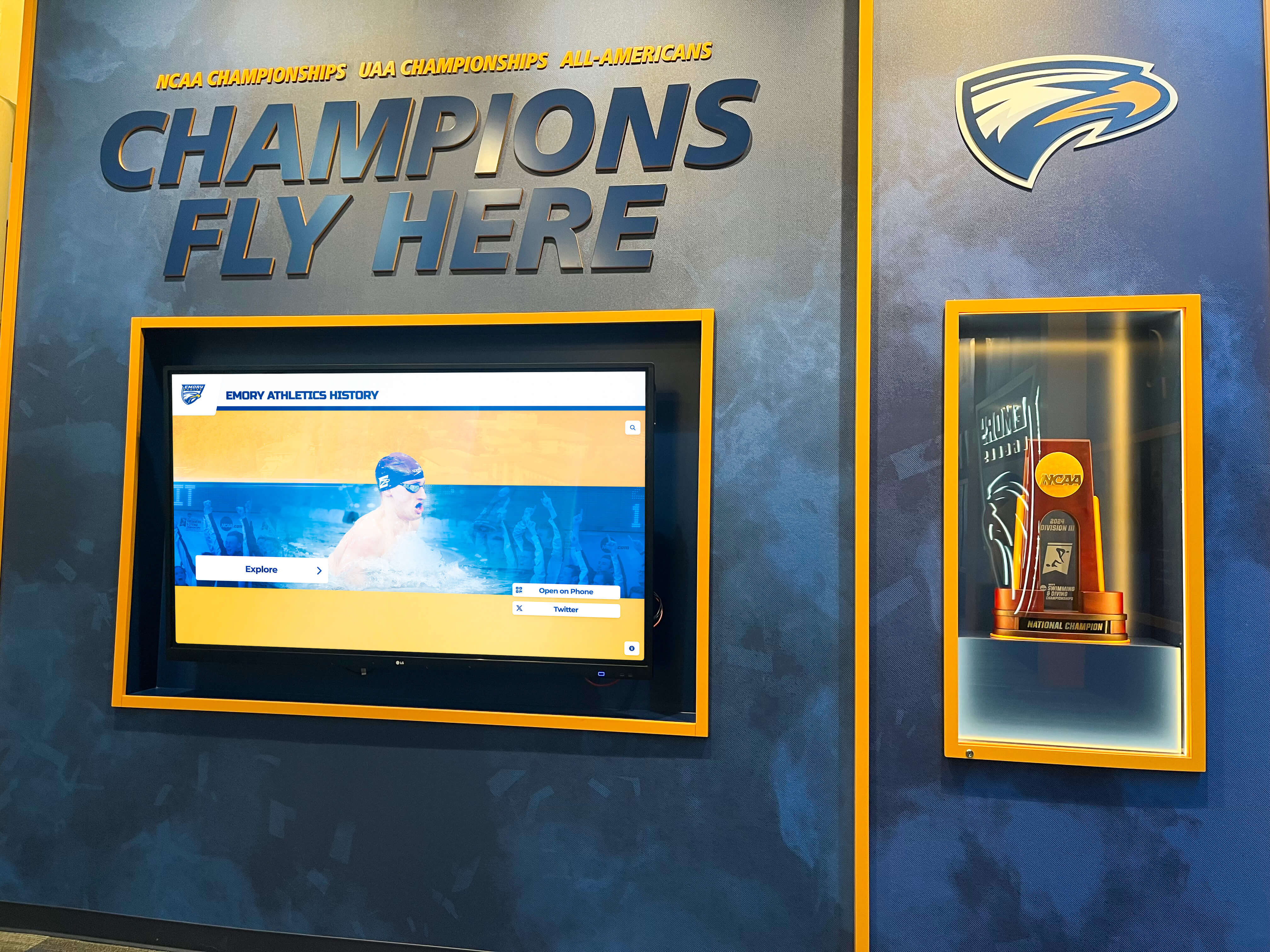
Championship team recognition preserves collective achievement memories while celebrating individual contributions to shared success
Building Diverse Relationships
Team sports bring together students from different backgrounds who might not otherwise interact:
Cross-Cultural and Socioeconomic Connections
Athletic teams create common ground across divides:
- Economic diversity as families from different financial backgrounds participate together
- Racial and ethnic integration through shared competitive goals
- Academic performance variations as high-achieving and struggling students collaborate
- Social group bridging connecting students who run in different peer circles
- Geographic integration in consolidated districts or club teams
These diverse relationships teach young people to appreciate different perspectives, communicate across cultural differences, and evaluate people based on character and contribution rather than superficial categorizations that often govern adolescent social structures.
Mentorship and Multi-Age Relationships
Team structures create natural mentorship opportunities:
- Upperclassmen teaching underclassmen team traditions and expectations
- Veteran players helping newcomers learn systems and strategies
- Informal guidance about balancing athletics with academics and social life
- Role modeling of positive behaviors and appropriate conduct
- Post-graduation connections as alumni support current athletes
These multi-age relationships provide younger athletes with accessible role models slightly ahead developmentally, often creating more influential guidance than adult mentorship that can feel distant from immediate adolescent experiences.
School Pride and Institutional Connection
Athletic participation strengthens bonds with educational institutions:
Creating Sense of Belonging
Team membership provides institutional identity:
- Wearing school colors and uniforms creates visible affiliation
- Representing schools in competition builds pride in institutional reputation
- Sharing locker rooms and training facilities creates territorial connection
- Participating in traditions and rituals connects athletes to institutional history
- Being recognized by peers and community reinforces identity as school representative
This belonging matters tremendously for adolescents developing identity and seeking acceptance, particularly for students who struggle academically or feel marginalized in traditional classroom settings where athletics may represent their primary connection to school community.
Alumni Engagement and Lifelong Connections
Team sports create bonds extending decades beyond graduation:
- Reuniting at games and competitions to support current programs
- Maintaining friendships with teammates throughout life transitions
- Contributing financially to athletic programs and facilities
- Mentoring current athletes in sports and life decisions
- Attending milestone celebrations and hall of fame ceremonies
- Identifying school athletic success as source of personal pride
Schools can leverage these lasting connections through recognition programs that maintain visibility for athletic achievements. Solutions like Rocket Alumni Solutions provide digital platforms enabling schools to showcase athletic heritage year-round, strengthening alumni connections while inspiring current athletes through visible examples of program excellence.
Learn about comprehensive athletic hall of fame approaches that celebrate team sports achievements while building lasting institutional pride.
Physical Health and Lifelong Wellness Benefits
Beyond character and social development, team sports provide essential physical health benefits during critical developmental periods.
Cardiovascular Fitness and Physical Development
Athletic participation during adolescence creates health foundations:
Immediate Physical Benefits
Team sports training develops:
- Cardiovascular Endurance - Running, swimming, or continuous movement strengthening heart and lung capacity
- Muscular Strength - Sport-specific demands building functional strength across muscle groups
- Flexibility and Mobility - Dynamic movements requiring range of motion preventing injury
- Coordination and Balance - Complex motor patterns developing neuromuscular control
- Speed and Agility - Quick direction changes and explosive movements training fast-twitch muscles
- Motor Skill Development - Sport-specific techniques teaching body awareness and control
These physical developments during adolescence—a critical window for motor skill acquisition and habit formation—create fitness foundations that influence health throughout adult life.
Disease Prevention and Long-Term Health
Regular athletic participation reduces risks for:
- Obesity and related metabolic conditions through caloric expenditure and metabolic rate improvements
- Type 2 diabetes through improved insulin sensitivity and blood sugar regulation
- Cardiovascular disease through heart strengthening and blood pressure management
- Osteoporosis through bone density development during peak growth years
- Depression and anxiety through endorphin release and stress hormone regulation
- Cognitive decline through enhanced brain blood flow and neuroplasticity
Medical research demonstrates that physically active adolescents develop healthier adult lifestyles, experiencing lower rates of chronic disease and better health-related quality of life measures decades after athletic participation ends.
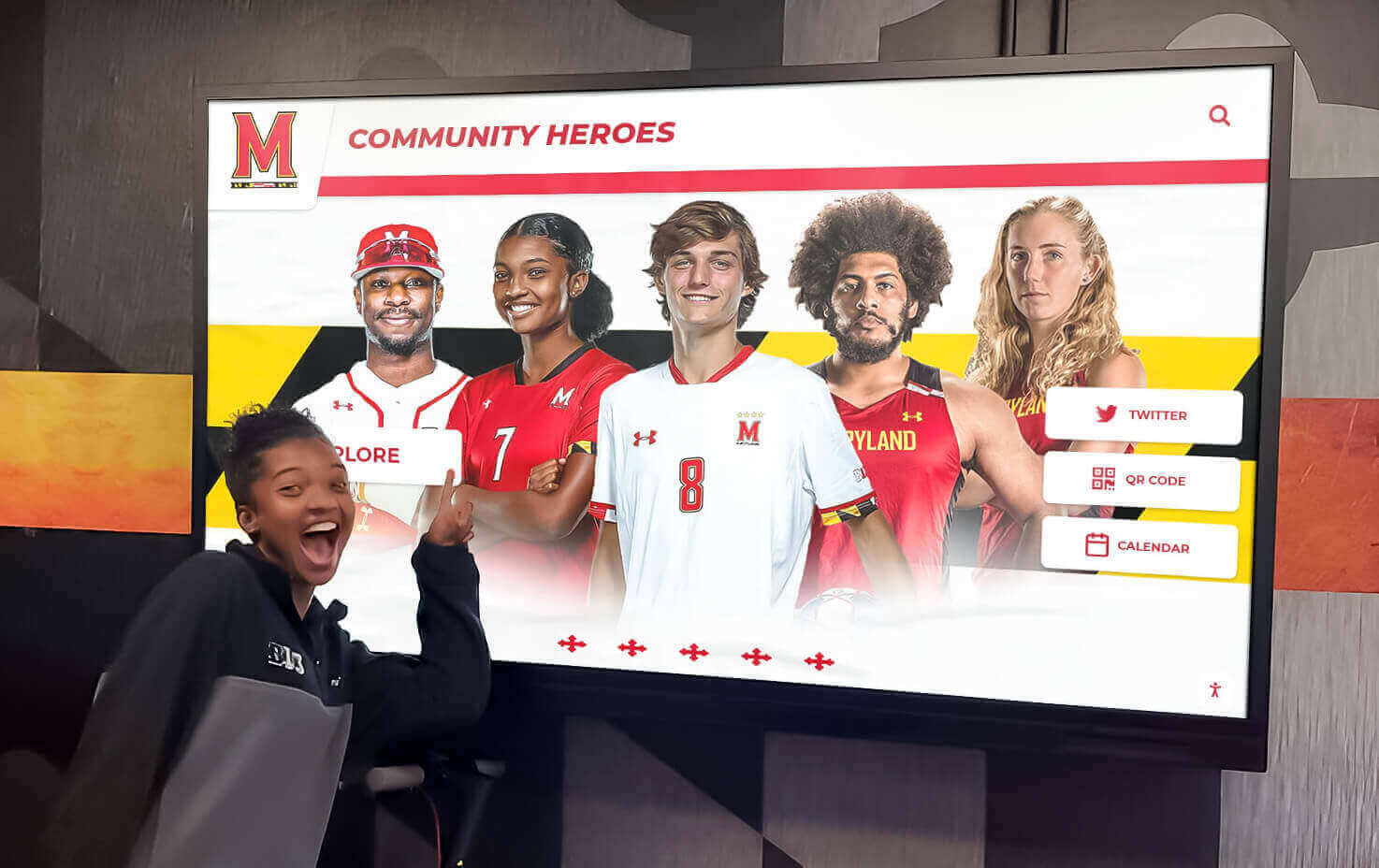
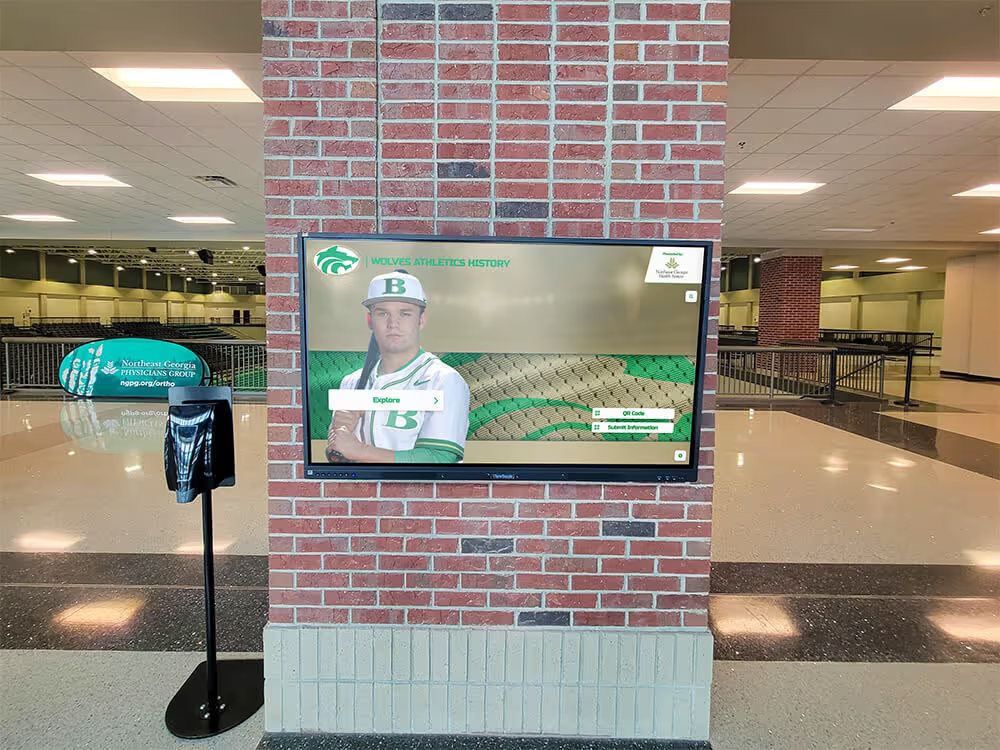
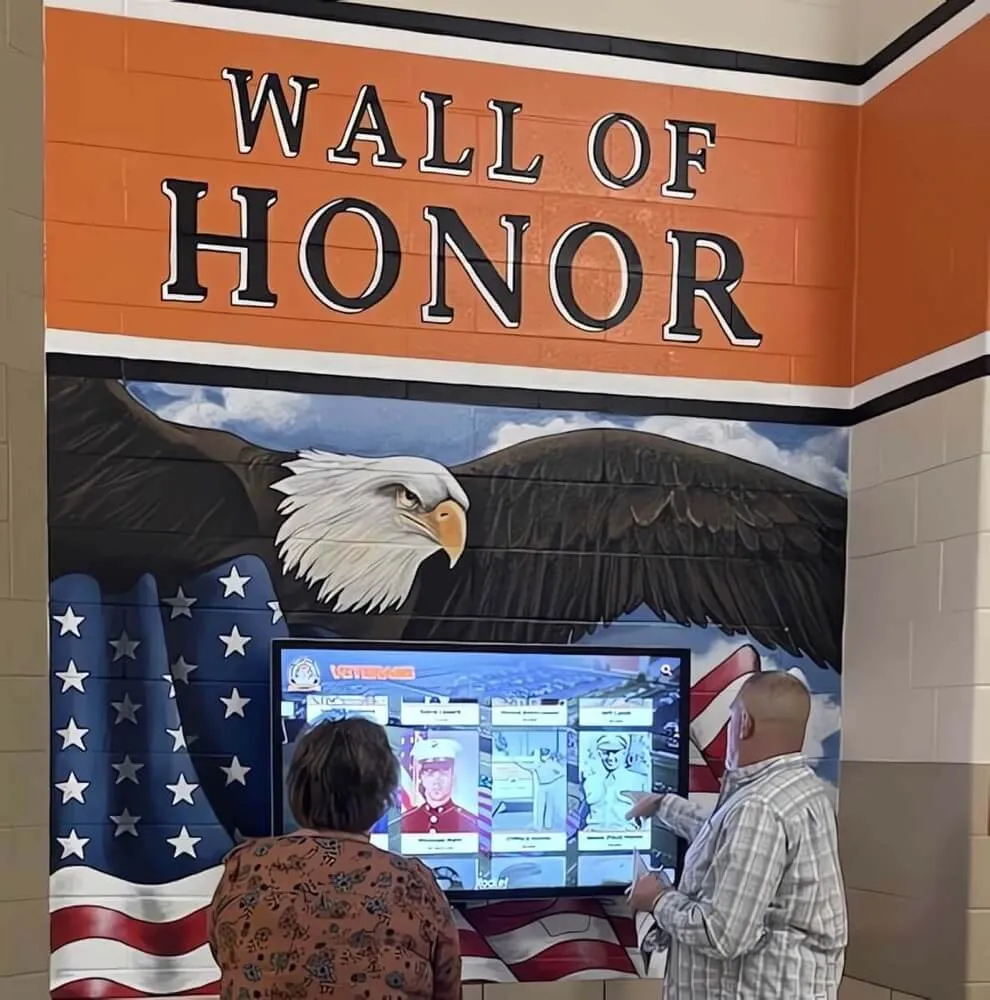
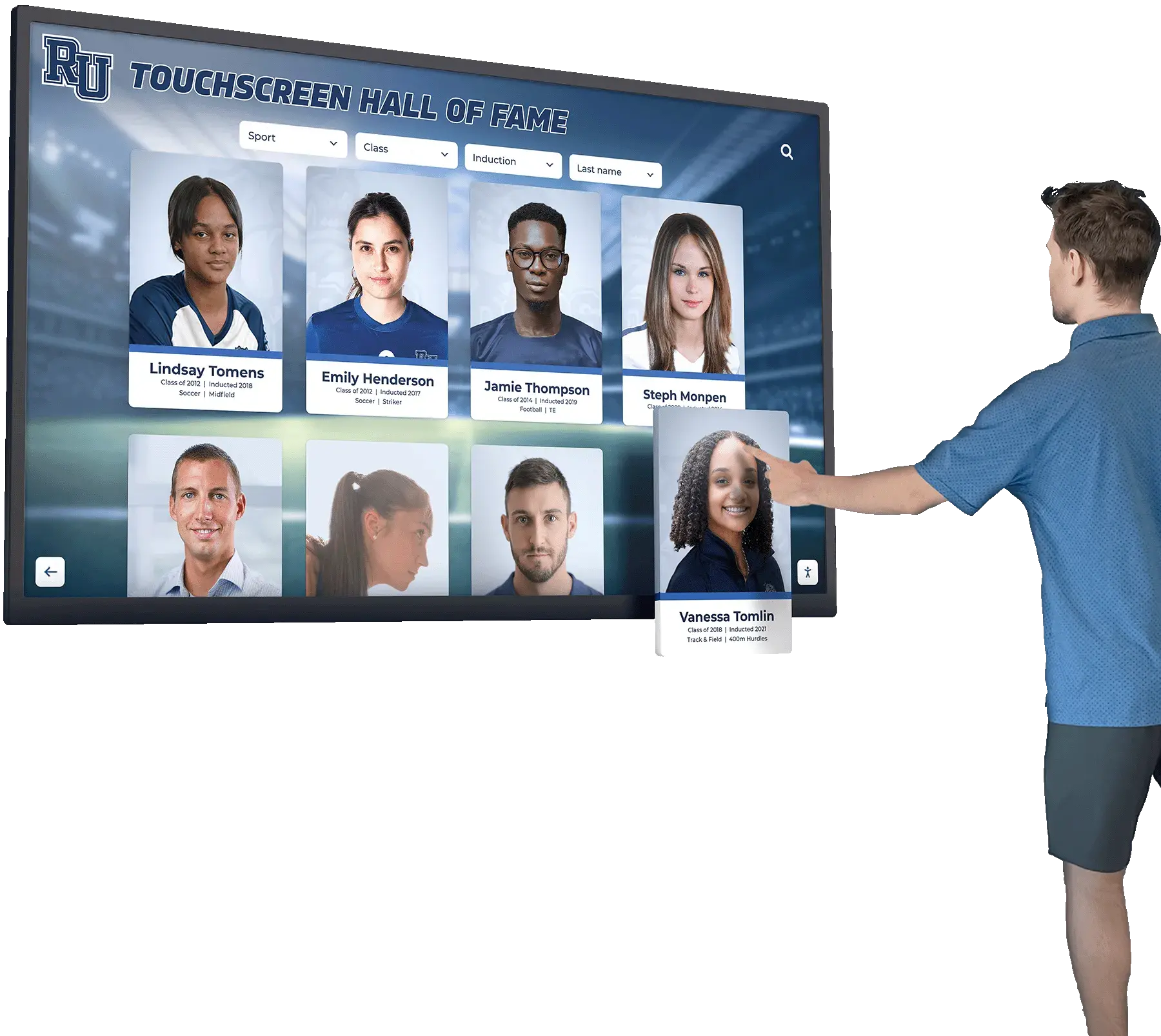
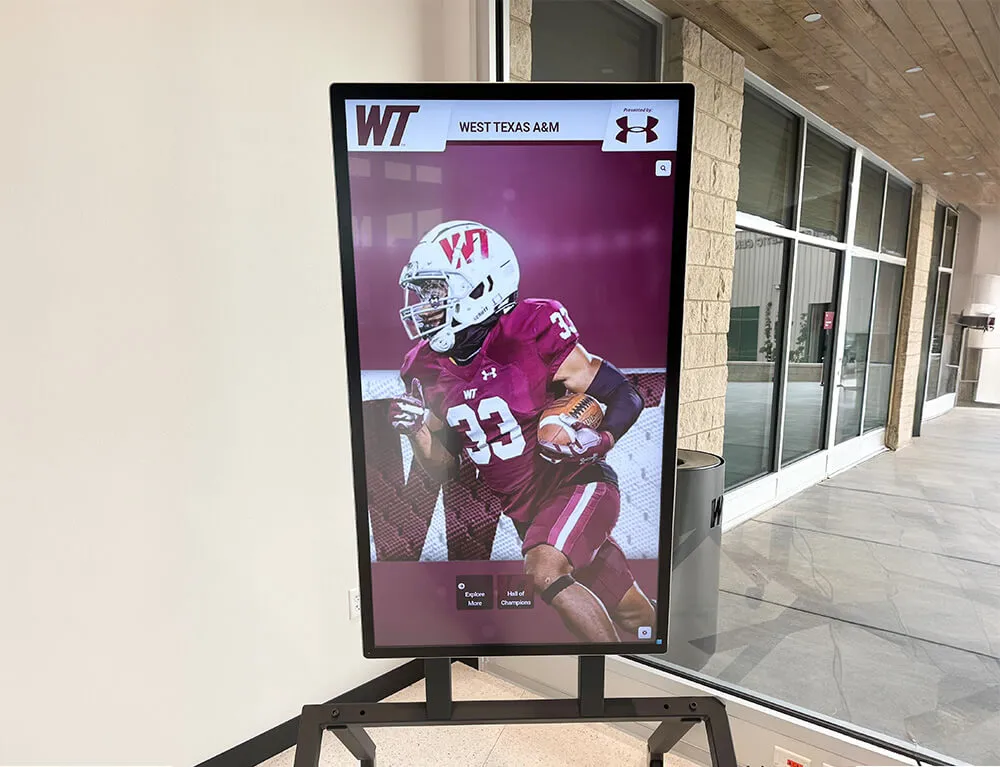
Interactive displays enable young athletes to explore achievements and role models, inspiring continued athletic participation and healthy lifestyle choices
Establishing Healthy Lifestyle Habits
Team sports create behavior patterns extending beyond formal participation:
Nutrition and Recovery Awareness
Athletic demands teach nutrition importance:
- Understanding how food choices affect performance and energy levels
- Hydration awareness and establishing consistent fluid intake patterns
- Sleep importance for recovery, performance, and injury prevention
- Recovery strategies including stretching, ice baths, and rest days
- Avoiding substances that impair performance or health
These lessons learned through performance feedback—experiencing how poor nutrition affects game-day energy or insufficient sleep impacts reaction time—create lasting awareness that abstract health education rarely achieves.
Injury Prevention and Body Awareness
Proper athletic training emphasizes:
- Warming up properly before activity and cooling down afterward
- Recognizing injury warning signs and seeking appropriate treatment
- Understanding when to push through discomfort versus when to rest
- Respecting recovery timelines and rehabilitation protocols
- Developing body awareness that persists throughout adult life
Athletes learn to listen to their bodies, distinguish between productive challenge and harmful pain, and take responsibility for physical well-being—skills that reduce injury rates and promote proactive health management during adulthood.
Creating Lifelong Physical Activity Patterns
Perhaps most importantly, youth sports participation predicts adult exercise habits:
Exercise as Identity and Habit
Young athletes often:
- Continue participating in sports recreationally after formal competition ends
- Join adult leagues, fitness classes, or training groups
- Maintain conditioning through running, cycling, swimming, or strength training
- Involve their own children in athletic activities, creating generational patterns
- Seek physically active vacations and leisure activities
- View exercise as normal, enjoyable part of routine rather than unpleasant obligation
This identity formation matters immensely—adults who participated in youth sports exercise at significantly higher rates than non-participants, directly affecting health outcomes, healthcare costs, and quality of life throughout aging.
Recognizing diverse athletic contributions through comprehensive awards programs encourages sustained participation across skill levels, maximizing population-level health benefits.
Academic Performance and Cognitive Development
Contrary to concerns about time conflicts, research consistently shows team sports participation correlates with improved academic outcomes.
Improved Academic Performance Metrics
Student-athletes demonstrate measurable academic advantages:
Grade Point Average and Course Performance
Multiple studies reveal:
- Higher average GPAs among student-athletes compared to non-participants
- Lower failure rates in core academic subjects
- Greater likelihood of taking challenging advanced or honors courses
- Better attendance rates and fewer disciplinary incidents
- Higher homework completion percentages despite increased time demands
These advantages persist across socioeconomic backgrounds and school quality levels, suggesting athletic participation itself—not underlying family resources or school excellence—drives academic improvements.
Graduation Rates and Educational Attainment
Long-term educational outcomes show:
- Significantly higher high school graduation rates among student-athletes
- Greater likelihood of pursuing post-secondary education
- Higher college enrollment and completion rates
- Increased scholarship opportunities reducing financial barriers
- Stronger institutional connections preventing dropout during challenges
For at-risk students particularly, athletic participation often provides the primary institutional connection preventing disengagement that precedes dropping out, making sports participation among the most effective dropout prevention interventions available.
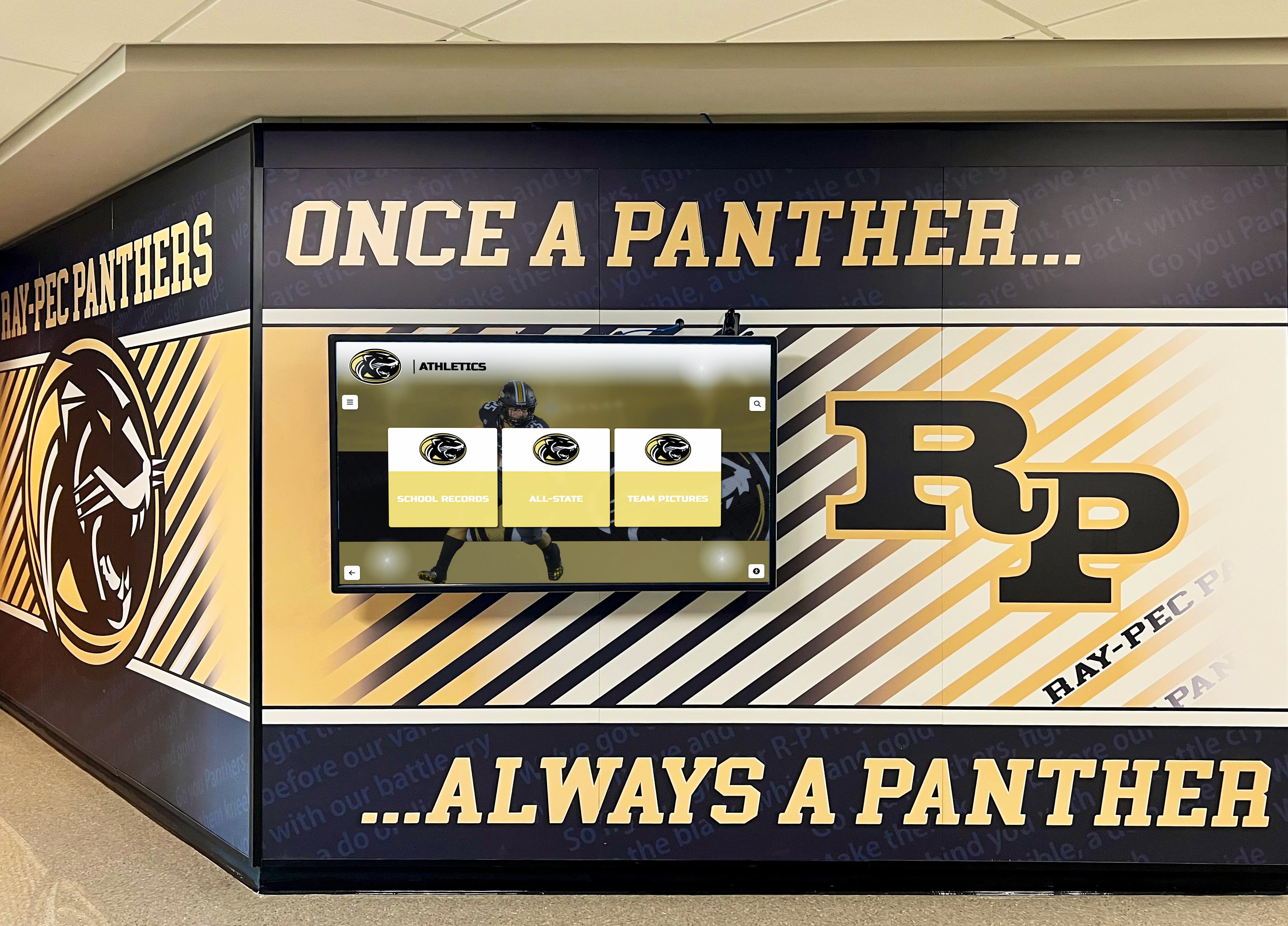
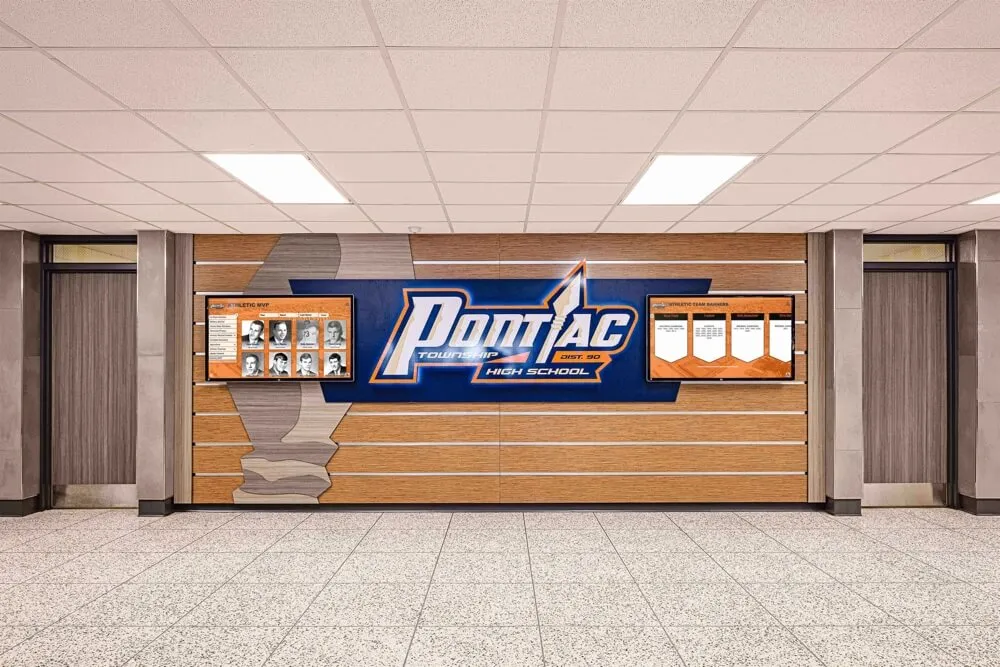
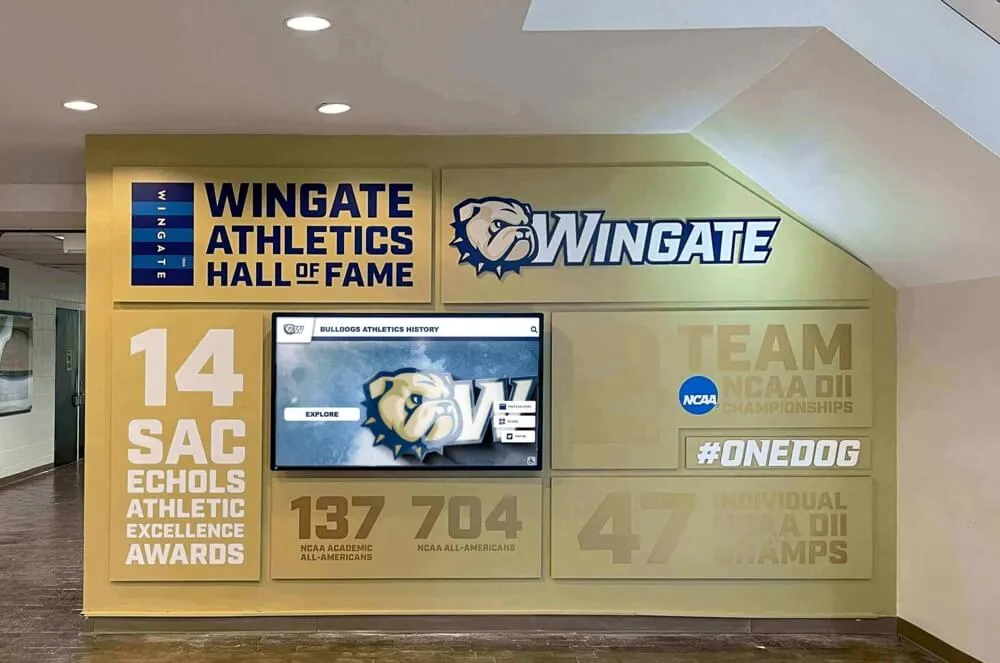
Strategic hallway placement of athletic recognition reinforces program pride throughout buildings, creating environmental cues supporting student engagement and achievement
Time Management and Executive Function
Athletic participation develops cognitive skills transferring to academic contexts:
Planning and Organization Skills
Student-athletes must:
- Plan homework completion around practice and competition schedules
- Organize materials and assignments for efficiency during limited study time
- Prioritize tasks based on deadlines, importance, and energy levels
- Anticipate schedule conflicts and communicate proactively with teachers
- Balance short-term immediate demands with long-term project planning
These executive function skills develop through practical necessity, creating organizational capabilities that non-participating peers often don’t acquire until college or beyond when lack of structure forces skill development.
Goal-Setting and Achievement Motivation
Athletics teach systematic goal pursuit:
- Setting specific, measurable performance targets (statistics, playing time, team rankings)
- Breaking long-term goals into intermediate milestones
- Adjusting approaches when initial strategies prove ineffective
- Maintaining motivation despite setbacks or slow progress
- Celebrating achievements while establishing new aspirational goals
This goal-orientation framework transfers seamlessly to academic contexts where students apply athletic goal-setting strategies to grades, test scores, college admission, and career planning.
Cognitive Benefits of Physical Activity
Beyond scheduling and motivation, exercise itself enhances learning:
Brain Function and Academic Performance
Neuroscience research demonstrates:
- Increased blood flow to brain during exercise enhancing cognitive function
- Endorphin release improving mood and reducing stress that impairs learning
- Neuroplasticity stimulation supporting memory formation and retention
- Executive function improvements in planning, focus, and impulse control
- Enhanced sleep quality supporting memory consolidation and learning
Students participating in regular physical activity through team sports experience these cognitive benefits daily, creating neurological conditions optimal for academic learning and performance.
Explore academic achievement recognition programs that celebrate student-athletes’ comprehensive excellence across athletic and academic domains.
Psychological Well-Being and Mental Health
Team sports participation significantly impacts mental health and psychological development during critical adolescent years.
Self-Esteem and Confidence Development
Athletic participation builds self-efficacy through achievement feedback:
Skill Mastery and Competence
Team sports provide:
- Visible skill improvement through practice and competition
- Achievement feedback from coaches, teammates, and competition results
- Mastery experiences proving capability through sustained effort
- Social recognition from peers, family, and community
- Contribution to group success demonstrating value and importance
These competence experiences prove particularly powerful during adolescence when identity formation and peer comparison create vulnerability to self-doubt and negative self-evaluation.
Positive Identity Formation
Athletic participation provides:
- Identity as “athlete” offering positive self-concept beyond academics alone
- Status within peer groups for athletic achievement and team membership
- Role models in older teammates and coaches demonstrating aspirational pathways
- Community recognition as school representative building self-worth
- Achievement narrative forming foundation for positive life story
For students struggling academically or socially, athletic identity may represent critical psychological anchor preventing depression, withdrawal, or destructive behavior patterns.
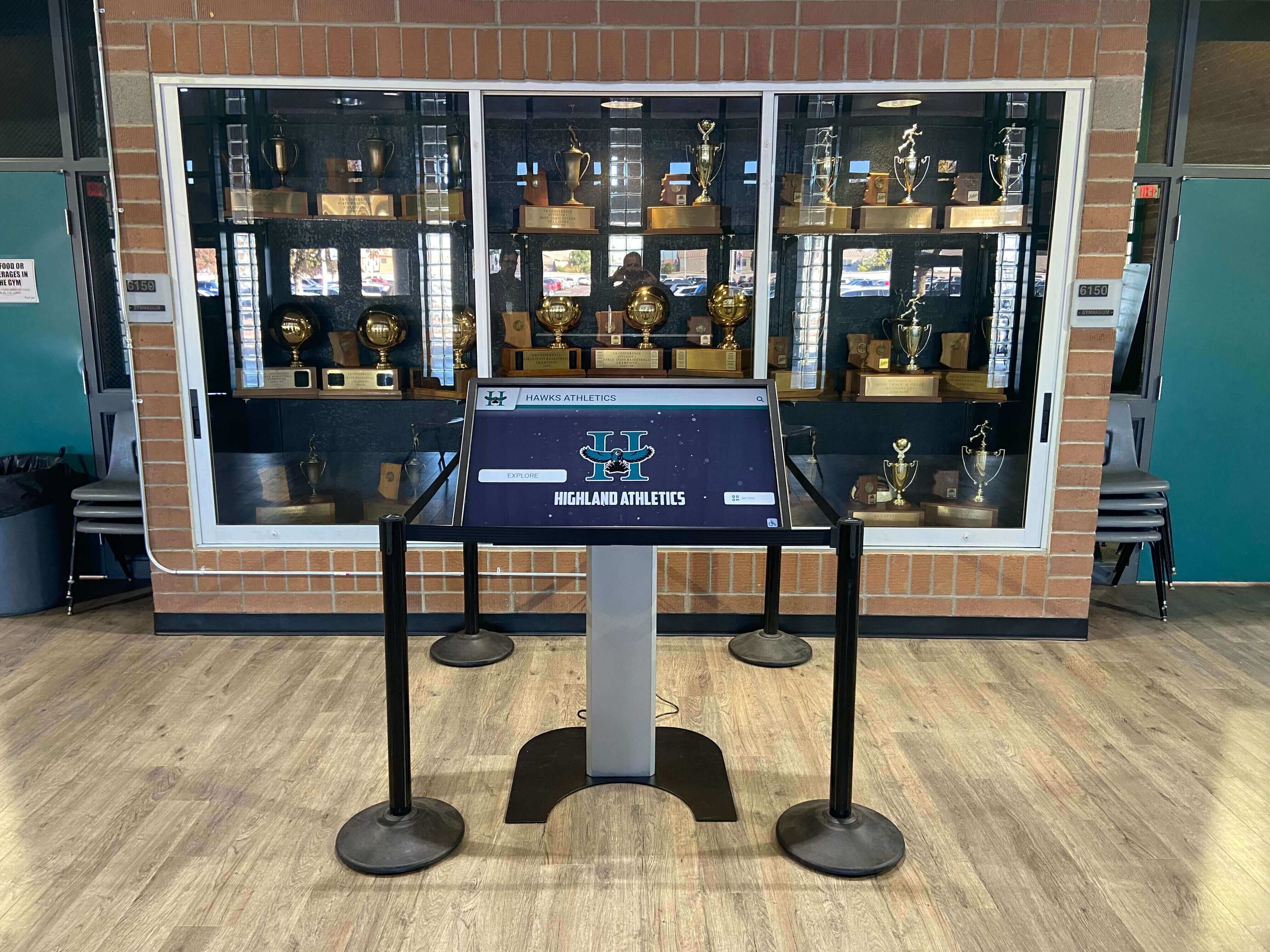
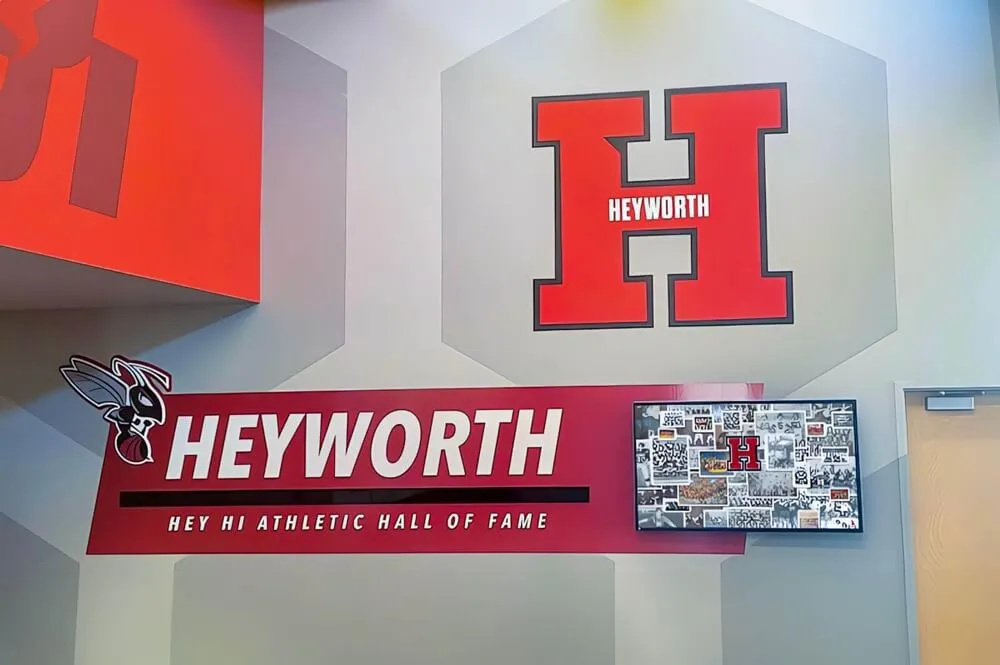
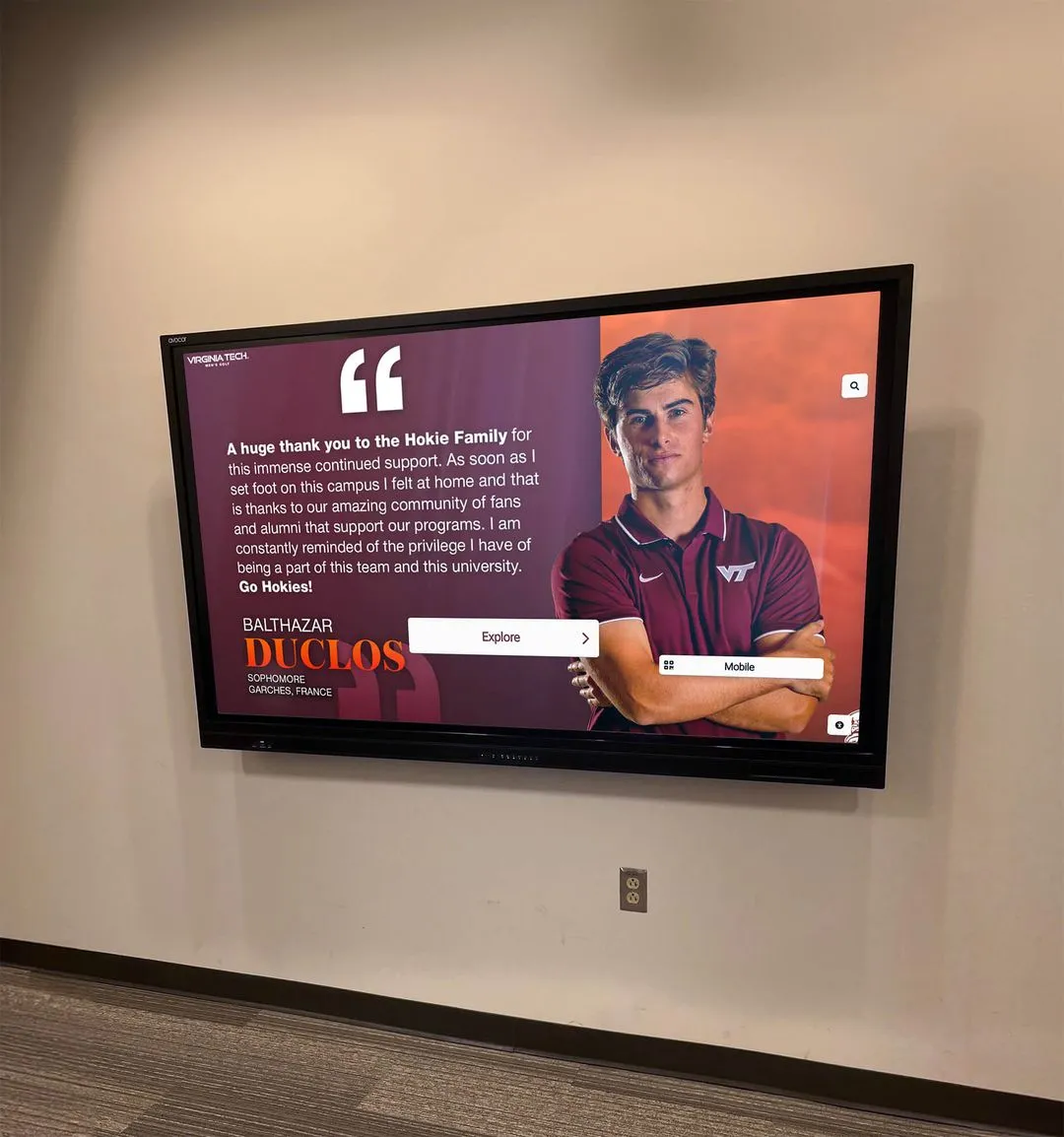
Modern recognition platforms complement traditional trophy displays, providing unlimited space for celebrating diverse athletic achievements and building program pride
Stress Management and Coping Skills
Athletics teach healthy stress response strategies:
Emotional Regulation Under Pressure
Competition environments require:
- Managing performance anxiety before and during competitions
- Maintaining composure after mistakes or during adversity
- Channeling frustration and disappointment productively
- Celebrating success without overconfidence or complacency
- Supporting teammates while managing personal emotions
These emotional regulation skills—practiced repeatedly throughout seasons under authentic pressure—transfer to academic testing, social conflicts, family challenges, and life stressors throughout adulthood.
Healthy Stress Outlets
Physical activity provides:
- Immediate stress hormone reduction through exercise
- Mental breaks from academic and social pressures
- Productive challenge distinct from school-related stress
- Social support network during difficult personal periods
- Structured routine providing stability during chaos
For adolescents facing family instability, academic pressure, social anxiety, or depression, team sports participation often represents primary mental health intervention—providing belonging, purpose, physical outlet, and support network that prevent crisis escalation.
Sense of Belonging and Social Connection
Team membership addresses fundamental human needs:
Reducing Isolation and Loneliness
Athletics provide:
- Guaranteed peer interaction and social engagement
- Shared experiences creating conversation topics and connections
- Inclusion in group regardless of external social status
- Physical proximity and regular contact building familiarity
- Common identity overriding typical adolescent social divisions
This belonging proves particularly valuable for students who struggle socially, feel marginalized, or lack friend groups—offering structured social environment where acceptance comes through contribution rather than arbitrary social positioning.
Support Networks During Challenges
Teams create communities that:
- Notice when members struggle and offer support
- Provide motivation and accountability during difficult periods
- Celebrate personal victories beyond athletic achievements
- Offer perspective when challenges feel overwhelming
- Maintain connection during crises like family problems or mental health episodes
These support networks function as protective factors against depression, suicide, substance abuse, and other mental health crises disproportionately affecting adolescents.
Understanding comprehensive recognition approaches that celebrate character and contribution alongside performance ensures all athletes experience belonging and validation.
Community Impact and Social Capital
Team sports extend benefits beyond individual participants, strengthening entire communities.
Generating School Spirit and Institutional Pride
Athletic programs create shared identity and collective enthusiasm:
Community Gathering and Shared Experience
Athletic competitions provide:
- Regular opportunities for community members to gather and interact
- Shared emotional experiences building collective memory
- Conversation topics connecting diverse community members
- Visible institutional success generating pride and affiliation
- Traditions and rituals connecting generations through common experiences
These gathering opportunities prove particularly valuable in dispersed, digitally-connected communities where physical proximity and shared experience occur less frequently than previous generations experienced.
Alumni Engagement and Institutional Connection
Athletic programs maintain alumni relationships:
- Drawing alumni back to campus for competitions and reunions
- Creating donation motivations beyond academic or facility needs
- Providing tangible connection point for graduates feeling disconnected from institutions
- Generating visibility maintaining school presence in graduates’ awareness
- Building networks supporting career connections and mentorship
Schools with strong athletic traditions typically enjoy more robust alumni engagement, translating into financial support, volunteer participation, and sustained community presence decades after graduation.
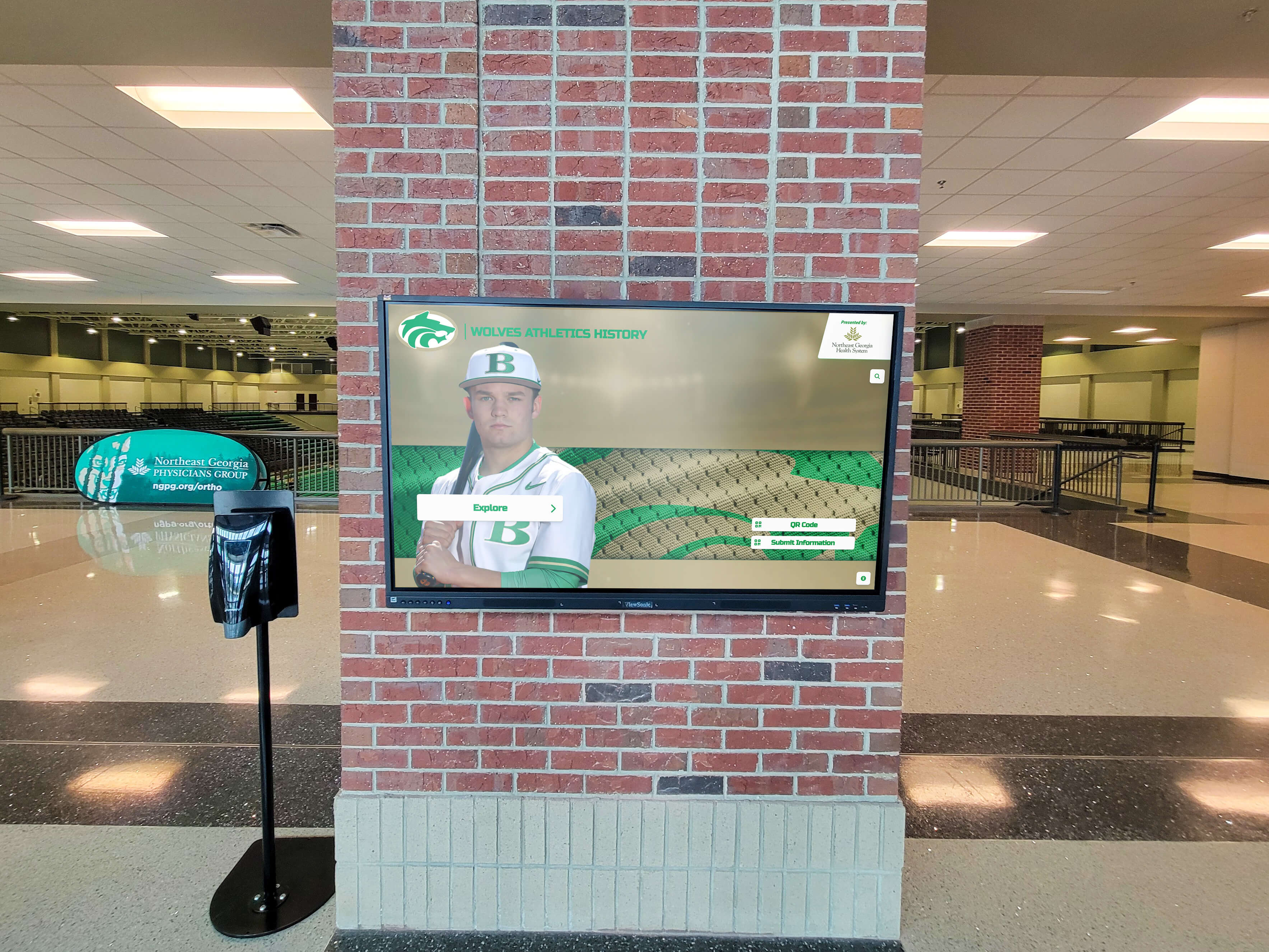
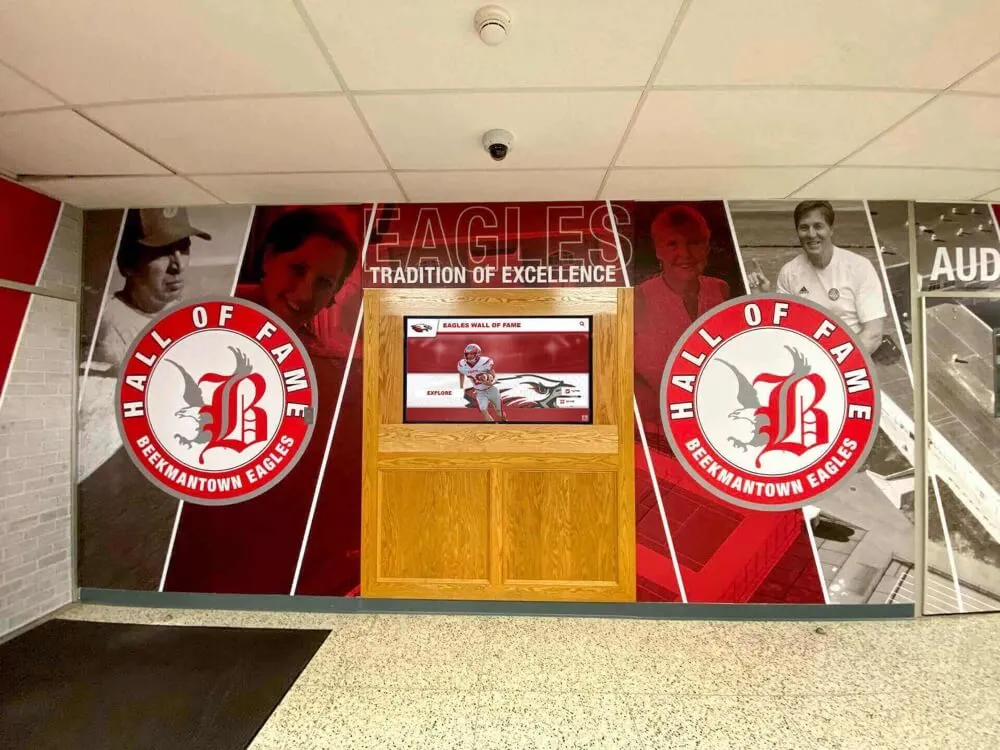
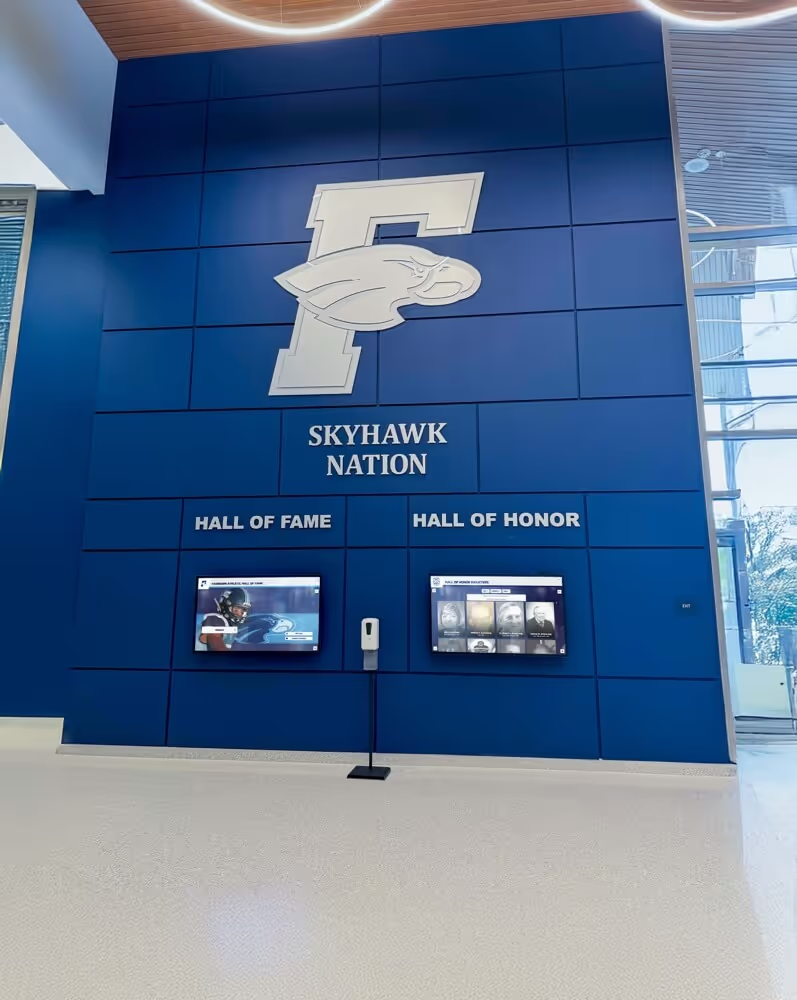
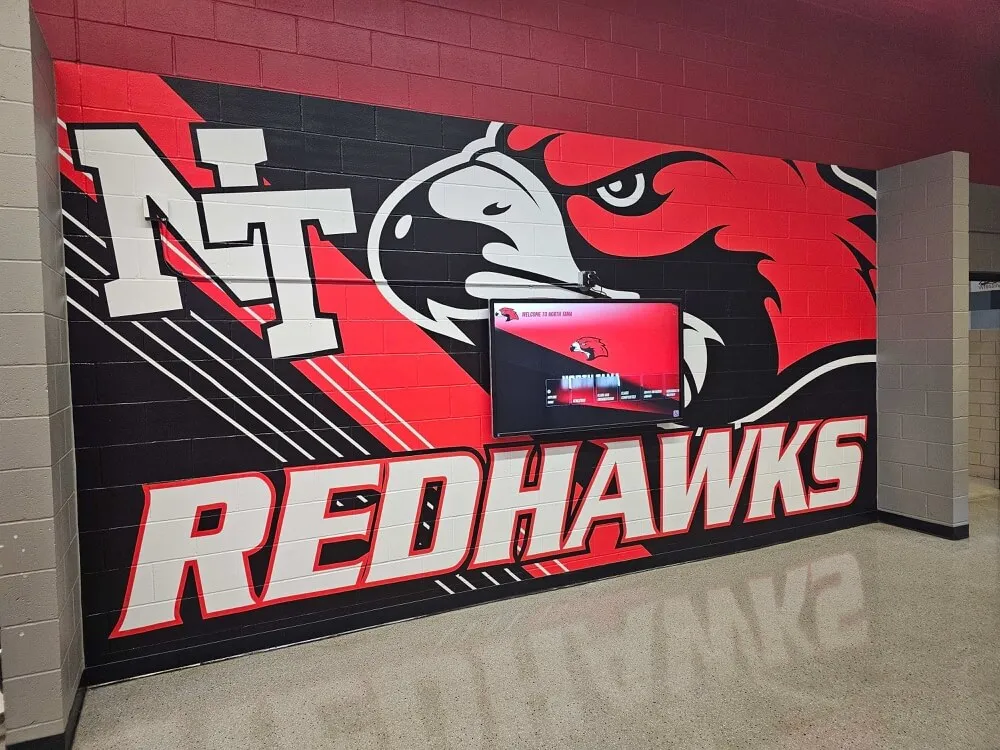
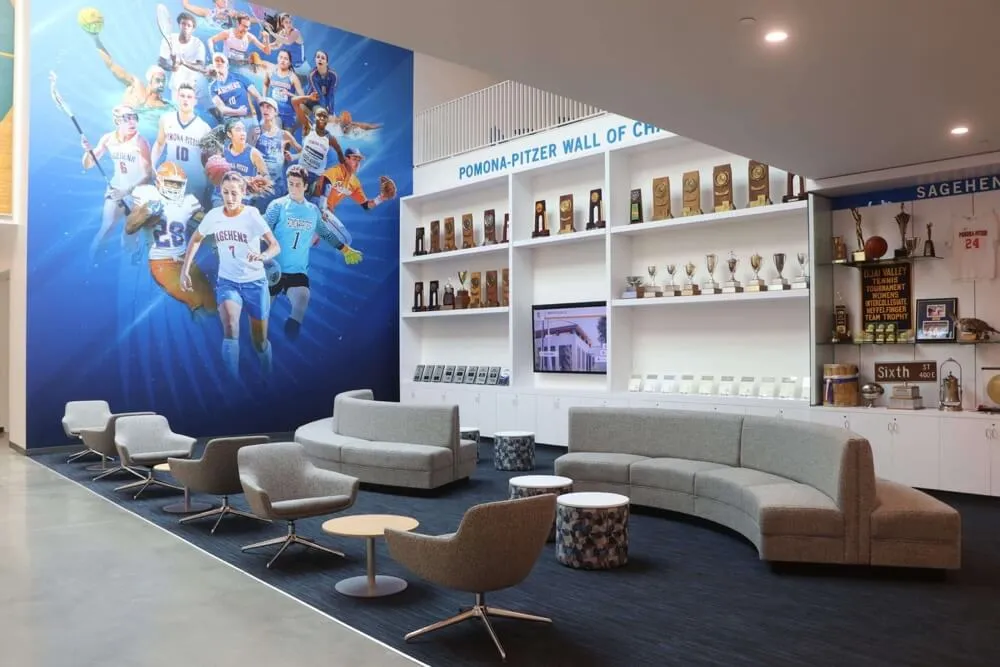
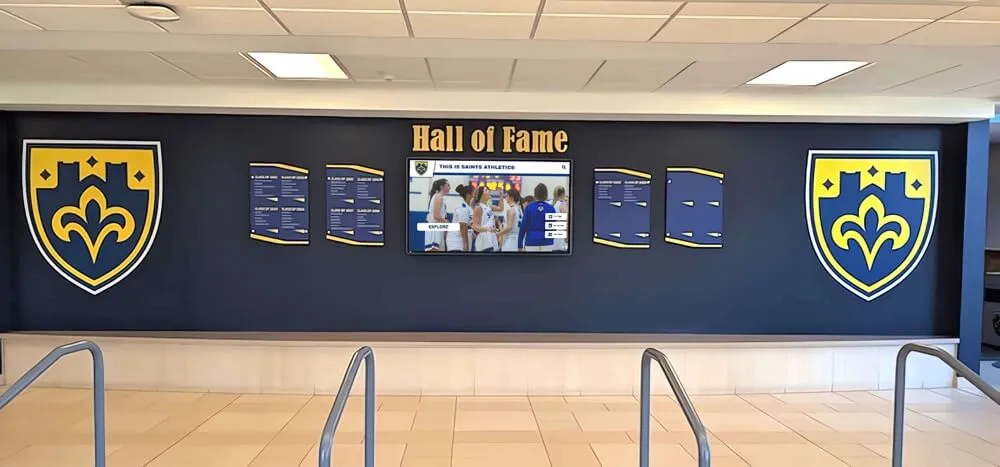
Prominent lobby installations showcase athletic excellence at facility entry points, greeting community members and establishing athletic programs as institutional priorities
Economic Impact and Community Resources
Team sports generate tangible economic activity:
Direct Economic Benefits
Athletic programs create:
- Employment for coaches, trainers, officials, and support staff
- Facility construction and maintenance supporting local contractors
- Sporting goods purchases benefiting local and national retailers
- Competition attendance generating concession and merchandise revenue
- Tournament hosting attracting visiting families who utilize local businesses
- Media coverage providing advertising value and community visibility
These economic impacts prove particularly significant in smaller communities where high school athletics represent major entertainment options and economic drivers.
Developing Social Capital
Team sports build community assets:
- Volunteer networks as parents and community members support programs
- Cross-generational connections as alumni support current athletes
- Mentorship relationships connecting young people with adult role models
- Collaborative skills as diverse stakeholders work toward common goals
- Trust-building through sustained interaction around shared interests
This social capital—networks, norms, and trust enabling coordination and cooperation—strengthens communities’ abilities to address challenges and achieve collective goals beyond athletics.
Youth Development Infrastructure
Athletic programs provide structured positive youth development:
Supervised Activities and Positive Adult Relationships
Team sports offer:
- Safe, supervised environments during after-school hours when youth crime peaks
- Positive adult role models in coaches and program staff
- Clear behavioral expectations and consistent consequences
- Purpose and goal-orientation during critical developmental periods
- Alternative to unsupervised time potentially involving risky behaviors
For working families particularly, athletic programs provide essential supervision and guidance during hours when parents remain unavailable, serving as de facto youth development programs addressing needs extending well beyond sports.
Prevention Programs and Healthy Alternatives
Athletics provide:
- Drug and alcohol prevention through athletic eligibility requirements
- Positive peer pressure supporting healthy choices
- Time commitments reducing availability for problematic activities
- Future orientation through college athletic possibilities
- Identity incompatible with self-destructive behaviors
Communities with robust youth athletic programs typically experience lower rates of juvenile delinquency, substance abuse, and related social problems—suggesting athletic participation represents effective prevention strategy.
Explore community recognition programs that celebrate youth athletics across school and community contexts.
Recognizing and Celebrating Team Sports Achievements
Effective recognition programs amplify team sports benefits by creating lasting visibility for athletic achievements.
Multi-Dimensional Recognition Approaches
Comprehensive programs celebrate:
Performance-Based Recognition
- Championship teams and tournament success
- Individual statistical achievements and record-breaking performances
- All-conference, all-state, and national recognitions
- Most Valuable Player and position-specific excellence awards
- Milestone achievements like scoring records or career statistics
Character-Based Recognition
- Sportsmanship awards celebrating ethical competition and respectful conduct
- Leadership recognition honoring team captains and positive influences
- Most Improved awards acknowledging dedication and growth
- Teammate awards selected by peers recognizing supportive collaboration
- Community service recognition connecting athletics to broader citizenship
Effort and Commitment Recognition
- Perfect attendance awards valuing consistent dedication
- Practice awards acknowledging that championships are won through preparation
- Perseverance awards honoring athletes overcoming adversity
- Role player recognition celebrating essential contributions beyond statistics
- Senior awards acknowledging sustained multi-year program commitment
This multi-dimensional approach ensures diverse athletes experience recognition, communicating that excellence takes many forms and all contributions matter.

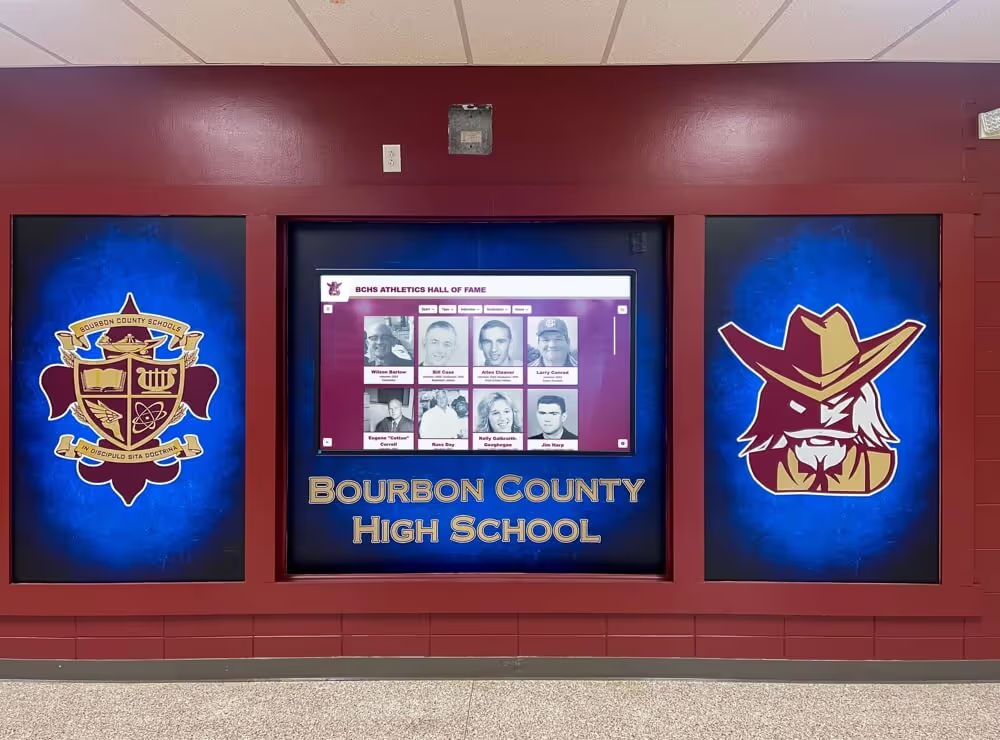
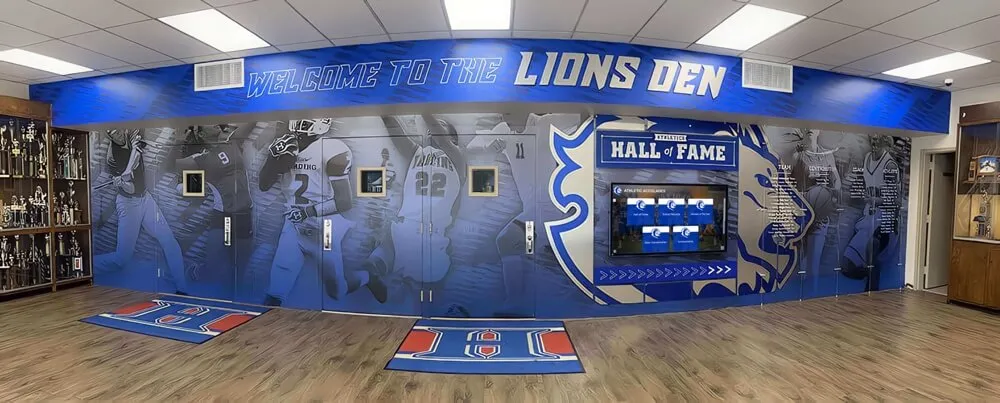
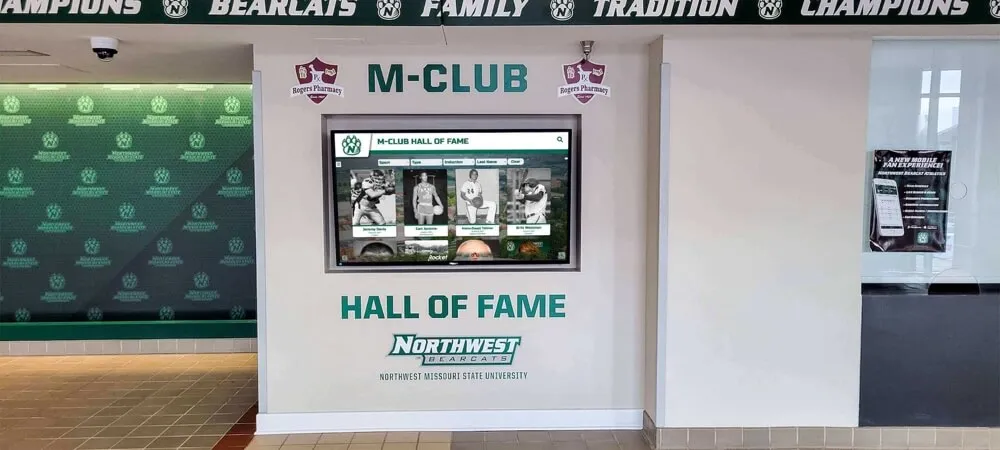
Comprehensive athletic halls of fame preserve program heritage while inspiring current athletes through visible examples of sustained excellence across generations
Digital Recognition Solutions for Team Athletics
Modern platforms address traditional recognition limitations:
Unlimited Recognition Capacity
Digital displays enable:
- Comprehensive team rosters showing all participants, not just stars
- Complete season documentation preserving memories beyond championship years
- Individual athlete profiles celebrating personal achievements and growth
- Historical archives maintaining decades of program history accessible year-round
- Regular content updates accommodating new achievements without physical space constraints
Traditional trophy cases force difficult choices about whose achievements merit limited display space. Digital solutions eliminate these constraints, enabling schools to recognize all participants appropriately.
Rich Multimedia Storytelling
Technology-enhanced recognition includes:
- Game highlight videos capturing memorable performances and moments
- Photo galleries documenting seasons, celebrations, and team experiences
- Statistical displays providing context for achievements and records
- Interactive timelines showing program evolution and sustained excellence
- Audio interviews with athletes, coaches, and alumni sharing experiences
These rich presentations create emotional engagement exceeding what static plaques achieve while preserving information becoming increasingly valuable as years pass and memories fade.
Extended Community Access
Digital platforms provide:
- 24/7 access from any location through web-based systems
- Mobile optimization enabling smartphone and tablet viewing
- Social media sharing allowing athletes to celebrate achievements widely
- Integration with school websites and communication platforms
- Analytics revealing which content generates most interest and engagement
This extended access connects geographically dispersed communities while enabling family members unable to attend competitions to participate in recognition virtually.
Solutions like Rocket Alumni Solutions specialize in athletic recognition, providing schools with comprehensive platforms combining interactive touchscreen displays for physical locations with web accessibility extending recognition beyond facility walls. These systems enable administrators to manage recognition content efficiently through cloud-based platforms requiring minimal technical expertise while maintaining professional presentation quality that honors athletic achievements appropriately.
Learn about implementing digital athletic recognition systems that showcase team sports excellence comprehensively.
Maximizing Team Sports Benefits: Best Practices for Programs
Athletic directors and coaches can intentionally structure programs amplifying positive outcomes:
Emphasizing Character Development Alongside Competition
Effective programs:
- Establish clear behavioral expectations and hold athletes accountable consistently
- Select team captains based on character and leadership, not just athletic ability
- Create mentorship structures connecting older and younger athletes
- Address conflicts and behavioral issues as teaching opportunities
- Model sportsmanship and ethical conduct in coaching decisions and behavior
- Recognize character qualities publicly through awards and verbal acknowledgment
- Discuss life lessons explicitly rather than assuming athletes make connections independently
Intentional character emphasis ensures athletics develop whole persons rather than merely skilled competitors.
Creating Inclusive Environments Maximizing Participation
Broad participation increases community-wide benefits:
- Offering no-cut policies or multiple team levels accommodating varying ability
- Establishing JV programs providing competitive opportunities beyond varsity
- Creating practice player positions allowing participation without game competition
- Developing student manager programs for non-competing participants
- Maintaining reasonable practice time commitments enabling multi-sport participation
- Providing financial assistance ensuring economic barriers don’t prevent involvement
- Adapting programs for students with disabilities enabling inclusive participation
When more students participate, more families engage, and community-wide social capital increases—amplifying benefits beyond elite athlete development.
Balancing Competition With Development
Programs maximizing benefits:
- Ensure all roster members receive meaningful participation opportunities
- Emphasize skill development and team chemistry alongside winning
- Create pathways for late-developing athletes who mature slower physically
- Value practice effort and attitude as highly as game performance
- Celebrate improvement and personal bests alongside team victories
- Maintain perspective that youth athletics serves developmental purposes
- Support multi-sport participation over sport-specific specialization
This balanced approach creates sustainable programs where benefits extend to all participants rather than narrow focus on elite performers sacrificing broader developmental missions.
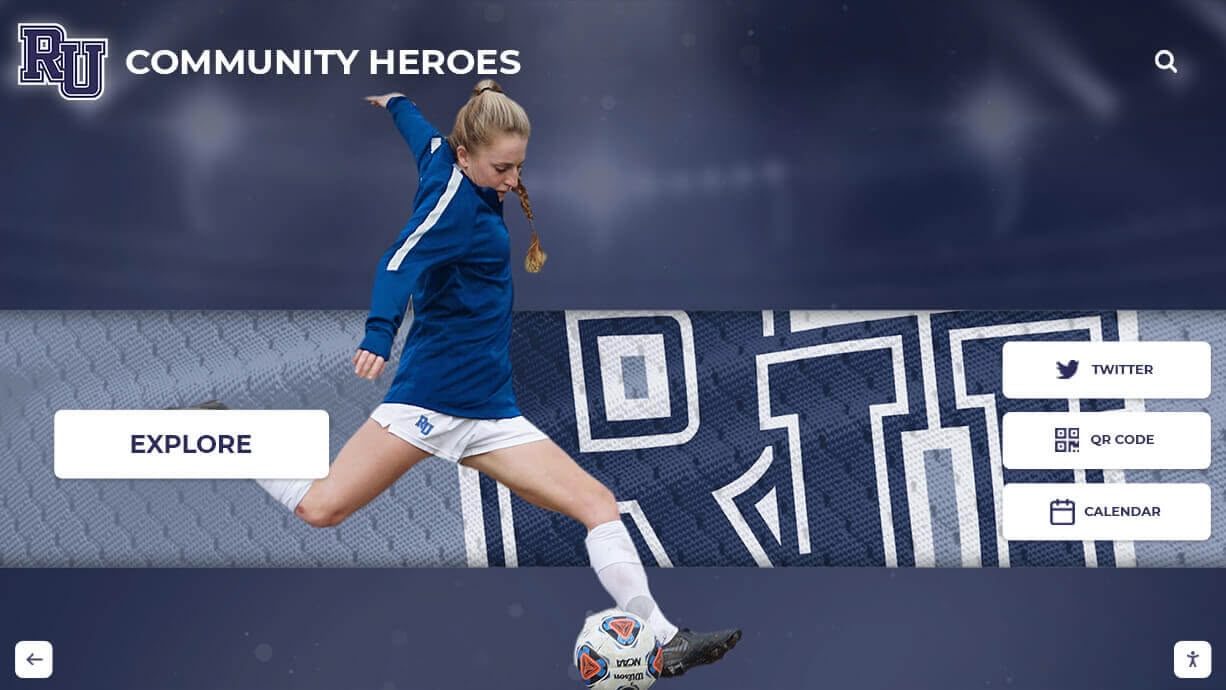
Diverse athletic recognition celebrating athletes across genders and sports ensures all programs receive appropriate visibility and community support
Addressing Challenges and Potential Negative Outcomes
While team sports offer tremendous benefits, programs must address potential challenges intentionally:
Injury Risks and Safety Concerns
Responsible programs prioritize:
- Proper coaching certification and training in safety protocols
- Age-appropriate skill progression and contact limitations
- Adequate equipment maintenance and protective gear requirements
- Concussion protocols and return-to-play medical clearance
- Emergency action plans and first aid readiness
- Conditioning programs emphasizing injury prevention
- Athlete education about injury reporting and recovery importance
Safety-conscious cultures protect young athletes while teaching responsible risk assessment and body awareness.
Time Demands and Overspecialization
Programs should:
- Limit practice and competition hours to developmentally appropriate levels
- Encourage multi-sport participation rather than year-round single-sport focus
- Respect academic priorities and support reasonable academic accommodations
- Discourage excessive out-of-season training that increases injury risk
- Maintain healthy perspective about college athletic opportunities
- Support athletes’ decisions to reduce participation if overwhelmed
- Communicate regularly with families about time commitment expectations
Balanced approaches prevent burnout, overuse injuries, and excessive pressure that undermine developmental benefits athletics should provide.
Equity and Access Issues
Administrators should address:
- Financial barriers through equipment loans, fee waivers, and fundraising support
- Transportation challenges preventing participation for some families
- Facility access disparities between men’s and women’s sports
- Coaching quality differences across programs
- Recognition equity ensuring all sports receive appropriate celebration
- Opportunity gaps for students with disabilities or non-traditional backgrounds
Equitable programs ensure benefits extend across demographic groups rather than reinforcing existing advantages for privileged populations.
Explore approaches to athletic program equity that maximize community-wide benefits while addressing access barriers.
The Long-Term Impact: Team Sports Benefits Across Lifetimes
Athletic participation’s effects extend decades beyond final competitions:
Career Success and Professional Development
Former athletes demonstrate:
- Higher employment rates and faster career progression
- Greater likelihood of reaching leadership positions
- Higher average earnings compared to non-participants
- Stronger professional networks and relationship-building skills
- Better stress management and performance under pressure
- Greater resilience during career challenges and setbacks
Employers frequently seek former athletes specifically, recognizing that athletic experience develops skills directly transferable to workplace success.
Civic Engagement and Community Leadership
Athletic participation predicts:
- Higher voting rates and political participation
- Greater likelihood of community volunteer work
- Leadership roles in civic organizations and nonprofits
- Coaching and youth mentorship supporting next generations
- School board and community organization service
- Charitable giving and philanthropic engagement
These civic contributions create positive community cycles as former athletes give back, strengthening communities that supported their development.
Family and Social Relationships
Former athletes report:
- Stronger social networks and friendship maintenance
- Greater likelihood of involving children in athletics
- More physically active family lifestyles
- Better stress management in family relationships
- Stronger conflict resolution and communication skills
- Greater family cohesion through shared activities
Athletic participation creates intergenerational patterns as former athletes transmit values, habits, and benefits to their own children—multiplying positive impacts across time.
Conclusion: Investing in Team Sports for Community Benefit
Team sports represent among the most powerful youth development tools available to schools and communities. The evidence demonstrates clearly that athletic participation develops character qualities including leadership, resilience, work ethic, and discipline while building social networks, strengthening institutional connections, improving physical health, enhancing academic performance, and supporting psychological well-being. These benefits extend across socioeconomic backgrounds and ability levels, creating value for elite performers and recreational participants alike.
Moreover, team sports strengthen communities beyond individual participant benefits—generating school spirit, creating gathering opportunities, building social capital, supporting local economies, and providing positive youth development infrastructure during critical after-school hours. When schools invest in comprehensive athletic programs that prioritize character development alongside competition, emphasize inclusion while celebrating excellence, and create recognition systems honoring diverse contributions, they amplify these benefits while creating lasting impacts extending decades beyond final games.
Ready to celebrate and amplify team sports benefits in your community? Modern recognition solutions provide platforms for showcasing athletic excellence while building program pride and community connection. Digital athletic displays combine unlimited recognition capacity with engaging multimedia storytelling, creating year-round visibility that traditional trophy cases cannot match.
Whether establishing new recognition systems or modernizing existing displays, effective programs showcase not only championship achievements but also the character development, leadership growth, and community contribution that represent team sports’ deepest benefits. By documenting and celebrating these comprehensive impacts, schools reinforce the values making athletics essential educational components while inspiring future generations toward excellence in competition, character, and citizenship.
Discover how Rocket Alumni Solutions can help your school create professional athletic recognition displays that honor team sports achievements while building lasting community pride and alumni engagement.
The most successful athletic programs recognize that scoreboard results represent only one measure of success. Character developed, relationships built, lessons learned, and community strengthened constitute equally important outcomes—benefits that recognition programs can celebrate and amplify intentionally. When schools approach team sports holistically, understanding and maximizing multifaceted benefits while addressing potential challenges responsibly, athletics fulfill their highest purpose: developing young people into capable, confident, connected citizens prepared for lifelong success while strengthening communities through shared purpose and collective pride.
Invest in team sports programs that develop whole persons. Celebrate achievements comprehensively through recognition systems honoring diverse contributions. Support all participants appropriately regardless of elite status. The returns—measured in character, community, and lifelong well-being—far exceed the investments required.